Free Alphabet Tracing Worksheets PDF
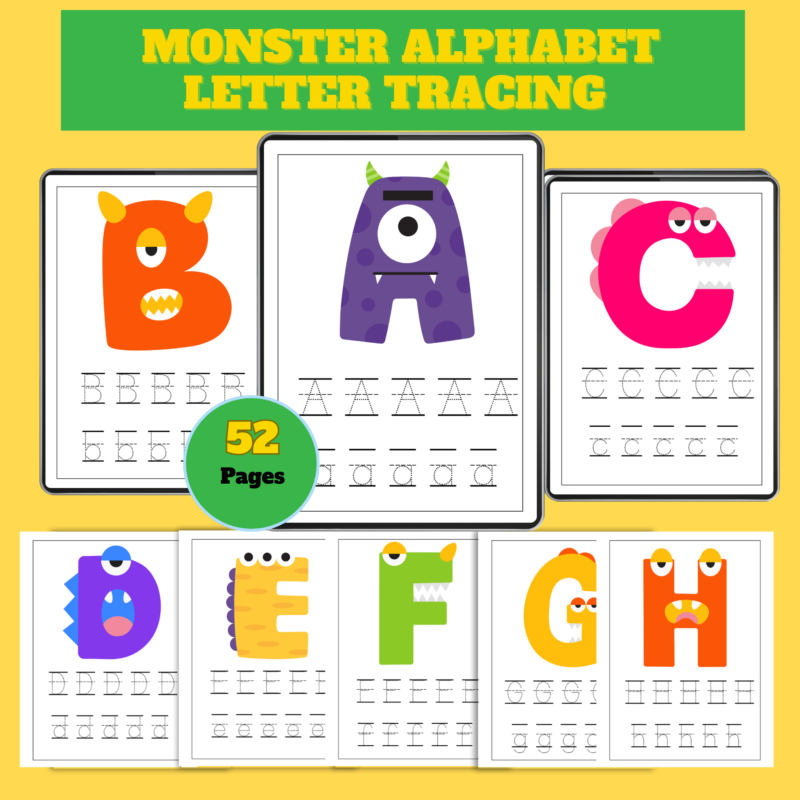
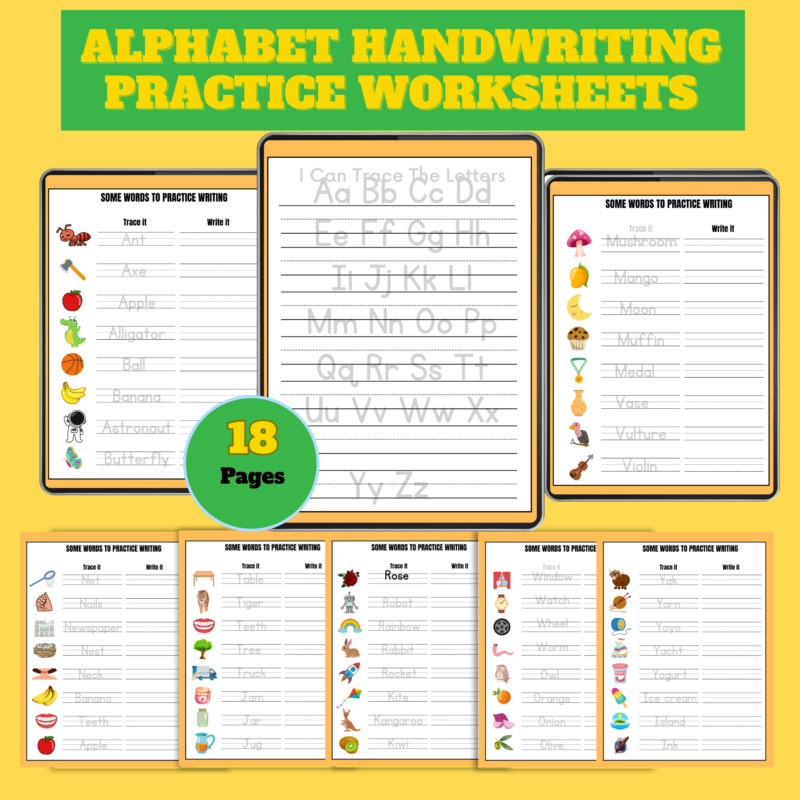
Help your child practice letter shapes with our free alphabet tracing worksheets PDF. Start with a printable sample, trace together, then choose a complete workbook when your learner is ready for more.
For preschool, kindergarten and early handwriting practice. Free samples and paid workbooks are clearly separated below.
Choose a free PDF sample ↓ · Compare complete workbooks ↓ · Try 5 playful practice ideas ↓
Download a Free Alphabet Tracing PDF Sample
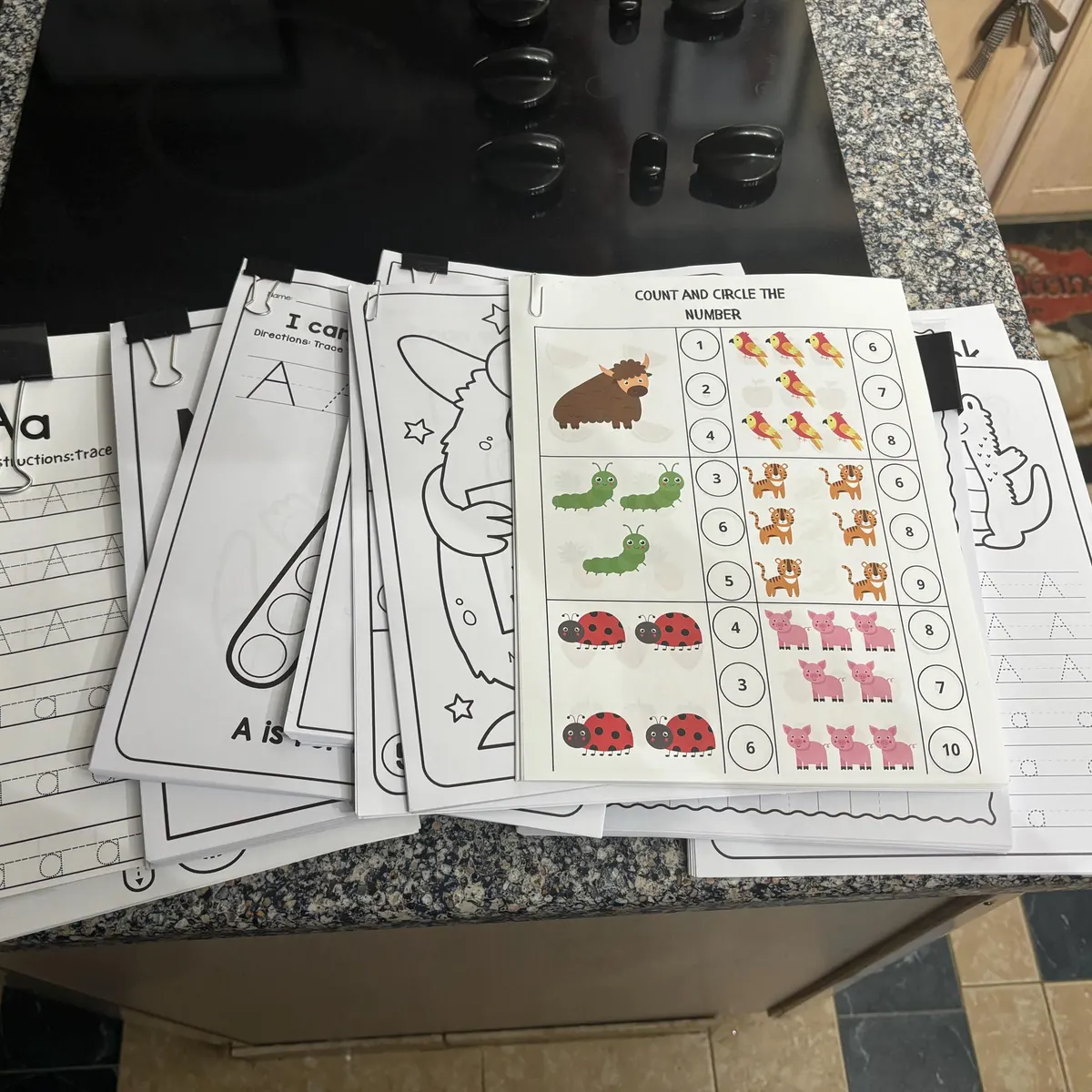
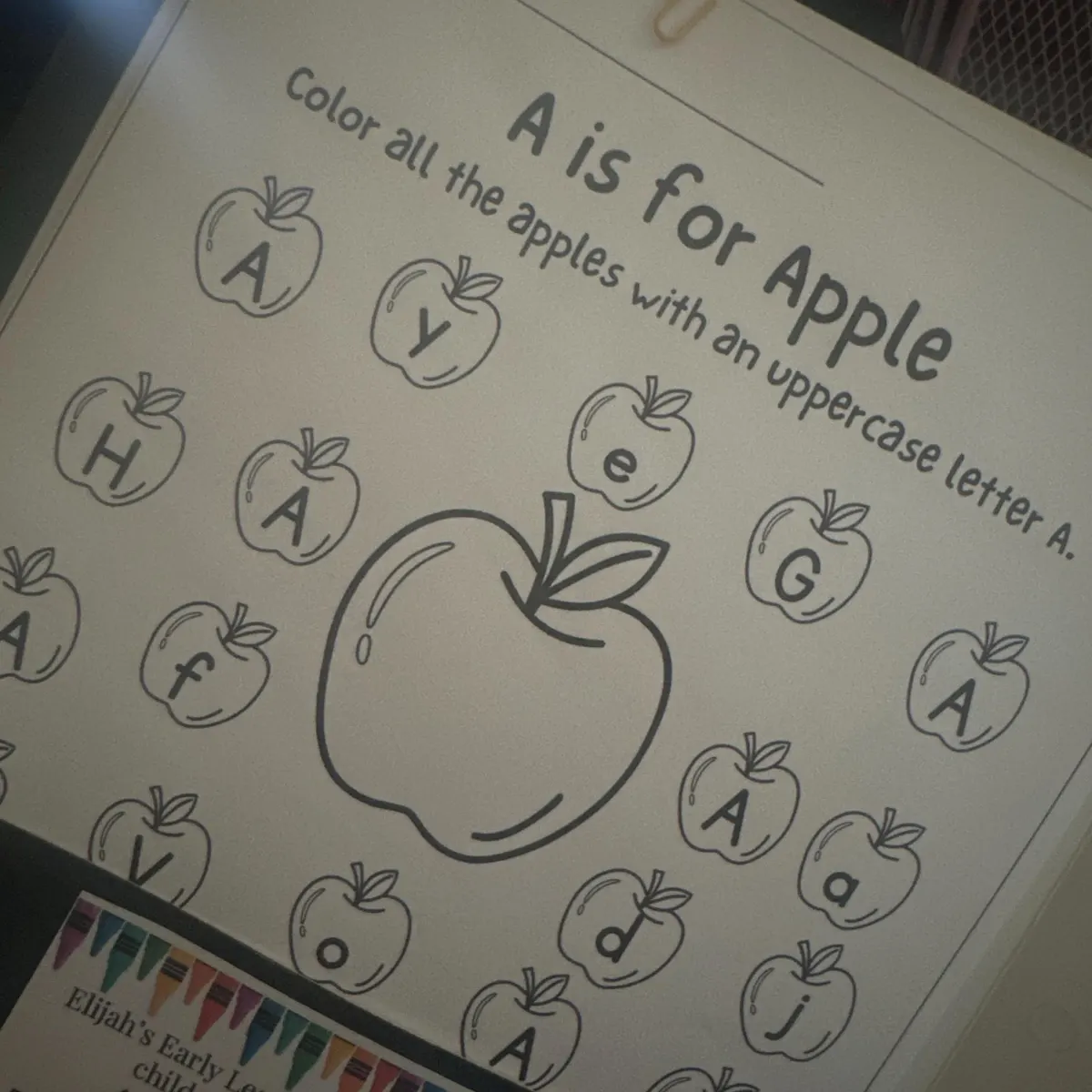
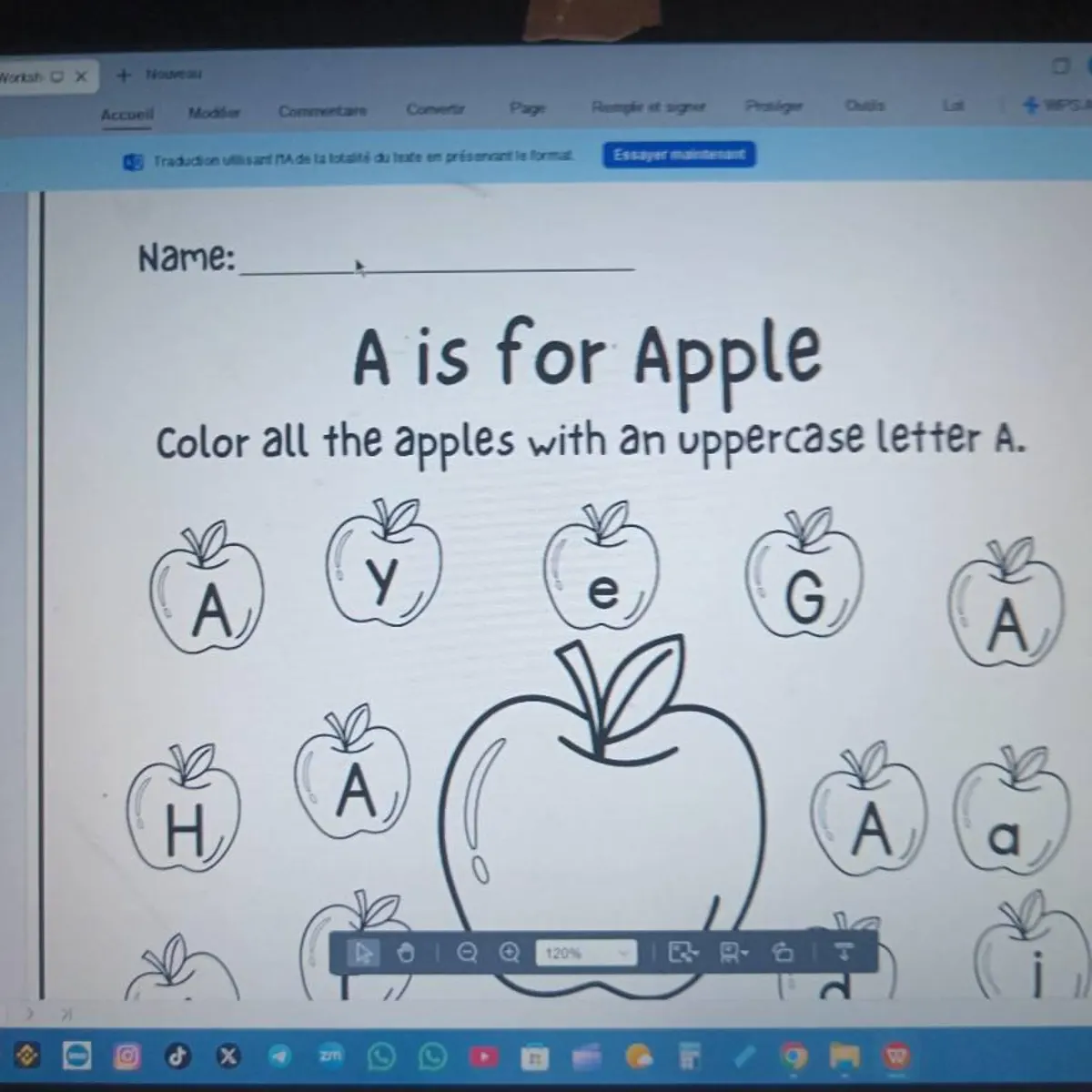
Try a free sample before choosing a full workbook. These PDF downloads let you see the activity style and try a short handwriting session. They are samples, not a complete free A–Z workbook.
No checkout is needed for these samples. Open the PDF to preview the included letters, then print only the pages you need.
What Children Can Practice with Letter Tracing
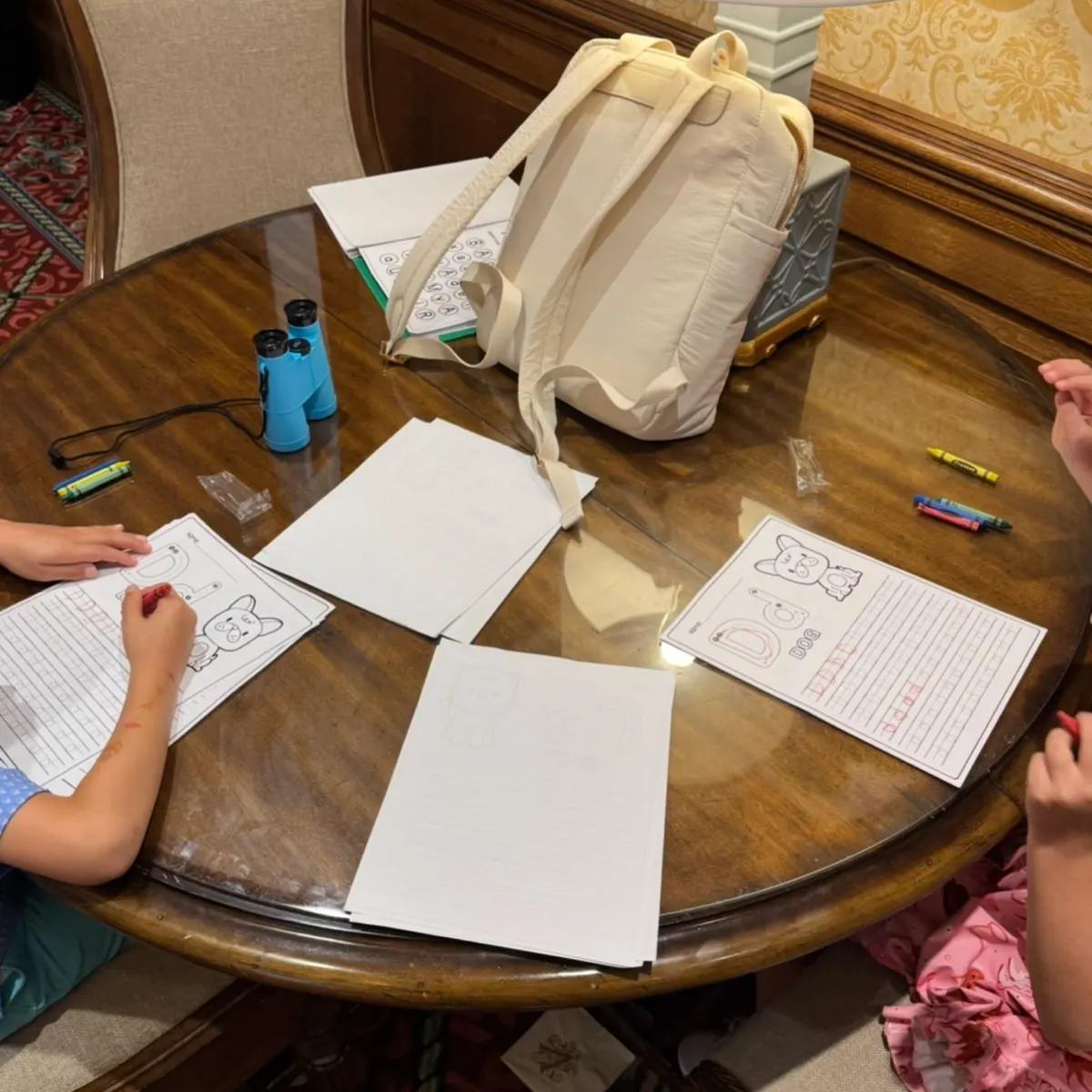
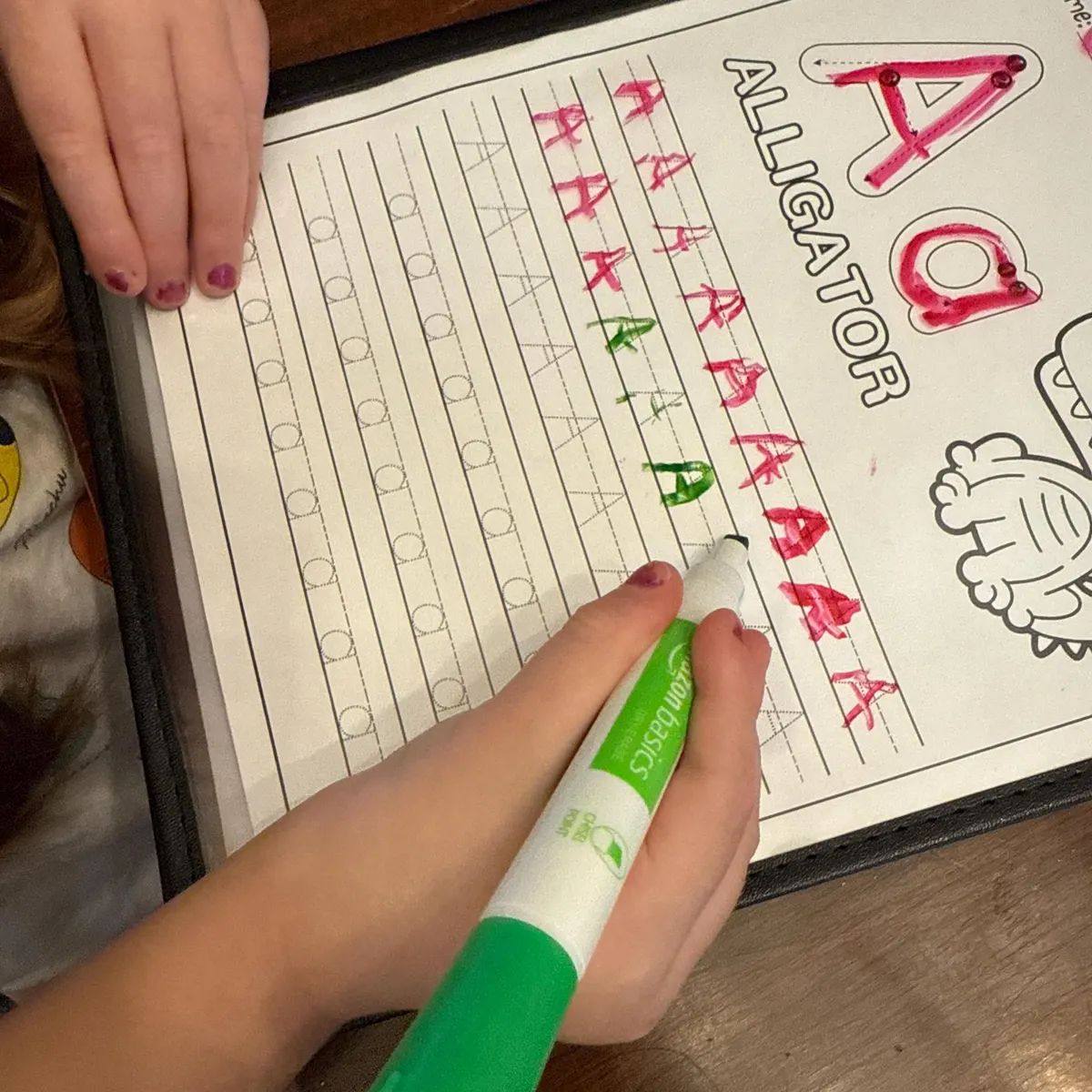
Tracing gives children a guided way to explore how letters are formed. A useful session combines looking, saying, tracing and trying a letter independently. A finished worksheet is less important than a comfortable, positive experience.
- Notice the shape: compare straight lines, curves and circles.
- Practice pencil control: trace slowly rather than racing to finish a page.
- Connect print and speech: name the letter and talk about a familiar word that begins with it.
If tracing is frustrating, start with finger tracing and large movements. You can also explore our pre-writing worksheets before returning to smaller letters.
Explore Paid Alphabet Tracing Workbooks
Which Alphabet Workbook Should You Choose?
The downloads above are free samples. The product cards show paid PDF workbooks. Check each product preview and description for the exact letters, activities and page count included.
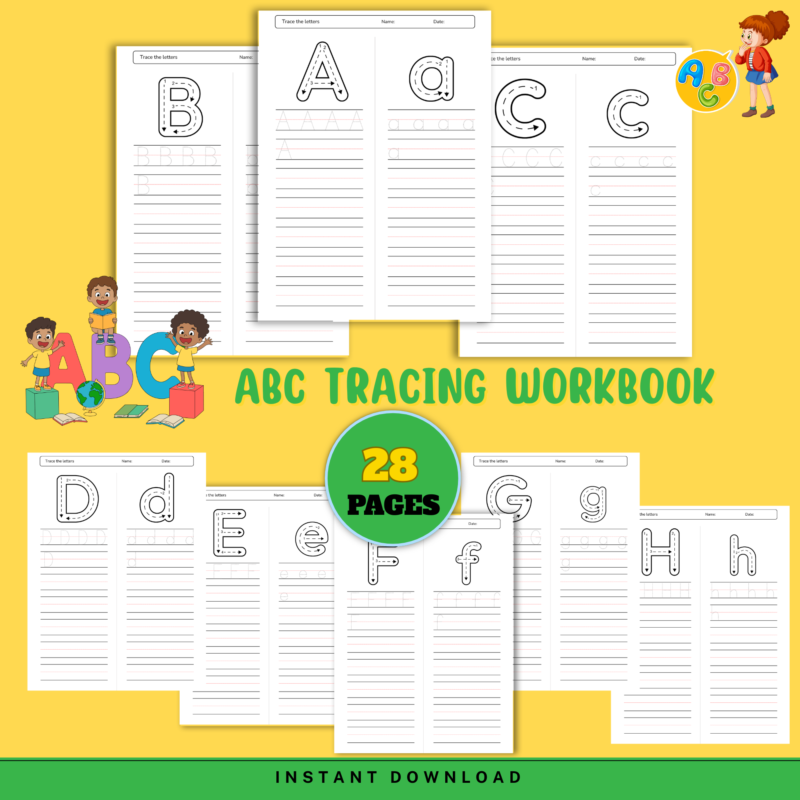
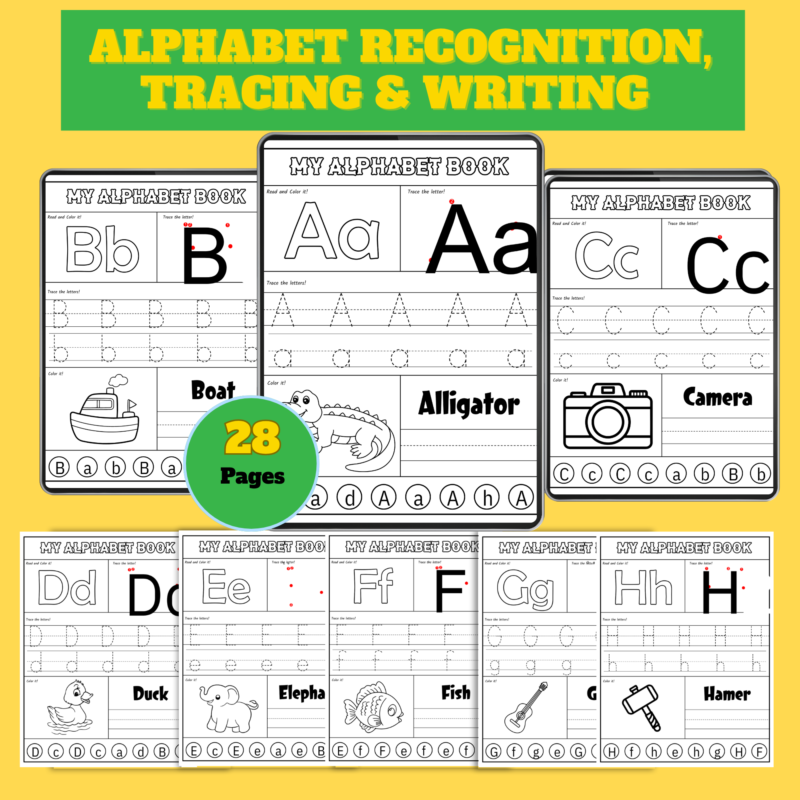
- Simple guided practice: the 28-page ABC Tracing Workbook is a starting point to compare.
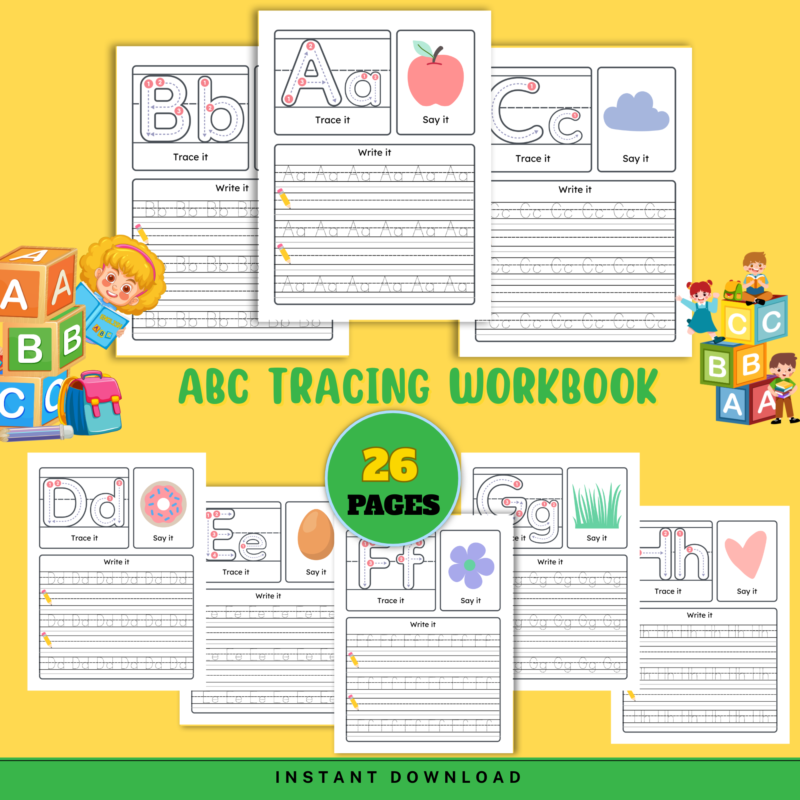
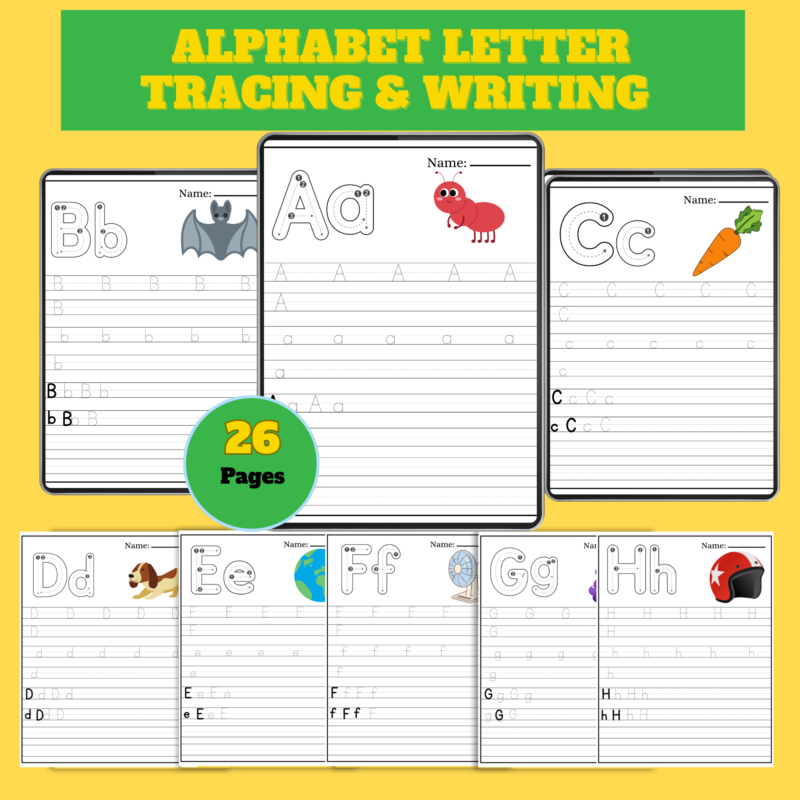
- Trace, say and write: explore the 26-page visual alphabet pack.
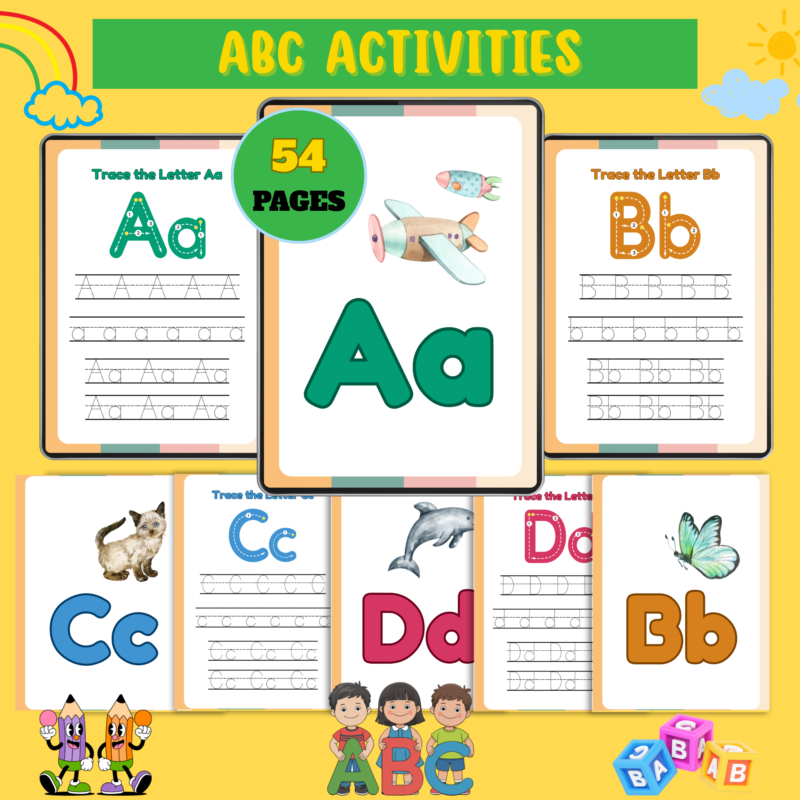
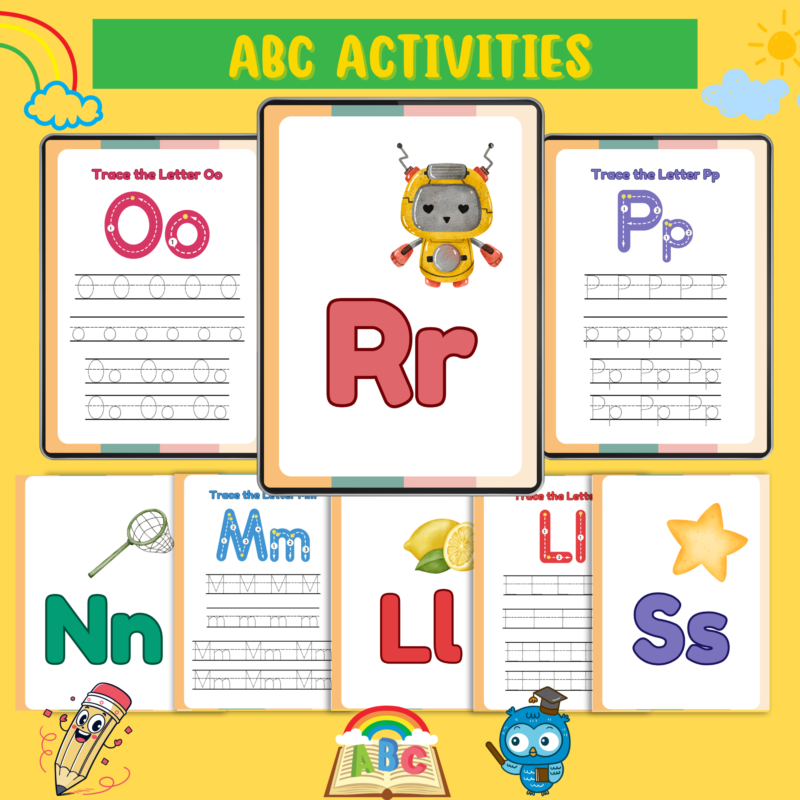
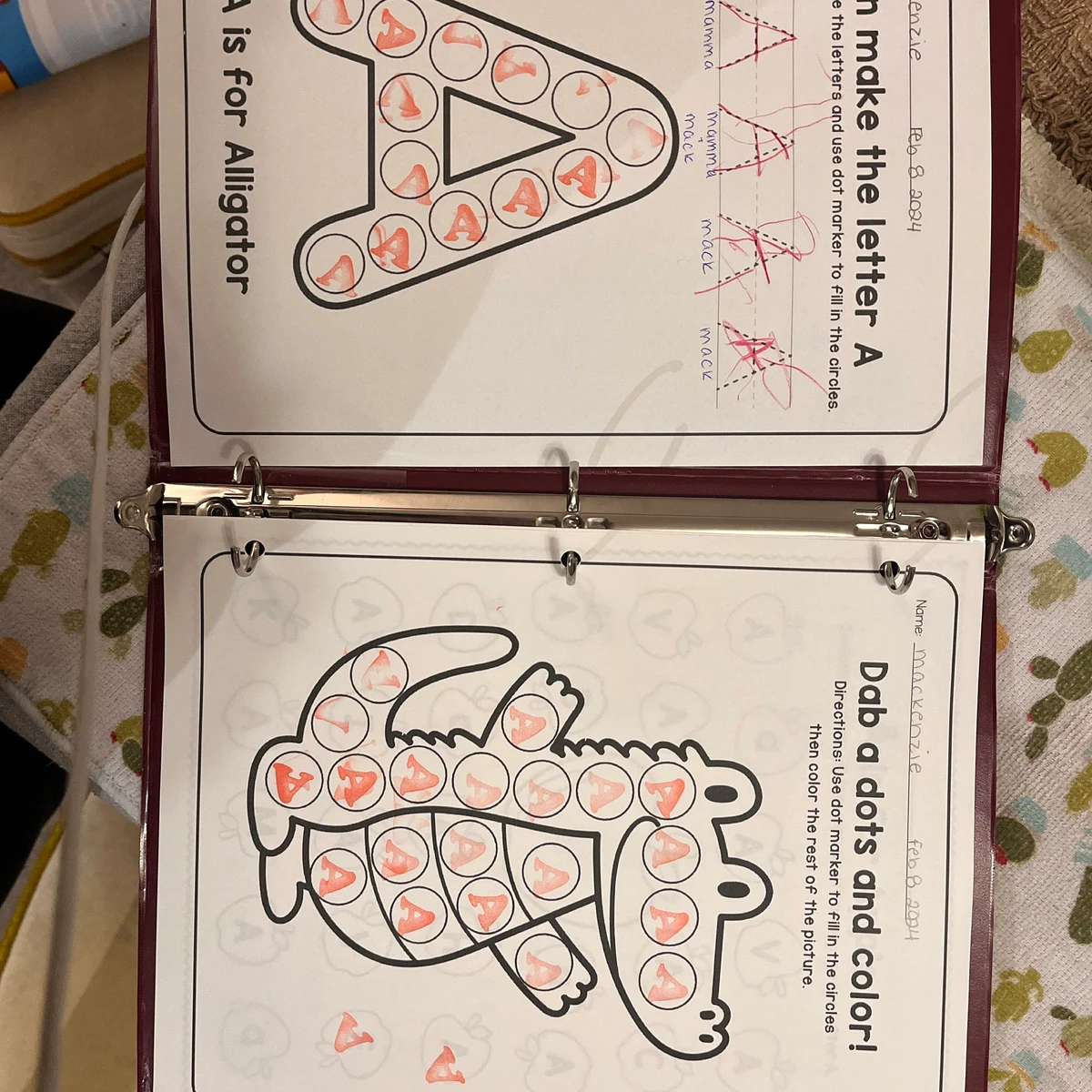
- More activity variety: see the 54-page ABC Activities Workbook.
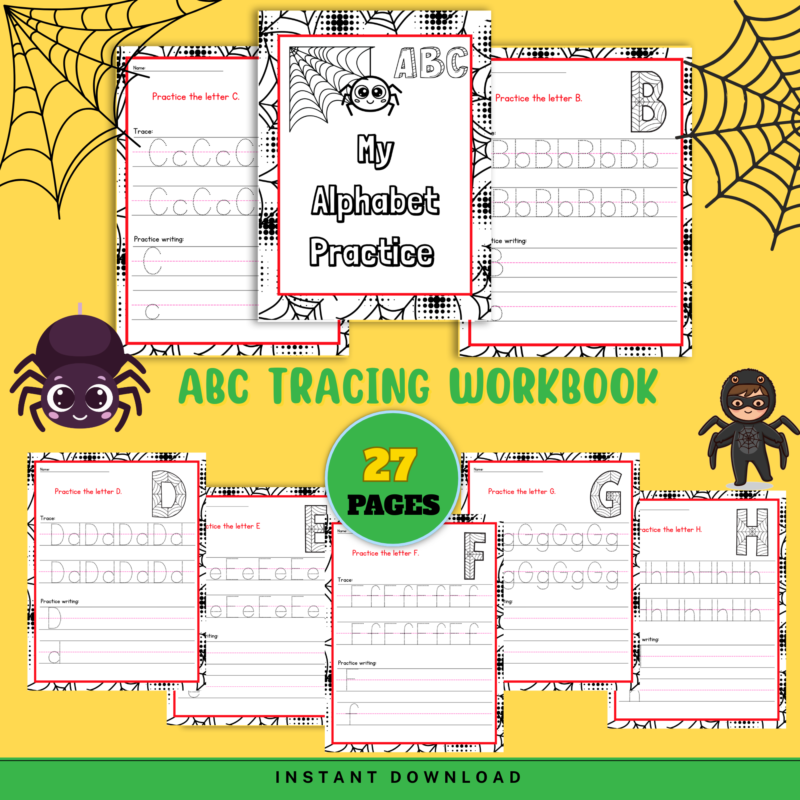
- A themed option: preview the 27-page Spider Theme Workbook.
Choose the layout your child finds easiest to follow. More pages are useful only when the activities suit the learner. Paid PDFs are available after payment, with a download link sent by email. These are digital files; no physical workbook is shipped.
Choose a Starting Point for Your Learner
Choose by readiness rather than age alone. Preschoolers may need large shapes and plenty of support; kindergarten learners may be ready to trace a model and then write beside it.
For a child just starting
Begin with one familiar letter, such as the first letter of their name. Model the movement, trace with a finger, then try a few pencil strokes. Stop before the task becomes tiring.
For a learner ready for more
Ask them to name the letter, trace it, cover the example and try again. Compare capital and lowercase forms using our uppercase and lowercase letter tracing resources.
Parents can use a short session at home; teachers can choose one page for a small-group activity or handwriting station. Follow the usage terms supplied with each download.
5 Playful Ways to Use Your Tracing Worksheets
Use one printed sample in several ways. These activities need only the worksheet, a pencil and a little conversation.
- Finger-trace first. Show where to begin and follow the letter together before using a pencil.
- Rainbow trace. Trace the same letter with two or three colors, keeping each attempt slow and controlled.
- Find the letter. Choose a letter from the sample and hunt for it on a book cover or cereal box.
- Trace, cover, try. Trace once, cover the model and write the letter on spare paper. Uncover it and compare.
- Make a letter pair. Write a capital letter and find or write its lowercase partner. Say what looks the same and what changes.
Start with a few minutes and adjust to your child’s attention and comfort. Praise an effort such as starting in the right place, rather than asking for a perfect page.
Printing tips
Download the PDF first, open it in a PDF reader and check the print preview. Select the paper size loaded in your printer. If an edge is cut off, use “Fit to printable area.” Print one test page before printing more.
More Paid Handwriting and Letter Practice Packs
What to Try After Alphabet Tracing
Choose a free sample above for a short practice session, or compare the paid workbooks for a more structured set of activities. Start with a format your child enjoys and build from there.
- Explore more letter tracing worksheets →
- Practice uppercase and lowercase letters →
- Add beginning-sound activities →
- Browse preschool and kindergarten resources →
Alphabet Tracing: Frequently Asked Questions
Are these alphabet tracing worksheets free?
The two PDF samples linked on this page are free to open and download without checkout. The complete workbooks shown in the product cards are paid products.
Does the free sample include the whole alphabet?
The free downloads are samples, not a complete A–Z workbook. Open each PDF to check the included letters. For full alphabet practice, check the preview and description of your chosen paid pack.
Should we start with uppercase or lowercase letters?
Start with a familiar letter and a clear model. Introduce its partner when your learner is ready. Capital and lowercase forms may look quite different, so practice recognizing them as well as tracing.
How long should a tracing session last?
Begin with a few minutes and a small amount of practice. Take a break if your child becomes tired or frustrated. Finger tracing, letter hunts and drawing can keep the session varied.
What if the PDF is cut off when printing?
Open the downloaded file in a PDF reader, check the paper size and use “Fit to printable area” if needed. Print a test page first.
How do I receive a paid workbook?
These are digital PDF products. Download access is available after payment, and a download link is sent to your email. No physical product is shipped.