Tracing Letters
Preschool Tracing Letters Worksheets
Preschool tracing letters worksheets help young children practice alphabet writing through fun and guided handwriting activities. These printable tracing worksheets improve letter recognition, pencil control, fine motor skills, and early handwriting confidence.
What is Tracing Letters Worksheets?
Tracing letters worksheets are printable educational worksheets designed to help children learn how to write alphabet letters correctly through guided tracing activities. These worksheets usually include uppercase and lowercase alphabet tracing lines, dotted handwriting guides, repetition exercises, and beginner-friendly writing practice that support early childhood learning.
Printable tracing letters worksheets help preschool and kindergarten children improve handwriting skills, alphabet recognition, pencil grip, hand-eye coordination, and fine motor development. By repeatedly tracing letters, children build writing confidence and learn proper letter formation naturally.
Fun & Educational Tracing Letters Worksheets for Preschool and Kindergarten
Learning how to write alphabet letters is one of the first and most important steps in a child’s early education journey. Tracing letters activities help preschool and kindergarten children understand letter shapes, improve handwriting, and build confidence through guided learning. Printable tracing worksheets make alphabet learning simple, interactive, and enjoyable by allowing children to practice letter formation step by step in a structured way.
Children often learn best through repetition and visual guidance, which is why tracing letters worksheets are widely used by parents, teachers, and homeschool educators. These printable handwriting activities introduce uppercase and lowercase letters through easy-to-follow dotted lines that encourage children to trace carefully and understand the correct movement needed for writing.
Our printable tracing letters worksheets are specially designed for young learners who are beginning to explore the alphabet. Whether a child is learning to recognize letters for the first time or practicing handwriting for extra support, tracing activities provide a strong educational foundation that supports literacy development and writing improvement.
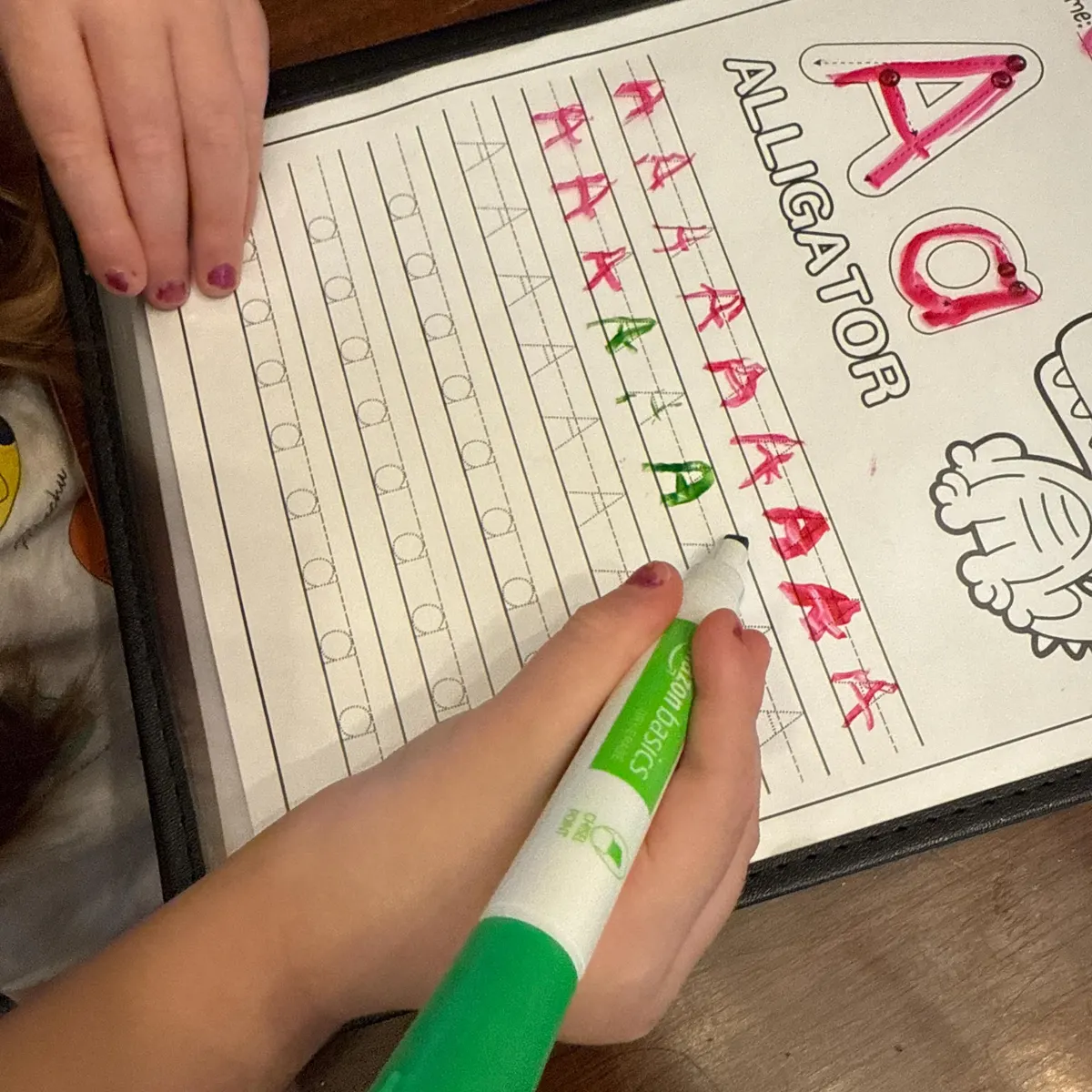
One of the biggest benefits of tracing letters practice is handwriting improvement. Many preschool children struggle with pencil control and letter formation during the early learning stage. Tracing worksheets help children understand how each letter should look while strengthening their ability to write clearly and consistently. Repeated tracing exercises gradually improve pencil grip, writing rhythm, spacing, and letter accuracy.
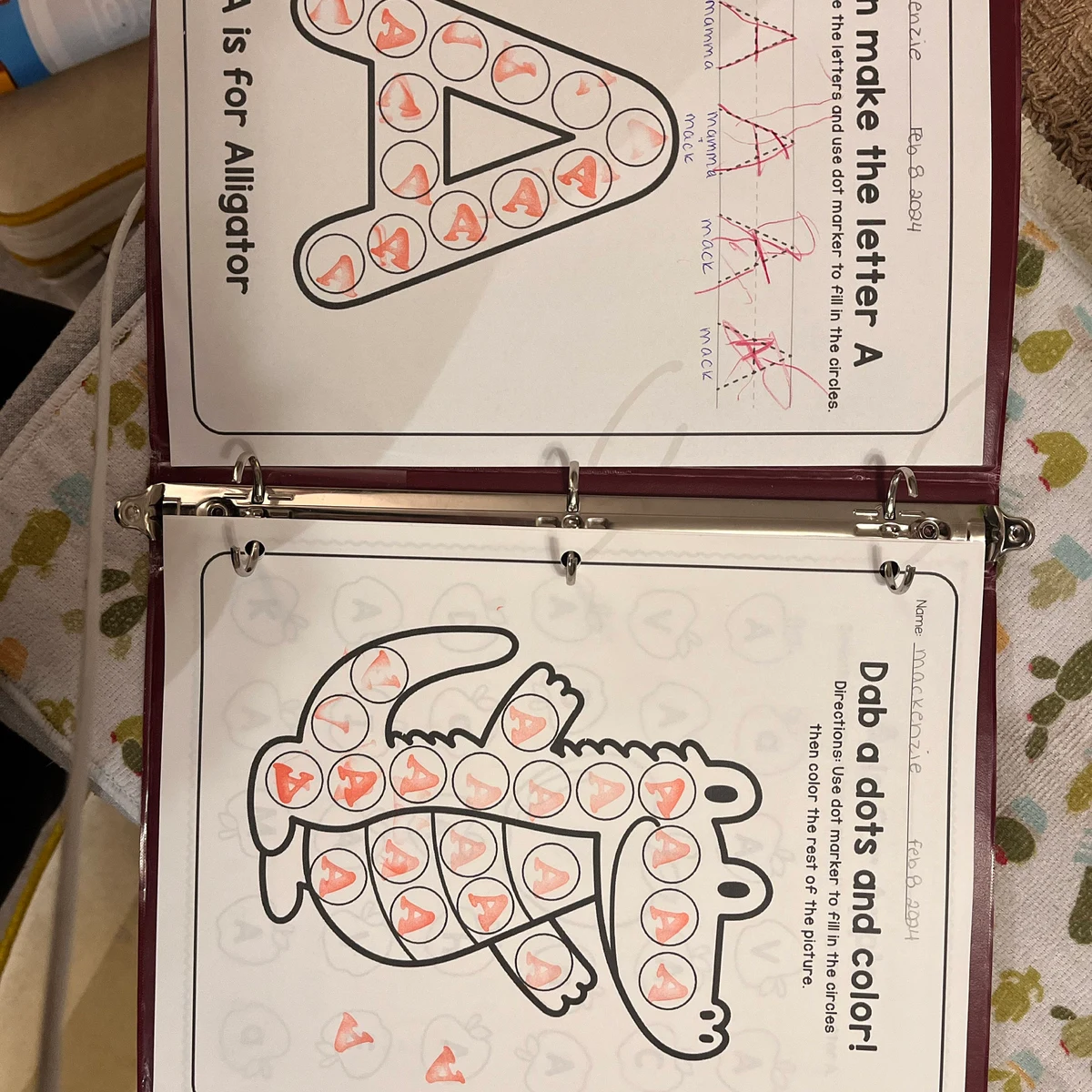
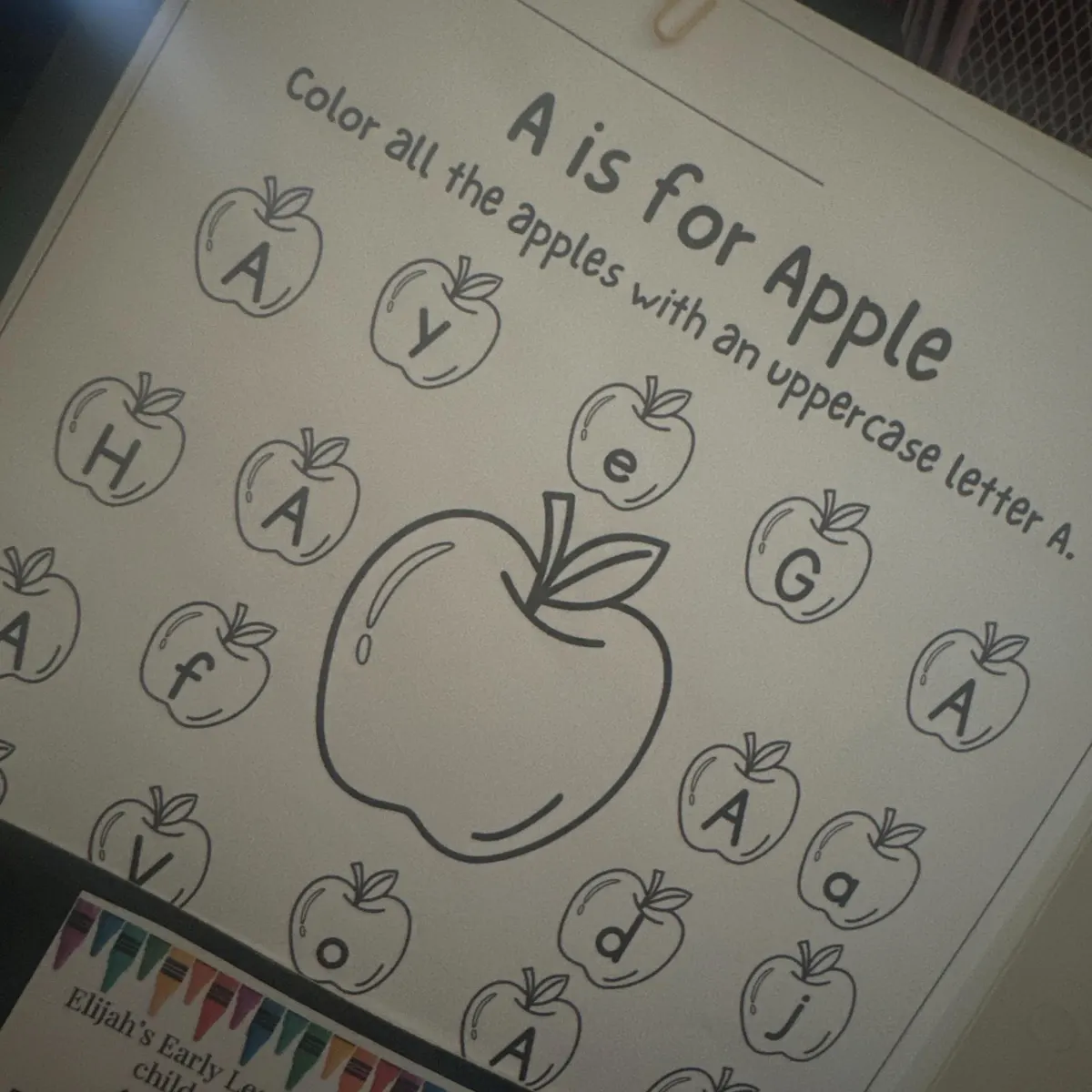
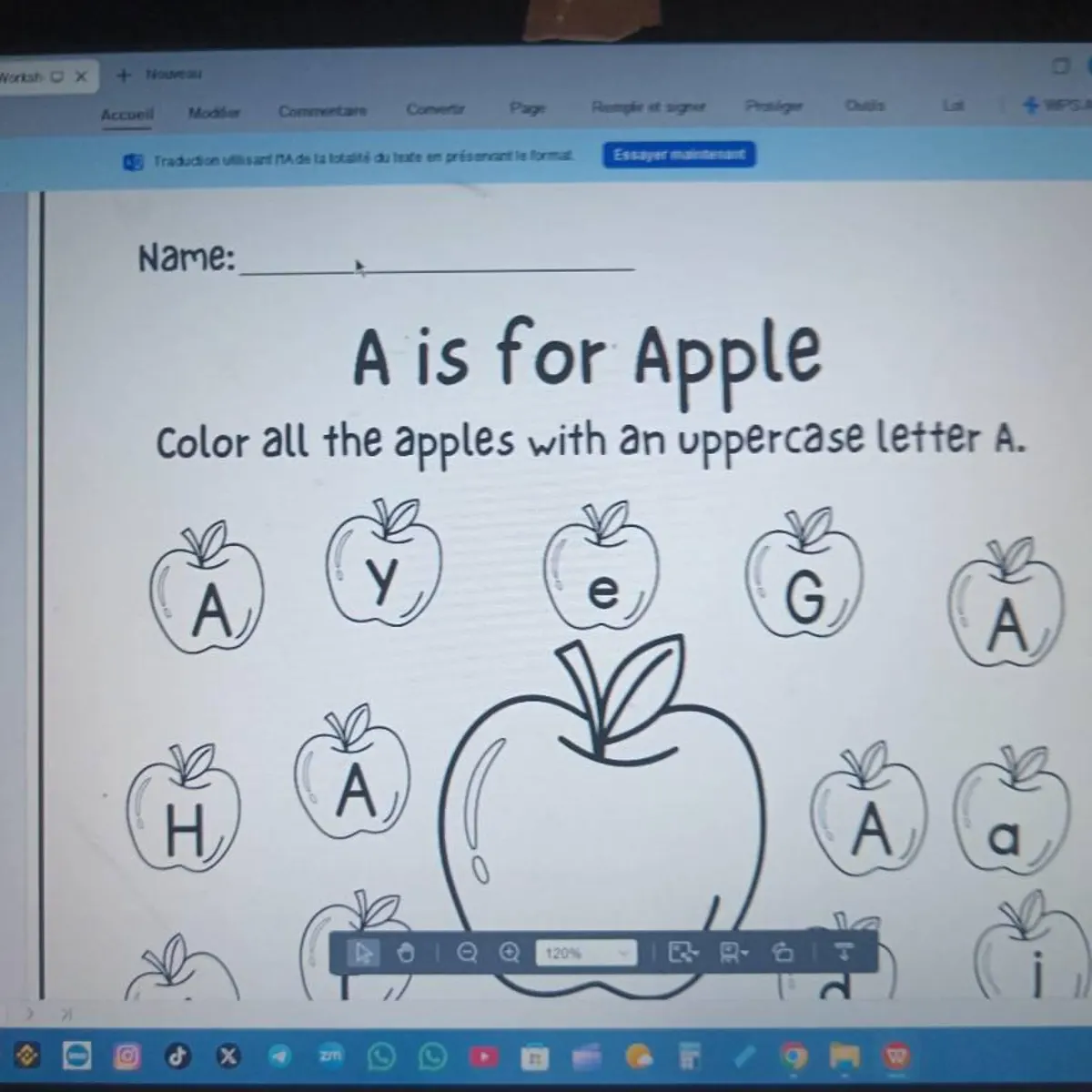
Tracing letters worksheets also help children recognize alphabet letters more quickly. Repeating uppercase and lowercase letters multiple times helps children memorize shapes and connect letters with sounds naturally. For example, children may learn that A is for Apple, B is for Ball, or C is for Cat while practicing handwriting activities. These visual learning techniques help children improve alphabet recognition while making educational activities more engaging.
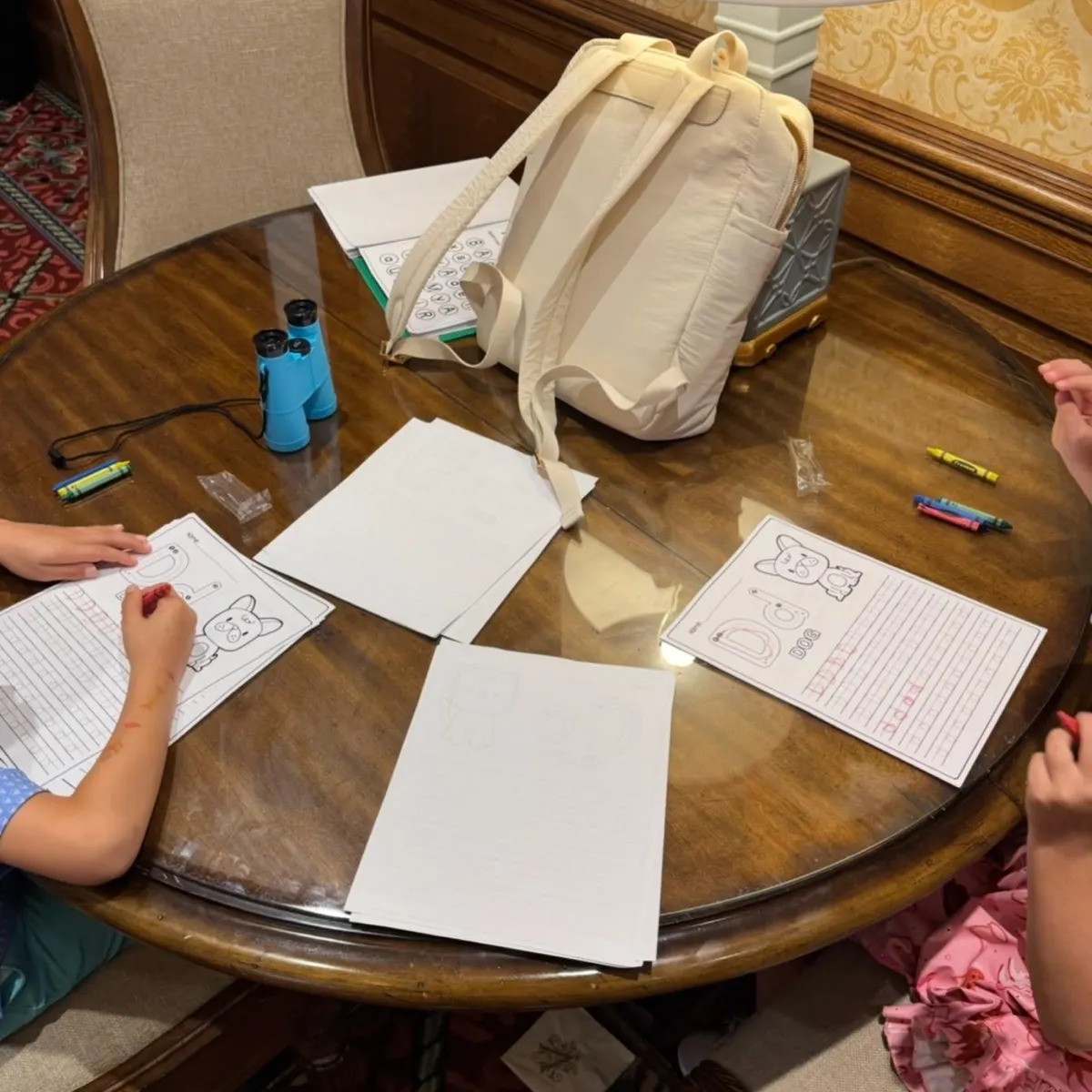
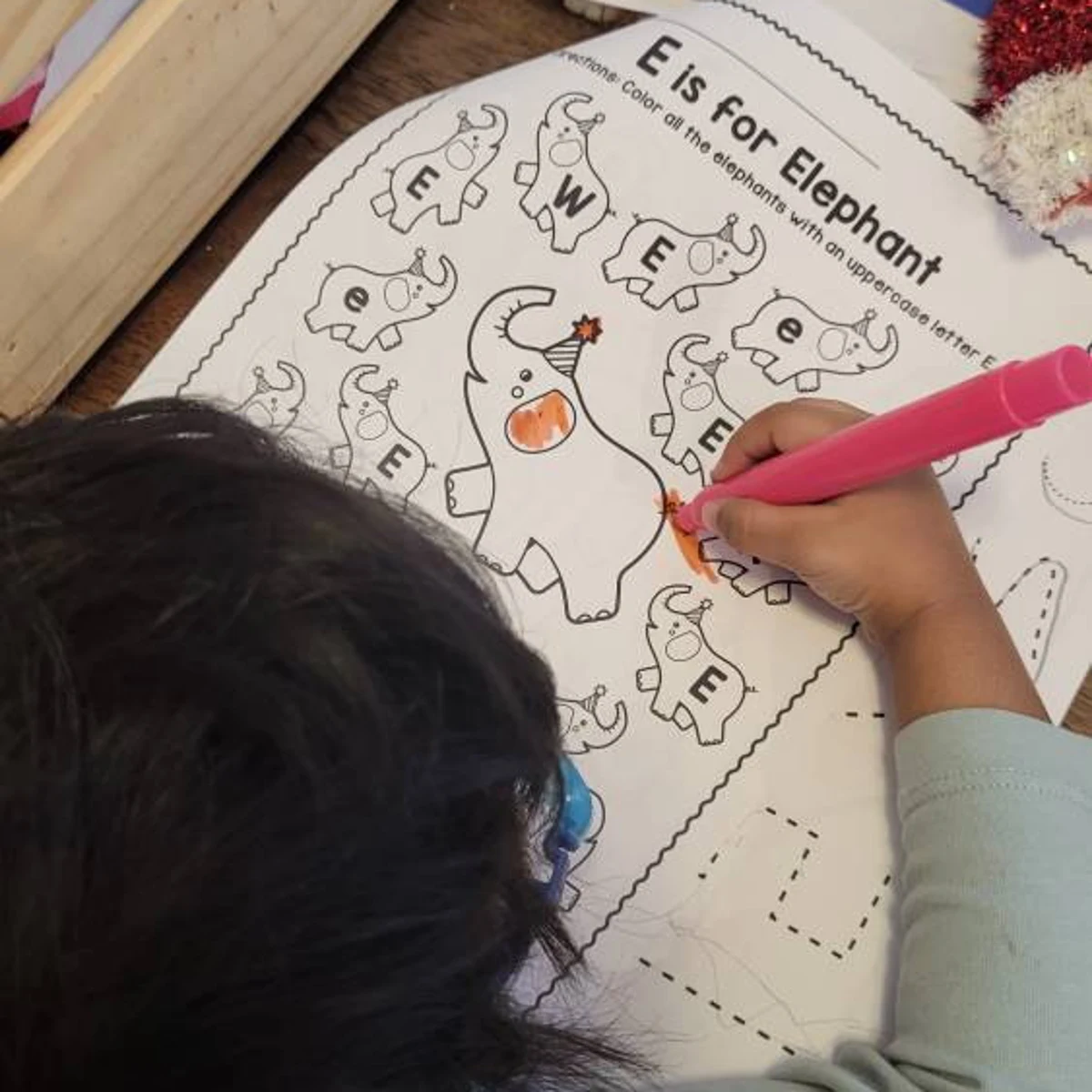
Another major advantage of printable tracing worksheets is the development of fine motor skills. Tracing activities require children to carefully follow dotted lines using a pencil, crayon, or marker. This strengthens hand muscles, finger coordination, and hand-eye control, which are essential skills for classroom writing, drawing, and everyday educational tasks.
Parents and teachers often use printable tracing letters worksheets as part of daily educational routines because the worksheets are easy to print and highly effective for early childhood learning. Children can practice tracing for just 10 to 15 minutes a day and still see strong improvements in handwriting and writing confidence over time.
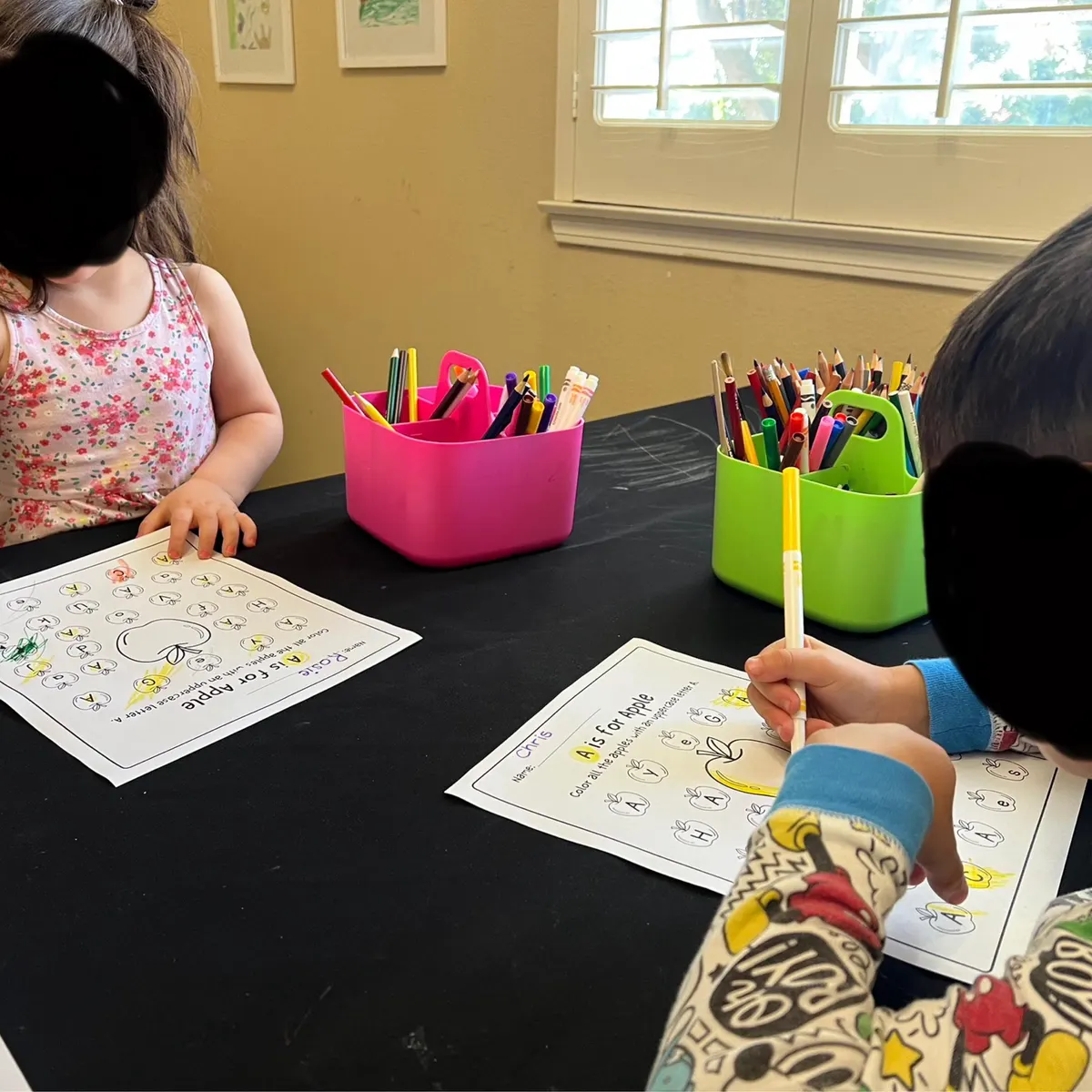
Printable tracing worksheets are also flexible enough to be used in different learning environments. Whether at home, in classrooms, daycare programs, or homeschool settings, tracing letters activities help children build strong educational habits through structured handwriting practice.
For preschool and kindergarten learners, consistency matters more than speed. Children should be encouraged to trace slowly and carefully rather than rushing through handwriting practice. Short learning sessions often help children stay focused while improving concentration and educational confidence naturally.
Many tracing letters worksheets include both uppercase and lowercase alphabet practice because understanding both forms of letters is essential for reading and writing development. Children learn how letters look, how they are formed, and how they are used in everyday language through repeated educational exposure.
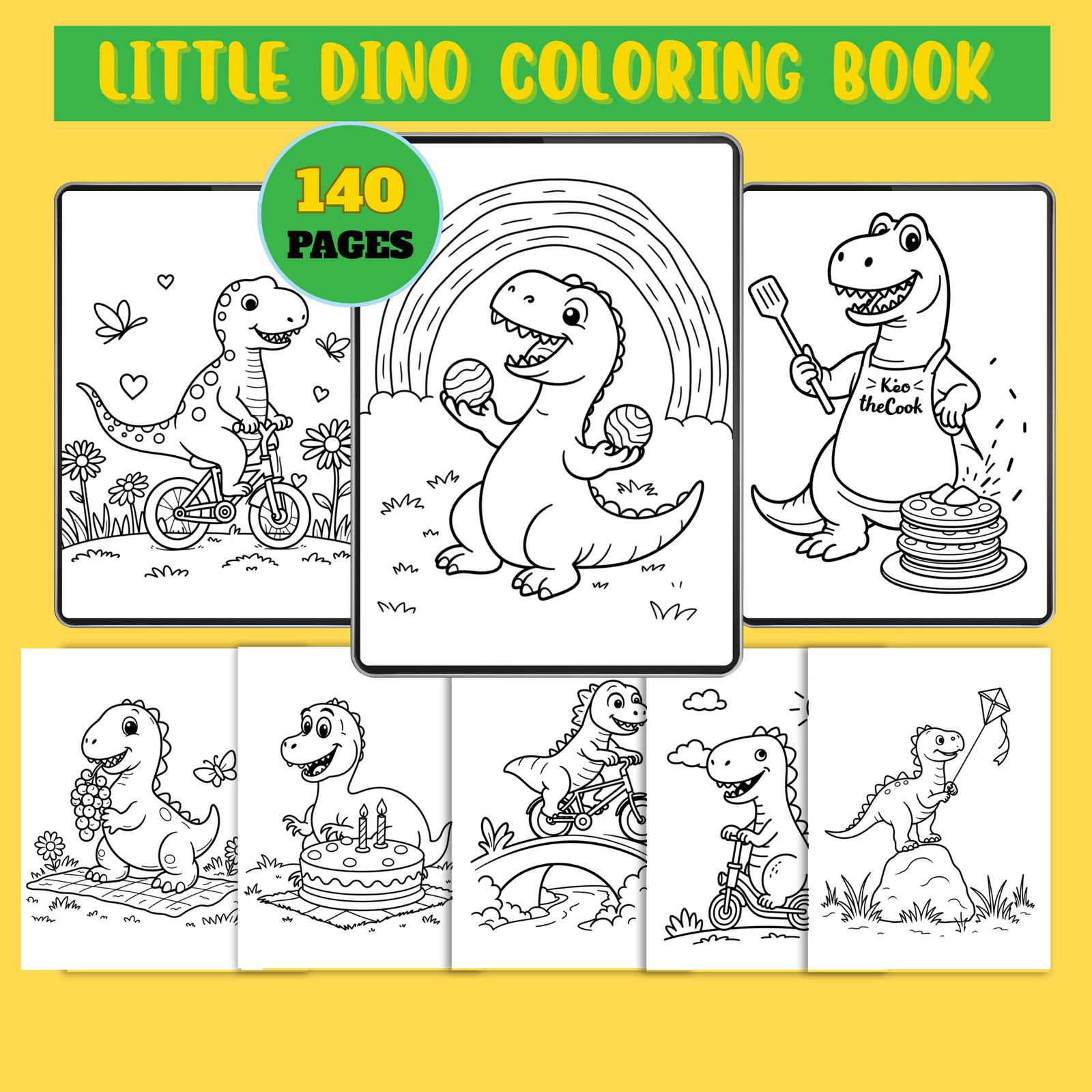
In addition to handwriting practice, printable tracing worksheets often include fun educational activities that make learning more exciting for children. Coloring elements, matching exercises, phonics activities, and beginner word associations can turn handwriting practice into an enjoyable experience rather than a difficult task. These interactive learning methods help children stay motivated and interested while practicing important literacy skills.
Teachers often recommend combining tracing worksheets with additional educational activities such as alphabet songs, storytelling, phonics games, and flashcards. When children hear, see, and trace letters repeatedly, learning becomes easier and more memorable.
Another reason why tracing letters worksheets are so effective is because they help children gain confidence. Completing a worksheet gives young learners a sense of achievement and encourages them to continue learning independently. Positive reinforcement and regular practice often improve motivation and classroom readiness.
Printable tracing worksheets are especially helpful for beginners because they remove confusion and create a clear learning structure. Instead of guessing how to form letters, children simply follow the tracing guides and gradually develop muscle memory for writing naturally.
At FunCleverFox, we believe learning should be fun, interactive, and stress free. Our printable tracing letters worksheets are carefully designed for preschool and kindergarten learners to support handwriting development, alphabet recognition, and fine motor improvement while making educational practice enjoyable.
Whether your child is learning letters for the first time or needs extra handwriting support, printable tracing letters worksheets provide an easy and effective way to practice daily. Through repetition, guided tracing, and engaging educational activities, children can improve writing confidence while developing the skills they need for future educational success.
Start practicing tracing letters today and help children build stronger handwriting skills, improve alphabet recognition, and enjoy learning through fun printable educational activities.
Frequently Asked Questions About Tracing Letters
1. What are tracing letters worksheets?
Tracing letters worksheets are printable educational pages designed to help children practice writing alphabet letters using guided dotted lines and simple handwriting exercises. These worksheets introduce both uppercase and lowercase alphabet letters while helping preschool and kindergarten learners improve writing accuracy and pencil control. Regular tracing practice supports handwriting improvement, alphabet recognition, fine motor development, and early literacy learning in a fun and beginner-friendly way.
2. Why are tracing letters important for preschool children?
Tracing letters are important because they help preschool children understand letter formation and writing movement from an early age. Young learners improve handwriting skills while strengthening hand muscles, pencil grip, and hand-eye coordination. Tracing also helps children recognize alphabet letters faster through repetition and guided practice. These early learning activities build confidence and prepare children for future reading, writing, and classroom educational success.
3. At what age should kids start tracing letters?
Most children can begin tracing letters between the ages of 3 and 5, depending on readiness and motor skill development. Preschool and kindergarten learners benefit greatly from tracing activities because the worksheets provide structured handwriting guidance. Simple tracing exercises help children practice letter shapes, improve focus, and strengthen pencil control naturally. Short daily practice sessions help young learners gain writing confidence without feeling overwhelmed or pressured.
4. Do tracing letters worksheets improve handwriting?
Yes, tracing letters worksheets help children improve handwriting significantly through repetition and guided writing practice. By tracing dotted letters repeatedly, children learn proper letter formation, spacing, and writing direction more naturally. Regular practice improves pencil grip, writing coordination, and confidence in handwriting. Over time, children begin writing independently with greater control, better consistency, and stronger understanding of uppercase and lowercase alphabet letters.
5. Are tracing letters worksheets good for kindergarten students?
Yes, tracing letters worksheets are excellent for kindergarten students because they support handwriting development, alphabet recognition, and early literacy growth. Kindergarten learners often use printable tracing worksheets to practice uppercase and lowercase alphabet letters while improving writing accuracy. These worksheets provide beginner-friendly handwriting activities that help children strengthen fine motor skills, gain confidence, and develop essential educational habits needed for school readiness and learning success.
6. Can tracing letters help improve fine motor skills?
Tracing letters activities play a major role in improving fine motor skills for preschool and kindergarten learners. Following dotted handwriting lines strengthens finger muscles, improves pencil grip, and increases hand control naturally. These activities also improve hand-eye coordination and concentration while helping children develop better writing precision. Strong fine motor skills are important for handwriting, drawing, cutting, classroom tasks, and everyday educational development activities.
7. How often should children practice tracing letters?
Children should ideally practice tracing letters for about 10 to 15 minutes every day to see consistent handwriting improvement. Short and regular learning sessions are more effective than long periods of practice because young children stay focused better. Daily tracing activities help children strengthen muscle memory, recognize letters faster, improve writing coordination, and build educational confidence while making alphabet learning feel fun and engaging.
8. What is included in tracing letters worksheets PDF?
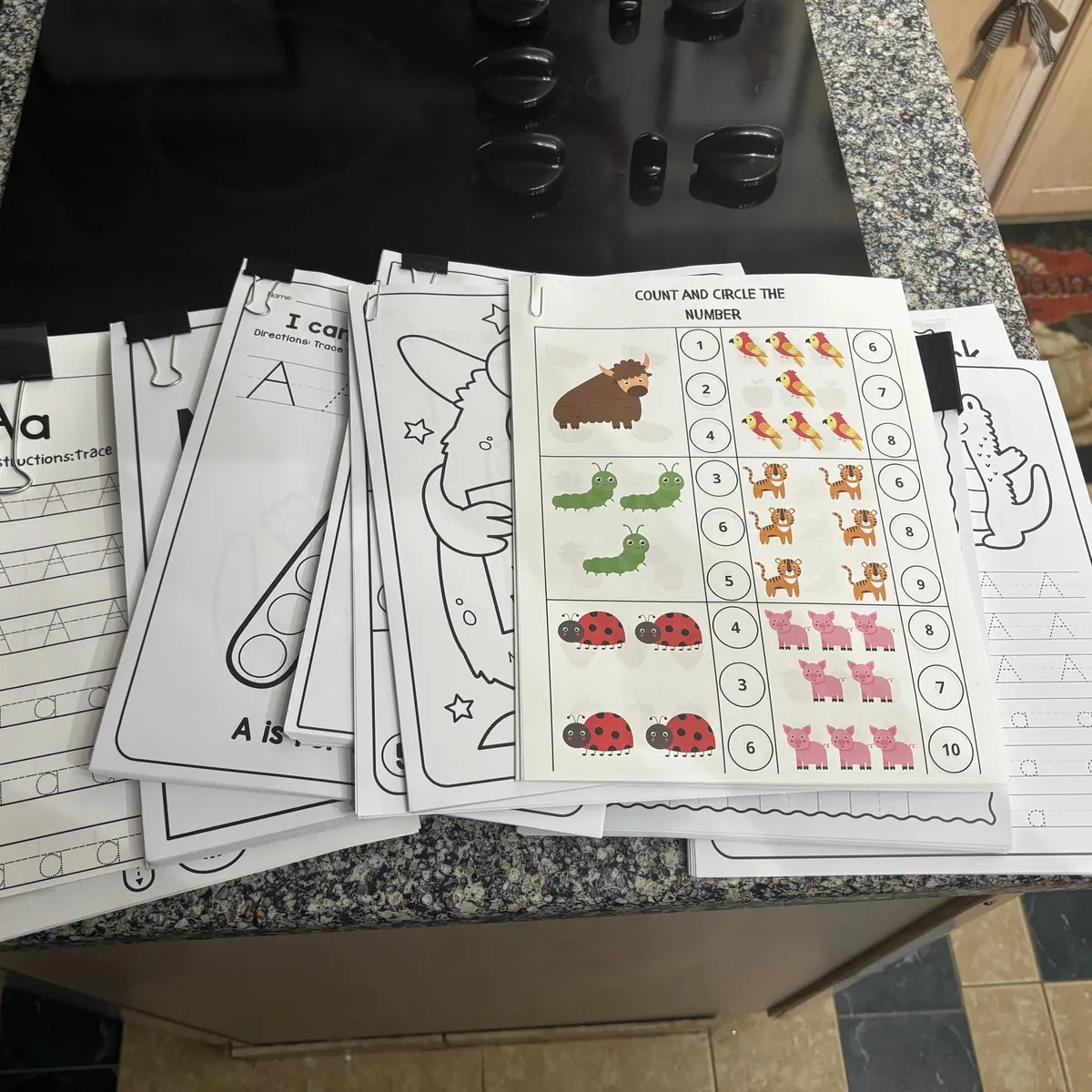
Tracing letters worksheets PDF files usually include uppercase and lowercase alphabet tracing pages, dotted handwriting lines, repetition practice rows, letter recognition activities, and beginner-friendly educational exercises. Many printable worksheets also include alphabet examples such as A for Apple or B for Ball to make learning more interactive. These worksheets are designed to improve handwriting, literacy development, alphabet recognition, and fine motor skills naturally.
9. Are printable tracing letters worksheets useful for homeschool learning?
Yes, printable tracing letters worksheets are highly useful for homeschool education because they provide structured handwriting and alphabet practice for young learners. Parents can easily print worksheets and create daily learning activities that improve handwriting, letter recognition, and literacy skills. Tracing worksheets are simple to follow, flexible for independent learning, and effective for building educational confidence in preschool and kindergarten children at home.
10. Where can I download free tracing letters worksheets?
You can download free tracing letters worksheets online from educational websites that offer printable preschool and kindergarten learning resources. High-quality tracing worksheets usually include uppercase and lowercase tracing practice, handwriting exercises, and fun educational activities designed for beginners. Printable PDF worksheets are easy to access, simple to print, and perfect for classroom lessons, homeschool learning, or extra handwriting support at home.