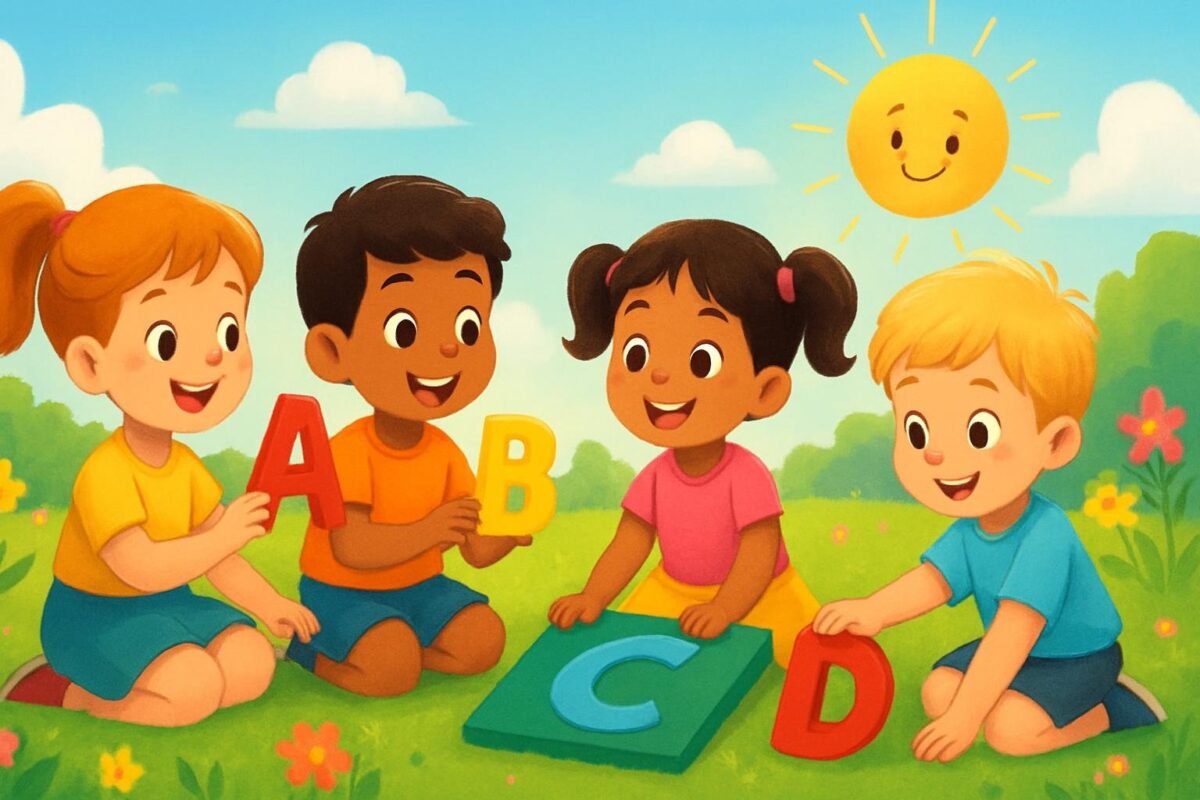
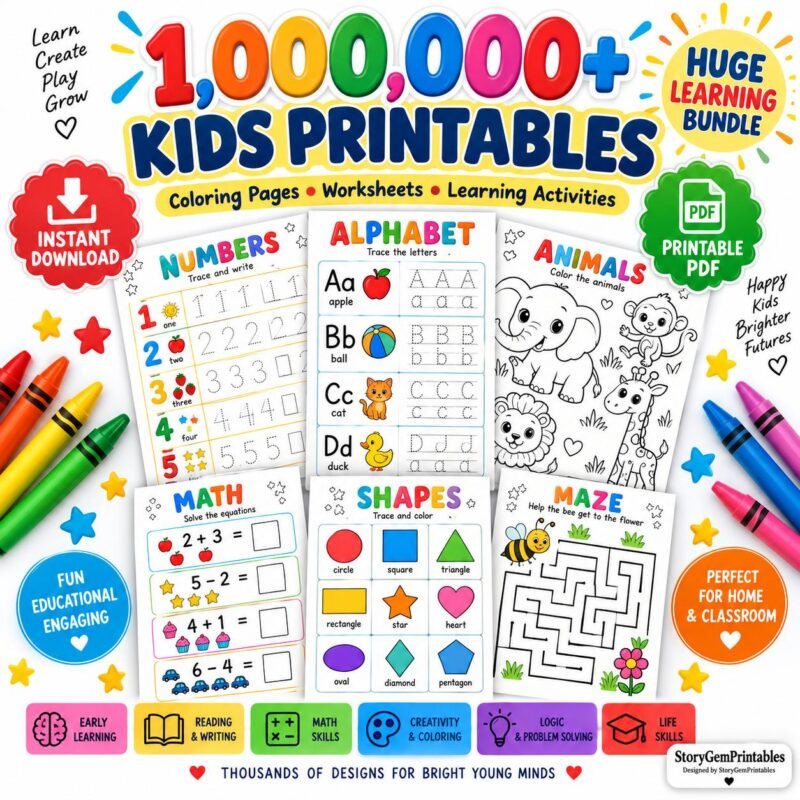
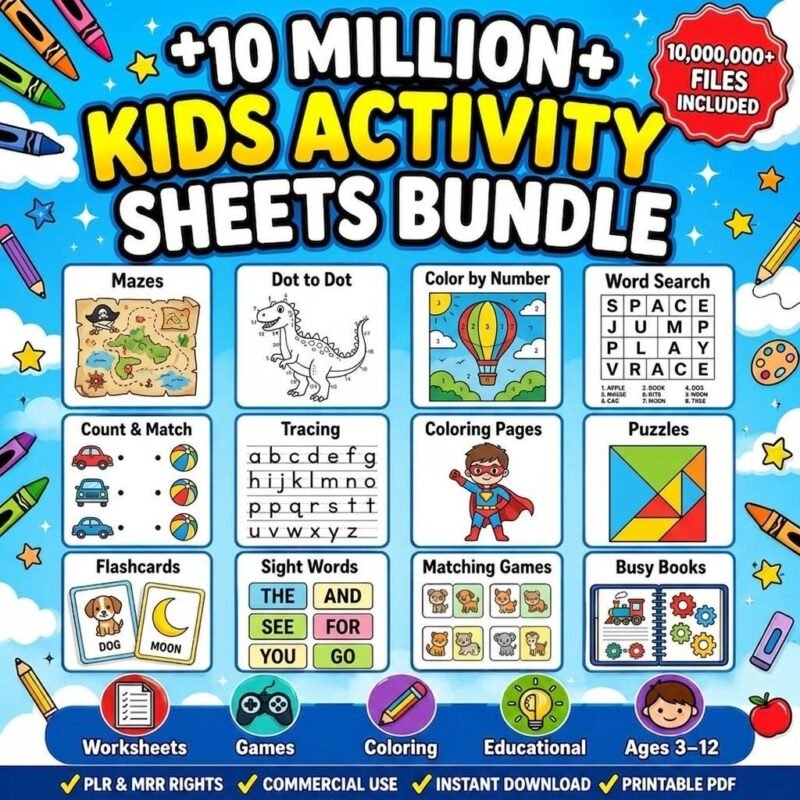
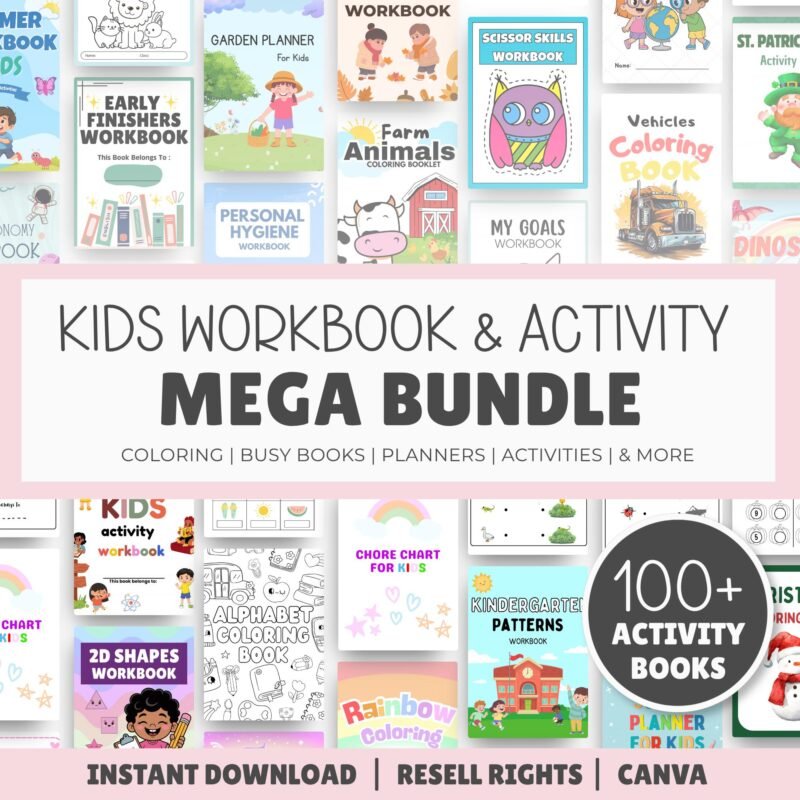
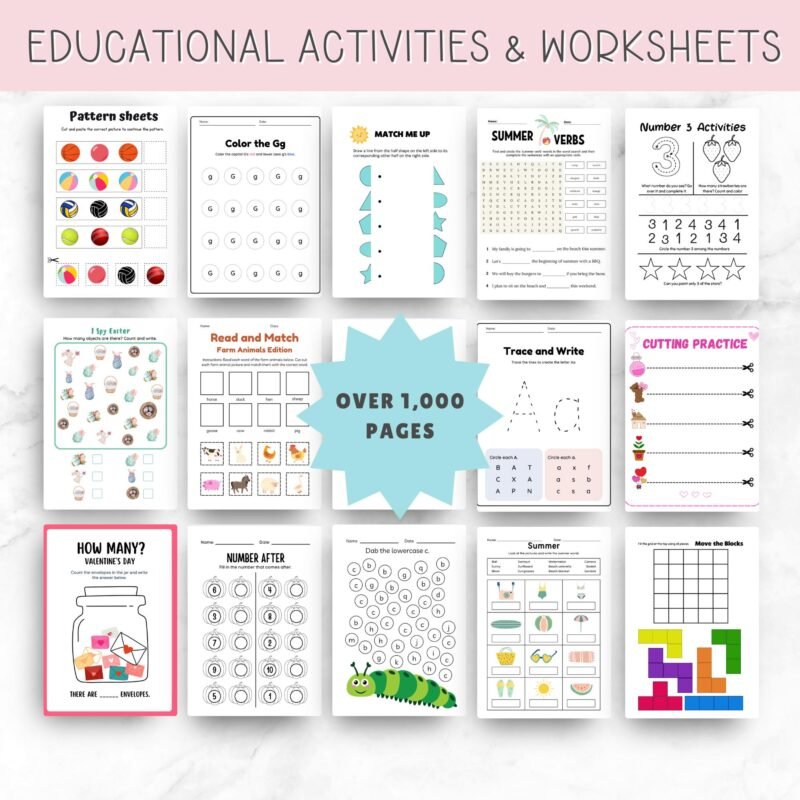
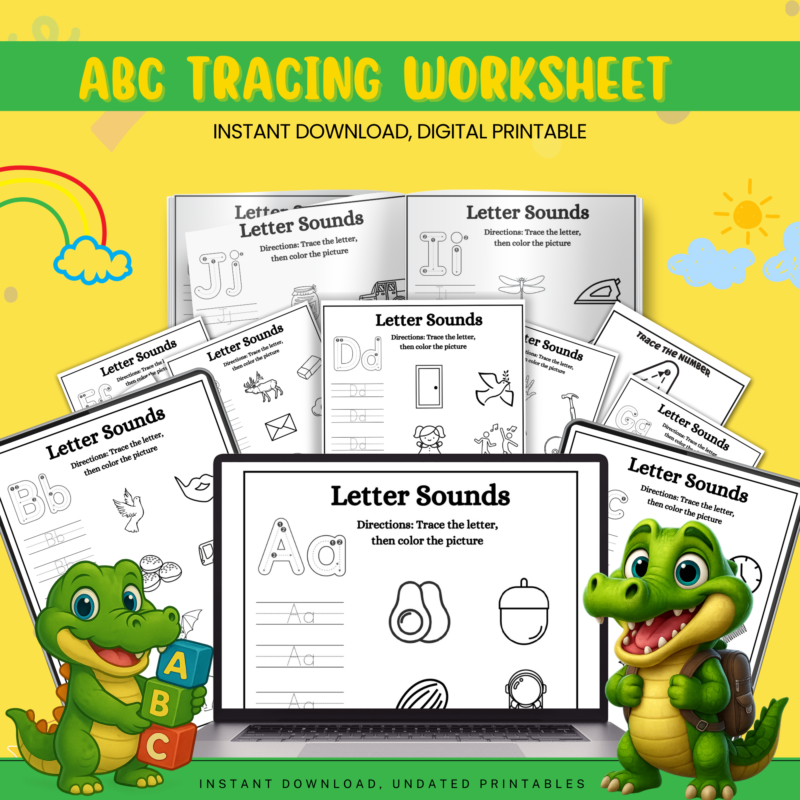
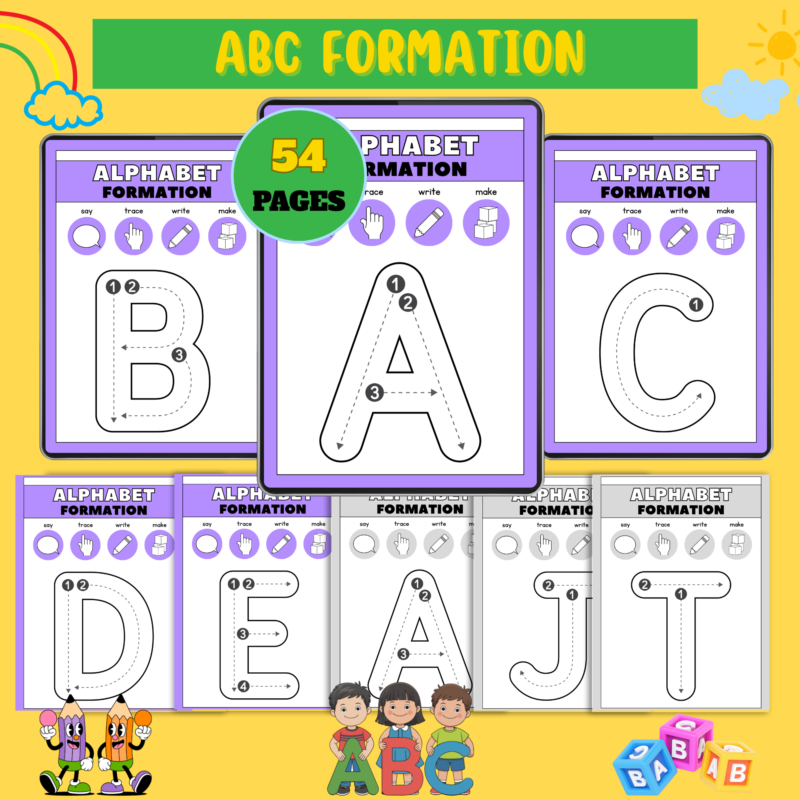
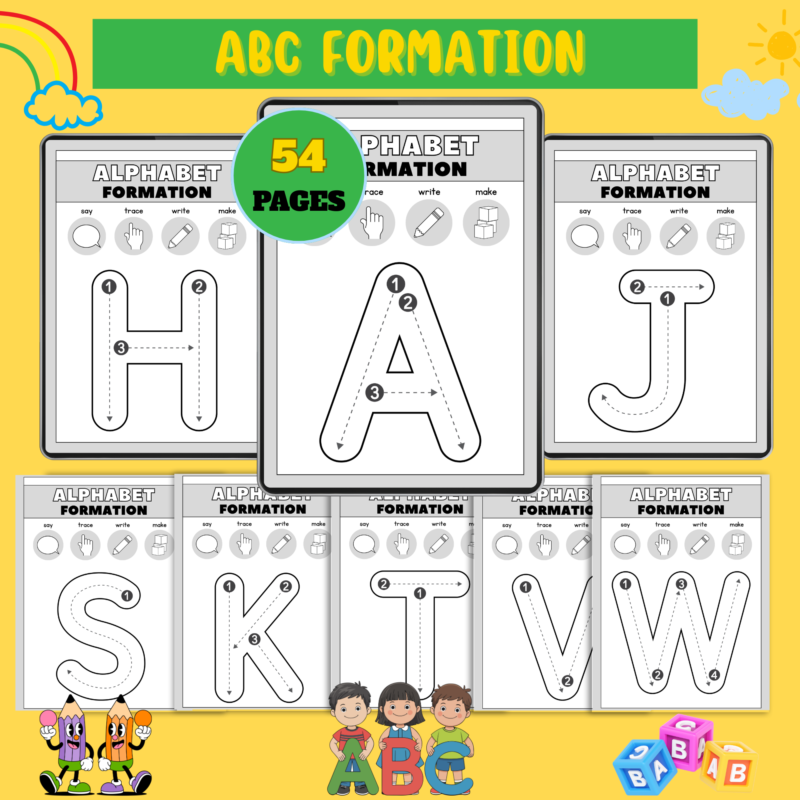
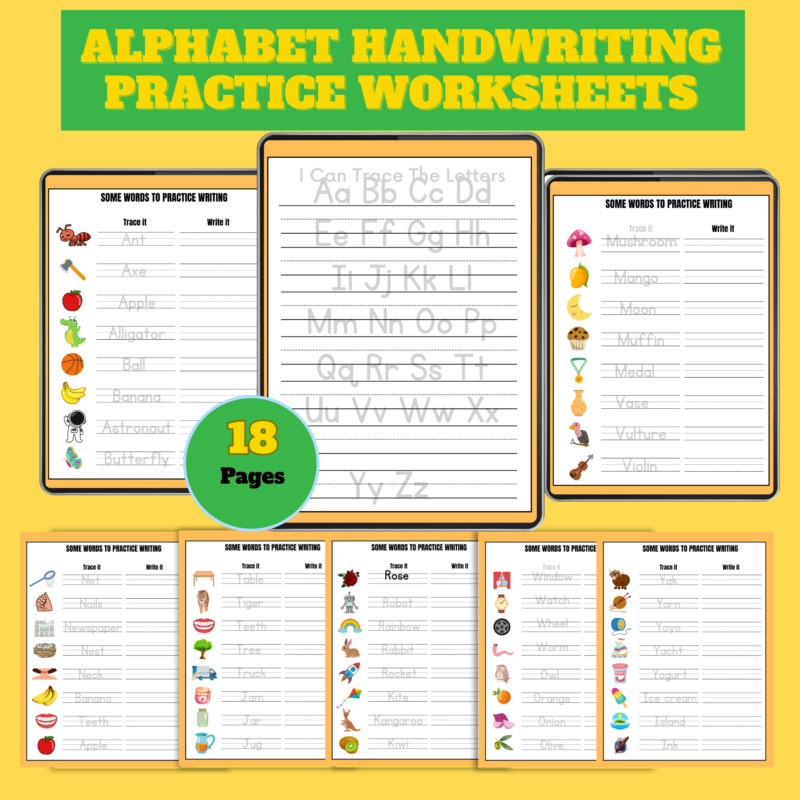
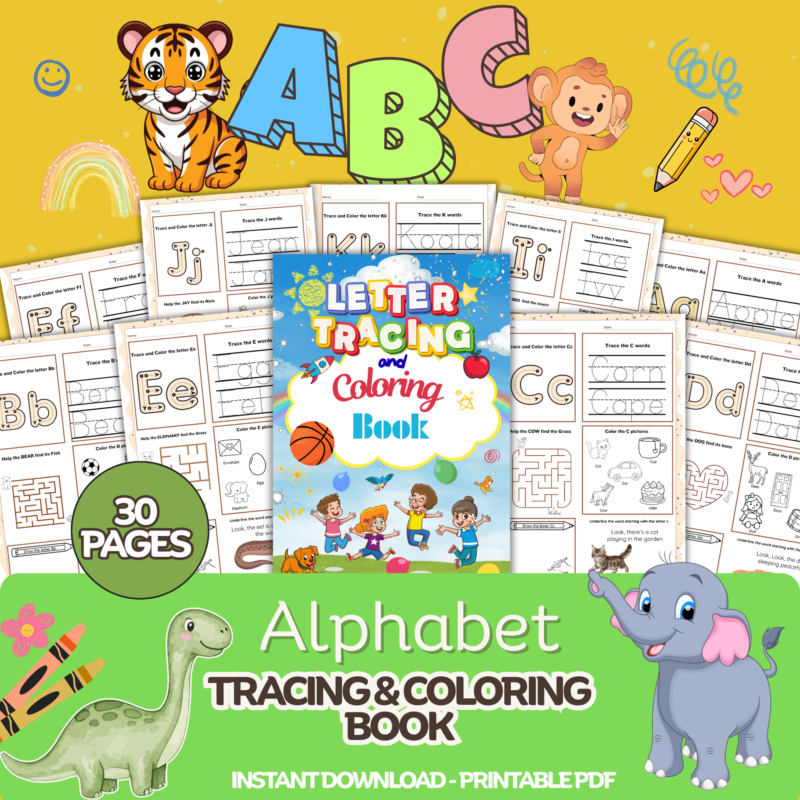
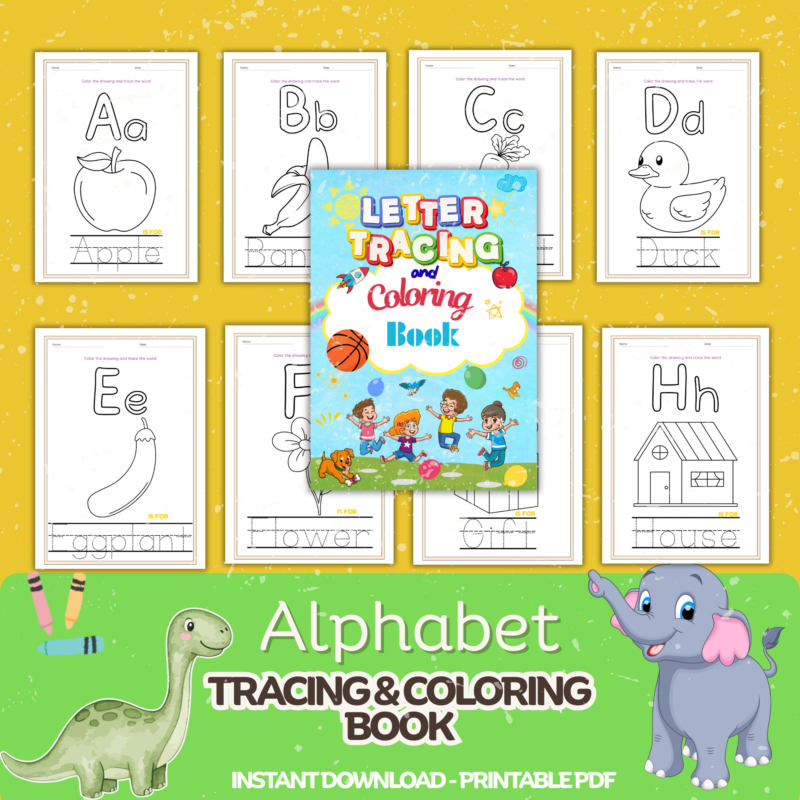
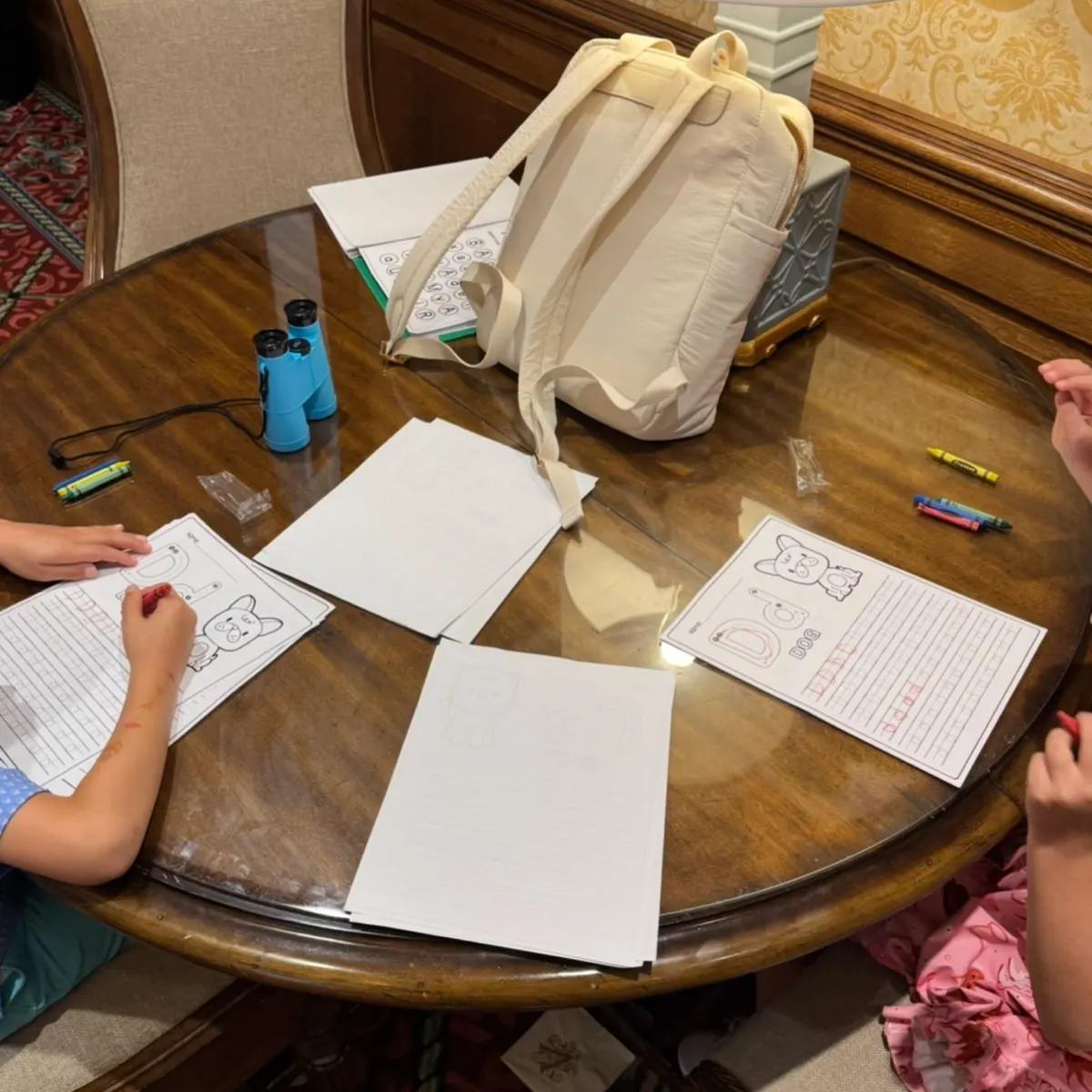
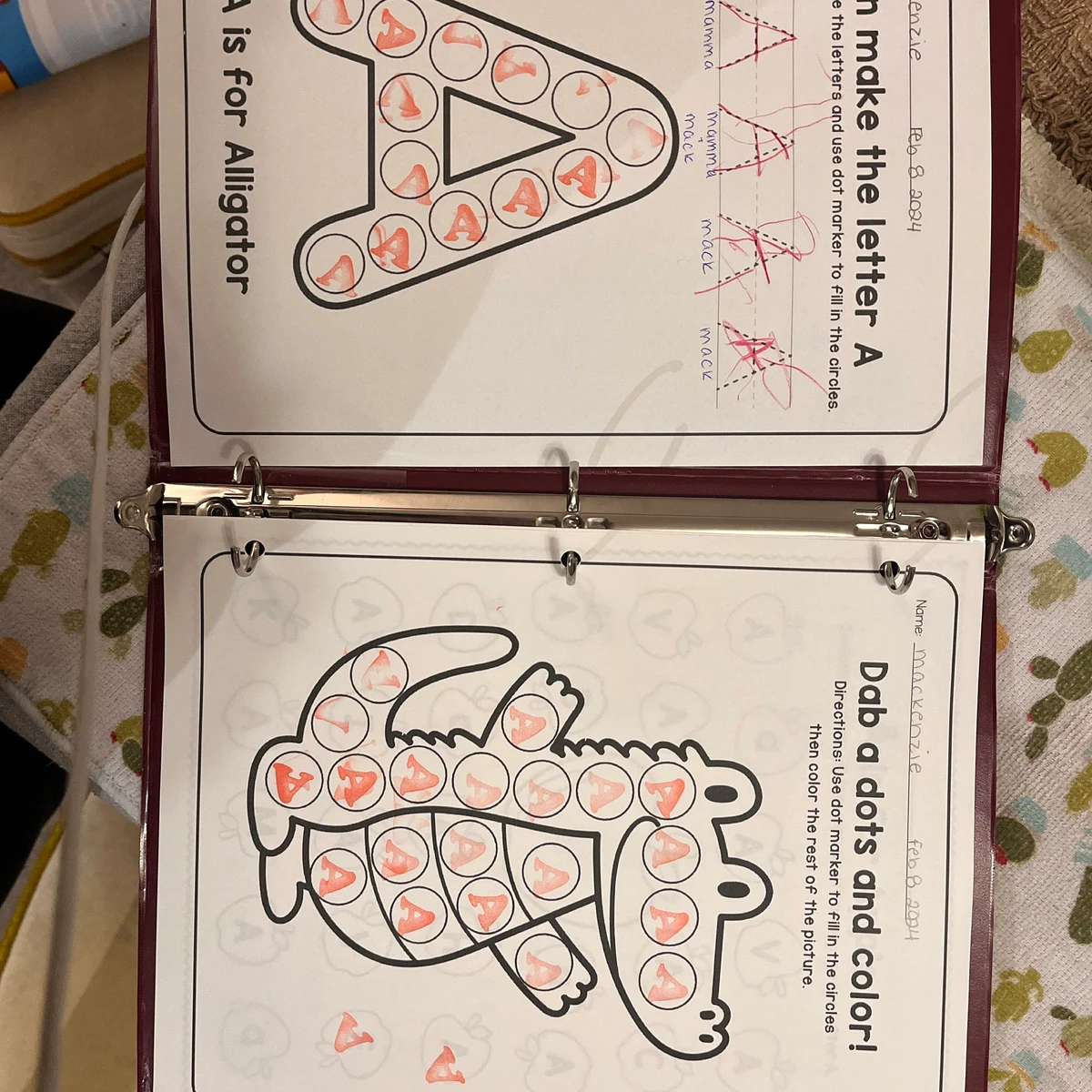
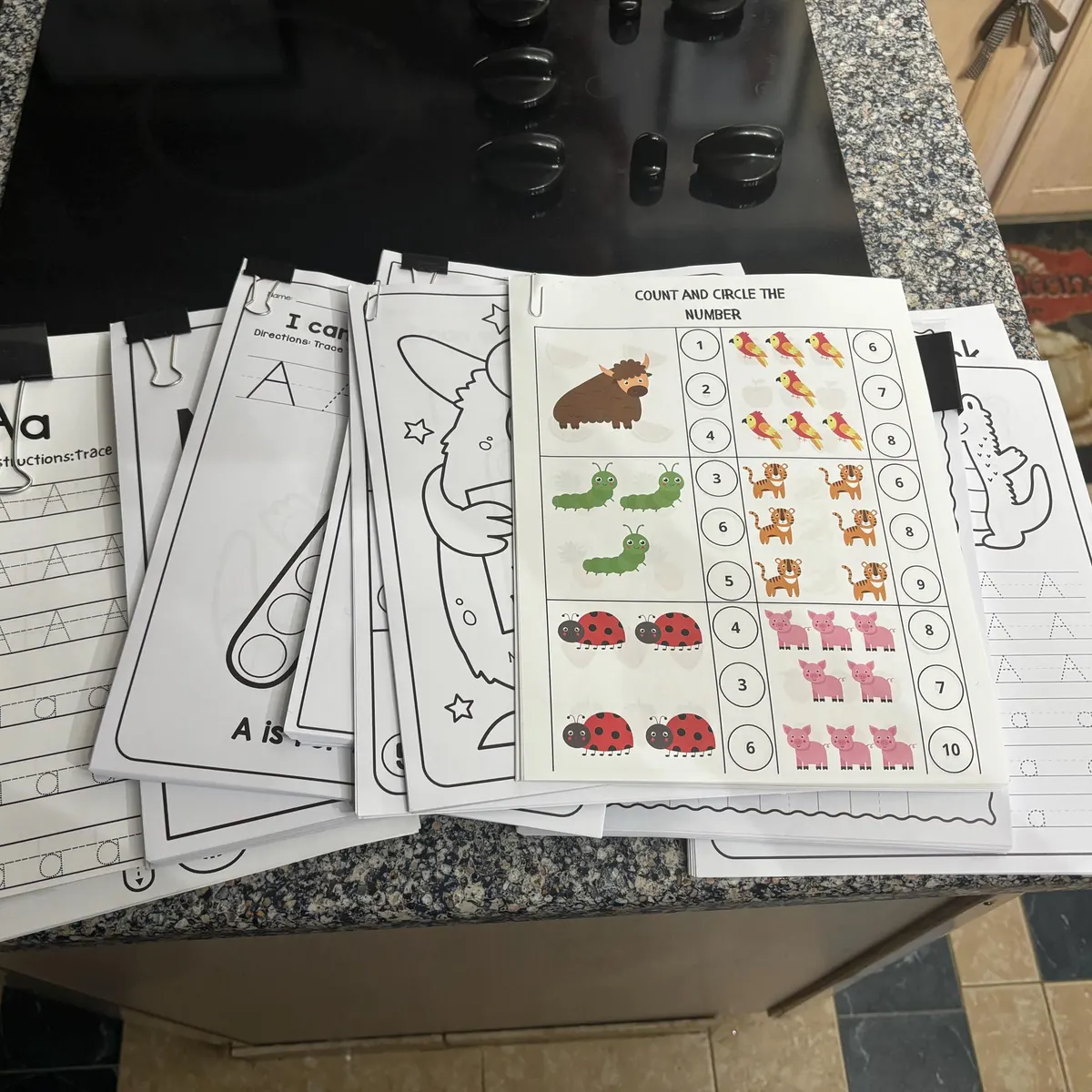
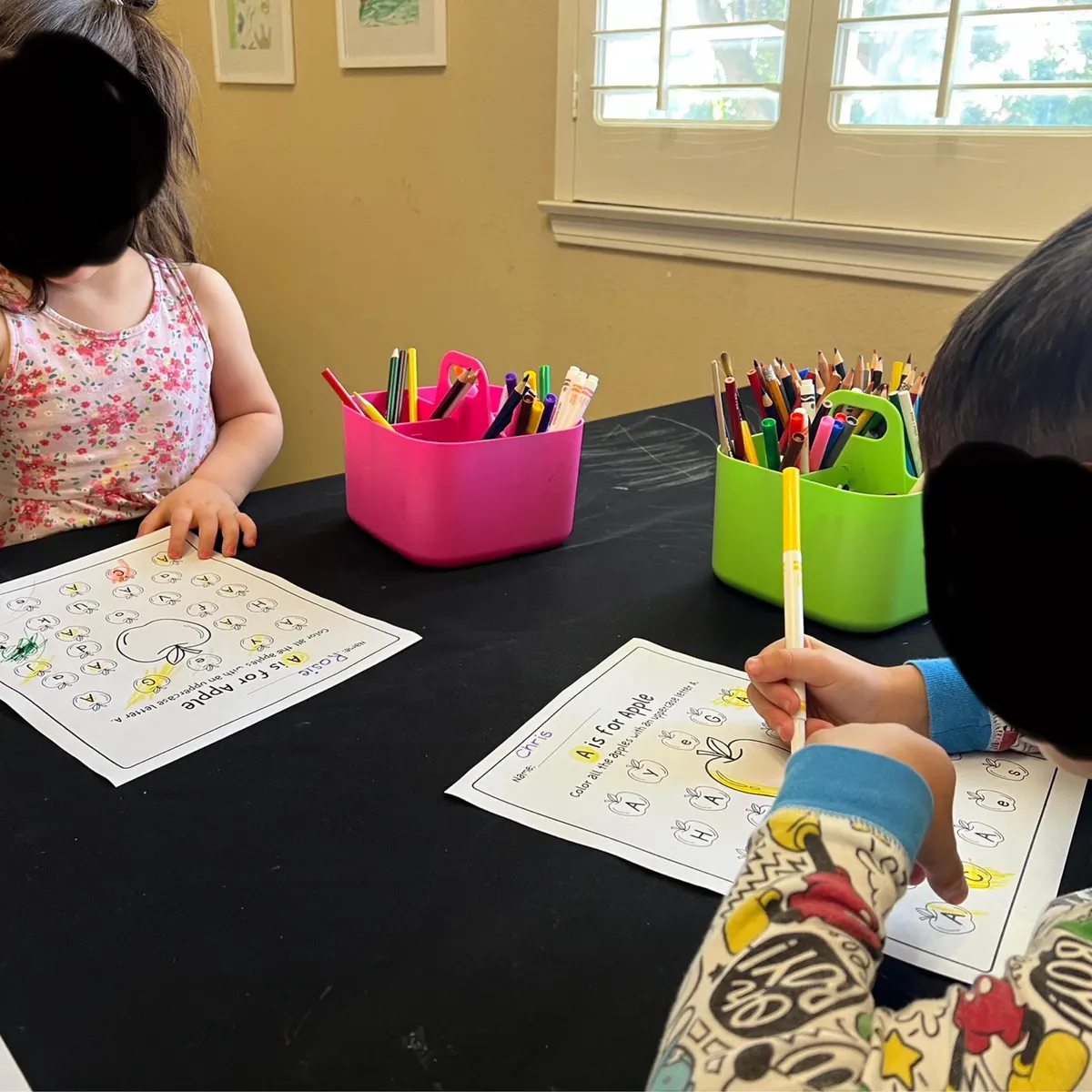
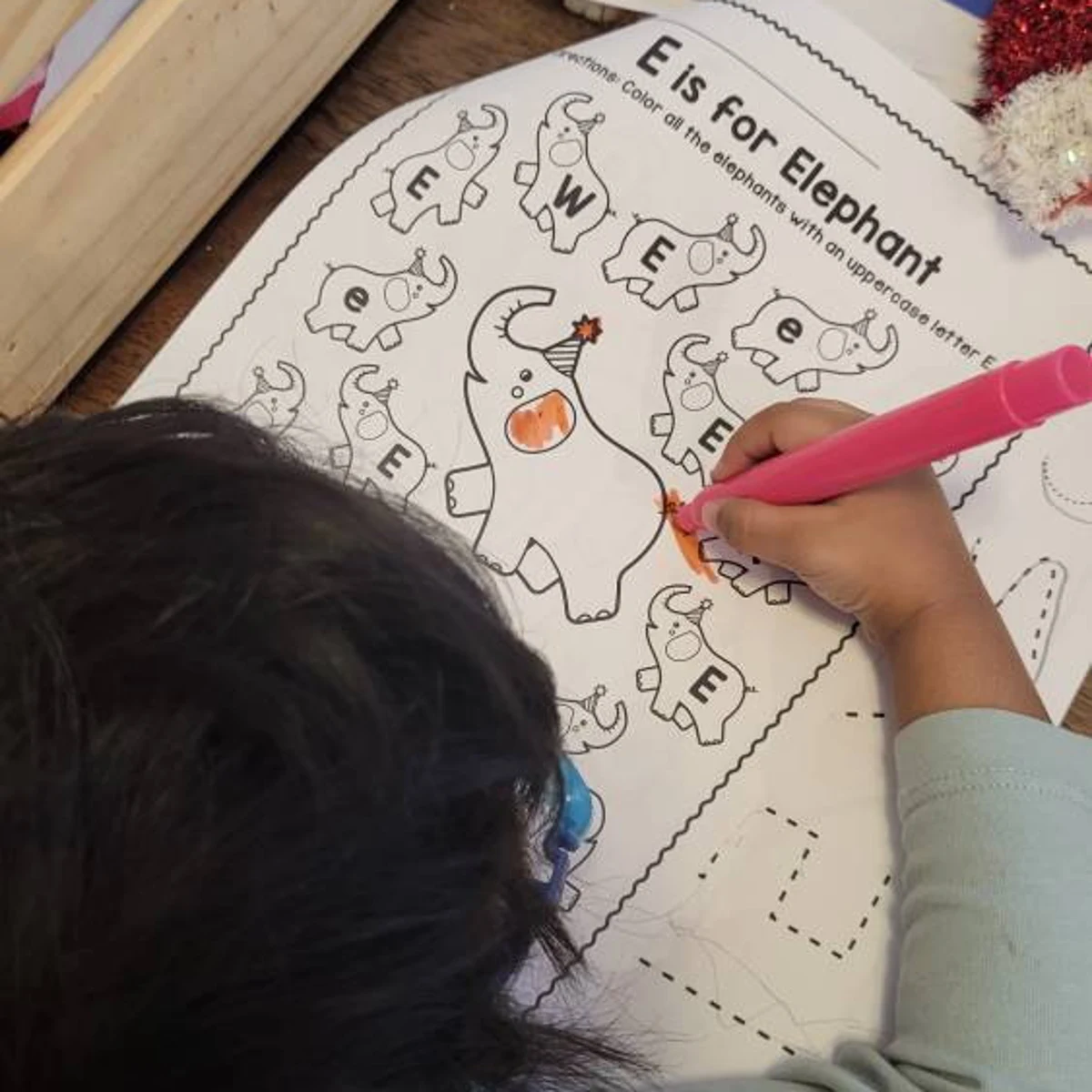
Alphabet worksheets for preschool age 3 are excellent tools for introducing young children to letters and language. These engaging resources not only make learning fun but also lay the foundation for literacy skills that will benefit them throughout their education. By focusing on the development of basic language skills, these worksheets prime children for future academic success and create a love for reading and writing from a young age. The interactive and playful nature of these worksheets ensures that children remain engaged while learning crucial skills.
Why Alphabet Worksheets Are Important
At the preschool age, children are naturally curious and ready to absorb new information. Alphabet worksheets specifically designed for three-year-olds cater to their developmental needs and provide a structured way for them to explore language. Here are a few reasons why these worksheets are crucial:
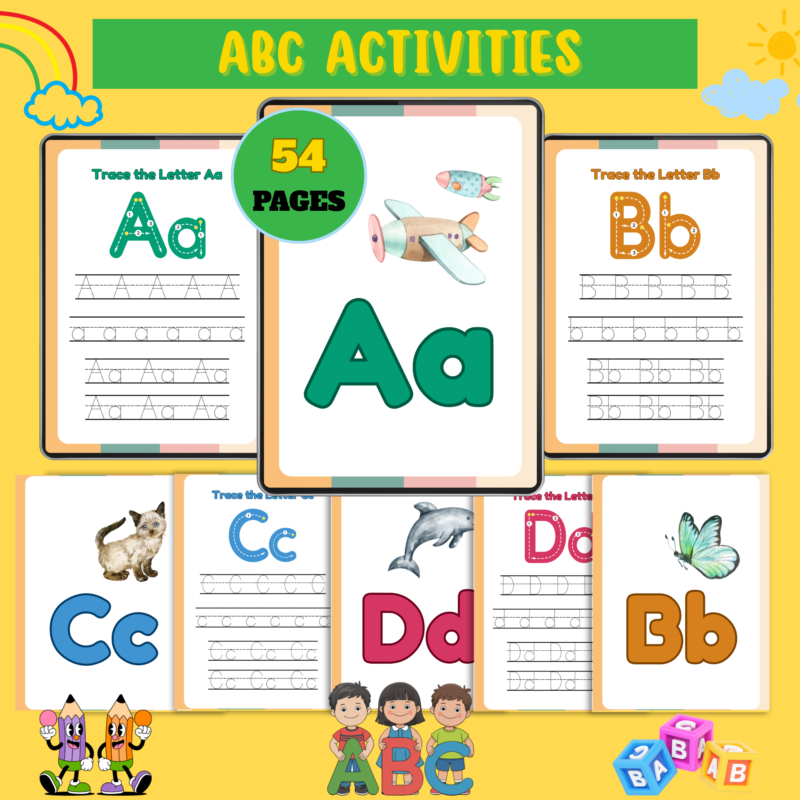
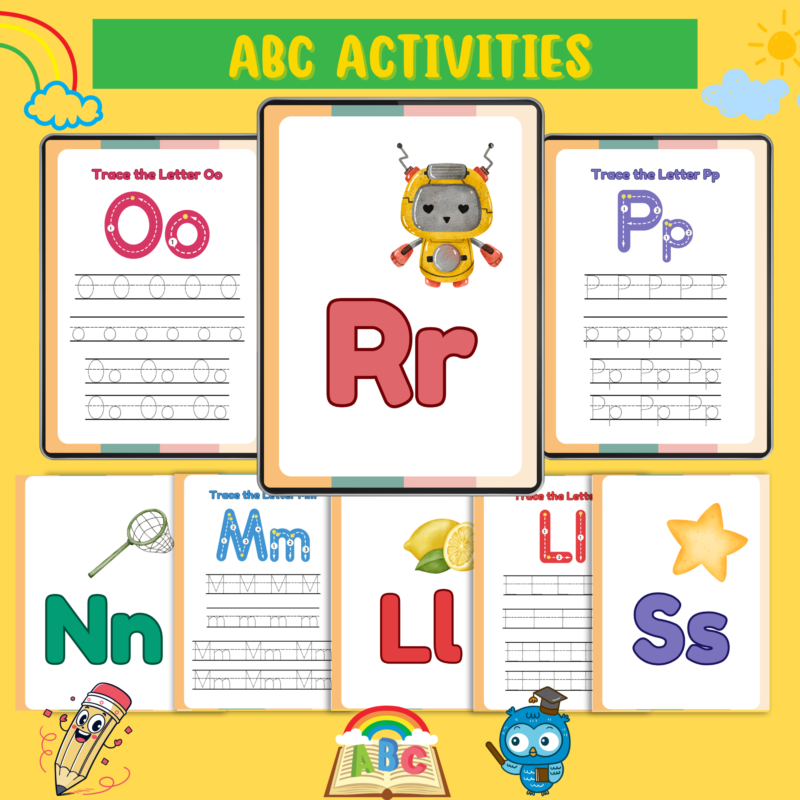
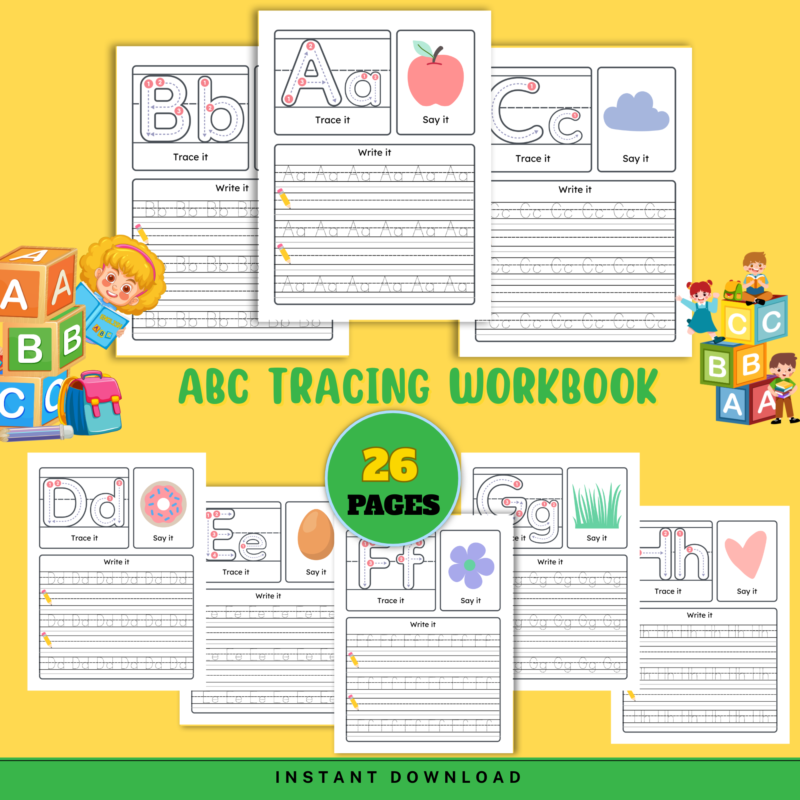
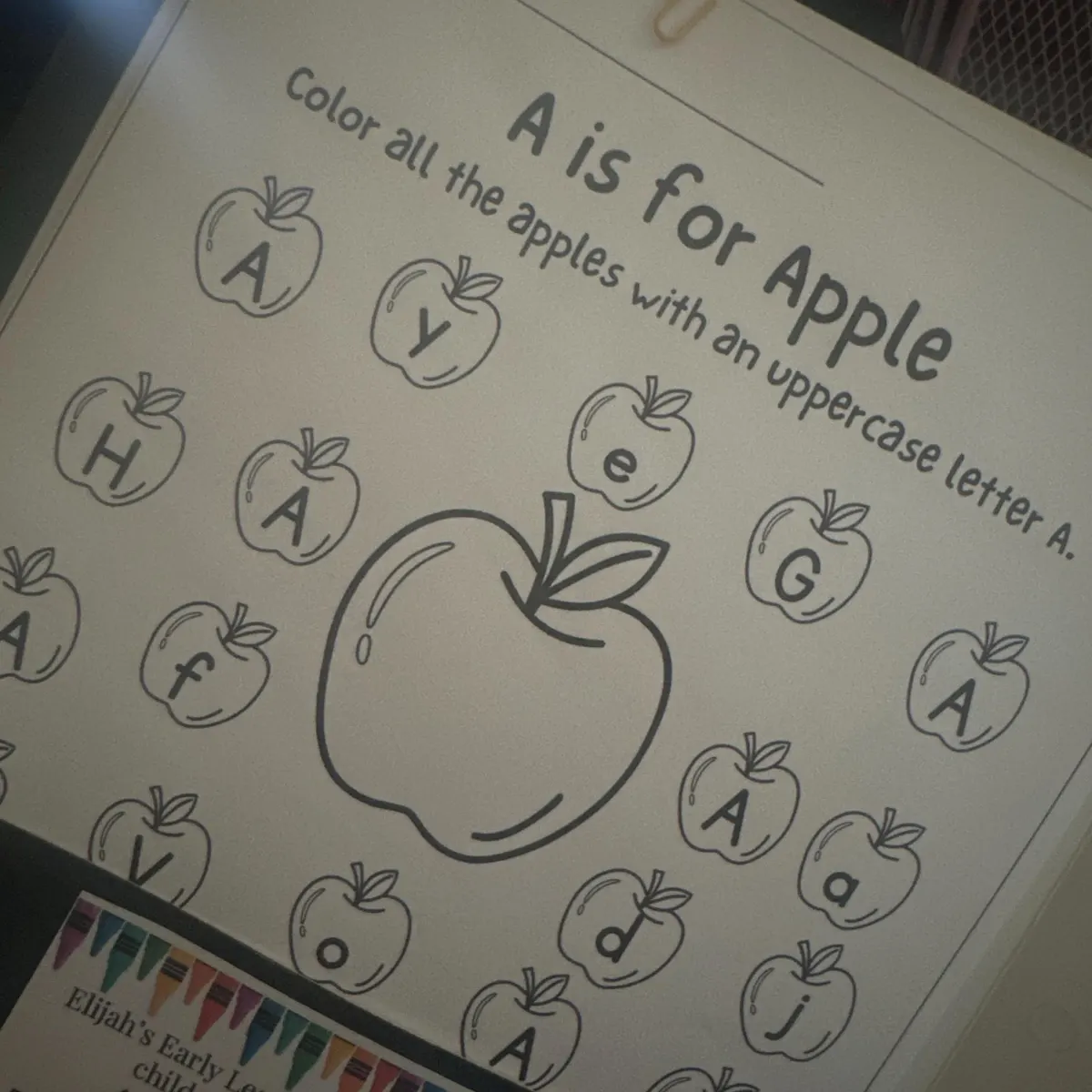
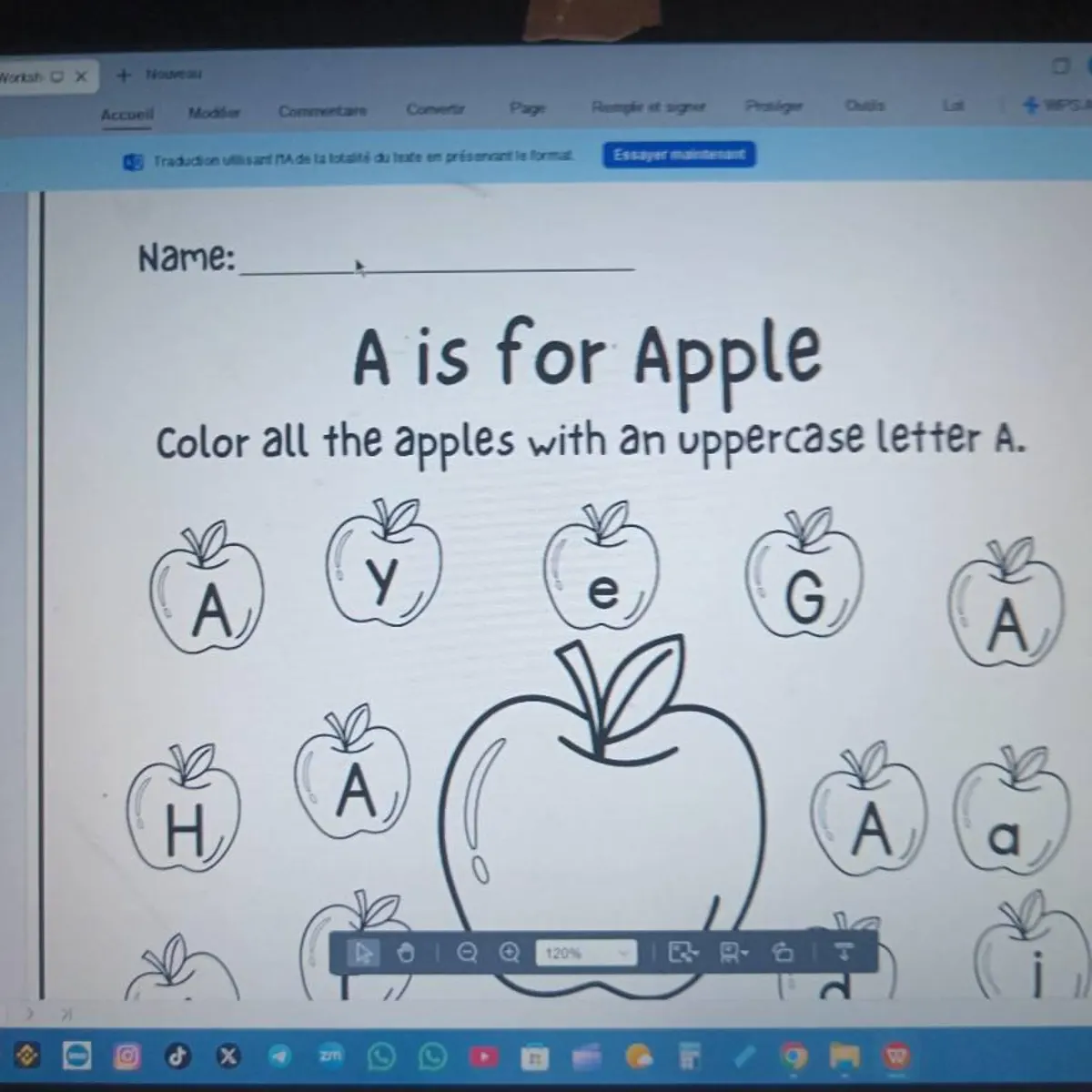
- Enhances Letter Recognition: Worksheets introduce letters visually and allow children to interact with each character, fostering familiarity. Kids learn to identify the shapes and sounds associated with each letter, which is a crucial step for reading comprehension. For example, activities might include identifying letters in a fun, colorful font or associating letters with images (like ‘A for apple’), which helps reinforce their learning.
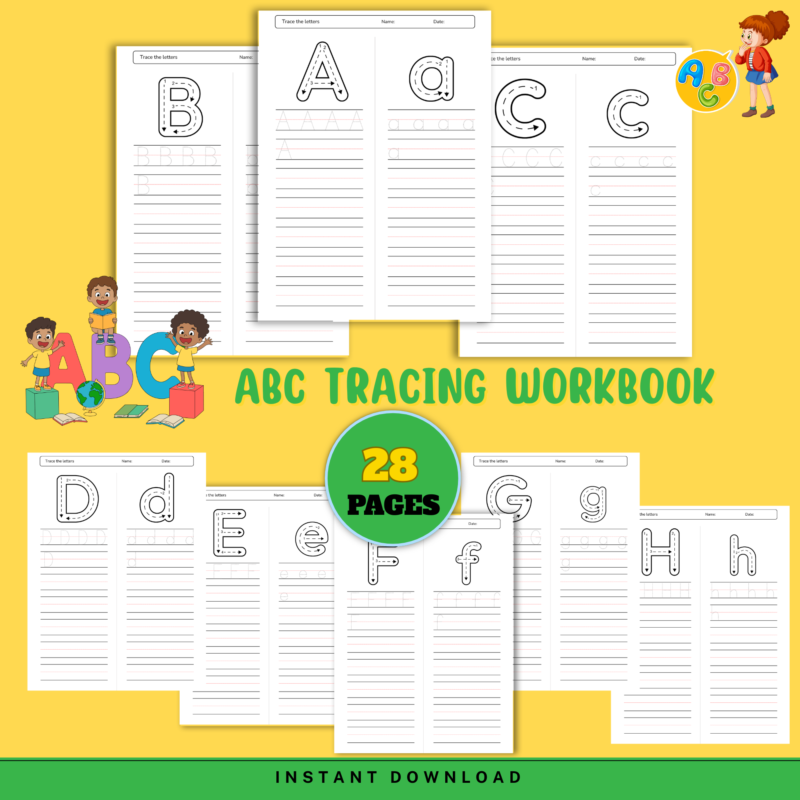
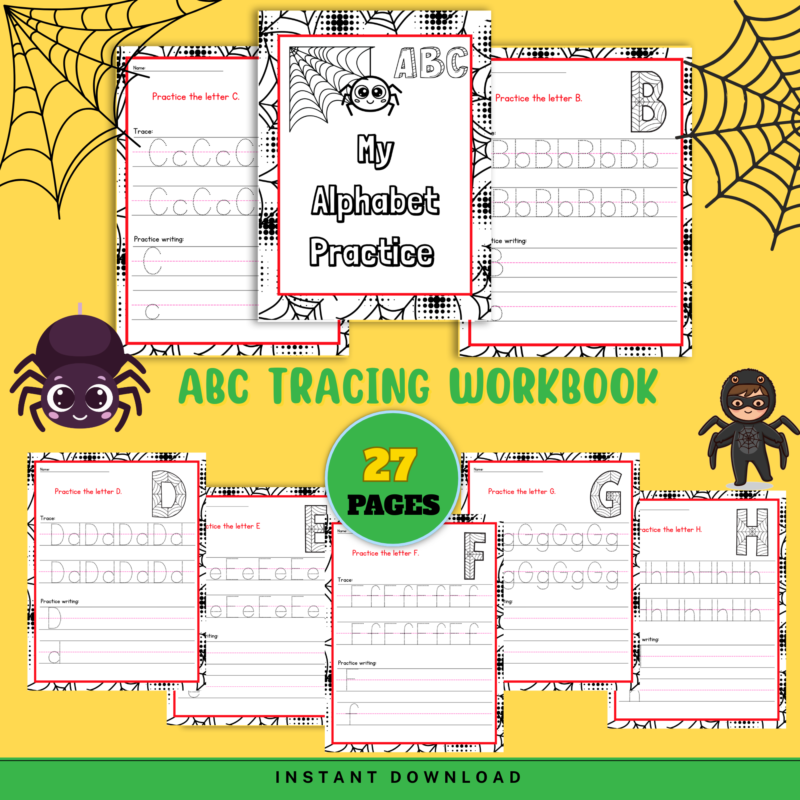
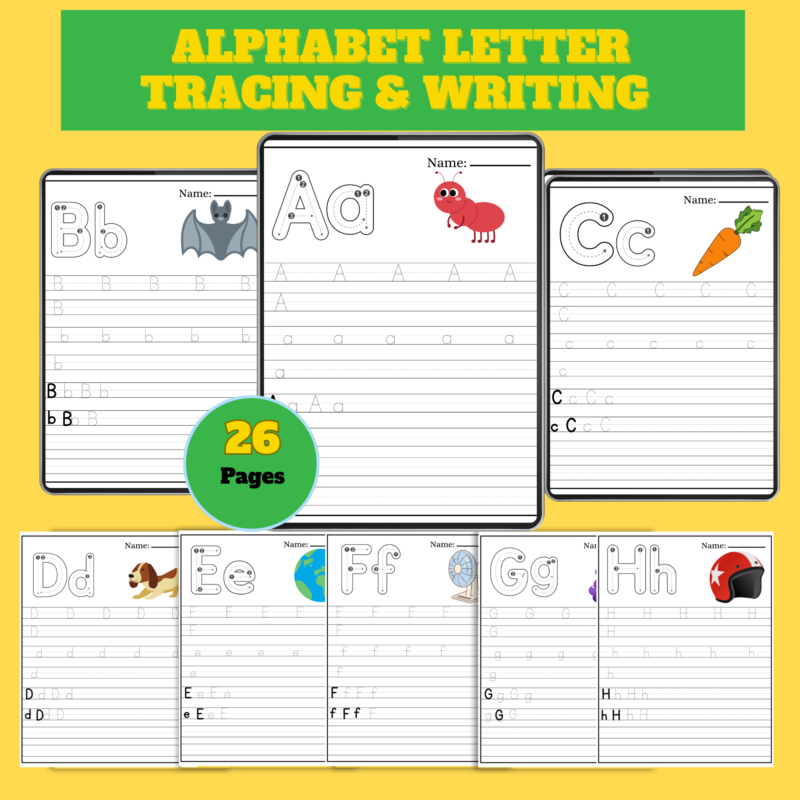
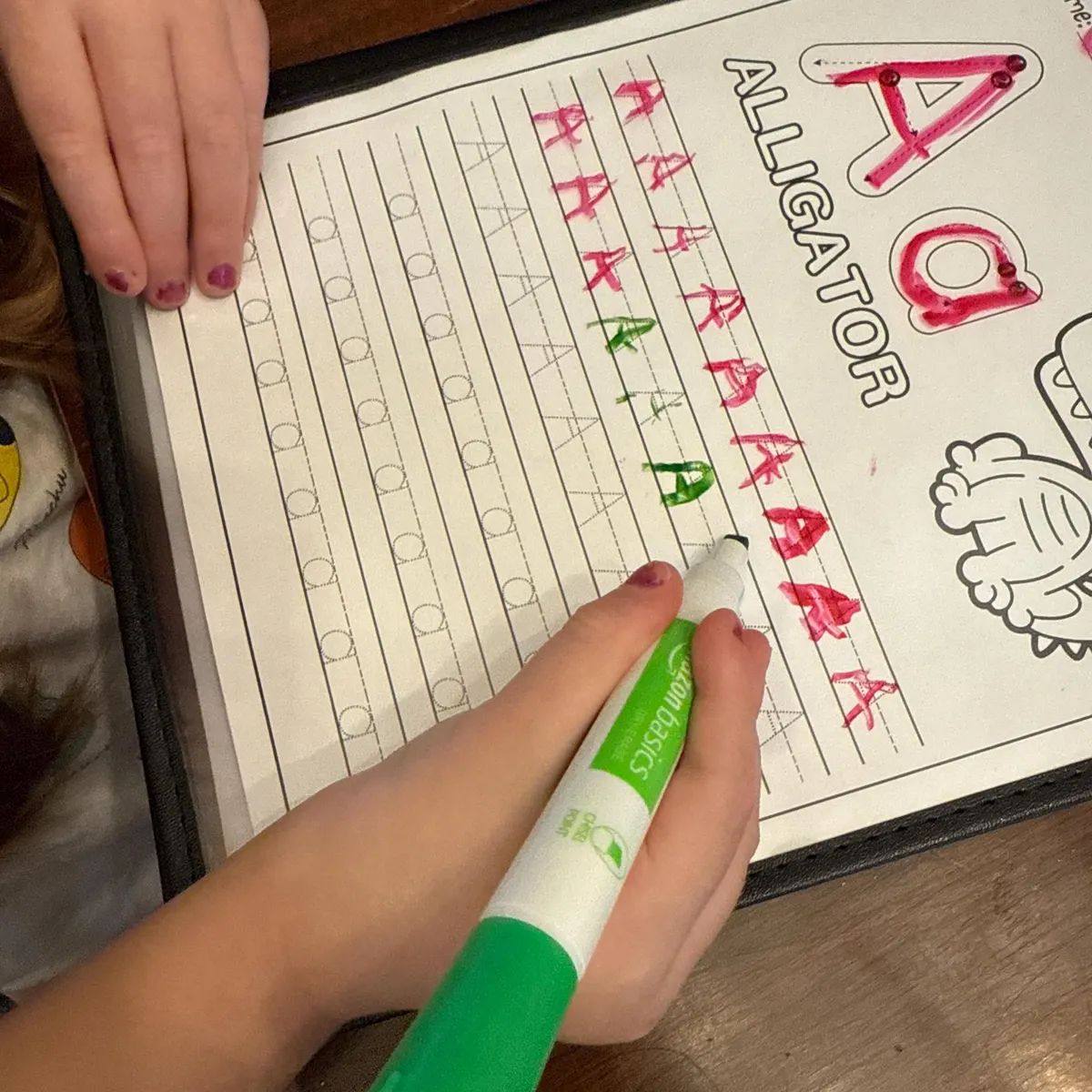
- Builds Fine Motor Skills: Activities involving tracing, writing, or coloring strengthen hand-eye coordination and dexterity. This fine motor skill development is essential as it prepares children for more complex tasks, such as writing sentences and using scissors. Tracing letters helps young learners develop the muscle control they need for proper handwriting.
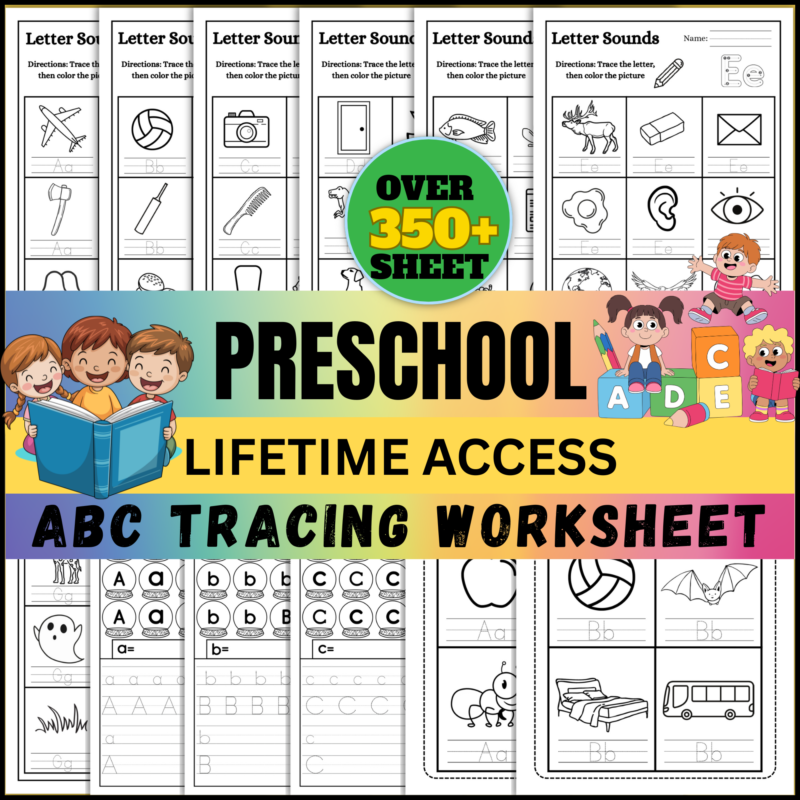
- Encourages Cognitive Development: Learning the alphabet helps children develop critical thinking and memory skills. By recognizing patterns and categorizing letters, children improve their ability to think analytically and solve problems. For instance, sorting worksheets where children categorize letters based on sounds can further enhance their comprehension.
Types of Alphabet Worksheets for Preschool Age 3
There are various types of alphabet worksheets for preschool age 3, each tailored to different learning styles and preferences. By exploring different types, children can engage with the material in ways that best suit them. Here are some popular options:
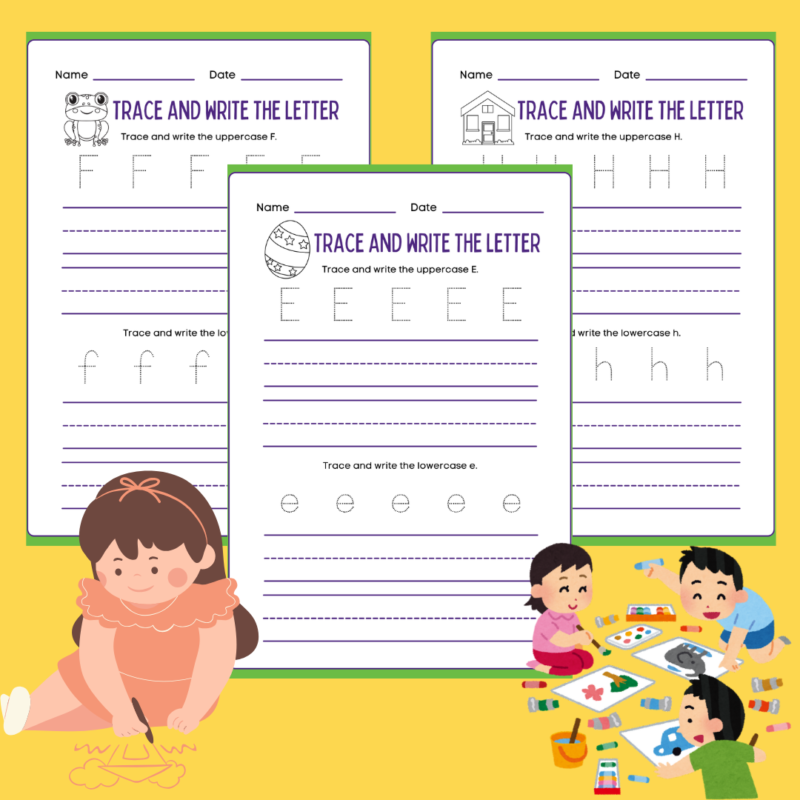
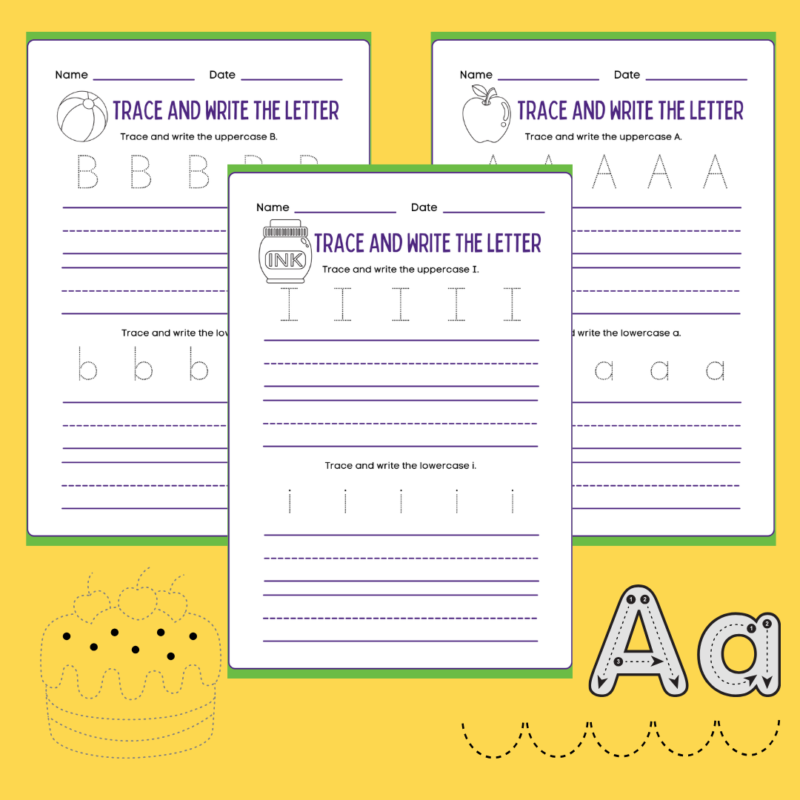
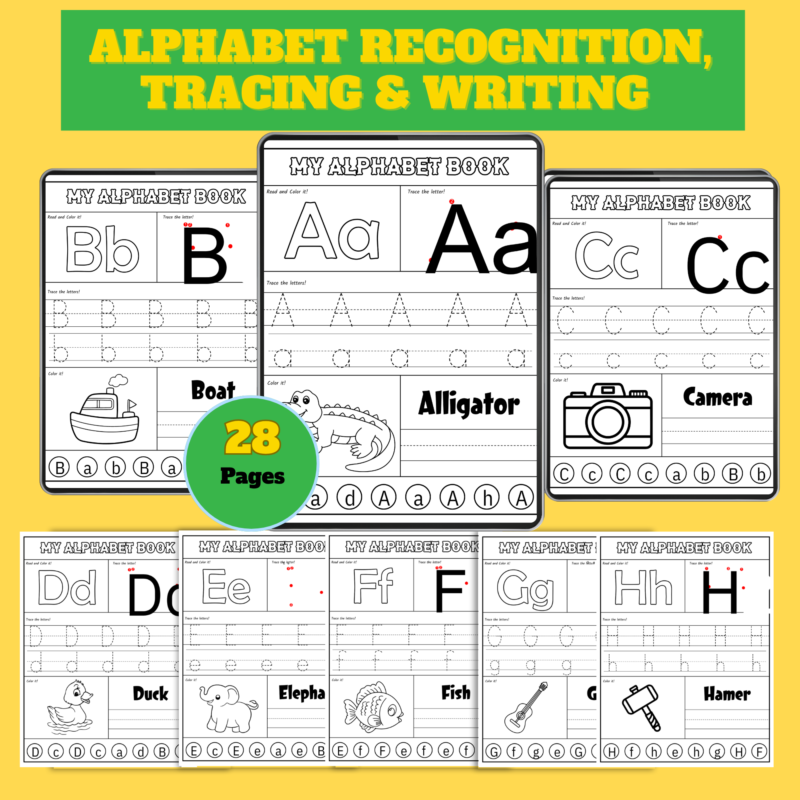
- Tracing Worksheets: These worksheets guide children as they trace letters, helping them learn proper strokes and shapes. This foundational skill is crucial as it sets the groundwork for future handwriting. Collaborating with parents or educators, children can also have the opportunity to trace letters found in their names, making it personal and exciting.
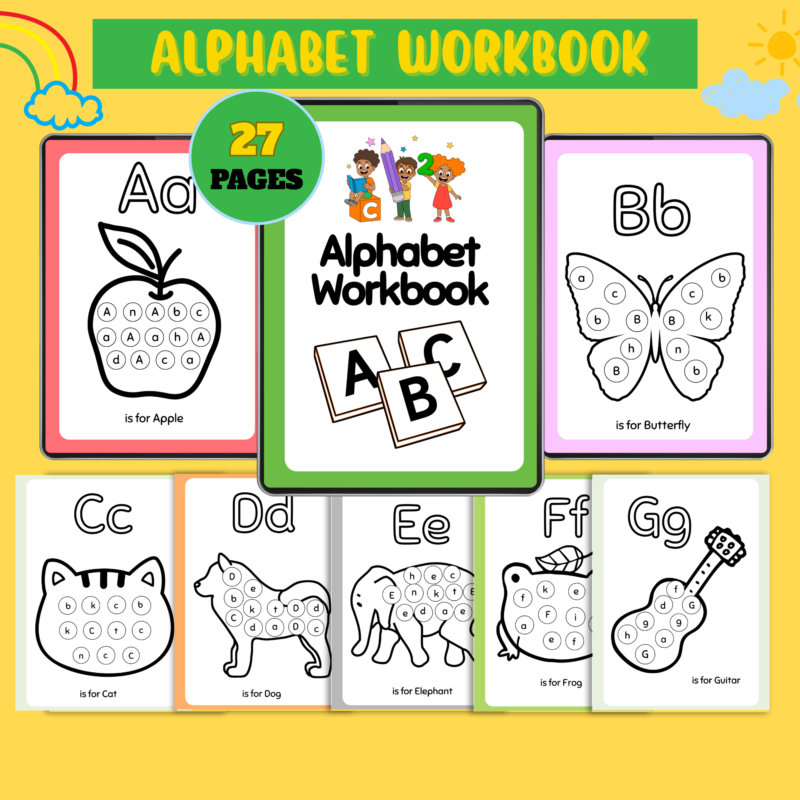
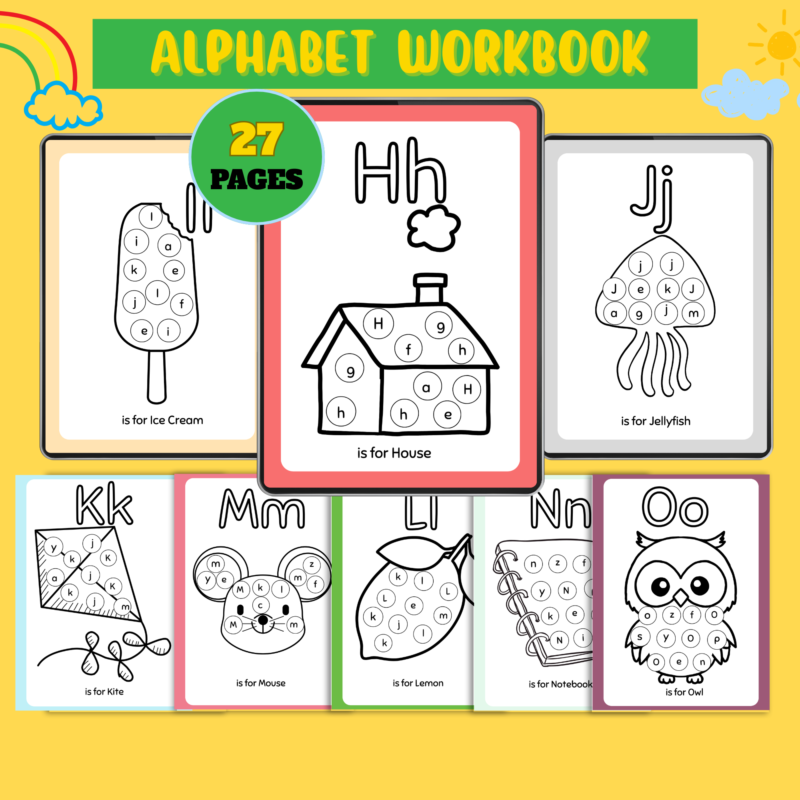
- Coloring Worksheets: Incorporating letters with fun images allows kids to associate letters with objects while improving their creativity. For example, A for apple and B for butterfly help tie letters to real-world items, making learning more relatable. Children can also be encouraged to color the images with the correct corresponding color (like red for apple) to further enrich the association.
- Matching Worksheets: These sheets help children match uppercase letters to their lowercase counterparts, reinforcing recognition and understanding. This dual recognition lays the groundwork for reading fluently as they progress to more complex text. To enhance this activity, parents can evolve it into a game using flashcards, further stimulating memory recall.
- Dot-to-Dot Worksheets: Connecting the dots to form letters adds an interactive element that enhances motor skill development. It also adds an element of fun, turning learning into a game where children feel accomplished once they complete the task. Engaging in this method not only enhances letter recognition but also develops patience and focus.
Fun Activities to Incorporate with Worksheets
Using alphabet worksheets for preschool age 3 can be more enjoyable with creative activities. Here are some fun ways to incorporate learning with worksheets, turning the educational experience into an adventure:
- Letter Scavenger Hunt: Create a game where children find items around the house or classroom that begin with specific letters. For instance, ask them to find something that starts with ‘C’ like a cup or ‘T’ like a toy. This activity promotes active learning while making the lesson dynamic and interactive.
- Alphabet Songs: Sing songs that emphasize letter sounds and names to reinforce learning through music. Rhymes like the “ABC Song” not only introduce children to the sequence of letters but also make it memorable through melody. Incorporate hand motions or dance to enhance engagement, linking movement with learning.
- Storytime: Read books that focus on the alphabet, allowing children to recognize the letters as they appear in text. Storybooks that emphasize letters can help strengthen their connection between spoken sounds and written forms. Choose books with bright illustrations and rhythmic text to keep the children captivated.
Making the Most of Alphabet Worksheets
To fully utilize alphabet worksheets for preschool age 3, consider these tips to maximize their effectiveness:
- Be Consistent: Regular practice helps reinforce learning. Schedule some time each week to focus on alphabet activities. Short, daily sessions can be more effective than longer, infrequent ones. Creating a routine can help children anticipate learning time, making them more enthusiastic participants.
- Encourage Exploration: Allow children to explore letters outside of worksheets, such as writing on a whiteboard, in sand, or using finger paint to create letters. This hands-on engagement solidifies their learning experience. Introduce them to various writing tools such as crayons, markers, or even apps on a tablet to further engage their interest.
- Celebrate Achievements: Acknowledge their progress with praise, stickers, or small rewards to keep them motivated. This positive reinforcement helps build confidence and a desire to learn more. Creating a ‘Wall of Fame’ displaying their completed worksheets can also motivate them.
Printable Resources for Parents and Educators
Accessible resources are critical for parents and educators to provide effective learning. Many websites offer free and paid printable alphabet worksheets for preschool age 3. These resources often include:
- Customizable worksheets tailored for specific skills, allowing parents to adapt lessons to their child’s interests and needs. This can include themes like animals, colors, or holiday-related content, keeping the curriculum fresh and exciting.
- Interactive online worksheets that can engage tech-savvy children, combining traditional learning with modern technology. Educational apps can also build on this engagement through interactive games and exercises related to the alphabet.
- Seasonal or themed worksheets that align with holidays and events, making learning more relevant and timely. For example, worksheets integrating Halloween imagery for the letter ‘H’ can connect seasonal excitement with educational content.
FAQ (Frequently Asked Questions)
What age is best for introducing alphabet worksheets?
Alphabet worksheets are ideal for children around age 3, as they are beginning to show interest in letters and sounds. Introducing these concepts early can provide a solid foundation for later literacy development. Additionally, the engaging nature of these worksheets can stimulate their eagerness to learn.
How can I help my child succeed with alphabet worksheets?
Provide a supportive environment, encourage exploration, and praise their efforts to create a positive learning experience. Involvement from parents can significantly enhance the child’s literacy journey. Connecting the letters learned on worksheets to real-life applications, like, “Look, that’s the letter ‘B’ on the bus,” can reinforce their understanding.
Are there online resources for alphabet worksheets?
Yes! Many educational websites offer free and printable alphabet worksheets for preschoolers, making learning accessible and fun. These resources often include user-friendly interfaces, making it easy to find appropriate materials. Online platforms can also offer interactive games that make learning letters exciting through technology.
Conclusion
Incorporating alphabet worksheets for preschool age 3 can significantly enhance a child’s early literacy skills. Through engaging activities, consistent practice, and positive reinforcement, parents and educators can create a rich learning environment. Remember, the goal is to make learning enjoyable and interactive, which not only aids in comprehension but also sets the foundation for a lifelong love of reading and writing. Investing time in learning the alphabet at this tender age not only benefits their immediate educational needs but also prepares them for the continuous learning journey ahead, as they explore the world of language.
Related reading: ABC Tracing Worksheets Printable – 350+ Pages of Preschool Alphabet Learning Activities | Free Alphabet Worksheets for 4 Year Olds: 10 Fun Activities | Alphabet Worksheets for Preschool PDF: 10 Essential Resources
Want to dig deeper? See the Wikipedia results for alphabet worksheets for preschool age 3.