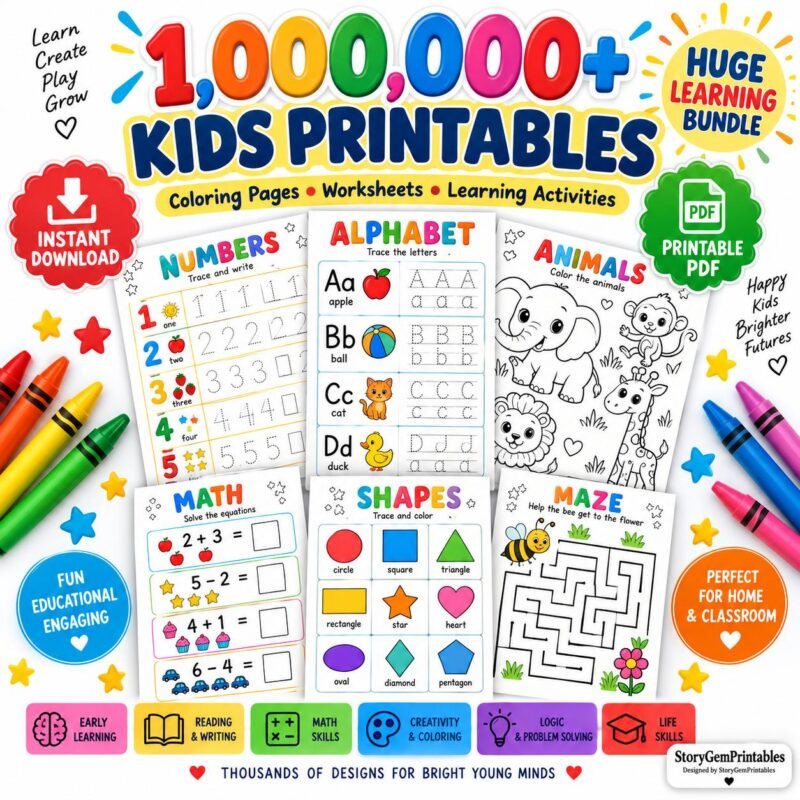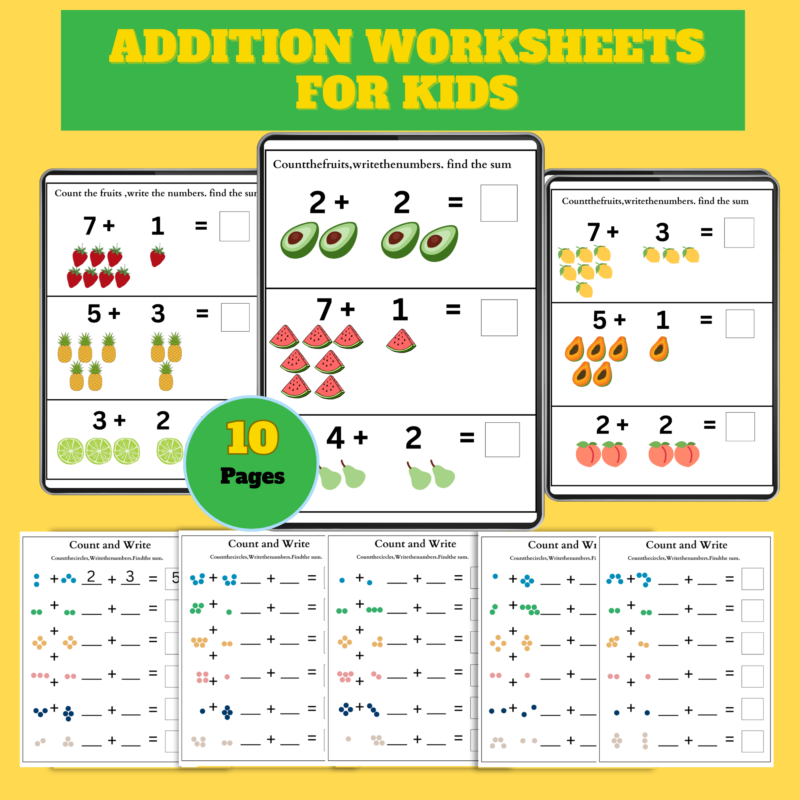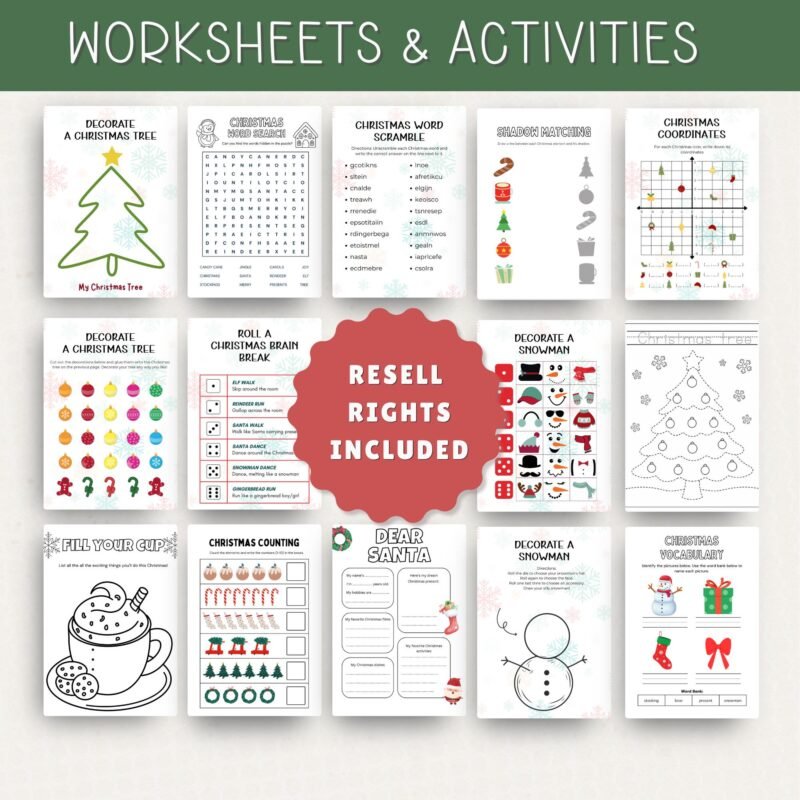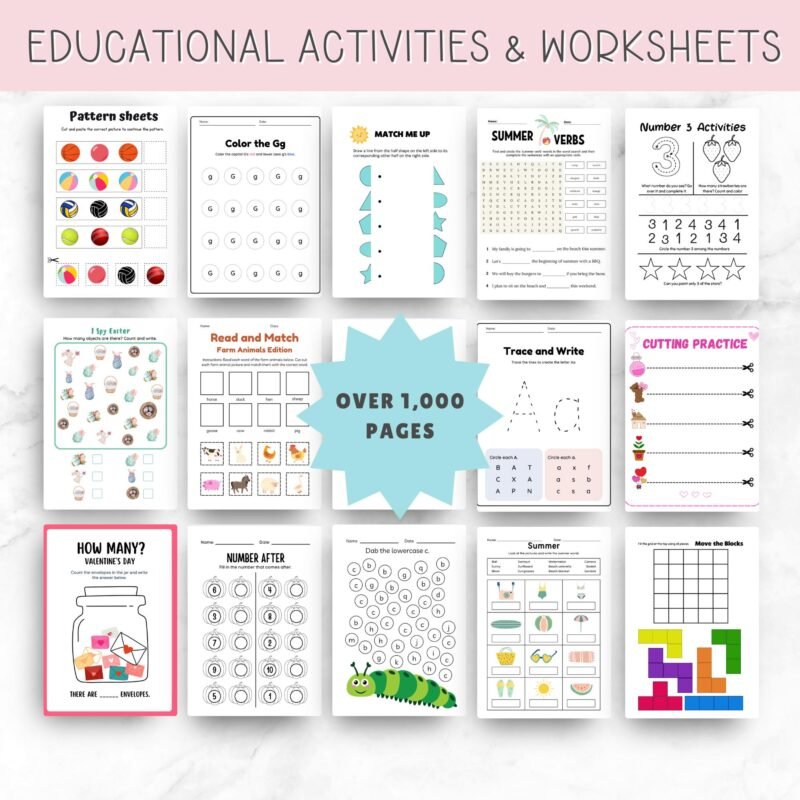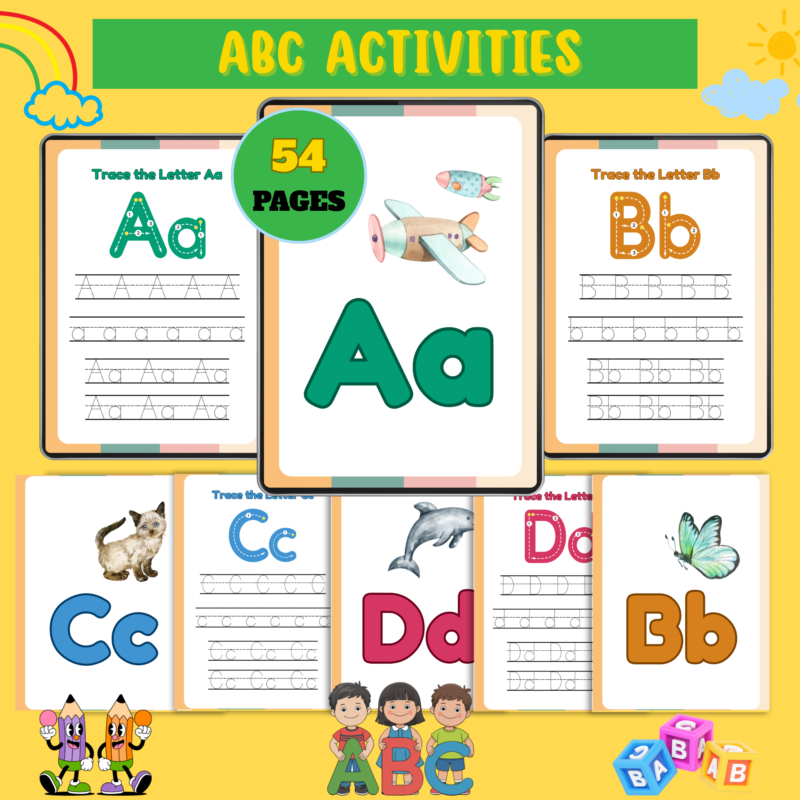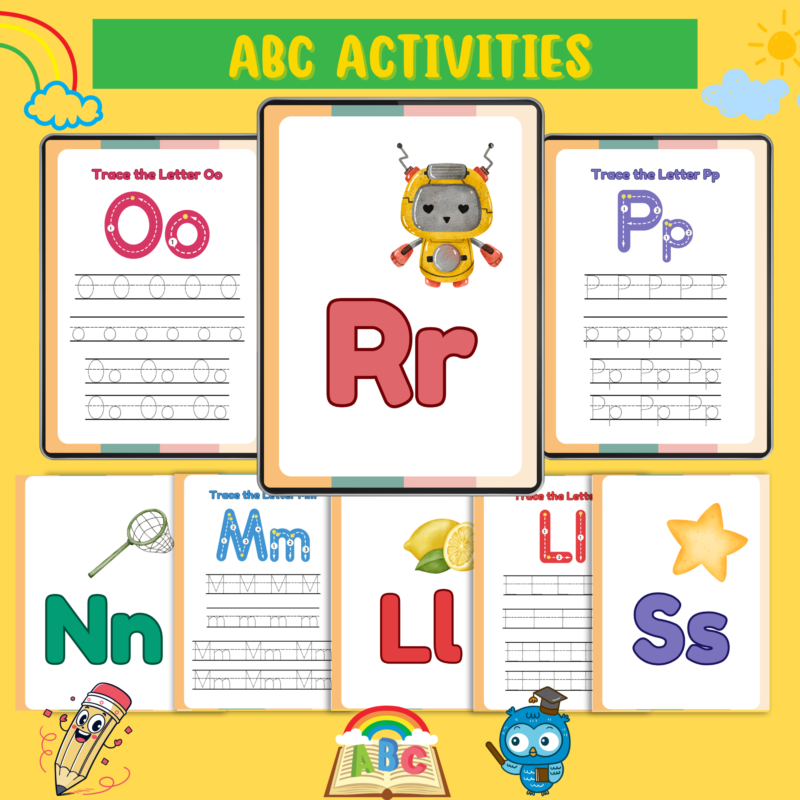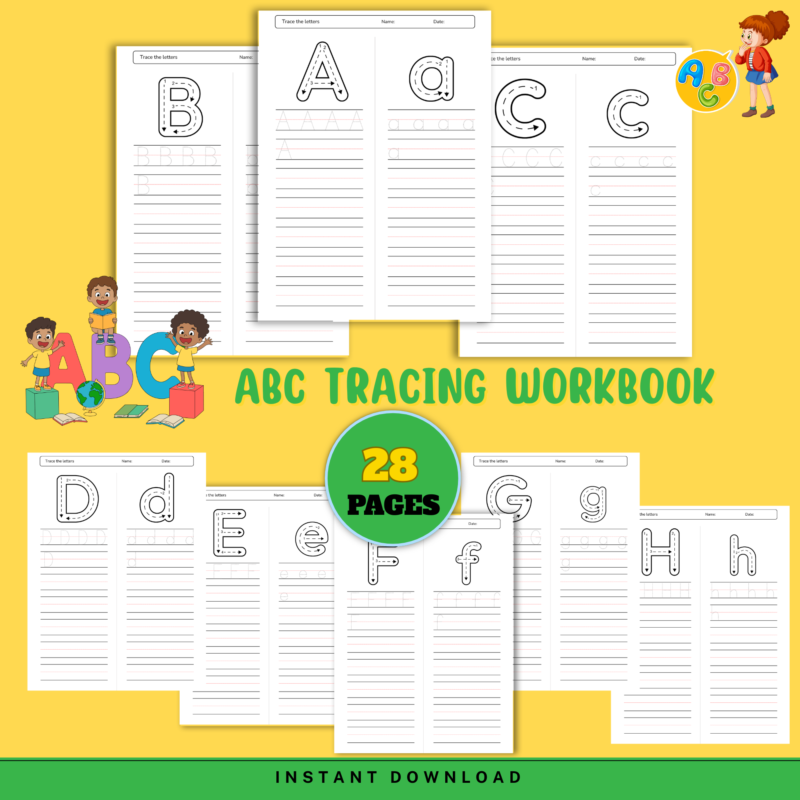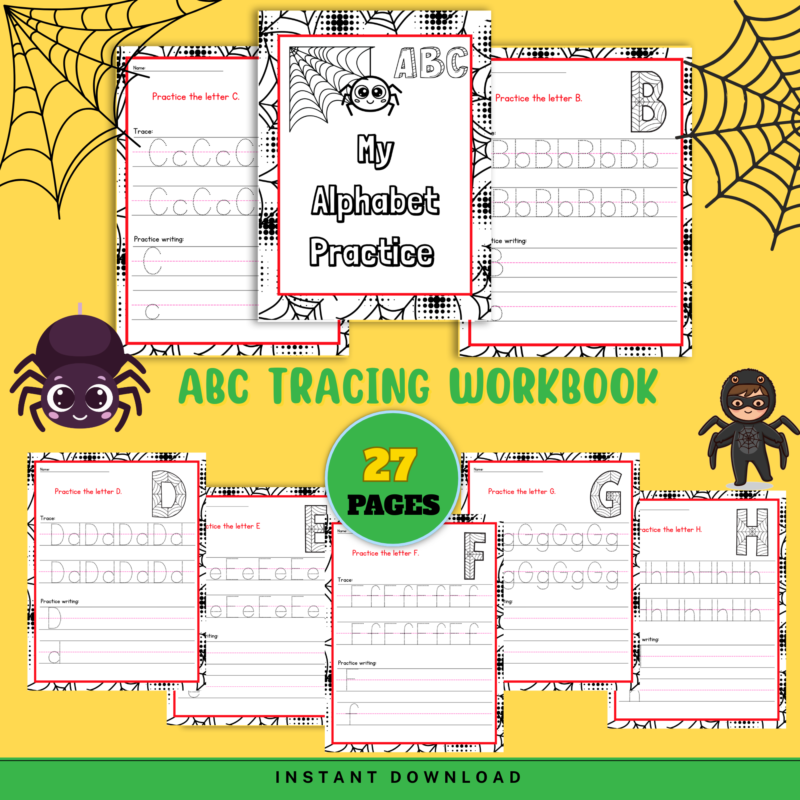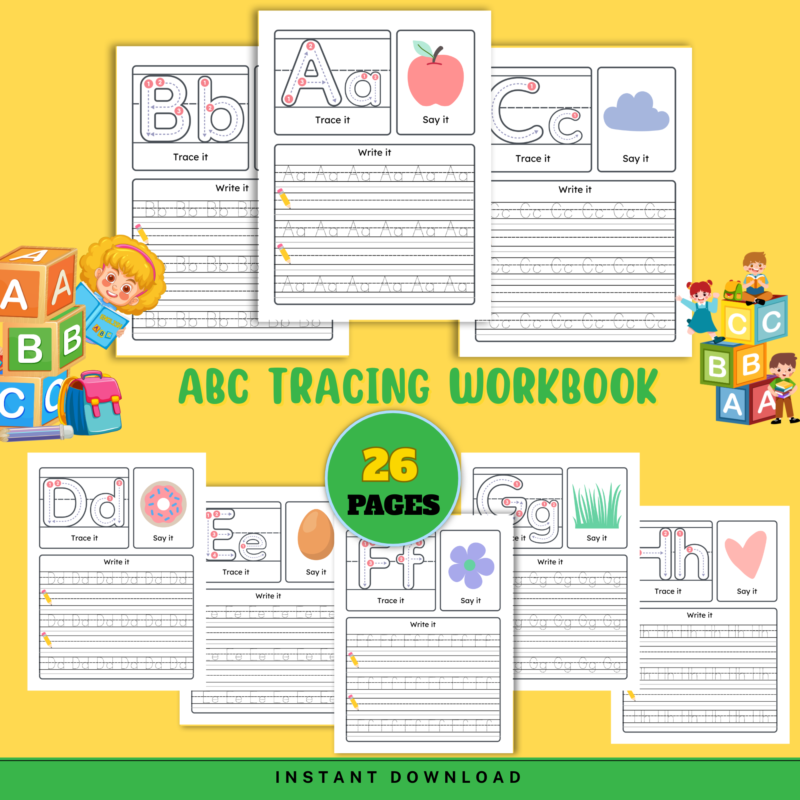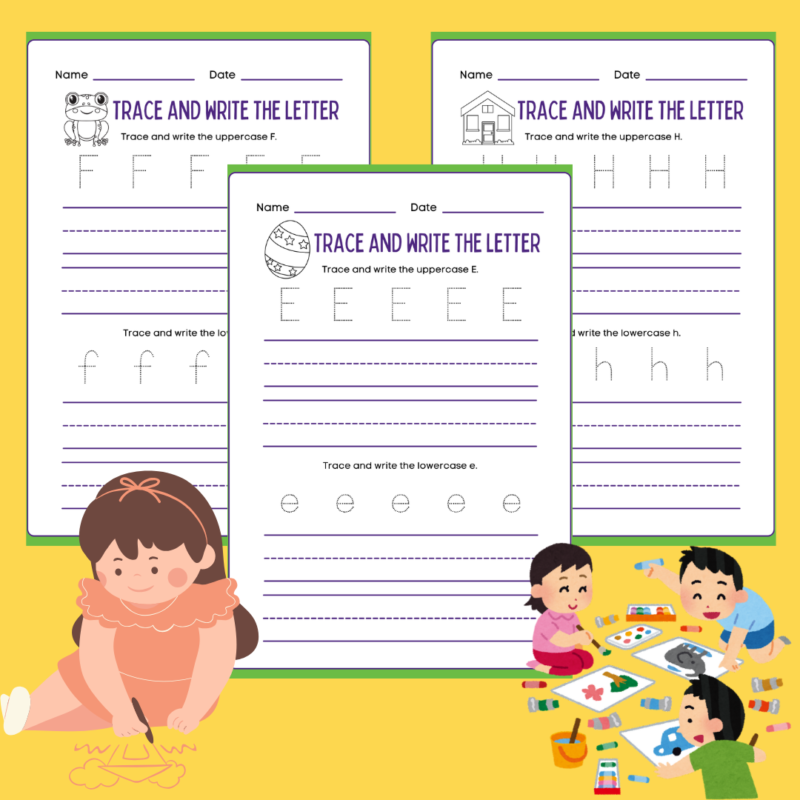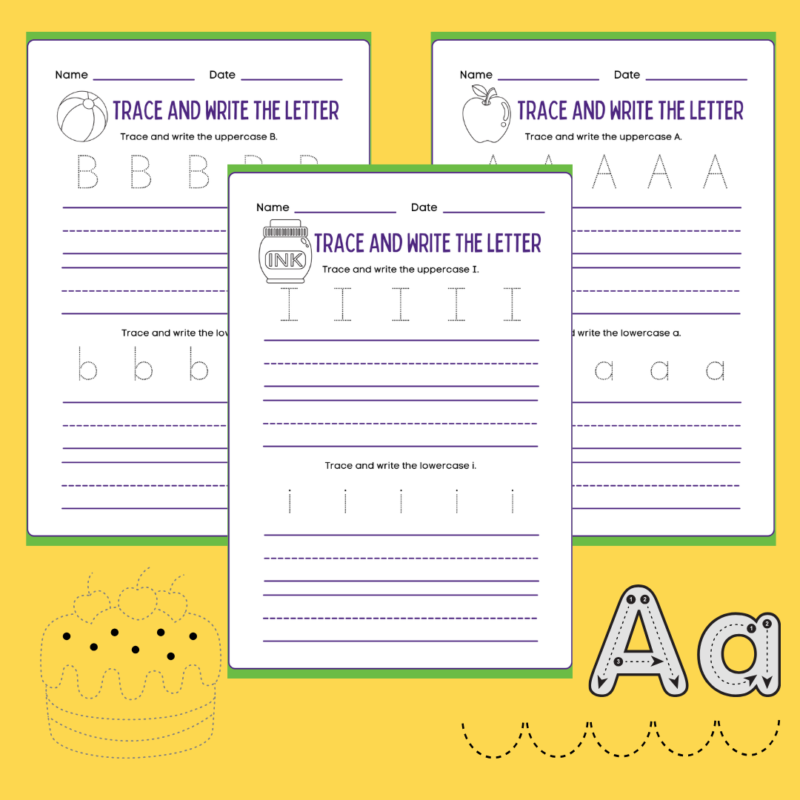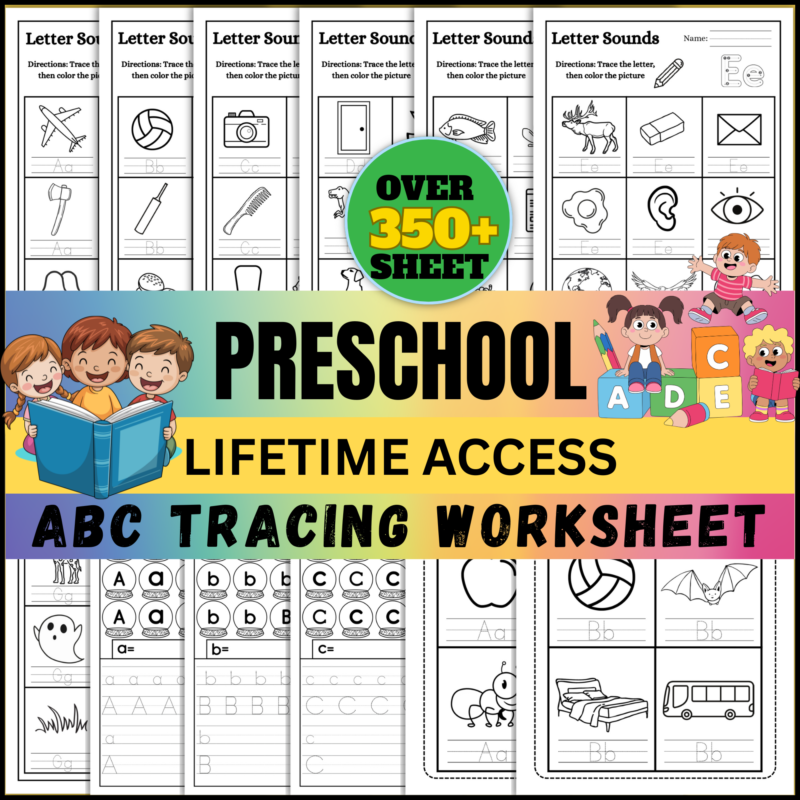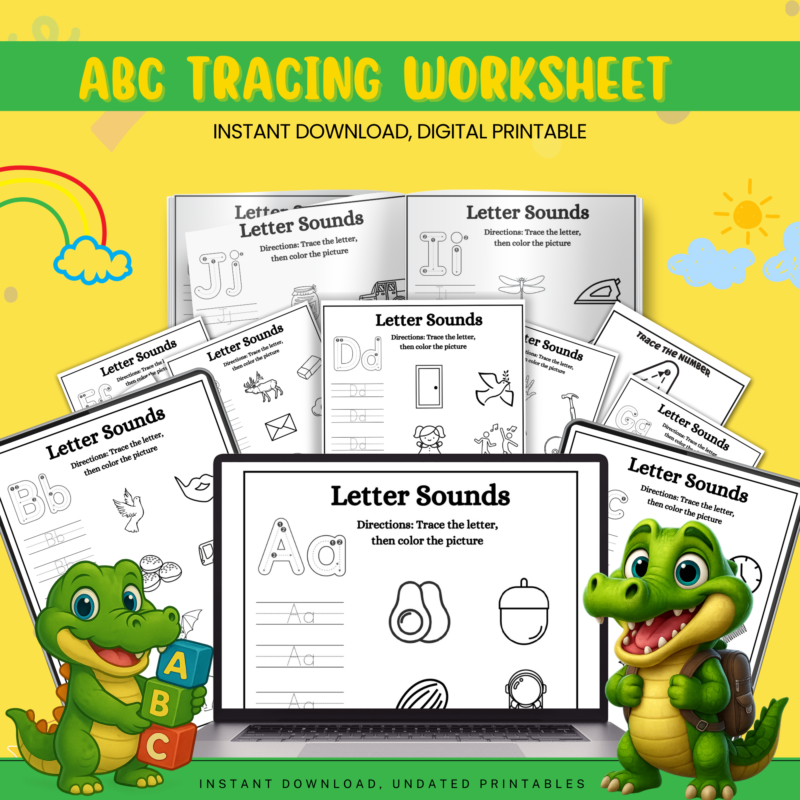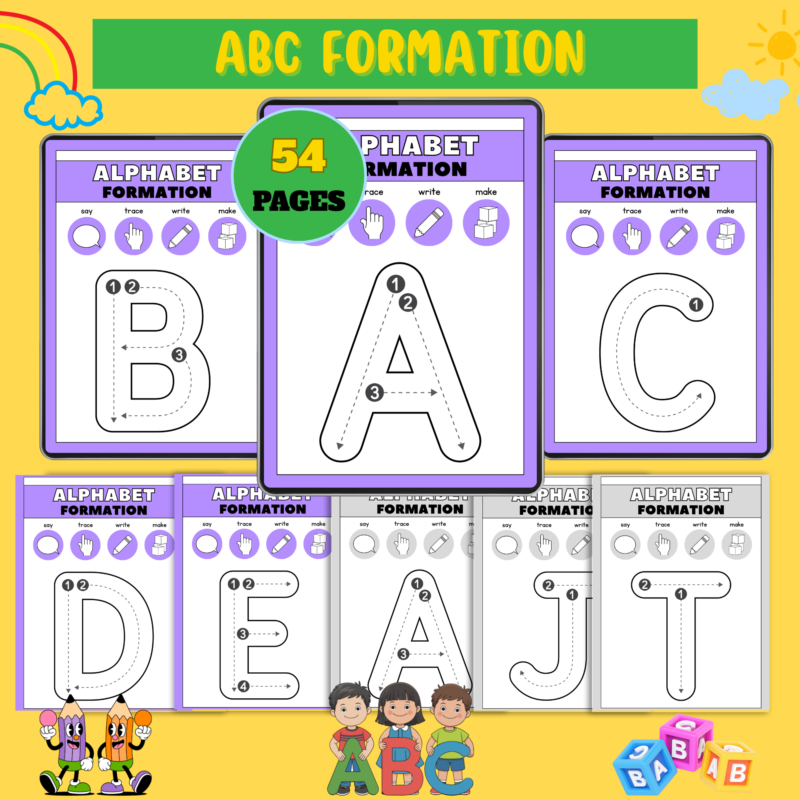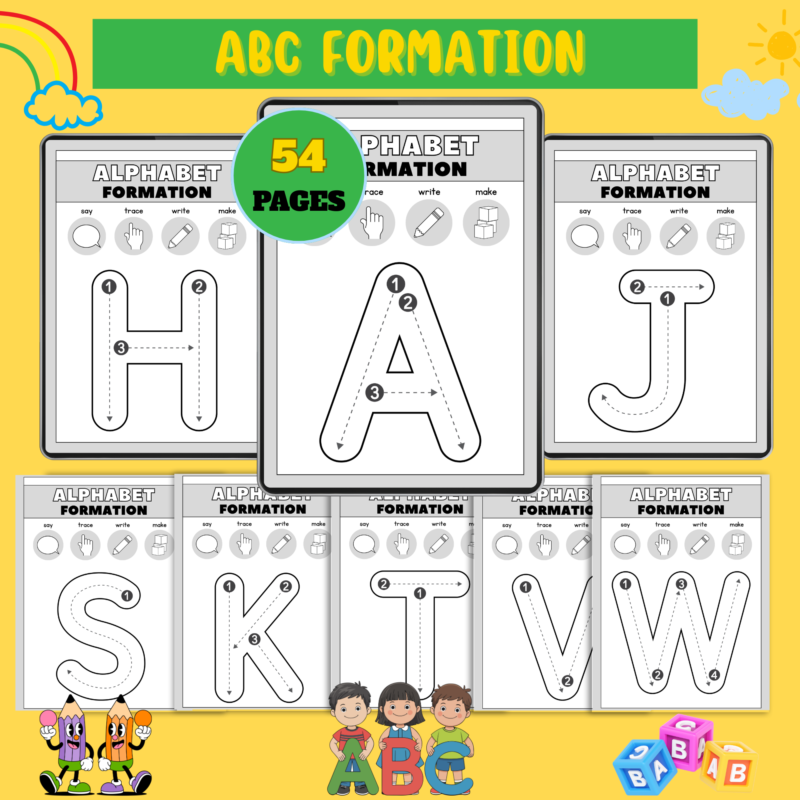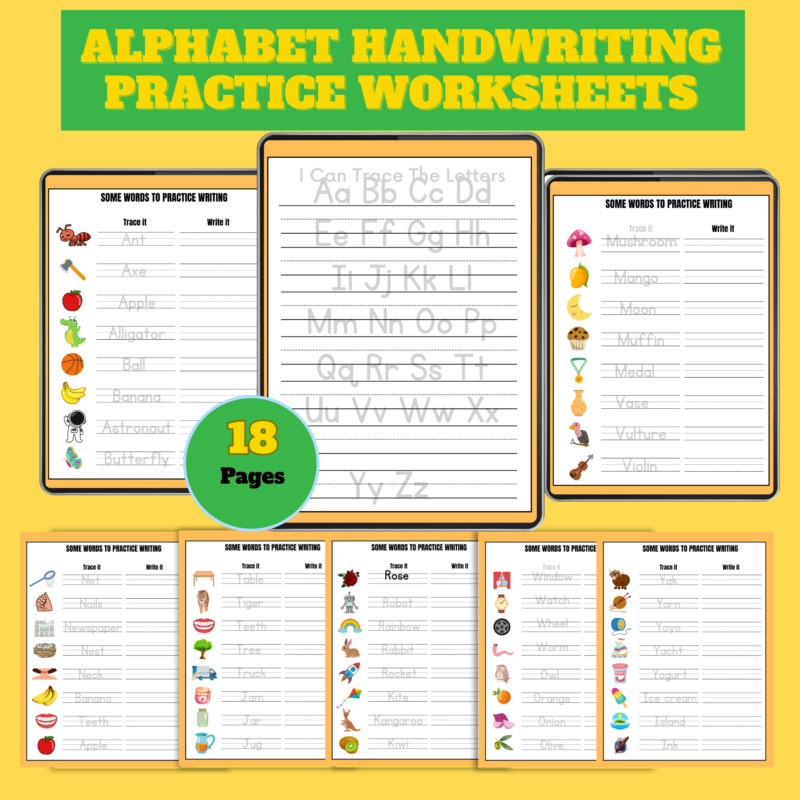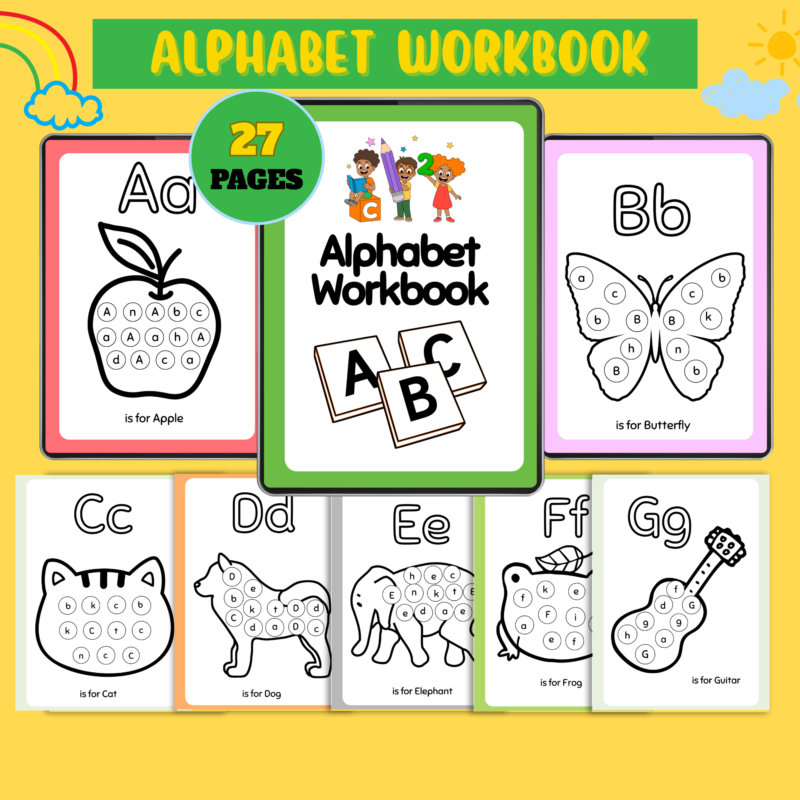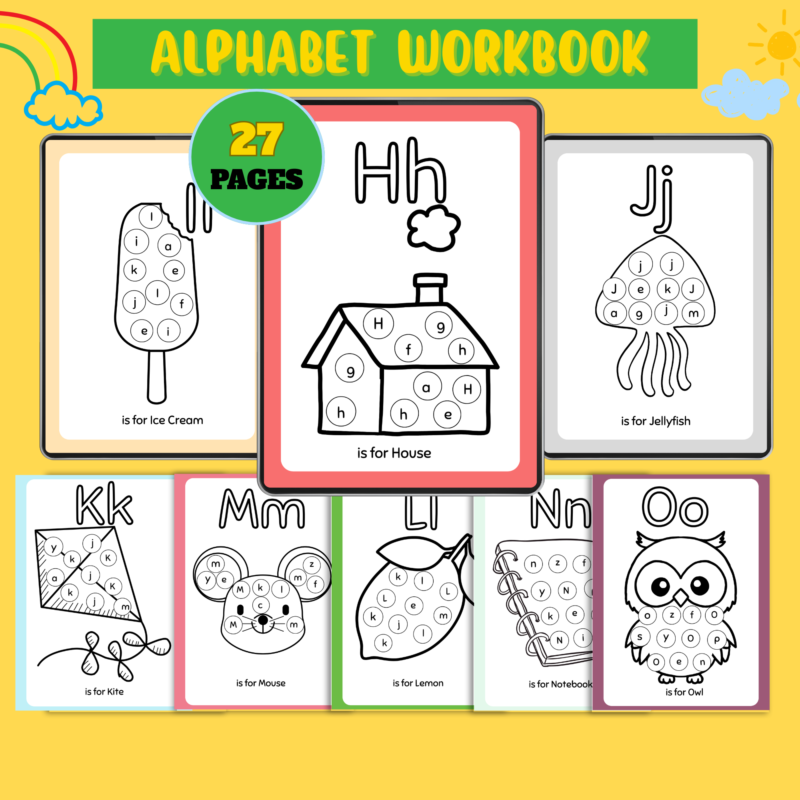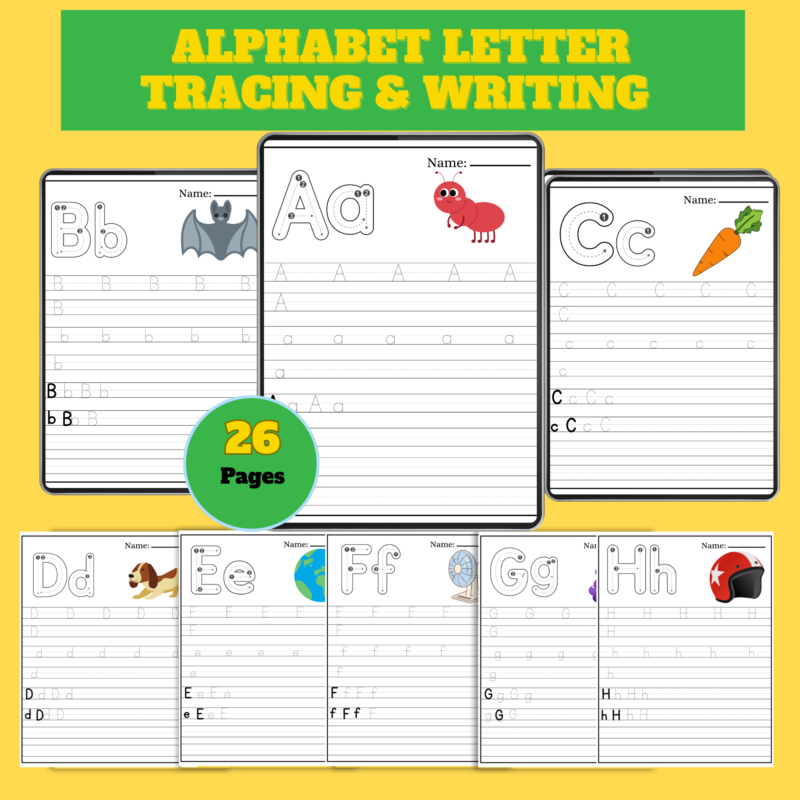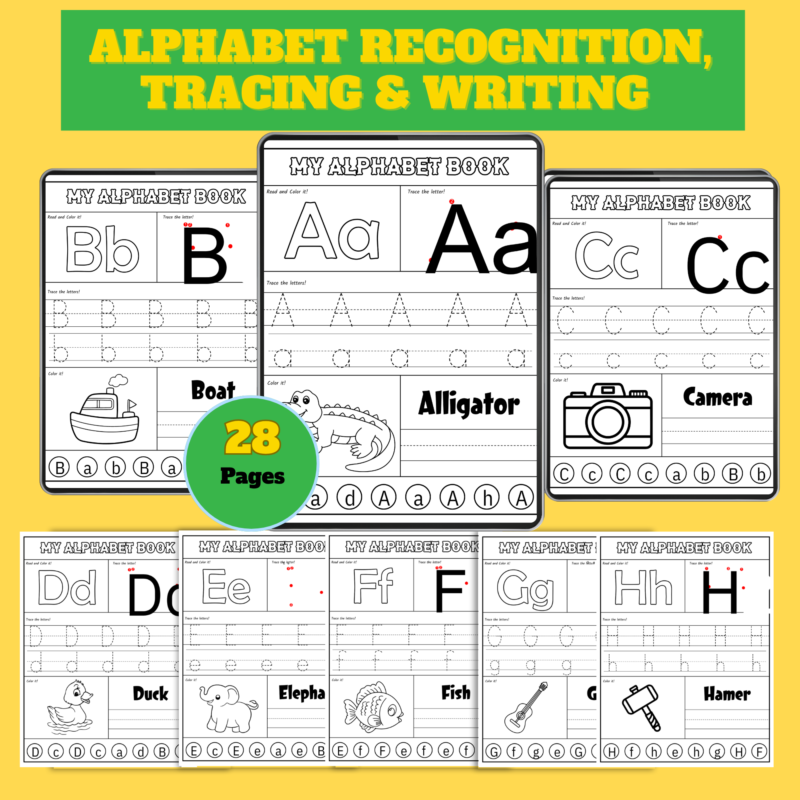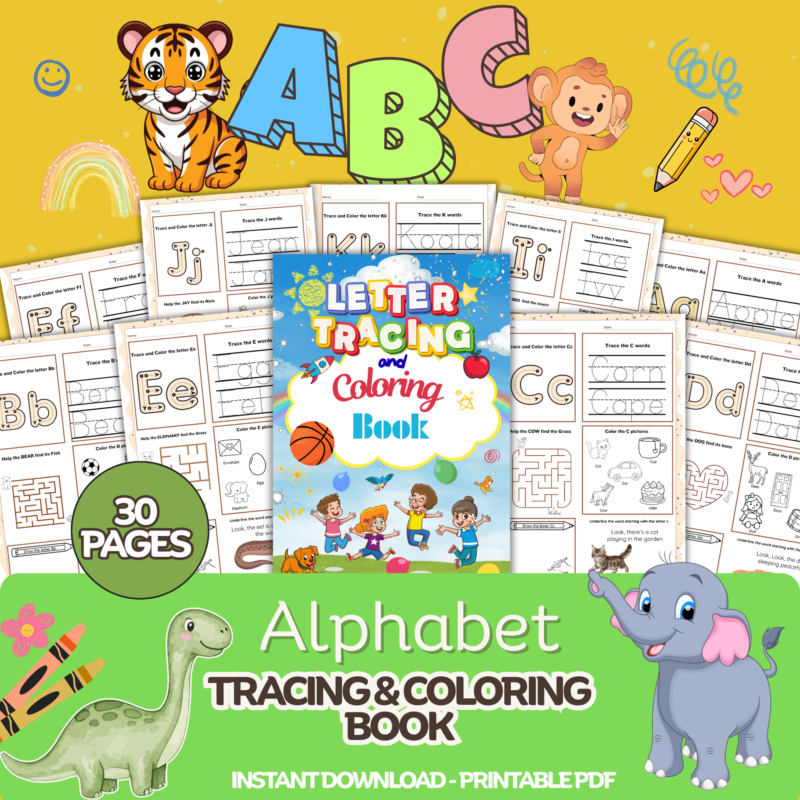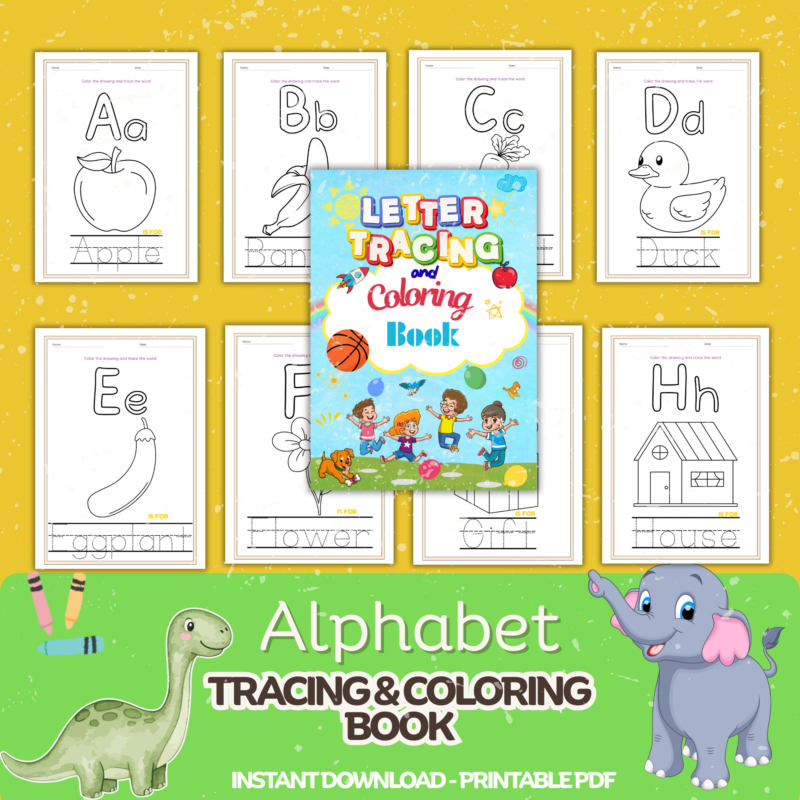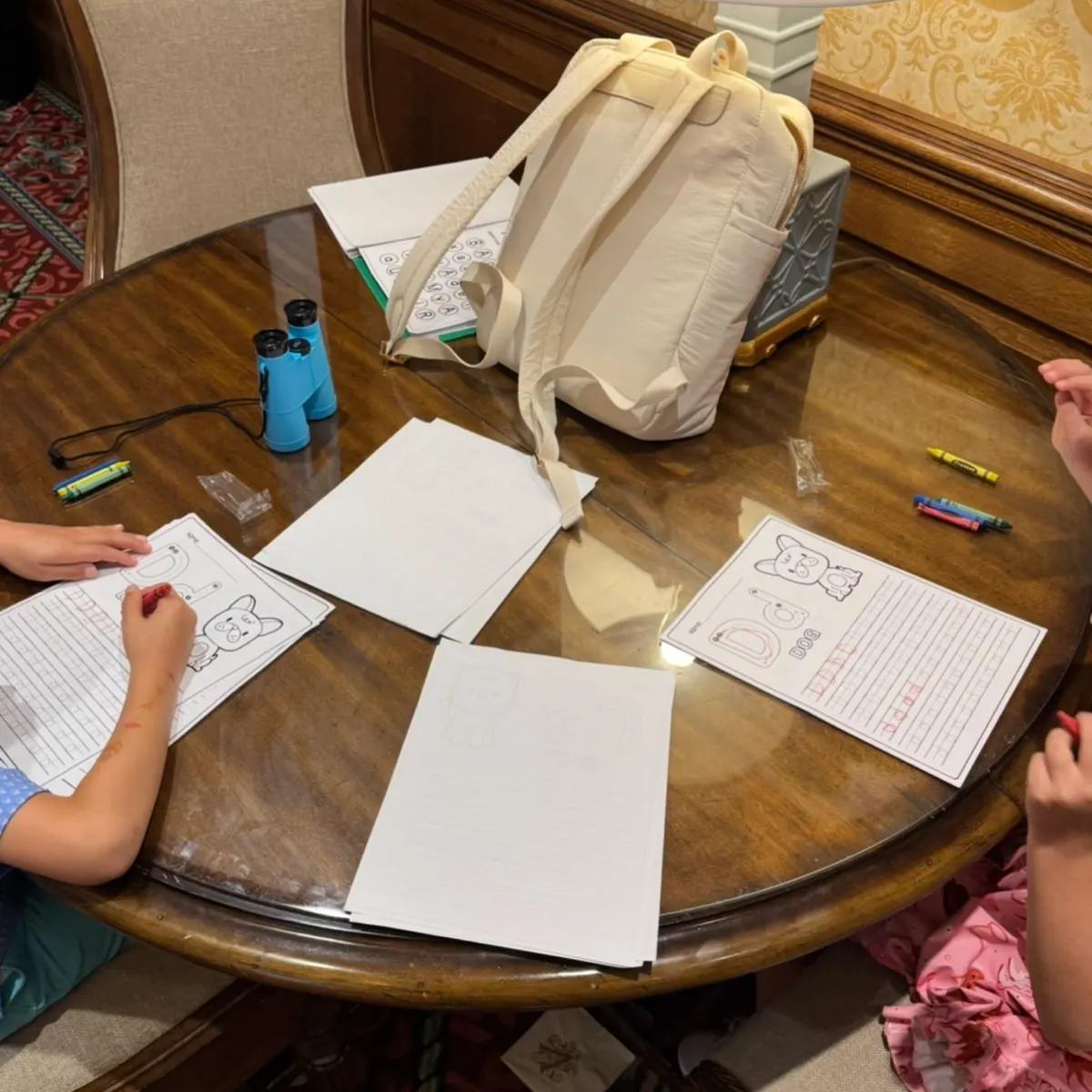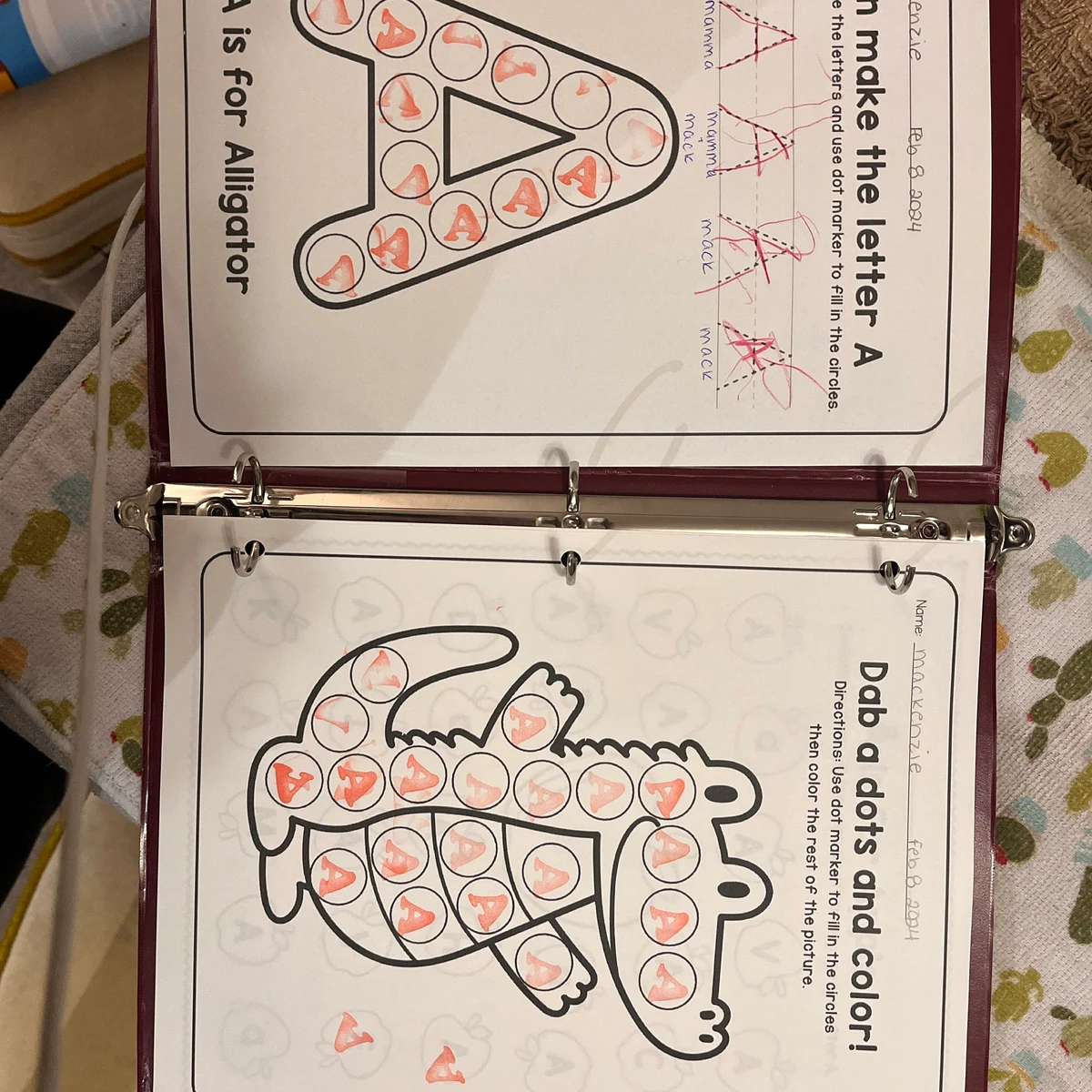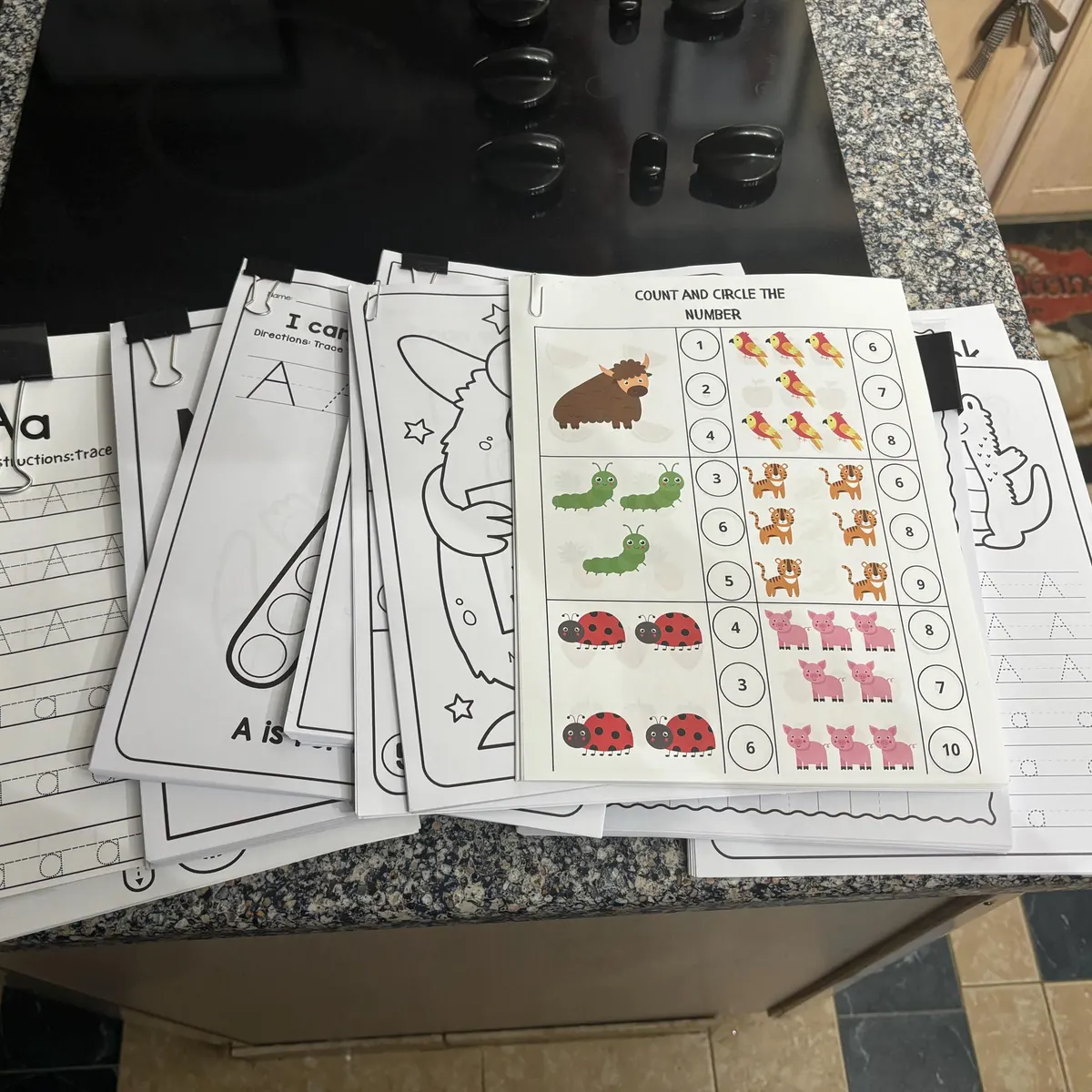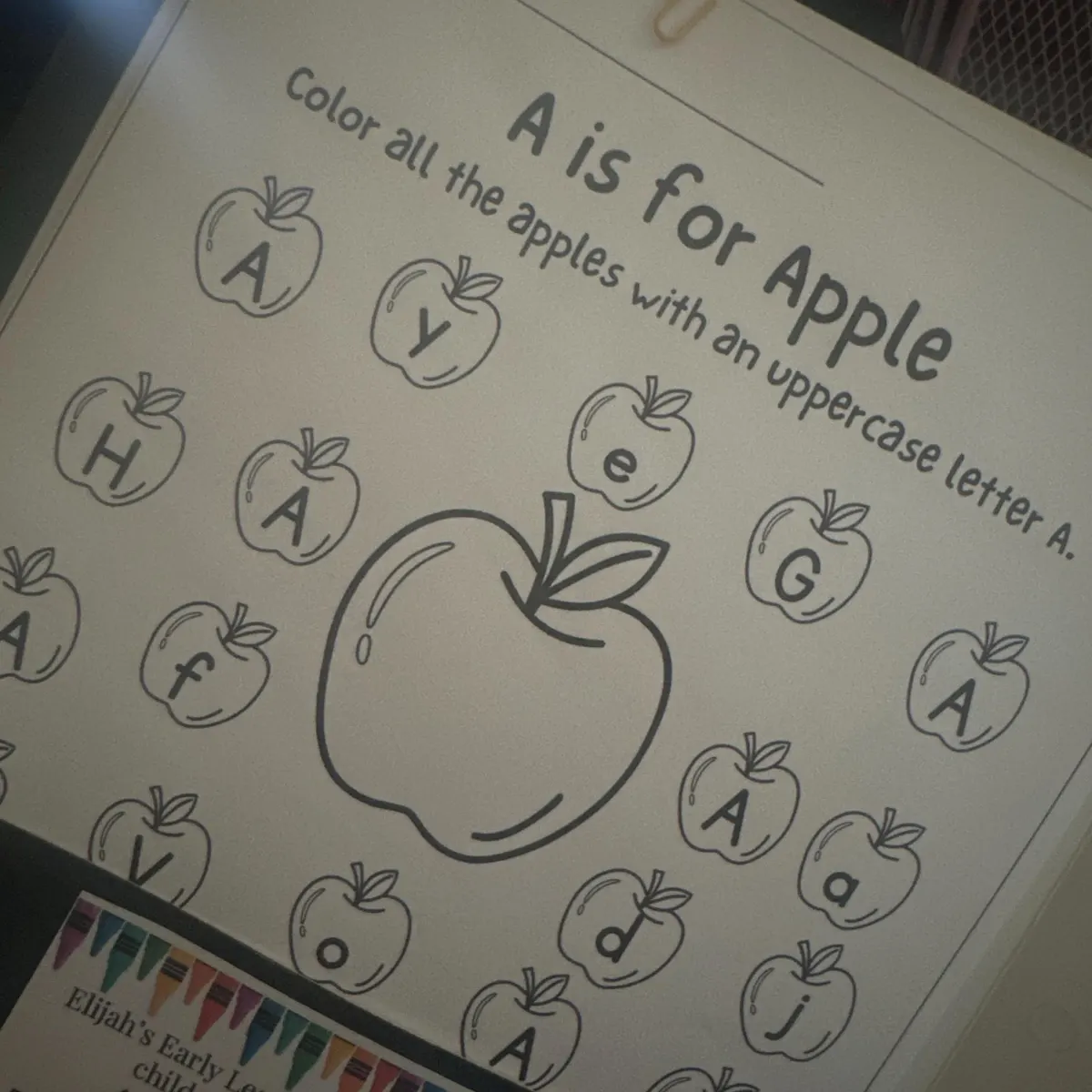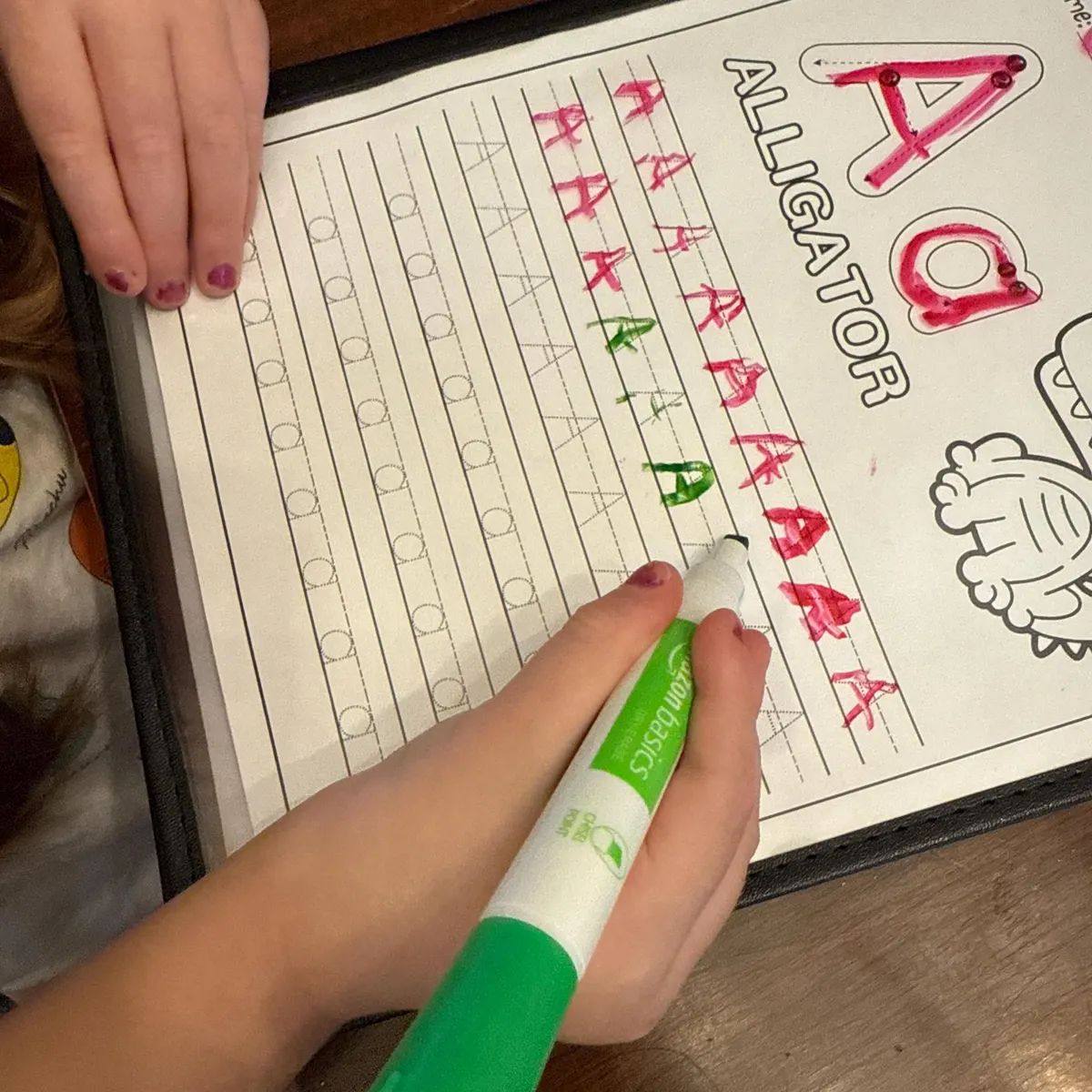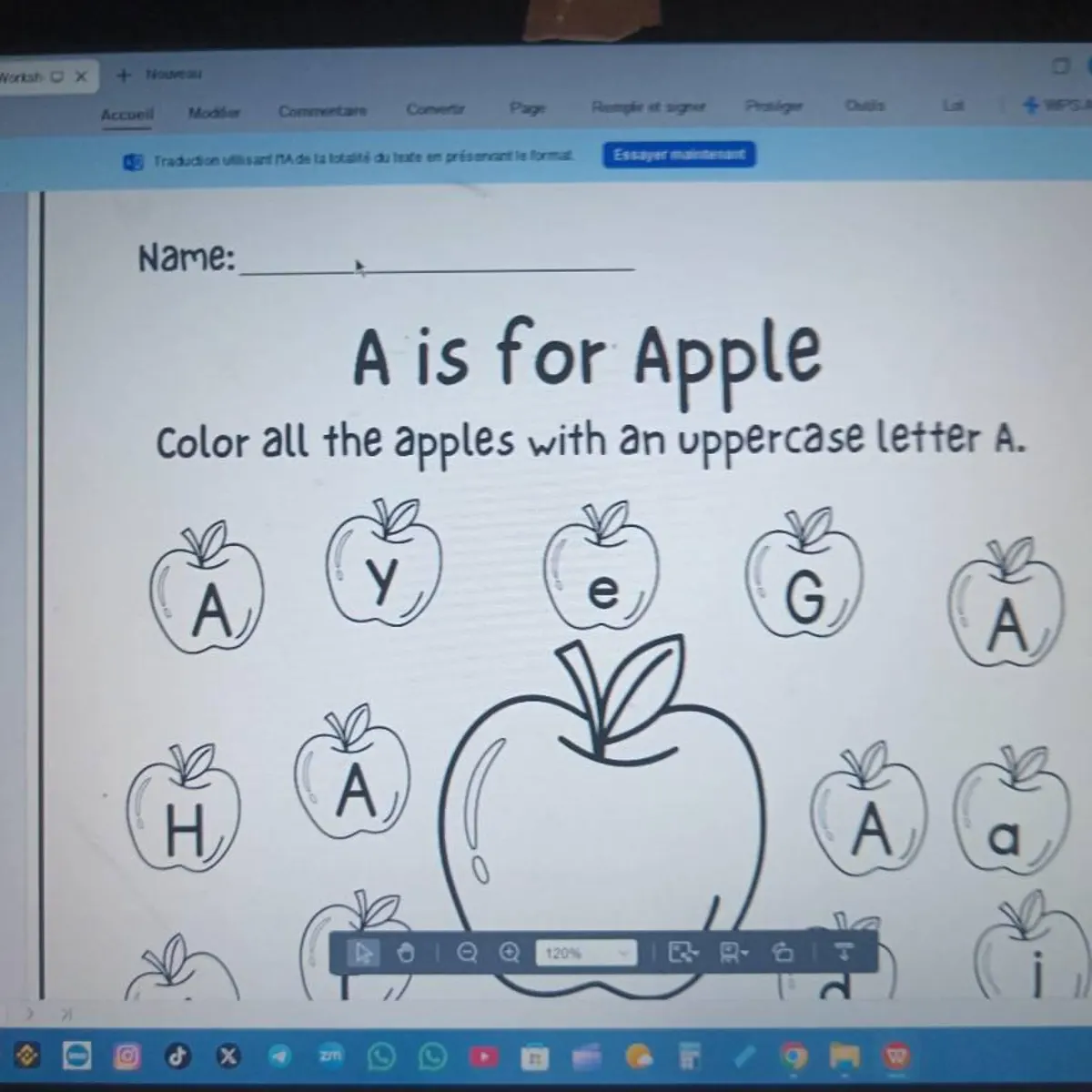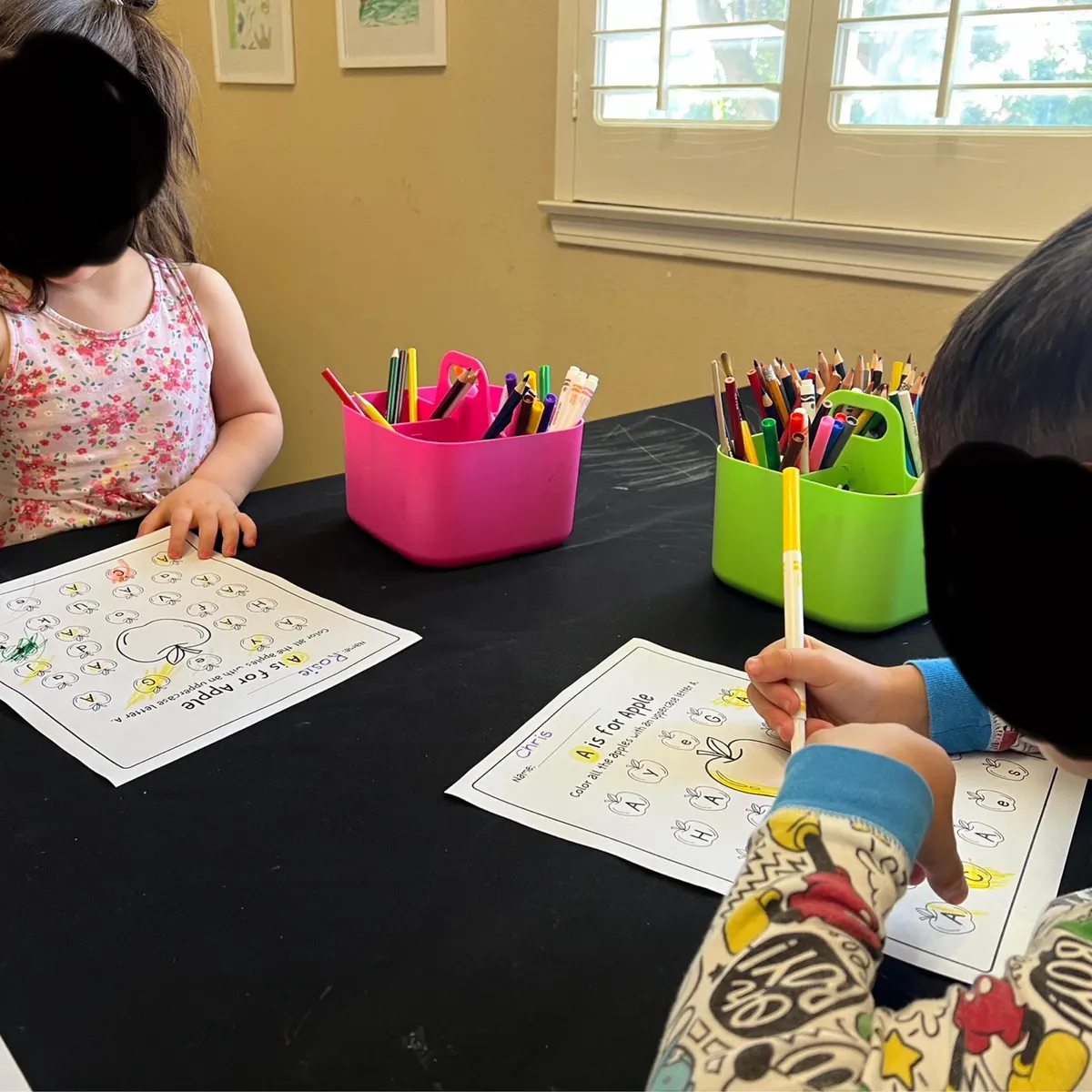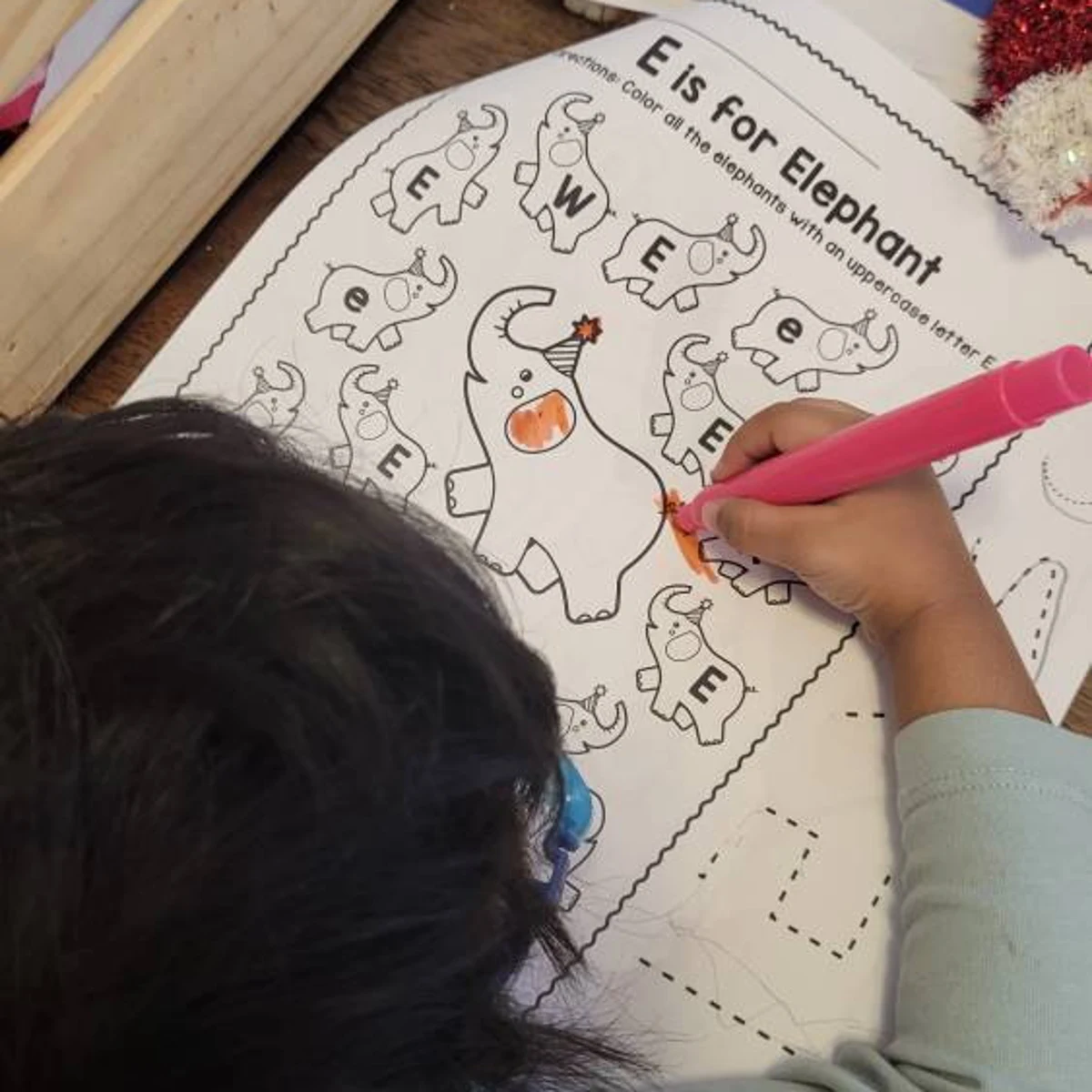
Free A-Z Letter Tracing Worksheets, A-Z Letter Tracing Sheets, and A-Z Letter Tracing Worksheets PDF designed for preschool and kindergarten learners. These fun printable tracing activities help children improve handwriting, alphabet recognition, pencil control, fine motor skills, and writing confidence through engaging uppercase and lowercase tracing practice perfect for classroom, homeschool, and daily learning routines.
A child who can hear that sun and sock start with the same sound is doing meaningful early reading work, even without looking at a single letter. That is the heart of phonemic awareness. This kindergarten phonemic awareness guide helps parents, teachers, and homeschool families turn quick everyday moments into playful practice that builds reading readiness.
Phonemic awareness develops through listening, talking, moving, and repeating. It does not need long lessons, complicated prep, or a room full of supplies. A few focused minutes each day can help children notice how words sound, take words apart, and put sounds together with growing confidence.
What Is Phonemic Awareness in Kindergarten?
Phonemic awareness is the ability to hear and work with the smallest sounds in spoken words, called phonemes. For example, the word map has three sounds: /m/ /a/ /p/. A child with phonemic awareness can hear those separate sounds and eventually blend them back together to say map.
This skill is related to phonics, but they are not the same thing. Phonemic awareness is mostly an ear skill. Children listen to and manipulate sounds without needing to see letters. Phonics connects those sounds to written letters and letter patterns. Both matter for early reading, but children often benefit from building their listening skills first.
A kindergartner may practice hearing rhymes, clapping syllables, identifying first sounds, blending sounds into words, and separating a simple word into its sounds. These small activities support the bigger goal: helping children understand that spoken words are made of parts they can hear and use.
Why These Sound Skills Matter Before Reading Takes Off
When children begin reading simple words, they need more than alphabet knowledge. They need to understand that letters represent sounds and that sounds can be blended to make a word. A child who hears /s/ /a/ /t/ and says sat has an easier time connecting those sounds to the letters s-a-t later on.
Phonemic awareness also supports spelling. When a child wants to write dog, hearing the beginning, middle, and ending sounds gives them a useful starting point. Early spelling will not be perfect, and that is okay. The goal is to help children listen closely and connect their growing sound knowledge to print.
Some children pick up these skills quickly through songs, stories, and conversation. Others need more direct, repeated practice. Neither path means a child is ahead or behind for life. Short, cheerful practice can make a real difference, especially when adults keep the focus on progress rather than perfection.
The Best Order for Kindergarten Phonemic Awareness Practice
Children usually find bigger sound parts easier to hear than individual phonemes. Start with the skills that feel most natural, then gradually move toward more precise sound work. You do not have to wait until one skill is completely mastered before introducing another, but moving from simple to challenging keeps practice encouraging.
Start With Listening and Word Play
Before asking children to identify sounds in words, help them become active listeners. Try a sound walk around the house or classroom. What do they hear: a clock ticking, paper crinkling, feet stomping, a dog barking? You can also make two sounds and ask whether they are the same or different.
Rhyming is another friendly starting place. Read rhyming books, pause before the rhyming word, and let children fill it in. Ask, “What rhymes with cat: hat or sun?” Nonsense words count, too. If a child says lat or zat, they are still listening for the sound pattern.
Build Awareness of Words and Syllables
Children can learn that sentences have separate words by tapping once for each word in a short sentence: “I see a dog.” Then move to syllables. Clap the parts in names, foods, animals, and favorite characters: pen-cil, but-ter-fly, el-e-phant.
Syllable practice is especially helpful because it adds movement. Children can clap, jump, tap a drum, or place a counter for each word part. Keeping little hands busy often helps little ears focus.
Practice Beginning, Middle, and Ending Sounds
Once children are comfortable with word play, begin asking them to notice the first sound in a word. Use clear examples such as moon, mouse, and milk. Say the word normally first, then stretch the initial sound slightly: “Mmmmoon starts with /m/.” Avoid adding an extra vowel sound when possible. Say /m/, not “muh.”
Ending sounds can be trickier because they are less noticeable. Use words with clear ending sounds, such as cap, bus, and fish. Middle vowel sounds are often the most challenging, so introduce them patiently through short words like cat, bed, pig, hot, and sun.
Blend and Segment Simple Words
Blending and segmenting are two of the most useful kindergarten phonemic awareness skills. For blending, say sounds slowly – /f/ /i/ /sh/ – and ask, “What word?” For segmenting, say a word such as log and ask the child to stretch it into sounds: /l/ /o/ /g/.
Use counters, buttons, toy cars, or fingers to represent each sound. For ship, move three counters, one for /sh/, one for /i/, and one for /p/. Children are hearing sounds, not counting letters, so ship has three phonemes even though it has four letters.
Five Easy Activities That Fit Into a Busy Day
Keep activities brief enough that children want to do them again. These ideas work at home, in a learning center, during transitions, or while waiting in line.
- Sound detective: Choose one sound, such as /b/, and look for objects that begin with it. A book, bag, and banana are all great finds.
- Mystery word: Slowly say the sounds in a simple word and let the child blend them. Start with two or three sounds, then make the words a little more challenging.
- Sound hop: Place three paper circles on the floor. Say a word, and have the child hop once for each sound they hear.
- Rhyme match: Say three words and ask which two rhyme. Keep the choices obvious at first, such as cake, snake, and moon.
- Change the word: Say, “Say cat. Now change /c/ to /h/.” The new word is hat. This is advanced sound play, so use it only when blending and beginning sounds feel comfortable.
A printable worksheet can add helpful structure after children have practiced a skill aloud. Picture sorts, beginning-sound pages, and simple phonics activities give children a chance to connect listening with pencil-and-paper work. Just remember that a worksheet should support sound practice, not replace the talking and listening that phonemic awareness requires.
How Much Practice Does a Kindergartner Need?
For most children, five to ten minutes of focused sound play a day is plenty. A full lesson may be useful in a classroom, but at home, consistency matters more than length. Try one activity during breakfast, another in the car, or a quick game before a bedtime story.
Pay attention to your child’s energy. If they are guessing wildly, getting frustrated, or losing interest, make the task easier. Go back to rhymes, use familiar words, or add movement. If they answer quickly and accurately, gently raise the challenge by using new words or asking them to segment more sounds.
Children do not all develop at the same pace. Some may recognize letters and still need help hearing individual sounds. Others may blend sounds easily but need more practice matching sounds to letters. This is why a mix of oral games, read-alouds, alphabet practice, and simple printable activities works so well.
Common Mistakes to Avoid
The biggest mistake is rushing straight to worksheets or letter drills before children can hear the sounds in spoken words. Written practice is valuable, but it is easier when children first understand what they are listening for.
It also helps to avoid correcting every small error. Instead of saying, “No, that is wrong,” model the sound and try again: “Listen to sun. Ssssun. What sound do you hear first?” Warm repetition protects confidence and keeps children willing to participate.
Finally, use real words more often than isolated sounds. A child may repeat /t/ after an adult, but hearing that tiger, top, and ten all begin with /t/ gives the sound meaning. Pair sound games with books, conversations, songs, and hands-on learning whenever you can.
Fun Clever Fox printable learning activities can make repeated practice easier to organize, whether you are building a home routine or planning a kindergarten center. Choose materials that match the skill your child is working on now, and keep the experience light, playful, and achievable.
The best phonemic awareness practice often looks like a game: a few claps, a silly rhyme, a stretched-out word, and a proud smile when the sounds come together. Those little moments are building blocks for confident reading.