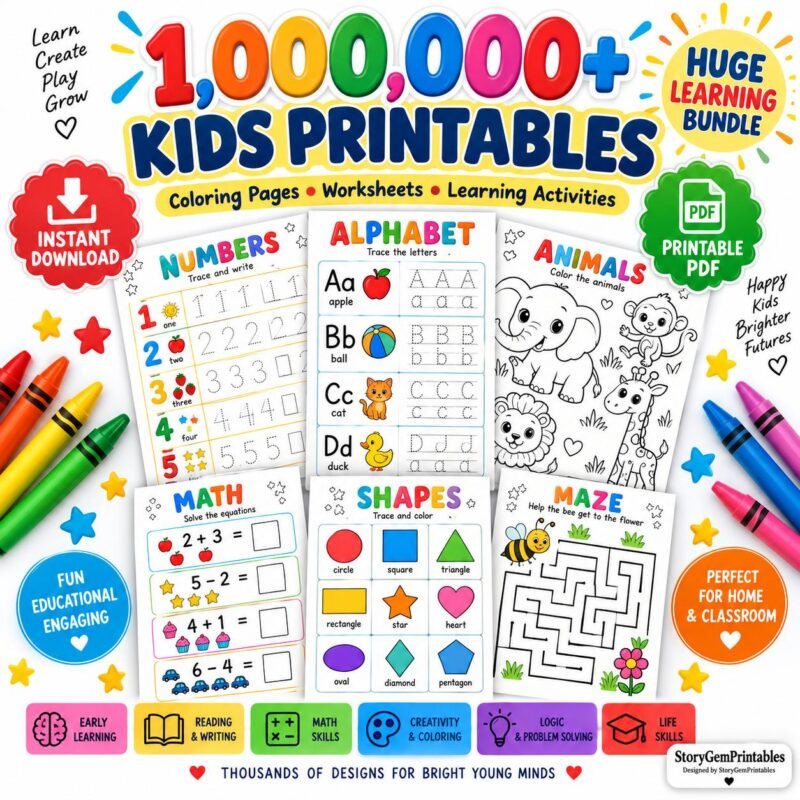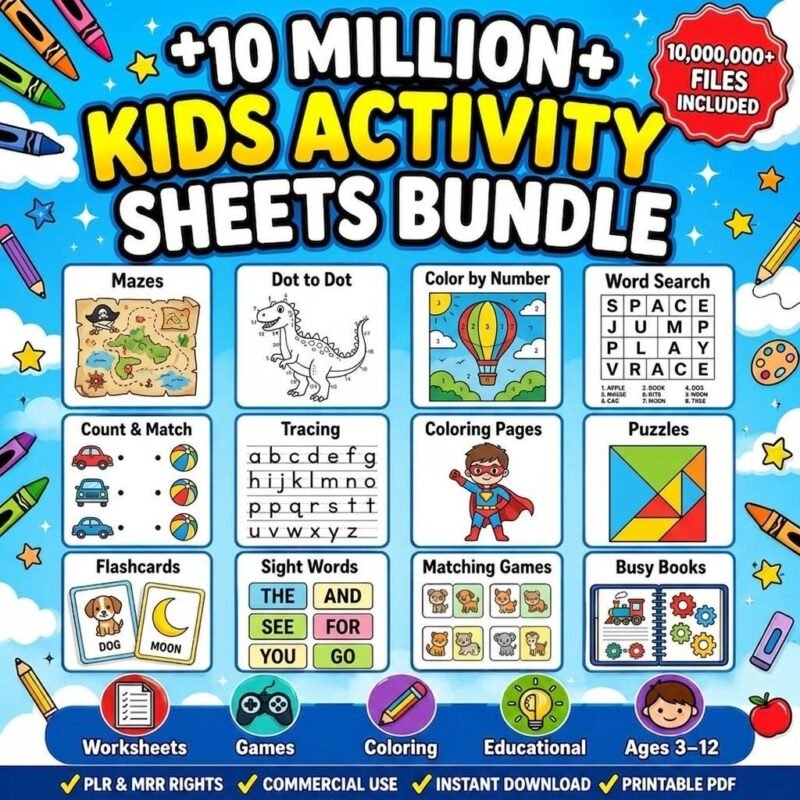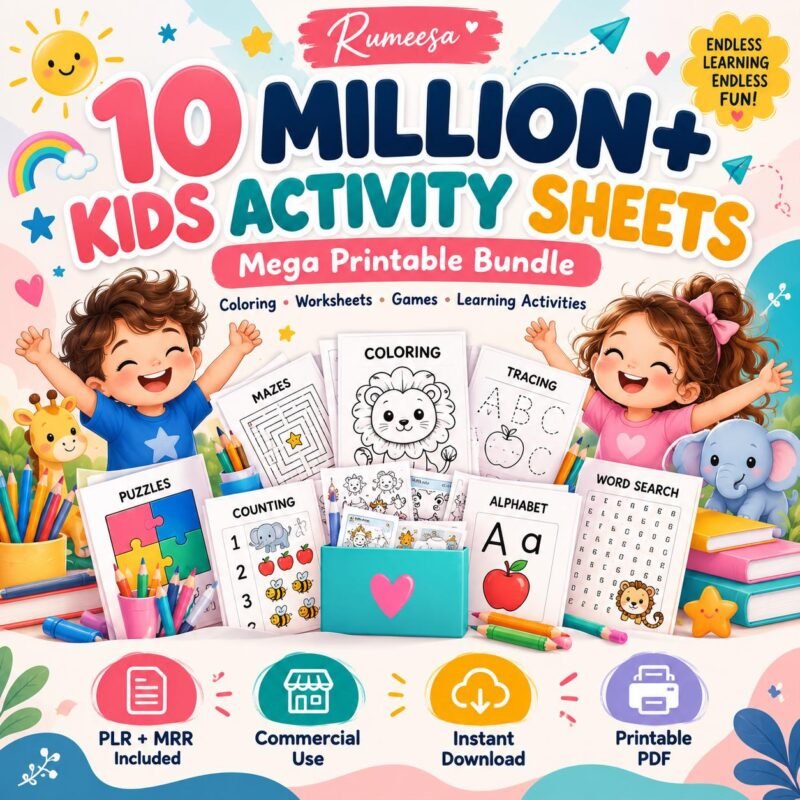

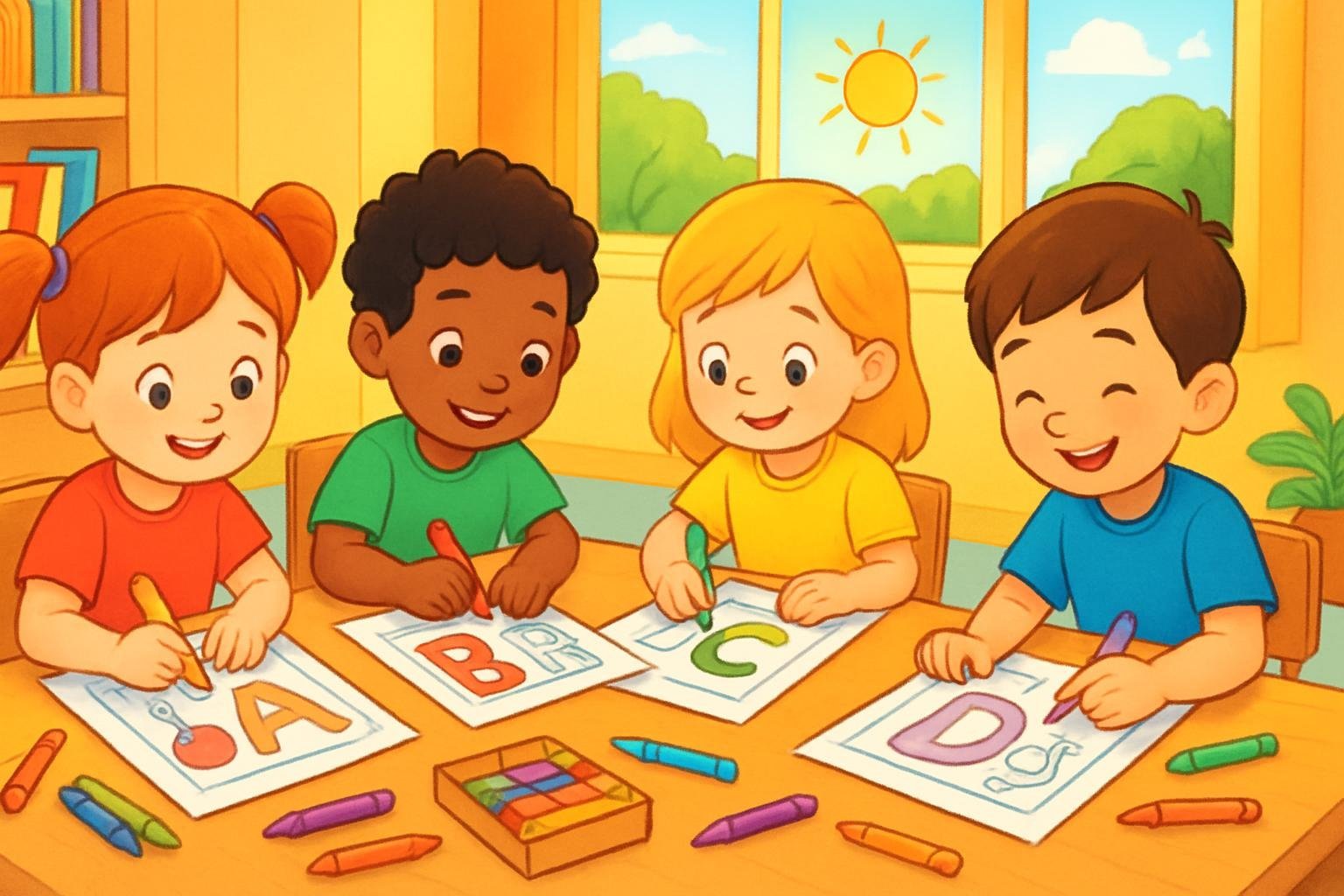
Alphabet find and color worksheets are an excellent way to make learning the letters of the alphabet both interactive and enjoyable. These educational tools not only help children recognize letters but also allow them to express their creativity through coloring. In this article, we’ll explore the benefits of these worksheets, offer tips for using them effectively, and provide a range of engaging activities for young learners.

What Are Alphabet Find and Color Worksheets?
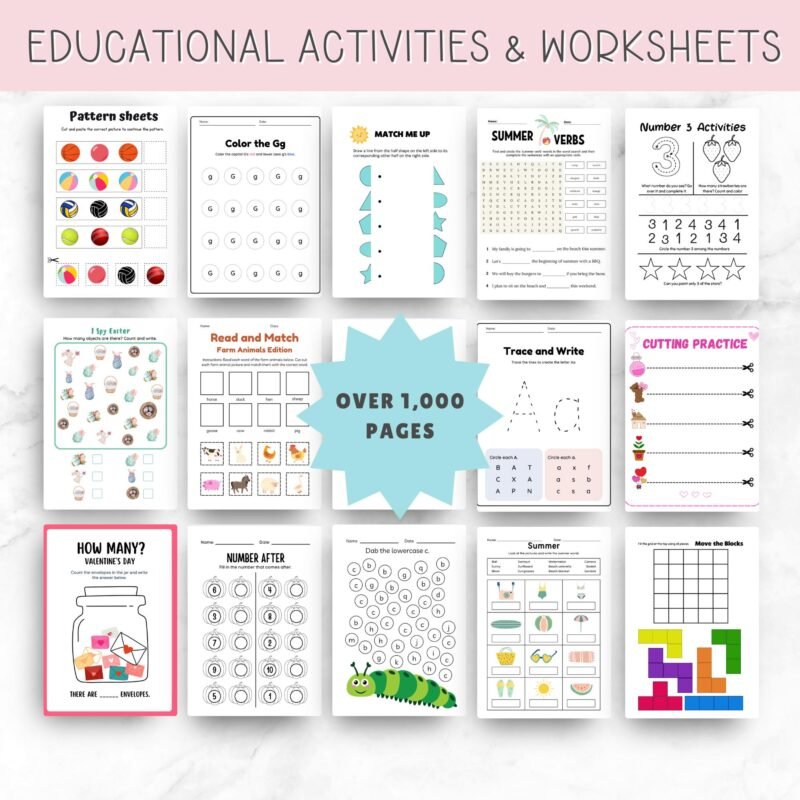
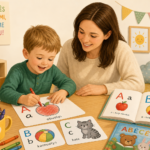
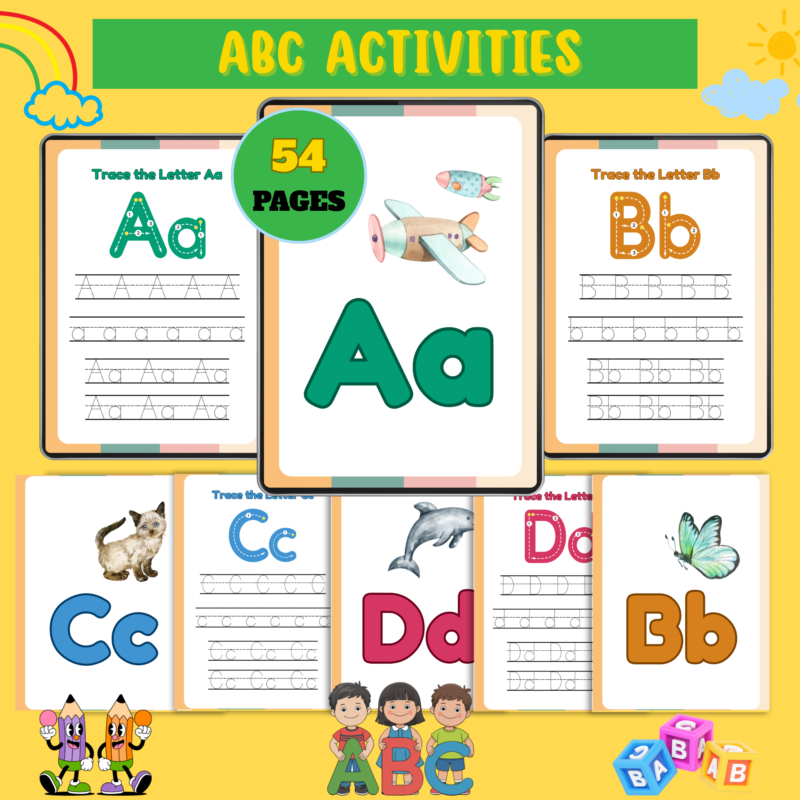
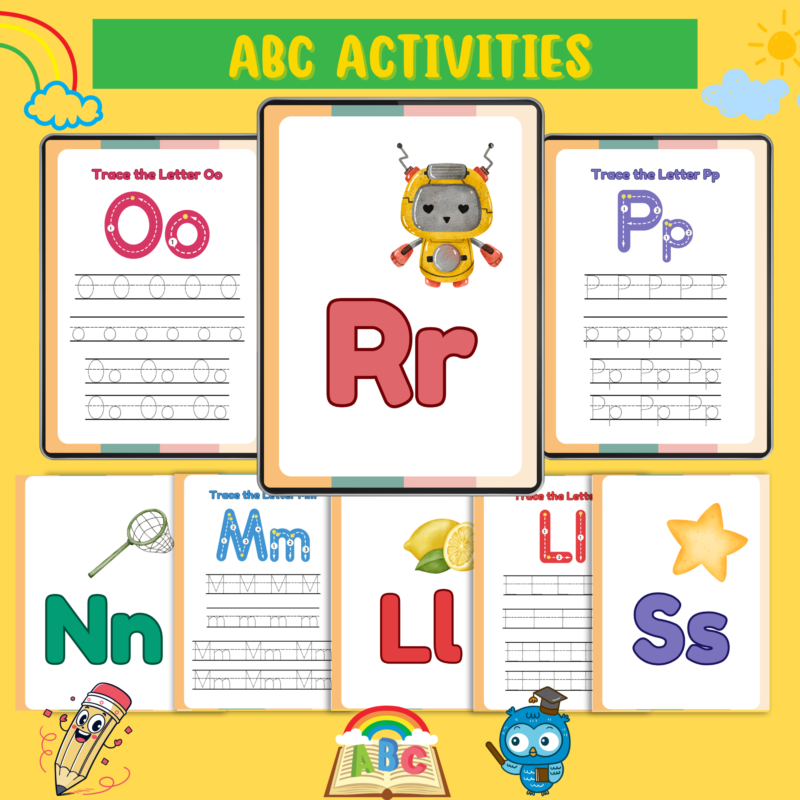
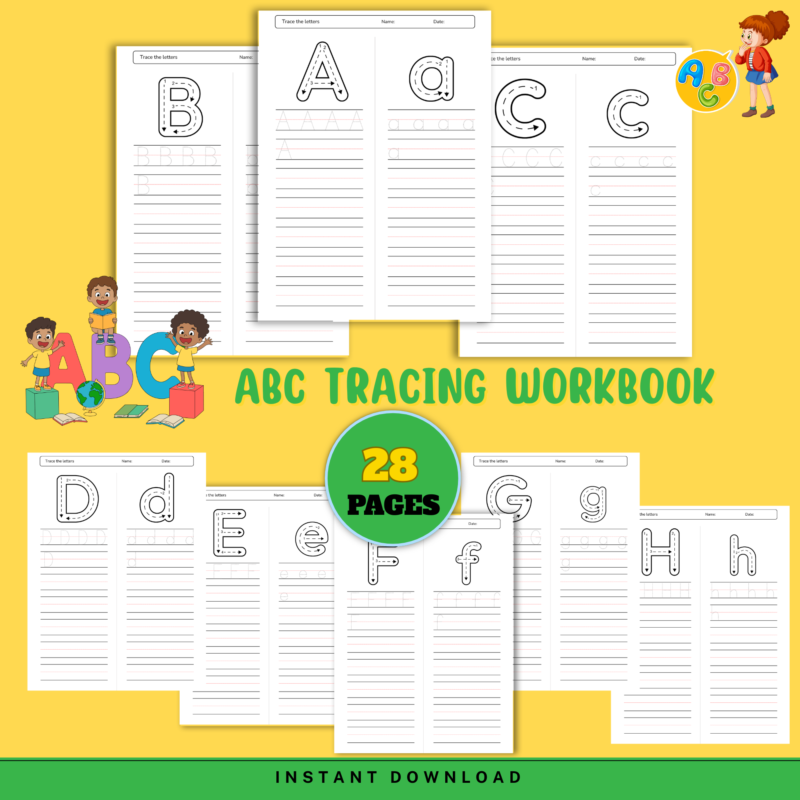
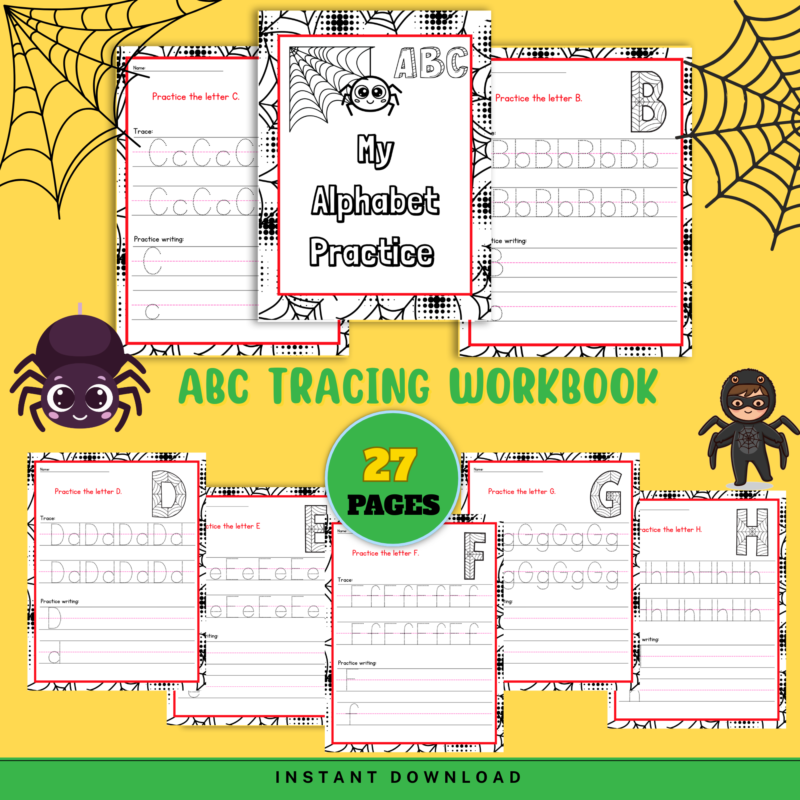
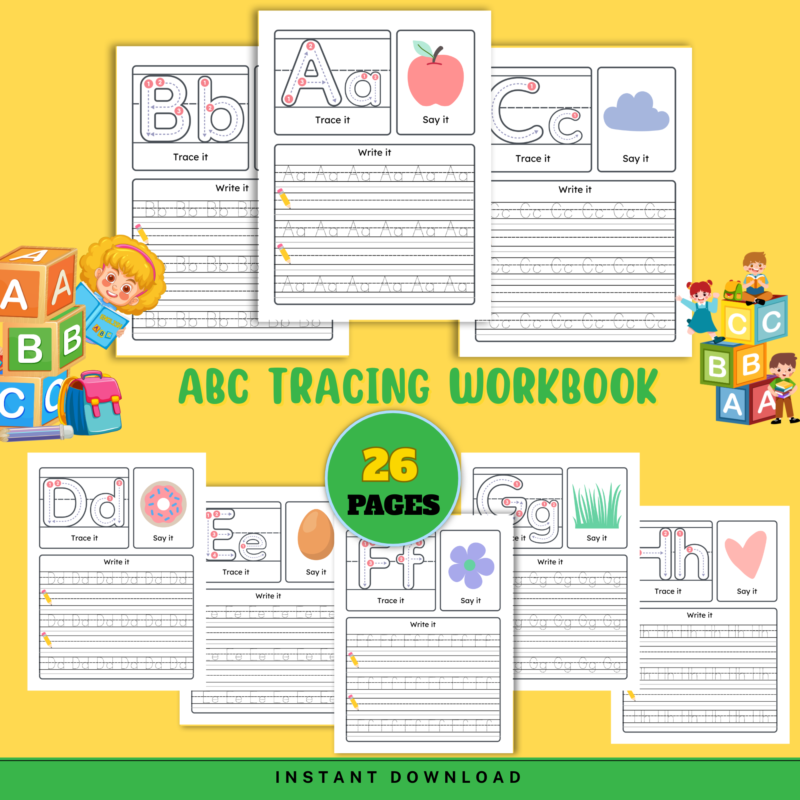
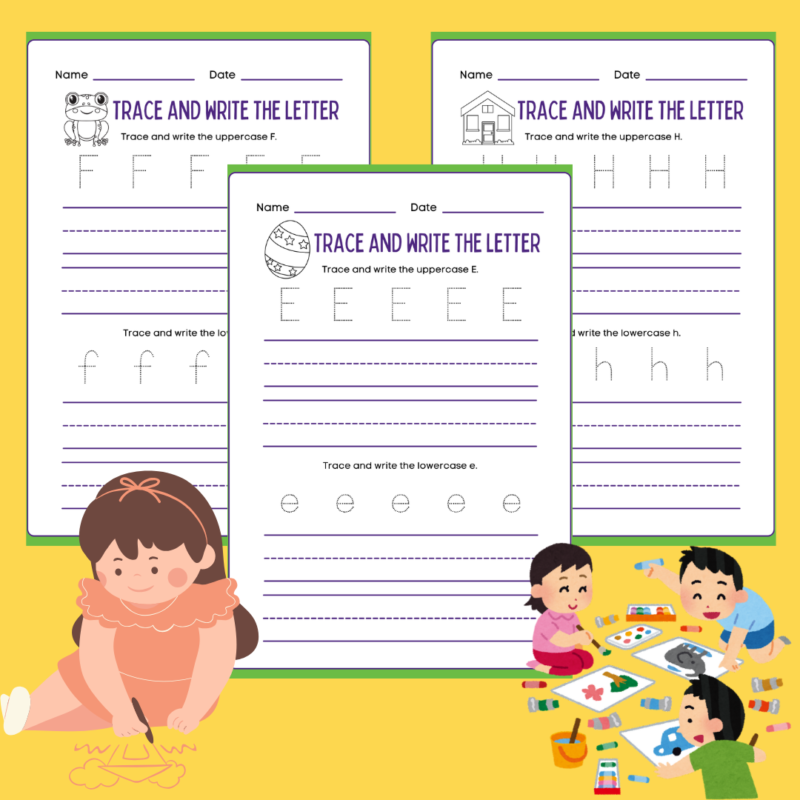
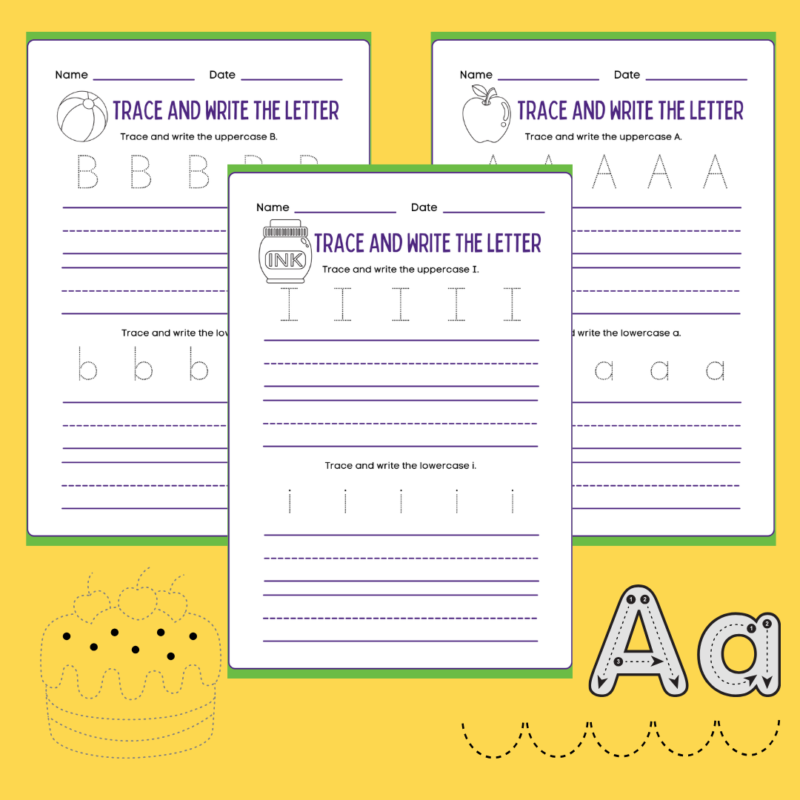
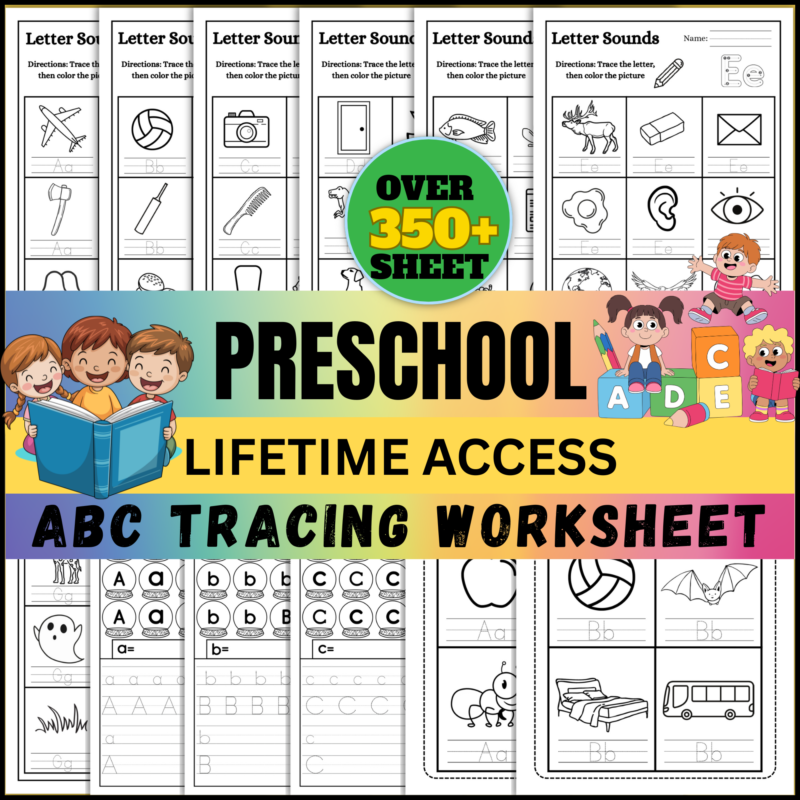
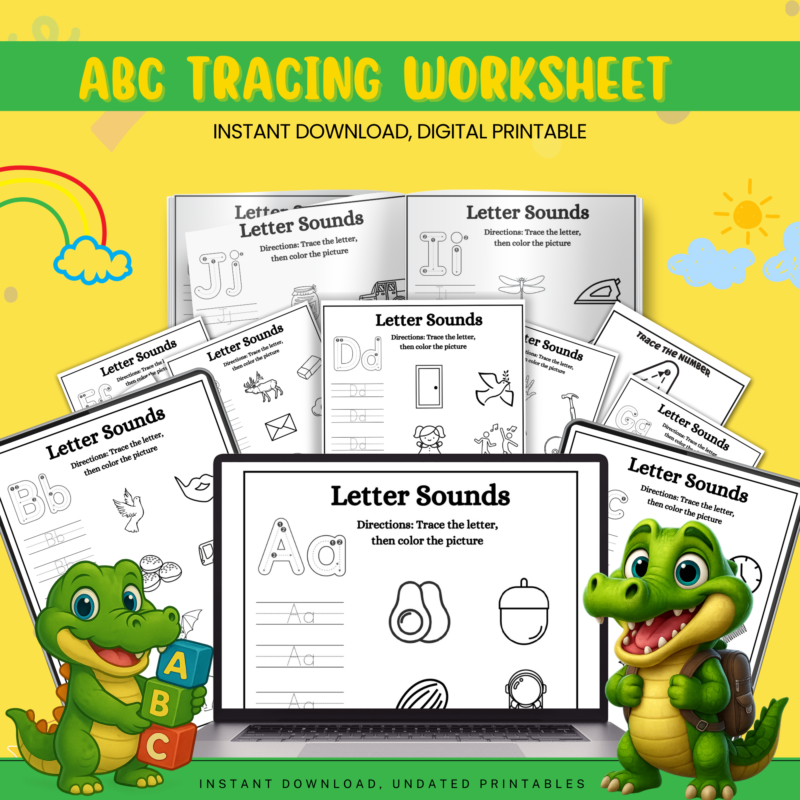
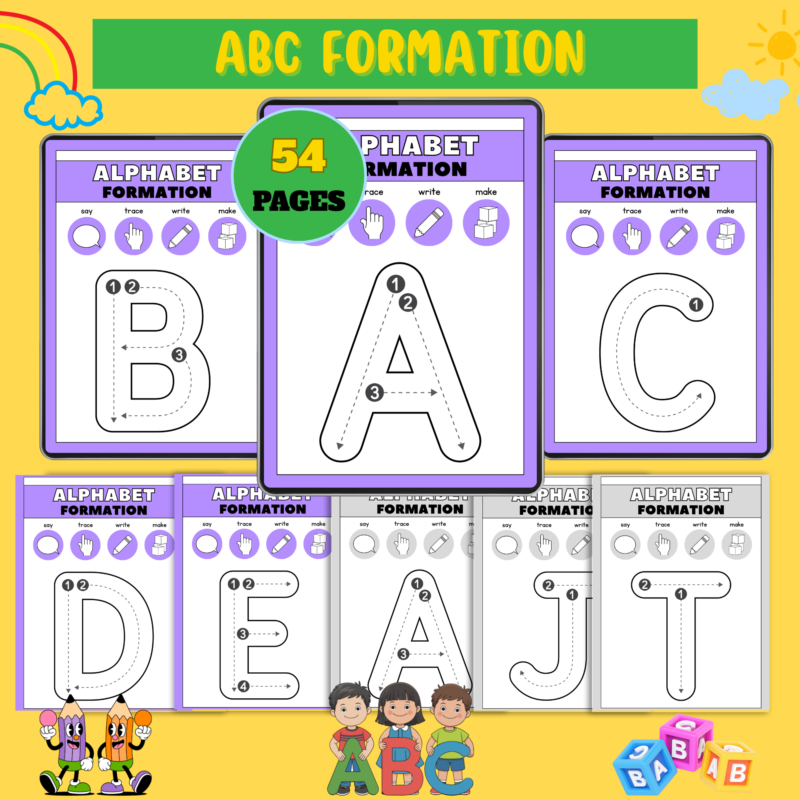
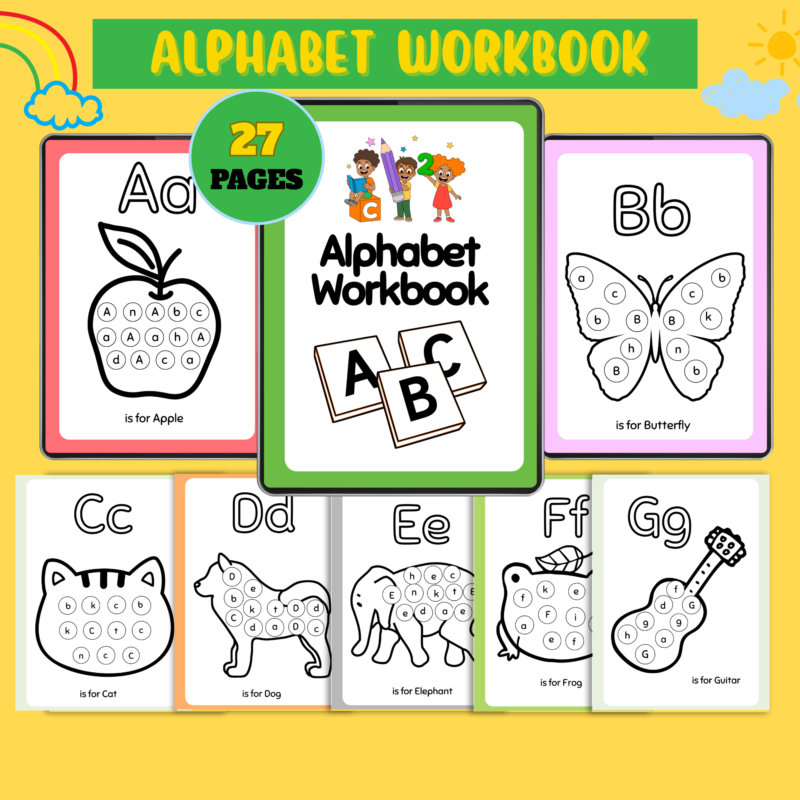
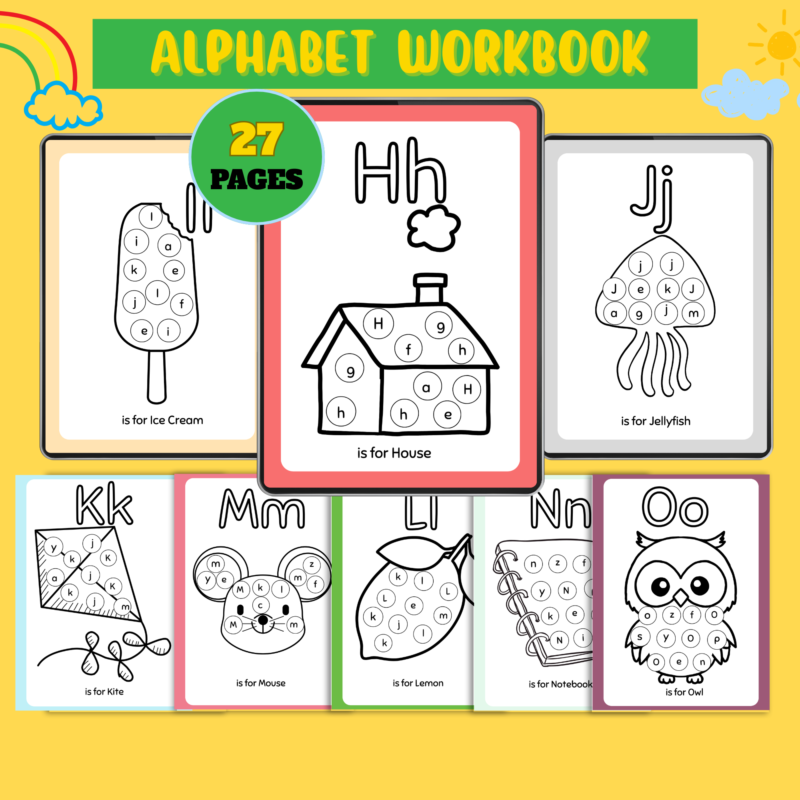
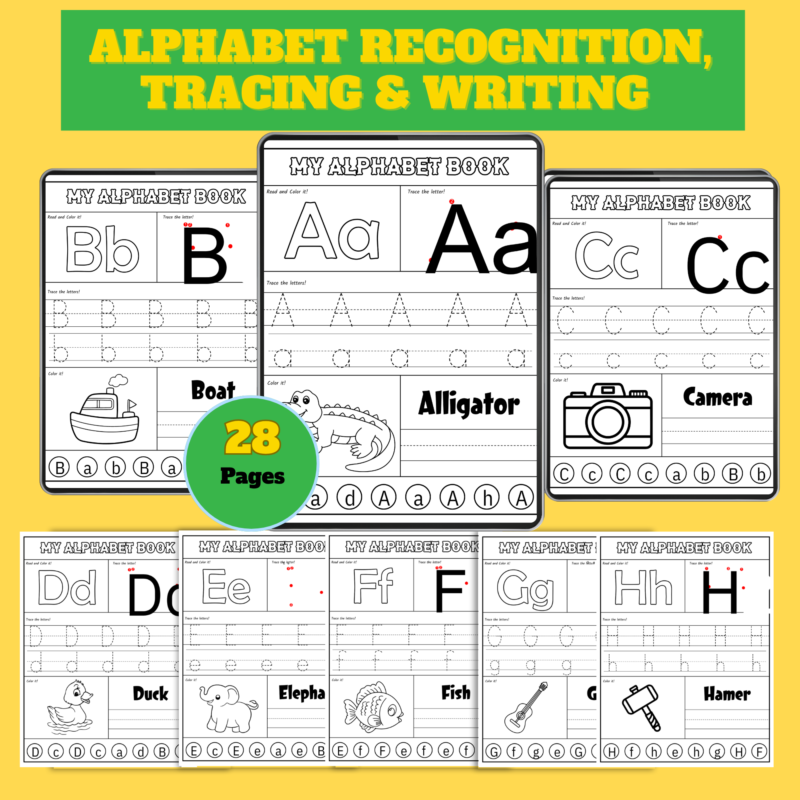
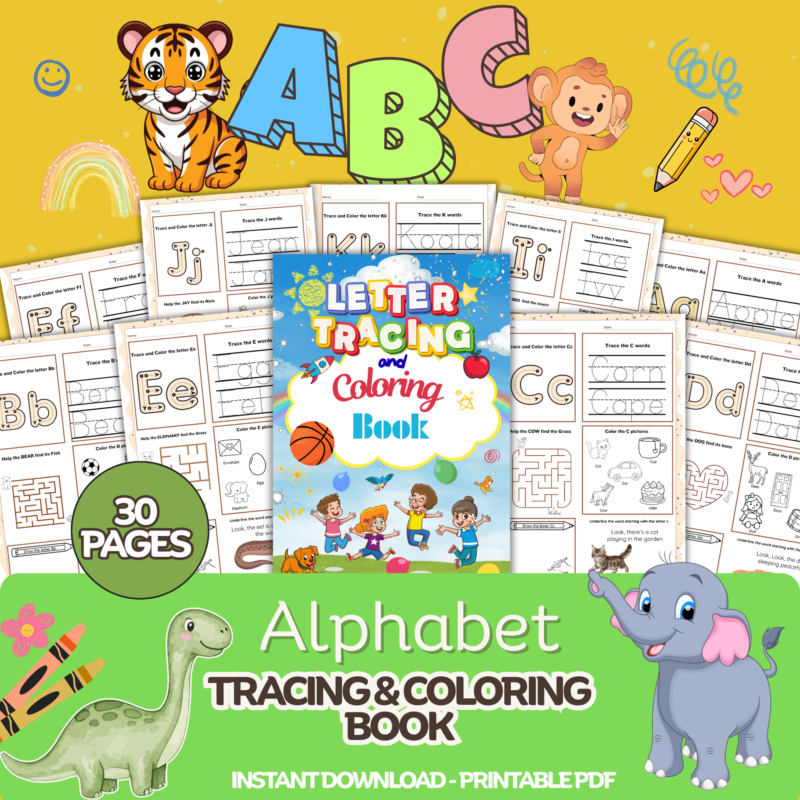
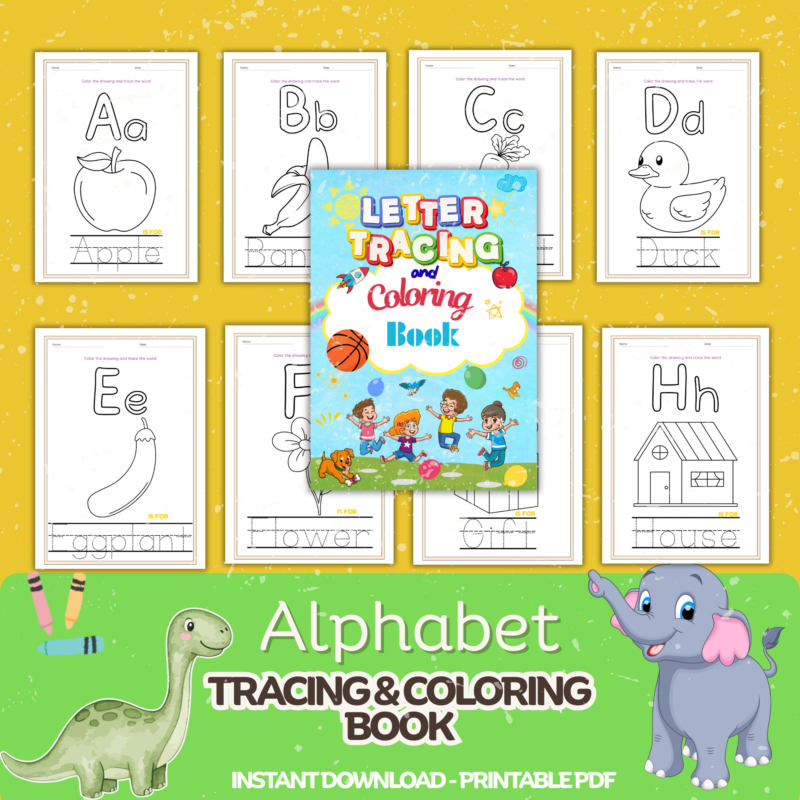
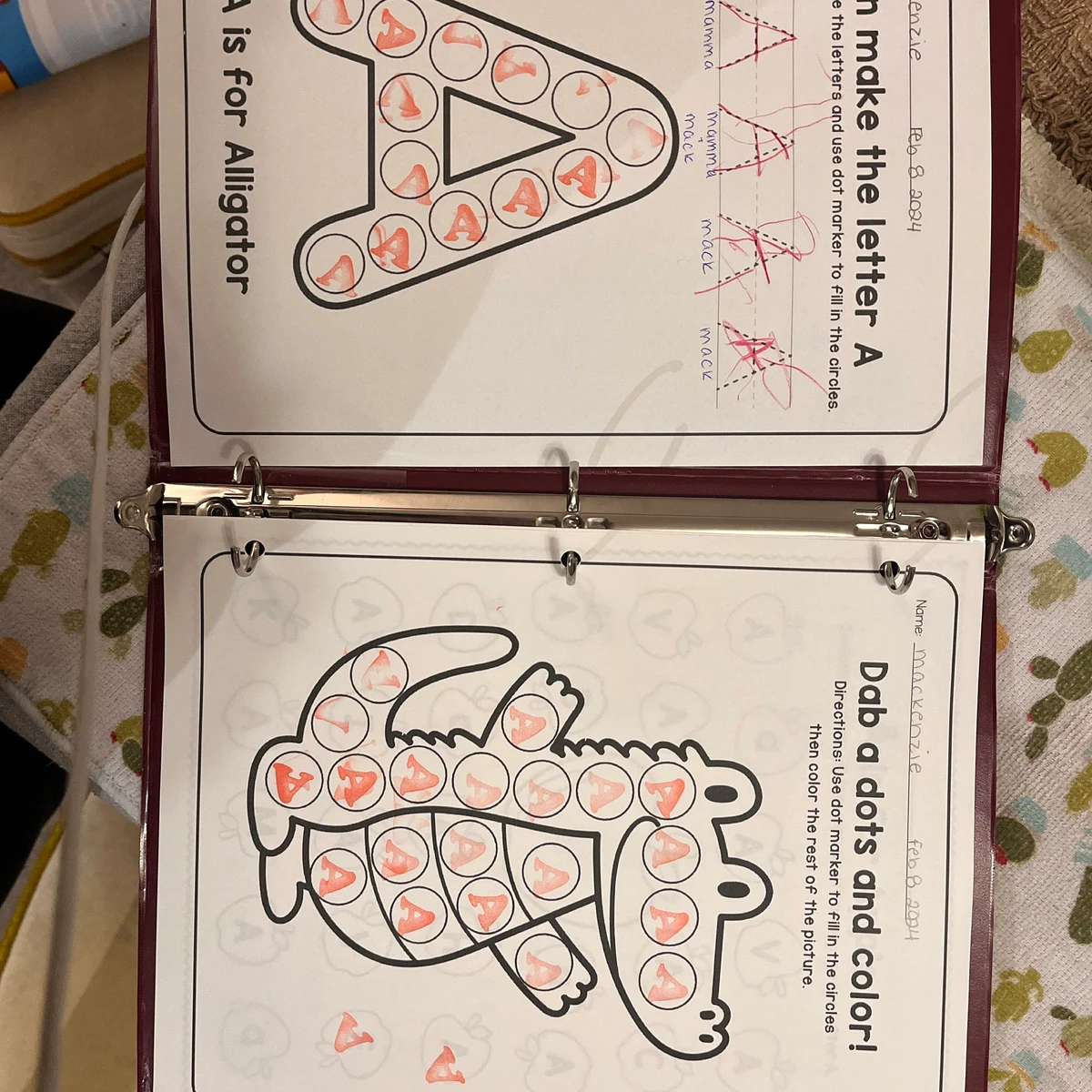
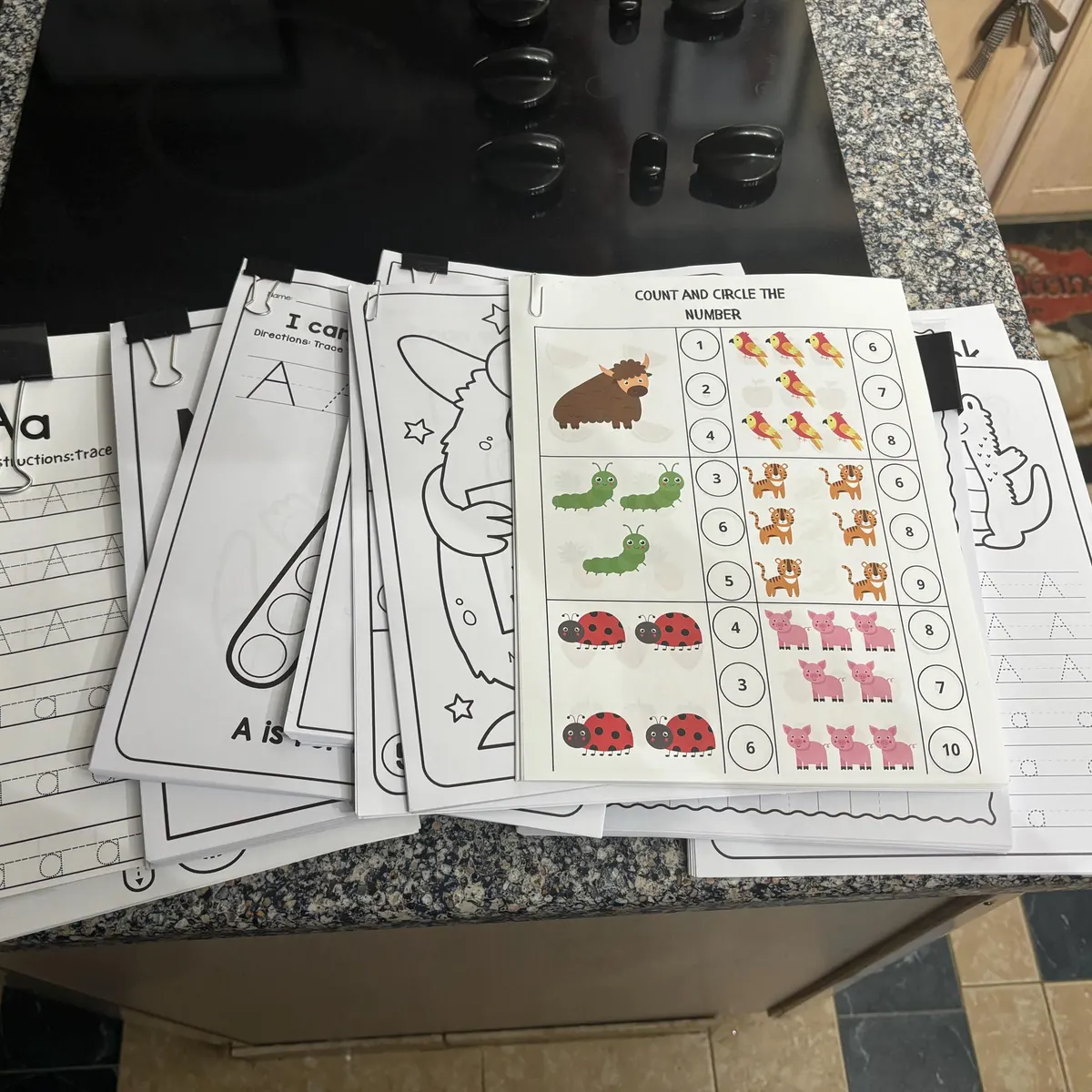
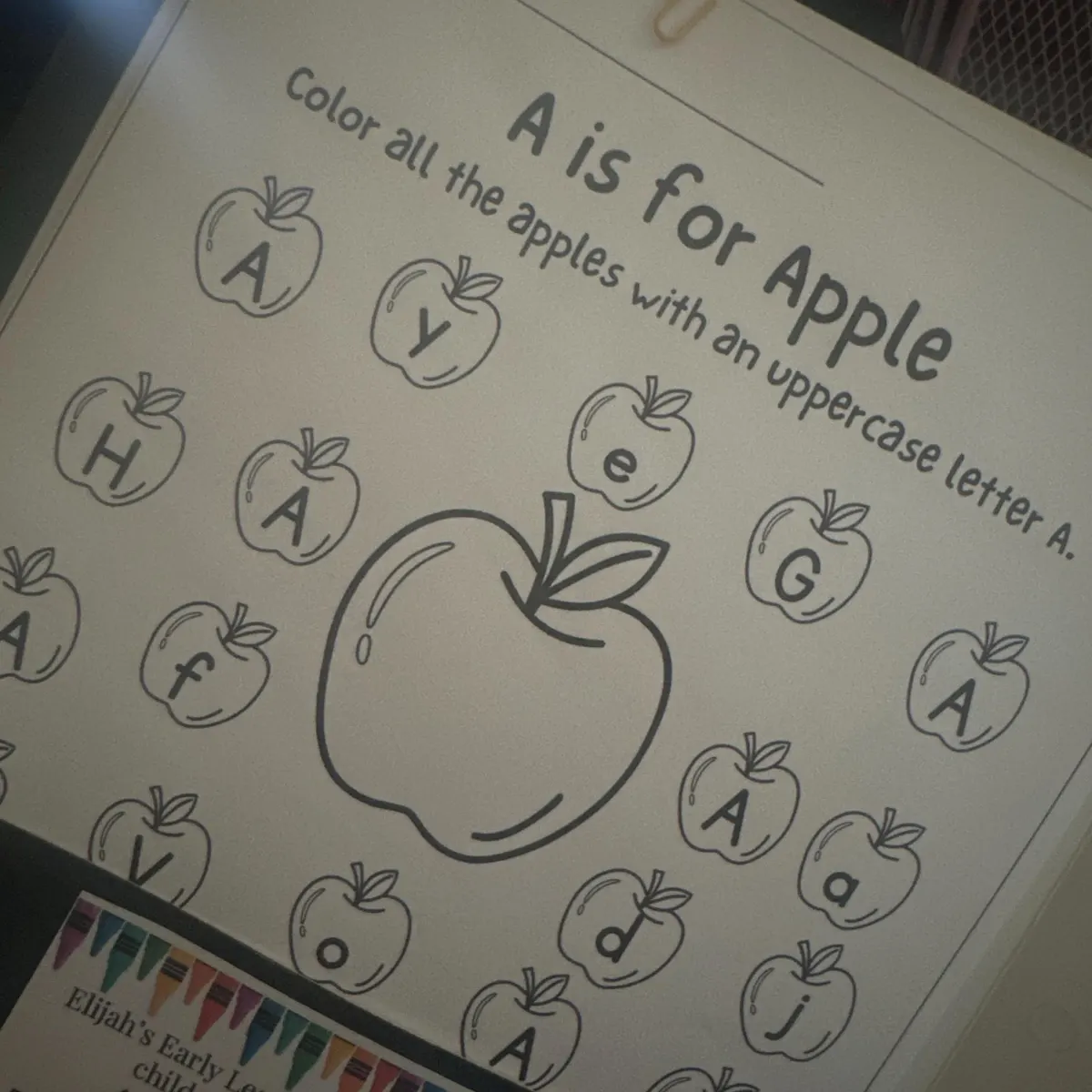
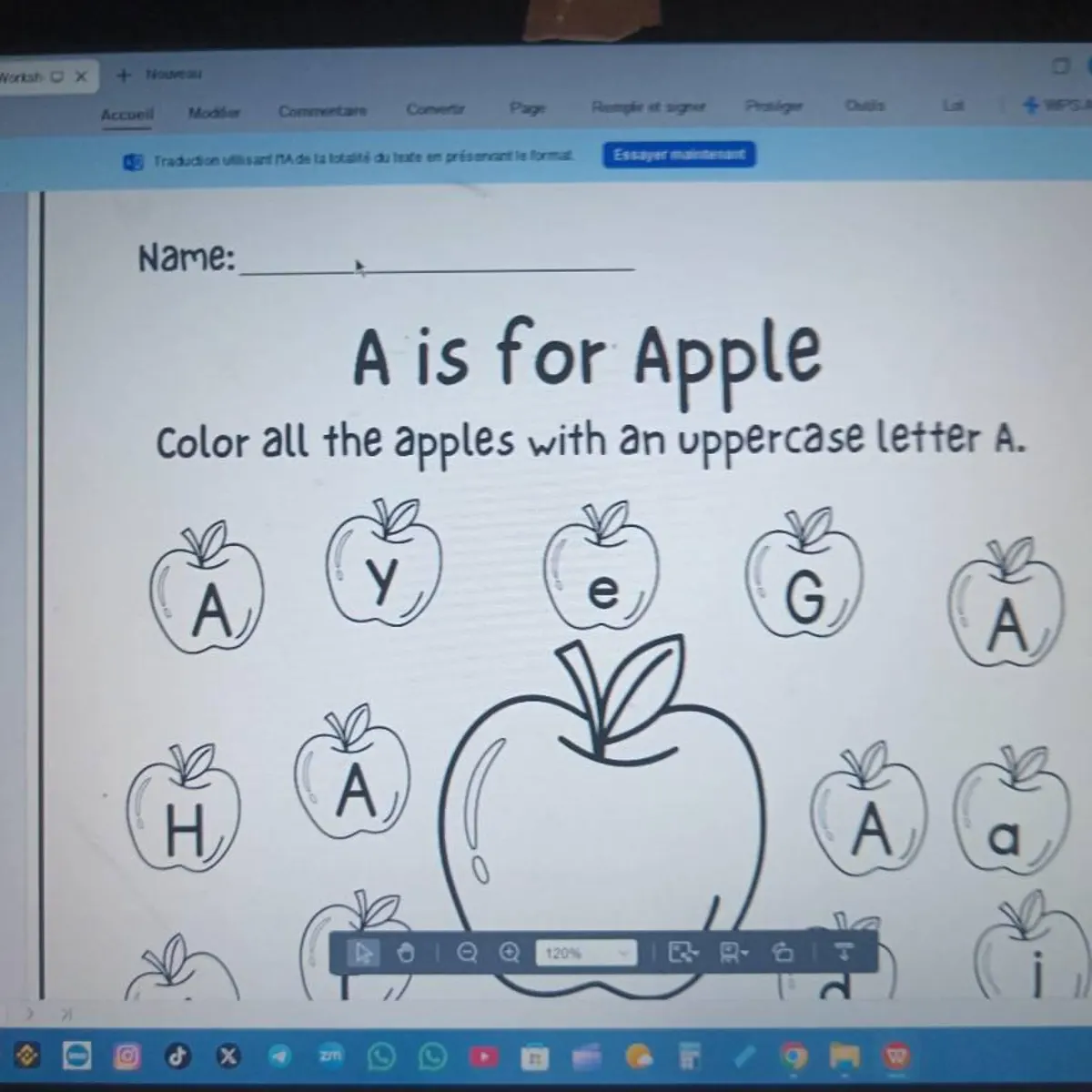
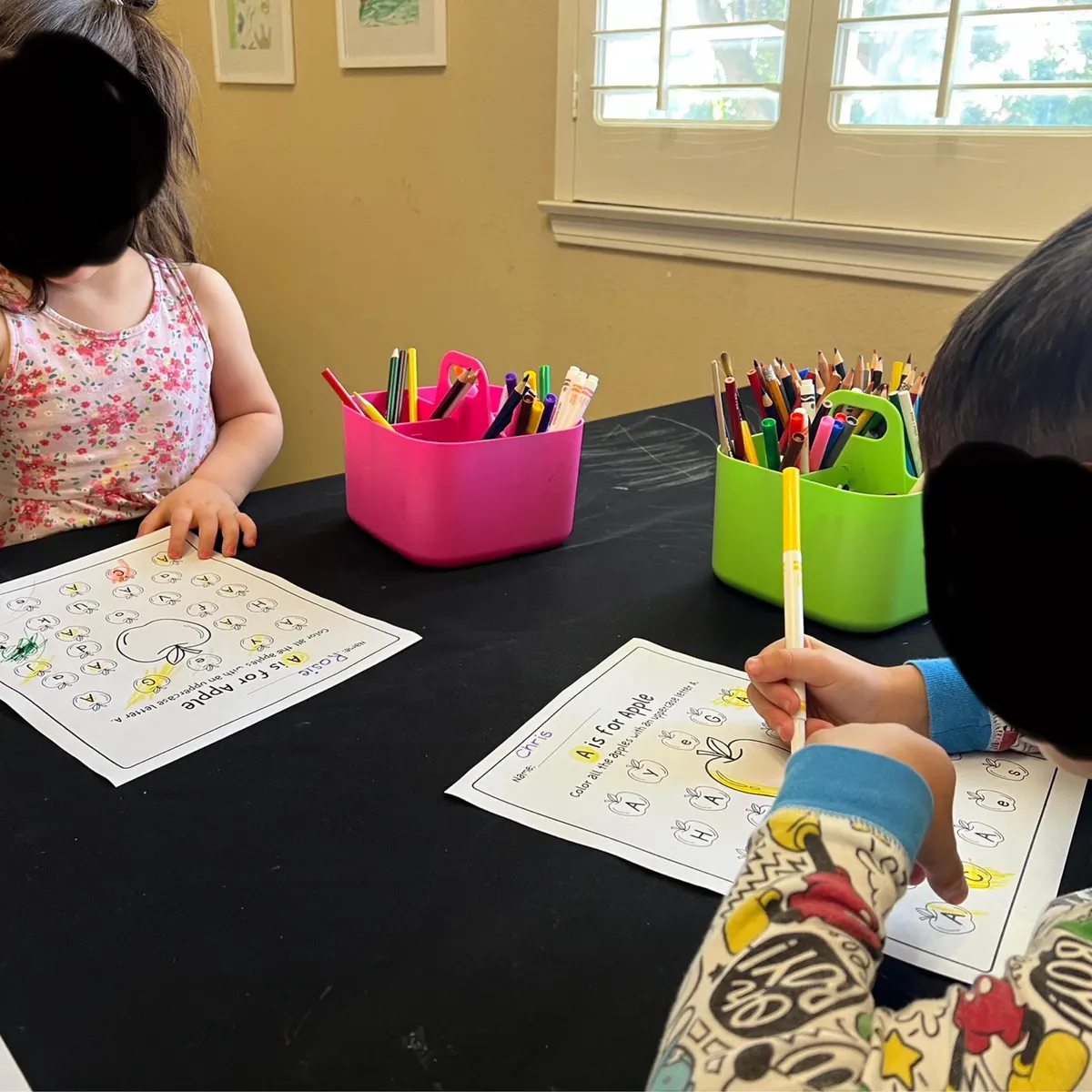
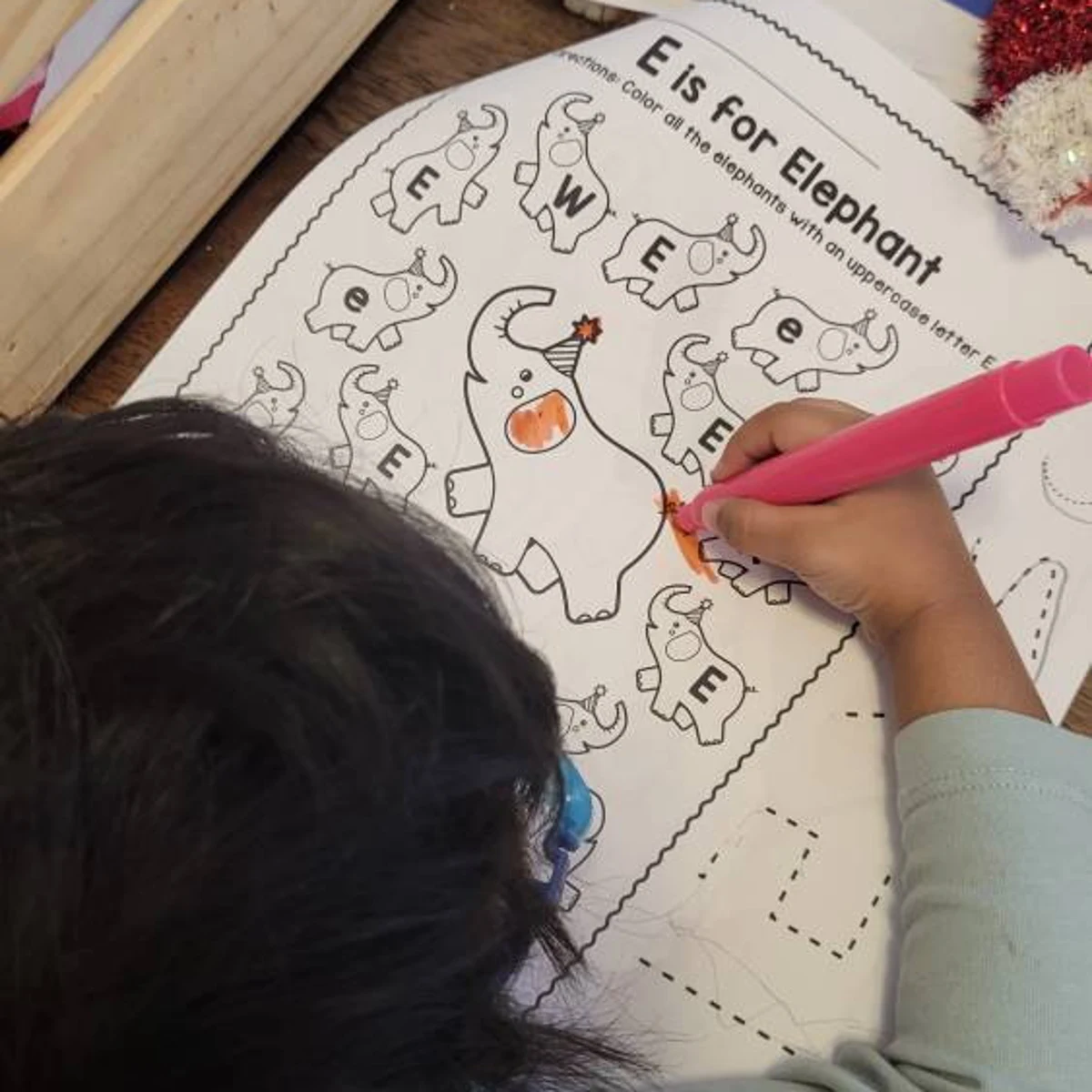
Alphabet find and color worksheets are printable activities designed to help preschool and kindergarten-aged children learn the letters of the alphabet. Typically, these worksheets consist of images of objects that start with a particular letter, alongside a corresponding letter itself. The main task for the child is to find the letters within the worksheet and color them in, reinforcing their recognition skills while encouraging creativity. These worksheets can come in various formats, such as focusing on uppercase letters, lowercase letters, or both, to meet the varying skill levels of children. There might also be options incorporating numbers or shapes, which help integrate different learning elements.
The Importance of Learning the Alphabet
Learning the alphabet is a fundamental stepping stone in literacy development. It is the very foundation upon which reading and writing are built. Here are a few reasons why mastering the alphabet is crucial:
- Foundation of Reading: Understanding letters is essential for decoding words. By recognizing letters and their sounds, children can begin to sound out words they see. Early exposure to letters improves phonemic awareness, a critical precursor to reading proficiency.
- Improved Vocabulary: Familiarity with letters helps children build a broader vocabulary. As they learn to associate letters with words and images, their ability to communicate expands. This integration of visual and verbal skills can significantly enhance language development.
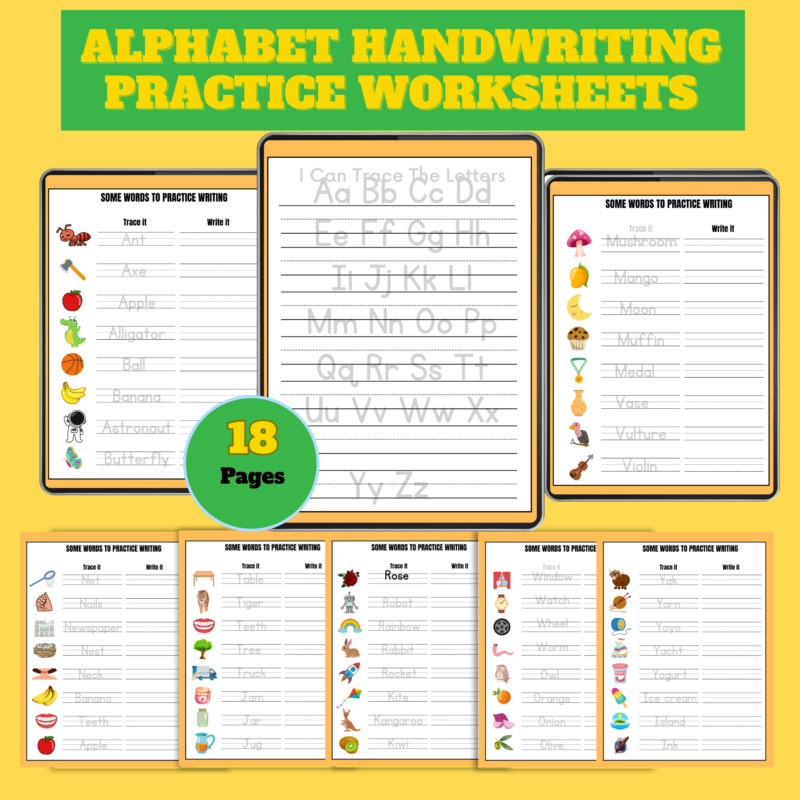
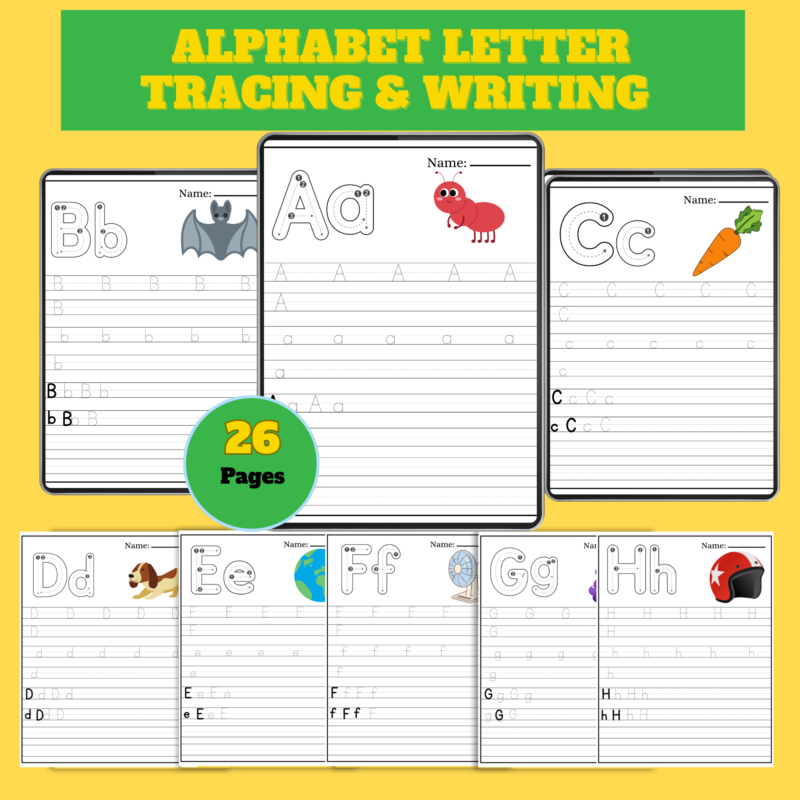
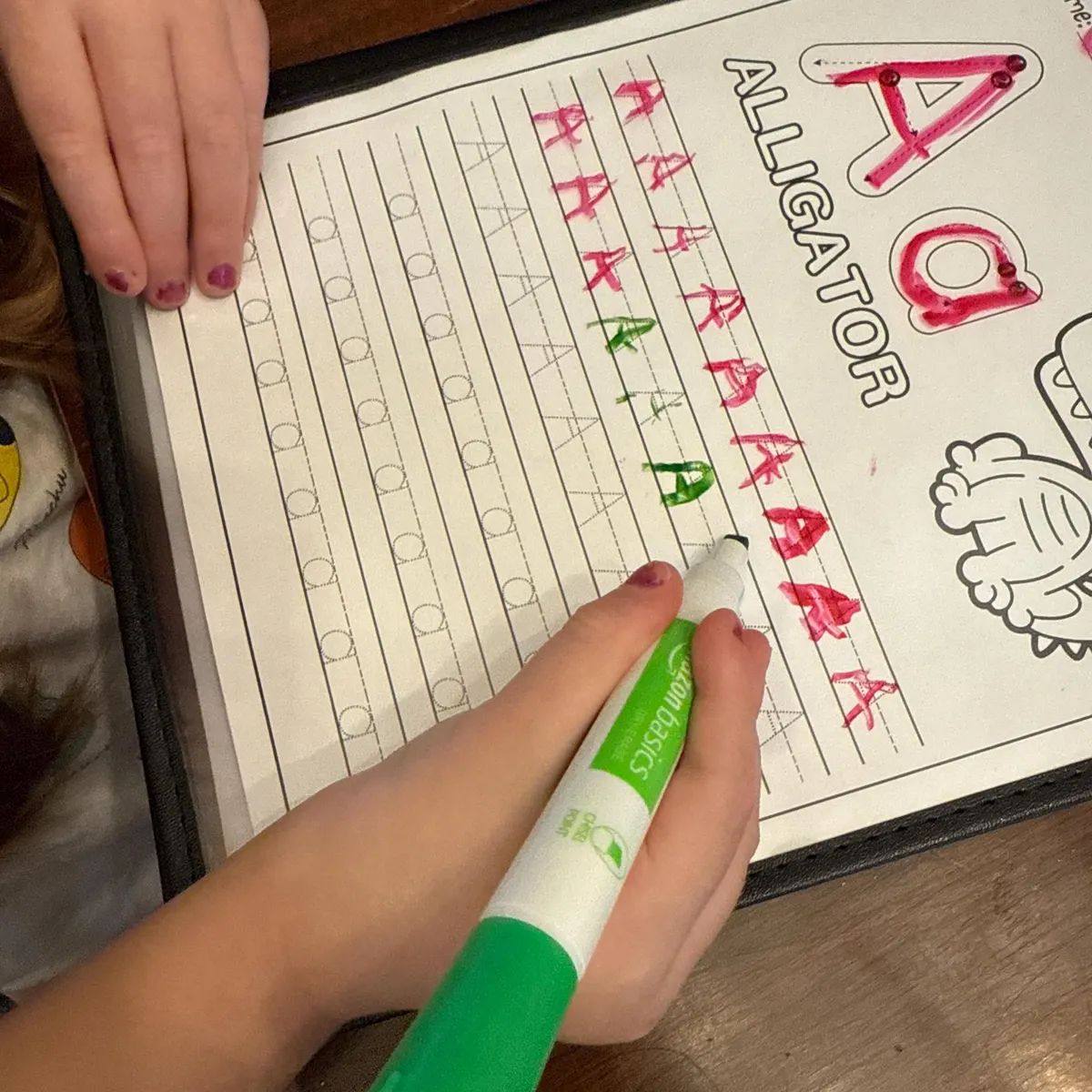
- Enhanced Writing Skills: Knowing the alphabet is crucial for writing and spelling. Children learn to form letters, which assists them in writing their names and soon, complete sentences. The act of coloring letters also helps solidify their shapes in memory, directly benefiting handwriting skills.
- Boosted Confidence: Mastery of the alphabet gives children the confidence to participate in reading and writing activities, whether in a classroom or at home. Success in identifying and interacting with letters can lead to a positive attitude toward future learning scenarios.
Benefits of Using Find and Color Worksheets
Engaging with alphabet find and color worksheets offers numerous benefits for children:
- Motor Skills Development: Coloring helps improve fine motor skills, as children learn to control their hand movements. Holding crayons, directing color strokes, and staying within lines enhance their hand-eye coordination, which is essential for overall physical development.
- Visual Recognition: The association of letters with images aids visual memory and recognition. Seeing the letter and an associated object helps solidify the letter’s meaning. For example, seeing the letter ‘A’ with an image of an apple can create a strong connection in a child’s mind.
- Fun and Motivation: Coloring makes learning enjoyable, keeping children interested and motivated. The fun aspect of coloring ensures they stay engaged longer than with traditional learning methods. Adding stickers or stamps can make the experience even more rewarding.
- Encapsulation of Learning Styles: Worksheets cater to various learning styles—visual learners benefit from imagery, while kinesthetic learners enjoy the hands-on aspect of coloring. Auditory learners can also benefit from discussions about the letters and their corresponding sounds.
10 Fun Activities Using Alphabet Find and Color Worksheets
To maximize the effectiveness of alphabet find and color worksheets, consider incorporating the following activities for an enriched learning experience:
- Letter Hunts: Have children search for specific letters within their worksheets and color them while you play a fun song, which adds an element of rhythm and excitement to the task. You could also challenge them to find letters hidden throughout your home or classroom.
- Story Time: Read a short story featuring words that begin with various letters of the alphabet, then encourage kids to find and color those letters, linking letters with narrative context. This not only strengthens their understanding of the alphabet but also fosters a love of storytelling.
- Peer Teaching: Pair children up to teach each other about their favorite letters using the worksheets. This practice fosters communication skills and reinforces learning, allowing them to explain and engage further with the material.
- Color by Letter: Use a code that assigns different colors for different letters, prompting kids to color according to the code. For example, “A” could be red, “B” blue, and so forth, adding a puzzle element to the activity, which can also aid in critical thinking skills.
- Flashcard Creation: After coloring, have children cut out their letters to create personalized flashcards they can use for review or play games like letter memory. This approach combines creative art with educational development, enhancing retention.
- Alphabet Bingo: Create bingo cards with letters. As children find and color a letter on their worksheet, they can mark it on their bingo card, combining coloring with a fun interactive game that reinforces letter recognition.
- Art Integration: Encourage children to draw something that starts with each letter they color. This activity allows them to express their artistic nature while reinforcing letter sounds. Providing thematic prompts can inspire even more creativity.
- Sound Games: As they color letters, have them say words that begin with that letter aloud. This verbal engagement helps build phonemic awareness, essential for future reading skills.
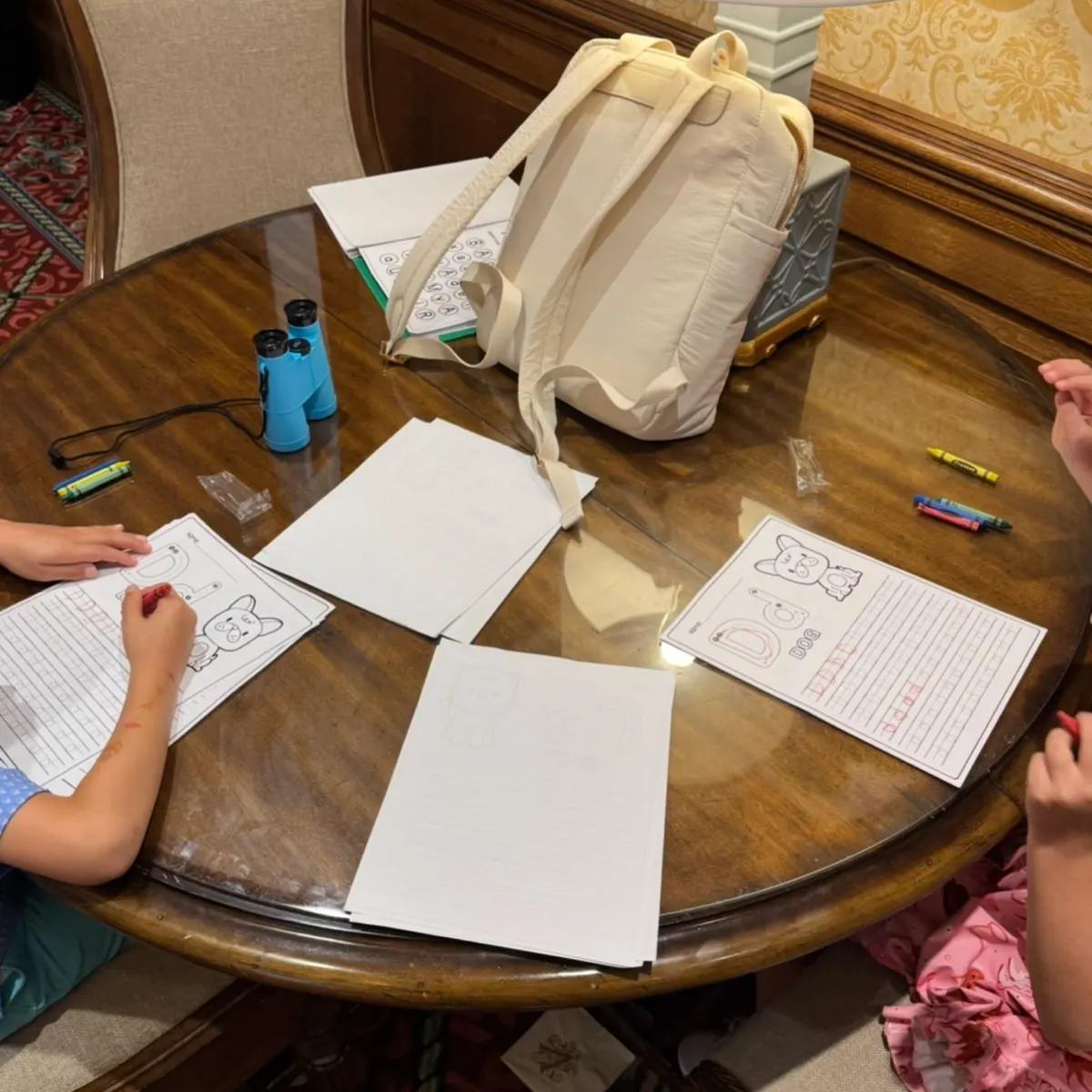
- Parent Involvement: Invite parents to participate by coloring alongside their children, providing a bonding experience and reinforcing the idea that learning is a family activity. This cooperative learning can strengthen relationships and enhance the child’s motivation.
- Incorporating Technology: Use a tablet or computer to find digital versions of the worksheets for a varied experience. This can introduce children to digital learning tools while maintaining the fun element of coloring, blending traditional methods with modern technology.
Tips for Using Find and Color Worksheets
To ensure maximum engagement and retention when using alphabet find and color worksheets, keep these tips in mind:
- Set a Positive Environment: Create a comfortable and distraction-free space for your child to work. A cozy nook or well-lit area can make a huge difference in their focus. You can also create a dedicated workspace that feels special for learning.
- Offer Praise: Be sure to affirm their efforts by praising their accomplishments as they work on their worksheets. Positive reinforcement can boost their confidence and excitement to learn. Consider using a reward system where they can earn small treats for reaching milestones.
- Encourage Discussion: Discuss the letters and the images they see to reinforce learning. Asking questions like “What sound does that letter make?” can deepen their understanding and engagement. This dialogue supports critical thinking and communication skills.
- Keep it Fun: Introduce games or challenges to keep the worksheet activities lively and exciting, such as setting a timer for how quickly they can find the letters or making it a friendly competition.
FAQ: Common Questions About Alphabet Find and Color Worksheets
What age group are these worksheets suitable for?
Alphabet find and color worksheets are best for preschool and kindergarten children, typically aged 3 to 6 years. However, they can also be adapted for slightly older children who may need reinforcement. Customizing the difficulty level can help engage children at different skill stages.
Where can I find free printable worksheets?
Many educational websites offer free printable alphabet find and color worksheets; a quick search can lead you to a variety of resources. Local educational stores may also provide free samples during events. Additionally, community centers often have resource-sharing programs.
How can I help my child use the worksheets effectively?
Encouraging discussions about letters and associated words, alongside praising their efforts, can help your child engage fully with the worksheets. You might also consider integrating their coloring time with other related activities for a comprehensive learning experience. Providing additional books on the subject can further enhance their engagement and knowledge.
Conclusion
Alphabet find and color worksheets are an engaging and effective tool for teaching young children the letters of the alphabet. By incorporating fun activities, setting a positive environment, and ensuring that learning remains exciting, you can help foster a love for learning in your child. Whether you are a parent, teacher, or caregiver, using these worksheets will promote literacy skills and inspire creativity in little learners. Start using these worksheets today to watch your child thrive in their alphabet journey! With the right approach, your child will not only learn their letters but also develop a passion for learning that lasts a lifetime. These worksheets can be a stepping stone toward a bright educational future.
Want to dig deeper? See the Wikipedia results for alphabet find and color worksheets.

Related posts
Summer Alphabet Worksheets Preschool: 10 Fun Activities


Letter X Worksheets for Preschool: 10 Fun Activities

Free Alphabet Worksheets for 3 Year Olds: 10 Fun Activities
Alphabet Worksheets for Preschool Age 4: 10 Fun Activities
Alphabet Worksheets for Preschool PDF: 10 Essential Resources
abc worksheets for preschool free printable: 10 Fun Activities