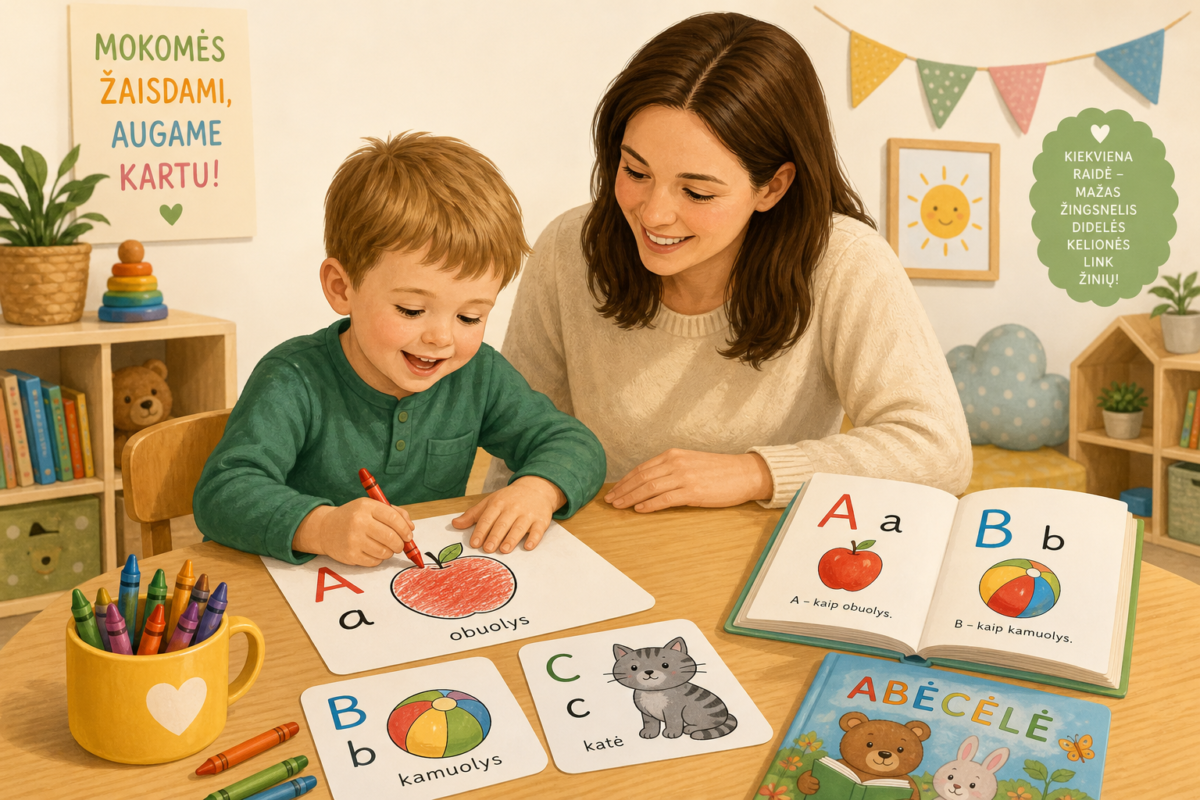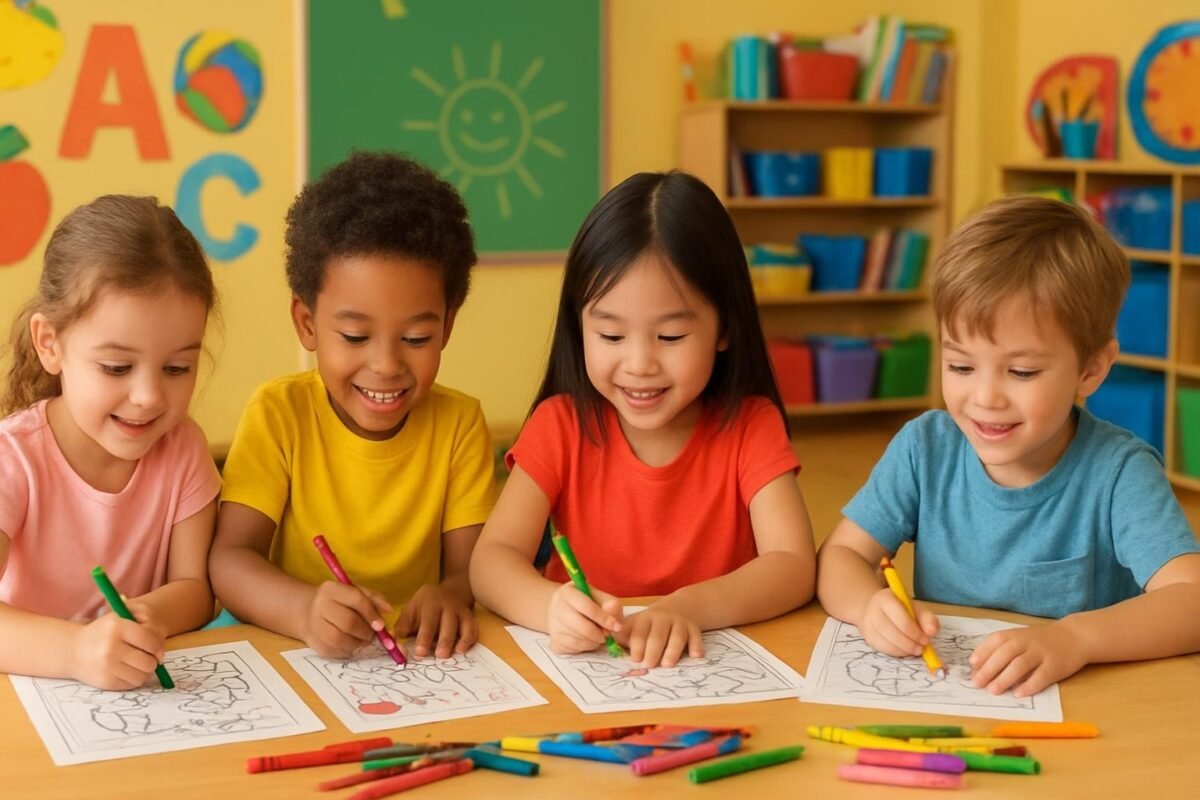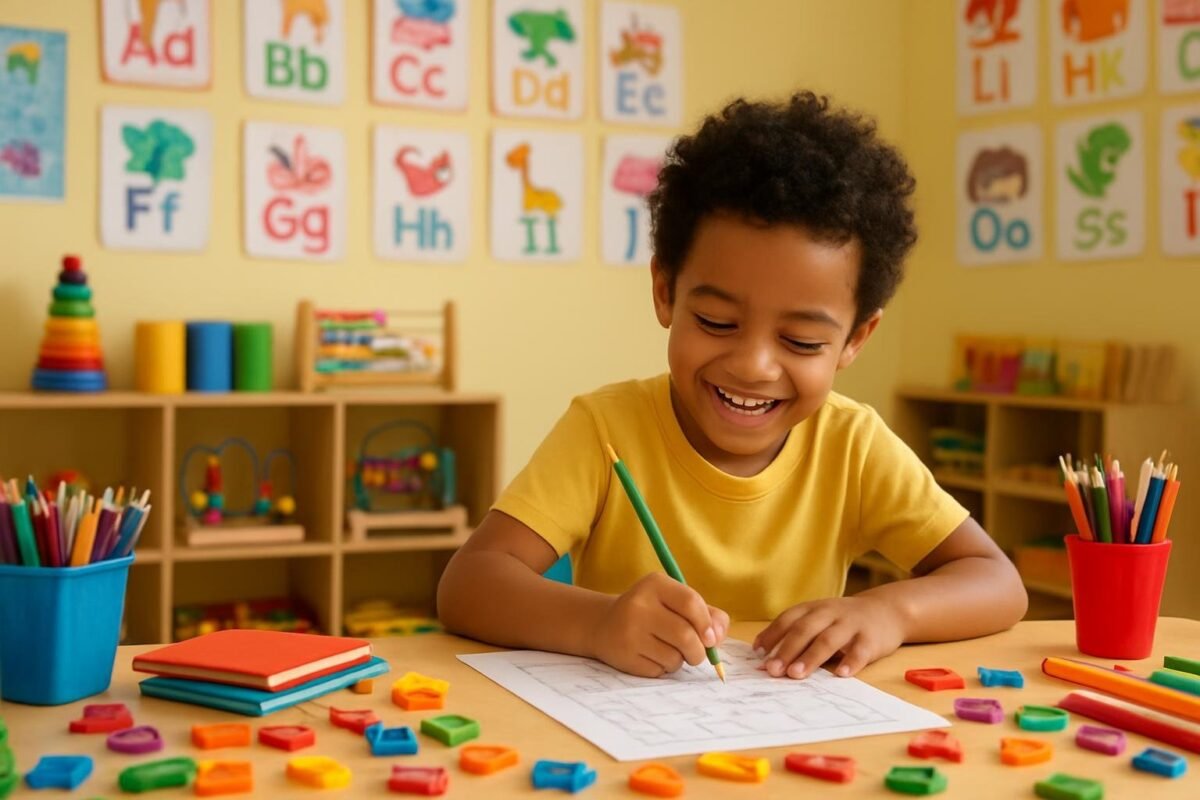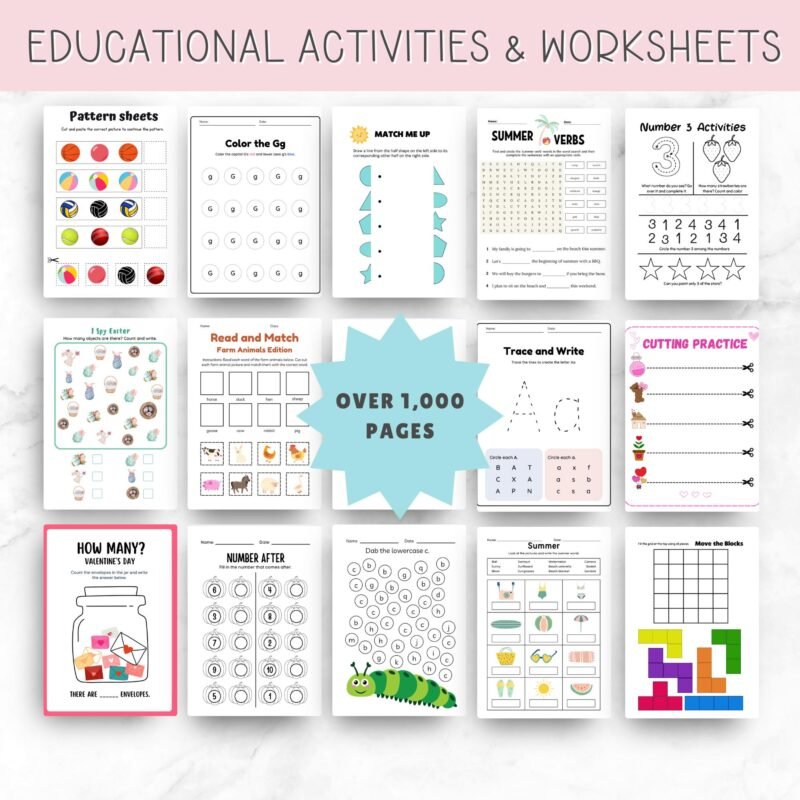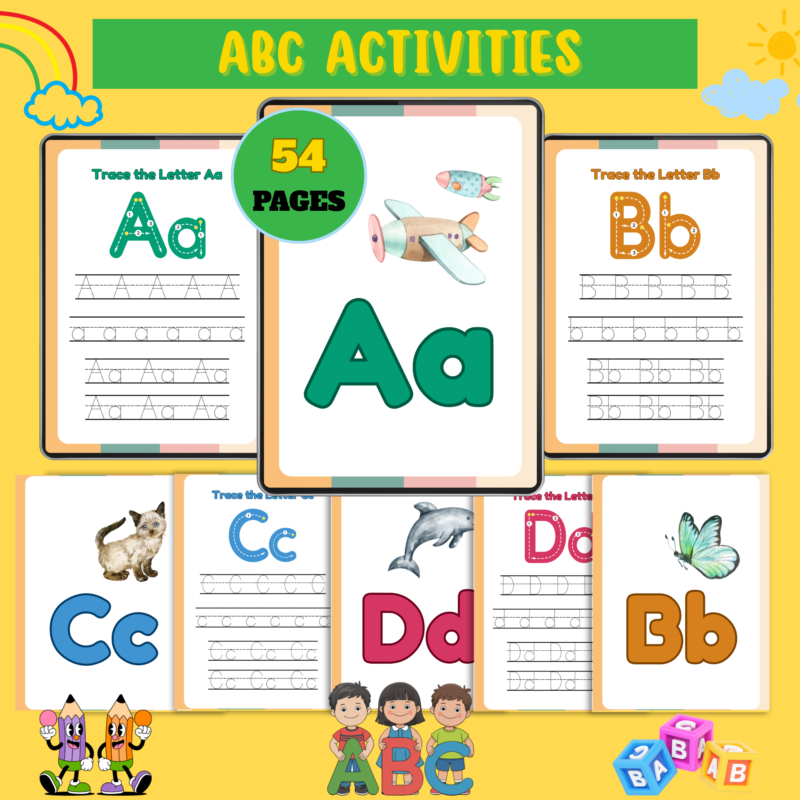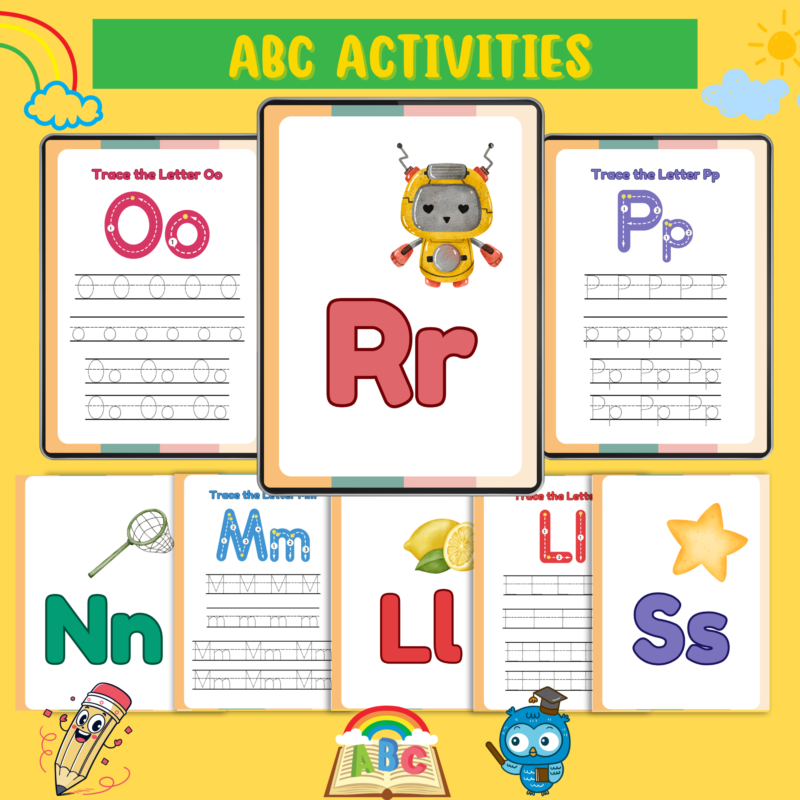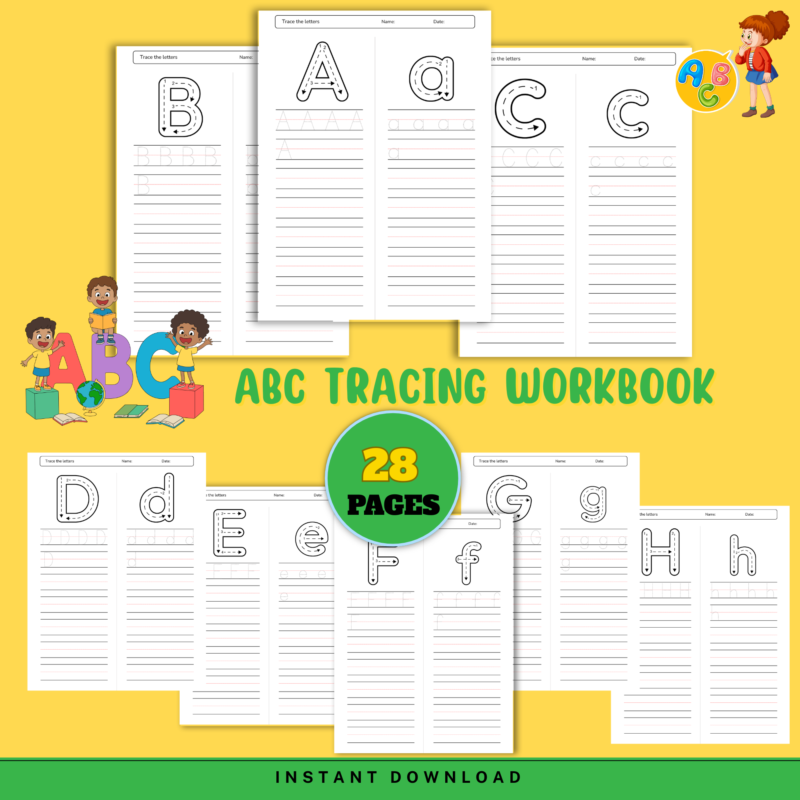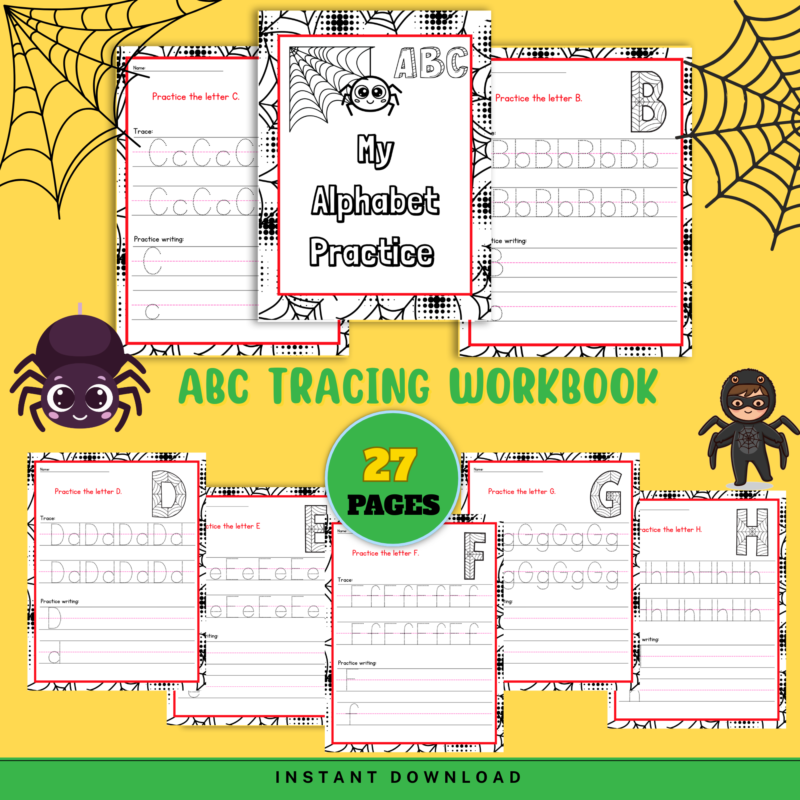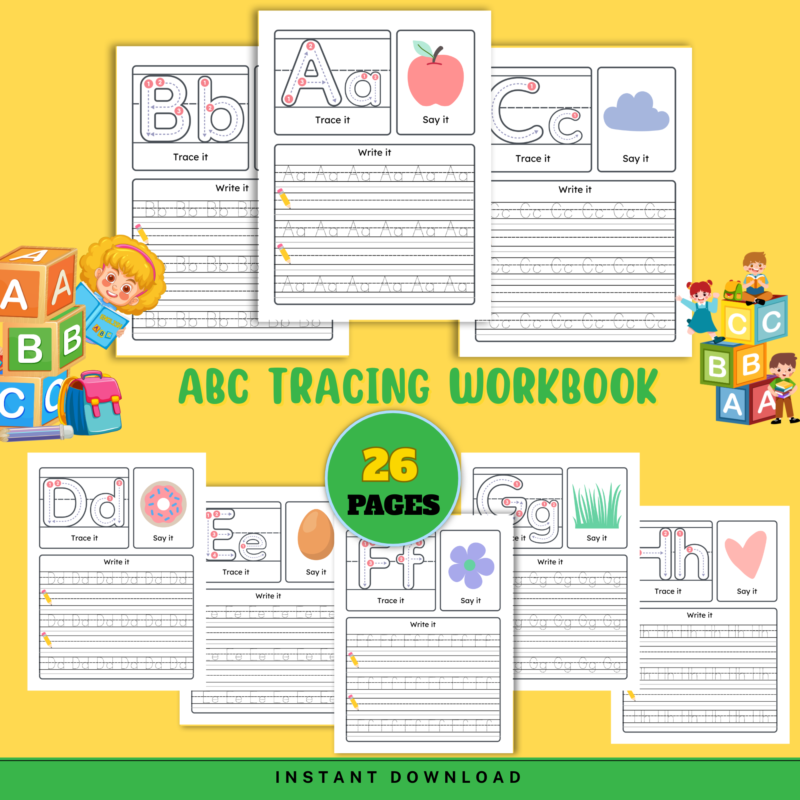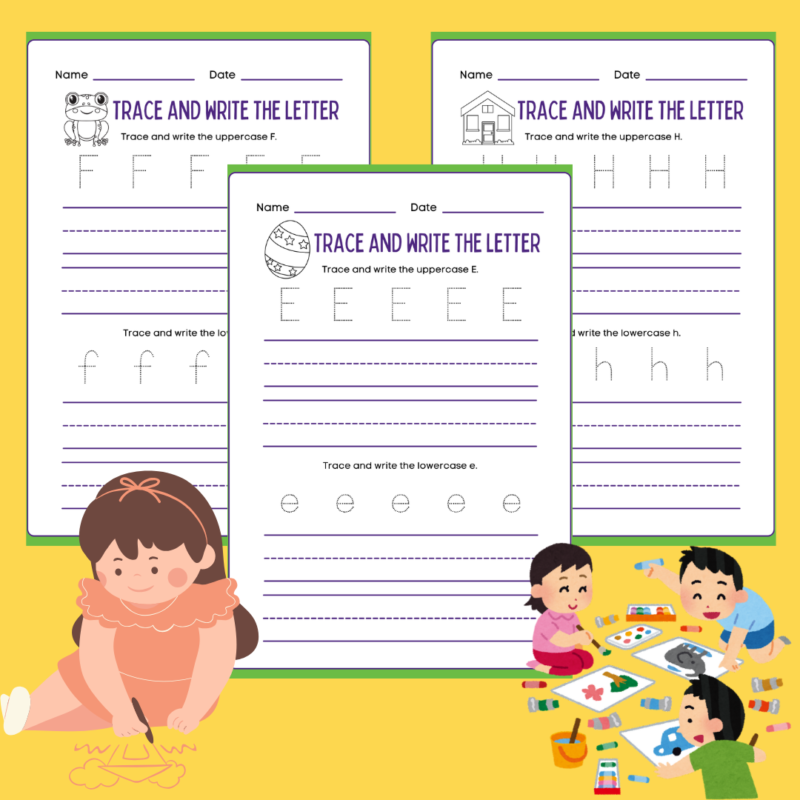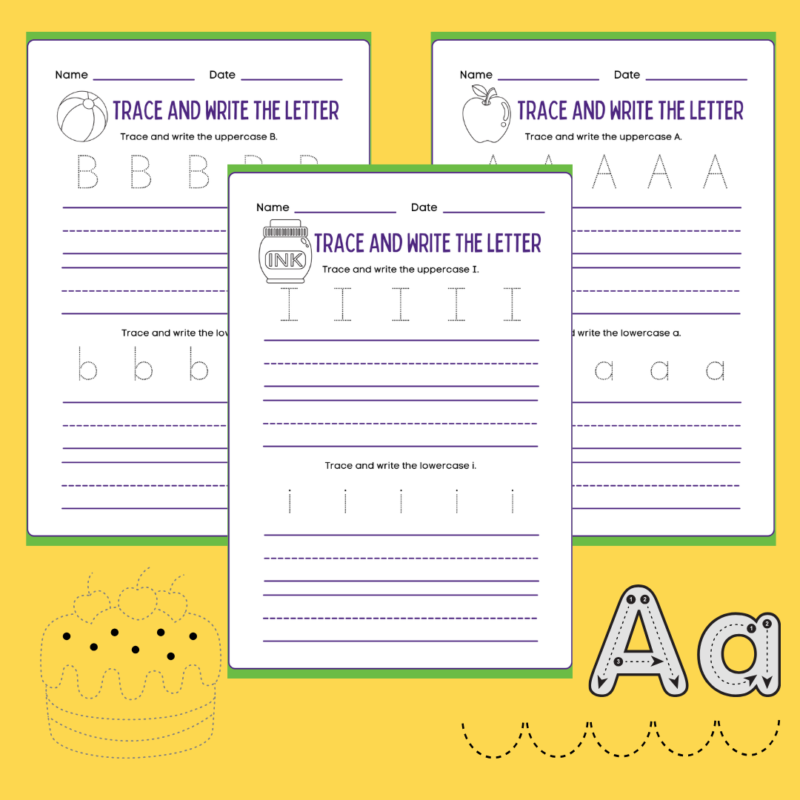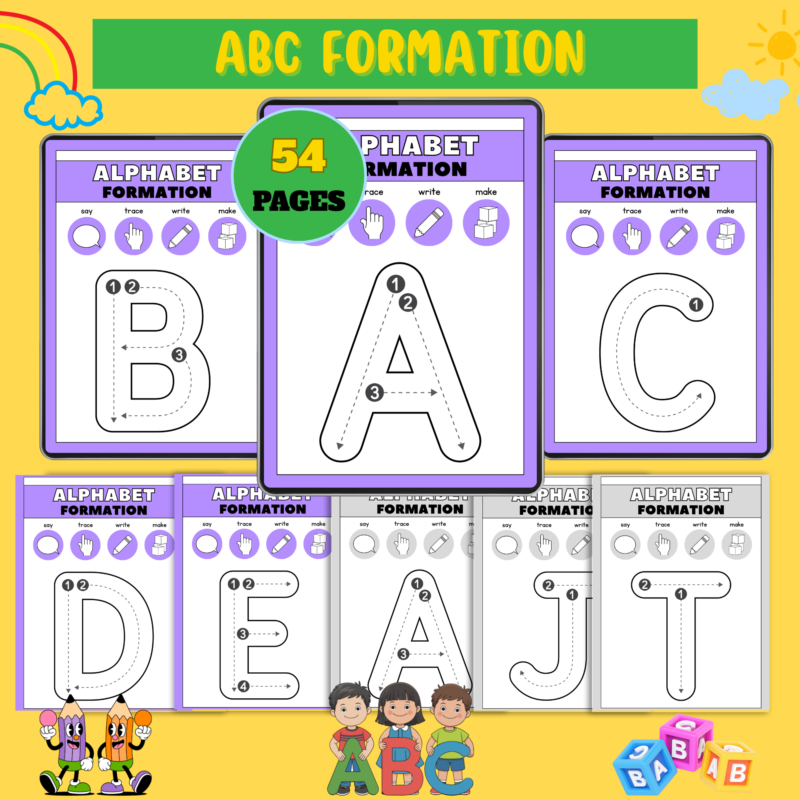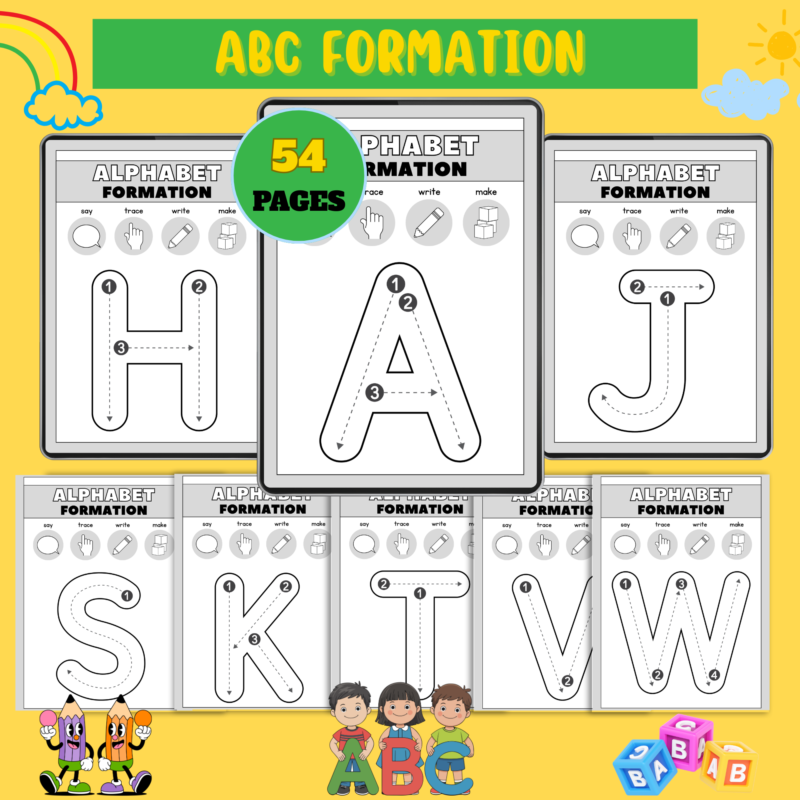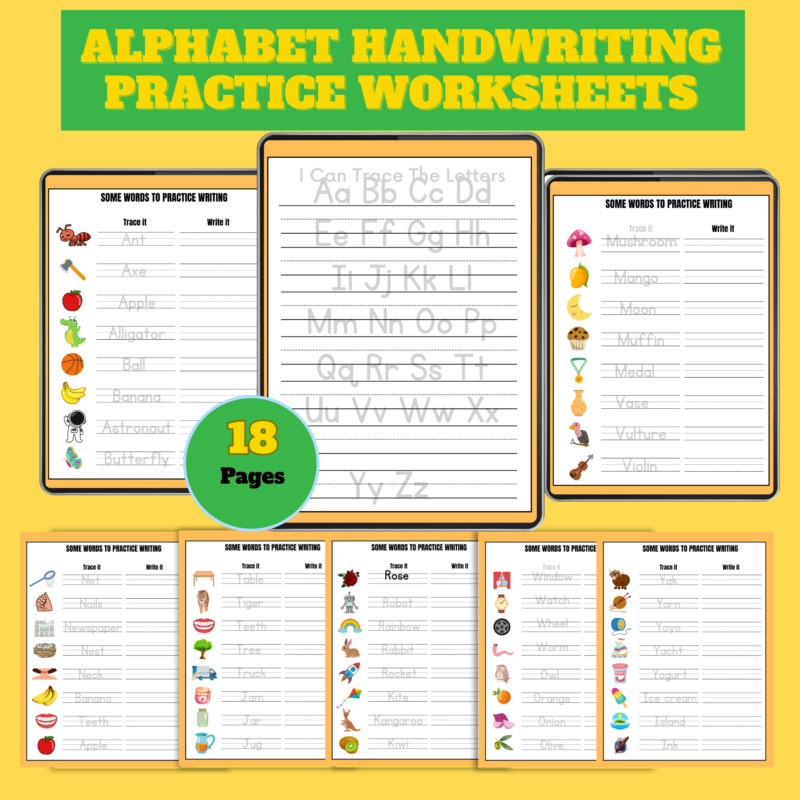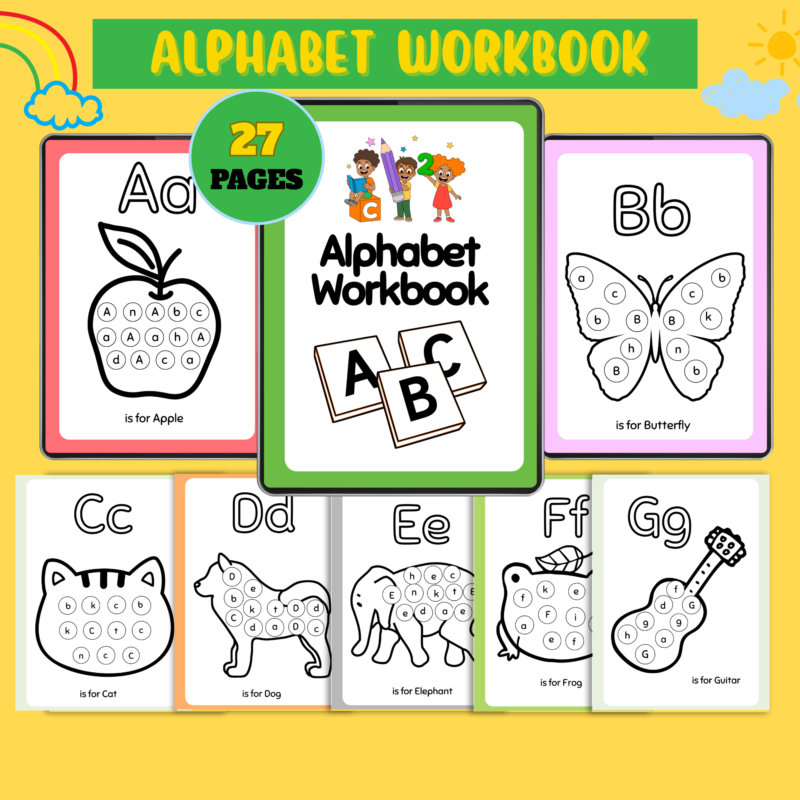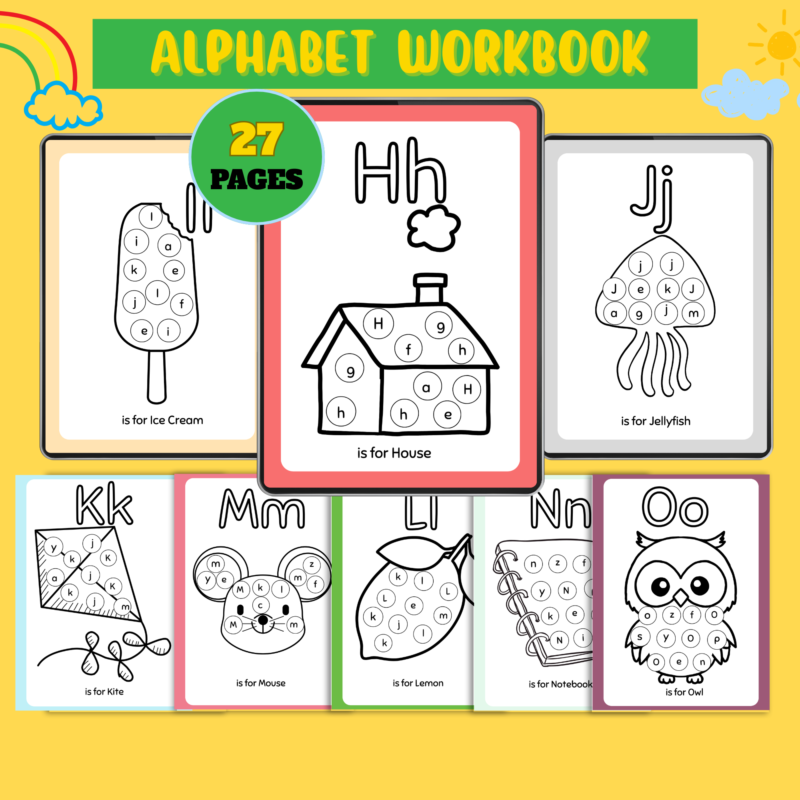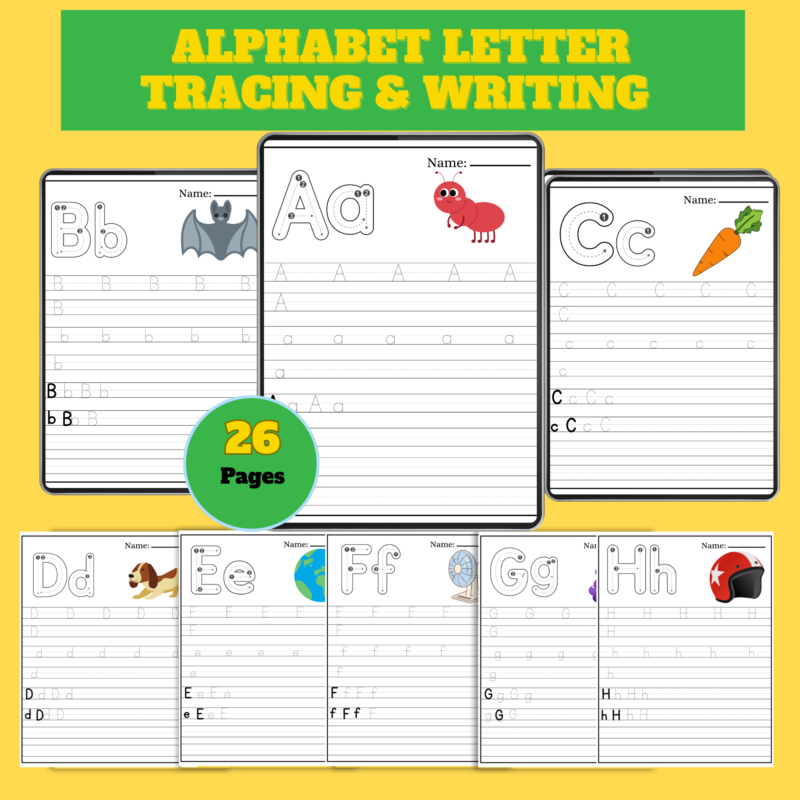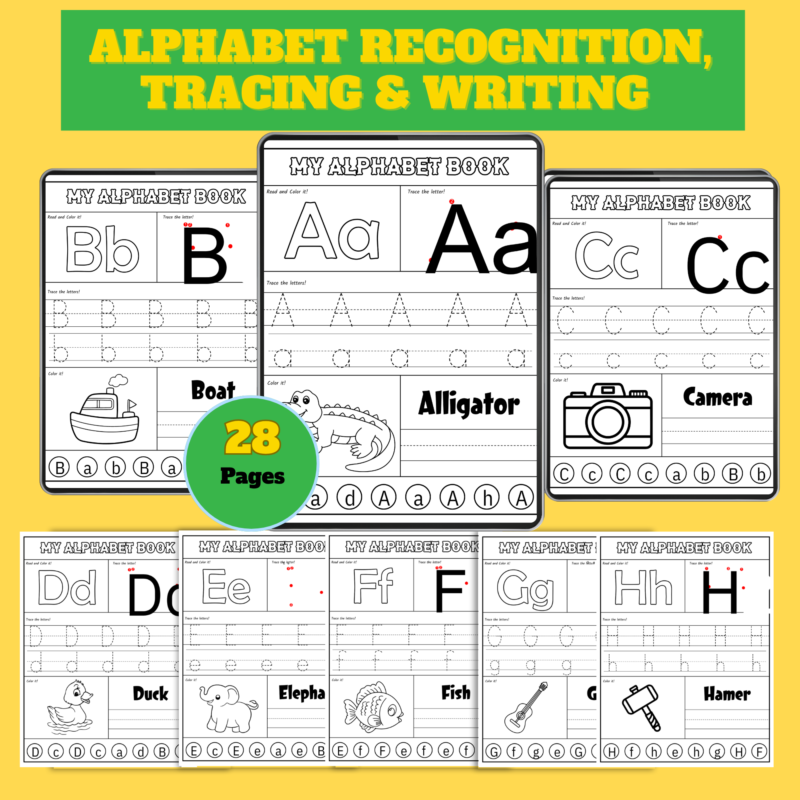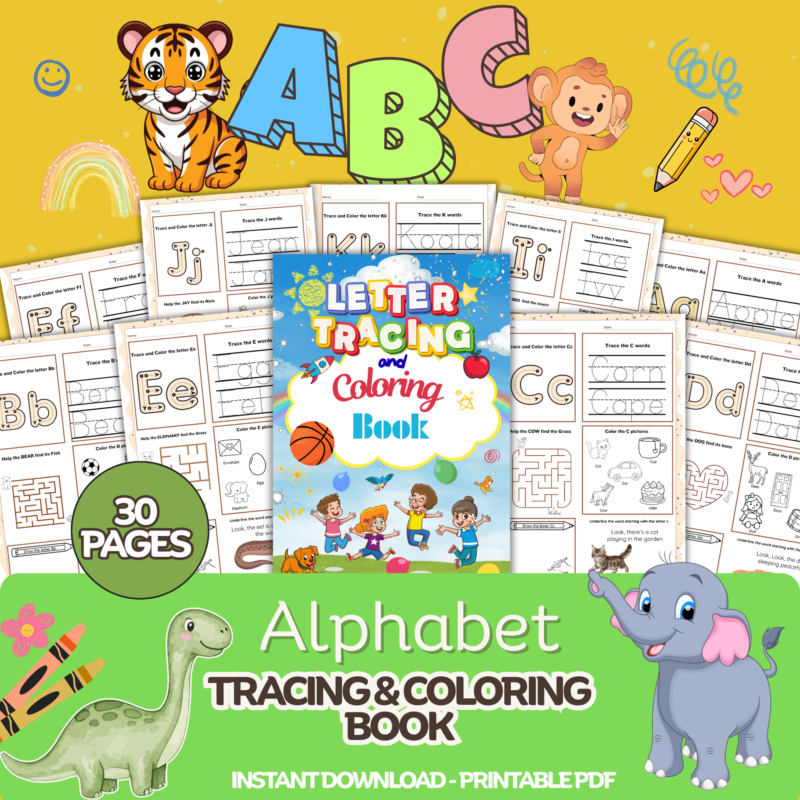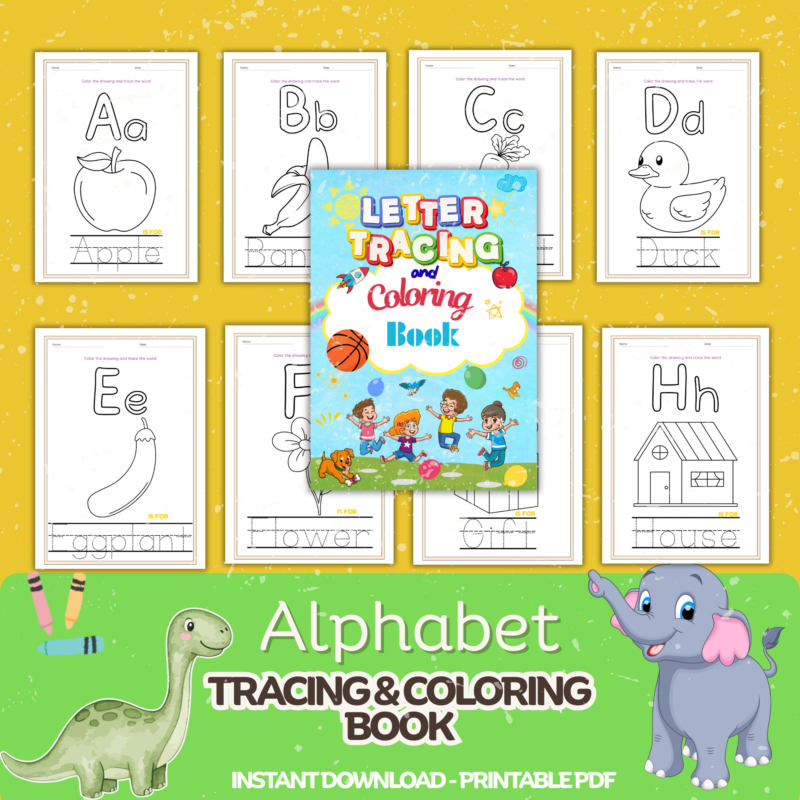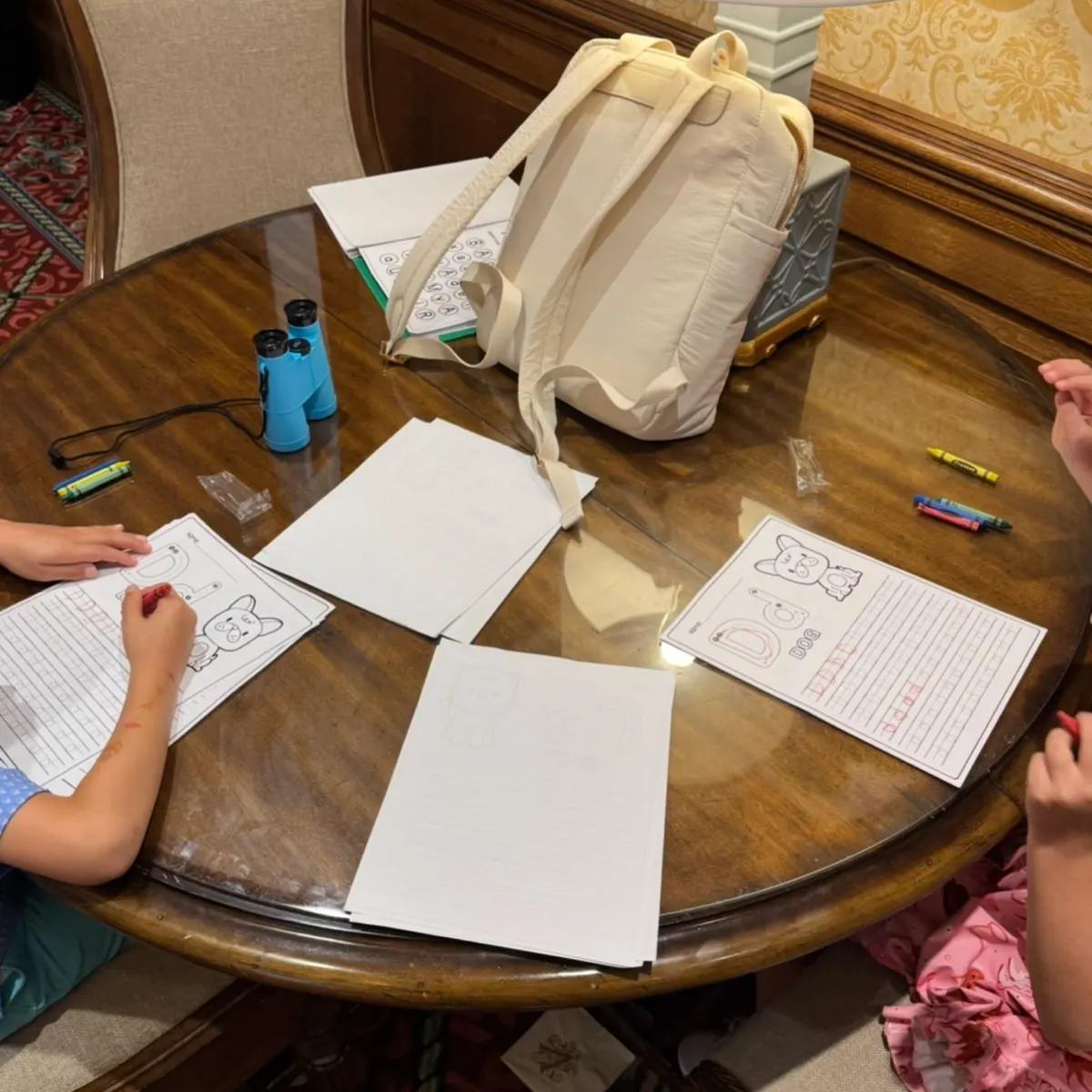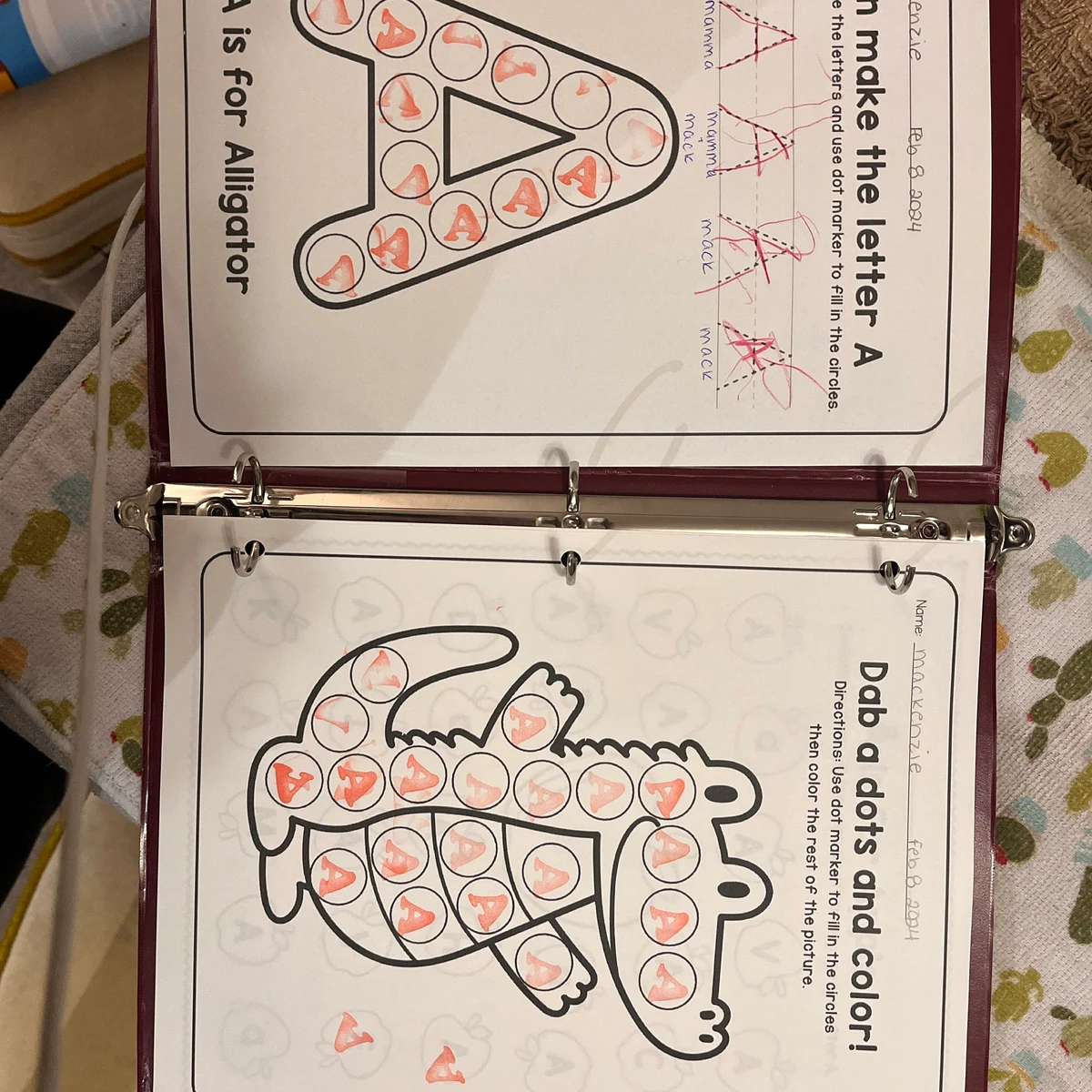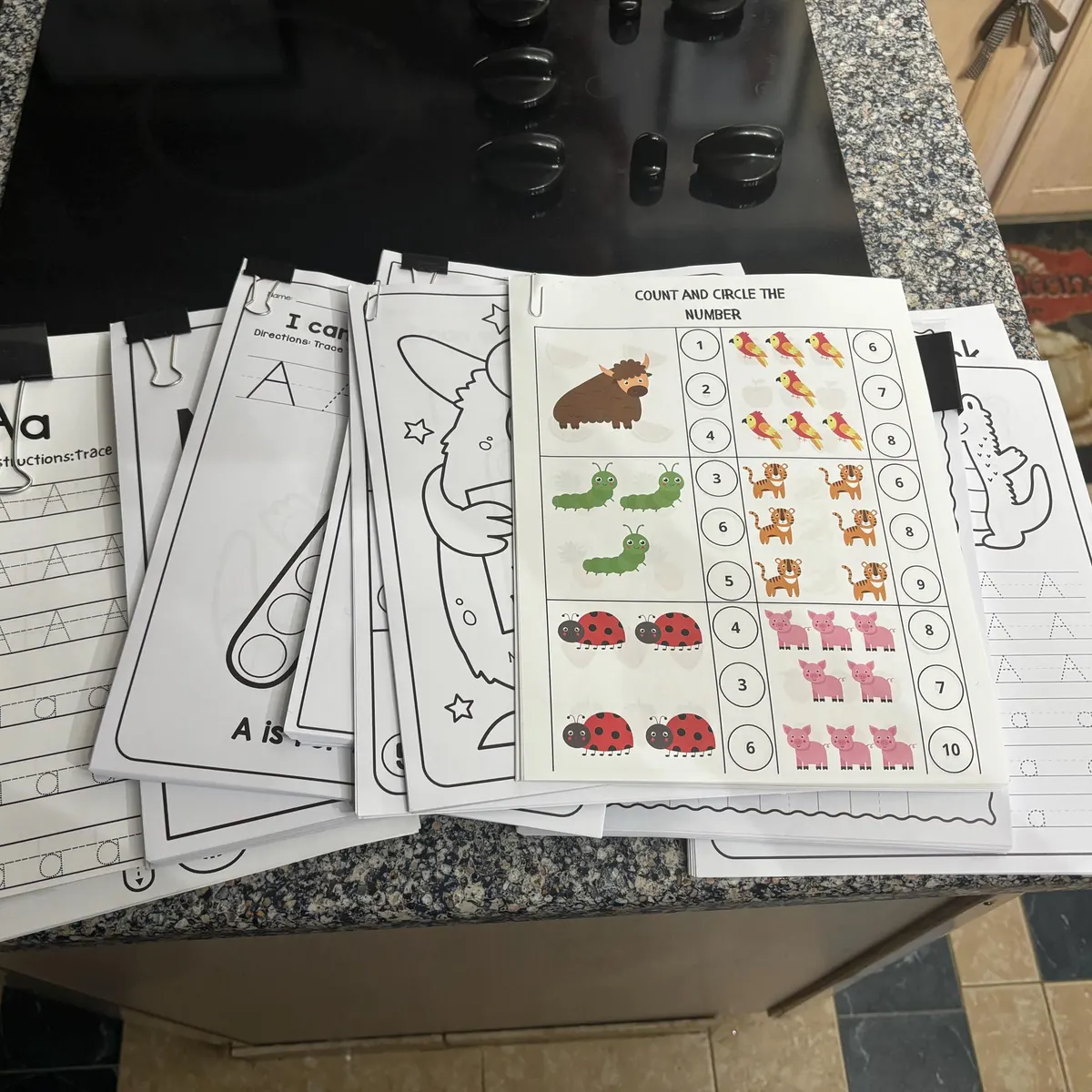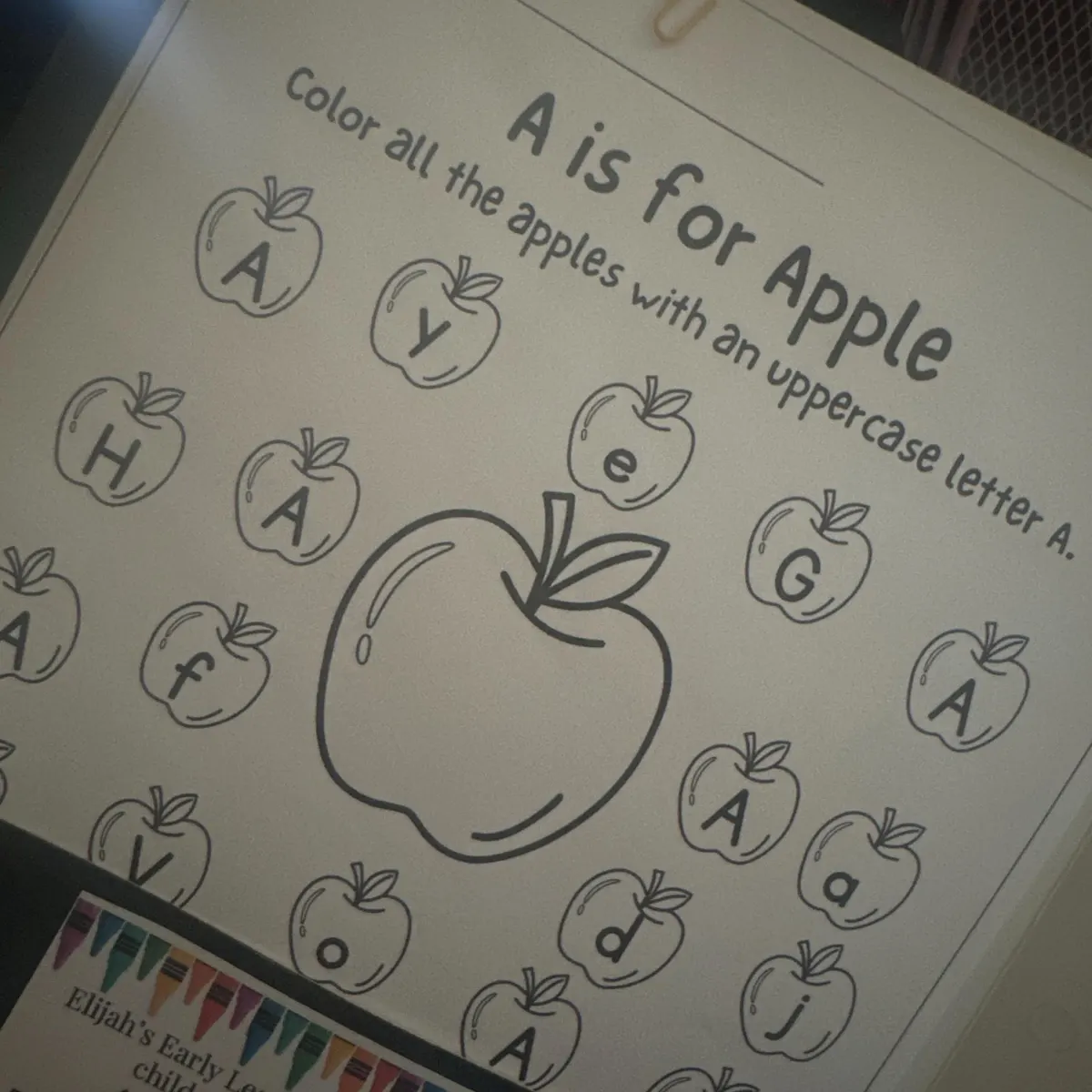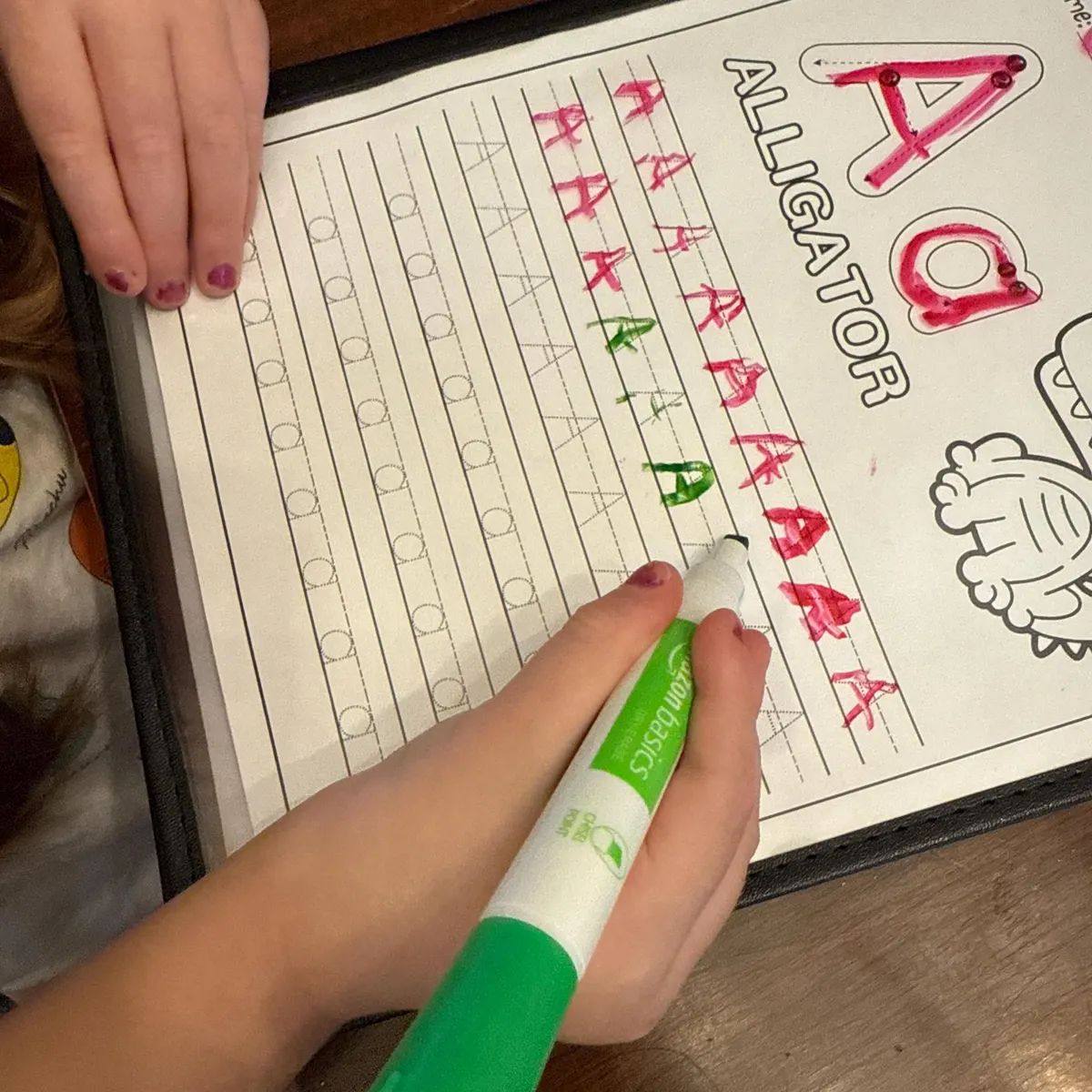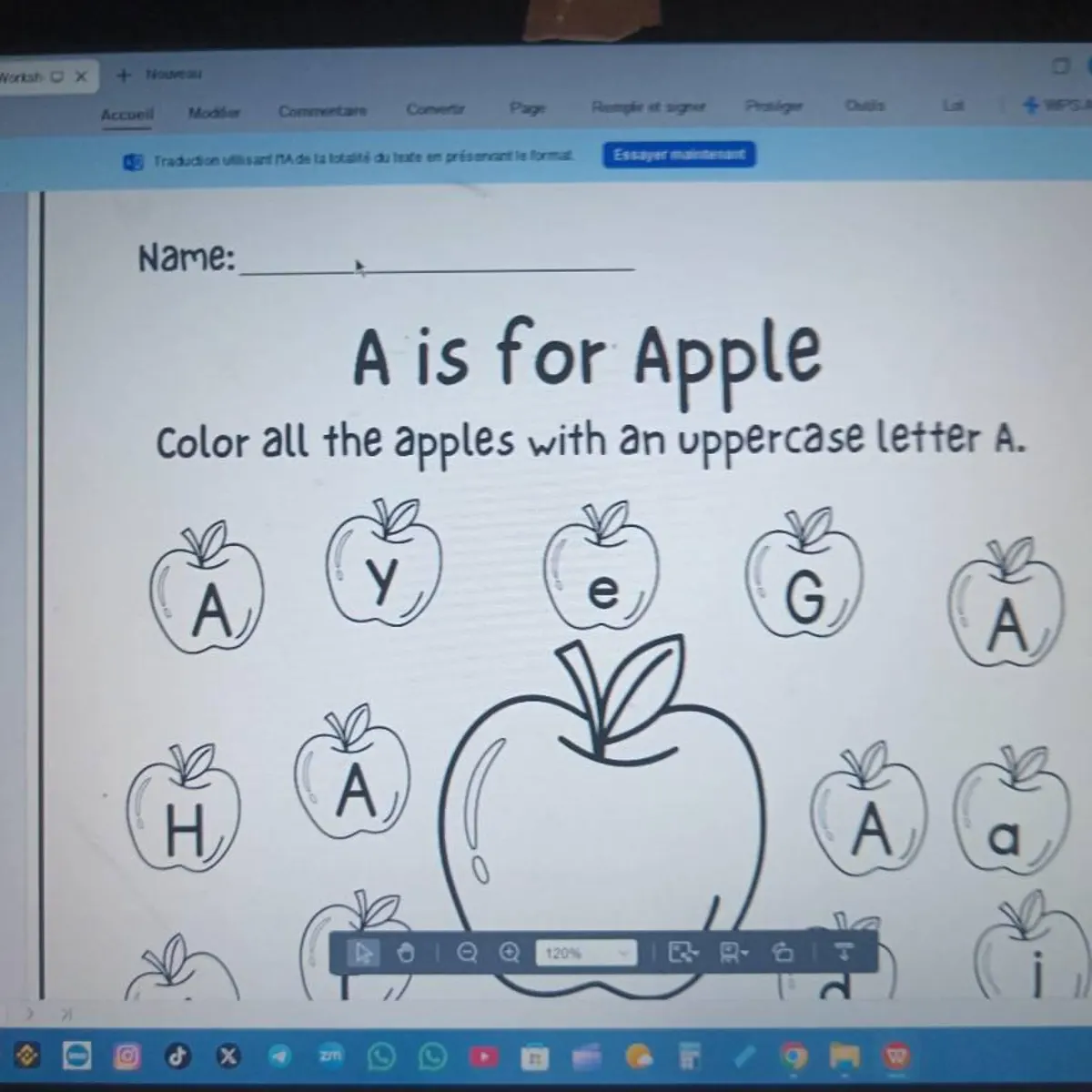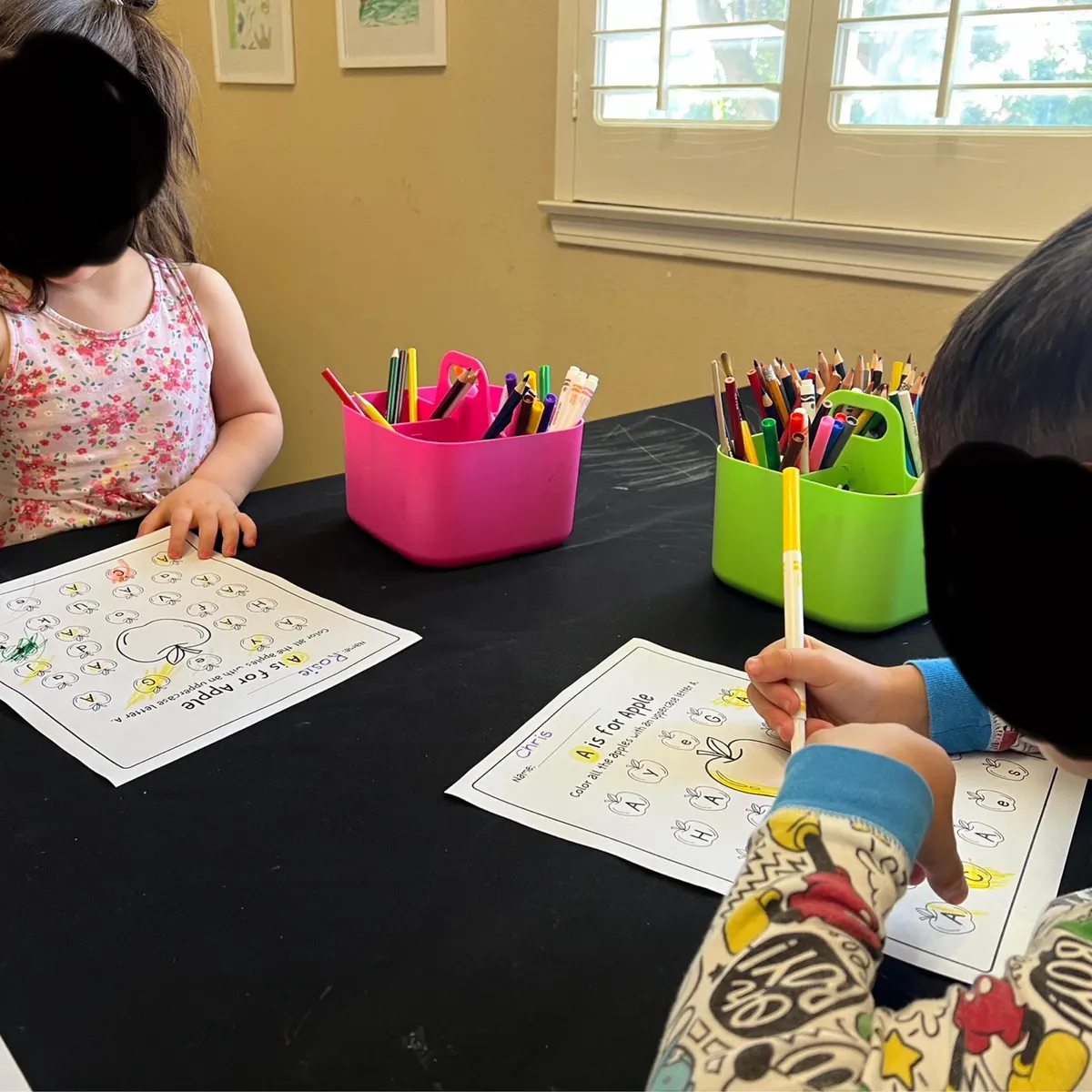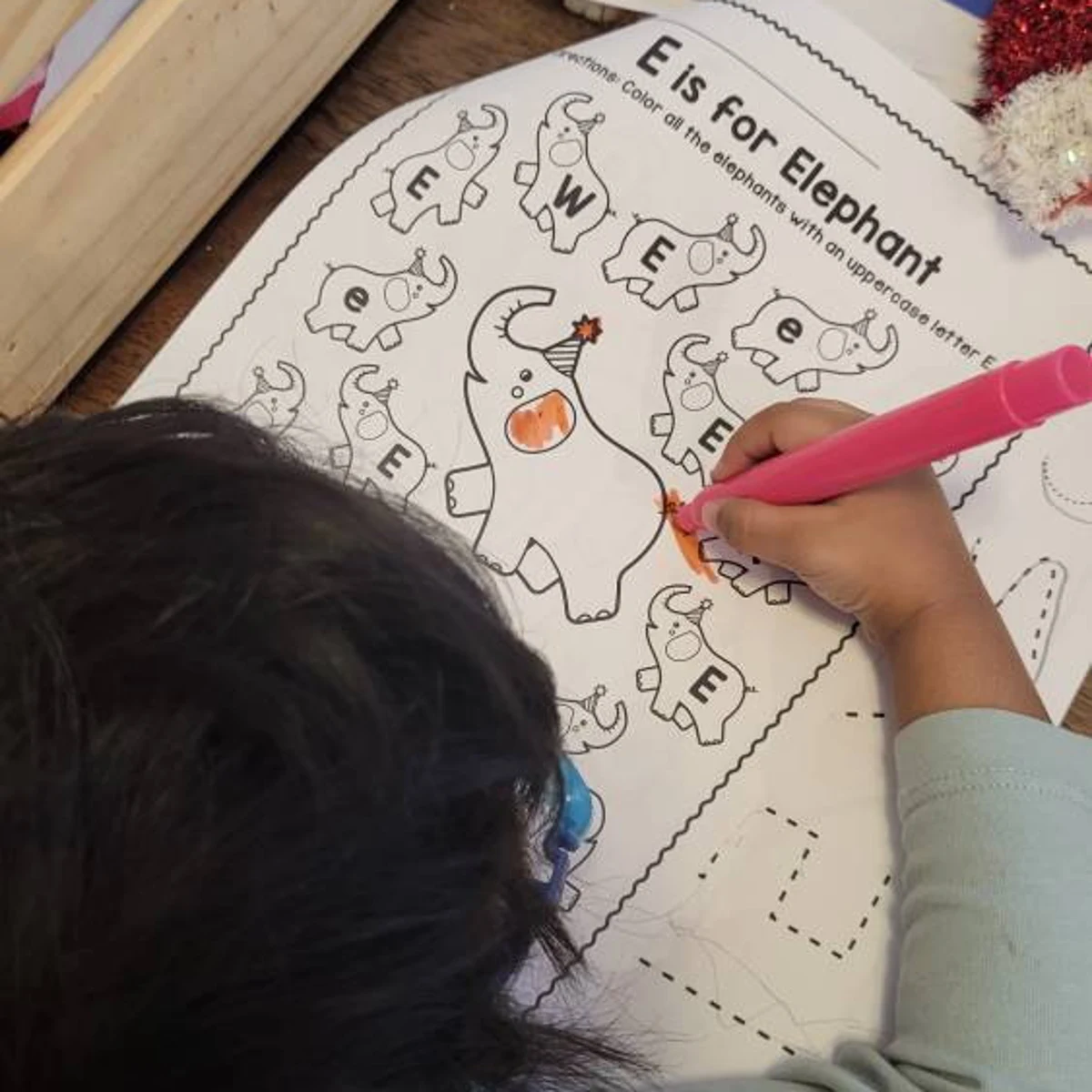
Free A-Z Letter Tracing Worksheets, A-Z Letter Tracing Sheets, and A-Z Letter Tracing Worksheets PDF designed for preschool and kindergarten learners. These fun printable tracing activities help children improve handwriting, alphabet recognition, pencil control, fine motor skills, and writing confidence through engaging uppercase and lowercase tracing practice perfect for classroom, homeschool, and daily learning routines.

What Is the Right Subtraction Readiness Age?

0
What Is the Right Subtraction Readiness Age?

A child who can count to 20 is not automatically ready to subtract 5 from 12. Subtraction readiness age is less about a birthday and more about whether a child understands quantities, can count with purpose, and is comfortable seeing that a group can get smaller. For many children, these skills begin to come together in preschool or kindergarten, usually around ages 4 to 6. But there is plenty of normal variation.

The good news for parents and teachers is that early subtraction does not need to look like a formal lesson. It can happen with crackers at snack time, toy cars rolling away, or pictures crossed out on a page. A few short, playful practice moments can help children build real number sense without pressure.

What Does Subtraction Readiness Age Really Mean?

When adults ask about subtraction readiness age, they are often looking for the right time to introduce worksheets or number sentences. Age can be a useful starting point, but readiness signs are more helpful than a strict rule. One 4-year-old may happily solve “three birds, one flies away,” while another needs more time strengthening counting and one-to-one correspondence. Both are learning exactly as they should.

Most preschoolers can start exploring the idea of taking away with objects and simple stories. Kindergarteners are often ready to connect that hands-on experience to pictures, numbers, and basic subtraction equations such as 5 – 2 = 3. First graders may work more confidently with larger numbers and different problem-solving strategies.

The goal at the beginning is not speed or memorizing facts. It is understanding. Children need to see that subtraction describes a change: there were five, two were taken away, and now three remain.

Signs a Child Is Ready to Learn Subtraction

Before introducing written subtraction problems, look for a few early math skills in everyday play. A child does not need every skill to be perfect. These signs simply show that subtraction activities are likely to feel productive rather than frustrating.

They can count a small group of objects

A ready learner can touch or move objects while saying one number word for each item. If you place six buttons on the table, they can count and tell you there are six. This one-to-one counting skill matters because children need to know what the starting amount represents.

They understand “more,” “less,” and “none”

Subtraction is built around the idea of having less. Notice whether your child understands simple comparisons in conversation: “You have more blocks than I do,” or “There are no apples left.” These words create a friendly bridge to take-away problems.

They can count backward, at least a little

Counting backward from 5 or 10 is helpful, though it is not required before trying subtraction with objects. A child who says “five, four, three” as three toy animals walk away is beginning to connect backward counting with decreasing amounts.

They enjoy simple number stories

A child may be ready when they respond to everyday questions such as, “You had four strawberries and ate one. How many are left?” If they want to act it out, make a guess, or count the remaining strawberries, they are engaging with subtraction thinking.

They can stay with a short activity

Early math practice works best in small bursts. If a child can focus for five to 10 minutes on counting, matching, or coloring activities, they may enjoy a simple subtraction worksheet with pictures. If attention fades quickly, choose a movement game or use fewer objects first.

Start With Real Objects, Not Just Numbers

Young children learn math through what they can see and touch. Beginning with a printed equation alone can make subtraction seem like a mysterious set of marks. Begin instead with a small collection of familiar items: blocks, pom-poms, crayons, toy animals, or snack pieces.

Say, “We have five bears. Two bears are going to their cave.” Let the child physically move two bears away. Then ask, “How many bears are still here?” Encourage them to count what remains rather than rush to answer. Repeat the same kind of story several times with numbers up to five.

This approach also shows why fingers are useful. Finger counting is not cheating. It is a concrete tool that helps young learners hold a number in mind. As their confidence grows, many children naturally rely on fingers less often.

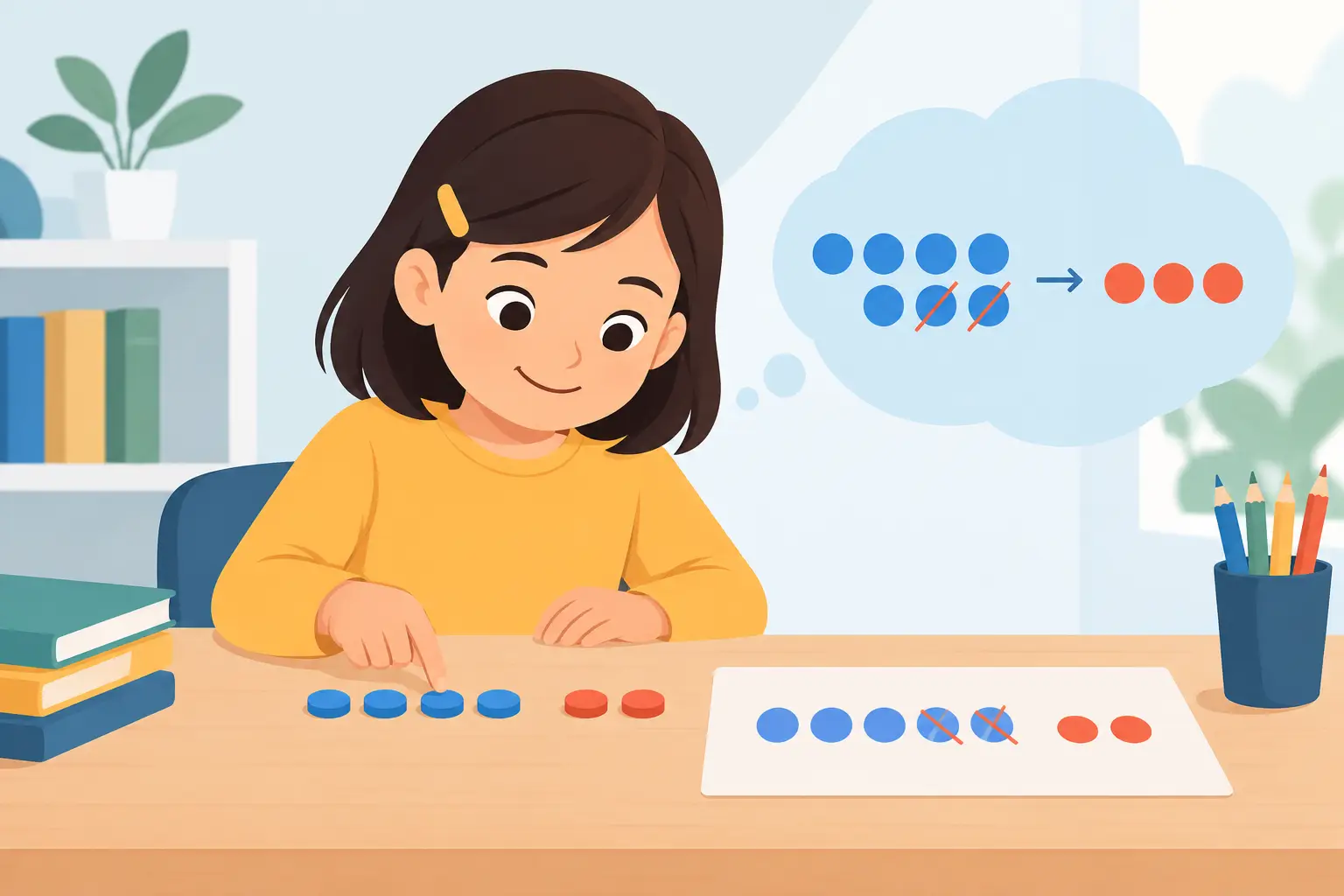
Picture-based activities are a helpful next step. A child can look at six balloons, cross out two, and count four left. From there, they can begin matching the picture to the equation 6 – 2 = 4. Printable practice pages are especially handy here because they offer structure while keeping the math visual and child-friendly.

How to Introduce Subtraction Without Pressure

Use language children already understand. “Take away,” “left,” “gone,” and “how many are still here?” all make sense before the word “subtraction” does. You can say the math word after the child has experienced the action: “When we take some away, we are subtracting.”

Keep the numbers small at first. Problems within 5 are a comfortable place to start for many preschoolers. A child who solves 4 – 1 with counters is practicing the same core idea they will later use for 14 – 1. Starting small protects confidence and leaves room for genuine understanding.

It also helps to accept different ways of solving. One child may count all the objects, take some away, then count what is left. Another may know right away that if they have three cookies and give away one, two remain. Both strategies are valuable. Early subtraction is about making sense of numbers, not using one “correct” method.

Try adding subtraction to routines children already enjoy. At cleanup time, ask, “There were seven cars on the rug. We put away three. How many are still out?” During a read-aloud, pause when characters leave a group. At snack time, let your child hand out or eat small pieces and talk about what remains.

When Worksheets Help and When to Pause

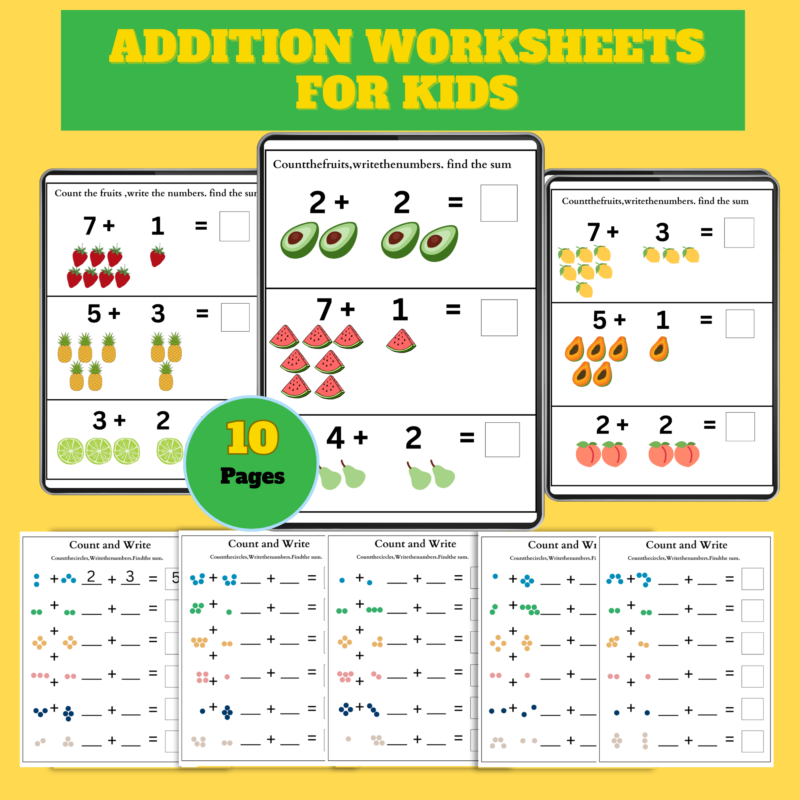
Worksheets can be a wonderful part of subtraction practice when they match a child’s current skills. A good early subtraction page uses clear pictures, small numbers, and simple directions. It gives children a chance to trace, circle, cross out, count, and write an answer – all useful ways to connect fine motor practice with number learning.

For busy parents and educators, ready-to-print activities can also make it easier to offer repeated practice without creating a new lesson each day. Fun Clever Fox subtraction printables can fit into a math center, morning work, homeschool routine, or quiet learning time at home.

Still, a worksheet should not replace hands-on learning too soon. If a child stares at a problem like 5 – 2, guesses randomly, or becomes upset, go back to objects and simple stories. This is not a setback. It is useful information: the child needs to see and do the math before recording it on paper.

Watch for signs that practice has become too hard. Frequent tears, avoidance, or a child saying “I can’t do math” are cues to shorten the activity and return to an easier number. End on a success whenever possible. One correctly solved take-away story can do more for confidence than a full page completed with frustration.

Common Questions About Early Subtraction

Should children memorize subtraction facts in preschool?

No. Preschool children benefit most from understanding quantities and acting out take-away situations. Fact memorization can come later, after the meaning of subtraction is secure. Some children will remember facts naturally through repeated play, but it should not be the main expectation.

Can a child learn addition and subtraction at the same time?

Yes. These ideas often grow together. Adding means putting groups together, while subtracting means taking part of a group away. A child might build a tower with three blocks, add two more, then remove one. That single activity introduces both operations in a natural way.

What if my child writes numbers backward?

Reversed numbers are common in preschool and kindergarten. Continue offering gentle number-writing practice, but keep the focus of subtraction activities on quantity and reasoning. With repeated exposure and growing fine motor control, most children become more consistent.

A child’s first subtraction discoveries may be as simple as noticing that two cookies remain after one is shared. Celebrate that thinking. With playful practice, clear visuals, and just-right challenges, early math can become a familiar, confidence-building part of the day.

Leave a Reply

Your email address will not be published. Required fields are marked *