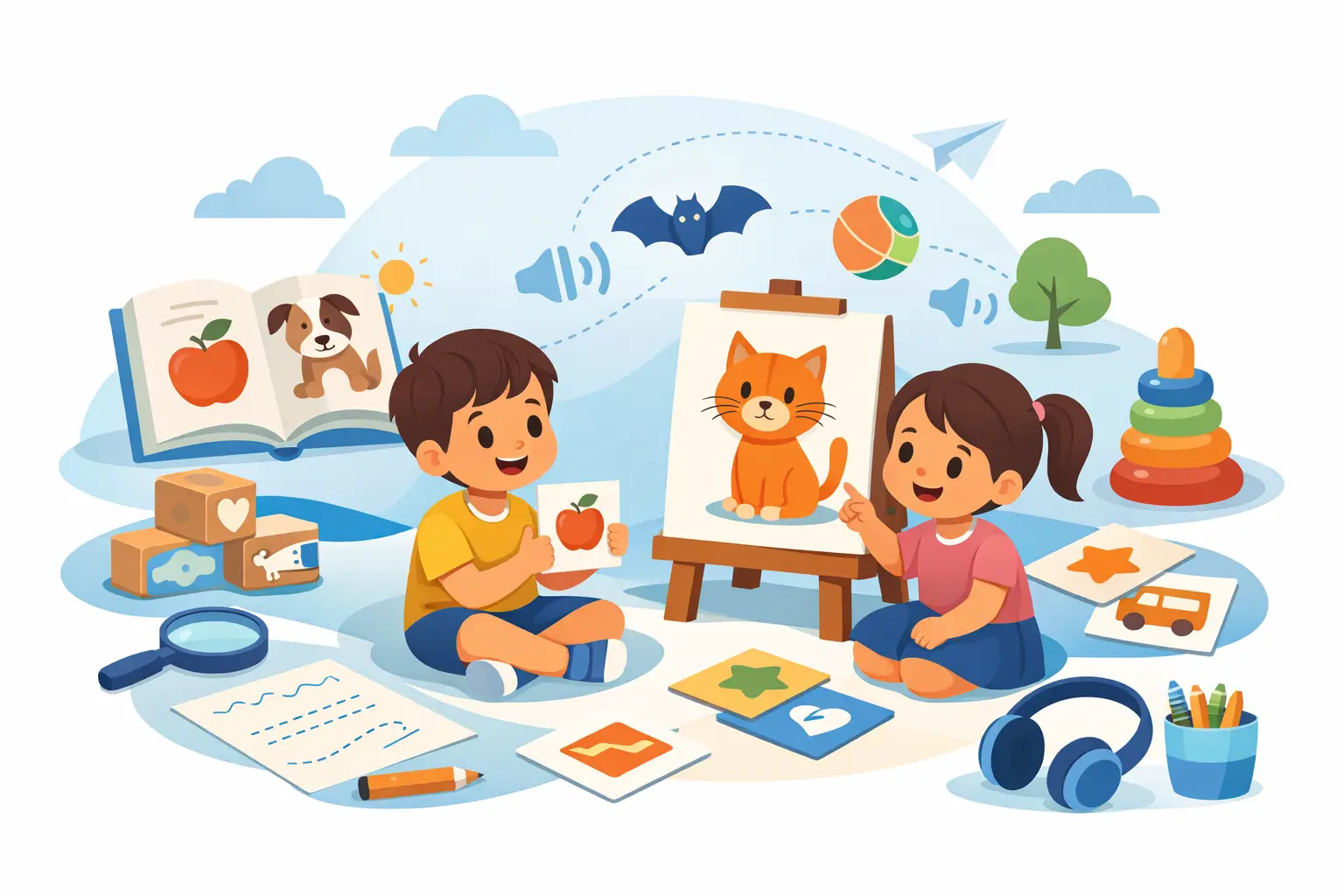
A child who can spot the first sound in sun or blend m-a-p into a real word is doing meaningful reading work. The best kindergarten phonics activities make those small breakthroughs feel like play, not pressure. With short, repeatable practice, children begin connecting letters to sounds and sounds to words with growing confidence.
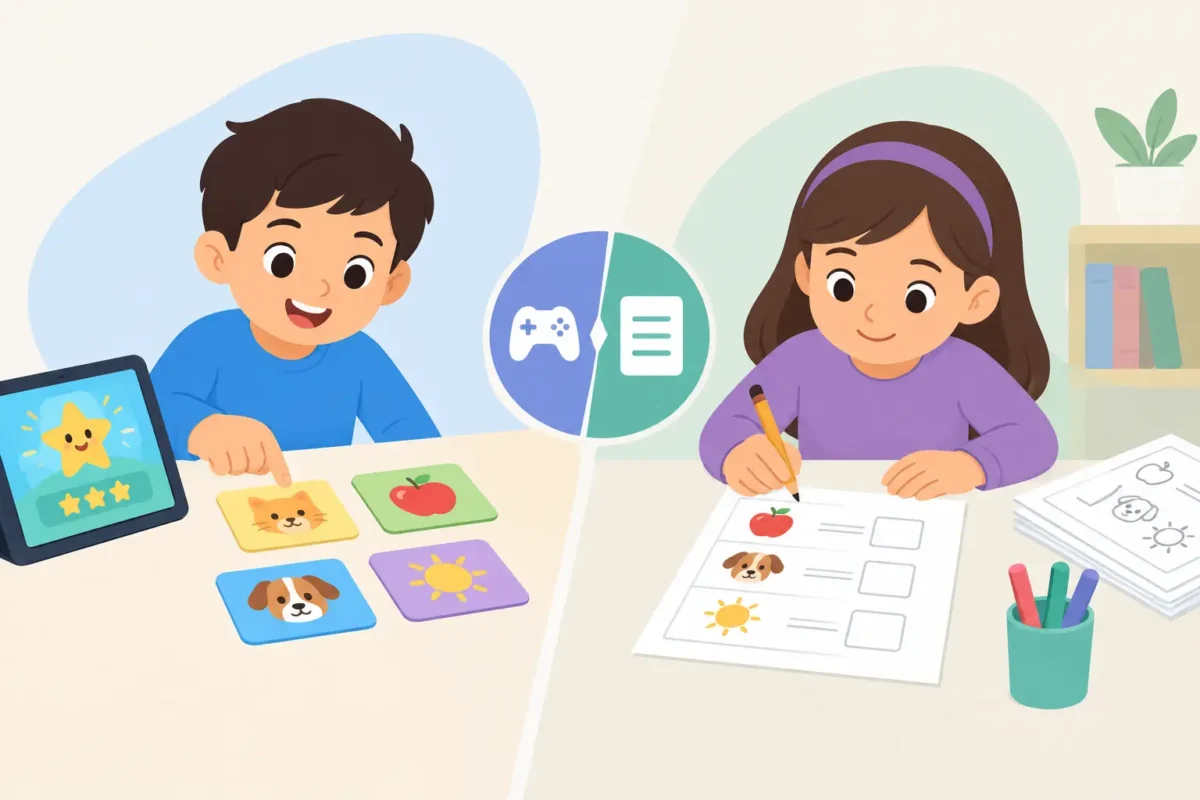
Kindergarten phonics works best when children can hear, say, move, trace, match, and read. A worksheet can be a helpful part of the routine, but the strongest learning happens when print practice is paired with quick, hands-on games and plenty of encouragement.
What Kindergarteners Need From Phonics Practice
Phonics is the skill of connecting written letters with the sounds they represent. In kindergarten, children are usually building a foundation rather than memorizing long word lists. They need practice recognizing letters, producing common letter sounds, hearing sounds within words, and blending simple consonant-vowel-consonant words such as cat, pig, and sun.
Keep sessions brief. Ten focused minutes can be more useful than a long lesson when a child is tired or wiggly. Repetition matters, but repeating the same task every day can get dull. Rotate a few familiar activities so children get the practice they need while still feeling excited to participate.
12 Best Kindergarten Phonics Activities
1. Sound Hunt Around the Room
Choose a focus sound, such as /m/. Ask children to find something in the room that begins with that sound. They might point to a mug, mat, map, or marker. If an item does not match, simply say the word slowly together and listen for the first sound.
This is an easy no-prep activity for morning work, transitions, or a quick homeschool lesson. Start with beginning sounds before asking children to listen for ending or middle sounds, which are usually more challenging.
2. Letter-Sound Picture Sorts
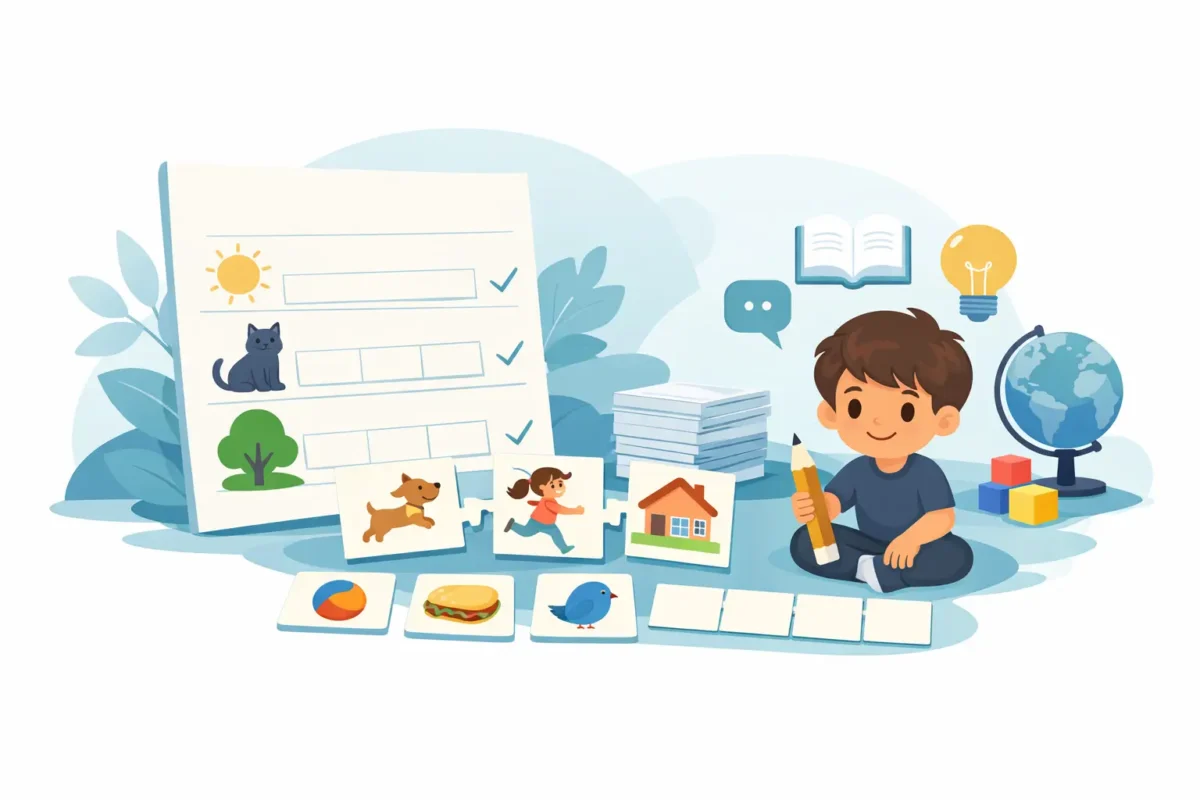
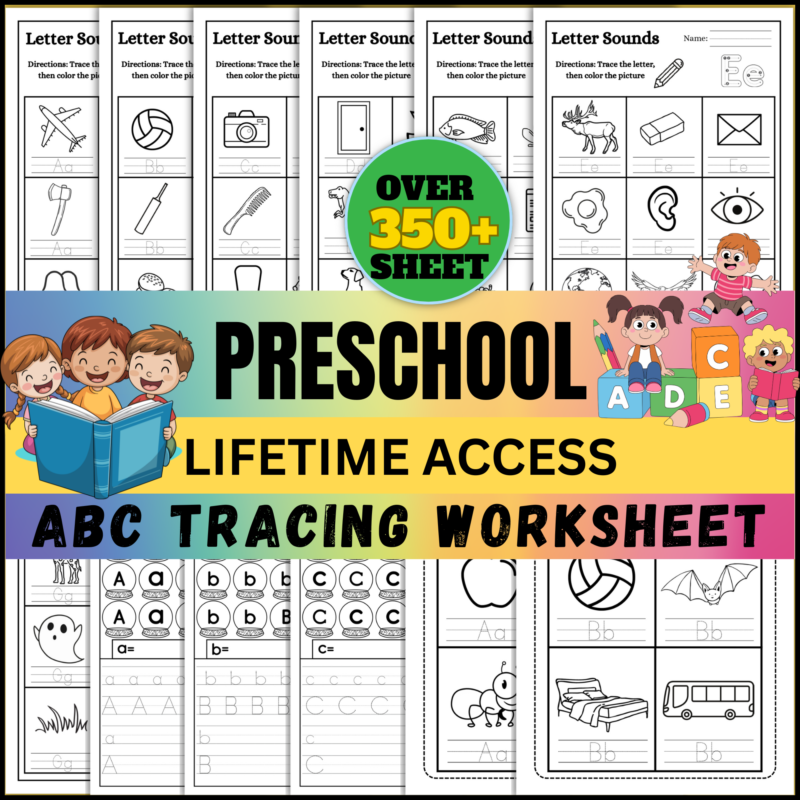
Give children a small group of picture cards or picture worksheets and ask them to sort each image by its beginning sound. For example, a child can place a picture of a dog under D and a picture of a fish under F. Saying each picture name aloud is the key step.
Picture sorts help children focus on the sound rather than guessing from the letter’s appearance. They are especially useful for commonly confused sounds, such as /b/ and /d/ or /p/ and /b/.
3. Trace, Say, and Circle
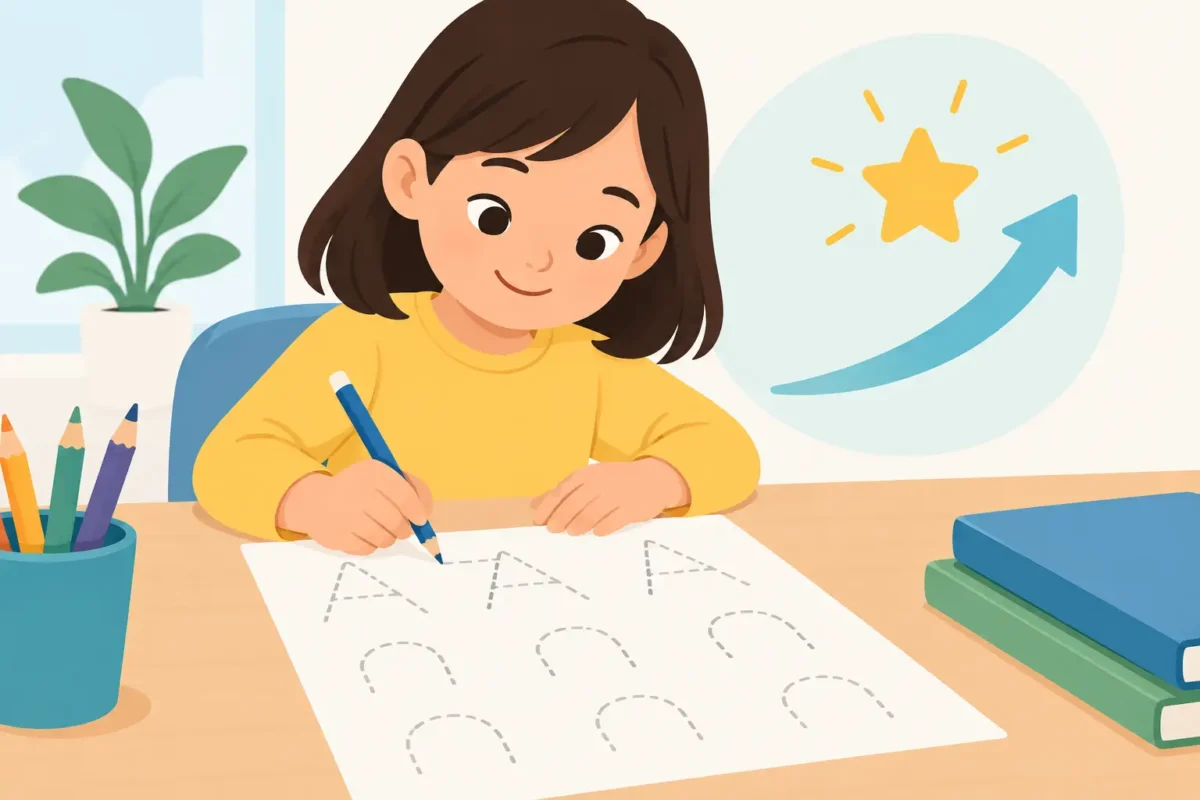
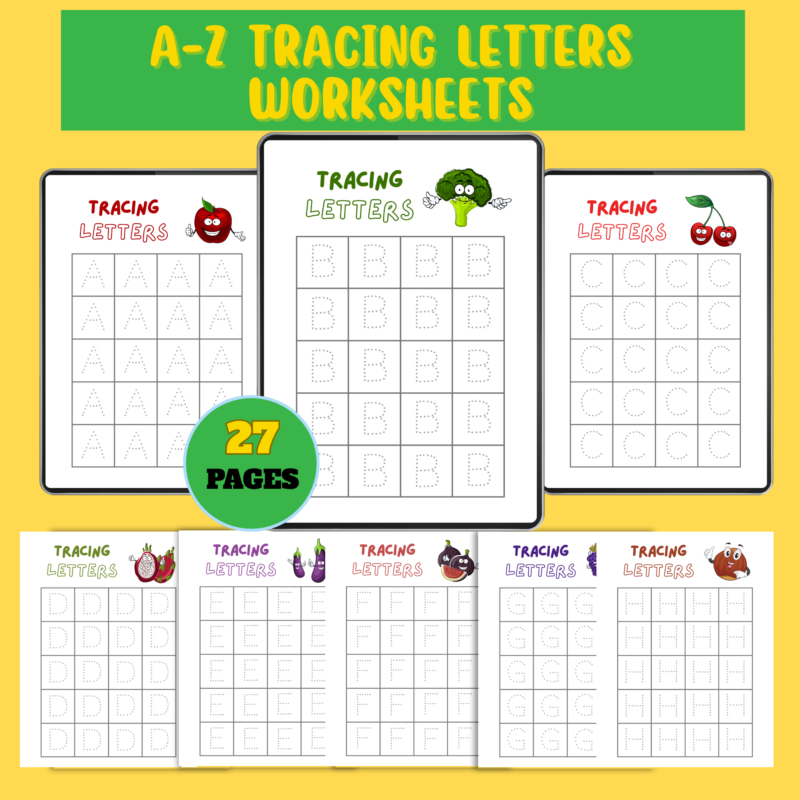
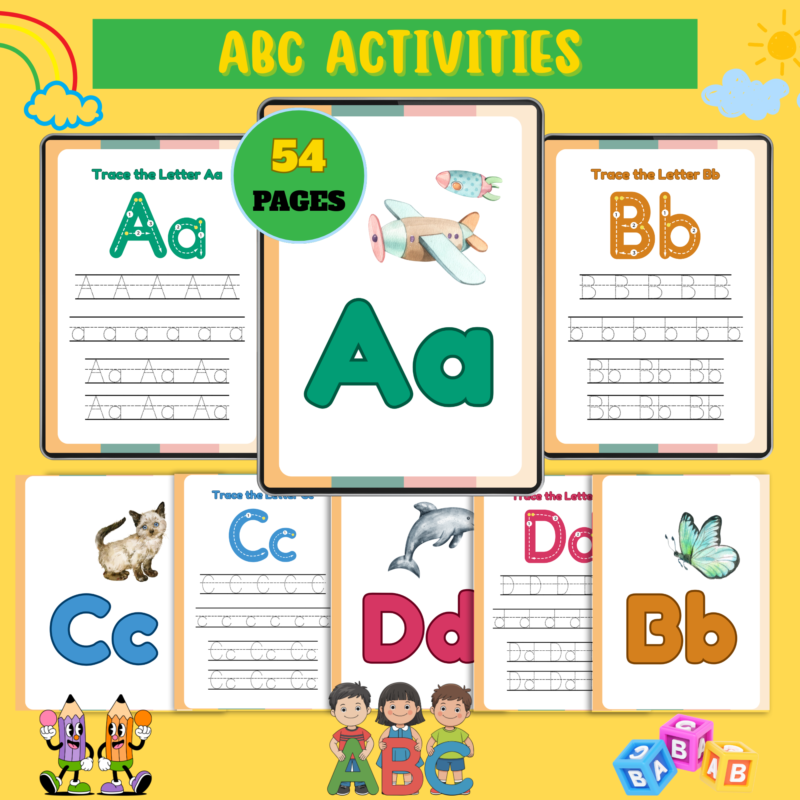
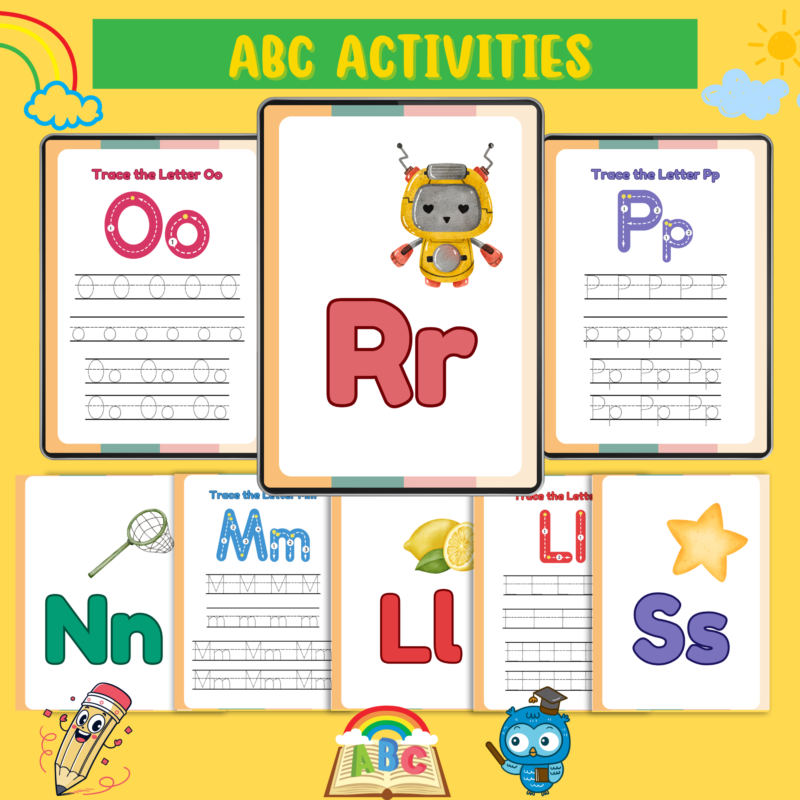
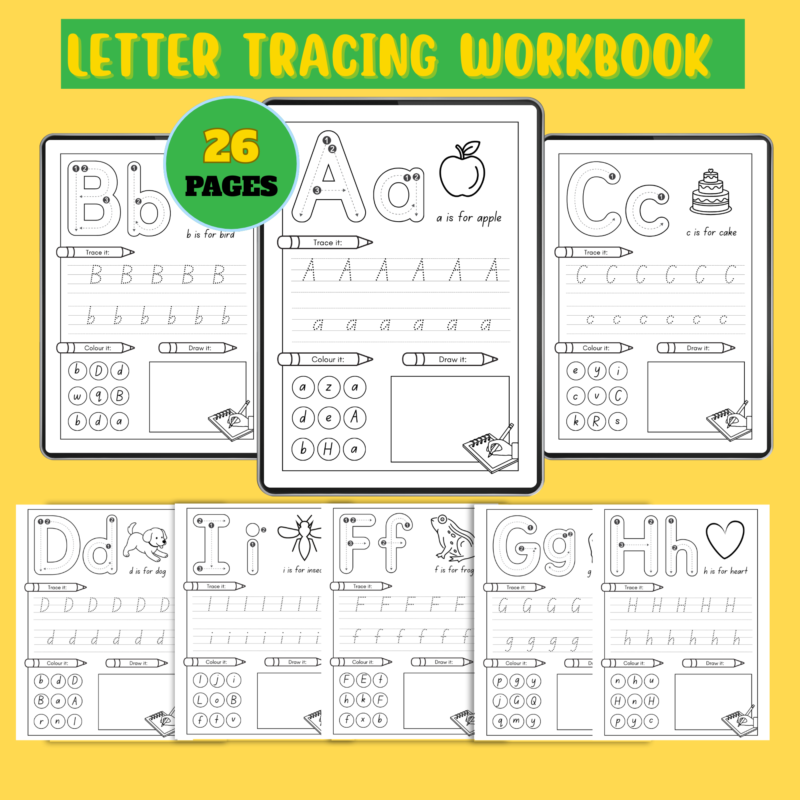
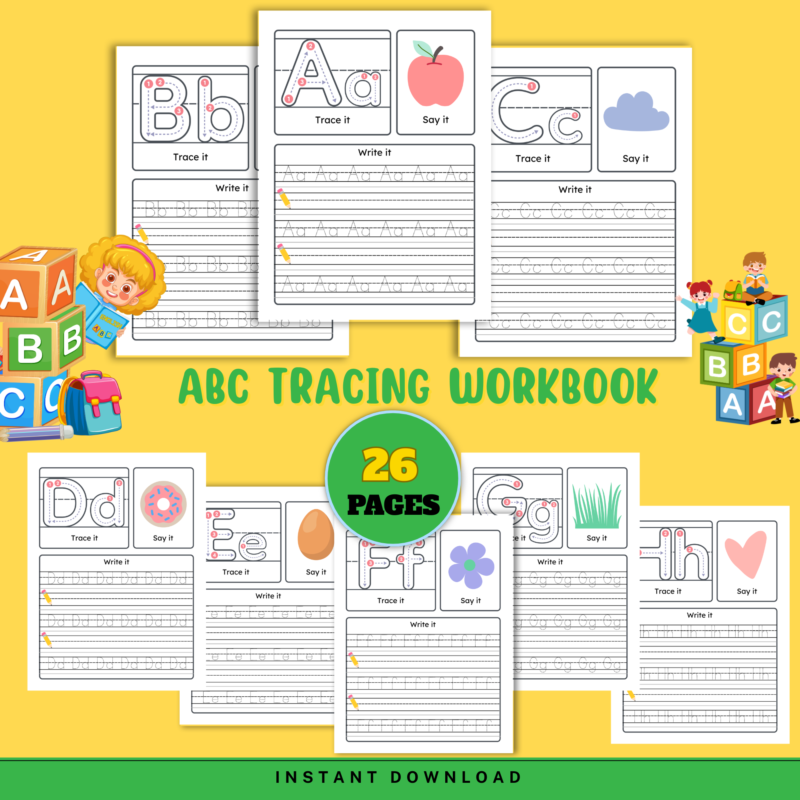
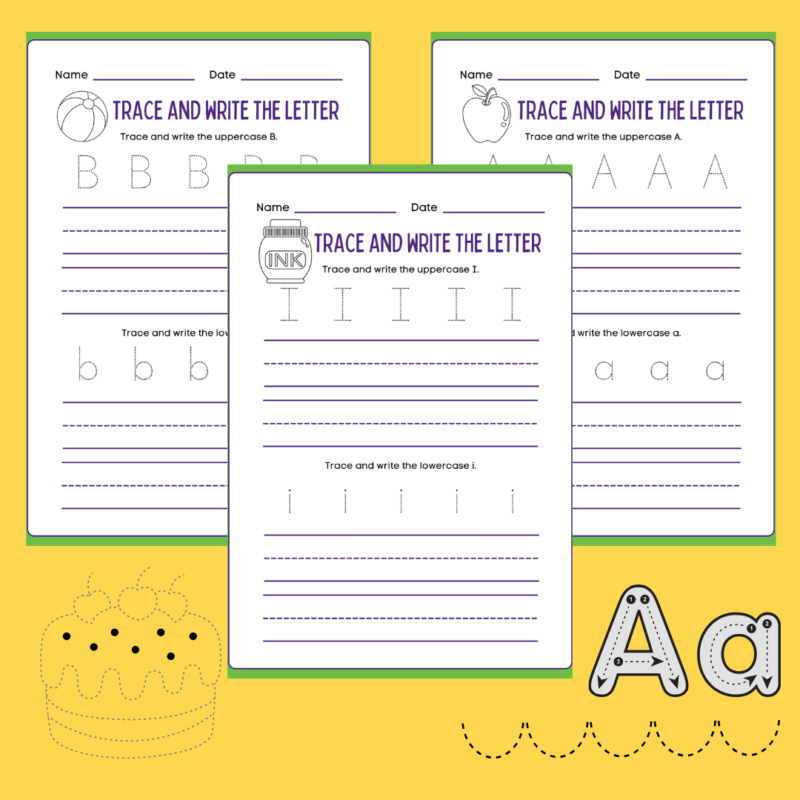
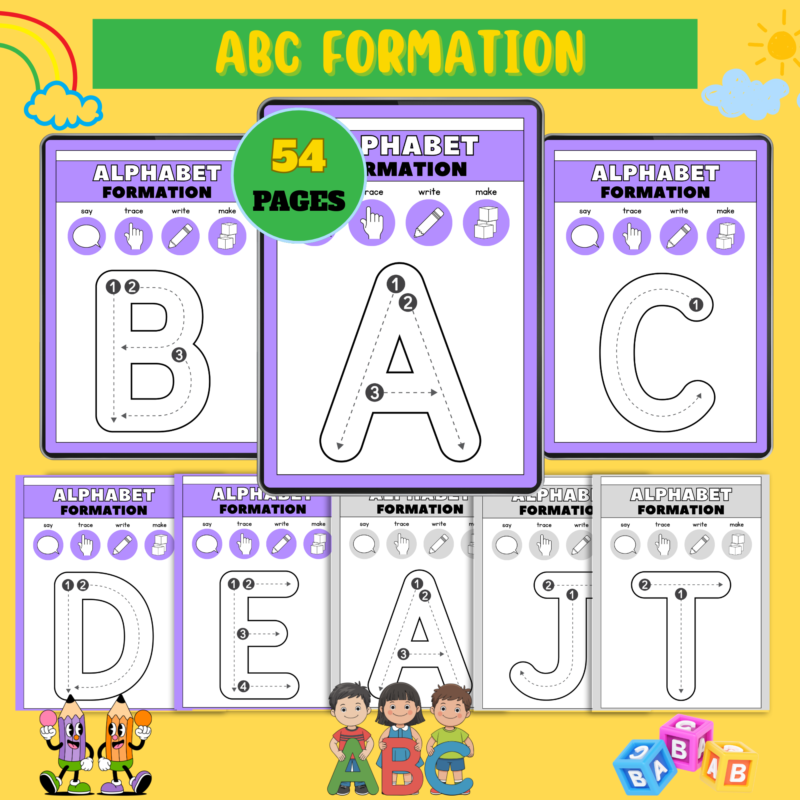
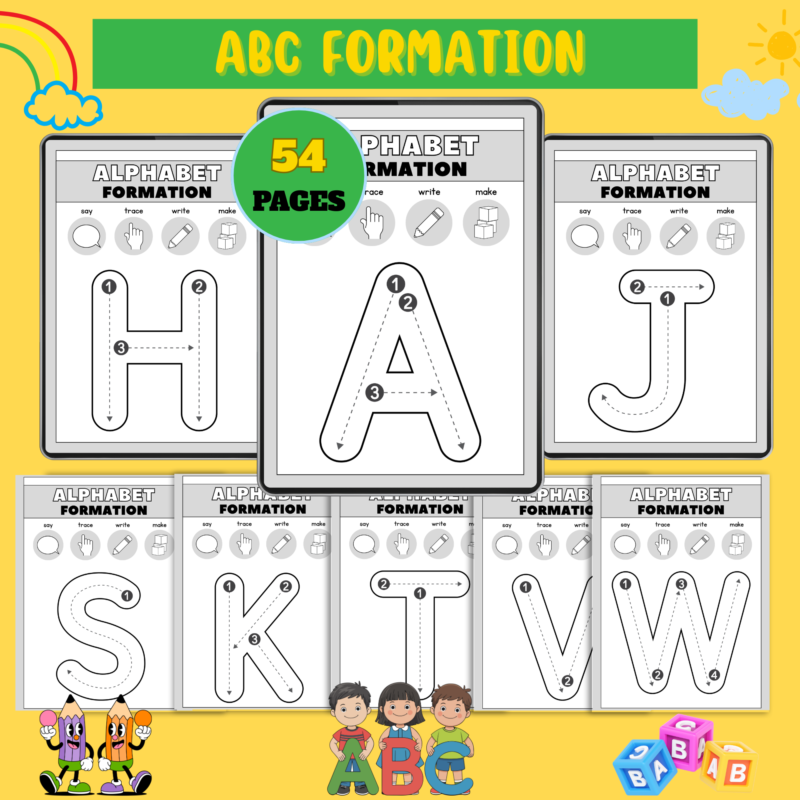
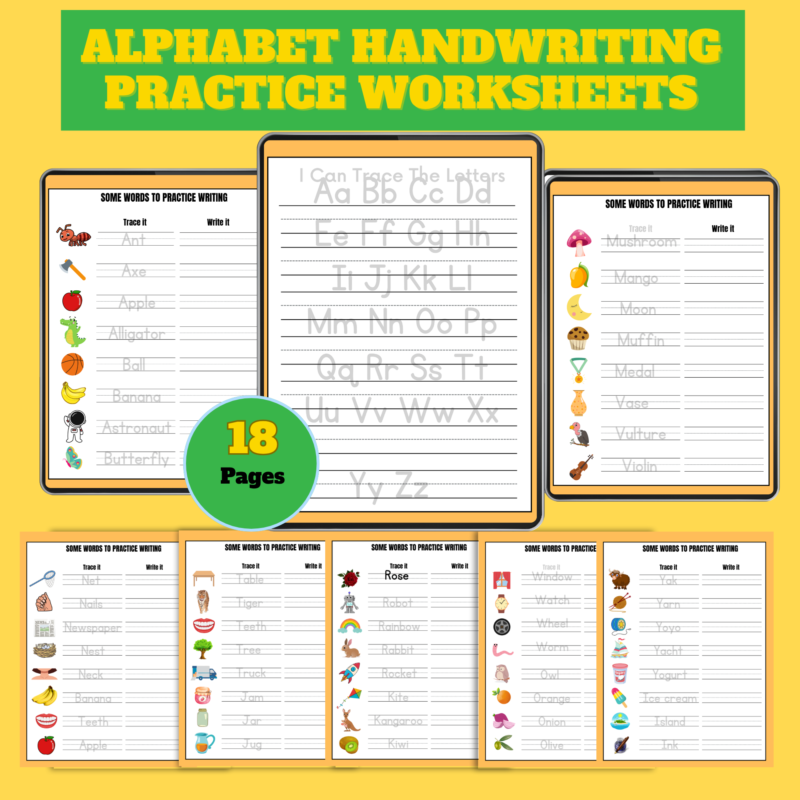
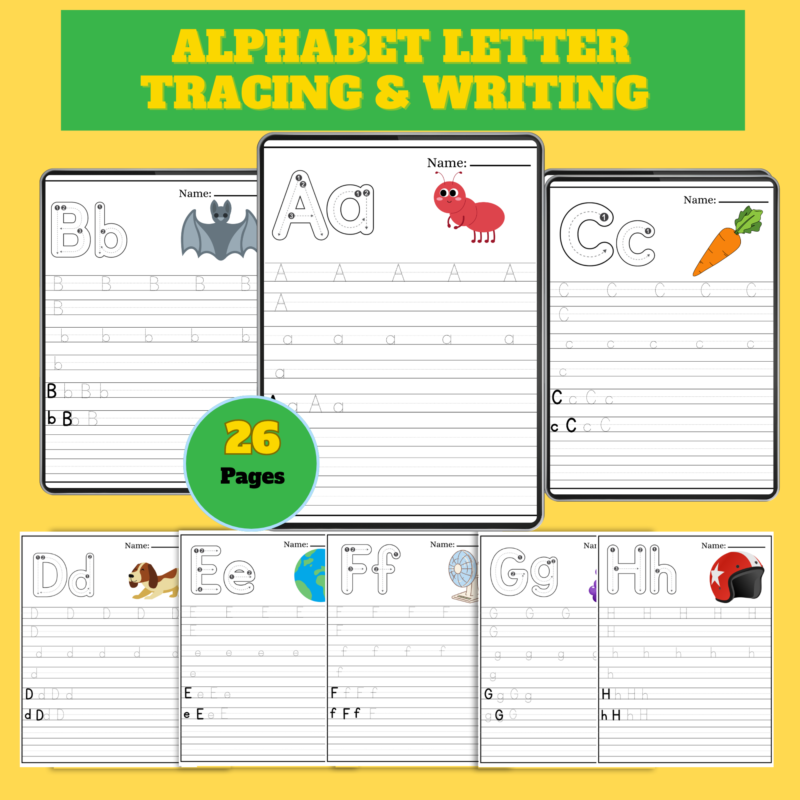
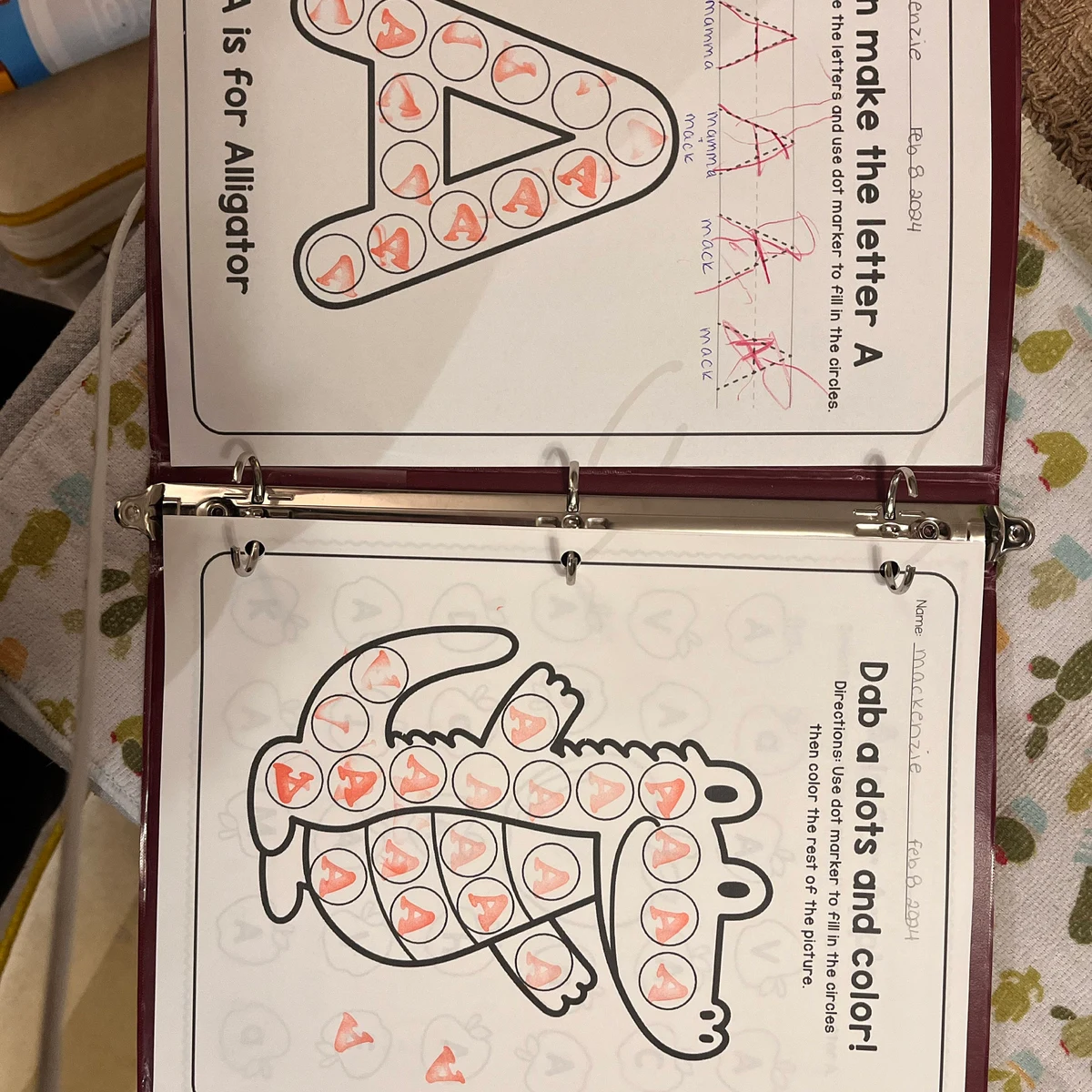
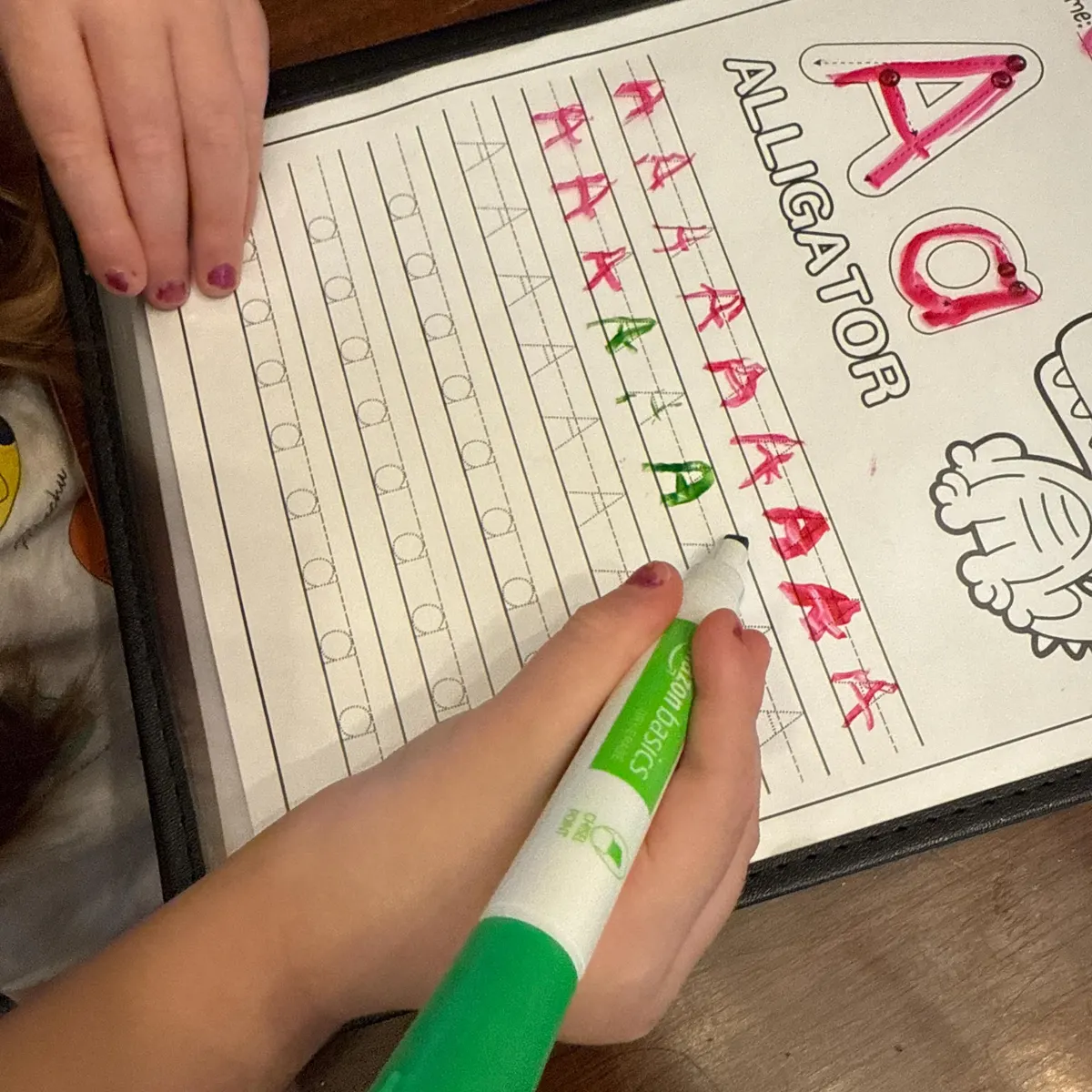
Letter tracing is more meaningful when it includes phonics. Invite children to trace a target letter while saying its sound, then circle pictures that begin with that sound. For S, they might trace the letter, say /s/, and circle a sun, sock, and sandwich.
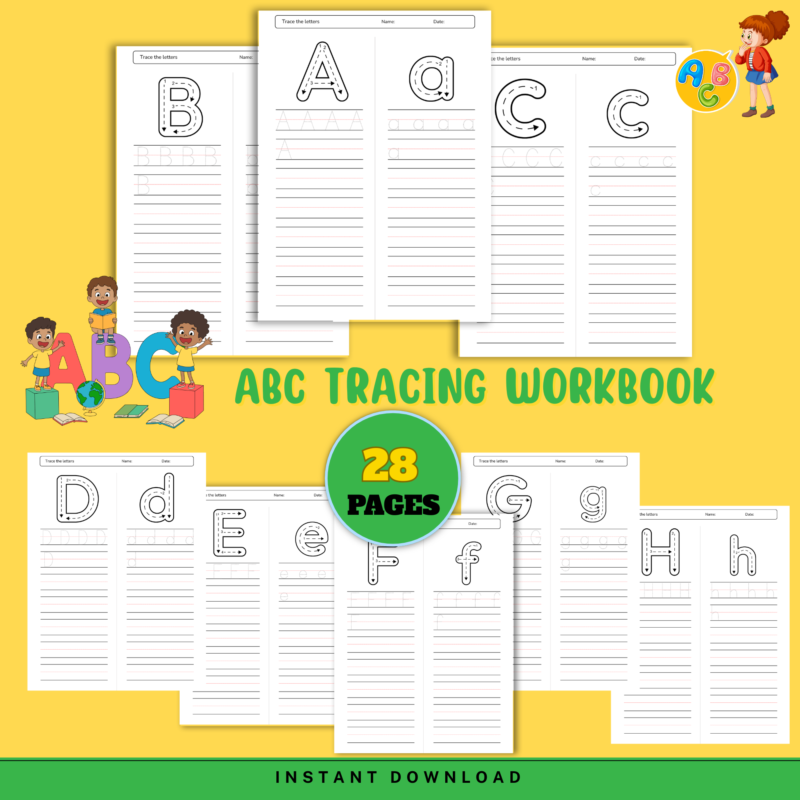
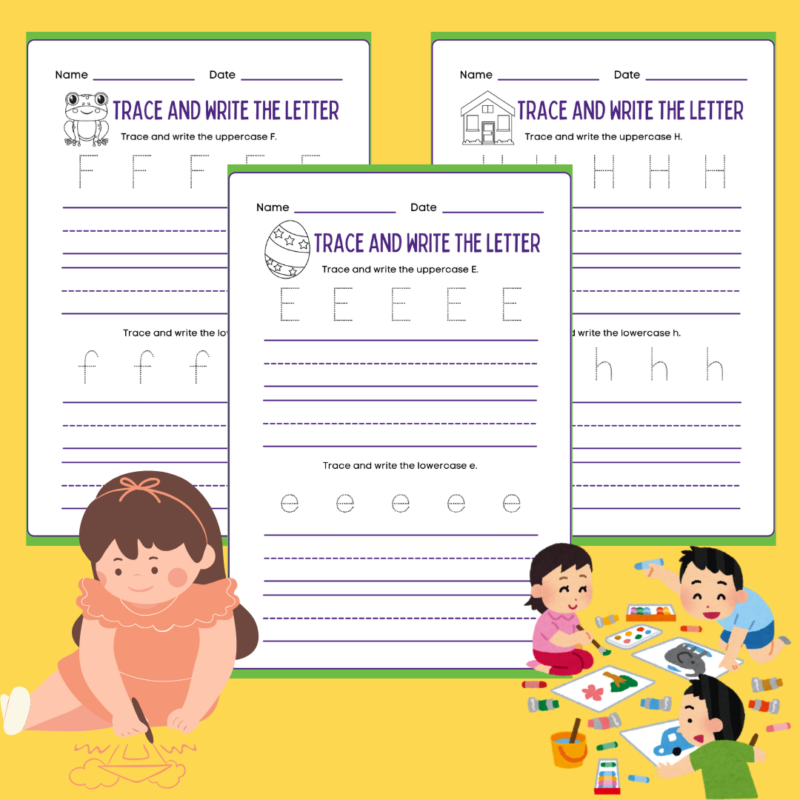
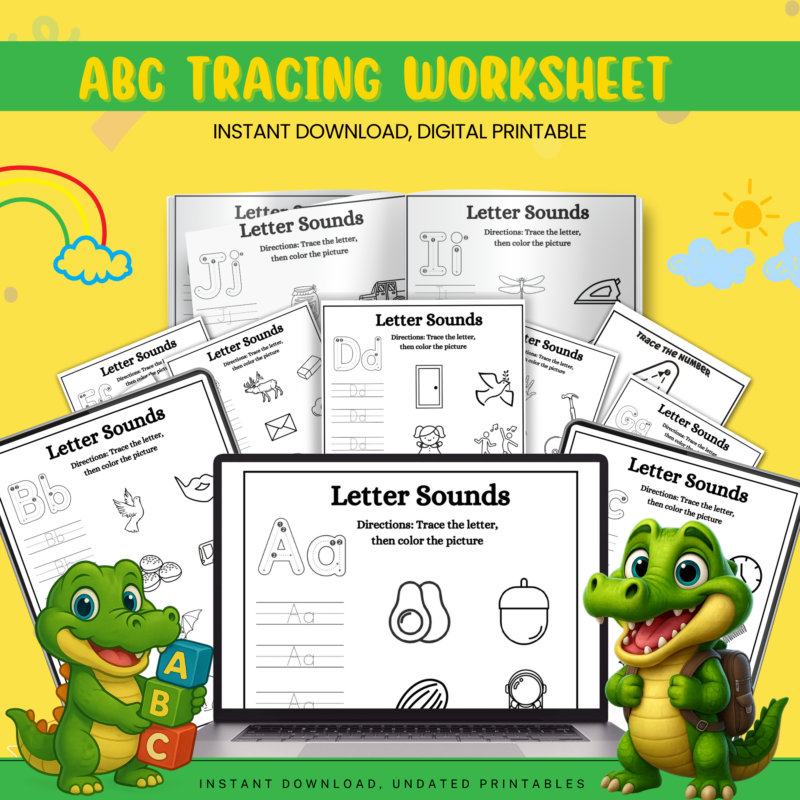
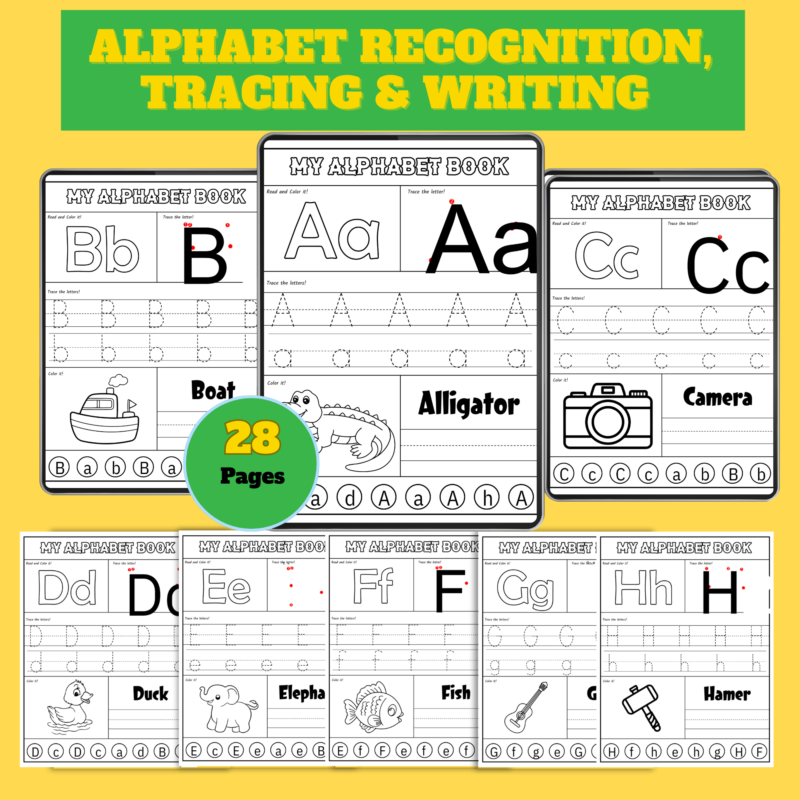
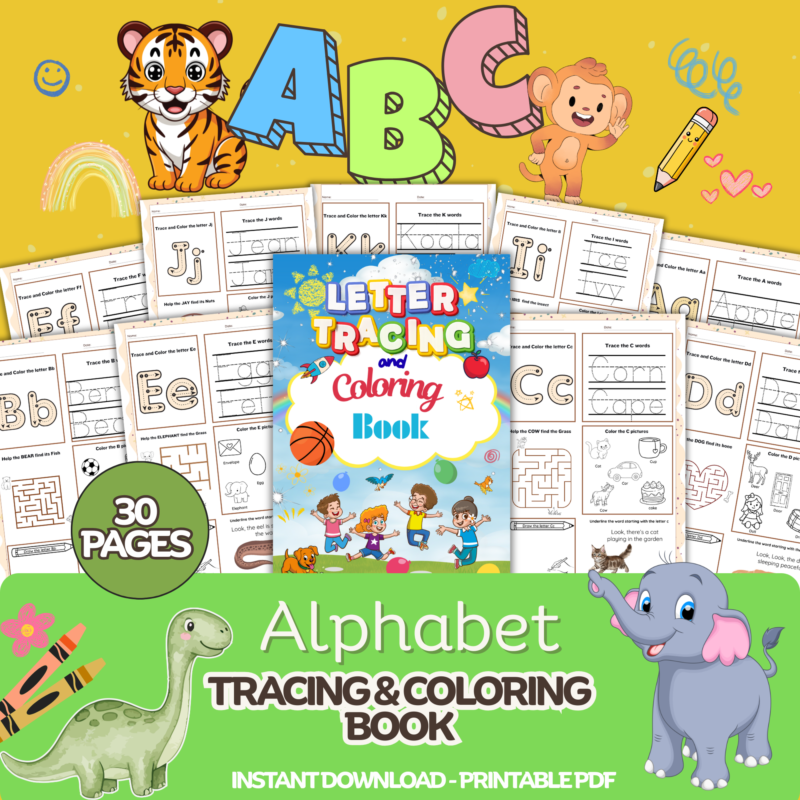
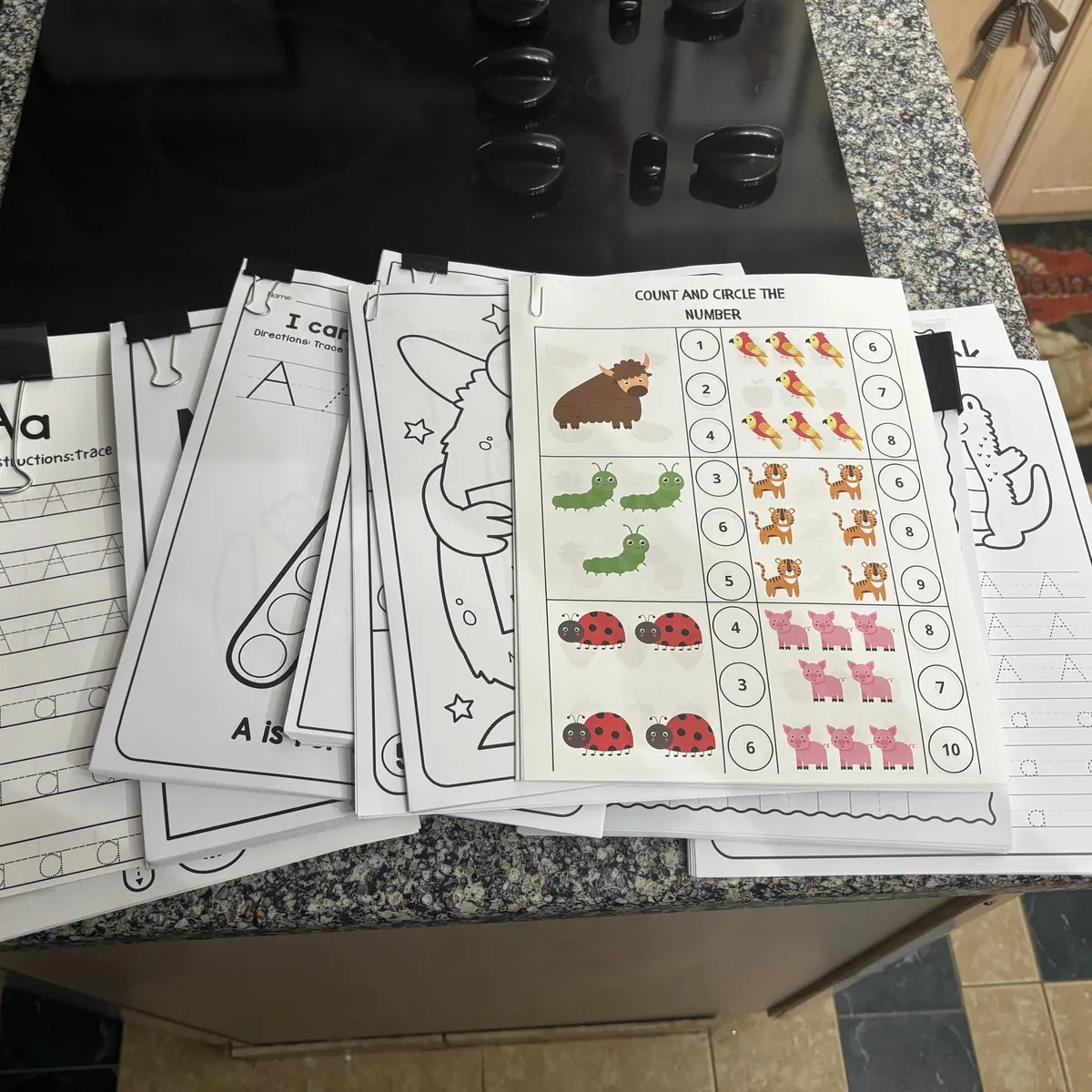
This combination supports letter formation, visual recognition, and sound recall in one simple activity. Printable phonics pages are a practical choice here because children can revisit the same skill without adults needing to create materials from scratch.
4. Mystery Bag Sound Game
Place a few familiar objects in a bag, such as a ball, crayon, spoon, toy car, or block. Pull out one item at a time and ask, “What sound do you hear first in ball?” Children can answer, find the matching letter card, or write the letter if they are ready.
Real objects make sound practice feel concrete. Use only two or three target sounds at first, especially for children who are still learning many letter names.
5. Build and Change CVC Words
Use letter tiles, magnetic letters, or cut-apart letter cards to build simple words. Begin with cat, then change one letter at a time to make hat, hot, and hop. Have children touch each letter as they say its sound, then sweep a finger underneath to blend the word.
This activity shows children that letters work together in a predictable way. It also helps them notice that changing one sound changes the whole word. Choose words with short vowel sounds and avoid tricky spellings until the basic pattern feels comfortable.
6. Tap the Sounds
Say a simple word such as map. Children tap the table once for each sound: /m/ /a/ /p/. Then ask them to count the taps or hold up three fingers. This builds phonemic awareness, which is the ability to hear and work with the sounds in spoken words.
Children do not need to see print for this activity. That makes it a helpful warm-up before reading or a useful option for the car, the dinner table, or waiting in line.
7. Beginning Sound Clip Cards
Write or print three letters on a card beside one picture. Children identify the picture’s beginning sound and clip a clothespin onto the matching letter. A picture of a rabbit paired with R, T, and M asks children to listen carefully before making a choice.
The clothespin adds fine motor practice, too. If clips are frustrating, children can point, place a small counter, or color the correct letter instead.
8. Rhyme Match and Say
Rhyming helps children hear patterns in words, a skill that supports later decoding. Match pairs such as cat-hat, log-frog, and bee-tree. Use picture cards for children who are not reading words independently yet.
Be sure to say the words naturally rather than stretching them too much. If a child chooses a non-rhyming pair, repeat both words and emphasize the ending sounds: “Cat, hat. They both end with -at.”
9. Alphabet Sound Path
Create a simple path with letter cards or alphabet pages placed on the floor. Children roll a die, move a counter, and say the letter sound on the space where they land. For an added challenge, ask them to name a word that begins with that sound.
This works well with small groups because every child gets multiple turns without sitting through a long lesson. It is also a cheerful way to review letters that have already been taught.
10. Sound-to-Word Coloring Pages
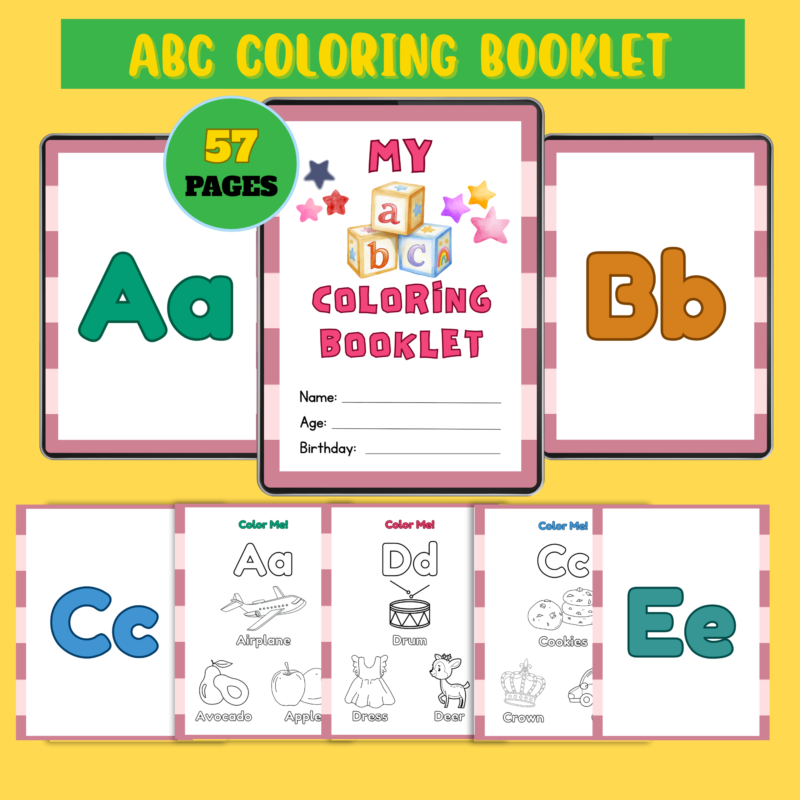
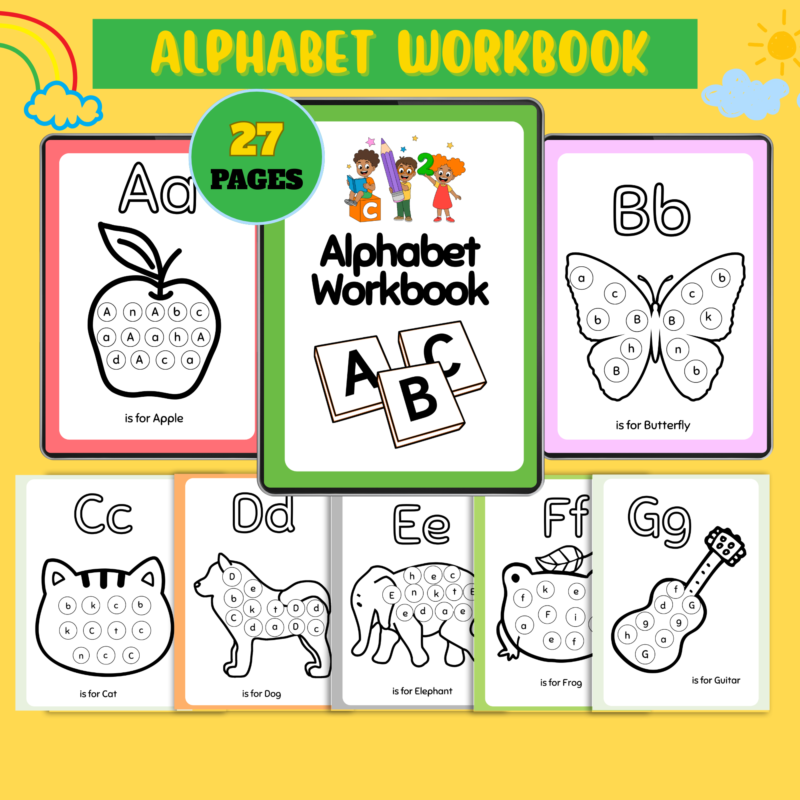
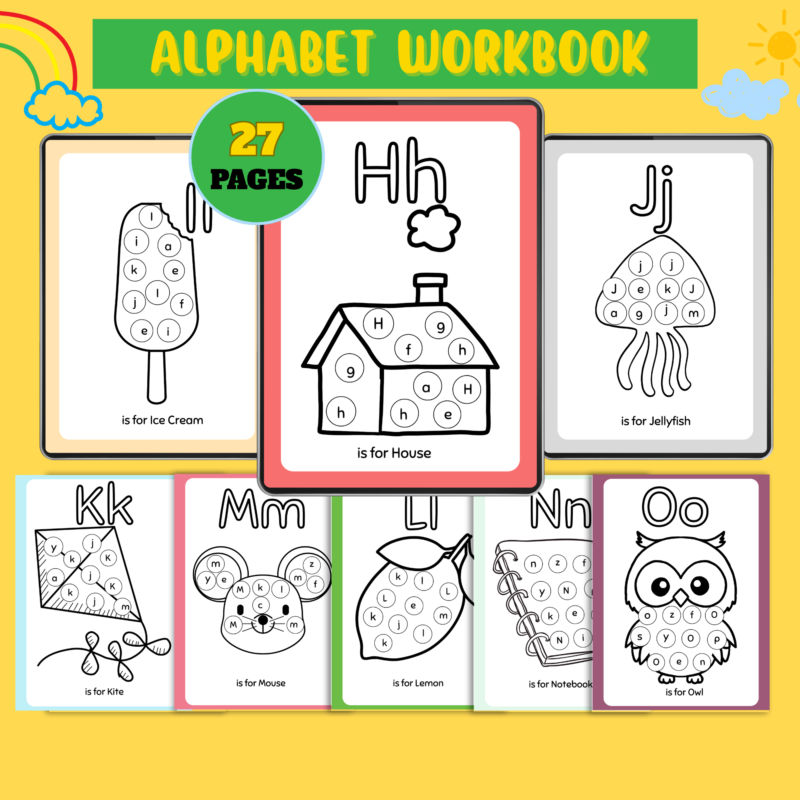
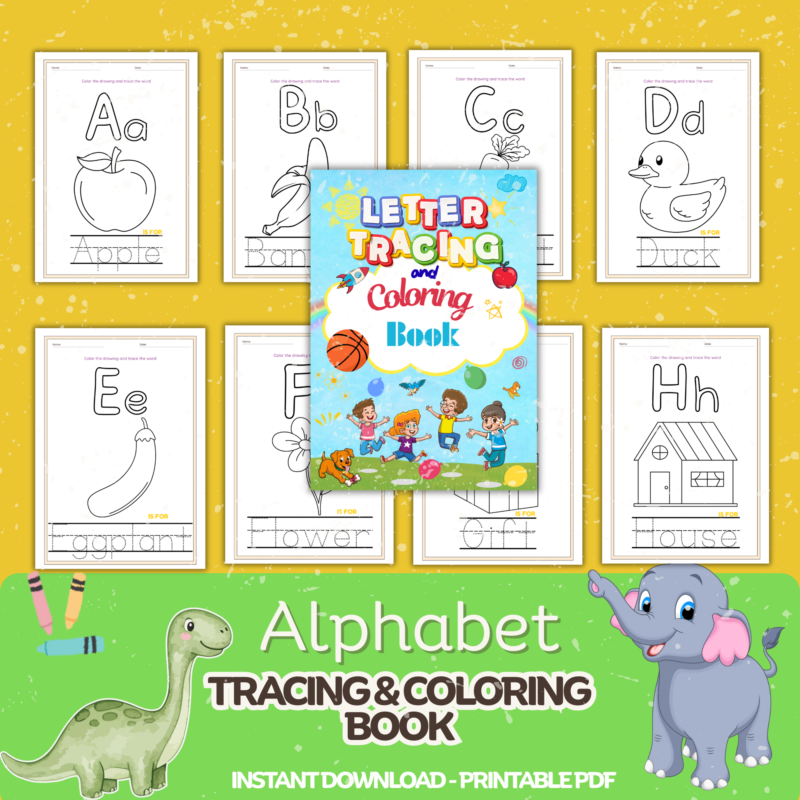
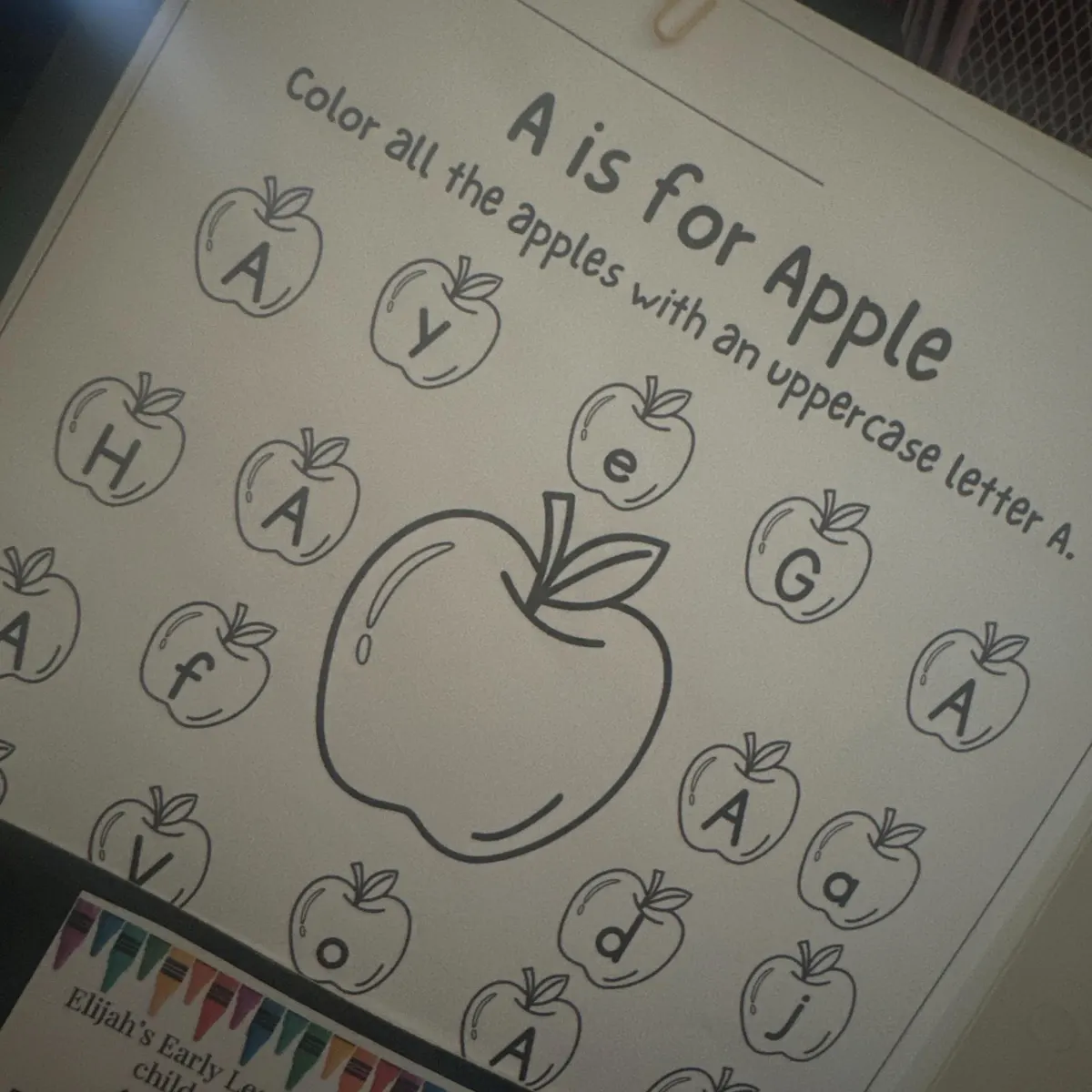
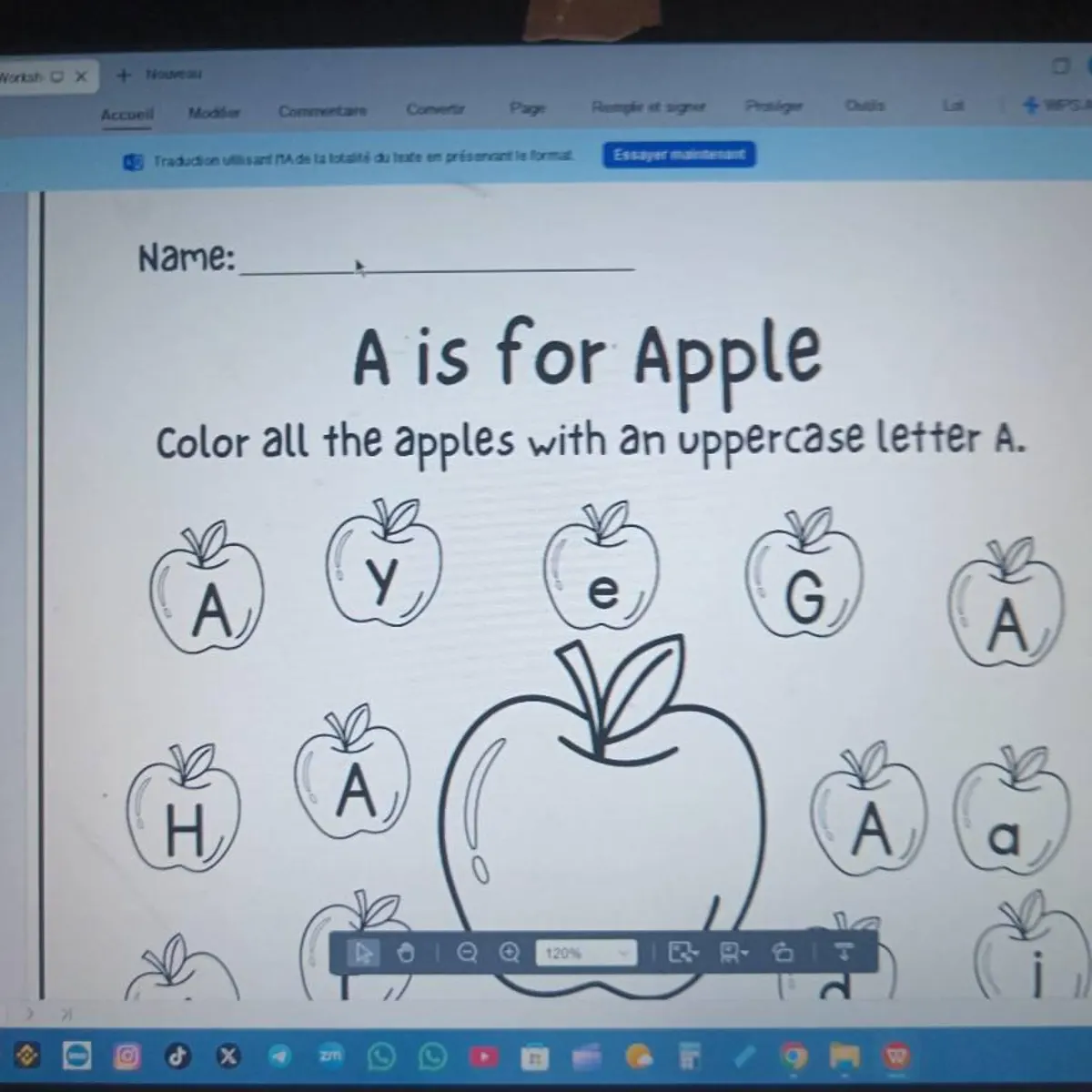
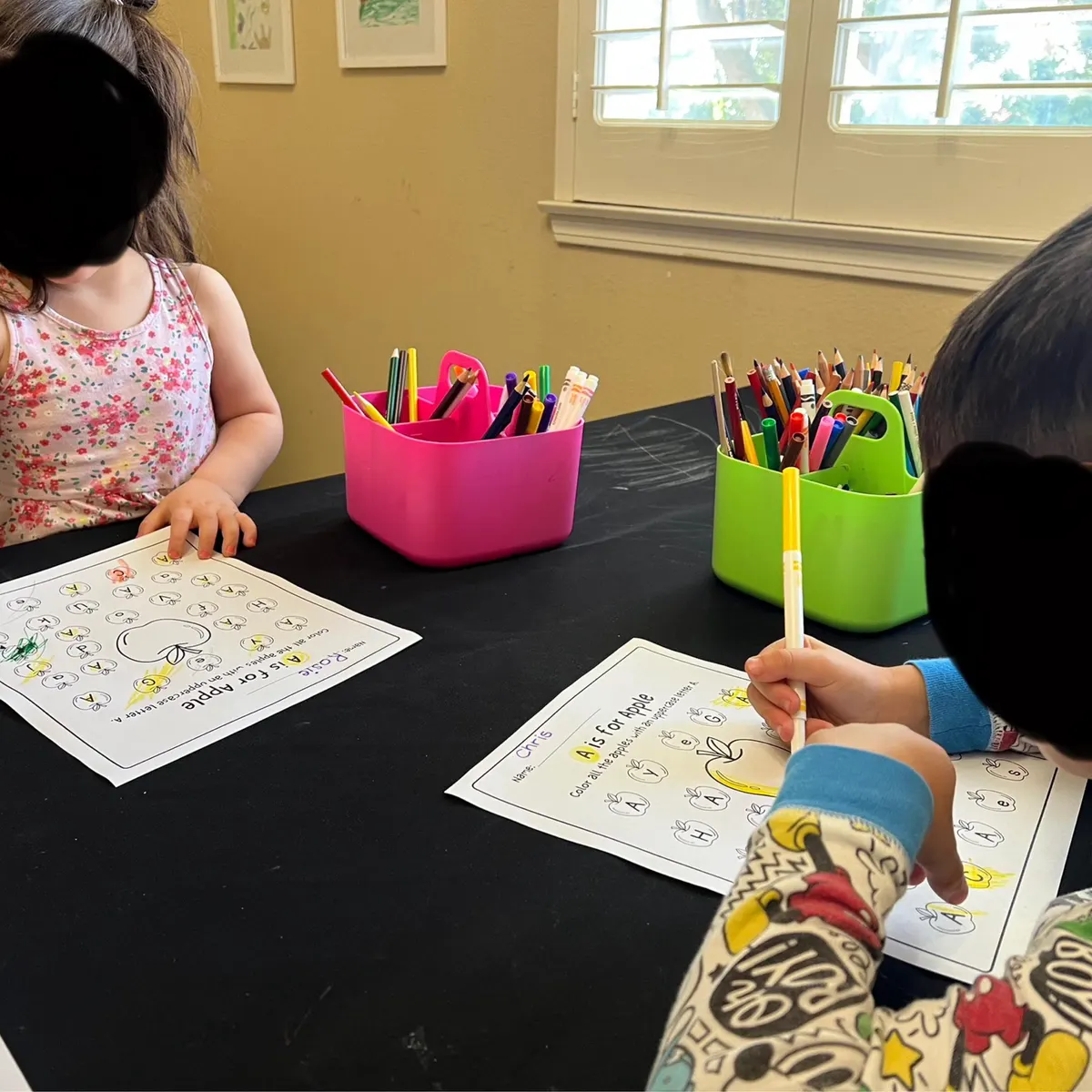
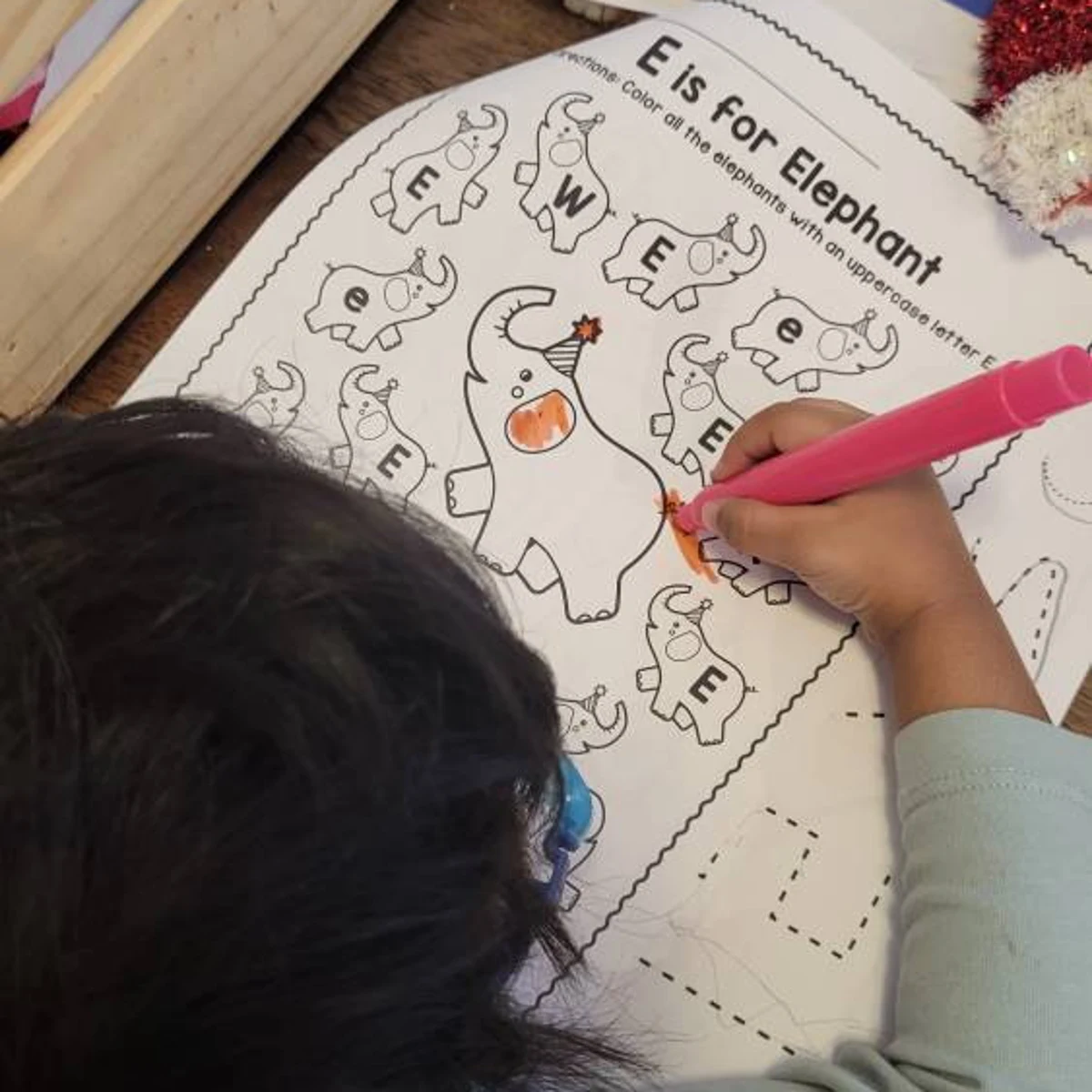
Phonics coloring pages give children a calm, independent way to review. A page might ask them to color only the pictures that begin with /t/ or to color each word family with a different color. The task feels creative while still giving adults a clear view of what the child understands.
Coloring should support the phonics goal, not replace it. Encourage children to name each picture and say the sound before choosing a color. That quick verbal step turns a quiet worksheet into active learning.
11. Read and Match Simple Sentences
Once children can blend a few CVC words, offer short decodable sentences such as “Sam sat.” or “The pig is big.” Ask them to read the sentence slowly, then match it to the correct picture.
Use text that contains patterns children have practiced. A sentence filled with unfamiliar sight words may lead to guessing, which can be discouraging. Early readers gain confidence when they can successfully use the sounds they know.
12. Make a Personal Sound Book
Give each child a few pages with one target letter per page. They can draw or paste pictures of items that begin with that sound, trace the letter, and dictate or write a word. Over time, the pages become a personal phonics book they can reread proudly.
This is a lovely longer-term project for classrooms and home learning. It also gives children a meaningful record of how much they have learned.
How to Choose the Best Kindergarten Phonics Activities for Your Child
The best activity depends on the skill your child is practicing right now. A child who does not yet recognize many letters needs letter-name and letter-sound games. A child who knows most sounds but struggles to read words needs blending practice with simple, decodable words. If a child can read CVC words, short sentences and word-family activities are a natural next step.
Watch for signs that the task is too hard. Frequent guessing, frustration, or avoiding the activity may mean it is time to go back one small step. On the other hand, a child who answers every item quickly may be ready for a new sound, a faster game, or a slightly more challenging word pattern.
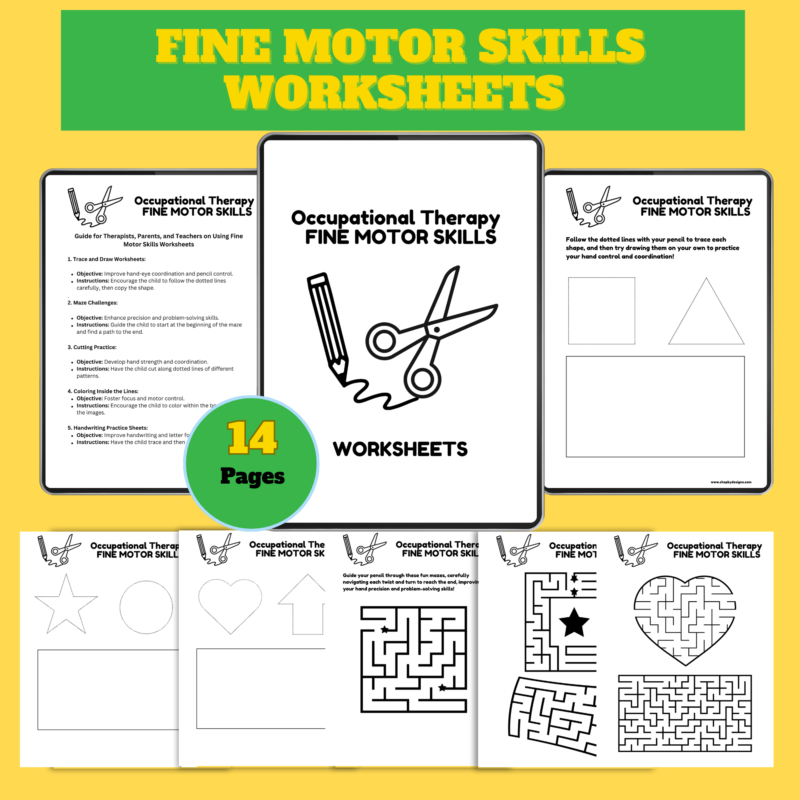
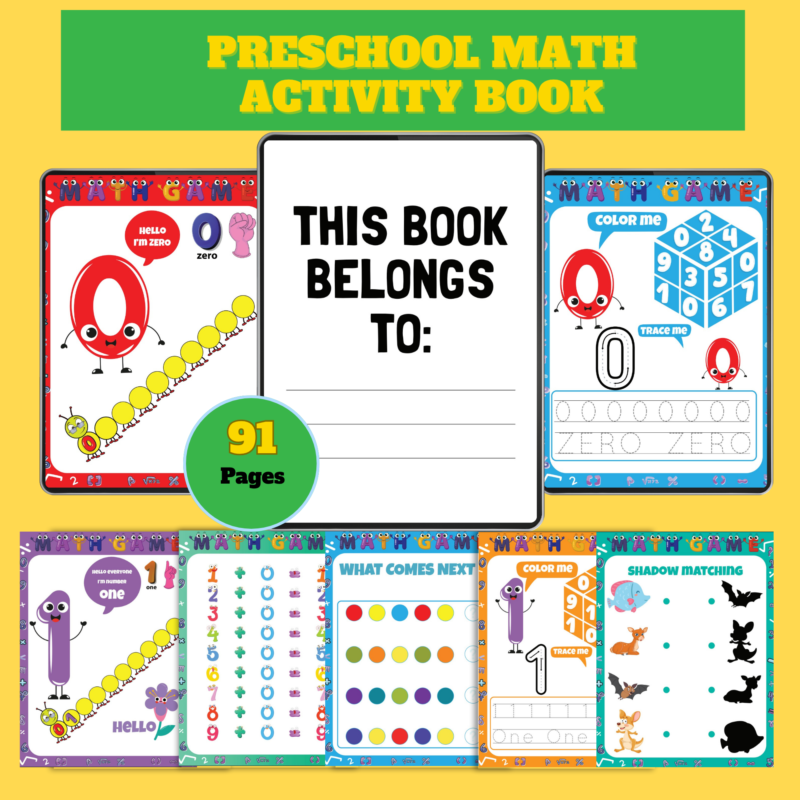
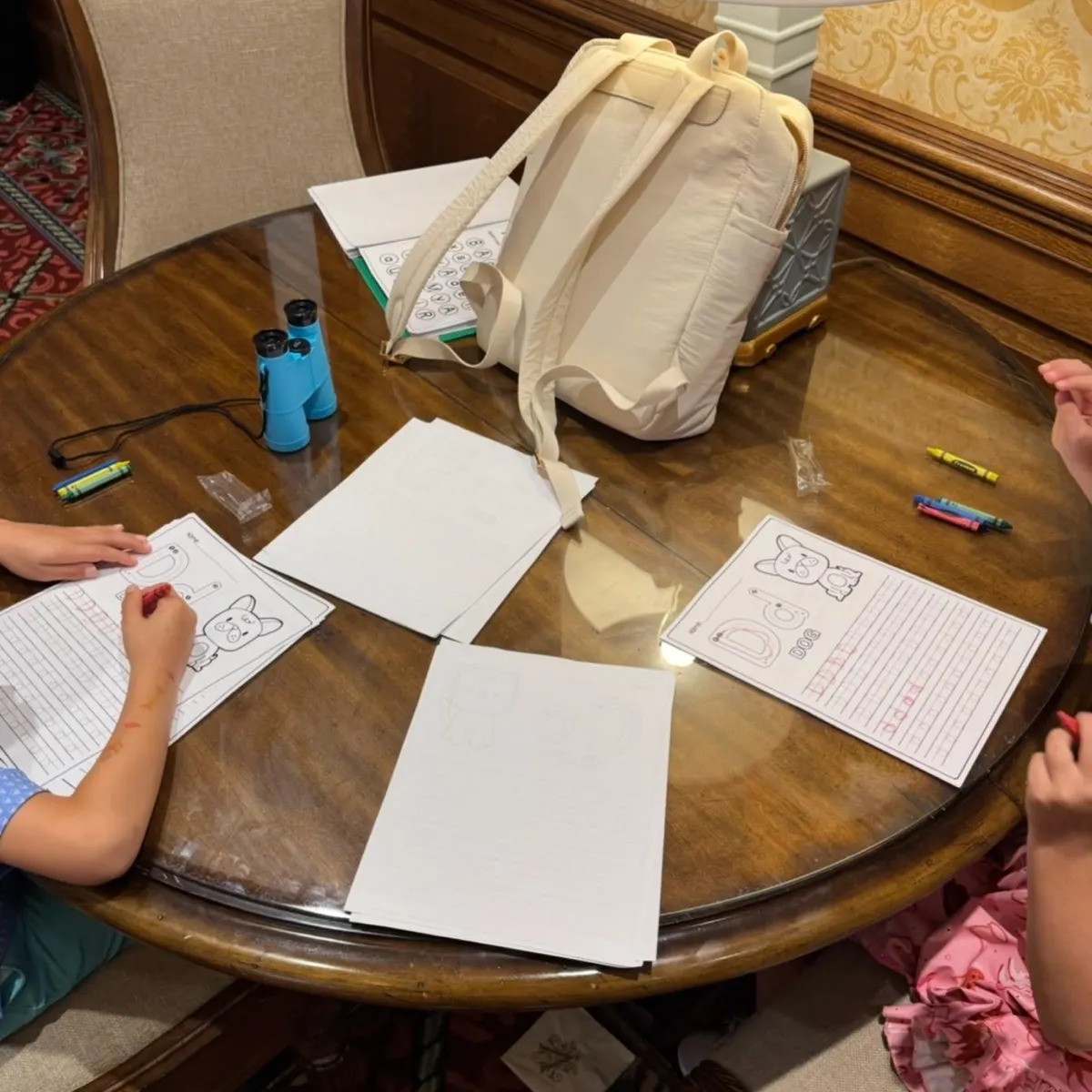
Ready-to-print resources can make this easier for busy adults. Fun Clever Fox phonics worksheets offer structured practice that children can complete at the table, during centers, or as part of a simple homeschool routine. Pair printable pages with one active game, and the lesson feels both purposeful and fun.
A Simple Phonics Routine That Sticks
Try a predictable three-part routine: begin with a two-minute sound game, complete one focused hands-on or printable activity, then finish by reading a few words or one short decodable sentence. Keeping the order familiar helps children know what to expect, while changing the activity keeps practice fresh.
Praise effort as specifically as possible. Instead of saying only “Good job,” try “You listened carefully and heard /s/ at the beginning of sun.” Those words help children understand what they did well and encourage them to try again when a new skill feels tricky.
A few happy minutes with letters and sounds can become a powerful daily habit. Give children room to move, make mistakes, and celebrate each word they read on their own.