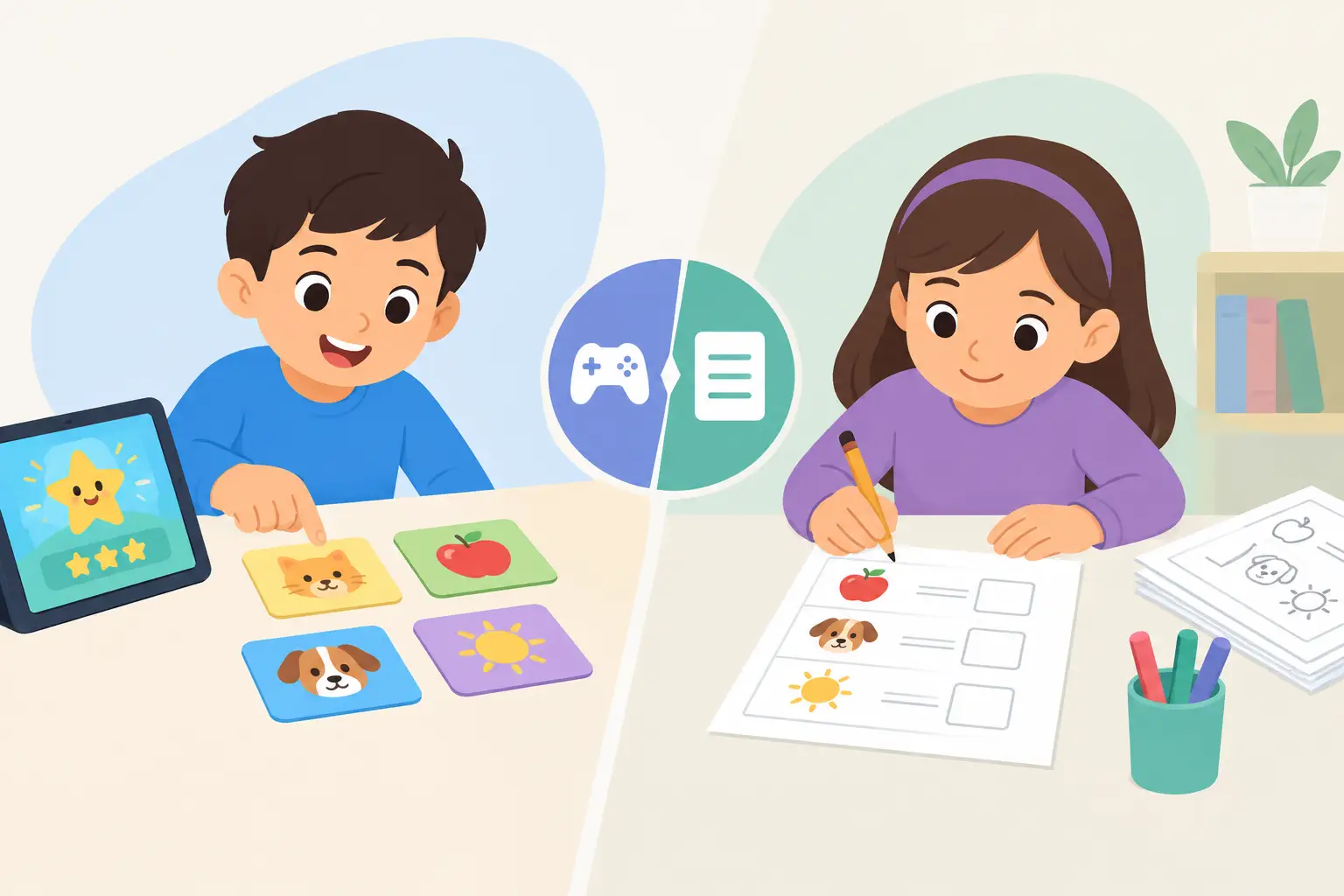
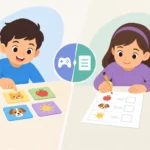
A child happily shouting the first sound in “sun” during a scavenger hunt is learning phonics. So is the child quietly circling pictures that begin with S on a printable page. When parents and teachers compare phonics games versus worksheets, the real question is not which activity is better forever. It is which tool will help this child practice this skill at this moment.
Both games and worksheets have a valuable place in preschool and kindergarten phonics instruction. Games bring energy, conversation, and memorable hands-on learning. Worksheets provide focused repetition, visual structure, and a clear way to see what a child understands. Used together, they can make early reading practice feel both playful and purposeful.
Why phonics needs more than one kind of practice
Phonics is the connection between letters and sounds. Before children can blend sounds to read words or segment sounds to spell them, they need plenty of chances to notice, say, hear, and use those connections. That takes time.
Young learners also do not all respond to practice in the same way. One child may learn the sound of M after racing to find magnetic letters. Another may need to trace the letter, say its sound aloud, and match it to several pictures before it sticks. A mix of activity types gives children more than one path to understanding.
The goal is not to keep children busy with alphabet activities. The goal is to build a secure foundation: recognizing letters, producing their sounds, hearing beginning and ending sounds, blending simple words, and gaining confidence as readers.
What phonics games do well
Phonics games are especially helpful when a child needs motivation or needs to experience a skill in an active way. A game can turn repeated practice into a challenge children want to try again.
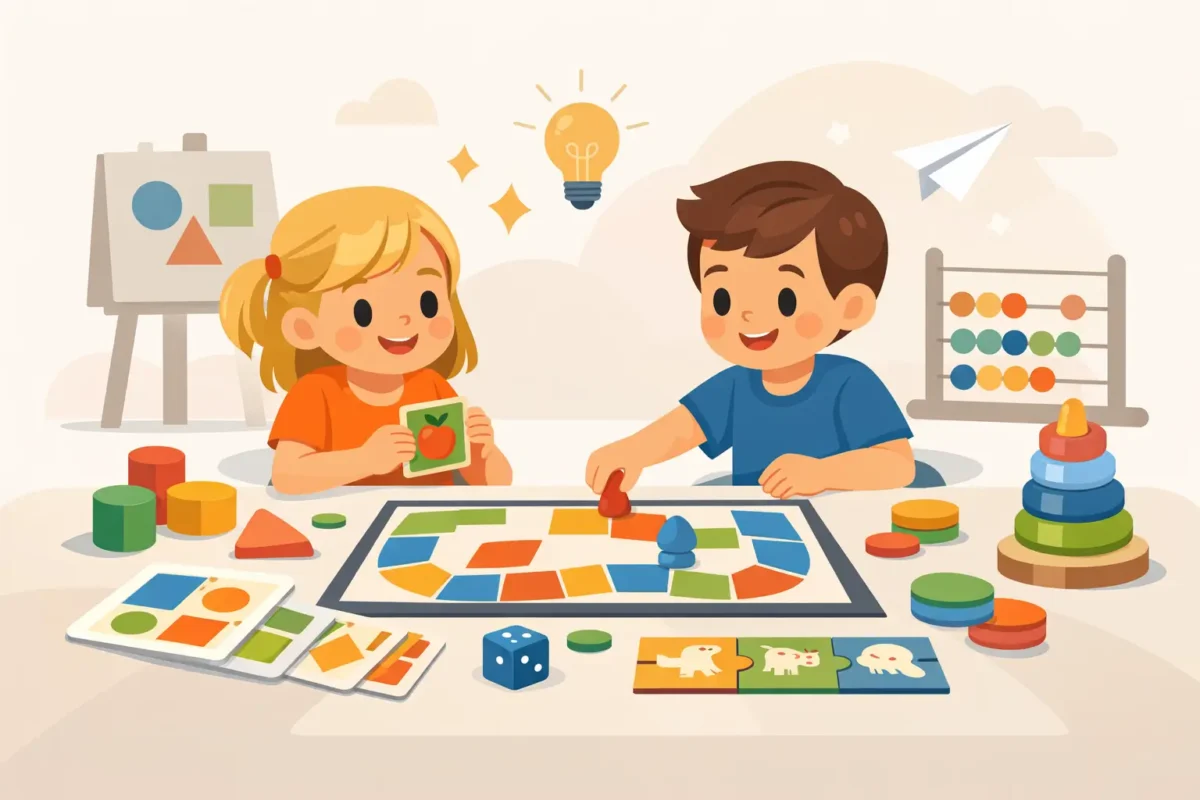
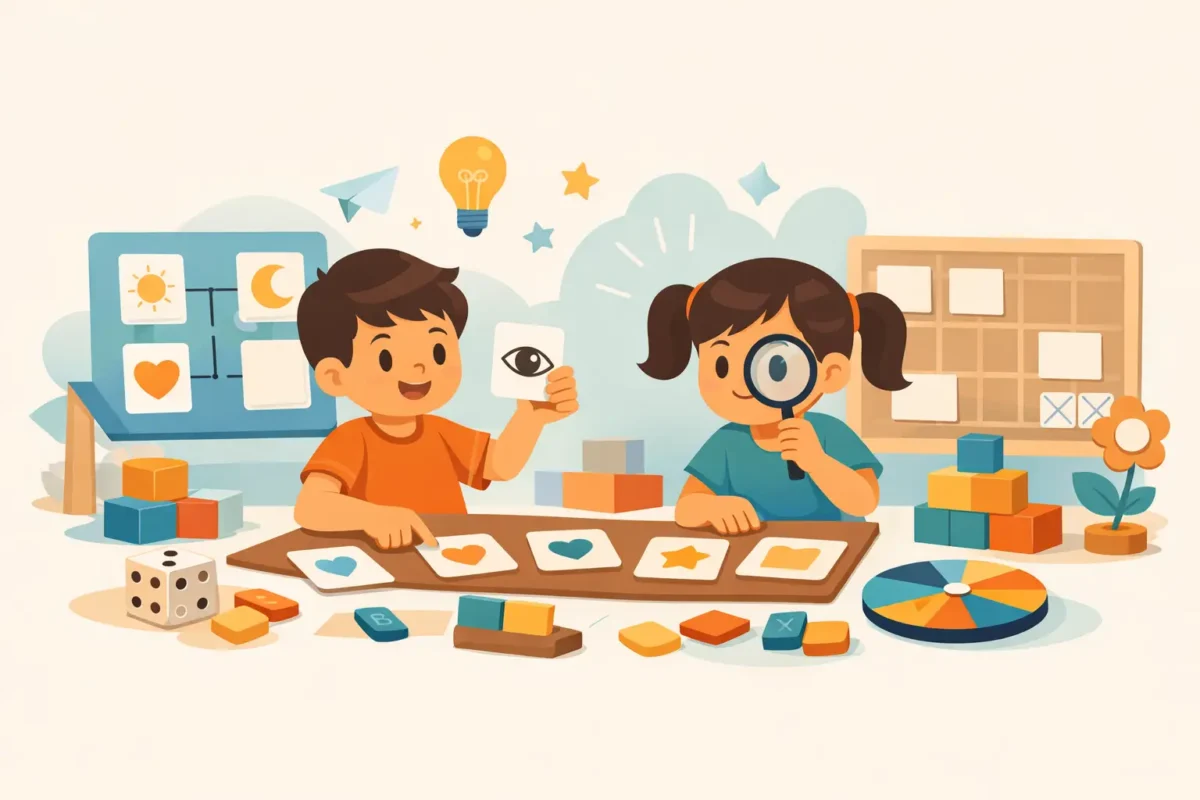
For example, you might place letter cards around the room and ask children to find the letter that says /b/. You could roll a cube, name a picture, and cover the beginning sound on a board. A simple matching game can pair lowercase letters with uppercase letters or pictures with their beginning sounds. These activities encourage children to listen carefully, move, speak, and make quick choices.
Games are also wonderful for building oral phonological awareness. Before children write an answer, they can clap syllables, stretch out sounds, sort objects by beginning sound, or decide whether two words rhyme. This kind of talk matters because children need to hear and manipulate sounds before phonics patterns make sense on paper.
The limits of games
Fun does not automatically mean effective. A game can become too fast, too competitive, or too complicated for a young learner. If children are focused on winning a turn instead of identifying sounds, the learning goal can get lost.
Games may also make it harder to tell exactly what each child knows. In a busy classroom, one confident child can answer first while another child follows along without much practice. At home, a child may guess correctly because they recognize a familiar picture rather than the letter sound.
Keep games short and make the skill obvious. Use one clear target, such as identifying the beginning sound /t/ or matching letters to sounds. Listen as children answer, and gently slow down when they need more time.
What phonics worksheets do well
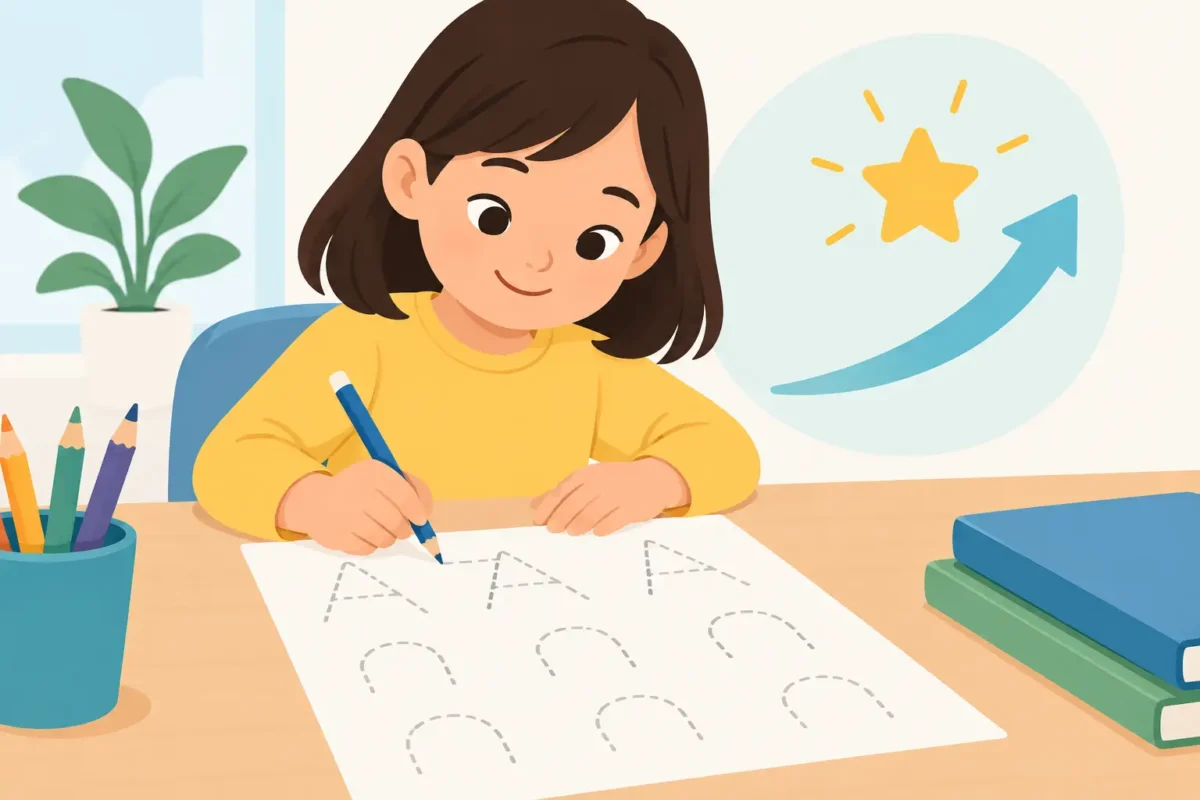
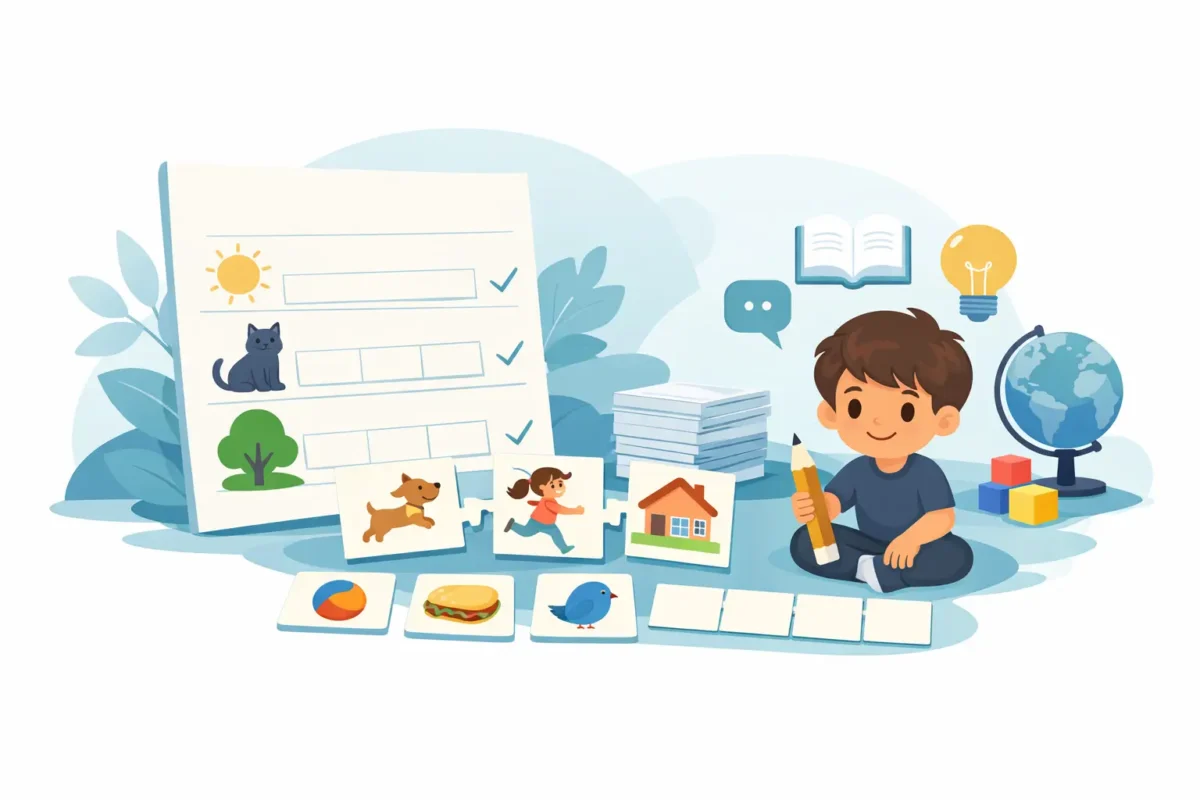
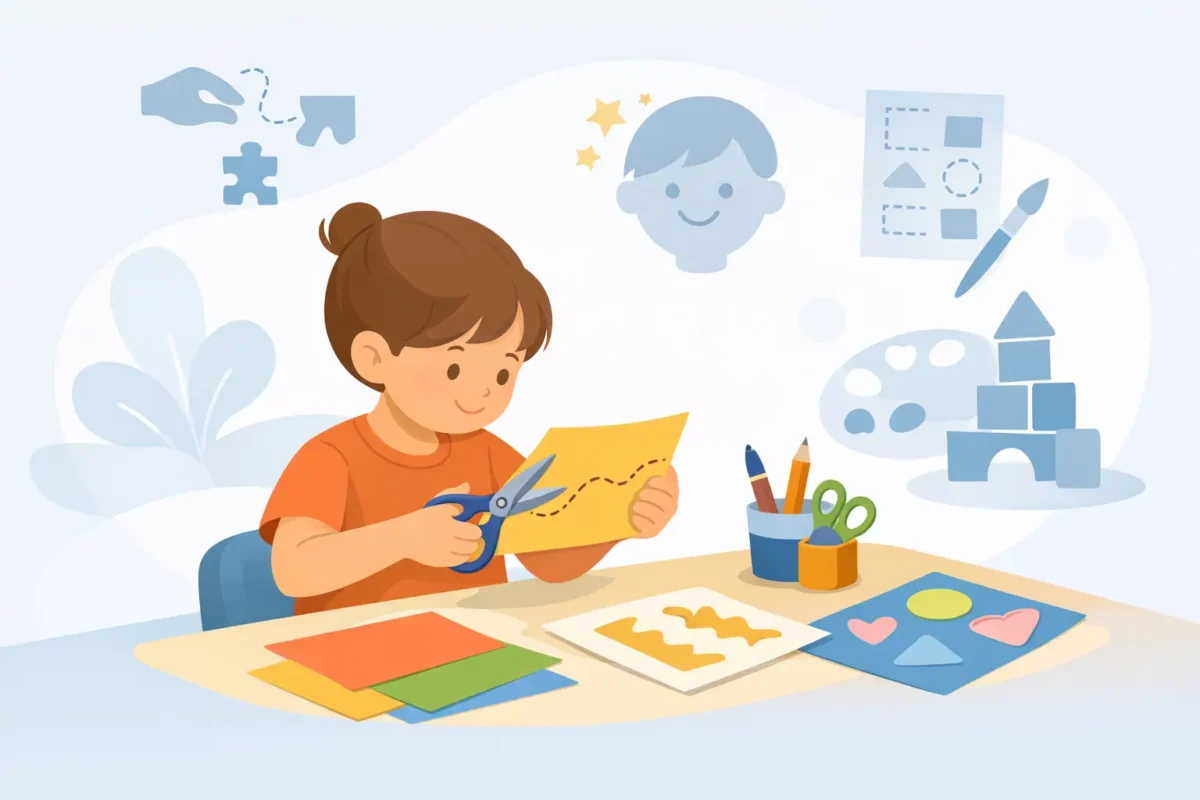
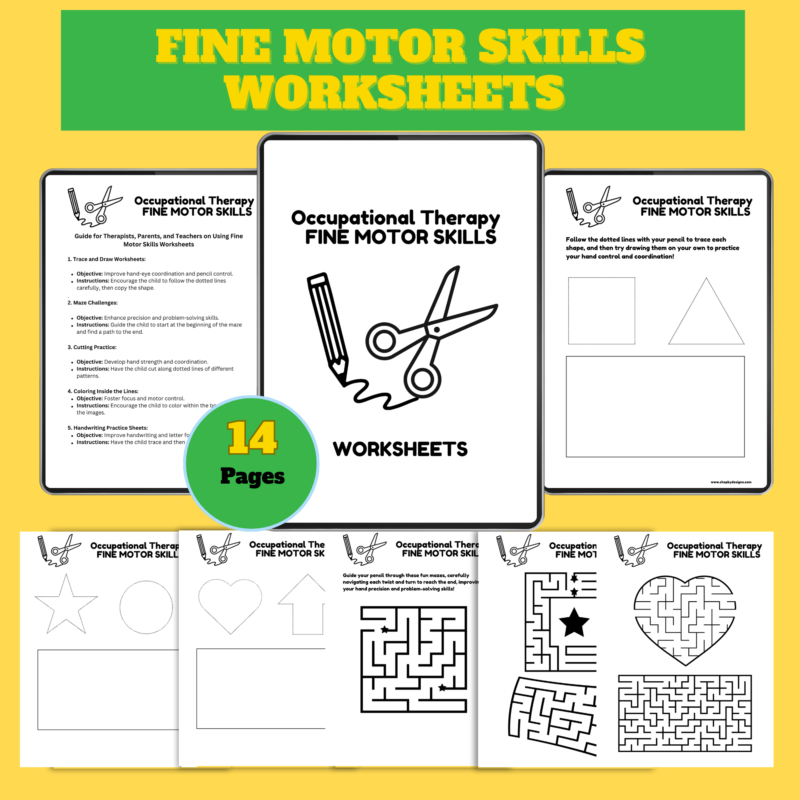
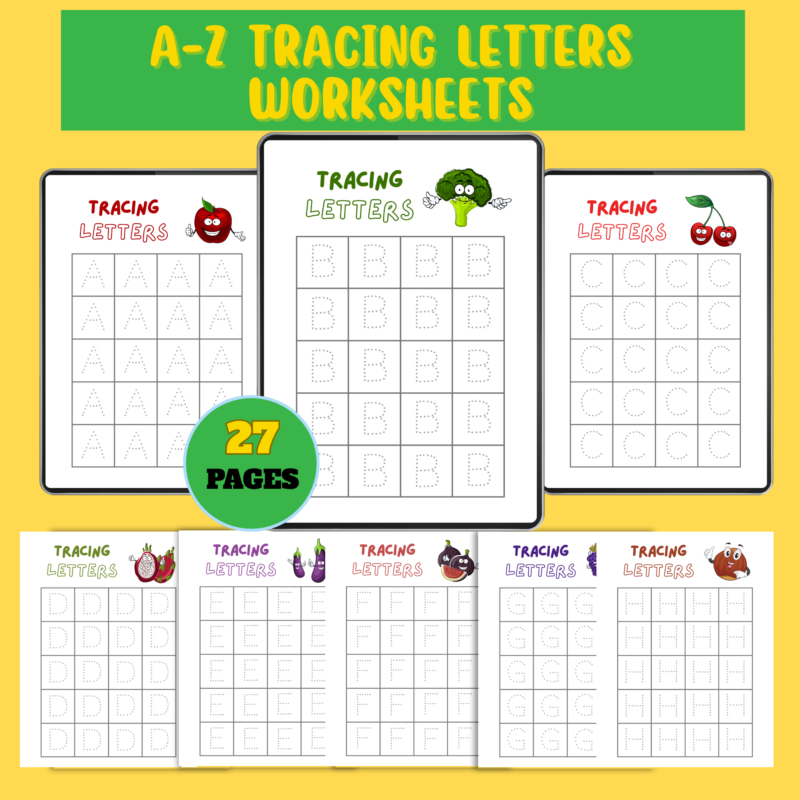
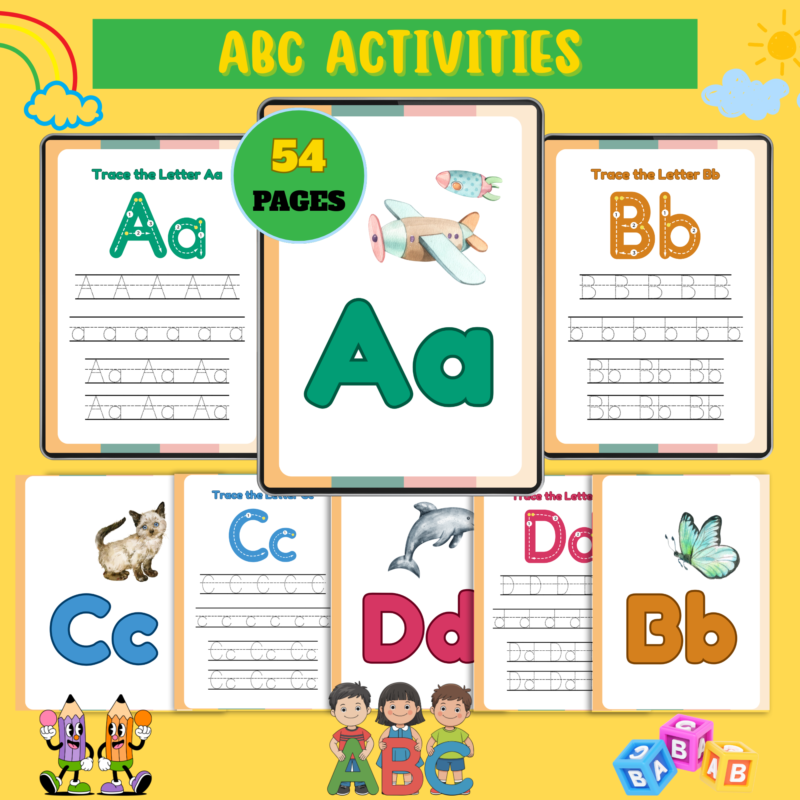
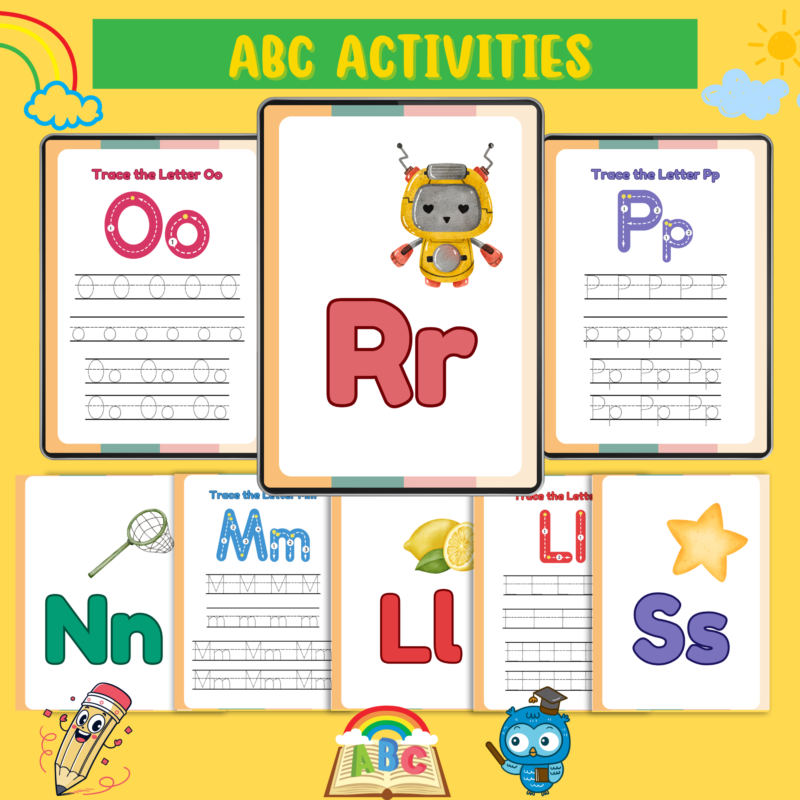
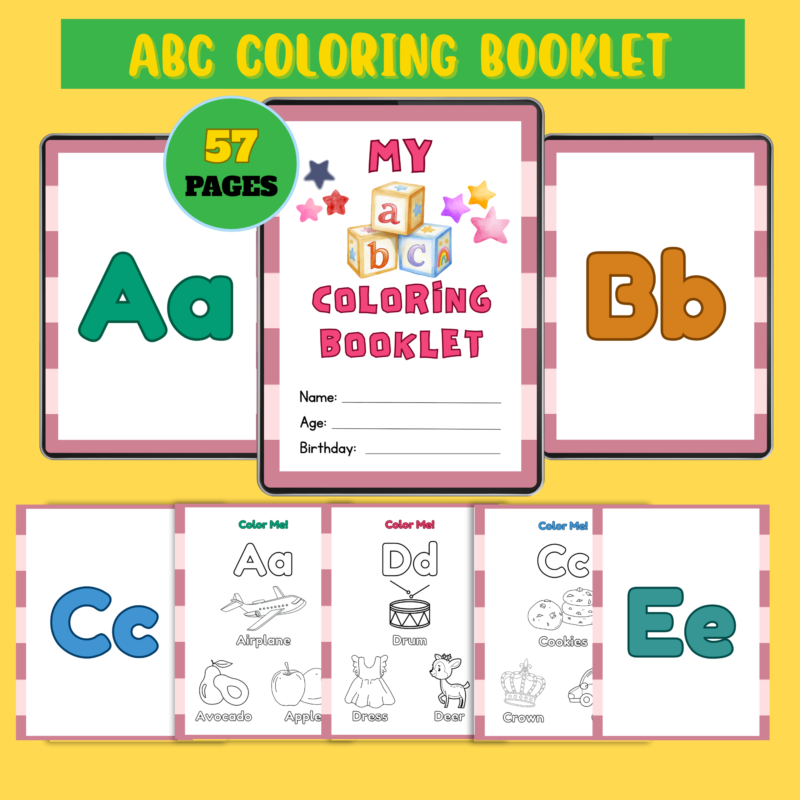
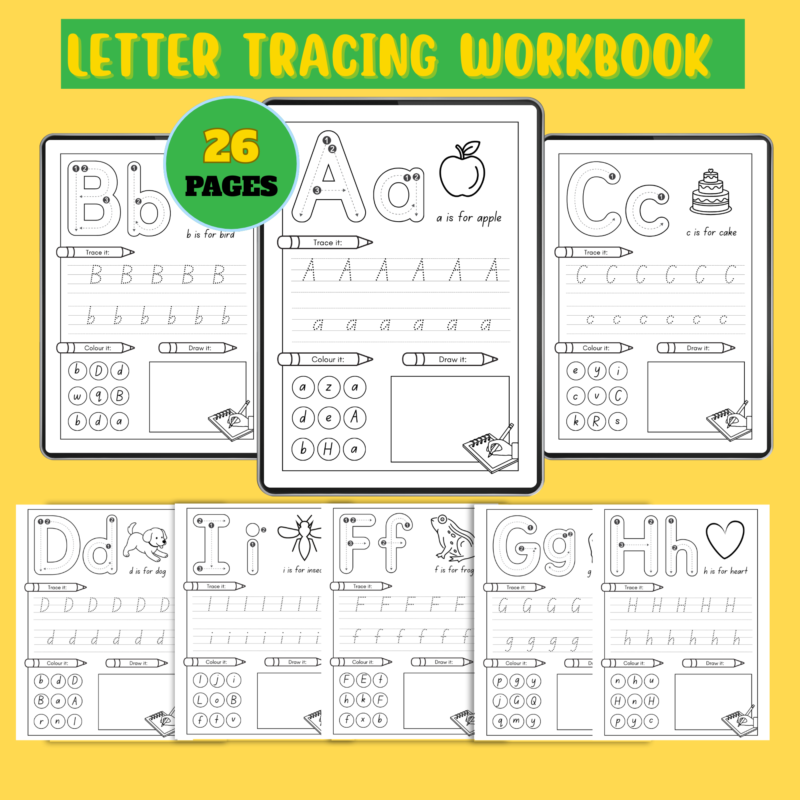
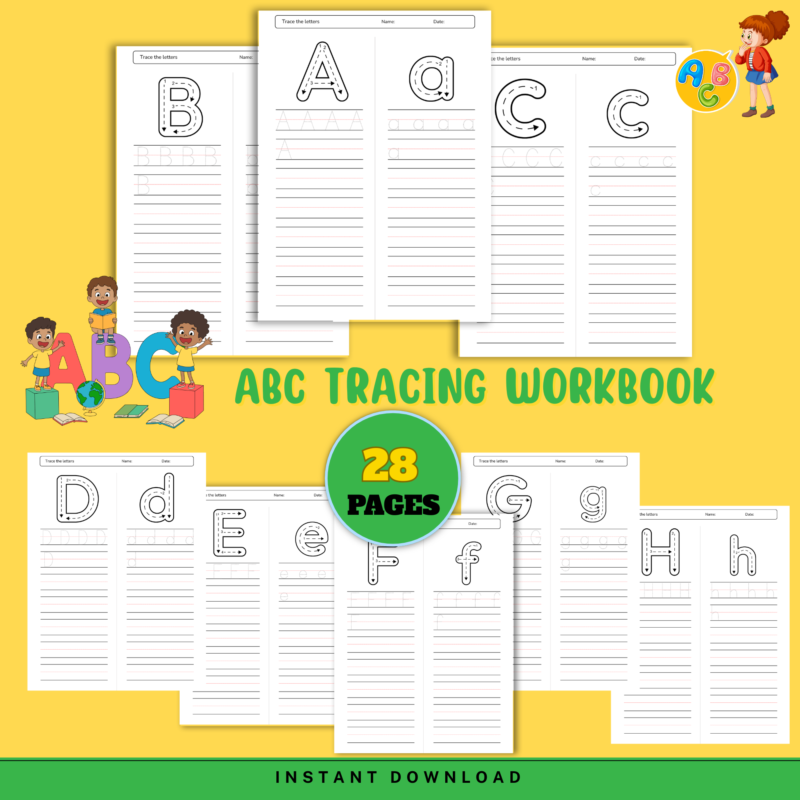
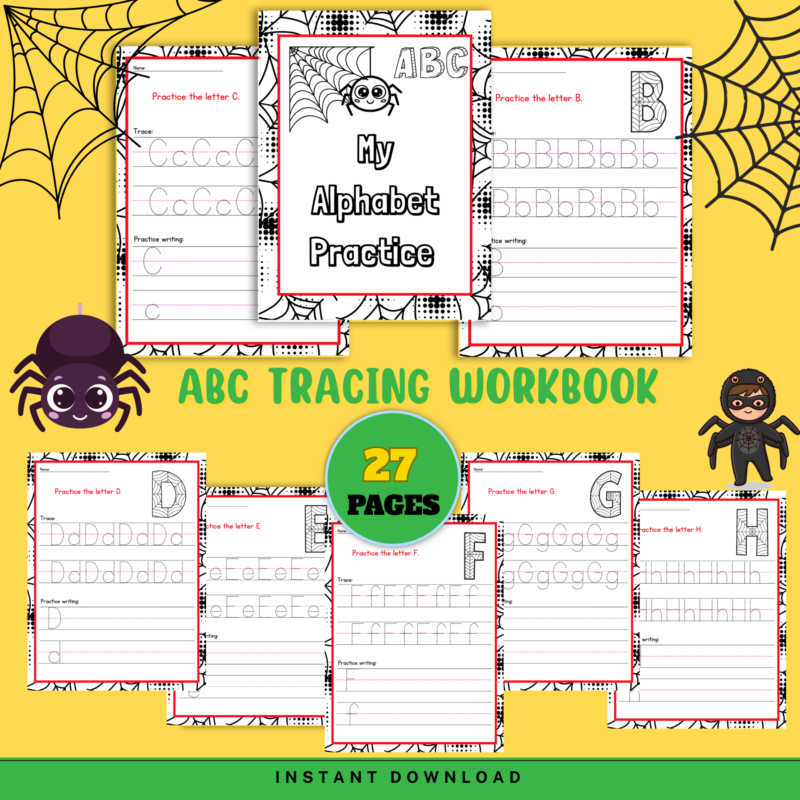
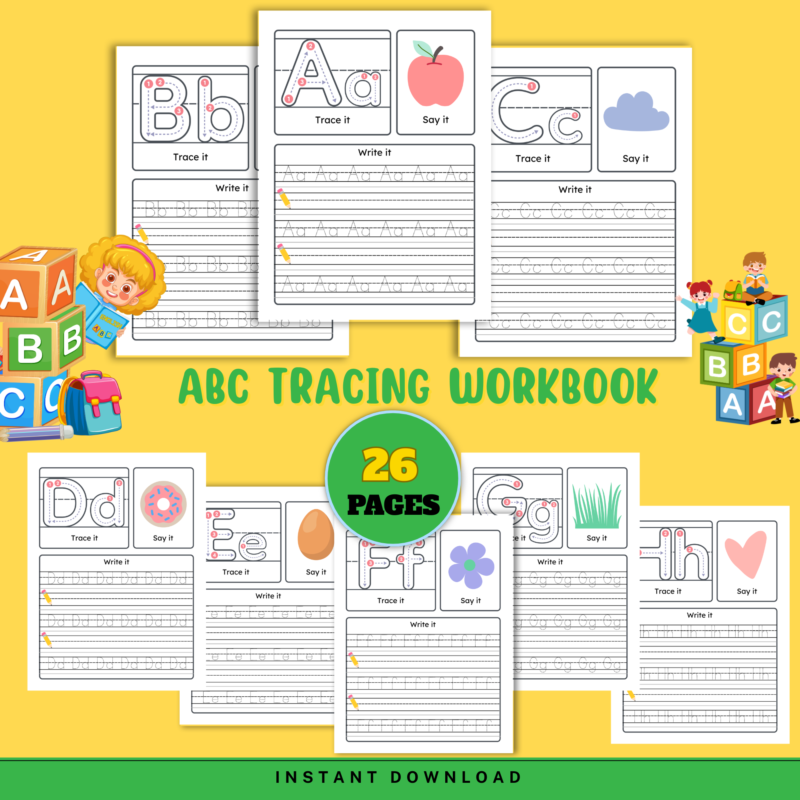
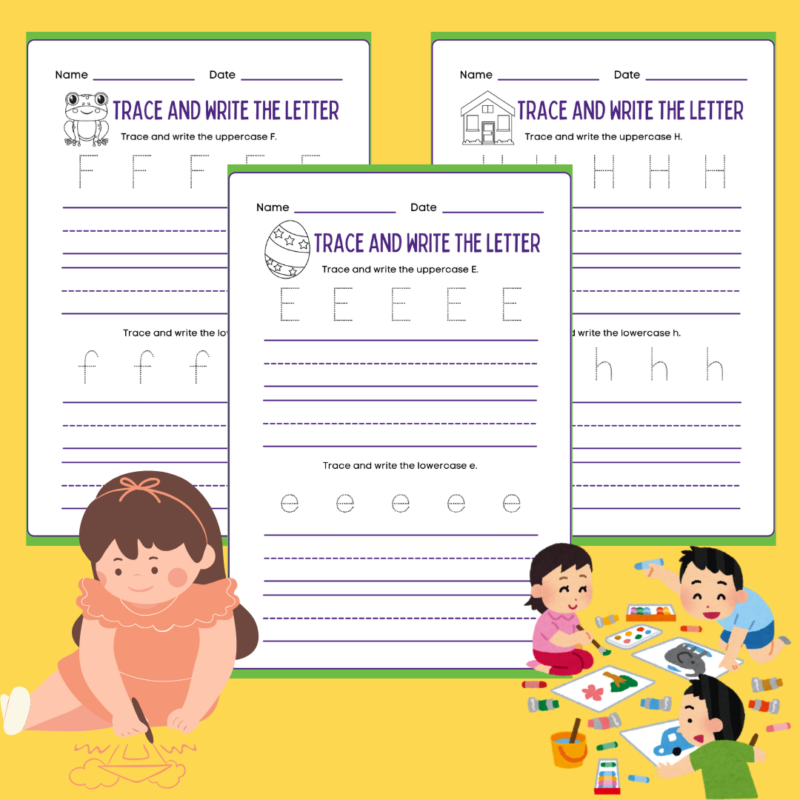
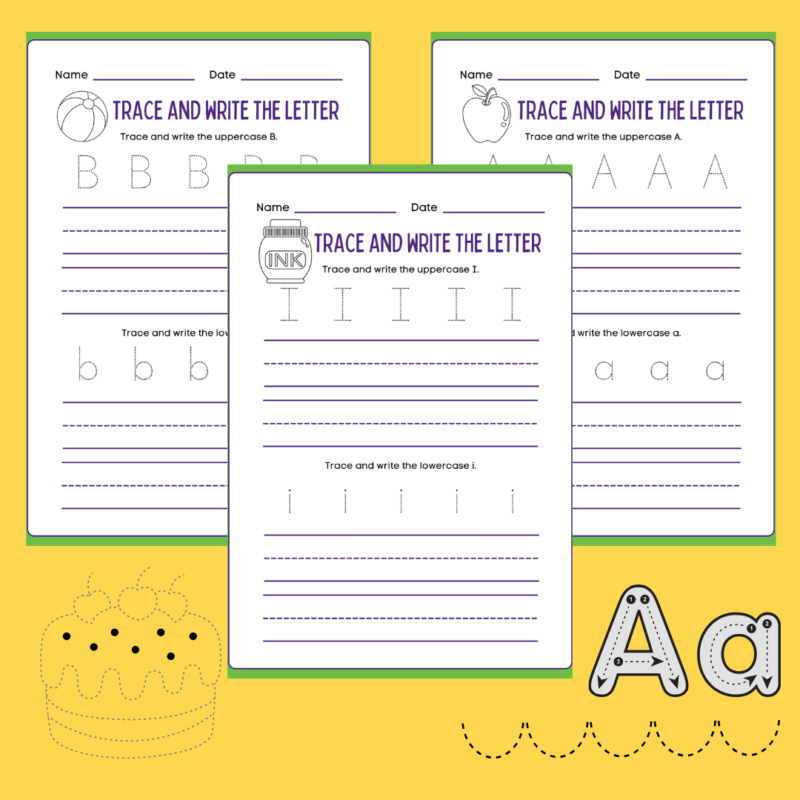
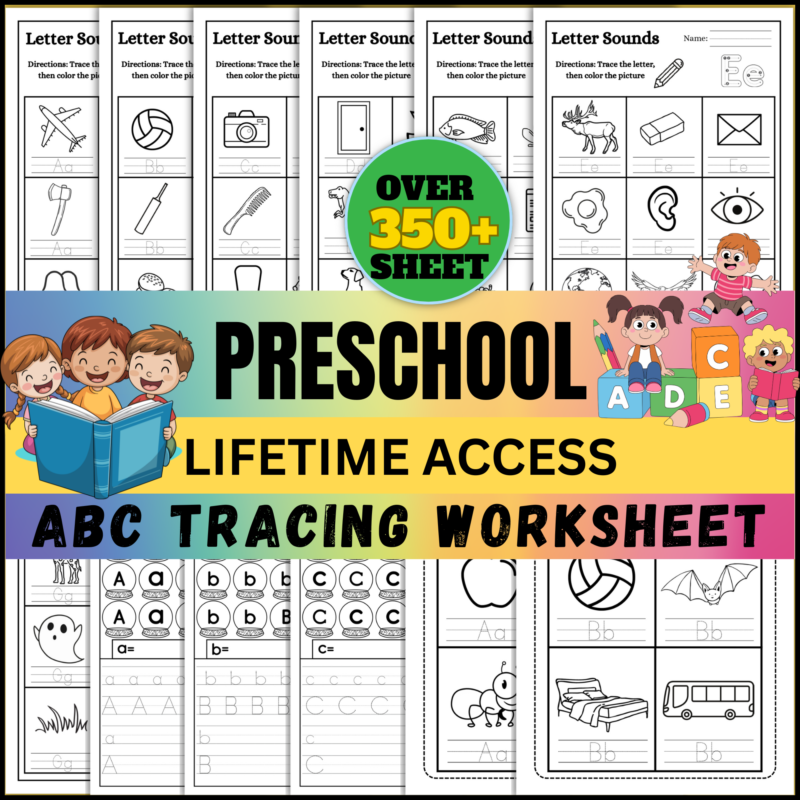
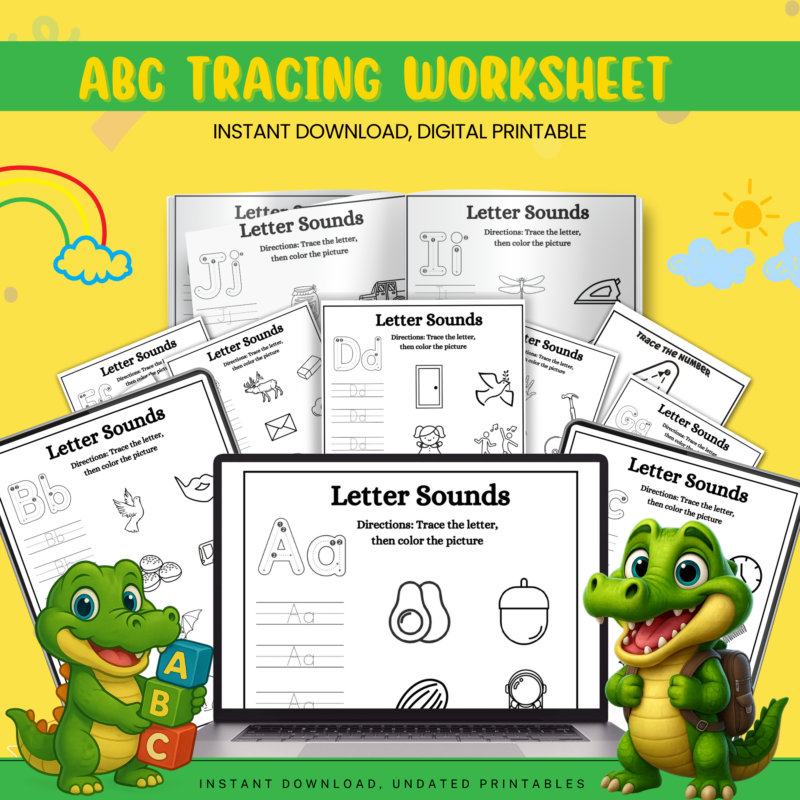
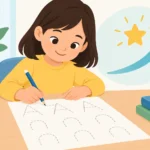
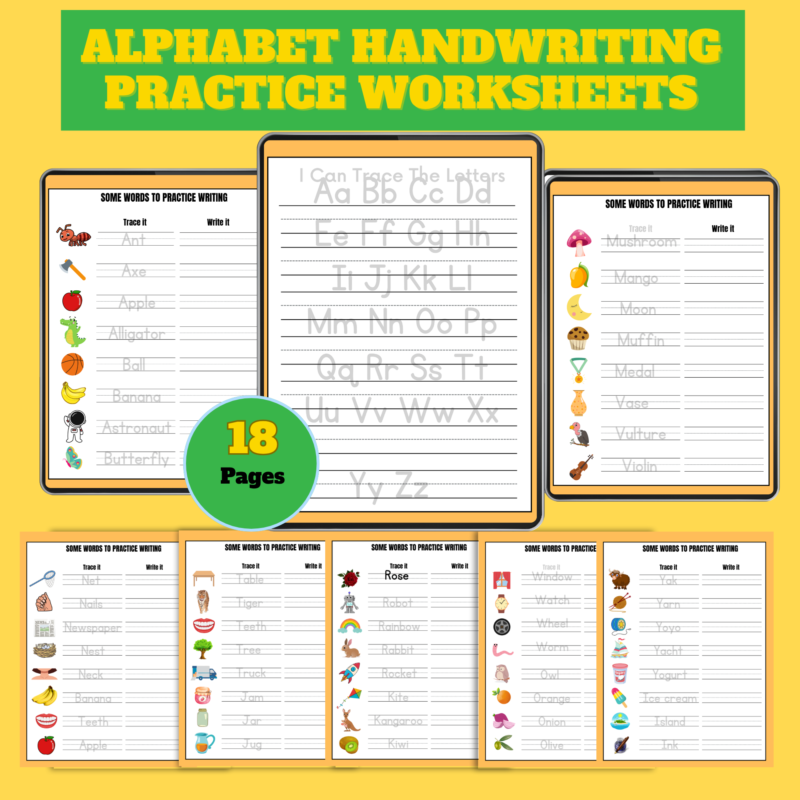
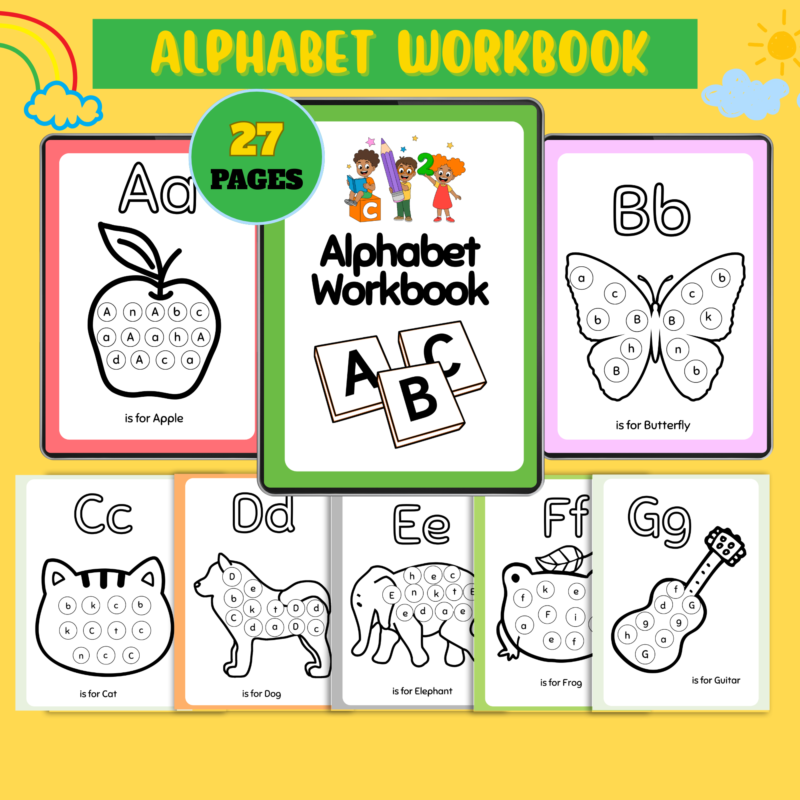
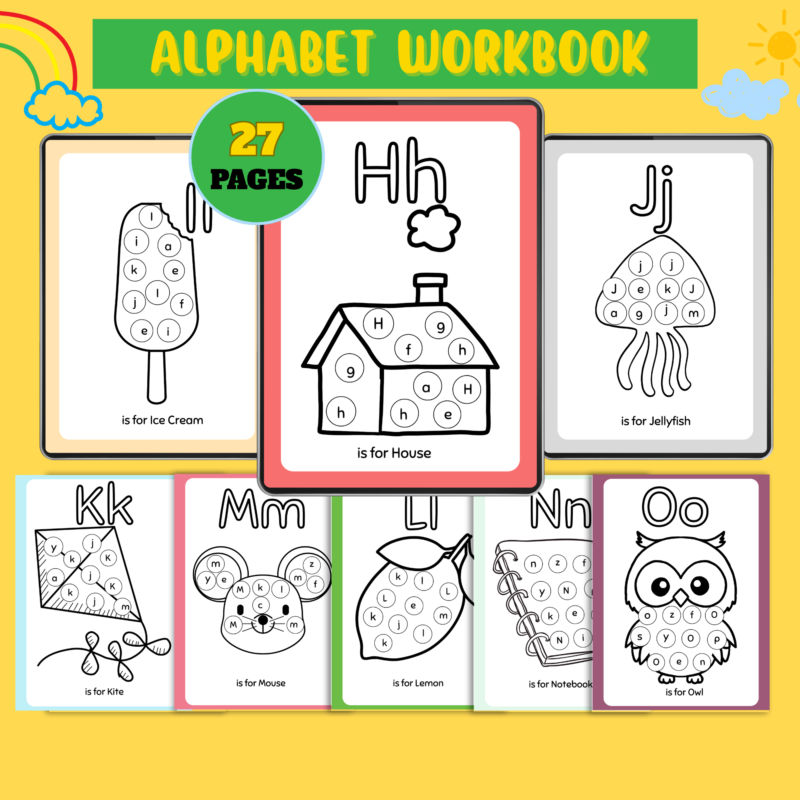
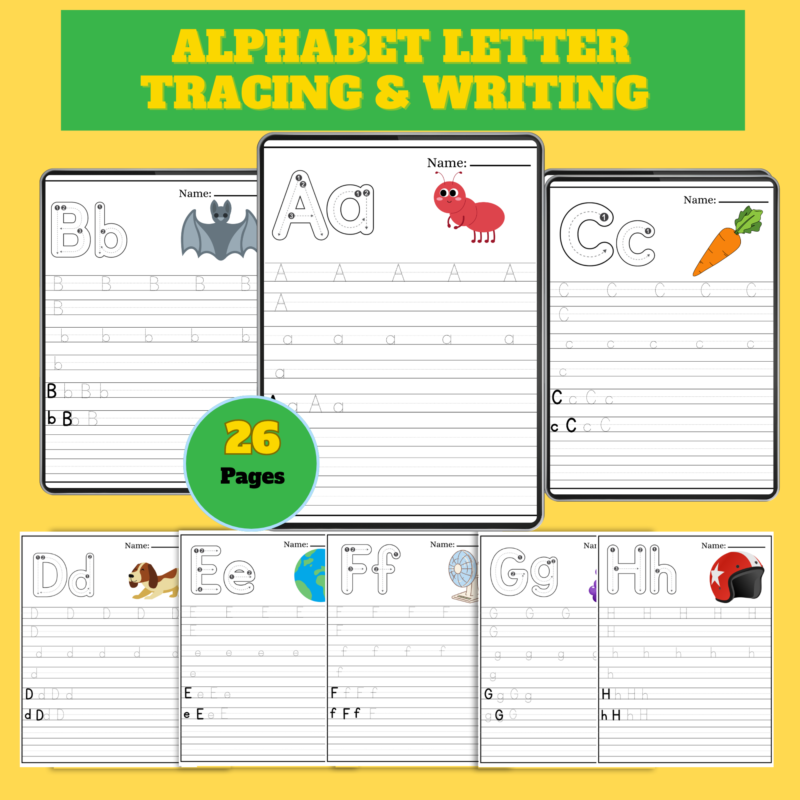
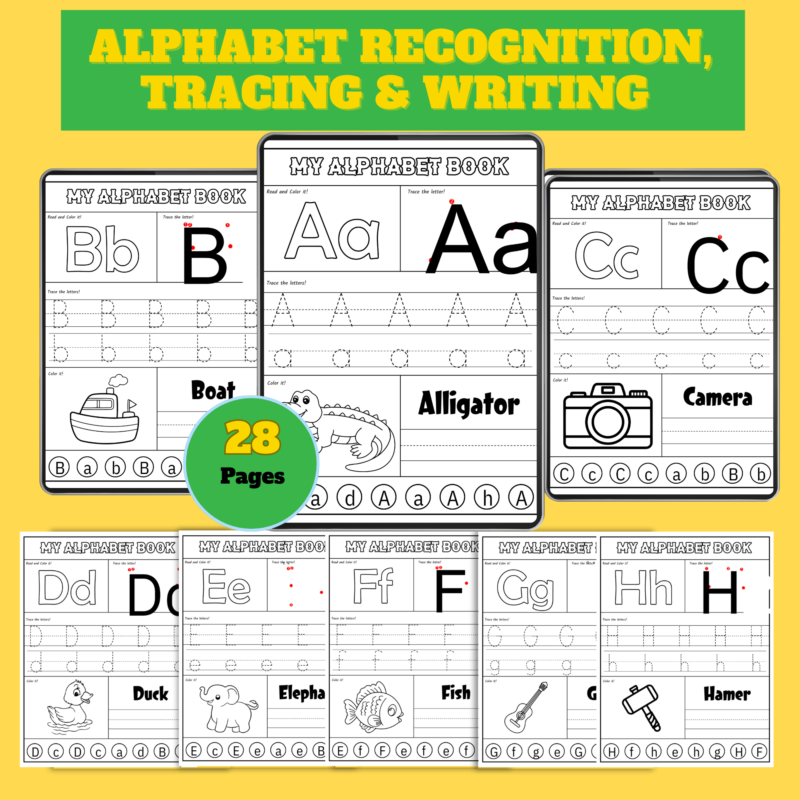
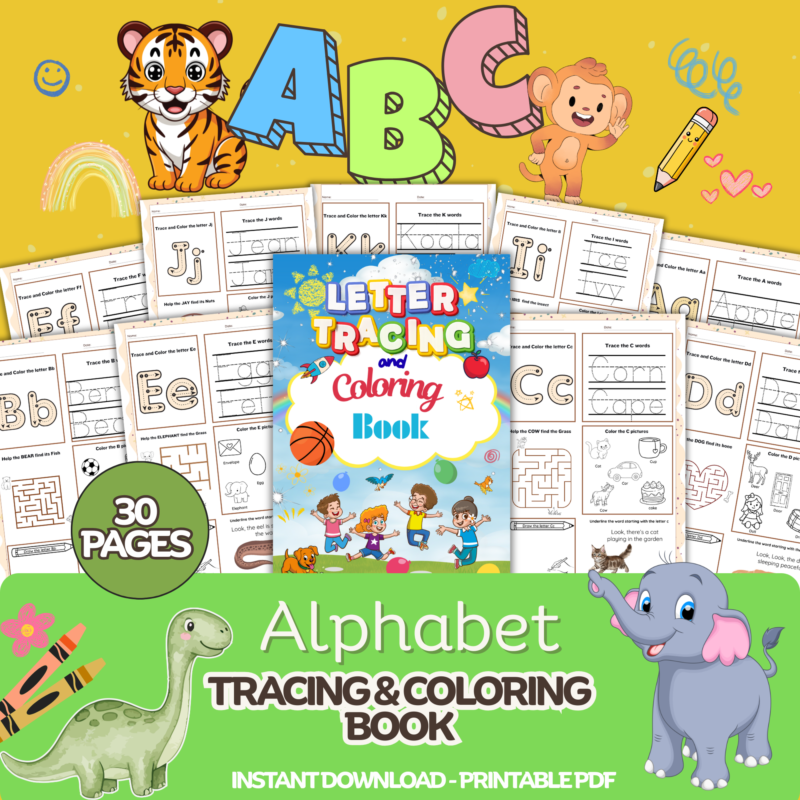
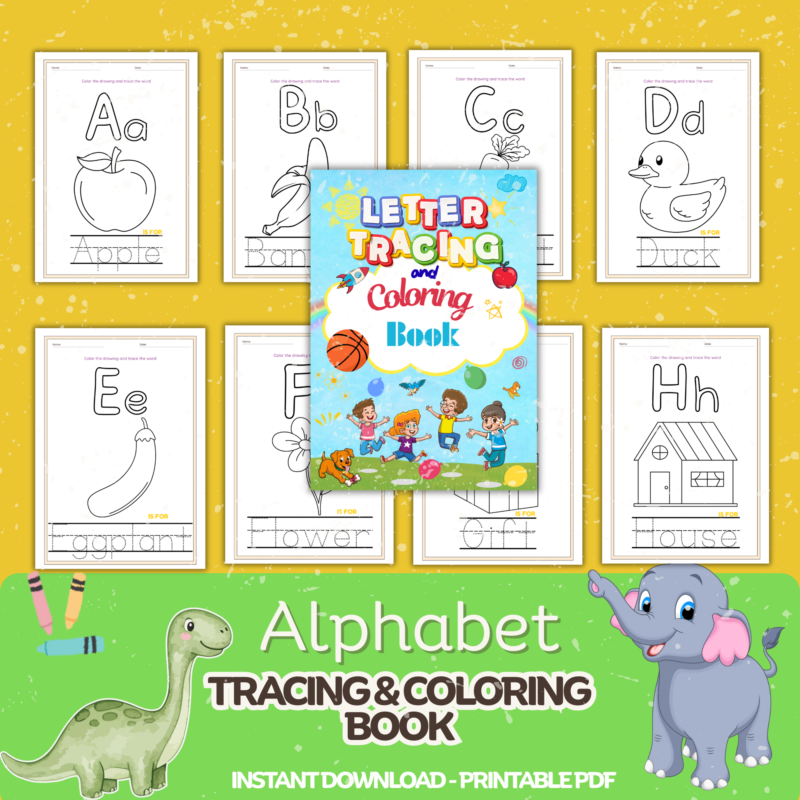
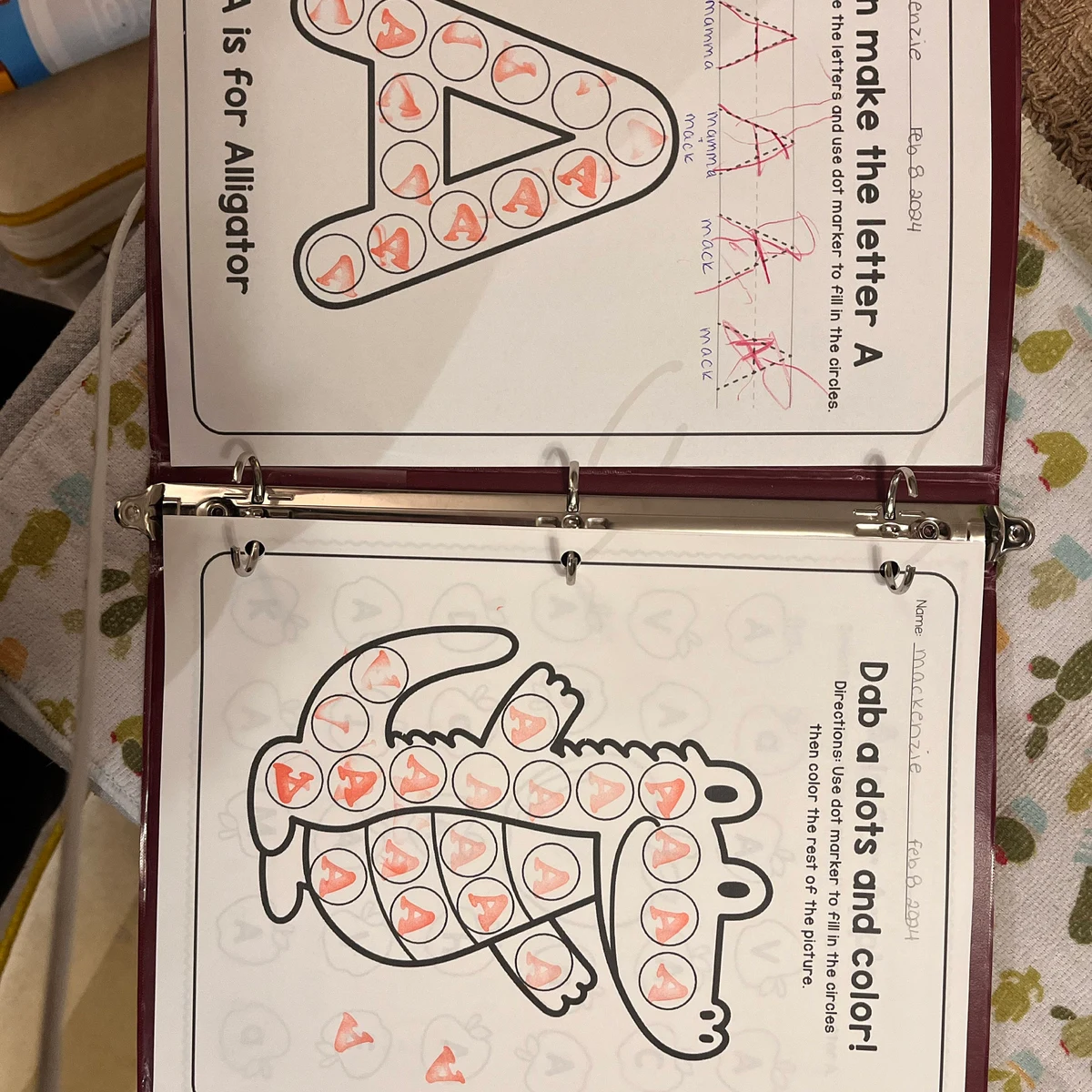
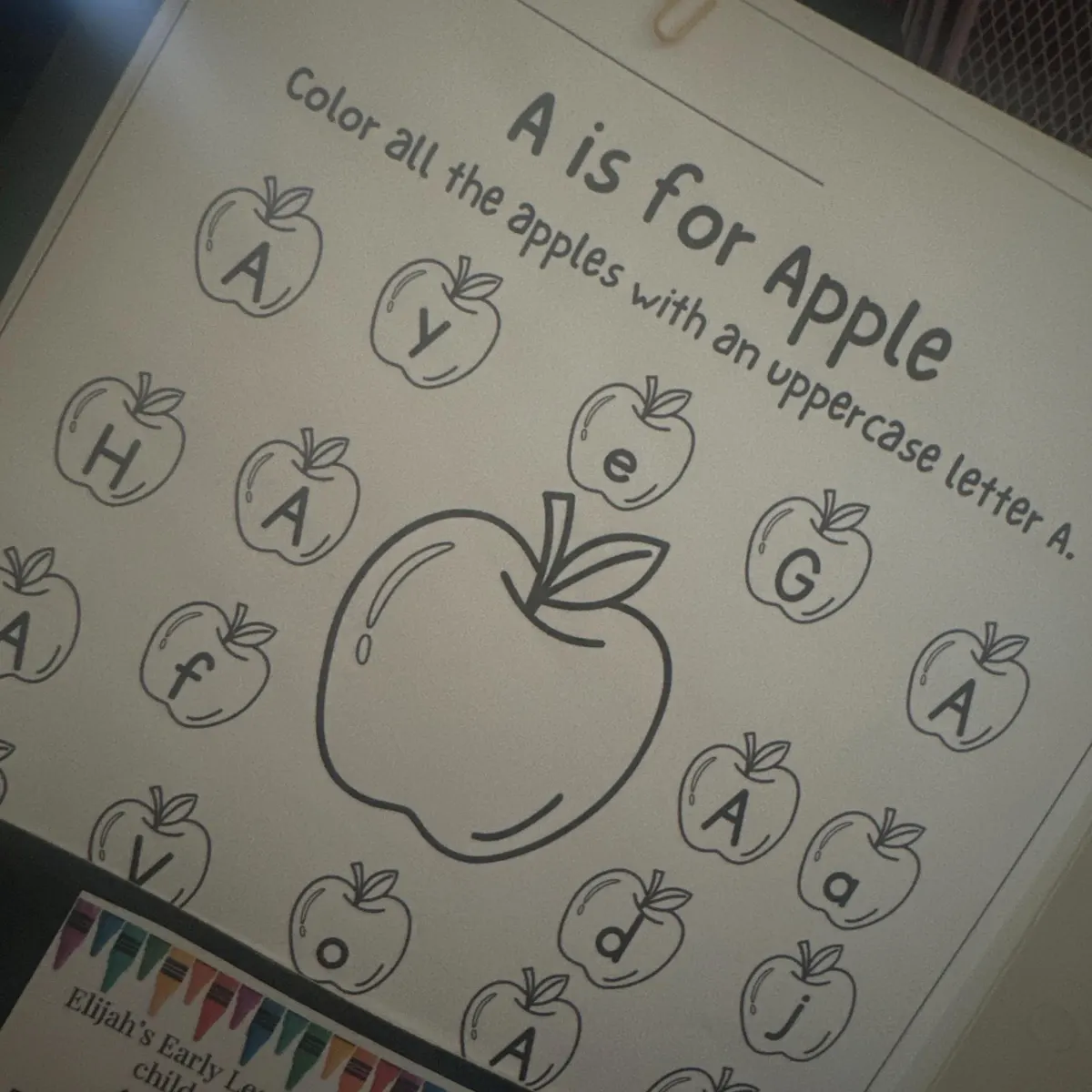
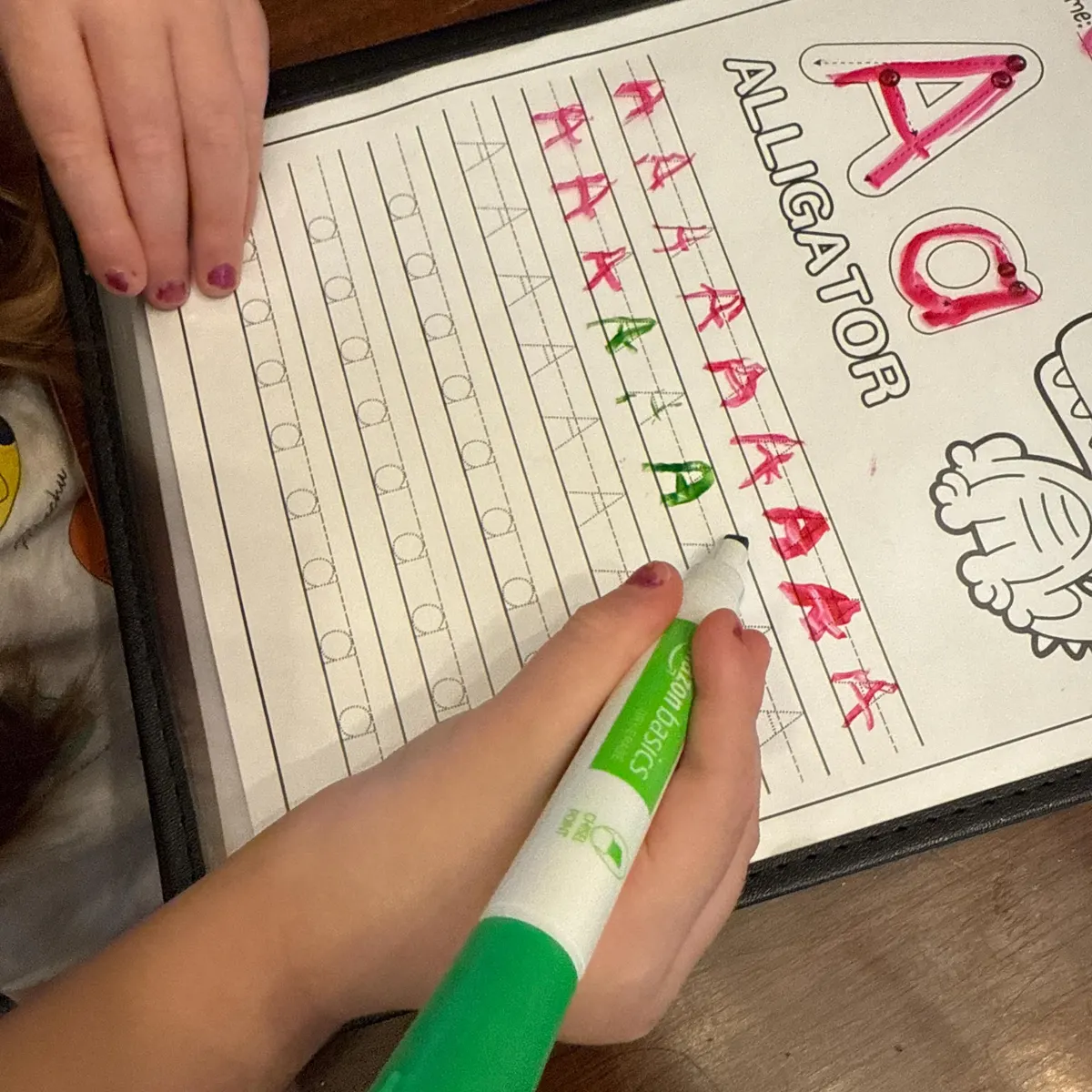
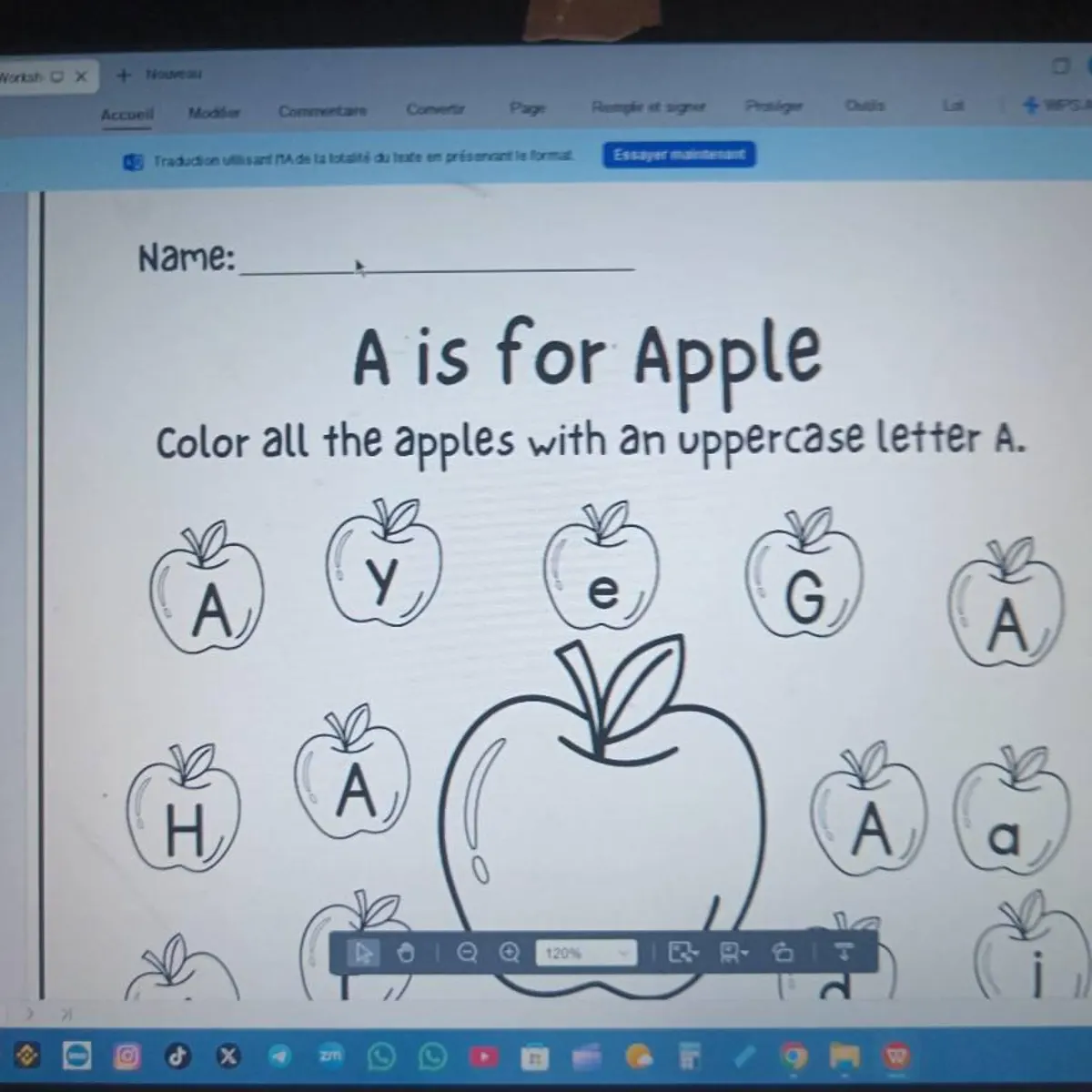
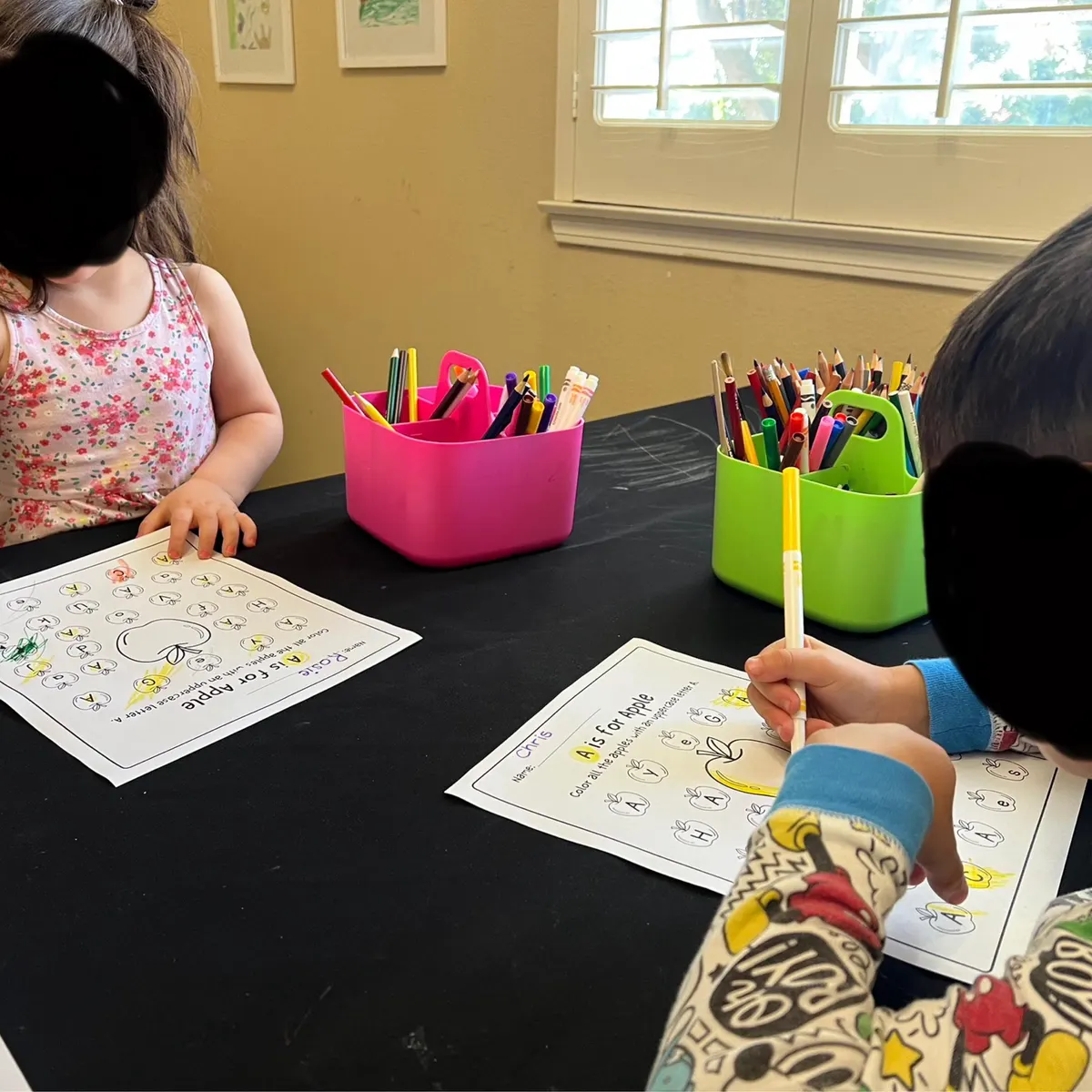
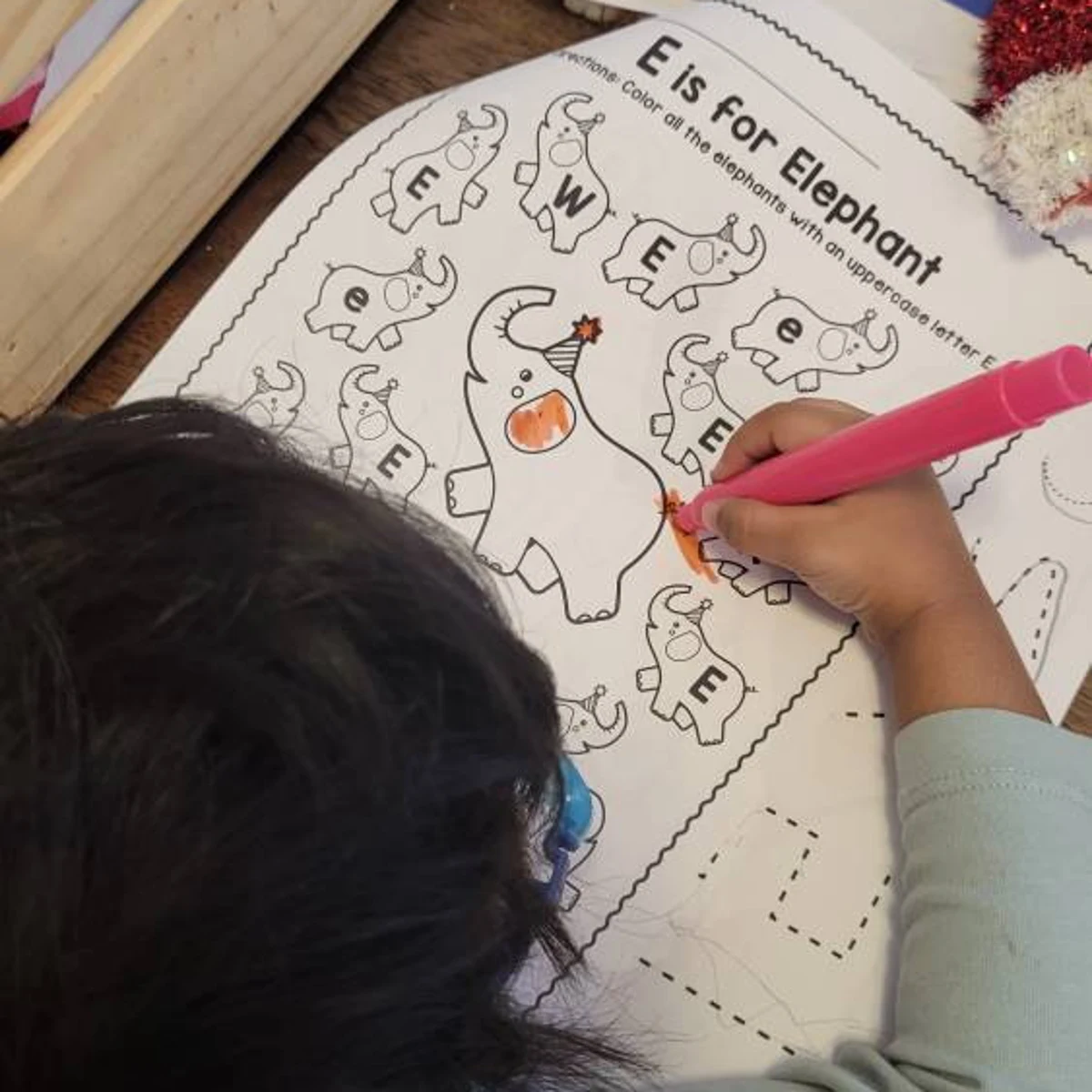
Worksheets offer something games do not always provide: calm, focused practice with a visible record of learning. A thoughtfully designed phonics worksheet guides children through one small skill at a time. They may trace a letter, identify the correct beginning sound, color matching pictures, or connect a letter to an image.
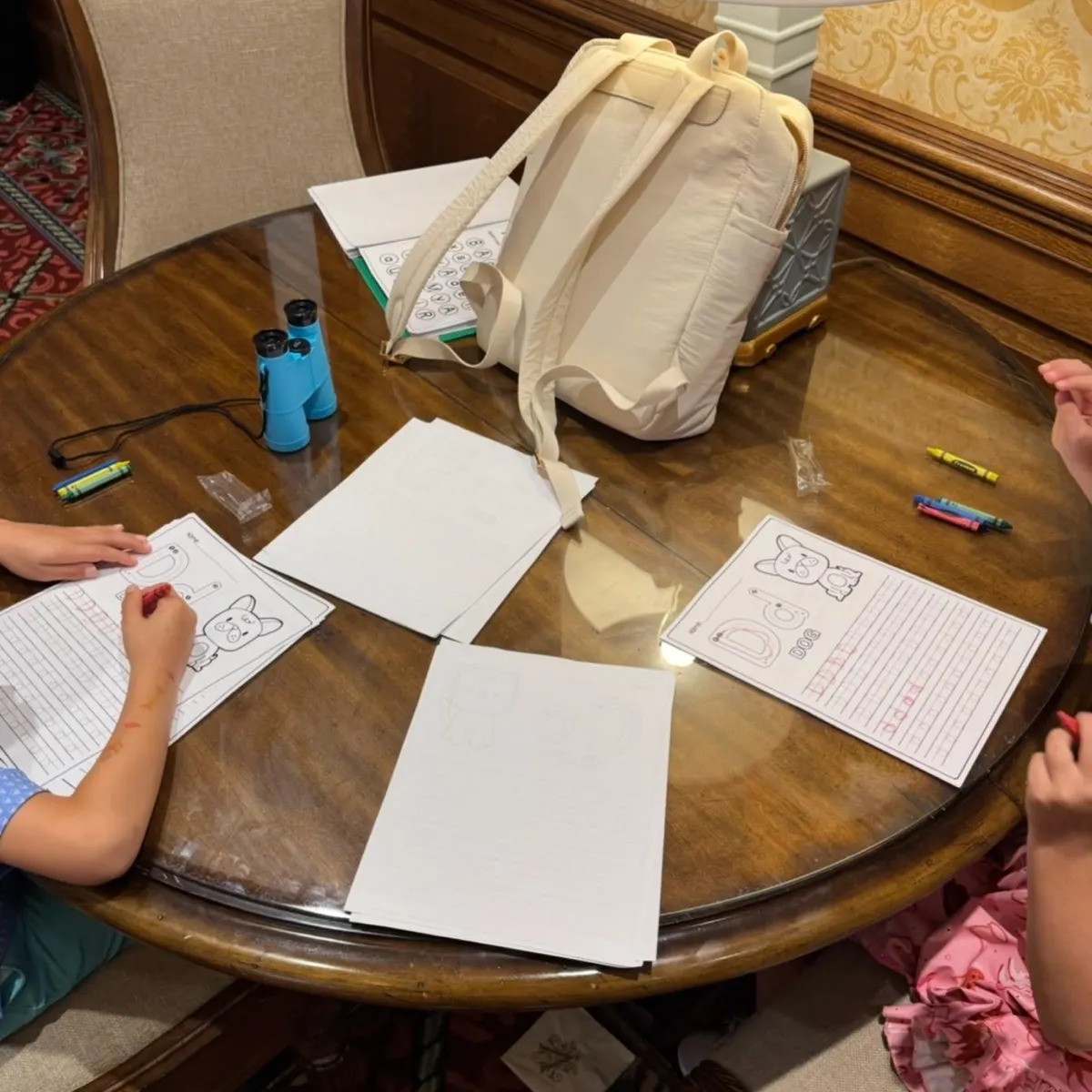
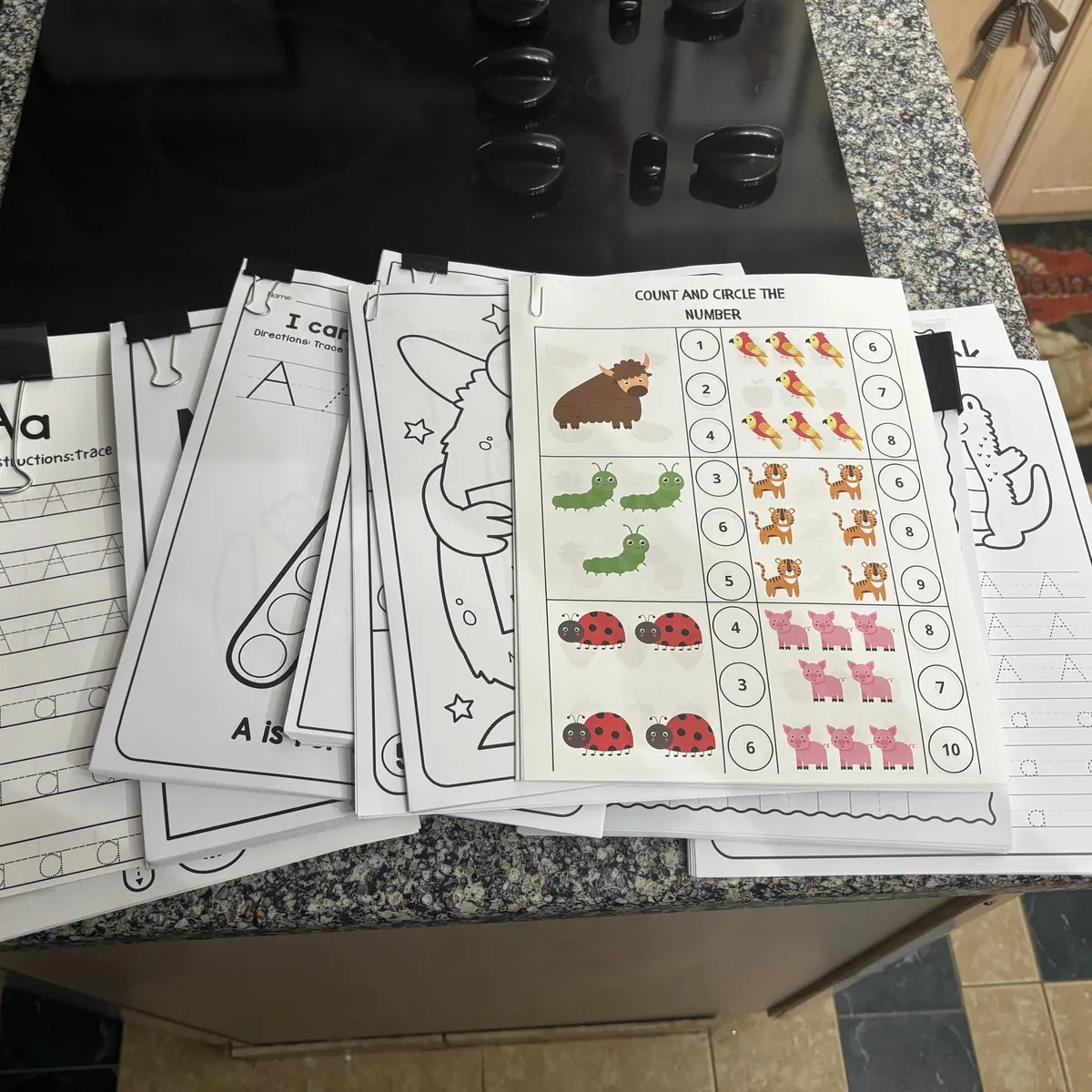
That structure is useful for children who benefit from knowing exactly what comes next. It is also practical for busy adults. A printable activity can be ready in minutes for morning work, a learning center, quiet time, homework practice, or a homeschool lesson.
Worksheets support repetition without requiring adults to reinvent an activity every day. When children complete several simple pages over time, they get repeated exposure to letters and sounds while strengthening pencil control, visual attention, and the ability to follow directions.
For teachers and parents, completed pages can reveal helpful patterns. If a child consistently identifies A and M but confuses P and B, you have a clear next step. If a child can say a sound during a game but cannot identify it independently on paper, more supported practice may be needed.
The limits of worksheets
A worksheet should not be a child’s only phonics experience. Paper-based practice can feel repetitive when it is overused, especially for preschoolers who need movement and conversation. It also cannot replace hearing a child pronounce sounds, blend words, or explain their thinking.
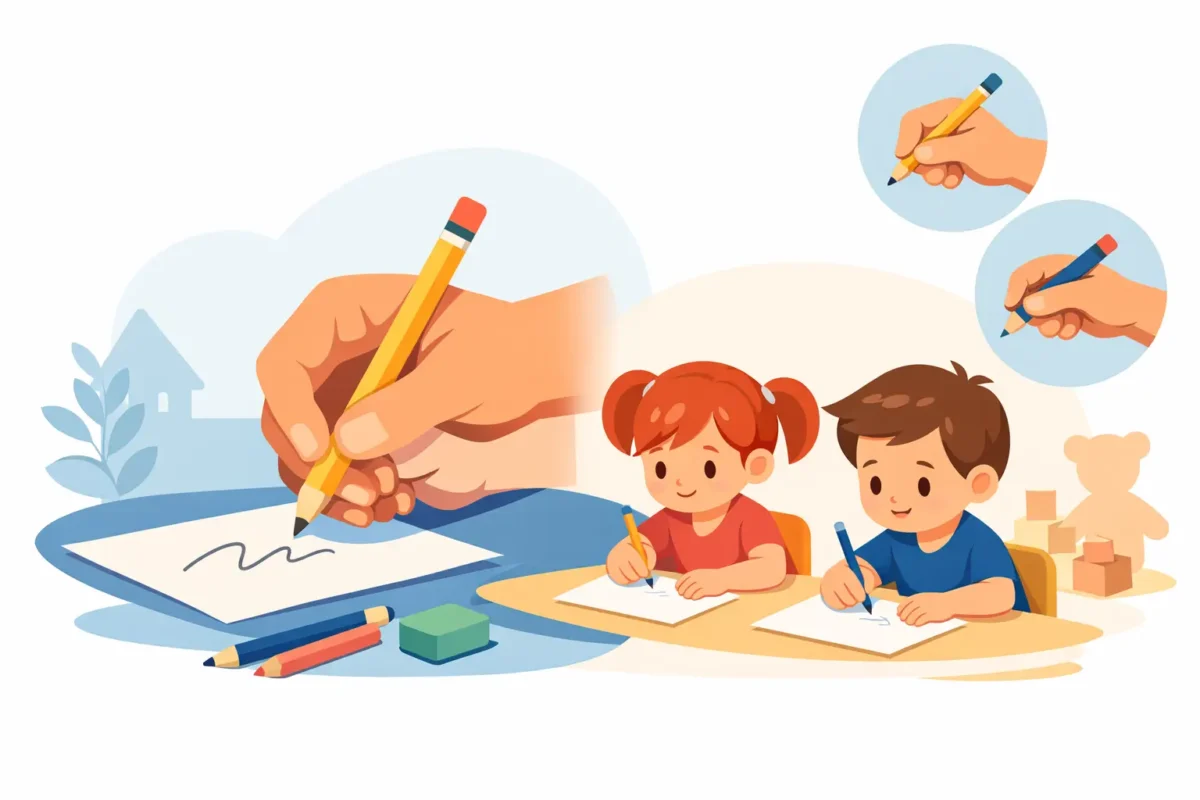
Age and readiness matter, too. A child who is still developing hand strength may know the answer but struggle to circle it neatly. Keep expectations realistic. Let children point, say the answer, use a crayon with a comfortable grip, or complete fewer items when needed.
The best worksheets are simple, visually clear, and matched to a child’s current skill level. Pages with too many pictures, directions, or new concepts at once can create frustration instead of confidence.
Phonics games versus worksheets: when to choose each
Choose a phonics game when children are just meeting a new sound, need a movement break, or are losing interest during a longer lesson. Games are excellent for warm-ups, small groups, partner work, and review. They help children associate phonics with enjoyment, which can make them more willing to keep practicing.
Choose a worksheet when you want children to apply one skill independently, settle into a quieter part of the day, or show what they can do without immediate prompts. Worksheets are especially useful after a game, when the sound or letter pattern is fresh in a child’s mind.
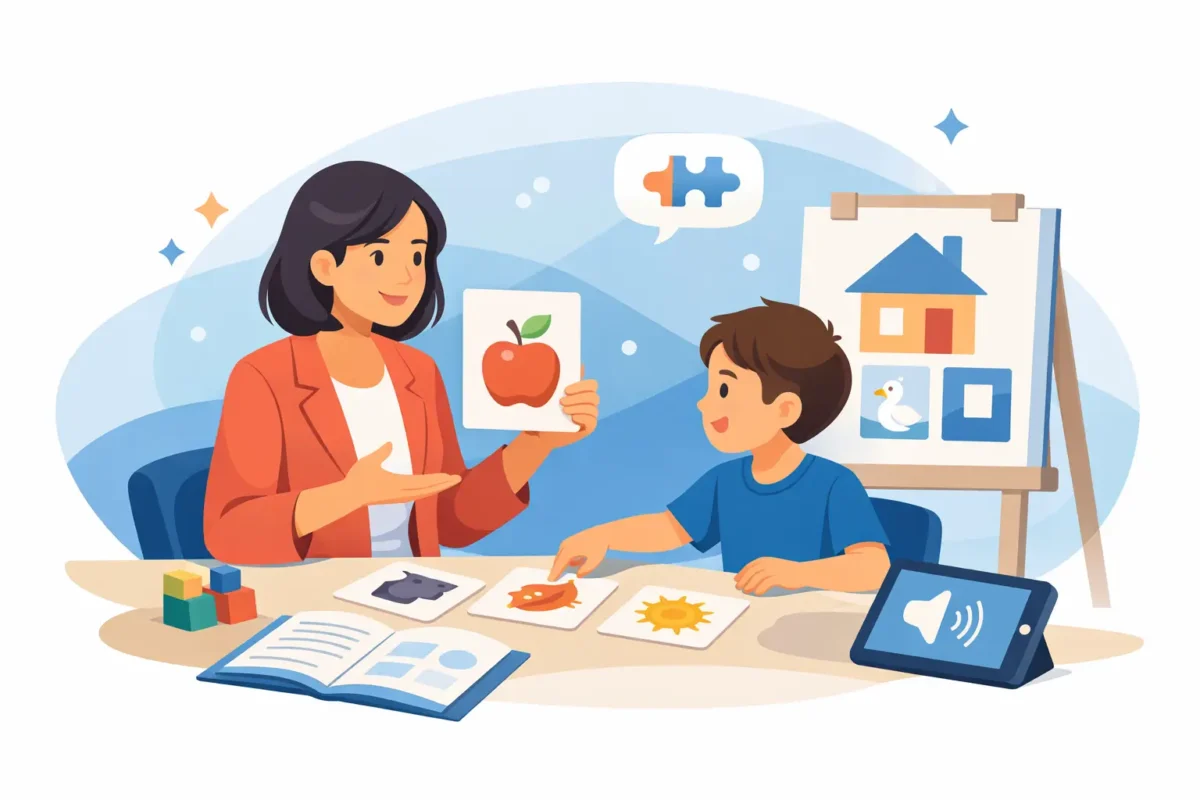
For many children, the strongest routine is game first, worksheet second. Start by introducing the letter S with a short sound hunt: “What can you find that starts with /s/?” Then offer a page where children trace S, say each picture name, and identify the pictures that begin with /s/. The game creates interest and meaning. The worksheet helps organize and reinforce the learning.
A simple phonics routine that works at home or school
You do not need a long lesson or a large collection of supplies. Try a 10- to 15-minute routine centered on one skill. Begin with a quick game that gets children listening and talking. Spend a few minutes modeling the sound clearly, then let children practice it with a focused printable activity. End by asking them to name one word that uses the sound.
For instance, a kindergarten group learning short A can sort picture cards, listen for the middle sound in words such as cat and map, then complete a short page matching pictures to CVC words. A preschooler learning letter names may sing a letter sound, find the letter in a sensory bin, and trace it on a simple alphabet page.
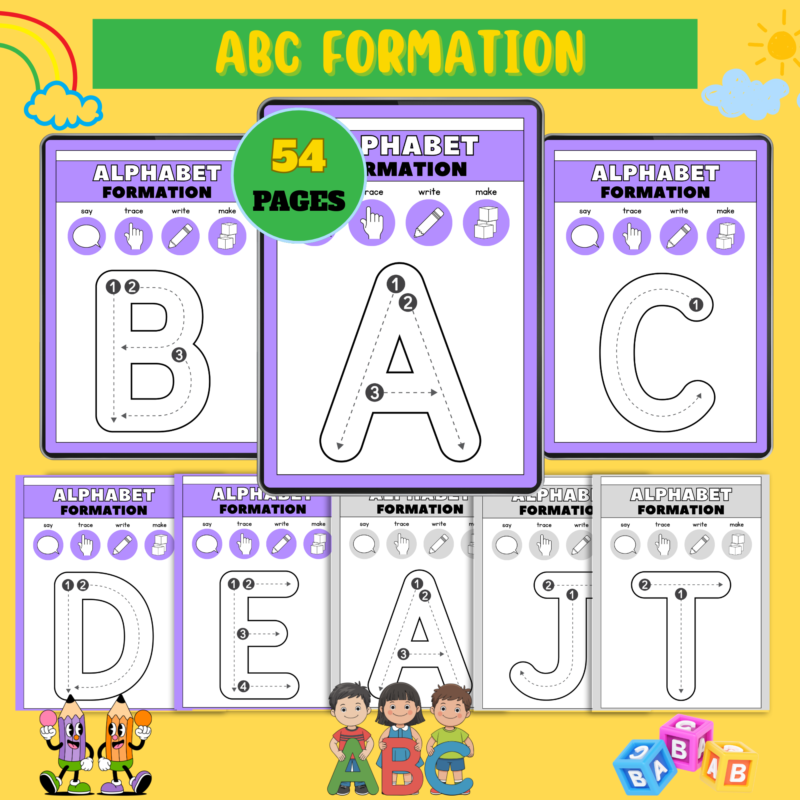
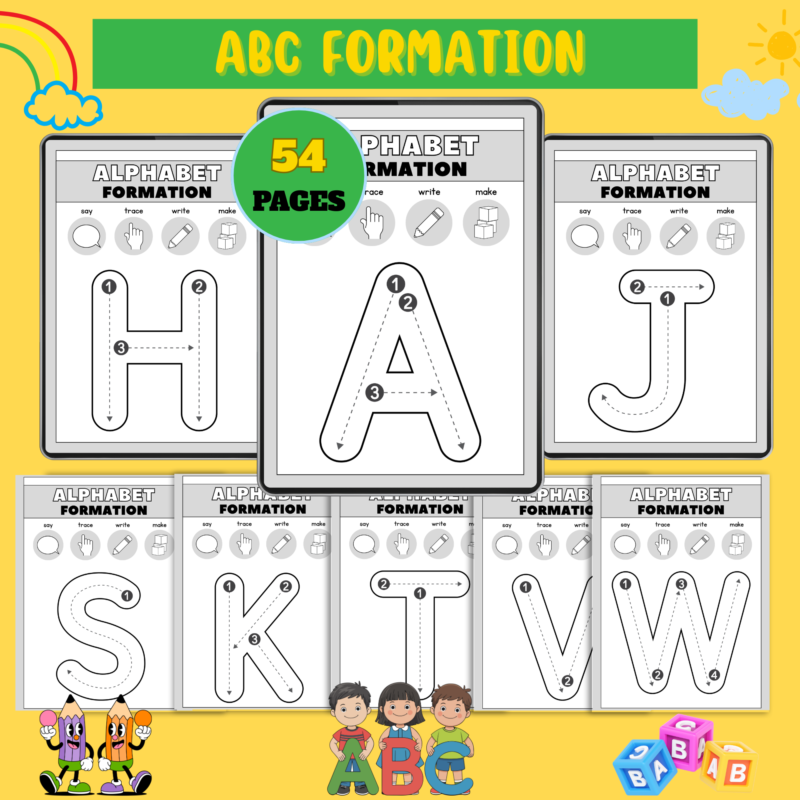
Fun Clever Fox printable phonics resources can make this routine easier to repeat, with child-friendly pages that fit naturally into home learning, centers, or small-group practice. Print only what supports the skill you are teaching, and save completed pages in a folder so children can see their progress.
Keep confidence at the center
Whether you use games, worksheets, or both, pay attention to how the child responds. A little challenge is healthy. Tears, repeated refusal, or constant guessing are signs that the activity may be too difficult, too long, or not matched to the child’s current stage.
Celebrate effort as well as correct answers. Say, “You listened closely for that first sound,” or “You kept trying until you found the matching letter.” Specific encouragement teaches children that reading skills grow through practice.
The best phonics activity is the one that gives a child meaningful practice without taking away the joy of learning. A lively letter game can start the spark, and a simple worksheet can help that spark become a skill children can use with growing pride.