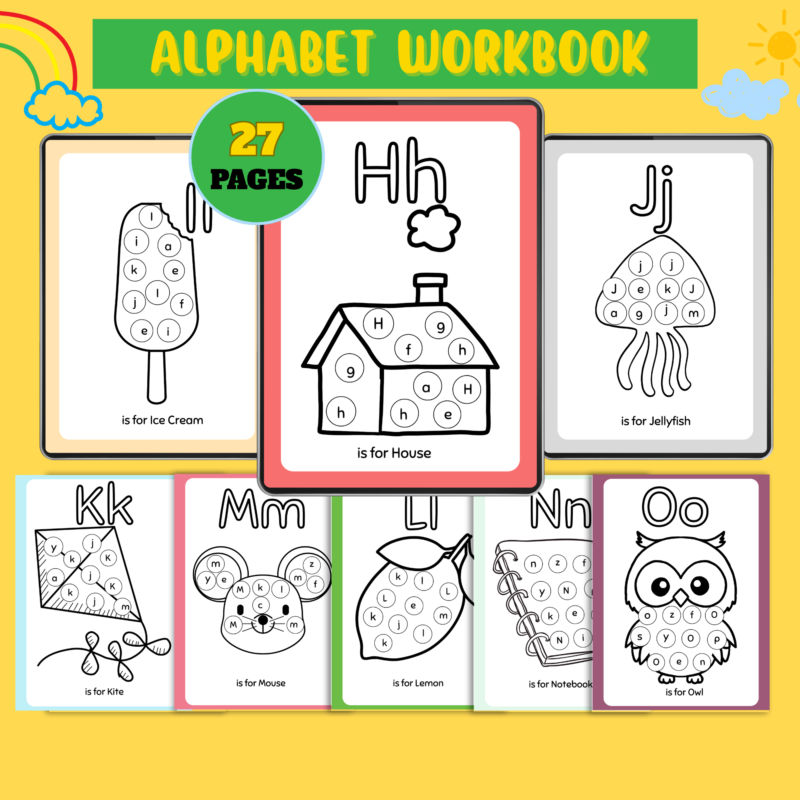
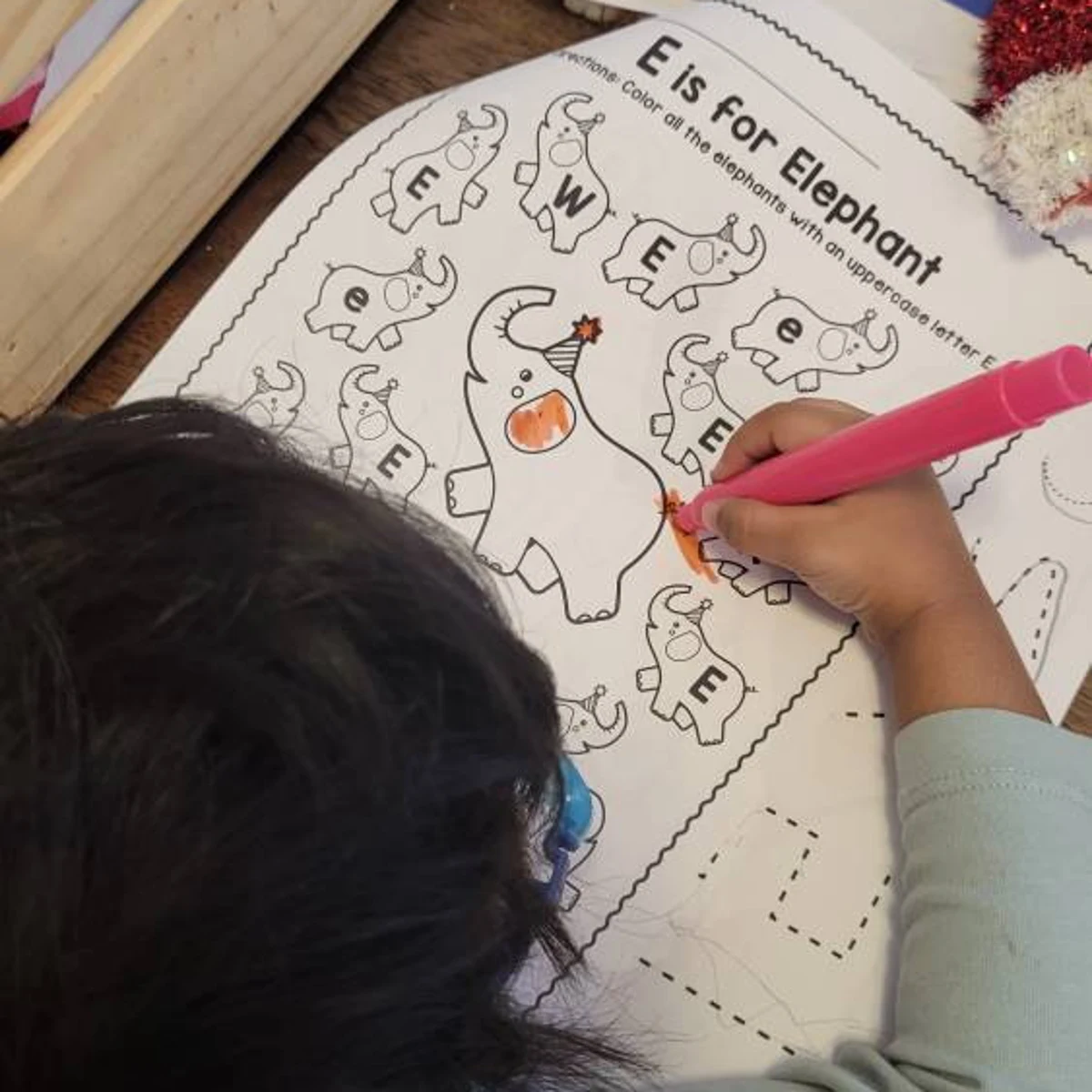
A kindergartener can go from excited to done in about three minutes flat. That is why the best learning activities for kindergarten are not just educational – they are hands-on, short enough to hold attention, and easy to repeat without feeling boring. When an activity feels playful and still gives children real practice with letters, numbers, sounds, and fine motor skills, it tends to stick.
For parents, teachers, and homeschool families, the sweet spot is simple: choose activities that build one clear skill, use familiar materials, and leave room for success. Kindergarteners are still learning how to follow directions, hold a pencil, listen for sounds, and work independently for small chunks of time. They do best with routines, visual support, and practice that feels manageable.
What makes the best learning activities for kindergarten?
The strongest kindergarten activities do two jobs at once. They teach an academic or developmental skill, and they make that skill feel approachable. A child tracing letters on a cheerful worksheet, counting buttons into groups, or matching beginning sounds is doing much more than staying busy. They are building confidence through repetition.
It also helps when activities are low-prep. Busy adults need options that can be printed, set out, and used right away. That matters at home, in classrooms, and in daycare settings where time is limited. Screen-free practice is especially useful here because children can slow down, use their hands, and stay focused on one task at a time.
Some children are ready for more challenge, while others still need extra support with basics. That is normal. The best activity is not always the fanciest one. It is the one that meets the child where they are and gives them a small, clear win.
Best learning activities for kindergarten by skill
Letter tracing and handwriting practice
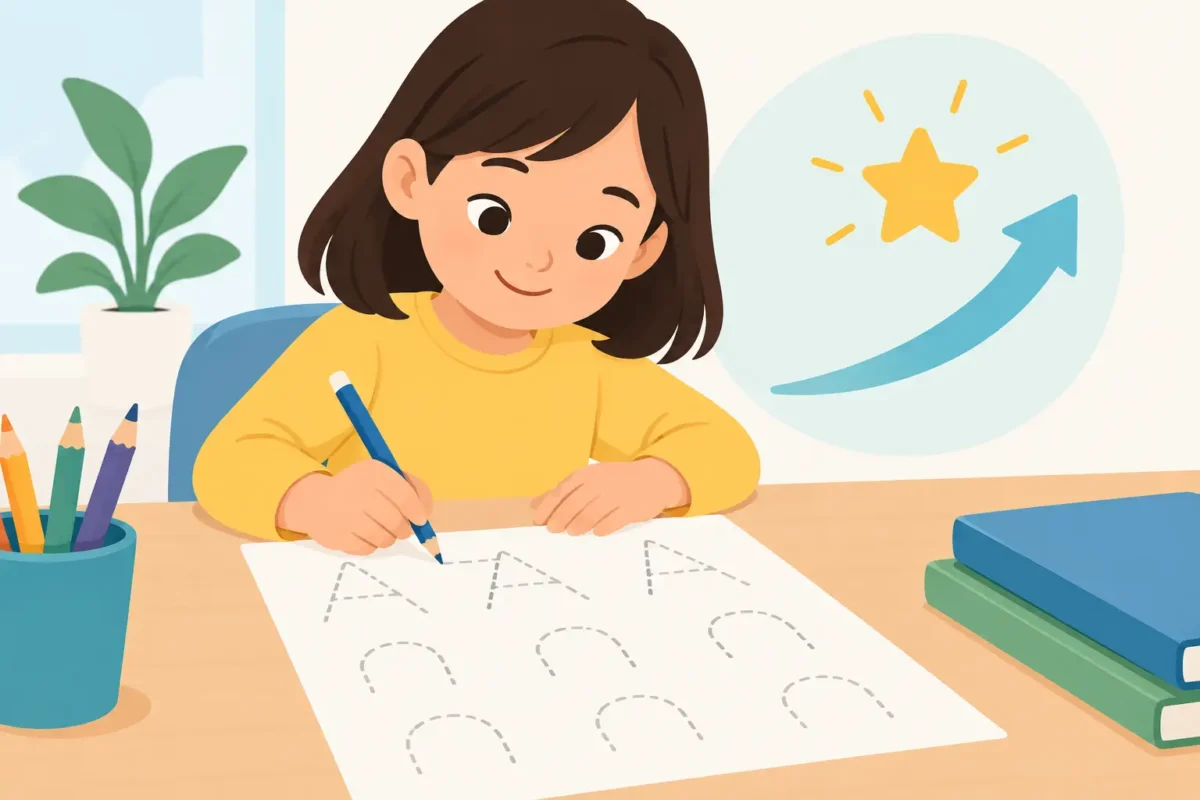
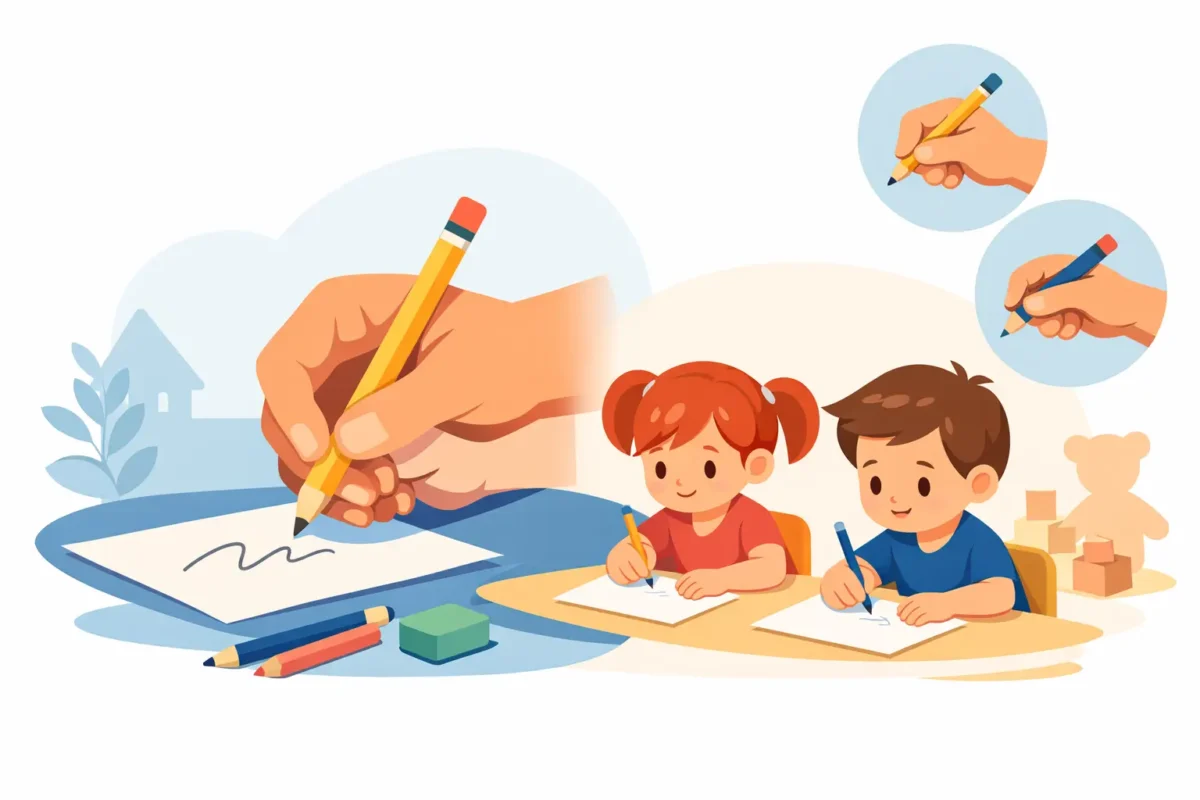
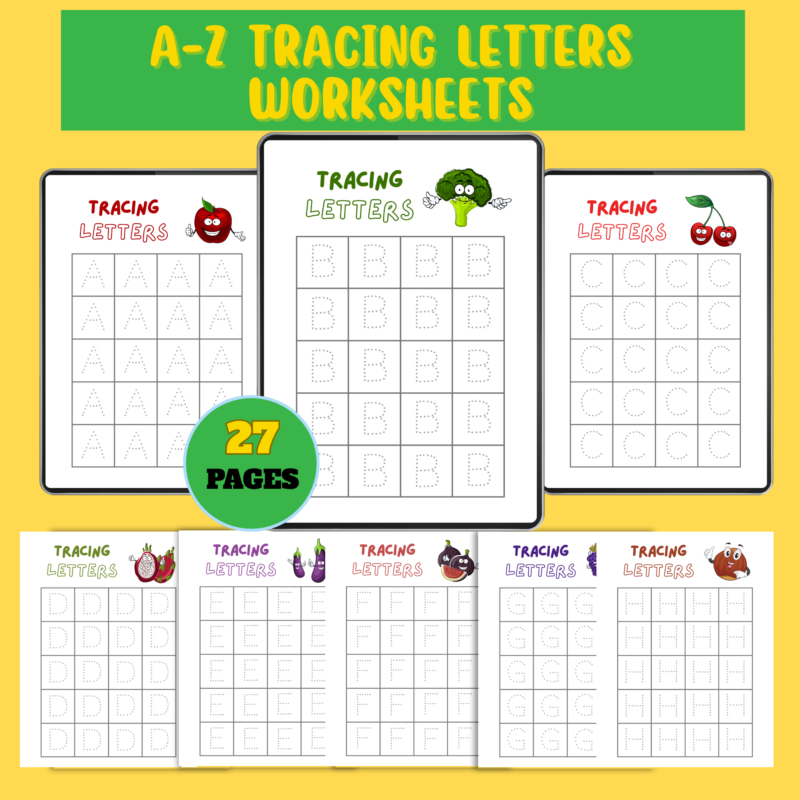
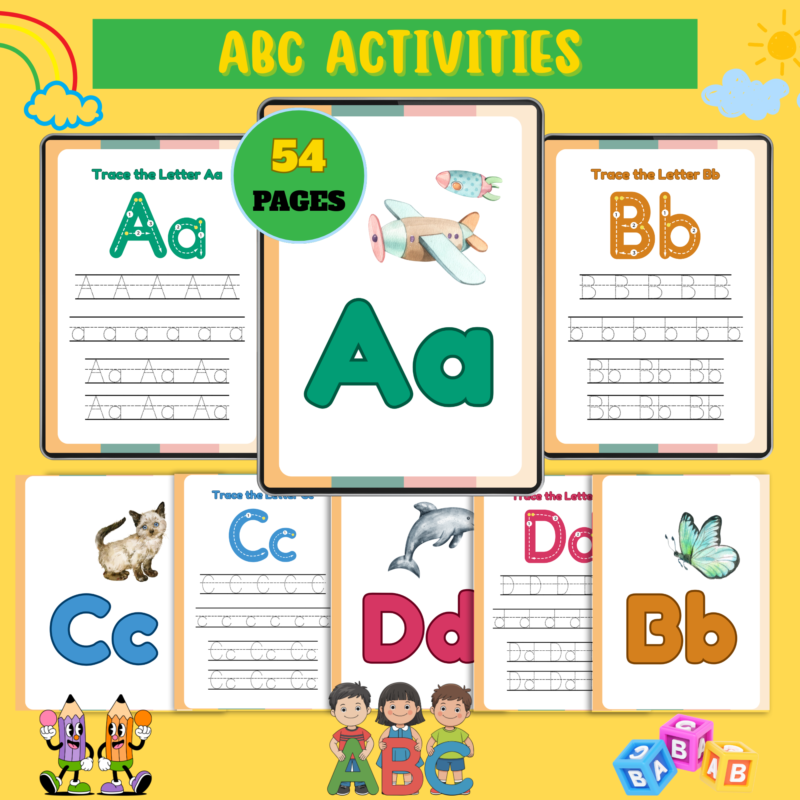
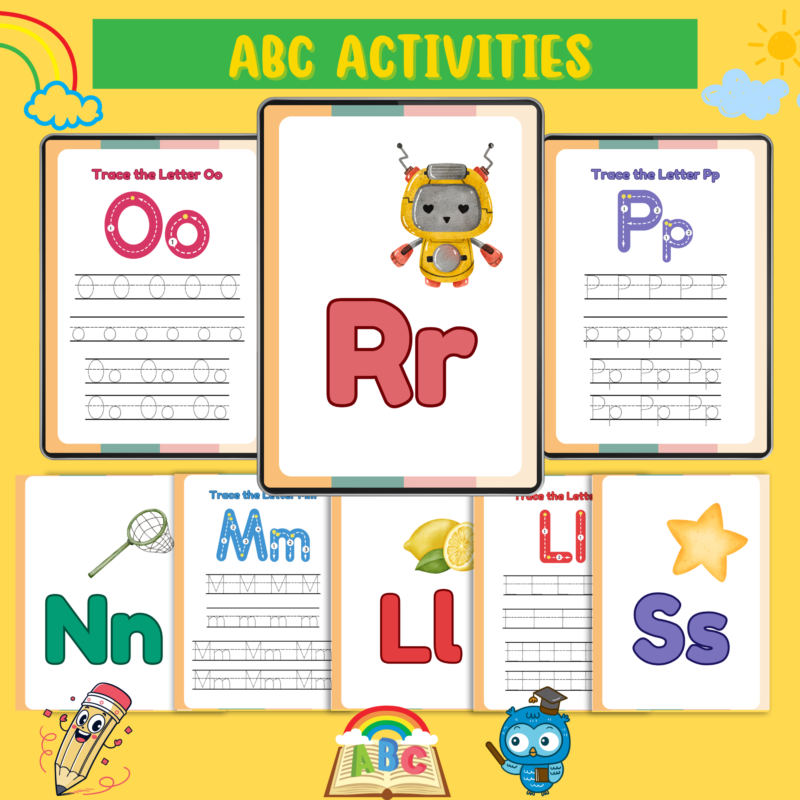
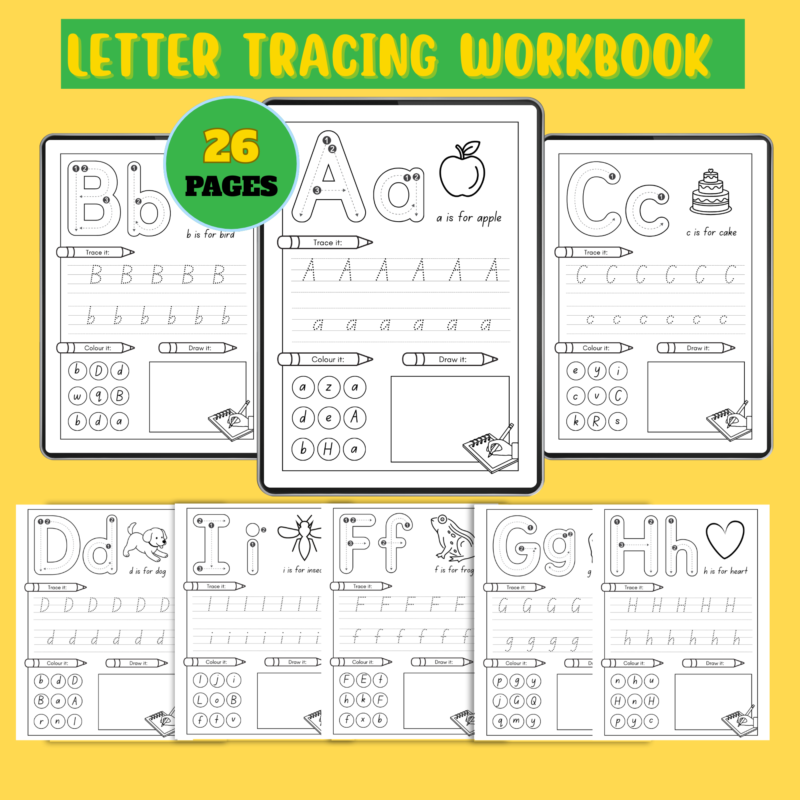
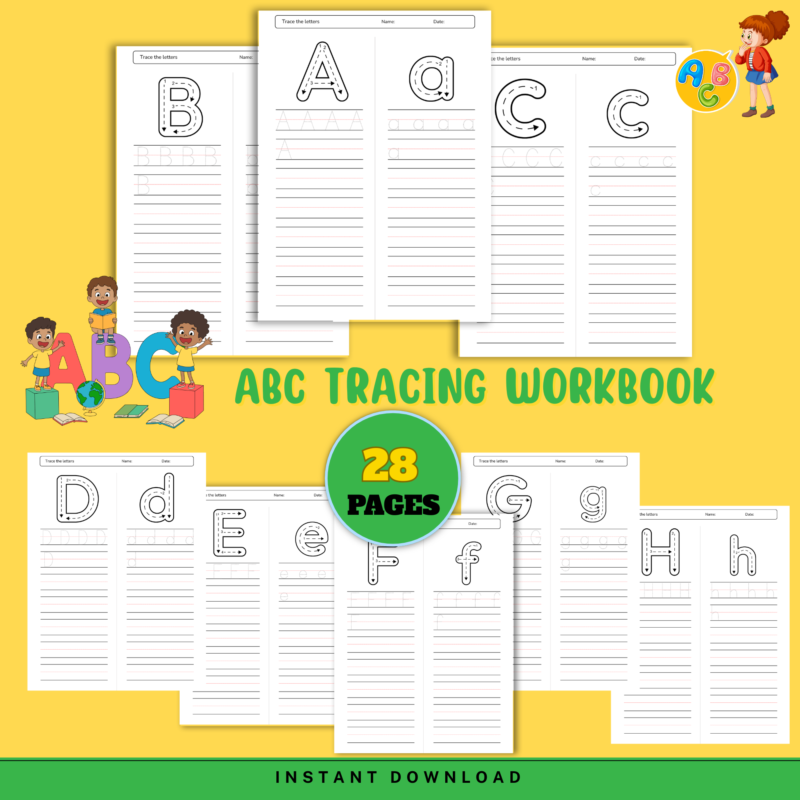
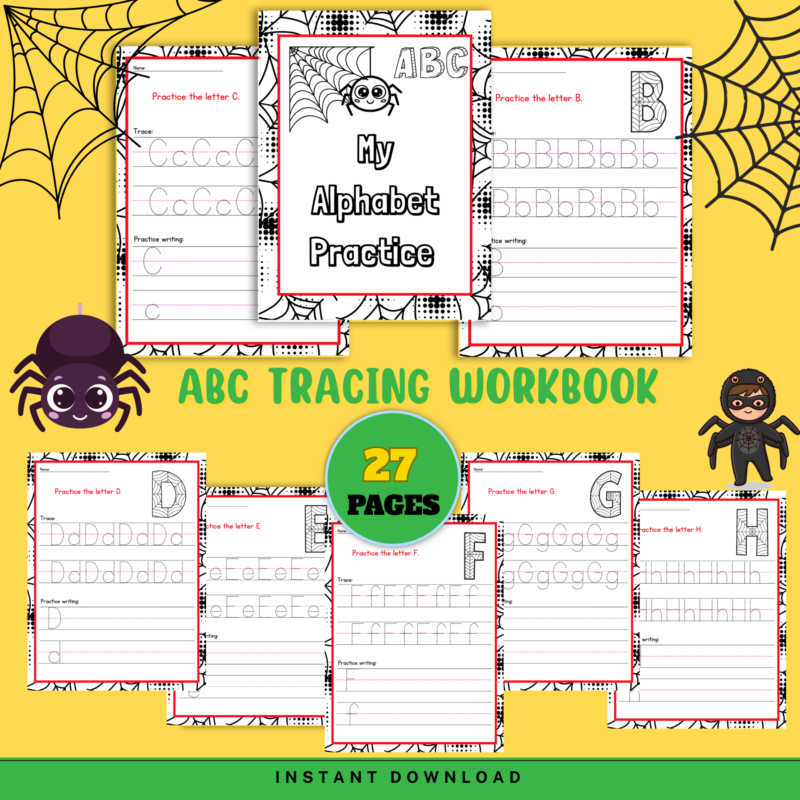
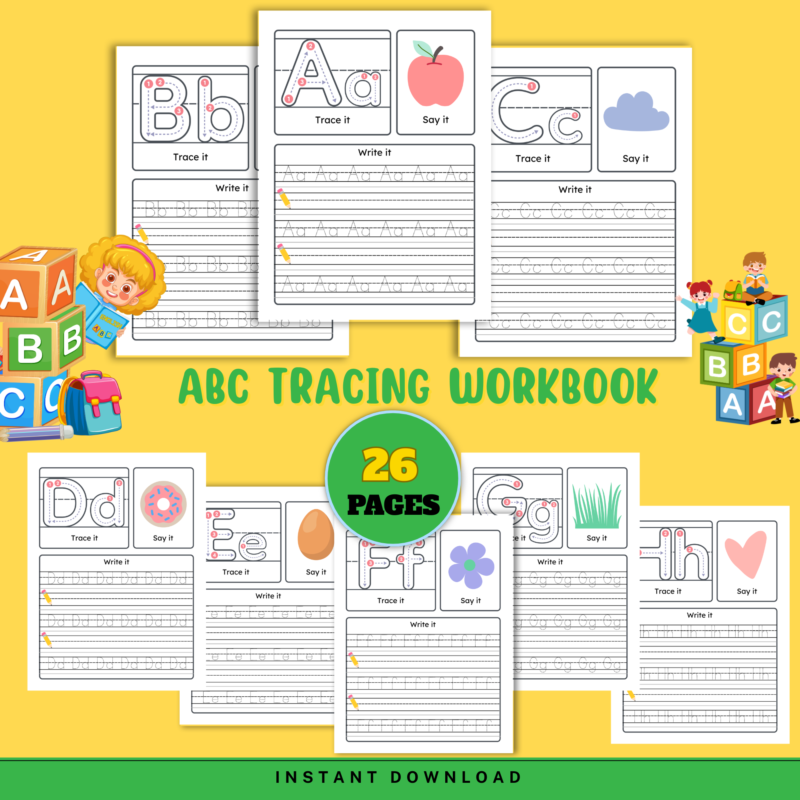
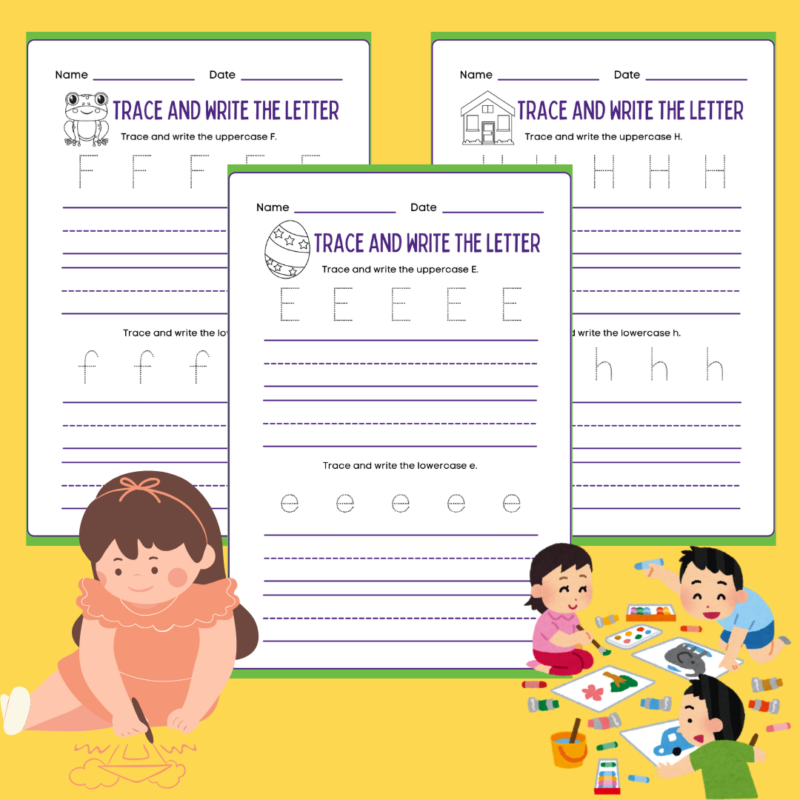
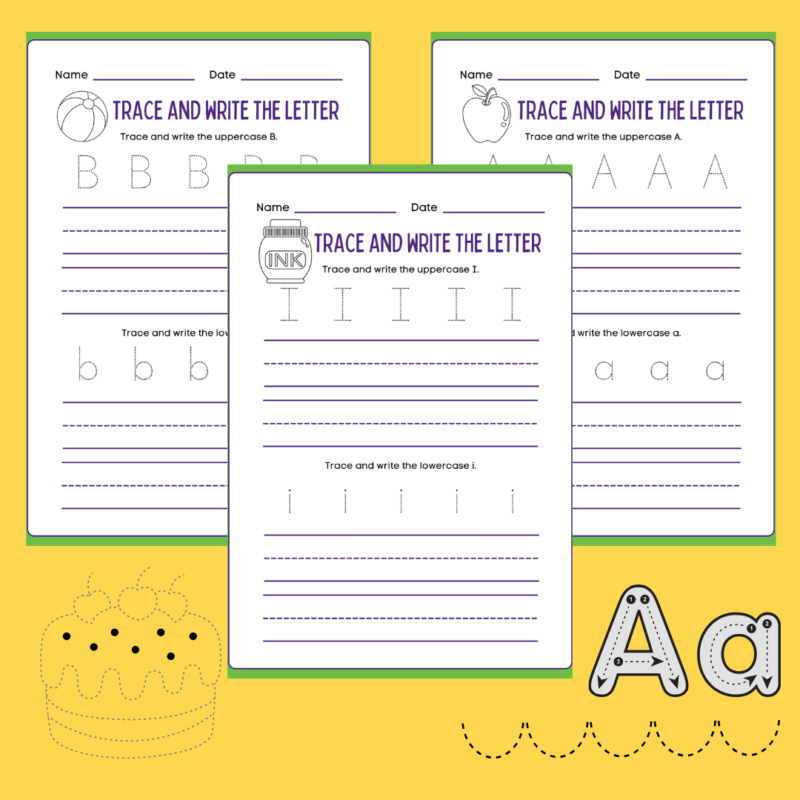
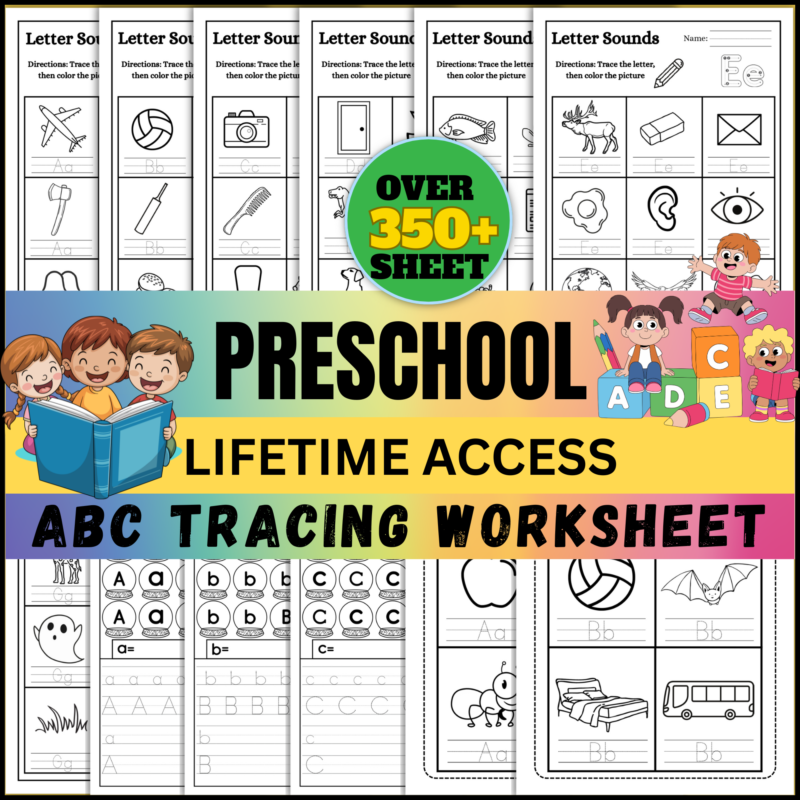
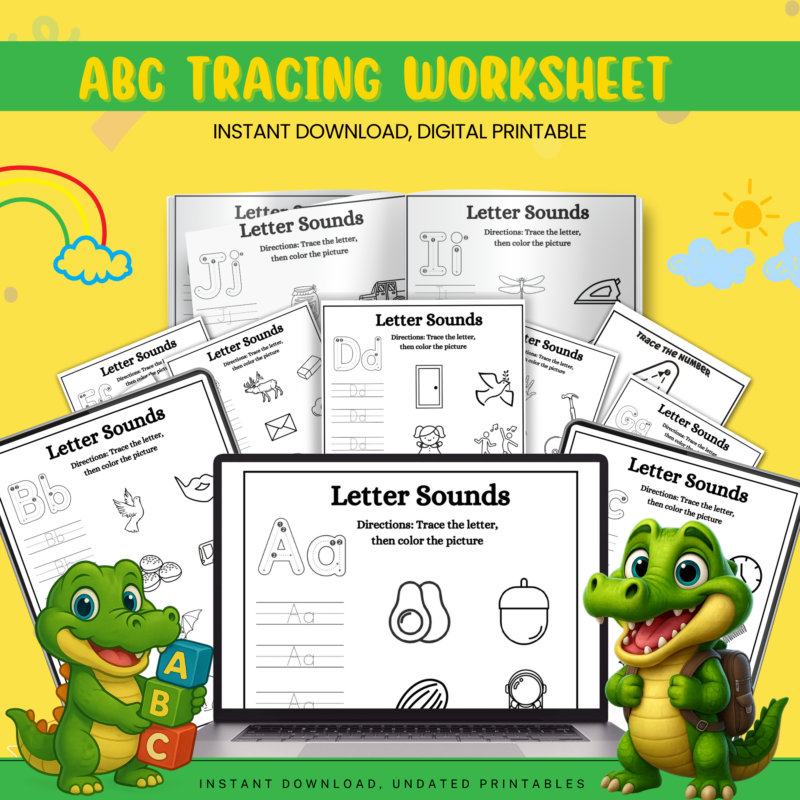
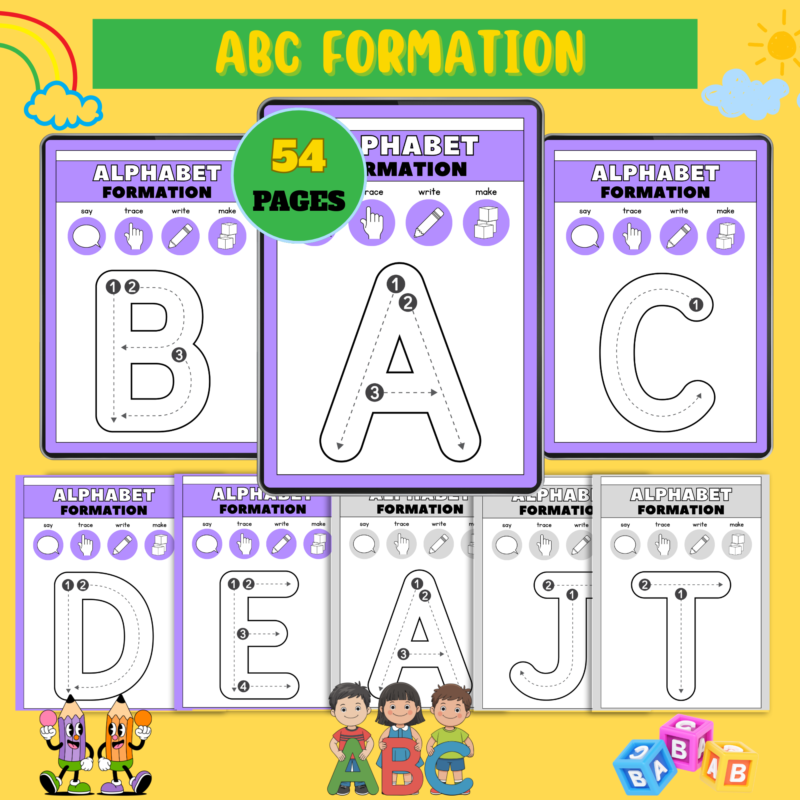
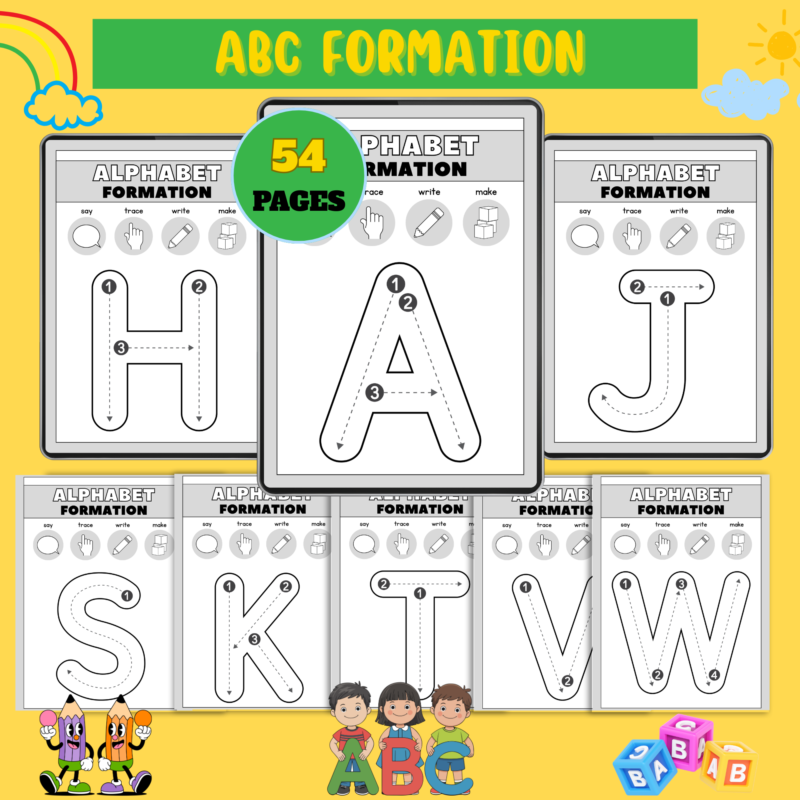
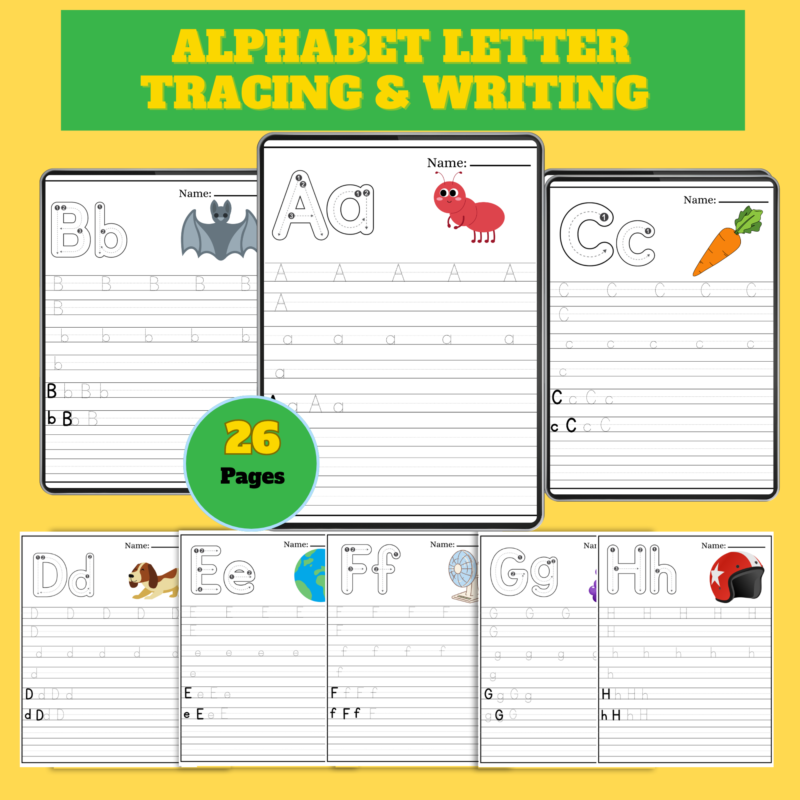
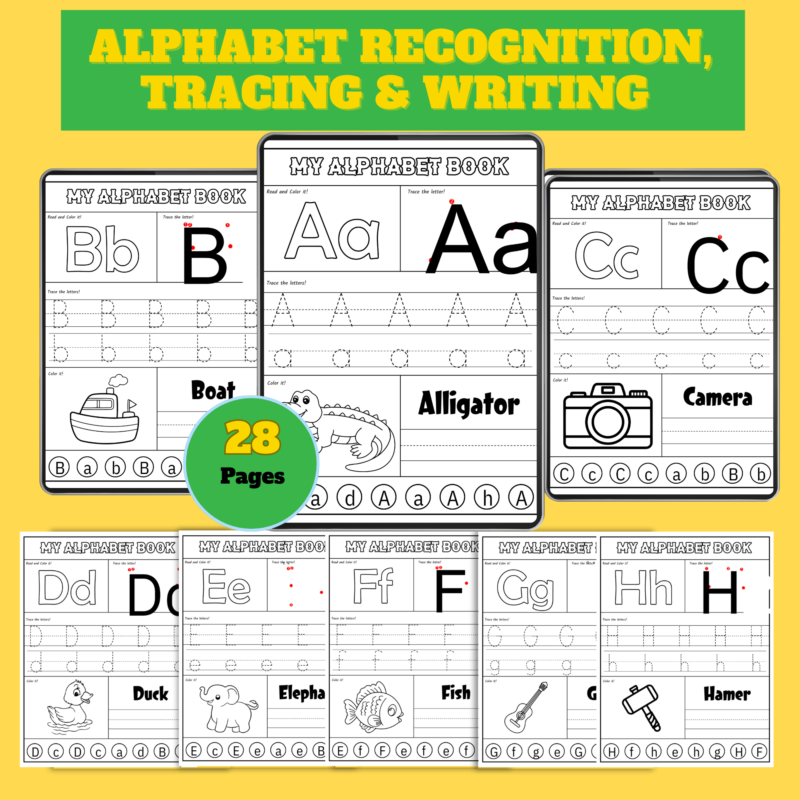
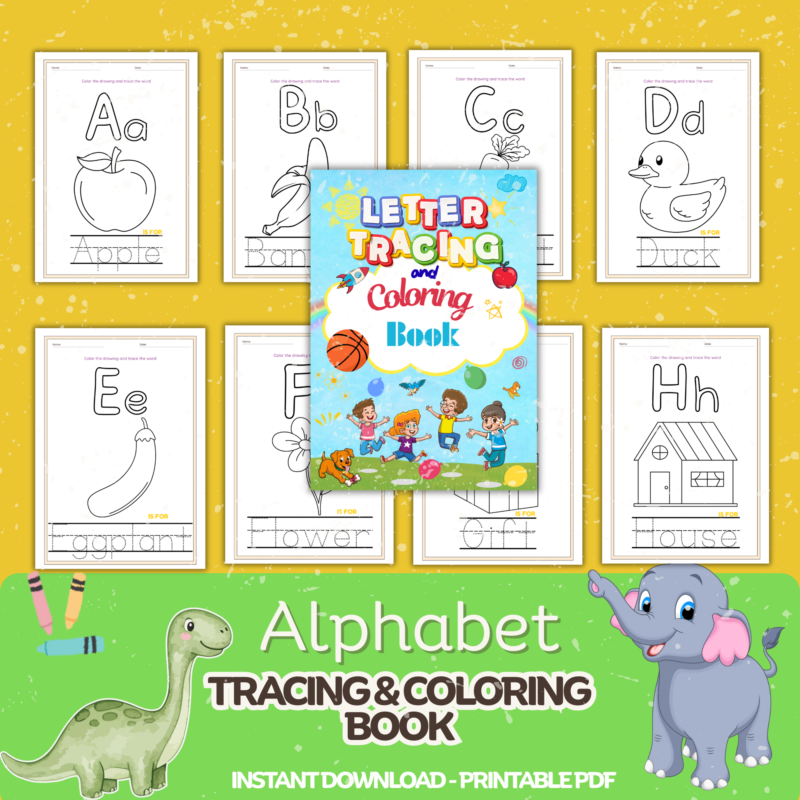
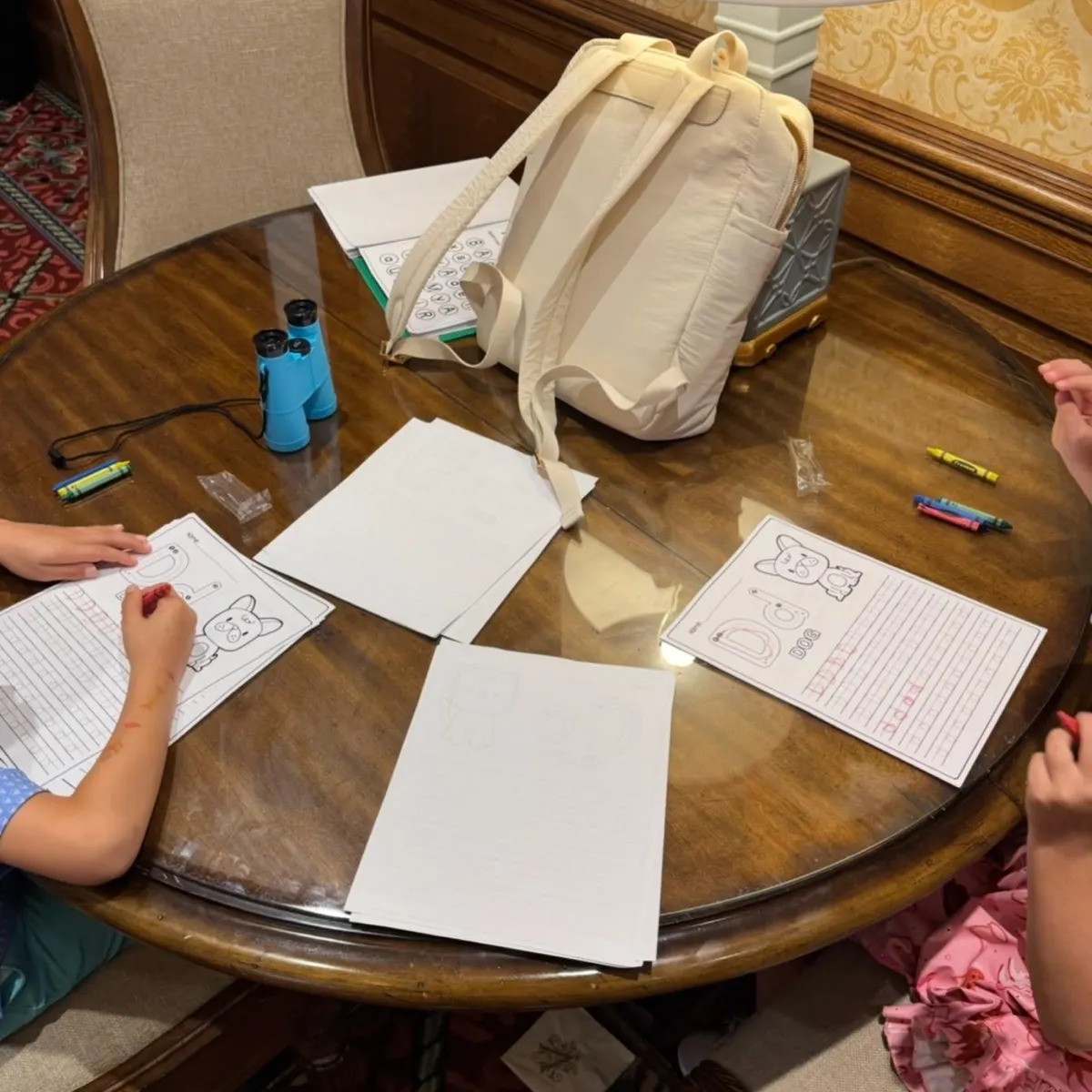
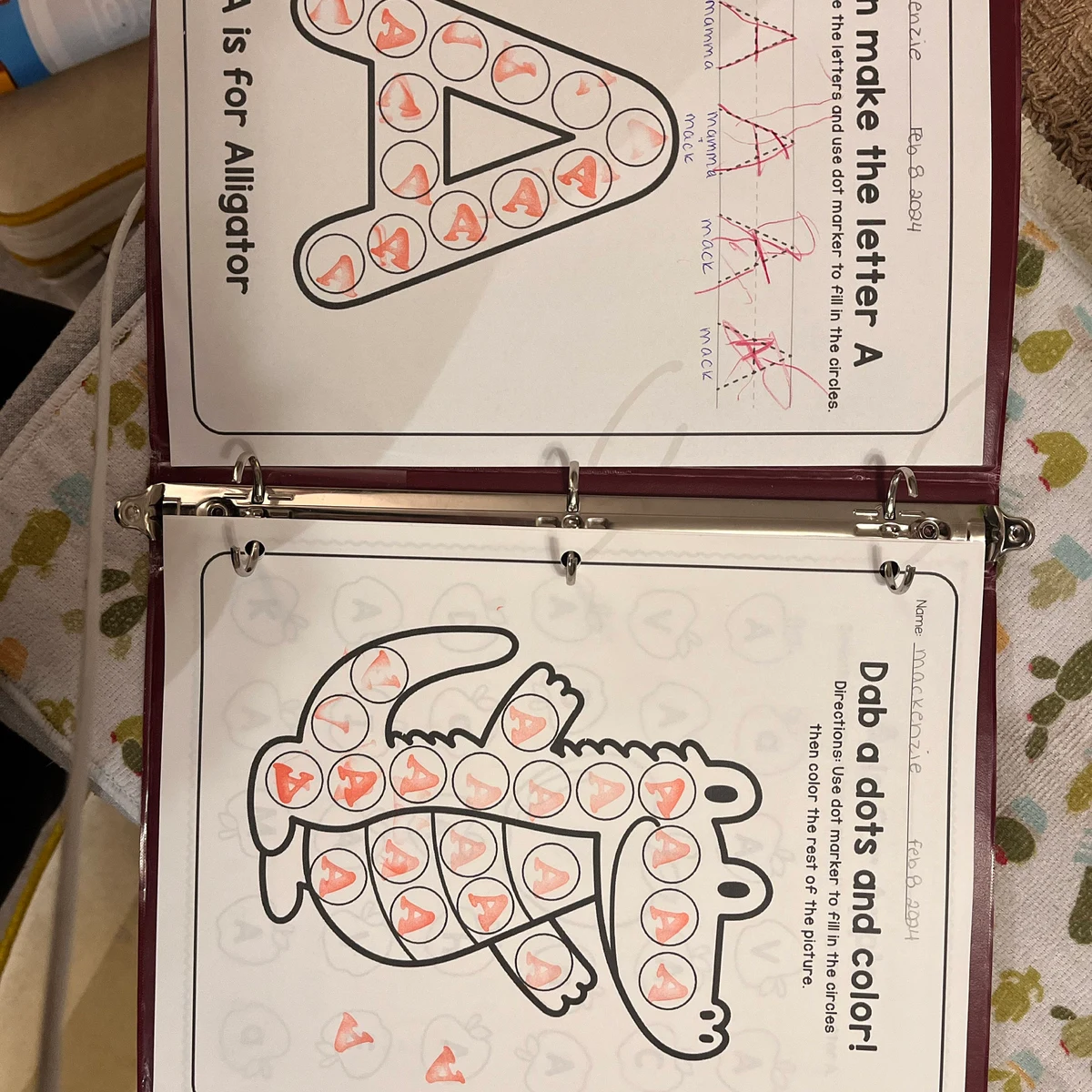
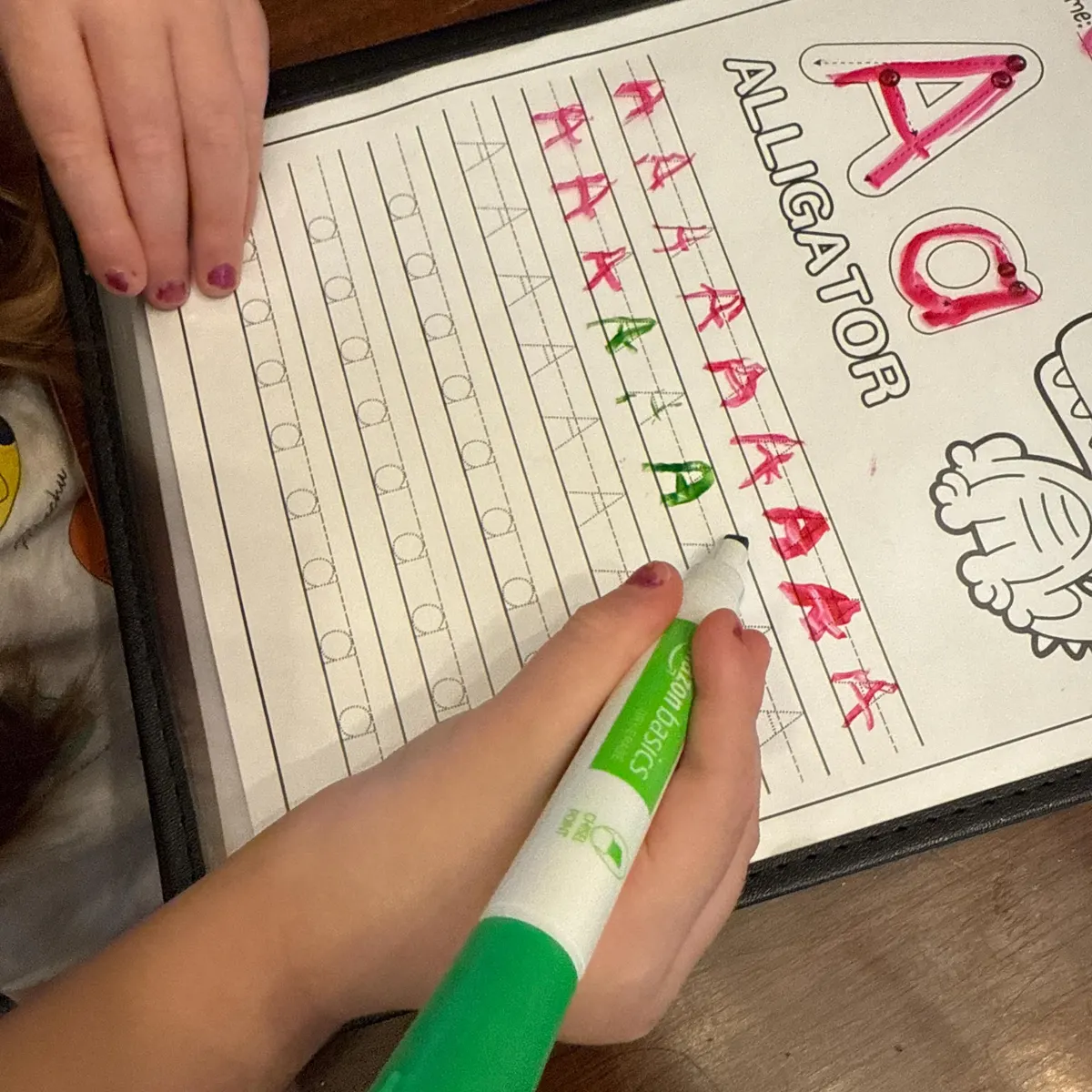
Letter tracing is a kindergarten staple for a reason. It helps children learn letter formation, pencil control, and visual recognition at the same time. A simple tracing page can become more engaging when you ask children to say the letter name and sound as they write it.
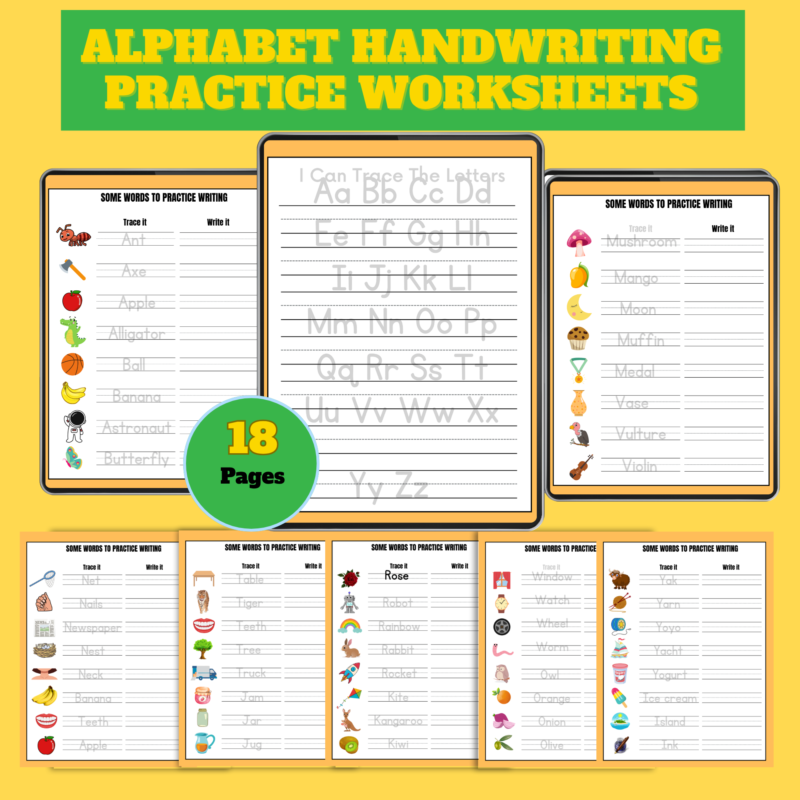
This kind of practice works best in short sessions. Five to ten minutes is often enough, especially for children still developing hand strength. If a child is pressing too hard, rushing, or losing interest, it may be a sign to switch to a fine motor activity and come back later. Printable handwriting pages are especially helpful because they offer structured repetition without requiring adults to create practice sheets from scratch.
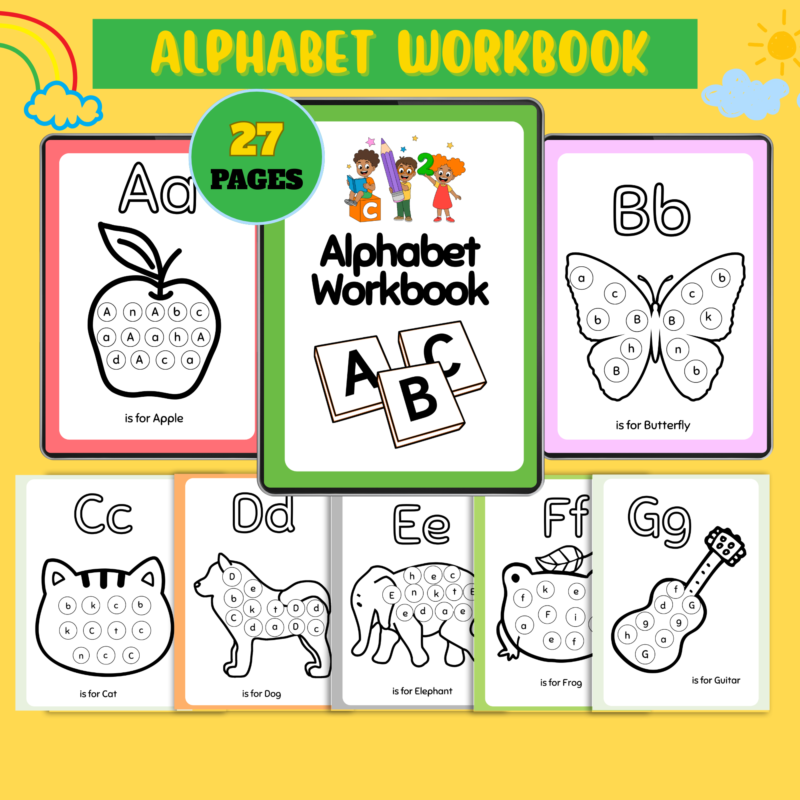
Beginning sounds and phonics games
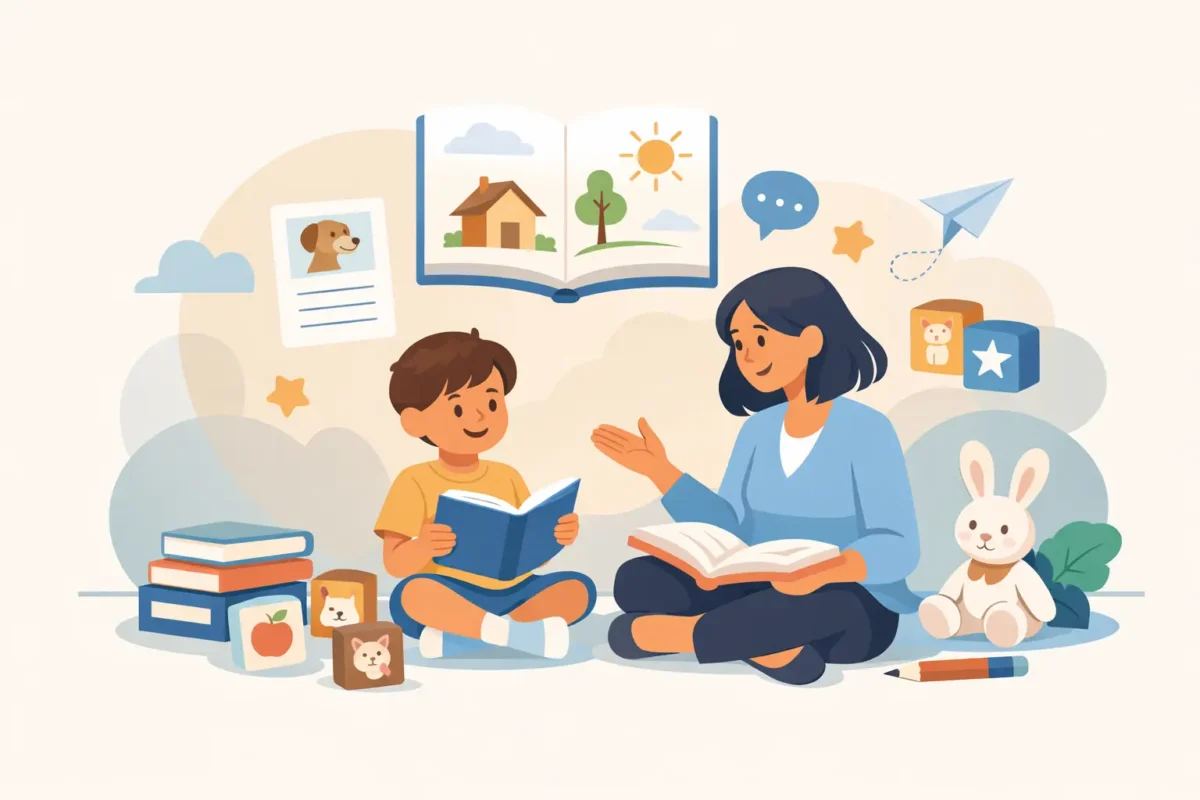
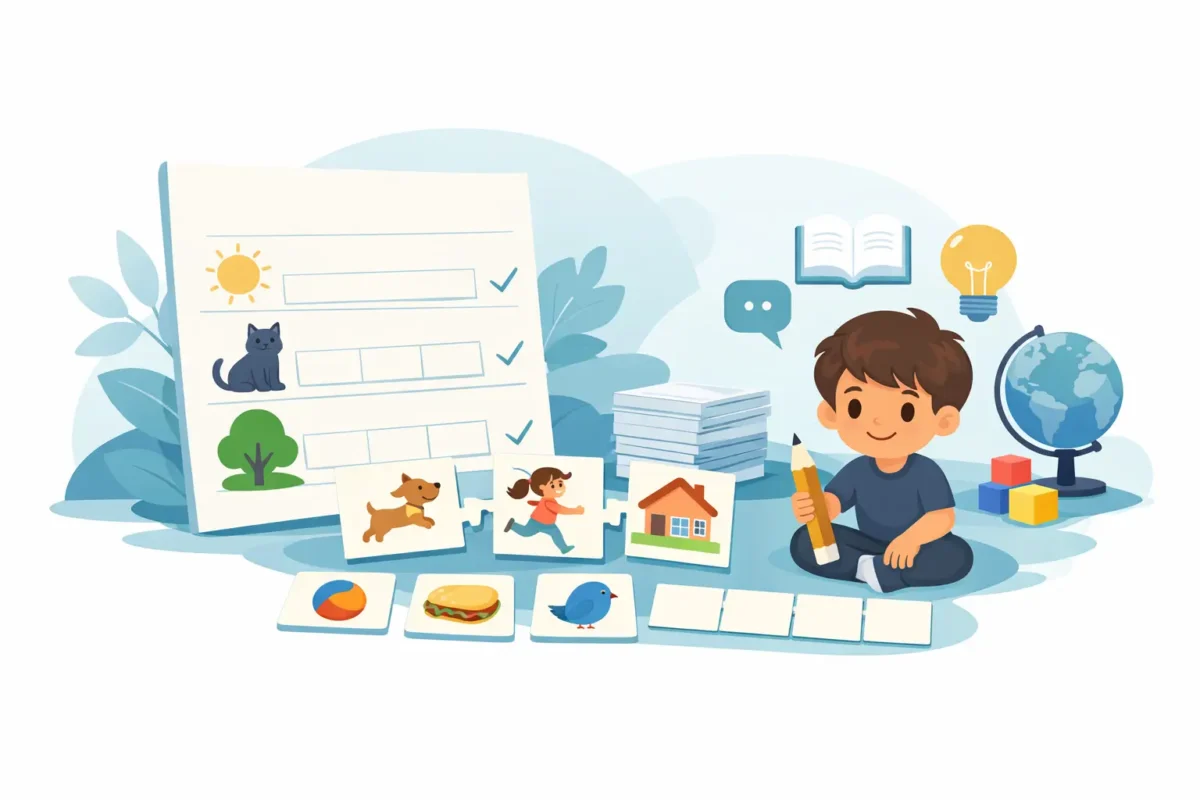
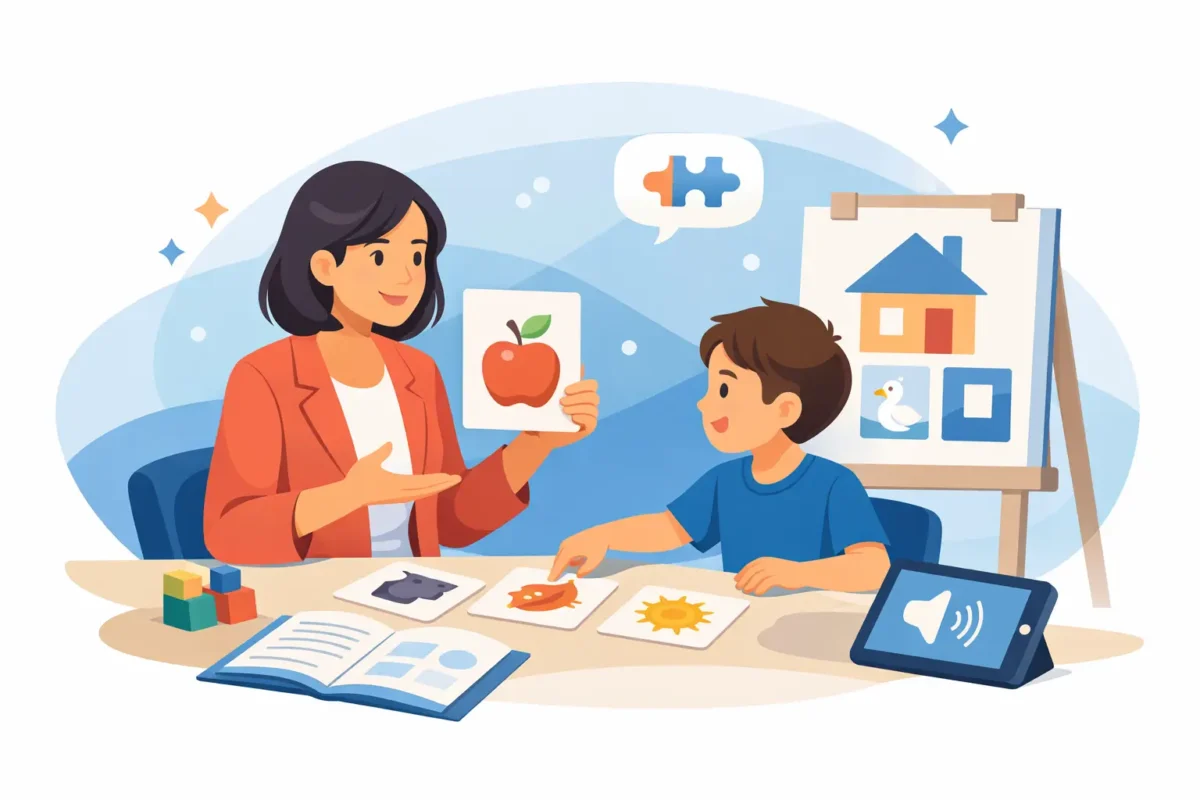
Kindergarten is a big year for connecting letters to sounds. Beginning sound activities are a great place to start because they feel concrete. Children can look at a picture of a sun, say the word out loud, and listen for the first sound.
Matching games, cut-and-paste pages, and simple picture sorts work well here. The key is to keep the focus narrow. If you ask a child to identify beginning sounds, rhyming words, and middle vowels all at once, it can become overwhelming. One phonics skill per activity is usually the better choice.
Sight word practice
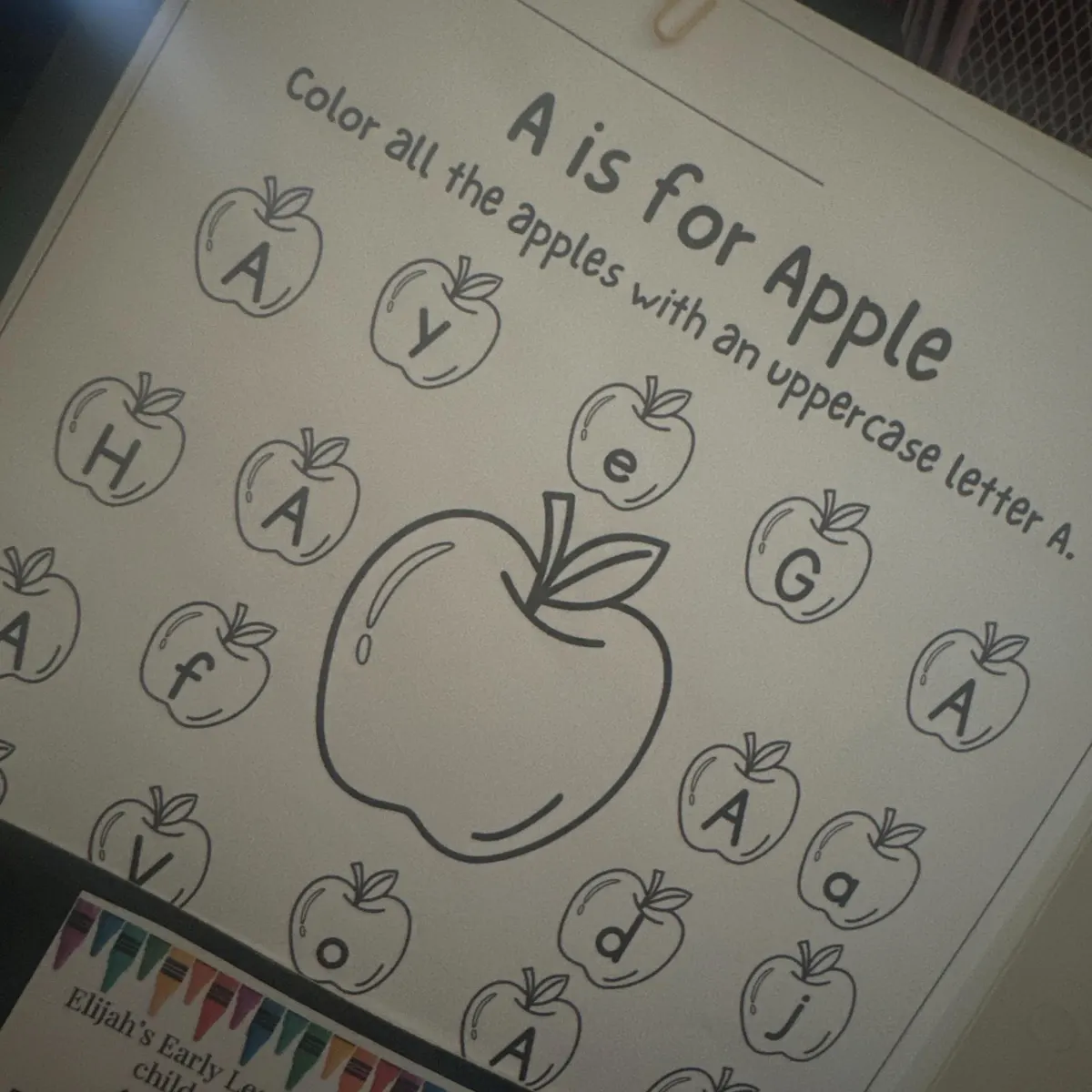
Sight words become easier when children see them often and use them in different ways. Tracing, coloring, circling, and reading the same word on one page gives useful repetition without making practice feel too hard. Some children love the predictability of this format because they know what to expect.
That said, sight word work should be balanced with real reading readiness skills like phonics and listening for sounds. Memorization has its place, but it is strongest when paired with broader early literacy practice.
Counting and number recognition
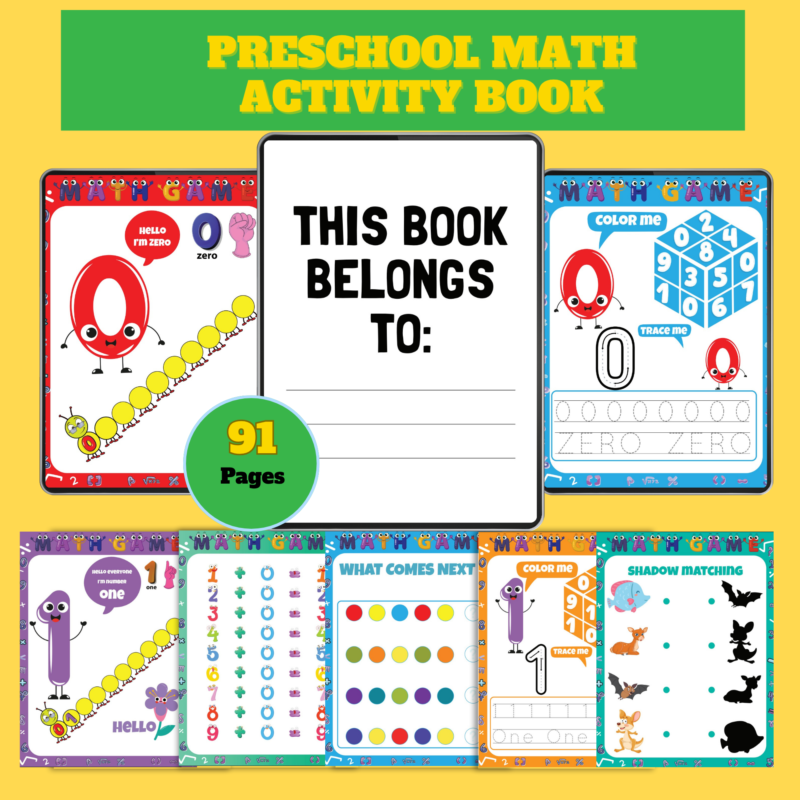
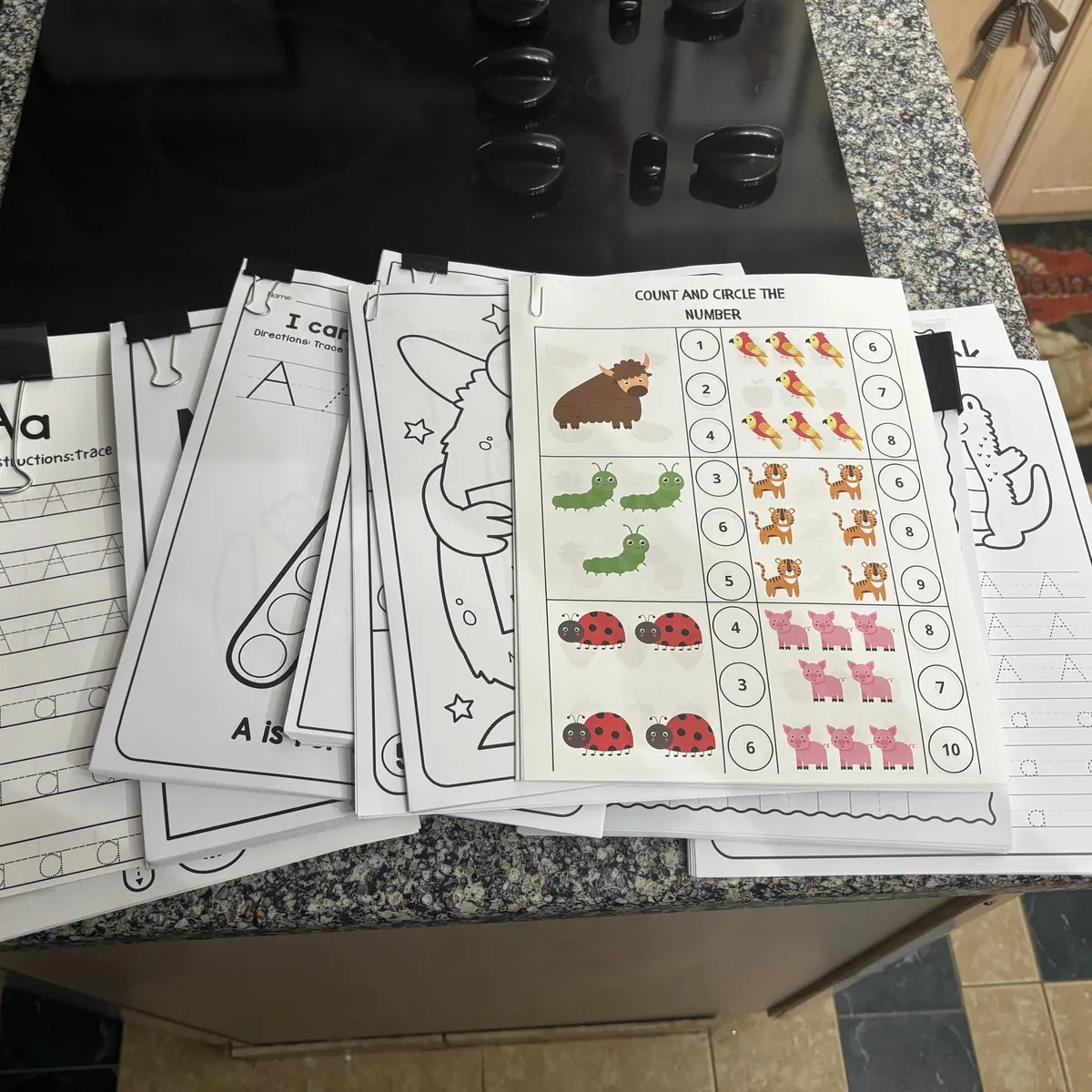
Counting activities are some of the easiest to set up and some of the most effective. Children can count pictures on a page, clip the correct number, trace numerals, or match groups to number cards. These tasks help them understand that numbers represent actual quantities, not just symbols to memorize.
Hands-on counting tends to work especially well for kindergarteners who need movement and visual support. Small objects like pom-poms, blocks, or buttons can make number practice feel more real. Then printable worksheets can reinforce the same concept in a more structured format.
Simple addition and subtraction practice
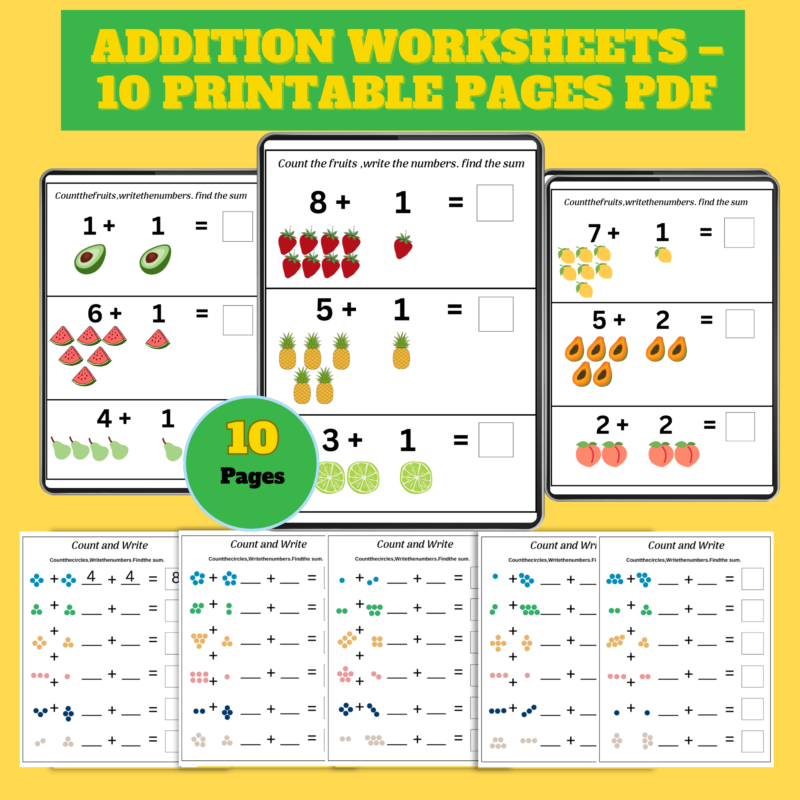
Kindergarten math should stay concrete for as long as possible. Before children solve number sentences on paper, they often need to build the problem with pictures or objects. An addition page with ten frames or a subtraction worksheet with visual counters gives that support.
The best early math activities keep numbers small and directions simple. If a child can physically see what happens when one group joins another, the idea makes much more sense. Once that clicks, worksheet practice becomes far more useful.
Fine motor activities that support academics
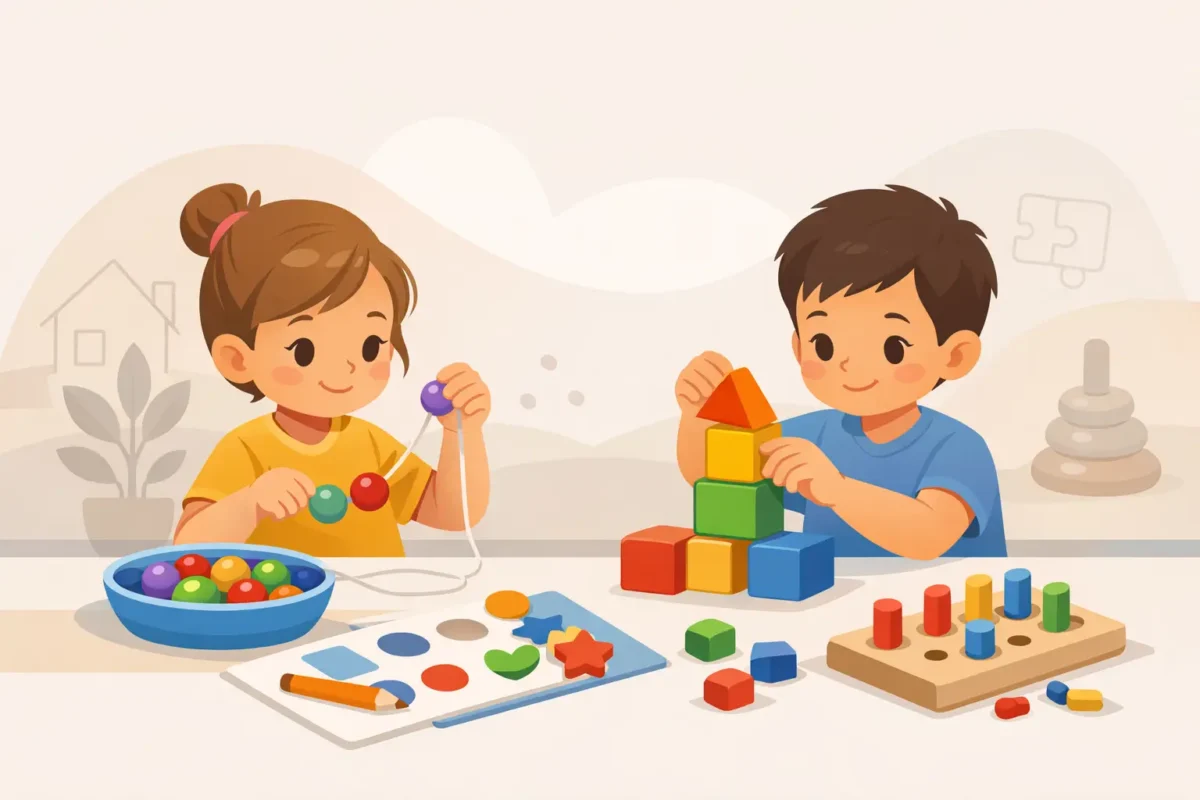
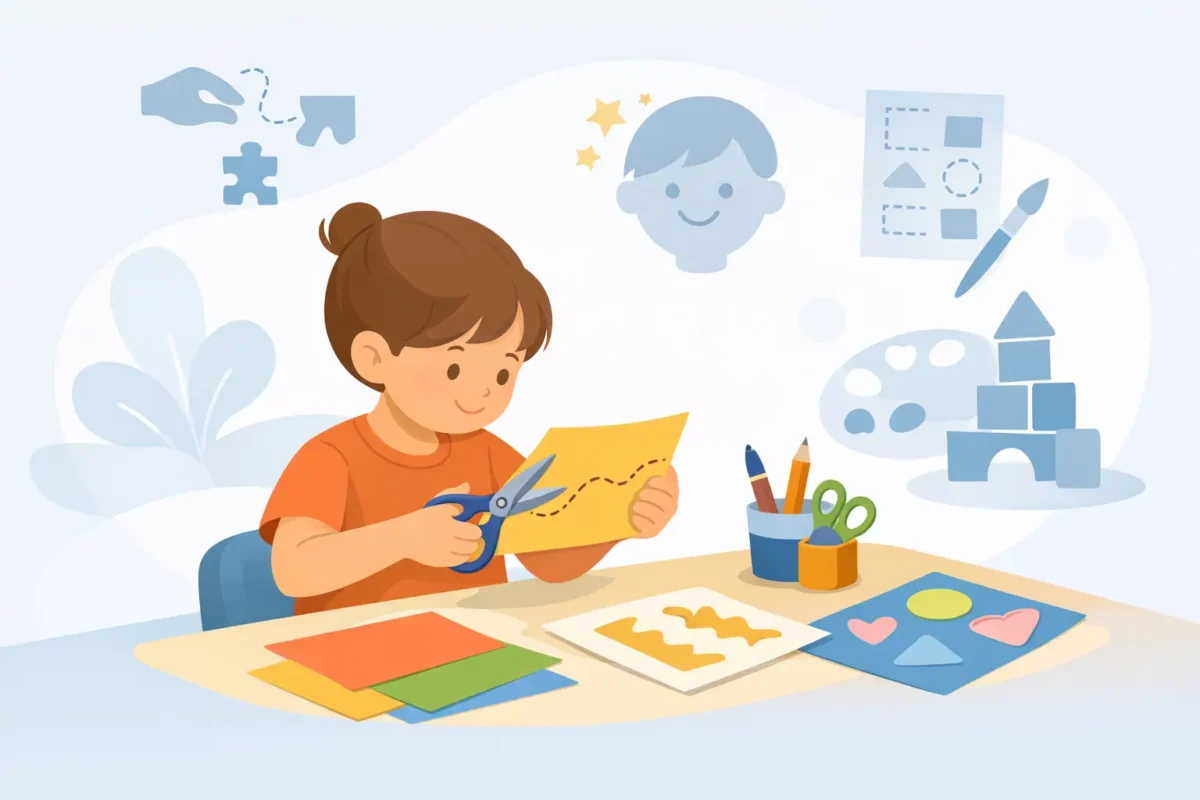
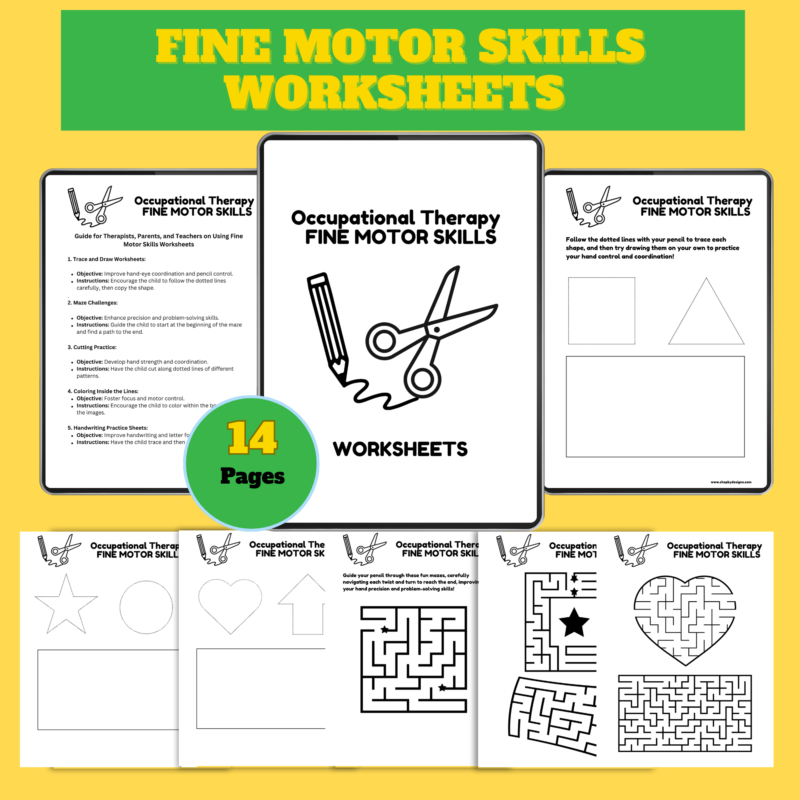
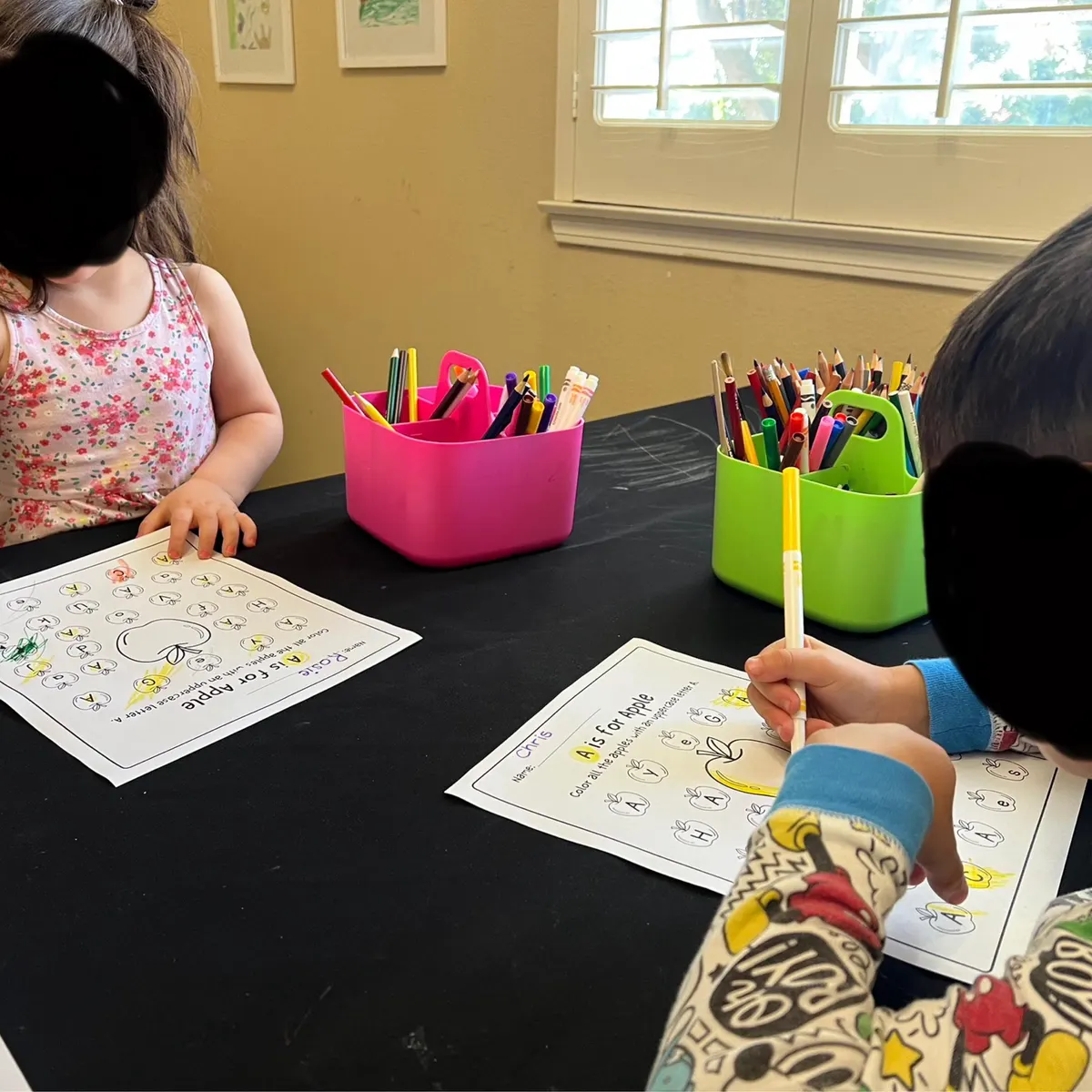
Fine motor work is easy to overlook, but it supports almost everything else in kindergarten. Cutting, coloring, tracing, and pasting all help children develop the control they need for writing and independent work. If a child avoids pencil tasks, weak fine motor skills may be part of the reason.
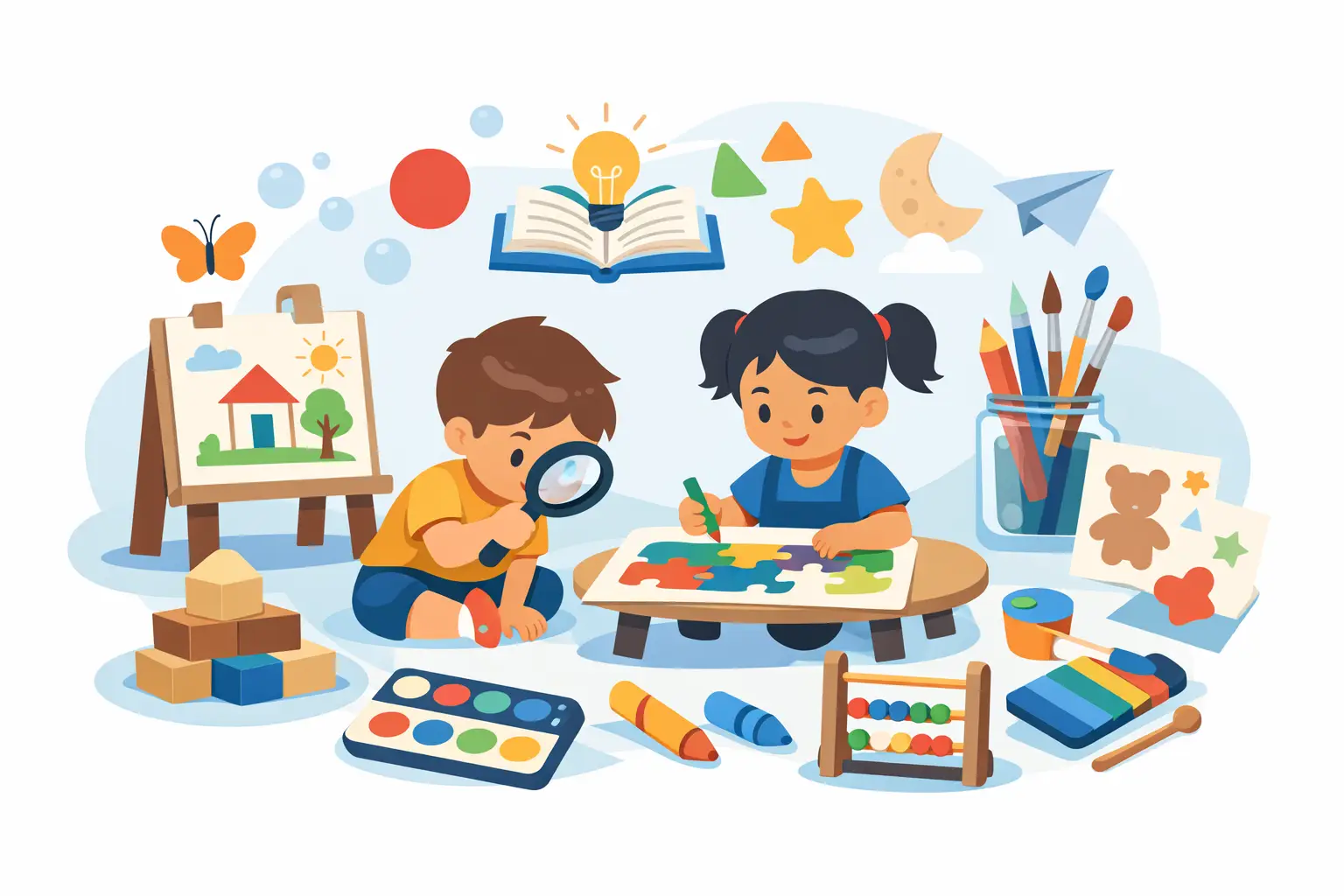
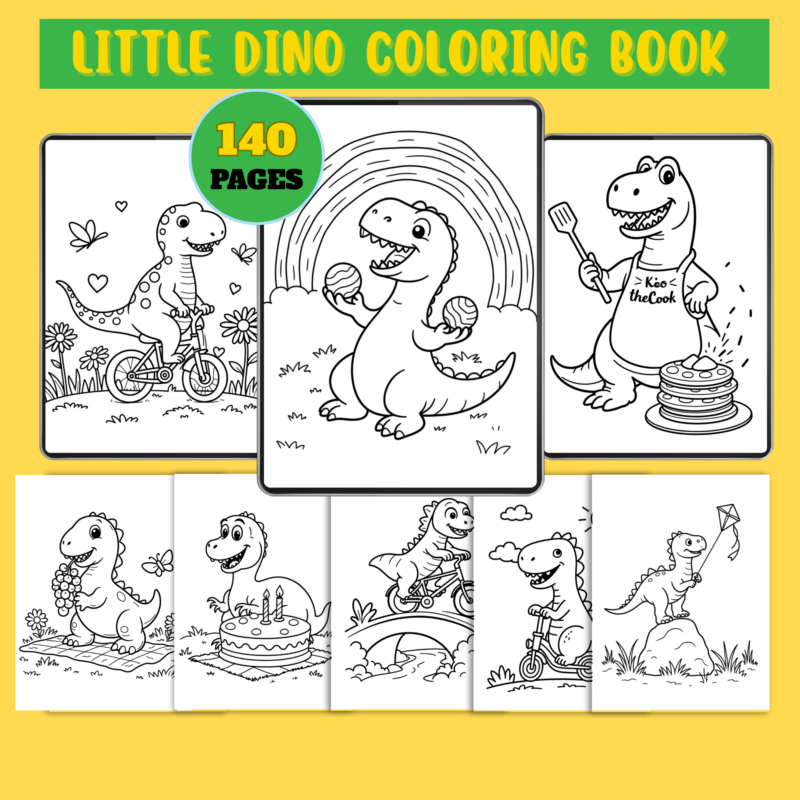
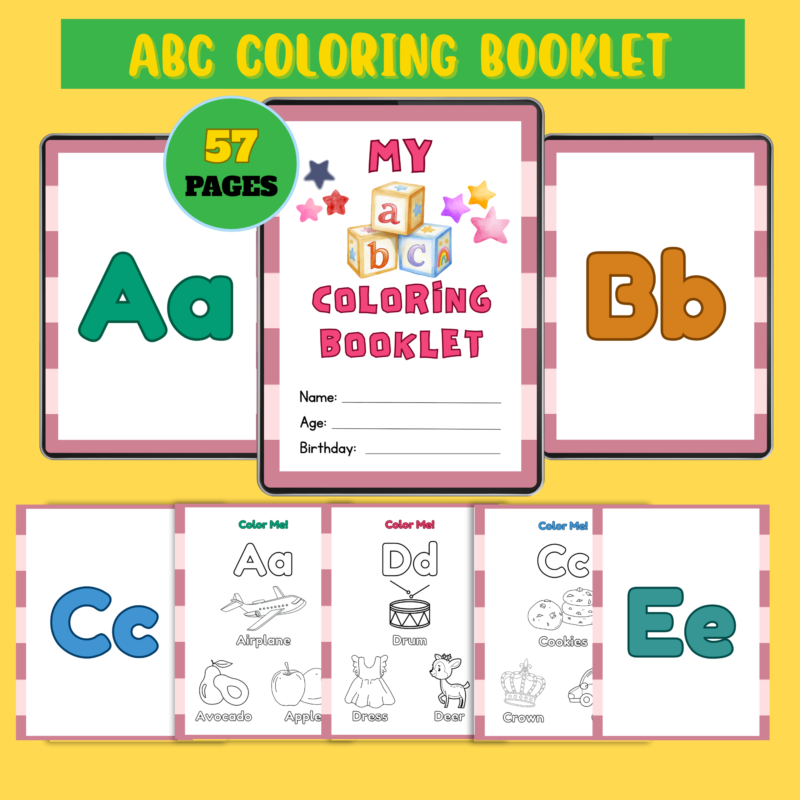
This is where playful practice really helps. Mazes, tracing lines, coloring pages, and scissor skills sheets can feel fun while still building important readiness skills. They are also great warm-ups before handwriting or math work.
Board games and turn-taking activities
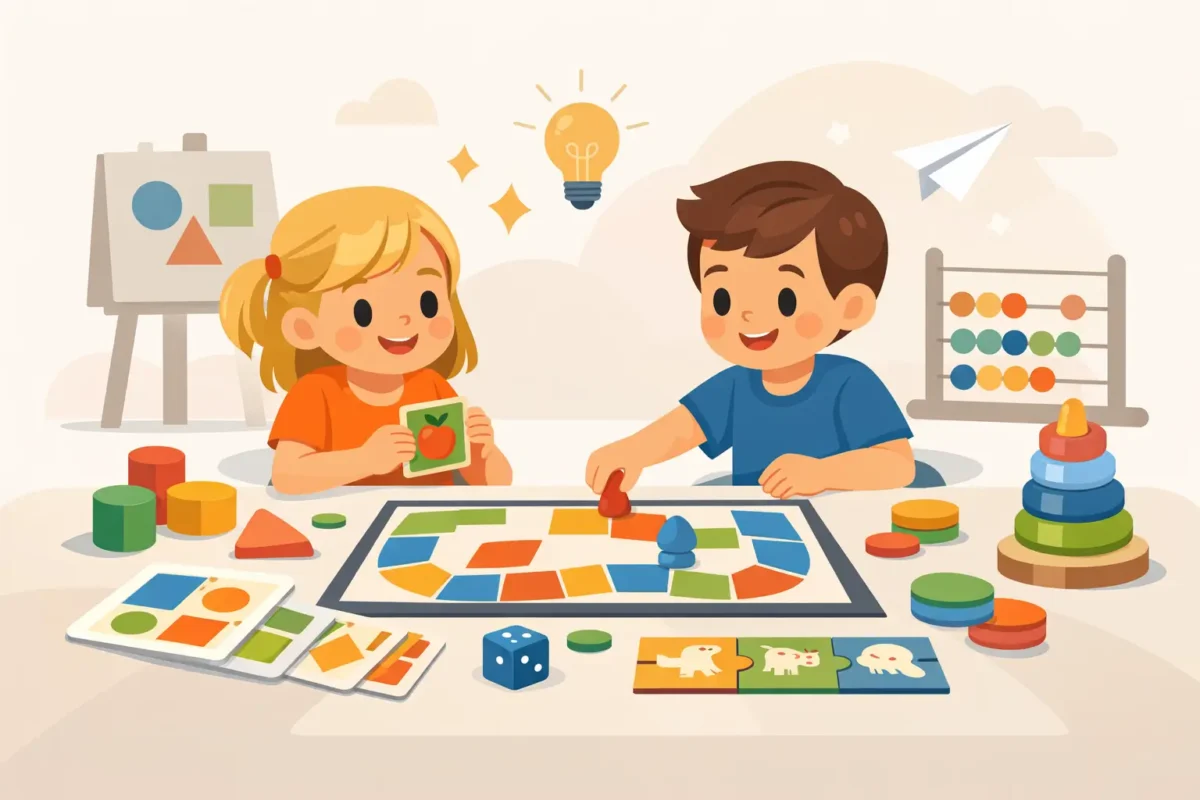
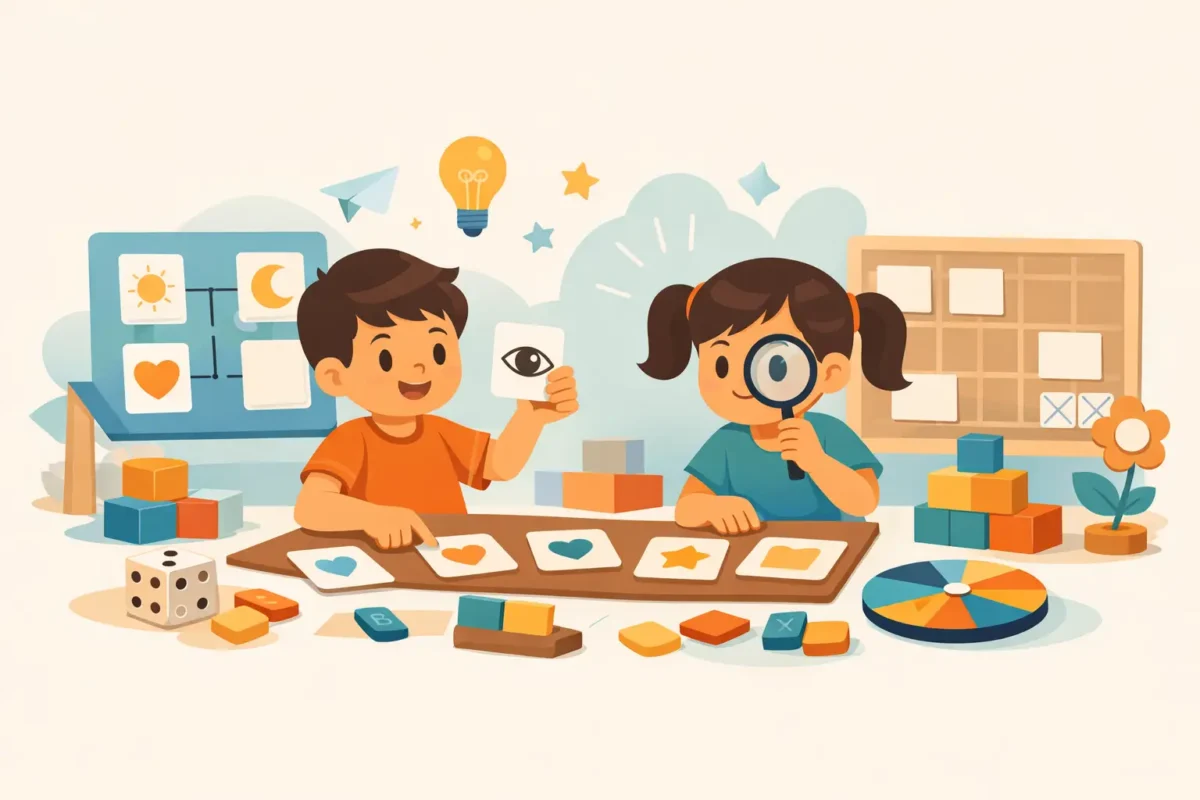
Not every learning activity needs to look like a worksheet. Simple printable board games can reinforce letters, numbers, sight words, and counting while also teaching listening, patience, and turn-taking. For many children, that social piece is a big part of school readiness.
Games are especially useful when motivation is low. A child who resists seatwork may happily practice number recognition if it means rolling dice and moving a game piece. The trade-off is that games can be less focused than single-skill worksheets, so they work best as reinforcement rather than the only form of practice.
How to choose the right kindergarten activity
Start with the skill your child or students actually need next. If handwriting is frustrating, more advanced reading pages are probably not the answer. If counting to 20 is solid but number formation is messy, choose a number writing activity instead of another counting game.
It also helps to think about energy level. Some activities are best for quiet table time, while others work better as a reset between lessons. A tracing page may be perfect in the morning, while a cut-and-paste phonics page may fit better after movement time. Good planning is less about doing everything and more about matching the activity to the moment.
Children also vary in how much support they need. Some can handle independent worksheets with simple directions. Others need an adult nearby to read instructions, model the first question, or praise small efforts. That is not a sign the activity is wrong. It just means the child is still building independence.
Why printable activities work so well
Printable learning activities save time, but that is not their only advantage. They also create consistency. When children can practice the same skill across similar pages, they often feel more secure and more willing to try. Familiar formats reduce frustration.
They are also flexible. A teacher can use the same phonics worksheet for small group practice, morning work, or homework. A parent can print a counting page for a rainy afternoon or keep a few handwriting sheets ready for quiet time. That kind of convenience matters when you are trying to fit learning into a busy day.
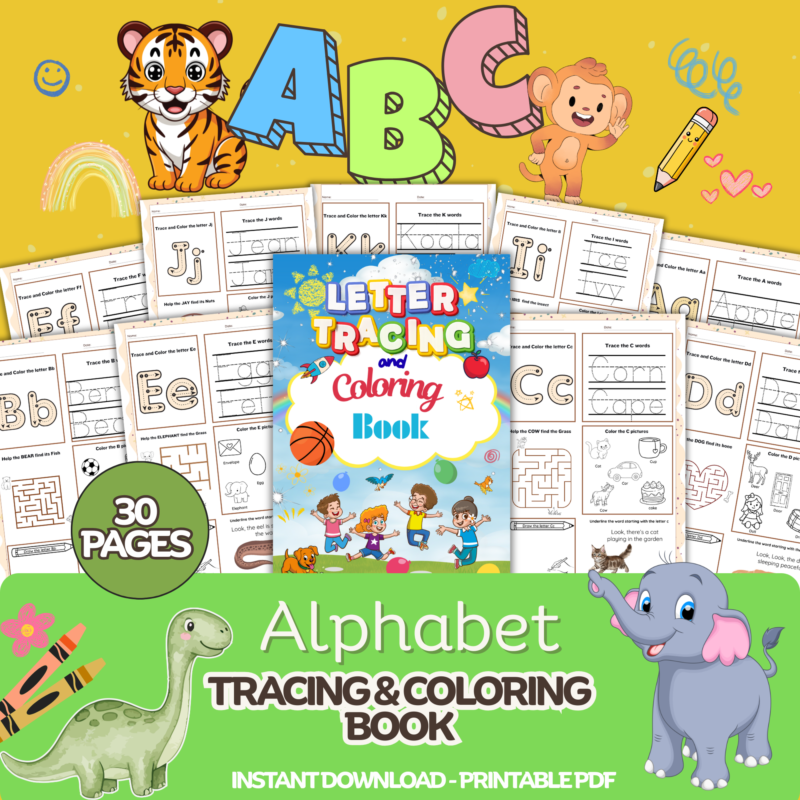
For many families and educators, instant-download resources are the easiest way to keep meaningful practice on hand without spending hours planning. Fun Clever Fox is built around exactly that idea: simple, engaging printable activities that help children practice core skills in a way that feels clear, playful, and doable.
A simple rhythm that keeps kindergarten learning fun
The most effective routine is usually shorter than people expect. A few minutes of handwriting, one focused reading or phonics task, and one math activity can be plenty. Add a fine motor page, a game, or a coloring task when attention allows. Young children learn through repetition, but they do not need long lessons to make progress.
If an activity is causing tears every day, it may be too hard, too long, or just not the right fit yet. If a child asks to do it again tomorrow, that is a very good sign. Kindergarten learning should feel purposeful, but it should also leave room for joy, confidence, and small daily wins that add up over time.
The best activity is the one your child can start with a smile and finish feeling proud.