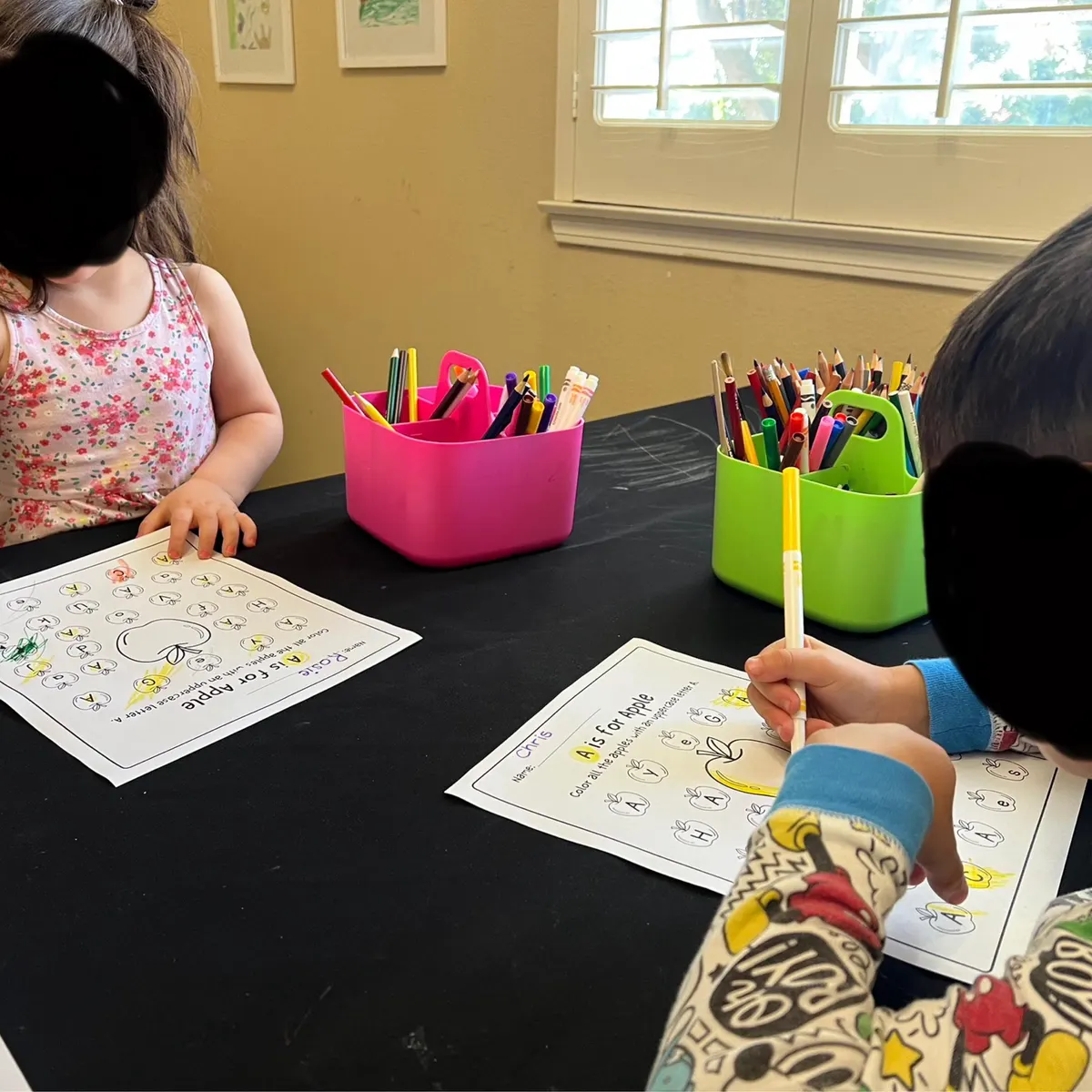
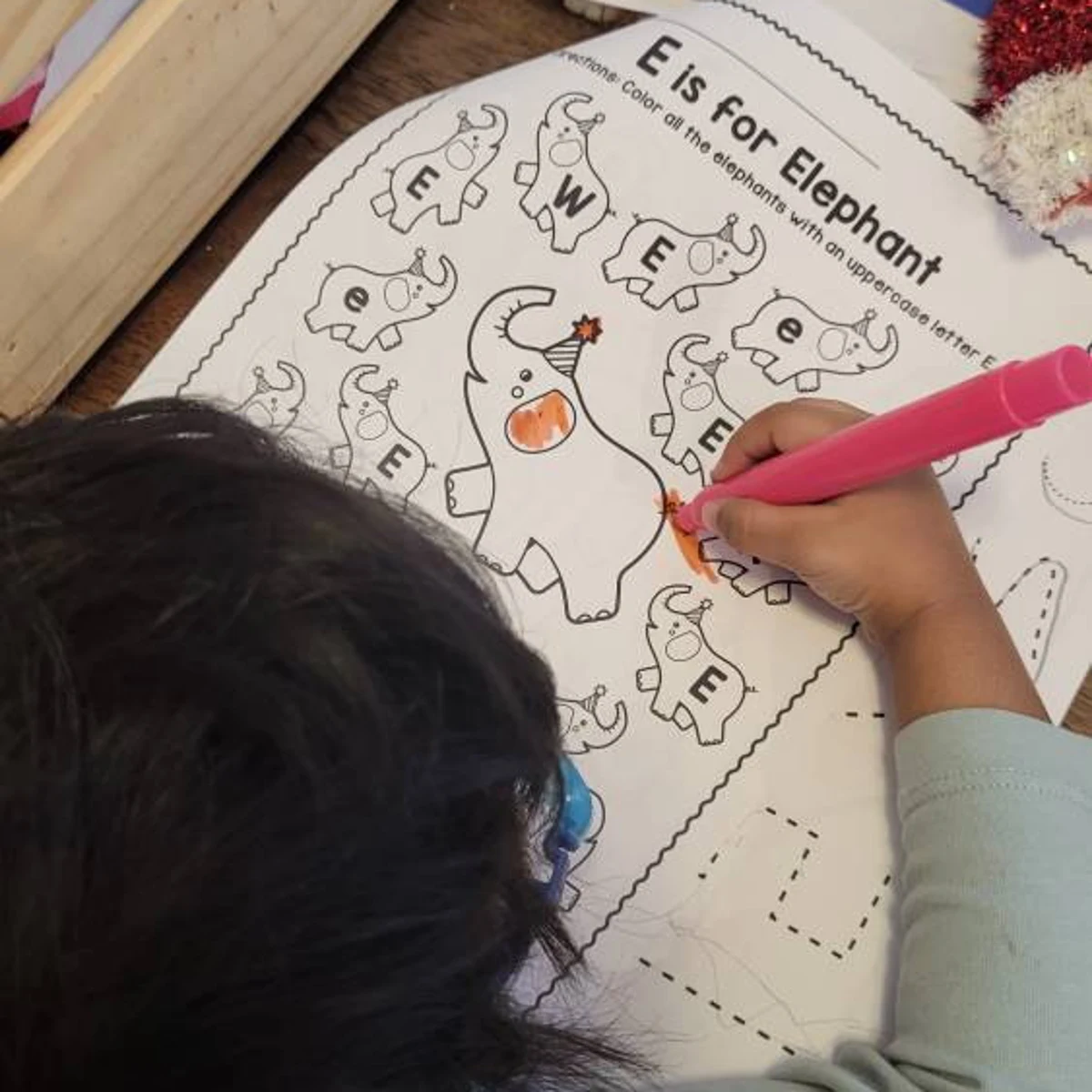
A five-minute wait before dinner, the first ten minutes of center time, or a rainy afternoon can become a meaningful learning moment. The best easy kindergarten activities do not need complicated supplies or a full lesson plan. They give children a clear, playful way to practice one small skill, feel successful, and want to try again.
For kindergarteners, repeated practice matters, but repetition works best when it feels fresh. A child may trace a letter one day, build it with play dough the next, and hunt for it in a book later in the week. That variety keeps foundational learning active while helping children build confidence in letters, sounds, numbers, writing, and problem-solving.
Start With One Skill and One Simple Goal
Kindergarten children are learning how school routines work alongside big academic skills. A short activity is often more successful than a long one, especially after a busy school day. Choose one goal, such as recognizing the number 8, hearing the beginning sound in sun, or writing a first name with care.
Keep materials within reach: crayons, pencils, child-safe scissors, glue, counting objects, and a few printed pages can cover a surprising number of learning moments. When an activity is ready to go, adults can spend less time preparing and more time noticing what a child understands.
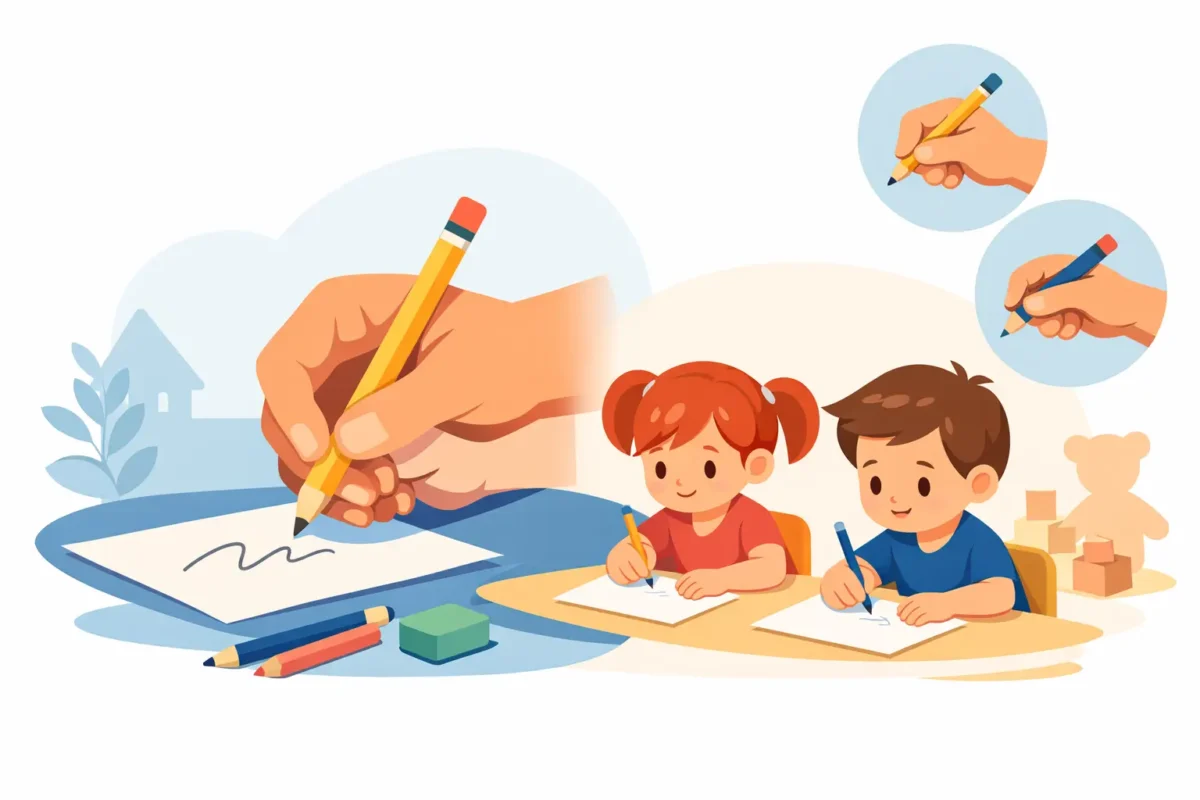
It also helps to leave room for differences. Some children are ready to write full words, while others need more time building hand strength and learning to hold a pencil comfortably. The right activity is the one that offers a little challenge without turning practice into frustration.
Easy Kindergarten Activities for Letters and Reading
1. Letter Hunt Around the Room
Choose one focus letter and invite your child to find it on book covers, labels, food boxes, or posters. Ask, “Can you find a capital M?” and then look for lowercase m, too. Once the letter is found, say its name and make its sound together.
This quick game supports letter recognition without asking children to sit still for long. For an extra challenge, ask them to name an item that begins with that sound.
2. Trace, Say, and Color
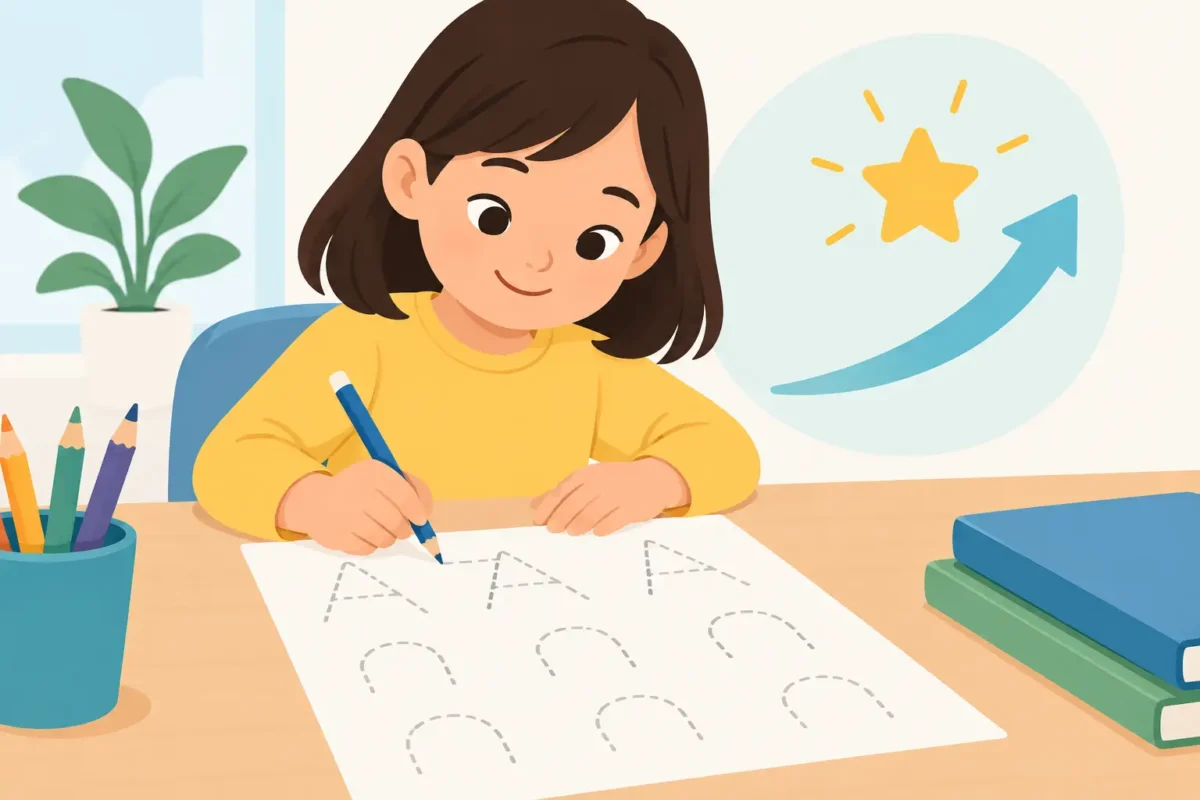
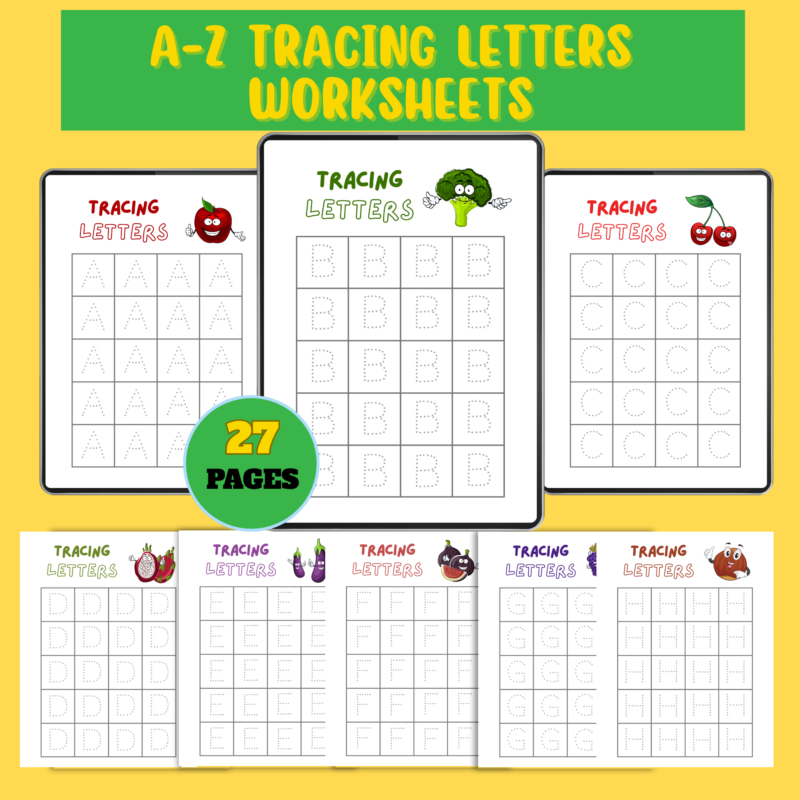
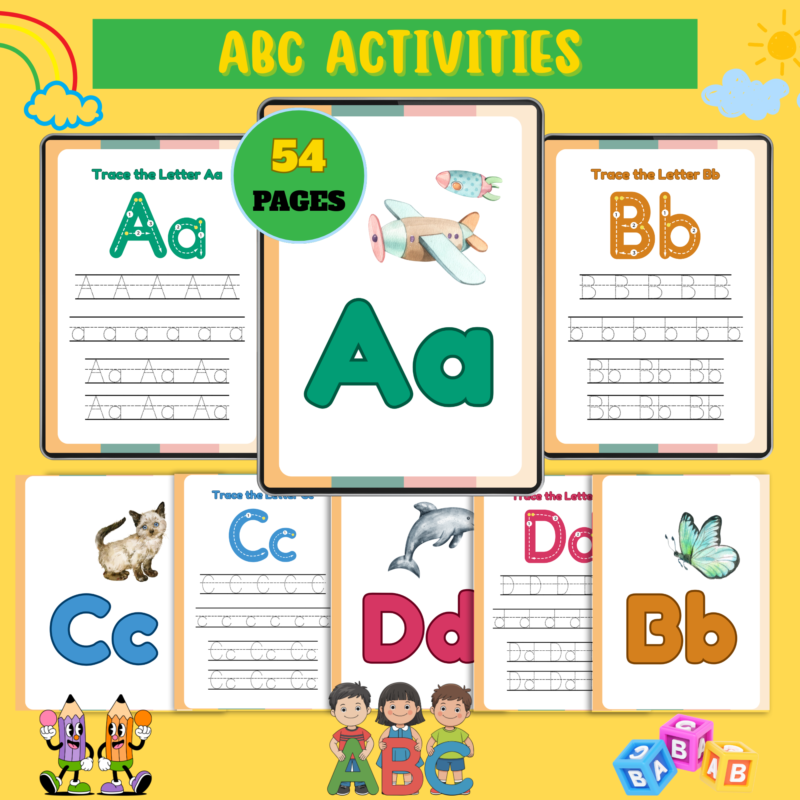
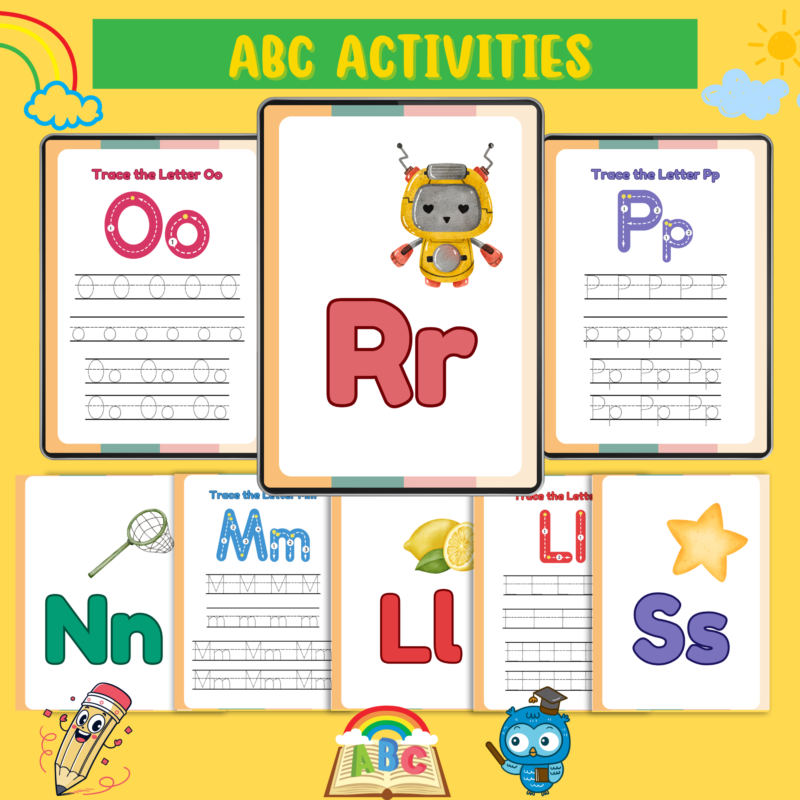
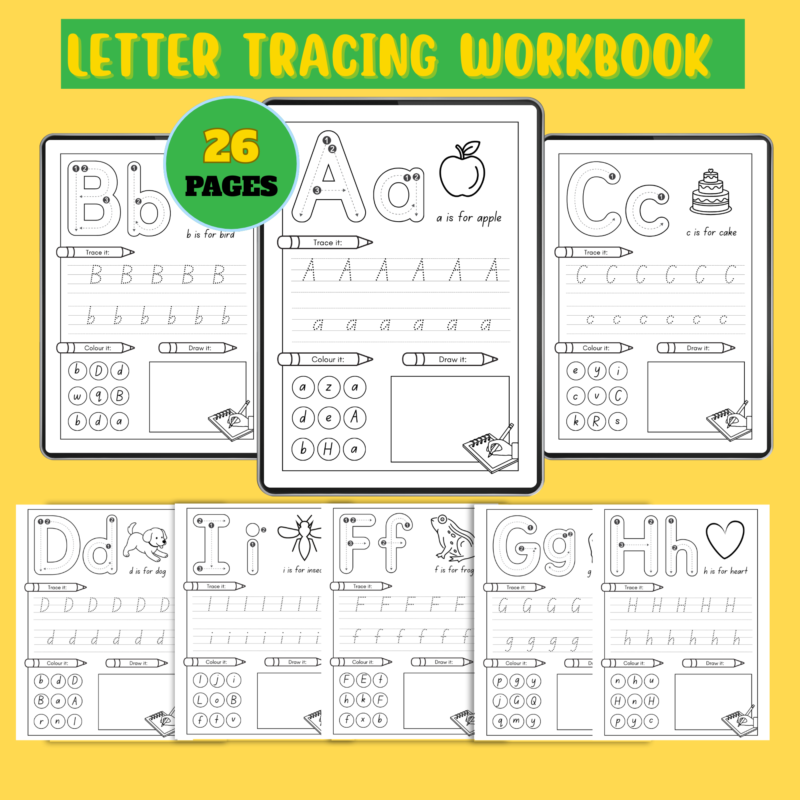
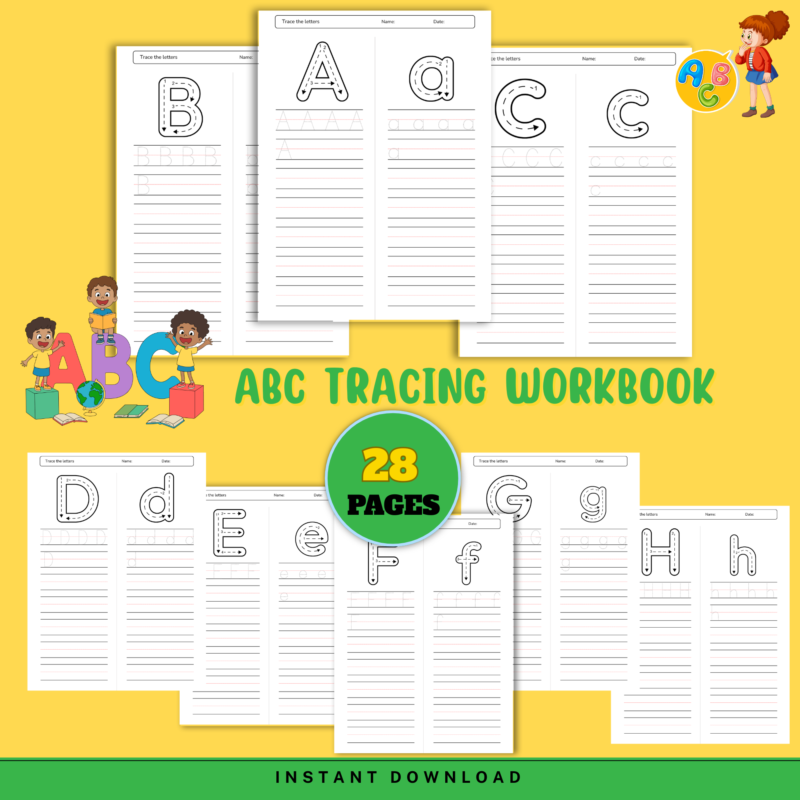
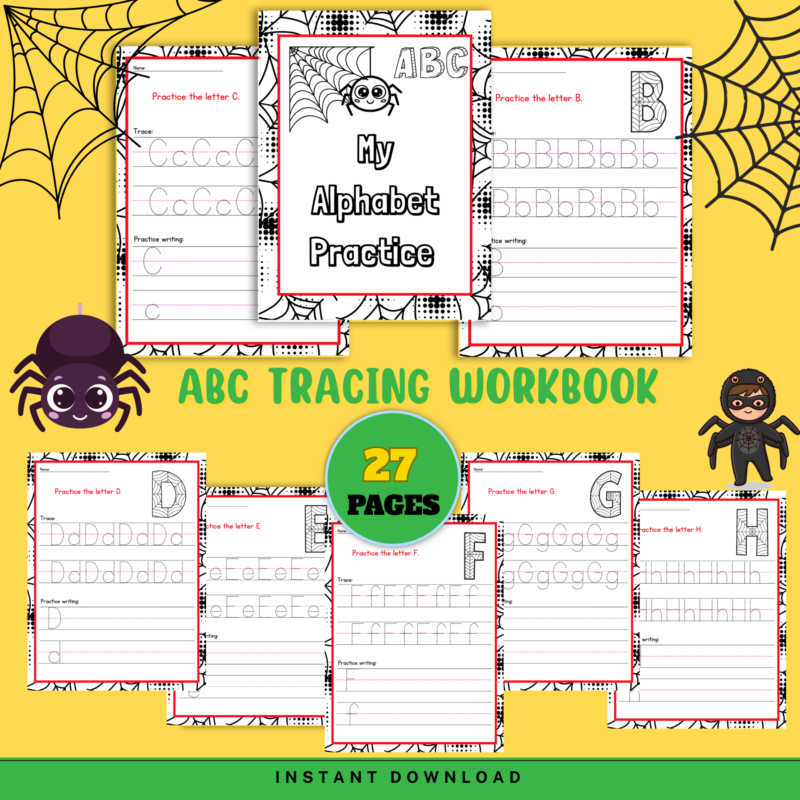
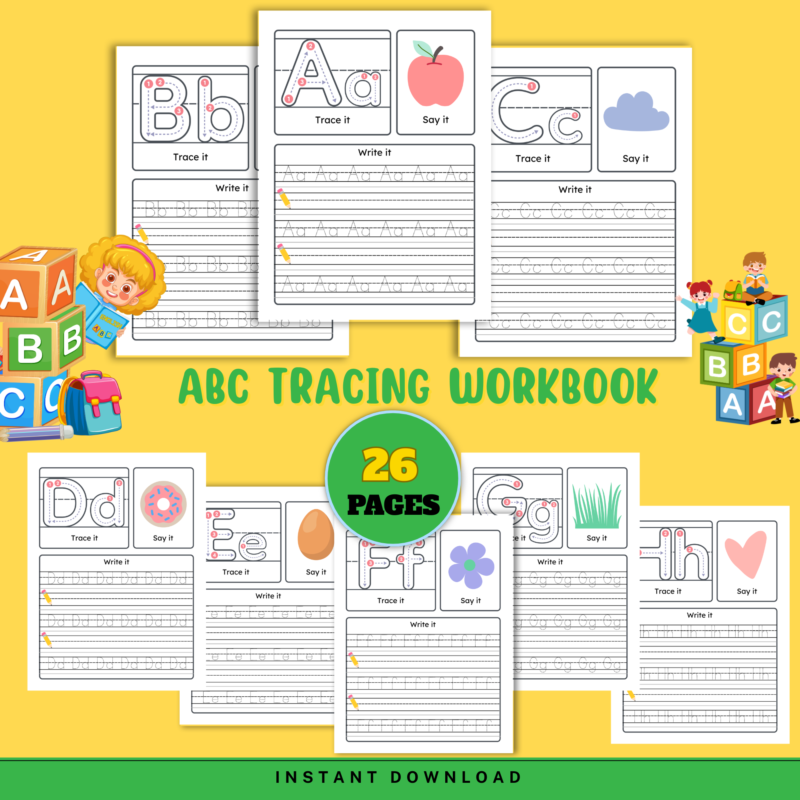
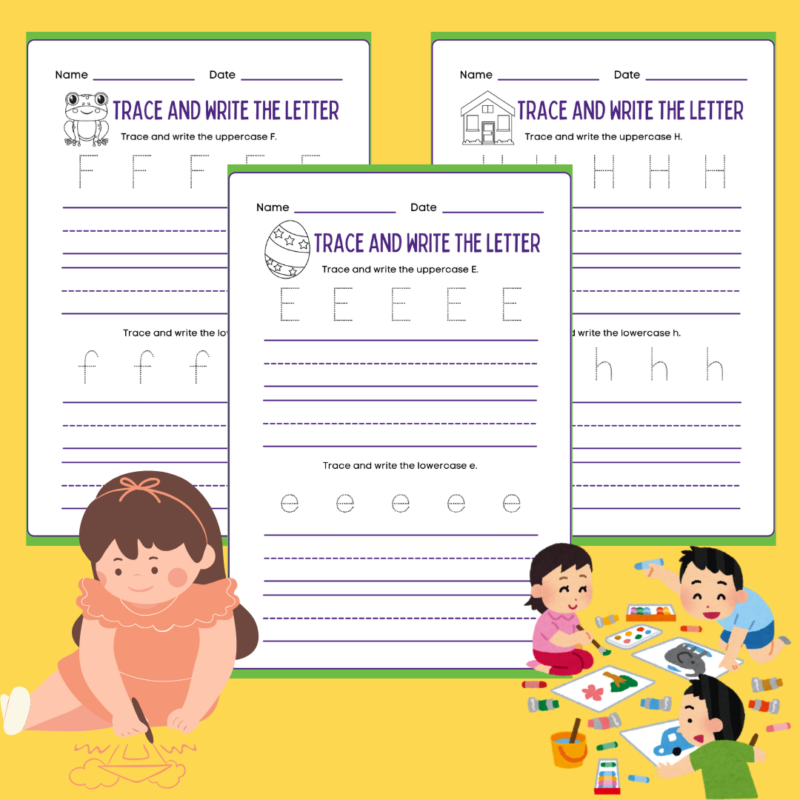
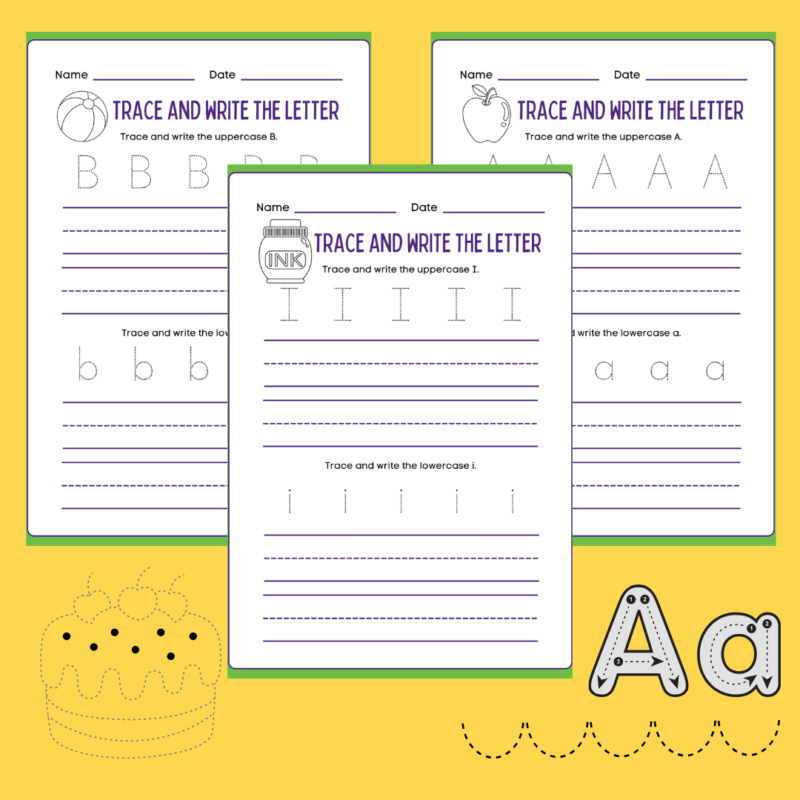
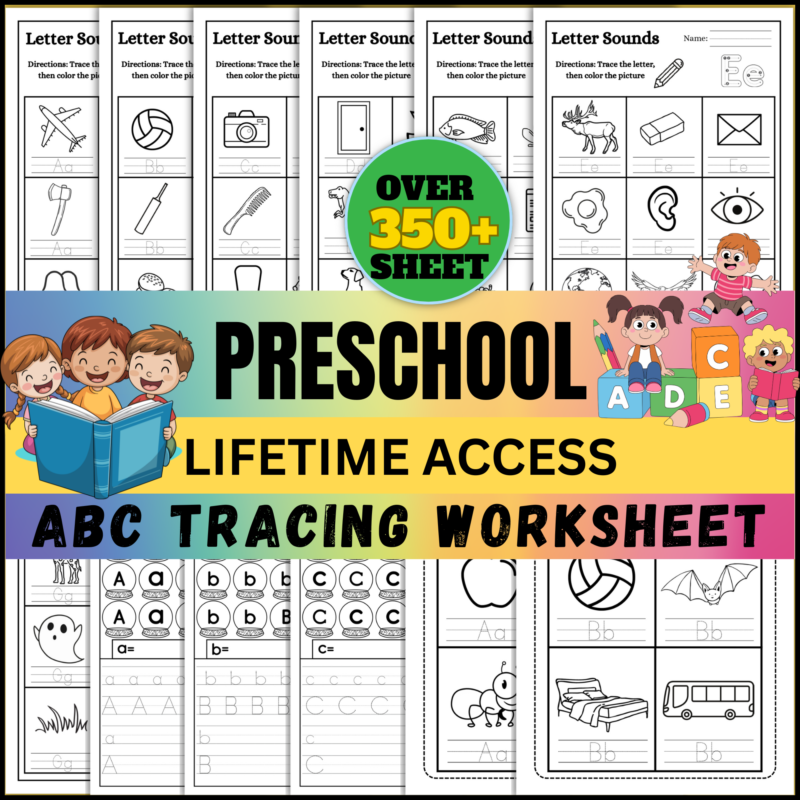
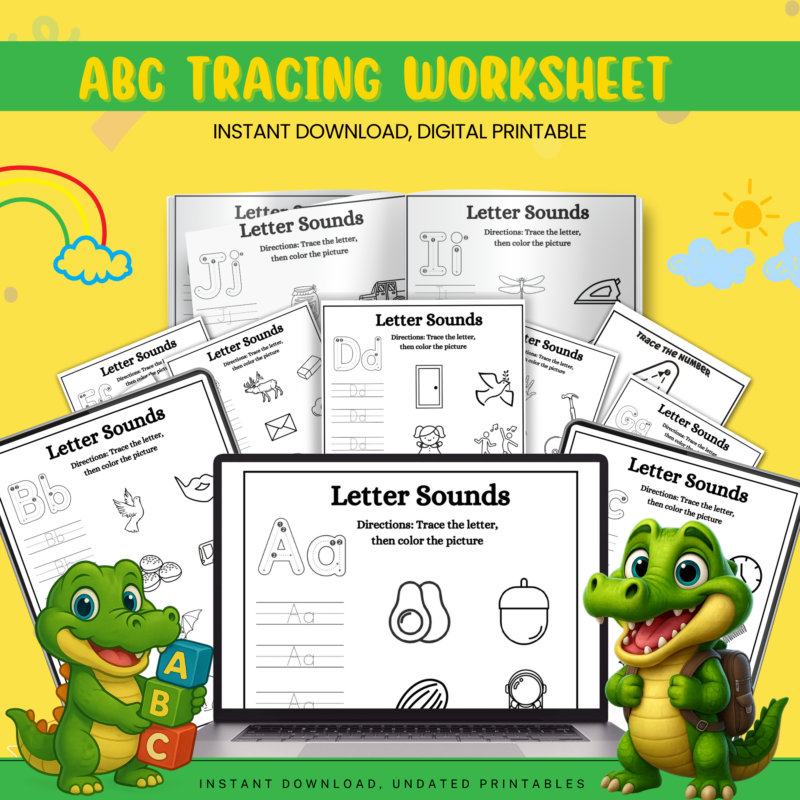
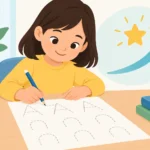
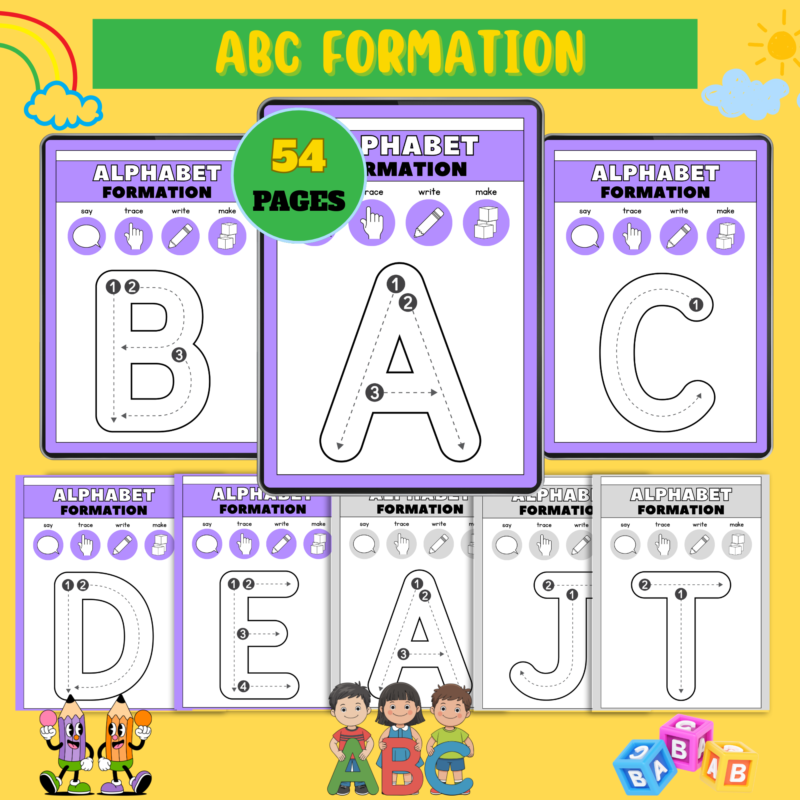
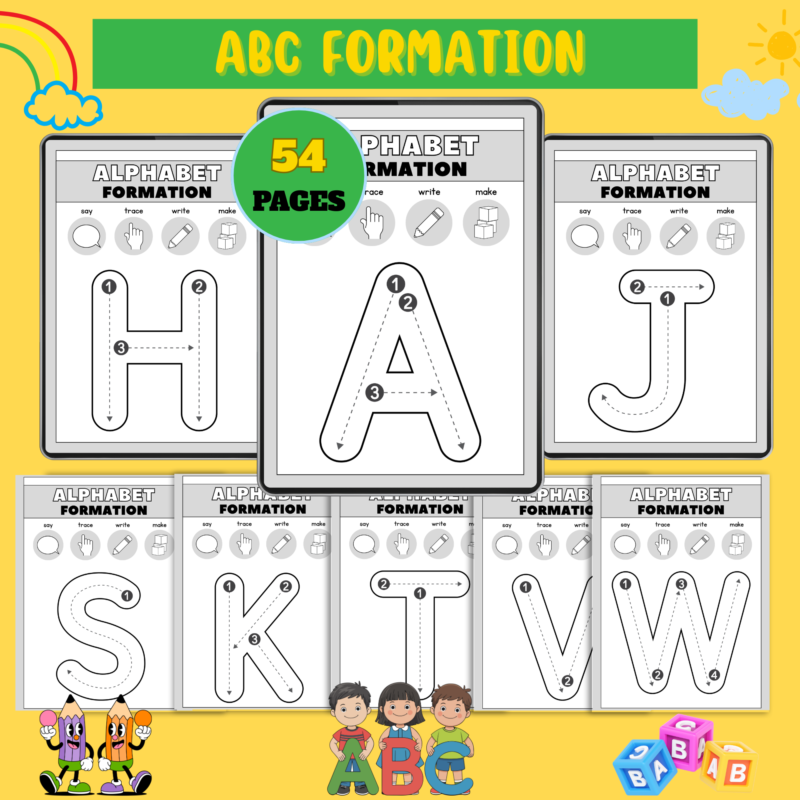
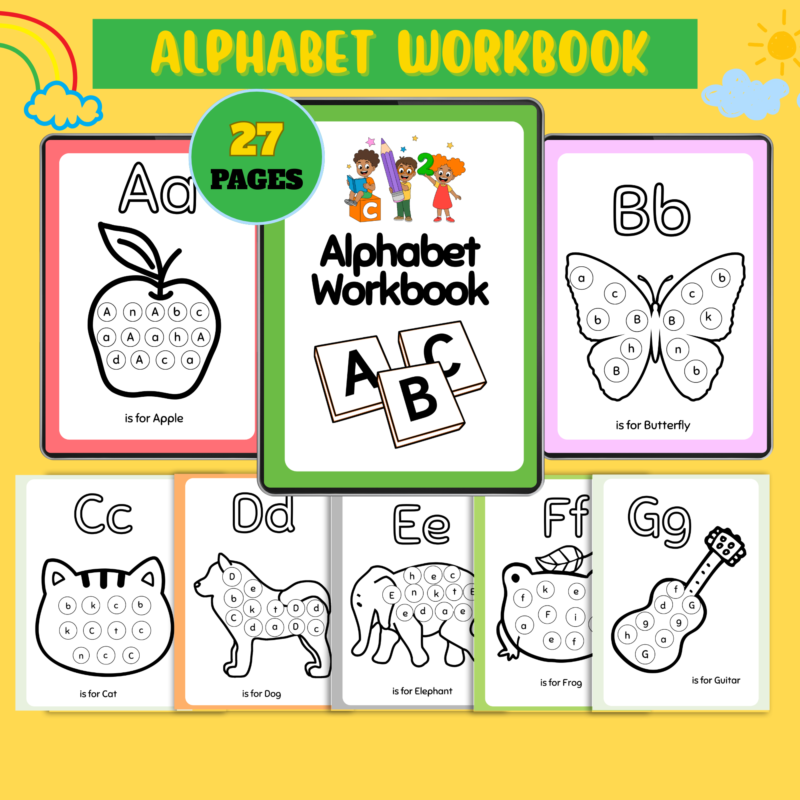
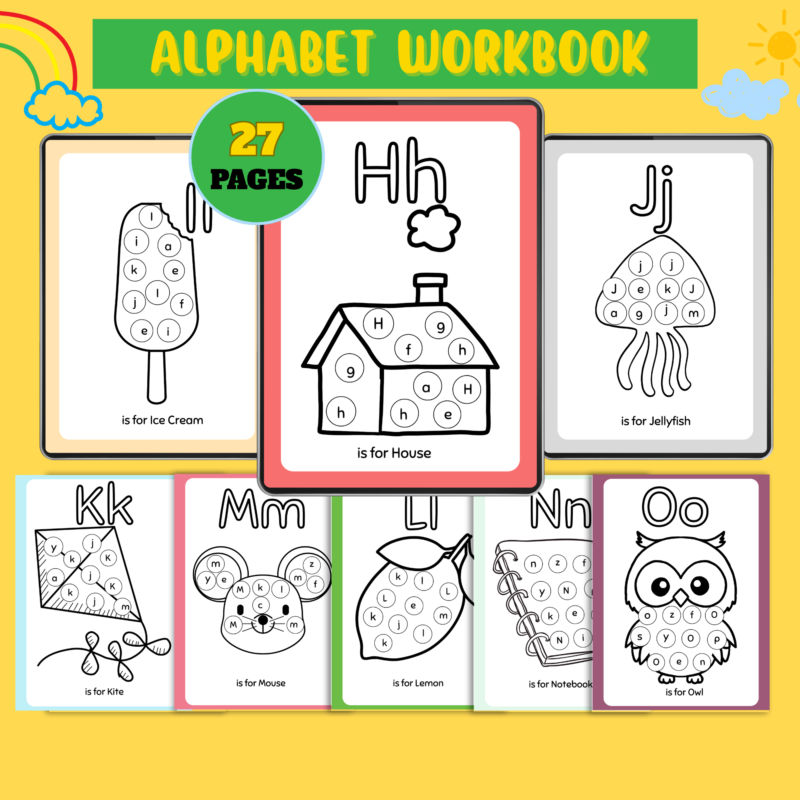
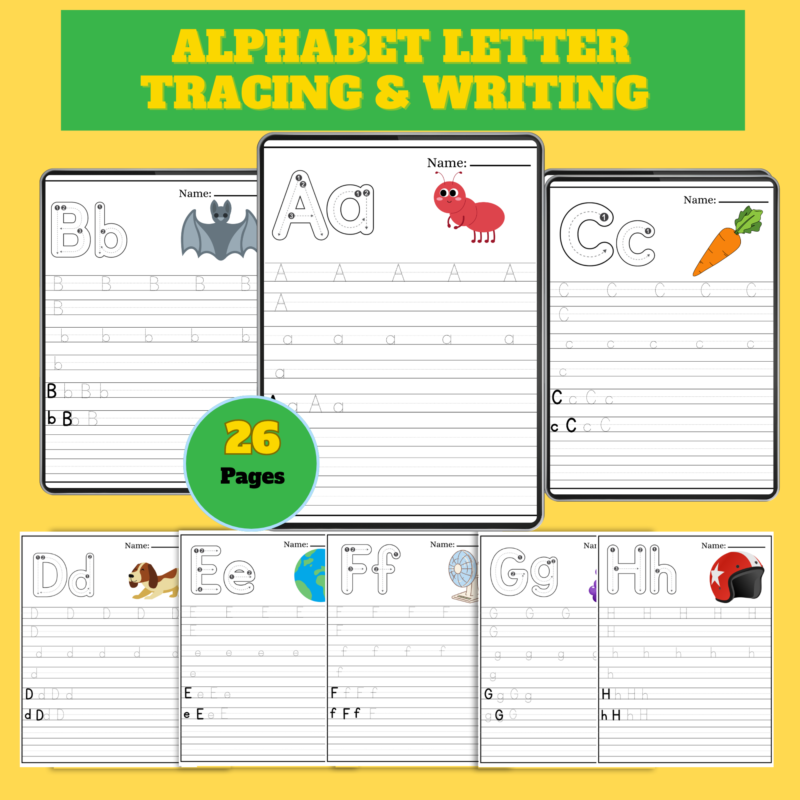
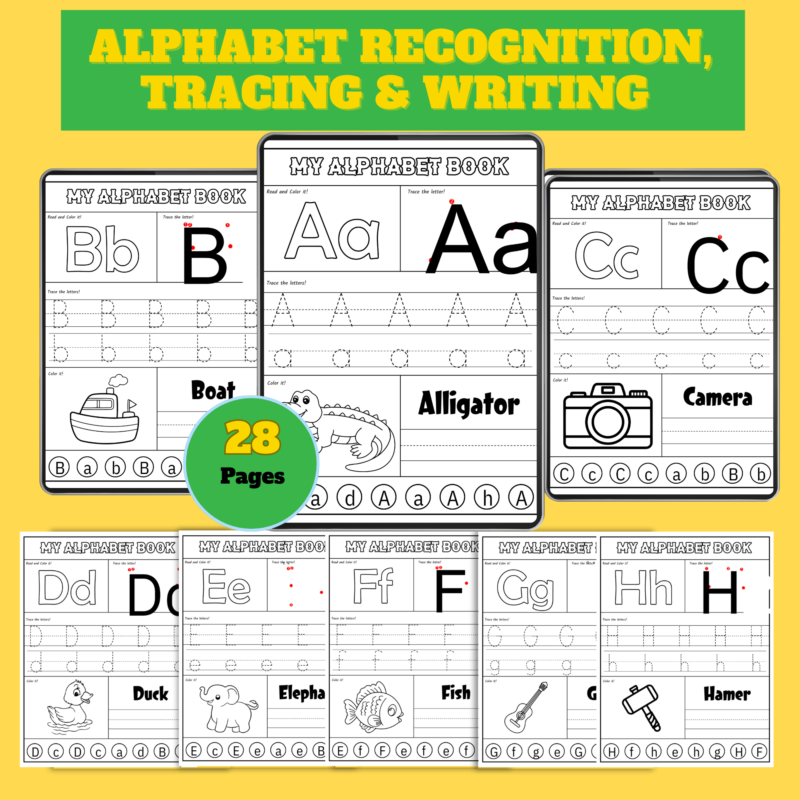
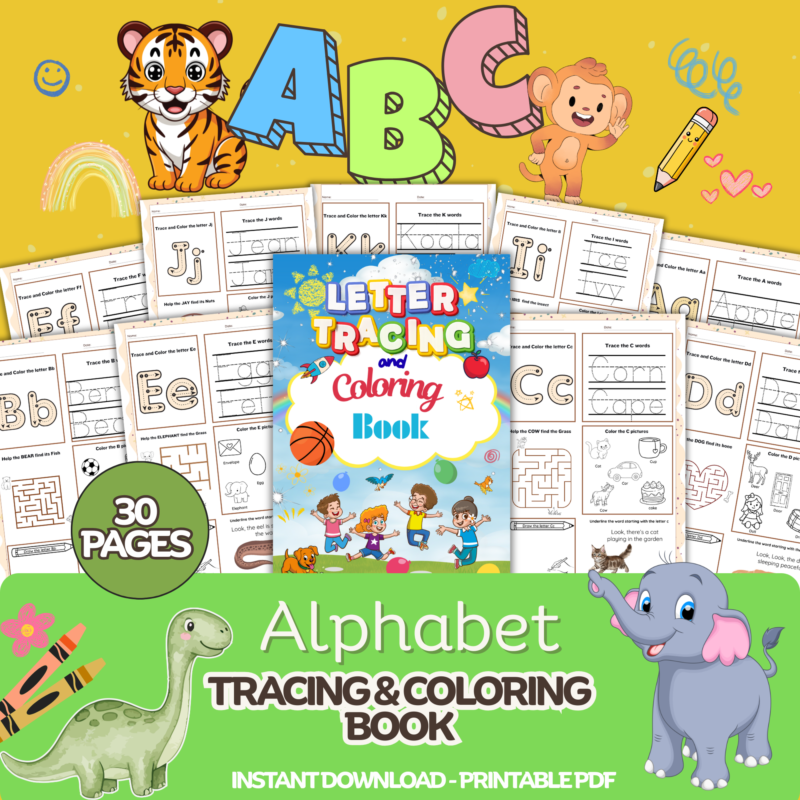
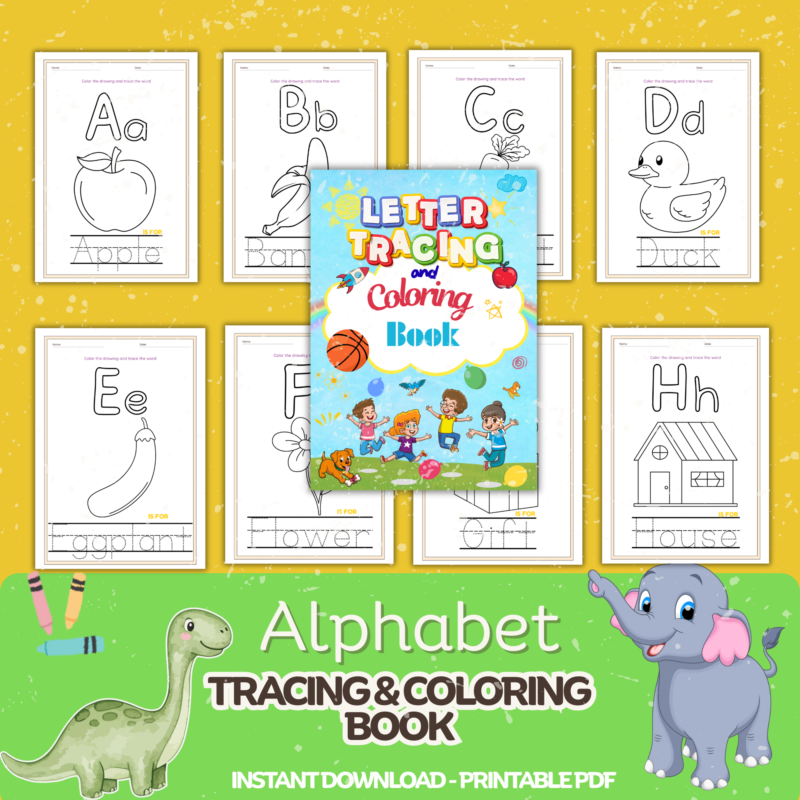
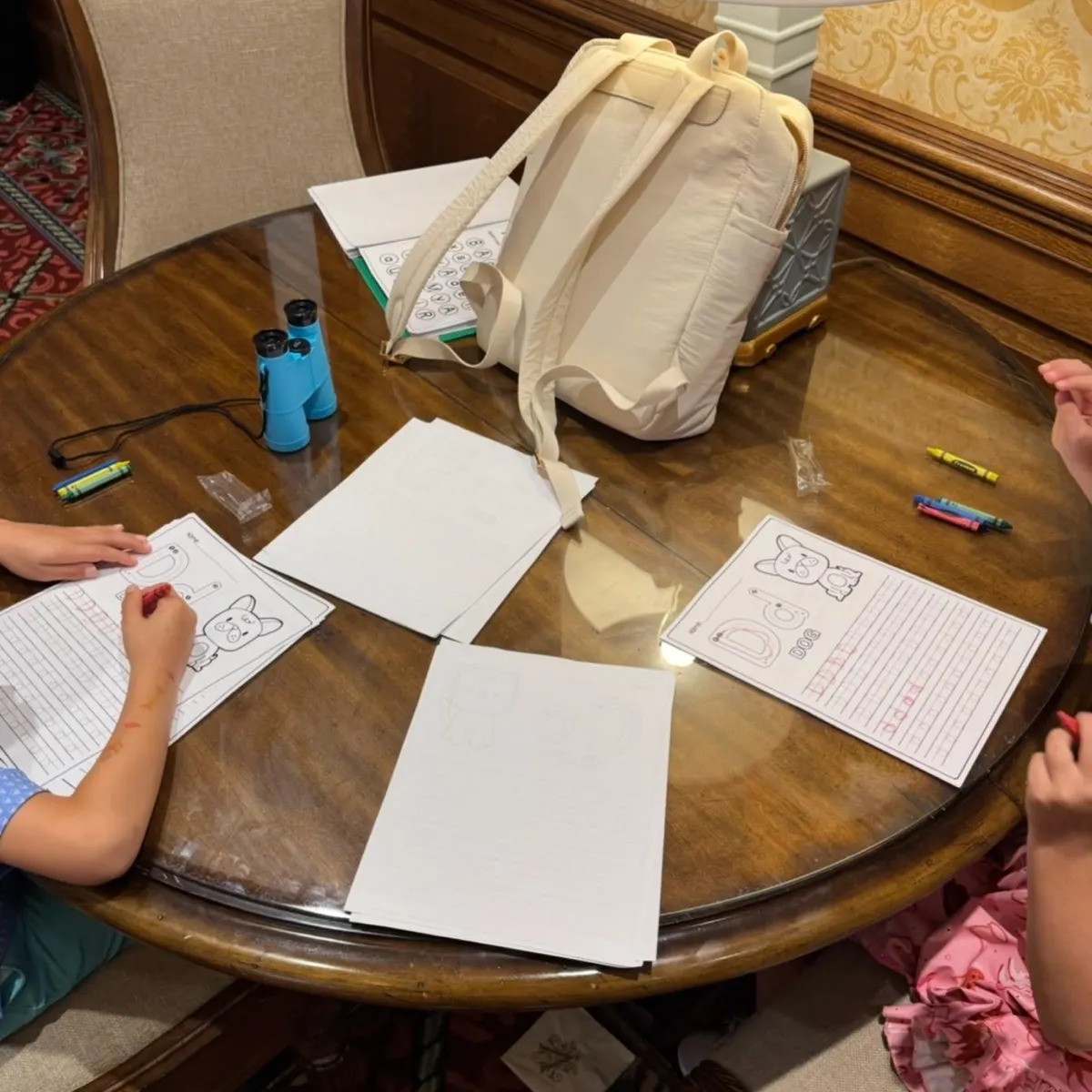
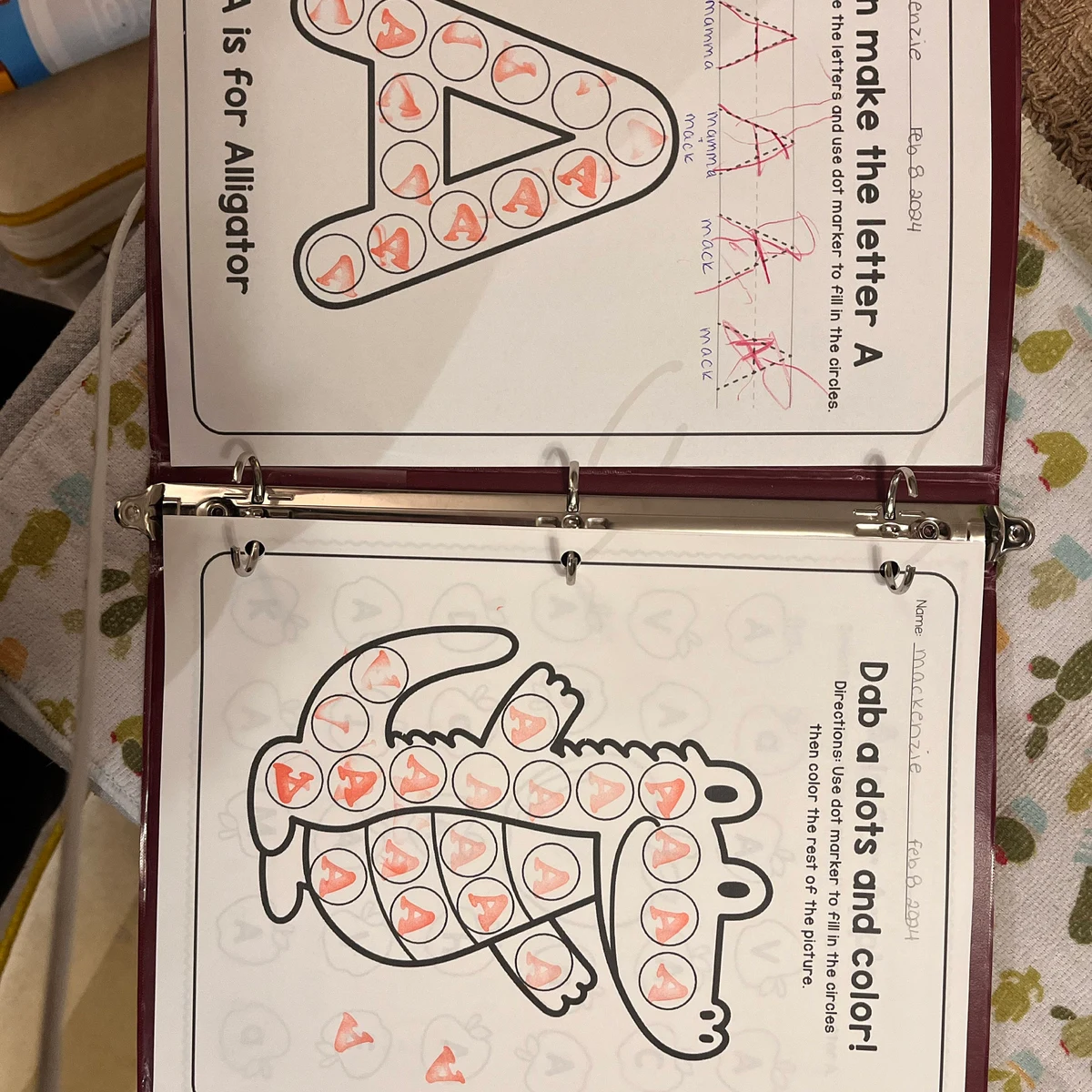
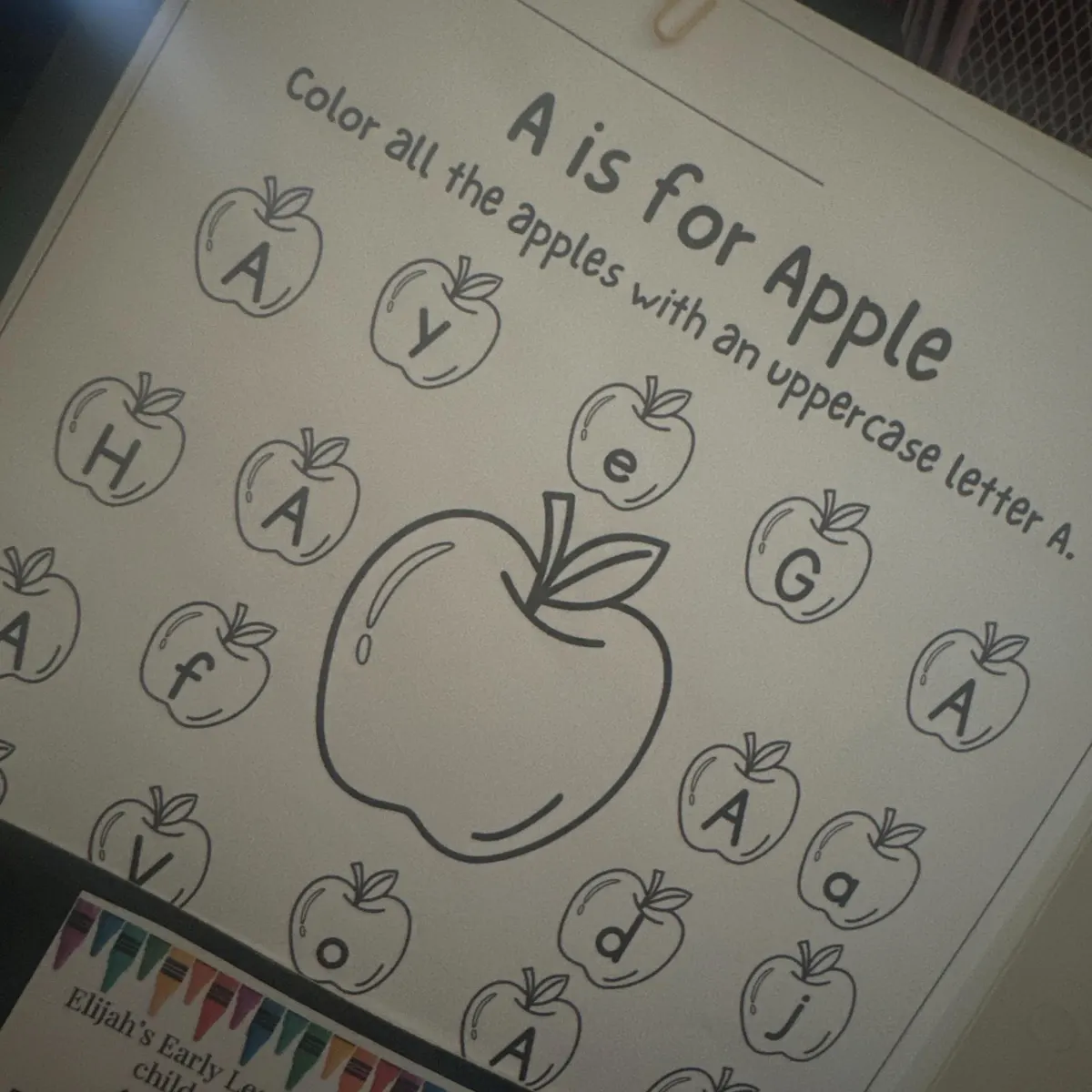
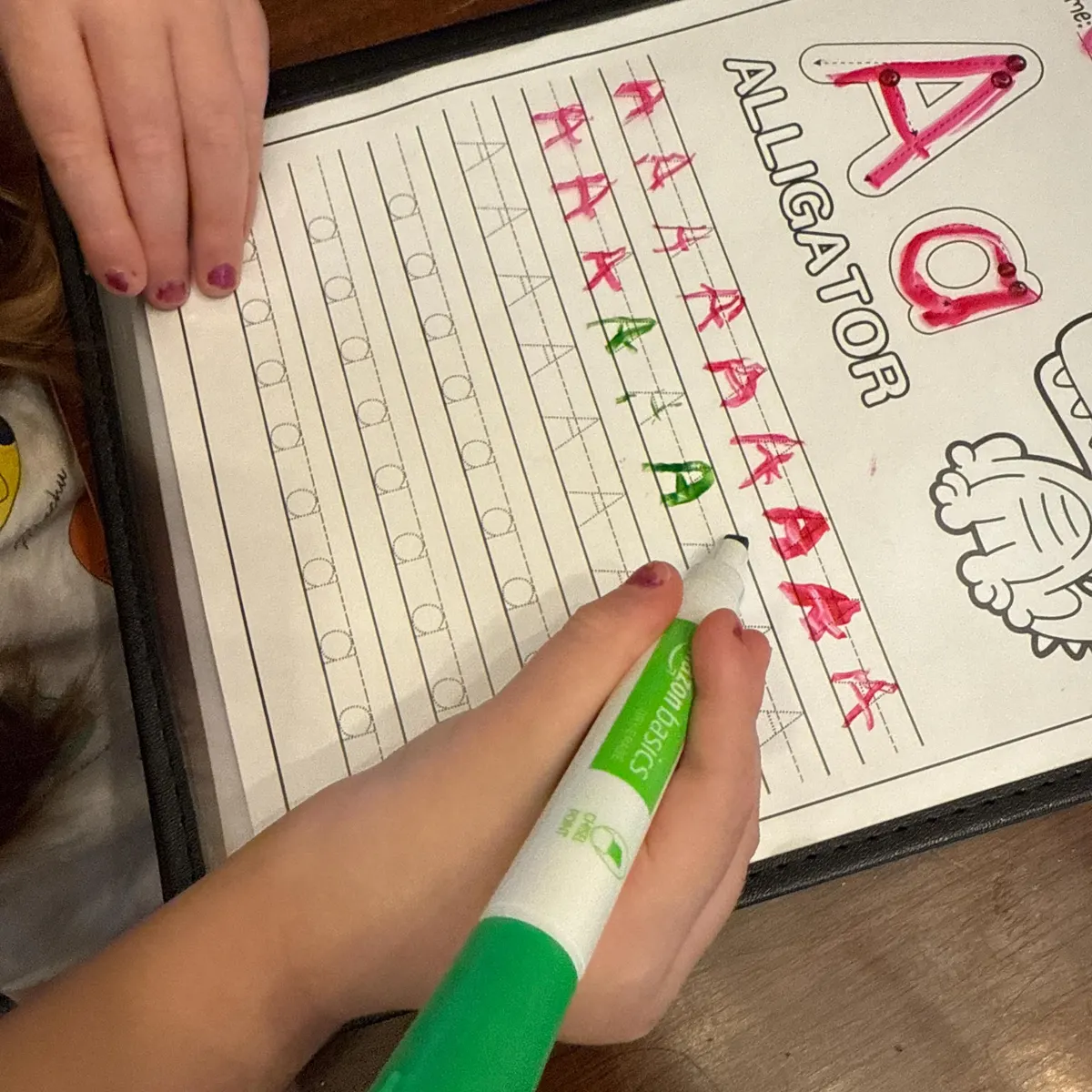
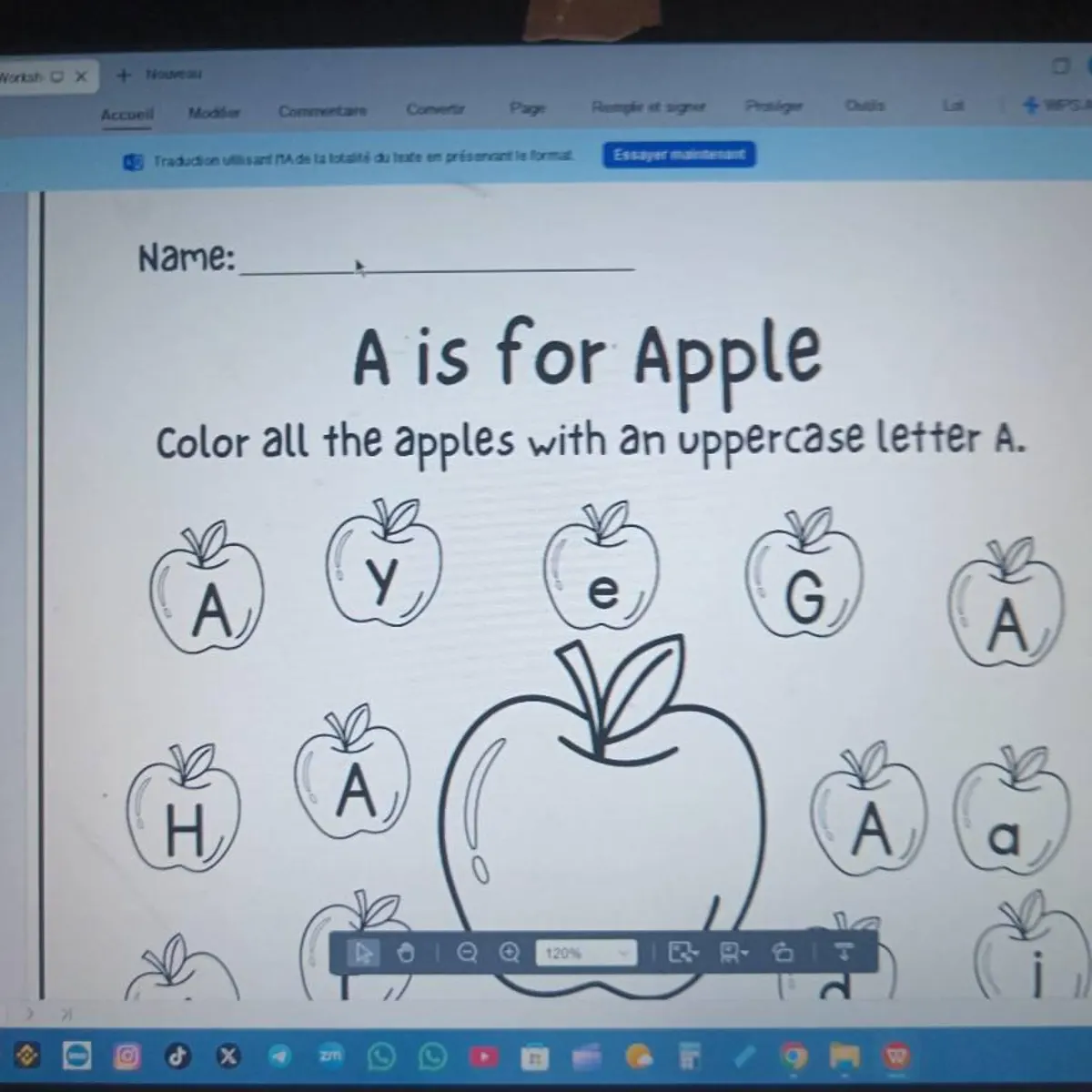
Use an alphabet tracing page, then have your child say the letter name and sound as they trace. Afterward, they can color a matching picture, such as an apple for A or a fish for F.
Tracing is most helpful when children move slowly enough to follow the lines. If pencil work feels difficult, start with a crayon or short triangular pencil, which can be easier for little hands to control.
3. Beginning Sound Sort
Place a few small objects or picture cards on the table. Choose two beginning sounds, such as /b/ and /m/, and let children sort each item into the correct group. A button goes with B, while a marker goes with M.
Use only a few items at first. Listening for sounds is harder than it looks, and a smaller set lets children focus on hearing the first sound clearly.
4. Build Simple CVC Words
Once a child knows several letter sounds, try building three-letter words such as cat, map, sun, and pig. Say each sound slowly, then let the child choose or write the letters in order. Read the finished word together by blending the sounds.
This activity should stay light and encouraging. If blending is still tricky, model it first: “/c/ /a/ /t/, cat.” Children gain reading confidence when they see that sounds and letters work together.
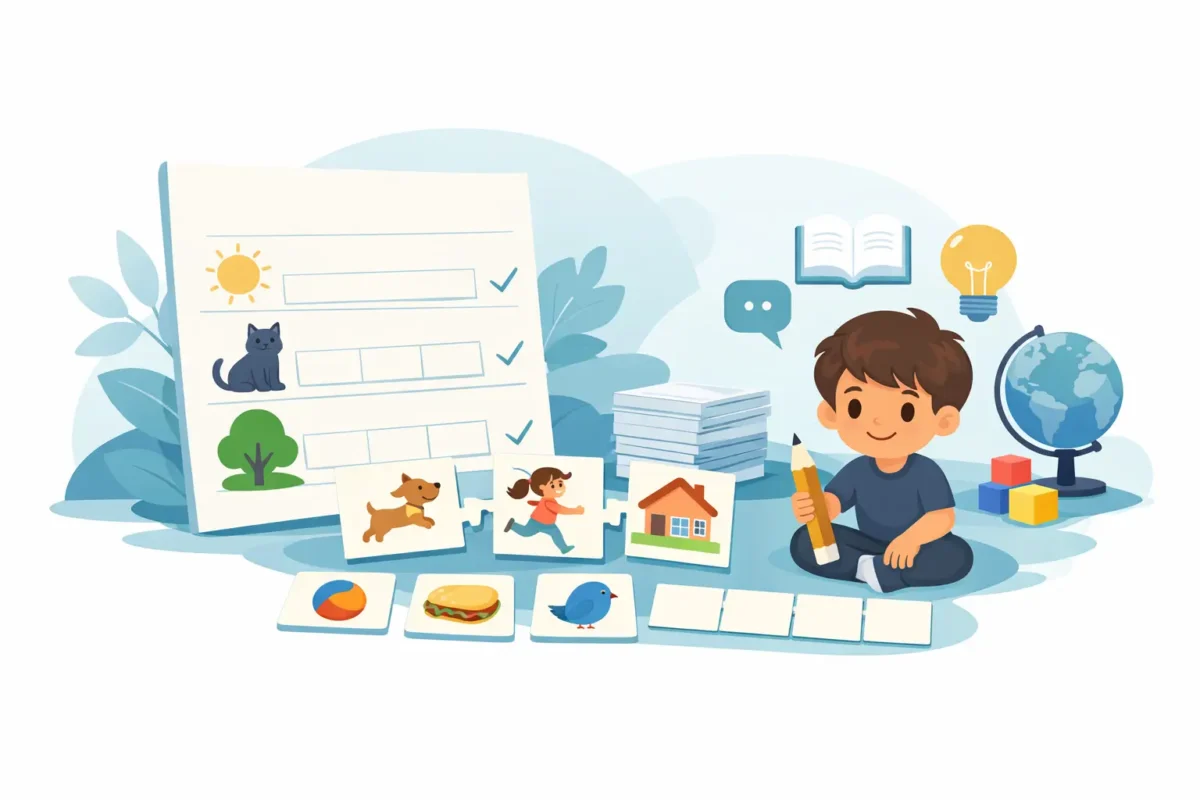
5. Picture-to-Word Match
Write or print a few simple words and place matching picture cards nearby. Children can read what they know, listen for clues, and connect each word to its picture. Start with highly familiar words, then add a new one when the first set feels easy.
This gives early readers a real reason to look closely at letters instead of guessing from the first sound alone.
Easy Kindergarten Activities for Early Math
6. Count and Clip
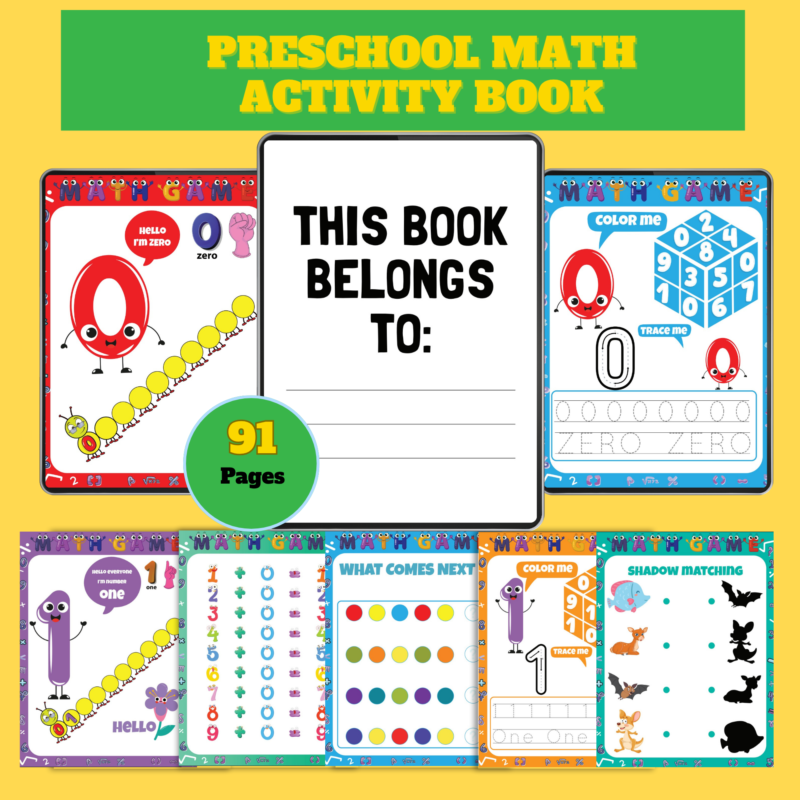
Write numbers on small cards or use a number recognition worksheet. Ask children to count out the matching number of buttons, cubes, pom-poms, or toy cars. They can also place a clothespin on the correct answer if the page includes number choices.
Counting objects builds one-to-one correspondence: the understanding that each object gets one number word. Encourage children to touch or move each item as they count, especially if they tend to skip or count the same item twice.
7. Number Hunt
Pick a number and search for it in your daily environment. Look at a clock, calendar, cookbook, elevator button, house number, or game board. You can ask children to write the number after they find it.
Seeing numbers outside a worksheet helps children understand that math is part of everyday life. It is also an easy activity to use while running errands or waiting in a line.
8. Roll and Add
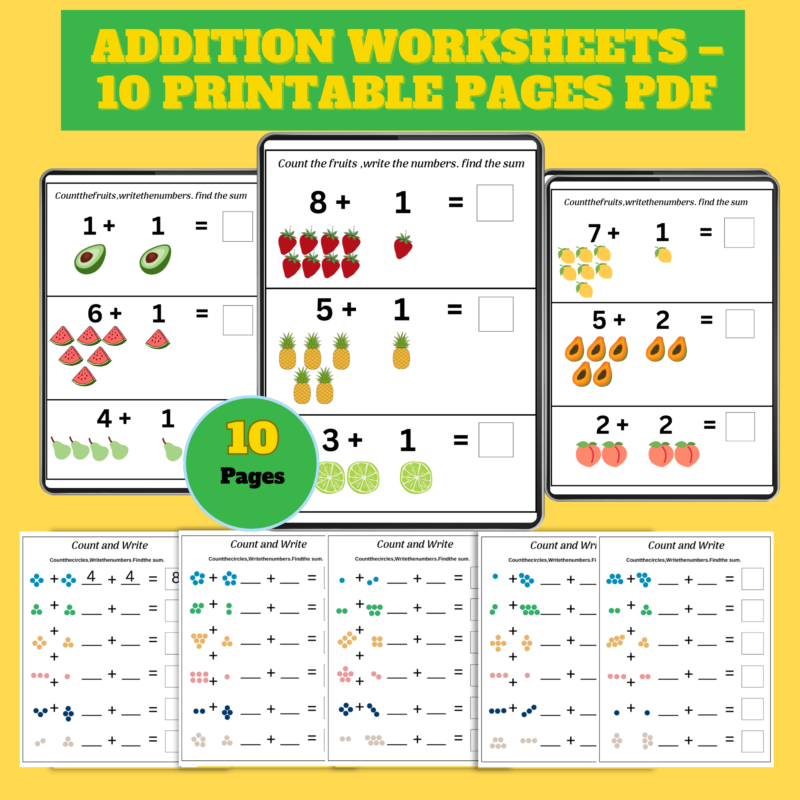
Roll two dice, count the dots on each die, and find the total. Children can draw the dots, use counters, or make a small number sentence such as 3 + 2 = 5.
At this age, the goal is not speed. It is learning that addition means putting groups together. For children who are just beginning, use one die and ask them to count and write the number they roll.
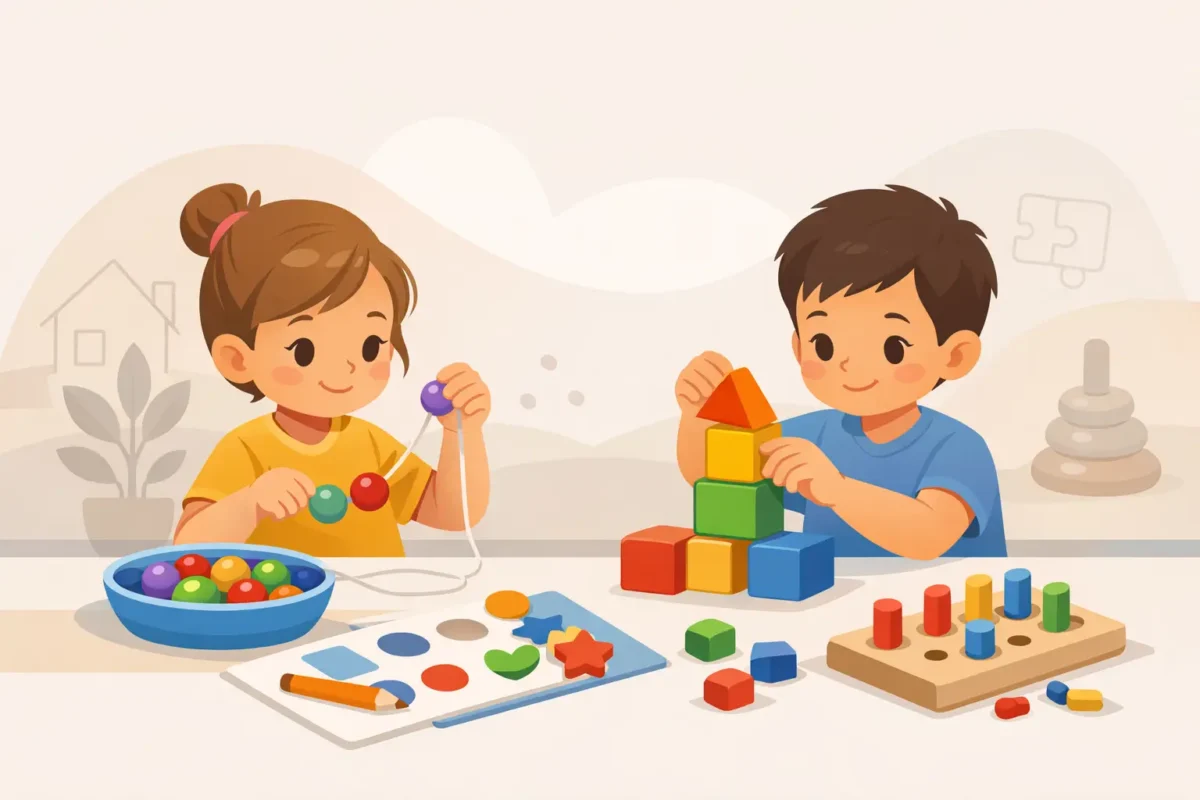
9. Shape Builders
Give children craft sticks, pipe cleaners, or strips of paper and ask them to make circles, triangles, squares, rectangles, and hexagons. Talk about what they notice: A triangle has three sides, while a square has four equal sides.
This hands-on approach works particularly well for children who learn by moving and making. It also creates a natural opening to compare shapes and use new math words.
10. Pattern Train
Create a simple pattern with colored blocks, stickers, or crayons: red, blue, red, blue. Ask children what comes next, then invite them to make their own pattern for you to finish.
Begin with an AB pattern before moving to more complex sequences, such as AAB or ABC. If a child can explain the rule of the pattern, they are doing more than copying – they are thinking mathematically.
Build Fine Motor Skills Into Play
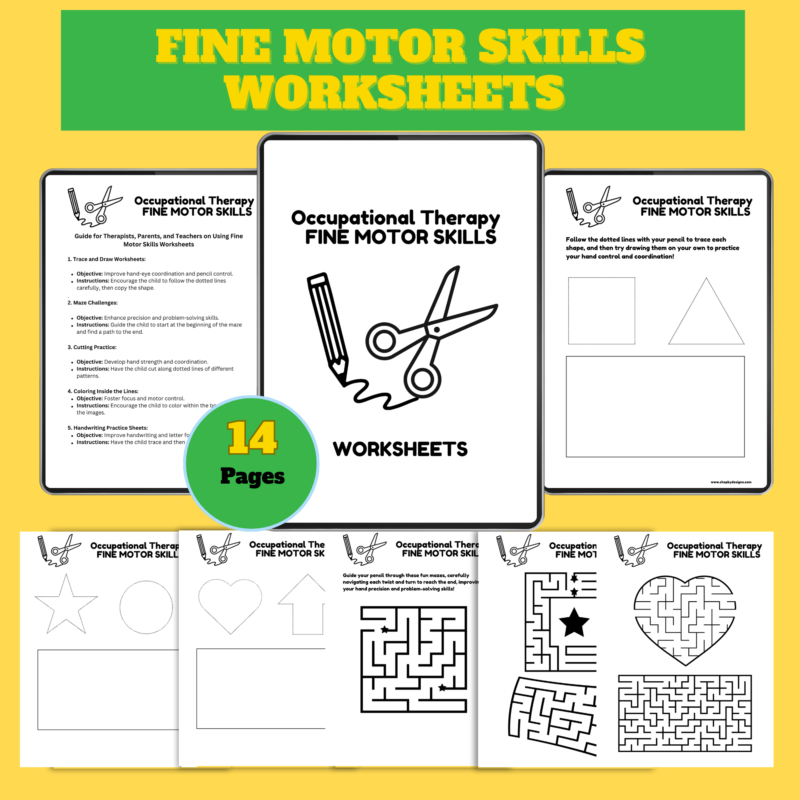
Fine motor practice supports more comfortable handwriting, cutting, coloring, and self-care tasks. It does not always need to look like handwriting practice.
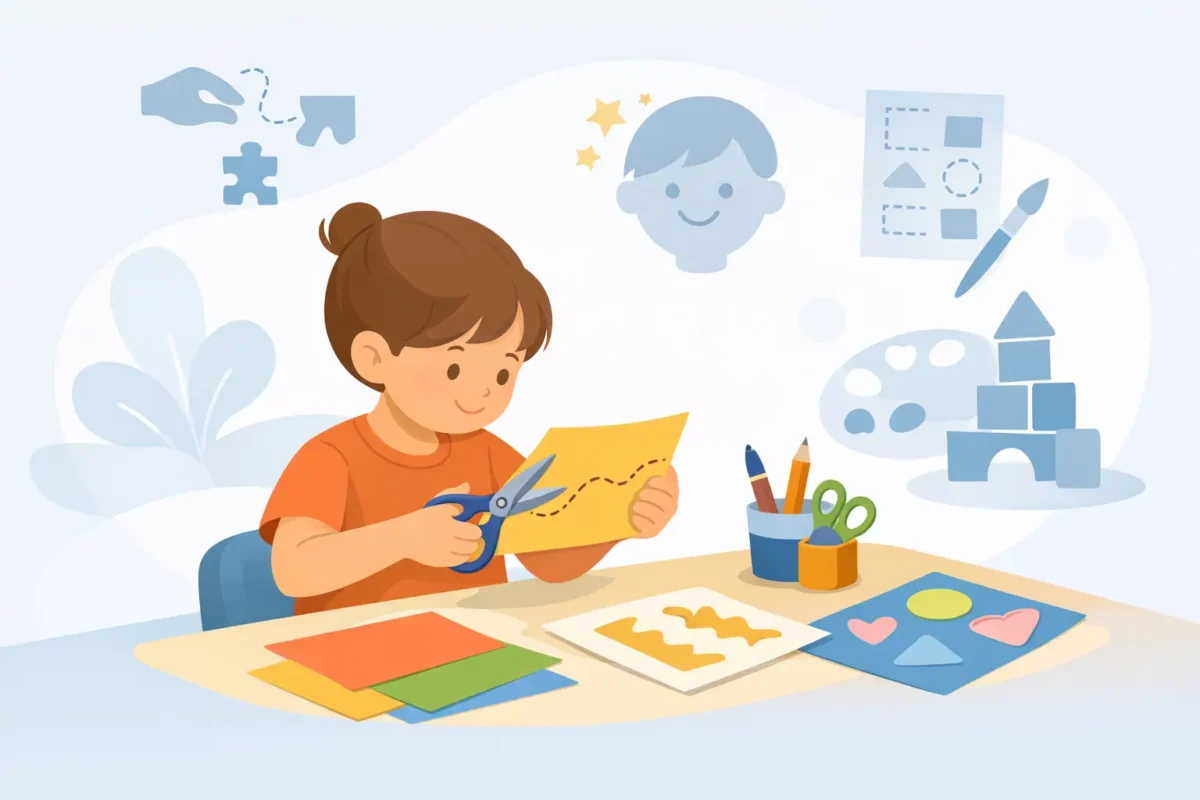
11. Scissor Snips and Lines
Draw short, thick lines on scrap paper and let children cut along them. Start with straight lines before trying gentle curves, zigzags, and simple shapes. Remind children to hold the paper with their helper hand and turn the paper as they cut.
Use child-safe scissors and supervise closely. A child who finds cutting tiring may need fewer lines and more frequent breaks, not more pressure.
12. Play Dough Letter Mats
Roll play dough into thin “snakes” and form letters, numbers, or simple shapes. Children can trace a printed letter first, then build it with dough on top of the page.
The squeezing, rolling, and pinching strengthen the small hand muscles used for writing. It is a calming option for children who need a break from pencils.
13. Color by Direction
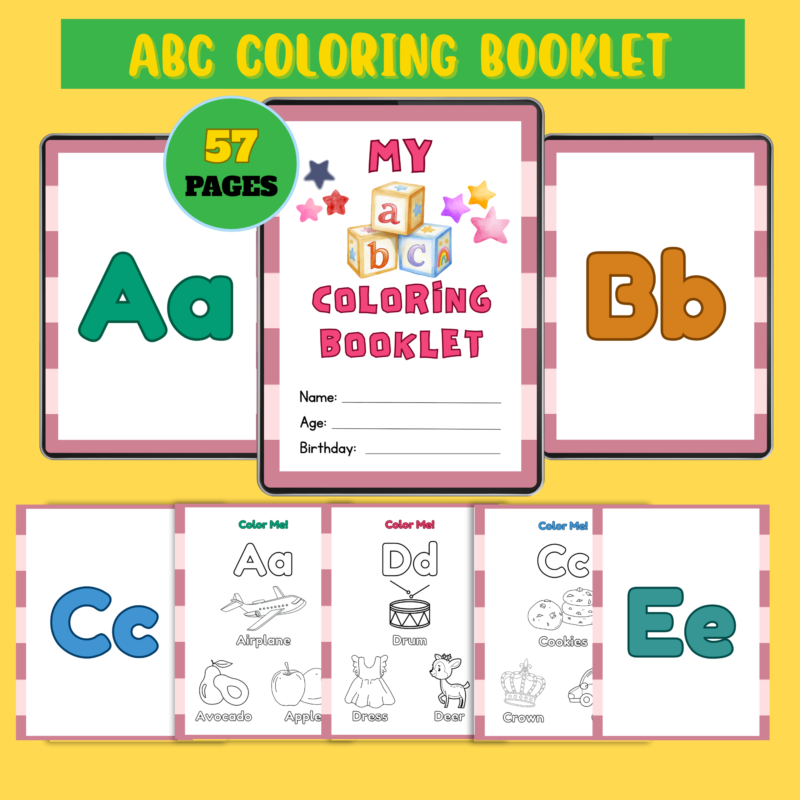
Give simple instructions such as “Color the circles yellow” or “Color the biggest star blue.” This combines listening skills, color recognition, and pencil control.
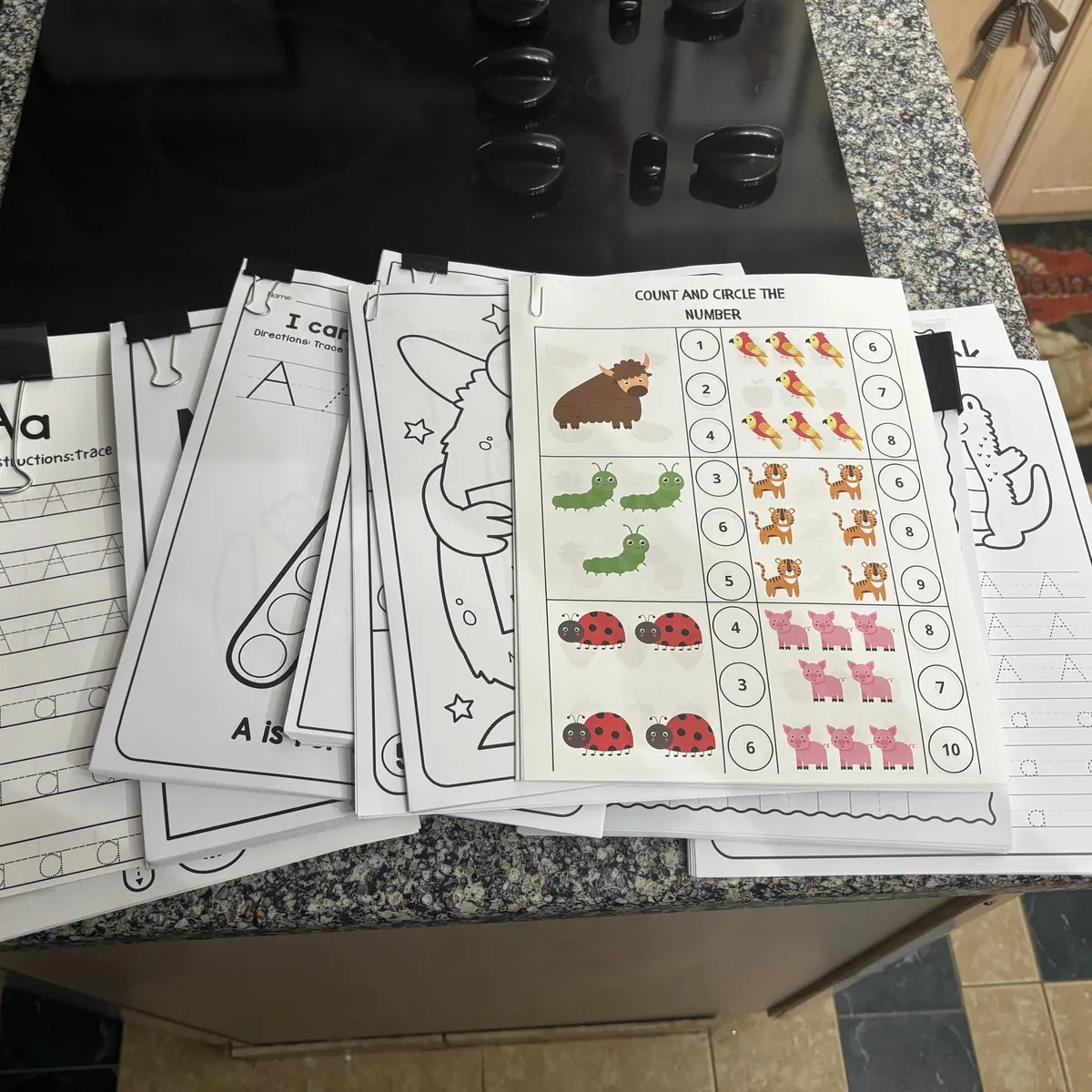
Printable coloring activities are especially useful here because the instructions are clear and children have a finished page they can feel proud to show. Fun Clever Fox printable worksheets can make this kind of practice easy to set out at home, in a learning center, or during quiet time.
Make Learning Feel Manageable, Not Perfect
14. Name Writing Routine
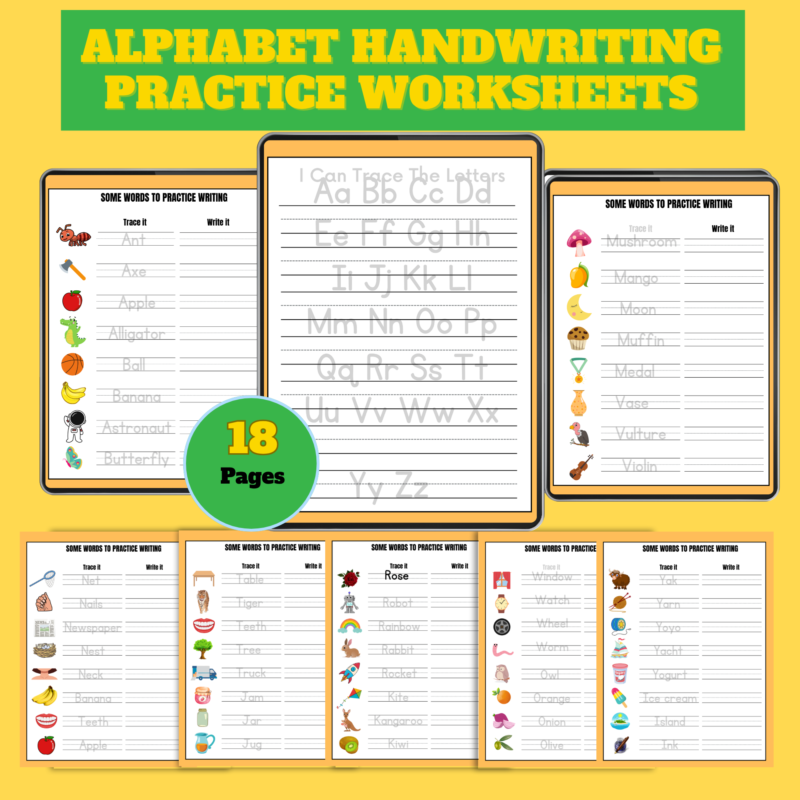
Write your child’s name at the top of a page and let them trace it, copy it, or build it with letter tiles. Begin with the first letter if the full name feels overwhelming. Many kindergarteners are still learning where to start, how to move left to right, and how to form letters with control.
Celebrate effort that is specific: “You started at the top of the line,” or “I noticed you used spaces between your letters.” Specific encouragement teaches children what successful writing looks like.
15. Draw and Tell
Ask children to draw a favorite animal, a trip to the park, or something that made them laugh. Then invite them to tell you about the picture while you write down their words, or encourage them to label one part themselves.
Drawing and storytelling build vocabulary, comprehension, and early writing motivation. Children often have more to say than they can write independently, so adult support lets their ideas shine while writing skills continue to grow.
A Simple Rhythm That Works
You do not need to complete every activity in one week. Try choosing one literacy activity, one math activity, and one fine motor activity, then repeat the favorites with a small change. Ten focused minutes can be plenty for a kindergartener.
Watch for the moments when your child begins to lose focus. A quick movement break, a change of tool, or an easier step can bring back their willingness to learn. The goal is steady progress and a child who sees practice as something they can do. With a few ready-to-use activities nearby, those small everyday moments can become the confident beginnings of reading, writing, and math.