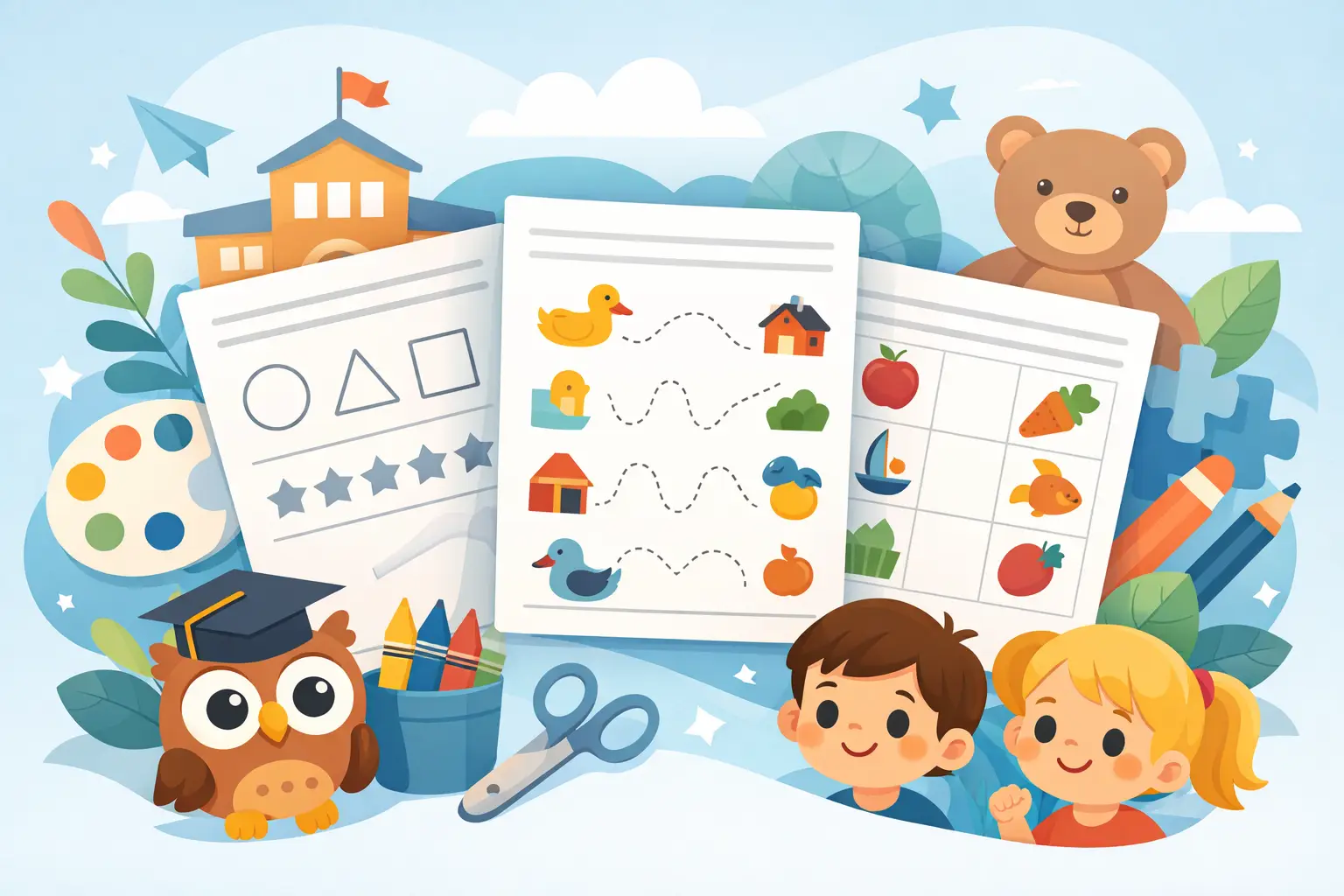
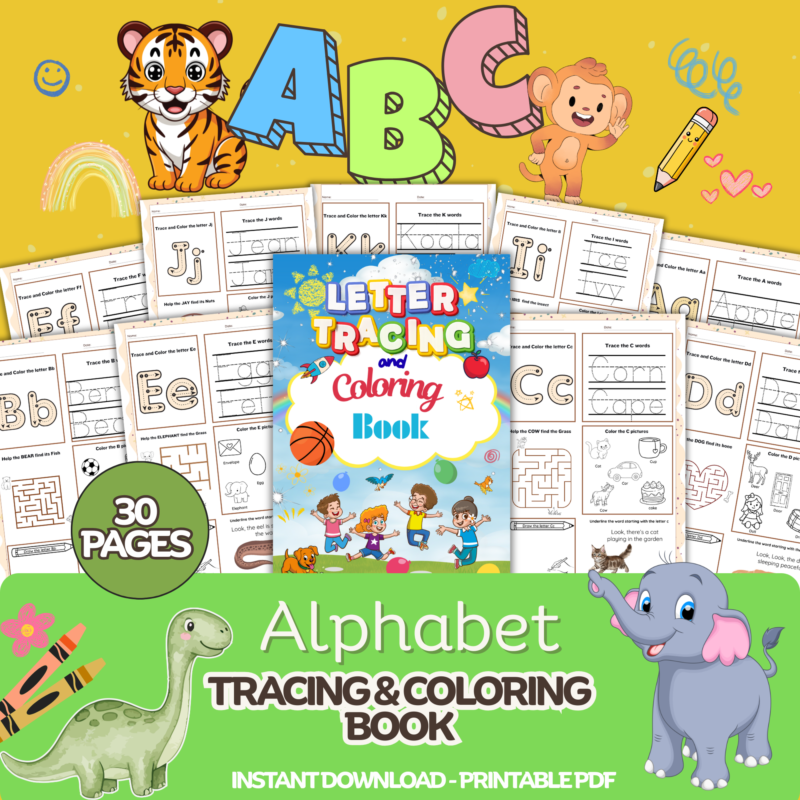
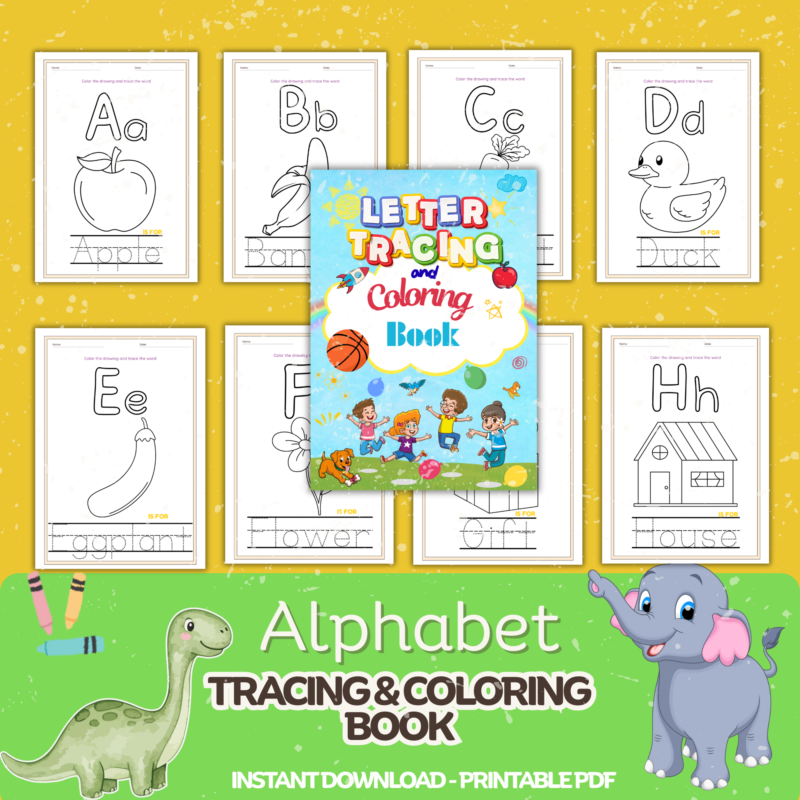
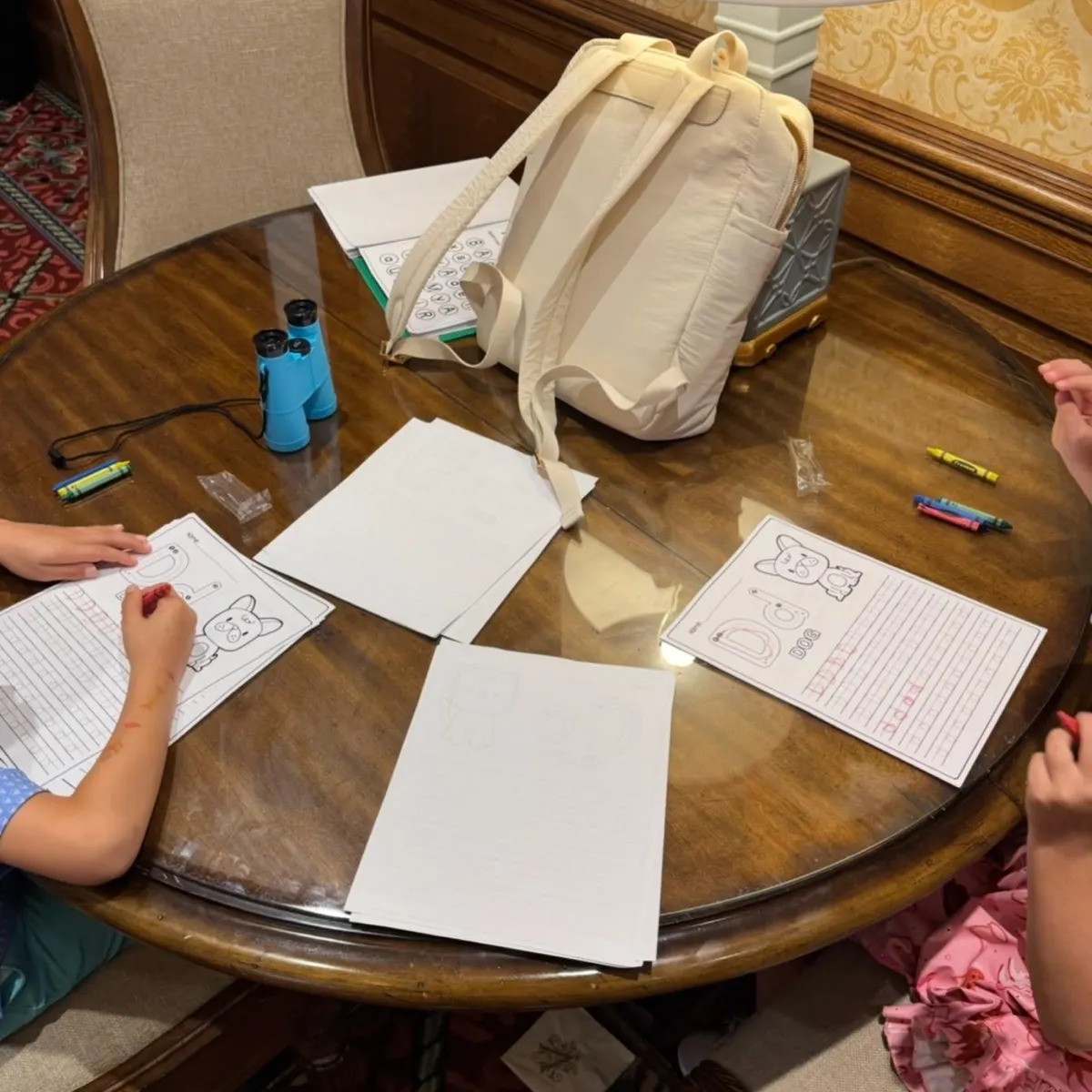
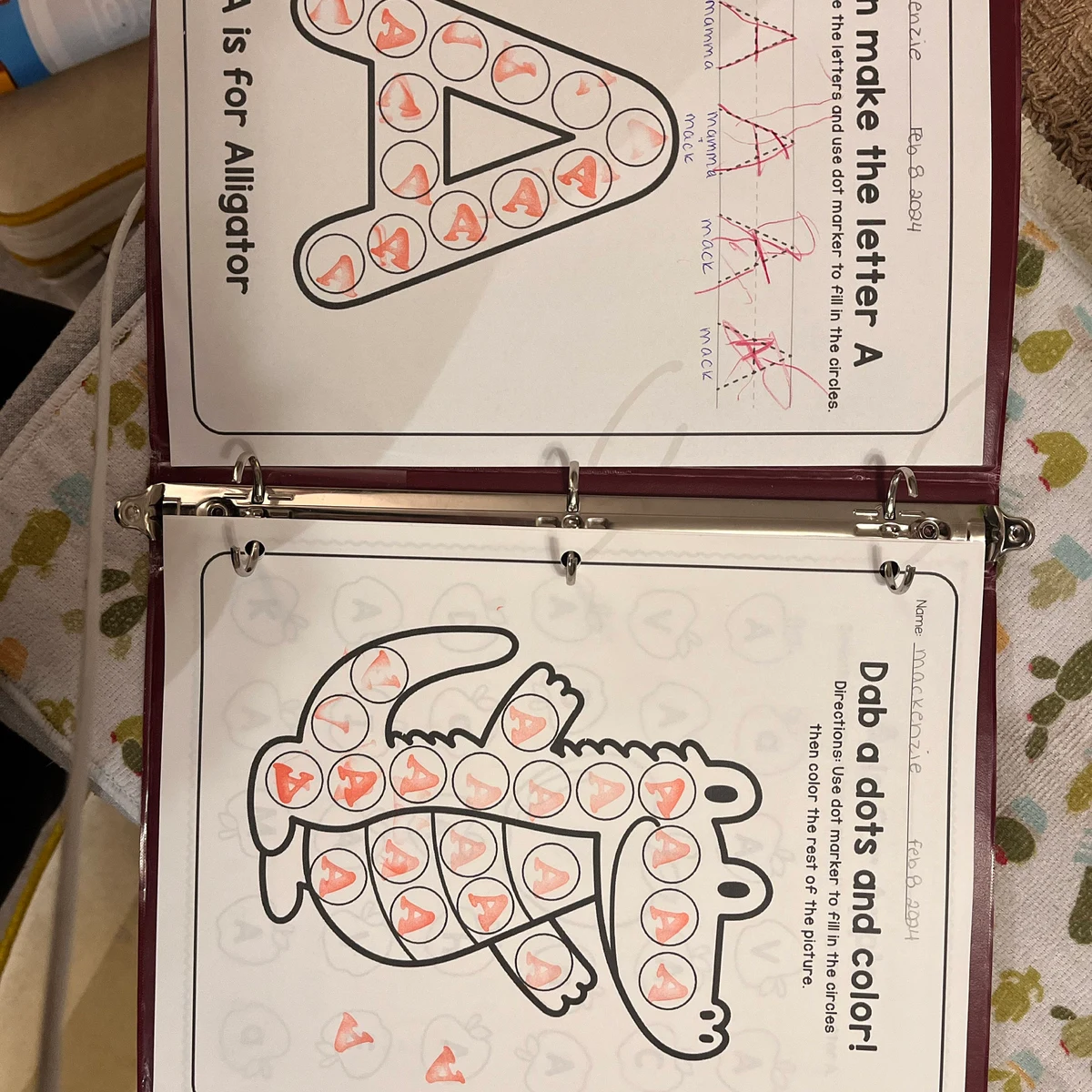
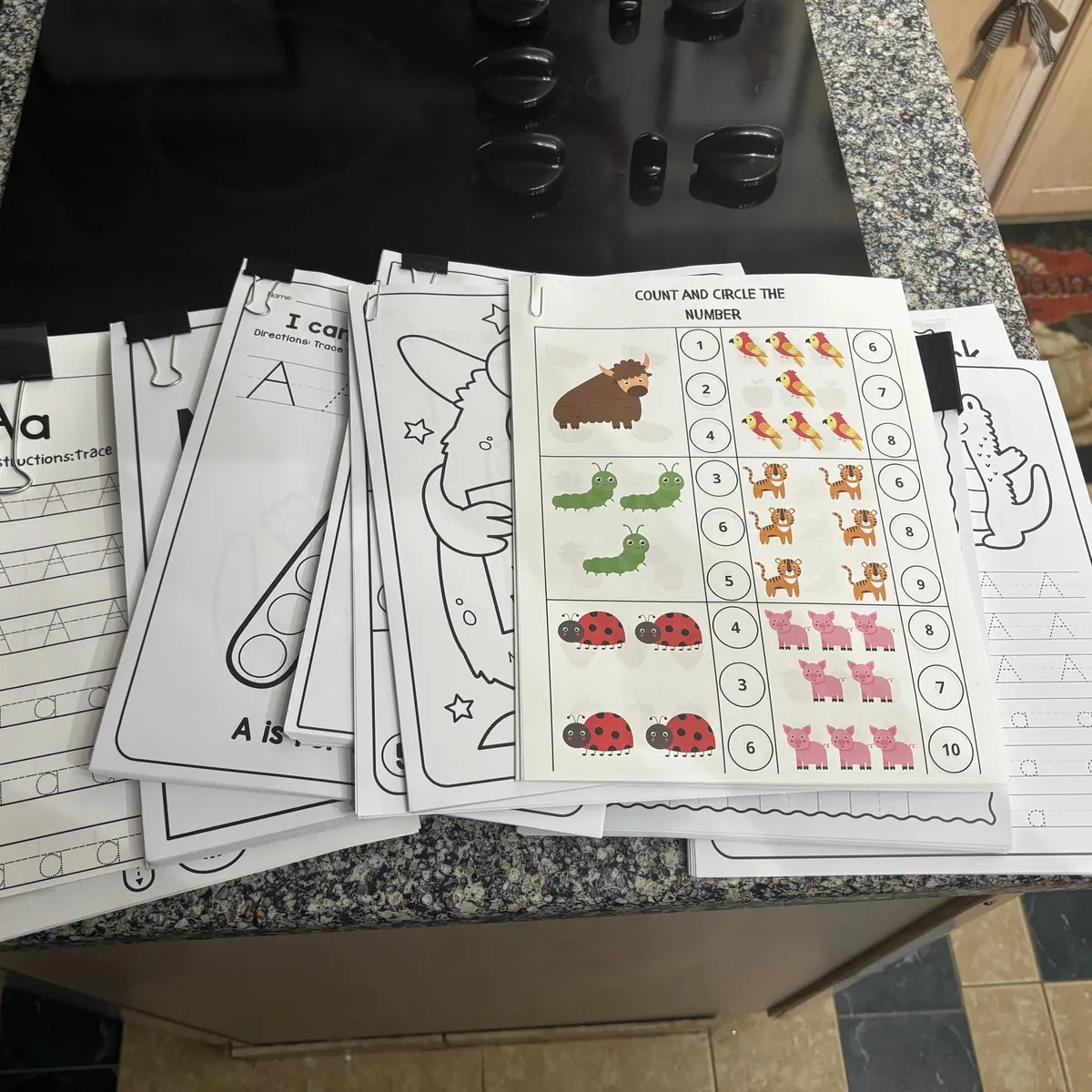
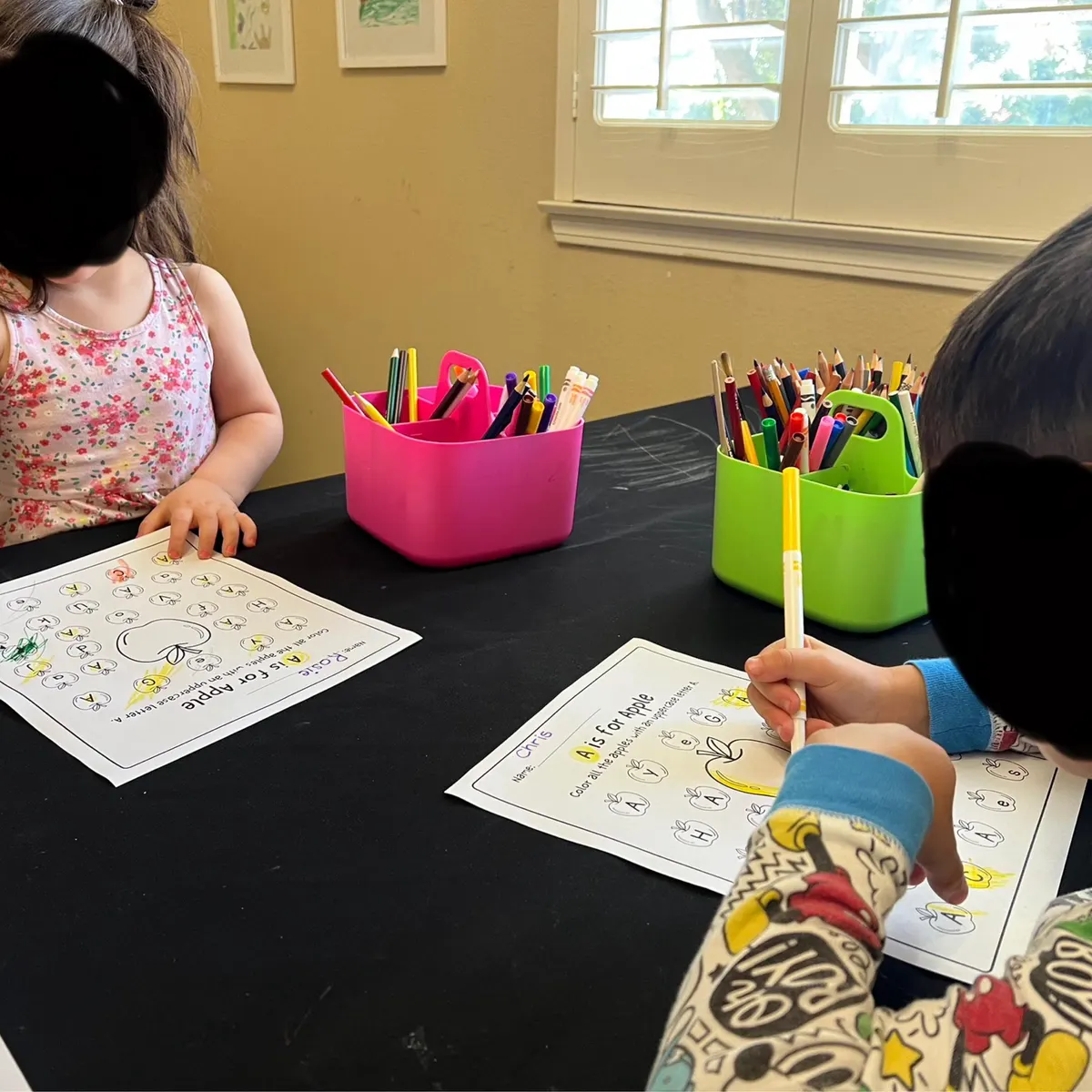
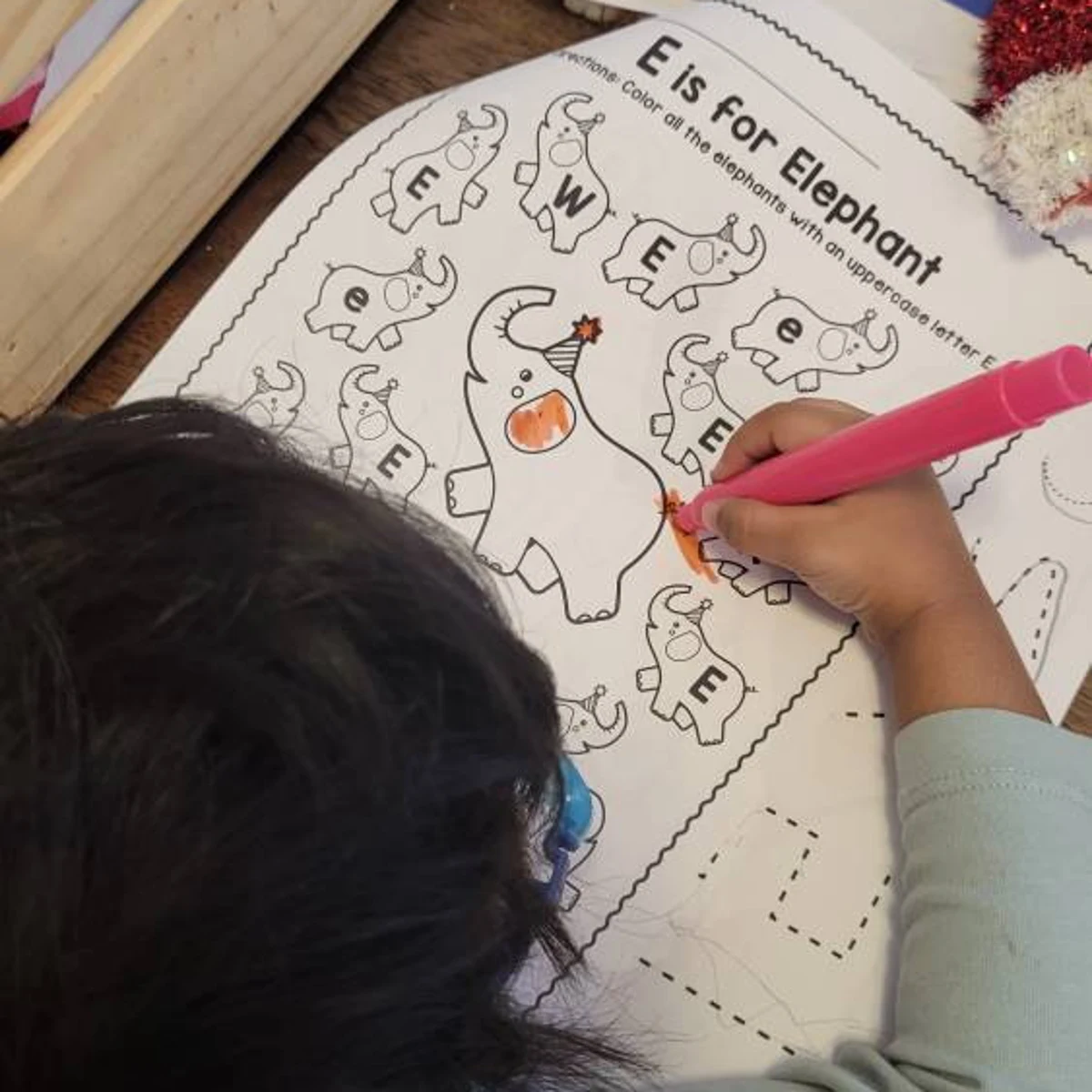
A preschooler who happily traces three letters, counts five bears, and colors one silly picture has done plenty of meaningful learning for the day. The best printable preschool worksheets PDF resources make those small practice moments easy to set up, enjoyable to repeat, and connected to the skills children need next.
For busy parents, teachers, and homeschool families, printable pages take away the hardest part: planning. Instead of searching for an activity, gathering supplies, and creating your own practice sheet, you can print a focused page and get started. The child gets a clear, playful task. You get a simple way to support early learning without adding more screen time.
What Makes Preschool Worksheets Worth Printing?
A worksheet is most helpful when it has one clear job. Preschool children are still building attention, hand strength, and confidence, so crowded pages can feel frustrating. A page that asks a child to trace a line, identify the letter M, count four objects, or match a shape gives them a reachable goal.
That small success matters. Repeated practice helps children recognize patterns, remember letter and number forms, and gain control over the pencils and crayons they will use in kindergarten. It also gives adults a quick window into what a child understands and where they may need more support.
The goal is not to keep children at a desk for an hour. Preschool learning works best in short, cheerful sessions. A few minutes of tracing before breakfast, a counting page after snack, or a coloring activity during quiet time can add up over a week.
Choose a Skill, Not Just a Cute Page
Colorful designs help capture attention, but the learning purpose should always come first. Before printing, ask what your child needs to practice right now. If they can sing the alphabet but do not recognize letters on a page, letter matching and alphabet identification are a smart next step. If they know numbers in order but struggle to count objects accurately, choose counting and number recognition pages.
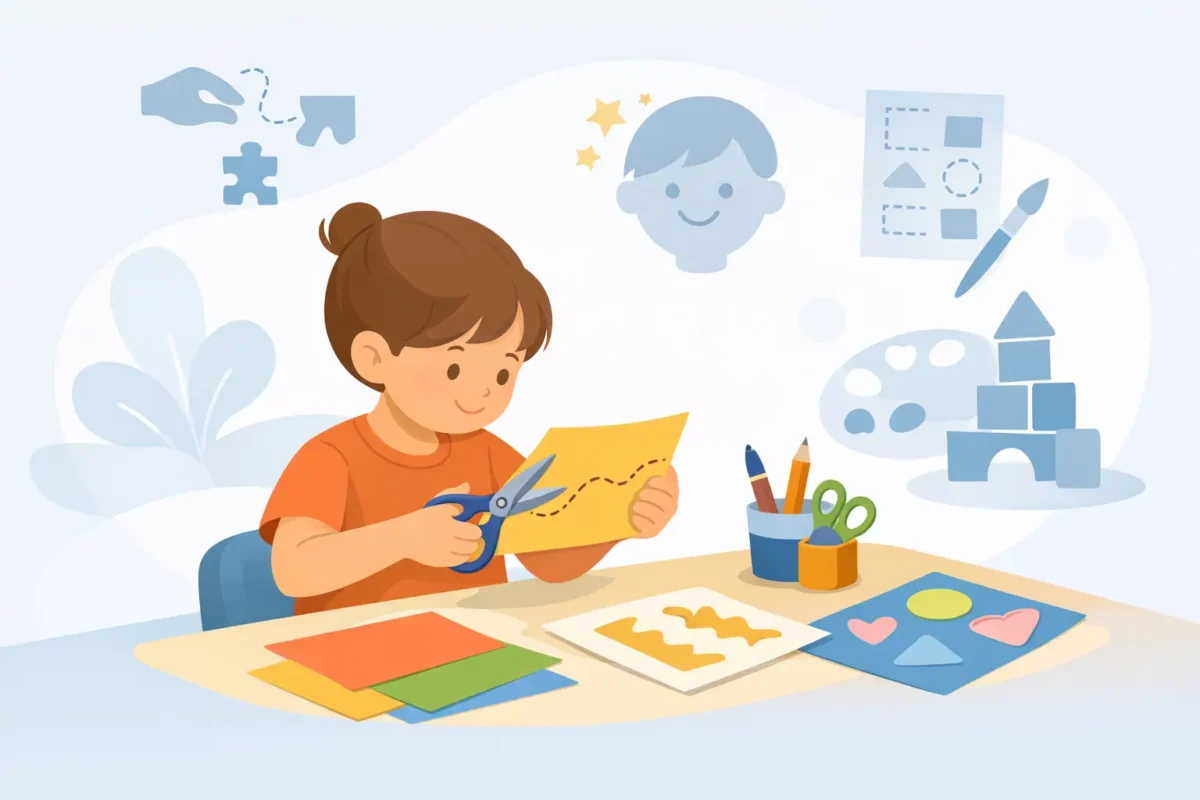
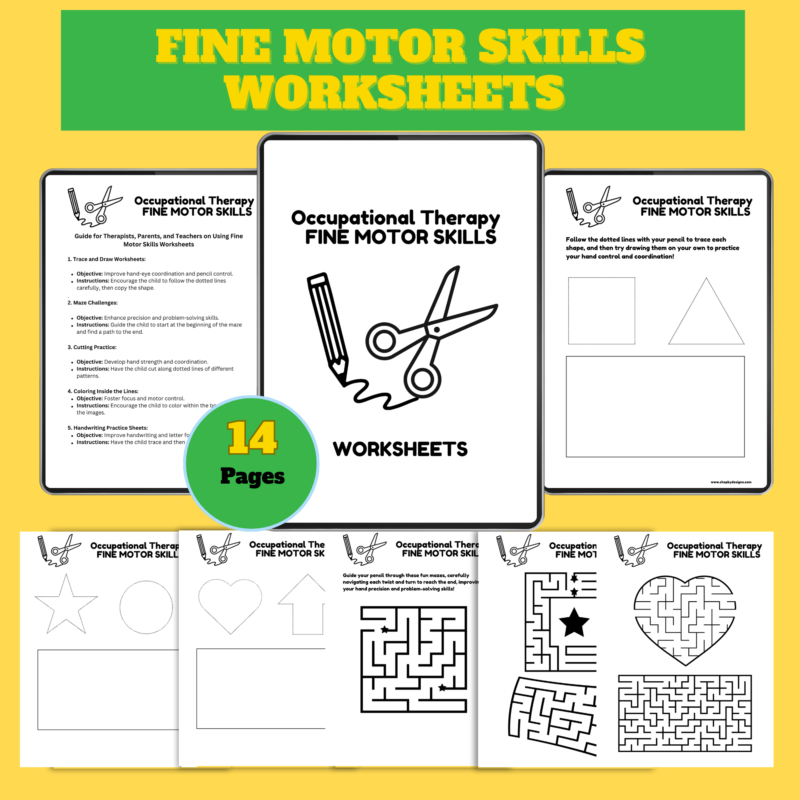
For a child who avoids writing, begin with pre-writing activities rather than expecting perfect letters. Lines, curves, paths, mazes, and simple coloring strengthen the small hand muscles and pencil control that handwriting requires. Starting at the right level keeps practice encouraging instead of overwhelming.
The Best Skills for Printable Preschool Worksheets PDF
A well-rounded printable collection gives children chances to practice literacy, math, fine motor skills, and creative thinking. You do not need to teach every skill every day. Rotating activities keeps learning fresh while giving each area regular attention.
Alphabet, Phonics, and Beginning Reading
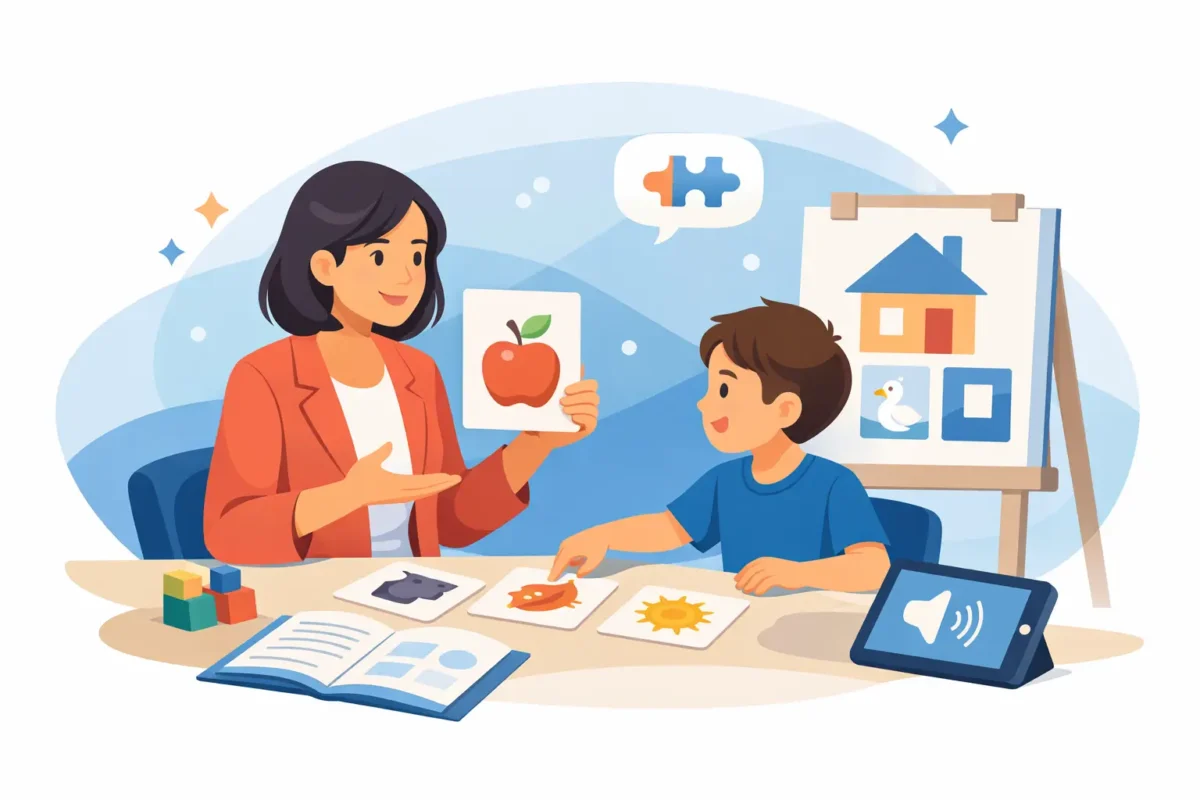
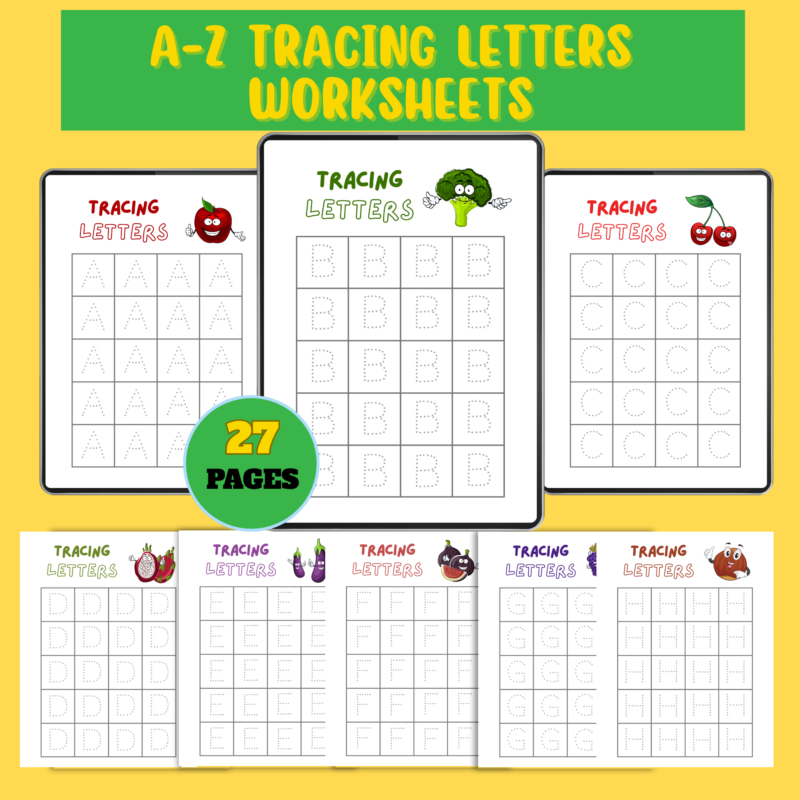
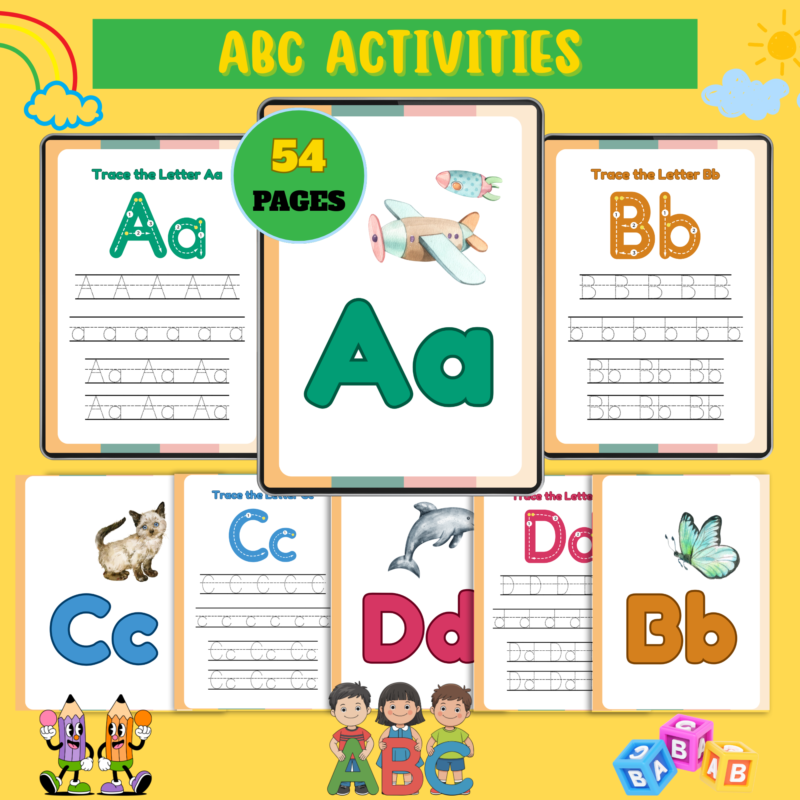
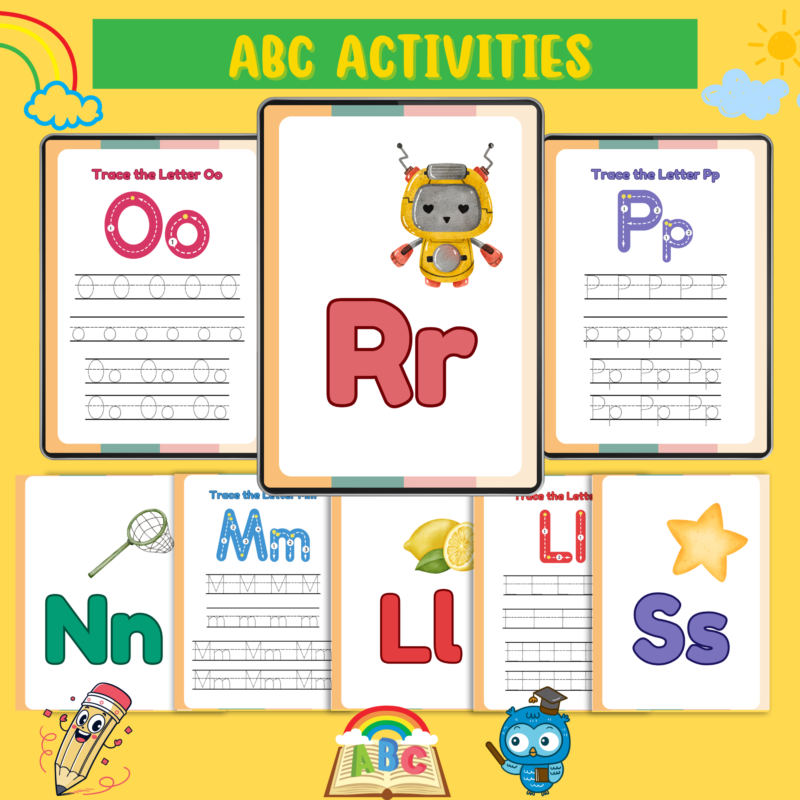
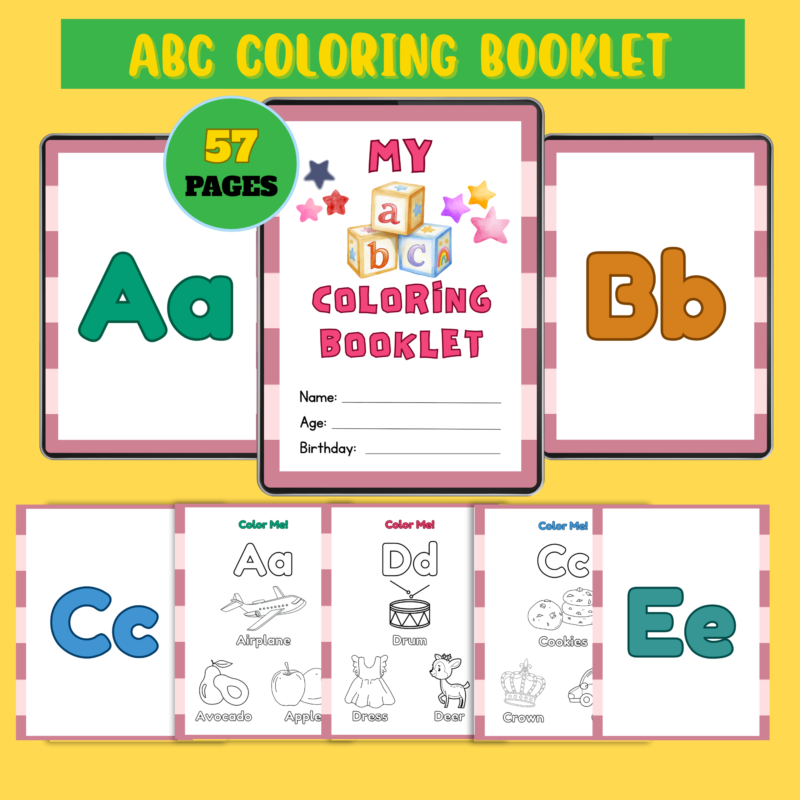
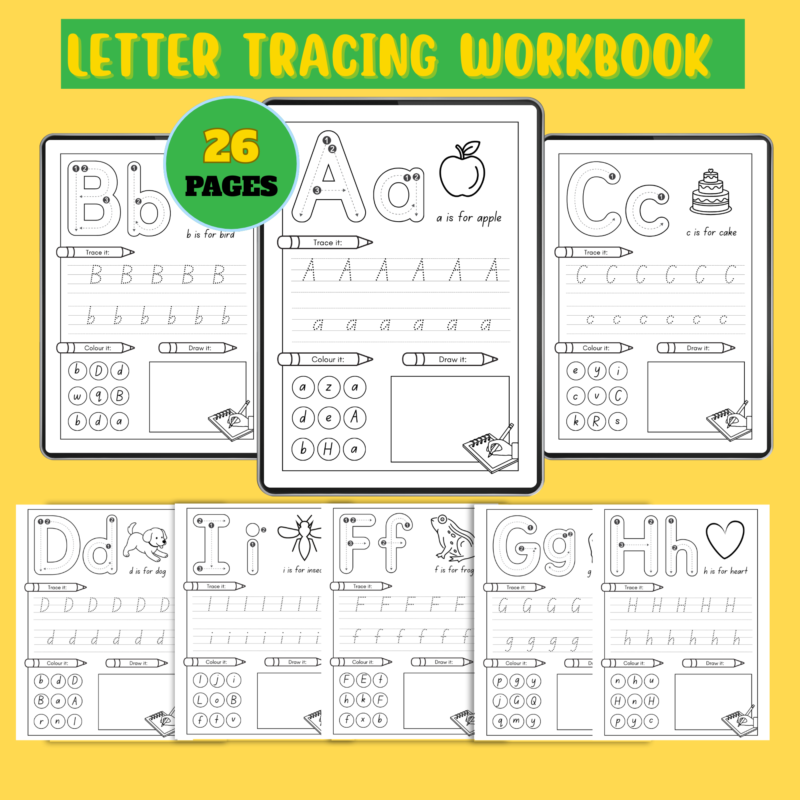
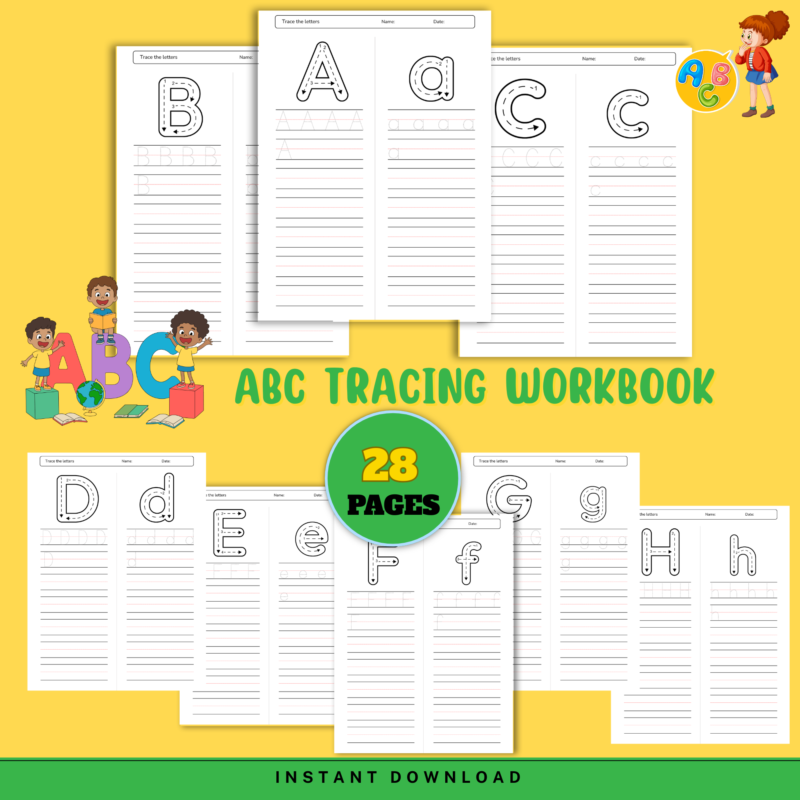
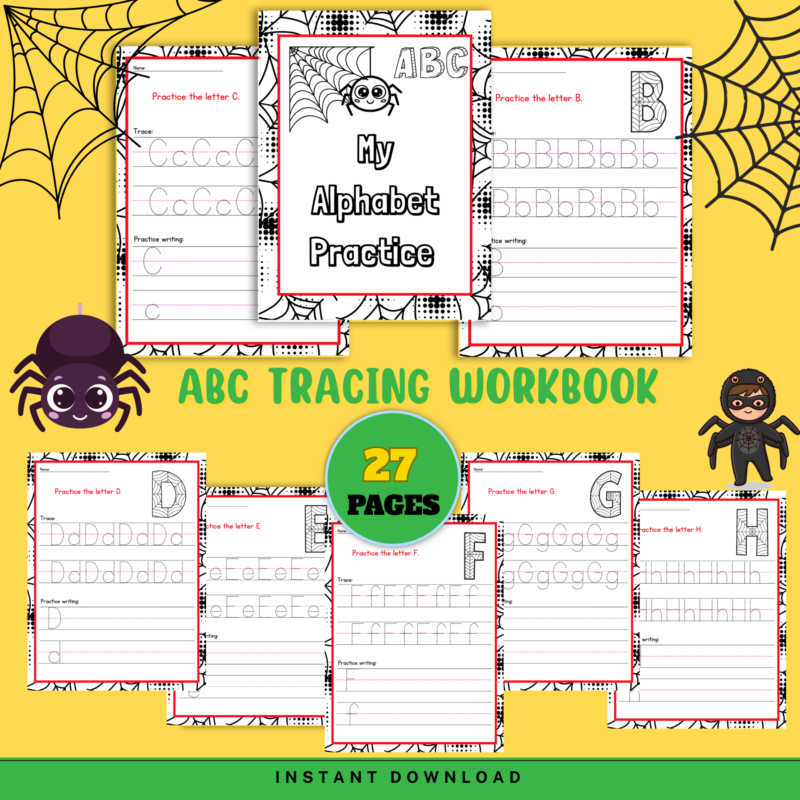
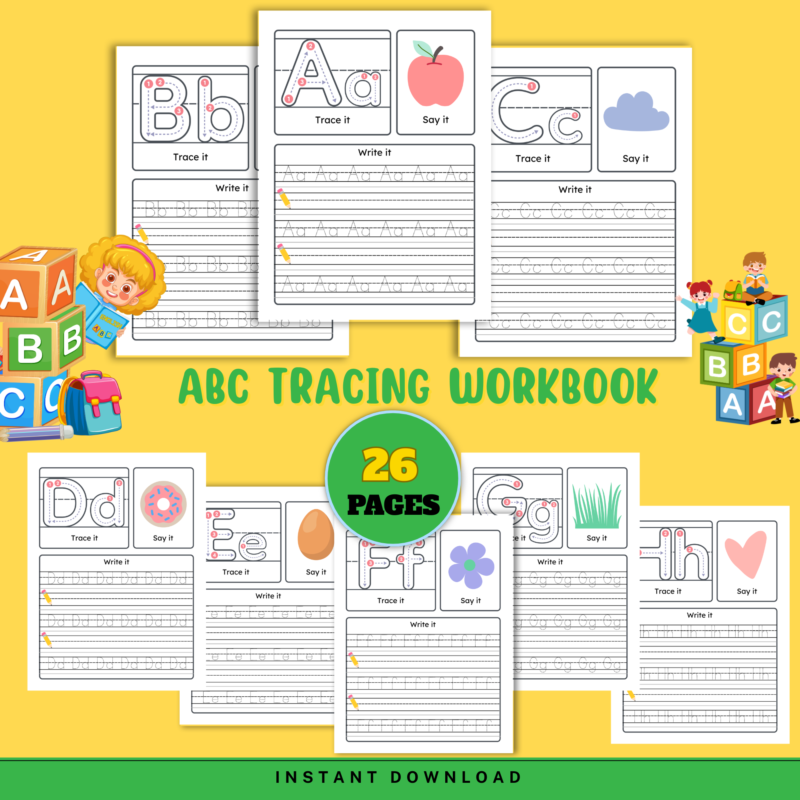
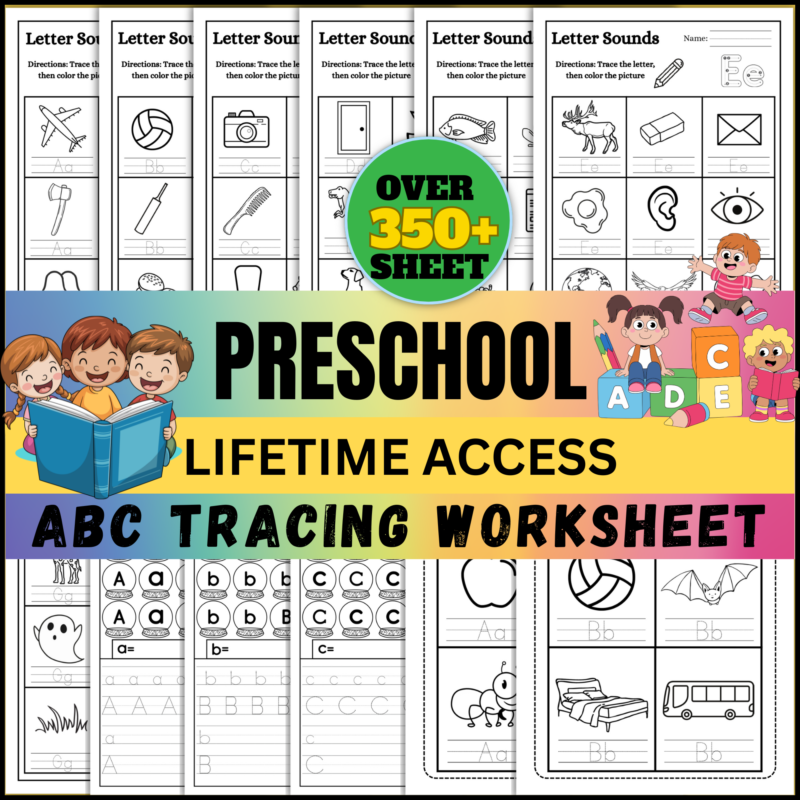
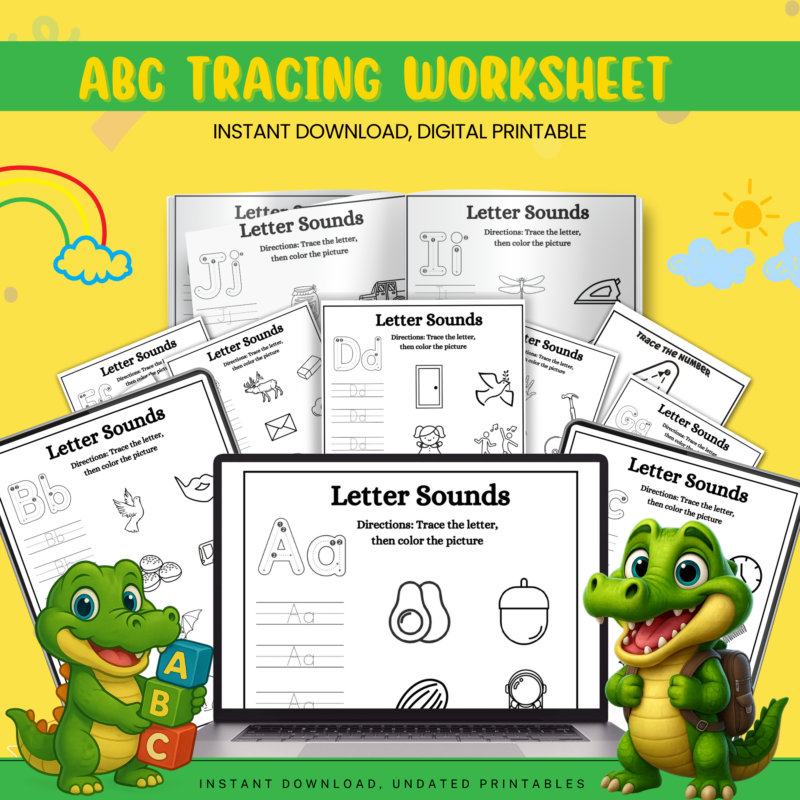
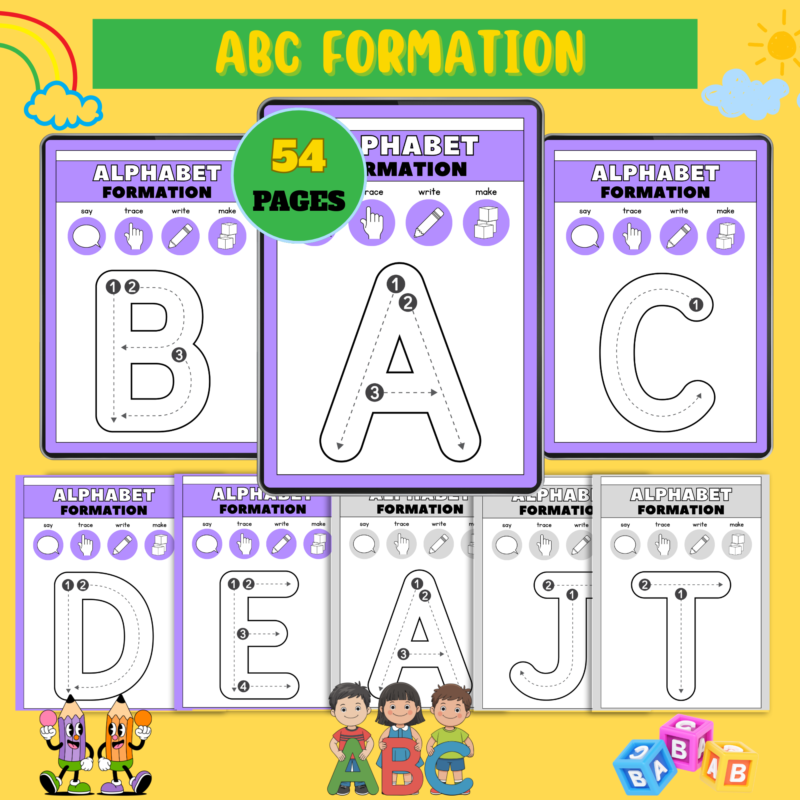
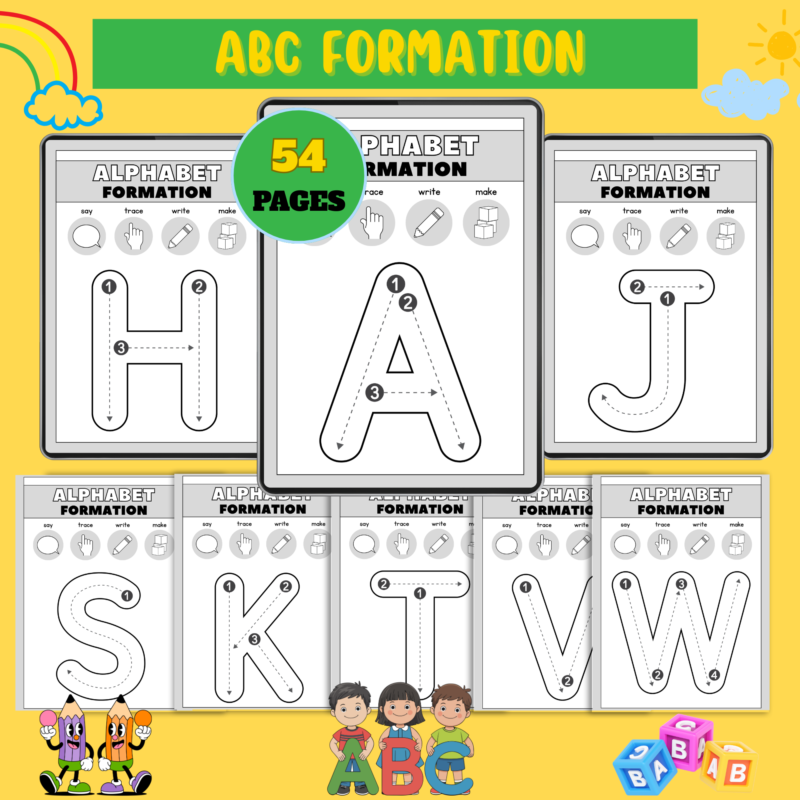
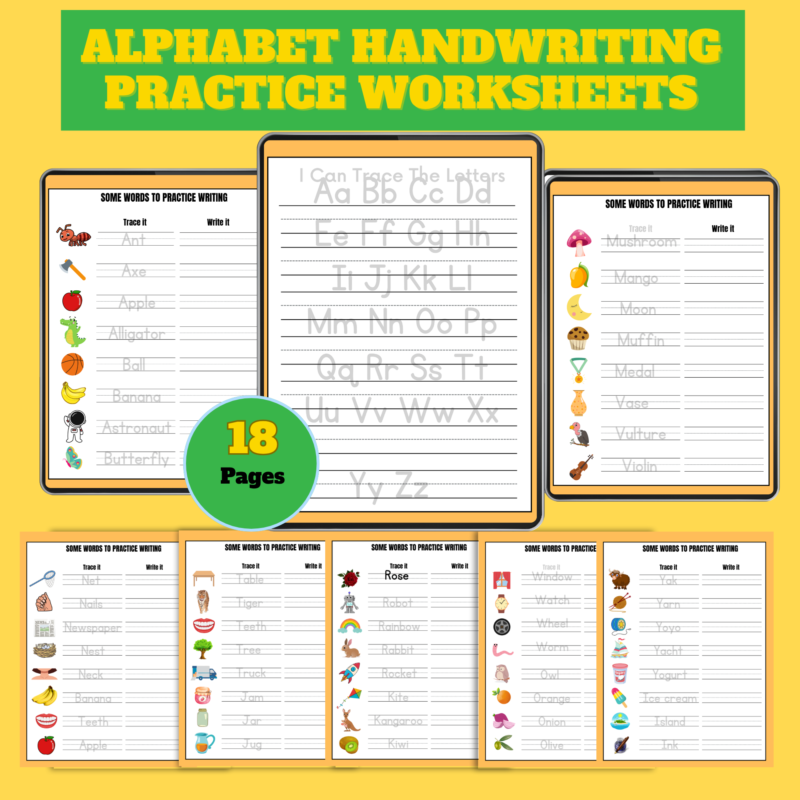
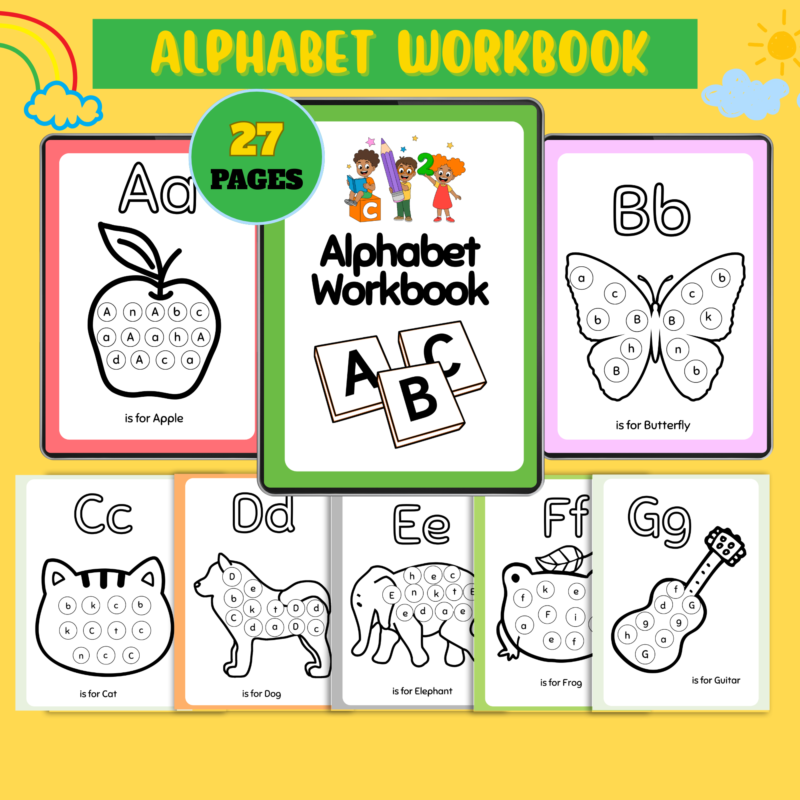
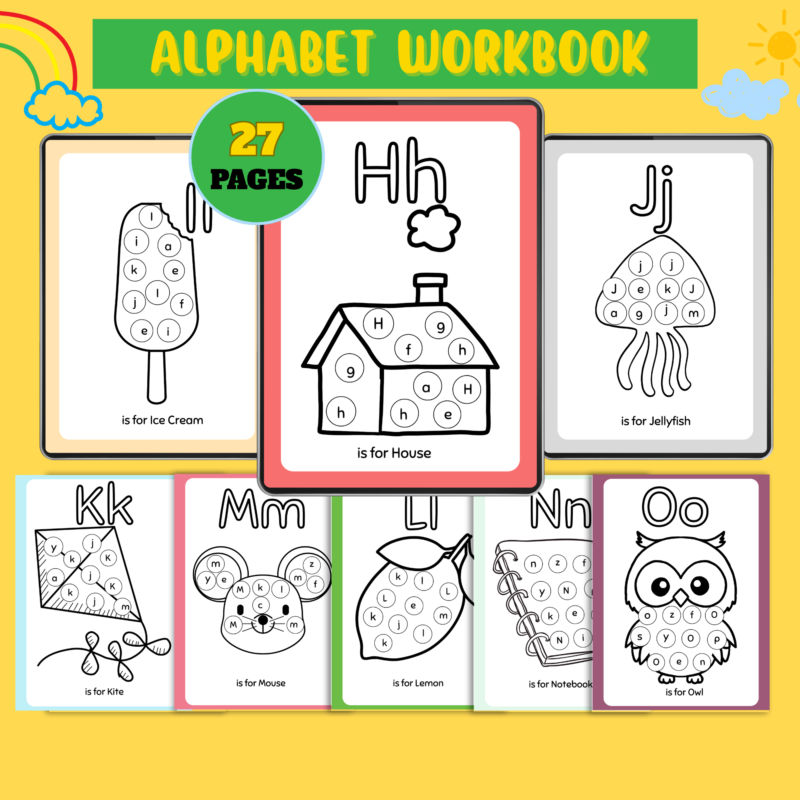
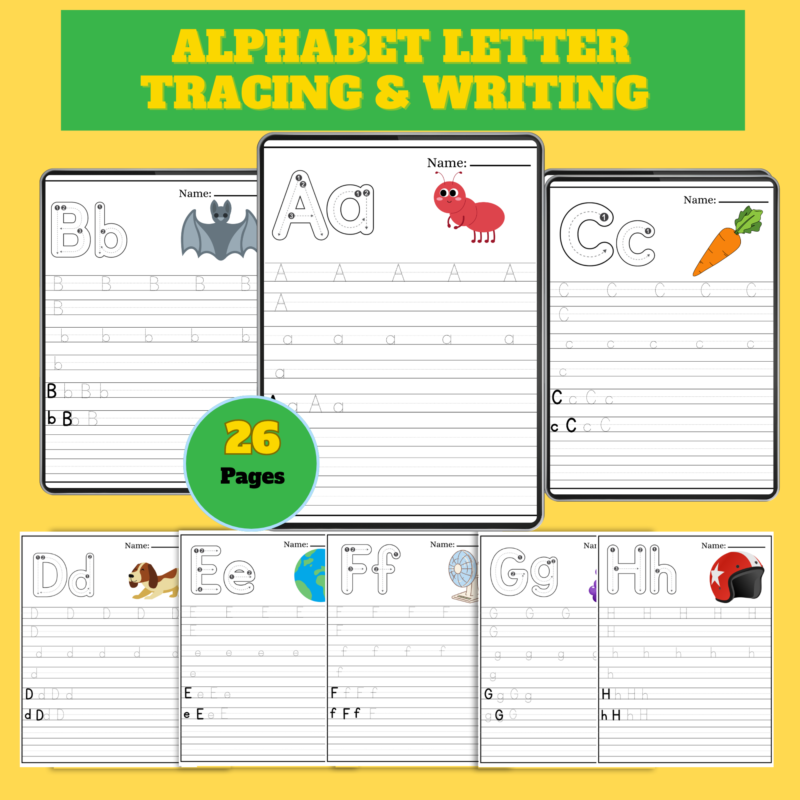
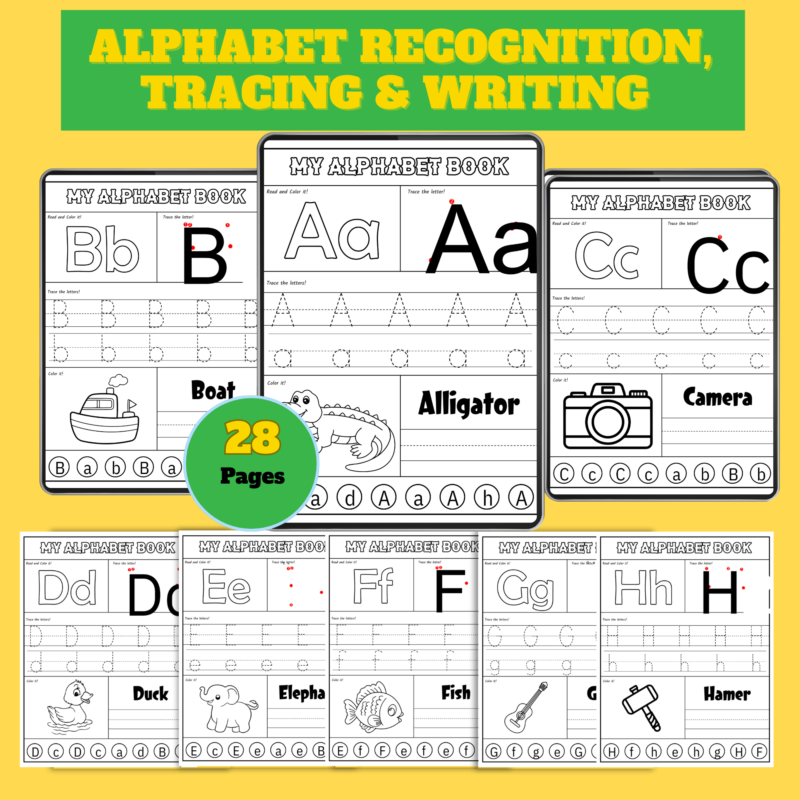
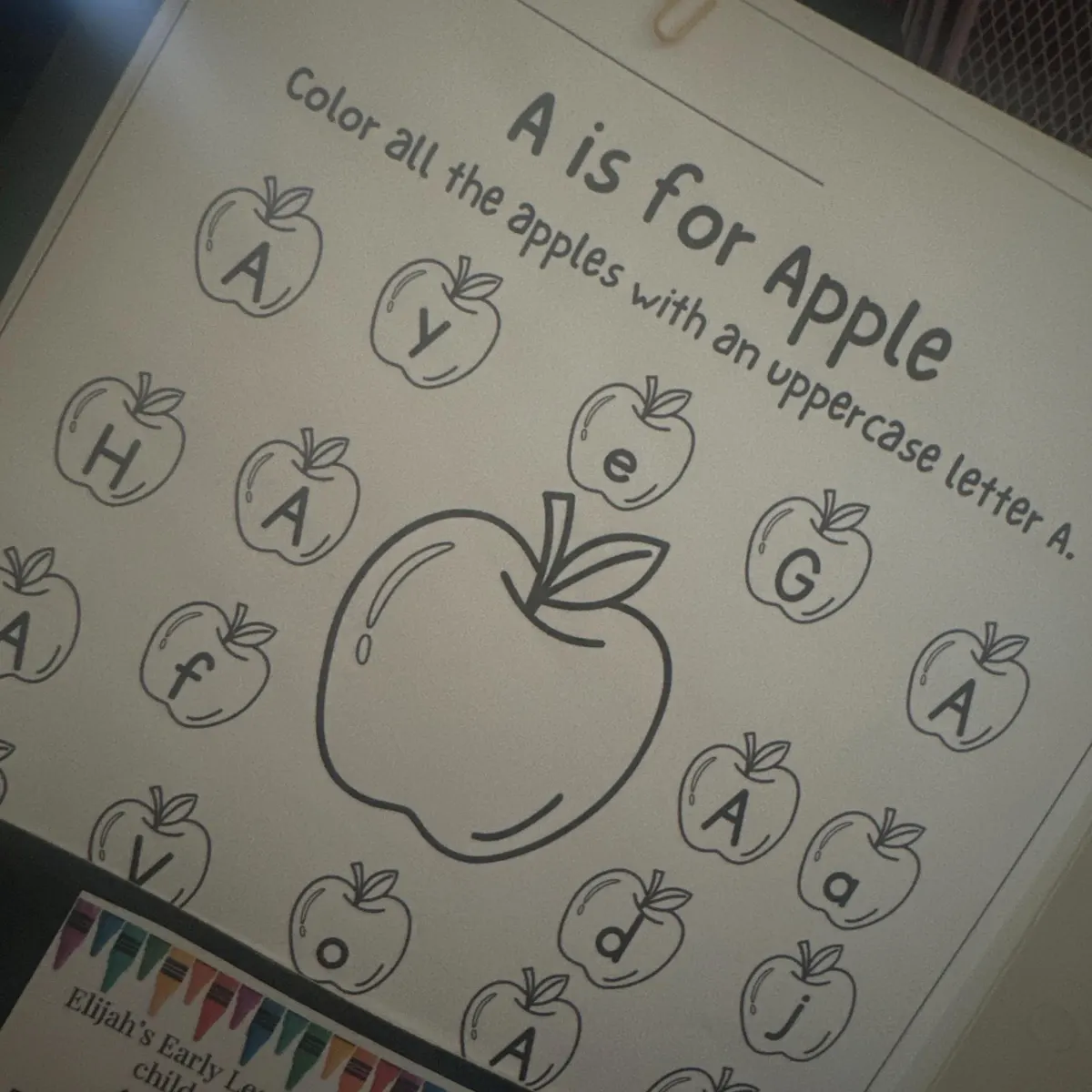
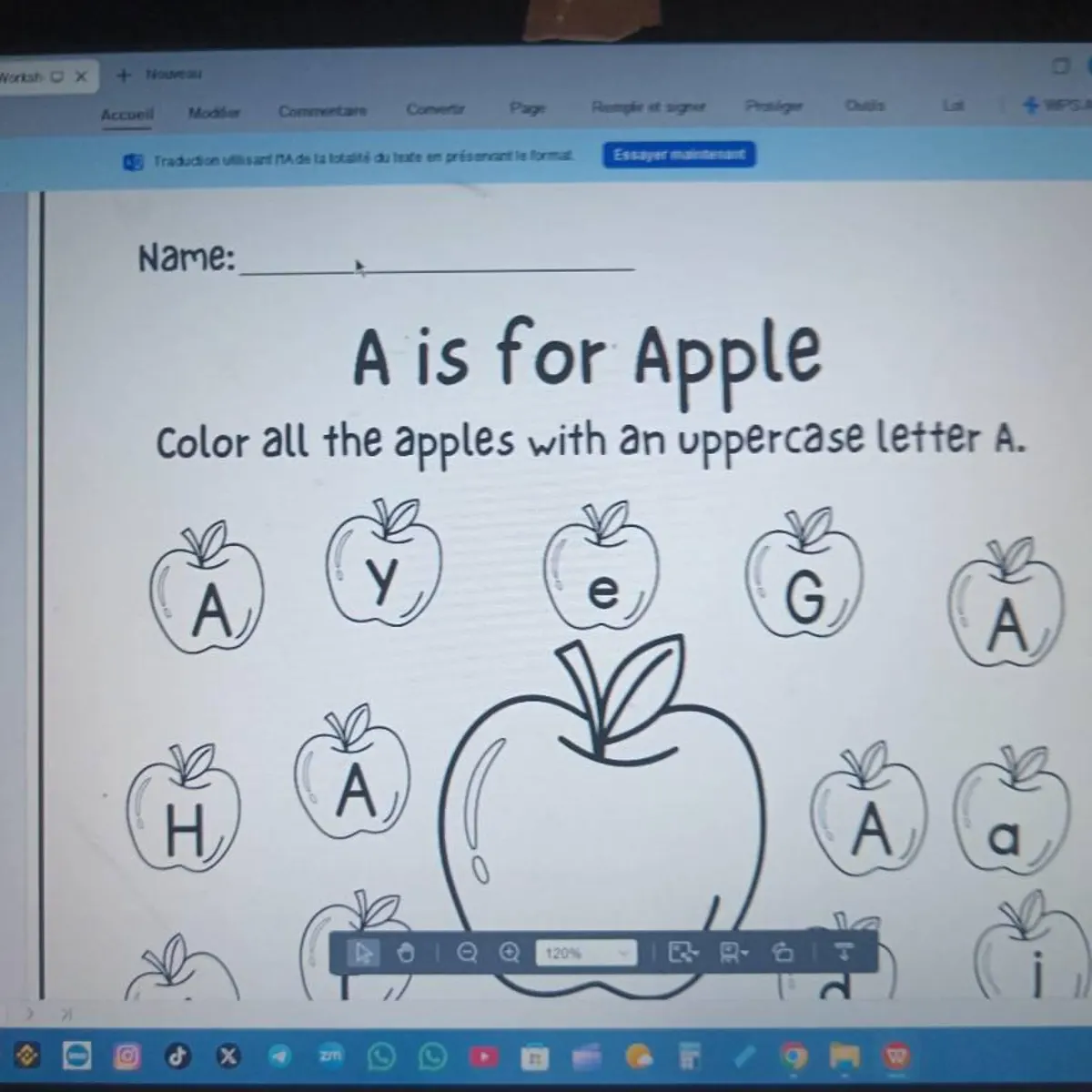
Alphabet worksheets can introduce uppercase and lowercase letters, letter sounds, and beginning-sound picture matching. Tracing pages help children learn how letters are formed, while coloring and search-and-find activities make recognition feel more like a game.
Once a child recognizes several letters, simple phonics pages can connect a sound to a familiar picture. For example, a child may circle pictures that begin with B or match a letter to a ball. Keep the language simple and celebrate effort. At this age, hearing and noticing sounds is a valuable step toward reading readiness.
Handwriting and Fine Motor Practice
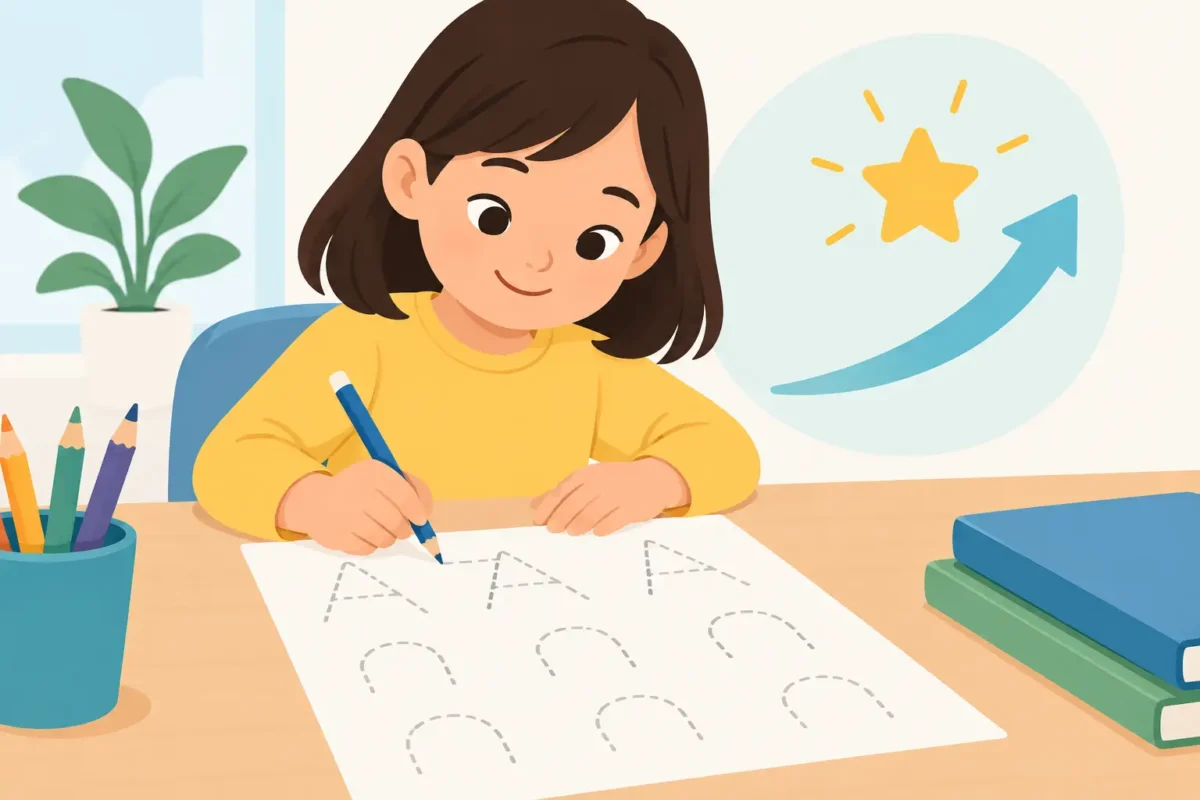
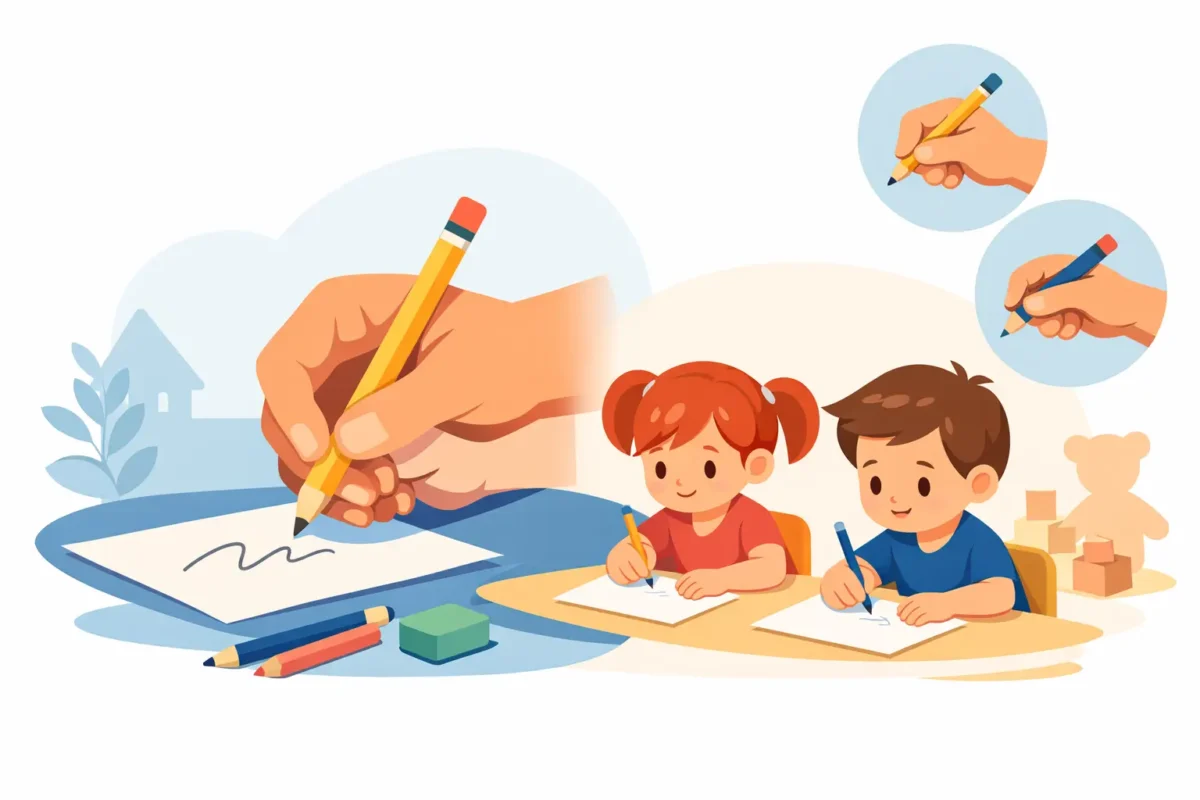
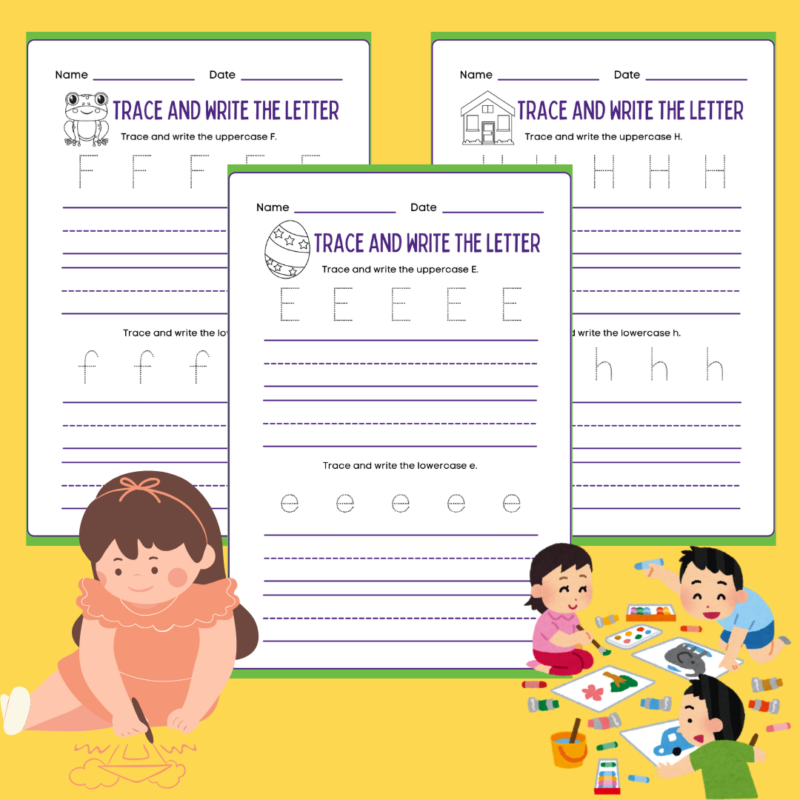
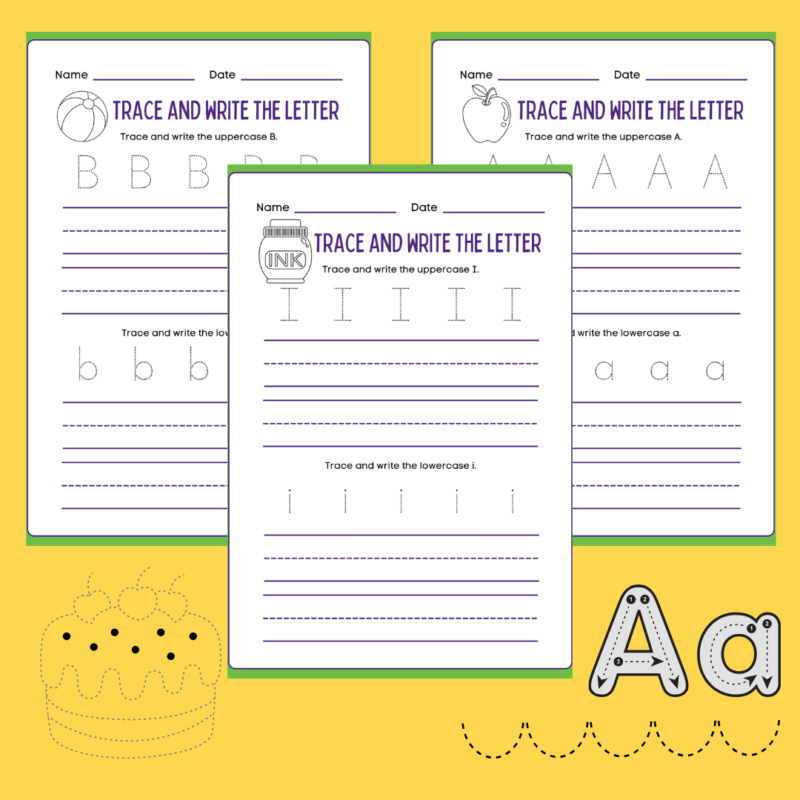
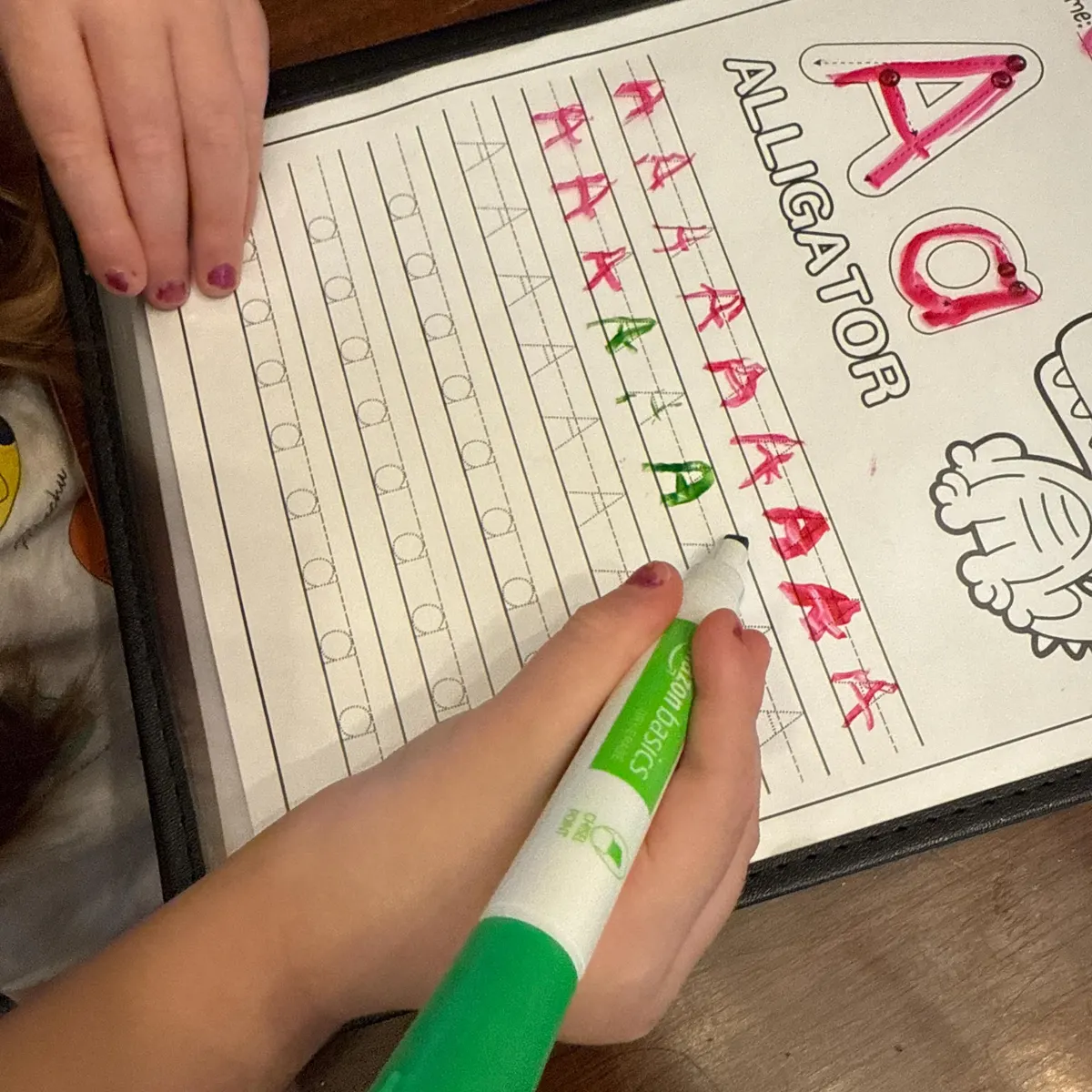
Preschool handwriting is about progress, not perfection. Children need time to learn how to hold a writing tool, follow a path, begin at the top of a letter, and stop at an endpoint. Short tracing activities make these skills manageable.
Use a thicker crayon or short pencil if a child is still developing grip strength. You can also place the worksheet on a clipboard or vertical surface for a new challenge. If tracing letters feels too difficult, return to basic lines and shapes for a few days. That is not moving backward. It is building the foundation that makes letters easier later.
Numbers, Counting, and Early Math
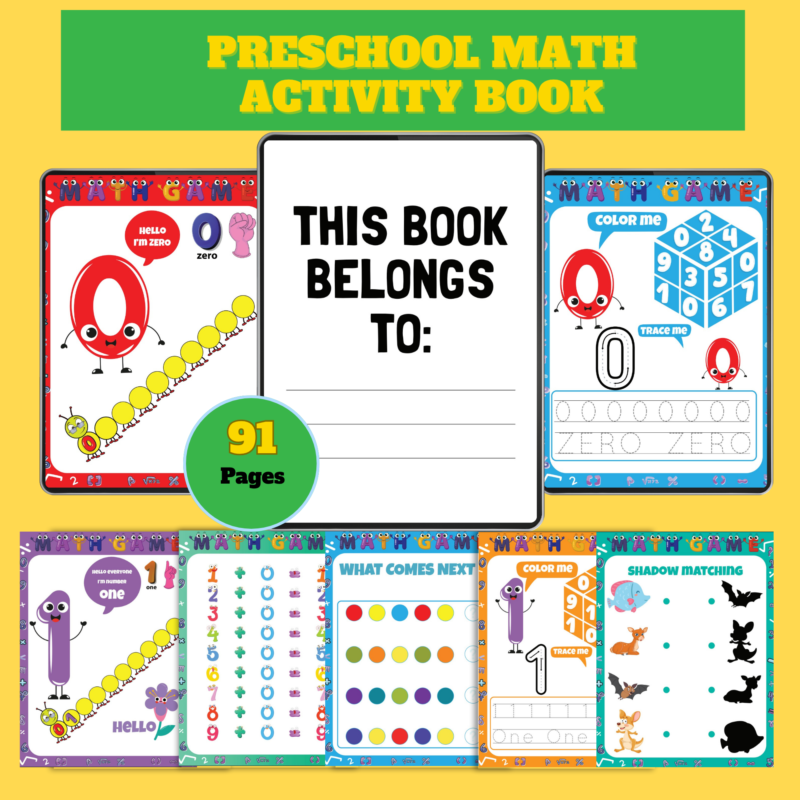
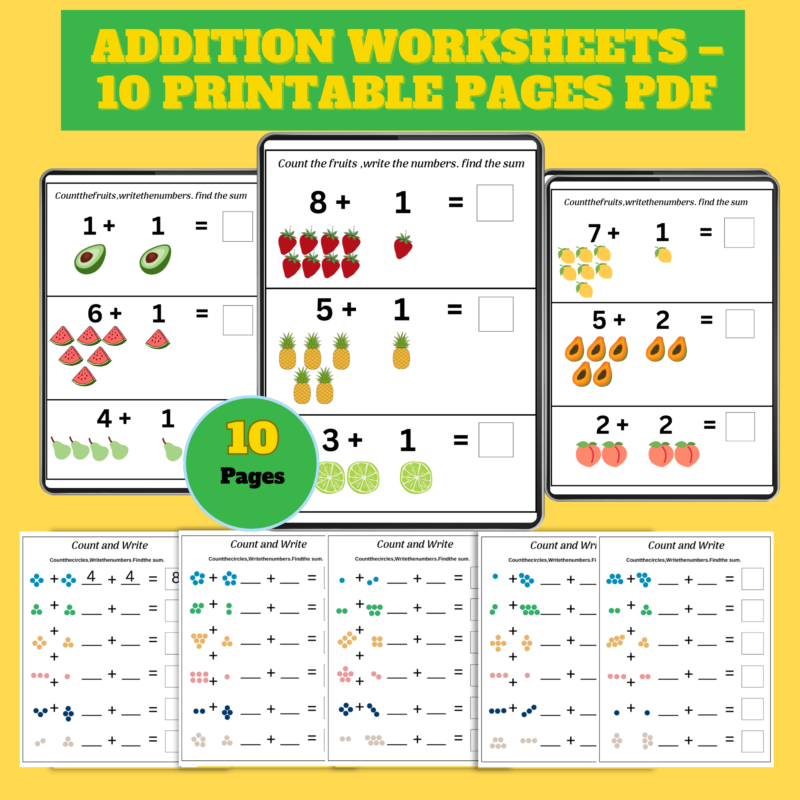
Early math worksheets can help children recognize numerals, count objects one by one, compare groups, and begin simple addition or subtraction stories. Pages with familiar images such as animals, fruit, toys, or stars often make counting more inviting.
A helpful rule is to use real objects alongside the worksheet when needed. If a child is asked to count six apples on paper, give them six blocks or buttons to touch as they count. This bridges the gap between seeing a numeral and understanding what that quantity means.
For children who are ready, simple picture addition can be a fun introduction to combining groups. Keep it concrete: two fish plus one fish makes three fish. Preschoolers do not need lengthy math drills. They need many relaxed opportunities to notice that numbers describe real amounts.
Coloring, Games, and Independent Learning
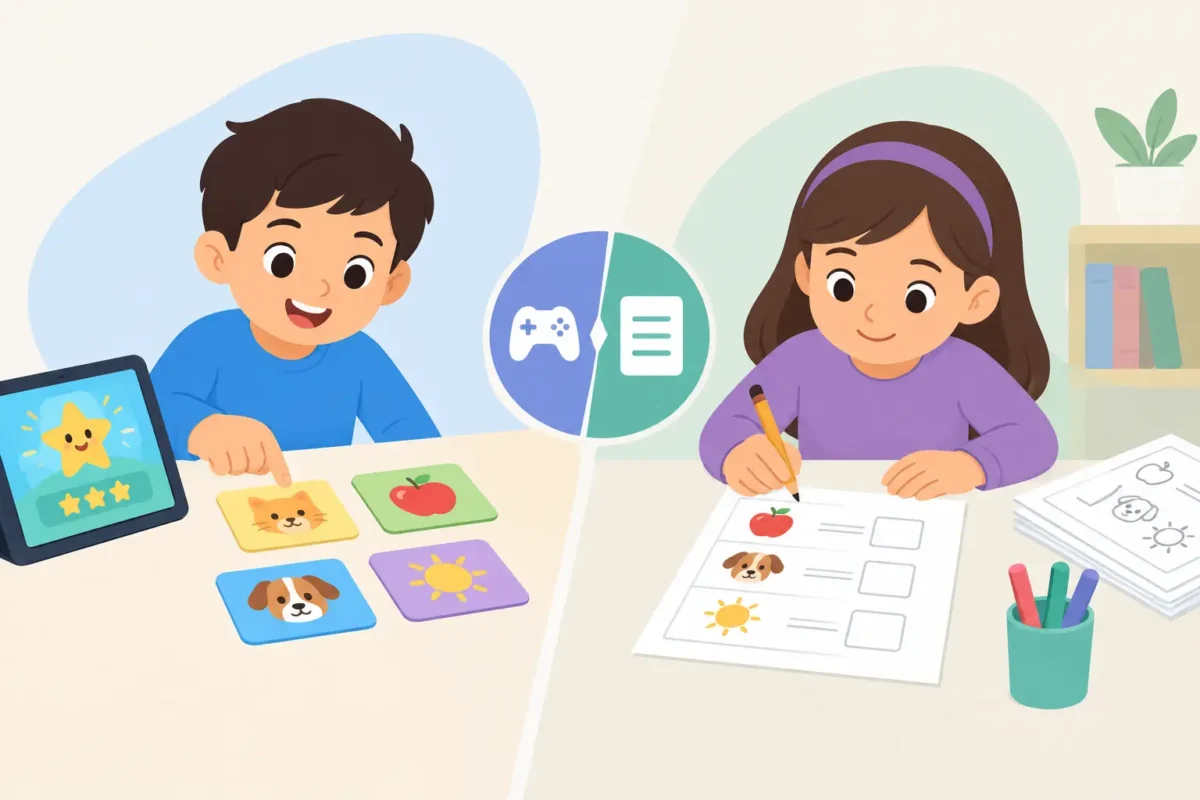
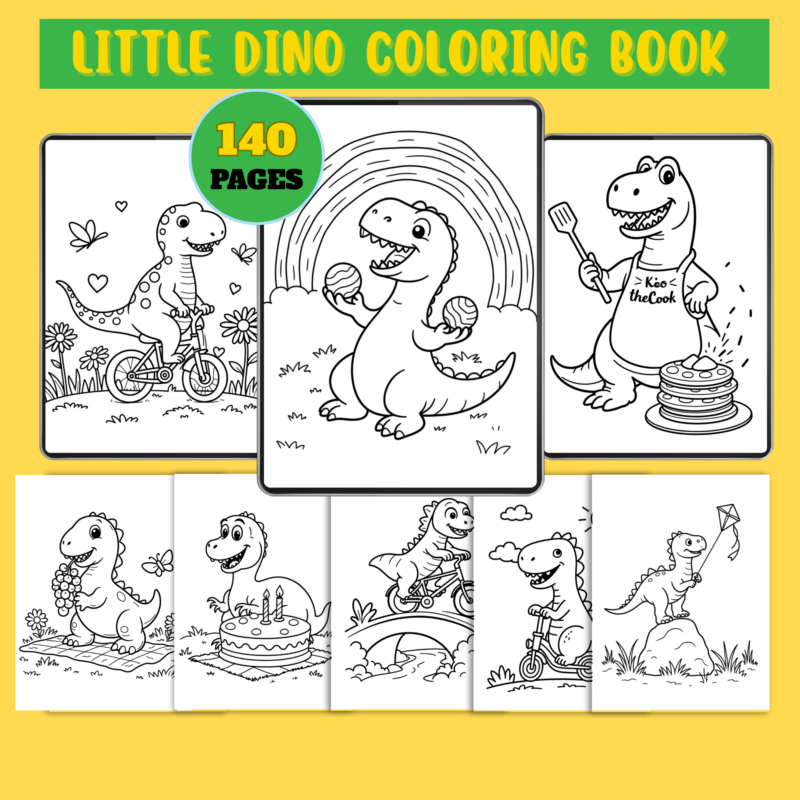
Coloring pages, cut-and-paste activities, board games, and simple puzzles are not filler. They can build focus, hand control, visual discrimination, turn-taking, and confidence. A themed activity can also make practice feel special around a season, holiday, or classroom unit.
Board game printables are especially useful for small groups. They create natural chances to practice counting spaces, following directions, and waiting for a turn. At home, they offer an easy screen-free activity that siblings can enjoy together.
How to Use Printable Worksheets Without Burnout
The most effective routine is usually the one you can repeat. Keep a small folder of printed pages sorted by skill, and let your child help choose between two options. Offering a choice – “Would you like letters or counting today?” – gives children a little ownership without turning the activity into a negotiation.
Aim for one focused page at a time. Some children will be ready to continue, while others will finish quickly and move on. Both responses are normal. If attention fades, stop while the experience is still positive. You can return to the same skill tomorrow with a new page or reuse a favorite worksheet in a dry-erase sleeve.
For classrooms and daycares, consider using printables in centers rather than giving every child the same task at the same time. One group might work on letter tracing, another might count pictures, and another might play a number game. This makes it easier to meet different readiness levels without creating extra prep work.
Print Smarter and Make Pages Last
Printable PDFs are convenient because they are ready when you need them. A few simple habits can stretch your resources and reduce waste. Print only the pages you plan to use soon, save favorites in a labeled folder, and use black-and-white pages when children will add their own color.
For reusable practice, place tracing and matching pages in page protectors or laminate them. Children can complete them with dry-erase markers, then wipe them clean for another day. This works particularly well for alphabet formation, name writing, number tracing, and simple mazes.
It also helps to keep supplies together: crayons, child-safe scissors, glue sticks, pencils, and a few counters. When everything is within reach, an activity can begin in minutes. That is where printable learning resources shine. They turn a spare ten minutes into purposeful practice.
Finding the Right Level for Your Child
Age labels are a helpful starting point, but ability matters more than age alone. A 3-year-old may love matching colors and tracing lines, while a 5-year-old may be ready for beginning sounds and simple addition. Some children will move quickly through one skill and need extra time with another.
Look for signs that a worksheet is a good fit: your child understands the directions with little help, can complete most of the page successfully, and seems interested enough to try again another time. If the task causes repeated frustration, simplify it. If it feels effortless every time, add a small challenge.
Fun Clever Fox printable resources are designed to give families and educators clear, playful practice across these early skills, with ready-to-print PDFs that fit naturally into home routines and classroom plans.
A worksheet is never the whole lesson. Talk about the pictures, count aloud together, make the letter sound, and notice your child’s effort. Print one page, keep the mood light, and let each small success build the confidence that makes young learners eager to try again.