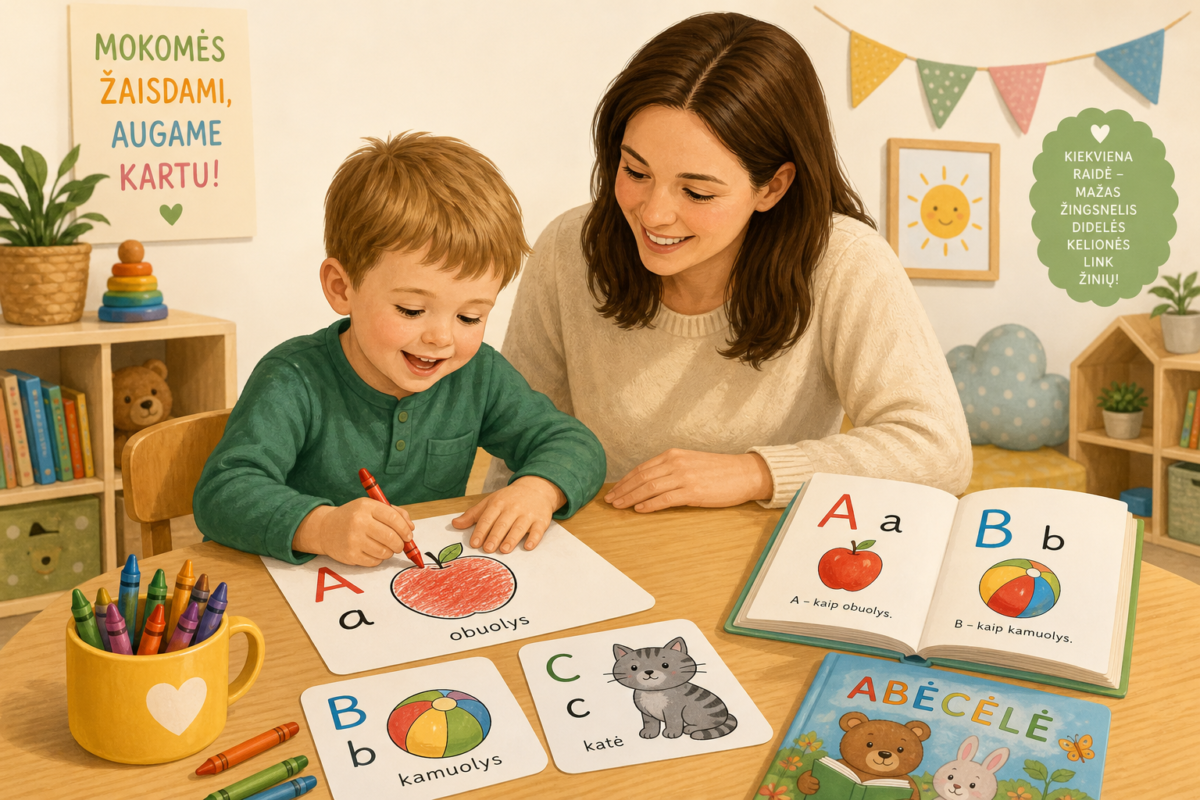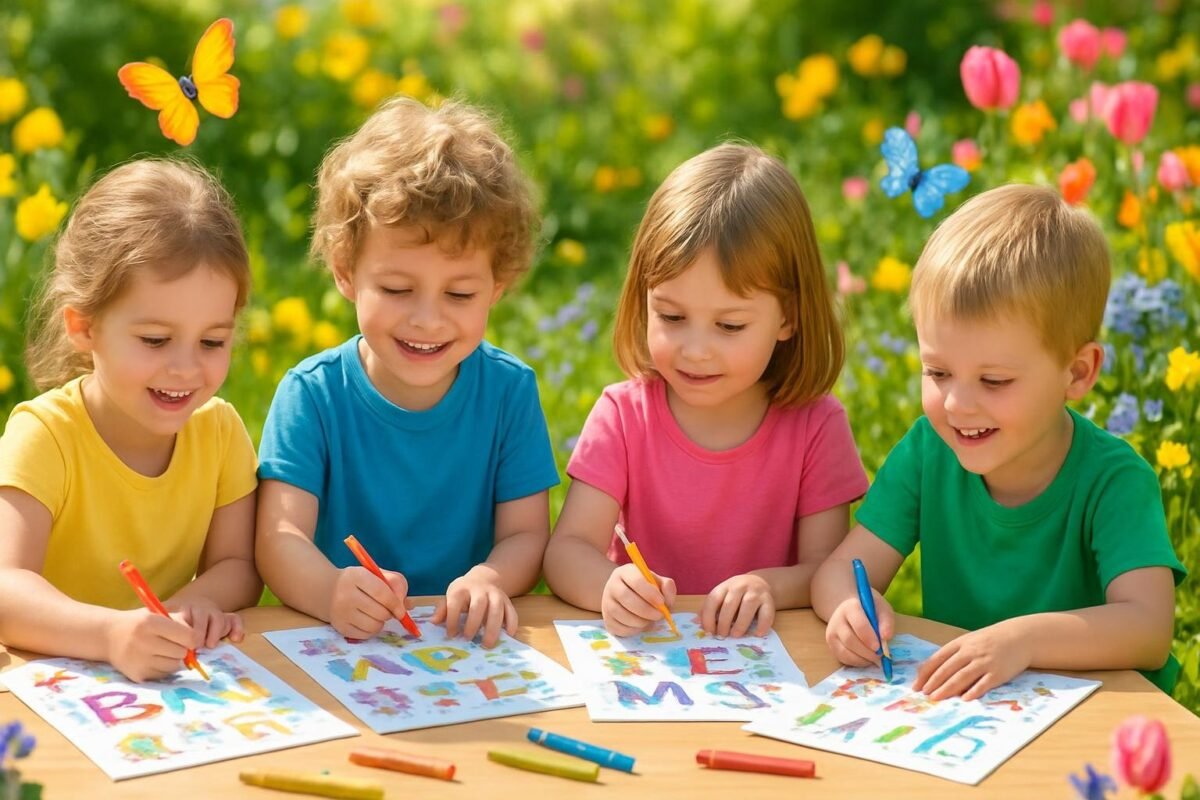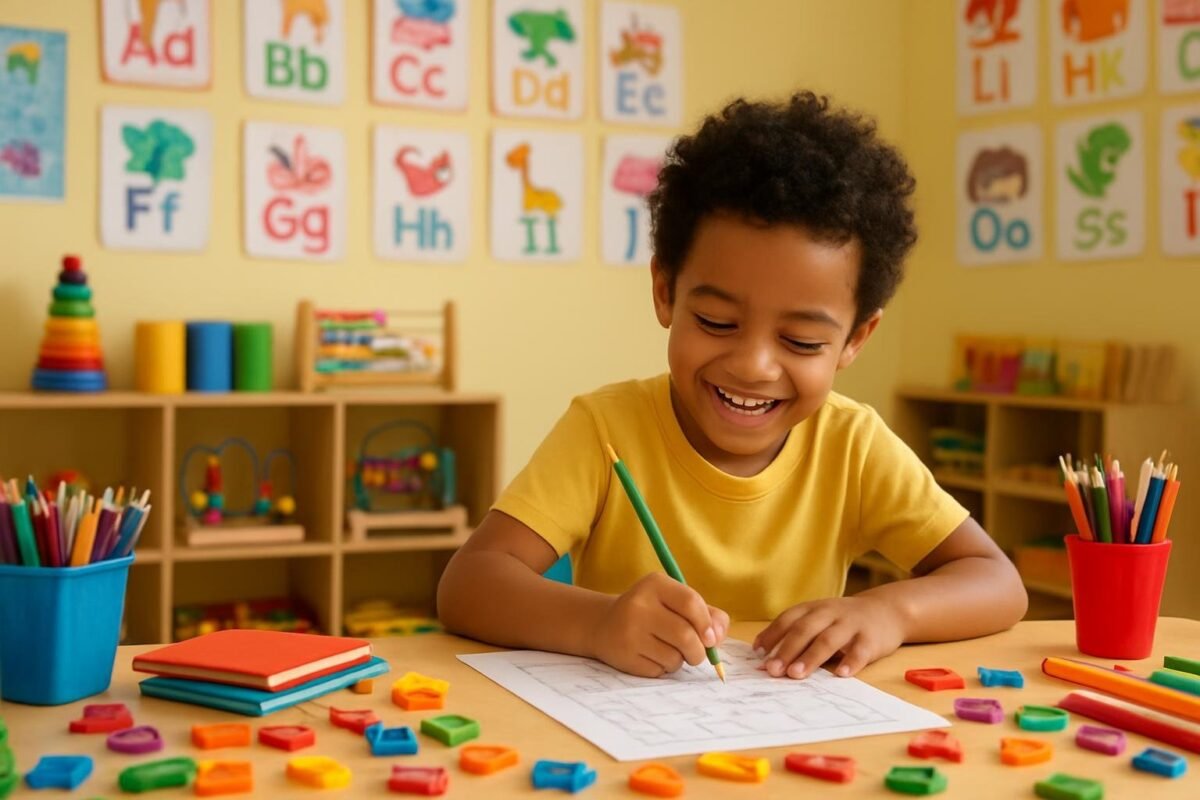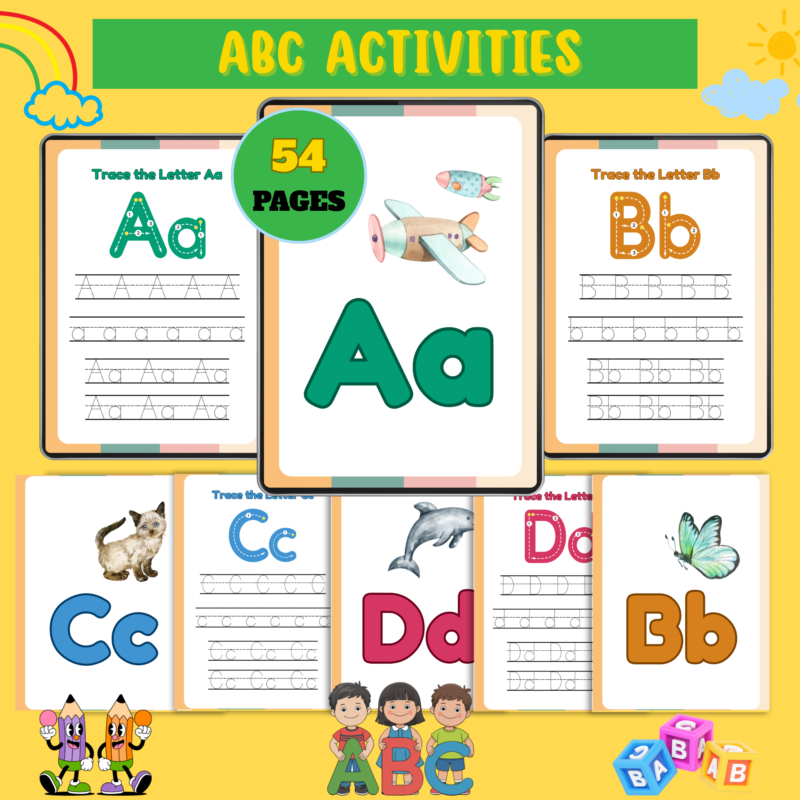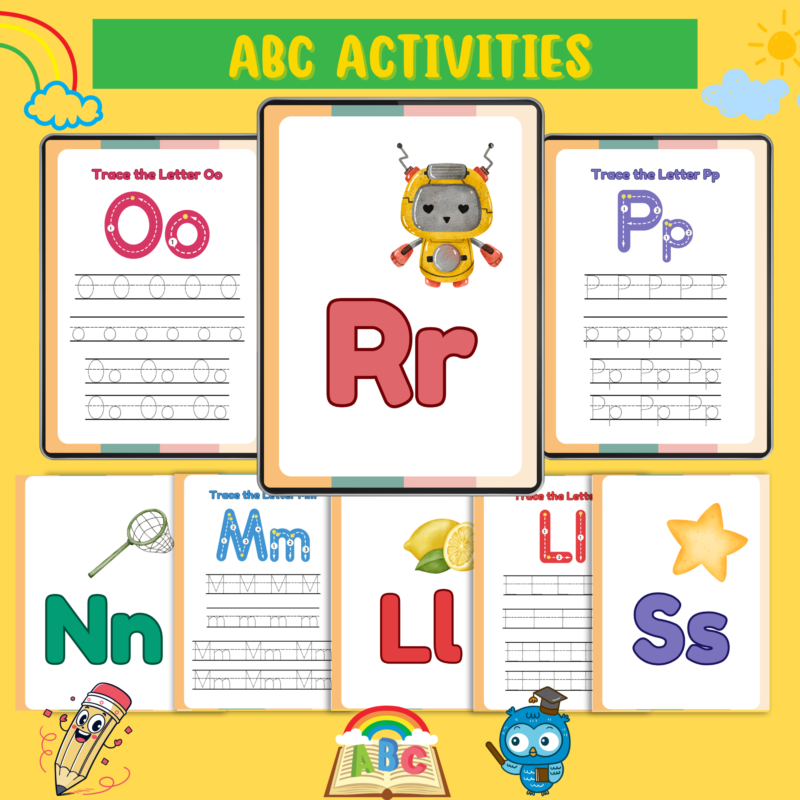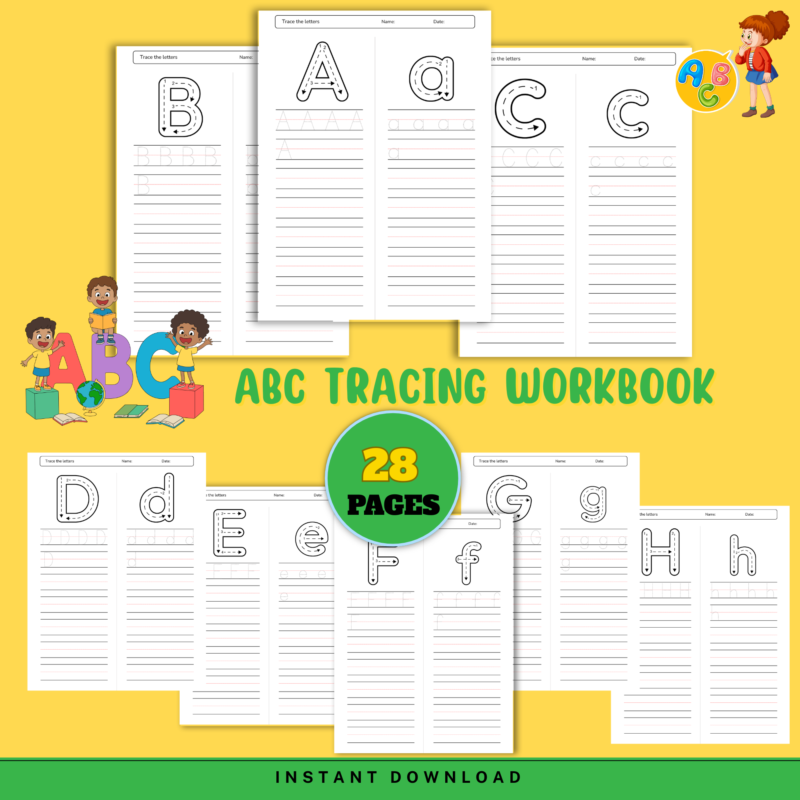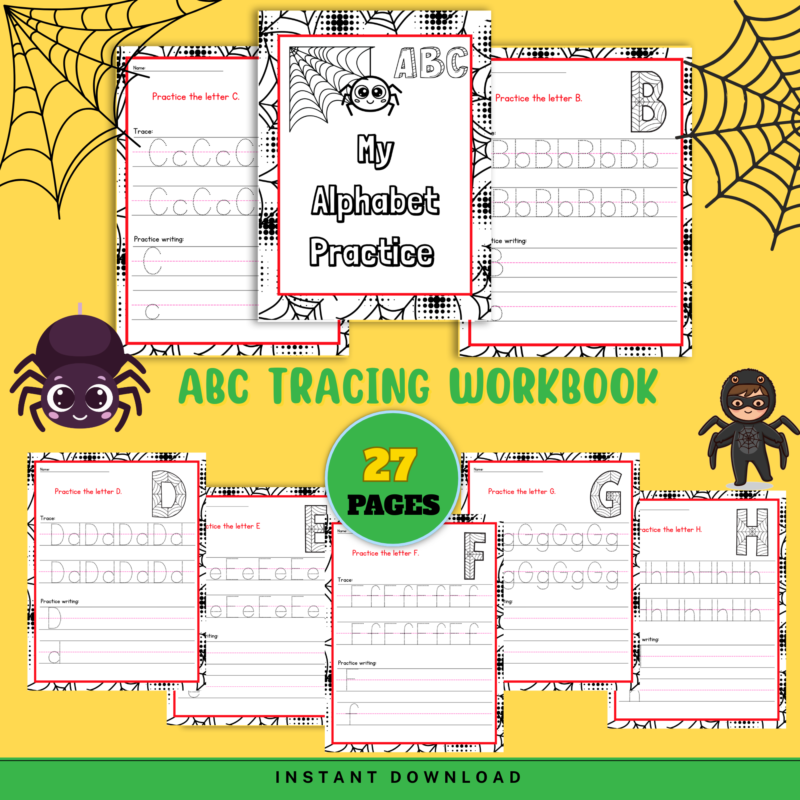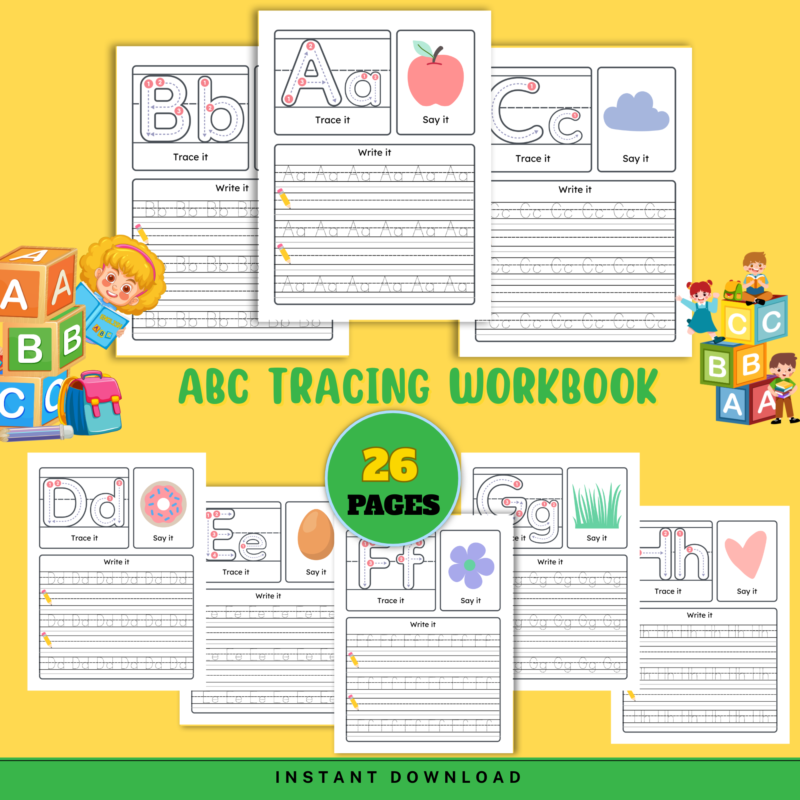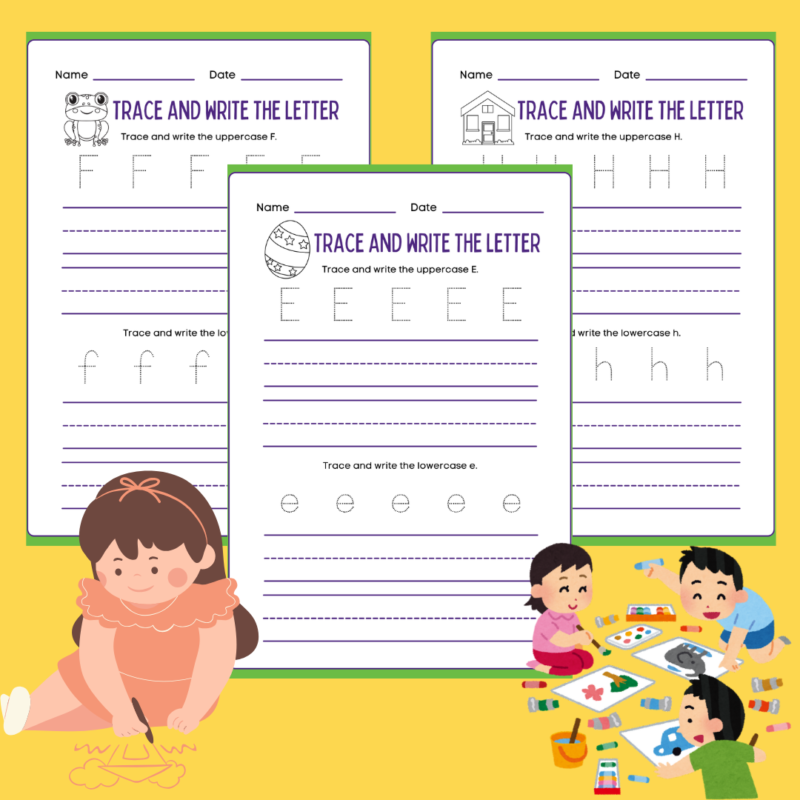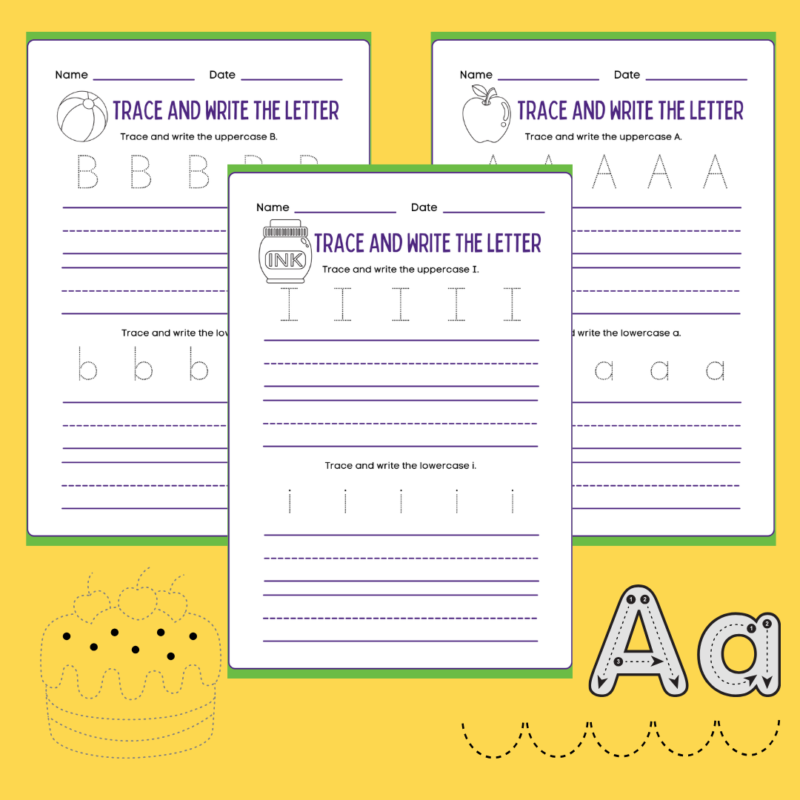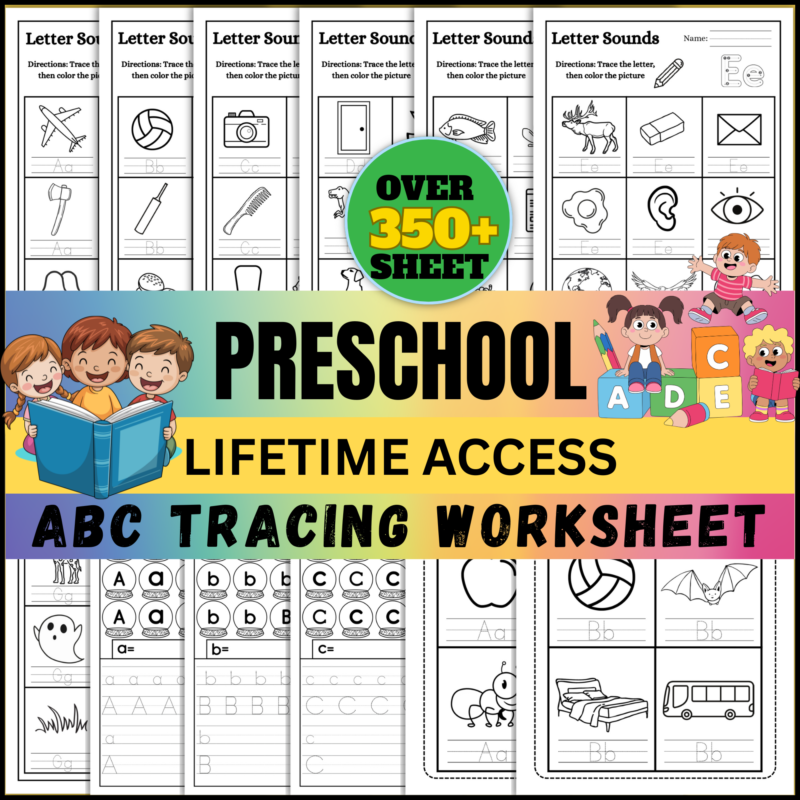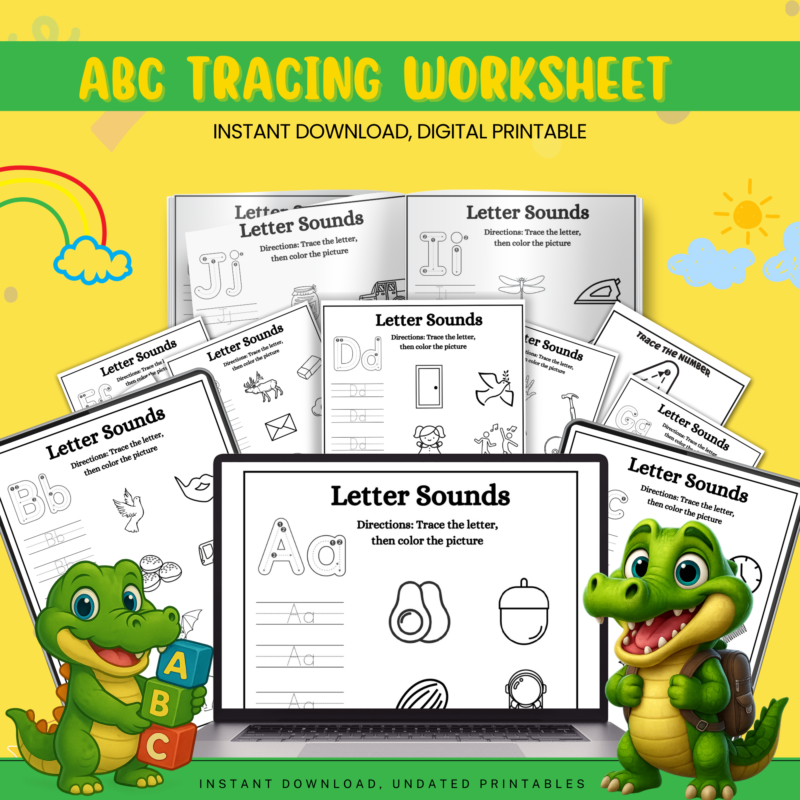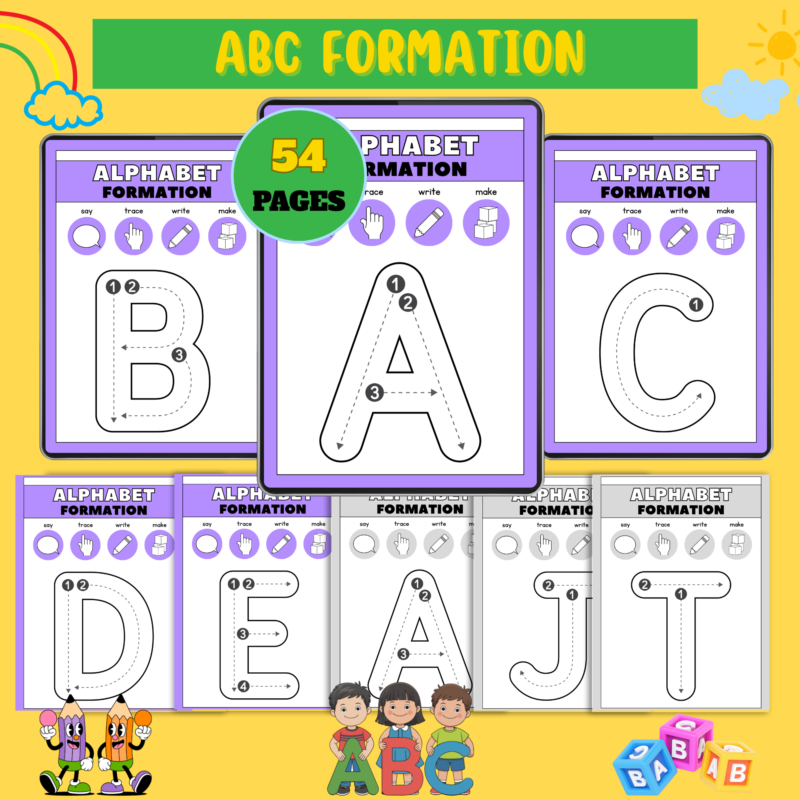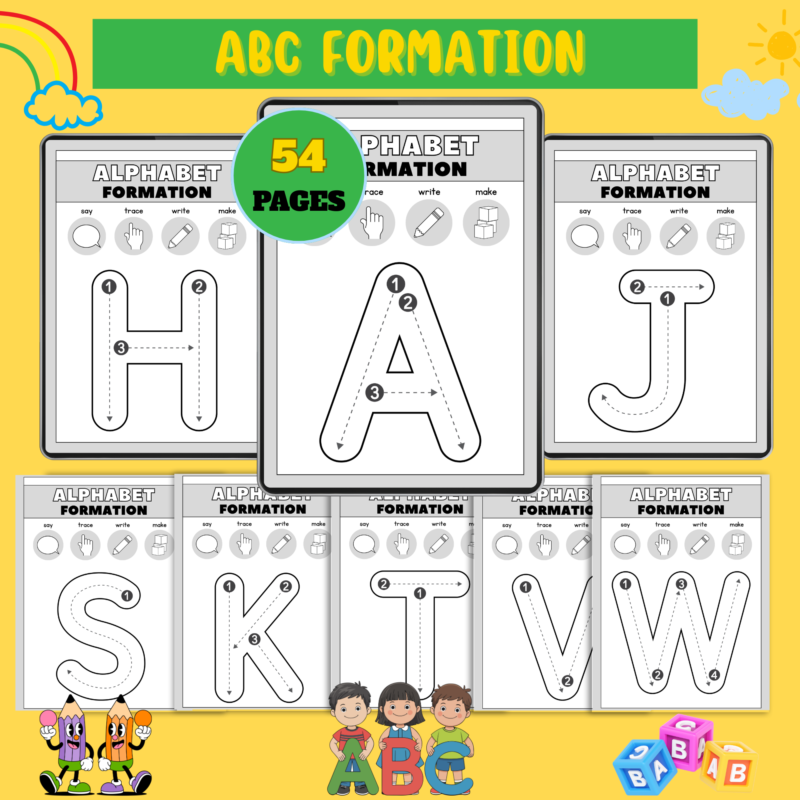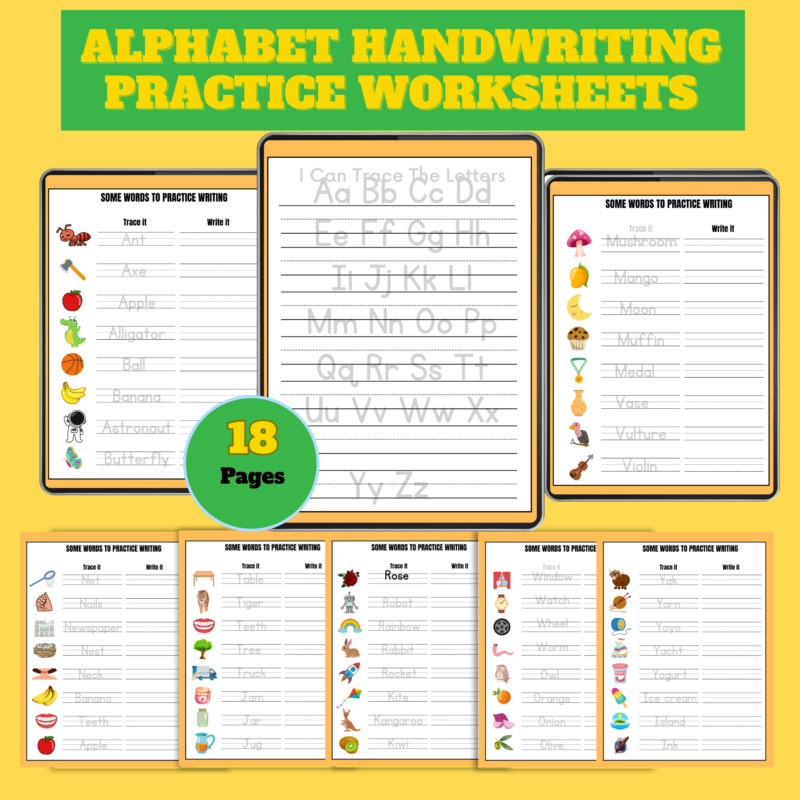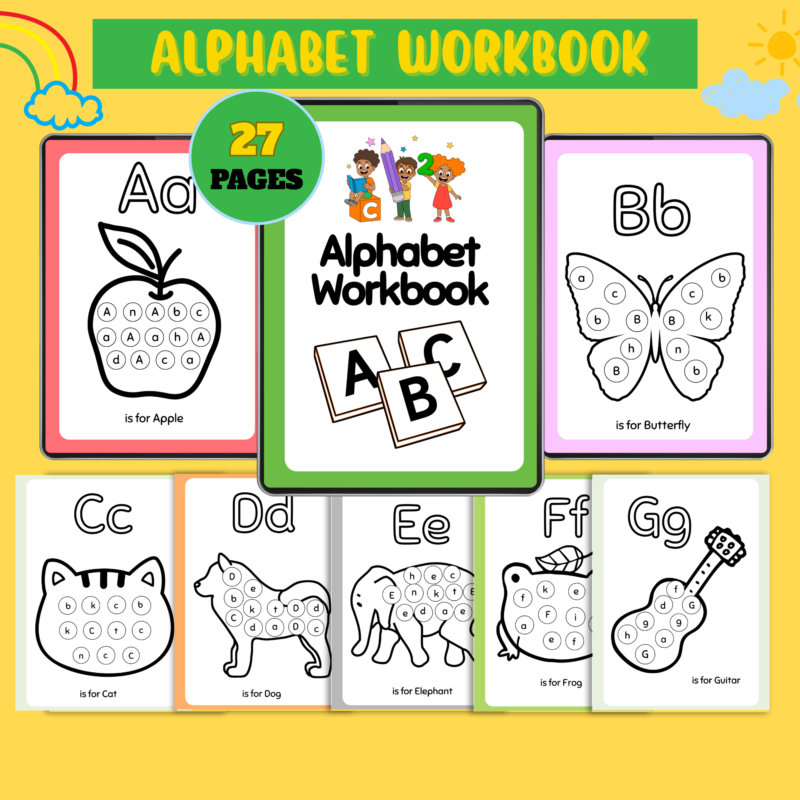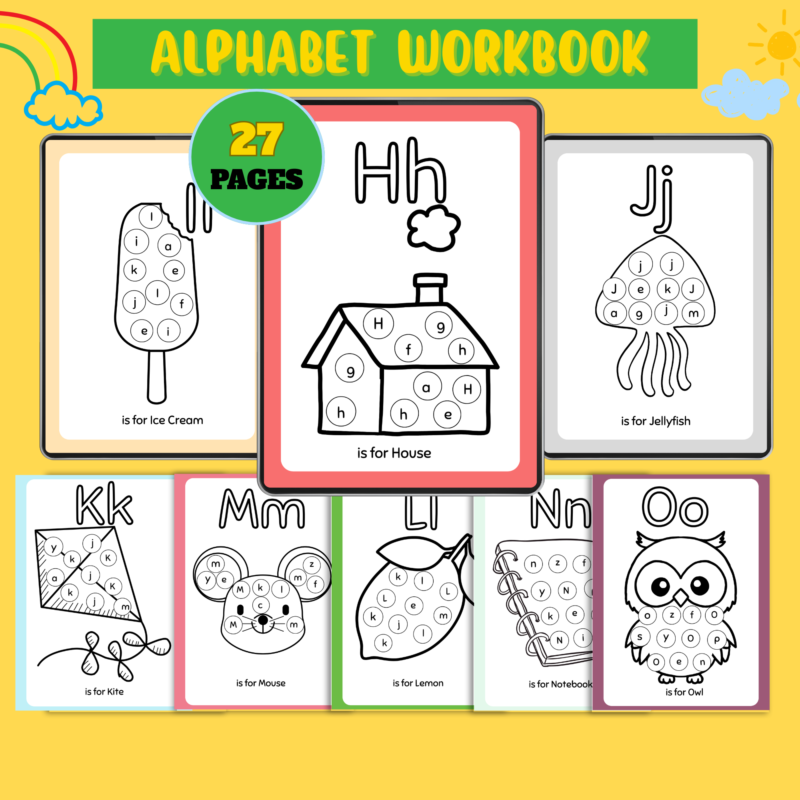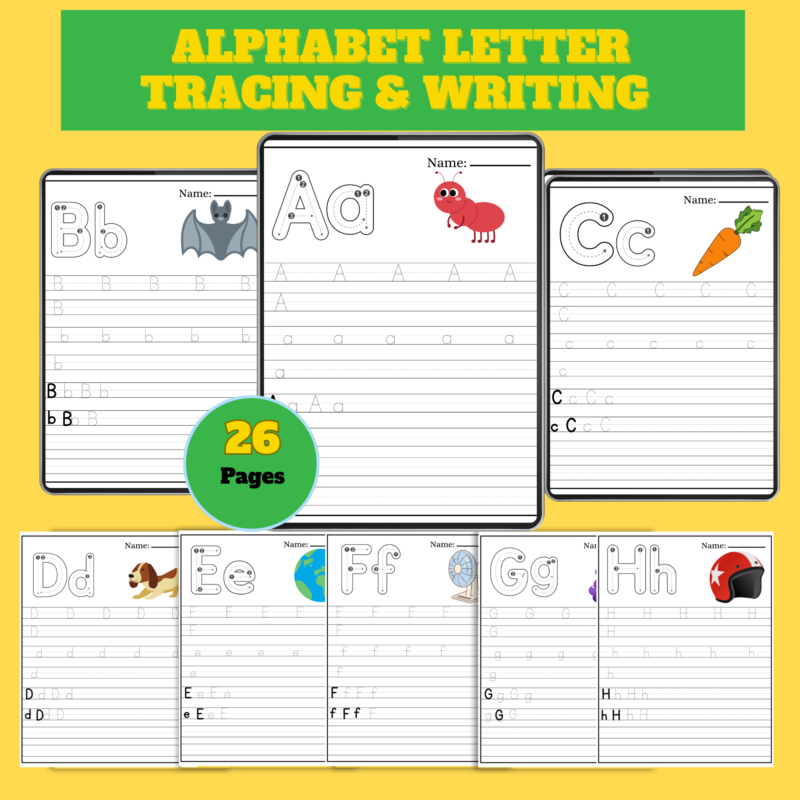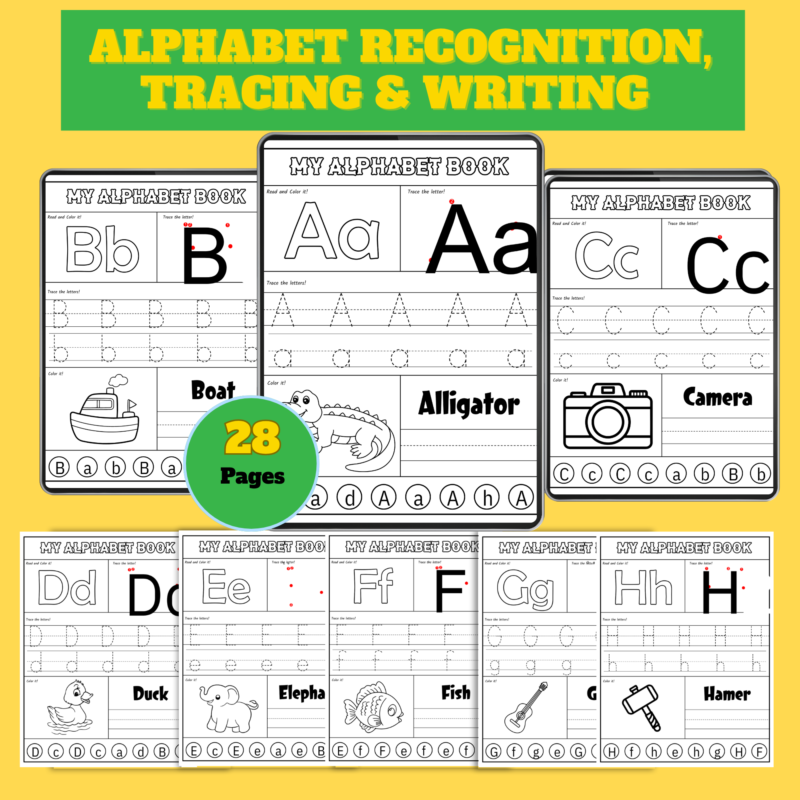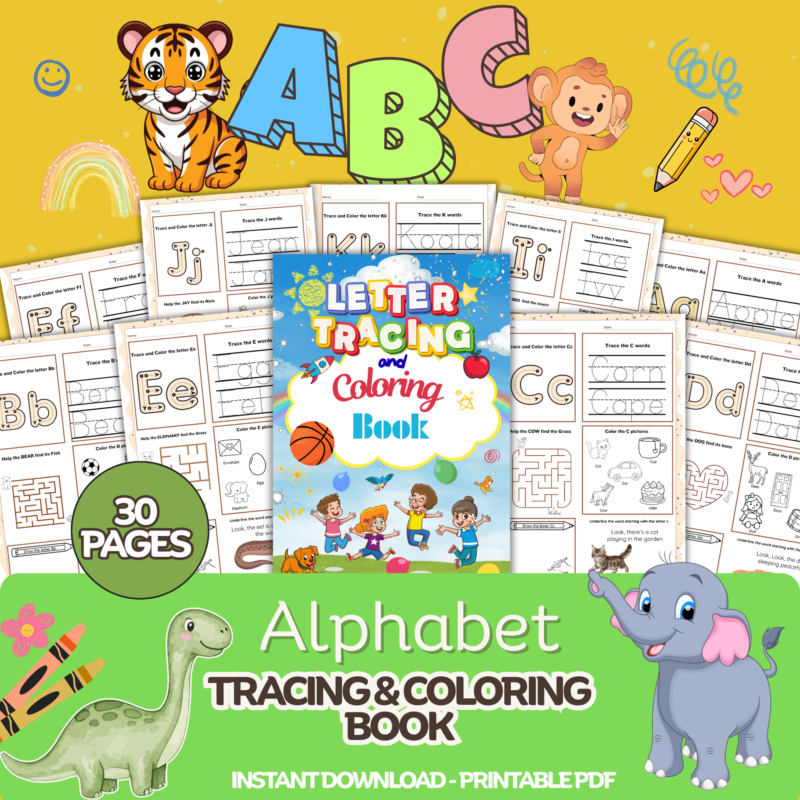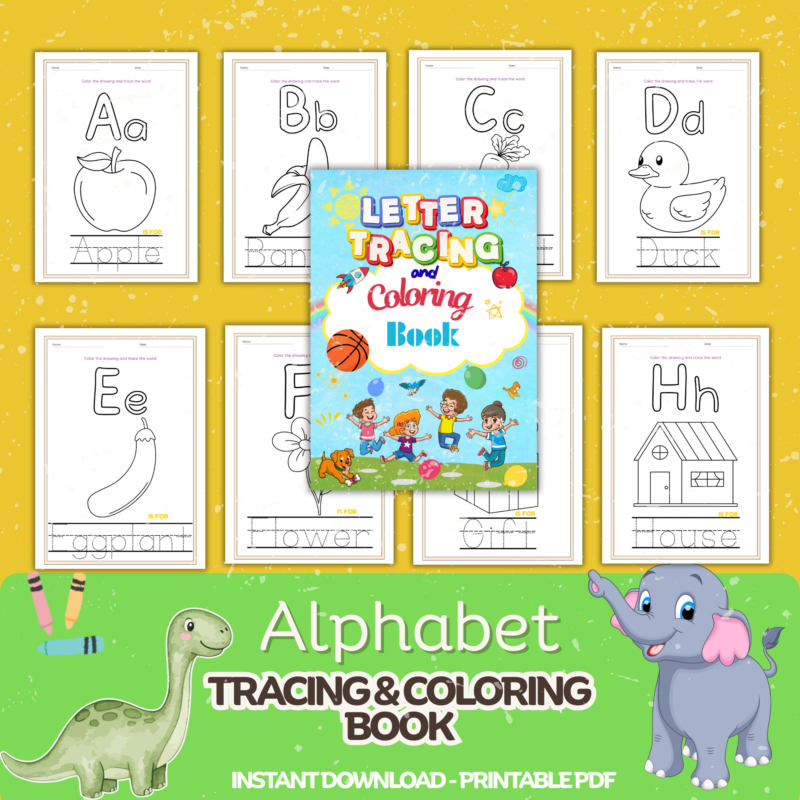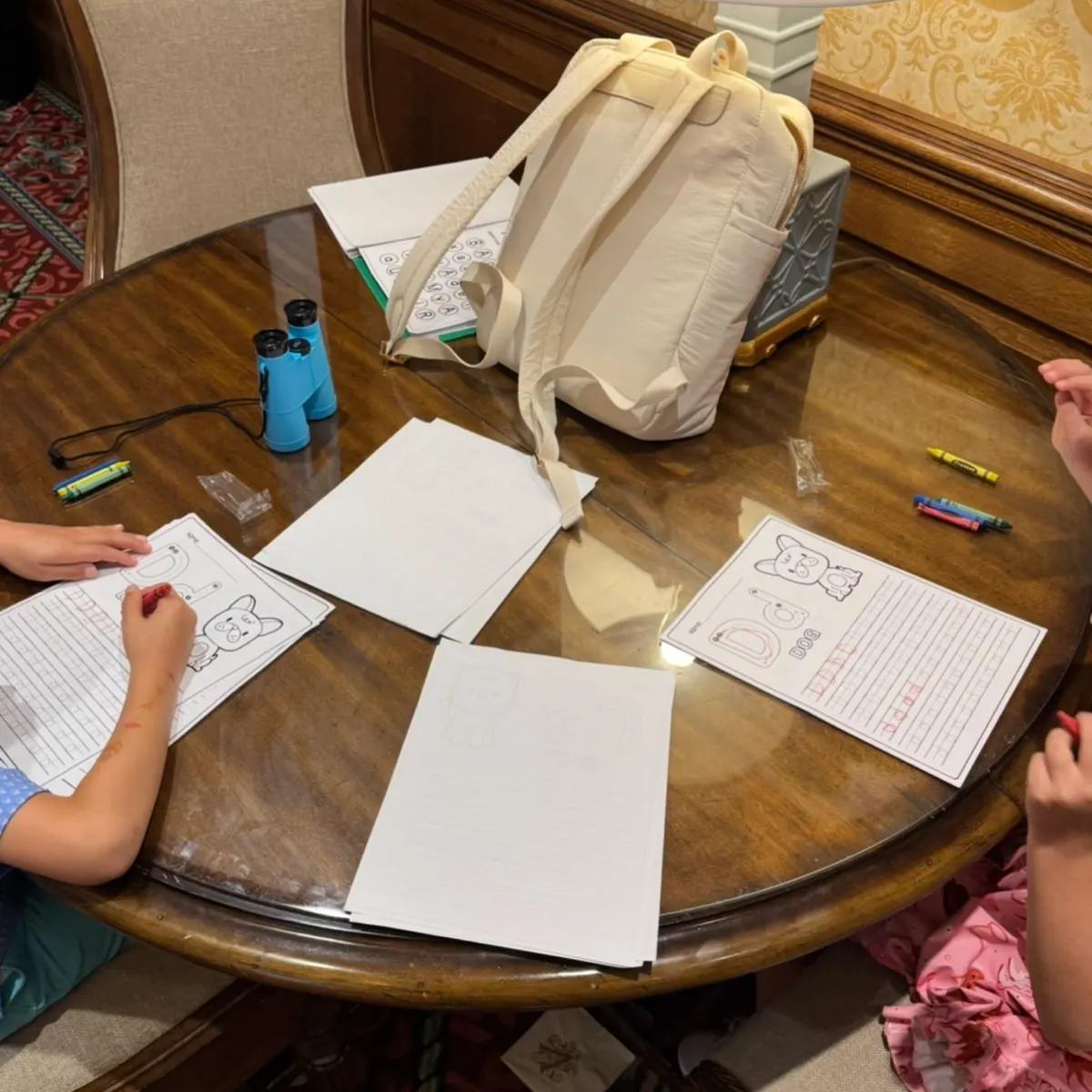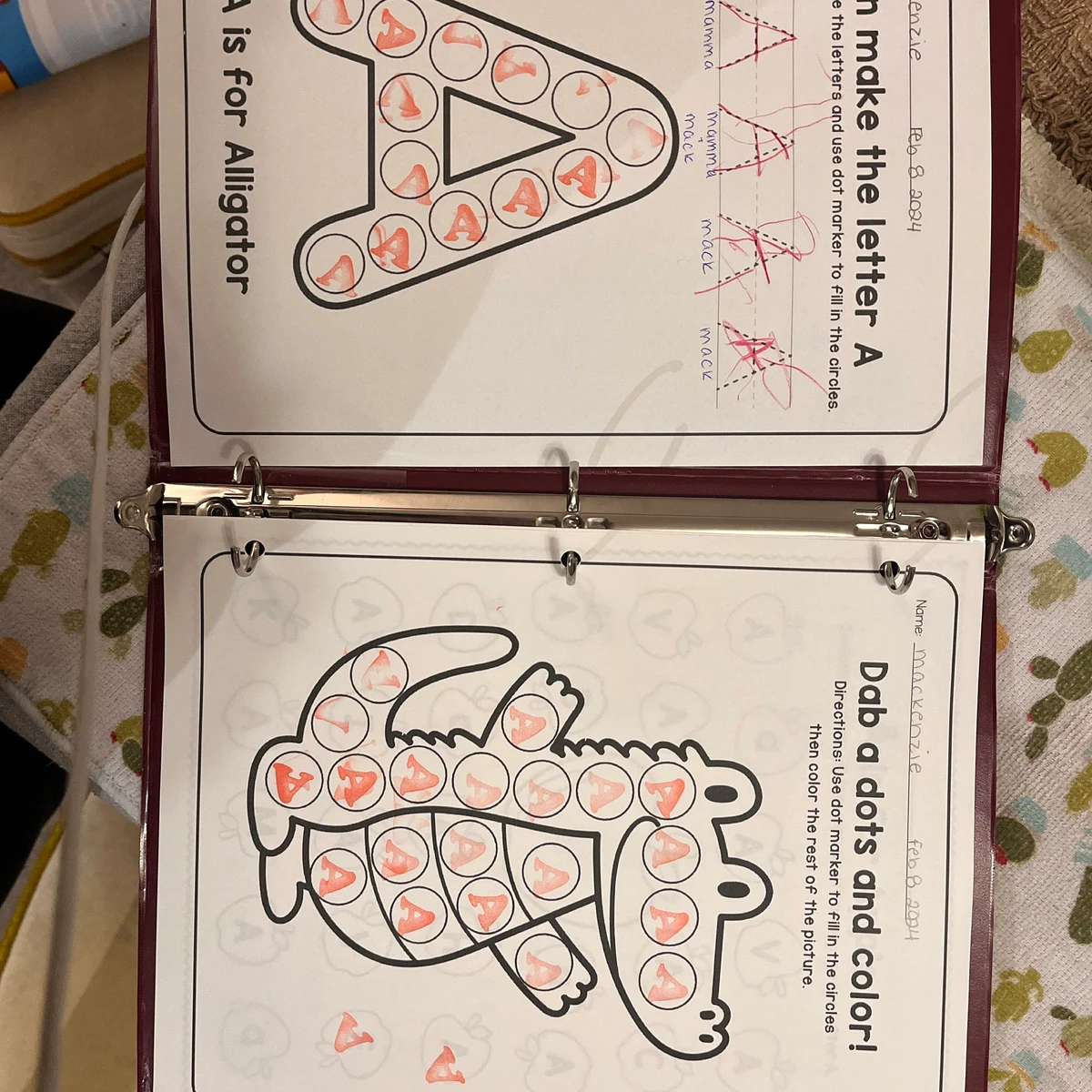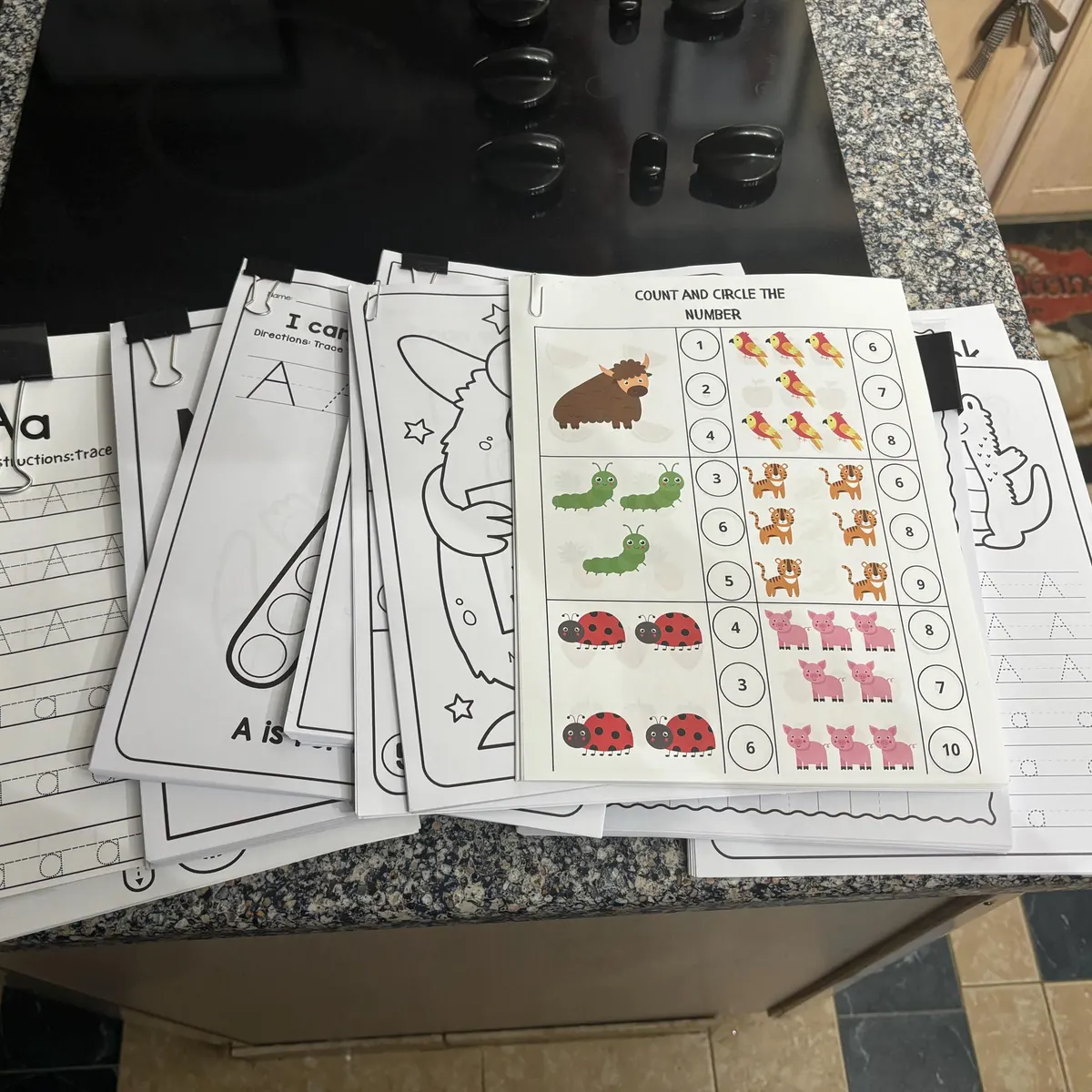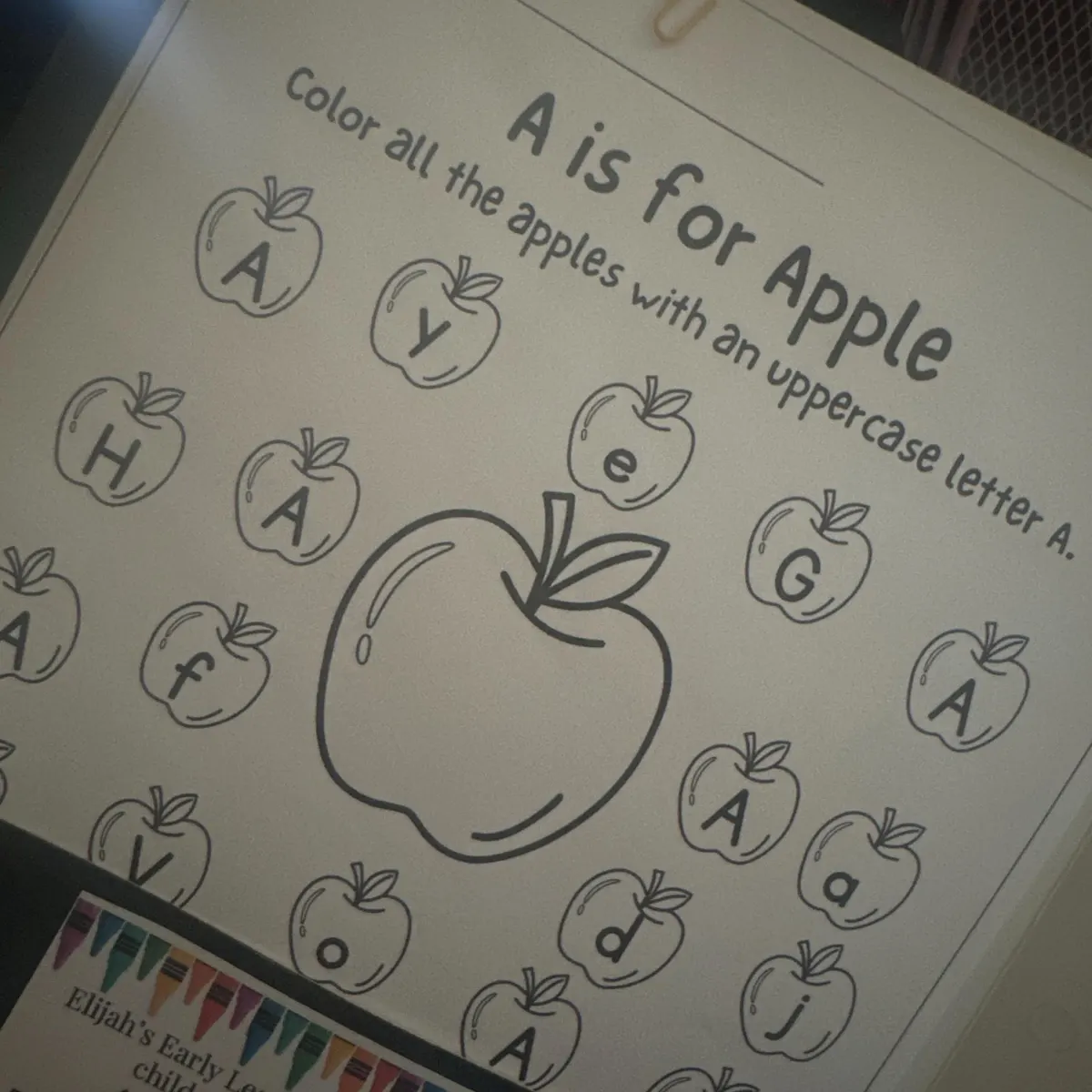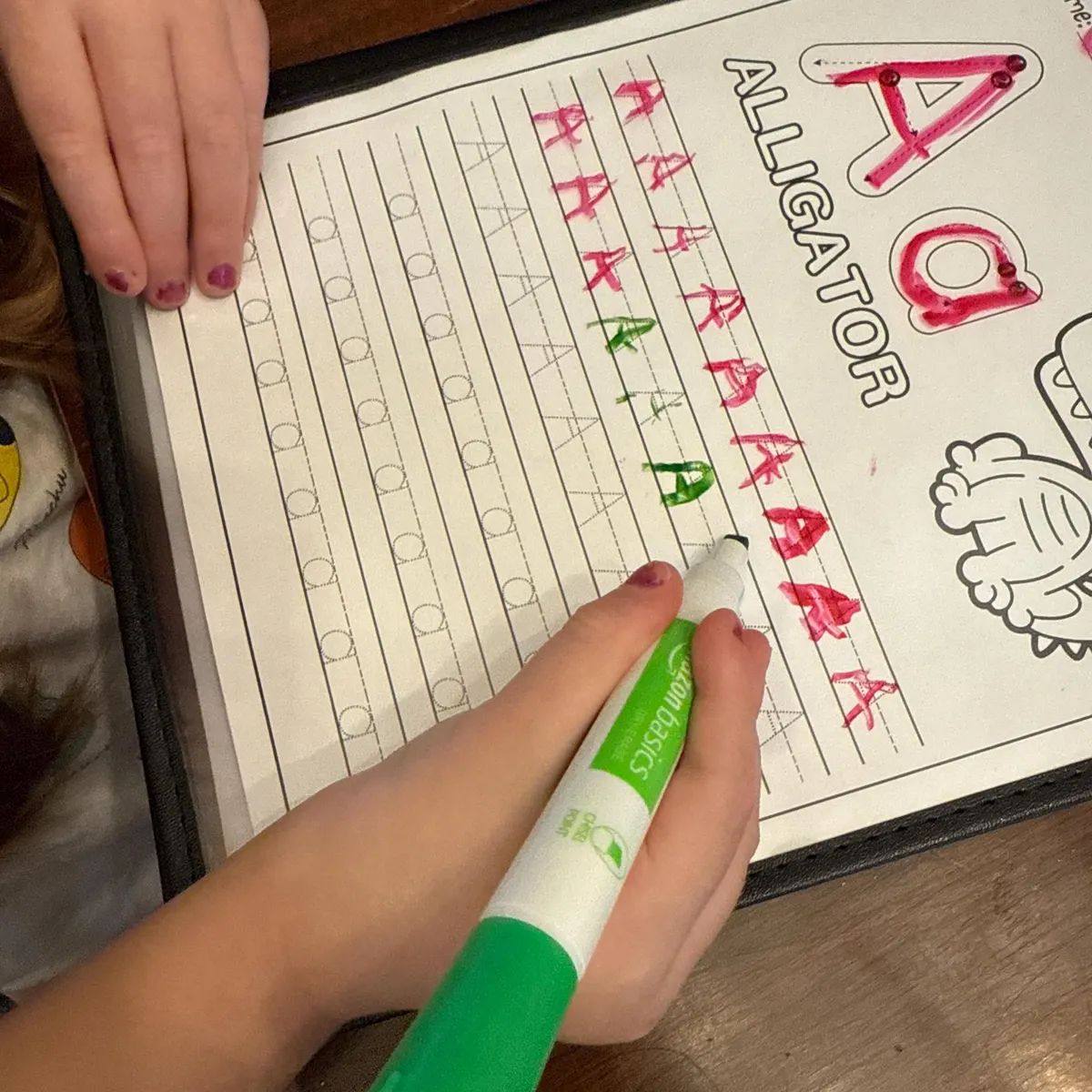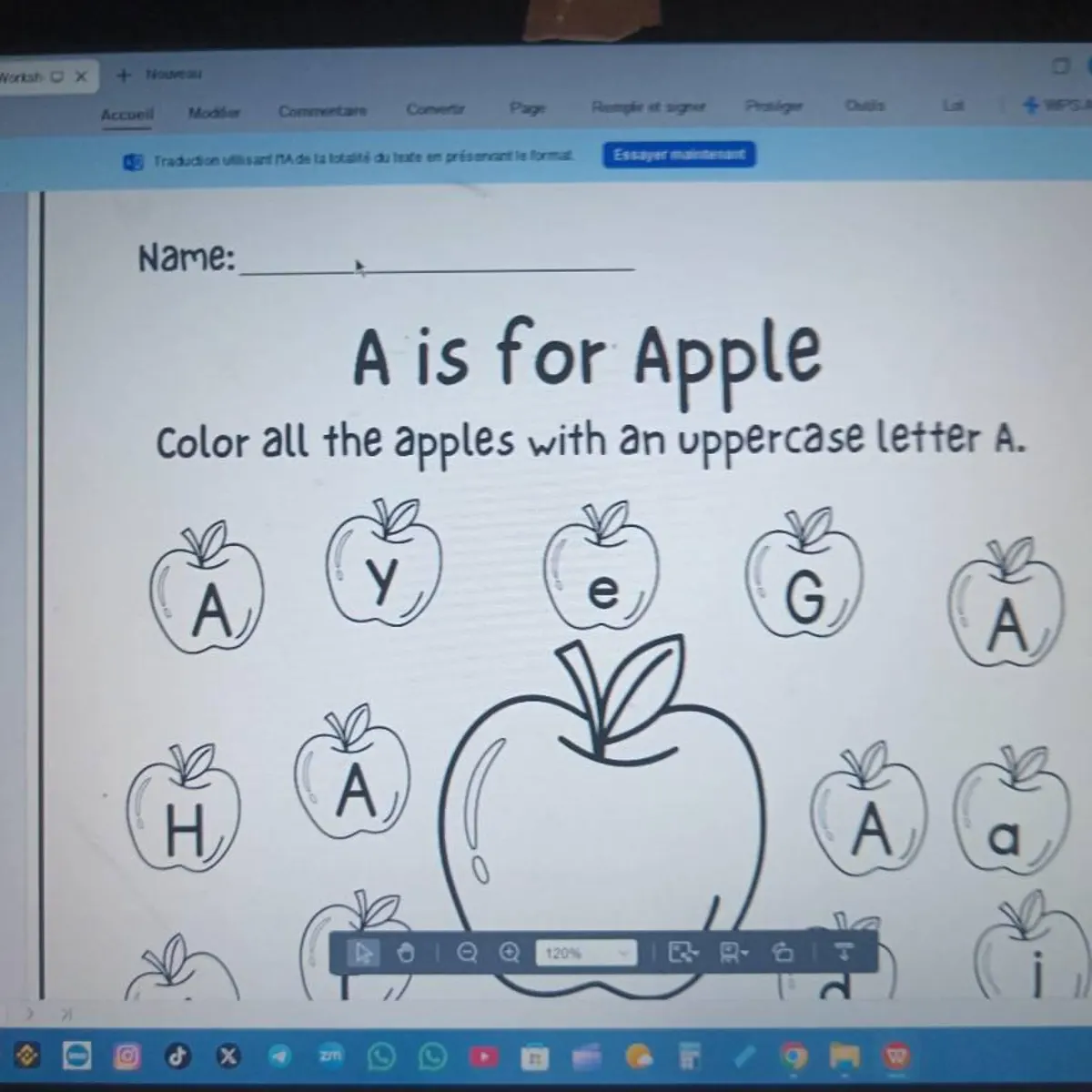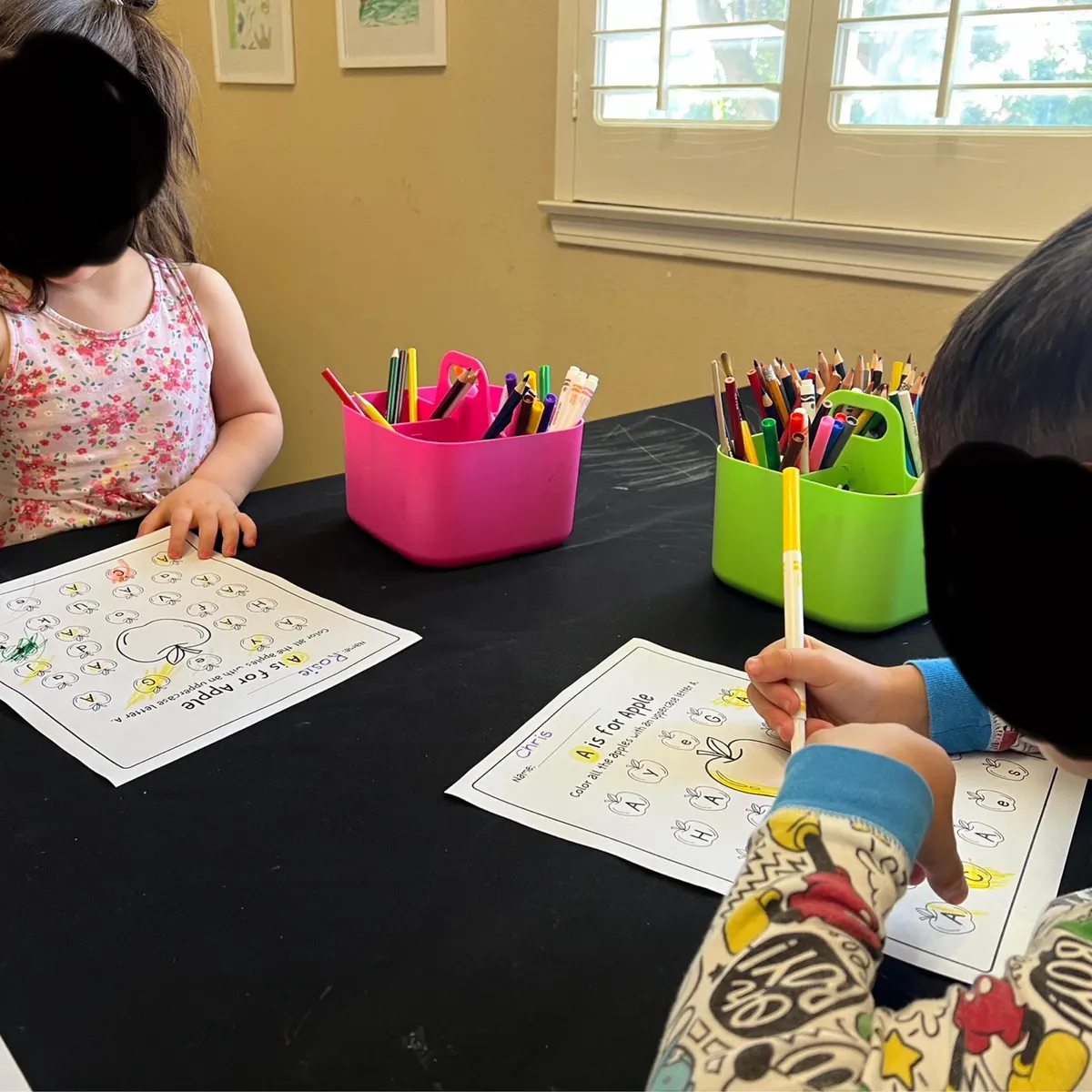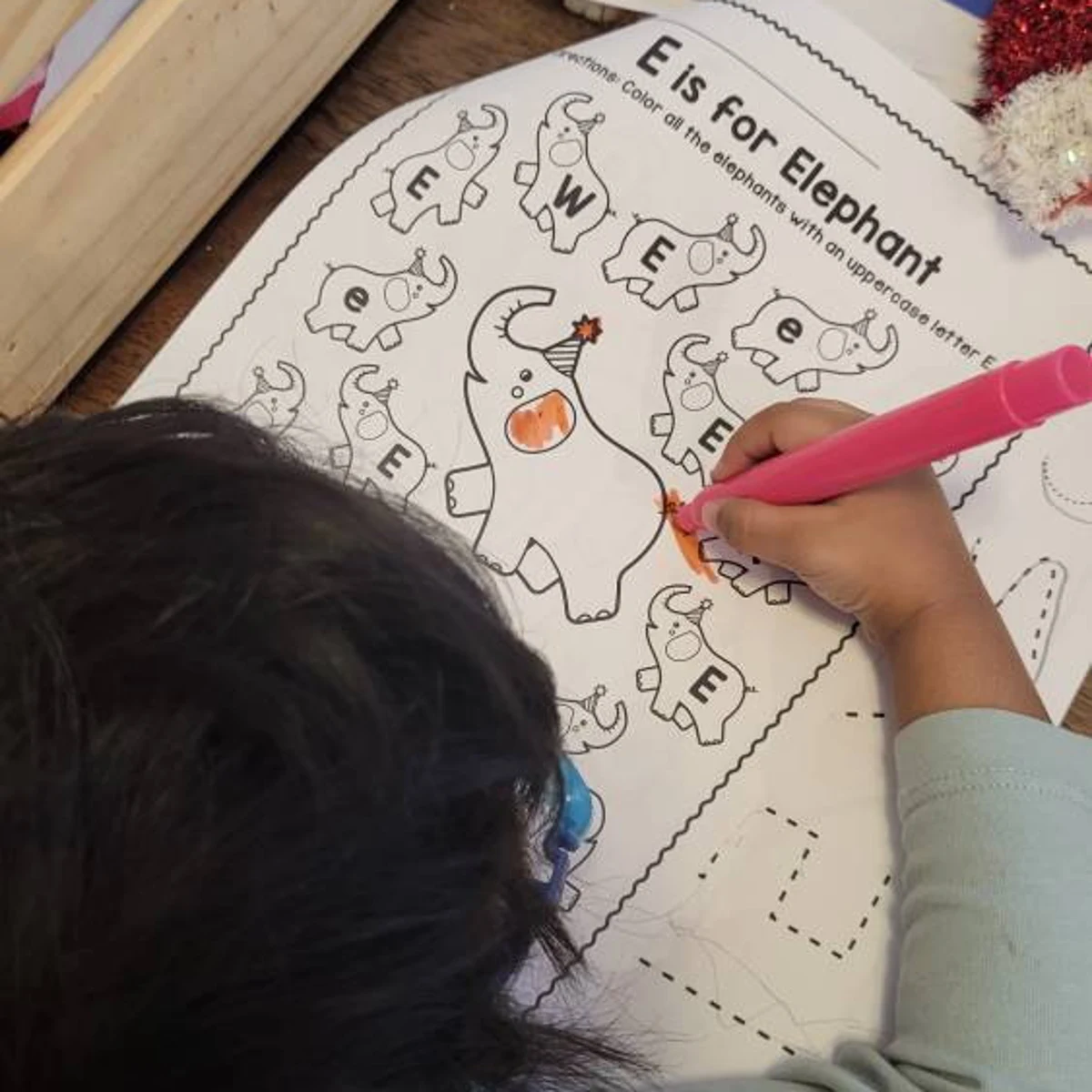
Free A-Z Letter Tracing Worksheets, A-Z Letter Tracing Sheets, and A-Z Letter Tracing Worksheets PDF designed for preschool and kindergarten learners. These fun printable tracing activities help children improve handwriting, alphabet recognition, pencil control, fine motor skills, and writing confidence through engaging uppercase and lowercase tracing practice perfect for classroom, homeschool, and daily learning routines.

Visual Subtraction Practice Activities for Kids

0
Visual Subtraction Practice Activities for Kids

A child who can count five bears does not automatically understand what happens when two bears walk away. That small leap – seeing a group, removing part of it, and naming what remains – is exactly what visual subtraction practice activities help children make. For preschoolers and kindergarteners, pictures turn an abstract math symbol into a story they can see, touch, and talk through.

Subtraction practice does not need to begin with rows of number sentences. In fact, starting there can feel frustrating for young learners who are still building number sense. Simple, playful visuals give children a concrete way to understand that subtraction means taking away, finding the difference, or noticing how many are left.

Why visual subtraction works for early learners

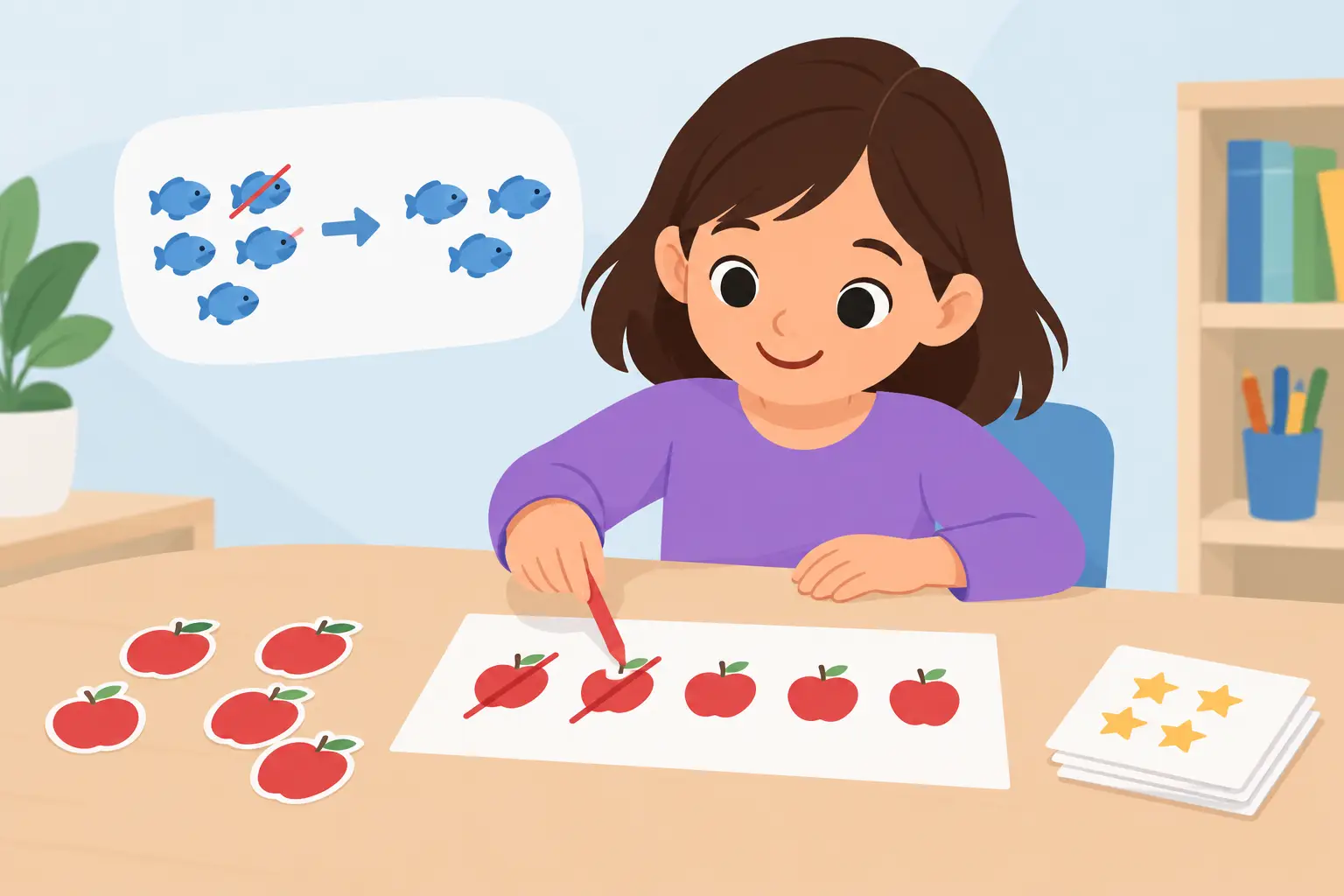
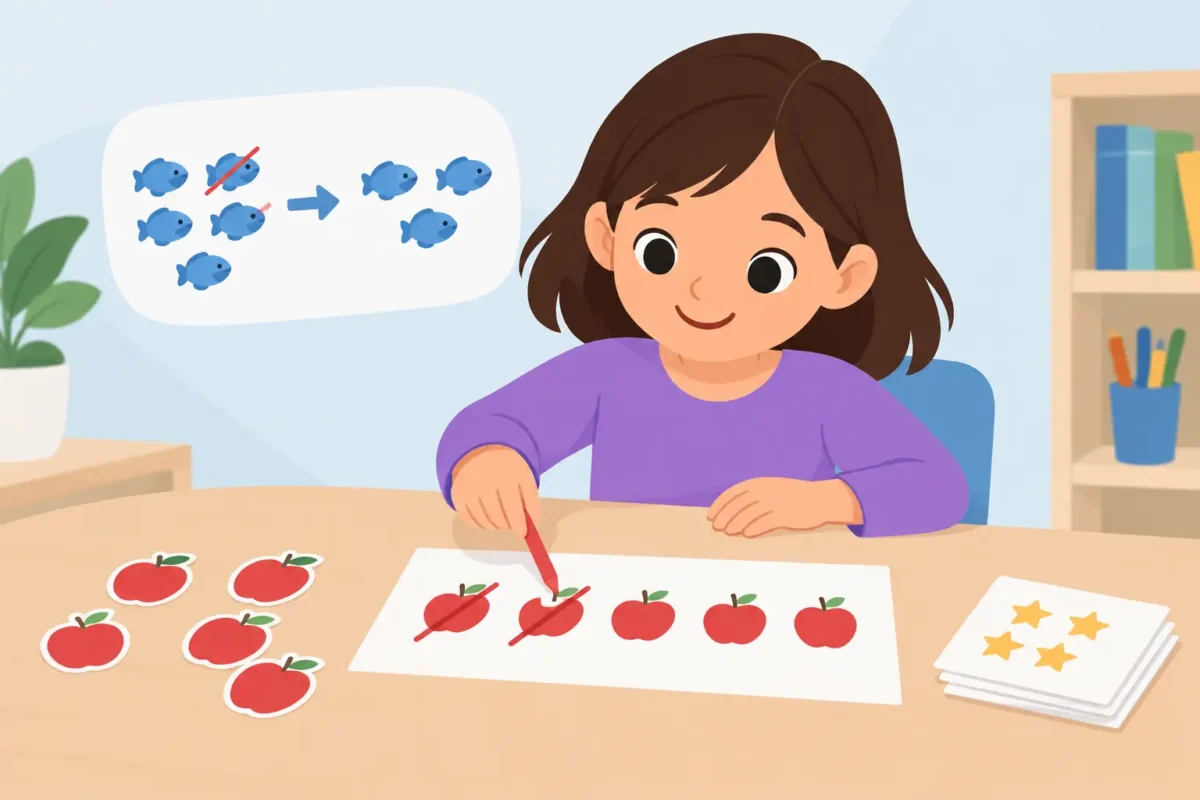
Young children learn best when math feels visible. A worksheet showing six apples with two crossed out gives a child useful information before they ever write an answer. They can count all the apples, identify the ones being taken away, and count the apples still there. The equation 6 – 2 = 4 then has meaning instead of being a set of symbols to memorize.

Visuals also reduce the memory load of early subtraction. A child does not have to hold every number in their head while figuring out the answer. They can point, count, cross out, circle, or use a finger to track each object. This makes practice more manageable for children with developing attention spans, emerging fine motor skills, or limited confidence with numbers.

Just as importantly, picture-based activities invite conversation. Ask, “How many did we start with?” “How many went away?” and “How many are left?” These repeated questions help children connect everyday language to the math process. Over time, they begin to recognize the pattern independently.

Start with small numbers and familiar pictures

For most preschoolers, begin with groups from 1 to 5. Kindergarten learners may be ready for subtraction within 10, especially when they have plenty of counting experience. Moving too quickly can turn a confidence-building skill into a guessing game, so let the child’s comfort guide the pace.

Choose pictures children recognize right away: animals, fruit, toys, bugs, stars, or simple shapes. A page with eight busy pictures may look exciting, but a clear layout is often more effective. Young learners need enough space to point to each object and see what has changed.

At first, show the action clearly. For example, present five fish and cross out one fish. Later, try a missing-picture activity where children see five balloons, notice that two are popped or gone, and decide how many remain. Both approaches build understanding, but the first is usually easier for beginners.

Use the “show, take away, count” routine

A predictable routine helps children know what to do with every new problem. You can say, “Show me how many there are. Take away the crossed-out ones. Now count what is left.” Keep the language short and repeat it often.

If a child says the answer without counting, gently ask them to show how they know. They may be ready to recognize small quantities quickly, which is a great sign. Still, explaining their thinking helps strengthen the connection between the picture and the answer.

6 visual subtraction activities children will enjoy

The best visual subtraction practice activities are quick to set up, easy to repeat, and flexible enough for home or classroom use. Rotate the activity style to keep practice fresh while reinforcing the same core skill.

  1. Cross-out picture worksheets: Give children a group of objects and ask them to cross out the number being taken away. Then they count the pictures that remain and write, trace, or say the answer. This is an excellent first worksheet format because the subtraction action is right on the page.
  1. Cover and count games: Place small counters, buttons, or toy animals on a ten-frame or a simple mat. Start with a small number, cover some with a cup or hand, and ask how many are still showing. Children can lift the cover to check their work, which makes this activity feel low-pressure.
  1. Snack-time subtraction: Put a few crackers, cereal pieces, or fruit slices on a plate. Ask a child to “eat” or move away a certain number, then count what is left. This works well for one-on-one learning, though it is less practical for a full classroom and may be distracting for children who are very hungry.
  1. Color-and-take-away pages: Children color a set of pictures, then color over or mark the objects that are being removed. The remaining objects reveal the answer. This slower format combines early math with pencil control, but it is best used when the goal is calm, focused practice rather than a fast math warm-up.
  1. Picture story cards: Tell a simple story: “Seven ducks were swimming. Three waddled to shore.” Let children use picture cards or drawn circles to act out the story before they answer. Story problems build math vocabulary and show children that subtraction appears in ordinary situations.
  1. Clip-card challenges: Create cards with a visual subtraction problem and three possible answers. Children count the remaining items and clip a clothespin onto the correct number. This is a helpful center activity because children can check their work by turning over a card with a small answer mark on the back.

Make printable subtraction practice more effective

Printable pages are especially useful when adults need low-prep, screen-free practice. They give children a clear task, create a simple record of progress, and can be used again with dry-erase markers when placed in a sheet protector. For busy families, teachers, and homeschoolers, that repeatability matters.

Before handing over a worksheet, work through one problem together. Point to the total group, identify the objects being removed, and count the rest. Then invite the child to try the next problem while you stay nearby. Independent practice is valuable, but a quick model first can prevent confusion and help children feel successful.

Not every child needs to write the equation immediately. Some may be ready to circle the answer or say it aloud first. Others may enjoy tracing the numbers in a subtraction sentence. Match the response to the child’s current skills. The goal is understanding what subtraction means, not rushing through a page.

Fun Clever Fox printable math activities can be a handy choice when you want child-friendly pictures and structured practice ready to print. Use one or two pages as part of a short math block, rather than making subtraction a long task. Five focused minutes can be more productive than twenty minutes of tired guessing.

Add movement when attention is fading

If a child is wiggly or losing interest, take the math off the page for a moment. Place five beanbags on the floor and ask them to toss two into a basket. Put six blocks in a line and have them carry away three. Draw five chalk circles outside, then ask the child to jump on the circles that are left after you “erase” two with a shoe.

Movement is not a replacement for written practice, but it can refresh understanding. After acting out a problem, return to a matching visual worksheet. Many children find the paper task easier once they have physically experienced the take-away action.

Know when a child is ready to move beyond pictures

Pictures should not disappear the moment a child answers a few problems correctly. Visual support is useful while children are learning, and there is no prize for removing it too soon. A child may understand 5 – 1 with pictures but still need help with 8 – 3.

You can begin mixing in simpler number-only problems when a child consistently counts remaining objects accurately, explains what subtraction means, and recognizes common facts such as 3 – 1 or 5 – 2. Keep visual problems in the practice set as well. A blend of picture equations, manipulatives, and number sentences supports both understanding and fluency.

Watch for common mix-ups. Some children count the crossed-out objects instead of the ones left. Others start counting at the first number in the equation rather than looking at the pictures. These are normal learning steps. Calmly return to the routine: count the group, take away, count what remains.

A few friendly pictures, a pencil, and a question such as “How many are left?” can turn early subtraction into a moment of discovery. Give children time to point, count, and explain, and their growing confidence will show up one small problem at a time.

Leave a Reply

Your email address will not be published. Required fields are marked *