A child who can cheerfully count five strawberries may still freeze when a worksheet asks them to circle the number 5. That does not mean they are behind. It usually means they need a bridge between hands-on play and pencil-and-paper practice. The right early math worksheets guide can help parents and educators choose activities that make that bridge feel clear, playful, and achievable.
For preschool and kindergarten learners, math is not about racing through pages or getting every answer right the first time. It is about noticing patterns, matching quantities, recognizing numerals, and learning that numbers are useful in everyday life. Well-chosen printable activities give children a simple way to practice those skills while building confidence one small success at a time.
What Early Math Skills Should Worksheets Build?
Early math worksheets work best when they focus on one manageable idea at a time. Young learners are still developing attention, pencil control, language, and confidence, so a page with too many directions or too many new concepts can quickly become frustrating.
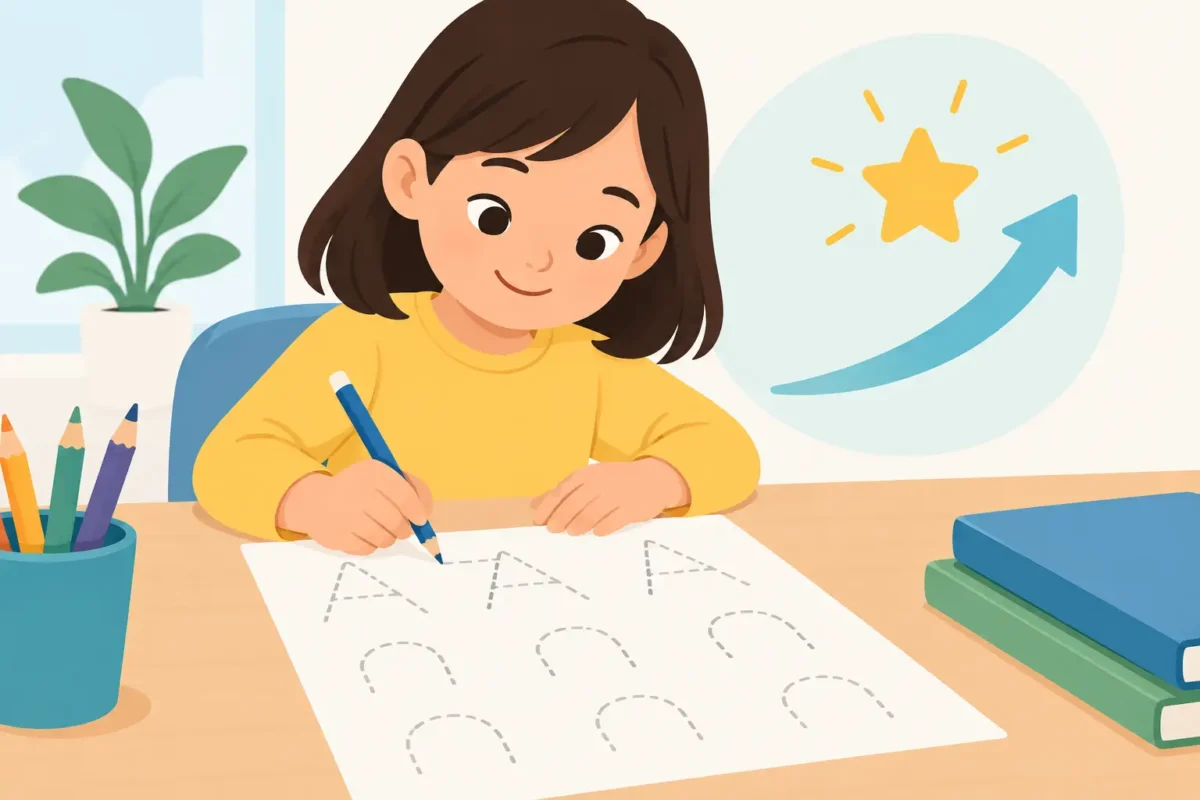
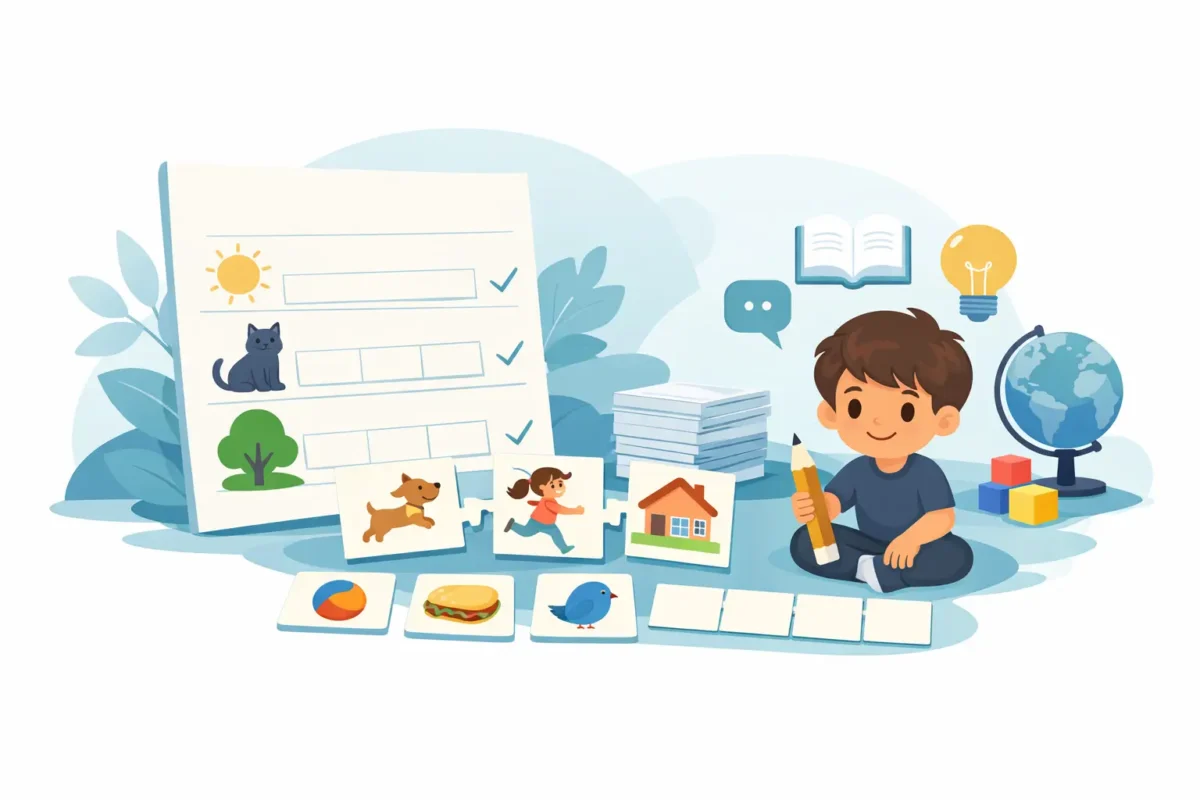
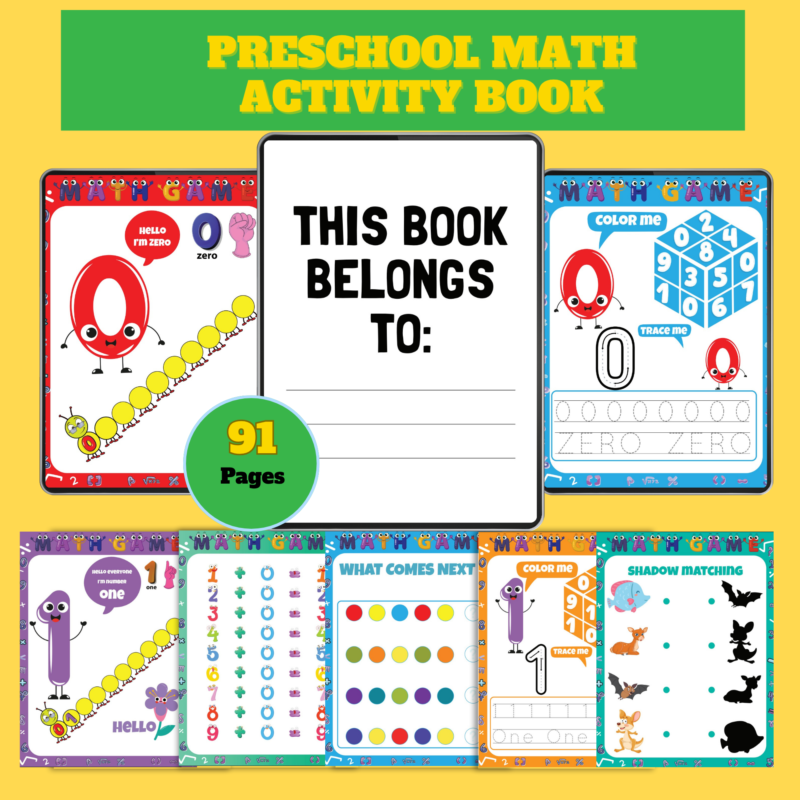
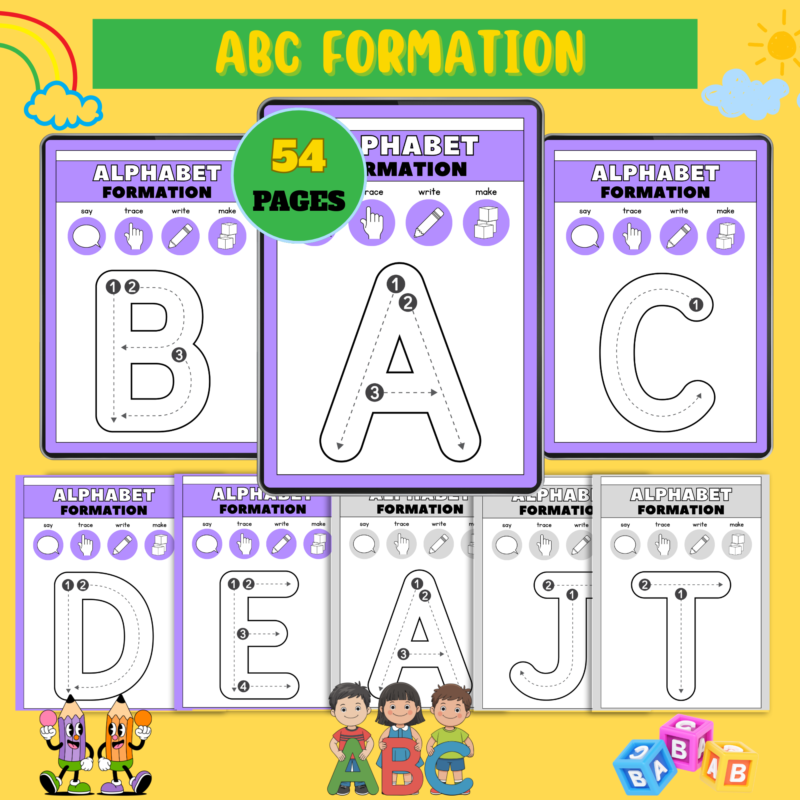
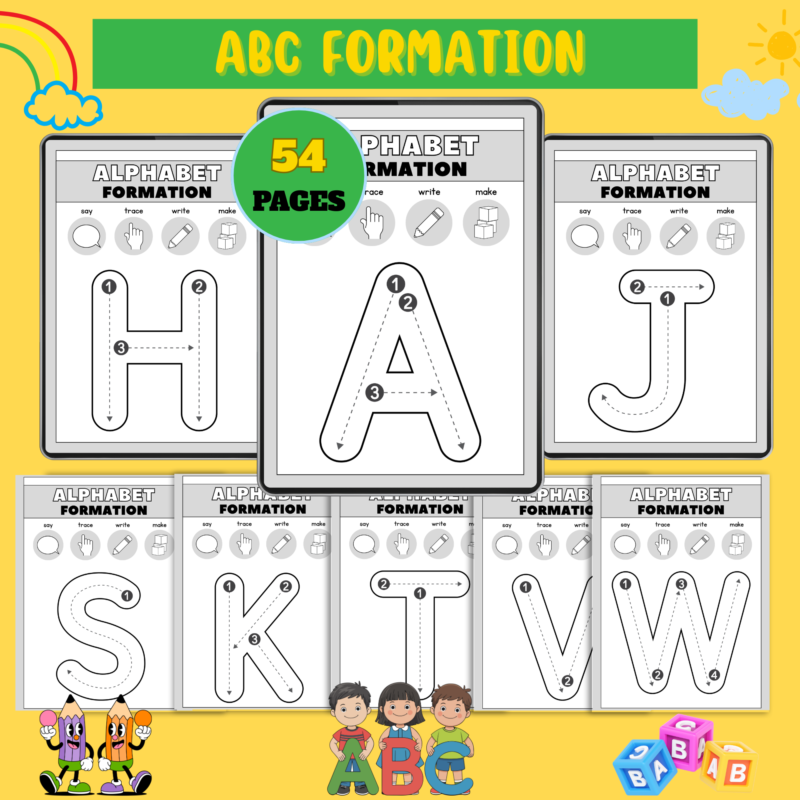
Number recognition is often a natural starting point. Children learn to identify numerals such as 1, 2, and 3, then gradually connect each written number to an amount. A worksheet that asks a child to trace the number 4, color four stars, and count four objects gives repeated exposure without feeling like a test.
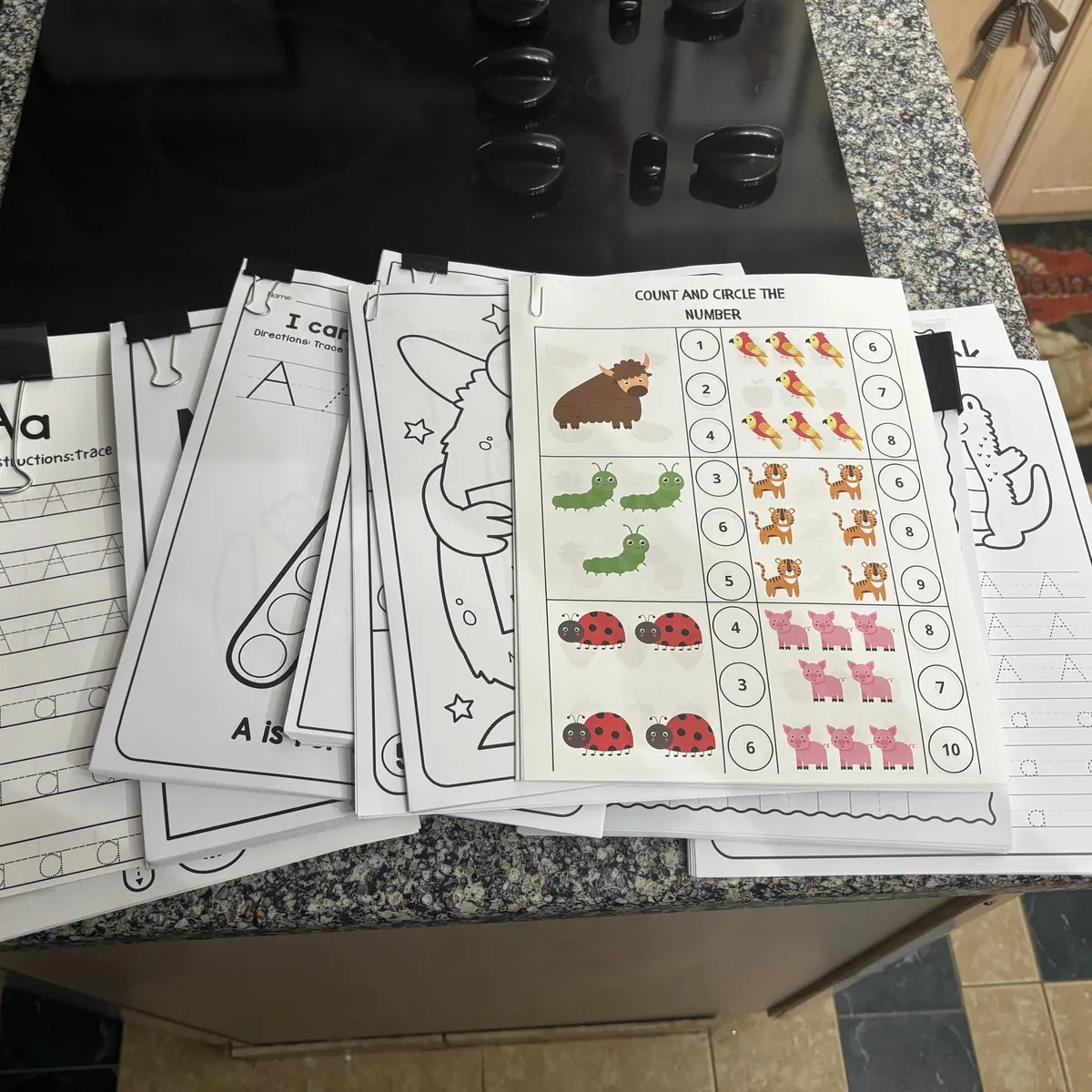
Counting is another key foundation, but it is more than reciting numbers in order. A child needs to touch or point to each object once while saying one number word for each item. Printable count-and-color pages, matching activities, and simple picture counting sheets can support this one-to-one correspondence in a calm, visual way.
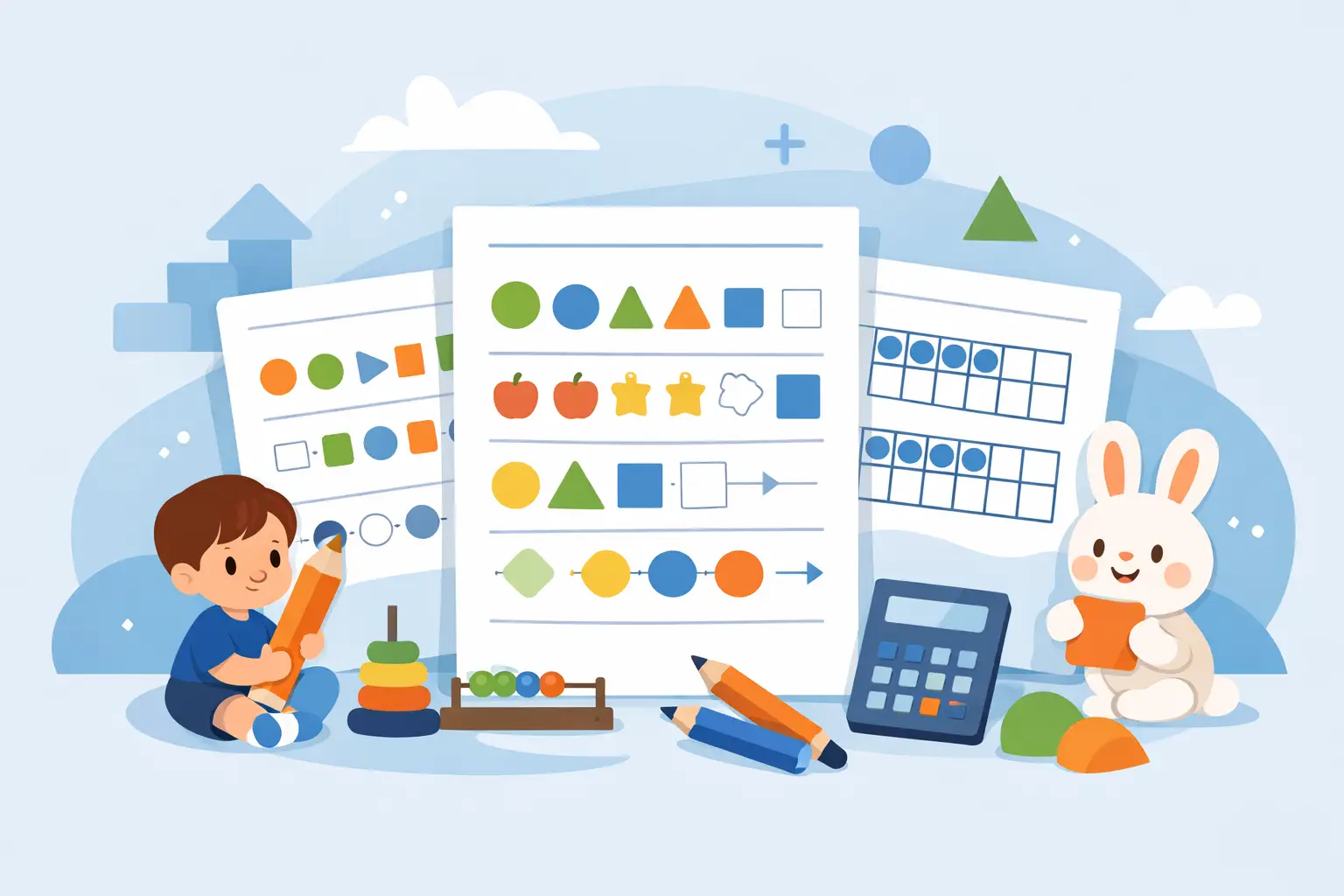
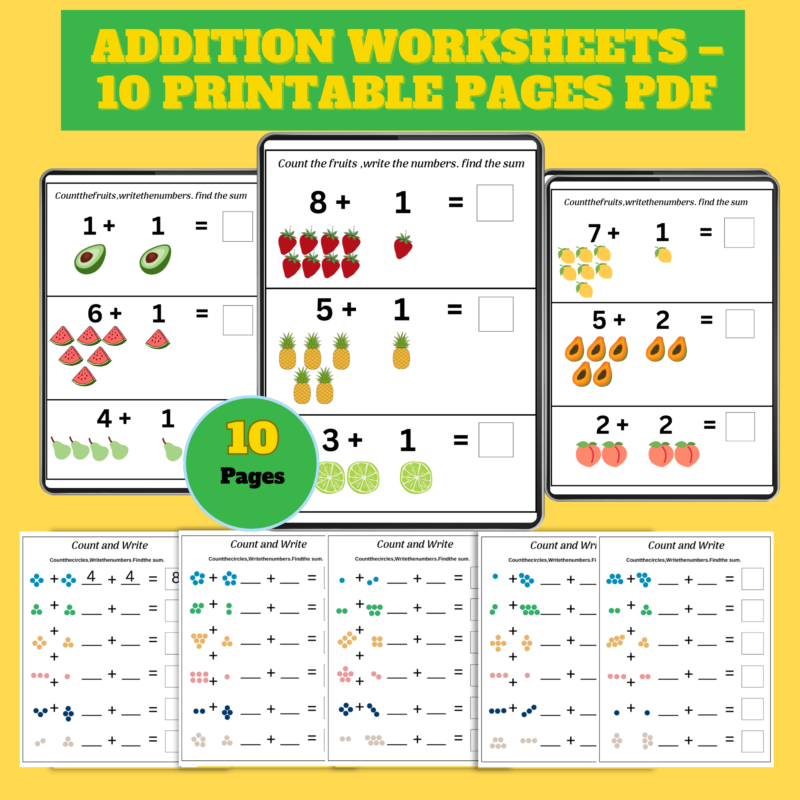
As children grow more comfortable, worksheets can introduce comparing groups, recognizing simple patterns, sorting by size or shape, and beginner addition and subtraction. At this stage, the pictures matter. Seeing two apples and one more apple is easier to understand than seeing 2 + 1 before a child knows what that symbol means.
Choose Worksheets by Skill, Not Just Age
A worksheet labeled preschool or kindergarten can be useful, but age labels are only a starting point. Children develop at different speeds. One four-year-old may happily count to 20, while another is still learning to match groups of one through five. Both can make meaningful progress with the right level of support.
Start by watching what your child or students can do without help. Can they name a few numerals? Count objects accurately to five? Sort buttons by color? Follow a simple visual direction? Their answers will point you toward the next best activity.
For beginners, choose worksheets with large images, short directions, and small number ranges. Counting from 1 to 5, matching identical shapes, and tracing numerals are excellent choices. Children who are ready for more challenge may enjoy counting to 10 or 20, comparing more and fewer, filling in missing numbers, or solving picture-based addition problems.
If a child finishes a page quickly and correctly, that does not always mean it was too easy. Repetition helps early math ideas stick. However, if they are completing every page without thinking, add a gentle next step. Move from counting three objects to counting six, or from matching a numeral to a group to writing the numeral independently.
Signs a Worksheet Is a Good Fit
A good early math page gives a child enough challenge to feel proud, not stuck. They should understand the task after a brief explanation and be able to complete most of it independently. A little help is normal, especially when introducing a new skill.
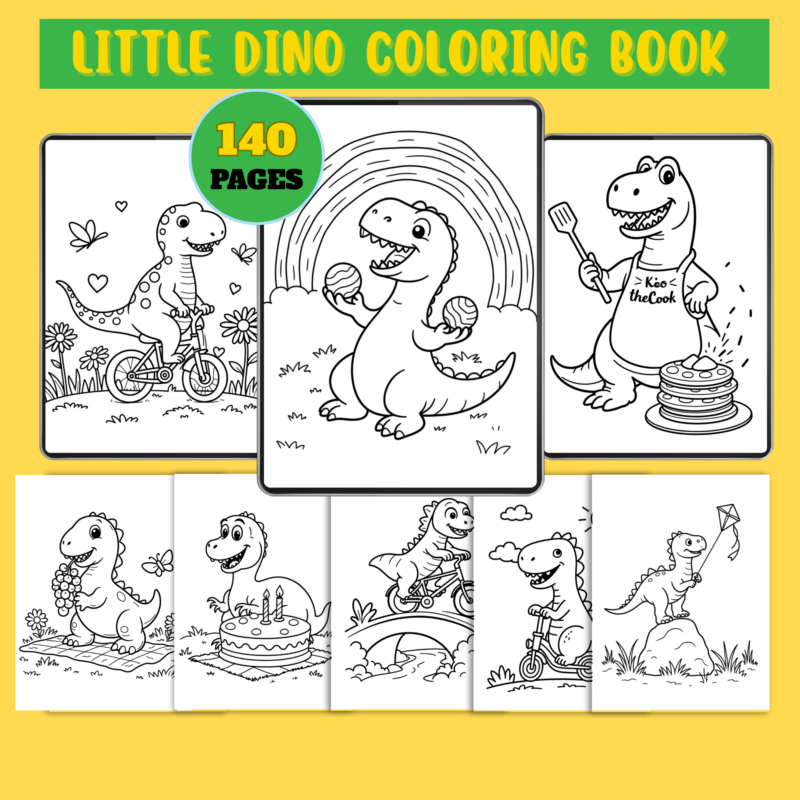
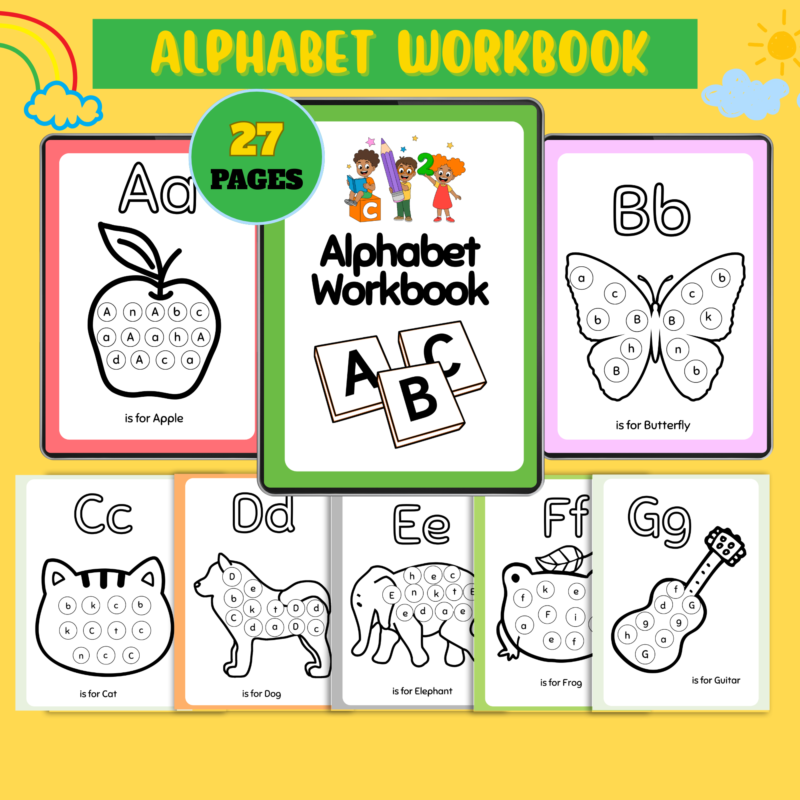
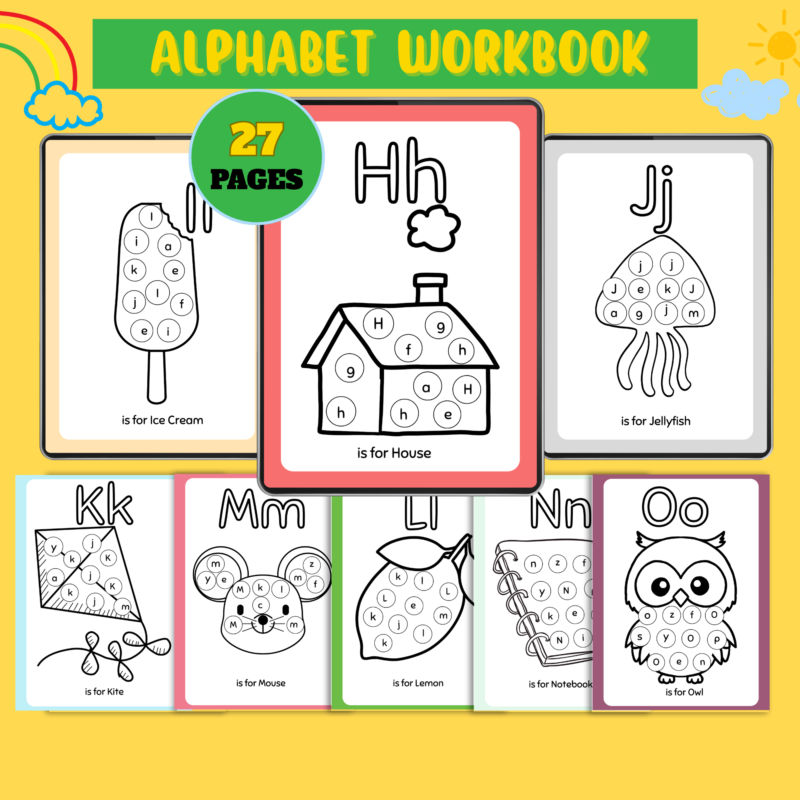
Look for clean layouts with room to point, color, trace, or draw. Crowded pages can be hard for young eyes and small hands. Friendly pictures, familiar objects, and clear visual cues also keep learning inviting. A dinosaur count-and-color page or a page of bright fruit may encourage a reluctant learner to try one more problem.
Build a Simple Early Math Worksheet Routine
Worksheets are most helpful when they become a short, predictable part of the day instead of a long lesson. Ten focused minutes after breakfast, during a classroom center, or before quiet time can provide plenty of practice for a young child.
Begin with a skill the child already knows. For example, ask them to count five blocks or find the numeral 3 on a calendar. This quick success helps them settle in before starting the worksheet. Then introduce one printable page that reinforces the same skill or adds one small new step.
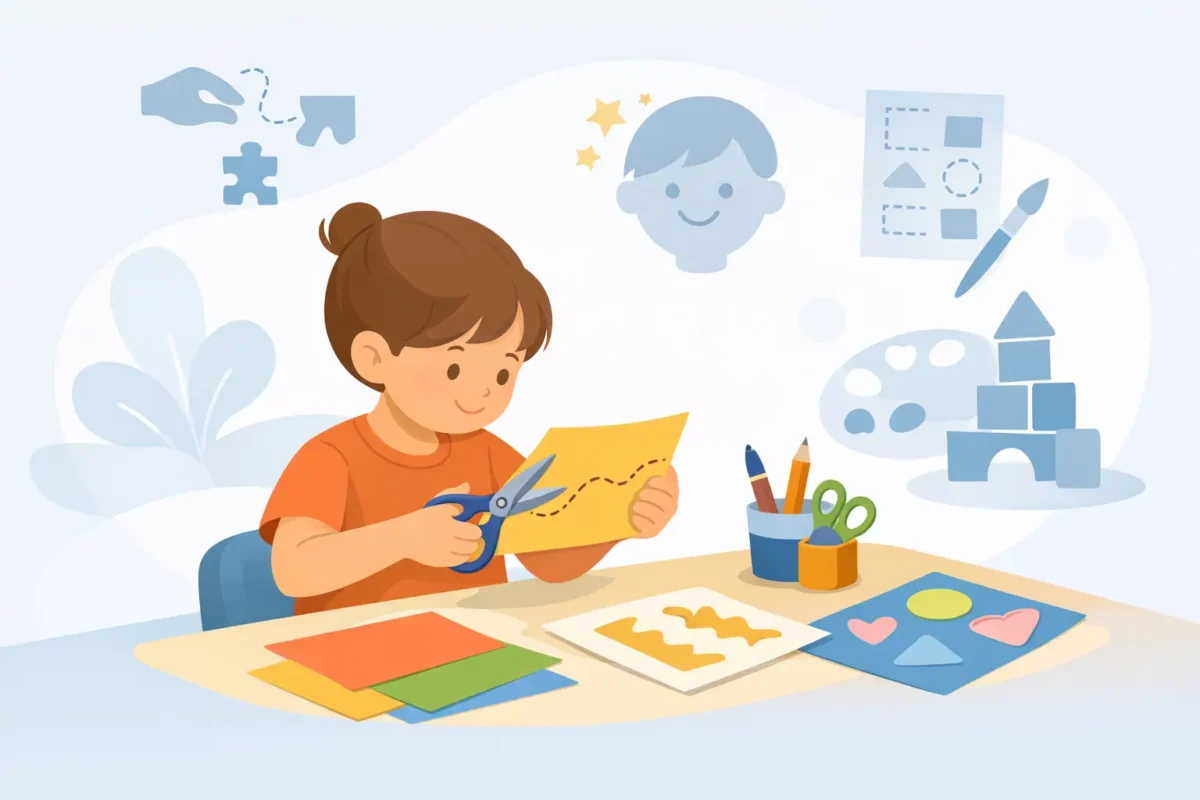
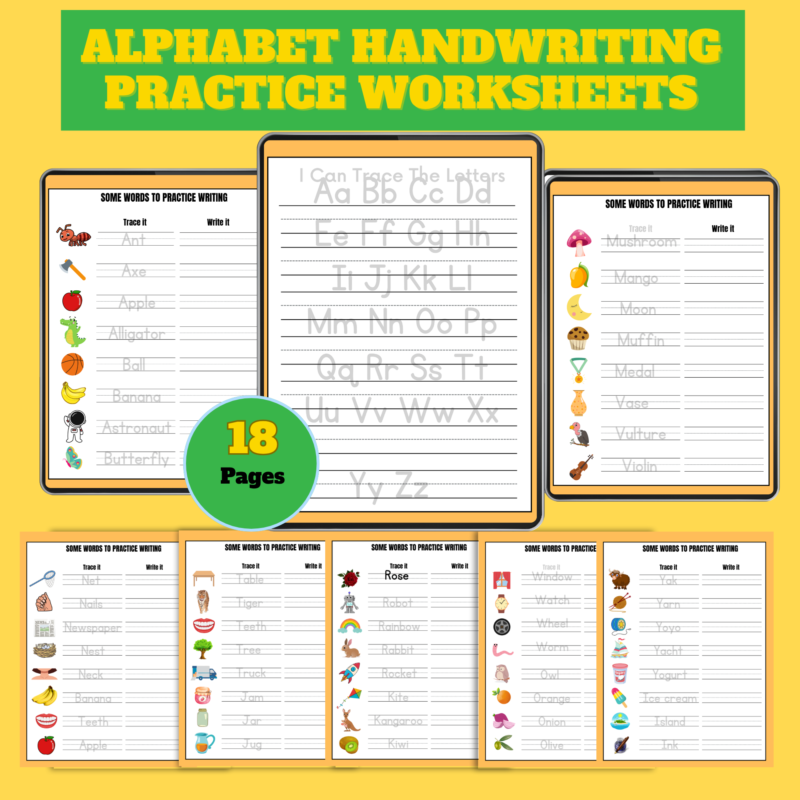
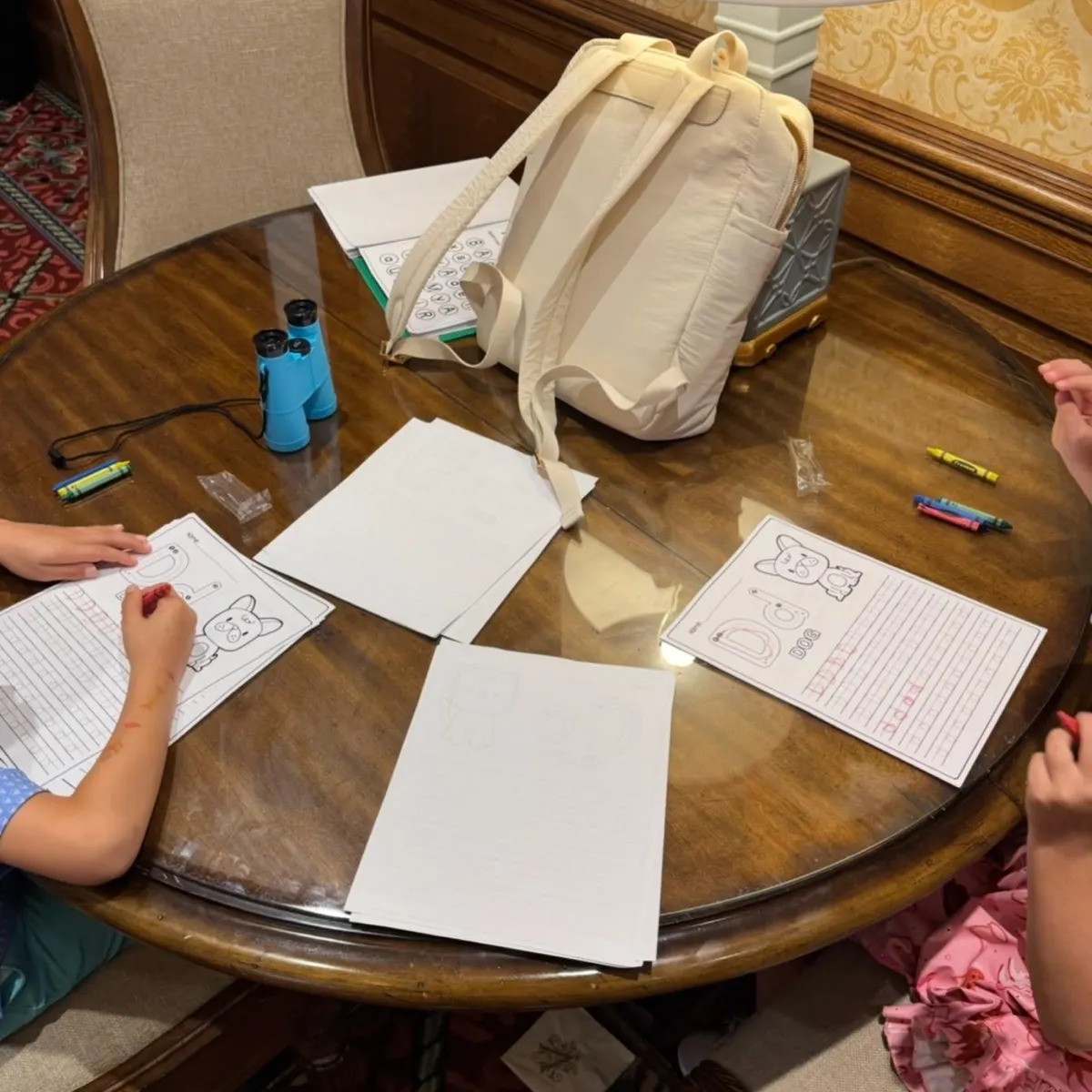
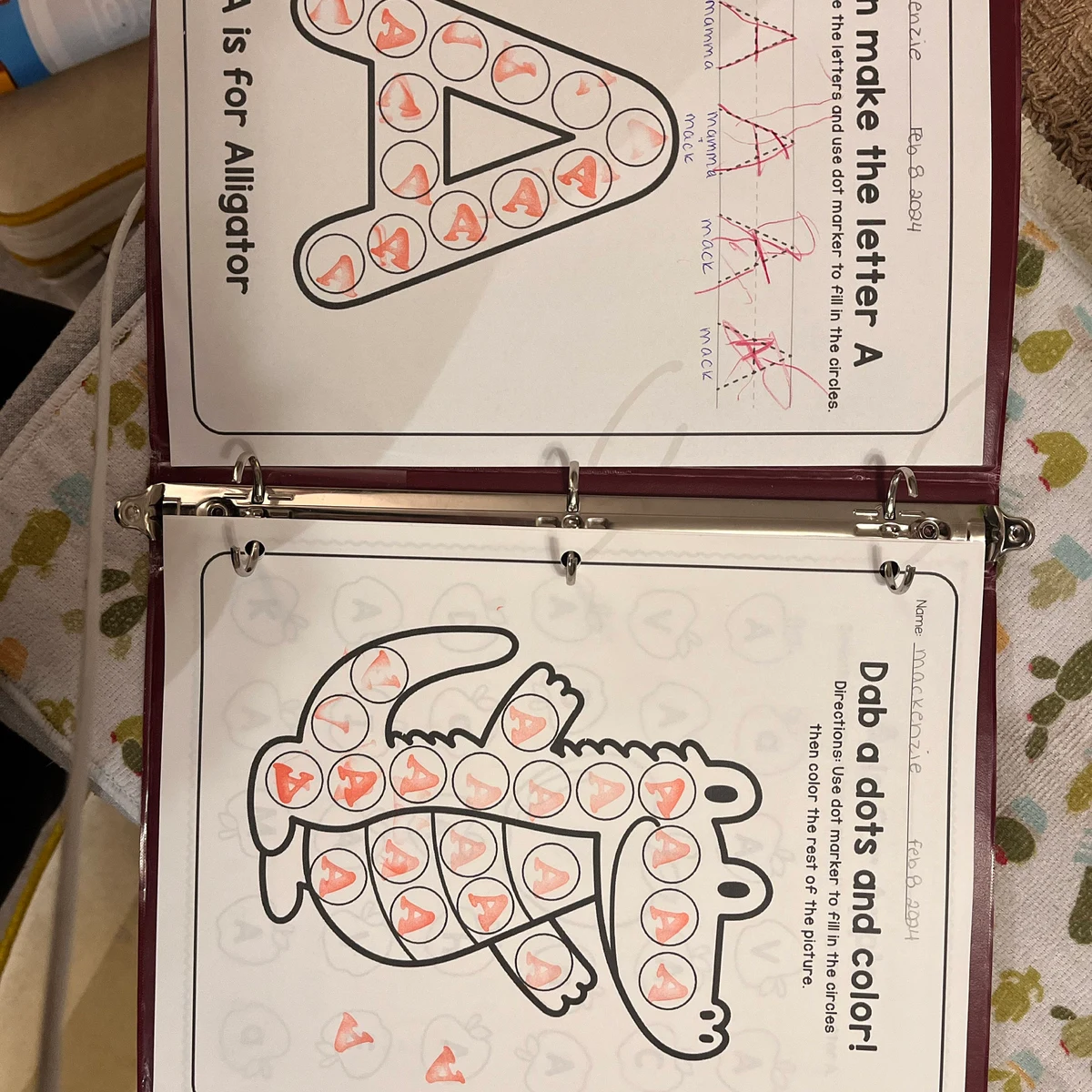
Keep supplies ready: crayons, pencils, child-safe scissors if the activity includes cutting, and a flat surface with enough room to work. For children who find writing tiring, let them point, stamp, use a dot marker, or place small counters on the answers first. The learning goal is number sense, not perfect handwriting.
After the page is finished, bring the skill into real life. If the worksheet practiced counting to six, count six socks while folding laundry. If it focused on shapes, look for circles and rectangles at the grocery store. These small connections show children that math belongs in their world, not only on paper.
Make Printable Math Practice Feel Like Play
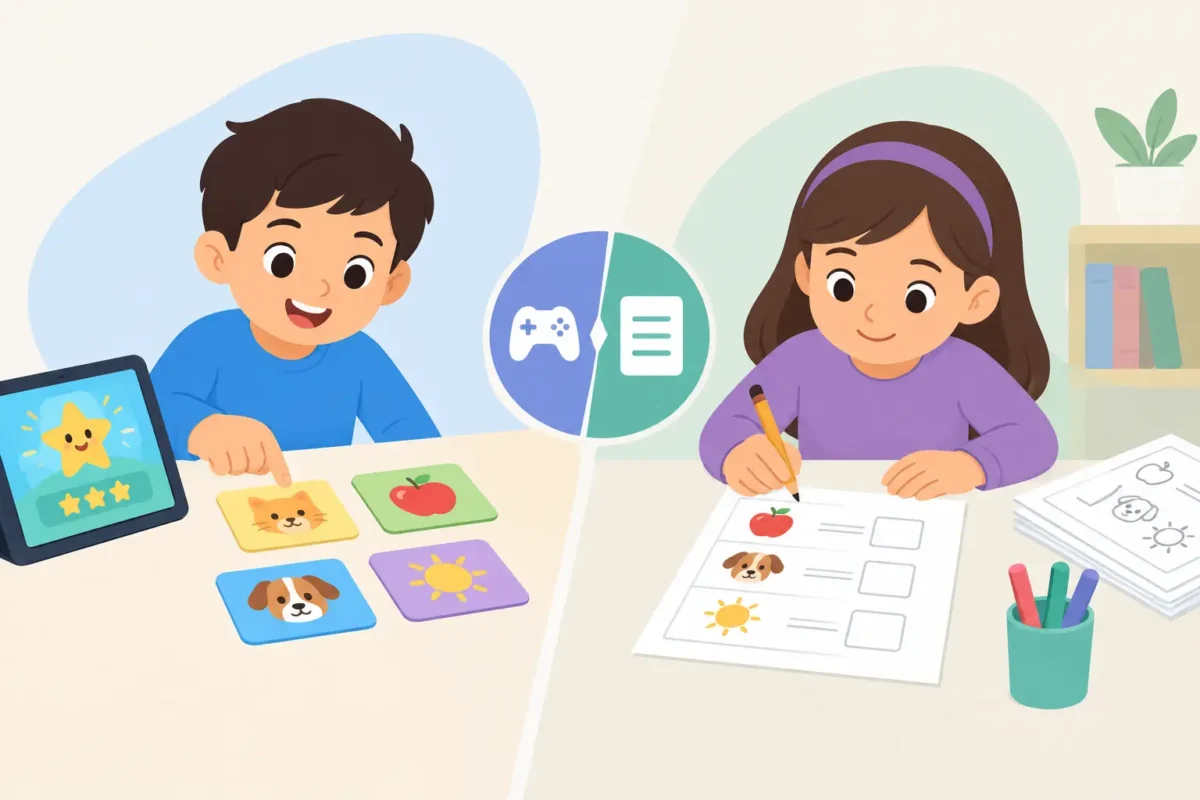
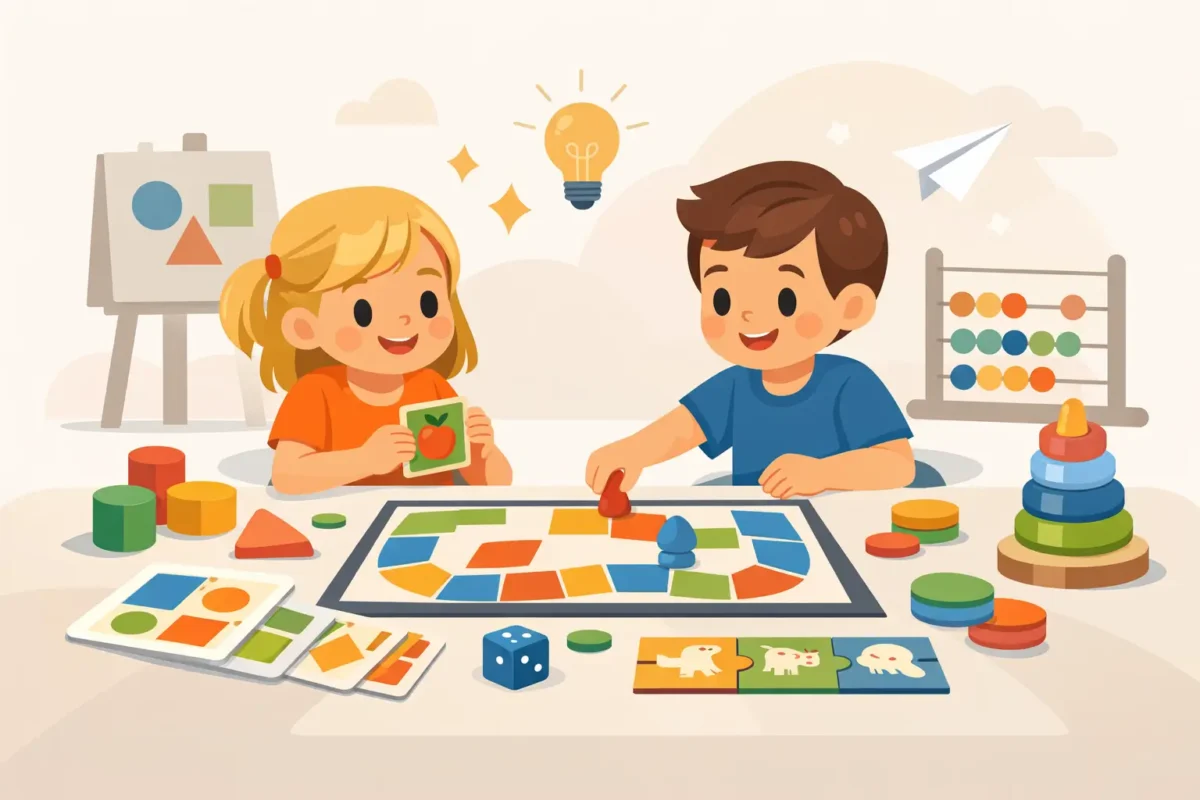
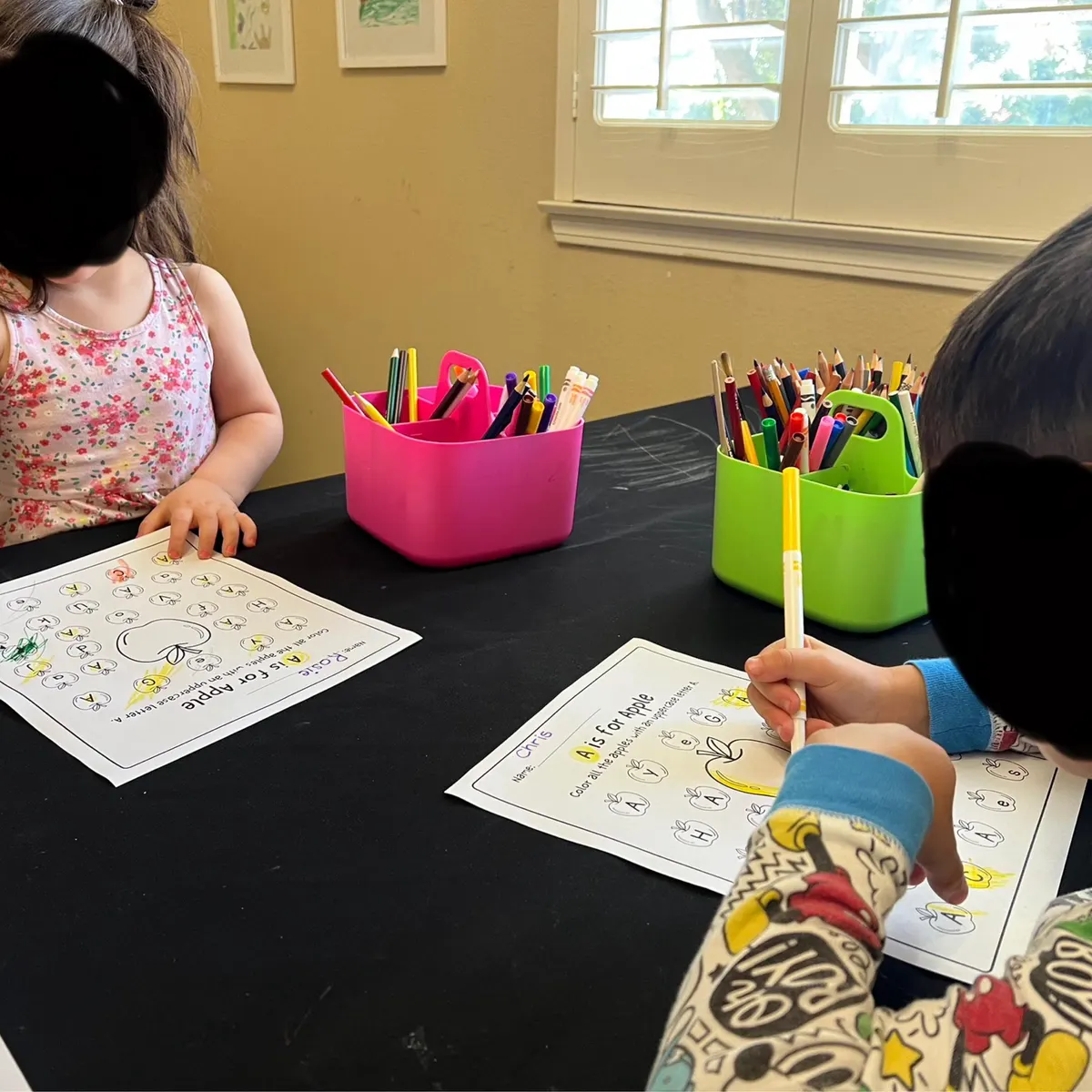
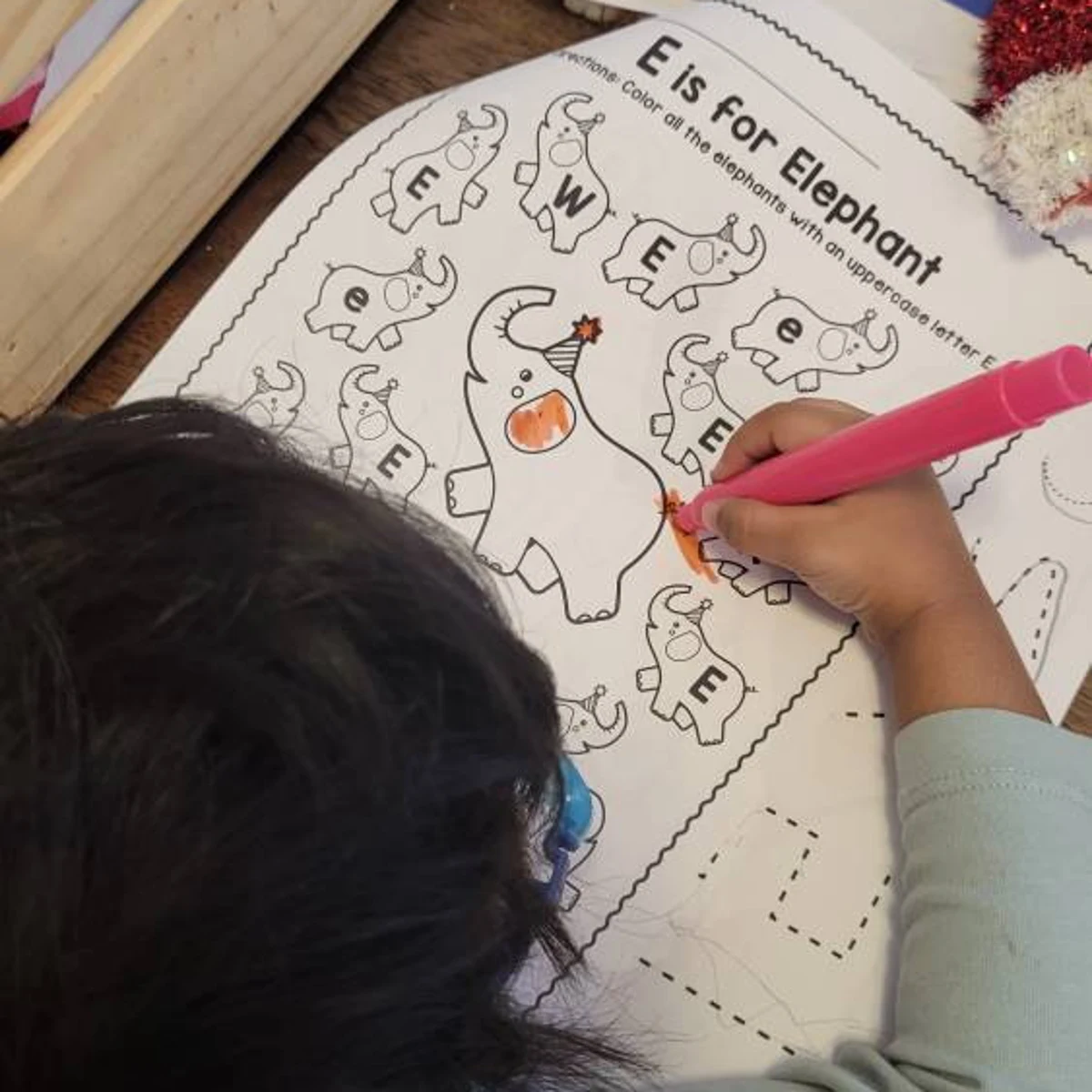
A worksheet does not have to feel like seatwork. Your tone and setup can change the experience completely. Present a page as a quick number hunt, a coloring challenge, or a chance to help a friendly character solve a problem.
Try covering part of the page with a blank sheet of paper so the child sees only one problem at a time. This can be especially helpful for learners who feel overwhelmed by a full page. You can also turn counting into movement: clap the number of objects, hop that many times, or place a small toy on each picture as you count.
Praise effort in specific ways. Instead of only saying, “Good job,” try, “You touched each bear once while you counted,” or, “You kept trying even when the number 8 was tricky.” Specific encouragement helps children understand what they did well and makes it easier for them to repeat the skill.
There is also value in letting children choose between two appropriate pages. A child may be more willing to practice numeral tracing if they get to choose whether they trace numbers with cars, animals, or crayons. Choice gives them a little ownership without turning practice into a negotiation.
When to Add Addition and Subtraction Worksheets
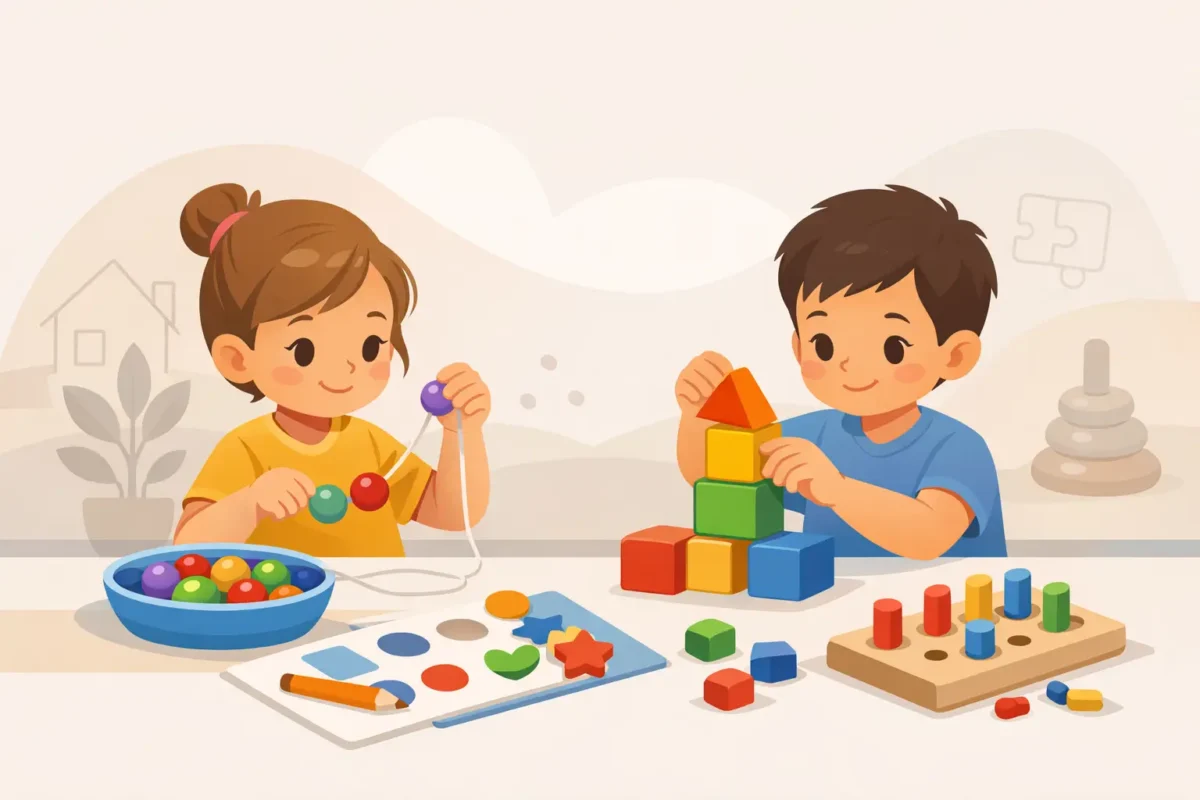
Addition and subtraction are exciting milestones, but they should begin with real objects and pictures. Before asking a child to solve 3 + 2 on paper, show them three counters, add two more, and count the total together. This makes the symbols meaningful instead of mysterious.
Start with small totals, usually within five or ten, and use picture-based problems. A page showing two fish joined by one fish teaches addition as putting groups together. A page showing five cookies with two crossed out introduces subtraction as taking away.
Some children are ready for these ideas in preschool, while others benefit from more time with counting and quantity matching. There is no prize for moving ahead too soon. Strong number sense makes later addition and subtraction much easier.
A Practical Early Math Worksheets Guide for Adults
For busy parents and teachers, the best resource is one that is easy to use again and again. Printable PDFs are especially useful because you can choose the exact skill, print only the pages you need, and repeat a favorite activity when a child needs extra practice. Keep completed pages in a simple folder so children can see their progress over time.
Fun Clever Fox printable math activities are designed to support that kind of low-prep learning, with child-friendly pages that fit naturally into home routines, classroom centers, and homeschool lessons. A few well-matched pages can save planning time while giving children the structured practice they need.
Do not feel pressured to complete every worksheet in a pack or to follow a strict order. Use the pages that match your learner’s next step. Skip a page that causes frustration, return to it later, and celebrate the small gains that appear along the way.
Early math confidence grows through ordinary moments: counting crackers at snack time, noticing a pattern on a shirt, tracing a numeral with care, and realizing, “I can do this.” A cheerful printable page can be one more place for that confidence to take root.