A preschooler who proudly points to the first letter in their name is doing more than showing off a new skill. They are beginning to notice that printed marks carry meaning. The best letter recognition activities preschool children can do build on that exciting moment with short, playful practice that feels like a game, not a test.
For young learners, the goal is not to race through the alphabet or demand perfect answers. It is to help children notice letter shapes, hear letter names, connect familiar letters to words, and gradually build the confidence they need for phonics, handwriting, and early reading.
What Letter Recognition Really Looks Like in Preschool
Letter recognition means being able to identify letters by name and, eventually, connect them with their sounds. A child may begin by recognizing the capital M in Mom or the first letter of their own name. Later, they learn that an uppercase A and a lowercase a are both forms of the same letter.
This skill develops in small steps. Many preschoolers recognize a few letters before they can name the entire alphabet. Others can sing the alphabet song but cannot yet point to a letter when asked. Both are common stages of learning.
Keep practice focused and age-appropriate. Two or three letters at a time can be more effective than presenting all 26 letters at once. Repetition matters, but children stay engaged when the practice changes from day to day.
10 Letter Recognition Activities for Preschool
1. Start With the Child’s Name
A child’s name is often the most meaningful place to begin. Write it on a name card in clear, large print. Point to each letter, say its name, and invite your child to trace it with a finger.
Try making a second name card and cutting it into individual letters. Your preschooler can put the letters back in order, match them to the original card, or find the same letters in a book or on a cereal box. Beginning with a familiar word gives letter learning a personal purpose.
2. Play a Letter Hunt Around the Room
Choose one target letter and ask children to search for it in the room. They may find it on a calendar, a toy label, a book cover, a poster, or a classroom bin.
For home learning, tape a few paper letters around the house before starting the hunt. In a classroom, place letter cards at centers, on shelves, or near familiar objects. Ask, “Can you find an S?” rather than “What letters do you see?” A clear target makes the game easier for beginners.
3. Match Uppercase and Lowercase Letters
Uppercase letters are often easier for preschoolers to spot because their shapes are distinct and consistent. Lowercase letters are equally important, though, because children see them often in books.
Set out a small group of uppercase cards and lowercase cards. Have children find the pairs: A with a, B with b, and so on. Start with letters that look noticeably different, such as A/a or M/m. Letters with similar forms, including b, d, p, and q, can wait until children are ready.
4. Use Alphabet Tracing as a Recognition Game
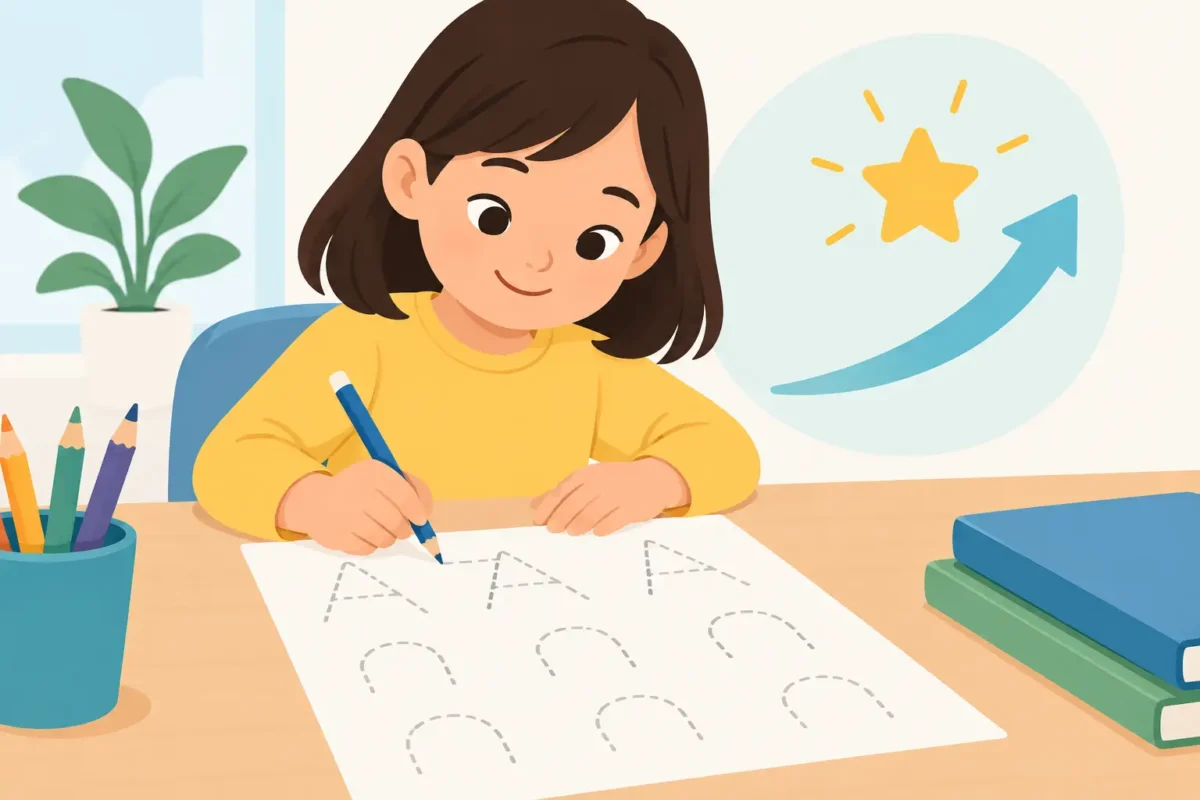
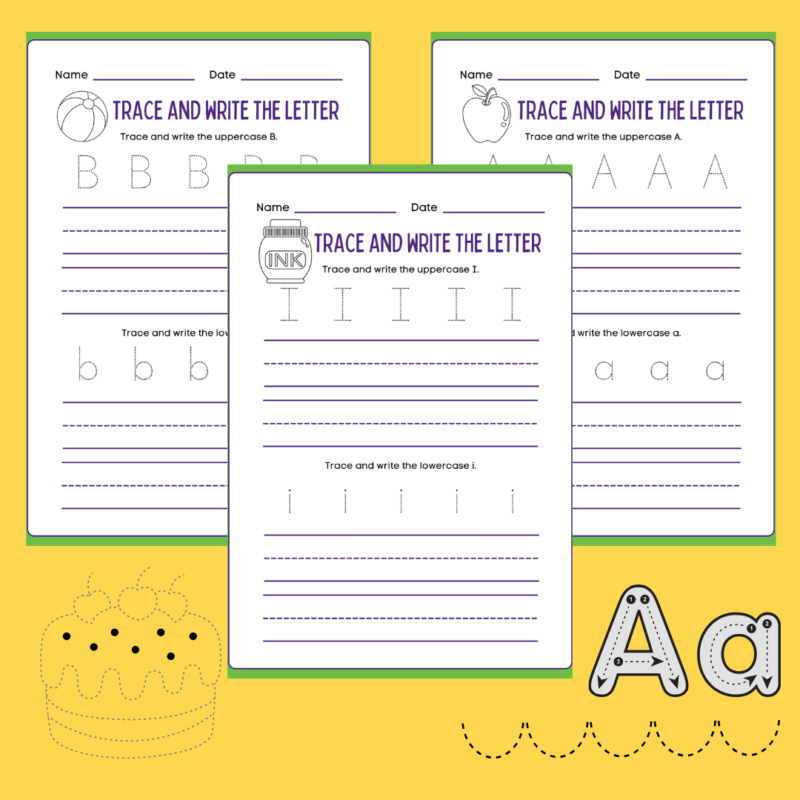
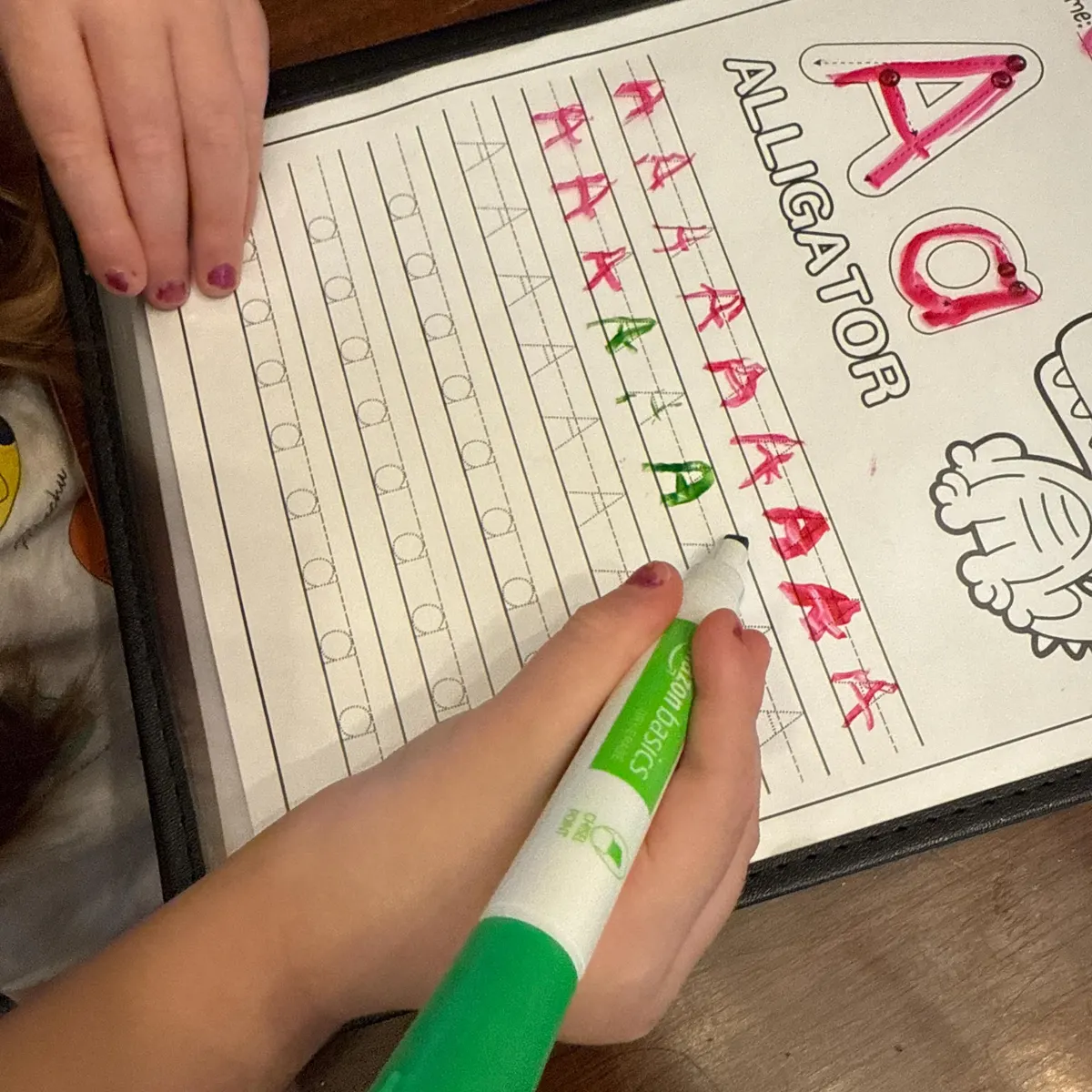
Tracing is not only a handwriting activity. When children trace a letter while saying its name, they get visual, verbal, and hands-on practice at the same time.
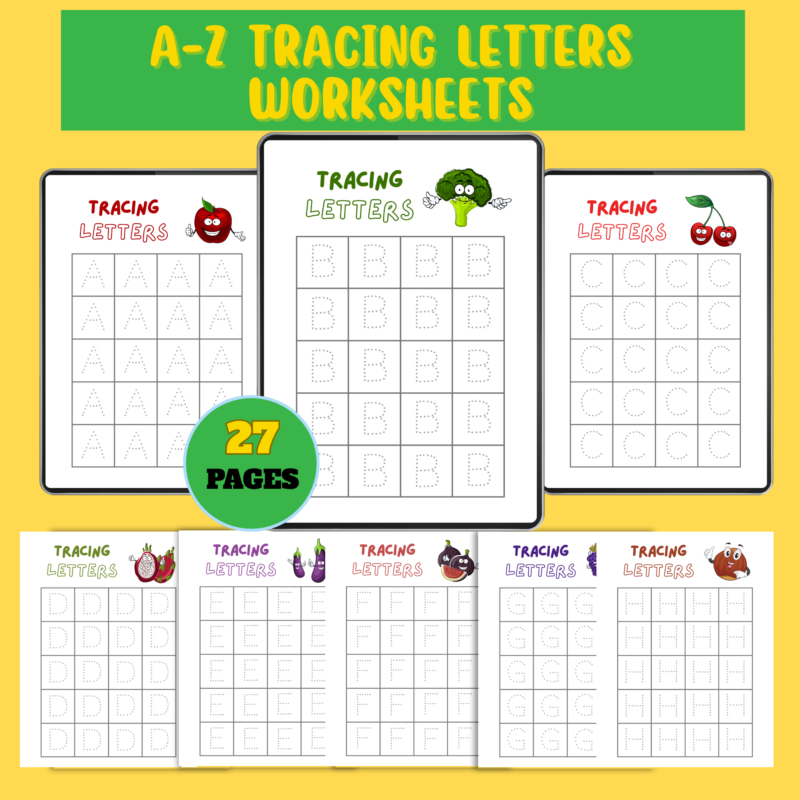
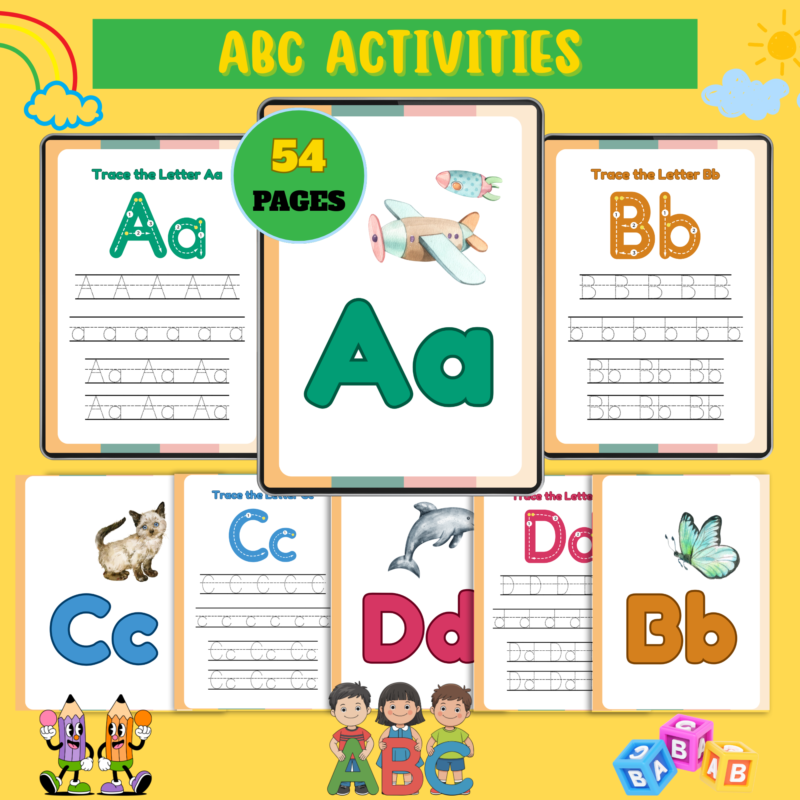
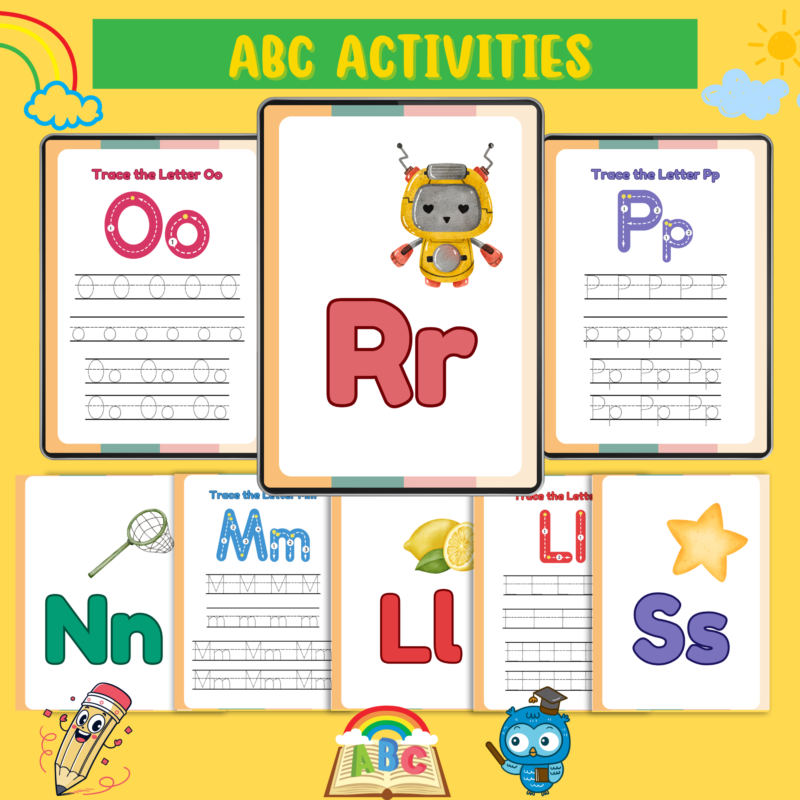
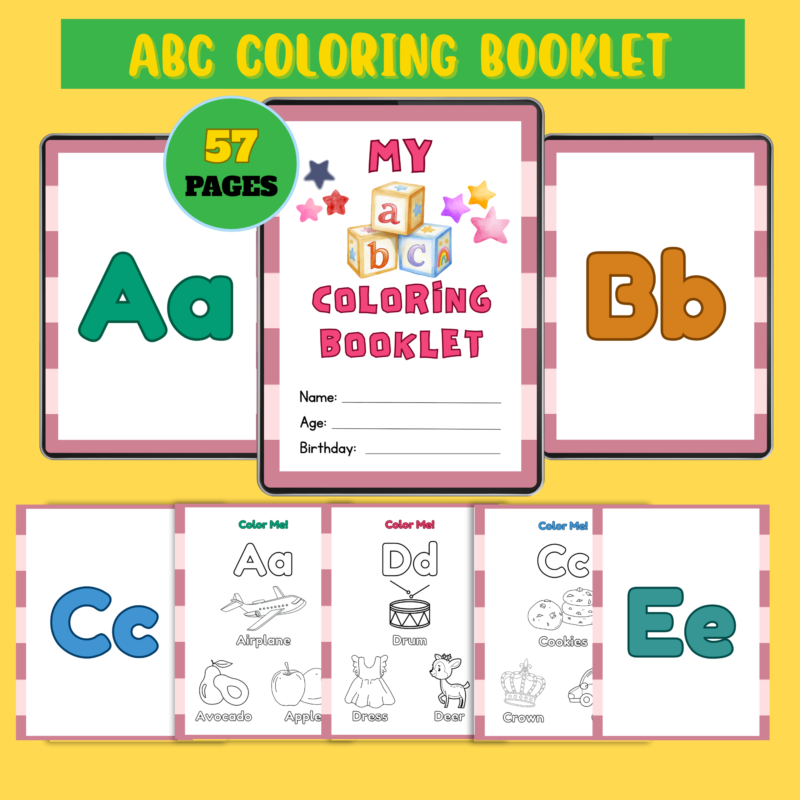
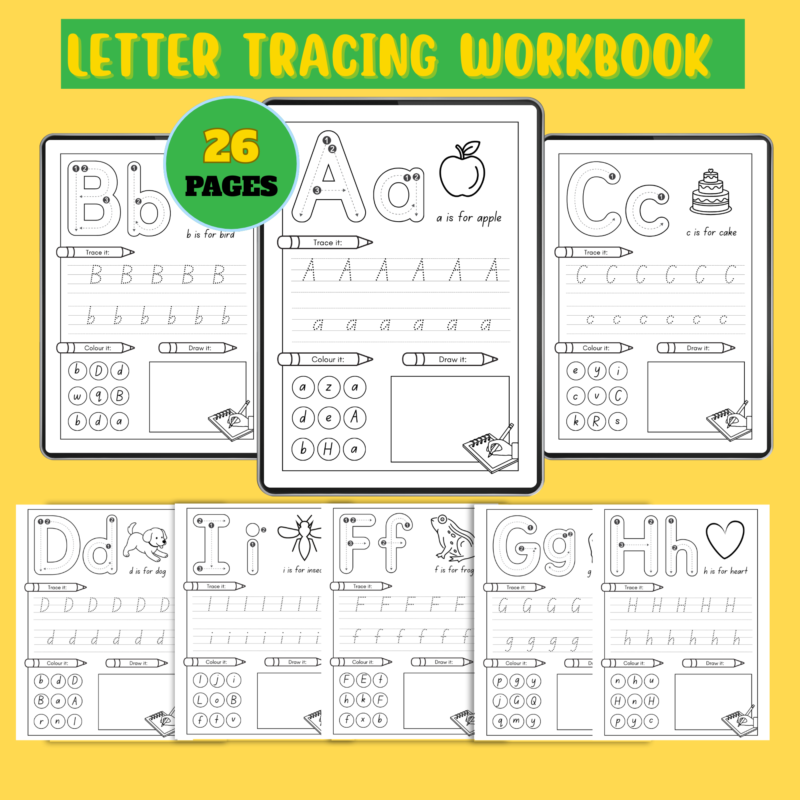
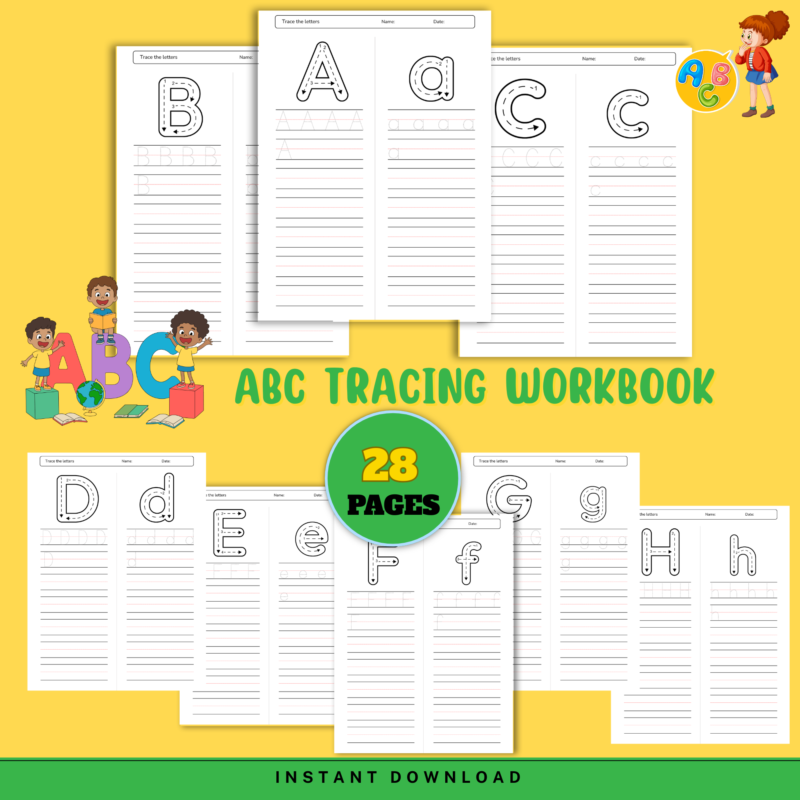
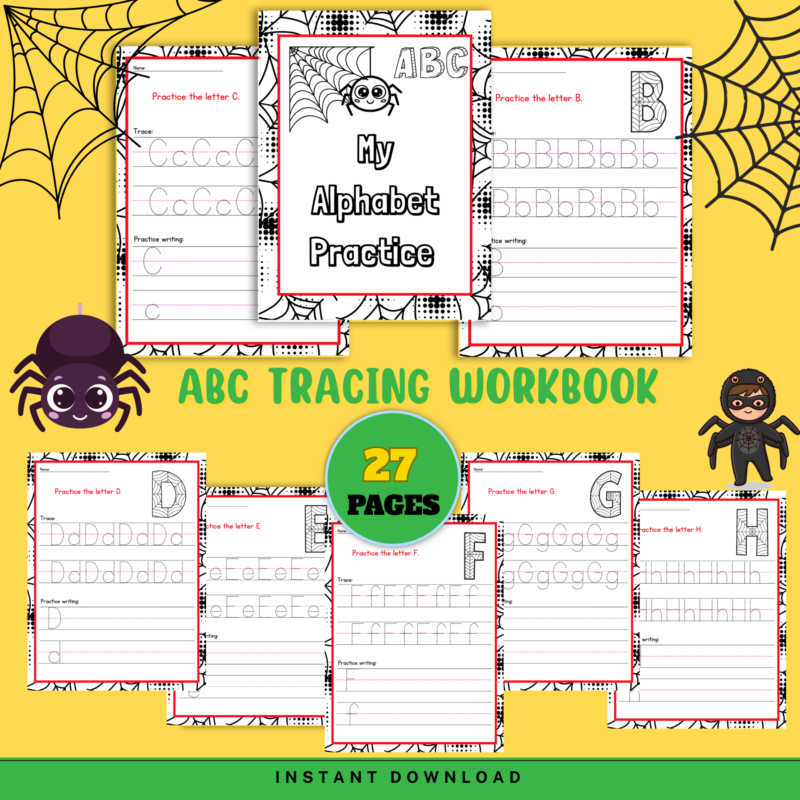
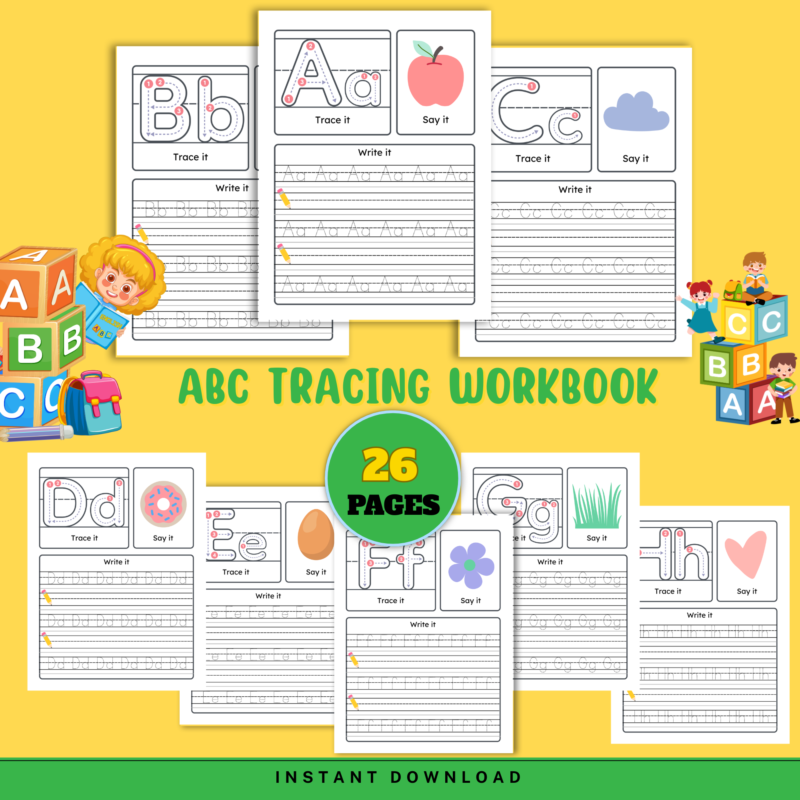
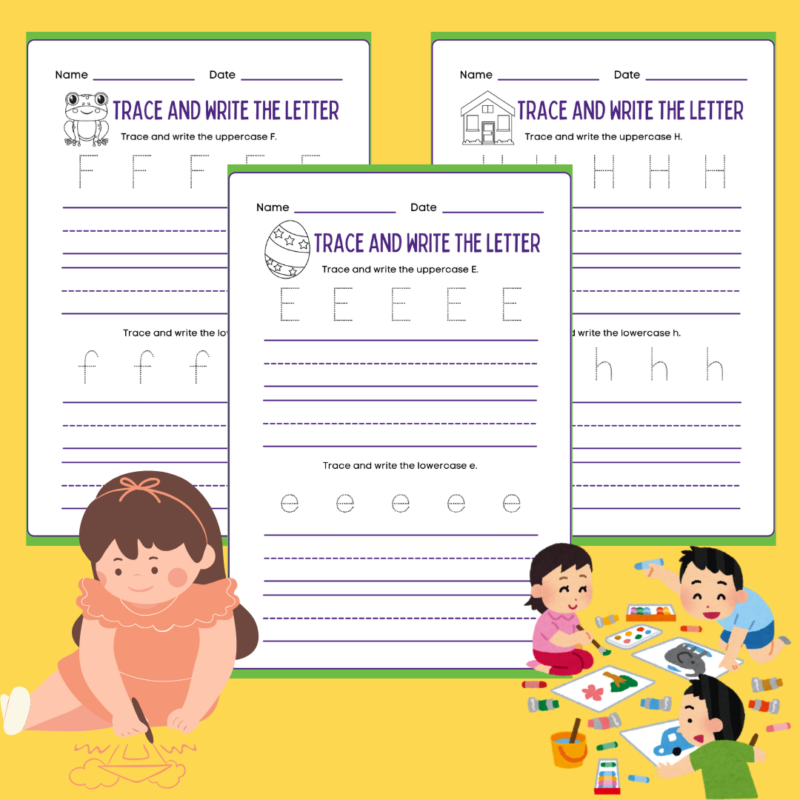
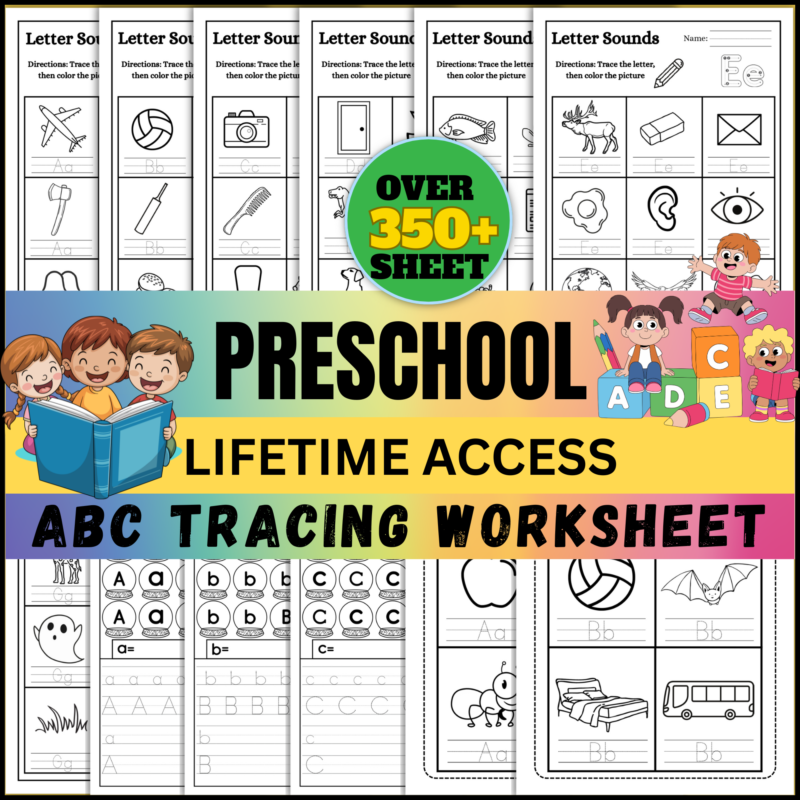
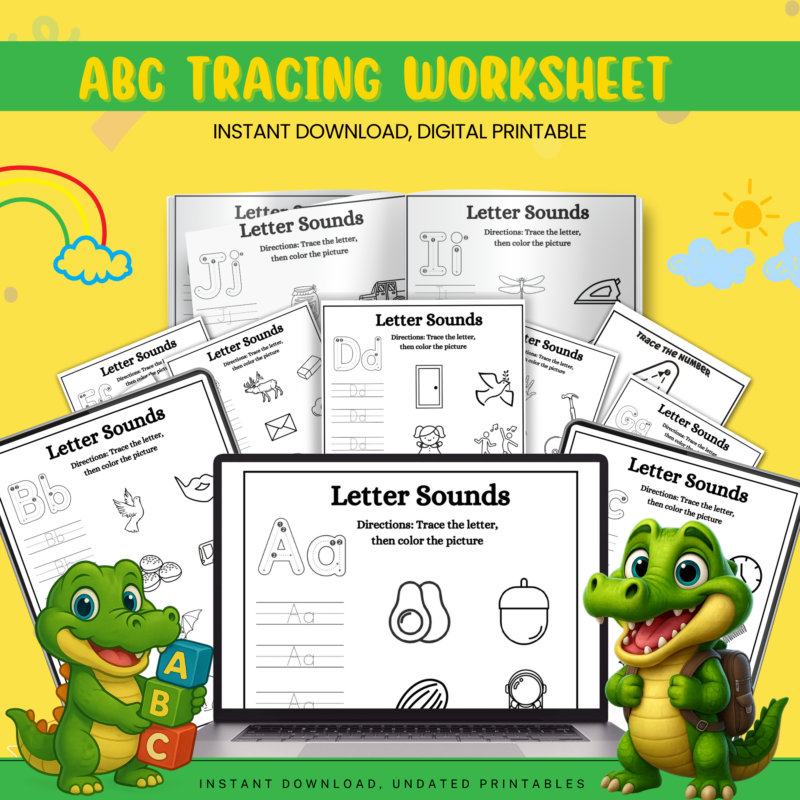
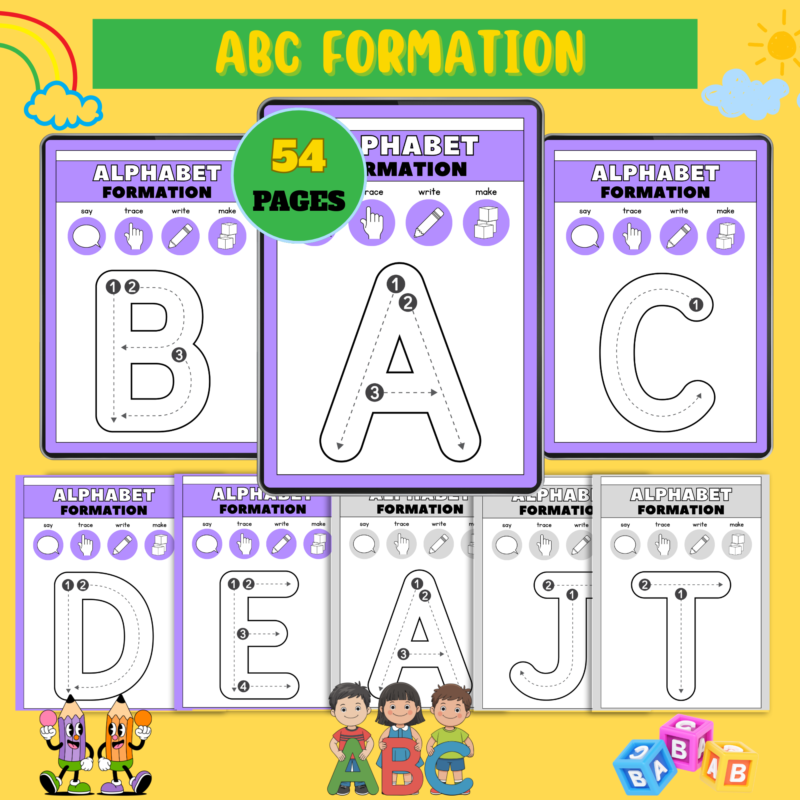
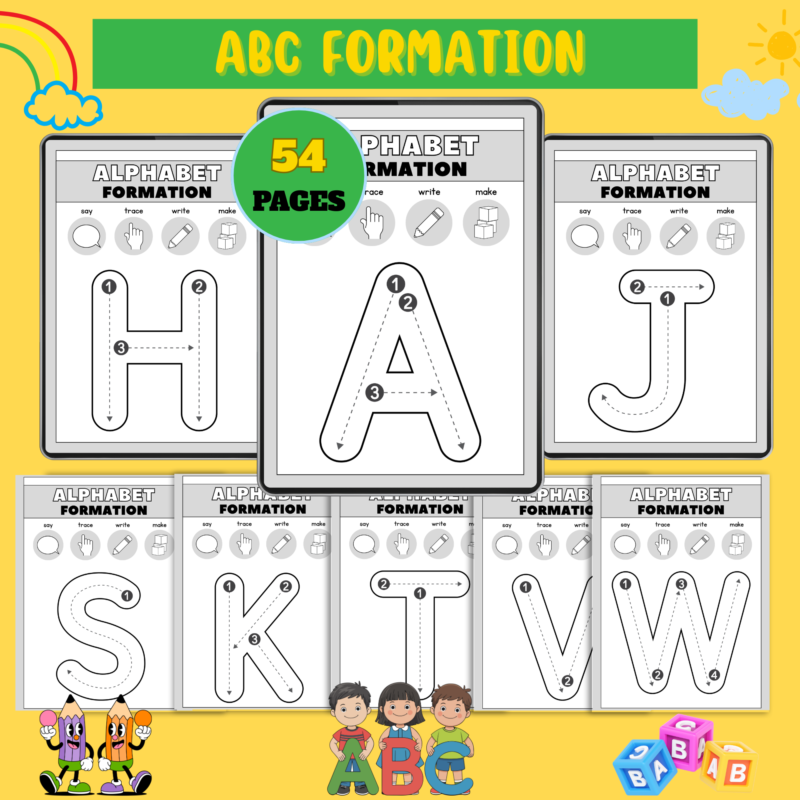
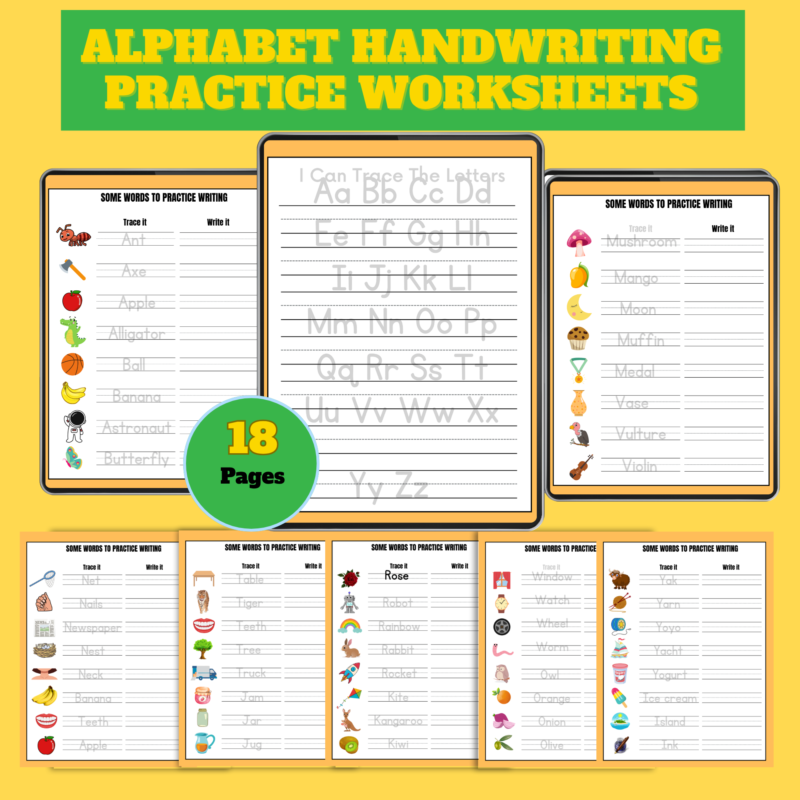
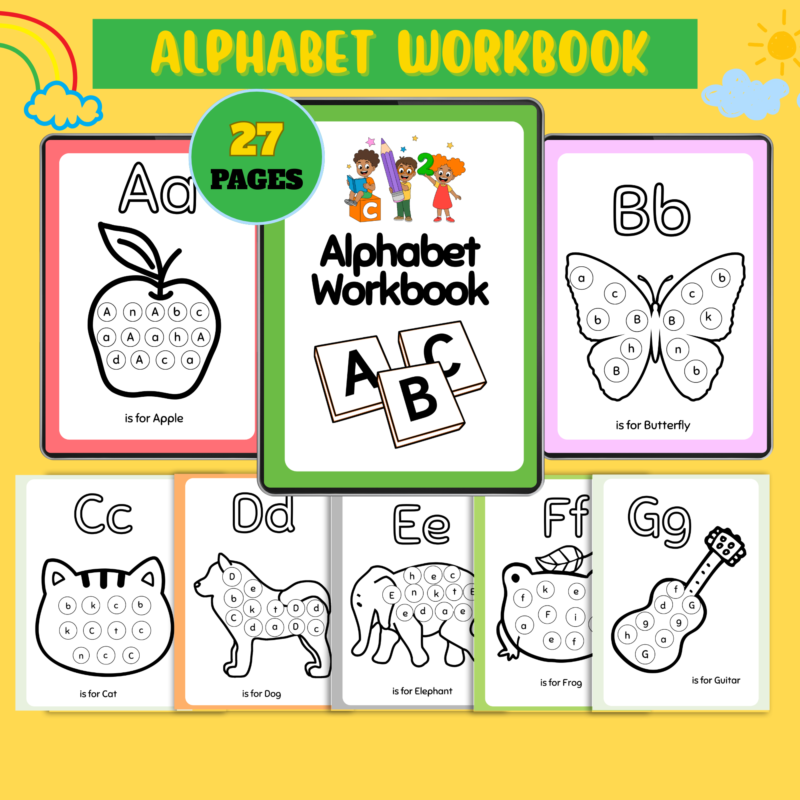
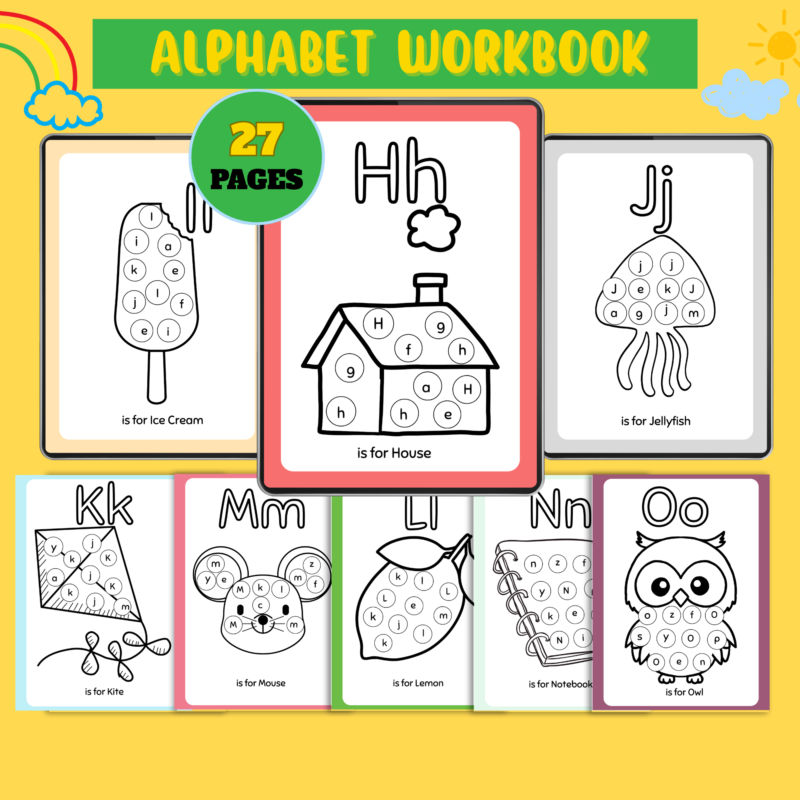
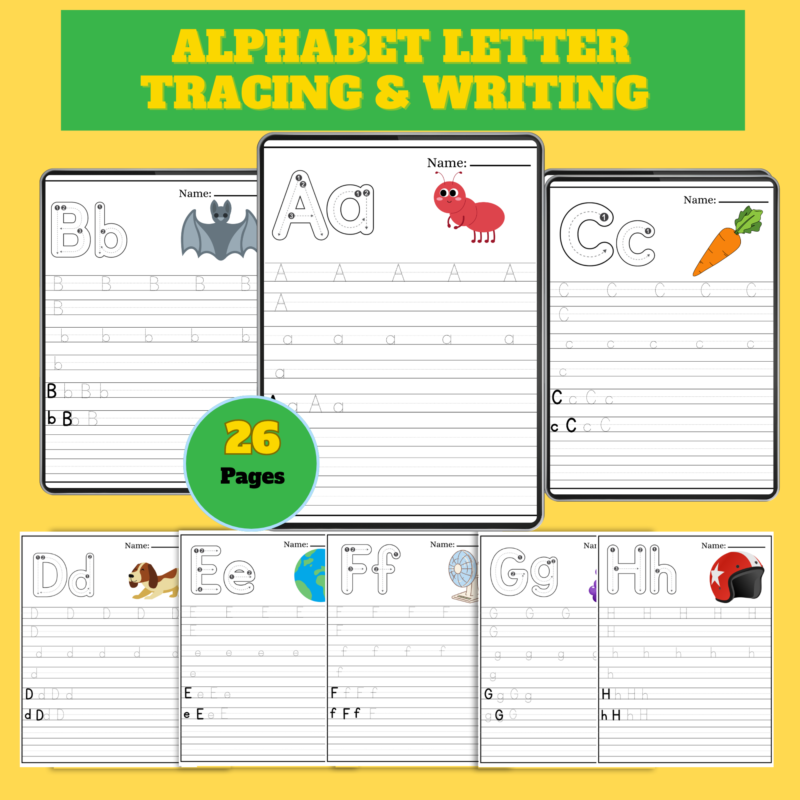
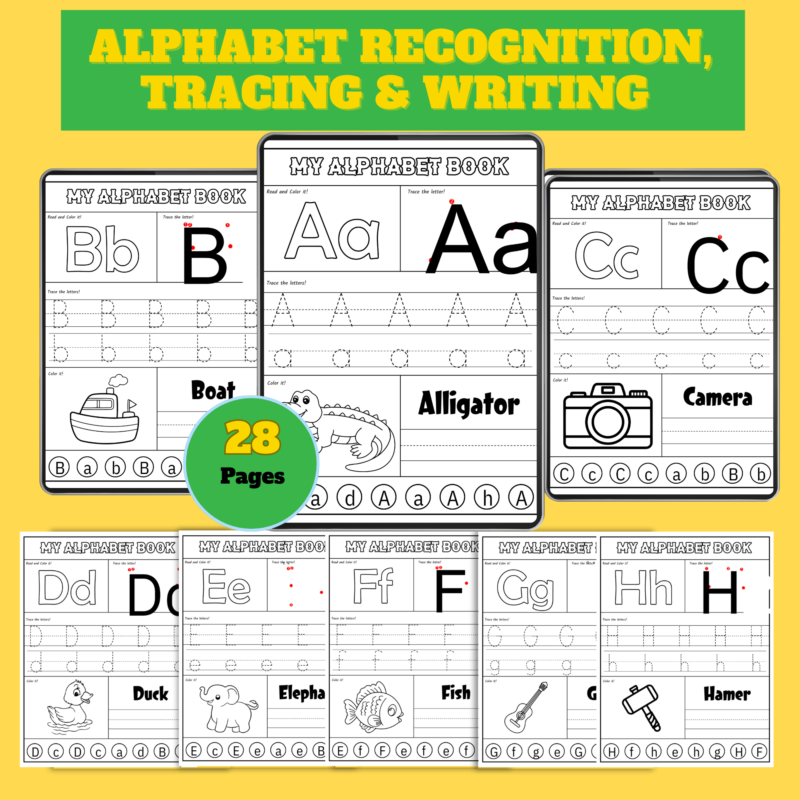
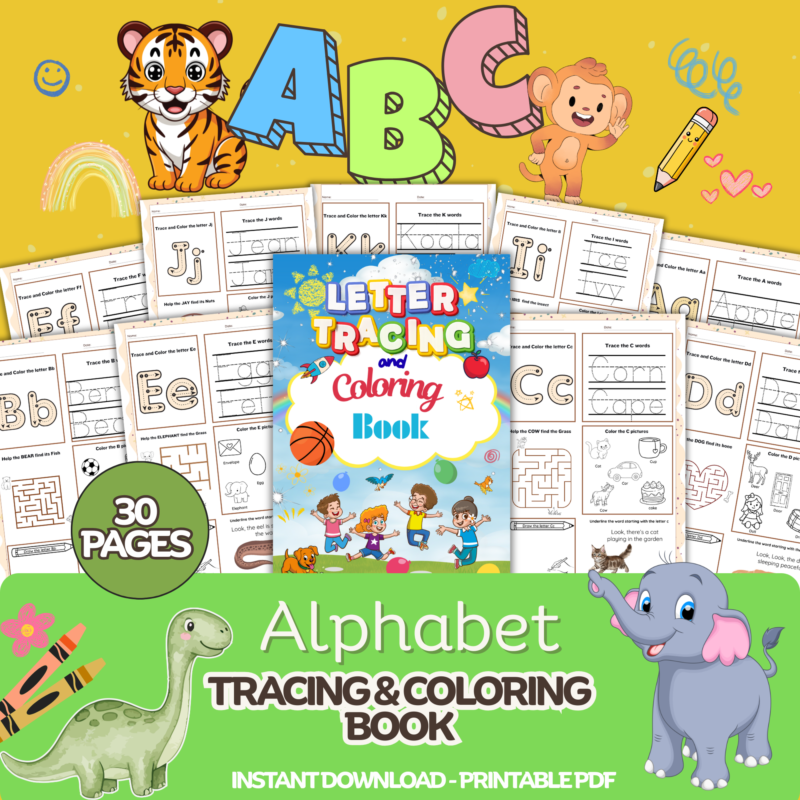
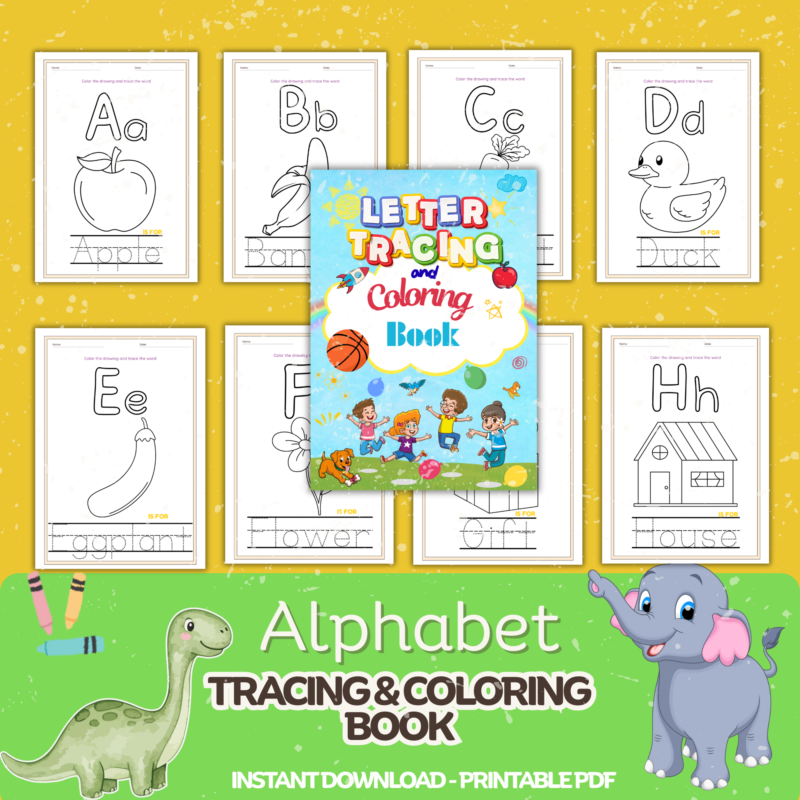
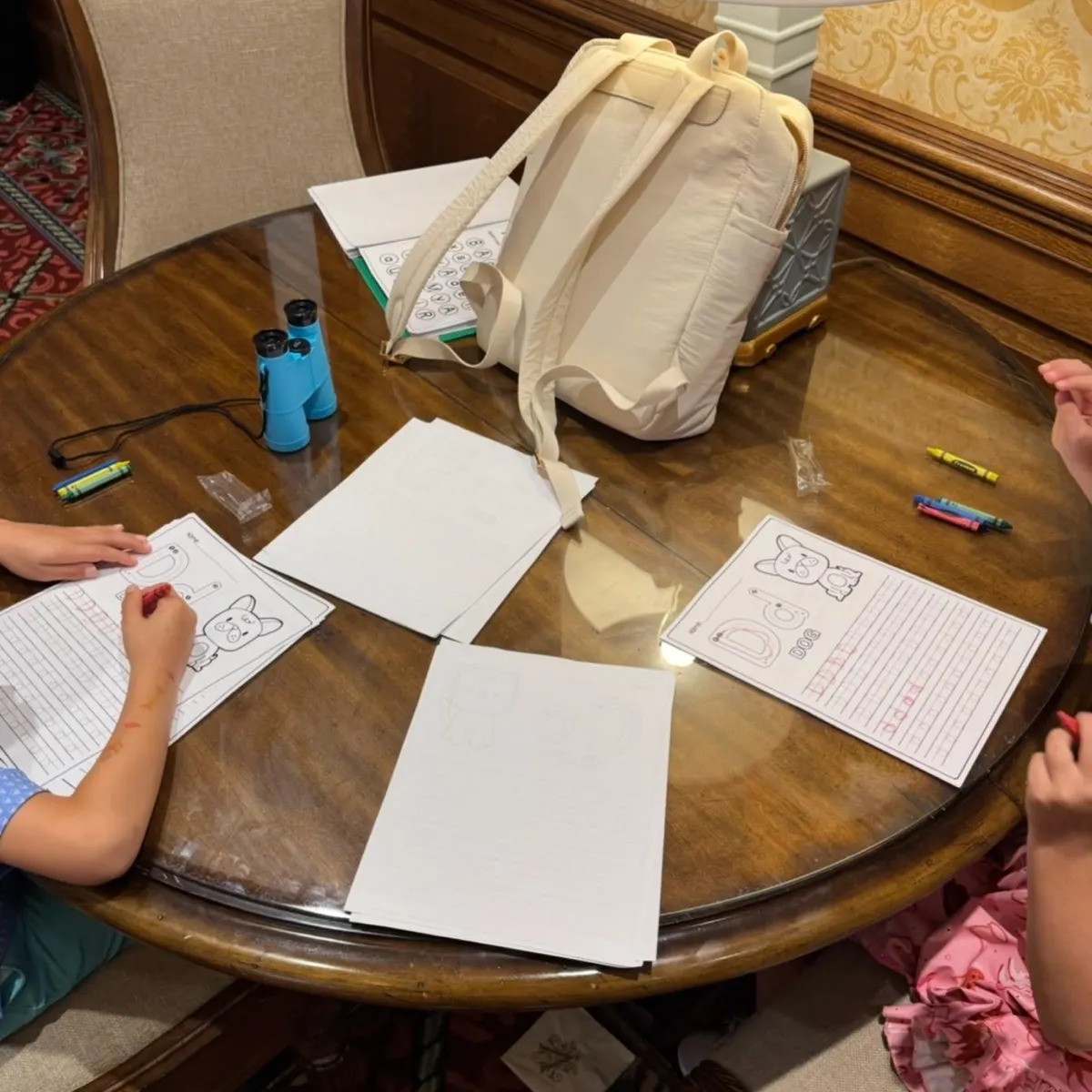
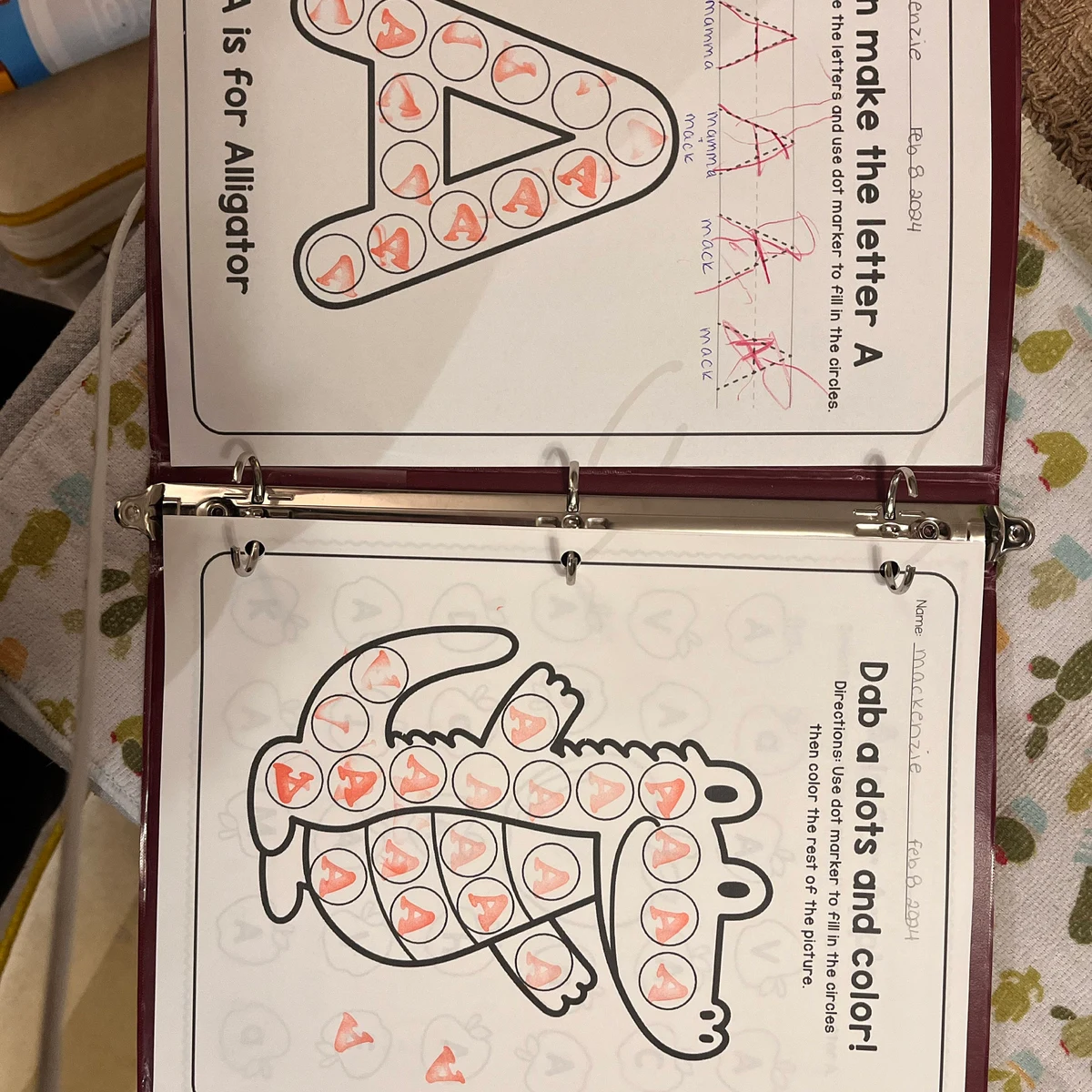
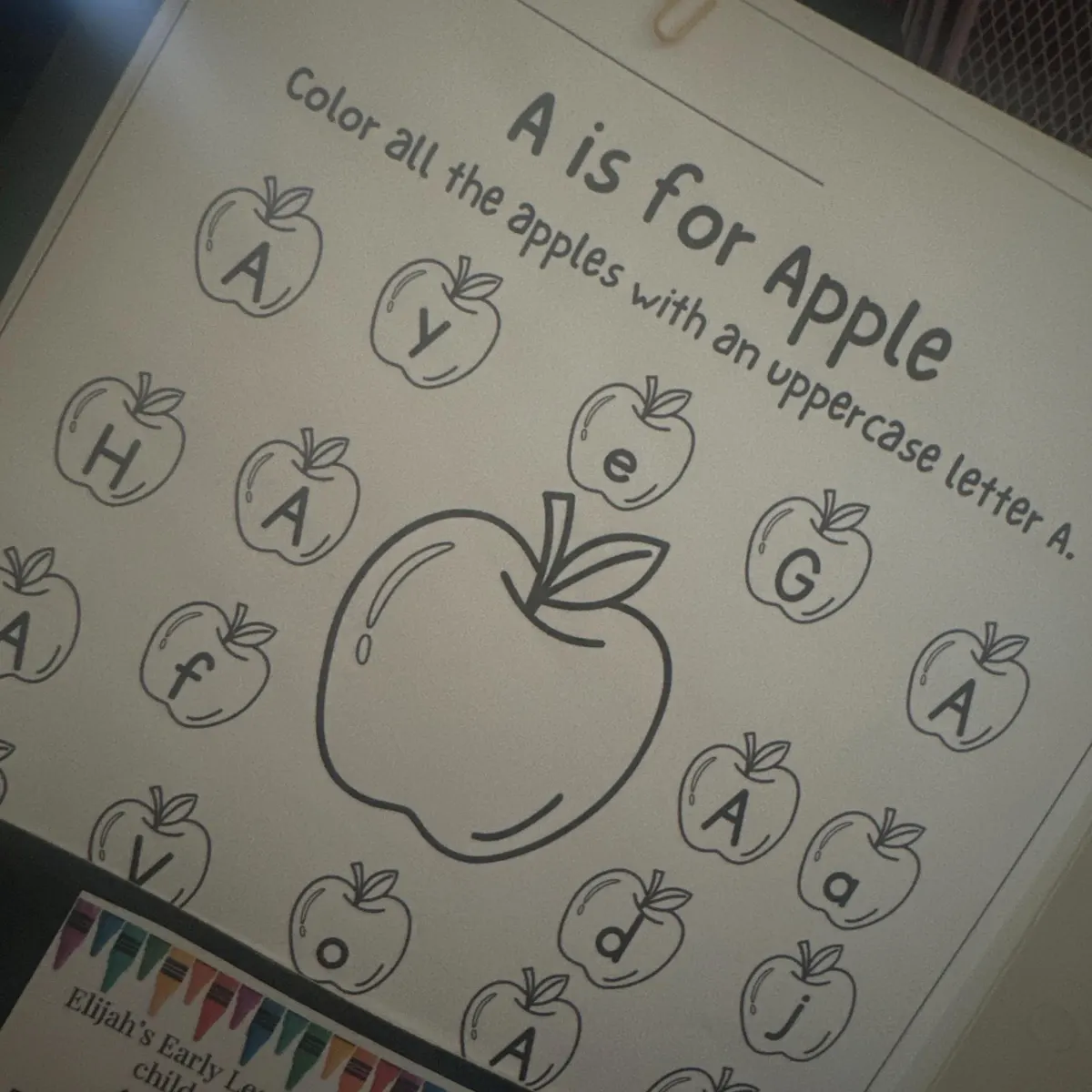
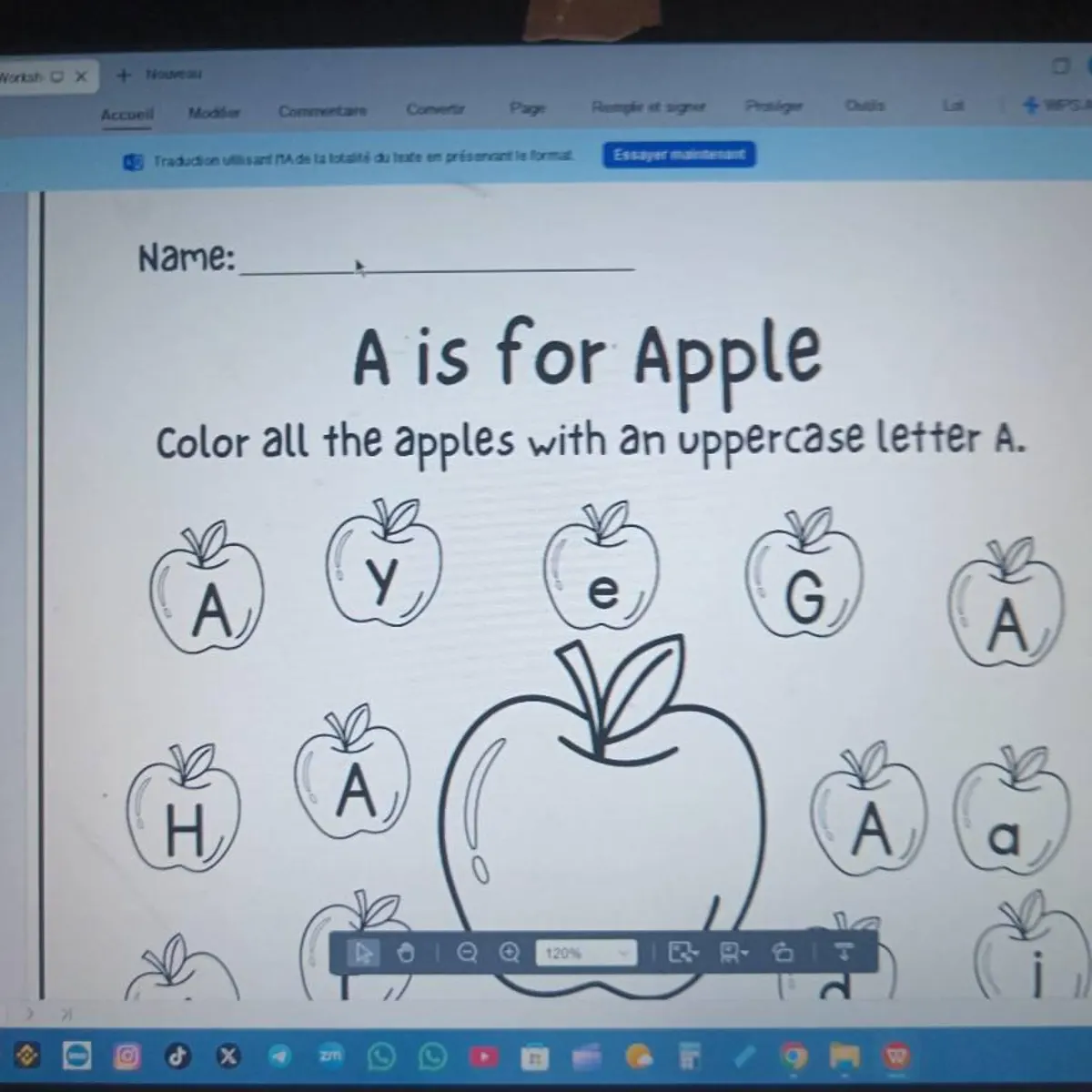
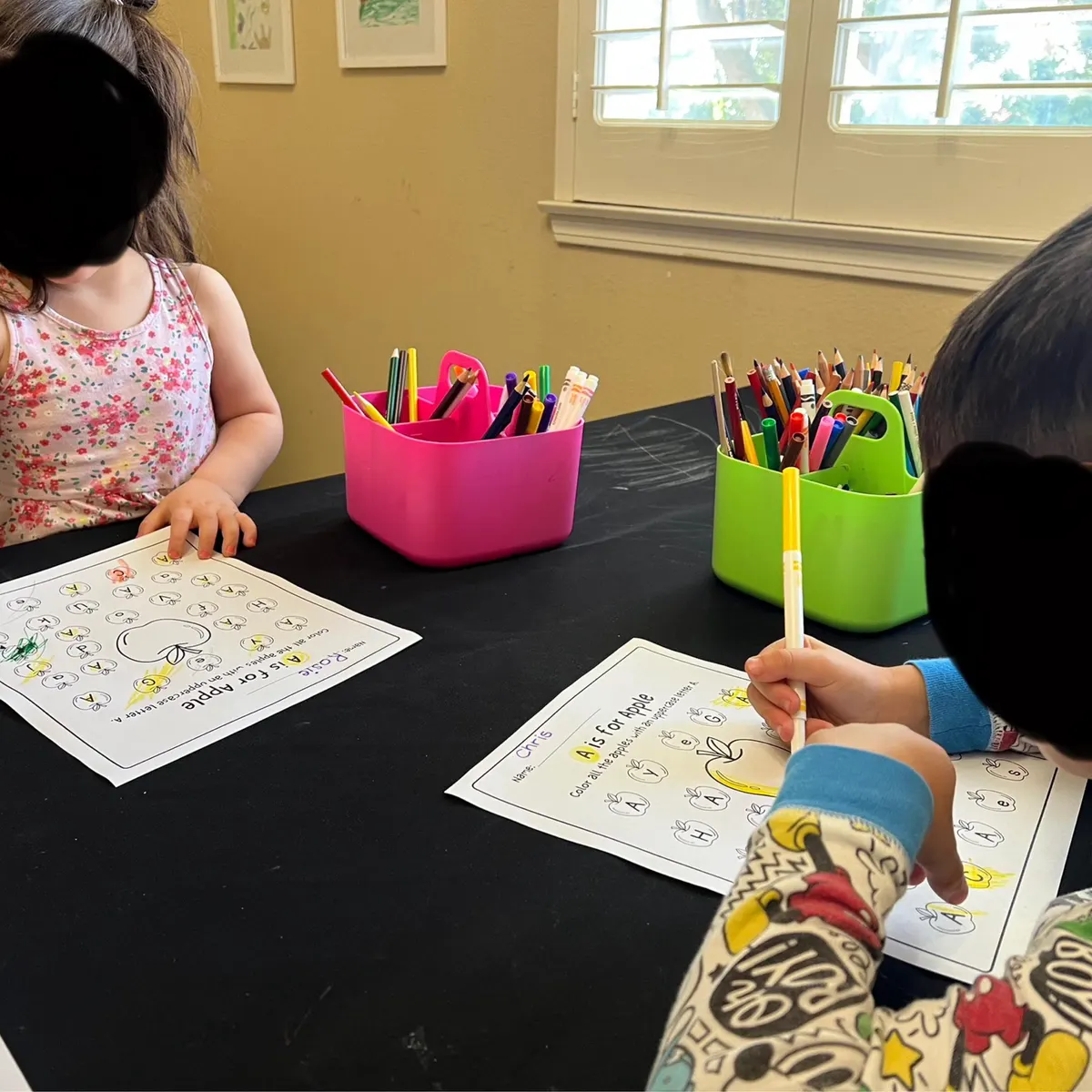
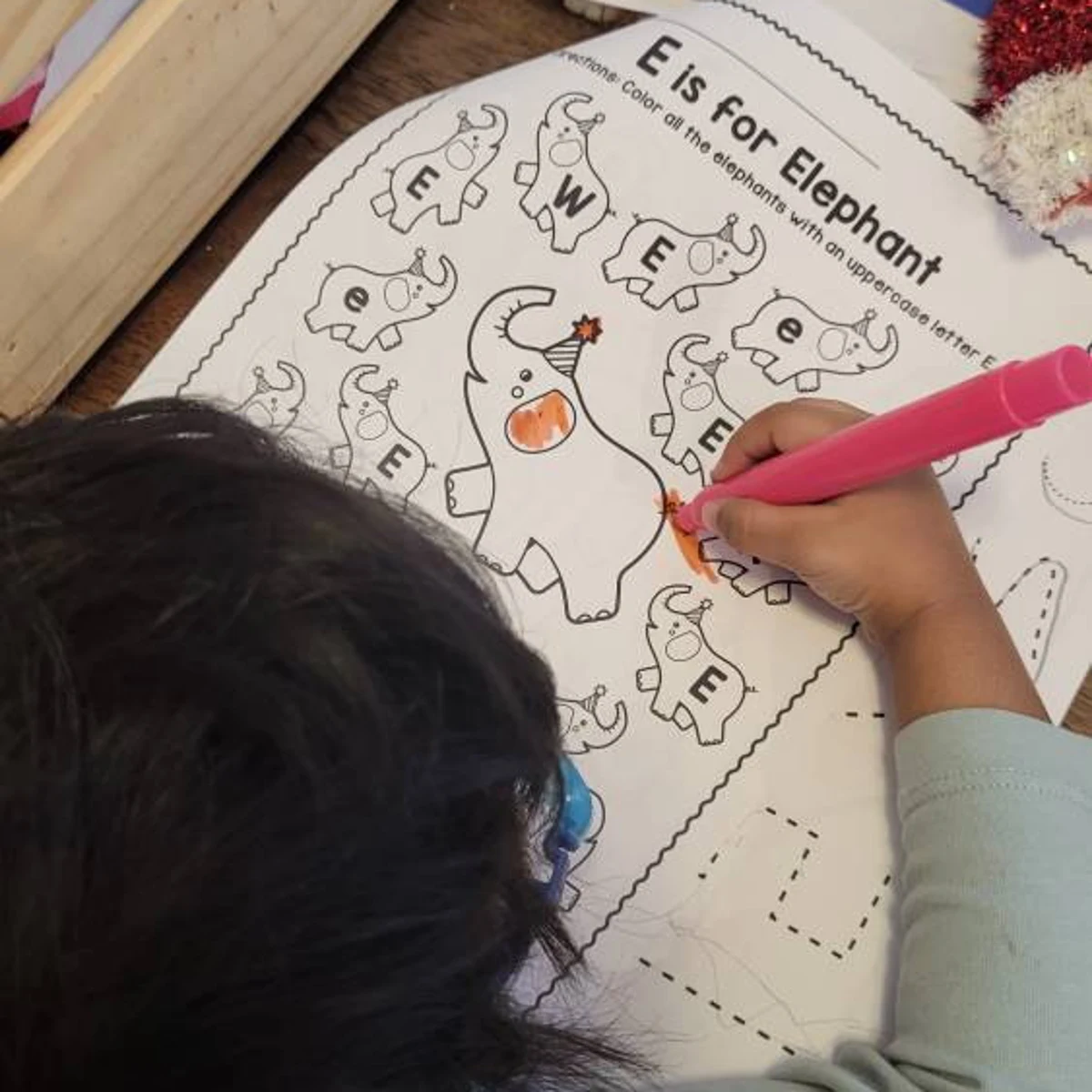
Offer one letter page at a time instead of a full alphabet worksheet. Ask your child to circle the target letter before tracing it, then color a picture that begins with that letter sound if appropriate. Printable alphabet tracing pages are especially helpful because they provide consistent letter formation and easy repeat practice without extra prep.
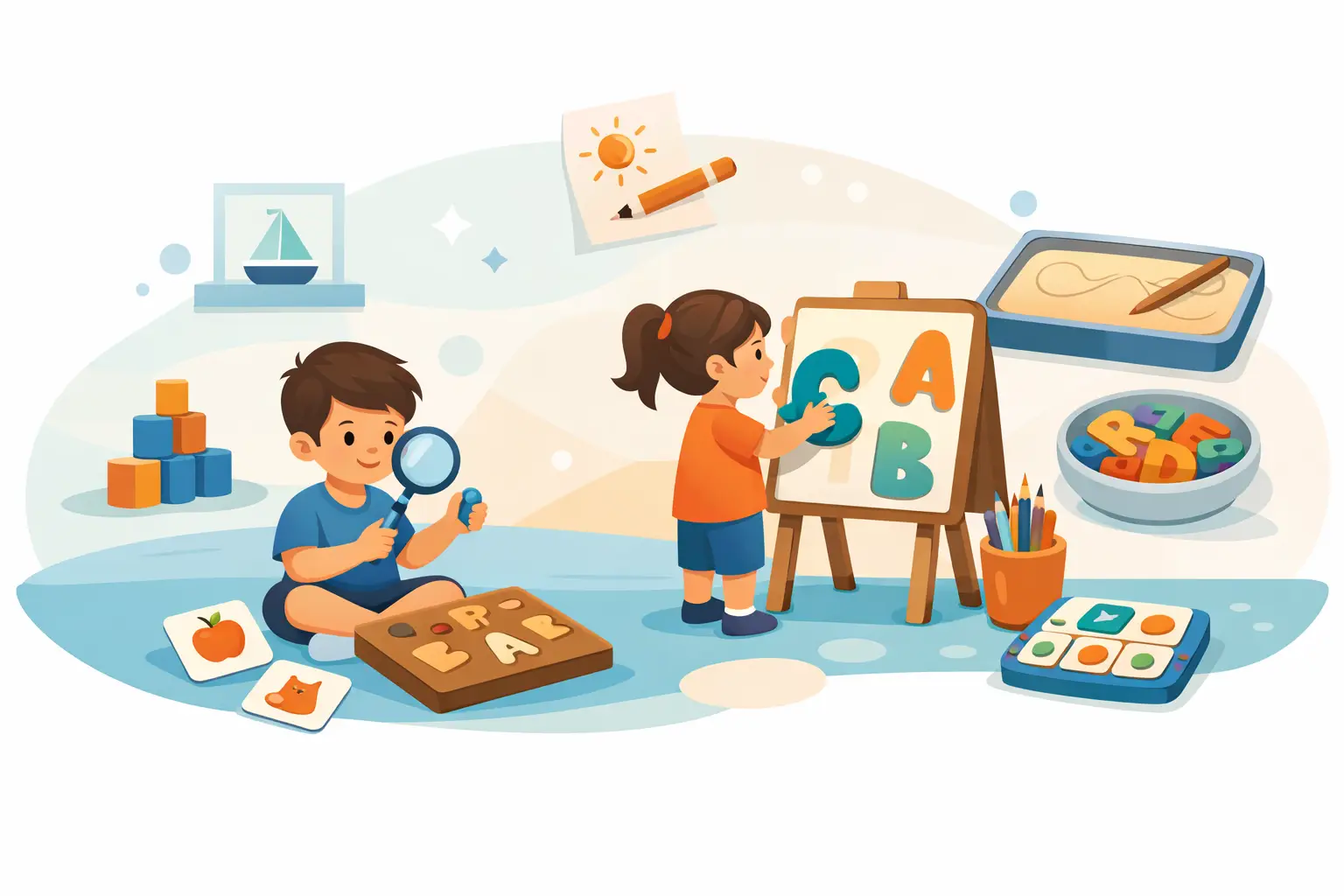
5. Make Letters With Play Dough
Play dough brings fine motor practice into letter learning. Roll small “snakes” of dough, then bend and shape them into a simple letter. Straight-line letters such as L, T, E, and H are a friendly place to start.
Show a letter card as a model, but do not worry if the play dough version is crooked or oversized. The important part is noticing the features of the letter: “Your T has one long line and one line across the top.” This language helps children see how letter shapes are formed.
6. Try a Simple Letter Sort
Sorting helps preschoolers pay attention to visual details. Place a few letter cards in a pile and give children a mat or paper labeled with two target letters. They sort each card into the matching spot.
You can also sort letters by features. Which letters have straight lines? Which have curves? Which letters are in your child’s name? These conversations build observation skills without requiring children to know every letter name yet.
7. Add Letters to Sensory Play
A tray of dry rice, kinetic sand, or salt can turn letter practice into a calming hands-on activity. Place plastic or foam letters in the tray and invite children to find a specific one. They can also draw the letter with a finger after looking at a card.
Sensory activities work well for children who learn best through movement and touch. They can be messy, though, so a simple printed letter page may be the better choice when you need a quick, quiet activity at the table.
8. Read Alphabet Books With a Purpose
Alphabet books are most useful when you slow down. Rather than reading every page in one sitting, choose three or four pages and focus on the letters your child is learning.
Point to the letter, name it, and notice it again in the illustration or text. For example, “Here is B. B is for bear. Can you find another B on this page?” This turns reading time into an easy, natural review.
9. Play Letter Parking
Draw or print several large “parking spaces,” each labeled with a letter. Give your child small toy cars with letter stickers on top. They park each car in the matching space.
This activity is particularly useful for children who prefer active play over sitting with a worksheet. Keep the number of spaces small at first. Four letters are plenty for a quick round, and you can switch the letters as confidence grows.
10. Create a Daily Letter Routine
A few minutes of daily practice is more helpful than a long session once a week. Choose a letter of the day, place it where children can see it, and return to it during different parts of the day.
You might trace the letter in the morning, hunt for it during playtime, and read a book featuring it before bed. Teachers can use the same idea during morning meeting, learning centers, and transition times. Repeated exposure helps the letter become familiar without making practice feel repetitive.
How to Keep Preschool Letter Practice Positive
Children learn at different speeds, so avoid turning letter recognition into a quiz. If a child does not know a letter, say its name warmly and move on: “That is C. Let’s find C together.” A relaxed response protects their confidence and keeps them willing to try again.
It also helps to separate letter names from letter sounds when needed. A preschooler may know that a letter is called M before remembering that it makes the /m/ sound. That is normal. Build each skill gradually through songs, books, tracing, matching, and playful conversation.
Watch for signs that an activity is too easy or too challenging. If your child answers every card quickly, add a few new letters or introduce lowercase matches. If they become frustrated, return to familiar letters, use larger cards, or make the activity more physical. Success is what keeps young learners engaged.
Easy Printable Practice for Home or Class
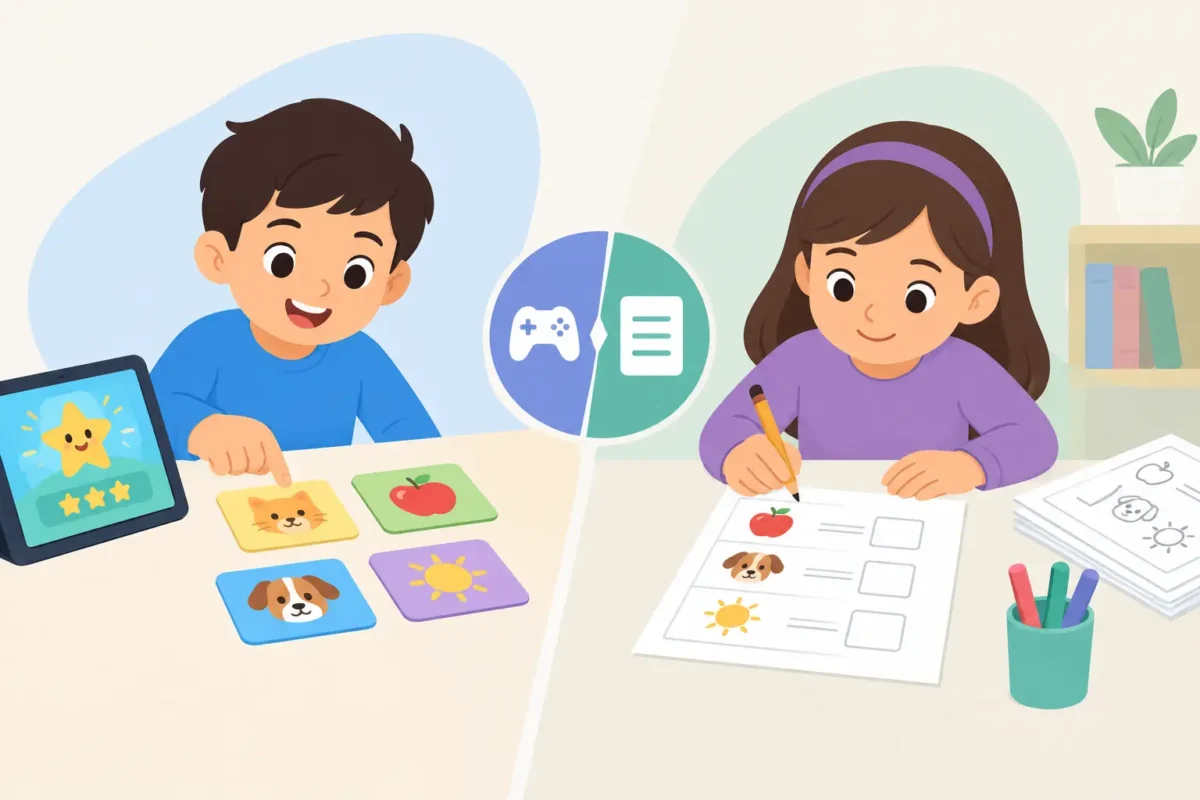
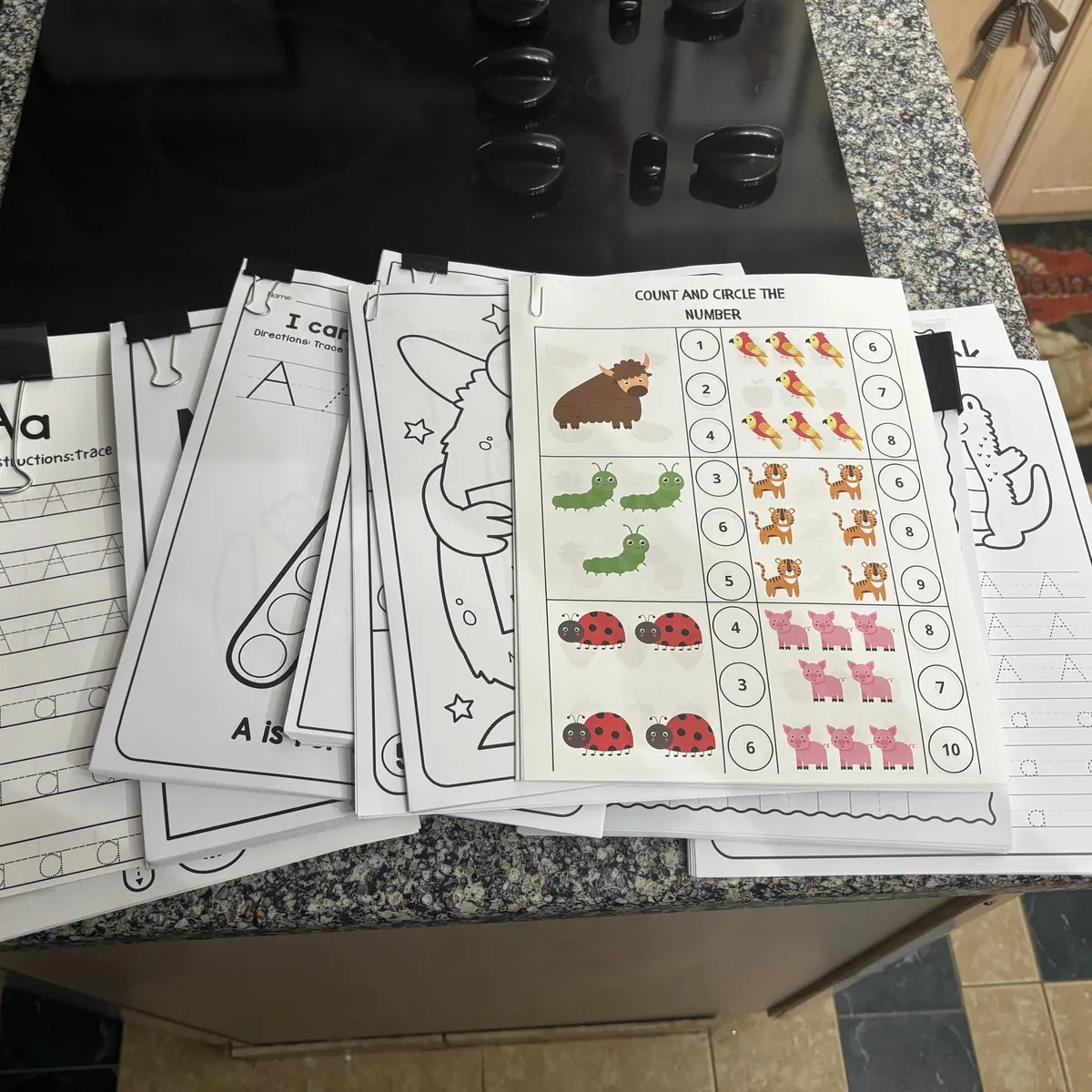
Printables give children a clear, screen-free way to revisit letters they have practiced through play. A well-designed page can include letter identification, tracing, matching, coloring, and simple beginning-sound pictures, all in one focused activity.
For busy adults, printable worksheets are also easy to repeat. Use the same letter page with crayons one day, dot markers the next, or place it in a reusable sleeve for dry-erase practice. Fun Clever Fox printable learning activities are designed to make that kind of structured, playful practice simple for home learning, homeschool routines, daycare, and preschool classrooms.
The most meaningful letter learning happens when children feel capable. Offer one familiar letter, celebrate the small win, and leave room for play. Before long, those exciting “I found it!” moments begin to appear everywhere children look.