A child who can sound out sun but pauses at the is not falling behind. They are meeting one of the first big puzzles of reading: some very common words need to become familiar enough to recognize quickly. This kindergarten sight words guide helps parents, teachers, and homeschool families make that practice simple, playful, and age-appropriate.
Sight words work best as a small, steady part of an early reading routine. A few minutes of meaningful practice can help kindergarteners read simple books with less frustration, write familiar words more confidently, and focus on the story instead of stopping at every word.
What Are Kindergarten Sight Words?
Sight words are words children learn to recognize quickly when they see them in print. Many are high-frequency words, which means they appear again and again in beginner books, classroom directions, and early writing. Words such as I, a, the, we, see, like, my, and can show up so often that knowing them helps a child read more smoothly.
Some sight words can be sounded out using phonics skills. For example, a child may be able to stretch the sounds in can or not. Others include spelling patterns that are not fully predictable for beginning readers, such as said or was. These words still deserve attention, but children do not need to memorize a giant stack at once.
The goal is not speed drills or perfect recall under pressure. The goal is familiarity. When a child sees a word many times, says it, builds it, writes it, and uses it in a sentence, recognition begins to feel natural.
Kindergarten Sight Words Guide: Start Small
Kindergarteners do best with a manageable word set. Begin with three to five words that appear in the books, worksheets, songs, or classroom activities your child already enjoys. Practice those words for several days before adding more.
A useful first group may include I, a, the, to, my, is, we, like, see, and can. The right words depend on the reading materials you use. A classroom might follow a school word list, while a homeschool family may choose words from favorite beginner readers. Either approach can work well when practice is consistent.
Avoid treating one list as a finish line. Different schools use different Dolch, Fry, or teacher-created lists, and children develop at different speeds. What matters most is whether the child can recognize and use the words in real reading and writing.
Teach Words in Meaningful Sentences
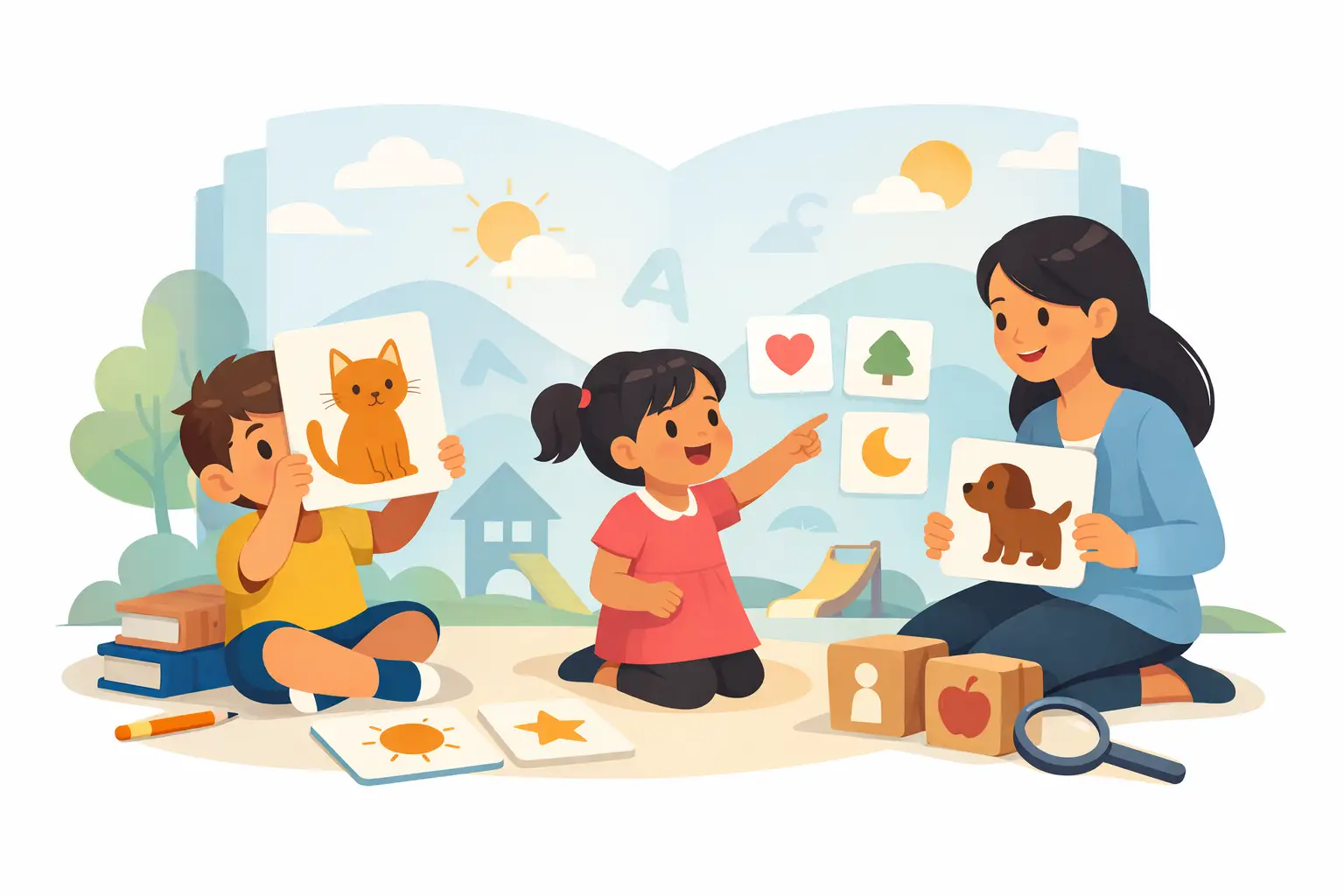
A flashcard can introduce a word, but a sentence shows why the word matters. After presenting like, say, “I like cats.” Then invite your child to create their own sentence: “I like trucks” or “I like pizza.” This gives the word a job beyond a card.
Simple sentence frames are especially helpful for young learners. Try “I see a ___,” “We can ___,” or “This is my ___.” Children can read the repeated sight words and add a picture, drawing, or familiar noun. Repetition feels less repetitive when they get to choose the silly ending.
Connect Sight Words and Phonics
Sight word practice should support phonics, not replace it. When a word has parts a child can sound out, point that out. In look, they may recognize the beginning sound /l/. In like, they may notice the first sound and later learn why the final e changes the vowel sound.
For words that do not yet match the phonics patterns your child knows, be honest and simple. You might say, “This word is said. It has a tricky part in the middle, so we will practice noticing it.” There is no need for a long grammar lesson. A quick explanation helps children understand that reading includes both patterns and practice.
A Simple 10-Minute Sight Word Routine
Short, predictable routines fit busy mornings, literacy centers, and after-school learning. They also prevent sight word practice from becoming a tiring worksheet marathon.
Start by reviewing two or three known words. Let your child read each word, point to it, or find it among a small group of cards. Next, introduce one new word. Say the word, use it in a sentence, and ask your child to repeat it.
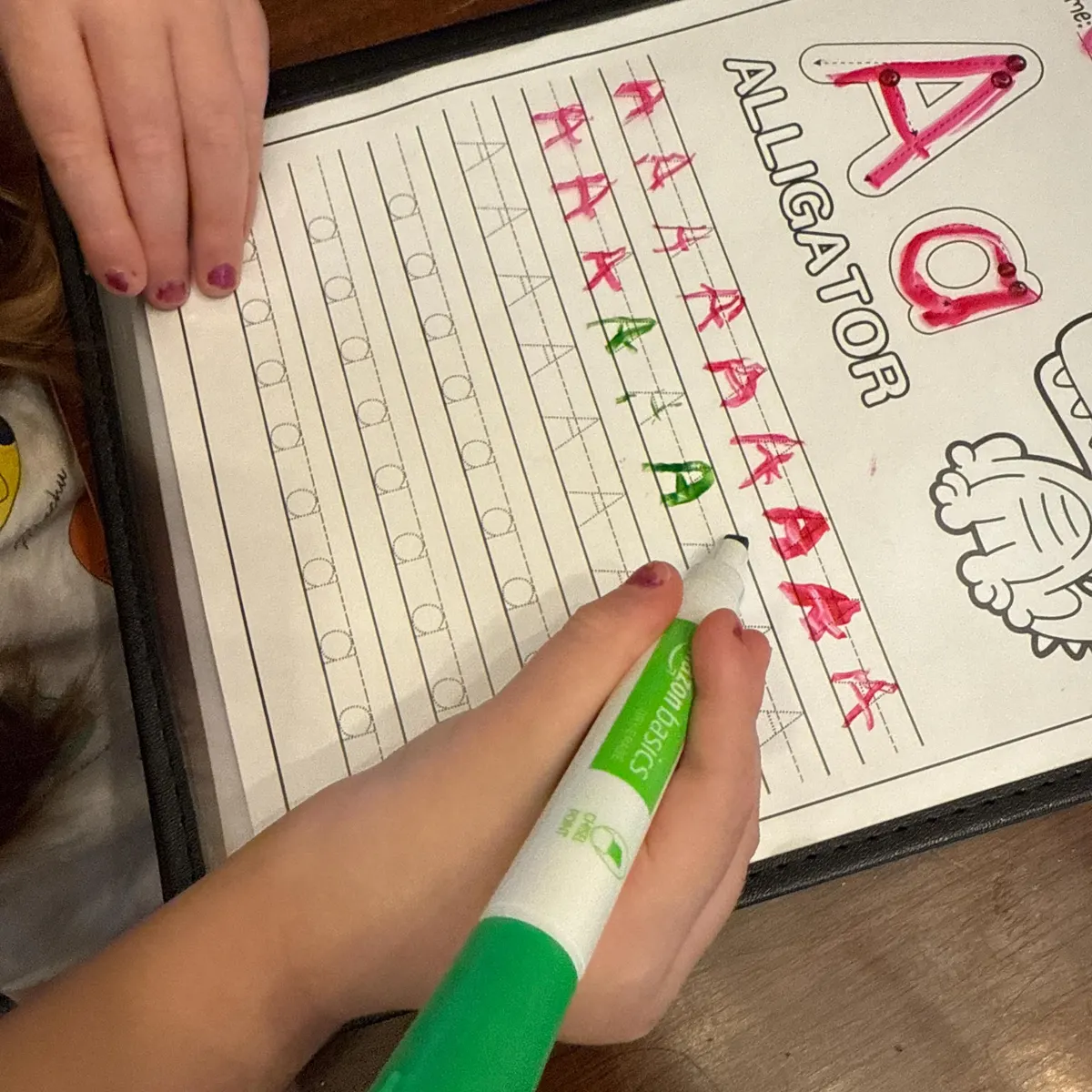
Then choose one hands-on activity. Your child can build the word with letter tiles, trace it with a finger, write it with crayons, or use play dough to form the letters. Finish by reading a short sentence containing the word. If your child is still engaged, ask them to draw a picture for the sentence. If not, stop while the experience is positive.
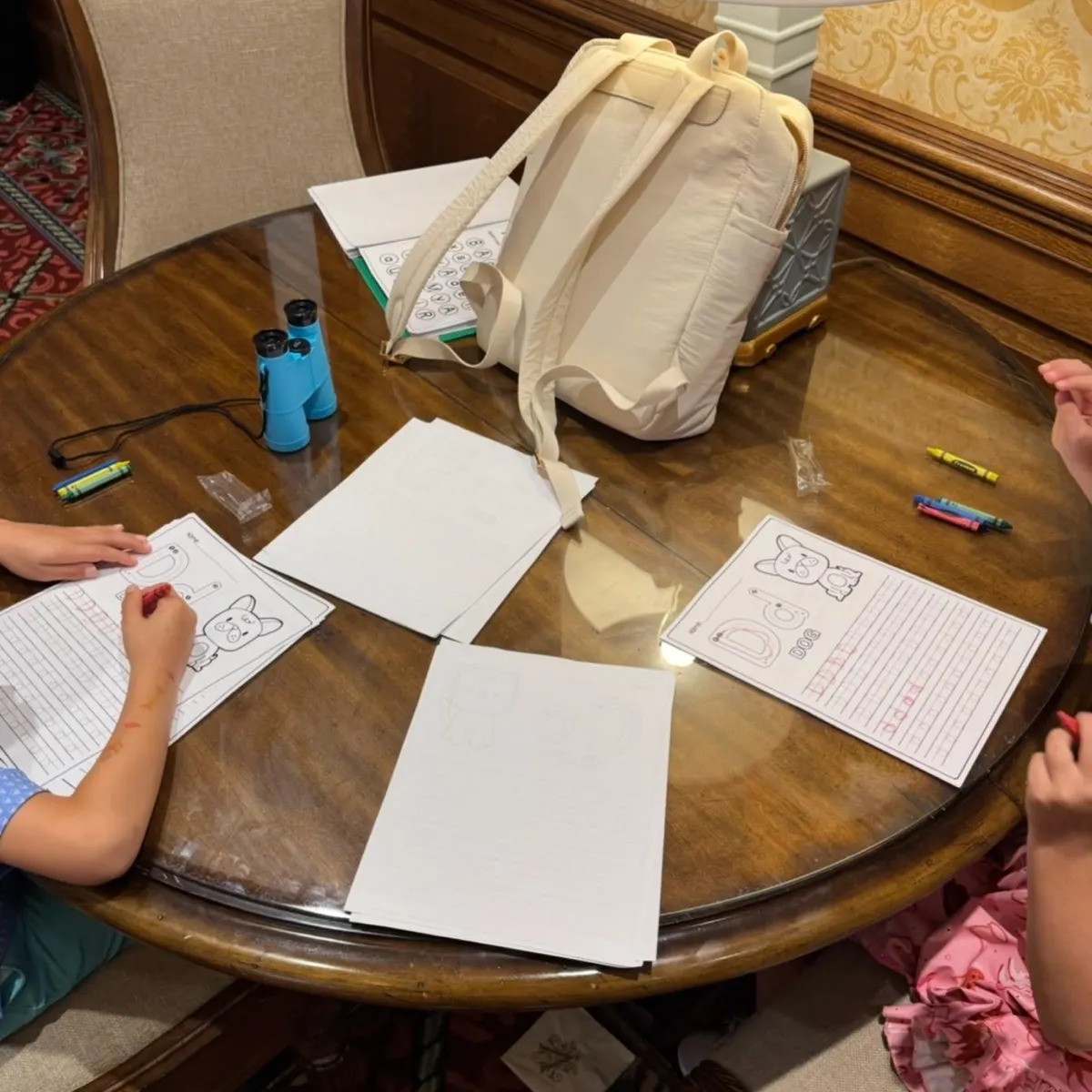
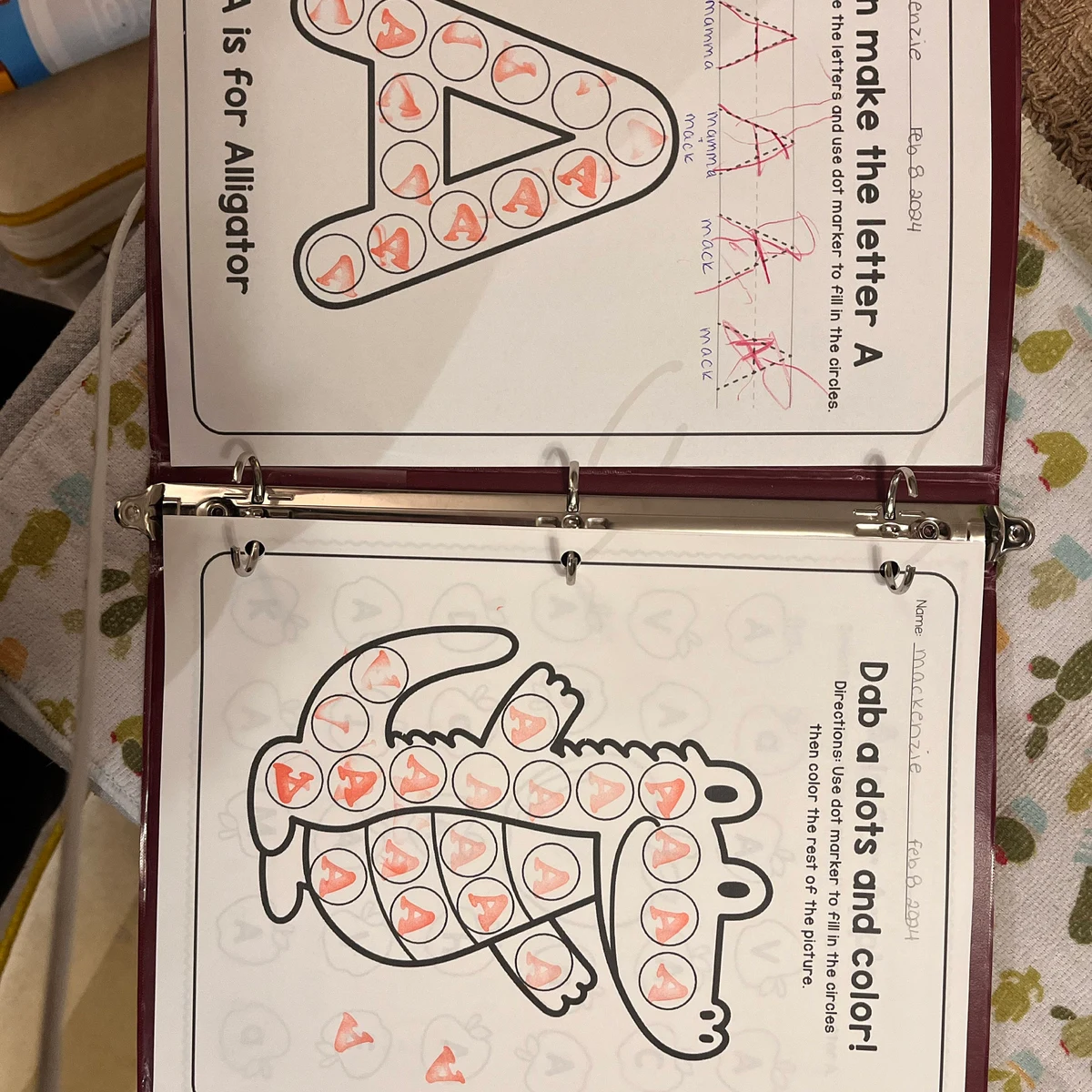
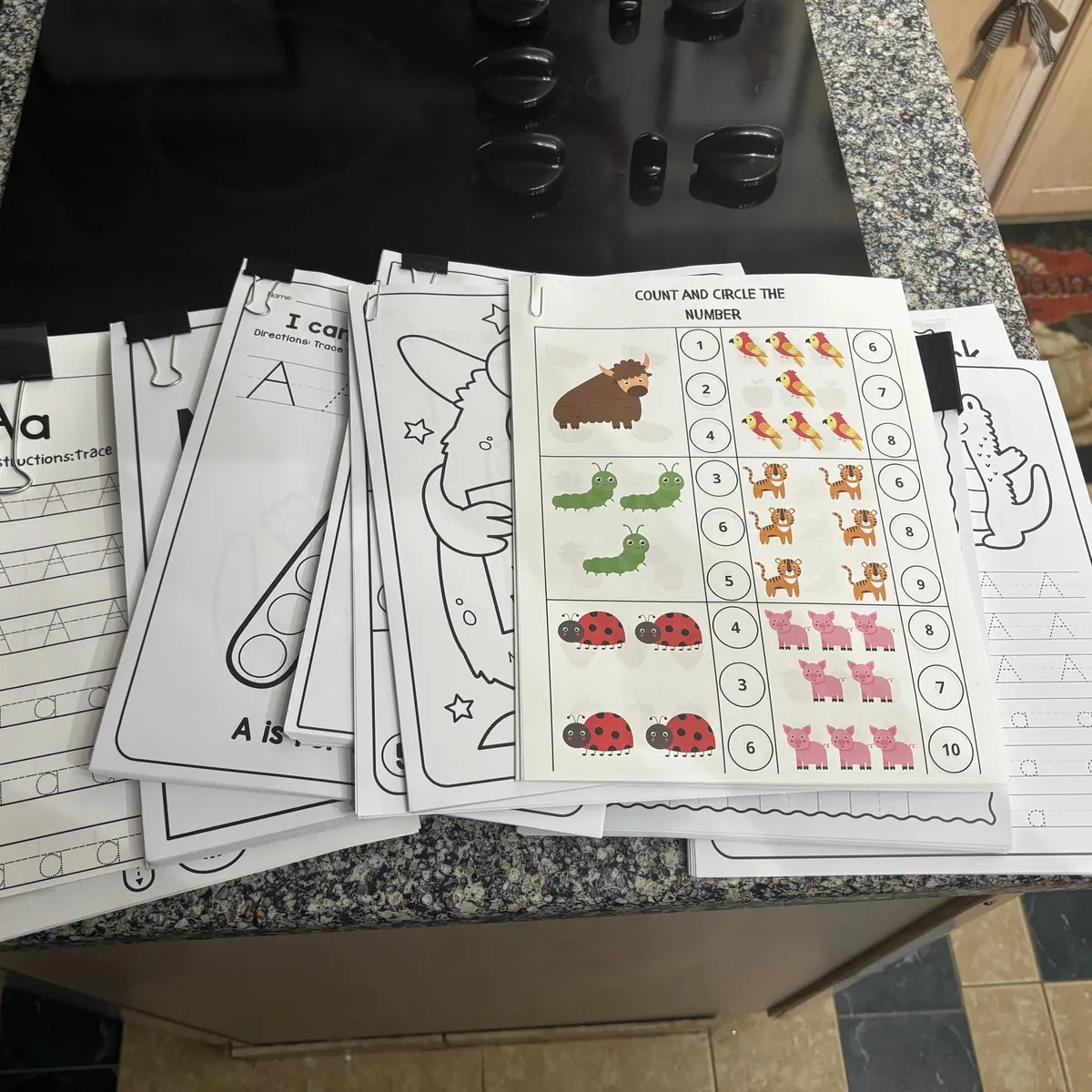
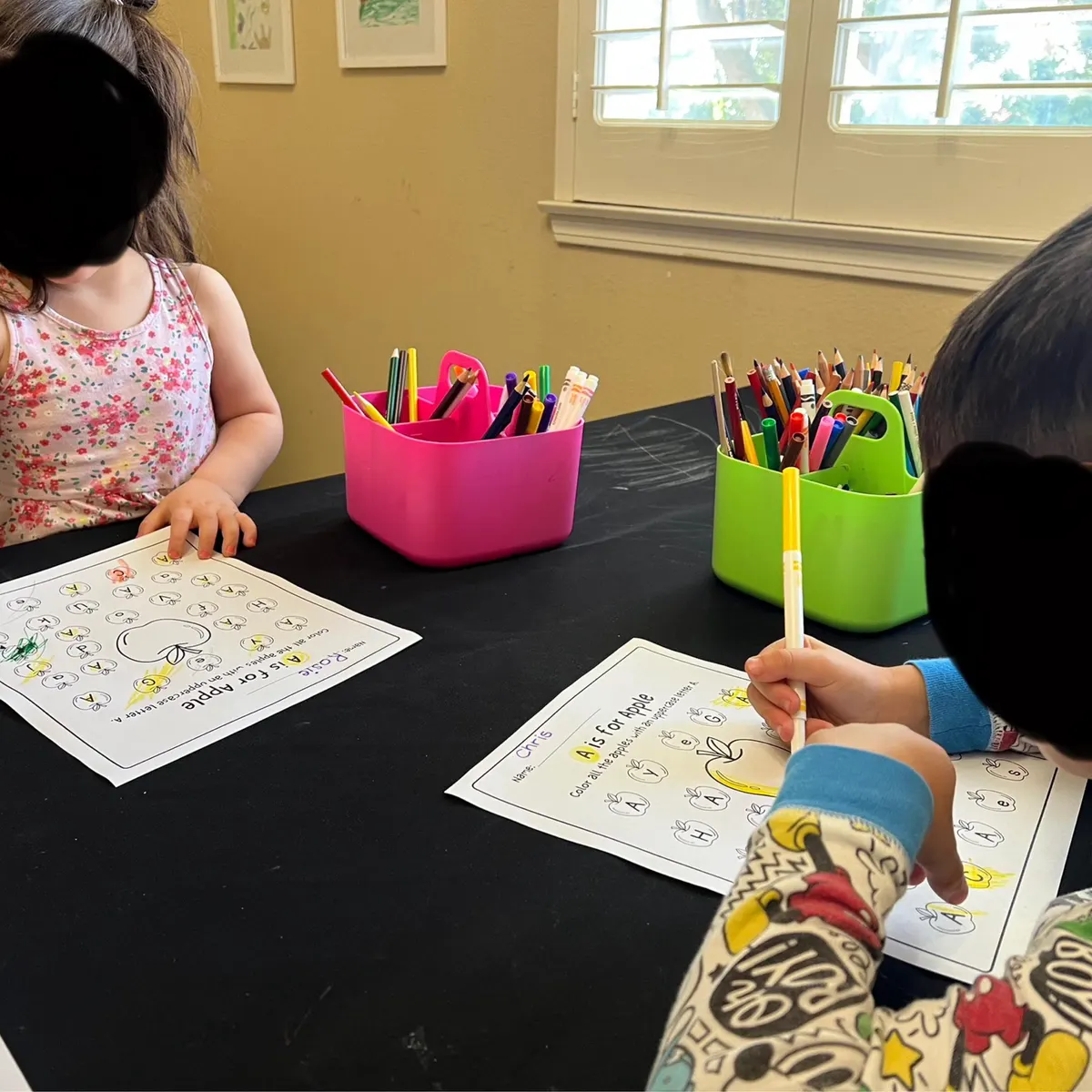
For classroom groups, this routine can become a quick small-group station. For home learning, it can happen at the kitchen table with a pencil and a few printable pages. The setup does not need to be fancy to be effective.
Playful Sight Word Activities That Build Recall
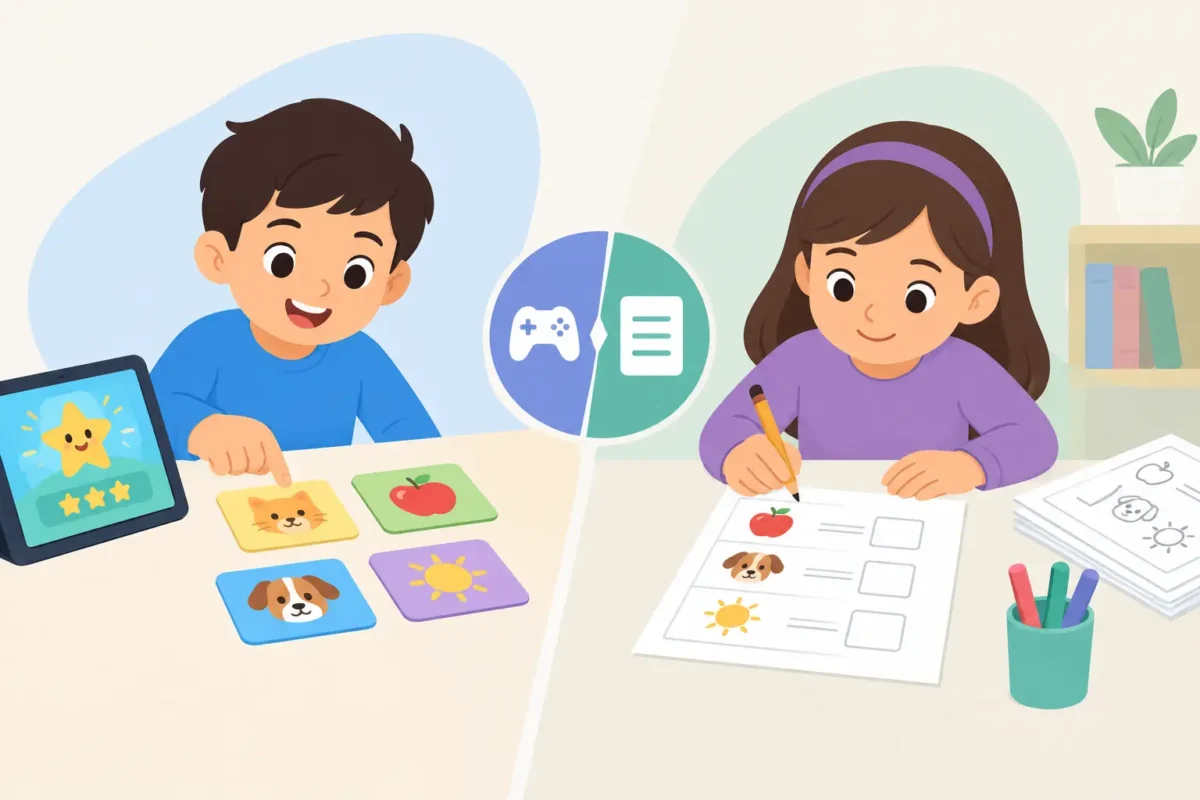
Children need repeated exposure, but the activity can change from day to day. Variety keeps practice fresh while the words remain familiar.
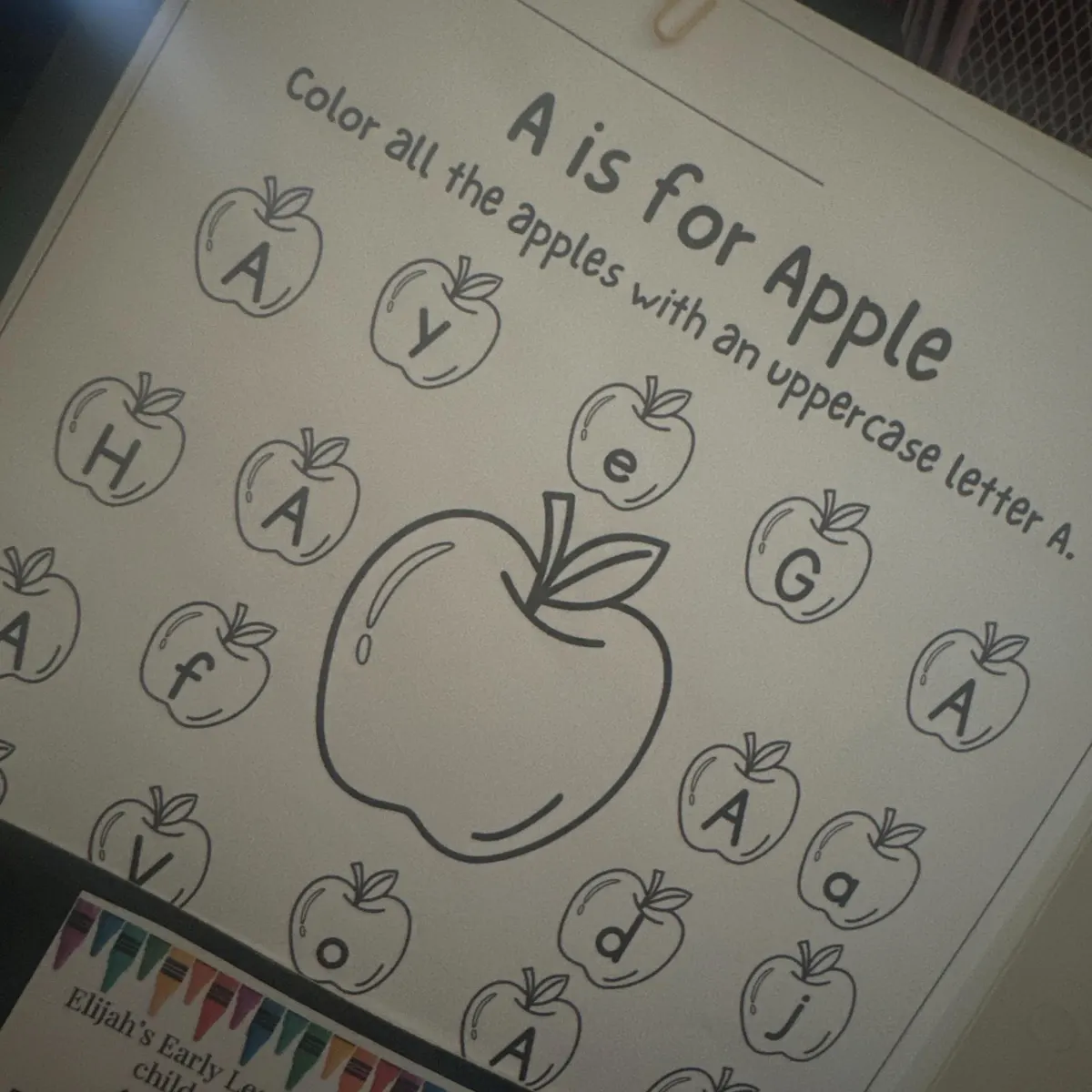
Word hunt: Write or print a few target words, then ask children to find them in a simple book, shared poem, or short passage. Give each word a different color to circle or highlight. This helps children notice that sight words are everywhere.
Cover and reveal: Place several word cards on the table. Say a word, cover it with a small object, then reveal it for the child to read. Switch roles and let the child “teach” you. Being the teacher is often a powerful confidence booster.
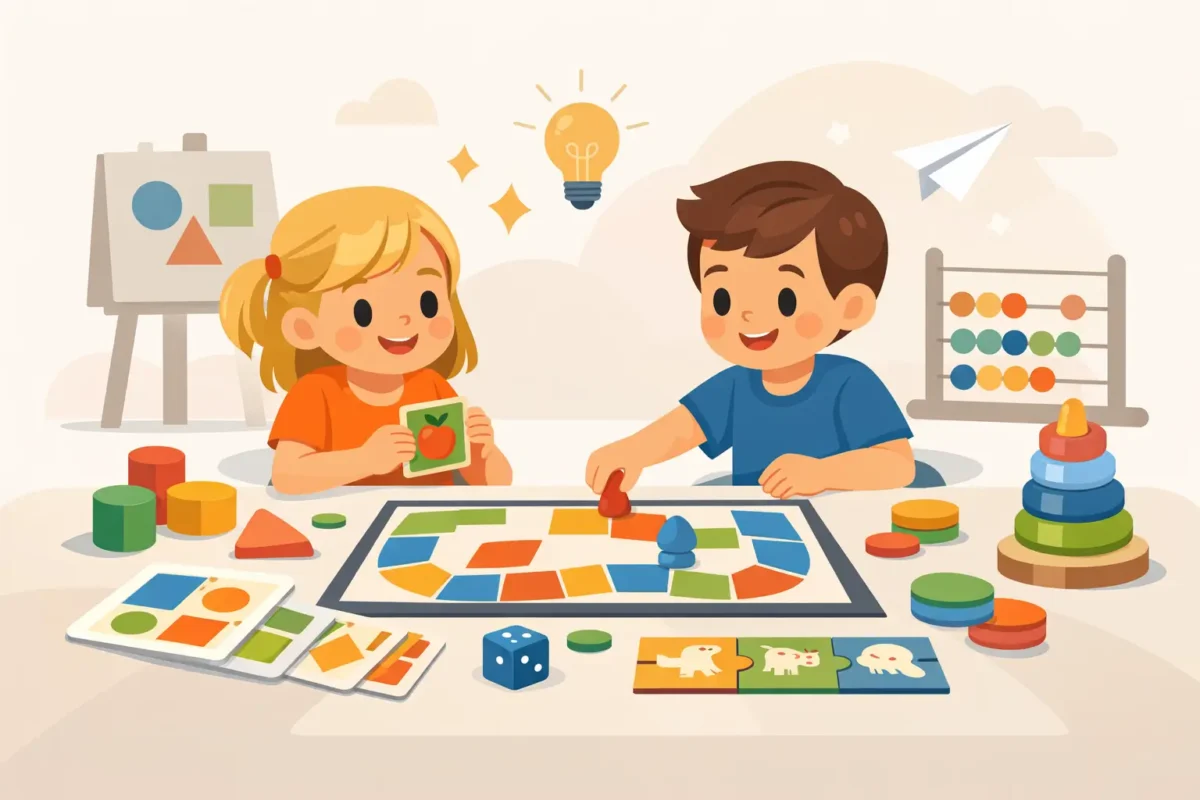
Roll and read: Put a different word in each box of a six-space game board. Children roll a die, move a counter, and read the word they land on. This is a cheerful way to add movement and turn-taking to review.
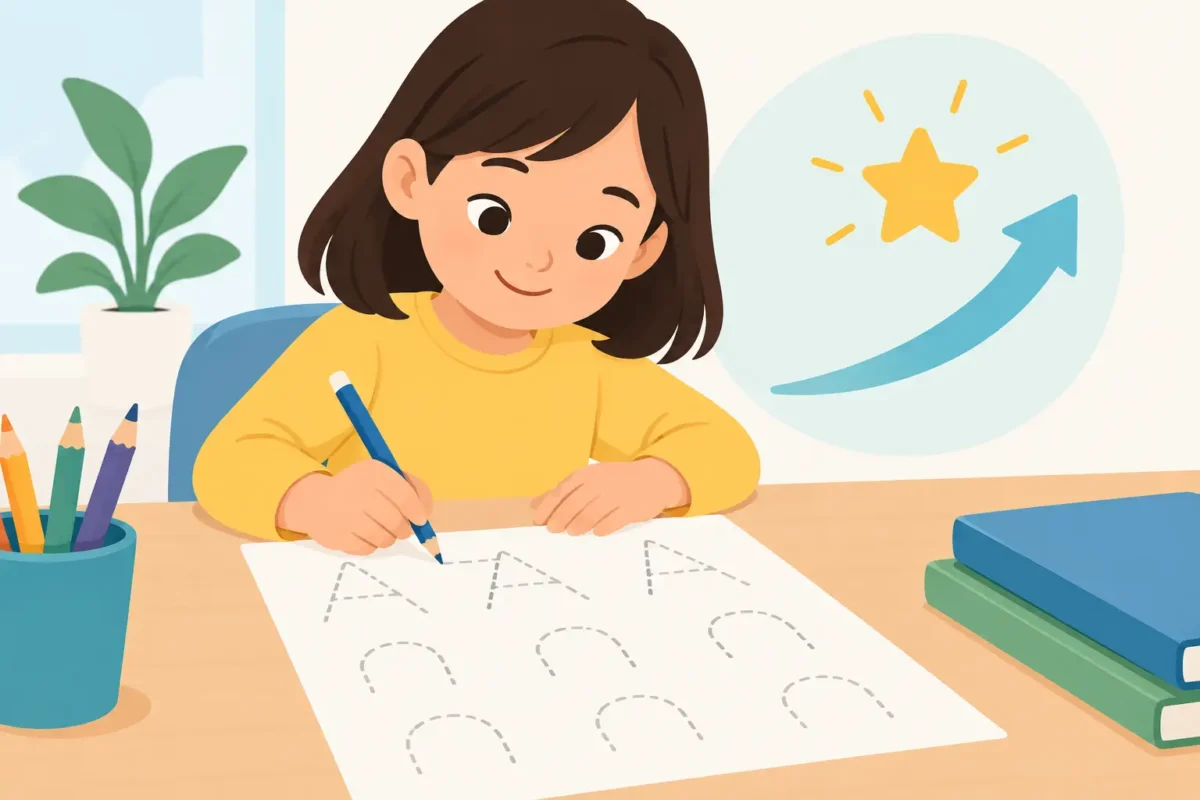
Write the room: Tape word cards around a room or learning area. Give children a clipboard or paper and ask them to copy each word as they find it. They practice visual recognition, handwriting, and careful letter formation at the same time.
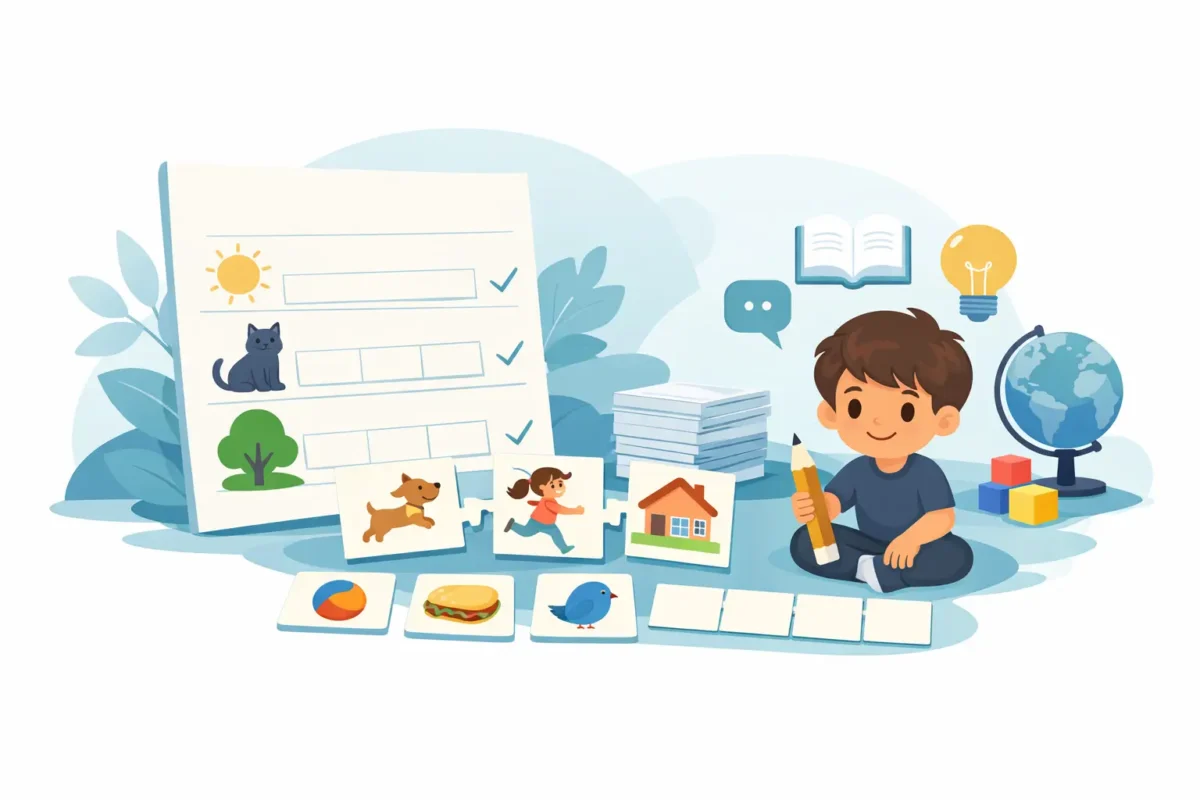
Sentence scramble: Write a short sentence on separate cards, such as “I can hop.” Mix the cards up and help children put them back in order. Start with three-word sentences, then add length only when the child is ready.
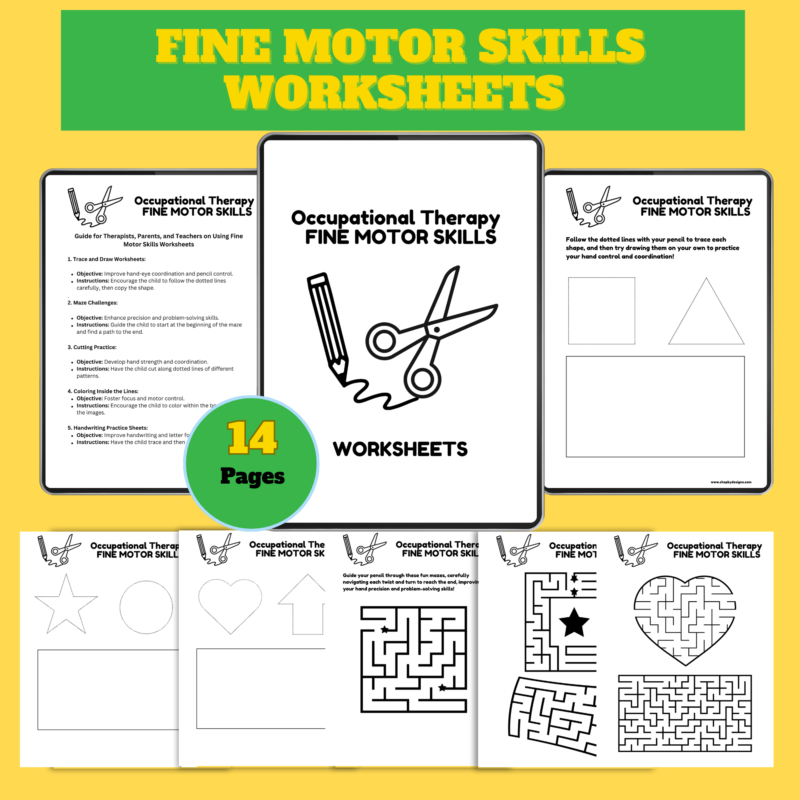
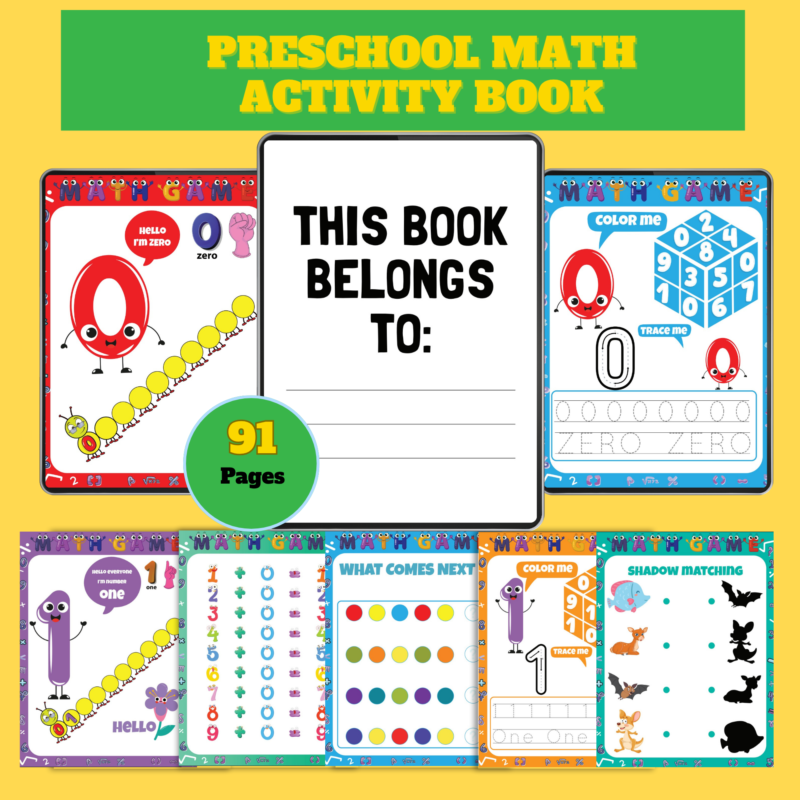
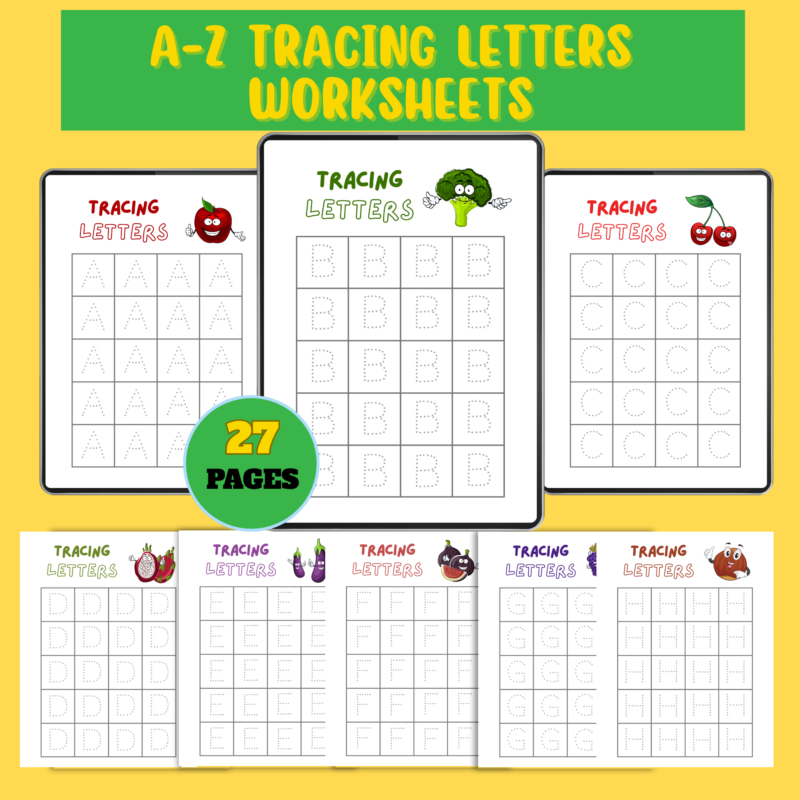
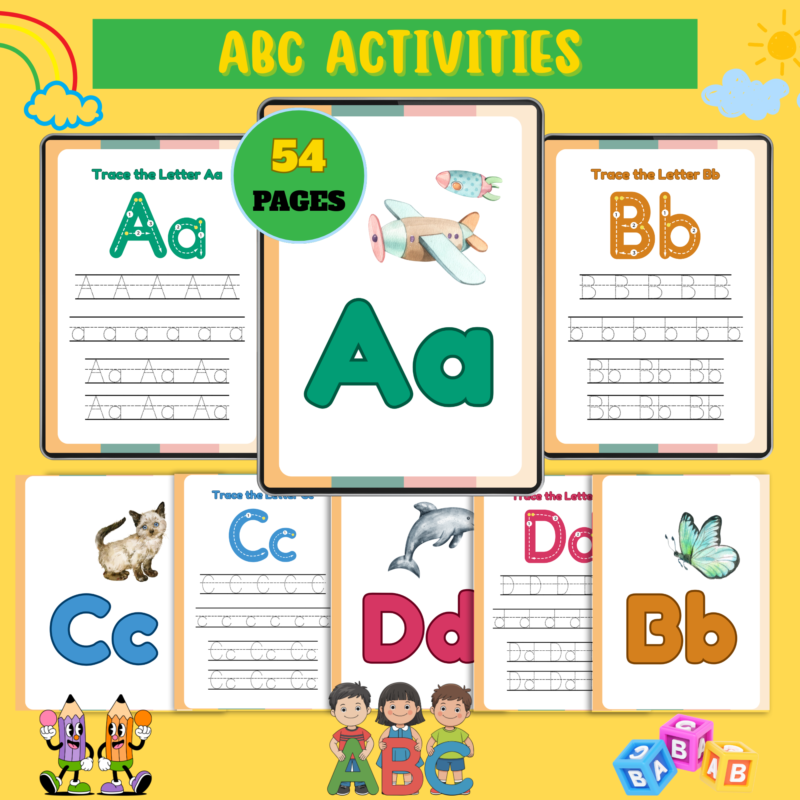
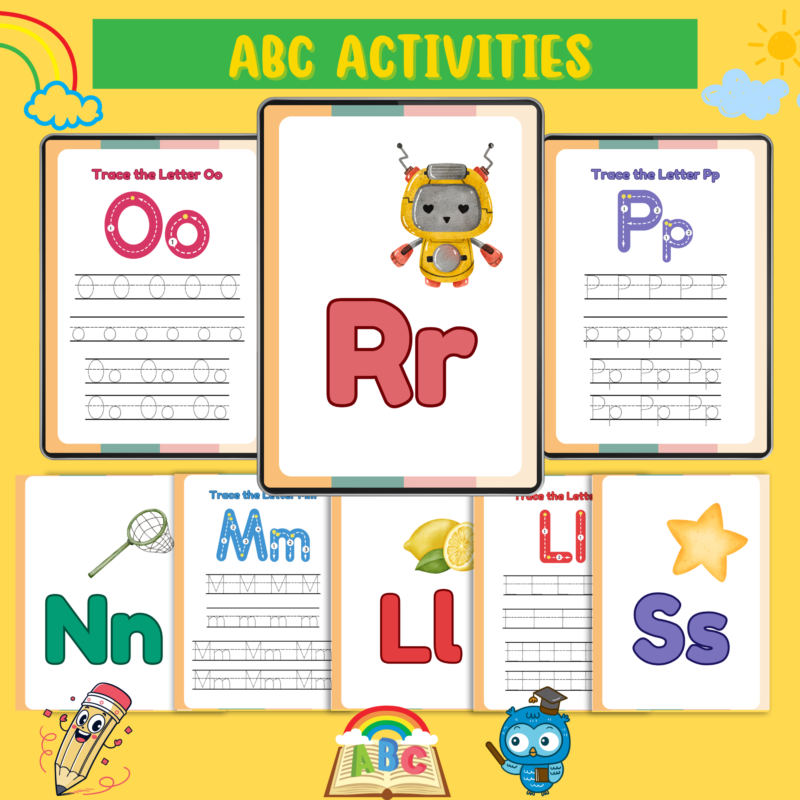
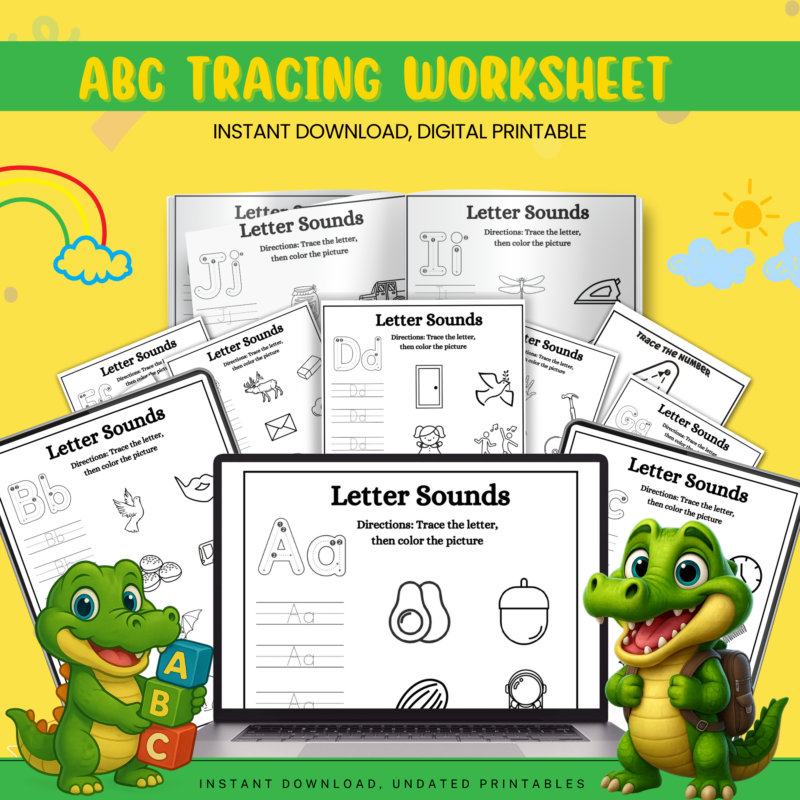
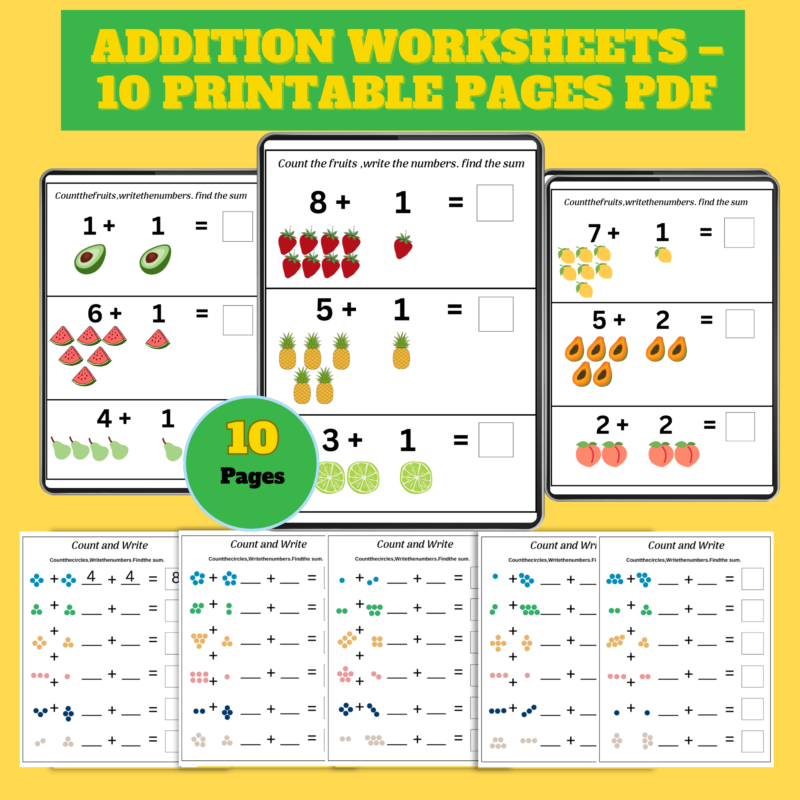
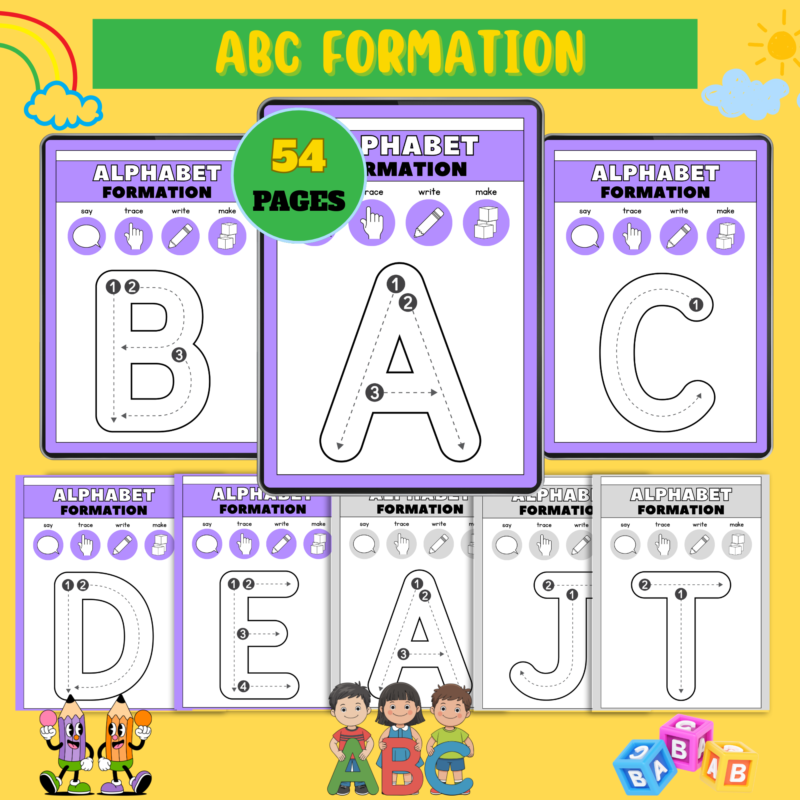
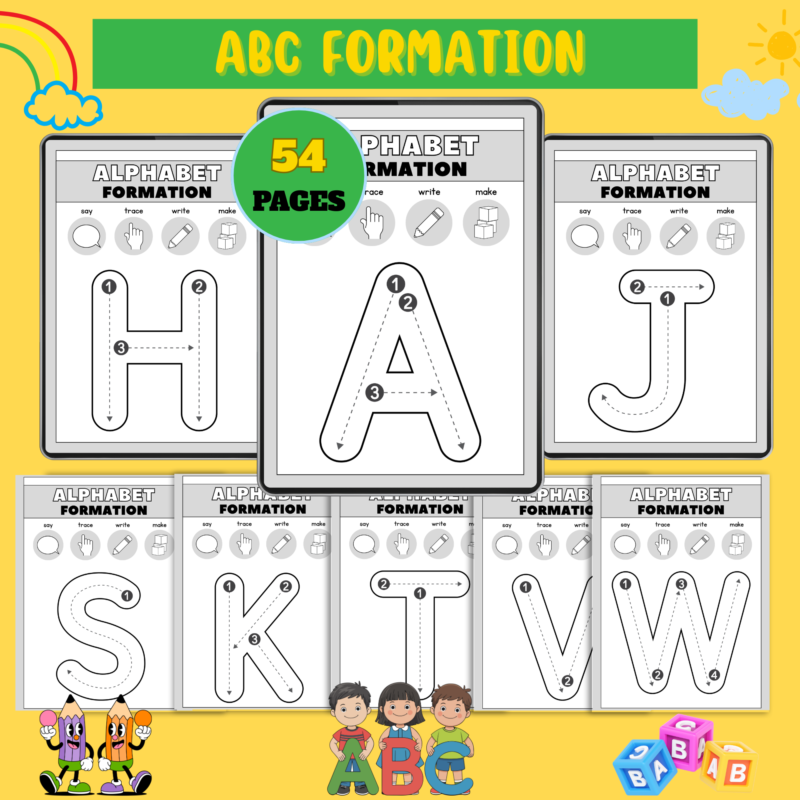
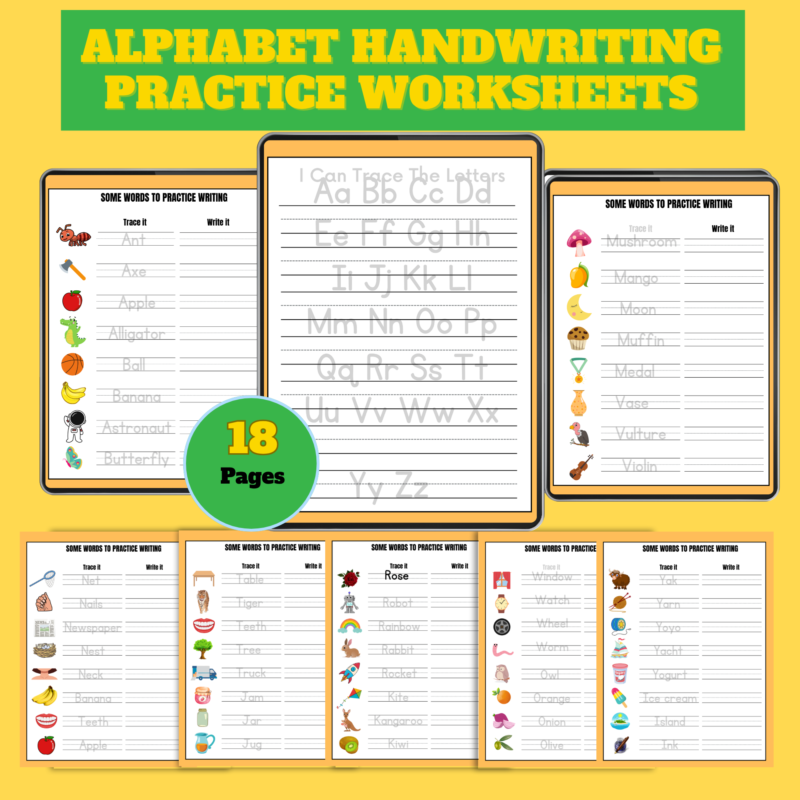
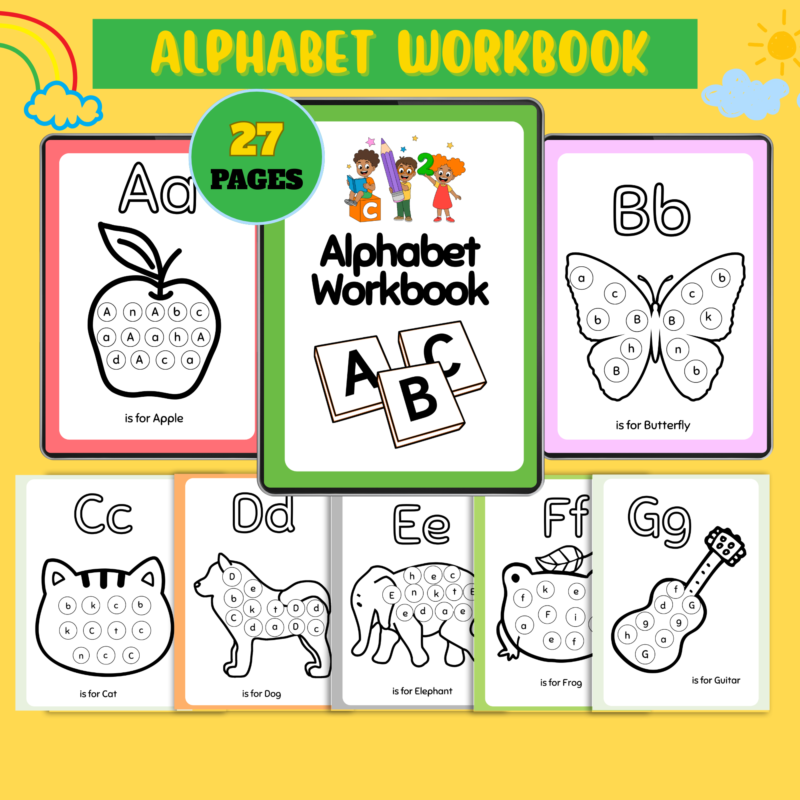
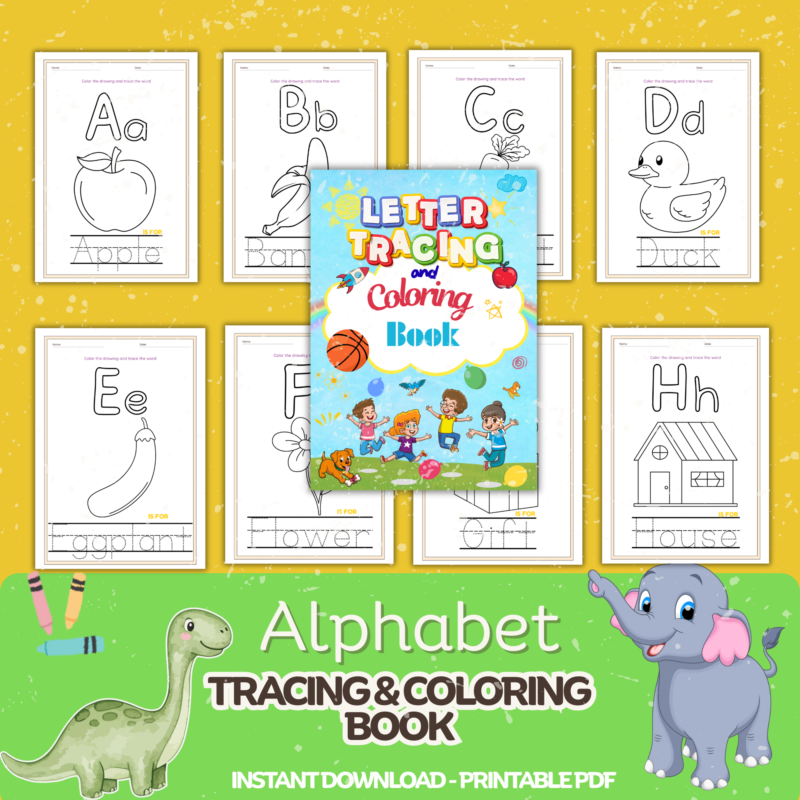
Fun Clever Fox printable sight word activities can make these routines easy to repeat, with ready-to-use practice that works at home, in centers, or for independent table time.
How Much Practice Is Enough?
For most kindergarteners, five to ten minutes a day is plenty. Some children enjoy longer practice sessions, while others need several tiny sessions with movement in between. Watch your child’s response. If they are guessing wildly, avoiding the activity, or becoming upset, reduce the number of words and make the next session easier.
Children also need time to forget a little and remember again. Review older words regularly instead of racing through new lists. A child who knows 15 words well and uses them in books is building a stronger foundation than a child who has been shown 50 words once.
It also helps to separate reading practice from testing. Rather than asking, “What word is this?” every time, say, “Let’s read this sentence together,” or “Can you find the word we?” These prompts feel more like learning and less like a quiz.
Signs Your Child Is Ready for the Next Words
A child is ready to add new words when they can recognize current words in more than one setting. They might read my on a card, spot it in a book, and use it in a sentence such as “My dog can run.” That is stronger evidence of learning than correctly naming a word card one time.
You may also notice more fluent reading during shared books. Instead of stopping at every familiar word, your child begins to read a short line with a smoother rhythm. Celebrate that progress. Reading confidence grows through many small successes.
If a word remains difficult after several relaxed practice sessions, set it aside for a week and return to it later. This is especially helpful with words that look alike, such as was and saw, or they and the. A pause is not failure. Sometimes children simply need more experience with other reading skills first.
Make Sight Words Part of Real Life
The best practice does not always happen at a desk. Point out familiar words on a grocery list, lunch note, calendar, recipe card, or sign. Let children help write “I love you” in a card or label a drawing with “my cat.” When words are connected to a real purpose, they are easier to remember.
Keep the mood warm and encouraging. Kindergarten is the time to build the feeling that reading is something children can do, one familiar word at a time. A handful of playful minutes today can help a young reader open tomorrow’s book with a little more confidence.