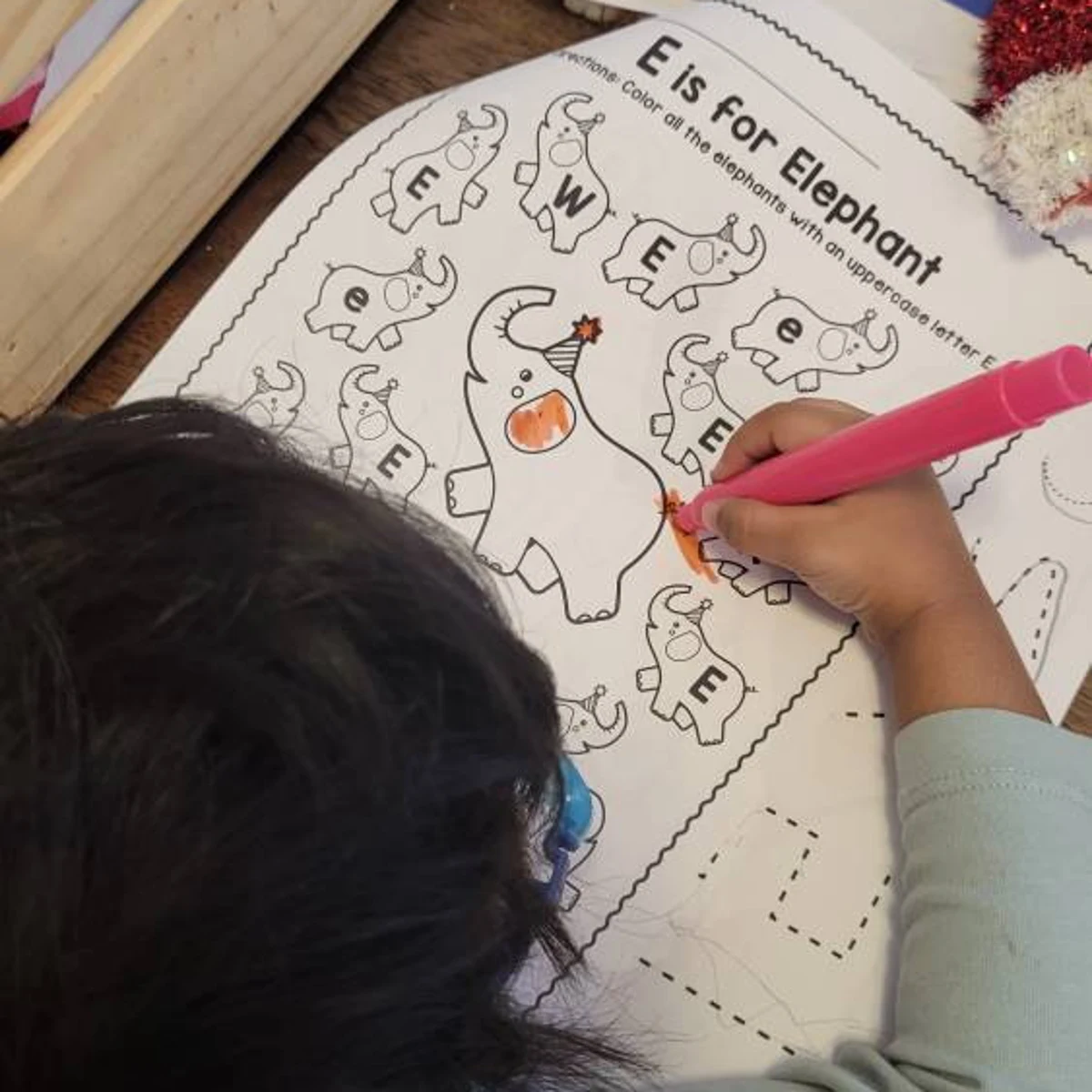
A preschooler who proudly says, “I did it myself!” after tracing a letter or counting a row of apples is doing more than finishing a page. They are building the confidence to keep trying. Print preschool worksheets give young children a simple, screen-free way to practice early skills in small, manageable moments at home, in a classroom, or during a homeschool day.
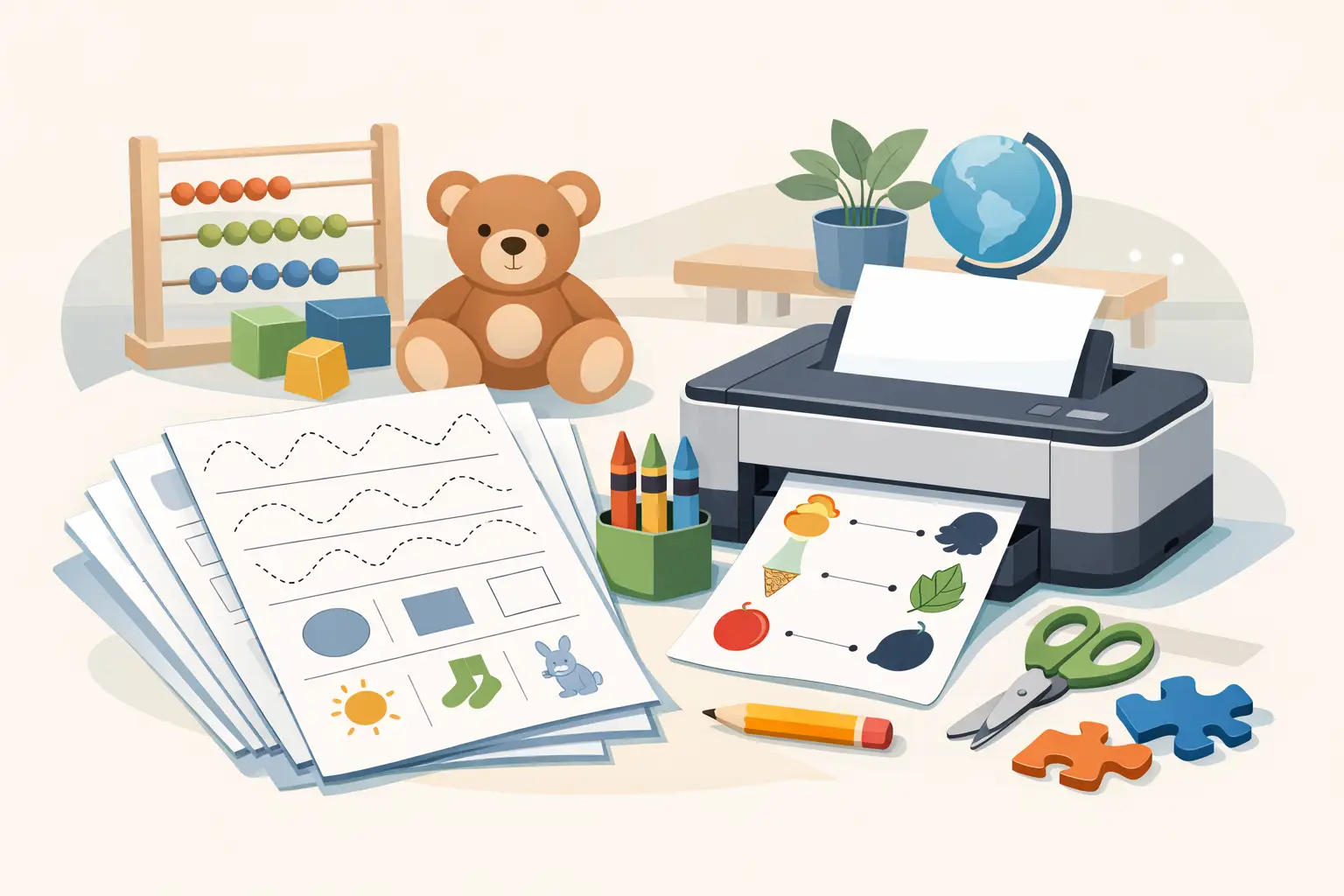
The best pages do not ask children to sit still for too long or memorize too much at once. They pair clear directions with friendly visuals, familiar routines, and just enough repetition to help a new skill stick. For busy adults, printable PDFs also remove a major barrier: you can choose a skill, print the page, and begin without spending an evening planning an activity from scratch.
Why Preschool Worksheets Work Best in Small Doses
Preschool learning is active, personal, and often a little wiggly. A worksheet should support that reality, not fight it. One well-chosen page can offer five focused minutes of letter practice, counting, coloring, or cutting before a child moves on to blocks, a book, snack, or outdoor play.
Short practice sessions help young learners feel successful. Instead of handing over a large packet, try offering one or two pages connected to a skill your child is already noticing. If they are pointing out letters on a cereal box, alphabet tracing may be a natural next step. If they are counting toys into a basket, a number recognition or counting worksheet can extend that interest.
Repetition matters, especially for early literacy and math. Still, repeated practice does not have to mean identical practice every day. A child can trace the letter M one day, find it in a picture activity the next, and color objects that begin with its sound later in the week. The goal is familiarity without boredom.
Print Preschool Worksheets by the Skill Your Child Needs
Choosing worksheets by developmental skill makes planning easier and helps keep practice age-appropriate. Preschoolers develop at different speeds, so there is no need to rush from one category to the next. Use what your child can do now as your starting point.
Early Writing and Fine Motor Practice
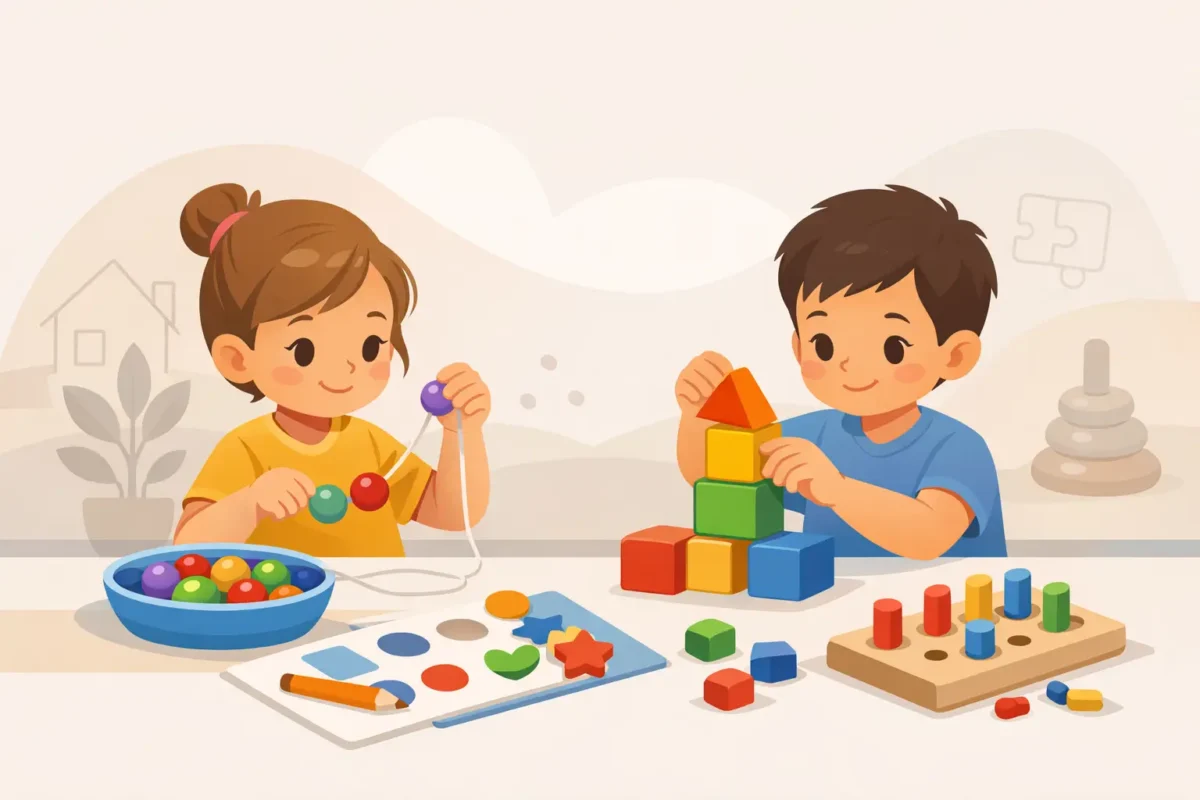
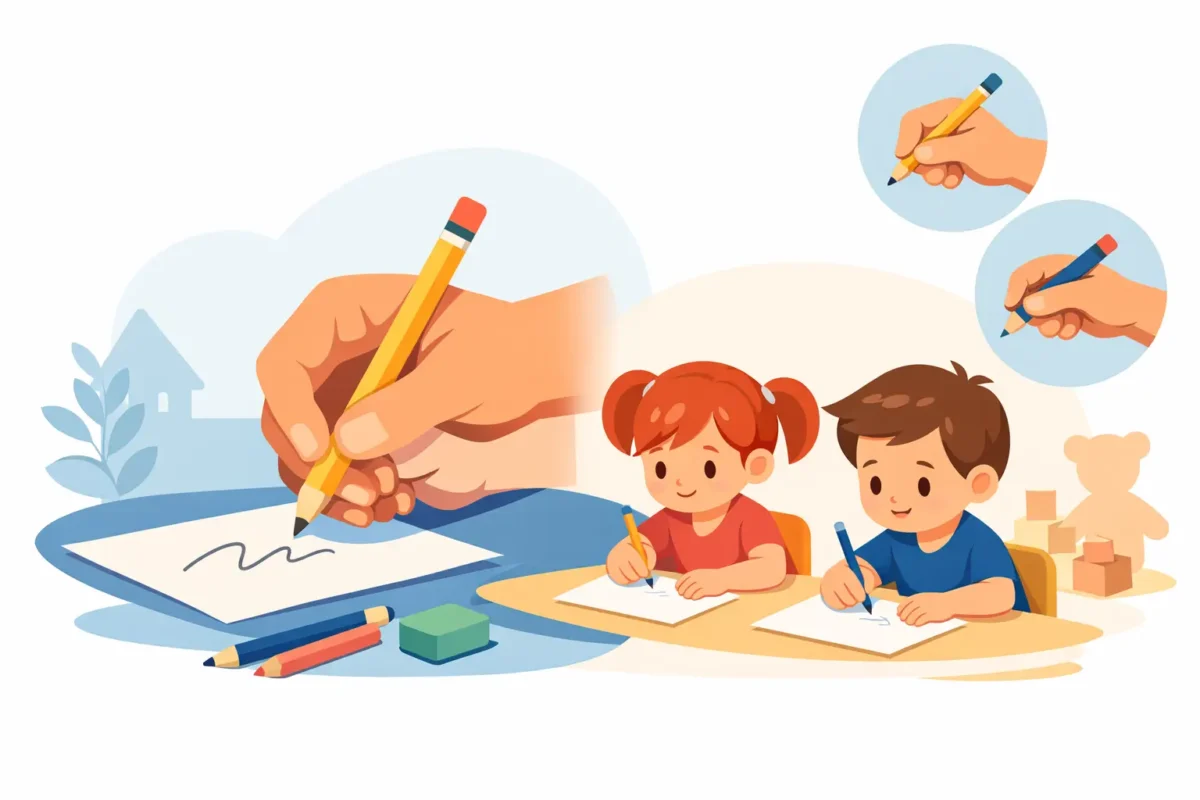
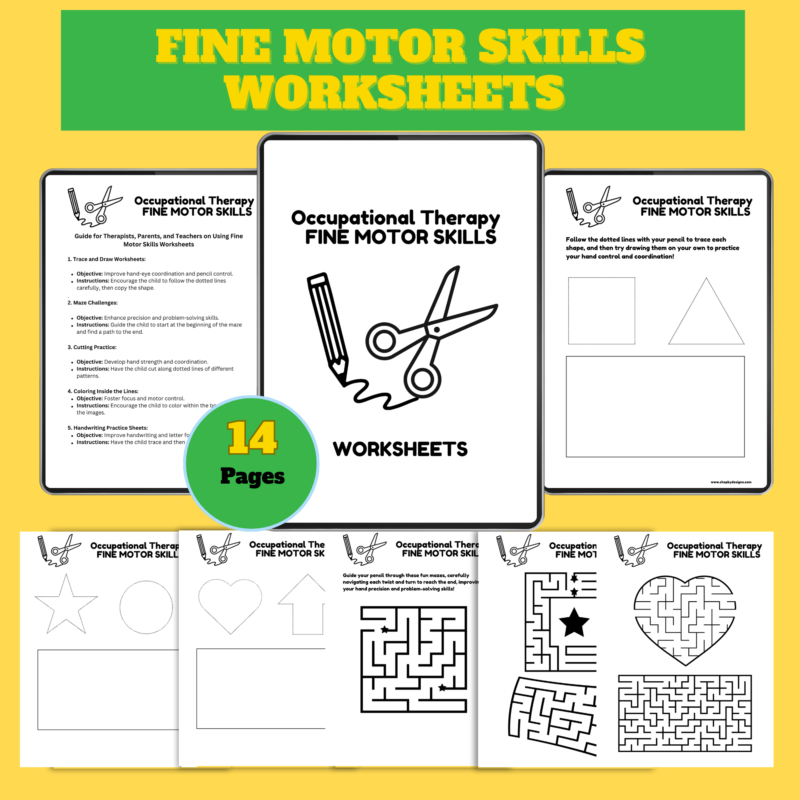
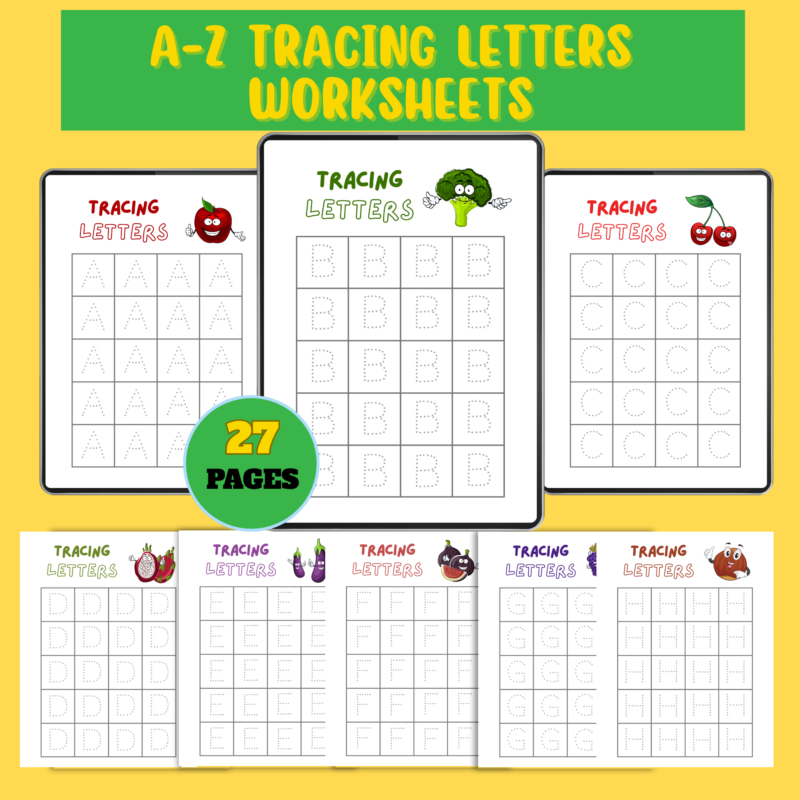
Before children form letters neatly, they need control over the small muscles in their hands and fingers. Straight lines, curves, zigzags, paths, simple shapes, and coloring activities all strengthen the movements needed for pencil use.
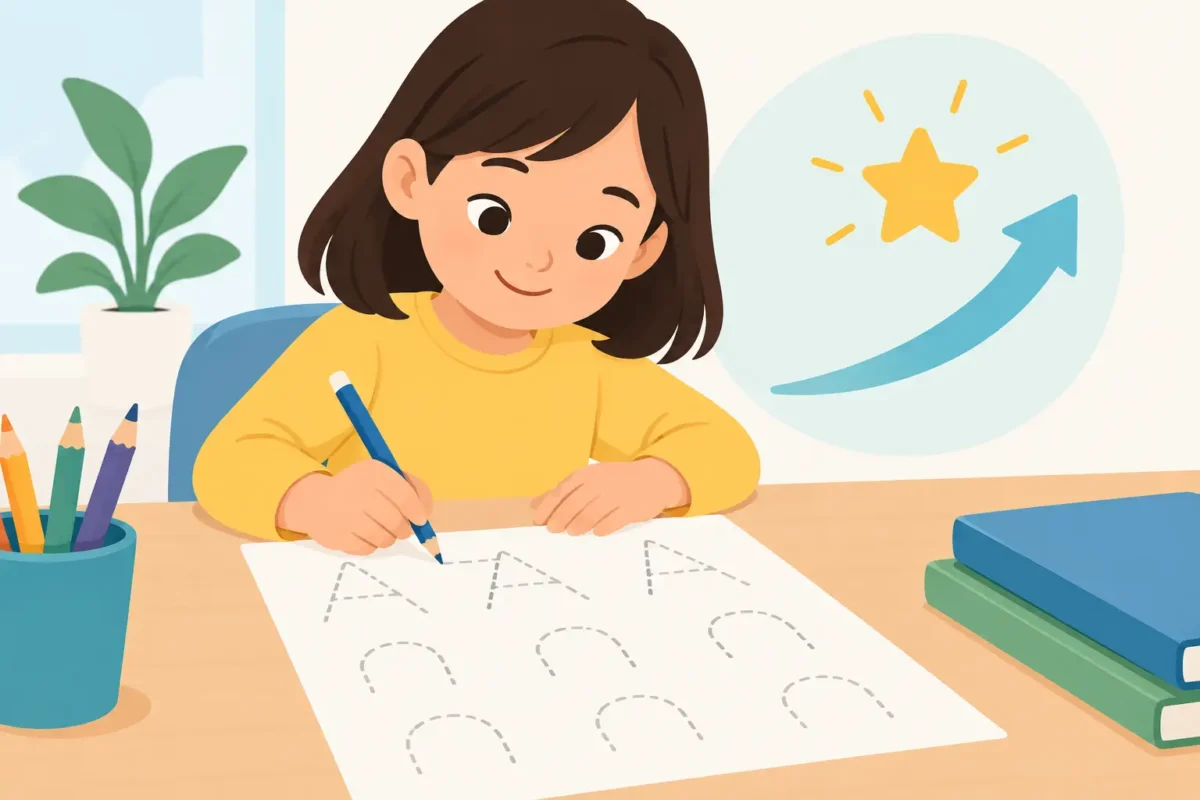
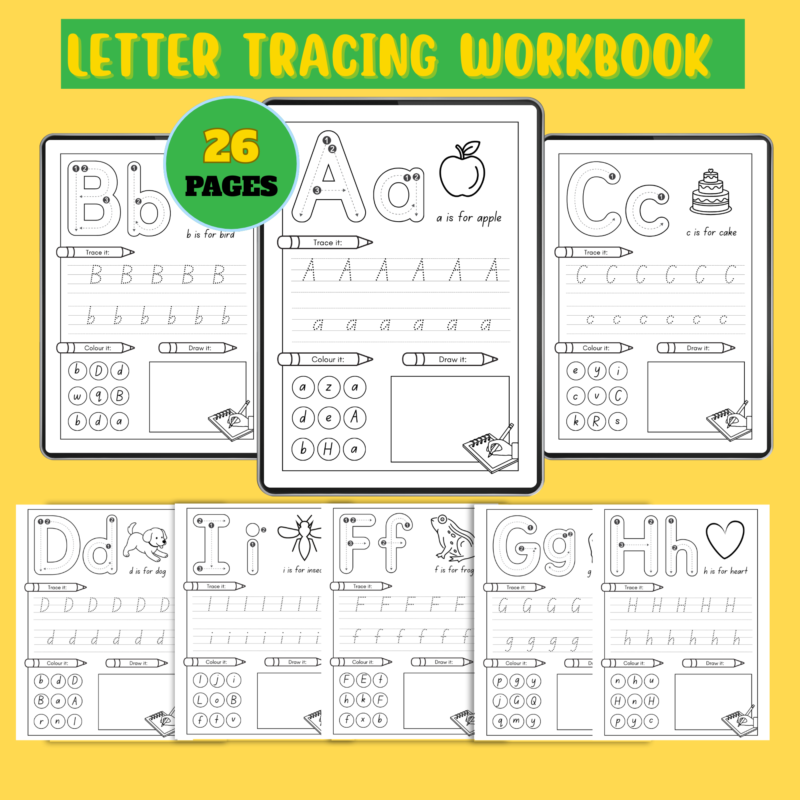
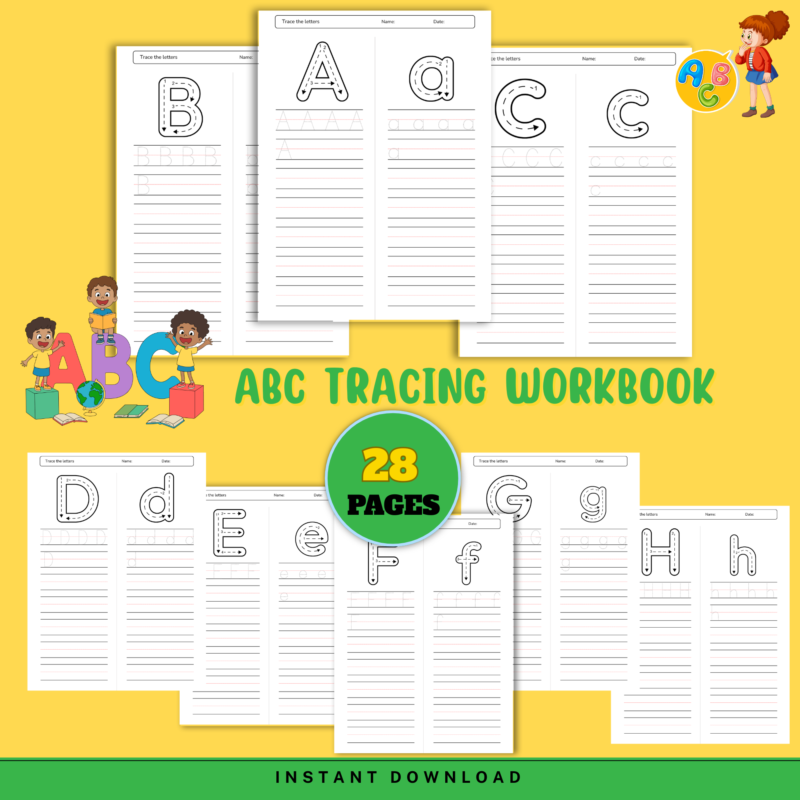
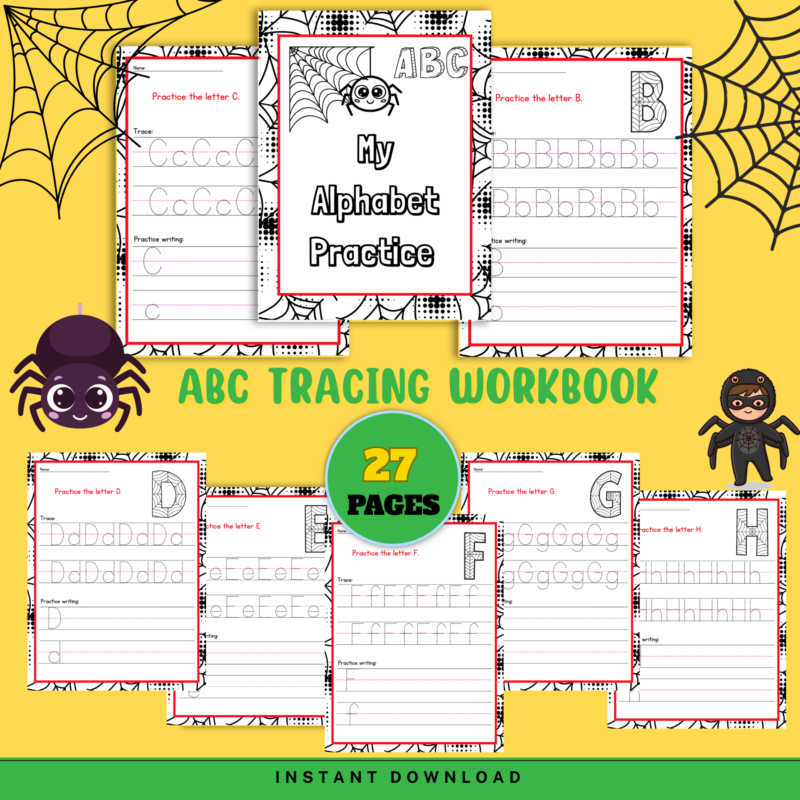
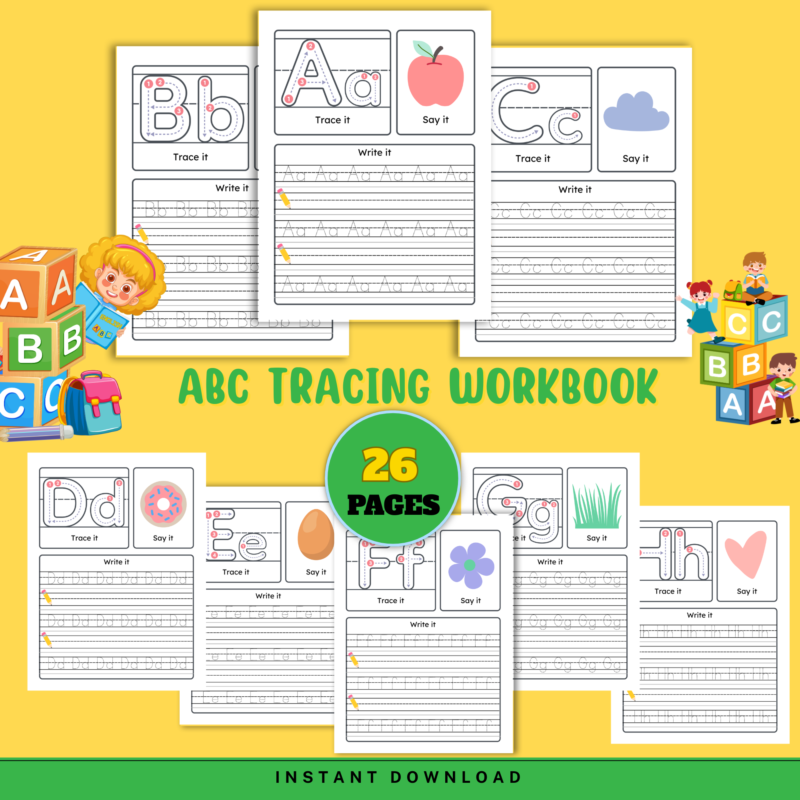
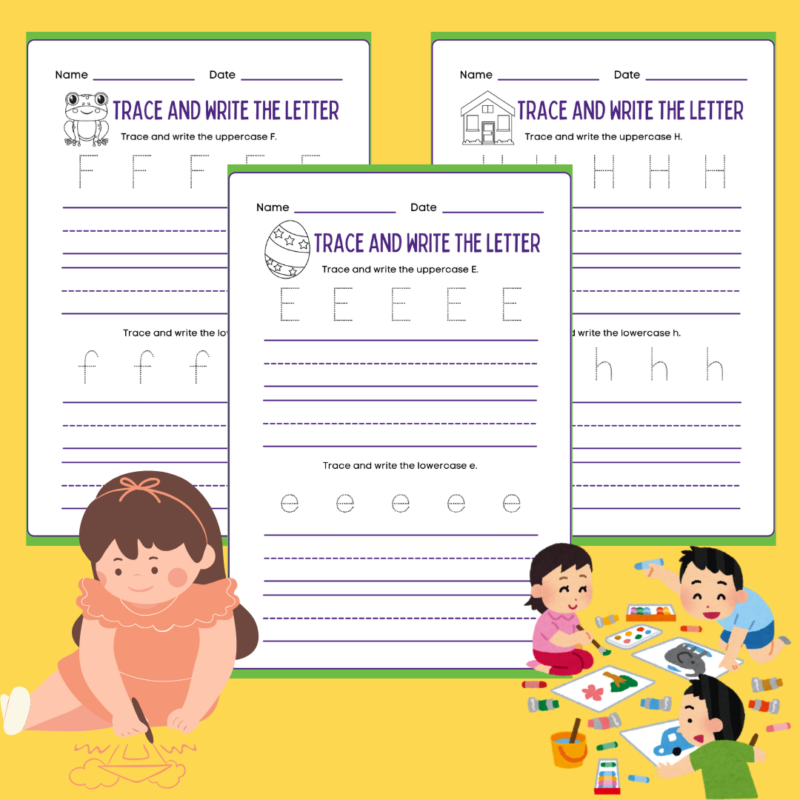
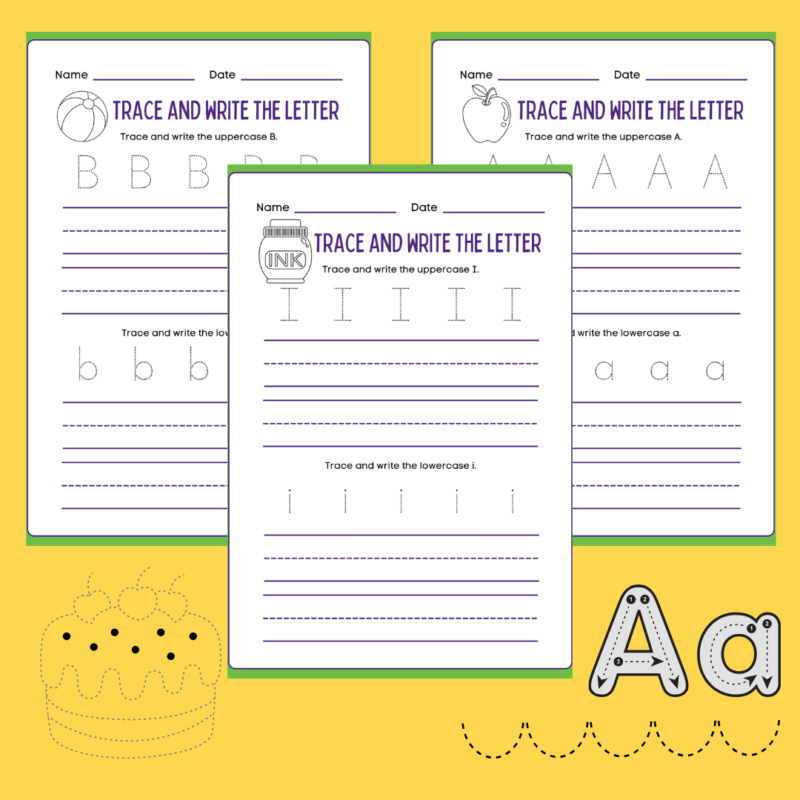
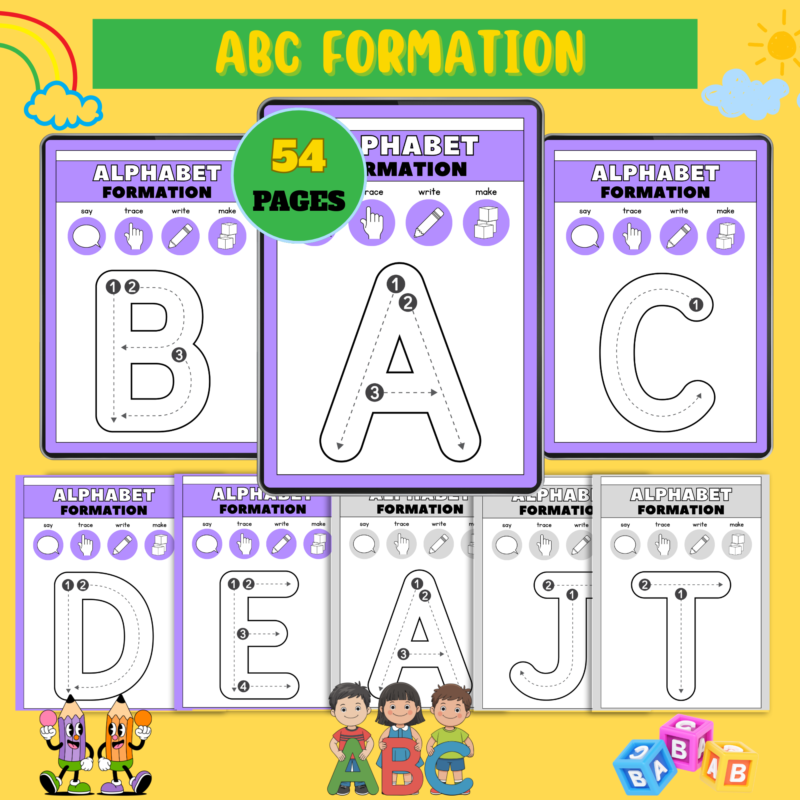
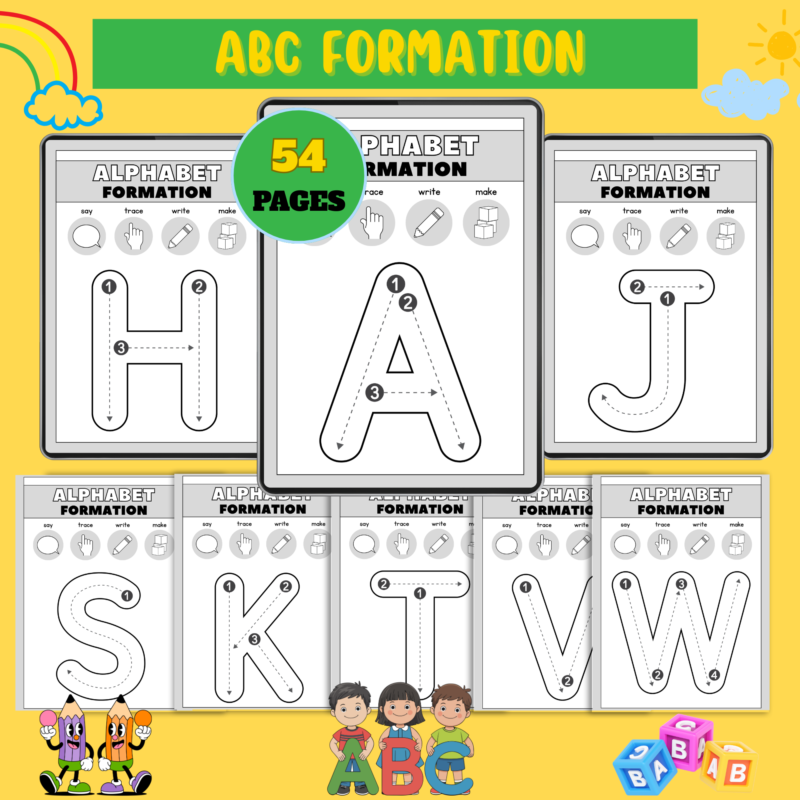
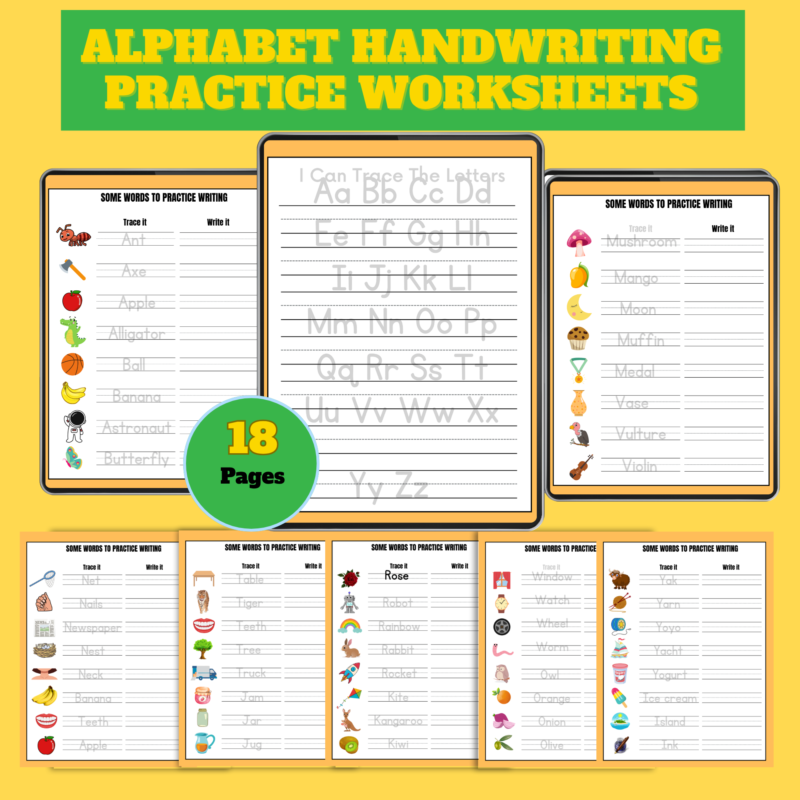
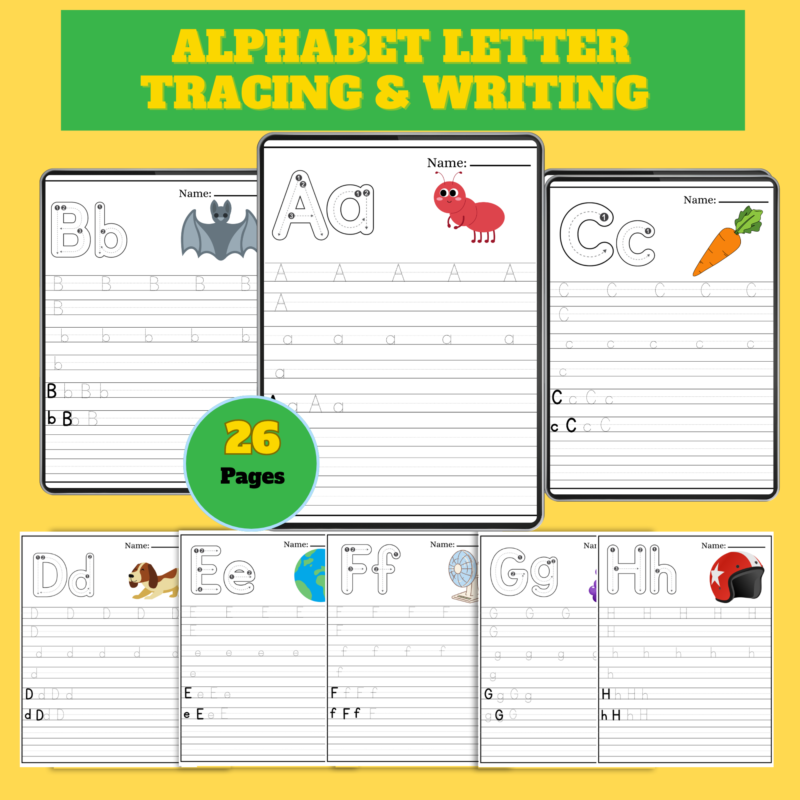
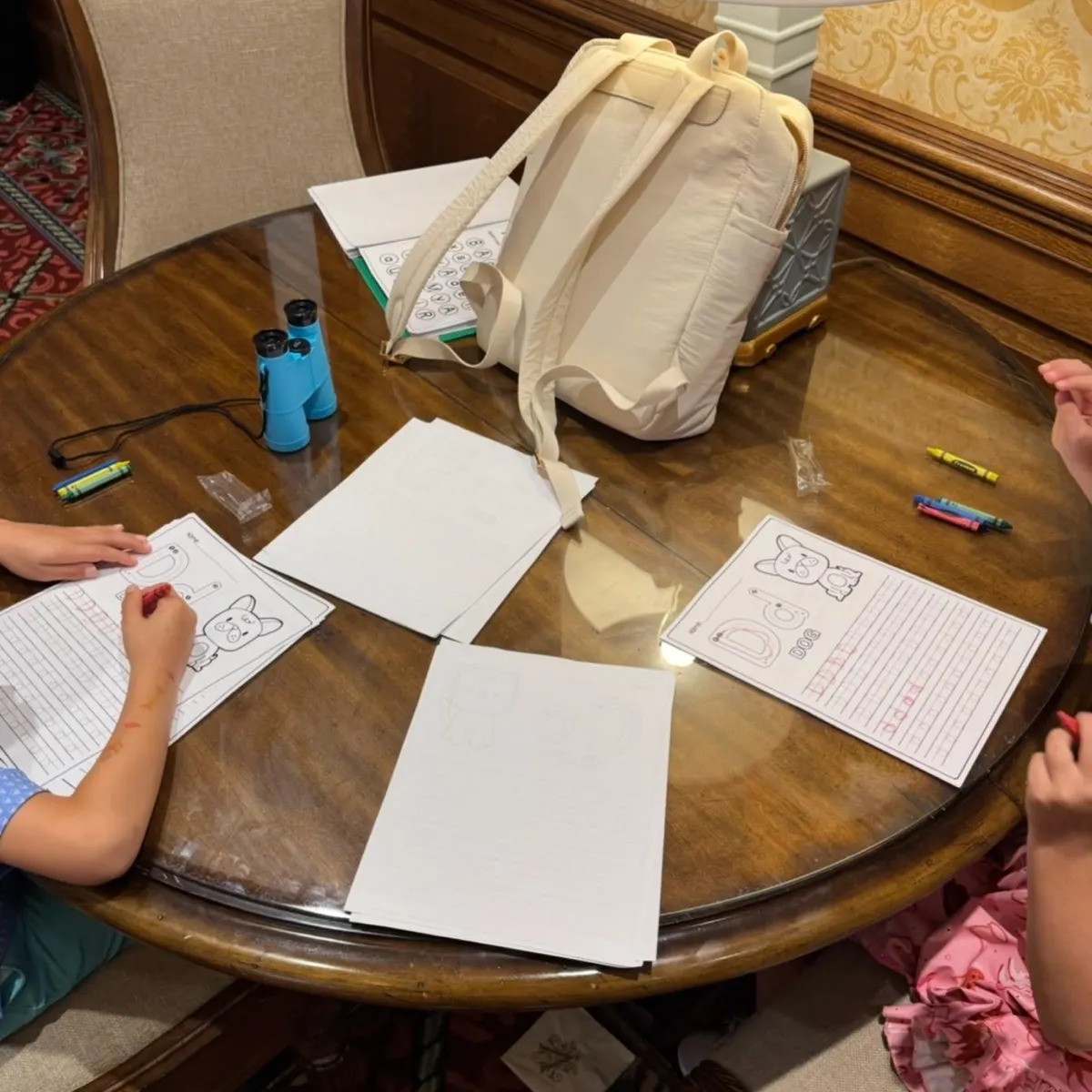
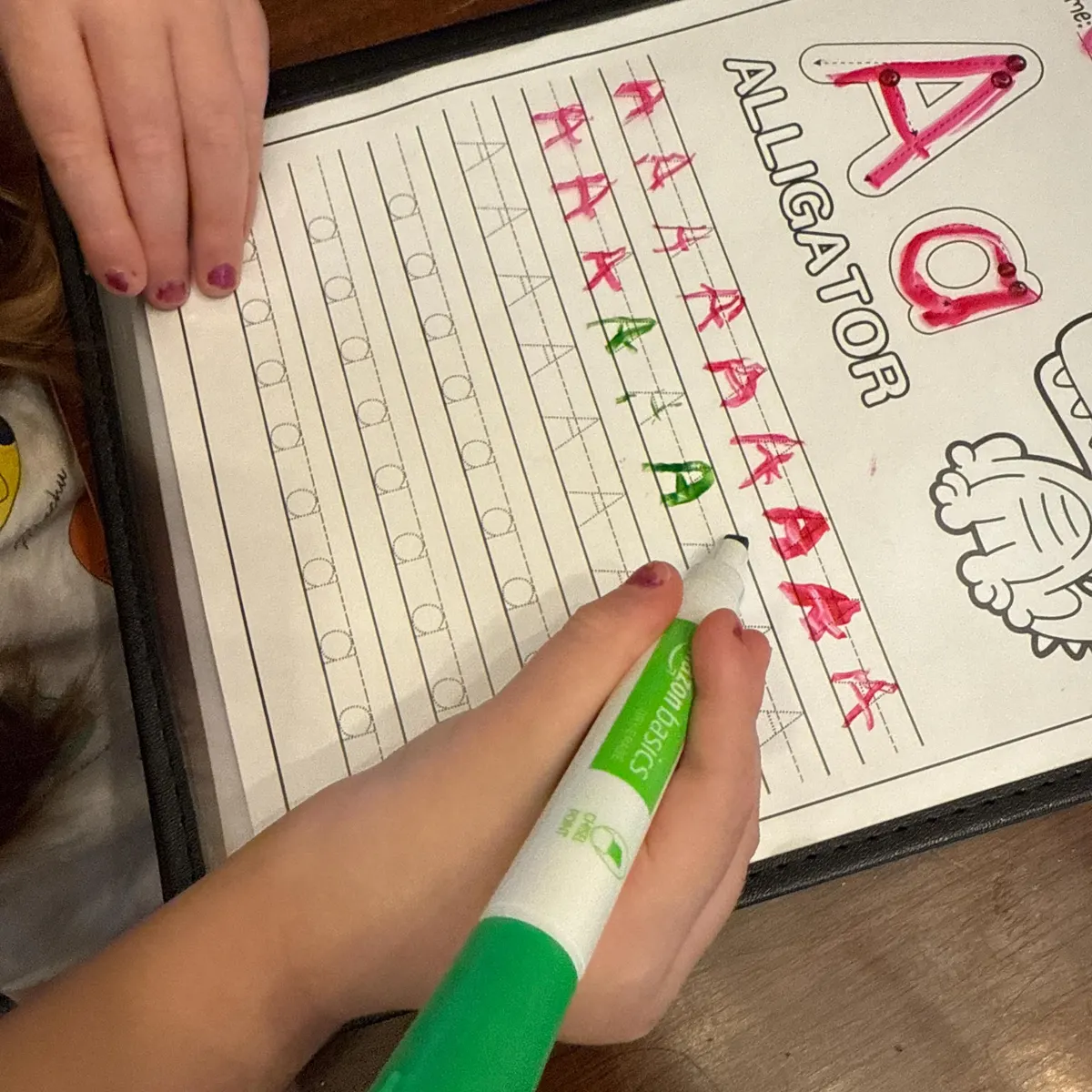
Tracing pages are especially helpful when they move from broad, simple strokes to more detailed letter and number formation. Encourage your child to hold the pencil comfortably, but do not turn every session into a correction lesson. At this age, effort and growing control matter more than perfect handwriting.
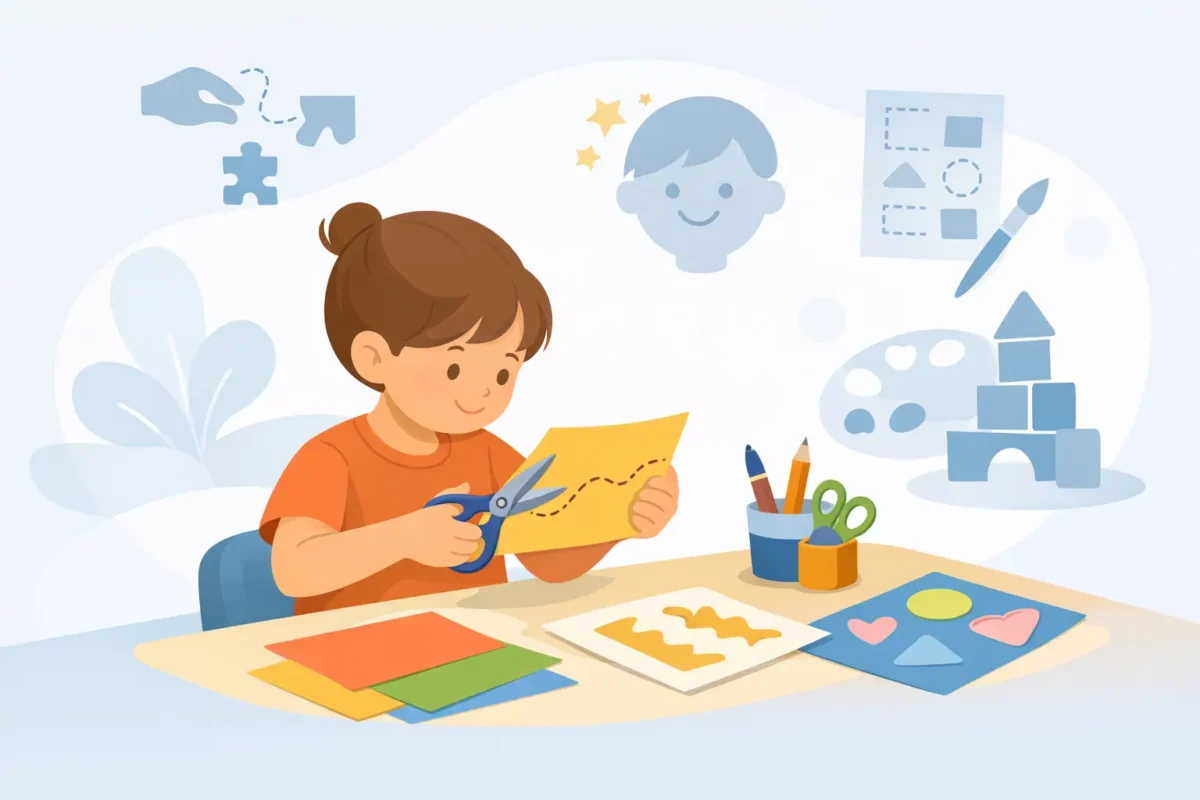
If pencil practice causes frustration, change the approach. Let your child trace with a finger first, use crayons or washable markers, or place the worksheet inside a dry-erase sleeve for a reusable activity. Cutting practice can also help, but it requires child-safe scissors, close supervision, and a readiness level that varies from child to child.
Alphabet Recognition, Phonics, and Beginning Reading
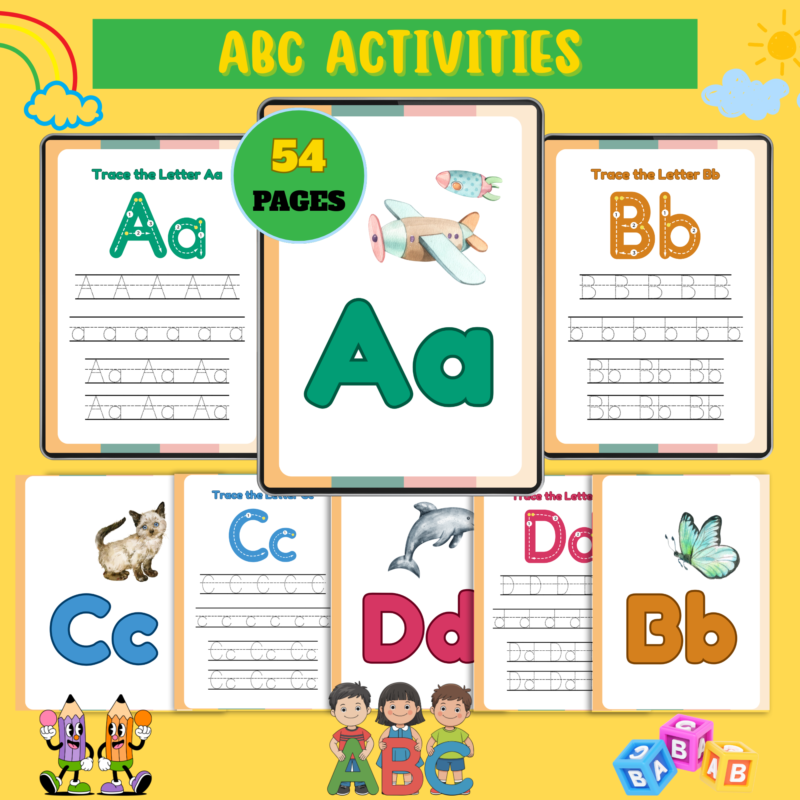
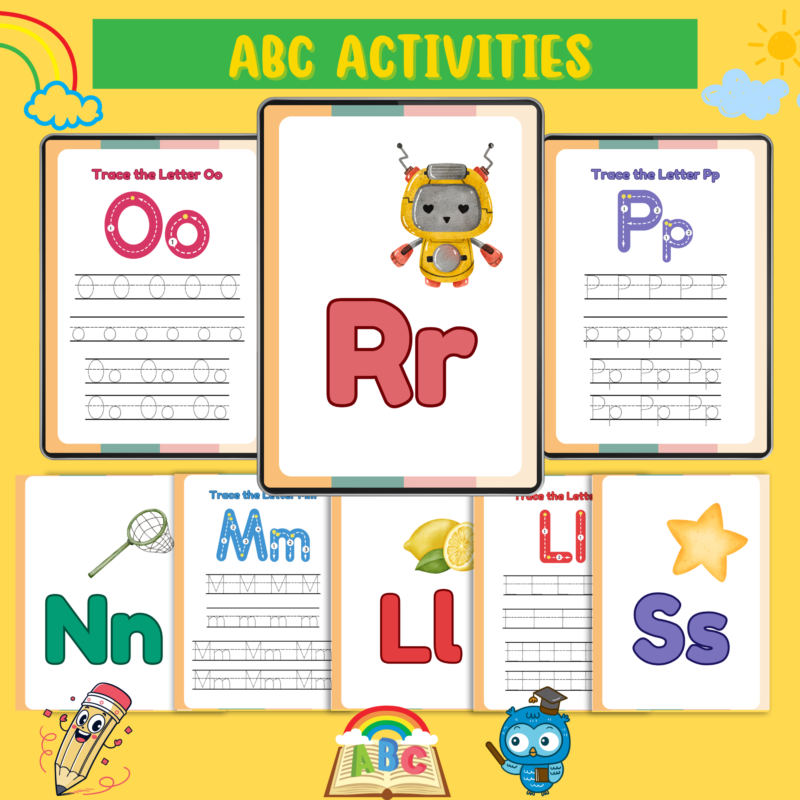
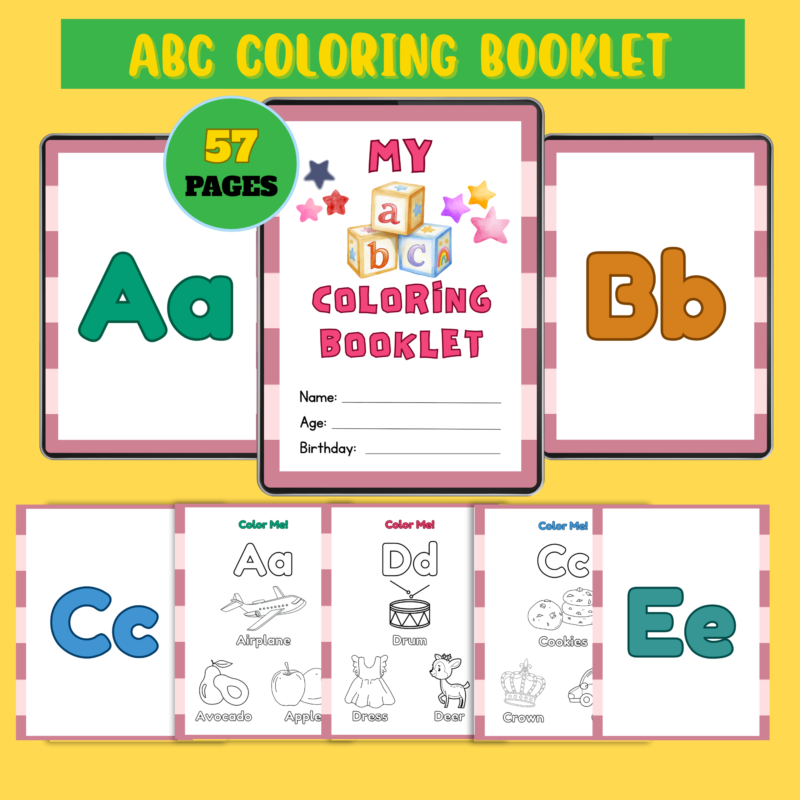
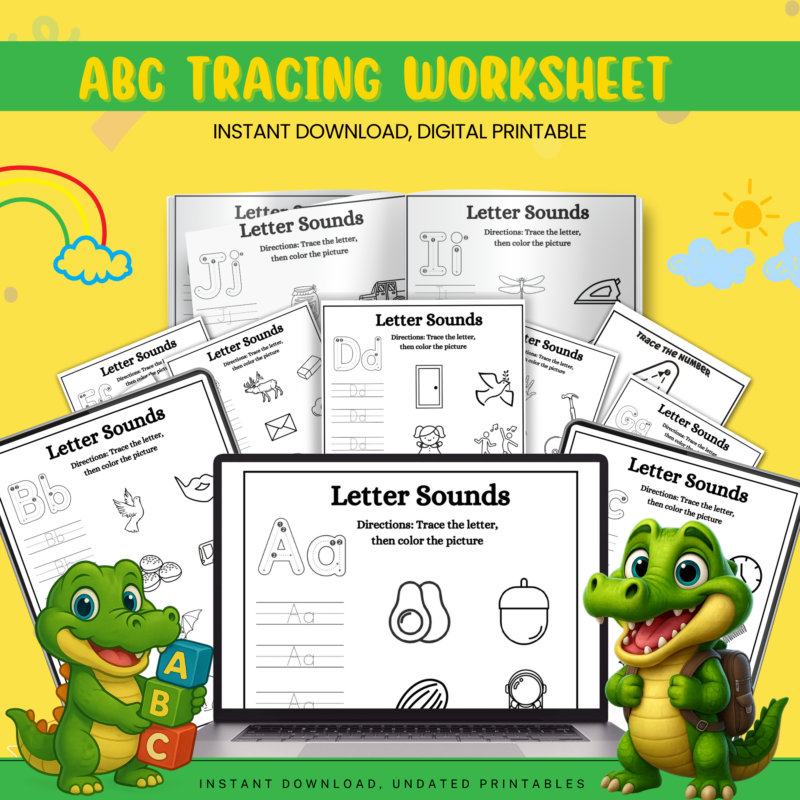
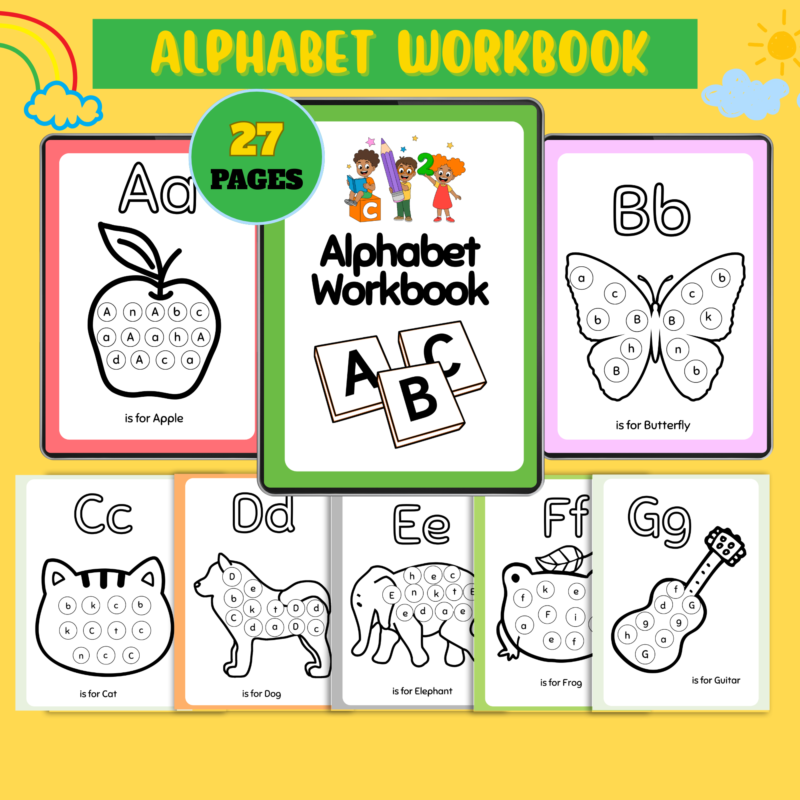
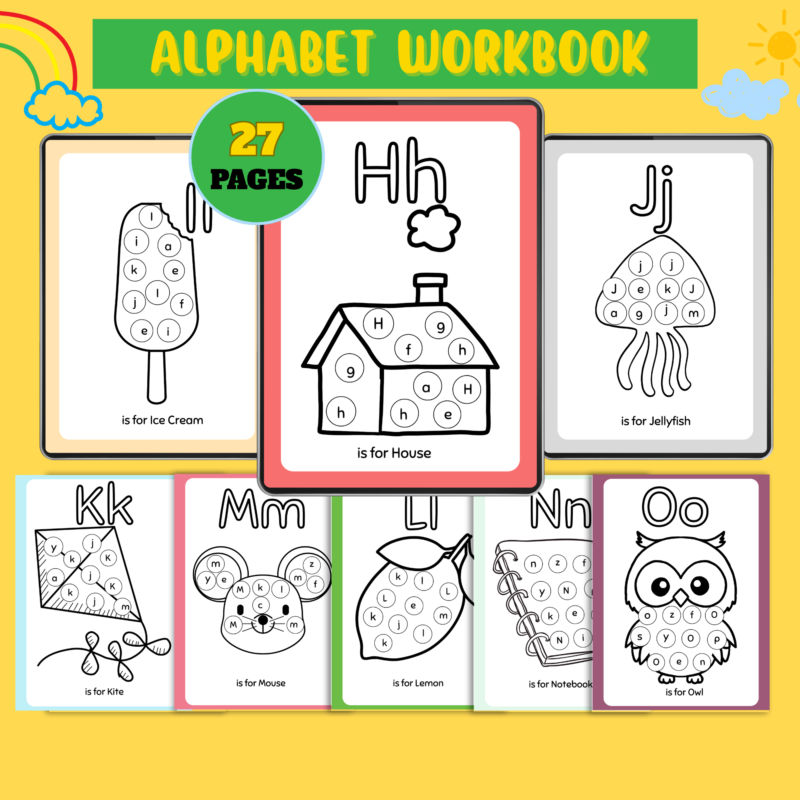
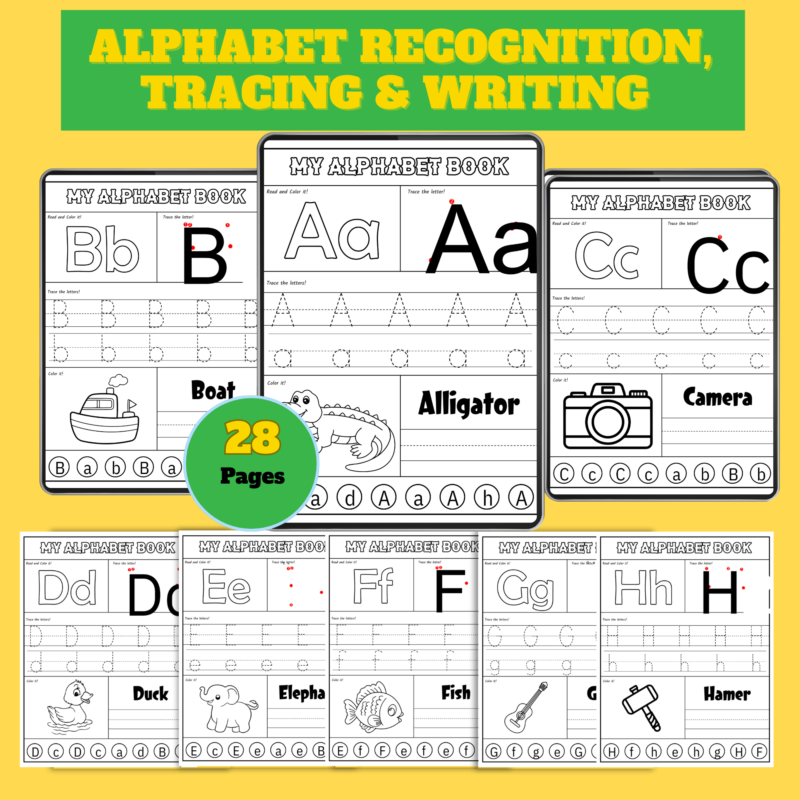
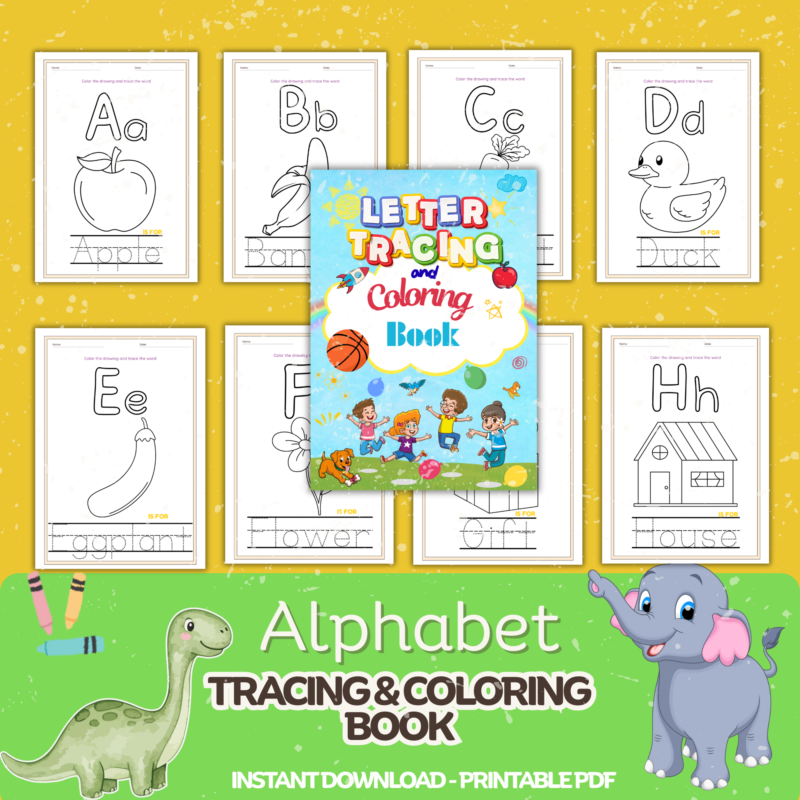
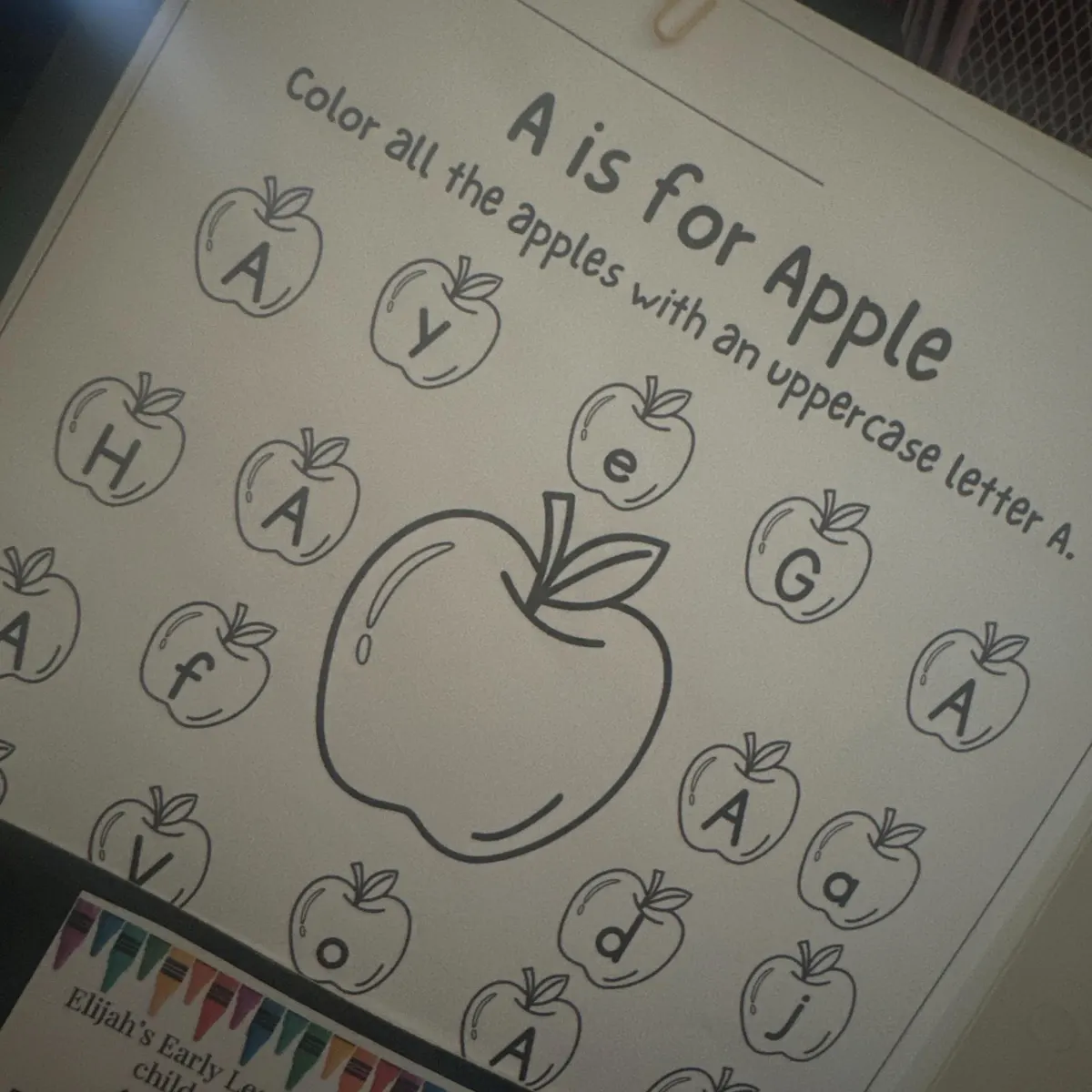
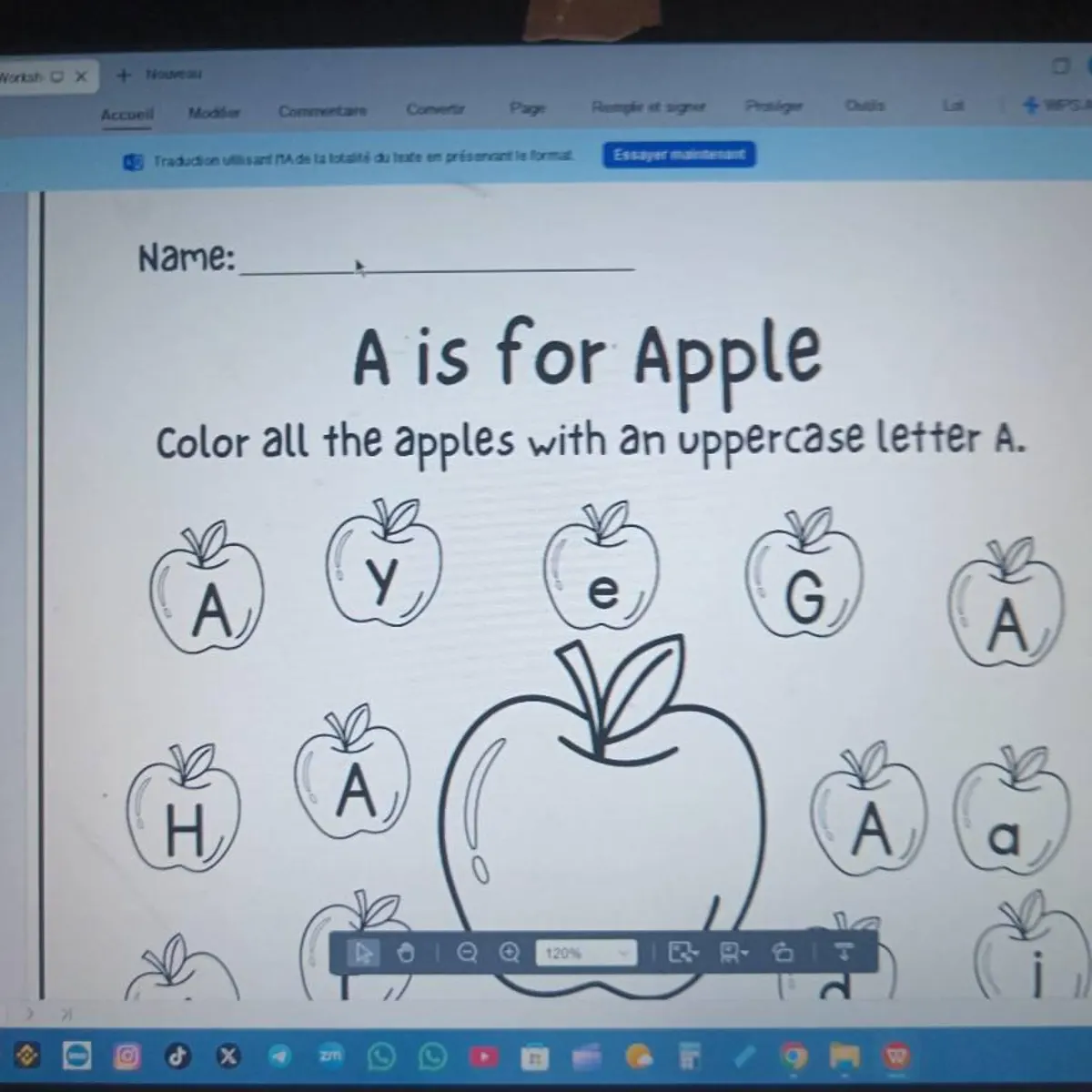
Letter worksheets help preschoolers learn that printed symbols carry meaning. Start with letter recognition and the letters in the child’s name, since those usually feel most exciting and familiar. From there, add uppercase and lowercase matching, letter tracing, picture sorting, and beginning sounds.
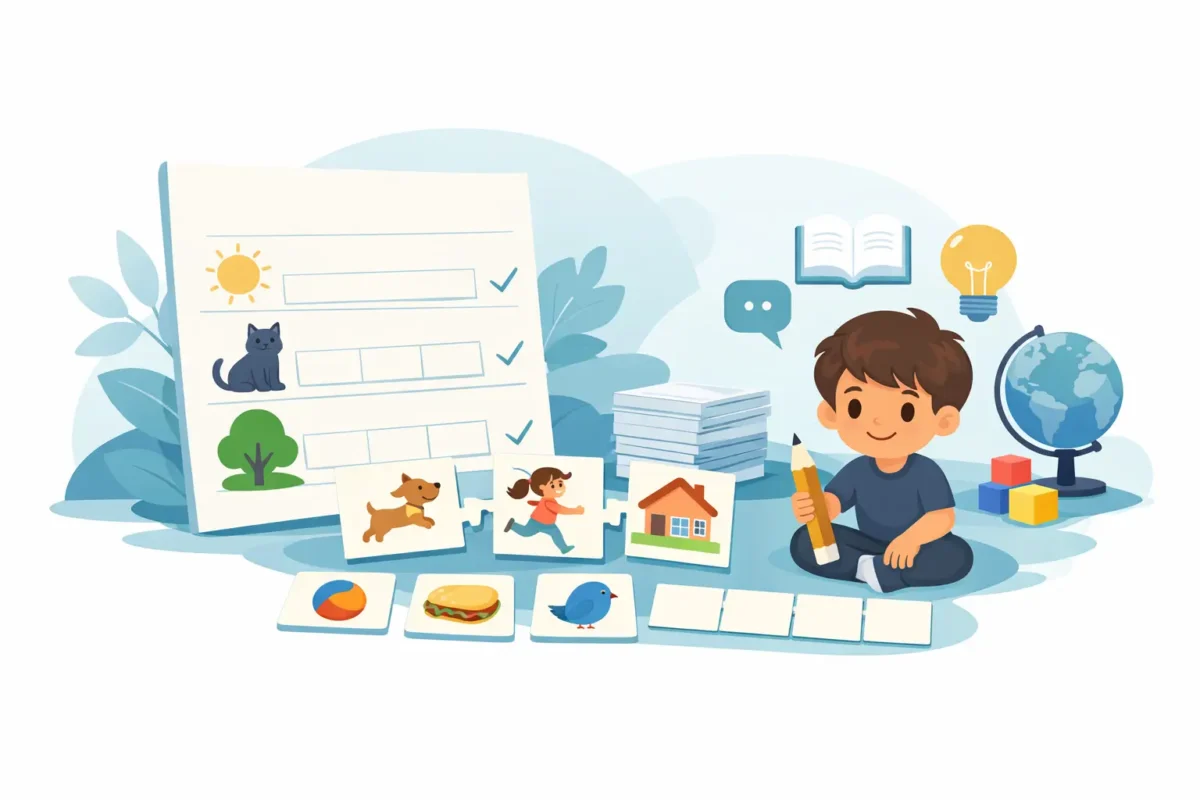
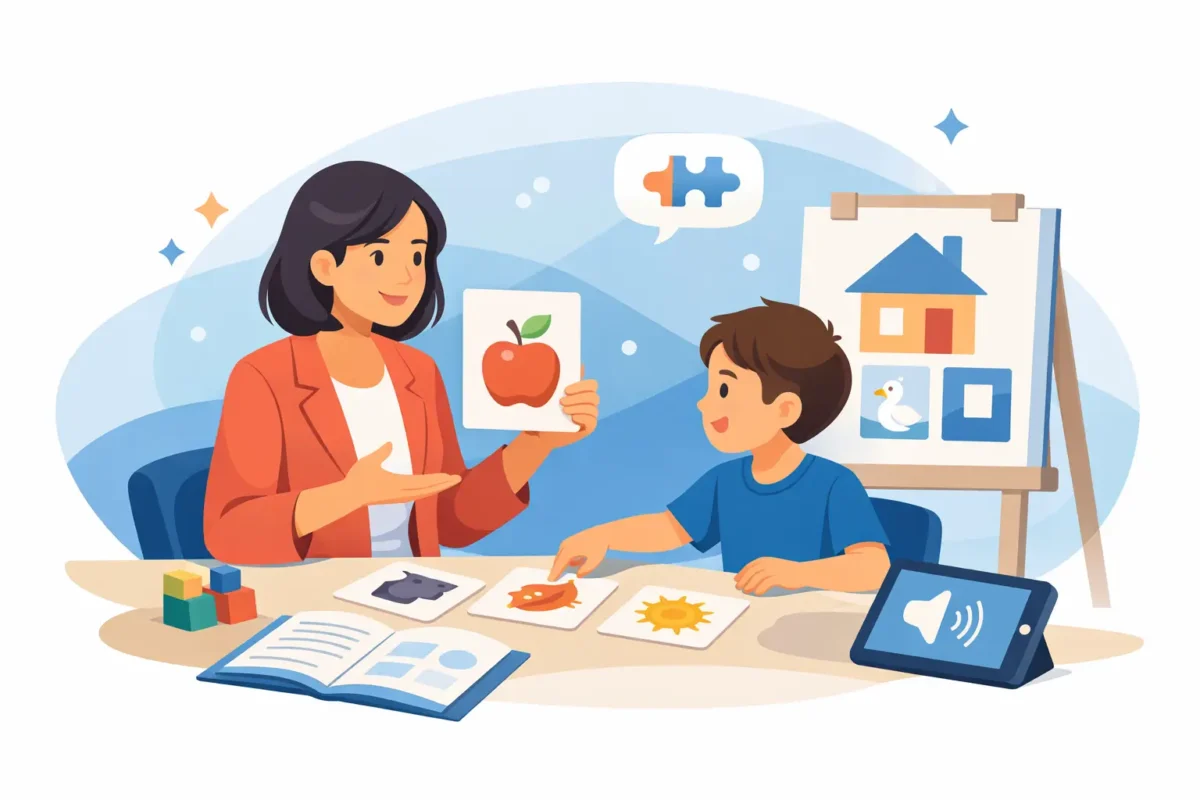
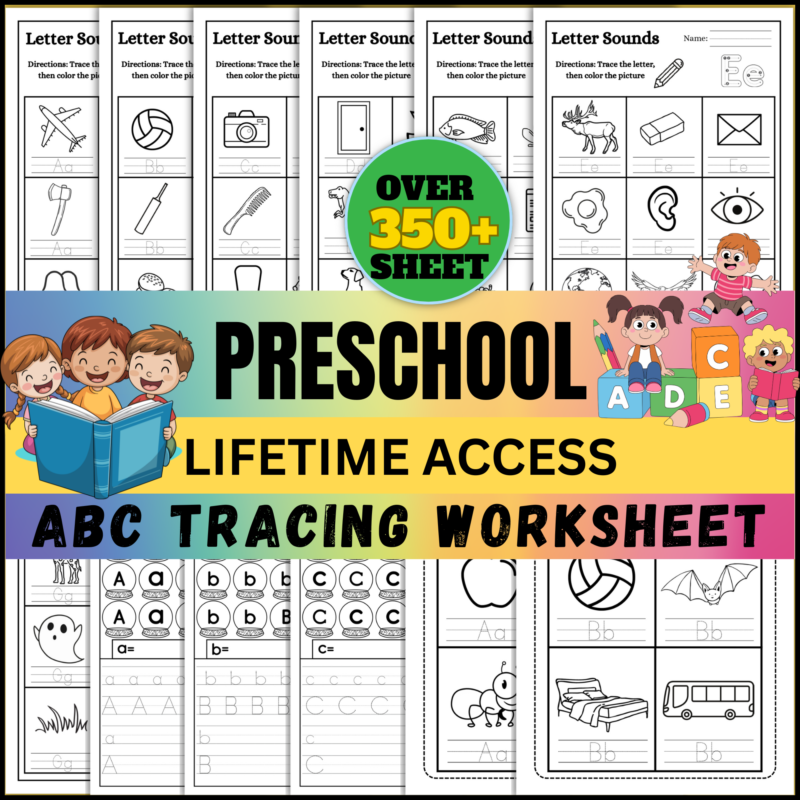
Phonics practice works best when it is connected to real words and pictures. A child may remember that B says /b/ more easily when they can point to a ball, a bear, or a banana. Read the picture names aloud together. The worksheet becomes more useful when it starts a conversation rather than becoming a silent task to complete.
Not every preschooler is ready to blend sounds into words, and that is okay. For many children, listening for beginning sounds and noticing rhymes are meaningful early reading steps. Keep the experience playful and avoid using worksheets as a test.
Number Recognition and Early Math
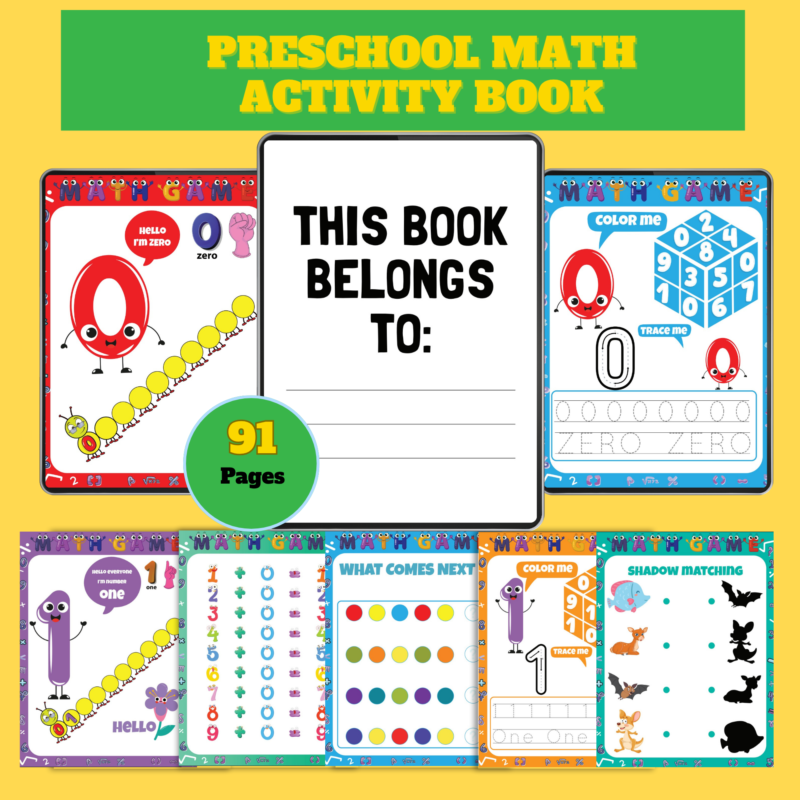
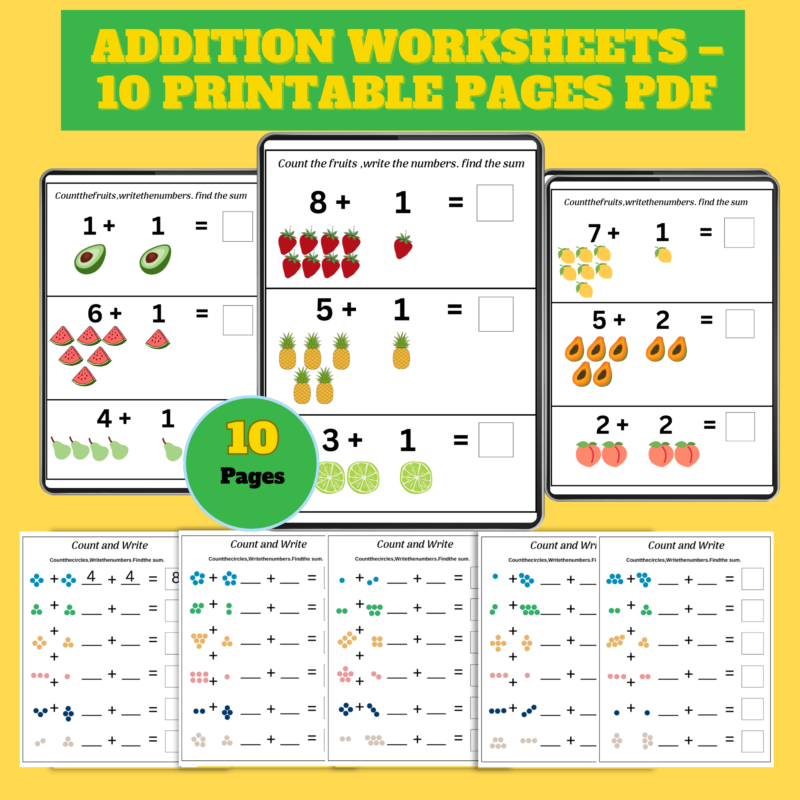
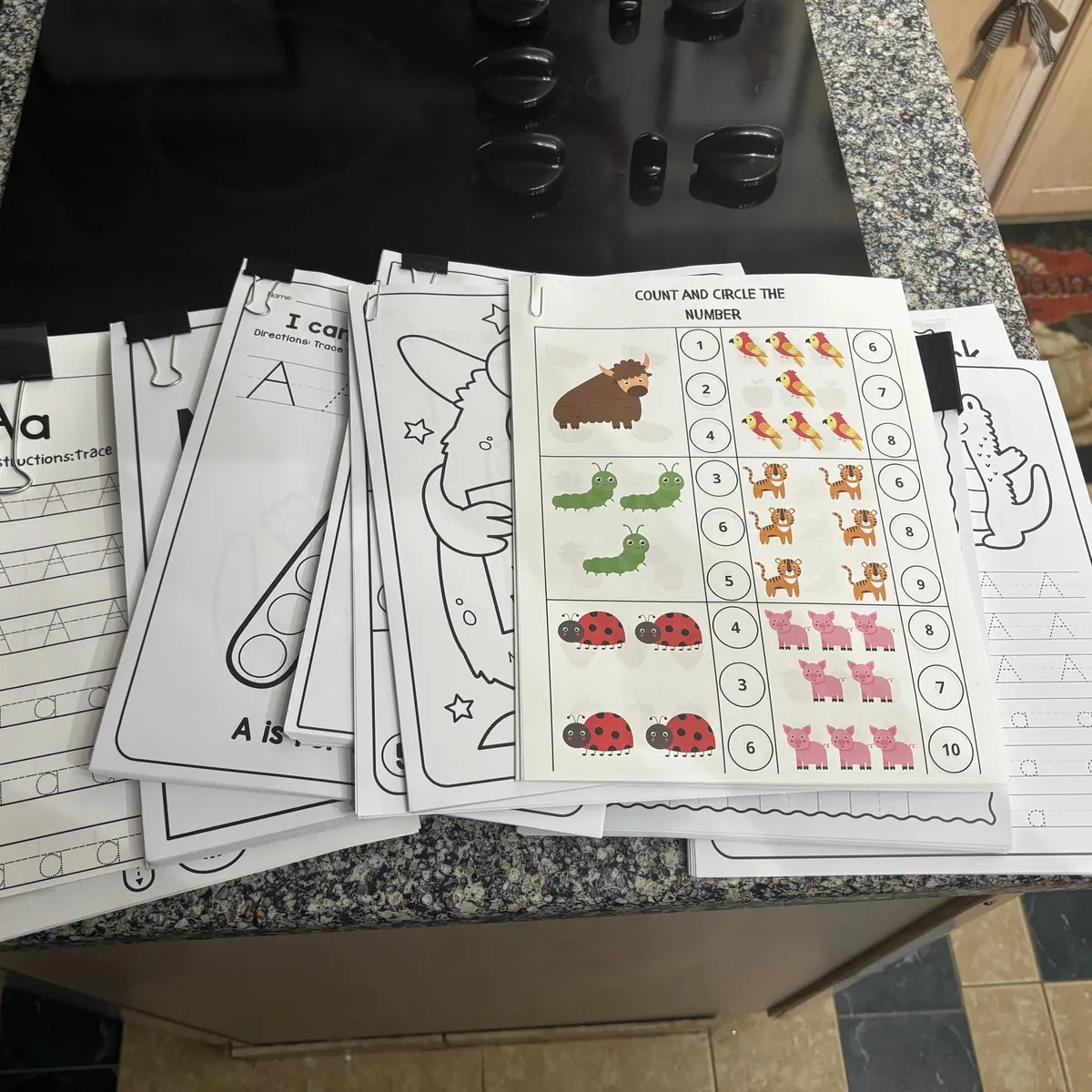
Preschool math is about more than saying numbers in order. Young children benefit from seeing numerals, counting real objects, matching quantities, comparing groups, and noticing patterns. A worksheet with five dots and the numeral 5 builds a bridge between the spoken number, the written symbol, and the actual amount.
Begin with small quantities, often 1 through 10, and use hands-on objects alongside the page. Buttons, toy cars, crackers, or building bricks can make a counting activity easier to understand. If a child counts the same object twice or skips one, gently model how to touch or move each item as they count.
Addition and subtraction worksheets can be introduced through pictures and stories before formal number sentences. “You had three fish, and one swam away. How many are left?” feels more concrete than an abstract problem. For preschoolers, the point is understanding more, less, adding, and taking away.
Make Printable Practice Feel Like Play
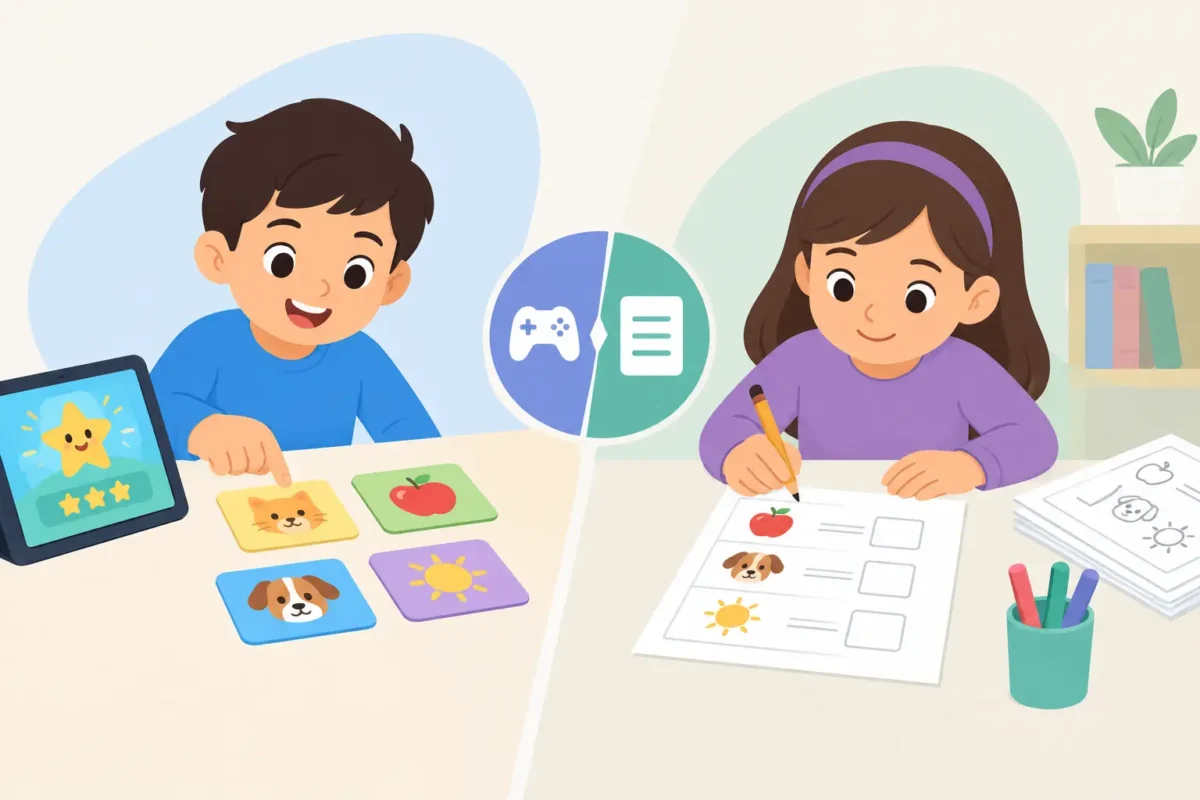
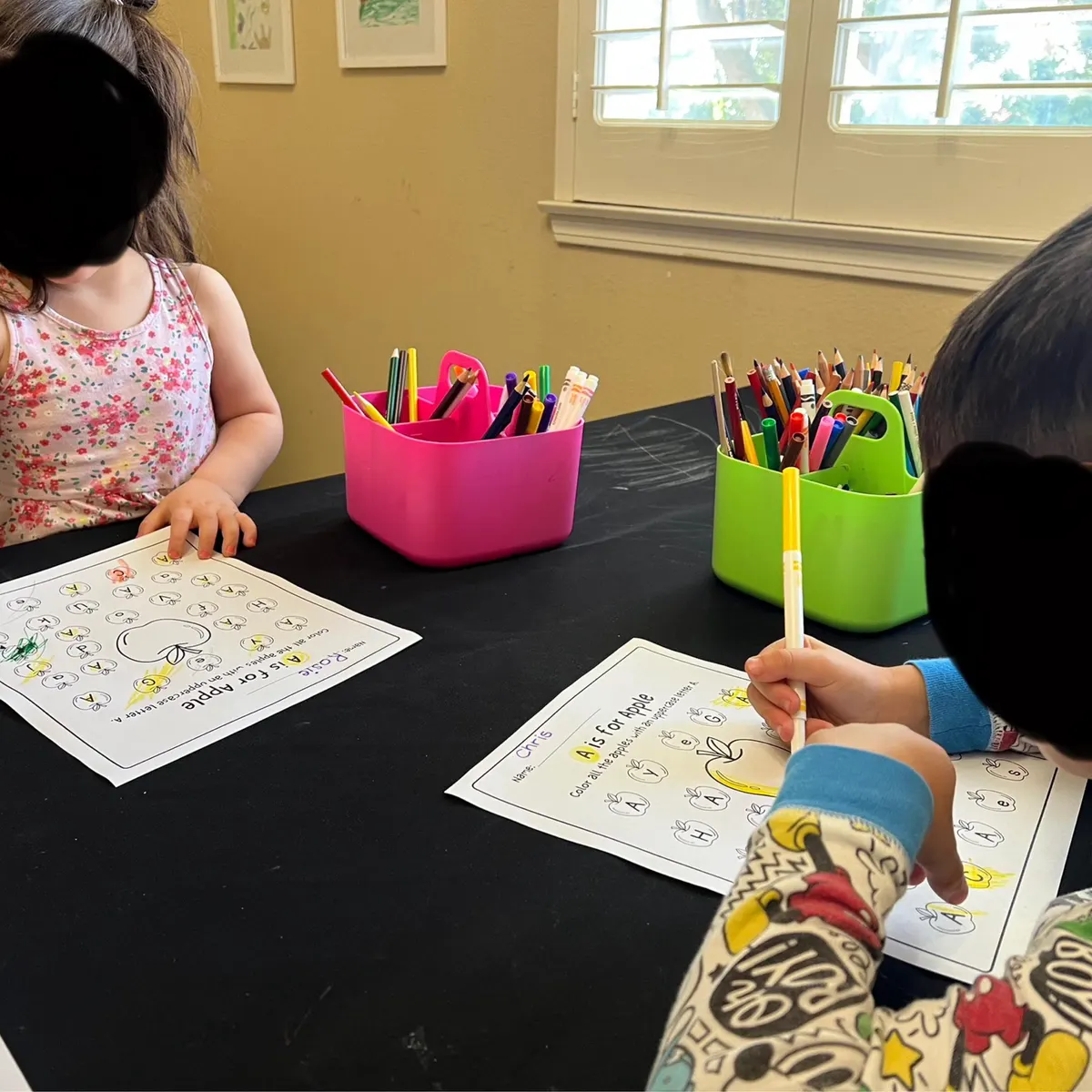
A worksheet does not need to be a sit-down assignment. The way you present it can make all the difference. Invite your child to choose between two pages, pick a favorite crayon color, or use a small sticker when they complete a section. These simple choices create ownership without making the activity complicated.
Try placing a worksheet on a clipboard for floor time, using it during a quiet morning routine, or saving it for a calm transition after active play. Teachers and daycare providers can set out a few themed pages at a learning center, while homeschool families may use printables as a warm-up before read-aloud time.
For added engagement, connect the page to something beyond the paper. After completing an apple counting activity, count apples at snack. After tracing the letter S, go on a quick search for S words around the room. After coloring a shape page, build the same shapes with craft sticks or blocks.
The right amount of adult help depends on the activity. A child may need you to read directions, demonstrate the first example, or keep them company. Then step back when possible. Independent practice builds confidence, but frustration is a sign to simplify, offer help, or stop for the day.
A Simple Routine for Home or Classroom Use
Consistency is more helpful than long sessions. Choose a small window that fits your real schedule, such as ten minutes after breakfast, during a classroom center, or before rest time. Keep crayons, pencils, safety scissors, and printed pages in one easy-to-reach spot so setup stays quick.
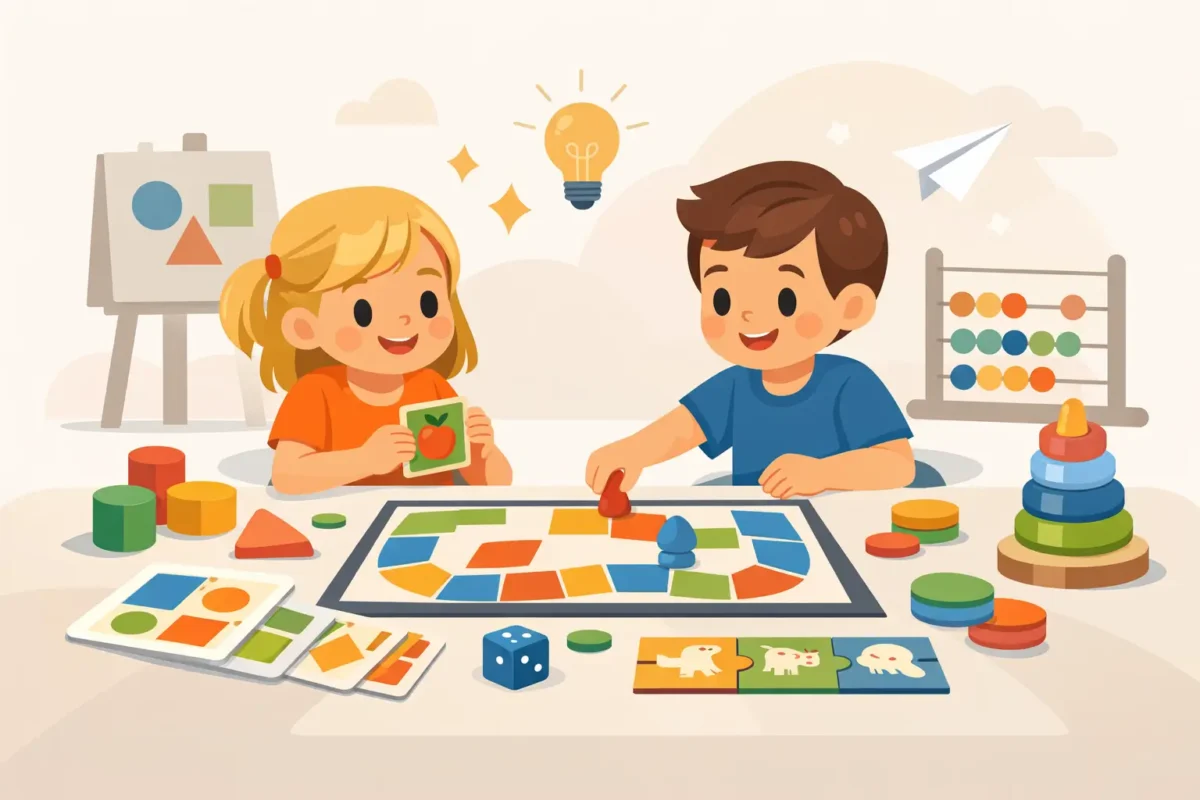
A balanced weekly mix might include handwriting and fine motor work on one day, alphabet or phonics practice on another, and number or counting activities later in the week. Add coloring pages, matching games, or printable board games when children need a lighter learning day. Variety keeps familiar skills fresh.
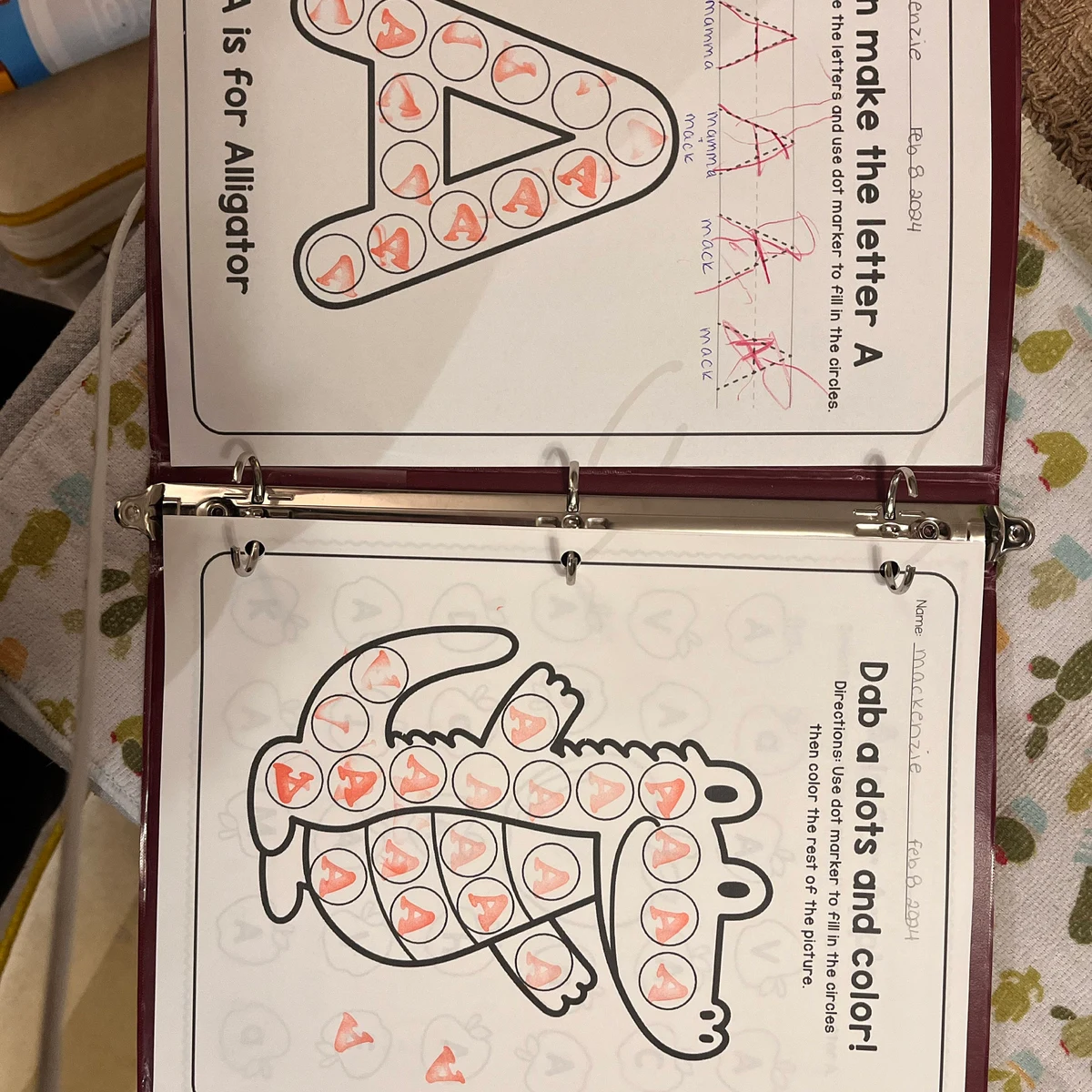
It also helps to save completed pages in a folder. Children enjoy seeing their progress, and adults can notice patterns over time. Maybe a child is comfortable identifying numbers but still needs support counting objects accurately. Maybe their letter tracing is becoming smoother, but lowercase letters remain confusing. Those observations make the next worksheet choice clearer.
What to Look for Before You Print
The most useful preschool worksheets have a clear purpose. They focus on one main skill, use large child-friendly images, and provide enough space for small hands to work. Pages should be visually engaging without being so crowded that children do not know where to begin.
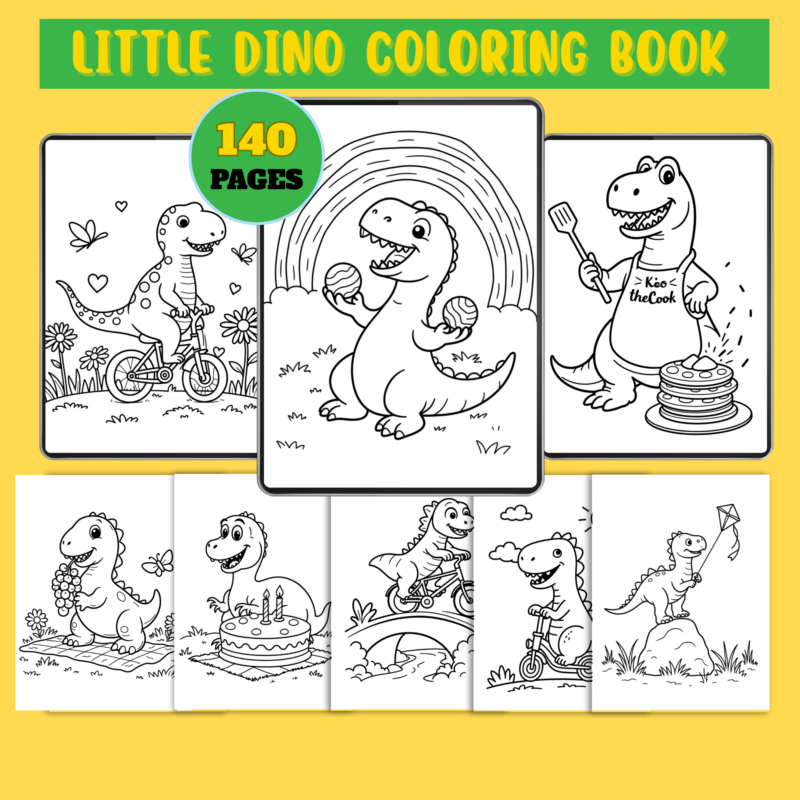
Think about printing needs, too. Black-and-white pages are practical for frequent use and invite children to add their own color. Full-color pages can be especially appealing for games, sorting activities, or classroom displays, but they may use more ink. It depends on your budget, printer, and how often you plan to reuse the activity.
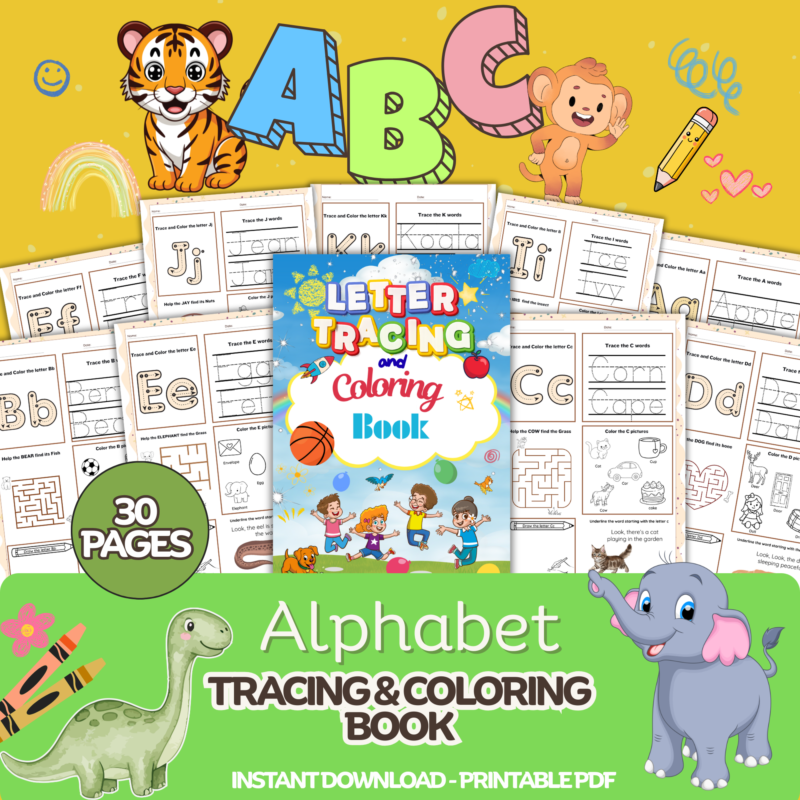
Fun Clever Fox printable resources are designed to make this choice easier, with ready-to-use PDF activities across early learning skills. Whether you need a quick letter tracing page, a counting activity, or a playful phonics review, instant downloads help you respond to what your learners need right now.
A printed page is only one part of a child’s learning day, and it does not need to do everything. Pair it with conversation, stories, movement, pretend play, and plenty of praise for trying. When a worksheet feels like a small, happy win, children are more likely to reach for the next one with confidence.