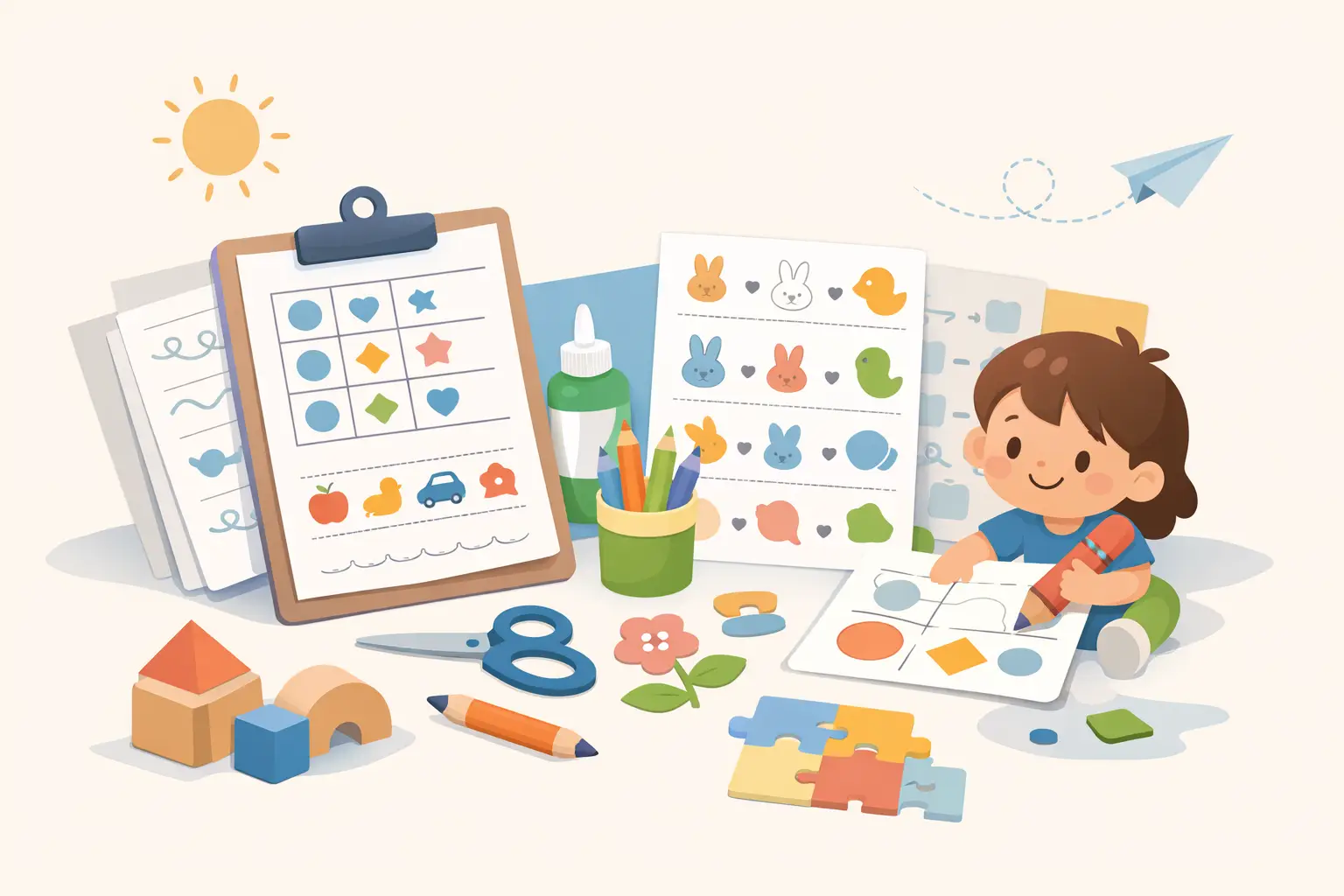
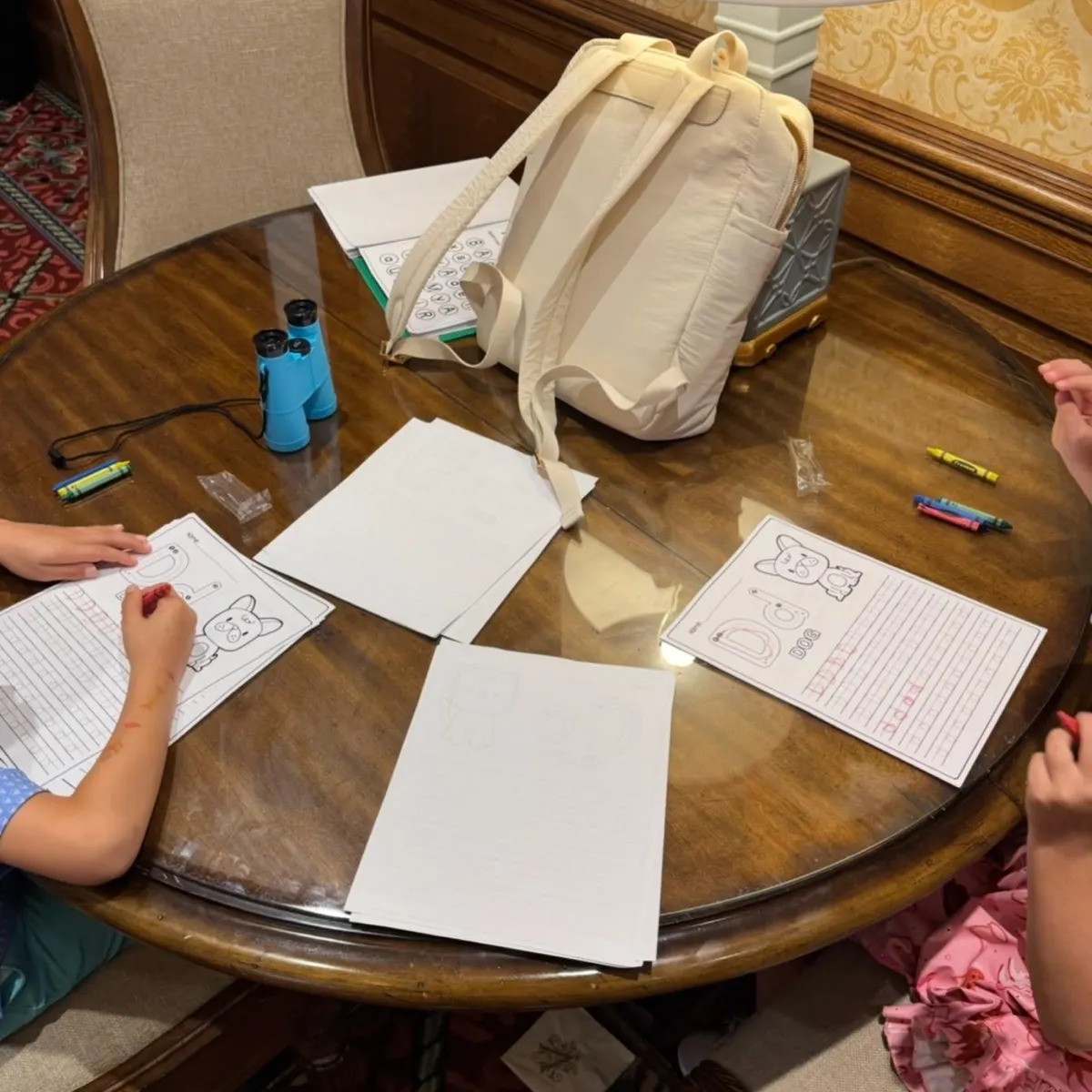
Some days, kindergarten practice goes smoothly. Other days, a five-minute worksheet feels like a major negotiation. That is exactly why kindergarten learning activities printable resources are so helpful. They give parents and teachers a simple, low-prep way to keep learning focused, hands-on, and manageable without having to invent new activities every week.
For busy families and classrooms, printable activities work best when they do two things at once. They build real early skills, and they keep children interested long enough to finish the page with confidence. The sweet spot is practice that feels clear, colorful, and doable. When a child can look at a page and understand the task right away, learning tends to go much more smoothly.
Why kindergarten learning activities printable resources work
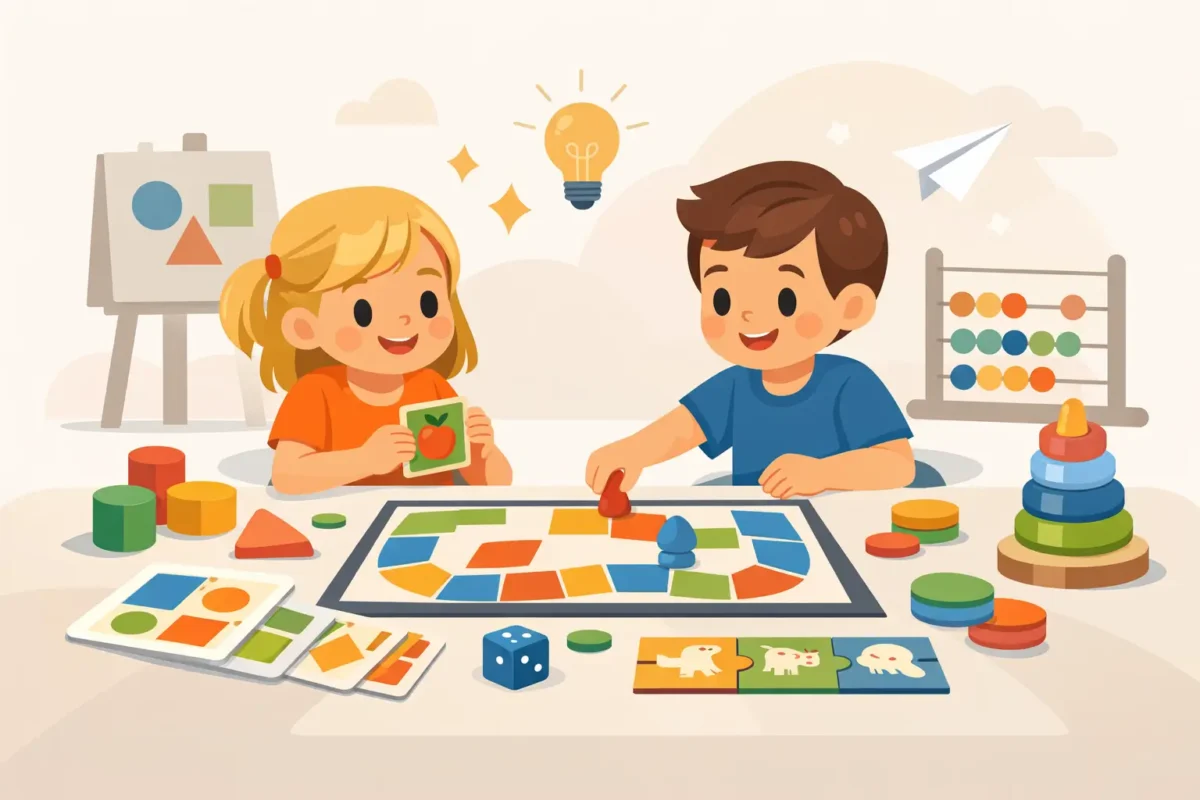
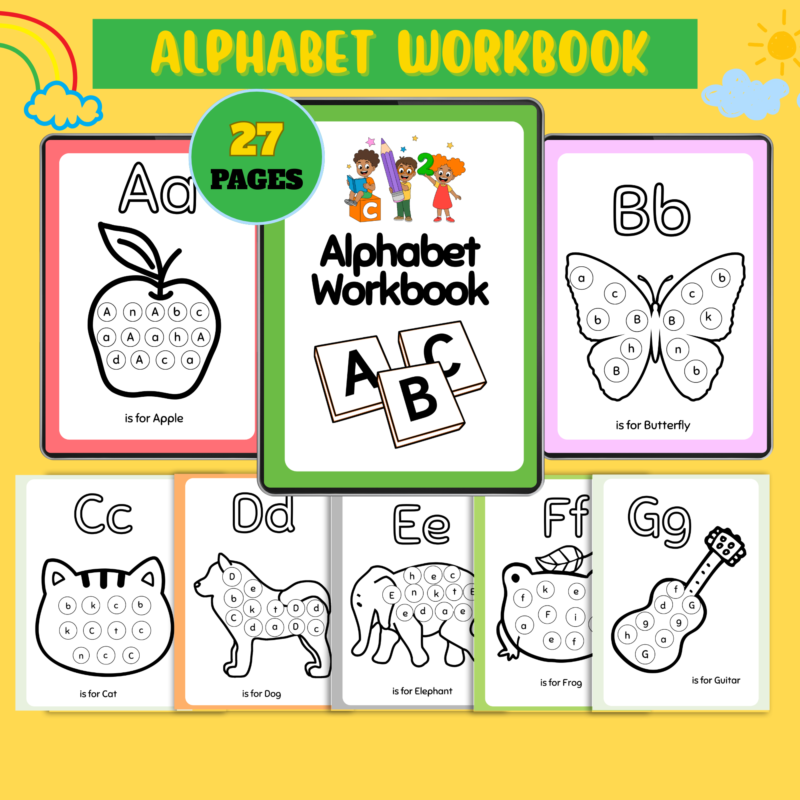
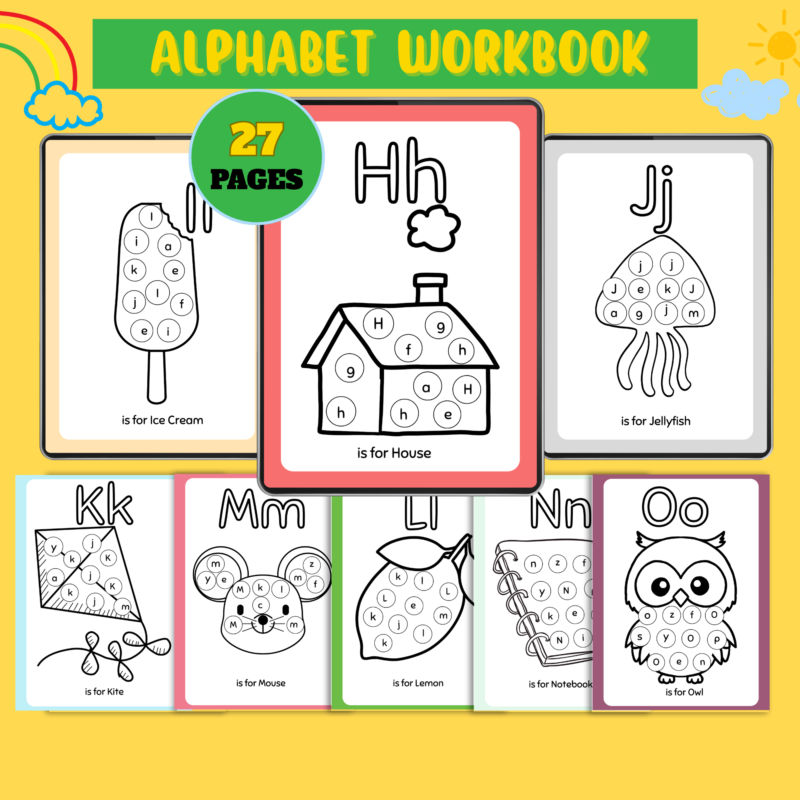
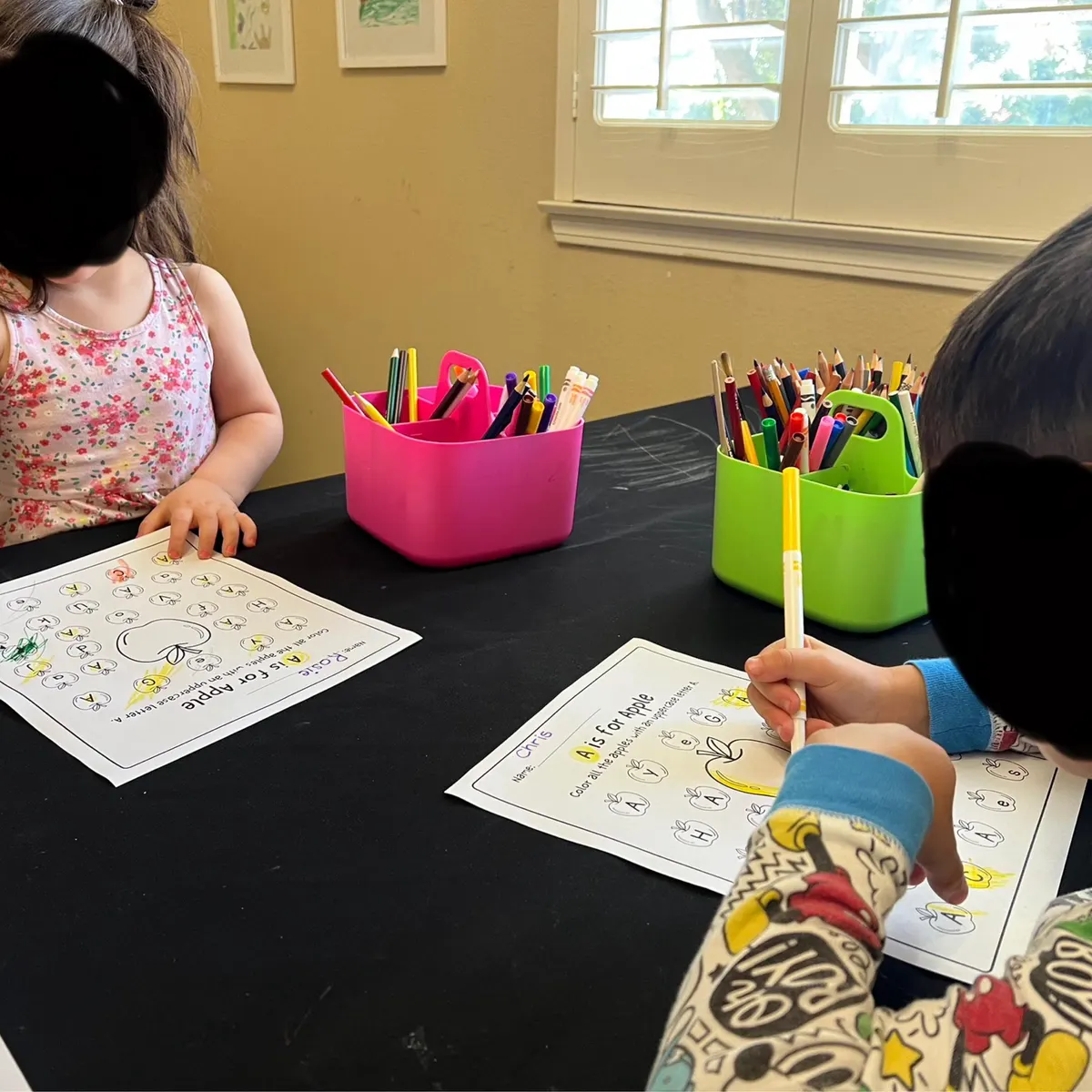
Kindergarten learners need repetition, but they rarely want practice to feel repetitive. Printables help by giving children the same skill in slightly different formats. A child might trace a letter on one page, find that letter in a picture set on the next, and then use it in a beginning sound activity after that. The skill stays consistent, but the task changes enough to hold attention.
That matters because kindergarten is full of foundational learning. Children are building early reading habits, pencil control, number sense, and the ability to follow directions independently. A good printable supports those goals without creating extra prep for the adult. You print it, hand it over, and guide as needed.
There is also a practical advantage. Printable PDFs are easy to reuse in different settings. A parent might use them during quiet time at home. A teacher might add them to centers, morning work, or small groups. A homeschool family might build a full week of lessons around a set of themed pages. The flexibility is a big part of the appeal.
What to look for in a strong kindergarten printable
Not every worksheet is equally helpful for this age group. Kindergarten students do best with pages that are visually clean, age-appropriate, and focused on one main task at a time. If a page is crowded or asks for too many skills at once, children can lose momentum quickly.
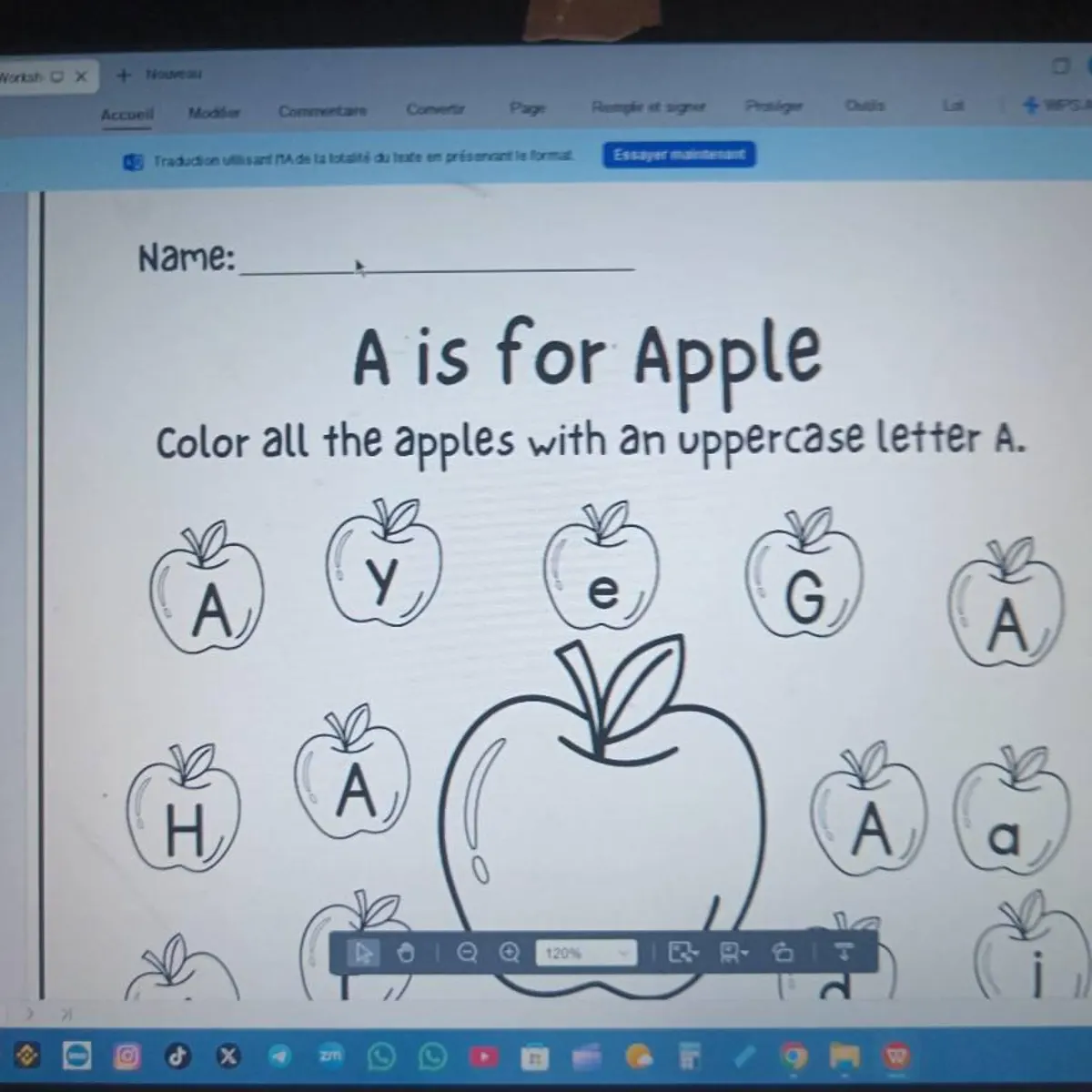
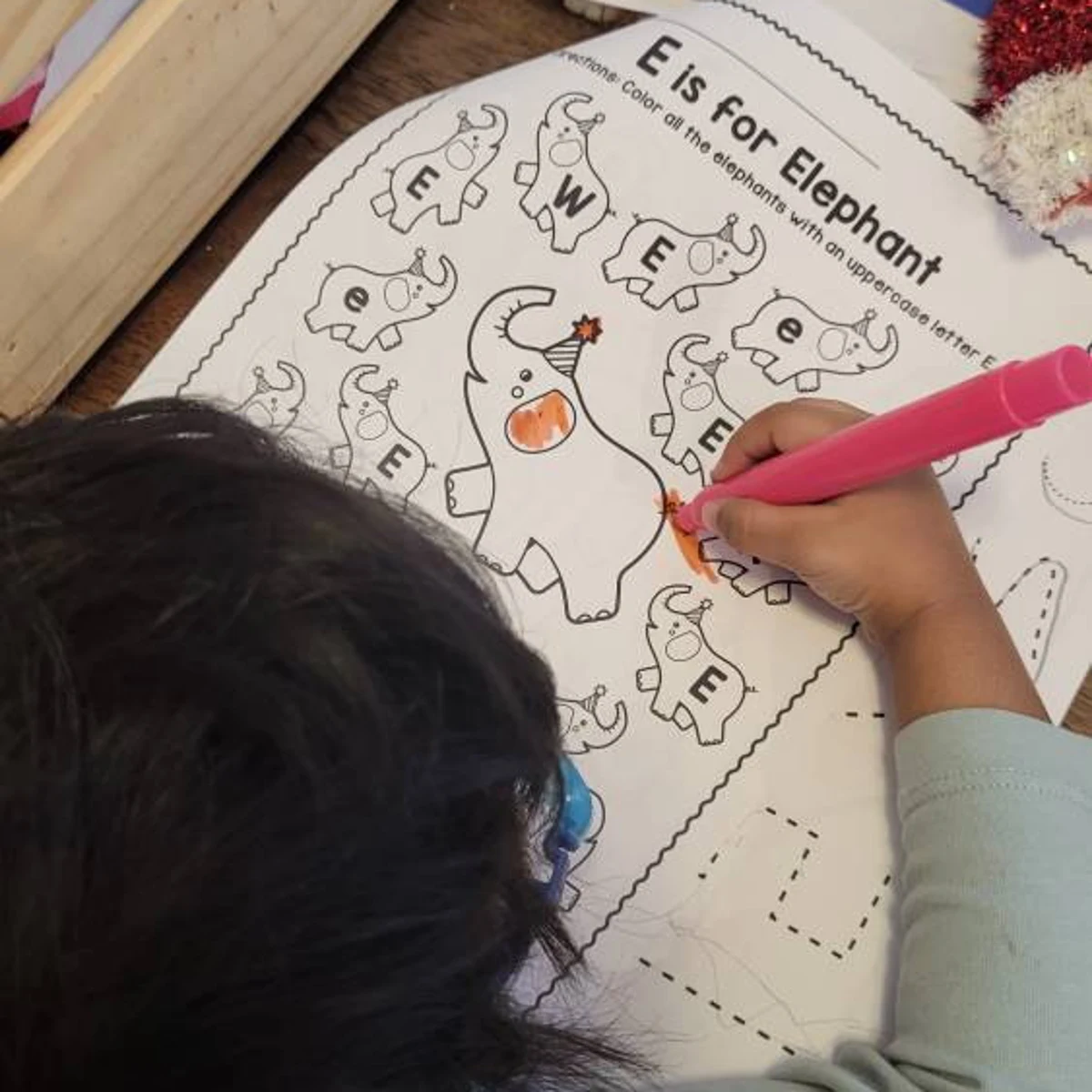
Clear directions matter just as much as cute design. A printable should make the goal obvious. Trace the number. Circle the beginning sound. Count the objects. Color the correct answer. These simple tasks help children build independence, which is a skill of its own.
It also helps when printables are organized by developmental area. That makes it easier for adults to choose practice that matches a child’s stage. Some children need more letter recognition. Others are ready for CVC words or simple addition. A well-organized printable collection saves time because you can go straight to the skill you want to reinforce.
Printable activities for early reading skills
Reading readiness in kindergarten starts long before fluent reading. Children need practice with letter names, letter sounds, phonemic awareness, and early word building. Printable activities can support all of these steps in a way that feels structured instead of overwhelming.
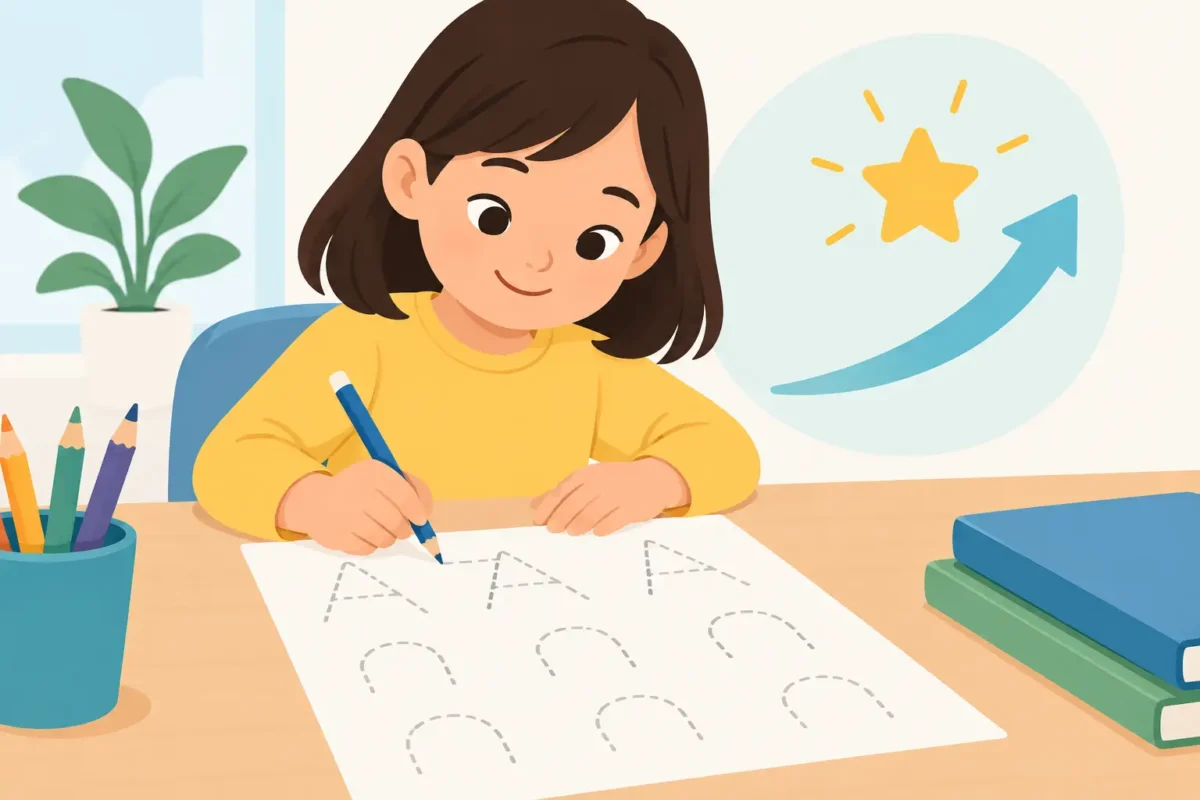
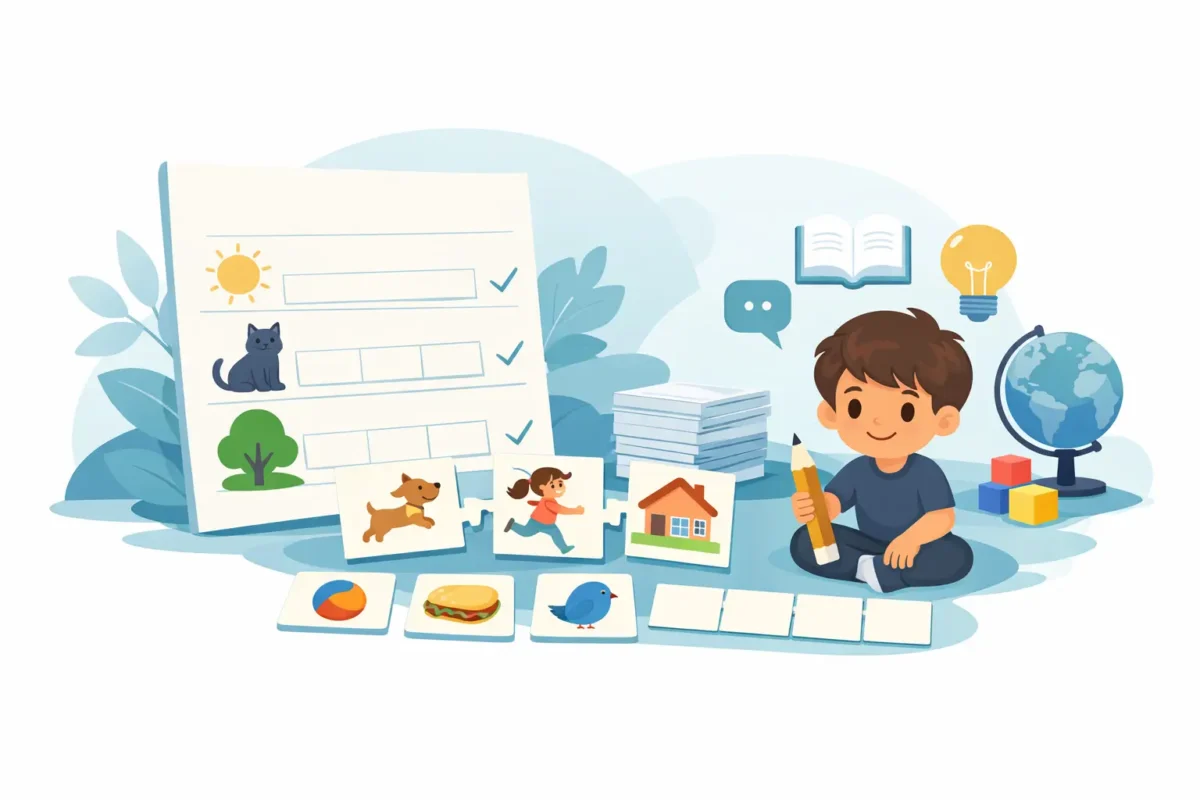
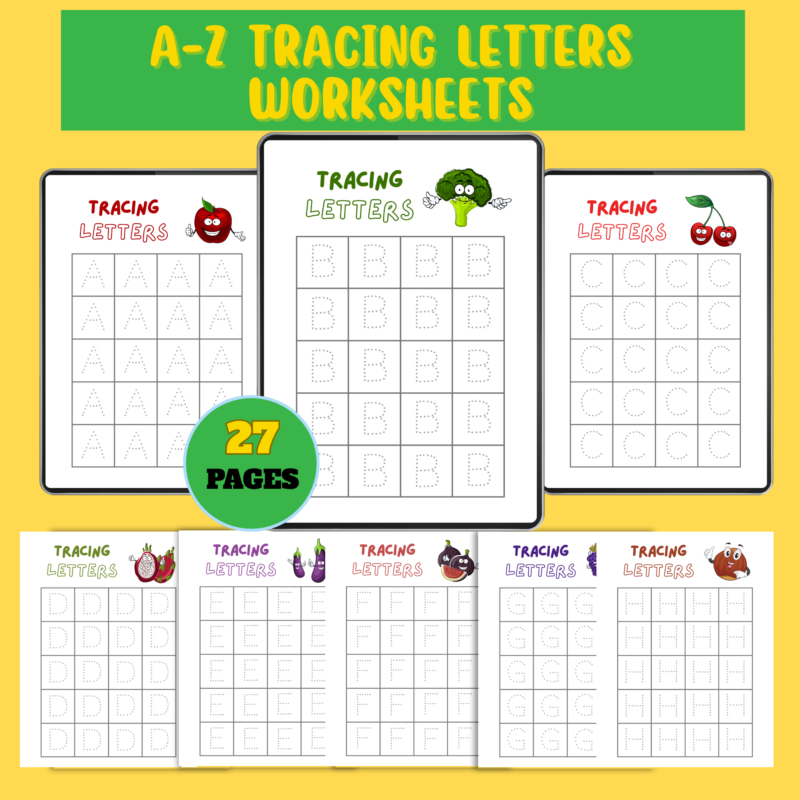
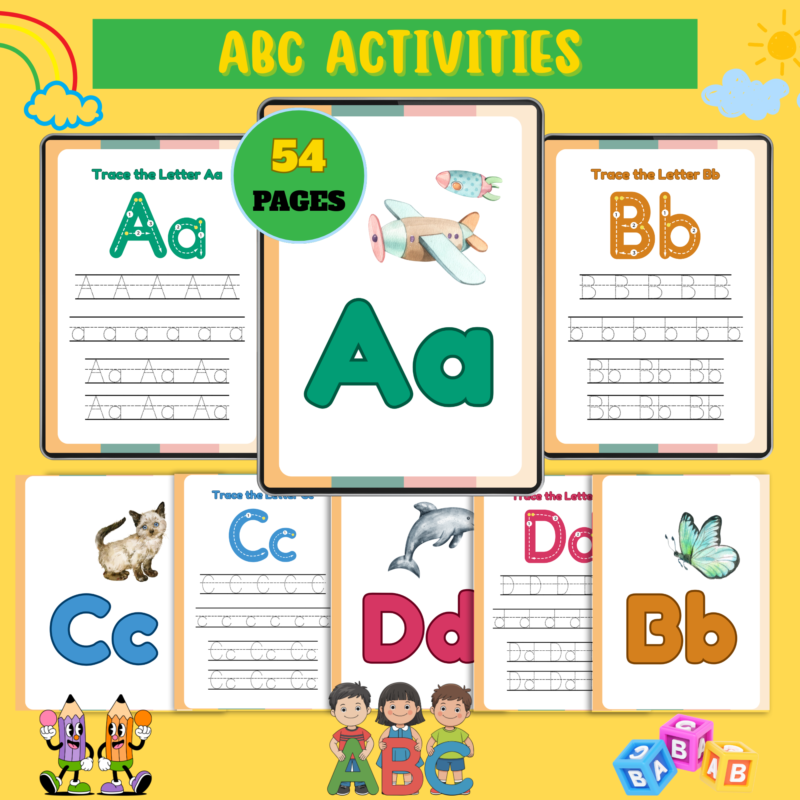
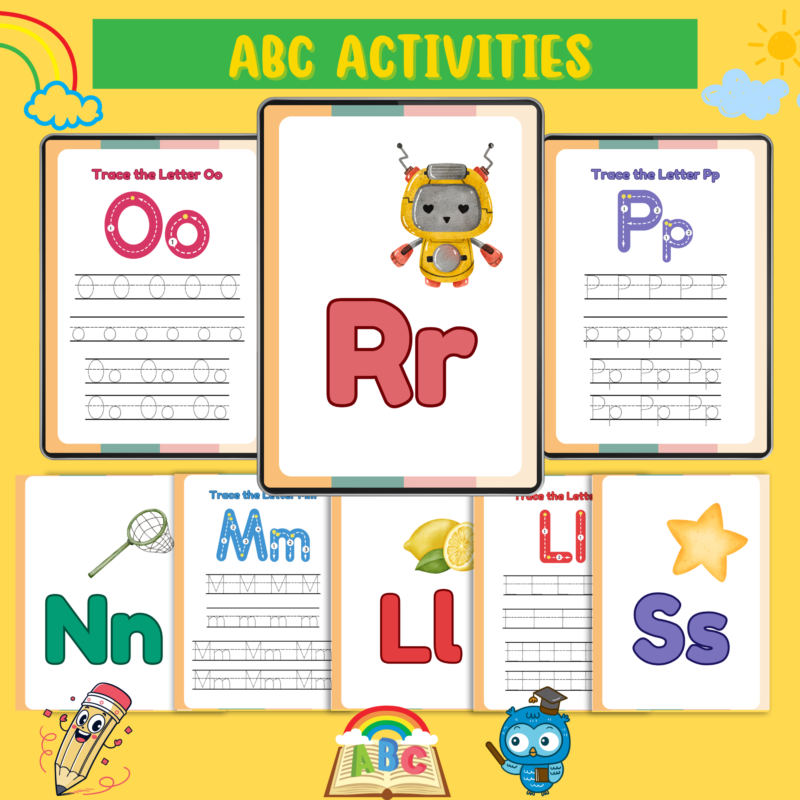
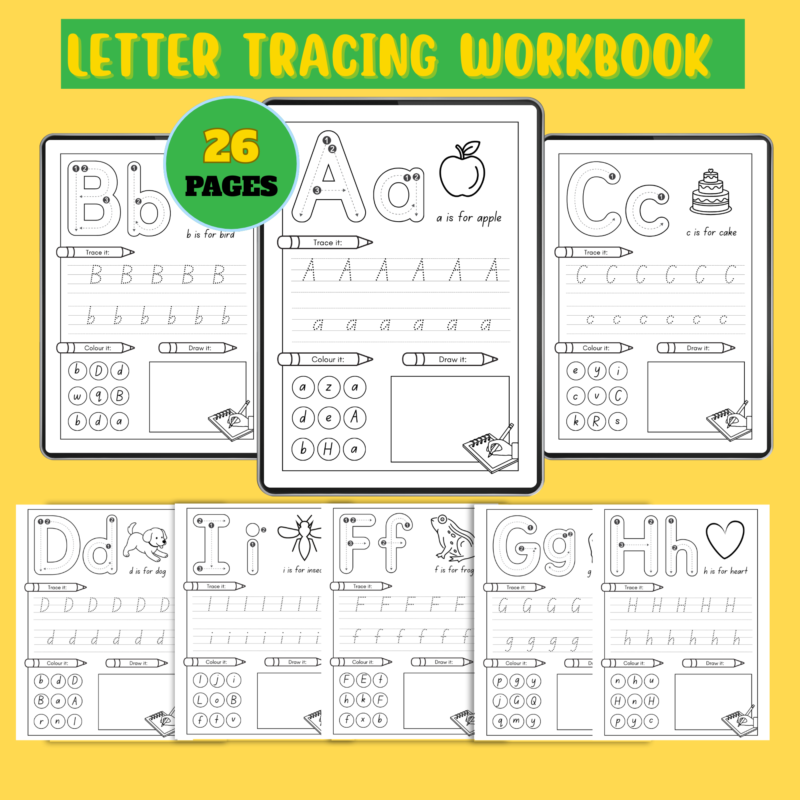
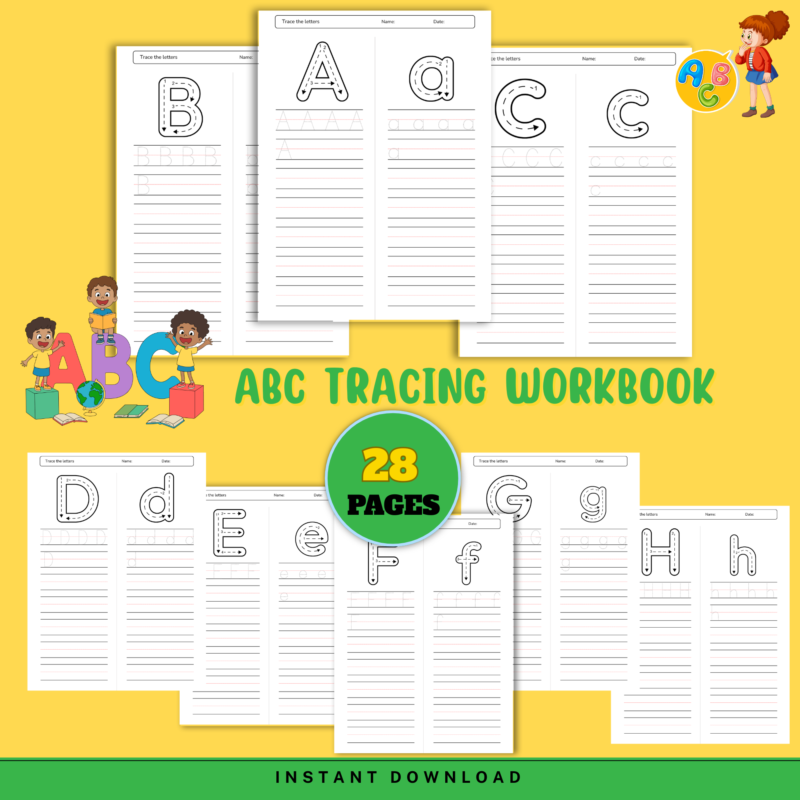
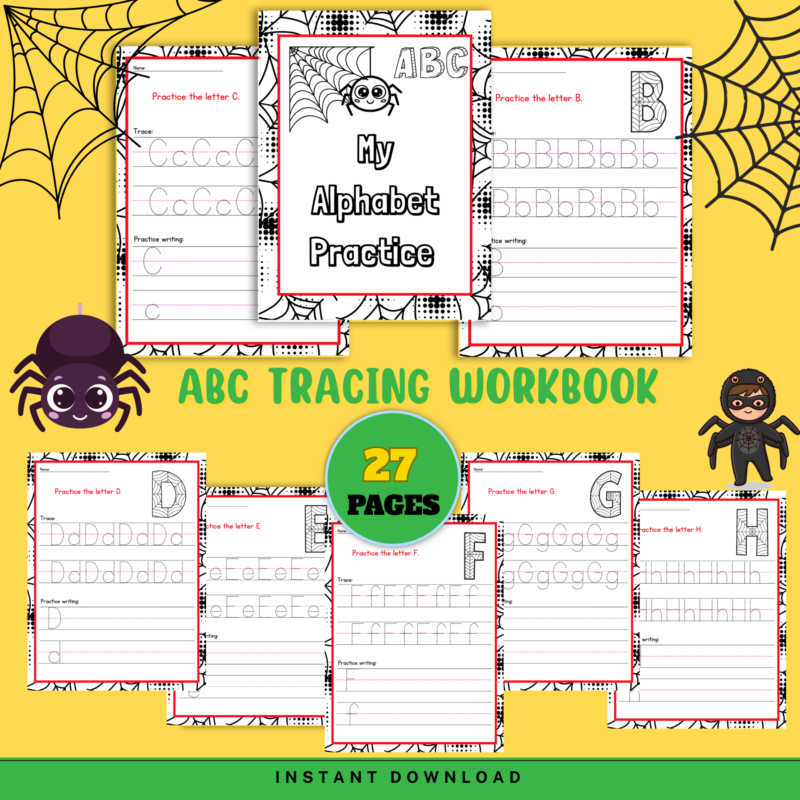
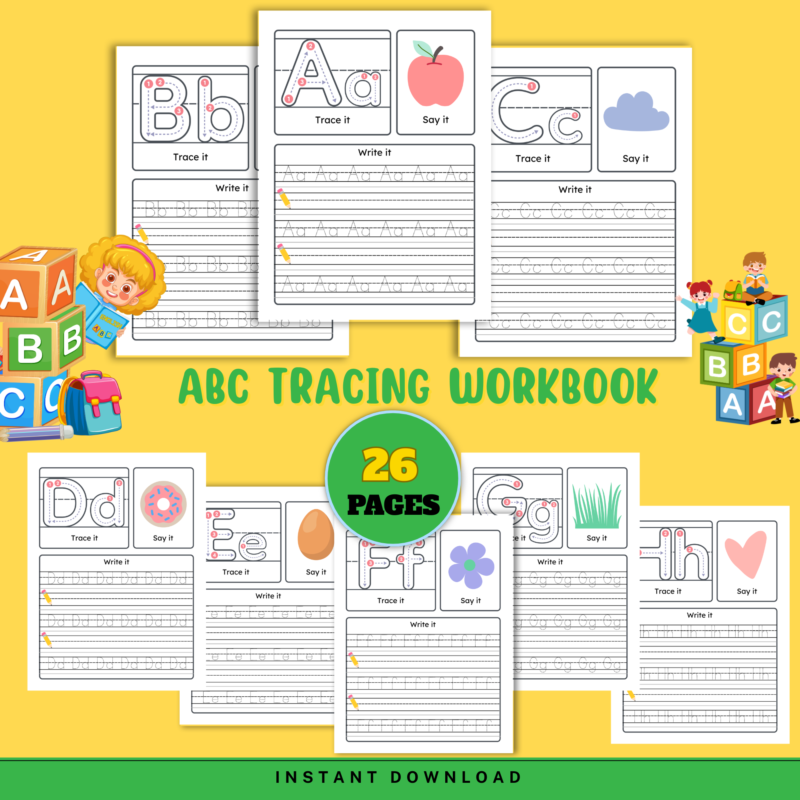
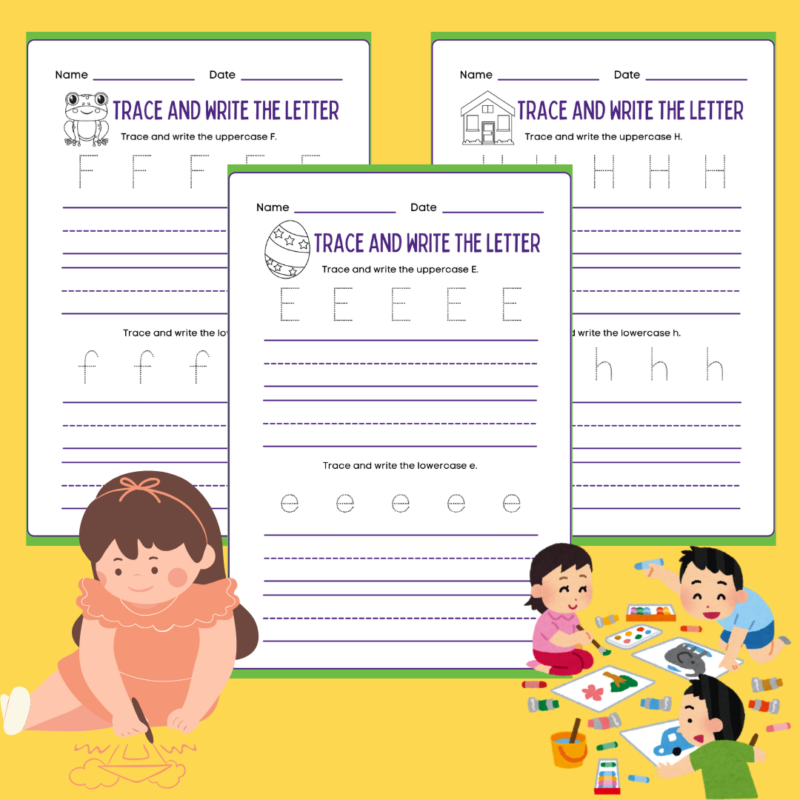
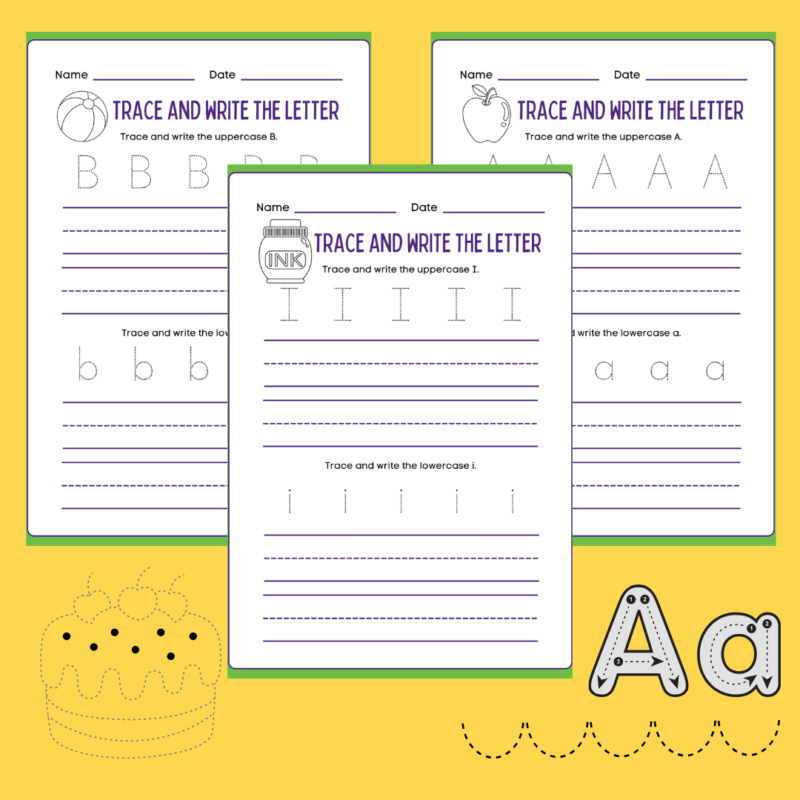
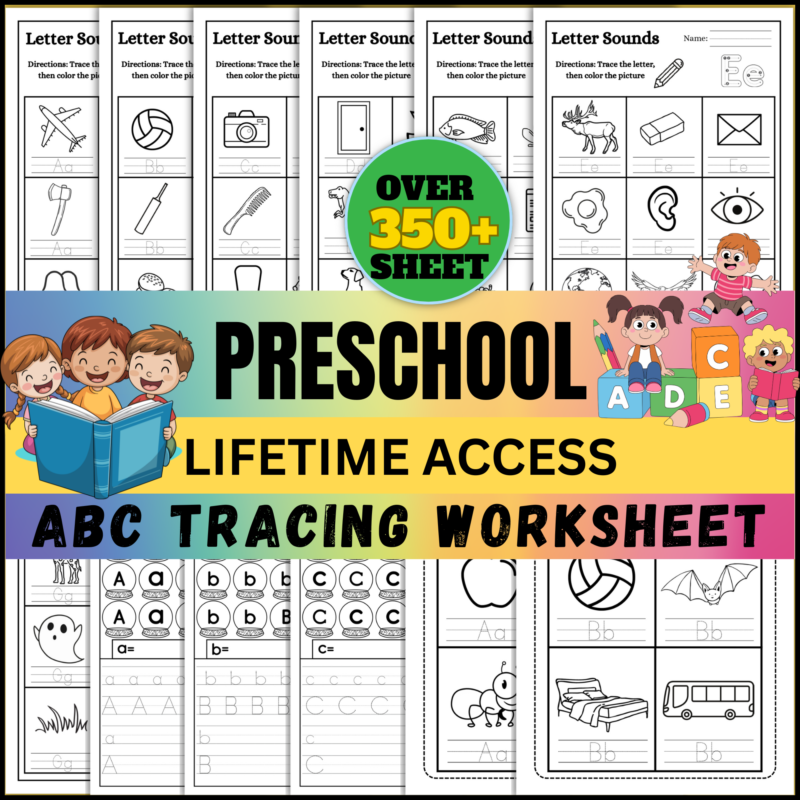
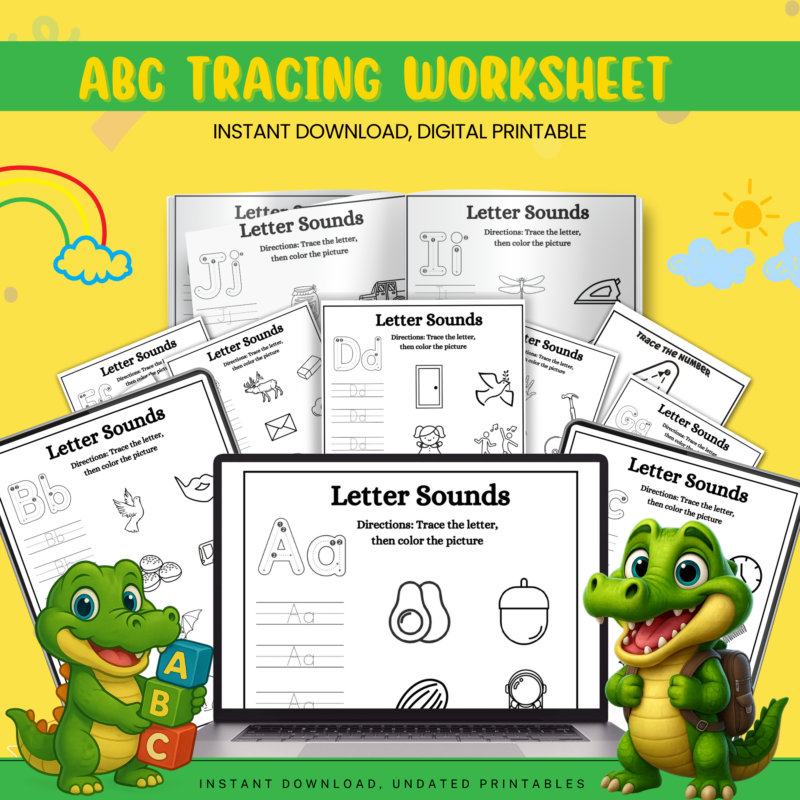
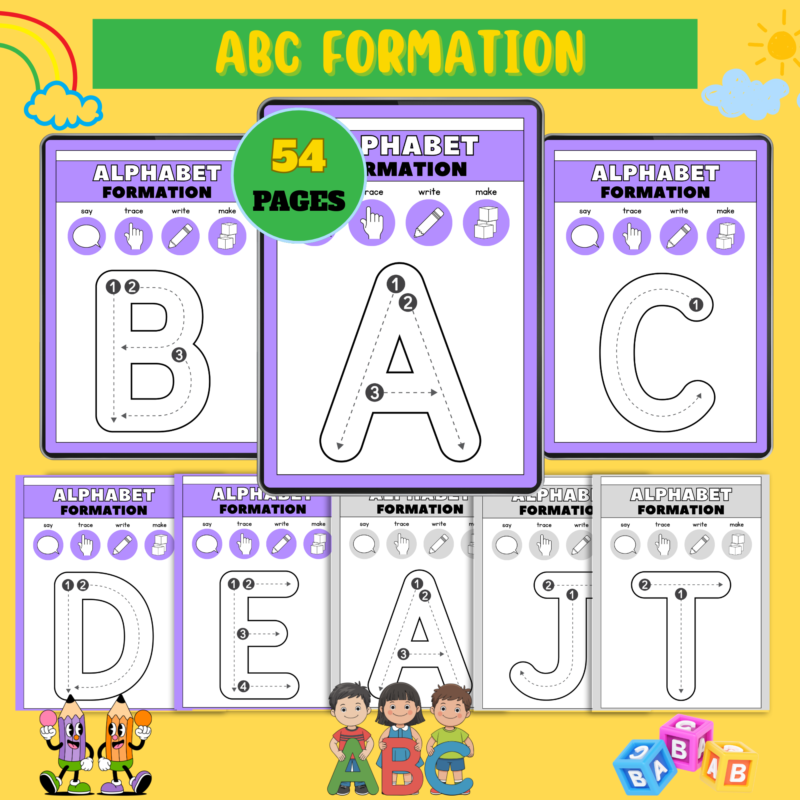
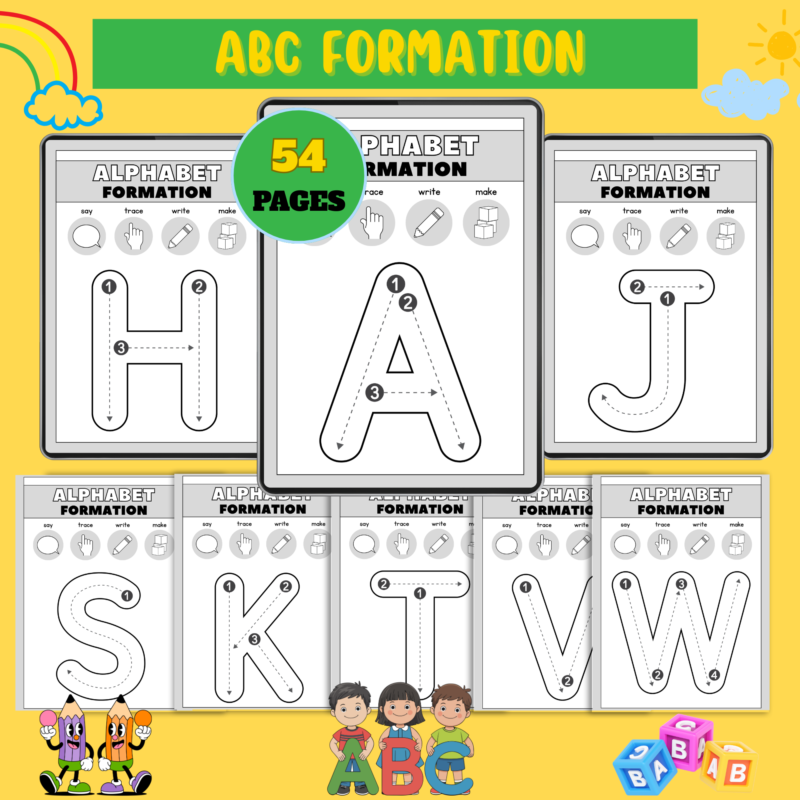
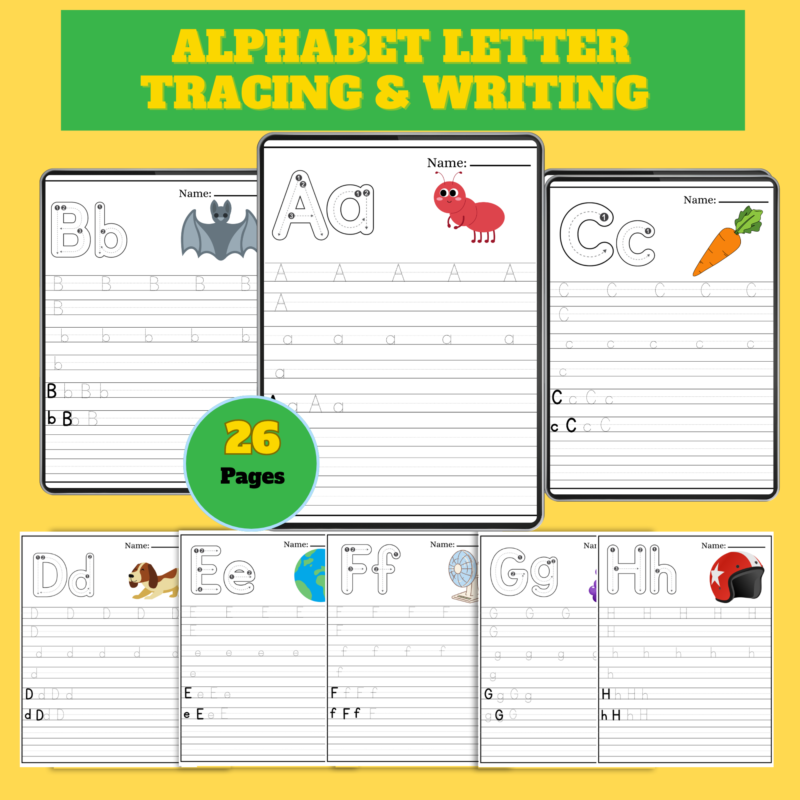
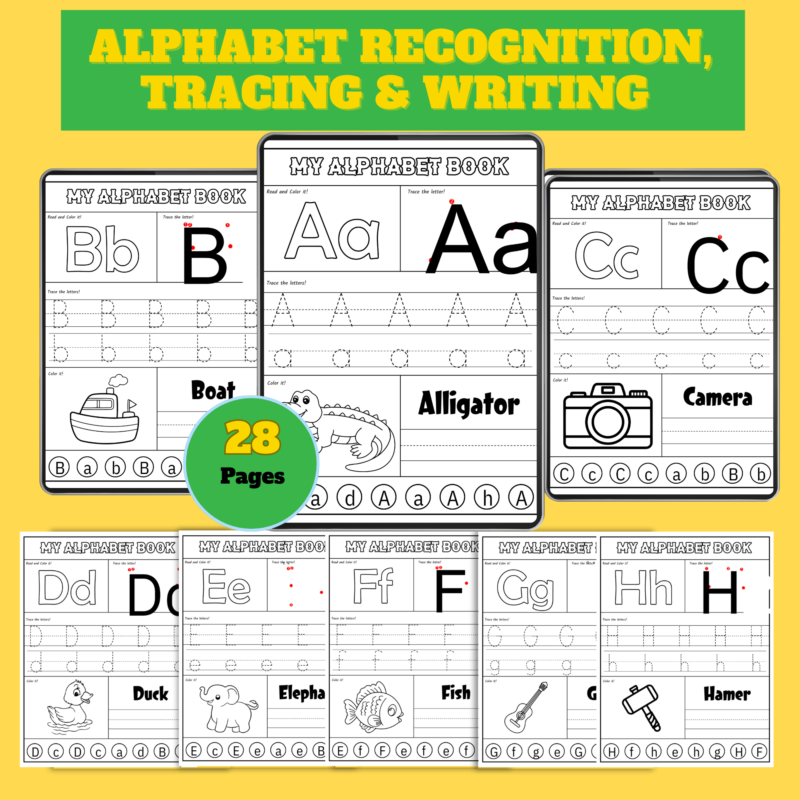
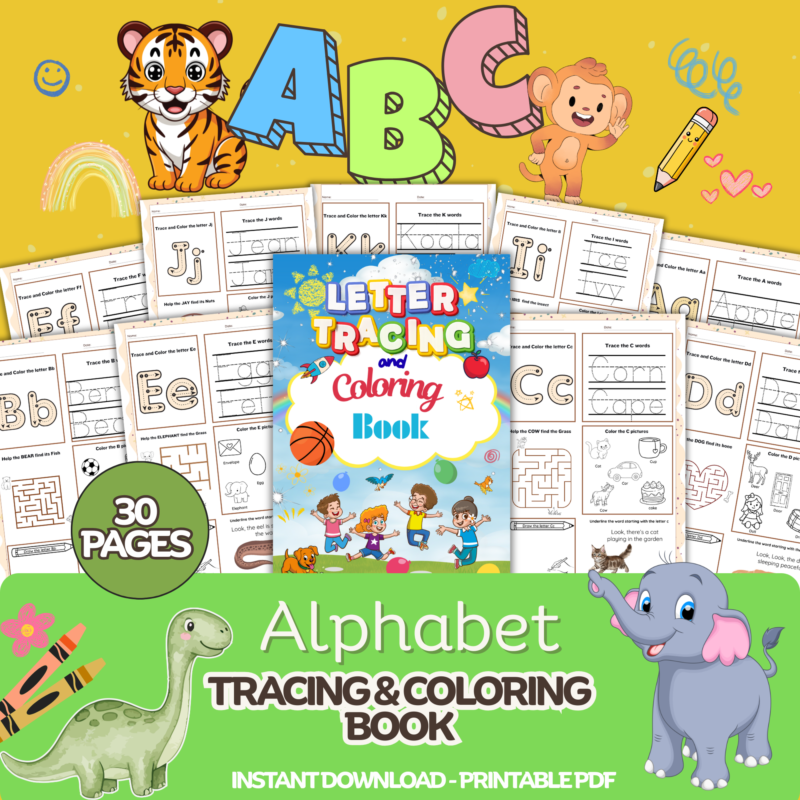
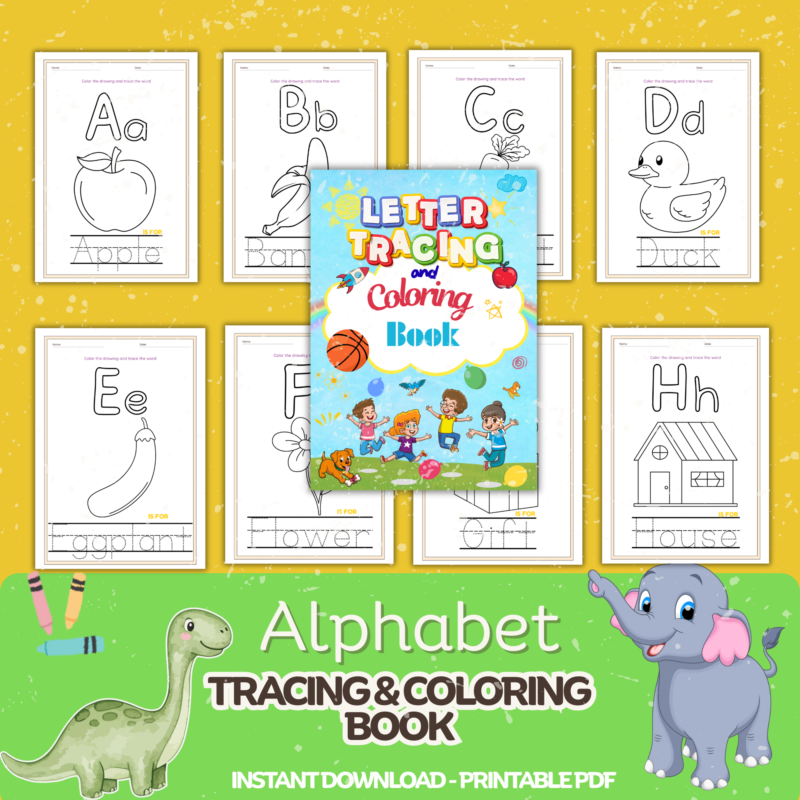
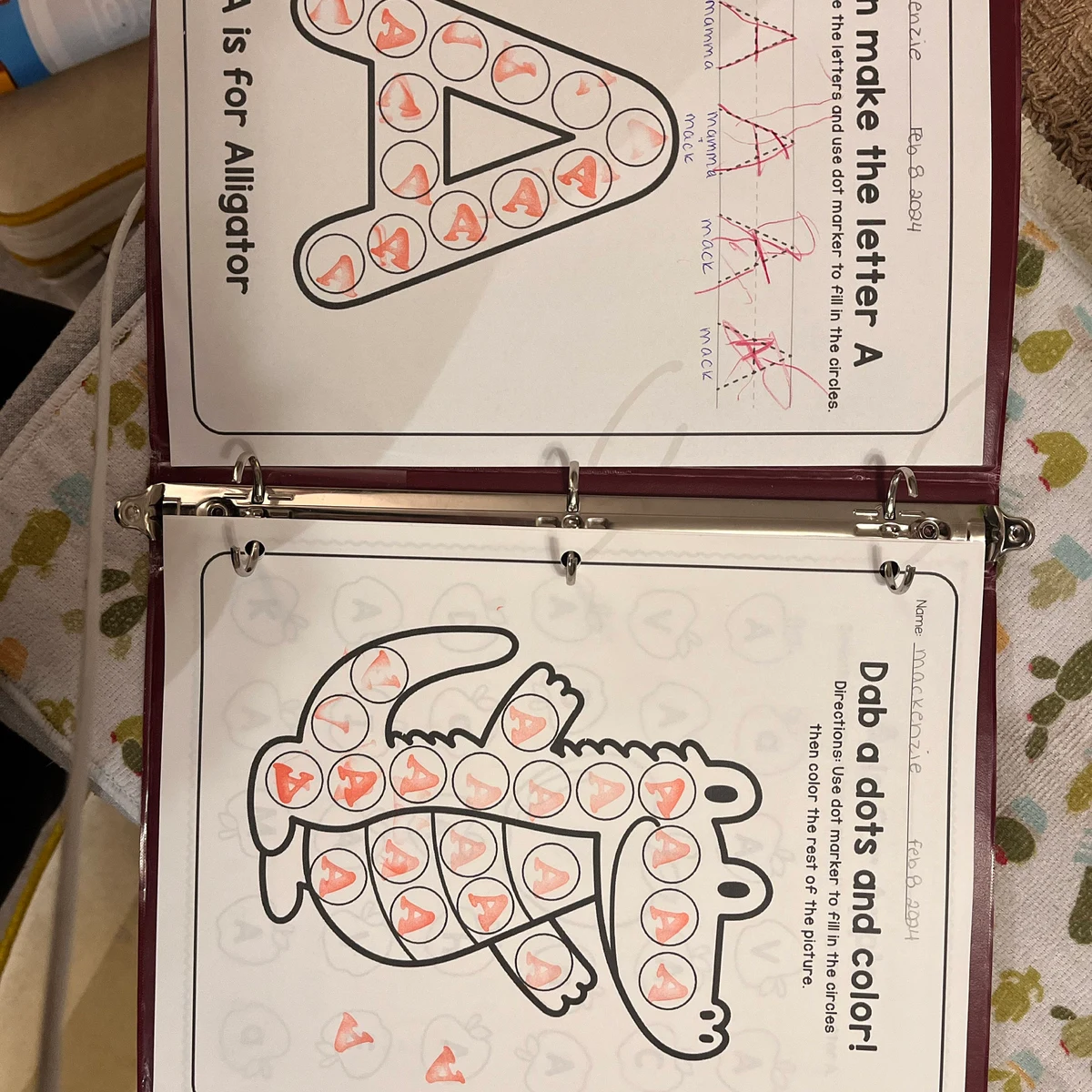
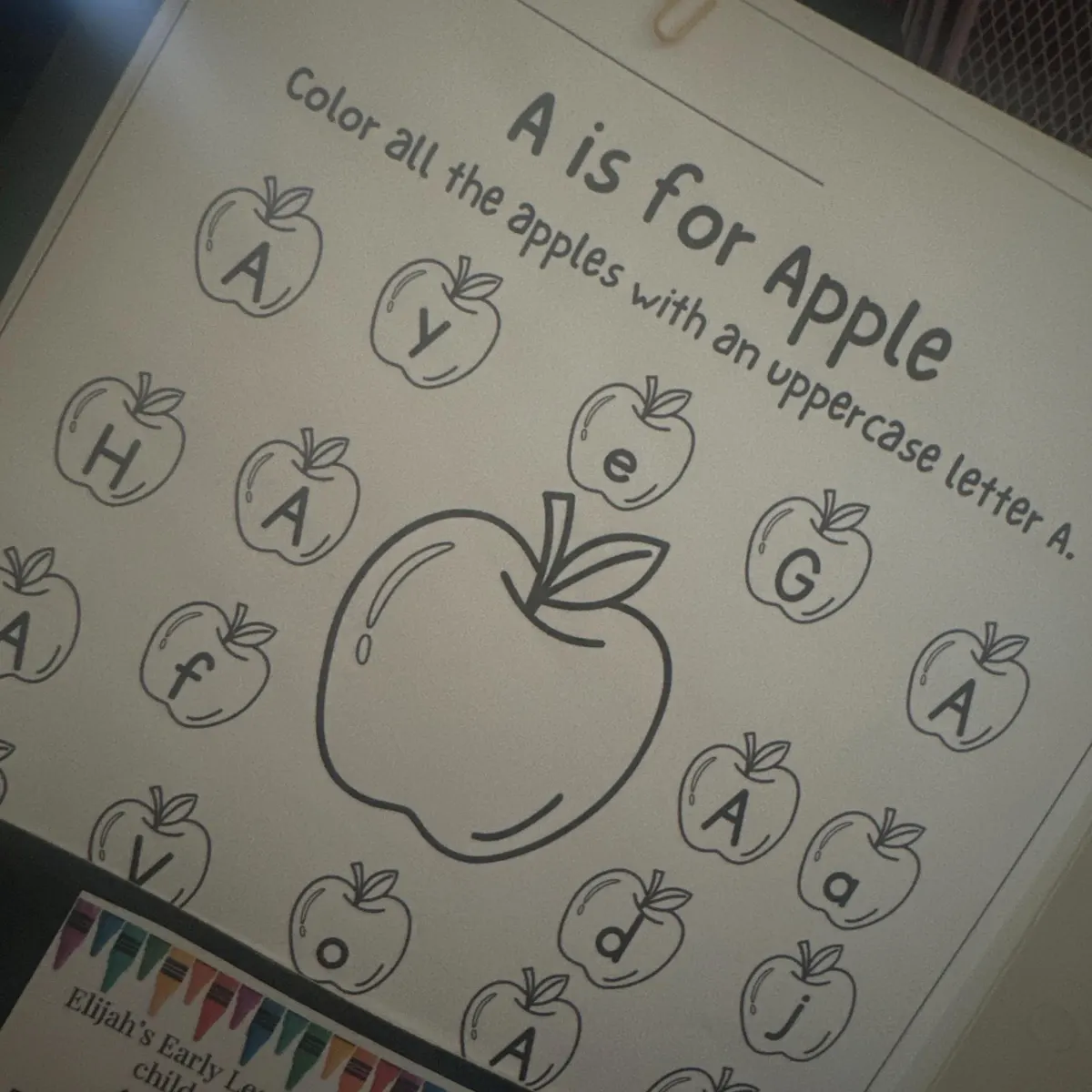
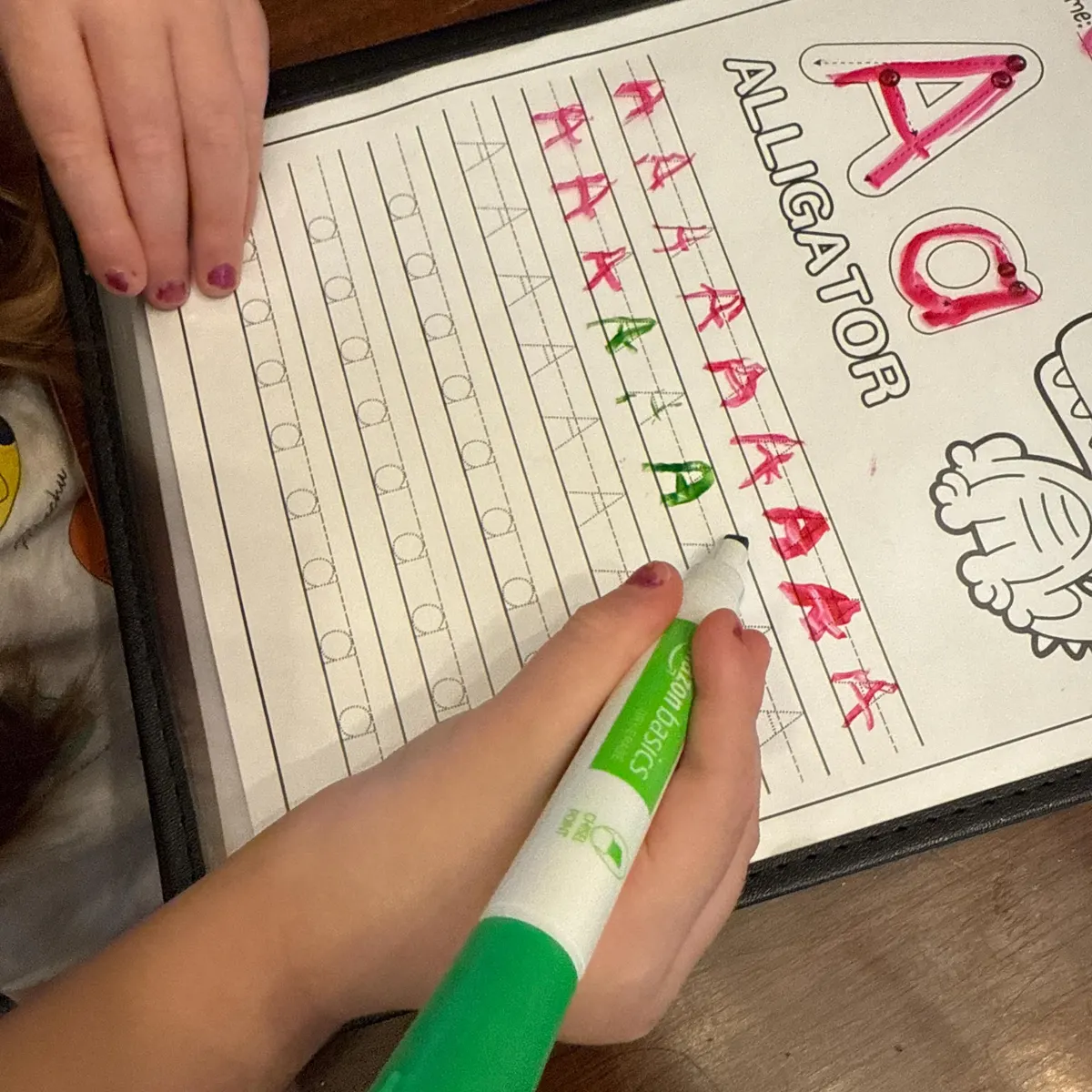
Alphabet tracing pages are often the starting point. They give children a chance to recognize the letter shape, say the letter name, and practice forming it. That may sound basic, but it builds several skills at once. The same goes for beginning sound worksheets, where children match pictures to the letter they hear first.
As children gain confidence, phonics printables become especially useful. Simple cut-and-paste activities, picture sorts, and CVC word pages help children connect sounds to print. The best part is that these pages can be used in short bursts. A child does not need to sit for a long lesson to get meaningful reading practice.
If a child is struggling, simpler is better. Stick with one sound or one letter family at a time. If a child is ready for more, mix tracing, matching, and reading practice in the same week. That balance keeps things fresh without moving too fast.
Printable math activities that build confidence
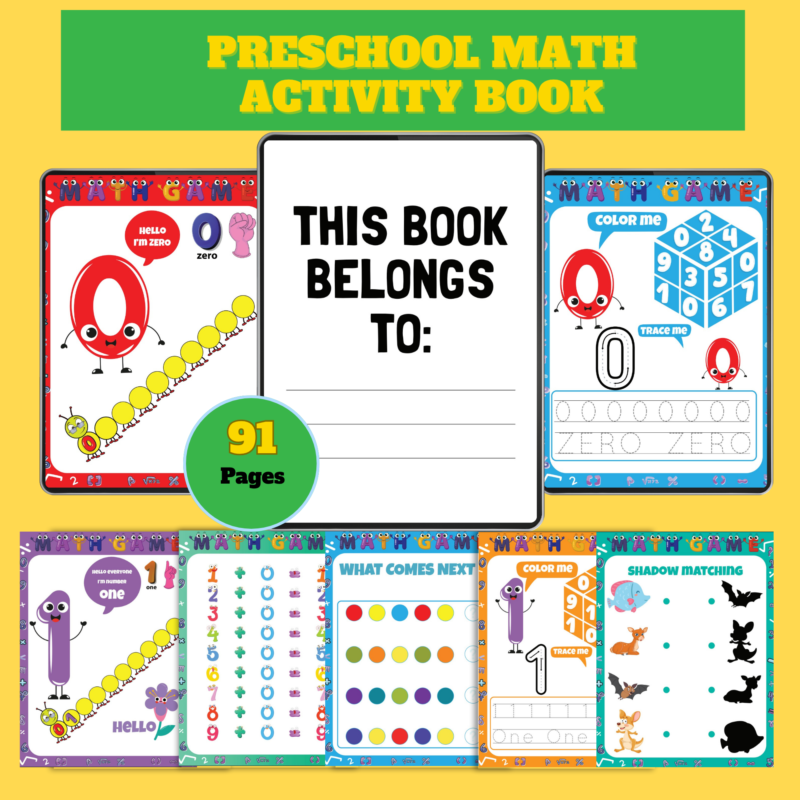
Math in kindergarten should feel concrete and approachable. Children are learning to count, compare quantities, recognize numbers, and begin simple operations. Printable activities help by turning those abstract ideas into tasks children can see and complete.
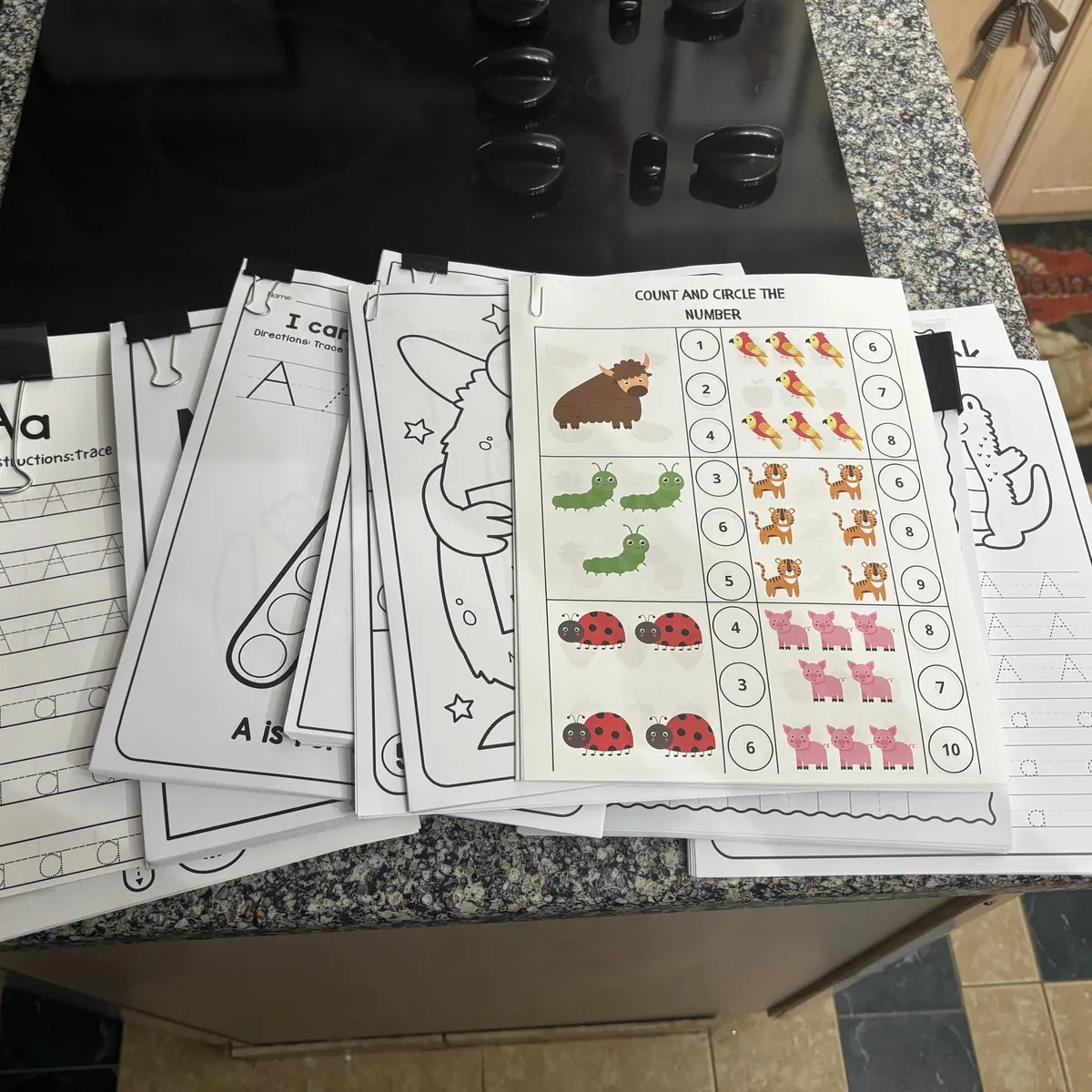
Number recognition worksheets are often the first step. Children trace numbers, identify them, and match them to groups of objects. Counting pages add another layer by asking children to count pictures carefully and choose the correct numeral. These tasks may seem small, but they lay the groundwork for stronger number sense later on.
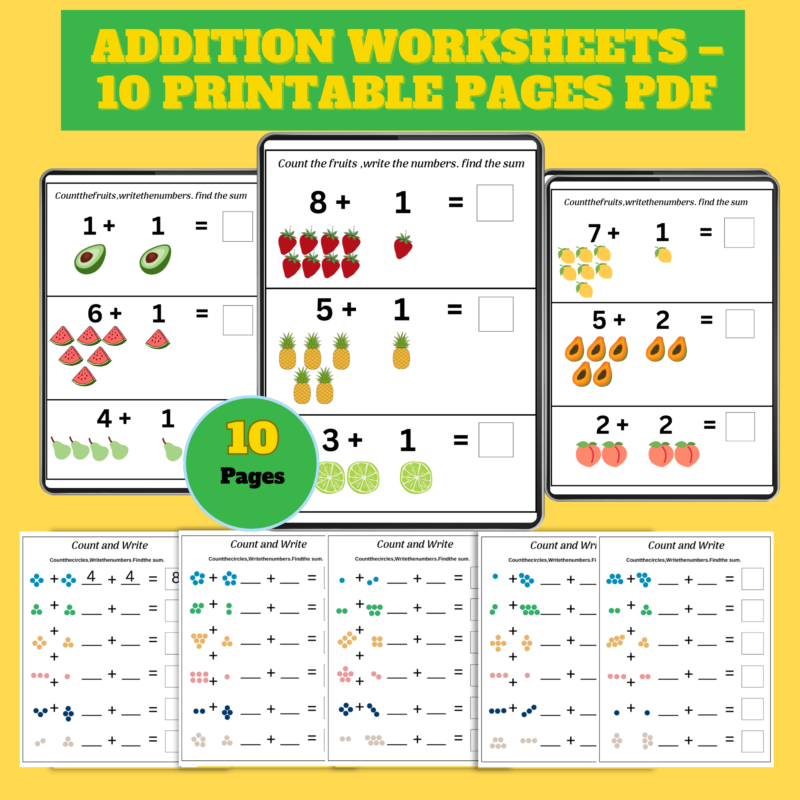
Printable addition and subtraction pages can also work well in kindergarten, especially when they use pictures or ten frames. Visual support makes a big difference at this age. Children are not just memorizing facts. They are learning what it means to add one more or take some away.
The trade-off is that math worksheets can become too abstract too soon. If a child is guessing, rushing, or getting frustrated, it usually helps to pull back and choose pages with more visual cues. A printable should support understanding, not just completion.
Writing and fine motor practice still matter
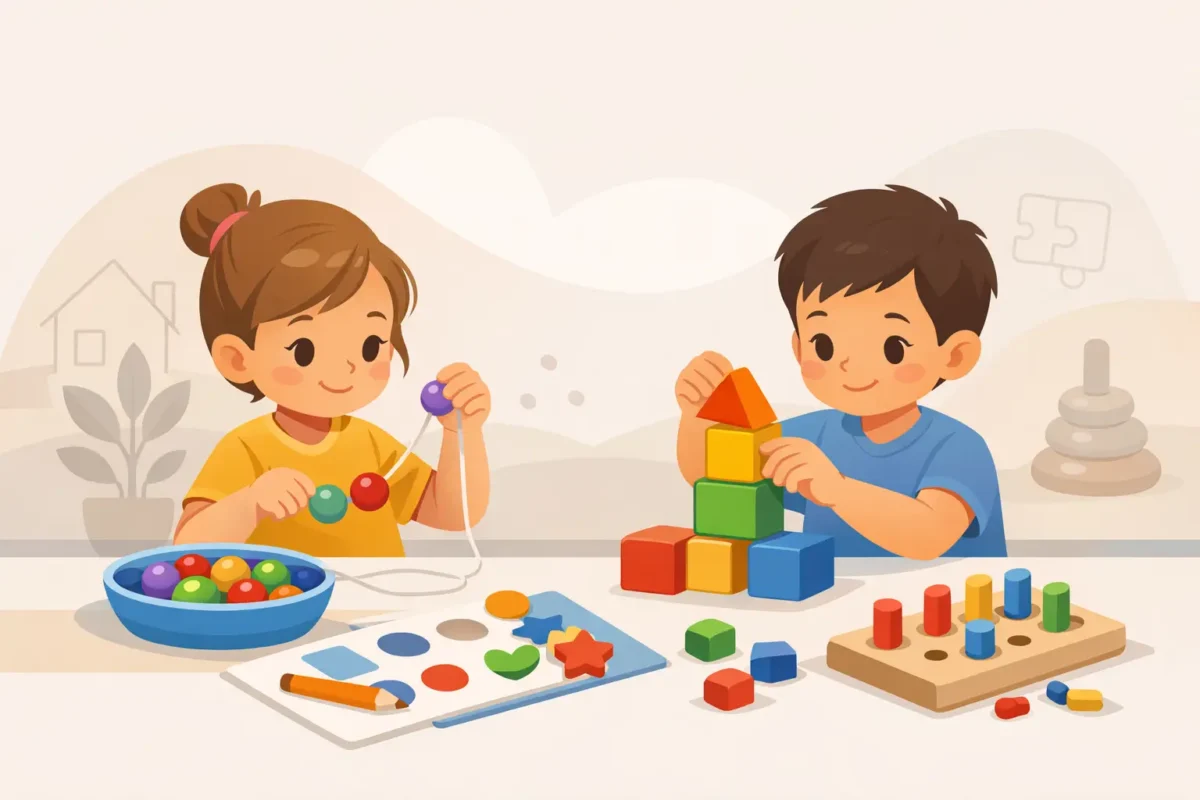
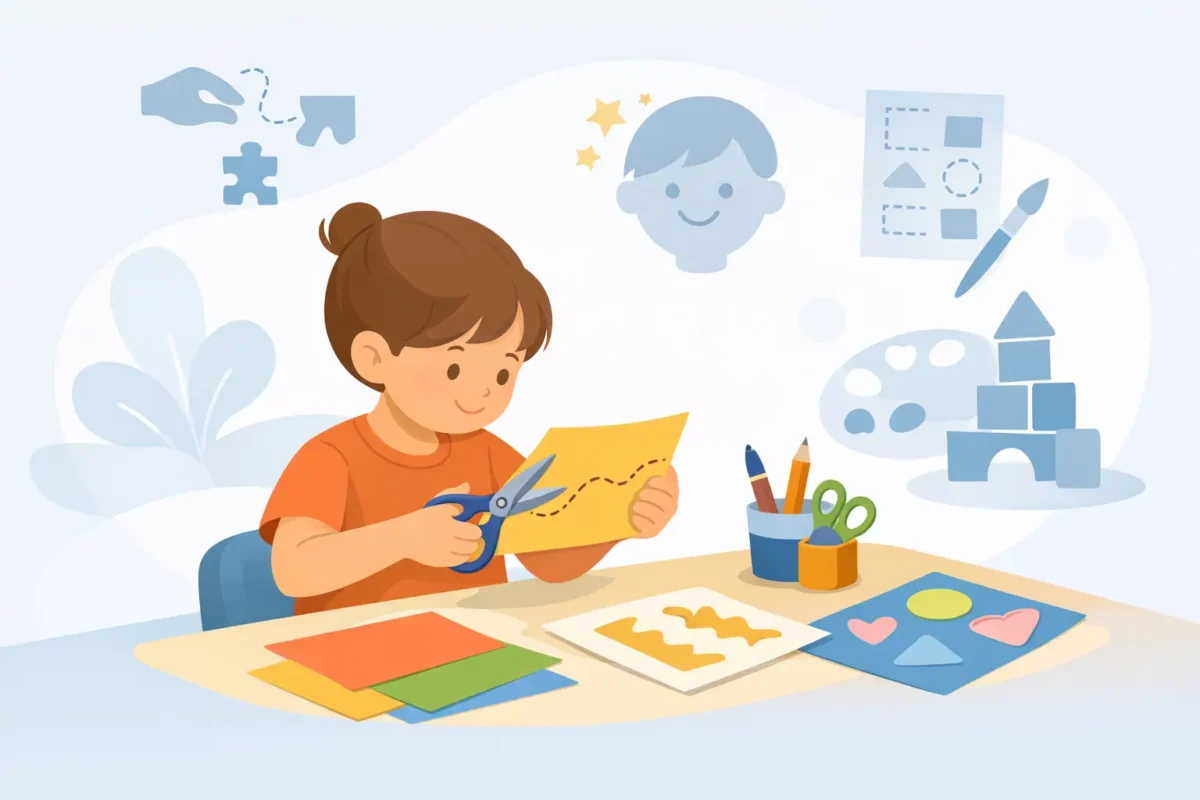
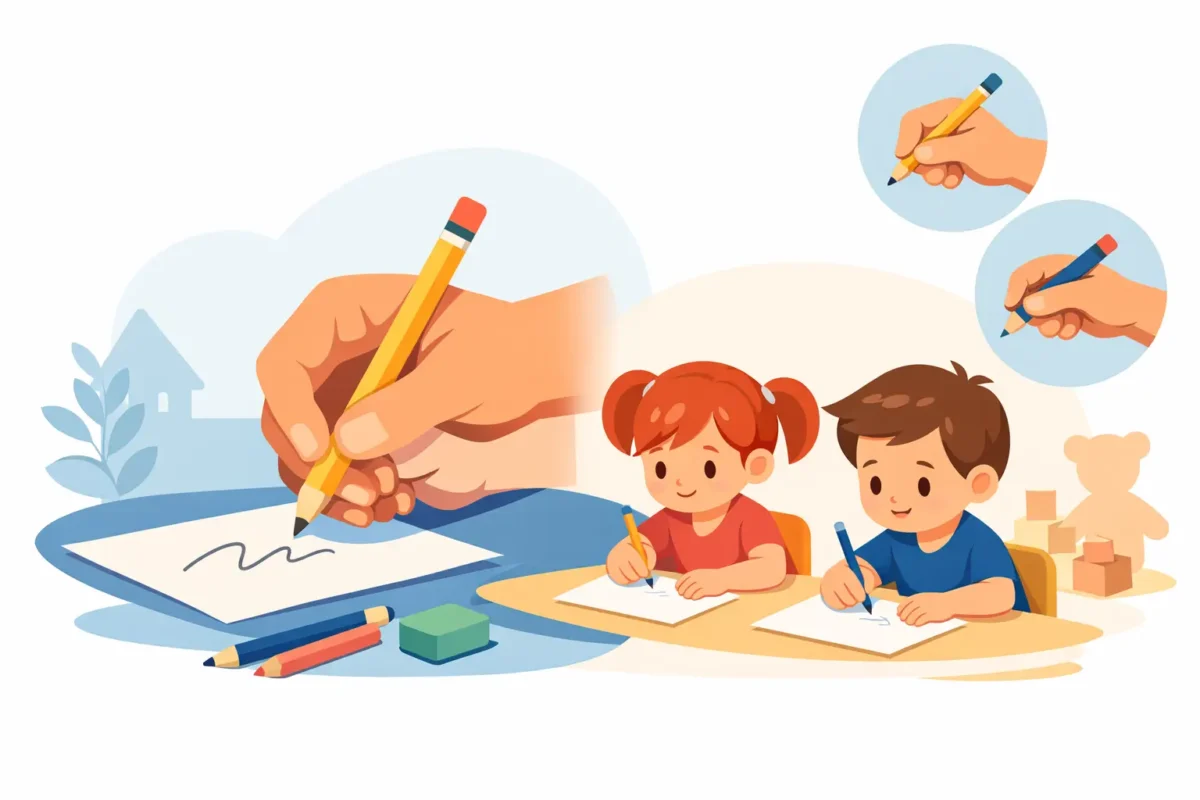
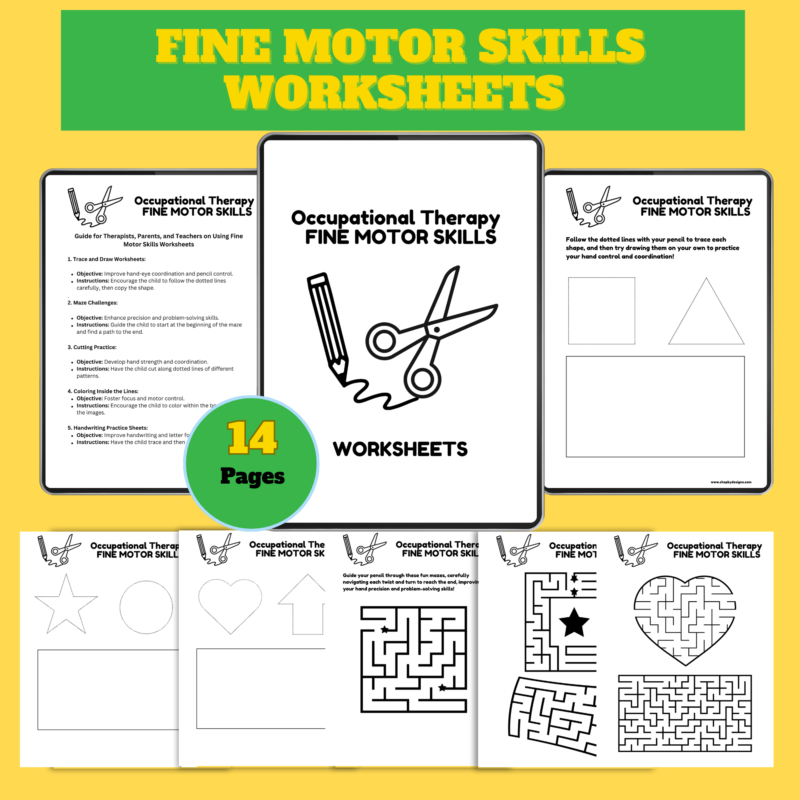
A lot of kindergarten growth happens through the hand as much as the mind. Before children can write comfortably, they need pencil control, hand strength, and coordination. That is why tracing, coloring, cutting, and simple line practice still have an important place in a kindergarten routine.
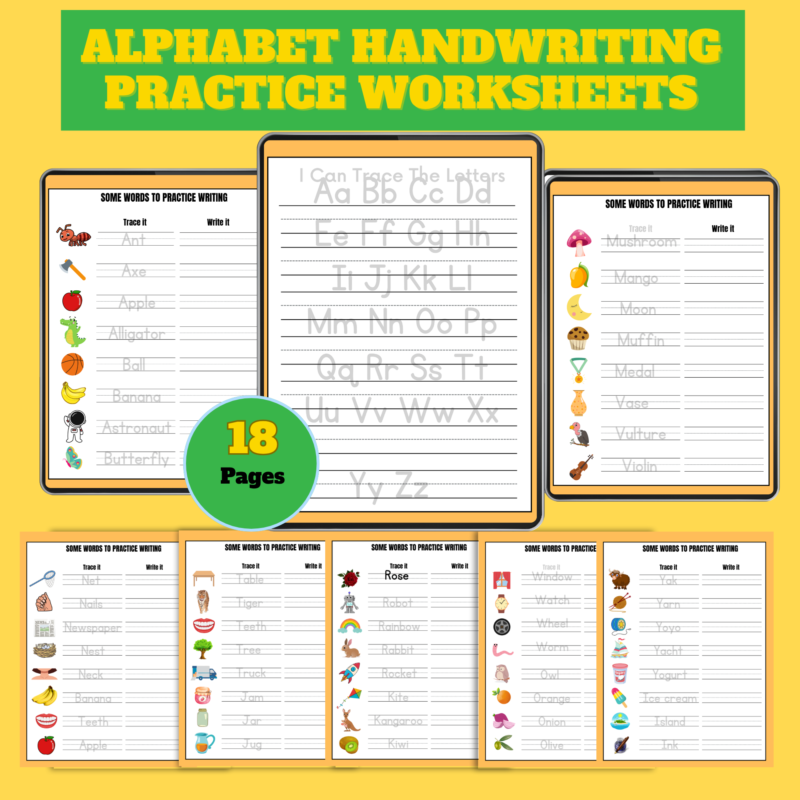
Prewriting printables with straight lines, curves, zigzags, and shapes help children develop control in a manageable way. Handwriting practice pages then build on that foundation by guiding letter formation. For some children, this is an easy transition. For others, it takes regular, gentle practice over time.
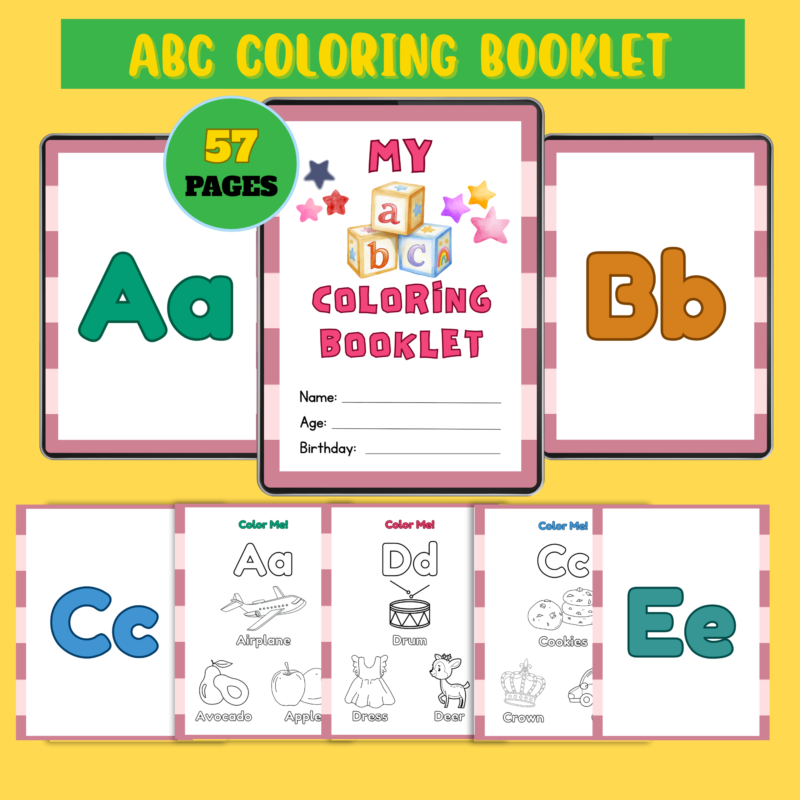
Fine motor worksheets are especially helpful for children who resist writing tasks. A maze, color-by-number page, or cut-and-paste activity may feel more playful while still building the same readiness skills. That is often the better choice when a child needs practice but not pressure.
Making printables feel fun instead of forced
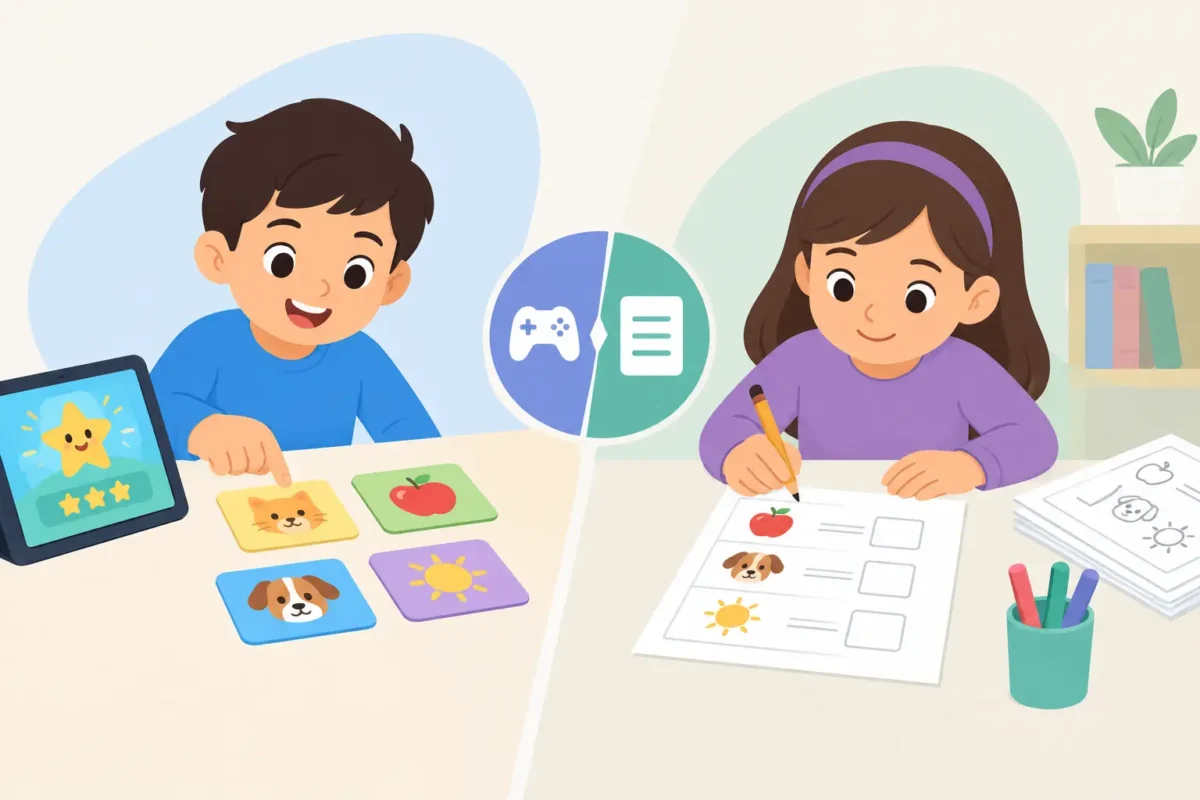
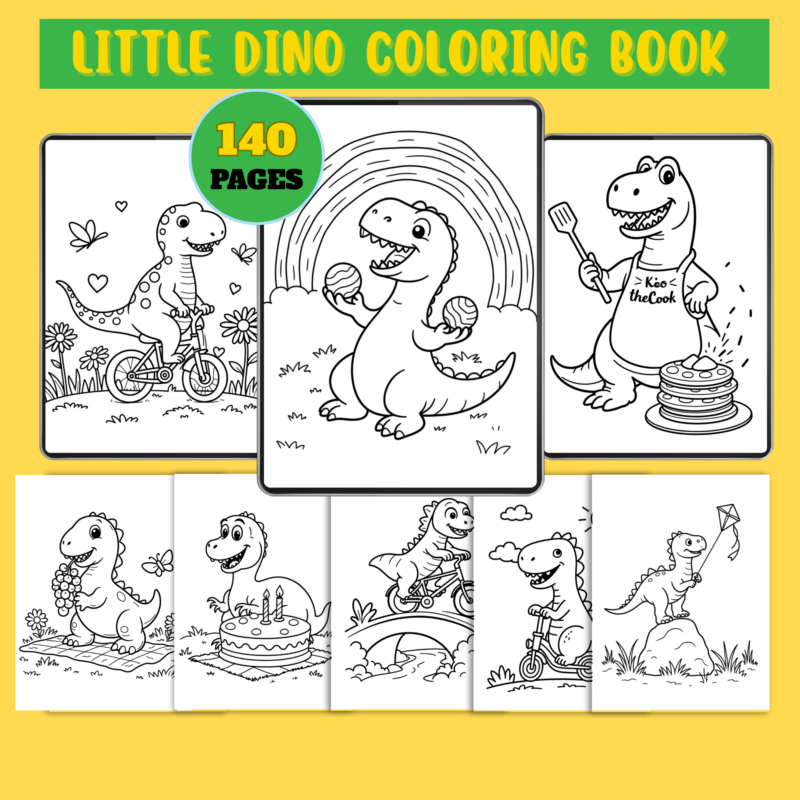
A worksheet does not need to be flashy to be effective, but it does need to feel inviting. Small choices can make a big difference. Seasonal themes, familiar animals, simple games, and coloring elements can turn routine practice into something a child is more willing to try.
Pacing matters too. Kindergarten learners usually do better with a few focused pages than a thick packet all at once. One reading activity, one math page, and one fine motor task is often plenty for a productive session. When children finish feeling successful, they are more likely to come back ready for the next round.
It also helps to mix independent work with guided support. Some printables are great for quiet practice. Others work better when an adult sits nearby and talks through the skill. There is no single right format every time. It depends on the child, the subject, and the moment.
How parents and teachers can use printables well
The best kindergarten printables save time, but they are even more valuable when they fit naturally into a routine. At home, that might mean keeping a small folder of go-to pages for morning practice, after-school review, or rainy-day learning. In a classroom, it might mean using printables for centers, early finisher work, or targeted intervention.
Consistency usually works better than long sessions. Ten focused minutes several times a week can be more effective than a big stack of worksheets once in a while. Children this age benefit from regular exposure, especially when the tasks are short and familiar.
Storage and organization help more than people expect. Keeping worksheets sorted by skill area makes it easy to pull exactly what you need, whether that is beginning sounds, counting to 20, or handwriting review. That is one reason many families and teachers prefer printable PDF resources. They are ready when you need them.
Fun Clever Fox is built around that kind of practical support, with printable resources designed to give children meaningful skill practice while making prep easier for adults.
Choosing printables that match the child
The most effective printable is not always the most advanced one. It is the one that meets the child where they are. A confident learner may enjoy mixed review pages and simple challenges. A child who is still building basics may need more repetition and cleaner layouts.
That is why age labels only tell part of the story. Kindergarten covers a wide range of readiness levels. Some children are just beginning to hold a pencil with confidence. Others are sounding out short words and solving early math problems. Good printable resources leave room for both.
If a page consistently causes frustration, it is probably not the right fit yet. If it feels too easy, that is a sign to move up gradually. The goal is steady progress, not pressure. Children learn best when they can practice, succeed, and build from there.
Printable learning activities are at their best when they make life easier for the adult and learning clearer for the child. A simple page that builds confidence, reinforces a skill, and fits into a real day is doing exactly what it should. Sometimes that is all you need to turn a tricky afternoon into a good learning moment.