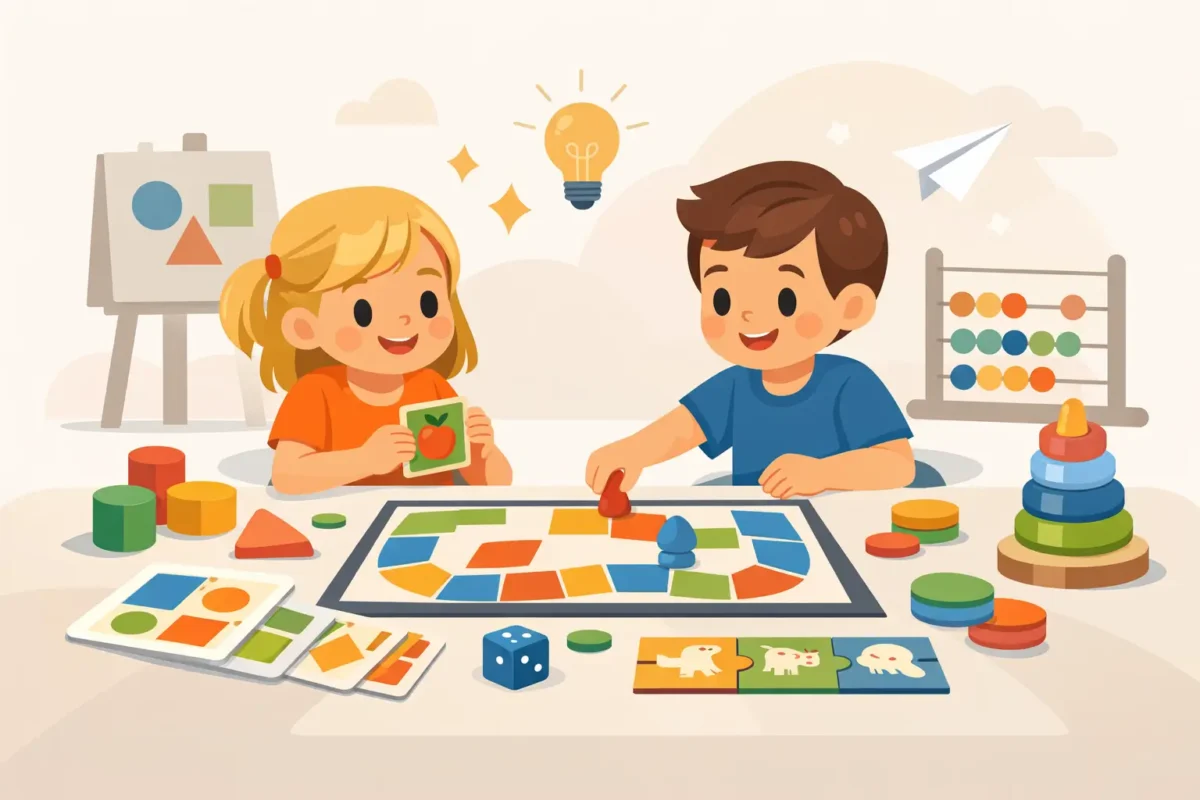
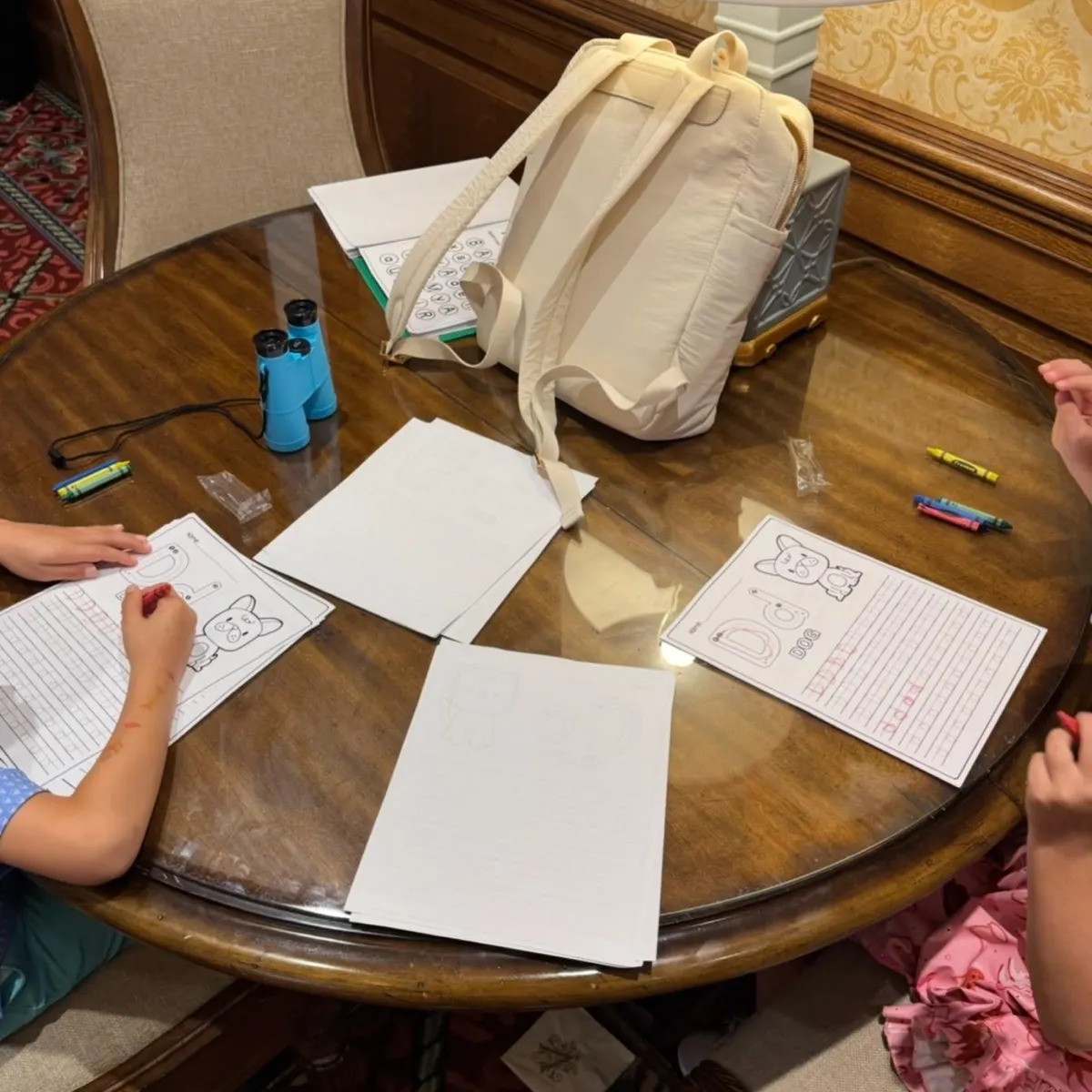
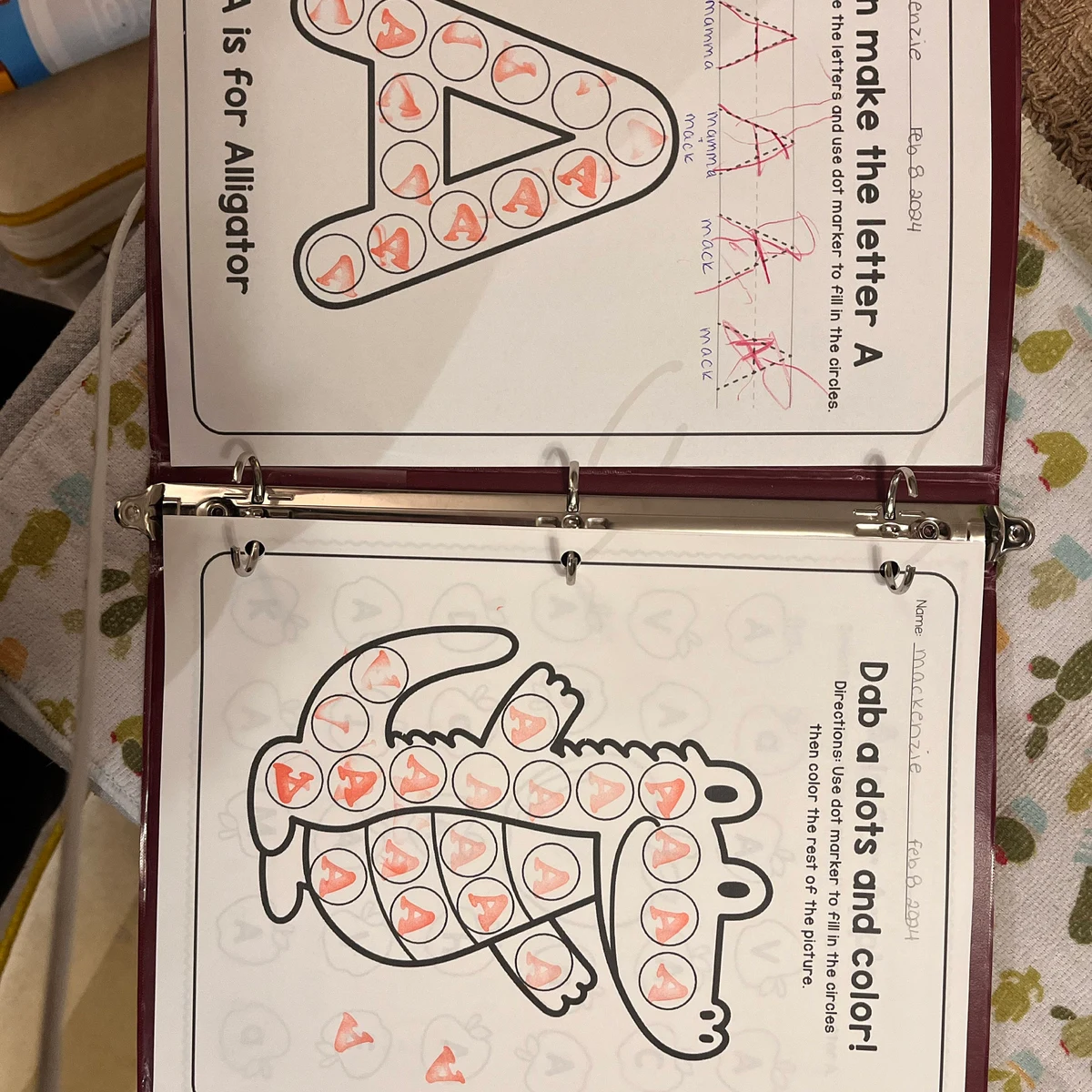
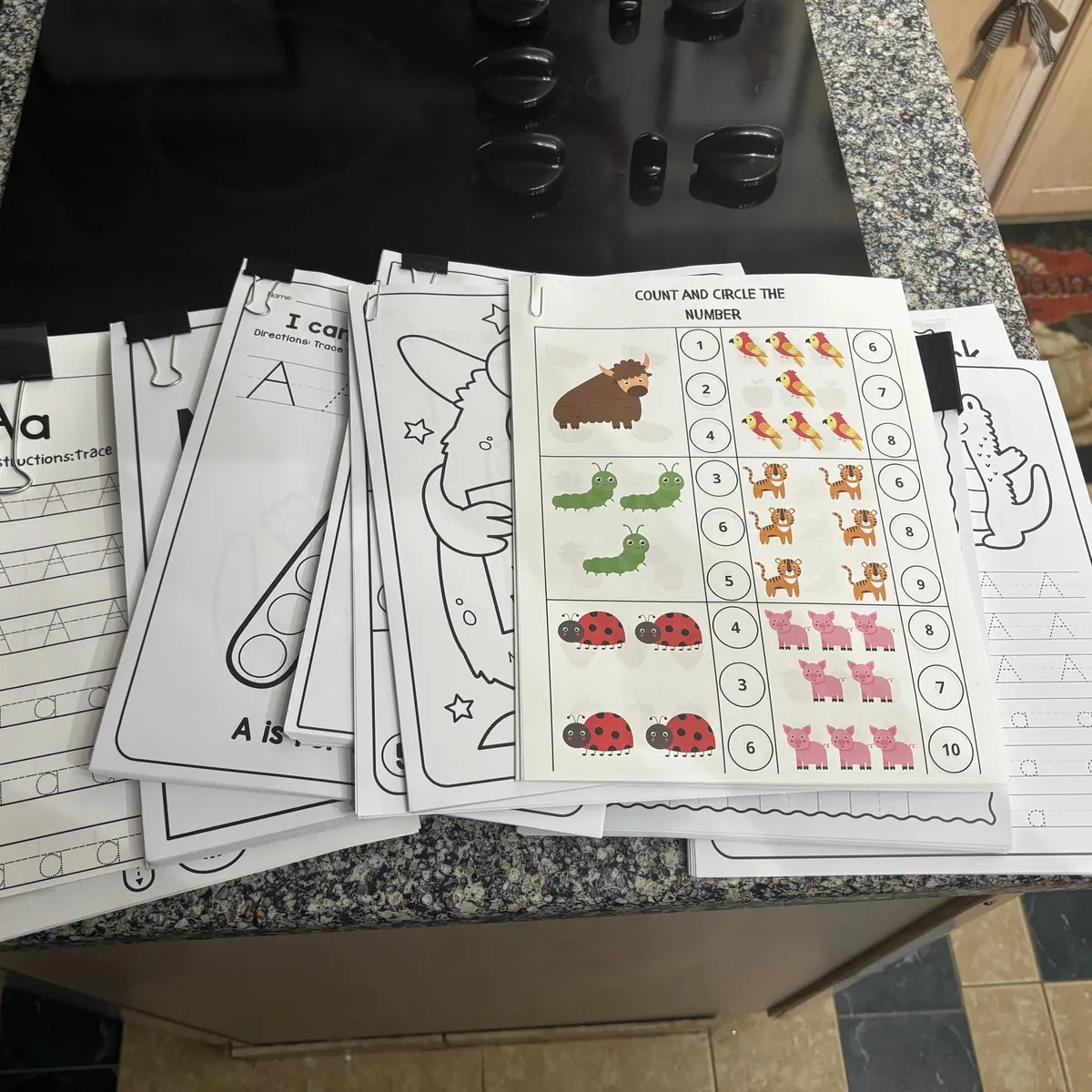
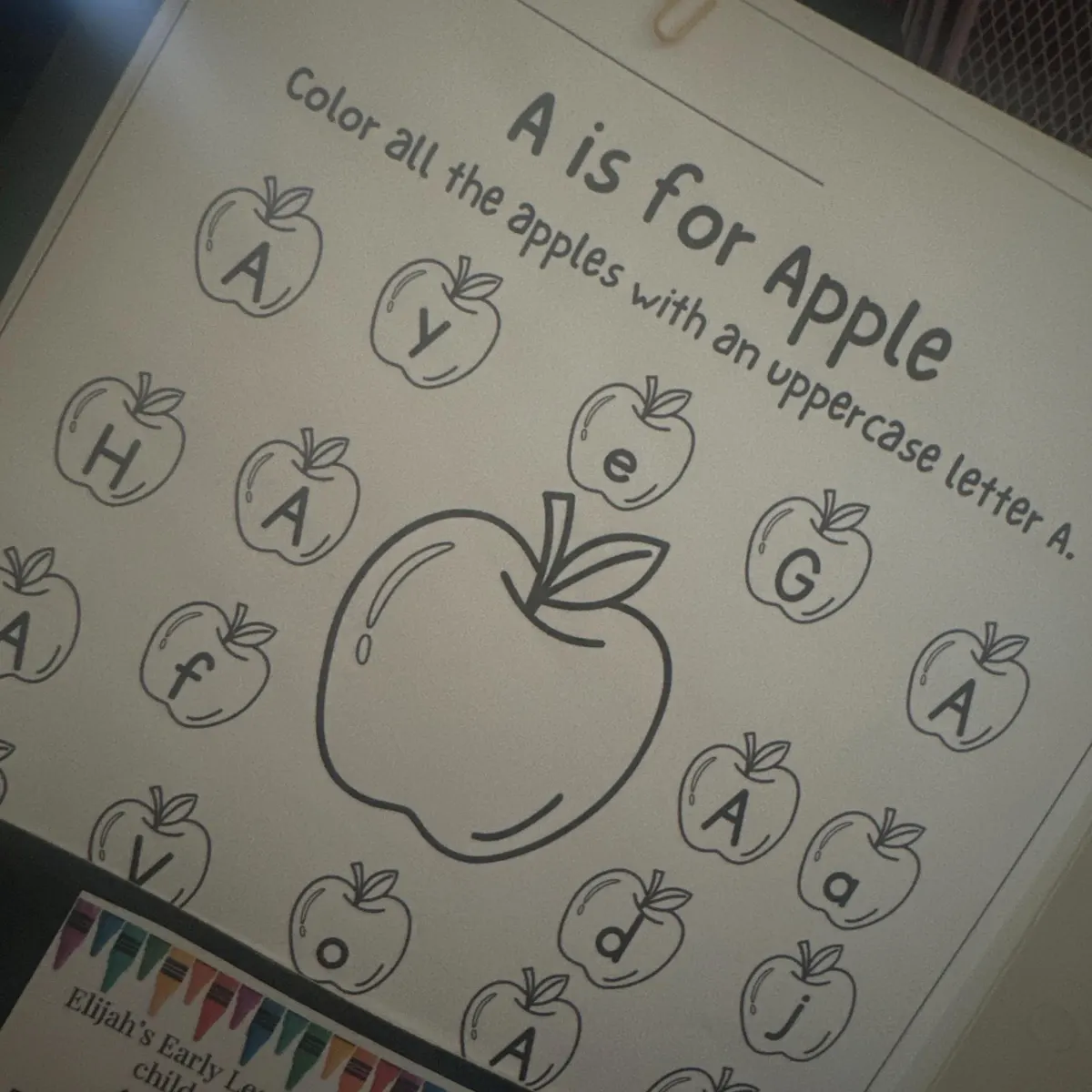
Five-year-olds are in that sweet spot where they want to do “big kid” work but still need learning to feel hands-on, playful, and short enough to hold their attention. The best kindergarten learning activities for 5 year olds build real school-ready skills without turning practice into a battle. When an activity feels manageable, colorful, and clear, children are much more likely to stay engaged and try again tomorrow.
At this age, the goal is not to cram in as much as possible. It is to create steady practice with the foundational skills that matter most in kindergarten: letter recognition, beginning reading, handwriting, number sense, counting, simple math, and fine motor control. A strong activity routine can make home learning easier for parents, give teachers ready-to-use reinforcement, and help children feel proud of what they can do on their own.
What makes kindergarten learning activities for 5 year olds work?
The most effective activities are simple, repeatable, and matched to a child’s developmental stage. Five-year-olds usually do best with short tasks, clear directions, and visual support. If a page looks too crowded or an activity has too many steps, even a capable child may lose interest fast.
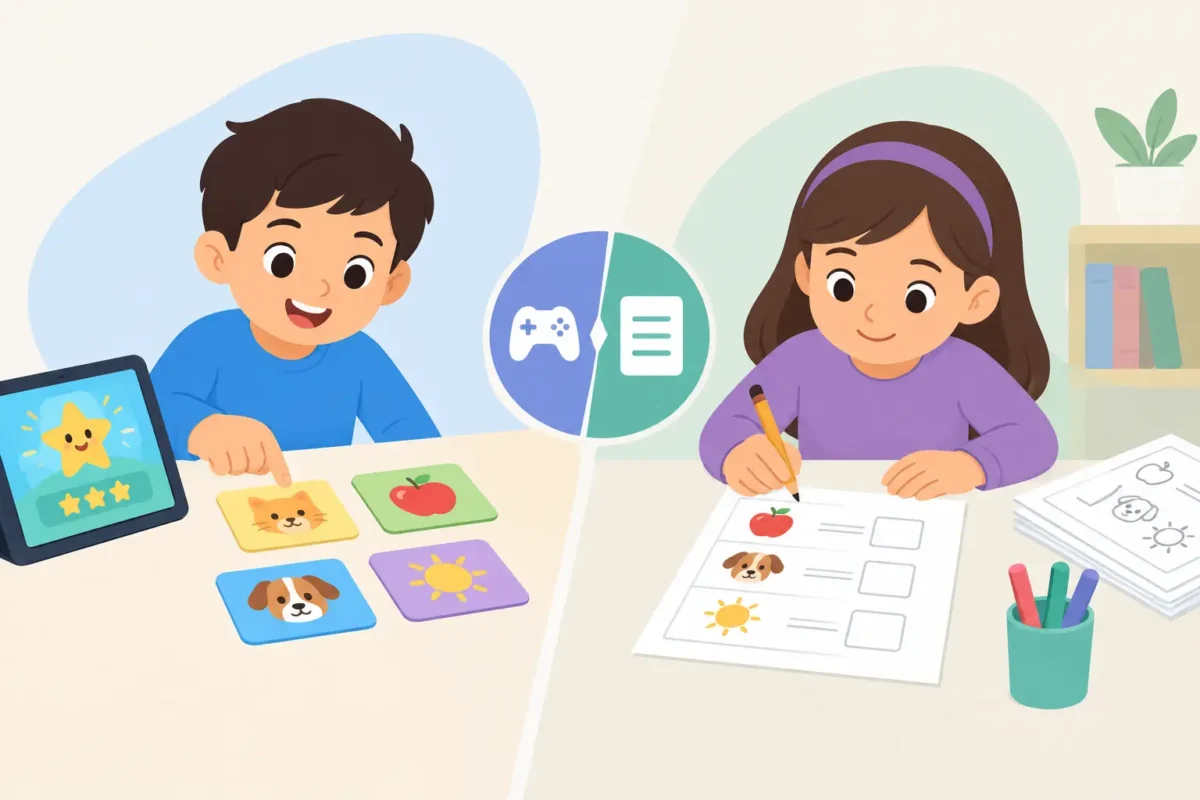
That is why structured printable practice works so well. A well-designed worksheet can focus on one skill at a time while still feeling fun through tracing, coloring, matching, cutting, or simple games. It also gives children the repetition they need. That repetition matters. Most early learners do not master letter sounds, number formation, or pencil control in one sitting.
There is a balance to strike, though. Some children are ready for more challenging phonics work or early addition, while others still need more practice with pencil grip, name tracing, or counting to 10. Age five is a general guide, not a guarantee that every child is on the same step.
Literacy activities that build reading readiness
Reading readiness starts with small, steady wins. Before children read full books confidently, they need practice noticing letters, hearing sounds, and connecting print to meaning.
Alphabet and letter recognition
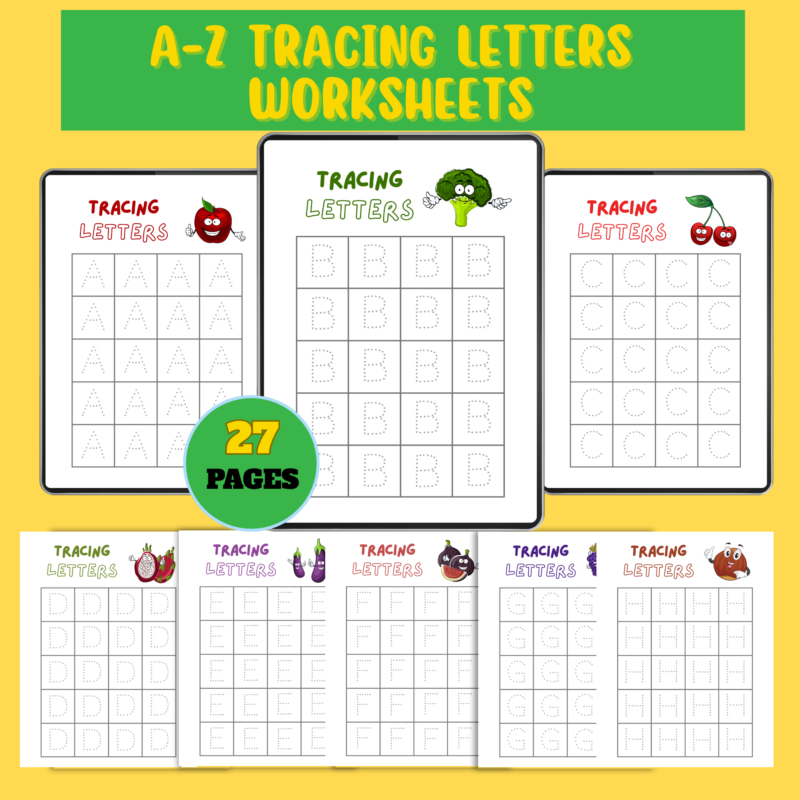
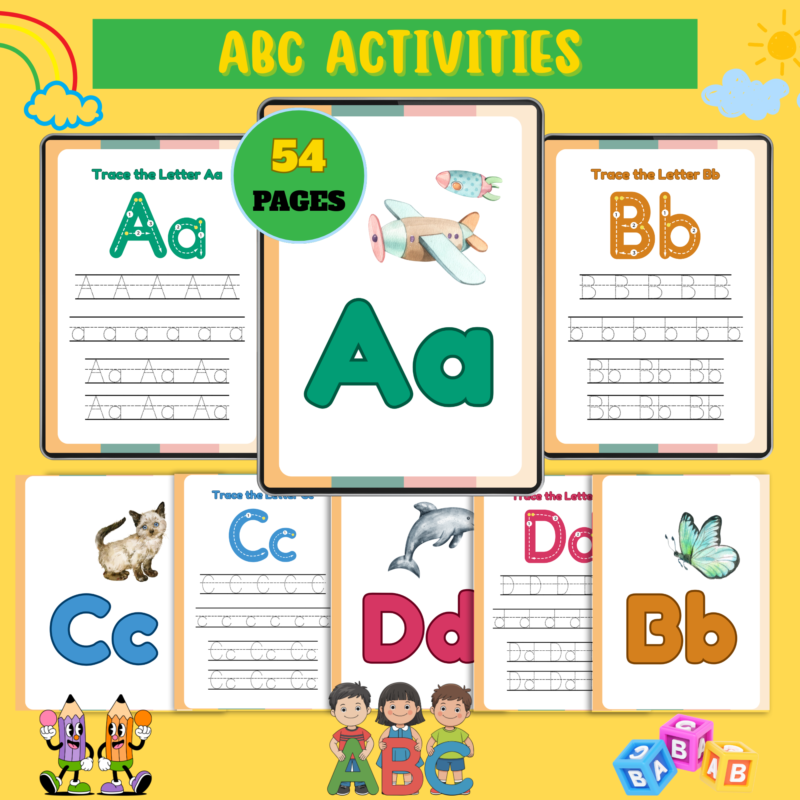
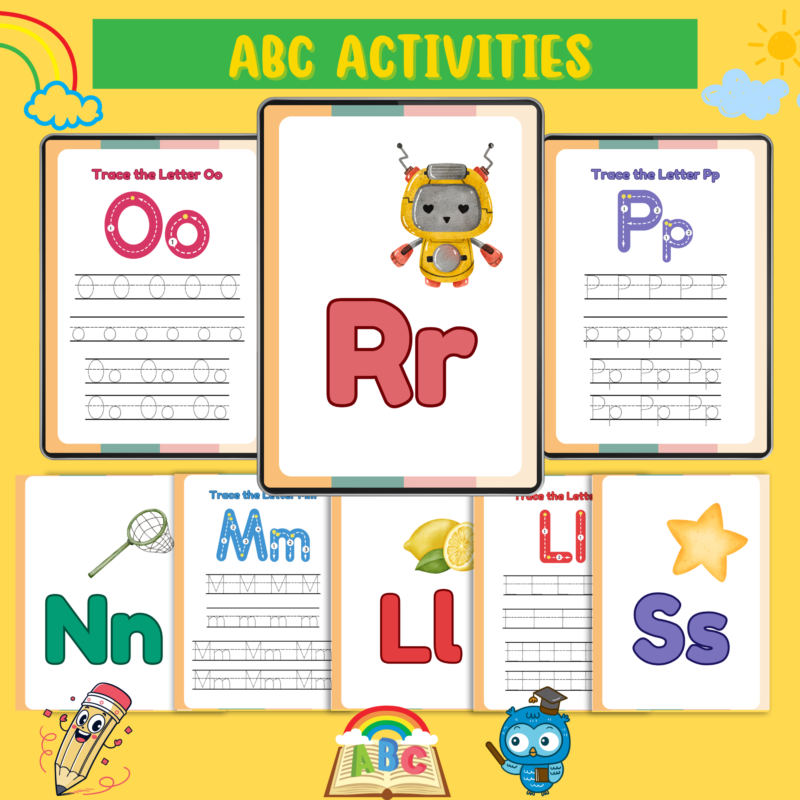
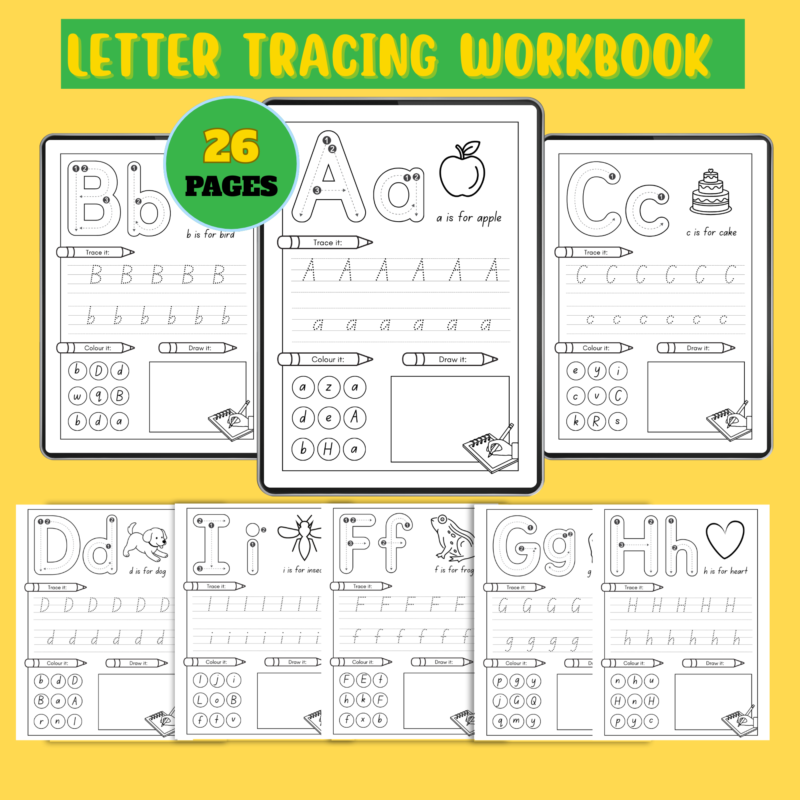
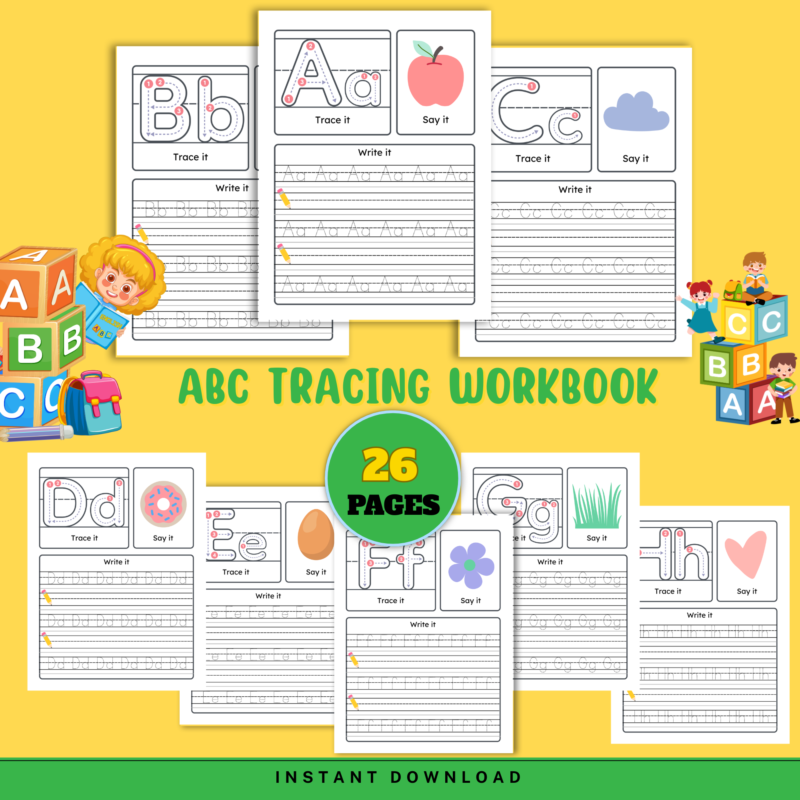
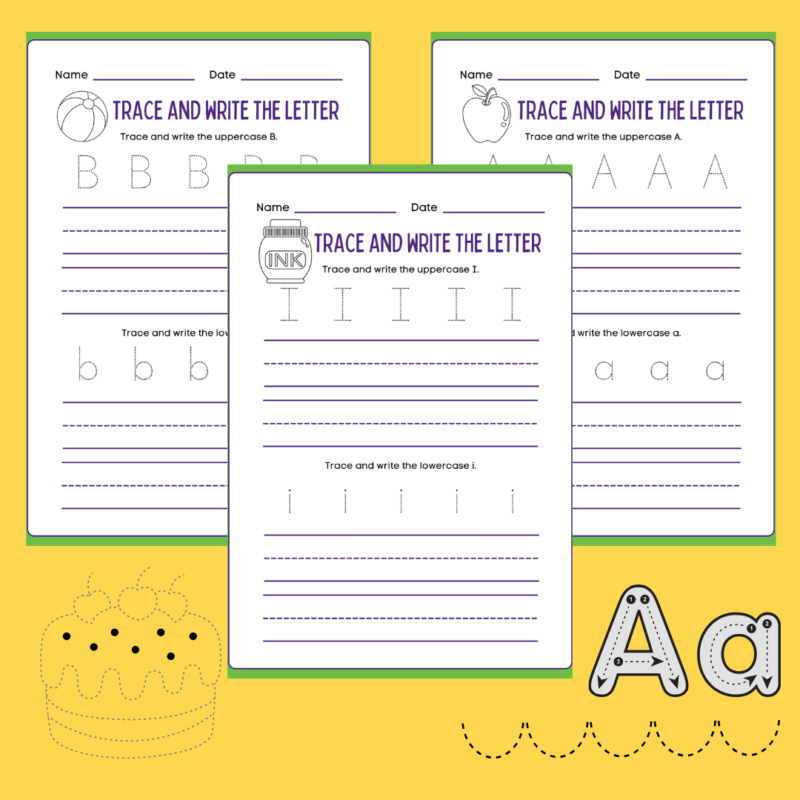
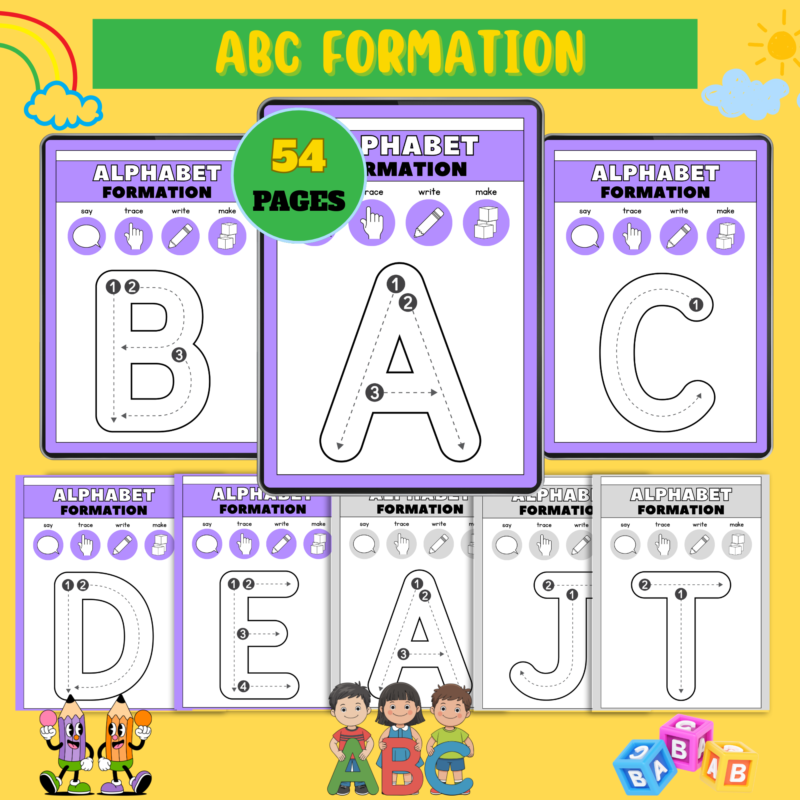
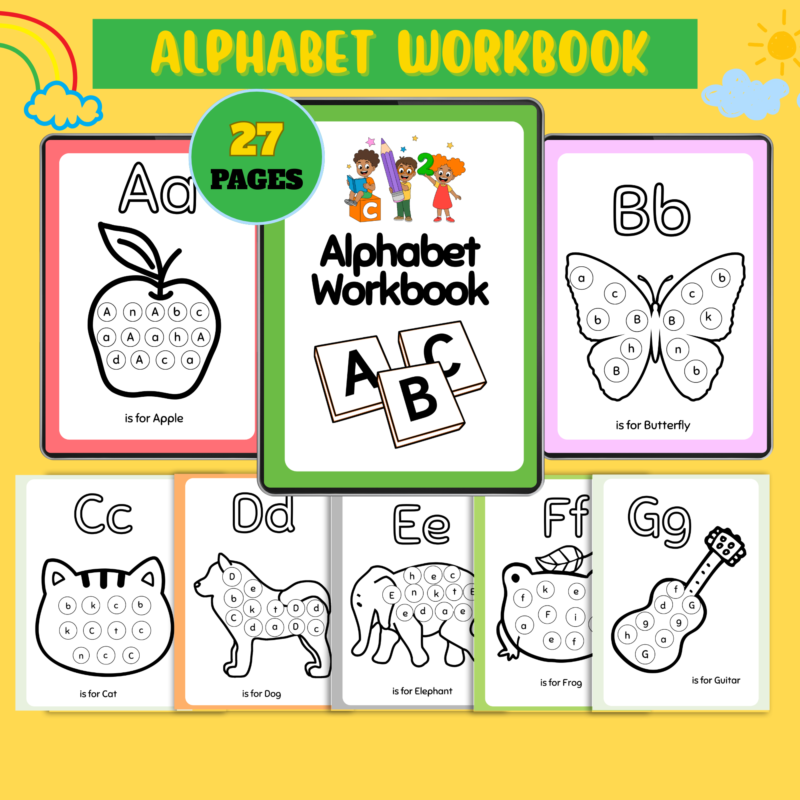
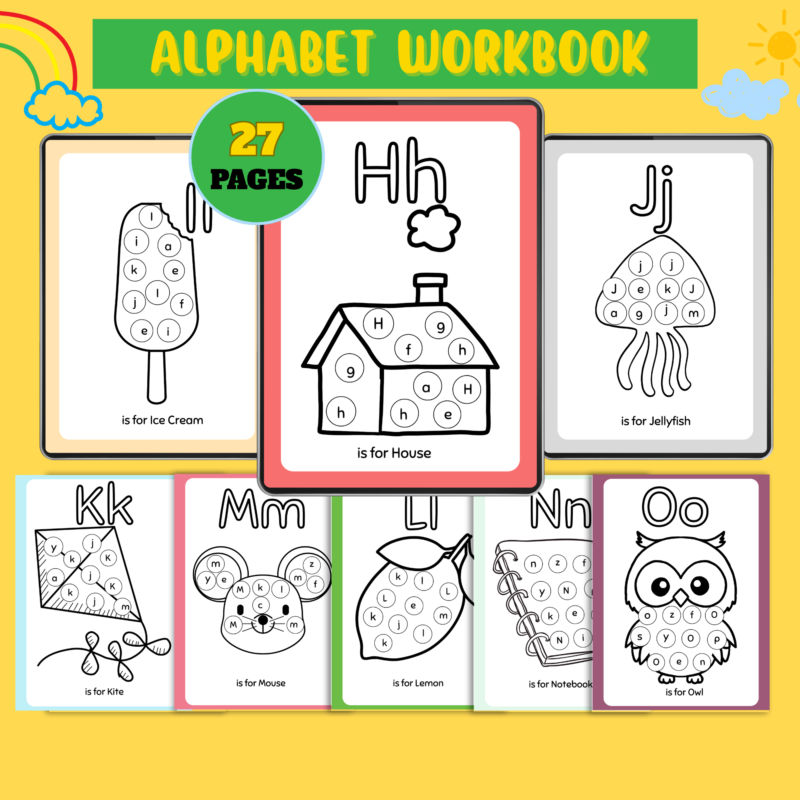
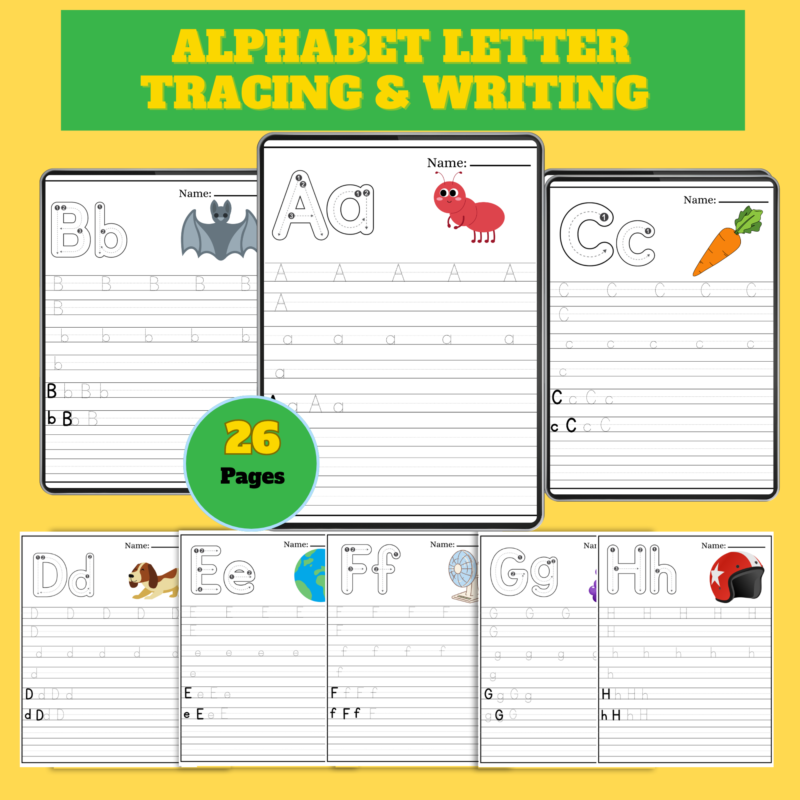
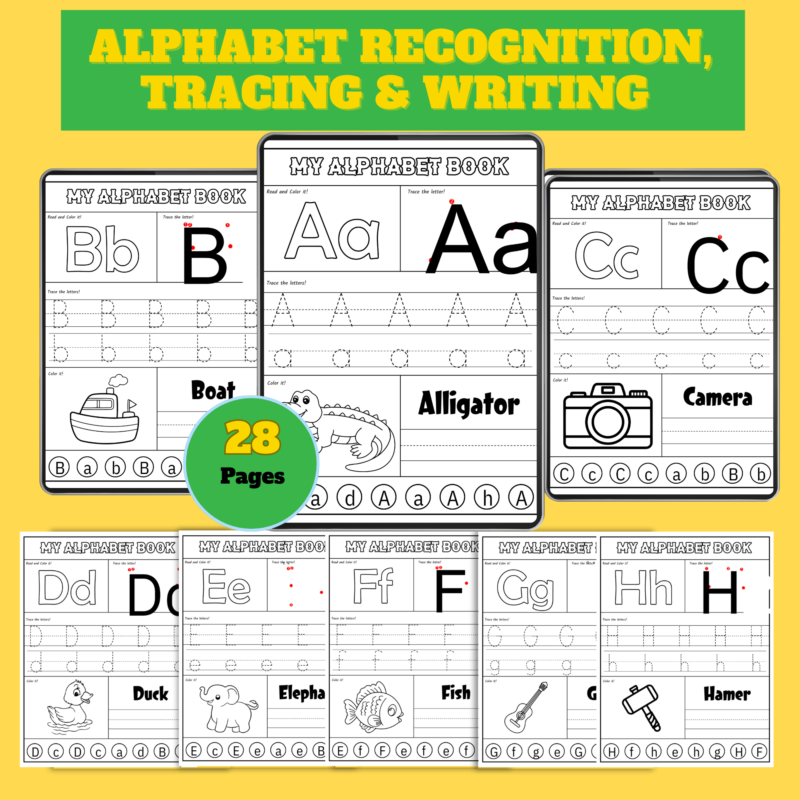
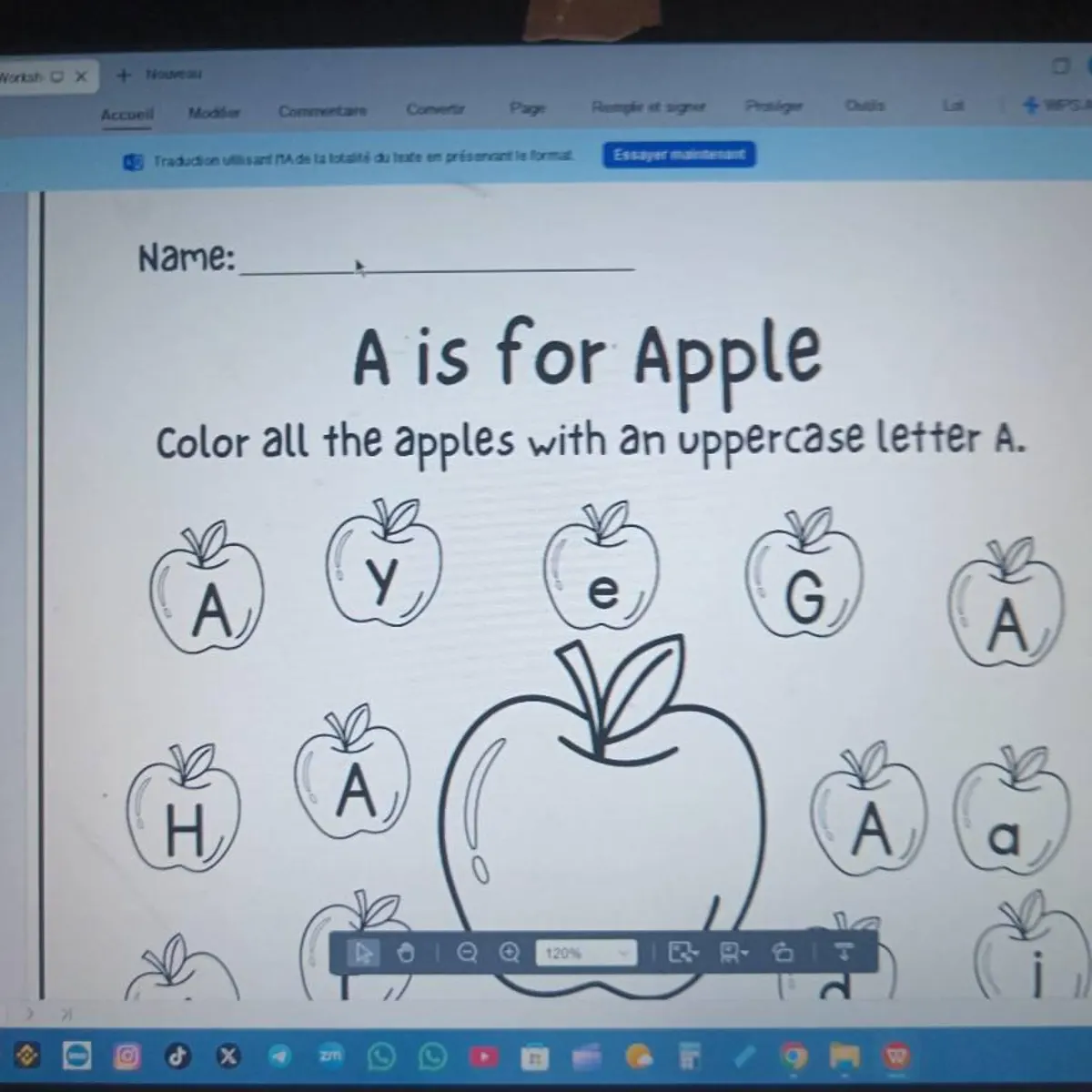
Letter matching, letter tracing, and beginning sound activities are strong starting points. A child who can identify uppercase and lowercase letters and connect them to familiar sounds has a much smoother path into phonics.
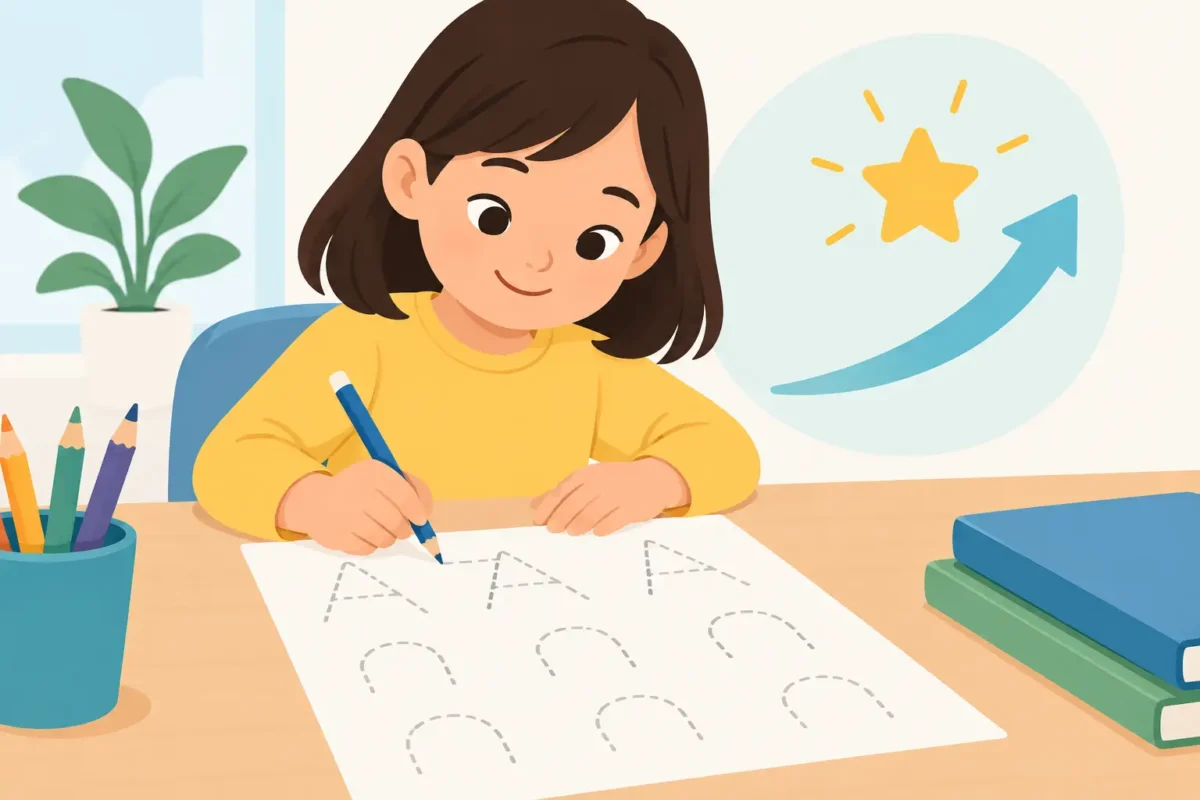
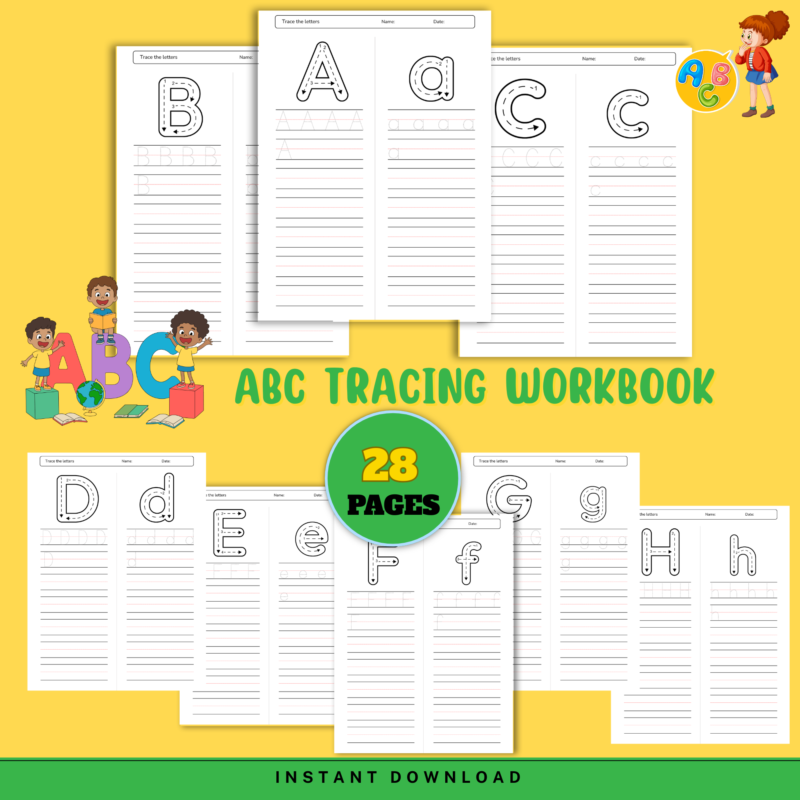
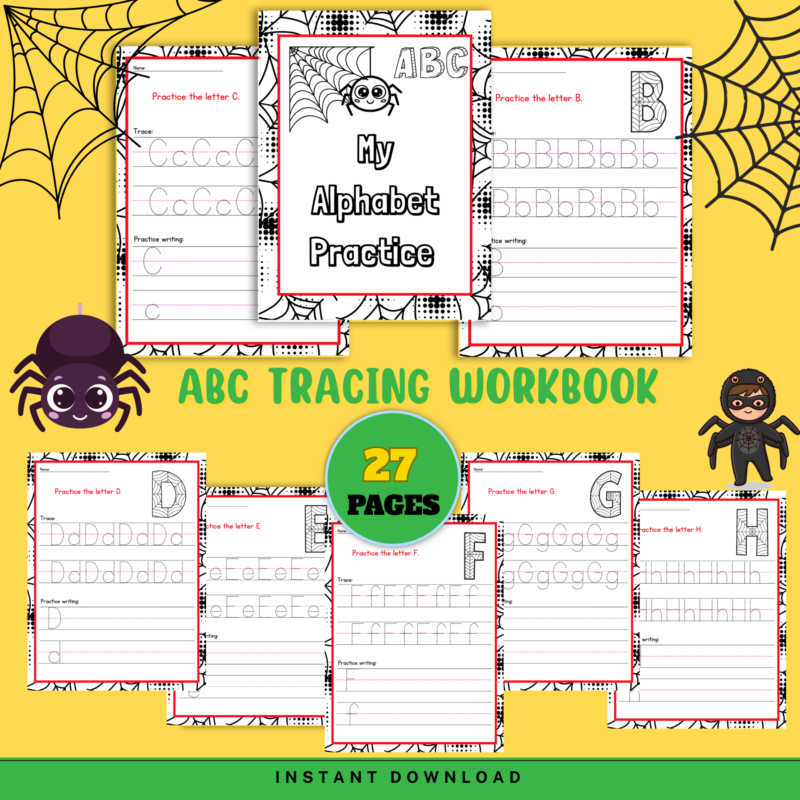
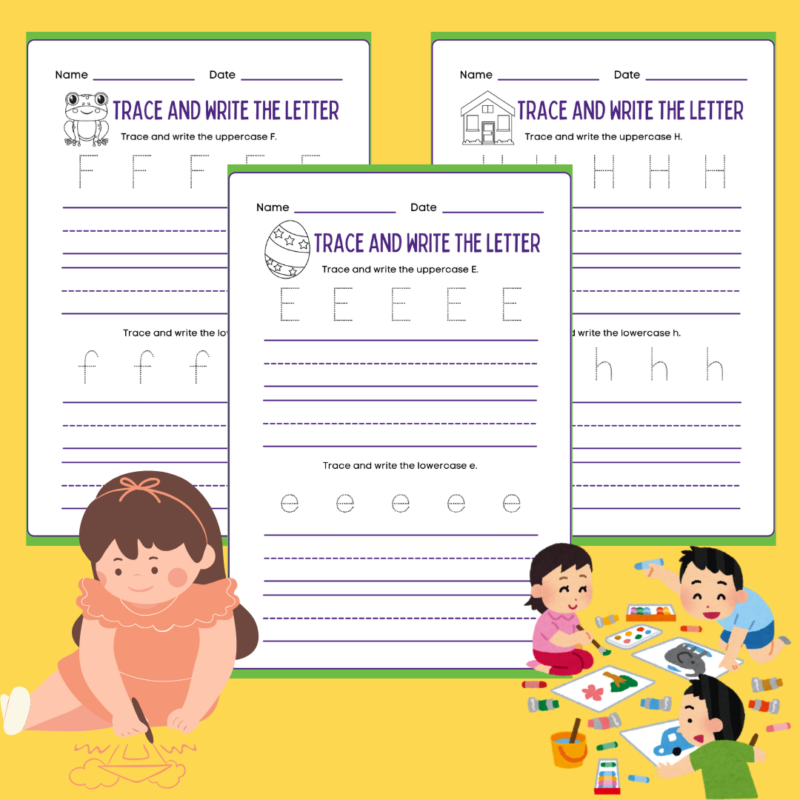
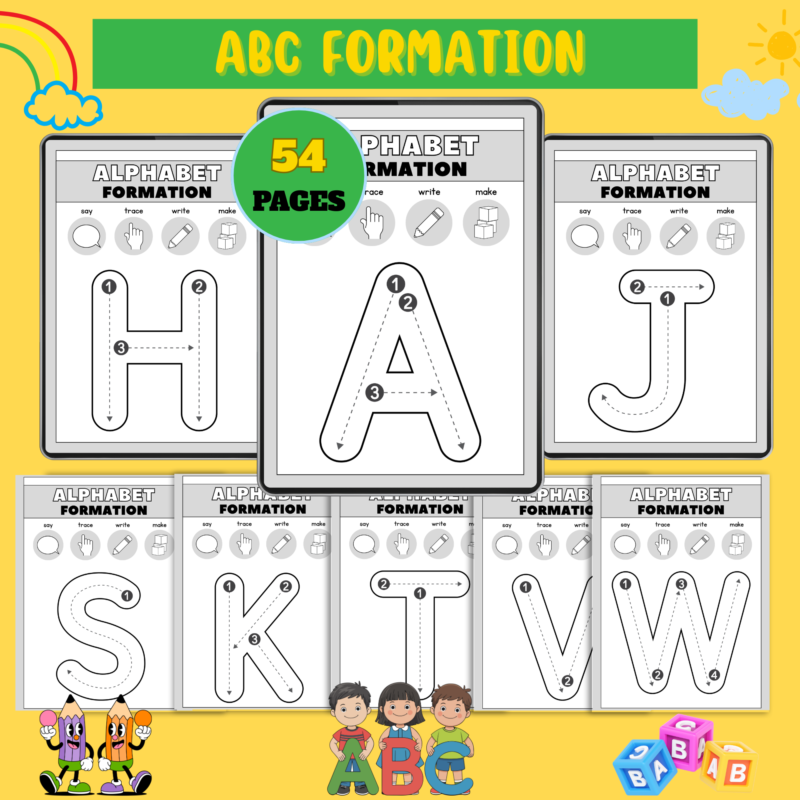
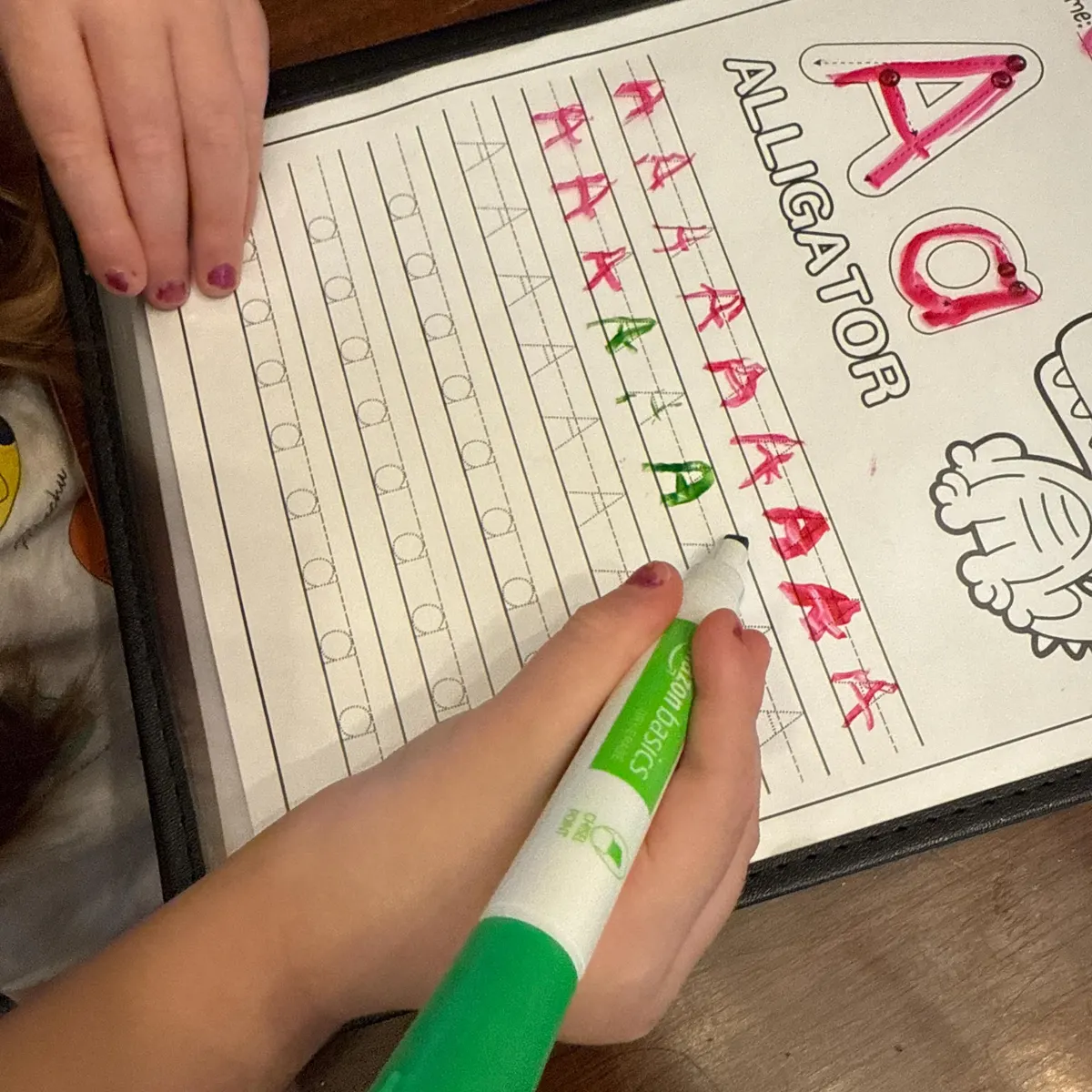
Tracing pages help with more than recognition. They also teach stroke direction and visual memory. For some children, tracing one letter repeatedly feels calming and achievable. For others, a mixed review page with circling, coloring, and matching keeps the task from feeling repetitive. It depends on attention span and confidence.
Phonics and beginning sounds
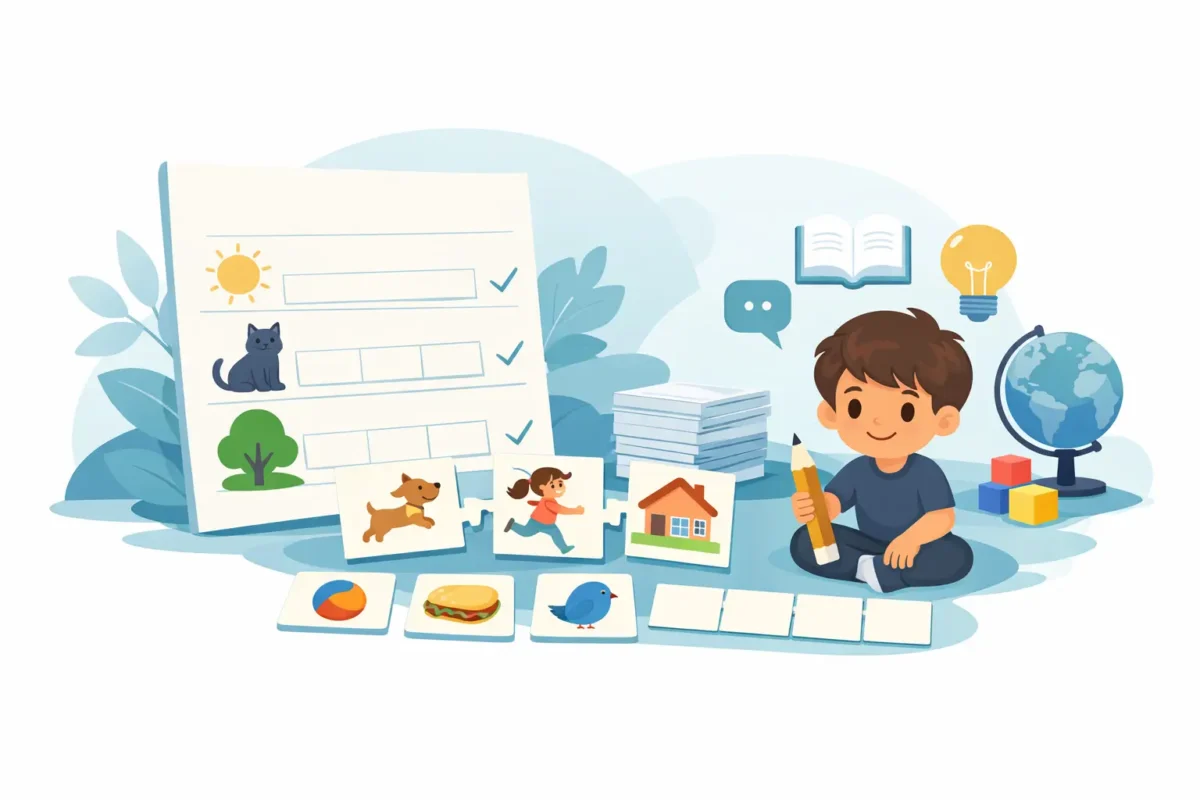
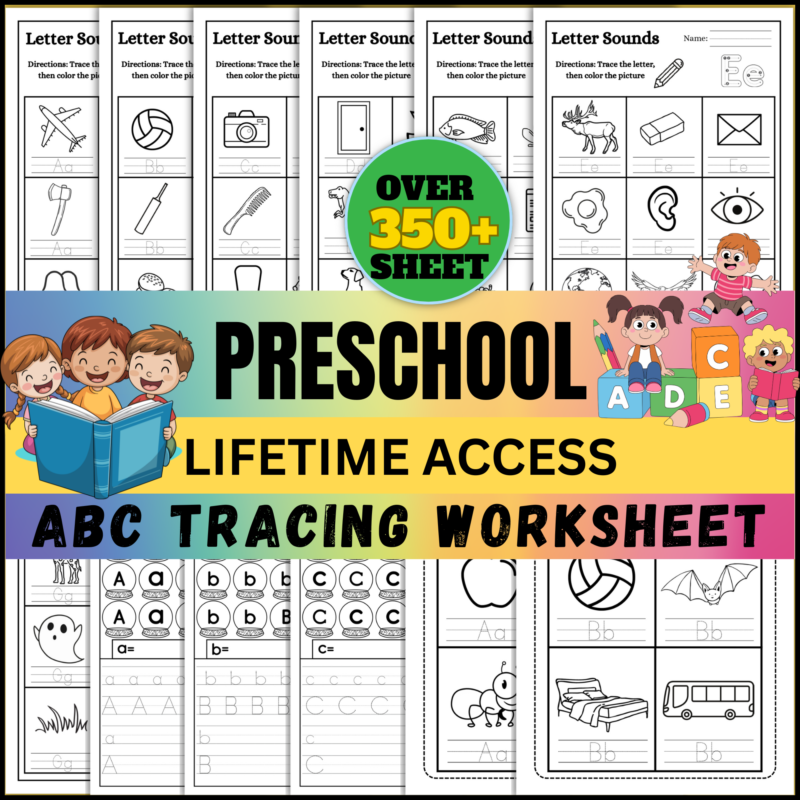
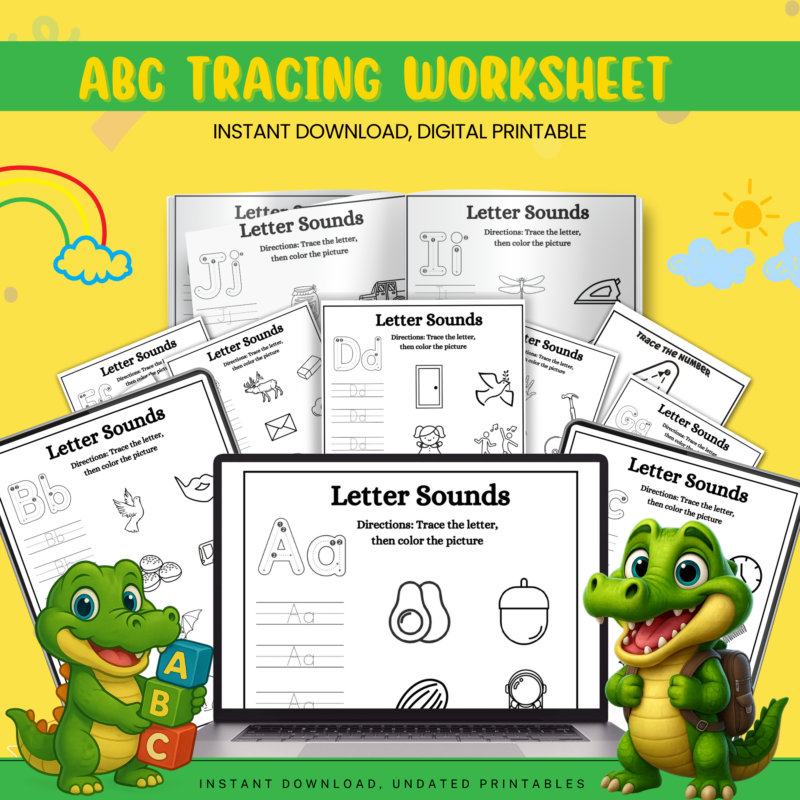
Beginning sound worksheets are especially useful in kindergarten because they connect spoken language to print. Activities like choosing the picture that starts with B, coloring the item that matches a letter sound, or sorting simple word pictures by initial sound give children a clear phonics foundation.
This is where short practice sessions can make a big difference. Ten focused minutes on beginning sounds often works better than a longer lesson that leaves a child tired or frustrated.
Early reading and sight word practice
Some five-year-olds are ready to blend simple CVC words such as cat, pig, and sun. Others are still learning to hear the first sound in a word. Both are normal. Early reading activities should feel like progress, not pressure.
Simple worksheets that ask children to read a word, match it to a picture, or trace a sight word can support confidence. Children often enjoy predictable tasks because they know what success looks like. That feeling of “I can do this” is worth a lot in early learning.
Writing and handwriting activities that feel manageable
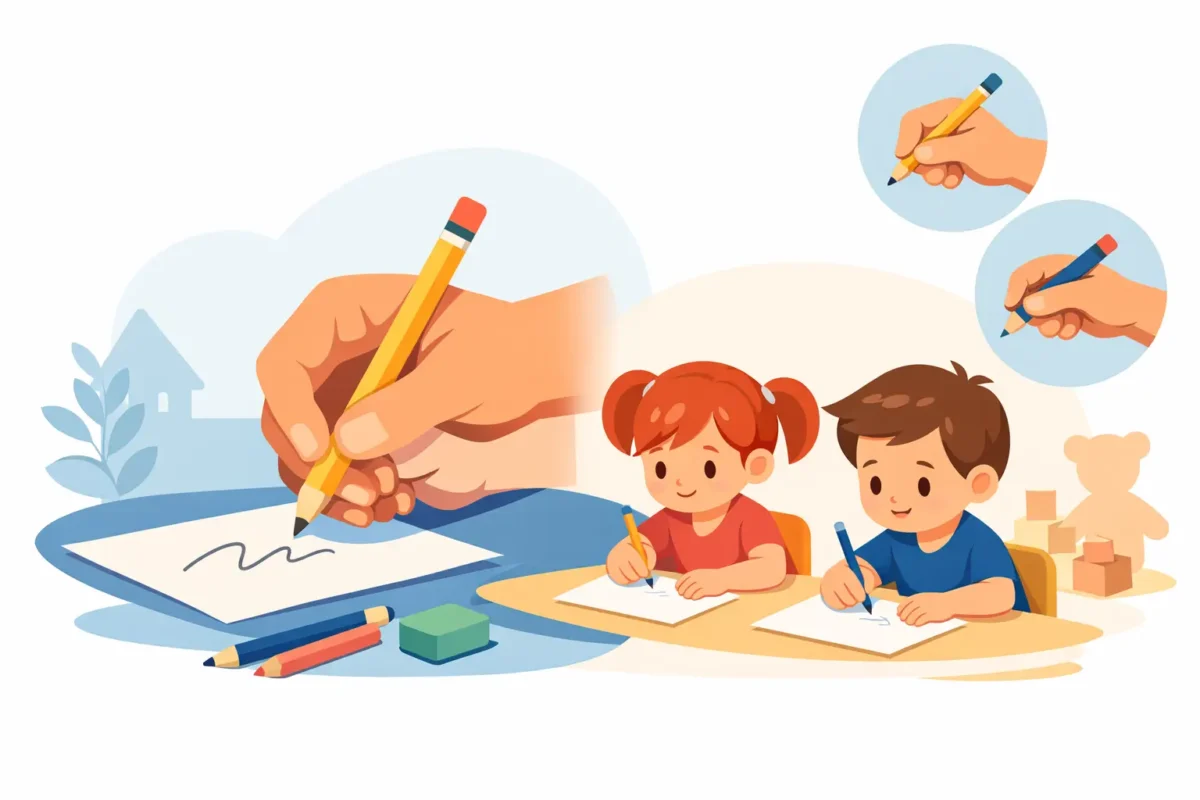
Kindergarten writing starts with control. Before children write sentences, they need hand strength, pencil control, and comfort forming letters and numbers.
Tracing and prewriting lines
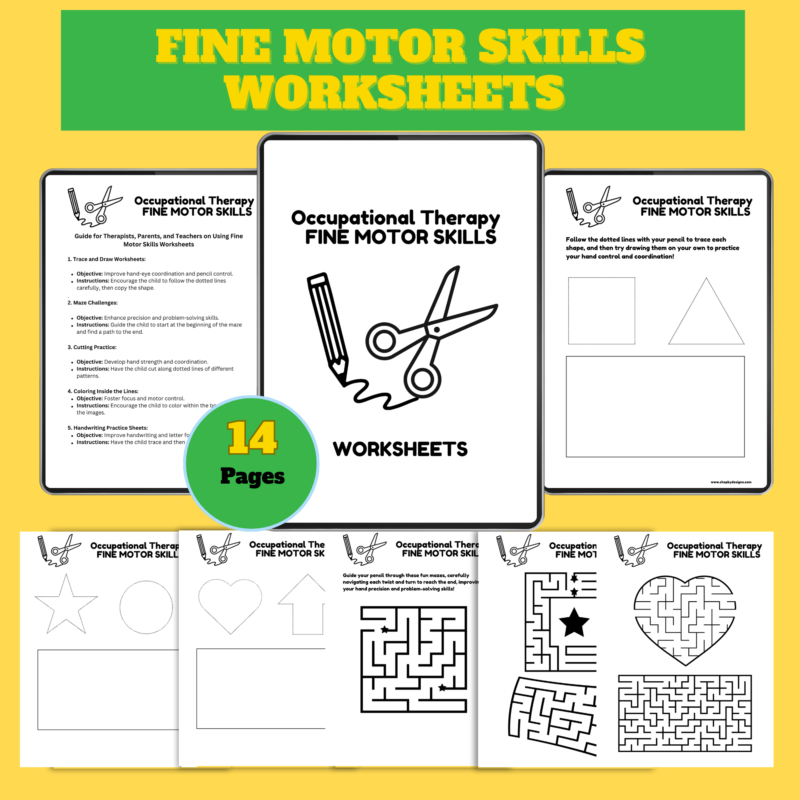
Prewriting pages with straight lines, curves, zigzags, and shapes are not babyish busywork. They build the motor patterns children use later for handwriting. If a child struggles with letter formation, going back to line tracing can actually help.
For reluctant writers, this kind of practice can feel less intimidating than a full alphabet page. It gives them success without asking too much at once.
Letter formation and name practice
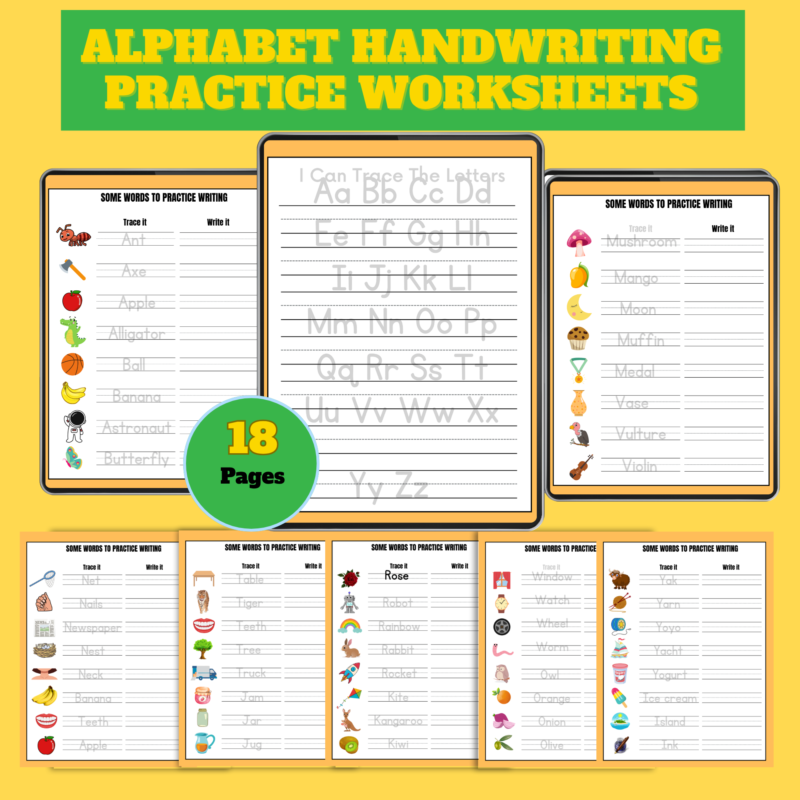
Name tracing is often one of the most motivating writing activities for five-year-olds. Children love seeing and practicing something personal. Once they feel comfortable with their name, alphabet tracing and simple handwriting pages become easier to approach.
The best handwriting practice for this age keeps the layout clean and the task short. A full page of tiny lines may look efficient to an adult, but it can feel overwhelming to a young child. A few letters done carefully are usually more valuable than a rushed page filled with reversals.
Math activities that strengthen number sense
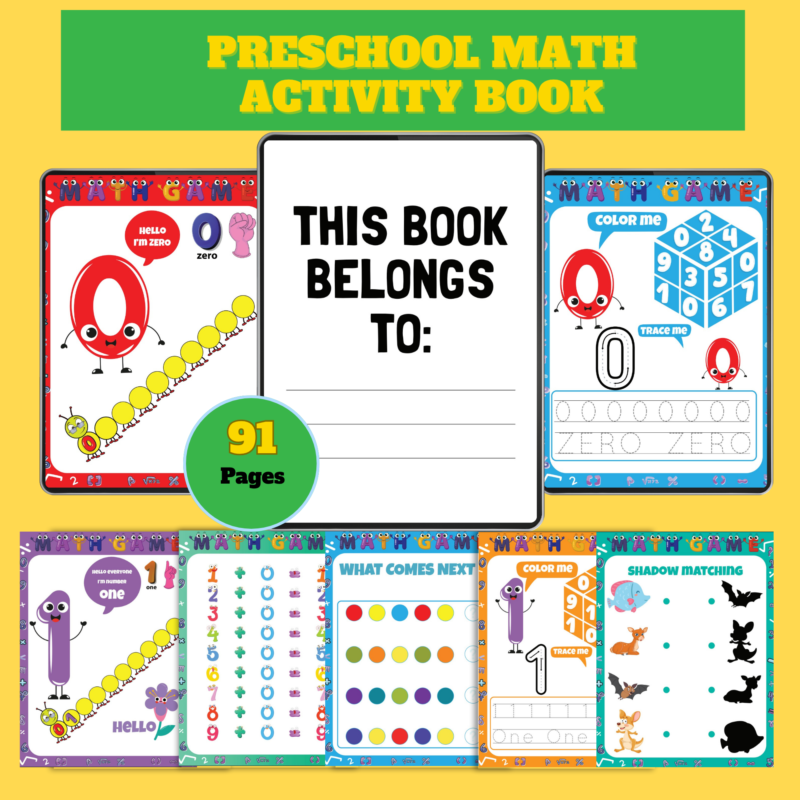
Kindergarten math is about understanding quantity, number order, and simple relationships. Worksheets and hands-on tasks work best when they connect numbers to real meaning.
Number recognition and counting
Children need many chances to see, say, trace, and count numbers. Counting objects, matching numbers to sets, and tracing numerals all support number sense. These activities seem basic, but they are essential.
A child may be able to recite numbers to 20 and still struggle to count 12 objects accurately. That is why counting practice should include touching, circling, or coloring items one by one. It slows the process down in a helpful way.
Beginning addition and subtraction
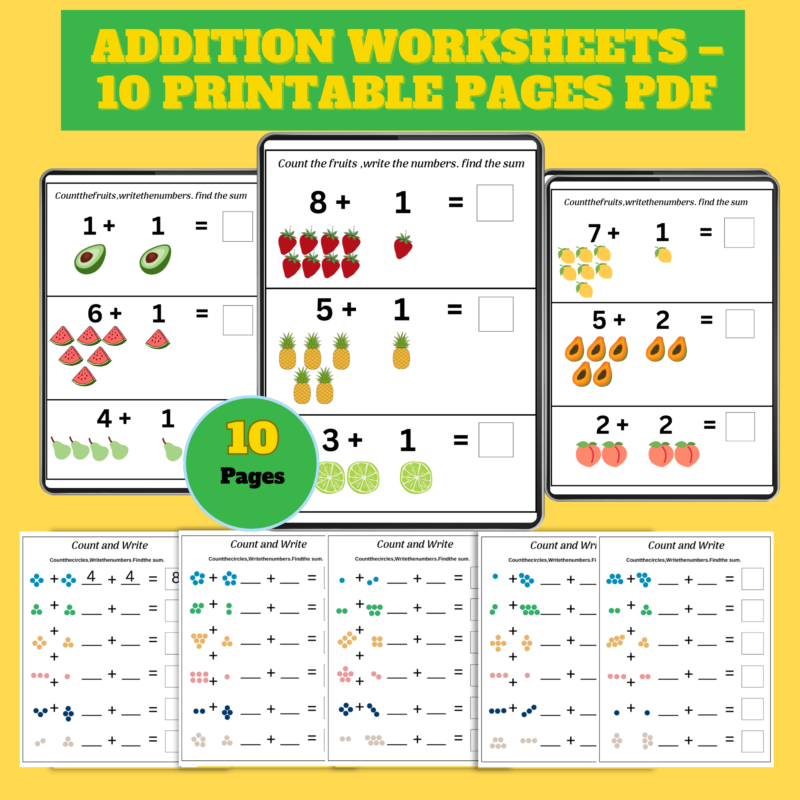
At age five, simple addition and subtraction should stay concrete. Picture-based problems, counting objects, and drawing groups are much more effective than abstract drills alone.
For example, a worksheet showing two apples plus one apple is easier to understand than 2 + 1 written by itself. Once the concept clicks, children can start connecting pictures to equations. Some children move quickly here, while others need months of repeated visual practice. Both paths are fine.
Fine motor and coloring activities still matter
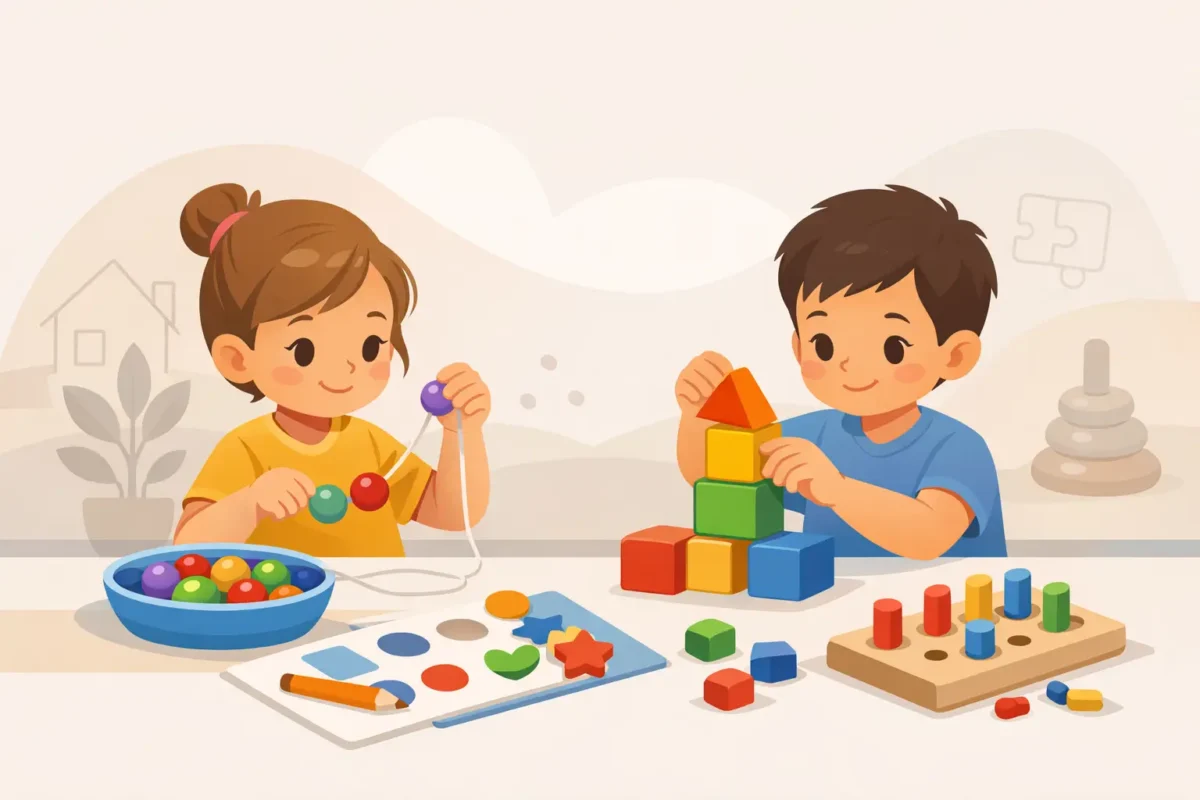
Not every valuable kindergarten activity looks academic at first glance. Fine motor practice supports nearly everything else, from pencil control to cutting to managing classroom tasks more independently.
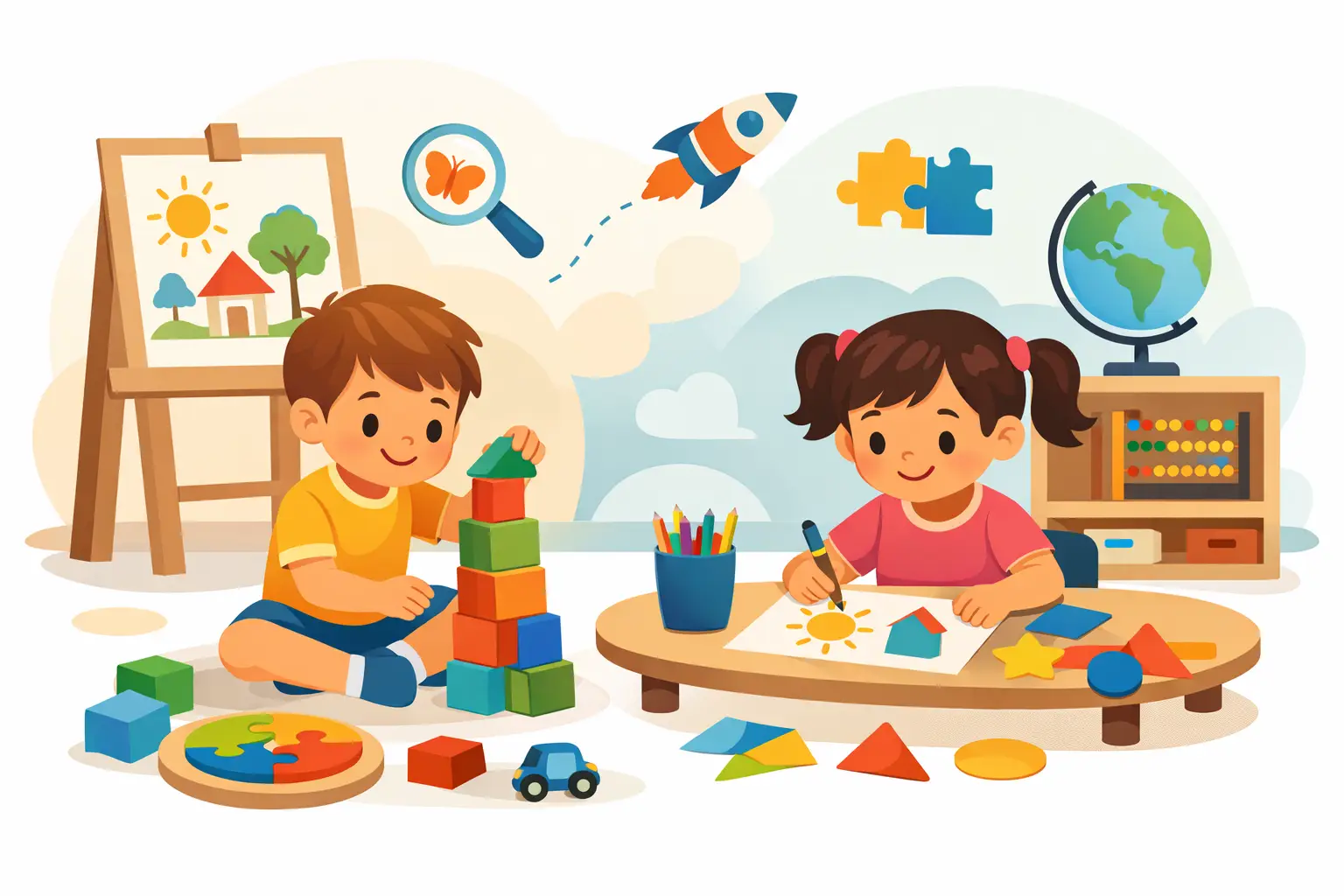
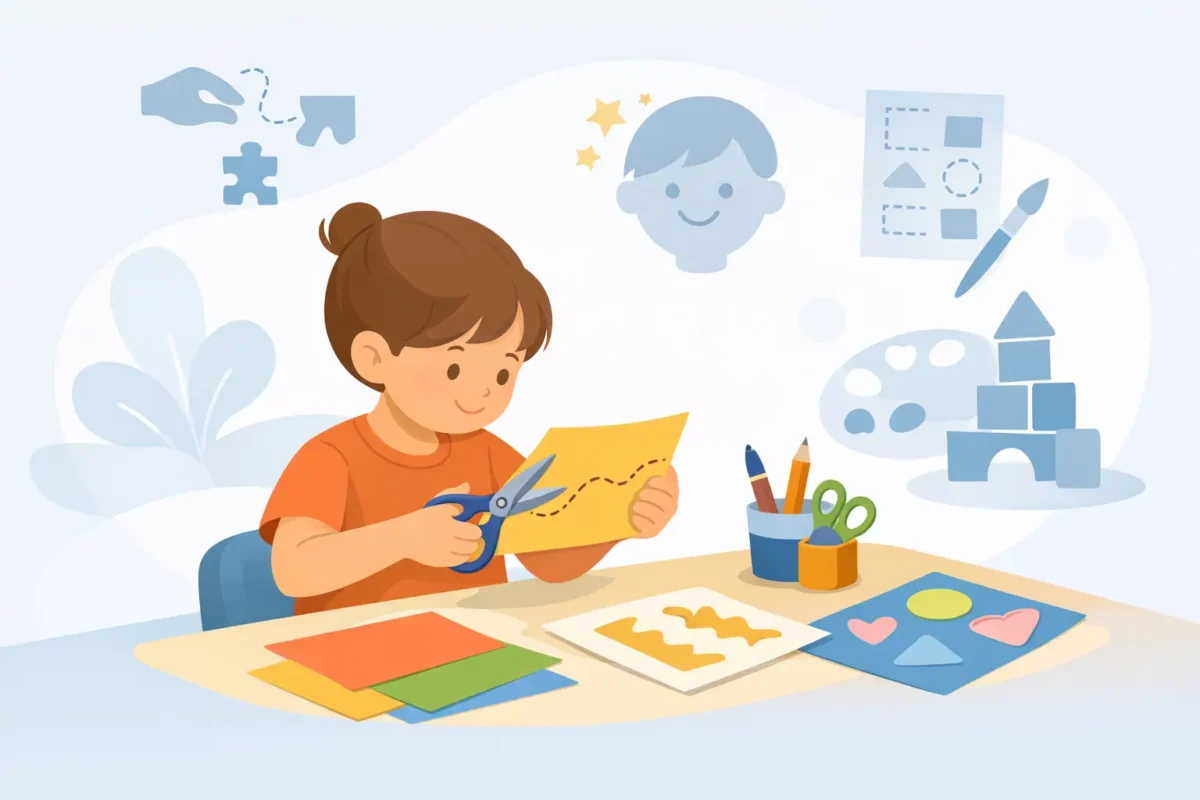
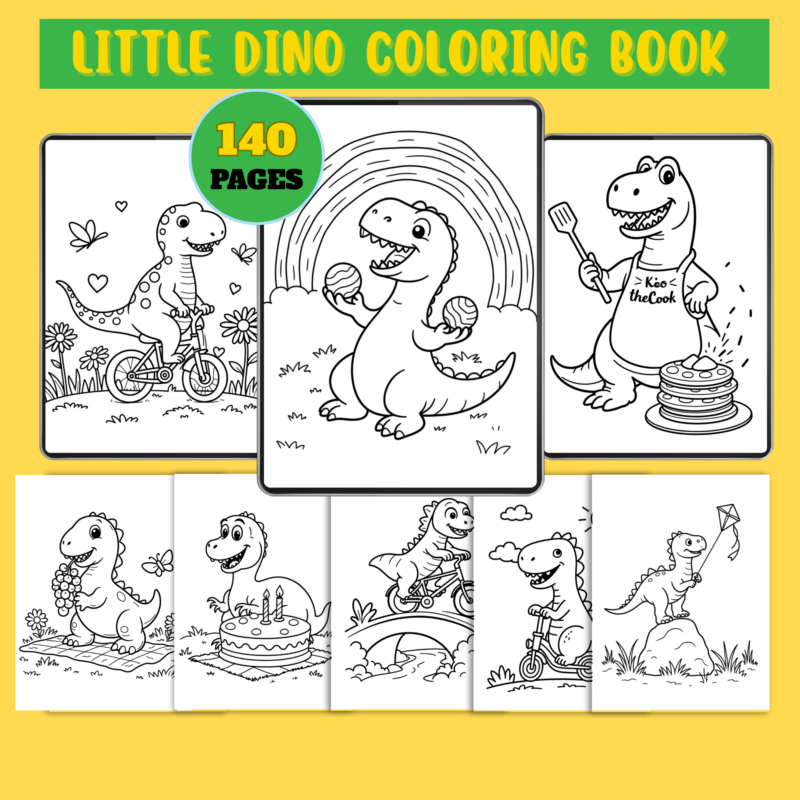
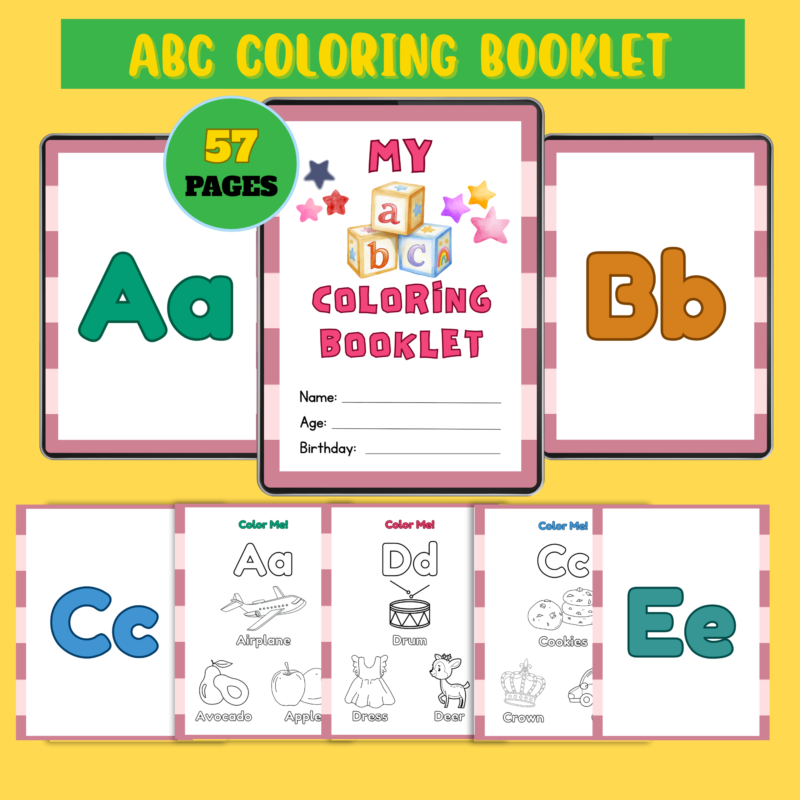
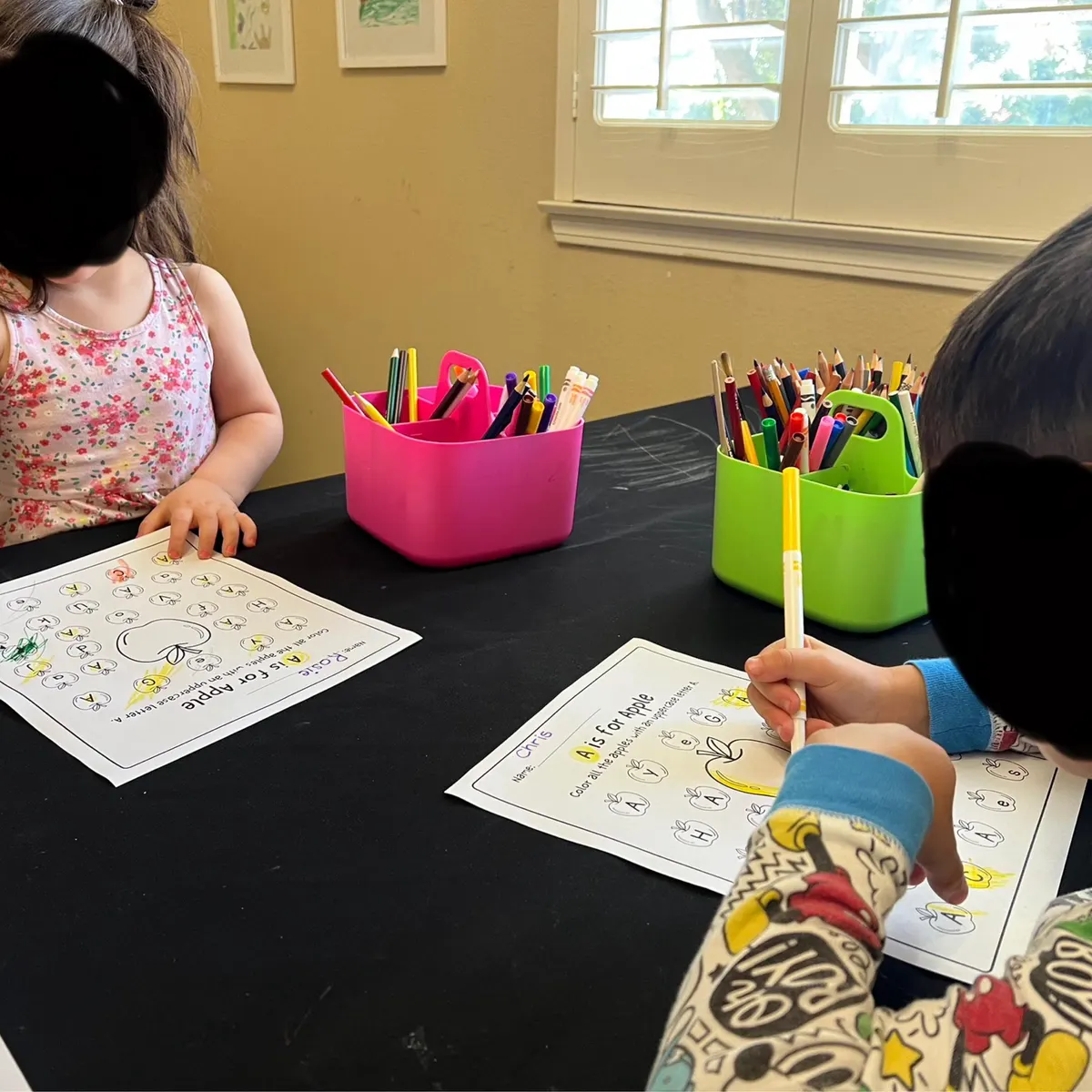
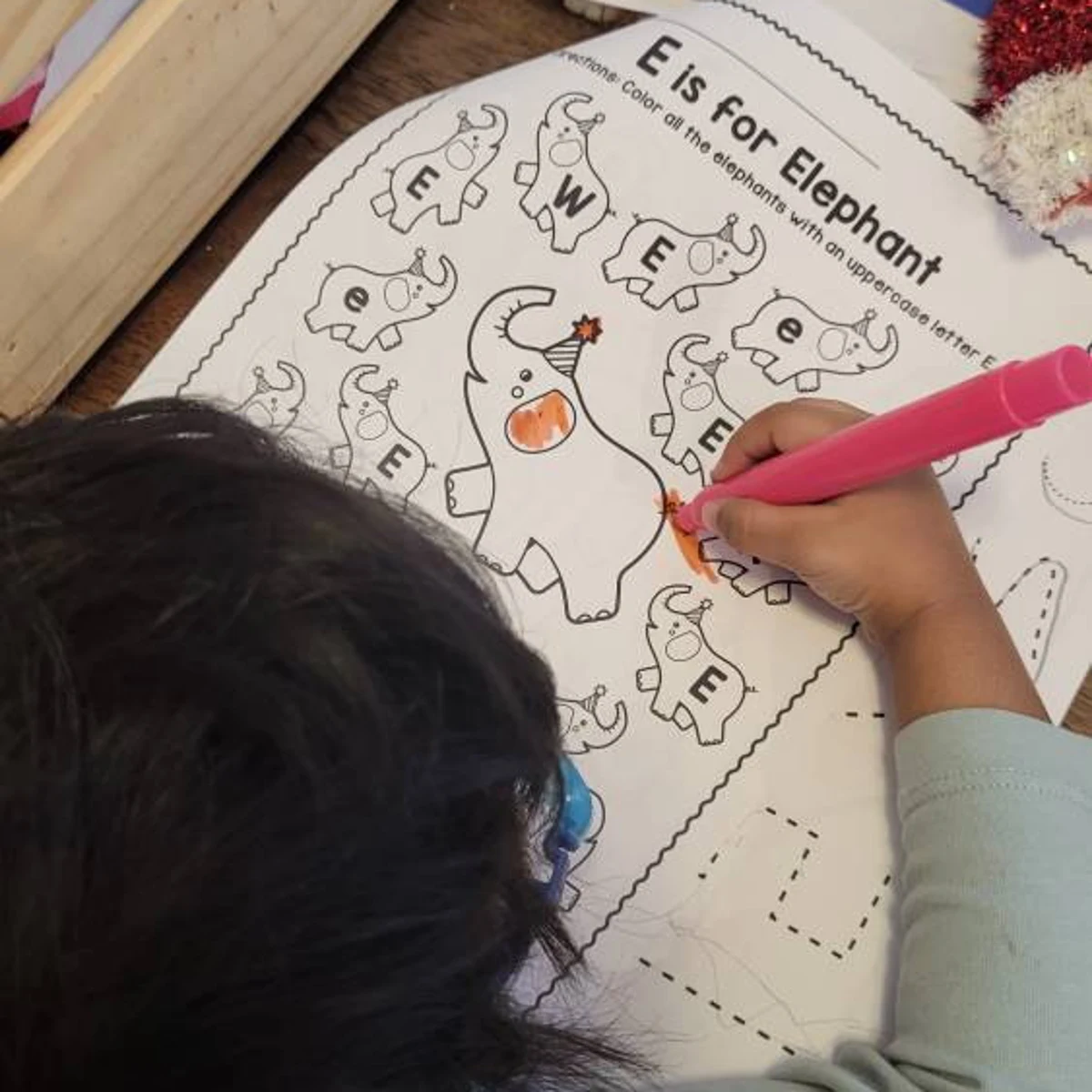
Coloring pages with simple directions, cut-and-paste activities, tracing paths, and shape practice all help build hand strength and coordination. They also give children a change of pace. If a child is tired after a phonics worksheet, a coloring or scissor activity can keep learning going without adding stress.
This is one reason low-prep printable resources are so practical. You can mix skill-building pages with lighter activities and create a routine that feels balanced instead of heavy.
How to keep 5-year-olds engaged without overcomplicating it
A common mistake is assuming engagement requires constant novelty. It usually does not. Five-year-olds often thrive on familiar routines when the activities are clear and age-appropriate.
A simple rhythm works well: one literacy page, one math page, and one lighter fine motor or coloring task. That is enough for many children. In a classroom, you might rotate these through centers. At home, you might use them over breakfast cleanup time, quiet time, or an afternoon learning block.
It also helps to watch for signs that a child needs a change. If handwriting is causing resistance every day, try shorter pages or alternate with tracing and coloring. If counting feels too easy, move into simple addition with pictures. Good teaching is not about forcing the same format no matter what. It is about noticing when to repeat and when to adjust.
Choosing activities that save time for adults too
Parents and teachers need learning tools that are realistic to use. That means low-prep, easy-to-print, and organized by skill. If an activity takes longer to set up than it does to complete, it is not going to fit well into busy home or classroom routines.
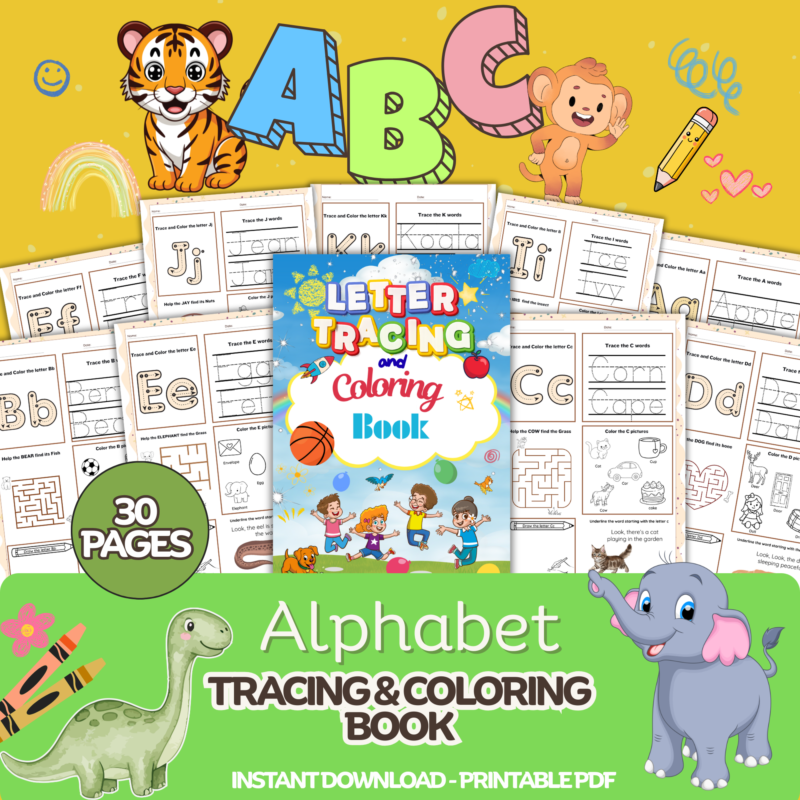
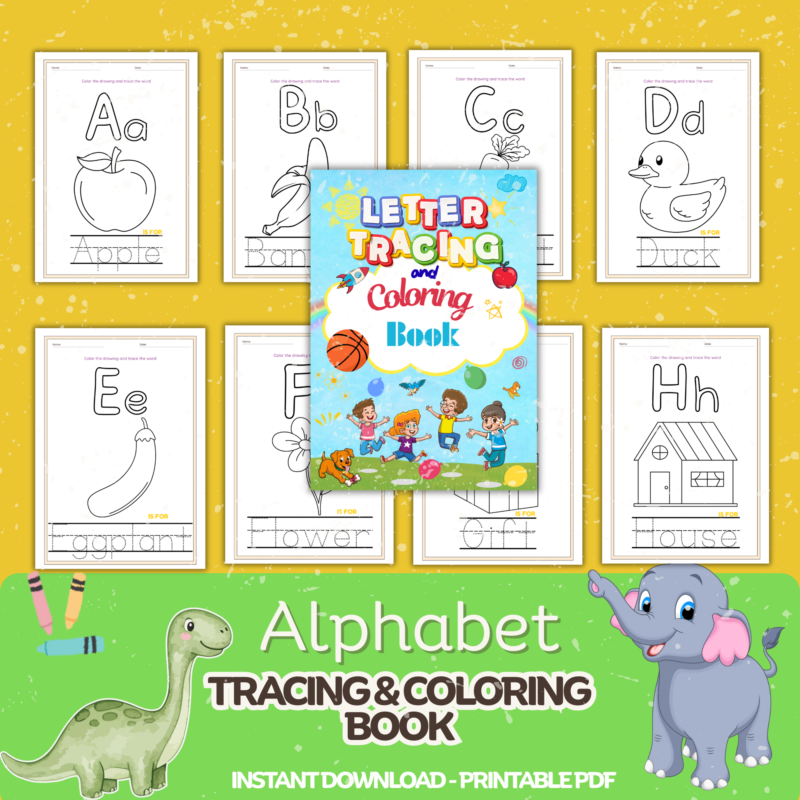
Printable worksheet packs can be especially helpful because they give you structure without requiring you to build lessons from scratch. You can pull exactly what a child needs, whether that is alphabet tracing, beginning sounds, counting practice, or simple addition. Fun Clever Fox focuses on this kind of ready-to-use practice, which makes it easier to keep learning consistent without adding extra planning time.
The biggest benefit is not just convenience. It is consistency. When children get regular, focused practice in small doses, skills grow more naturally and confidence tends to follow.
A simple approach to kindergarten learning activities for 5 year olds
If you are choosing activities for a five-year-old, start with the basics and keep the routine manageable. Prioritize letter recognition, phonics, handwriting, counting, number formation, and fine motor work. Then add variety through coloring, matching, cut-and-paste, and simple games.
You do not need a perfect lesson plan every day. You need age-appropriate practice that feels clear, useful, and enjoyable enough to repeat. That is what helps children build real kindergarten skills over time.
A child who finishes one worksheet with a smile, names a few more letters, or writes their name a little more confidently is already making meaningful progress – and those small steps are exactly how strong learners get started.