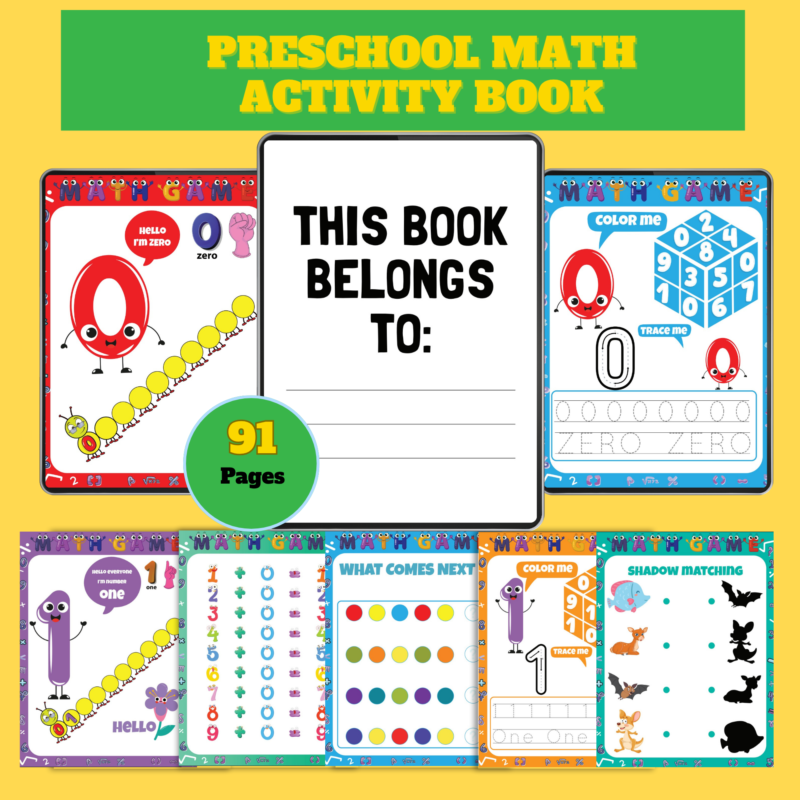
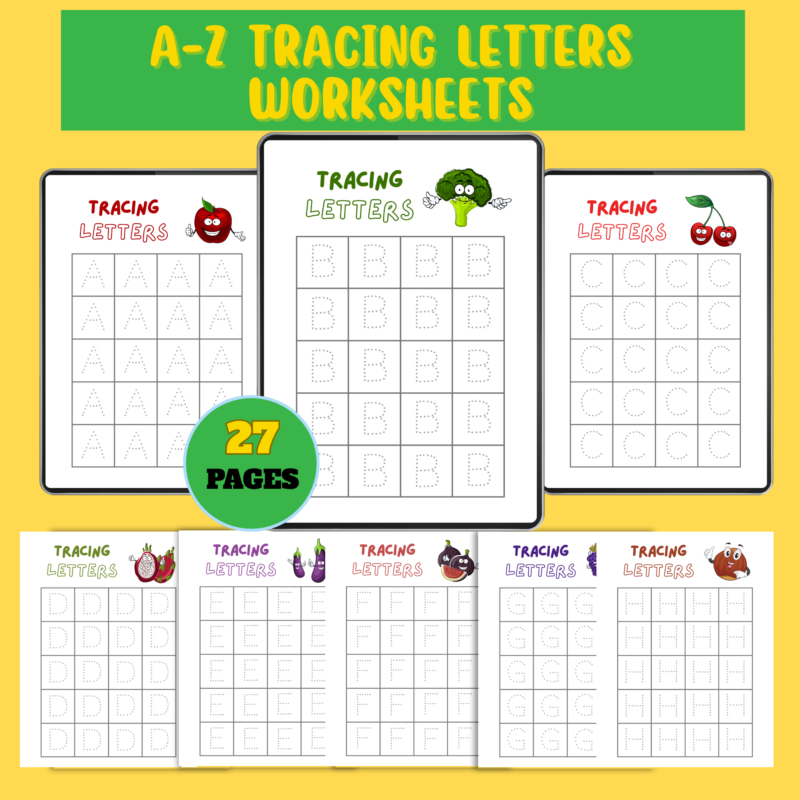
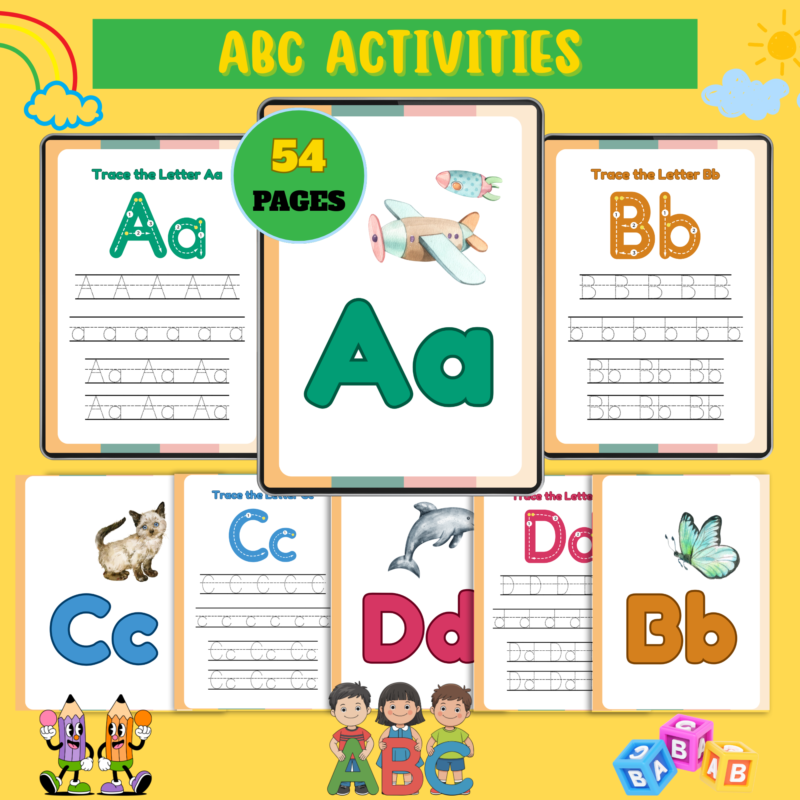
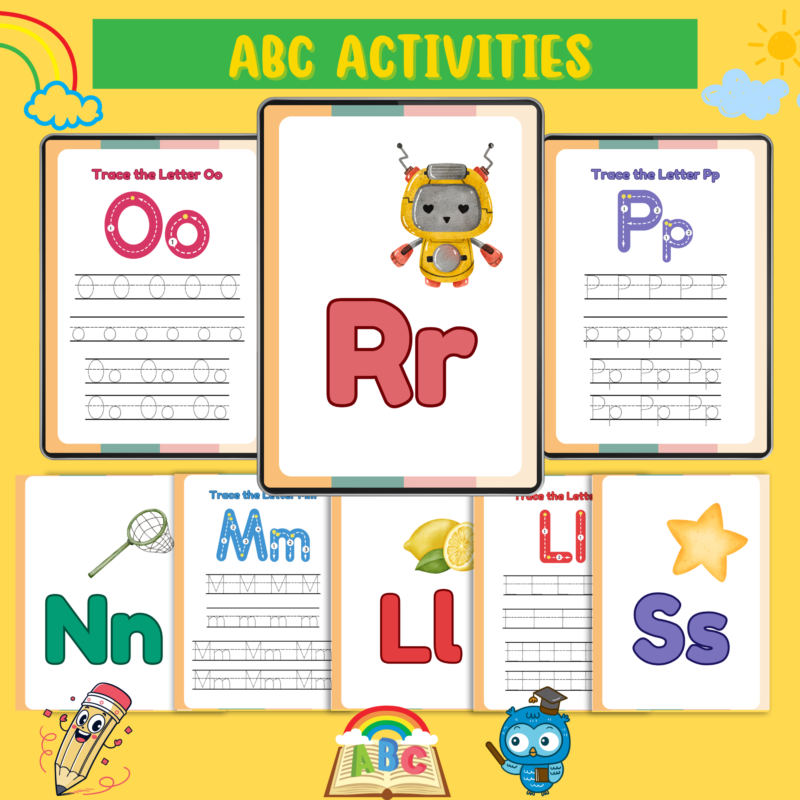
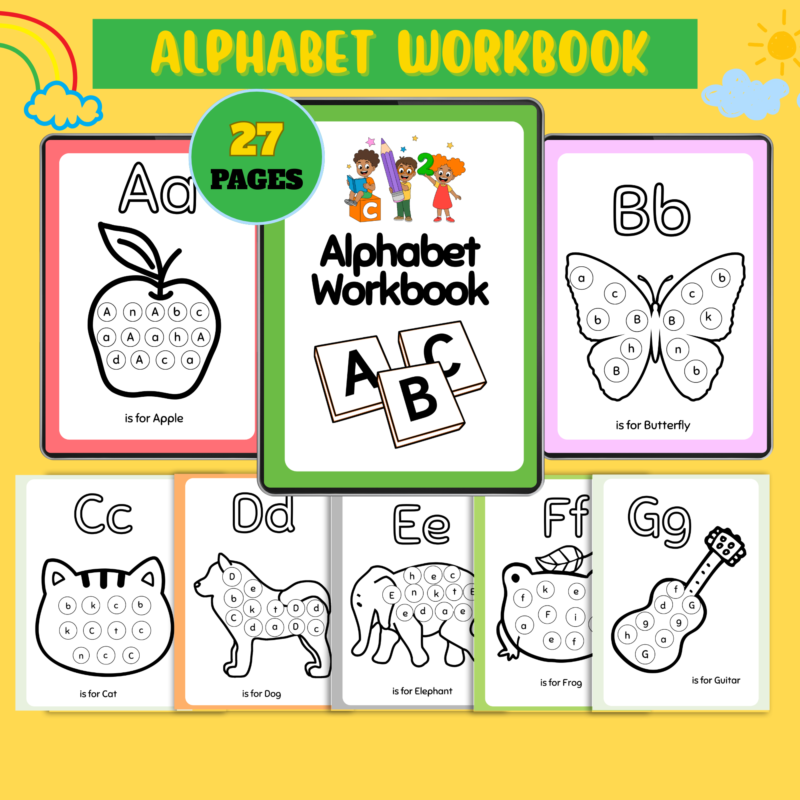
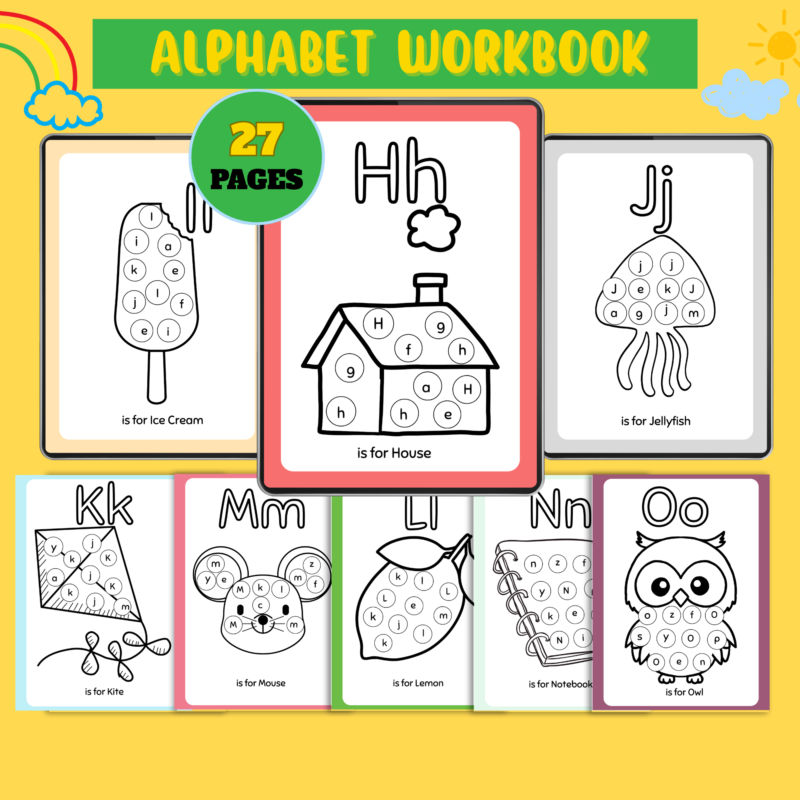
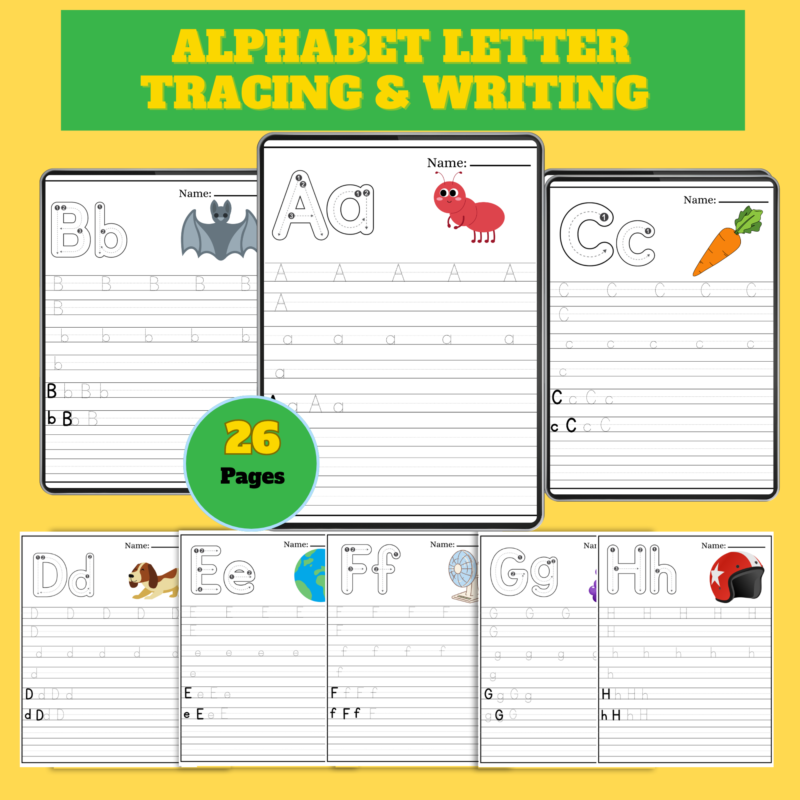
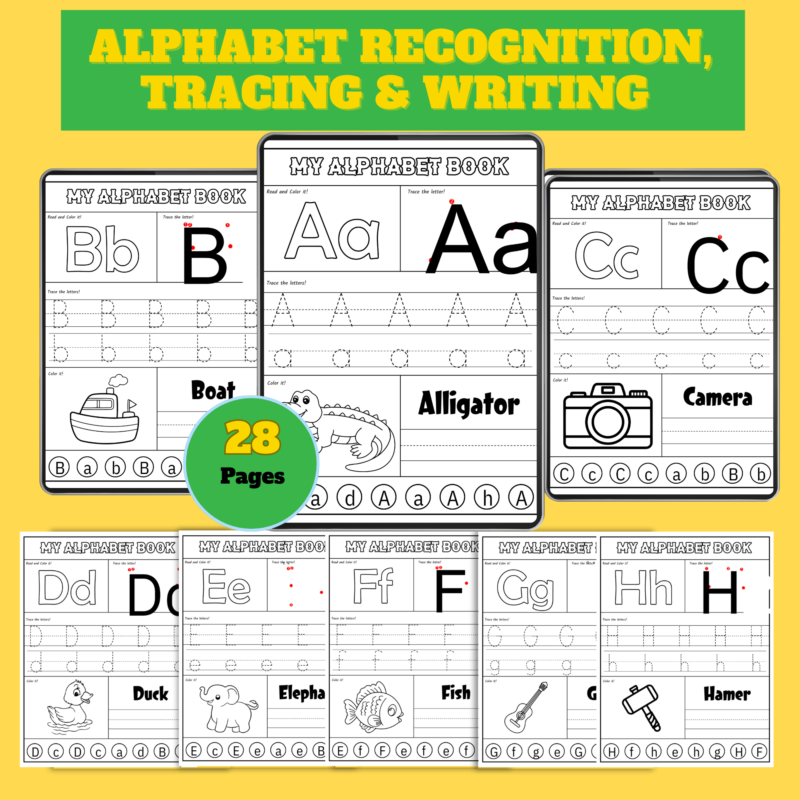
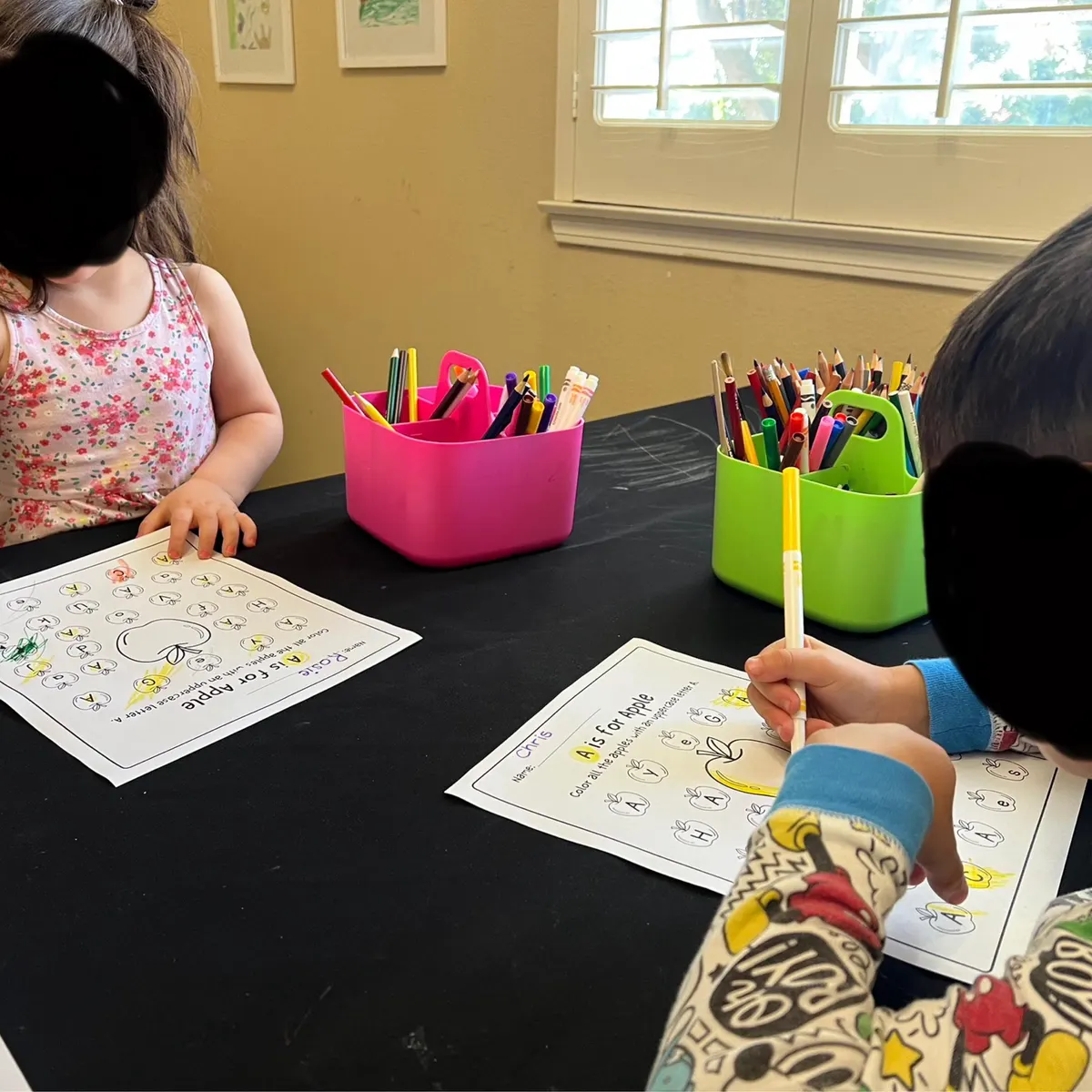
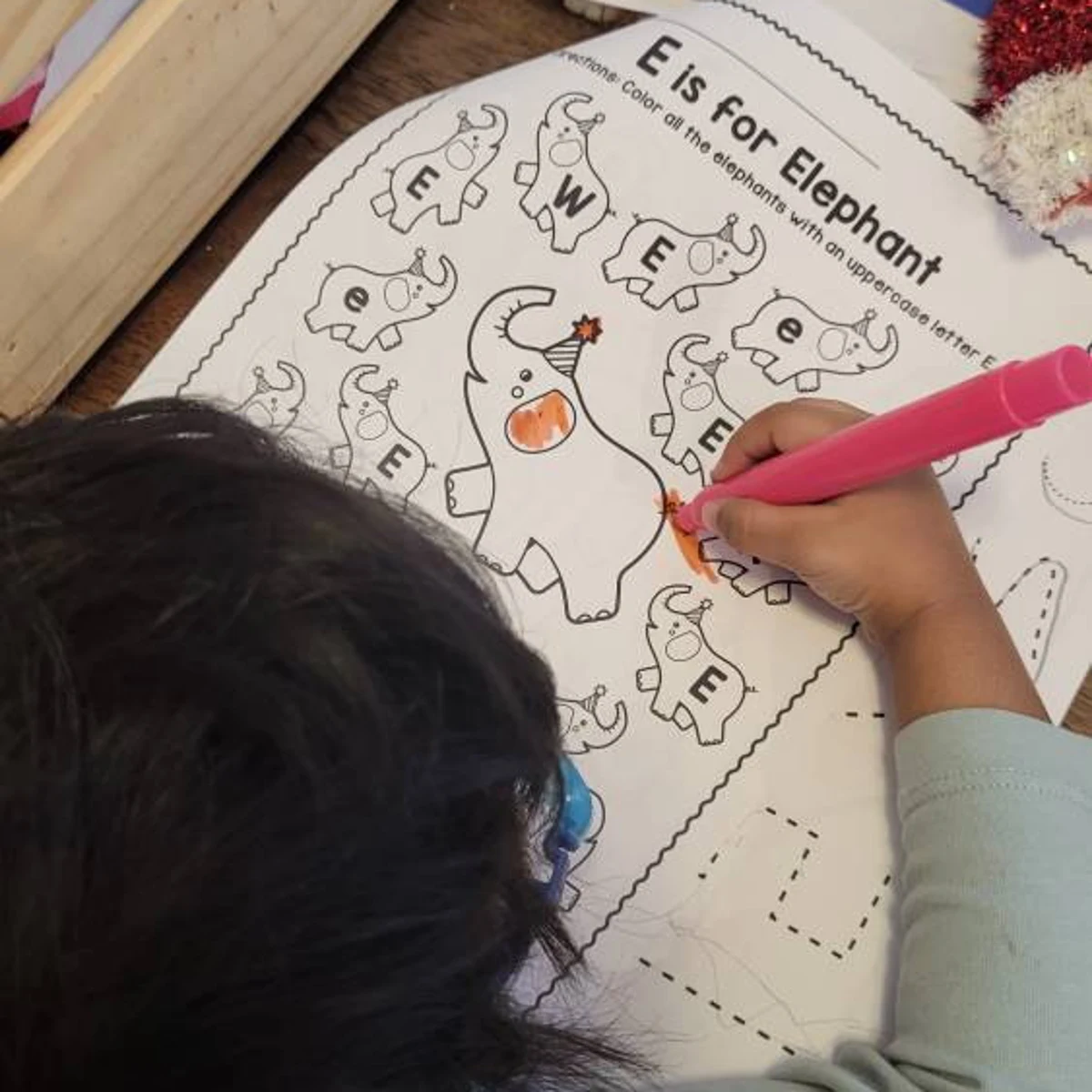
A workbook can look colorful, busy, and full of cute pictures, yet still leave a child frustrated after one page. The best kindergarten math workbook review starts with a simple question: will this help a young learner understand math, or will it only keep their pencil moving? For kindergarten children, the difference matters. They are building early number sense, confidence, and the belief that they can solve problems.
A helpful math workbook gives children small, successful steps. It lets them count objects they can see, trace and write numbers, compare groups, spot patterns, and work with simple addition and subtraction stories. Just as importantly, it leaves room for repetition without making practice feel like a chore.
What a Kindergarten Math Workbook Review Should Check
When choosing printable math pages or a bound workbook, look beyond the cover. Kindergarten is a wide developmental stage. One child may count to 30 with ease but need help writing numerals. Another may recognize numbers but still need to touch and count each object one by one. A good resource meets children where they are and makes it easy to practice the next skill.
Skills should build in a sensible order
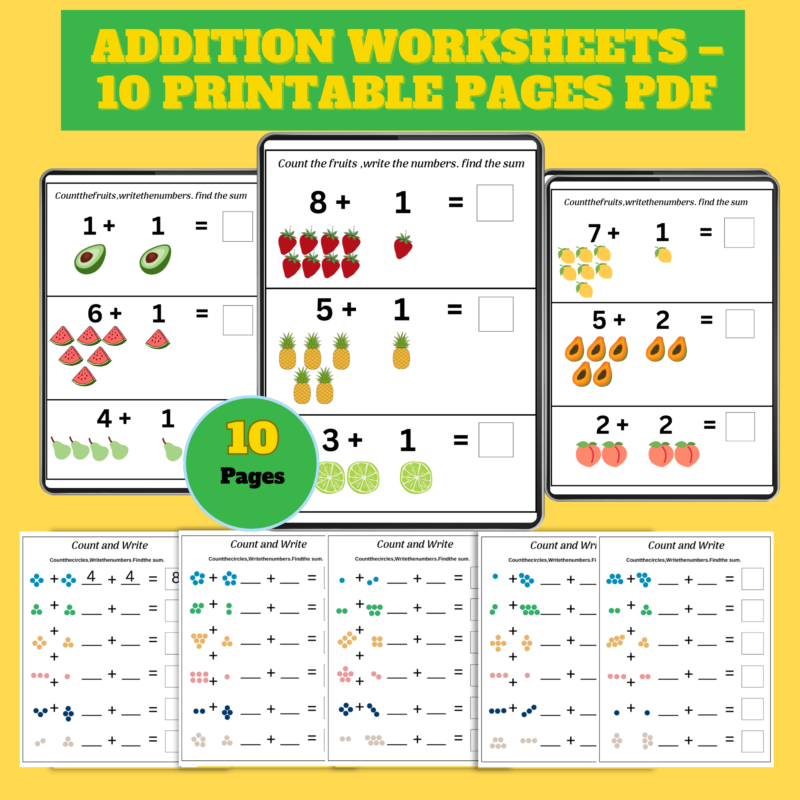
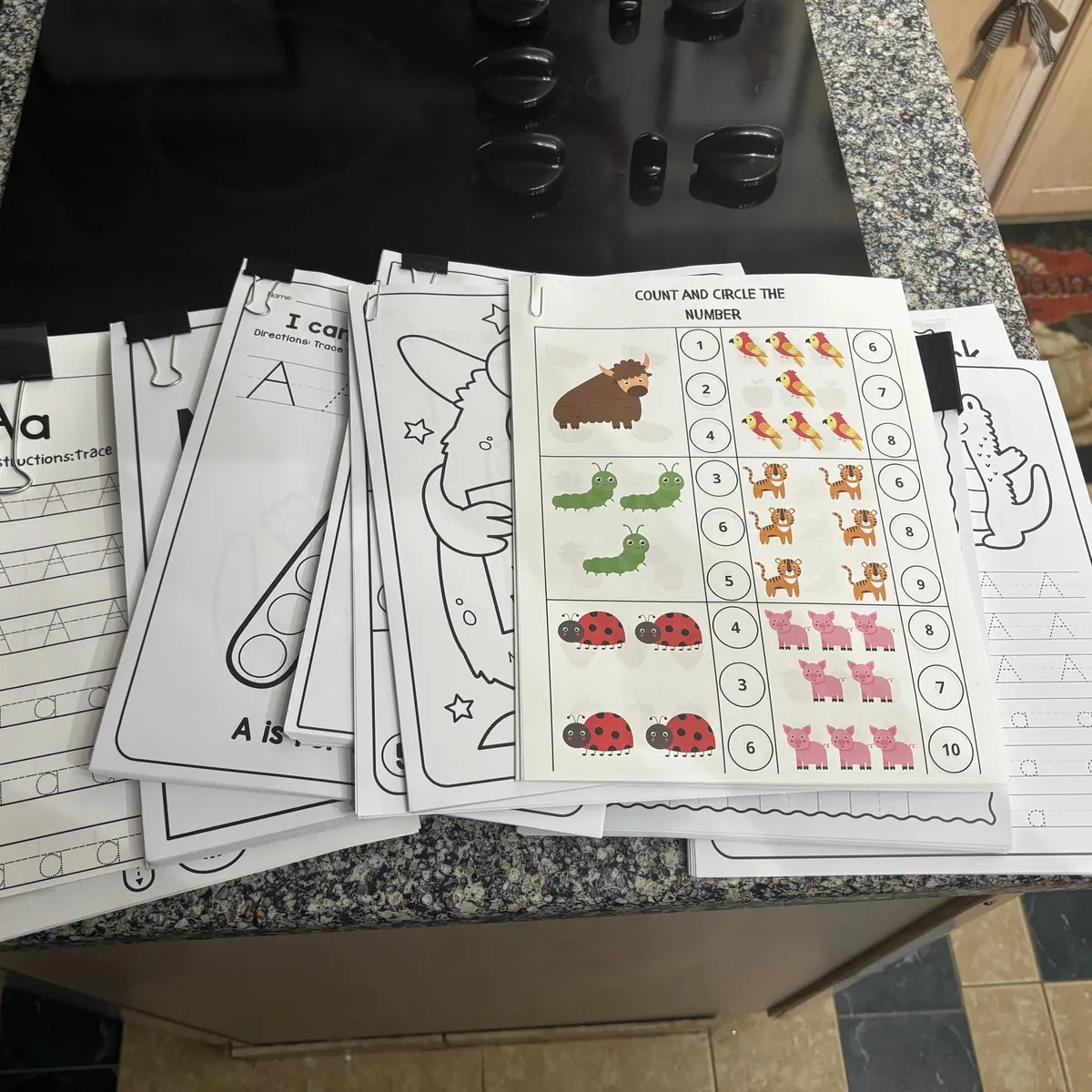
The strongest workbooks move from concrete practice to pencil-and-paper practice. A child generally needs to recognize quantities before solving a number sentence. For example, counting five apples, circling the group of five, tracing the numeral 5, and then writing 5 creates several meaningful connections.
Look for a clear progression through number recognition, one-to-one counting, numeral formation, comparing more and fewer, patterns, shapes, measurement words, and beginning addition and subtraction. Not every child will complete pages in the same order, but the workbook should give adults an easy path to follow.
Be cautious with books that jump quickly into rows of equations. A page filled with problems such as 4 + 3 may be appropriate later, but many kindergarteners learn more from pictures, counters, fingers, and short real-life stories first. Equations are useful when they represent something the child has already explored.
Pages should be easy for young children to read
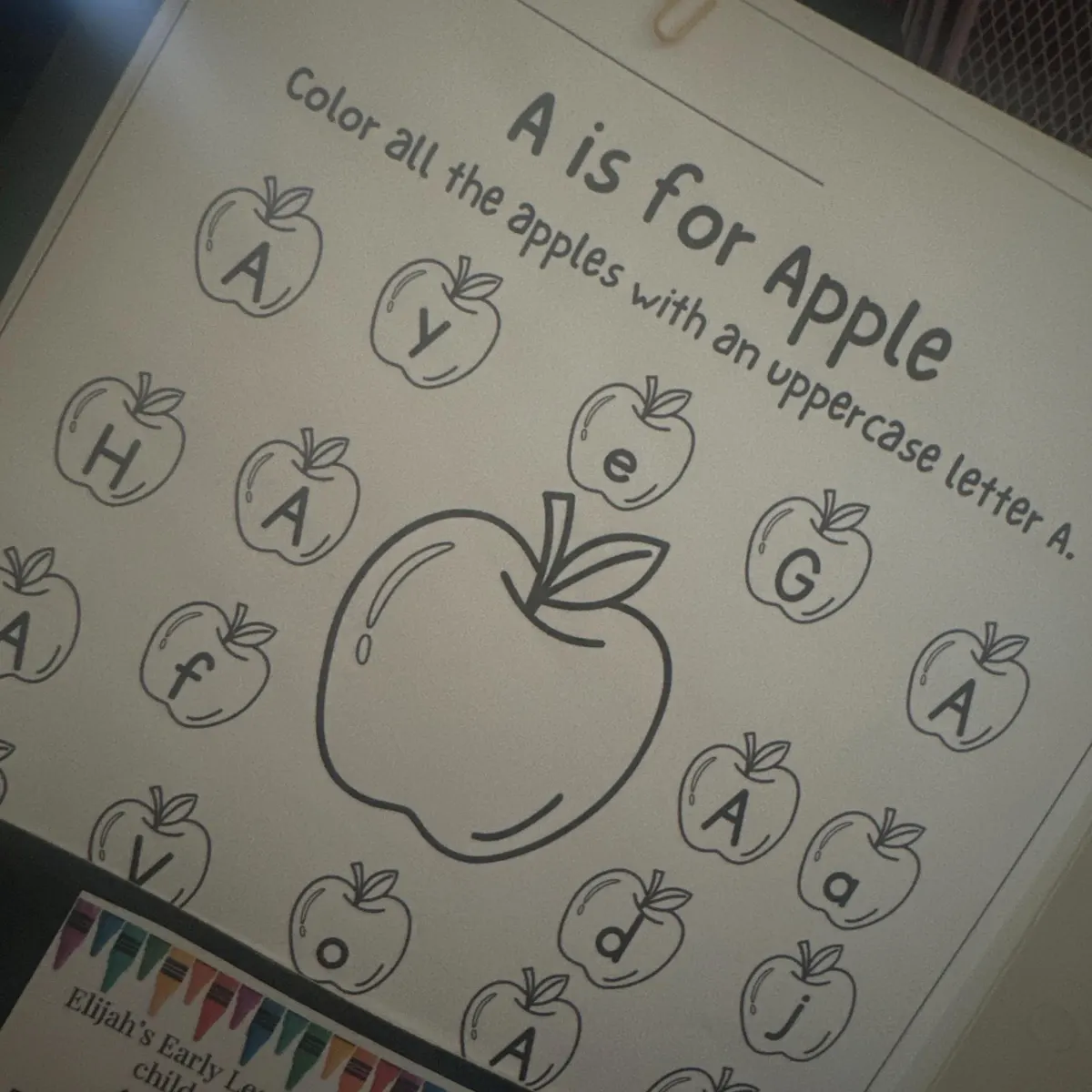
A kindergarten page does not need to be plain, but it does need to be clear. Large numerals, simple directions, generous writing space, and uncluttered illustrations help children focus on the math task. When a page has too many tiny images, decorative borders, or several directions at once, children may lose track of what to do.
The best designs use playful pictures with a purpose. Bears, bugs, fruit, vehicles, and other familiar objects can make counting inviting. They should support the skill, not distract from it. If a child can quickly point to the objects, count them, and understand the goal, the page is doing its job.
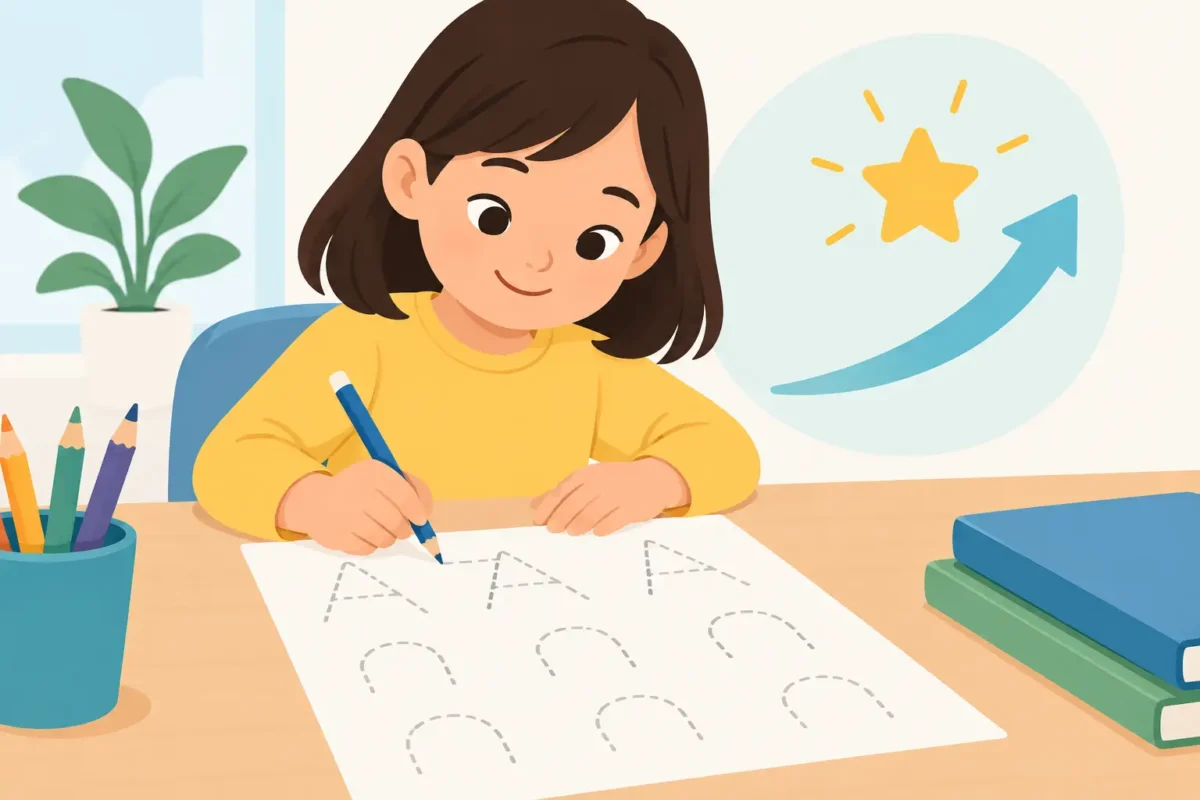
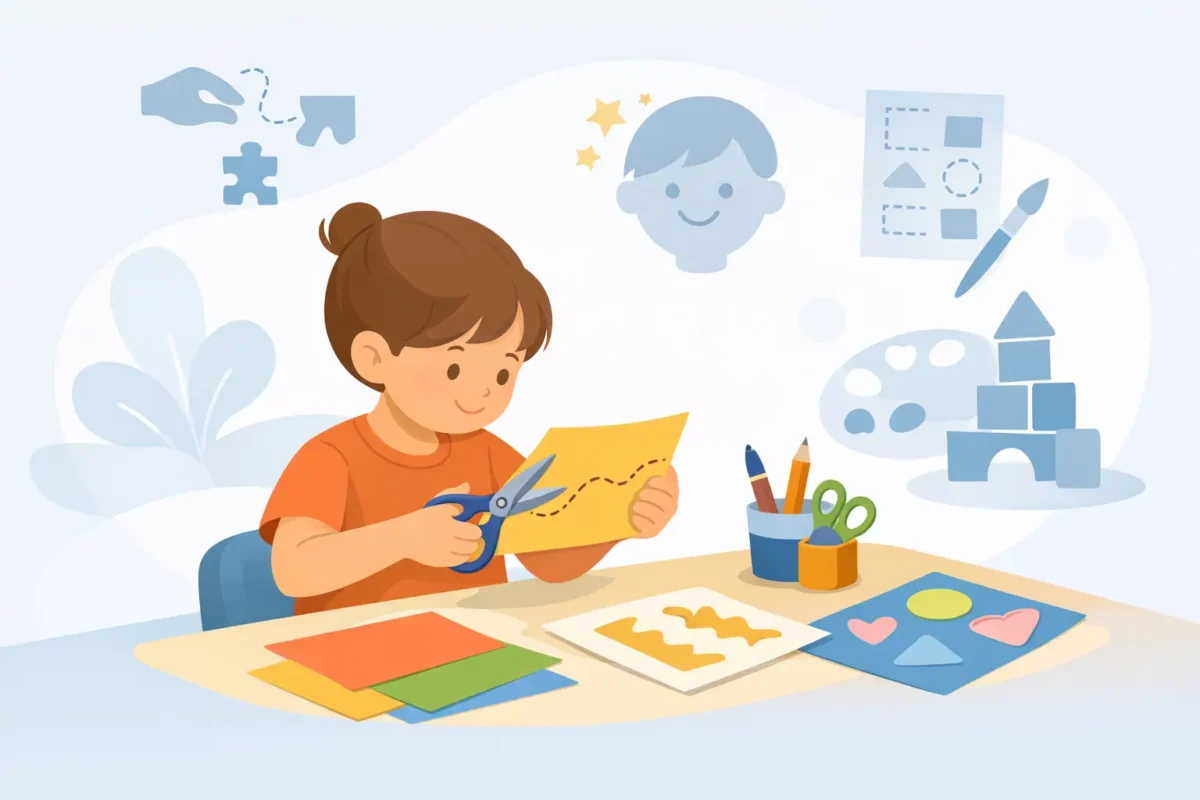
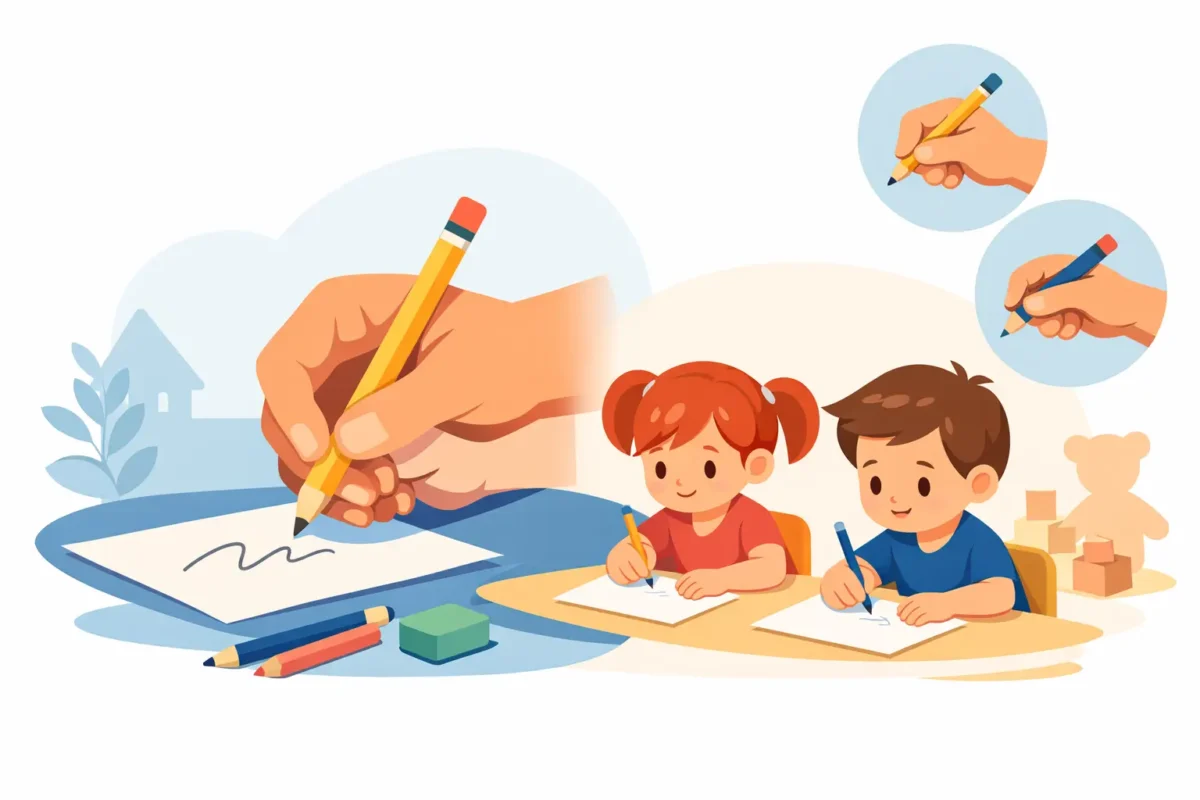
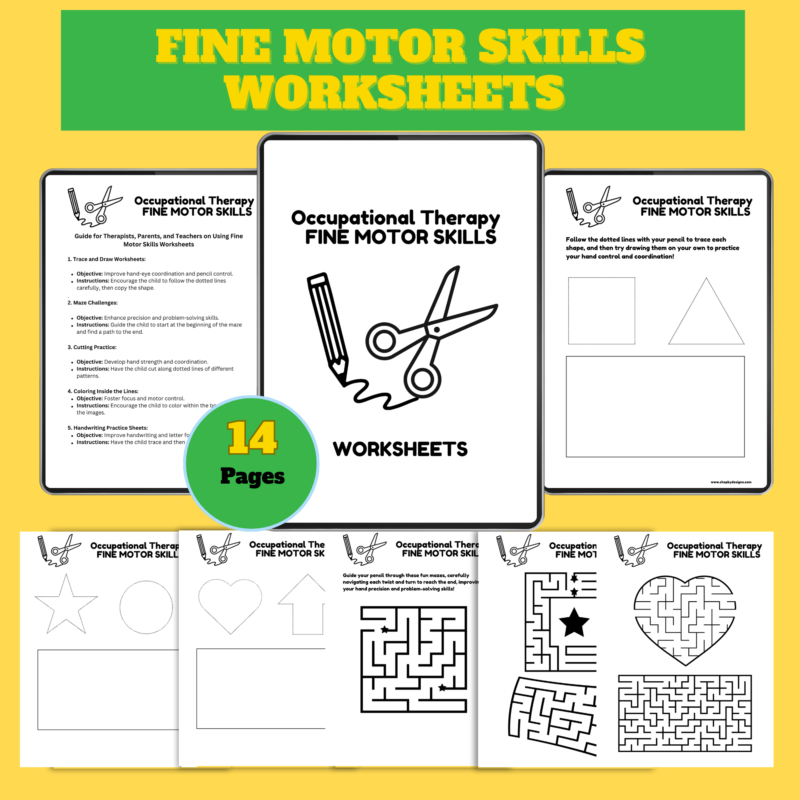
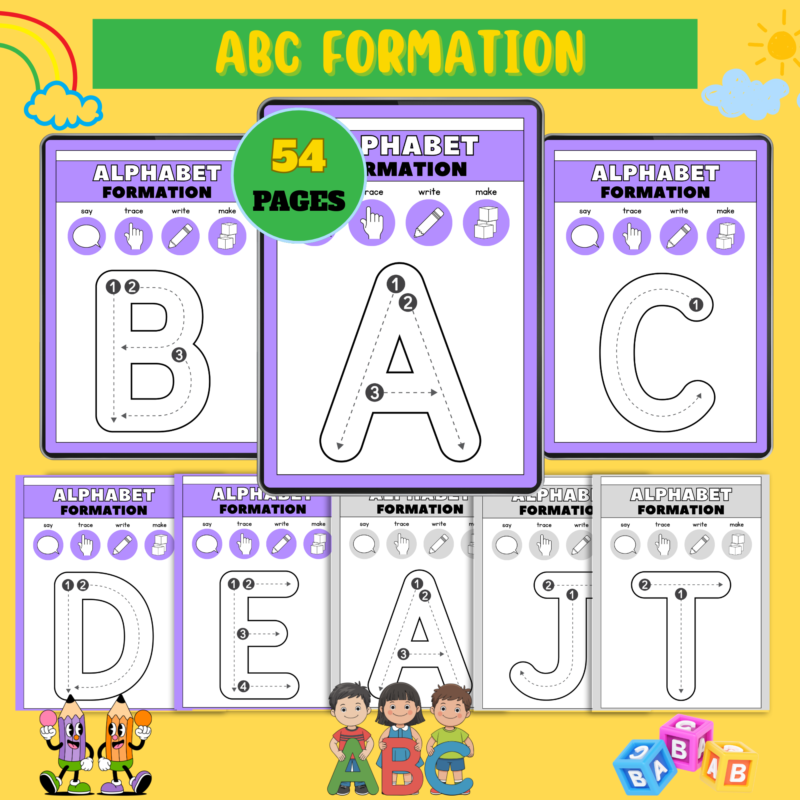
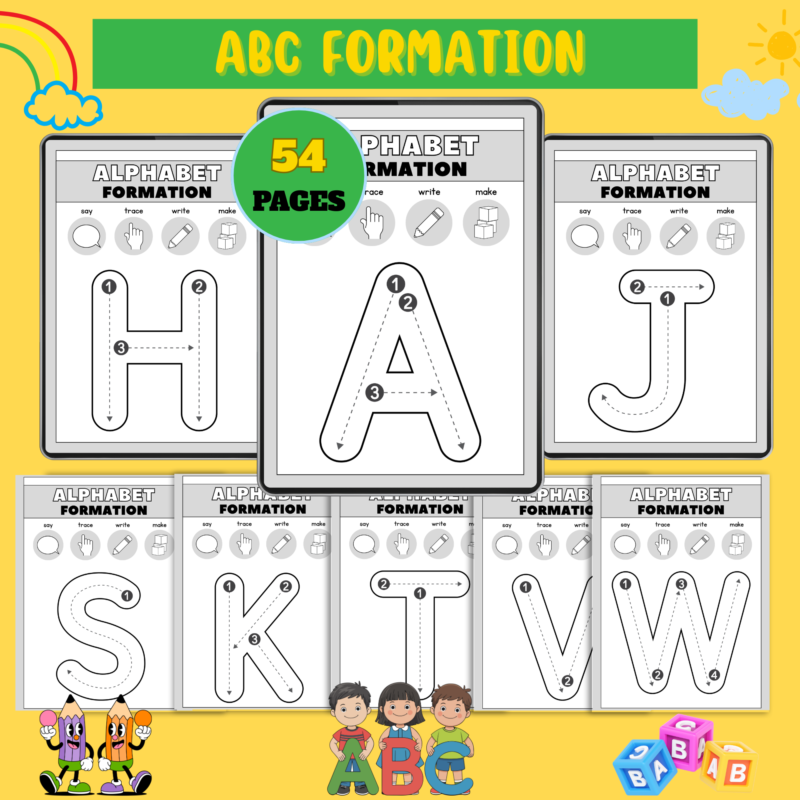
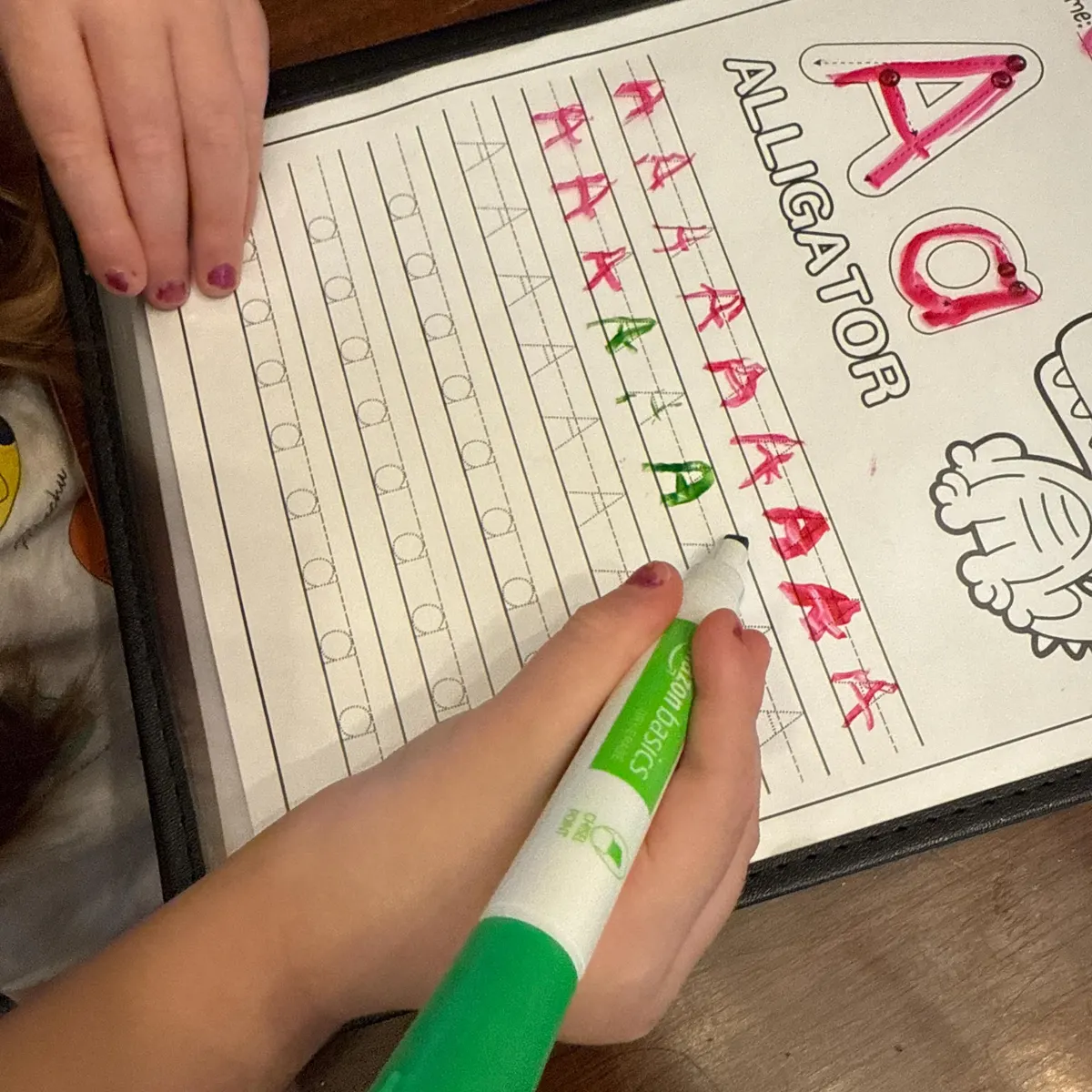
For children still developing hand strength and pencil control, consider the size of tracing paths and answer boxes. Large, open spaces are more welcoming than cramped lines. A workbook that combines math with light fine motor practice can be especially useful, as long as tracing does not overwhelm the number work.
Practice needs enough variety and repetition
Young children learn through repeated experiences. Seeing the number 8 once is not the same as counting eight objects, finding 8 among other numerals, tracing it, writing it, and using it in a simple problem. A worthwhile workbook revisits key skills in different ways.
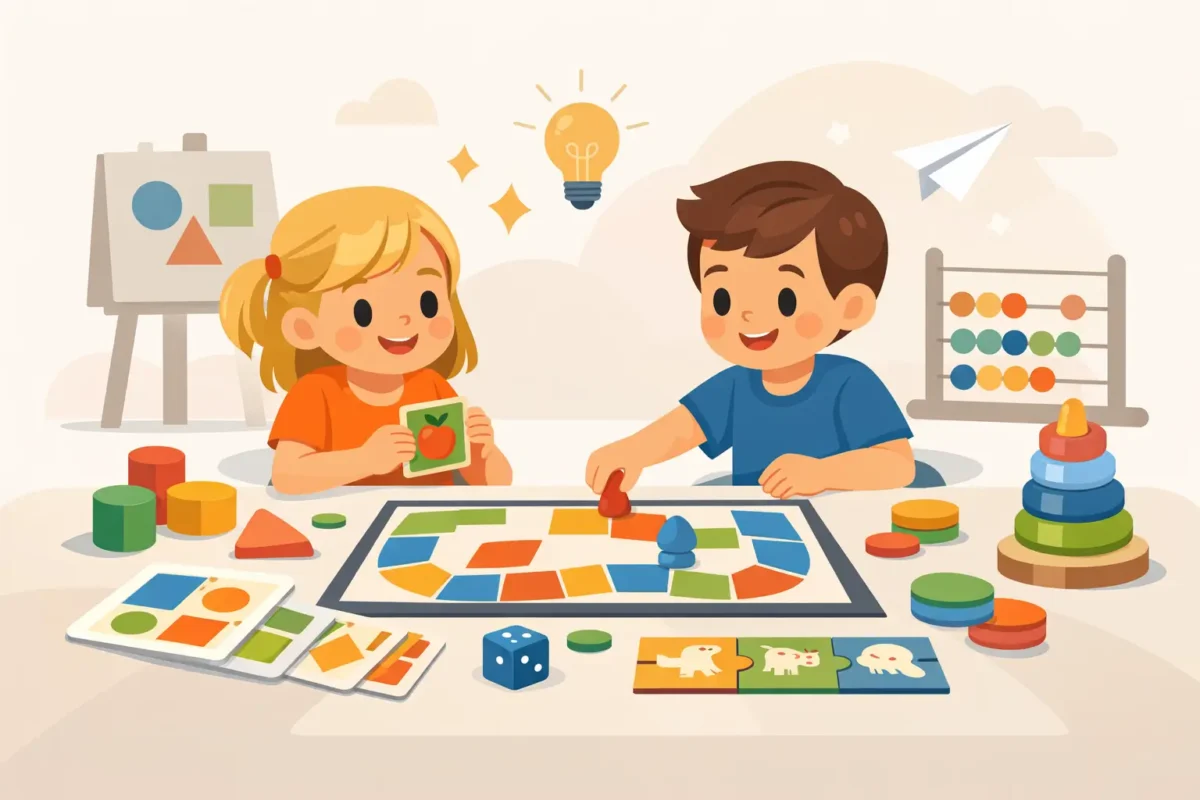
That does not mean every page should look alike. Variety keeps practice fresh. One day, a child might color groups to match a number. Another day, they might draw a line to match a numeral and quantity, cut and sort shapes, or solve a picture-based addition problem. The learning goal stays familiar while the activity changes.
There is a trade-off here. A very large workbook can offer plenty of pages but may feel overwhelming if adults present it as something to finish quickly. A smaller printable set can be easier to use because you can choose only the pages that match the day’s lesson. For home learning, this flexibility is often a bigger benefit than having one thick book.
The Math Skills That Matter Most in Kindergarten
Kindergarten math is about more than reciting numbers in order. Children need number sense: an understanding that numbers represent amounts and can be compared, joined, separated, and used in everyday situations.
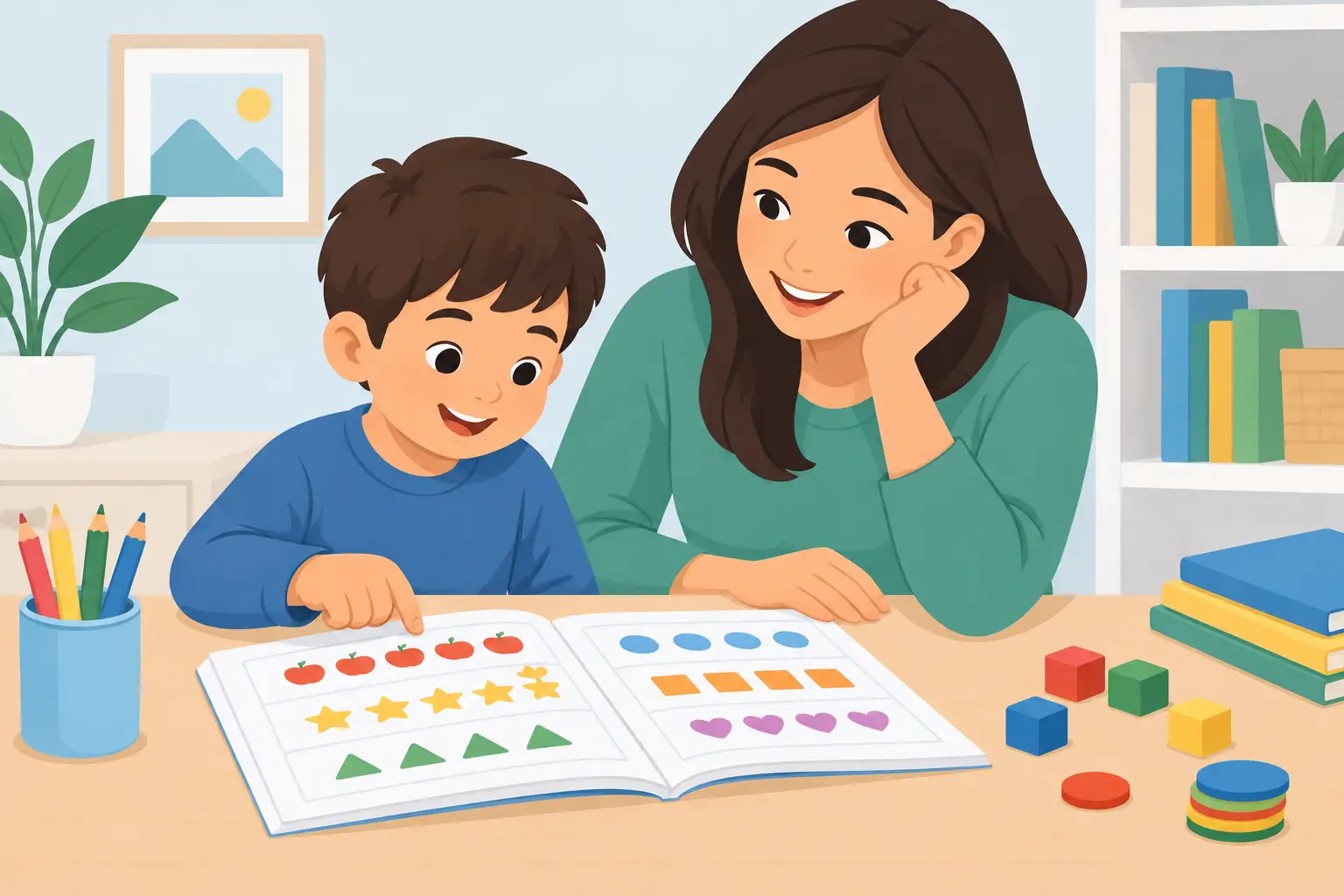
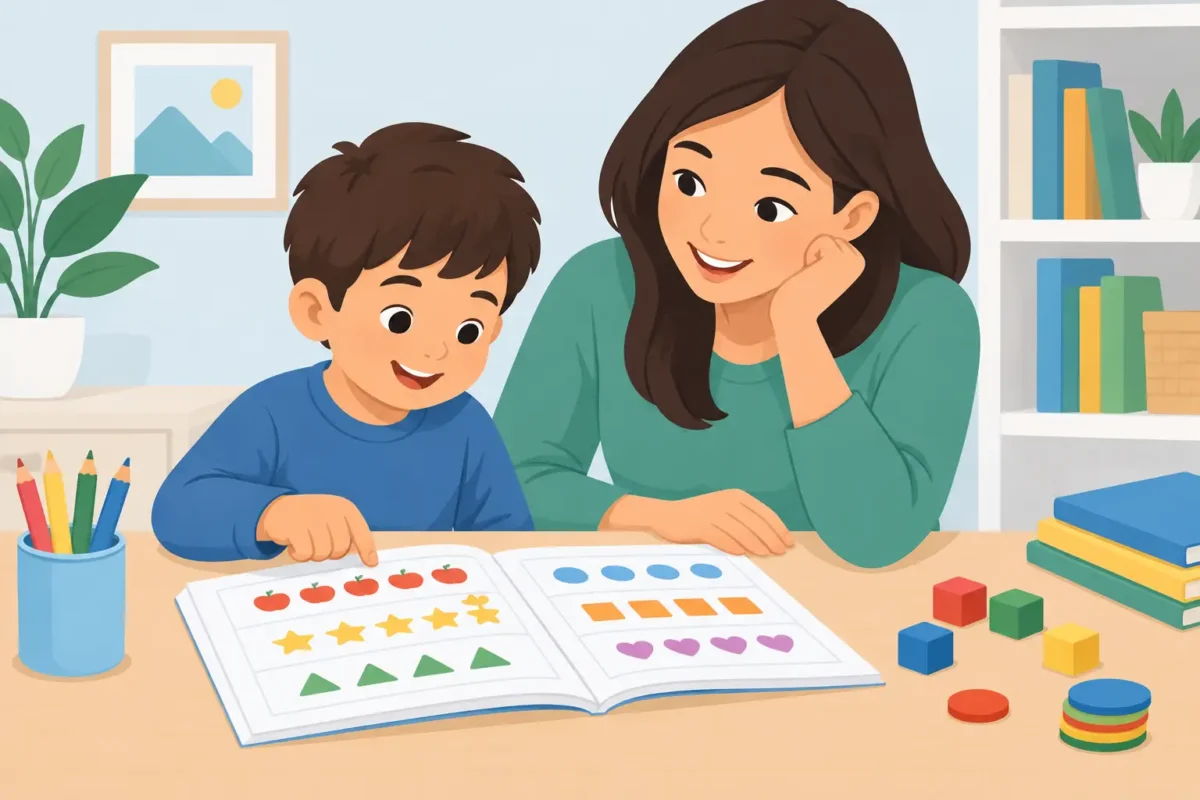
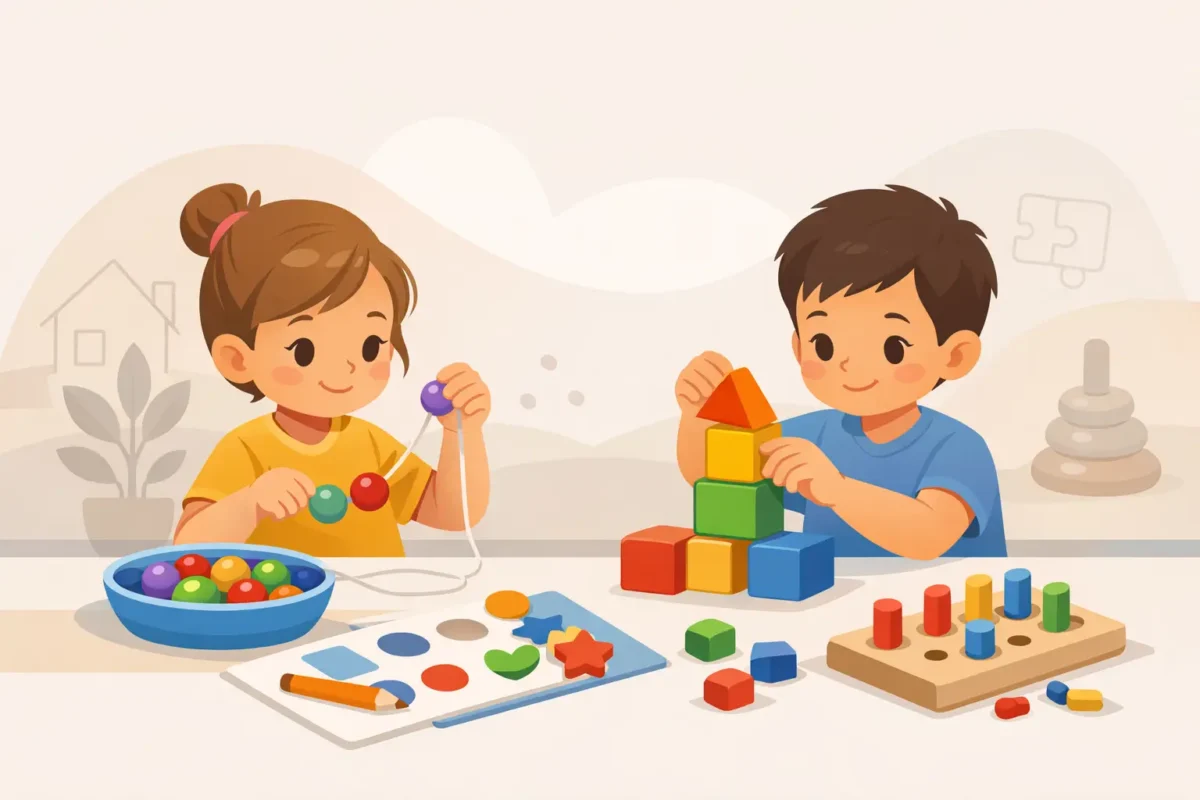
Counting is a major foundation. Children should practice touching or pointing to one object at a time while saying one number word for each item. This one-to-one correspondence is what turns a memorized counting song into real mathematical thinking. Worksheets with clear groups of objects are helpful, especially when children can use buttons, small blocks, or crayons to count alongside the page.
Numeral recognition and writing come next. Children benefit from seeing numbers in different formats, tracing them, and gradually writing them independently. If numeral writing causes frustration, keep the math conversation going without insisting on perfect handwriting. A child can show understanding by pointing, circling, or placing counters while pencil control continues to grow.
Comparing quantities introduces words such as more, fewer, same, greater, and less. Simple pages that ask children to identify the group with more objects build visual understanding before formal comparison symbols are introduced. Patterns and shapes are valuable too. They encourage children to notice what repeats, describe attributes, and organize information.
Beginning addition and subtraction should feel concrete. “Three birds are on the fence. Two more land. How many birds are there now?” is much more meaningful to a kindergartener than a page of isolated facts. Picture stories, ten frames, and objects to move make these early operations easier to understand.
How to Use a Math Workbook Without Making It Feel Like School All Day
A workbook works best as one part of a child’s learning routine, not the entire routine. Ten focused minutes can be far more productive than a long session that ends in tears. Choose one or two pages based on what the child is ready to practice, then stop while they still feel successful.
Bring the worksheet skill into daily life. If the page focuses on the number 6, ask your child to find six socks, place six strawberries on a plate, or build a tower with six blocks. If they are comparing groups, ask whether there are more forks or spoons on the table. These little moments help children see that math belongs in their real world.
Teachers and daycare providers can use printable pages in small groups, learning centers, morning work, or take-home folders. For a classroom, it helps to offer an extension for children who are ready for more, such as asking them to draw their own group of objects after completing a counting page. Children who need extra support can use manipulatives before putting pencil to paper.
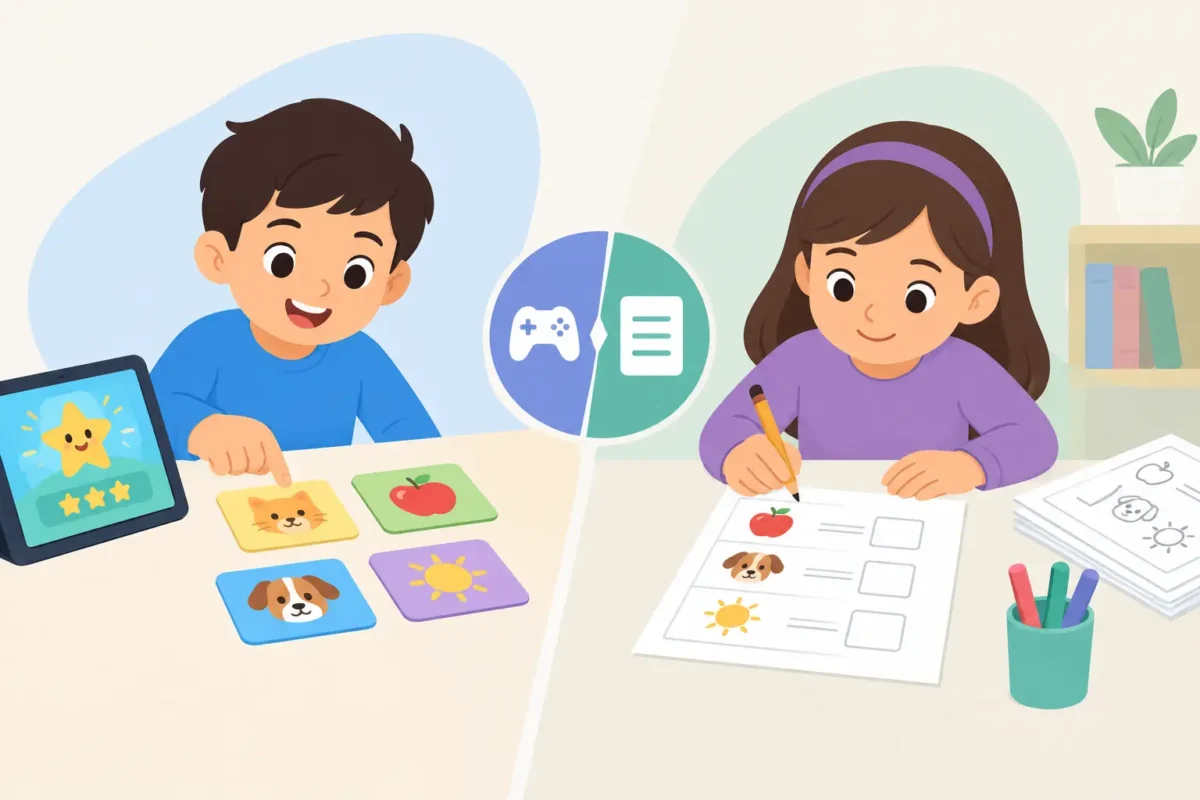
For homeschool families, printable resources make it easier to repeat a skill without repeating the exact same page. Print a favorite activity again, place it in a dry-erase sleeve, or pair it with counters for hands-on practice. Fun Clever Fox printable math activities are designed for this kind of flexible, screen-free learning, with pages that can fit naturally into a home or classroom routine.
Signs a Workbook May Not Be the Right Fit
Even a well-made workbook will not suit every child at every moment. If your child avoids the pages, becomes upset by the amount of writing, or answers by guessing, step back and adjust. They may need a simpler skill, more hands-on practice, fewer problems per page, or a playful break.
A workbook may also be too easy. If your child completes every page without thinking, look for activities that ask them to explain their answer, draw their own groups, or solve a small story problem. Confidence is wonderful, but meaningful challenge helps confidence grow into capability.
The goal is never to race through a stack of pages. The goal is for a child to look at numbers and think, “I can figure this out.” Choose pages that invite that feeling, celebrate small wins, and let math become a familiar, friendly part of the day.