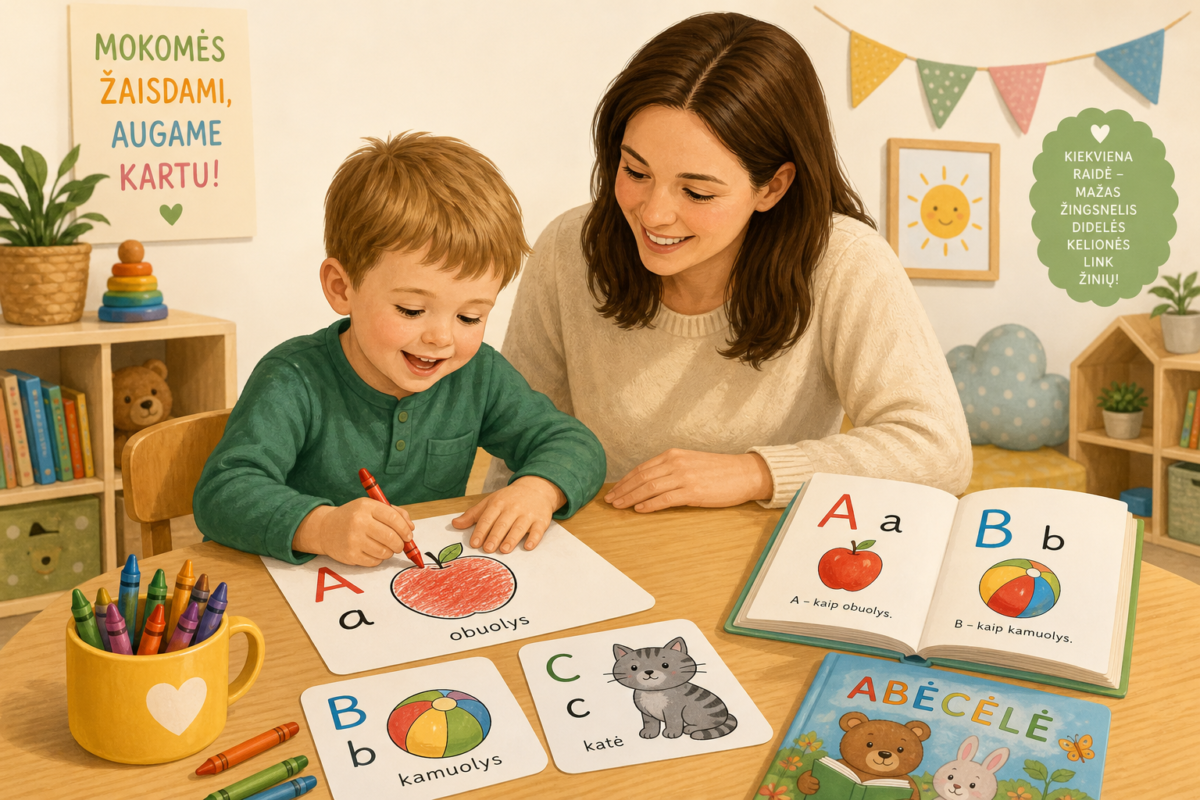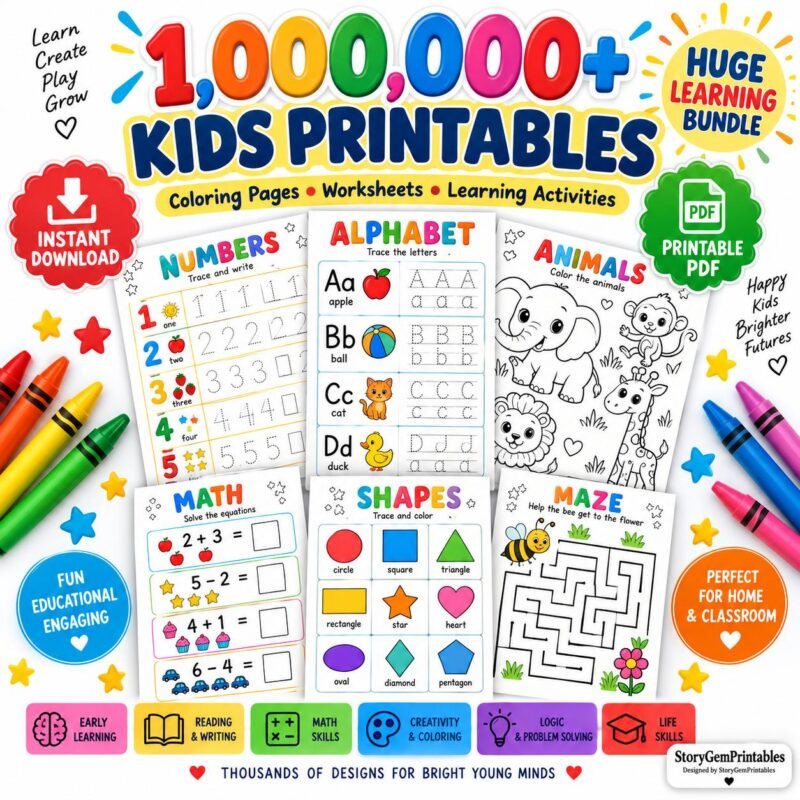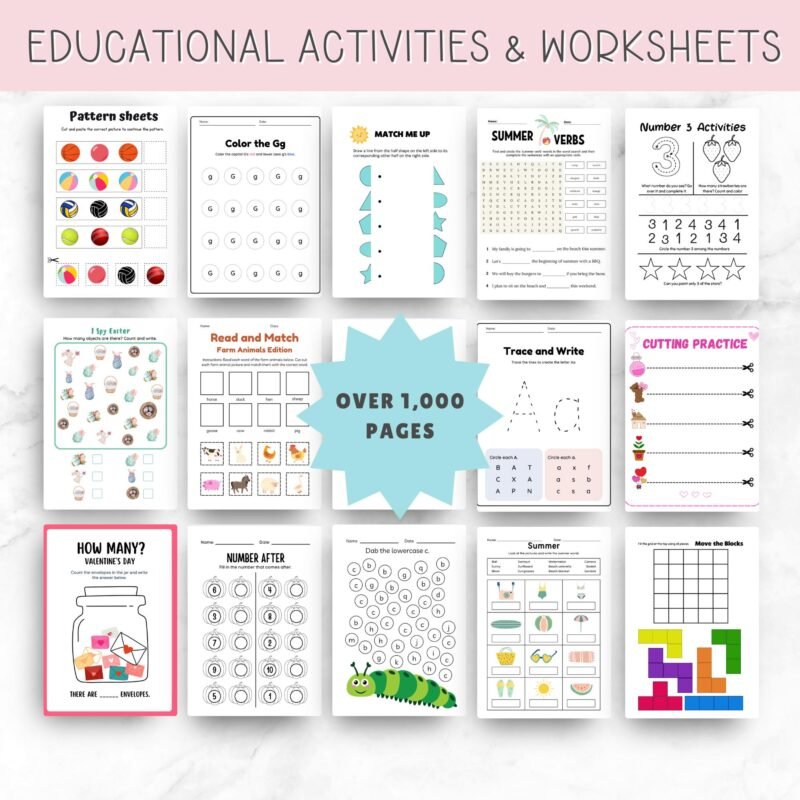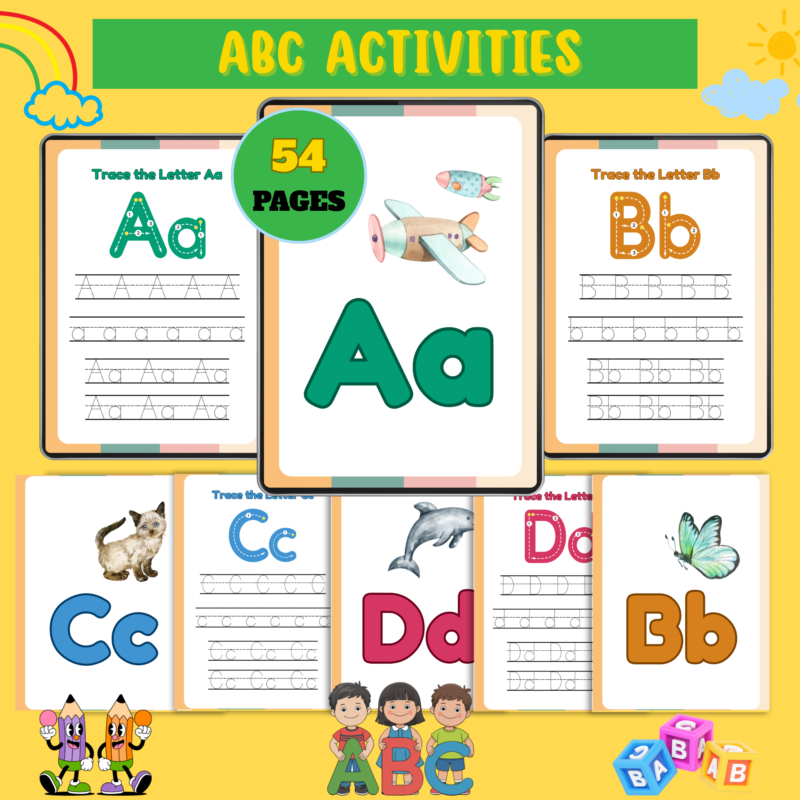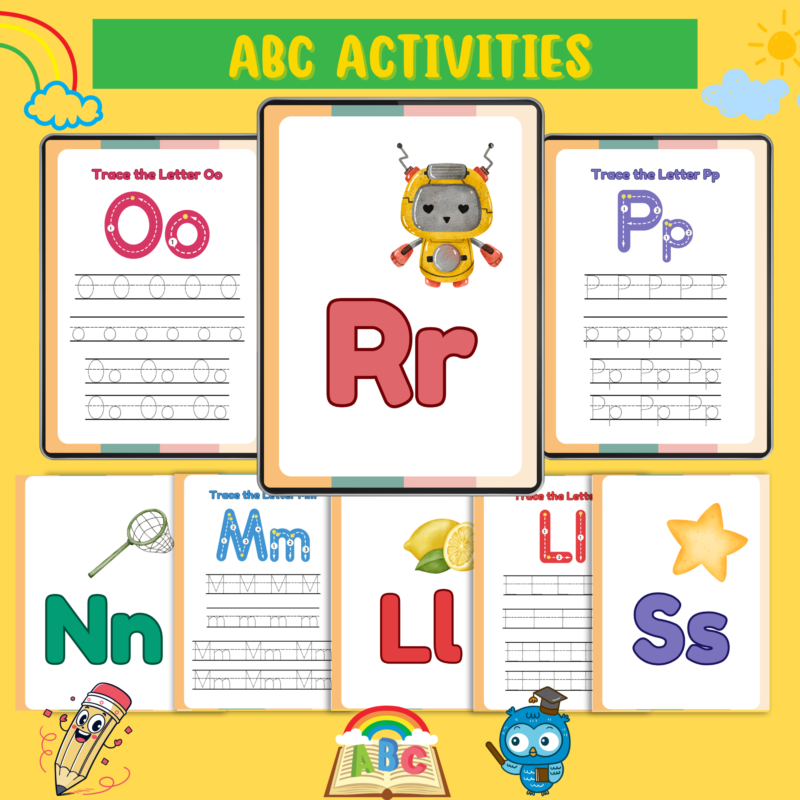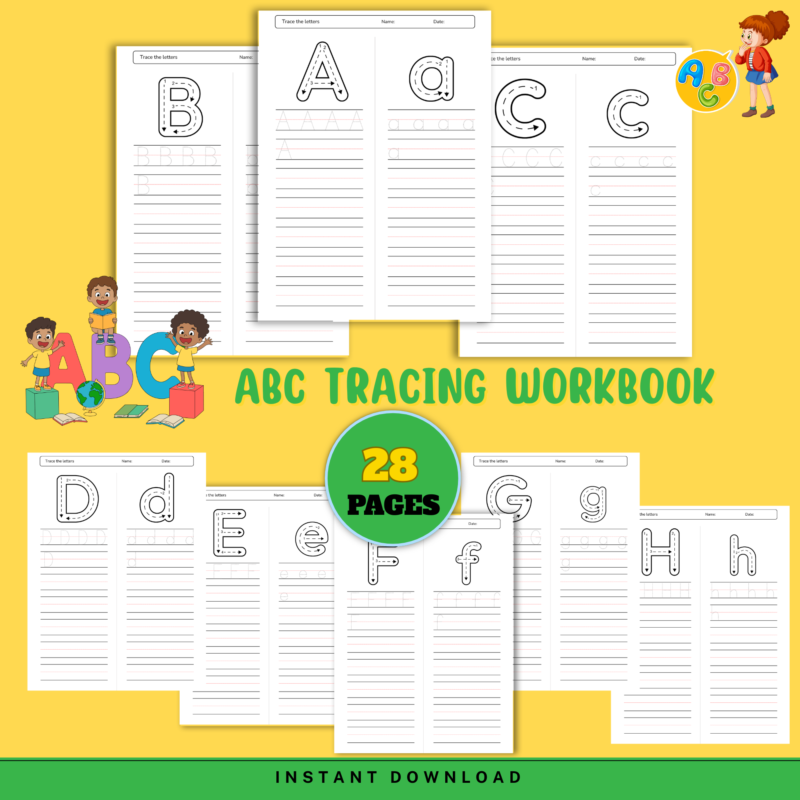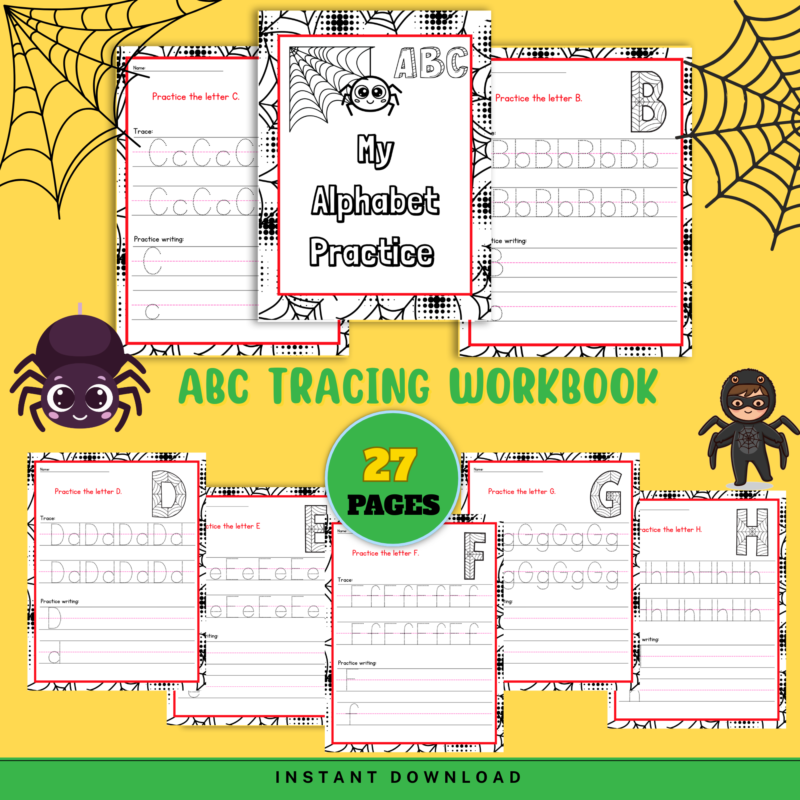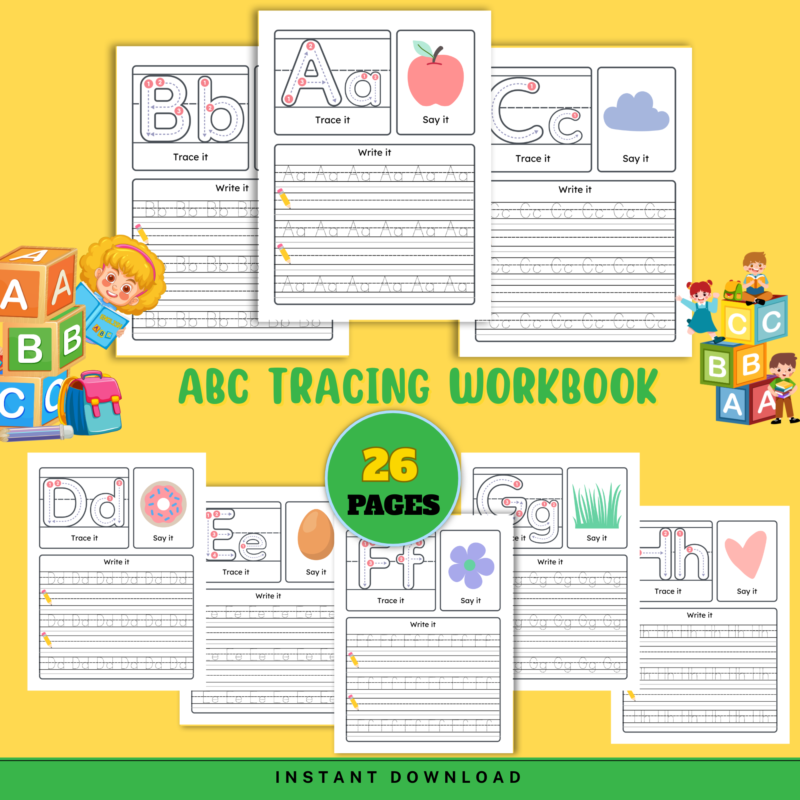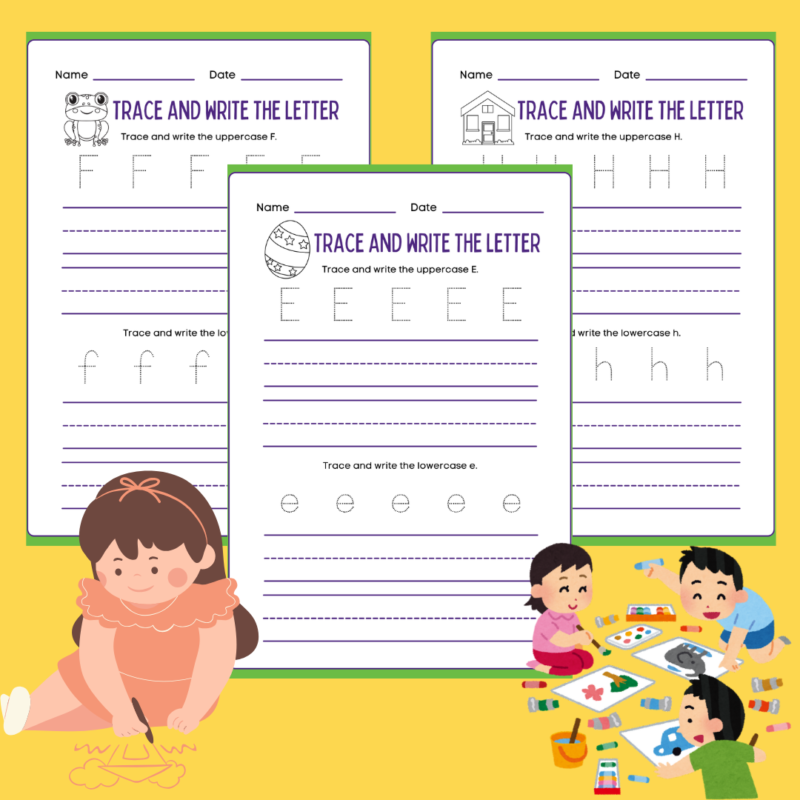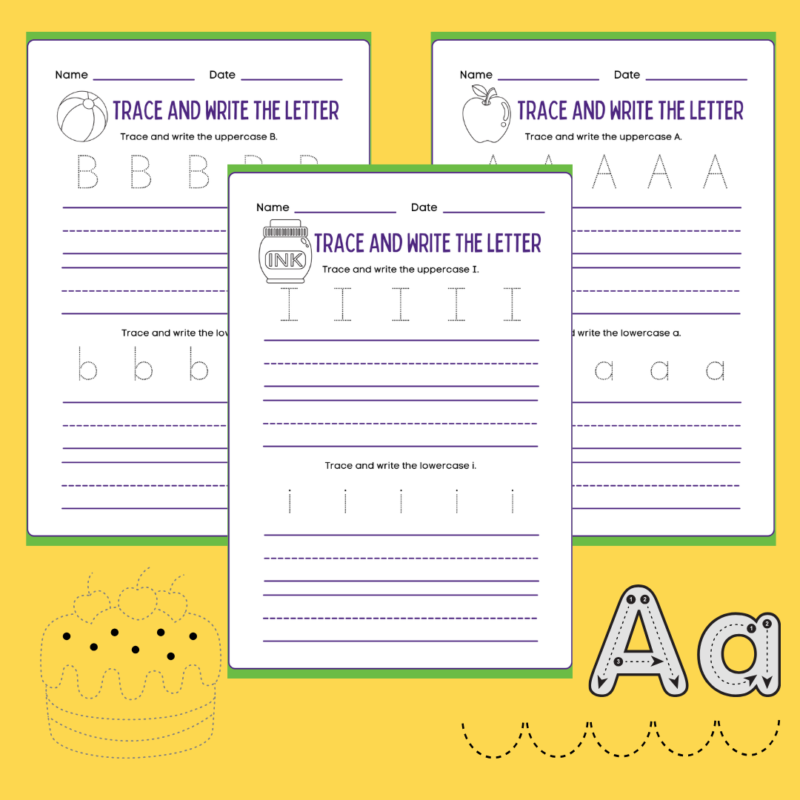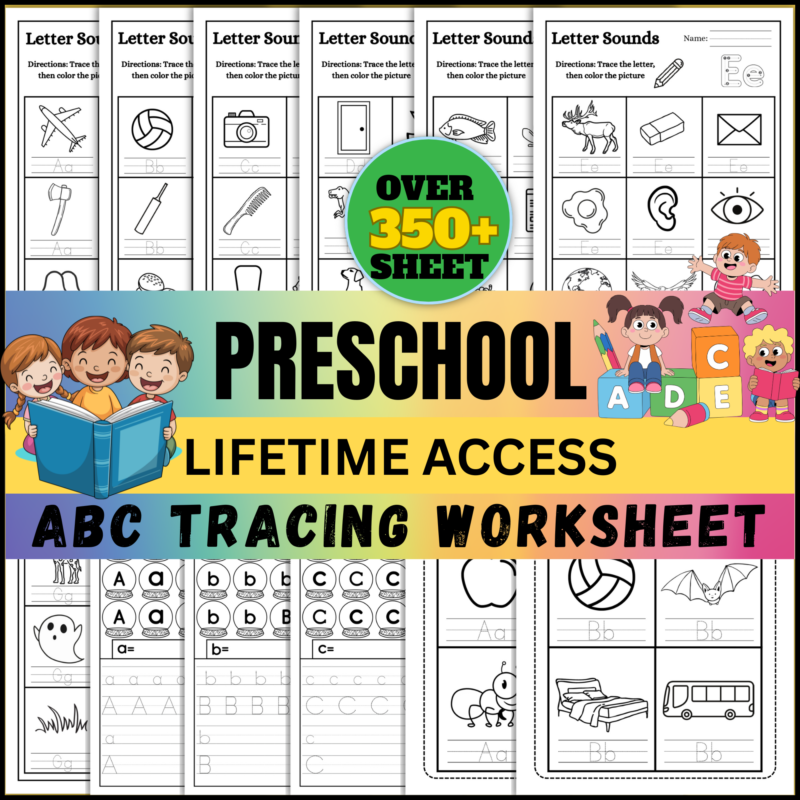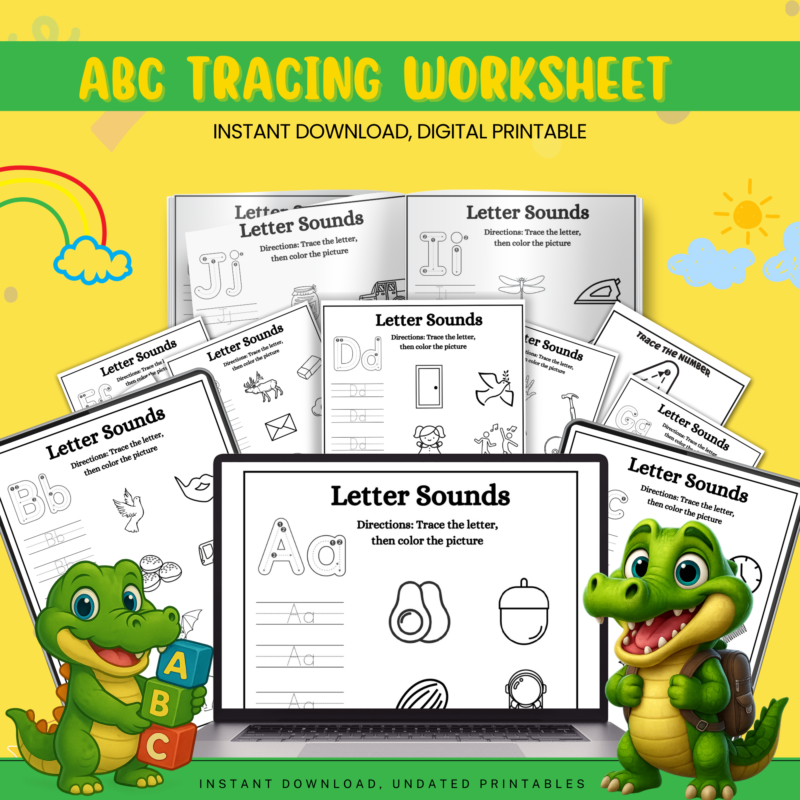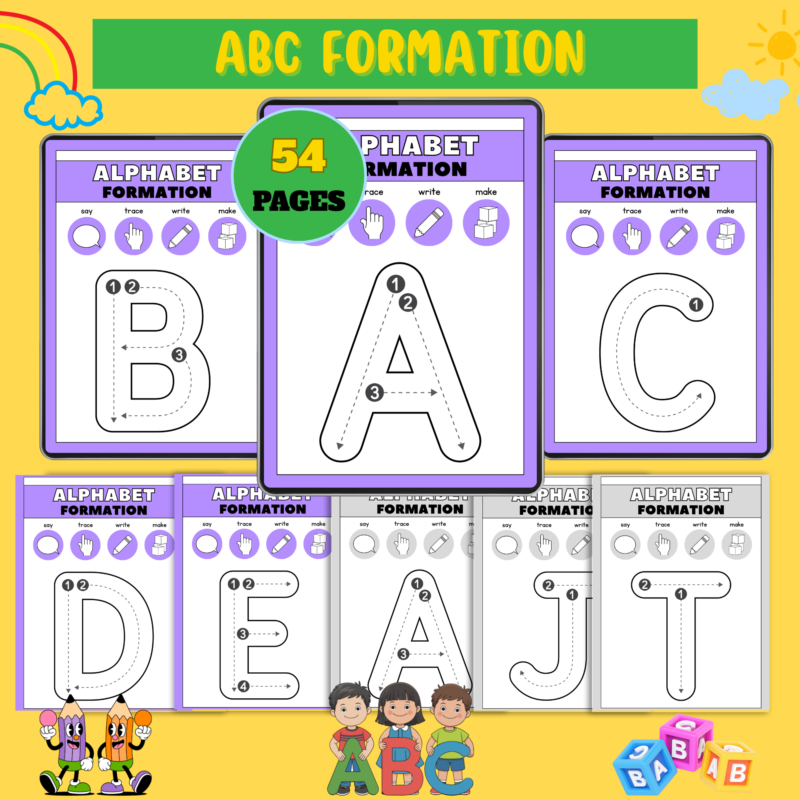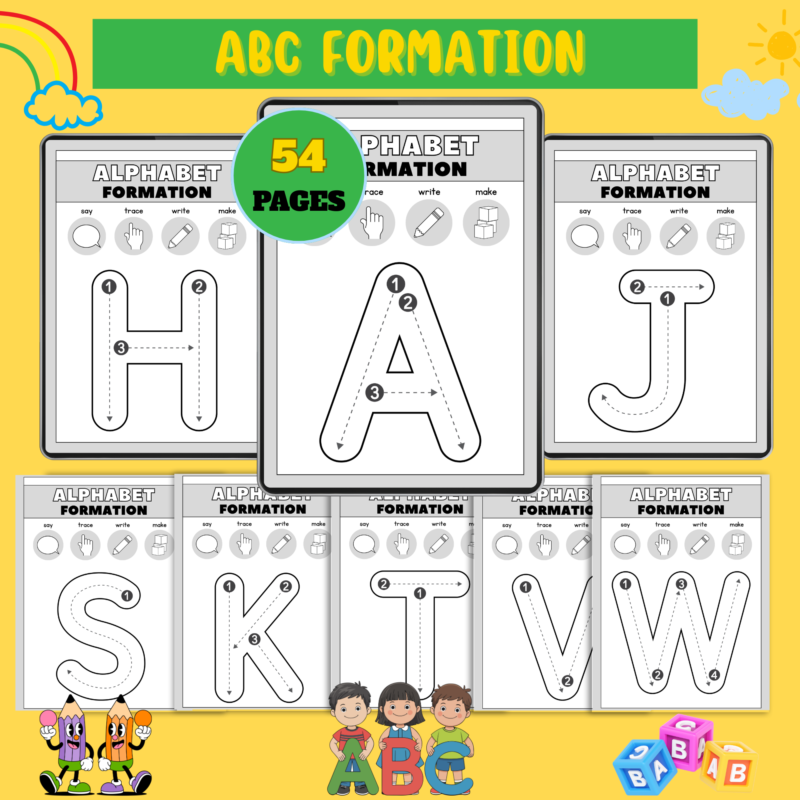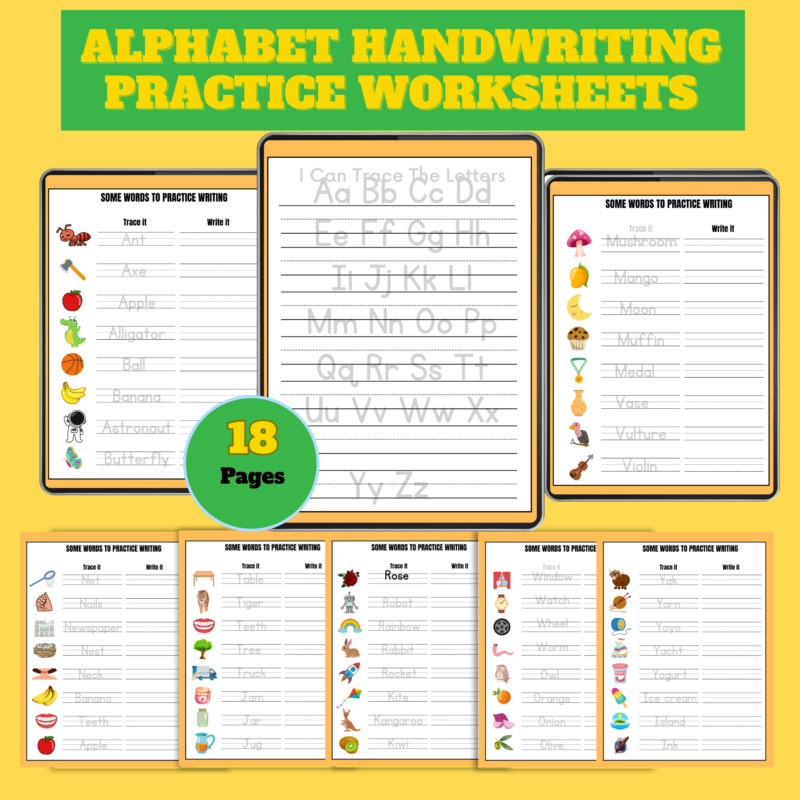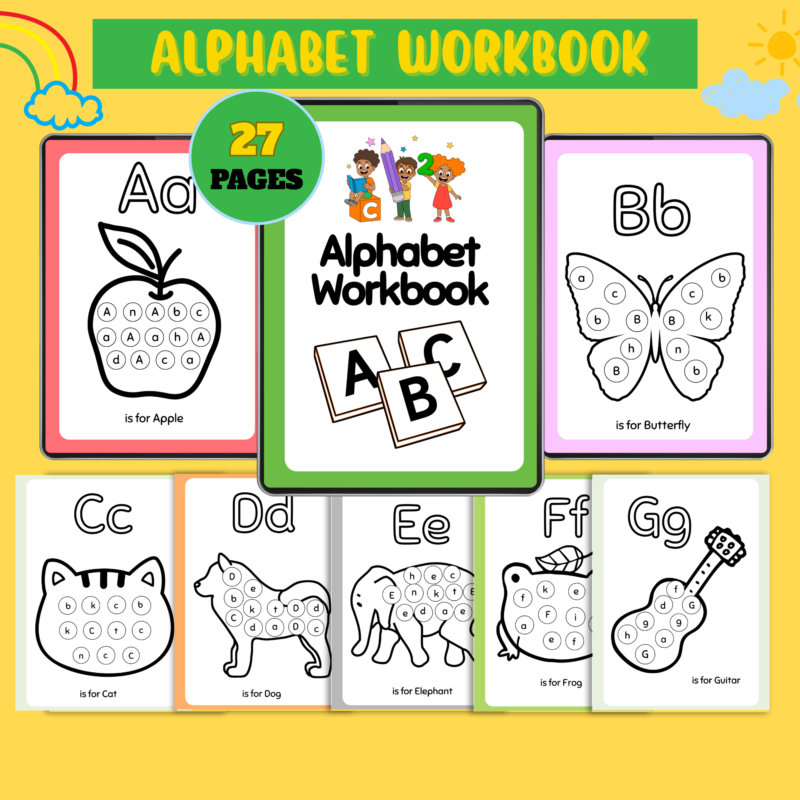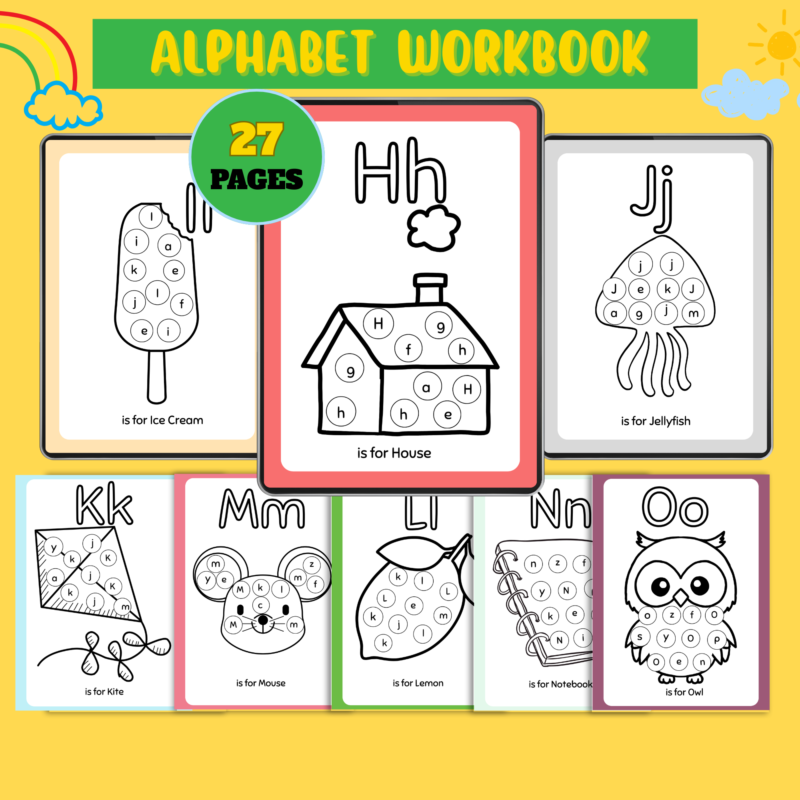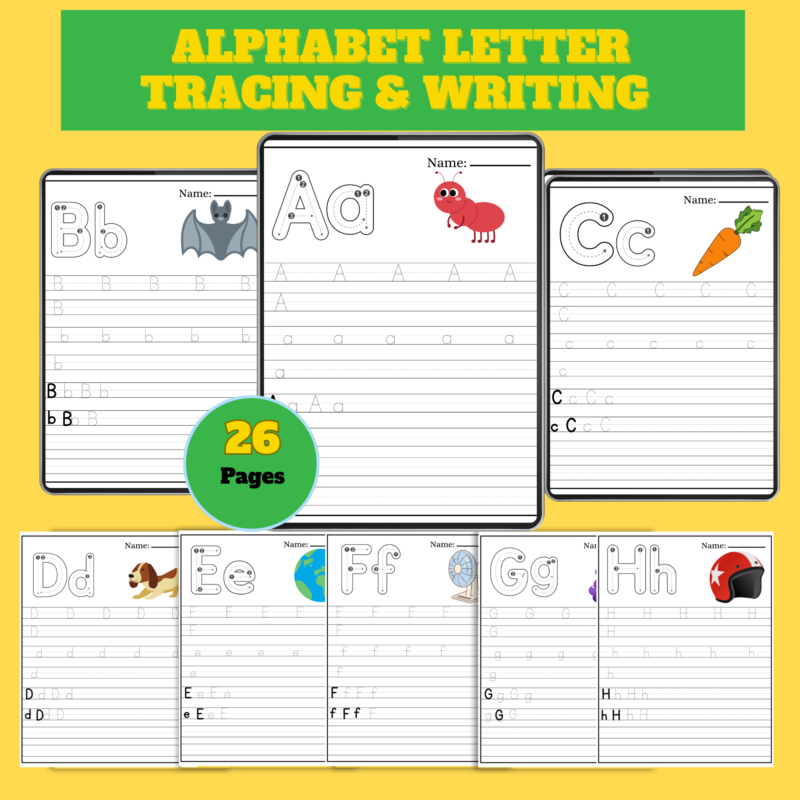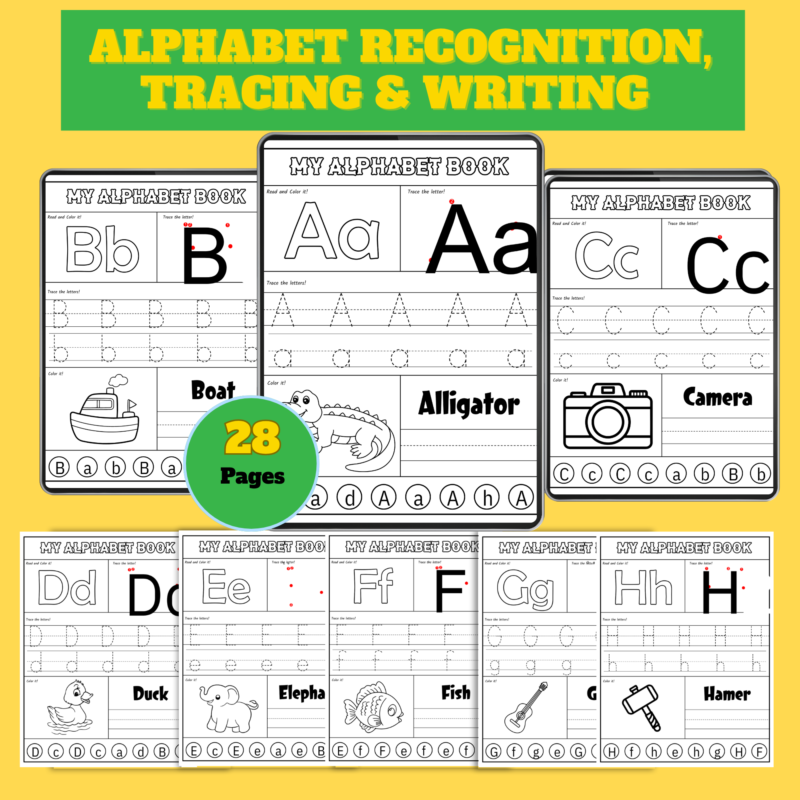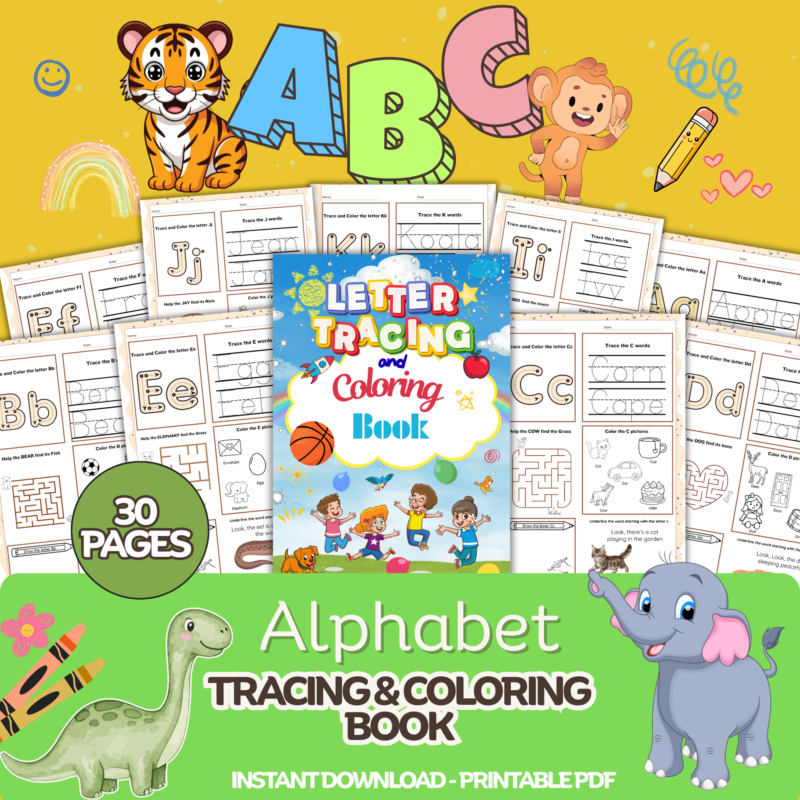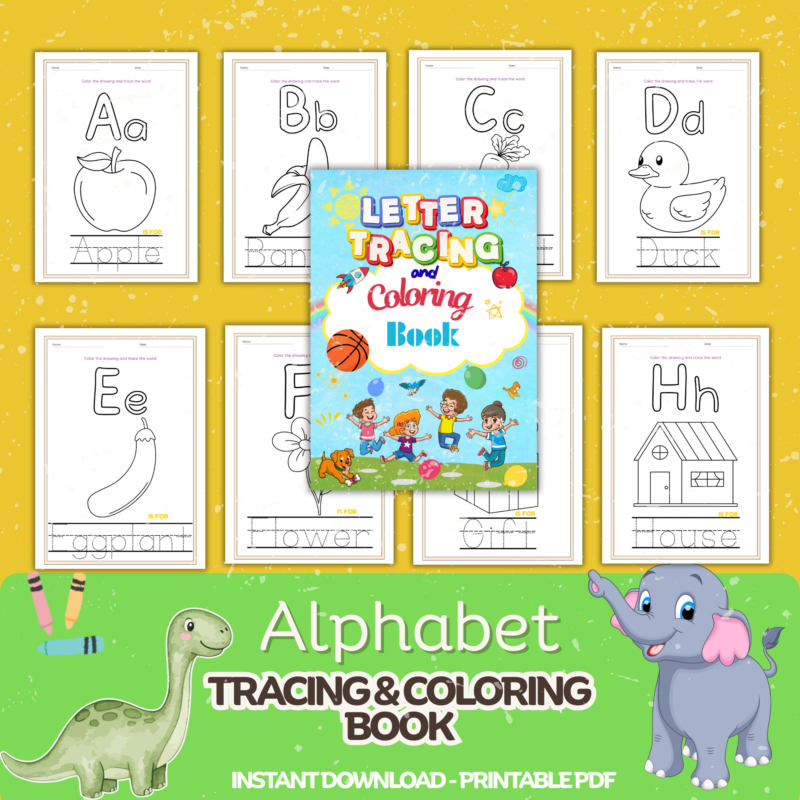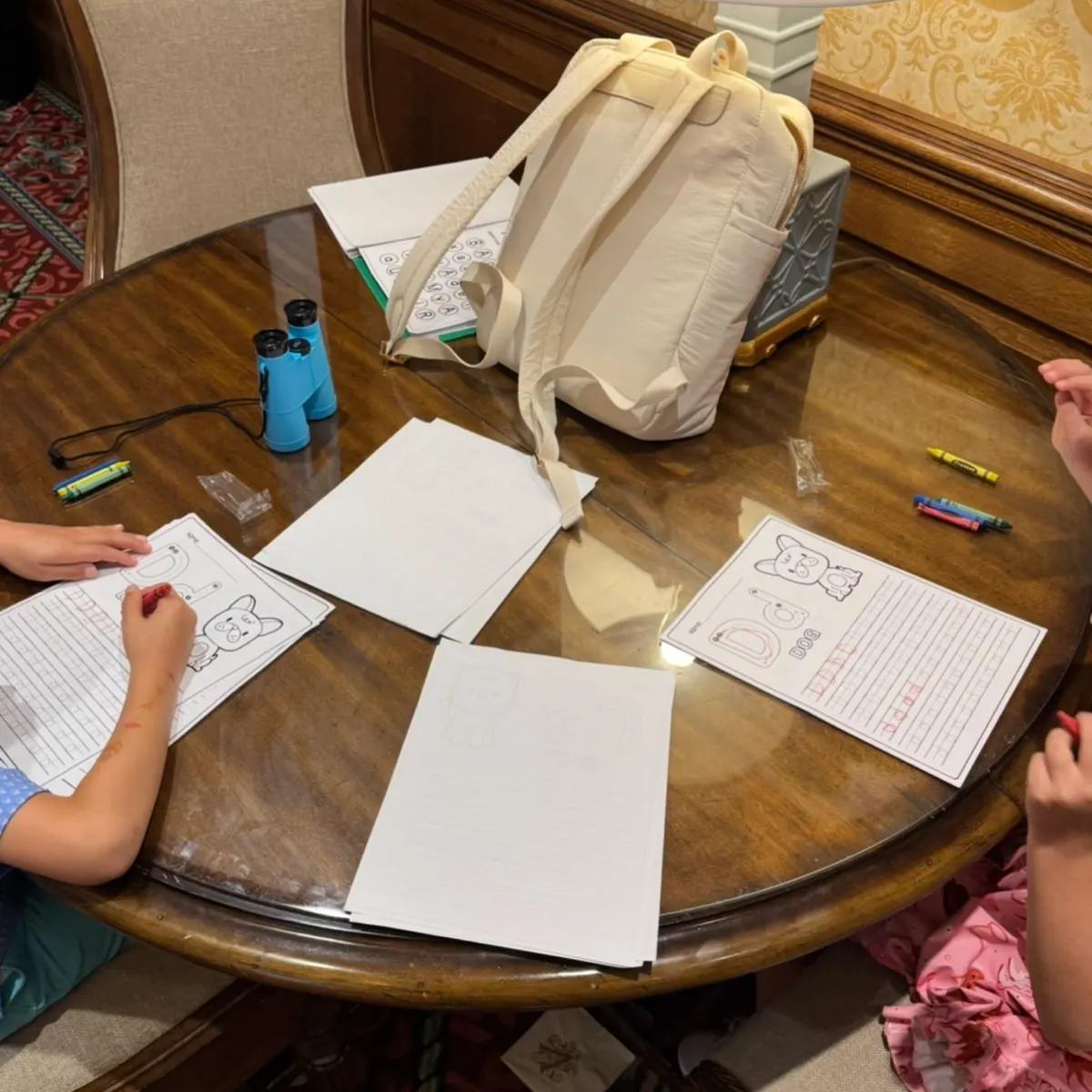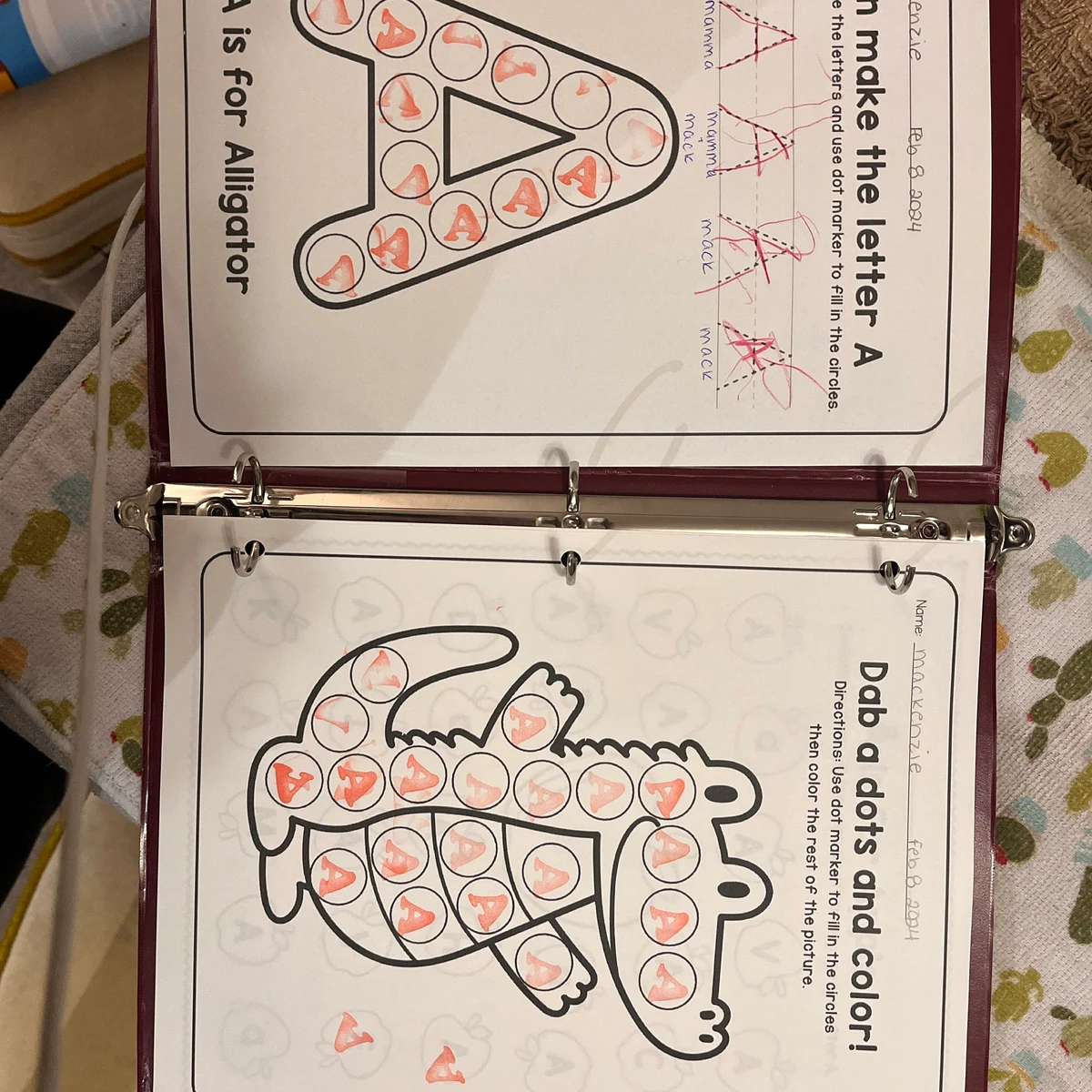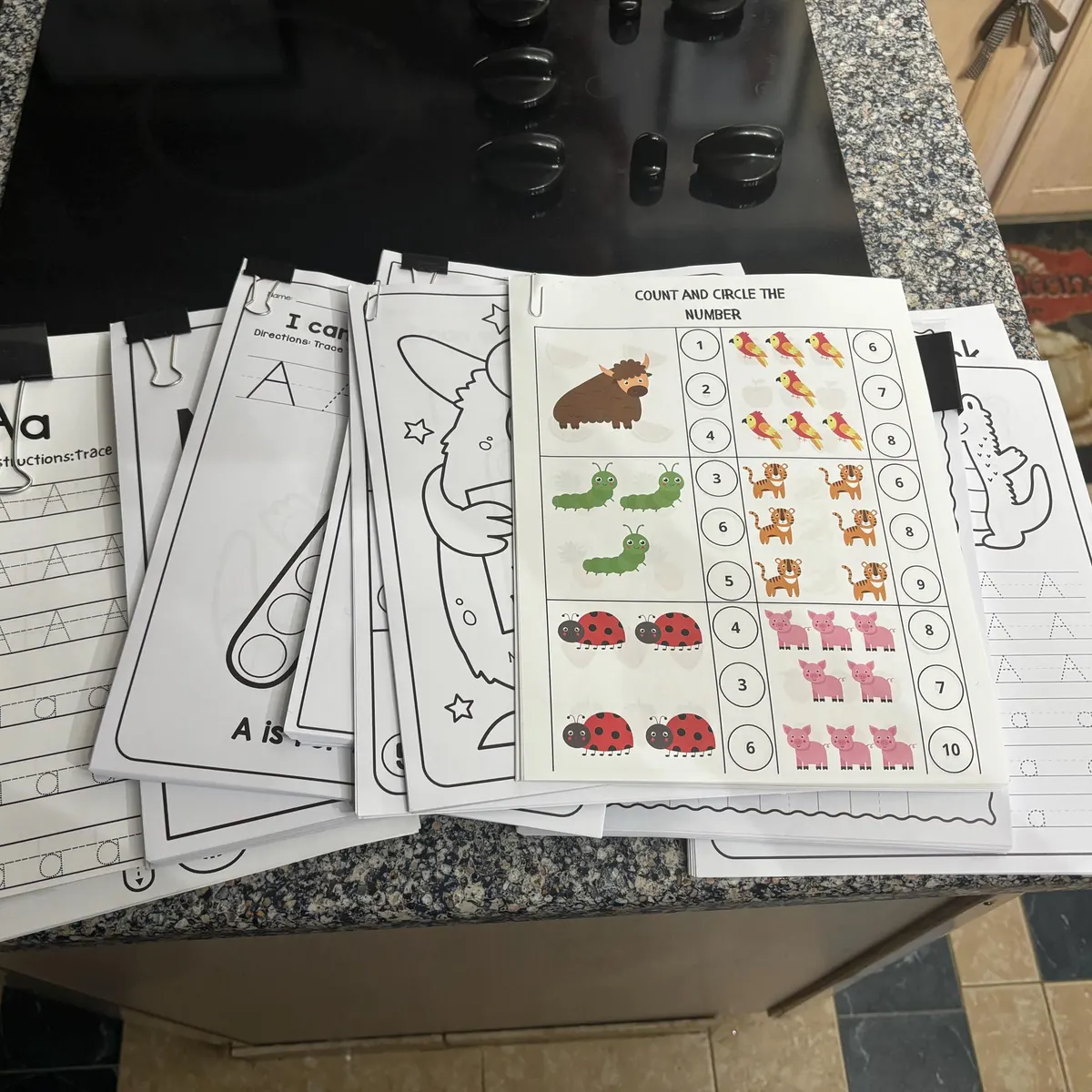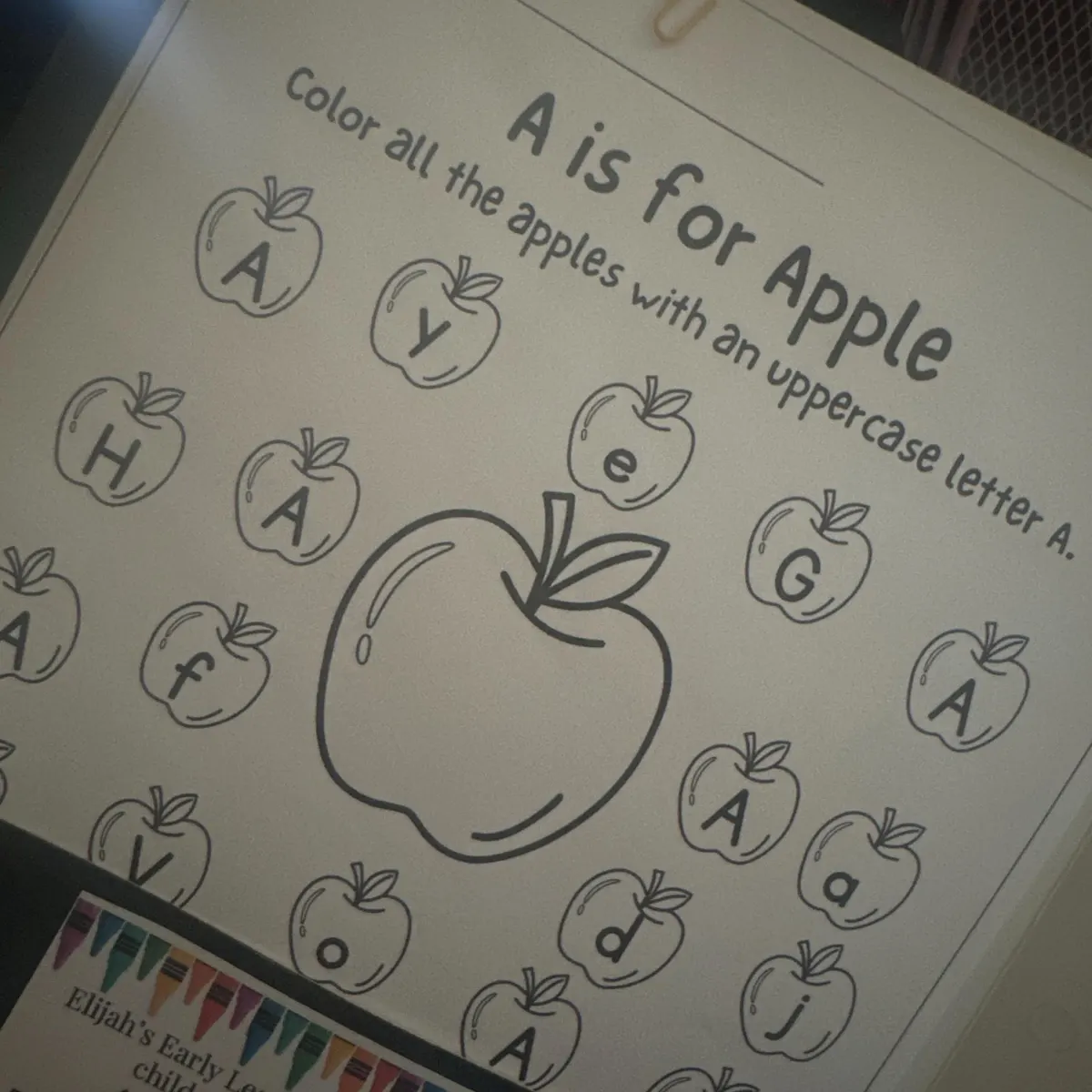
Free A-Z Letter Tracing Worksheets, A-Z Letter Tracing Sheets, and A-Z Letter Tracing Worksheets PDF designed for preschool and kindergarten learners. These fun printable tracing activities help children improve handwriting, alphabet recognition, pencil control, fine motor skills, and writing confidence through engaging uppercase and lowercase tracing practice perfect for classroom, homeschool, and daily learning routines.
A child points to the letter m, says /m/, and suddenly notices that the same sound begins moon, mom, and map. That small connection is a big step toward reading. So, are phonics worksheets effective? They can be – when they give children meaningful practice with skills they have already started learning through conversation, books, games, and direct teaching.
For preschoolers and kindergarteners, a worksheet is not meant to replace reading aloud, singing letter-sound songs, or playing with magnetic letters. It is a simple, screen-free tool for helping a new skill stick. The best phonics worksheets make practice clear, short, and encouraging, so children can build confidence one sound at a time.
Are phonics worksheets effective on their own?
Not usually. A page of letters cannot teach a child what a sound feels or sounds like without an adult first modeling it. Young learners need to hear the sound, say it, and connect it to familiar words. They also benefit from seeing how letters work together in real books.
Worksheets become effective when they are part of that larger learning routine. For example, after introducing the sound /s/, a parent or teacher might say several words slowly: sun, sock, sandwich. Children can listen for the beginning sound, trace the letter s, color pictures that start with /s/, and hunt for the letter in a book title. The printable page gives the child a focused chance to show what they understand.
That repeated practice matters. Early readers are learning that printed letters represent spoken sounds, and that idea takes time to become automatic. A well-designed worksheet offers enough repetition to strengthen the connection without turning practice into a tiring chore.
Why phonics practice works for early learners
Phonics teaches children the relationship between letters and sounds. As they learn these relationships, they can begin sounding out simple words instead of trying to memorize every word by sight. That supports reading readiness, spelling, and the confidence to attempt unfamiliar words.
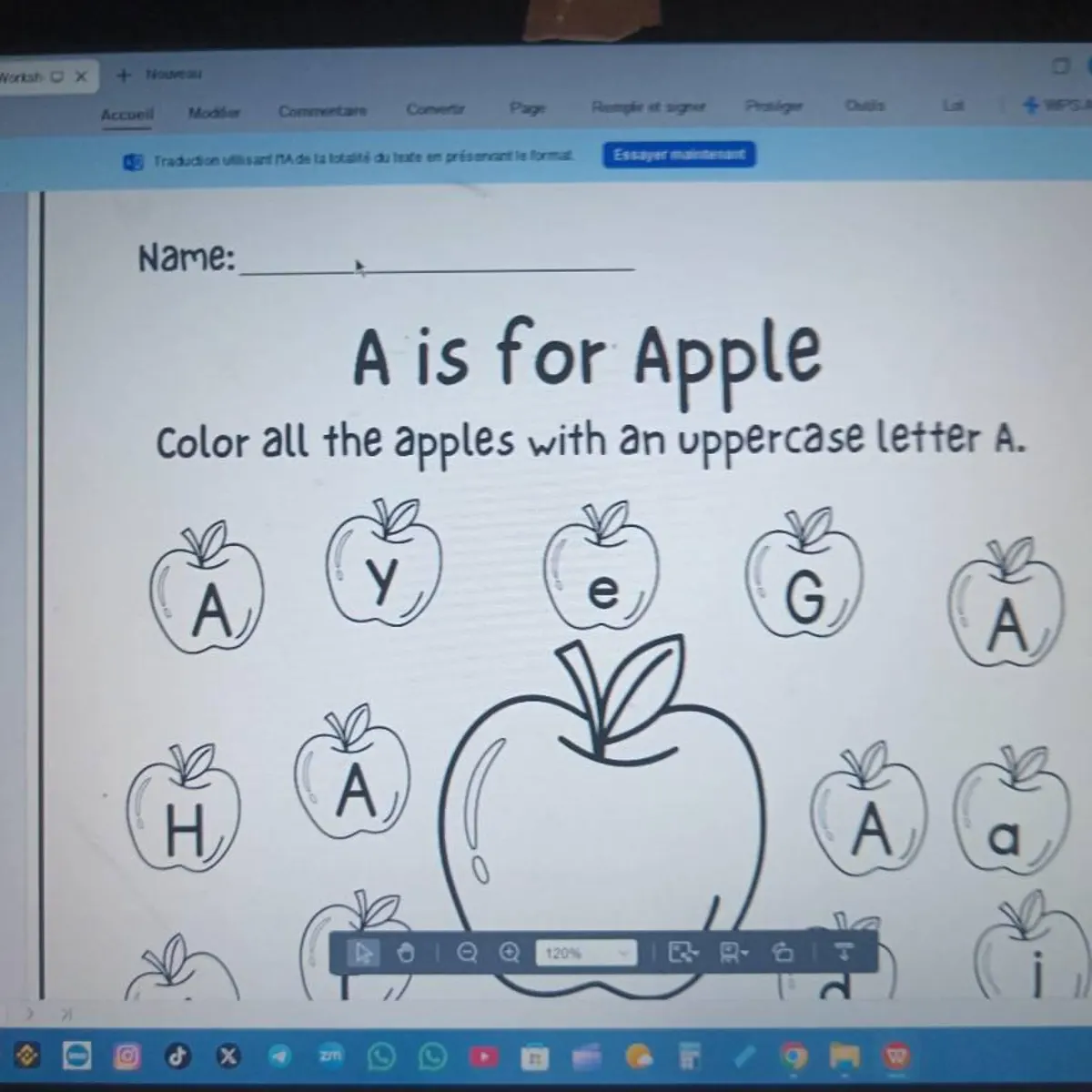
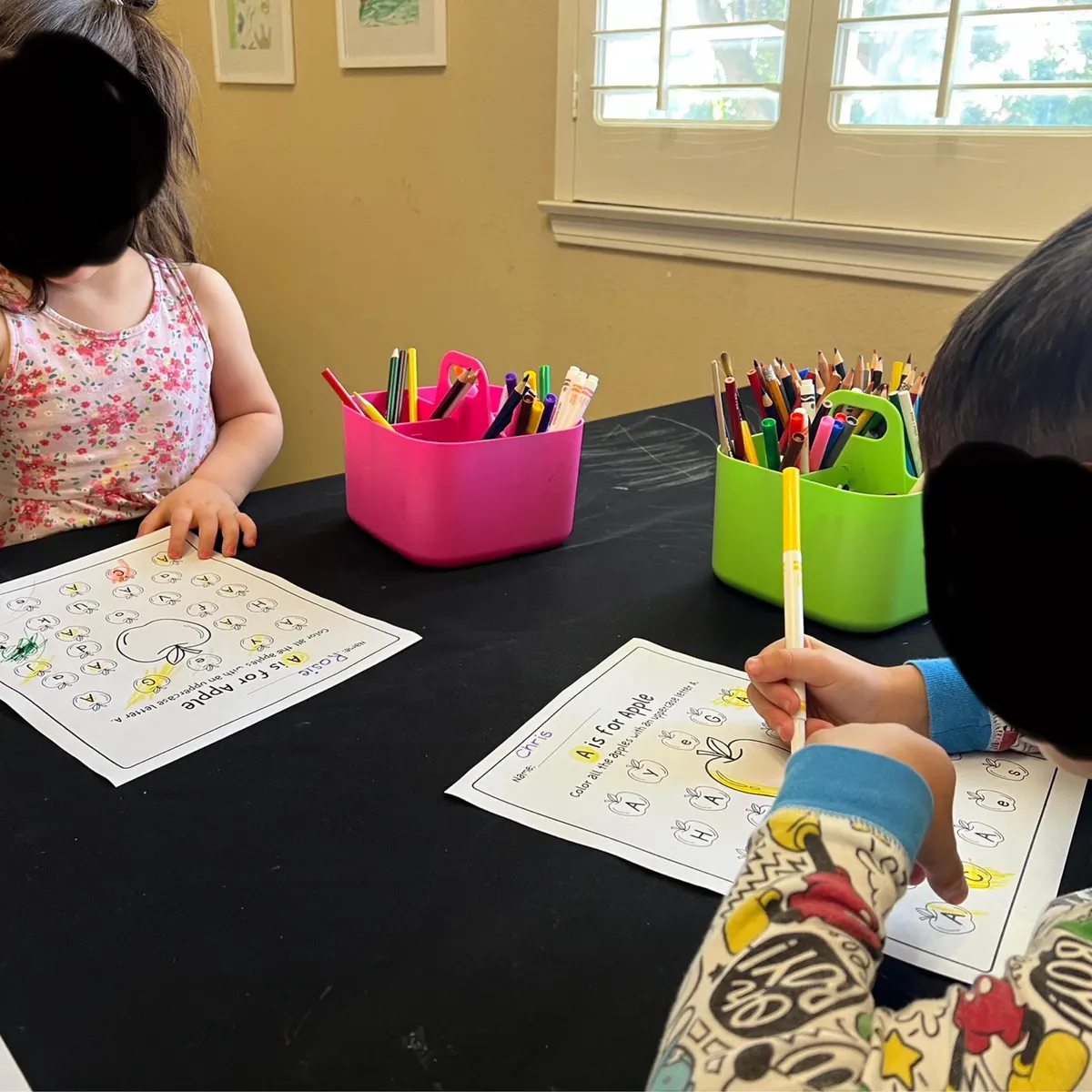
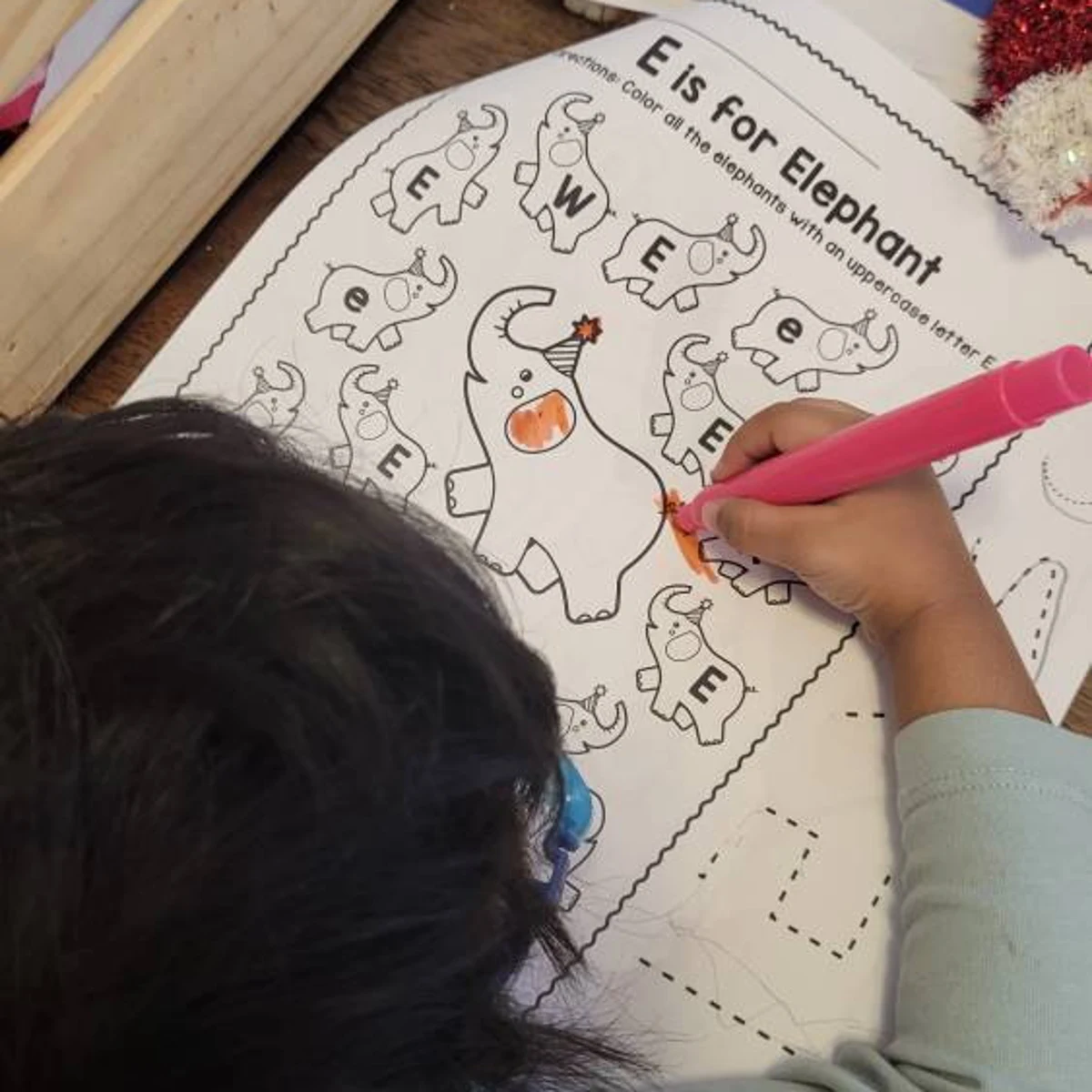
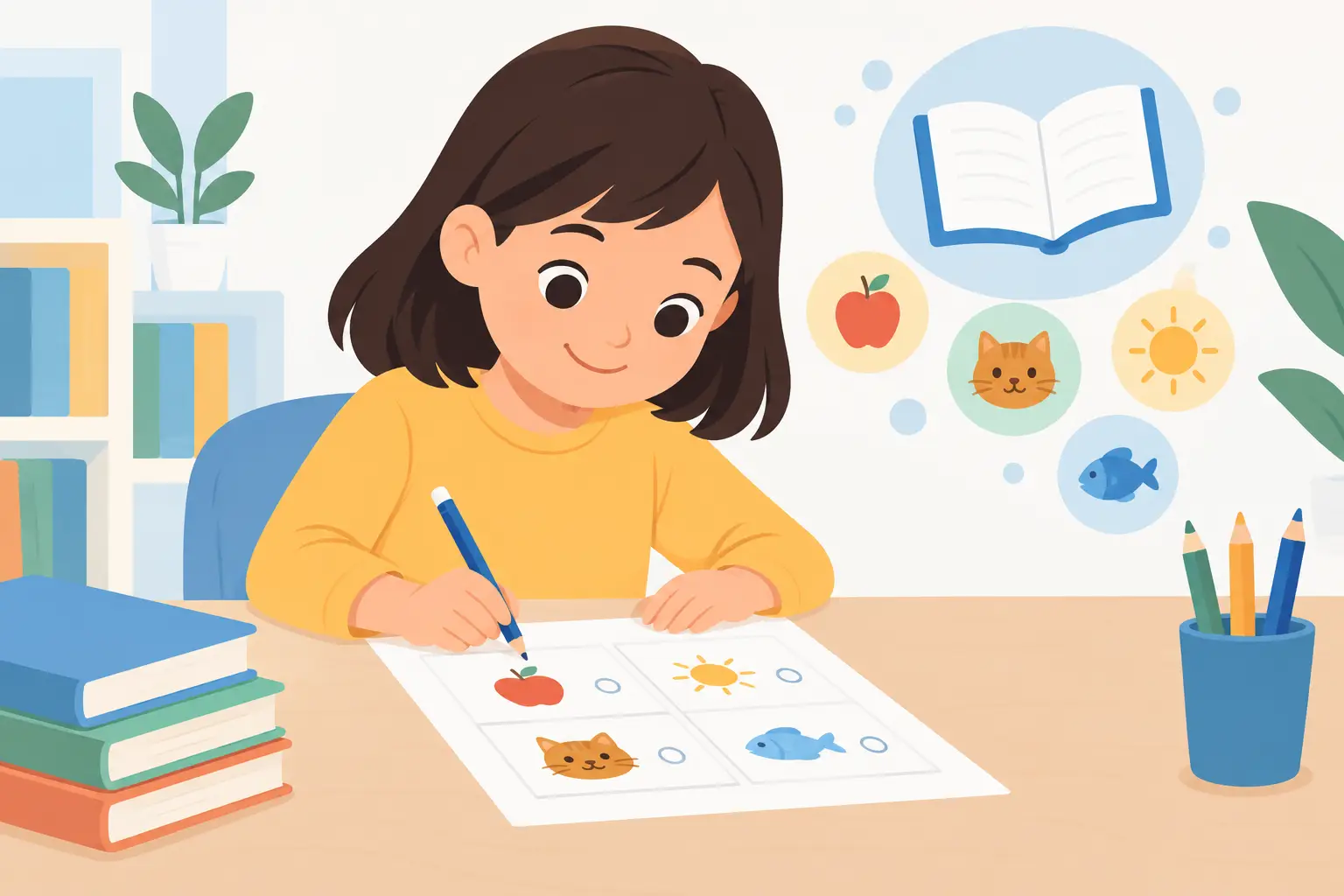
Printables work especially well for young children because they add a hands-on element. Tracing a letter, drawing a line from a picture to its beginning sound, circling the correct letter, or coloring a matching image all ask children to slow down and pay attention. These activities also give adults an easy way to see whether a child understands the skill or needs another playful review.
There is a trade-off, though. A worksheet that is too busy, too long, or too difficult can make a child feel stuck. Preschool and kindergarten learners do best with one clear goal per page. If the lesson is about the letter b, the page should not also expect the child to read sentences, write a paragraph, and identify several blends. Keep the focus small, then celebrate progress.
The strongest worksheets connect sounds to meaning
A child may be able to recite the alphabet without yet knowing that t represents the /t/ sound in tiger. Effective phonics pages bridge that gap with picture clues and familiar vocabulary. When children identify the picture, say the word aloud, and listen for its first, middle, or ending sound, the activity becomes more than a letter-recognition exercise.
Picture-based practice is particularly helpful before children are reading independently. It lets them practice phonemic awareness – hearing and noticing sounds in spoken words – while also learning the letter that represents the sound.
Writing adds useful reinforcement
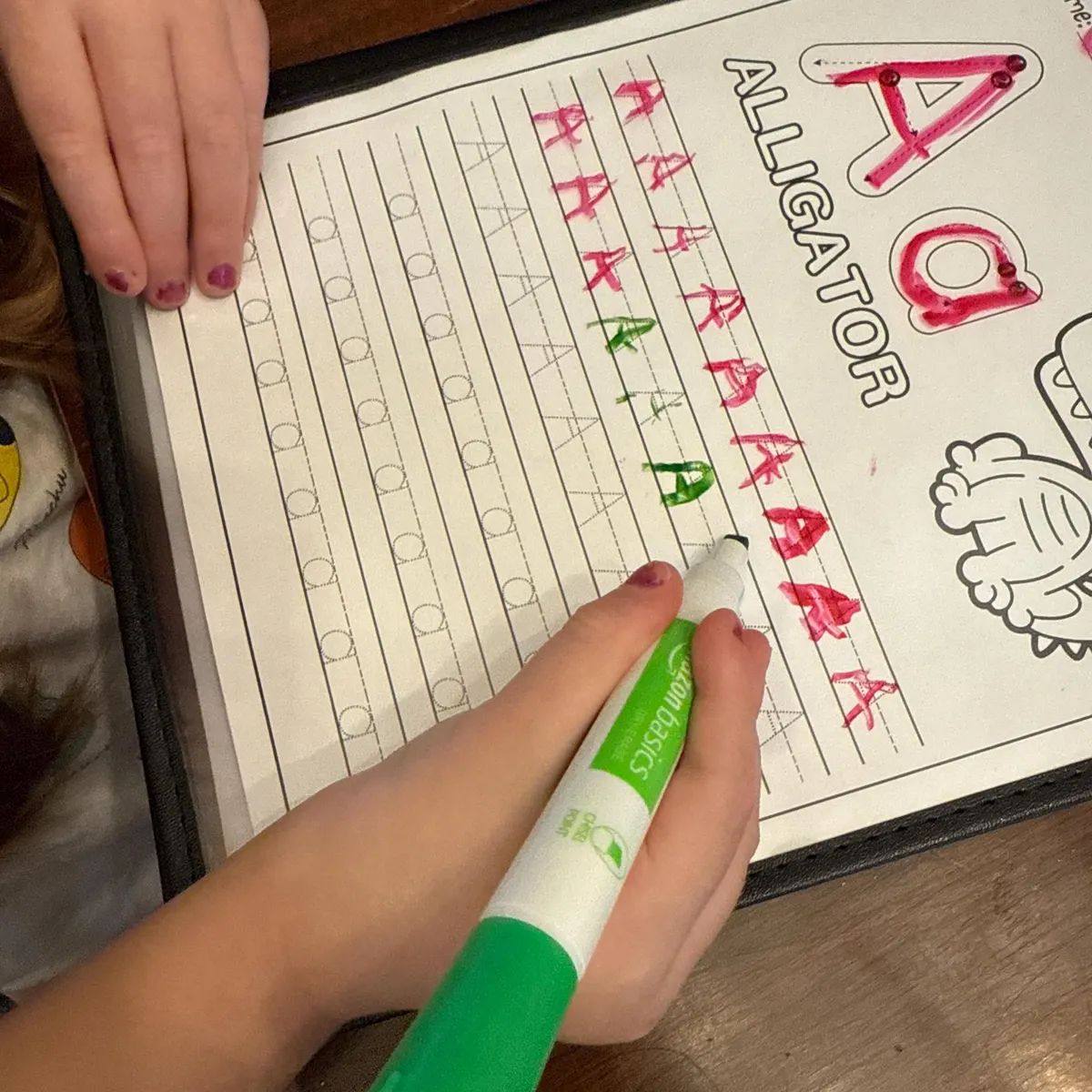
Tracing and writing letters are valuable companions to phonics instruction. Forming a letter while saying its sound can help children remember both the letter shape and its job in a word. It also builds pencil control, hand strength, and handwriting confidence.
For a child who is still developing fine motor skills, keep writing practice relaxed. Offer crayons, short pencils, or markers, and accept imperfect lines. The learning goal is participation and steady growth, not perfectly formed letters on the first try.
How to use phonics worksheets effectively
The simplest routine is often the best: introduce one sound, practice it together, complete a short page, and use the sound again during everyday reading or play. A five- to ten-minute activity can be plenty for a young child.
Start by saying the sound clearly. Use the pure sound when possible – /m/ rather than “muh” – so children can blend sounds into words more easily later. Show the letter, name a few familiar objects that begin with that sound, and invite your child to repeat them.
Then choose a worksheet that matches the child’s current level. A beginner may trace a single uppercase and lowercase letter, identify pictures with the target beginning sound, or color an object that starts with the sound. A child who already knows many letter sounds may be ready to match letters to sounds, find ending sounds, blend simple consonant-vowel-consonant words, or read short decodable words.
As your child works, sit nearby and ask gentle questions: “What is this picture?” “Say fish slowly. What sound do you hear first?” “Can you find the letter that makes /f/?” These prompts help children think aloud instead of guessing.
Finish with a success they can feel. Put the completed page in a learning folder, display it on the refrigerator, or reread a favorite book and look for the target letter together. A little positive attention can make a child far more willing to practice again tomorrow.
When worksheets may not be the right choice
Phonics worksheets are helpful, but they are not the best activity for every moment. A very active child may need to start with movement: jump when they hear the target sound, sort toy animals by beginning letter, or make letters with play dough before sitting down to trace. A child who becomes frustrated quickly may do better with just a few questions from a page rather than completing the whole sheet.
Children under preschool age may also be more ready for songs, stories, conversation, and sensory play than formal pencil-and-paper tasks. There is no prize for rushing. Interest in letters grows at different rates, and early learning should feel safe and enjoyable.
If a child repeatedly struggles with sounds that peers have mastered, avoid labeling them as lazy or uninterested. Go back to simpler listening games, offer more modeling, and keep practice brief. Teachers and caregivers can also share observations with the child’s family or school support team when extra guidance seems helpful.
Choosing phonics worksheets that help, not overwhelm
Look for pages with clear directions, large child-friendly print, simple illustrations, and a single skill focus. A worksheet should make it easy for an adult to explain the task in one or two sentences. It should also offer enough white space for little hands to trace, circle, color, or write.
Variety keeps repetition fresh. Children may practice the same letter sound through tracing, picture sorting, matching, coloring, cutting, or a simple game. The skill stays consistent while the activity changes. This is one reason printable resources are so useful for home learning, classroom centers, daycare activities, and homeschool routines.
Fun Clever Fox phonics printables are designed with this kind of practical, age-appropriate practice in mind: playful enough to hold a young learner’s attention and structured enough to make teaching easier for the adult.
A better goal than finishing every page
It is tempting to measure learning by the number of worksheets completed. For early readers, a more useful question is: can the child use this sound outside the worksheet? Can they hear /p/ at the beginning of pig? Can they point to p in a sign or book? Can they try sounding out a simple word with support?
Those little moments show that phonics is becoming real. Offer a few purposeful pages, pair them with books and conversation, and let each growing connection give your young reader a reason to feel proud.