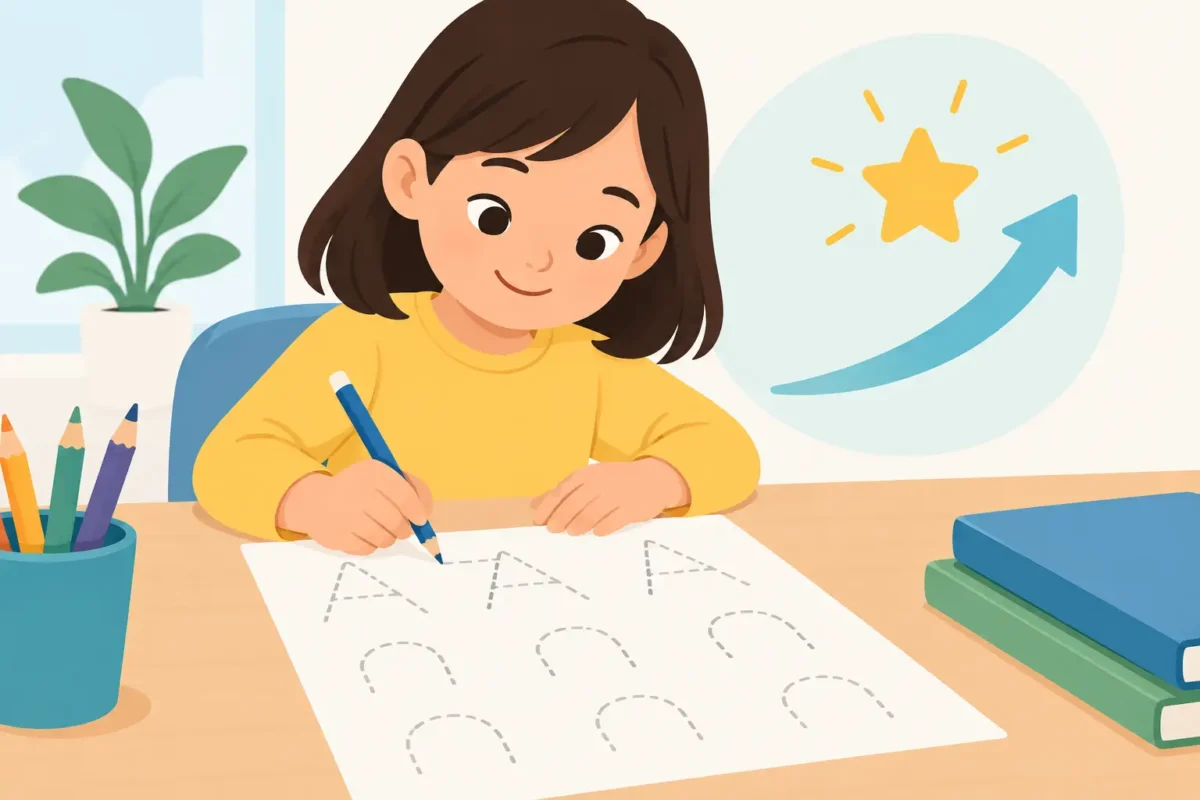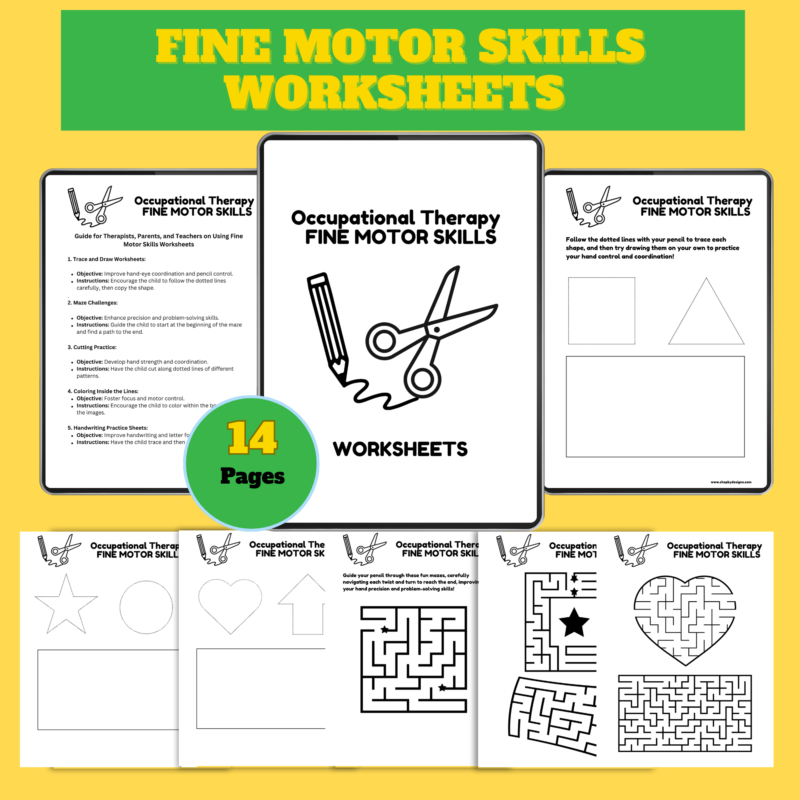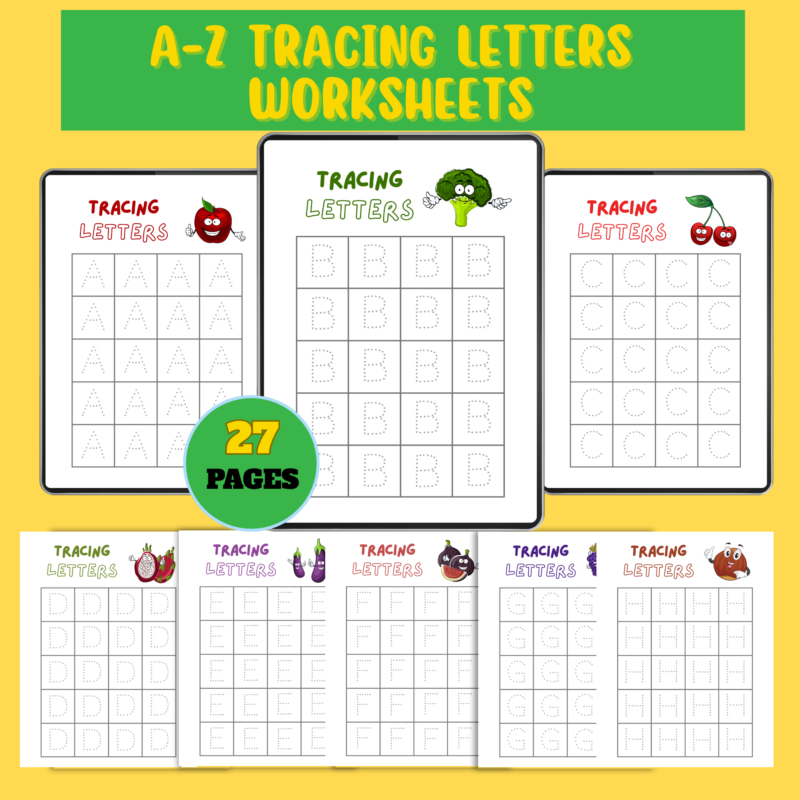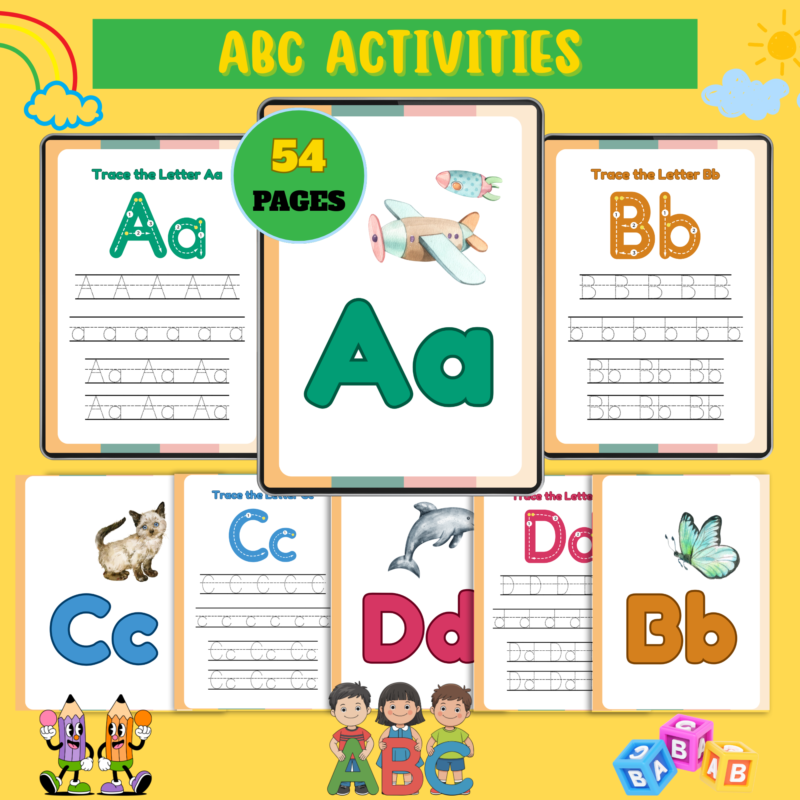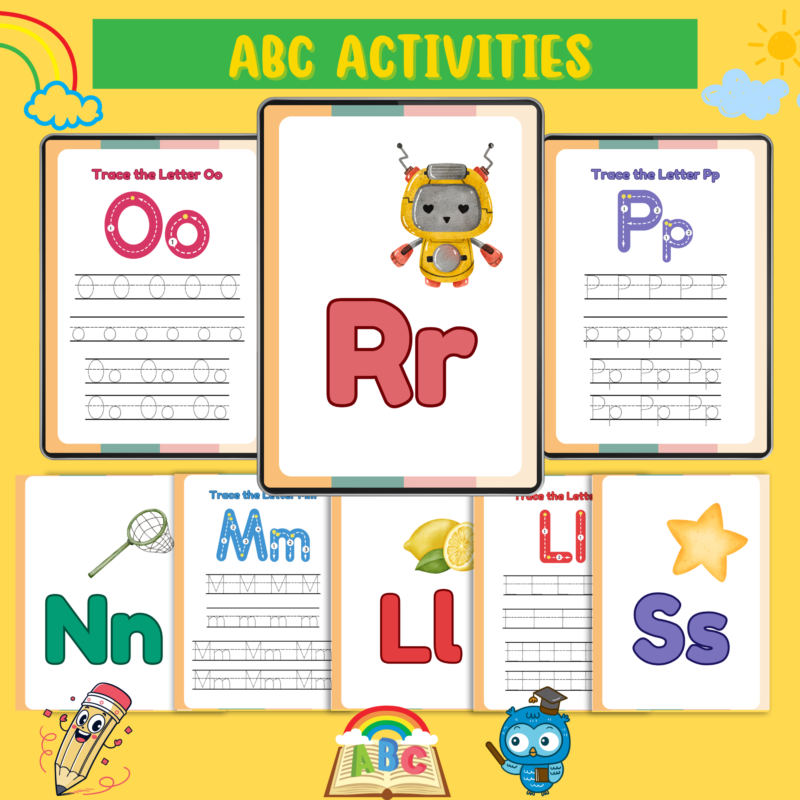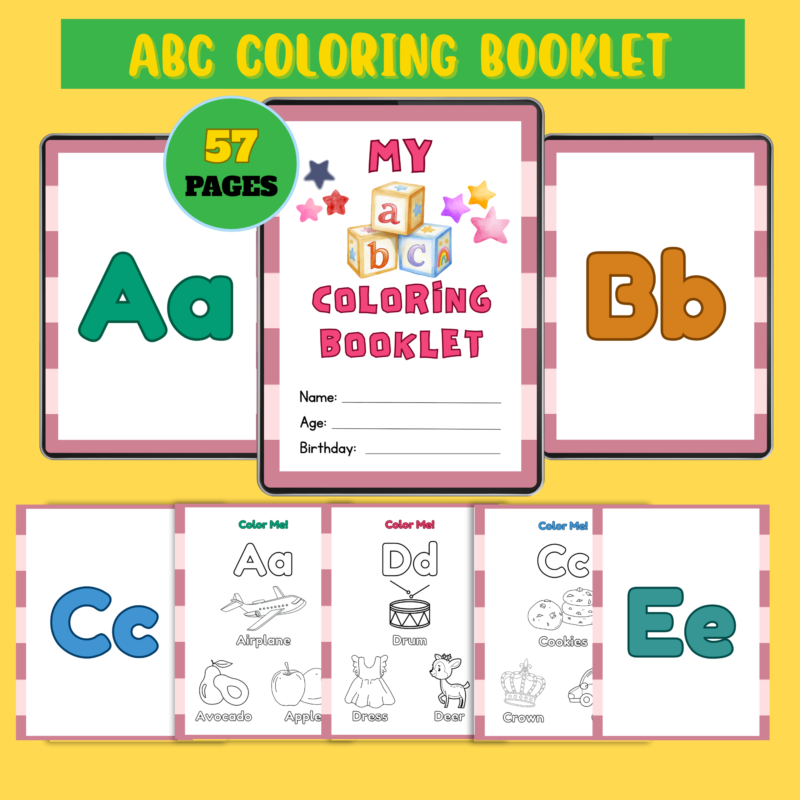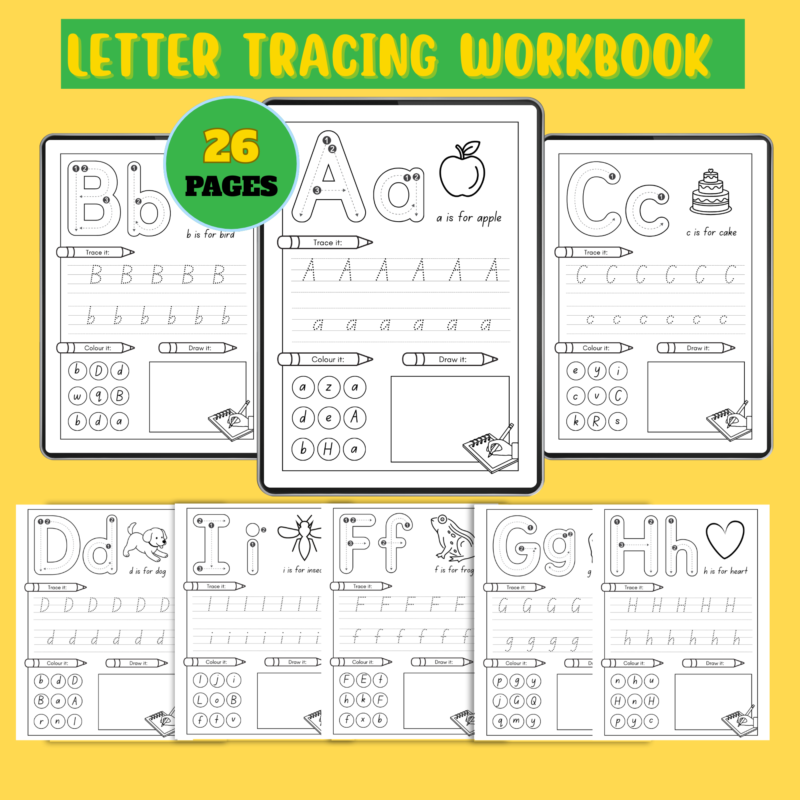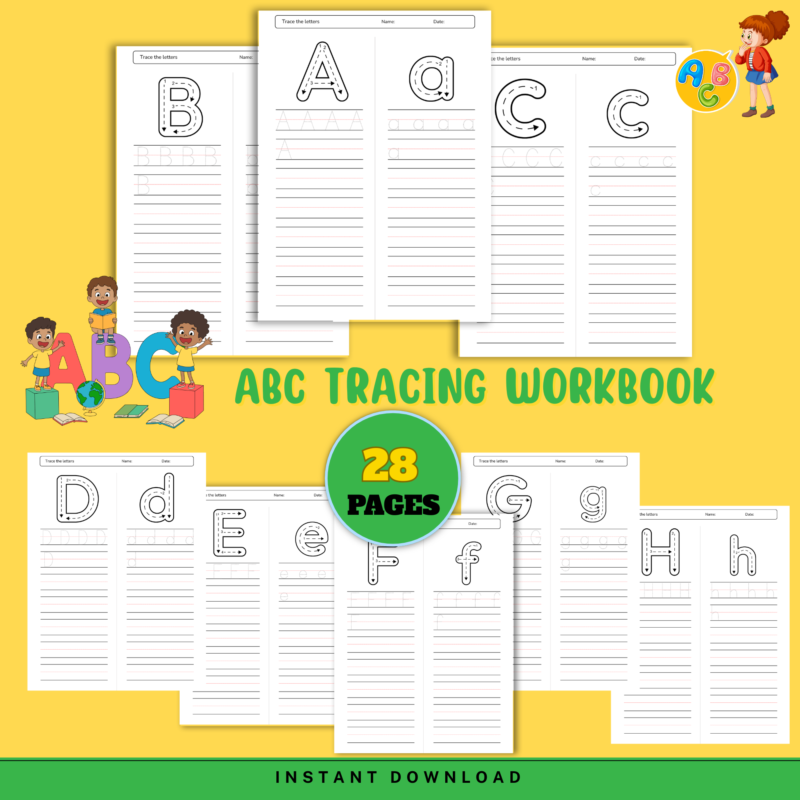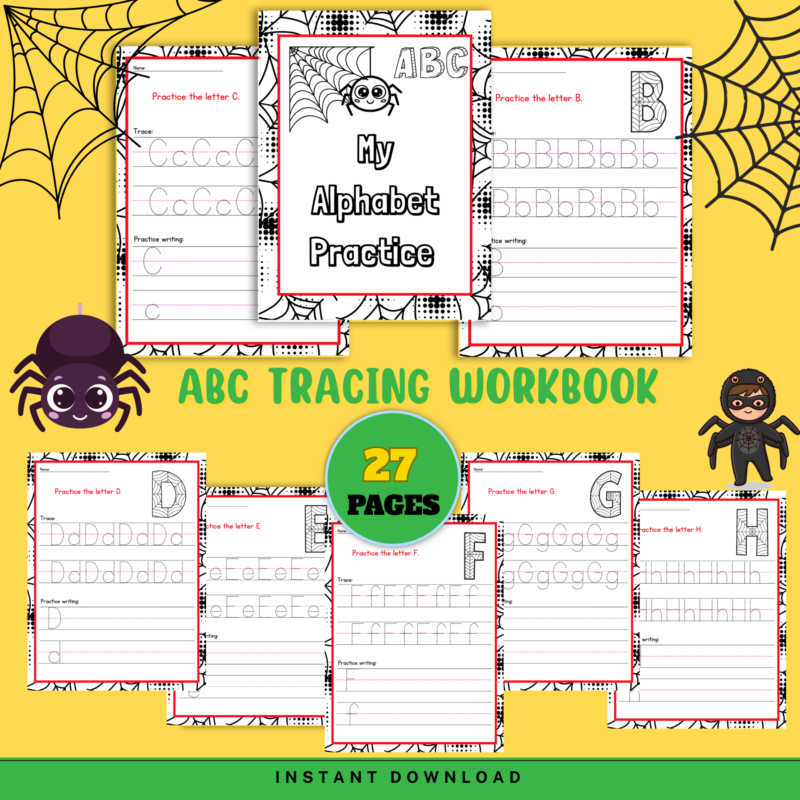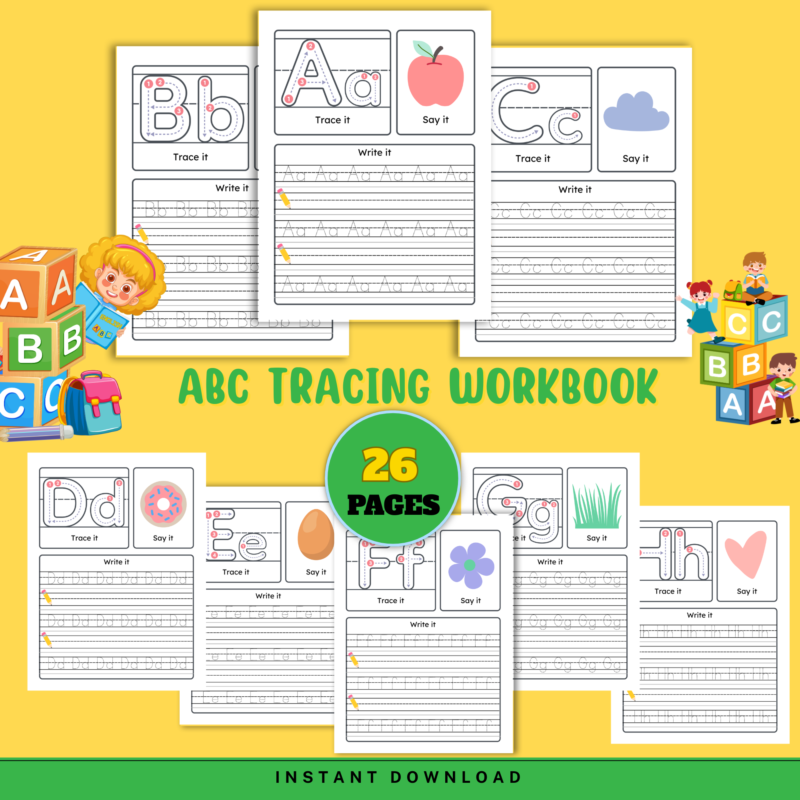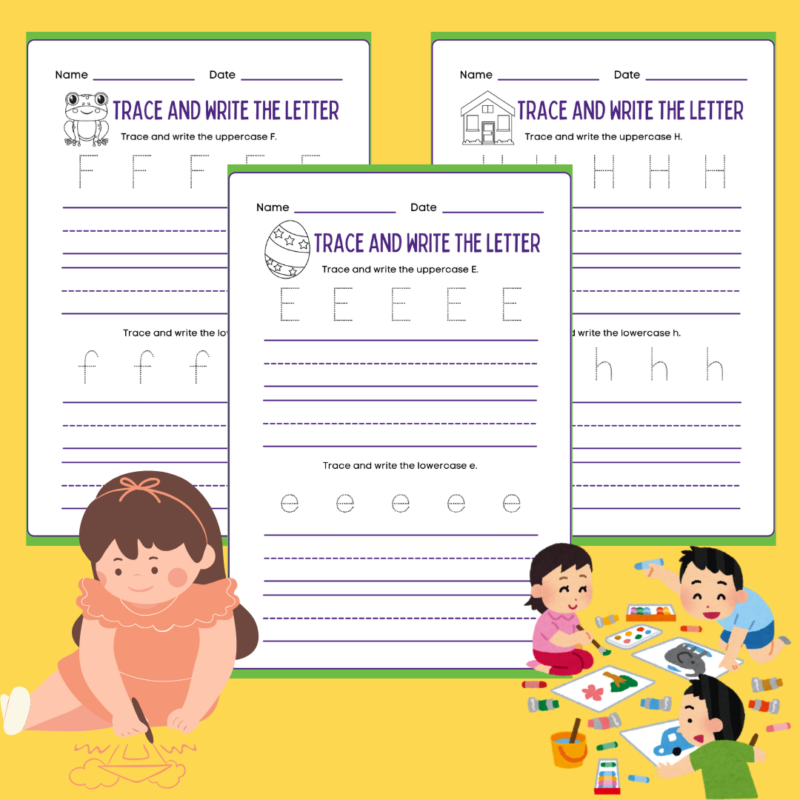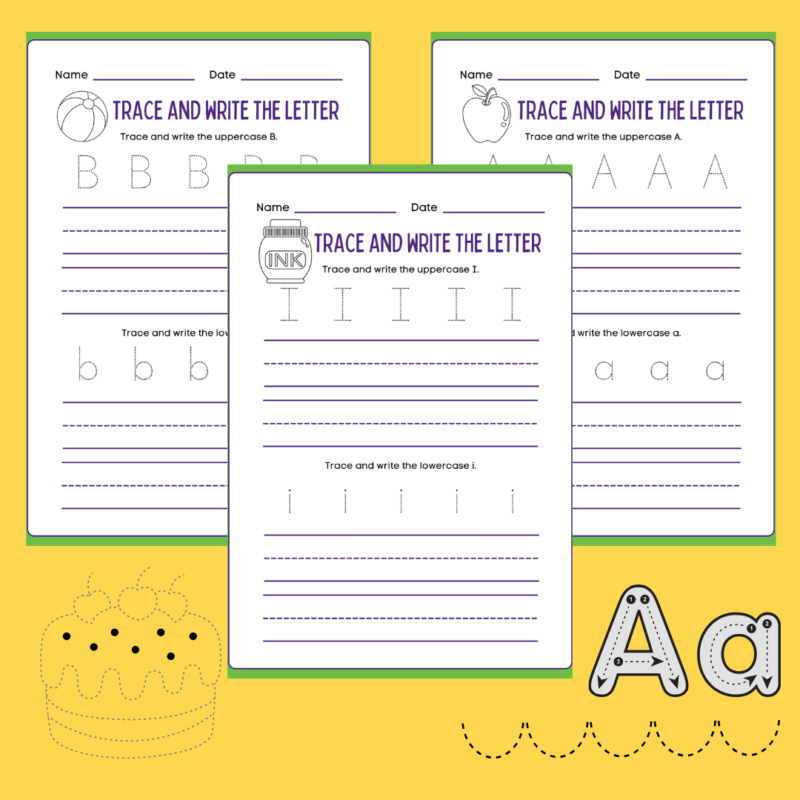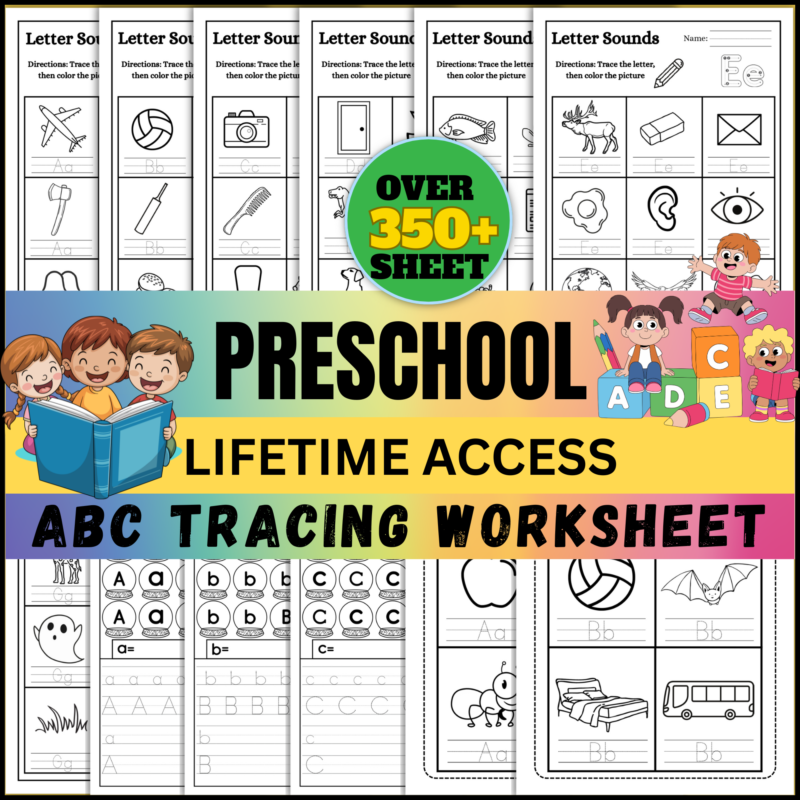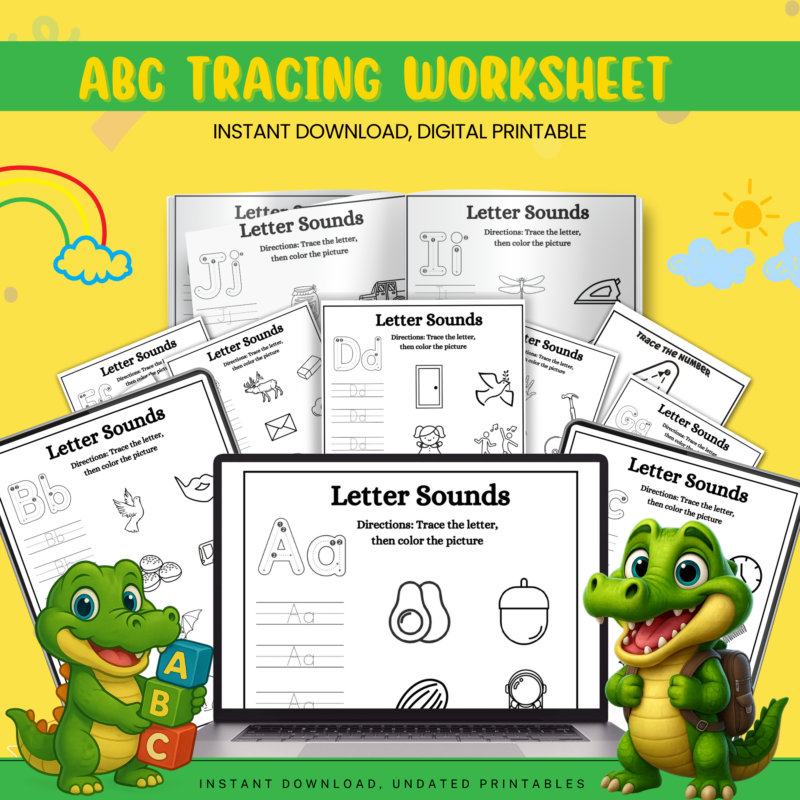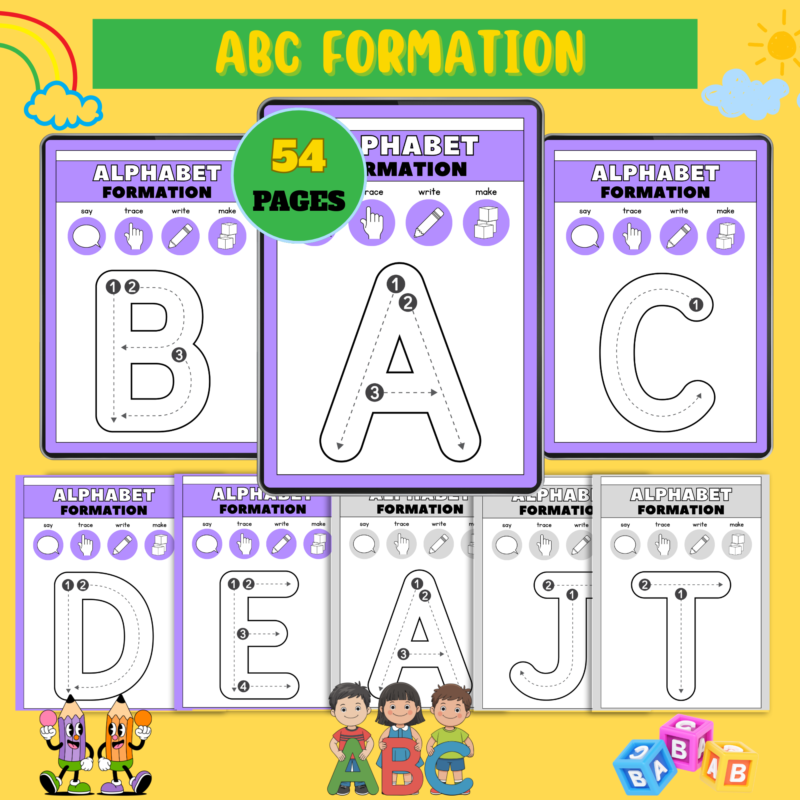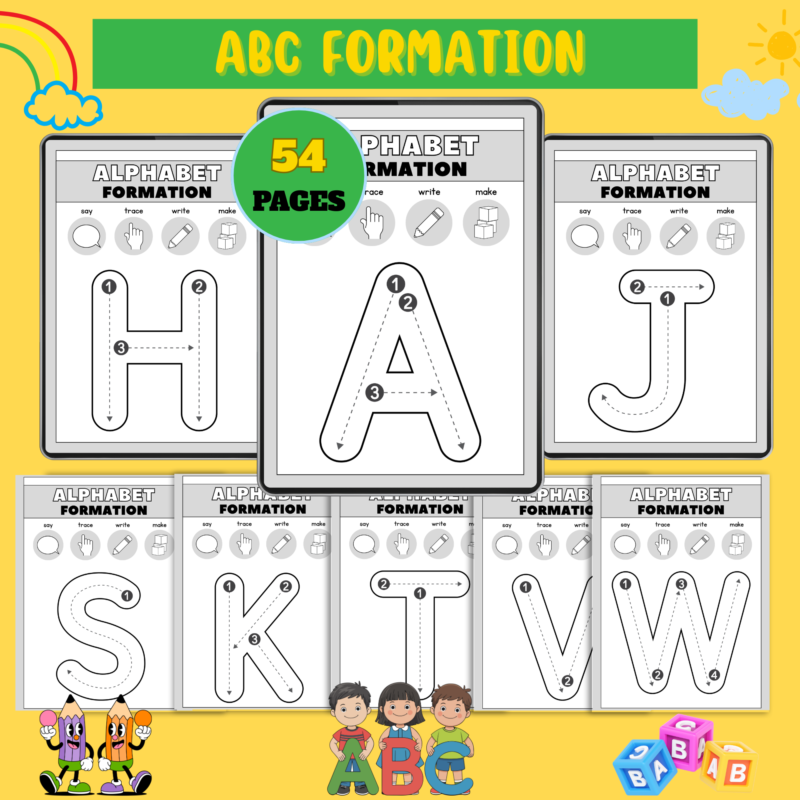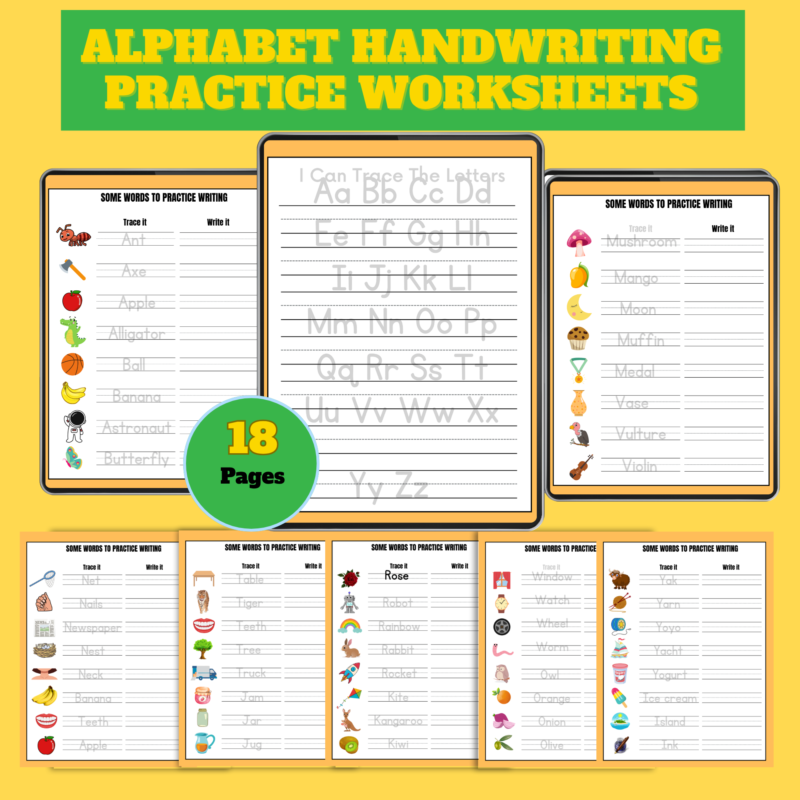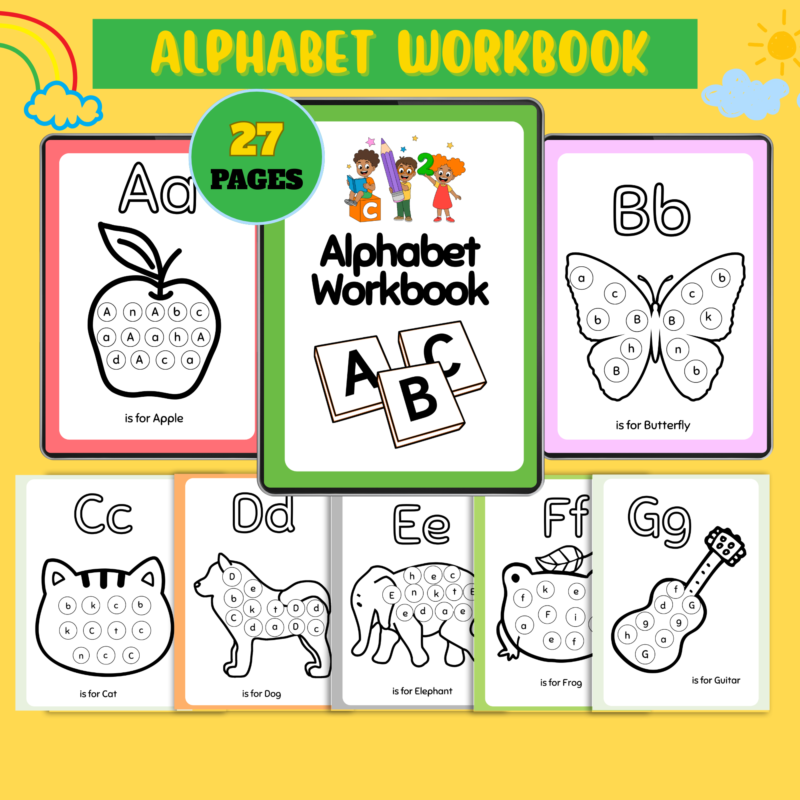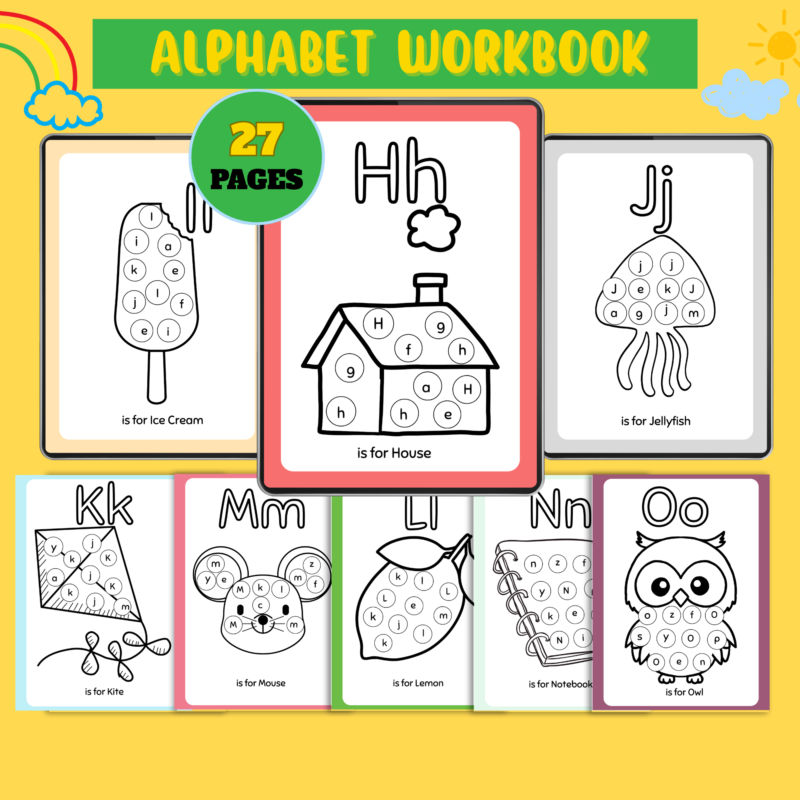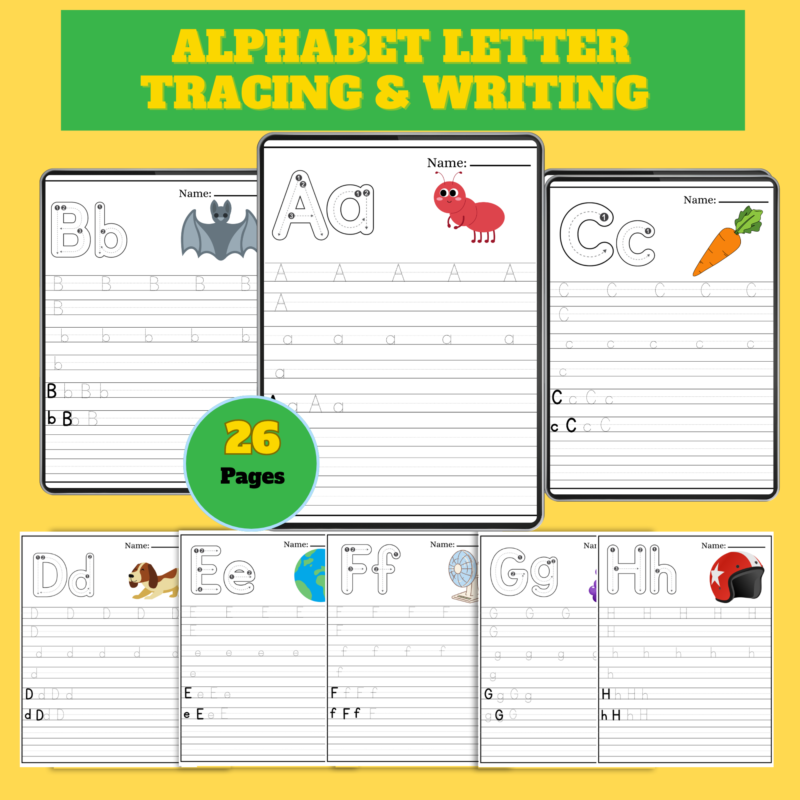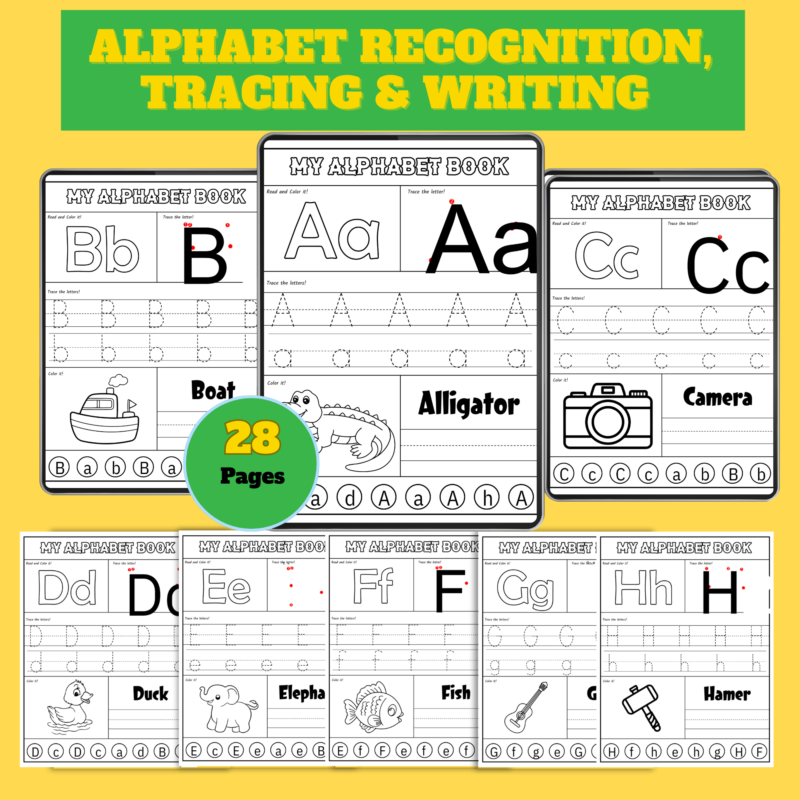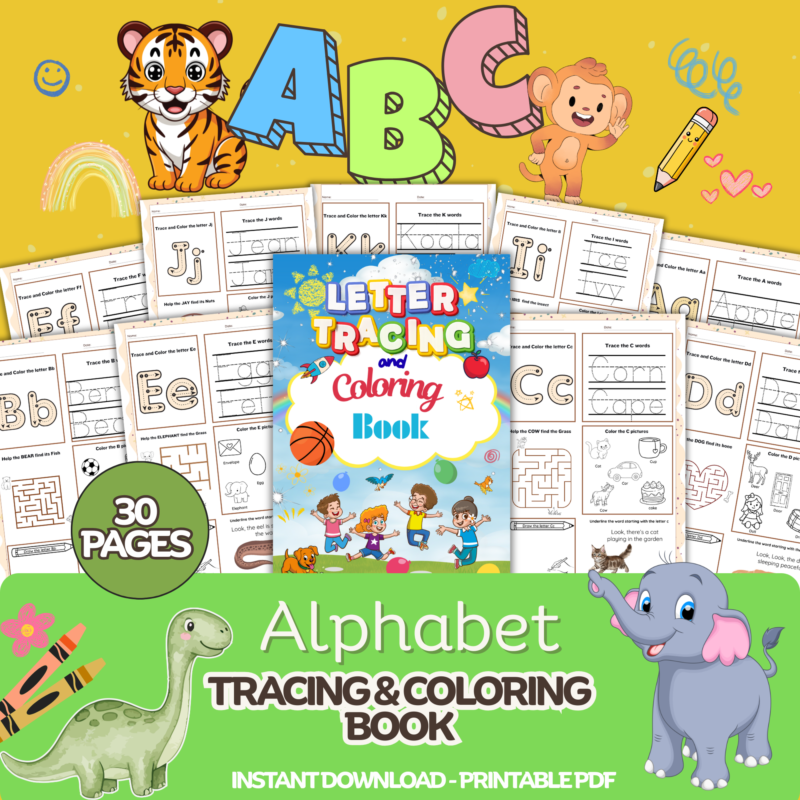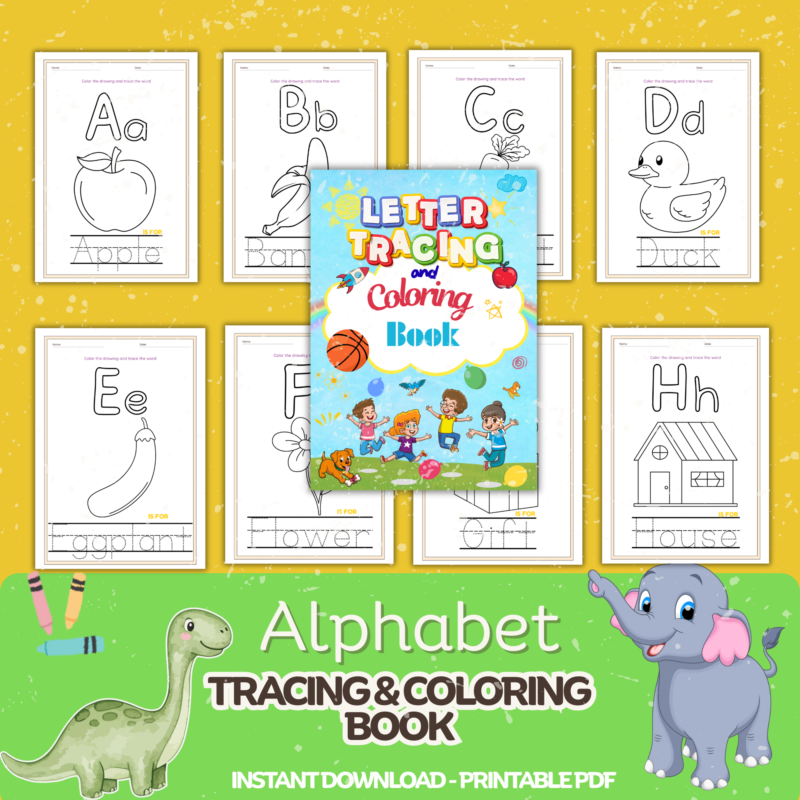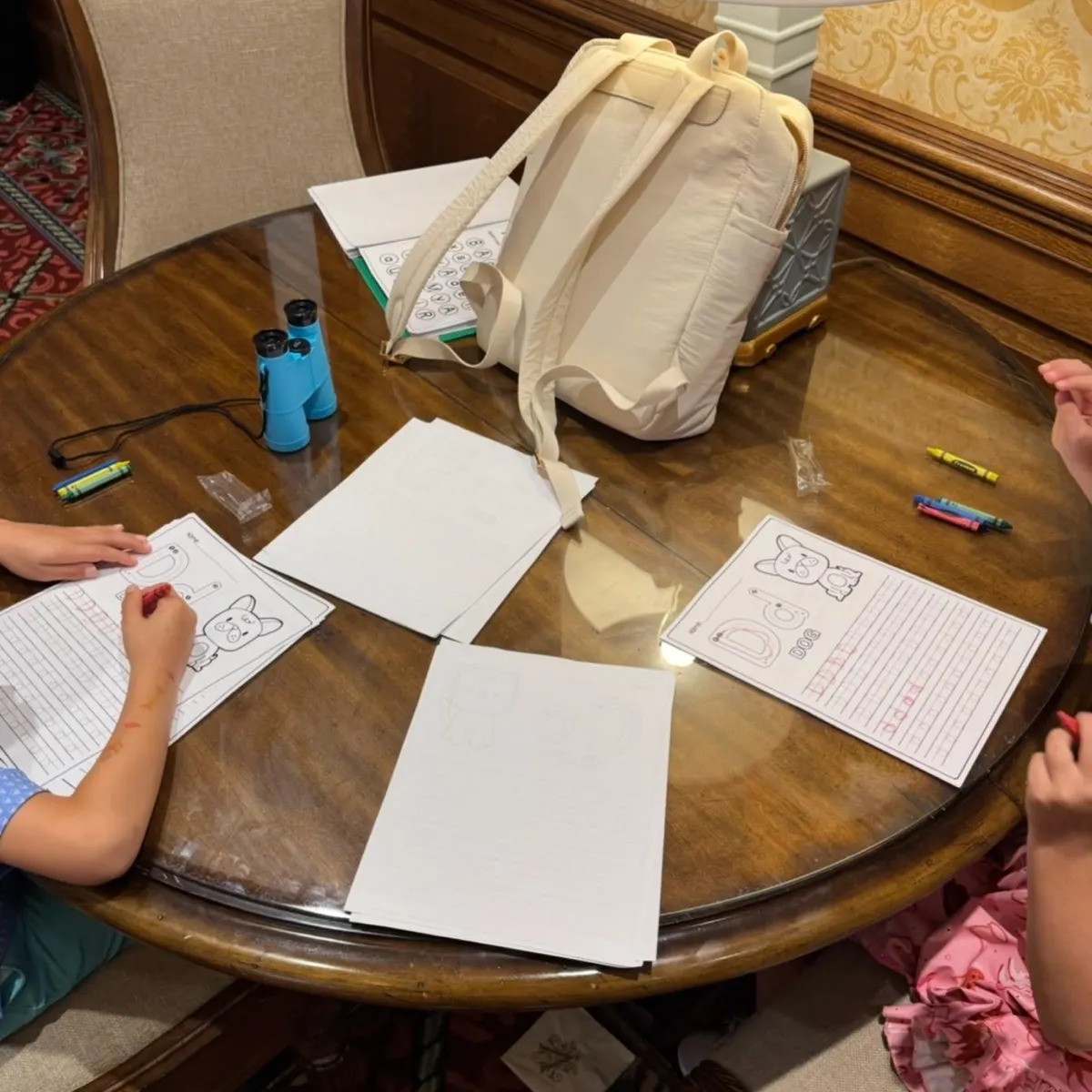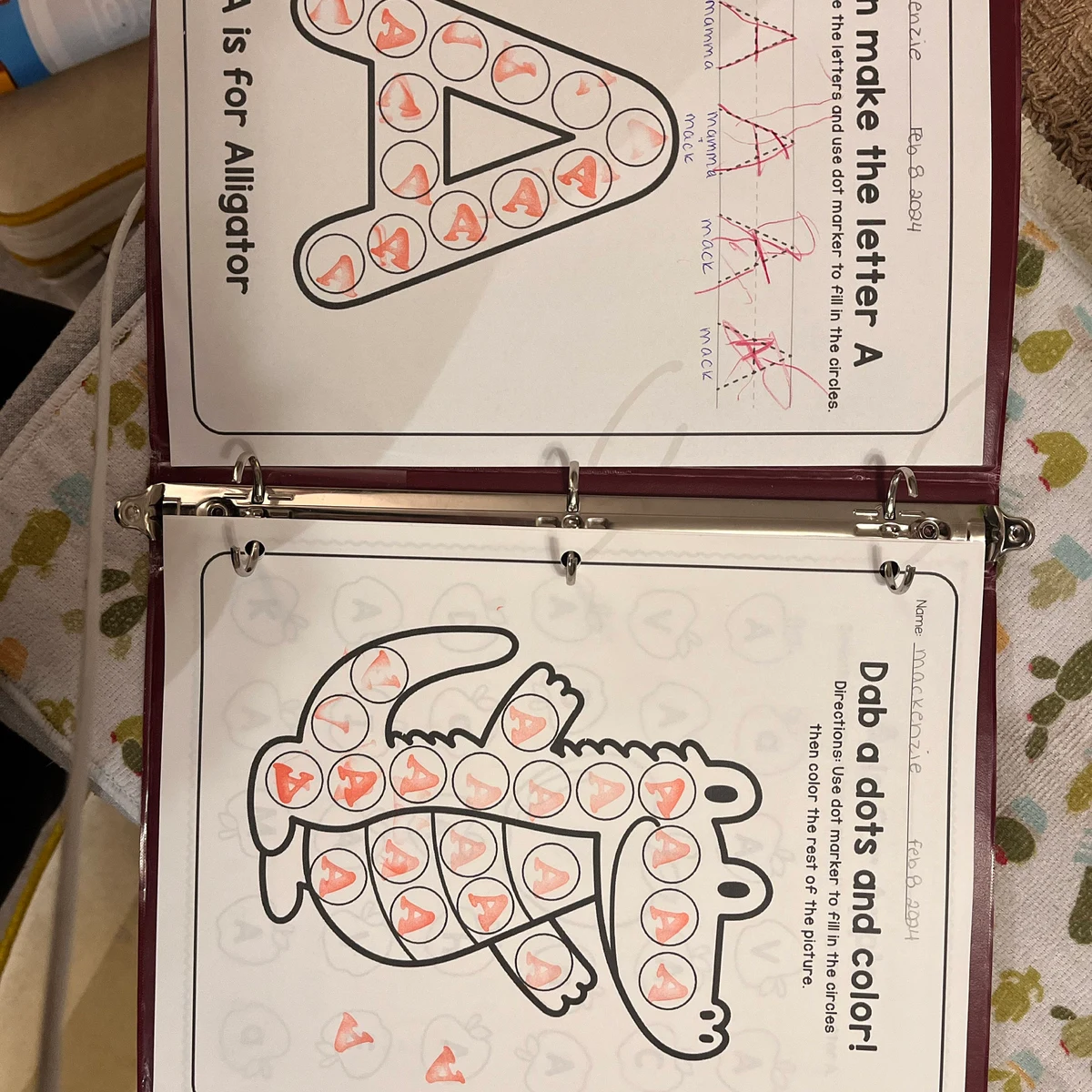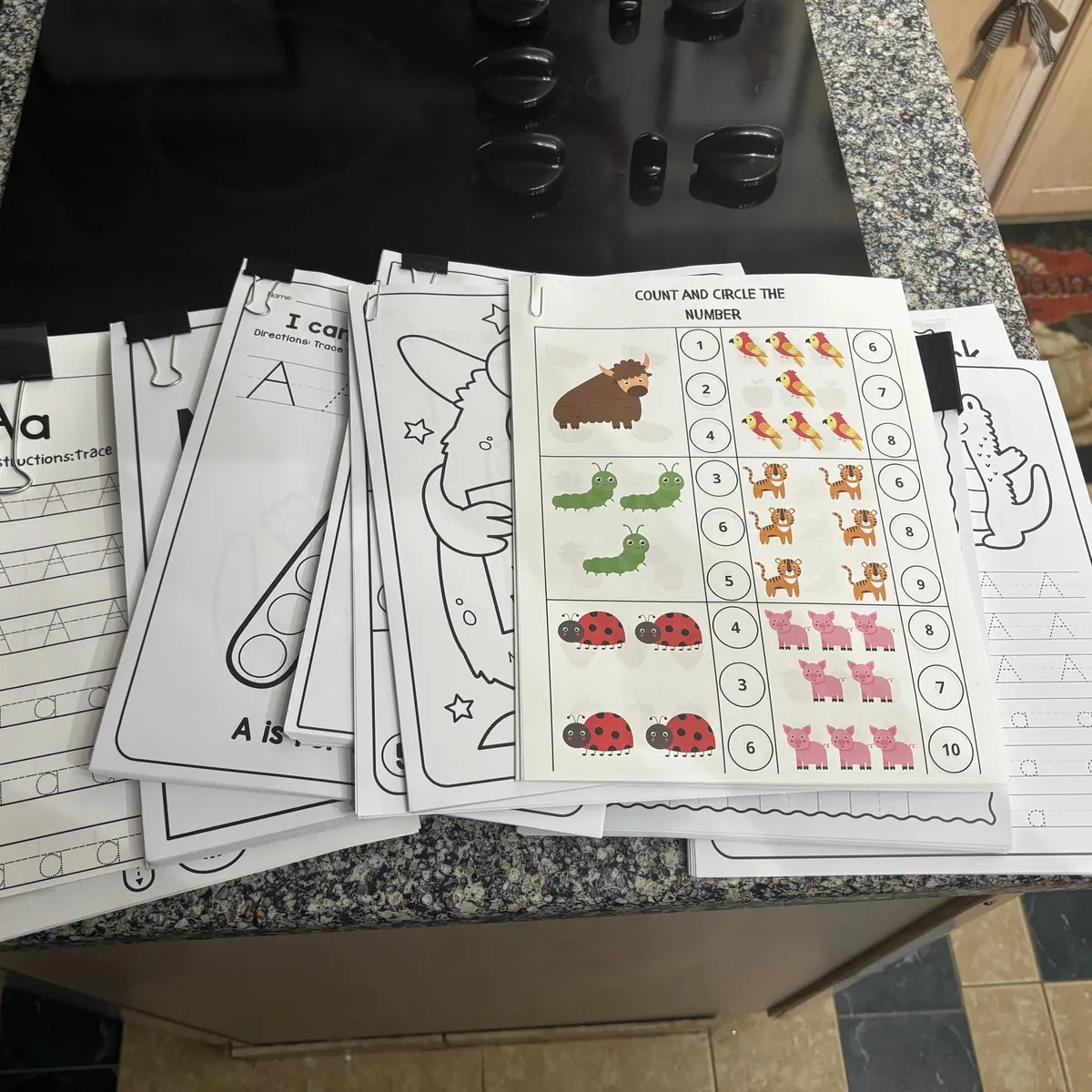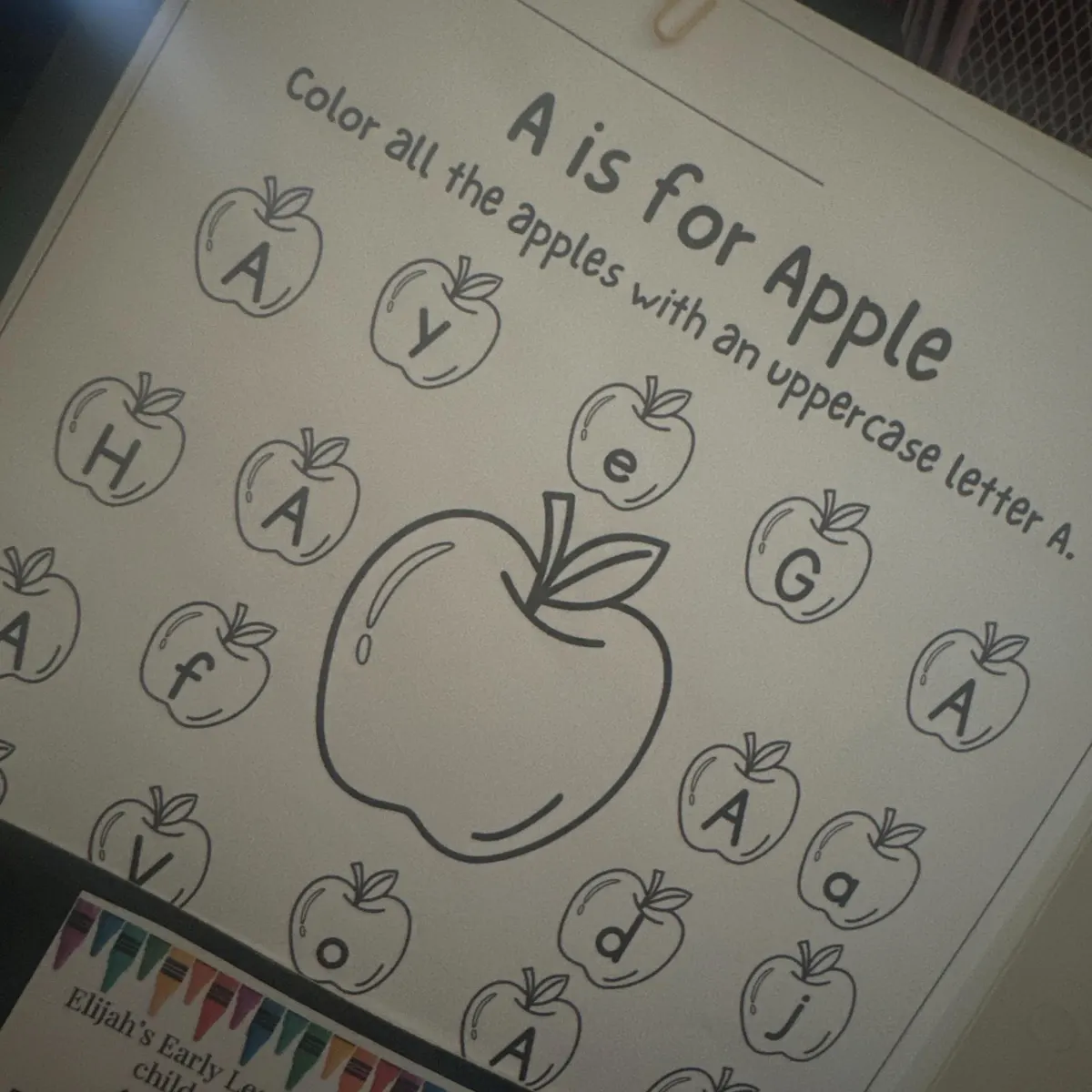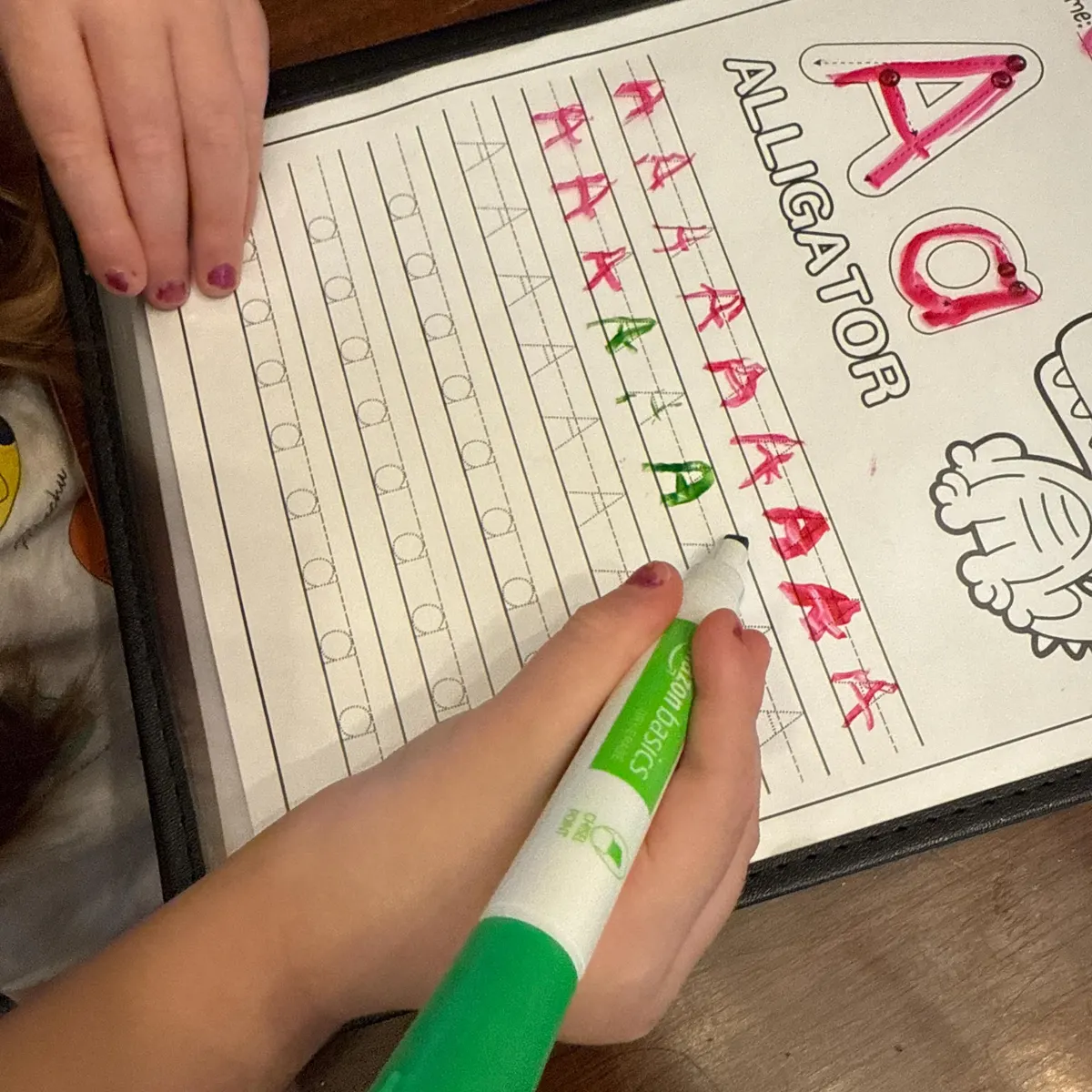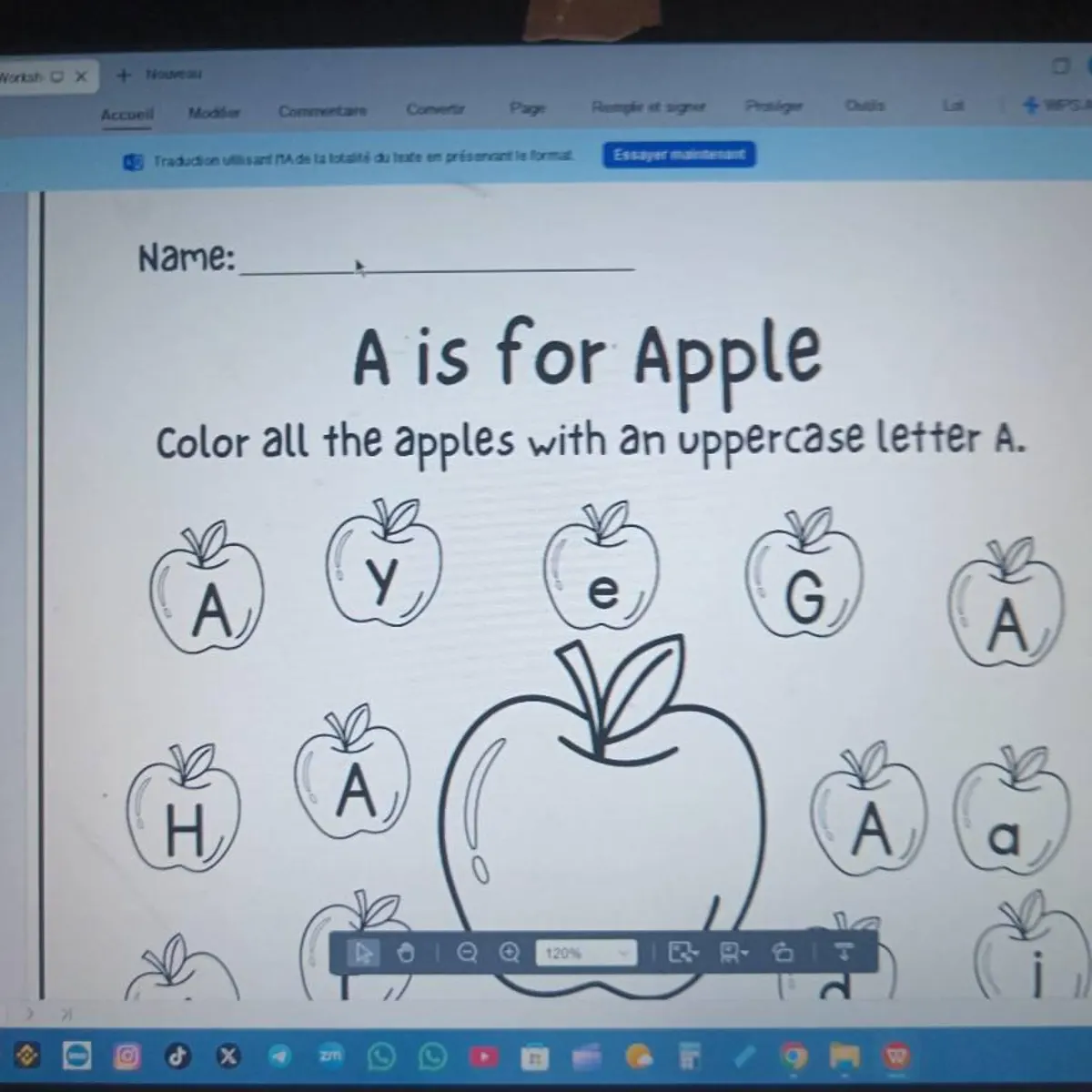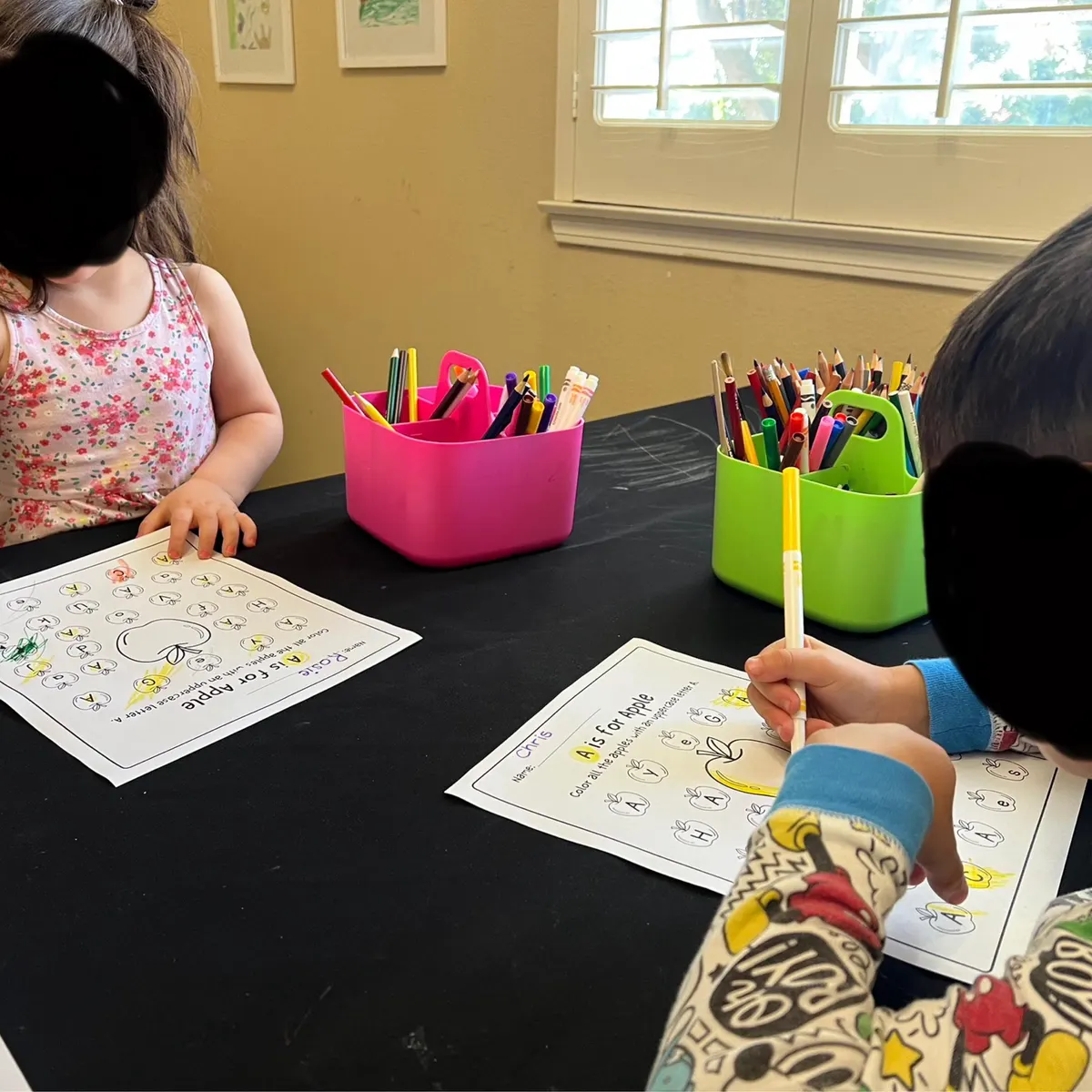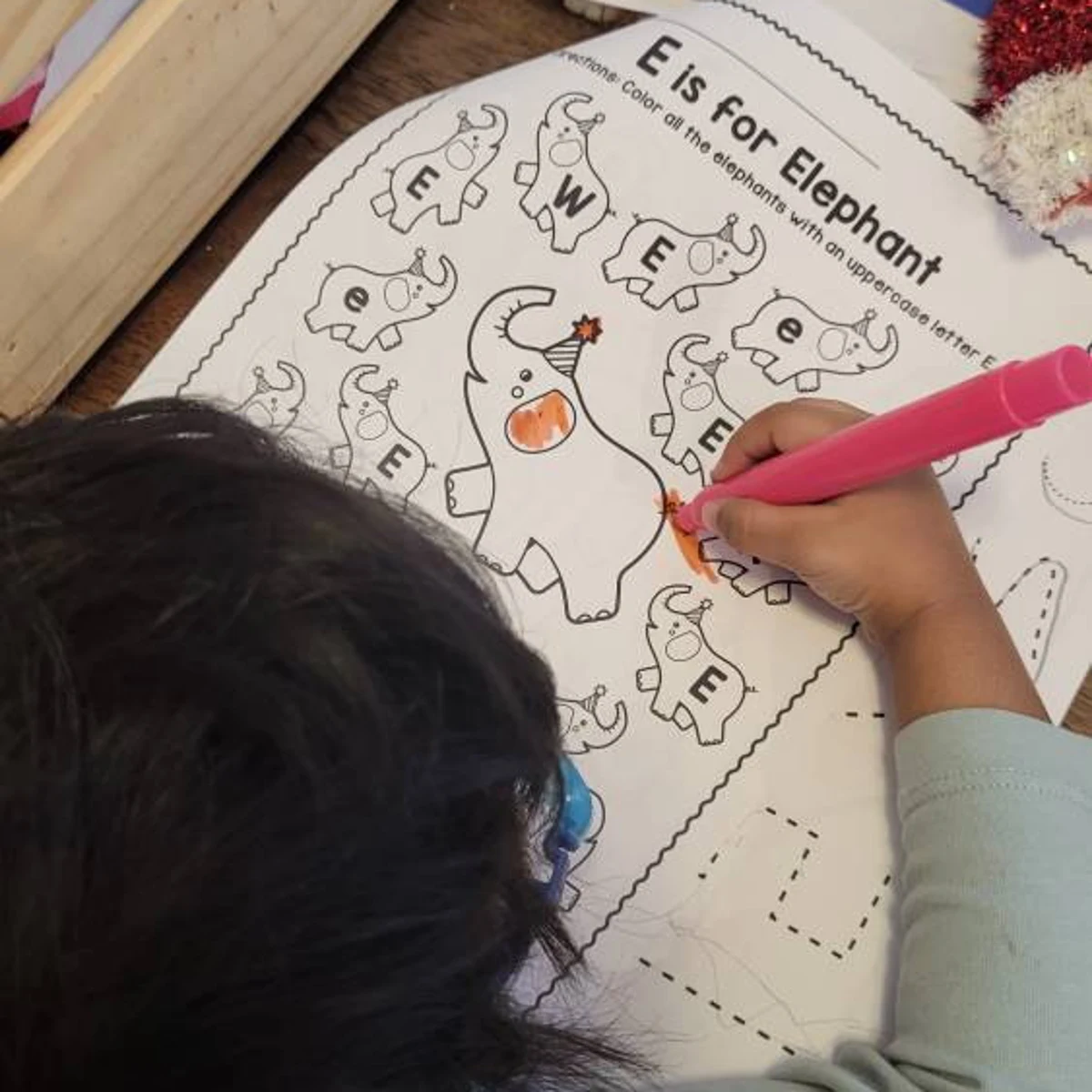
Free A-Z Letter Tracing Worksheets, A-Z Letter Tracing Sheets, and A-Z Letter Tracing Worksheets PDF designed for preschool and kindergarten learners. These fun printable tracing activities help children improve handwriting, alphabet recognition, pencil control, fine motor skills, and writing confidence through engaging uppercase and lowercase tracing practice perfect for classroom, homeschool, and daily learning routines.
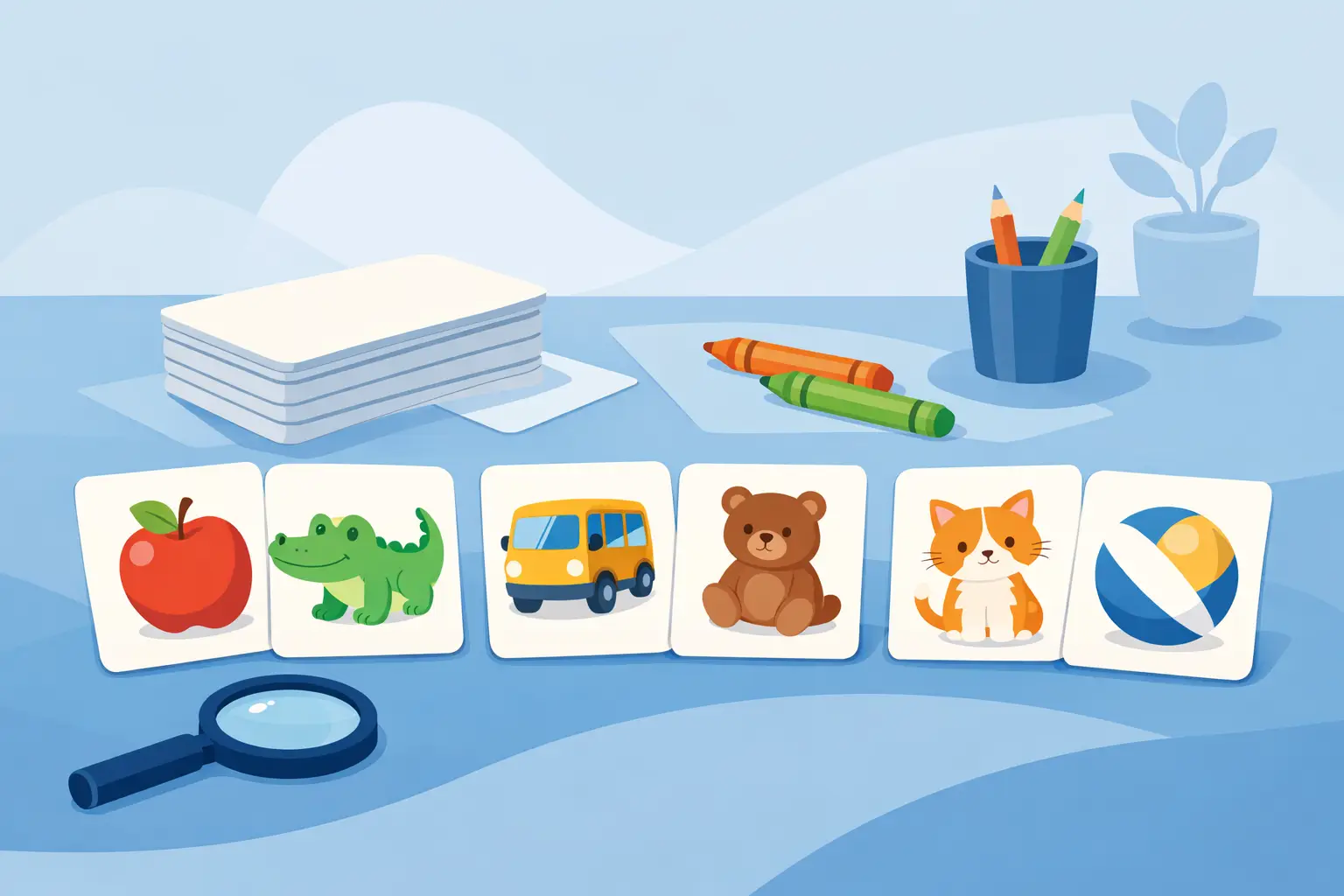
A child who can sing the ABC song may still need help recognizing a lowercase b or finding the letter that matches an uppercase B. That is where print alphabet matching cards make learning feel clear, active, and achievable. With a simple card activity, young learners can see, touch, compare, and repeat letters at their own pace.
For busy parents, teachers, and homeschool families, matching cards offer a low-prep way to build early literacy skills without adding more screen time. Print them once, use them often, and adjust the activity as your child grows more confident.
Why Alphabet Matching Matters
Alphabet matching is more than a cute preschool activity. It helps children understand that letters have names, shapes, and patterns. Before children can connect letters to sounds, trace them with control, or begin reading simple words, they need to recognize the letters they see.
Matching an uppercase letter to its lowercase partner gives children a meaningful challenge. An A and a look closely related, but G and g or R and r may not seem connected at first. As children compare cards, they start to notice the visual features that make each letter unique.
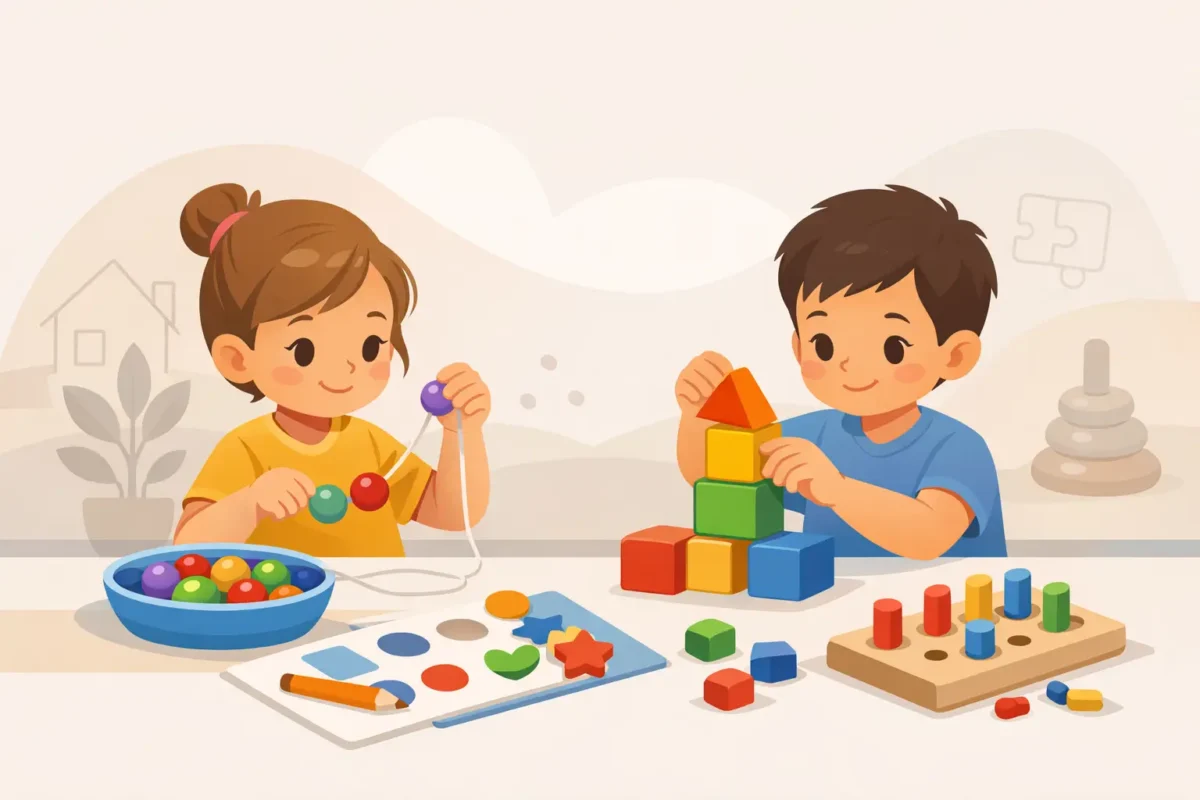
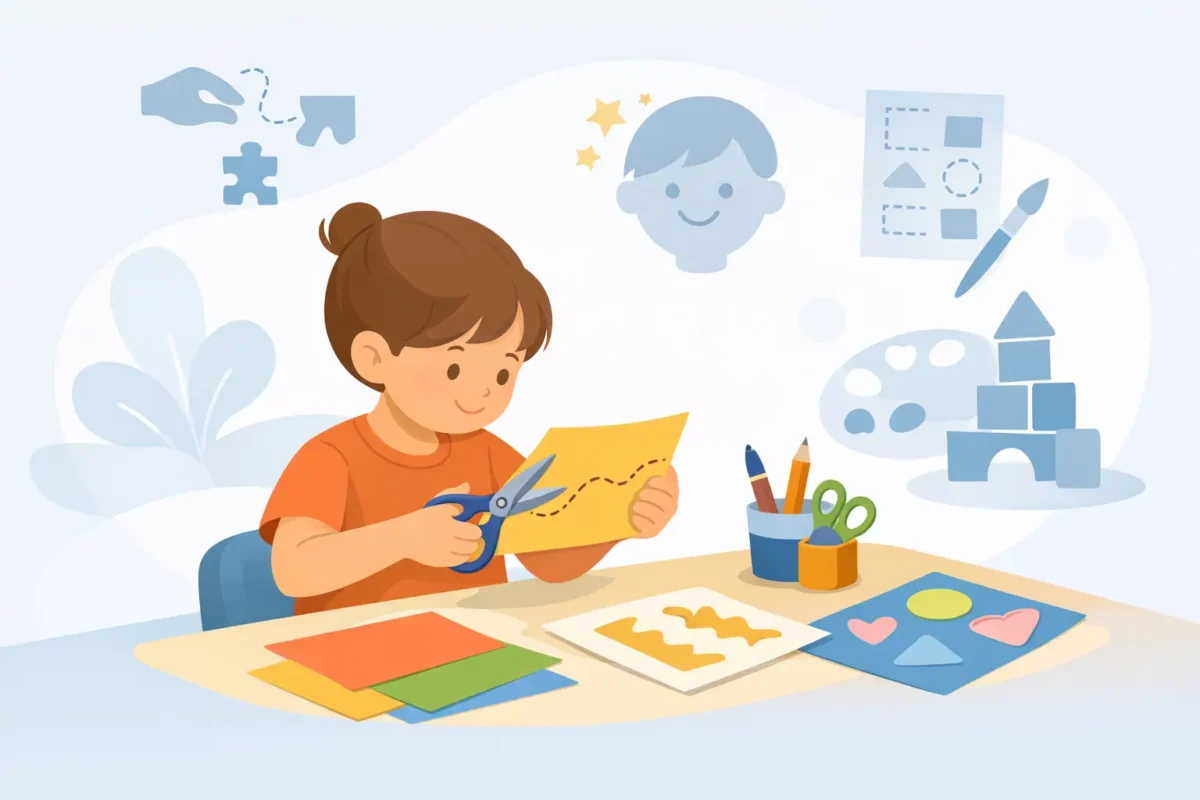
This hands-on practice supports several school-readiness skills at once. Children strengthen visual discrimination, attention, memory, and fine motor control as they pick up, sort, and place cards. Just as importantly, they get small moments of success: “I found it!” That confidence can make children more willing to try tracing, phonics practice, and beginning reading activities next.
How to Print Alphabet Matching Cards for Repeated Use
Printable cards are wonderfully flexible, but a few simple choices can help them last longer. For everyday practice at home, regular printer paper is perfectly fine. If you plan to use the cards with a class, small group, or energetic preschooler, cardstock is a better choice because it holds up to frequent handling.
Print the pages at 100% scale so each letter is easy for little eyes to see. After cutting out the cards, you can laminate them or place them in clear self-adhesive sleeves. This is especially helpful if children will use dry-erase markers to circle, trace, or mark their matches.
Keep the cards in a labeled envelope, zipper bag, or small storage box. Organized materials are much more likely to become part of your regular learning routine. A five-minute card game after breakfast or during a classroom center can add up to meaningful practice over time.
If printing all 26 letters feels like too much for one session, start small. Choose five or six letters, then add a few more when your child is ready. Beginning with letters from the child’s name is often motivating because those letters already feel personal and familiar.
Easy Ways to Use Alphabet Matching Cards
There is no single right way to use matching cards. The best activity depends on your child’s current skill level, attention span, and interest. Keep the experience playful, and stop while your learner is still feeling successful.
Start With a Simple Letter Pair Match
Place a small set of uppercase cards in a row. Hand your child one lowercase card and ask, “Can you find its match?” Say the letter name together once the pair is found: “B matches b.” This simple language reinforces the connection without turning the activity into a quiz.
For children just getting started, place the matching cards close together and use letters with clearly similar shapes, such as C and c, O and o, or S and s. As confidence grows, mix in letters that look more different in uppercase and lowercase forms.
Turn Matching Into a Memory Game
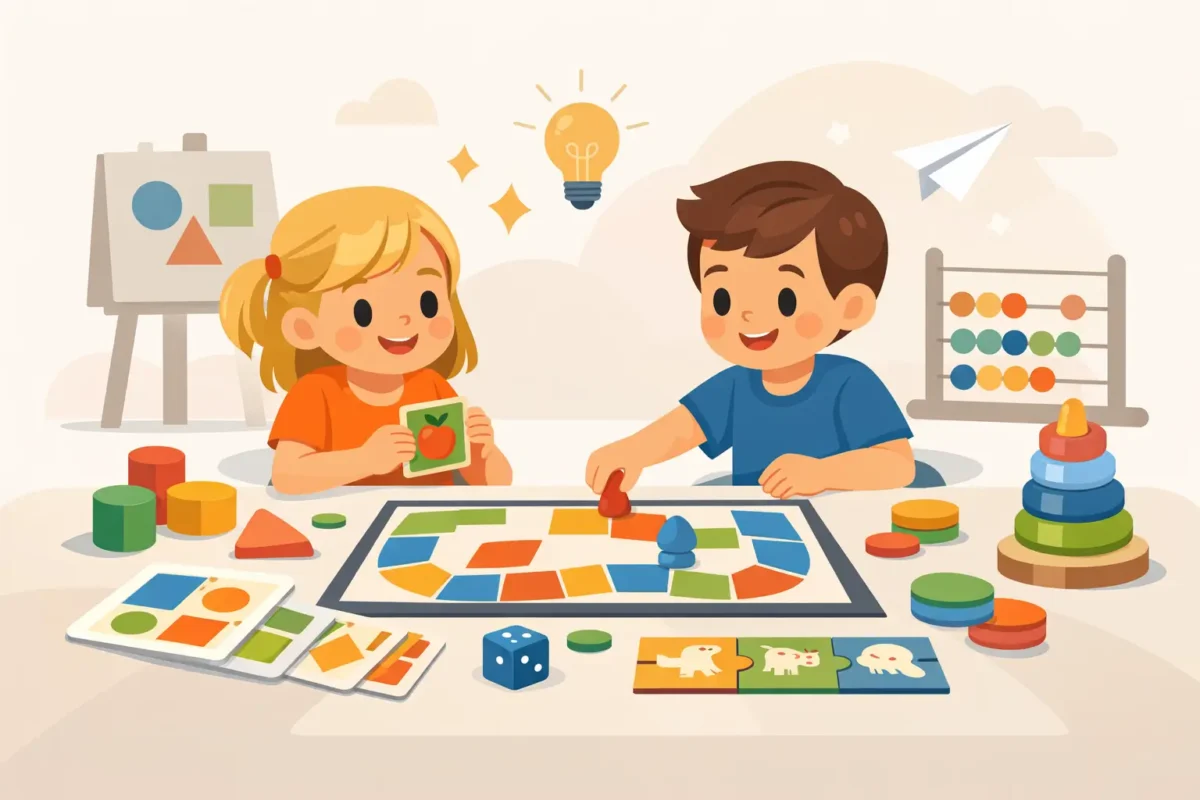
Use two sets of cards, or use uppercase letters and their lowercase partners. Place them face down in a grid. Children take turns turning over two cards, looking for a match.
Memory games are especially useful for kindergarten learners who are ready to hold more information in mind. Keep the grid small at first, perhaps six to eight cards. A full alphabet game can be fun later, but it may feel frustrating if the child is still learning many letter names.
Add Movement for Active Learners
Some children learn best when they can move. Place letter cards around the room, then hold up a matching card and invite your child to walk, hop, or tiptoe to the partner letter. In a classroom, this makes a cheerful literacy center or transition activity.
You can also hide cards around the room for a letter hunt. When a child finds a card, ask them to match it to a letter board or a card placed on the table. The goal is not speed. The goal is giving children many positive chances to notice and name letters.
Sort Letters by What Children Notice
Once a child knows many letter pairs, try sorting activities. Ask them to group letters with straight lines, curved lines, or both. They can also sort letters by whether they appear in their name, a sibling’s name, or a favorite book character’s name.
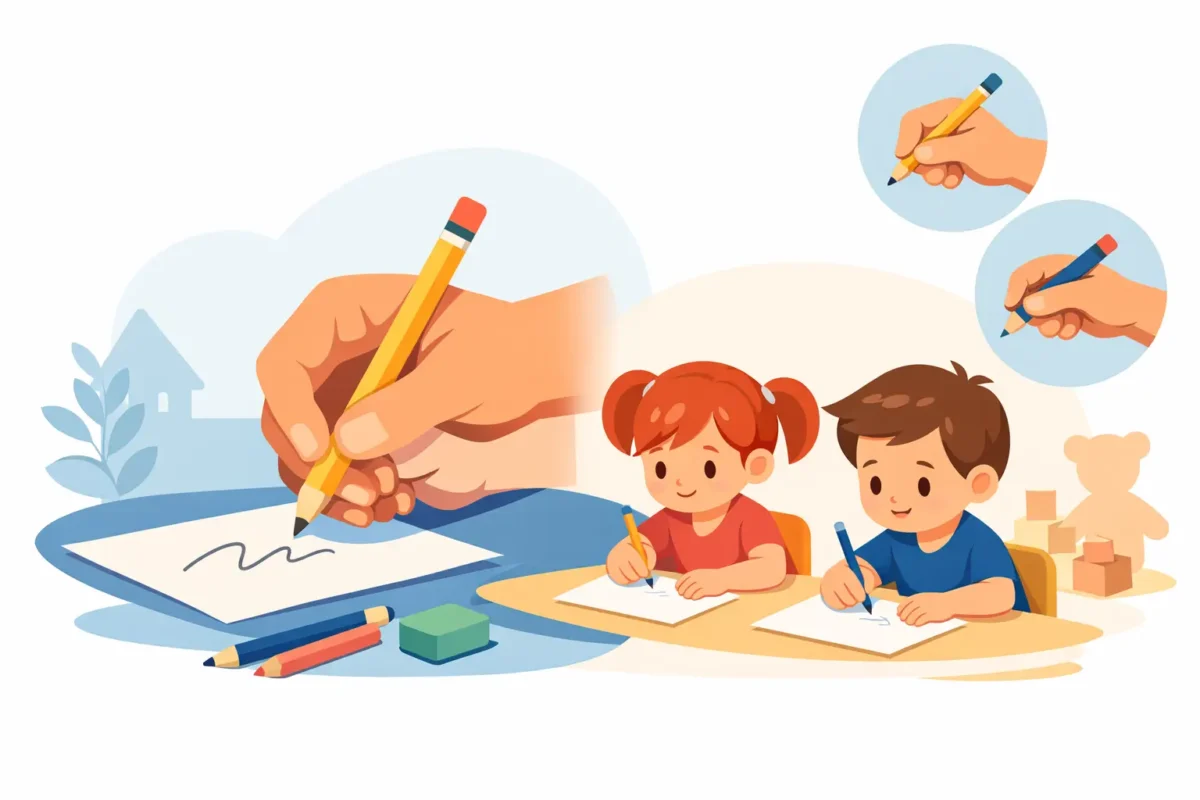
These activities encourage children to talk about letter shapes rather than simply memorize answers. A child might say, “P has a line and a round part,” or “O is all curved.” That kind of observation supports later handwriting and letter formation practice.
Make the Activity Fit Your Child’s Stage
For younger preschoolers, the focus may simply be noticing and naming a few letters. Use fewer cards, offer choices, and celebrate effort. If your child matches M to m after looking carefully, that is real learning, even if they do not yet know every letter in the alphabet.
For older preschoolers and kindergarteners, add a sound connection after each match. Ask, “What sound does m make?” Then think of a word together, such as moon, mouse, or mom. This gently moves the activity from letter recognition toward phonics.
Some children confuse letters that look alike, including b and d, p and q, or m and n. This is common during early literacy development. Instead of correcting sharply, help your child compare the details. “Let’s look at where the circle is. Is it on the left or the right?” Calm repetition works better than pressure.
If your child is not interested in sitting for a card game, use the cards in a different way. Let them drive a toy car to the matching letter, clip pairs together with clothespins, or place a small sticker on each completed pair. The learning target stays the same, while the format becomes more inviting.
Pair Matching Cards With Other Letter Practice
Matching cards work best as one part of a varied early literacy routine. After matching a letter, children can trace it, color it, find it in a simple word, or practice saying its sound. Seeing the same letter in different activities helps the knowledge stick.
For example, after a child matches T and t, invite them to trace both forms on a handwriting worksheet. Then ask them to identify the beginning sound in words like tiger, top, and turtle. This sequence gives children visual, motor, and listening practice without making any one activity too long.
Fun Clever Fox printable learning activities can help create this kind of connected practice at home or in the classroom. Combining alphabet matching with tracing, phonics, coloring, and beginning reading pages gives children a friendly path from “I know that letter” to “I can use that letter.”
Keep Letter Learning Positive
Children do not need to master every alphabet skill in one sitting. A short, cheerful practice session is more valuable than a long one that ends in frustration. Notice progress that may seem small, such as recognizing a new letter, taking time to compare two cards, or trying again after a mix-up.
Print alphabet matching cards are easy to return to whenever your child needs a little extra practice. Put them on the table during quiet time, add them to a literacy center, or bring a small set along for waiting rooms and travel. Each match gives your young learner another chance to see letters as familiar friends, not a test to pass.