A child who can recite “1, 2, 3, 4, 5” may sound ready for math, but counting is more than saying numbers in order. When you learn how to teach counting skills, the goal is to help children understand that numbers describe real amounts. That understanding grows through hands-on play, repeated practice, and plenty of chances to count meaningful objects.
For preschoolers and kindergarteners, short, cheerful activities work best. A few minutes of counting snack crackers, toy cars, or classroom supplies can be more effective than asking a child to sit through a long lesson. The key is to match the activity to the skill your child is ready to practice.
Start With Real Objects and One-to-One Counting
Before children can confidently count pictures on a page or solve simple math problems, they need to learn one-to-one correspondence. This means touching or moving one object for each number word they say. When a child points to two blocks while saying “one” and skips the third block, they are still learning this important connection.
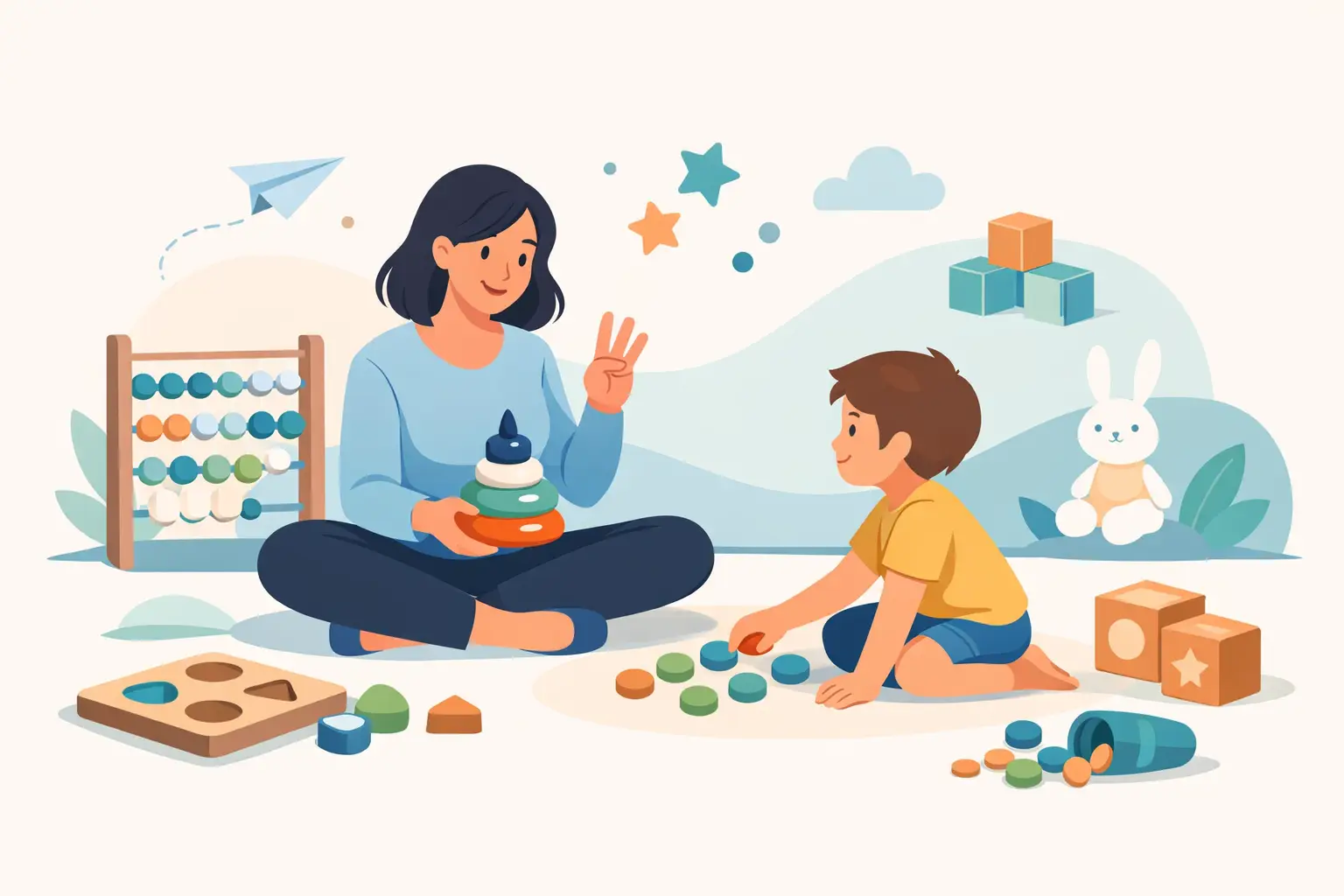
Set out a small group of objects, such as buttons, pom-poms, blocks, or toy animals. Ask your child to move each item into a bowl as they count aloud. Start with groups of two or three, then slowly add more as they become comfortable. Moving the objects makes it easier for little learners to keep track of what they have already counted.
Try using a simple phrase each time: “Touch one object, say one number.” This gentle reminder helps children slow down when they rush, repeat objects, or lose their place. There is no need to correct every mistake immediately. Let them try again, then model the process beside them.
Ask “How Many?” After Counting
A child may count five bears correctly but answer “six” when asked how many there are. This shows they can recite number words but do not yet understand that the final number said tells the total amount. This skill is called cardinality, and it is a big step in early number sense.
After every short counting activity, pause and ask, “How many are there altogether?” If your child is unsure, count the group again and emphasize the final number: “One, two, three, four. There are four bears!” With repeated practice, children begin to connect the last number word with the whole group.
How to Teach Counting Skills in Everyday Routines
Counting feels more useful when it is part of a child’s day. You do not need a special lesson every time. Daily routines offer natural chances to practice without adding more to your to-do list.
At home, count the steps to the front door, the socks going into a drawer, or the strawberries on a plate. In a classroom, count children in line, crayons at a table, or books returned to the shelf. These small moments show children that numbers are everywhere.
Keep the language simple and specific. Instead of saying, “Let’s do math,” try, “We need four plates. Can you help me count four?” A meaningful purpose gives counting a job to do, which can be especially motivating for children who are reluctant to complete formal work.
It also helps to use number words beyond ten in normal conversation, even before a child can count that high independently. For example, count fourteen stairs together or notice that there are twelve children at circle time. Exposure builds familiarity, while expectations should stay age-appropriate.
Teach Numbers in Order, But Do Not Stop There
Learning the counting sequence matters. Children need to hear and practice the order of number words so they can count objects accurately. Counting songs, finger plays, and rhythmic chants can make this practice fun and memorable.
Still, reciting numbers is only one part of counting. A child who can say numbers to 20 may not be able to count 12 objects. Balance songs and rote practice with hands-on counting, matching, and number recognition activities.
Once children are comfortable counting small groups, invite them to start counting from a number other than one. You might say, “We already have three blocks. Let’s add more. What comes after three?” This is a more advanced skill, so keep it playful and offer support when needed.
Connect Written Numerals to Quantities
Recognizing that the symbol 4 means four objects is another essential counting skill. Children often learn to name numerals before they understand what those numerals represent. Both skills are useful, but matching numbers to amounts is what turns recognition into early math understanding.
Place numeral cards from 1 to 5 on the table and give your child a small pile of counters. Ask them to put the correct number of counters under each card. You can use coins, buttons, mini erasers, cubes, or any safe small items you have available. For younger children, work with only two or three numeral cards at a time.
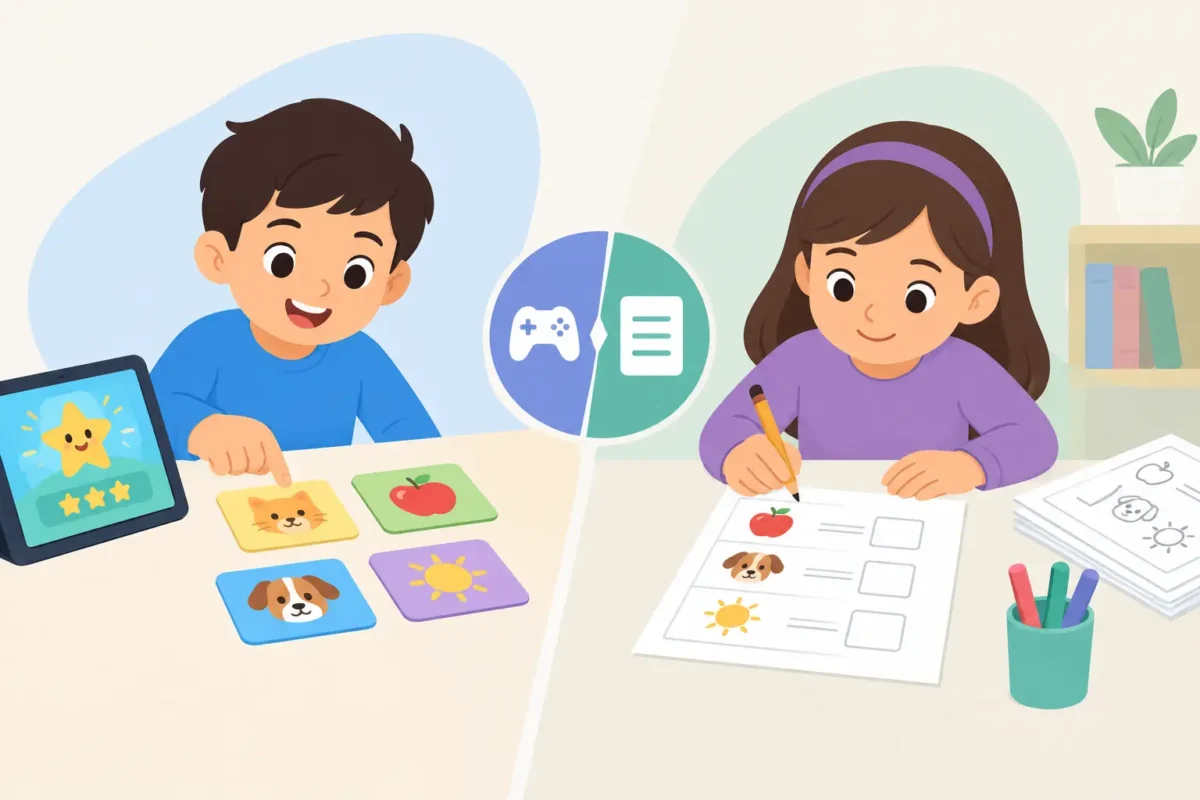
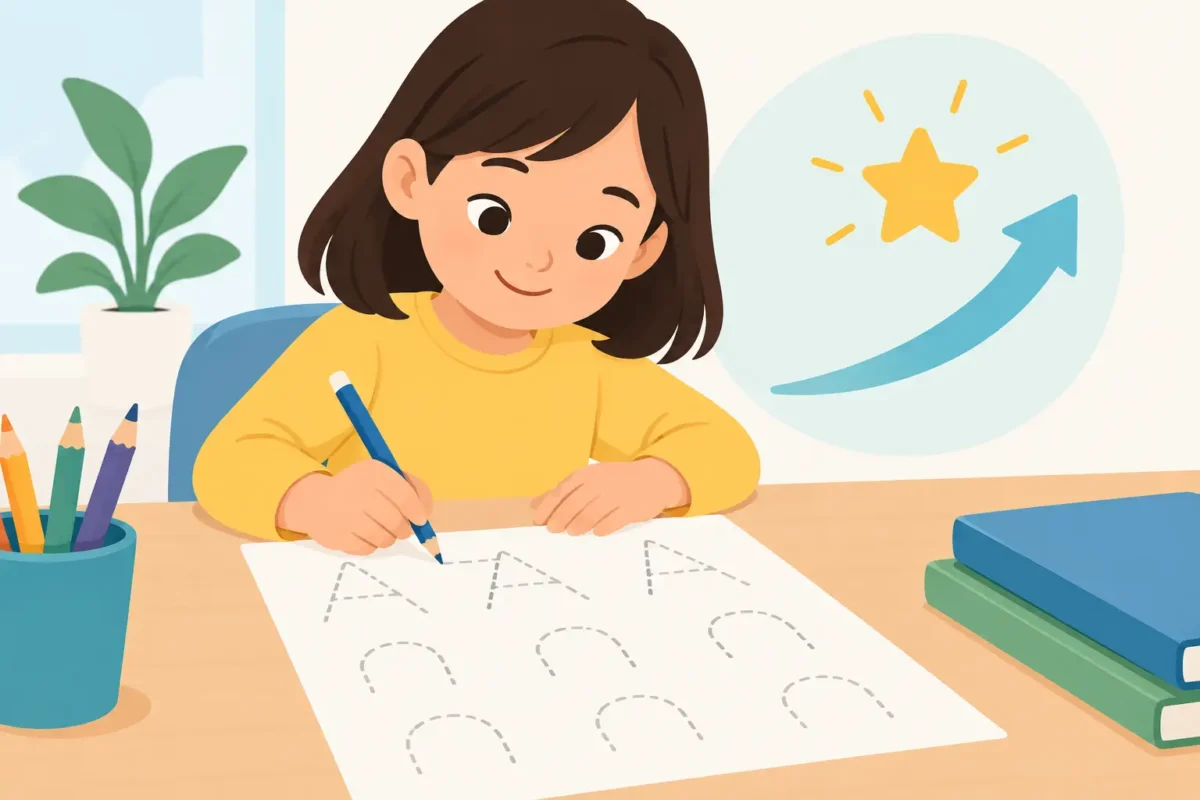
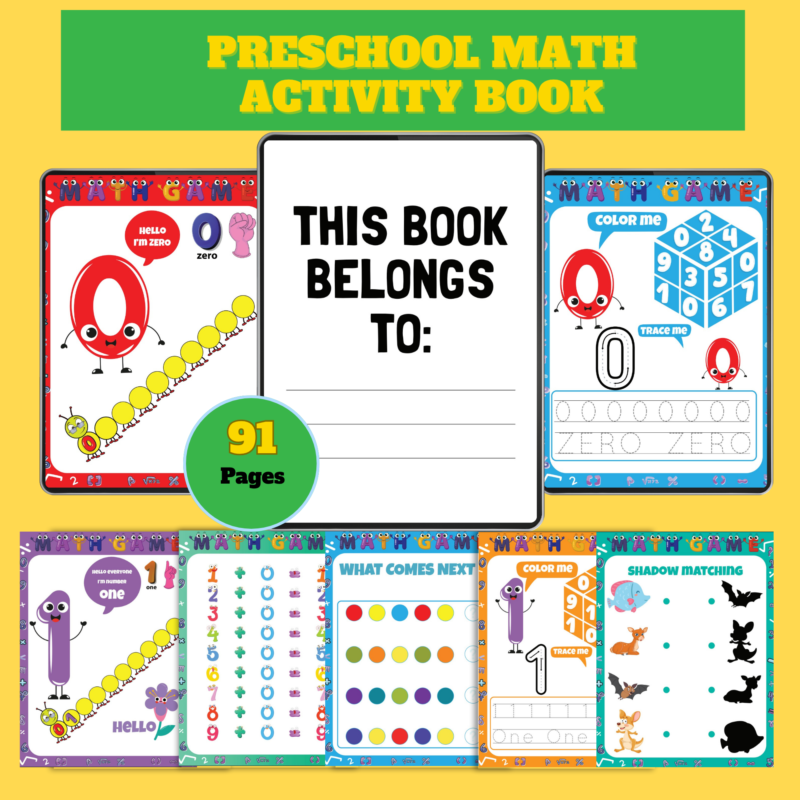
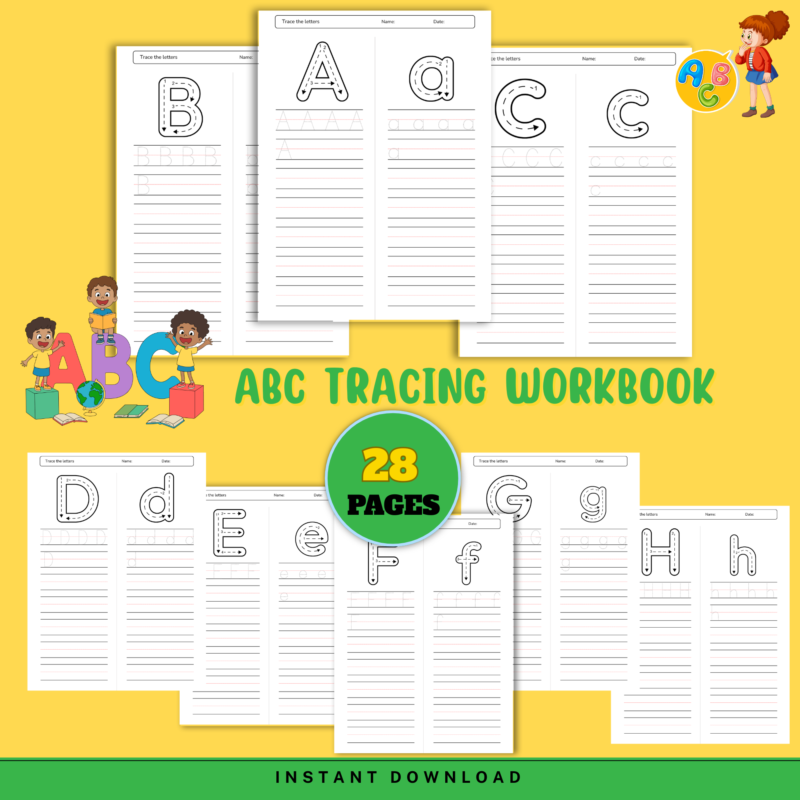
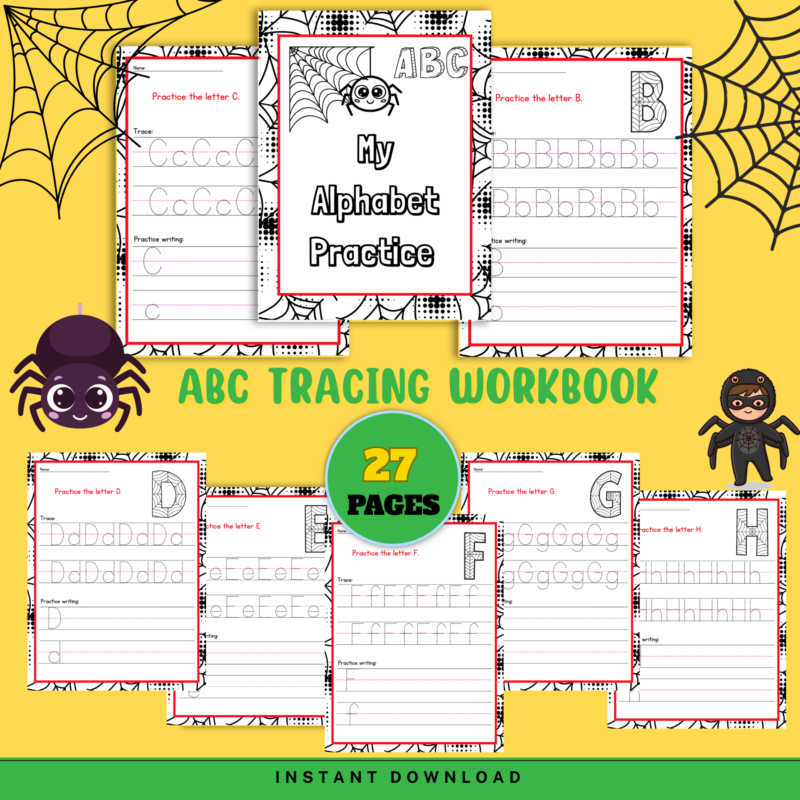
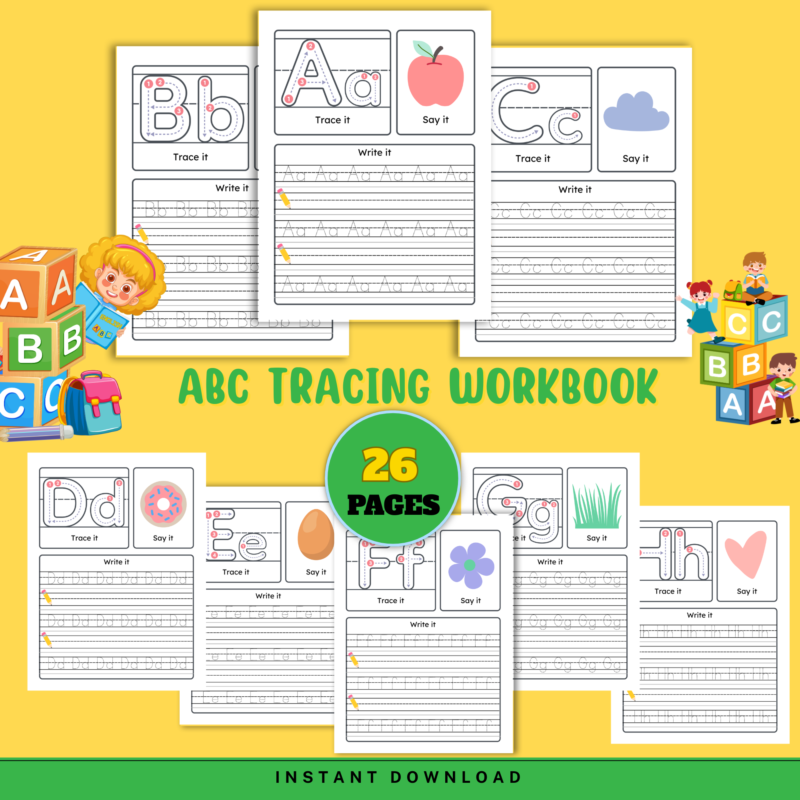
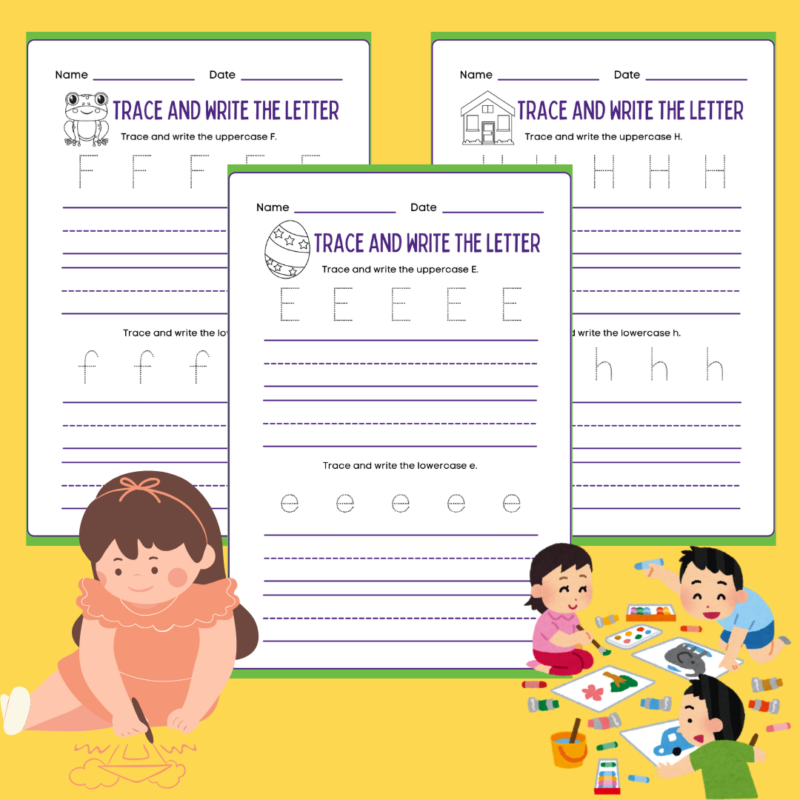
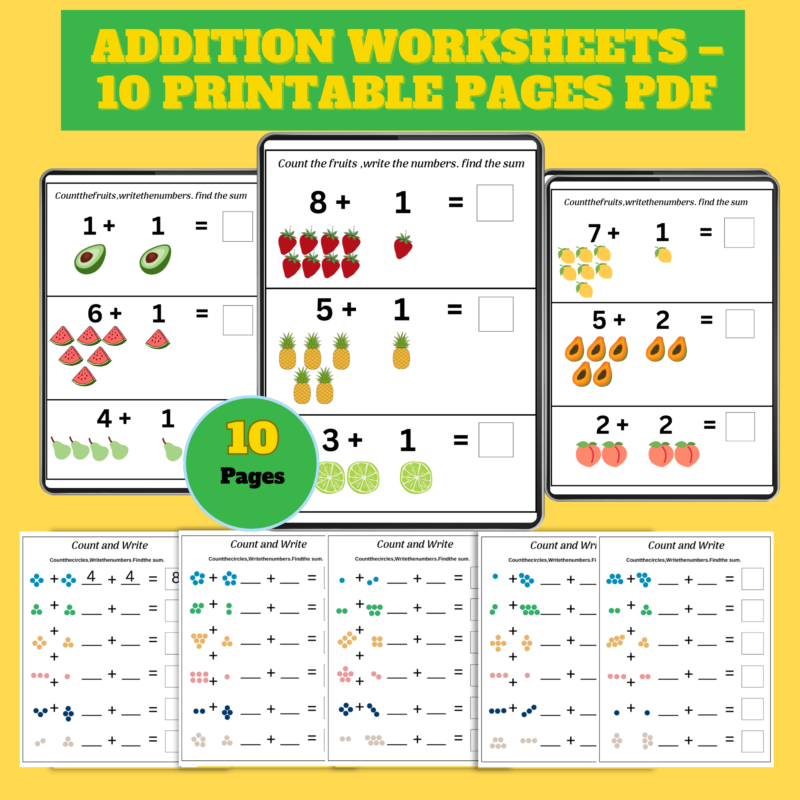
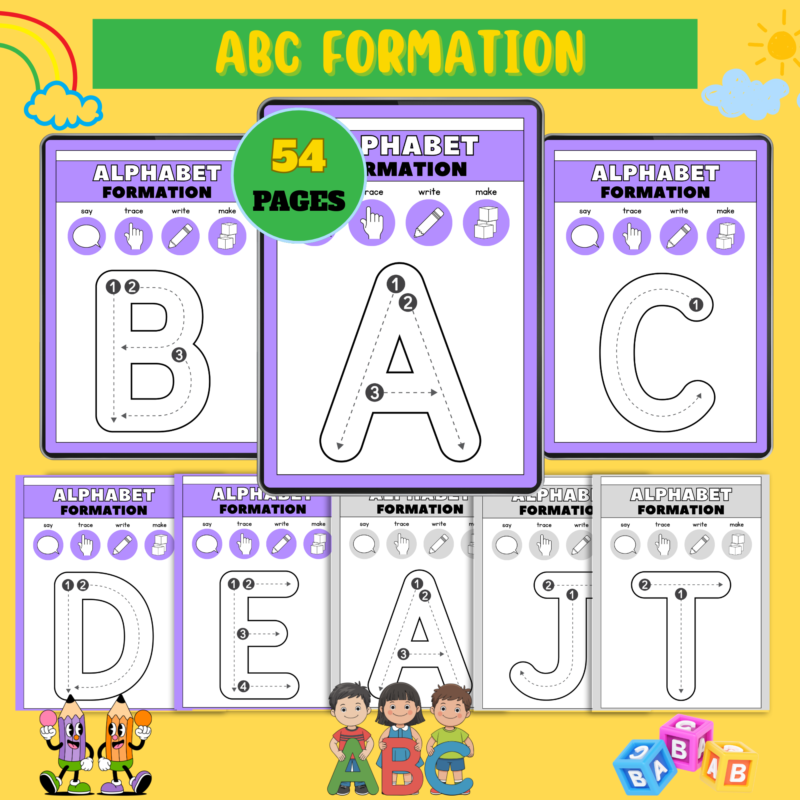
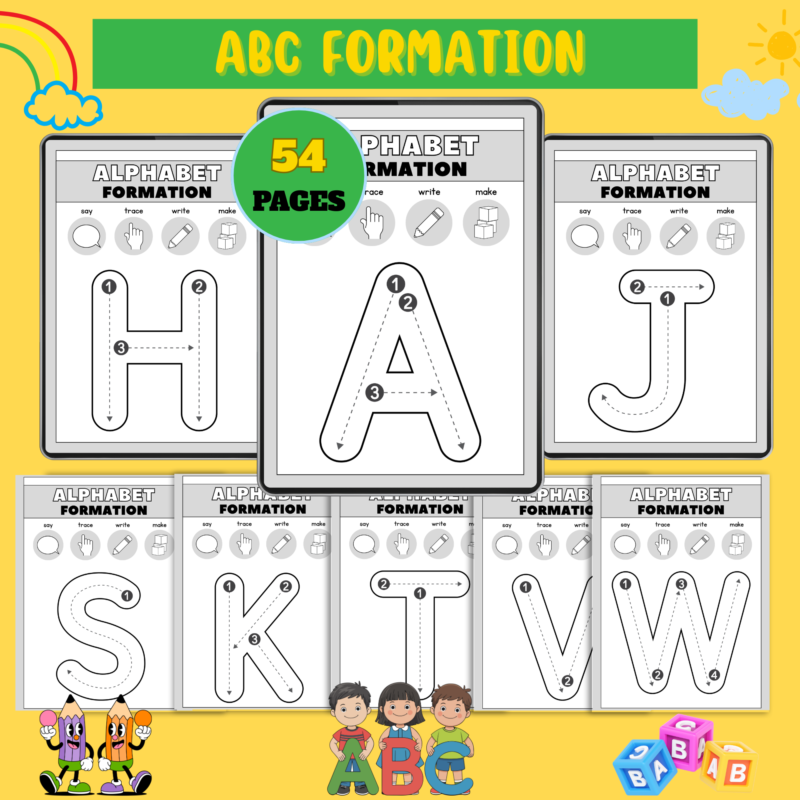
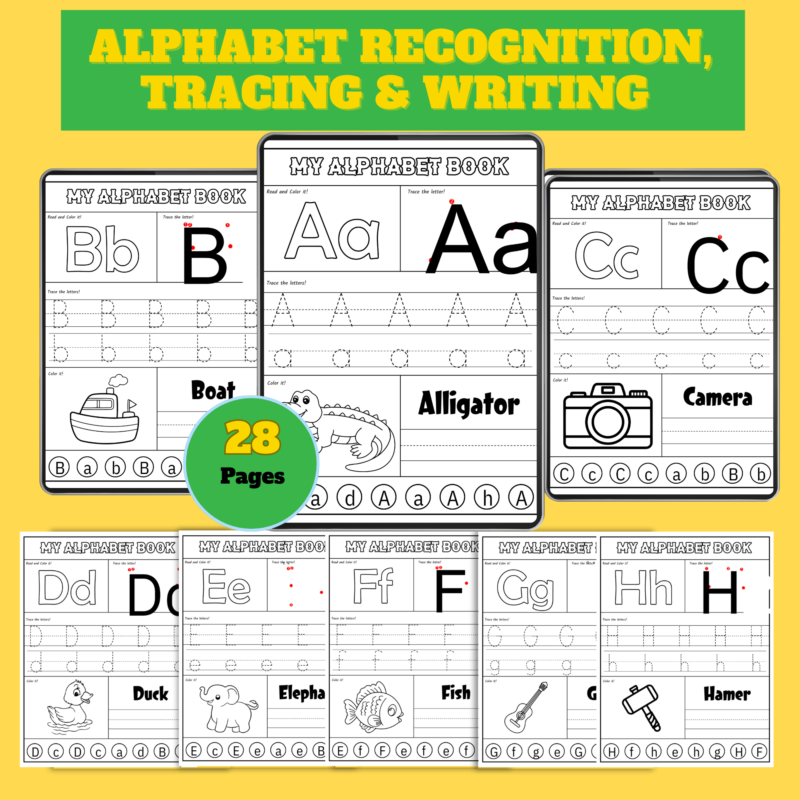
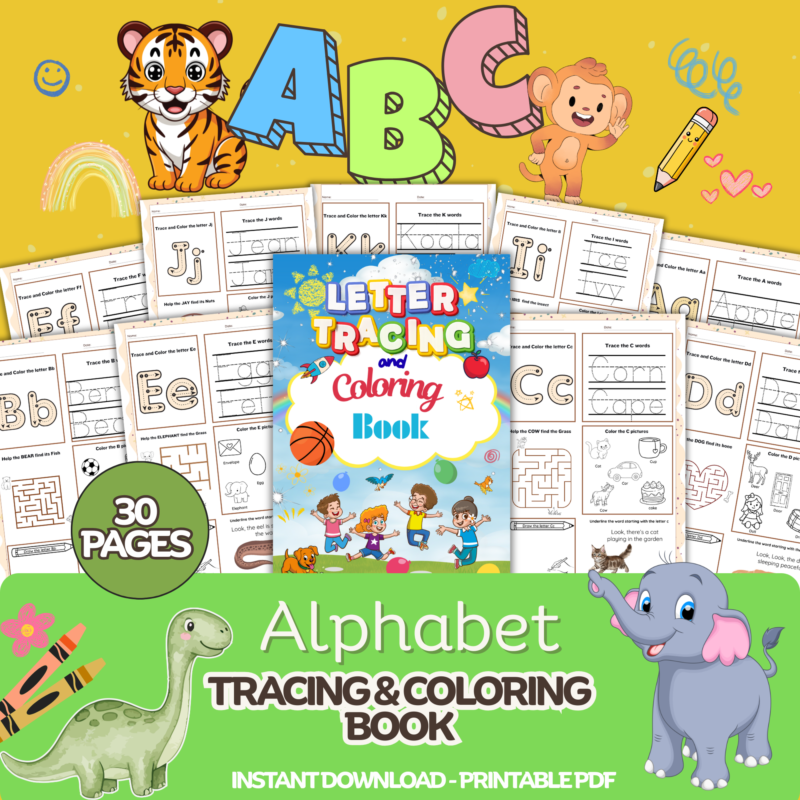
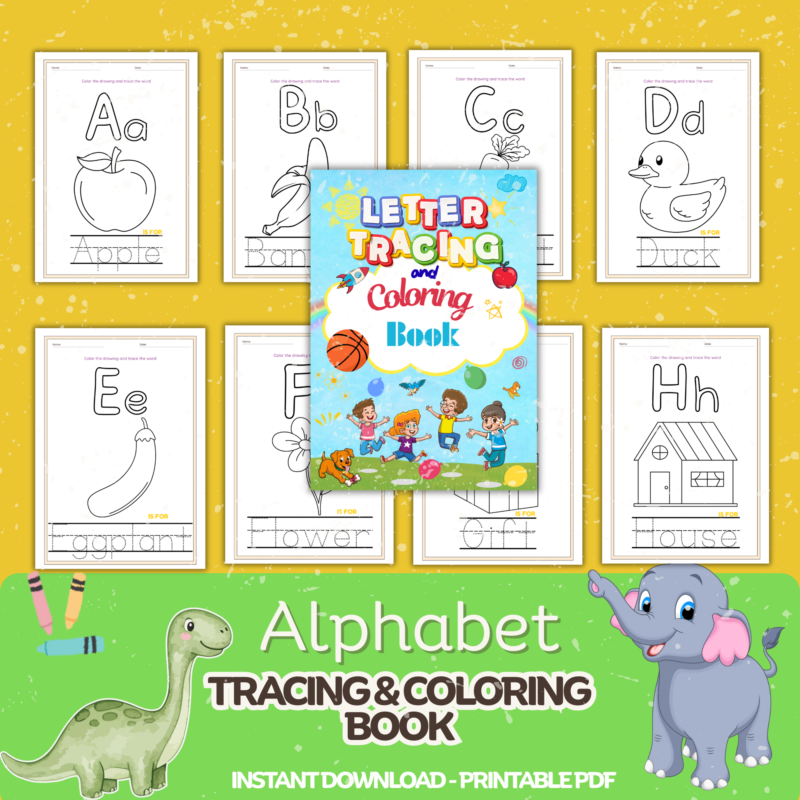
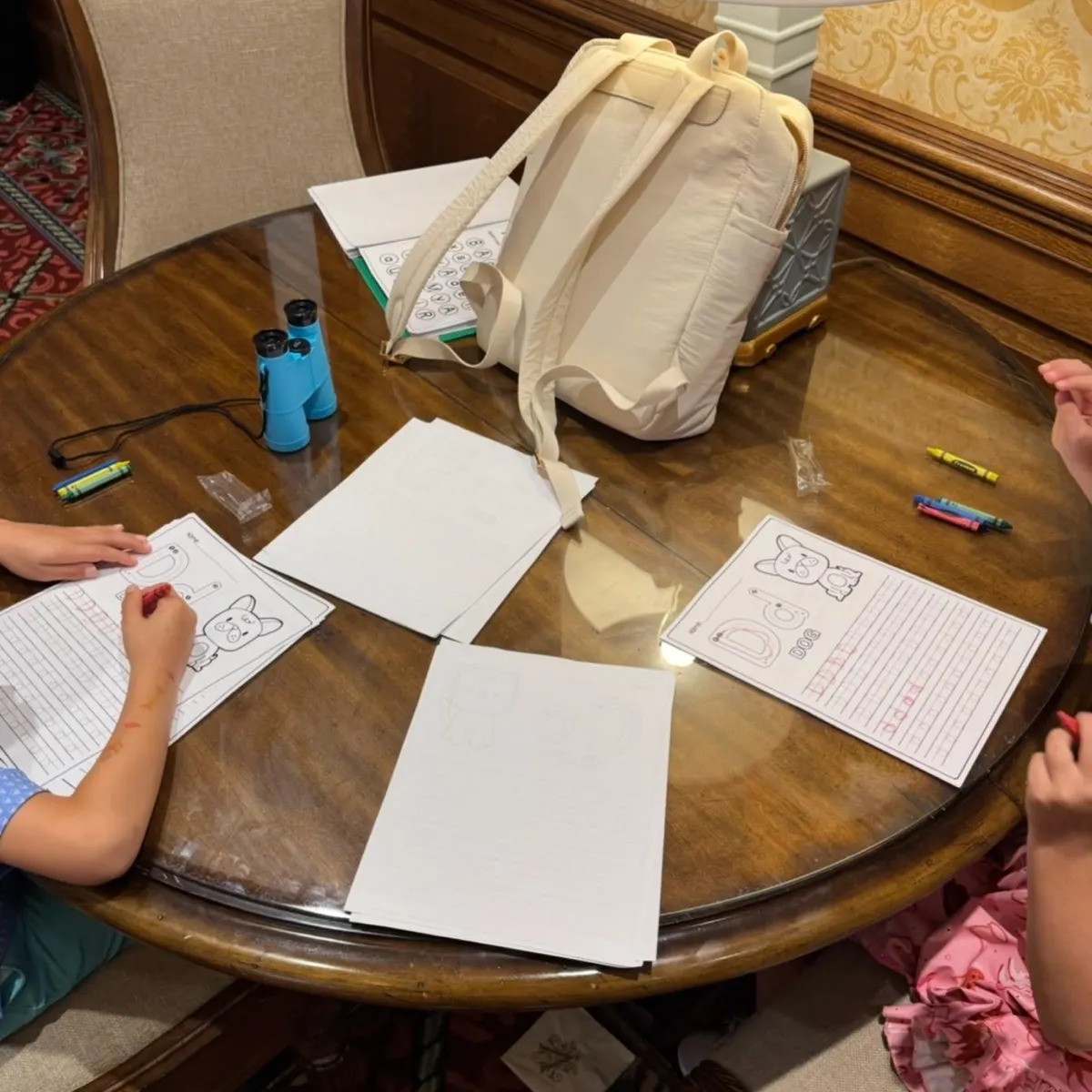
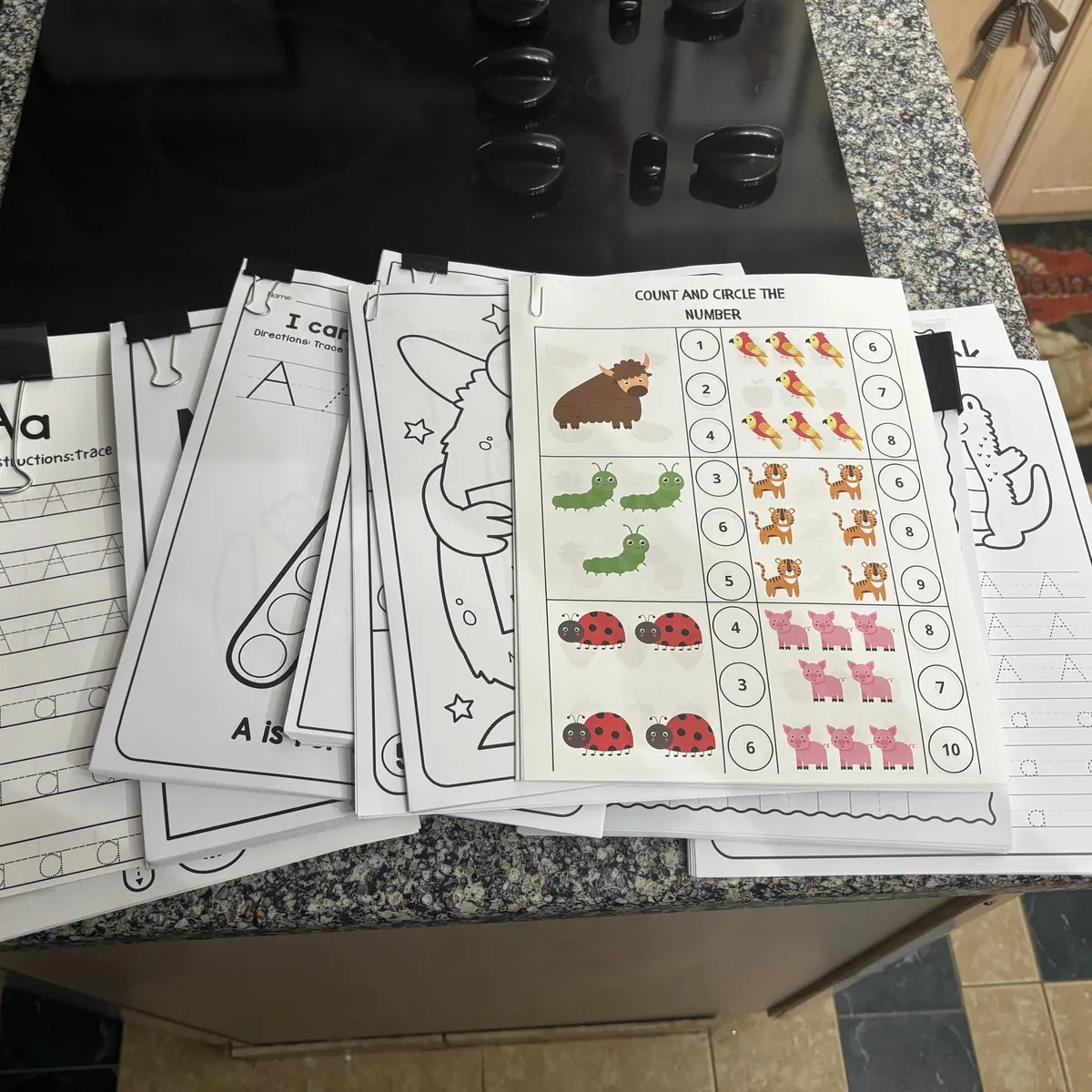
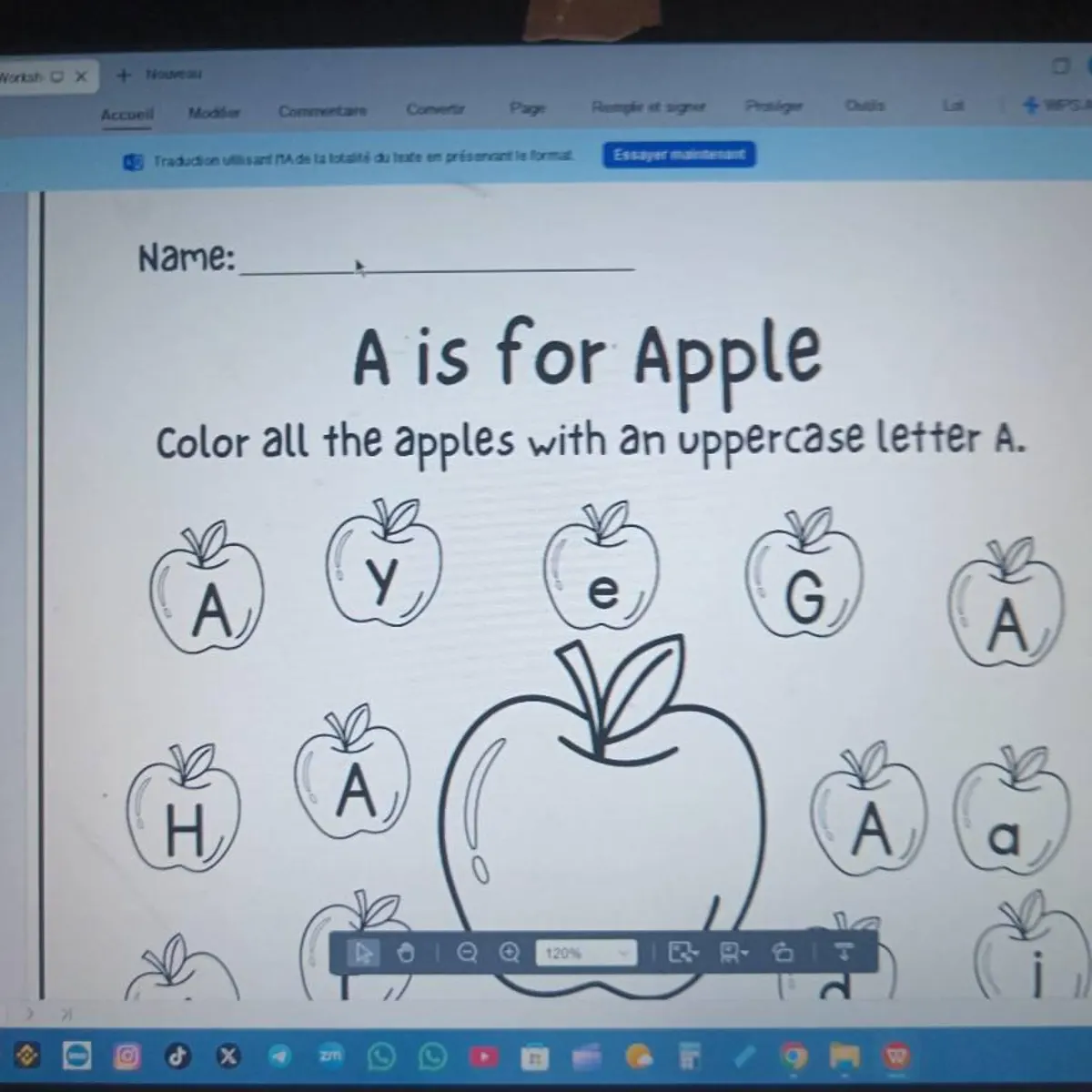
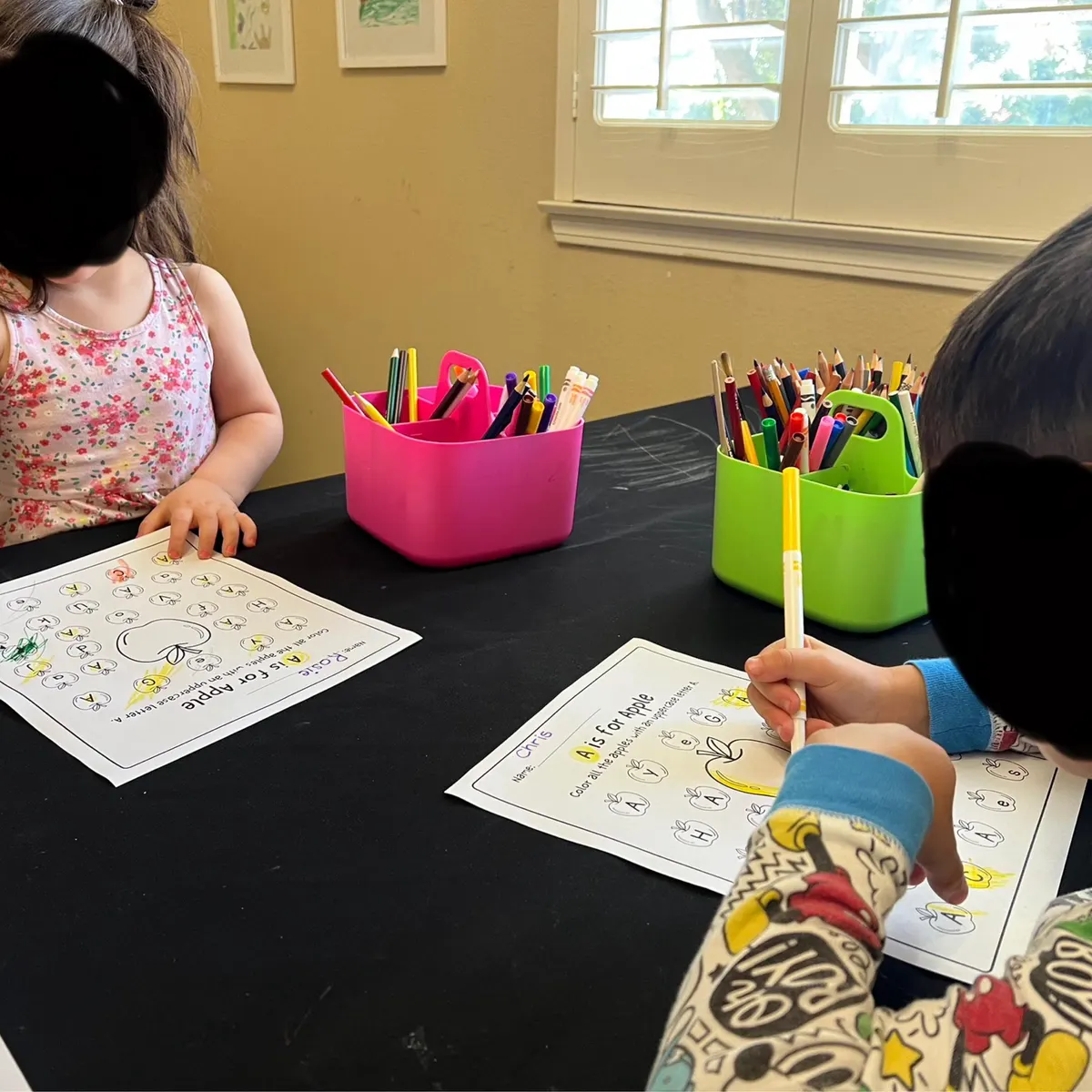
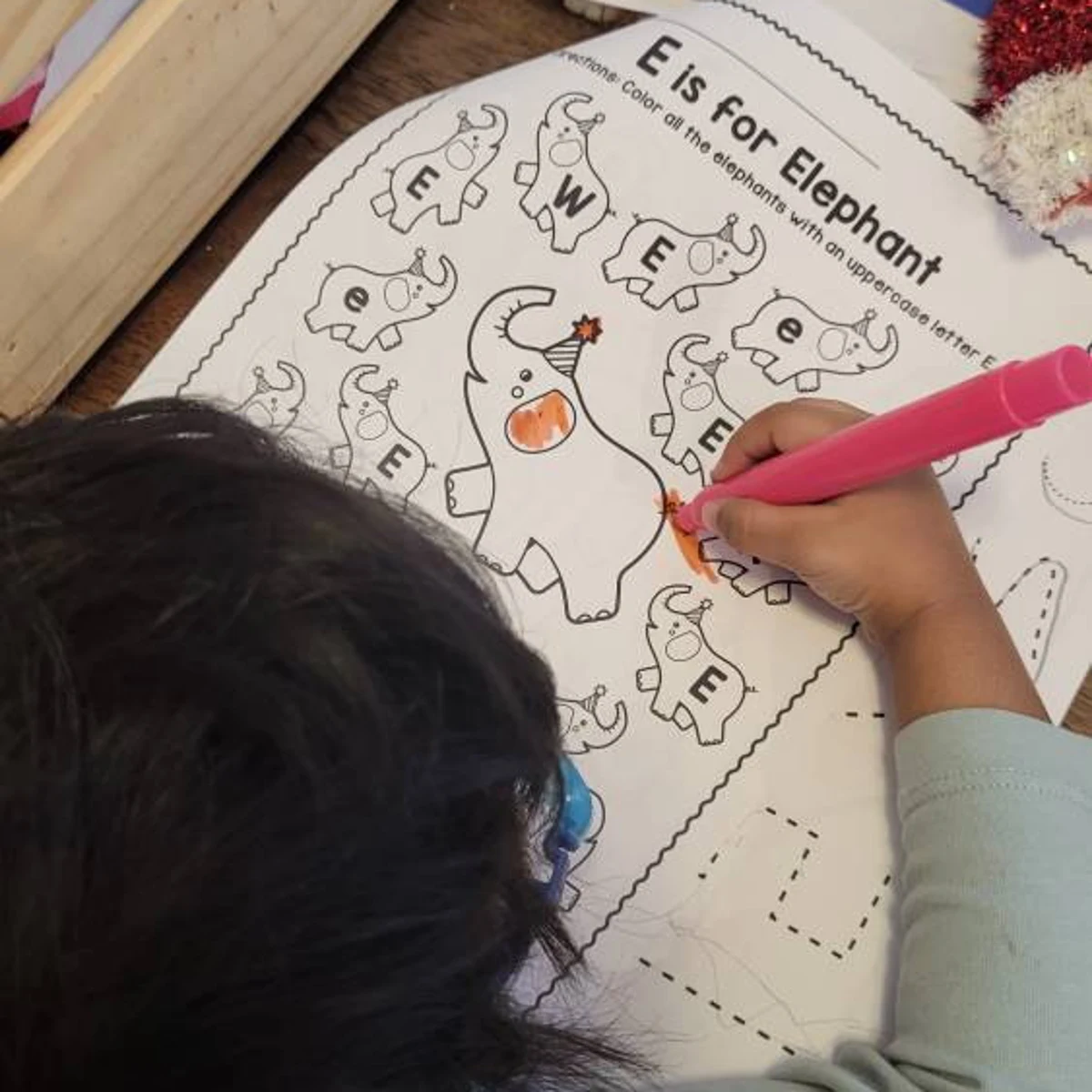
Printable number tracing and counting pages can add helpful structure after a child has explored the skill with real objects. A child might trace the numeral 6, count six stars, and color six pictures. This combination supports fine motor practice, numeral formation, and quantity recognition in one simple activity.
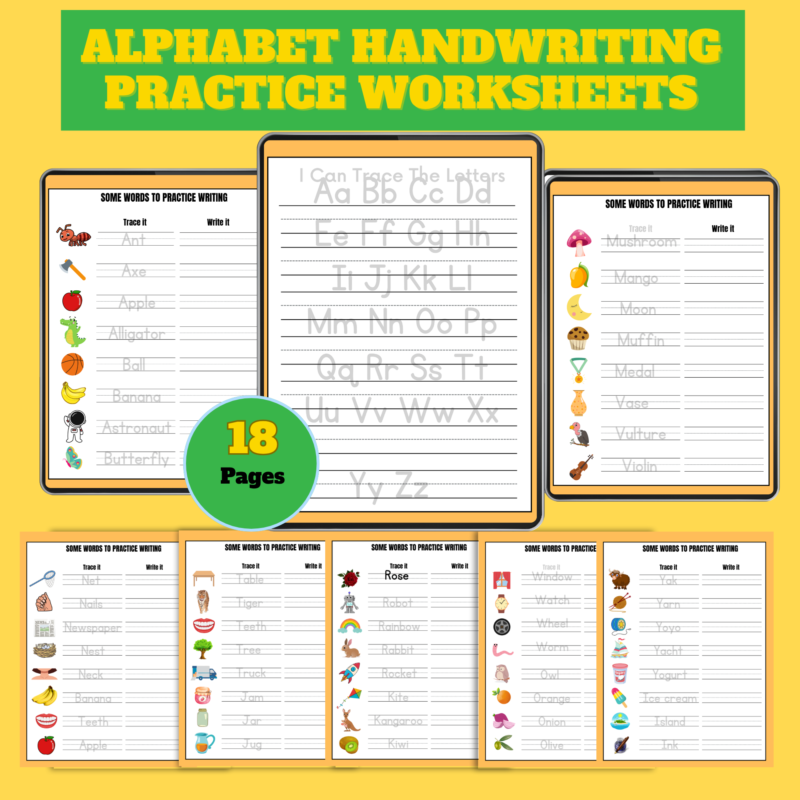
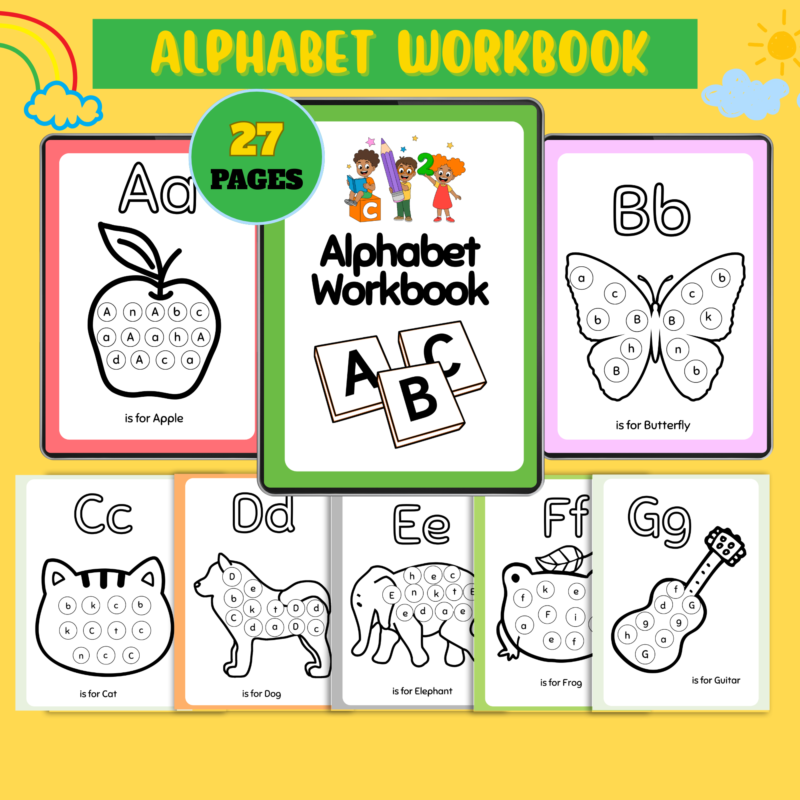
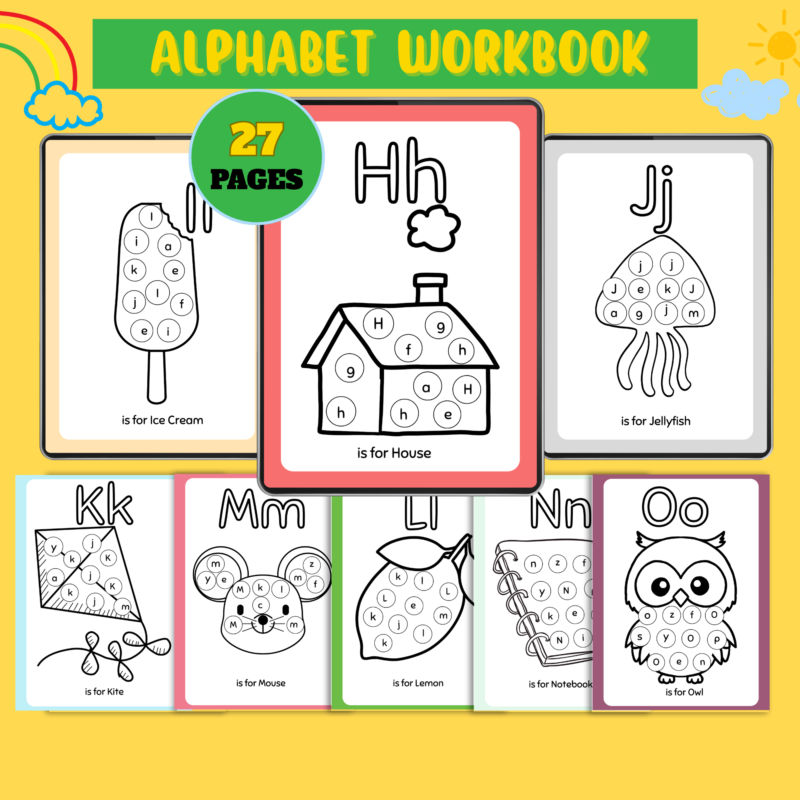
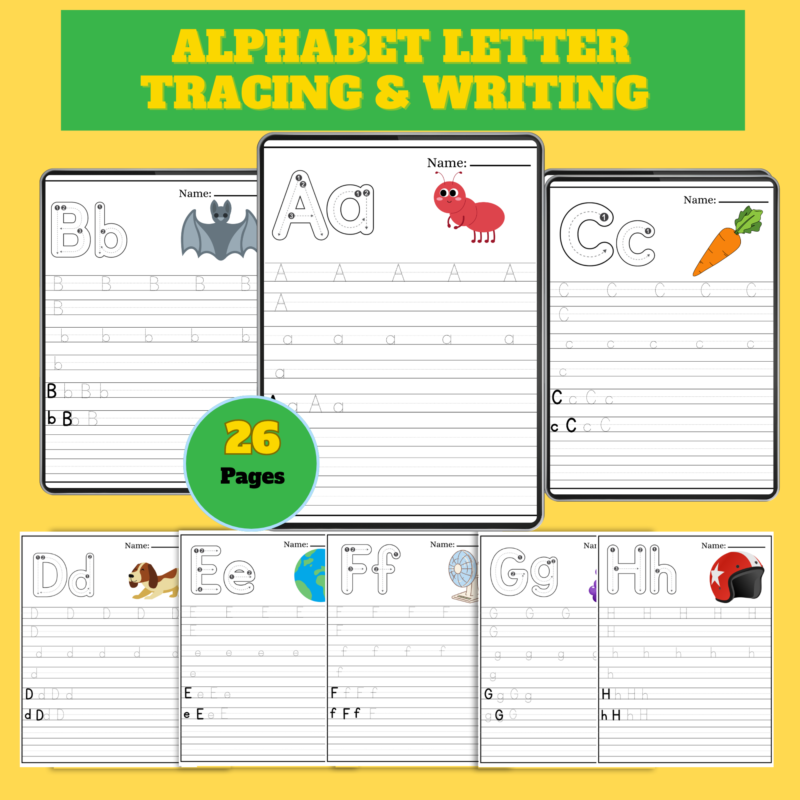
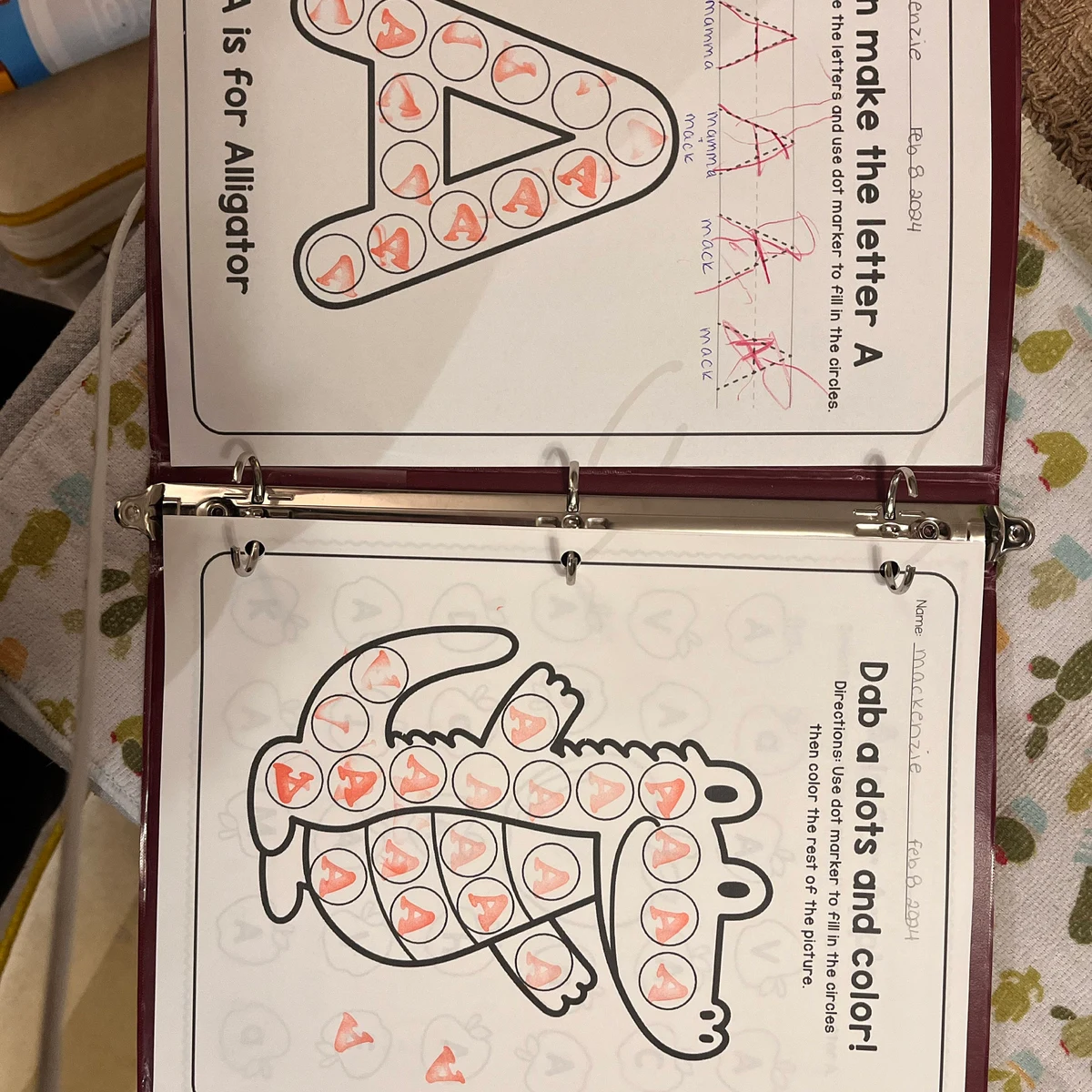
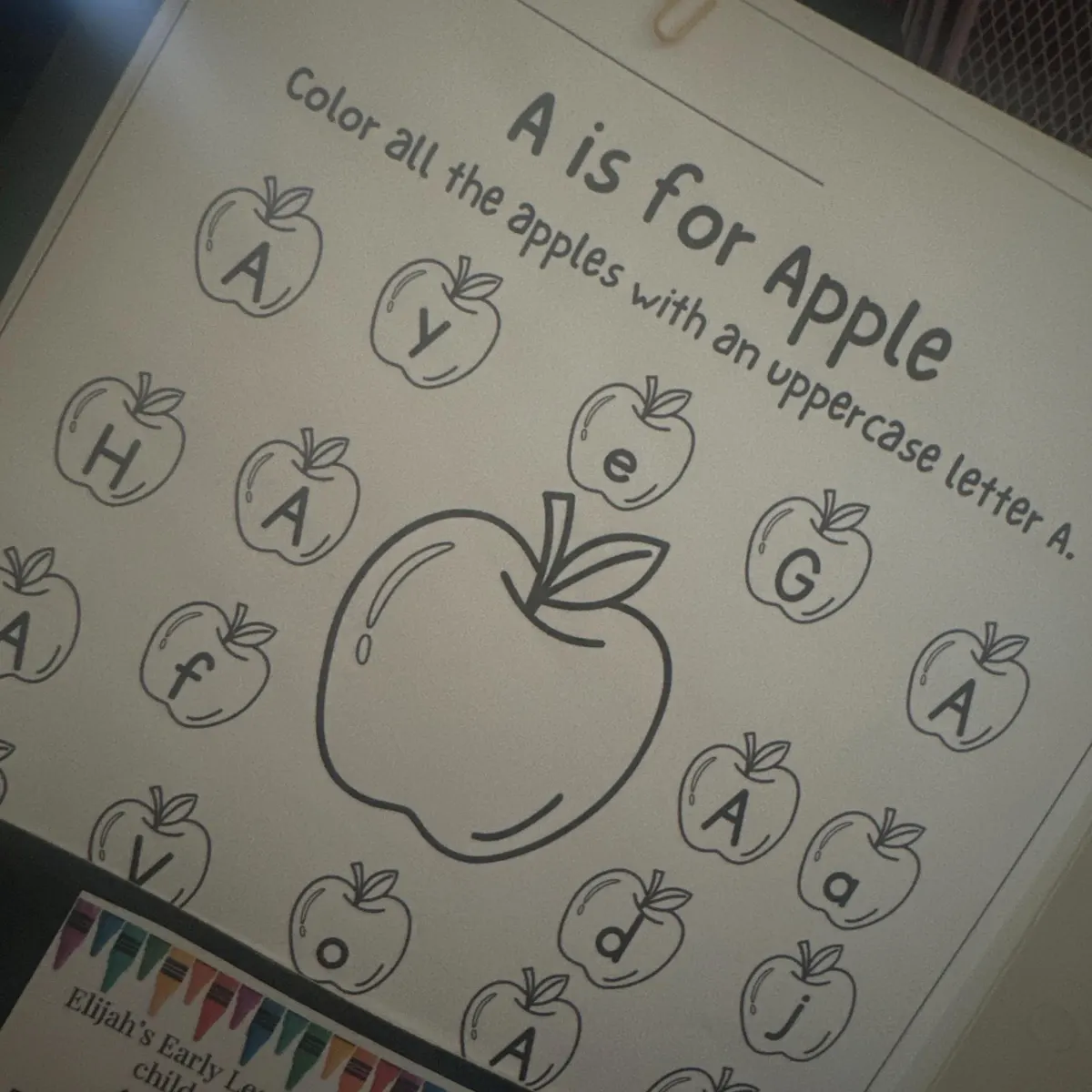
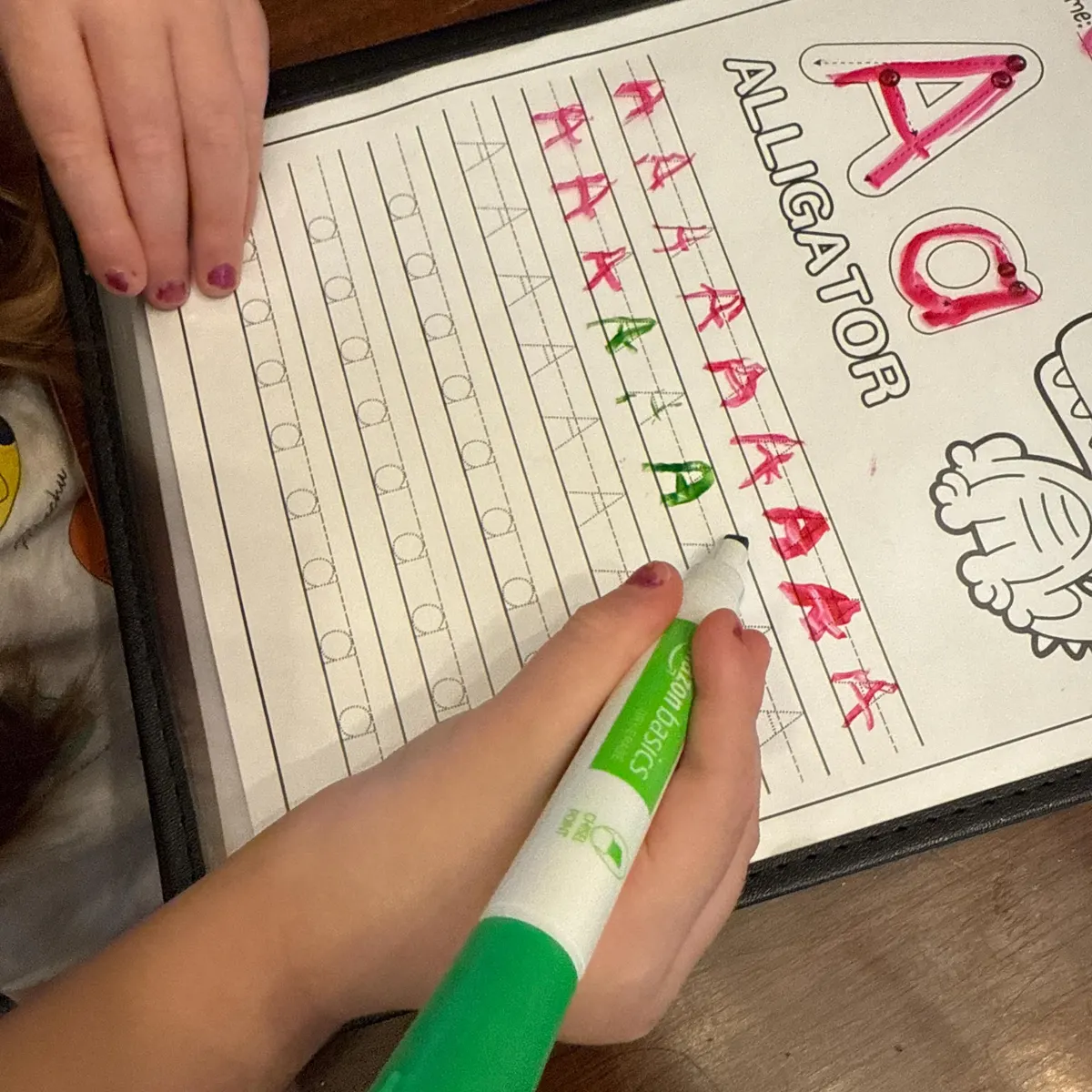
Fun Clever Fox printable counting worksheets are designed for this kind of quick, screen-free practice at home, in a learning center, or during a homeschool lesson. Use them as a follow-up, not a replacement for hands-on counting. Real objects help build the concept, while worksheets give children a chance to repeat and show what they know.
Use Play to Build Number Sense
Children learn more willingly when counting is part of a game. The best activities are not necessarily complicated. They simply give children a reason to count, compare, and notice numbers.
Roll a die and build a tower with that many blocks. Set up a pretend bakery and ask for three cupcakes or five cookies. Play a scavenger hunt for two red items, four soft items, or six things that are round. During outdoor play, count jumps, tosses, or leaves collected in a bucket.
Board games with spaces are especially useful because children practice saying one number for each move. At first, some children may move their game piece too quickly or count the starting space as one. Model how to move one space at a time and count each move aloud. This kind of practice supports both counting order and one-to-one correspondence.
Know When to Move Forward
Counting development does not always happen in a straight line. A child may count five objects perfectly one day and struggle the next day when the objects are scattered farther apart. That is normal. Different arrangements can make counting harder because children need stronger attention and tracking skills.
Start with objects in a neat row. Next, try a small circle or a scattered group. As confidence grows, include larger groups and numbers up to 10. Many preschoolers are ready to work within 10, while many kindergarteners can build confidence with numbers to 20. It depends on the child’s experience, interest, and readiness.
Watch for these signs that a child is ready for the next challenge: they count each object once, say the numbers in order, answer “how many?” with the final number, and can match a small quantity to a written numeral. If one of these steps is still tricky, return to smaller groups and give them more playful practice.
Keep Practice Short, Positive, and Repeated
Young children do not need long counting lessons. Five focused minutes can be enough, especially when practice happens often. End while your child is still interested, and celebrate effort as much as correct answers. “You kept trying until you counted every block!” builds confidence and encourages persistence.
Avoid turning every activity into a test. If a child makes an error, stay calm and curious. Say, “Let’s check together,” then recount slowly. A warm response helps children see mistakes as part of learning instead of something to fear.
The most helpful counting practice is the kind children want to do again tomorrow. Offer a few counters, a favorite game, or a cheerful printable page, then let small successes add up one number at a time.