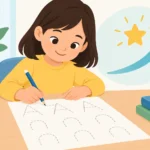
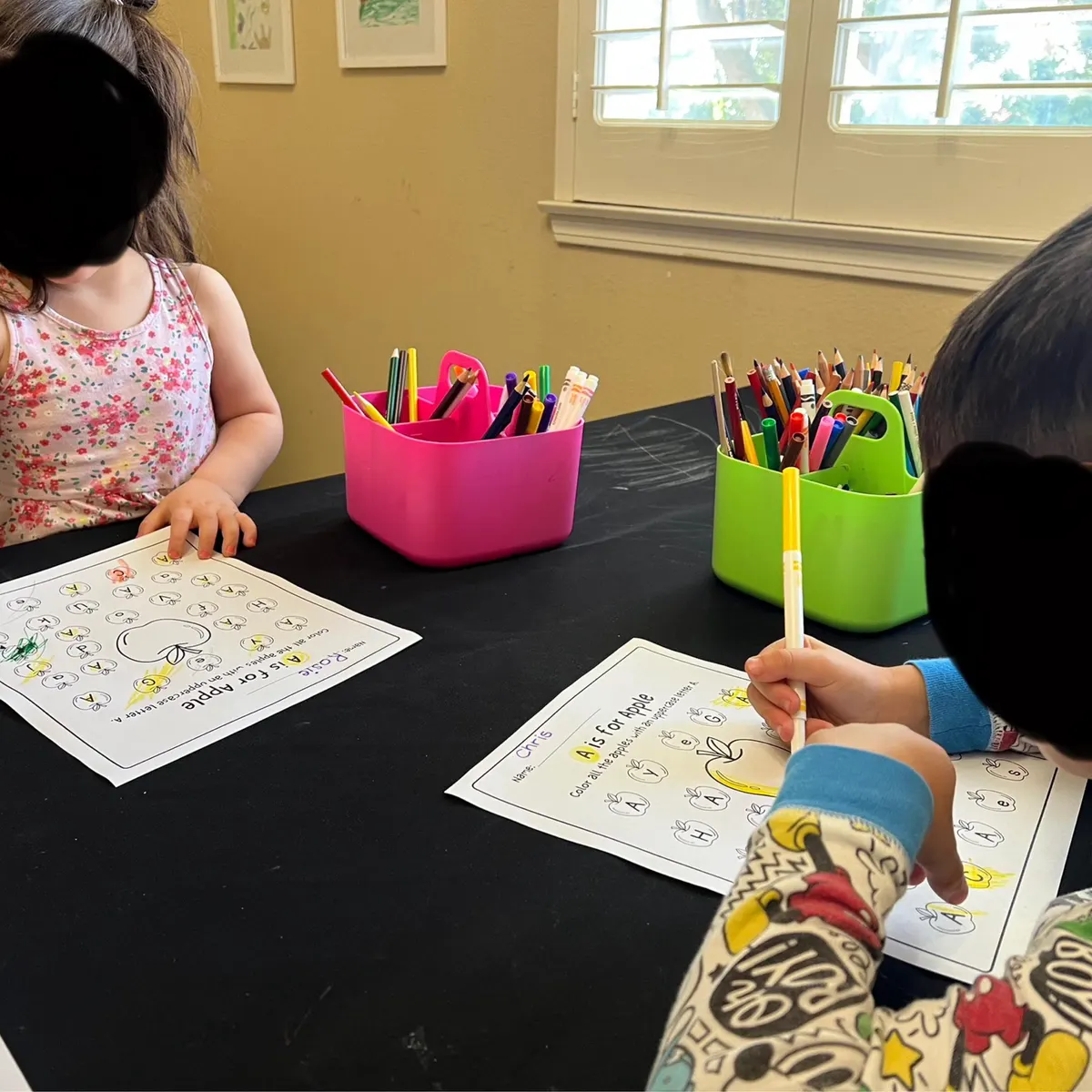
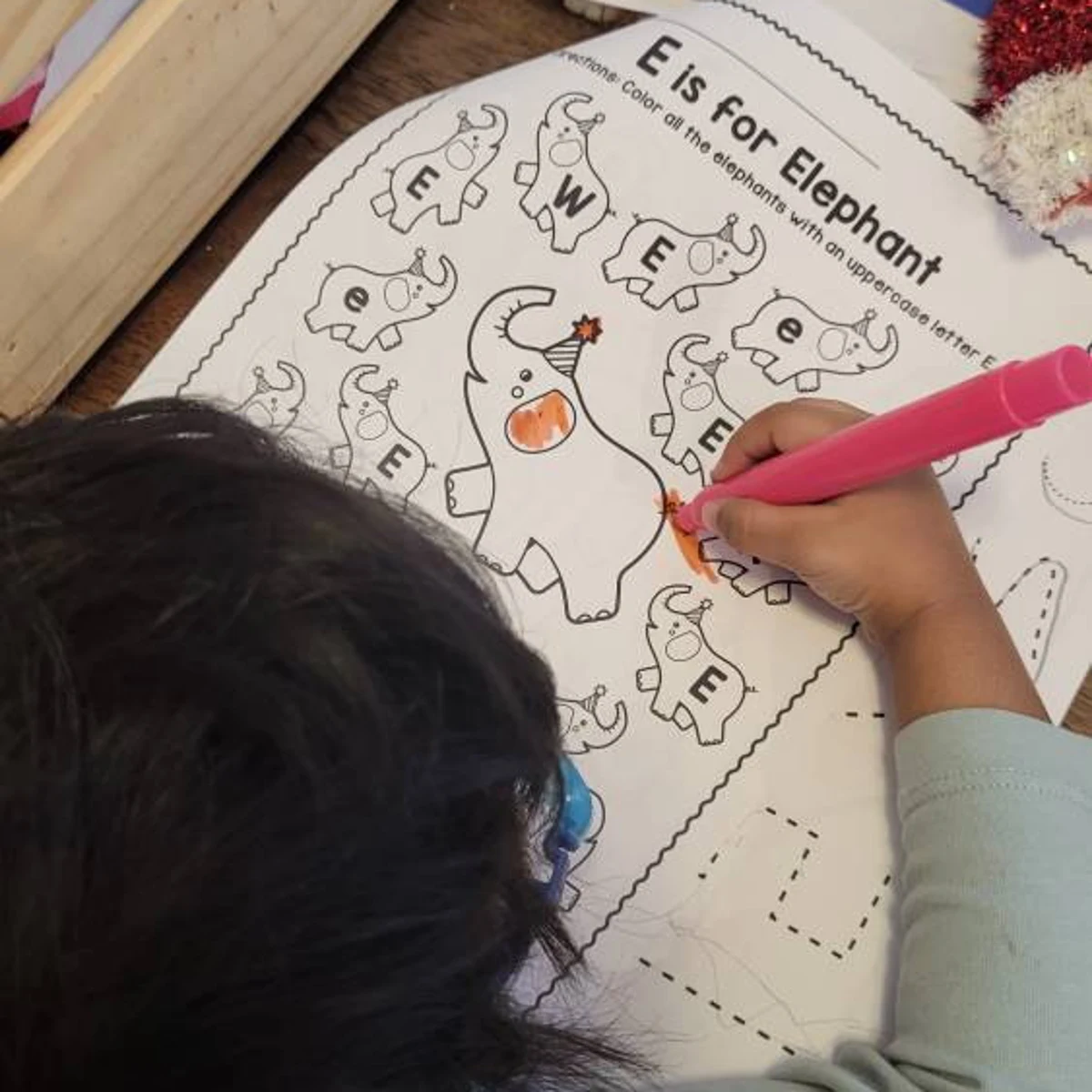
A child who holds a crayon in a fist is not doing it wrong – they are showing you where their hand skills are right now. Before preschoolers can control tiny lines, curves, and letters, they need plenty of time to build strength, coordination, and confidence through play. Knowing how to teach pencil grip means guiding that growth without turning every coloring page into a correction.
For parents and teachers, the goal is not a picture-perfect grasp as soon as a child picks up a pencil. The goal is comfortable, controlled tool use that makes drawing and early writing feel possible. With simple materials, short practice sessions, and playful activities, children can develop the skills they need for more mature pencil control.
Start With What Is Age-Appropriate
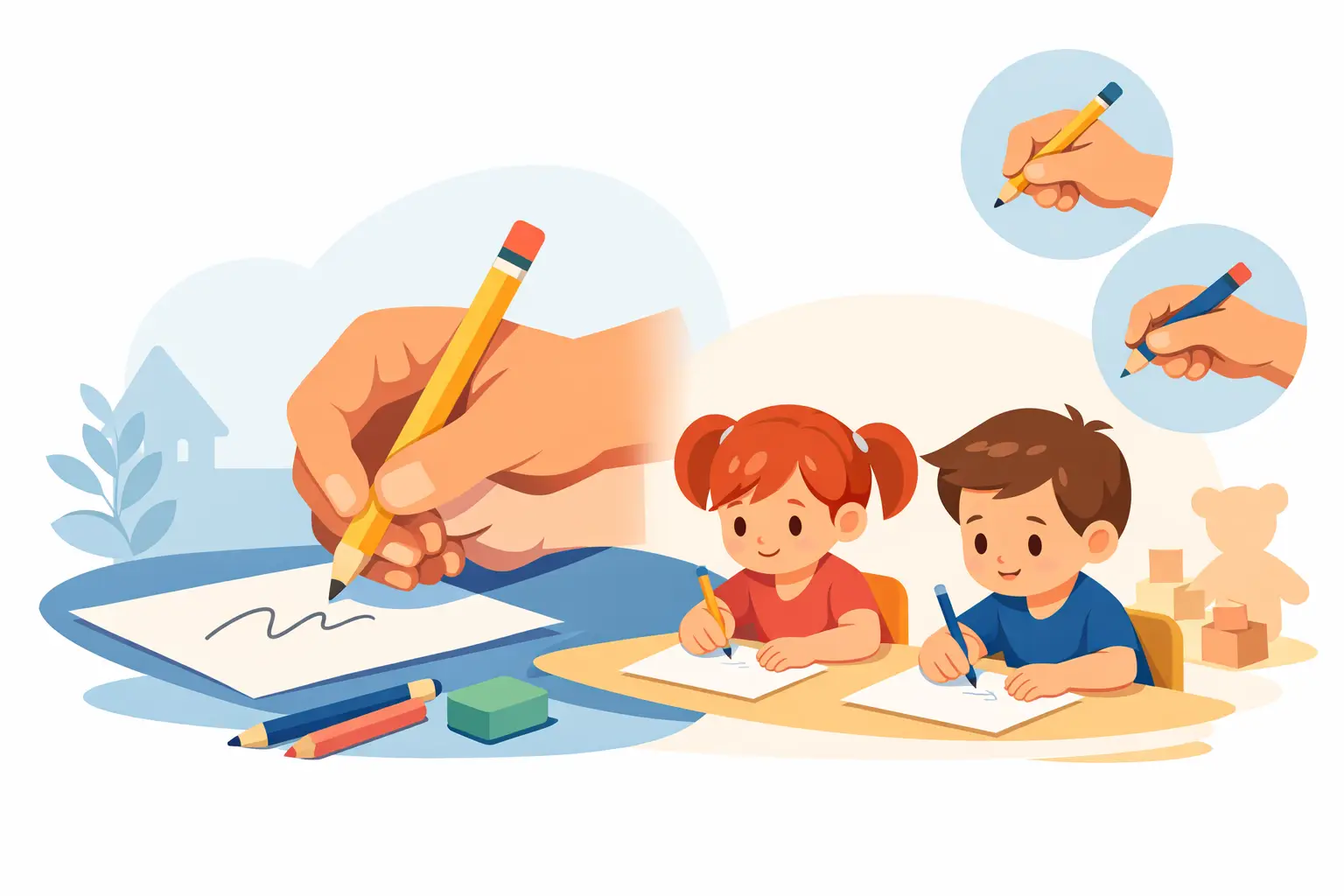
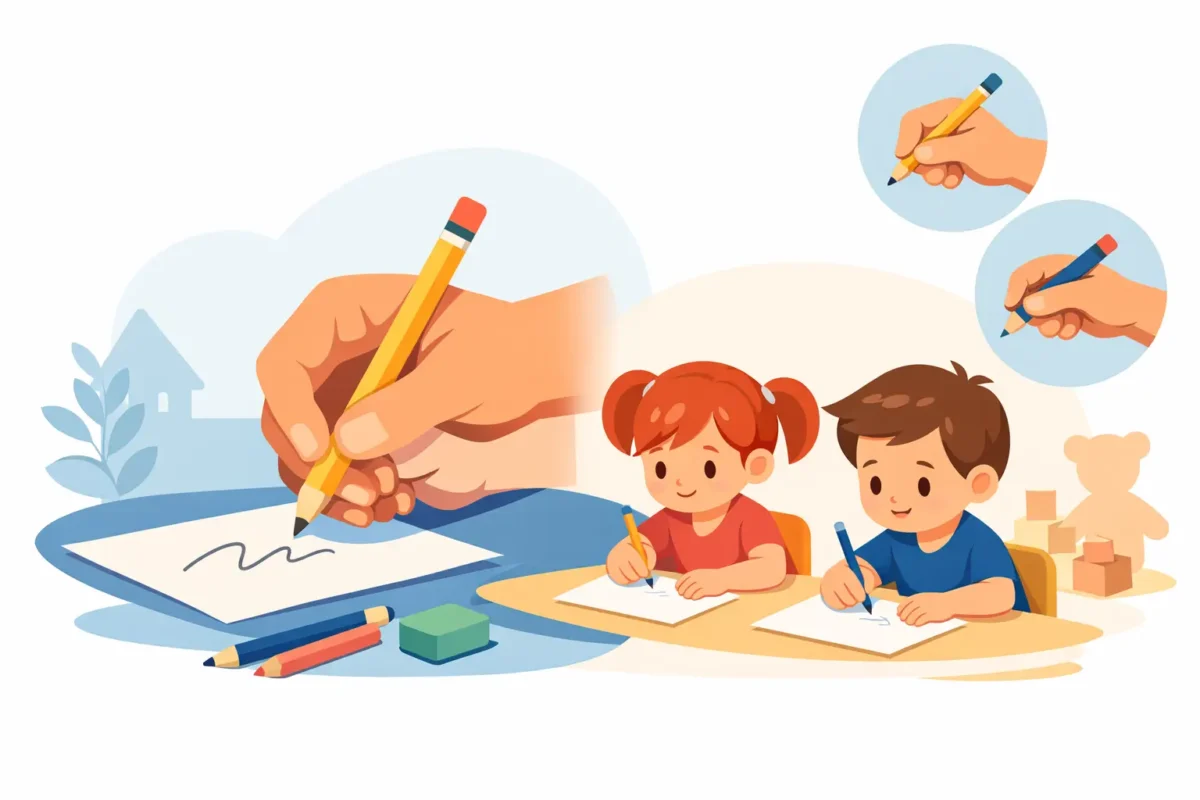
Pencil grip develops in stages. Toddlers often use a whole-hand grasp, holding a crayon in their palm with their thumb on top. Preschoolers gradually move toward using their fingers more independently. By kindergarten, many children are ready to use a functional tripod grip, with the pencil resting on the middle finger and guided by the thumb and index finger.
These ages are guides, not deadlines. Some children develop hand strength quickly, while others need extra time, especially if they have had fewer chances to color, build, cut, or play with small objects. A child may also use a grip that looks different from the classic tripod grip but still writes comfortably and clearly. Comfort, control, and endurance matter more than making every hand look identical.
Try not to repeatedly reposition a young child’s fingers while they are working. Too much correcting can make writing feel frustrating. Instead, offer activities and tools that gently encourage a more mature grasp over time.
Build Hand Strength Before Asking for Neat Writing
A pencil grip is easier when the small muscles in the hand are ready to do the job. Children who tire quickly, press very lightly, or switch hands often may benefit from more fine motor play before longer tracing or handwriting practice.
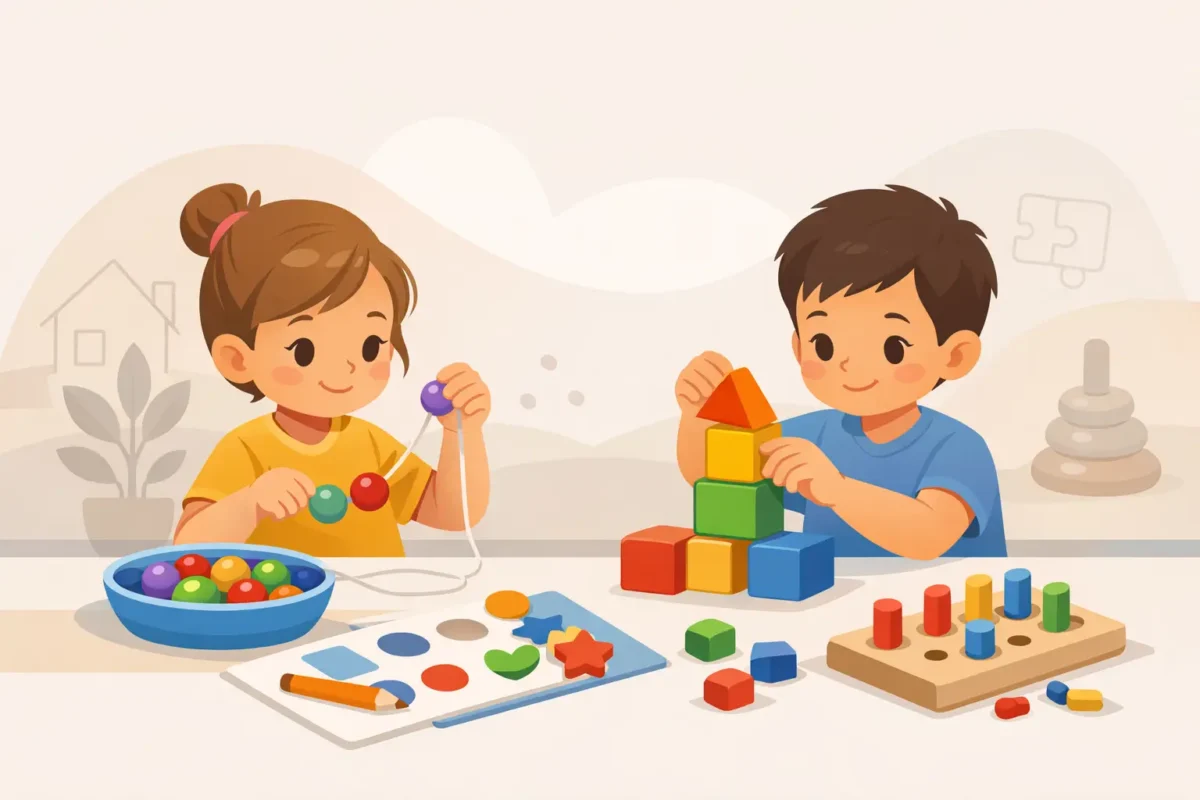
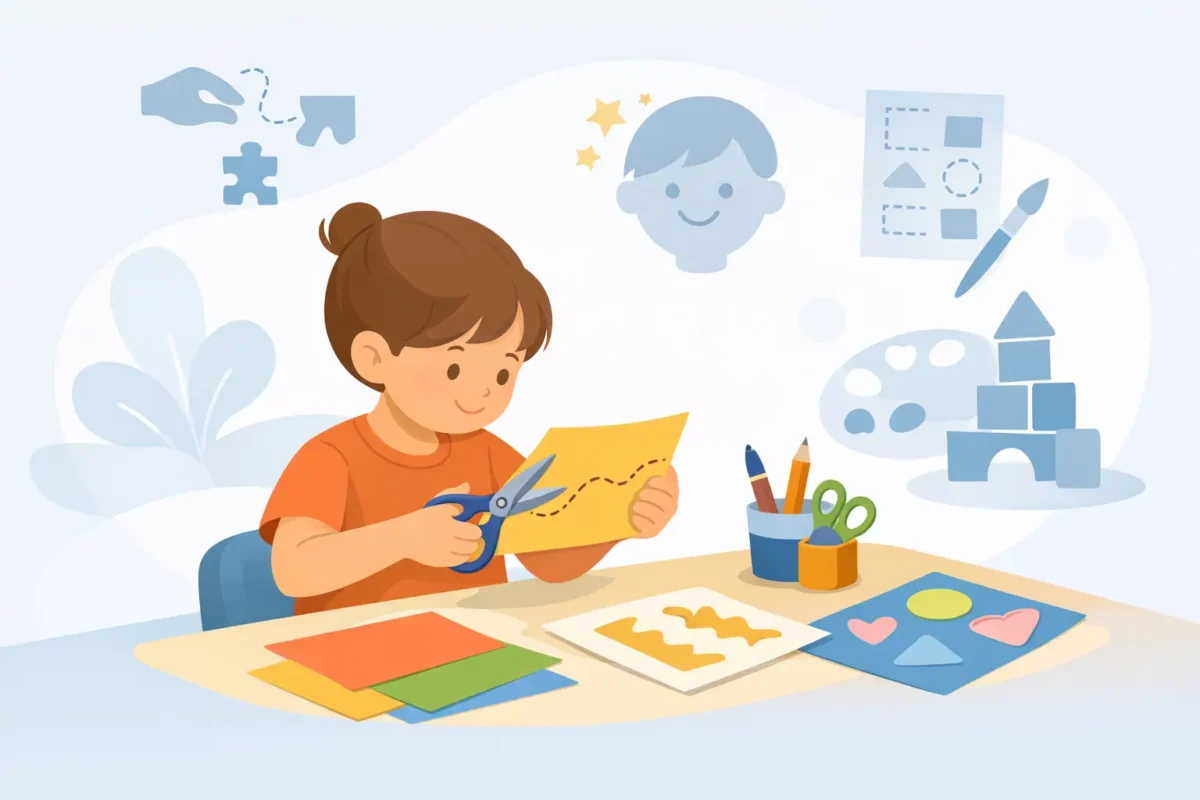
Playdough is one of the easiest ways to strengthen little hands. Invite children to roll snakes, pinch tiny balls, flatten pretend cookies, or hide small objects inside a ball of dough for them to find. Clothespins, child-safe tweezers, tongs, sticker peeling, lacing cards, and building toys all provide useful practice too.
At home, turn these skills into everyday jobs. Let your child use tongs to move cotton balls, squeeze a spray bottle to water plants, or pick up snack pieces with kid-friendly chopsticks. In a classroom, a short fine motor station can be a calm, productive choice before centers or handwriting work.
The key is variety. A child does not need to complete a long hand-strength routine. Five to ten minutes of fun, repeated often, can make a real difference.
Choose Tools That Make Pencil Grip Easier
Long, thin pencils can be awkward for beginners. Short crayons, broken crayons, mini pencils, and small pieces of chalk naturally encourage children to use their fingertips instead of their whole hand. They are simple, inexpensive tools that can make early writing practice feel much more manageable.
Triangular crayons and pencils can also give fingers a natural resting place. Pencil grips may help some children, particularly when a teacher or occupational therapist recommends one, but they are not required for every learner. A grip cannot replace the underlying hand strength and coordination children build through play.
For young preschoolers, start with crayons, washable markers, paintbrushes, and sidewalk chalk. These tools are more inviting than a standard pencil and allow children to make big, bold marks. As control improves, bring in pencils for short tracing, drawing, and name-writing activities.
How to Teach Pencil Grip With Simple Cues
When a child is ready for more direct guidance, keep your language cheerful and brief. A long explanation about finger placement will not help much in the middle of a coloring activity. A visual cue is usually more effective.
One helpful method is the pinch-and-flip cue. Ask the child to pinch the pencil near the sharpened end using their thumb and index finger. Then have them flip the pencil back so it rests gently on the side of the middle finger. You can say, “Pinch, flip, and rest.” This gives them a repeatable routine without making the process feel complicated.
Another child-friendly cue is to ask them to make a small circle with their thumb and pointer finger, then let the pencil sit there. The other fingers can curl softly underneath. Remind children that their hand should be relaxed, not squeezed tight. If their knuckles look white or their hand seems tired, encourage a quick shake-out break.
For left-handed children, the same basic principles apply. Make sure the paper is positioned slightly to the left and tilted a little clockwise, so the child can see their work more easily. Encourage them to move their wrist comfortably rather than forcing it into a certain position. Left-handed learners may benefit from sitting where they have elbow room and are not bumping into a right-handed neighbor.
Keep Practice Short, Playful, and Purposeful
Children are more likely to practice when the task feels like an accomplishment rather than a test. Begin with lines, paths, shapes, and pictures instead of asking for full rows of letters. Drawing roads for toy cars, tracing a simple maze, coloring small sections, and connecting dots all strengthen control while giving children a clear reason to keep going.
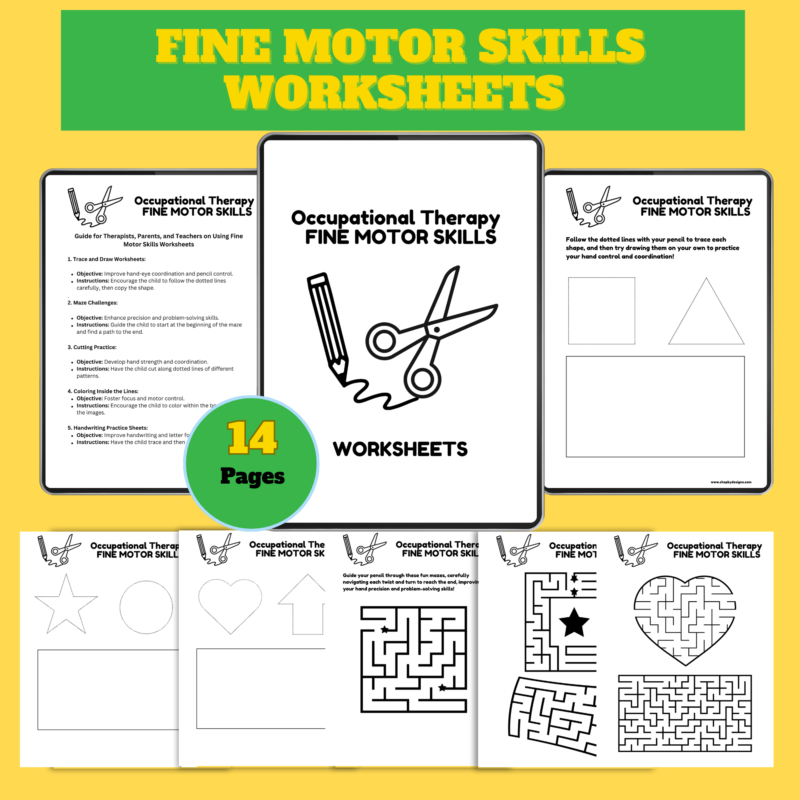
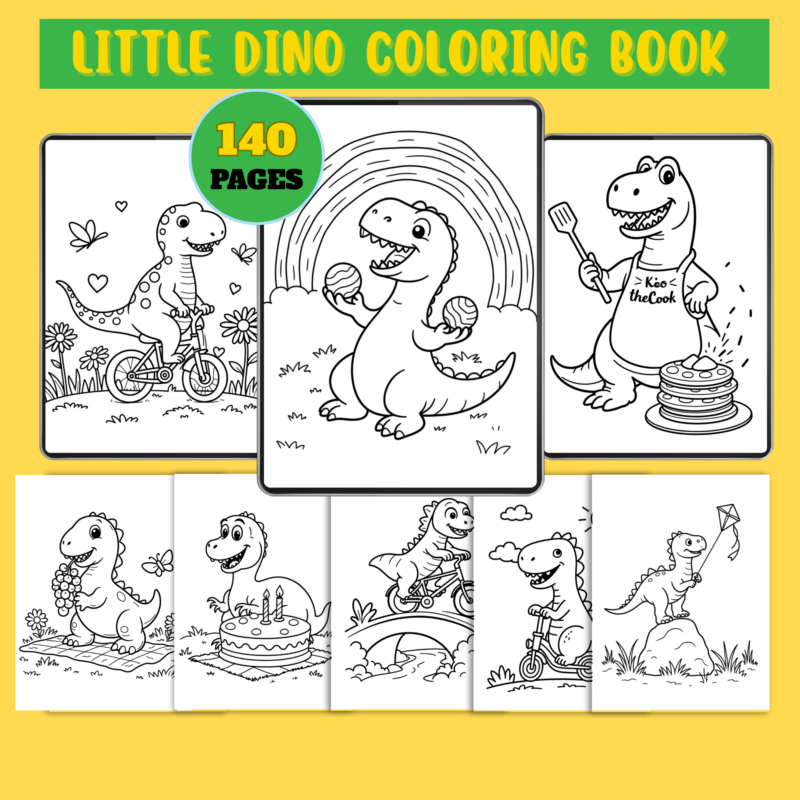
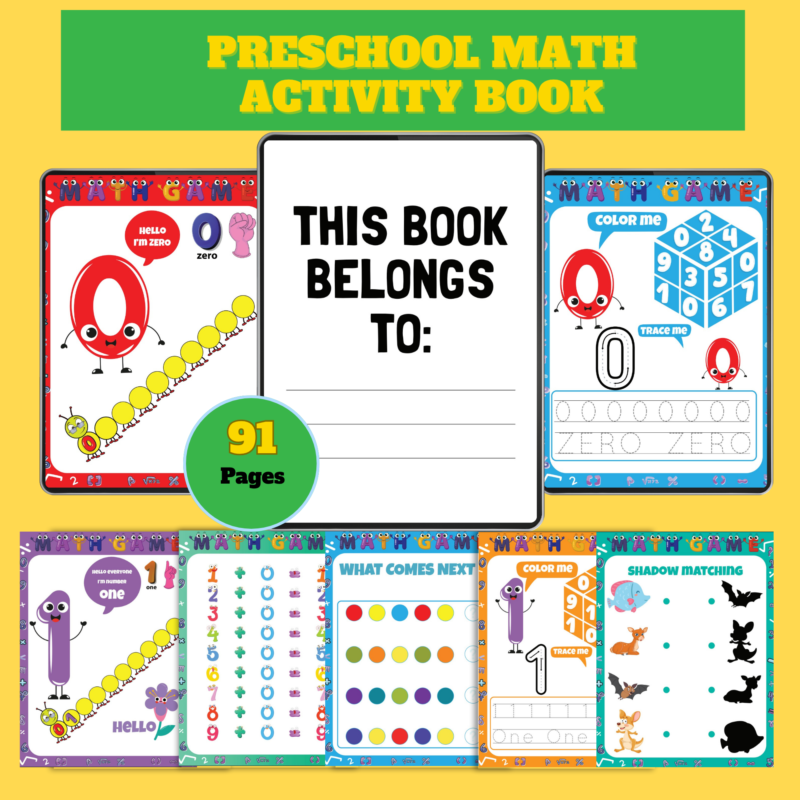
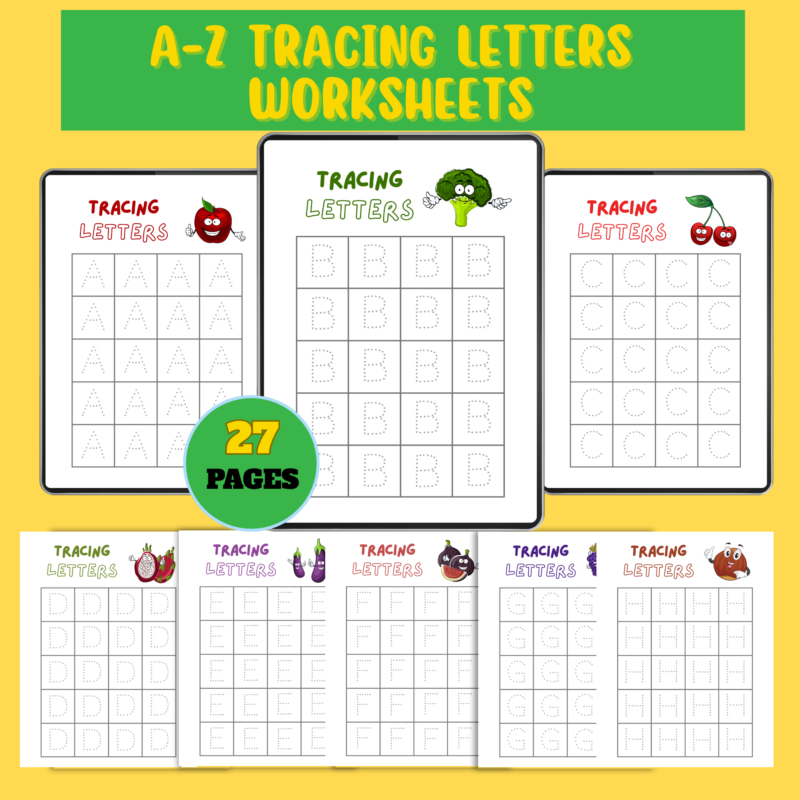
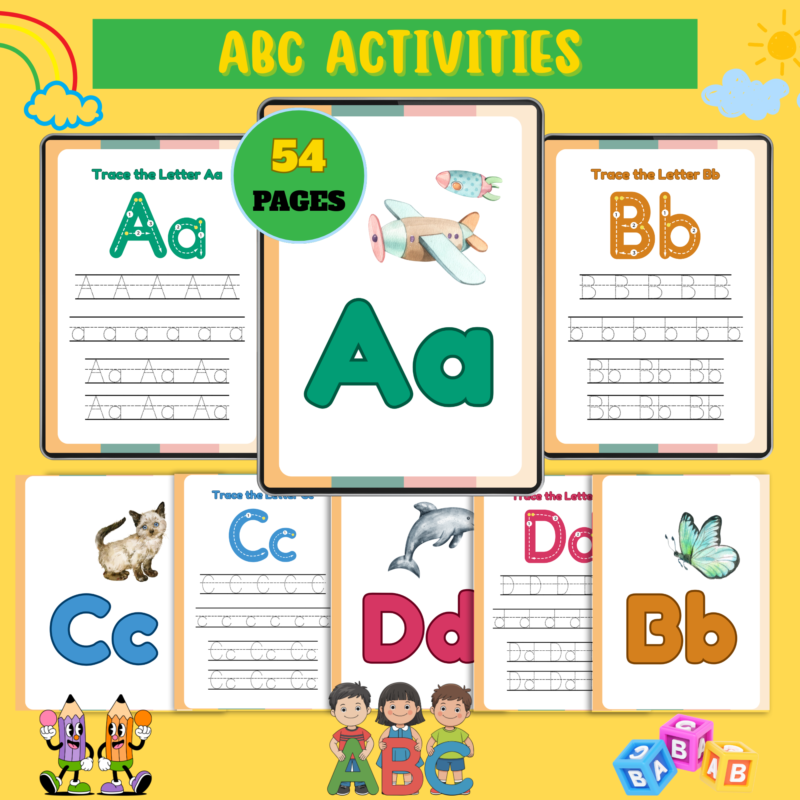
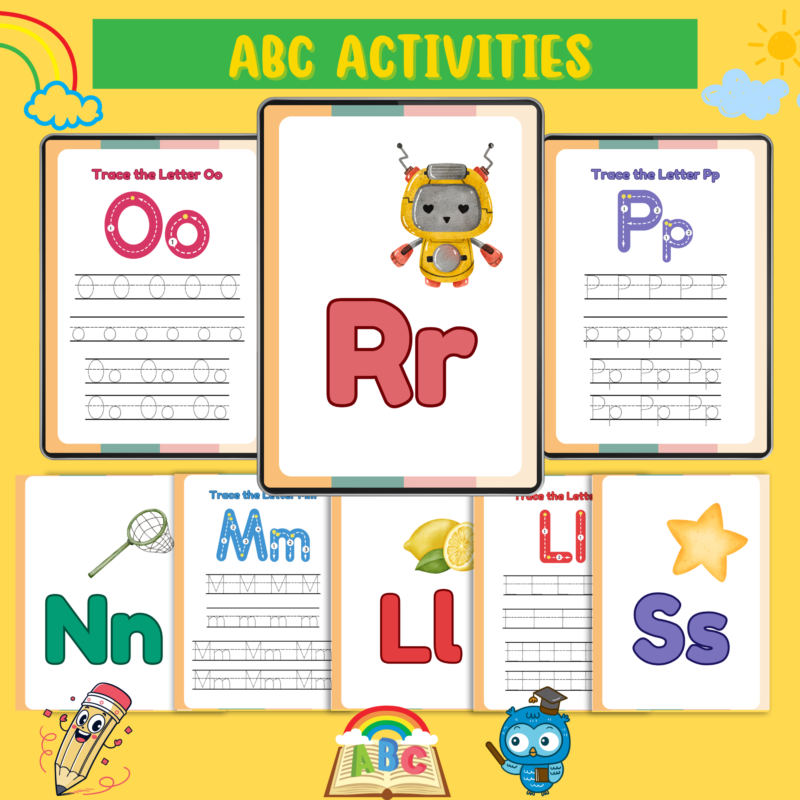
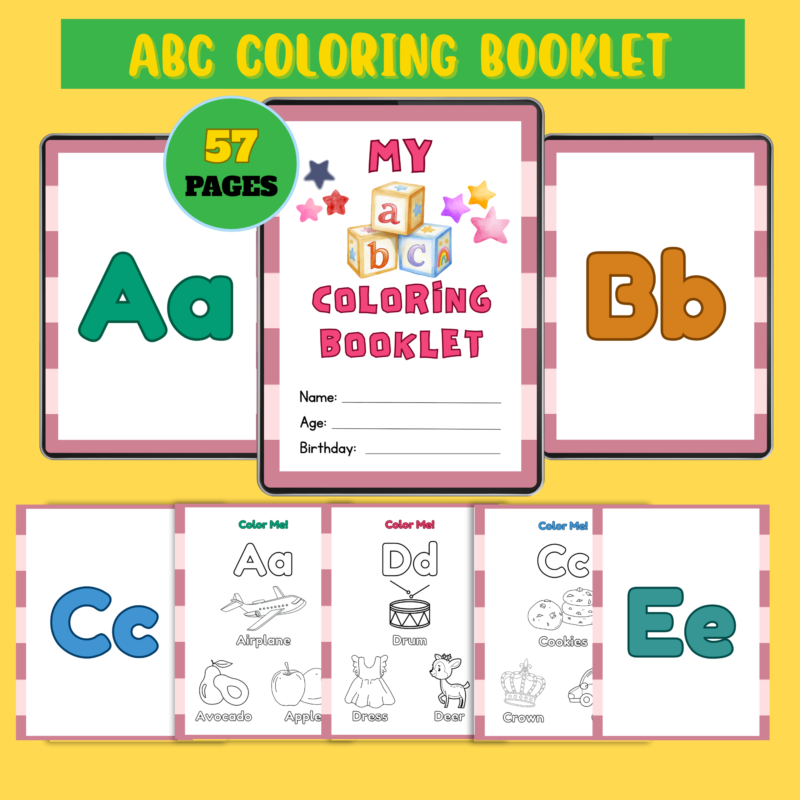
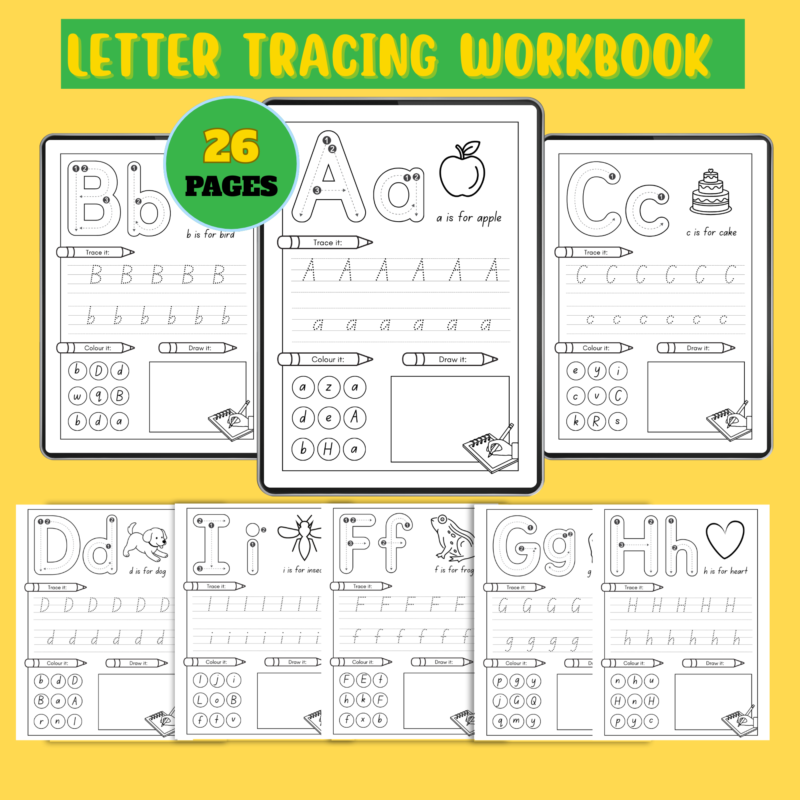
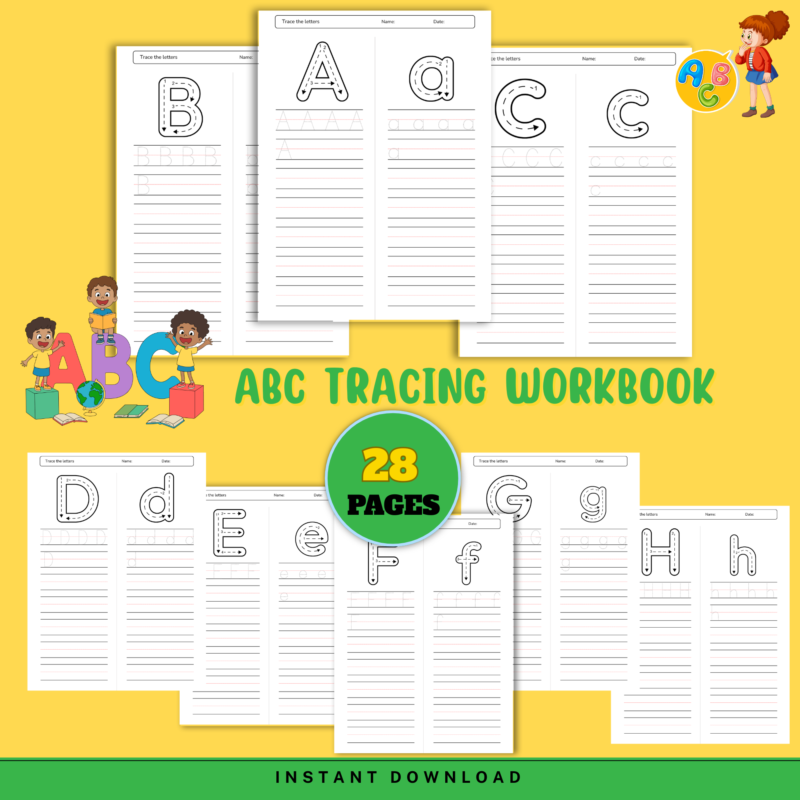
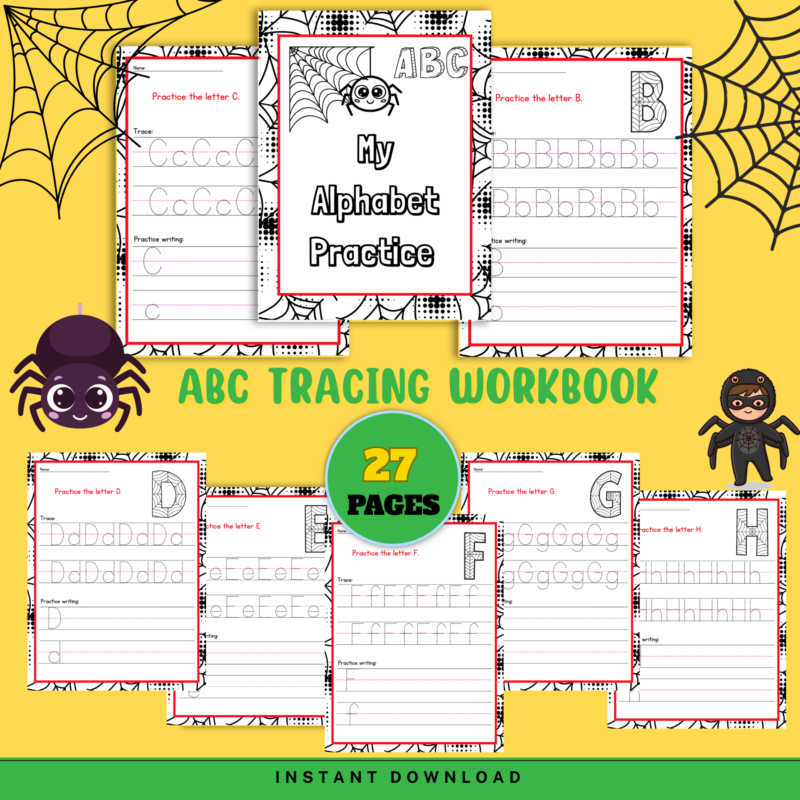
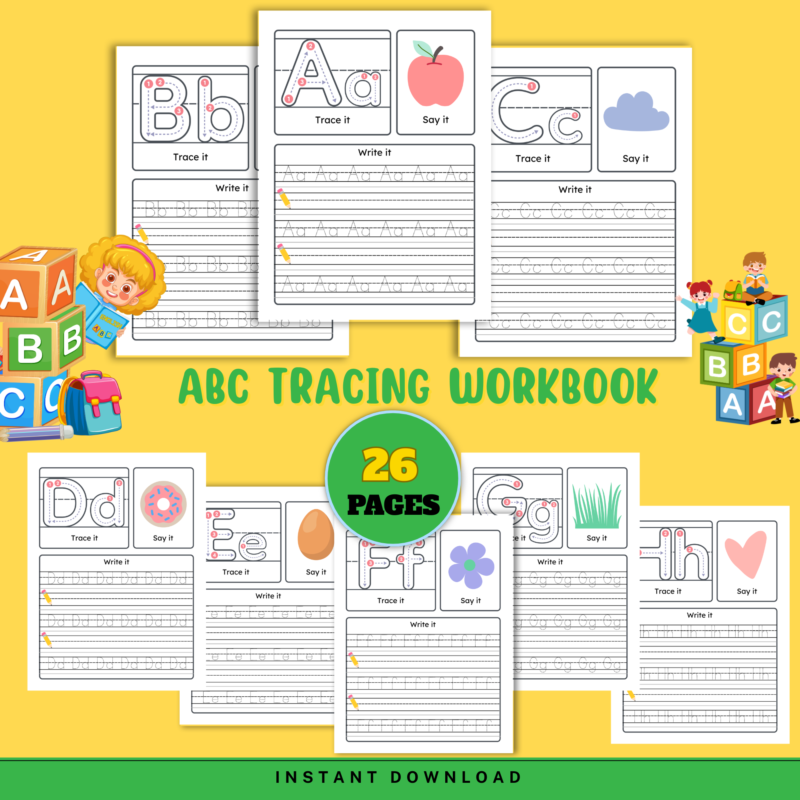
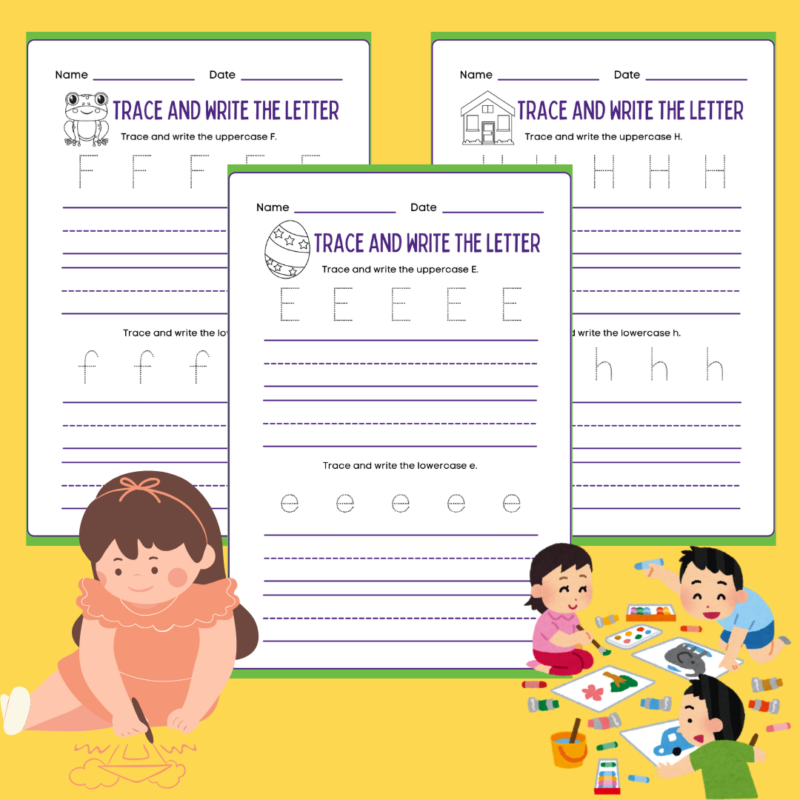
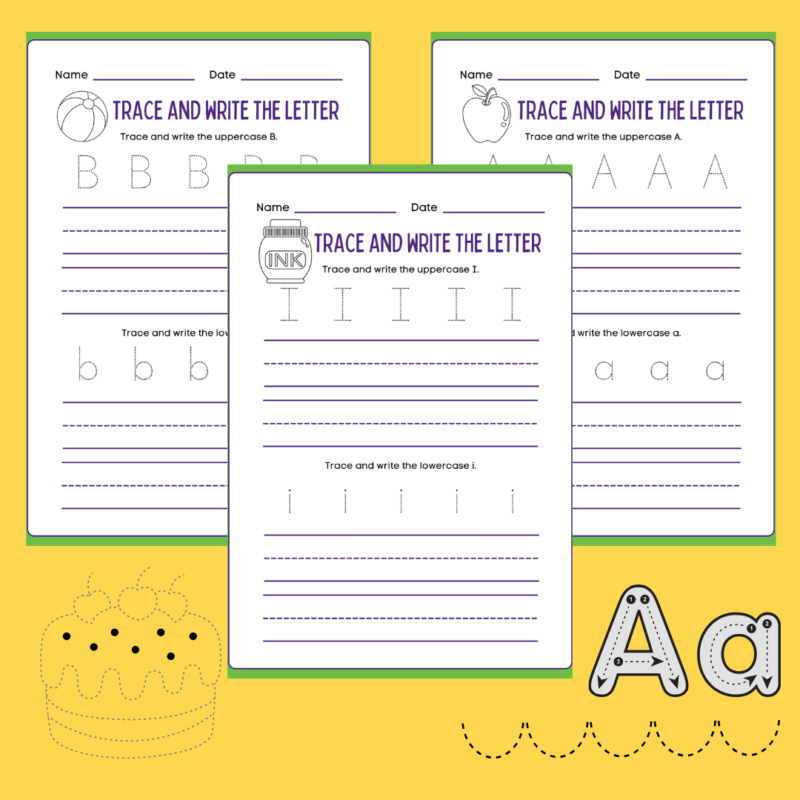
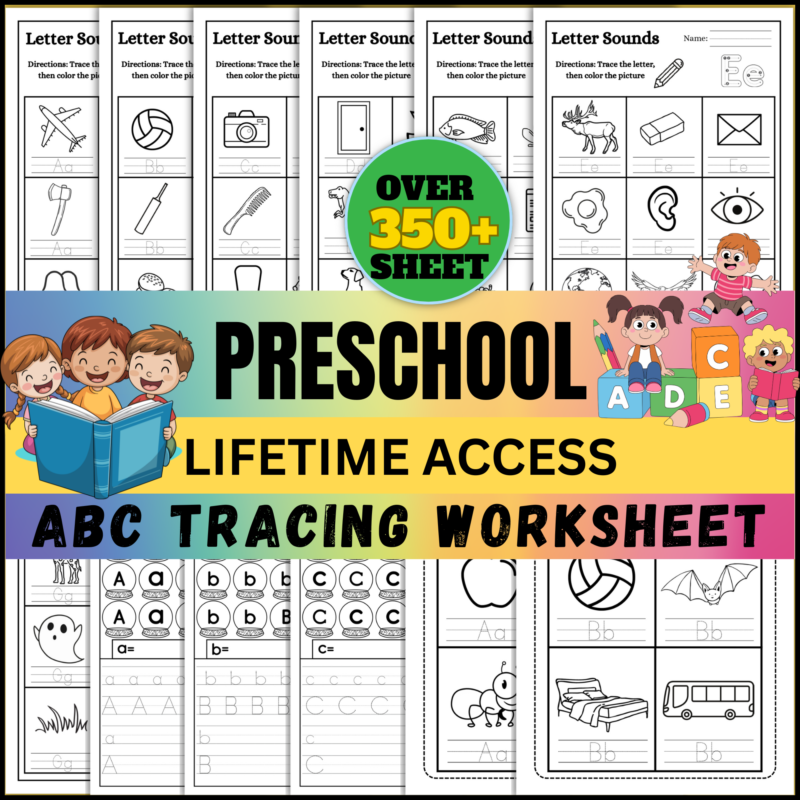
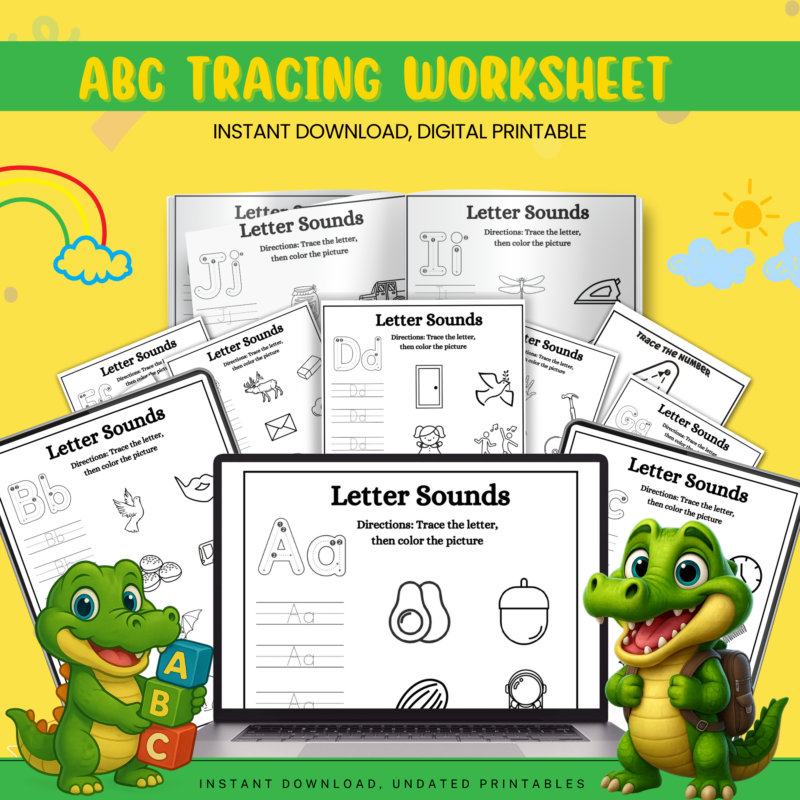
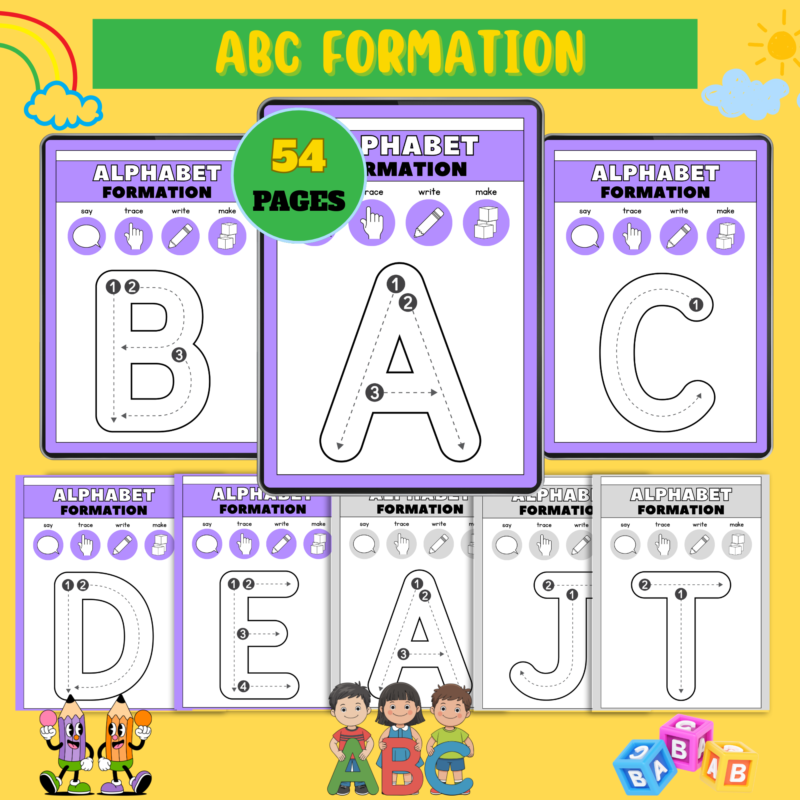
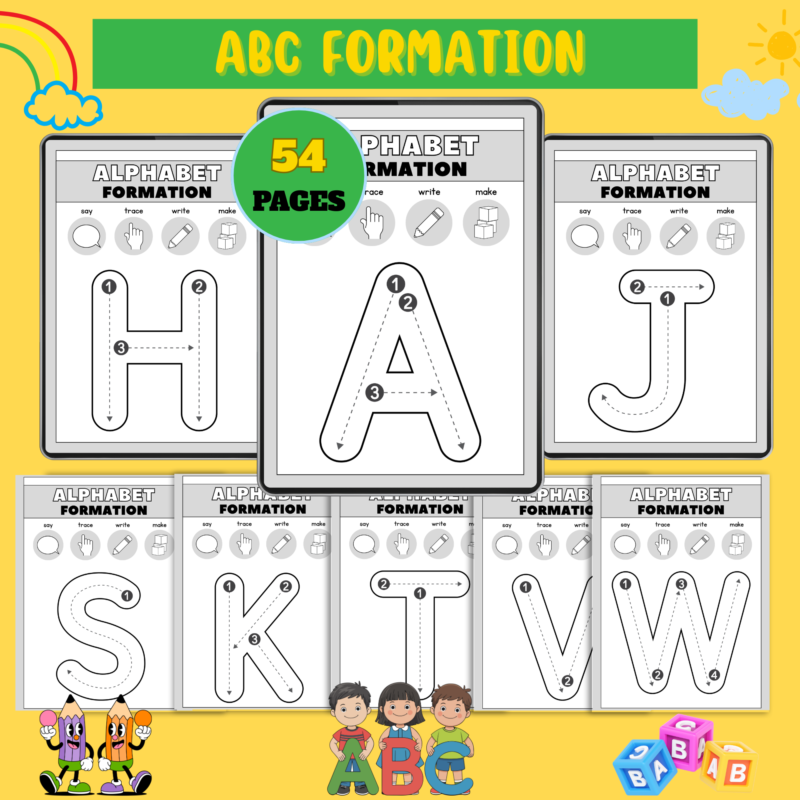
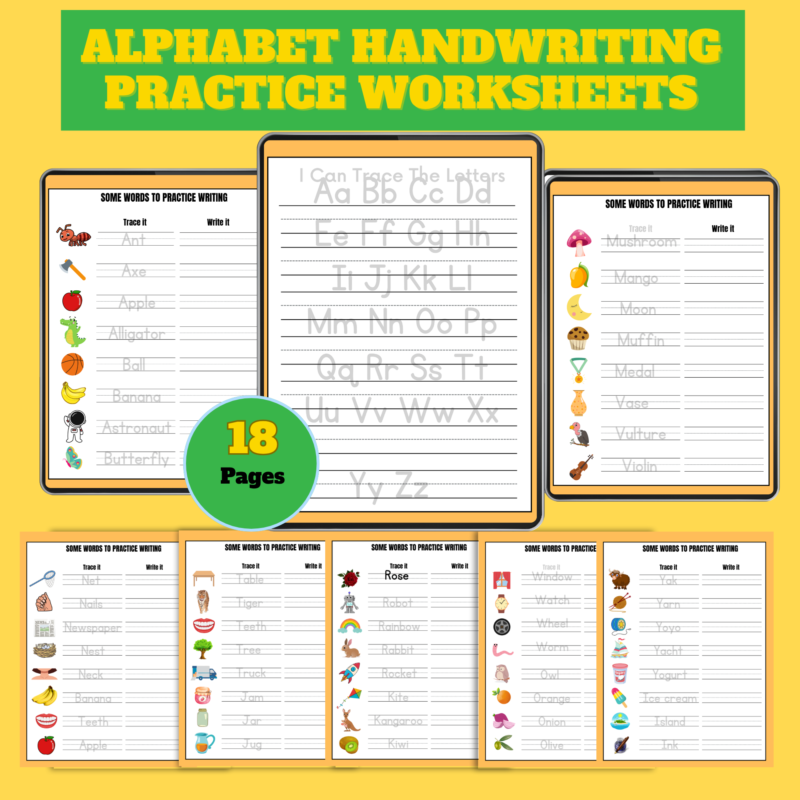
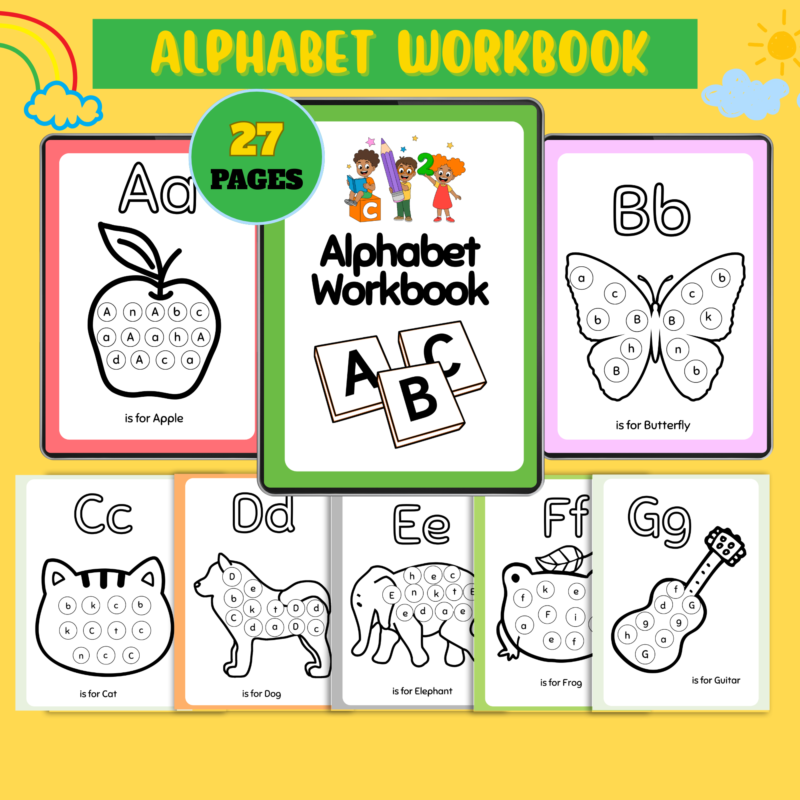
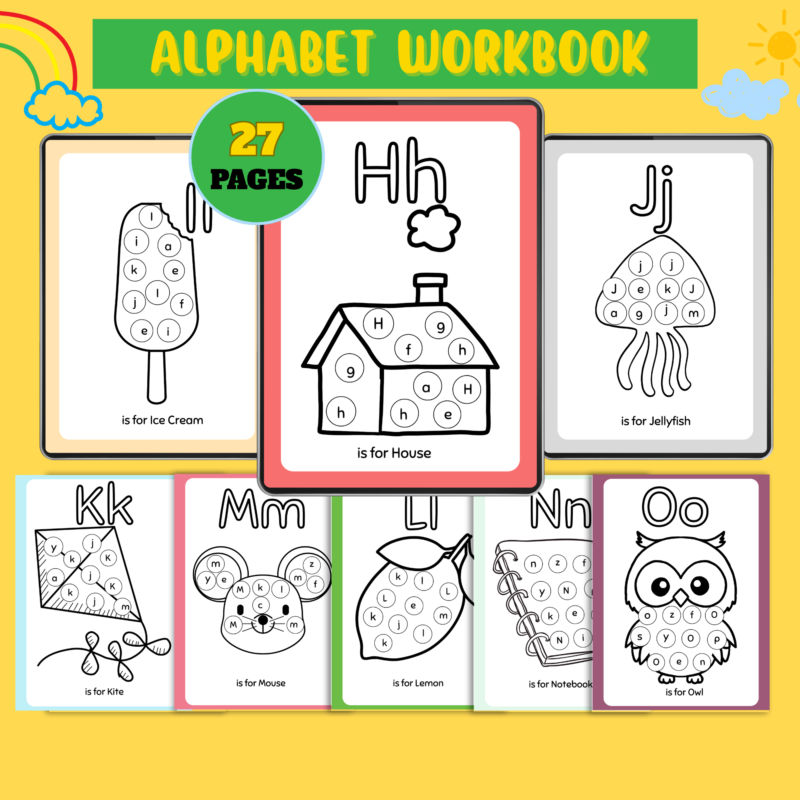
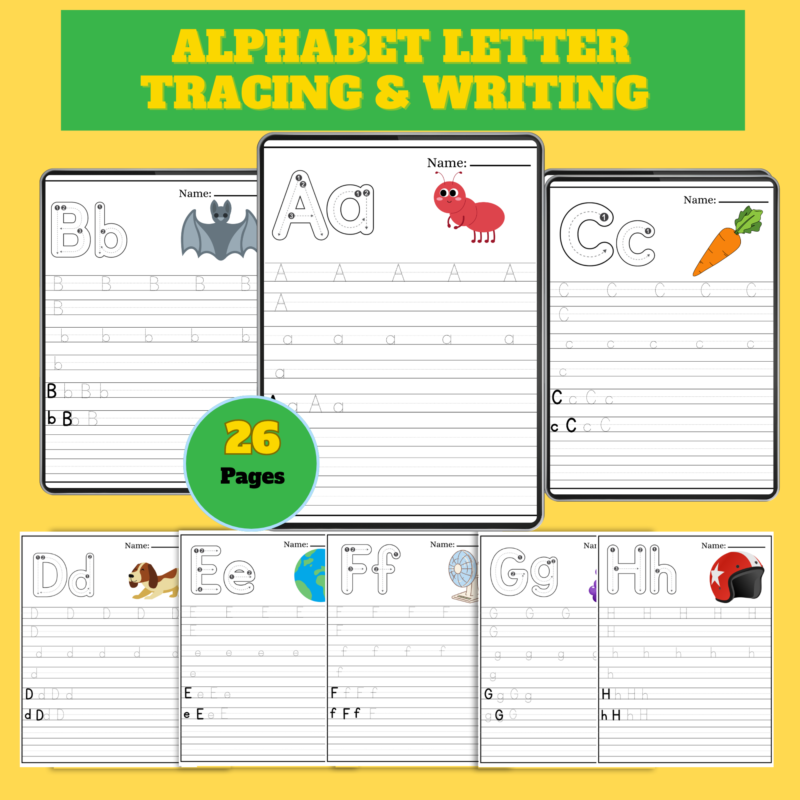
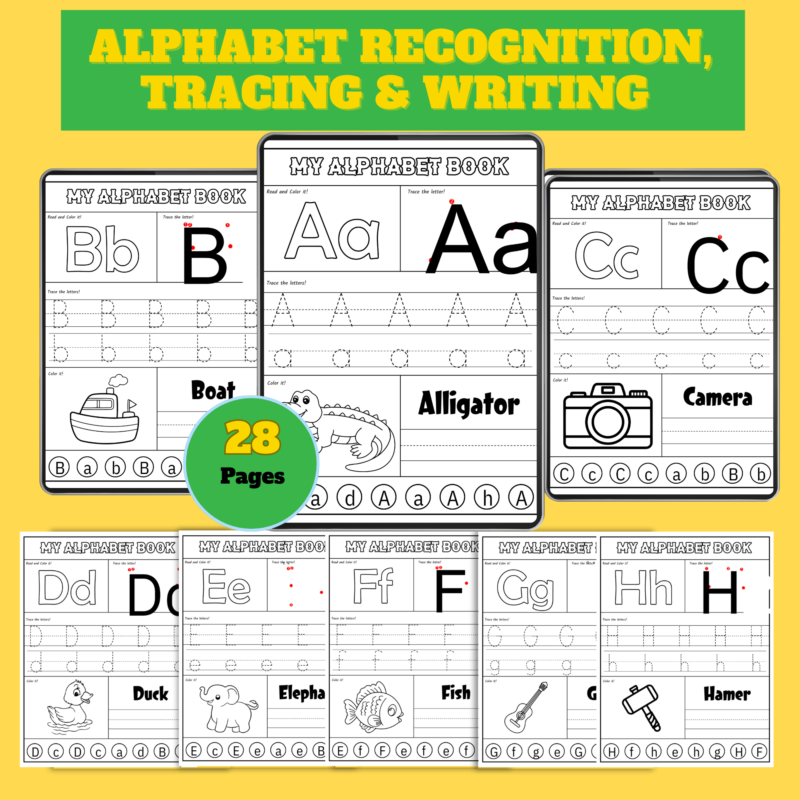
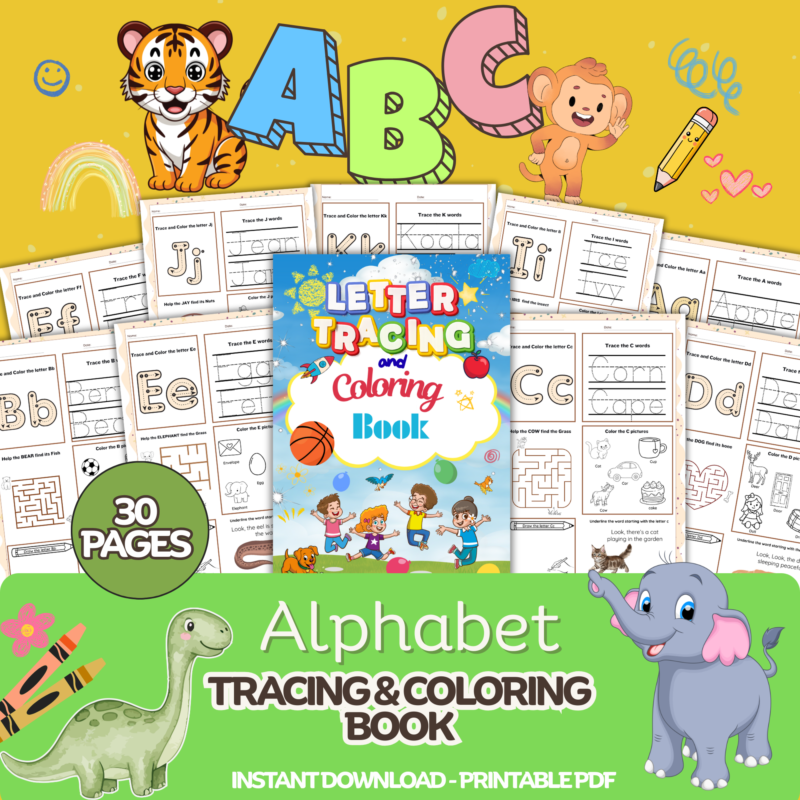
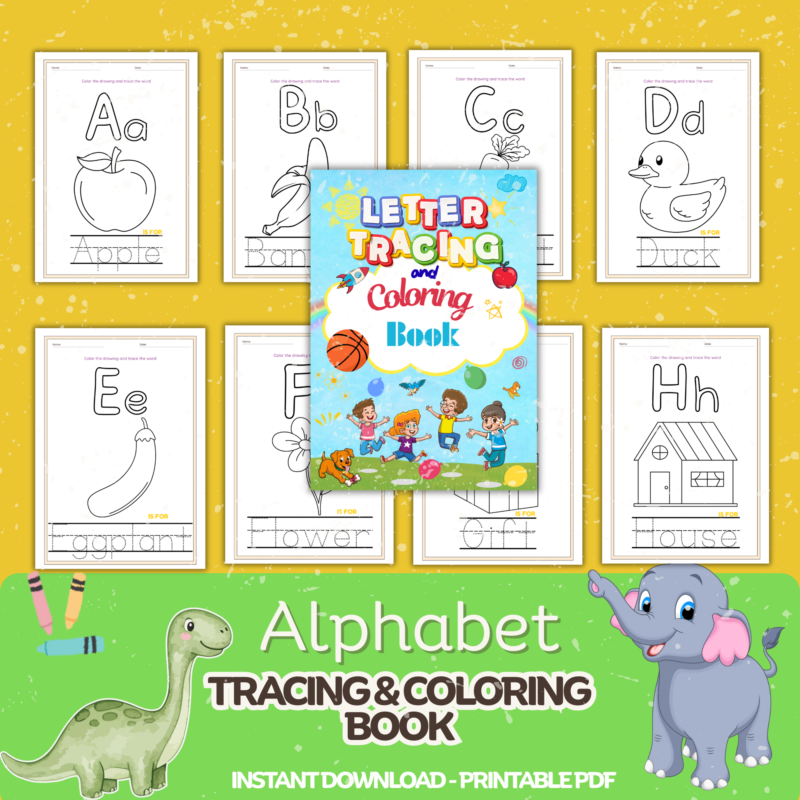
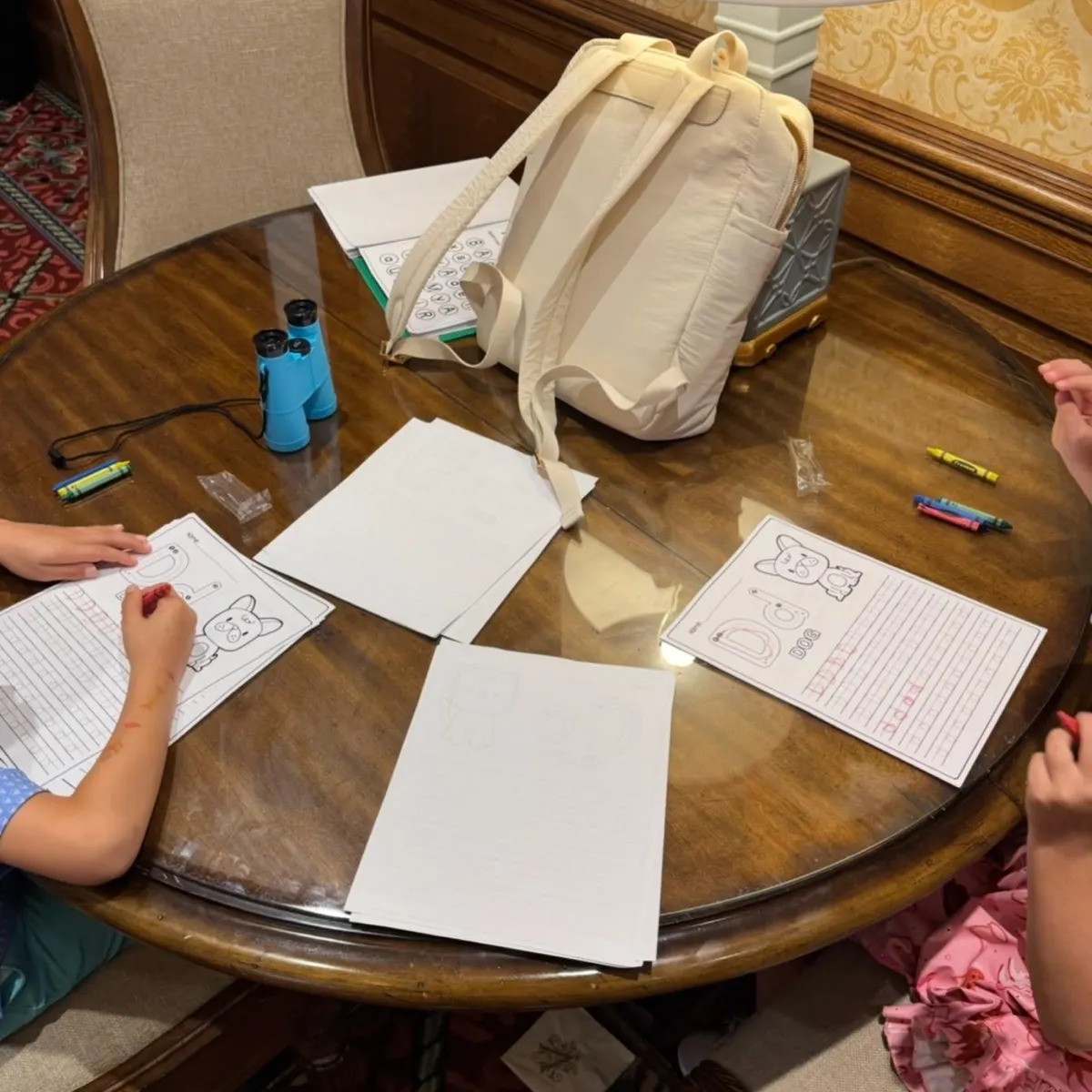
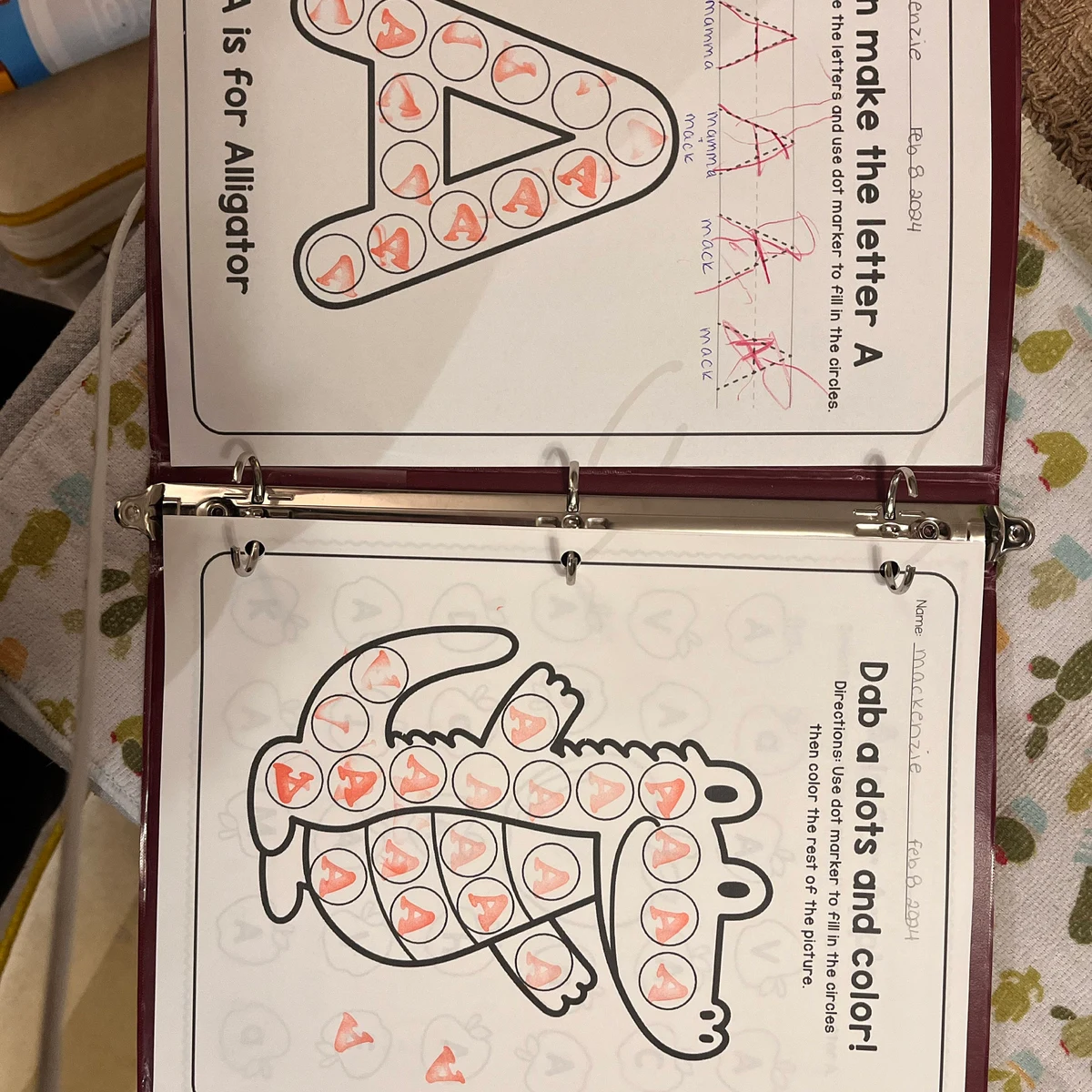
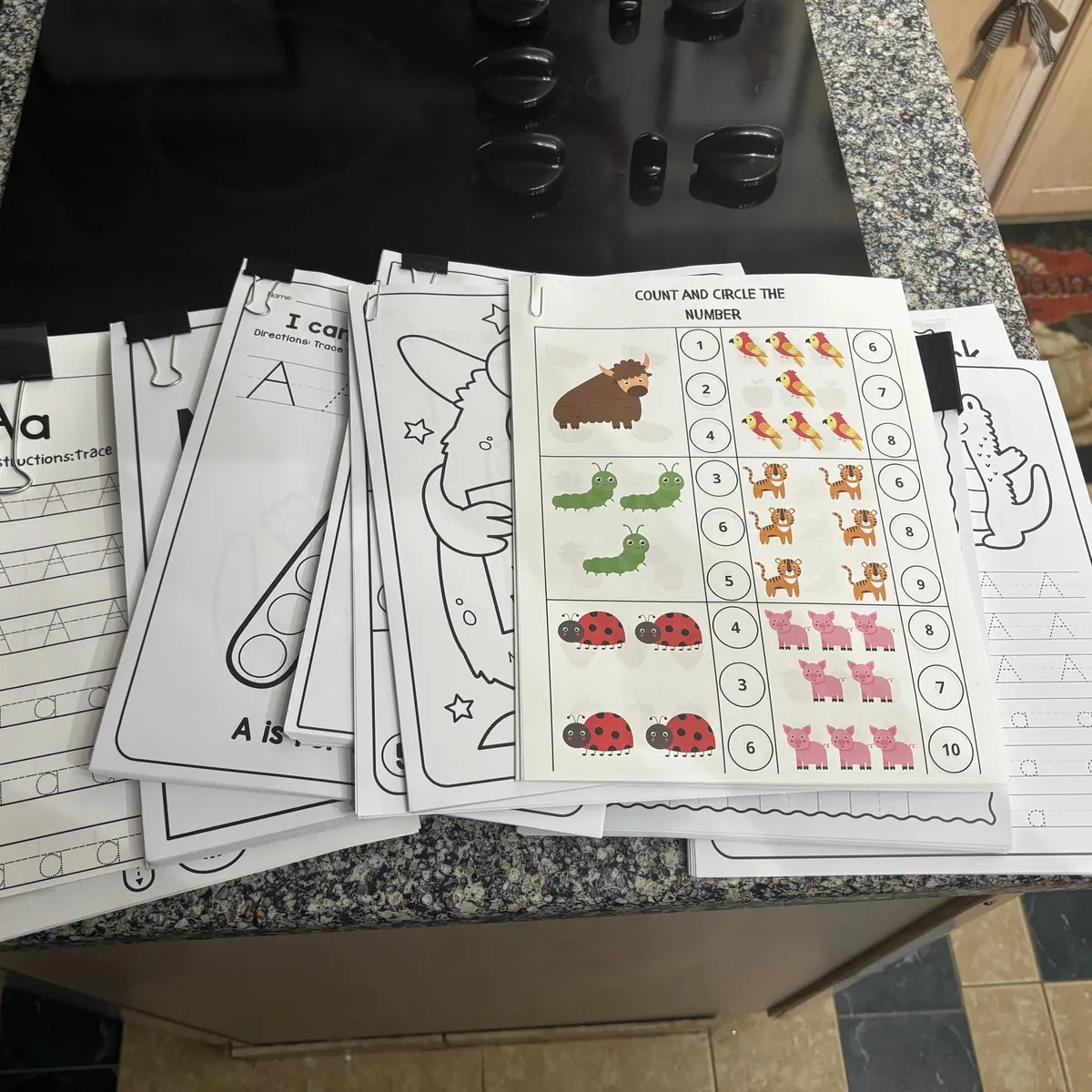
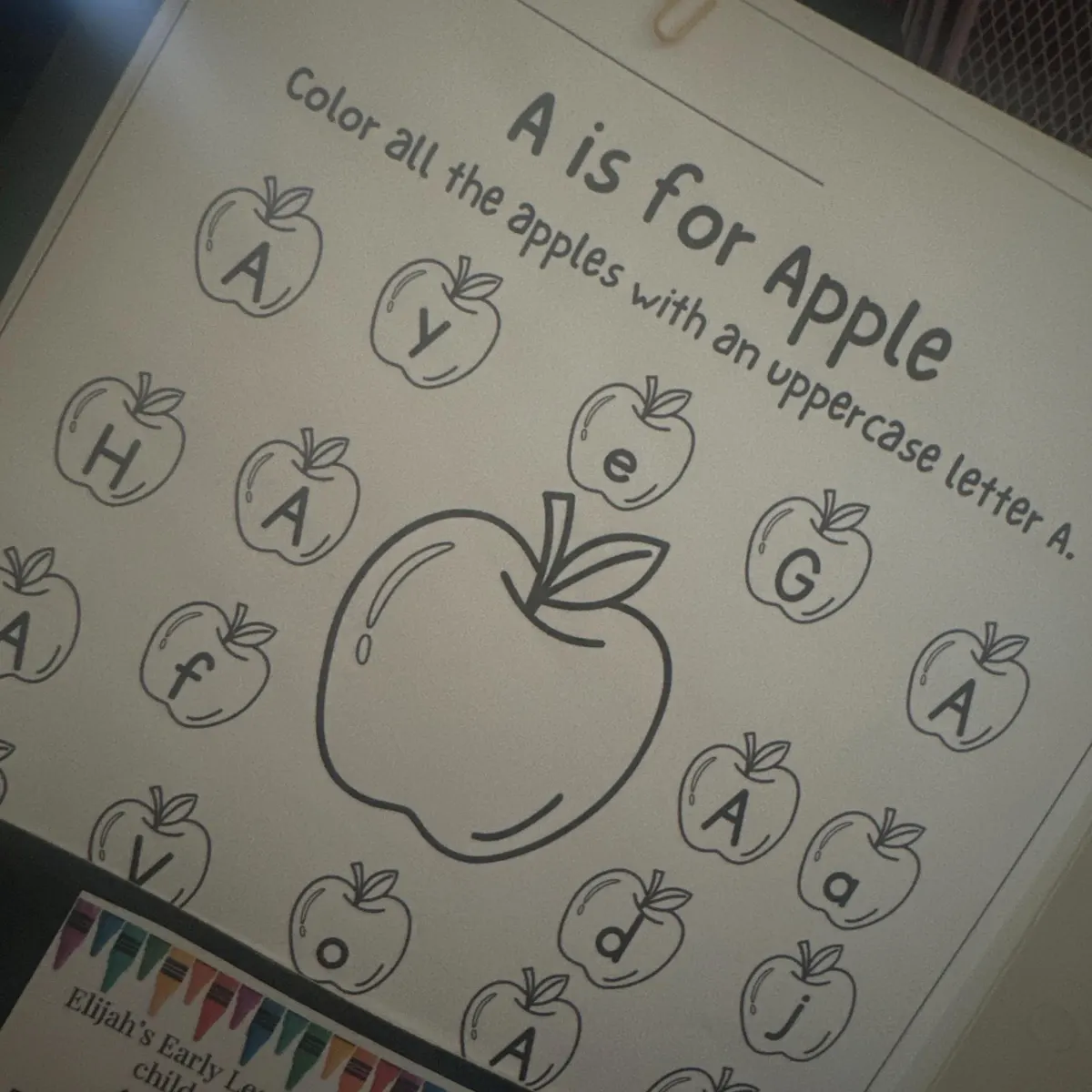
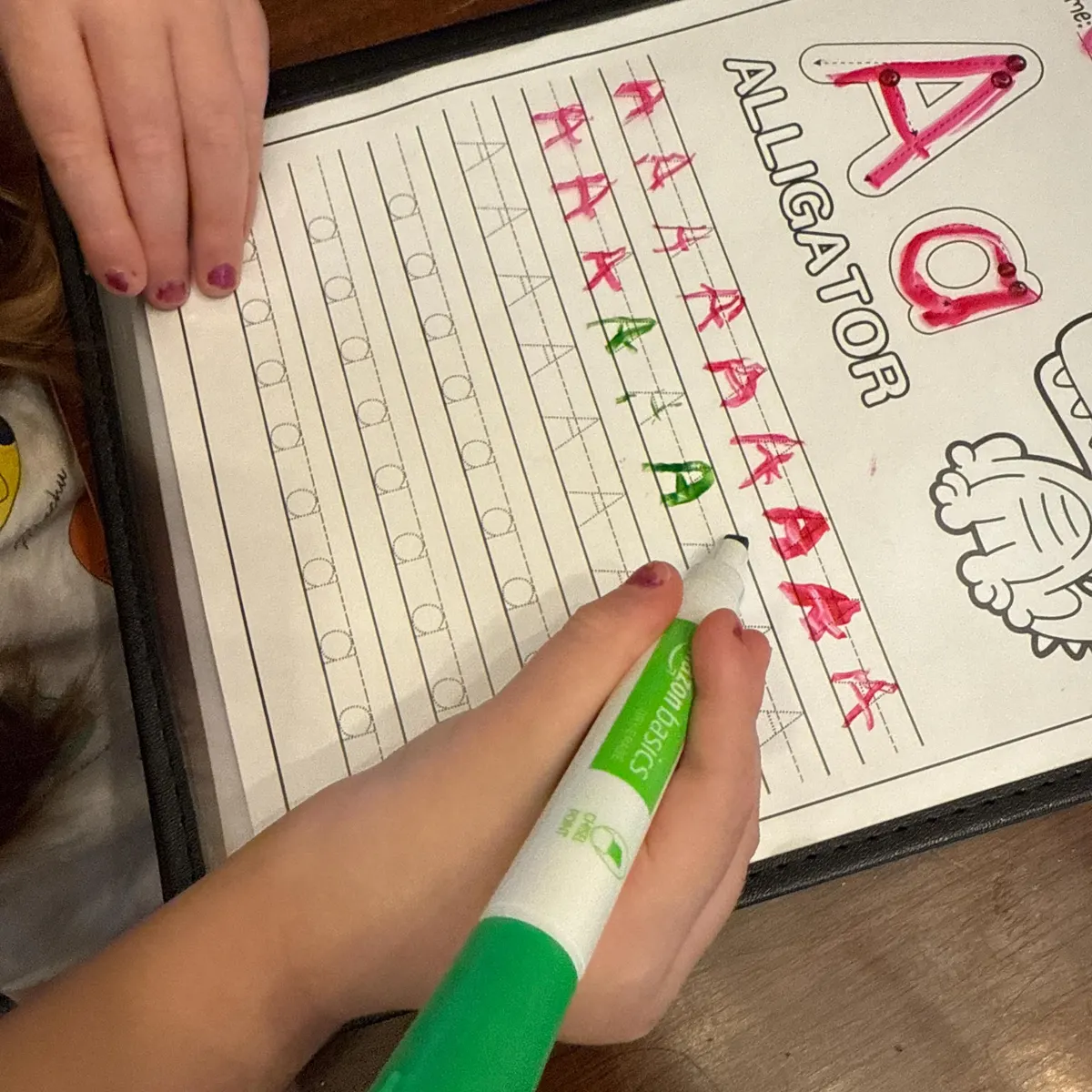
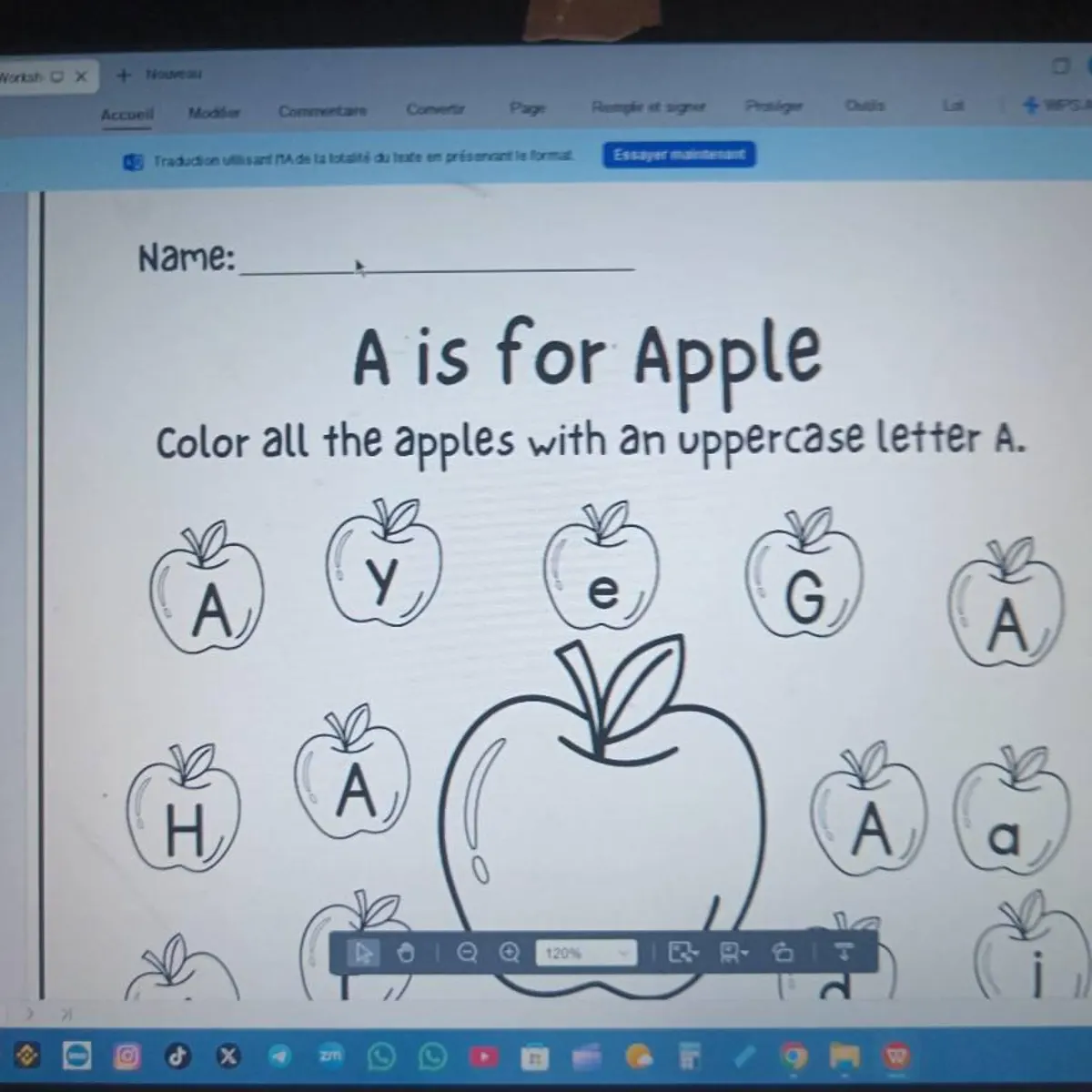
Printable fine motor and handwriting pages are especially helpful because they offer repeated practice without requiring you to create an activity from scratch. Choose pages with clear, uncluttered designs and enough white space for little hands. Fun Clever Fox printable worksheets can give children engaging tracing, coloring, and pre-writing practice at home, in a homeschool routine, or during classroom centers.
Keep sessions brief. For many preschoolers, five focused minutes is more useful than twenty frustrated minutes. Stop while the child still feels successful. You can always return to the activity tomorrow, and that positive ending helps build willingness to try again.
Focus on Pre-Writing Strokes First
Letters are made from a small collection of strokes. Before children write an alphabet page, they benefit from practicing vertical lines, horizontal lines, circles, crosses, diagonals, zigzags, and simple curves. These movements help children learn to guide a pencil with purpose.
Make the practice meaningful. Draw rain falling from clouds for vertical lines, roads for horizontal lines, sunshine circles, or mountain peaks for zigzags. Use a dry-erase board, a chalkboard, or paper taped to a wall. Vertical surfaces are especially useful because they encourage a slightly lifted wrist and can support shoulder and hand stability.
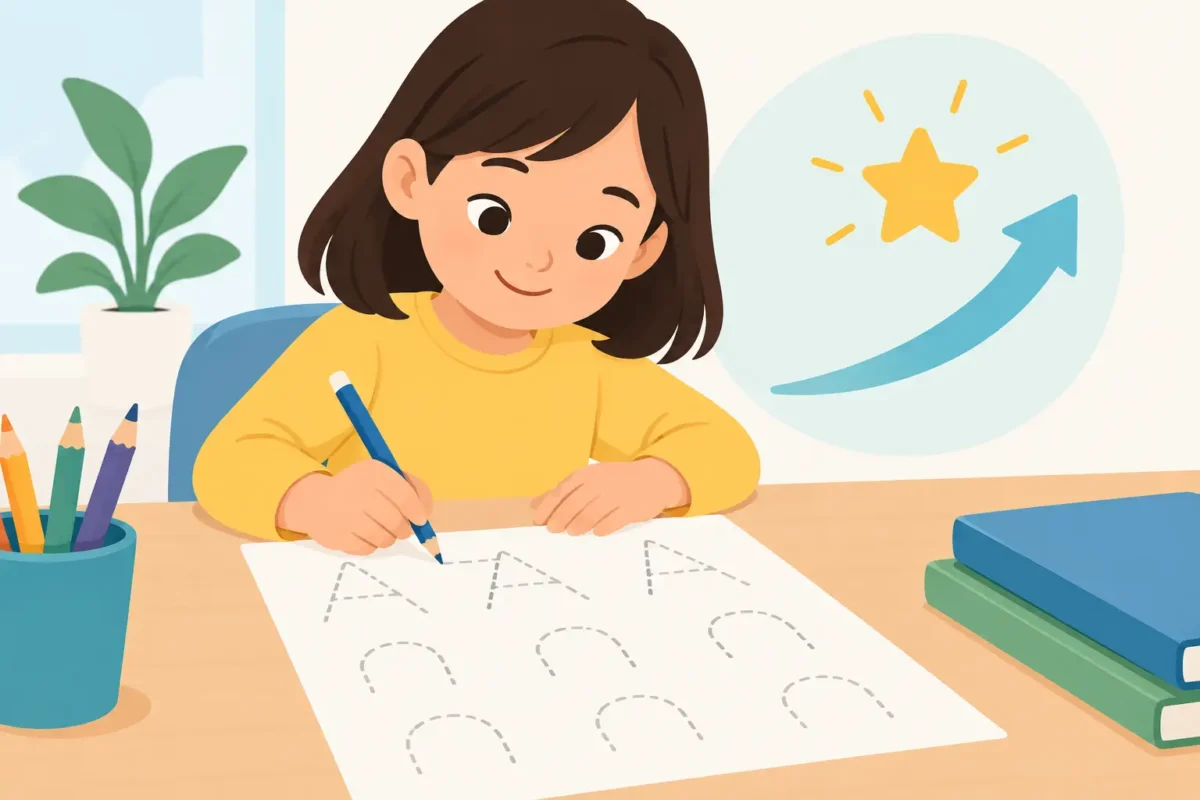
Once a child can make basic strokes with growing control, introduce letter tracing gradually. Start with letters in their name or with simple uppercase letters made from straight lines, such as L, T, E, F, H, and I. Curved letters can come later. A child who enjoys the work will gain more from regular practice than a child who is rushed through the whole alphabet.
Watch for Frustration and Adjust the Task
A child may avoid writing for many reasons. They may be tired, distracted, unsure where to start, or simply not ready for the level of detail on the page. If pencil grip practice becomes a battle, make the task easier before asking the child to work harder.
Try a larger crayon, bigger paper, fewer tracing lines, or a more playful activity. Offer choices such as, “Would you like to trace the dinosaur path or color the rocket?” A little control can go a long way toward reducing resistance.
It can also help to watch for patterns. If a child experiences ongoing pain, extreme fatigue, difficulty using either hand for everyday tasks, or major frustration despite regular playful practice, speak with their pediatrician, teacher, or an occupational therapist. Early support can give families useful, individualized strategies.
Make Progress Feel Good
Praise effort in specific ways. Instead of saying only “Good job,” try “You kept your fingers close to the crayon,” “I noticed you slowed down on that curve,” or “Your hand stayed relaxed while you colored.” This helps children understand what they are learning and builds confidence without putting pressure on perfection.
Pencil grip grows through hundreds of small moments: a drawing at the kitchen table, a name card at school, a silly maze, a carefully colored picture. Offer the right tools, keep practice light, and celebrate those little gains. The child who enjoys making marks today is building the confidence to write tomorrow.