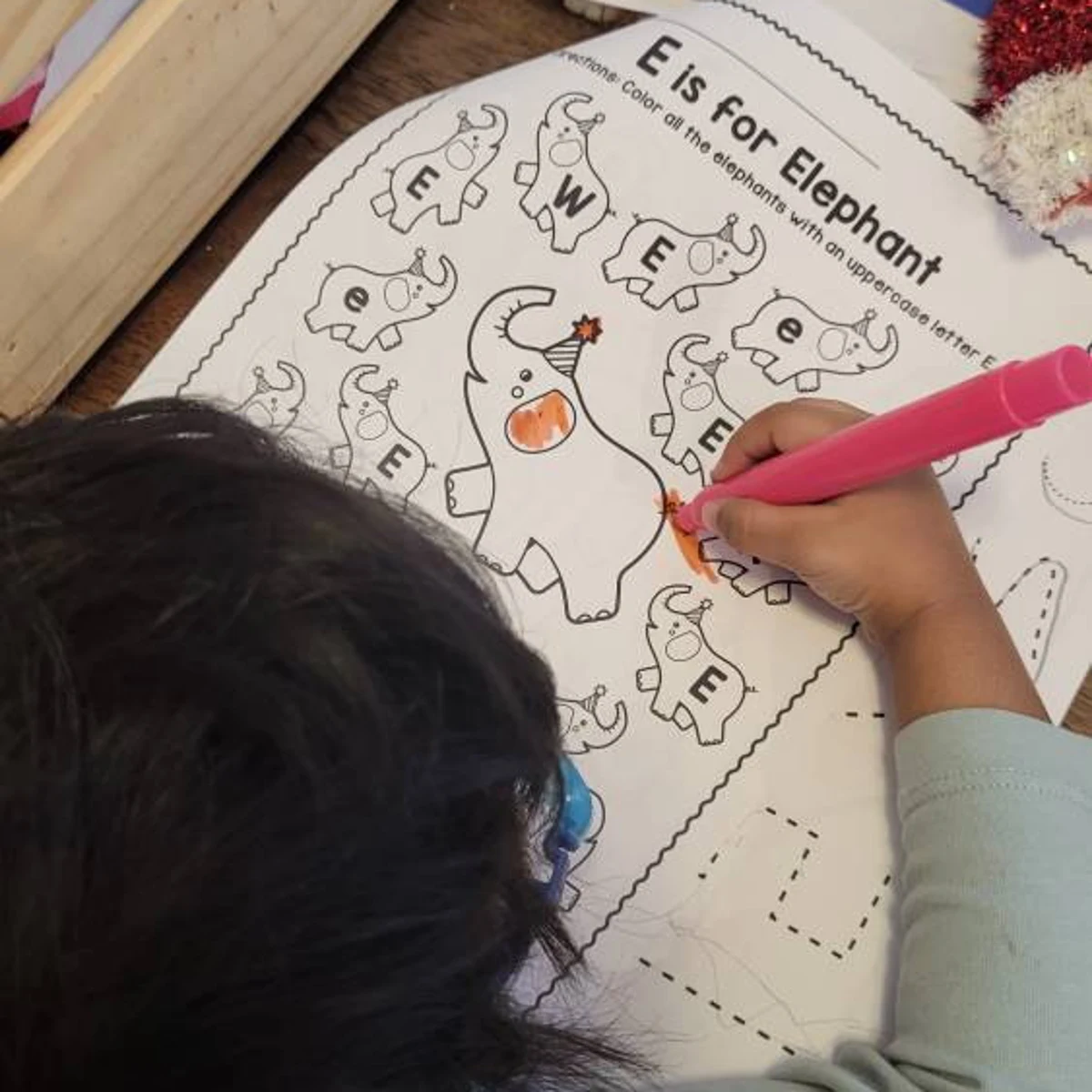
A child who can spot every letter in their name may still hold a crayon in a tight fist, tire quickly during coloring, or avoid tracing altogether. That is not a lack of effort. Fine motor development takes time, repeated practice, and activities that make little hands want to keep trying.
For preschoolers and kindergarteners, fine motor practice is about much more than making neat marks on paper. It helps children build the hand strength, finger control, coordination, and confidence they need for writing, cutting, buttoning, drawing, and many everyday classroom routines. The best practice feels playful, stays age-appropriate, and gives children a clear reason to use their hands.
What Are Fine Motor Skills?
Fine motor skills are the small, controlled movements children make with their hands, fingers, and wrists. Think of picking up a tiny bead, turning a page one at a time, squeezing glue onto a craft, using scissors, or moving a pencil along a path.
These movements rely on several skills working together. Children need strength in their hands, stability in their wrists and shoulders, coordination between both hands, and visual focus to guide what they are doing. That is why a child may be able to stack blocks but find it tricky to cut on a line. Each activity asks the hands and eyes to work together in a slightly different way.
Fine motor skills also support early academic work. As children gain better control of a pencil or crayon, they can spend more energy thinking about letters, sounds, numbers, and ideas instead of struggling just to make a mark. Practice can make handwriting tasks feel less frustrating and more achievable.
Fine Motor Skills Grow Through Everyday Play
Children do not need long drills to strengthen their hands. In fact, short hands-on activities often work better because young learners stay interested when the task has a fun goal. A few minutes of purposeful play can provide meaningful practice, especially when it happens regularly.
Play dough is a classic choice for good reason. Rolling, pinching, pressing, flattening, and cutting dough builds hand strength while inviting creativity. Ask a child to make a pretend pizza, form the letters in their name, hide small toy figures in dough, or roll tiny balls to count.
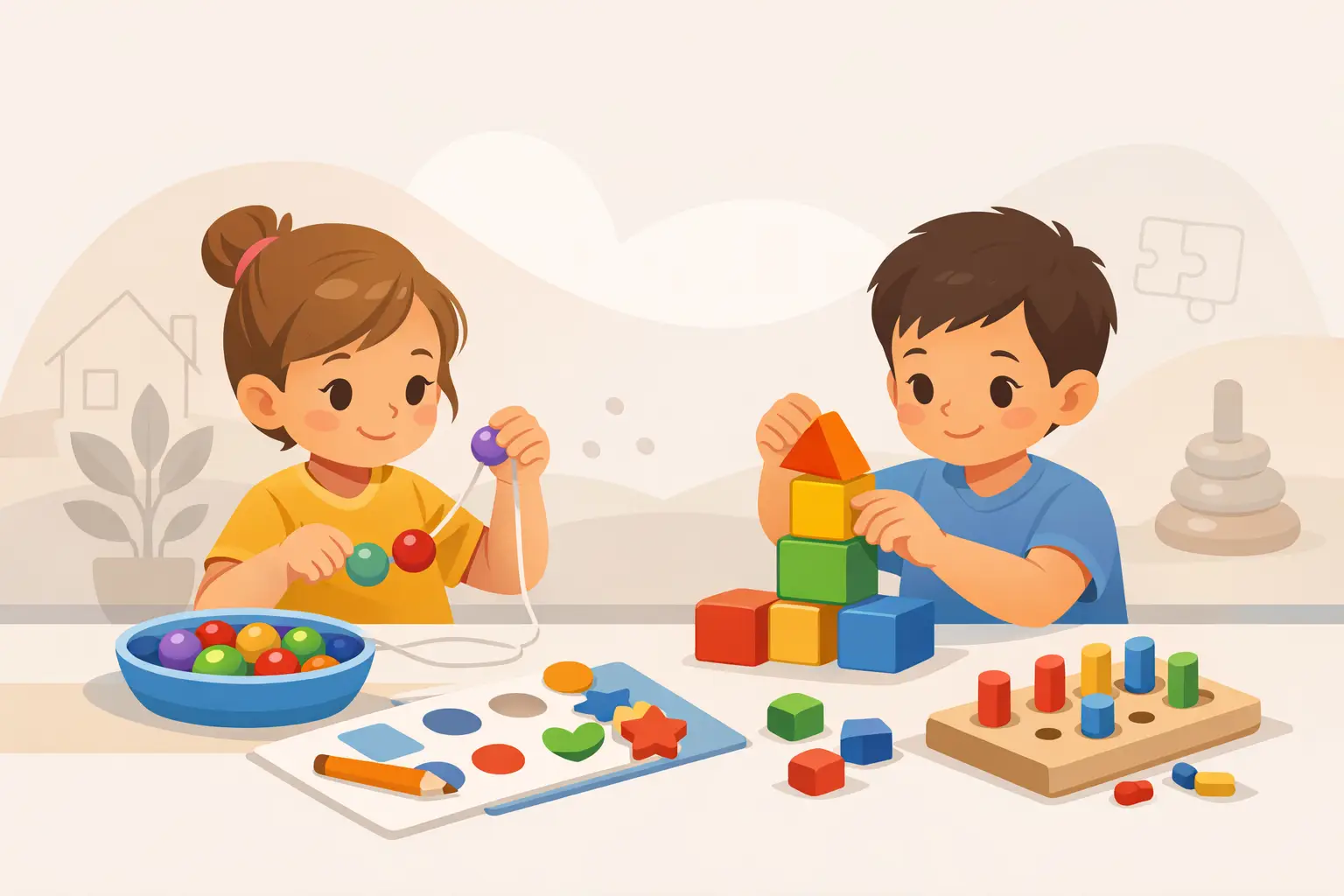
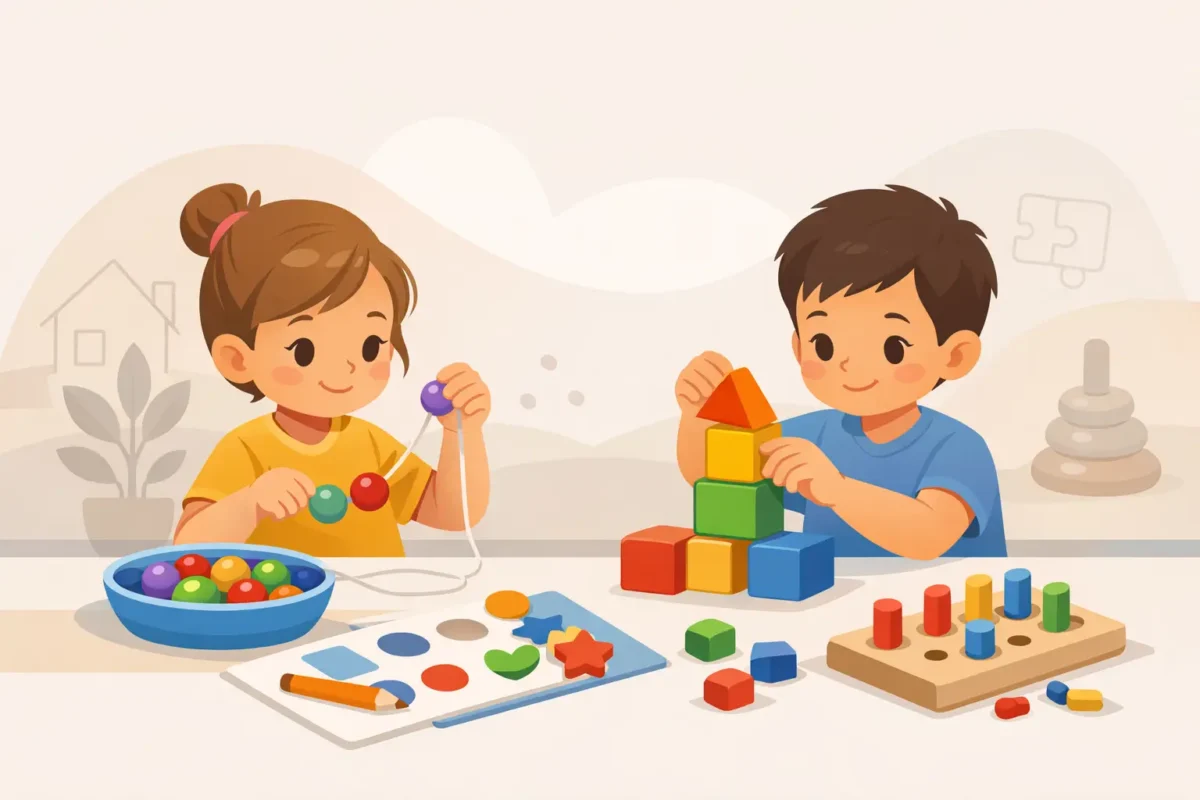
Building toys are another helpful option. Connecting bricks, stacking small blocks, snapping together pieces, and placing puzzle parts all encourage controlled finger movements. Simple kitchen tasks can help, too. Children can peel a banana, stir ingredients, use tongs to move snack pieces, or press cookie cutters into soft dough with adult supervision.
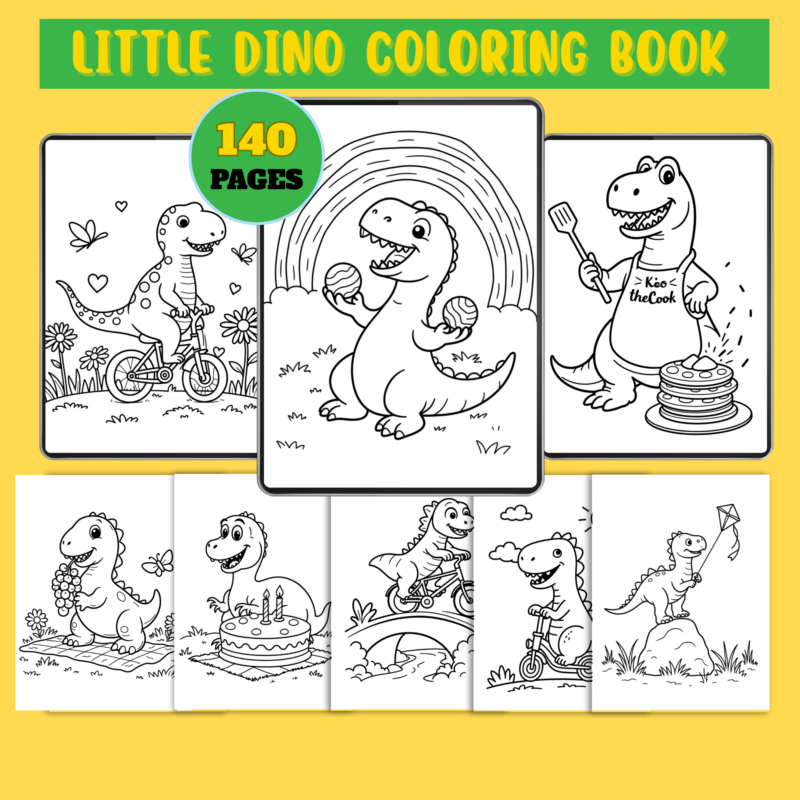
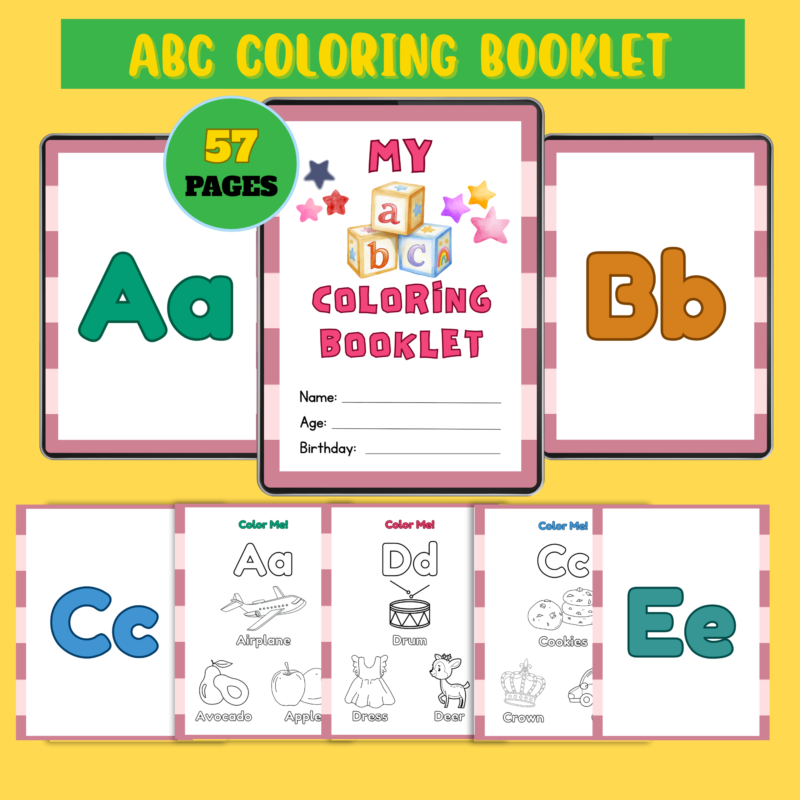
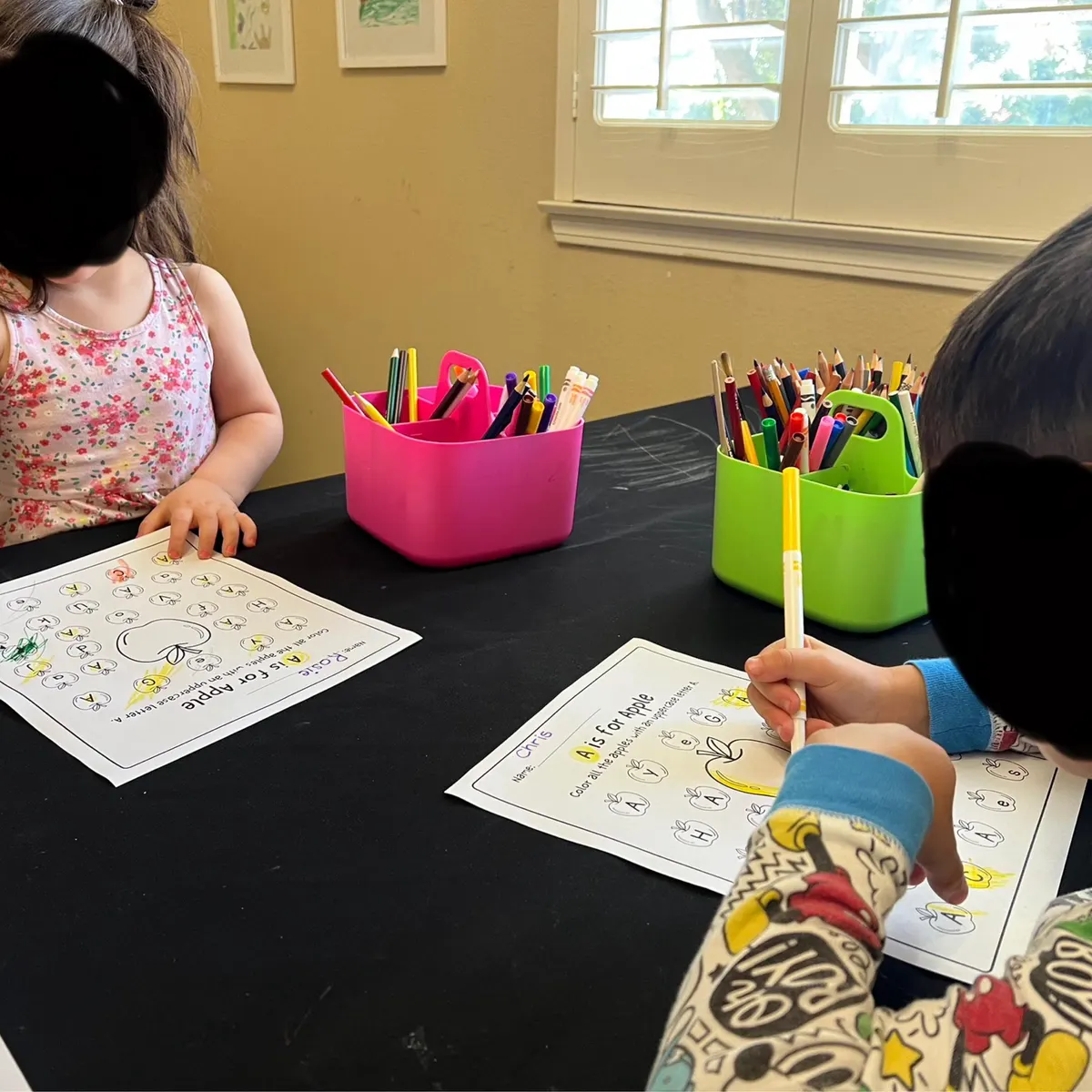
Art activities bring fine motor practice into a child-friendly routine. Coloring, painting with small brushes, using stickers, tearing paper for a collage, and gluing shapes all give little hands useful work to do. The finished picture or craft gives children a sense of pride, which makes them more likely to practice again.
Why Tracing and Cutting Worksheets Help
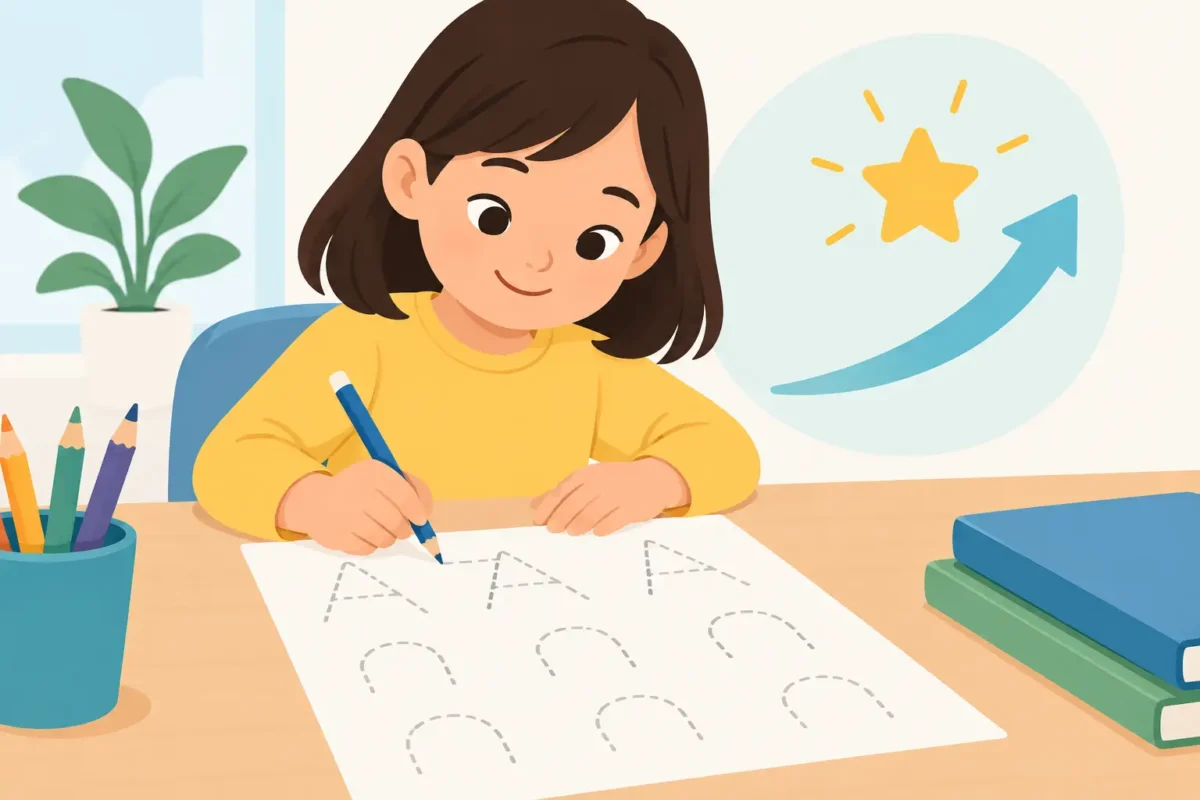
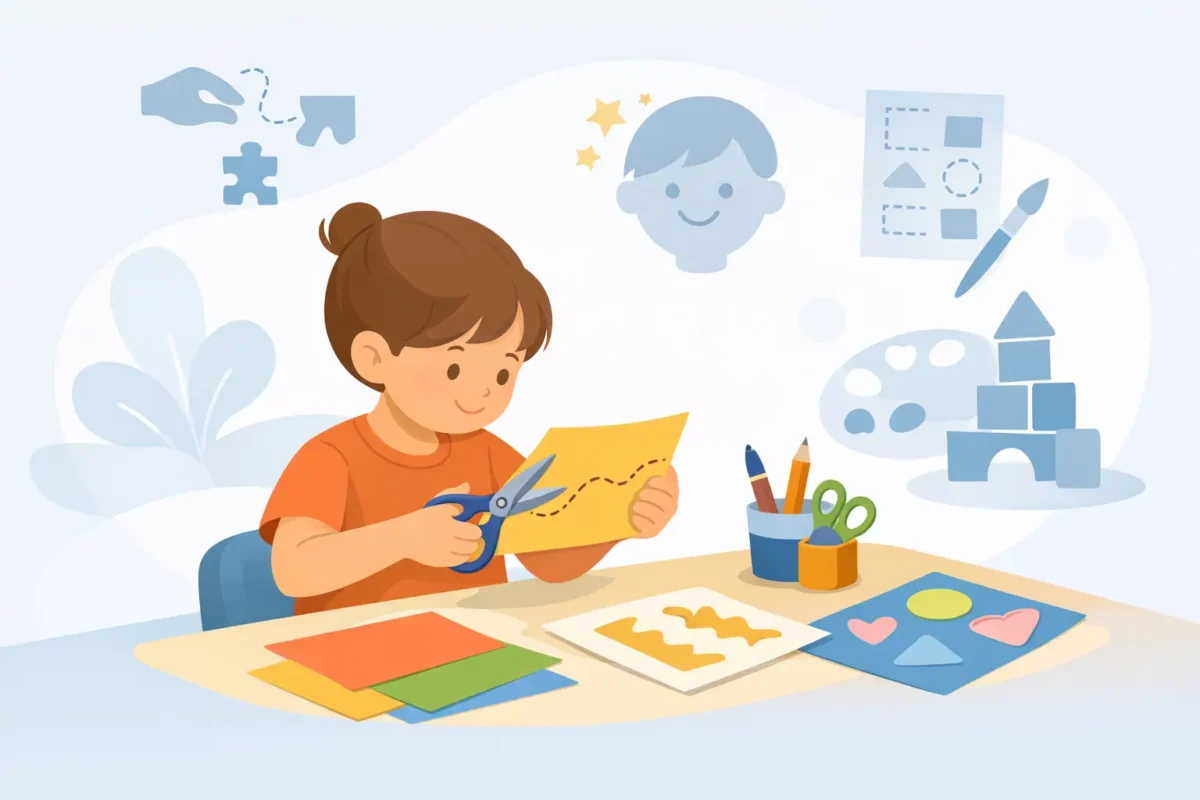
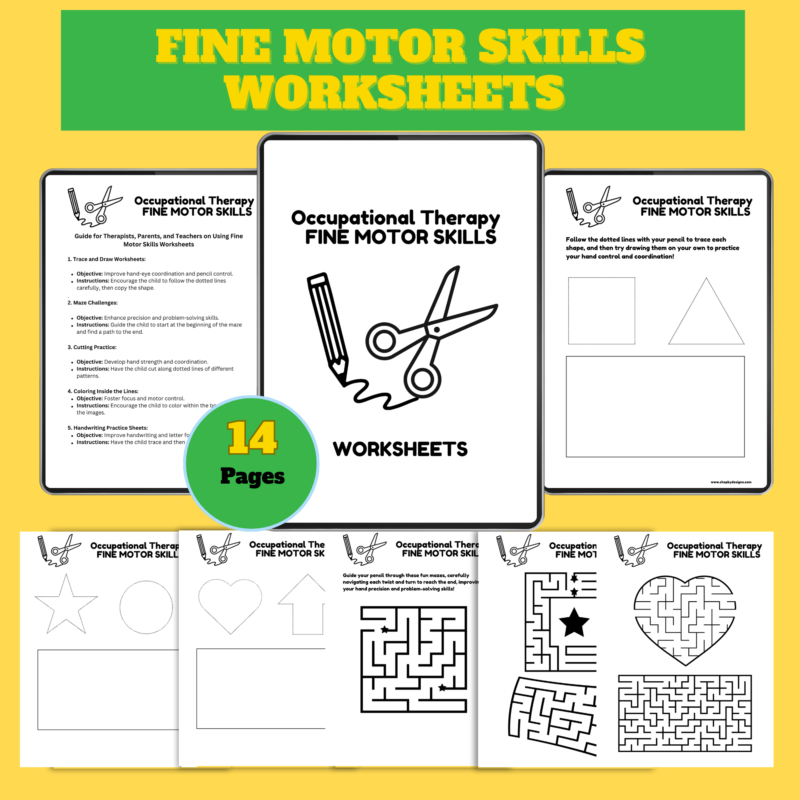
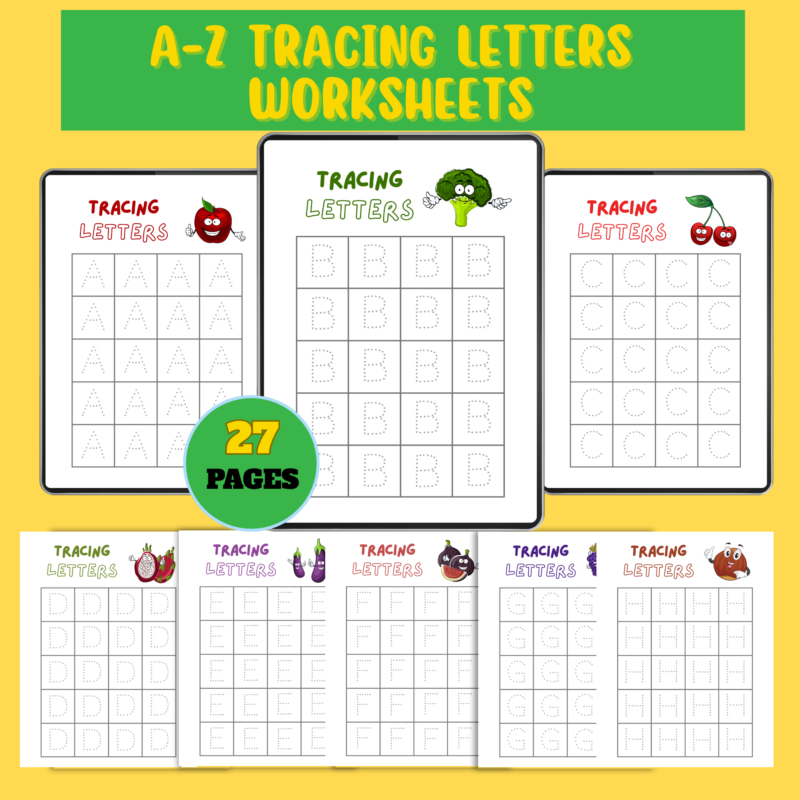
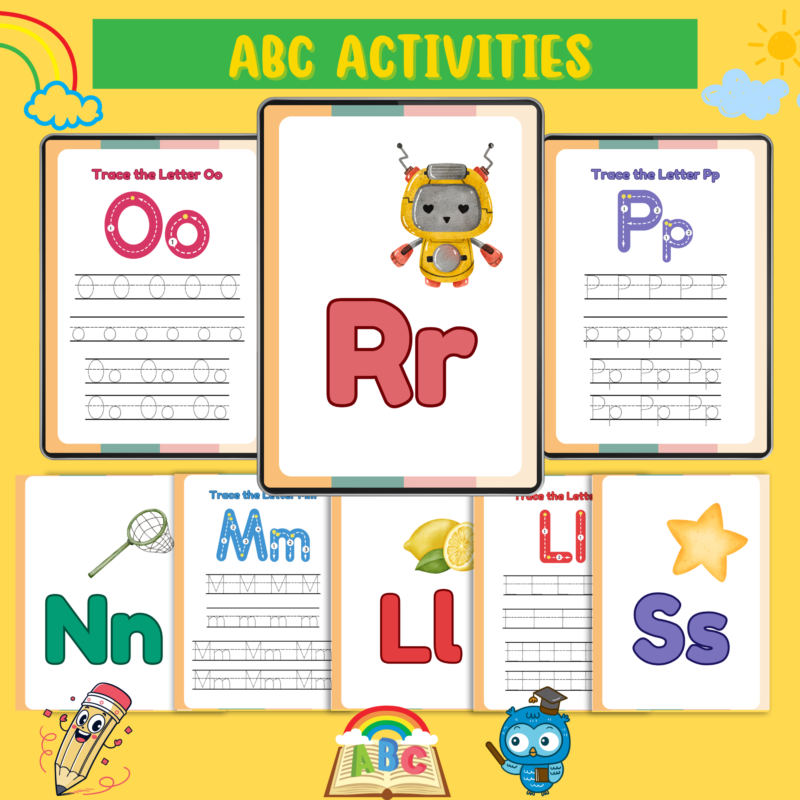
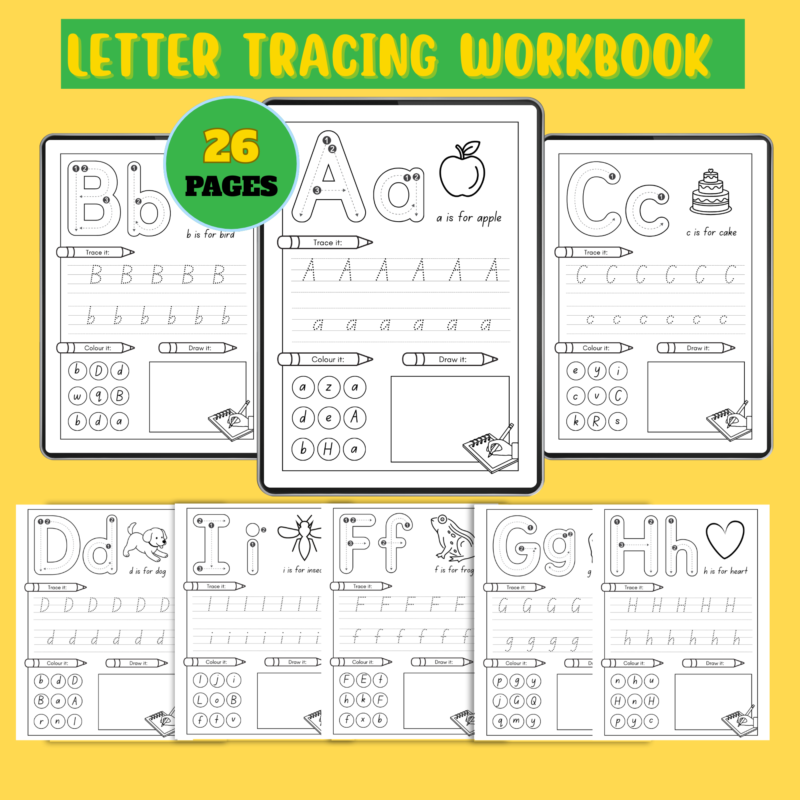
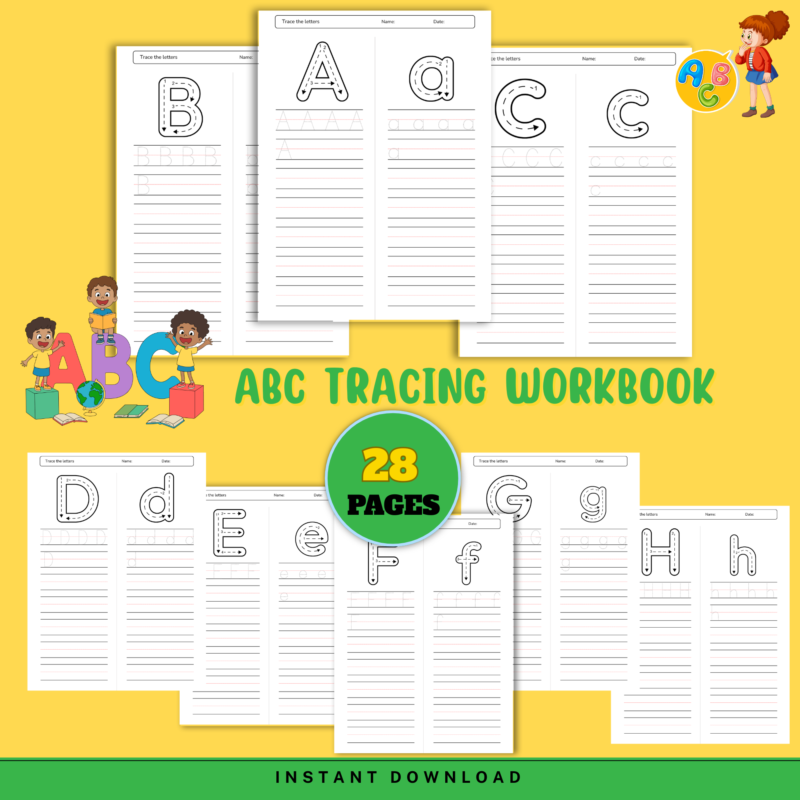
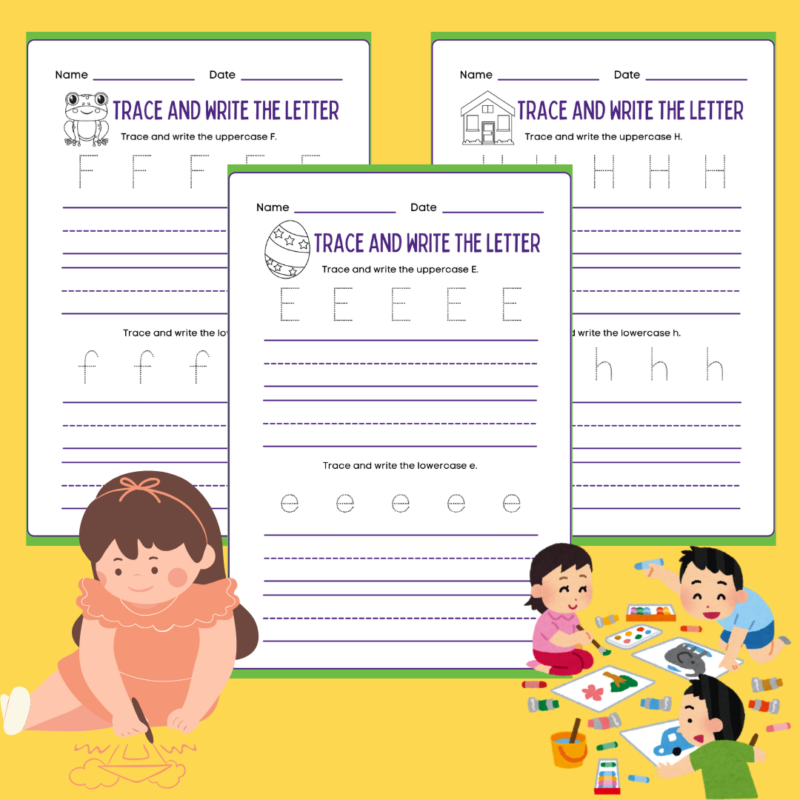
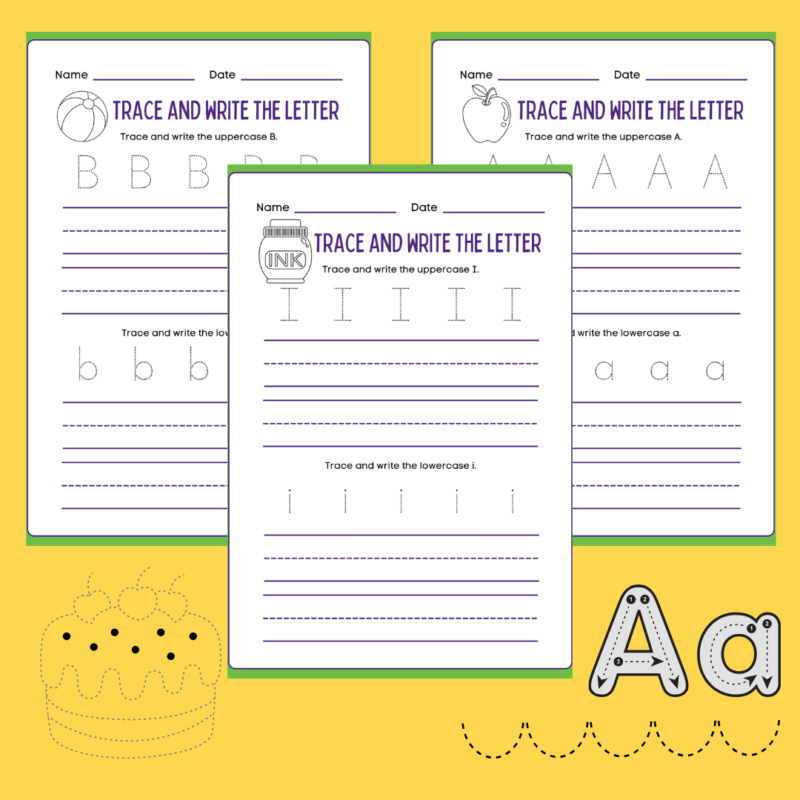
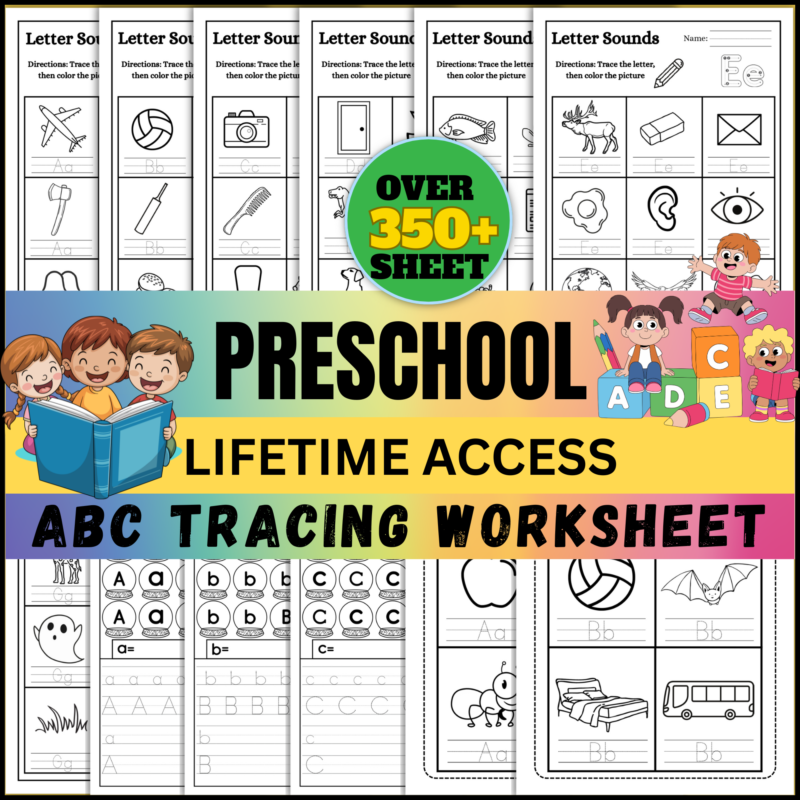
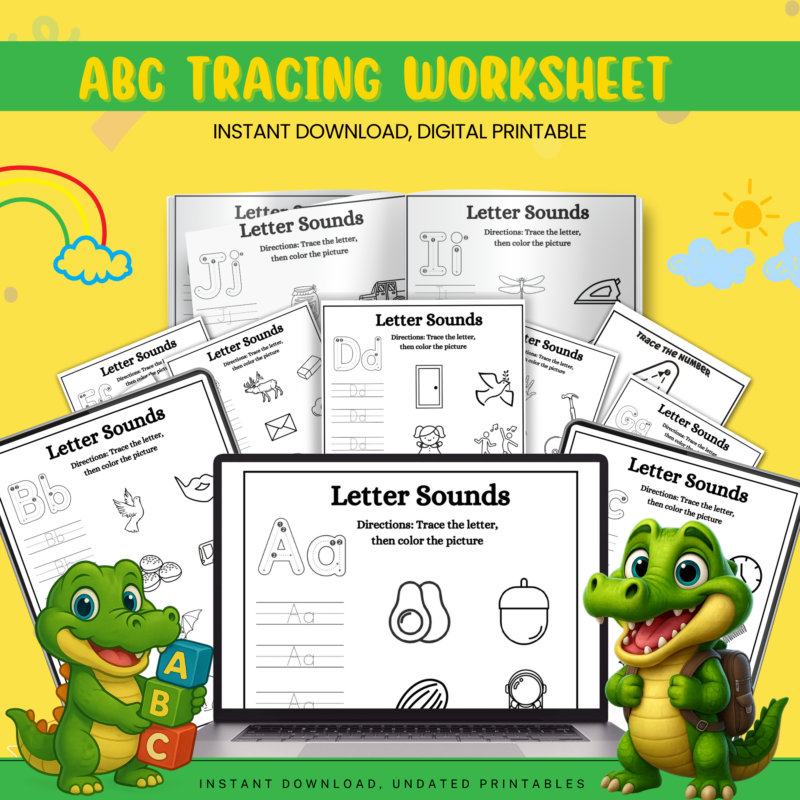
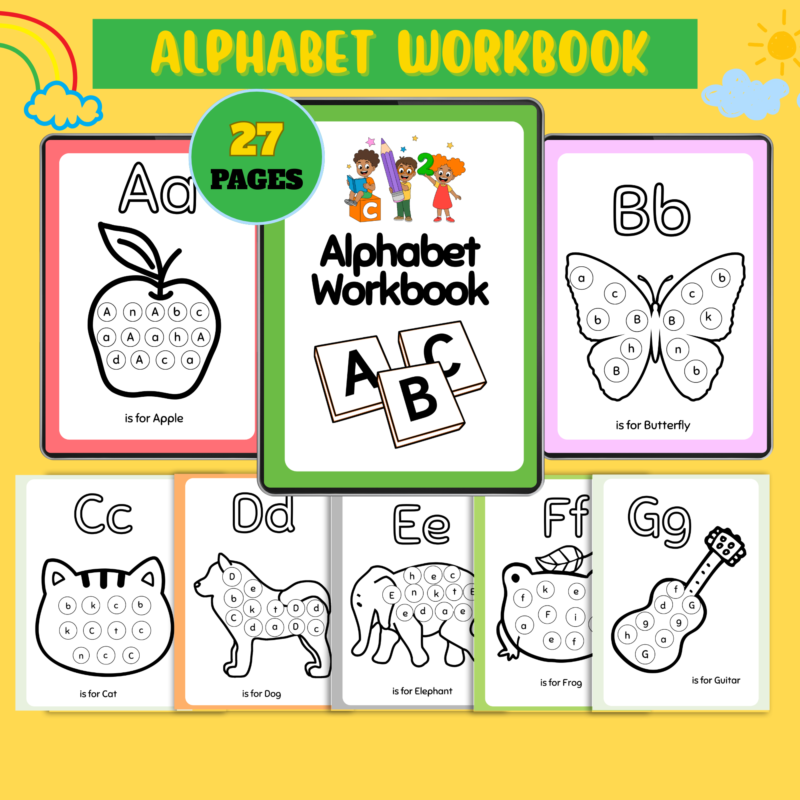
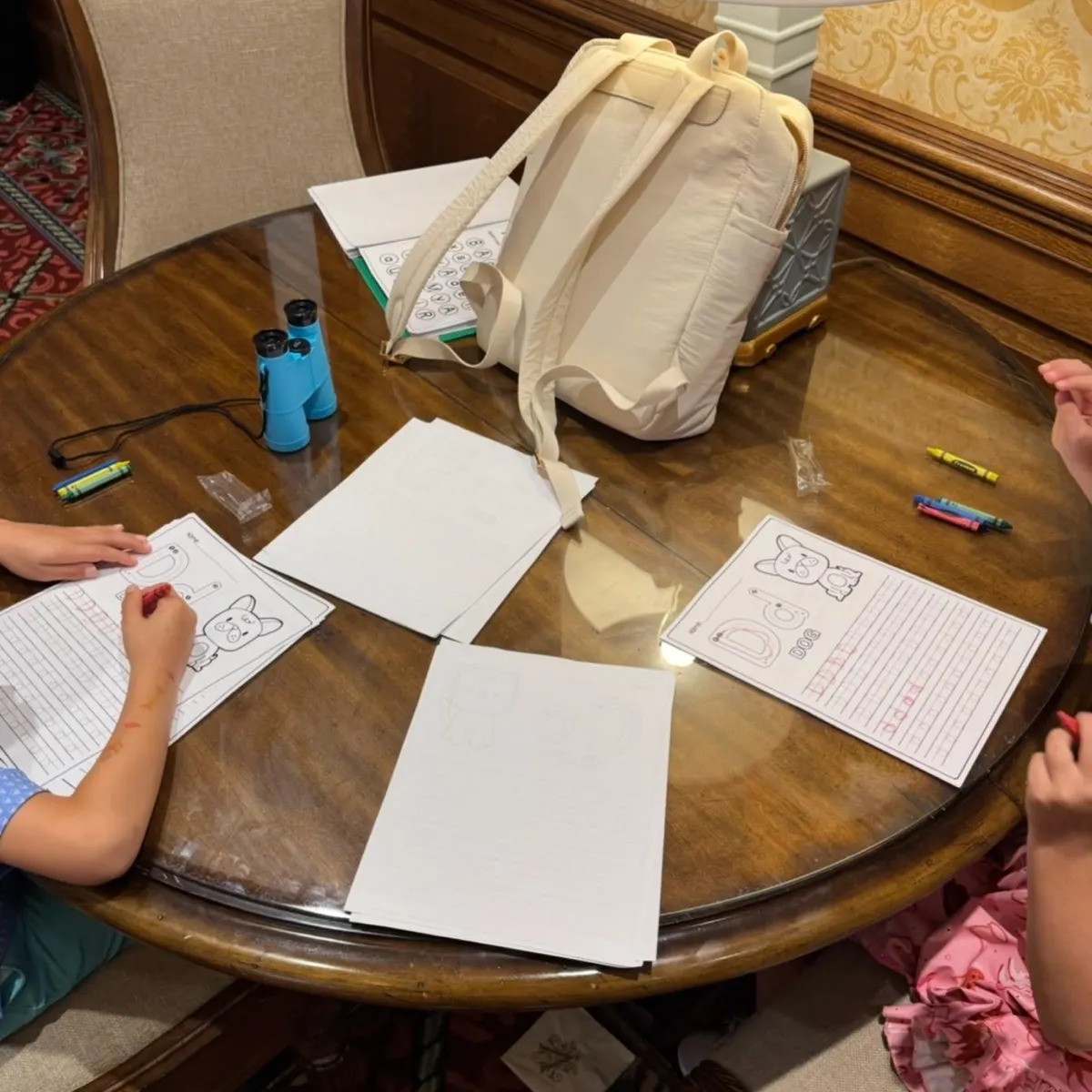
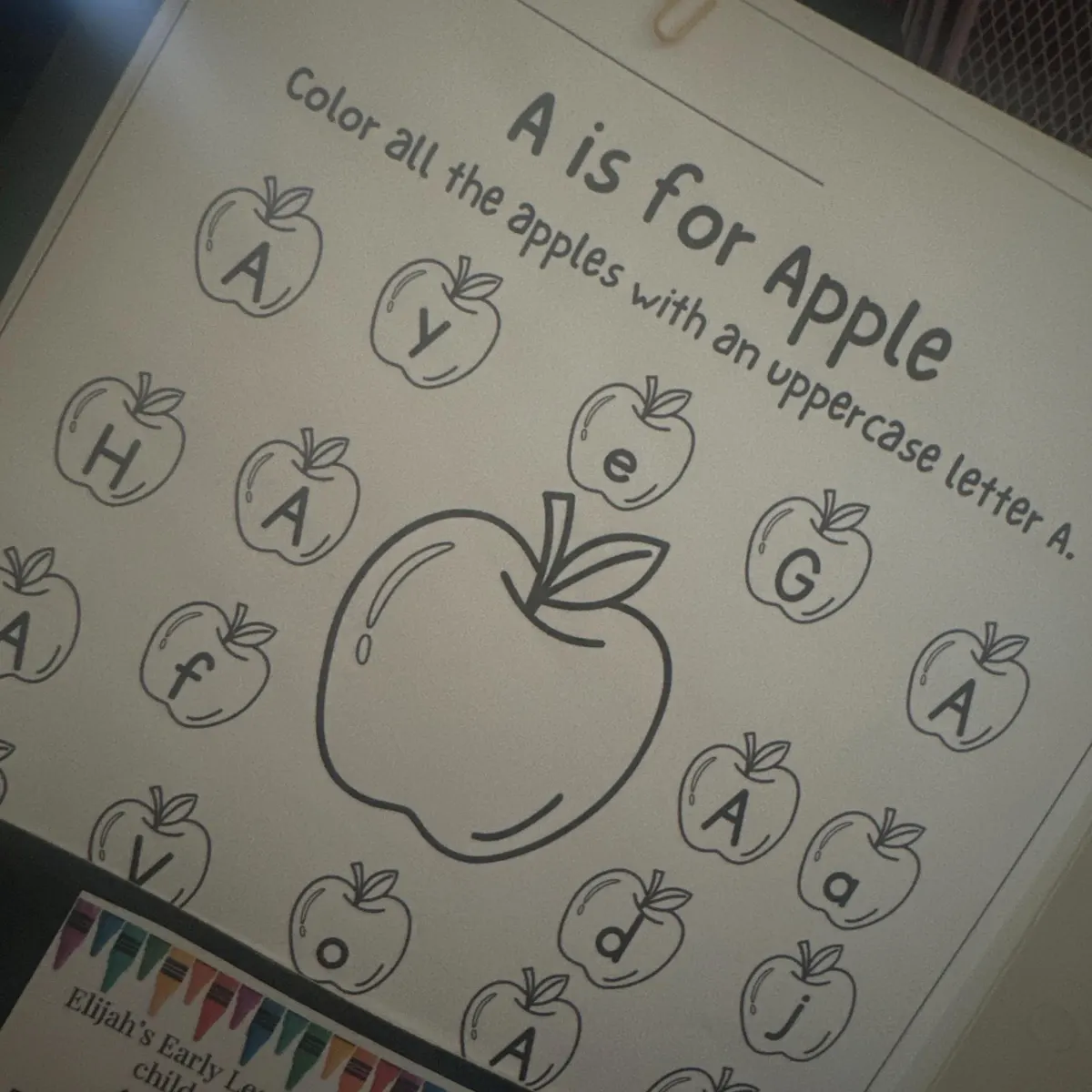
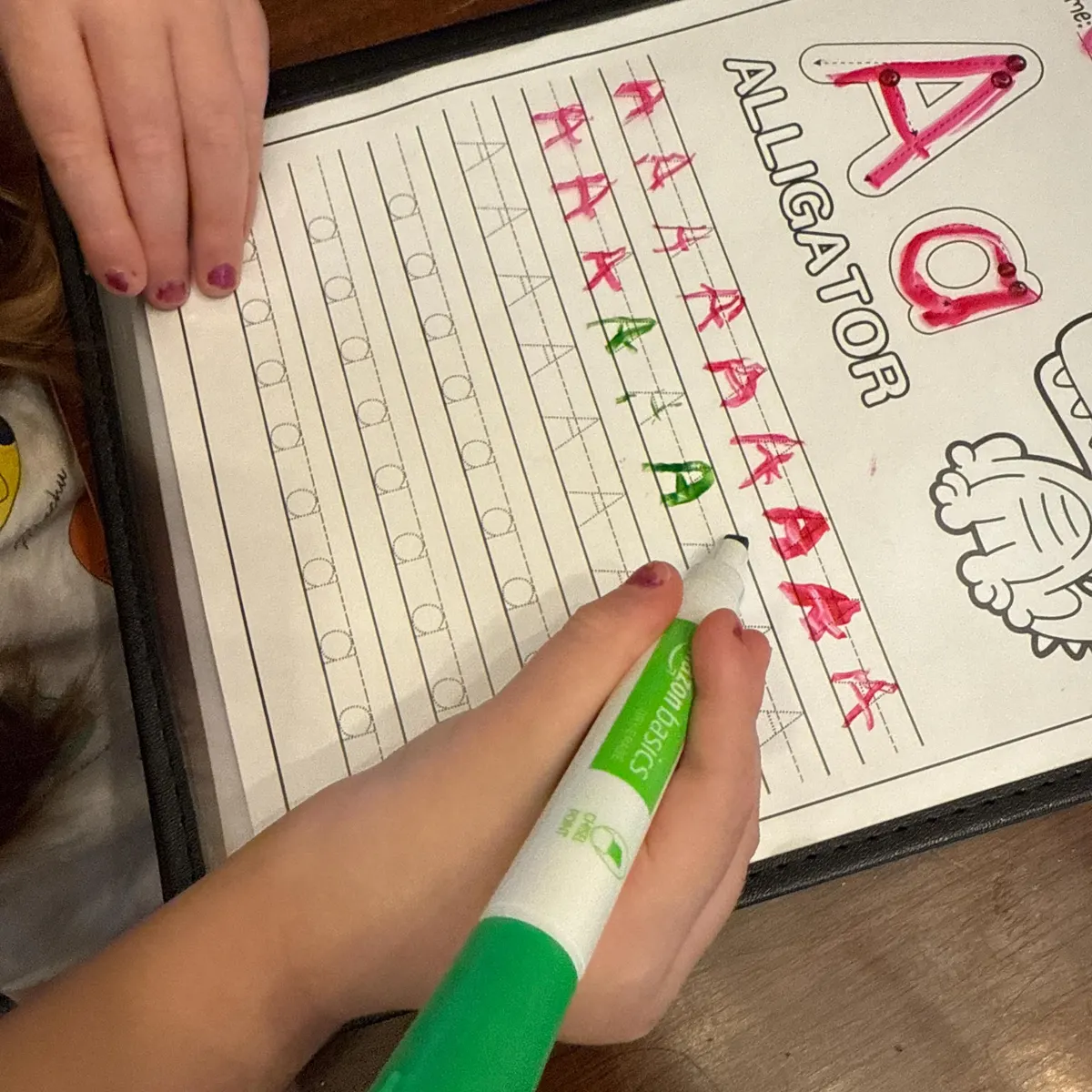
Hands-on play and printable activities work especially well together. Play builds strength and curiosity, while worksheets offer focused practice with skills children will use in preschool and kindergarten. A tracing page gives a child a clear path to follow. A cutting page offers repeated chances to open and close scissors while aiming toward a line. A coloring activity helps children practice staying within a simple shape.
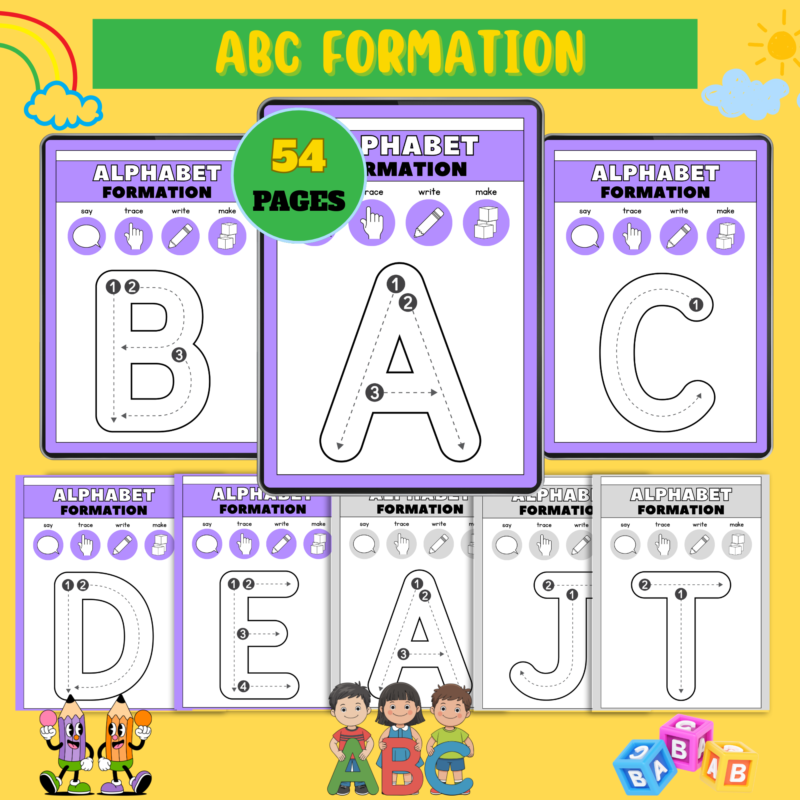
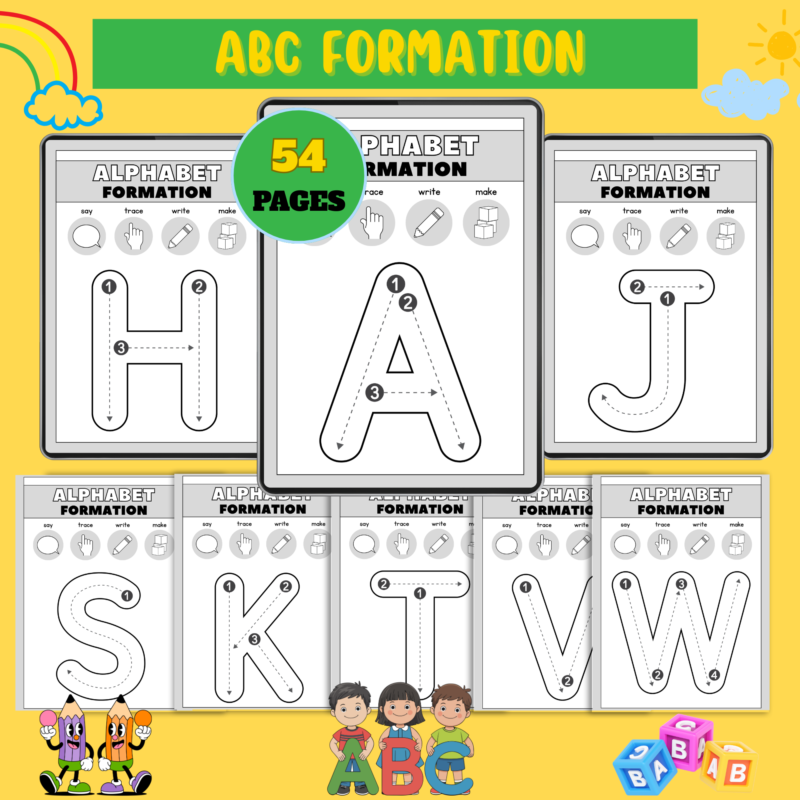
The key is choosing pages that match the child’s current stage. A beginner may be ready for wide straight lines, large circles, and simple coloring pictures. A child with more control may enjoy zigzags, curves, mazes, letter formation, and detailed cut-and-paste activities.
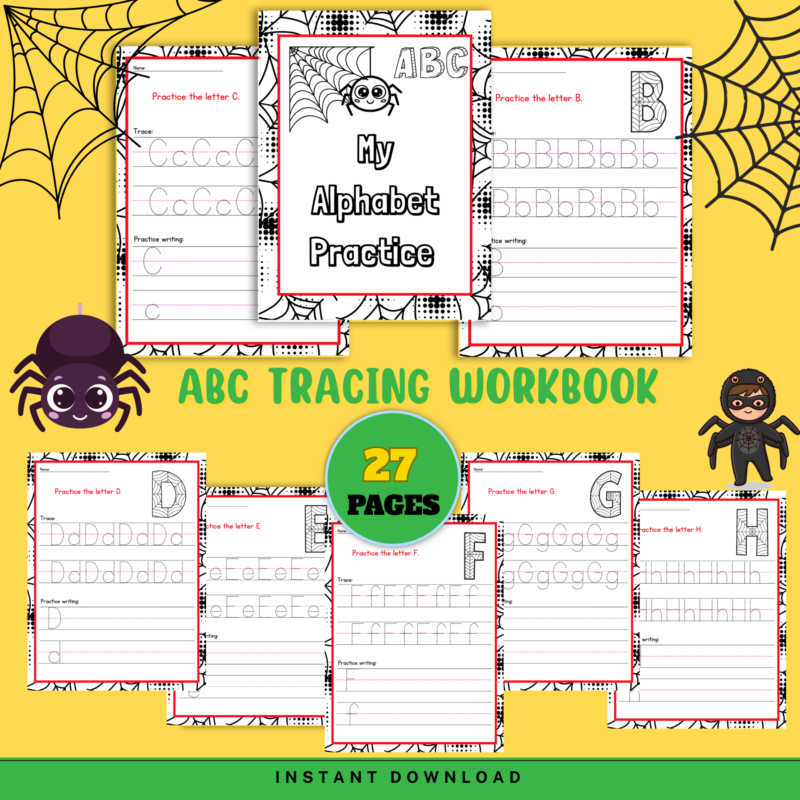
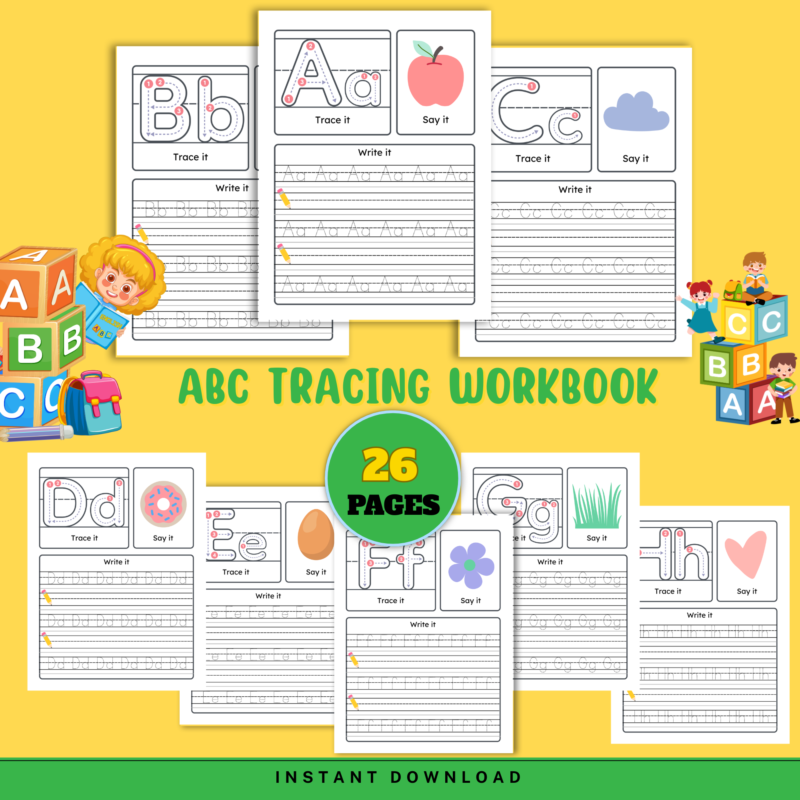
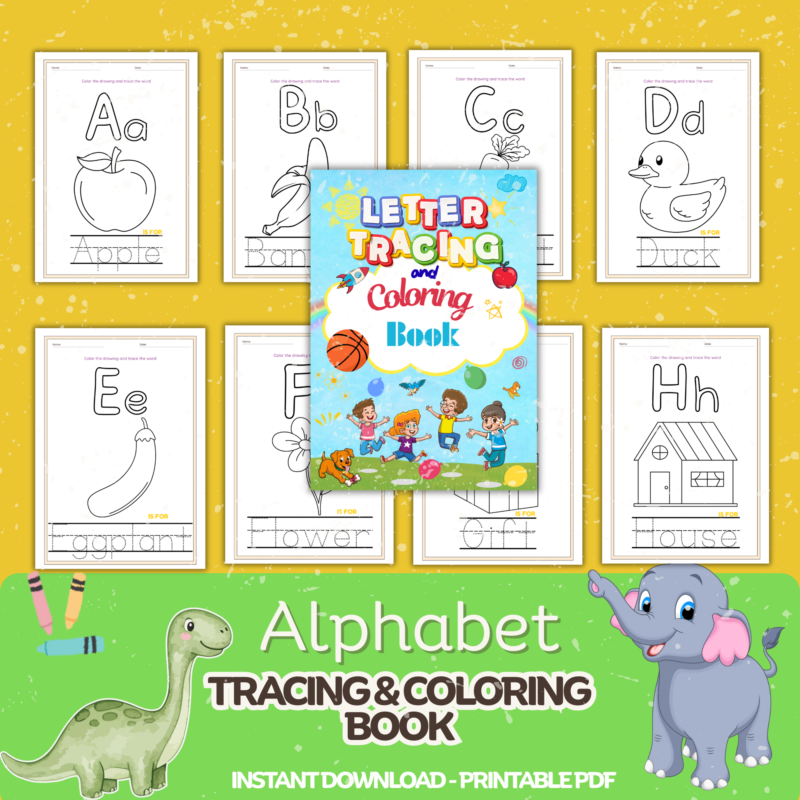
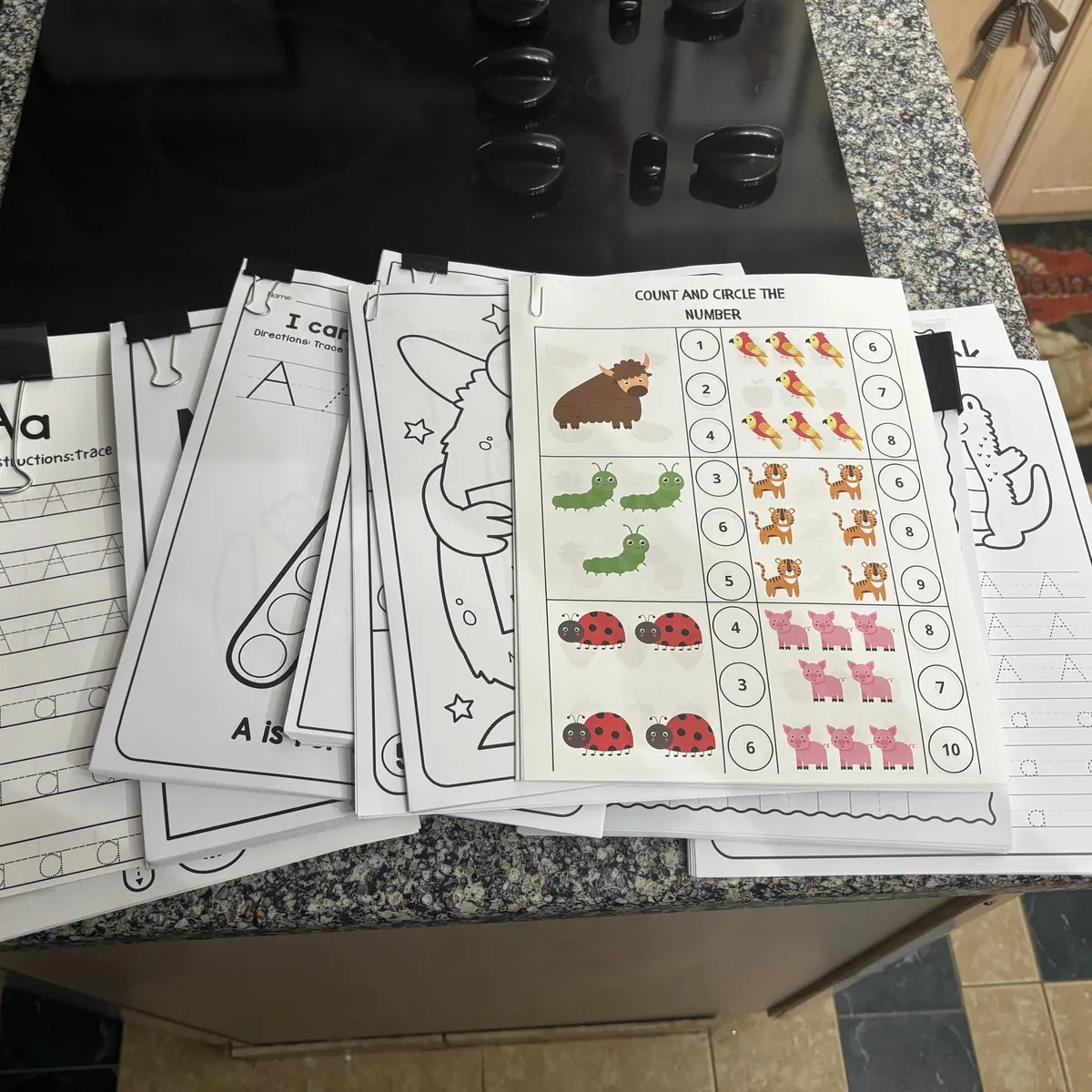
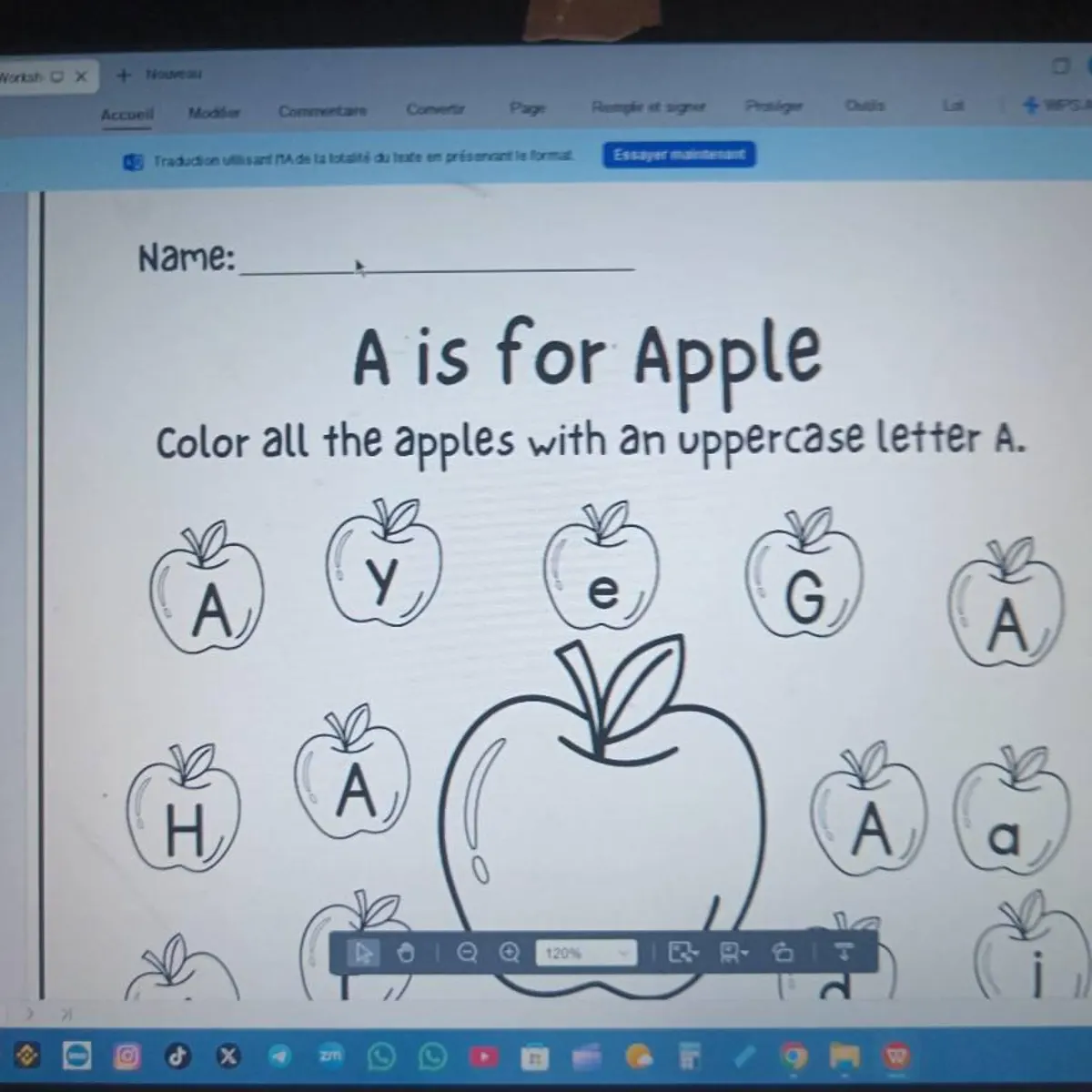
Printable practice is especially useful because it is easy to repeat. Children often need more than one try before a movement feels comfortable. Reprinting a favorite page allows them to see progress without turning practice into a test. Fun Clever Fox printable worksheets make it simple to offer that kind of low-prep, screen-free practice at home, in a classroom center, or during homeschool time.
Fine Motor Activities for Preschool and Kindergarten
A balanced routine includes activities that strengthen hands as well as activities that build precision. If every practice session involves a pencil, some children will become bored or discouraged. Mixing movement, crafts, manipulatives, and printables keeps the experience fresh.
For preschool children, start with bigger motions. Trace roads with a crayon, place stickers on large dots, use chunky lacing cards, squeeze water from a sponge, or move pom-poms with child-safe tongs. These activities are great for children who are still learning how much pressure to use and how to coordinate both hands.
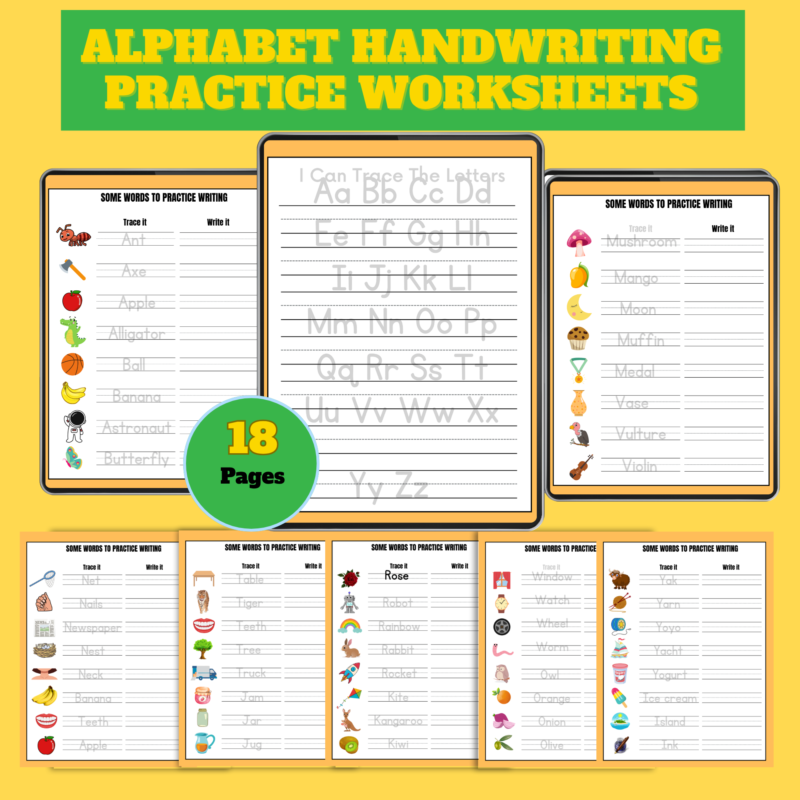
Kindergarten children can usually try more detailed tasks. They may trace and write letters, cut out simple shapes, complete beginning mazes, color by number, use tweezers to sort small items, or copy basic patterns. Still, ability varies widely. A child’s age is a helpful starting point, not a rule that every child must meet on the same schedule.
When setting up an activity, keep the materials limited and the directions simple. Put out one worksheet, a few crayons, and child-safe scissors rather than an overflowing pile of supplies. A clear invitation such as, “Can you trace the path to help the puppy get home?” is often more motivating than, “It is time to practice your pencil grip.”
How to Make Practice Feel Encouraging
Children notice when adults focus only on mistakes. Instead of correcting every wobbly line, describe what is going well. You might say, “You kept your scissors on the road,” or, “I see how carefully you turned the paper.” Specific encouragement helps children understand what they did successfully.
It also helps to let children choose between two activities. Offer a choice such as tracing shapes or doing a sticker page, coloring a dinosaur or coloring a flower. They still get valuable practice, but having a small amount of control can reduce resistance.
Keep sessions short. Five to ten focused minutes may be plenty for a young child, particularly when the task is new. It is better to stop while they still feel successful than to push until their hand is tired and the activity becomes upsetting. You can return to the skill another day with a different theme or material.
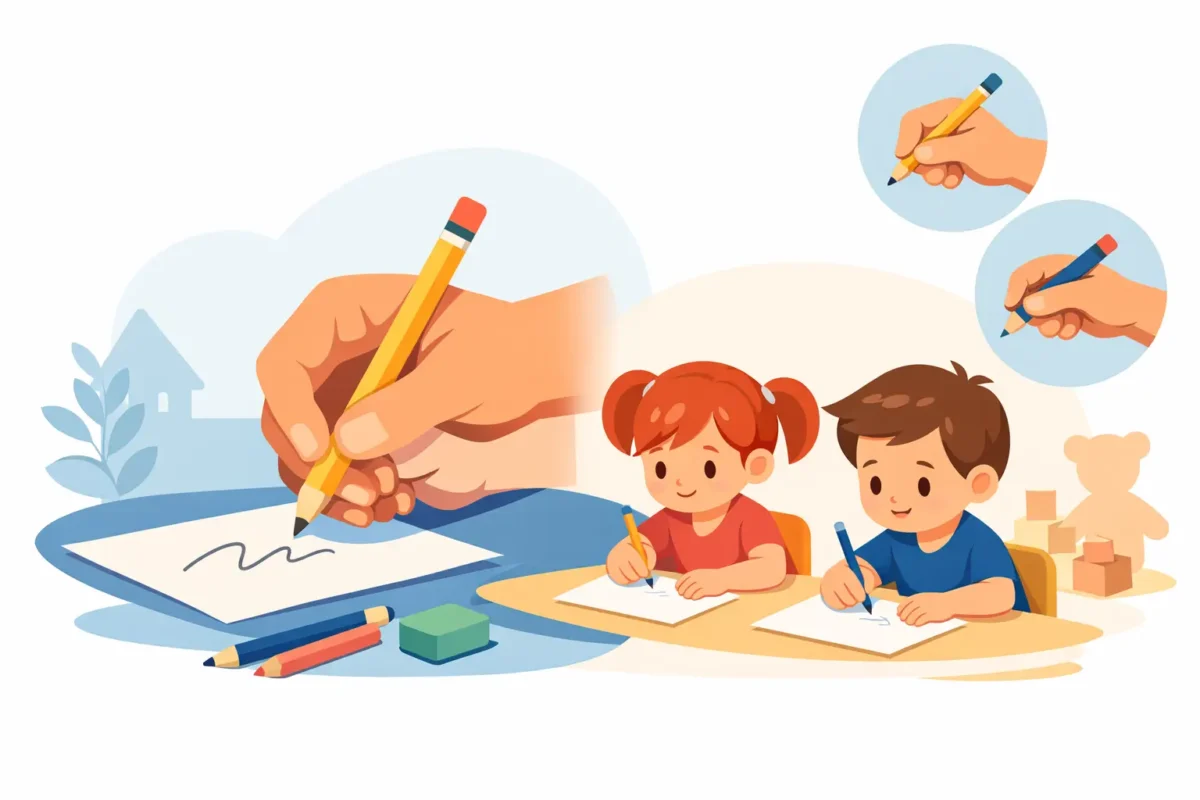
Grip matters, but it does not need to be a battle. Many young children begin with less mature grips before developing better control. Offering short crayons, broken crayon pieces, triangular crayons, or small pencils can naturally encourage fingers to move into a more workable position. Make sure the child is sitting comfortably with their feet supported when possible, since a stable body makes hand control easier.
Watch for Progress, Not Perfection
Fine motor growth can look subtle from day to day. A child may color for two more minutes than last week, use less pressure on the paper, cut closer to a line, or trace with fewer stops. These are real gains.
Some children need extra time, especially when they are new to scissors, pencils, or structured table work. Make the task easier before assuming they cannot do it. Use thicker crayons, larger pictures, wider tracing lines, or sturdier paper. Break a page into small parts and celebrate each completed section.
If a child consistently avoids using one hand, experiences pain, has a major struggle with daily tasks such as feeding or dressing, or seems far behind despite regular opportunities to practice, it can be helpful to speak with their pediatrician or an occupational therapist. Early support can give families practical strategies that fit the child’s needs.
A Simple Fine Motor Routine That Fits Real Life
You do not need a complicated plan. Try pairing one playful hand-strength activity with one short printable task a few times each week. For example, children can spend five minutes making play dough shapes, then trace a few lines or color one picture. In a classroom, this combination works well as a morning bin, learning center, or quiet early-finisher activity.
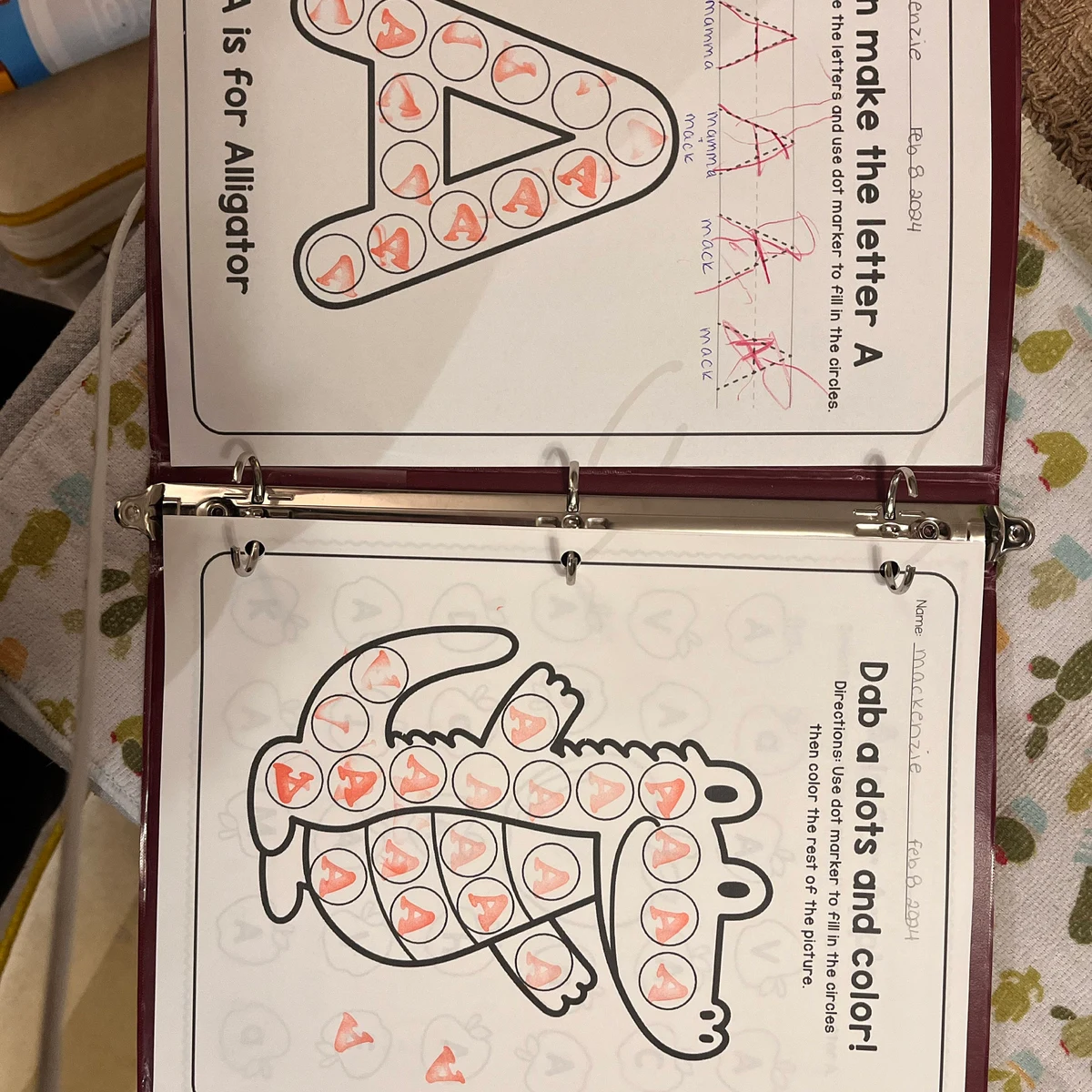
Rotate themes to match children’s interests and the season. Vehicles, animals, outer space, community helpers, and holidays can all make the same foundational skills feel new again. Keep a small folder of completed pages so children can look back and see how far they have come.
Little hands grow stronger through ordinary moments: a sticker pressed onto paper, a puzzle piece turned until it fits, a crayon line that reaches the end of the page. Offer the materials, keep the pressure low, and let each small success build a child who is ready to try again.