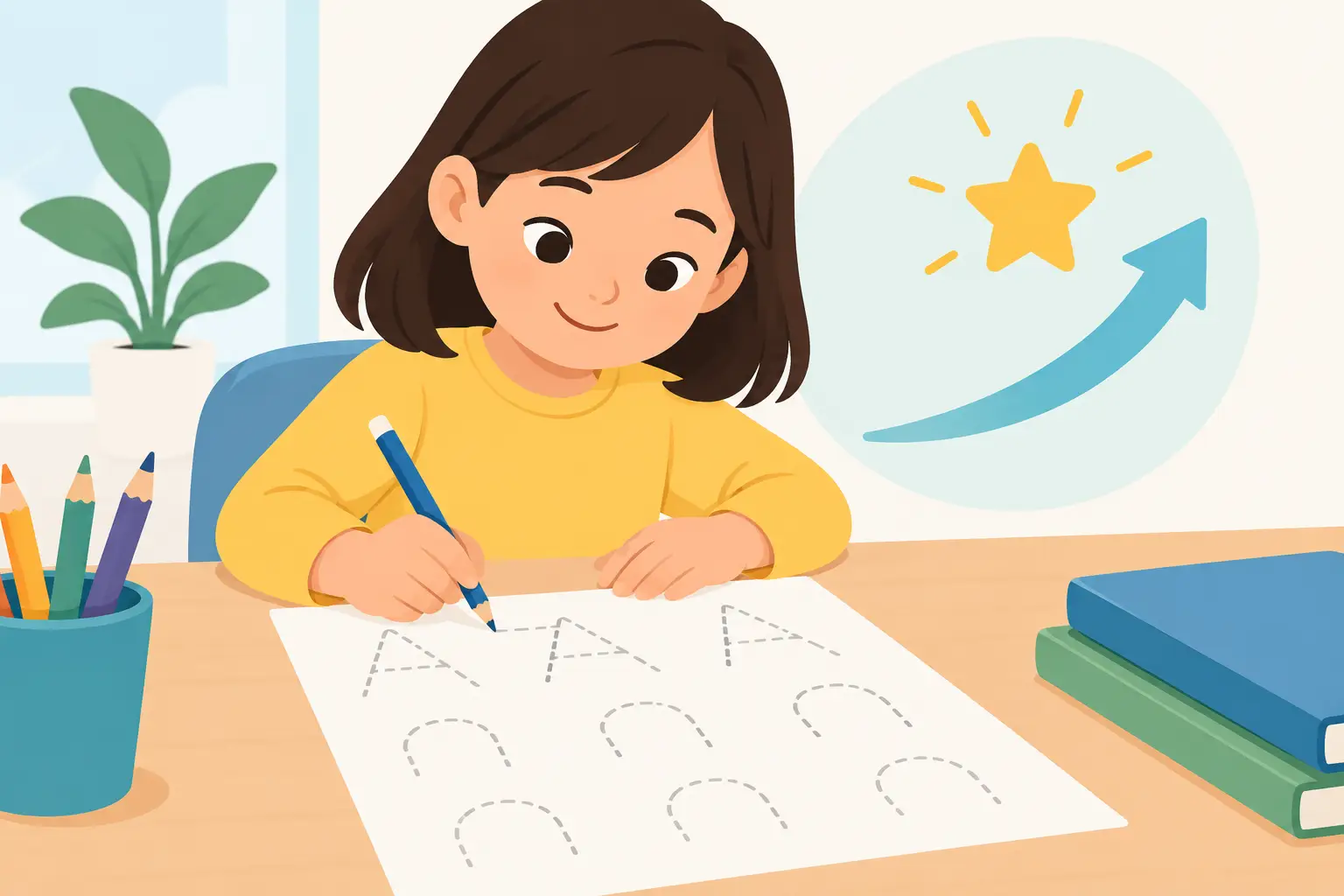
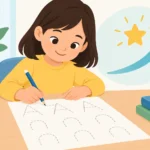
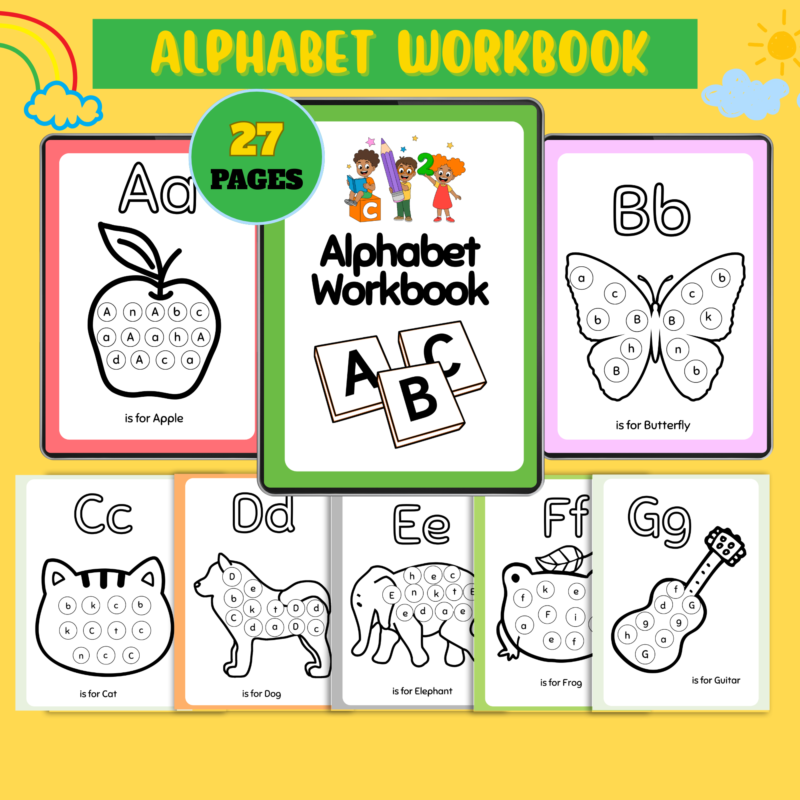
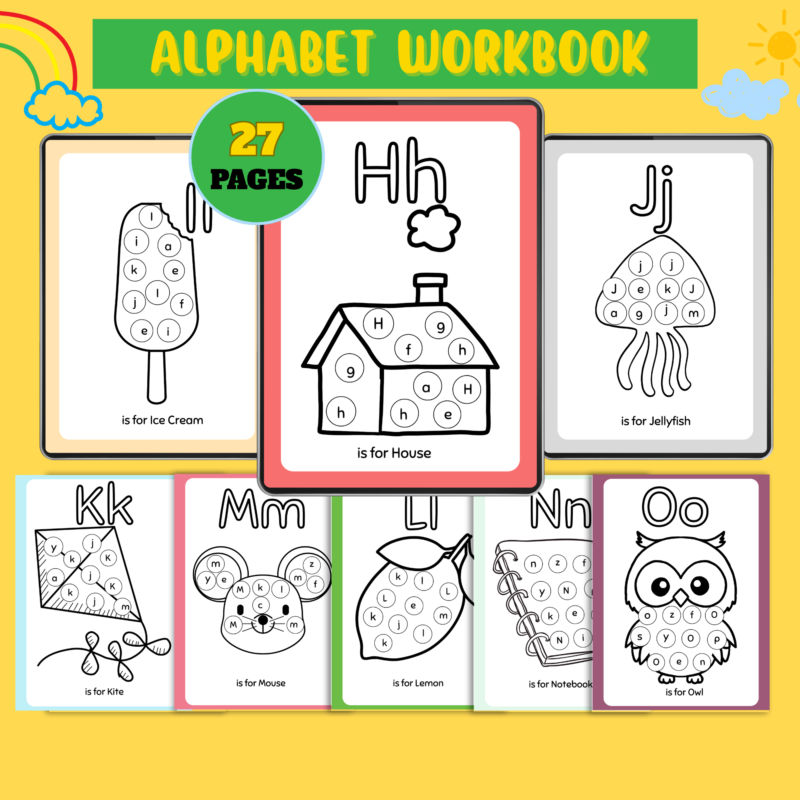
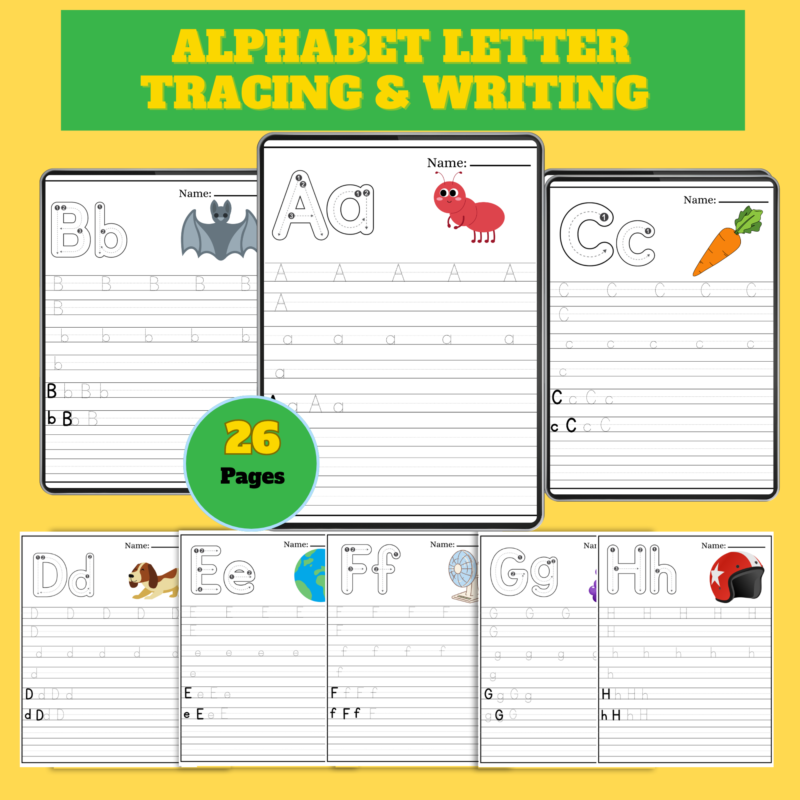
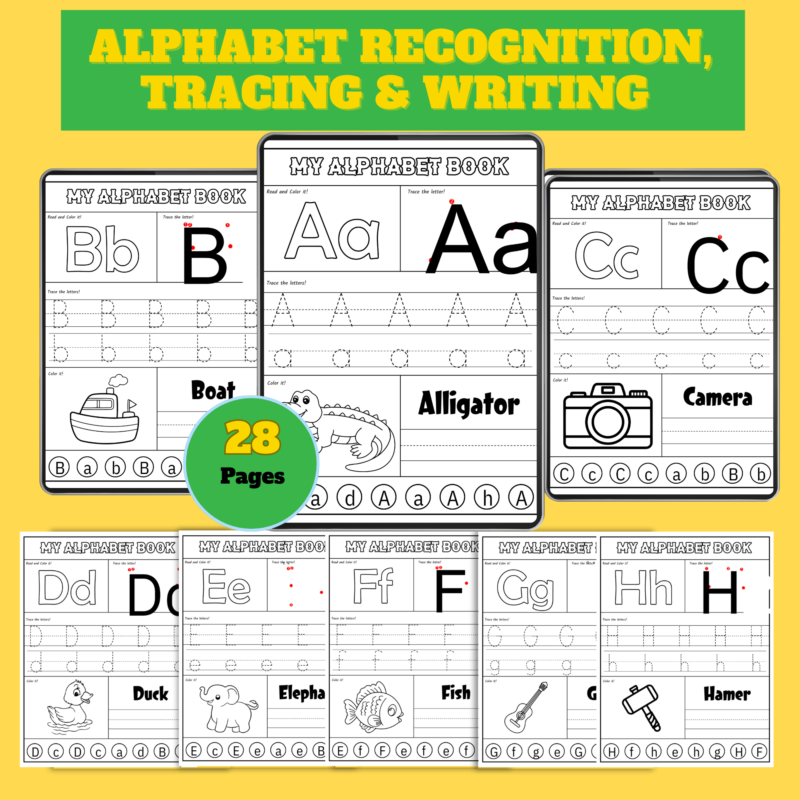
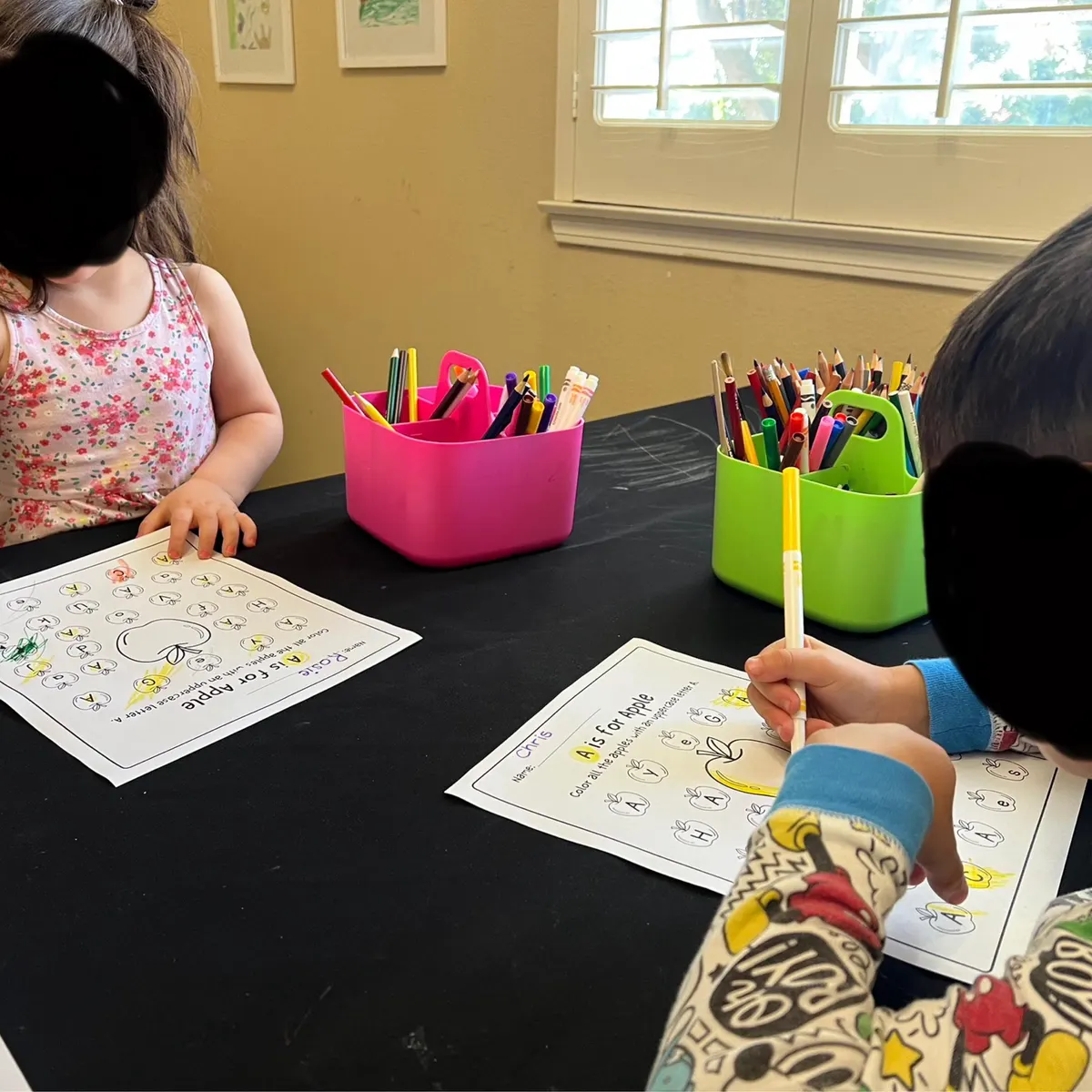
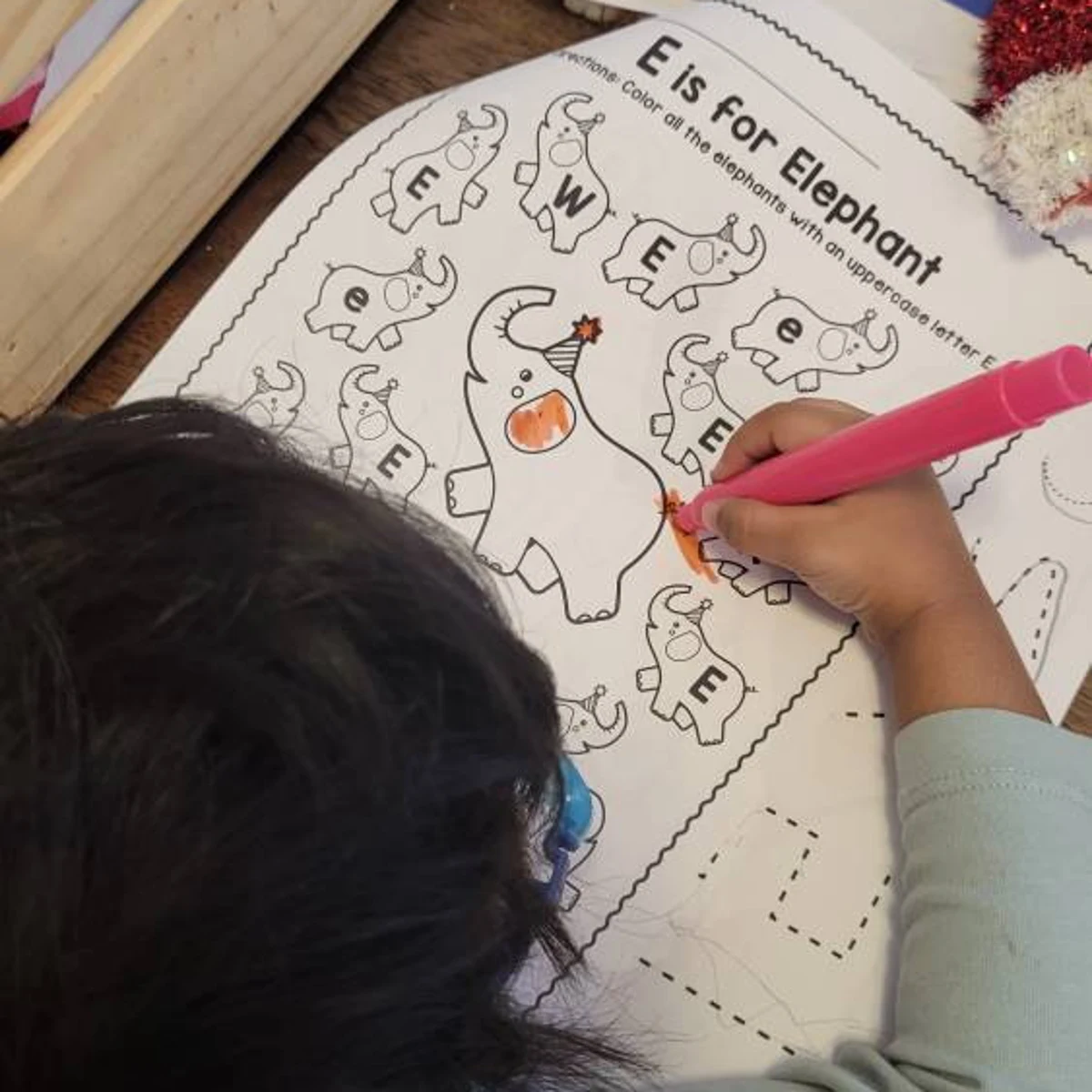
A page filled with dotted letters can look simple, but alphabet tracing gives young children several big skills to practice at once. As they follow each path, children learn that letters have shapes, directions, names, and a place in the words they will soon read and write. With a little structure and plenty of encouragement, tracing can become a cheerful part of preschool or kindergarten learning rather than a frustrating task.
For parents, teachers, and homeschool families, the goal is not perfect handwriting right away. The goal is to help children feel comfortable holding a writing tool, noticing letter forms, and trying again. Those small successes build the confidence that supports future reading and writing.
Why Alphabet Tracing Is More Than a Handwriting Activity
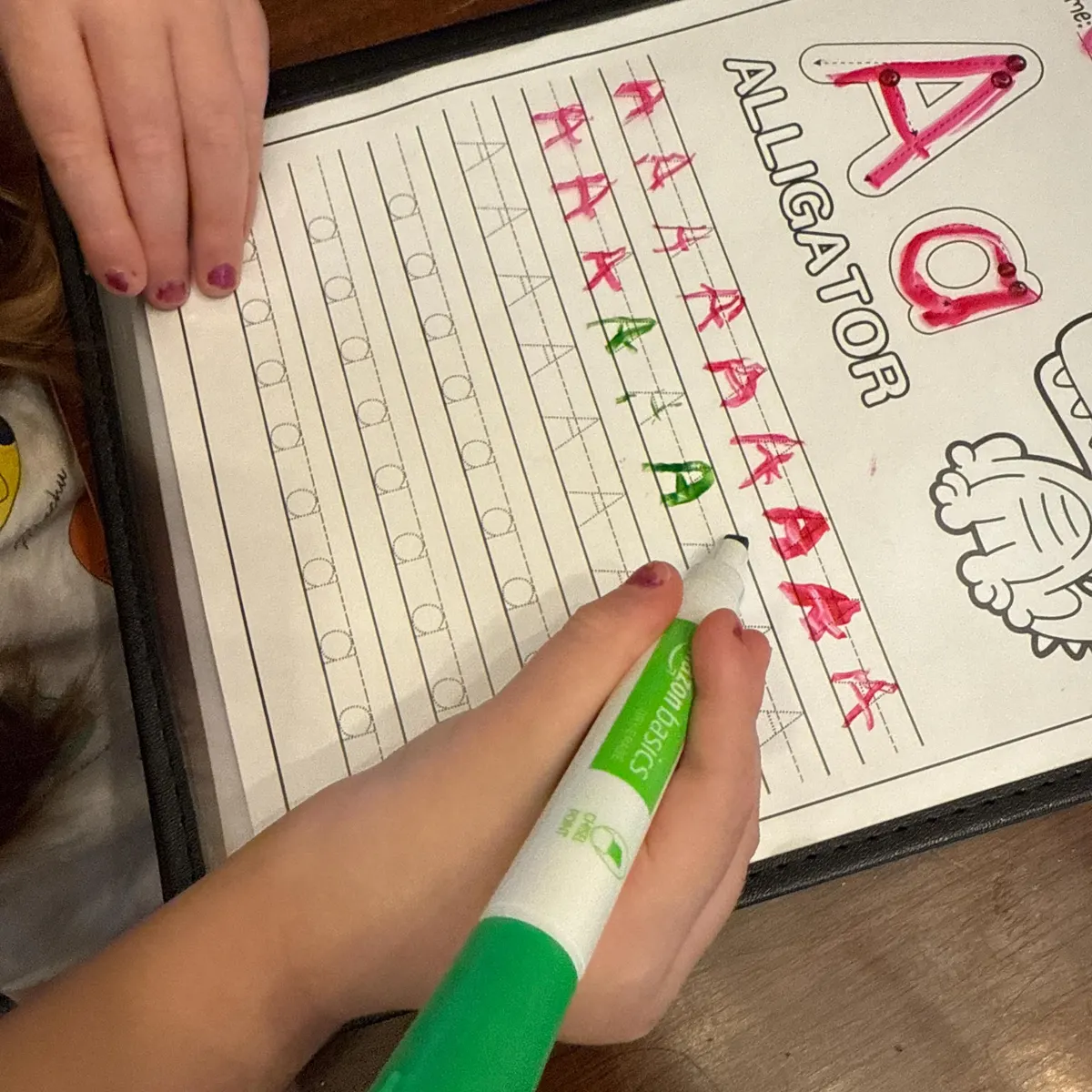
Alphabet tracing helps children develop fine motor control. Moving a crayon, pencil, or marker along a line strengthens the small hand and finger muscles needed for drawing, coloring, cutting, and writing. It also gives children practice using both hands together: one hand holds the page steady while the other makes the marks.
Tracing also supports visual-motor coordination. A child has to look at the line, guide their hand, and adjust their movement as they go. This is challenging work for early learners, especially when a letter includes curves, diagonals, or a change in direction. Repeated practice makes those movements more familiar.
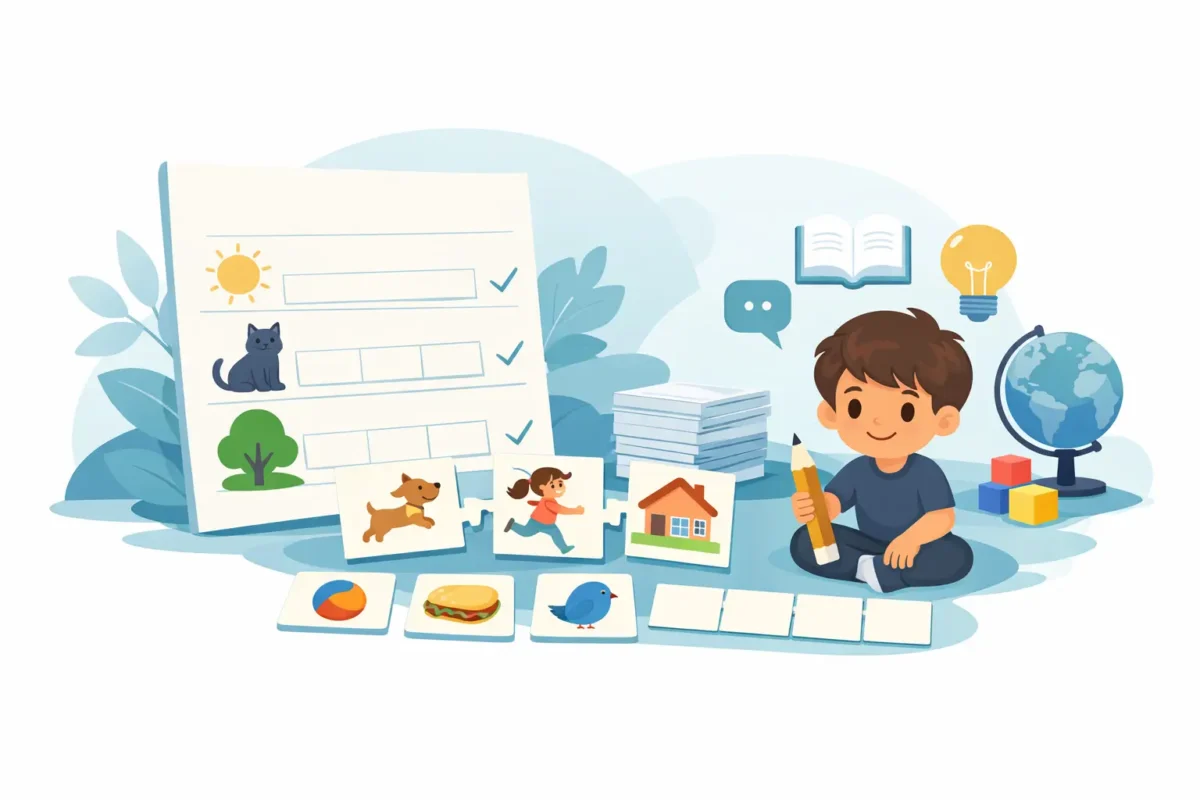
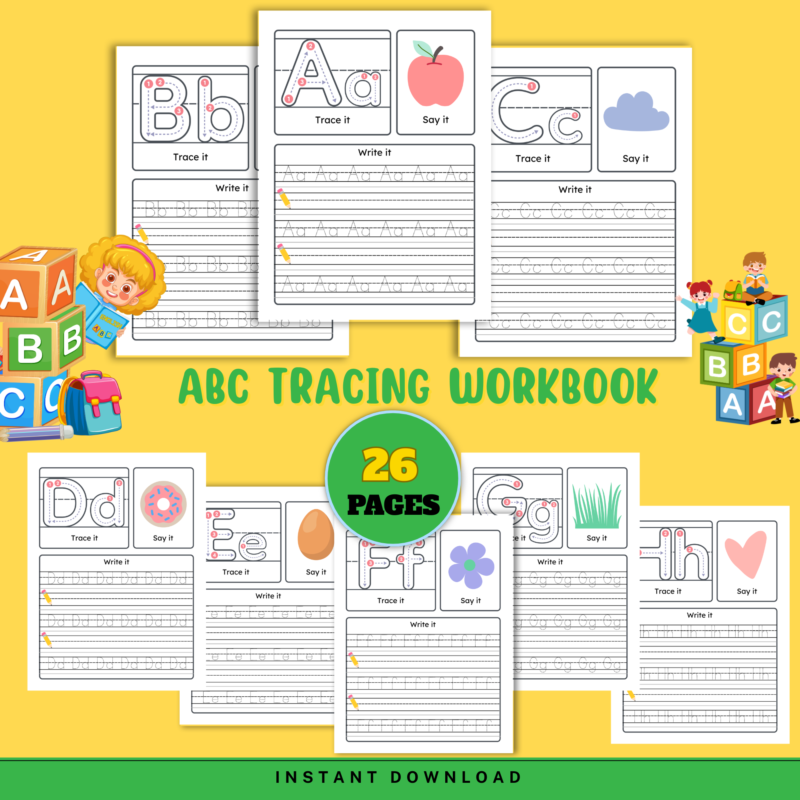
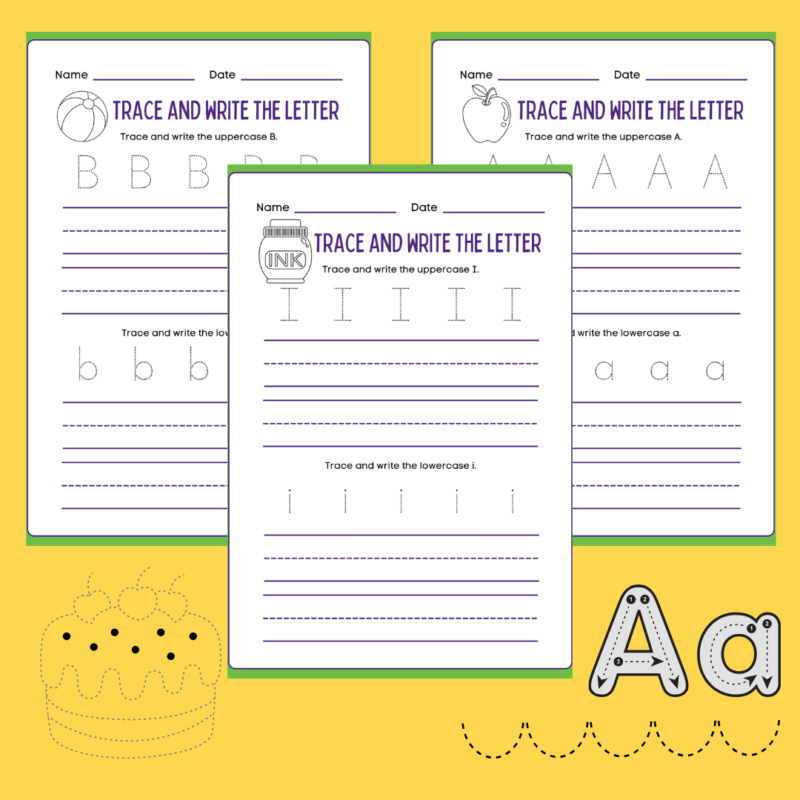
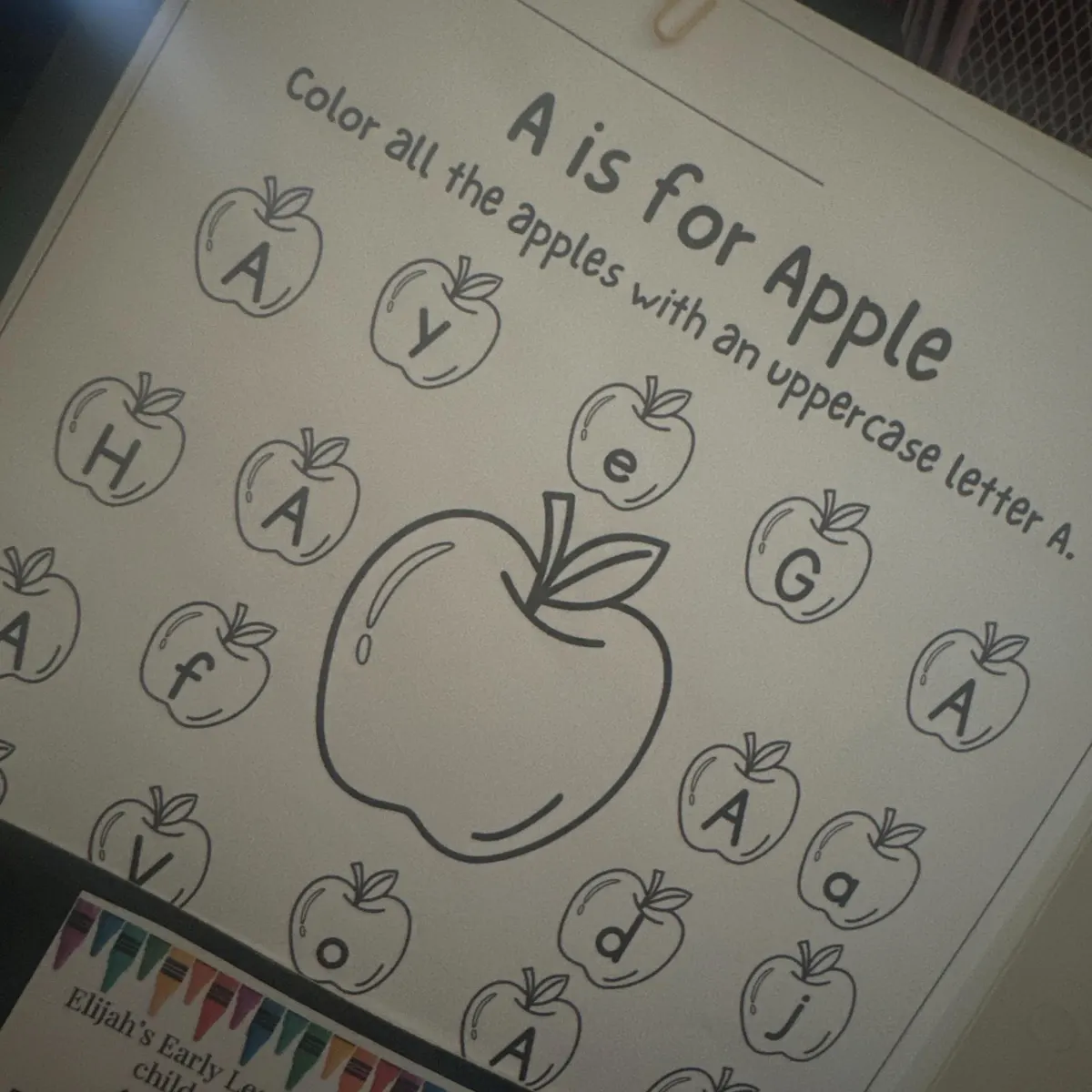
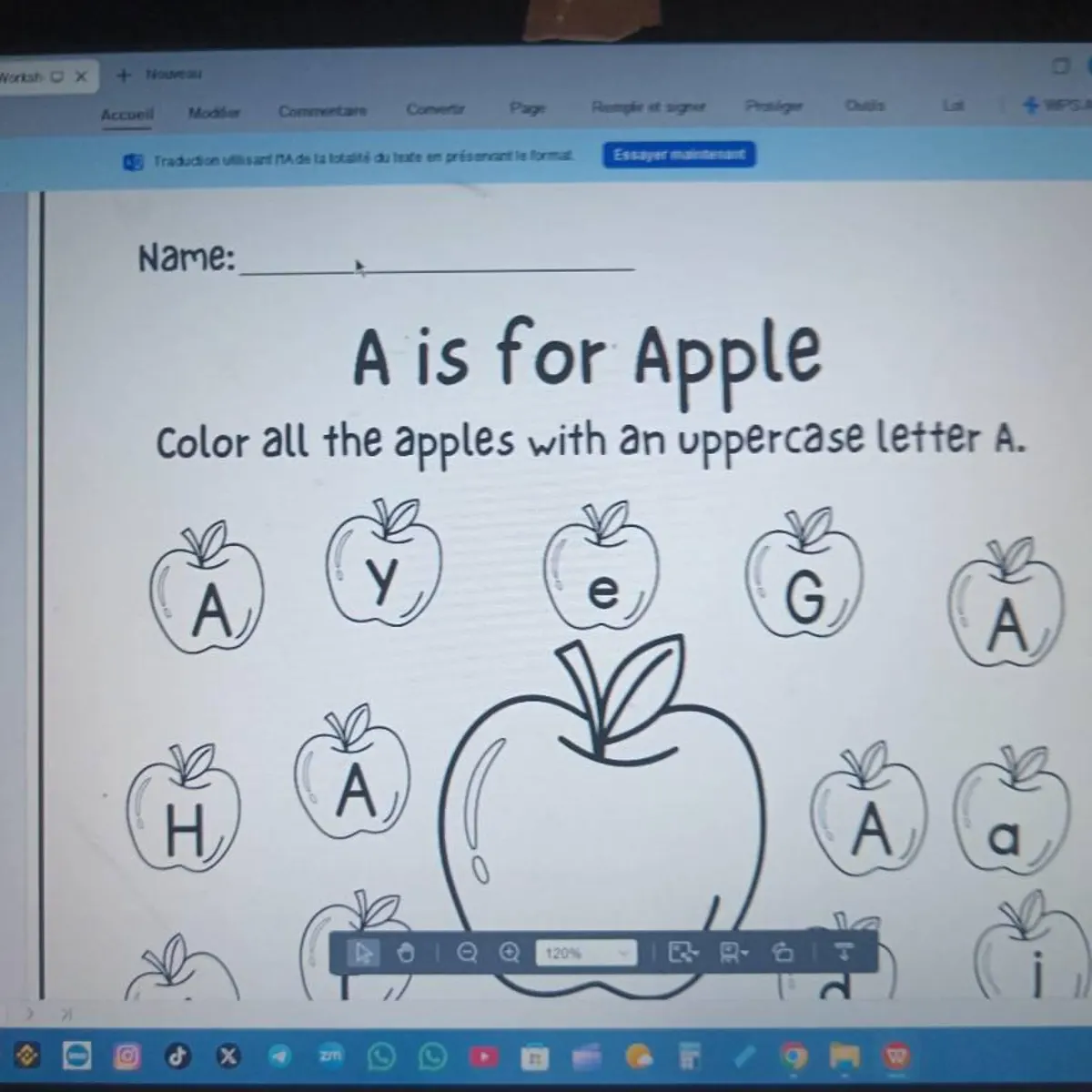
There is an early literacy benefit, too. When children trace an uppercase A, say its name, and look at an apple picture or hear the sound /a/, they are making useful connections. They begin to understand that the marks on a page represent language. Tracing works best when it is paired with letter recognition, sounds, and playful conversation rather than treated as a stand-alone drill.
When Is a Child Ready to Start?
Many children begin enjoying simple tracing activities around ages 3 to 5, but readiness varies. A child does not need to write their name before they can try letter worksheets. They simply need enough interest and hand control to make marks on paper for a few minutes.
Before expecting letter tracing, offer plenty of low-pressure pre-writing play. Drawing lines in sand, making circles with sidewalk chalk, coloring broad pictures, rolling play dough, using stickers, and snipping paper with child-safe scissors all prepare little hands for pencil work. These activities are not extra busywork. They build the control that makes tracing feel possible.
Watch for frustration. If a child presses too hard, avoids the page, or becomes upset after one letter, make the activity easier. Try a thicker crayon, a shorter page, or larger letters. Some children need more movement and hand-strength practice first, while others are eager to trace before they can form letters independently. Both paths are normal.
How to Make Alphabet Tracing Fun and Effective
Start with short sessions. Five focused minutes can be far more useful than asking a preschooler to finish every letter on a worksheet. Choose one or two letters, especially letters from the child’s name, and end while they are still feeling successful.
Use simple language as your child works. You might say, “Start at the top,” “Slide down,” “Around the curve,” or “Great job keeping your crayon on the path.” These words help children notice how each letter is formed without turning the moment into a correction session. Praise effort, not only neat results: “You kept trying that tricky curve” is often more motivating than “That looks perfect.”
It also helps to make letters meaningful. Trace M while talking about Mom, milk, or monkey. Practice S for Sam, sun, or socks. If you are working with a small group, let children help choose the next letter based on classmates’ names or a weekly theme. Familiar connections give a worksheet more purpose.
For many young learners, variety keeps practice fresh. A letter can be traced first with a finger in the air, then on a worksheet, then formed with play dough or craft sticks. The letter stays the same, but the experience changes. This is especially helpful for children who learn best through movement or who are not ready to sit for long periods.
Choosing the Right Tracing Worksheet
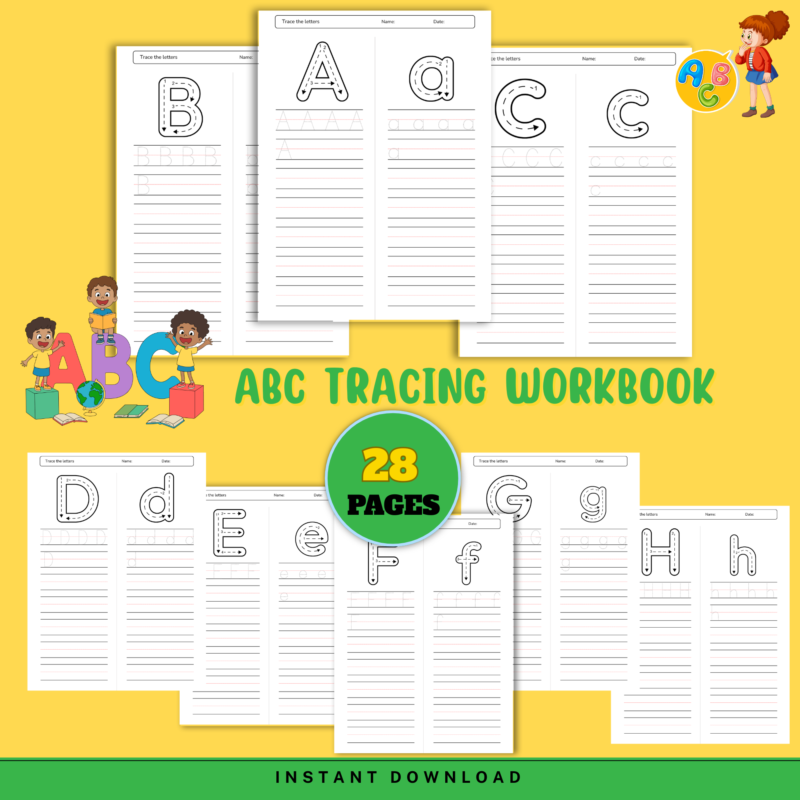
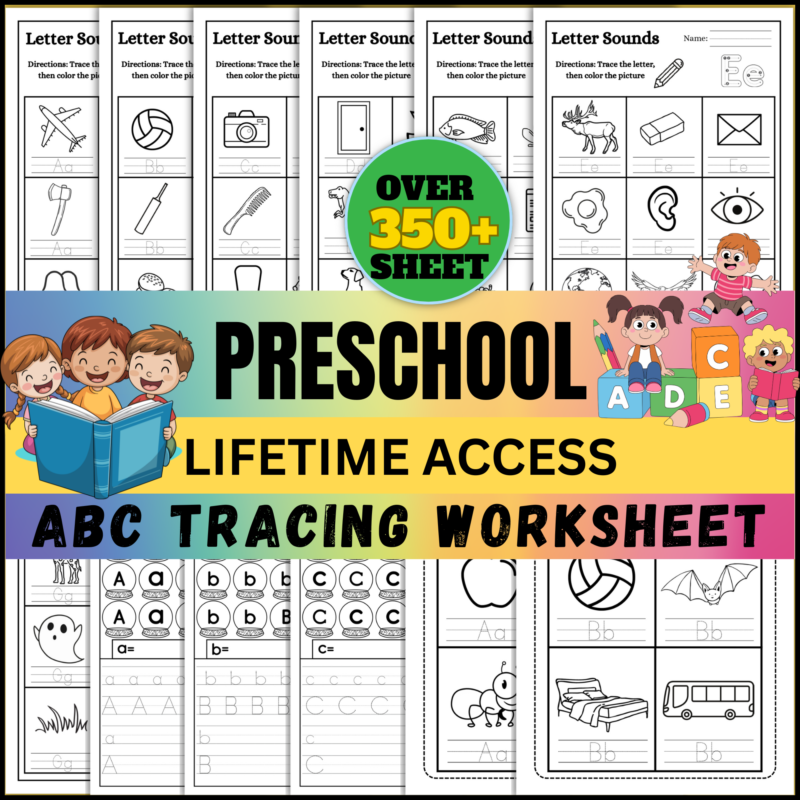
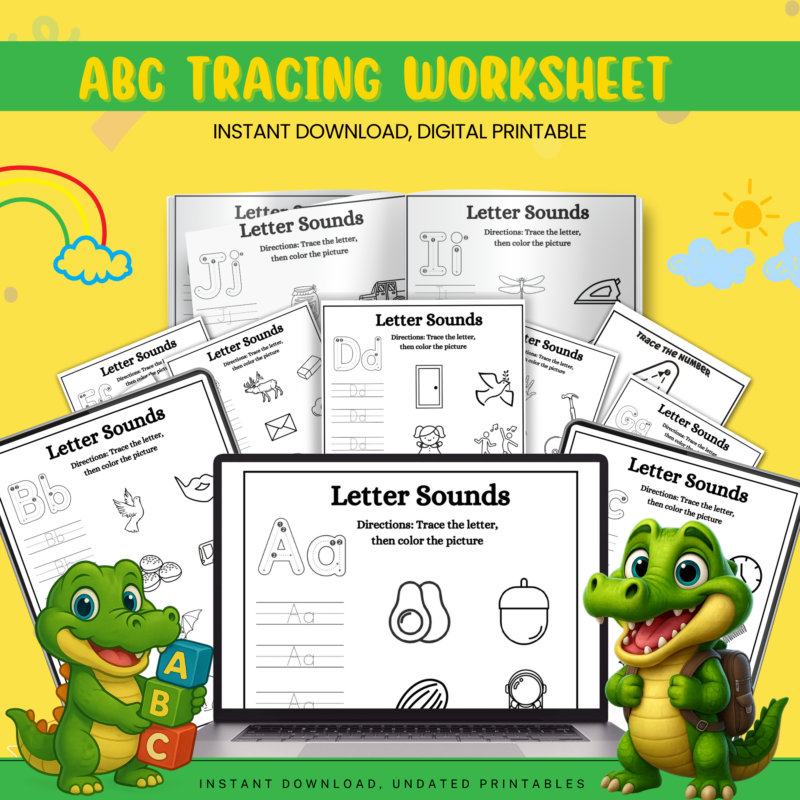
Not every alphabet page is a good fit for every child. Preschool beginners often benefit from large, bold letters with clear directional paths and plenty of open space. Kindergarten learners may be ready for smaller letter forms, uppercase and lowercase matching, beginning-sound pictures, or a short word-writing extension.
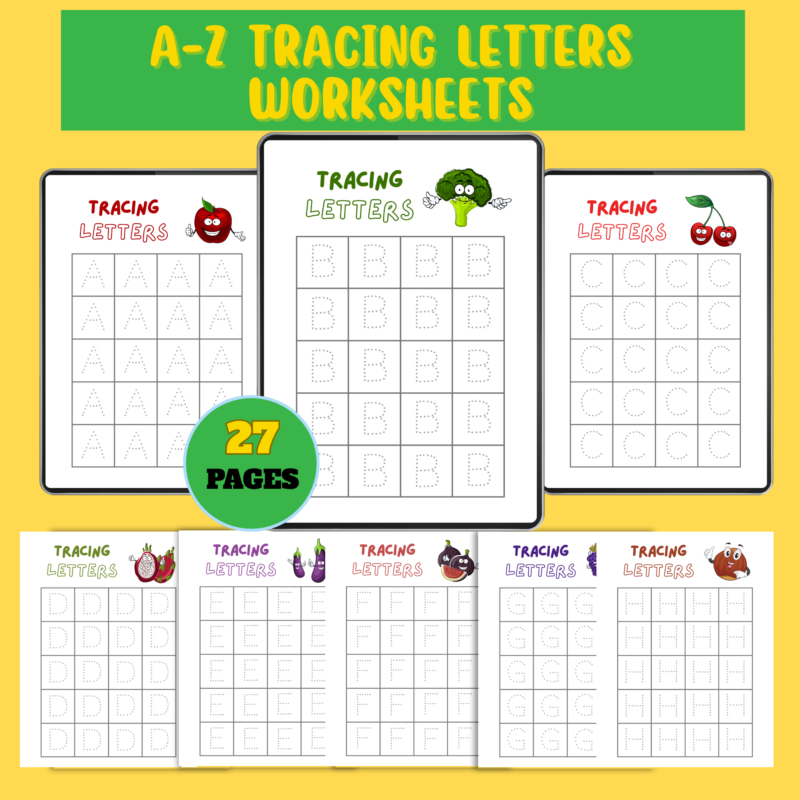
Look for worksheets that keep one skill clear. If the main purpose is tracing the letter B, the page should not be so crowded with pictures, instructions, and extra tasks that the child loses focus. A simple, playful layout gives children room to concentrate and lets adults quickly see whether they need more support.
The writing tool matters, too. Chunky crayons and washable markers are easier for many preschoolers to manage than thin pencils. As control improves, children can move to regular crayons, colored pencils, and beginner pencils. There is no prize for switching tools early. Comfort and control come first.
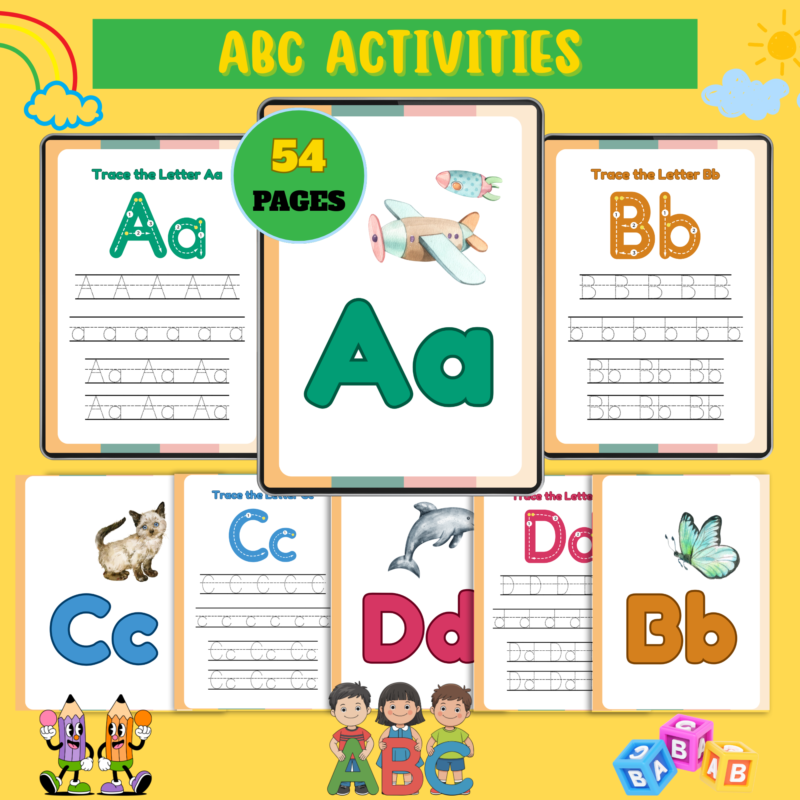
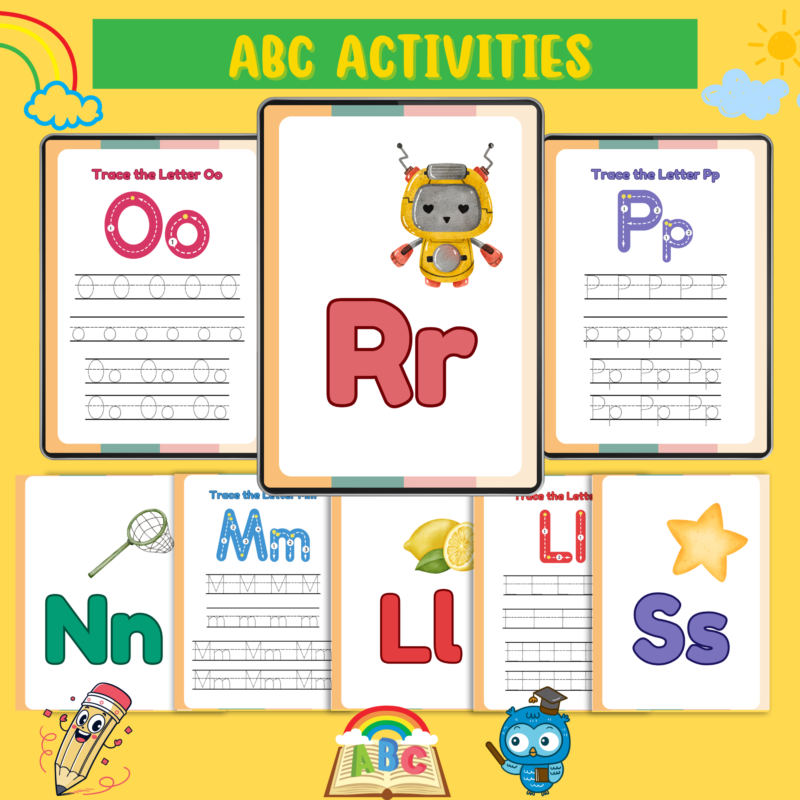
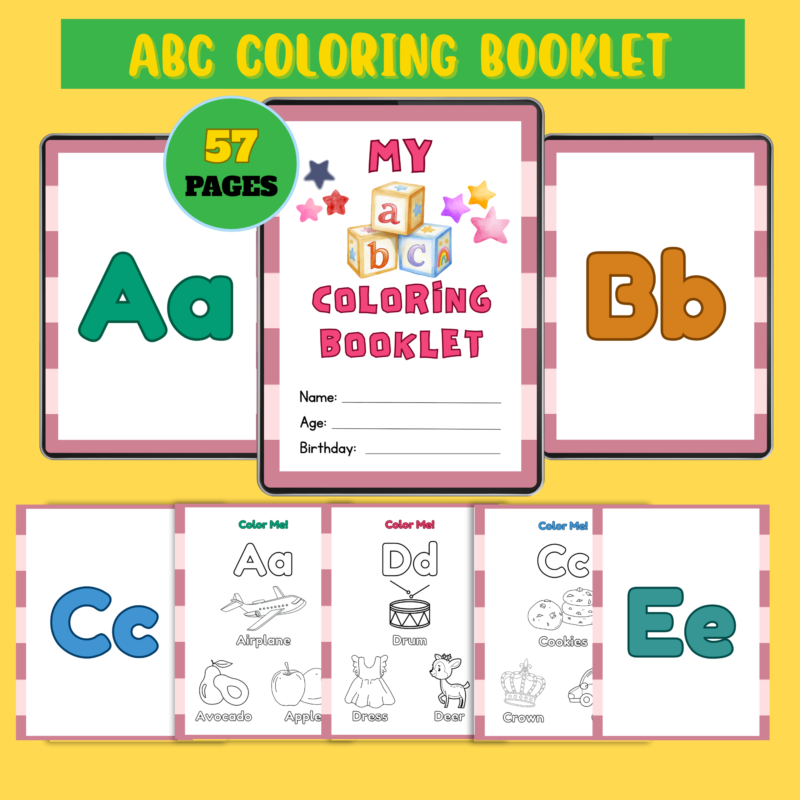
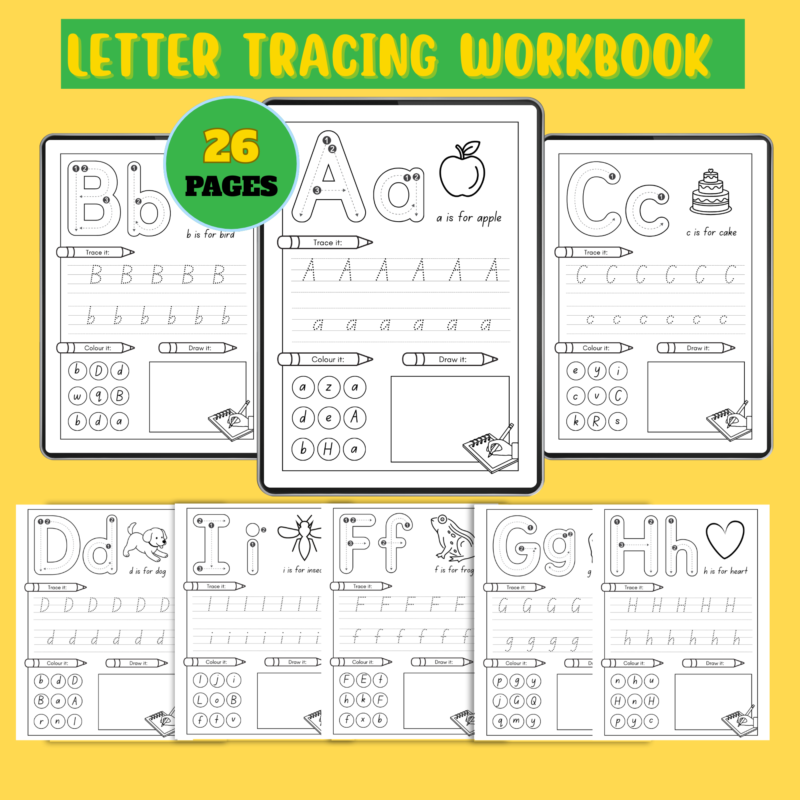
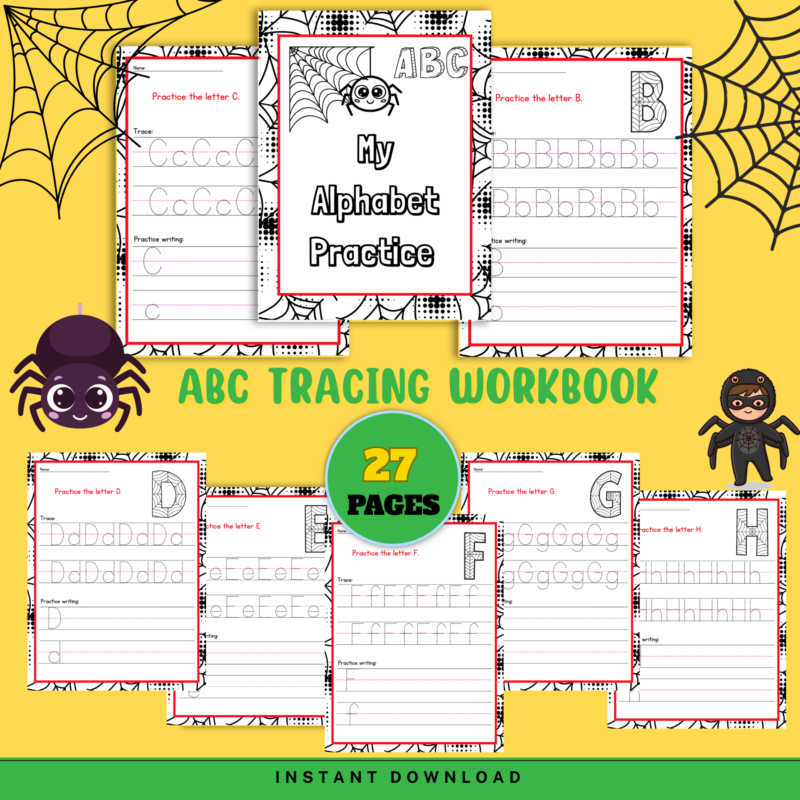
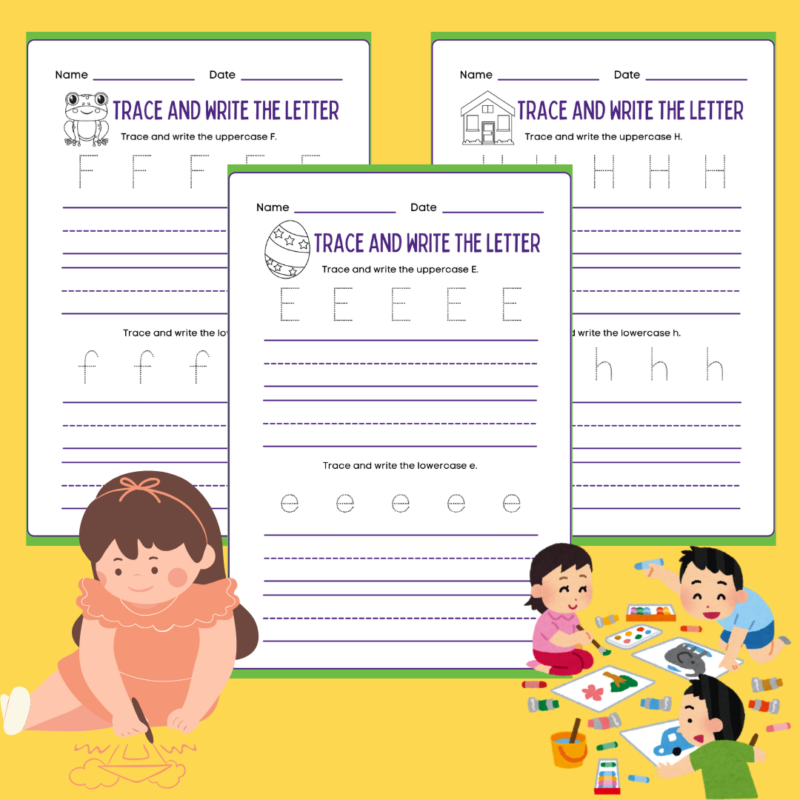
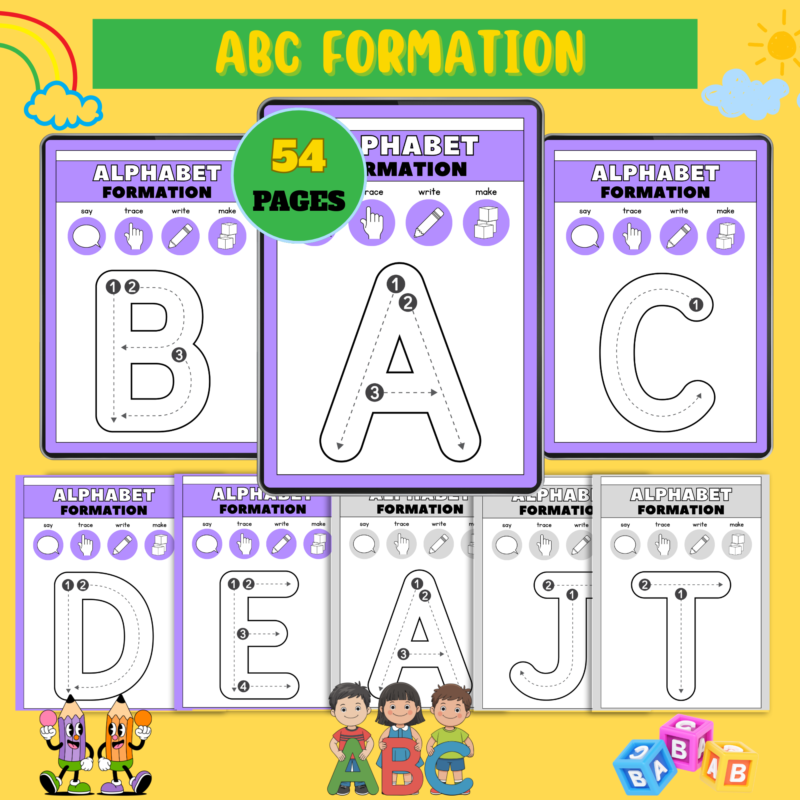
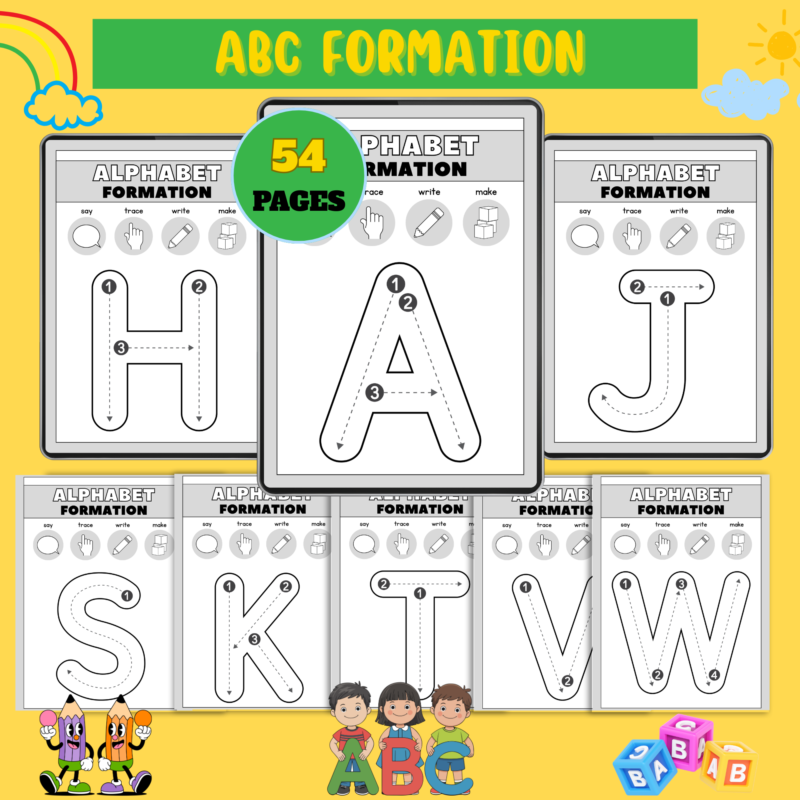
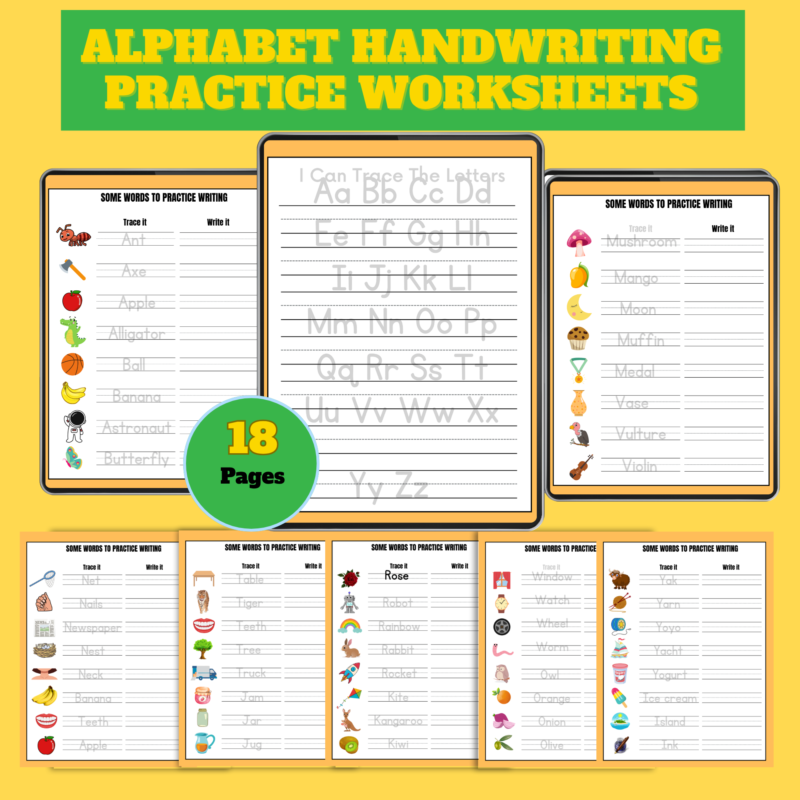
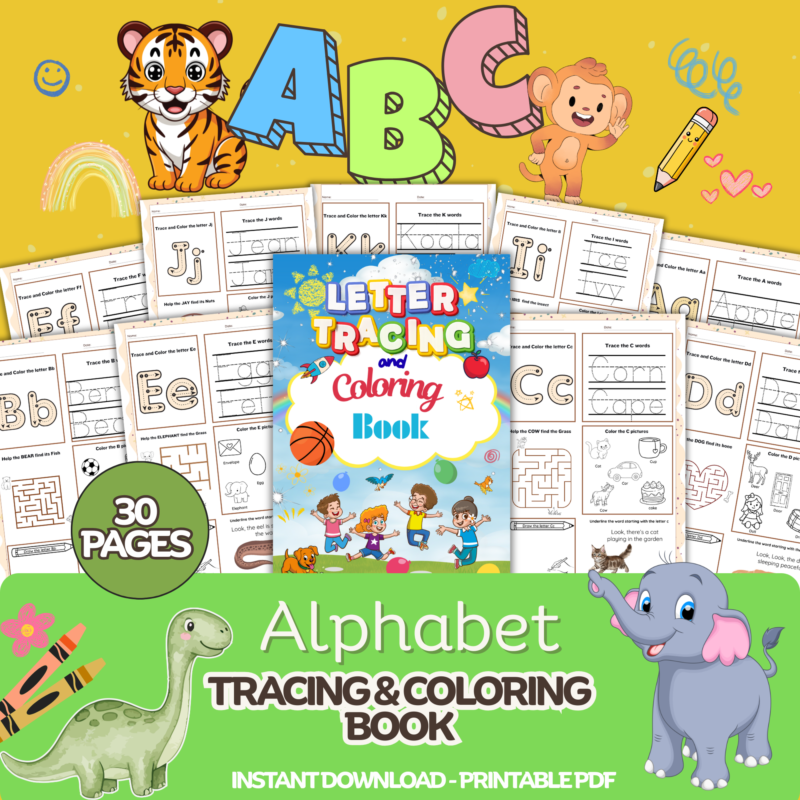
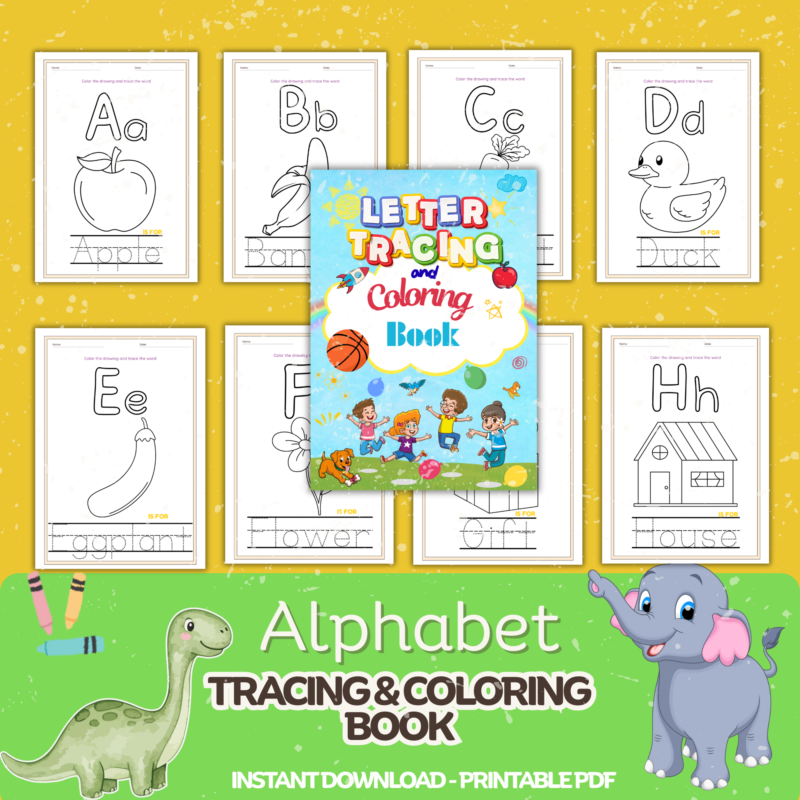
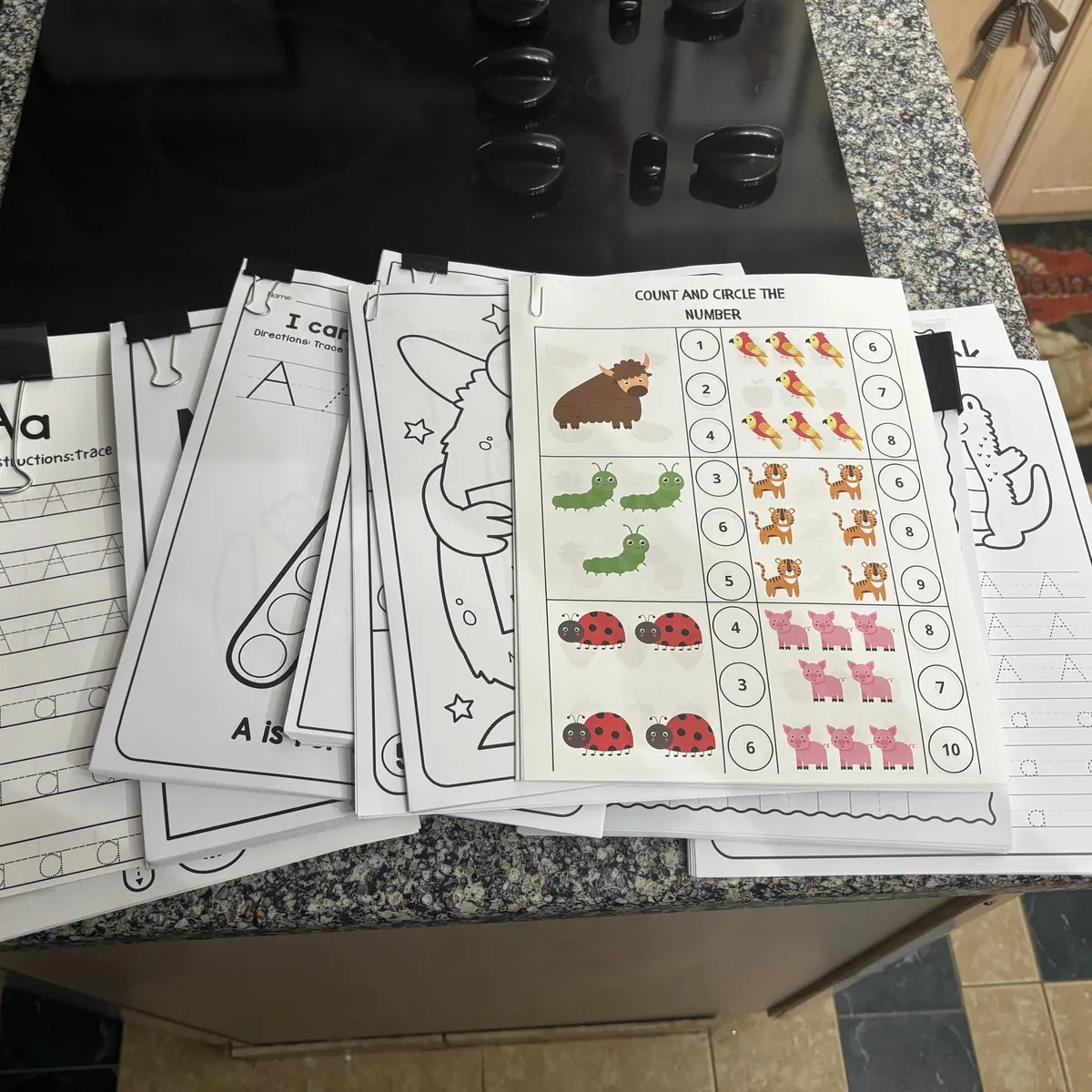
Printable PDFs are especially handy because repetition is part of learning. A child may enjoy tracing the same letter several times over a week, and a teacher can print extra copies for a literacy center, morning work, or small-group practice. Fun Clever Fox printable worksheets are designed to make that preparation simple, with ready-to-use pages that support hands-on learning at home or in the classroom.
A Simple Routine for Home or Classroom
A predictable routine helps children know what to expect. Begin by showing the letter and naming it together. Next, trace it in the air using a big arm movement. Then let the child trace the letter on paper, saying the letter name or sound as they work. Finish by finding the letter in a book, on a classroom label, or in the child’s name.
This approach takes only a few minutes, but it brings together movement, visual recognition, sound awareness, and pencil practice. It is also easy to repeat without feeling repetitive because you can change the theme, coloring choices, or related picture each day.
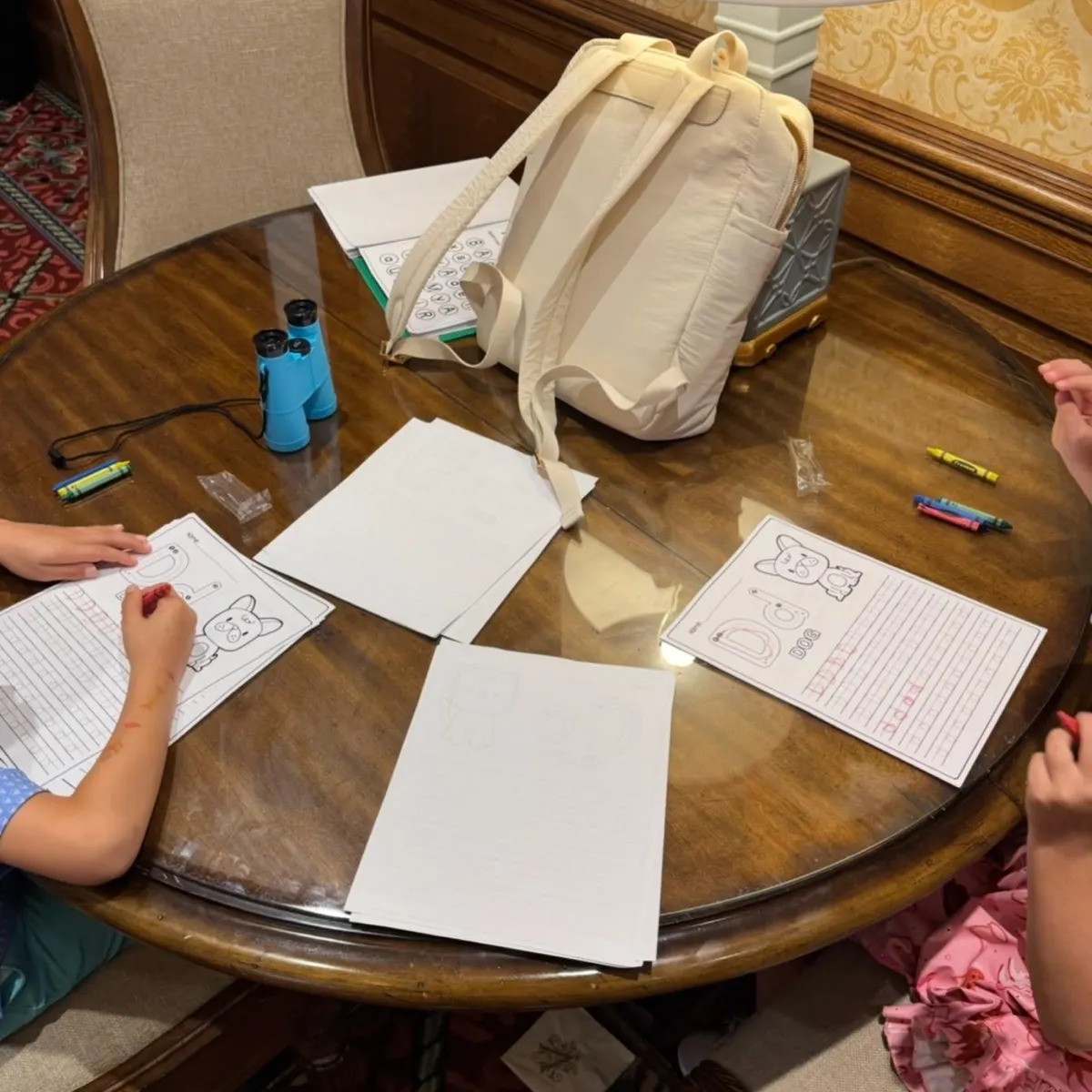
In a classroom, consider offering tracing pages in a writing center with crayons, pencils, clipboards, and alphabet cards. At home, keep a small basket of worksheets and writing tools within reach. Children are more likely to practice independently when supplies are easy to find and adults do not need to set up a full lesson every time.
Common Alphabet Tracing Challenges
Reversals are common. A child may mix up b and d, p and q, or form a letter backward. This is part of learning visual symbols and usually improves with exposure, modeling, and calm practice. Rather than pointing out every reversal, show the correct starting point and offer another chance later.
Some children race through the page with quick scribbles. Others work so slowly that one letter feels exhausting. Adjust the expectation to the child. For a fast worker, ask them to trace one careful row and then color the matching picture. For a child who tires quickly, cover part of the page and complete just two or three letters at a time.
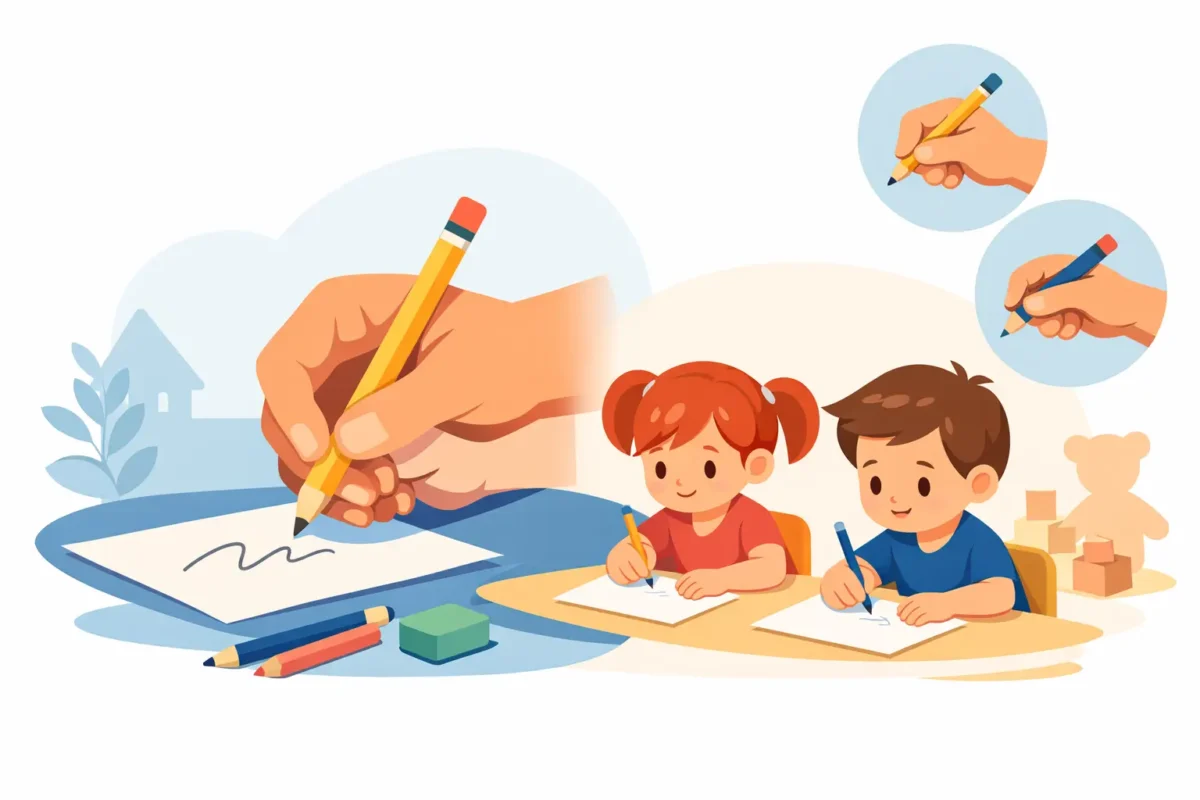
Grip can be another concern, but adults do not need to constantly reposition little fingers. Offer short crayons, broken crayons, or a triangular pencil if they help. More importantly, continue building hand strength through everyday play. A relaxed child who enjoys making marks will usually develop a more functional grip over time.
What Comes After Tracing?
Tracing is a bridge, not the final destination. Once a child can follow dotted lines with growing confidence, invite them to copy a letter beside the model. Later, provide a blank line and ask them to try it independently. This gradual progression lets children move forward without skipping the support they still need.
Keep letter learning connected to real communication. Encourage children to spot letters on signs, write the first letter of a name, label a drawing, or make a card for someone special. When children see that writing helps them share an idea, their practice has a reason beyond finishing a worksheet.
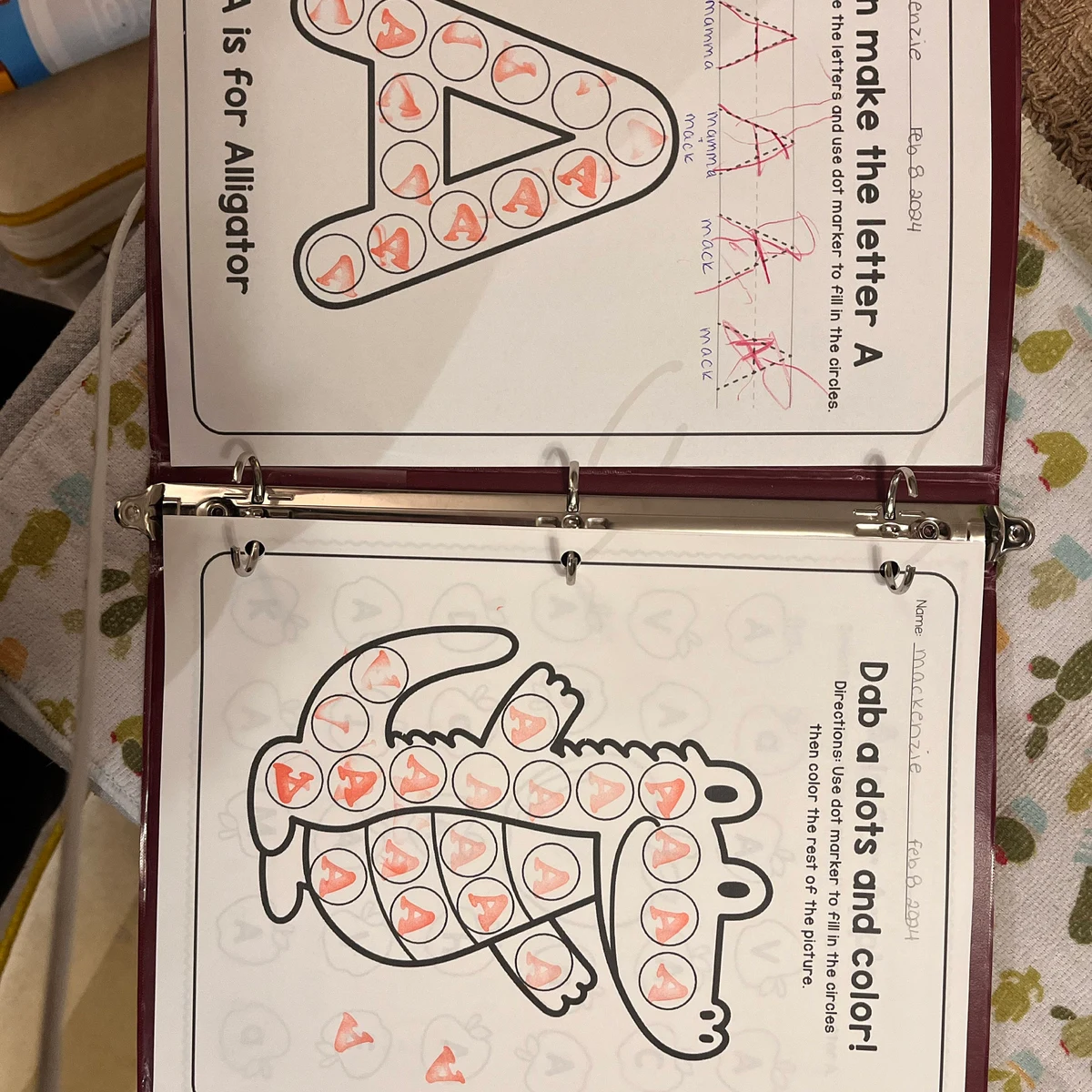
A slightly wobbly A is still an A worth celebrating. Give children regular opportunities to trace, create, notice, and try letters in their own time. With patient guidance and playful practice, those dotted paths can lead to a child who is proud to pick up a pencil and write.