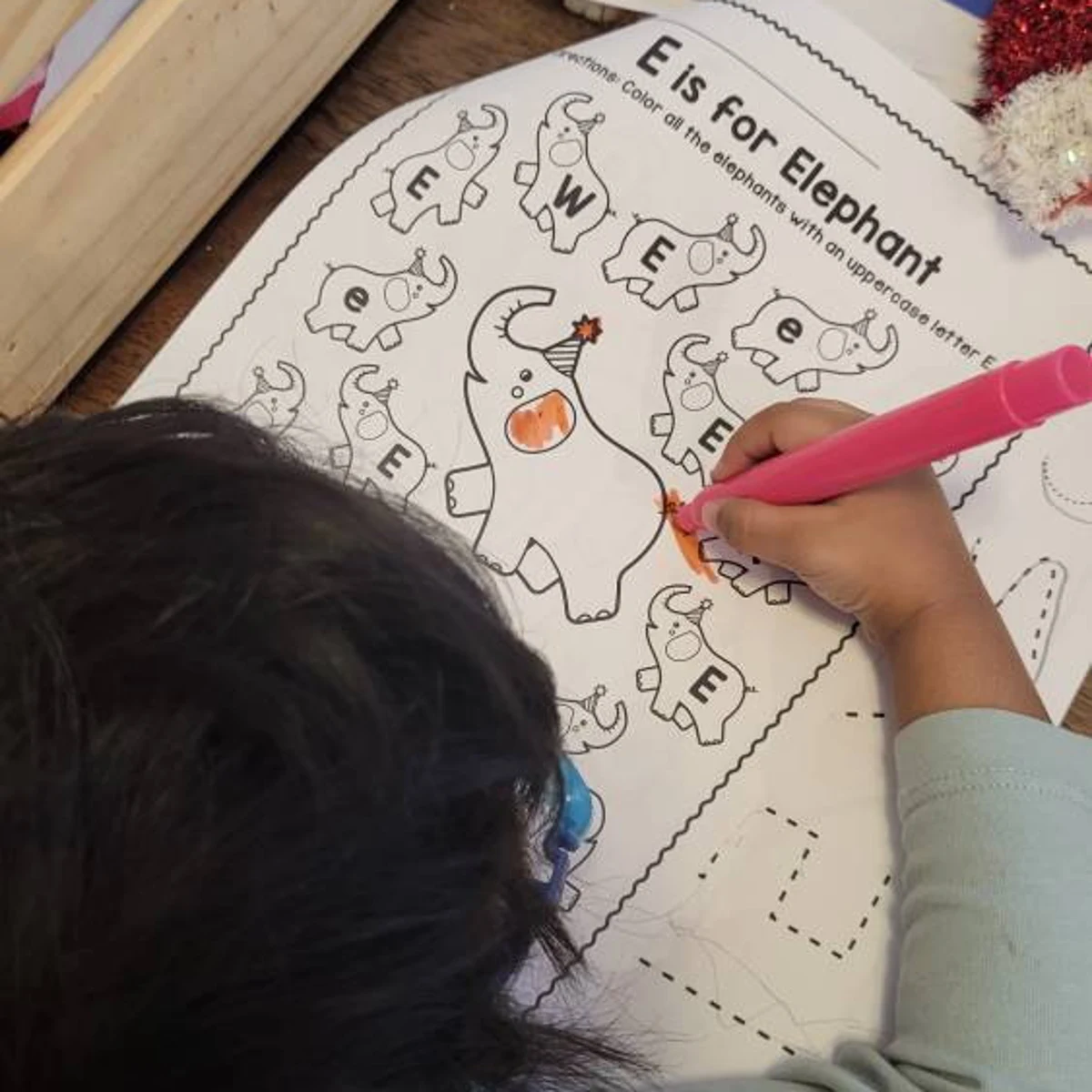
A preschooler proudly finishing a tracing page without asking for help can feel like a big milestone. But when parents and teachers ask, “can children learn independently?” the answer is not that young children should be left to figure everything out alone. Independent learning grows when adults set up small, successful moments that a child can manage with confidence.
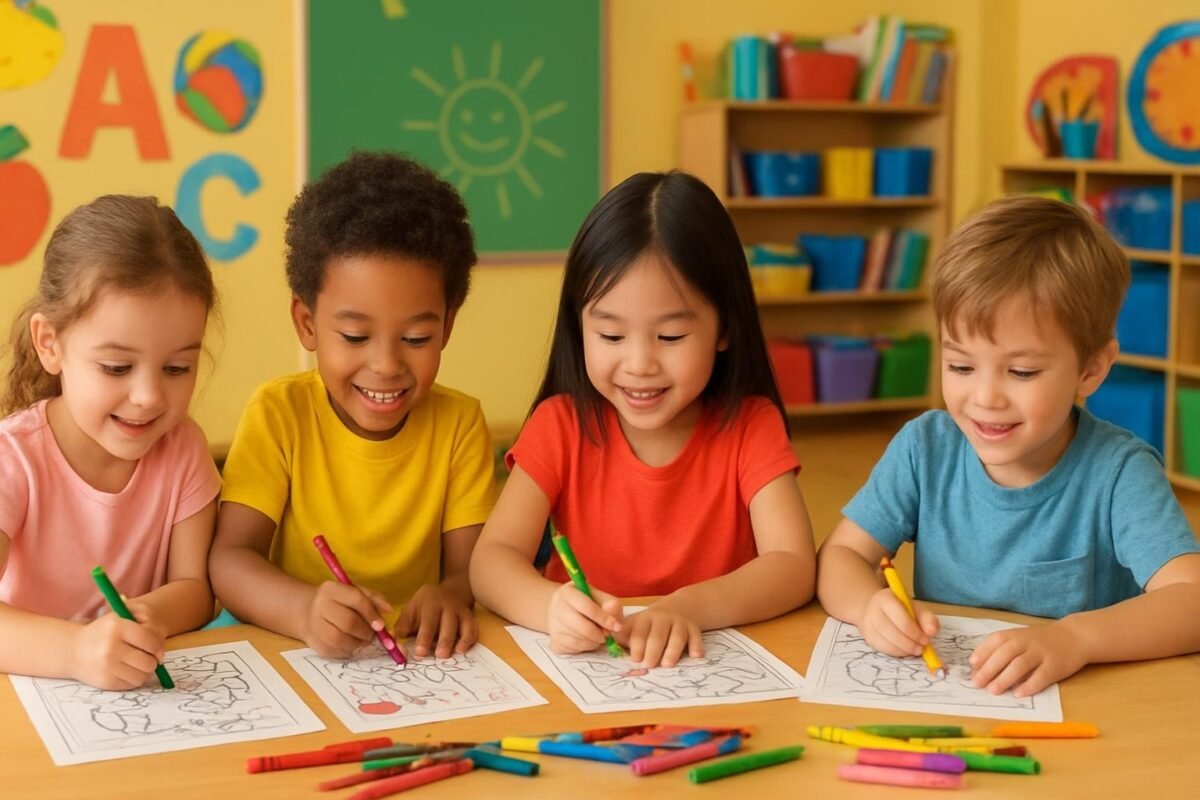
For preschoolers and kindergarteners, independence might look like choosing a coloring page, finding the matching letter, counting objects on a worksheet, or putting completed pages in a folder. These are simple tasks, but they build the habits children need for school: focus, persistence, problem-solving, and pride in their own effort.
Can Children Learn Independently at an Early Age?
Yes, children can learn independently in age-appropriate ways. They do best when a familiar adult has already introduced the skill, explained the activity clearly, and made the next step feel manageable.
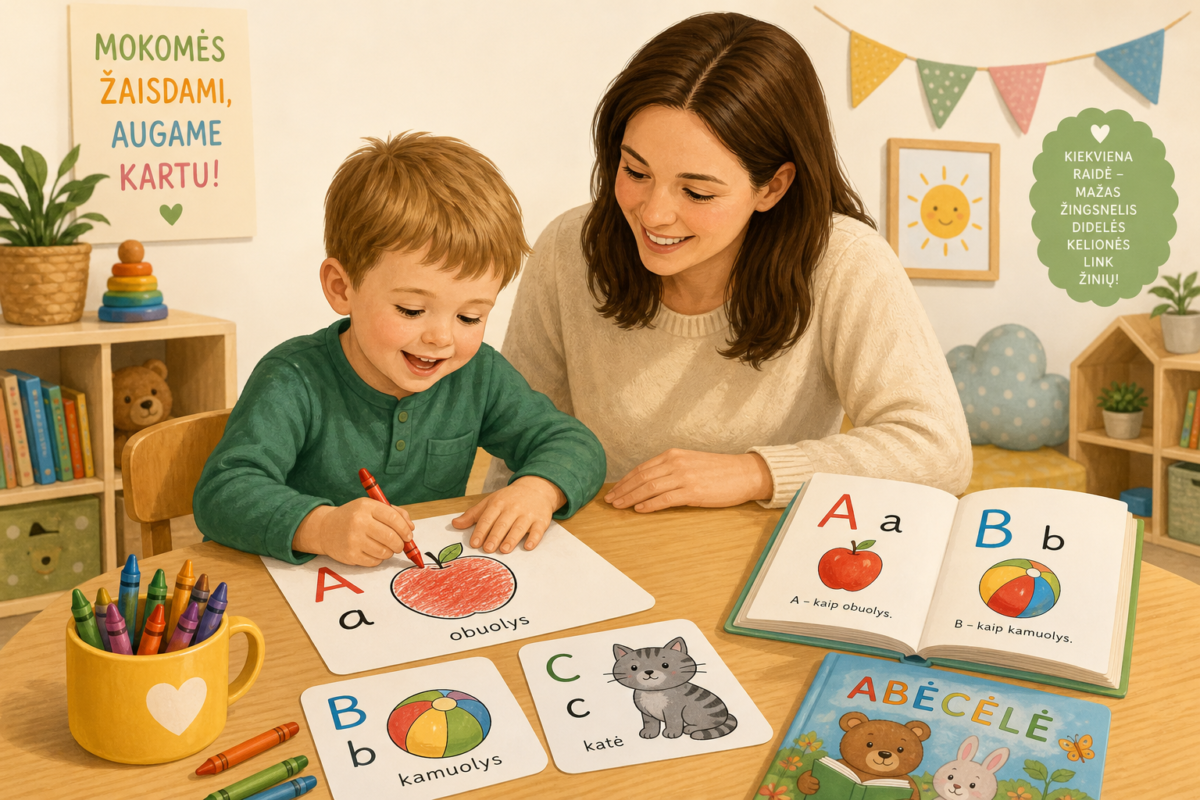
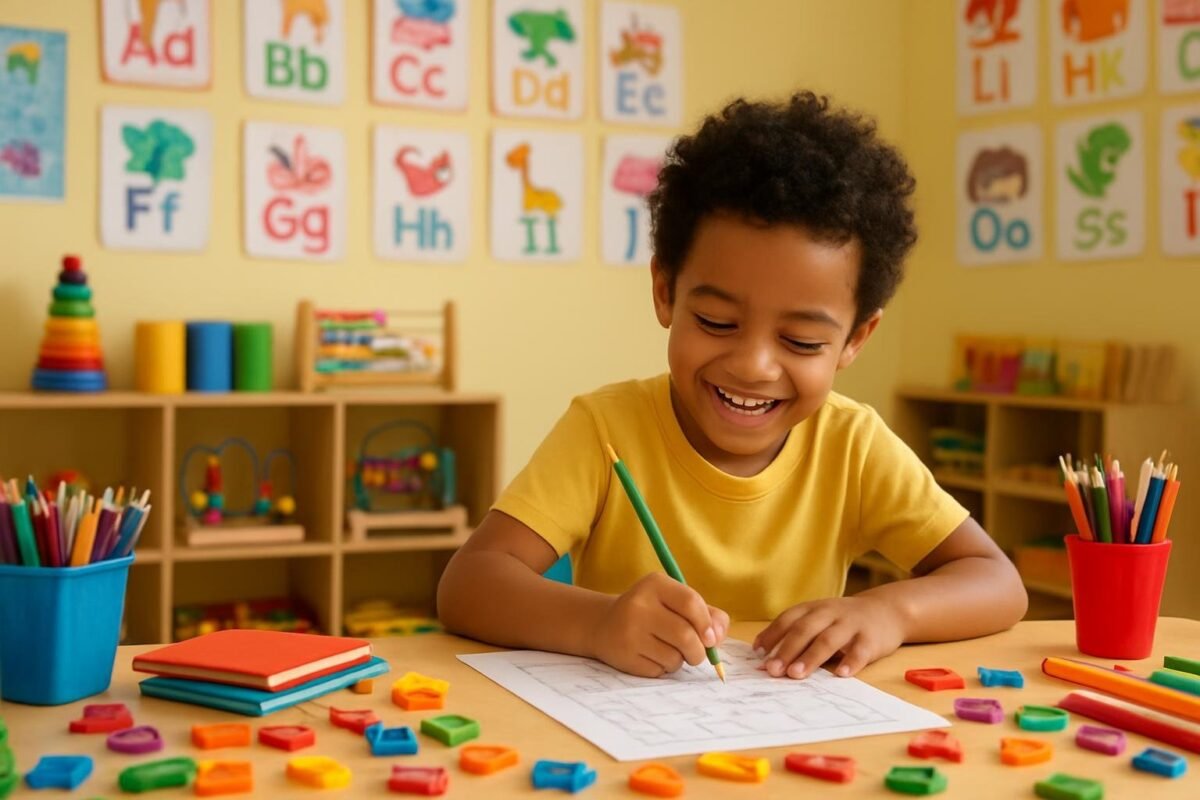
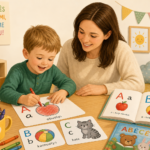
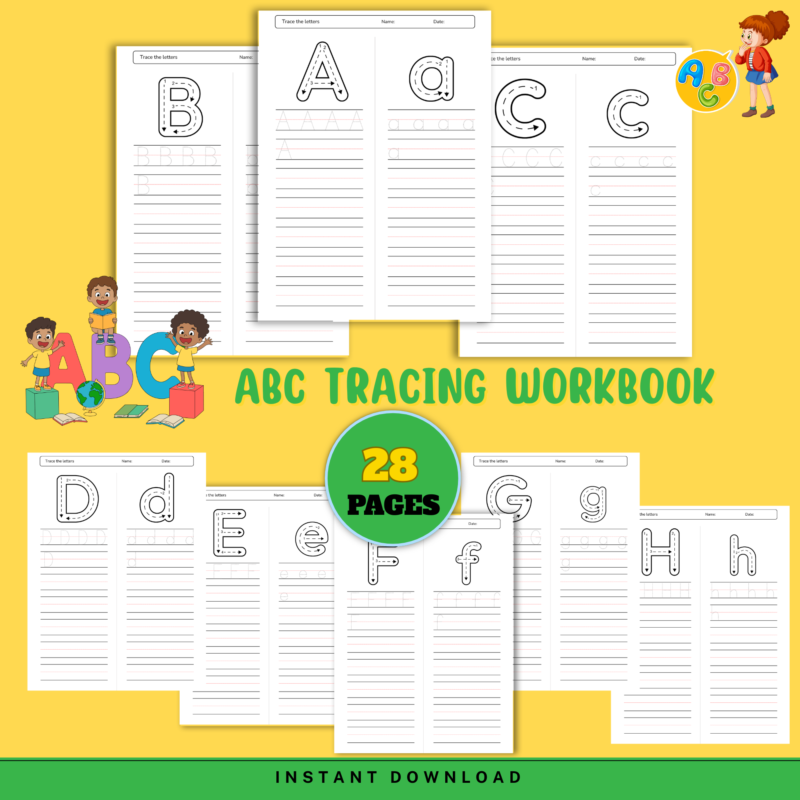
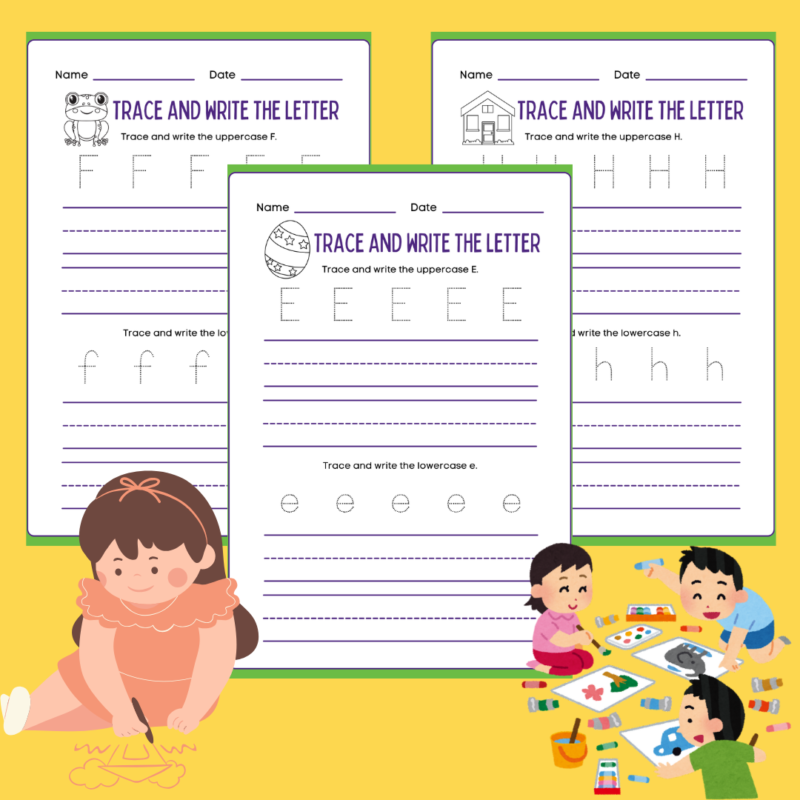
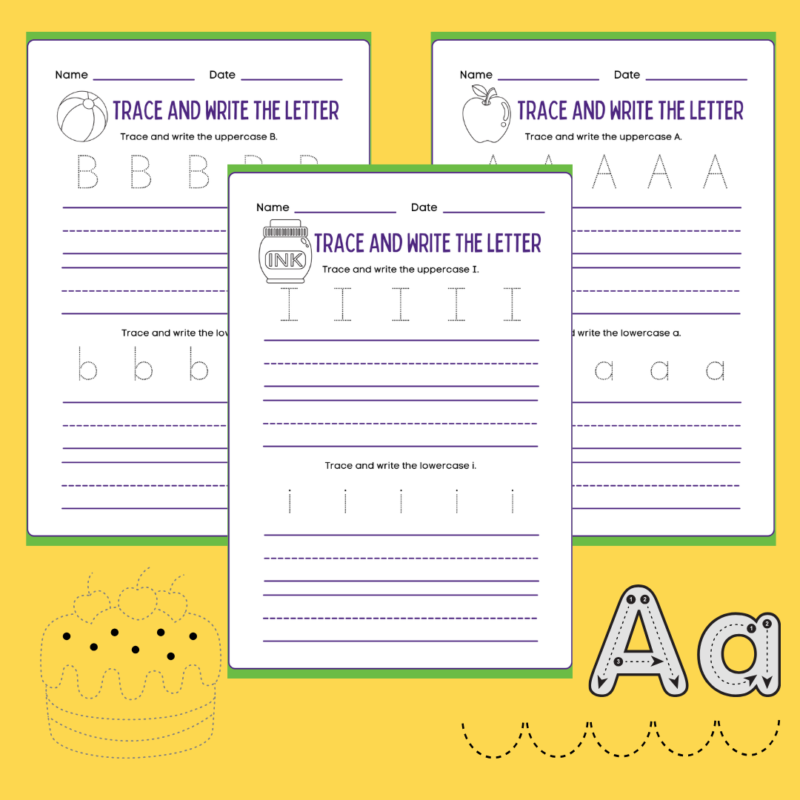
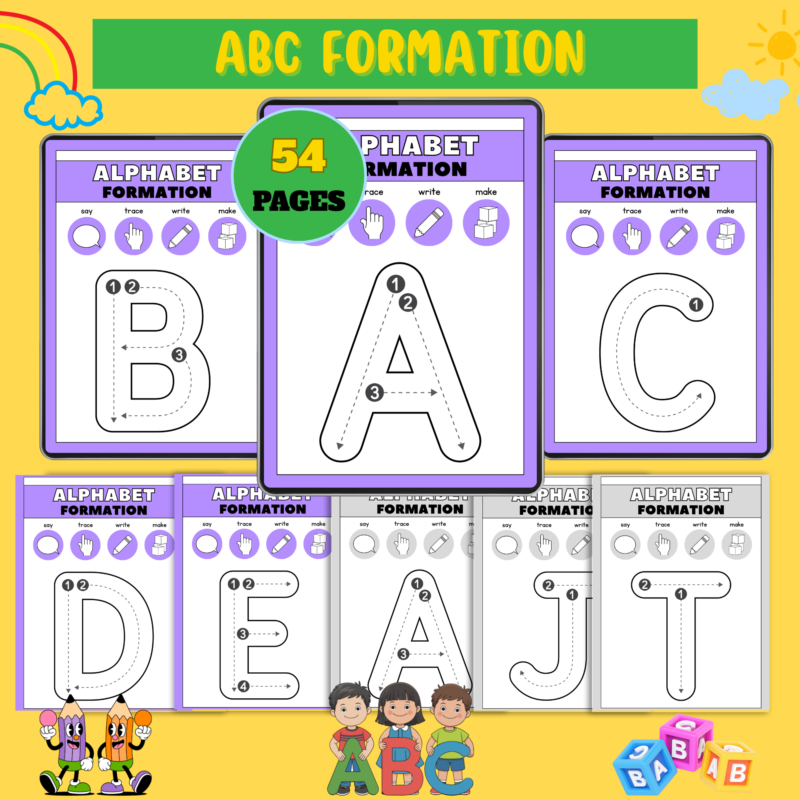
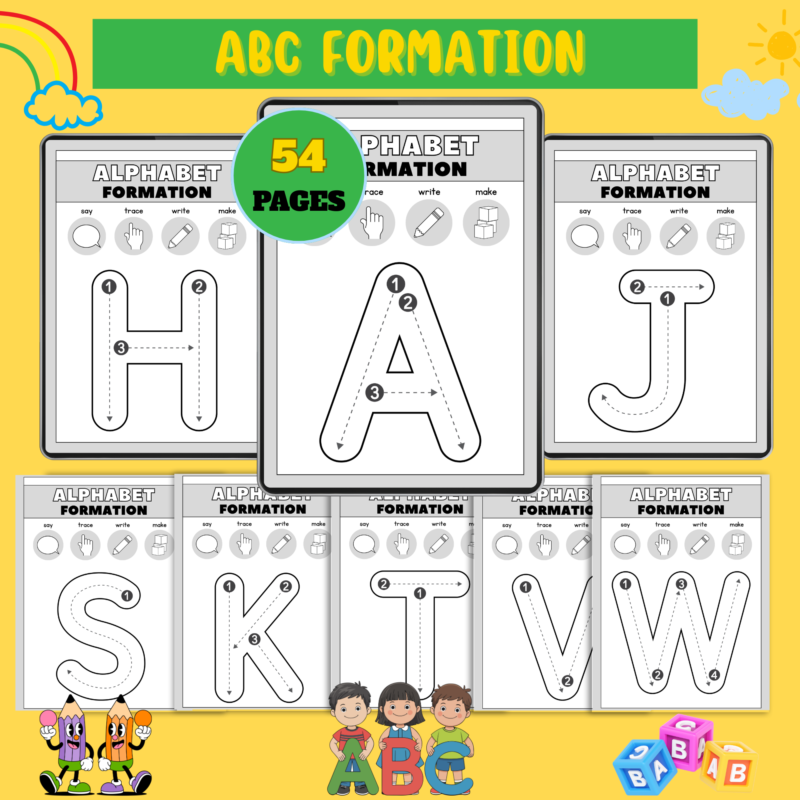
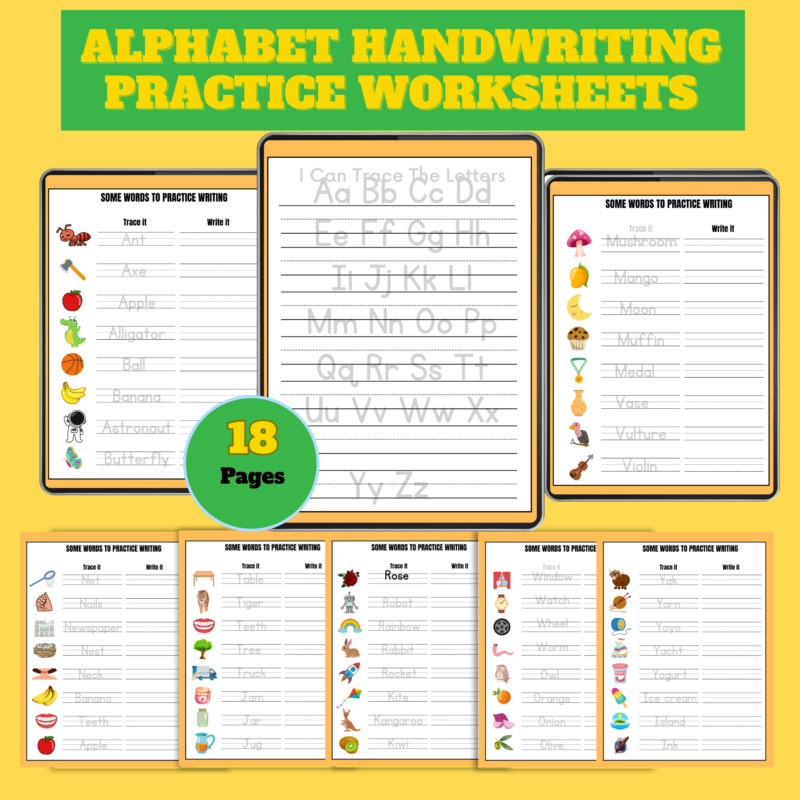
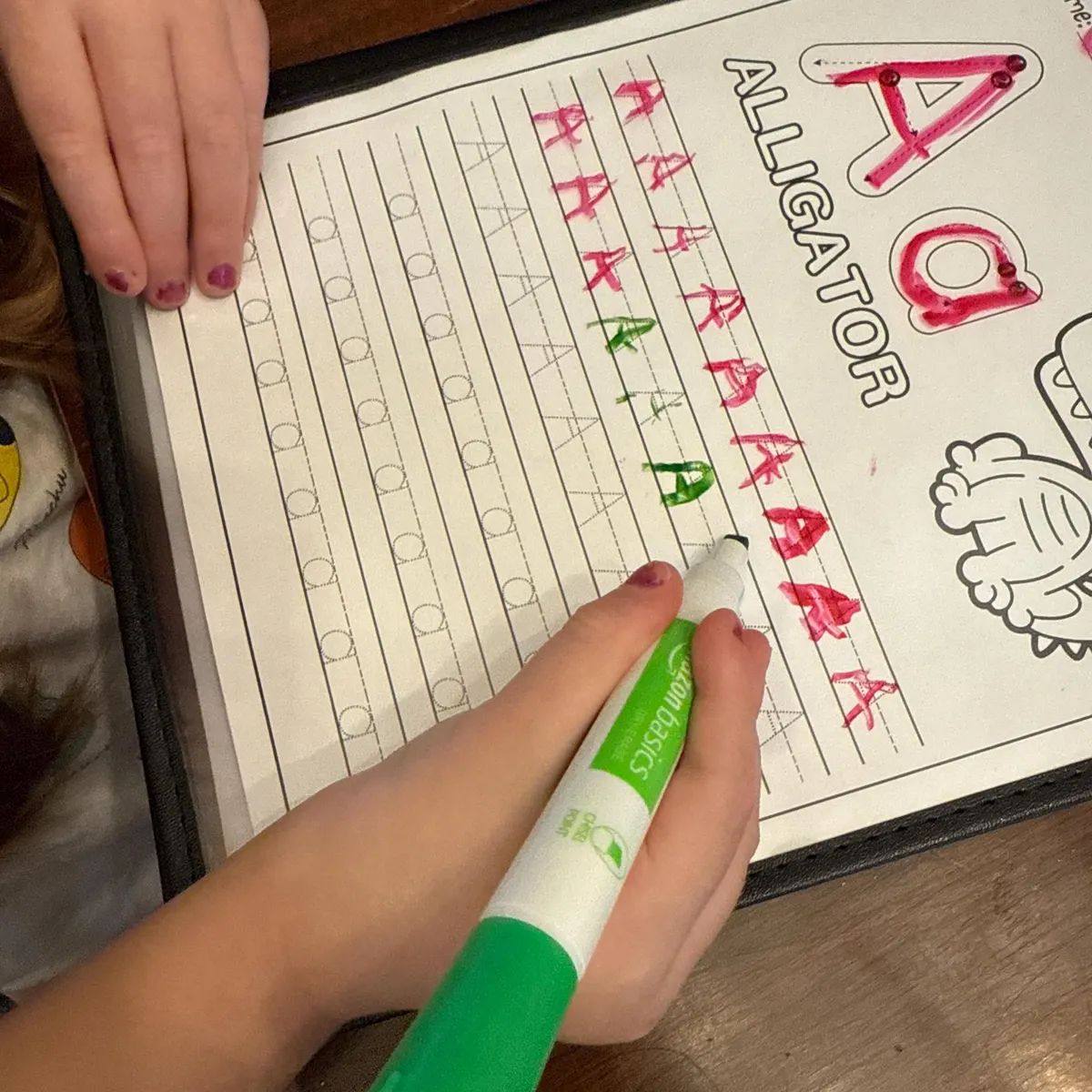
A child who is just learning letter formation may need you beside them at first. Show them where to start, say the letter sound, and guide their pencil once or twice. After that, a well-designed tracing page gives them a clear job they can repeat independently. The goal is not perfect handwriting on day one. The goal is helping them think, “I know what to do next.”
This is why independent learning is not the same as independent teaching. Young children still need adults to choose appropriate materials, create a calm routine, notice when a skill is too difficult, and offer encouragement. Their independence happens inside that supportive structure.
What Independent Learning Looks Like for Young Children
For ages 2 to 8, independent practice is usually short, concrete, and hands-on. A young learner is more likely to stay engaged with one page of number recognition or a quick phonics game than with a long assignment full of unfamiliar directions.
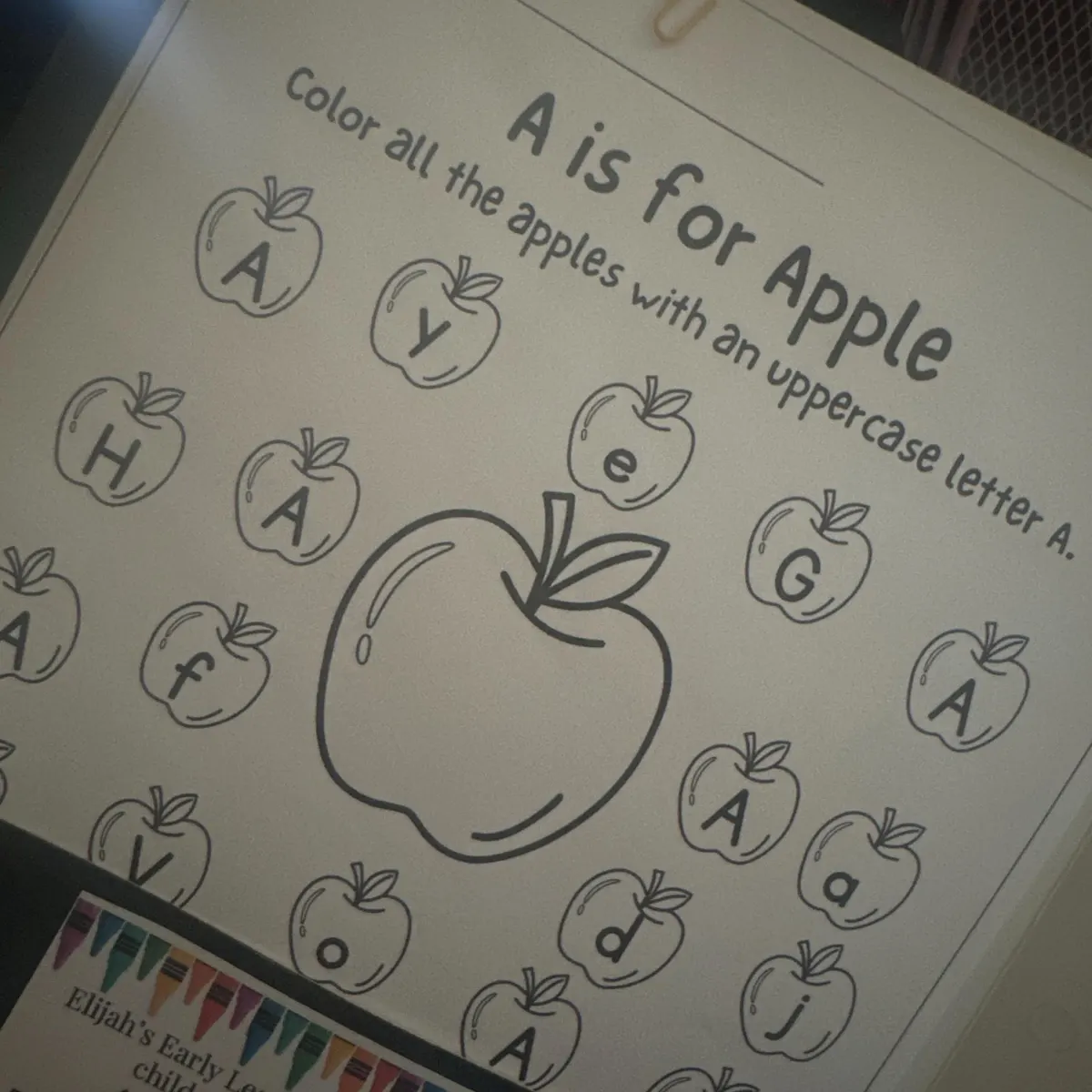
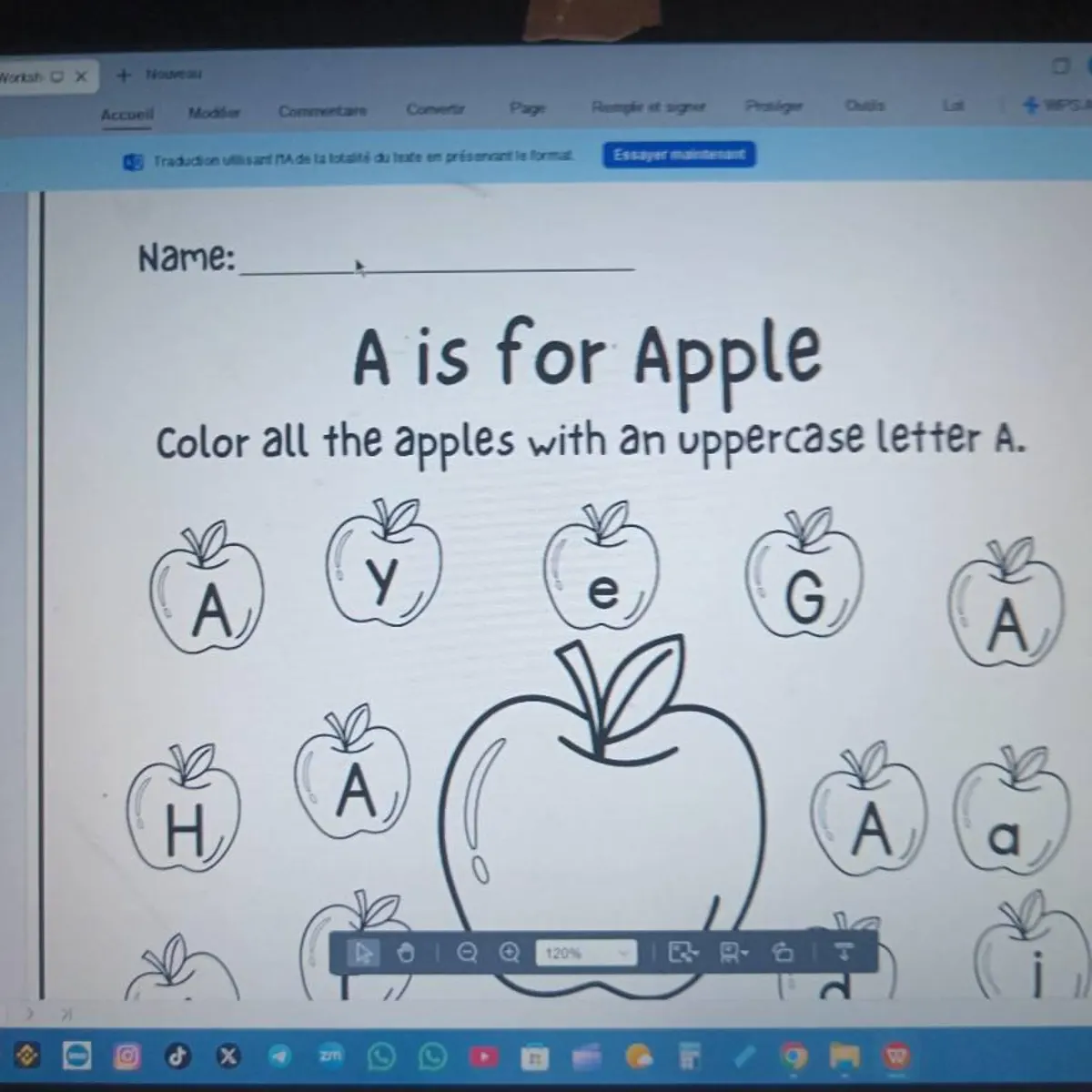
A child may work independently when they can recognize the purpose of the activity. For example, they may know that a page with apples means they will count, circle, or color. They may see dotted lines and understand that it is time to trace. Predictable page layouts and clear visual cues reduce confusion, so children can spend their energy practicing the skill instead of asking what each instruction means.
Independence also looks different from child to child. One kindergartener may happily complete a beginning-sounds activity alone but need help getting started with addition. Another may enjoy counting and matching cards but become frustrated by pencil work. Let a child build independence in the areas where they feel capable while offering extra support where they are still developing.
Start Small and Make Success Easy to See
The fastest way to discourage independent learning is to hand a child a task that feels too long or too hard. When a child cannot read the directions, cannot hold the pencil comfortably, or does not yet understand the skill, they need teaching first, not pressure to work alone.
Choose one focused activity at a time. A preschooler might trace three lines, identify a few capital letters, or count pictures from one to five. A kindergarten learner might complete a short CVC word page, solve several picture addition problems, or practice writing their name. Stop while the experience is still positive.
Use language that helps children take ownership. Instead of saying, “Finish this page,” try, “You know how to do the first row. Would you like to try the next one by yourself?” That small change tells a child that you believe they are ready.
Praise the process rather than only the result. “You kept going even when that curve was tricky” is more helpful than “That is perfect.” Children who learn that effort is valuable are more willing to try again without waiting for an adult to fix every mistake.
Create a Routine Children Can Follow
Young children thrive when learning time has a familiar rhythm. A predictable routine makes independent work feel safer because children know what happens before, during, and after the activity.
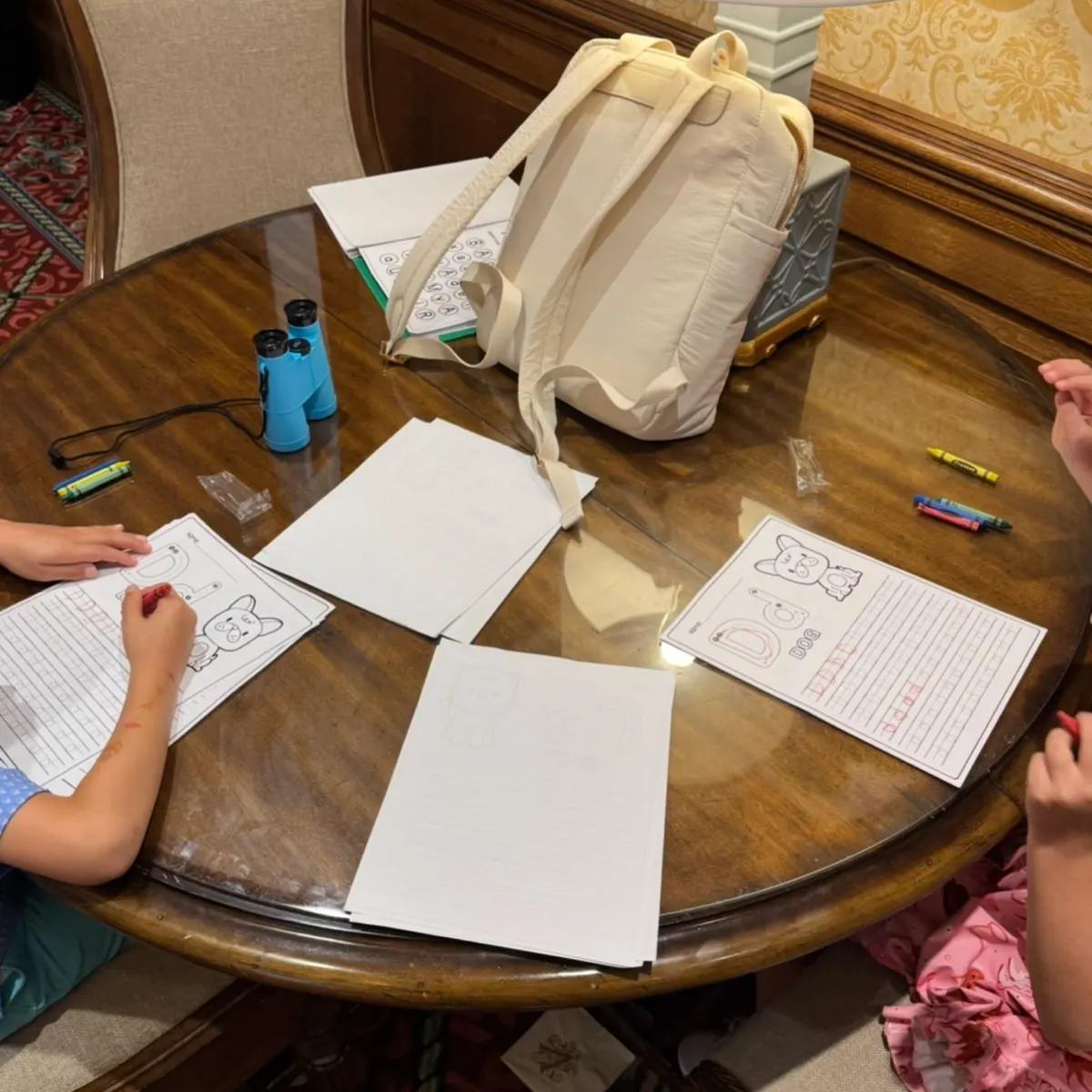
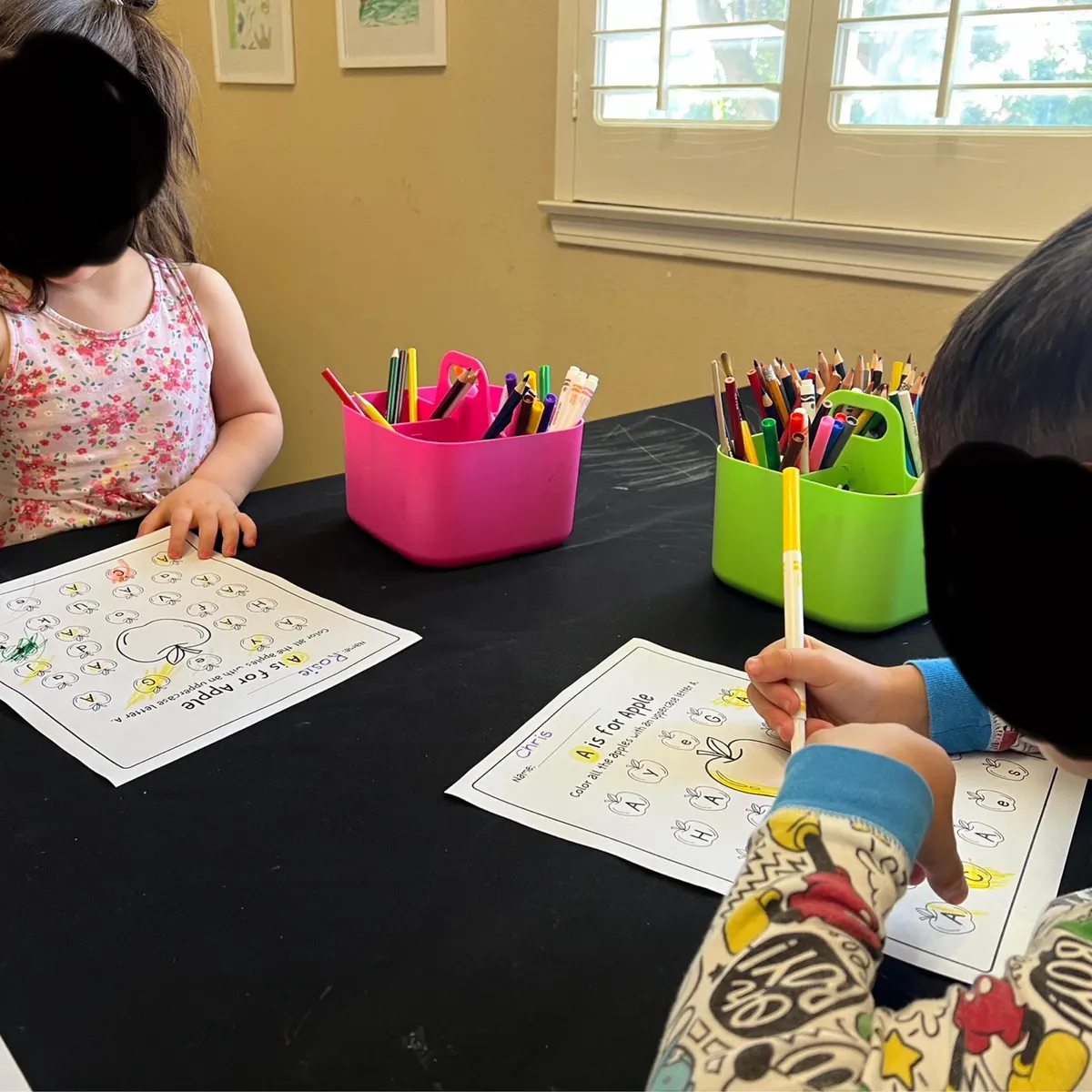
Set up a simple learning spot with just a few supplies: pencils or crayons, a flat surface, and one activity selected in advance. Too many choices can lead to distraction, especially for preschoolers. If your child enjoys choosing, offer two options rather than an entire stack of pages.
Keep the routine short. Ten focused minutes can be far more useful than thirty frustrating ones. You might begin with a quick adult-led activity, move into independent worksheet practice, and end with a favorite book, game, or movement break. In a classroom, this same approach works well during centers or early-finisher time.
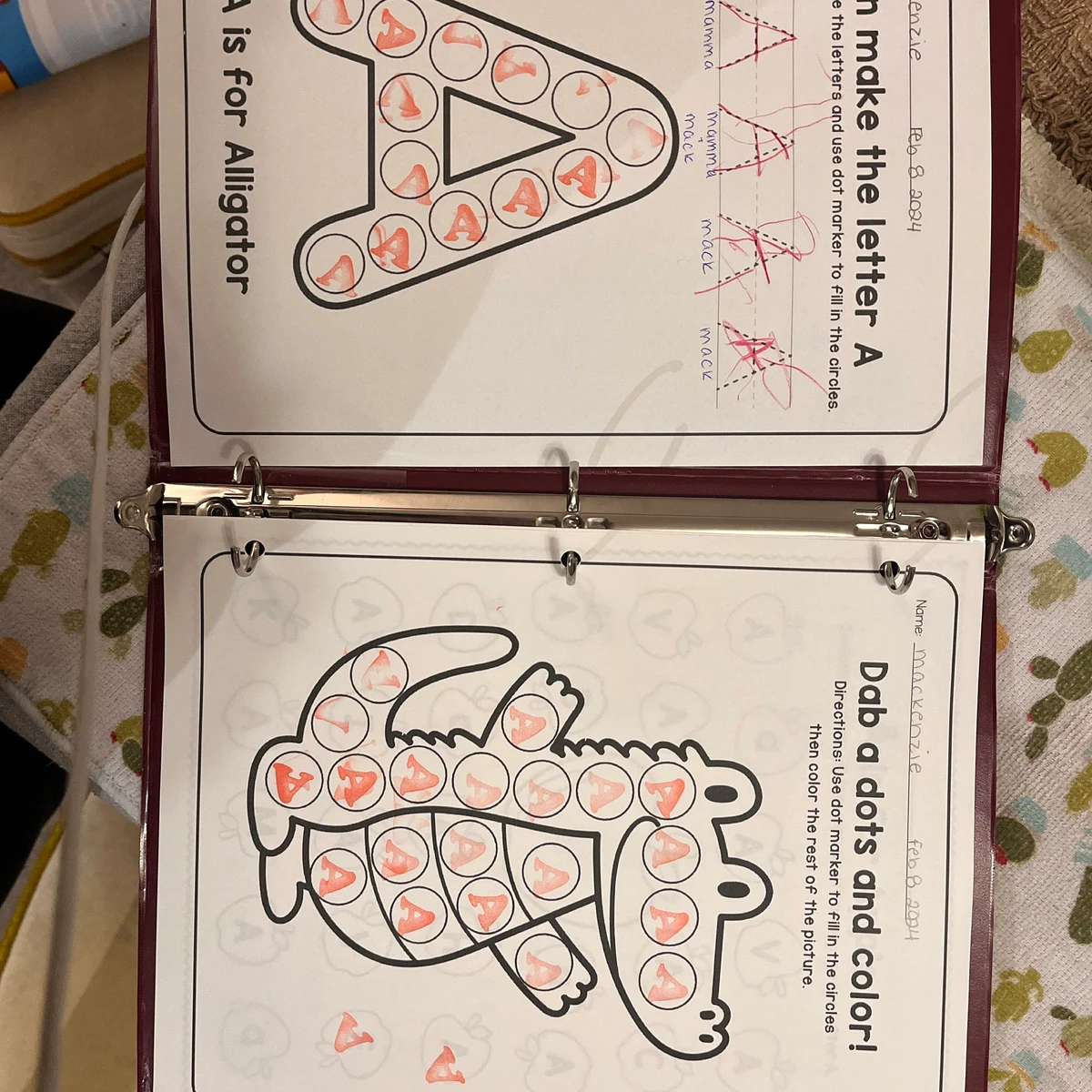
A finished-work basket or folder adds a satisfying final step. Children can place completed pages inside on their own, showing them that their work has a place and a purpose. Over time, they can look back and see their progress in letter formation, counting, reading, and other foundational skills.
Use Printables as Practice, Not Busywork
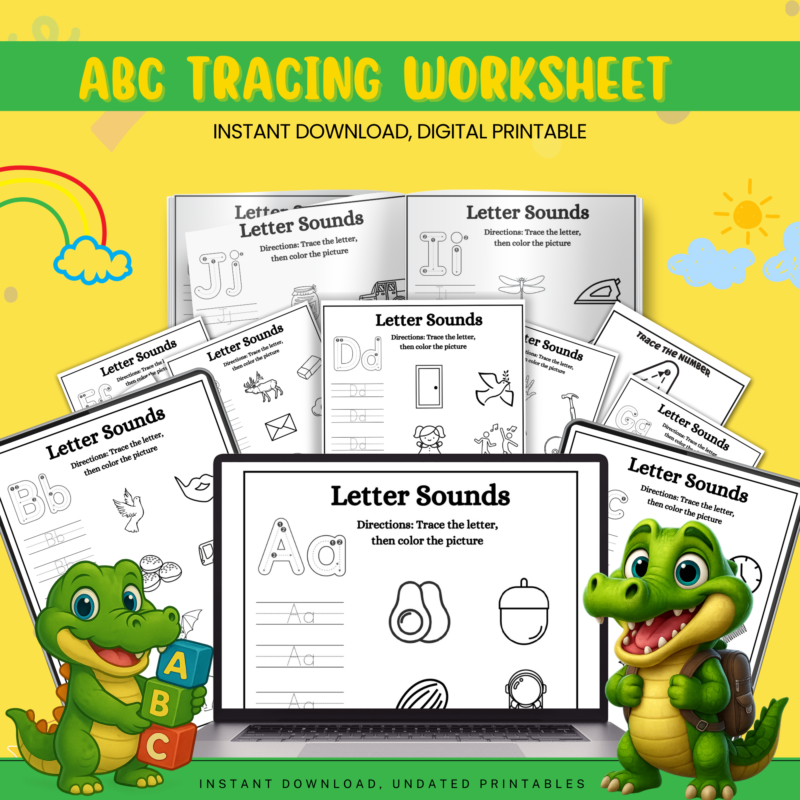
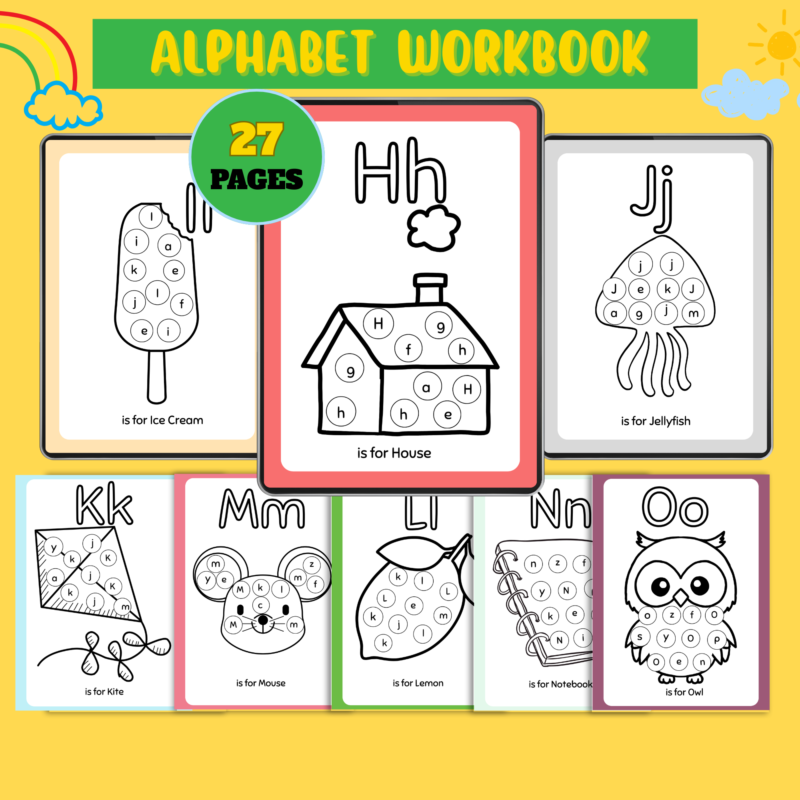
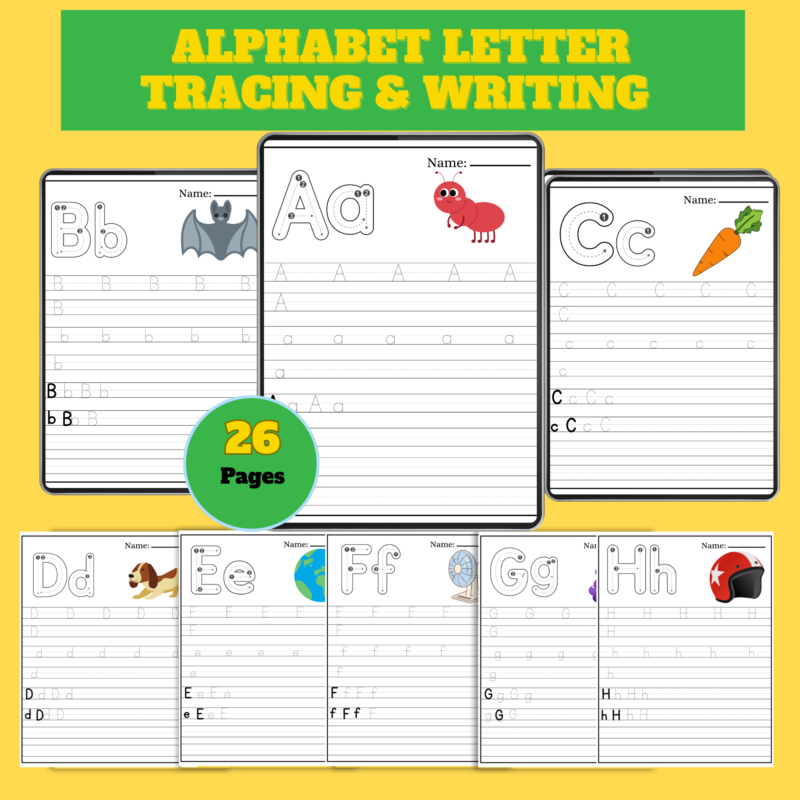
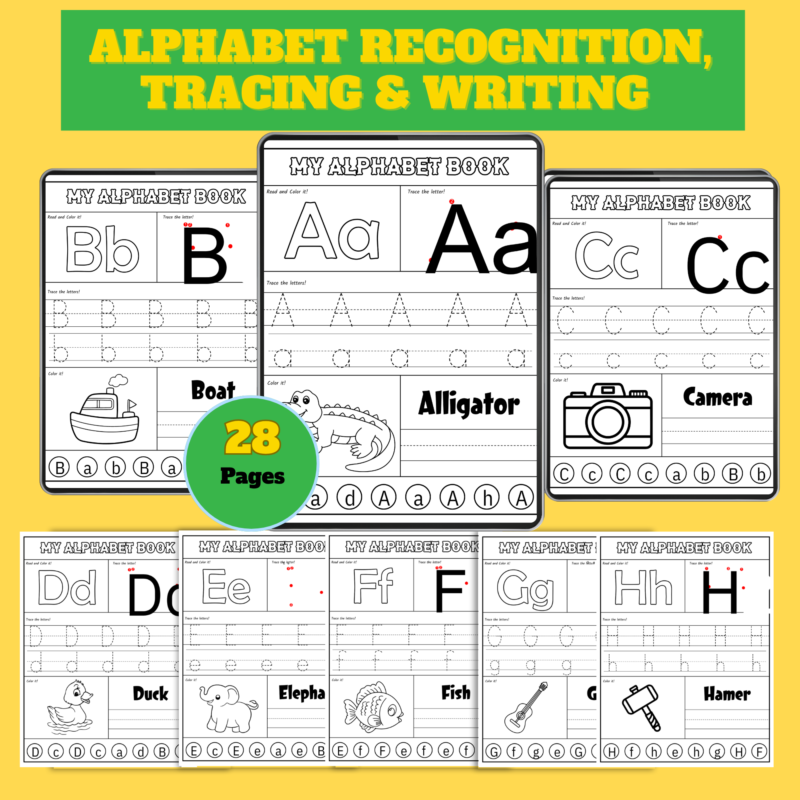
Printable worksheets can be especially helpful for independent learning because they are ready to use, screen-free, and easy to repeat. The key is choosing pages that match the child’s current stage.
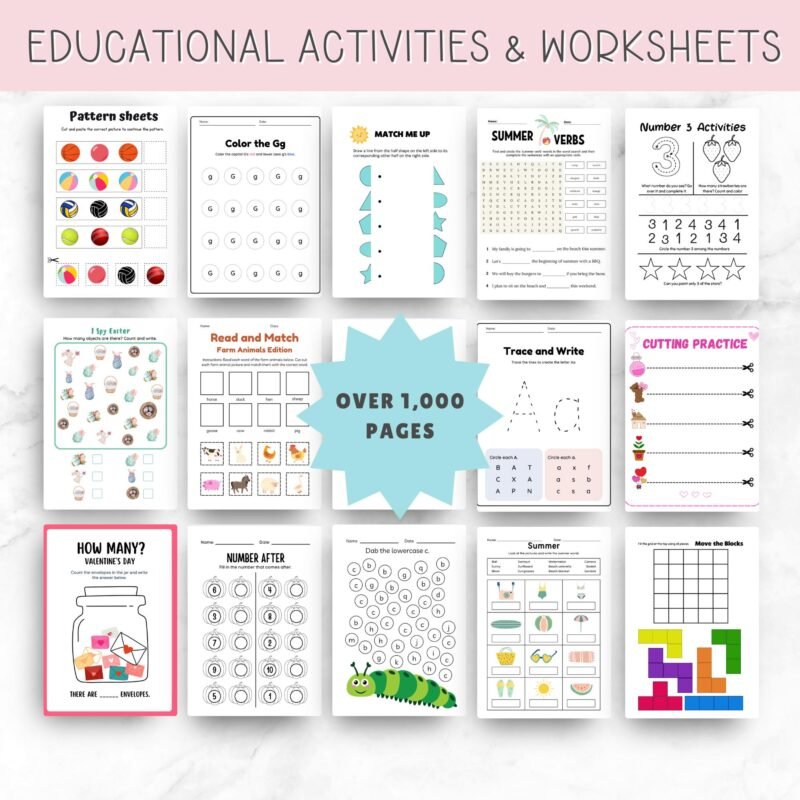
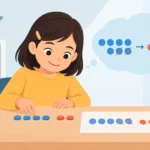
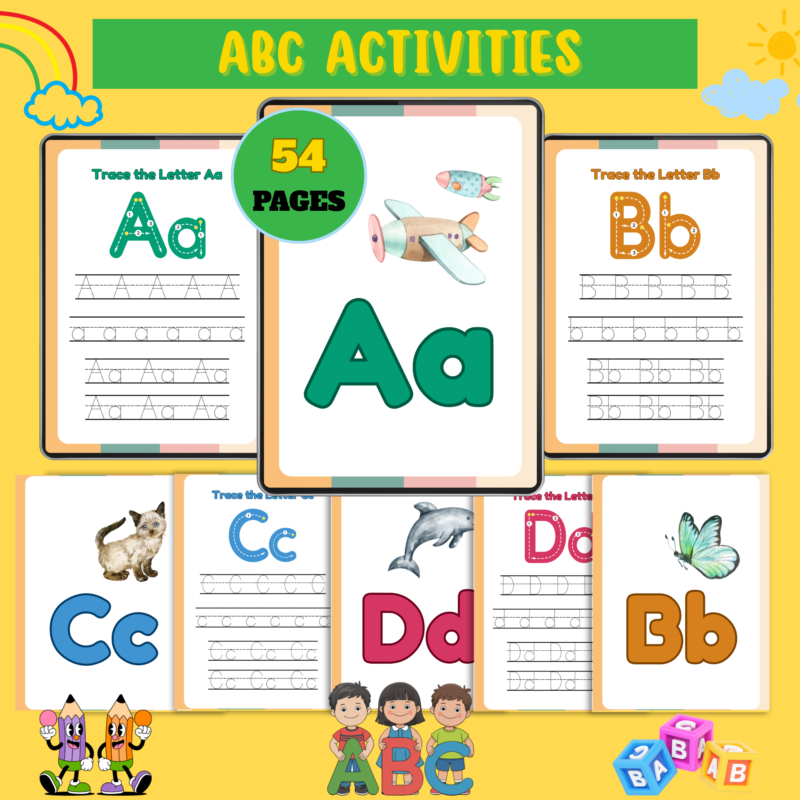
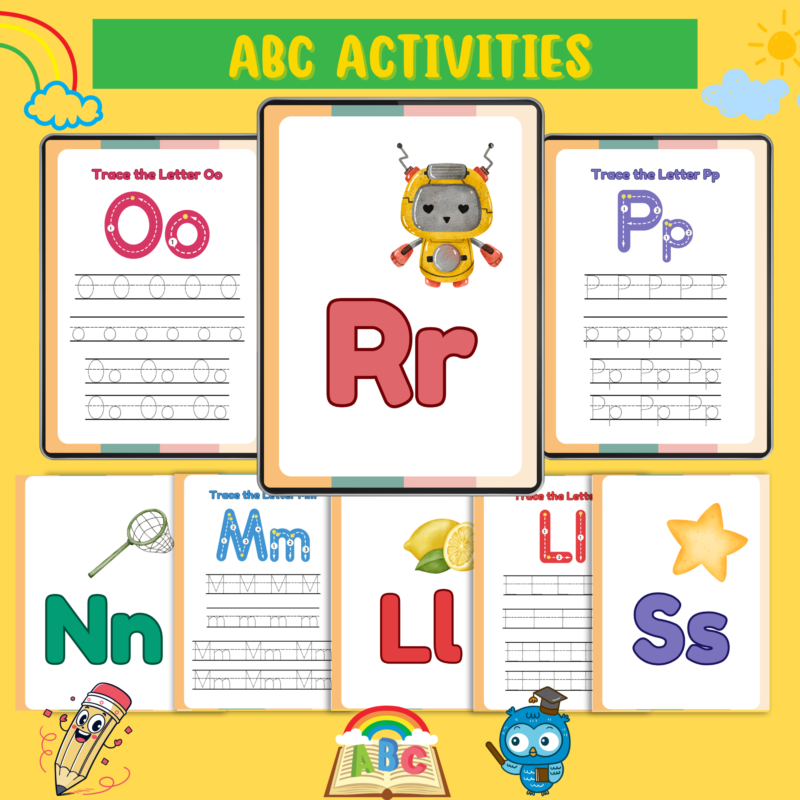
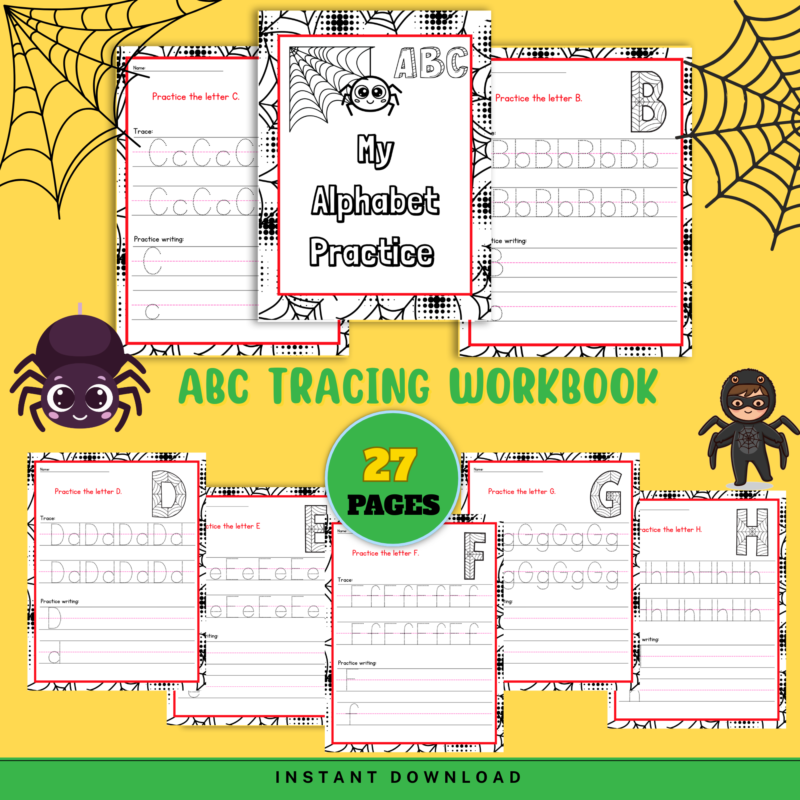
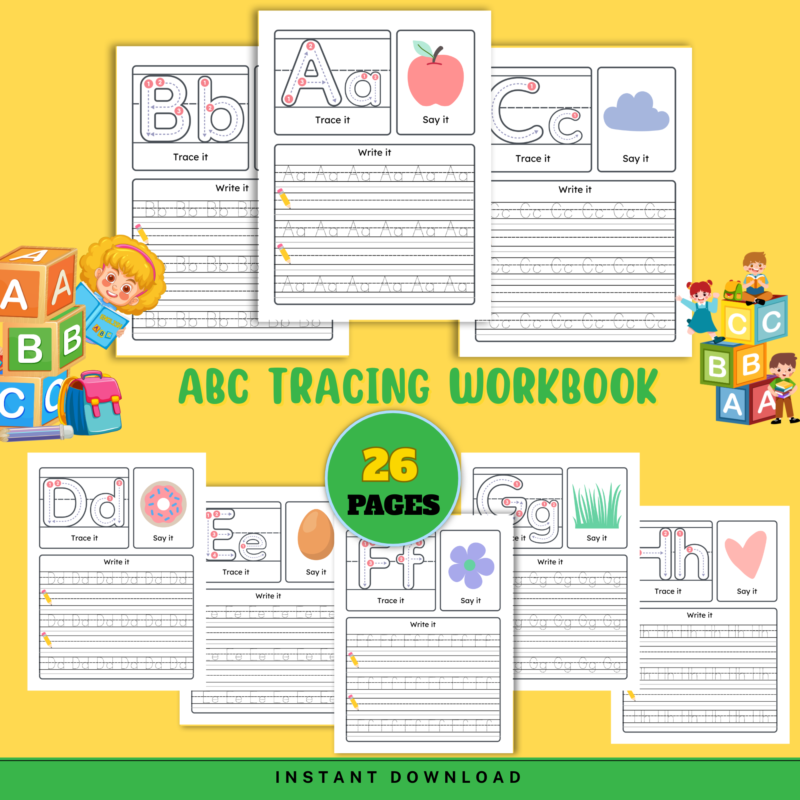
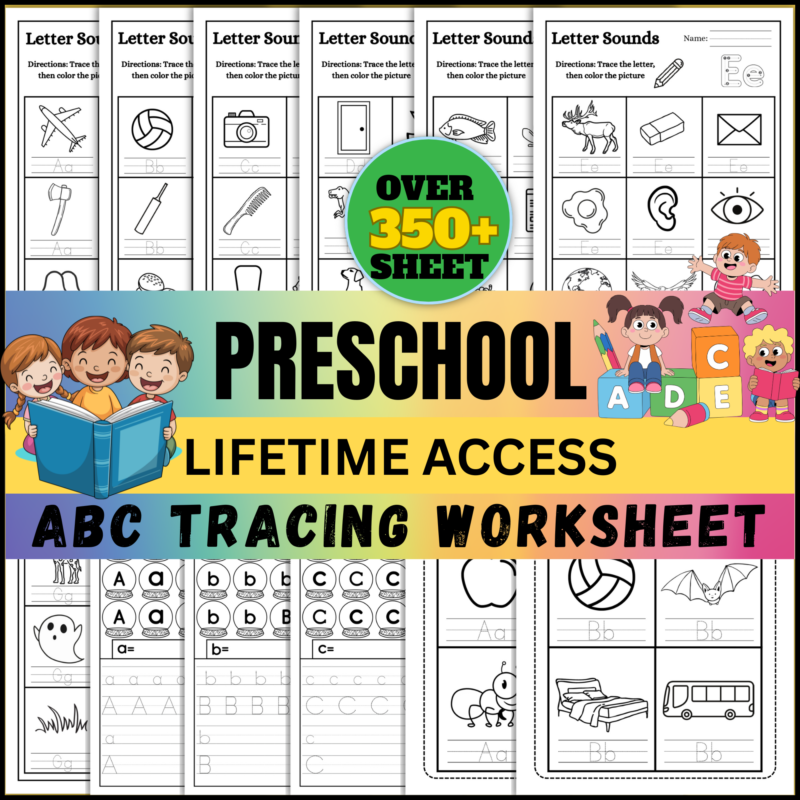
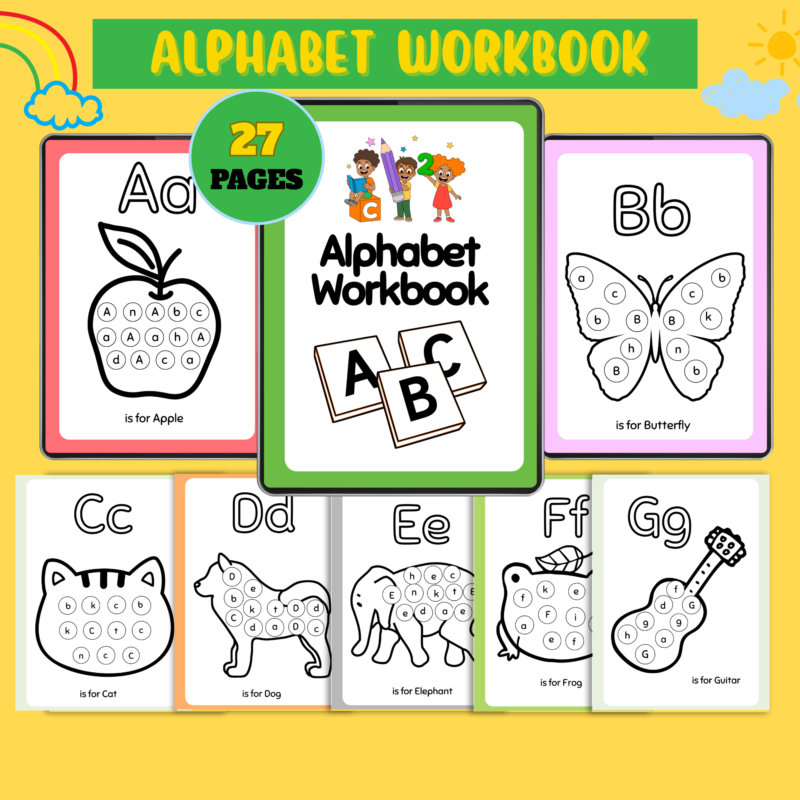
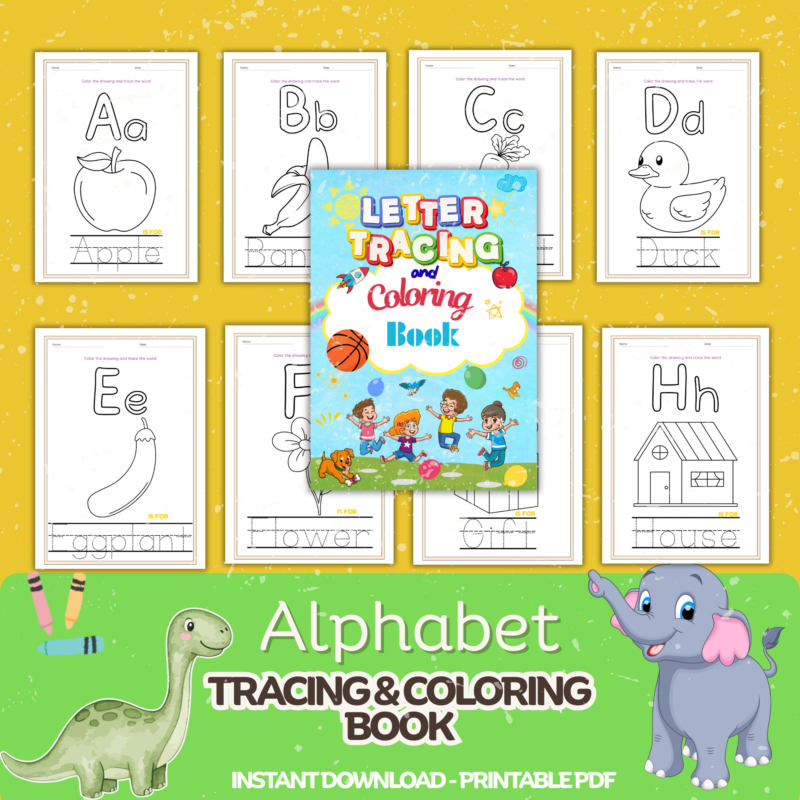
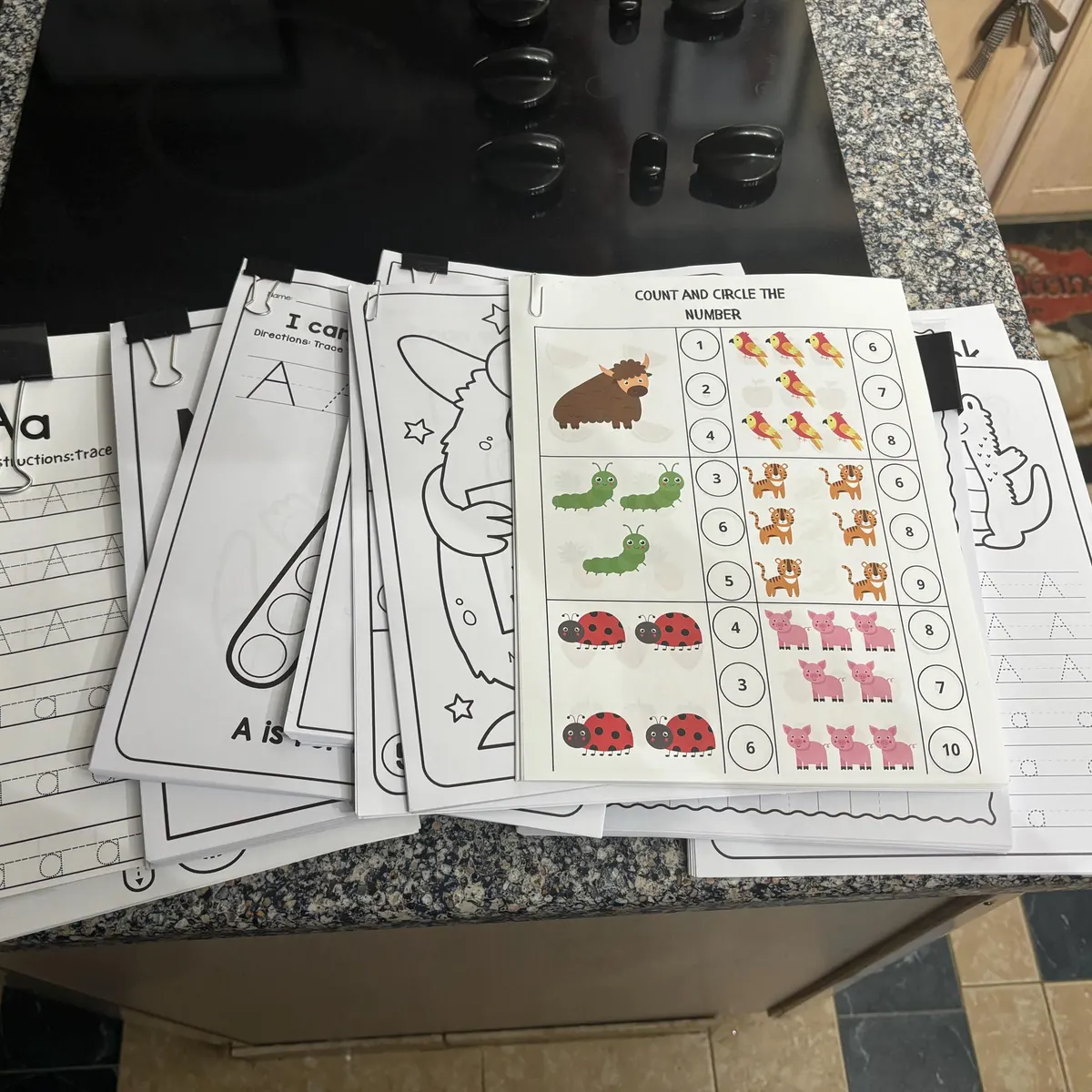
For a child who is still building fine motor control, start with lines, shapes, cutting practice, and simple coloring activities. For early literacy, offer letter recognition, alphabet tracing, rhyming, beginning sounds, and picture-to-word matching. For early math, number tracing, counting sets, number matching, and simple addition with pictures give children clear practice they can understand.
Repeat favorite formats with new content. Once a child knows how a page works, they can put more attention into the skill itself. A familiar count-and-color activity, for instance, lets them practice new numbers without needing fresh directions each time.
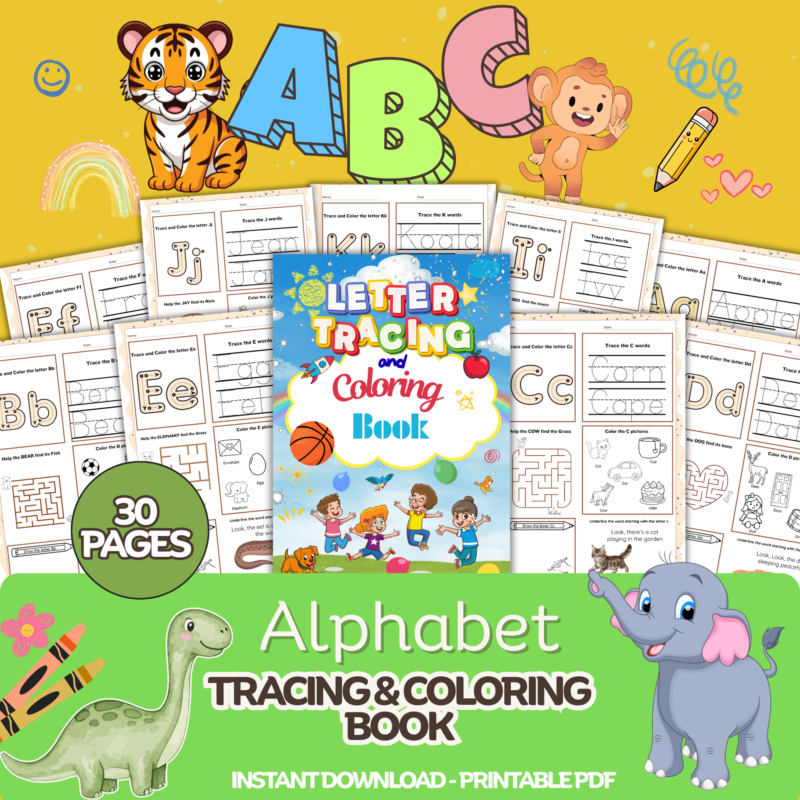
Fun Clever Fox printable activities are designed with this kind of practical practice in mind: clear, playful pages that help young learners build early skills while giving parents and teachers an easy, low-prep way to support them.
Stay Nearby Without Taking Over
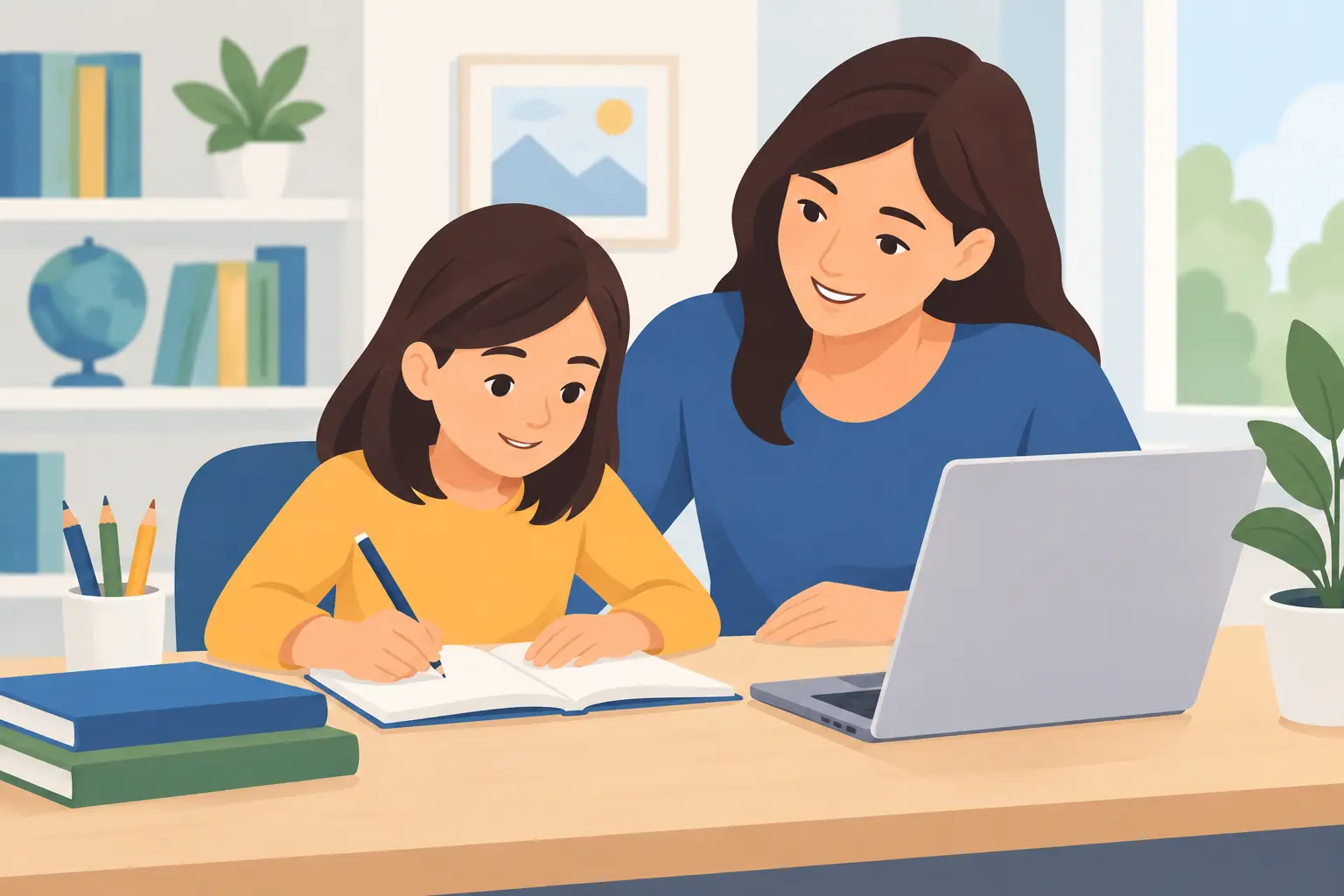
Independent does not mean invisible. Especially at the beginning, stay close enough to notice when your child is getting stuck or losing interest. You may be folding laundry nearby, helping another student, or working at the same table, but your availability gives children the security to try.
When they ask for help, pause before giving the answer. Ask a gentle question such as, “What do you notice?” “Where did you start last time?” or “Can you point to the number that comes next?” These prompts encourage thinking without turning the task into a test.
If frustration builds, step in calmly. A child may need the directions broken into one smaller part, a quick demonstration, or a chance to take a movement break. Pushing through tears rarely builds independence. Returning later with a simpler step often does.
Know When to Add More Support
Some children need more adult guidance because they are younger, tired, new to the skill, or still developing attention, language, or fine motor abilities. That is normal. Independence is not a race, and it is not a measure of a child’s intelligence.
Watch for a pattern. If a child can complete an activity after one clear example, they may be ready for more independent practice. If they repeatedly guess, avoid the page, or become upset, adjust the task. Try fewer problems, larger print, more hands-on materials, or a skill they have practiced before.
The best learning materials meet children where they are and give them a reachable next step. A page that is slightly challenging can build confidence. A page that is far beyond their current ability can make them feel unsuccessful.
Give Independence Time to Grow
A child does not become an independent learner in one afternoon. It develops through many small experiences: choosing a crayon, tracing a letter, counting carefully, checking their work, and trying again tomorrow.
Offer a calm setup, one clear goal, and warm encouragement. Then give your child the chance to surprise you. Those quiet moments of “I did it myself” are where confidence begins to take root.