A child who can count five bears may still pause when asked, “What happens when we add two more?” That small pause is where addition practice printables can help. A clear, cheerful page gives young learners a way to see that adding means putting groups together, then practice the idea enough times for it to feel familiar instead of frustrating.
For preschoolers and kindergarteners, early addition is not about racing through facts. It is about building number sense, noticing patterns, and learning that math problems can be solved step by step. The best printable activities make that practice feel manageable for children and simple to set up for the adults helping them.
Why Early Addition Practice Matters
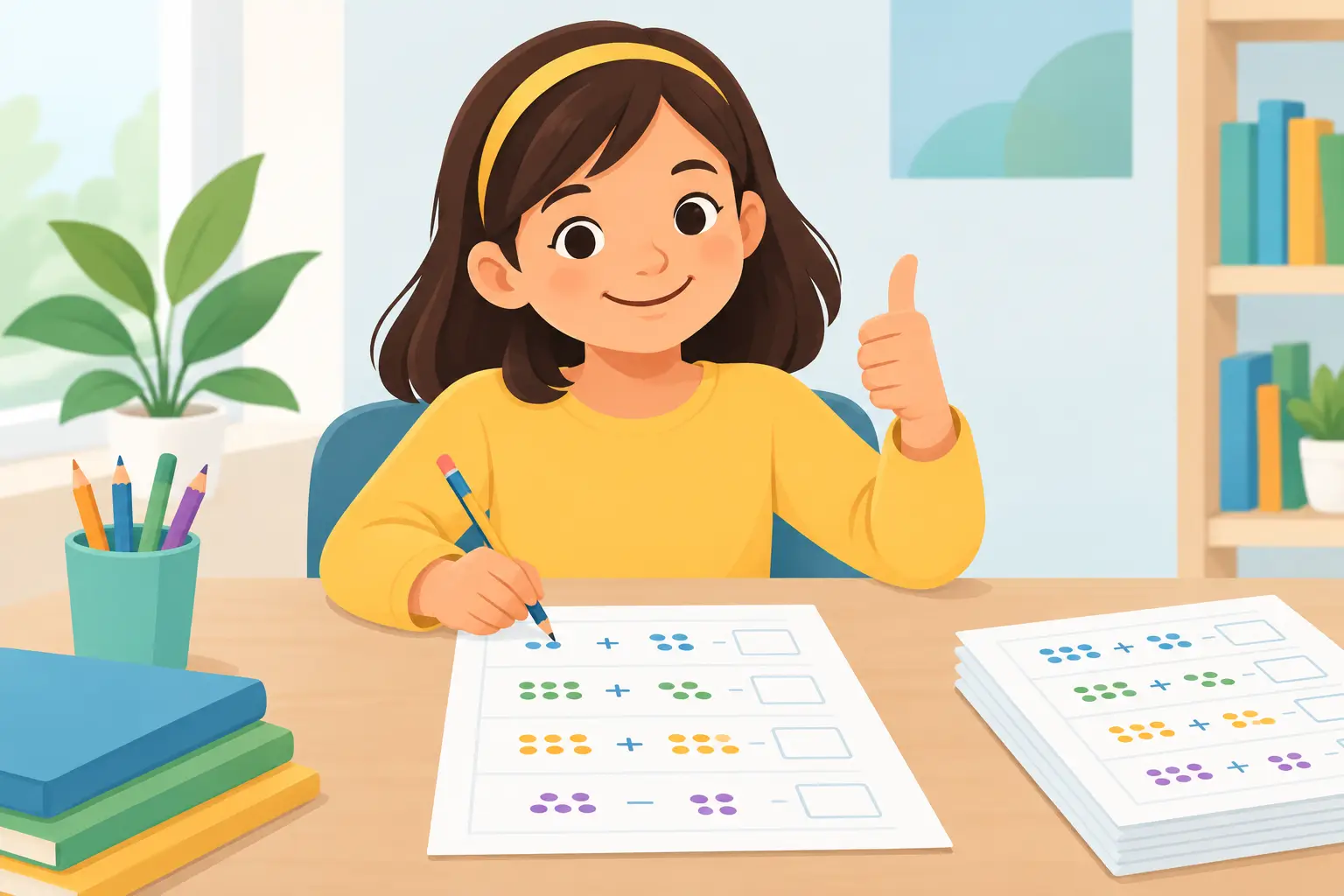
Addition is one of the first moments when children move beyond naming numbers and begin using them. They learn that numbers represent real quantities and that quantities can change. When a child sees three dots, adds two dots, and counts five altogether, the answer has meaning. It is not just a number written on a page.
Repeated practice supports this understanding, especially when children begin with small numbers. A preschooler may be ready to combine groups within 5, while many kindergarten learners can work confidently within 10. Some children will be eager for equation pages right away. Others need counters, pictures, fingers, or a number line first. Both approaches are appropriate.
Short, regular sessions are often more effective than a long worksheet packet completed all at once. Ten minutes after breakfast, during a math center, or while waiting for dinner can be enough time to strengthen a skill without draining a child’s attention.
Choose Addition Practice Printables by Skill Level
A worksheet is most useful when the child can understand the task with a little support and complete at least part of it independently. If every problem feels hard, the page may be too advanced. If every answer is automatic, it may be time for a small new challenge.
Start with pictures and objects
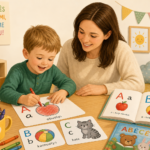
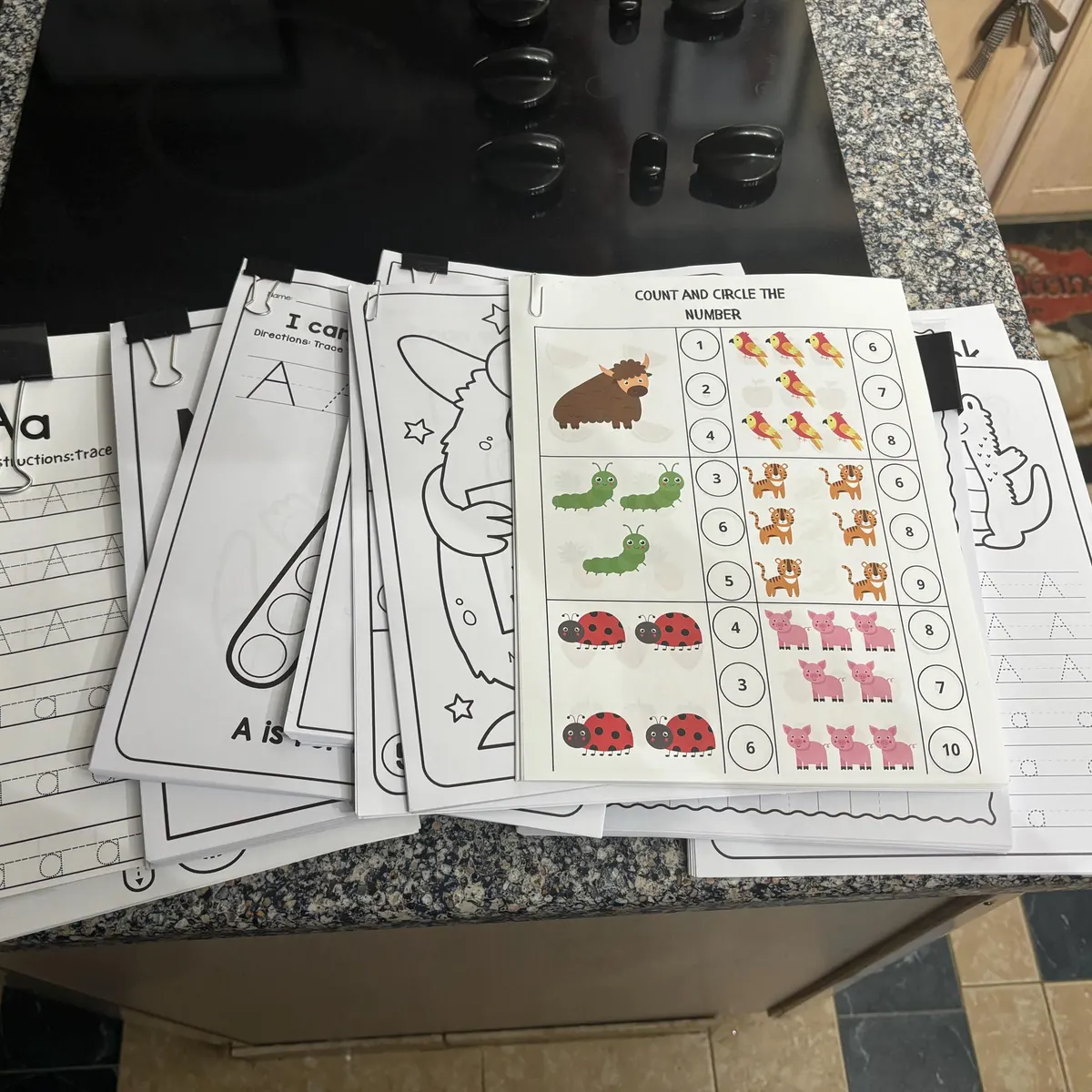
For children new to addition, choose pages with pictures they can count. Apples, animals, stars, dots, and simple ten-frame images turn an abstract equation into something visible. Encourage the child to point to each item as they count the total. This one-to-one counting habit helps prevent skipped numbers and double counting.
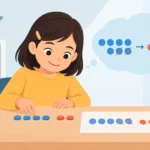
You can also place small objects beside the worksheet. Buttons, toy cars, dry beans, linking cubes, or pom-poms work well. For 2 + 3, make one group of two and one group of three, push them together, and count the full group. The printable gives the activity structure; the objects give little hands a concrete way to test the idea.
Move to number sentences
Once a child understands that the plus sign means “put together,” number sentences become more meaningful. Equations such as 1 + 2 = __ and 4 + 3 = __ help learners connect the quantities they counted to written math language.
At this stage, let children use their fingers or a number line when needed. The goal is not to remove supports too quickly. A child who starts at 4 and counts on three more – “5, 6, 7” – is using an efficient early math strategy. That is real progress.
Add variety as confidence grows
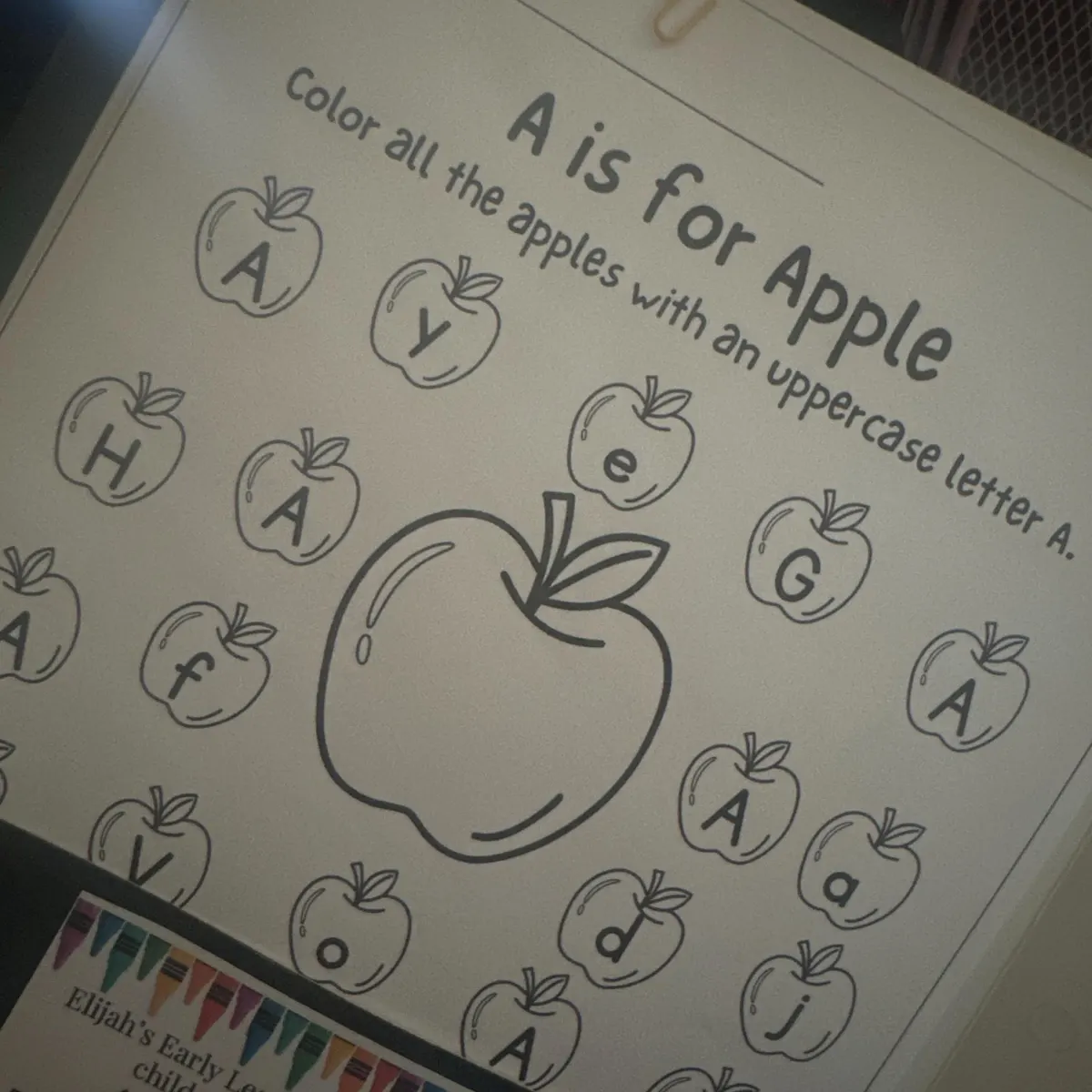
Children often stay interested when the format changes but the skill remains familiar. A page that asks them to color the correct answer, match equations to totals, cut and paste number cards, or solve a simple picture puzzle can provide the same valuable practice in a fresh way.
For kindergarten learners who are ready, include missing-addend problems such as 3 + __ = 5. These problems encourage flexible thinking. A child may count up from 3, use pictures, or recognize that 2 is needed. There is more than one helpful path to the answer.
Make Printable Math Time Feel Playful
A printable does not have to be a quiet, sit-still assignment. The page can be the starting point for a small game, a conversation, or a hands-on learning routine. Children are more likely to return to math practice when it feels achievable and enjoyable.
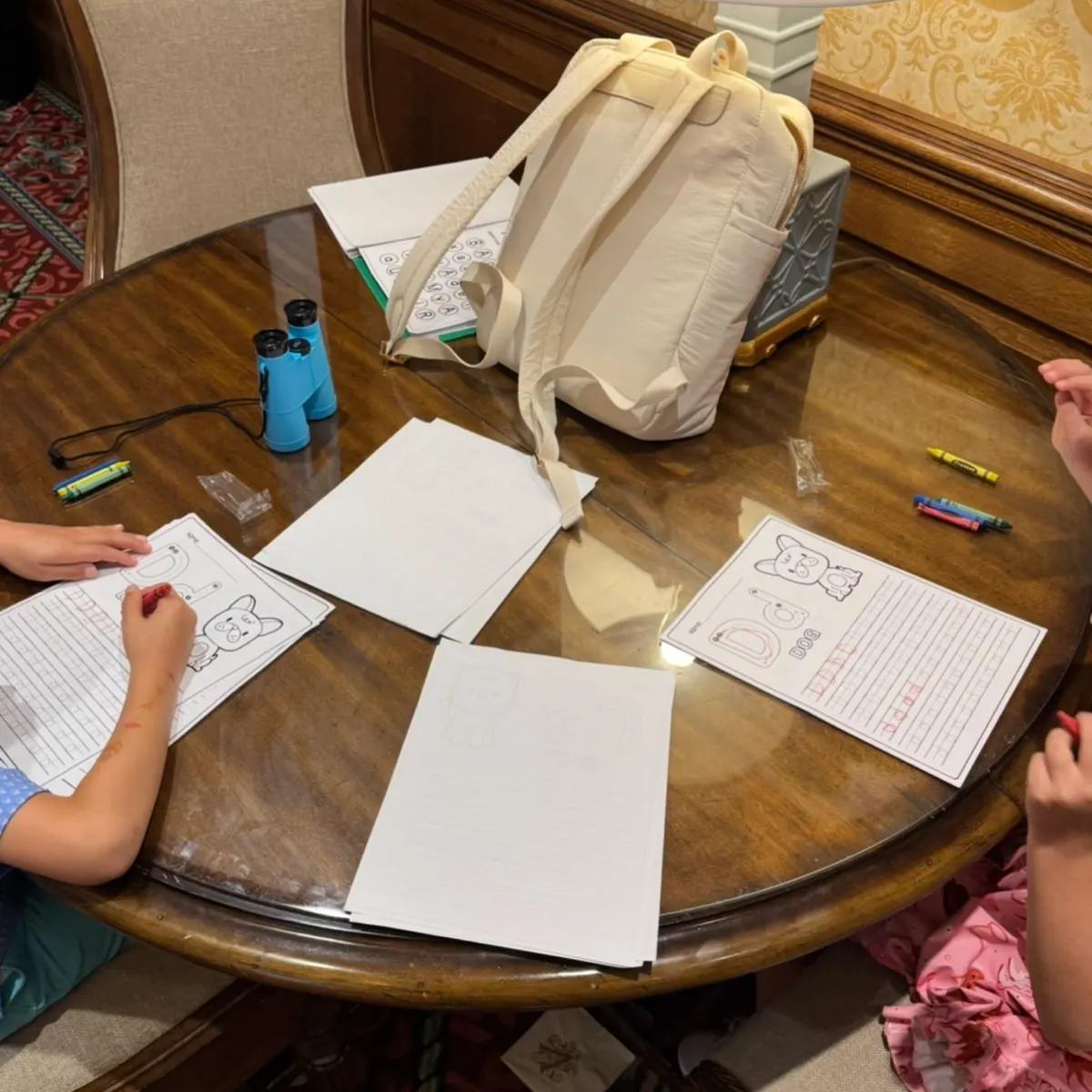
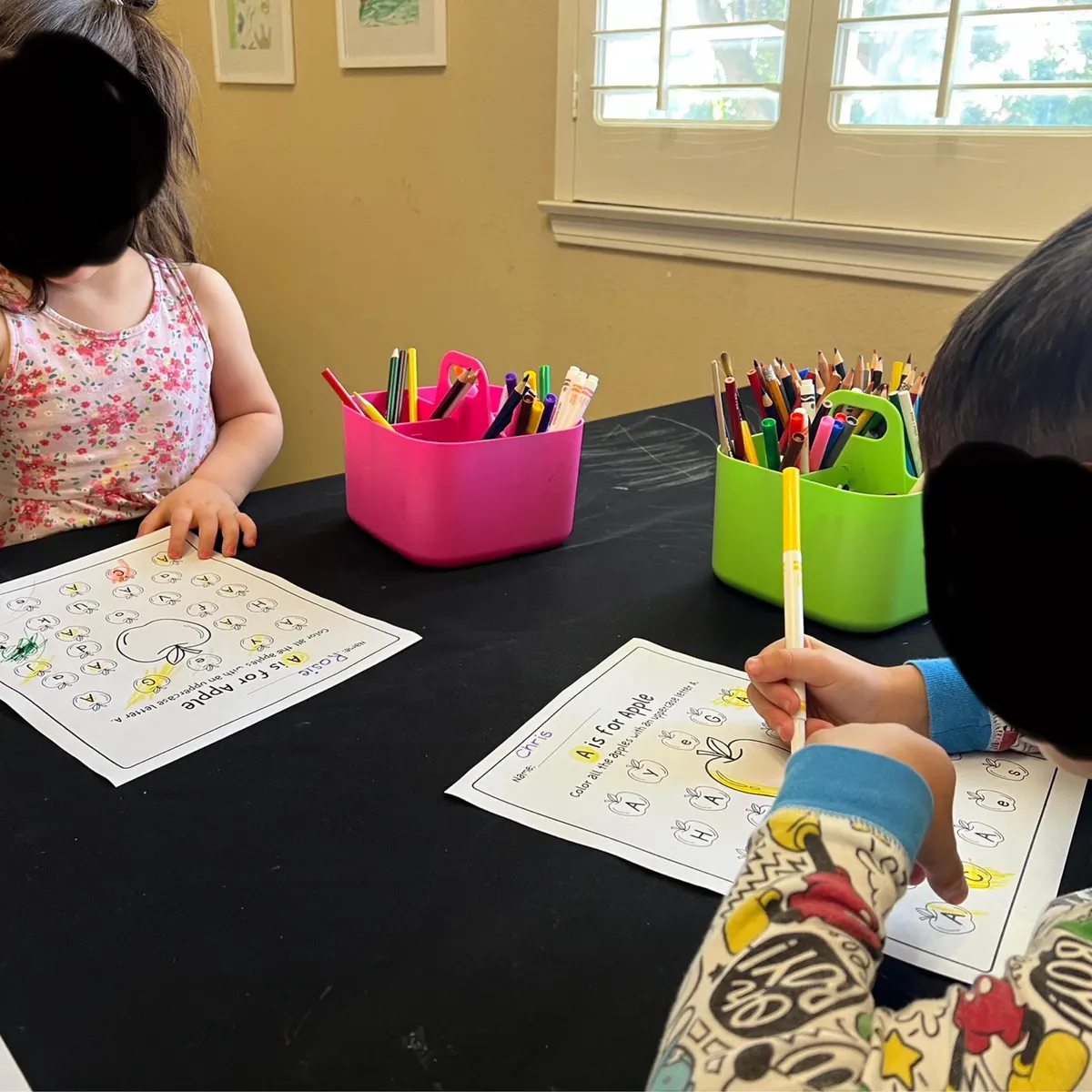
Try presenting one worksheet at a time rather than placing a thick stack in front of your child. Offer crayons, a pencil with a comfortable grip, or a favorite set of counters. Let them choose the color they use to circle answers. These small choices give young learners a sense of ownership.
As they work, use encouraging language that focuses on the process. You might say, “You counted each group carefully,” or “You found a way to check your answer.” Praise like this teaches children that math success comes from trying strategies, not from getting every answer correct immediately.
For a classroom or homeschool group, turn a printable into a partner activity. One child can build the groups with counters while the other records the answer, then they switch roles. In a busy classroom, addition pages also work well in a math center because the directions can stay consistent while the problems change from week to week.
A Simple Routine for Home or Classroom
Consistency matters more than complexity. Choose two or three addition activities each week and repeat the routine enough that children know what to expect. A predictable start can make independent work much easier.
Begin with a quick warm-up, such as asking, “If you have one cookie and get one more, how many cookies do you have?” Then complete a small set of picture problems together. After that, invite the child to try a few problems independently while you stay nearby for support. Finish by checking one or two answers aloud, asking how they knew.
If a child becomes upset, stop before the worksheet turns into a battle. Return to a simpler page or use real objects the next day. Early math confidence grows when children learn that a challenging problem is something they can explore, not something that proves they are “bad at math.”
What to Look for in Printable Addition Worksheets
Good early-math pages are clean, age-appropriate, and easy for small eyes to follow. Crowded designs can make children lose their place, while too many problems on one page can feel discouraging. Look for clear directions, large spaces for writing, and friendly visuals that support the math instead of distracting from it.
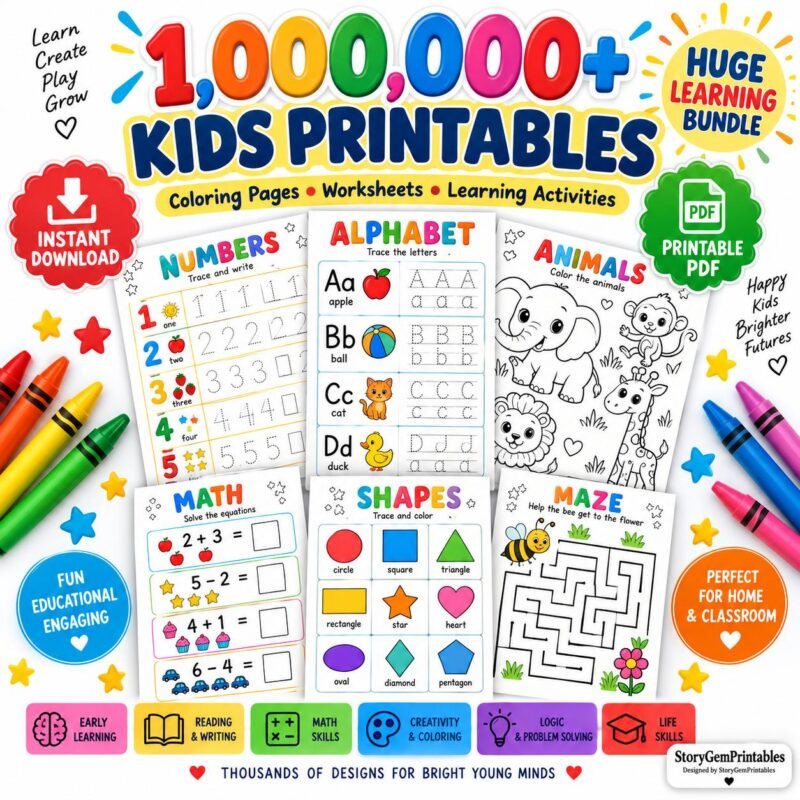
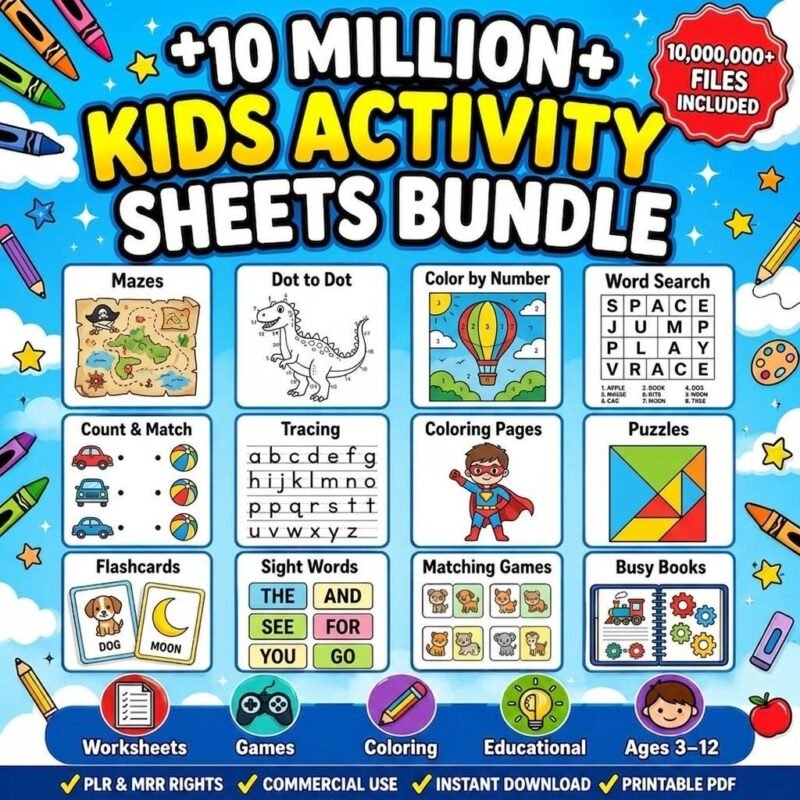
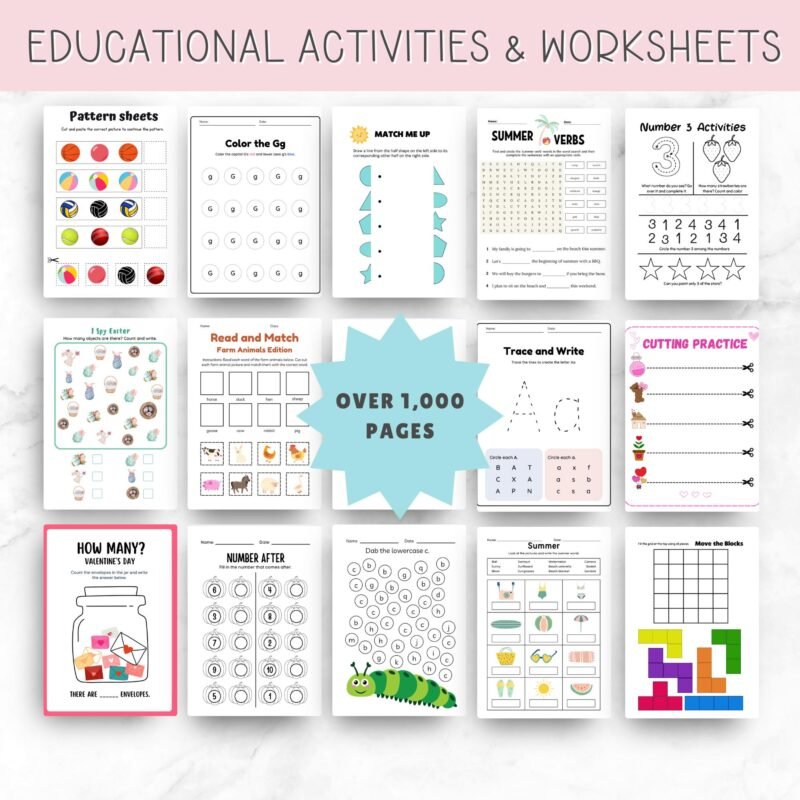
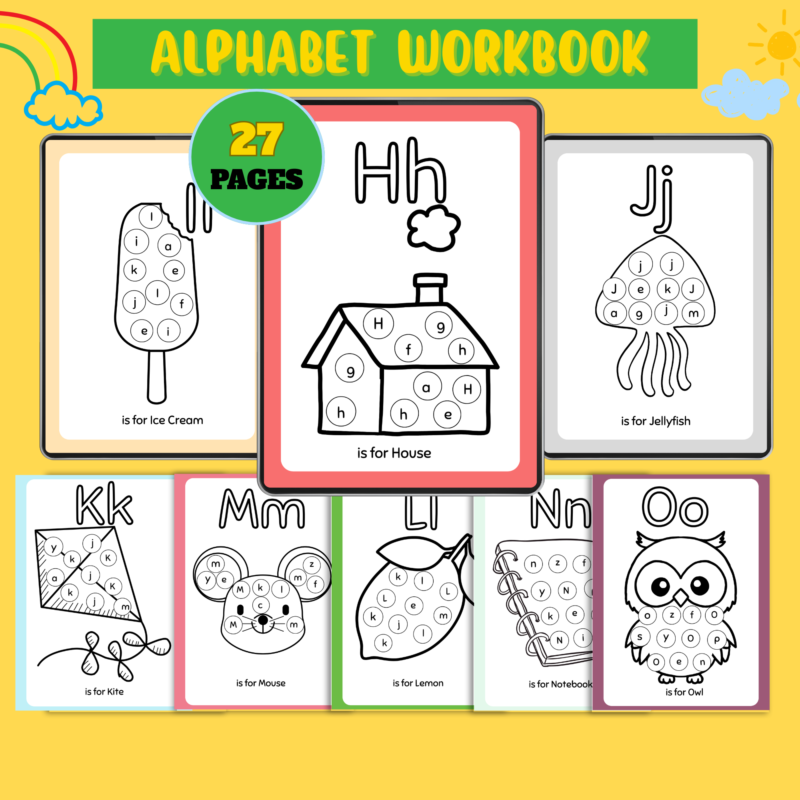
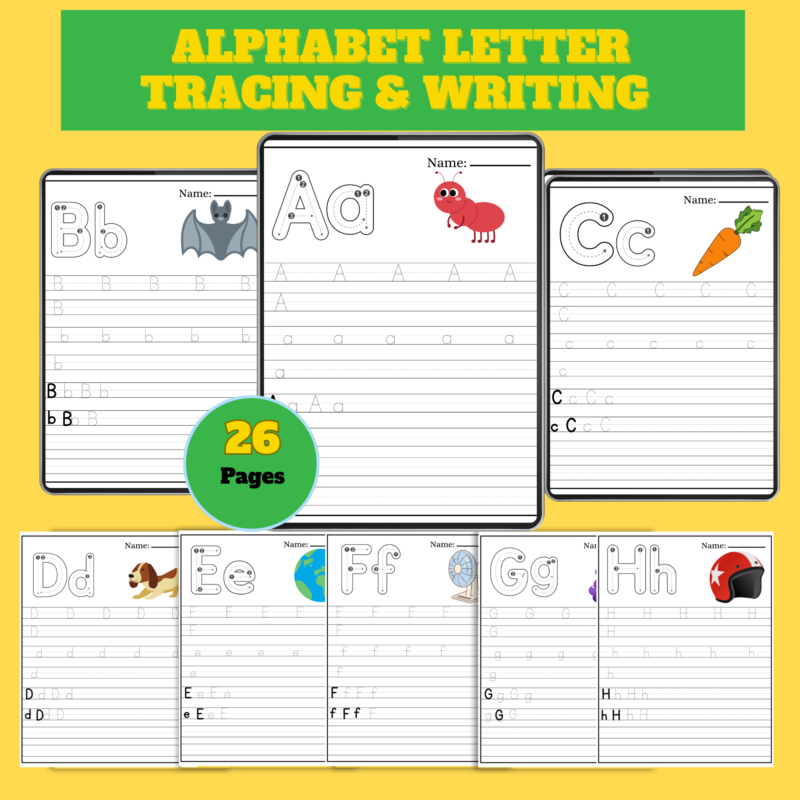
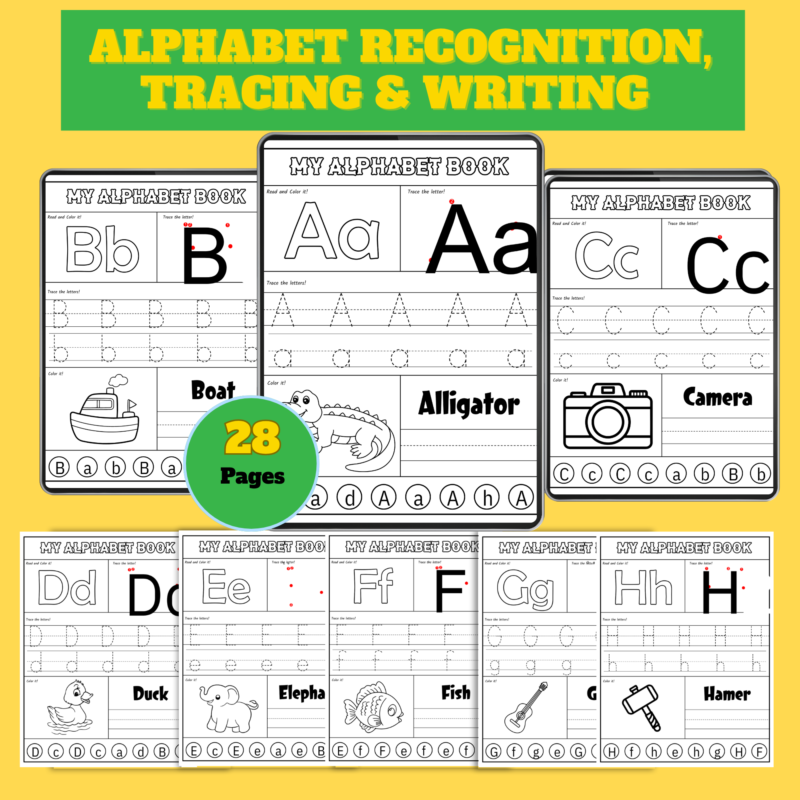
It also helps to have a range of worksheet types ready to print. Picture addition is useful for introducing a skill. Equation practice helps children connect counting to symbols. Coloring, matching, and cut-and-paste pages add fine motor practice and keep review from feeling repetitive. A mix lets you respond to what your child needs that day.
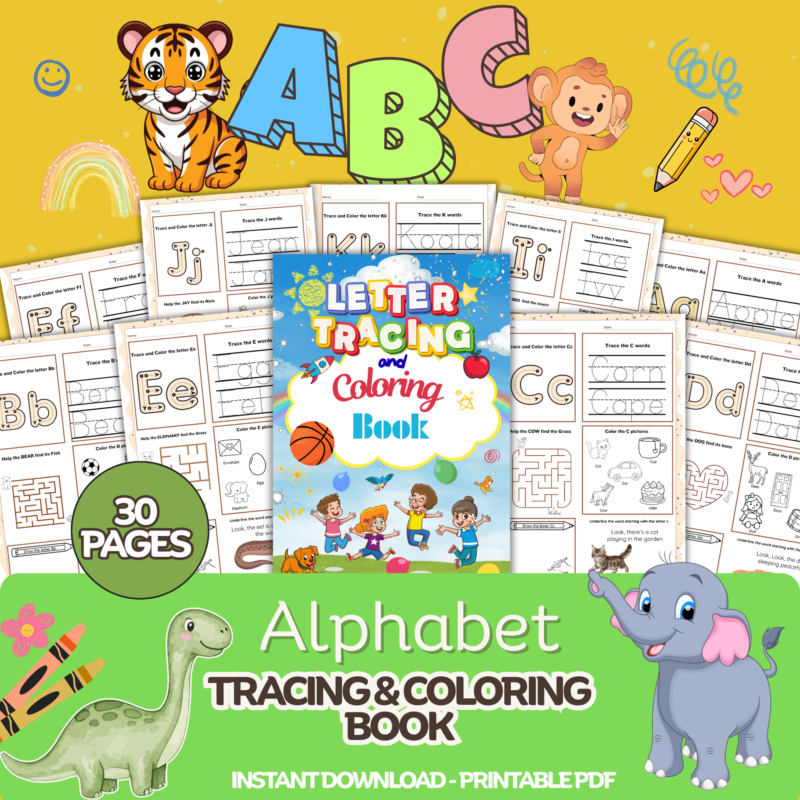
For parents, teachers, and homeschool families, instant-download PDFs are especially practical. Print just the pages you need, save favorites for later, and use the same skill pages with different children at their own pace. Fun Clever Fox addition resources are designed with this flexible, low-prep approach in mind, so early learners can practice meaningful math without needing a complicated setup.
Keep an Eye on Growth, Not Just Correct Answers
A completed worksheet tells only part of the story. Notice whether your child counts more accurately, recognizes small groups without recounting, starts using “count on,” or writes numbers with greater control. These are all signs that early addition skills are taking root.
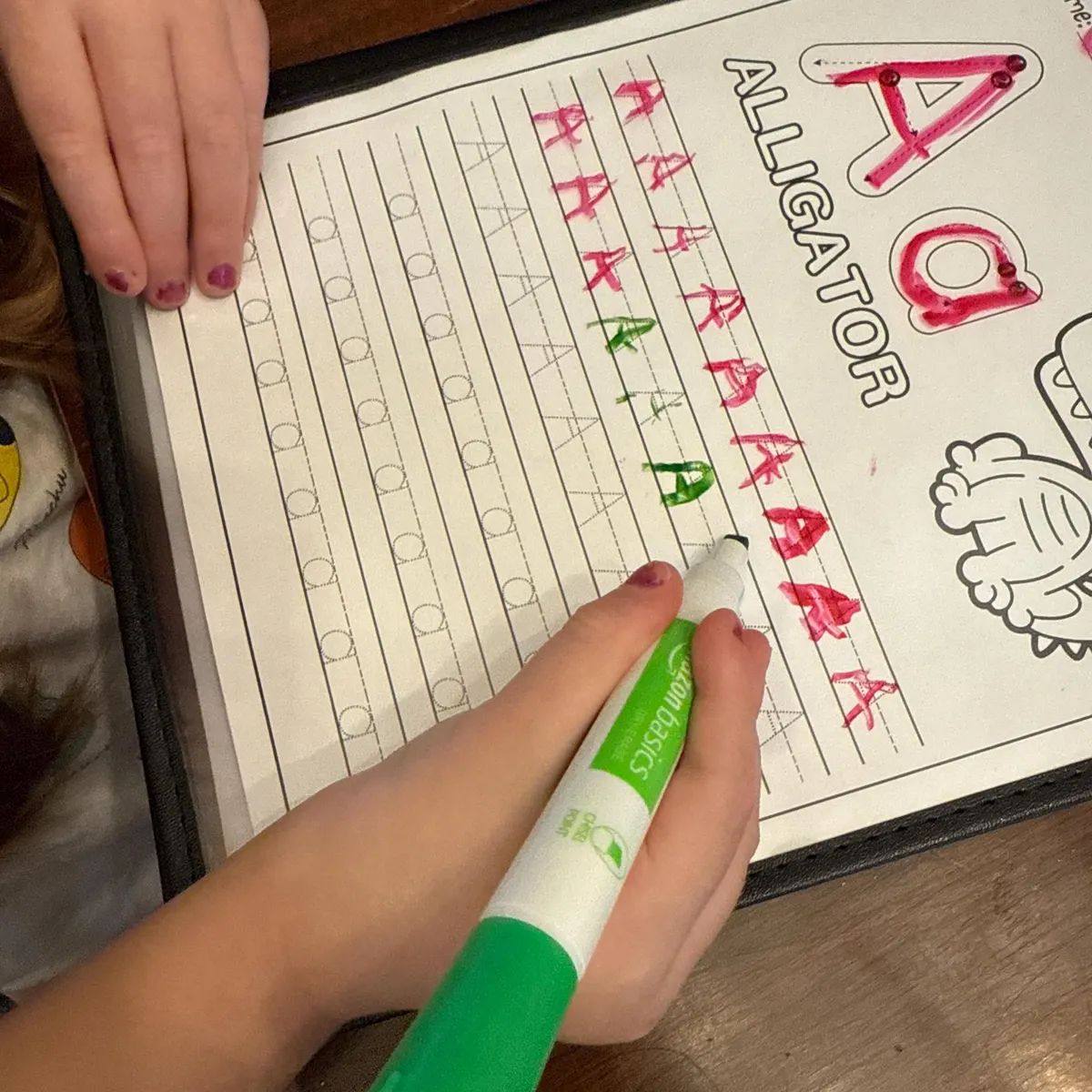
You may also notice that a child gets an answer wrong but uses a smart strategy. For example, they might correctly combine the groups but accidentally write a reversed numeral. That calls for a little number-writing support, not necessarily more addition instruction. Looking at the work closely helps you choose the next activity with confidence.
Save a few finished pages over time. Comparing work from the beginning of the month to work a few weeks later can be wonderfully encouraging for both adults and children. Progress in early learning is often gradual, then suddenly noticeable.
The most helpful math practice is the kind a child feels ready to try again tomorrow. Offer a small page, a few counters, and calm encouragement, and let those everyday moments show your young learner that adding can be something they understand, enjoy, and proudly do on their own.