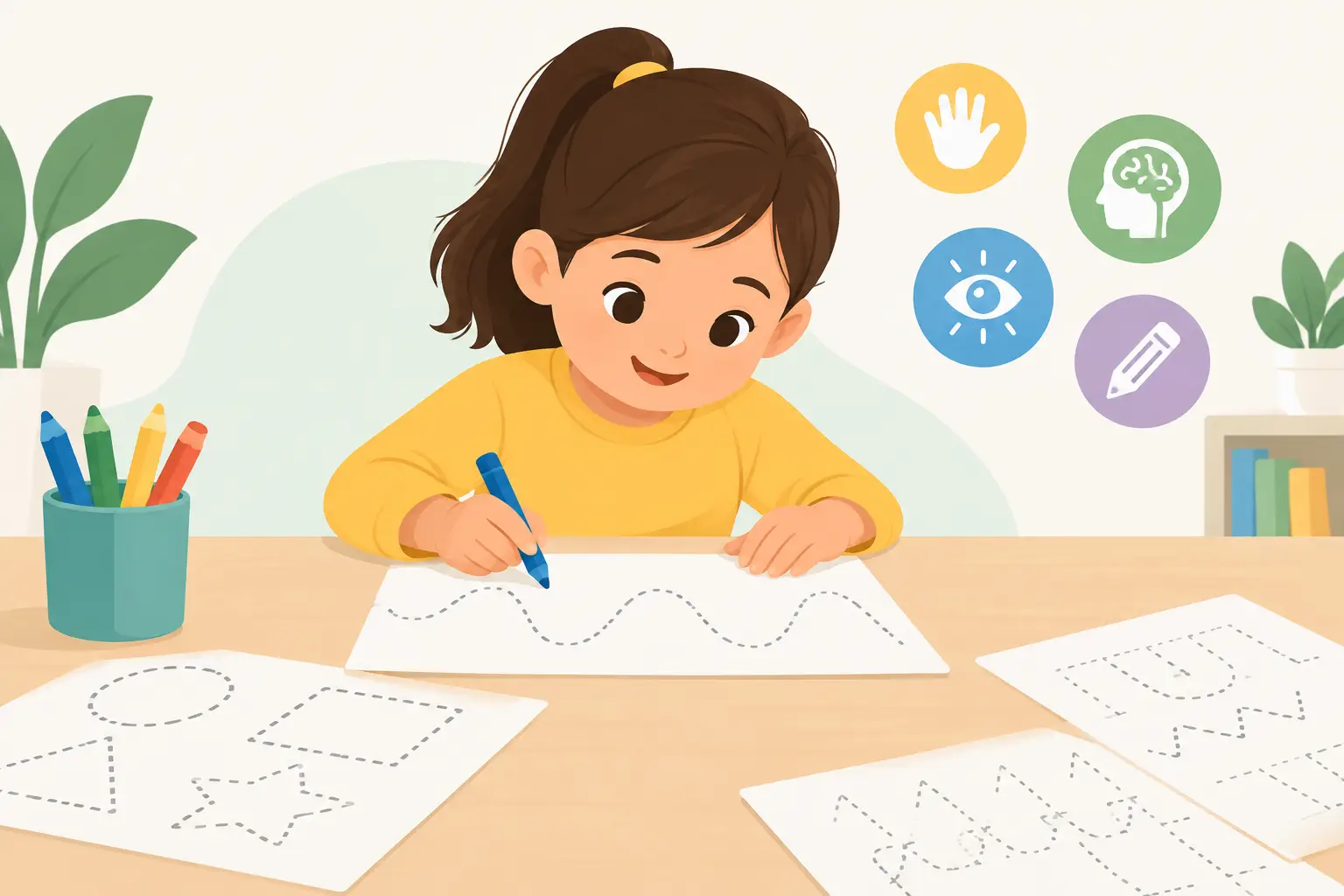
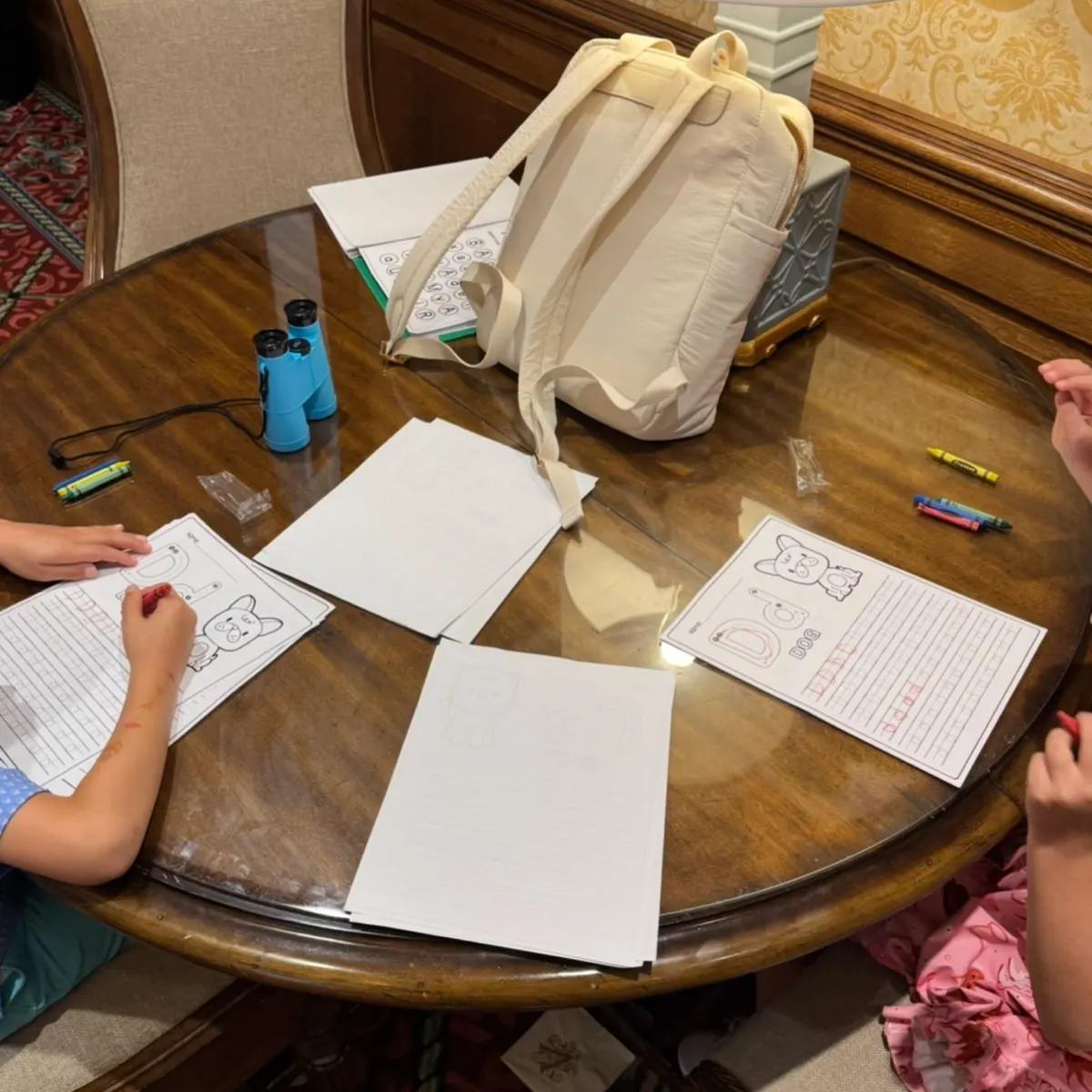
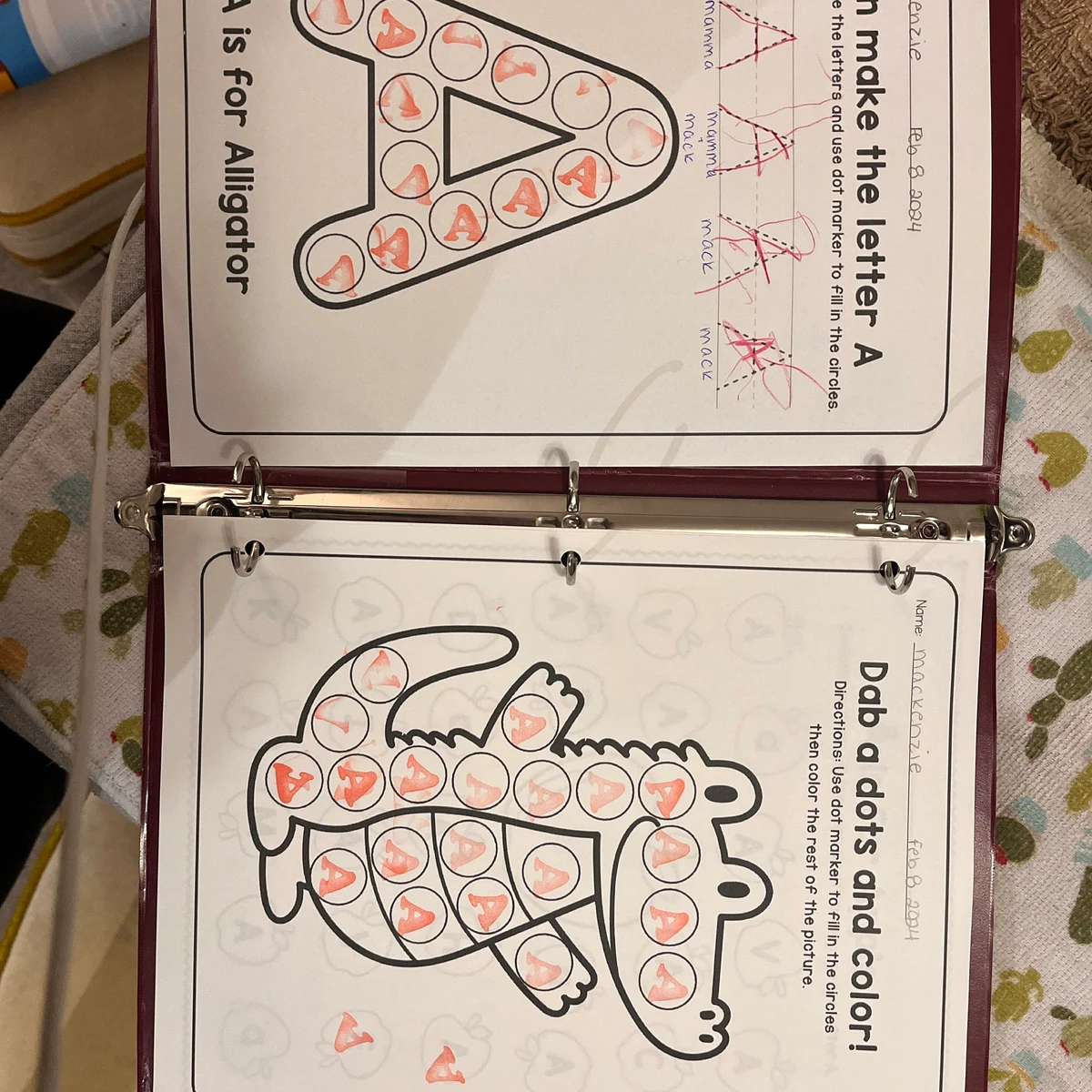
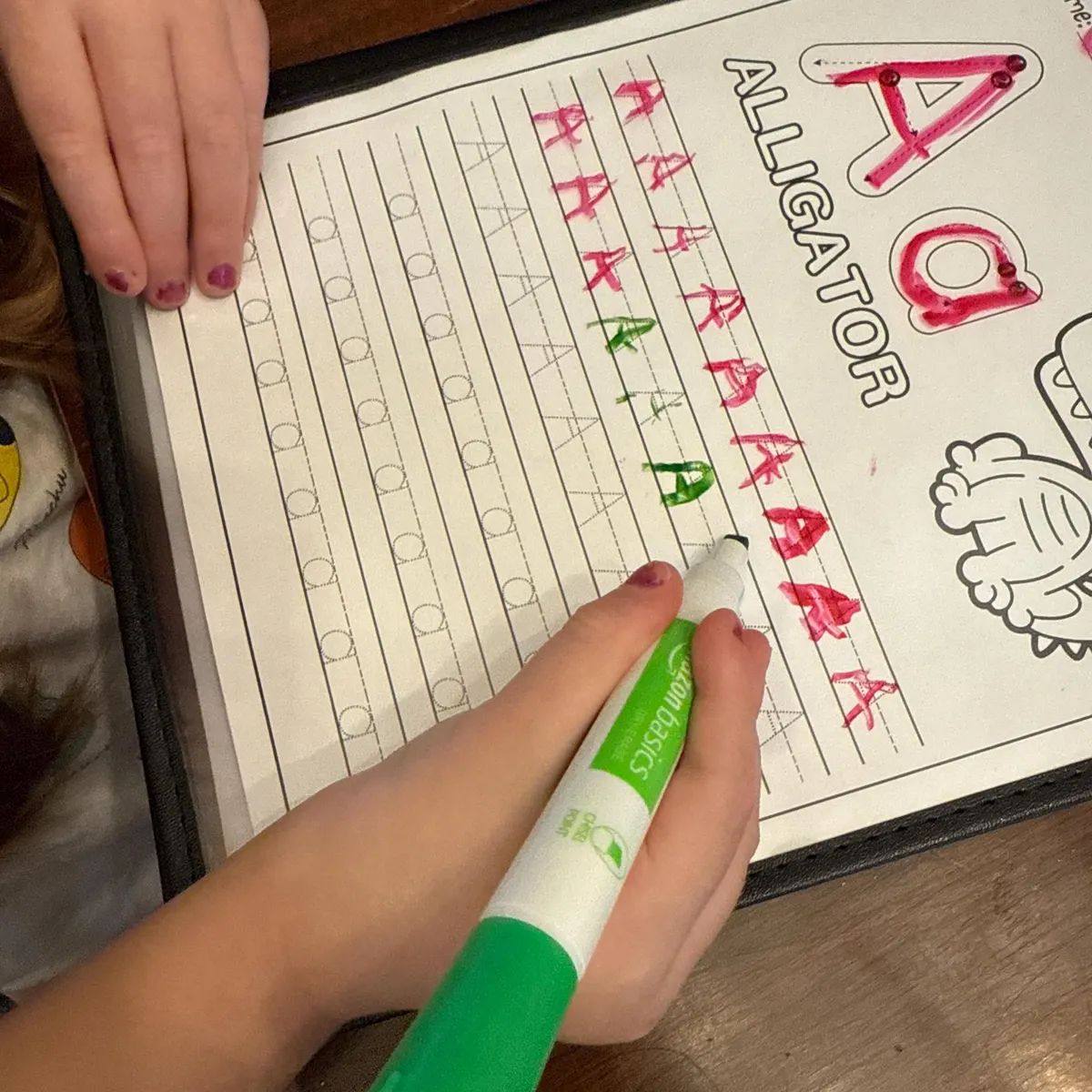
A child proudly following a dotted line from a smiling sun to a tiny flower is doing much more than finishing a worksheet. They are learning how to guide a pencil, notice direction, control pressure, and keep trying when a path feels tricky. The tracing sheet benefits for young learners reach far beyond neat handwriting. With short, playful practice, tracing helps build many of the early skills children need for preschool, kindergarten, and everyday learning.
For parents, teachers, and homeschool families, tracing sheets are also wonderfully practical. They are screen-free, easy to prepare, and simple to repeat when a child needs more practice. A printable page can support a quiet morning activity, a learning center, a small-group lesson, or a few focused minutes at the kitchen table.
Tracing Builds the Hand Skills Children Need
Before children can write letters, words, and numbers comfortably, their hands need practice making controlled movements. Tracing gives little hands a clear path to follow, which makes the work feel more manageable than asking a child to draw a shape or letter independently.
As children trace straight lines, curves, zigzags, loops, and simple pictures, they strengthen the small muscles in their fingers and hands. This fine motor practice supports the pencil control needed for writing, drawing, coloring, cutting, and other classroom tasks. It also helps children learn to use a writing tool with greater purpose instead of simply making random marks on the page.
The goal is not perfect lines. Wobbly marks are a normal part of learning. What matters most is that children have repeated chances to move their pencil from left to right, top to bottom, and around curves with growing control.
Pencil Grip Develops Over Time
Many preschoolers begin with a whole-hand grip, and that is developmentally appropriate. As hand strength and coordination improve, children gradually move toward a more mature pencil grip. Tracing activities encourage this progress because children have a reason to slow down and guide the pencil carefully.
If a child presses too hard, tires quickly, or becomes frustrated, keep practice short. A chunky crayon, short pencil, or triangular writing tool may feel easier to hold. The best tracing practice is encouraging, not exhausting.
Tracing Helps Children Understand Pre-Writing Strokes
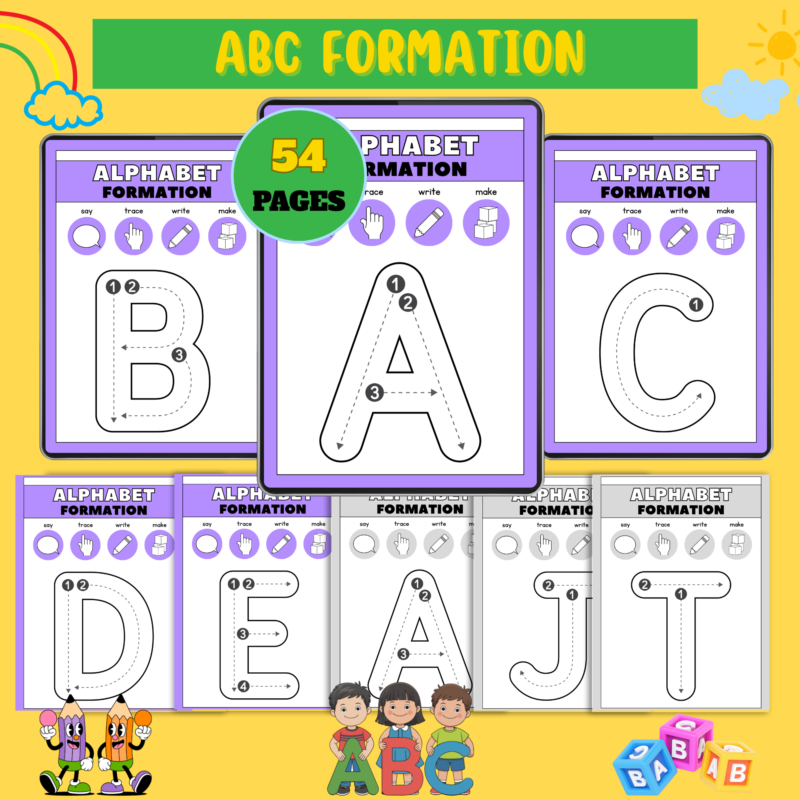
Letters and numbers are made from a small set of basic movements: vertical lines, horizontal lines, diagonal lines, circles, curves, and crosses. Tracing sheets introduce these pre-writing strokes in a clear, child-friendly way.
A child who can trace a line down, across, and around is preparing for letters such as L, T, O, C, and S. They are also building familiarity with number shapes. This is why simple line tracing is valuable even before a child is ready for alphabet worksheets. It gives them a foundation they can use later when letter formation becomes more complex.
Start with pages that have bold, wide paths and simple images. As a child becomes more comfortable, offer narrower paths, smaller shapes, and dotted letters or numbers. This gradual progression lets children experience success while still taking the next small step forward.
Letter Tracing Supports Alphabet Learning
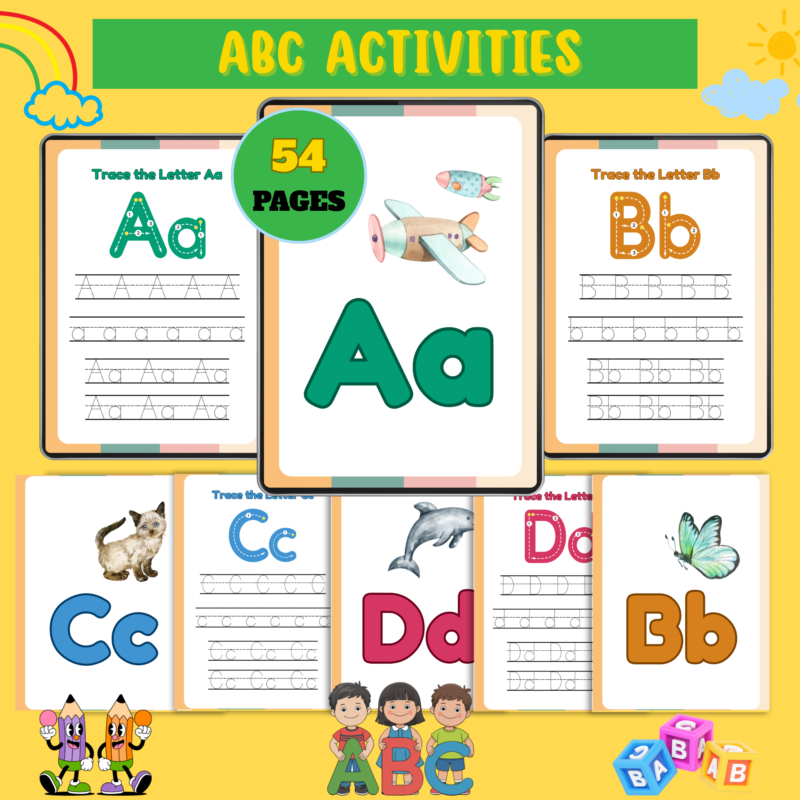
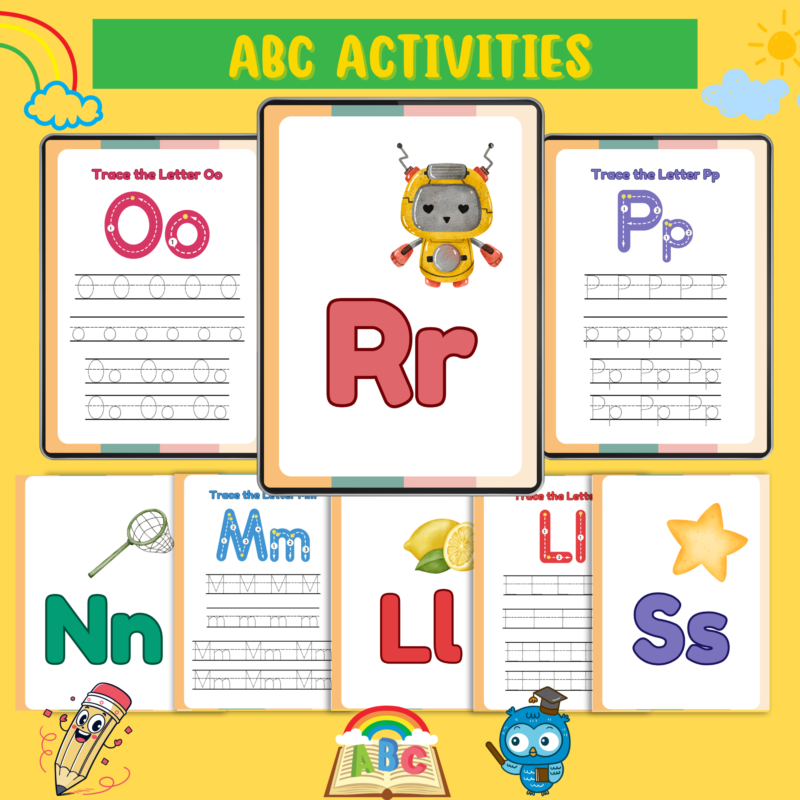
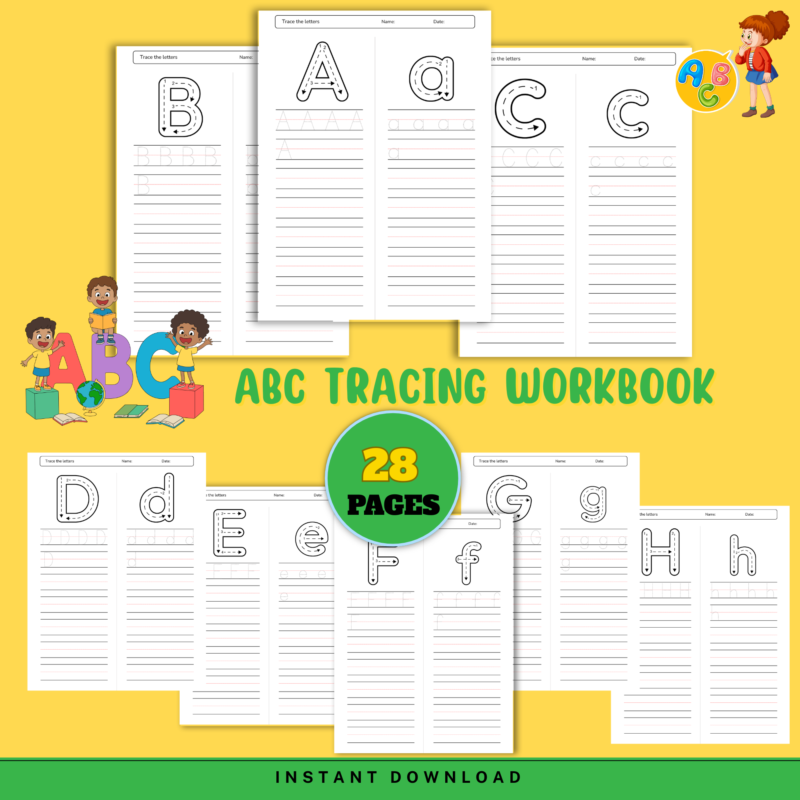
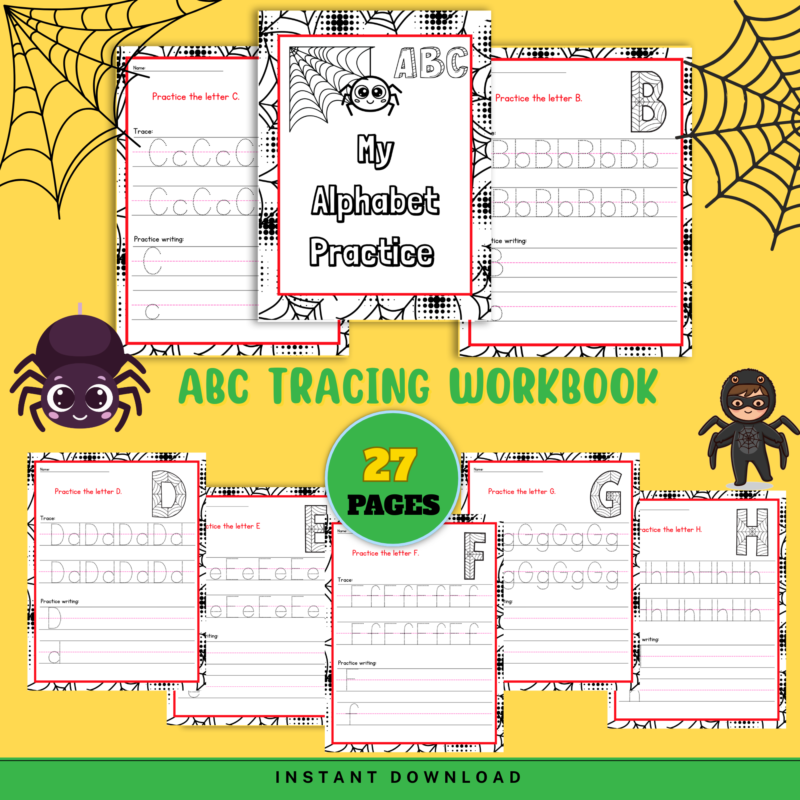
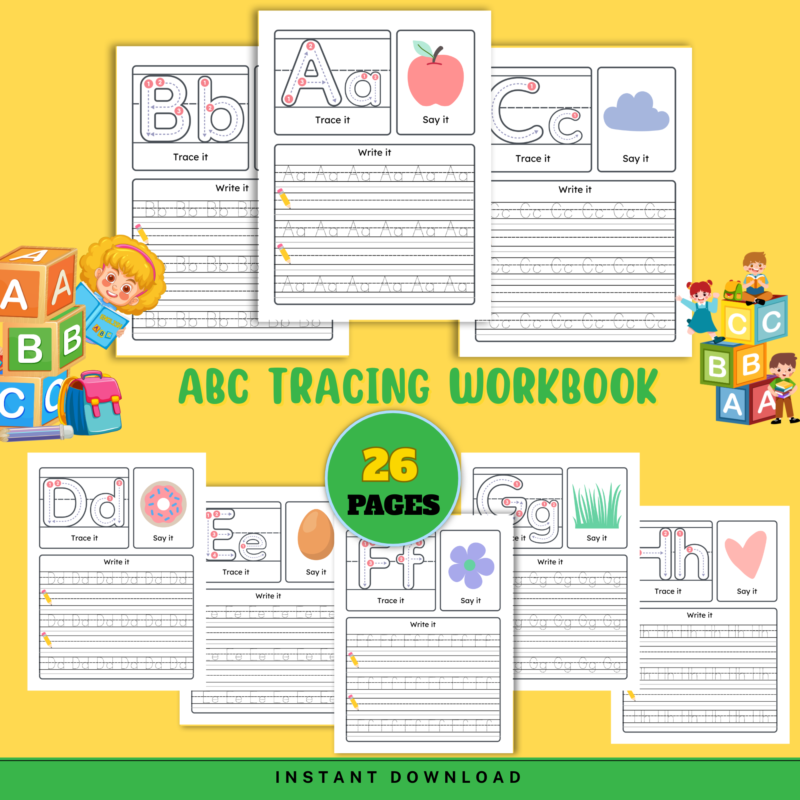
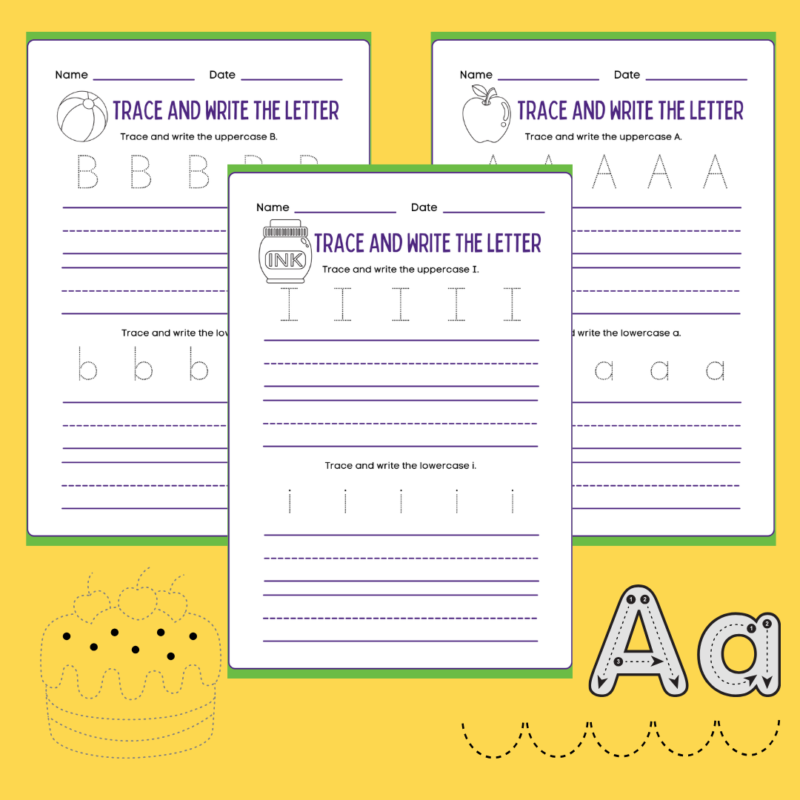
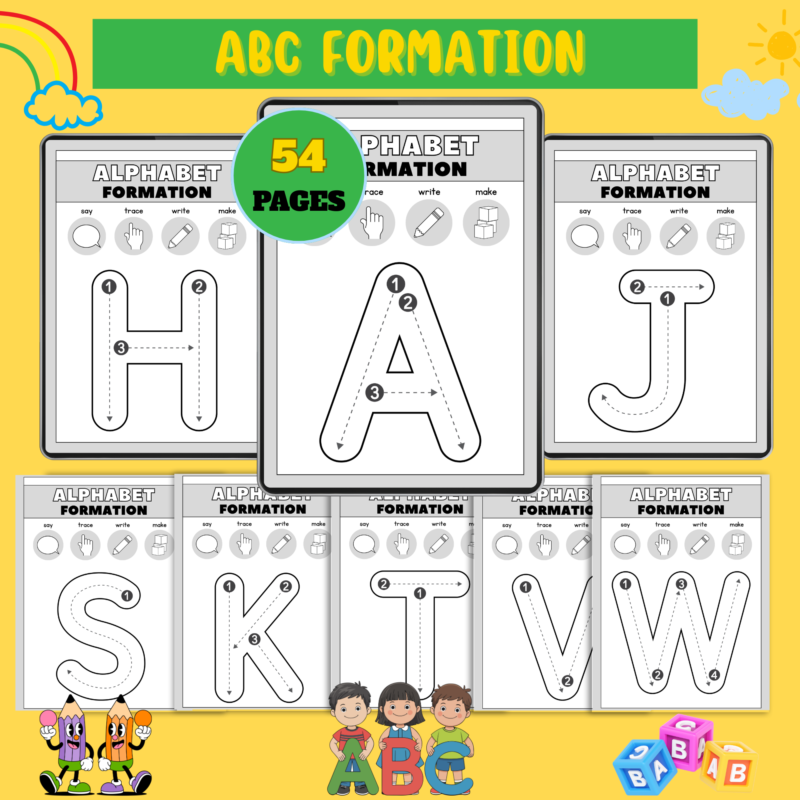
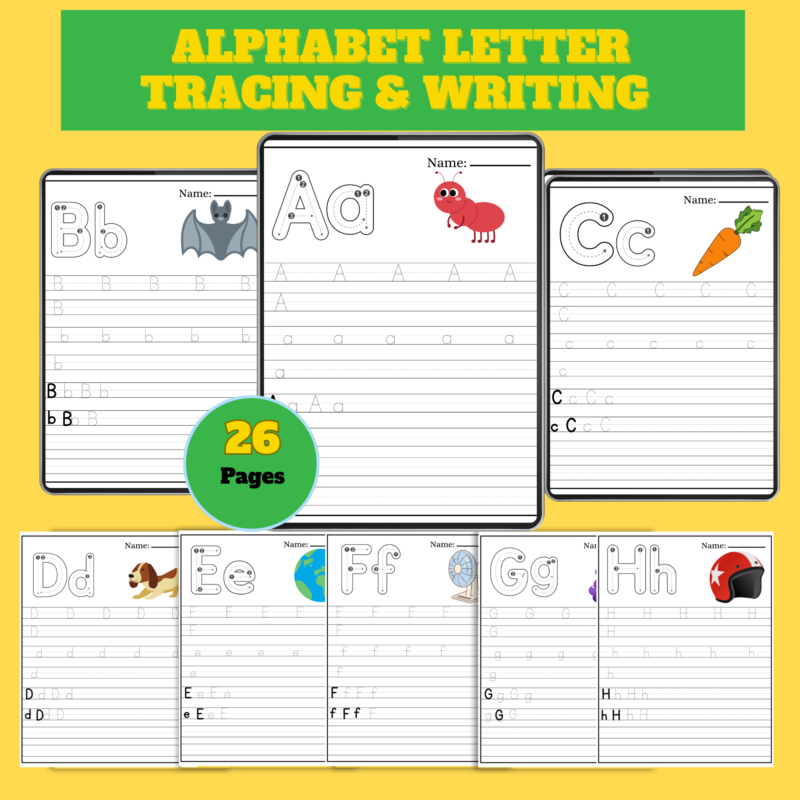
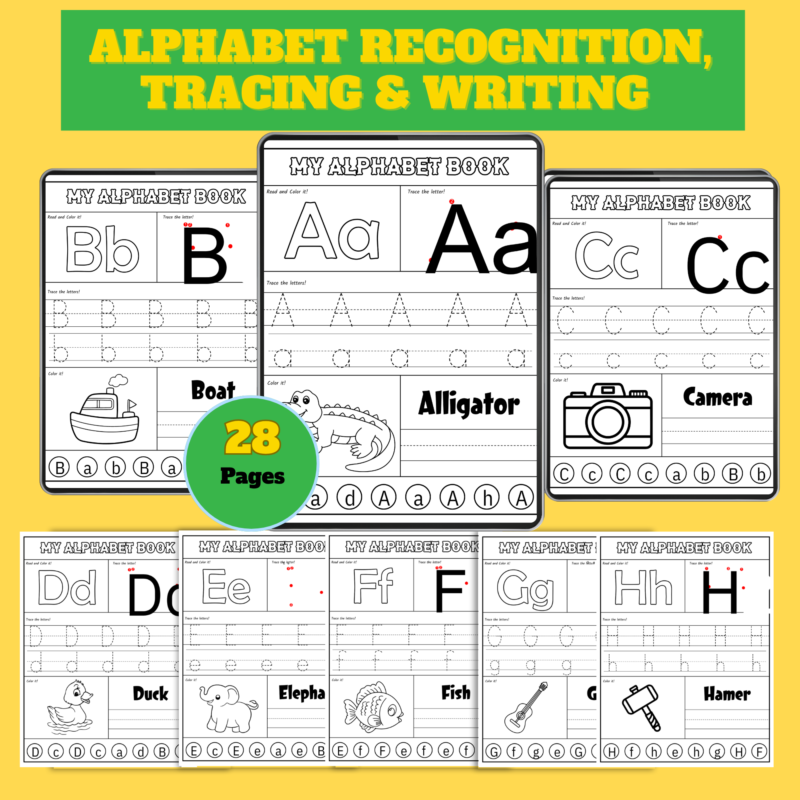
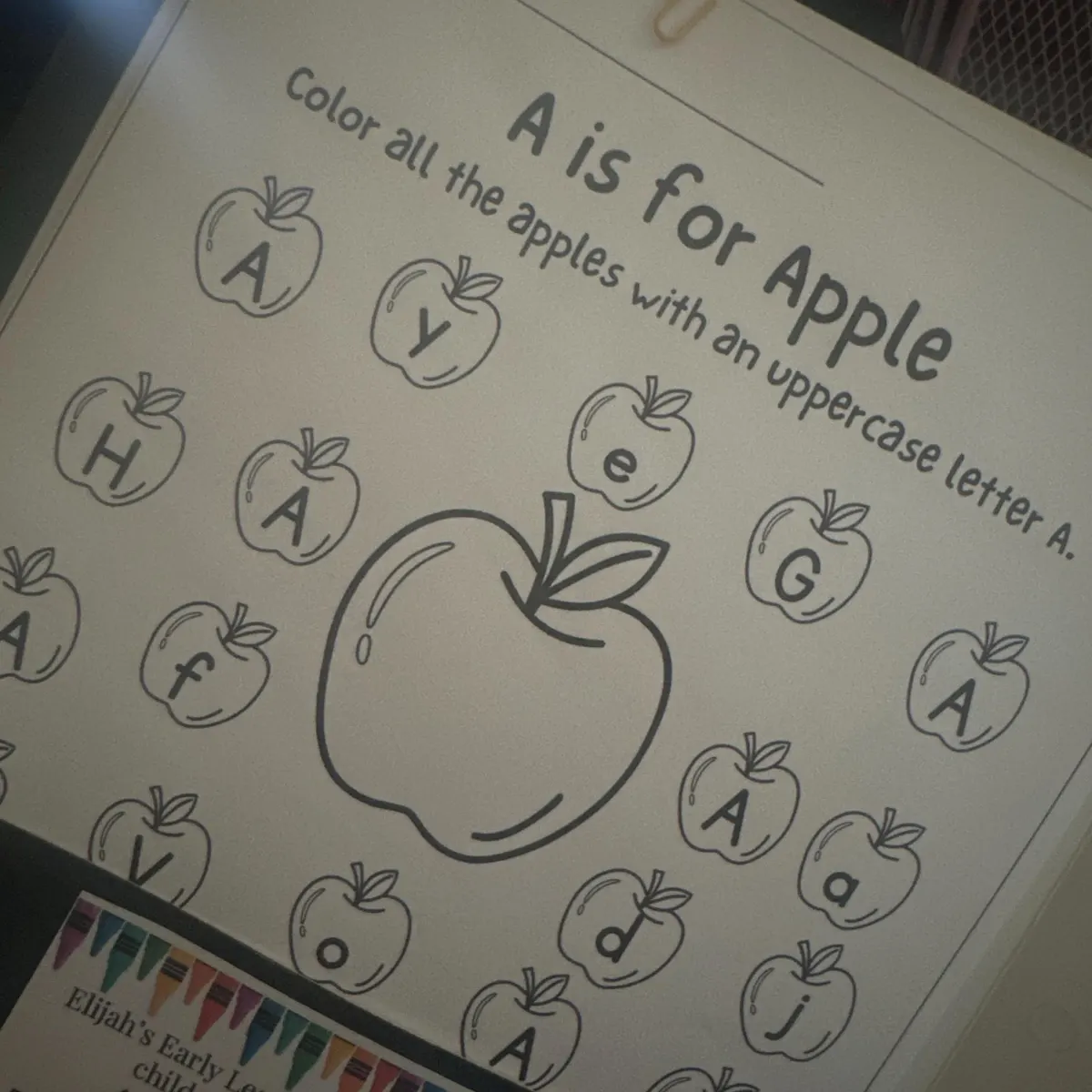
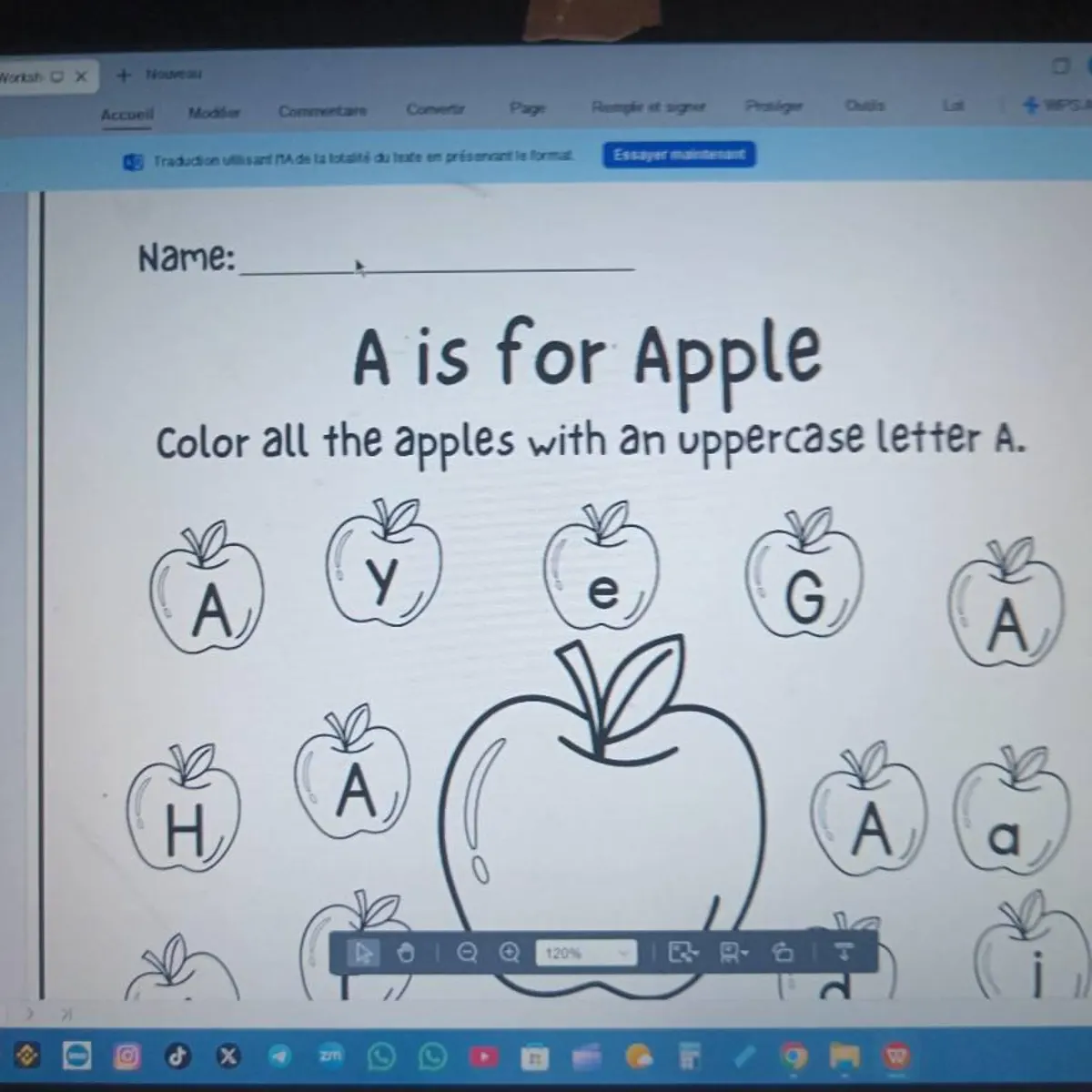
Alphabet tracing combines hand practice with early literacy learning. When children trace a letter, they see its shape, hear its name, and begin connecting it to the sound it makes. That repeated exposure can help letters feel familiar long before children are expected to write them from memory.
For the strongest learning experience, talk about the letter while your child works. You might say, “This is M. Start at the top, go down, then make two mountain bumps.” Simple language gives children a helpful movement cue while reinforcing the letter name.
It helps to introduce a small number of letters at a time, especially for younger children. Beginning with the letters in a child’s name can be extra motivating. Children are often excited to trace the letters that make something personal and meaningful to them.
Tracing Is a Step, Not the Final Goal
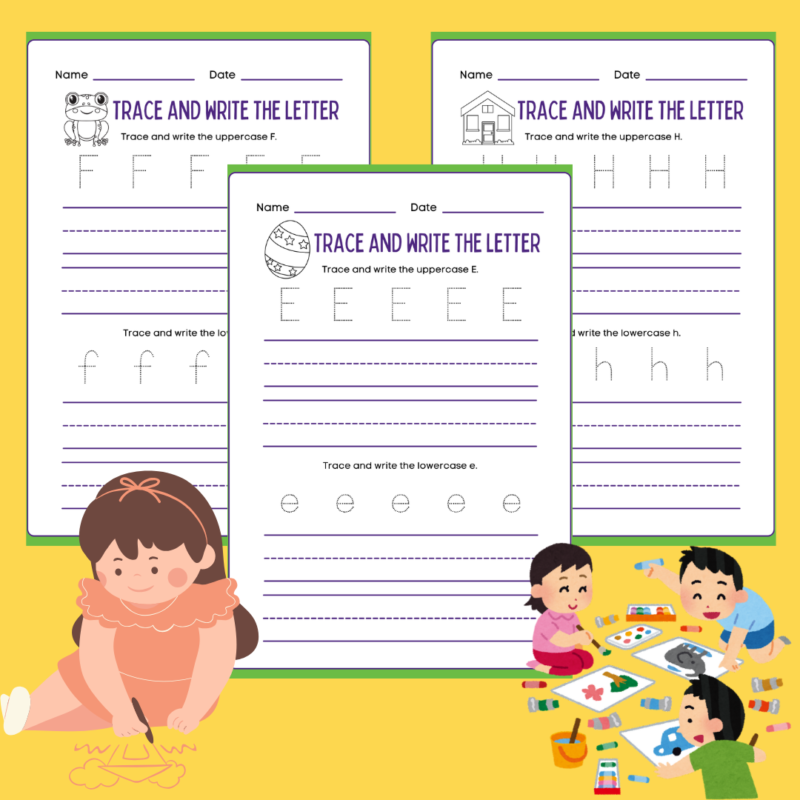
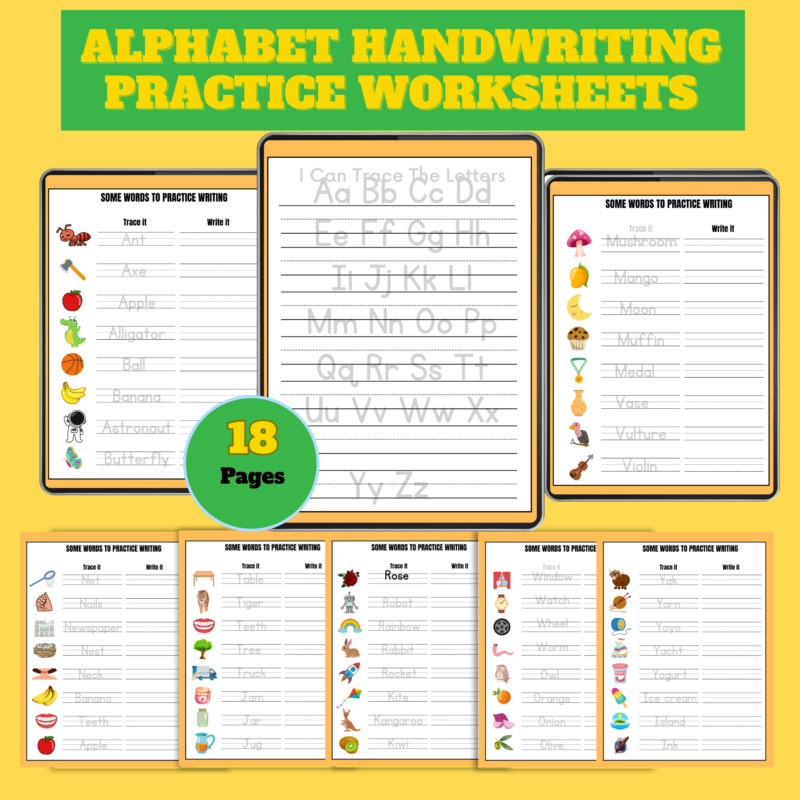
Tracing is an excellent teaching tool, but children also need opportunities to write without dotted guides. After a few tracing attempts, invite your child to try the same line, shape, letter, or number in an open space. They may not be ready to do it independently right away, and that is okay.
A useful progression is to trace the shape first, copy it next to a model, and then try it from memory later. This approach supports independence while keeping expectations age-appropriate.
Number Tracing Connects Writing and Early Math
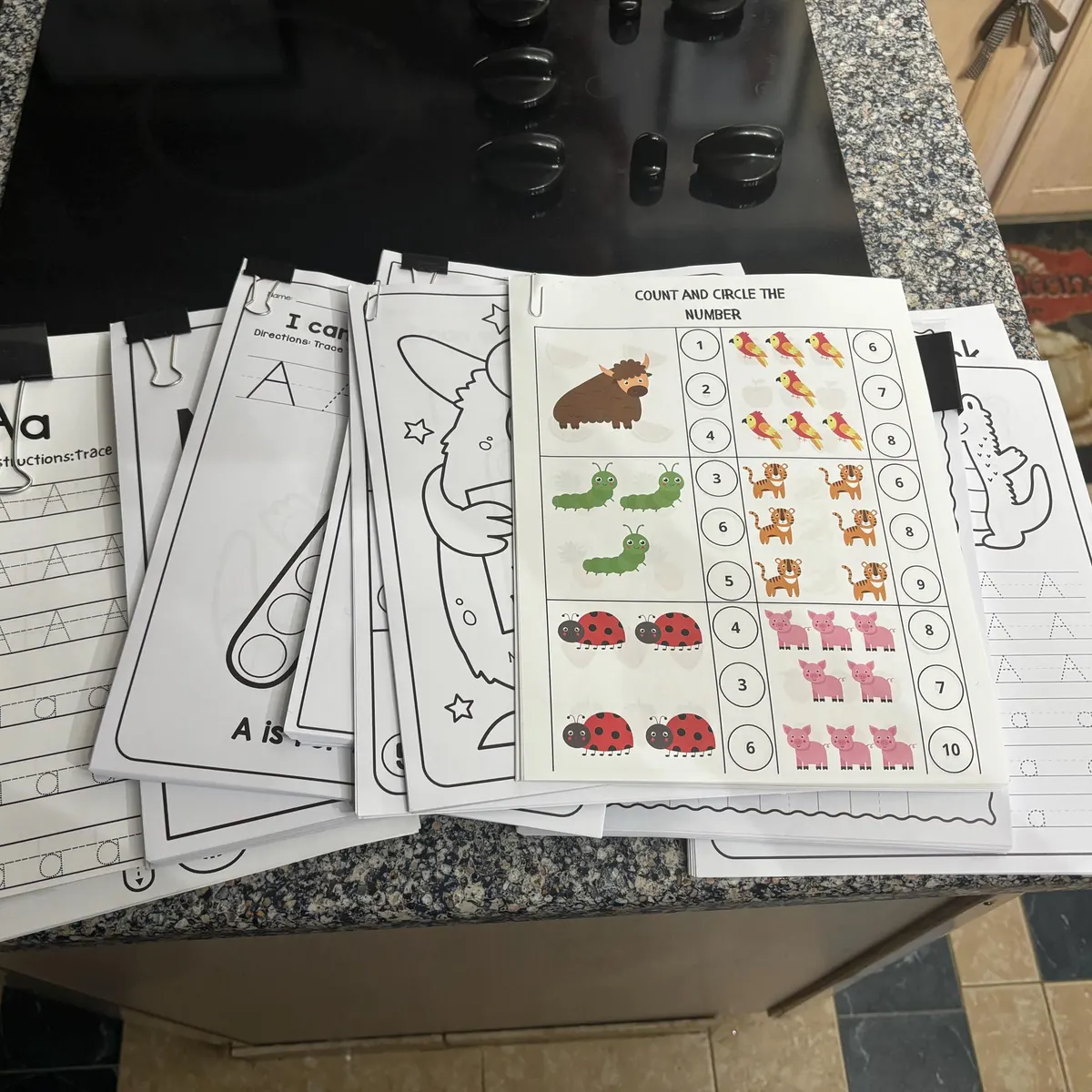
Number tracing sheets help children learn that each numeral has a name, a shape, and a value. A child may be able to count objects to five but still need practice recognizing or writing the numeral 5. Tracing provides a gentle bridge between counting and recording numbers on paper.
For added meaning, pair number tracing with a quick hands-on activity. After tracing the number 3, children can count three buttons, blocks, or toy cars. After tracing 7, they can color seven stars. This helps children understand that numerals represent real quantities, not just marks on a worksheet.
Keep the activity playful and brief. Preschoolers do not need to finish an entire number page in one sitting. One or two numerals practiced with care can be more productive than rushing through ten.
Tracing Encourages Focus, Patience, and Confidence
One of the most valuable tracing sheet benefits is the confidence children gain from seeing their own progress. A dotted path gives a clear beginning and end, so children know what they are working toward. Completing it can create a satisfying sense of “I did it!”
Tracing also gently practices attention and persistence. Children learn to watch where their pencil is going, pause when they lose the path, and try again. These habits support early school readiness, especially when children are learning to follow directions and complete short tasks.
Praise effort more than perfection. Comments such as “You kept trying through that curvy line” or “I noticed you slowed down at the corners” help children connect success with persistence. This is especially helpful for children who worry about making mistakes.
Make Tracing Practice More Engaging
A worksheet does not have to feel like a chore. Small changes can make tracing feel fresh and fun, especially when children are practicing the same skill more than once. Use seasonal pictures, animals, vehicles, favorite colors, or themes that match what your child is already interested in.
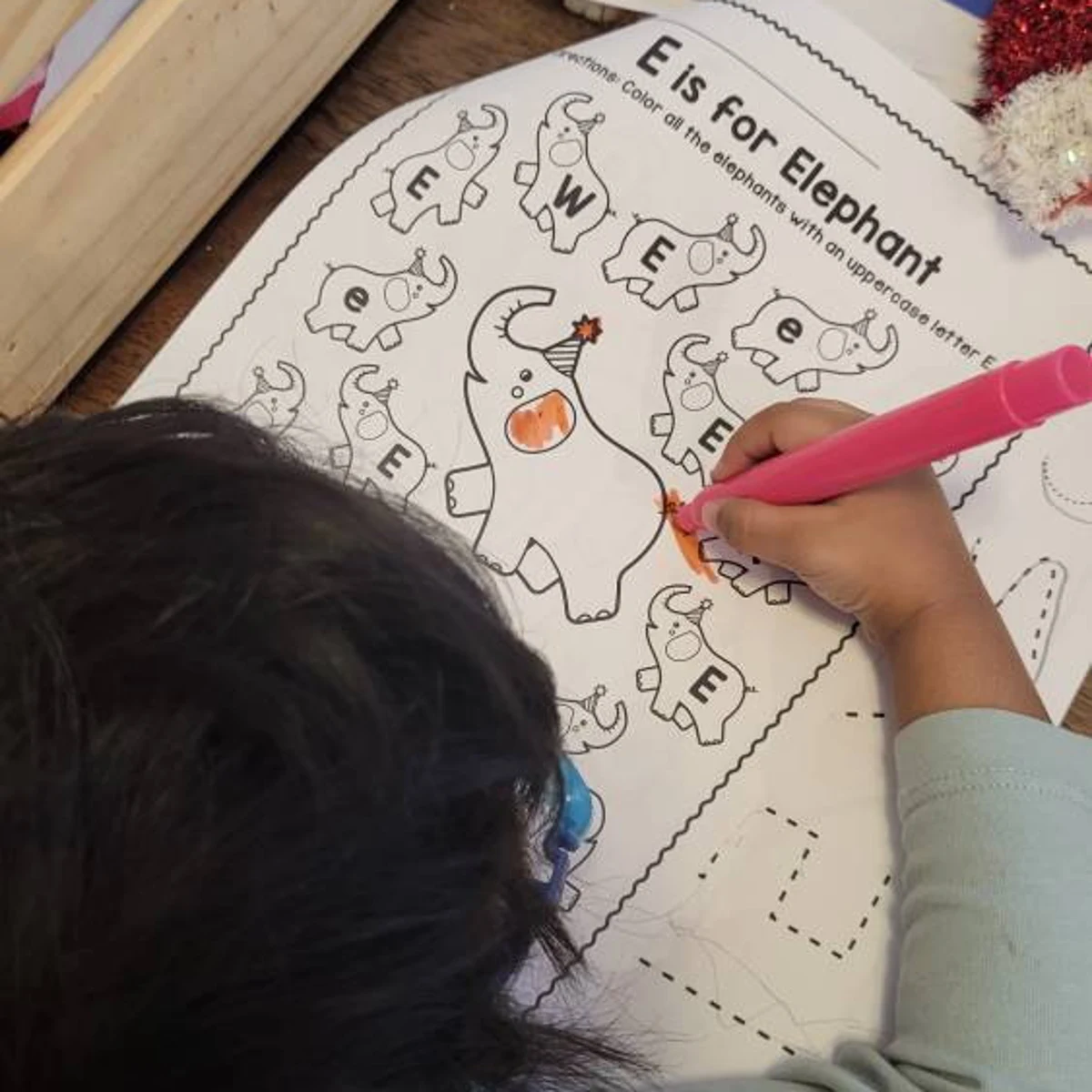
You can also vary the tool. Crayons are great for beginners because they are easy to hold. Markers make lines bold and satisfying. Colored pencils offer more control for older children. For a reusable option, place a printable tracing page inside a dry-erase pocket or sheet protector and use a dry-erase marker with adult supervision.
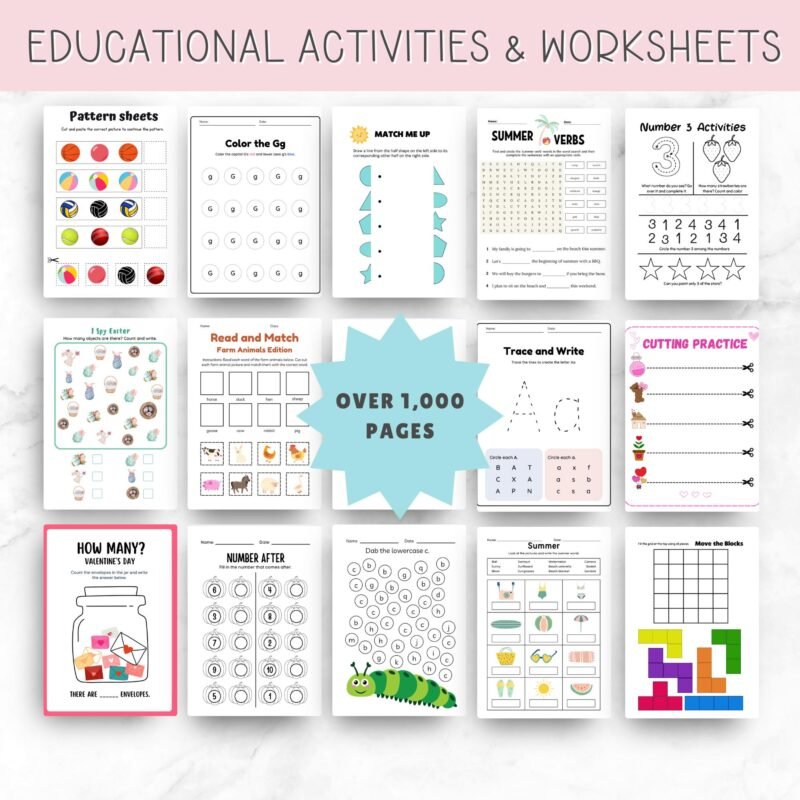
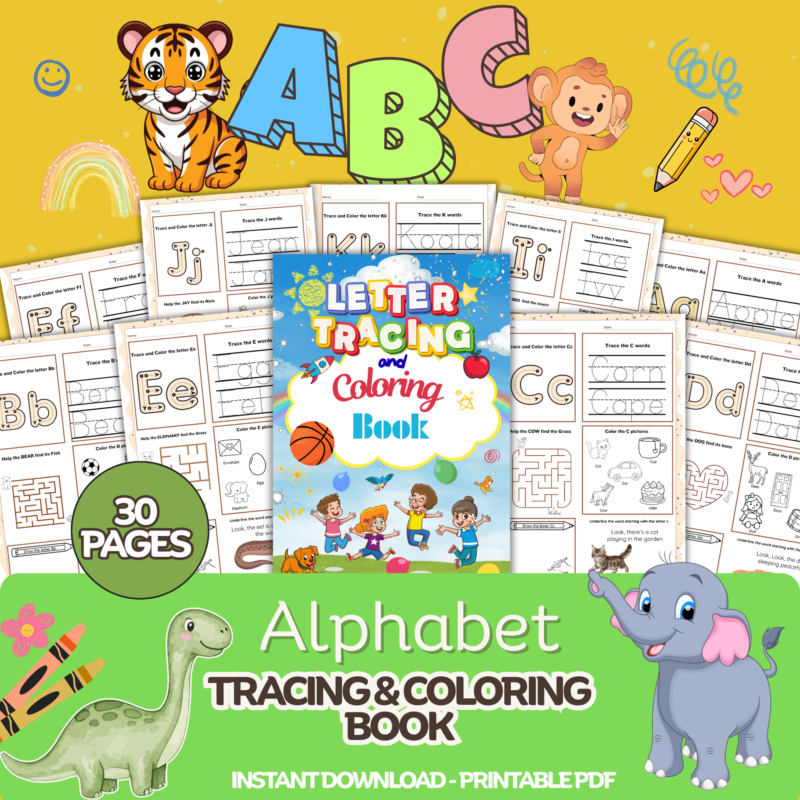
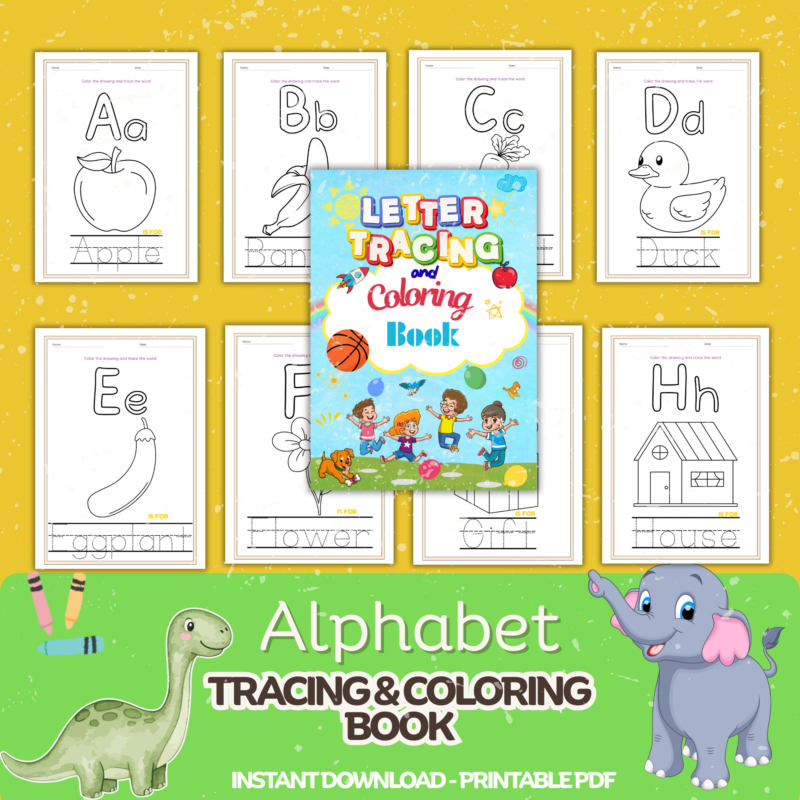
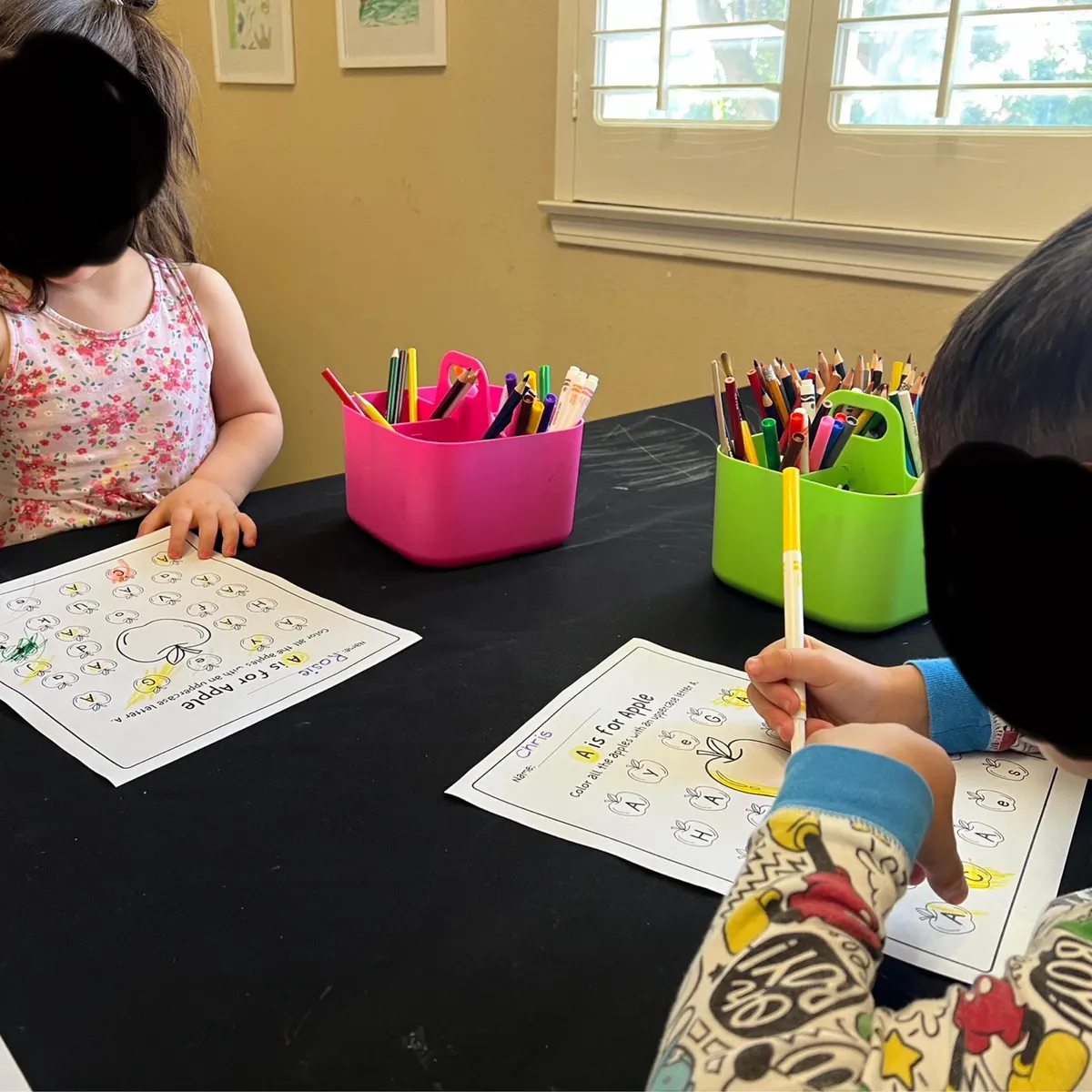
At home, try setting out one tracing page with a few simple supplies and letting your child choose when to begin. In a classroom, tracing pages work well in morning tubs, fine motor centers, early-finisher folders, or small-group instruction. Printable activities from Fun Clever Fox make it easy to match practice to the skills your child is working on right now.
Choose Tracing Sheets That Match Your Child’s Stage
The best tracing page depends on where a child is in their development. A child who is just beginning may do best with large, bold paths and short lines. A child preparing for kindergarten may be ready for more detailed patterns, uppercase and lowercase letters, their name, or numbers with starting-point cues.
Watch for frustration signals. If your child frequently leaves the page, grips the pencil tightly, or says they cannot do it, the page may be too difficult or the session may be too long. Move back to larger paths, offer a quick movement break, or trace together first. On the other hand, if a child finishes very quickly and seems bored, try a slightly more challenging page or invite them to copy the pattern beside it.
Short, regular practice is usually more helpful than long sessions. Five focused minutes a few times each week can build skills without making learning feel heavy. Children learn at different rates, so avoid comparing one child’s work to another’s.
A Small Page Can Lead to Big Progress
Tracing is a simple activity with a meaningful purpose. It gives young children a comfortable place to practice the hand movements, visual attention, and early academic skills that support writing and school readiness. More importantly, it lets them learn through achievable steps.
Offer a page, a pencil, and a little encouragement, then let your child make those first wobbly lines. Each path they follow is practice for the next one, and each small success helps them feel more ready to learn.