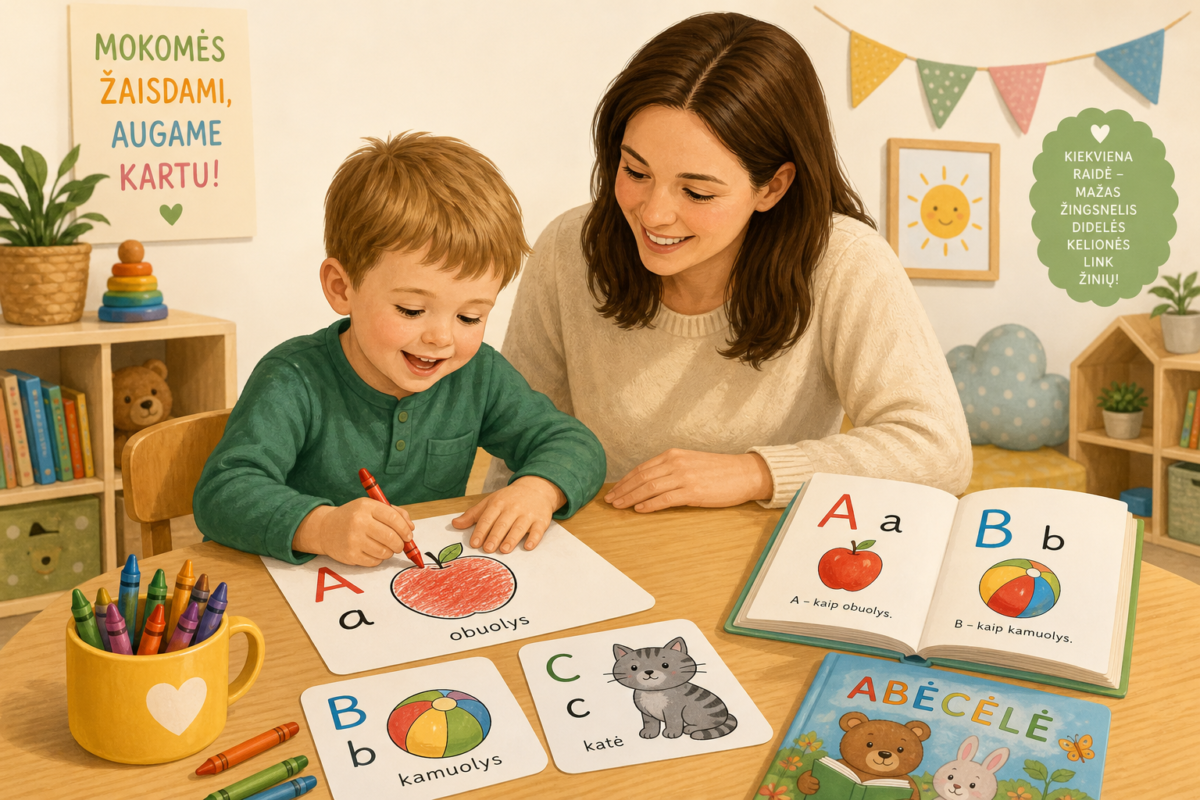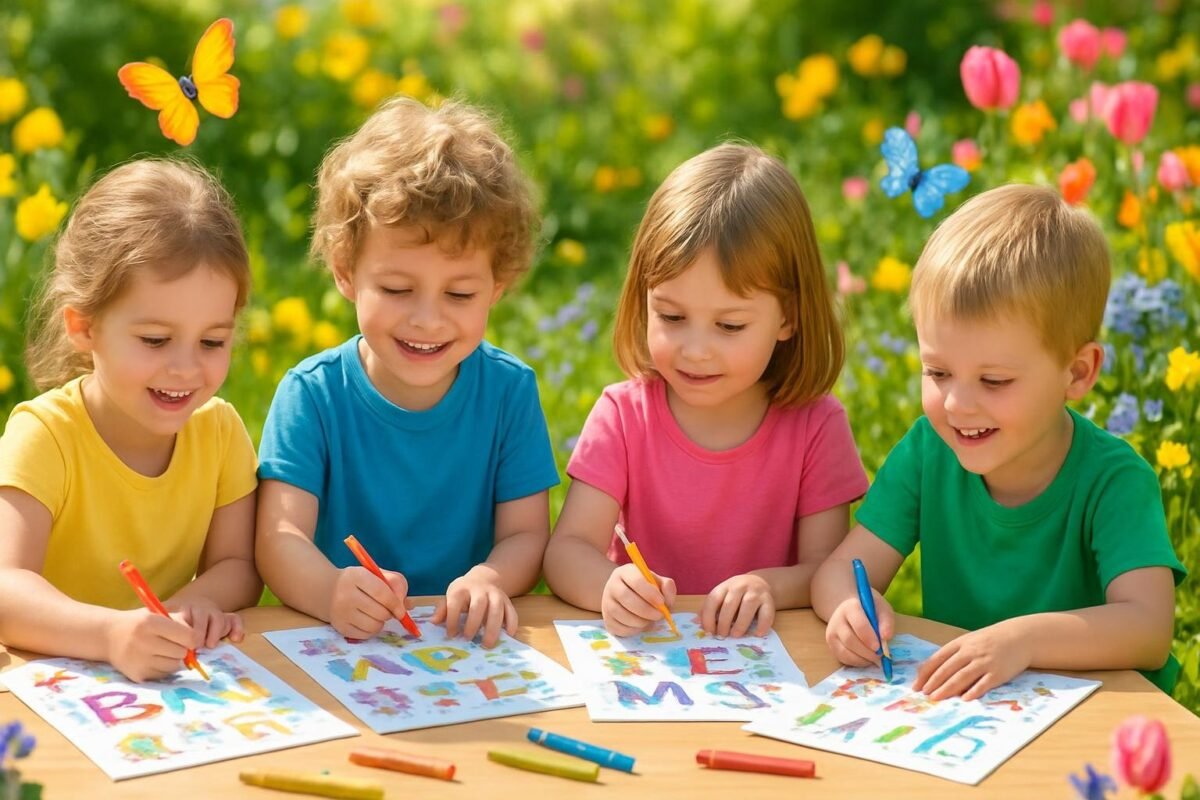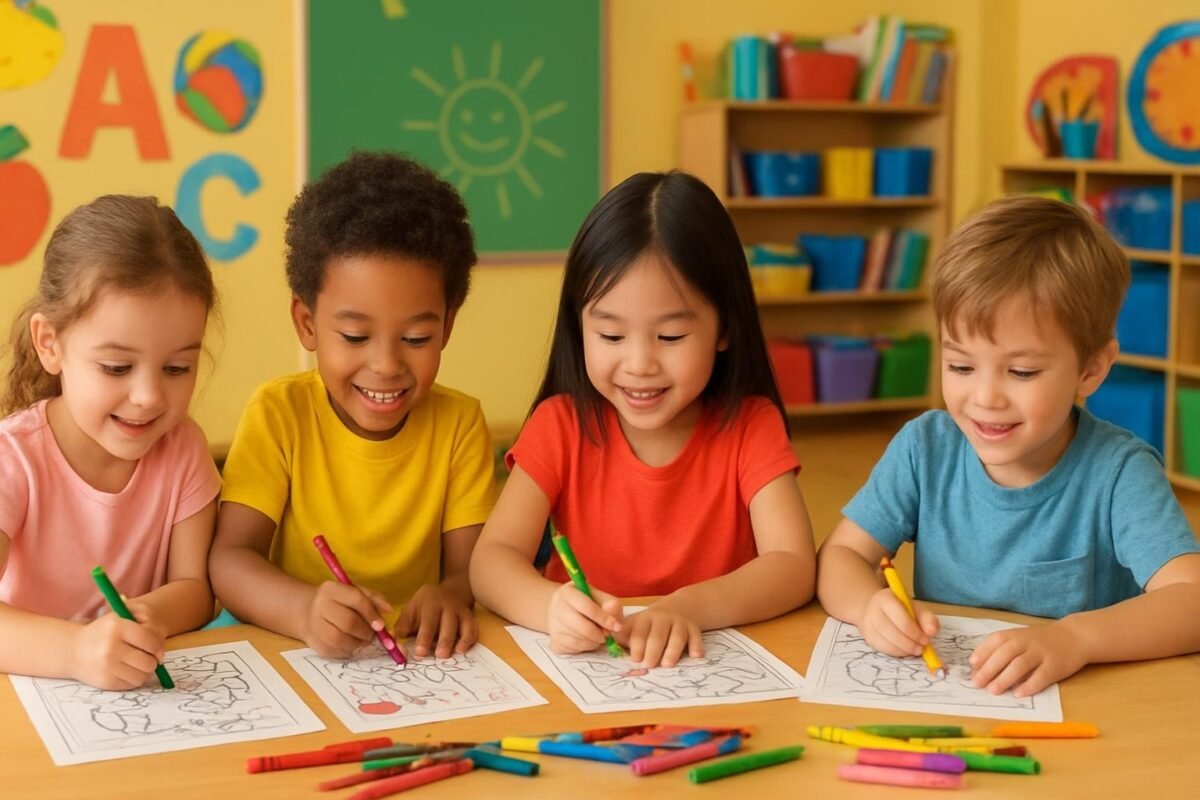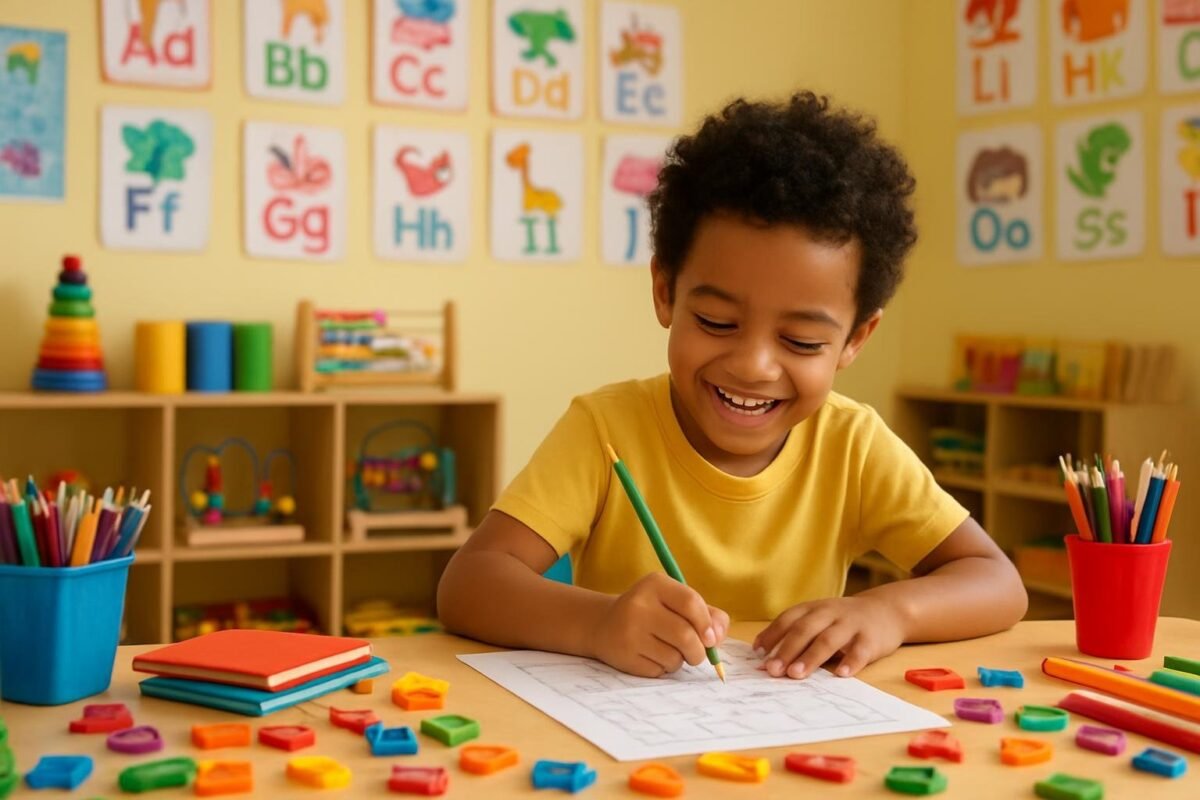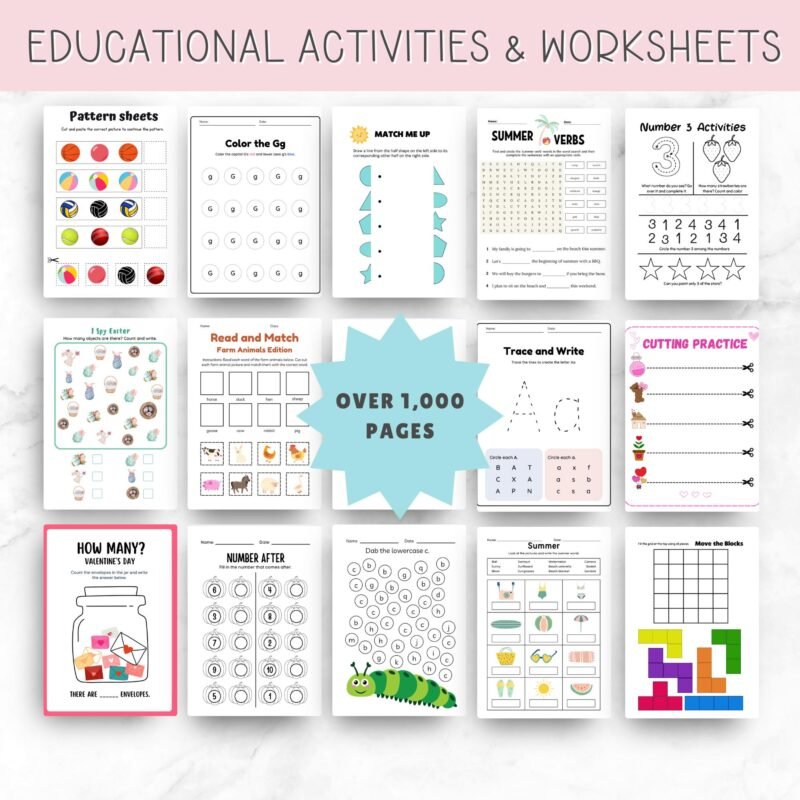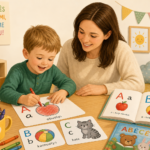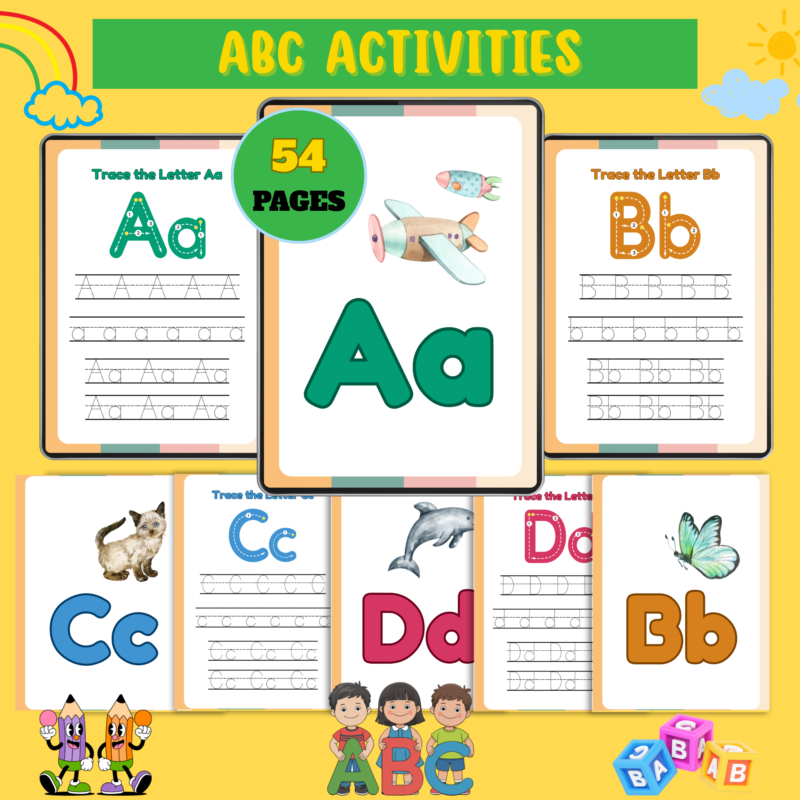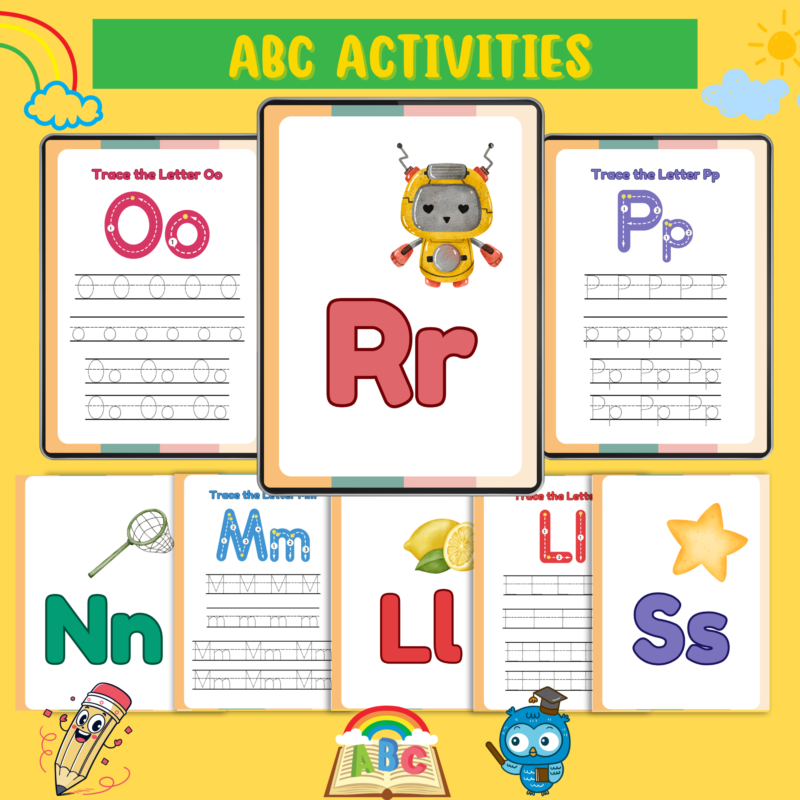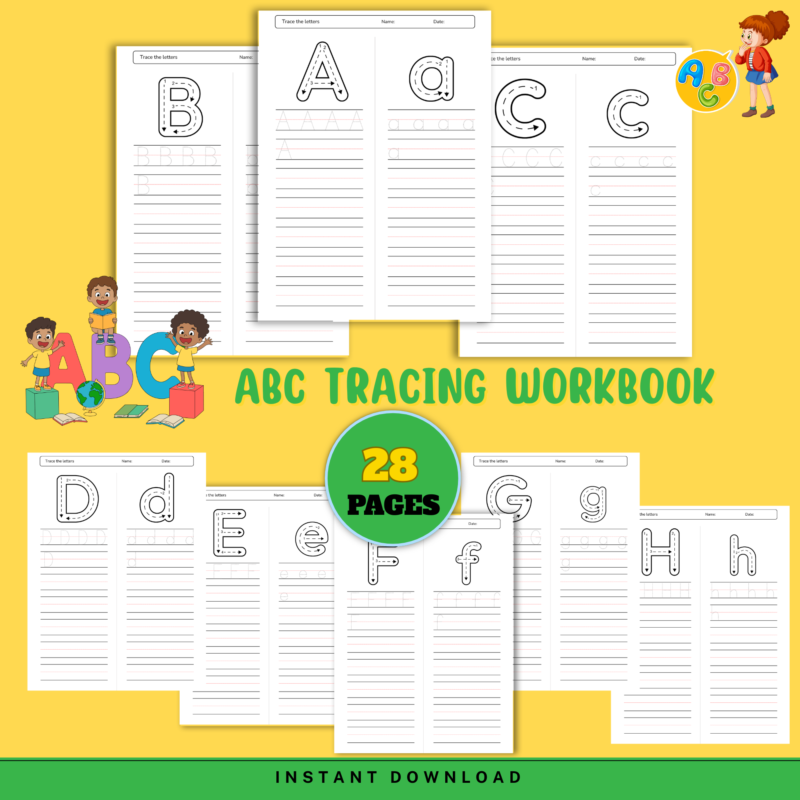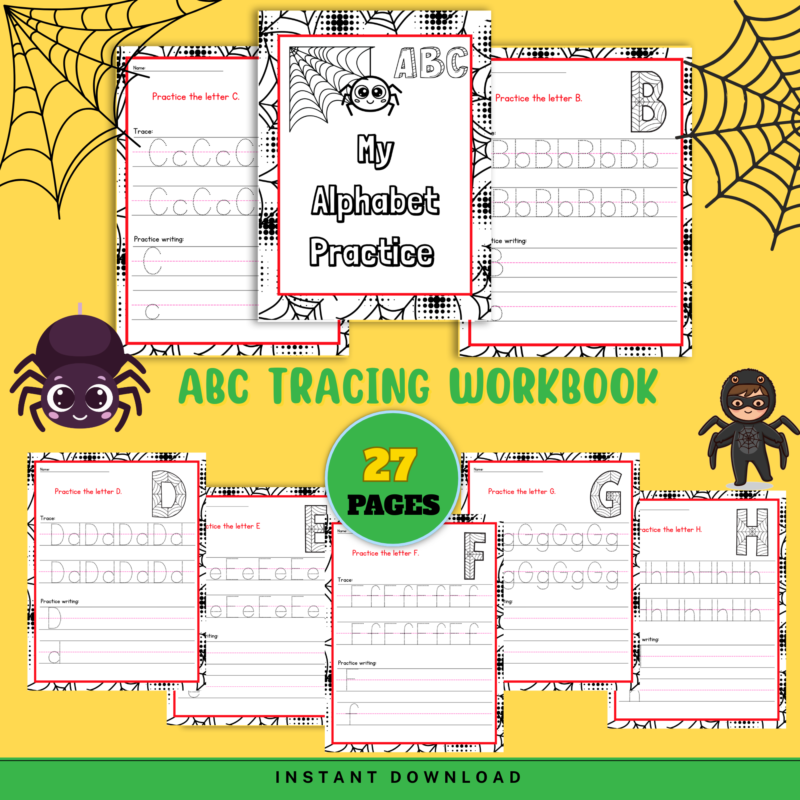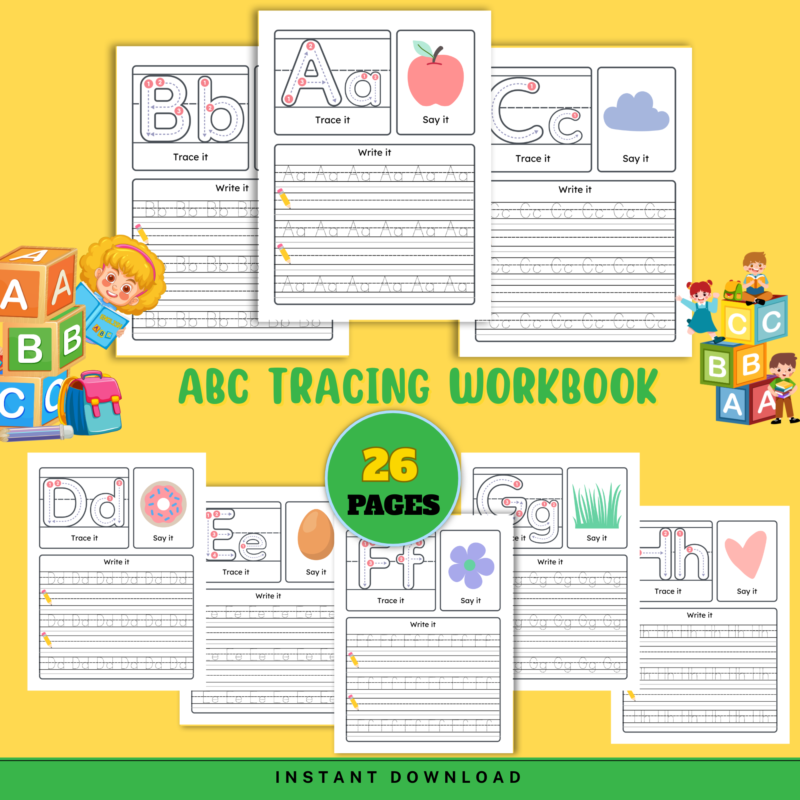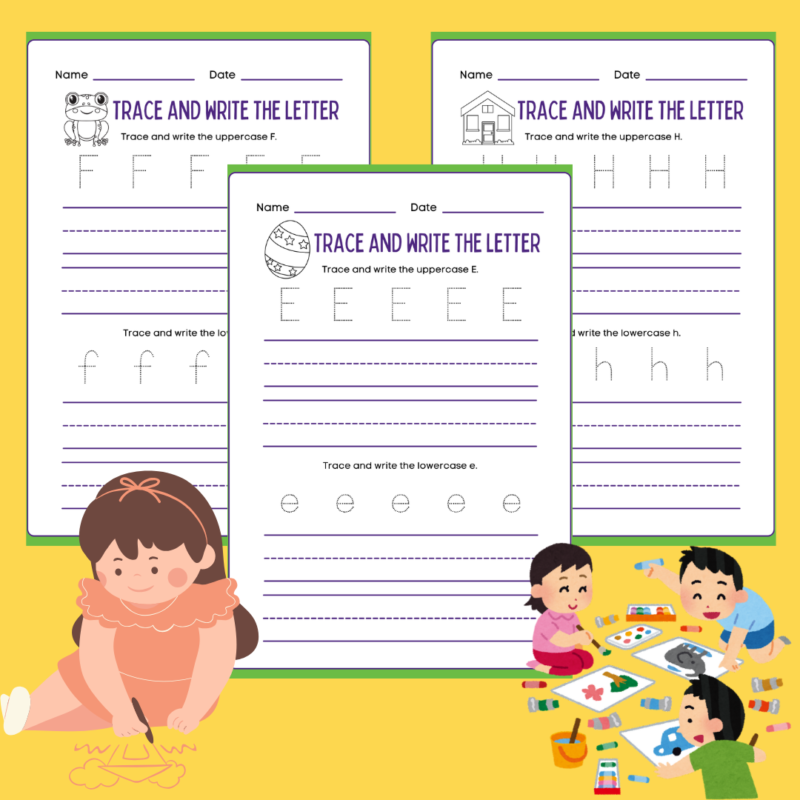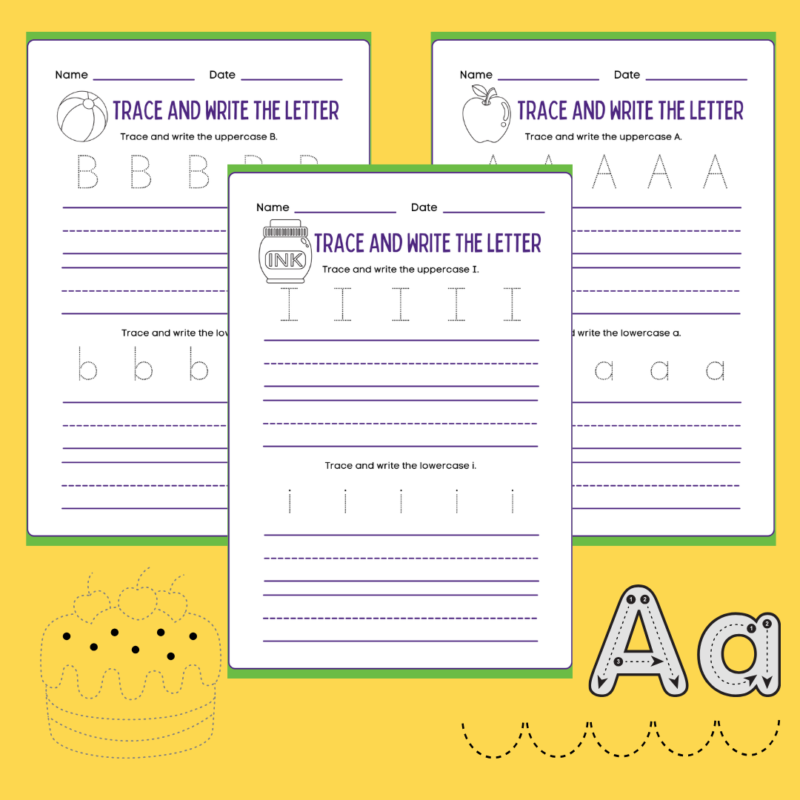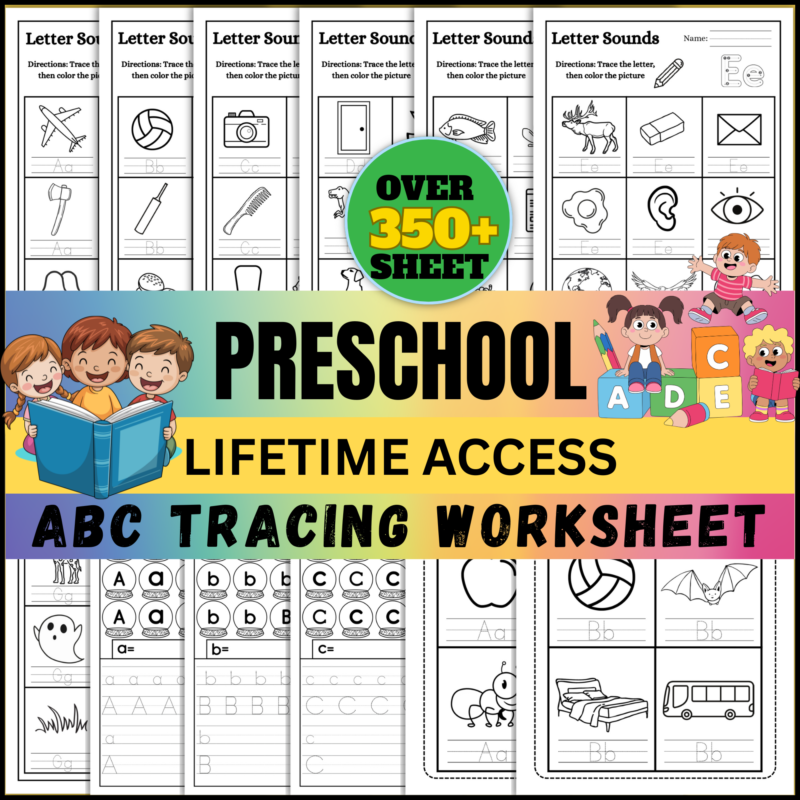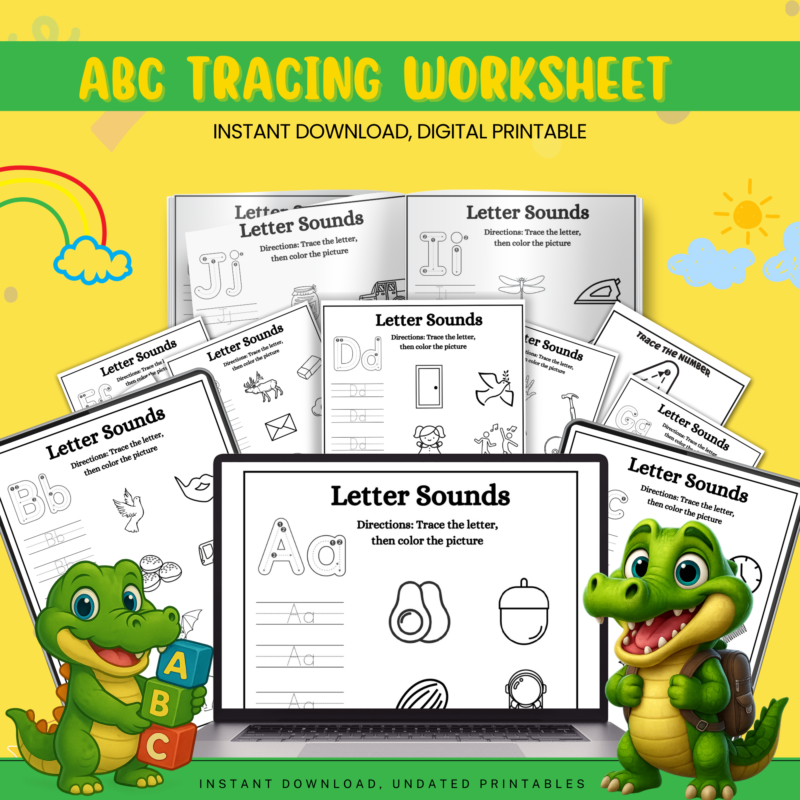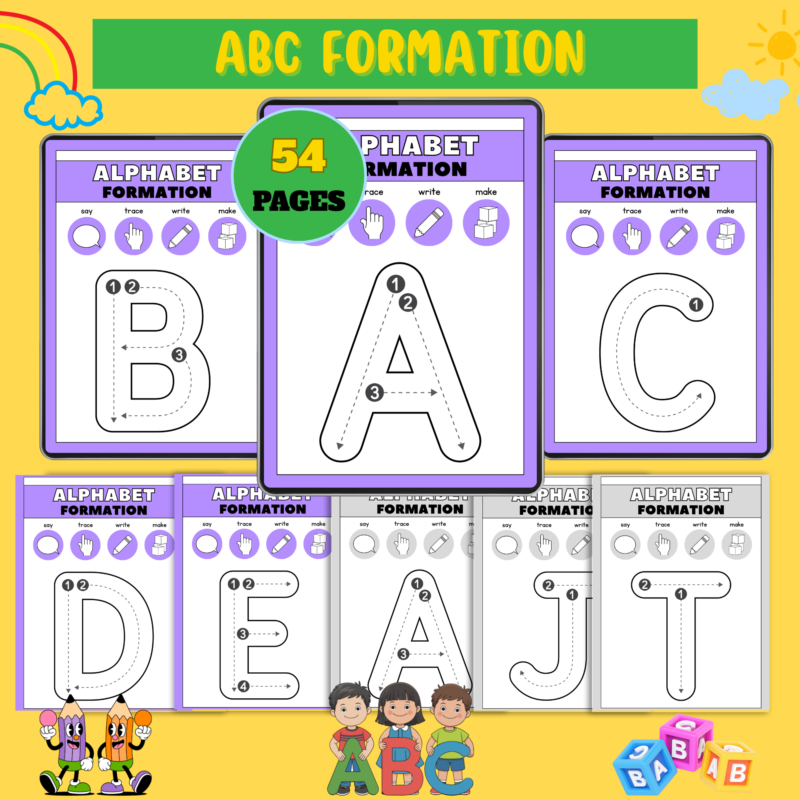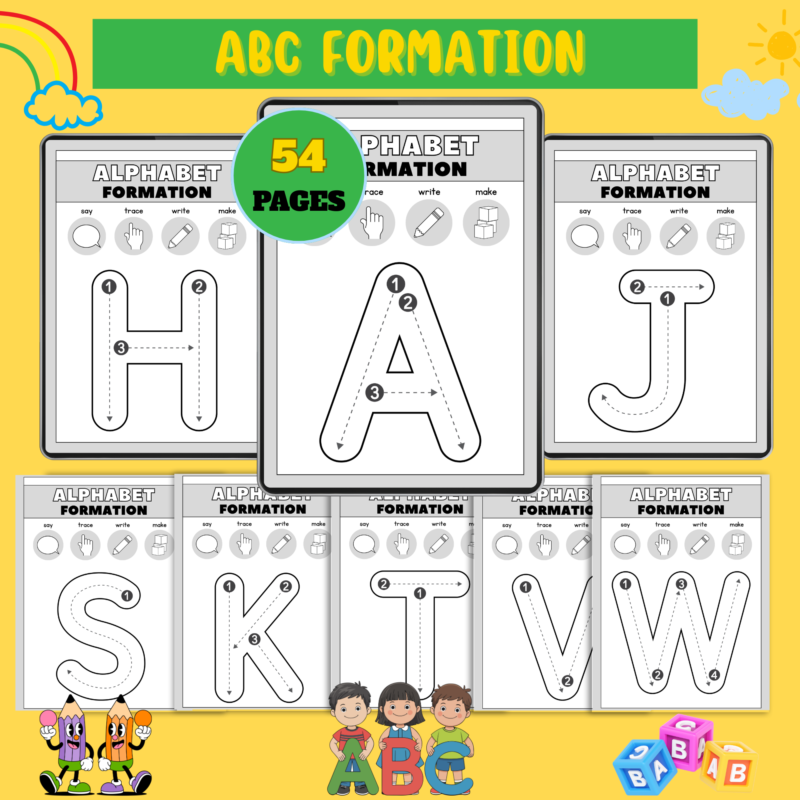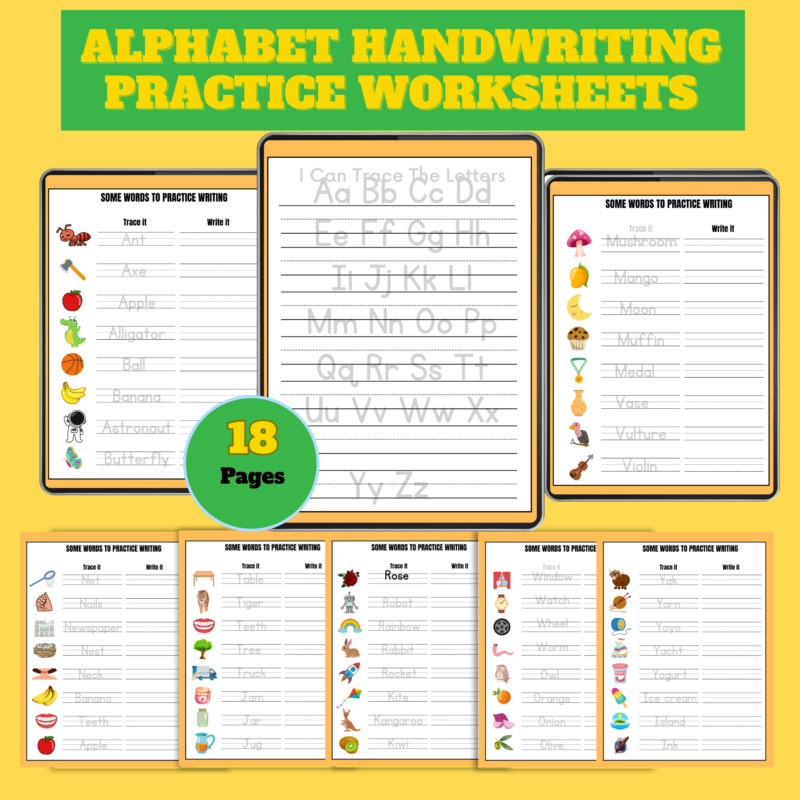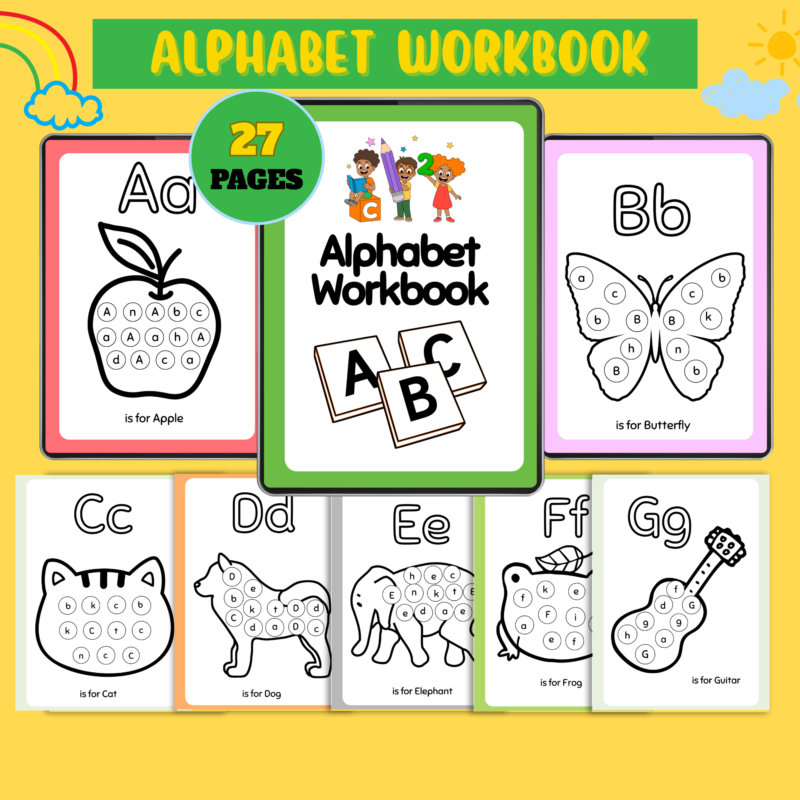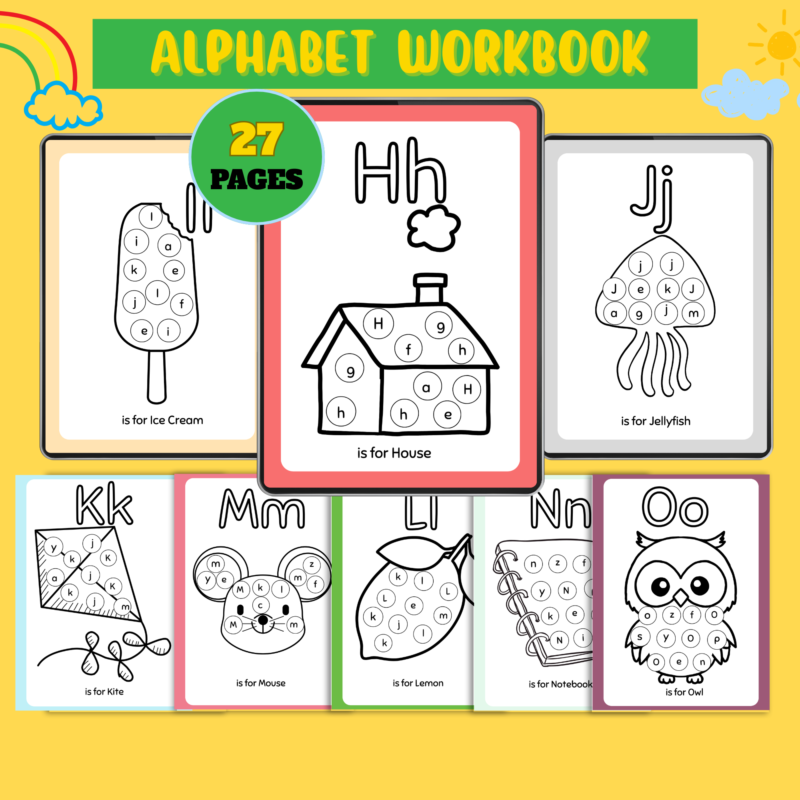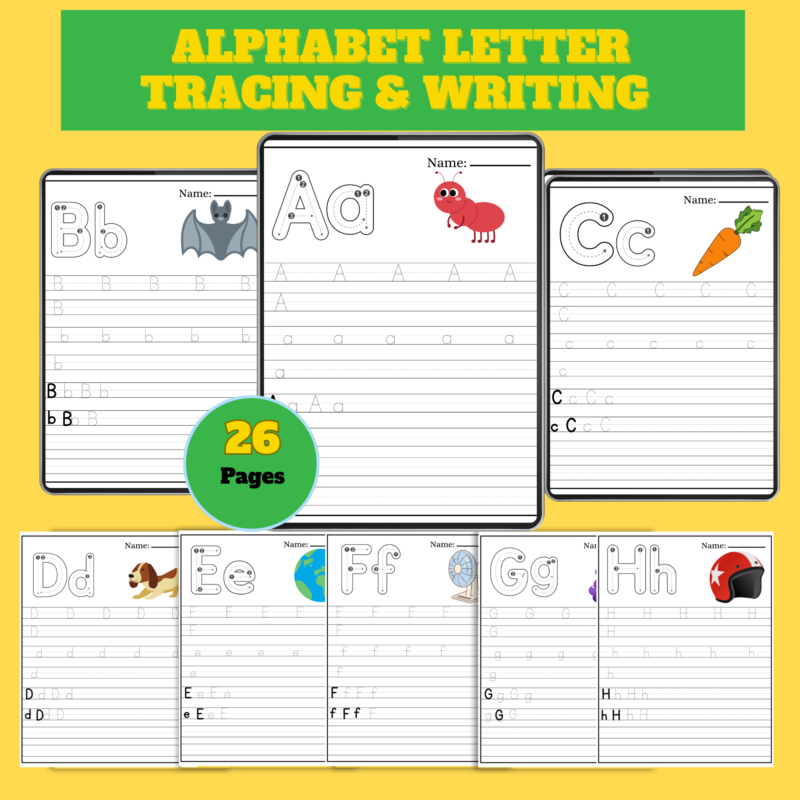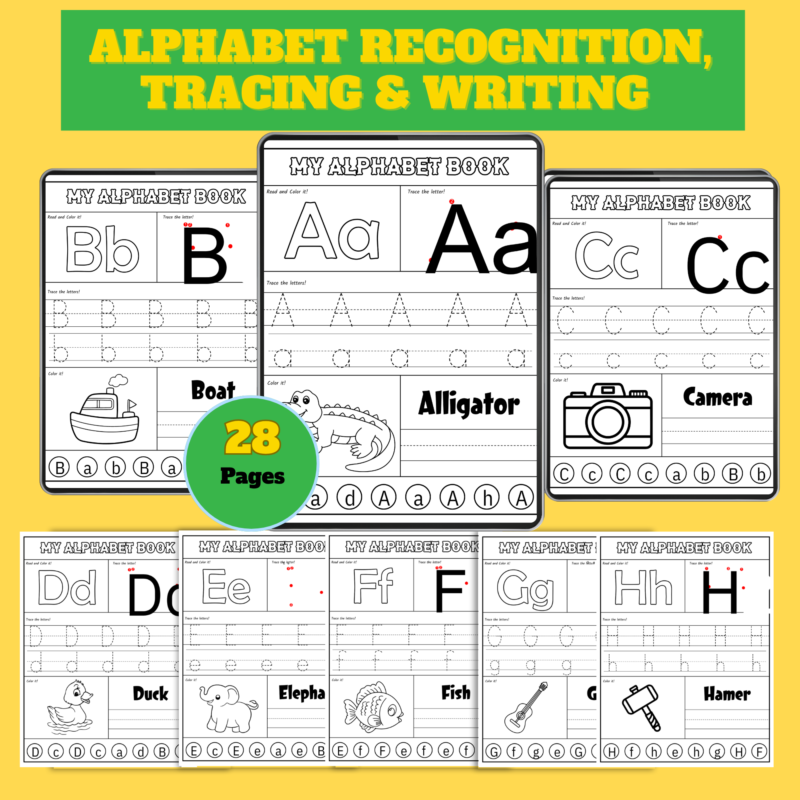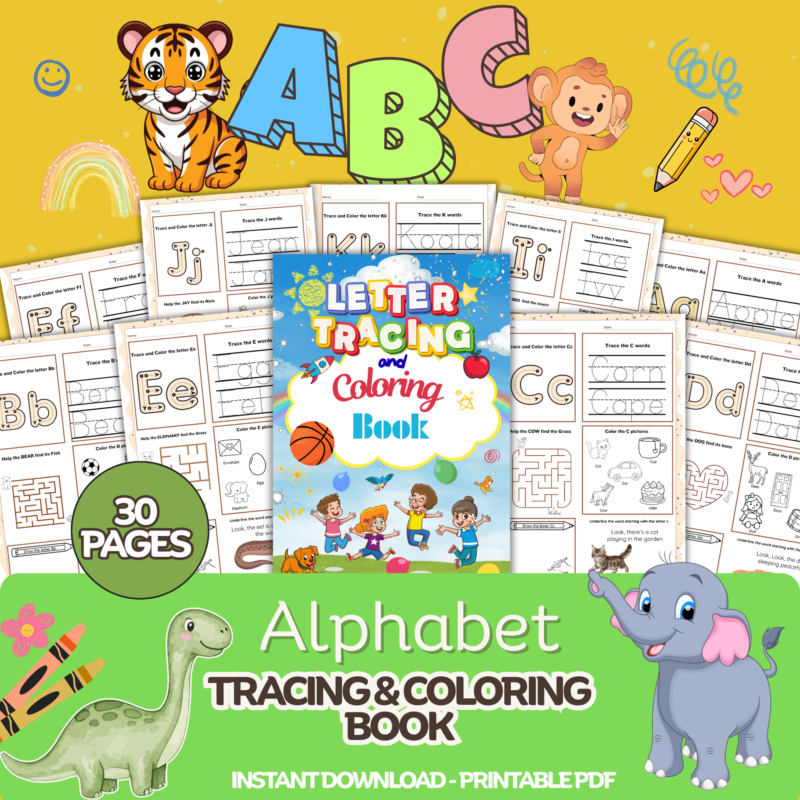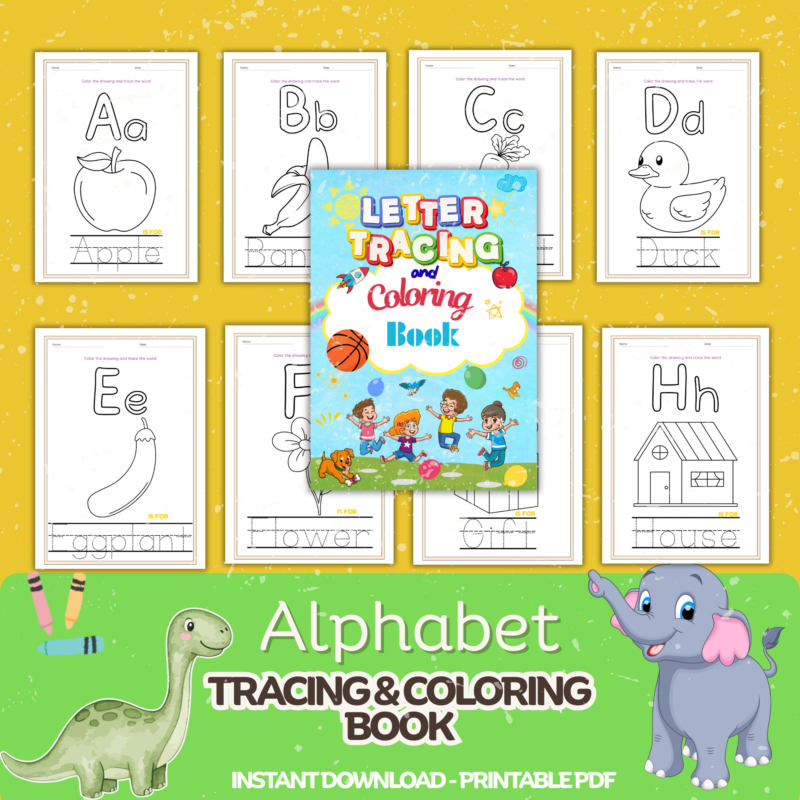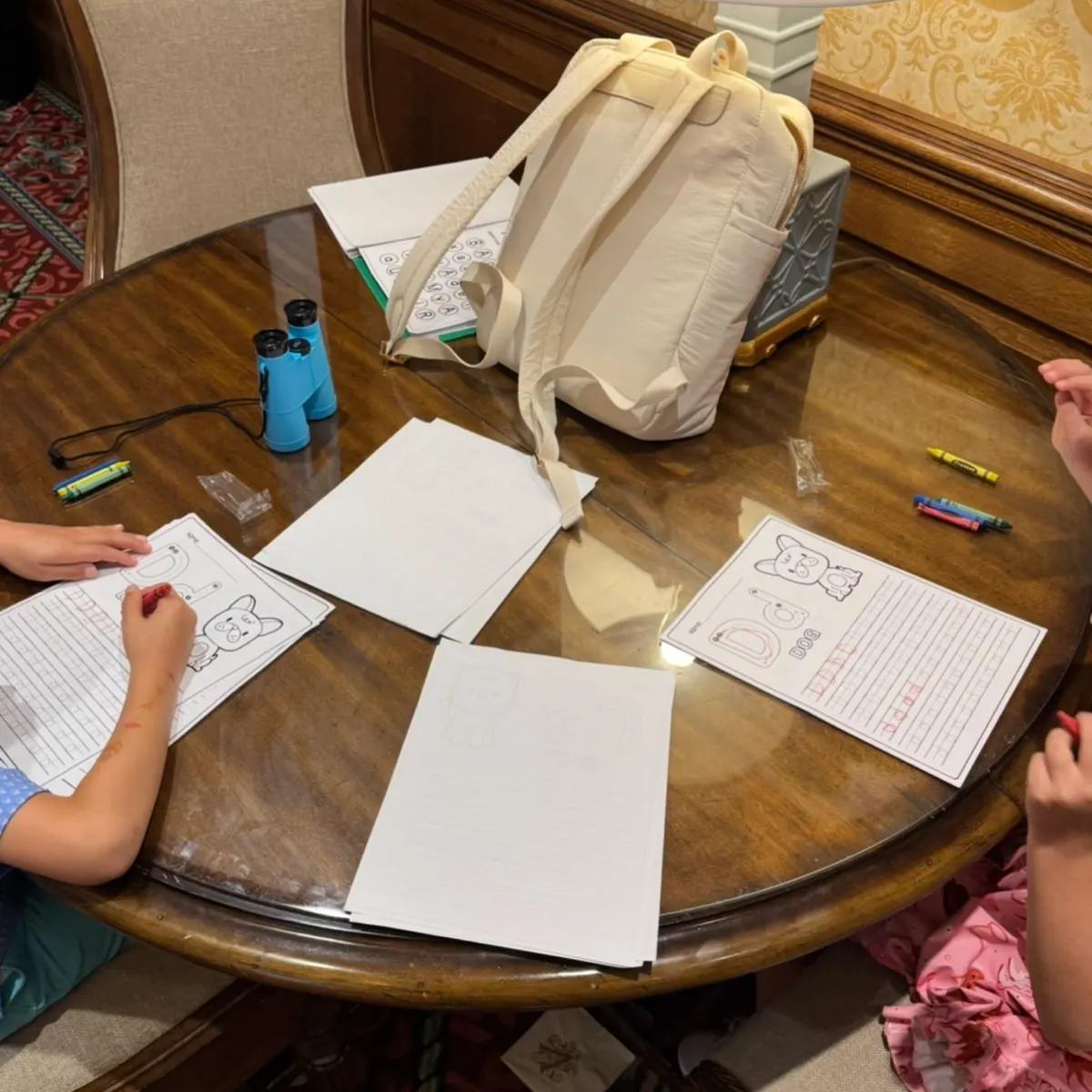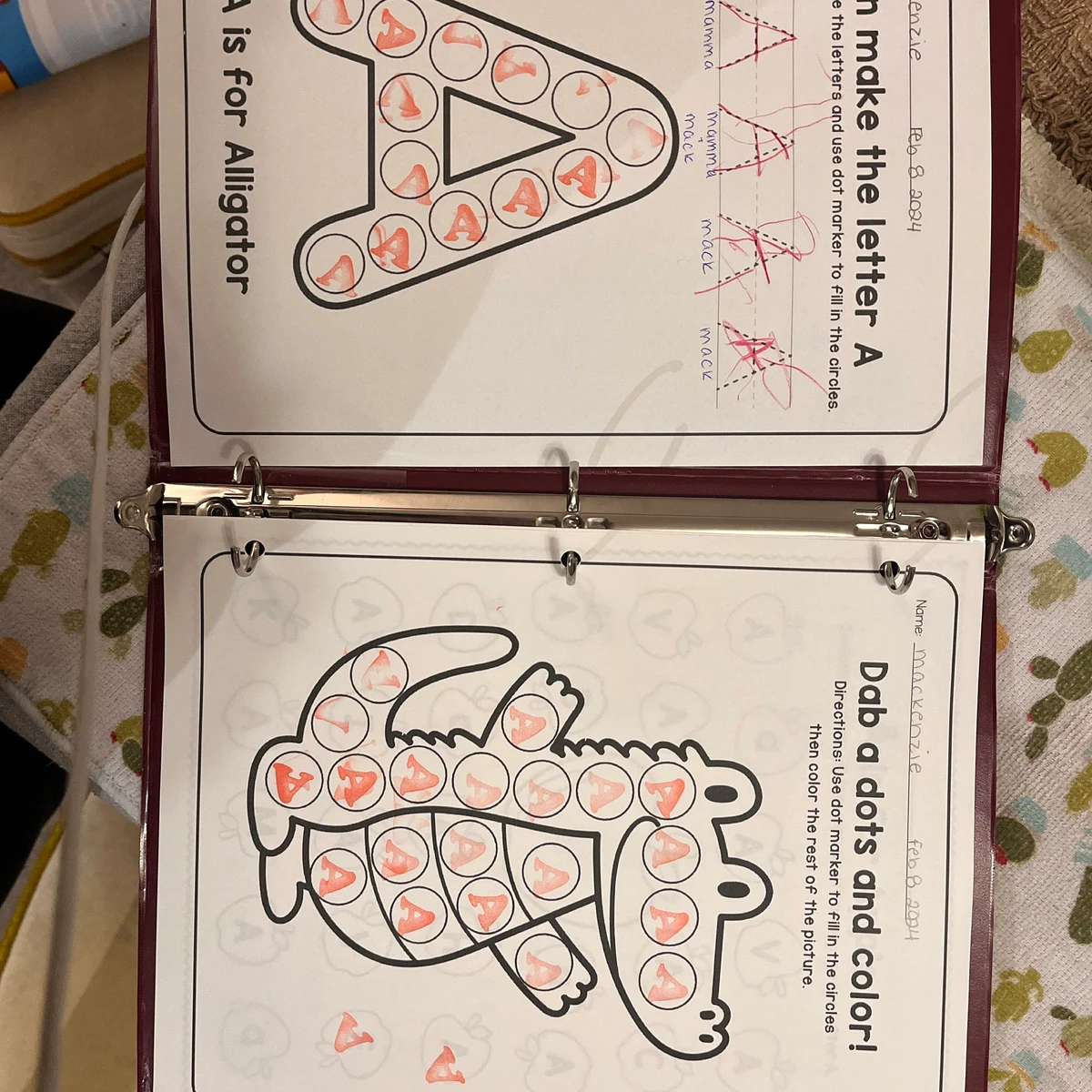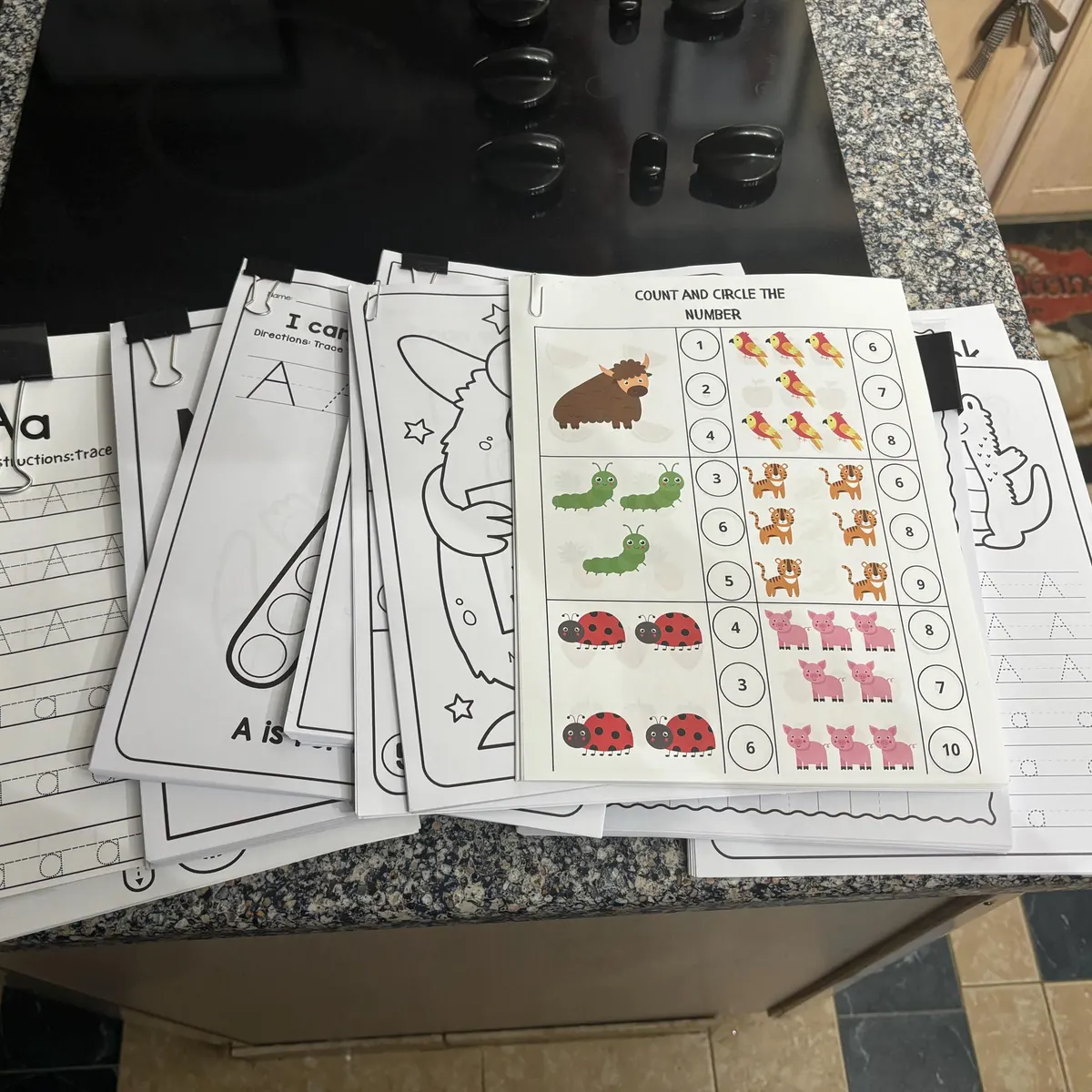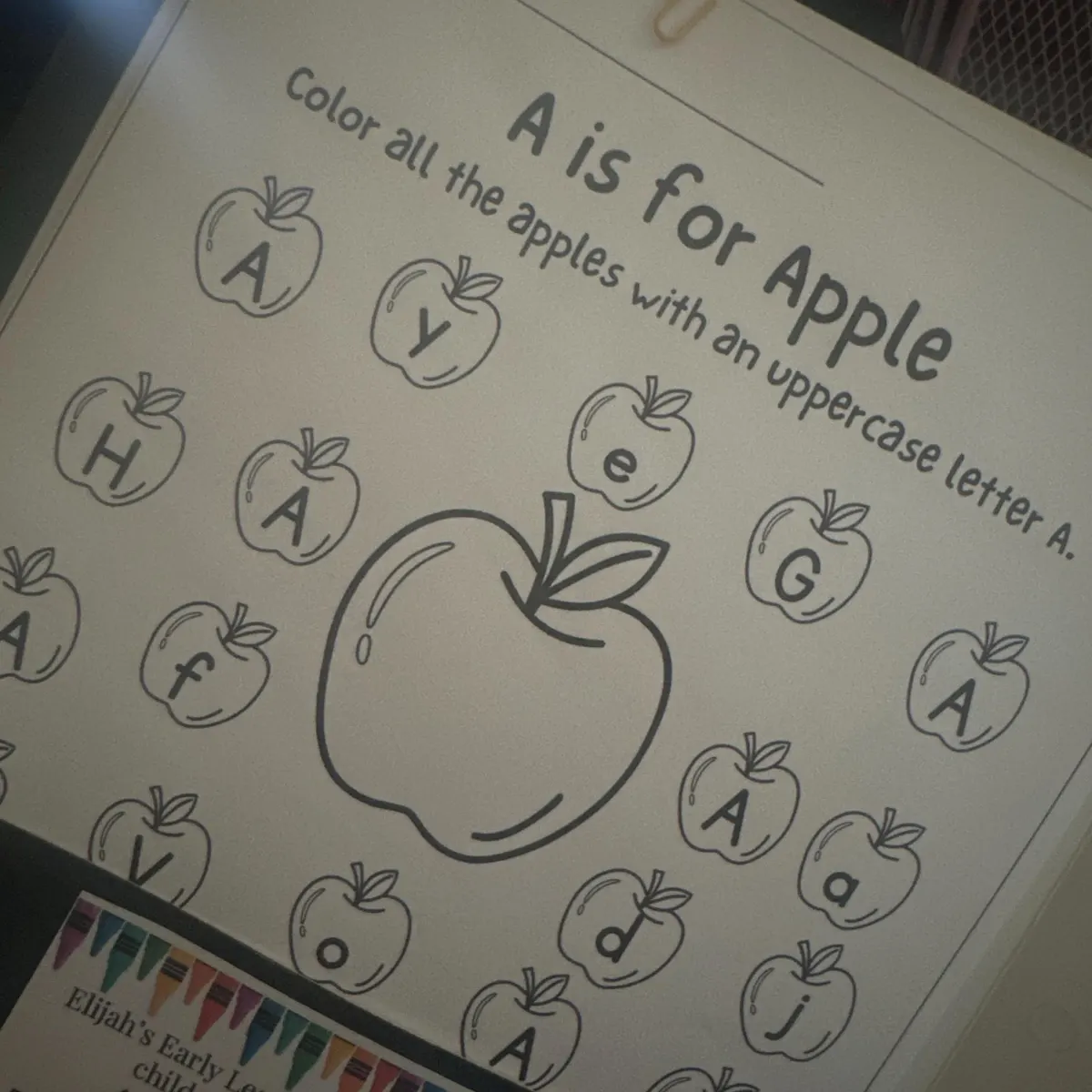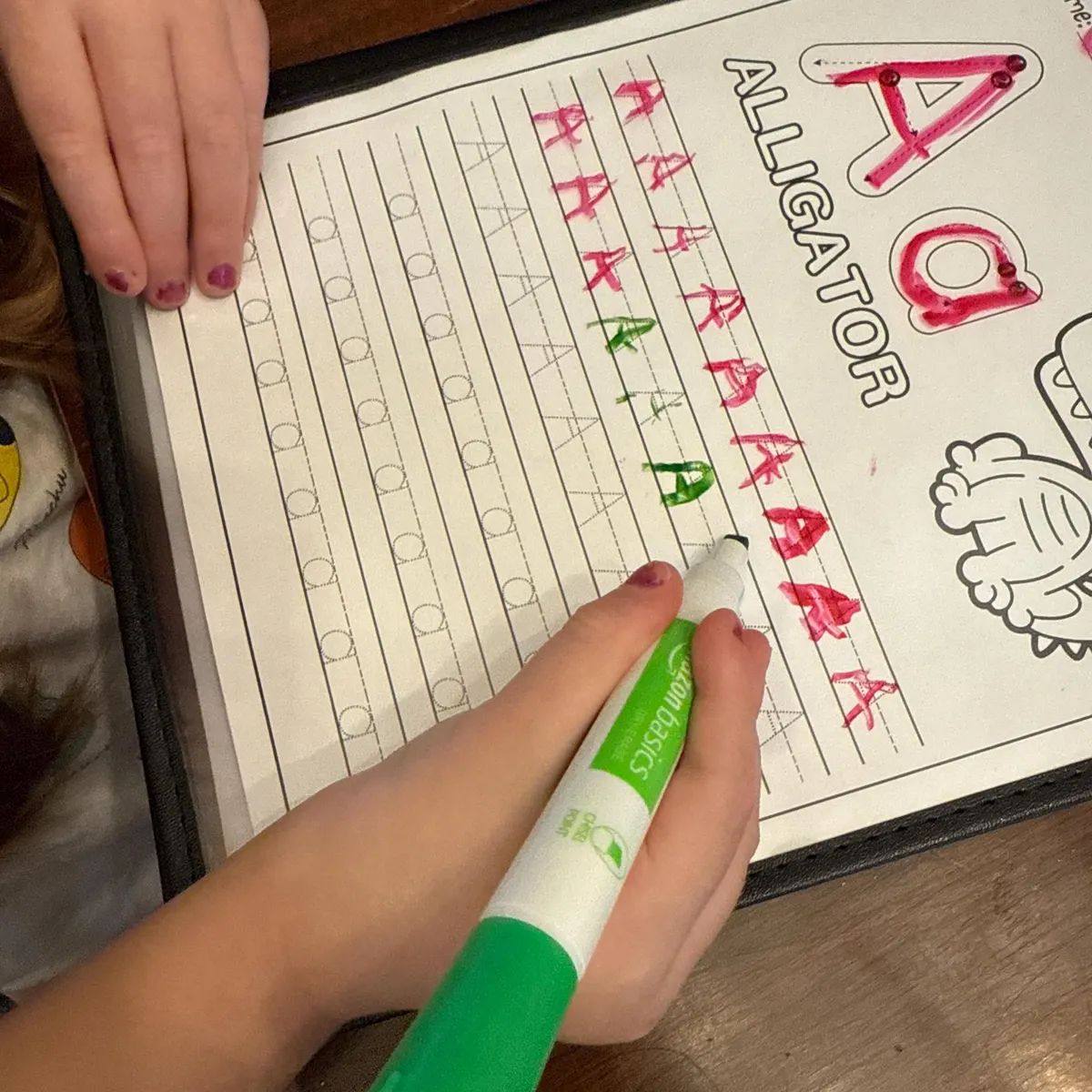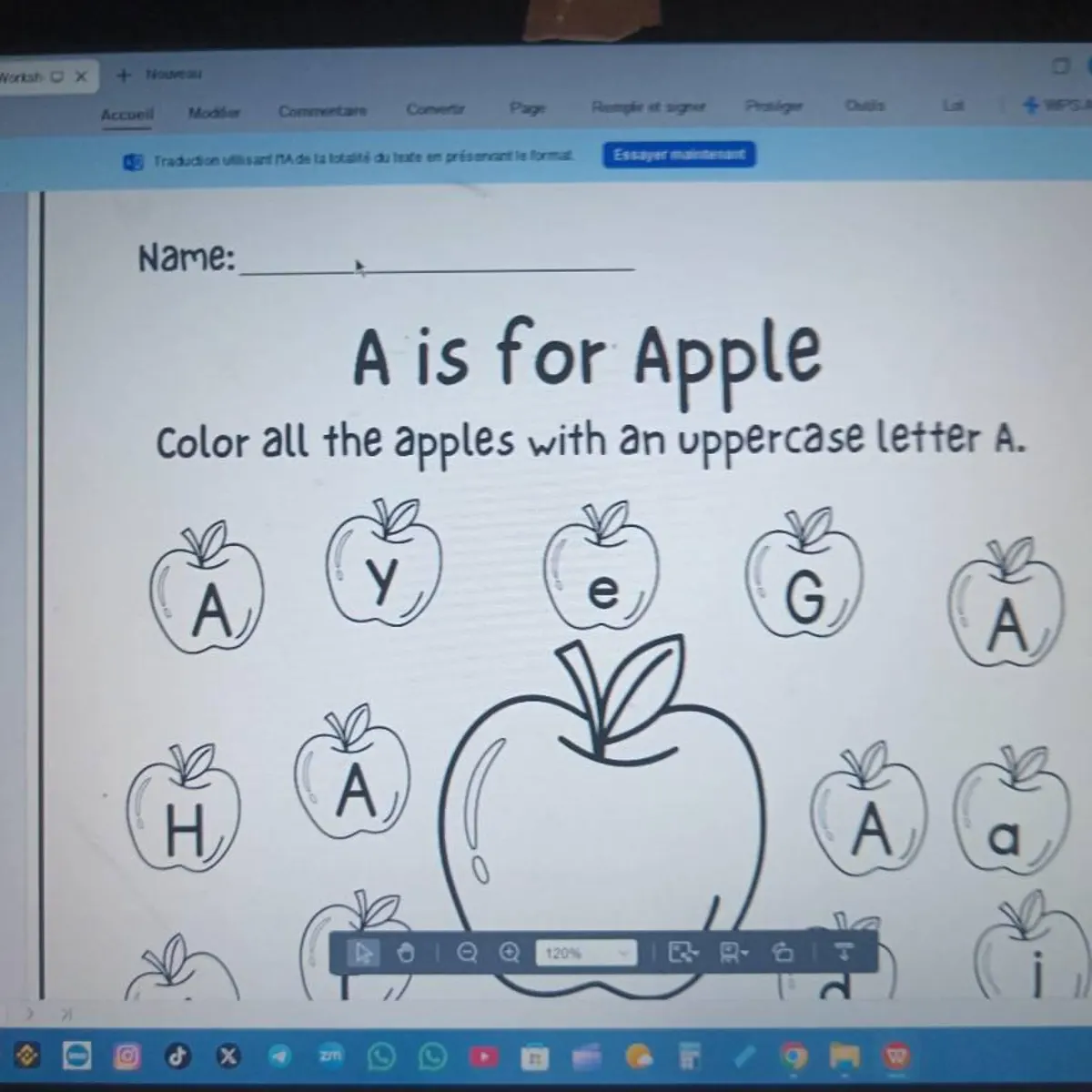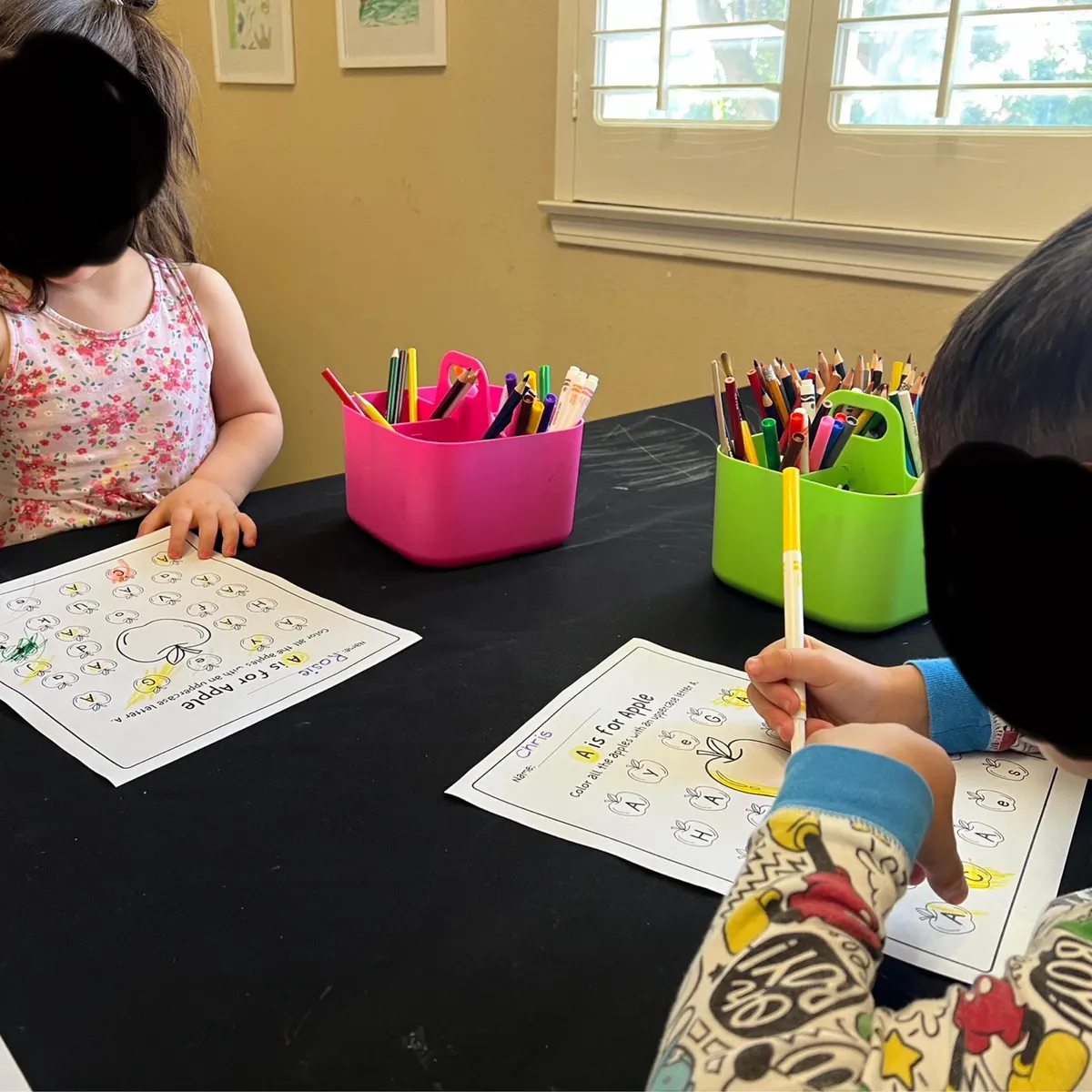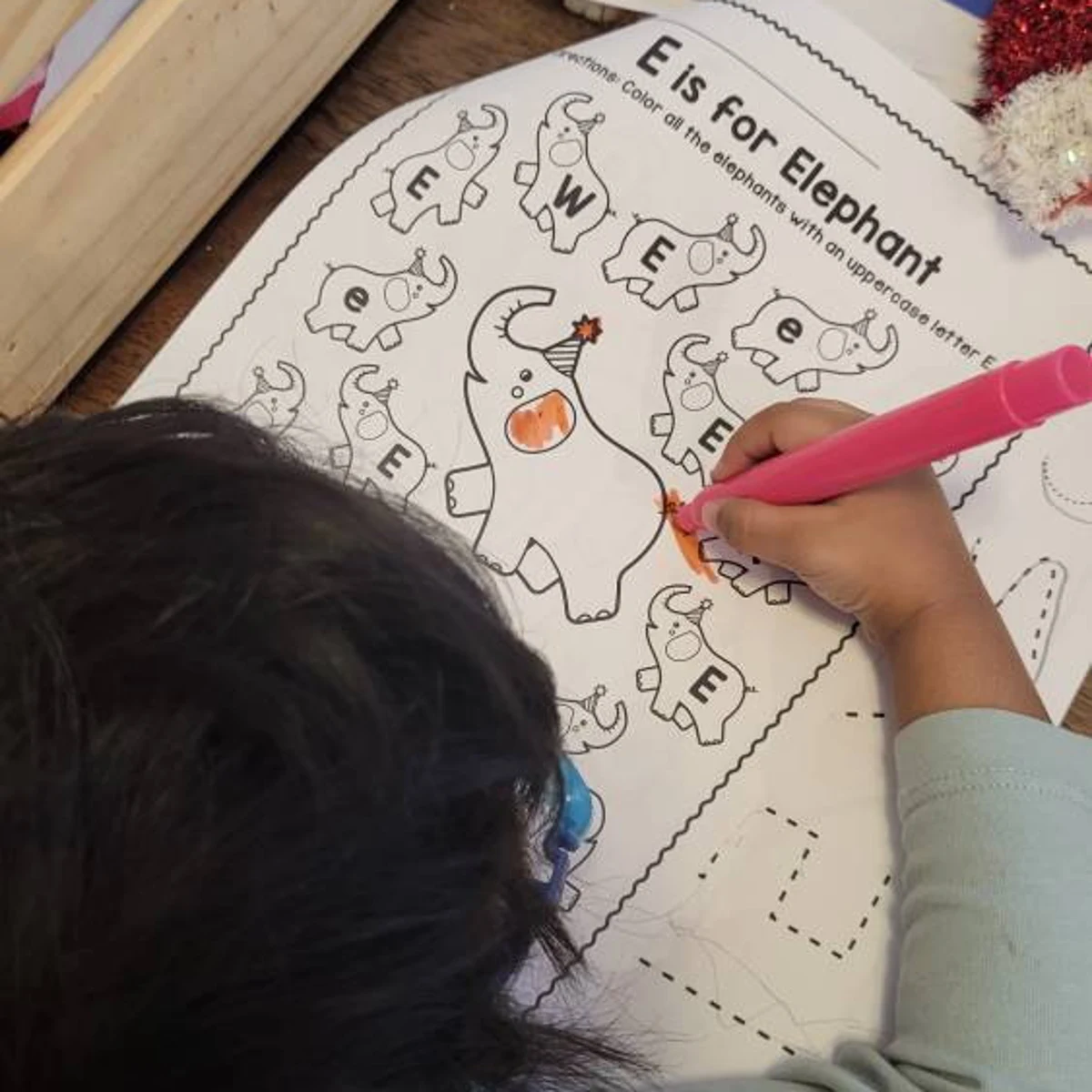
Free A-Z Letter Tracing Worksheets, A-Z Letter Tracing Sheets, and A-Z Letter Tracing Worksheets PDF designed for preschool and kindergarten learners. These fun printable tracing activities help children improve handwriting, alphabet recognition, pencil control, fine motor skills, and writing confidence through engaging uppercase and lowercase tracing practice perfect for classroom, homeschool, and daily learning routines.
A preschooler holding a crayon in a fist is not failing at handwriting. They are building the hand strength, coordination, and confidence that writing requires. The best way to improve preschool pencil grip is rarely to correct every hold. It is to offer playful, short activities that make little fingers stronger and help children discover a more controlled grip over time.
Preschool handwriting should feel like exploration, not a test. When children are relaxed and engaged, they are much more likely to practice the small movements that lead to comfortable coloring, tracing, drawing, and eventually letter writing.
What a Preschool Pencil Grip Should Look Like
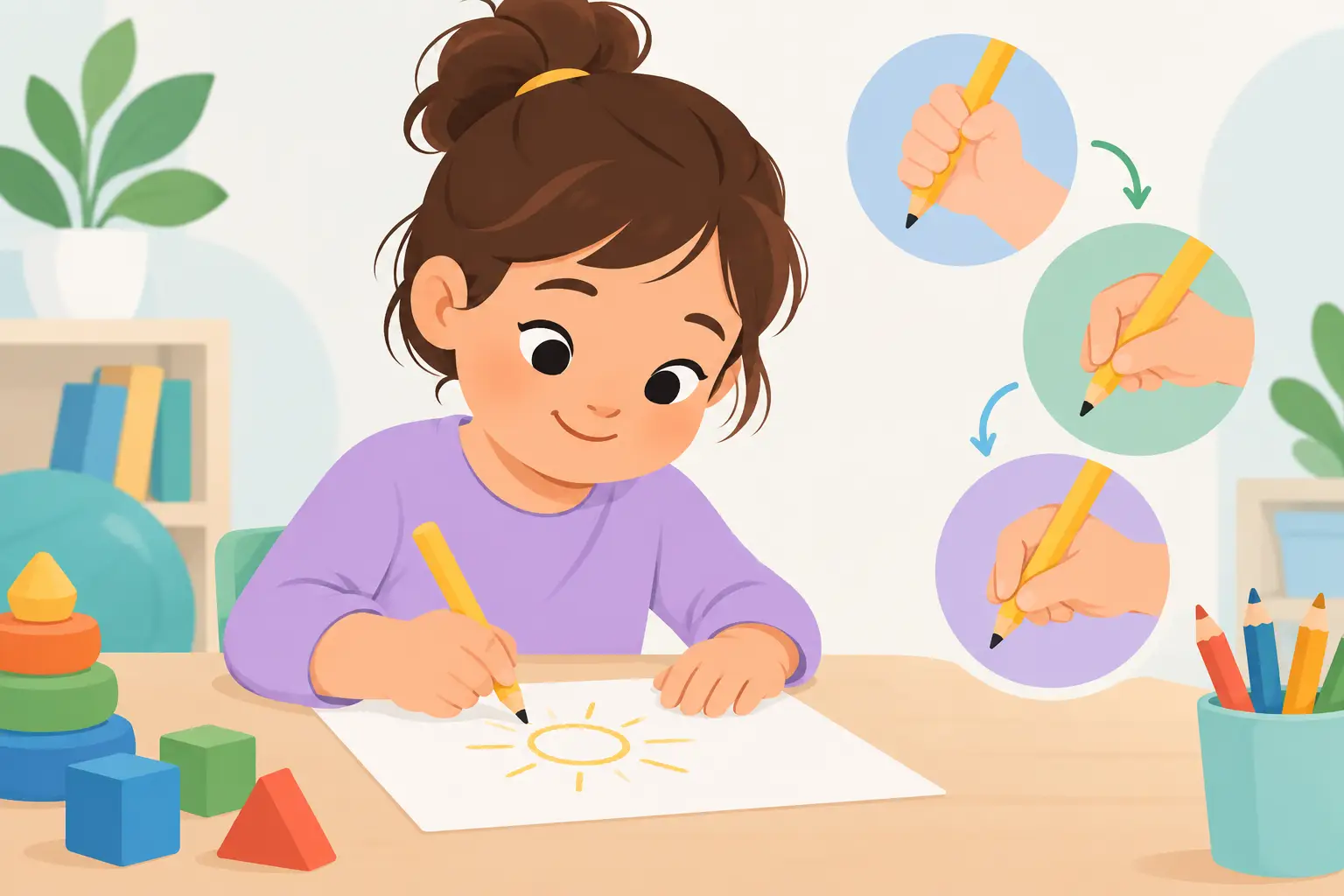
Many preschoolers begin with a whole-hand grasp, especially around ages 2 and 3. They may hold a crayon with their fist, use their arm for large scribbles, or switch hands often. That is typical. Their hands are still developing, and large movements come before precise finger movements.
As control grows, many children move toward a tripod-style grip. This is where the pencil rests against the middle finger while the thumb and index finger help guide it. Some children use a slightly different but still effective grasp, such as holding the tool with four fingers. The goal is not to make every child’s hand look identical. The goal is a grasp that is comfortable, flexible, and lets the child control the mark on the page.
Watch for progress in function. Can your child color in a simple area for a little longer? Trace a line with fewer big detours? Draw circles, crosses, and simple people? Those small gains matter much more than whether their fingers are positioned perfectly.
Start With Strong Hands, Not More Worksheets
A pencil grip depends on more than fingers. Children need strength through the shoulders, arms, wrists, palms, and fingers before they can manage a small writing tool with ease. If a child tires quickly or presses very hard, extra tracing pages alone may feel frustrating.
Build hand skills into play first. A few minutes a day can make a real difference, especially when activities are repeated across the week.
Here are several easy choices for home, preschool, or a learning center:
- Roll, pinch, flatten, and hide small objects in play dough.
- Use clothespins to clip pictures, cards, or socks onto a container edge.
- Spray water onto a sidewalk or window with a child-safe spray bottle.
- Tear paper for collages, then squeeze glue bottles to attach the pieces.
- Pick up pom-poms, beads, or small toys with tongs or tweezers.
- String large beads, lacing cards, or cereal loops onto a shoelace.
These activities work because they ask little hands to squeeze, pinch, rotate, and stabilize. Those are the same building blocks children use when they hold a pencil and move it across paper.
For children who resist table work, try vertical play. Tape paper to a wall, easel, or refrigerator and let them draw with washable crayons. Working upright naturally encourages the wrist and shoulder to take a more stable position. It can also feel more like art than handwriting practice.
Choose Tools That Help Children Succeed
The right tool can make practice easier right away. Thin, standard pencils are often too small and slippery for new writers. Start with short crayons, broken crayon pieces, triangular crayons, chunky chalk, or short colored pencils. Their size encourages children to use their fingers instead of wrapping their whole hand around a long tool.
A small pencil is especially helpful because there is less room to hold it in a fist. Offer it gently, without turning it into a rule. If a child is comfortable with a thicker crayon and makes controlled marks, that is useful practice too.
Pencil grips can help some preschoolers, but they are not necessary for everyone. A grip may be worth trying if a child complains that writing hurts, has trouble keeping the pencil from slipping, or seems unable to separate the thumb and fingers after plenty of playful hand practice. Choose a soft, simple grip and introduce it as a tool to try, not something the child must use.
Also check the setup. A child who is perched on an adult chair, dangling their feet, or reaching too far across a table will have a harder time controlling a pencil. Ideally, feet are supported, the table is near elbow height, and paper is placed slightly to the side of the writing hand. Right-handed children often find it easier to angle the top of the paper slightly left; left-handed children may prefer it angled slightly right. This leaves room for the wrist to move comfortably.
How to Improve Preschool Pencil Grip During Everyday Practice
Rather than asking a child to “hold it correctly,” use simple prompts that focus on action. Say, “Can your fingers take a little nap around the crayon?” or “Let’s make tiny roads with just the tip.” Friendly language lowers pressure and gives children something practical to try.
Keep writing sessions short. Five to 10 focused minutes is often plenty for preschoolers. Stop while the child still feels successful, even if they have not finished the page. A cheerful ending makes it easier to return tomorrow.
Start with pre-writing strokes before expecting letters. Straight lines, horizontal lines, vertical lines, circles, curves, zigzags, and crosses teach children how to control direction. These shapes appear in early letter formation, but they are easier to practice because there is no pressure to make a recognizable letter.
A simple progression might look like this:
1. Make big marks first
Draw roads for toy cars, rain falling from clouds, grass under an animal, or waves in the ocean. Use a large sheet of paper, sidewalk chalk, or a whiteboard. Big movements help children learn direction and build confidence.
2. Shrink the movement gradually
Move from large paths to smaller paths, then to short lines and simple shapes. Mazes, dot-to-dot pictures, and traceable paths are useful at this stage. Look for activities with clear, uncluttered spaces so the child can focus on one movement at a time.
3. Add meaningful tracing
When children are ready, tracing their name’s first letter, a favorite animal path, or familiar alphabet shapes can feel more motivating than filling an entire page of repeated letters. A printable handwriting activity is most helpful when it provides a clear model, roomy lines, and just enough repetition to practice without boredom.
4. Let children create
After tracing, leave room for a quick drawing, a sticker, or a color-in section. Creative work gives children a reason to use the skills they just practiced. It also shows them that pencils and crayons are tools for sharing ideas, not only completing assignments.
Fun Clever Fox printable fine motor and handwriting activities can make this routine easy to set up, with ready-to-use pages that pair skill practice with playful themes. Print only a few pages at a time, and rotate activities to keep practice feeling fresh.
Avoid Common Pencil Grip Mistakes
Adults naturally want to help, but too much correction can make a child tense. Avoid repeatedly repositioning their fingers while they are trying to draw. Instead, model a comfortable grip, offer a shorter tool, and return to strength-building activities if the grasp looks awkward.
Try not to rush into formal handwriting. A child may recognize every letter but still need time to develop the motor control to write them. Letter knowledge and pencil control grow at different speeds. Coloring, drawing, tracing, and playing with dough are productive preparation, not wasted time.
It also helps to avoid long practice sessions. When hands fatigue, children may grip harder, slump over the page, or become silly and frustrated. That is a signal to pause, not push through. A two-minute success is more valuable than 20 minutes of struggle.
Finally, remember that left-handed children may need a little extra space and observation, not a different standard. Let them choose their dominant hand naturally. Discourage switching a pencil from hand to hand only if they already show a clear preference and benefit from consistency.
When to Ask for Extra Support
Every child develops at their own pace, and preschool is a time of wide variation. Still, it may be helpful to speak with your child’s pediatrician, teacher, or an occupational therapist if writing and drawing are consistently painful, your child avoids all fine-motor activities, or their hand control does not seem to progress over time.
Extra support is also worthwhile if you notice extreme frustration, very weak grasp strength, or difficulty using both hands together, such as holding paper still while coloring. Early guidance can give families practical strategies tailored to the child, without turning normal development into a worry.
A comfortable pencil grip grows through hundreds of small moments: squeezing dough, drawing a silly monster, tracing one wobbly line, and trying again tomorrow. Keep the tools inviting, the practice brief, and the encouragement generous. Those happy little marks on the page are the beginning of confident writing.