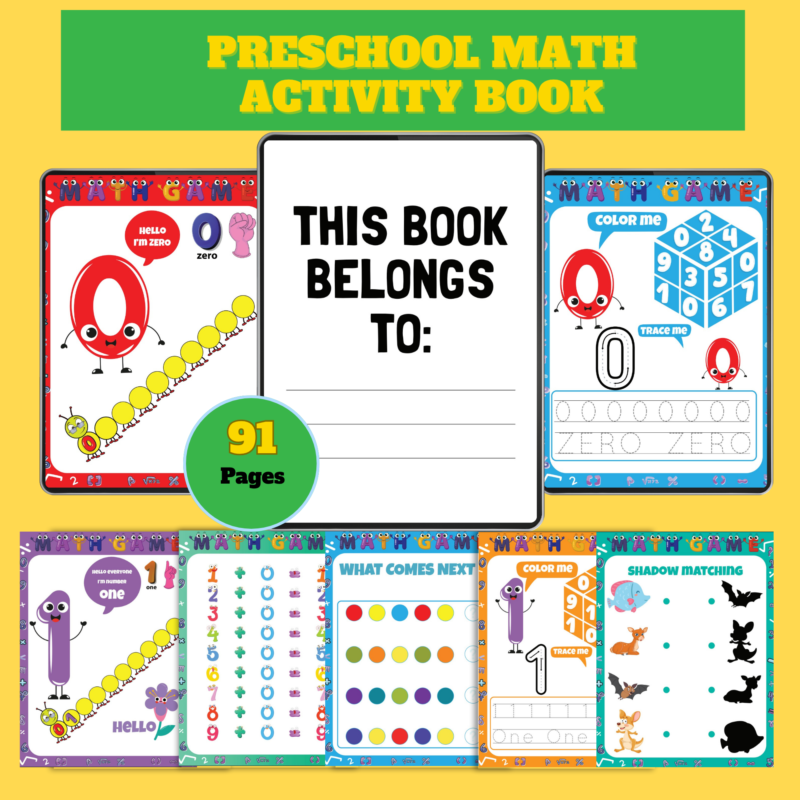
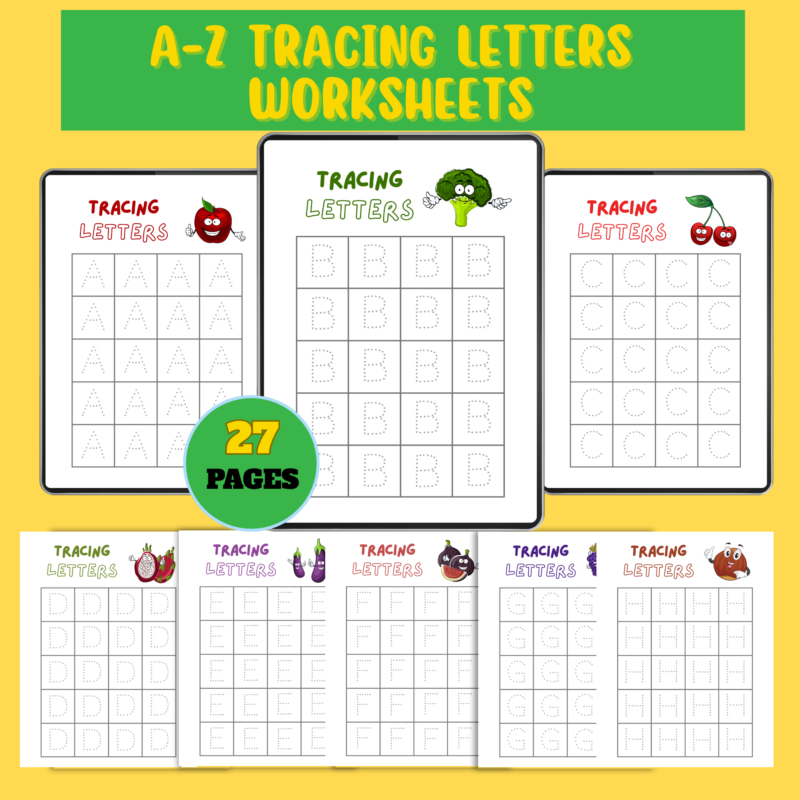
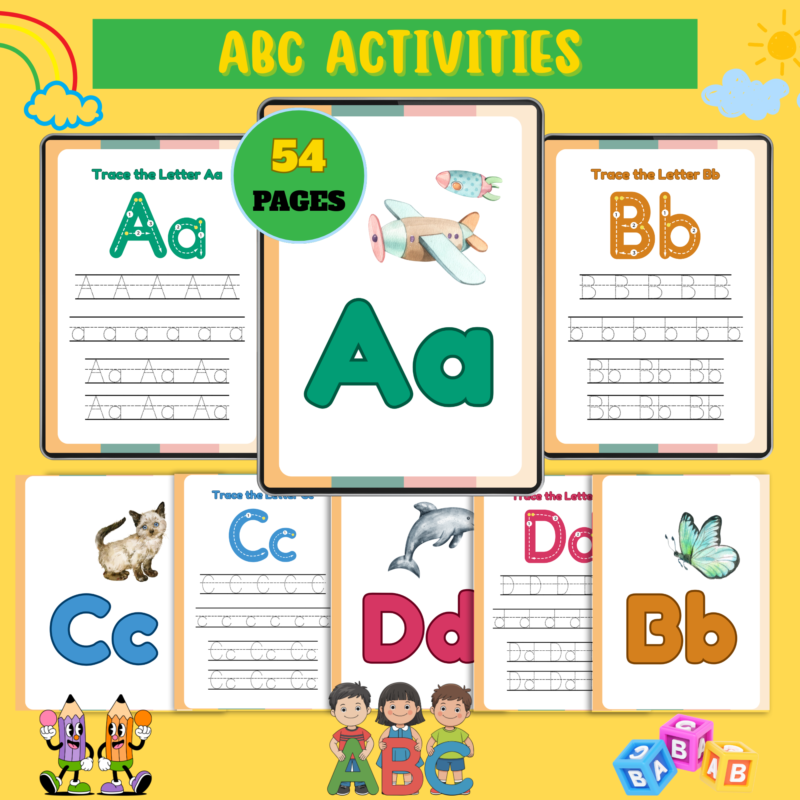
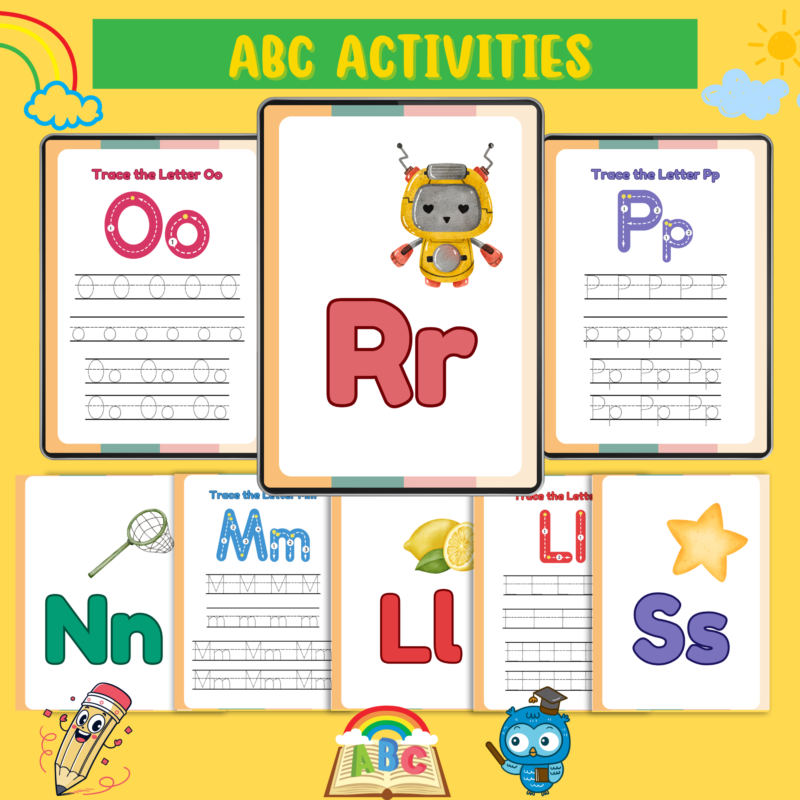
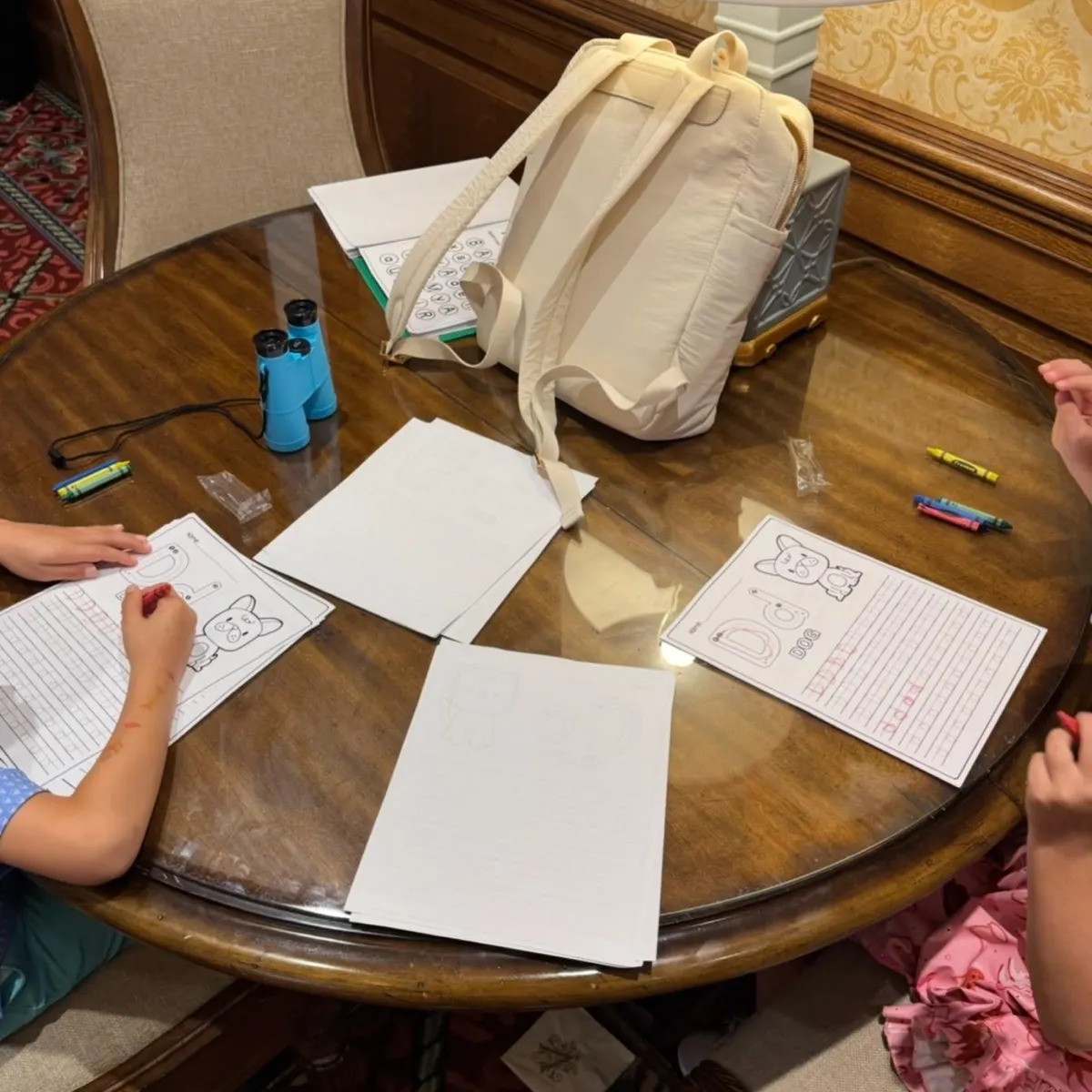
A dot marker may look like a simple art supply, but it can turn a printable page into focused, hands-on learning. The best dot marker activities give preschoolers and kindergarteners a clear task, quick success, and plenty of cheerful repetition without feeling like a long worksheet lesson.
For busy parents, teachers, and homeschool families, this matters. Children can practice early literacy, math, and fine motor skills while enjoying the satisfying dab of a colorful marker. Set out a few washable dot markers, print the page, and let learning begin.
Why Dot Marker Practice Works
Dot markers are naturally motivating for young children. The round tip makes a bold mark with very little pressure, so even children who are still building hand strength can participate successfully. Unlike a pencil, a dot marker does not require precise line control right away.
That does not mean dot marker pages are only for coloring. When the activity has a learning goal, each dot can reinforce a letter sound, a number, a shape, or a visual pattern. Children are also practicing hand-eye coordination, attention, color recognition, and the ability to follow simple directions.
The biggest benefit is repetition with a purpose. A child may happily dot ten pictures of the letter M or count five groups of apples because the activity feels playful. Meanwhile, they are getting the repeated exposure that helps early skills stick.
12 Best Dot Marker Activities for Preschool and Kindergarten
1. Alphabet Letter Dot Pages
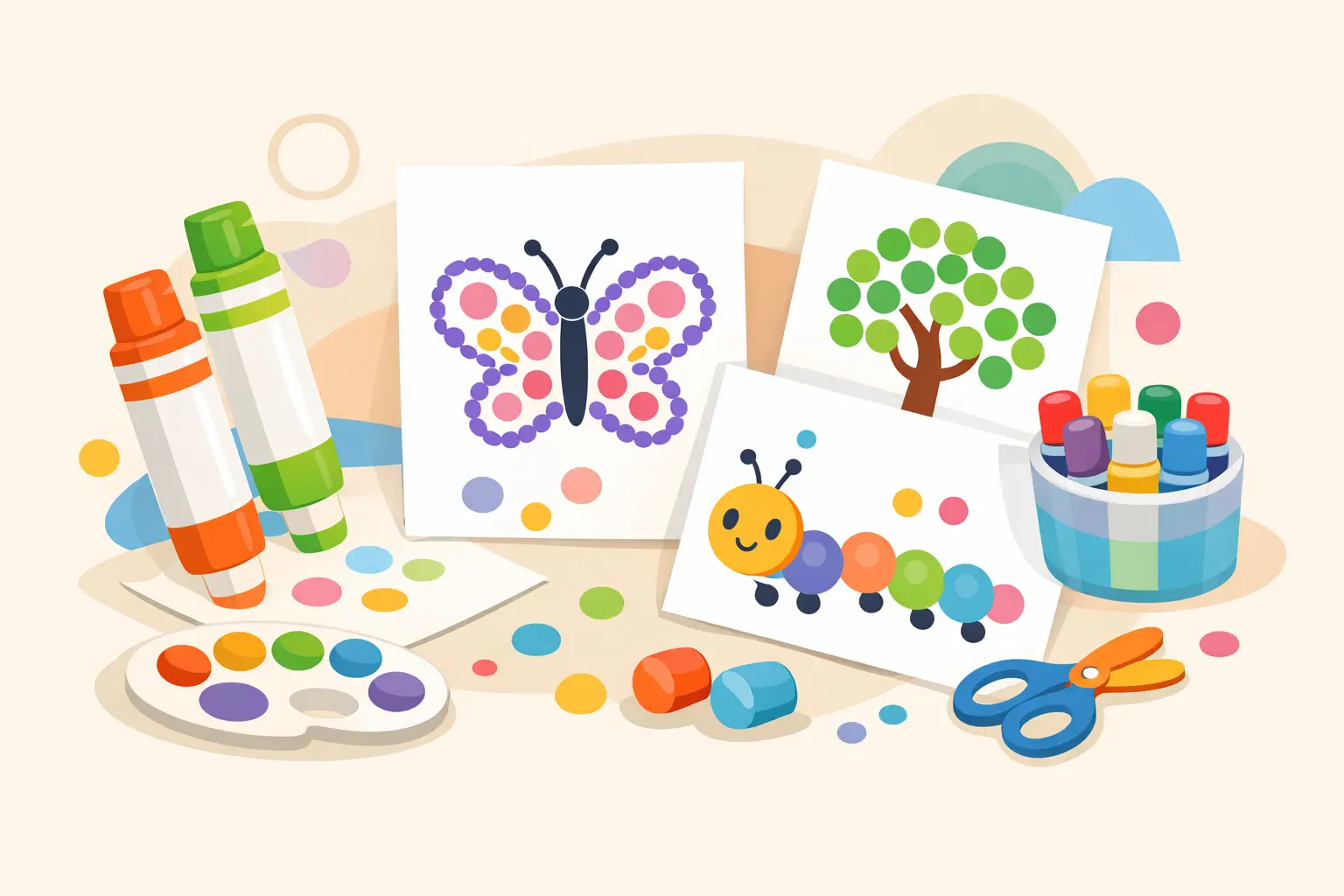
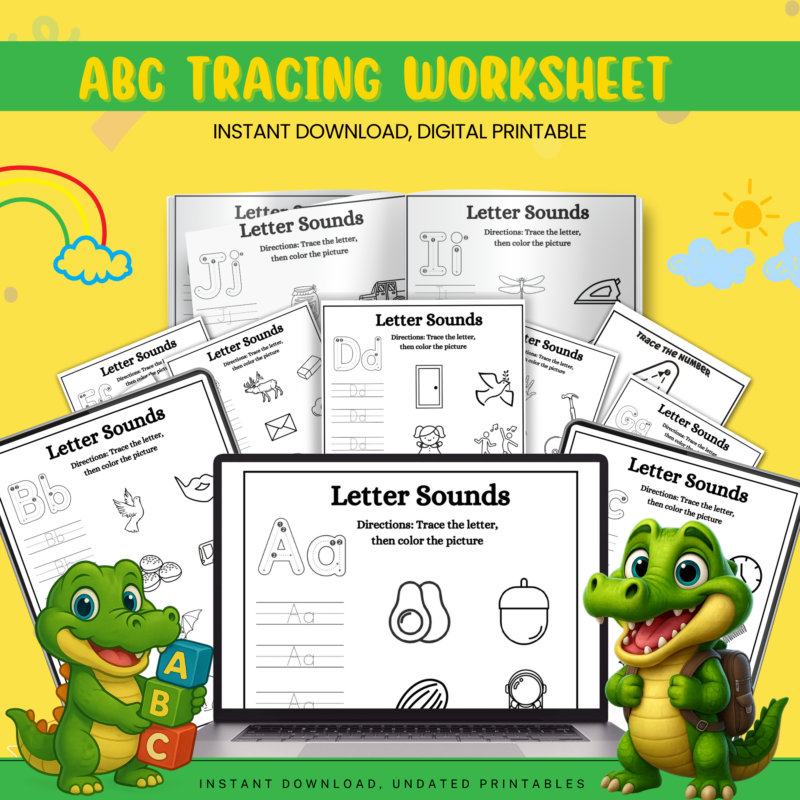
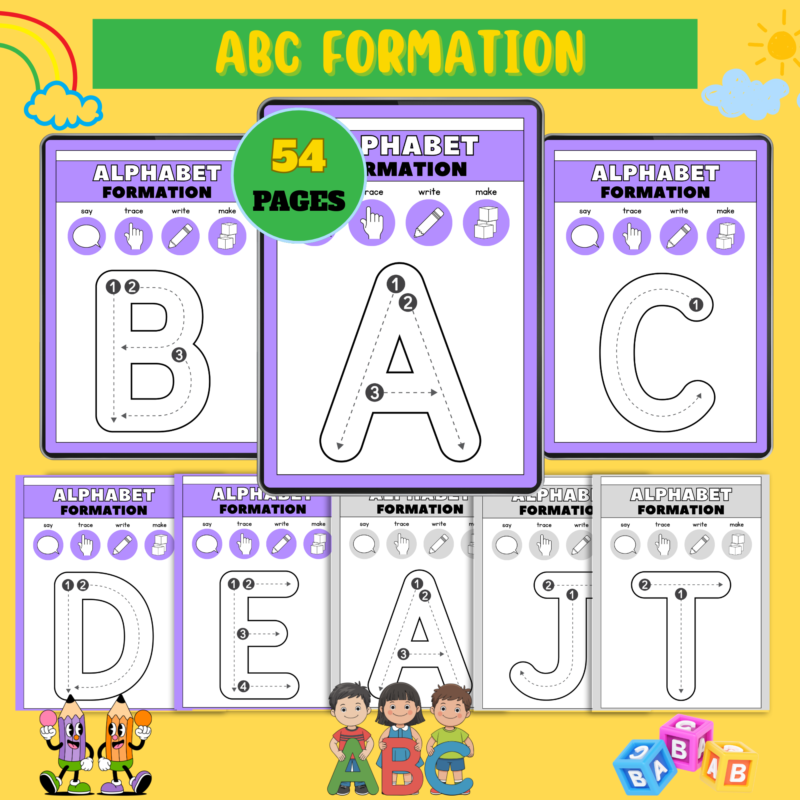
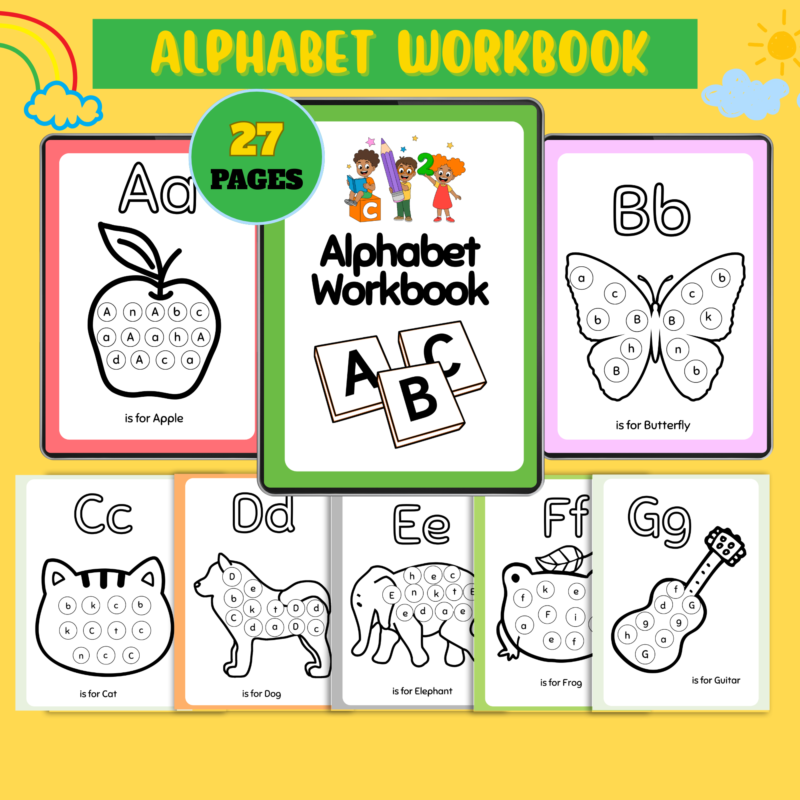
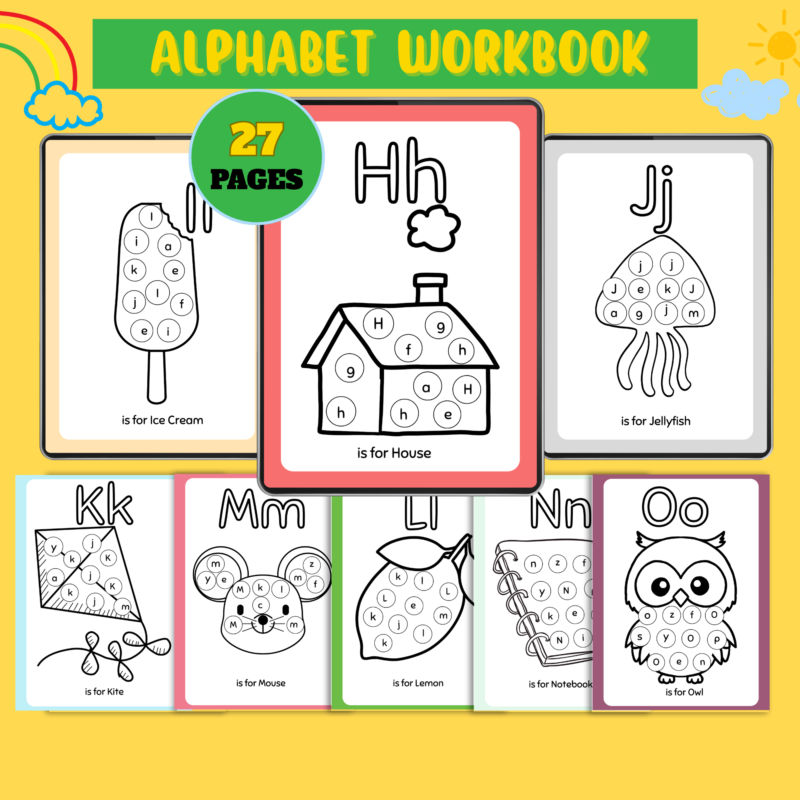
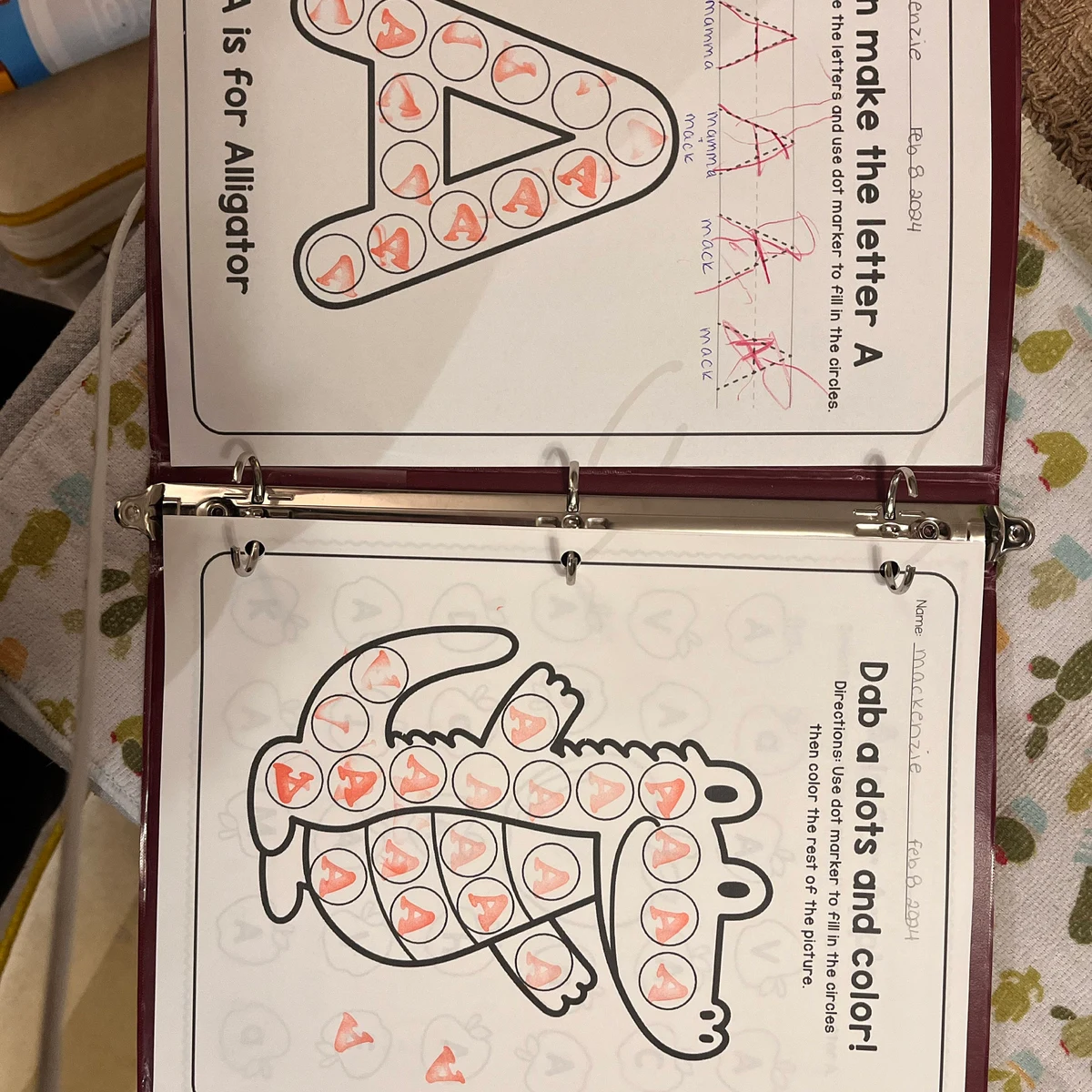
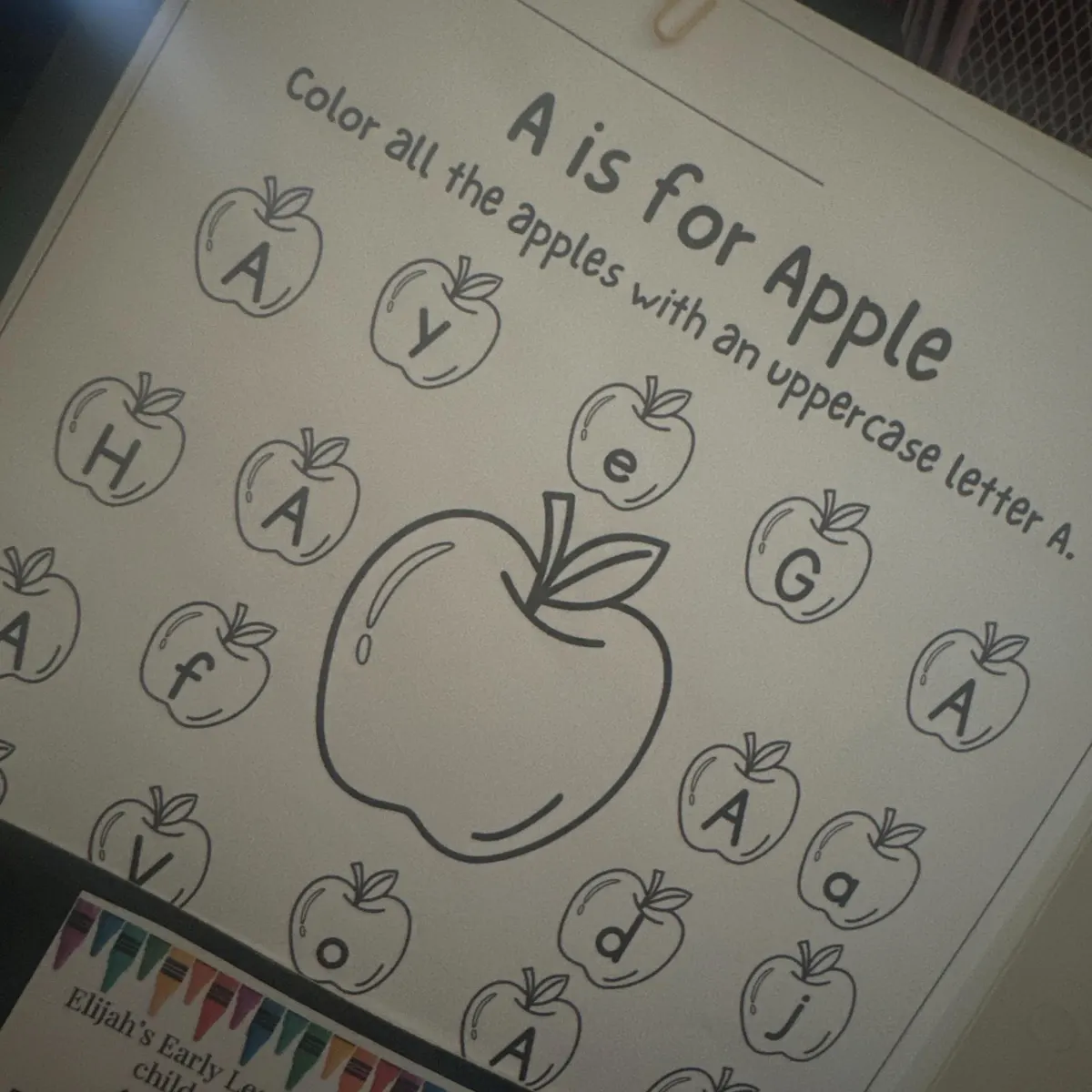
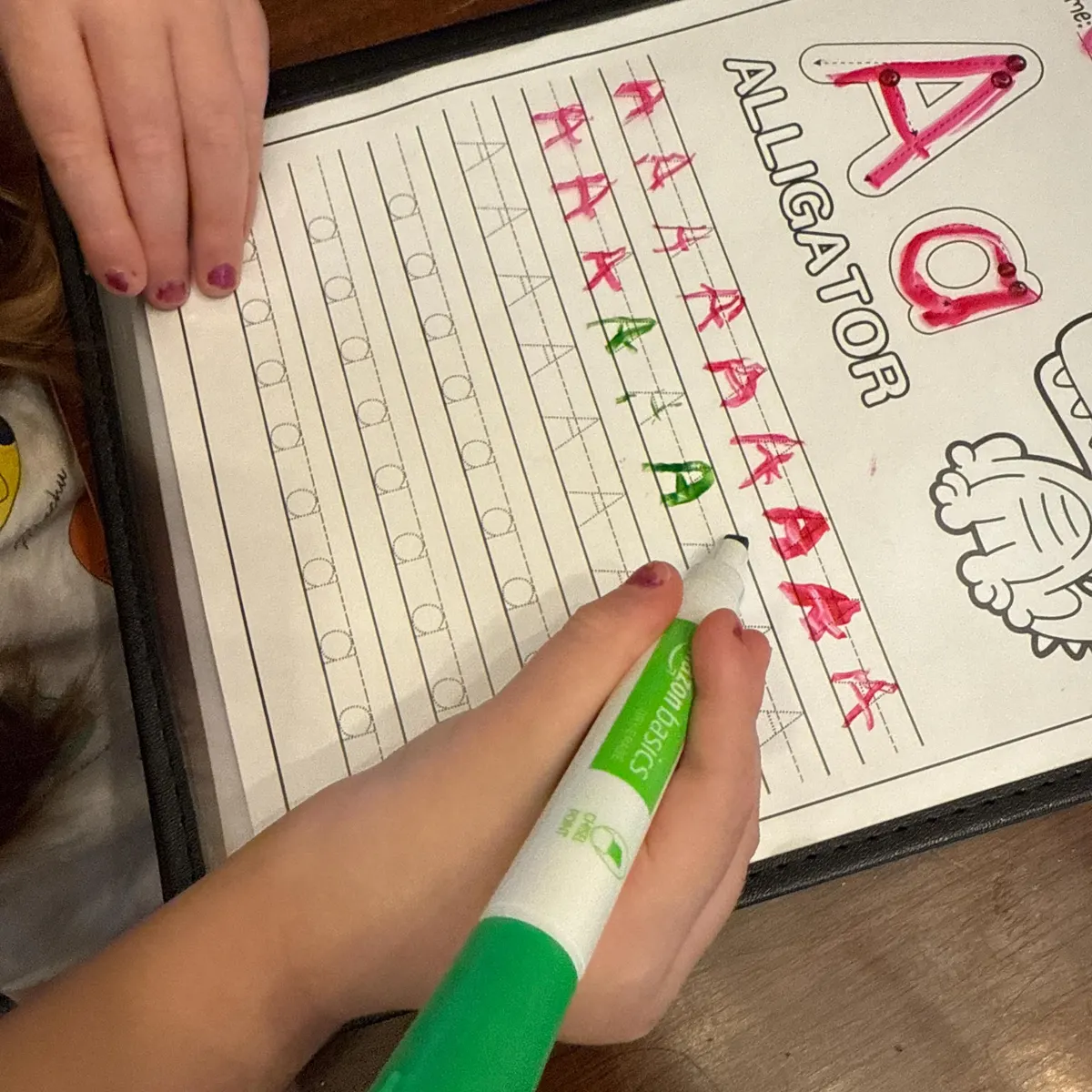
Print a page with one large uppercase or lowercase letter made from circles, then invite children to fill every circle with dots. Say the letter name together and name a few objects that begin with its sound.
For preschoolers, focus on recognizing one letter at a time. Kindergarten learners can add a sound challenge, such as finding the letter that says /m/ or choosing a picture that starts with the target sound. This is a simple way to make letter practice feel active instead of repetitive.
2. Beginning Sound Picture Sorts
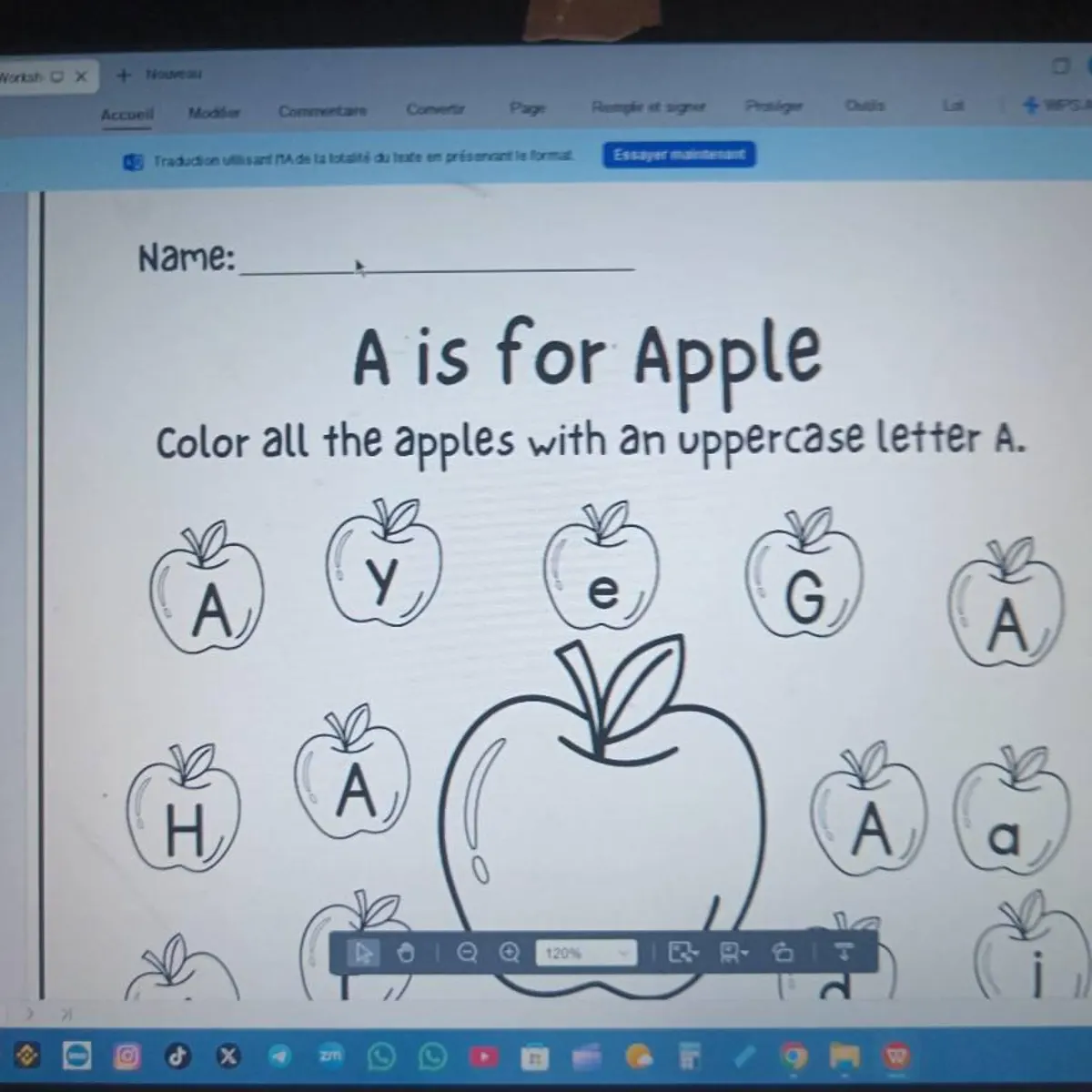
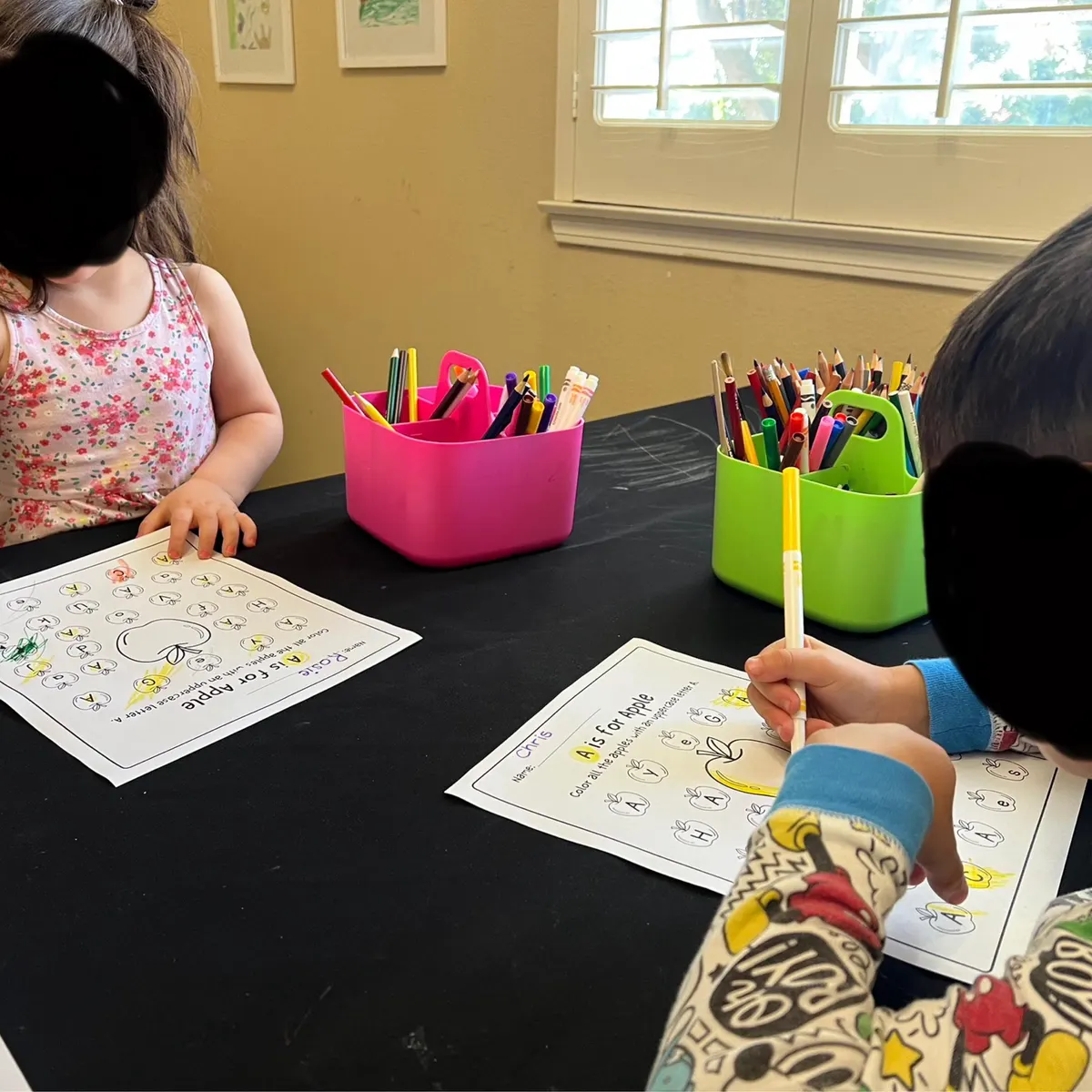
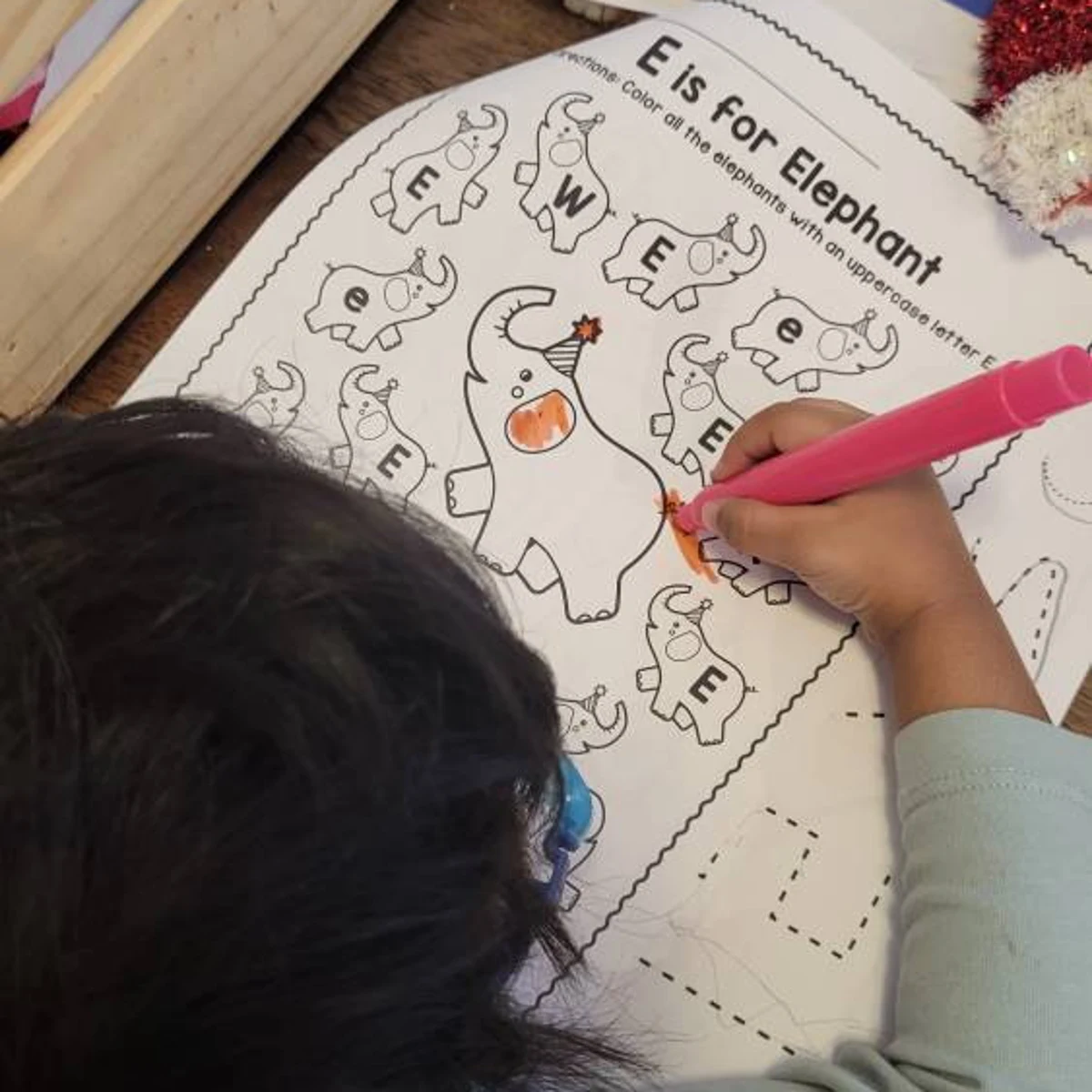
Place several pictures on a page and ask children to dot only the pictures that begin with a chosen sound. For example, on a page for B, they might dot ball, bear, and banana while leaving sun and fish blank.
This activity works best once children have started connecting letters to sounds. Keep the choices limited at first. Too many pictures can turn a confidence-building task into a guessing game.
3. Name Dotting Cards
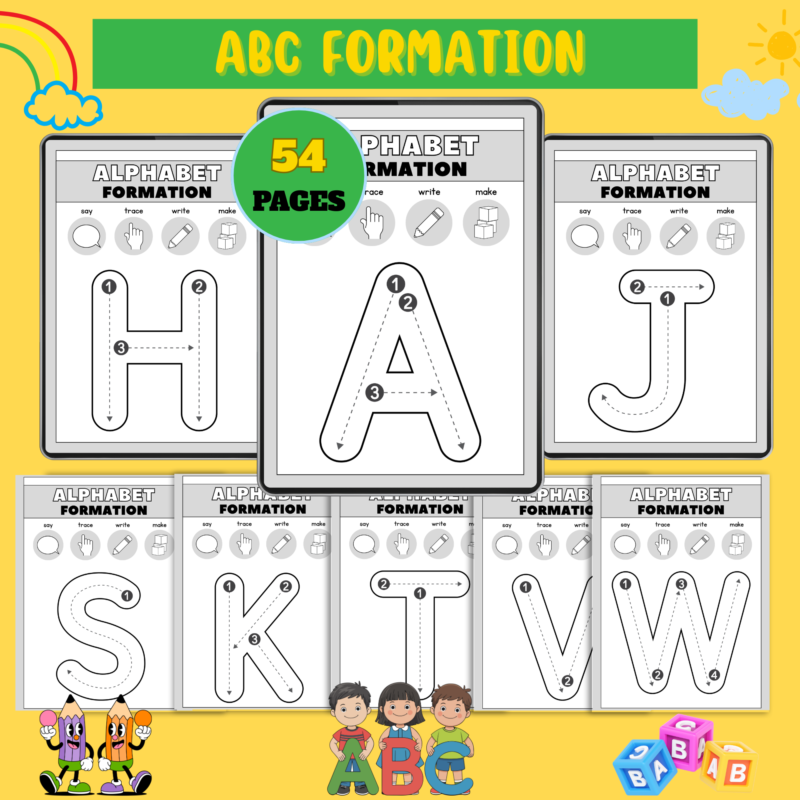
A child’s own name is often the most exciting word to practice. Create or print a name card with dotted circles forming each letter, then let the child fill in the letters with markers.
Use the same card several times with different colors, or laminate it and use washable paint daubers for repeat practice. Start with the first name, then add the last name when the child is ready. Seeing their name in print helps children understand that letters carry personal meaning.
4. Number Recognition Pages
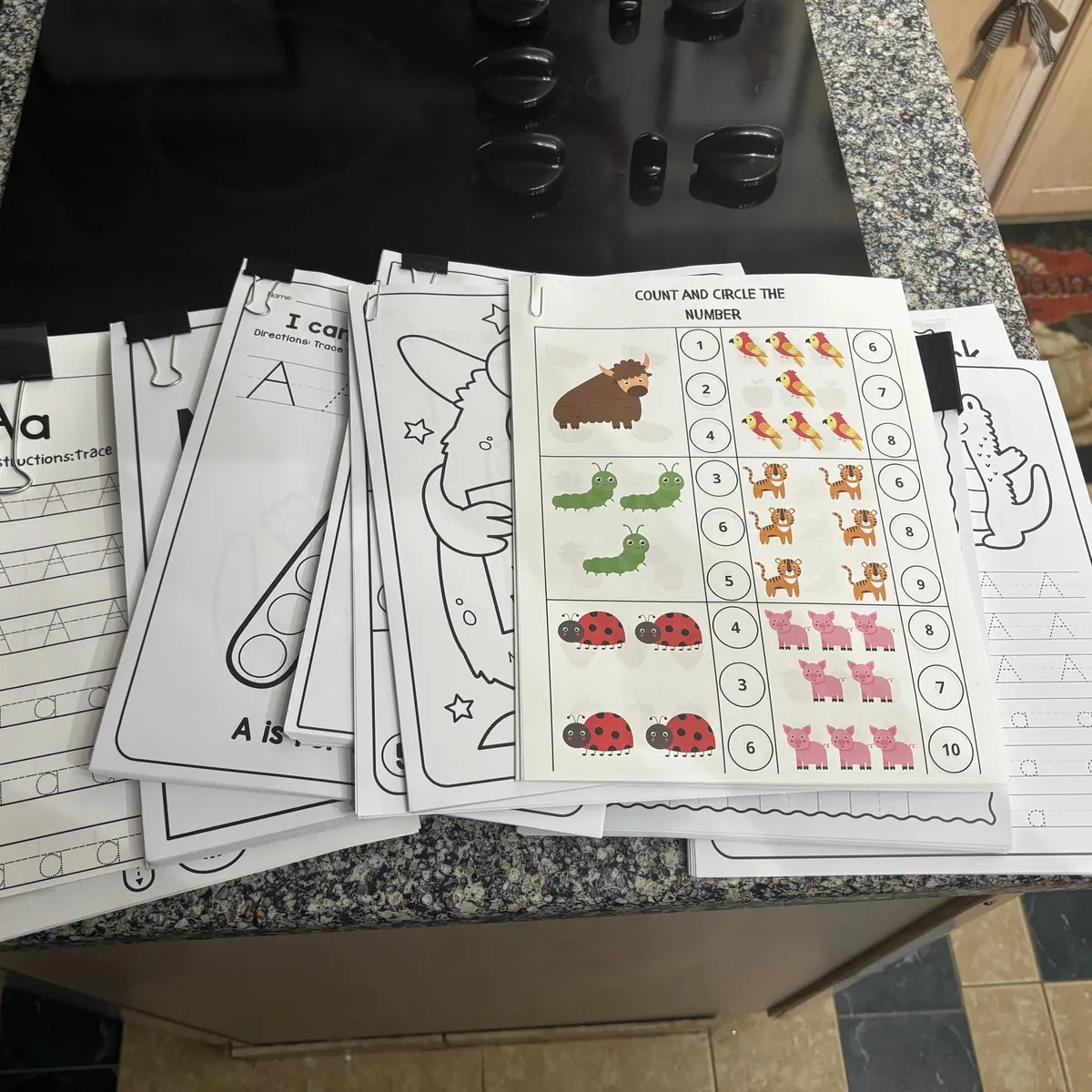
Number dot pages pair a large numeral with a matching set of objects. A child might dot the number 4, then dot four stars or four ladybugs nearby. This gives them practice recognizing what a numeral looks like and what it represents.
For younger learners, begin with numbers 1 through 5. Many preschoolers can count farther than they can accurately recognize numerals, so it helps to keep the visual quantity and the number symbol together.
5. Count and Dot Sets
Instead of dotting pre-drawn objects, ask children to add the correct number of dots inside a box or ten frame. Read the number aloud, then have the child make that many dots.
This activity provides a useful next step because the child creates the quantity independently. If counting accurately is still difficult, encourage them to touch each dot as they say each number. A ten frame adds helpful structure for kindergarteners learning numbers through 10.
6. Color-by-Number Dot Marker Pages
Color-by-number activities give children a reason to slow down and look carefully. Each section includes a number or simple symbol that matches a dot marker color. Children build number recognition and visual discrimination as they complete a bright picture.
For preschool, use just two or three colors. Kindergarten children can handle more choices and can practice following a key. The trade-off is that a detailed page may take longer, so save those for centers, quiet time, or a focused one-on-one activity.
7. Shape Hunt Dot Activities
Fill a page with mixed shapes and ask children to dot only the circles, triangles, squares, or rectangles. You can use one color for each shape or focus on a single target shape at a time.
This is especially helpful for children who can name shapes but need practice spotting them in a busy group. Add a simple challenge by asking which shape appears the most or which shape has three sides.
8. Pattern Completion Pages
Create rows of colored dots or pictures in an AB, AAB, or ABC pattern, leaving spaces for the child to finish the sequence. Children use their dot markers to add the missing colors in order.
Patterns build early math thinking because children learn to notice what repeats and predict what comes next. Begin with an easy two-color pattern. If a child is ready for more, try patterns with shapes, colors, or both.
9. Fine Motor Pathways
Some of the best dot marker activities are designed around movement rather than a single academic skill. Use rows of circles that curve, zigzag, loop, or travel from one picture to another. Children dot each circle in sequence as they follow the path.
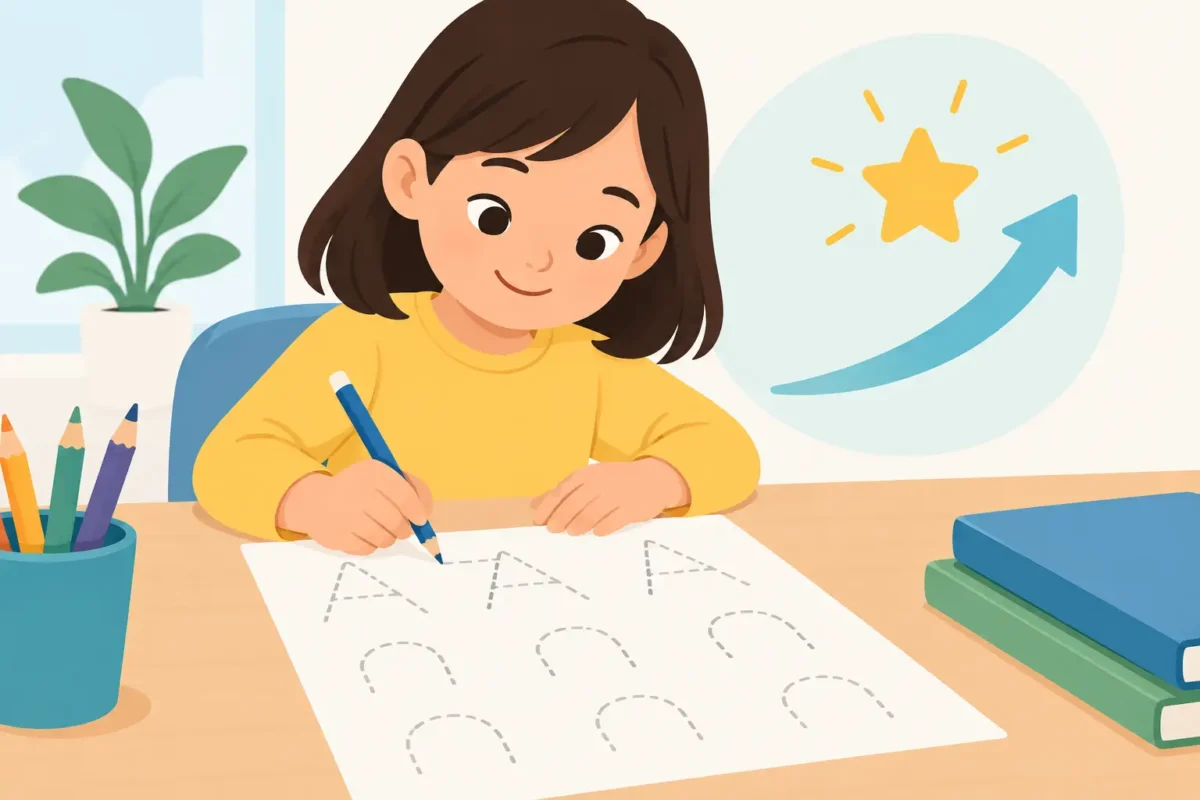
These pages encourage controlled hand movements and visual tracking, both useful foundations for handwriting. Remind children to move at a comfortable pace. The goal is accurate, confident placement, not racing through the page.
10. Sight Word Dot Pages
For kindergarten learners beginning to read, write a high-frequency word in large print with dot circles inside the letters. As children dot the word, read it aloud together and use it in a short sentence.
Keep sight word practice brief and positive. One or two words in a session is often plenty for a young child. Repeated exposure across several days is more helpful than asking a child to complete a large stack at once.
11. Simple Addition and Subtraction Mats
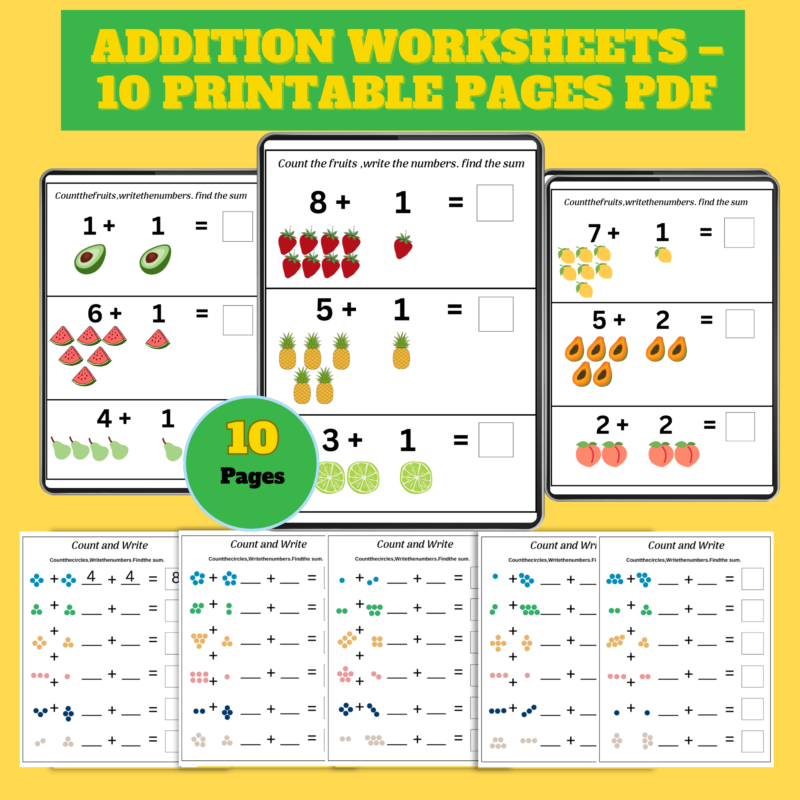
Dot markers are a friendly way to make early math visible. For addition, children can add one color of dots in the first box and another color in the second box, then count the total. For subtraction, they can dot a starting amount and cross out or cover the dots being taken away.
Use small numbers and familiar story situations, such as two apples plus one apple. Children do not need to write equations before they understand them. Seeing quantities appear and change on the page makes the math idea easier to grasp.
12. Seasonal and Theme-Based Learning Pages
A pumpkin page in fall, a heart page in February, or a bug page in spring can refresh skills children already know. The learning target might be letters, numbers, shapes, or counting, but the seasonal picture gives the activity a new sense of fun.
Theme-based pages are particularly useful in classroom centers and homeschool units. They help adults connect practice to books, holidays, nature topics, or current lessons without creating extra prep work.
How to Choose the Right Dot Marker Activity
Start with the skill your child needs most. If they are learning to hold tools and make controlled marks, pathways and large-letter pages are a good fit. If they already enjoy dotting but need academic practice, choose number sets, beginning sounds, patterns, or simple math mats.
Age matters, but readiness matters more. A two-year-old may enjoy making dots inside a large shape with no expectation of completing every circle. A five-year-old may be ready to follow a color key, count objects, and identify beginning sounds. Offer just enough challenge to keep the activity interesting without making it frustrating.
It also helps to keep sessions short. Ten focused minutes can be more valuable than thirty minutes of reluctant work. You can leave a partially finished page for later, especially when a child is still learning to sustain attention.
Make Printable Dot Activities Last Longer
Printable dot marker worksheets are wonderfully low-prep, and a few simple choices can make them even more useful. Print on regular paper for one-time practice, or use heavier paper if your markers tend to soak through. Place a scrap sheet underneath to protect the table.
For repeatable pages, laminate the printable and use washable dot markers if the surface allows easy cleaning. You can also place the worksheet in a dry-erase pocket and use bingo chips, pom-poms, or small stickers instead of markers. This is a helpful option for children who need a break from paint or are working on pincer grasp.
Organize pages by skill in a simple folder: letters, numbers, shapes, phonics, and fine motor practice. Having ready-to-print options on hand makes it easier to respond when a child wants an activity now. Fun Clever Fox printable learning resources are designed to support this kind of simple, skill-focused practice at home or in the classroom.
A Little Encouragement Goes a Long Way
Praise effort with specific words: “You found every triangle,” “You counted carefully,” or “Your hand stayed right on the path.” Specific encouragement helps children notice what they are learning, not just whether the page is finished.
A bright dot at a time can build real early-learning confidence. Keep a small collection of activities ready, follow your child’s interests, and let those colorful little circles make practice feel like play.