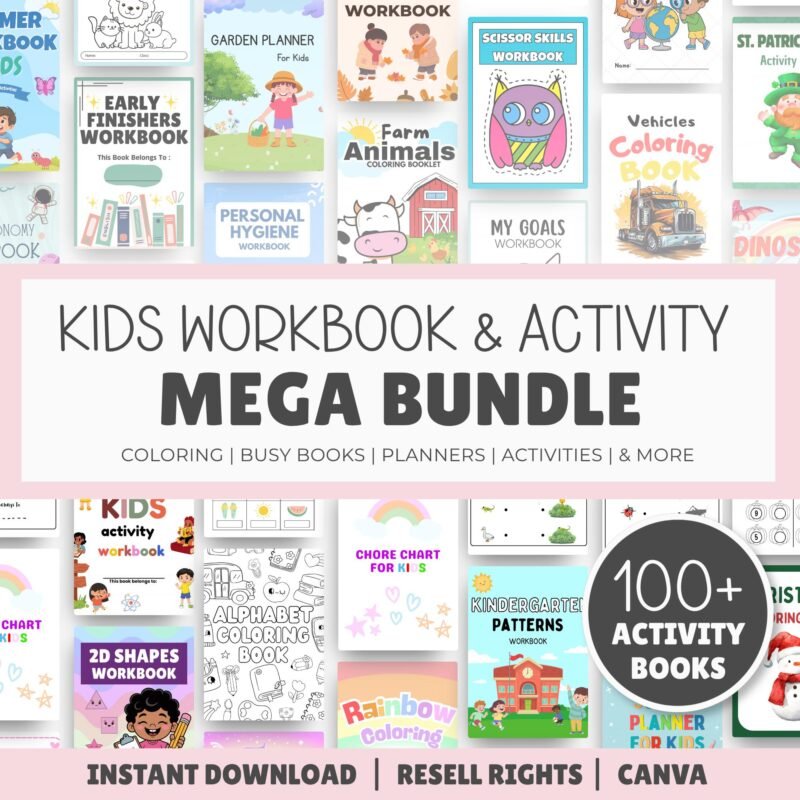
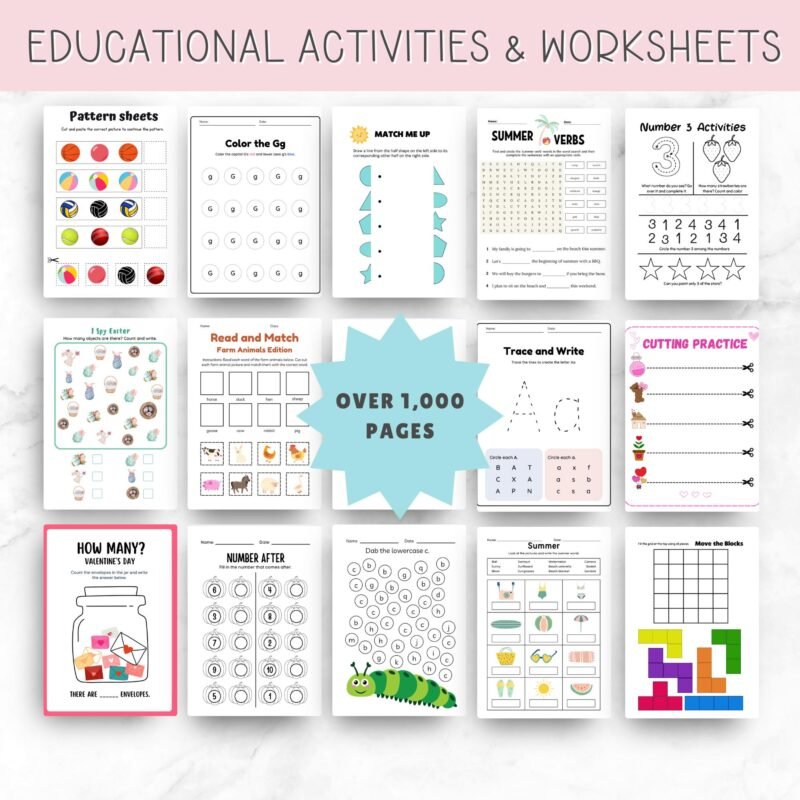
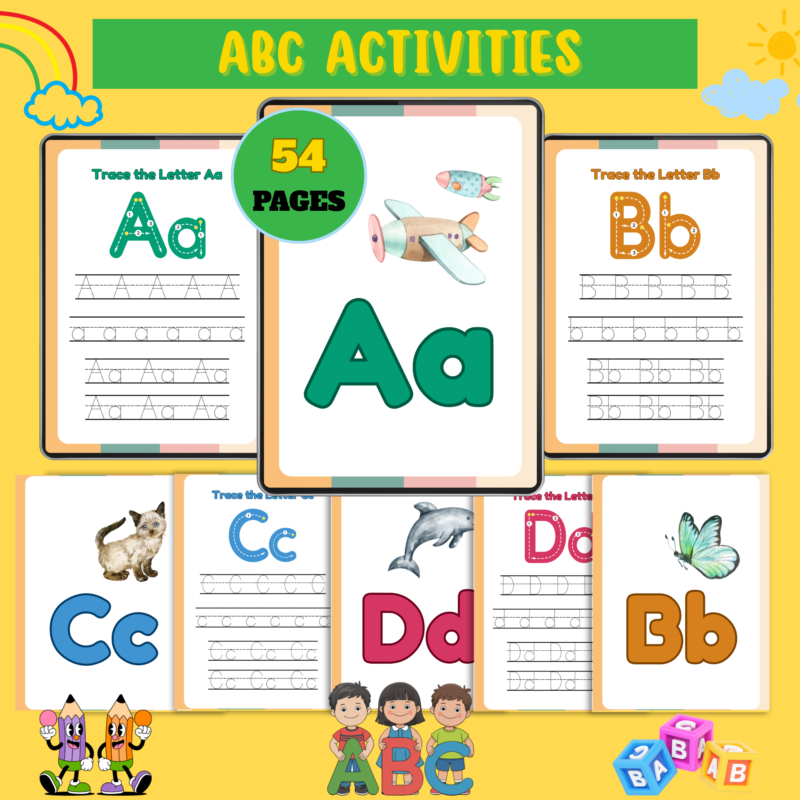
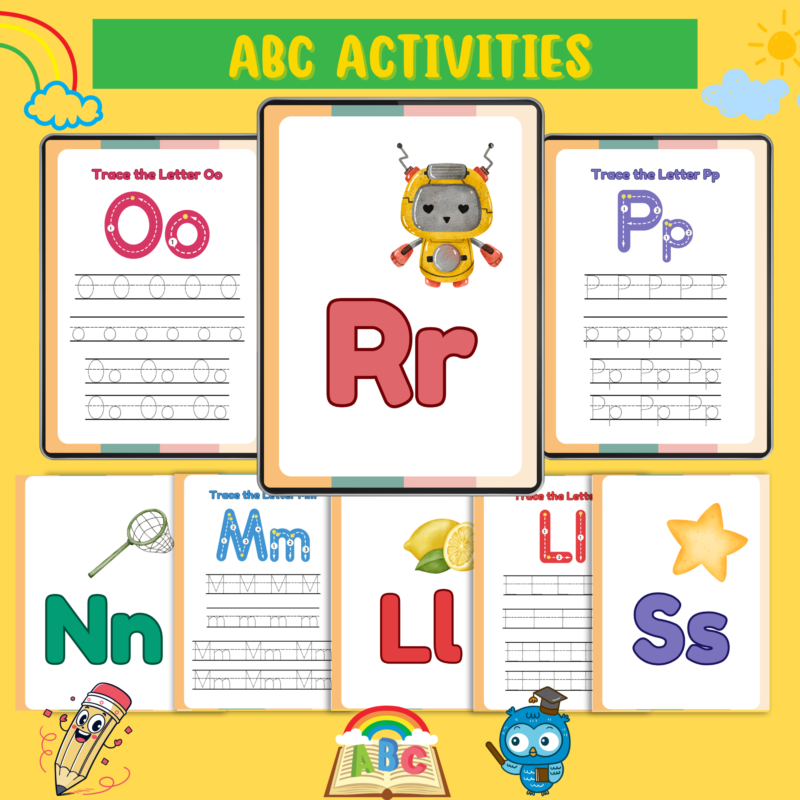
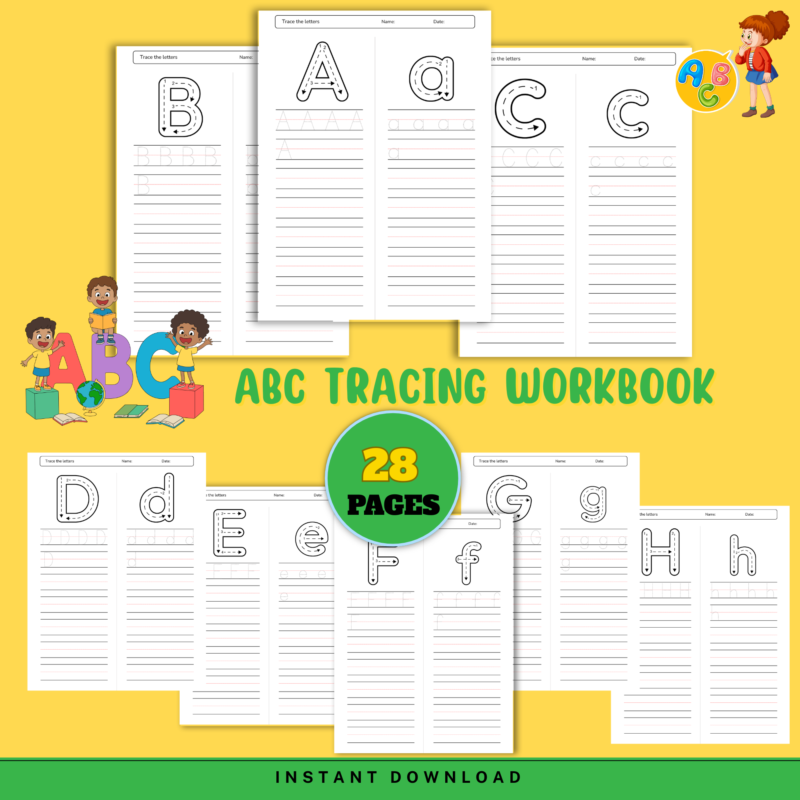
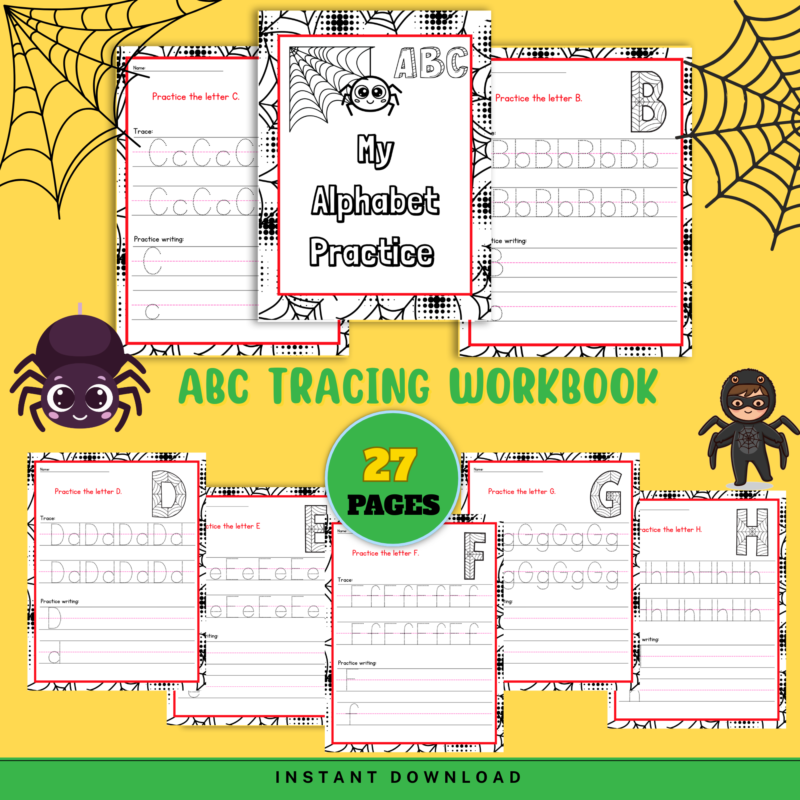
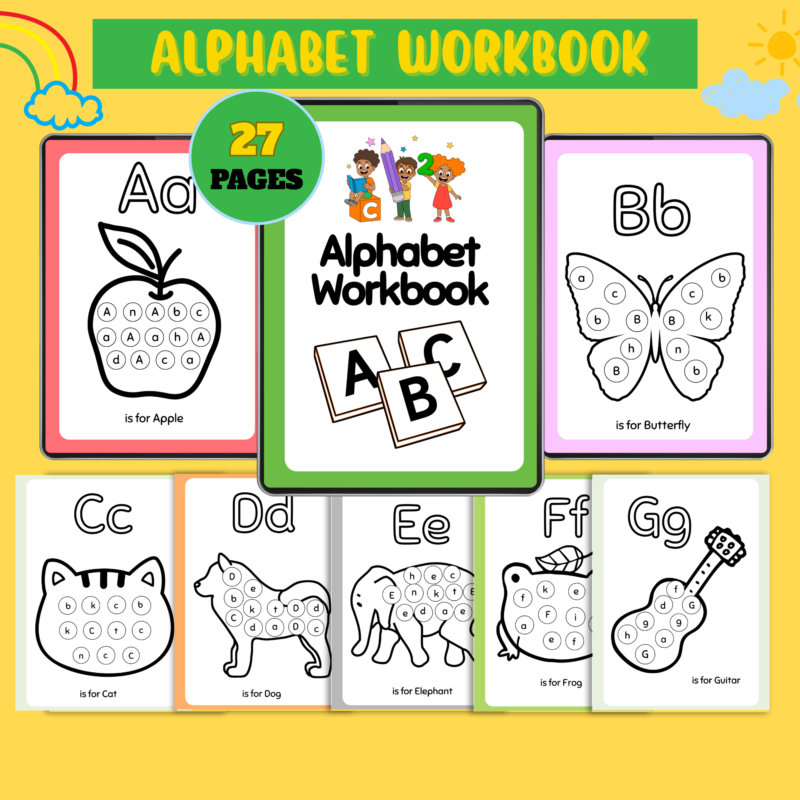
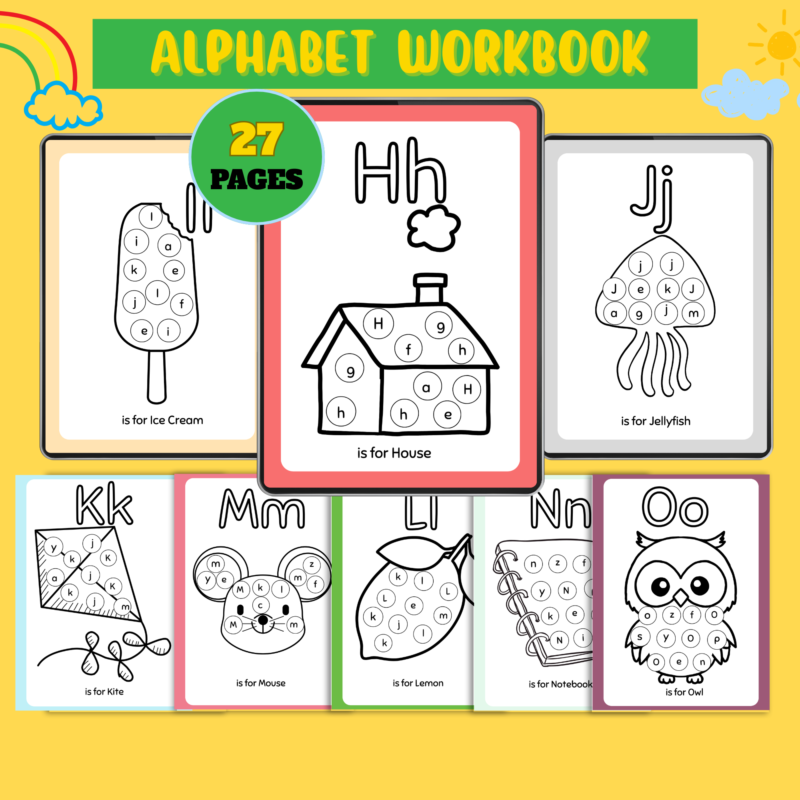
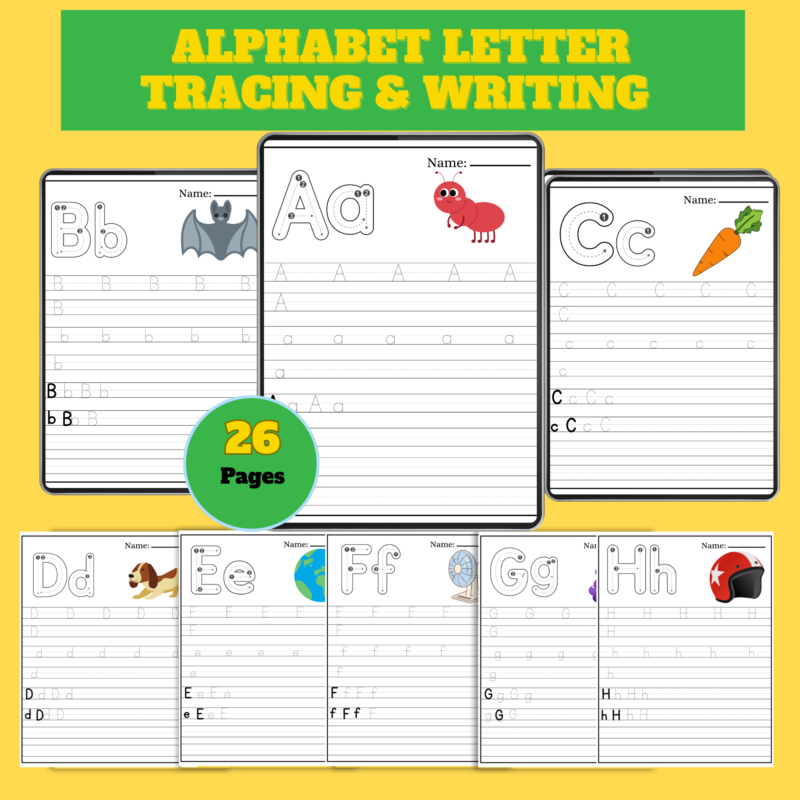
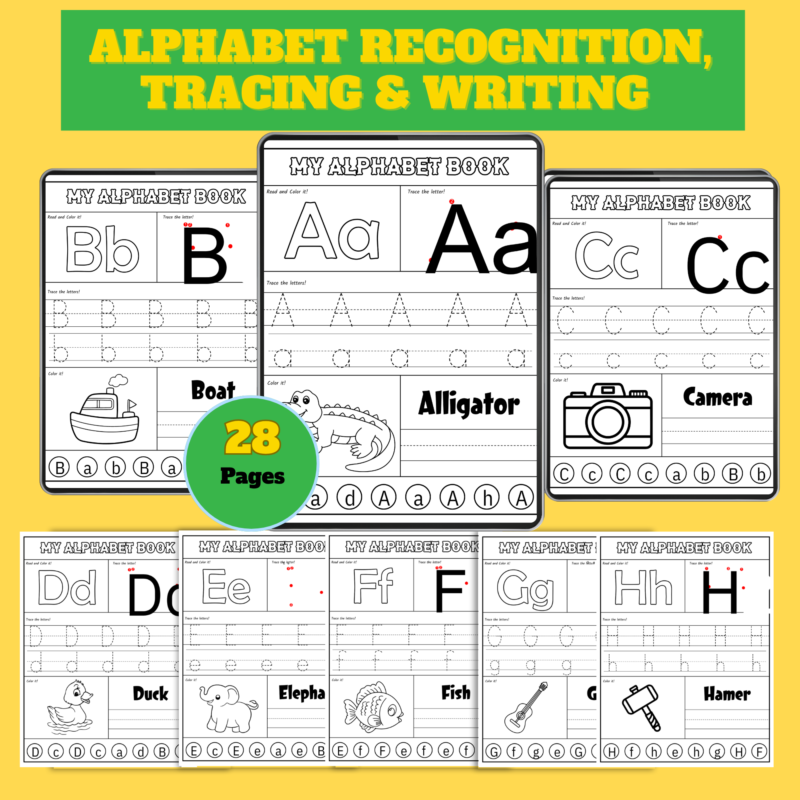
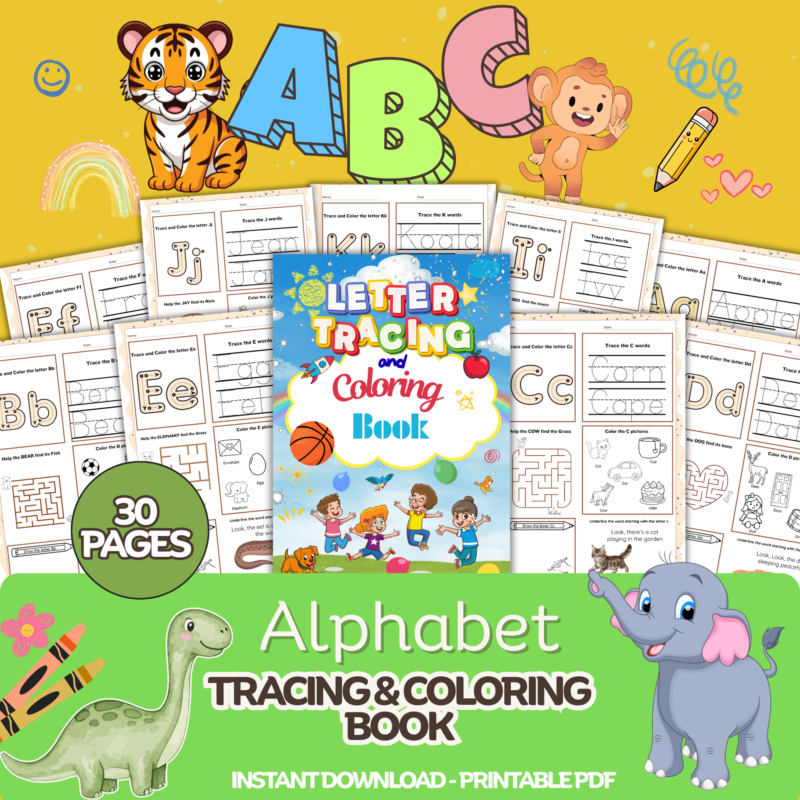
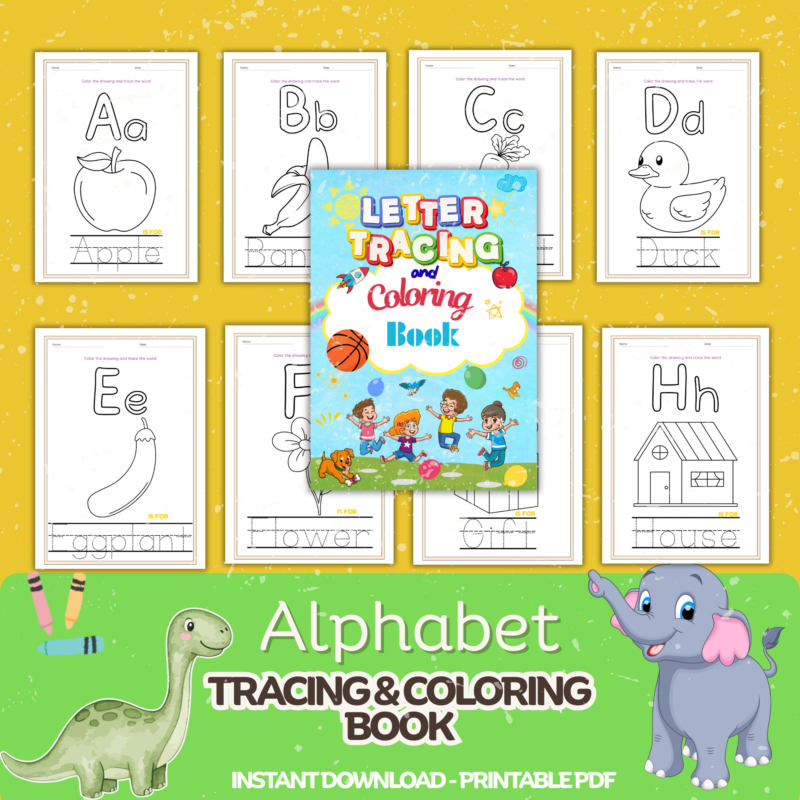
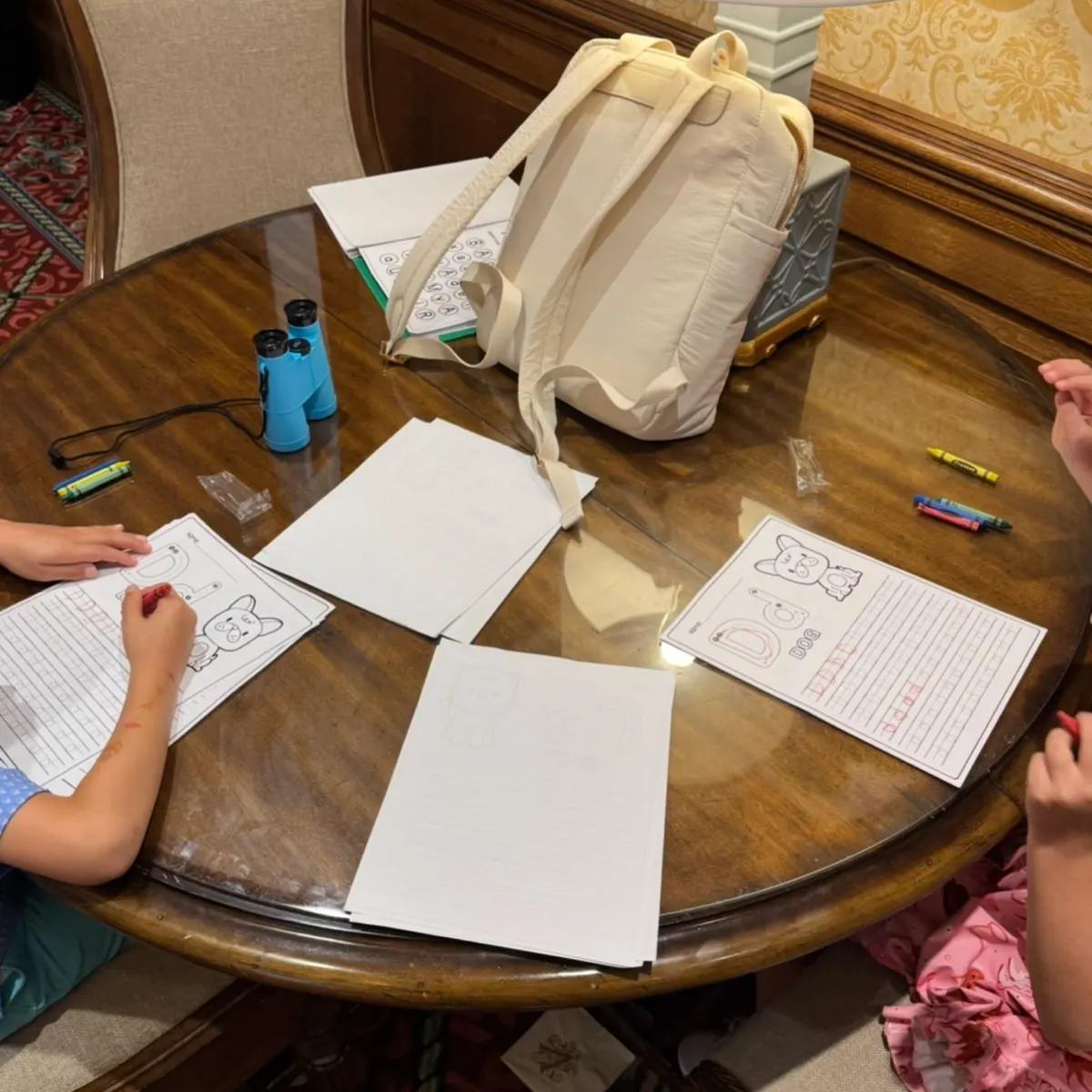
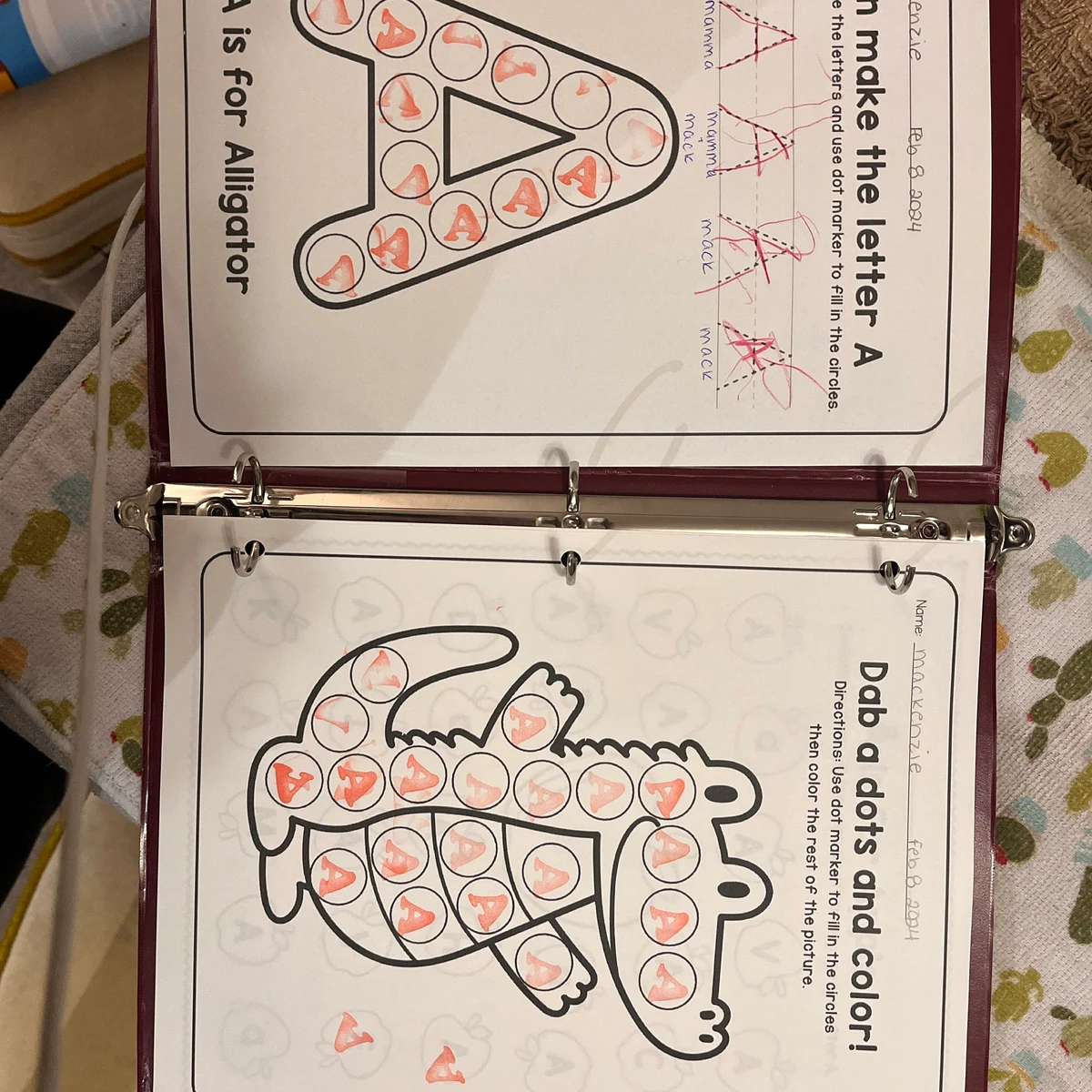
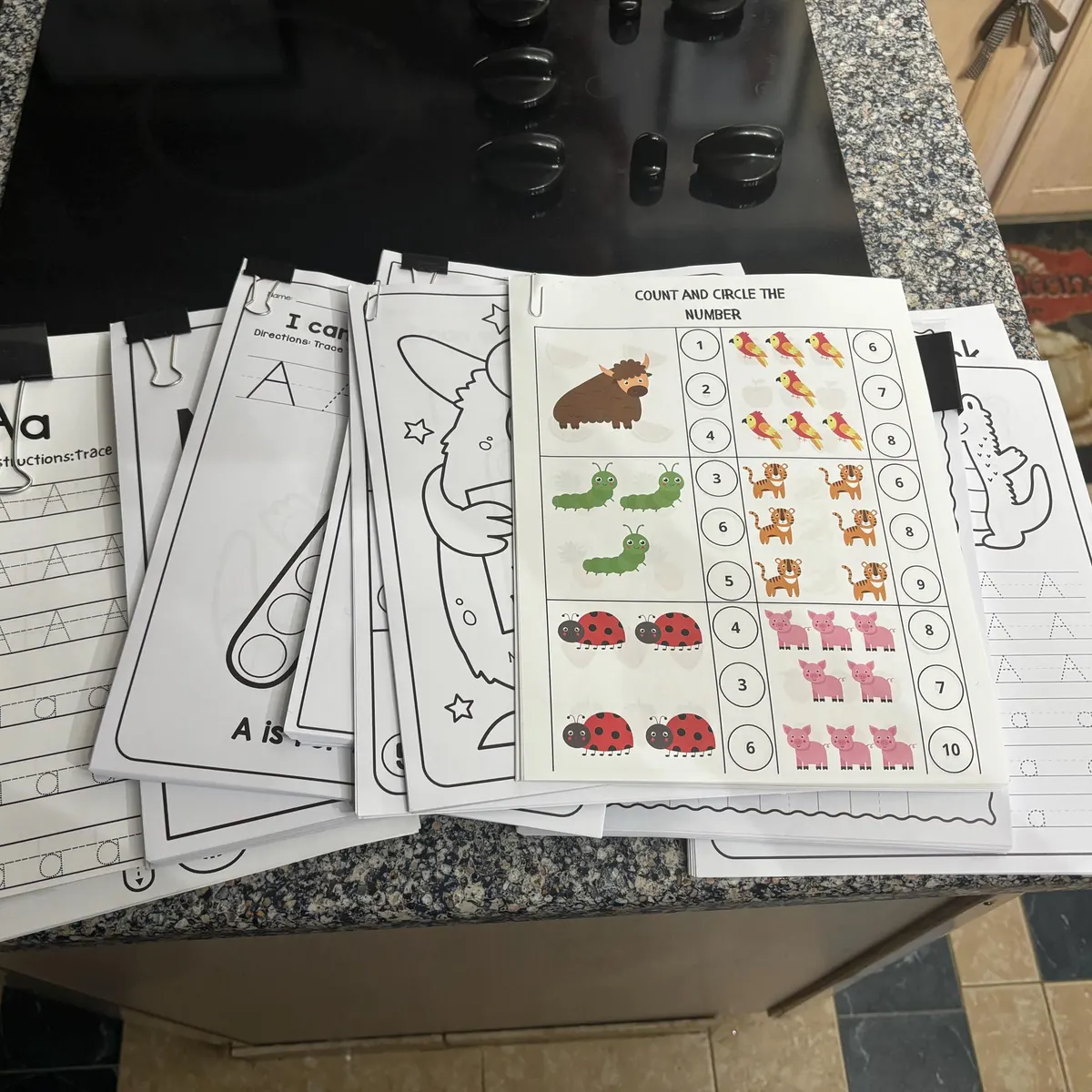
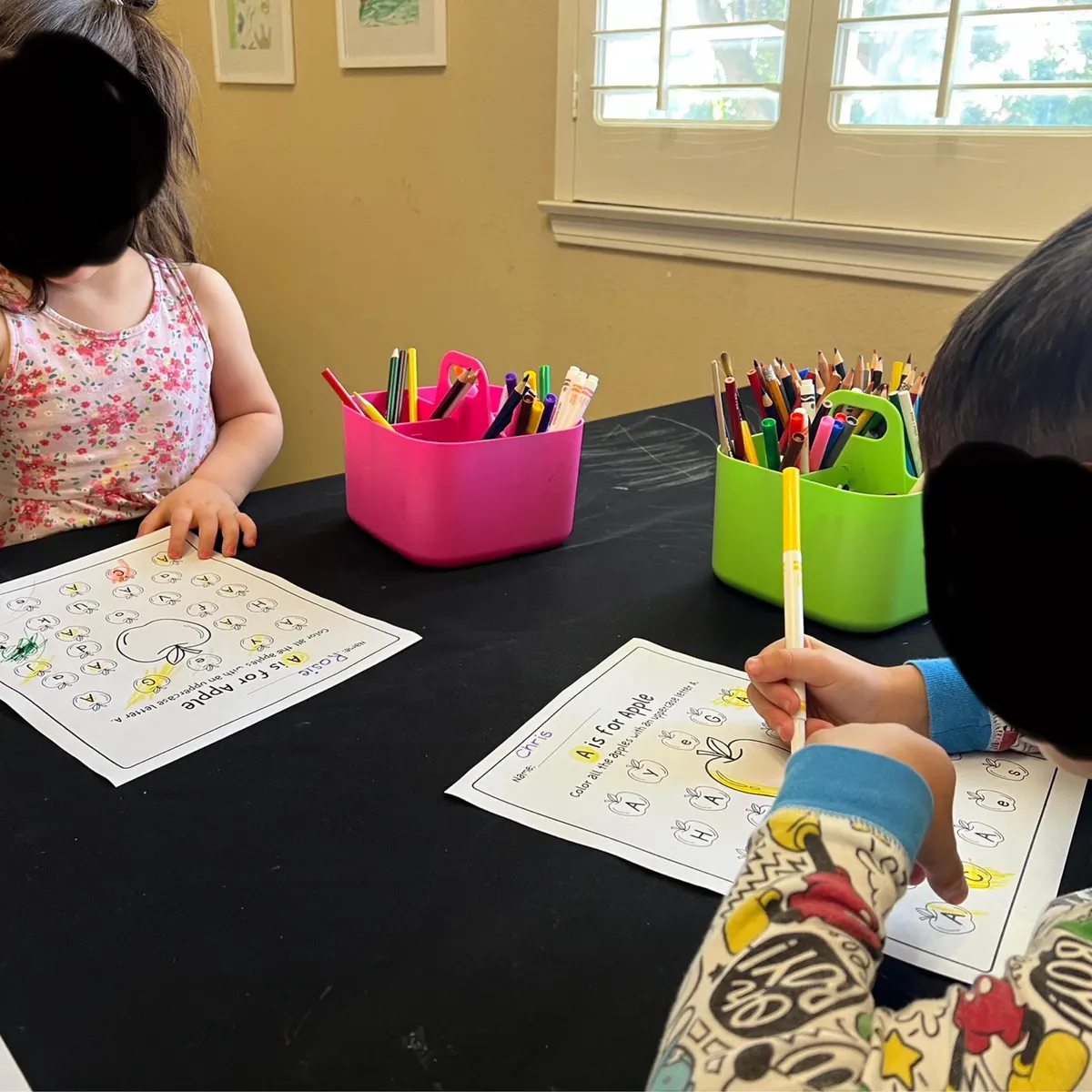
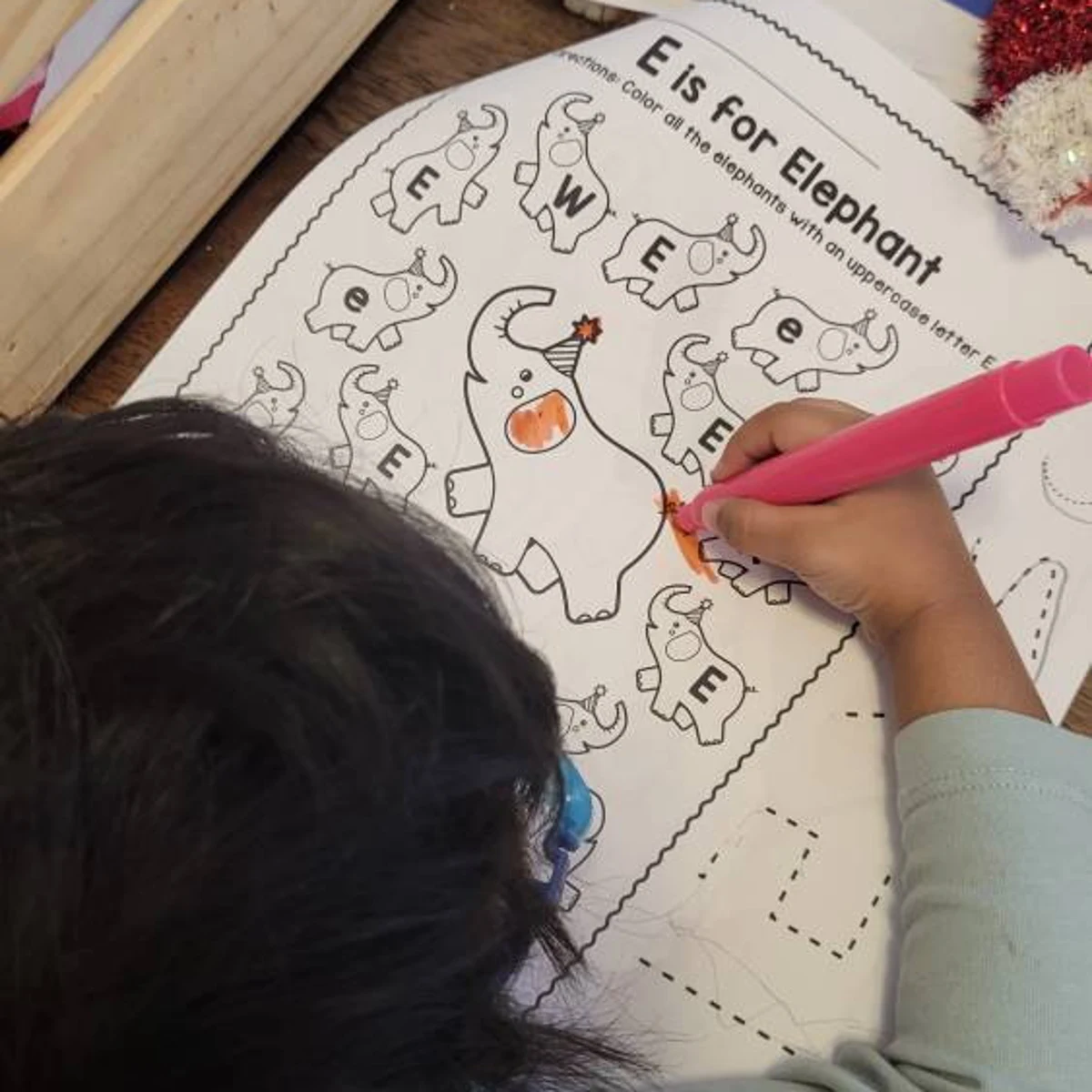
Looking for alphabet worksheets for preschool age 4? You’ve come to the right place! Teaching young children the alphabet can be a fun and exciting journey when you have the right resources. These worksheets not only help children recognize letters but also support their motor skills and creativity. At this age, engaging multiple senses and learning modalities can significantly enhance retention and understanding, laying a strong foundation for future literacy skills.
Why Alphabet Worksheets Are Essential for Young Learners
Alphabet worksheets are crucial during the preschool years. At age four, children are in a prime developmental stage, eager to learn and explore. Worksheets can provide structured learning, making it easier for them to grasp fundamental concepts. Here are several reasons why alphabet worksheets are beneficial:
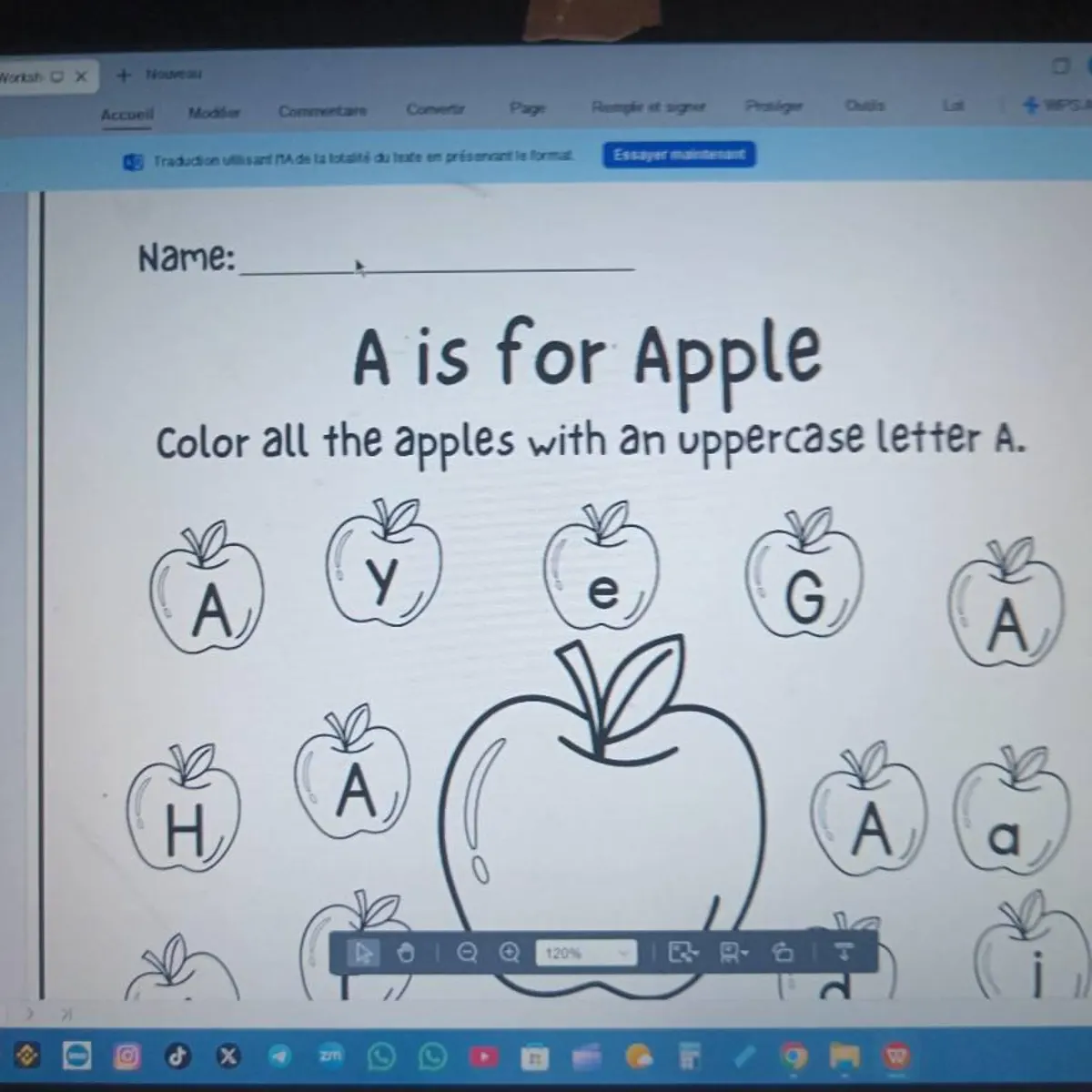
- Letter Recognition: Worksheets help children recognize both uppercase and lowercase letters, which is a vital first step in literacy. For instance, they can learn to identify the letter “A” in its capital form and its lowercase equivalent “a”, reinforcing this knowledge through repetition. Regular exposure to different fonts can also help them understand that letters can appear in various styles.
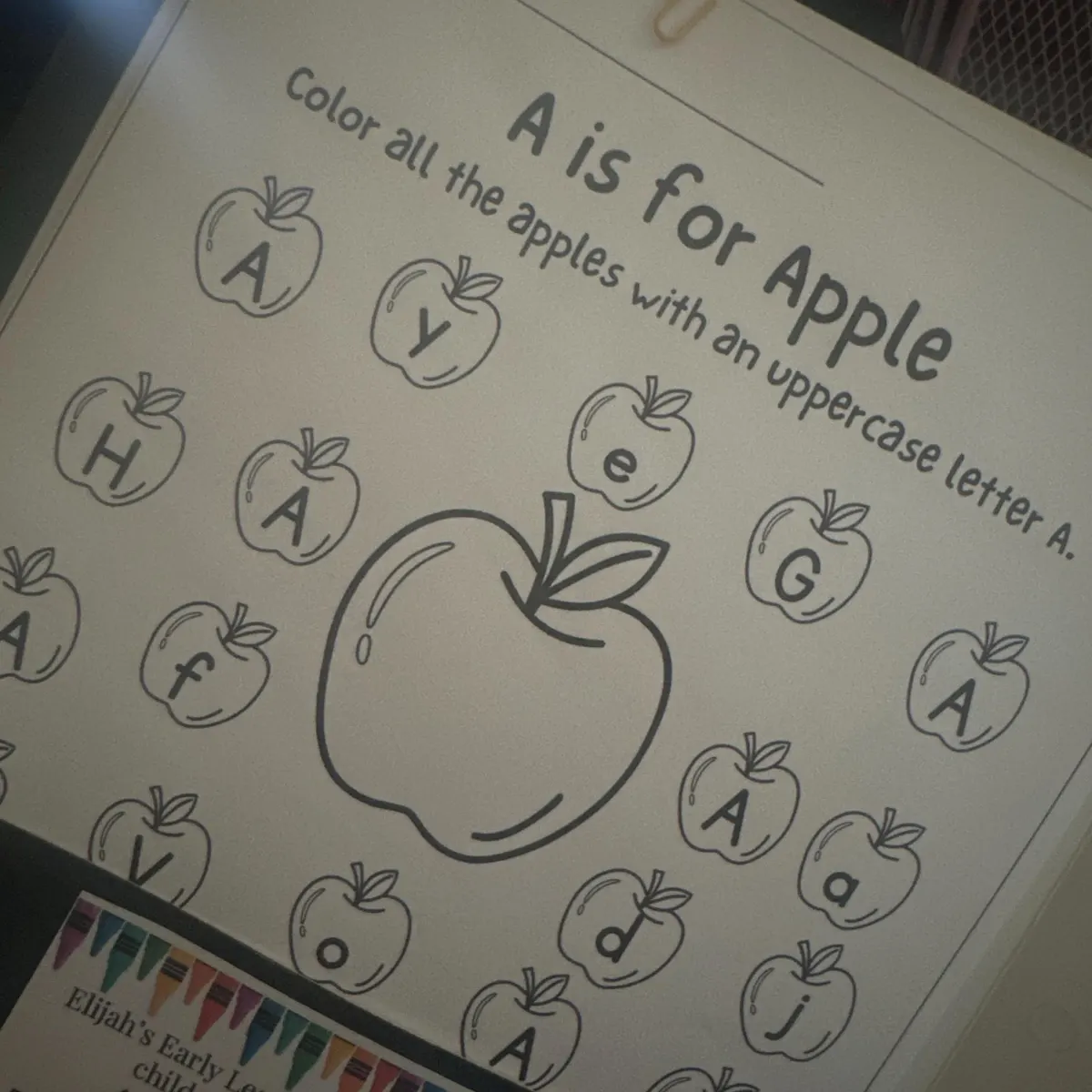
- Sound Association: Many worksheets incorporate phonics, allowing kids to connect letters with sounds. This can be showcased in activities where children see a picture of an apple alongside the letter “A,” helping them connect the sound to the letter visually and phonetically. Additionally, songs and rhymes can reinforce sound association, creating a multisensory approach to learning.
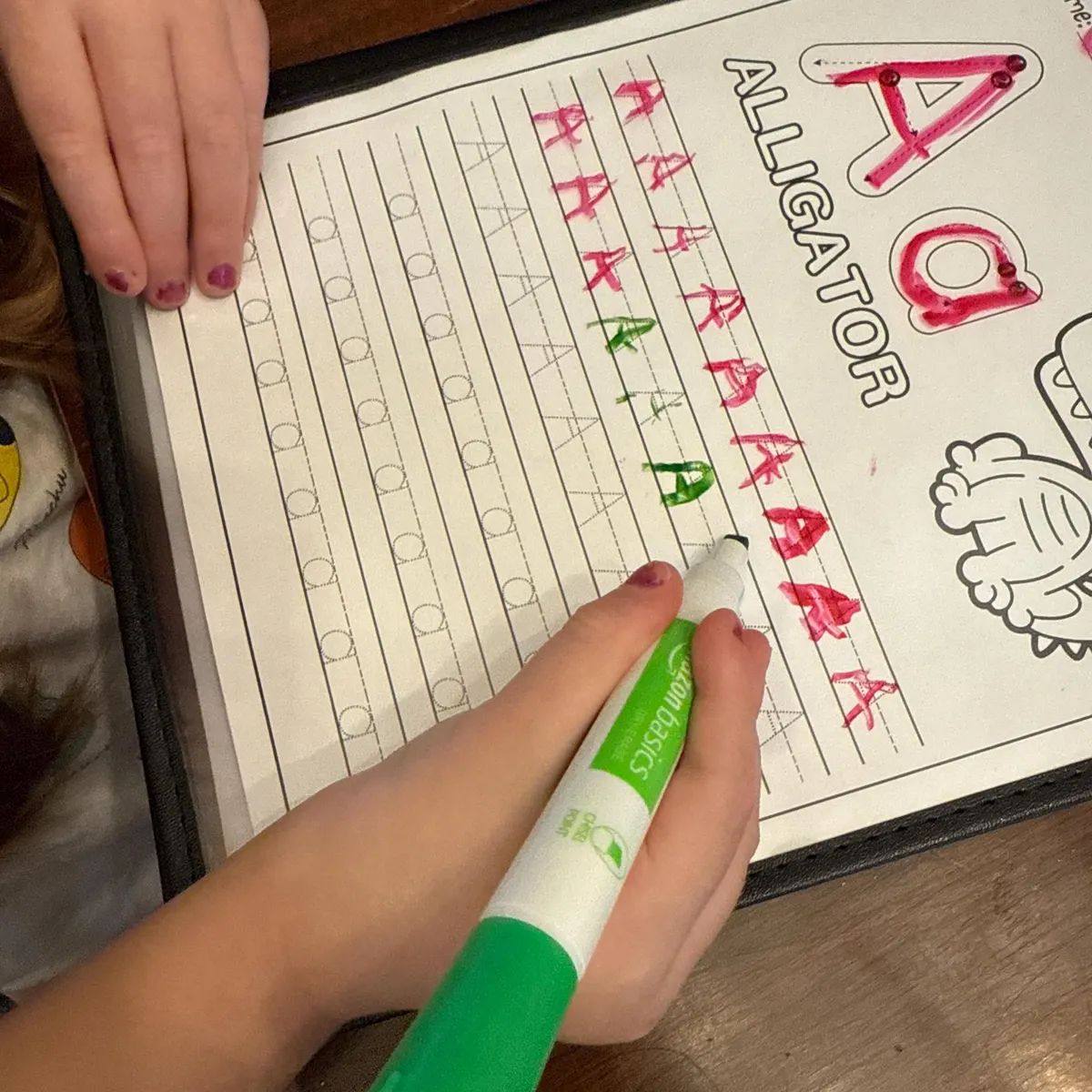
- Fine Motor Skills Development: Tracing and writing letters strengthens hand-eye coordination. These worksheets often require children to engage in activities that promote control and dexterity, such as holding a pencil or crayon and tracing dotted lines. Providing different writing tools like crayons, markers, or even finger paints can make this process even more enjoyable for boys and girls alike.
- Engagement: Fun designs and activities can keep young learners motivated. Using colorful graphics or playful themes around their favorite characters can make learning feel less like work and more like play. Incorporating stickers or stamps as rewards for completing sections of the worksheet can create positive associations with learning tasks.
- Confidence Building: When children successfully complete worksheets, it builds their confidence. Completing a worksheet can give them a sense of accomplishment, motivating them to tackle more challenging educational tasks in the future. Encouragement from parents or educators can be critical—simple phrases like “Great job!” or “You did it!” can boost their self-esteem tremendously.
Types of Alphabet Worksheets for Preschool Age 4
There is a variety of alphabet worksheets available that cater to different learning styles and preferences. Here are some popular types:
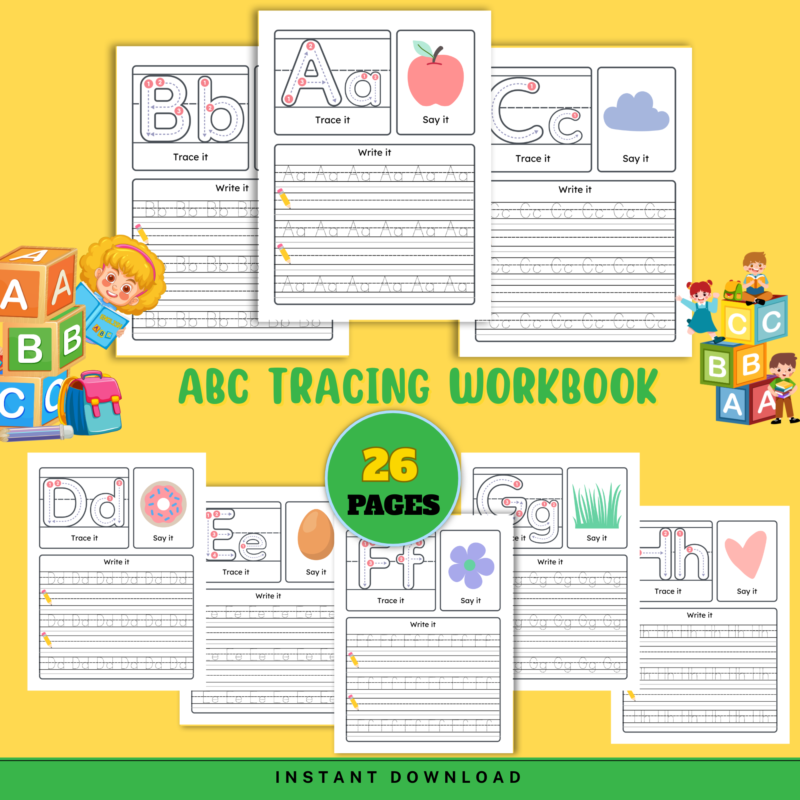
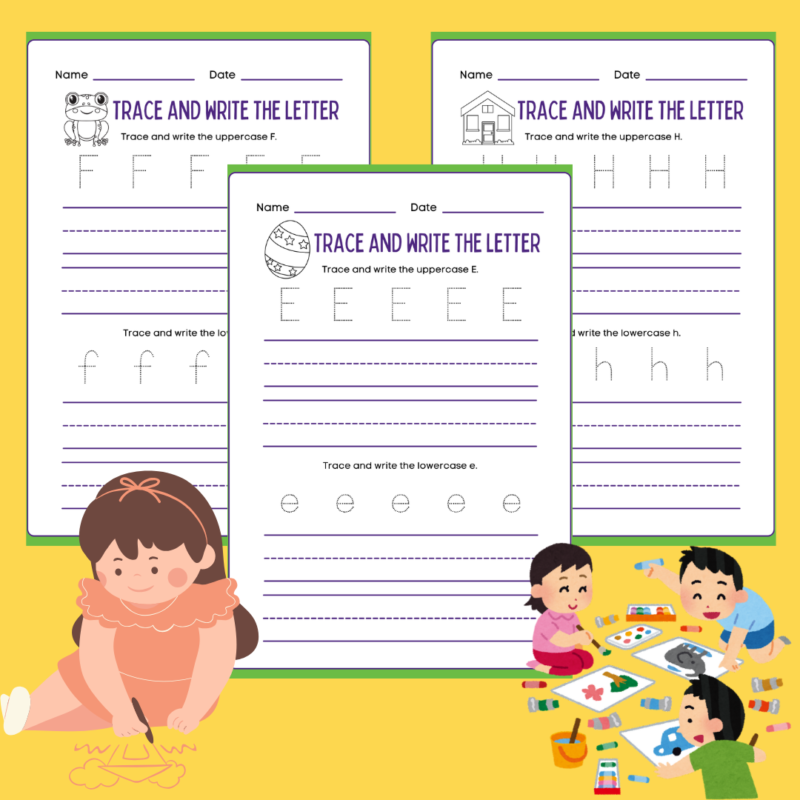
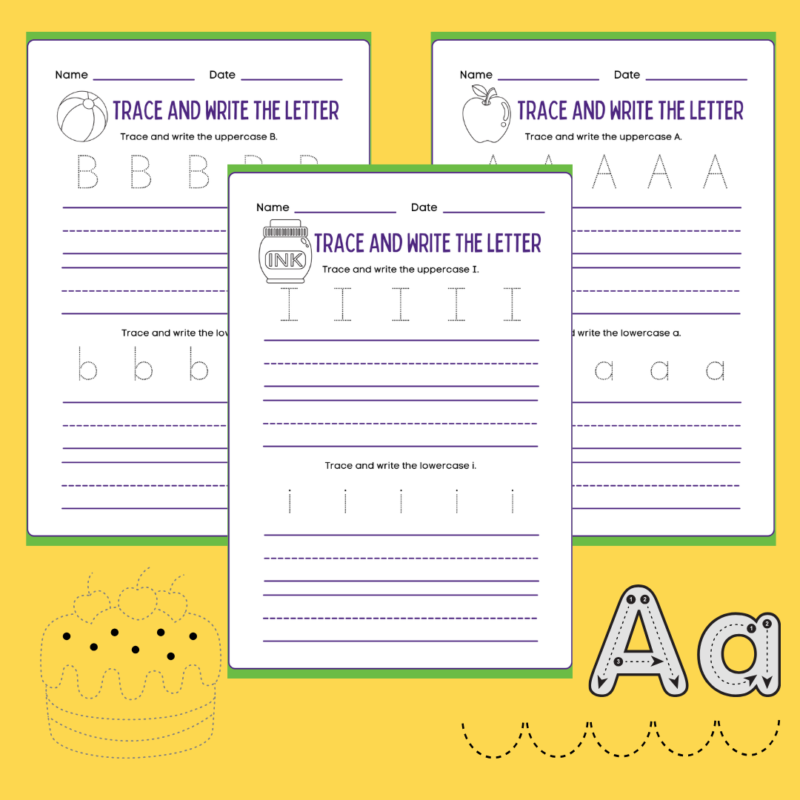
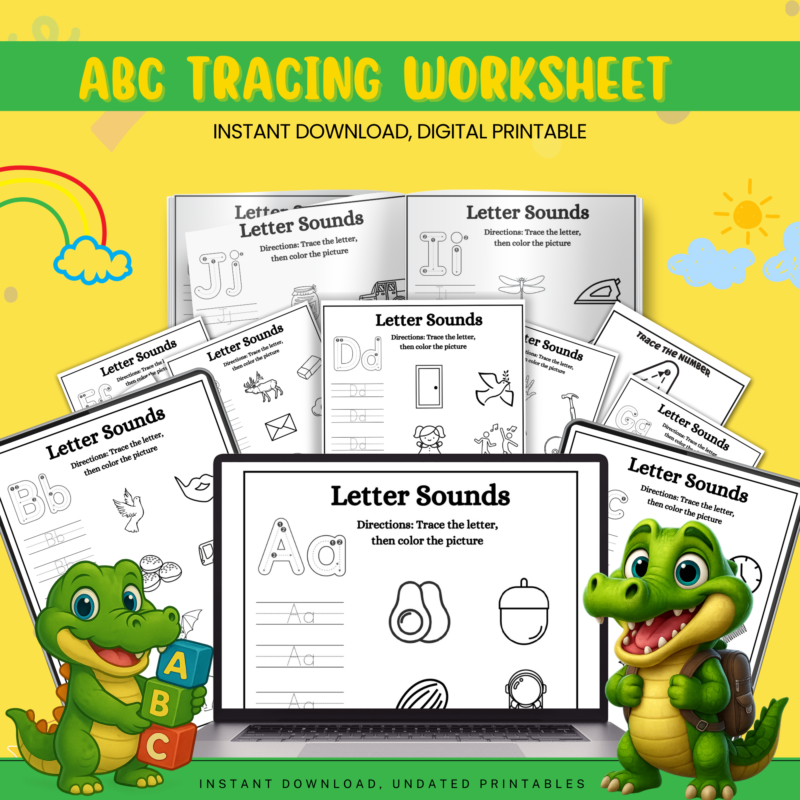
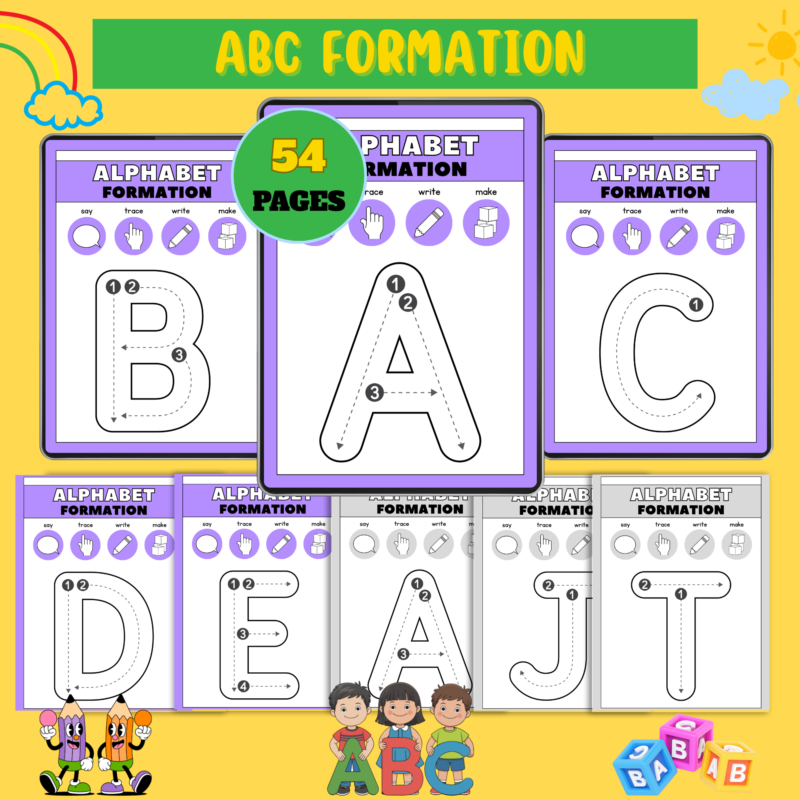
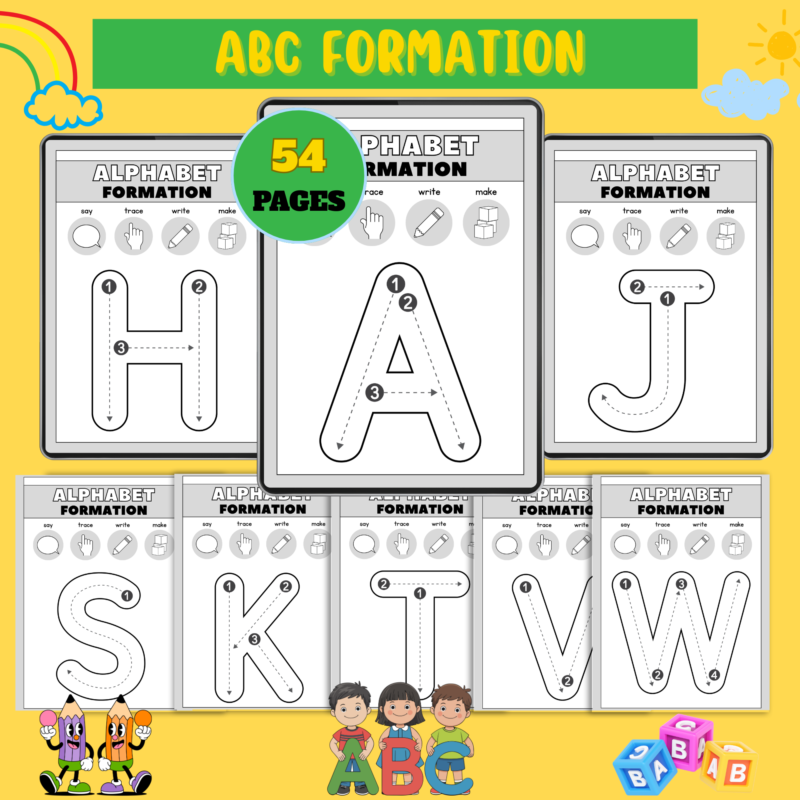
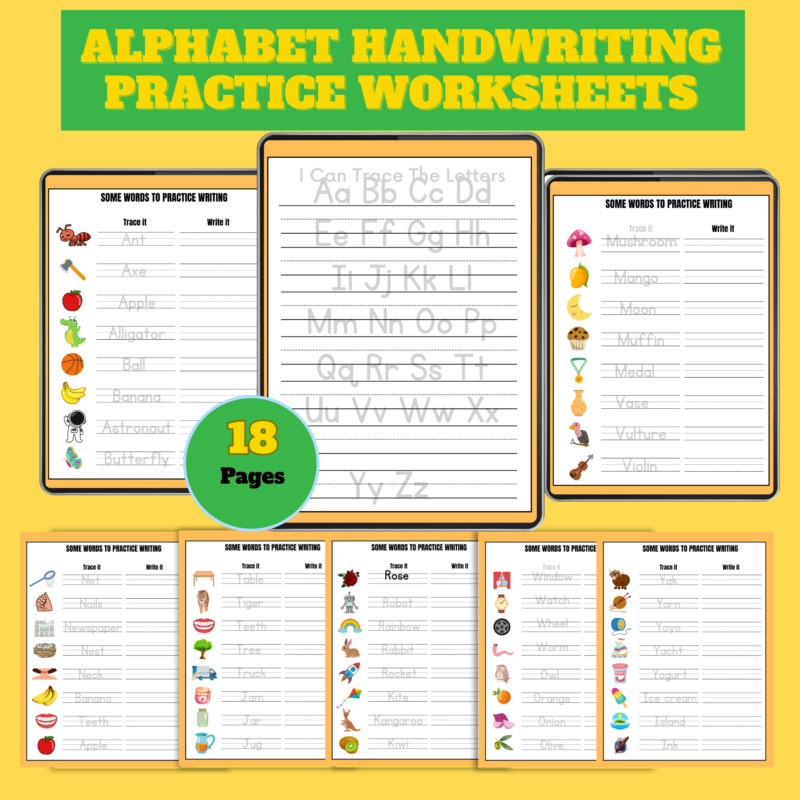
- Tracing Worksheets: These worksheets provide dotted letters for children to trace, which helps them practice writing. This method allows them to develop their writing skills gradually without the pressure of needing to form letters independently initially. Variations can include letters that are designed larger or those that have arrows showing the correct stroke order, making it easier for young learners to follow.
- Coloring Worksheets: Kids can color in letters or images that begin with specific letters, reinforcing their letter-sound knowledge. For example, a worksheet that features a big colorful letter “B” with pictures of a balloon and a bat can make the learning experience more interactive. Introducing different coloring mediums, like crayons, colored pencils, or pastels, can make this activity even more captivating.
- Matching Worksheets: These activities require children to match letters with corresponding images or words. For instance, a worksheet may ask children to draw a line from the letter “C” to a picture of a cat, helping them cement the connection between letters and sounds. To enhance engagement, you can create games where the matching activity becomes a timed challenge, fostering both a sense of urgency and excitement.
- Fill-in-the-Blank Worksheets: Children complete words by filling in missing letters, promoting spelling skills. These worksheets can be tailored to different levels of difficulty, allowing more advanced learners to tackle more complex words and enhancing engagement for multi-level classrooms. Consider using them to create interactive group games where children can work together to solve the puzzles.
- Letter Tracing Sheets with a Theme: For a fun twist, worksheets might be themed around holidays or seasons, such as “A is for Apple in Autumn” or “S is for Snowman in Winter,” creating seasonal excitement and thematic learning experiences. These themes can tie in with crafts or activities related to the seasons, deepening their learning experience.
Creative Activities Using Alphabet Worksheets
Incorporating creative activities into your alphabet lessons can enhance the learning experience. Here are a few ideas:
- Letter Hunt: Have children search for letters in their environment, using the worksheets to tally their findings. For instance, while out on a walk, they can find signs or house numbers that contain letters you’re focusing on. This not only reinforces learning but also promotes observational skills and spatial awareness.
- Story Time Integration: Read books that emphasize letters and sounds, then use worksheets related to the story. This dual approach helps children make connections between written and spoken language. Choose books with repetitive phrasing or rhyming, which are particularly effective in cementing alphabet knowledge.
- Arts and Crafts: Transform worksheets into fun art projects. For example, use colored paper to make letter-shaped crafts. Children can cut out their letters and decorate them with stickers or drawings, bringing letters to life. Create a display wall at home or in the classroom where children can showcase their crafted letters, reinforcing their sense of accomplishment.
- Movement Activities: Combine physical activity with learning by creating a letter obstacle course. If you use worksheets featuring letters, children can jump or hop to the correct place on the worksheet where they find a specific letter, reinforcing learning through movement. This active approach can significantly enhance memory retention of the alphabet.
How to Use Alphabet Worksheets Effectively
To maximize the benefits of alphabet worksheets, consider the following tips:
- Daily Practice: Consistency is key. Incorporate worksheets into your daily routine. For instance, set aside 10-15 minutes each day dedicated to focused letter learning through worksheets. Rotating types of worksheets can keep the material fresh and exciting.
- Positive Reinforcement: Celebrate achievements, no matter how small, to keep your child motivated. Simple rewards, such as stickers or a star chart, can encourage children to complete their worksheets enthusiastically. Consider creating a small celebration at the end of the week to highlight all they have accomplished.
- Limit Worksheets: Too many worksheets at once can overwhelm children. Focus on quality over quantity, perhaps introducing one or two new types of worksheets each week, allowing them to feel successful and avoid frustration. Balancing new challenges with familiar tasks can provide a confidence boost.
- Interactive Discussions: After completing worksheets, engage in discussions about what they learned. Questions like “What did you like best about the letter A?” can enhance comprehension and encourage verbal expression. Sharing their thoughts reinforces understanding and makes the learning experience more collaborative.
Free Resources for Alphabet Worksheets
Many free resources are available online for parents and educators looking for alphabet worksheets for preschool age 4. Websites often provide printable sheets designed specifically for young learners. These resources come with various activities to cater to different learning styles. Always ensure that the resources you choose are engaging and age-appropriate, and consider printing in color to make the experience more visually stimulating. Some websites also offer customizable worksheets that allow you to tailor the practice to your child’s specific learning needs.
FAQ: Frequently Asked Questions
What age is best to start teaching the alphabet?
Many children begin learning the alphabet around age 3 to 4, as they become more curious about letters and sounds. However, the readiness to learn can vary widely among children based on their individual development. Parents and educators should observe the child’s interest in letters and incorporate learning naturally into daily activities.
How often should my child practice with alphabet worksheets?
Daily practice is ideal, but even a few times a week can be beneficial. Short, focused sessions work best for young children, ideally 10-15 minutes per session to maintain engagement without causing fatigue. The key is to keep the sessions fun and dynamic to spark enthusiasm.
Are there interactive options for learning the alphabet?
Yes! Many apps and online platforms offer interactive alphabet games and activities that can complement traditional worksheets. These interactive experiences can make learning dynamic and fun, using technology to enhance conventional techniques. Combining digital resources with hands-on worksheets can create a balanced learning approach.
Conclusion
In summary, using alphabet worksheets for preschool age 4 is an effective way to help children learn letters through fun and engaging activities. With a variety of worksheet types available, parents and educators can tailor the learning experience to meet individual needs. Remember to combine worksheets with hands-on activities and consistent practice for the best results, creating a rich, multifaceted learning environment that nurtures your child’s love for letters and language. By making learning playful and interactive, you can instill a lasting curiosity for literacy that enhances their educational journey.
Related reading: Alphabet Worksheets for Preschool Age 3: 10 Fun Activities | Free Alphabet Worksheets for 4 Year Olds: 10 Fun Activities | How to Improve Preschool Pencil Grip With Play
Want to dig deeper? See the Wikipedia results for alphabet worksheets for preschool age 4.