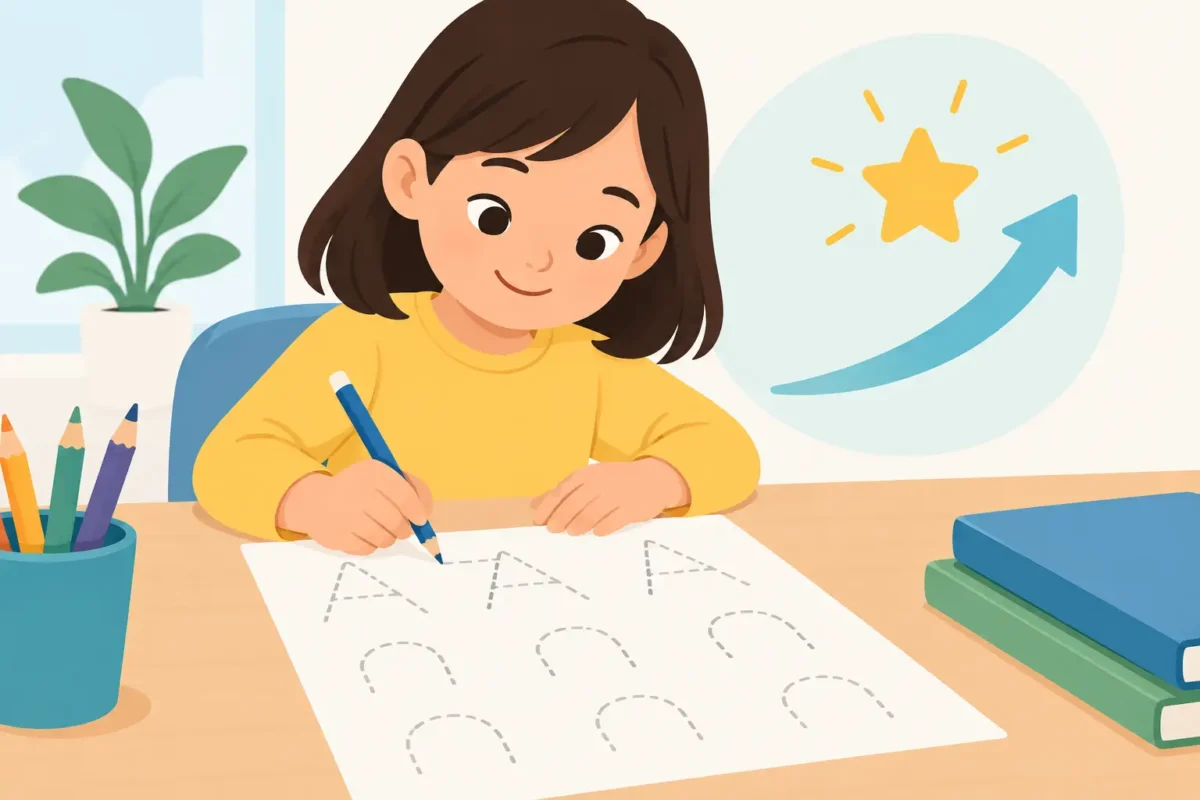
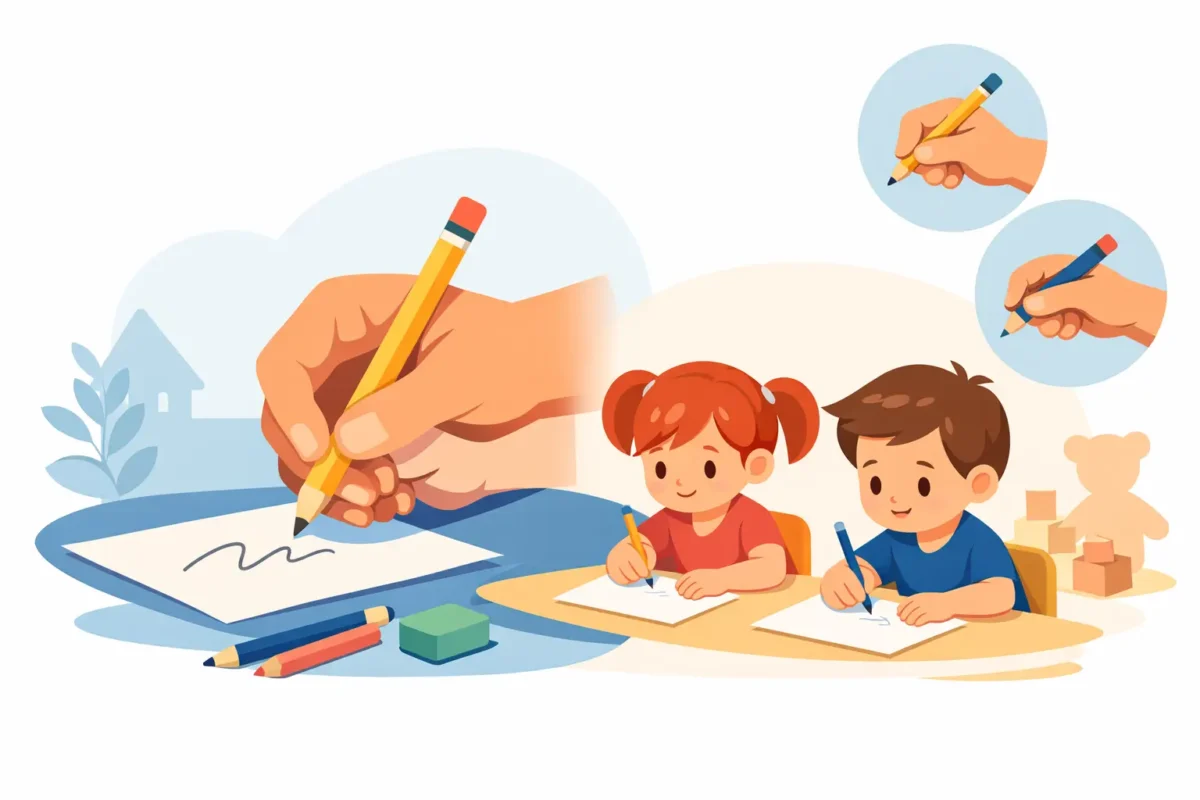
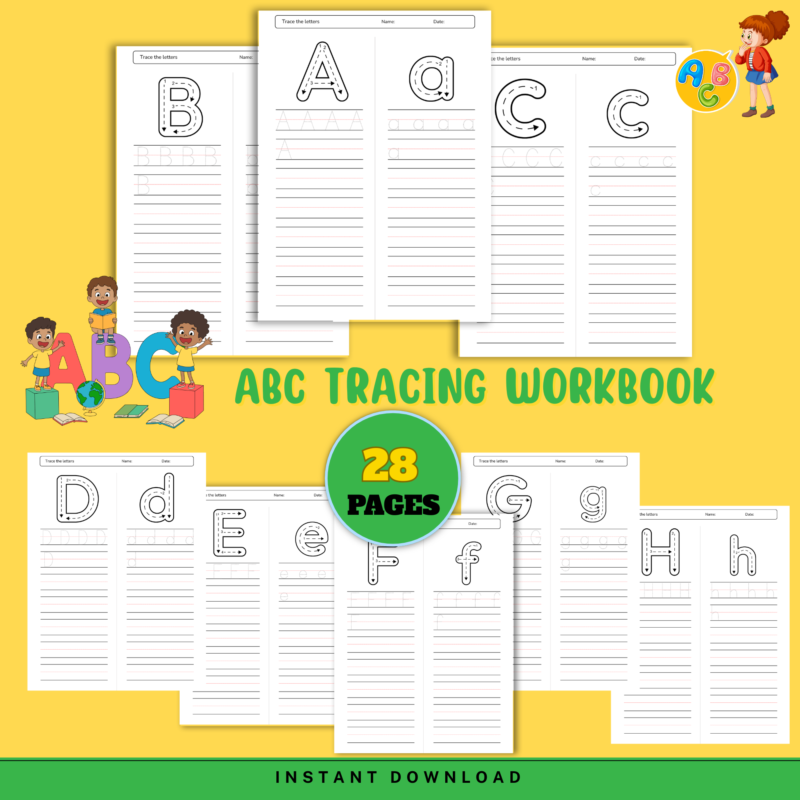
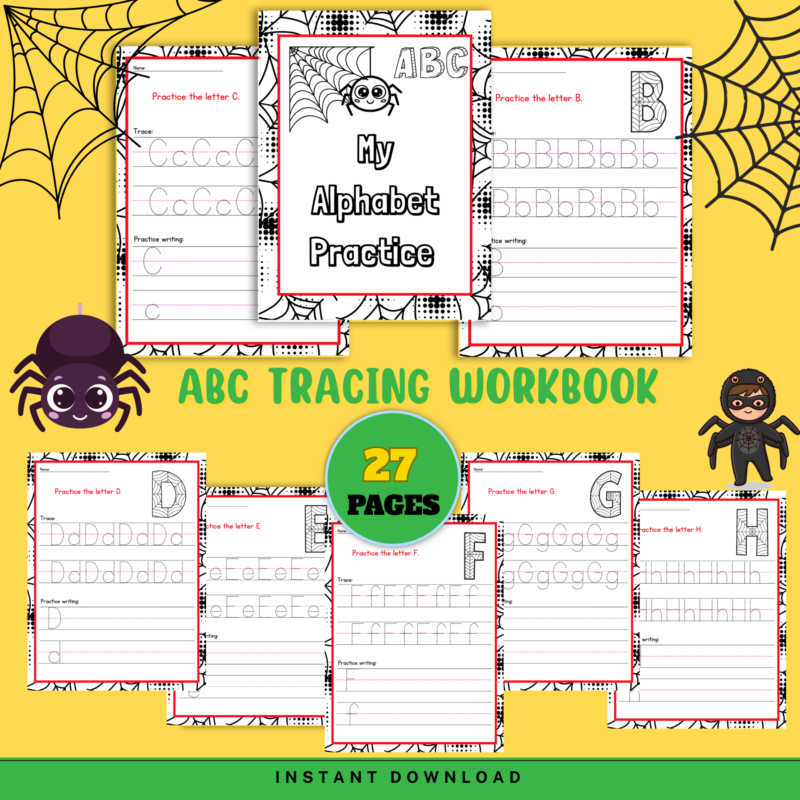
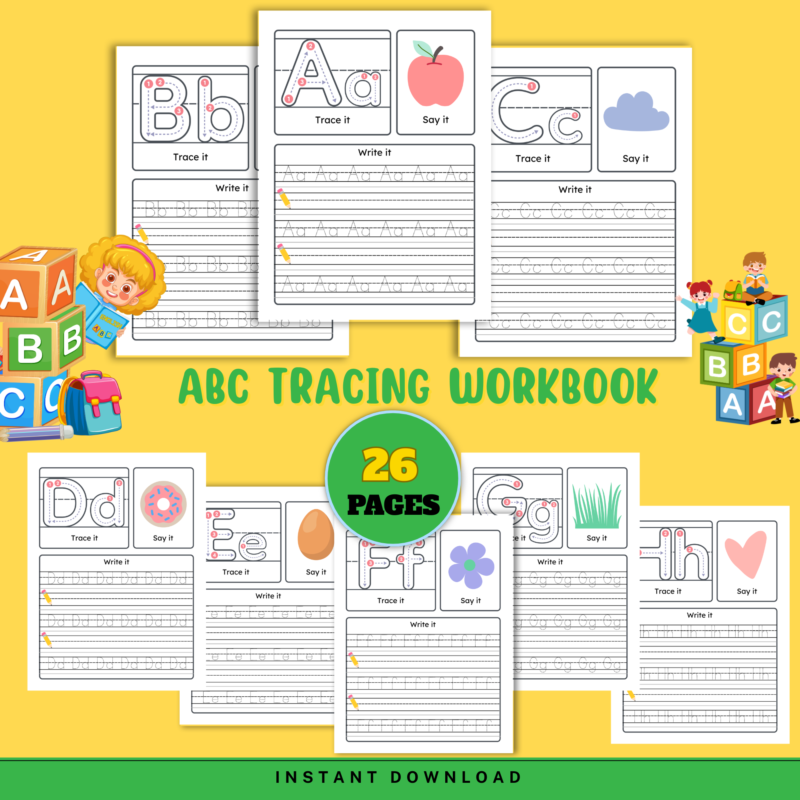
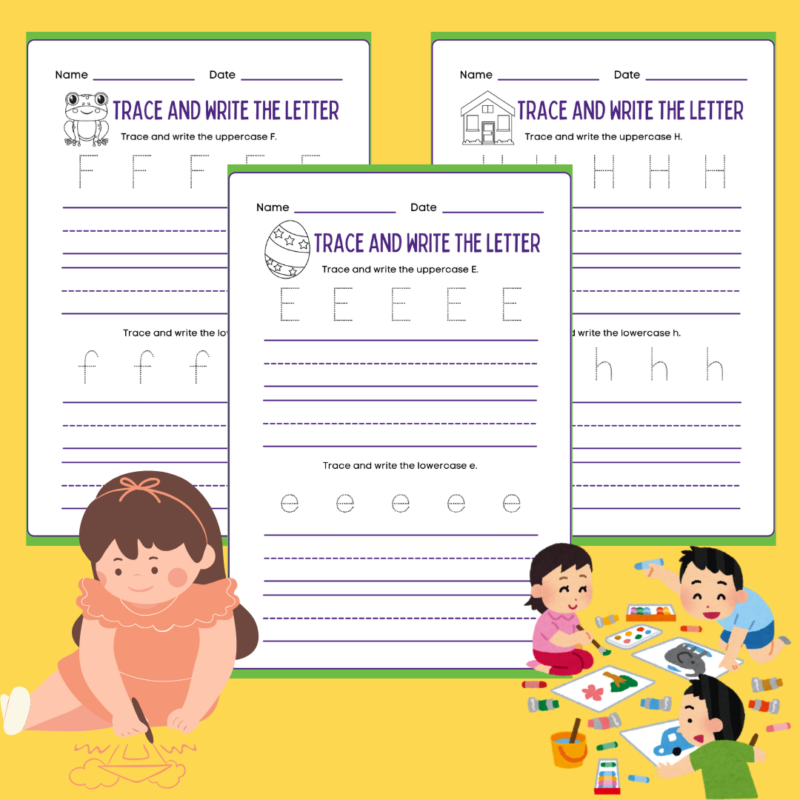
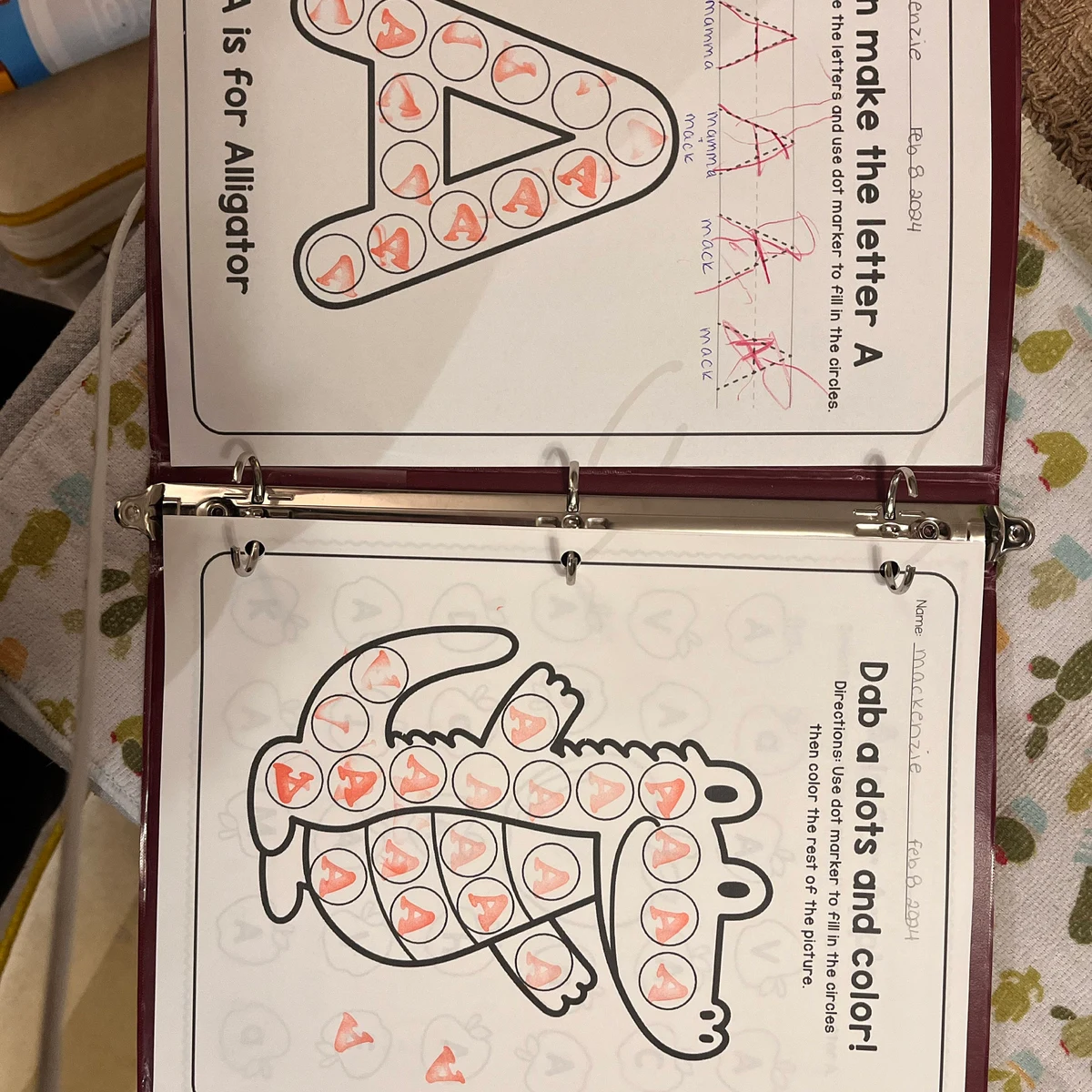
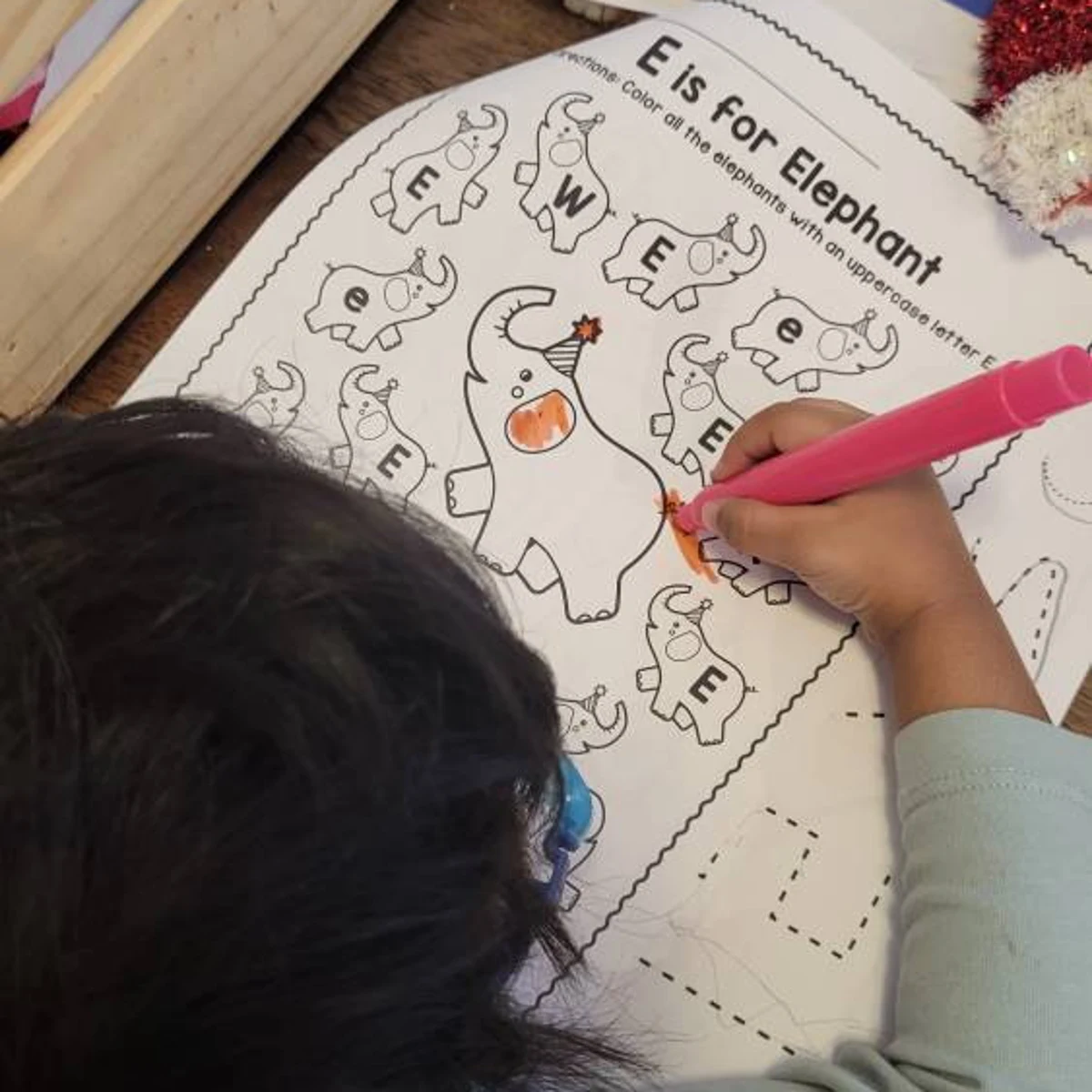
A child who proudly says, “I wrote my name!” has done more than finish a page. They have practiced pencil control, letter awareness, patience, and confidence all at once. That is the everyday value of digital workbooks for preschool and kindergarten learners: simple, ready-to-print activities that turn small moments of practice into meaningful early learning progress.
For parents, teachers, and homeschool families, the best learning materials are not the ones that create more prep work. They are the ones that fit naturally into a morning routine, literacy center, quiet-time activity, or rainy afternoon. Downloadable workbook PDFs make it easier to offer structured, screen-free practice whenever a child is ready to learn.
What Are Digital Workbooks?
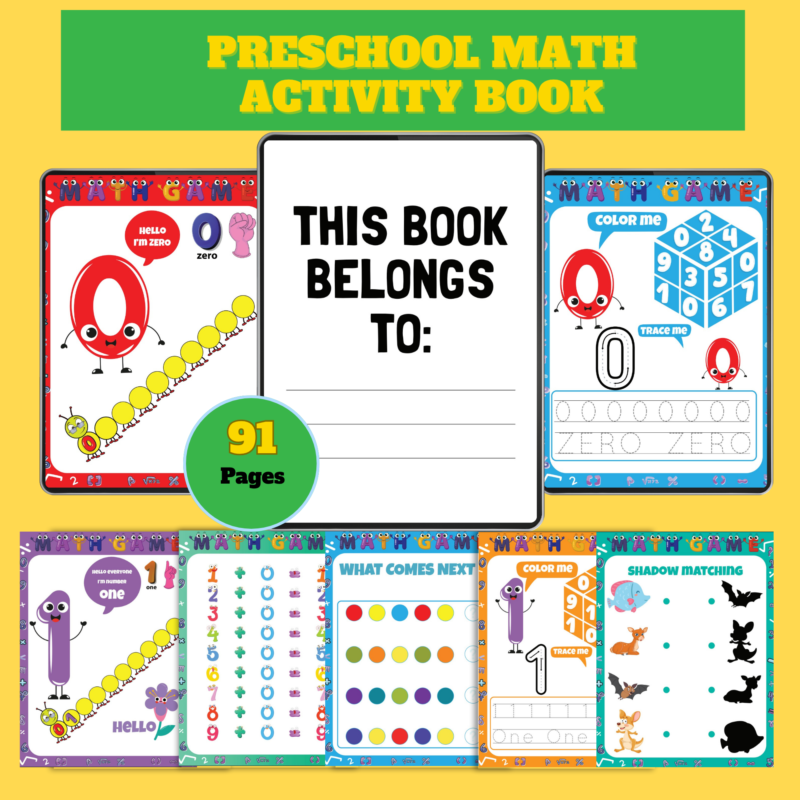
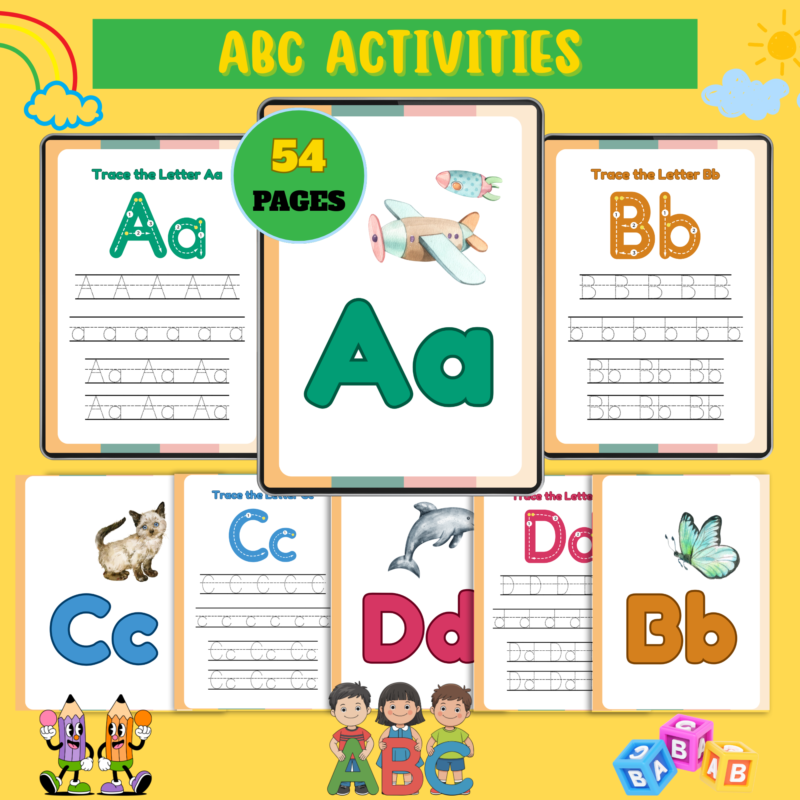
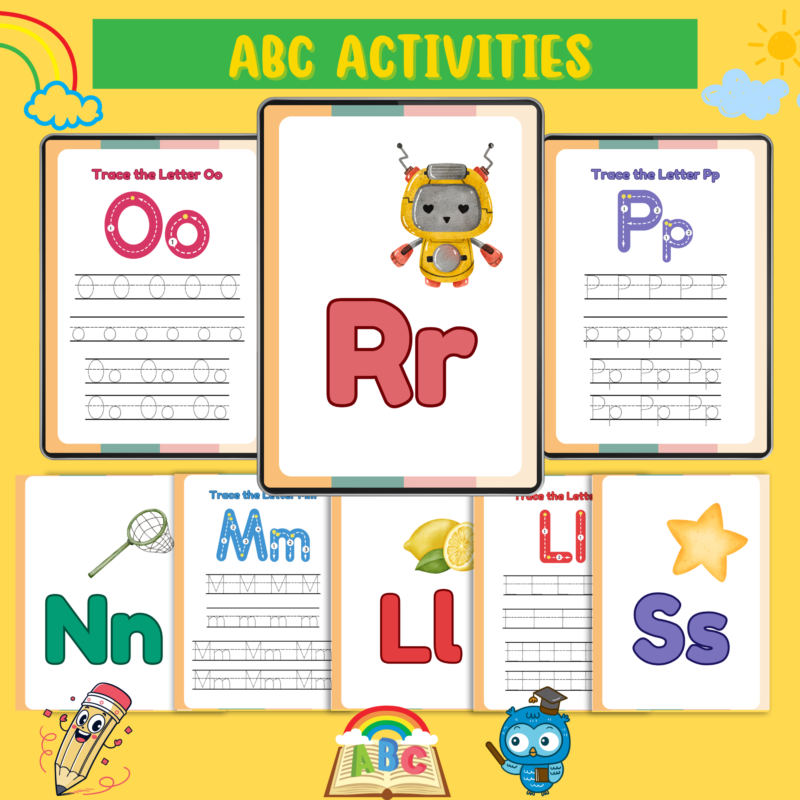
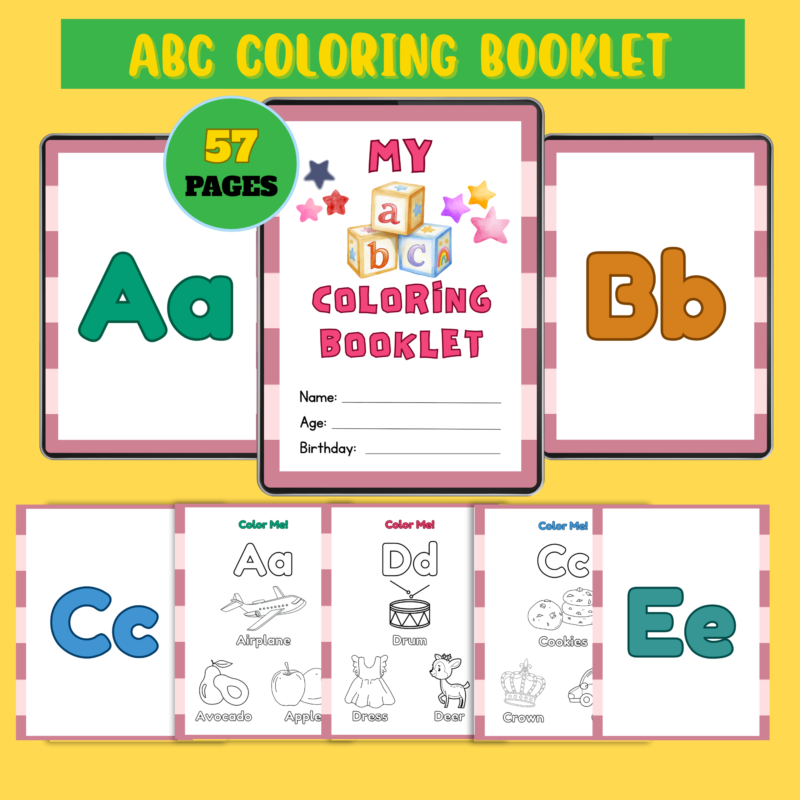
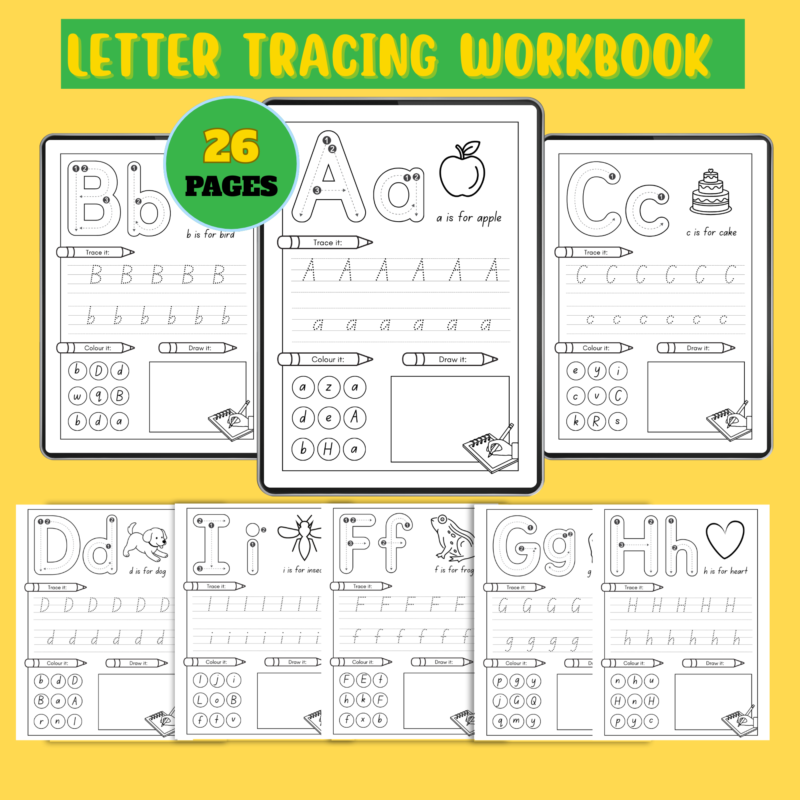
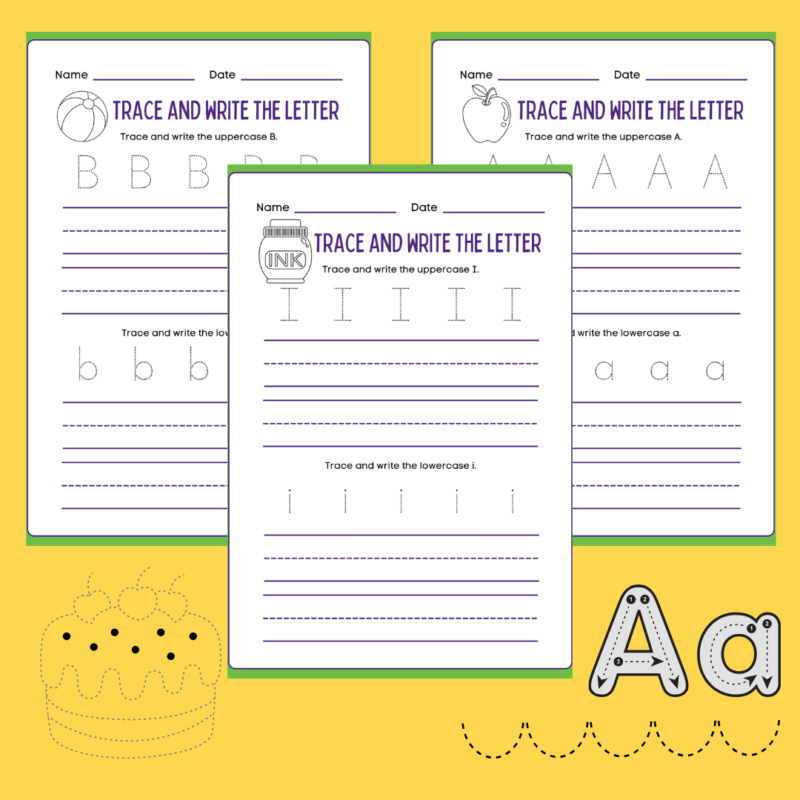
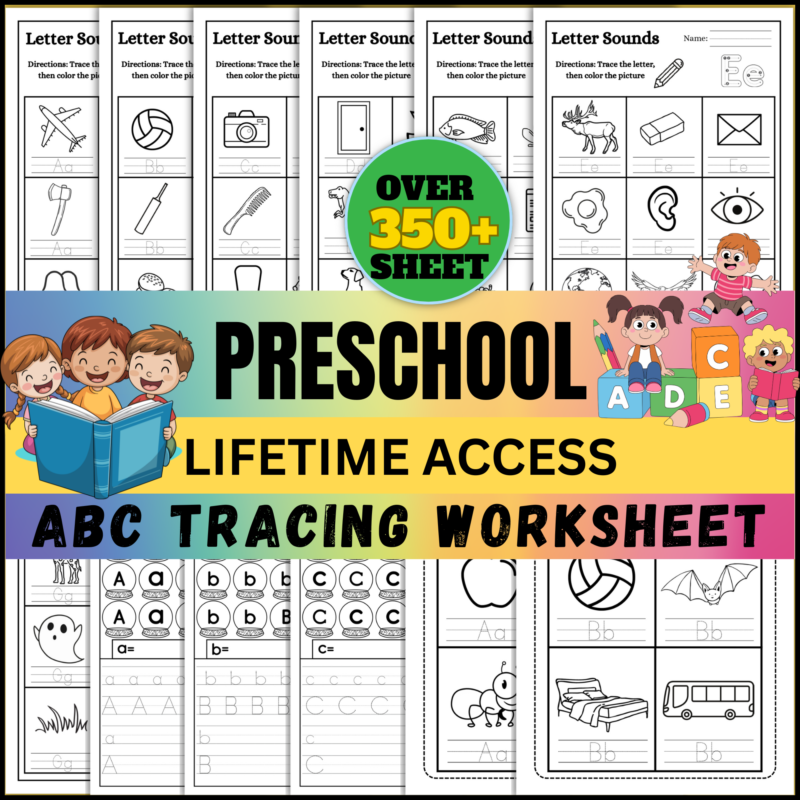
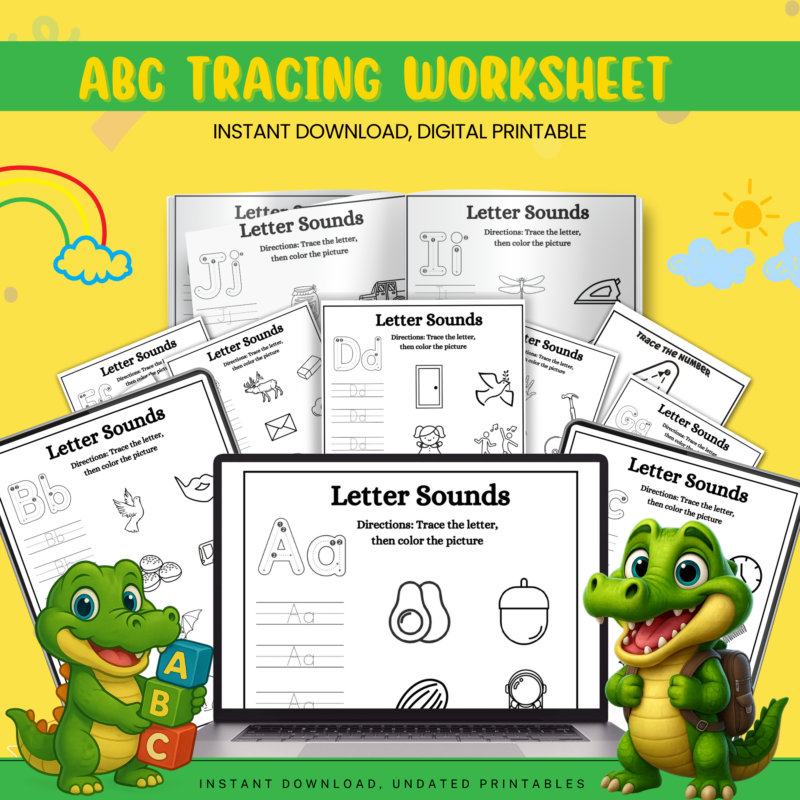
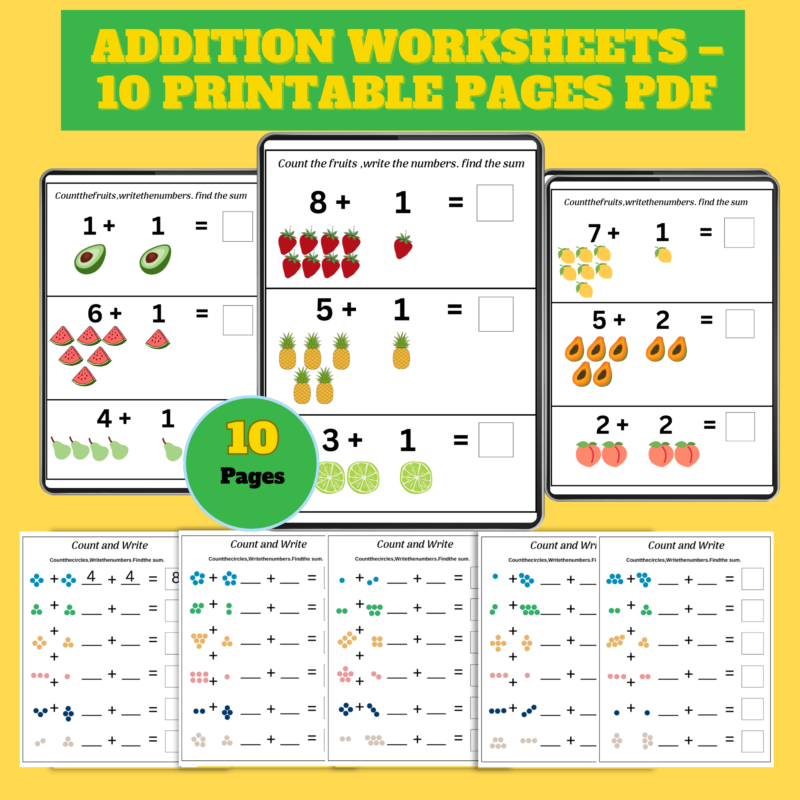
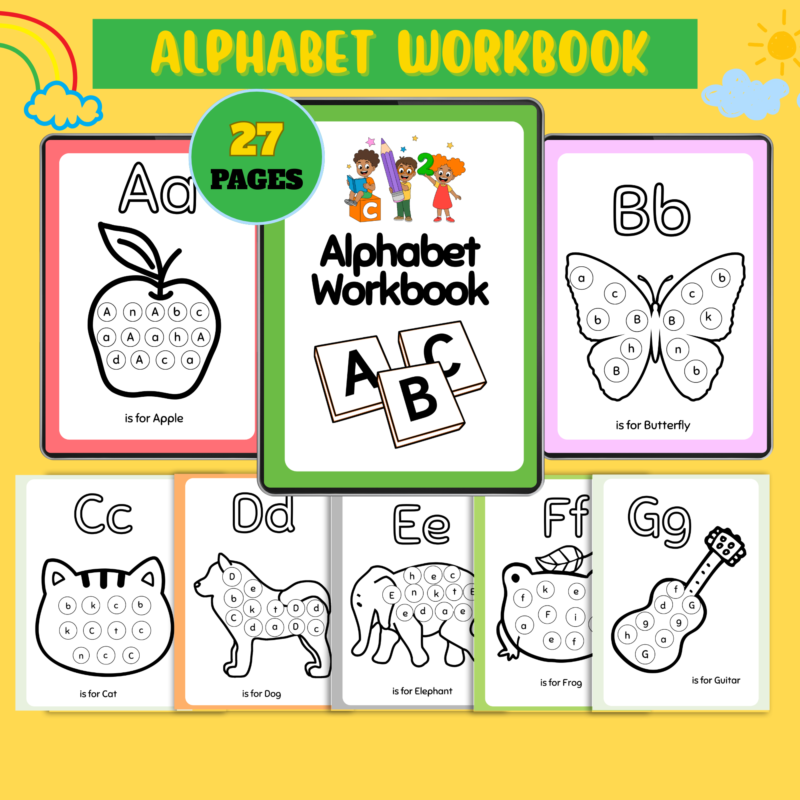
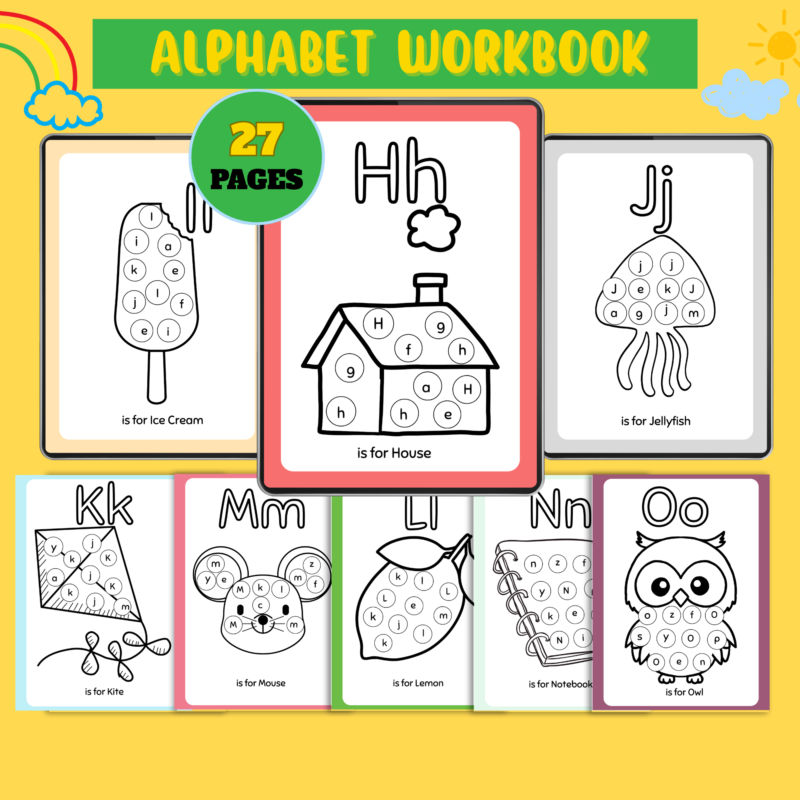
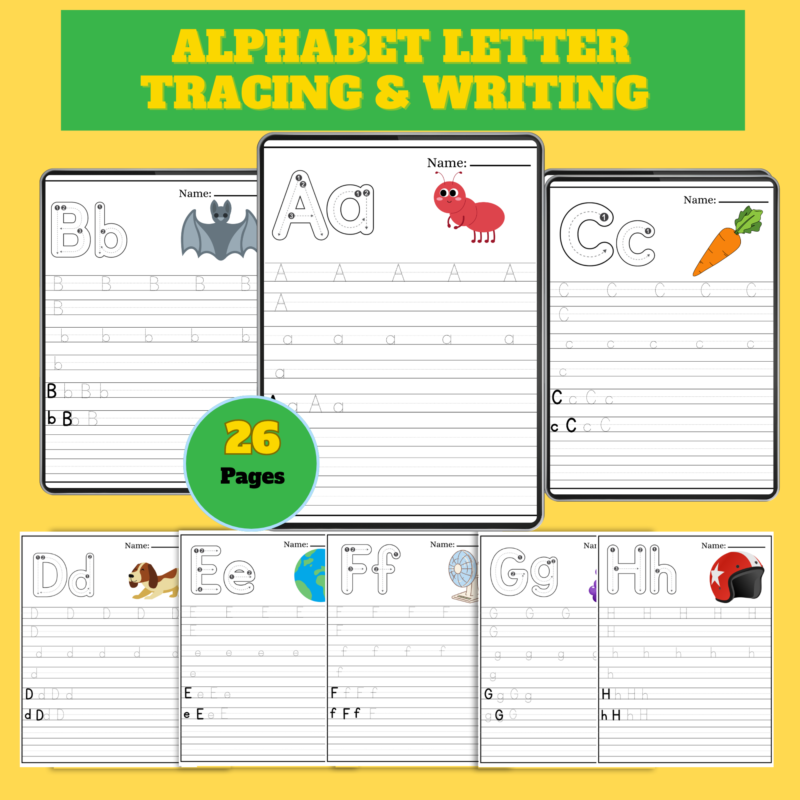
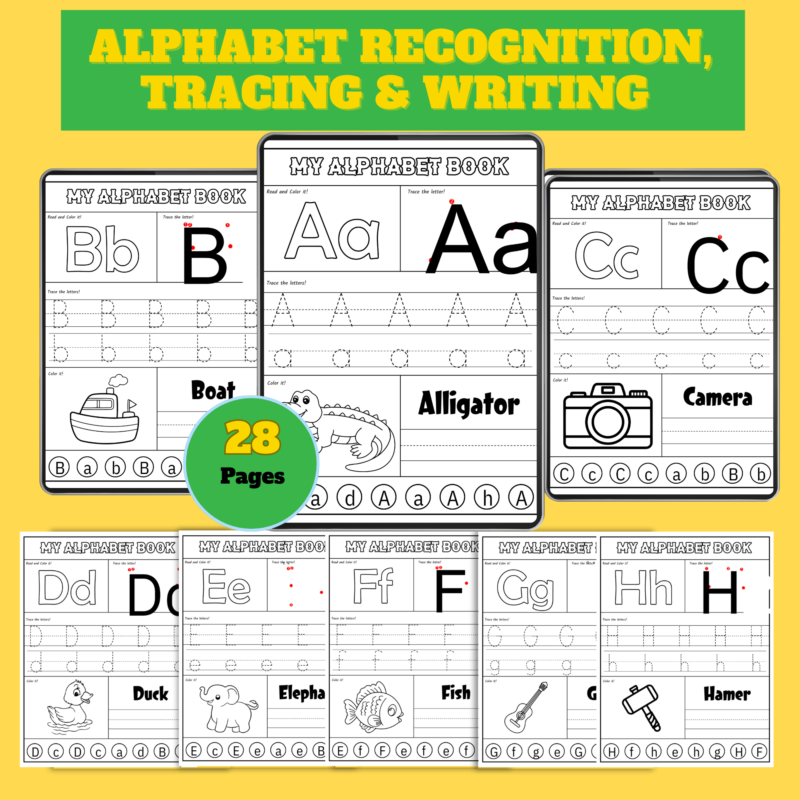
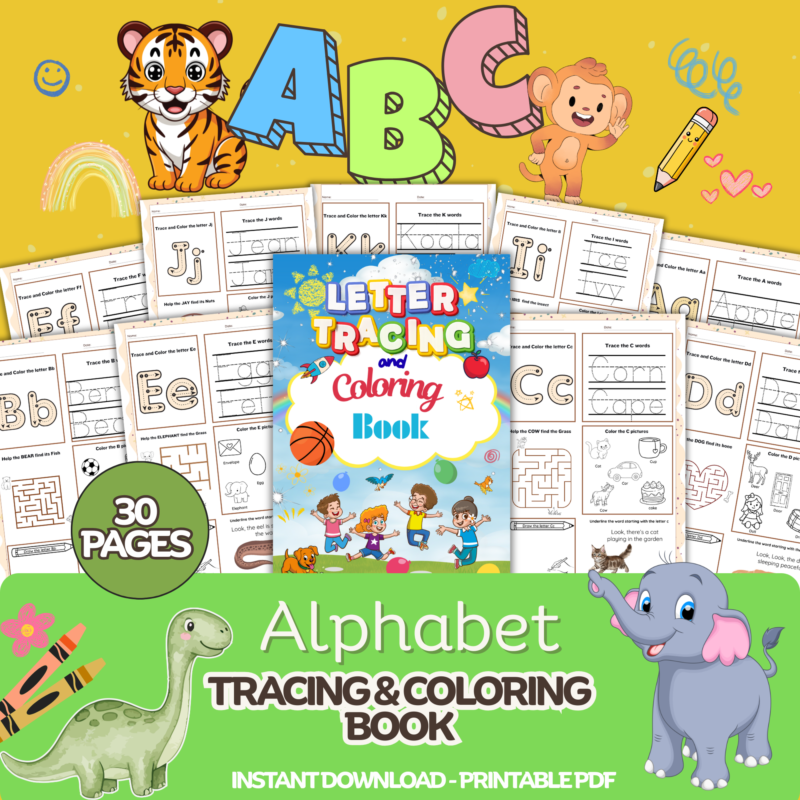
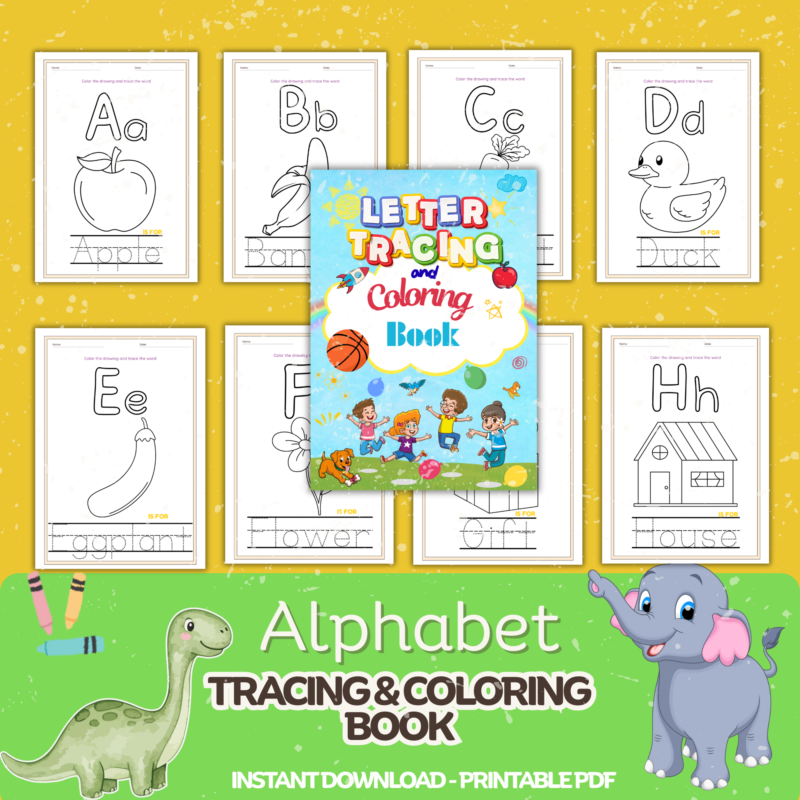
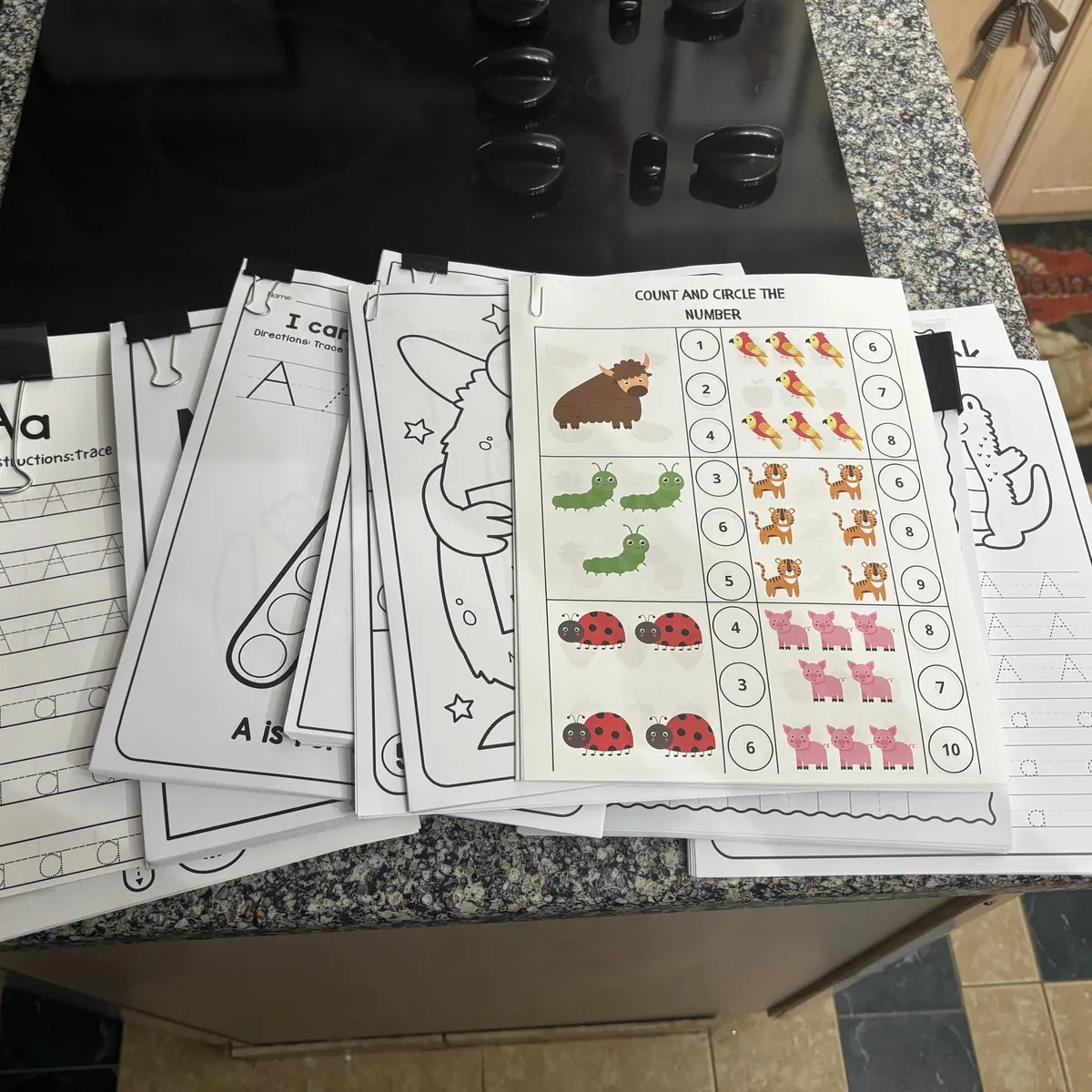
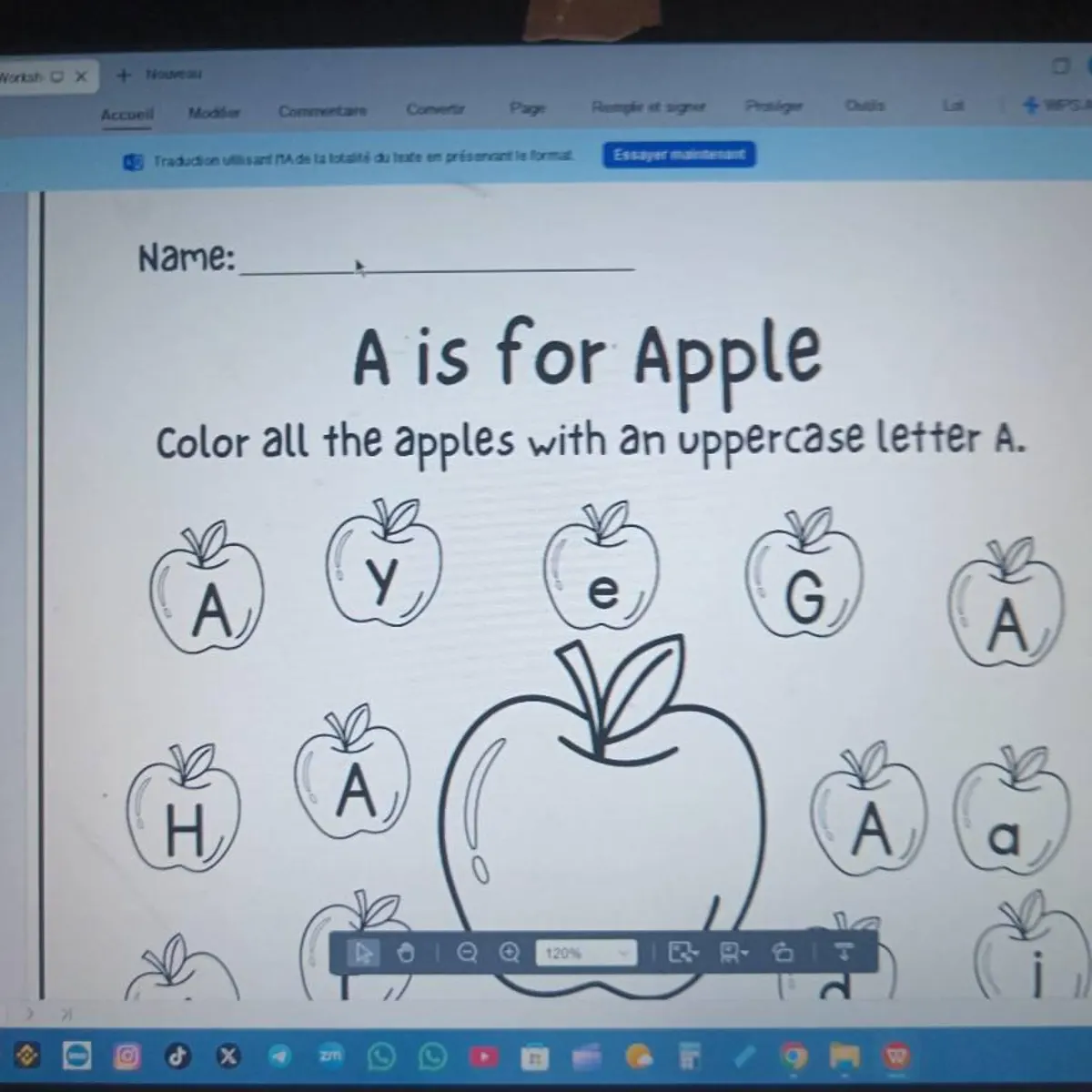
Digital workbooks are downloadable learning resources, usually in PDF format, that you can save and print at home, at school, or wherever you teach. Unlike a single worksheet, a workbook often groups several pages around one skill or theme, such as alphabet tracing, beginning sounds, counting, number recognition, handwriting, or simple addition.
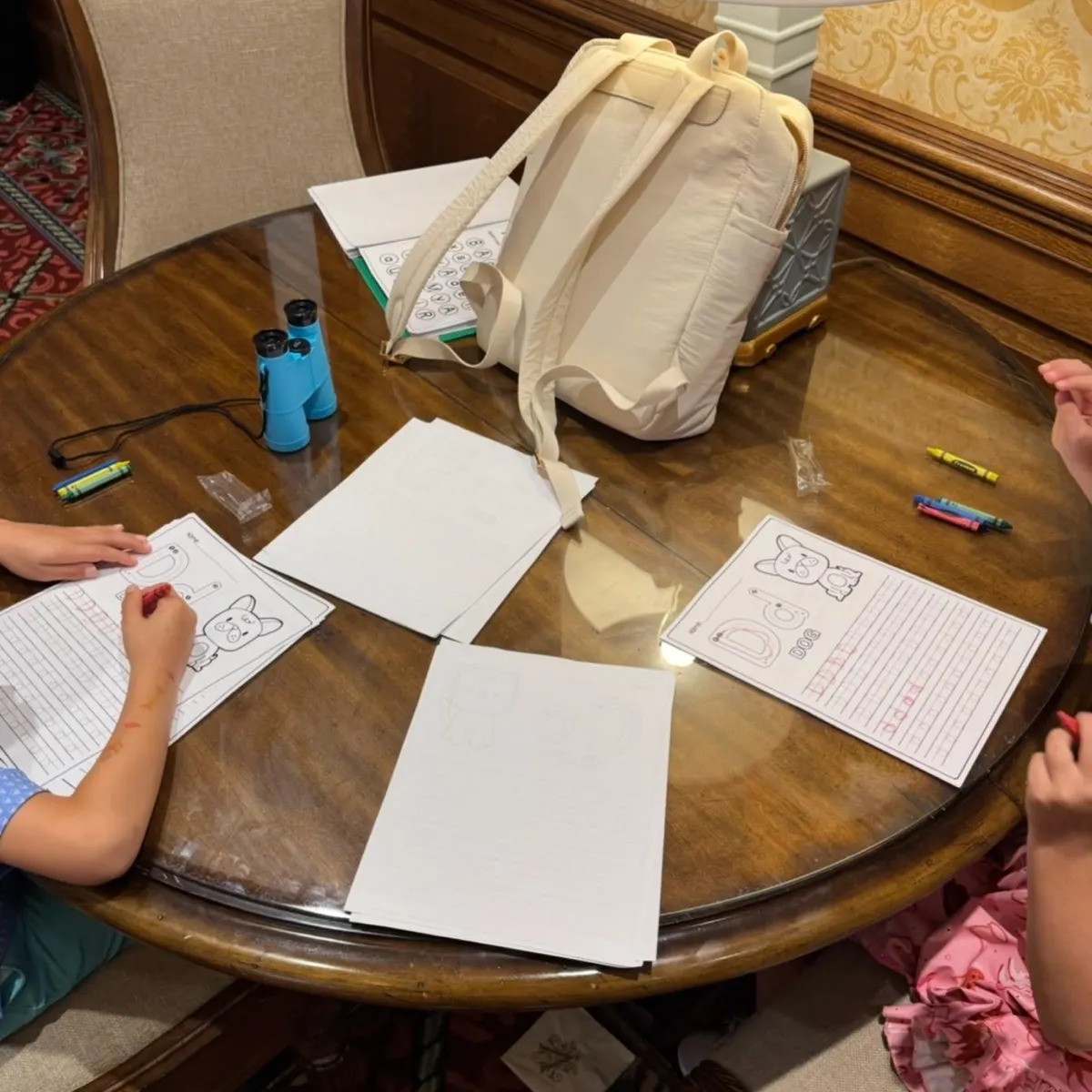
The word “digital” describes how the resource is delivered, not how a child must use it. For young learners, that distinction matters. A parent or teacher can choose a workbook online, download it right away, and hand the child a printed page, crayons, scissors, or a pencil. The learning stays hands-on and age-appropriate.
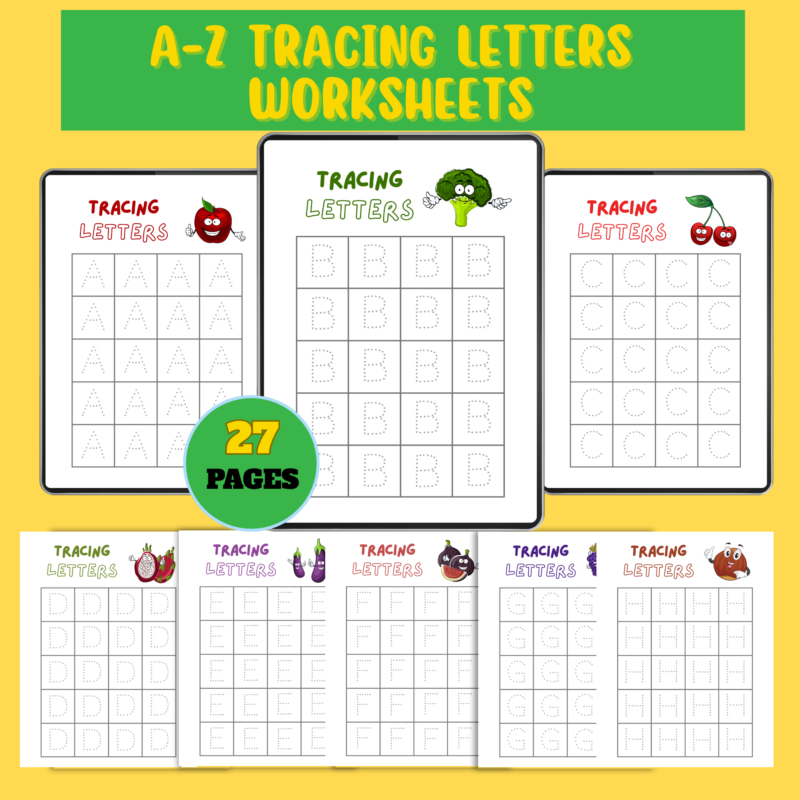
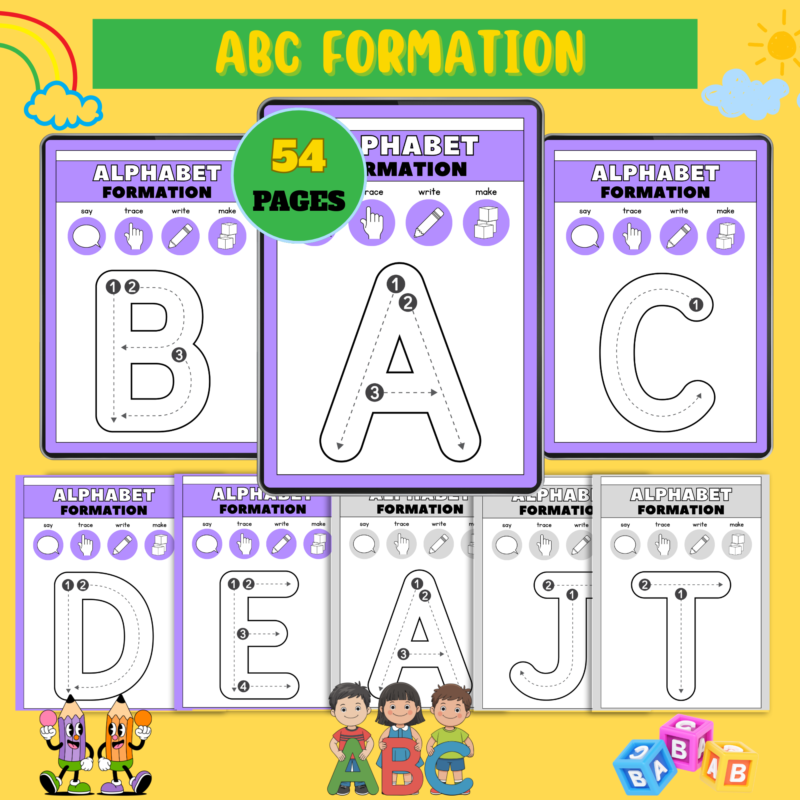
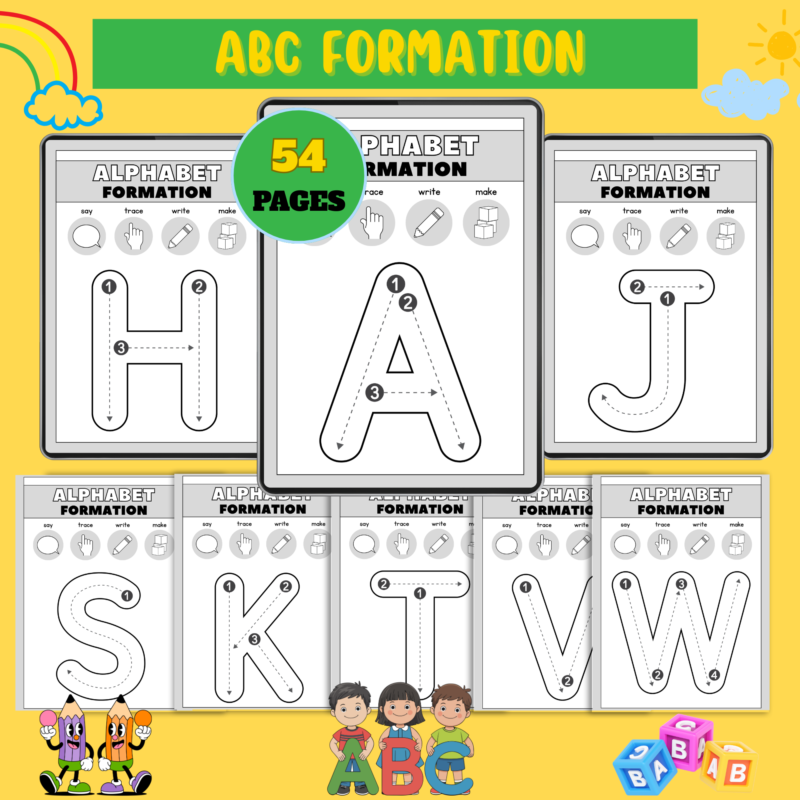
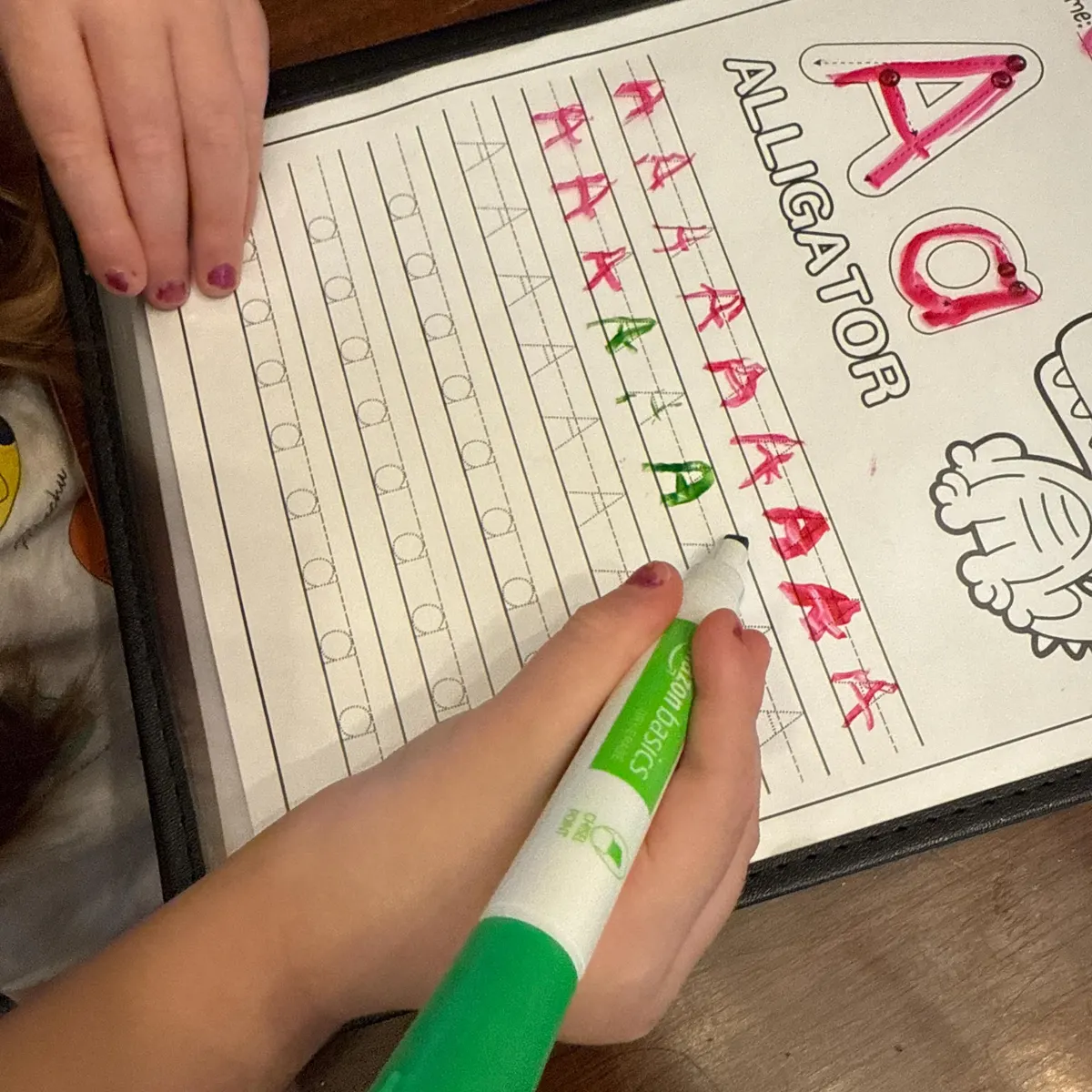
This format is especially helpful when children need repeated practice. A child may recognize the letter B one day but still need several chances to trace it, find it, say its sound, and connect it to familiar words. Printable pages make that repetition easy without requiring adults to recreate activities from scratch.
Why Digital Workbooks Work So Well for Young Children
Early learners build skills through short, frequent practice. Preschoolers and kindergarteners are still developing the focus, hand strength, and confidence needed for more independent schoolwork. One long lesson can feel overwhelming, while a few engaging workbook pages can feel achievable.
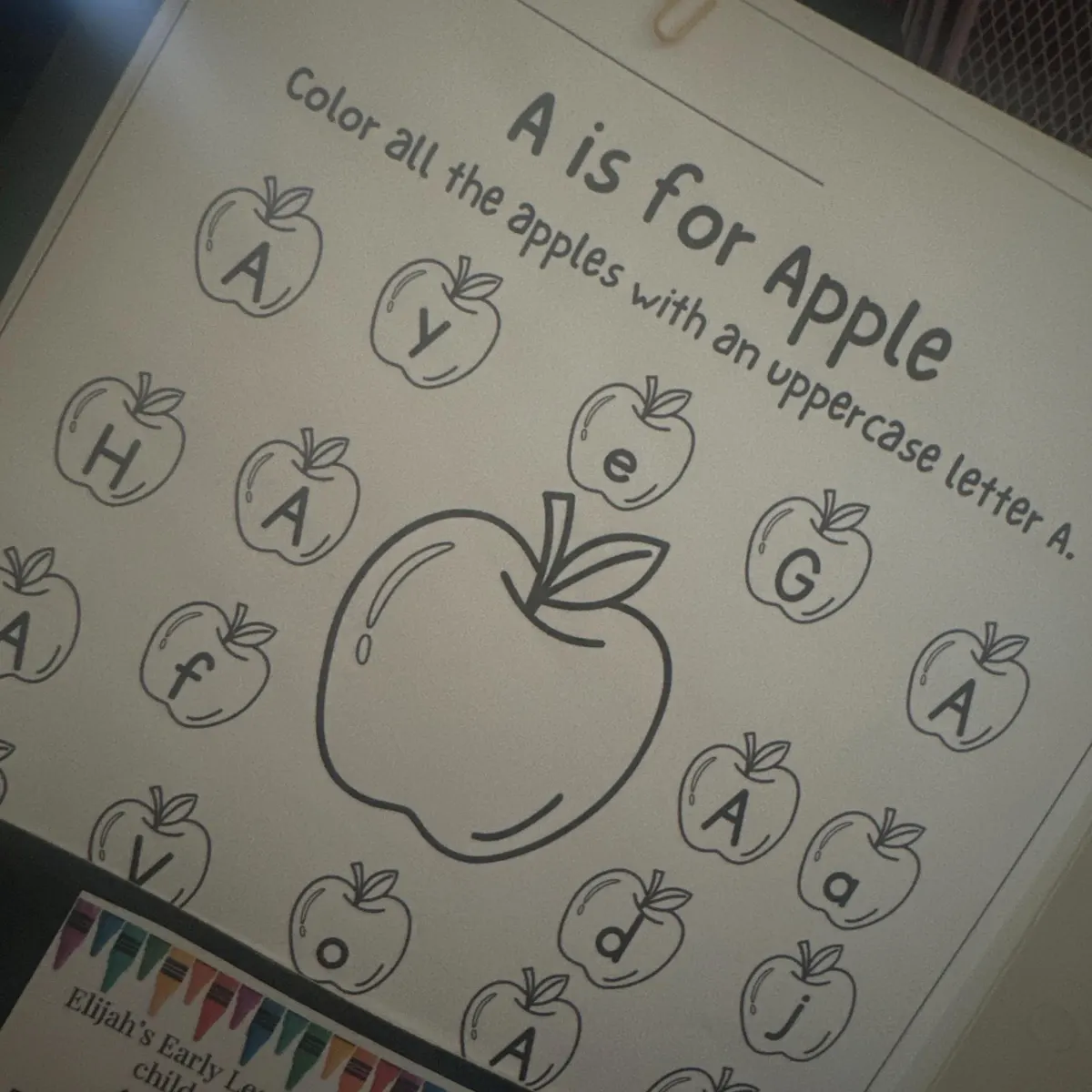
A well-designed workbook gives children a clear job to do. Trace the line. Circle the number. Color the picture that begins with the right sound. Count the apples. These directions may seem small, but each one helps children practice listening, following steps, and finishing a task.
Digital workbooks also give adults flexibility. A teacher can print enough copies for a small group. A homeschool parent can select pages that match the week’s lesson. A family can reprint a favorite tracing page when a child asks to try it again. That ability to revisit skills is valuable because early learning is rarely a one-and-done process.
There is also a confidence benefit. Children often feel more willing to attempt a page when the task is clear and the pictures are playful. Completing a worksheet can give a child visible proof of progress. That small success can encourage them to keep practicing letters, numbers, and early reading skills.
Choosing Digital Workbooks by Skill, Not Just Age
Age labels are useful starting points, but children develop at different rates. A four-year-old may be ready to count to 20 but still need extra help holding a pencil. A kindergartener may know all the letters of the alphabet yet need more practice hearing beginning sounds. The most helpful workbook is one that meets a child at their current skill level.
For preschool learners
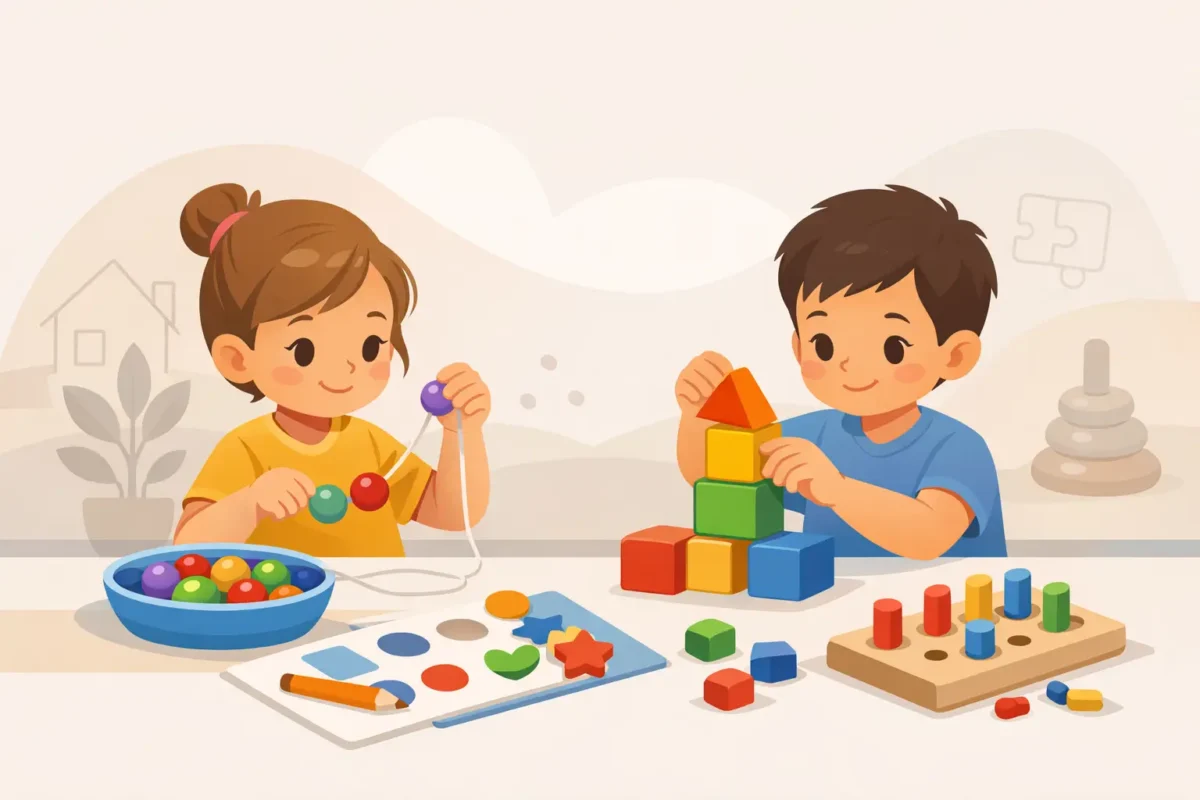
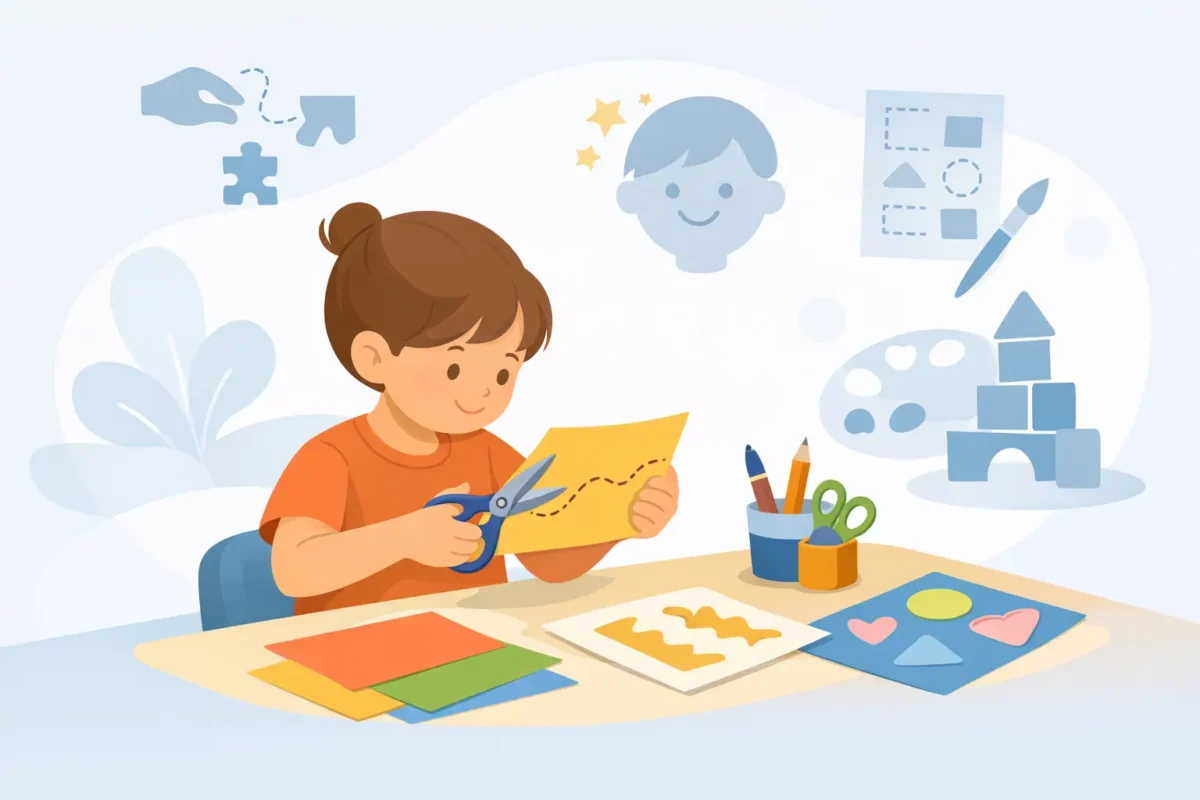
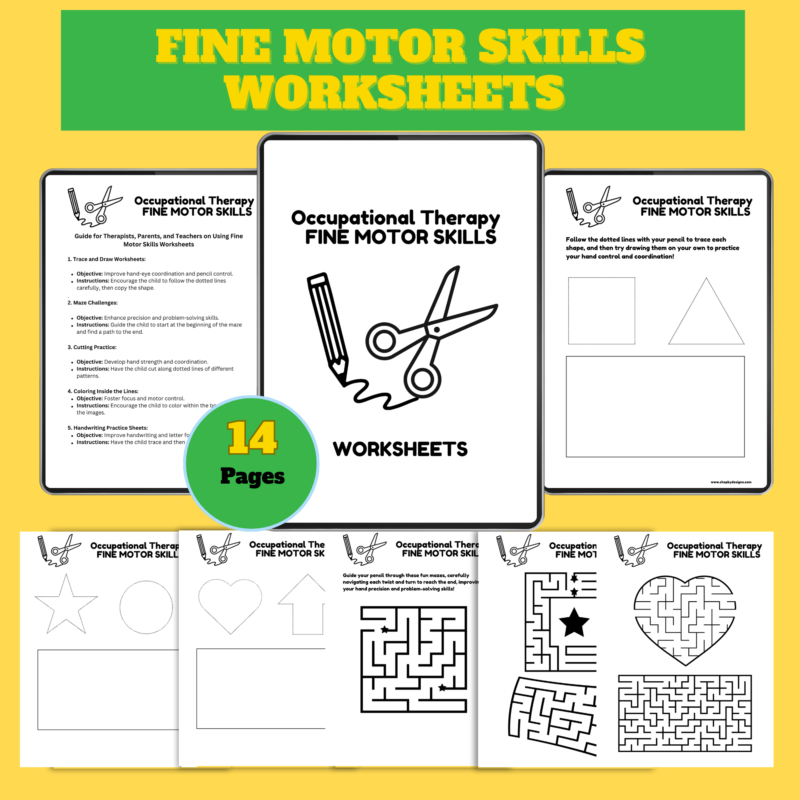
Preschool workbook activities should feel playful and manageable. Look for pages with large images, simple directions, and plenty of space for tracing, coloring, circling, or cutting. Alphabet recognition, basic shapes, colors, fine motor practice, and counting small groups are all strong choices.
At this stage, it helps to avoid overloading a page with too many instructions. A child who is learning to trace straight and curved lines does not need a crowded worksheet. Clear practice builds comfort, and comfort supports independence.
For kindergarten learners
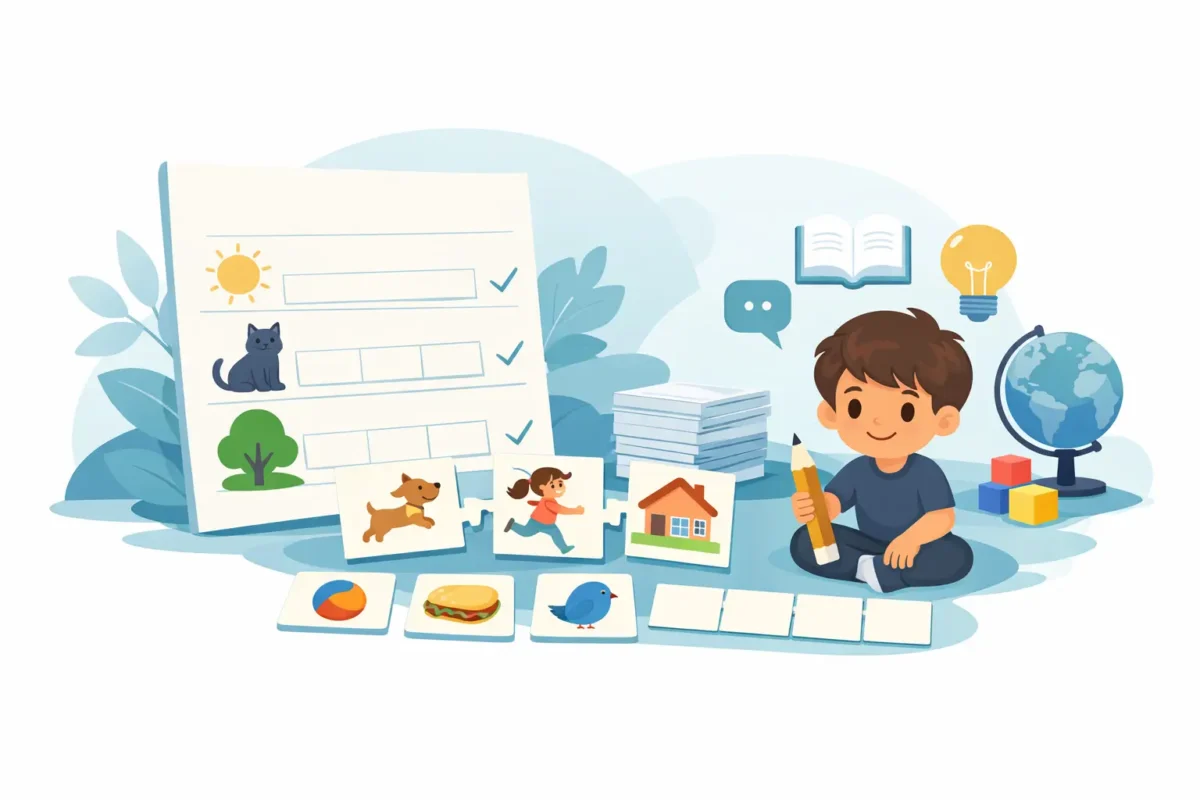
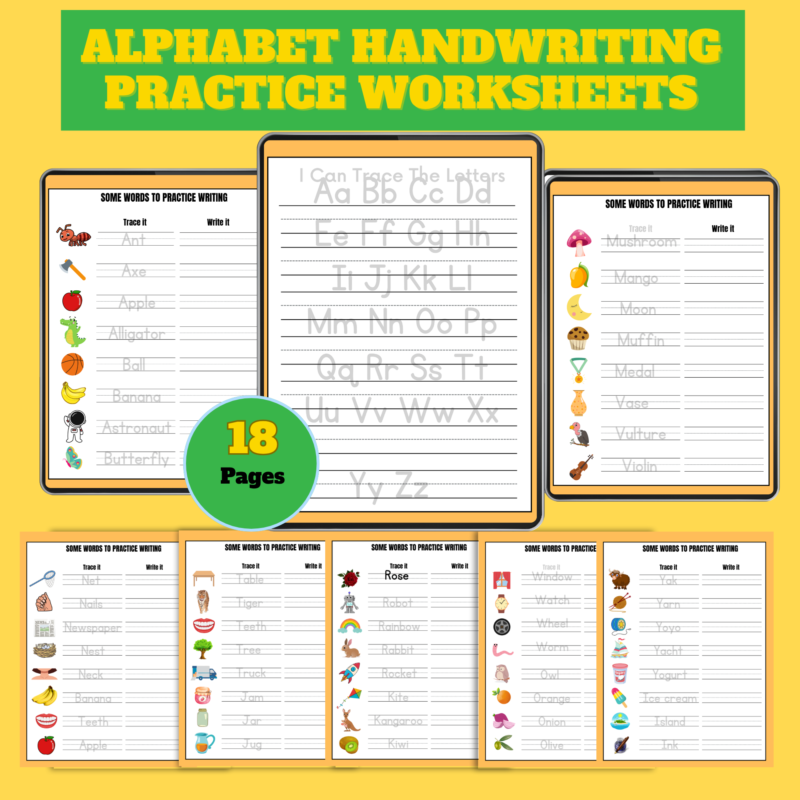
Kindergarten learners are often ready for more structured practice, including letter formation, CVC words, phonics, sight words, number writing, addition, subtraction, and sentence-building activities. They still benefit from colorful, engaging pages, but the goal begins to shift toward applying skills with greater accuracy.
For example, a child may start with tracing uppercase and lowercase letters, then move to writing letters independently. They may count pictures before solving simple addition problems. Each step gives them a foundation for the next one.
For children who need extra support
Some children need more time with a particular skill, and that is completely normal. Reprintable worksheets are especially useful for targeted practice. If writing the number 5 is tricky, print a few number-writing pages over several days instead of turning it into a long, frustrating lesson.
A smaller goal often works better. Practice three letters instead of all 26. Count objects to 10 before moving to 20. Read two simple words and celebrate the effort. Progress is built through consistency, not pressure.
Easy Ways to Use Digital Workbooks at Home
You do not need a detailed lesson plan to make workbook time meaningful. Many families get the best results by connecting a page to an existing routine. A tracing page can be part of breakfast cleanup. A counting activity can happen before screen time. A coloring and phonics page can be a calm transition before dinner.
Keep sessions short, especially for younger children. Ten focused minutes can be more productive than 30 minutes of distraction. If a child is excited to continue, great. If they are becoming tired or frustrated, stop on a positive note and return later.
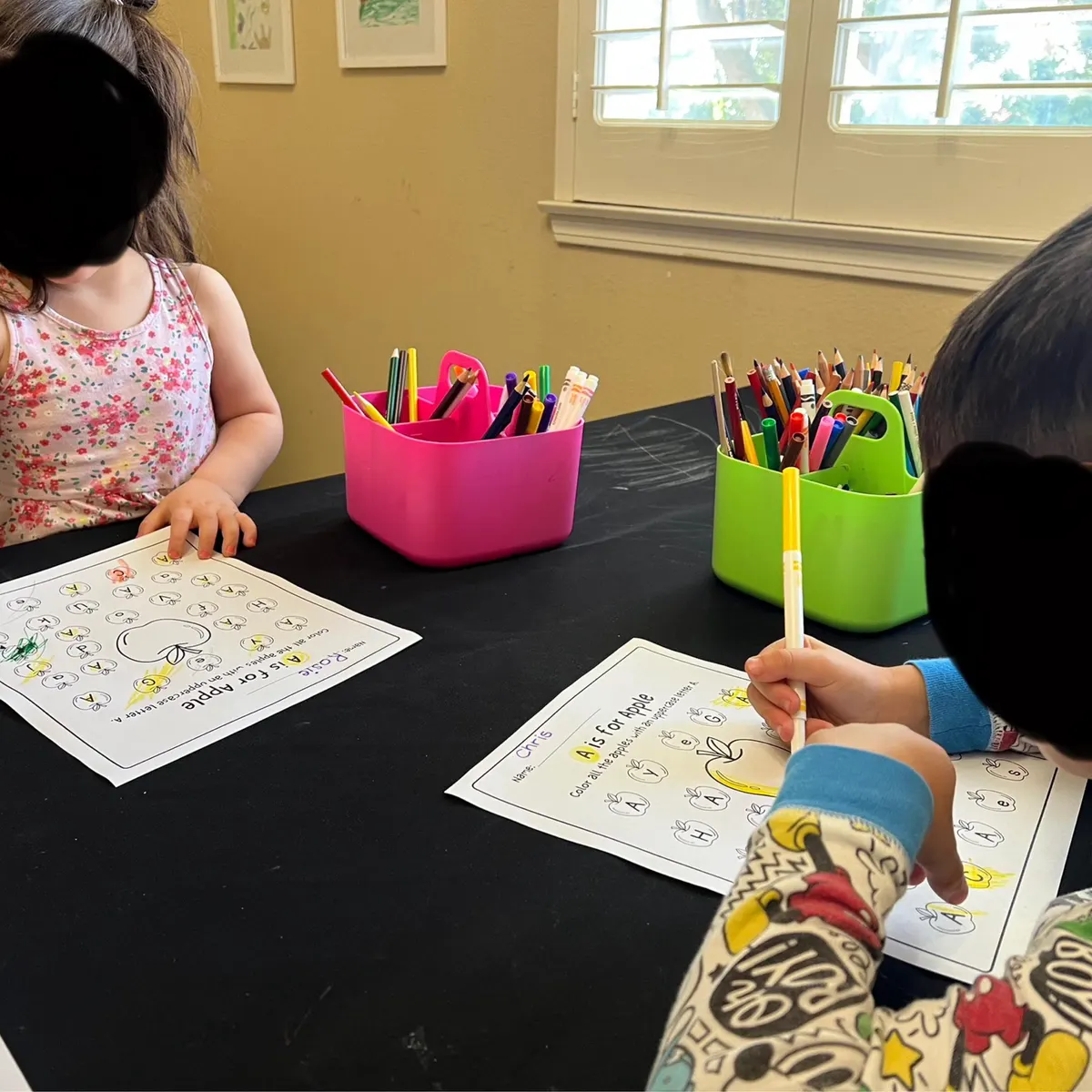
It also helps to create a simple supply basket with pencils, crayons, washable markers, child-safe scissors, glue sticks, and a few printed pages. When materials are easy to reach, learning feels less like a big project for the adult.
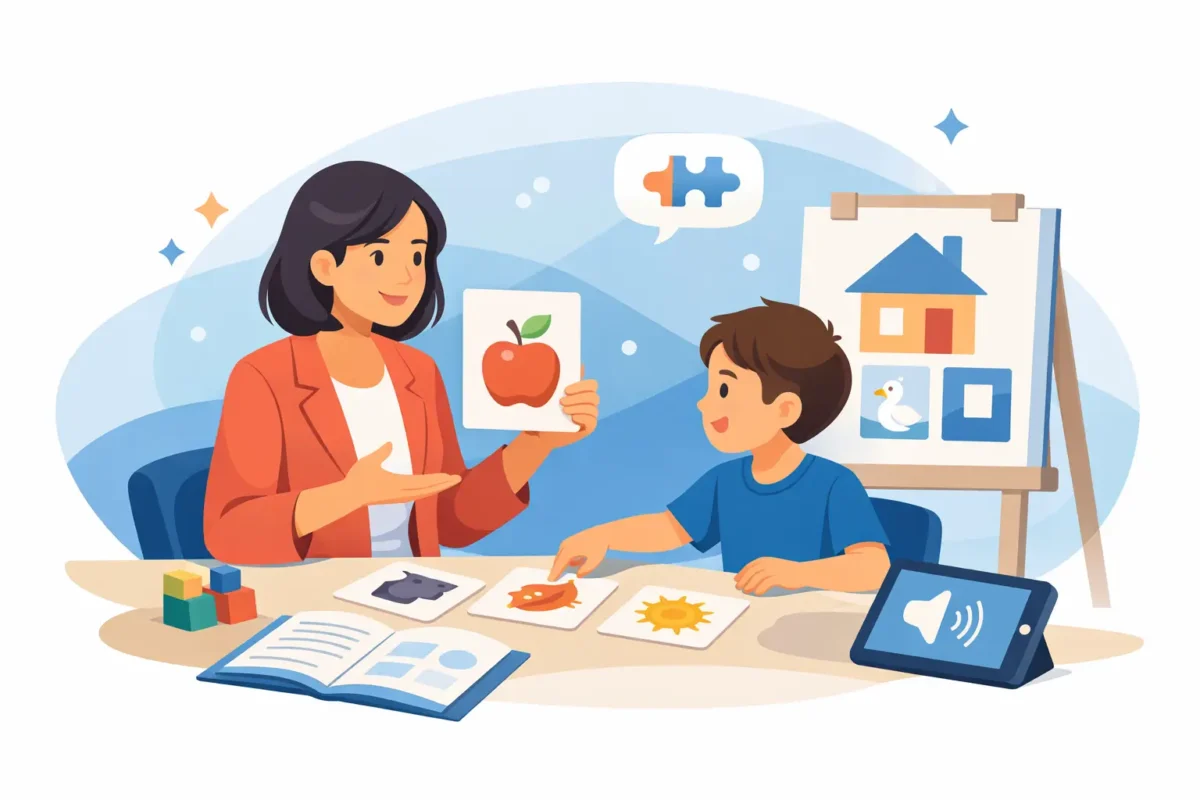
Try using workbook pages as conversation starters instead of treating every answer like a test. Ask, “What sound does this picture begin with?” or “How did you know there were six?” Children learn more when they can explain their thinking, even if they are still learning the correct answer.
Using Digital Workbooks in the Classroom or Homeschool
For educators, downloadable workbooks can support both planned instruction and those moments when you need a meaningful activity quickly. Print handwriting pages for morning work, use phonics activities in small groups, or place counting worksheets in a math center. A themed workbook can also reinforce a weekly topic without requiring hours of preparation.
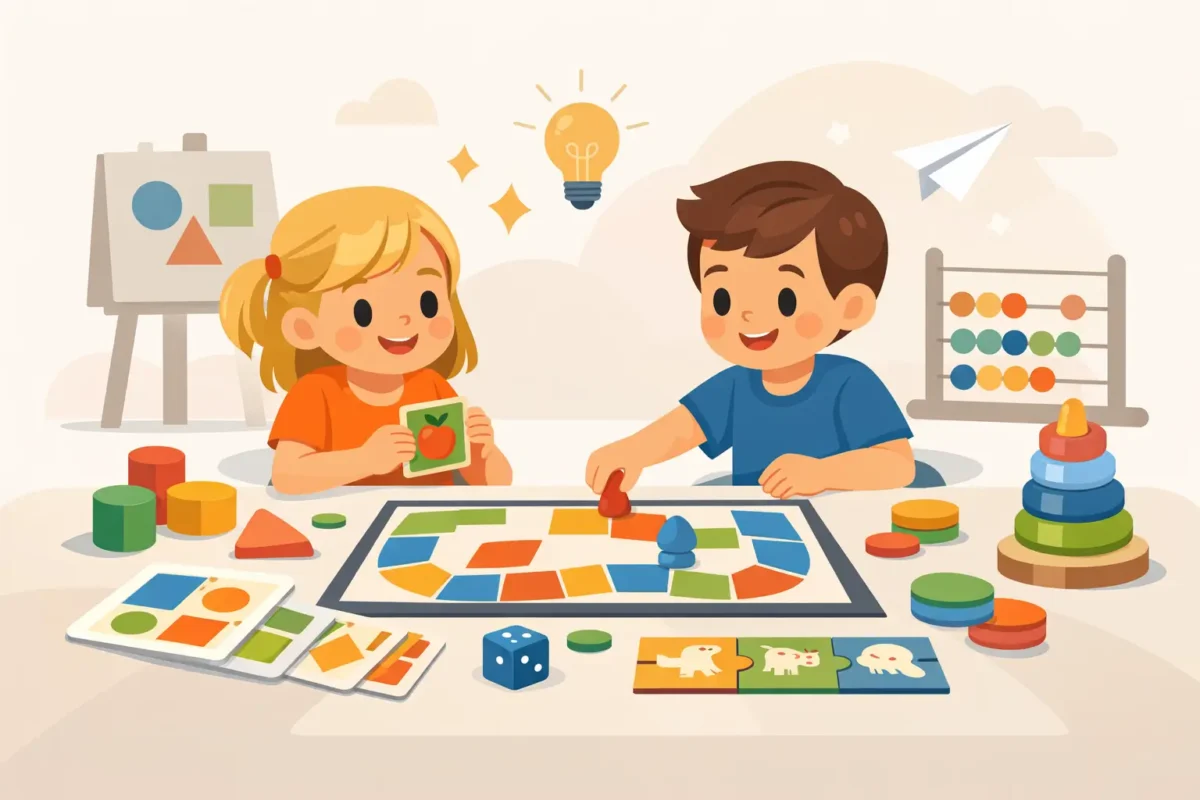
In a homeschool setting, workbooks can provide a helpful rhythm. One day might include alphabet practice and a fine motor page. Another day might focus on counting, coloring by number, and a simple board game. The goal is not to fill every minute with paper activities. It is to offer clear practice alongside read-alouds, play, movement, conversation, and real-world learning.
Printing choices matter, too. Full-color pages can feel especially inviting for games and visual activities, while black-and-white worksheets are practical for daily practice and give children an extra opportunity to color. It depends on your printer, budget, and how you plan to use the pages.
Keep Practice Positive and Purposeful
A workbook should support learning, not become a source of stress. If a child makes a mistake, respond with encouragement: “Let’s try that one together,” or “You worked hard on that letter.” Young children are still learning that mistakes are part of practice.
Praise effort as well as correct answers. Notice when your child grips the pencil more carefully, stays with an activity longer, or tries a new sound without being prompted. These are real signs of growth.
Fun Clever Fox workbooks are designed to make that practice easier for the adults guiding young learners and more enjoyable for the children doing the work. With ready-to-use printable activities across early literacy, math, handwriting, and fine motor skills, families and educators can choose pages that match the child in front of them.
A printed page may look simple, but it can become a small daily promise to a child: you can try, you can learn, and you can feel proud of what you can do next.