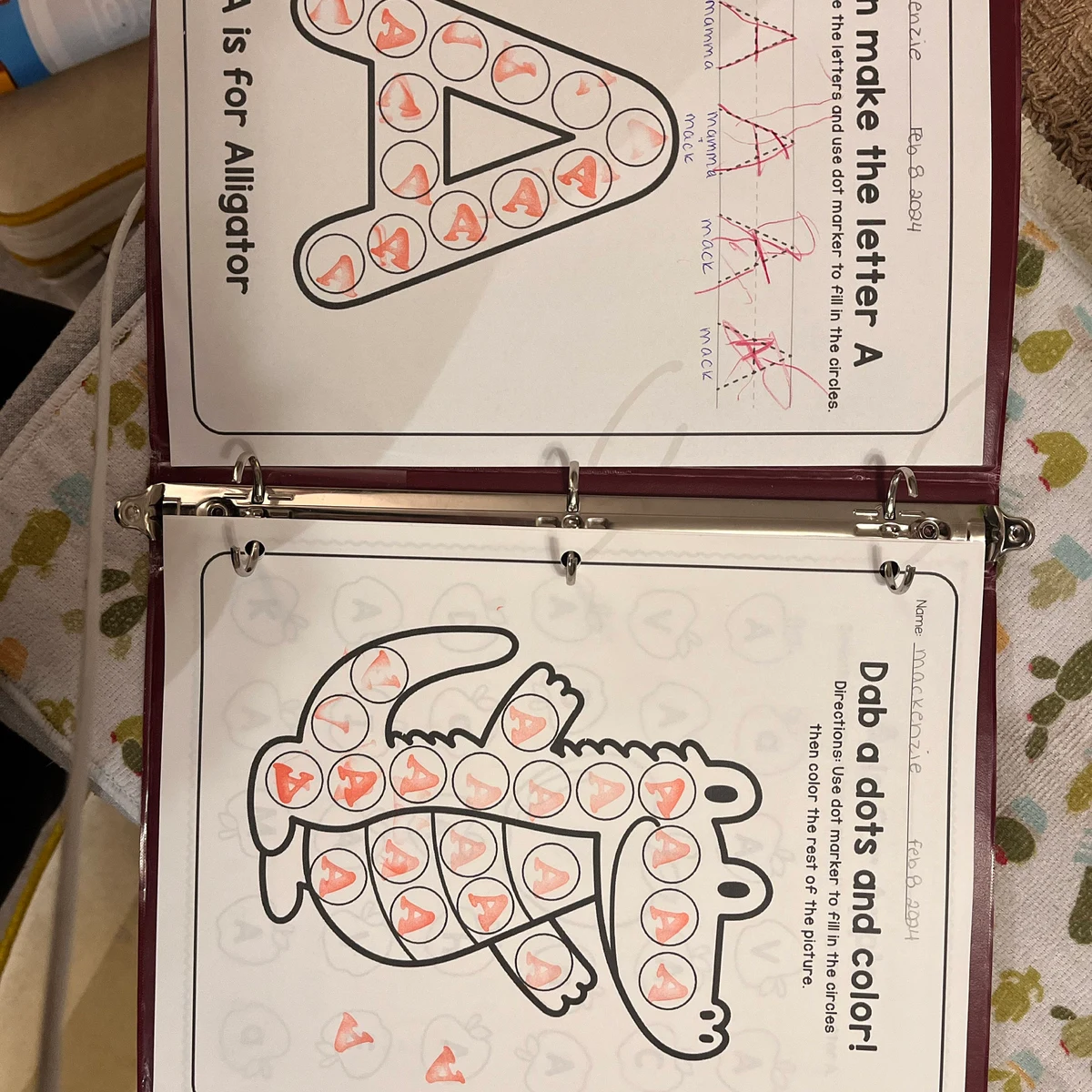
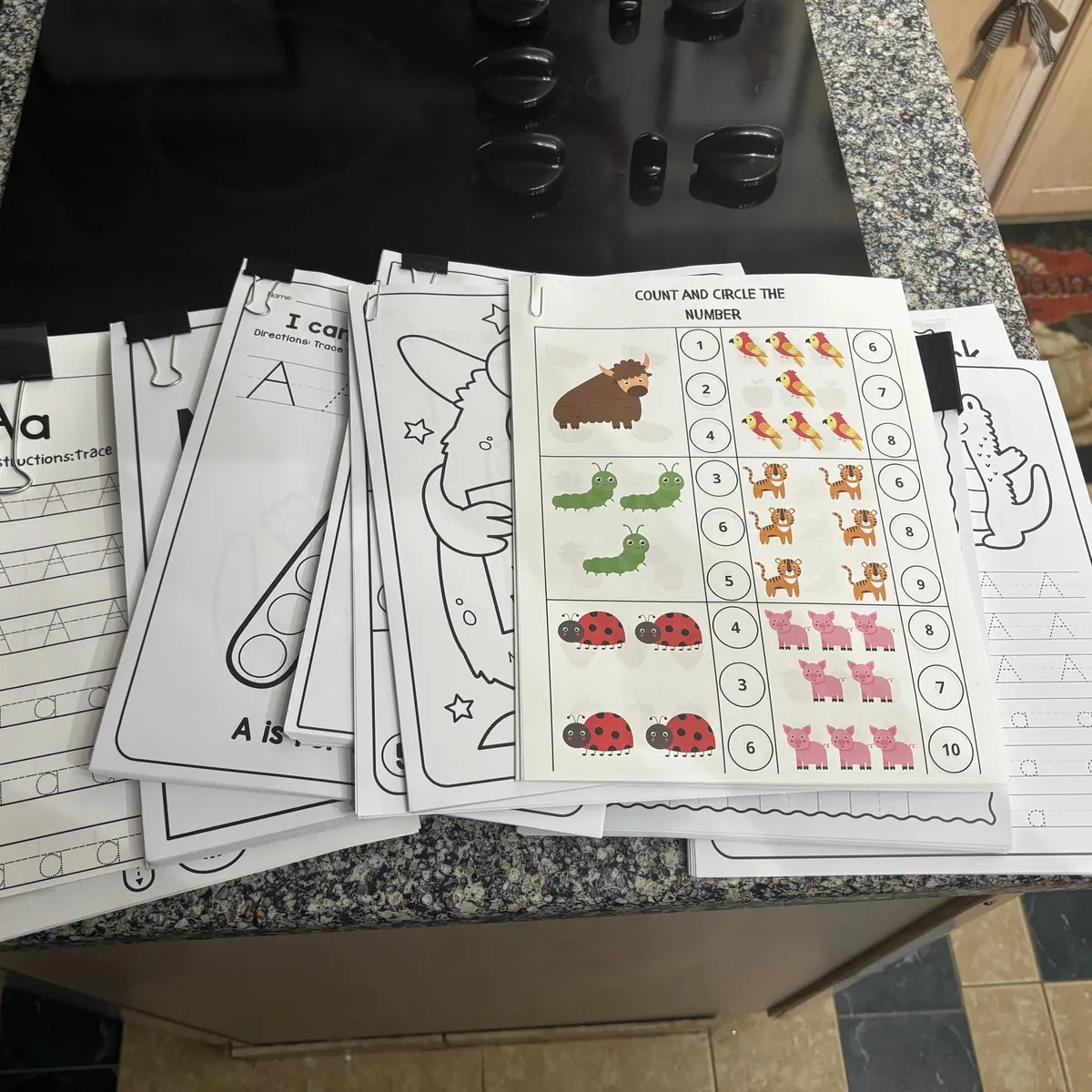
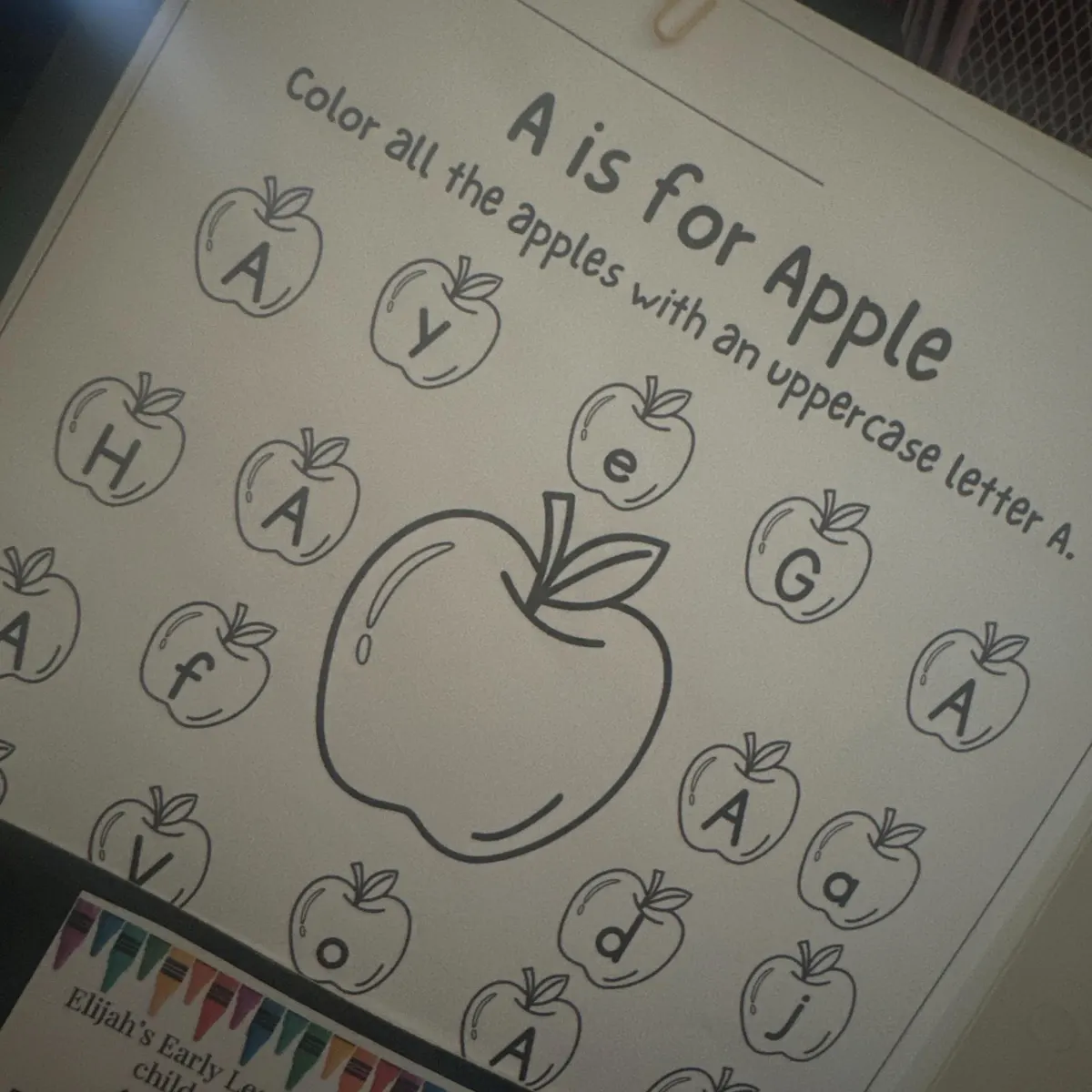
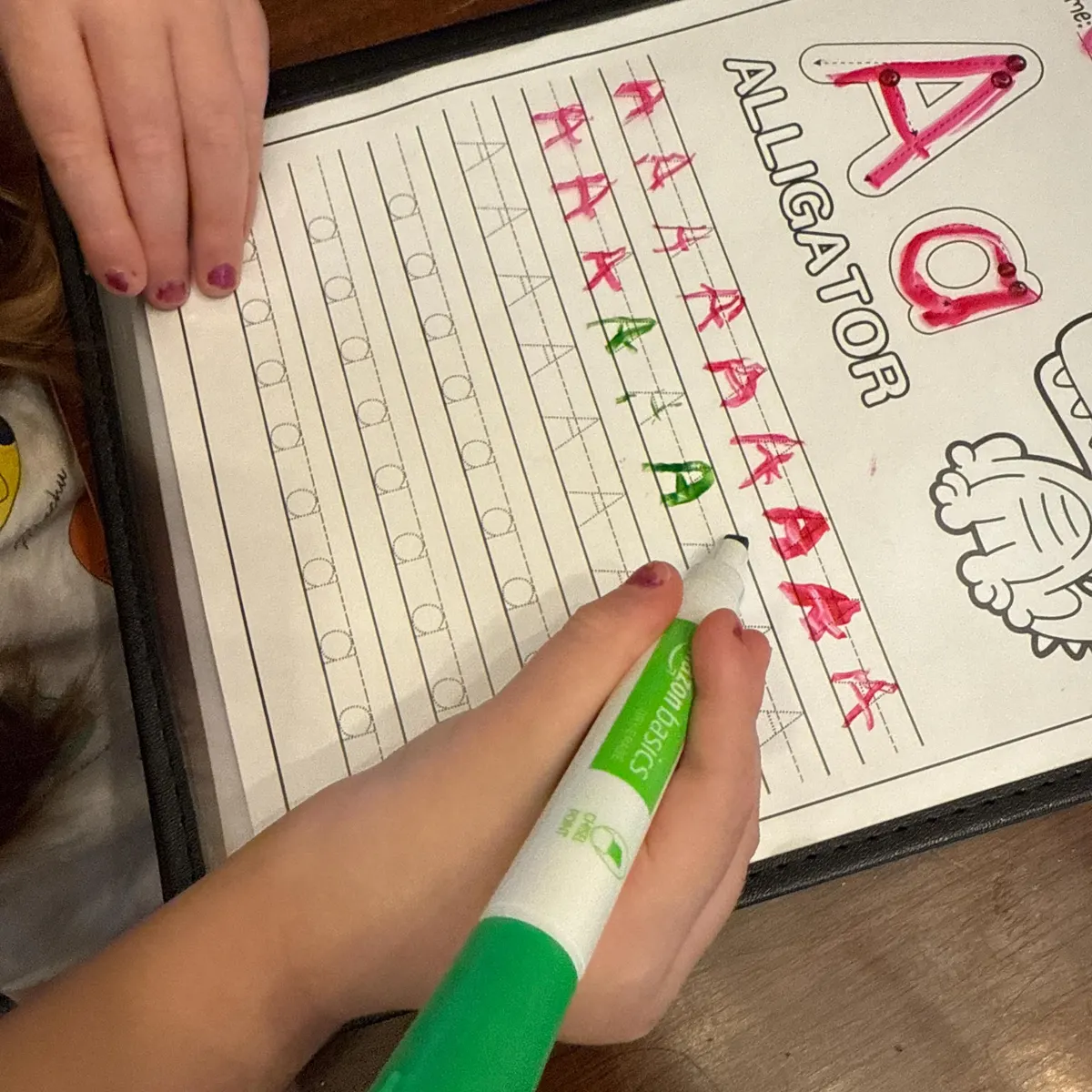
A preschooler who proudly says, “I did it myself!” after tracing a wobbly letter or counting five apples is building more than a school skill. They are learning that practice can feel achievable. The right preschool worksheets give young children a simple, focused way to repeat new skills while enjoying colorful, hands-on learning.
For parents, teachers, daycare providers, and homeschool families, worksheets can also solve a very real problem: finding an activity that is ready when you need it. A printable page takes far less preparation than creating a lesson from scratch, yet it can support meaningful early learning when it matches a child’s stage and attention span.
What Preschool Worksheets Should Help Children Learn
Preschool is a time for foundations, not pressure. Children are still developing hand strength, attention, language, and confidence. A good worksheet gives them one clear goal at a time, such as following a line, identifying a letter, matching pictures, or counting a small group of objects.
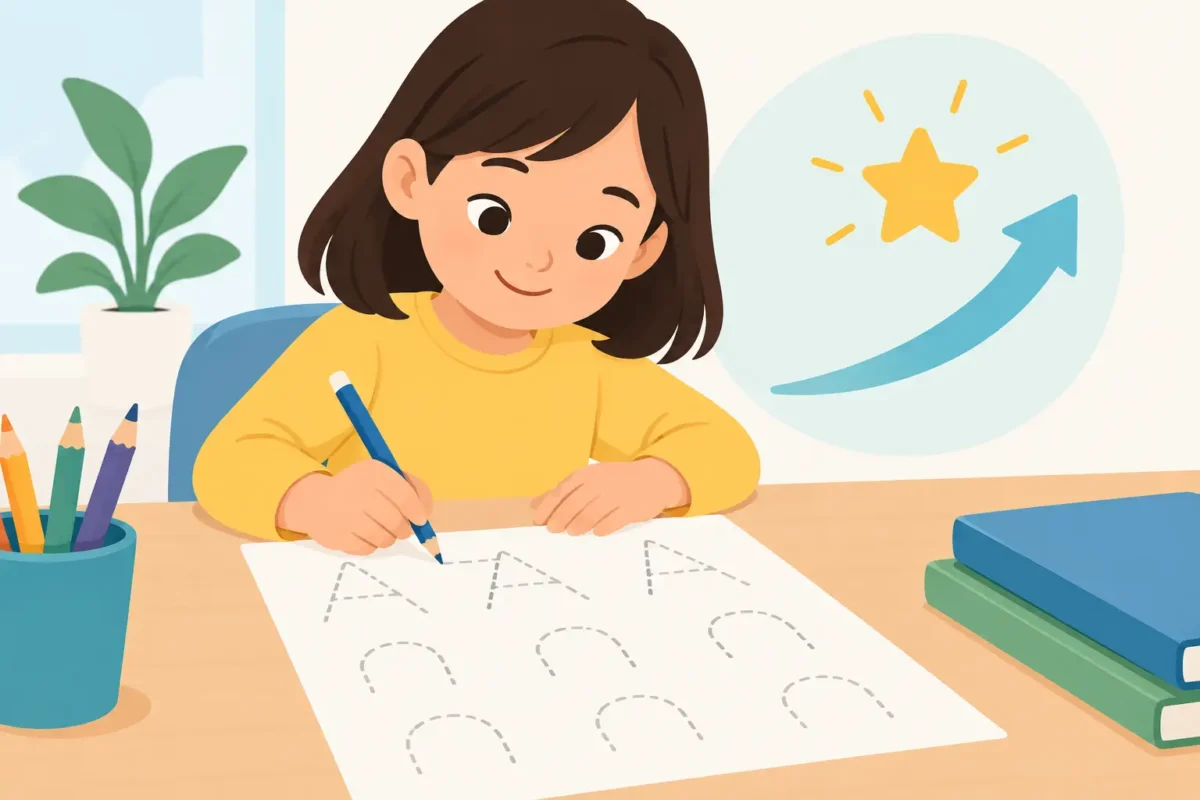
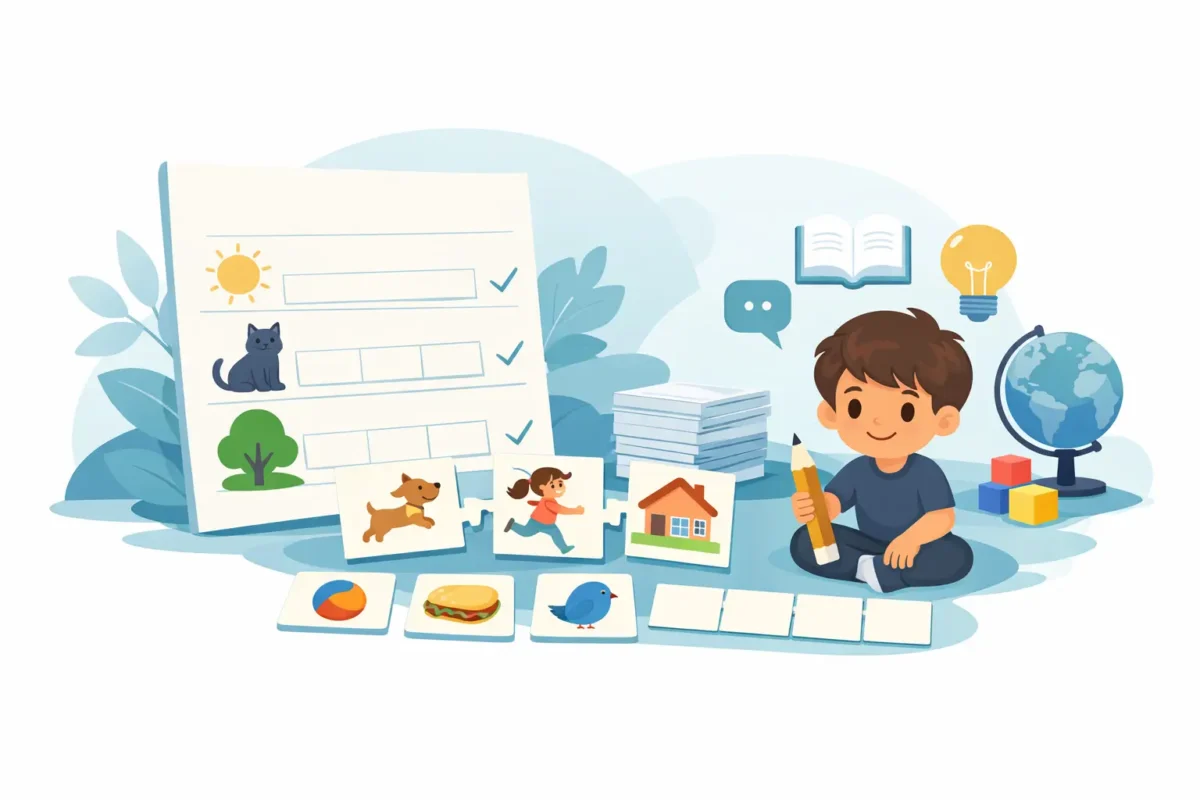
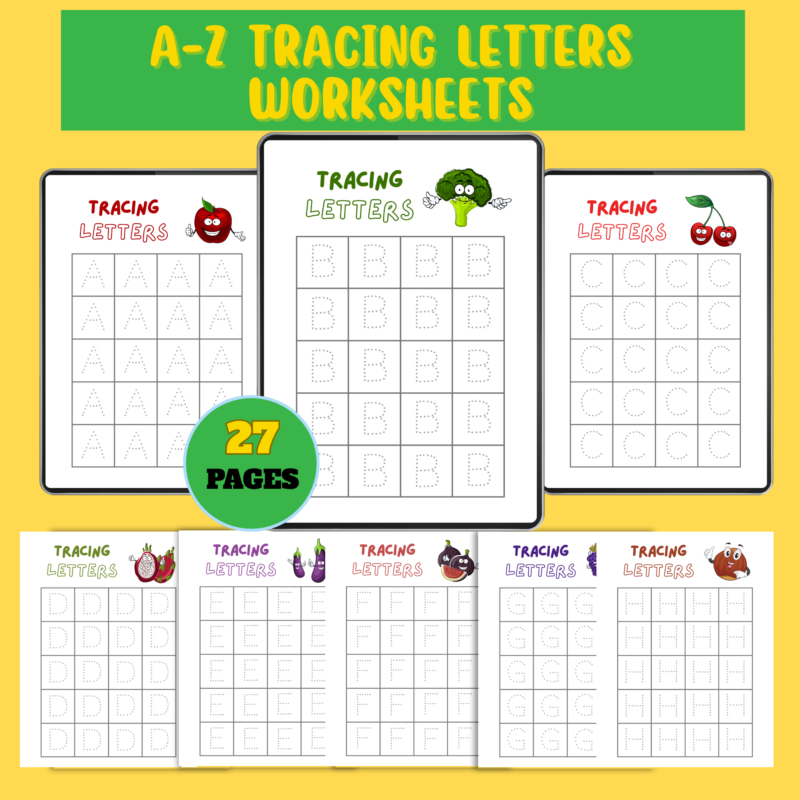
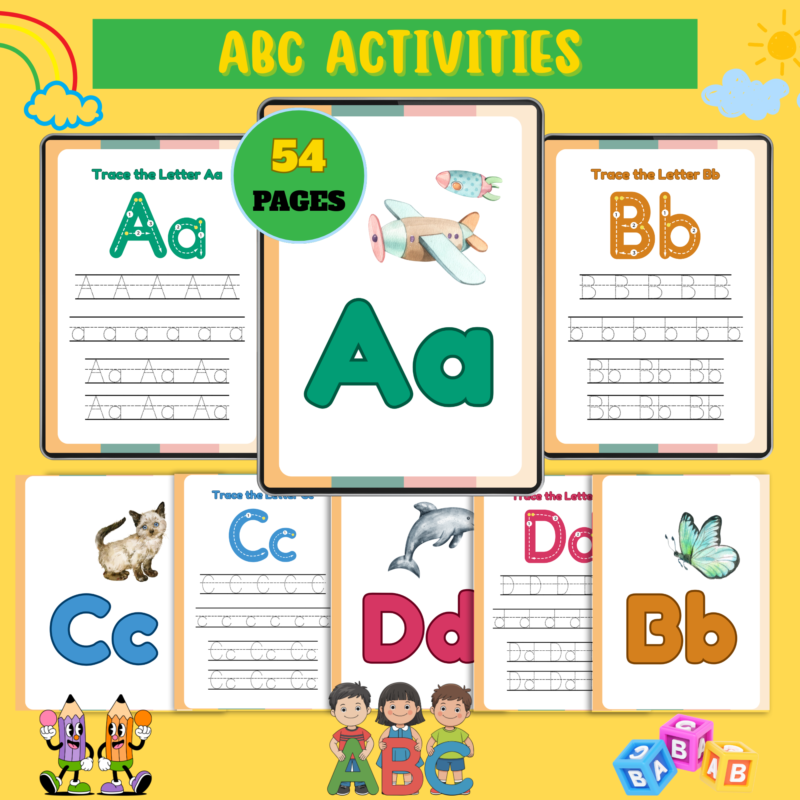
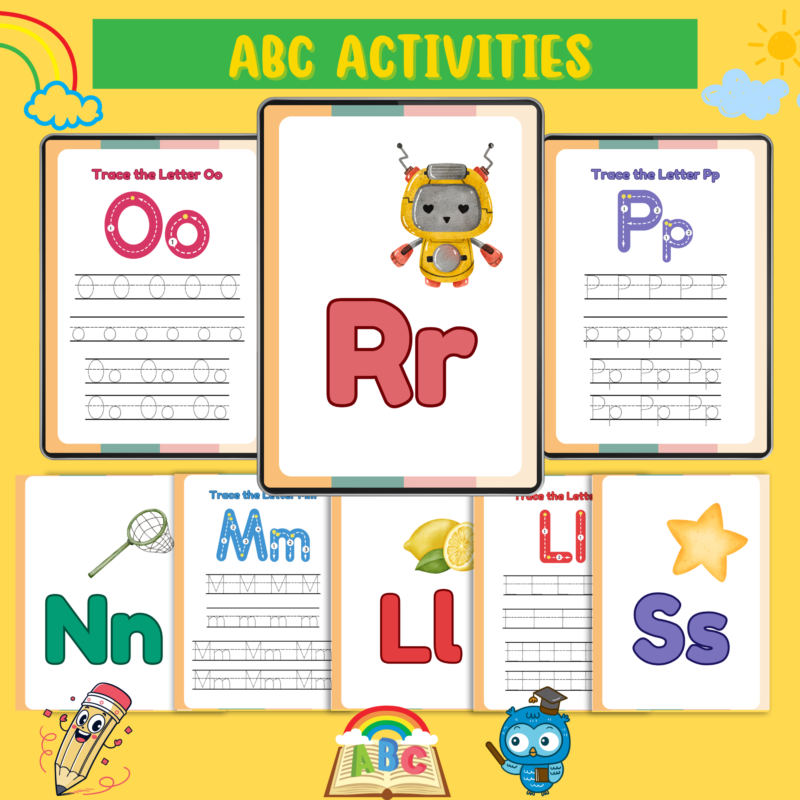
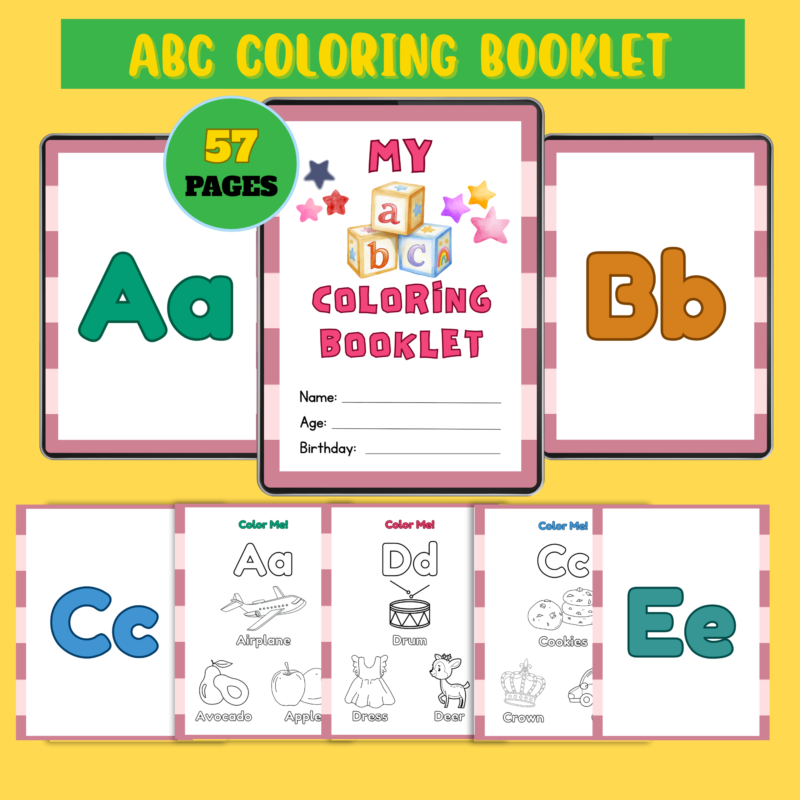
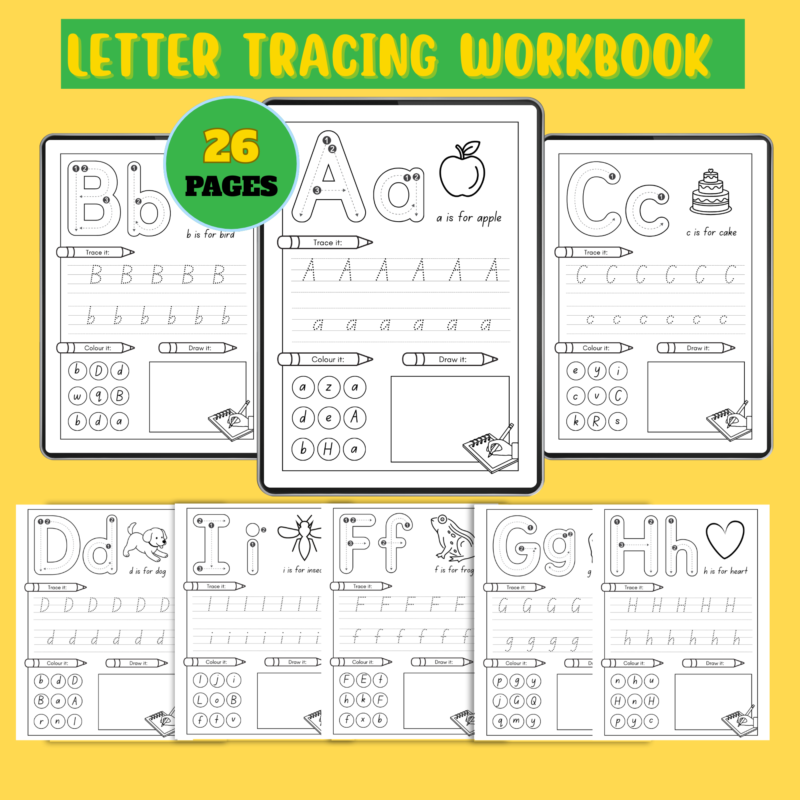
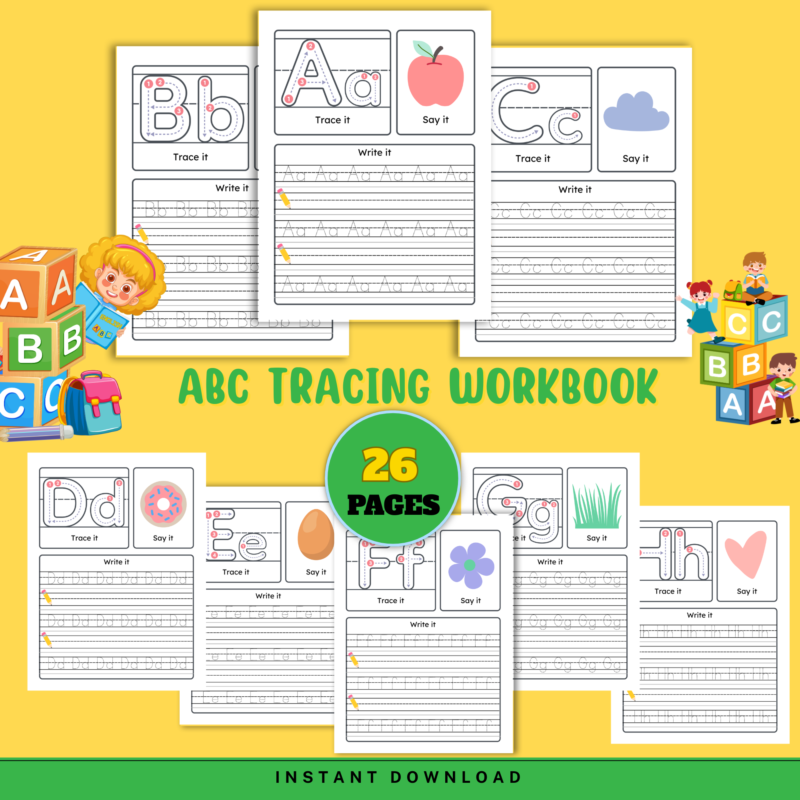
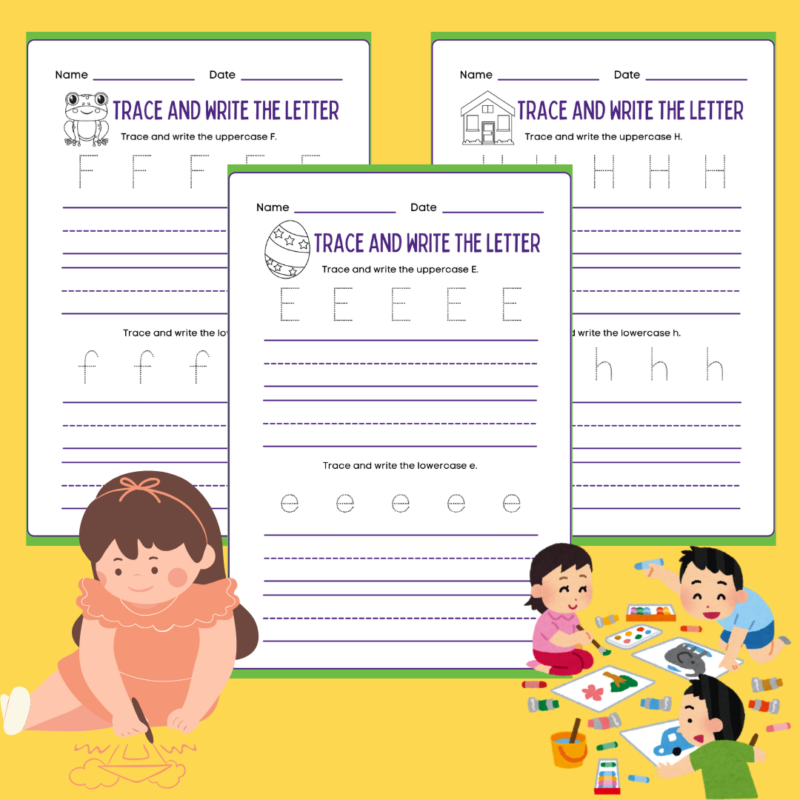
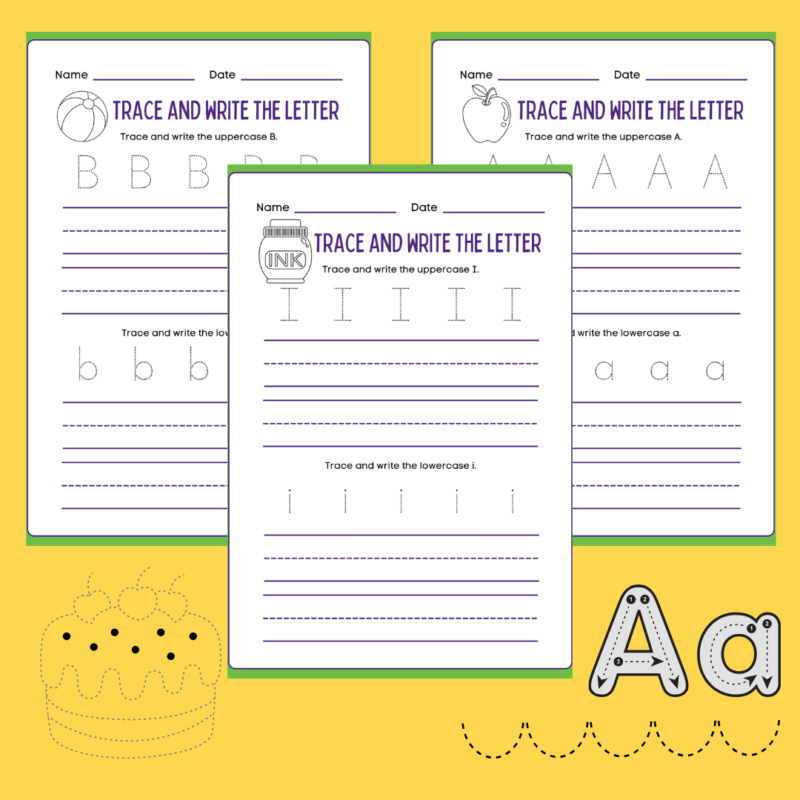
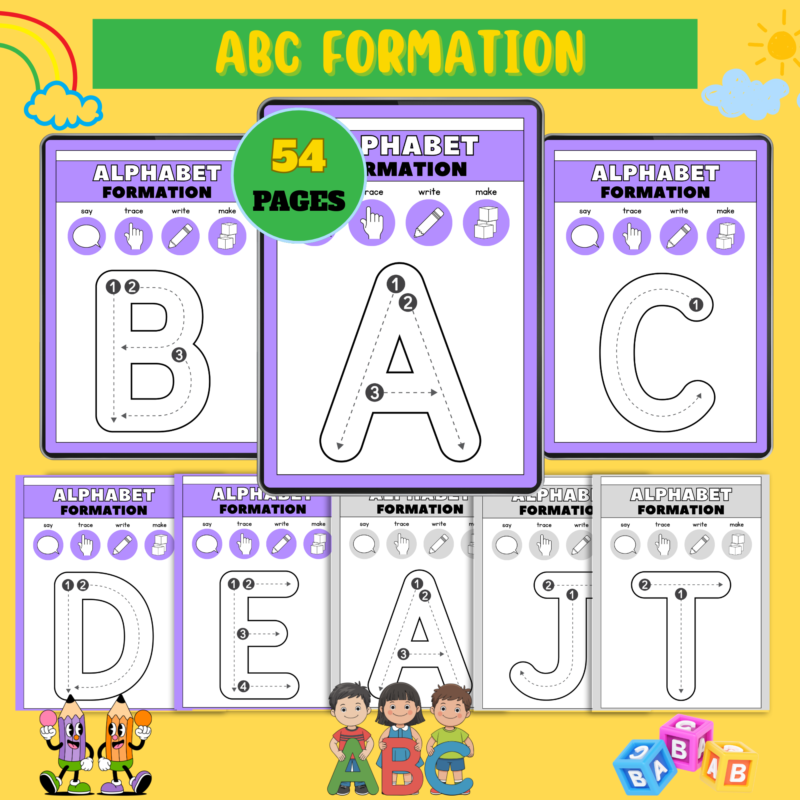
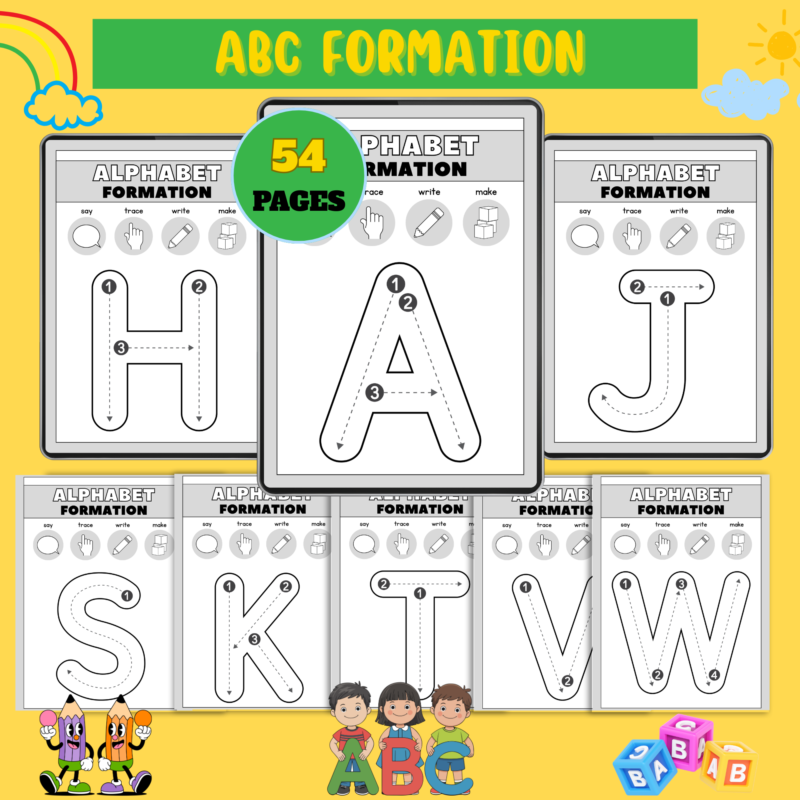
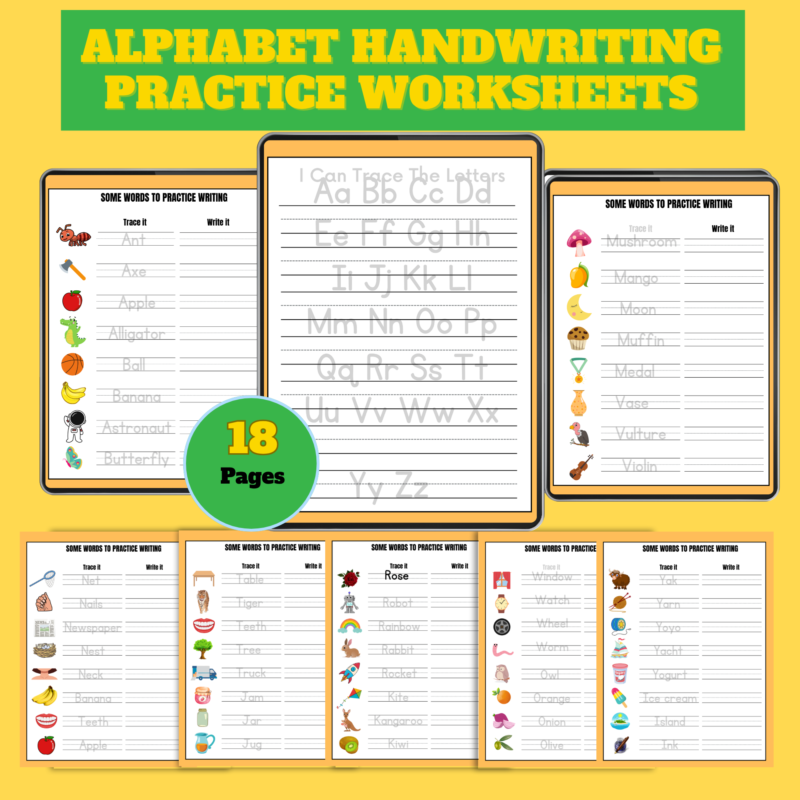
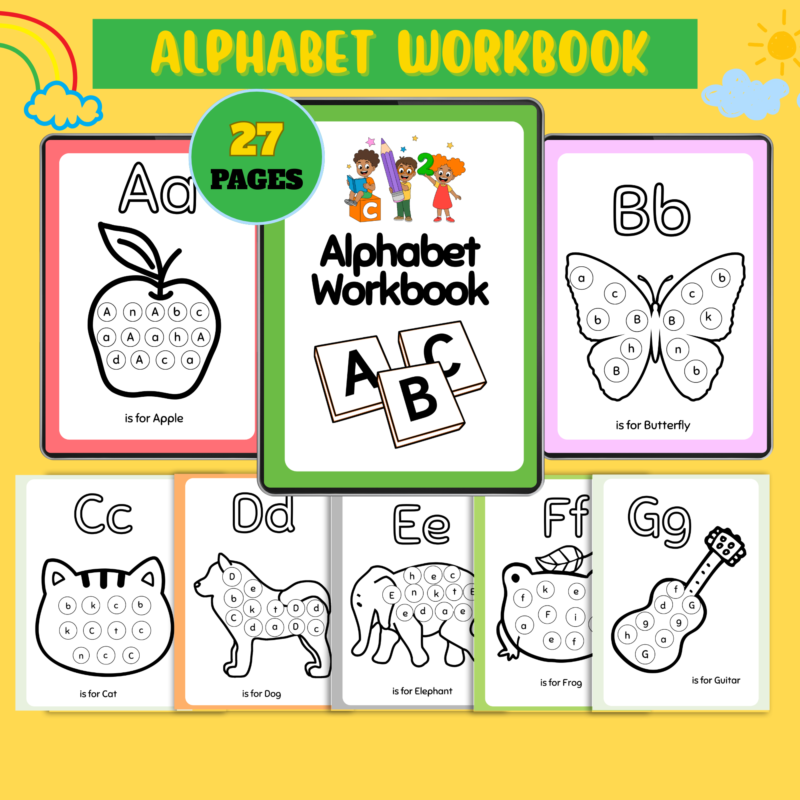
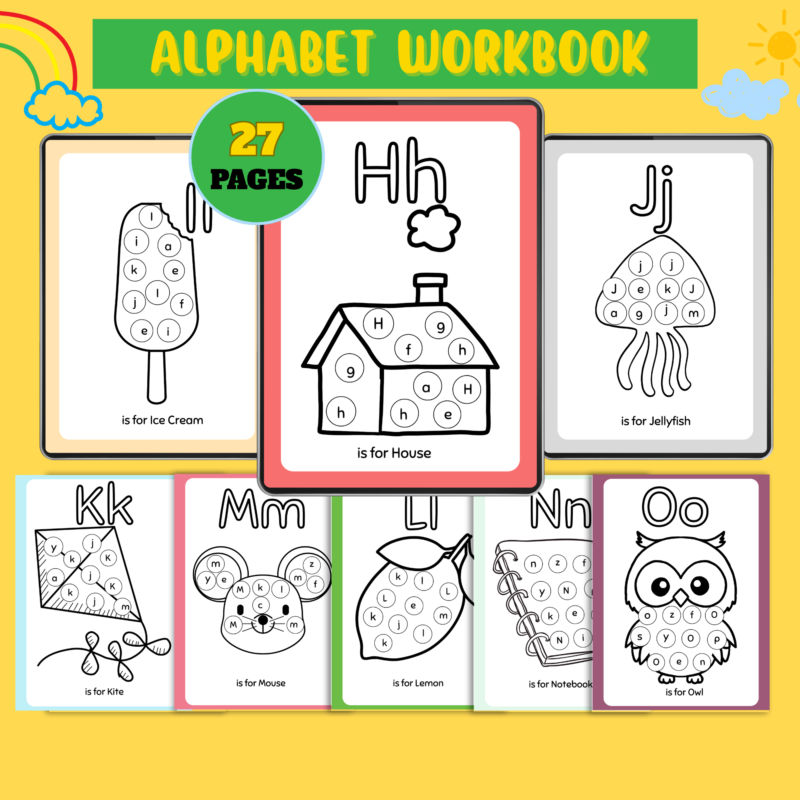
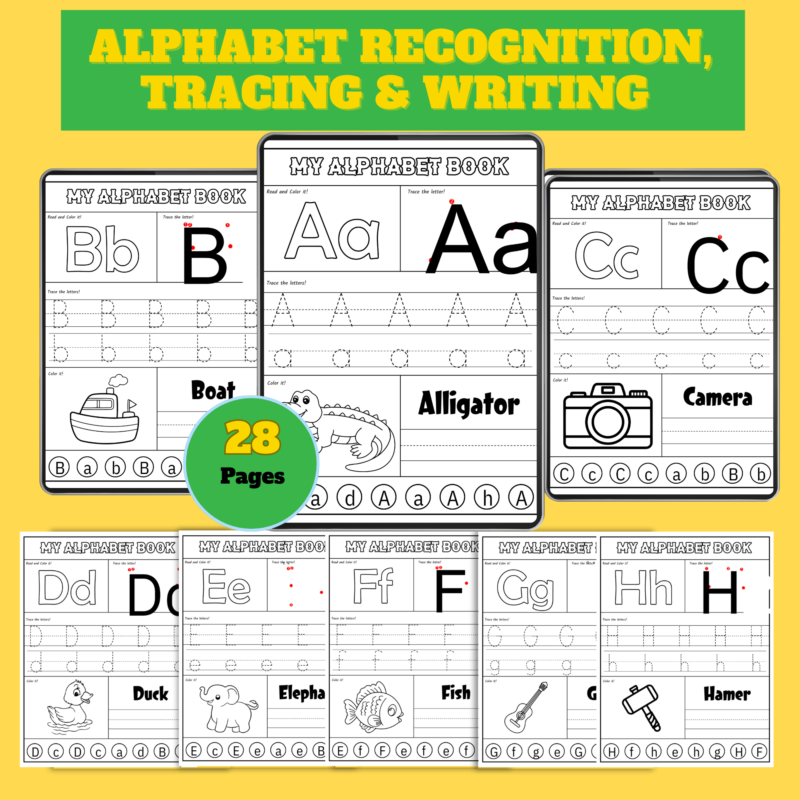
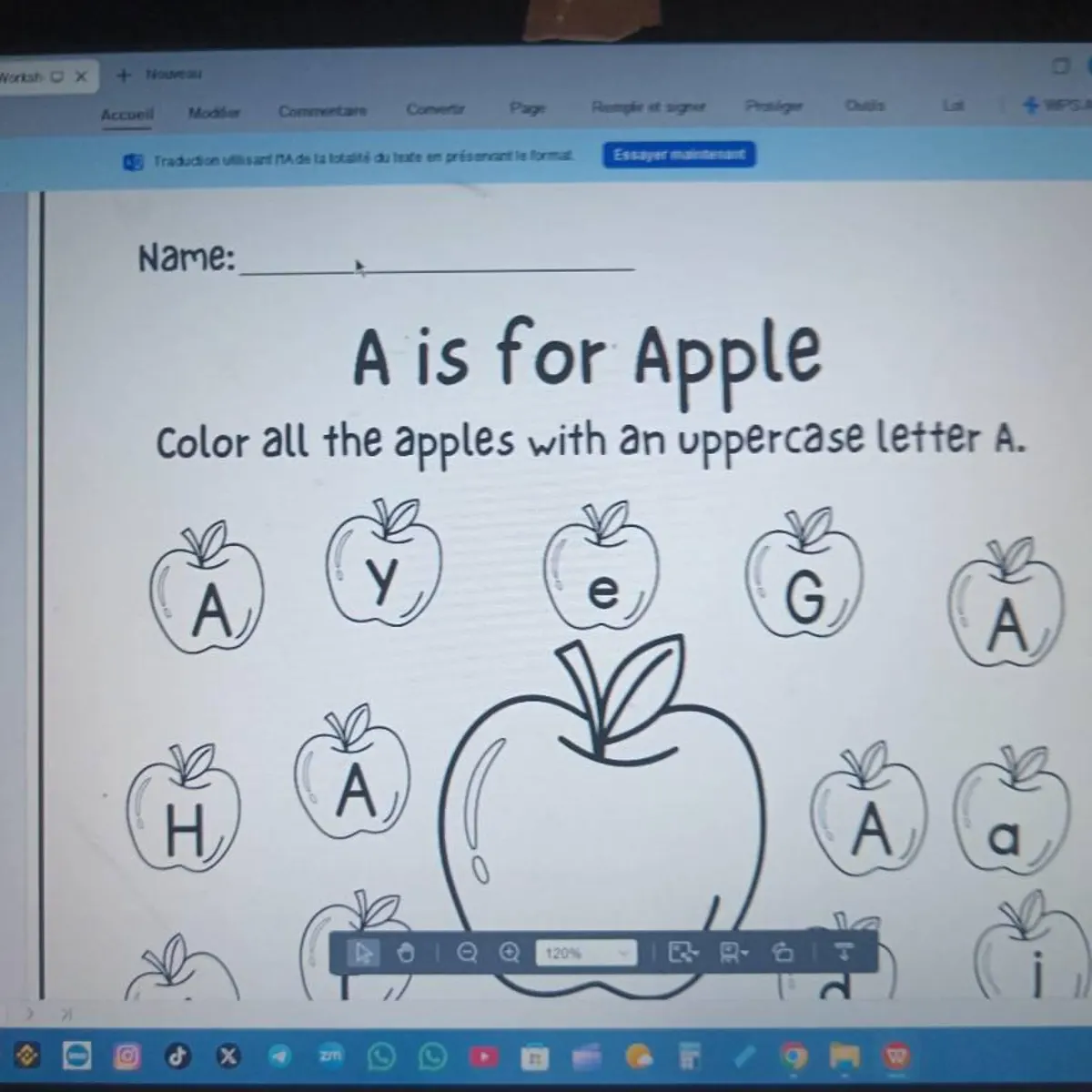
Early literacy pages may introduce uppercase and lowercase letters, beginning sounds, name writing, rhyming, or simple picture vocabulary. These activities help children notice that marks on a page carry meaning. Repeated exposure matters, but it works best when children can connect the page to real life. After circling pictures that begin with B, for example, talk about a ball in the toy bin or a bird outside the window.
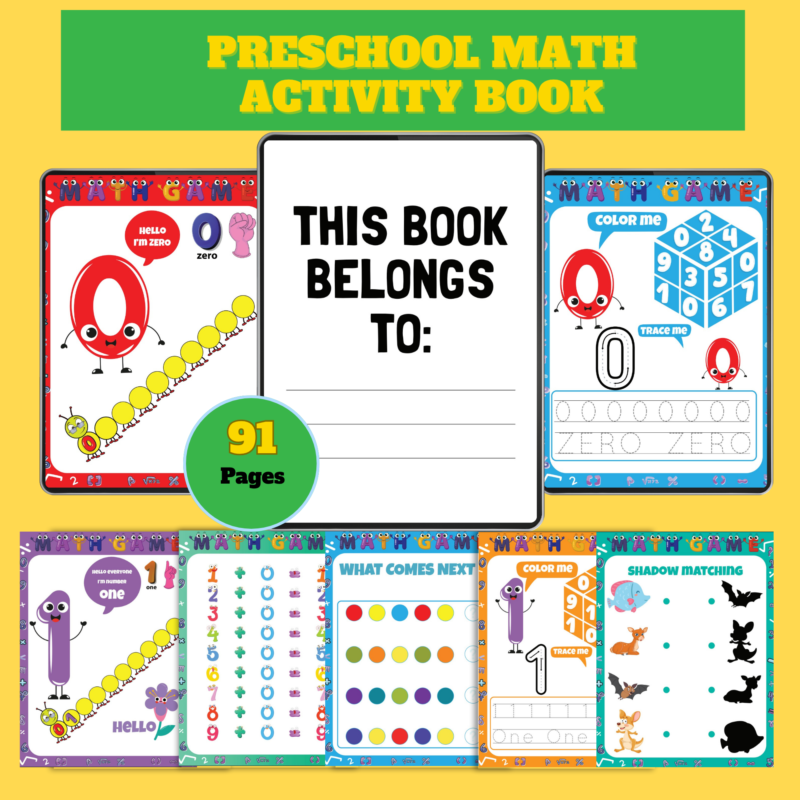
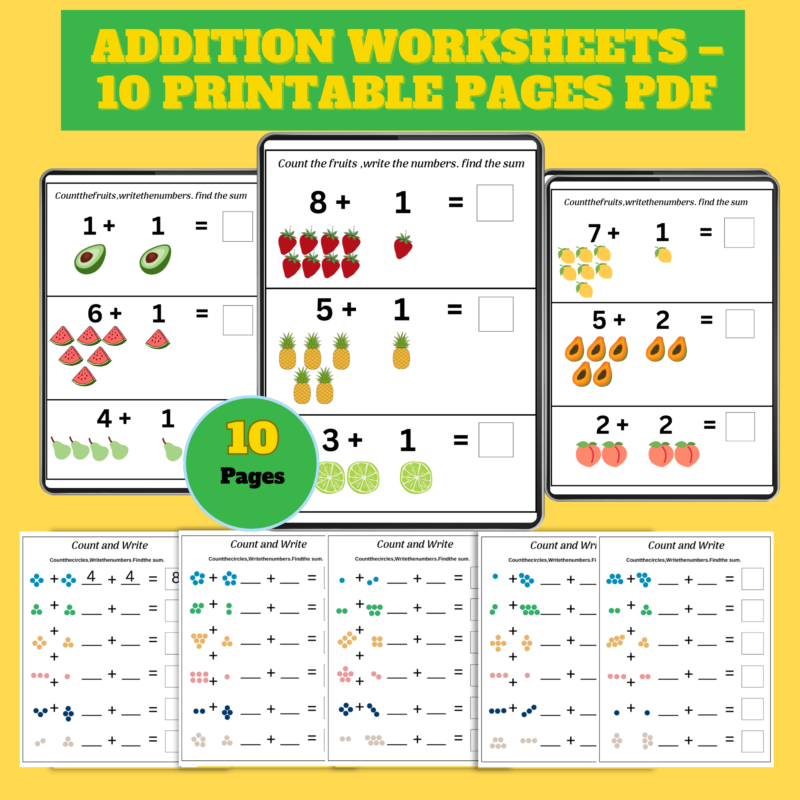
Early math worksheets can build number recognition, one-to-one counting, sorting, patterns, and simple addition or subtraction stories. A child who counts three drawn cookies and then points to the number 3 is beginning to connect a quantity with its written symbol. That is a big idea, even when the page looks simple.
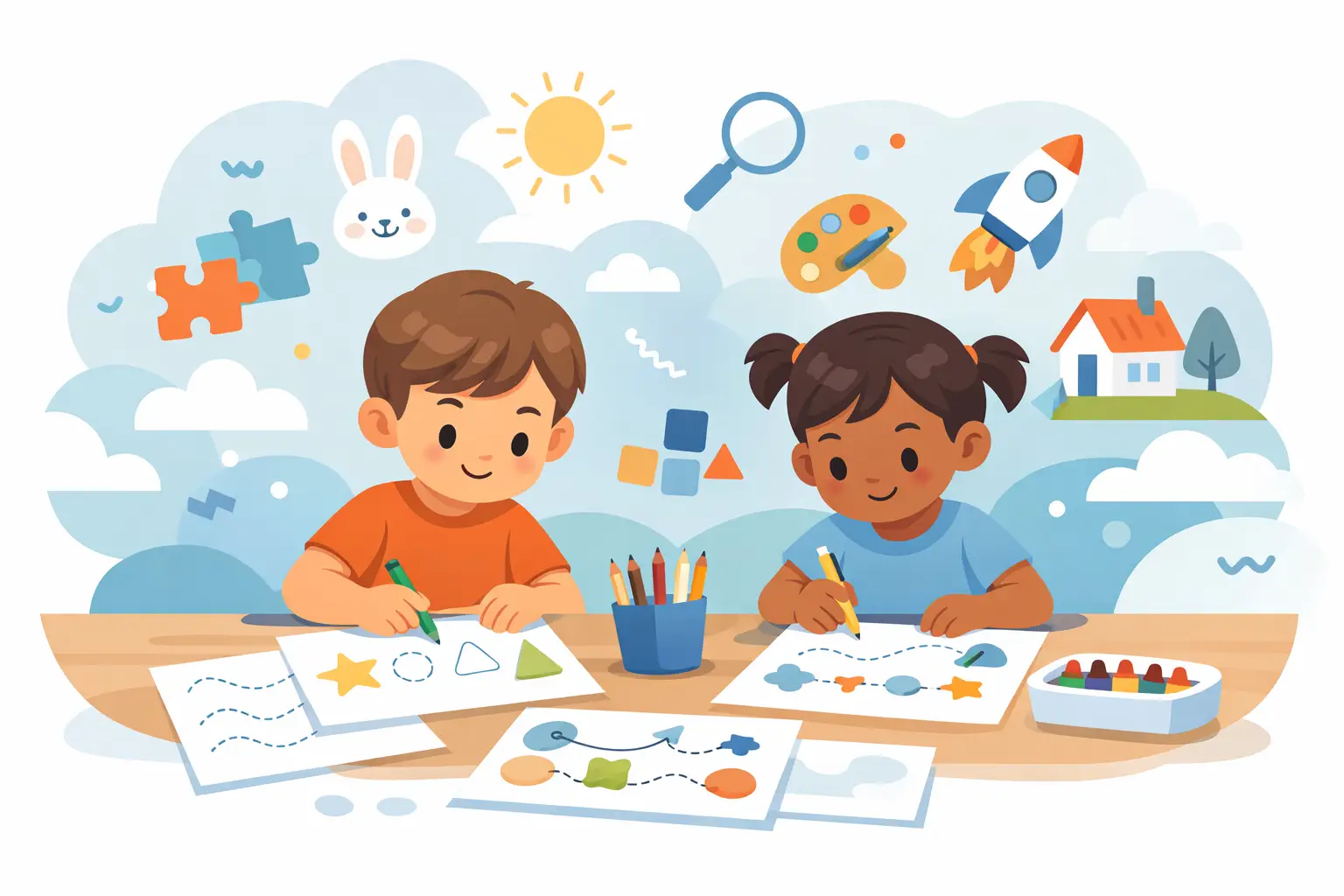
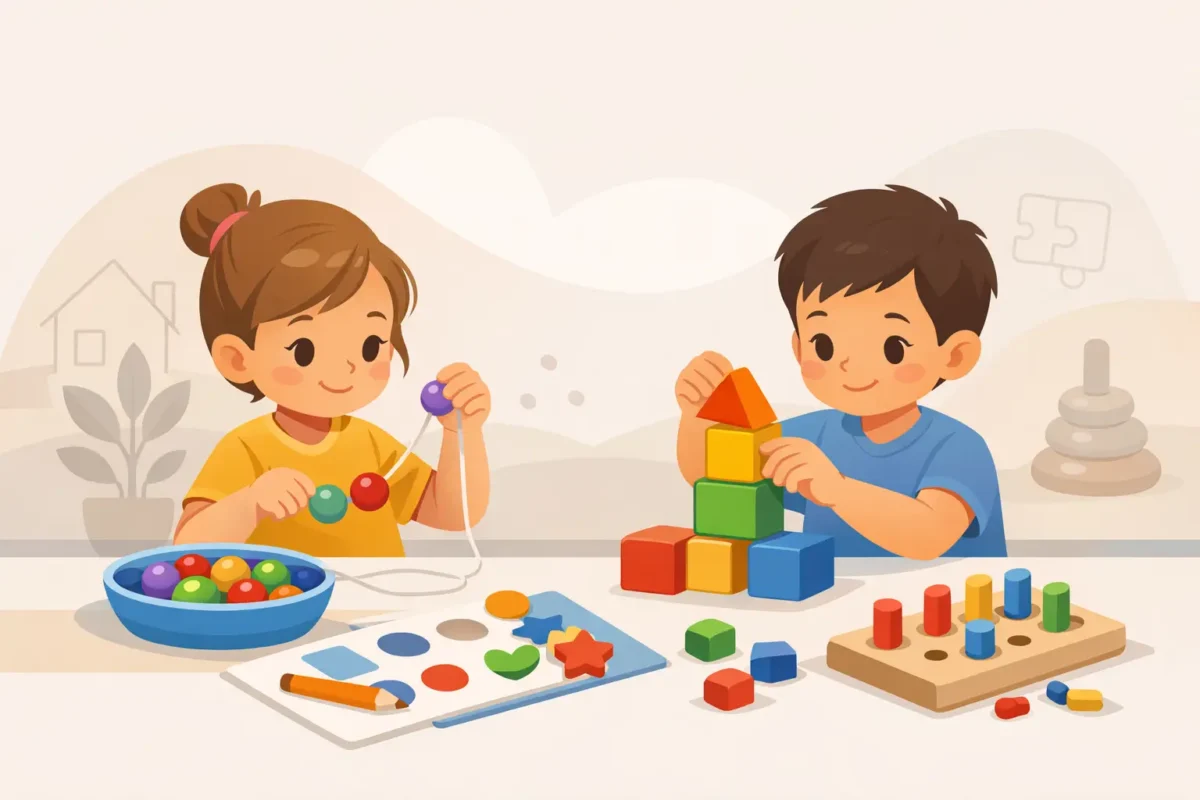
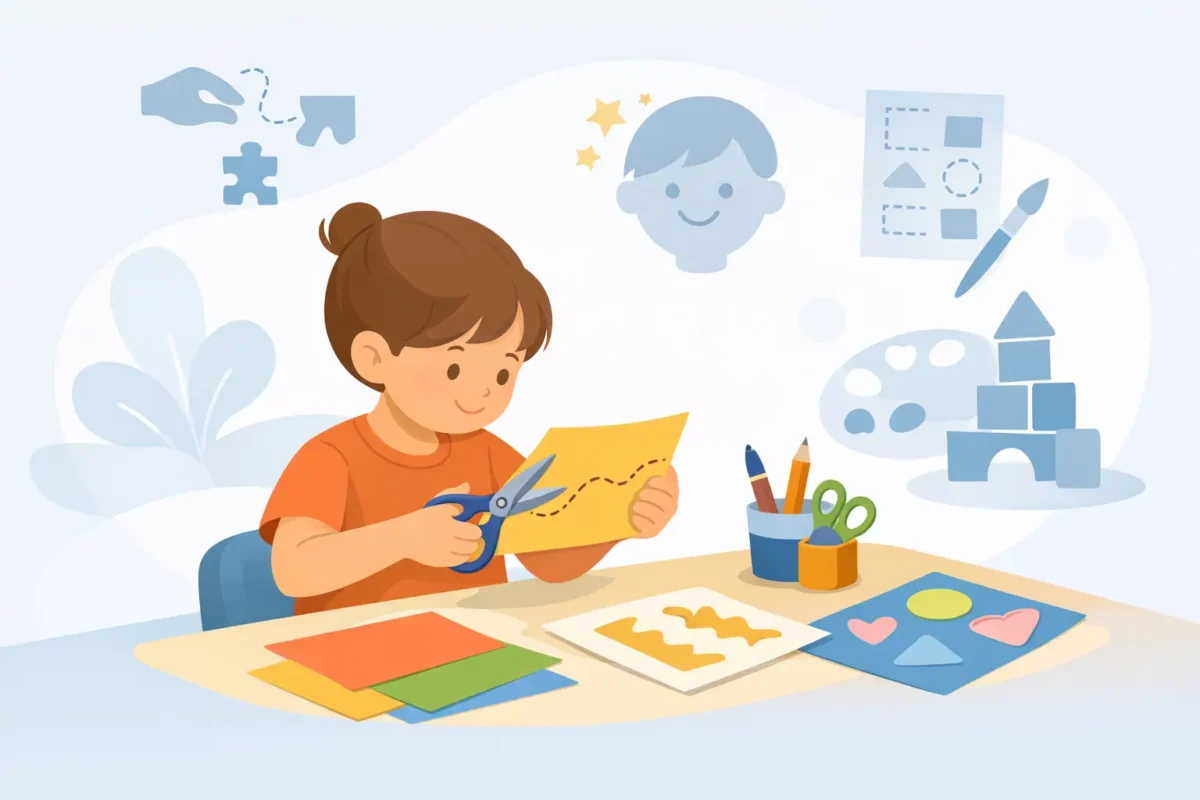
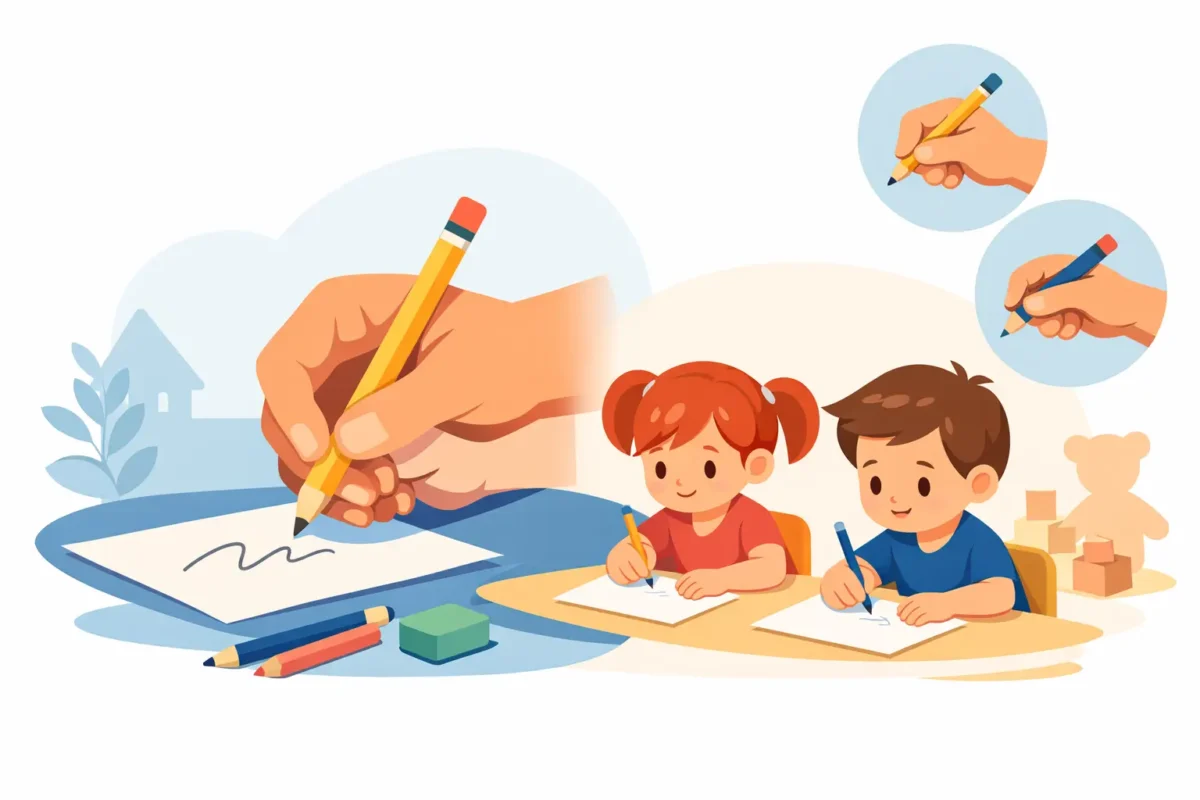
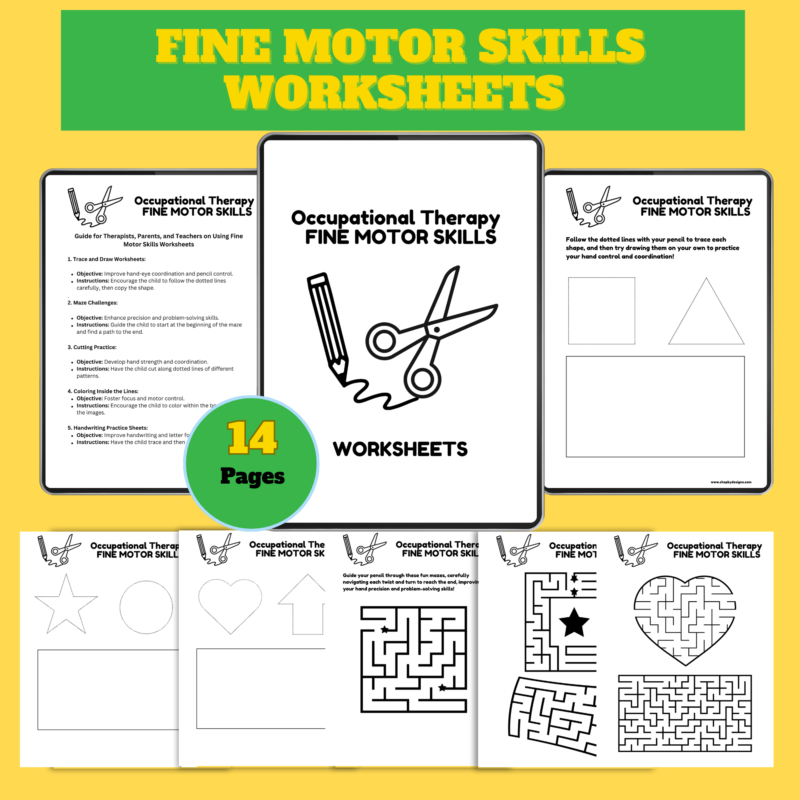
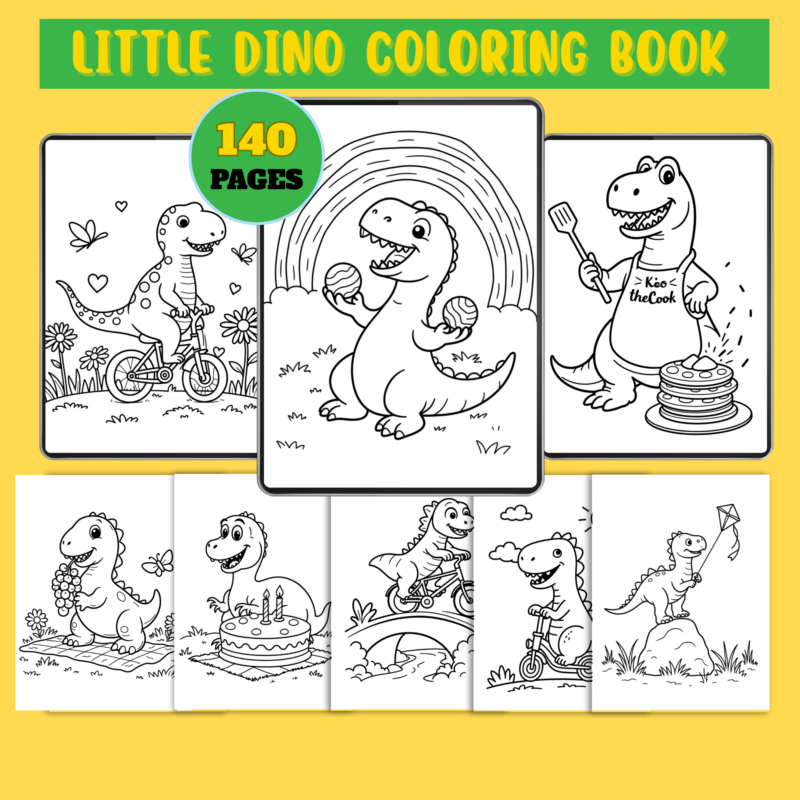
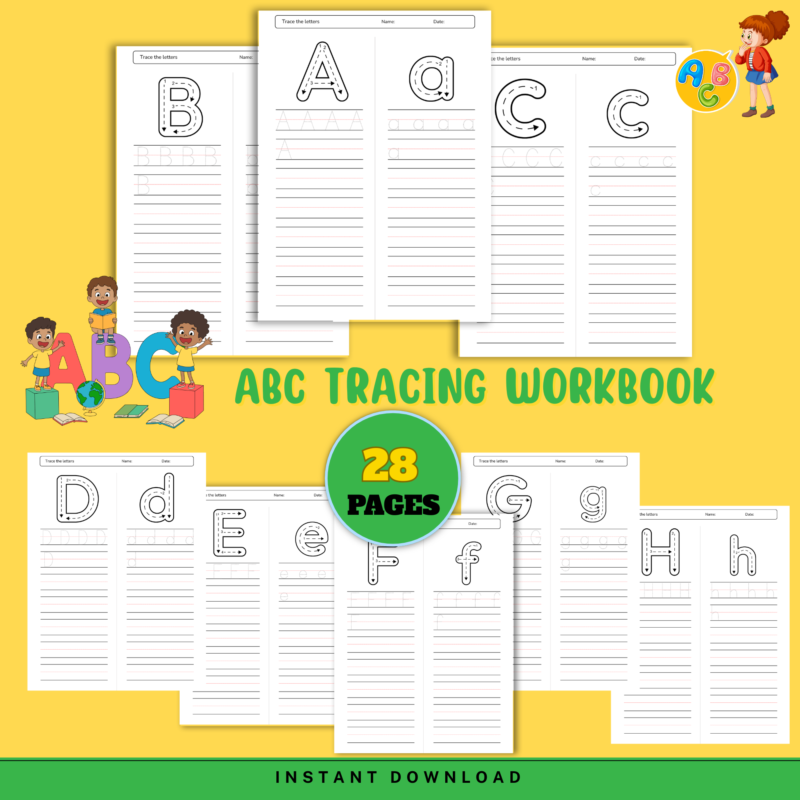
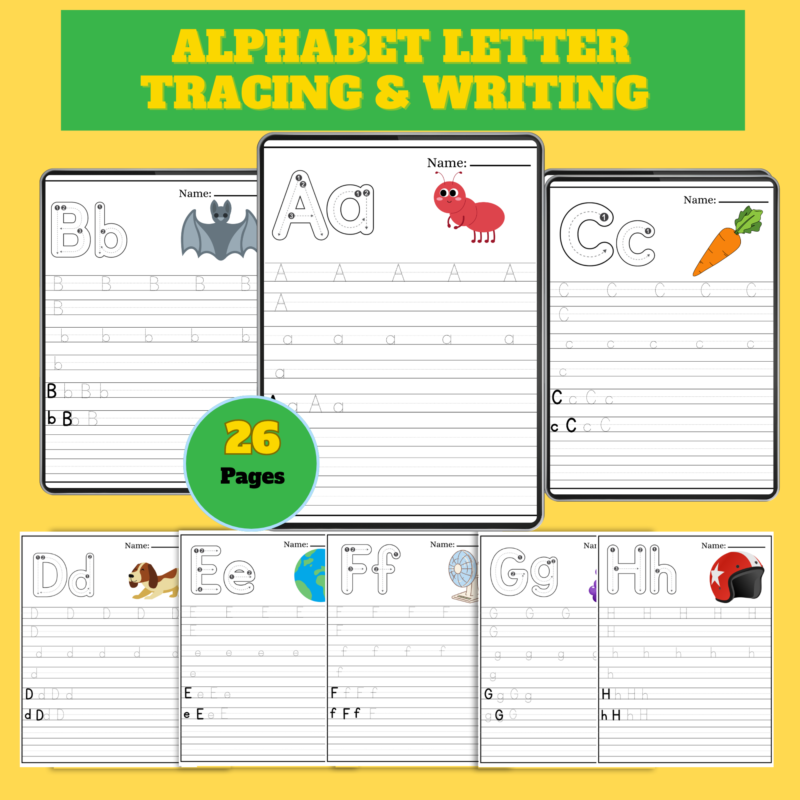
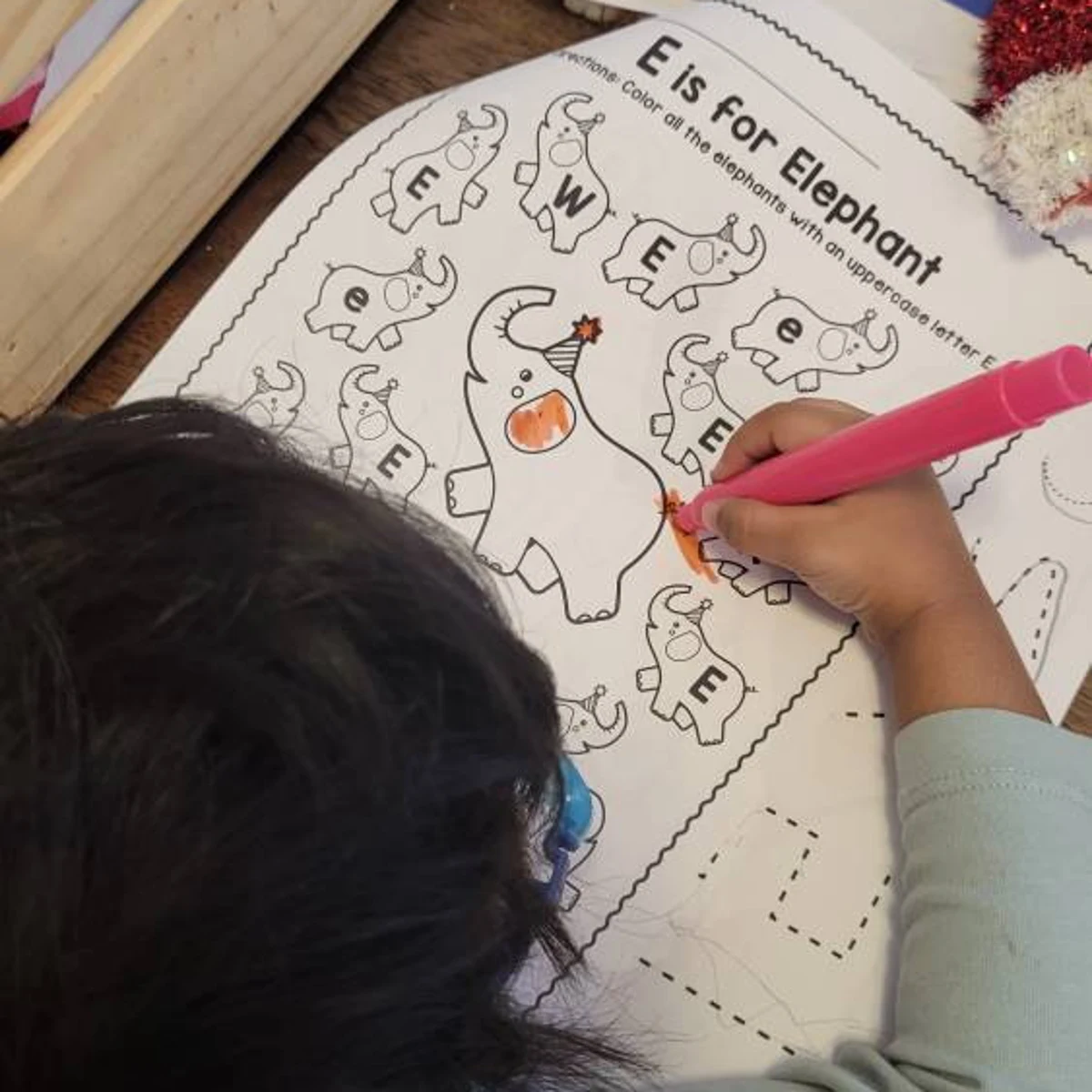
Fine motor activities are equally valuable. Tracing paths, coloring within large spaces, cutting along bold lines, and drawing shapes strengthen the small muscles children will use for writing, buttoning, and handling classroom tools. The goal is not perfect pencil control right away. It is comfortable, steady progress.
Choose Preschool Worksheets by Skill, Not Just Age
An age label is useful, but preschoolers develop at different speeds. One four-year-old may happily write the first letters of their name, while another is still learning to hold a crayon with confidence. Choosing materials by the skill a child is ready to practice leads to a happier experience than pushing ahead because a worksheet is marked for a certain age.
Start with easy wins
If a child is new to paper activities, begin with wide tracing lines, large pictures, simple matching, and coloring pages. Success keeps children willing to try again. When a page feels too hard, children may scribble, avoid the activity, or decide they are “bad” at learning. That is a sign to simplify the task, not to add more practice.
For children who are ready for more challenge, use pages with smaller tracing paths, letter formation, sound sorting, number order, or simple word-and-picture activities. Keep the challenge manageable. A worksheet should ask a child to stretch a little, not struggle through every instruction.
Repeat skills in fresh ways
Repetition is how young learners remember, but identical pages can become boring. Offer the same core skill through different formats. A child might trace the letter A one day, find A among other letters the next day, color pictures that begin with A later in the week, and then spot A in a book title.
The same approach works for numbers. Count animals on one worksheet, match numbers to dot groups on another, and use toy blocks to recreate the quantities afterward. Children get useful repetition without feeling like they are doing the same assignment again and again.
Make Printable Practice Feel Like Play
A worksheet is most useful when it starts a learning moment rather than ending one. You do not need a long lesson plan. A few warm, playful touches can turn a printed page into an activity children look forward to.
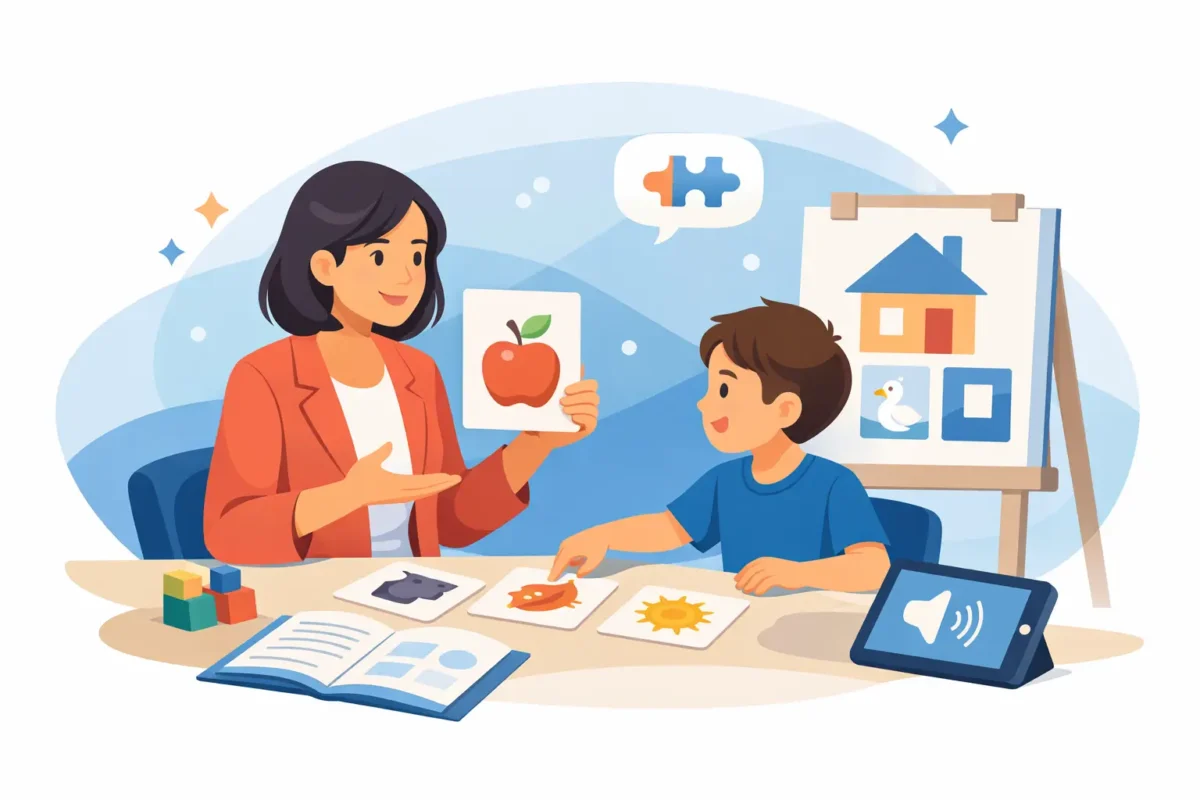
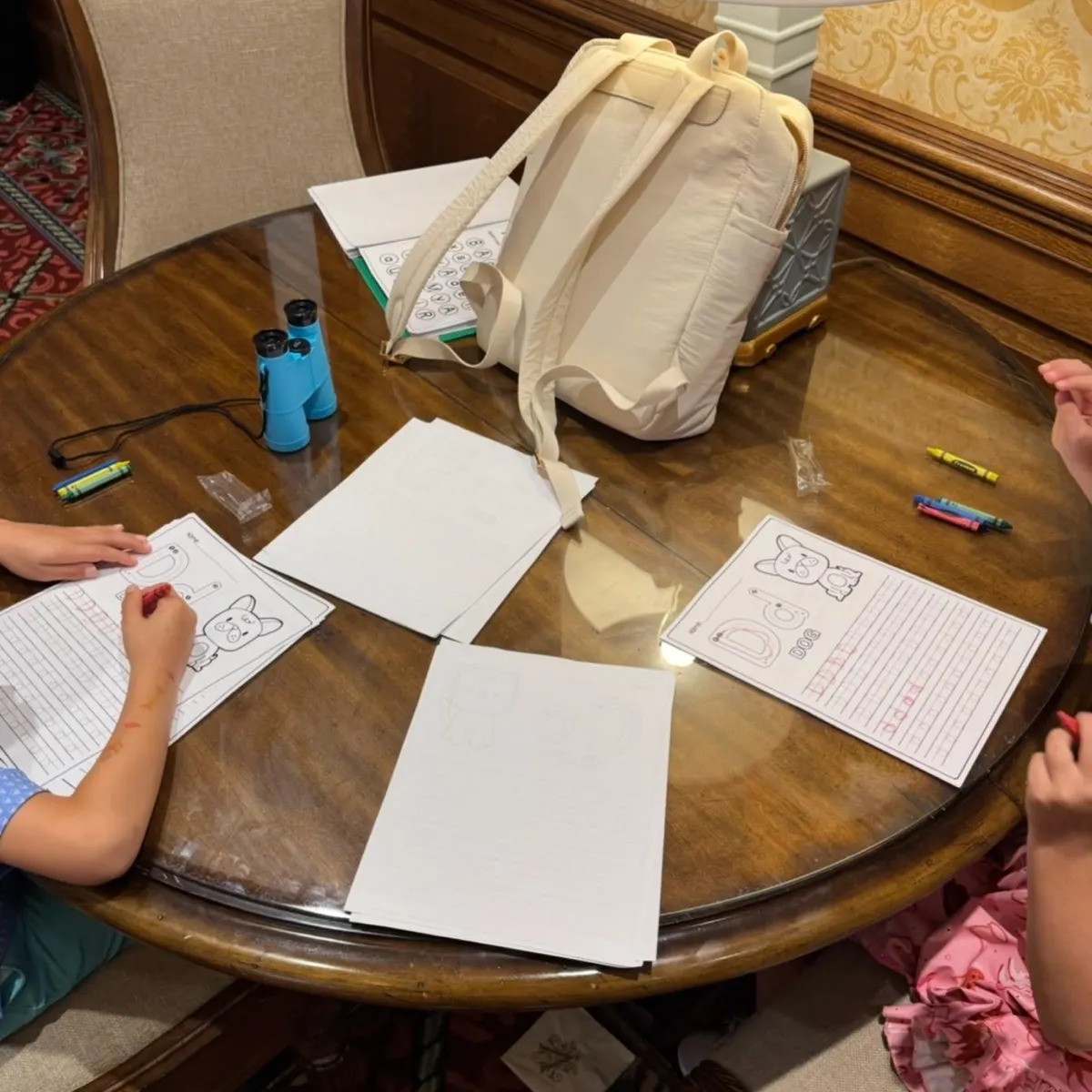
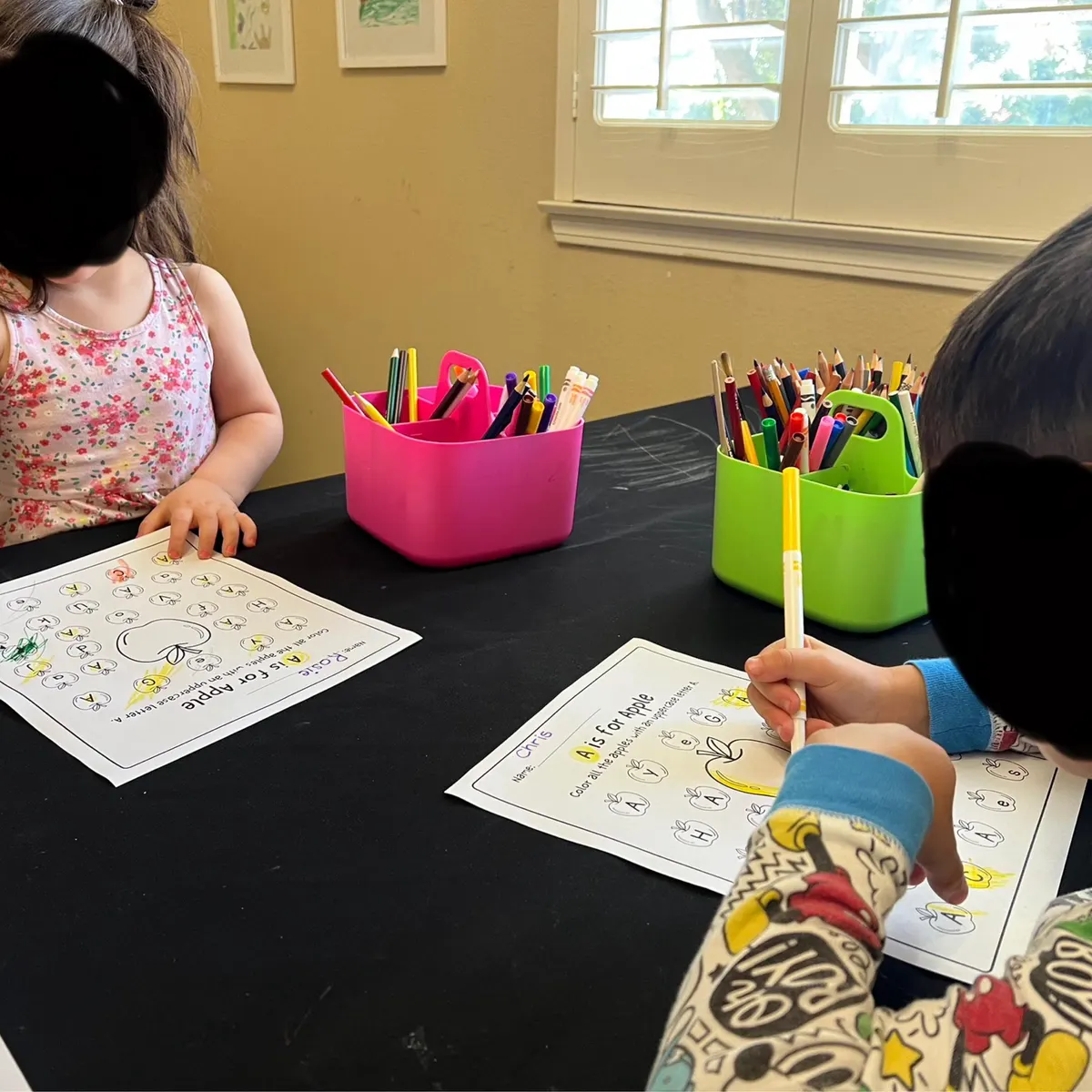
Invite children to choose their crayon colors, use a special pencil, or place a small sticker beside a completed task. Read the directions aloud and talk through the first example together. If the worksheet shows a row of pictures, ask a quick question: “Which one would you choose for a snack?” Simple conversation builds vocabulary and helps children understand what they are seeing.
Keep sessions short. For many preschoolers, five to 10 focused minutes is plenty, especially when they are learning a new skill. It is completely fine to complete half a page, take a movement break, and return later. A child who stays engaged for a short time is learning more than one who is asked to sit until they are frustrated.
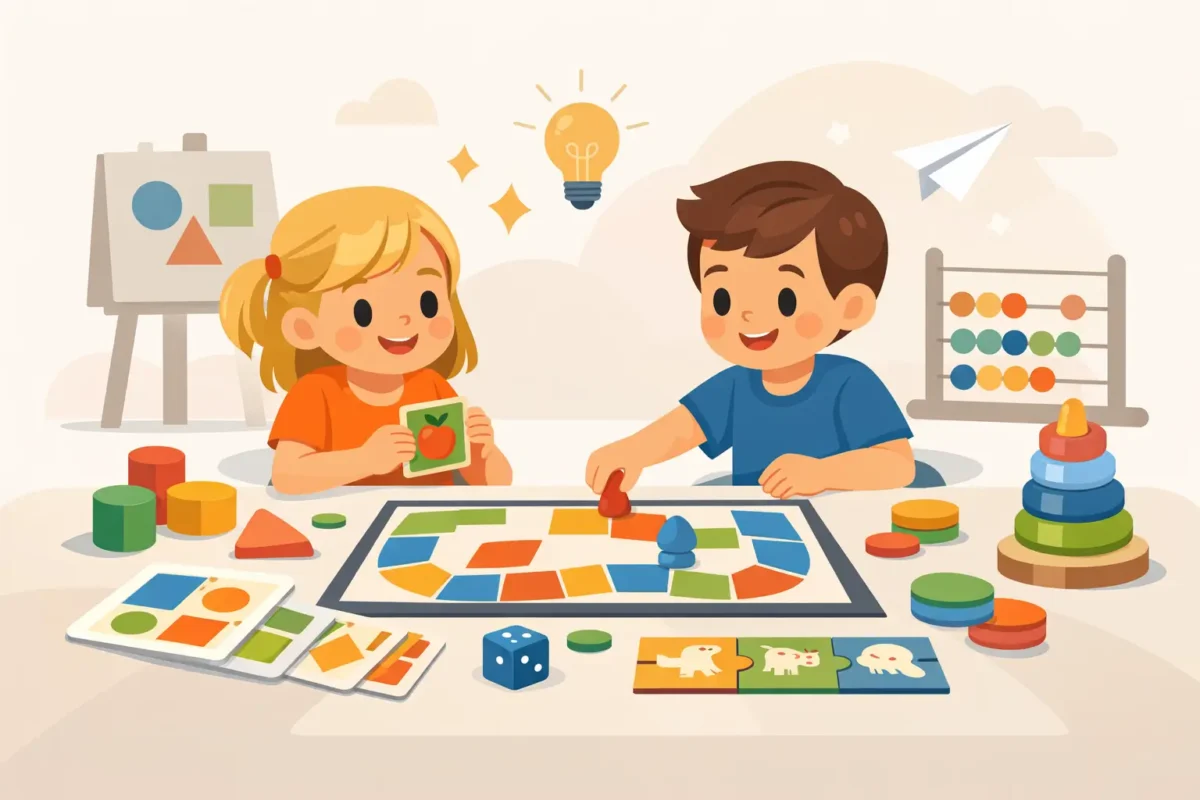
It also helps to pair paper practice with real-world play. After a counting worksheet, count forks while setting the table. After a shape page, look for circles and rectangles around the room. After letter tracing, make the letter with play dough or trace it in a tray of sand. This gives children multiple ways to understand the same idea.
A Simple Routine for Home or Classroom Use
Consistency makes printable activities easier to use. At home, try keeping a small folder or basket with a few age-appropriate pages, crayons, pencils, and child-safe scissors. A predictable time after breakfast, before quiet time, or while an older sibling does homework can help children know what to expect.
In a classroom or daycare setting, worksheets work well as a learning-center choice, small-group follow-up, morning work, or a calm activity for early finishers. Consider printing only the pages that fit the week’s theme or skill goal. A farm theme, for example, can include animal counting, beginning-letter pictures, and simple coloring without turning every activity into a separate lesson.
Avoid using a stack of pages as a measure of progress. Completing more worksheets does not automatically mean a child has learned more. Watch what they can do independently, where they need a prompt, and what they talk about with excitement. Those observations tell you far more than a finished page alone.
Common Worksheet Mistakes to Avoid
The biggest mistake is treating worksheets like a test. Preschoolers need reassurance, modeling, and room for imperfect work. If a child forms a letter backward or counts too quickly, respond calmly: “Let’s try that one together.” Correcting every mark can make practice feel like a performance instead of an opportunity to learn.
Another common issue is choosing pages that are too busy. Young children can be distracted by crowded layouts, tiny images, or too many directions. Clear pages with plenty of space help children focus on the intended skill. For a child with a shorter attention span, cover part of the page with a blank sheet of paper and work one section at a time.
Finally, worksheets should not replace movement, stories, outdoor play, sensory activities, or conversation. They are one helpful tool in a balanced preschool day. The best results come from combining structured practice with the joyful, active experiences that young children need.
Build Confidence One Page at a Time
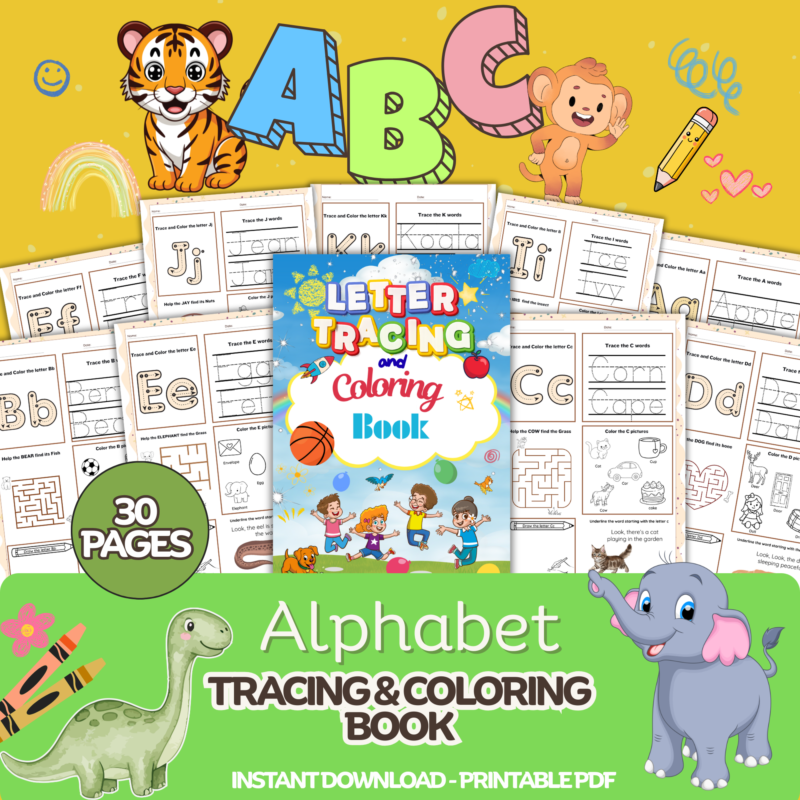
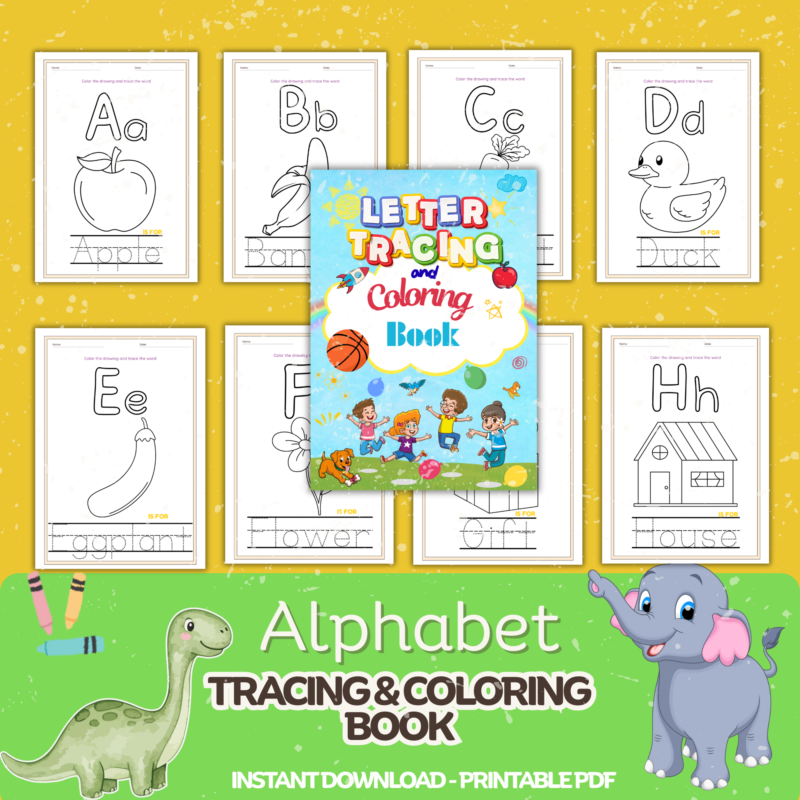
Printable learning materials are especially helpful when adults need low-prep activities that still have a purpose. With instant-download PDFs, families and educators can print a letter page for a rainy afternoon, a counting activity for small-group time, or a fine motor sheet before a kindergarten readiness lesson. Fun Clever Fox creates these kinds of child-friendly practice pages to make planning simpler while keeping foundational learning engaging.
Keep a few completed pages so children can see their own growth. Looking back at an earlier tracing attempt can make progress visible in a way words sometimes cannot. Offer specific encouragement, such as, “You kept your pencil on the path,” or, “You counted each bear carefully.”
The page may be small, but the message can be powerful: learning is something they can try, enjoy, and improve at every day.