A child who can sound out c-a-t may still pause at a small word like the or said. That is where sight word practice can make early reading feel smoother, less frustrating, and much more fun. With short, playful practice sessions, children begin to recognize common words quickly so they can focus on the meaning of the story instead of stopping at every word.
For preschool and kindergarten learners, the goal is not to race through a long word list. It is to build familiarity, confidence, and a positive connection with reading. A few minutes of focused practice each day can go a long way when the activities feel manageable and encouraging.
What Are Sight Words?
Sight words are common words that children see again and again in early books, simple directions, and everyday print. Words such as I, see, the, we, you, like, and can appear so often that recognizing them quickly supports reading fluency.
Some sight words can be sounded out with beginning phonics skills. Others are less predictable for new readers and are often taught as words children learn to recognize by sight. Both types are useful. Phonics teaches children how to work through unfamiliar words, while sight word knowledge helps them read familiar, high-frequency words with less effort.
There is no need to treat sight words and phonics as competing approaches. Young learners benefit most when both skills are practiced together. A child might sound out sun using phonics, then quickly recognize the and is in the same sentence. That combination helps reading start to feel natural.
Why Sight Word Practice Matters in Early Reading
Early readers have a lot to think about at once. They are looking at letters, remembering sounds, following words from left to right, and trying to understand the sentence. When a child knows a few frequent words automatically, reading becomes less tiring.
This confidence can show up in small but meaningful ways. A child may reread a favorite book more independently, point out a familiar word on a cereal box, or proudly read a simple sentence aloud. These moments help children see themselves as readers.
Repeated exposure matters more than long lessons. A child who practices five words for a few minutes several times a week will usually gain more than a child who is asked to memorize 20 new words in one sitting. Keep the pace gentle, especially for preschoolers who are still developing letter recognition and beginning sound skills.
Start With a Small, Useful Word Set
Choose words that match your child’s current reading stage. For a beginning learner, start with a small group of two to five words. Words such as I, a, the, my, and see are especially useful because children can spot them in many early-reader sentences.
Once those words feel familiar, add one or two new words while continuing to revisit the words your child already knows. This review is what helps recognition become automatic. If a child forgets a word, simply say it together and move on. Calm repetition works better than turning a missed word into a big correction.
For classroom use, it can help to introduce a shared set of words during a lesson and then offer independent practice during literacy centers, morning work, or small-group time. At home, keep the word set visible on the refrigerator, a reading corner wall, or a simple ring of flash cards.
Make Sight Word Practice Active and Playful
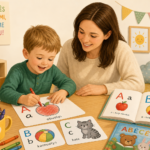
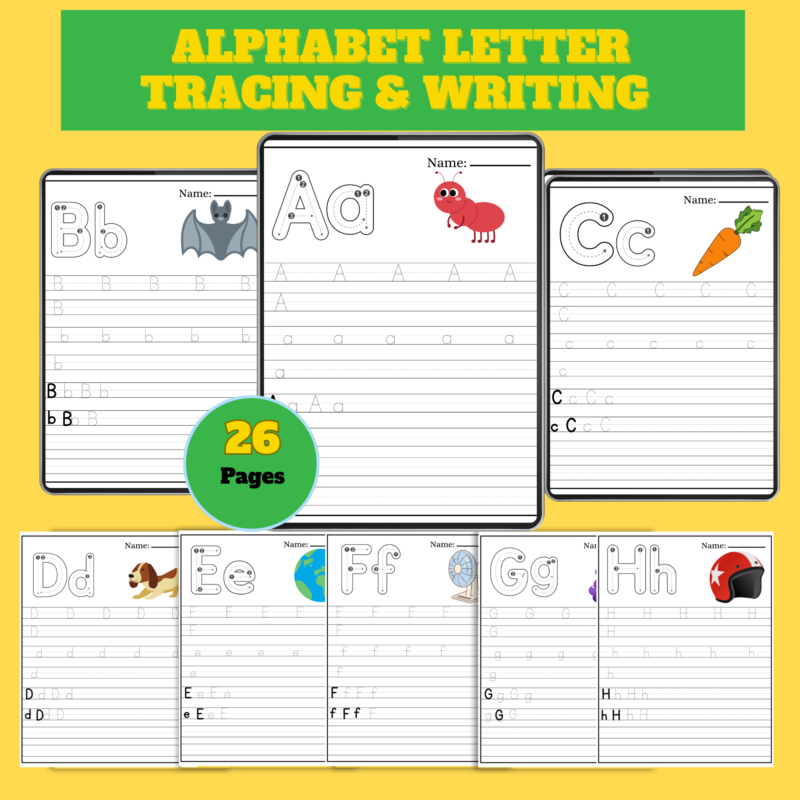
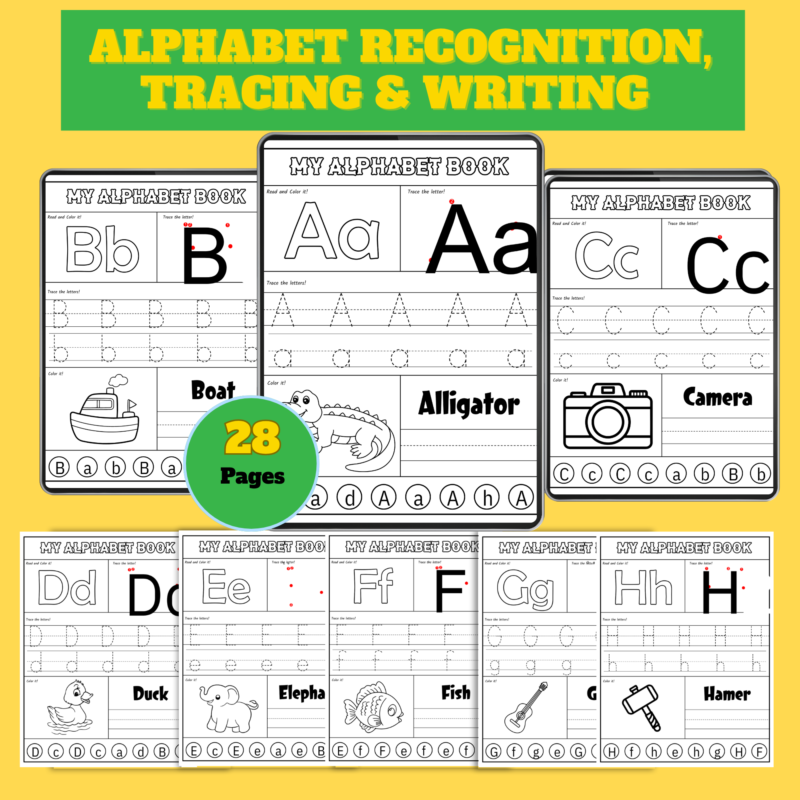
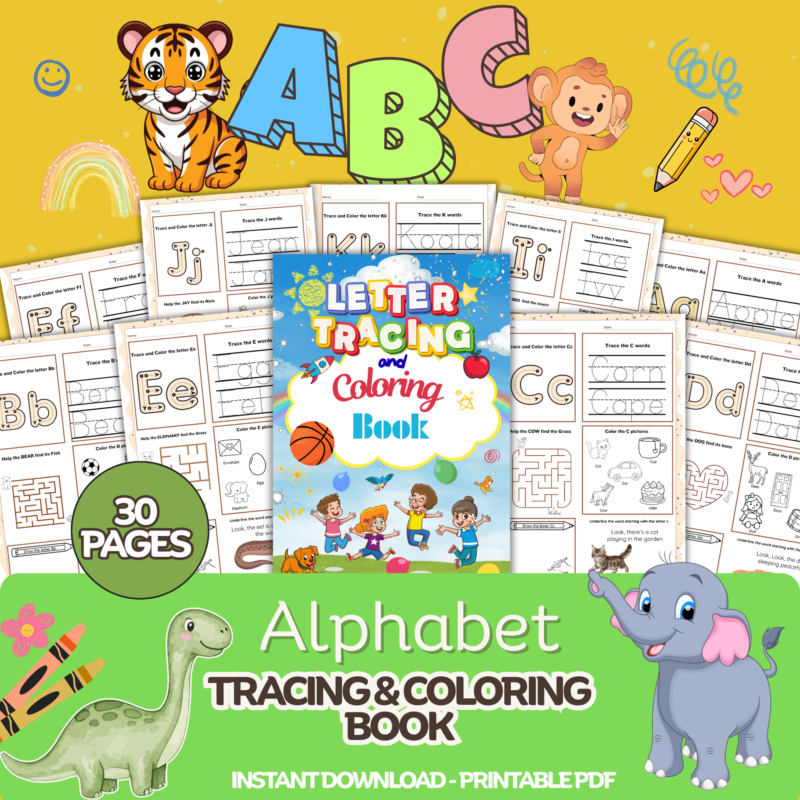
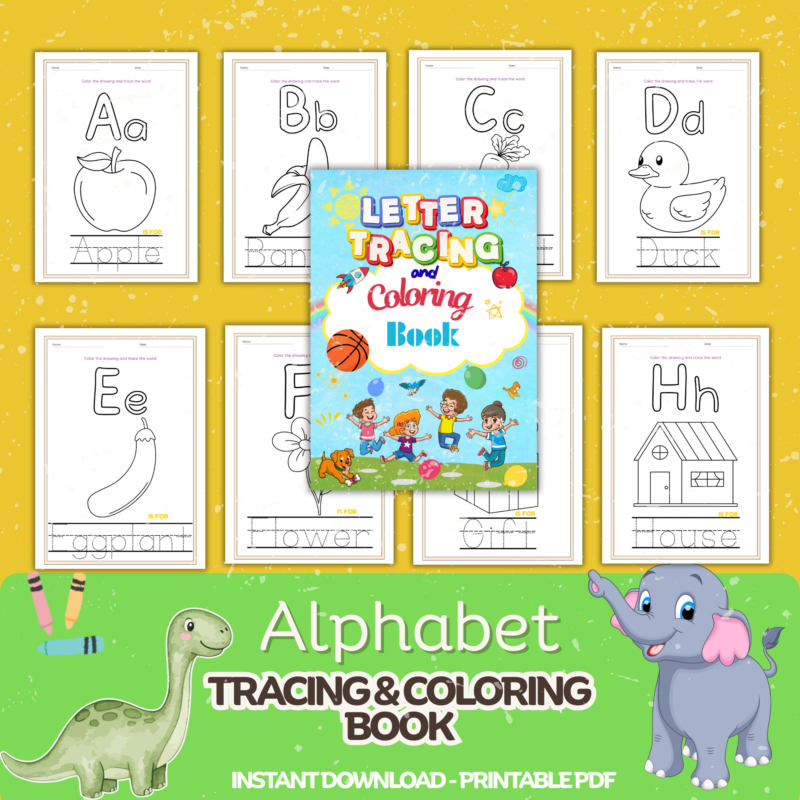
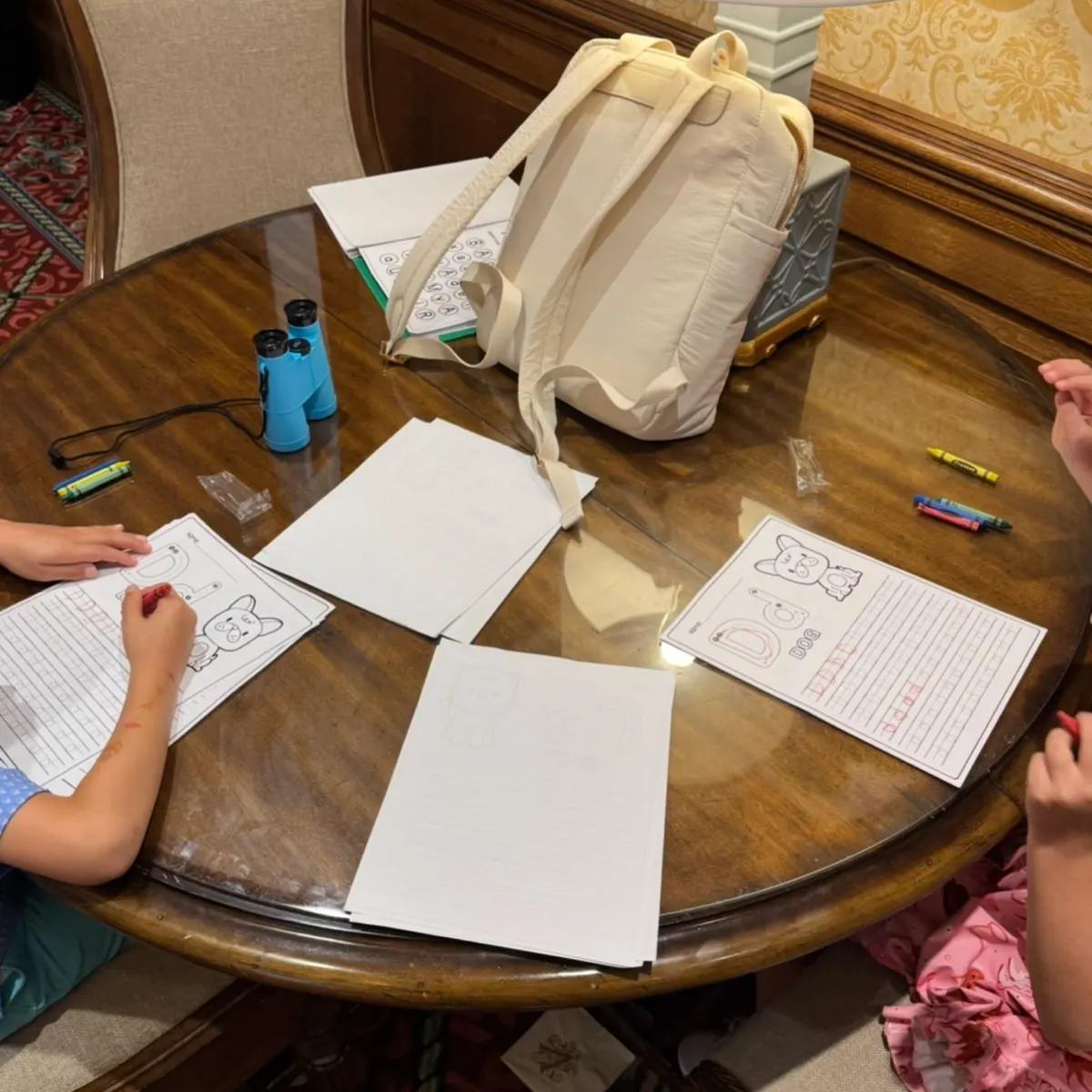
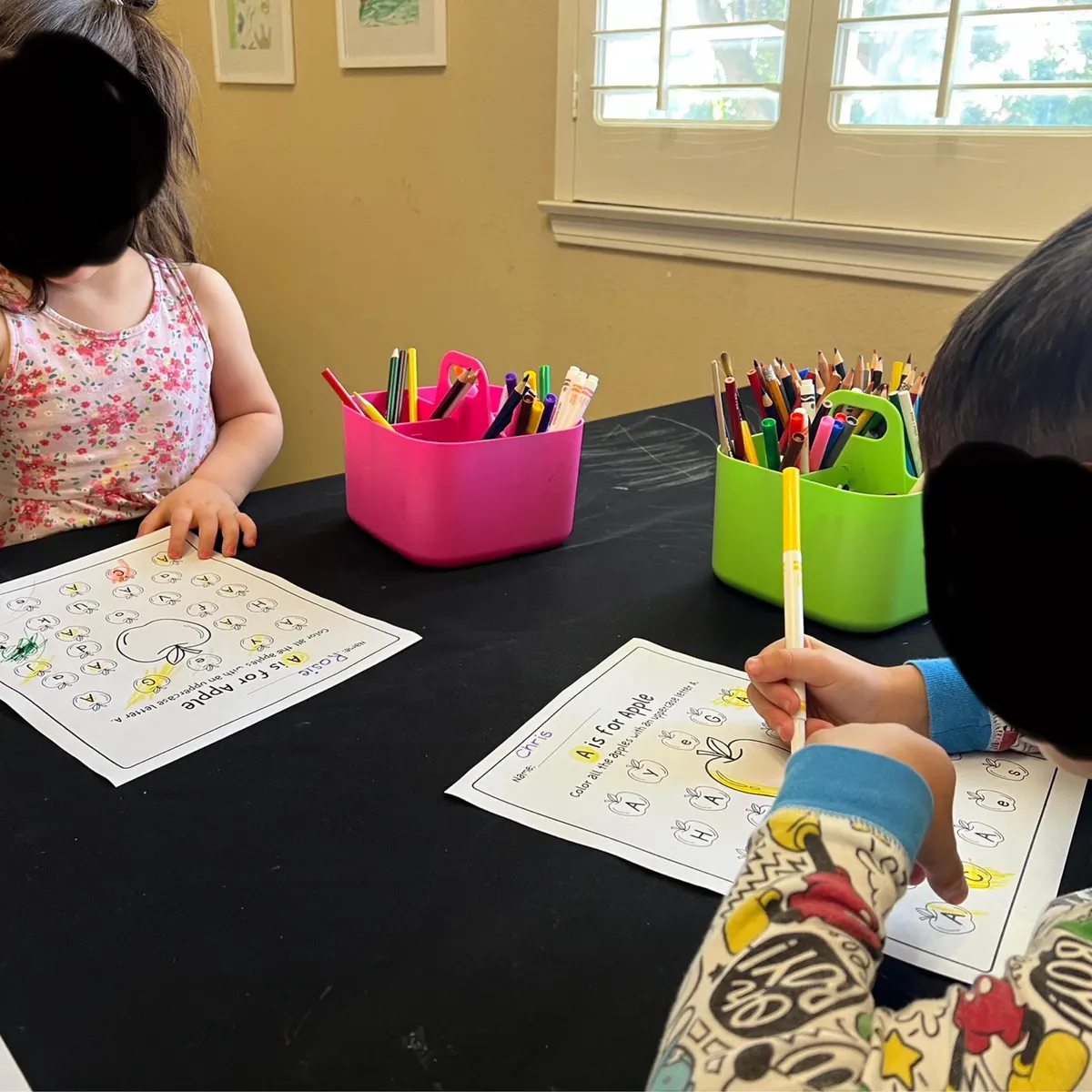
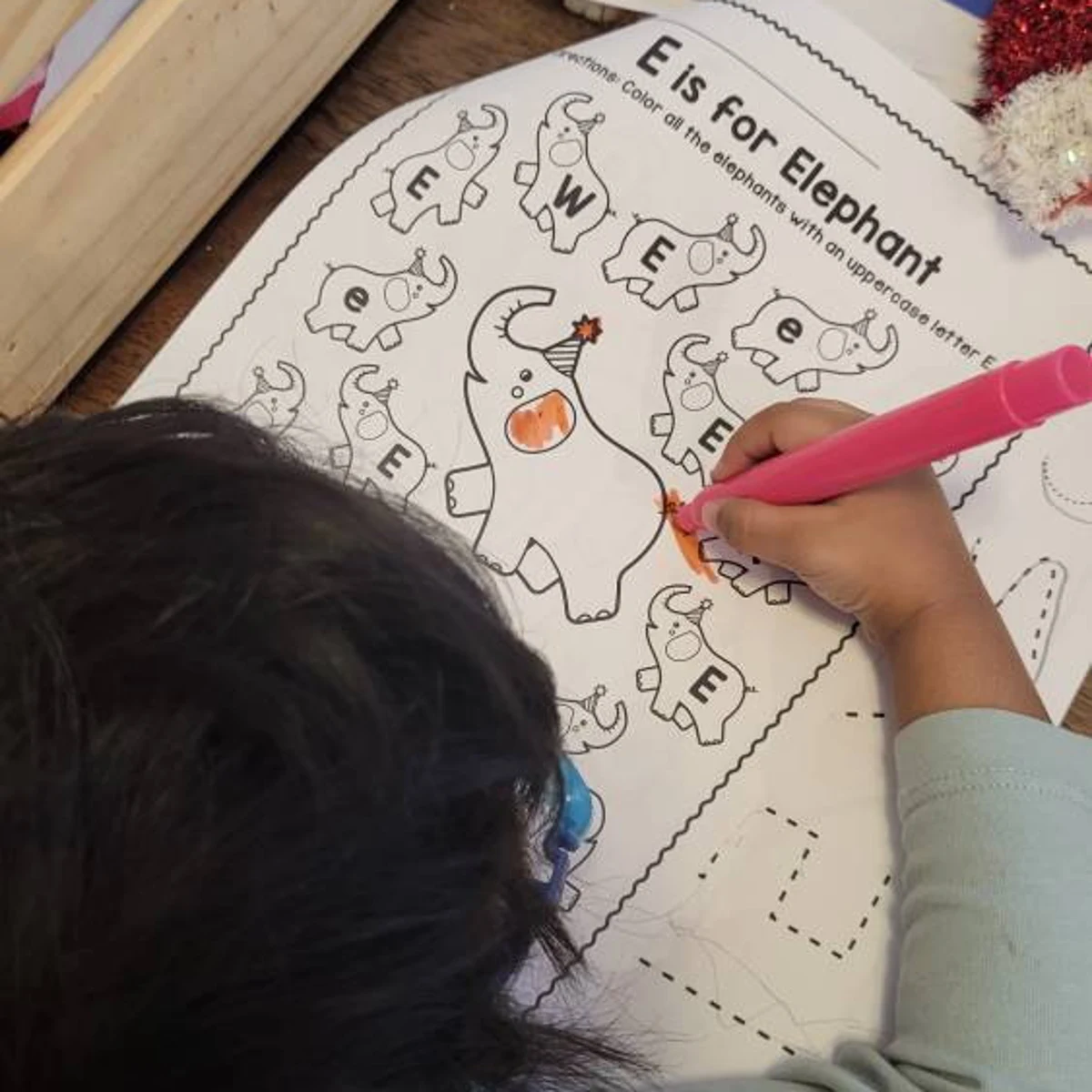
Children learn best when practice feels like a game rather than a test. Printable activities are especially helpful because they provide a clear task, a beginning and end, and screen-free repetition that fits into busy home or classroom routines.
Try rotating these activities throughout the week:
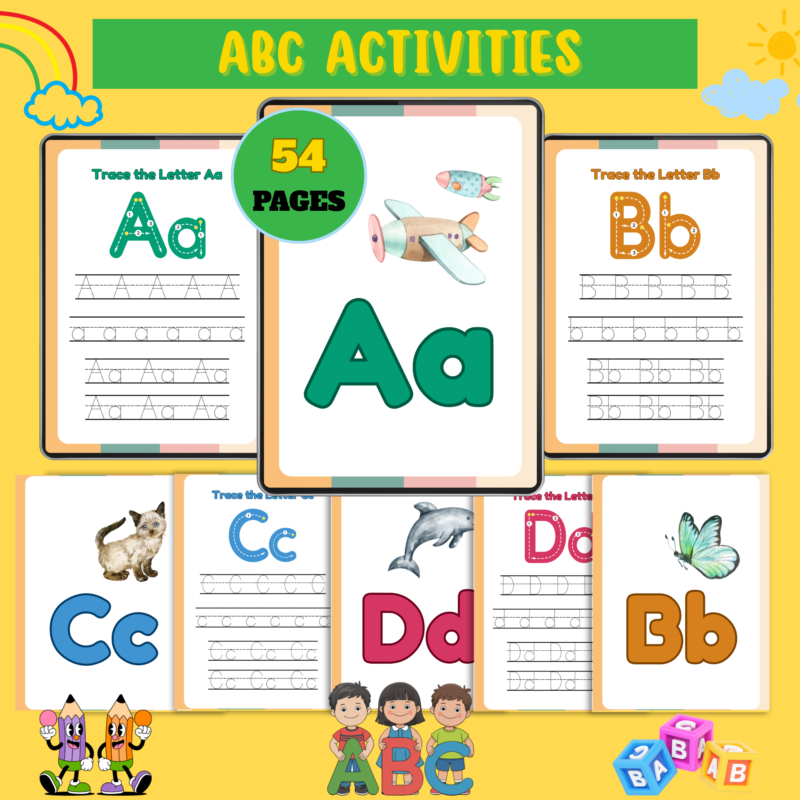
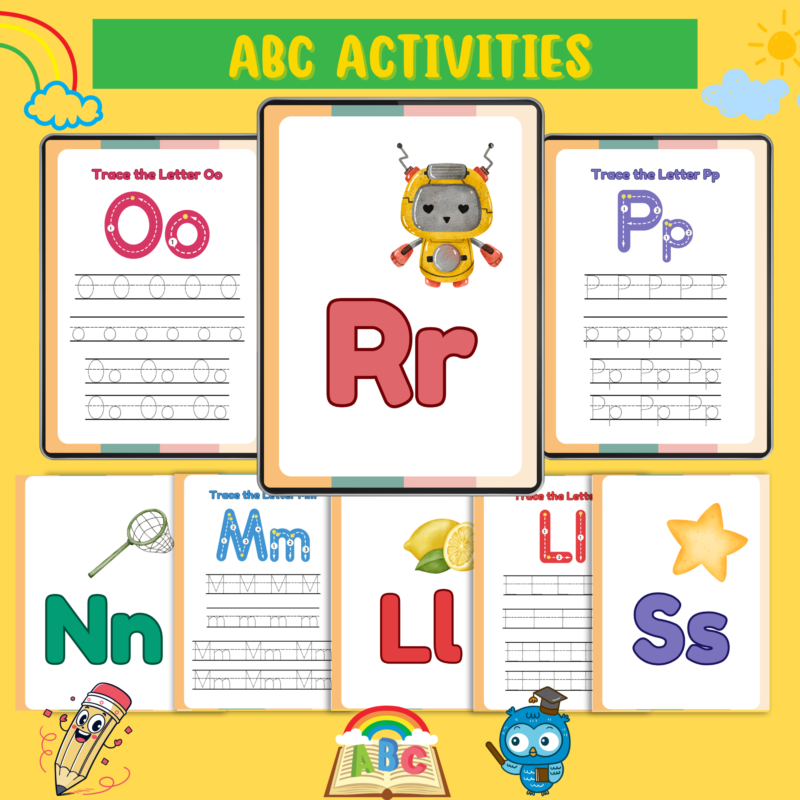
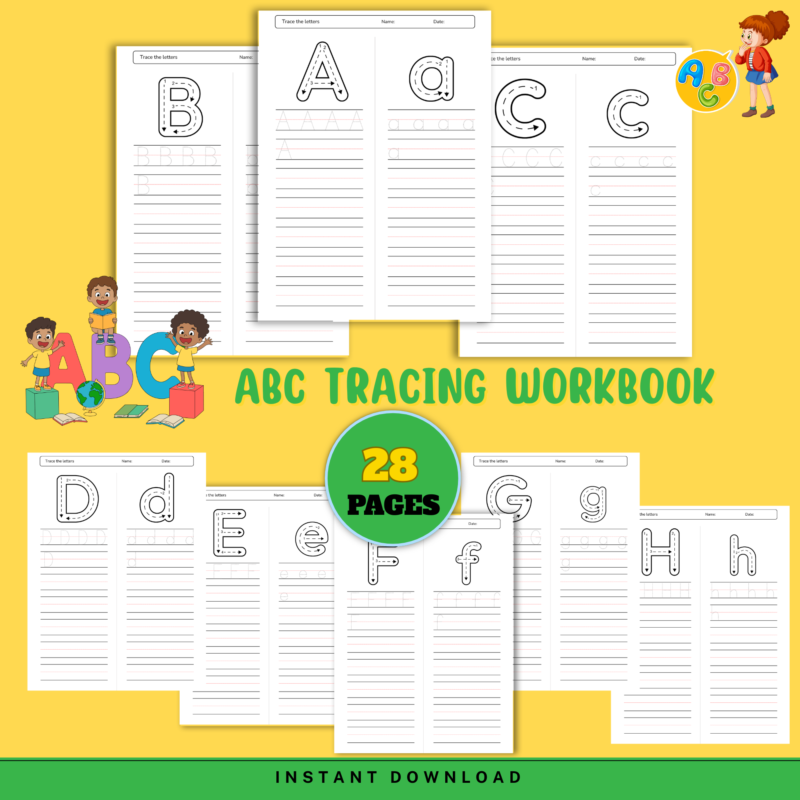
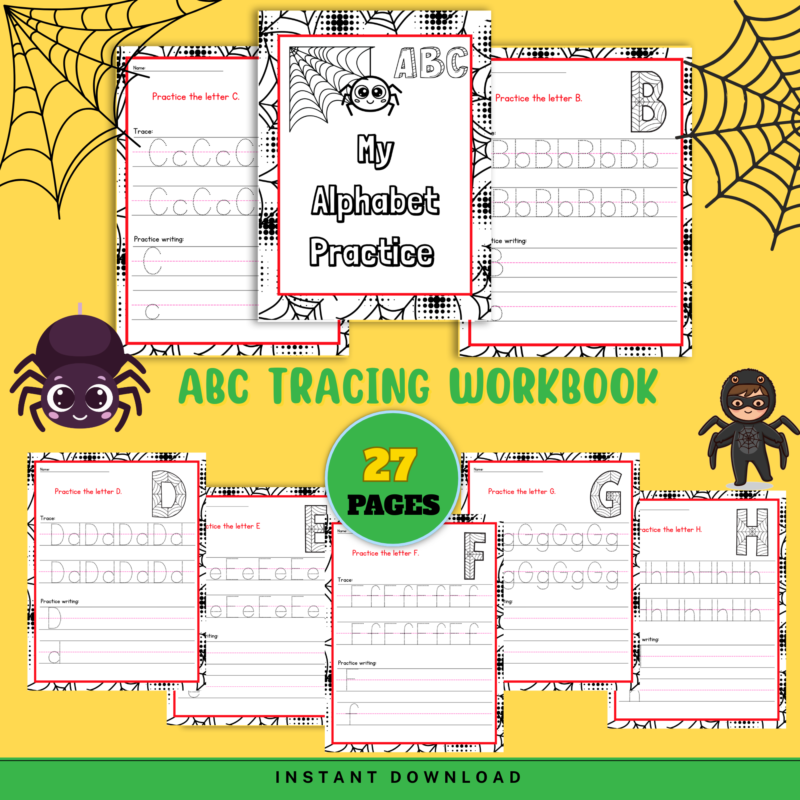
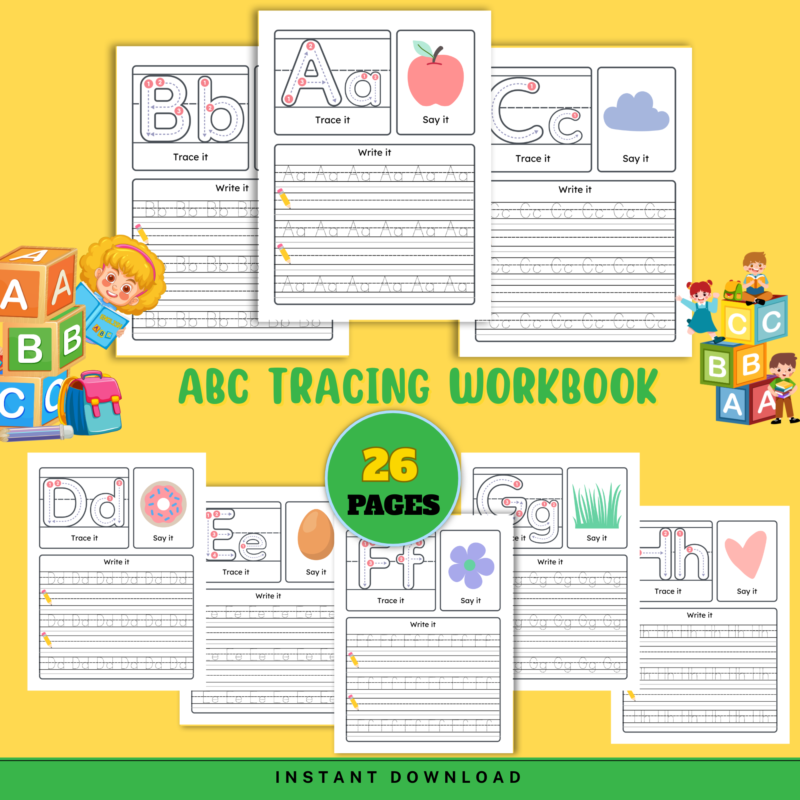
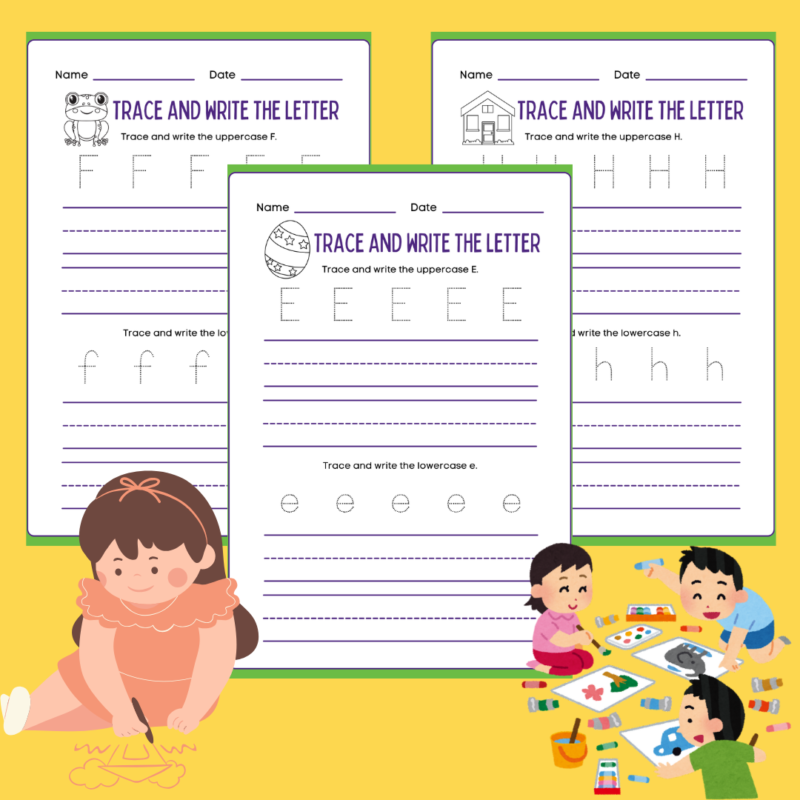
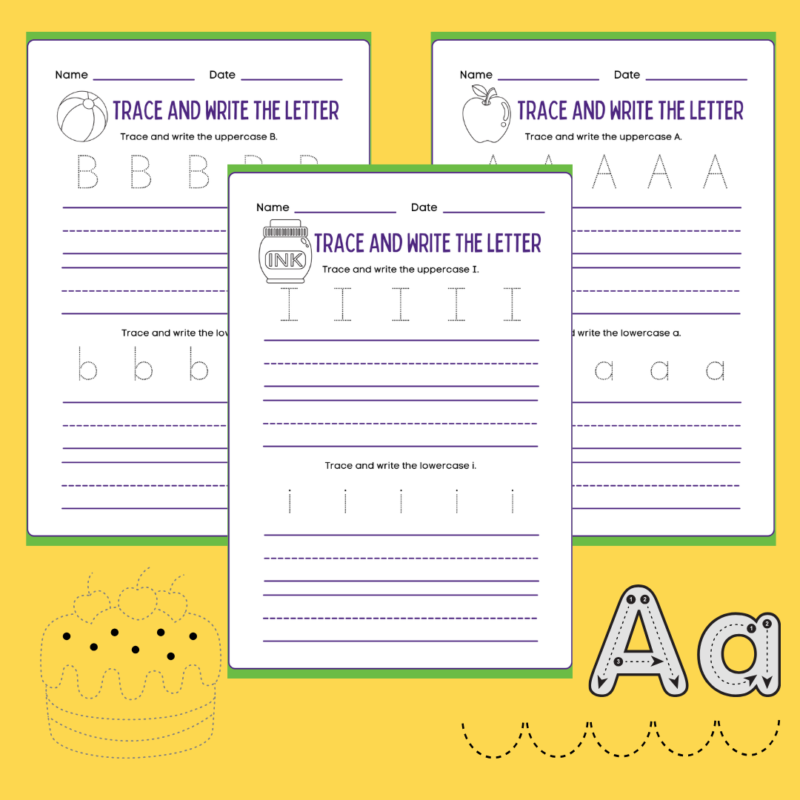
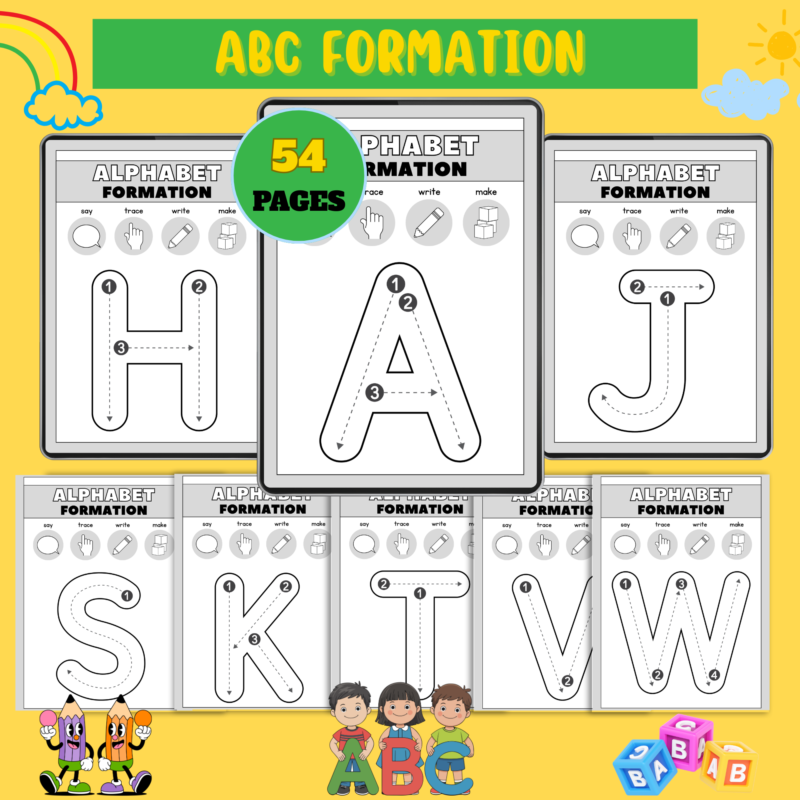
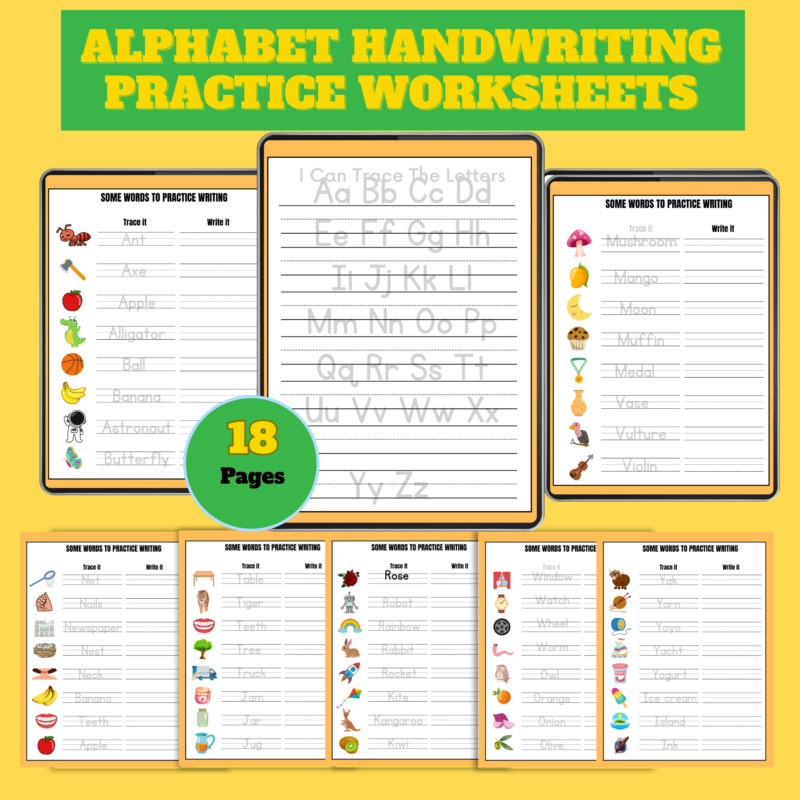
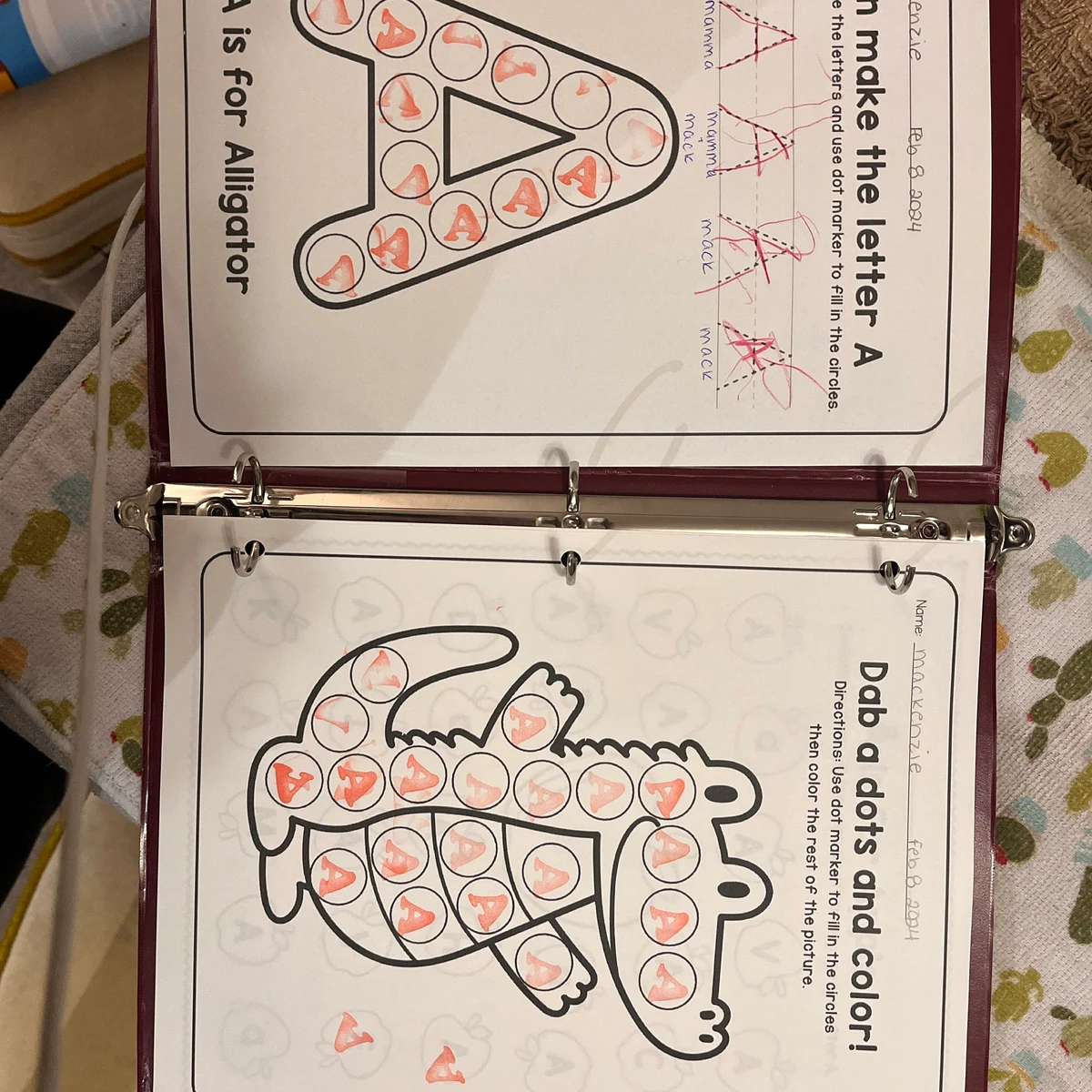
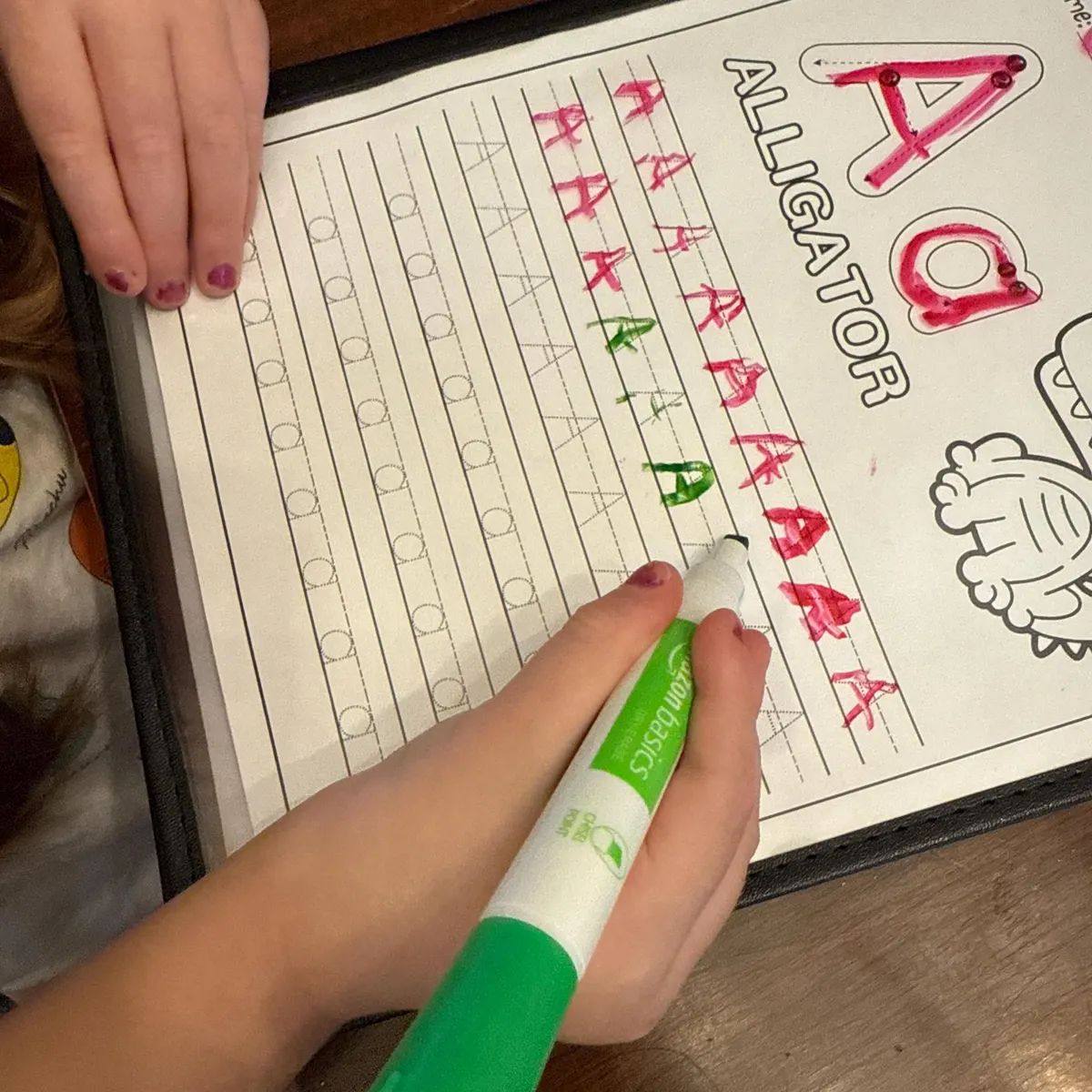
- Trace, write, and color each target word to connect reading with early handwriting practice.
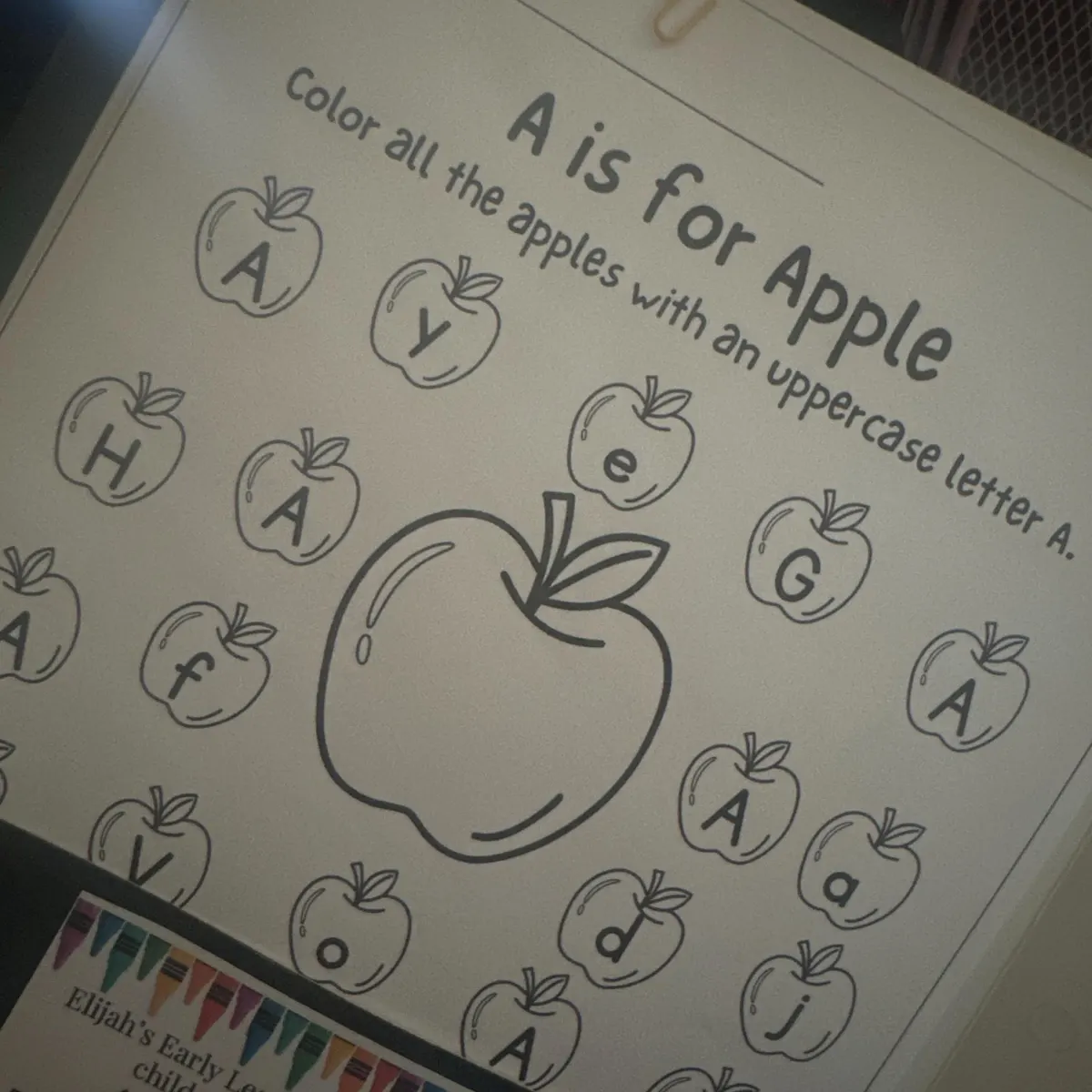
- Play a word hunt by asking children to find familiar words in a book, magazine, or simple sentence page.
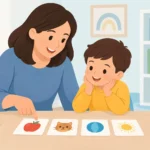
- Match word cards to the same words on a worksheet or game board.
- Build each word with letter tiles, magnetic letters, or cut-apart letter cards.
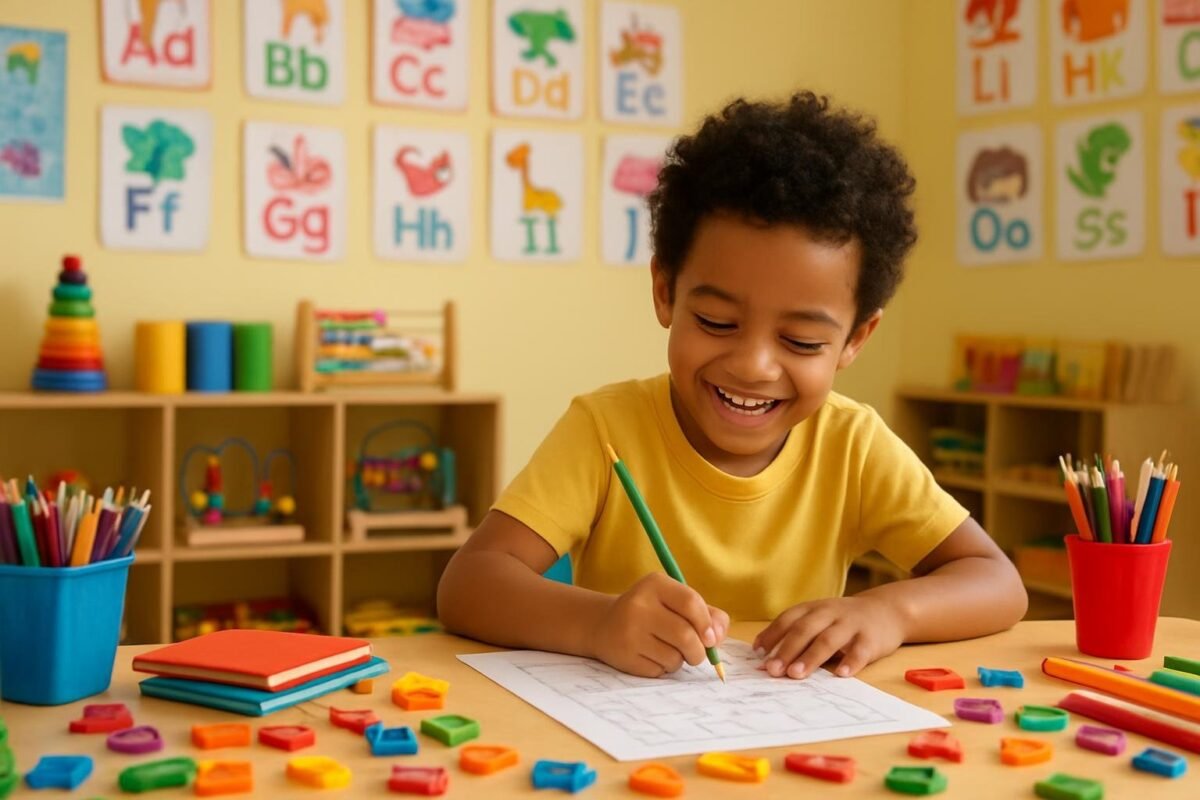
Writing is particularly valuable for young learners. When children trace and write a word such as look or come, they are noticing the order of the letters while building fine motor control. It may take longer than simply looking at a flash card, but that slower, hands-on practice can help the word stick.
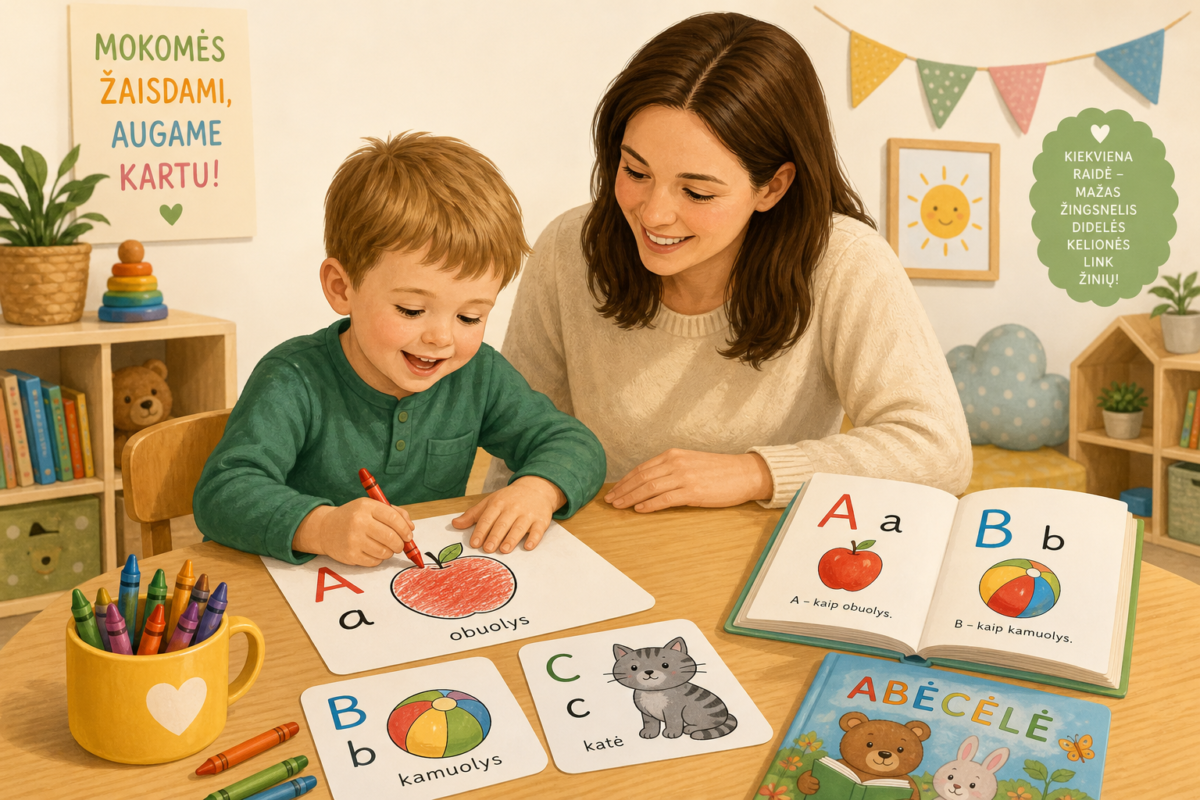
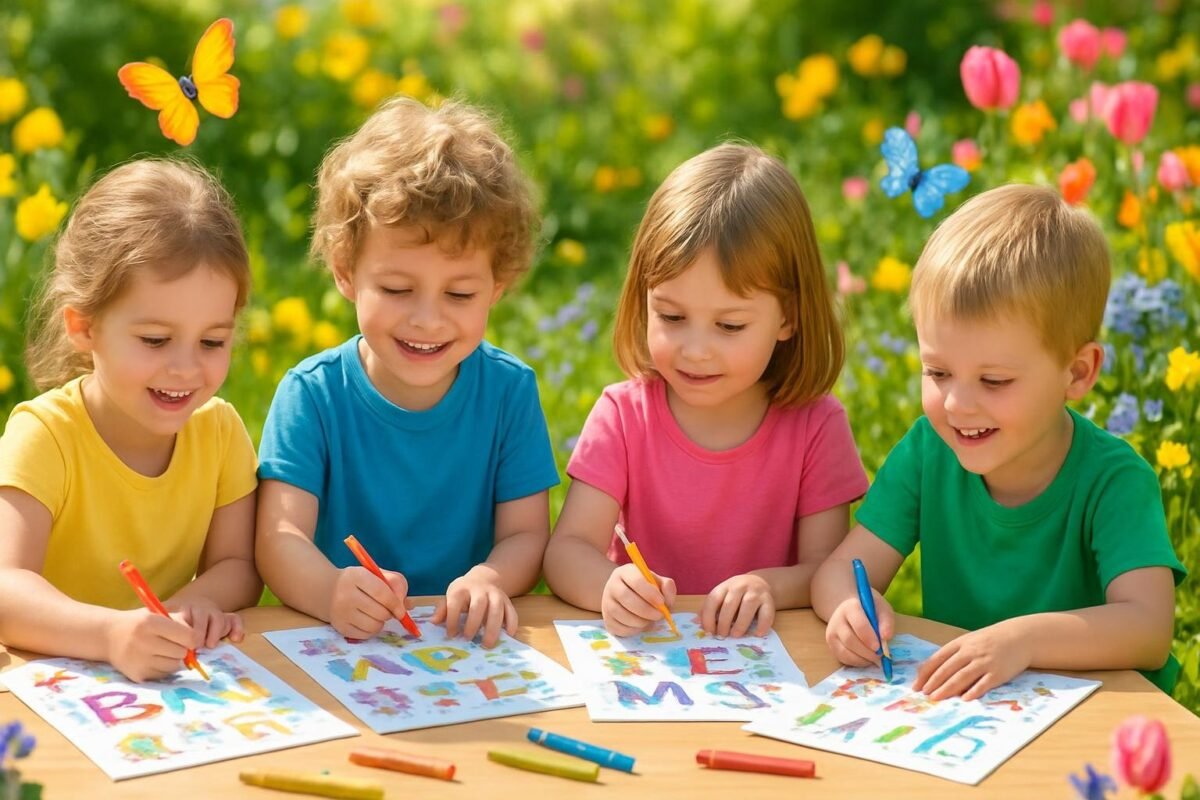
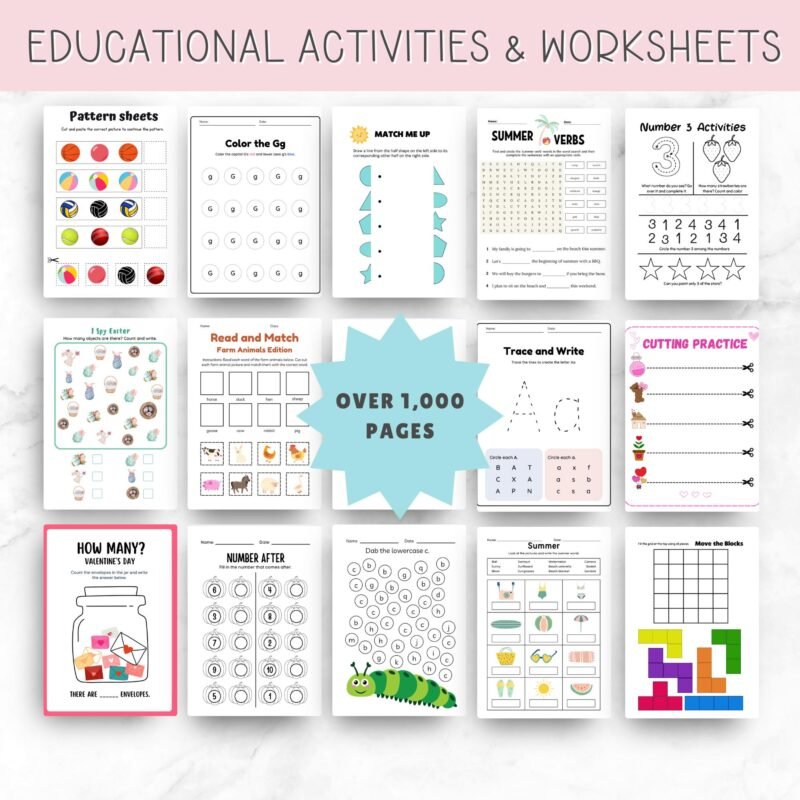
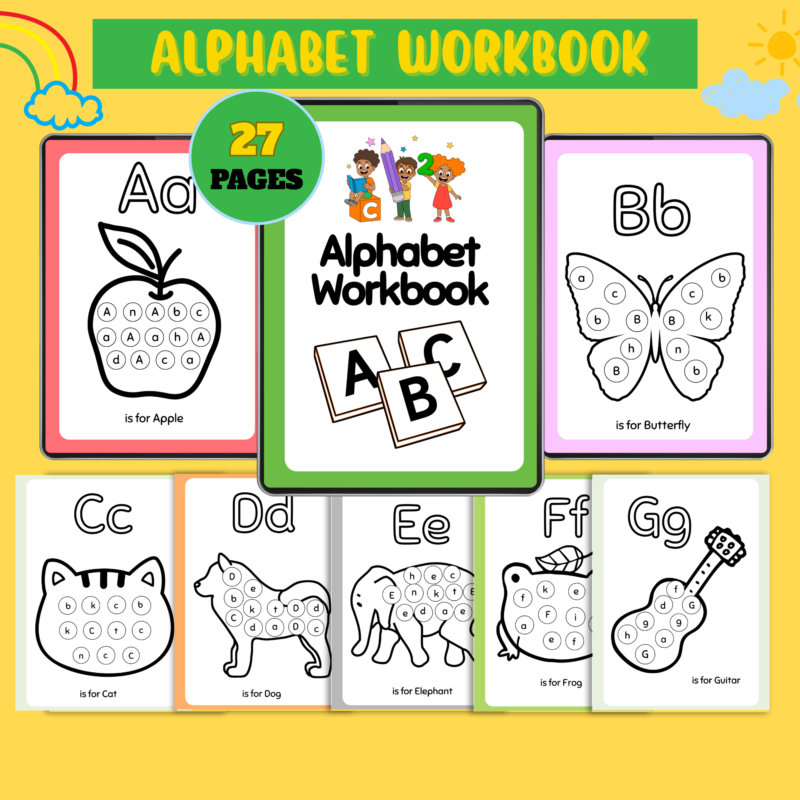
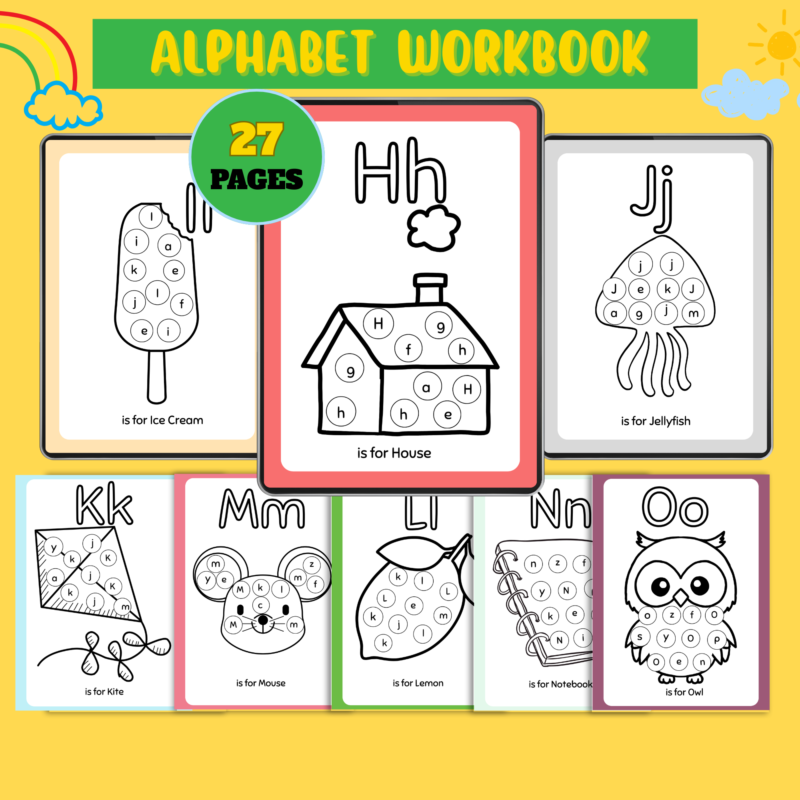
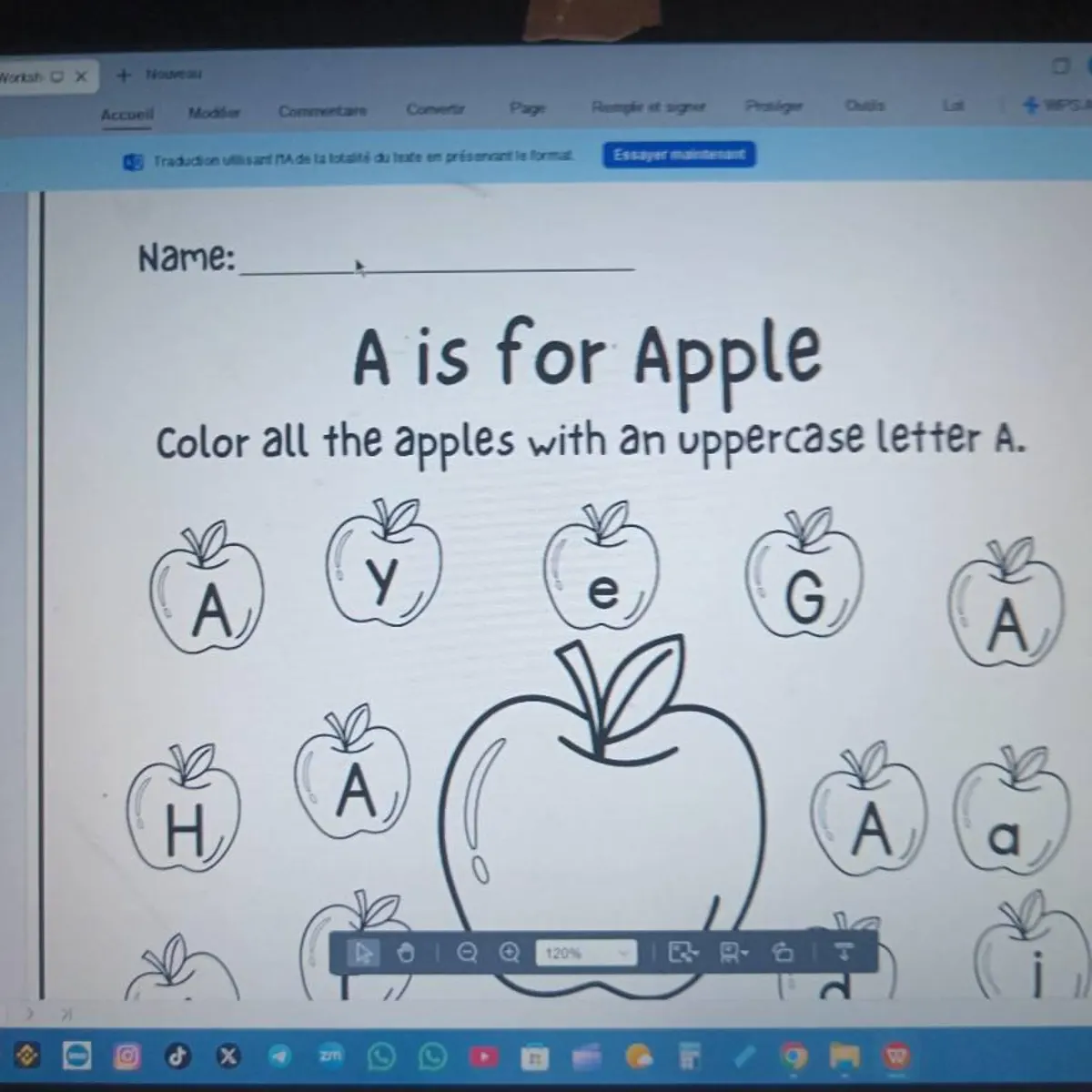
A simple printable sight word page can also give children a satisfying sense of progress. They can read the word, trace it, write it, find it in a group of words, and color a picture when they finish. This kind of variety keeps one skill from feeling repetitive.
Use Sight Words in Real Sentences
Recognizing a word card is a helpful first step, but children also need to see words doing their job in a sentence. After practicing a few words, use them in short, readable phrases such as “I see a cat” or “We like to play.” Point to each word as your child reads.
This is also a good time to check understanding. Ask a simple question about the sentence or picture: “What do you see?” or “Who likes to play?” Reading is more rewarding when children know they are reading for meaning, not just naming words.
If a child can recognize a word alone but misses it in a book, that is completely normal. The page may have smaller print, more words, or a distracting illustration. Continue practicing the word in both formats. Familiarity grows through seeing it in many places.
Keep Sessions Short Enough to Feel Successful
For many preschool and kindergarten children, five to 10 minutes is plenty. End while your child is still interested, even if that means stopping after just a few words. A cheerful finish makes it easier to return tomorrow.
Watch for signs that it is time to slow down. If your child is guessing wildly, avoiding the activity, or becoming upset, reduce the number of words and choose a more hands-on game. Some children enjoy writing and coloring pages, while others respond better to matching games or word hunts. The best sight word practice routine is the one your child will happily repeat.
Teachers can use the same idea in a classroom setting. Short rotations often work better than one long whole-group drill, especially when children have different levels of reading readiness. A child who is ready for sentence practice may need a different activity than a child who is still matching letters to words.
Build a Simple Weekly Routine
A predictable routine saves preparation time and helps children know what to expect. You might introduce two new words on Monday, practice tracing and writing on Tuesday, play a matching game on Wednesday, look for the words in a book on Thursday, and read simple sentences on Friday.
The activities can change, but the review should stay. Revisit previously learned words each week, mixing easy words with newer ones. Children are often delighted when they recognize a word they learned weeks earlier. That moment of success is proof that steady practice is working.
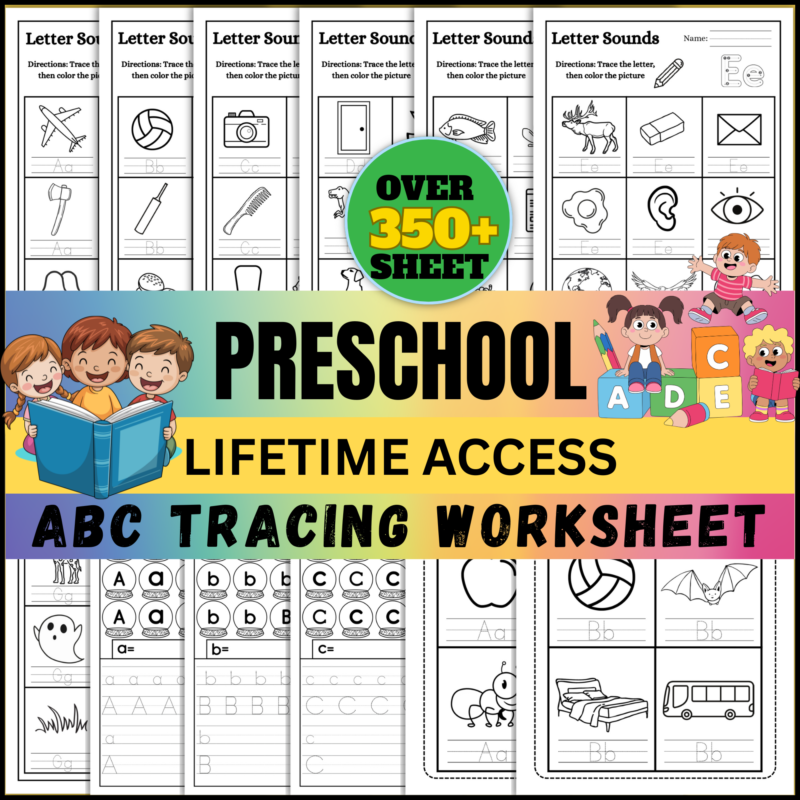
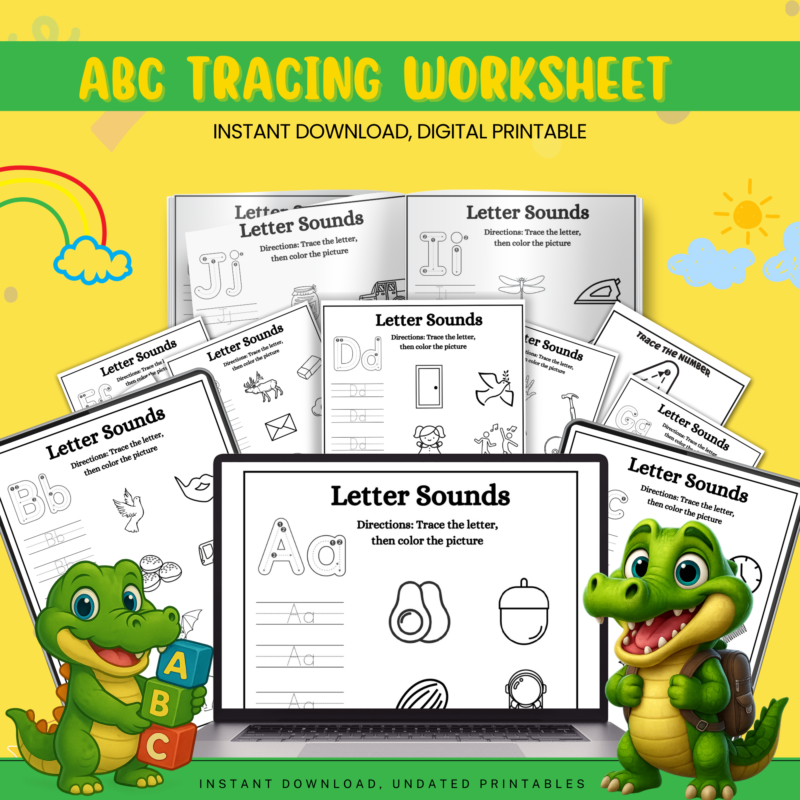
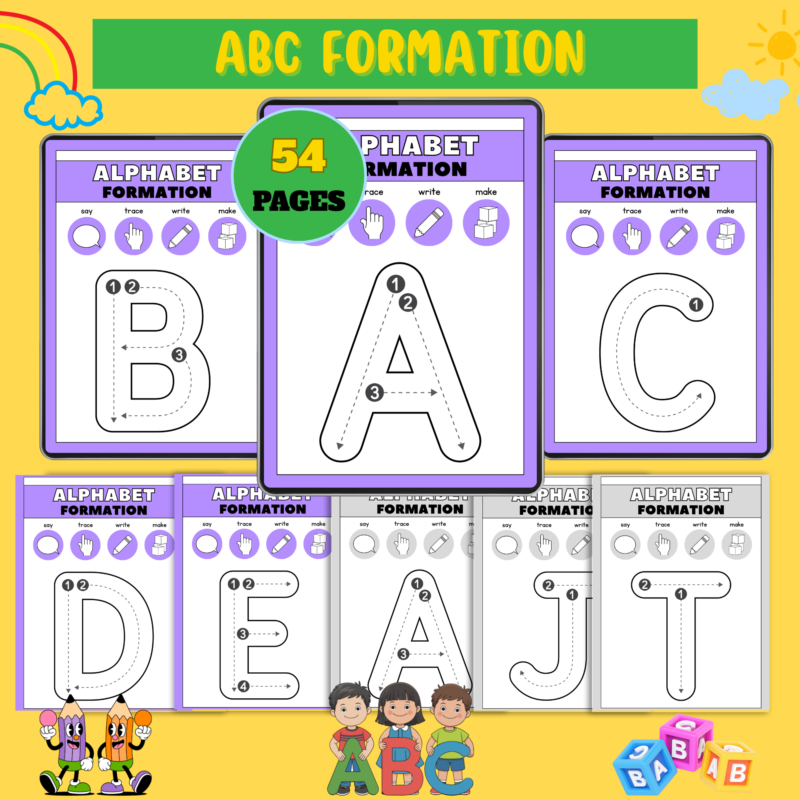
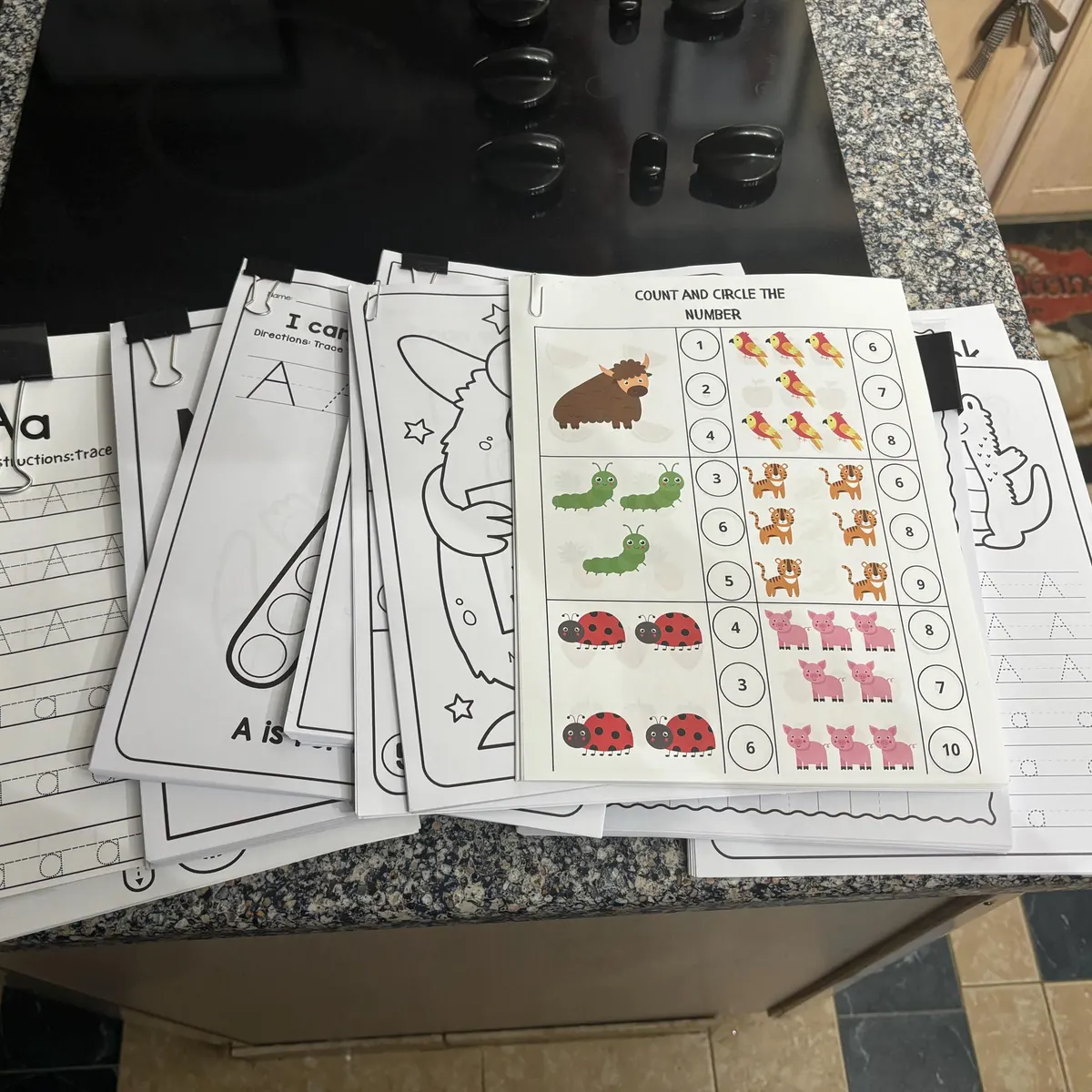
Ready-to-print worksheets make this routine easier for parents, teachers, and homeschool families. Fun Clever Fox printable resources are designed to give young learners structured, playful practice without requiring you to create activities from scratch. Print a page when you need it, add crayons or pencils, and you have a useful literacy activity ready for the table, learning center, or quiet-time folder.
Celebrate Progress Without Adding Pressure
Progress in early reading is not always dramatic. Sometimes it looks like a child reading my without help, choosing to write I see on a drawing, or noticing the on a street sign. These small wins deserve encouragement.
Praise the effort as well as the correct answer. Try saying, “You looked carefully at every letter,” or “You remembered that word from yesterday.” This helps children understand that reading grows through practice, not perfection.
Keep offering warm, simple opportunities to read, write, find, and play with familiar words. Before long, those little words that once caused a pause can become the words that help your young reader move confidently through a page.