A well-stocked literacy center can turn the busiest part of the preschool day into meaningful, happy practice. The best top preschool literacy centers are not packed with complicated supplies or difficult directions. They give young children a clear, hands-on way to explore letters, sounds, marks on paper, and books while you guide small groups or support other learners.
For preschoolers, literacy is much bigger than memorizing the alphabet. They need repeated chances to notice letters, hear beginning sounds, strengthen little hand muscles, learn that print carries meaning, and feel proud of what they can do. A few thoughtful centers can make those essential skills feel like play.
What Makes a Preschool Literacy Center Work?
A successful center has one simple learning goal. When children understand what to do without waiting for an adult, they can practice more independently and build confidence. That does not mean every child will use the materials in the same way. Preschoolers learn at different speeds, and a center should leave room for exploration while still offering helpful structure.
Choose activities that are short, repeatable, and easy to reset. A child may only stay engaged for five or ten minutes, especially at the beginning of the year. That is plenty of time for a meaningful match, trace, sort, or shared book conversation.
Keep the materials visible and limited. Too many choices can lead to dumping, wandering, or frustration. Place each activity in a labeled tray, basket, or zippered pouch, and use a simple picture label so children can help put items away. Consistent routines make centers calmer for everyone.
7 Top Preschool Literacy Centers for Everyday Practice
1. Alphabet Tracing Center
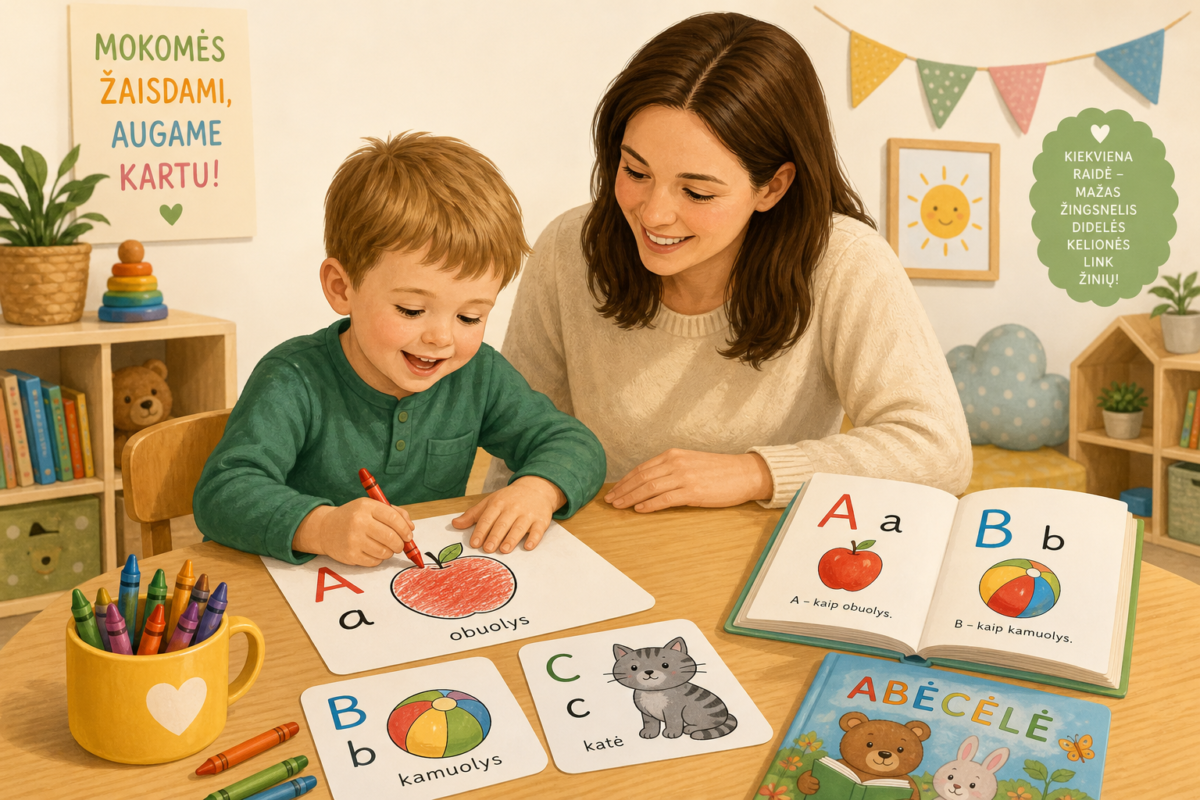
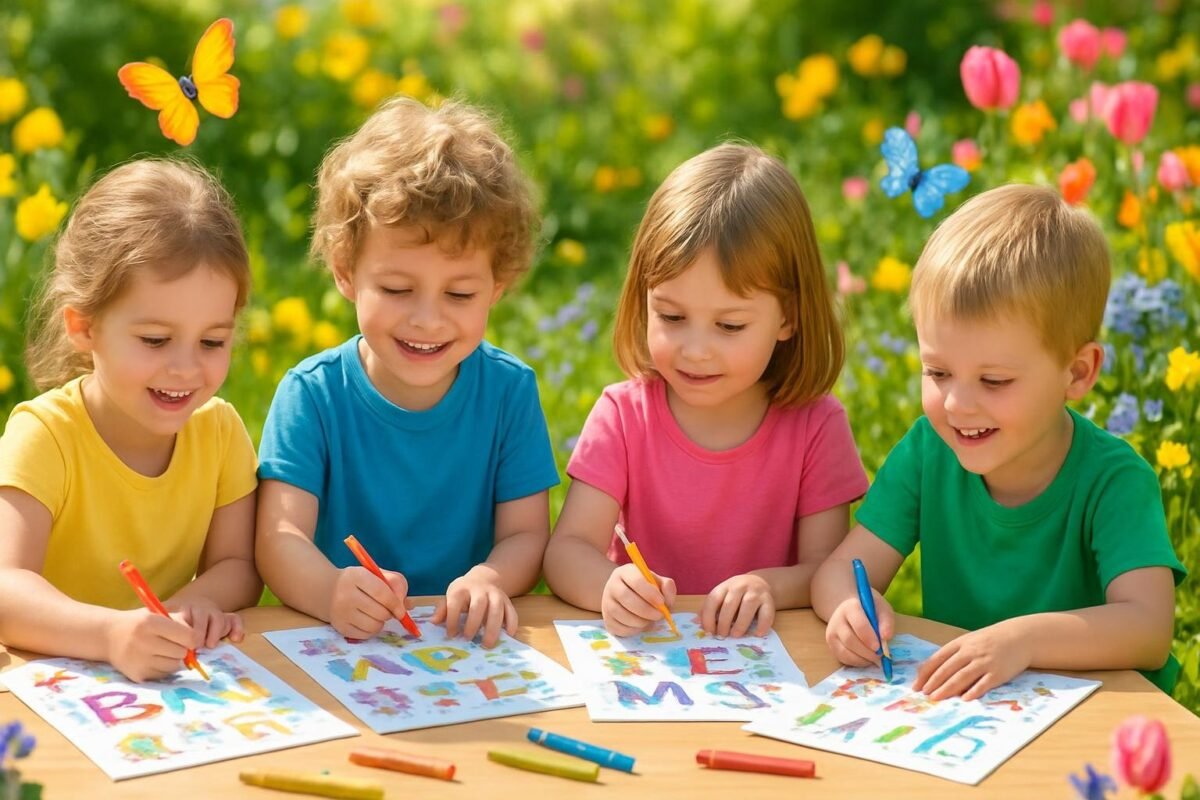
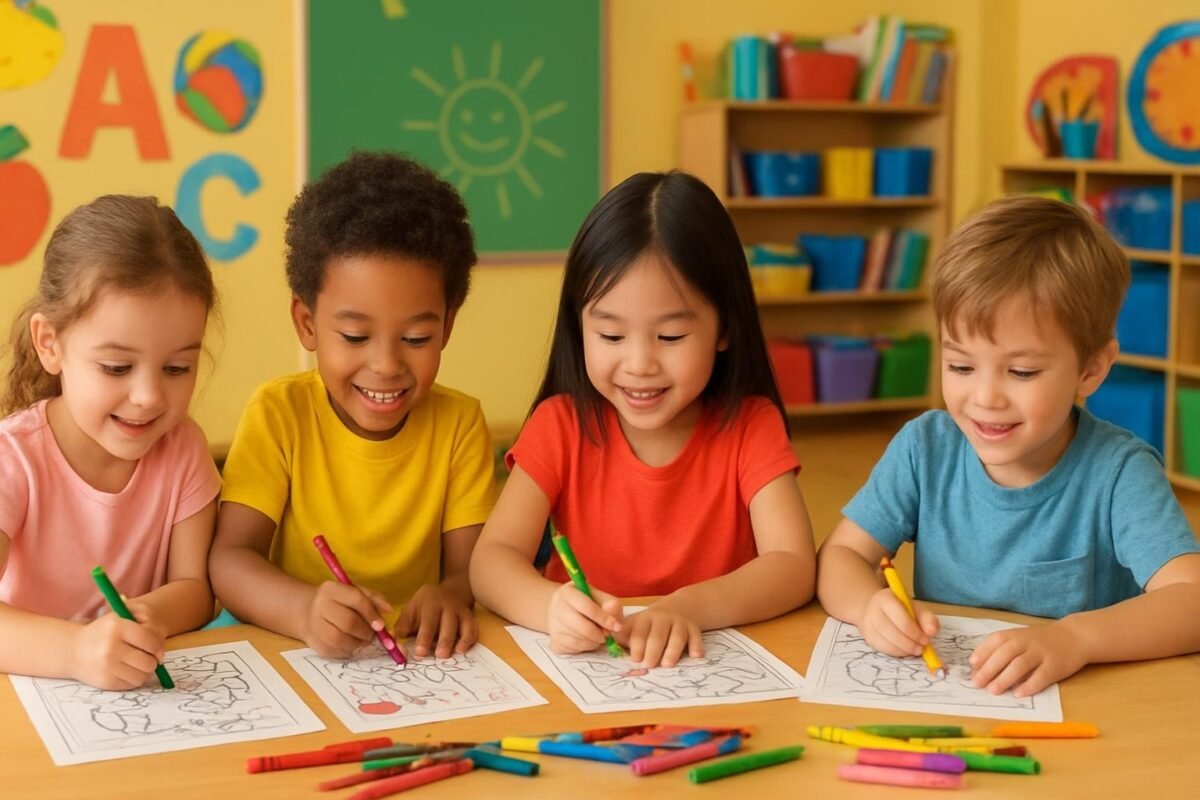
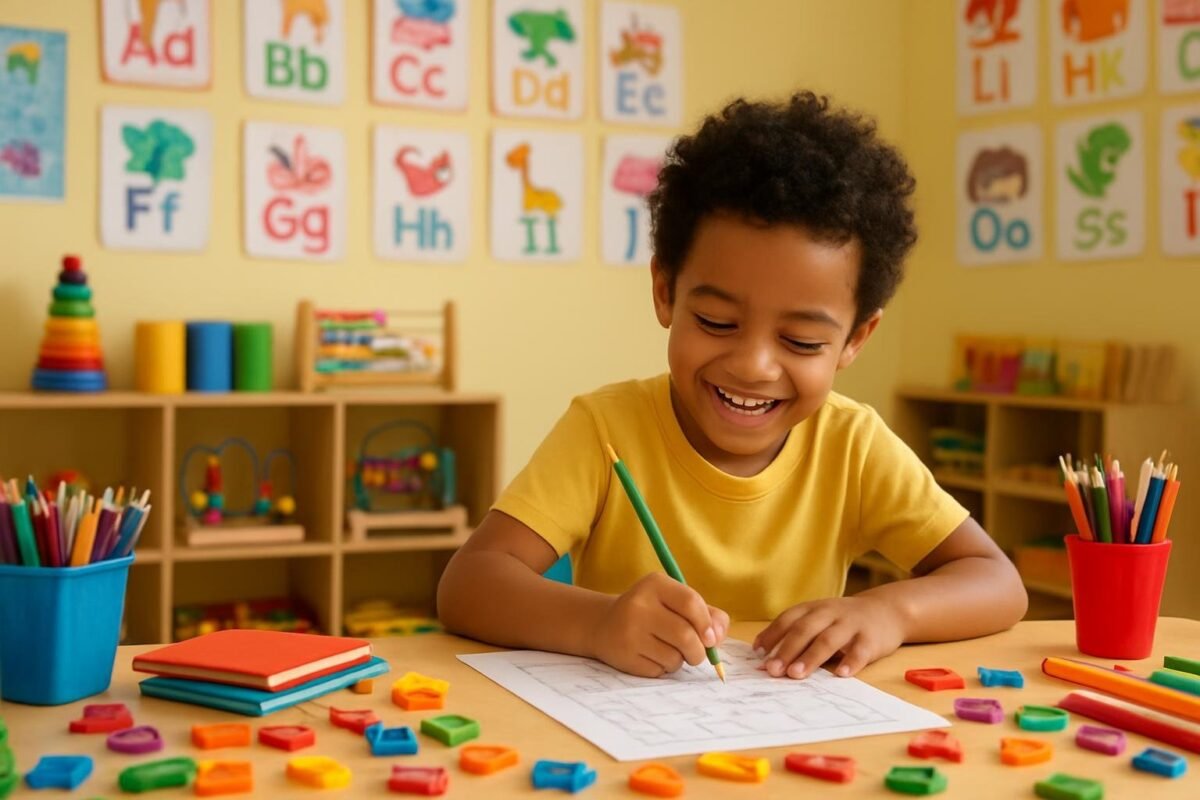
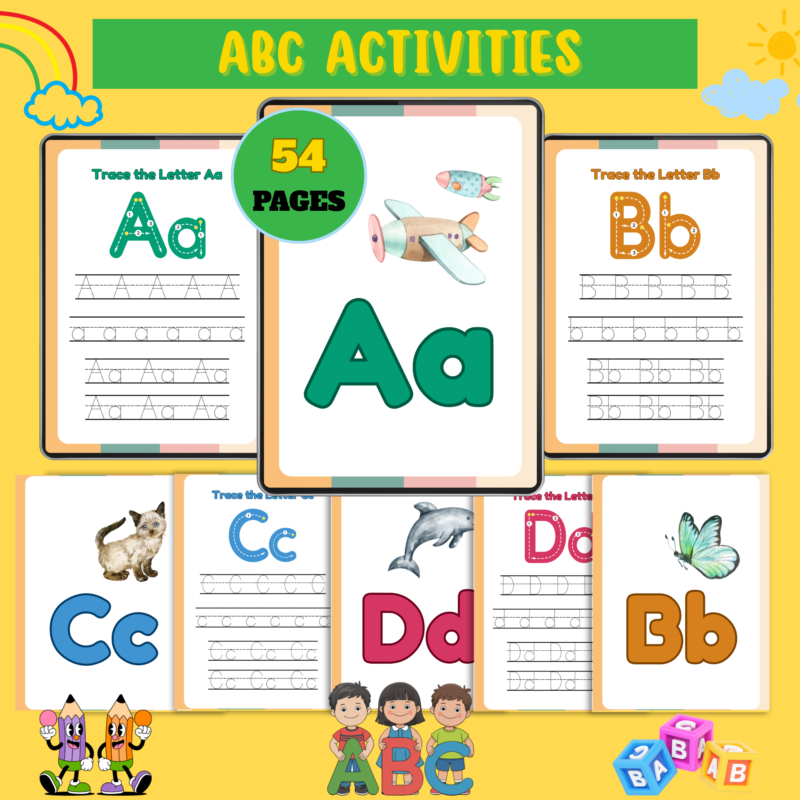
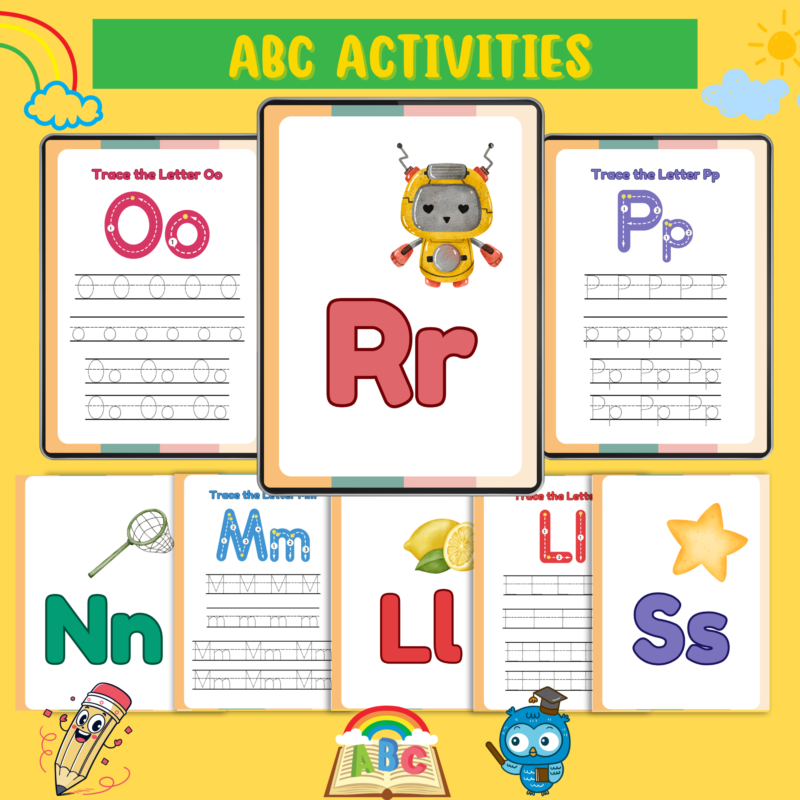
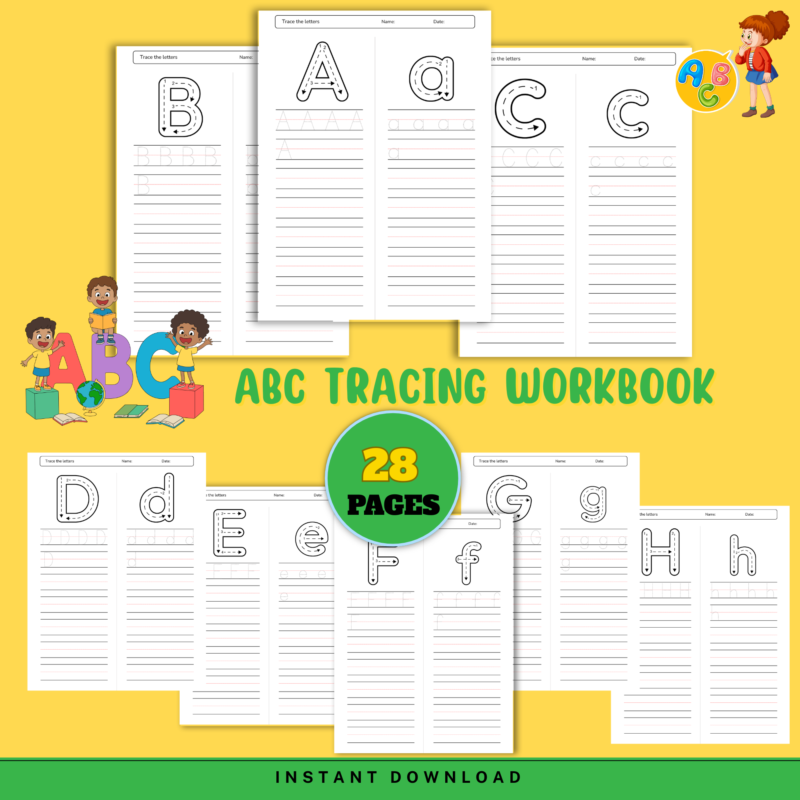
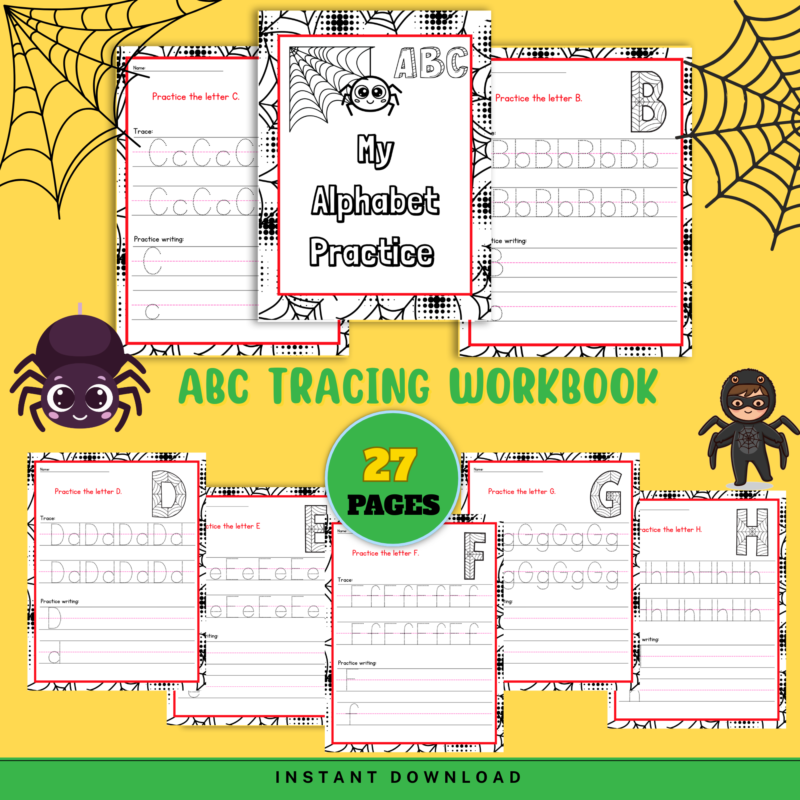
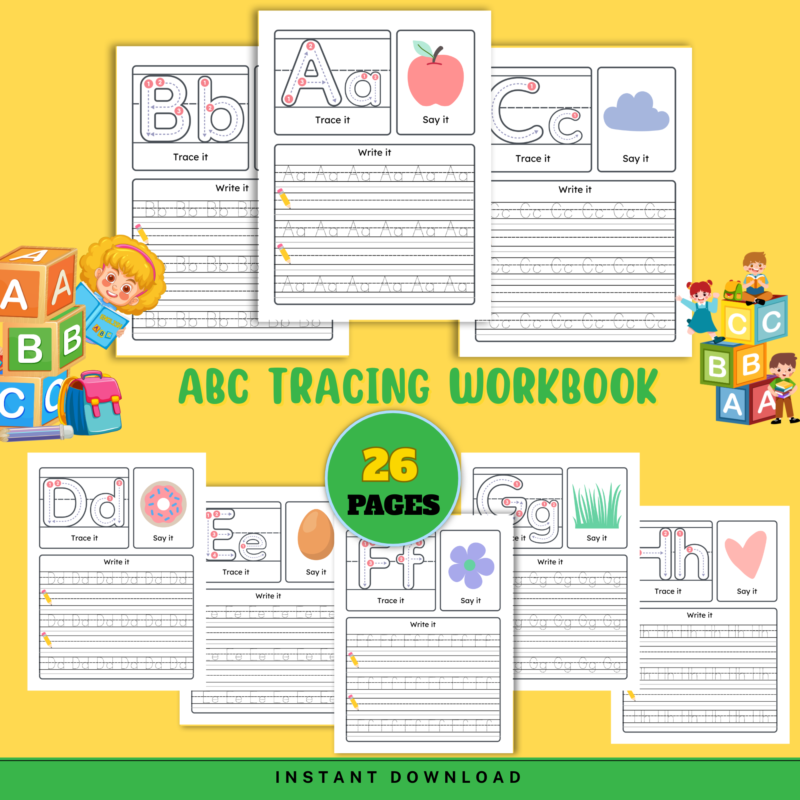
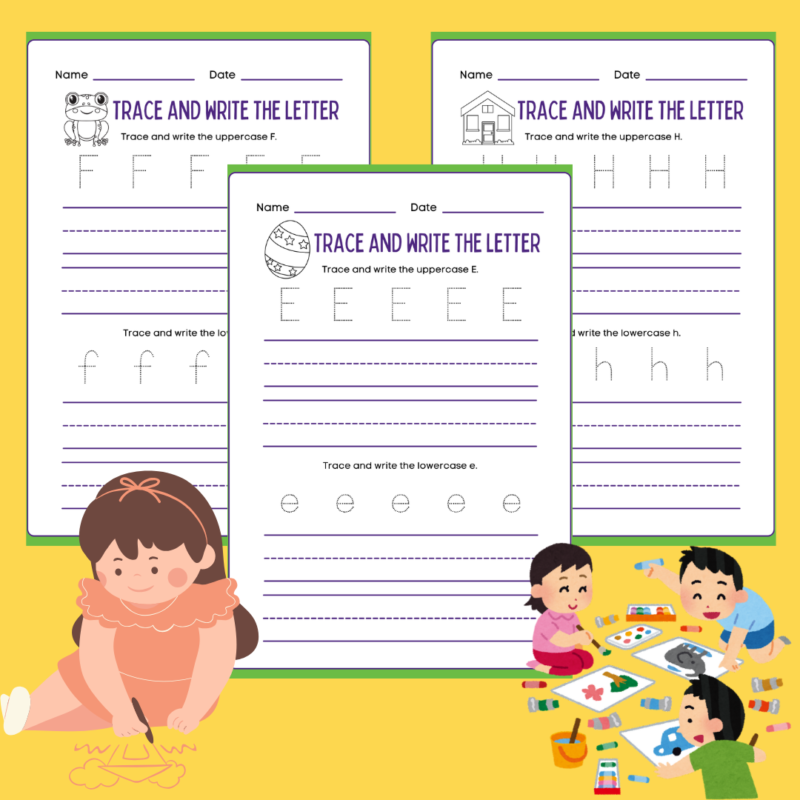
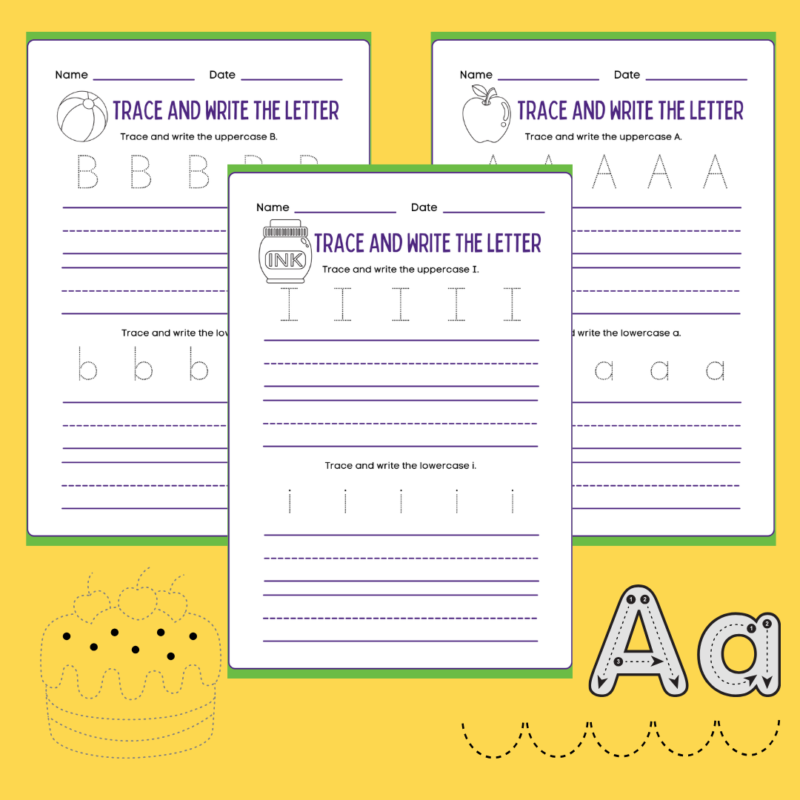
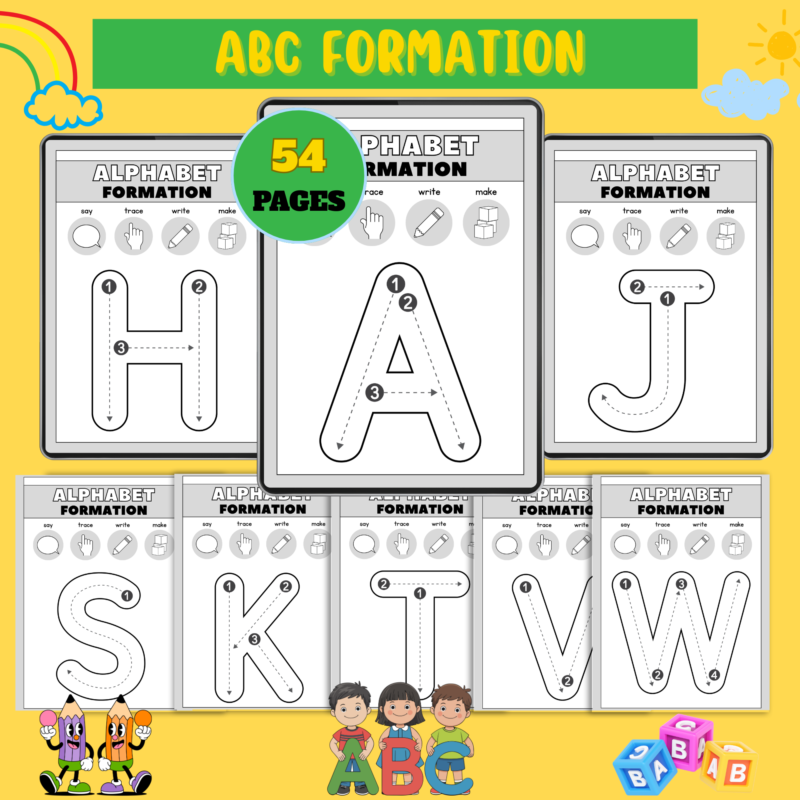
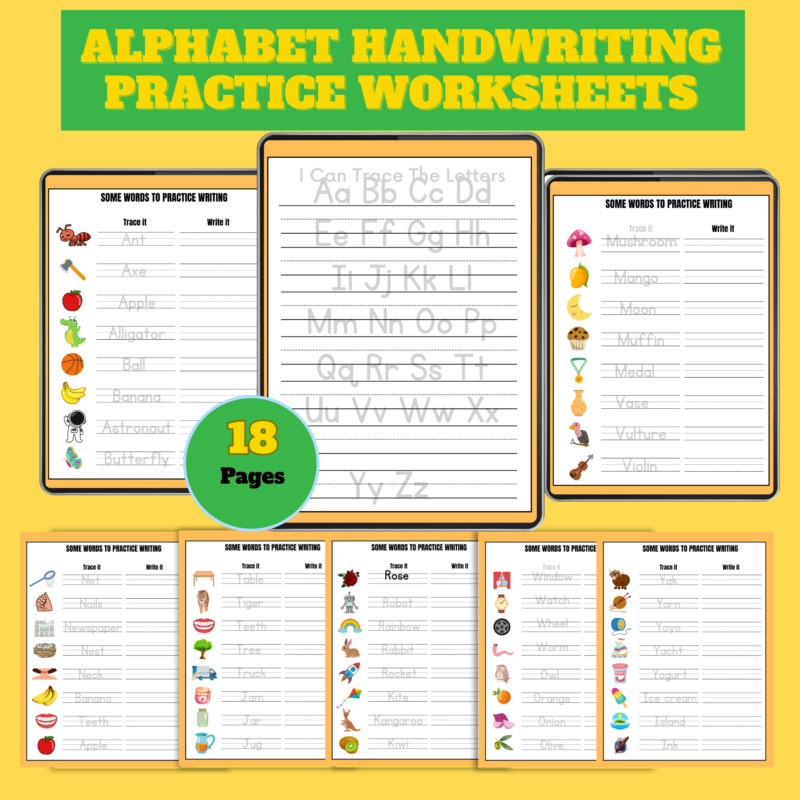
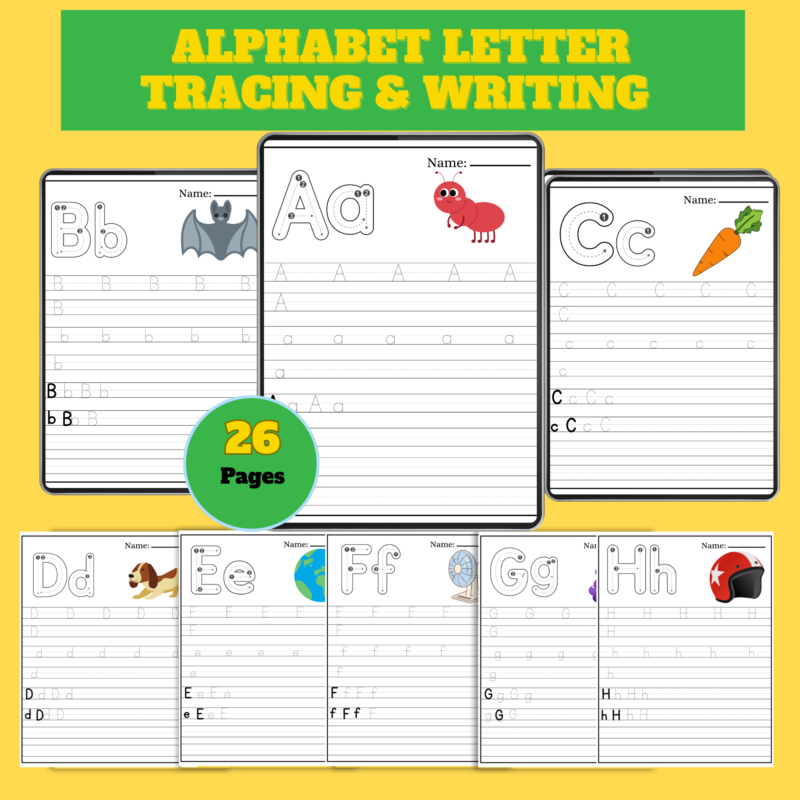
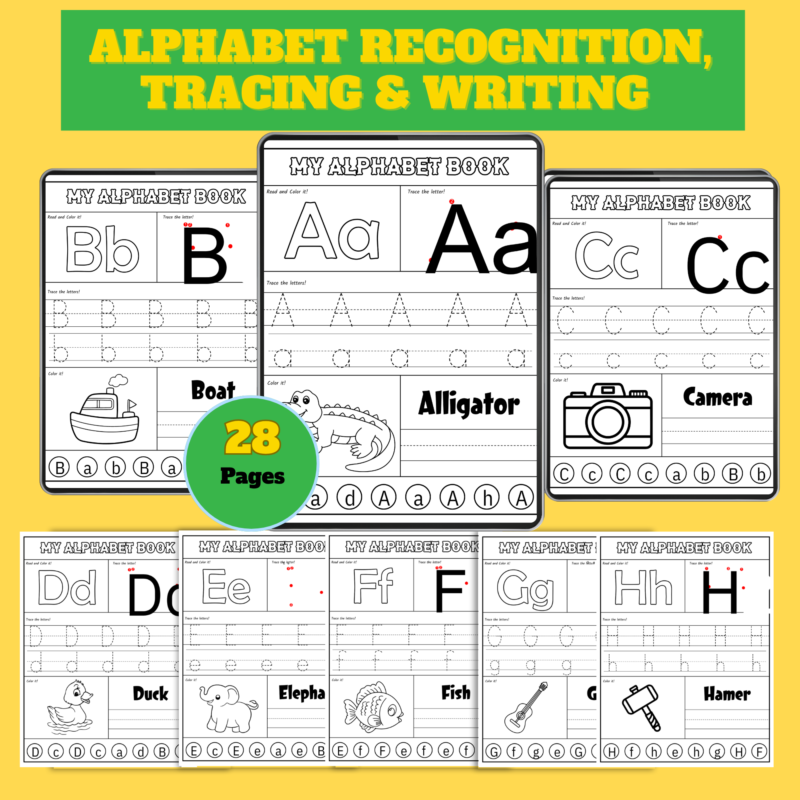
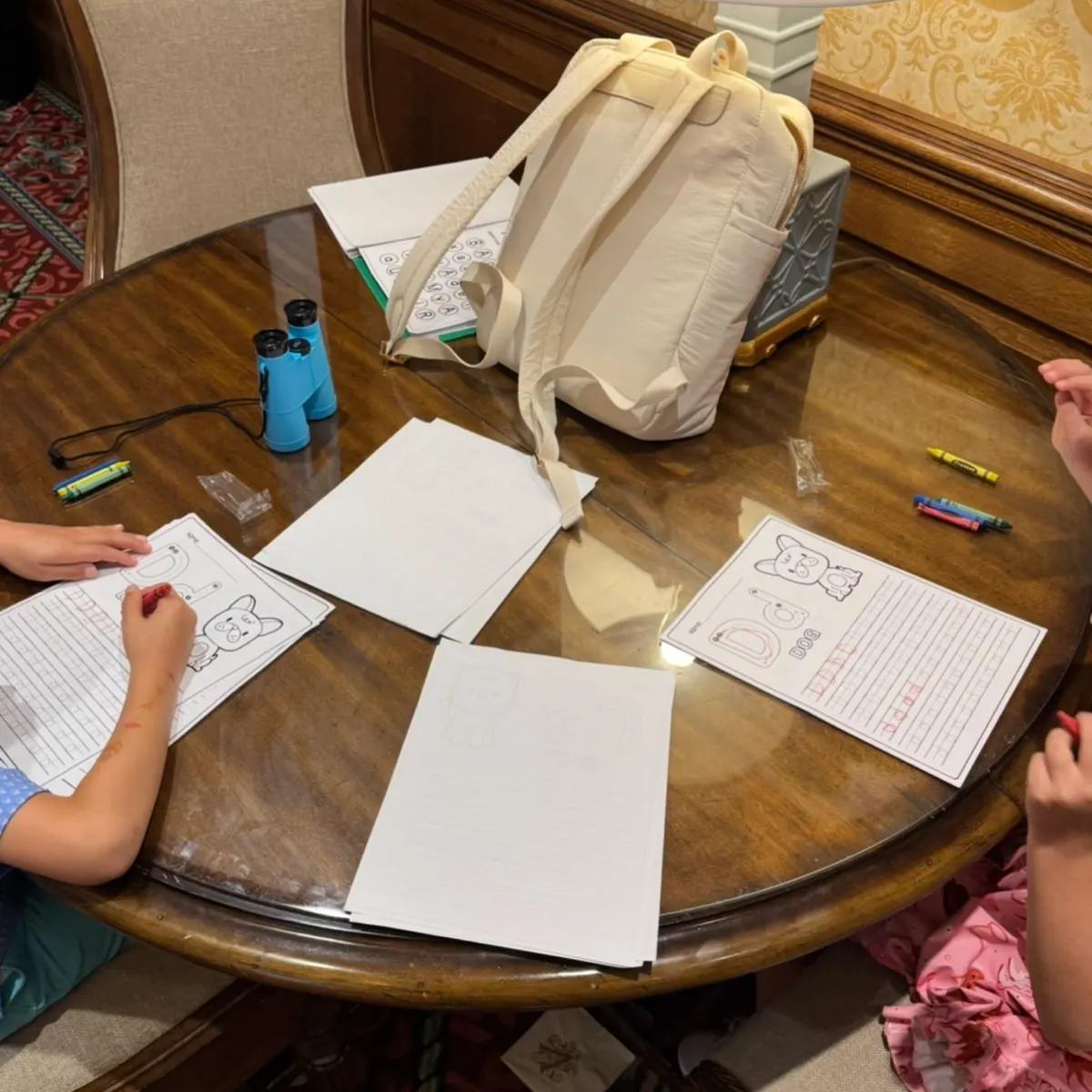
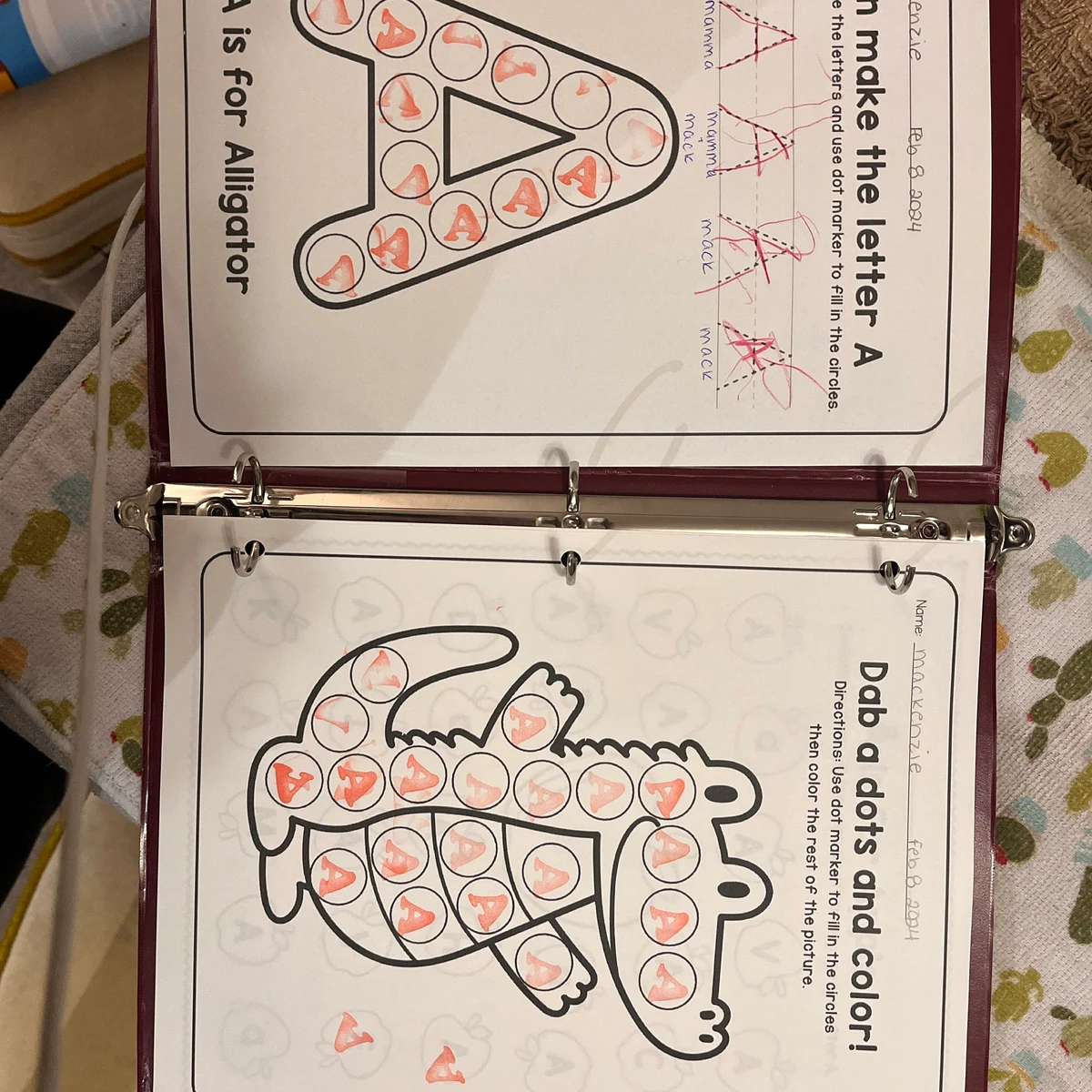
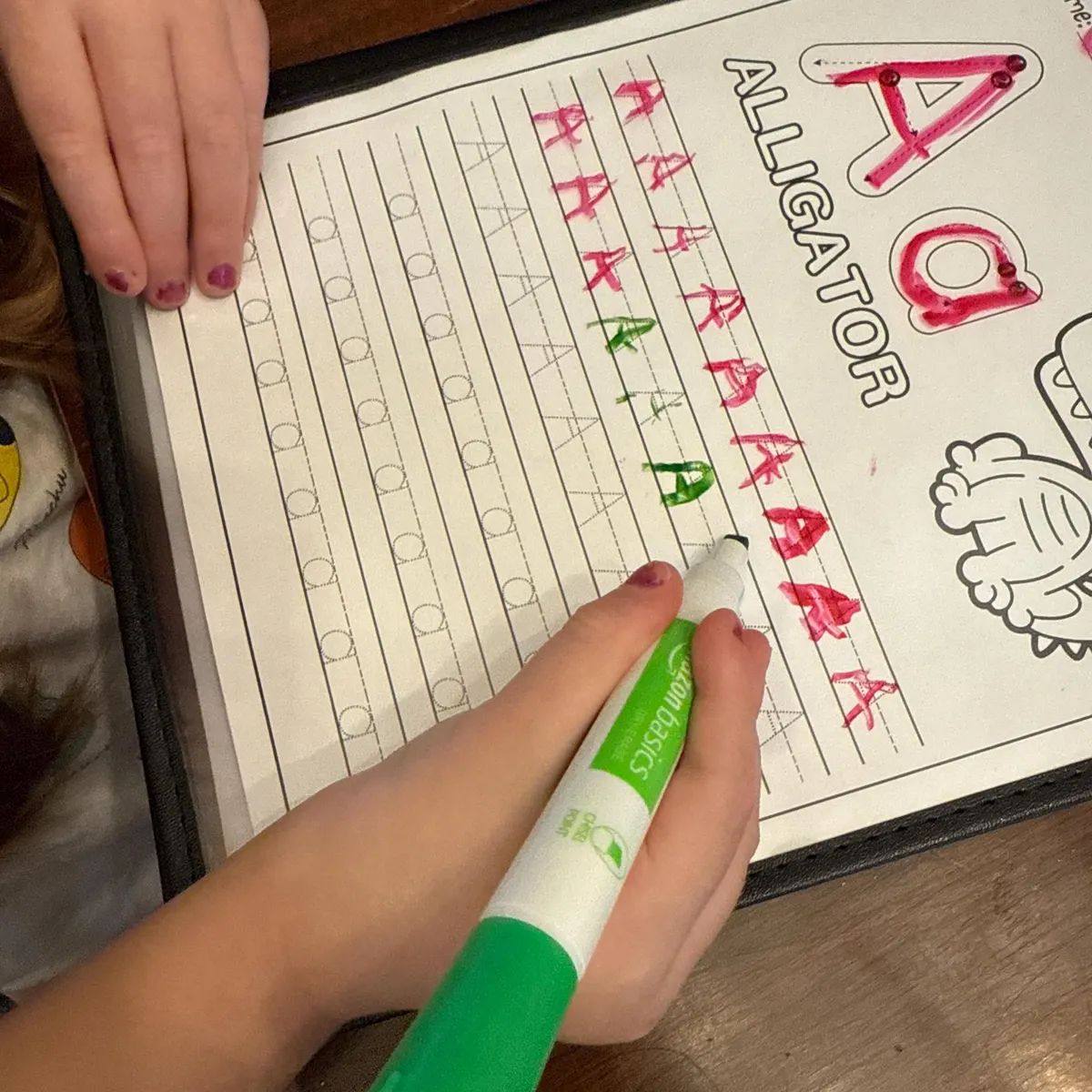
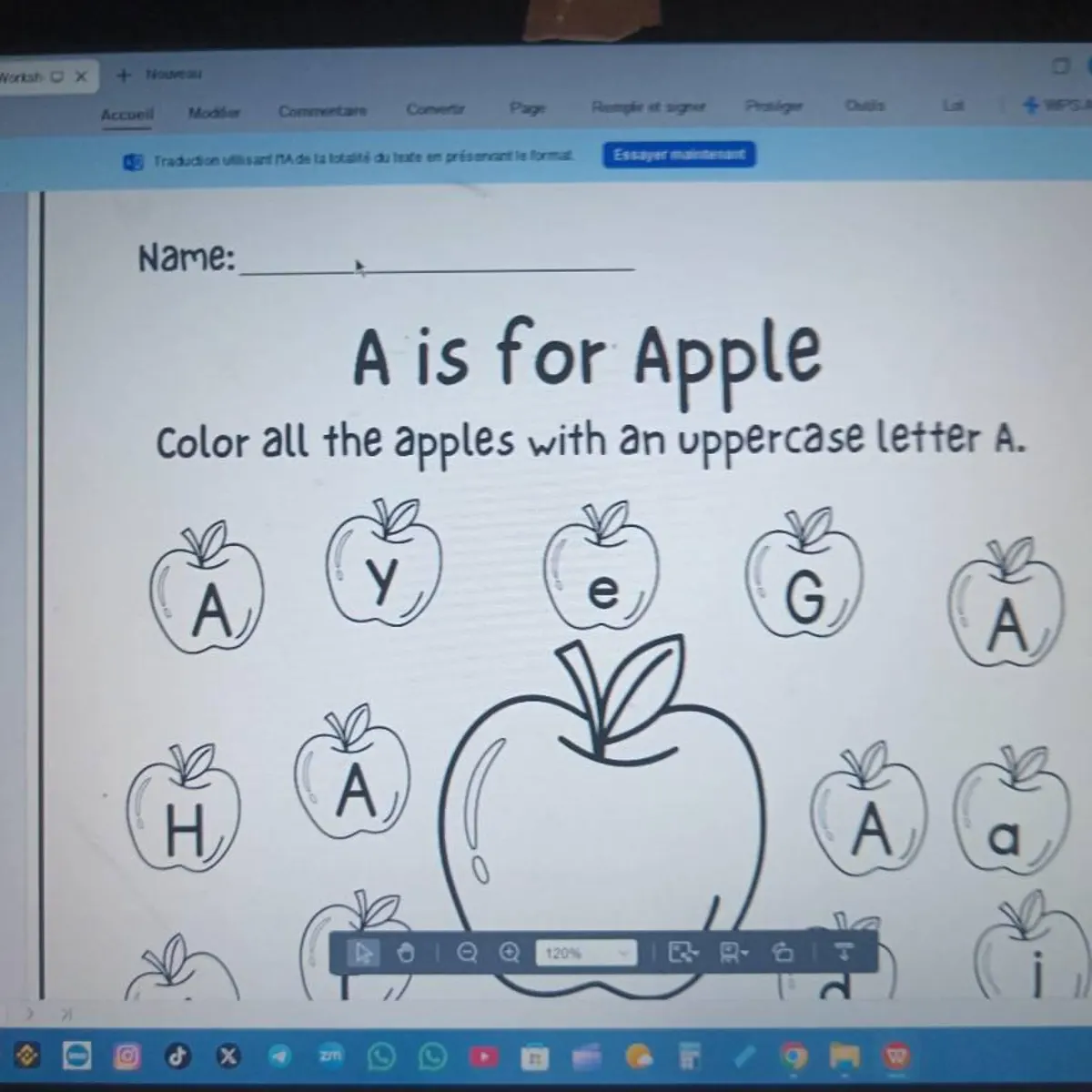
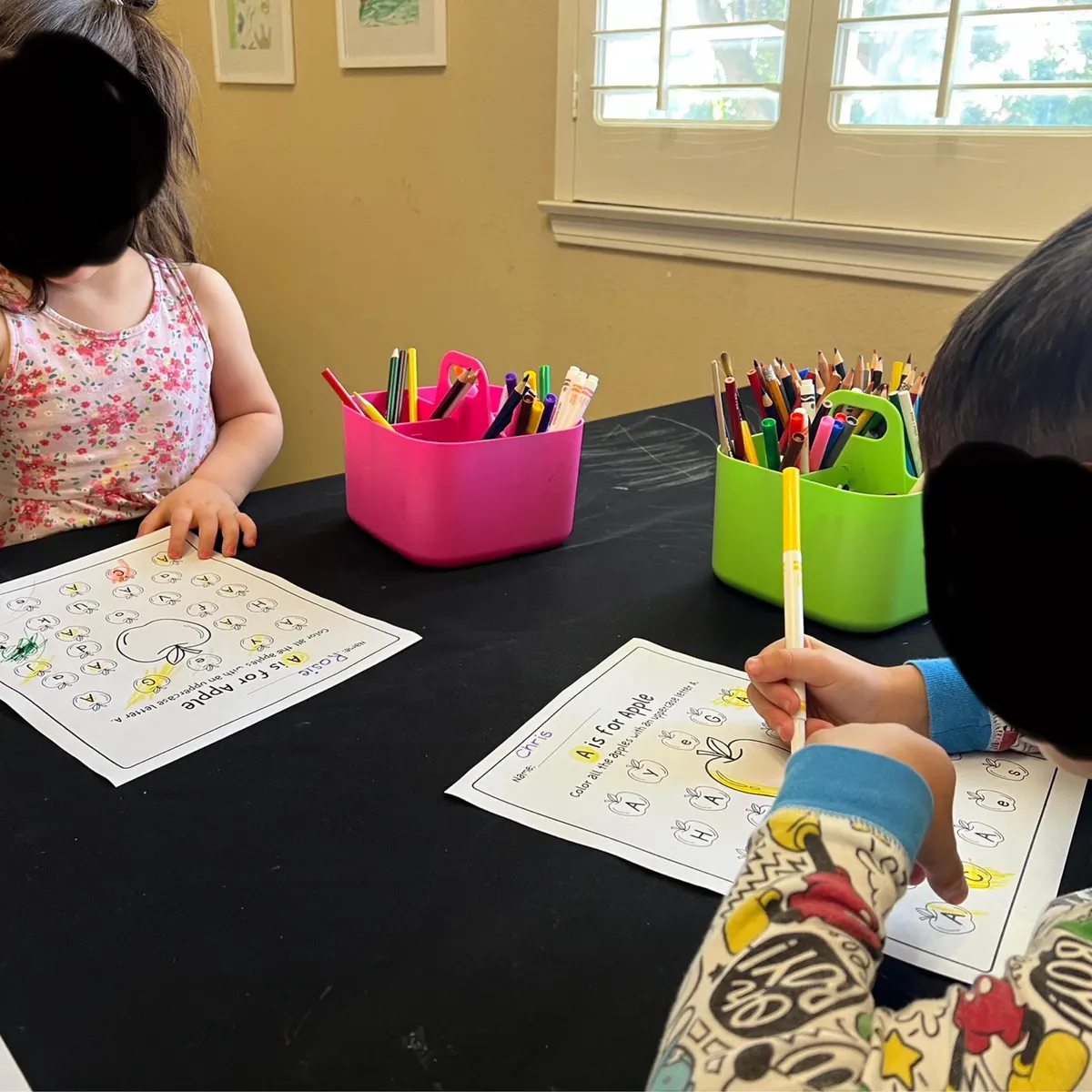
Set out alphabet tracing pages, crayons, pencils, dry-erase markers, or colored pencils. Children can trace one letter at a time, then try writing it on their own in the open space. Add small picture cards or objects that begin with the featured letter, such as an apple for A or a ball for B.
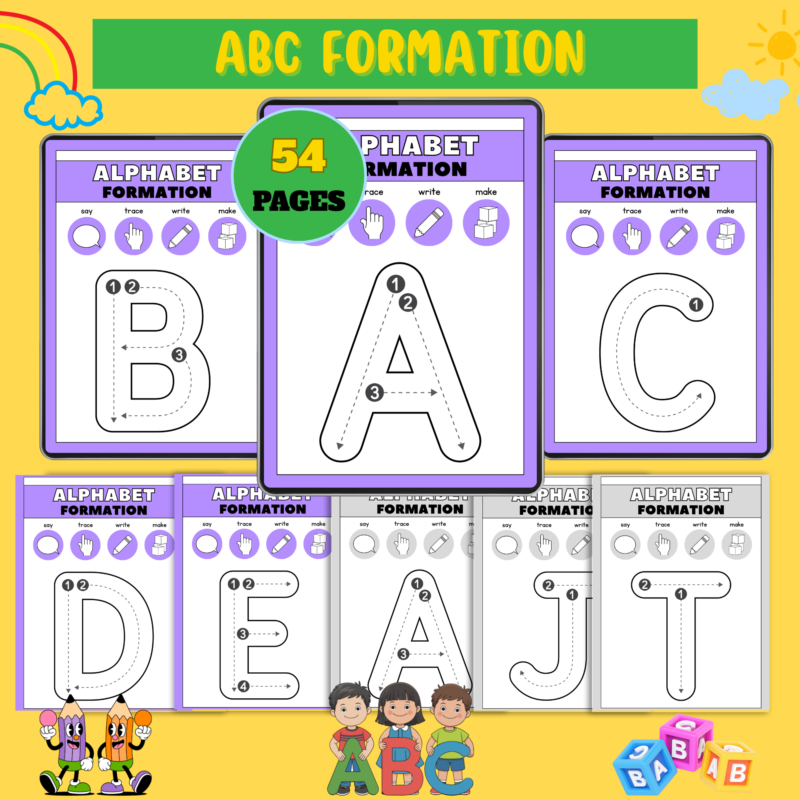
Tracing supports more than letter recognition. It builds pencil control, directionality, and the hand strength children need for later writing. For younger preschoolers, thick crayons and large letter paths are often a better fit than narrow pencils. For children ready for an extra challenge, invite them to circle the letter they traced in a simple letter search.
2. Letter Match and Sort Center
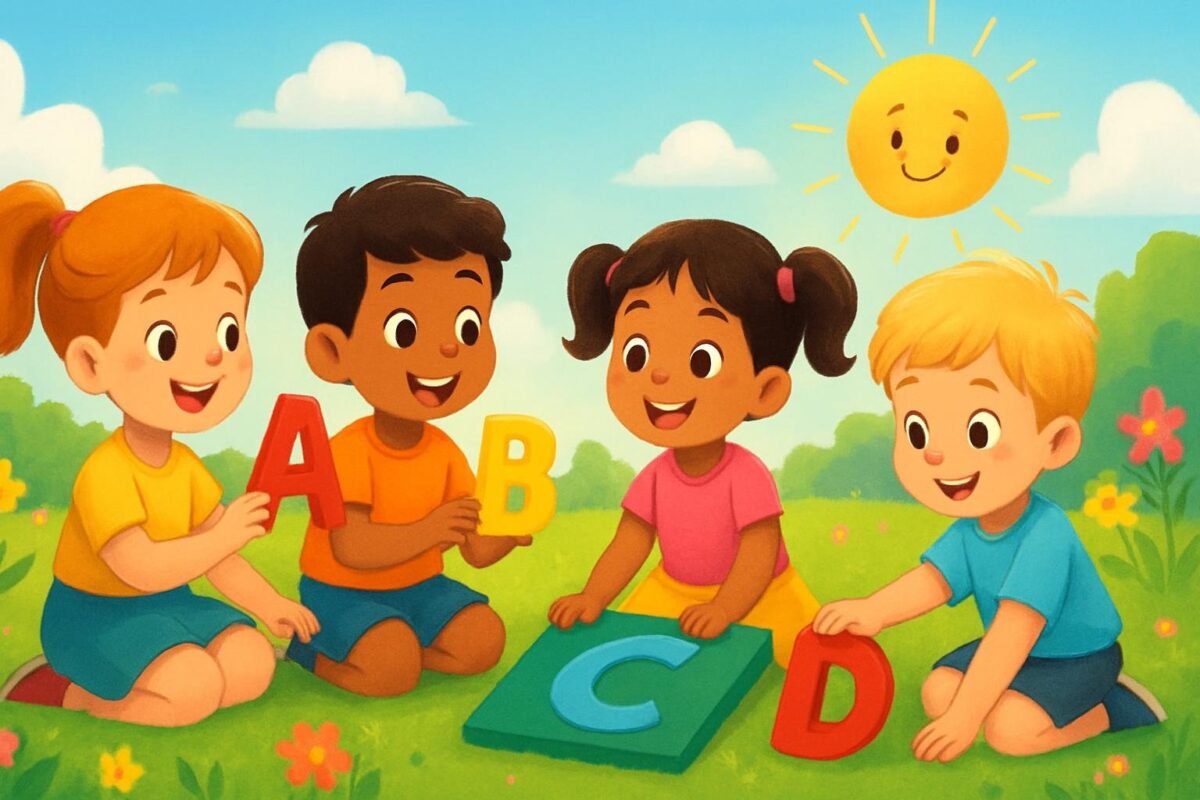
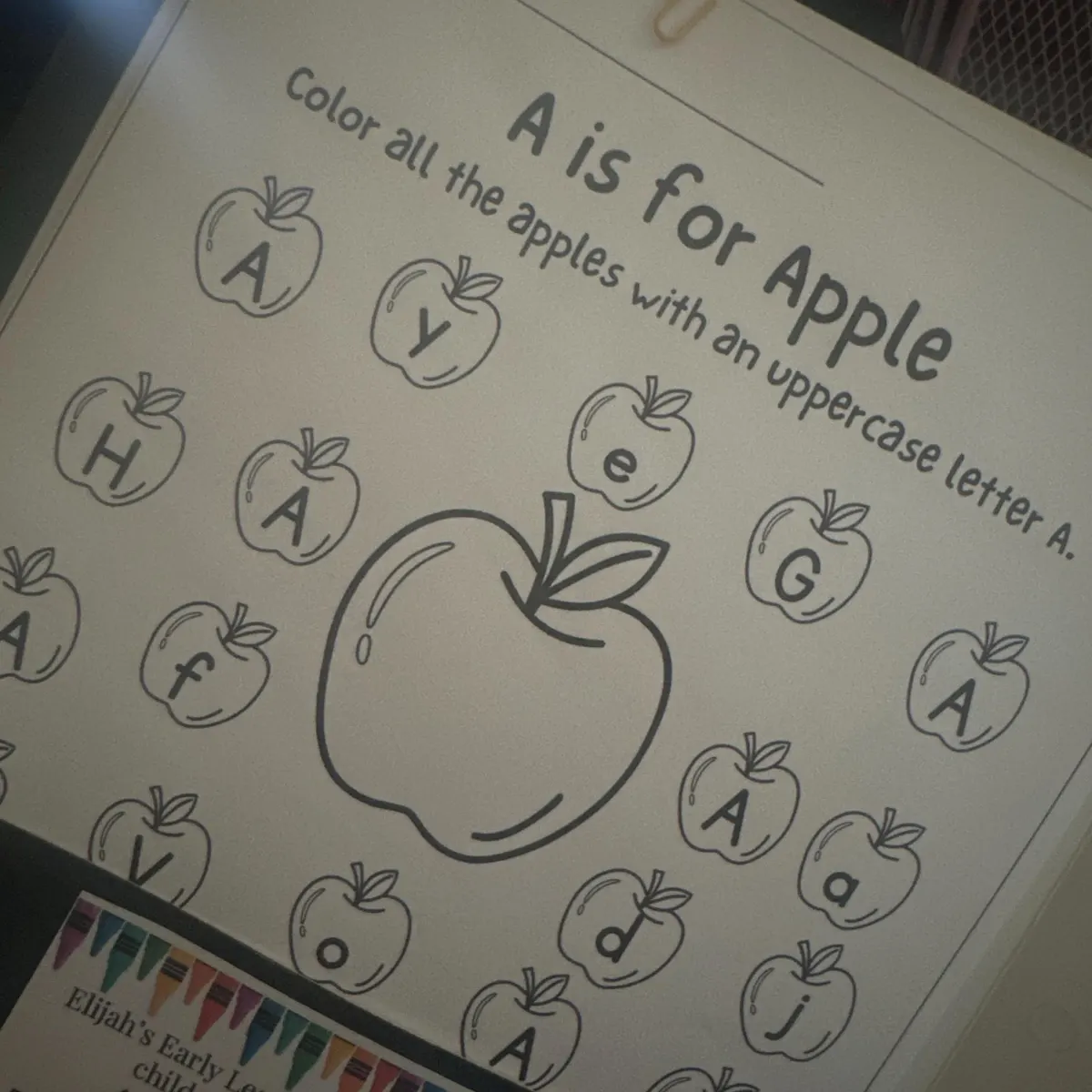
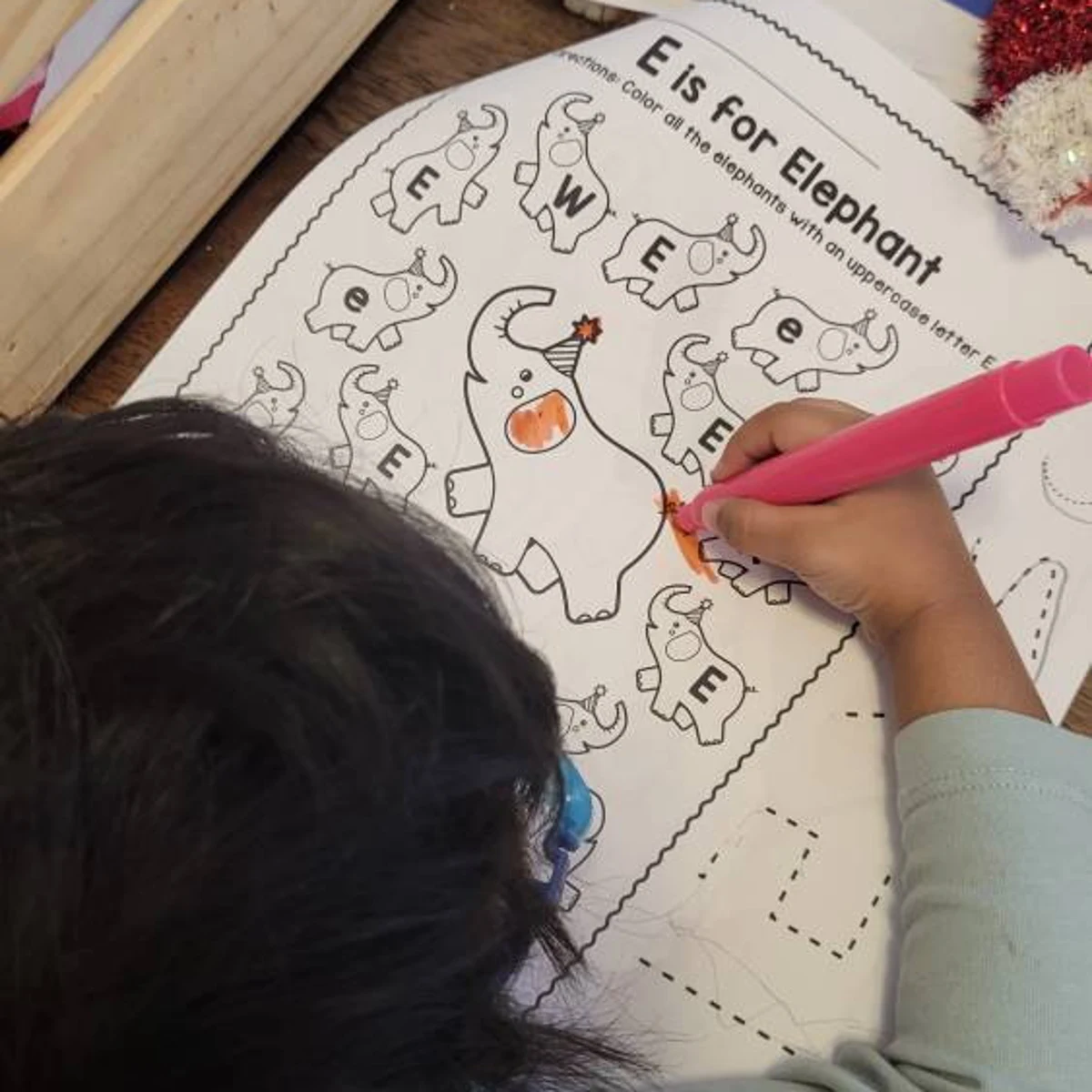
Letter matching is a flexible center that grows with your class. Start with uppercase-to-uppercase matching if children are just learning letter shapes. Later, offer uppercase and lowercase pairs, or sort letters by straight lines, curved lines, and both.
Use letter cards, magnetic letters, foam letters, or printable tiles. Place only six to 10 letter pairs in the center at once, particularly for children who are new to the activity. A full alphabet can be exciting for children who are ready, but it can feel overwhelming for a learner still distinguishing a few familiar letters.
Ask simple questions as you check in: “Can you find another letter that looks like this?” or “What letter is in your name?” Those small conversations help children connect letter shapes to their own lives.
3. Beginning Sound Picture Sort
A beginning sound center helps children listen closely to words. Choose two or three target sounds, such as /m/, /s/, and /t/, and provide picture cards for familiar items. Children say each picture name aloud, stretch the first sound, and place it under the matching letter card.
The speaking part matters. A child may recognize a picture of a sun but need support hearing that the word begins with /s/. Model the sound rather than adding an extra “uh” sound. Say “ssssun,” not “suh-un,” so the connection stays clear.
Use pictures that are easy to name and culturally familiar to your group. If children give an unexpected but reasonable name for a picture, such as “sofa” instead of “couch,” treat it as a learning moment. The skill is hearing sounds, not guessing the adult’s exact word.
4. Name Writing Center
Names are powerful literacy tools because they matter deeply to young children. Include name cards with each child’s photo, a writing tray, and several ways to make or write letters. Children can build their names with letter tiles, trace name cards, use stickers, or attempt to write their names on small paper strips.
Offer a clear model without demanding perfect letter formation. At first, a child may make marks, write a few recognizable letters, or write only the first letter. Each stage shows growing understanding. Celebrate effort with specific encouragement: “You found the first letter in your name,” or “You made a long line from top to bottom.”
This center works especially well as a year-long routine because you can quietly notice progress. Save an occasional name-writing sample to share with families or add to a child’s portfolio.
5. Book Browsing and Retelling Center
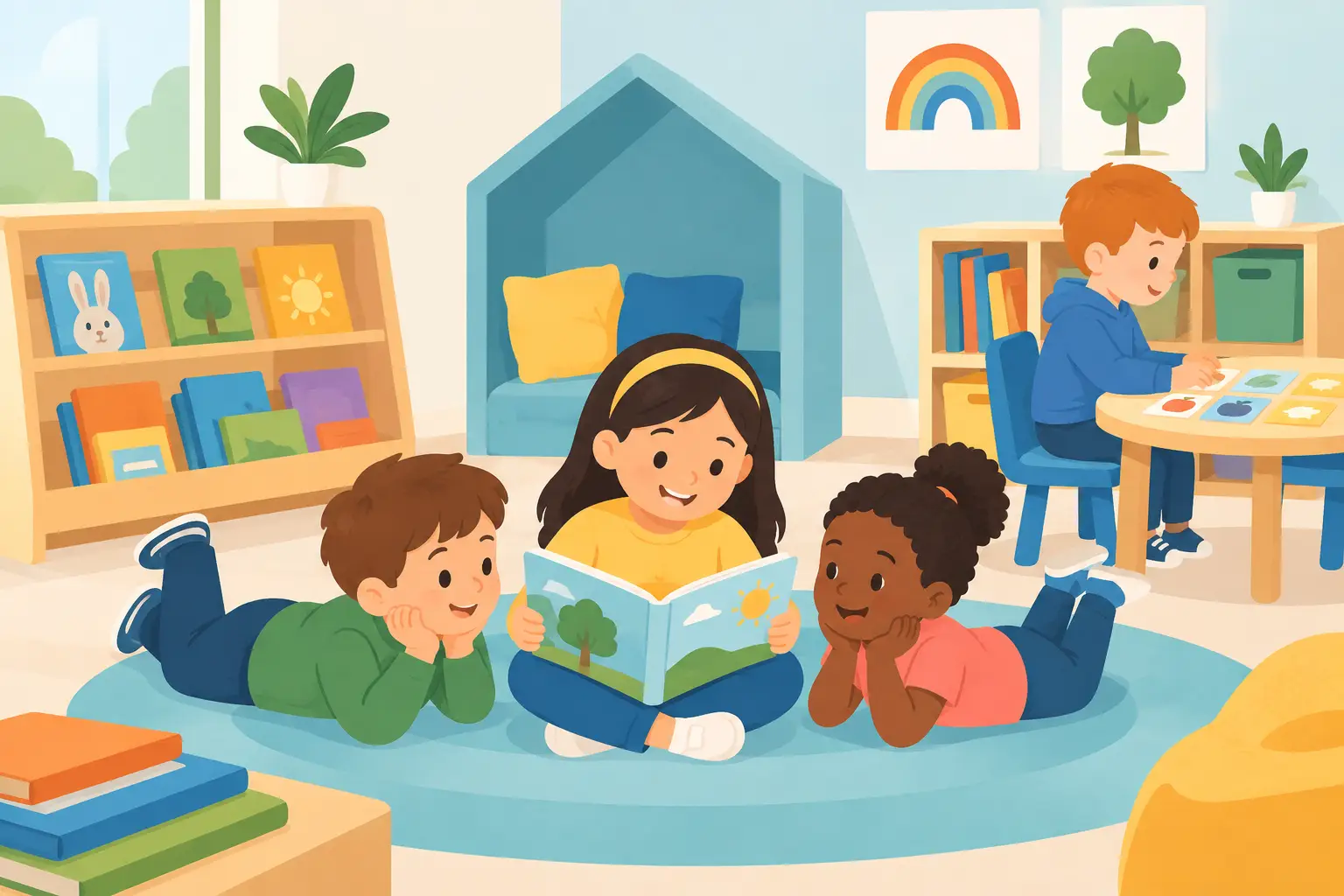
A cozy book area deserves a place in every literacy rotation. Choose sturdy, engaging picture books with clear illustrations, repeated phrases, rhyme, or familiar topics. Add a few story props, puppets, or simple character cards for books the class already knows.
Preschool children are not expected to read every word. They are learning how books work: where a book begins, how pages turn, that pictures offer clues, and that stories have characters and events. Retelling with props gives children a playful way to practice vocabulary, sequence, and oral language.
Refresh the book selection regularly, but keep a few beloved titles available. Repeated reading is not a sign that children are bored. Hearing the same language again helps them join in, predict what comes next, and gain confidence.
6. Play Dough Letter Center
Play dough brings fine motor work and letter learning together. Display one or two letter cards and invite children to roll “snakes” of dough to form each letter. They can also press small objects into dough, use letter stamps, or make the first letter of their name.
This is an excellent option for children who resist pencil-and-paper tasks. Pressing, pinching, rolling, and shaping strengthen the small muscles in the hands. The sensory experience can also help some learners remember a letter’s form more easily.
Keep the directions focused. Instead of asking children to make the entire alphabet, invite them to make three letters they know or one letter connected to the week’s learning. A manageable goal helps the activity stay fun instead of frustrating.
7. Rhyming and Syllable Center
Sound play prepares children for later phonics instruction. At a rhyming center, children can match picture cards that end with the same sound, such as cat and hat. At a syllable center, they can clap the parts in familiar words and sort pictures by one, two, or three claps.
Some preschoolers will quickly hear rhymes, while others need lots of modeling. Start orally during circle time, then move the skill into the center after children have heard several examples. Silly rhymes are welcome. A child who laughs at a made-up word is often paying close attention to the sounds.
How to Keep Literacy Centers Fresh Without Adding More Work
You do not need a brand-new center every week. Keep the learning routine familiar and change one small feature: the letters, picture cards, theme, writing tool, or book selection. Children gain independence when the format stays the same, and you save valuable prep time.
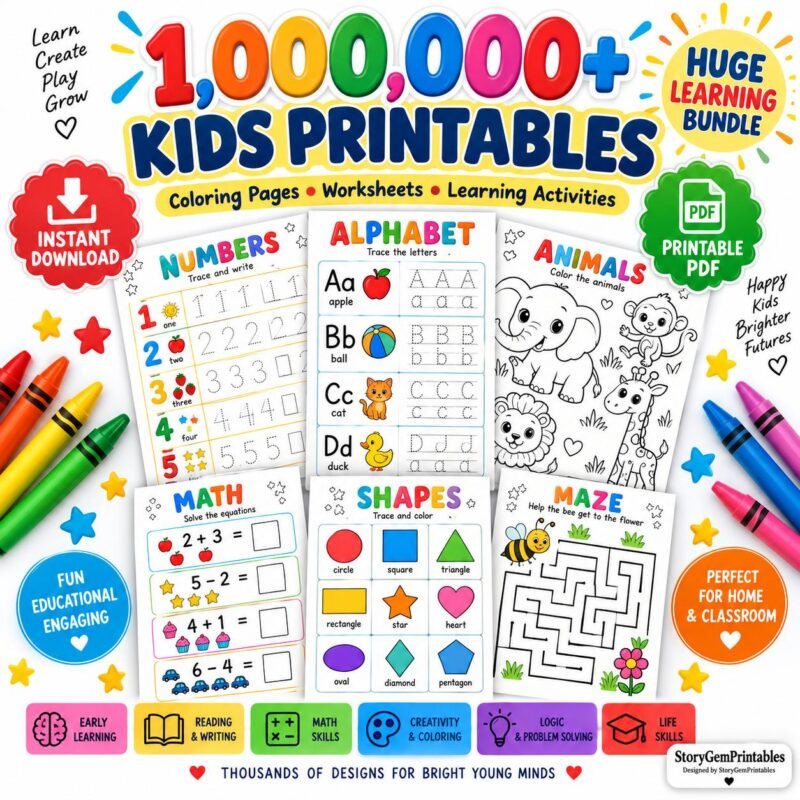
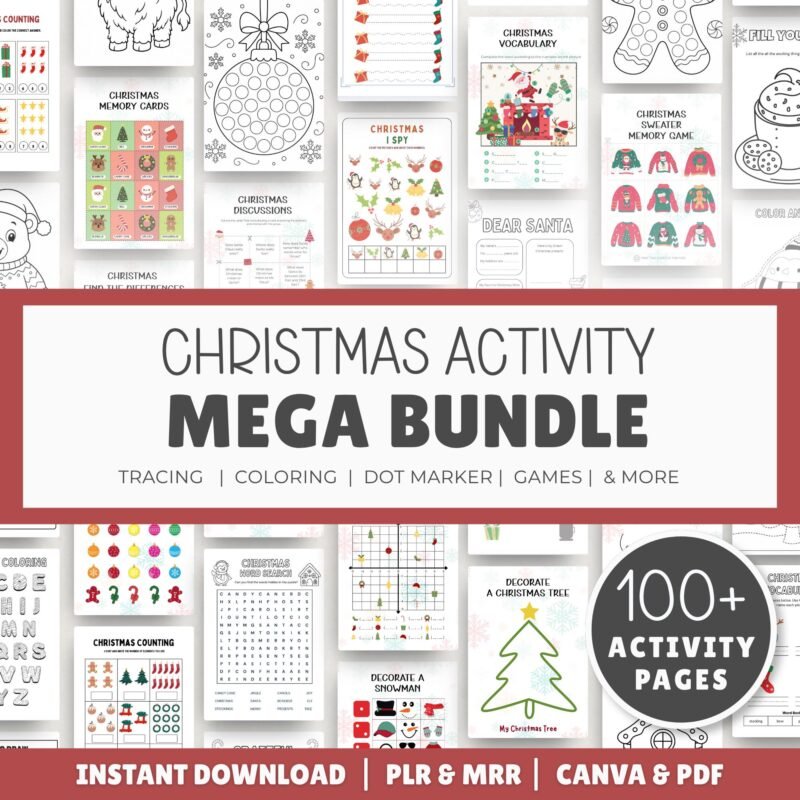
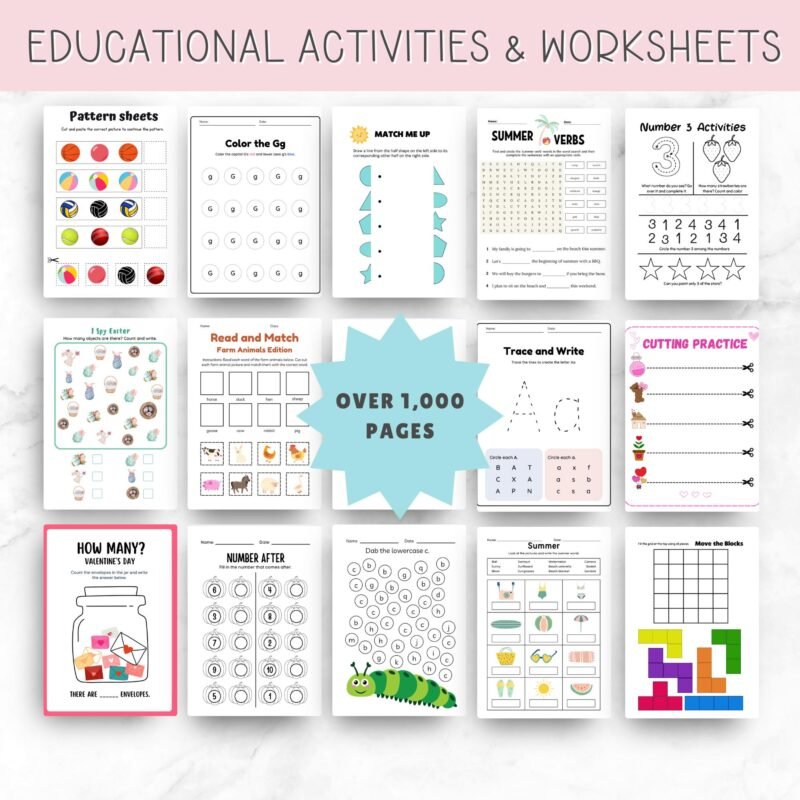
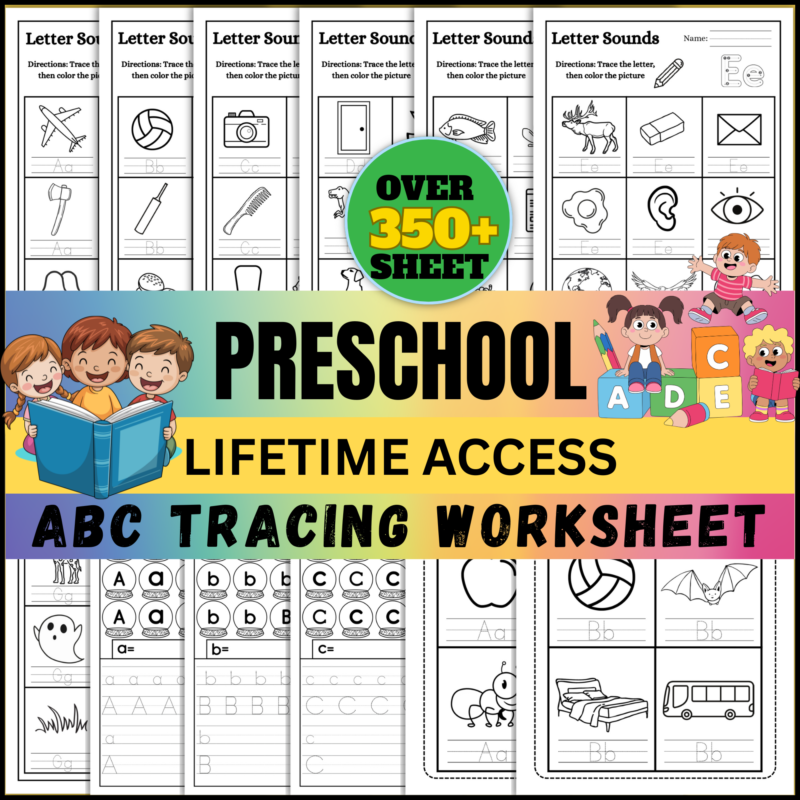
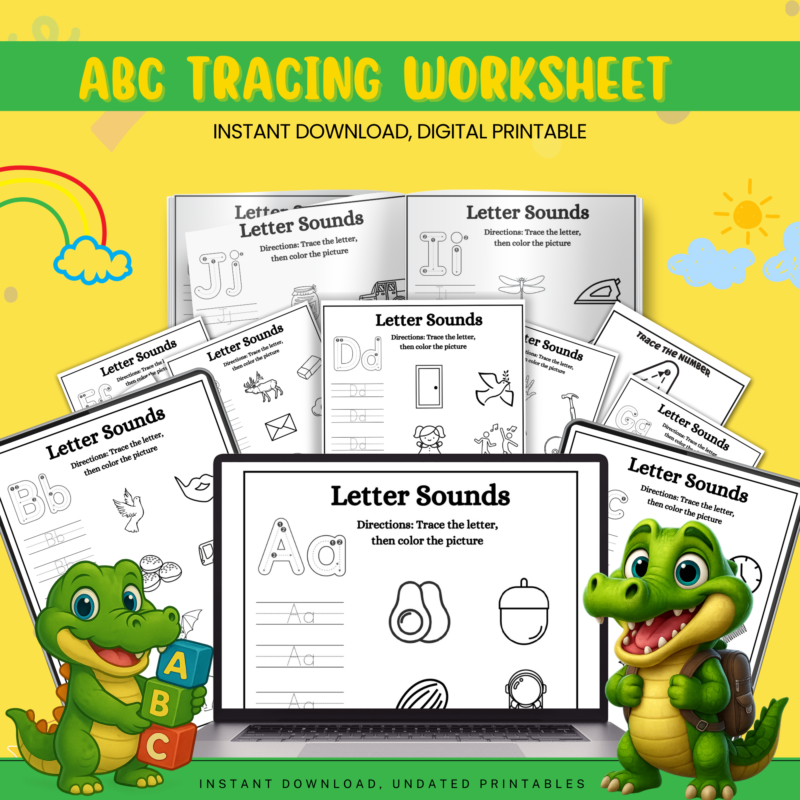
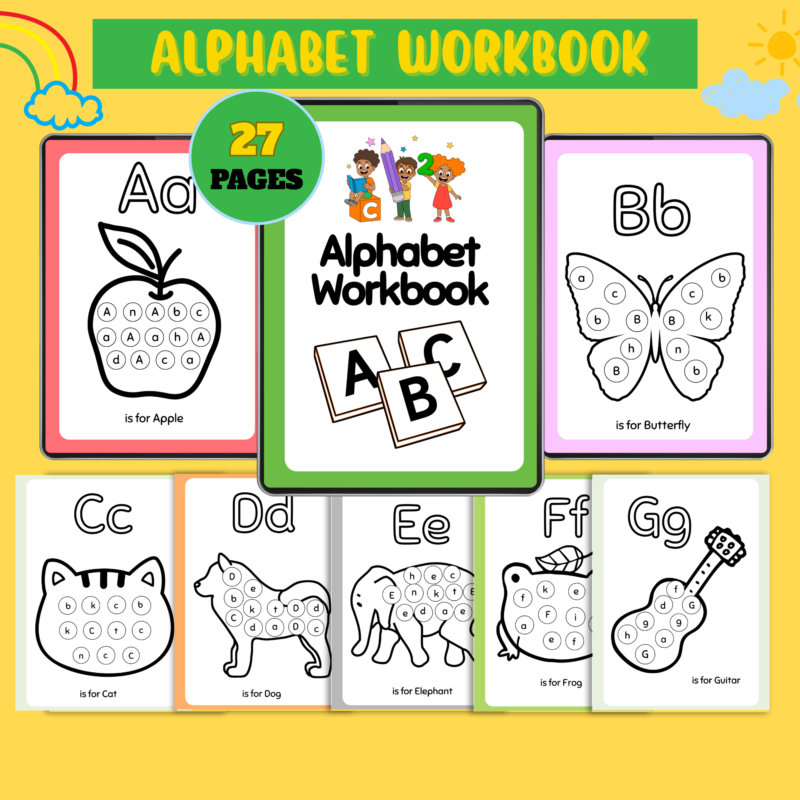
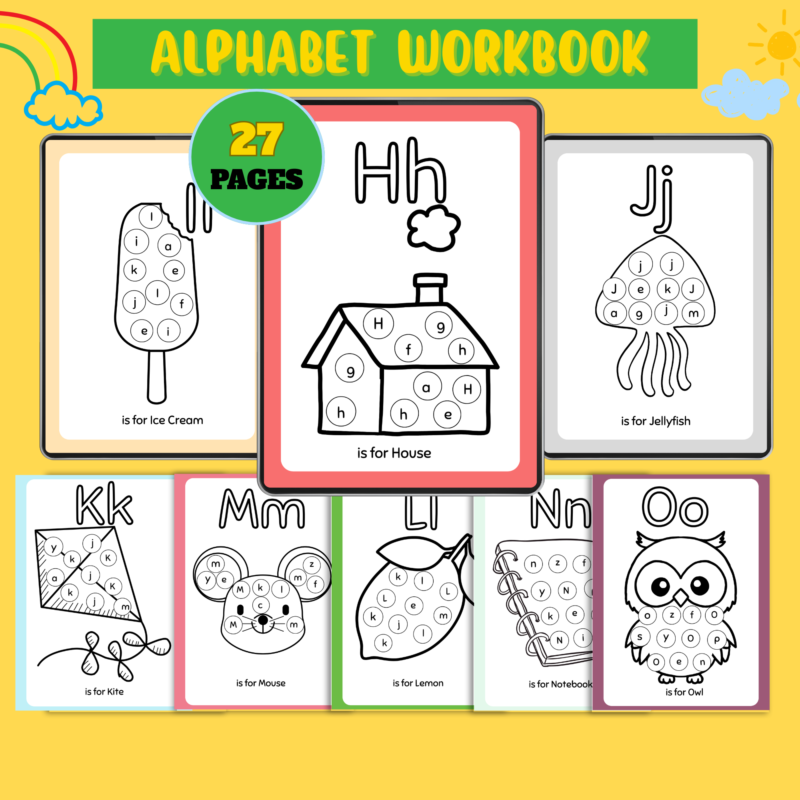
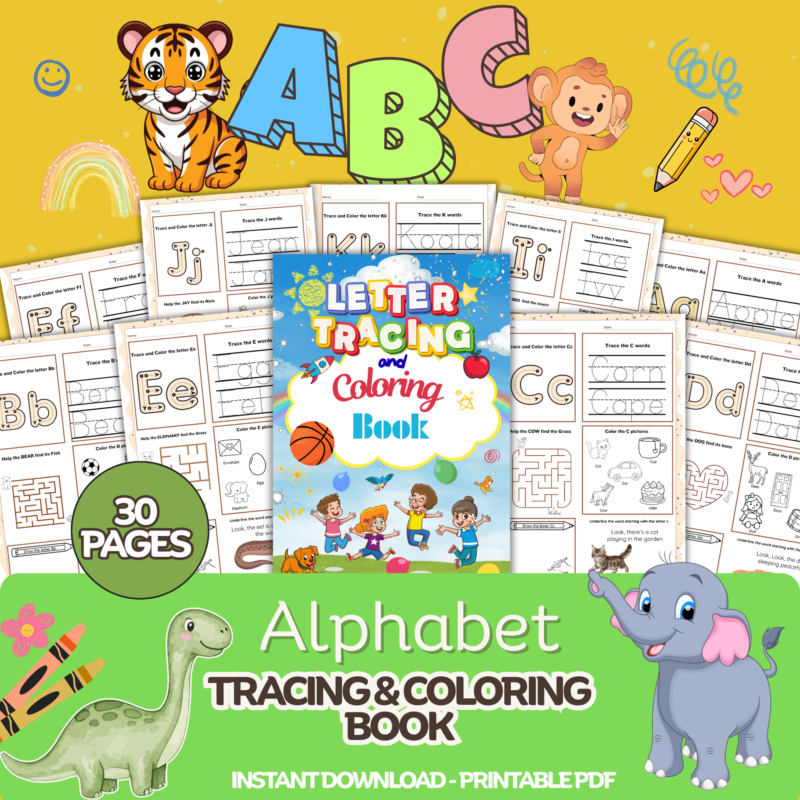
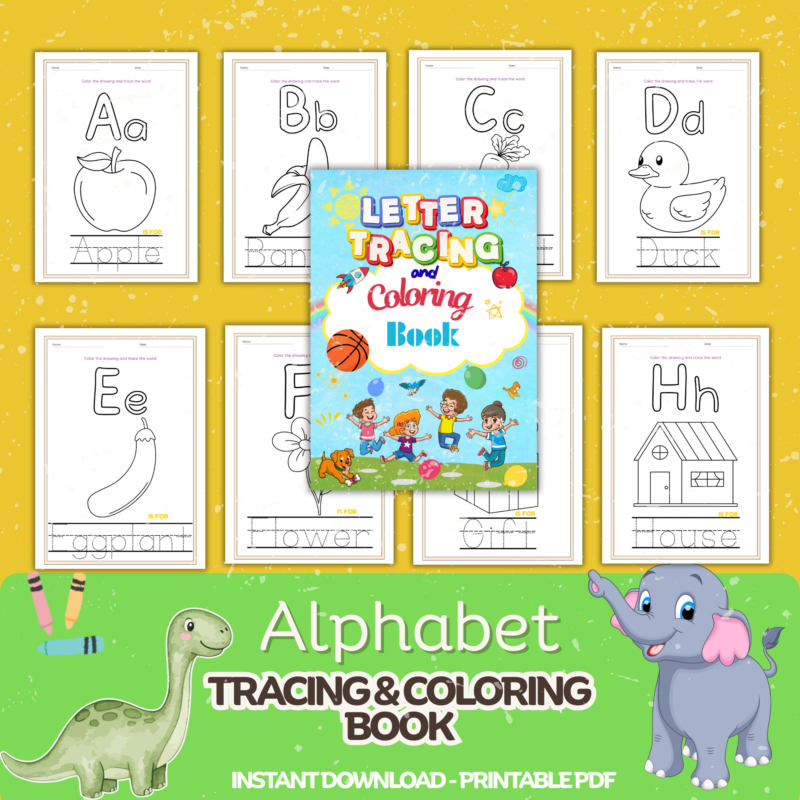
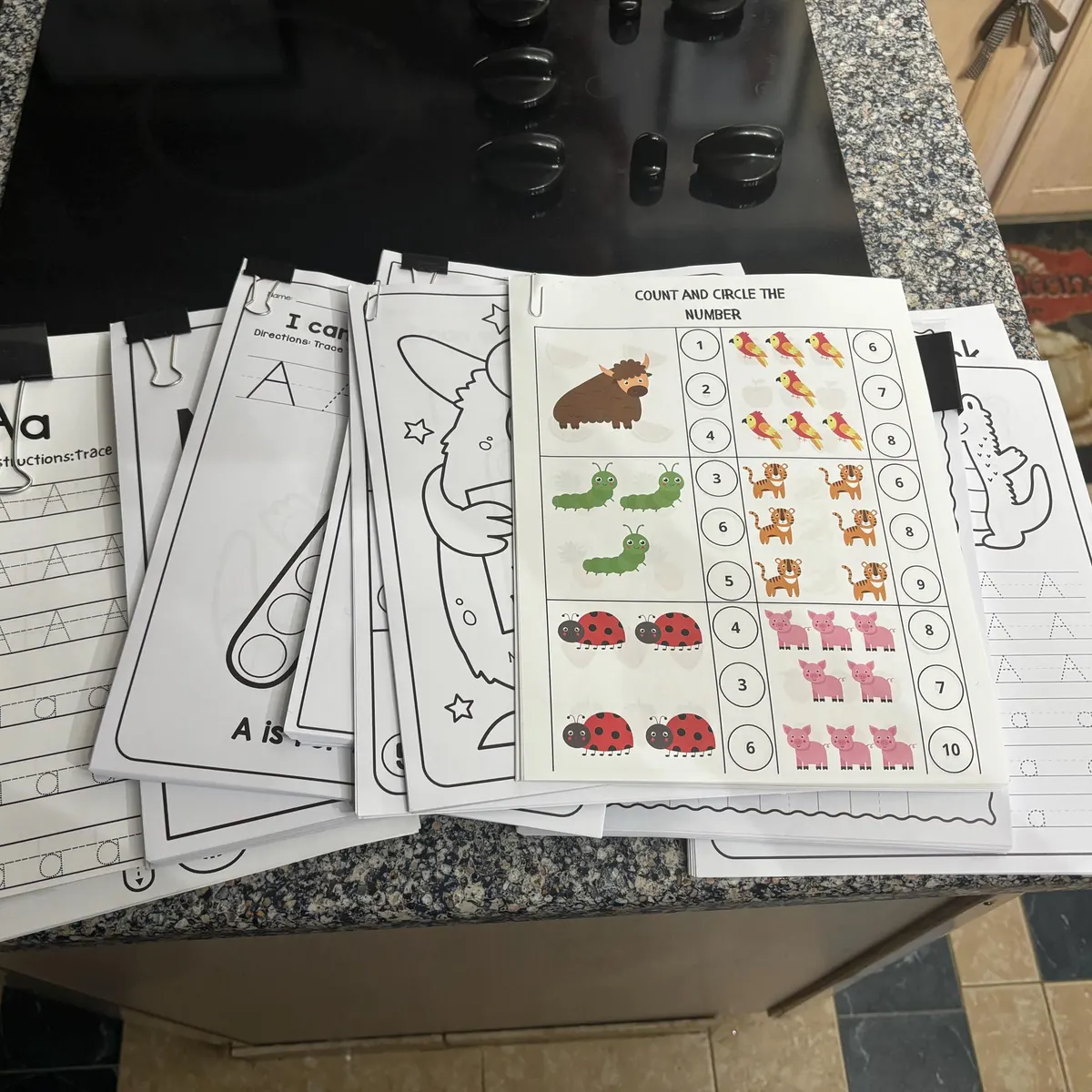
Printable resources are especially useful here because you can create a clean, consistent system. Print only the pages and cards needed for the current skill, laminate pieces you want to reuse, and store each activity in a labeled folder. Fun Clever Fox printable alphabet tracing, phonics, and handwriting activities can help you build ready-to-go options without designing materials from scratch.
A simple rotation can also prevent overcrowding. Offer two or three literacy centers each day rather than opening every activity at once. As children become more comfortable with routines, introduce a new choice while keeping a familiar favorite available.
Support Different Skill Levels in the Same Center
Mixed preschool groups need flexible activities. The goal is not to make every child complete identical work. Instead, use the same materials with different expectations. At a letter center, one child may match two letters, another may name the letters, and another may connect each letter to a beginning sound.
Watch for signs that an activity needs adjusting. If a child finishes instantly and loses interest, add a small challenge such as finding the letter in a book or writing it independently. If a child avoids the center, reduce the number of choices, use larger materials, or join them for the first few turns.
Praise the process rather than speed or correctness alone. Statements like “You kept trying that tricky letter” and “You listened carefully for the first sound” tell children what successful learning looks like. That encouragement helps them take risks with new skills.
The most memorable literacy centers are often the simplest ones: a child proudly tracing the first letter of their name, retelling a favorite story with a puppet, or realizing that two words sound alike. Create a calm, inviting place for those small discoveries, and children will carry that growing confidence into every book, conversation, and writing experience that follows.