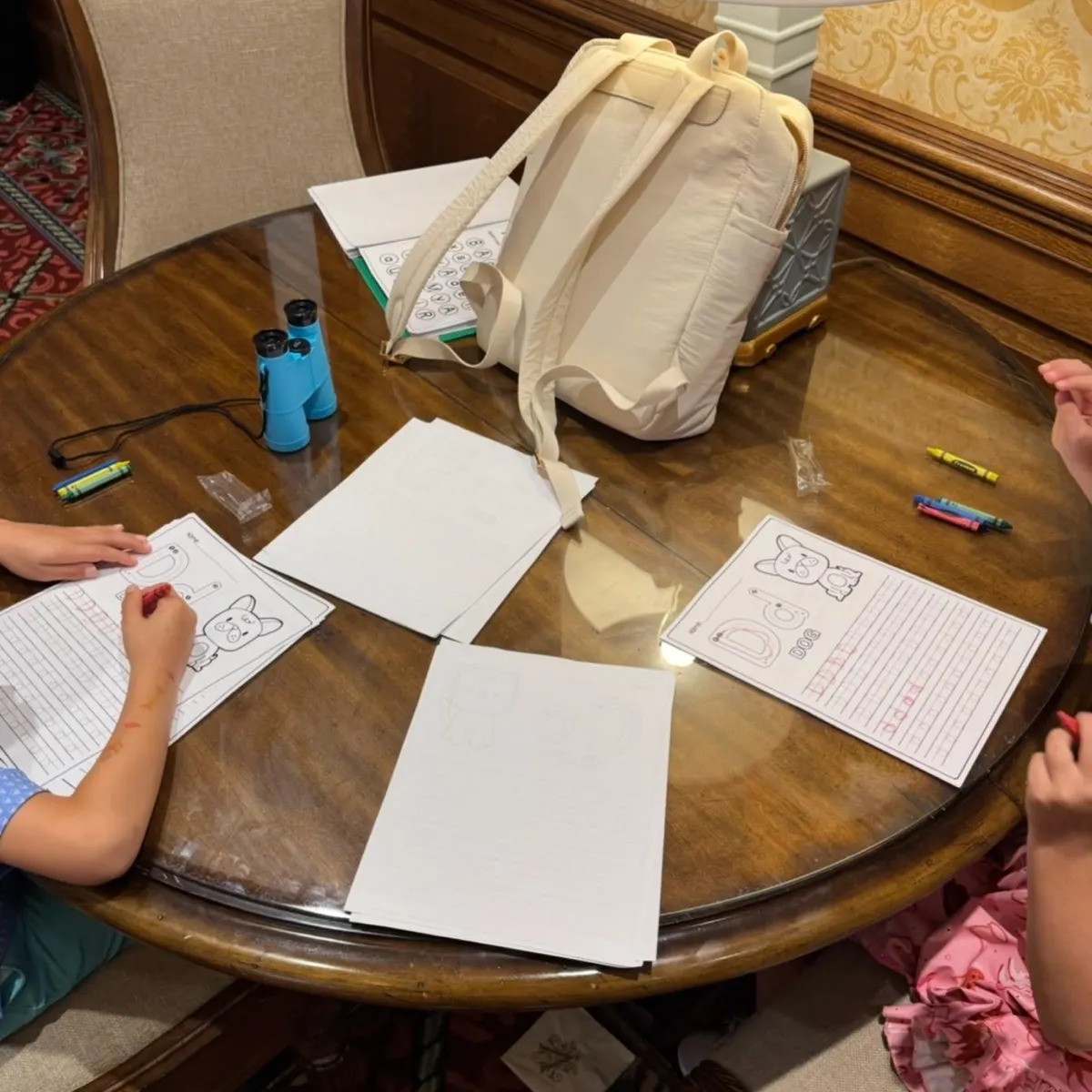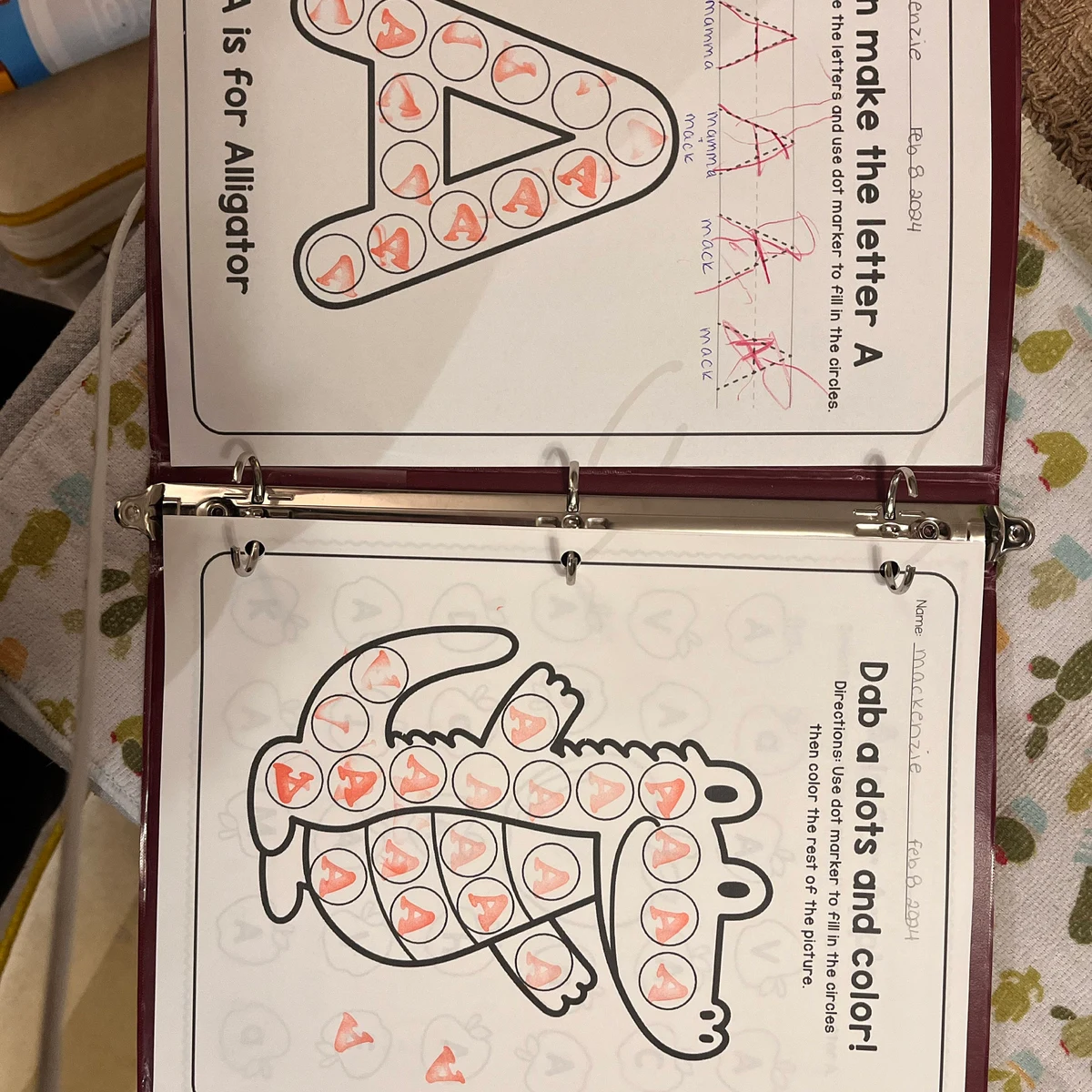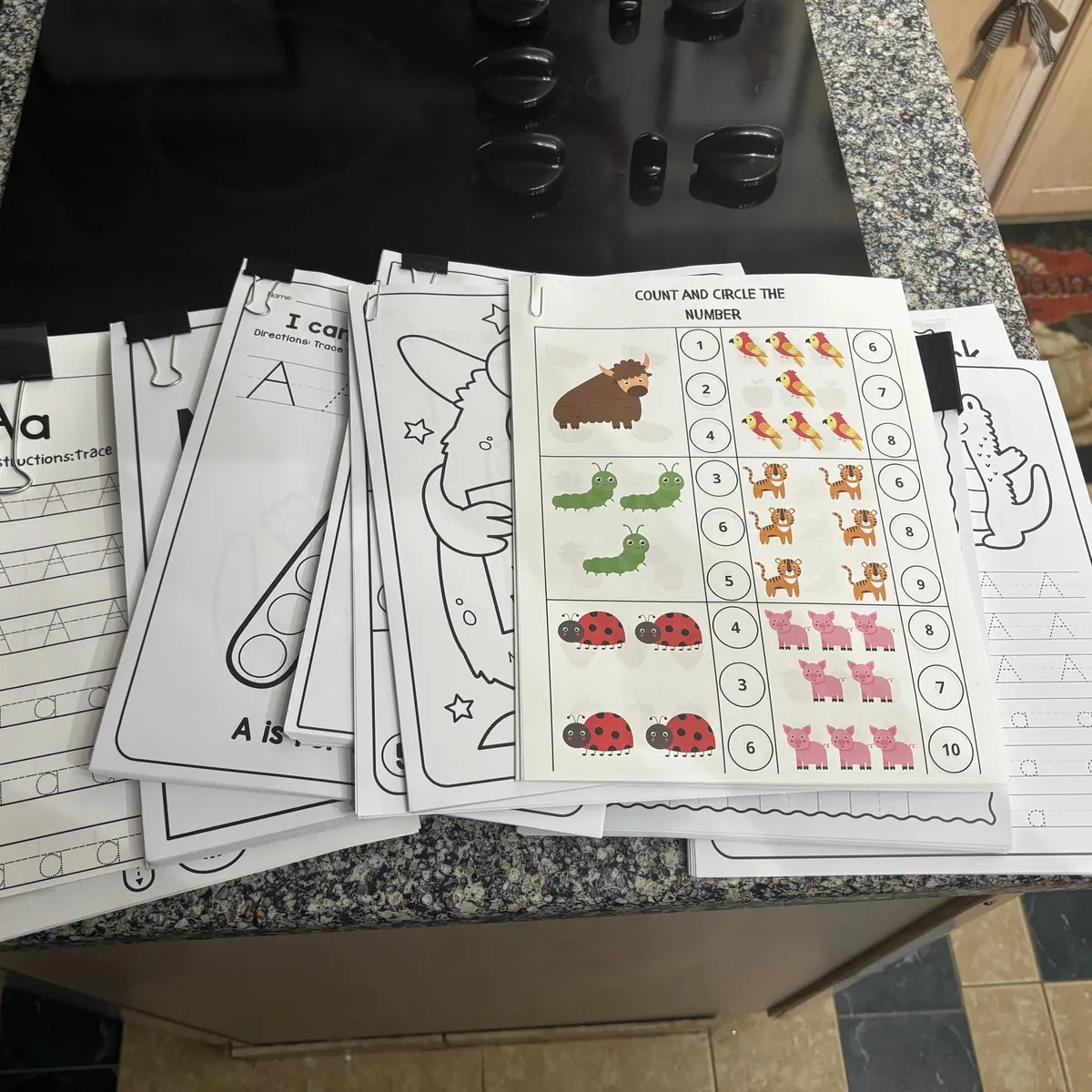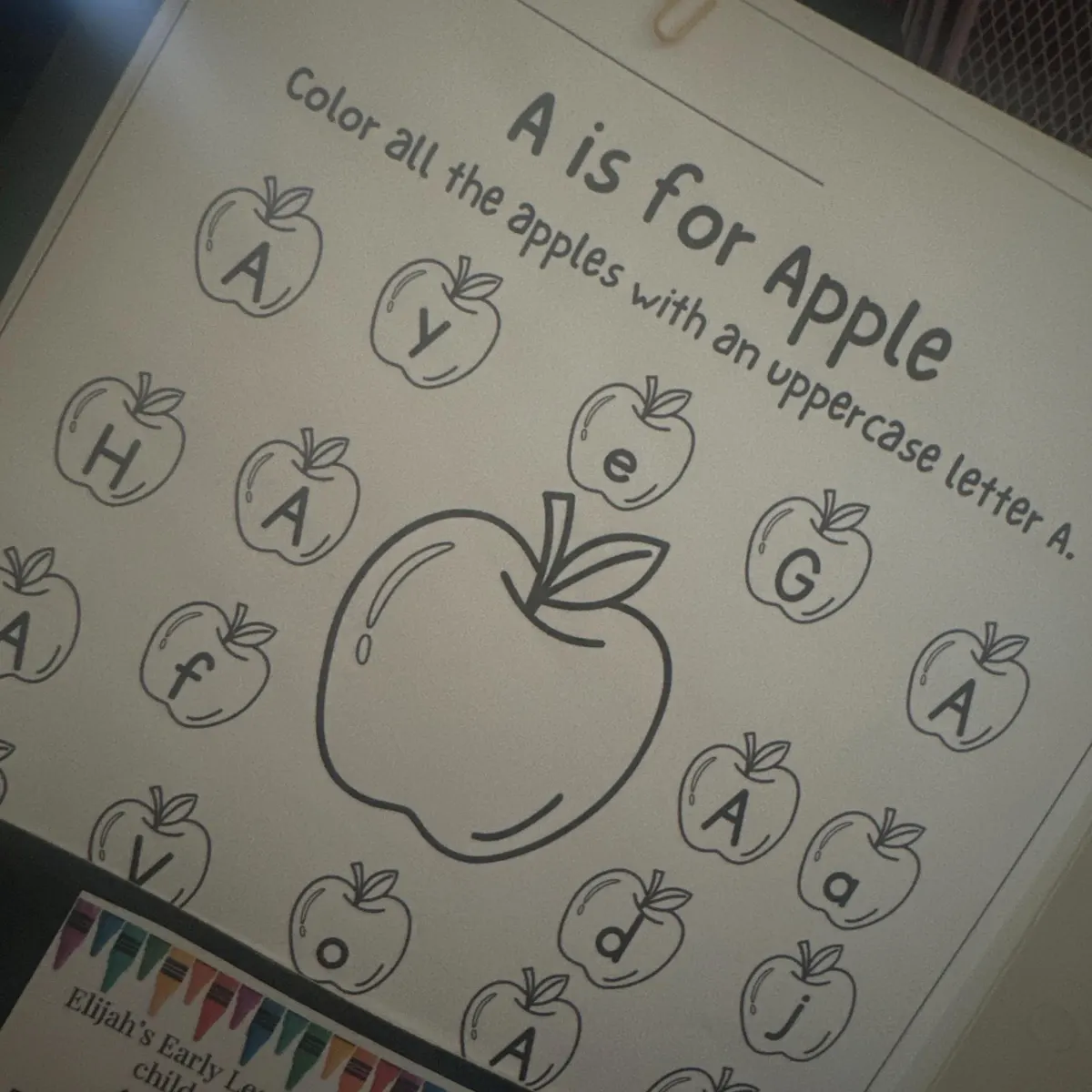

-29%
Original price was: €3.50.€2.50Current price is: €2.50.
-29%
Original price was: €3.50.€2.50Current price is: €2.50.
-29%
Original price was: €3.50.€2.50Current price is: €2.50.

Related posts
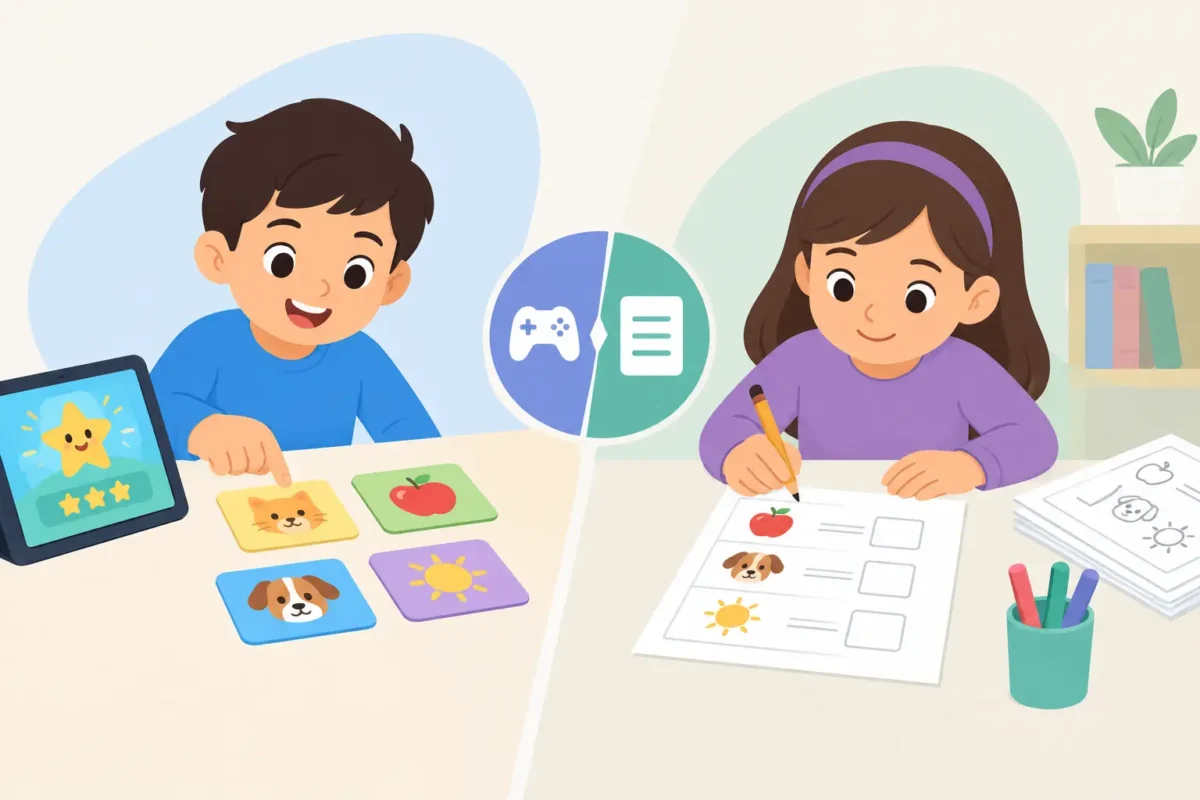
Phonics Games Versus Worksheets for Kids

Phonics games versus worksheets both build early reading skills. Learn when each works best and how to use them together for confident young readers daily.
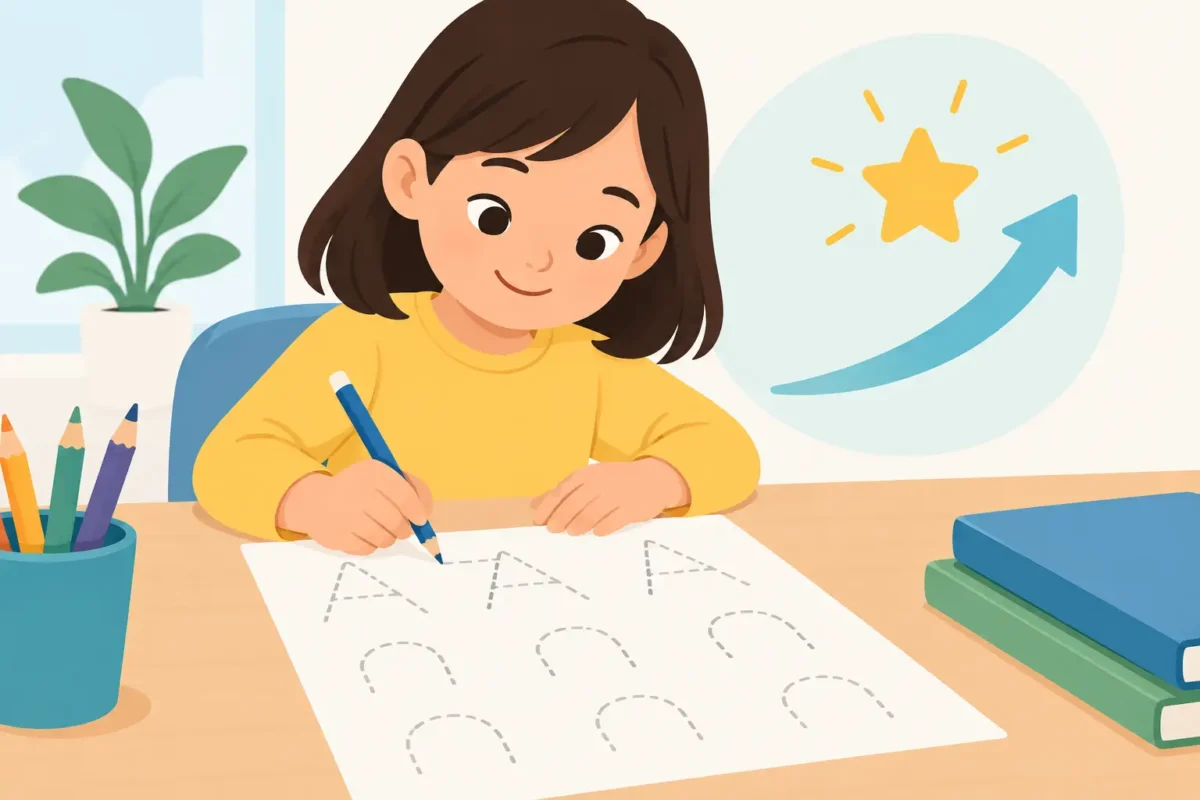
Alphabet Tracing That Builds Writing Confidence
Make alphabet tracing fun and purposeful with age-appropriate ideas that build pencil control, letter recognition, and early writing confidence at home.

Beginning Reading Practice Guide for Young Learners
Use this beginning reading practice guide to build phonics, sight word skills, and confidence through playful, low-prep activities for young readers daily.

Are Digital Downloads Reusable for Learning?
Are digital downloads reusable? Learn how to print, protect, and reuse preschool and kindergarten worksheets for joyful practice at home or school, too.

Are Digital Downloads Reusable for Learning?
Are digital downloads reusable? Learn how to print, protect, and reuse preschool and kindergarten worksheets for joyful practice at home or school, too.
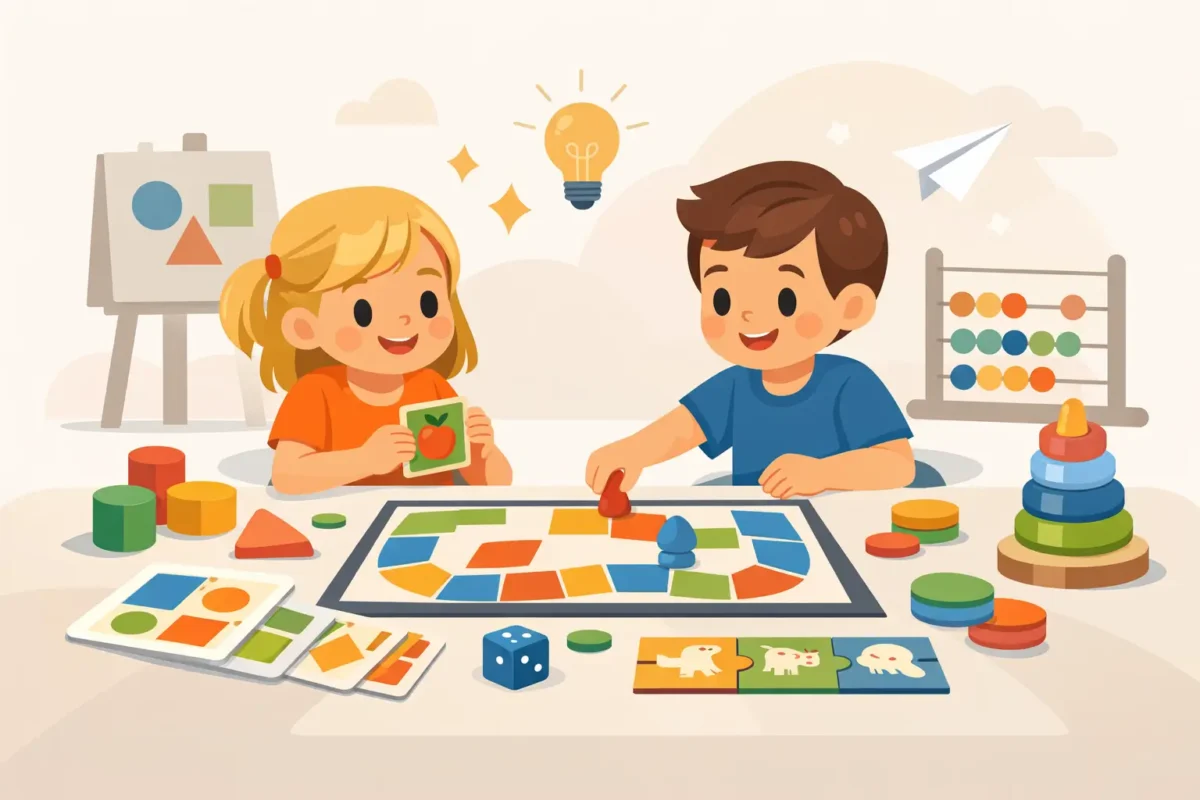
12 Best Preschool Board Games for Learning and Fun
Find the best preschool board games for counting, matching, turn-taking, and joyful screen-free learning at home, in class, or at daycare with young kids.
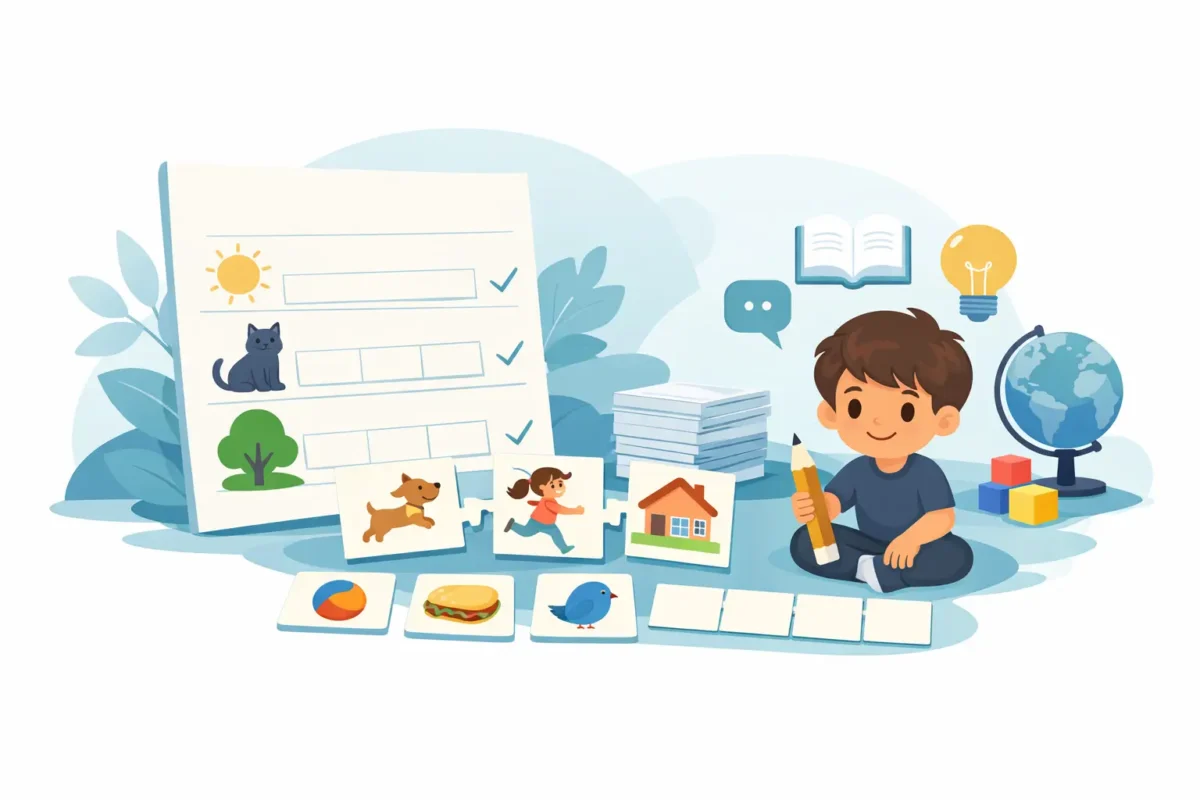
Sentence Building Worksheets Guide for Early Readers
This sentence building worksheets guide helps parents and teachers choose playful, age-appropriate printables that grow early writing confidence every day.
Fine Motor Skills: Easy Practice for Young Kids
Build fine motor skills with playful, low-prep activities for preschool and kindergarten children, plus tips for choosing printable practice that works.
Preschool Scissor Practice That Builds Skills
Make preschool scissor practice fun with simple age-appropriate cutting activities that strengthen fine motor skills, confidence, and classroom readiness.

10 Best Kindergarten Sight Word Games to Play
Find the best kindergarten sight word games for home or class, with easy, playful ideas that build reading confidence through short, meaningful practice.
How to Teach Pencil Grip to Preschoolers
Learn how to teach pencil grip with playful, low-pressure activities that build hand strength, control, and confident early handwriting skills at home.

How to Start Phonics Practice With Confidence
Learn how to start phonics practice with simple, playful routines that build letter-sound confidence for preschool and kindergarten readers at home daily.
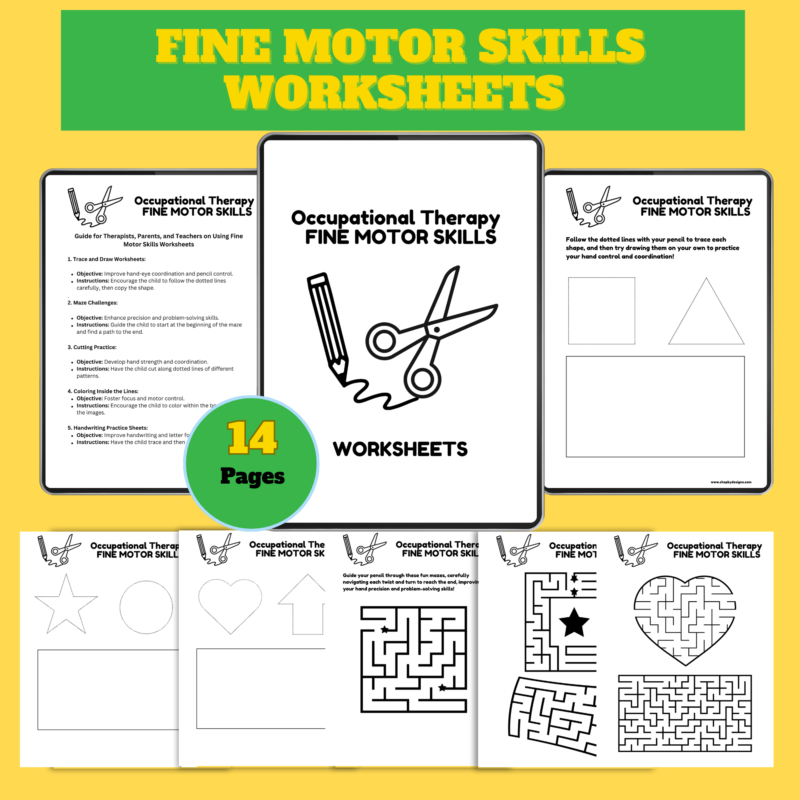
-29%
Original price was: €3.50.€2.50Current price is: €2.50.
-29%
Original price was: €3.50.€2.50Current price is: €2.50.
-29%
Original price was: €3.50.€2.50Current price is: €2.50.
-29%
Original price was: €3.50.€2.50Current price is: €2.50.
-57%
Original price was: €3.50.€1.50Current price is: €1.50.
-29%
Original price was: €3.50.€2.50Current price is: €2.50.

-29%
Original price was: €3.50.€2.50Current price is: €2.50.
-29%
Original price was: €3.50.€2.50Current price is: €2.50.
-29%
Original price was: €3.50.€2.50Current price is: €2.50.