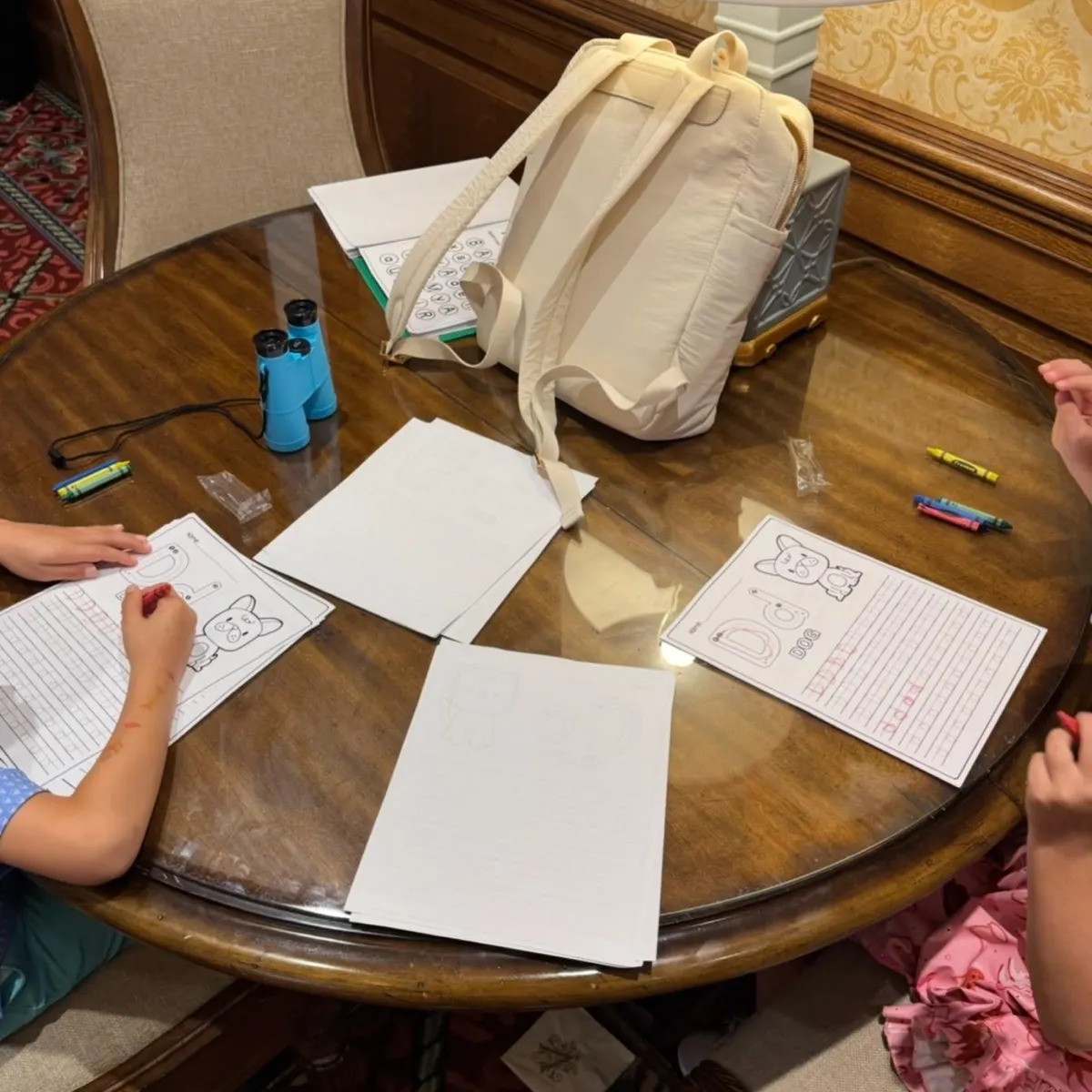
Some days your preschooler is eager to trace every line on the page. Other days, they color one corner, announce they are done, and run off to build a pillow fort. That is exactly why printable preschool worksheets age 3 4 work best when they are simple, flexible, and genuinely fun to use.
At this age, children are building early learning habits as much as academic skills. A good worksheet can support pencil grip, visual tracking, letter recognition, number awareness, and attention span, but it should never feel like a long sit-down lesson. The sweet spot is short, playful practice that helps kids feel successful quickly.
What makes printable preschool worksheets age 3 4 effective?
Not every preschool printable is truly right for a 3- or 4-year-old. Some look cute but expect too much writing, too many directions, or a level of focus that most young children are still developing. Age-appropriate worksheets keep the task clear and the page uncluttered.
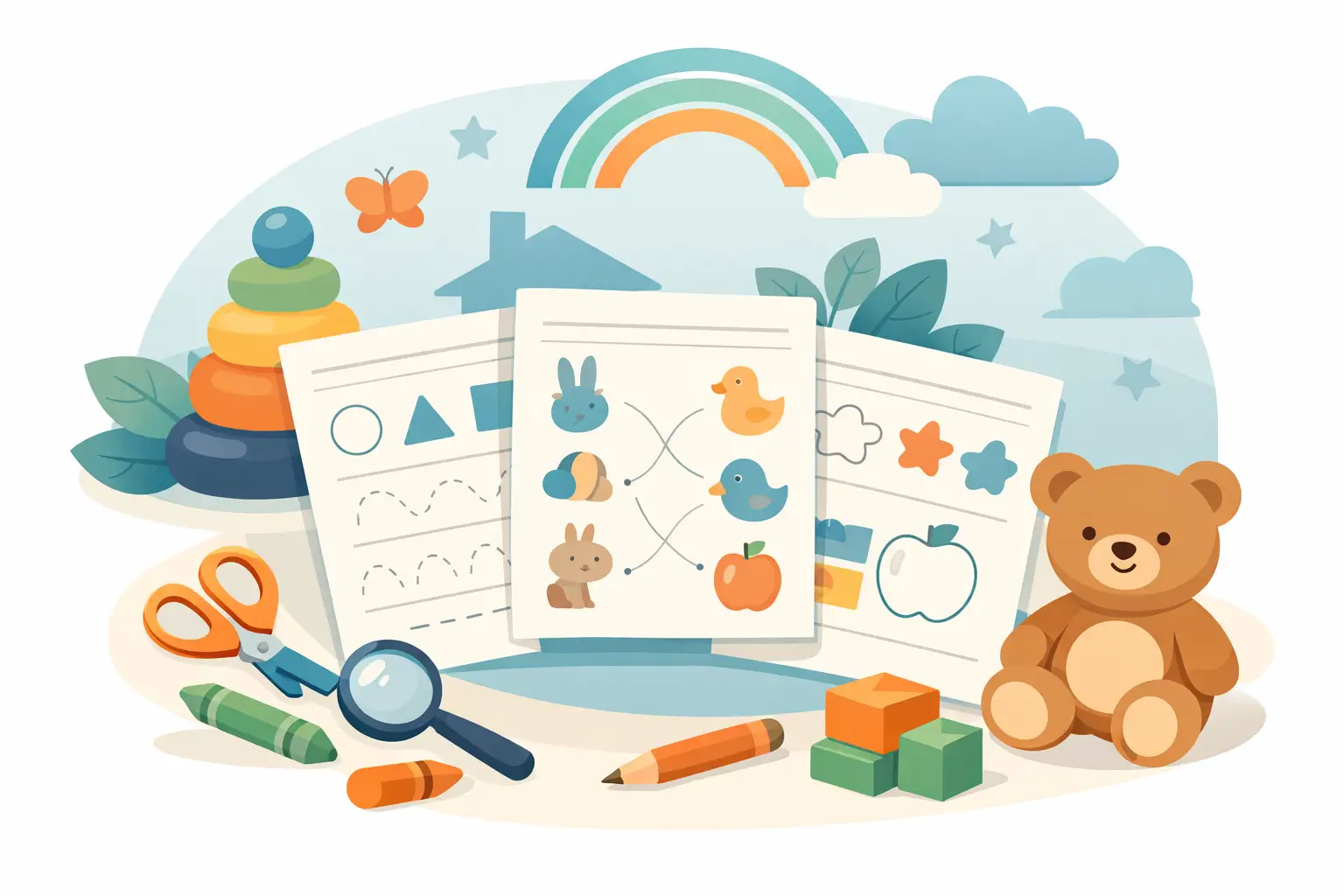
For younger preschoolers, that often means tracing simple lines, matching pictures, circling items, coloring by direction, and counting small groups. For older preschoolers, it may include beginning letter tracing, name practice, shape identification, sorting, and simple phonics exposure. The difference matters because a worksheet that is too easy can feel boring, while one that is too hard can lead to frustration fast.
The best printable pages also support repeat practice. Preschoolers learn through doing the same kind of task more than once. Repetition is not a drawback at this stage. It is how children build confidence and move from “I need help” to “I can do this myself.”
Start with the skills that matter most
When parents and teachers search for preschool worksheets, they are usually trying to support a few key readiness skills. Focusing on those foundational areas makes planning much easier.
Pre-writing and fine motor practice
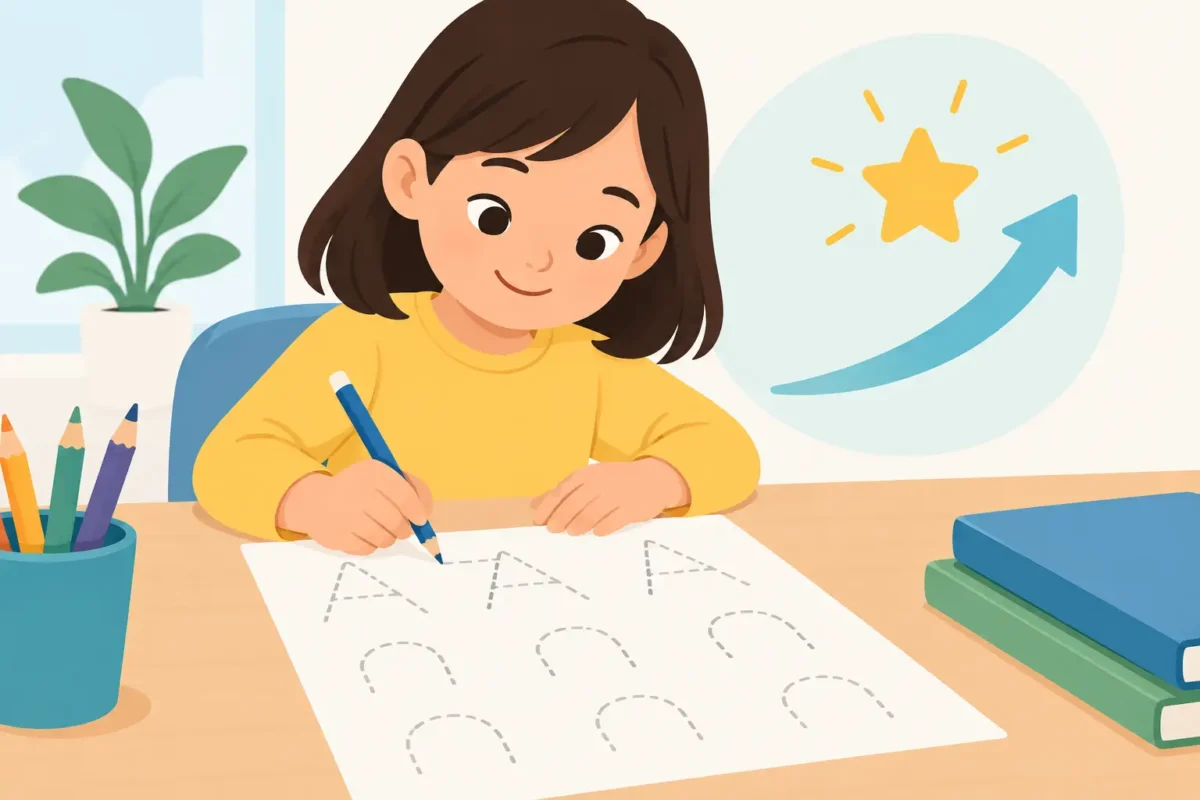
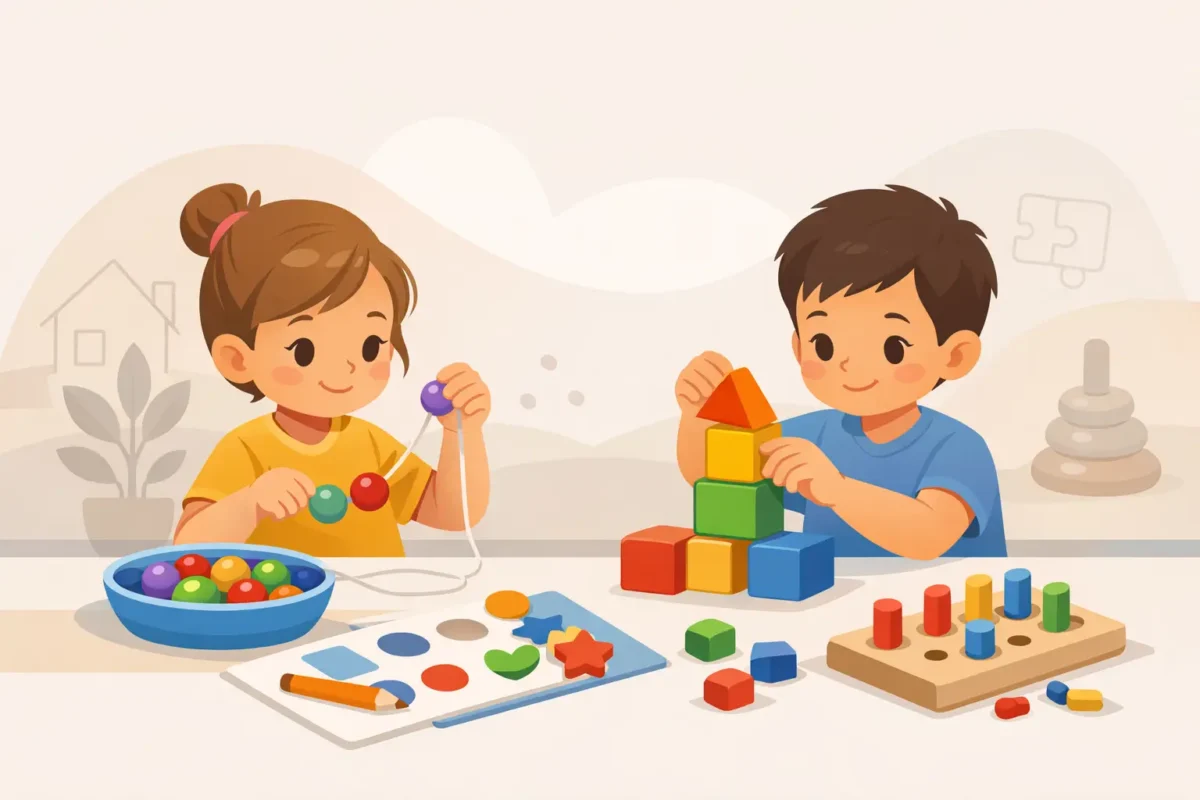
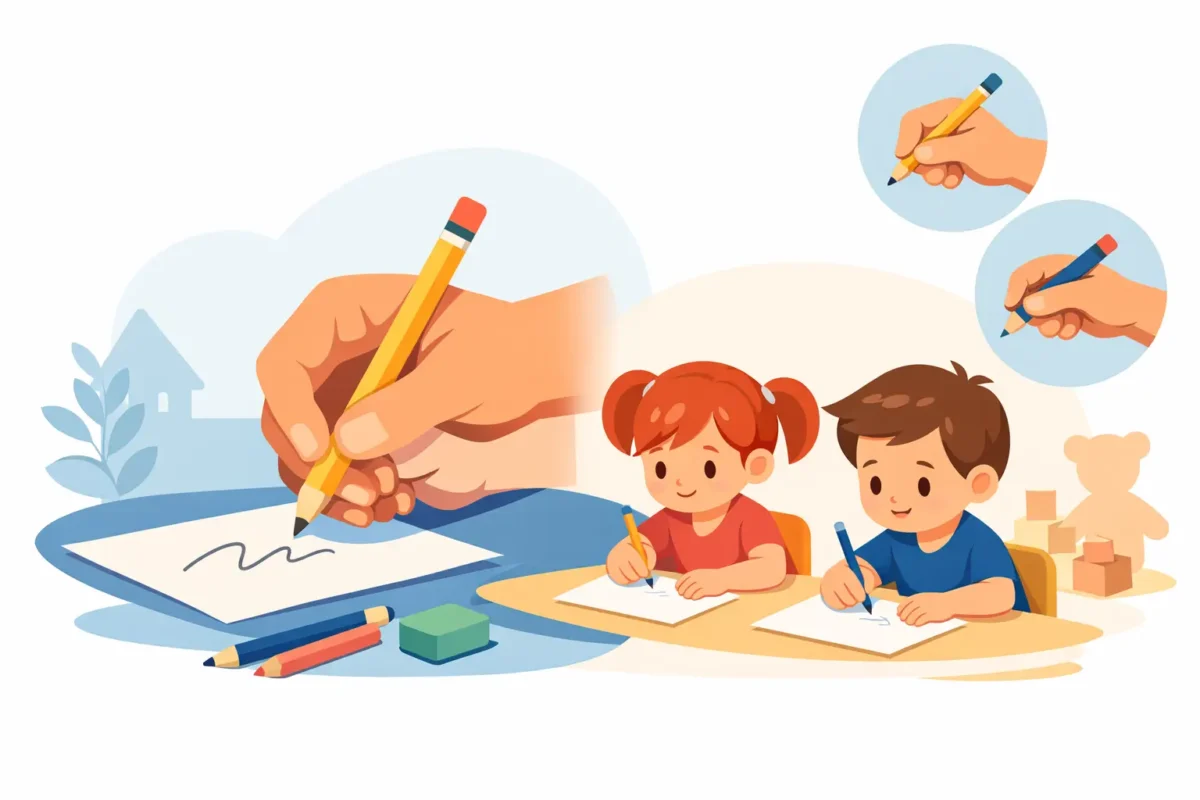
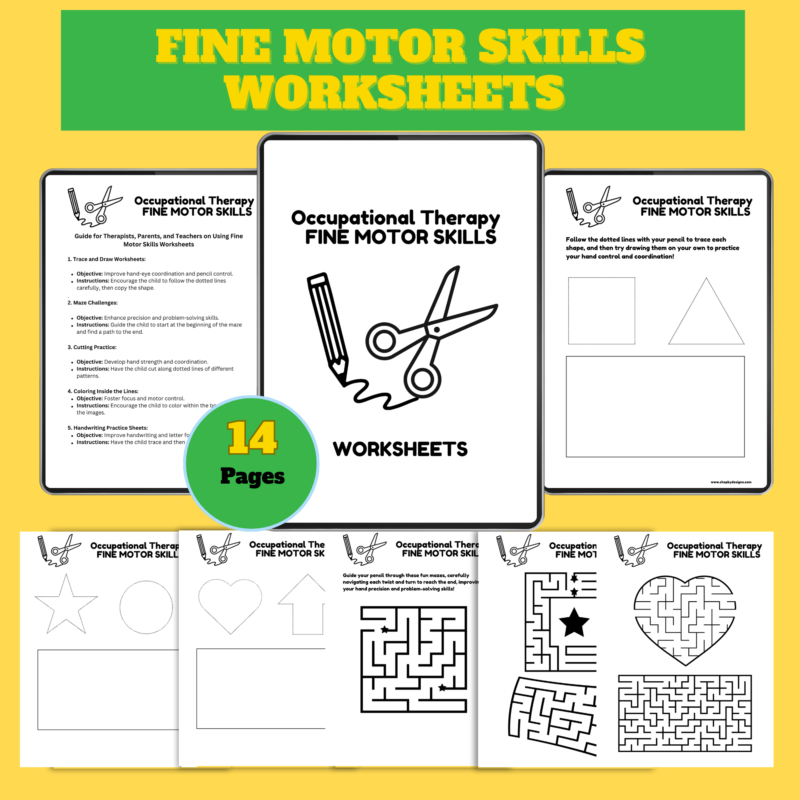
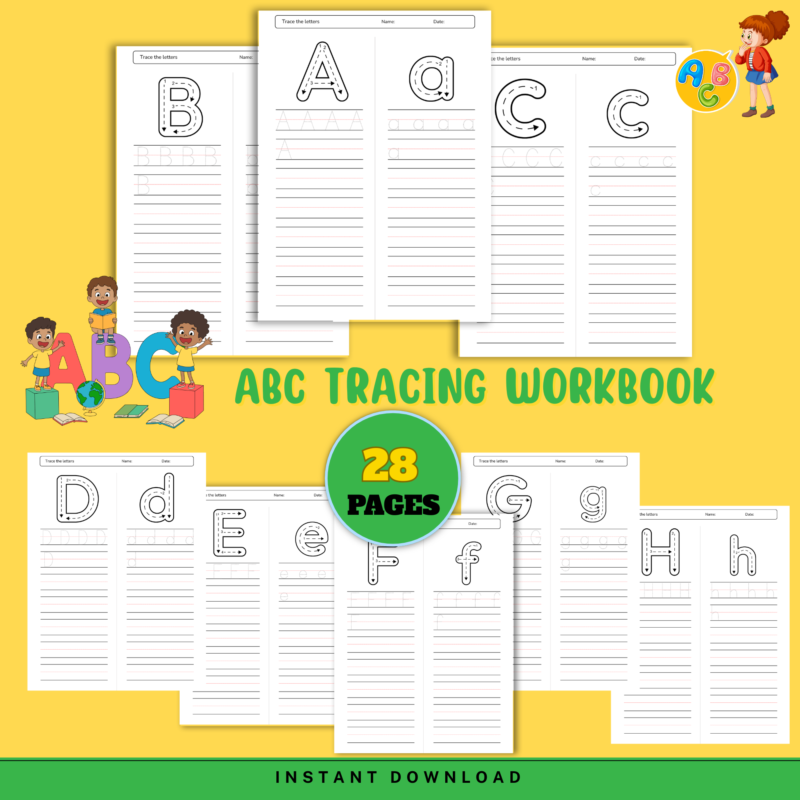
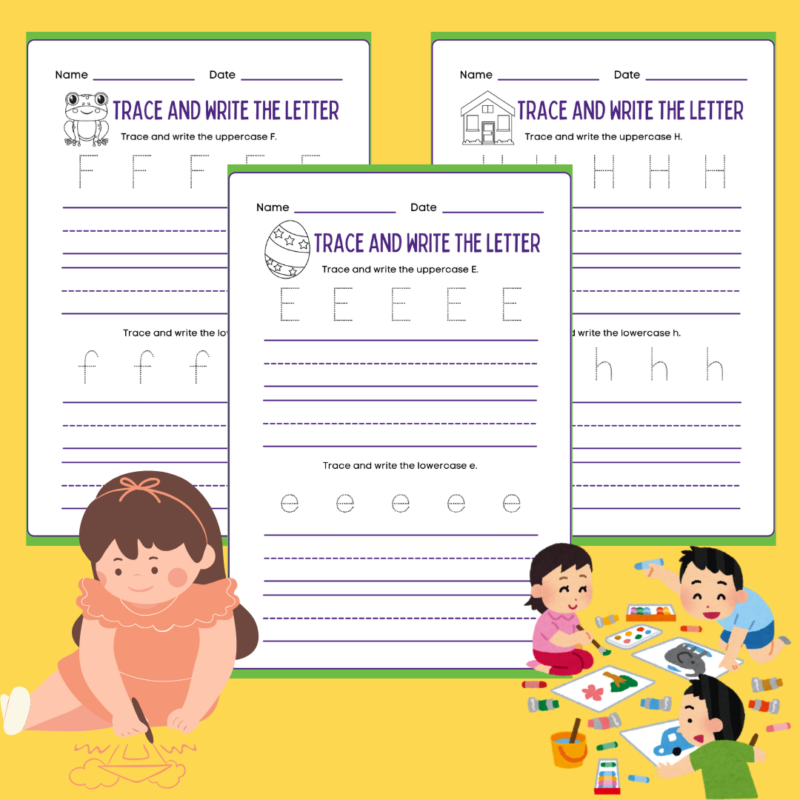
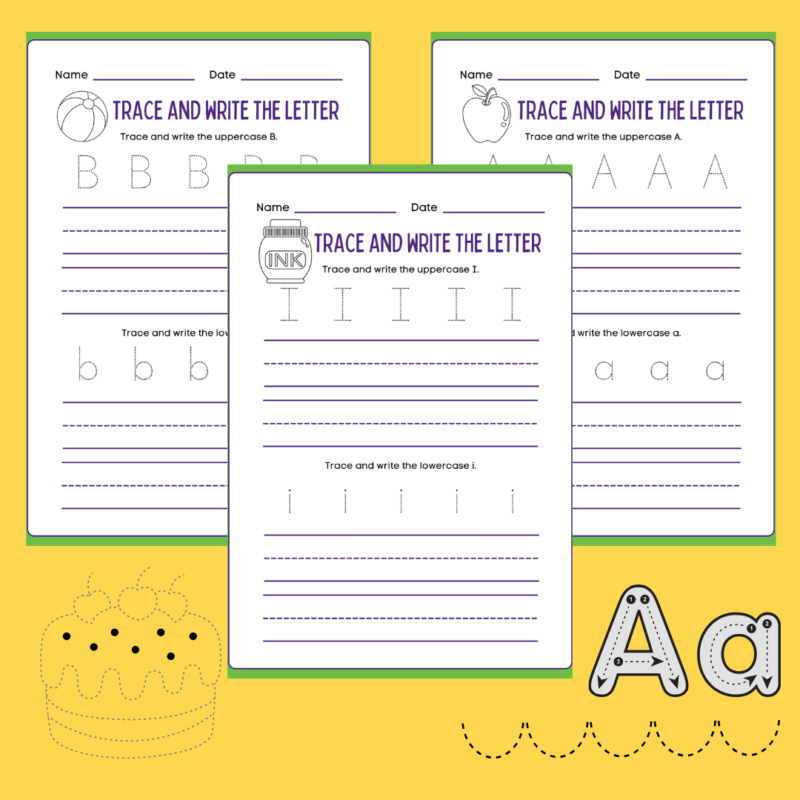
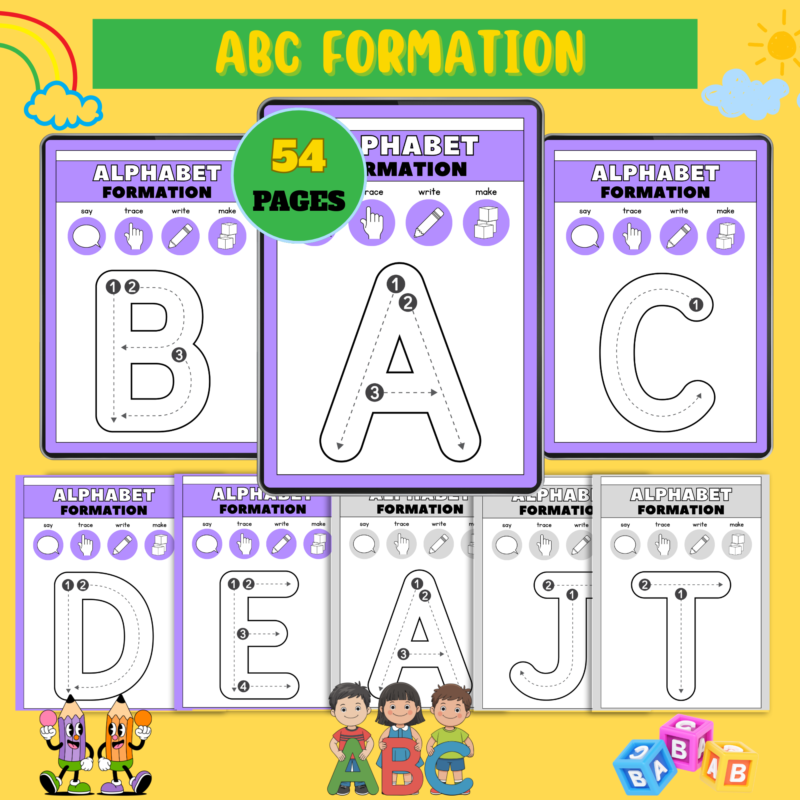
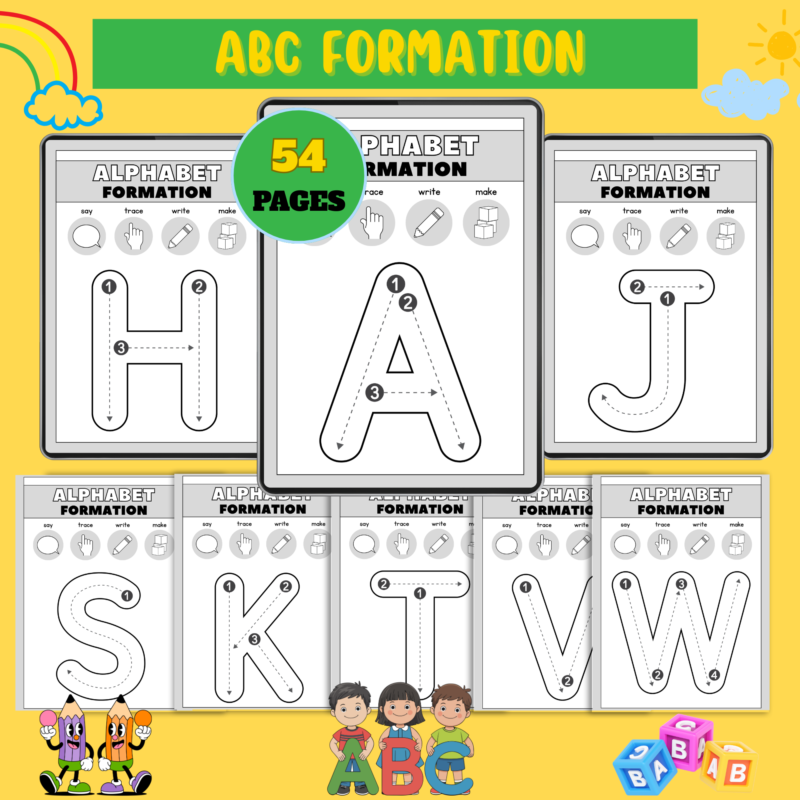
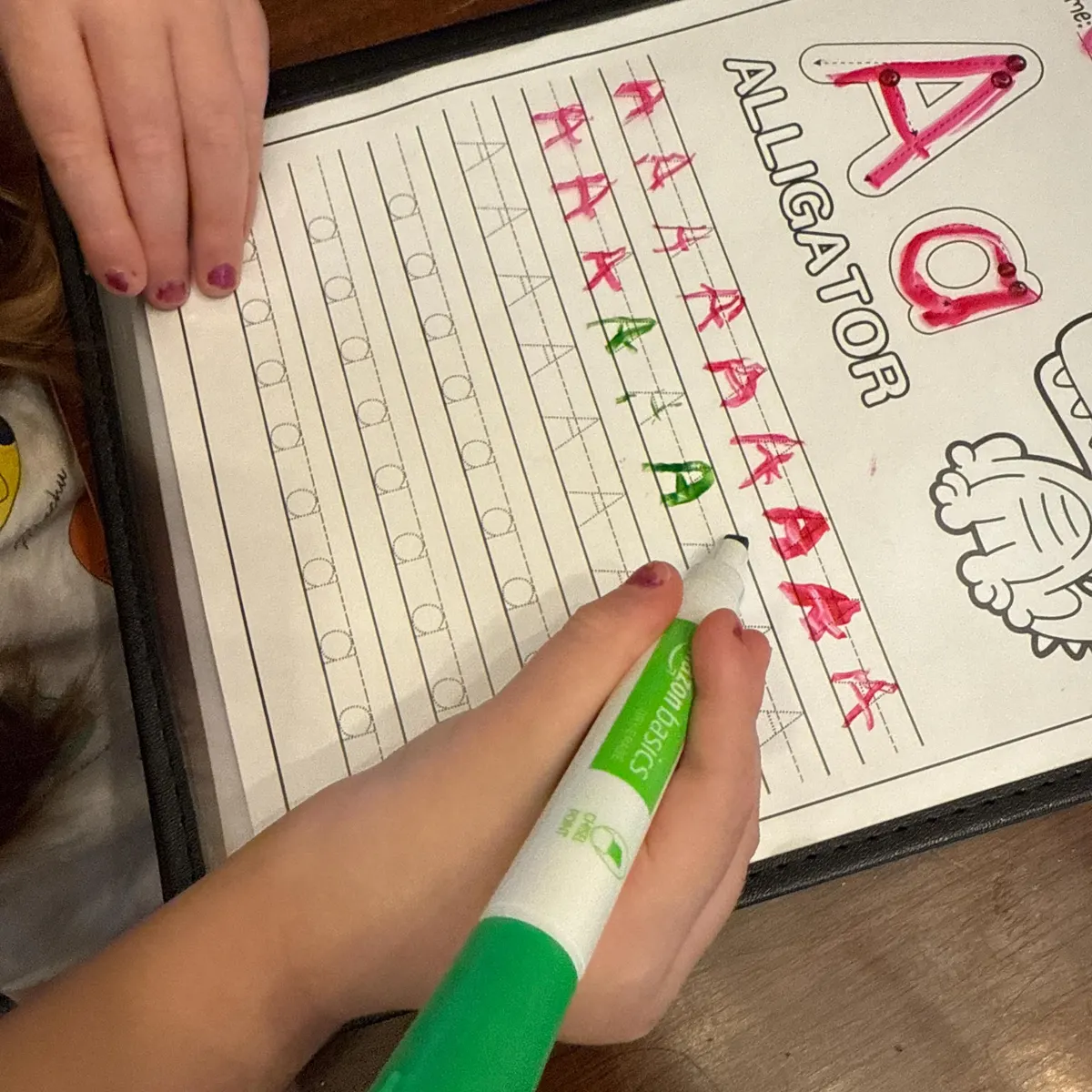
Before neat handwriting comes controlled movement. Children ages 3 and 4 benefit from tracing straight lines, curves, zigzags, and simple shapes. These activities strengthen hand muscles, improve coordination, and help children learn how to move across a page from left to right.
This kind of practice is especially helpful for kids who resist pencils. A full alphabet worksheet may feel intimidating, but a cheerful page of tracing paths or curved lines can feel more like a game. That lower-pressure entry point often leads to better participation.
Letter recognition and early phonics
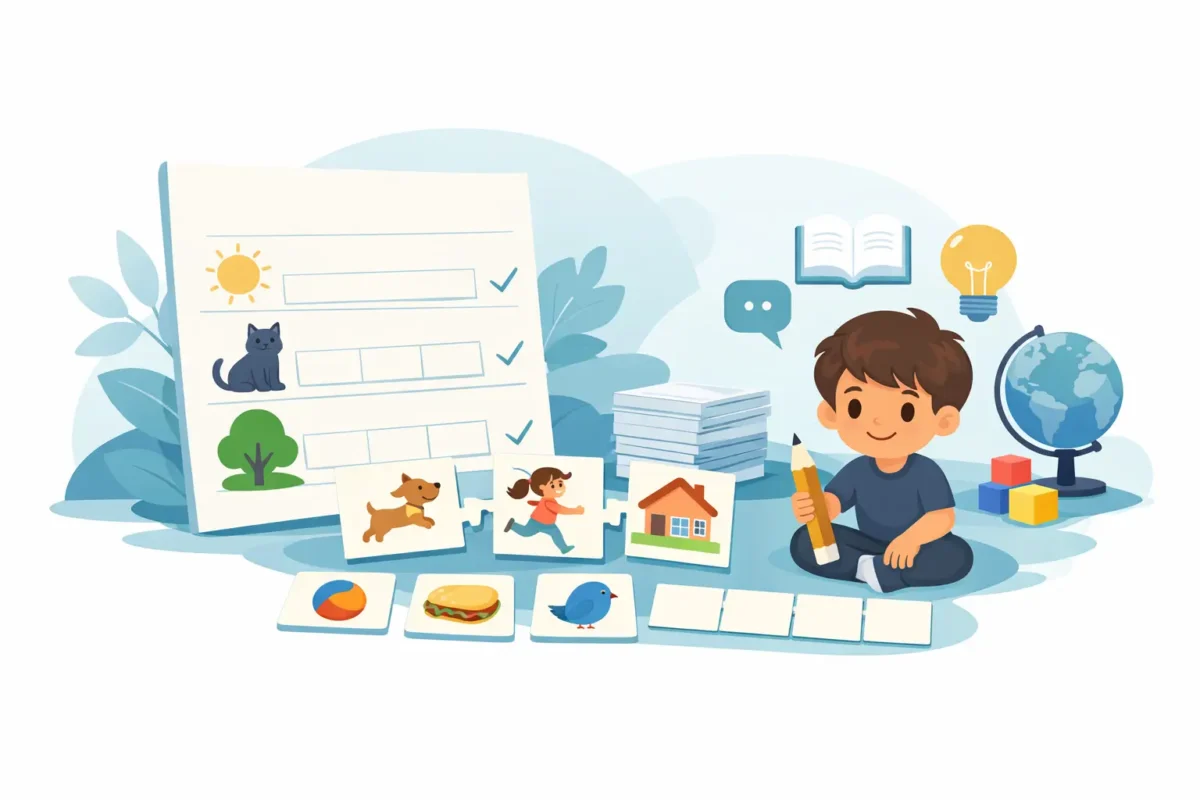
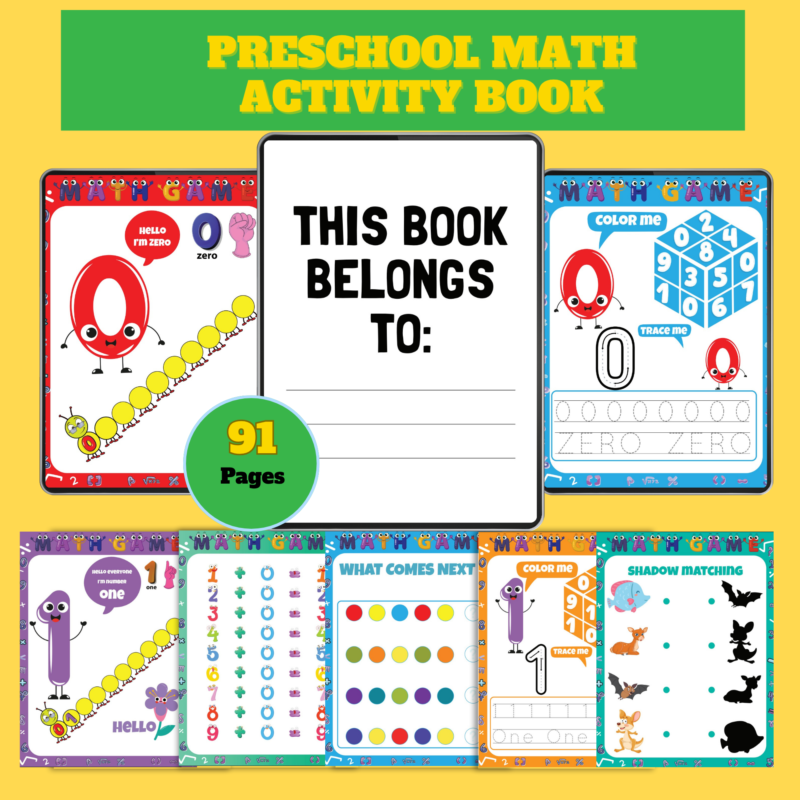
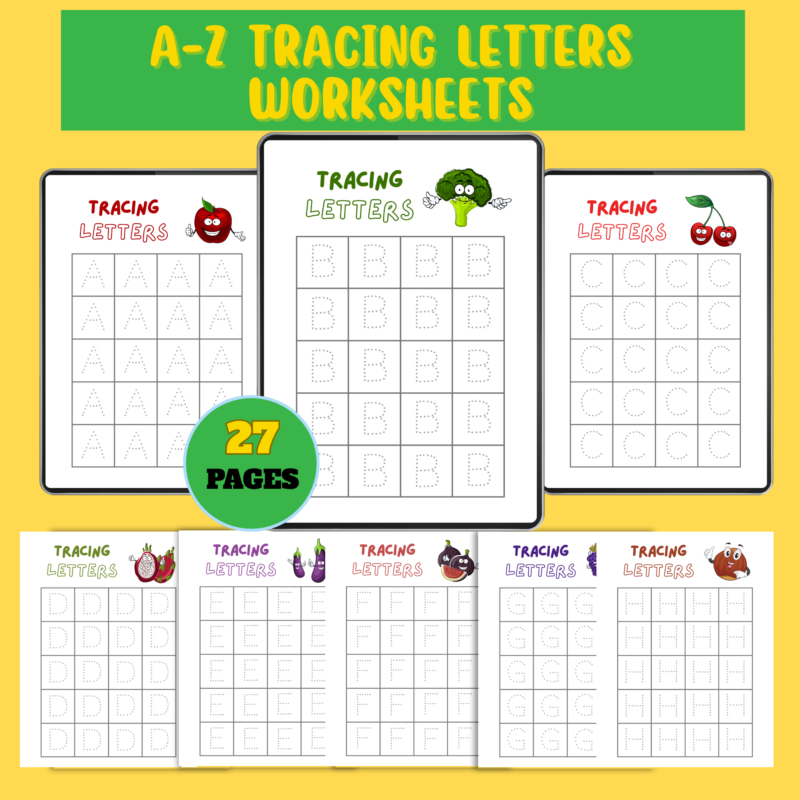
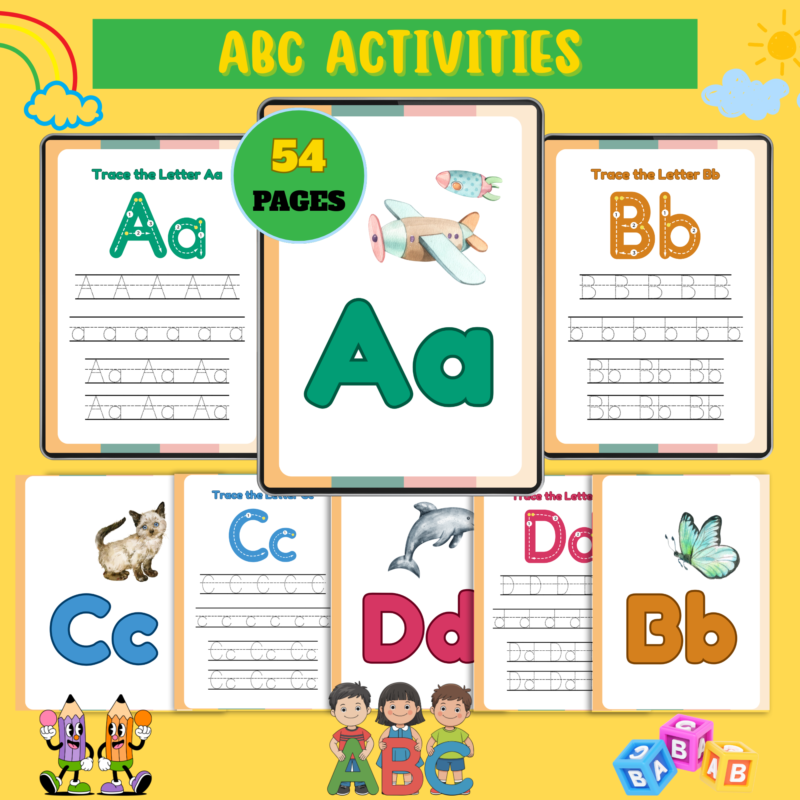
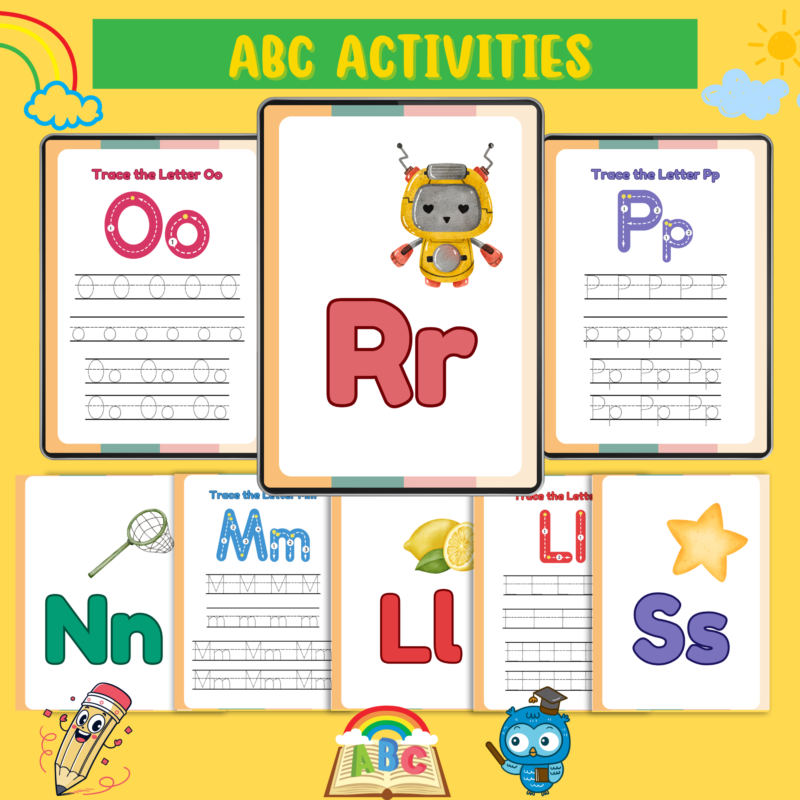
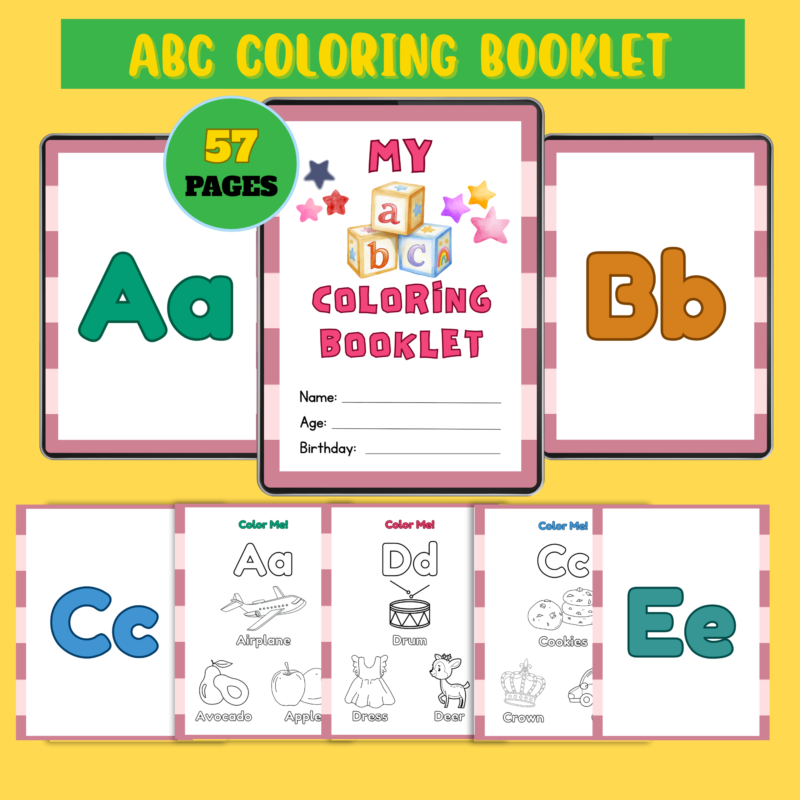
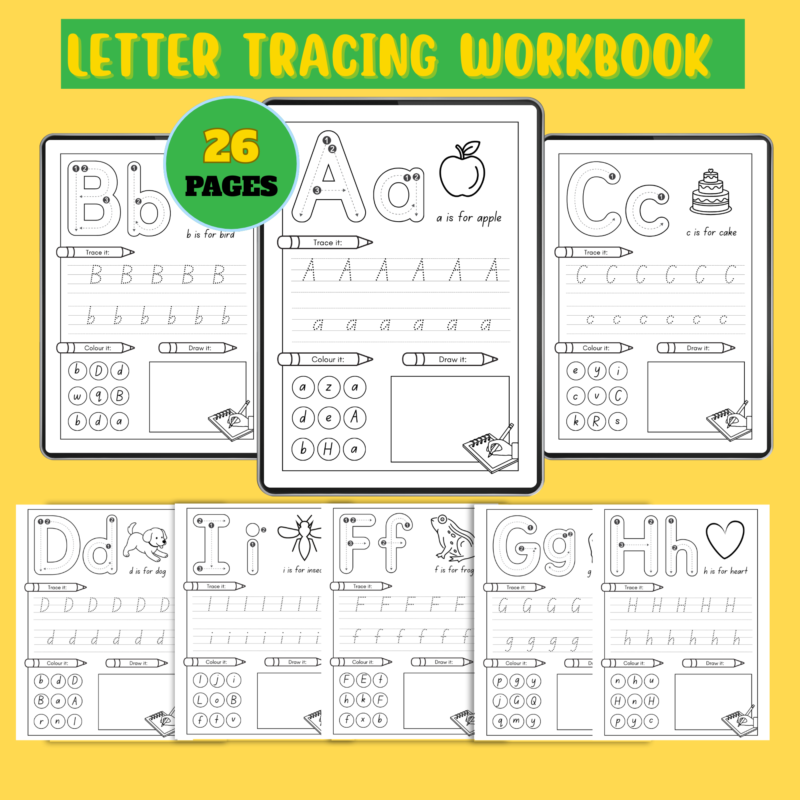
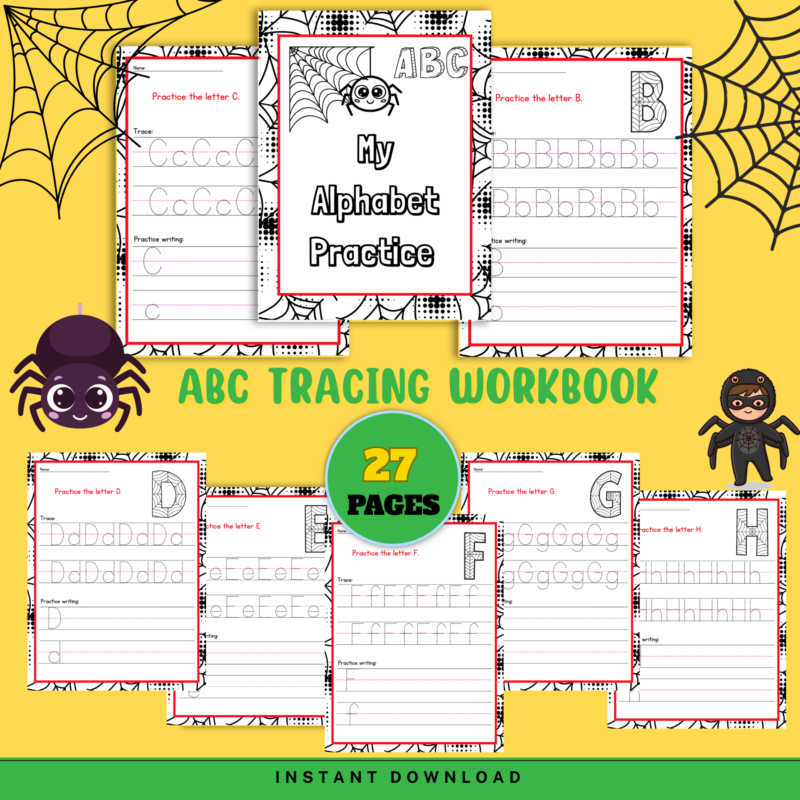
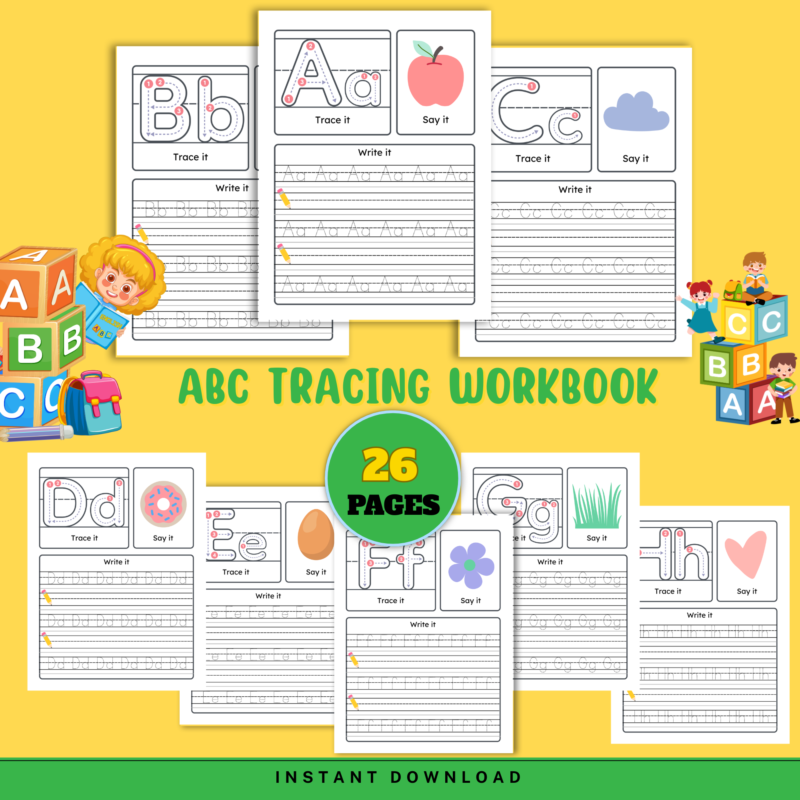
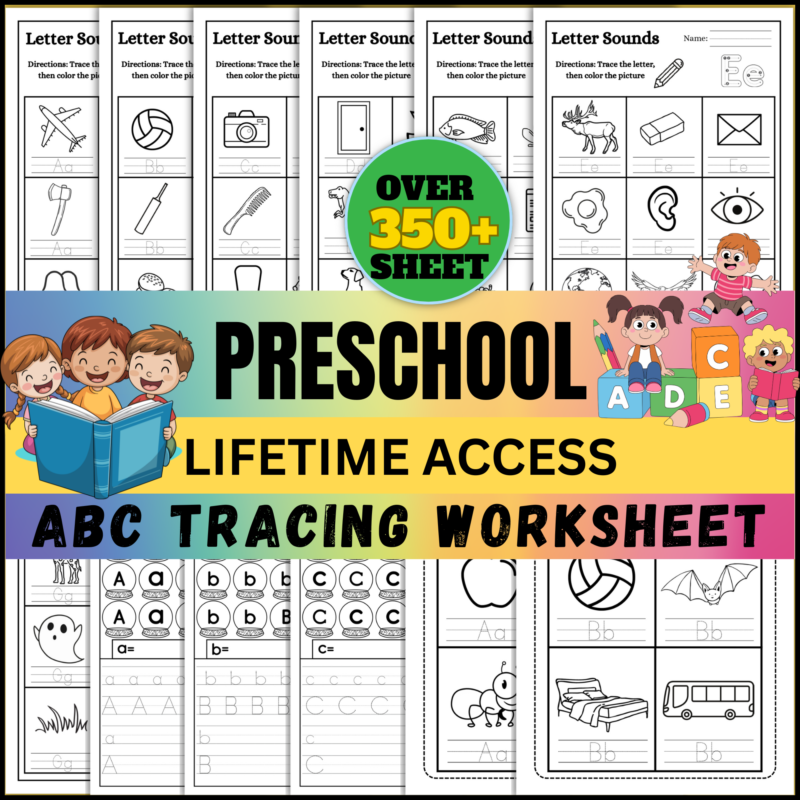
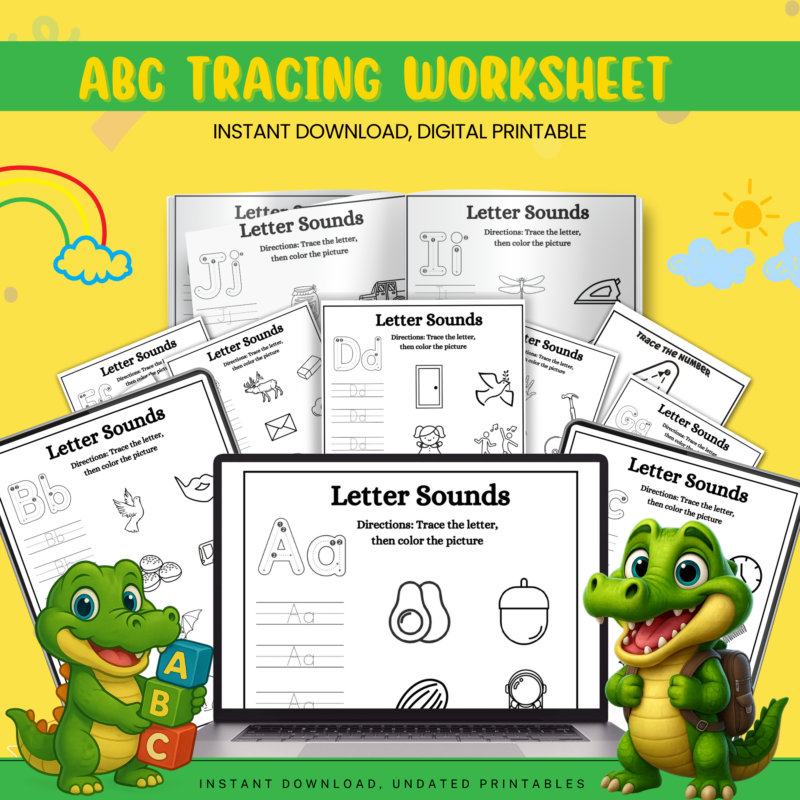
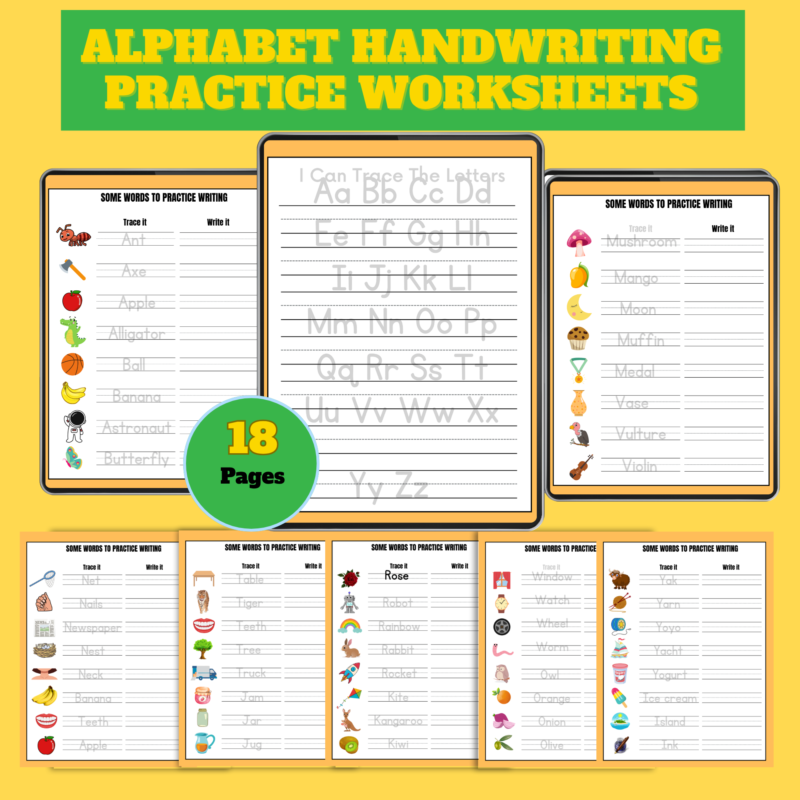
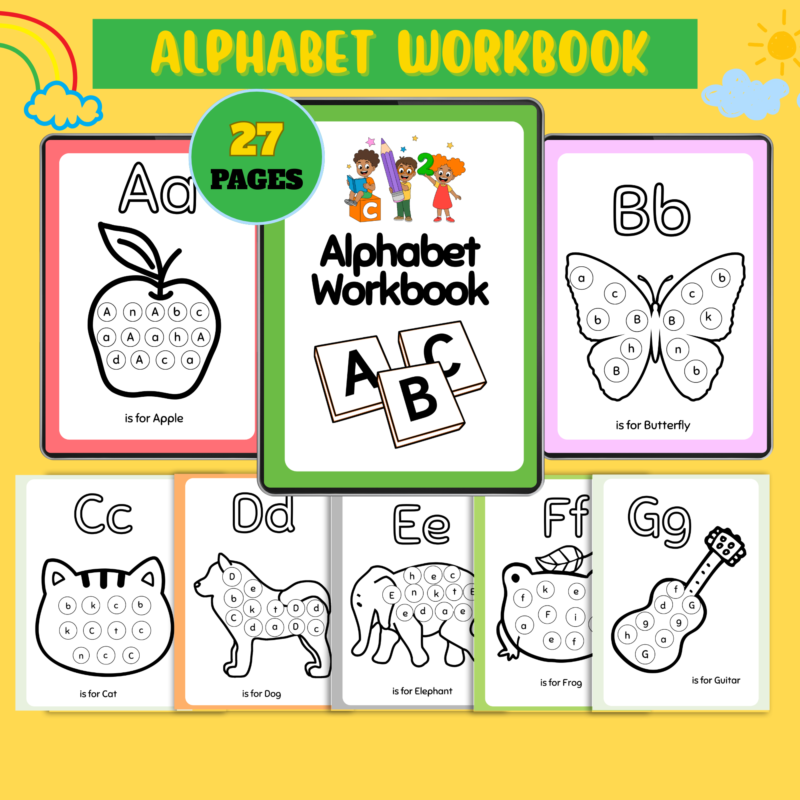
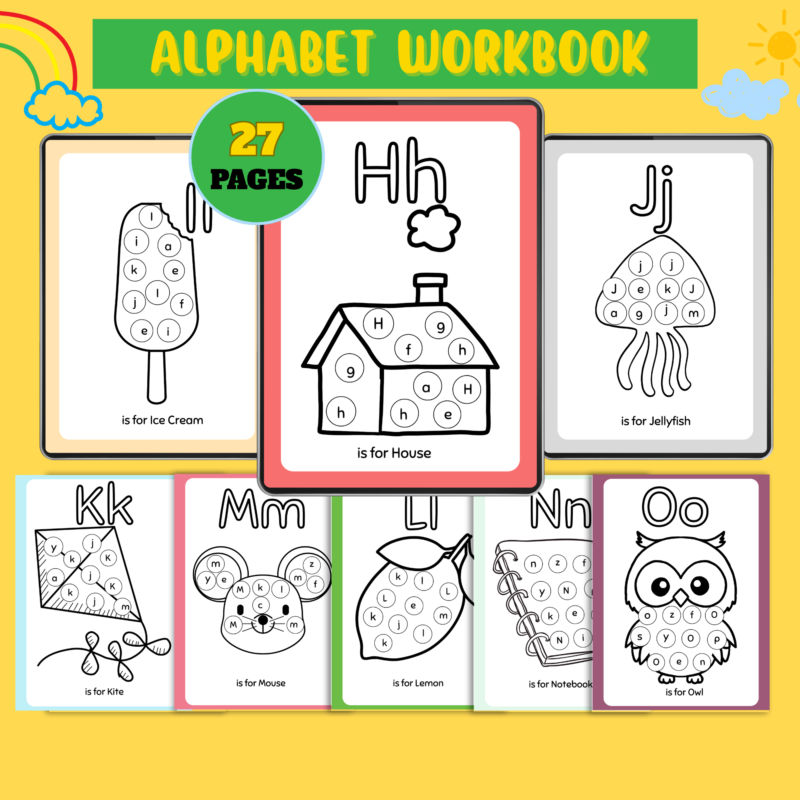
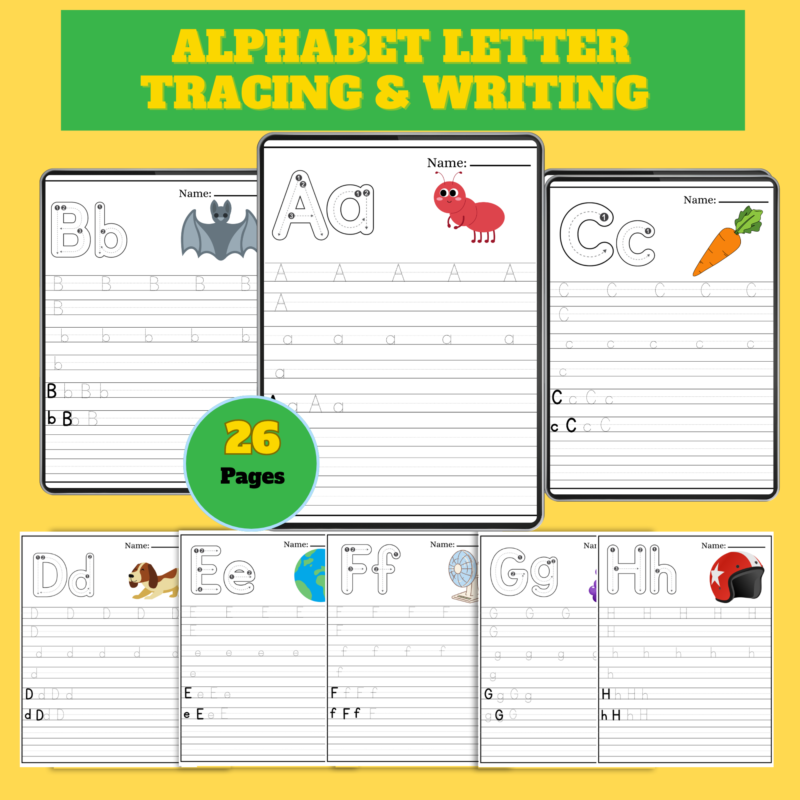
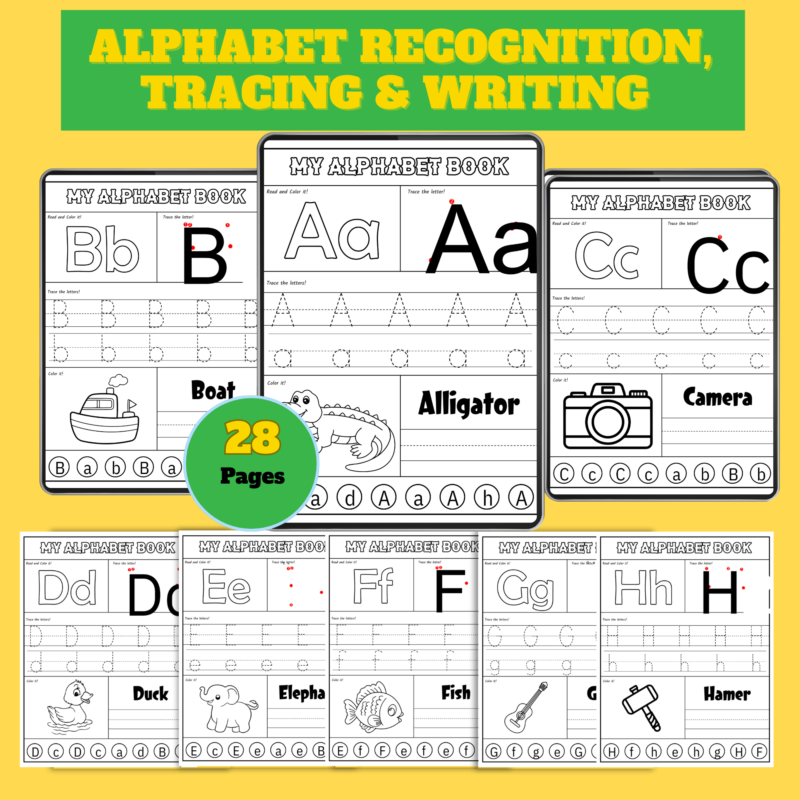
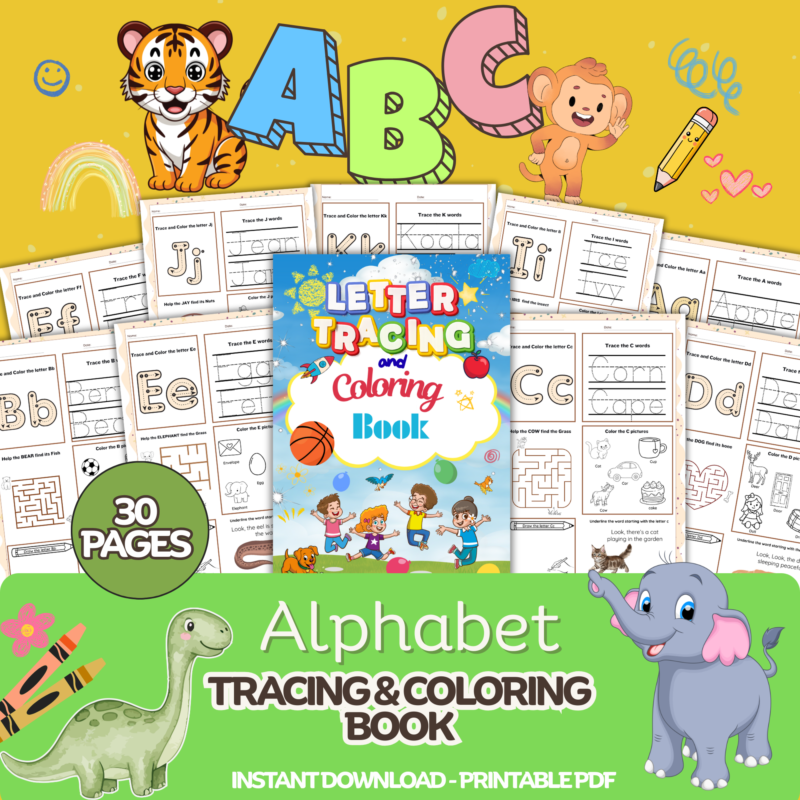
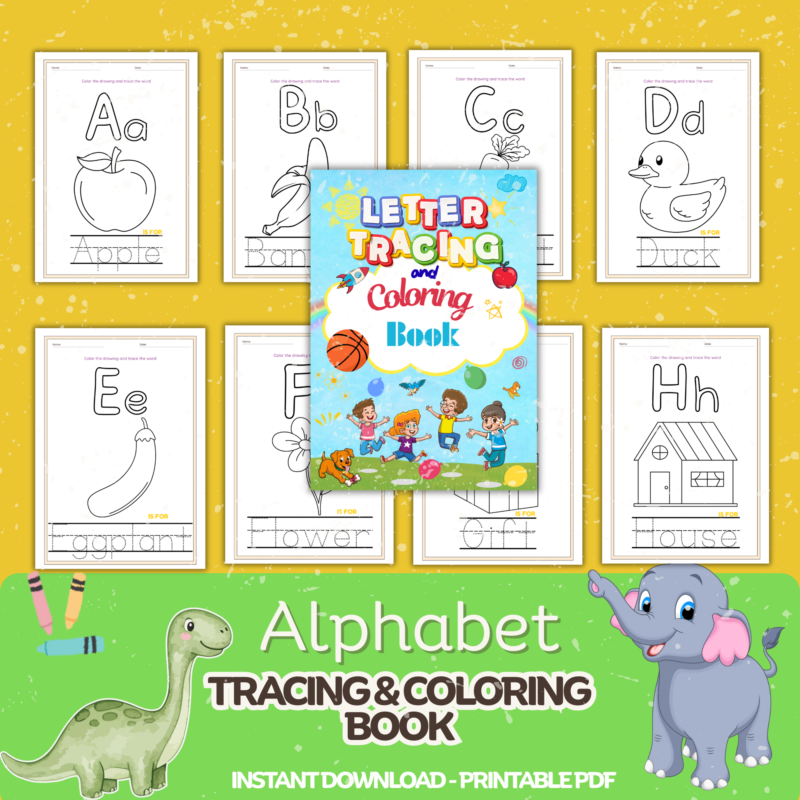
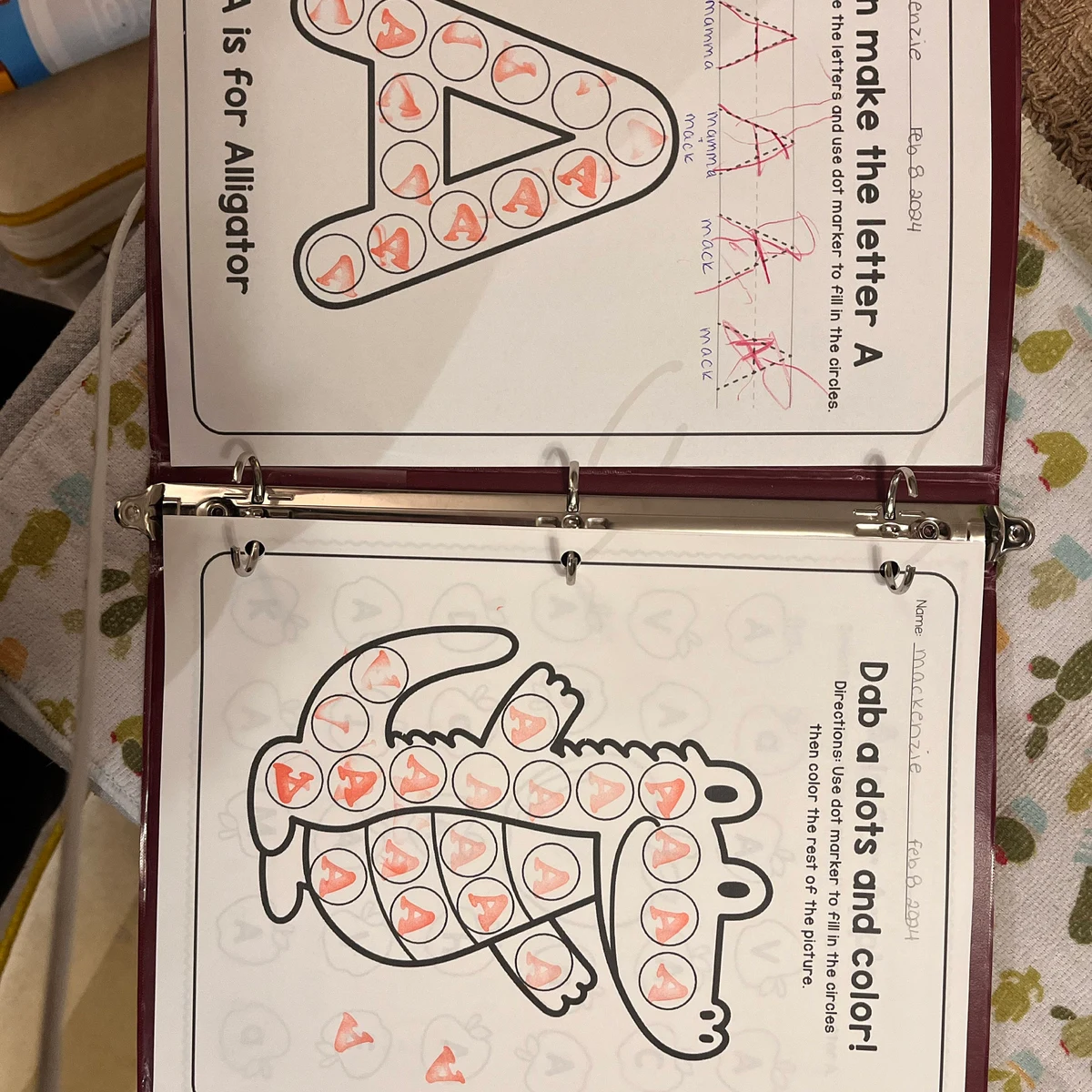
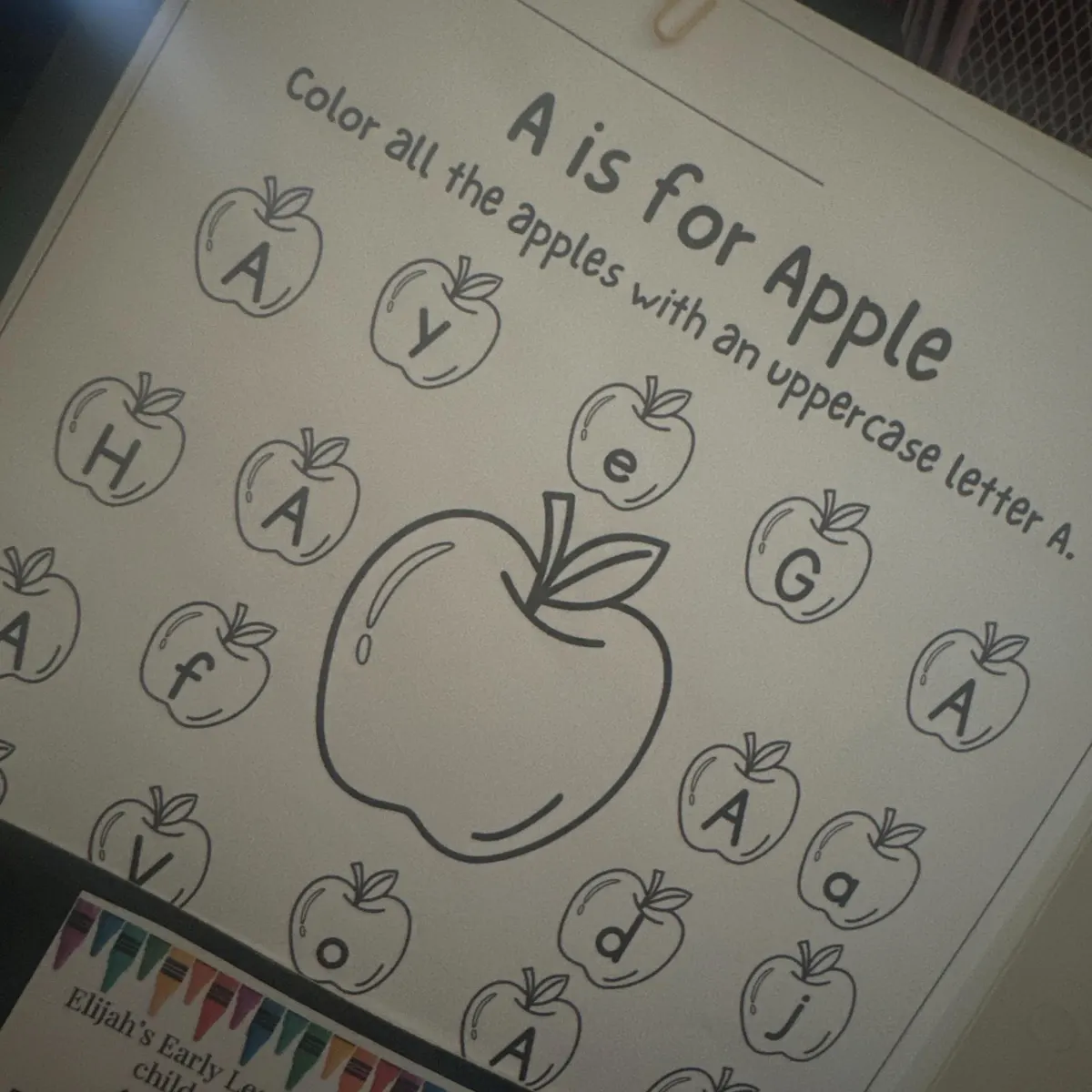
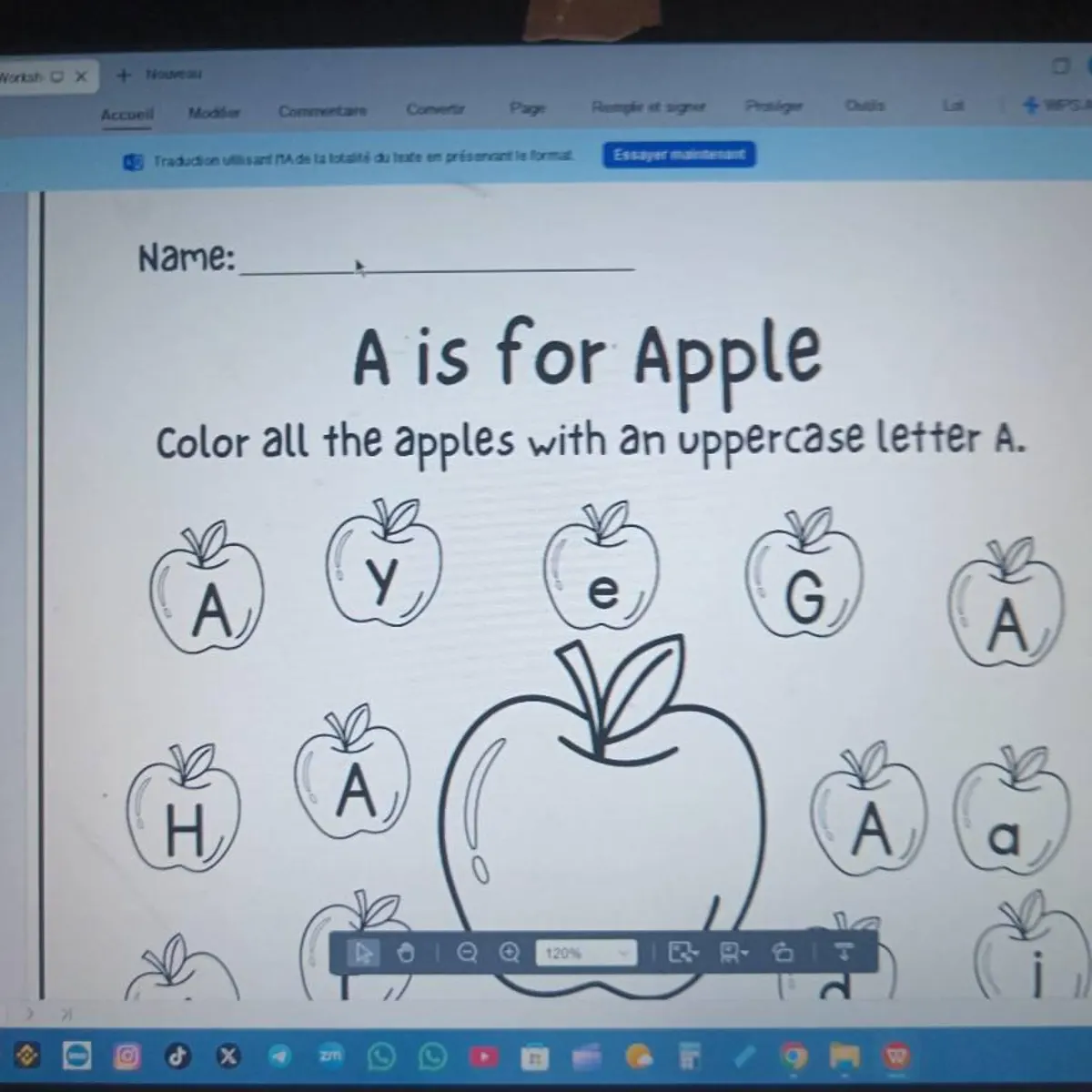
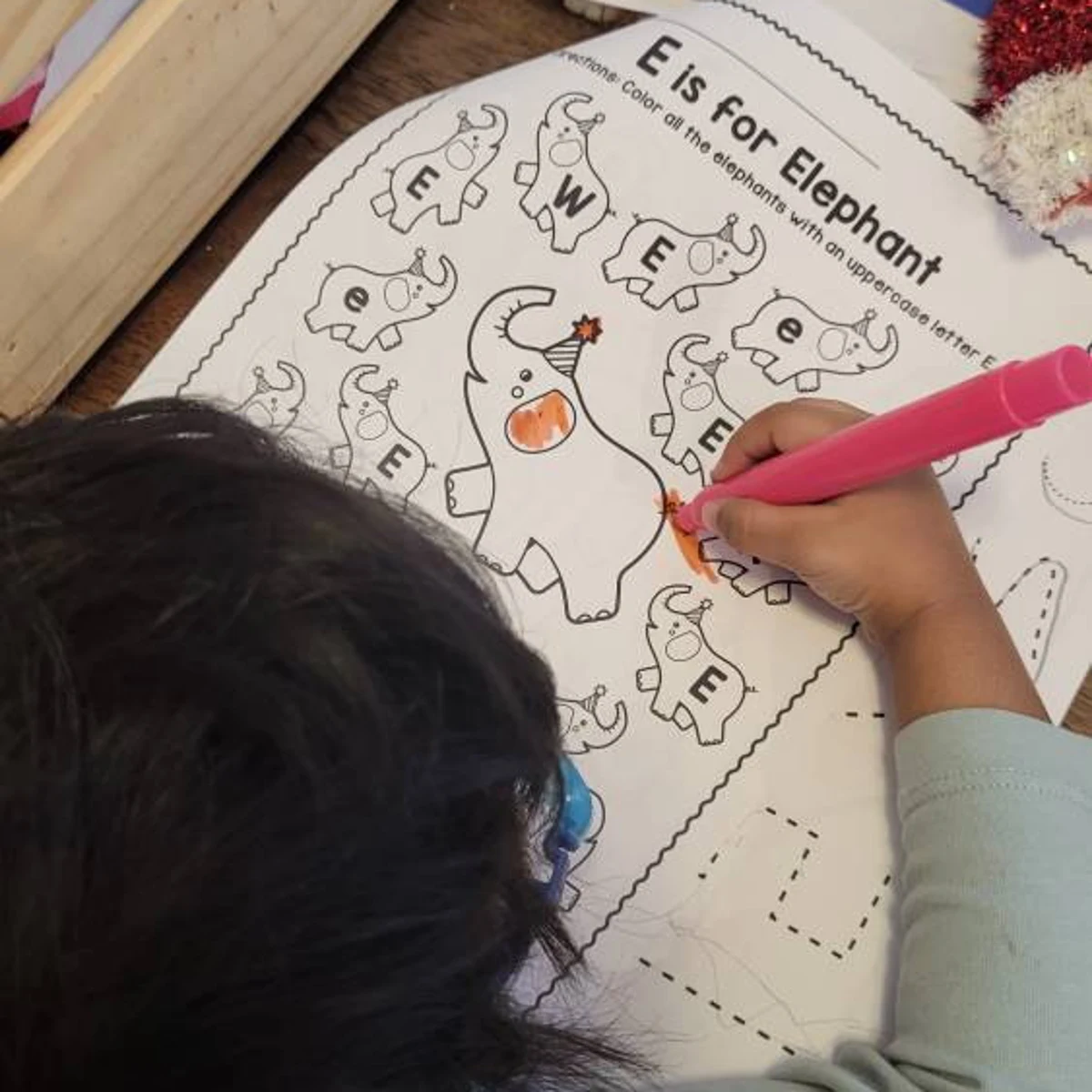
Preschool is the perfect time to introduce letters in a light, playful way. Worksheets for this age should focus more on recognizing letters than mastering perfect handwriting. Children can trace one large letter, color pictures that start with that sound, or match uppercase and lowercase forms.
For some children, especially younger threes, even that may be enough for now. For older fours who are ready, beginning sound activities can add another layer of learning. The key is to watch readiness instead of rushing ahead just because a worksheet exists.
Number recognition and counting
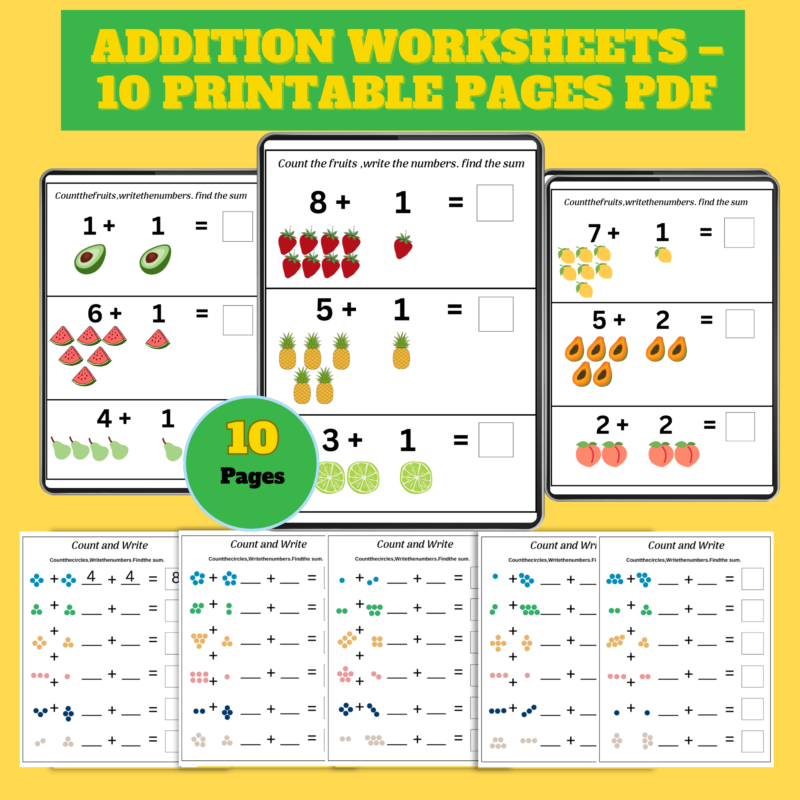
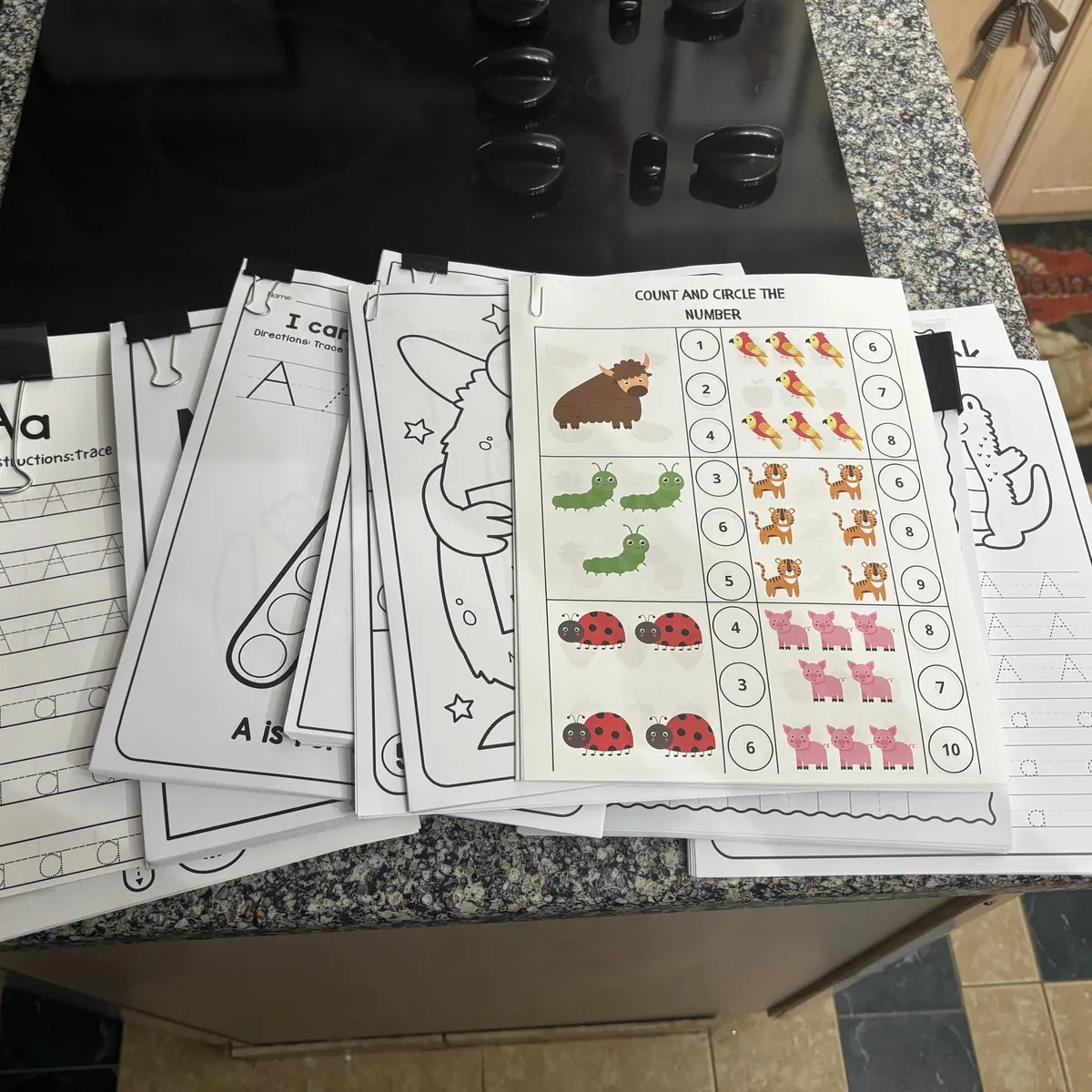
Many preschoolers love numbers because they can count snacks, toys, and steps all day long. Printable worksheets can turn that natural interest into more structured practice. Counting sets from 1 to 10, matching numbers to quantities, and circling the correct numeral are strong early math tasks for this age group.
Simple pages usually work better than crowded ones. If a child has to count 15 tiny objects while ignoring a lot of visual clutter, the worksheet may become more about managing frustration than learning math.
Shapes, colors, and visual discrimination
Preschool learning is not only about letters and numbers. Children also need practice noticing differences, identifying patterns, and sorting visual information. Matching activities, shape hunts, color recognition, and same-or-different pages help build those skills.
These worksheets are especially useful for children who are just getting comfortable with table work. They feel approachable, but they still support attention, observation, and thinking skills that matter in later reading and math.
How to use worksheets without turning preschool into school
A worksheet should support your day, not take it over. For most children ages 3 and 4, ten minutes is plenty. Some will happily do more, but many learn best in short bursts.
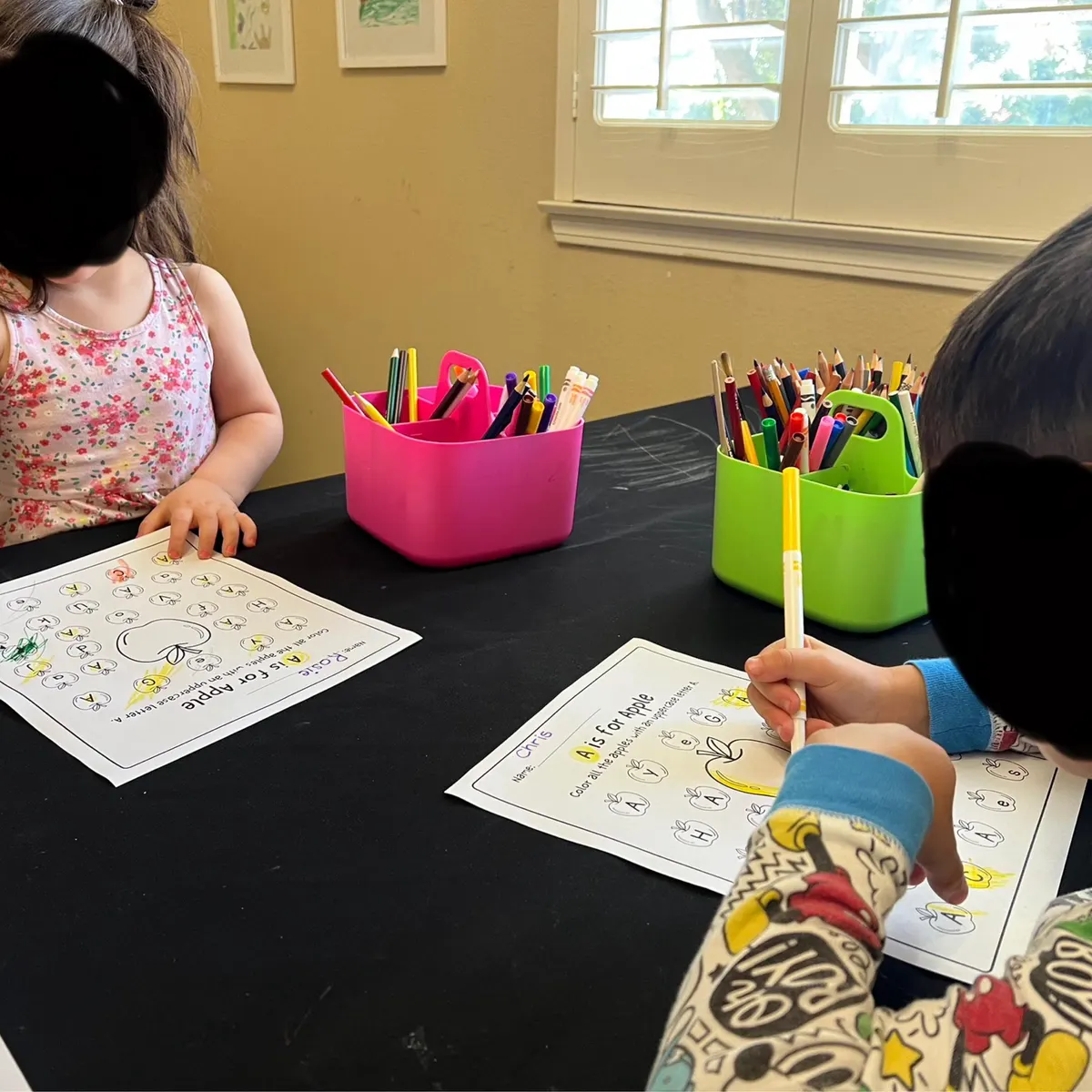
It helps to pair printables with hands-on learning. If your child traces the letter A on paper, have them build the letter with blocks or find objects around the room that start with that sound. If they count apples on a worksheet, count real toys or crackers next. The printable gives structure, while the real-world activity helps the skill stick.
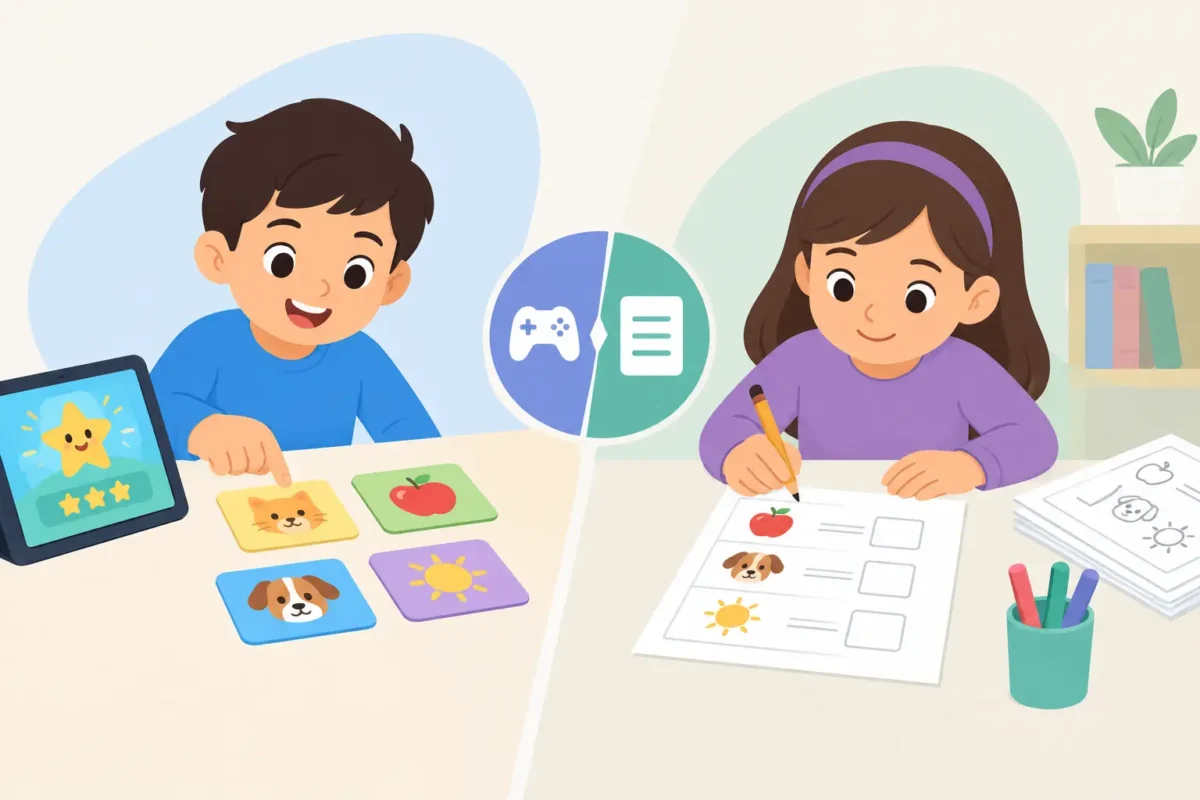
Choice also goes a long way. Instead of handing over a stack of pages, offer two options. A child who gets to choose between a tracing page and a counting page is often more willing to participate. That small bit of ownership can completely change the mood.
For classrooms, centers, daycares, and homeschool spaces, printables are especially useful because they are easy to rotate. You can keep the skill focus consistent while changing the page design enough to keep practice fresh. That saves planning time without making learning feel repetitive to the adult leading it.
Signs a worksheet is too hard or too easy
This is where many adults get stuck. A worksheet says “preschool,” but preschool covers a wide range of ability levels. One 3-year-old may be ready to trace letters, while another is still working on holding a crayon comfortably. Both are normal.
If a child avoids the task immediately, asks for help on every item, scribbles in frustration, or loses interest within a minute or two, the page may be too difficult. In that case, step back to something simpler, such as line tracing, picture matching, or coloring by one direction.
If a child finishes instantly with no effort and seems unchallenged, you may want to add a bit more complexity. That could mean moving from number recognition to counting sets, or from shape coloring to tracing shapes and naming them.
There is no prize for moving faster. The goal is steady skill-building with positive experiences. When children feel capable, they are more likely to keep trying.
Why printable PDFs are so practical for busy families and teachers
Convenience matters. Printable PDF worksheets are popular for a reason. You can download them instantly, print only what you need, and reuse favorite skill sets as often as helpful. That is a real advantage when you need a quick activity before dinner, a calm center for the classroom, or a low-prep homeschool lesson.
They are also affordable compared with constantly buying new workbooks that may only have a few pages your child actually enjoys. With printable resources, you can choose by skill area and developmental need instead of hoping one book fits everything.
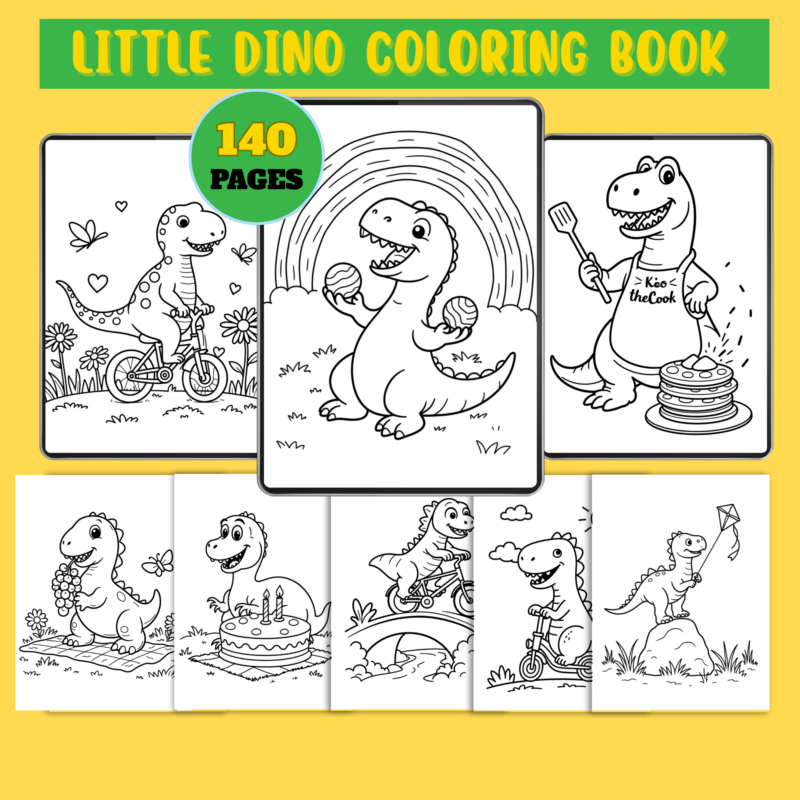
Another benefit is flexibility. Some children work best with crayons, others with markers, colored pencils, dot markers, or even lamination and dry-erase practice. The same worksheet can be adapted for different learners and reused in different ways.
That is one reason many parents and teachers look for dependable collections from early learning brands they trust. Fun Clever Fox, for example, focuses on printable resources that combine clear skill practice with child-friendly design, which makes it easier to find pages that feel both educational and approachable.
Choosing the right printable preschool worksheets age 3 4
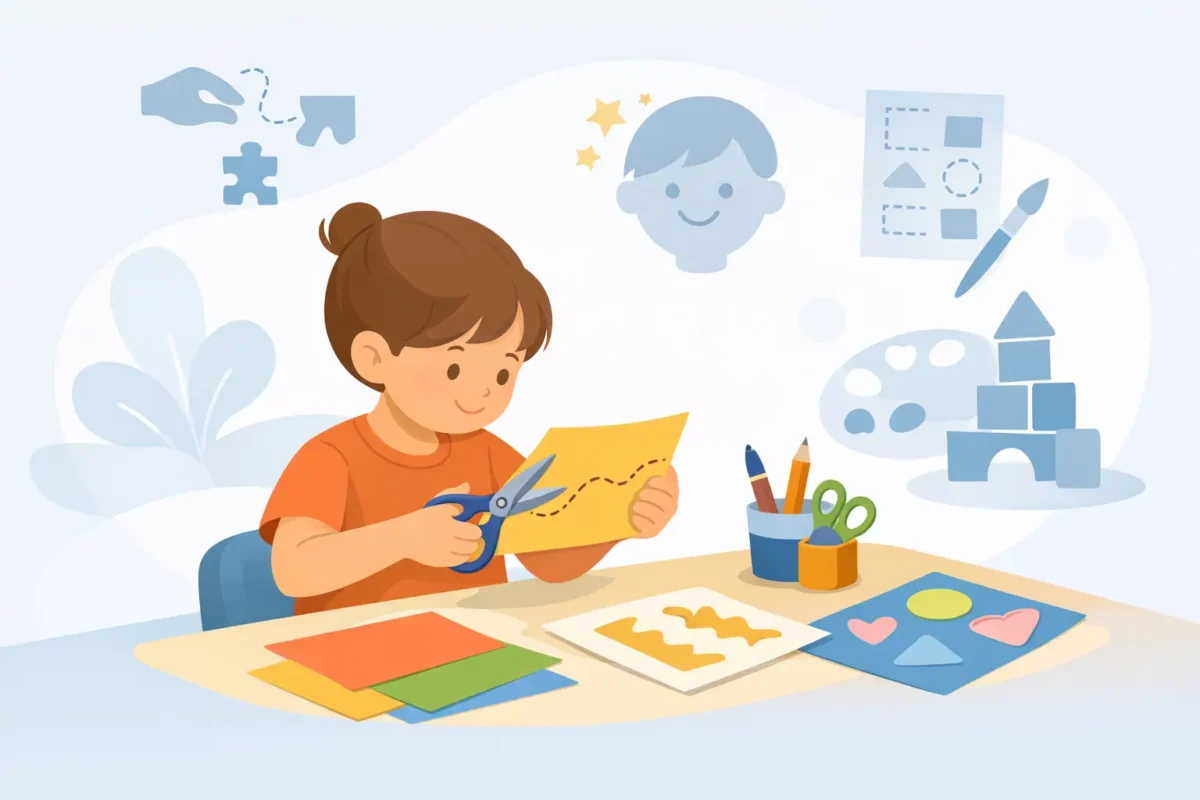
When you are deciding what to print, start by asking one simple question: what does this child need right now? If fine motor control is the challenge, tracing and scissor-skill pages may be more valuable than letter worksheets. If the child knows many letters already, beginning sound practice may be a better next step.
It also helps to think about personality. Some preschoolers love structured tasks and want to finish the whole page. Others do better with open-ended coloring, matching, or cut-and-paste activities. A great worksheet is not just age-appropriate. It is a good fit for the child in front of you.
Look for pages with clear directions, large images, and enough white space that the task feels manageable. Cute graphics are a bonus, but usability matters more. If the page is so busy that a child cannot tell what to do, it is not helping.
Most of all, remember that worksheets are tools, not tests. They are there to support learning, give practice, and create small moments of success. Used well, they can make preschool learning feel organized, enjoyable, and much easier to manage for the adults too.
A good printable page does not need to do everything at once. For a 3- or 4-year-old, one clear skill, one short activity, and one happy “I did it” at the end is often more than enough.