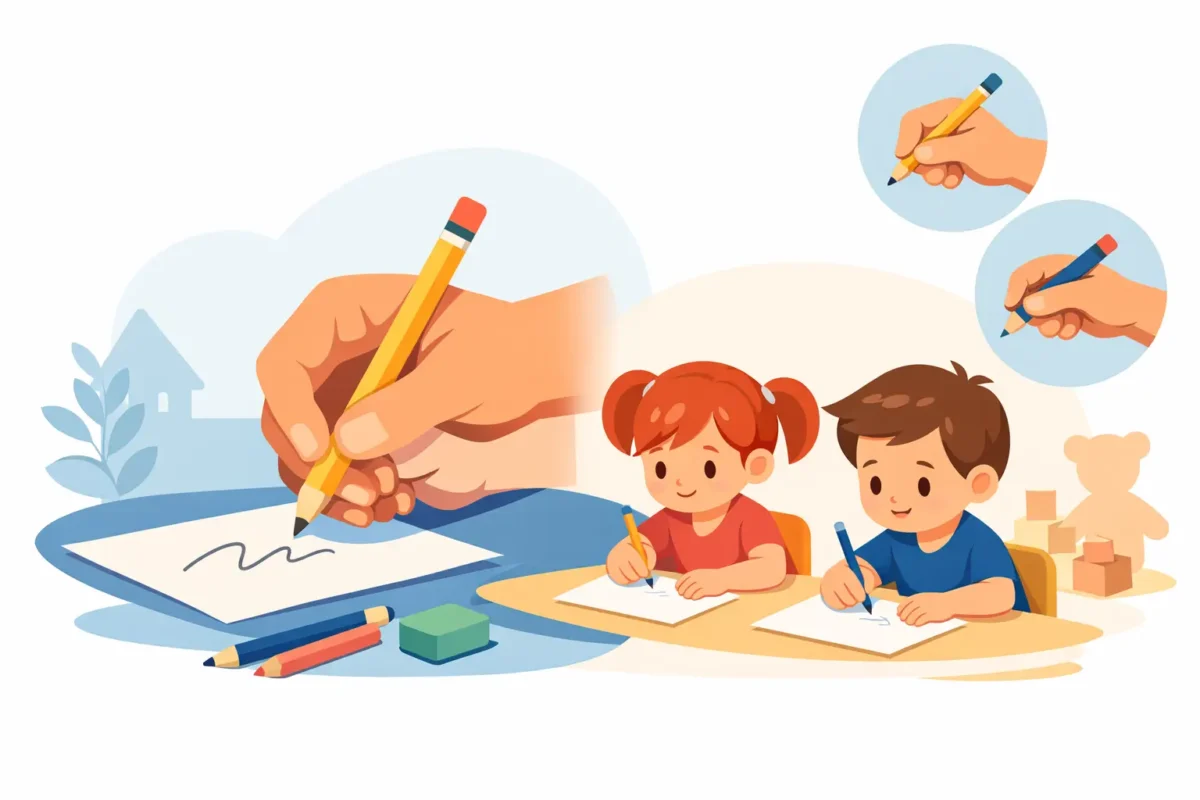
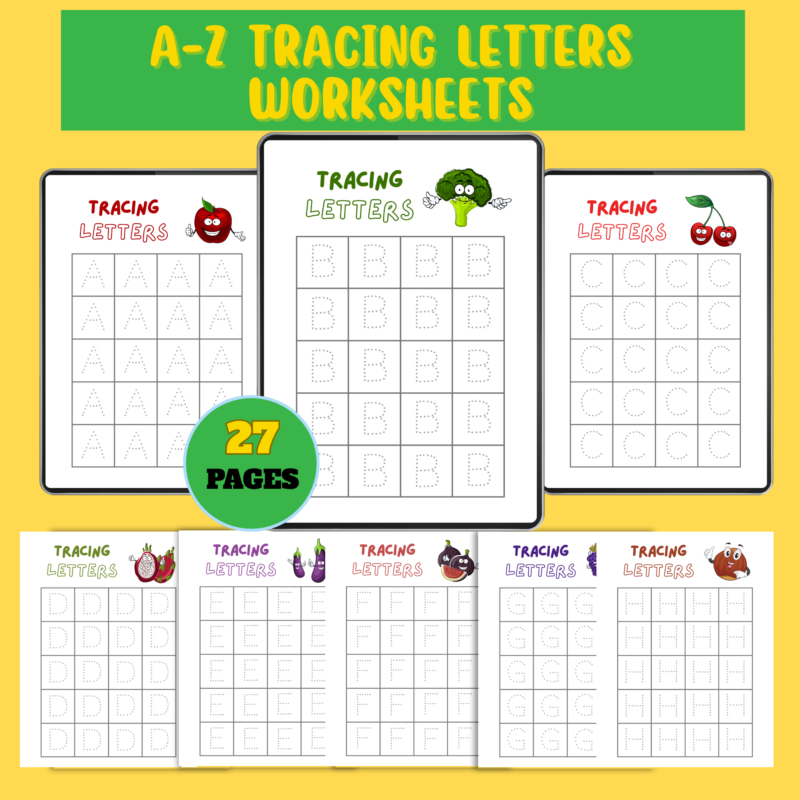
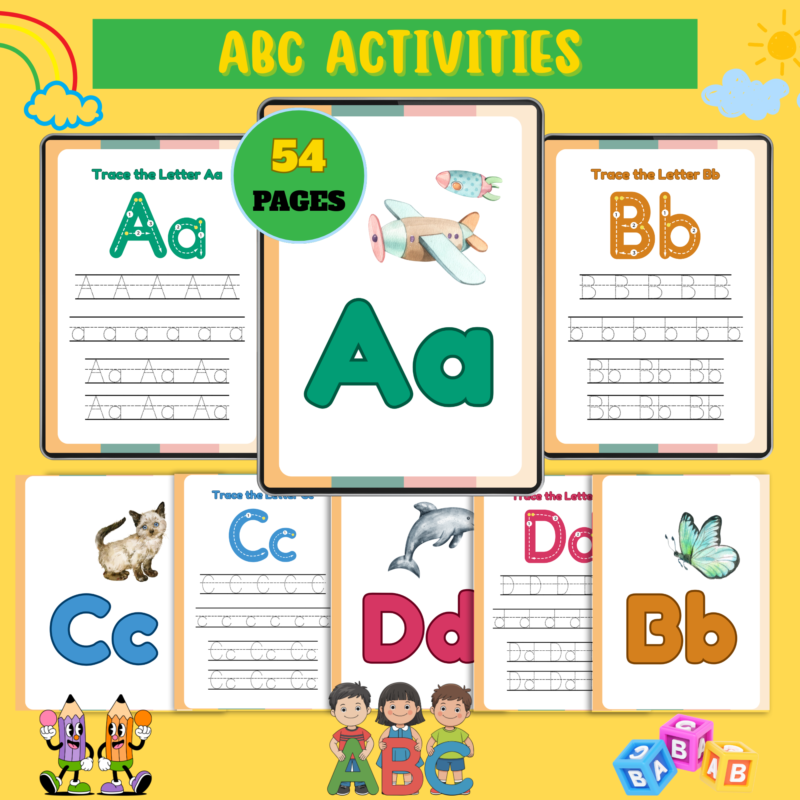
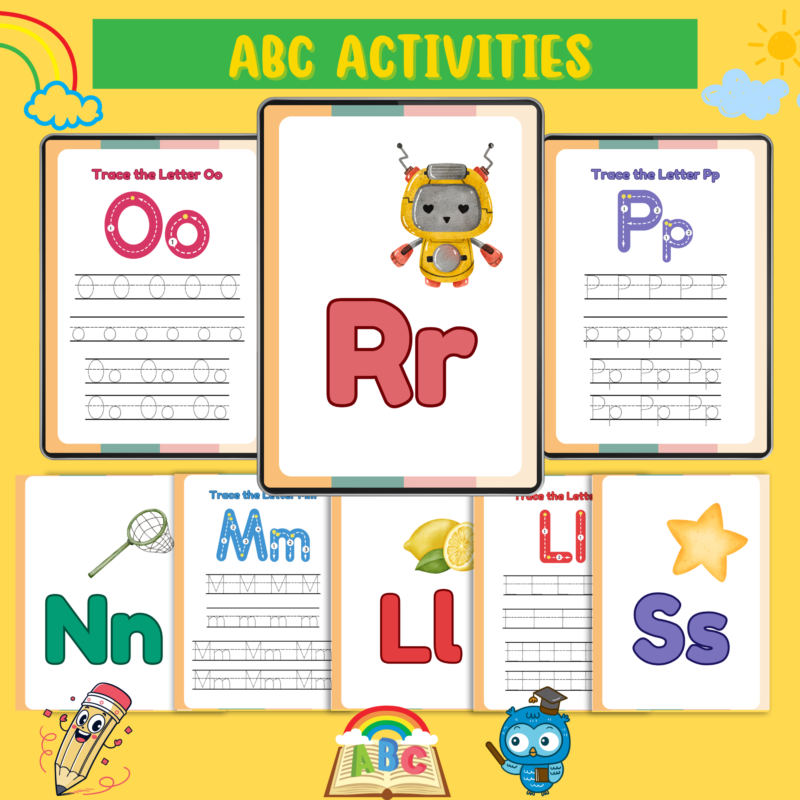
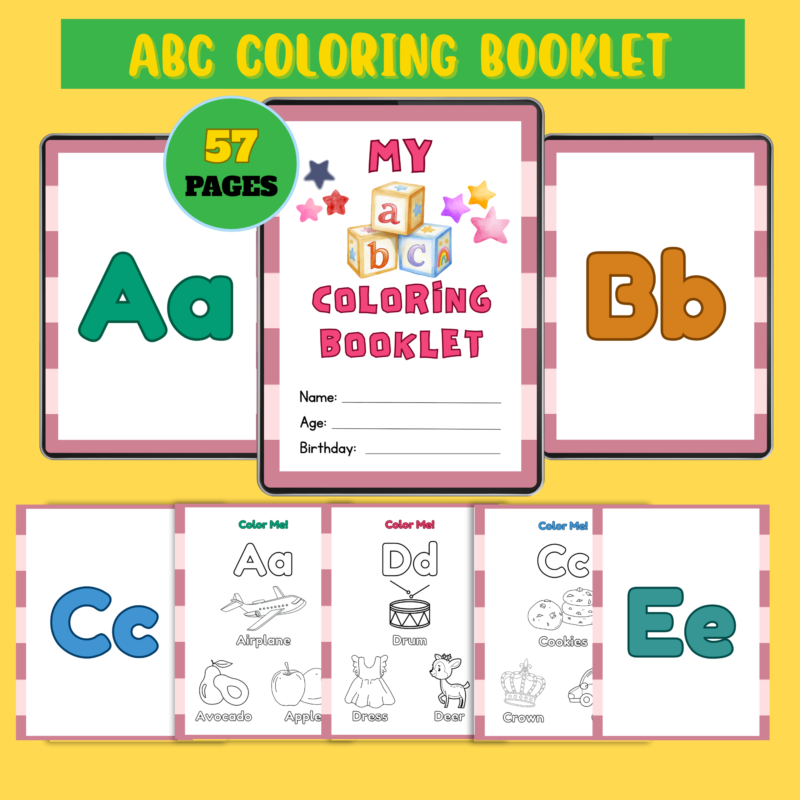
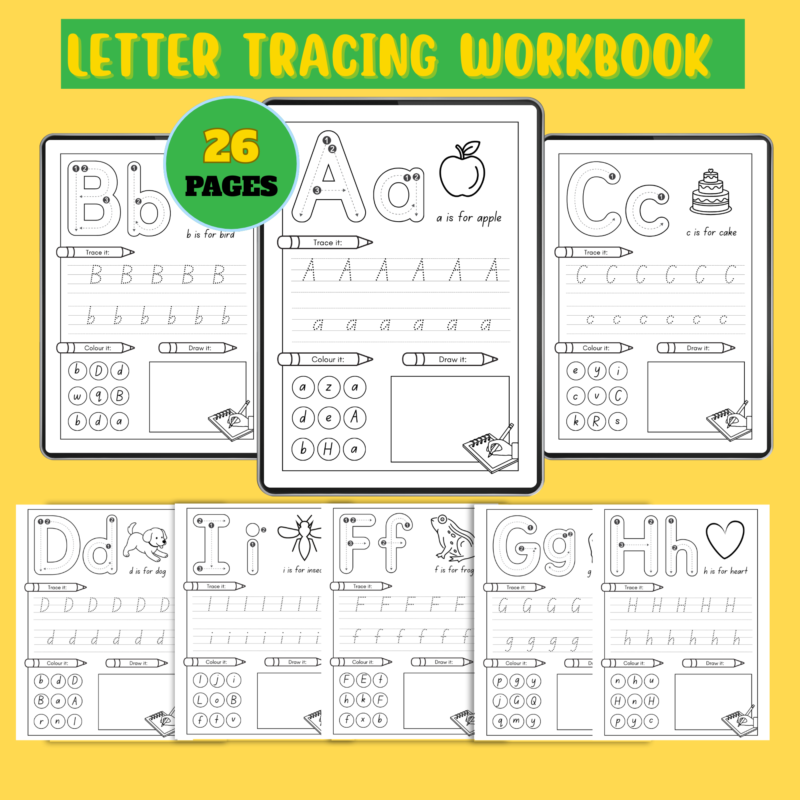
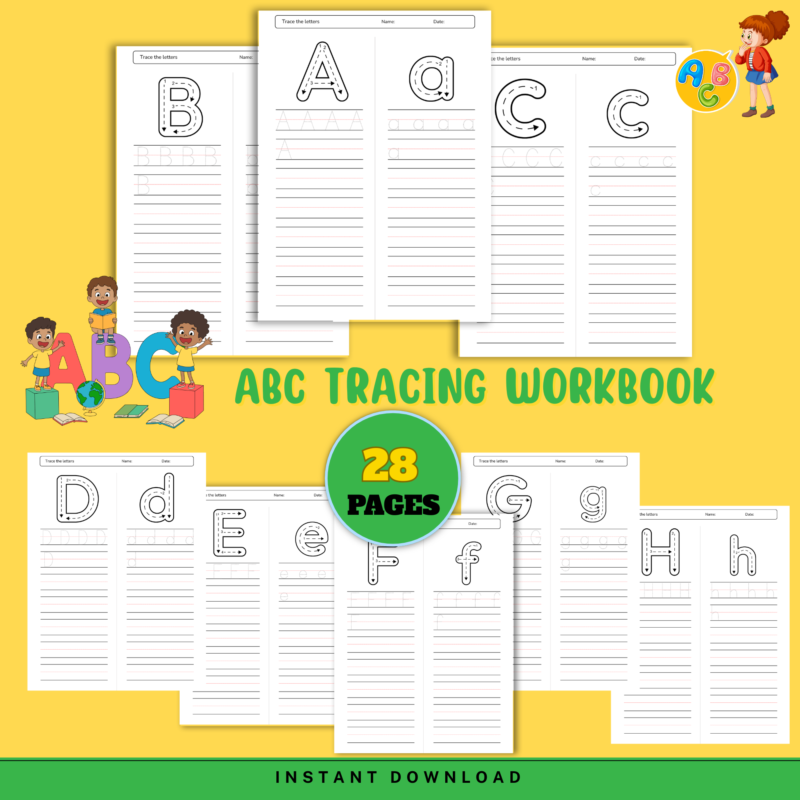
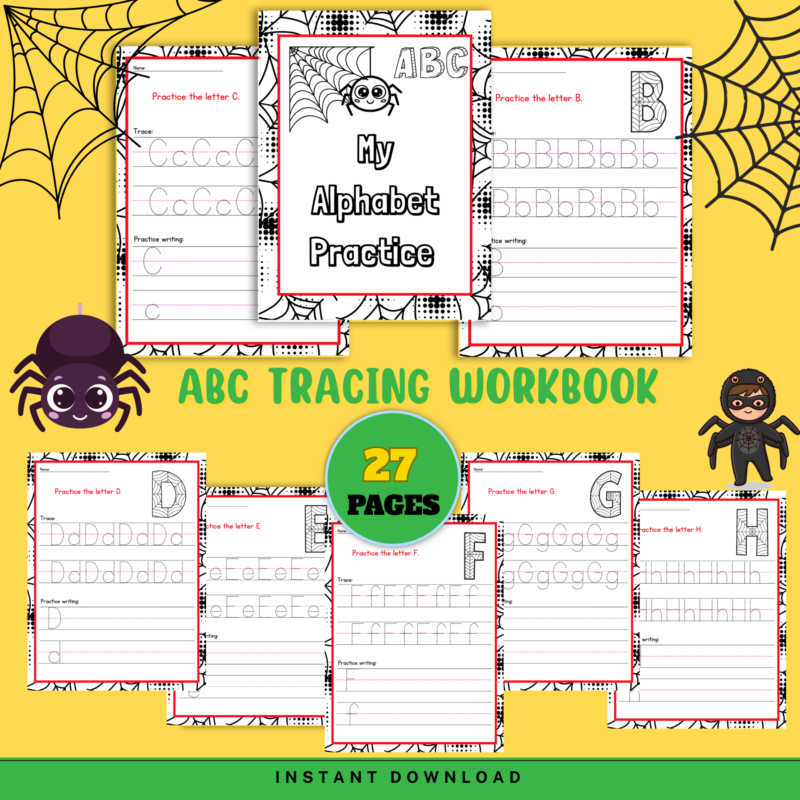
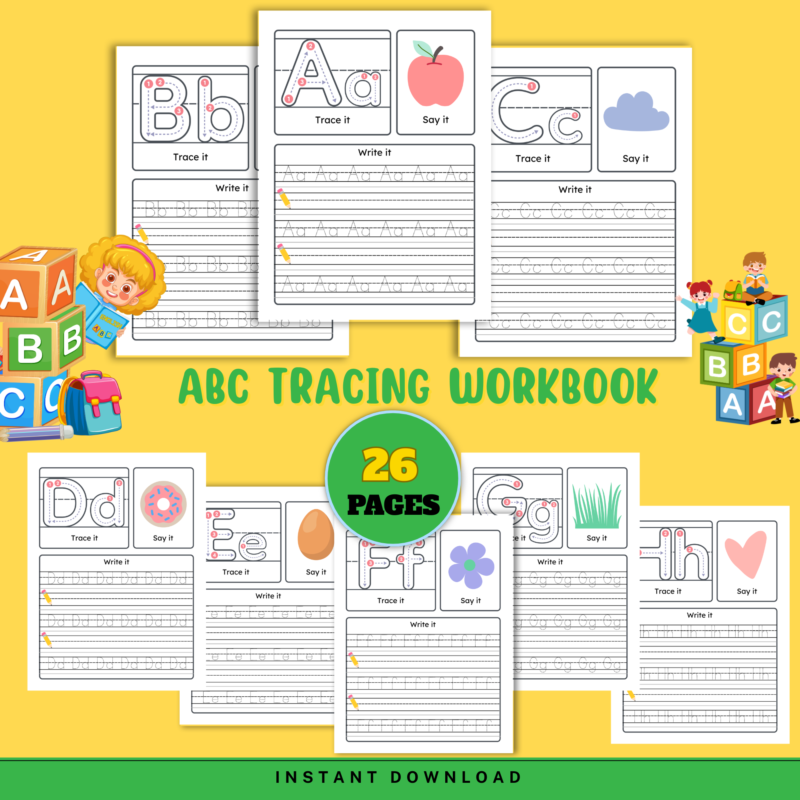
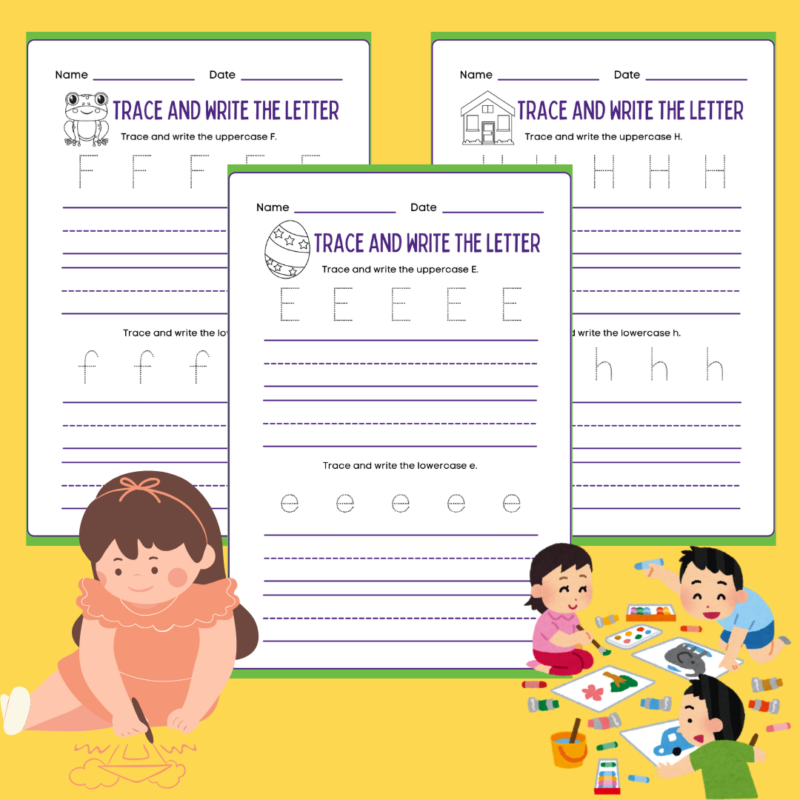
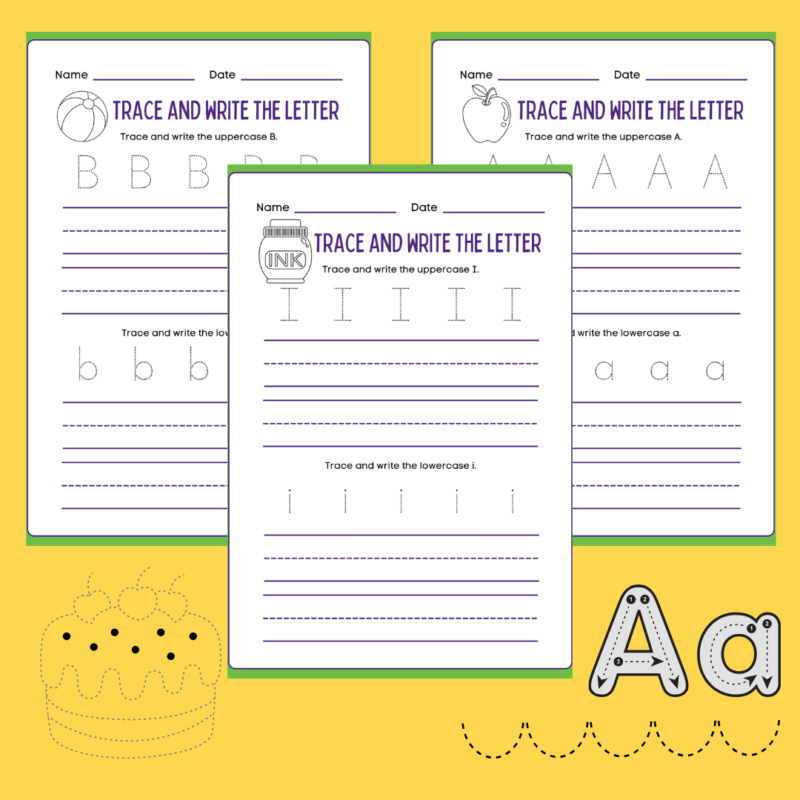
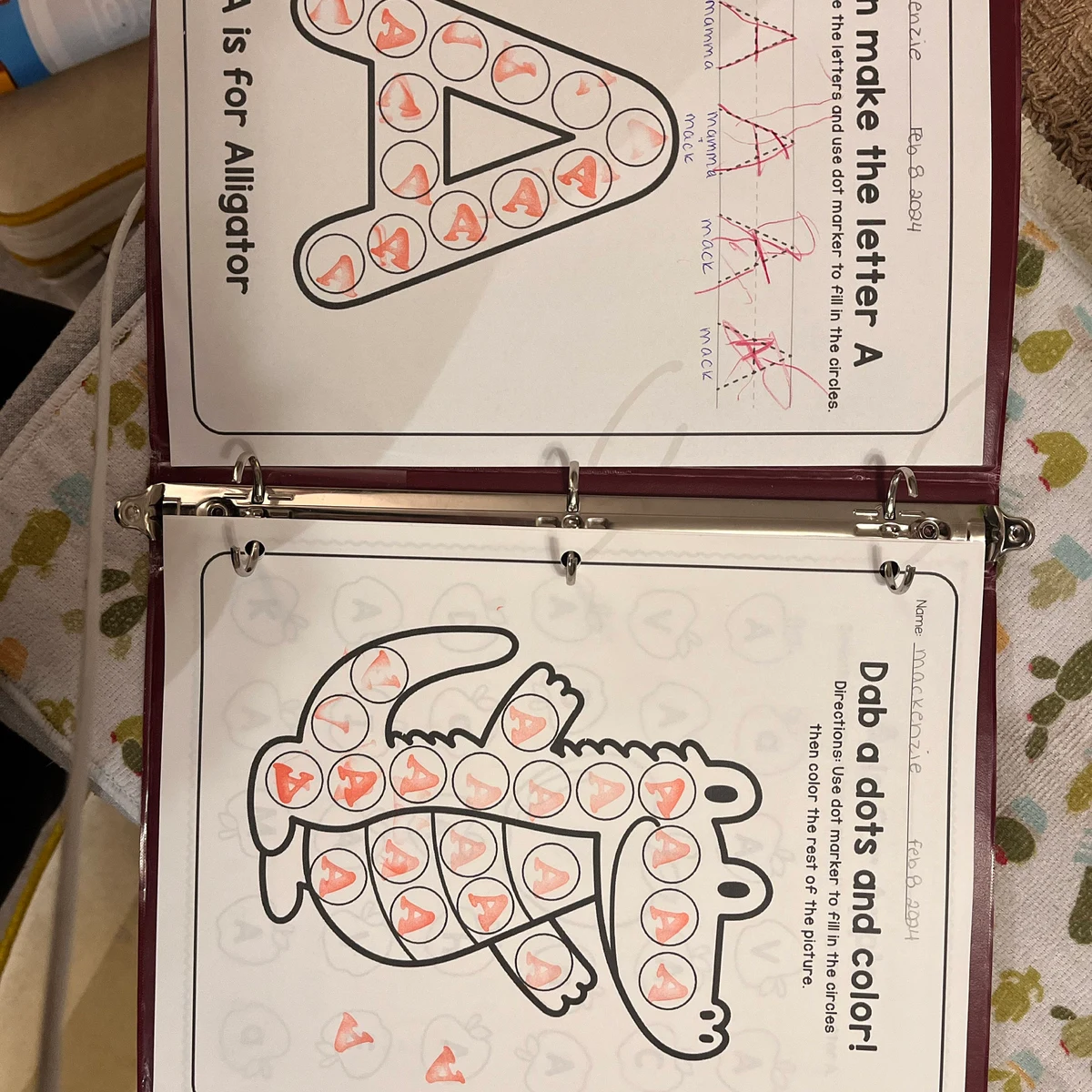
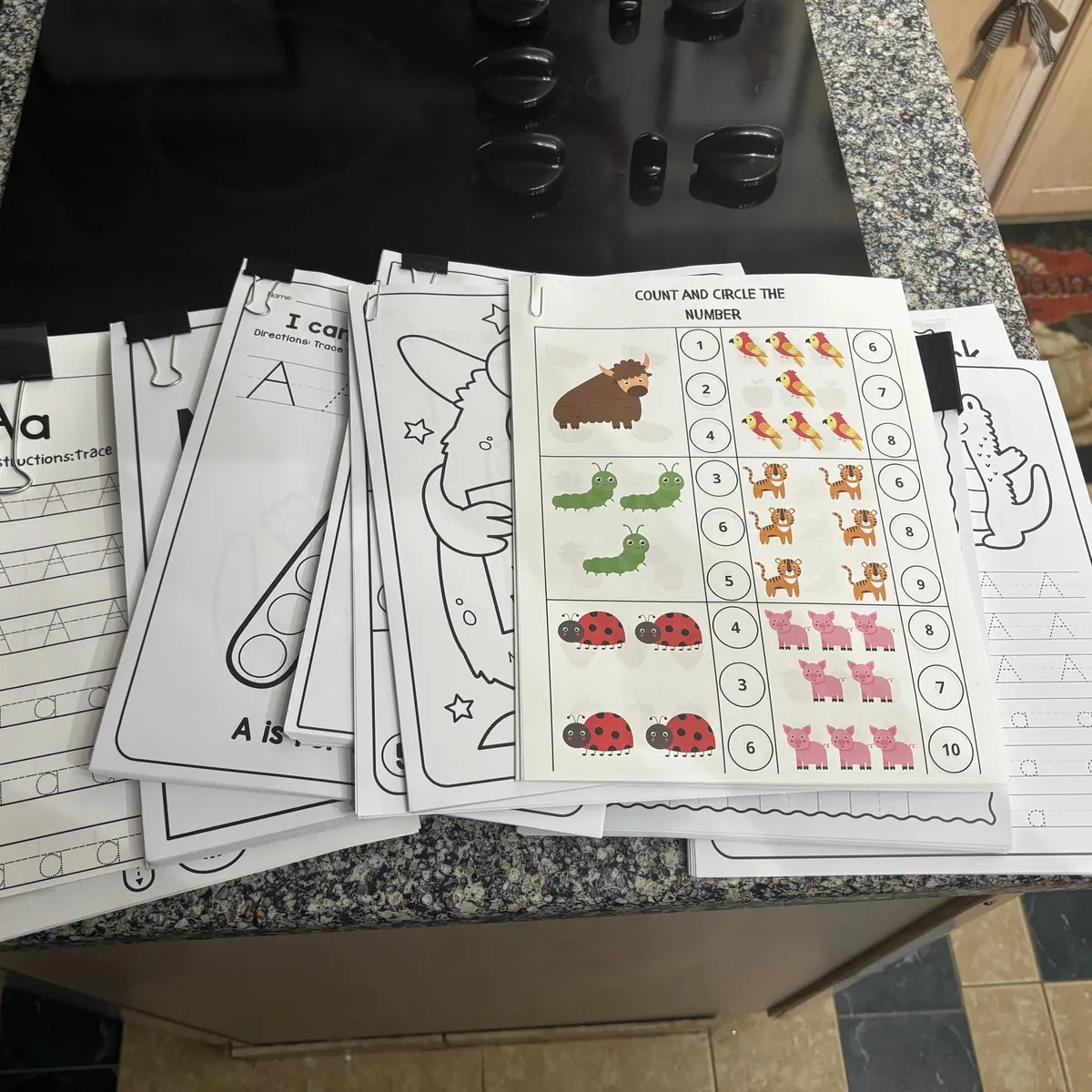
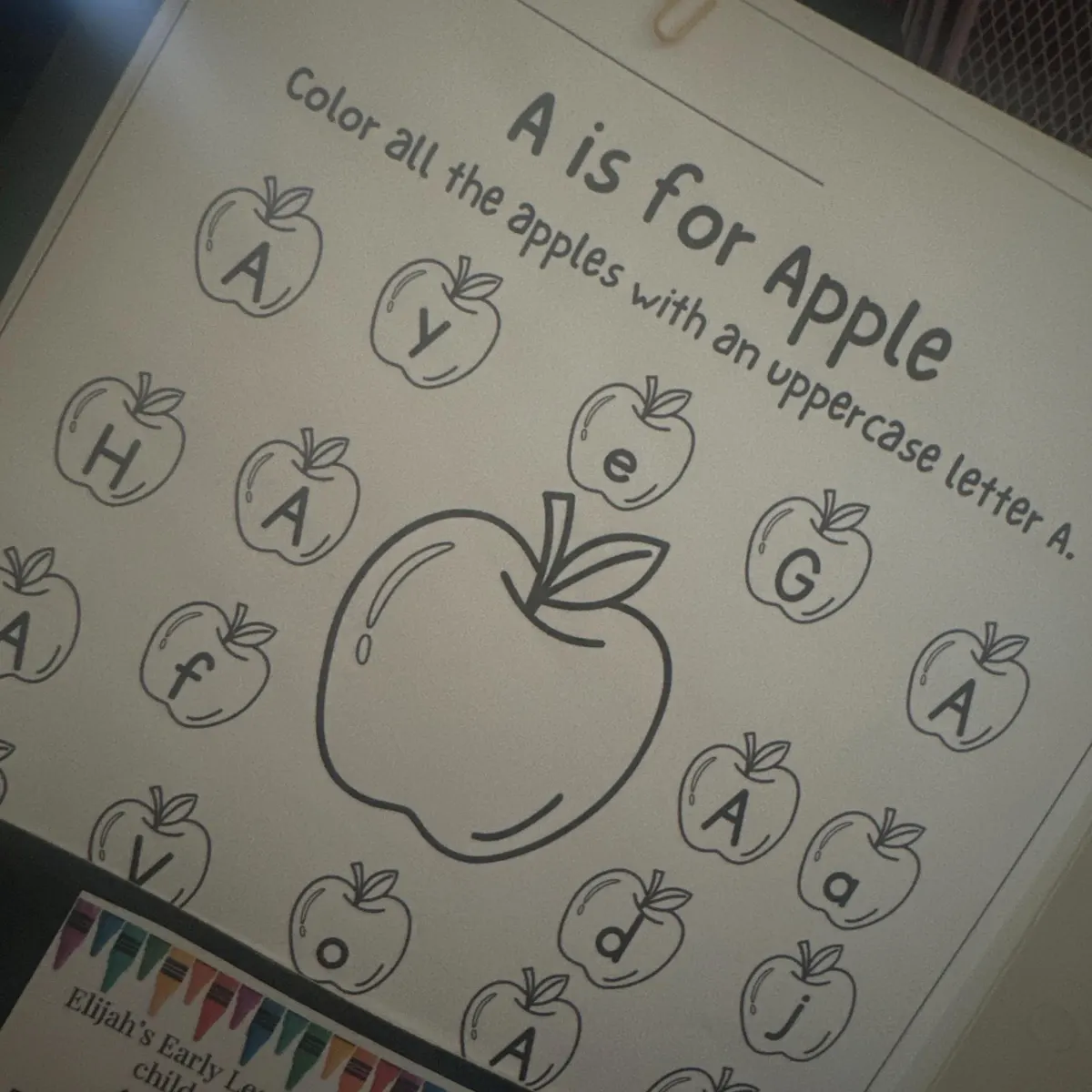
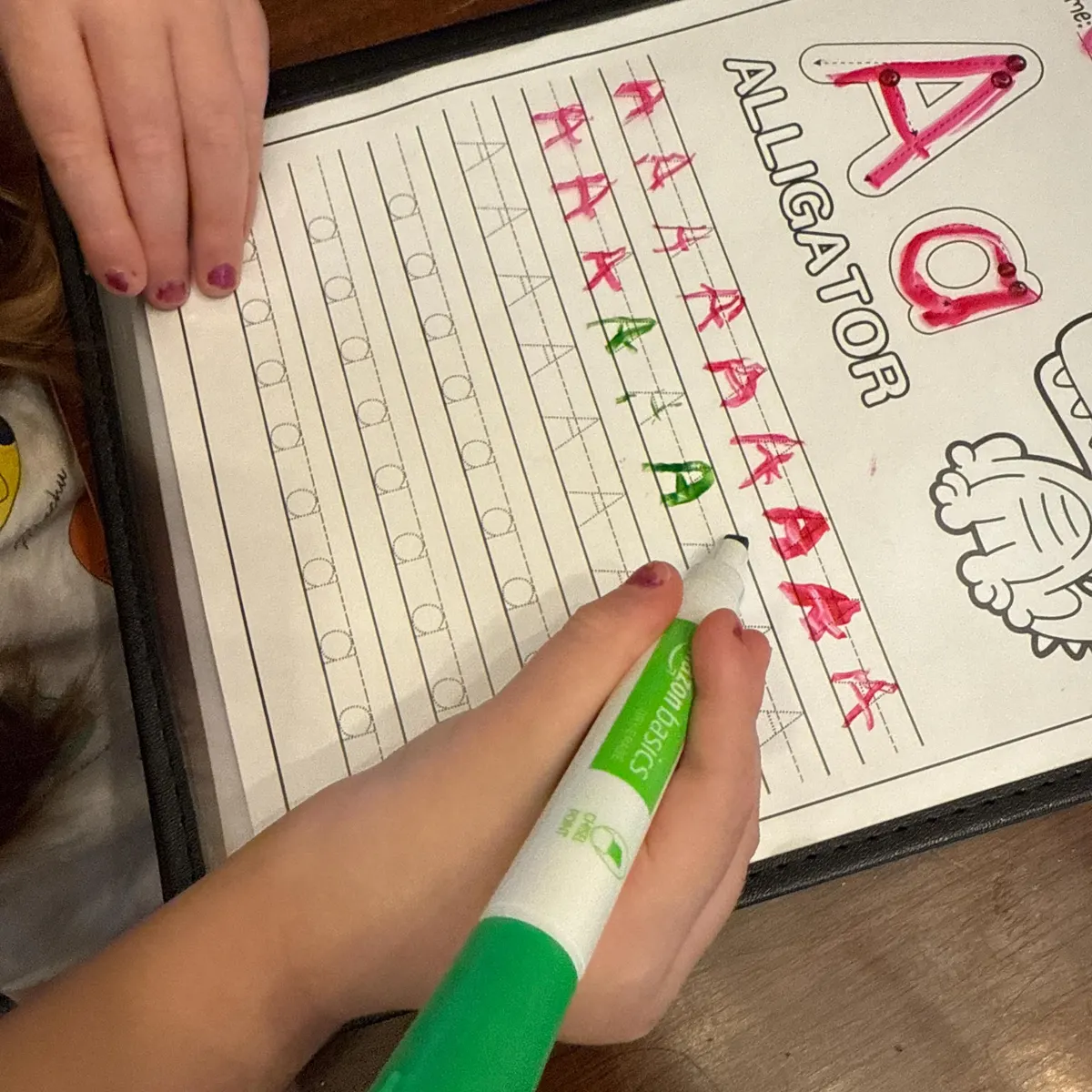
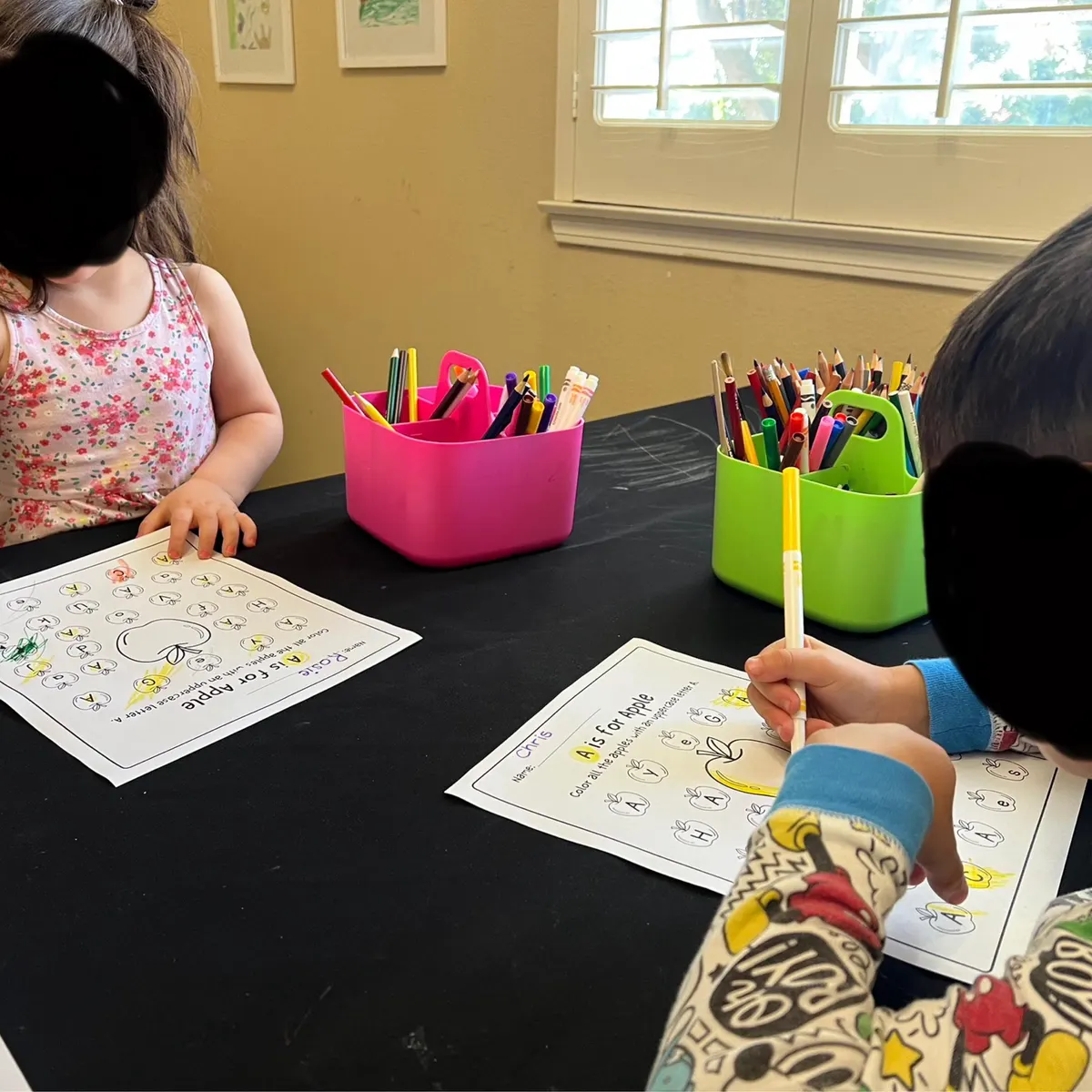
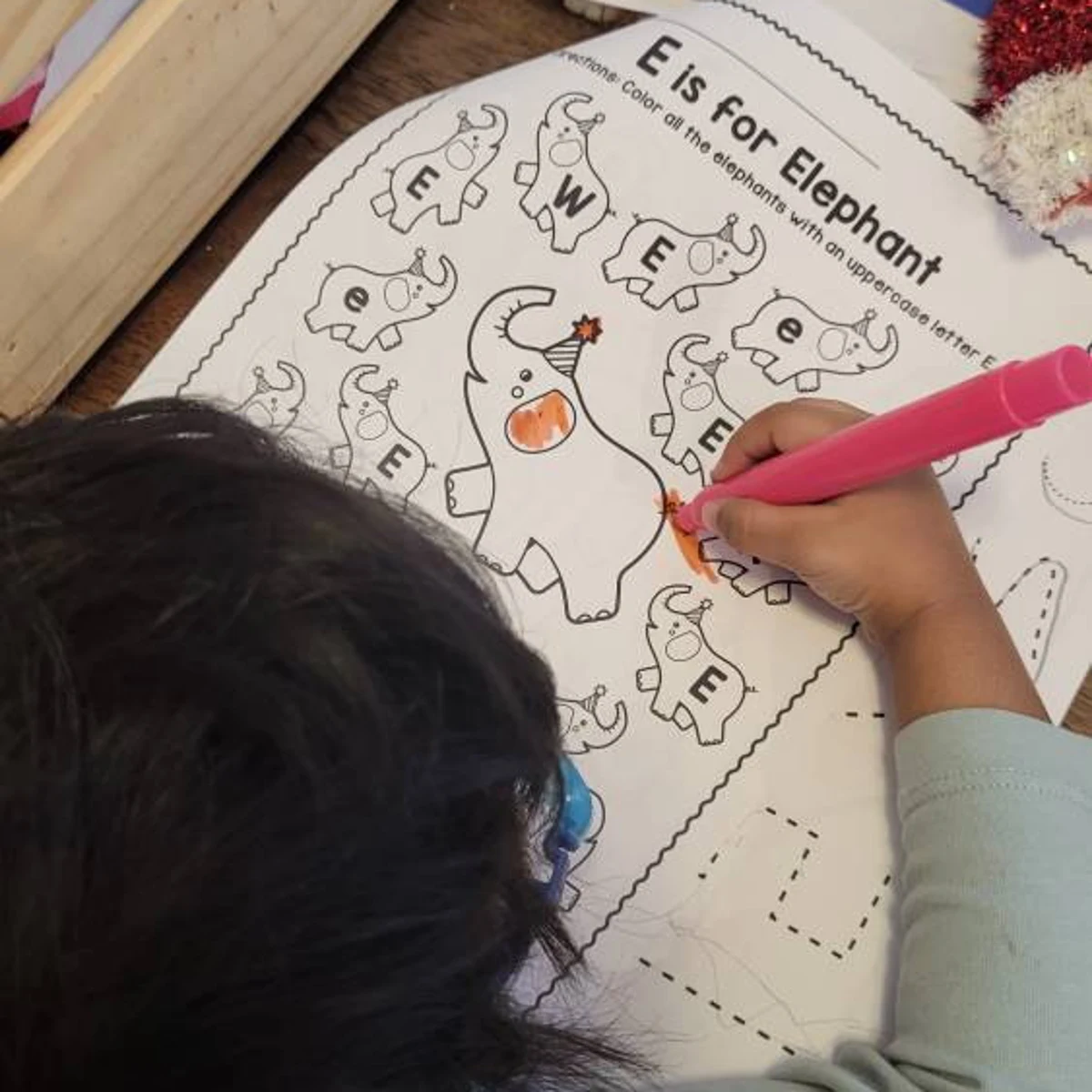
A preschooler gripping a crayon with fierce concentration can turn a simple line into a big milestone. That is why printable preschool worksheets tracing continue to be a go-to tool for parents, teachers, and homeschool families. When tracing pages are designed well, they do more than keep little hands busy. They help children build pencil control, strengthen fine motor skills, and practice the early movements that support handwriting, reading readiness, and overall confidence.
Tracing can look simple on the surface, but the right worksheet makes a real difference. A page that matches a child’s stage feels encouraging. A page that asks for too much too soon often leads to scribbles, frustration, or a child who suddenly wants to be done in thirty seconds. Good preschool practice starts with age-appropriate steps and enough variety to keep learning playful.
Why printable preschool worksheets tracing work so well
Young children learn best through repetition with a clear purpose. Tracing gives them exactly that. A child follows a path, repeats a motion, and starts to understand how hand movements connect to shapes, letters, and numbers. That repeated motion matters because preschoolers are still developing hand strength, visual tracking, and coordination.
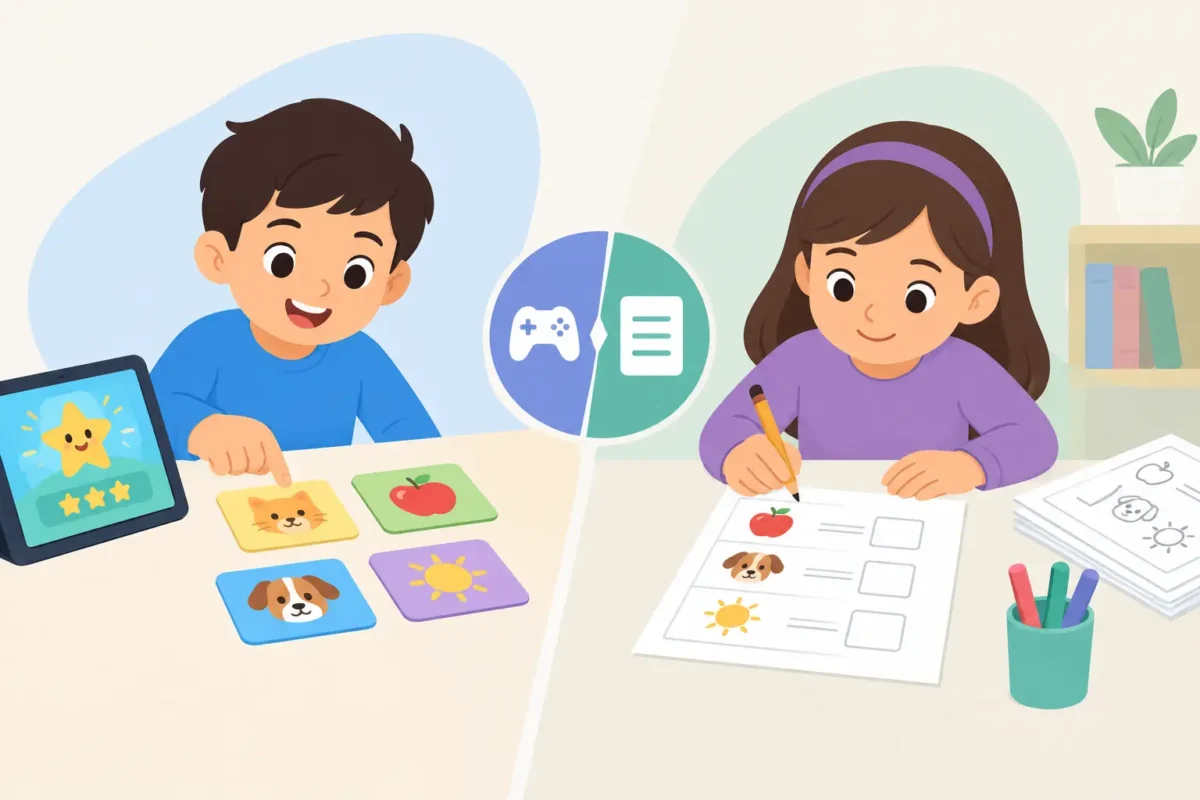
There is also a practical reason families and educators love printable tracing worksheets. They are low-prep, easy to reuse, and flexible enough for different learning settings. You can print a few pages for morning work, slide one into a dry-erase sleeve for repeated practice, or tuck a worksheet into a travel folder for a quiet activity on the go. For busy adults, that kind of convenience is not a small benefit. It often determines whether skill practice happens consistently.
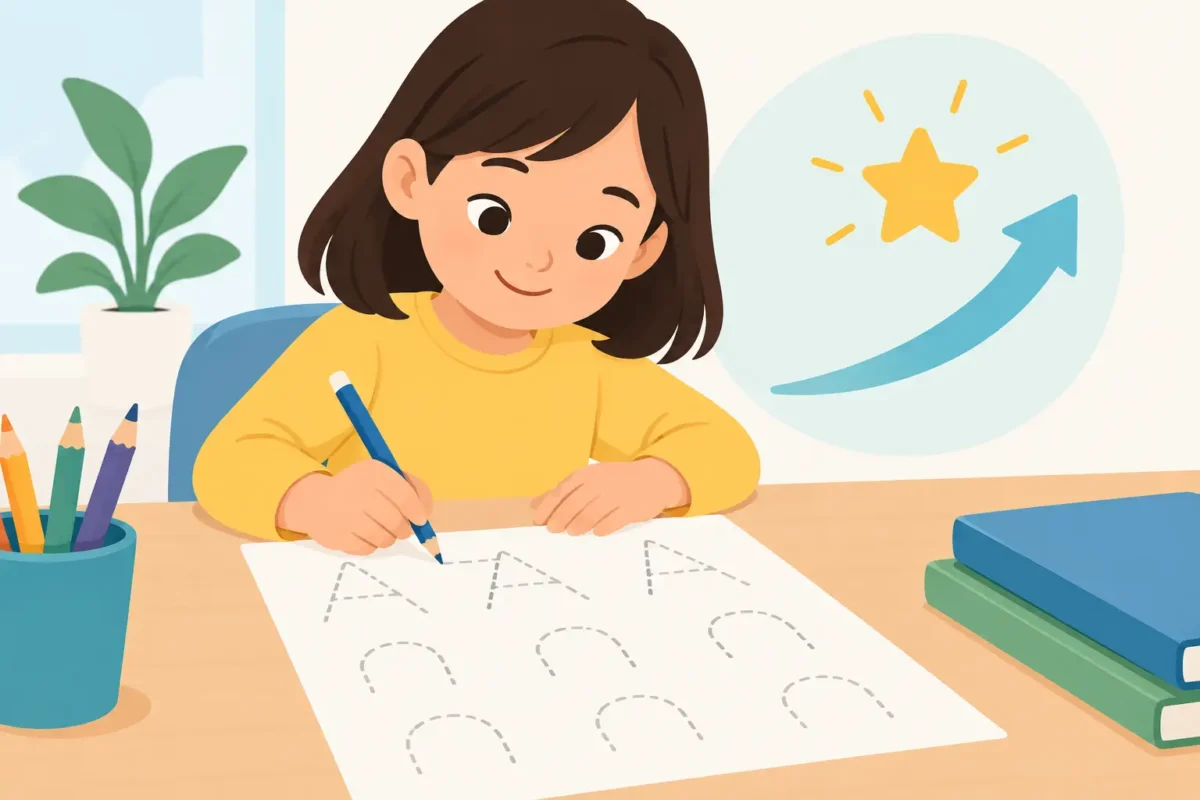
Another reason tracing worksheets work is that they create quick wins. Preschoolers may not write letters independently yet, but they can often trace a curved line, a simple shape, or the first letter of their name. Those small successes build momentum. When children feel capable, they are much more willing to keep practicing.
Start with the right tracing skills
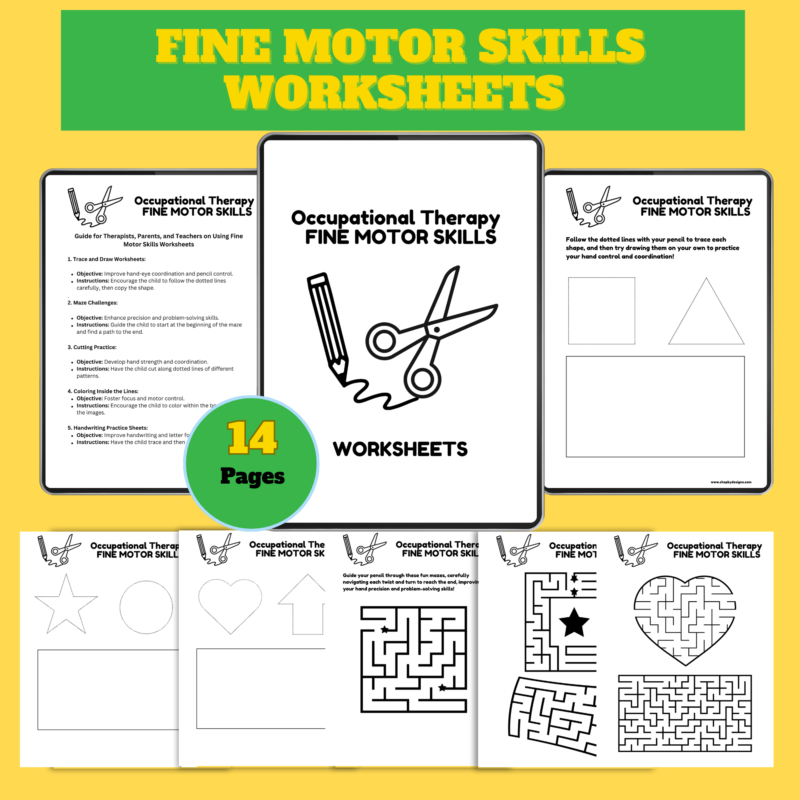
Not all tracing pages should begin with letters. In fact, many preschoolers benefit most from pre-writing lines first. Straight lines, zigzags, curves, loops, and simple paths prepare little hands for later handwriting work. These pages may look basic, but they teach children how to control movement from left to right and top to bottom.
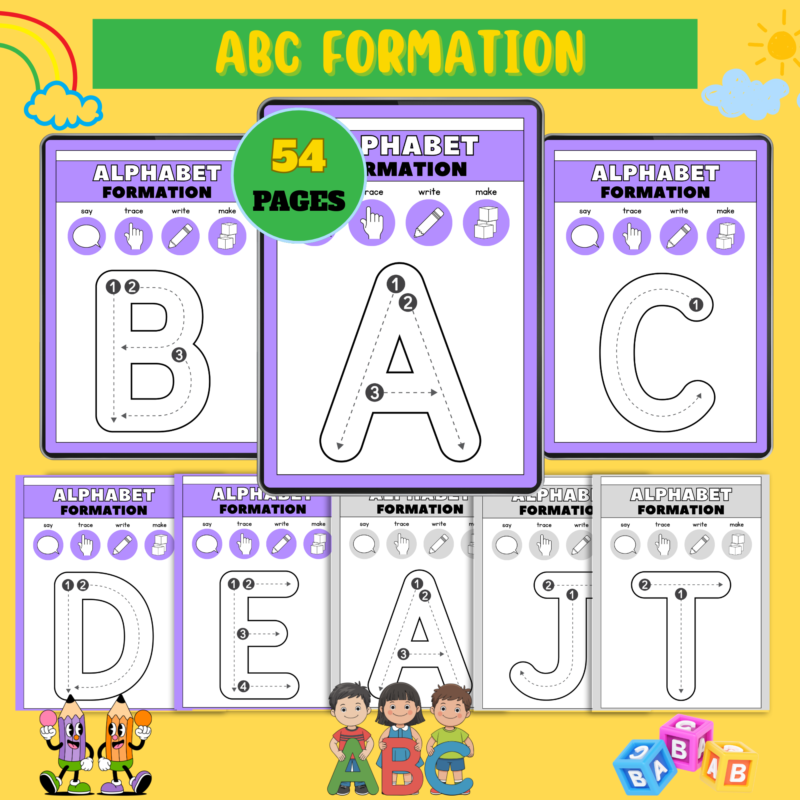
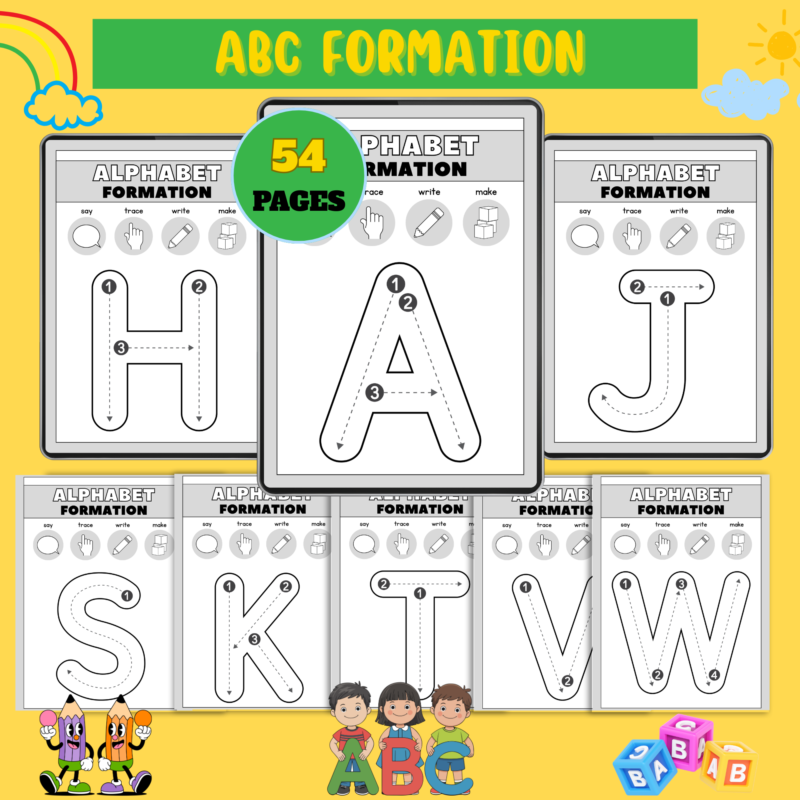
Once a child is comfortable with line practice, shapes are a natural next step. Circles, squares, triangles, and rectangles help children notice form and direction. After that, letter tracing and number tracing usually feel more manageable because the child has already practiced the building blocks of those marks.
This sequence matters. If a child is struggling to trace the letter A, the issue may not be the letter itself. It may be that they still need more practice with diagonal lines and stopping points. Slowing down to match the child’s current skill level often leads to better progress than pushing ahead.
What to look for in printable preschool worksheets tracing
A useful tracing worksheet should feel clear, simple, and inviting. Preschoolers do best when the page is not overcrowded. Large tracing paths, friendly visuals, and enough white space can help children focus without feeling overwhelmed.
Look for worksheets that use bold lines and gradual progression. The easiest pages might have thick paths and just a few tracing tasks. More advanced pages can include thinner lines, smaller shapes, or independent follow-up practice. That progression gives adults a better way to support growth without jumping from very easy to very hard.
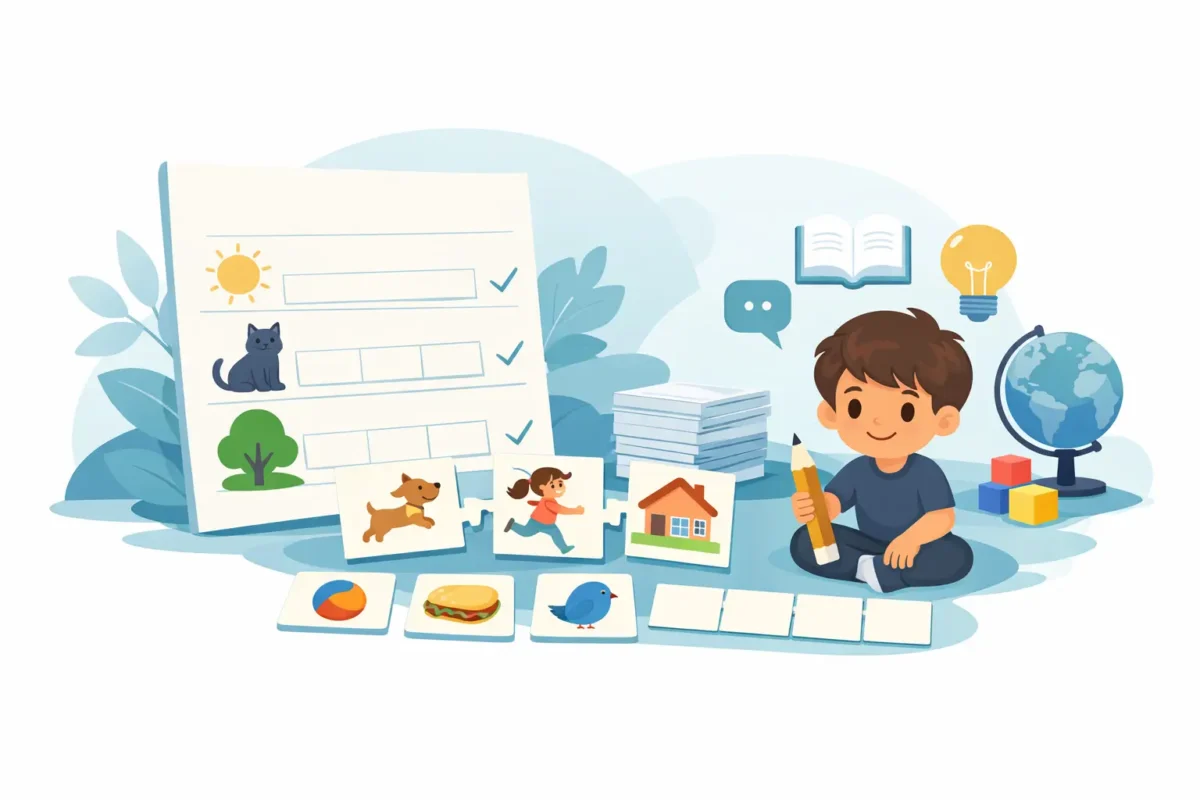
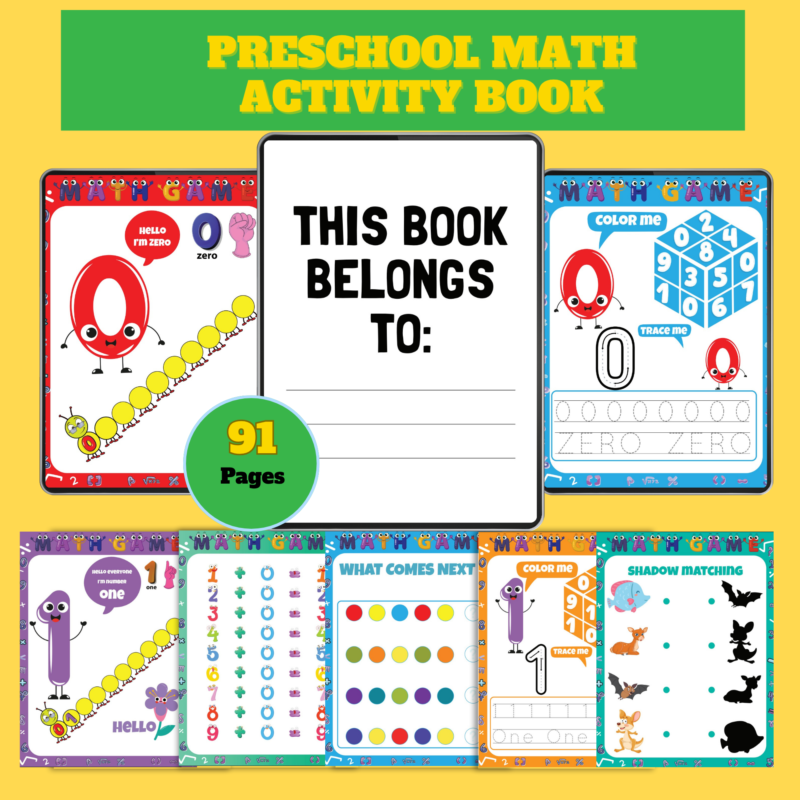
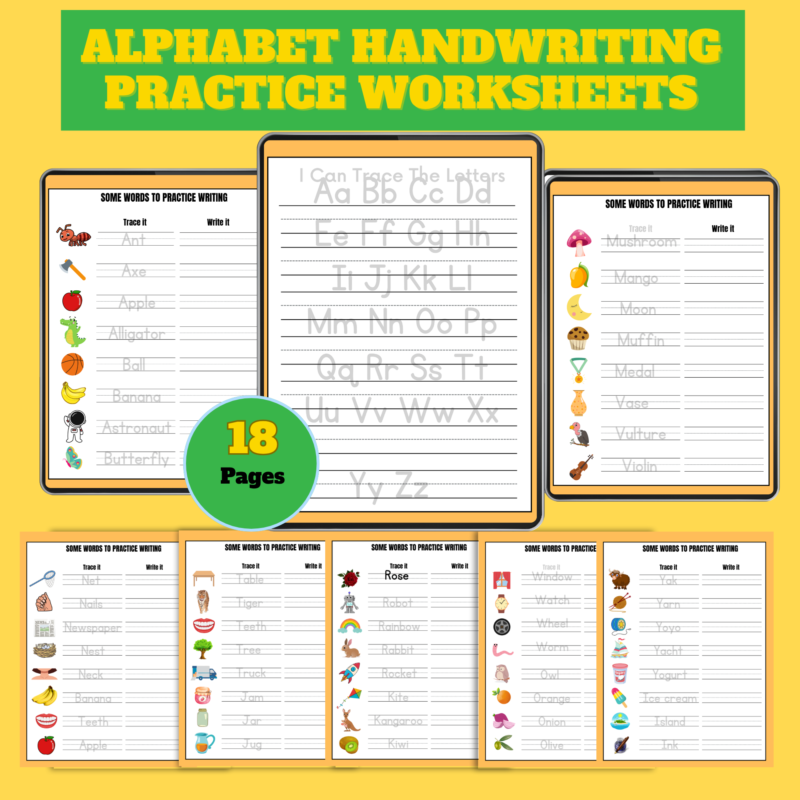
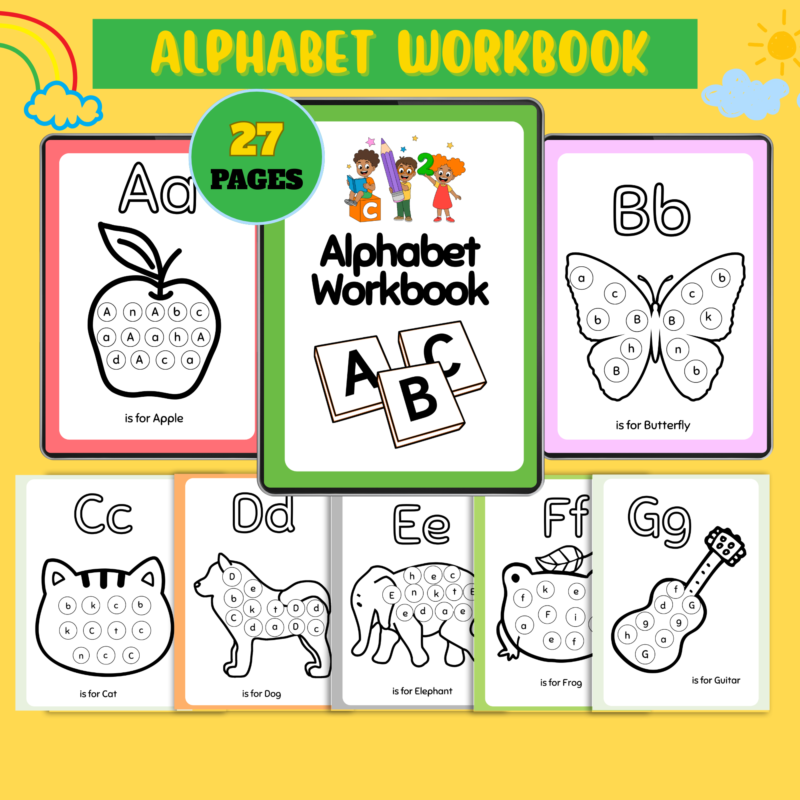
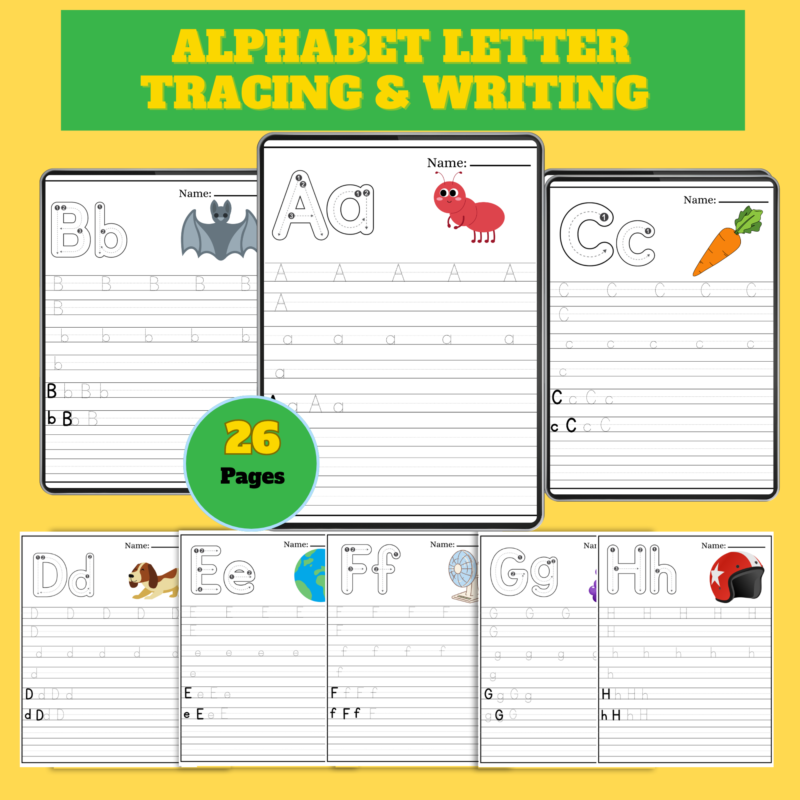
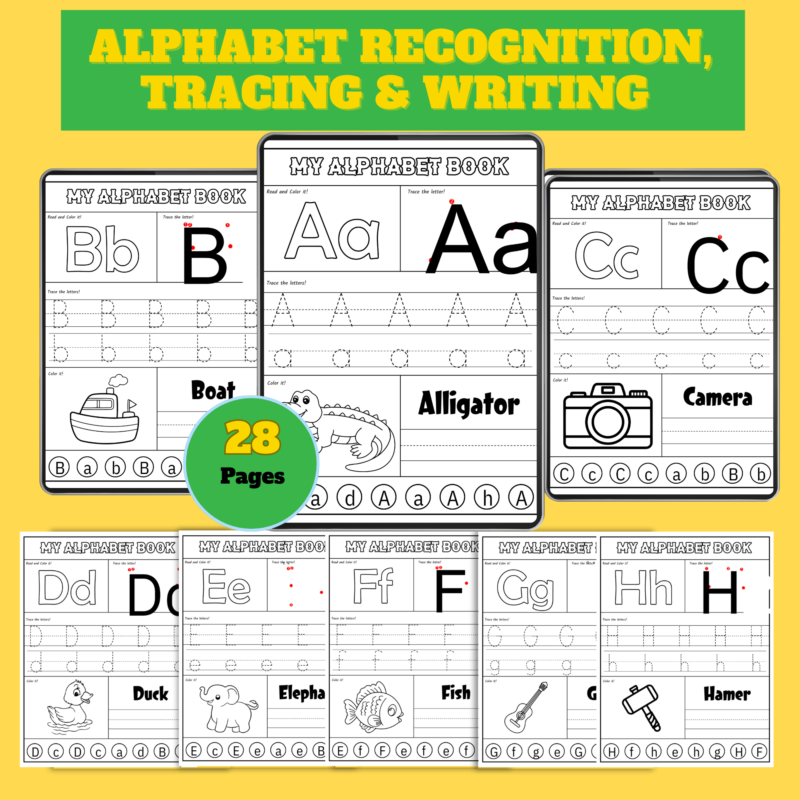
It also helps when tracing pages connect to familiar preschool topics. Alphabet tracing, number tracing, animals, seasonal themes, and fine motor activities all feel more engaging when they match what a child already enjoys. A child who resists plain line practice may be much more interested in tracing a path to a fox, tracing uppercase letters, or finishing a simple picture.
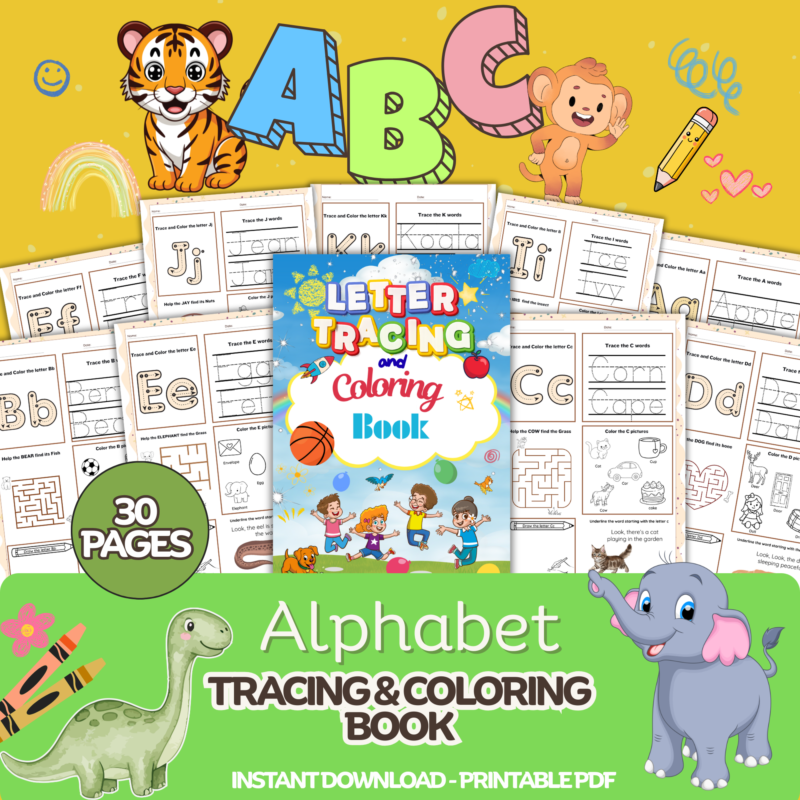
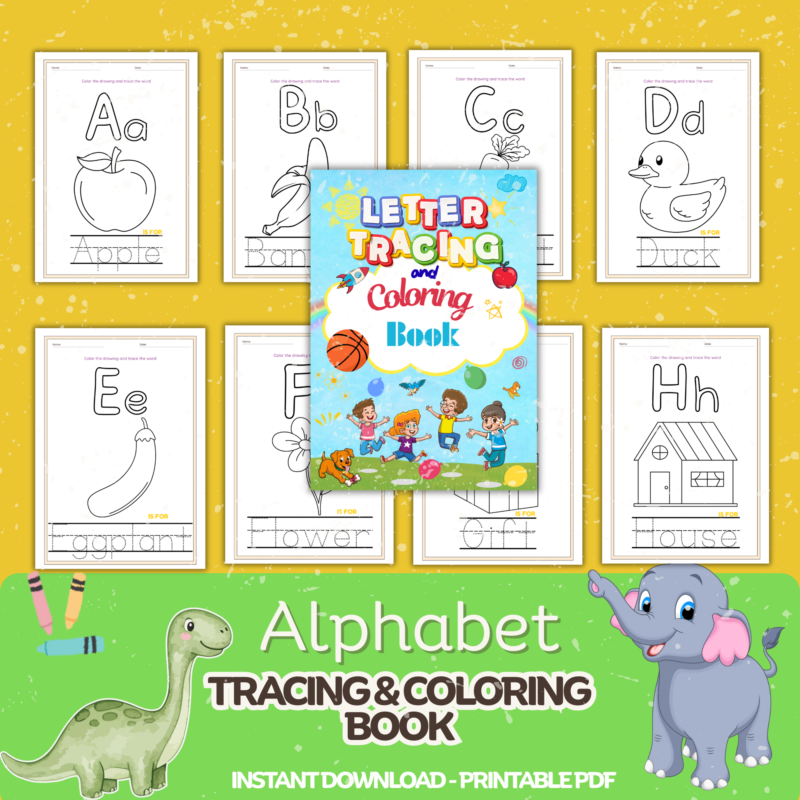
For home and classroom use, printable PDF worksheets are especially helpful because they offer instant access and easy organization. You can print exactly what you need, when you need it, instead of searching for a last-minute activity or creating practice pages from scratch.
How to use tracing worksheets without making them feel like a chore
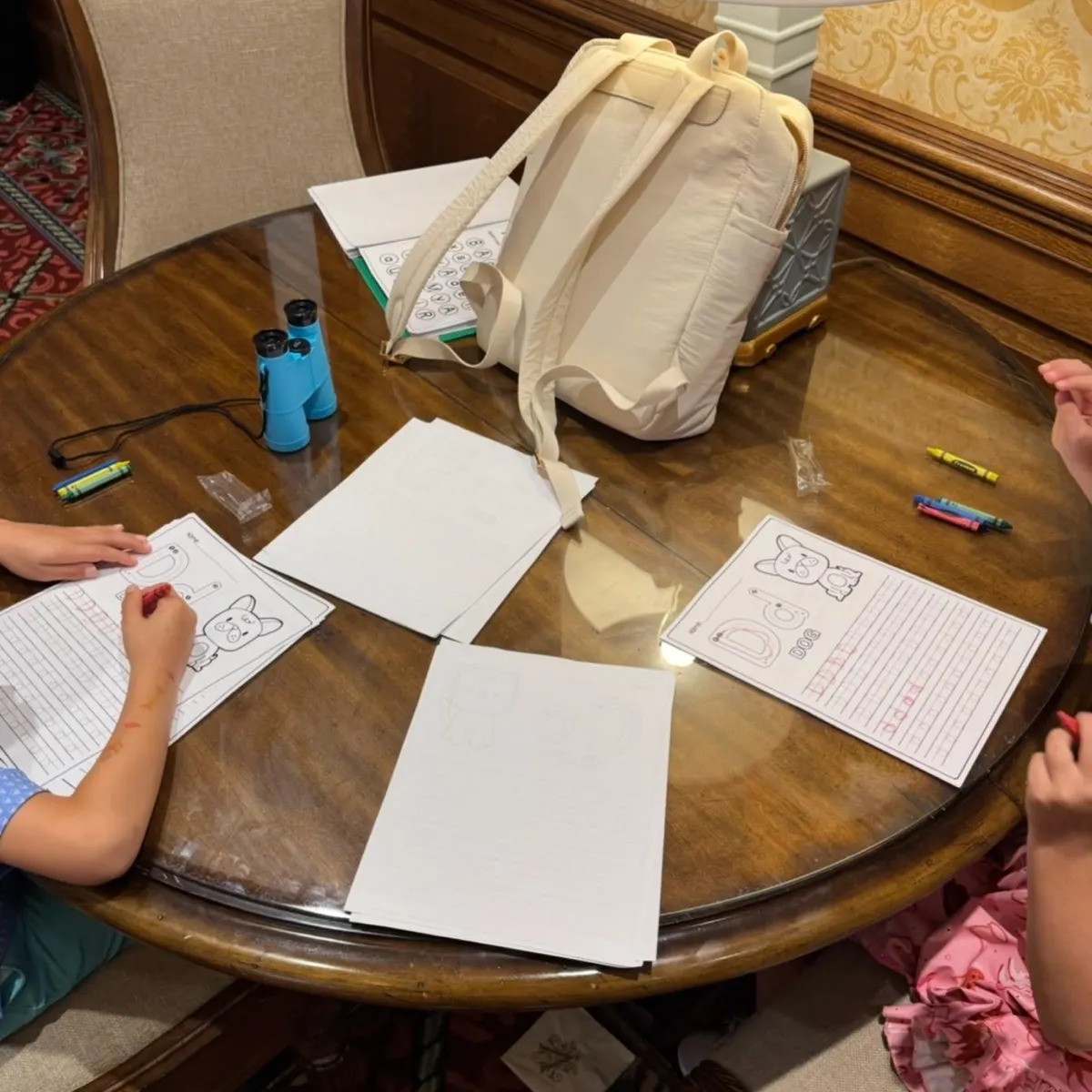
The best tracing practice is short, regular, and encouraging. Preschoolers usually do better with five focused minutes than a long sit-down session. One or two pages can be enough, especially if your child is still building stamina.
Try pairing tracing with a simple routine. A worksheet after breakfast, during center time, or before quiet reading can make practice feel predictable. Children often respond well when they know what comes next.
It is also helpful to keep expectations realistic. Some children will carefully trace every line. Others will zoom through half the page and then color the corner. Both are part of the learning process. The goal is progress, not perfect pencil strokes.
You can make worksheets feel more playful by changing the tools. Short crayons, chunky pencils, triangular crayons, and washable markers each offer a slightly different experience. Dry-erase sleeves are another favorite because they turn one printed page into repeatable practice. That is especially useful for names, letters, and numbers that need extra review.
Praise should stay specific. Instead of saying good job and moving on, try noticing the skill itself. You stayed on the line. You started at the top. You finished that curve slowly. That kind of feedback helps children understand what they are doing well and what to repeat.
Printable preschool worksheets tracing for home and classroom
One of the biggest strengths of tracing worksheets is how easily they fit different environments. At home, they can become part of a simple school-readiness routine. Parents do not need a full lesson plan to make tracing worthwhile. A few thoughtfully chosen pages can support pencil grip, attention, and early literacy in a very manageable way.
In preschool classrooms and daycare settings, tracing pages work well for table time, small groups, morning bins, and quiet transitions. Teachers often need activities that are structured but easy to set up. Printable worksheets solve that problem while still targeting real developmental skills.
Homeschool families often appreciate the flexibility even more. Tracing pages can support a larger unit study or fill a quick practice gap on busy days. If a child needs extra work on number formation, name writing, or fine motor control, it is easy to print a focused set and keep going.
There is one trade-off worth mentioning. Worksheets should support hands-on learning, not replace it. Preschoolers still need playdough, painting, cutting, blocks, sensory bins, and outdoor play. Tracing works best as one part of a balanced early learning routine. Used that way, it becomes a helpful tool rather than busywork.
When a child struggles with tracing
Struggling does not always mean a child is behind. Sometimes the page is too advanced. Sometimes the pencil is uncomfortable. Sometimes the child is simply tired, distracted, or not interested in that particular theme.
If tracing feels hard, go back to easier movements and keep practice light. Try larger lines, shorter sessions, or finger tracing before pencil tracing. You can also model the motion first and let the child trace over your example. For some children, vertical surfaces such as an easel or taped paper on a wall can make writing practice easier because they encourage better wrist position.
Watch for small signs of growth. A child may not complete the page, but they might hold the crayon better than last week. They might follow one curve more carefully or recognize the letter they are tracing. Those little changes count.
If you are choosing resources, quality matters. Thoughtfully designed worksheets save time and reduce frustration because they are built for real preschool development, not just filled with random tracing lines. Fun Clever Fox focuses on that sweet spot where learning stays structured, engaging, and easy to use for busy families and educators.
Building confidence one page at a time
Tracing worksheets are not flashy, but they are dependable. They give young children a clear place to begin and a simple way to practice again. Over time, those repeated strokes can support stronger handwriting habits, better control, and more confidence with early academic tasks.
For parents and teachers, that is the real value. You are not just printing a worksheet. You are giving a child a manageable way to practice, succeed, and feel proud of what their hands can do next.