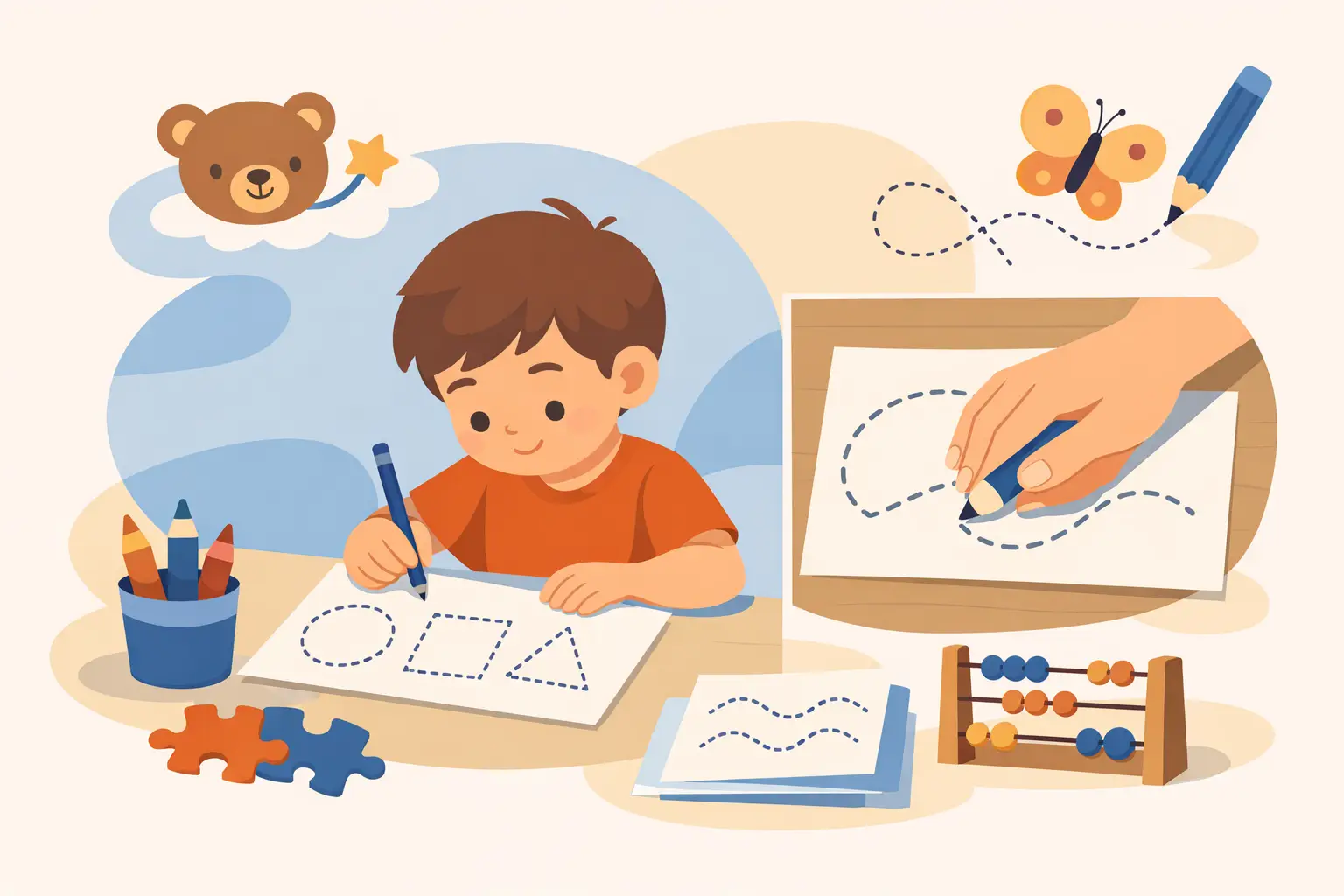
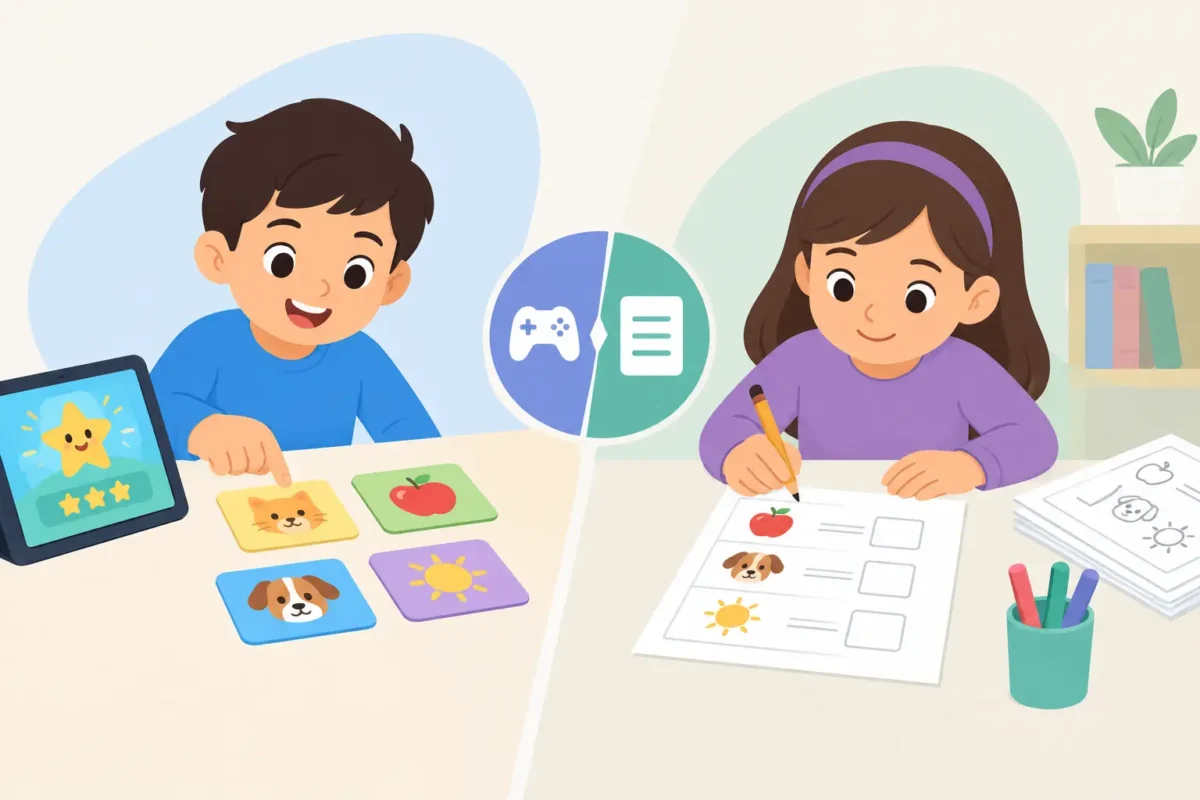
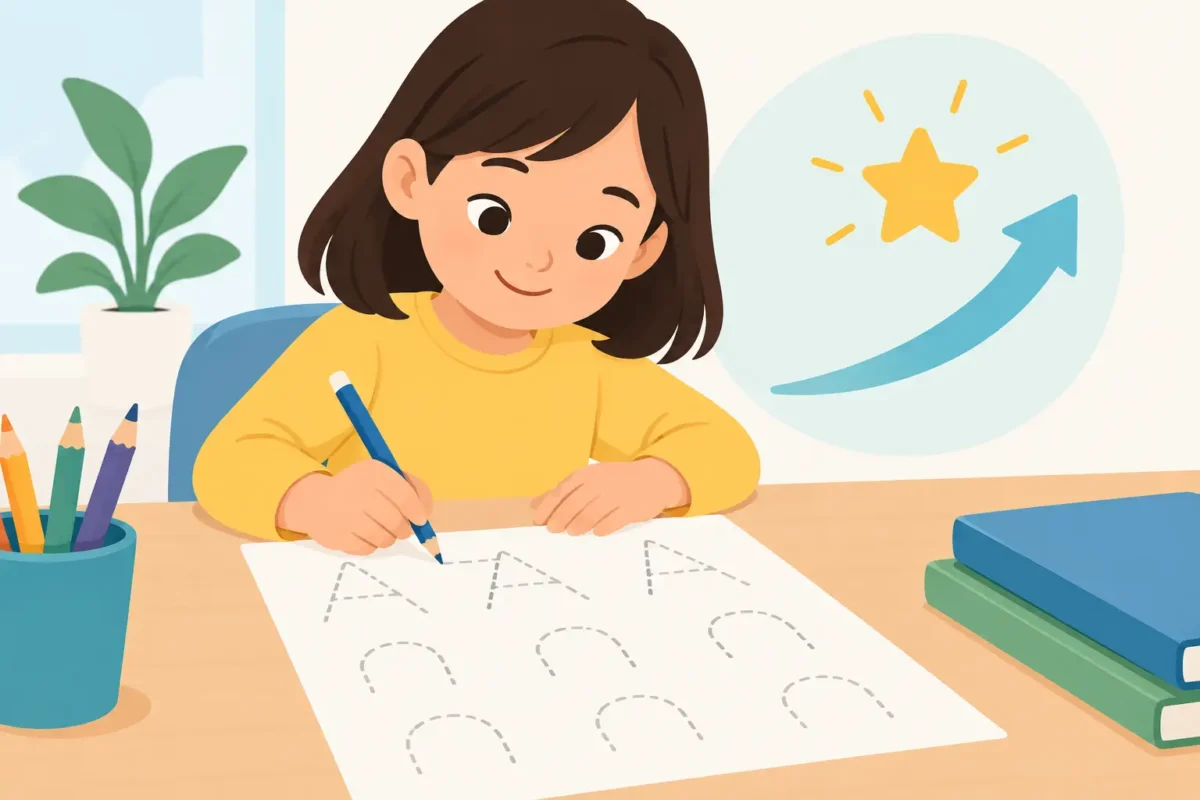
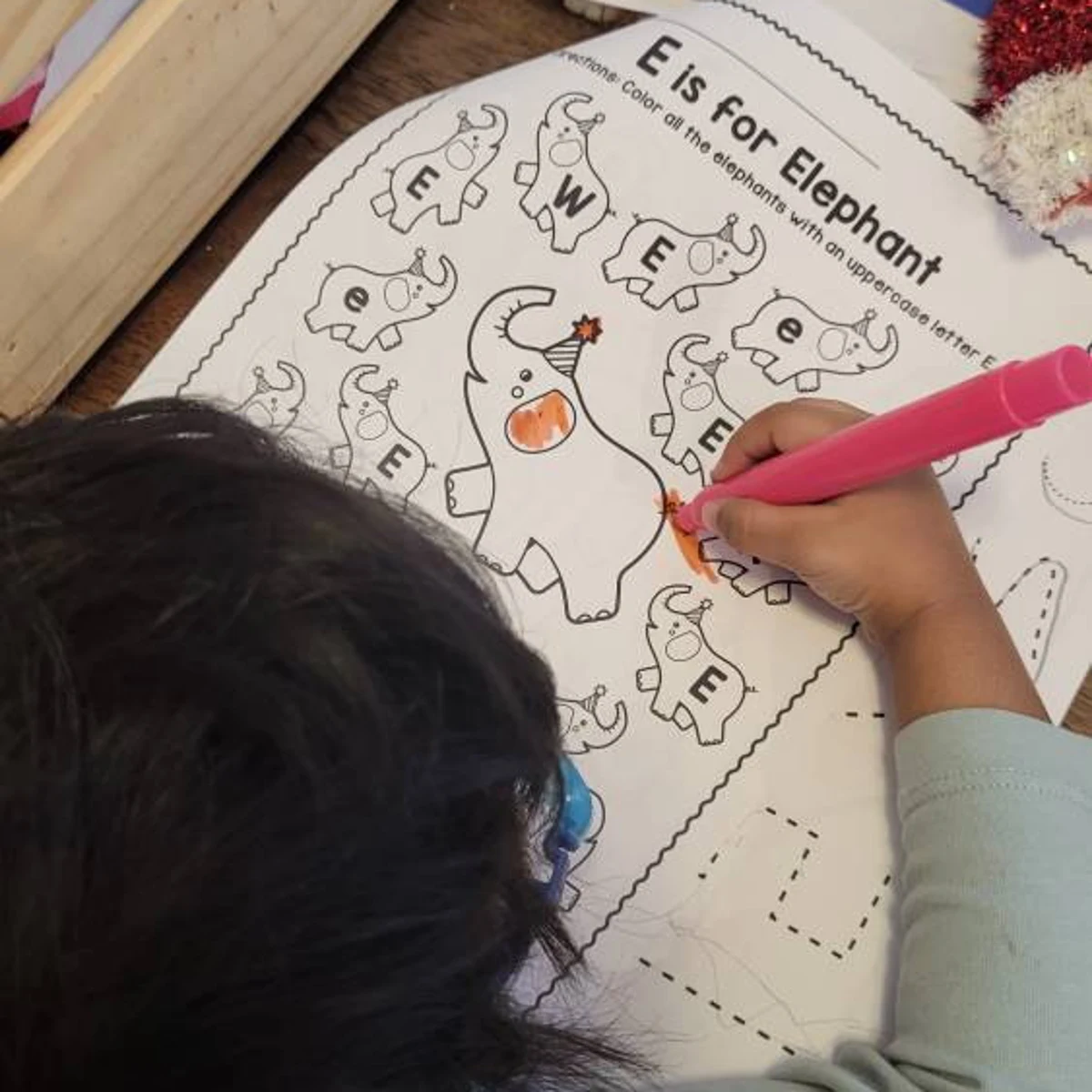
A toddler gripping a crayon in a fist and making a page full of joyful scribbles may not look like they are preparing to write, but they are. Those early marks build the hand strength, control, and confidence that tracing will later use. So, when should kids start tracing? Most children can begin simple pre-tracing activities around ages 2 to 3, while many are ready to trace basic lines and shapes between ages 3 and 4.
The key is readiness, not a race to finish letter worksheets. A child who enjoys drawing, can sit for a short activity, and is beginning to control a crayon is often ready for a gentle introduction. Keep practice playful and brief so tracing feels like a fun challenge, not a test.
When Should Kids Start Tracing Lines and Shapes?
Before children trace letters, they need practice making the movements that letters require. Straight lines, curves, circles, zigzags, and simple paths help young learners coordinate their eyes and hands. These are the building blocks for future handwriting.
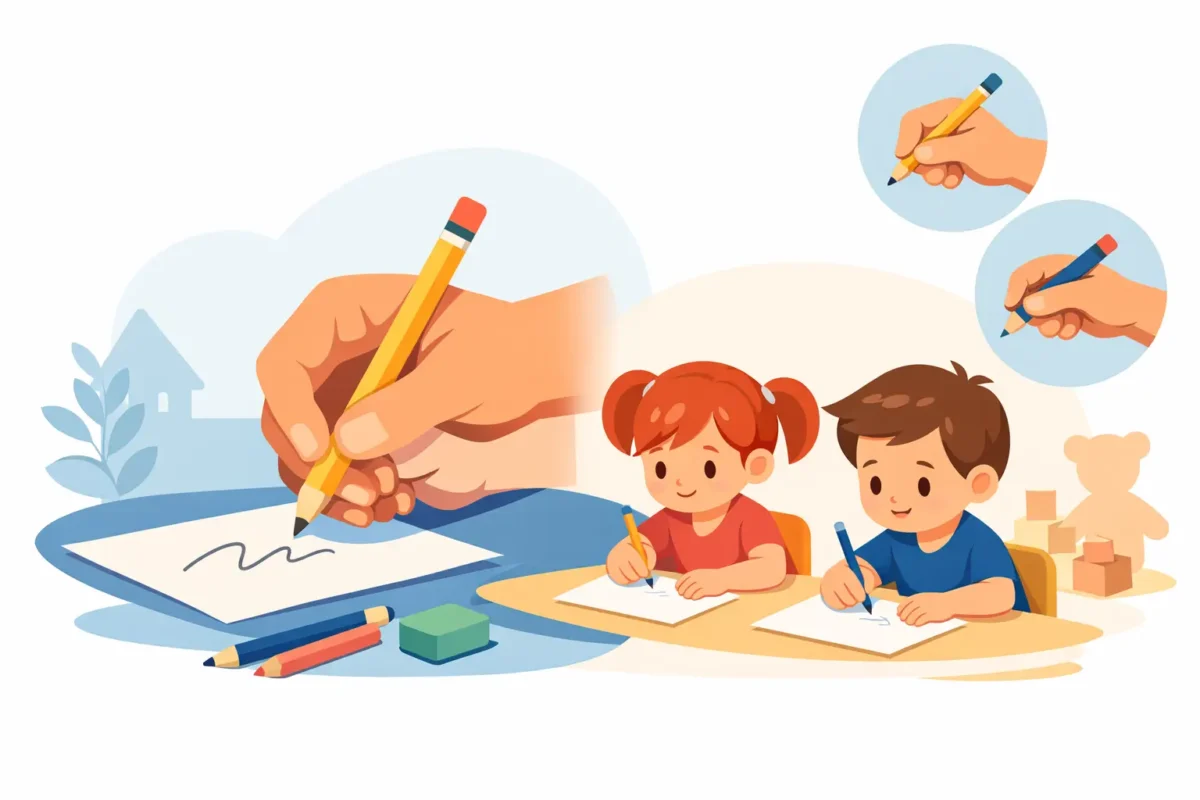
Around age 2, offer large crayons, washable markers, chalk, or finger paint. Encourage free scribbling on a big sheet of paper, an easel, or a sidewalk. At this stage, it is less about staying on a line and more about discovering that their hand can make marks in different directions.
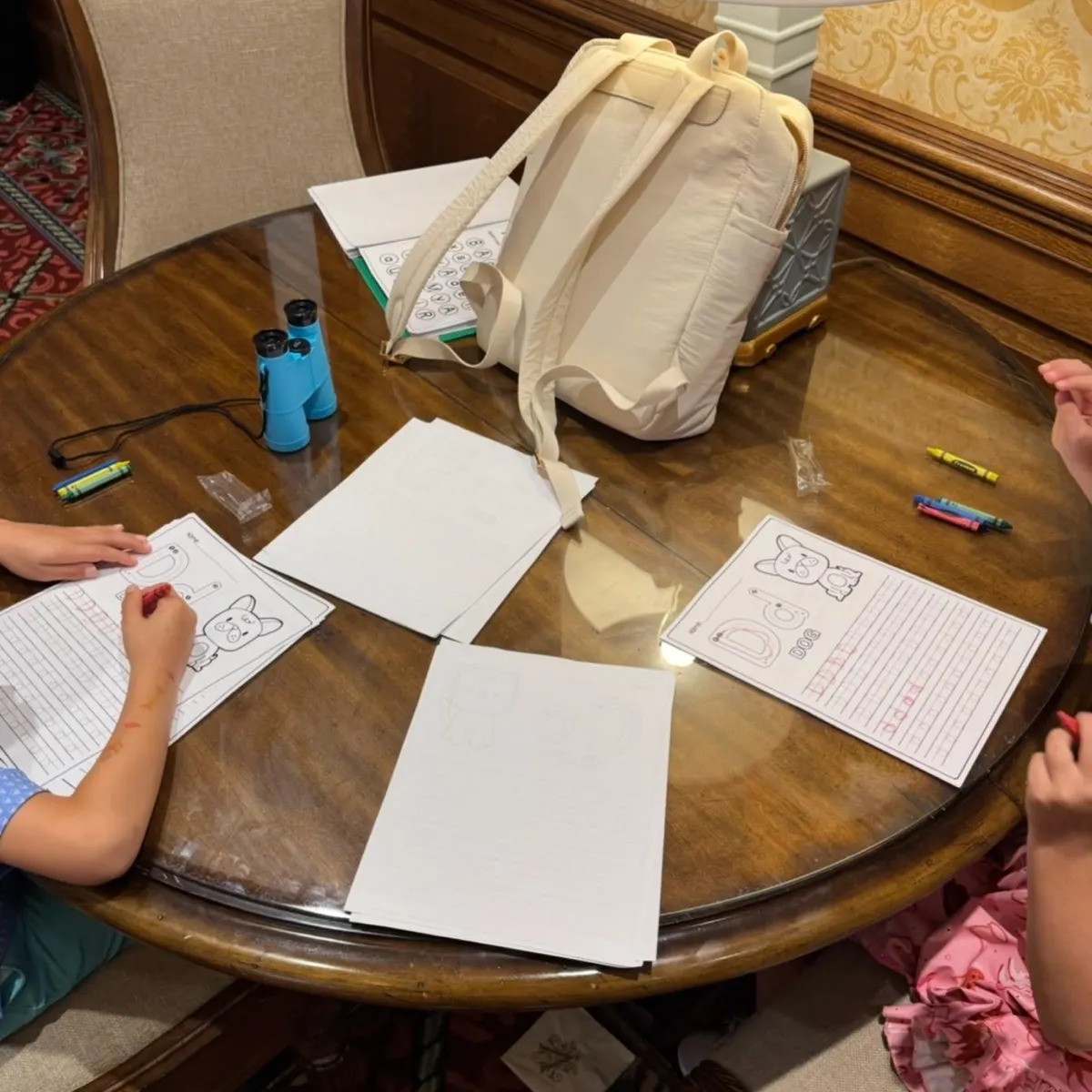
By ages 3 to 4, many children enjoy tracing wide, bold lines and simple shapes. A worksheet with a path from one picture to another can be especially motivating. For example, they can help a bee fly to a flower by tracing a curved line or guide a car along a road. These activities give a clear purpose to the movement without making it feel overly formal.
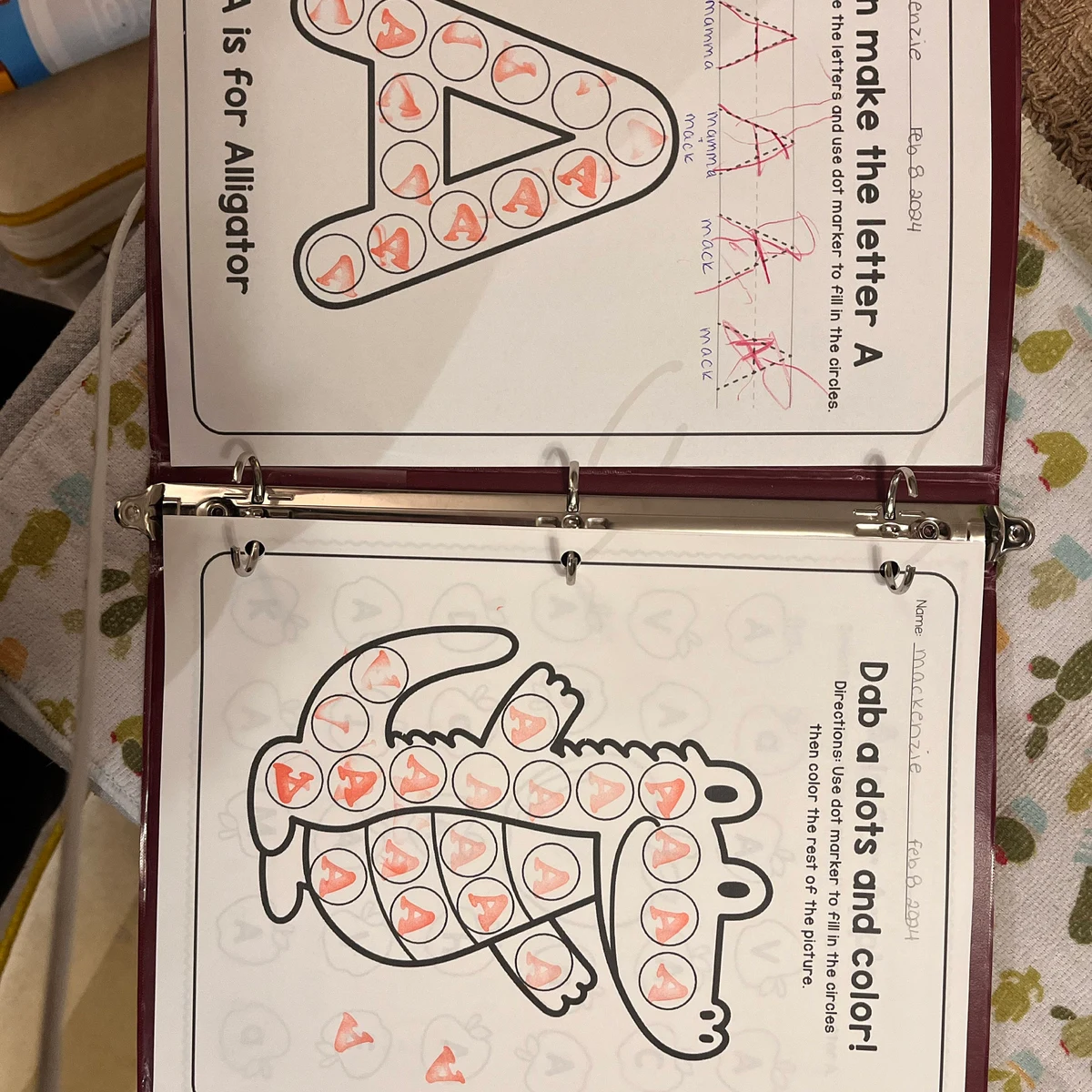
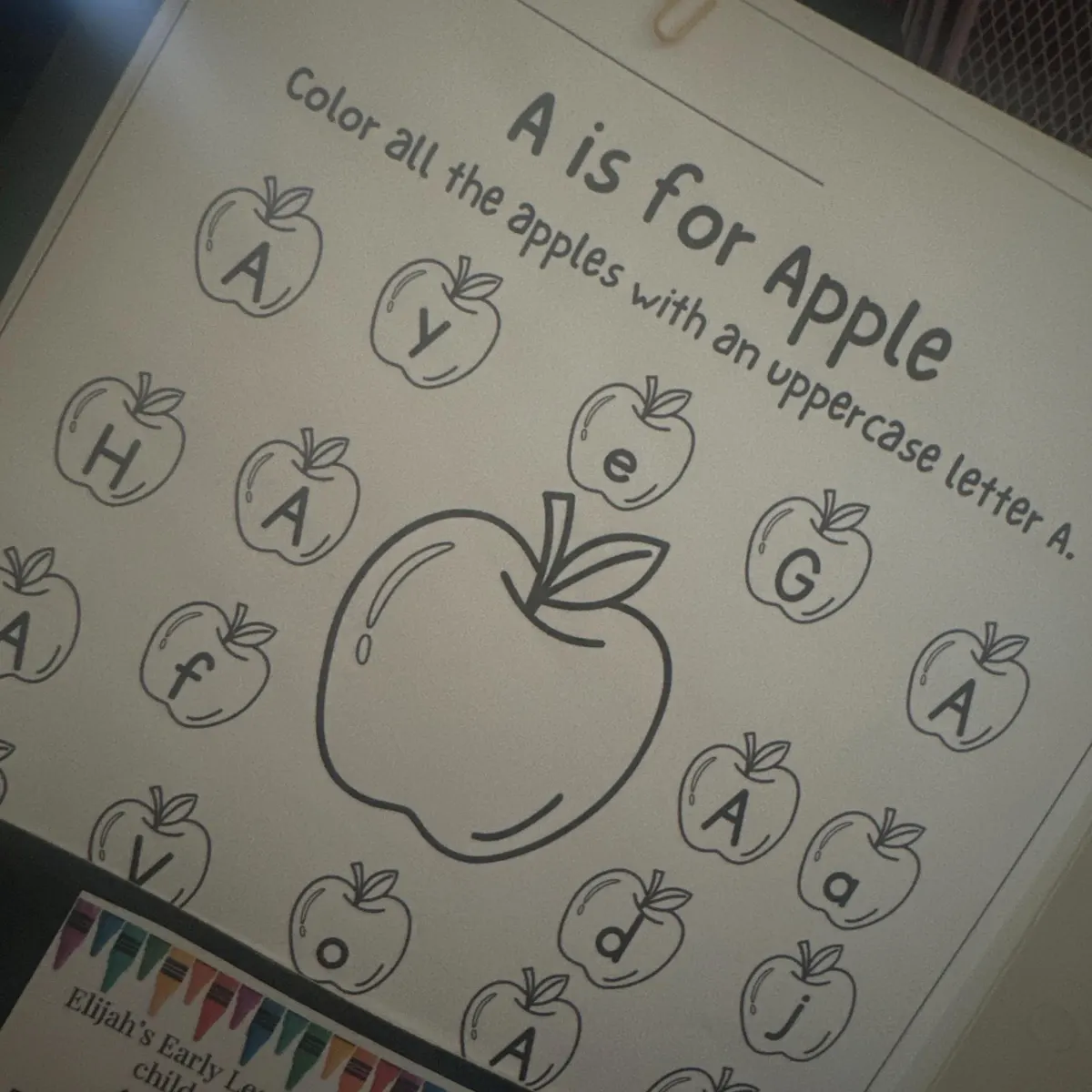
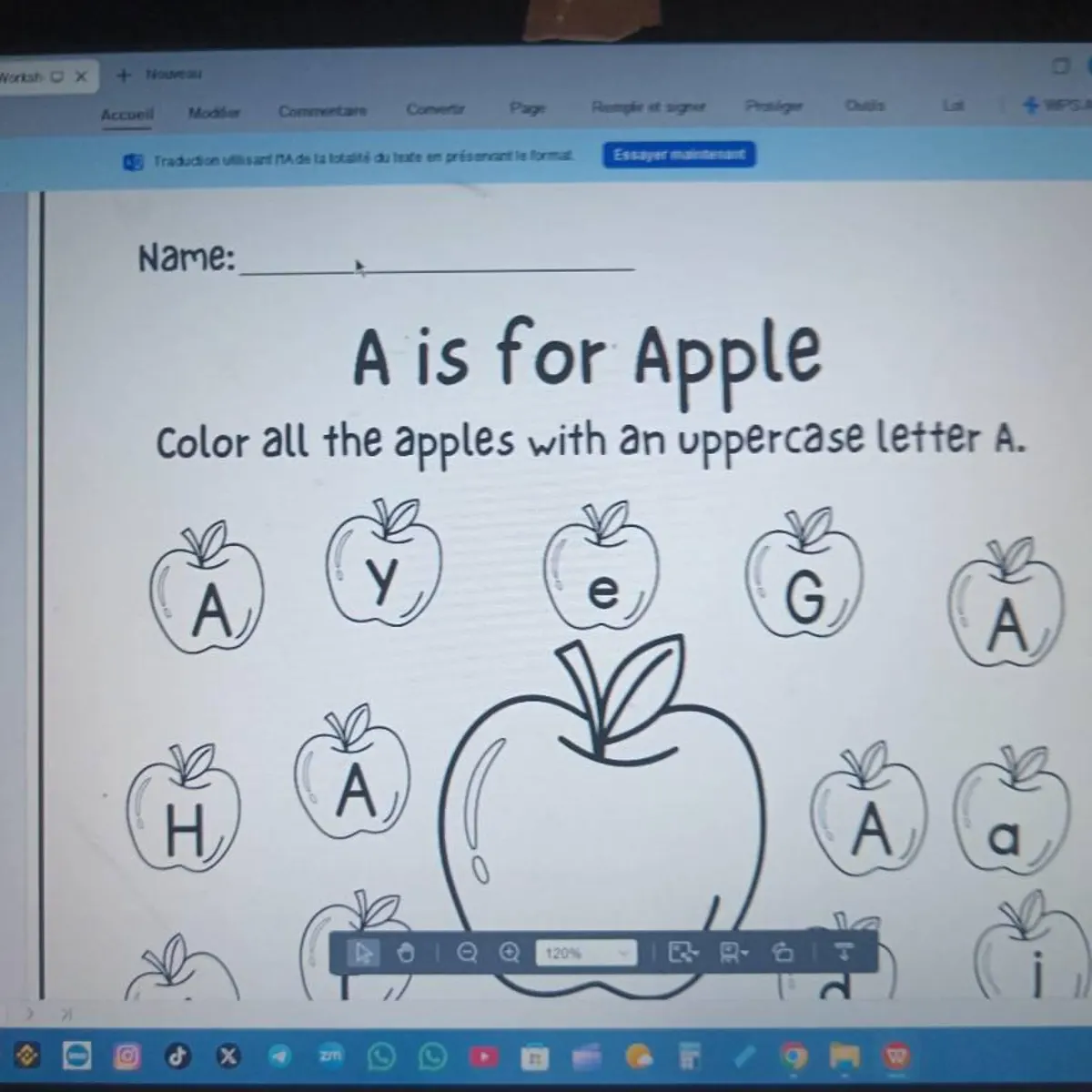
Around ages 4 to 5, children often begin tracing more detailed shapes, their first name, and uppercase letters. Uppercase letters are usually a friendlier starting point because many use simple straight lines and clear shapes. A child does not need to trace every letter perfectly before moving on. Progress comes from regular, low-pressure practice.
Readiness Signs Matter More Than Age
Age ranges are helpful, but children develop fine motor skills at different speeds. Some preschoolers are eager to trace letters before age 4. Others need more time with play-based hand-strengthening activities, and that is completely normal.
Look for a few simple signs that your child may be ready. They can hold a crayon or marker with some control, make intentional marks on paper, and show interest in copying lines or shapes. They may also enjoy puzzles, stickers, play dough, building toys, or coloring. These all strengthen the small muscles in the hands and fingers.
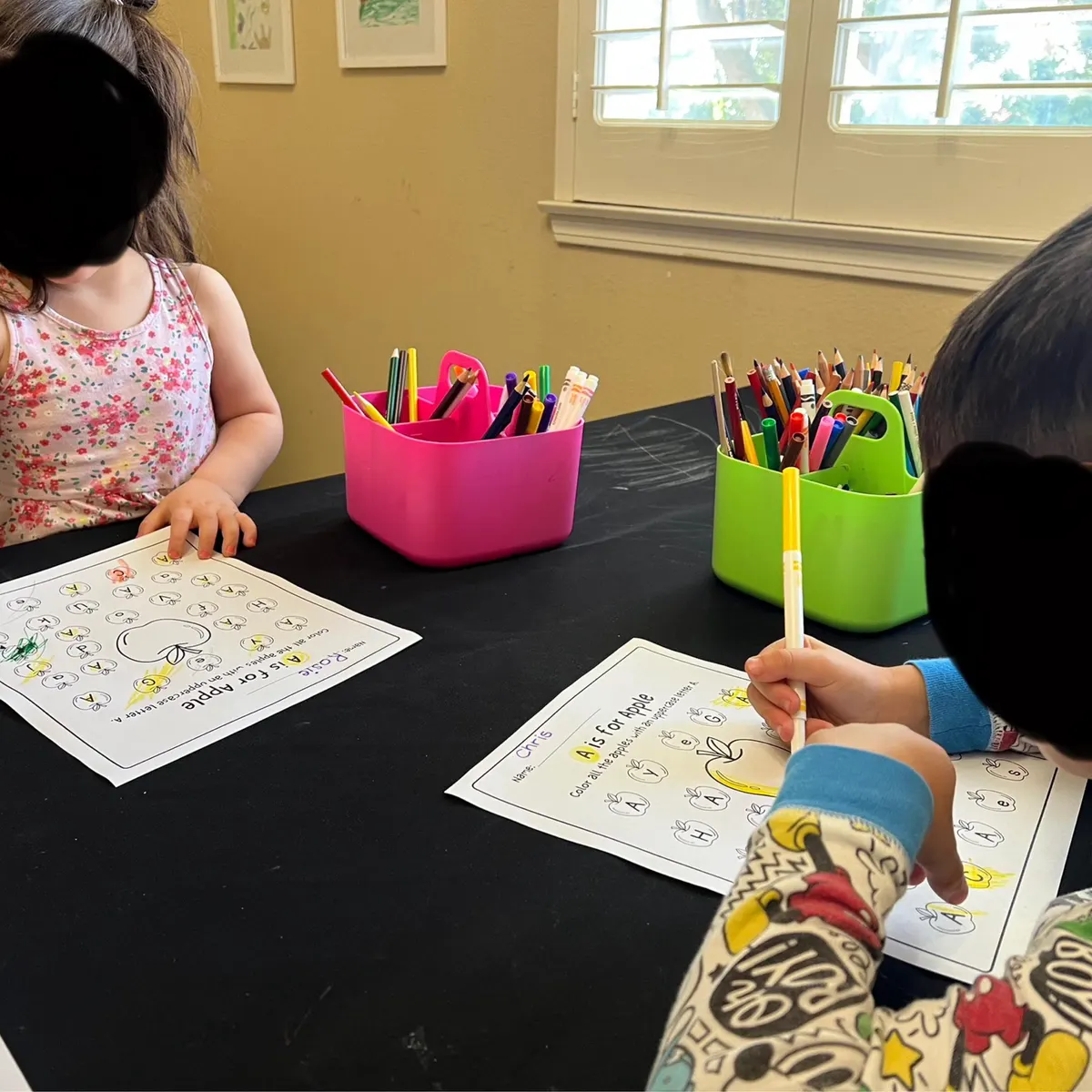
Attention span matters, too. A child does not need to sit still for a long lesson. Even two to five focused minutes is plenty for a young preschooler. If they can try a short tracing activity, listen to a simple direction, and return to it another day, you have a great starting point.
On the other hand, pause formal tracing if your child becomes frustrated quickly, grips tools very tightly, avoids drawing altogether, or cannot yet make marks with purpose. That does not mean they are behind. It simply means they may benefit from more hands-on fine motor play first.
Build Fine Motor Skills Before Letter Tracing
Tracing worksheets work best when they are part of a bigger picture. Children need strong hands and growing coordination before they can comfortably control a pencil along small dotted lines. A few everyday activities can make a real difference.
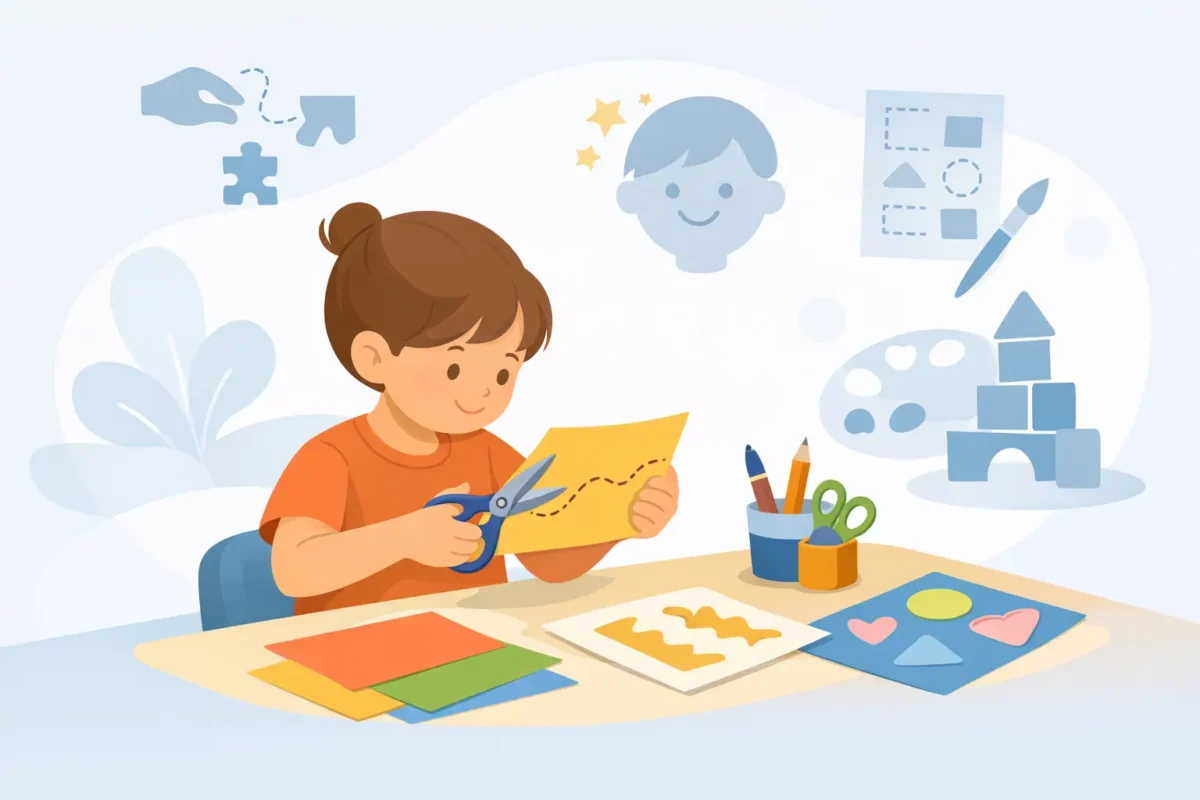
Let children roll, pinch, flatten, and cut play dough with child-safe tools. Invite them to peel stickers, use clothespins, thread large beads, turn pages in books, or transfer pom-poms with tongs. Coloring, painting, and drawing on vertical surfaces such as an easel can also support wrist stability and hand control.
These activities are not filler between academic tasks. They are meaningful preparation for writing. When children have fun strengthening their hands, tracing feels more manageable and less tiring.
Start With the Right Type of Tracing Page
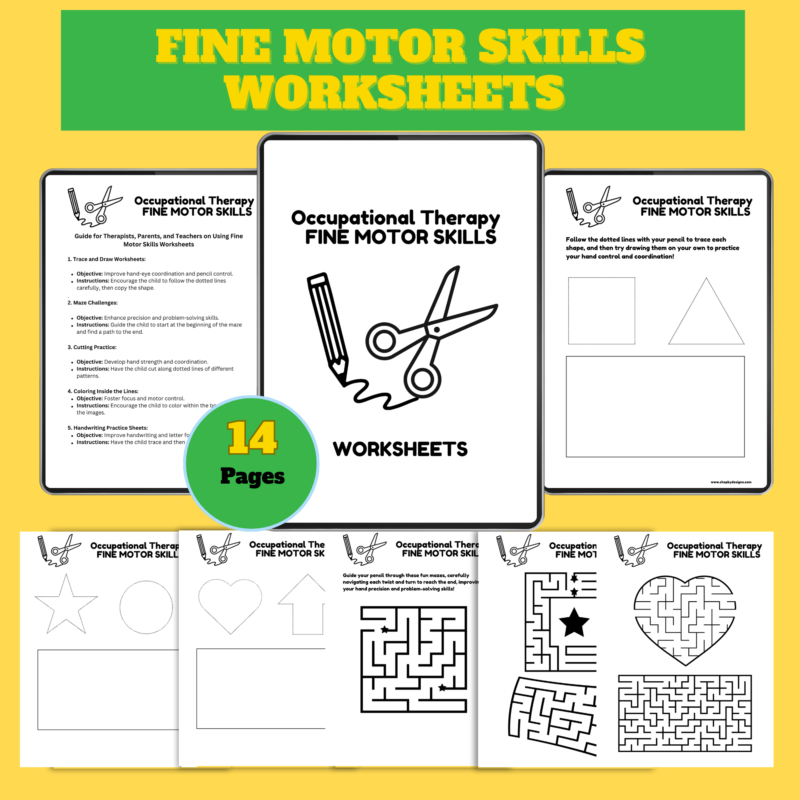
A page that is too busy or too small can turn a promising activity into frustration. For beginners, choose large, high-contrast tracing paths with plenty of space around each line. Thick dotted lines, directional arrows, and cheerful pictures can help children understand where to begin and where to go.
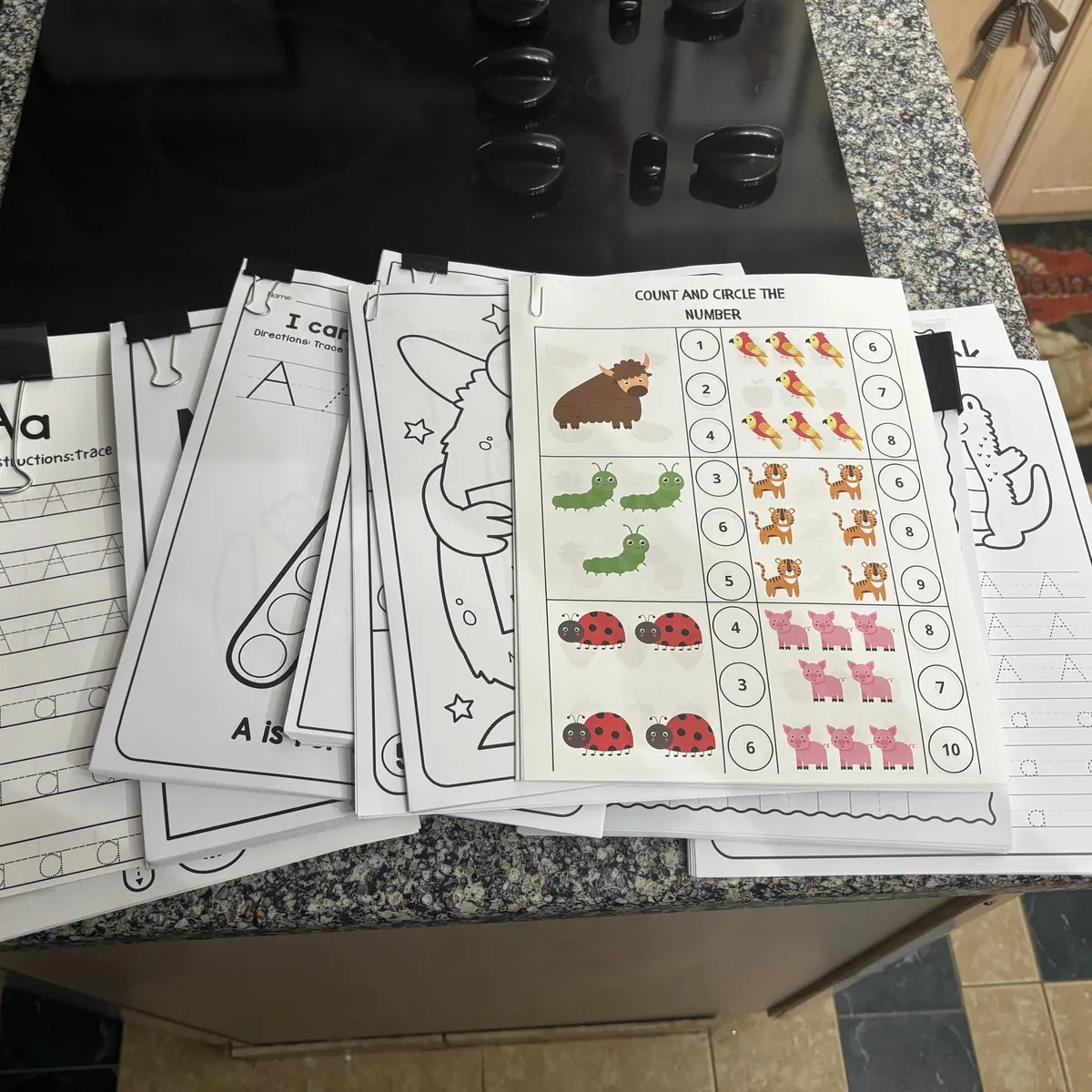
Pre-writing worksheets should come before alphabet pages for many children. Begin with vertical and horizontal lines, then move to circles, loops, waves, and diagonal lines. These motions appear in letters later, so each page gives useful practice.
Once a child can follow simple paths with growing control, introduce shapes and a few letters at a time. It is usually better to practice one or two letters than to hand a preschooler a full alphabet page and expect a long session. Use letters from their name or letters connected to familiar words, such as B for ball or M for mom.
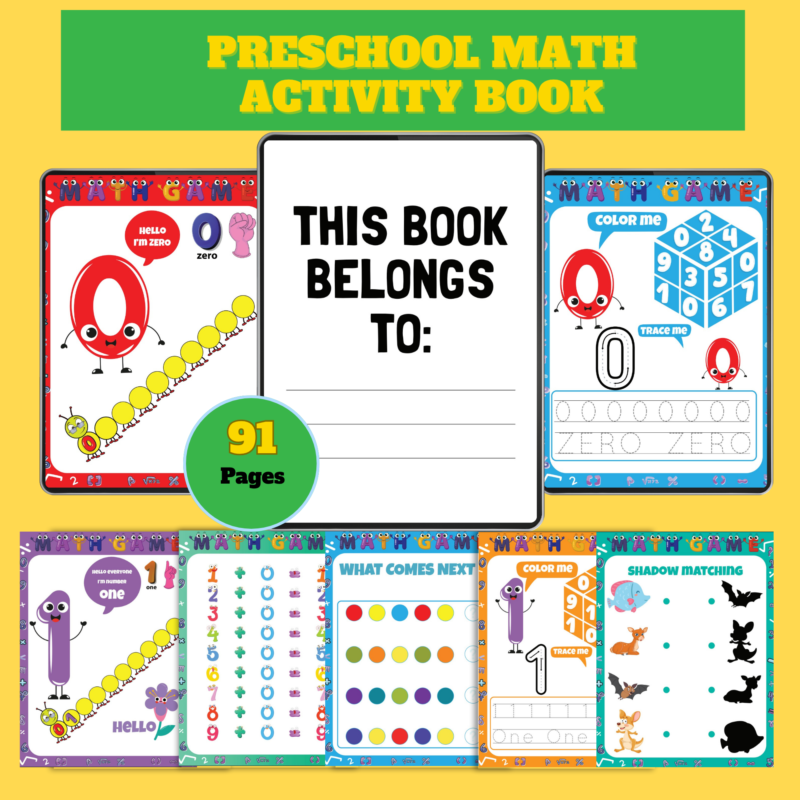
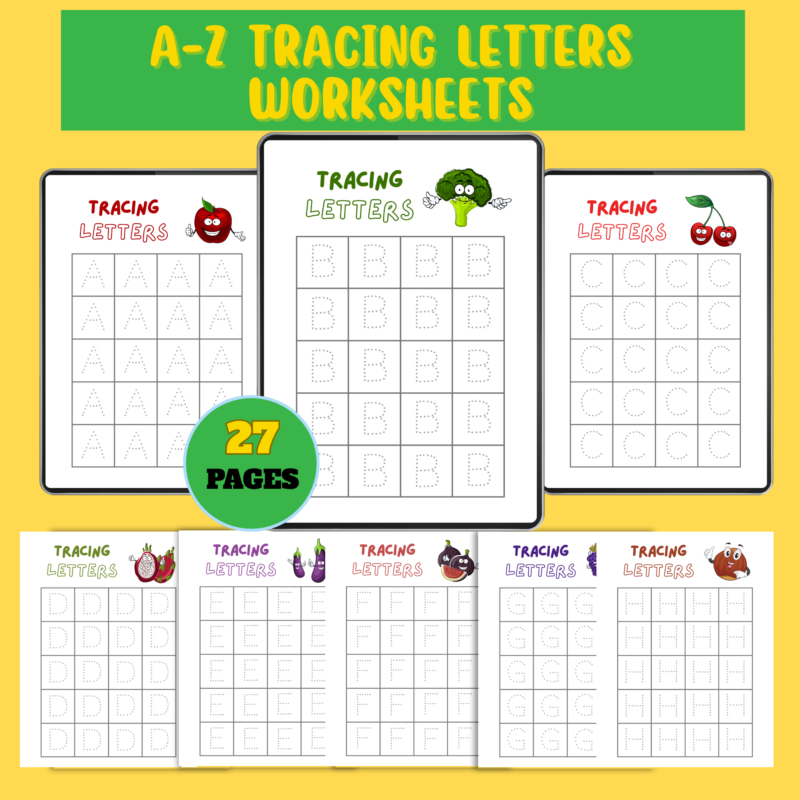
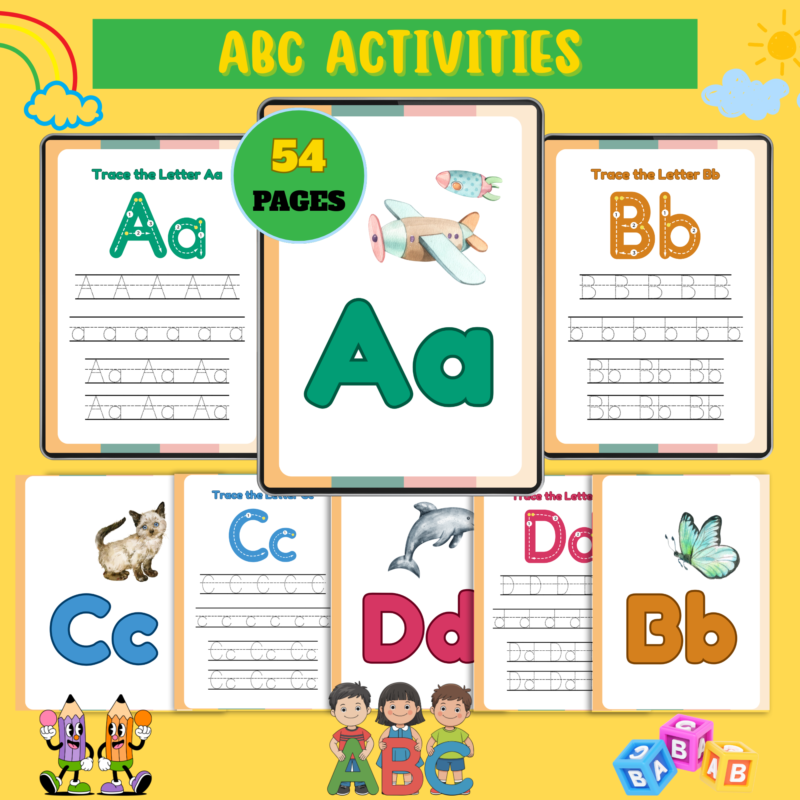
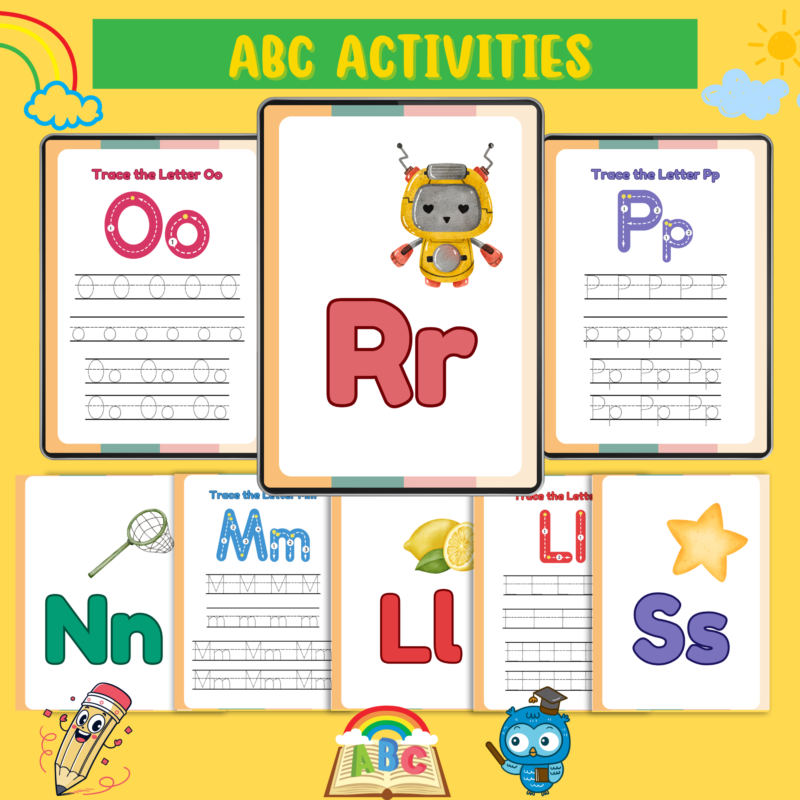
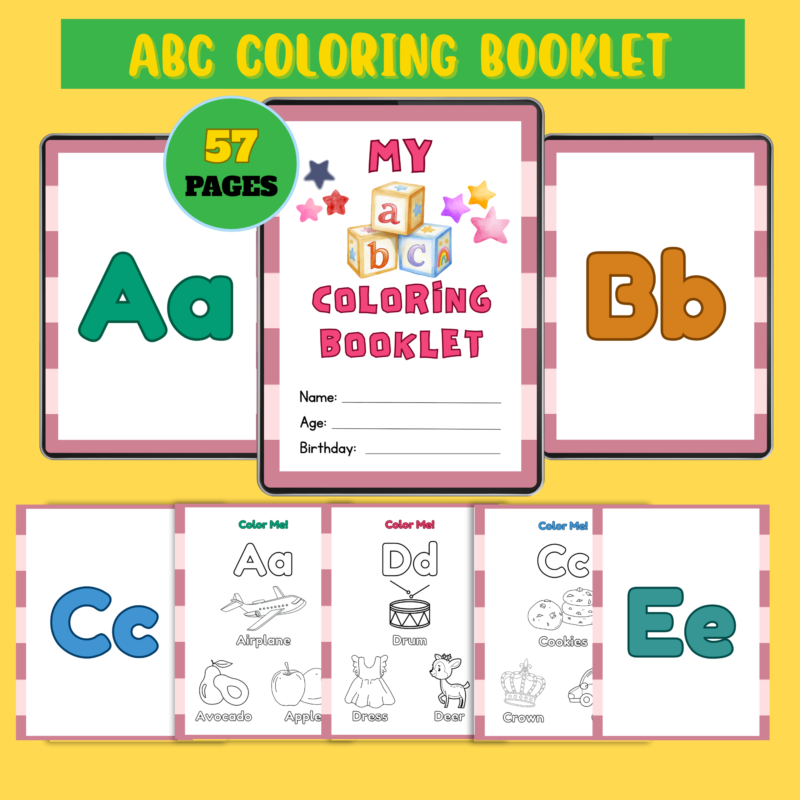
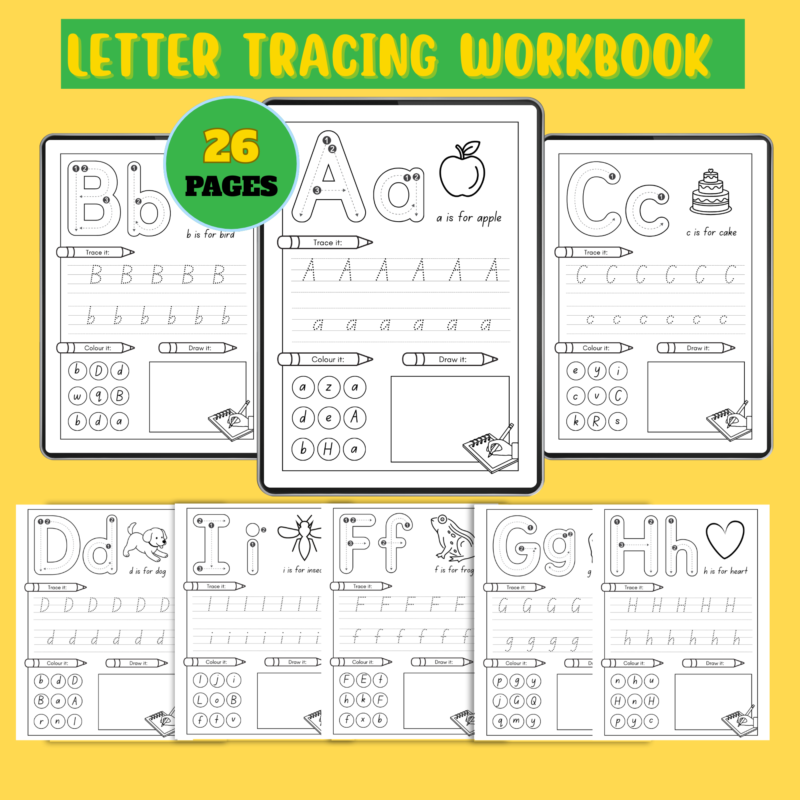
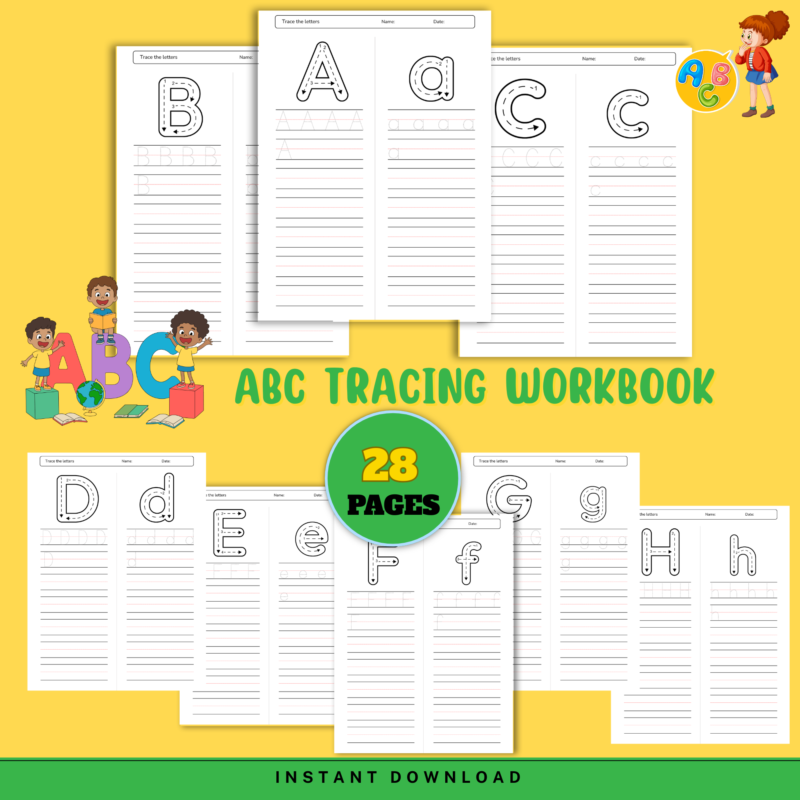
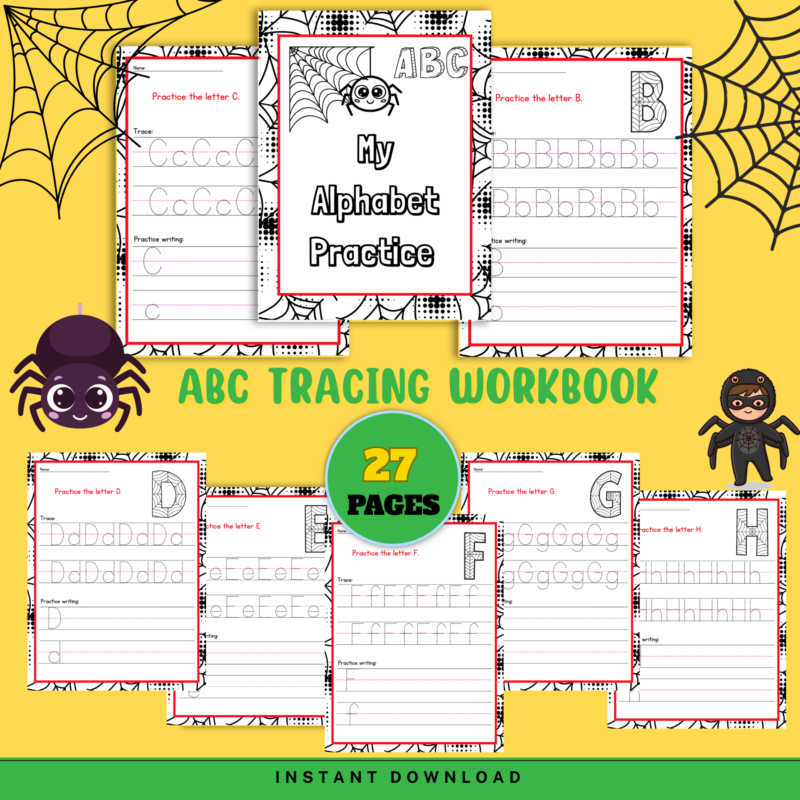
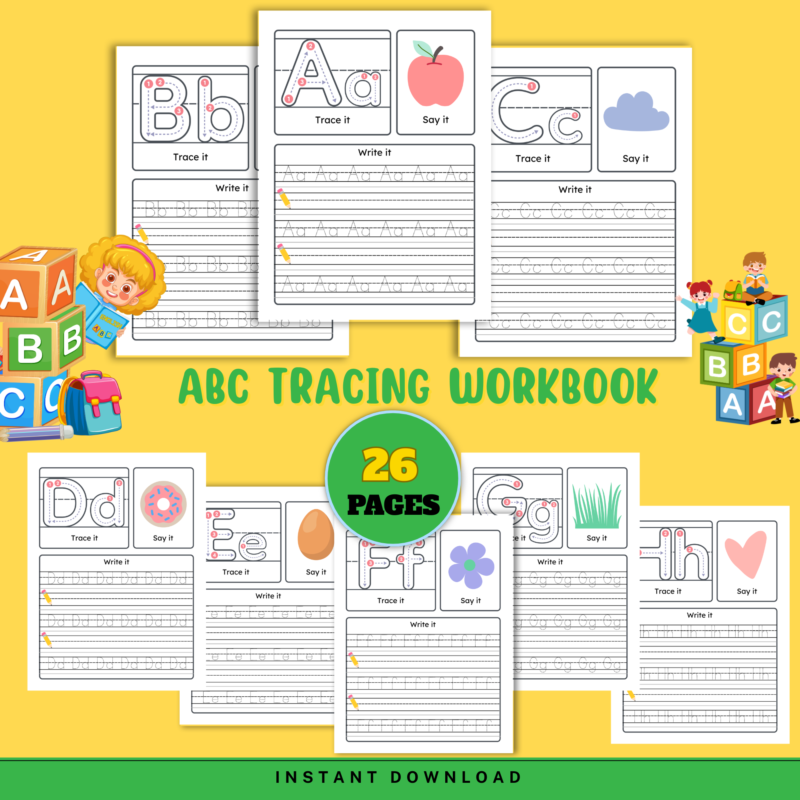
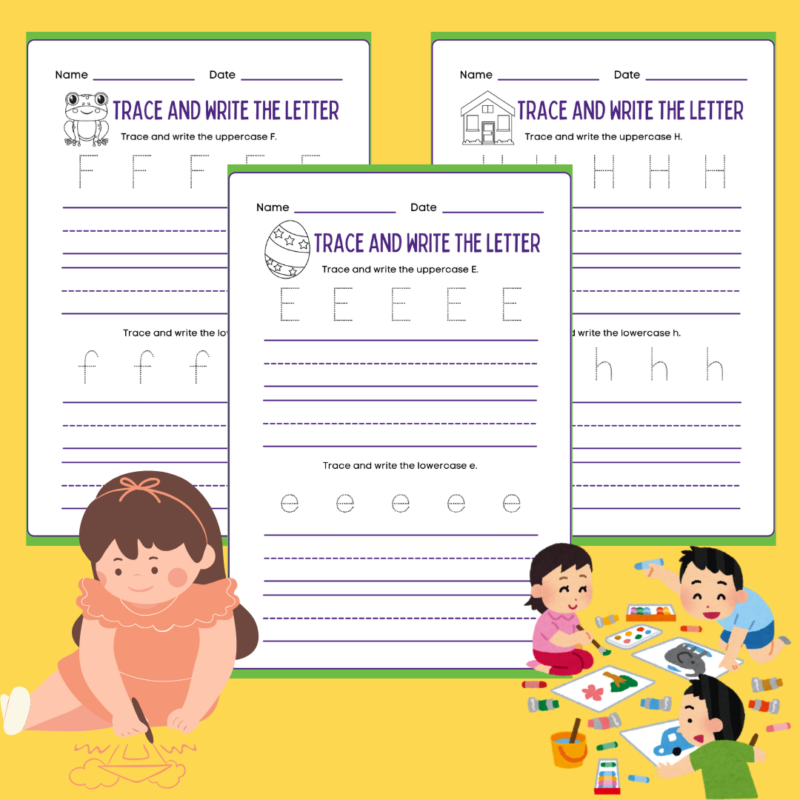
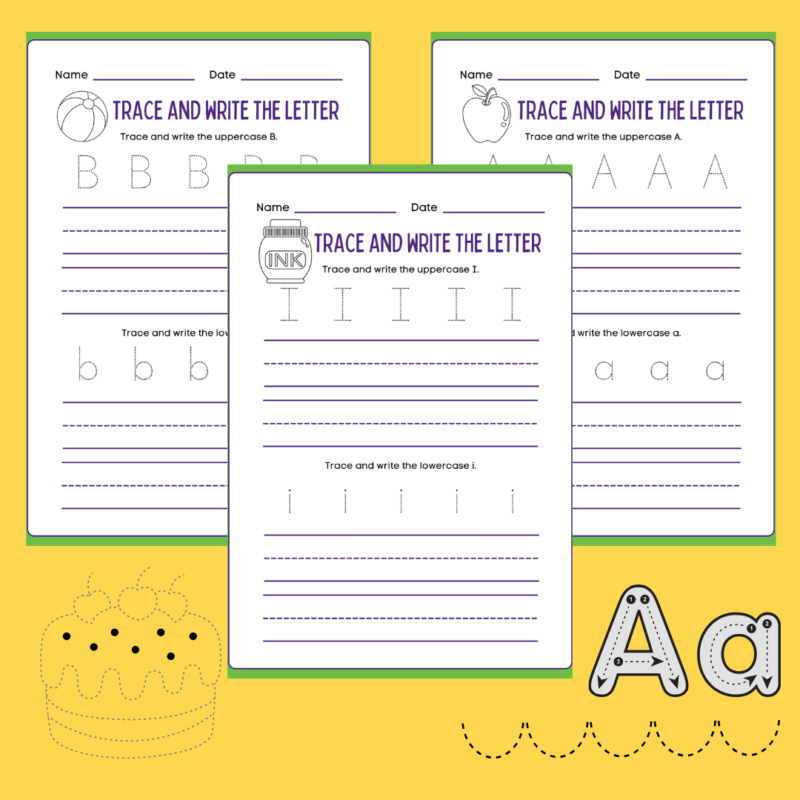
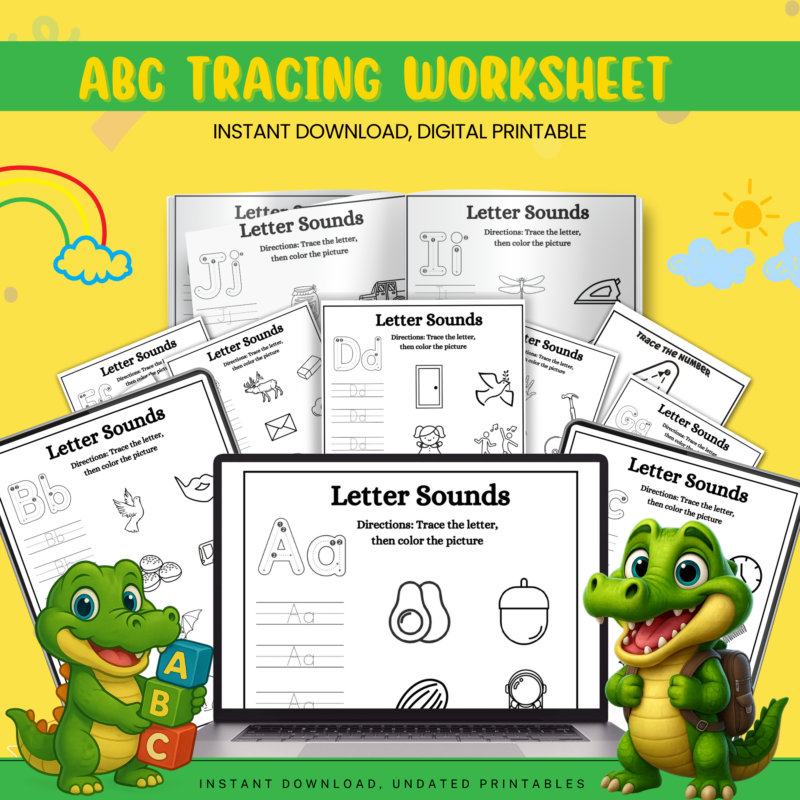
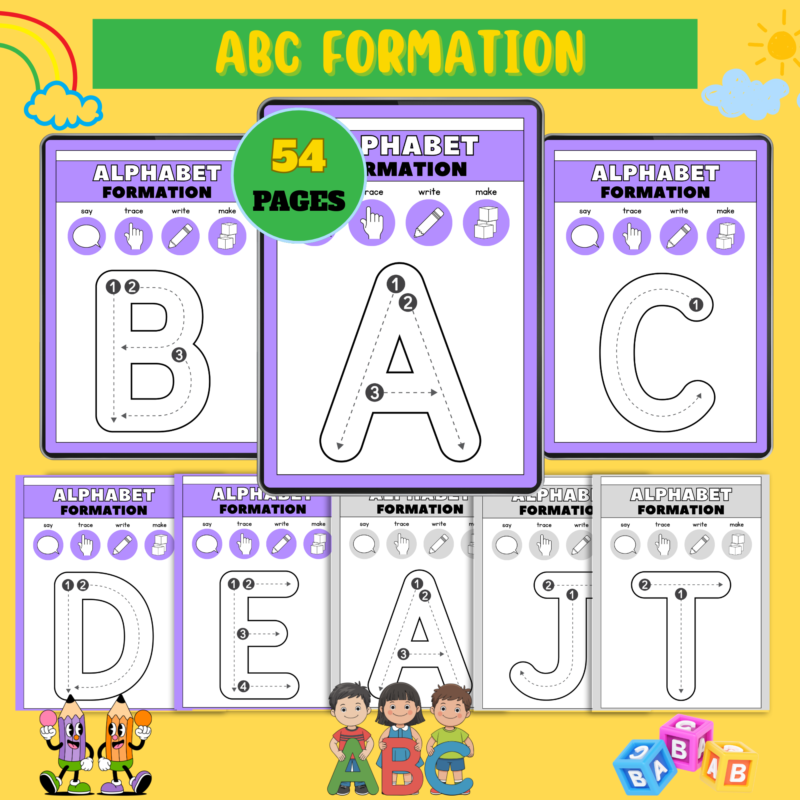
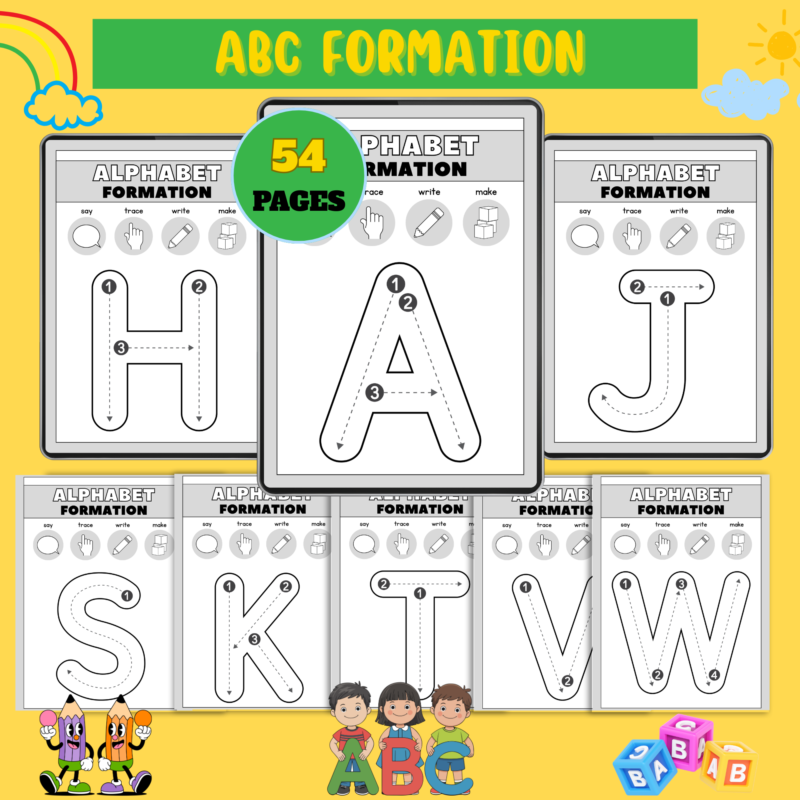
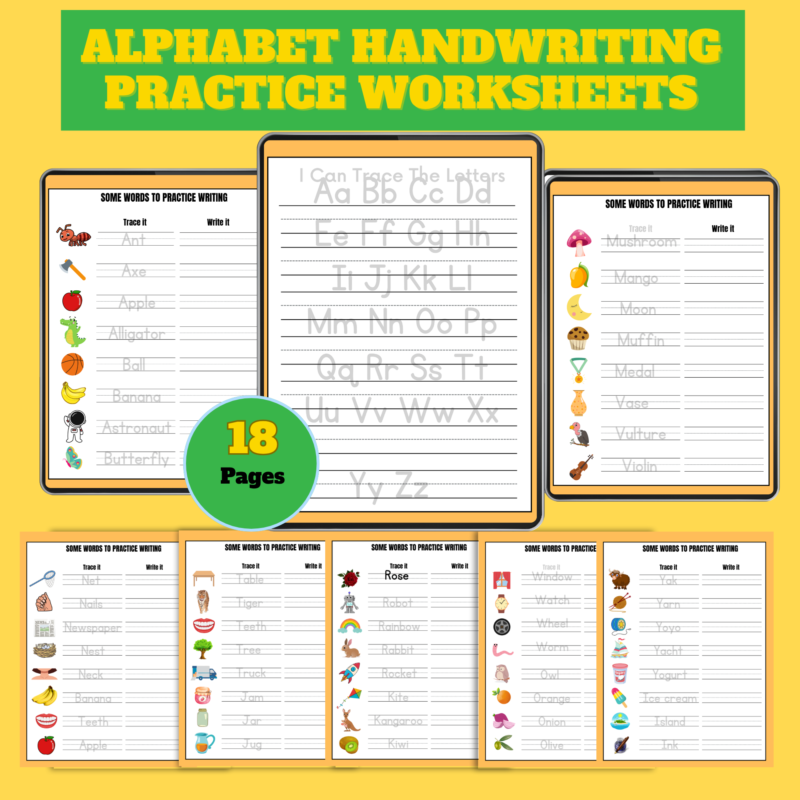
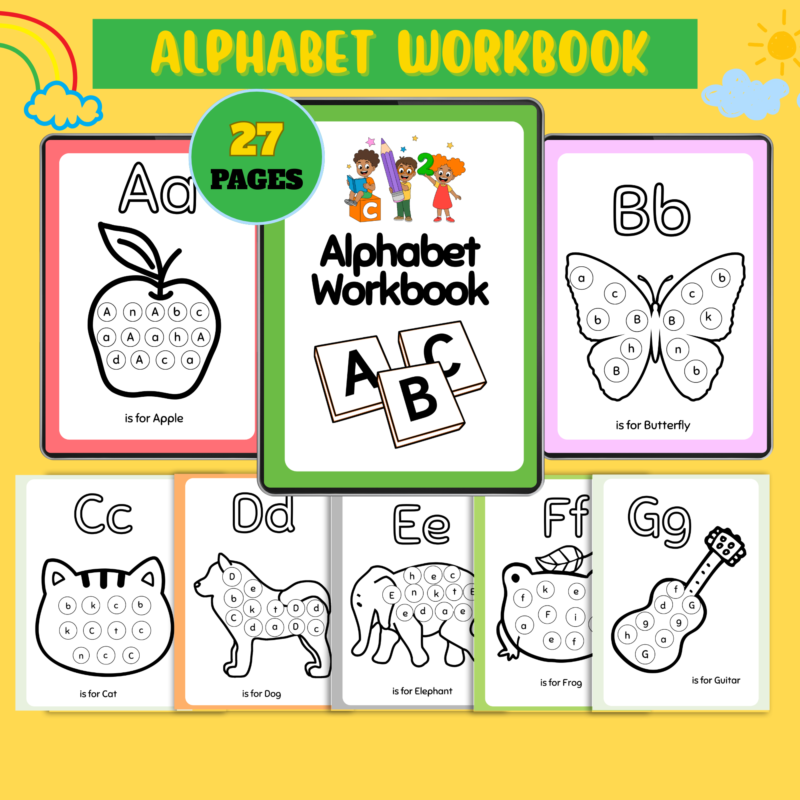
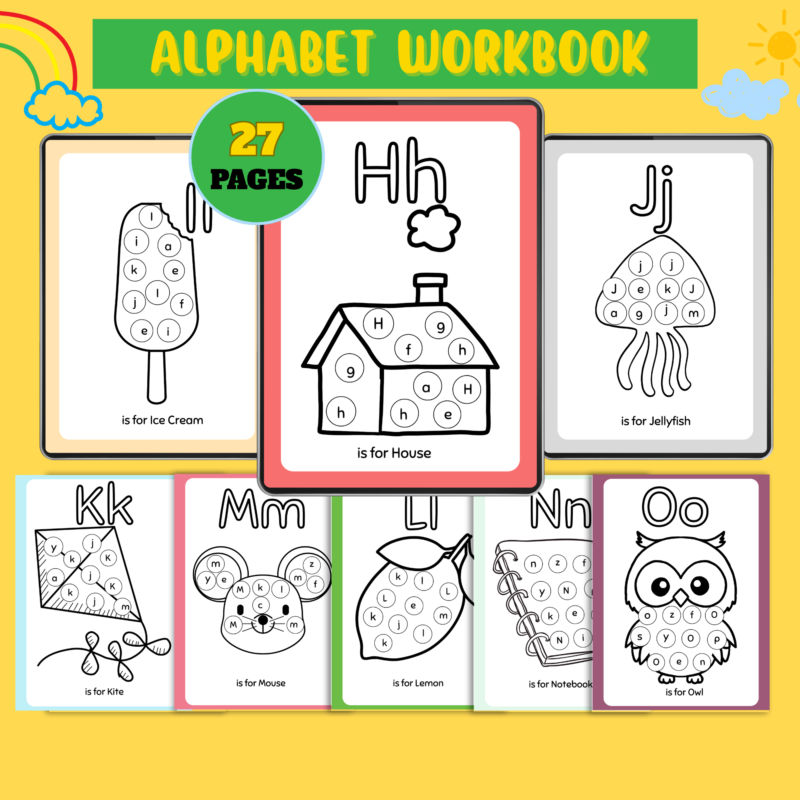
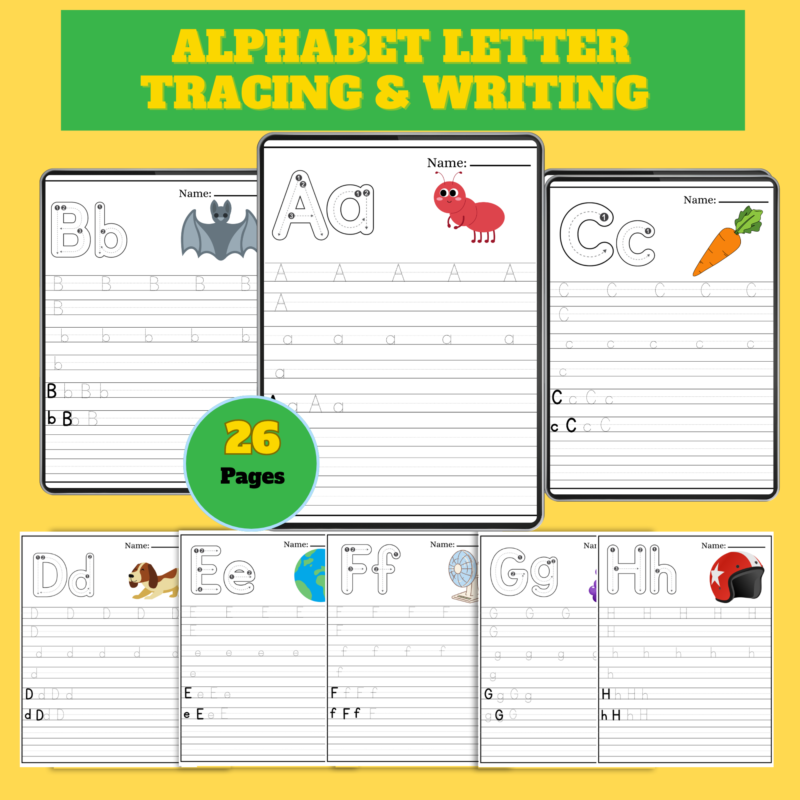
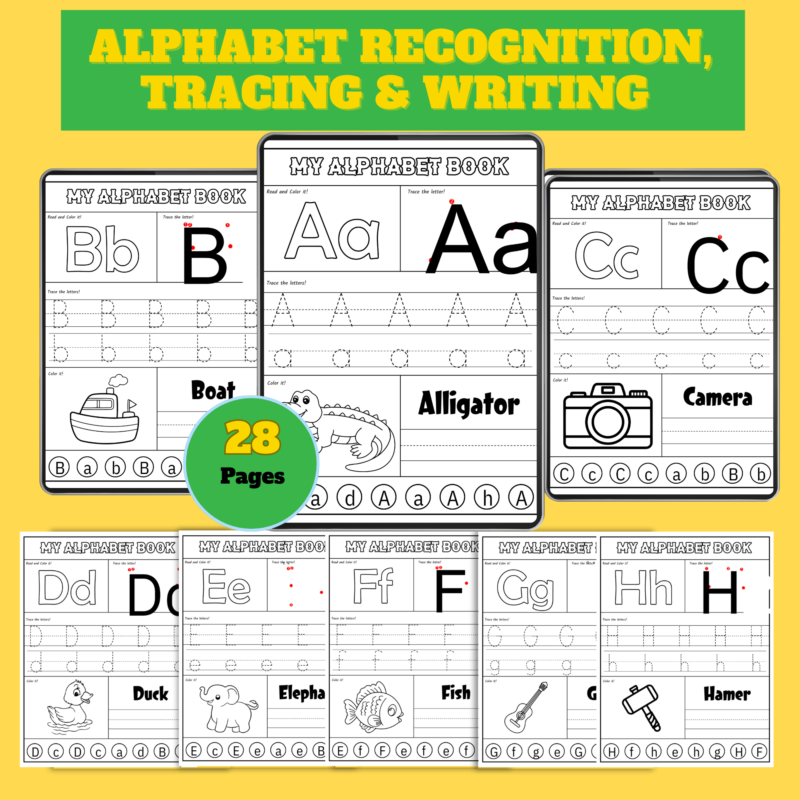
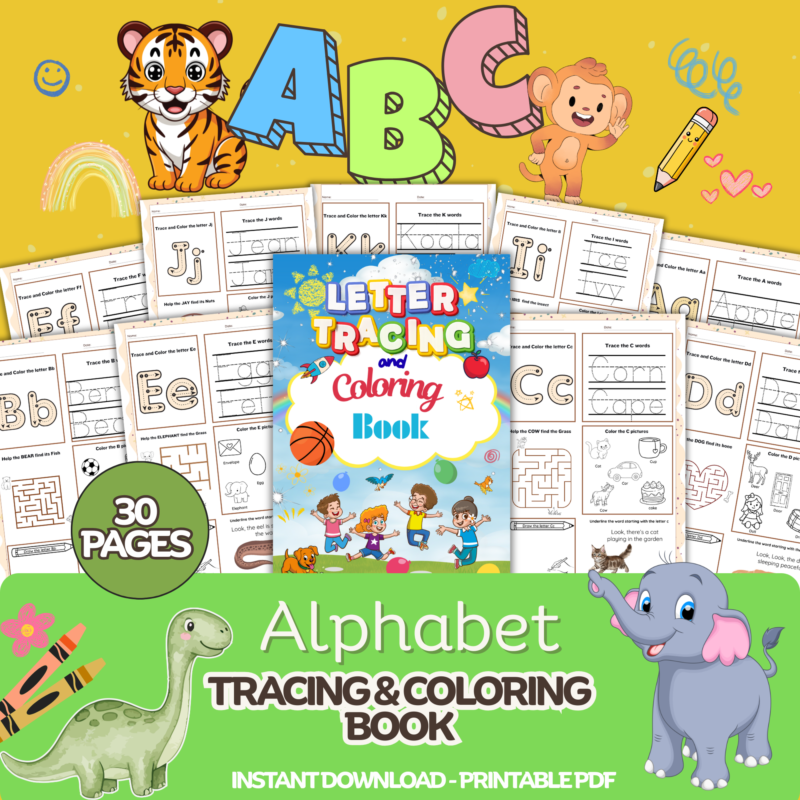
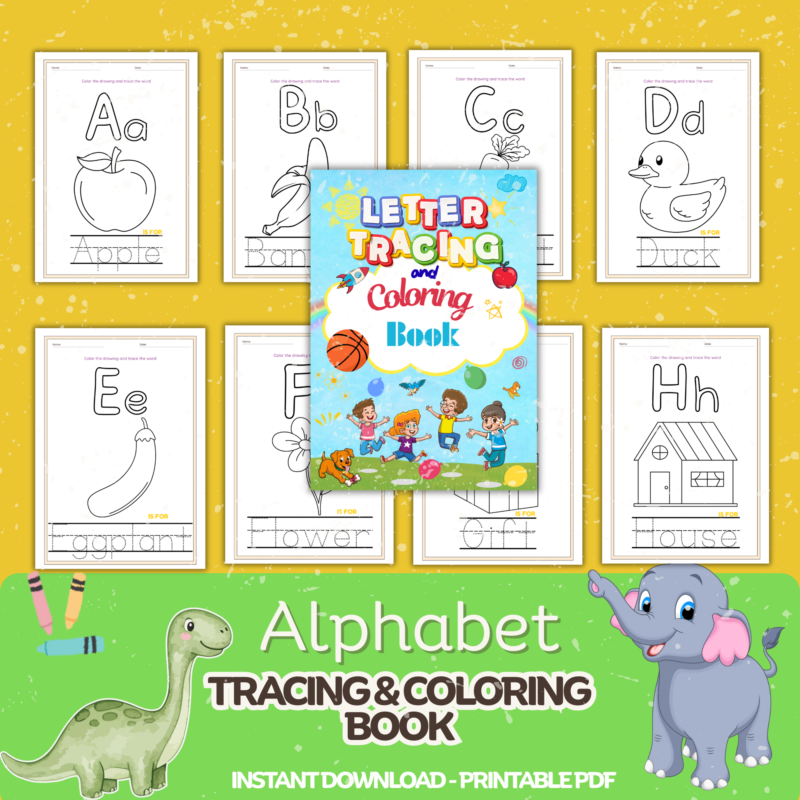
Fun Clever Fox printable tracing activities make this progression easy to set up, with ready-to-use pages that support pre-writing, alphabet practice, and confidence-building repetition at home or in the classroom.
How to Make Tracing Practice Feel Fun
The goal is not to produce a perfect worksheet. The goal is to help a child feel capable of making purposeful marks. Your response can shape that experience more than the page itself.
Try saying, “You followed that long line all the way to the star,” instead of pointing out where the crayon slipped. Specific encouragement helps children notice what they did well. If they go off the line, calmly say, “Let’s try that curve again,” or let it go entirely. Young learners need room to experiment.
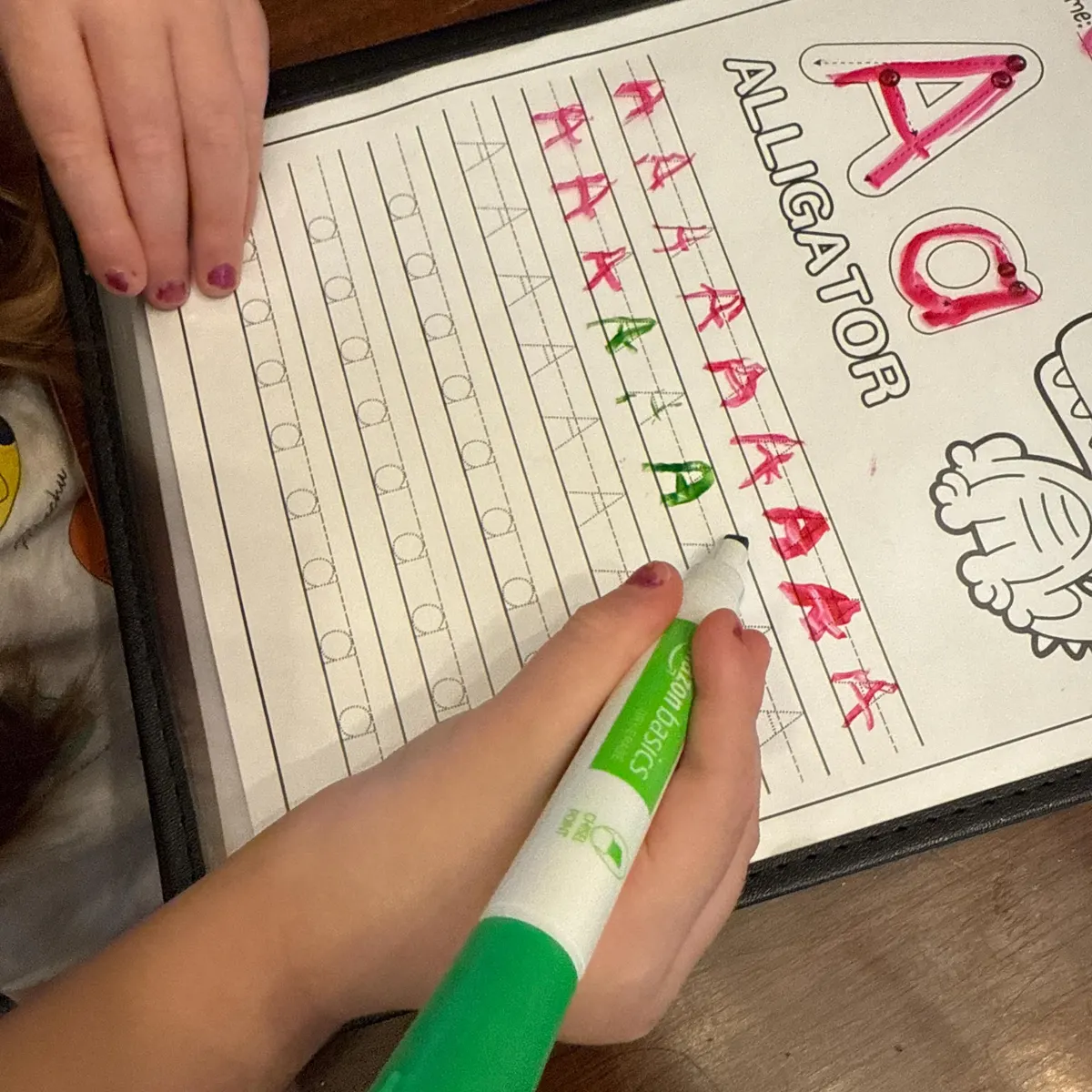
You can also make tracing more engaging by changing the tools. Crayons are a great first choice because they require less pressure than pencils. Short, broken crayons can naturally encourage a more controlled grasp for some children. Dry-erase markers with reusable pages, colored pencils, paintbrushes with water, or even tracing lines in sand can add variety without changing the skill.
For children who resist worksheets, begin away from paper. Draw giant roads with chalk, make lines in shaving cream on a tray, or use toy cars to follow a simple path. Then offer a printed tracing page later, when the idea already feels familiar.
Common Tracing Mistakes to Avoid
One common mistake is starting with tiny letters. Small print demands more precision than most young children have developed, especially at age 3 or 4. Large letters and wide paths are kinder to growing hands.
Another is correcting every movement. Constant reminders to stay on the dots, hold the pencil a certain way, or start over can make a child worry about getting it wrong. Offer one simple cue, such as “start at the green dot,” then let them try.
It also helps to avoid long practice sessions. Ten pages completed with tears are less useful than one happy page completed with care. Repetition matters, but it should be spread across days and mixed with coloring, cutting, games, reading, and active play.
Finally, remember that tracing is a support tool, not the only path to handwriting. Children also learn by drawing freely, copying simple marks, writing pretend notes, and seeing adults write for real-life reasons. A balanced approach gives them both structure and creative freedom.
When to Move Beyond Tracing
Children are ready to do more than trace when they can copy a line, shape, or letter with less help and show interest in making their own marks. You might notice that they begin writing parts of their name, drawing recognizable people, or asking how to write a favorite word.
At that point, keep tracing available but add copying activities. Show one large letter and invite the child to make it beside the model. Encourage them to label a picture, write the first letter of an object, or practice their name on a blank line. Their writing may be uneven, backward, or oversized at first. That is a normal part of learning.
If you have concerns about persistent difficulty using both hands together, extreme discomfort with drawing, or a major gap in fine motor skills compared with other daily tasks, talk with your child’s pediatrician, teacher, or an occupational therapy professional. Most children simply need time and practice, but early guidance can be reassuring when needed.
A few cheerful minutes with a crayon can do more than fill a page. When tracing is introduced at the right level and paired with encouragement, children learn that their hands can create, communicate, and keep trying – one line at a time.