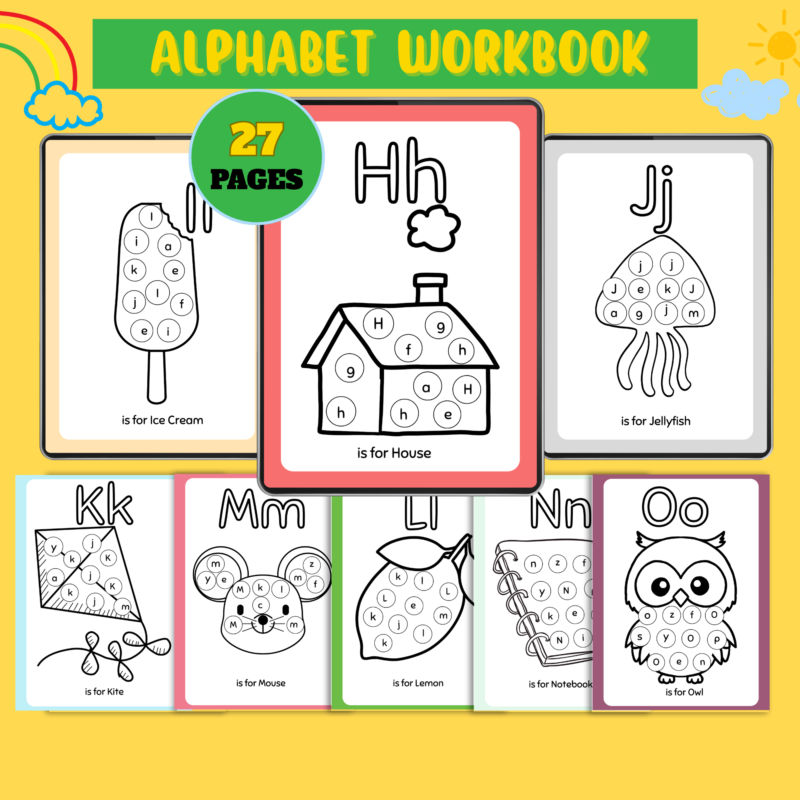
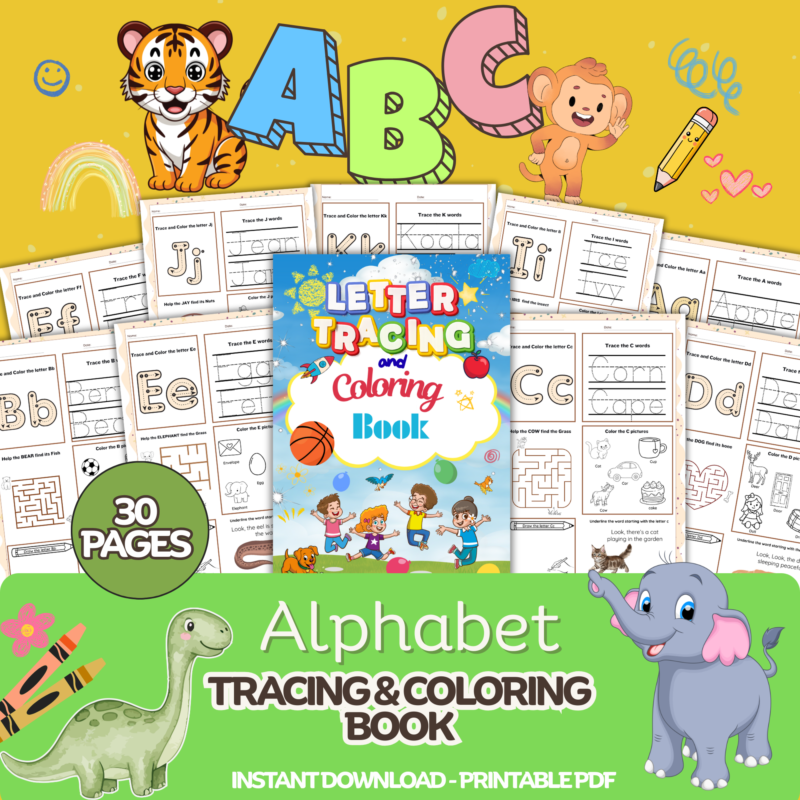
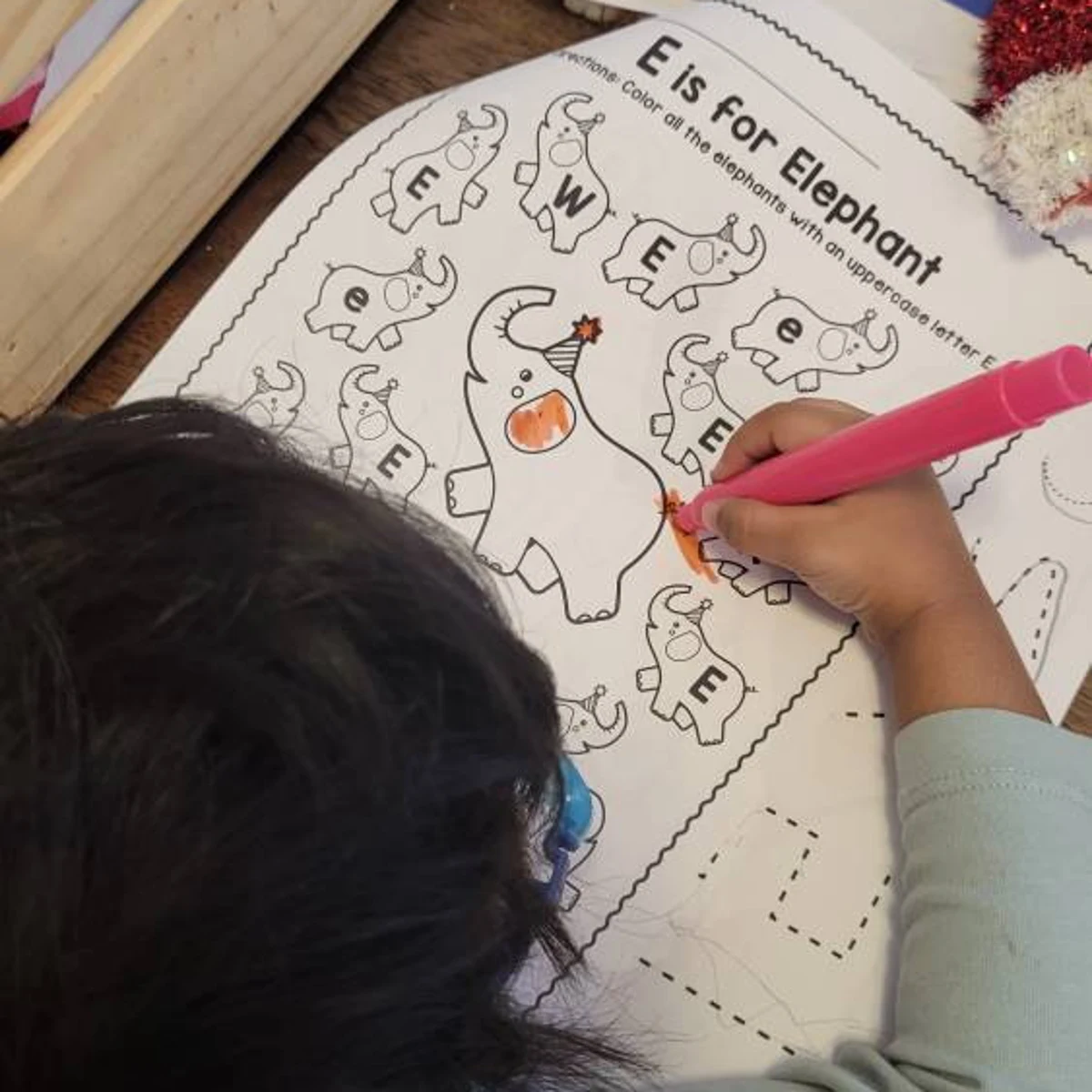
A page full of letters can look simple, but the right practice sheet can make a big difference when a child is learning to hold a pencil, recognize letters, and form their first words. This alphabet tracing worksheets review looks at what makes a printable truly helpful for preschool and kindergarten learners – and what busy parents and teachers should look for before pressing print.
The best worksheets are not just rows of letters to copy. They give children a clear starting point, enough room to practice, and a cheerful reason to keep going. For a 3-year-old who is still building hand strength, a gentle introduction matters. For a kindergartener learning to write their name or sound out simple words, consistent letter formation matters even more.
What Good Alphabet Tracing Worksheets Should Teach
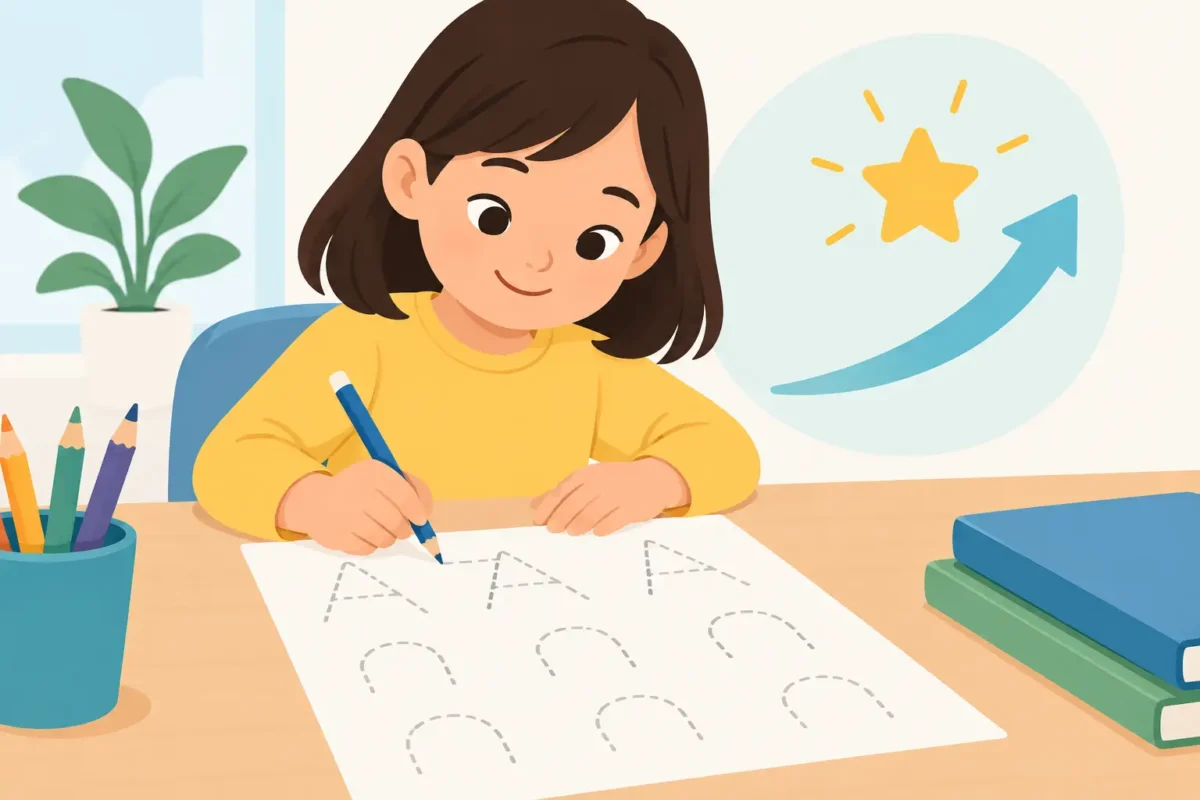
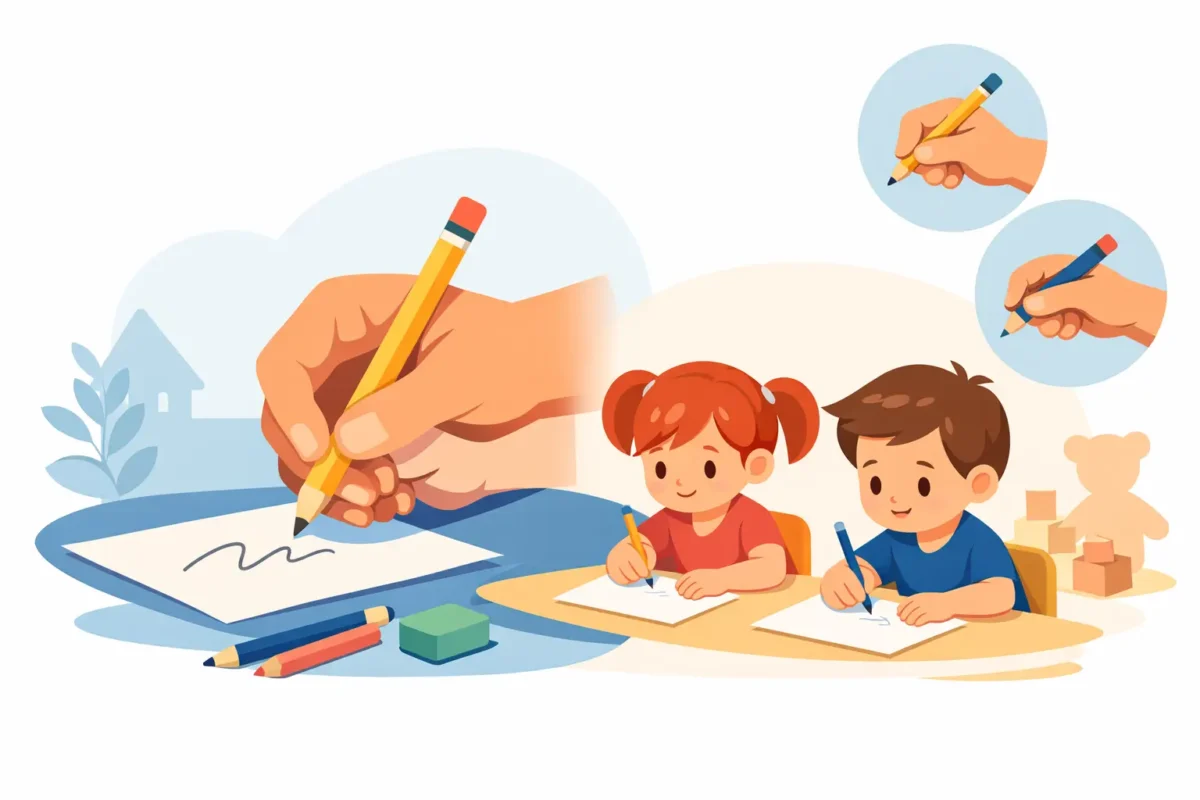
Alphabet tracing supports more than handwriting. As children follow lines, curves, and simple strokes, they strengthen the small hand muscles needed for coloring, cutting, buttoning, and eventually writing independently. Tracing also helps children see how each letter is built rather than simply memorizing its shape.
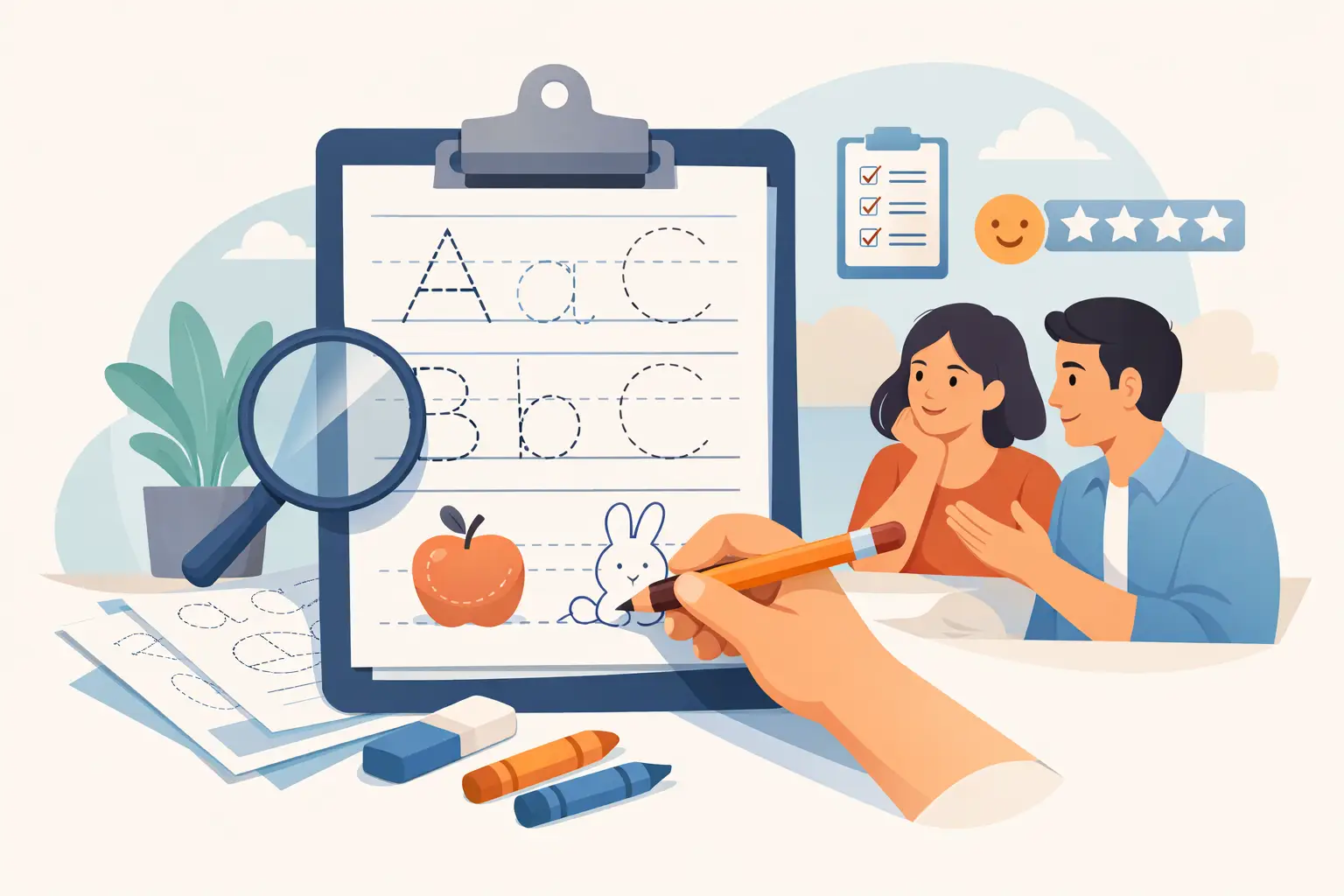
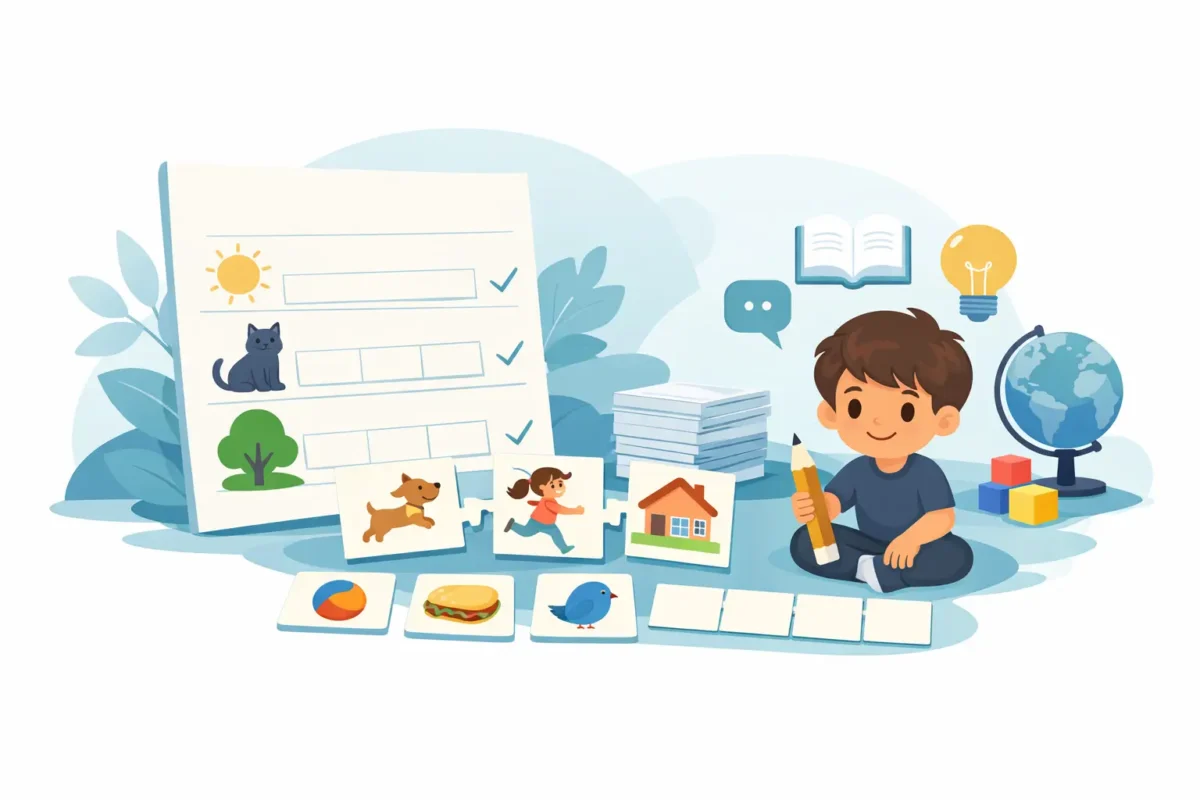
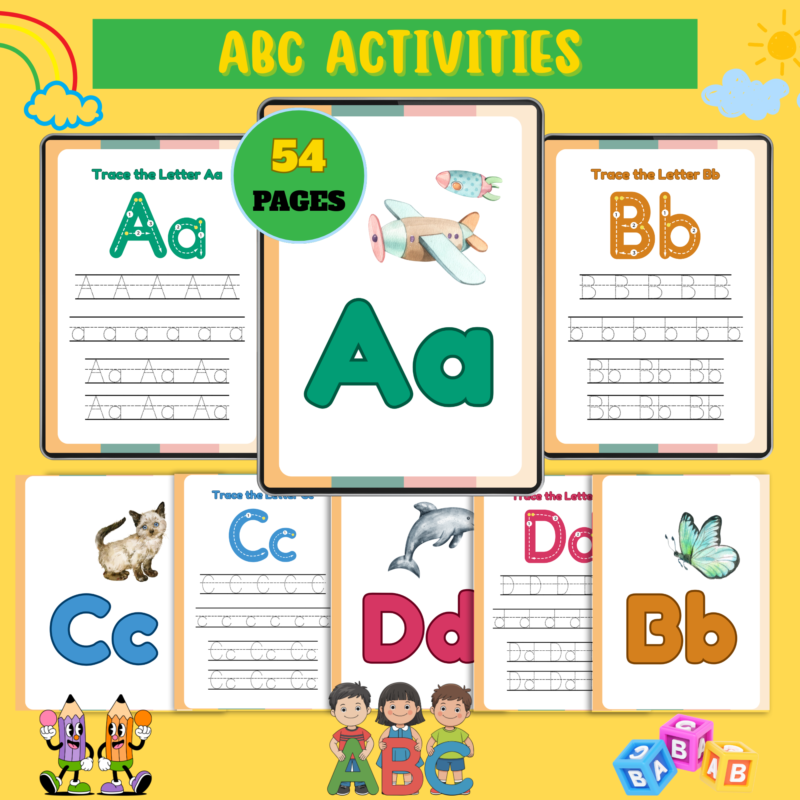
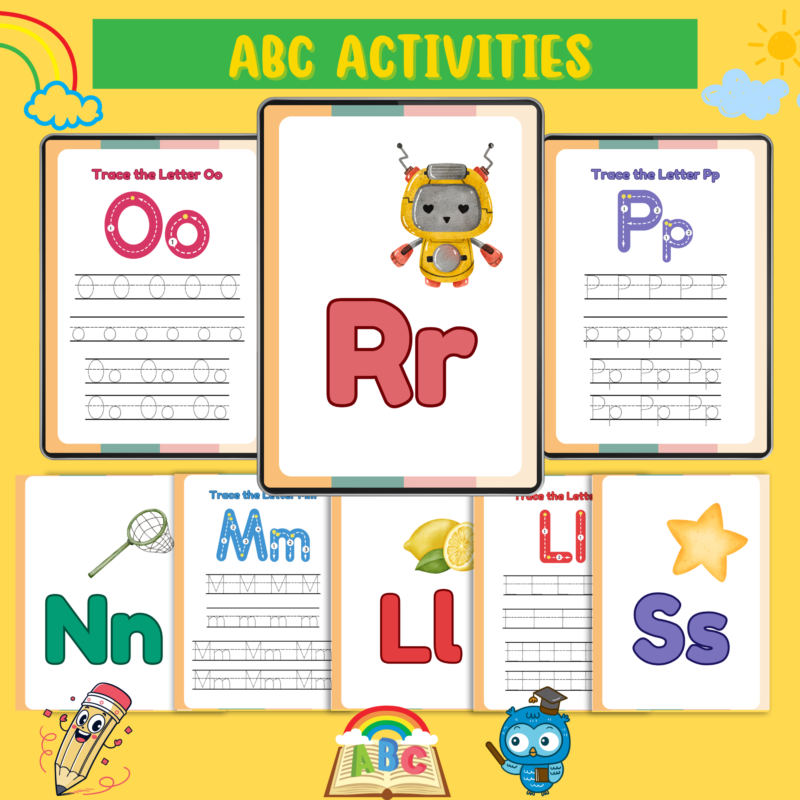
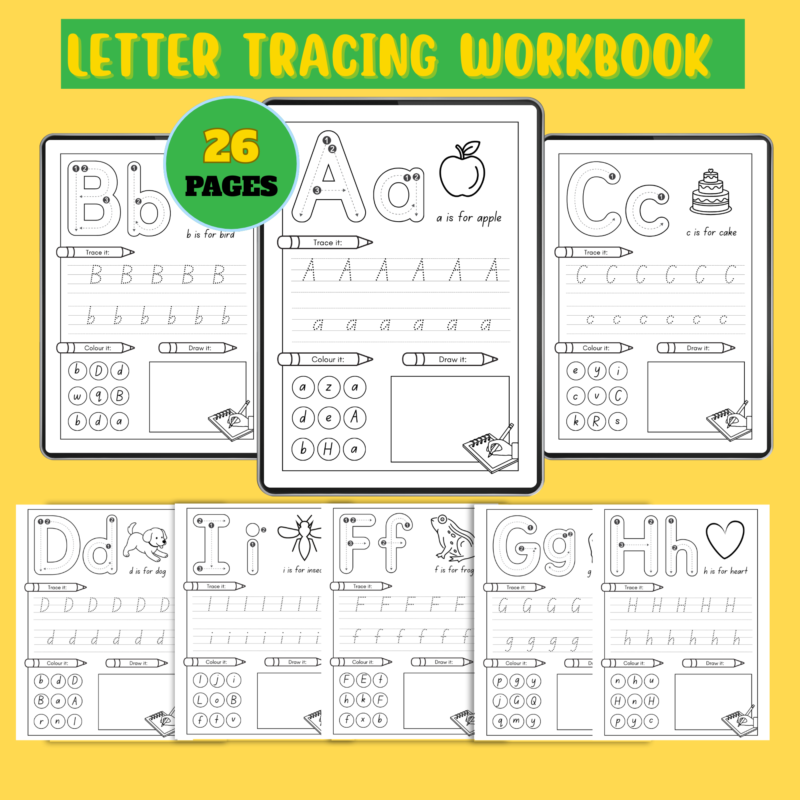
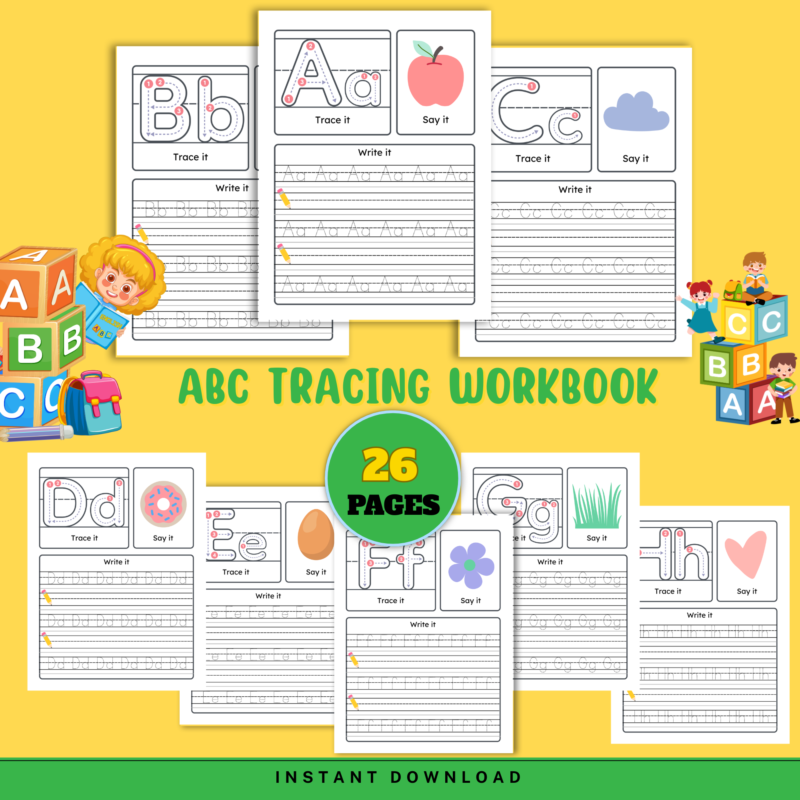
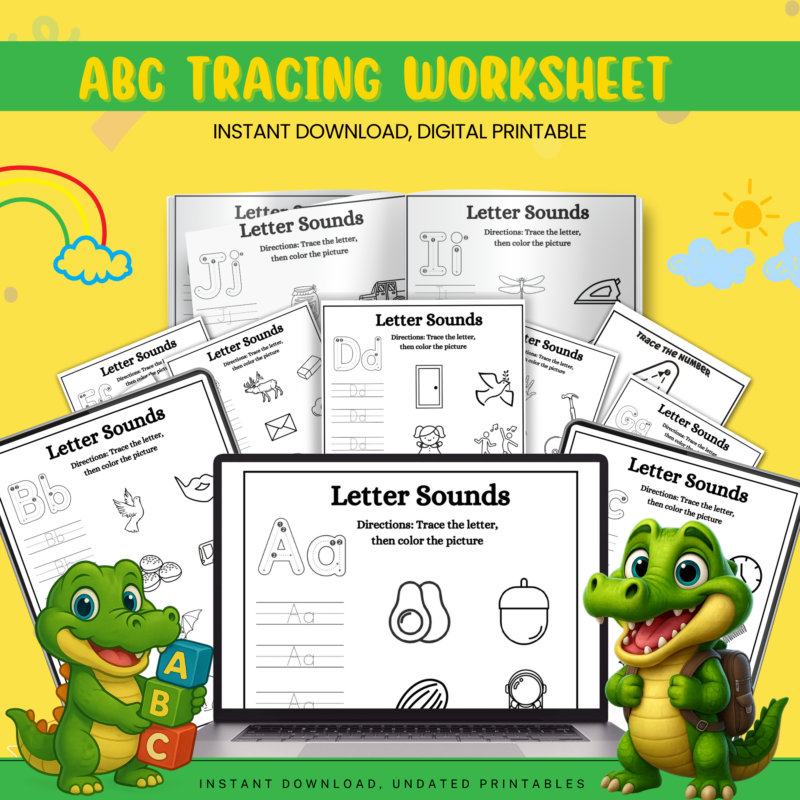
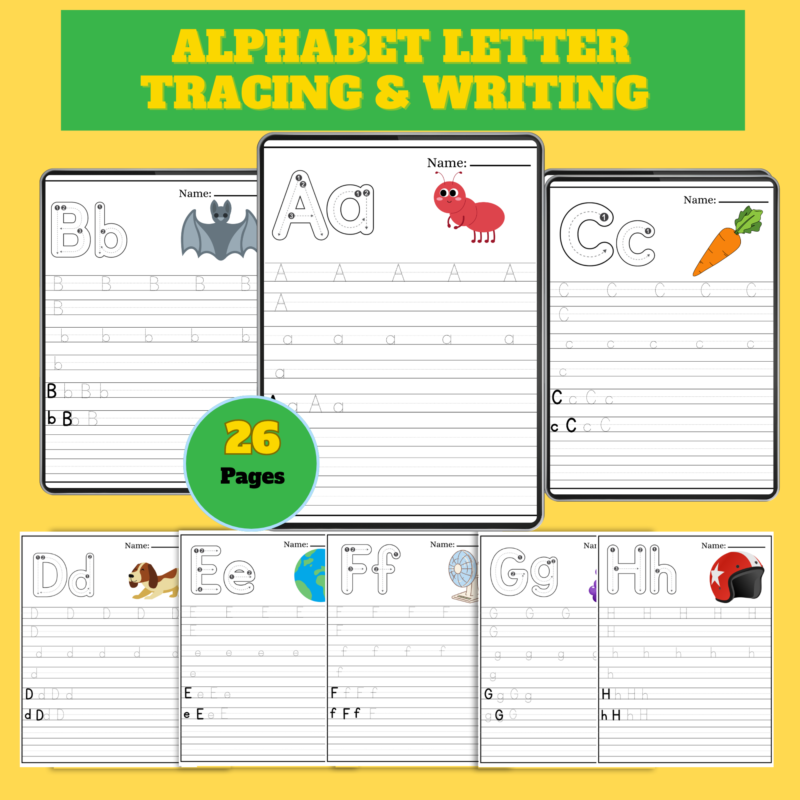
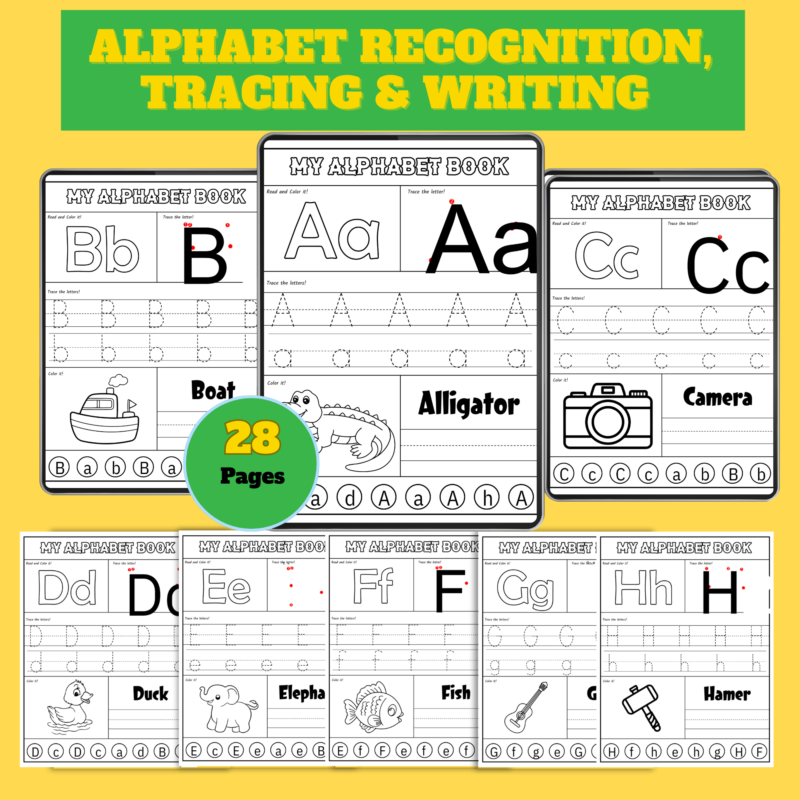
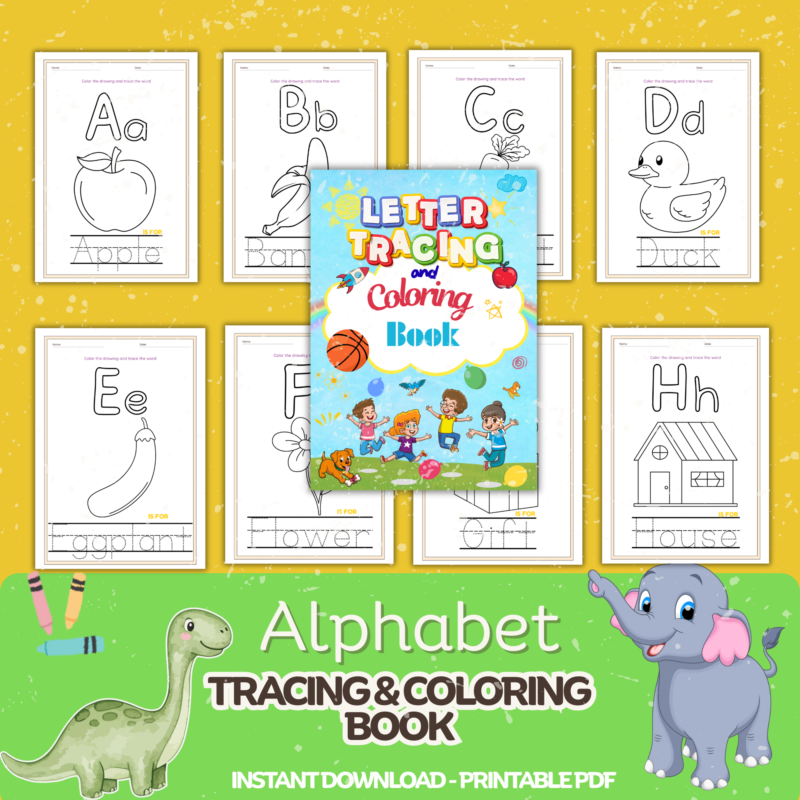
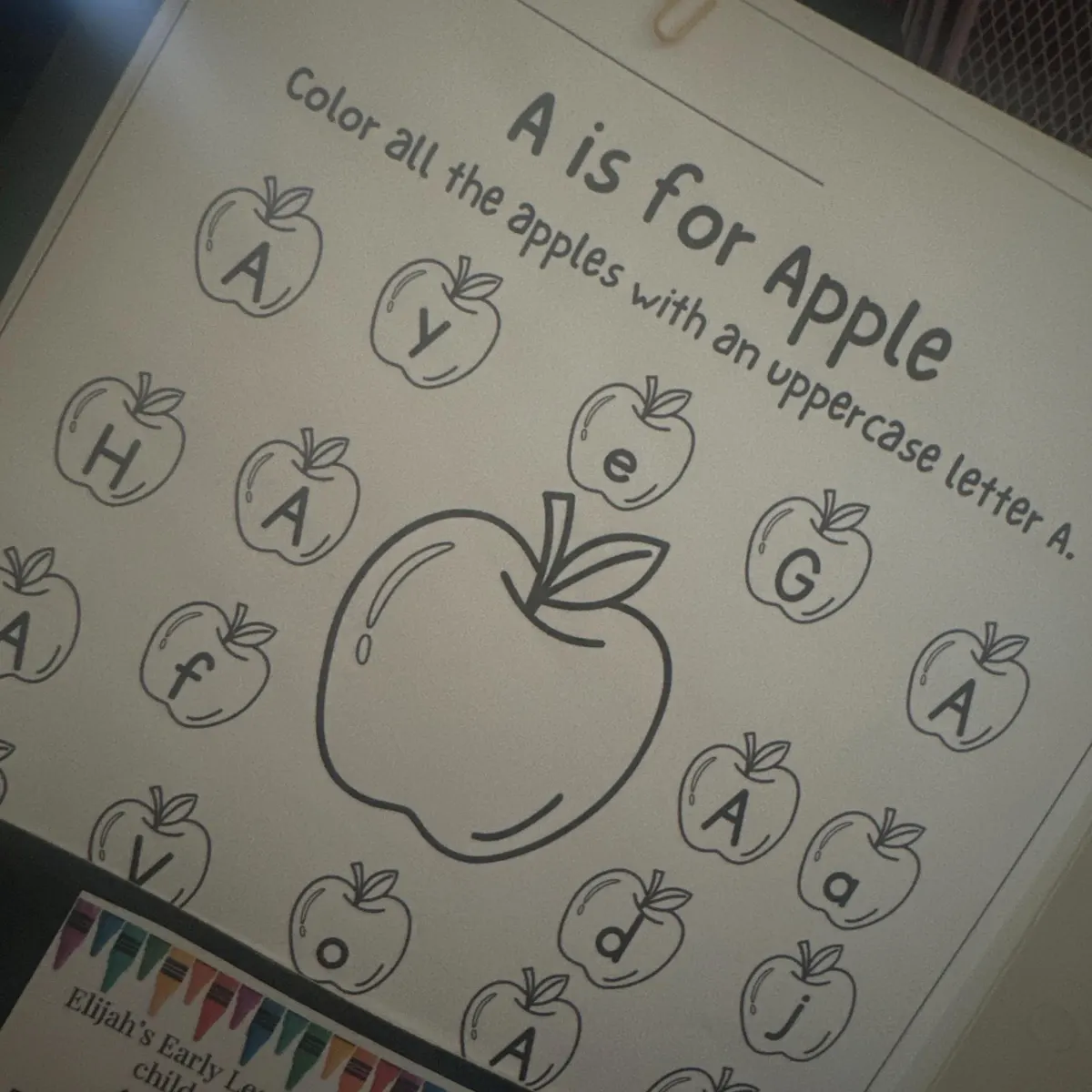
A quality worksheet should pair letter formation with letter recognition. When a child traces a capital A, then sees a lowercase a and a picture of an apple, the activity connects several early literacy skills at once. They begin to notice that uppercase and lowercase letters belong together, that letters have names, and that letters represent sounds.
This is why alphabet practice works best in small, repeatable sessions. One or two letters at a time is often plenty for preschoolers. A child who finishes happily and feels successful is much more likely to return to the activity tomorrow.
Clear Letter Paths Make Practice Easier
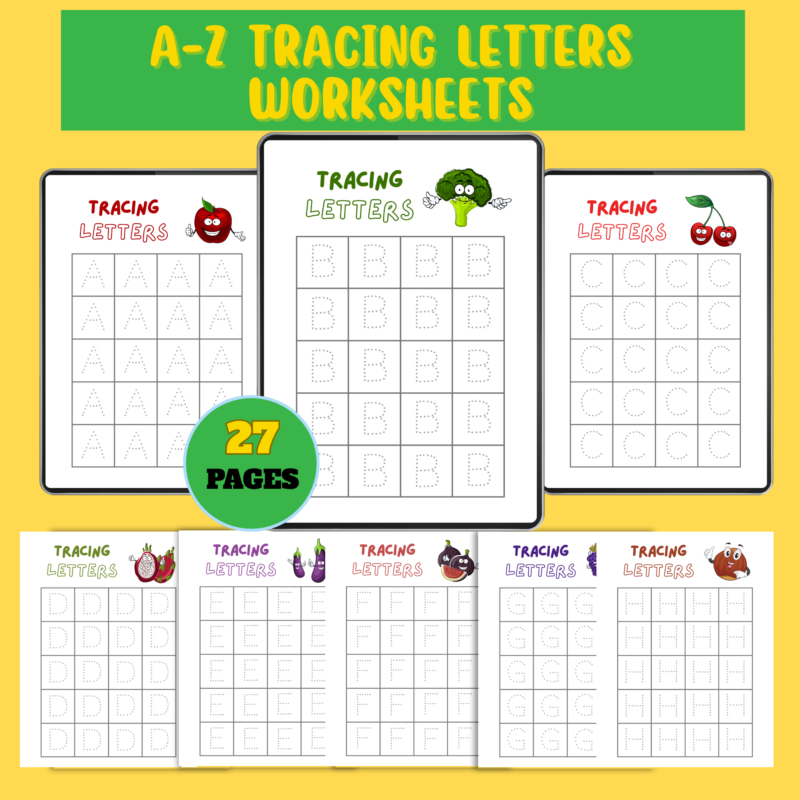
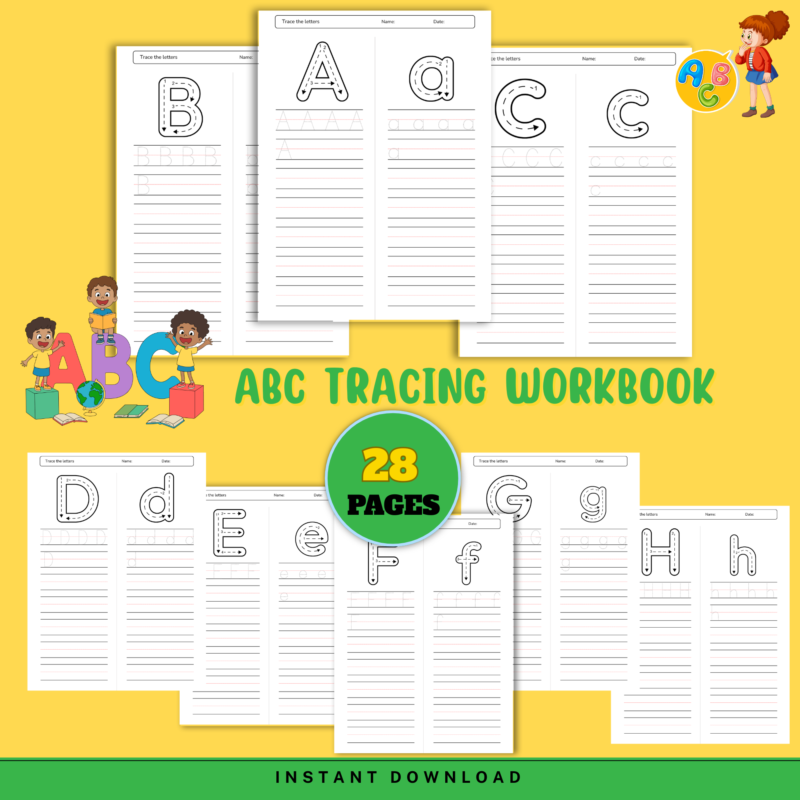
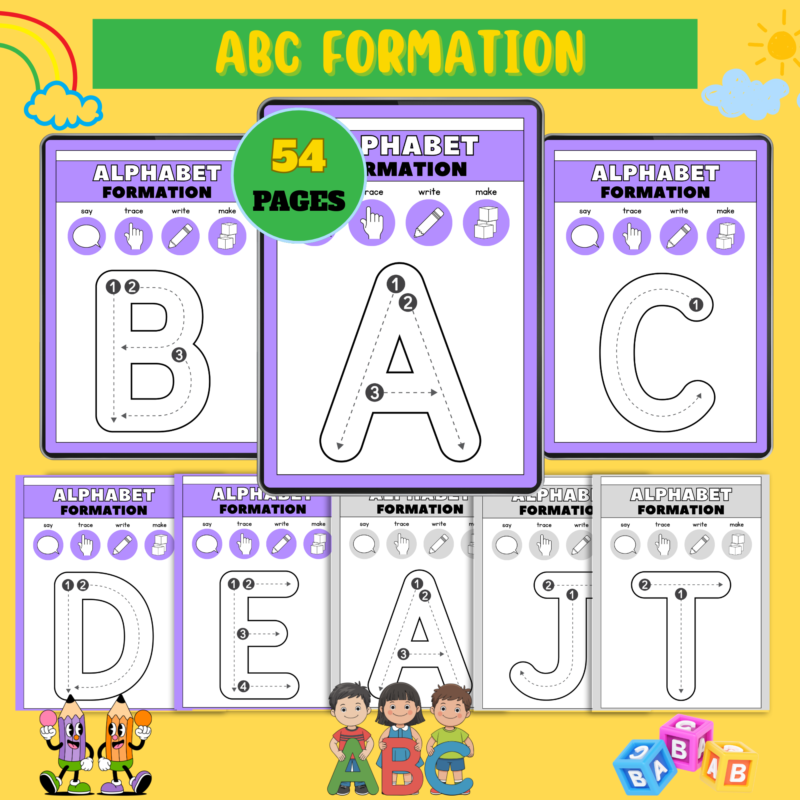
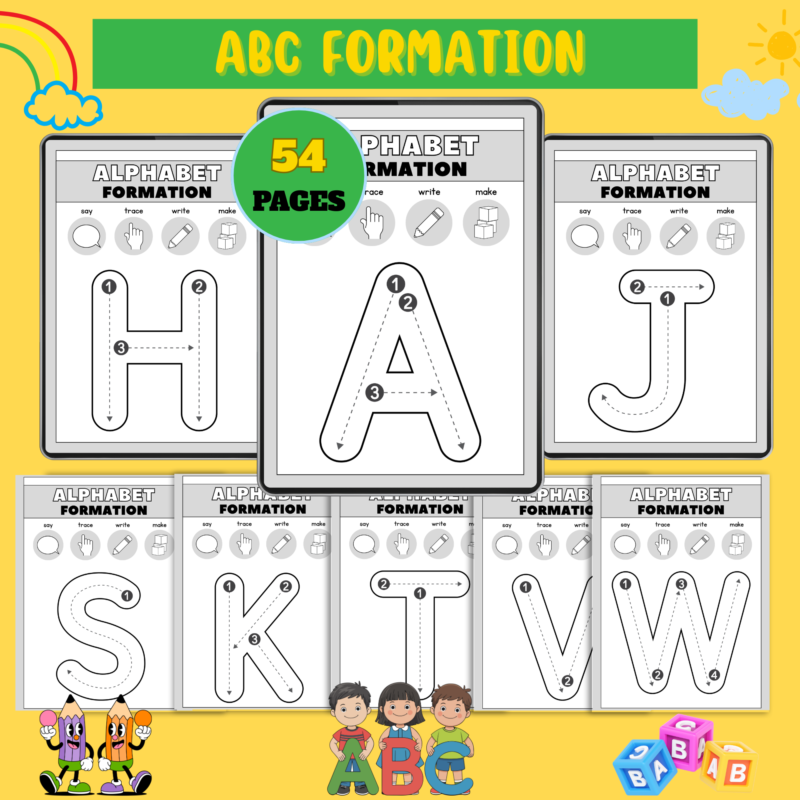
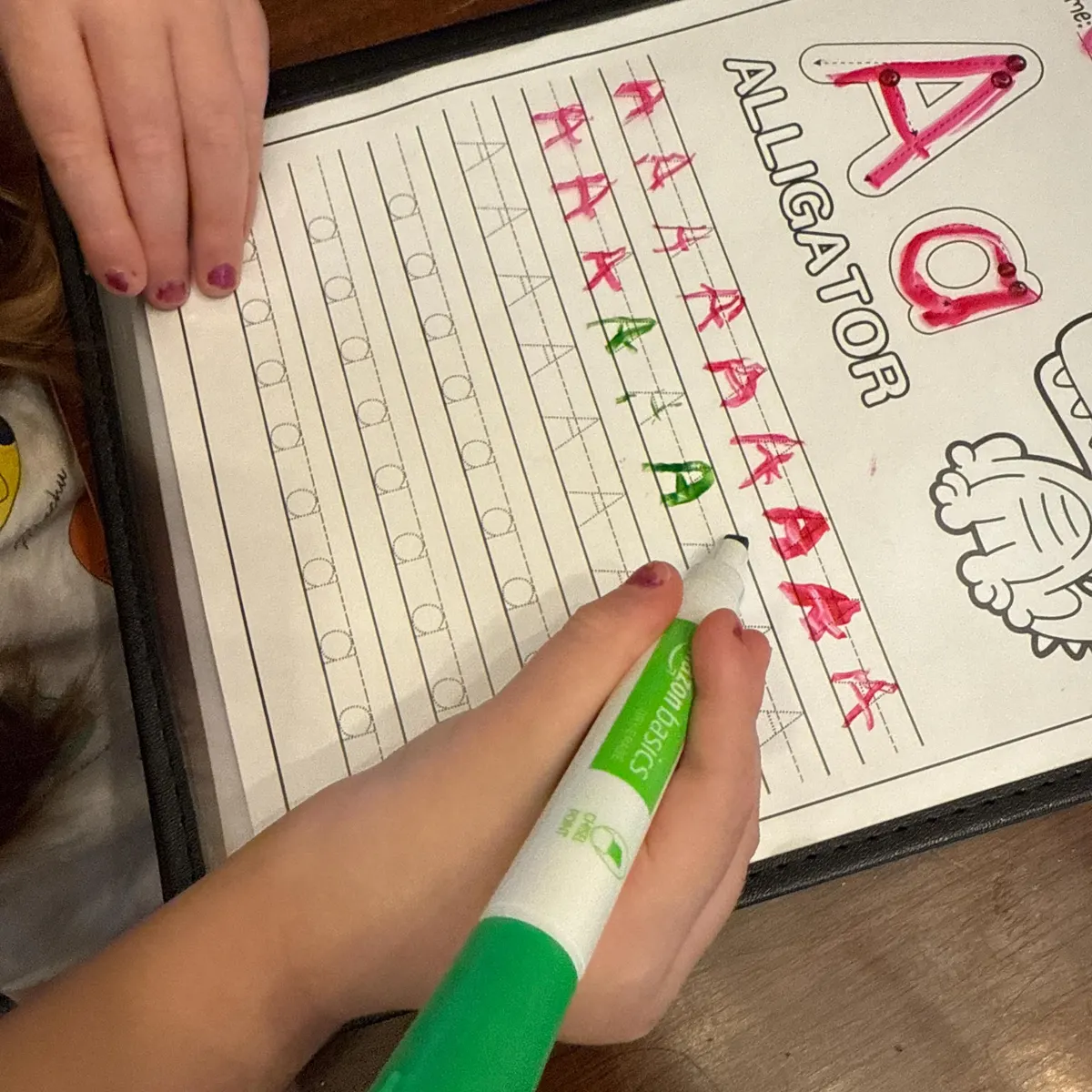
Look for large letters with easy-to-follow dotted or dashed paths. Young learners need enough visual guidance to understand where to begin and which direction to move their pencil. Starting dots and directional arrows can be especially useful for children who are new to tracing.
Letters should also have breathing room. Tiny tracing lines may save paper, but they can frustrate a child whose pencil control is still developing. Larger print gives beginners room to make mistakes, adjust their grip, and try again without feeling crowded.
Uppercase and Lowercase Letters Both Matter
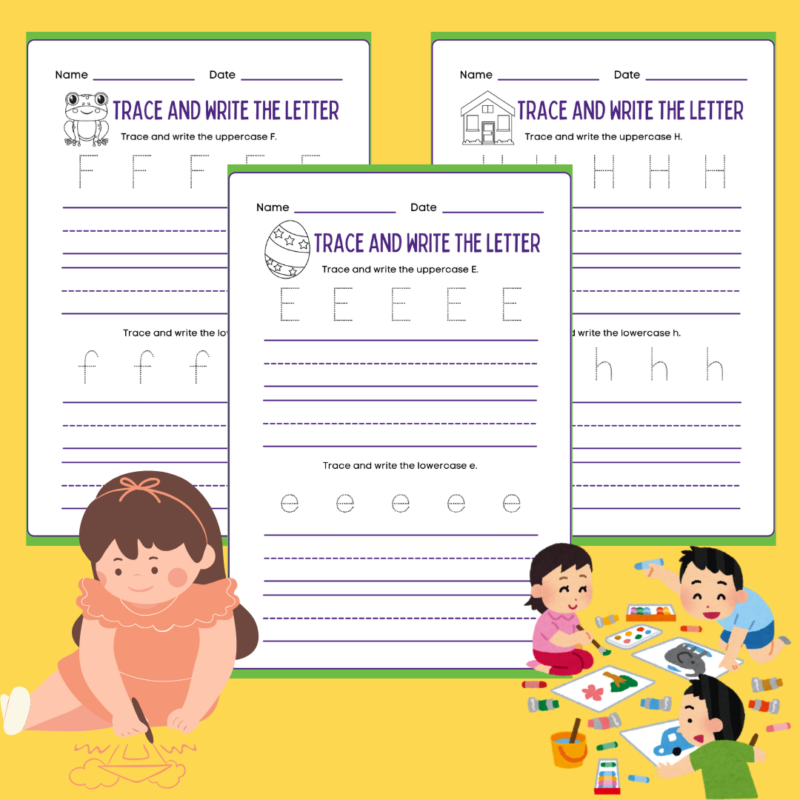
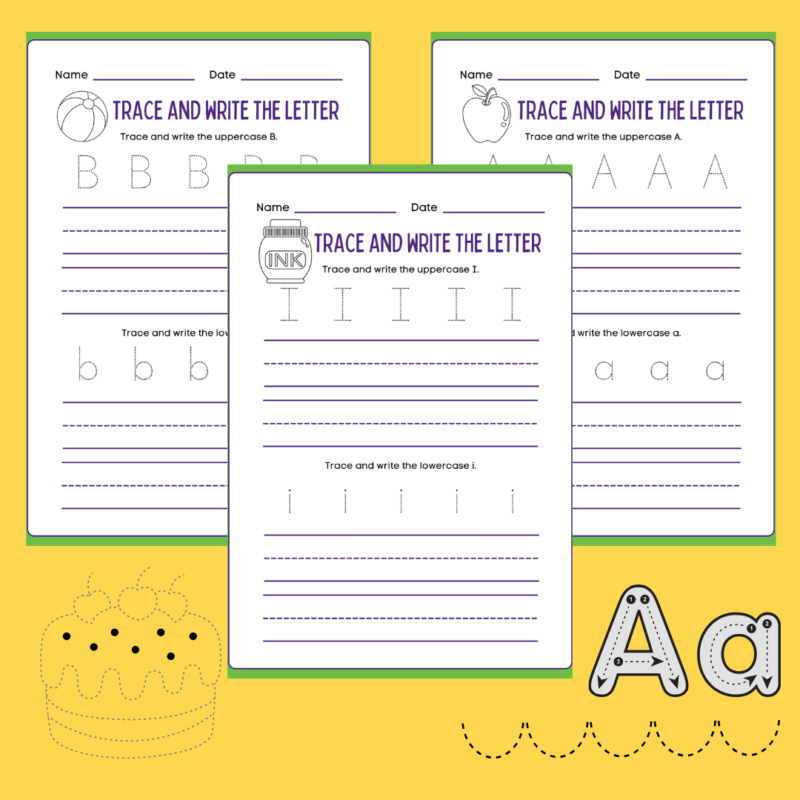
Uppercase letters are often easier to trace first because many use straight lines and simple shapes. They are also familiar to children who recognize the first letter of their name on signs, labels, or classroom cubbies. Still, lowercase letters deserve plenty of practice because they appear more often in books and early reading activities.
The strongest printable sets include both forms without asking children to master everything at once. A page that introduces one capital and one lowercase letter together can be helpful. For children who need a slower pace, separate uppercase and lowercase practice pages may be the better choice.
Alphabet Tracing Worksheets Review: What to Compare
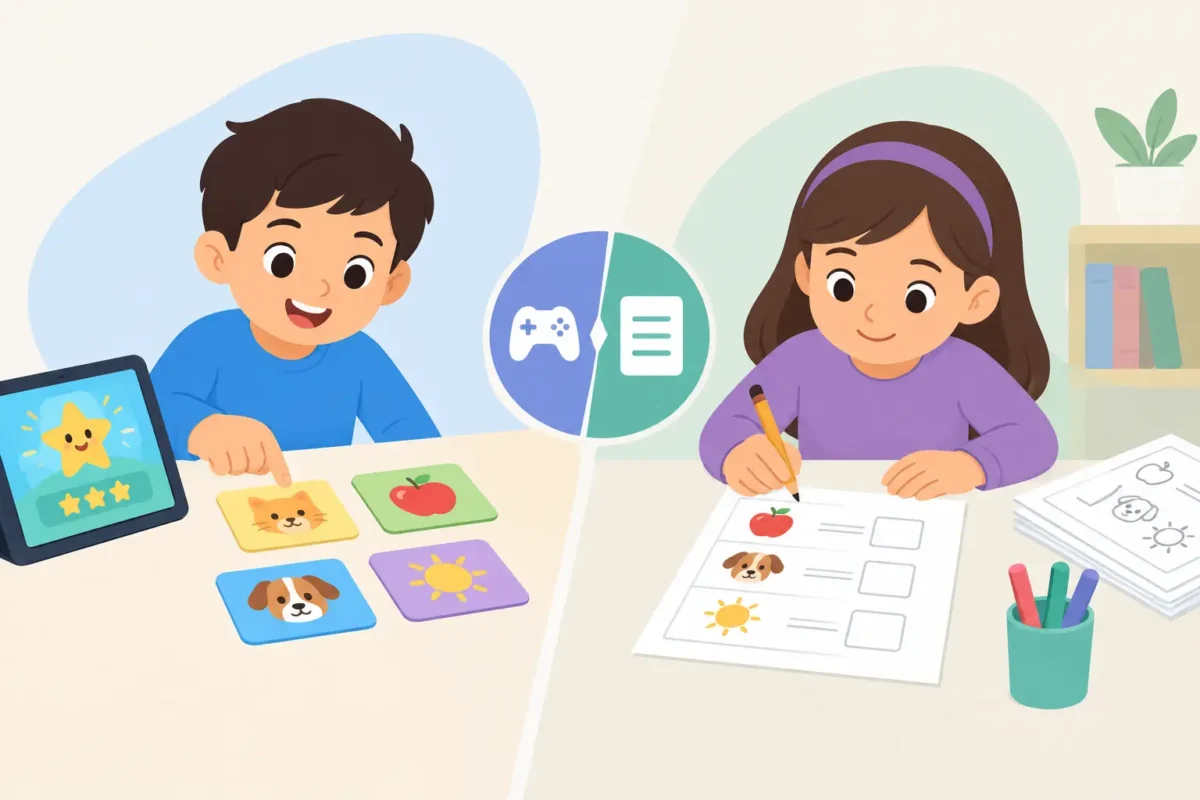
Not every worksheet pack fits every child. A cheerful preschooler may enjoy coloring a letter-themed picture after tracing, while another child wants a clean, simple page with no distractions. The right choice depends on age, attention span, current skills, and how the worksheets will be used at home or in a classroom.
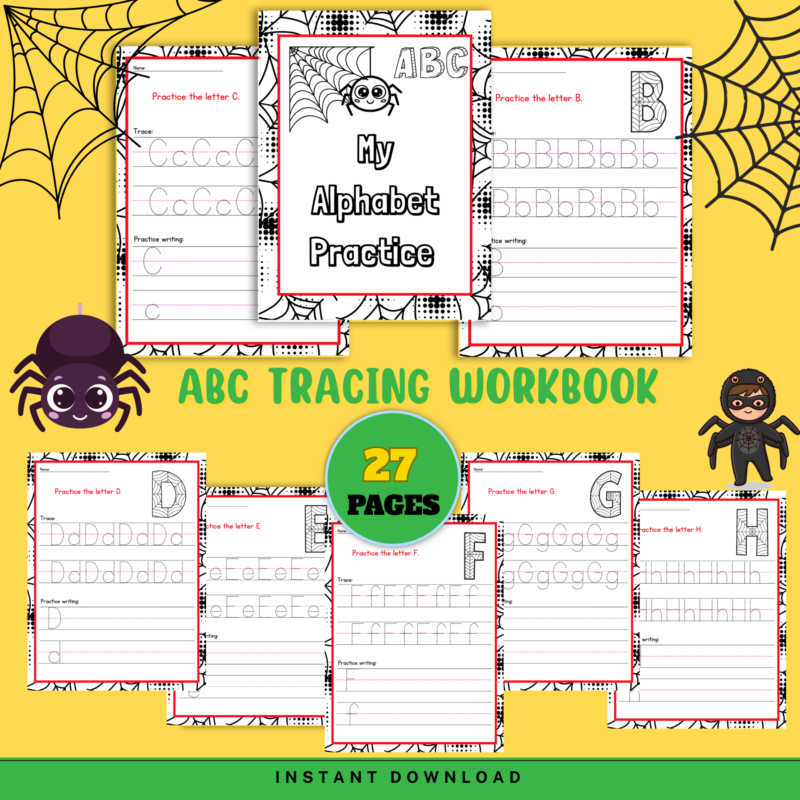
When comparing alphabet tracing printables, focus on whether the materials offer useful repetition without becoming boring. Children need more than one chance to practice a letter, yet a page should not feel like a long writing assignment. A few well-spaced tracing opportunities, followed by a chance to write independently, often provide a good balance.
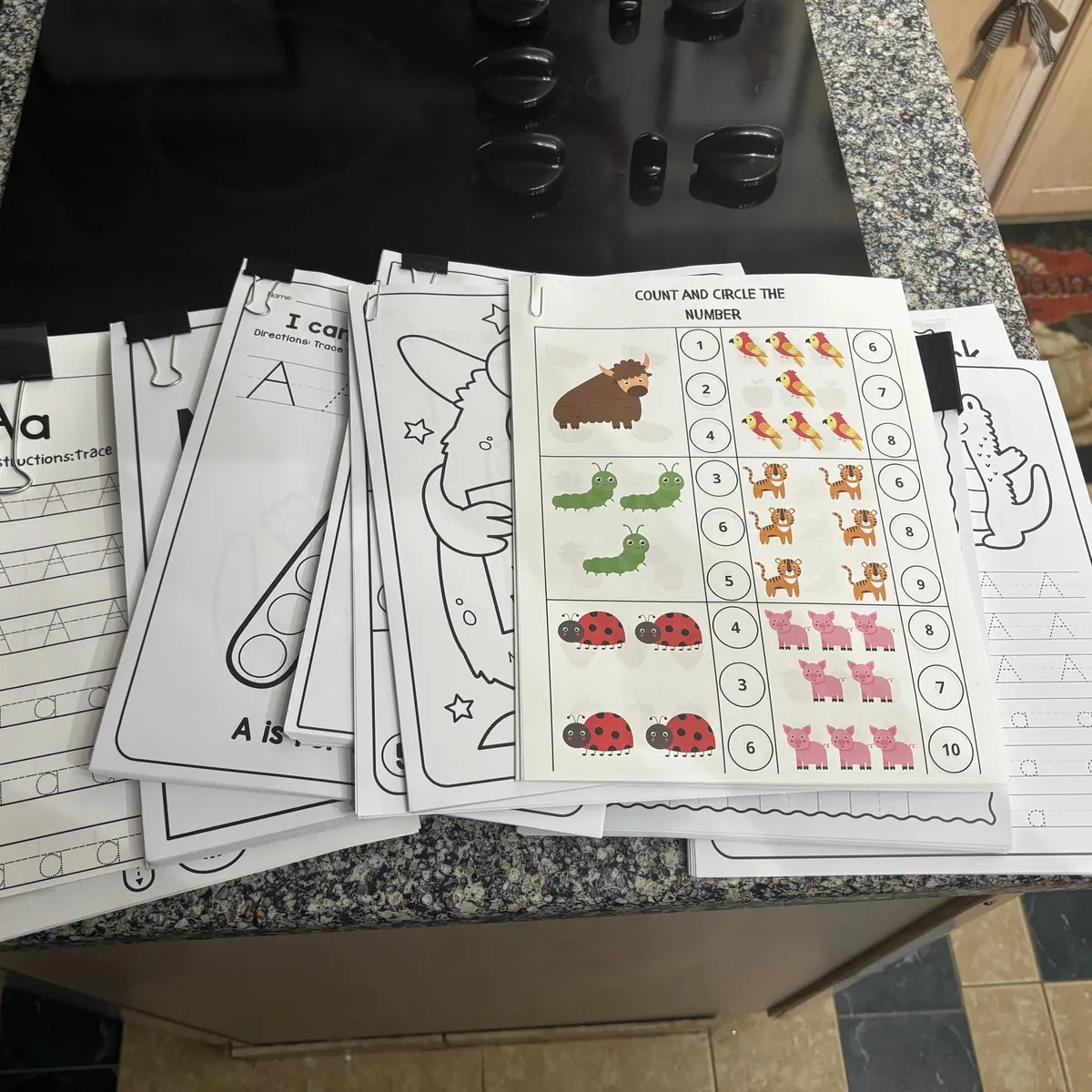
It also helps to consider whether the resource is organized in a practical way. Parents may want a complete A-Z workbook for a simple daily routine. Teachers and daycare providers may prefer individual letter pages that can match a weekly lesson theme. Homeschool families often benefit from having both options available.
Child-Friendly Design Is a Real Benefit
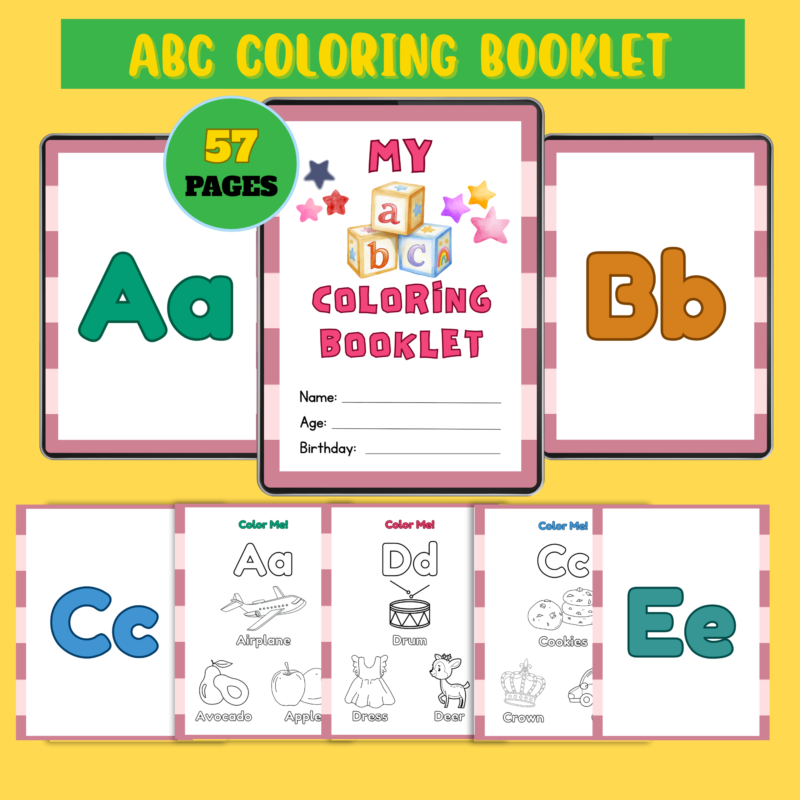
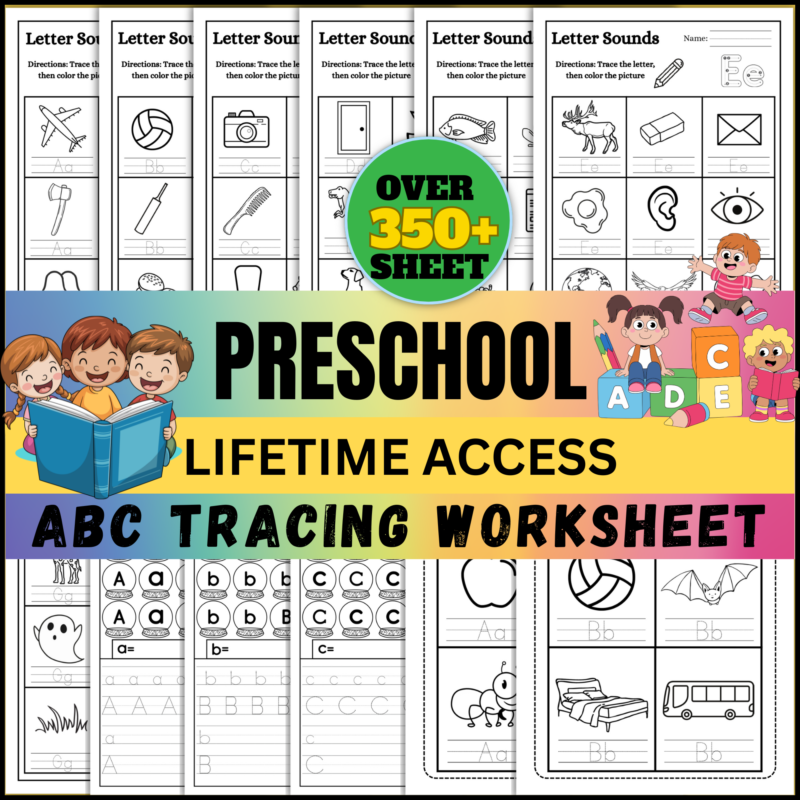
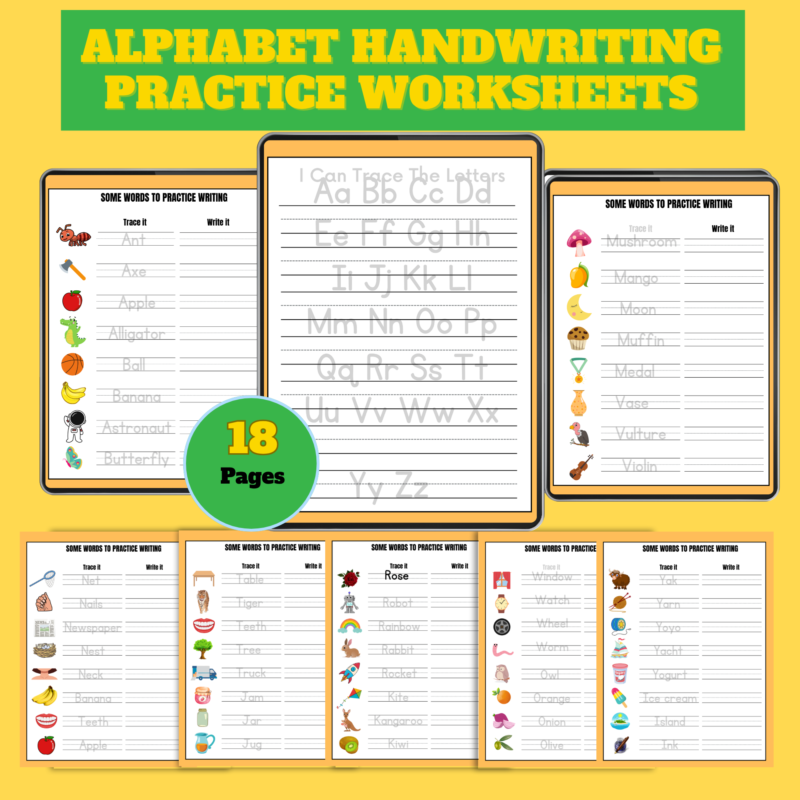
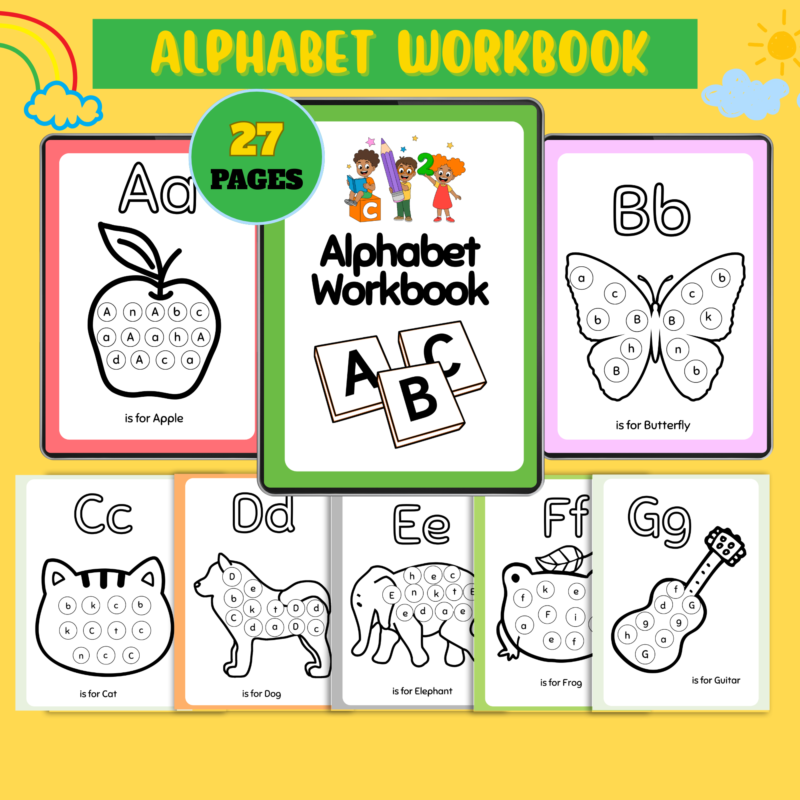
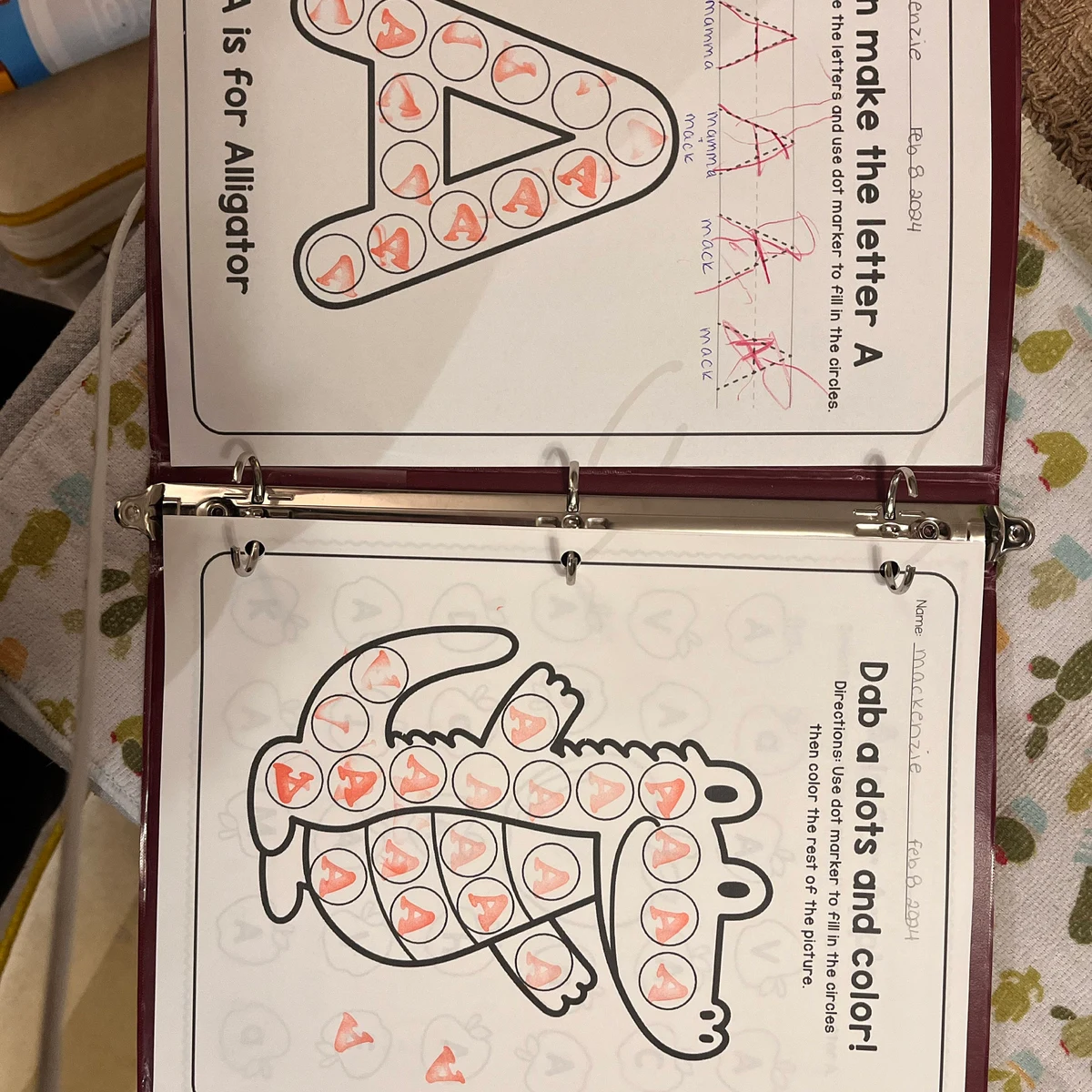
Fun pictures and friendly themes are not just decoration when they support the learning goal. An alligator beside A or a zebra beside Z gives children a visual reminder of the letter sound and makes the page feel inviting. That little bit of playfulness can help turn reluctant pencil practice into an activity a child is willing to try.
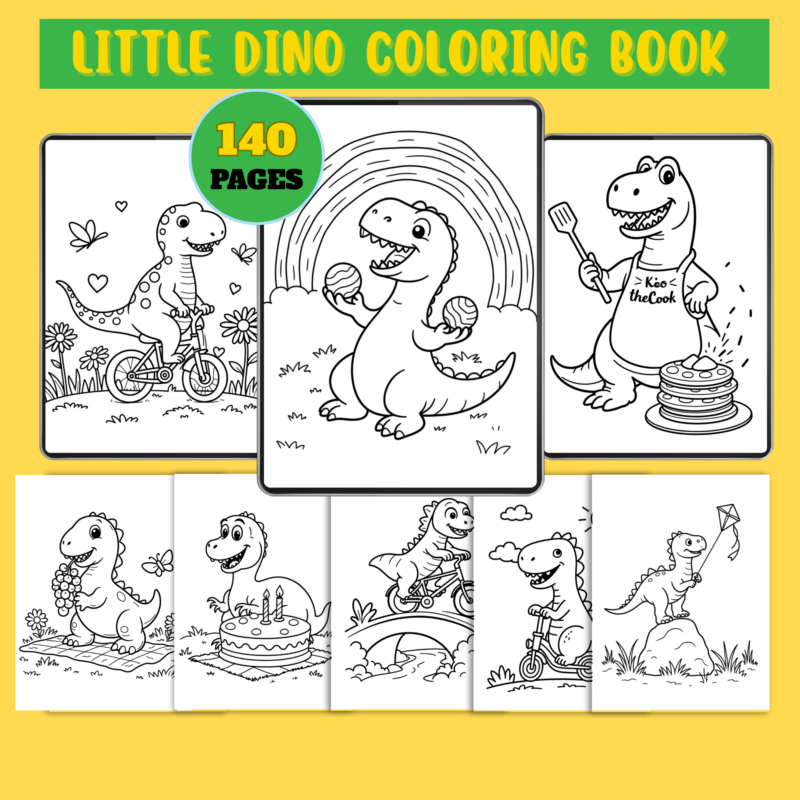
However, design should never take over the page. Too many tiny images, busy borders, or unrelated tasks can pull attention away from tracing. For children who are easily distracted, a simpler printable is usually the better fit. A balanced page uses cheerful visuals while keeping the letter large and easy to see.
Printability and Reuse Save Time
For families and educators, a worksheet is only useful if it is easy to use in real life. Downloadable PDFs are especially practical because they can be printed when needed, whether that means one letter for a rainy afternoon or enough copies for a small group.
Consider printing on regular paper for everyday practice, then using a sheet protector or laminating selected pages for repeated use with dry-erase markers. Reusable pages are a smart option for children who enjoy tracing the same letters several times. If a child needs more tactile practice, place the worksheet under a clear sleeve and let them trace with a finger before picking up a marker or pencil.
Signs a Child Is Ready for Tracing Practice
There is no perfect age when every child should begin alphabet tracing. Many preschoolers start showing interest between ages 3 and 5, but readiness is more useful than a birthday on the calendar. A child may be ready to try when they enjoy scribbling, can hold a crayon with growing control, and show curiosity about letters in their name or favorite books.
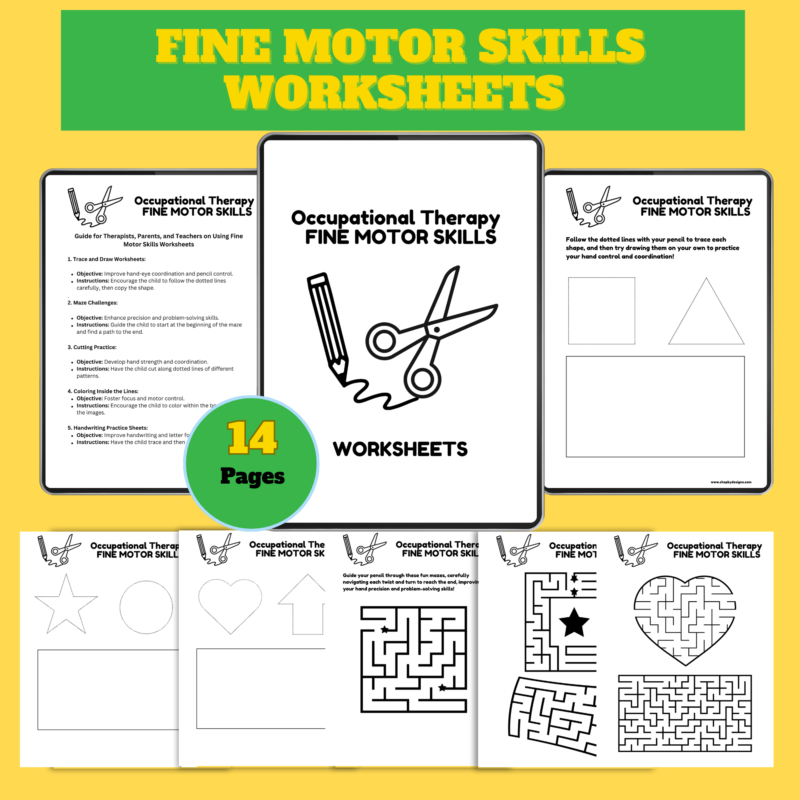
If tracing creates tears or frustration, step back. Offer short coloring activities, playdough letter shapes, sticker activities, or simple line tracing first. Curved paths, zigzags, and vertical lines build control without the added challenge of forming a recognizable letter.
For kindergarten learners, tracing can be a bridge toward independent handwriting. After a child traces a letter several times, invite them to try writing it on a blank line. The goal is not perfect penmanship on the first try. It is helping them understand that they can create letters on their own.
How to Use Tracing Worksheets Without Pressure
A five-minute routine can be more effective than a long session once a week. Choose one letter, say its name, make its sound together, and trace it slowly. Then look for that letter in a book, on a cereal box, or in a family member’s name. This simple connection helps children see that letters are part of their everyday world.
Try to sit nearby rather than correcting every stroke. Gentle prompts such as “Start at the dot” or “Let’s make that big curve” are more encouraging than pointing out every mistake. Praise effort, attention, and improvement. Children build confidence when they hear that learning takes practice.
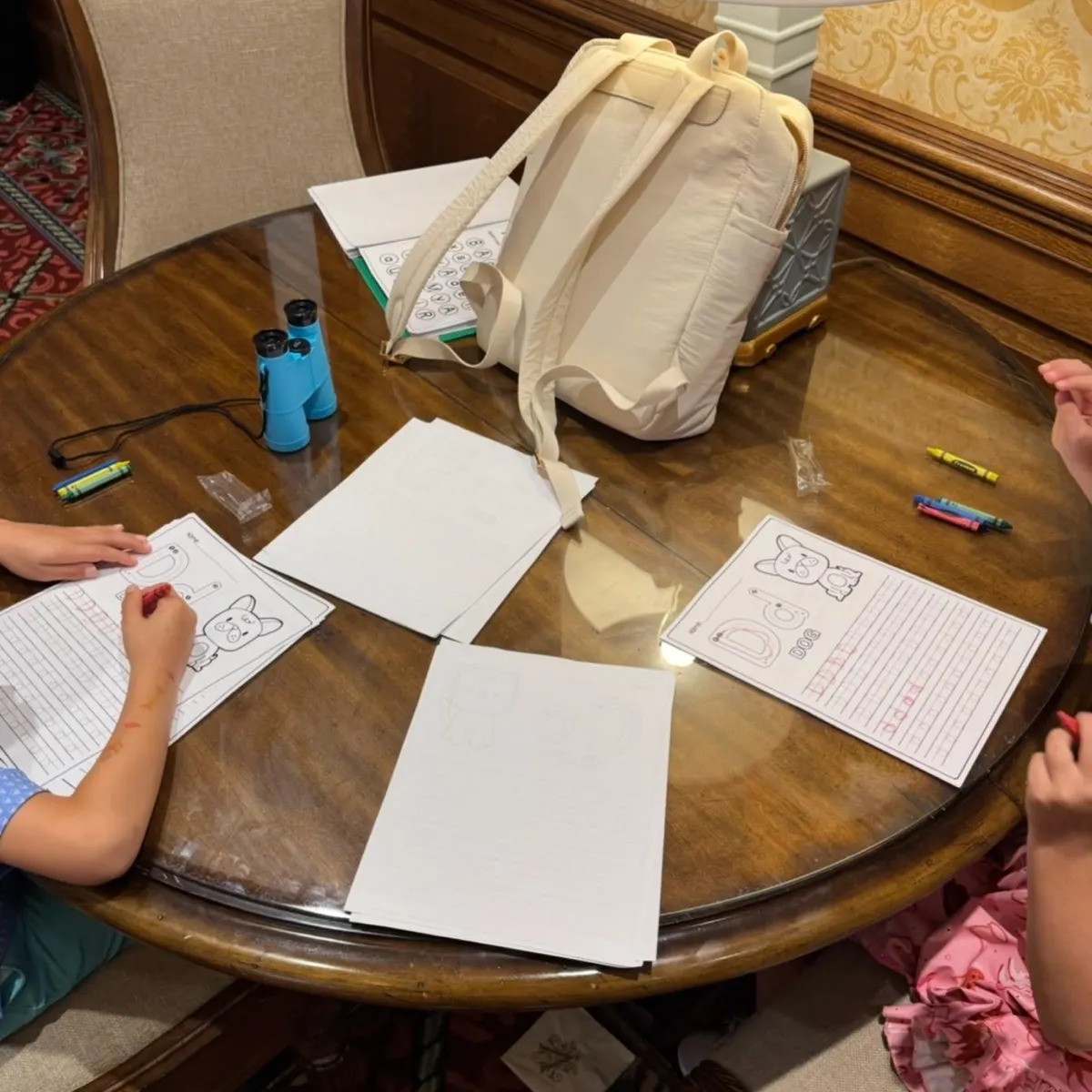
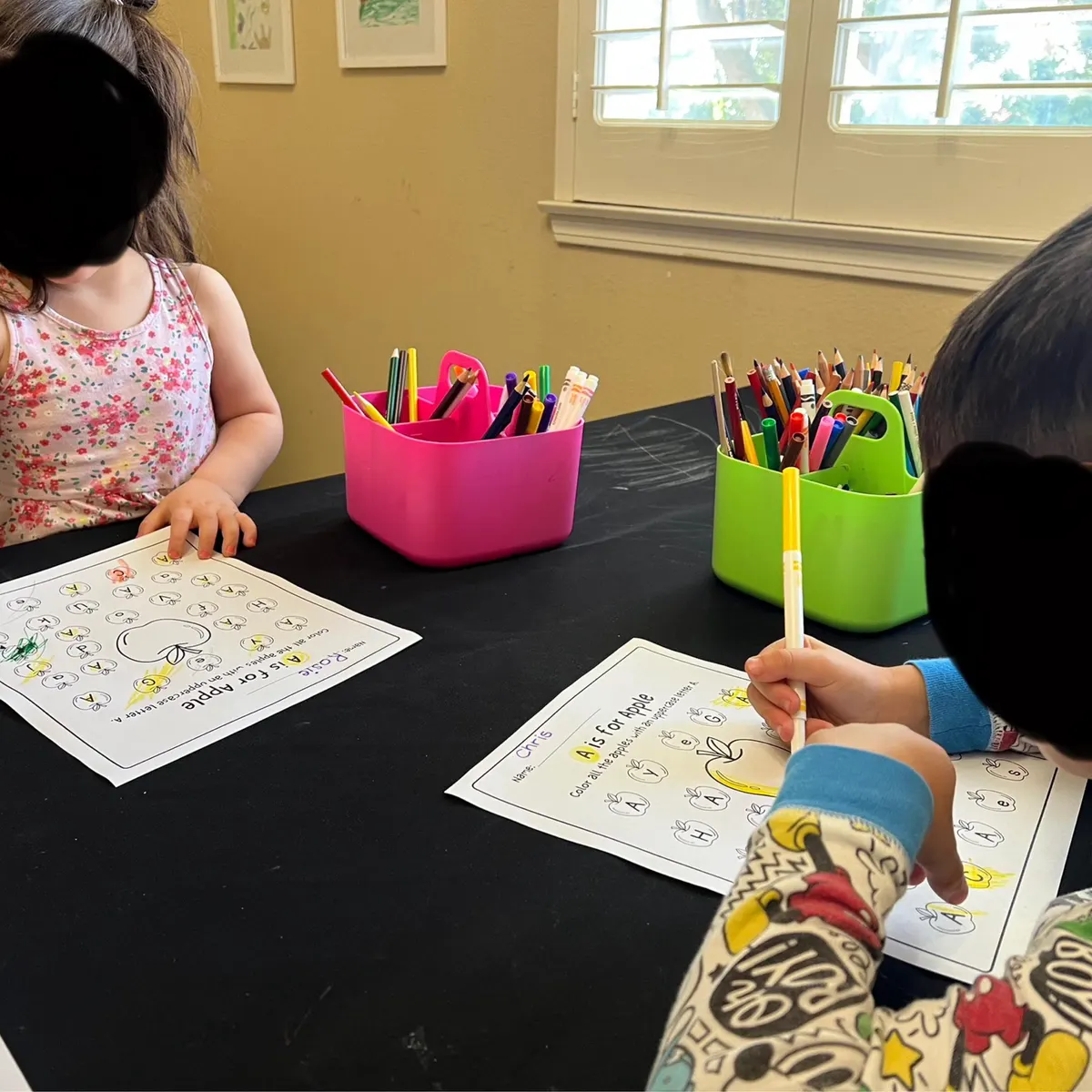
For classrooms, tracing pages can work well as a morning table activity, literacy center, take-home practice, or quiet-time option. Keep pencils, crayons, and a few completed samples nearby so children know what to do independently. In a mixed-skill group, offer large-format tracing sheets to beginners and add blank writing lines for children ready for a challenge.
A Practical Choice for Home and Classroom Learning
The most useful alphabet tracing pages combine clear formation practice, letter recognition, and age-appropriate fun. They should be simple enough for a child to understand, flexible enough for adults to use in different routines, and inviting enough that practice does not feel like a chore.
Fun Clever Fox printable alphabet resources are designed with that everyday practicality in mind: ready-to-use PDF pages that help young learners practice pencil control, recognize letters, and enjoy early literacy time without extensive prep. They can fit into a preschool morning, a kindergarten center, or a quiet learning moment at the kitchen table.
Start with the letters that feel meaningful to your child, especially the letters in their name. A familiar A, M, or S can turn a first tracing page into a small, proud step toward reading and writing.