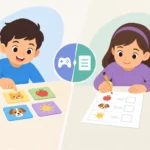
A child who eagerly picks up a crayon but quickly switches hands, presses too hard, or gives up after one line is not “behind.” They are still building the small muscles, coordination, and confidence needed for writing. So, what are pre writing skills? They are the foundational abilities children develop before they can comfortably form letters, numbers, and words on paper.
For preschoolers and kindergarteners, pre-writing practice should feel like play with a purpose. Tracing paths, coloring, squeezing play dough, drawing shapes, and using scissors all help prepare little hands for the more precise work of handwriting. A few minutes of enjoyable practice each day can make a meaningful difference over time.
What Are Pre Writing Skills?
Pre-writing skills are the physical, visual, and thinking skills children use to get ready to write. Writing is more than knowing the alphabet. A child also needs to sit with a steady body, hold a writing tool with control, guide it in different directions, and make marks that follow a line or shape.
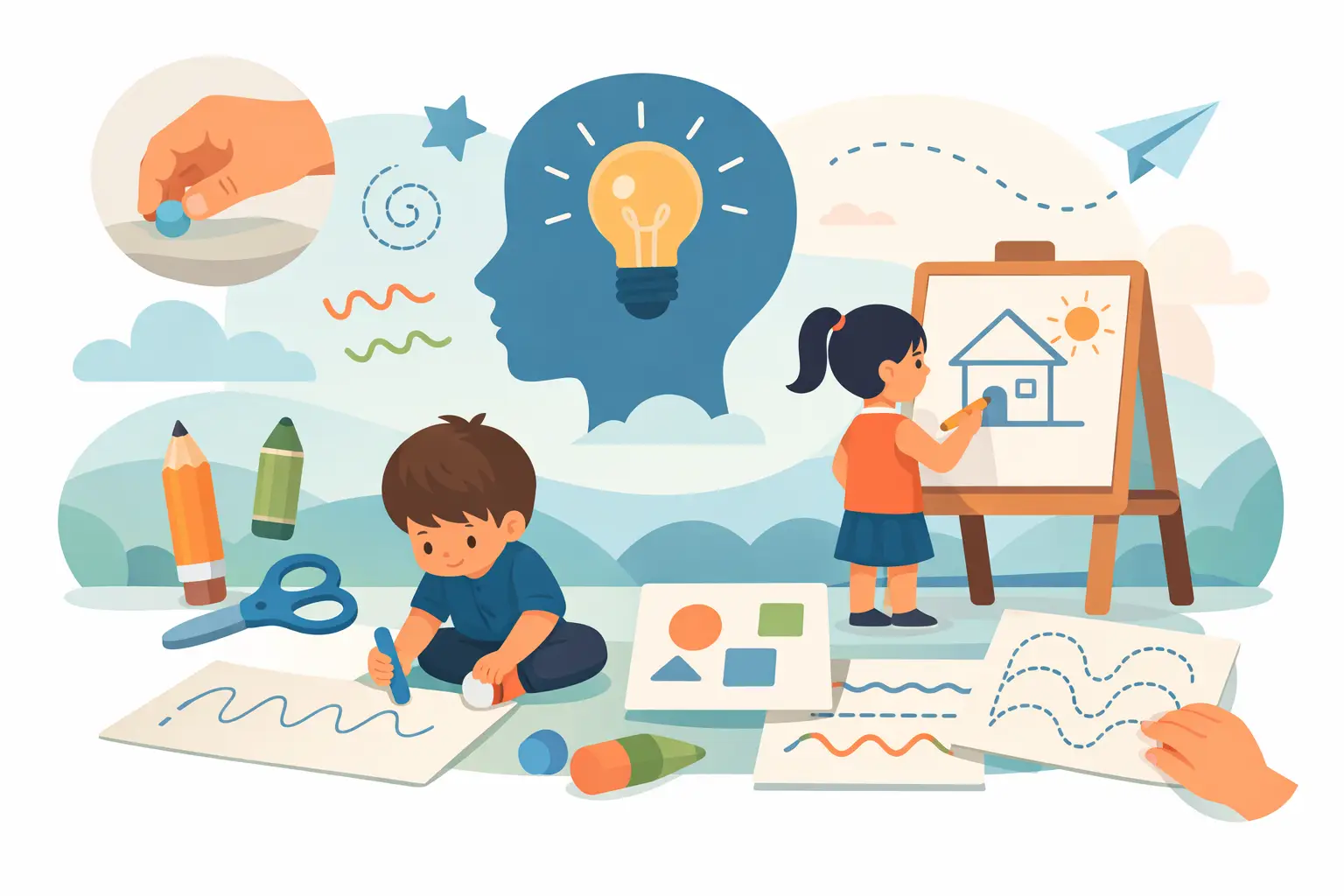
These skills usually develop gradually during the preschool years. Children begin with big movements, such as drawing with sidewalk chalk or painting at an easel. As their hand strength and coordination improve, they become ready for smaller, more controlled marks on paper.
Pre-writing skills do not require children to write their name perfectly at age 3 or 4. The goal is to help them feel capable using crayons, pencils, markers, and scissors while building the control that letter formation will need later.
The Building Blocks That Come Before Handwriting
Several abilities work together when a child writes. If one area is still developing, handwriting can feel tiring or frustrating. That is why a well-rounded approach is more helpful than simply asking a child to trace letters again and again.
Fine motor strength
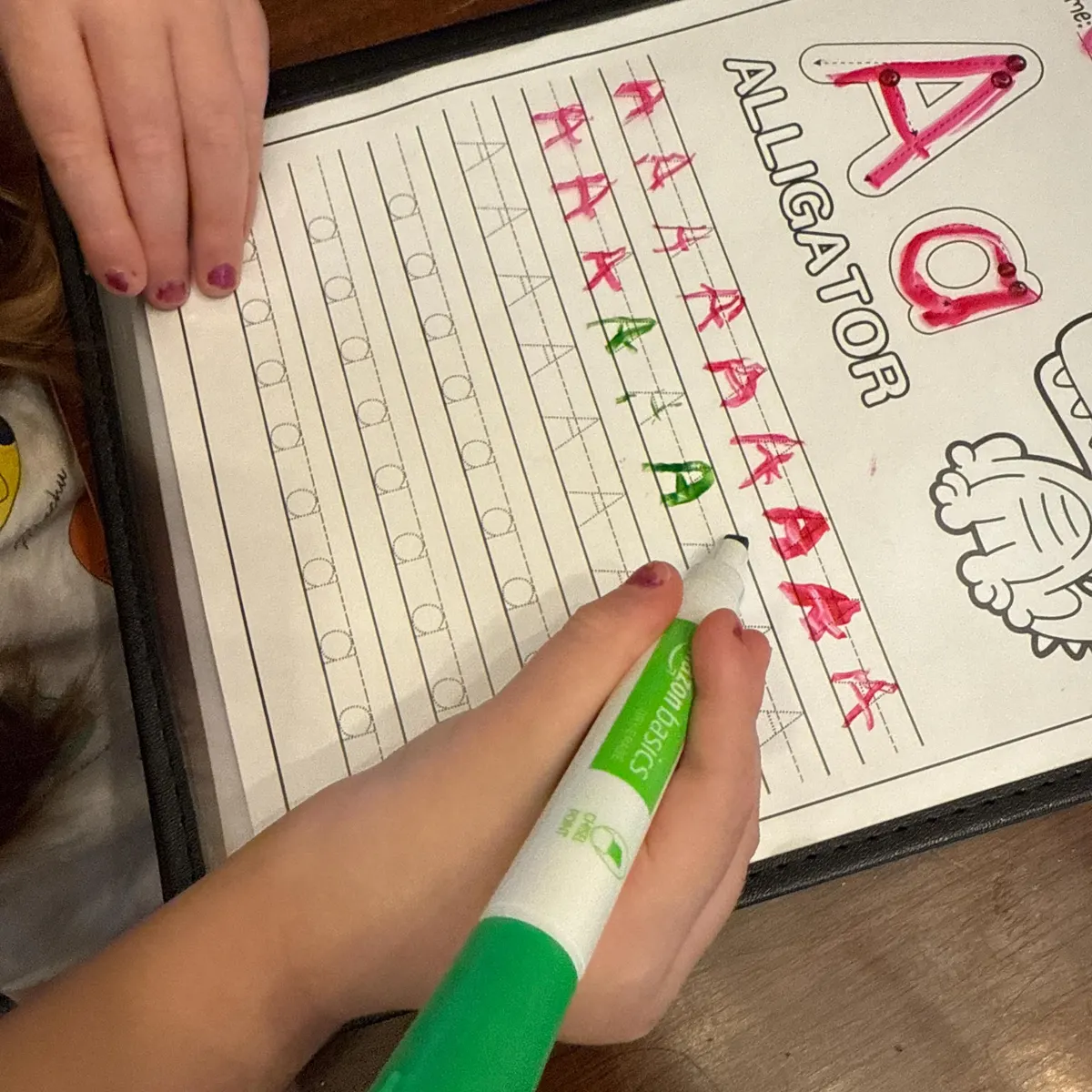
Fine motor skills involve the small muscles in the hands, fingers, and wrists. Children use these muscles to pinch, squeeze, twist, pick up small objects, and control a pencil. Weak hand muscles can make a child grip a pencil too tightly or avoid writing activities altogether.
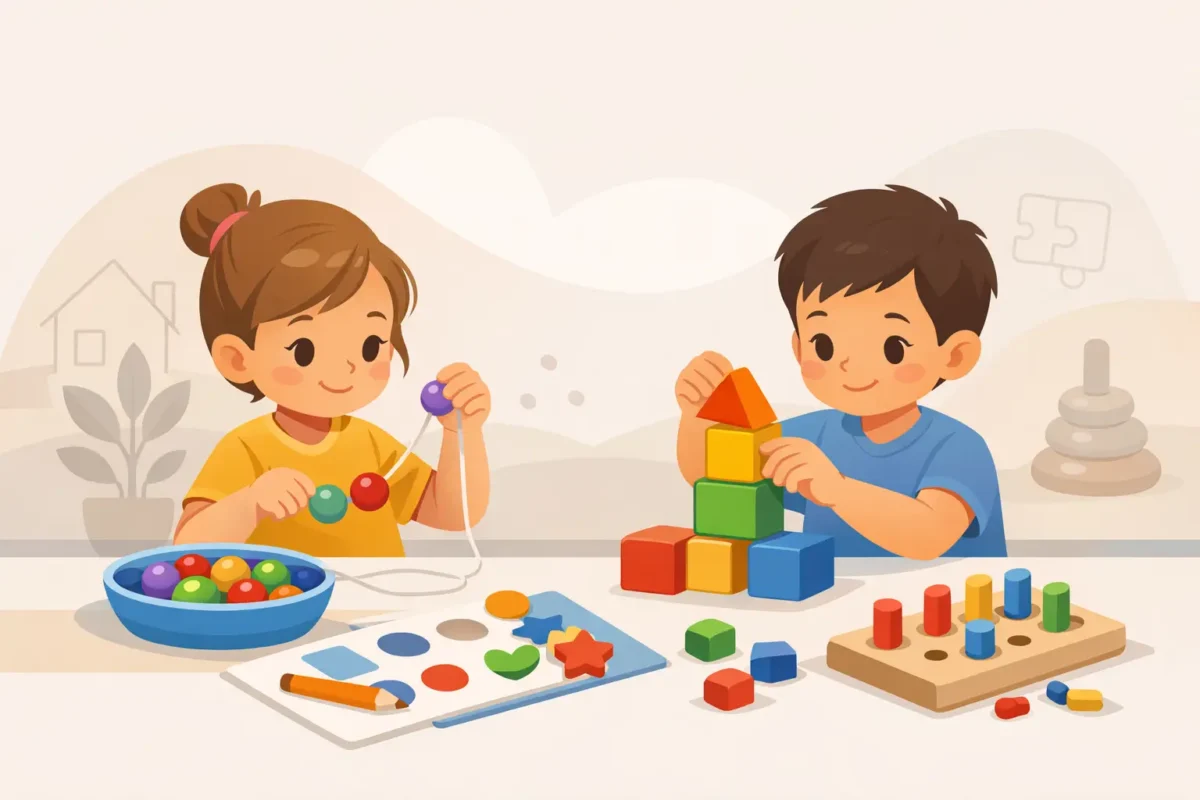
Simple hands-on play builds this strength naturally. Rolling play dough, using tongs to sort pom-poms, clipping clothespins, peeling stickers, and threading beads are all useful choices. These activities are especially helpful for children who are not yet interested in pencil-and-paper work.
Pencil grasp and hand control
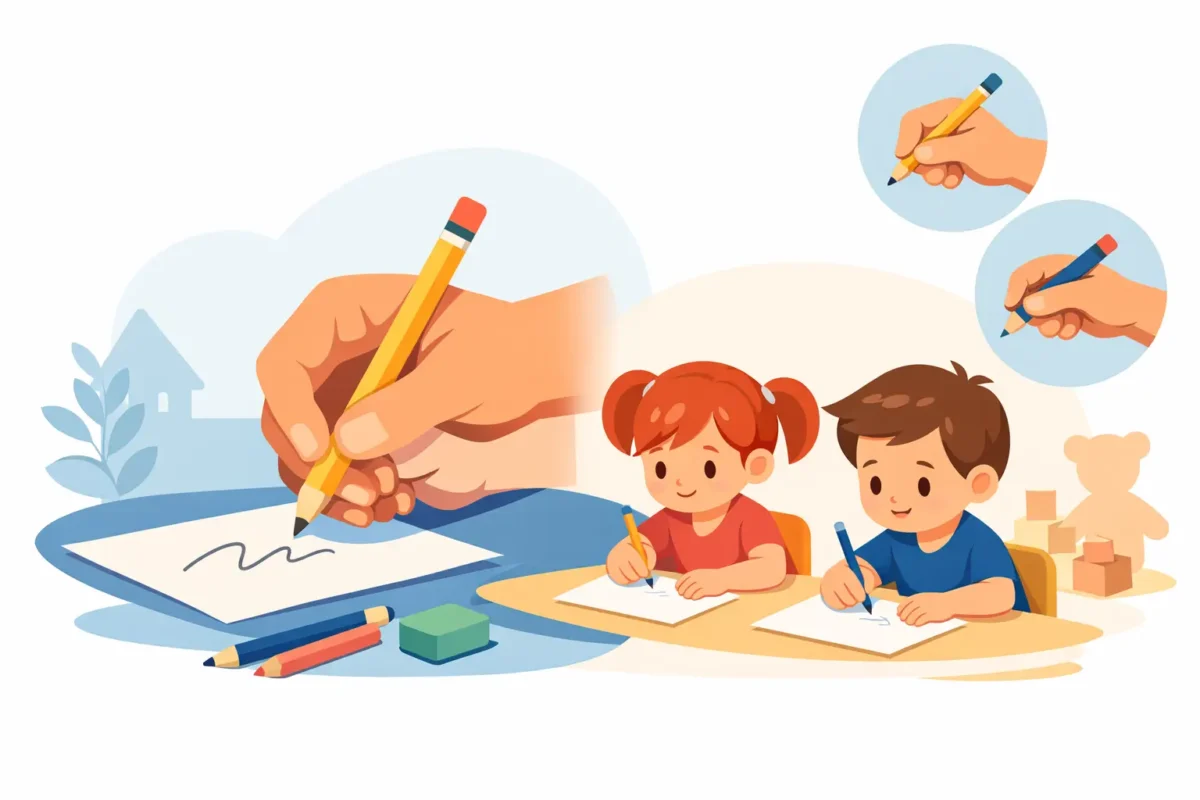
Young children often use a whole-hand grasp before they develop a more mature pencil grip. This is normal. As children grow, their grip usually becomes more controlled, moving from the palm toward the fingertips.
Rather than correcting every grip, offer short crayons, broken crayon pieces, triangular crayons, or small pencils. Smaller tools encourage children to use their fingers more naturally. Watch for comfort and control instead of expecting one “perfect” grasp too soon.
Visual-motor coordination
Visual-motor coordination means the eyes and hands work together. A child needs this skill to draw a line from one point to another, stay inside a coloring area, trace a path, or copy a simple shape.
Start with activities that have clear visual goals. Mazes, dot-to-dot pages, matching games, and simple line-tracing worksheets give children a reason to guide their pencil carefully. If a page feels too busy, choose one with larger images, wider paths, and fewer distractions.
Directional strokes and shapes
Letters are made from basic strokes. Before children write an A, B, or S, they benefit from practicing vertical lines, horizontal lines, circles, curves, diagonal lines, zigzags, and crosses.
These marks are the true beginning of handwriting. A child who can copy a circle, plus sign, square, or simple X is developing the movement patterns that support many letters and numbers. Repeated practice is useful, but variety matters too. Children stay engaged when the same skill appears in different ways, such as roads to trace, rainbows to color, or animals to follow along a path.
Focus, posture, and confidence
Pre-writing is not only about hands. Children also need enough attention to finish a short task and a comfortable position for working. Sitting at a table with feet supported can make pencil control easier than kneeling, lying down, or balancing on an oversized chair.
Confidence matters just as much. A child who hears, “You worked hard to follow that curve,” is more likely to try again than a child who hears only that their line is messy. Praise effort, control, and persistence, not just neat results.
Pre-Writing Activities That Fit Into Real Life
The best pre-writing activities are low-prep and easy to repeat. You do not need to create a long lesson every day. Offer a small choice, keep the session short, and stop while your child is still feeling successful.
Here are a few practical activities that support different pre-writing skills:
- Trace straight, curved, and zigzag lines with crayons or markers.
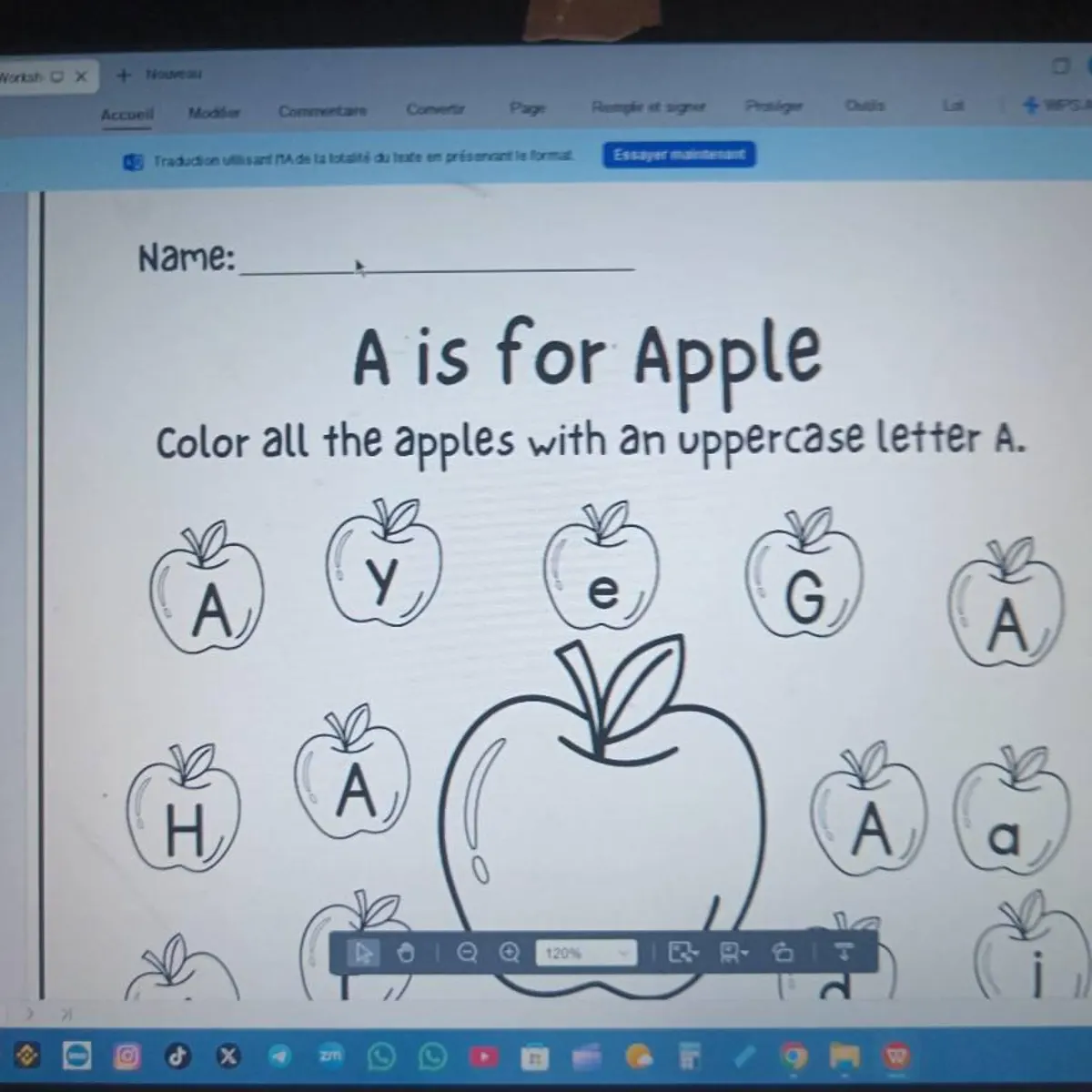
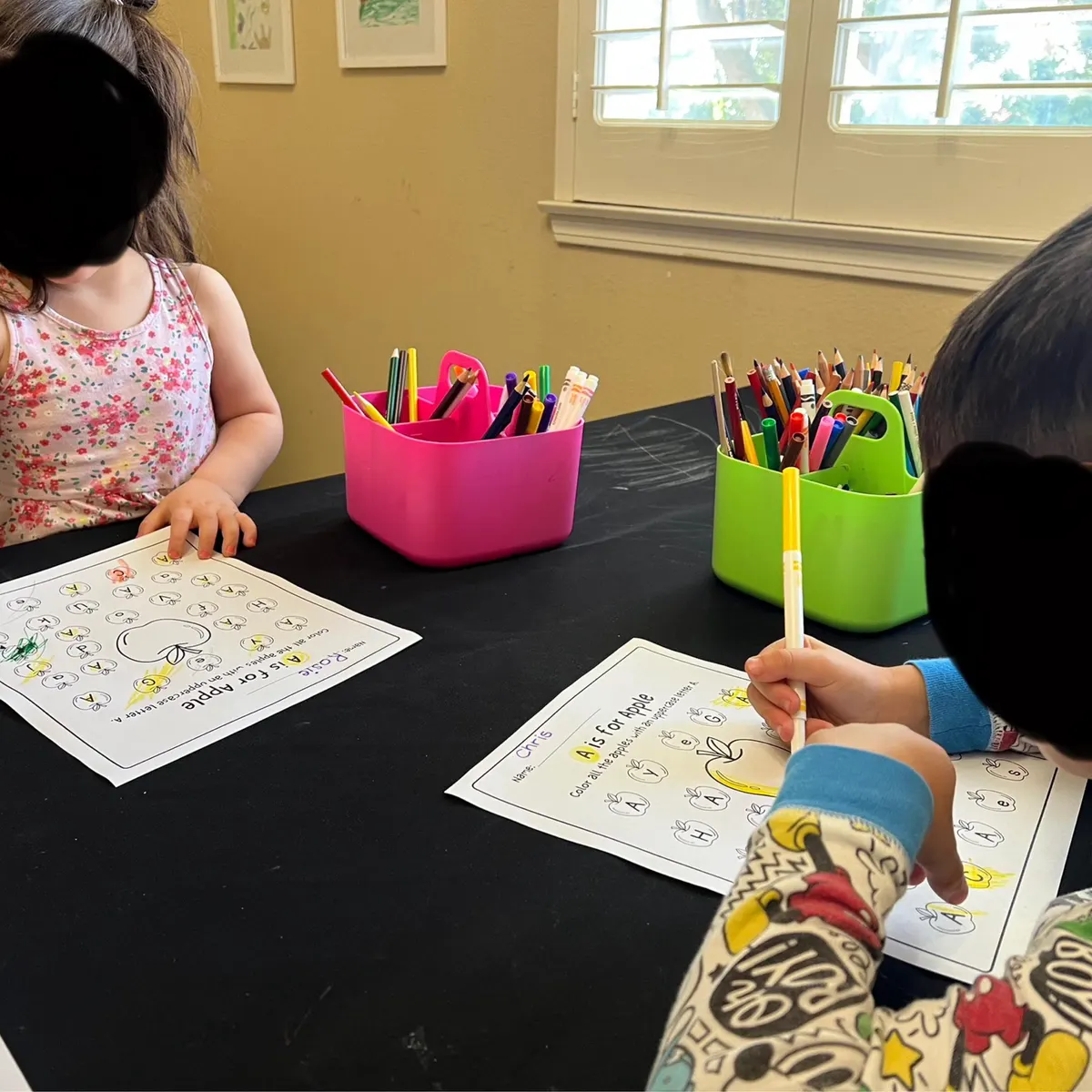
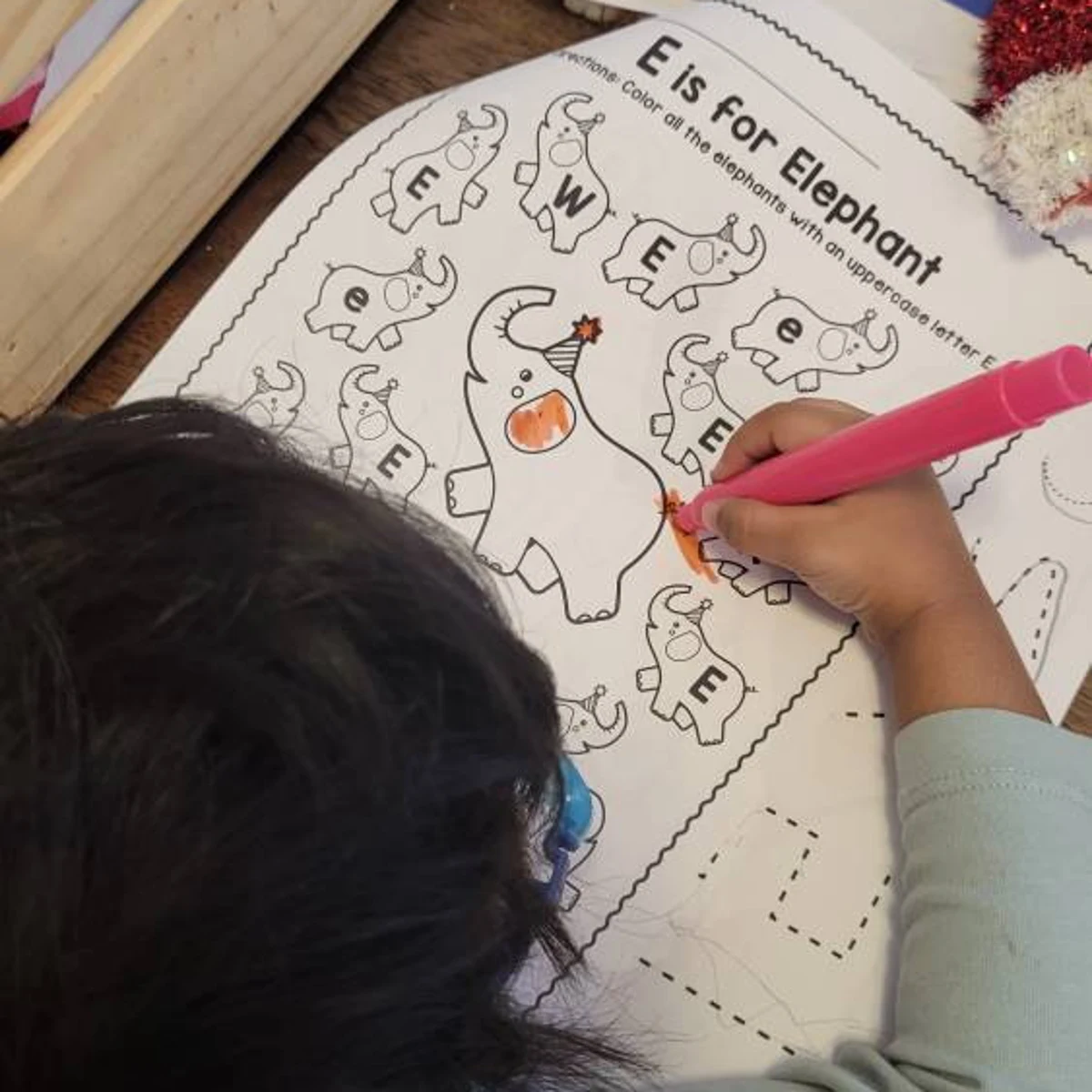
- Color simple pictures to practice controlled movements and hand strength.
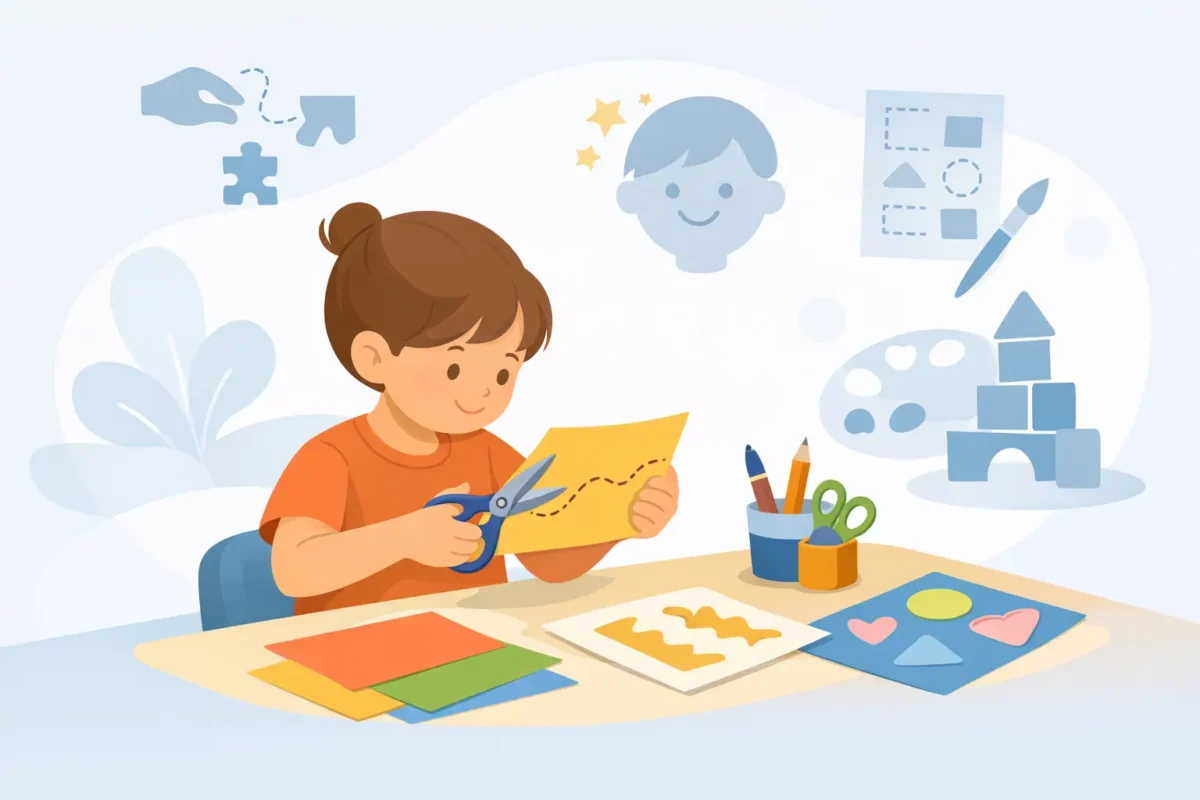
- Cut along thick, straight lines before moving to curves and shapes.
- Draw in shaving cream, sand, or salt trays for a sensory alternative to paper.
- Build letters and shapes with play dough, pipe cleaners, or craft sticks.
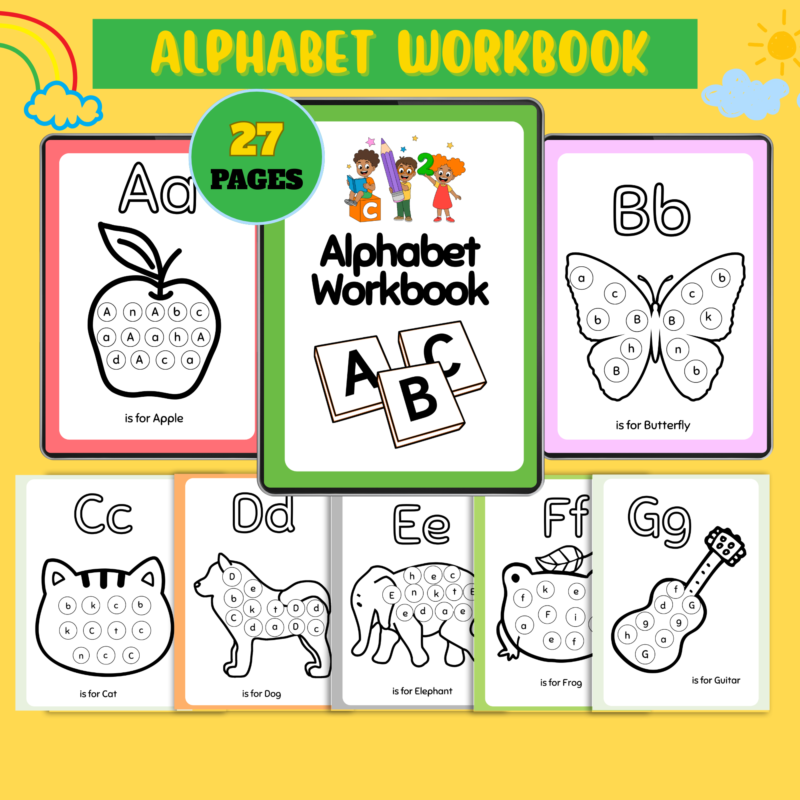
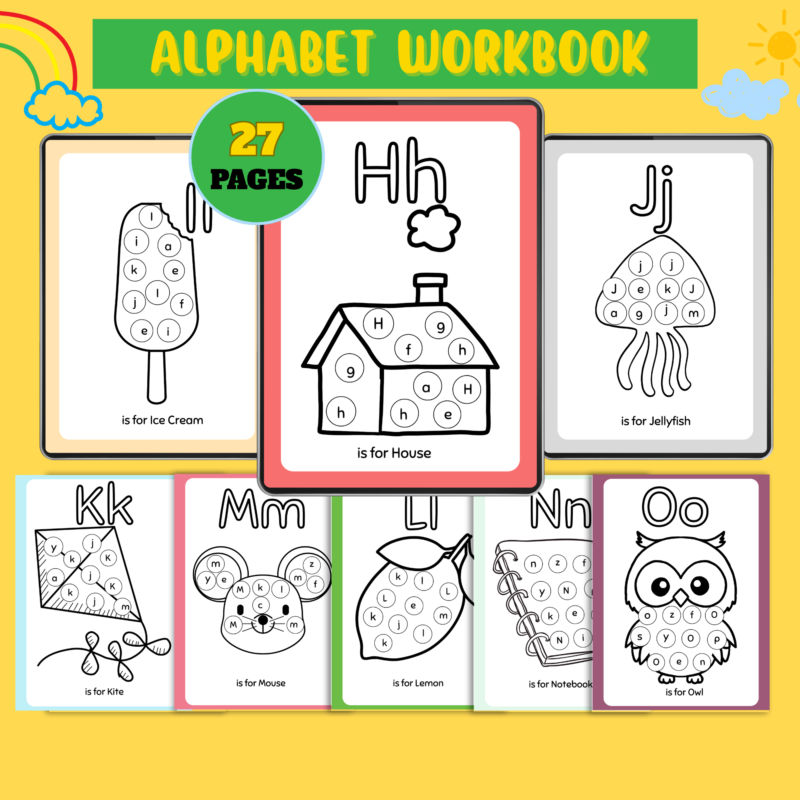
- Use dot markers or stickers along a path to strengthen finger control.
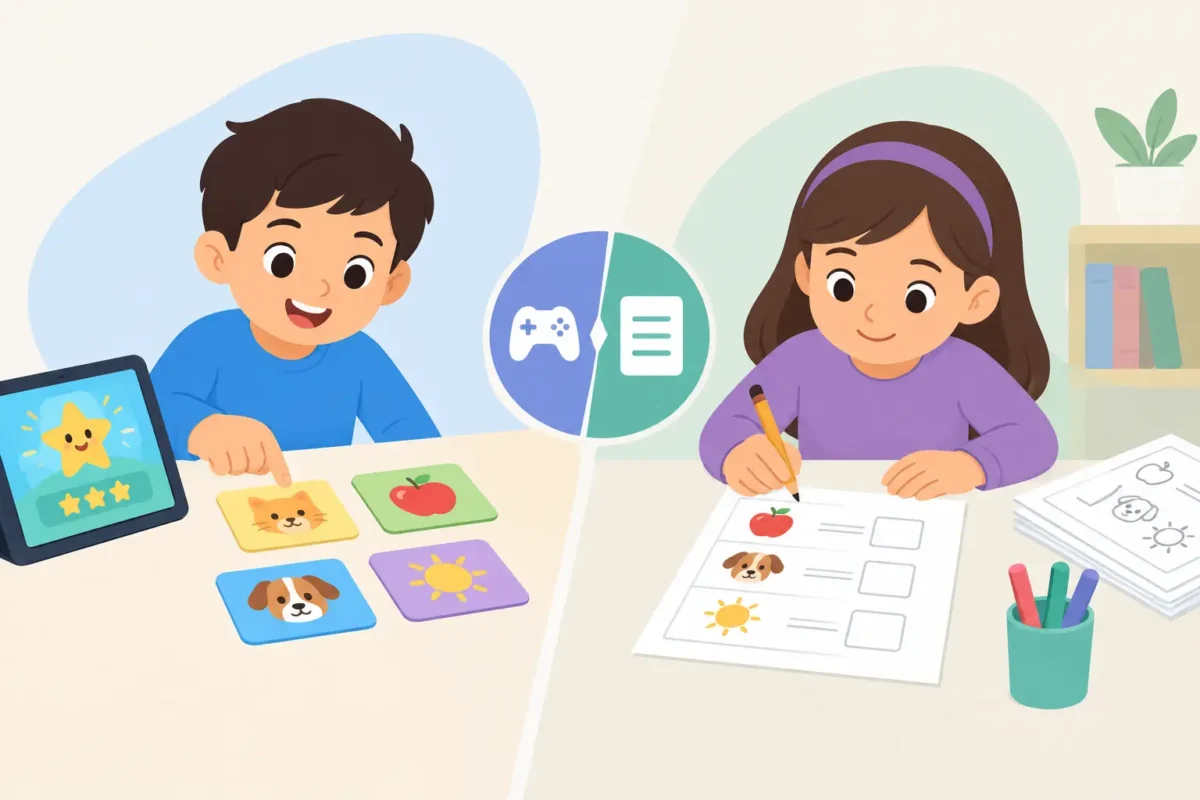
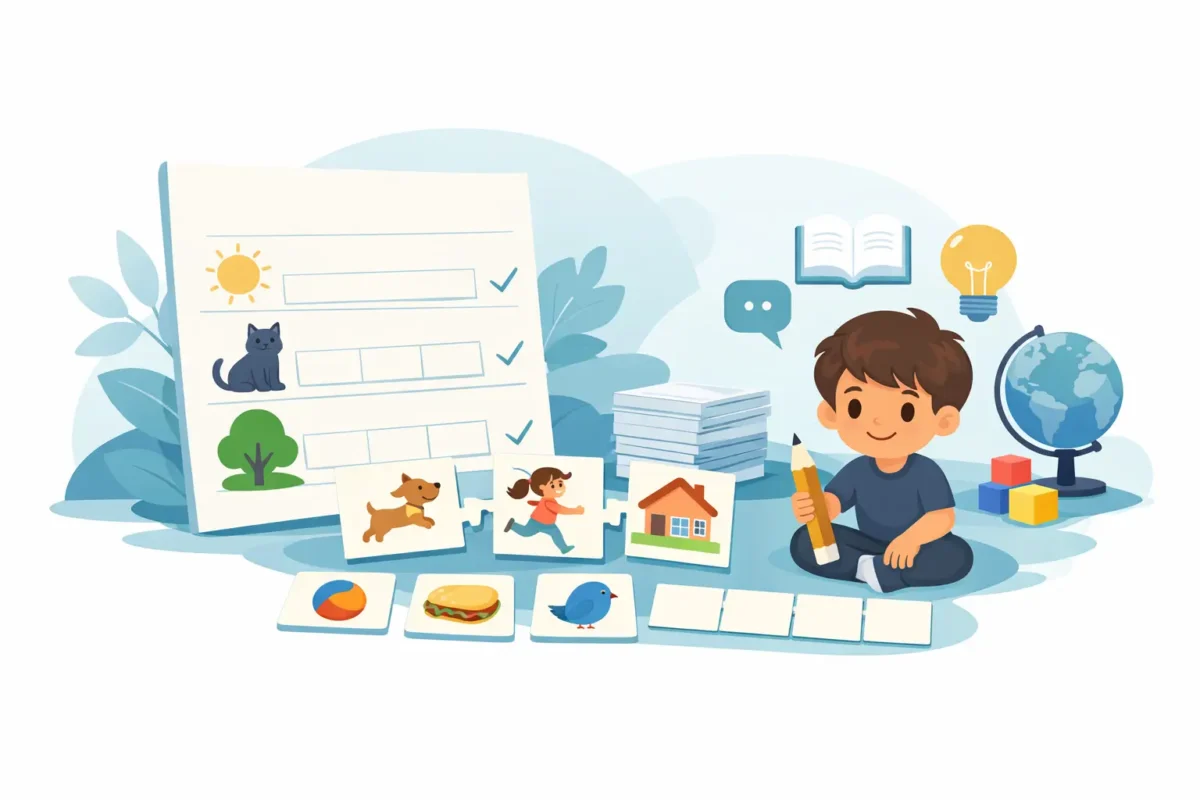
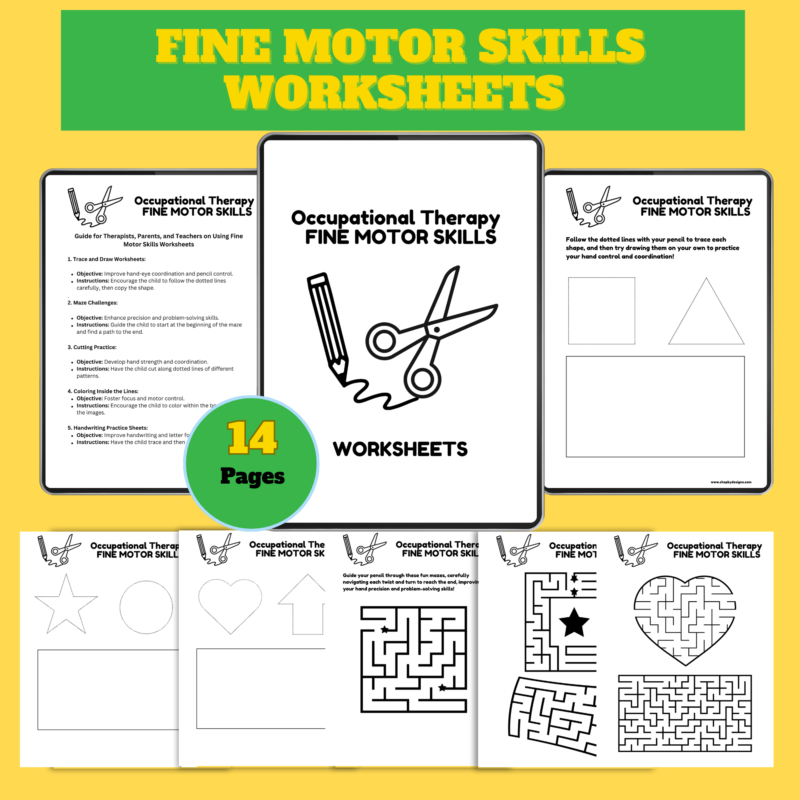
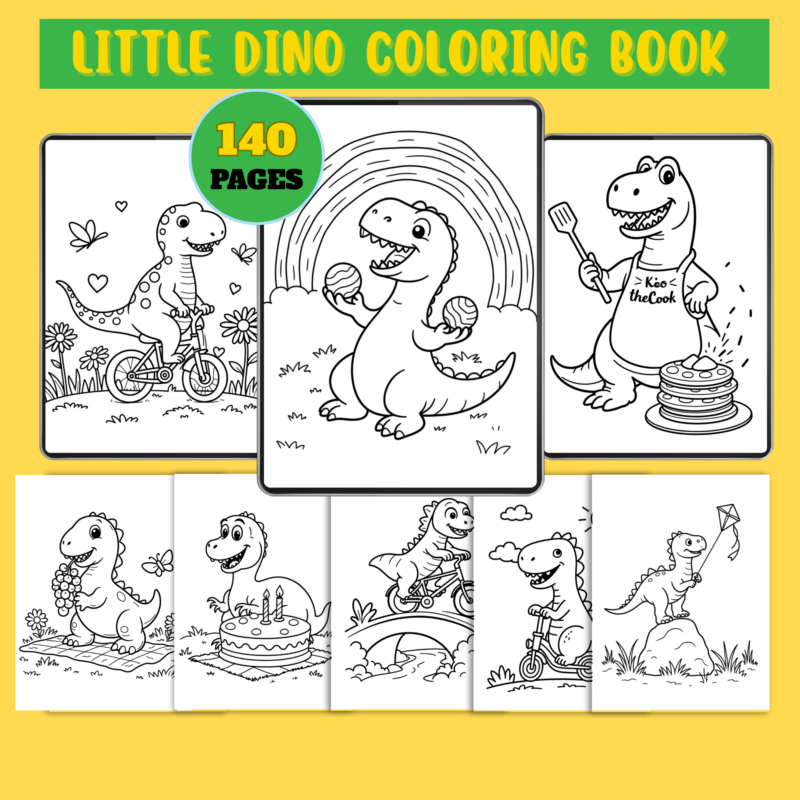
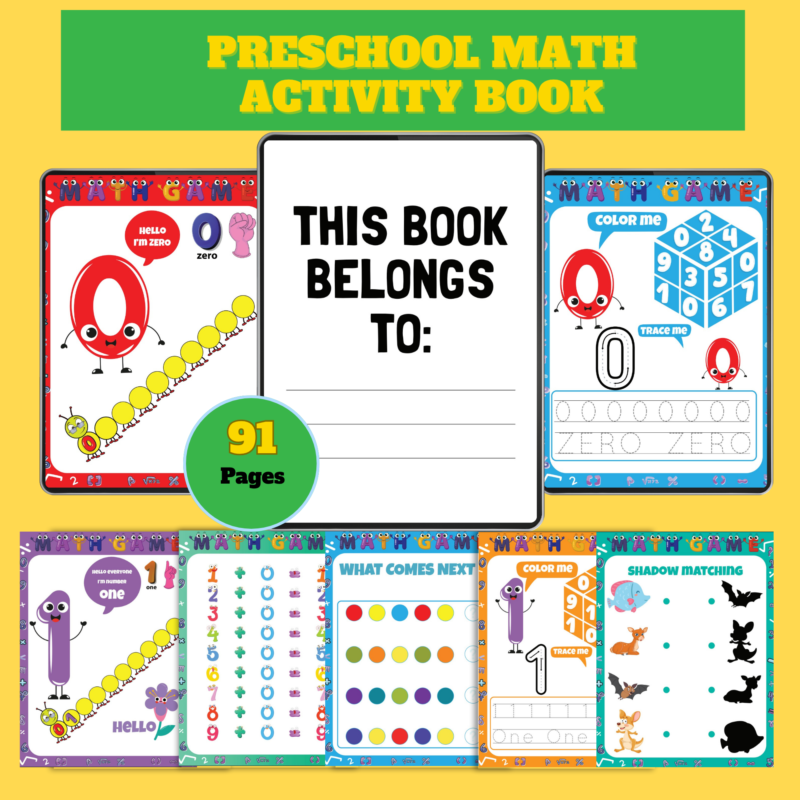
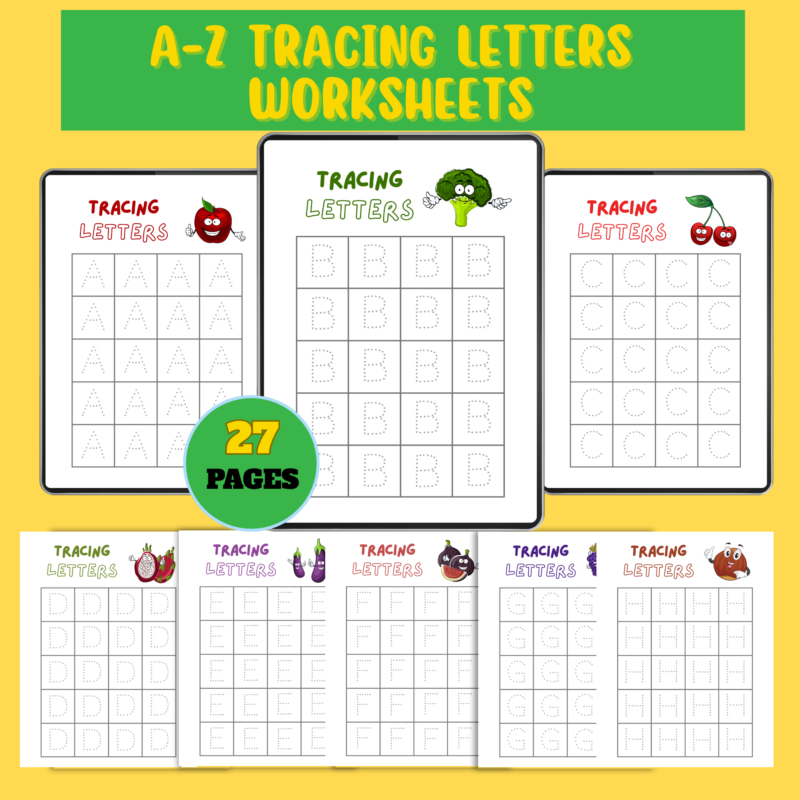
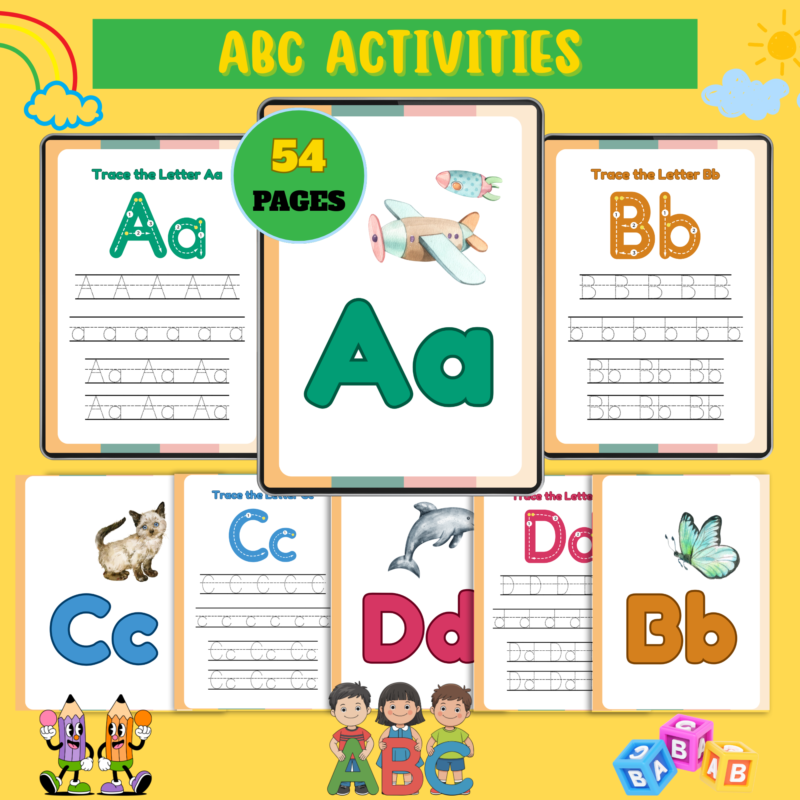
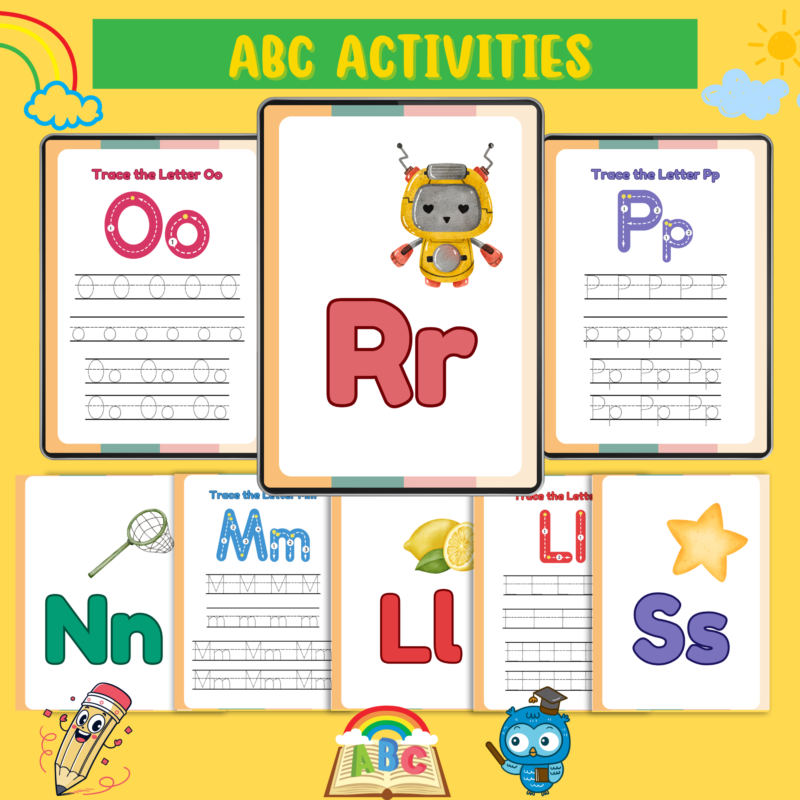
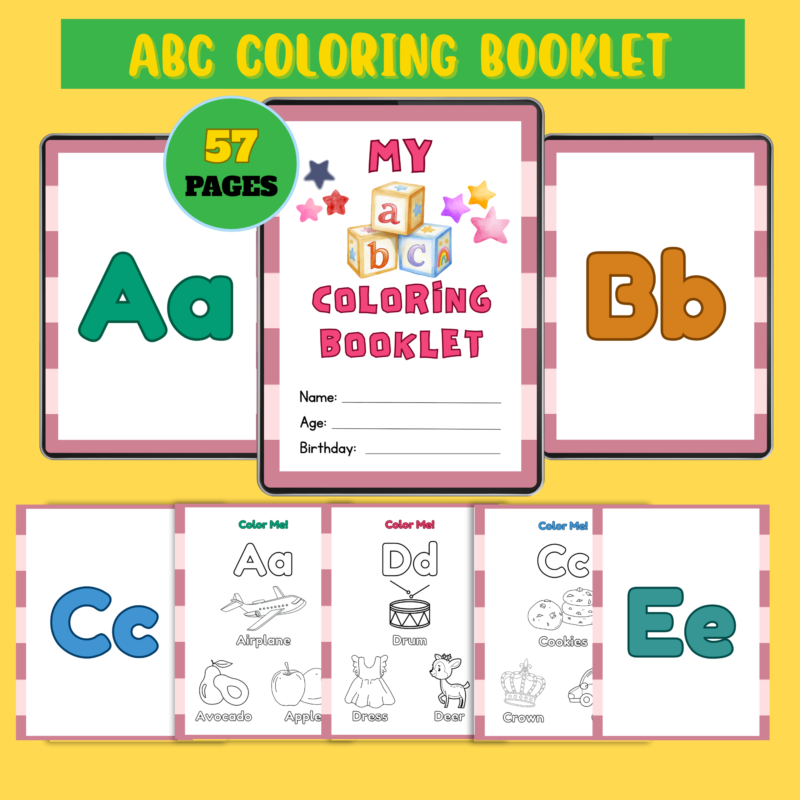
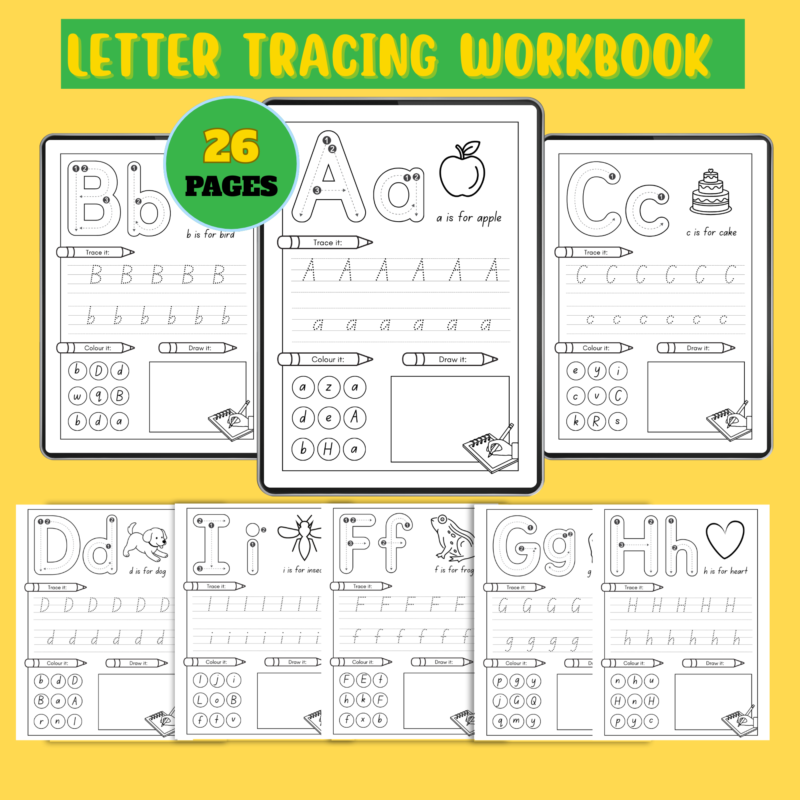
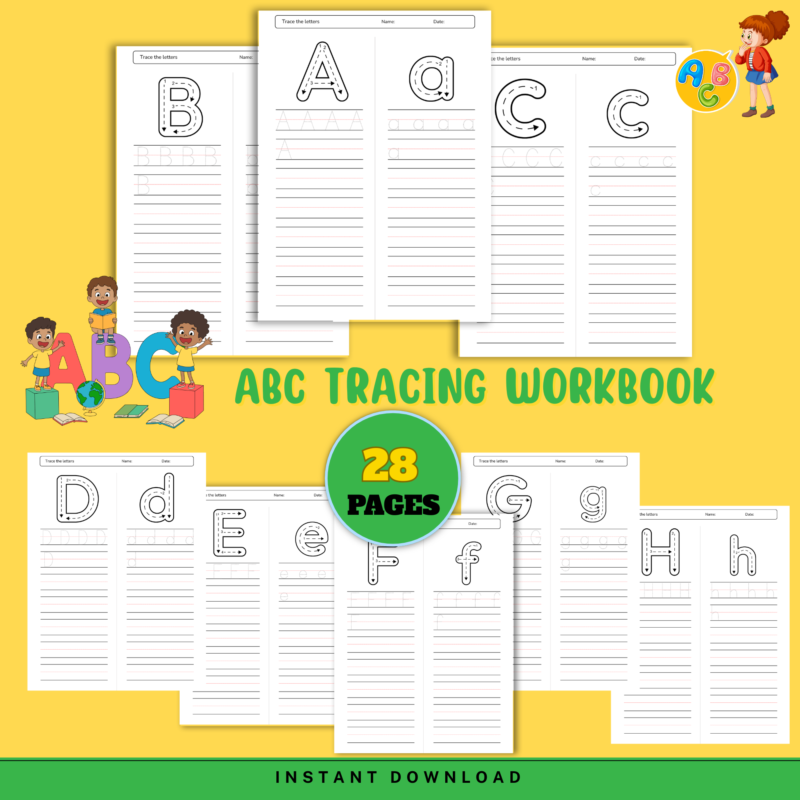
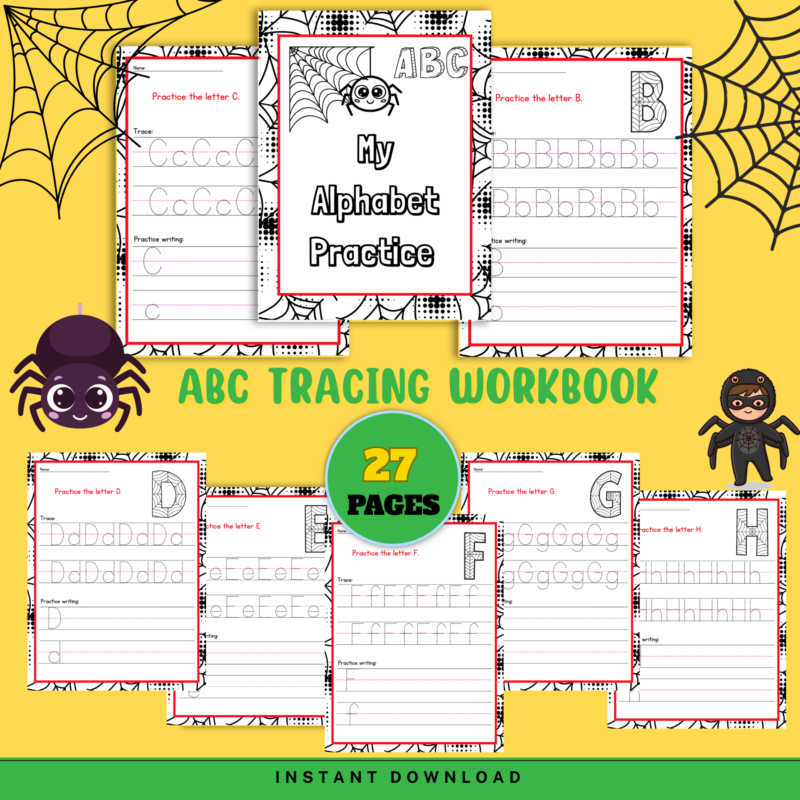
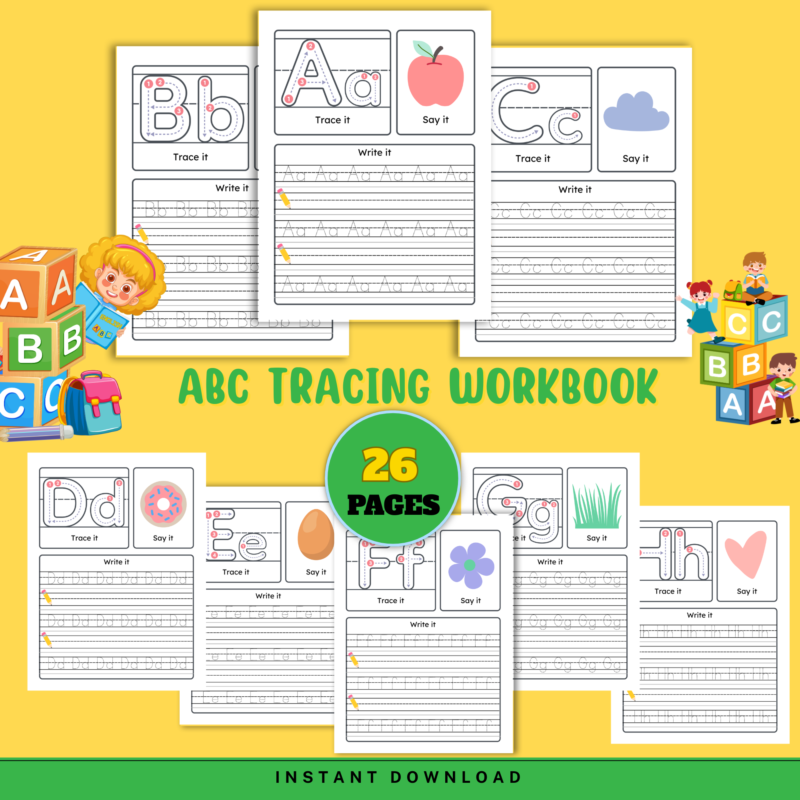
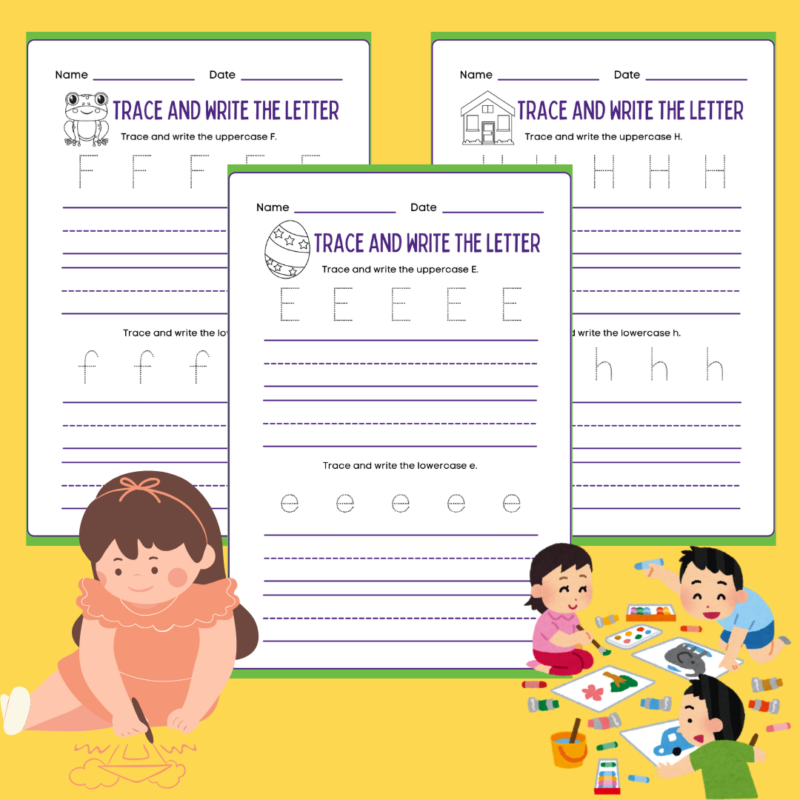
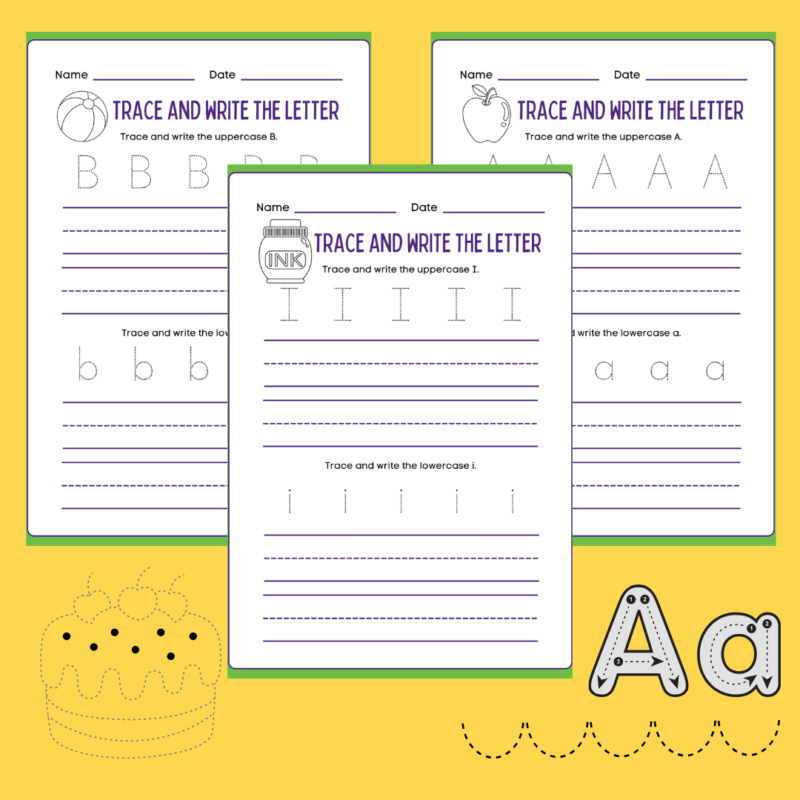
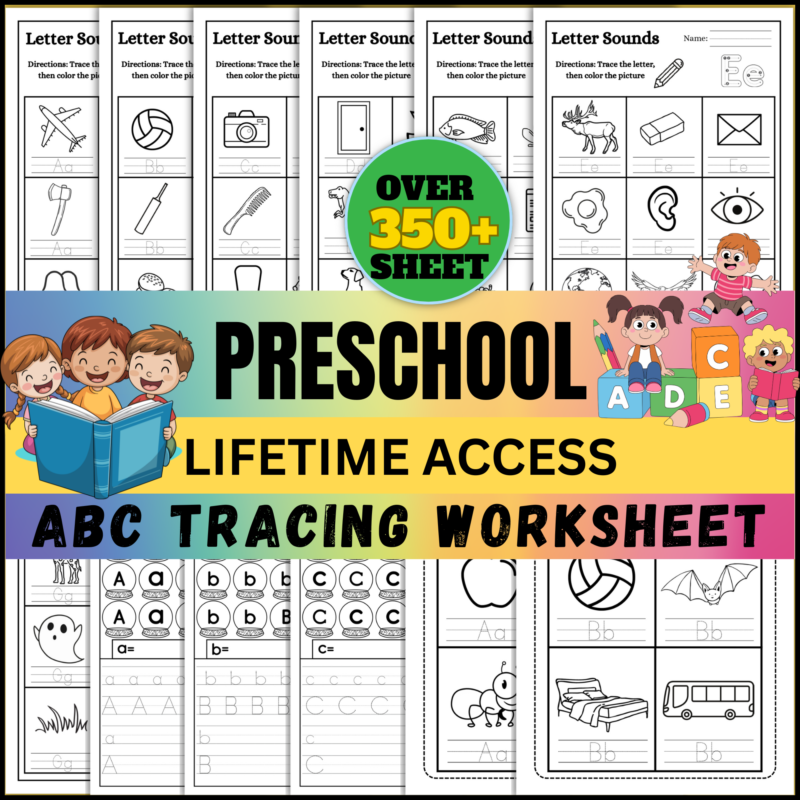
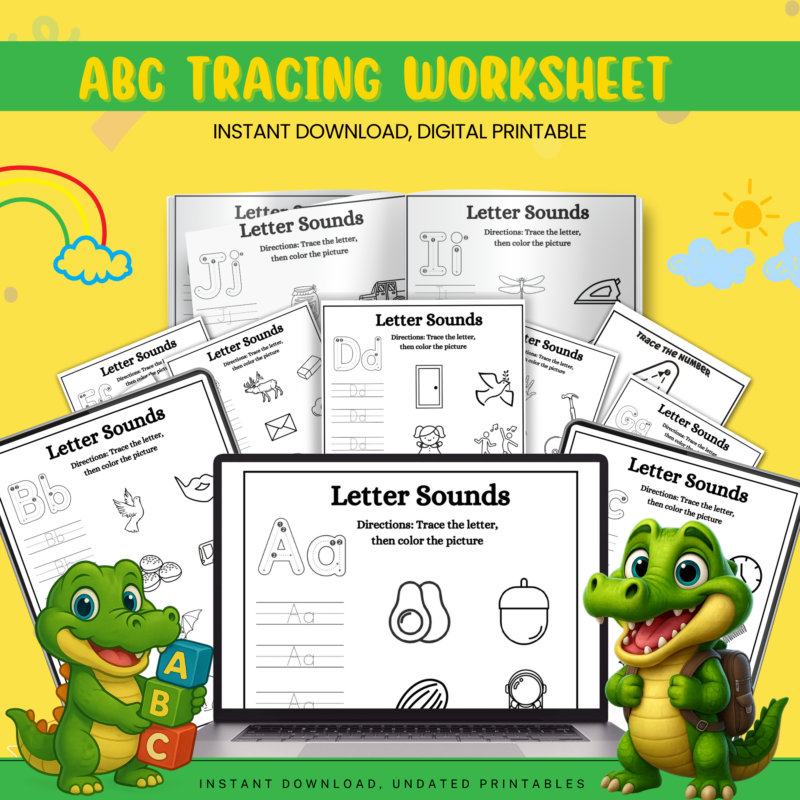
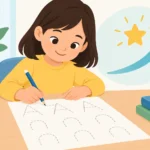
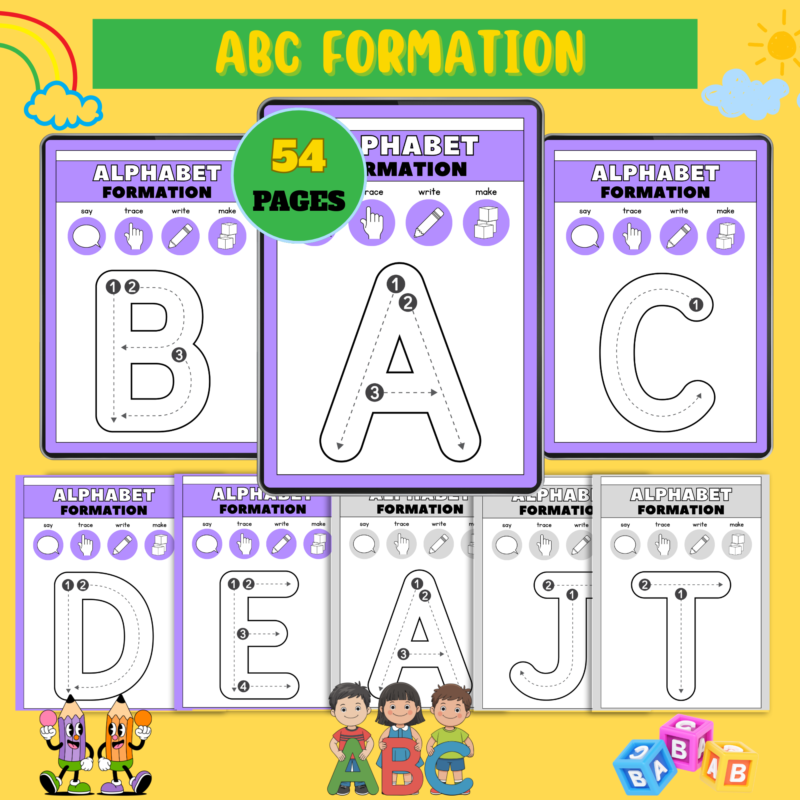
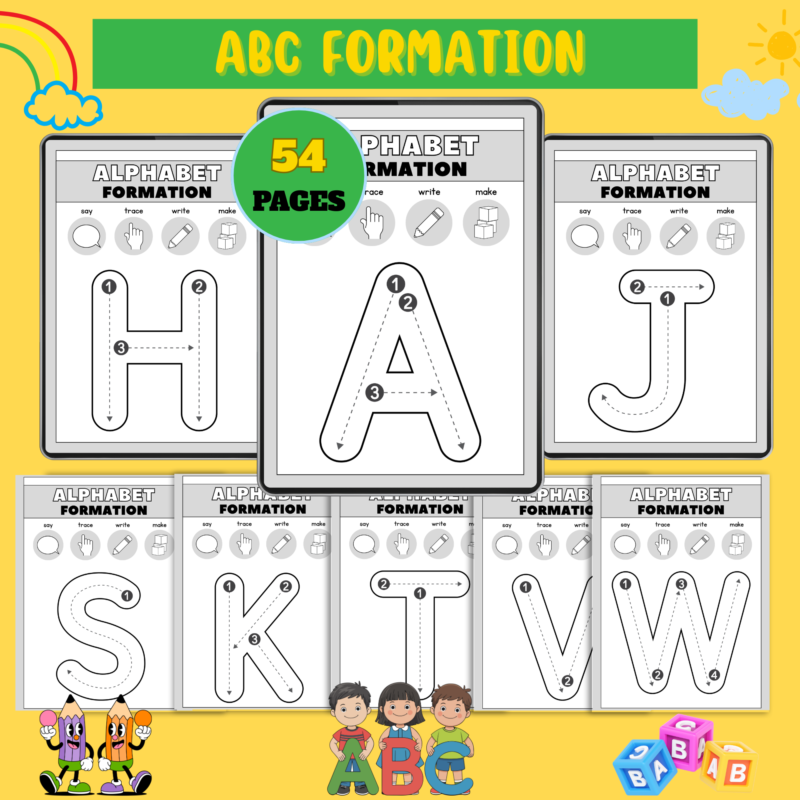
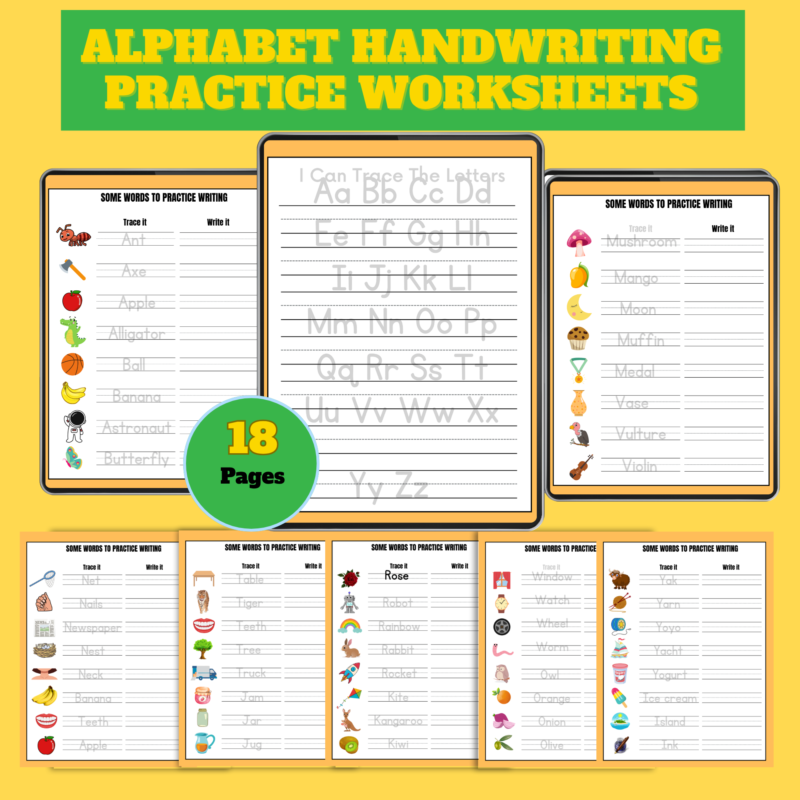
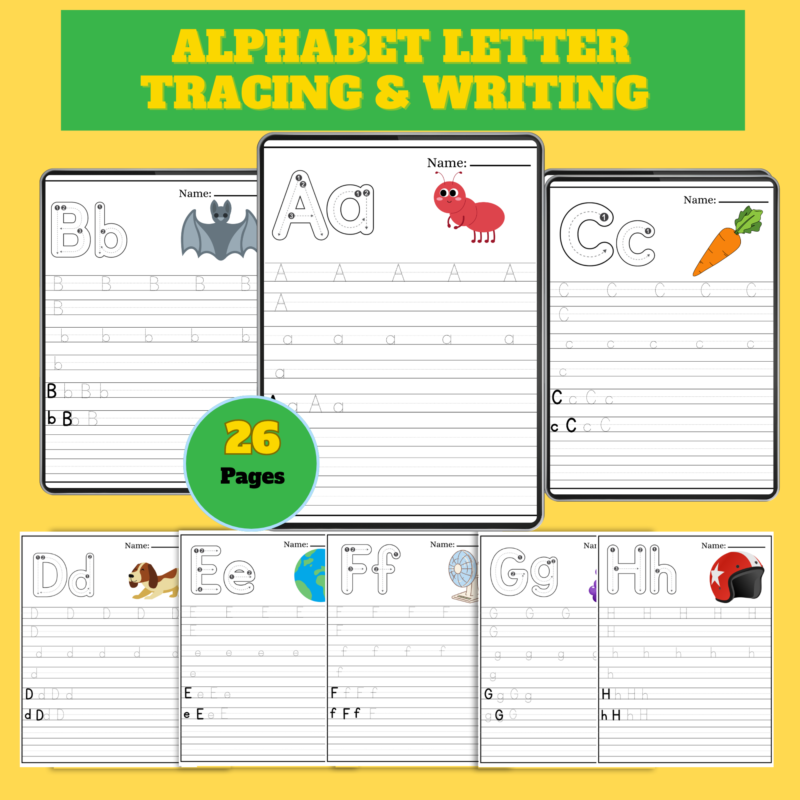
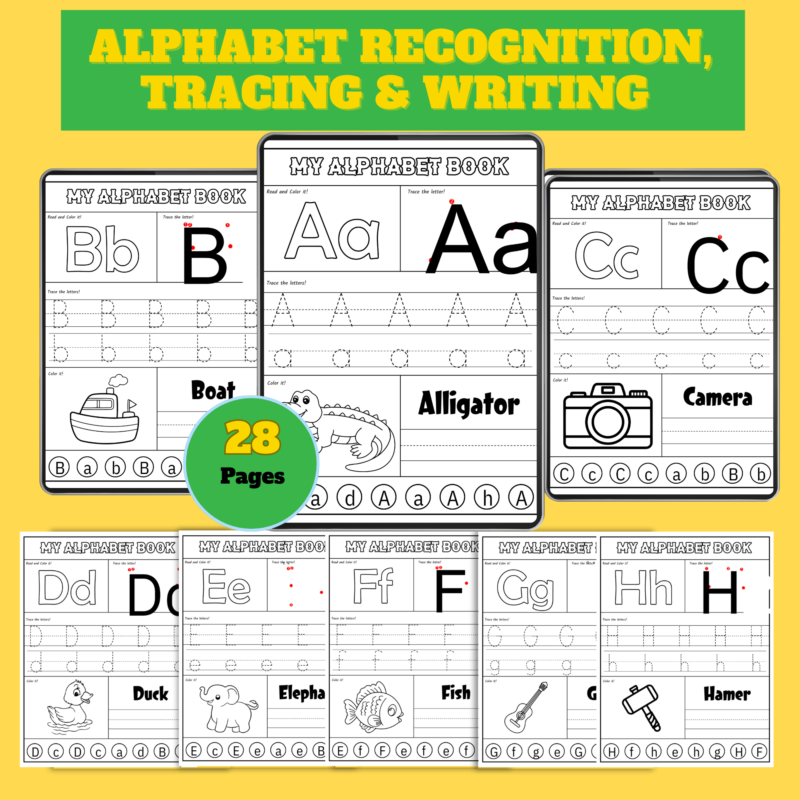
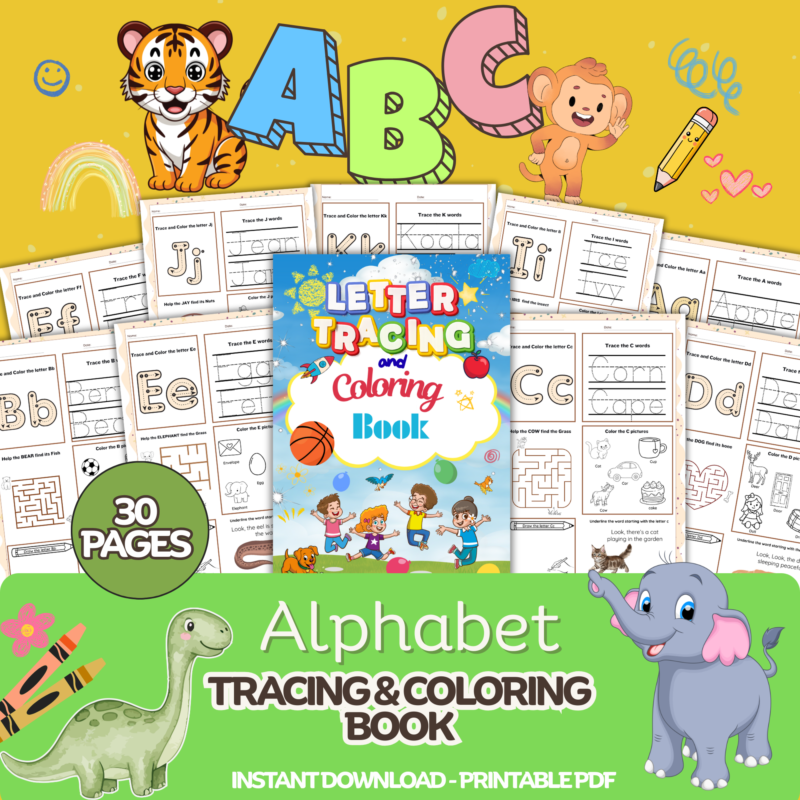
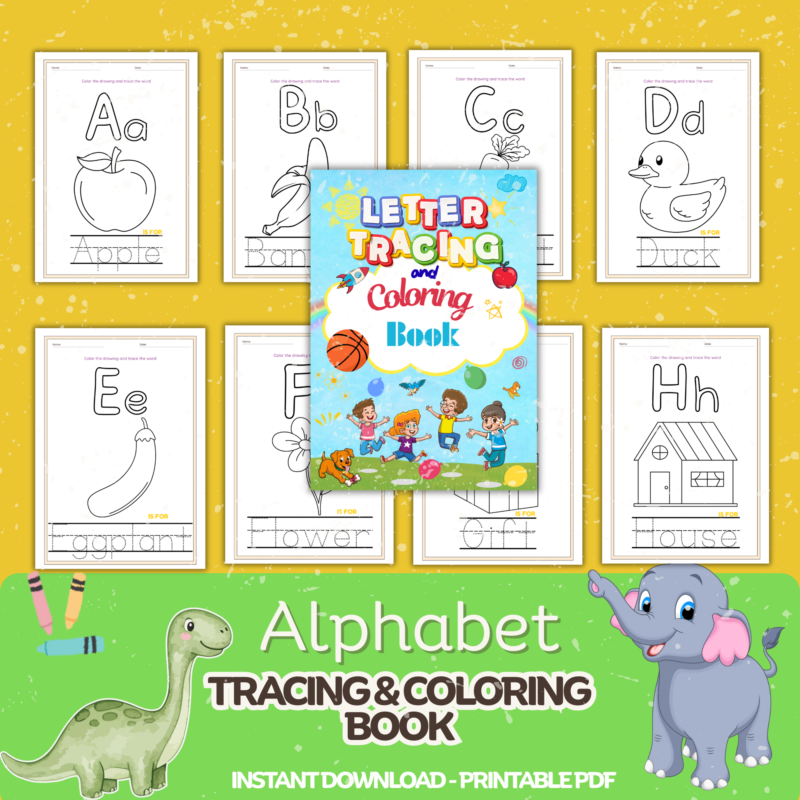
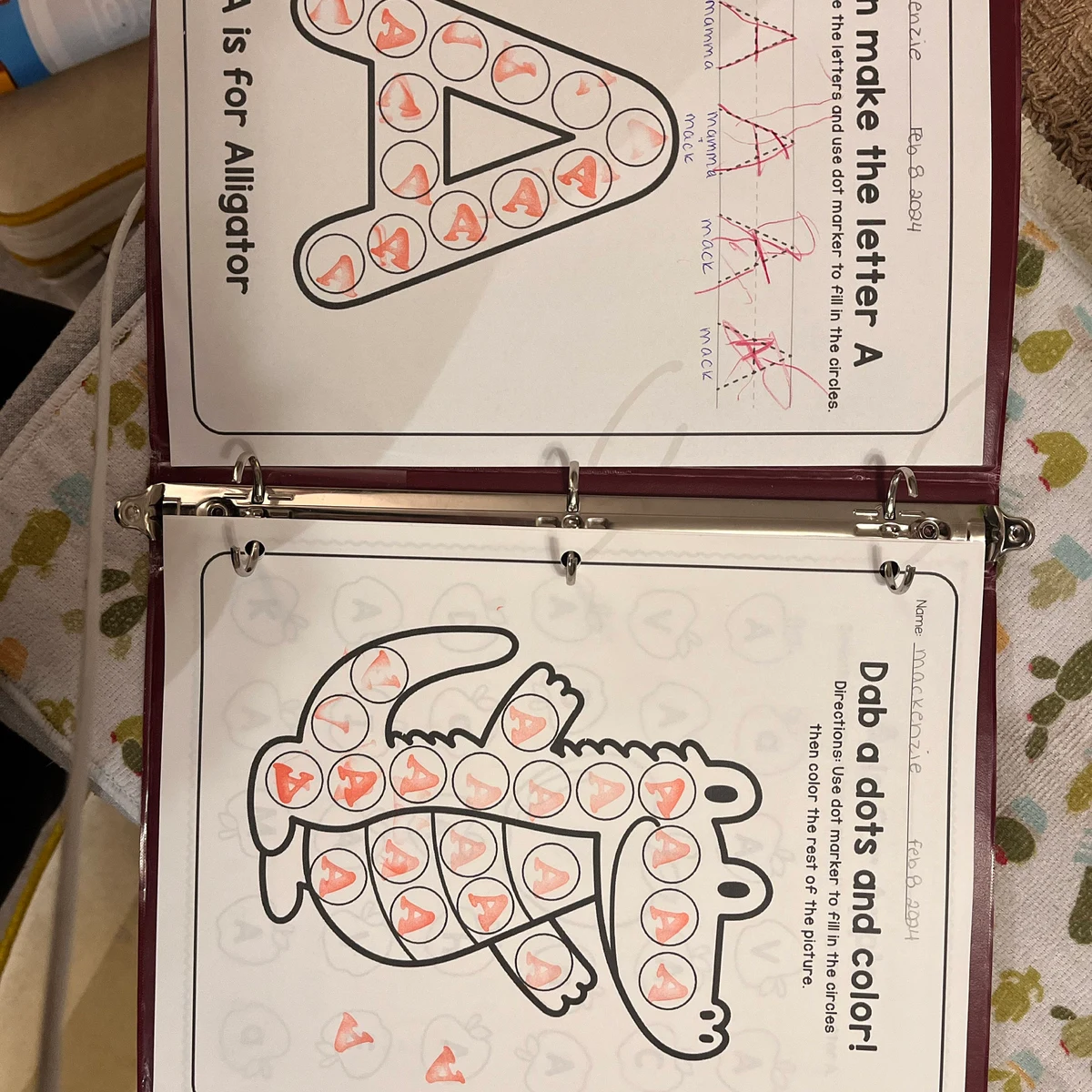
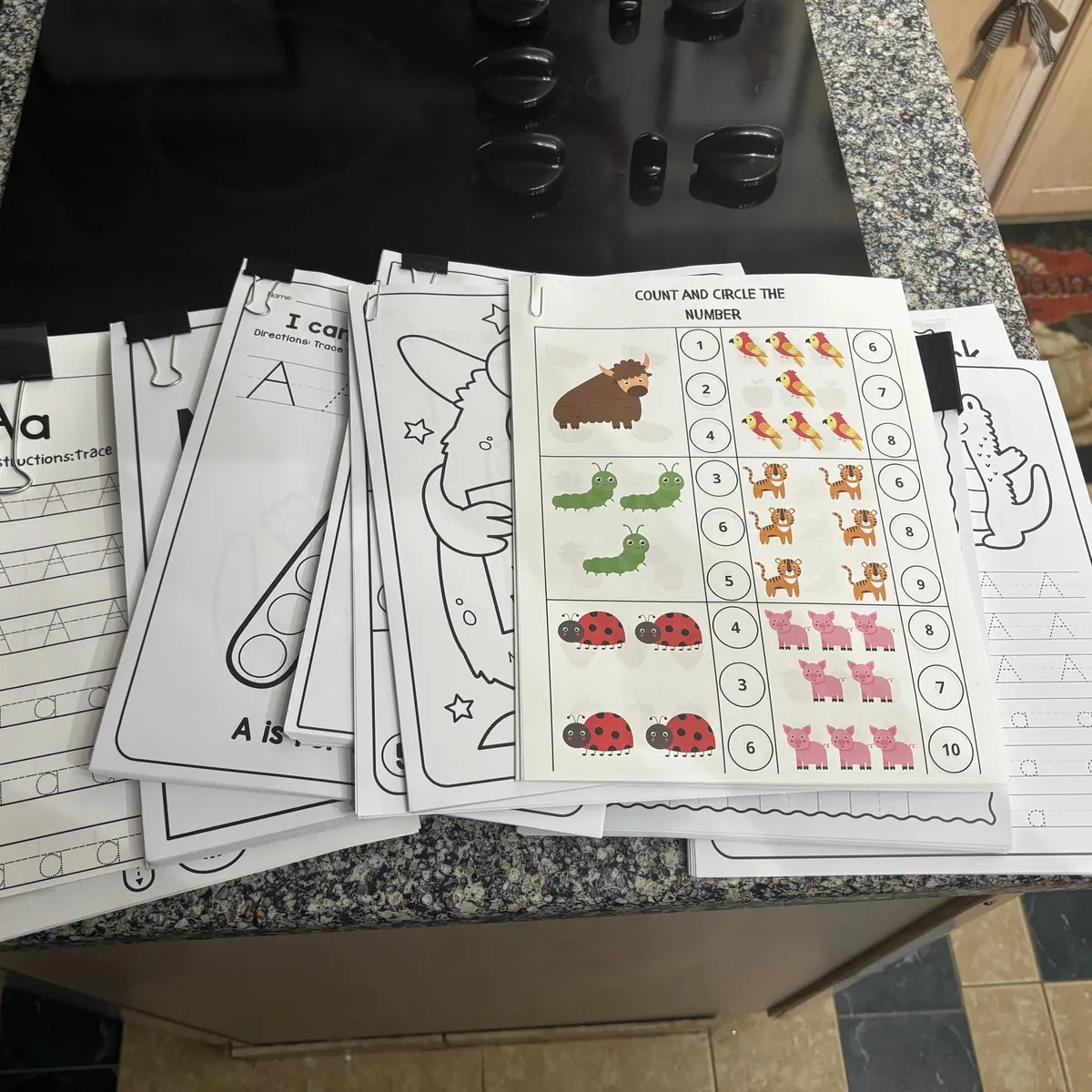
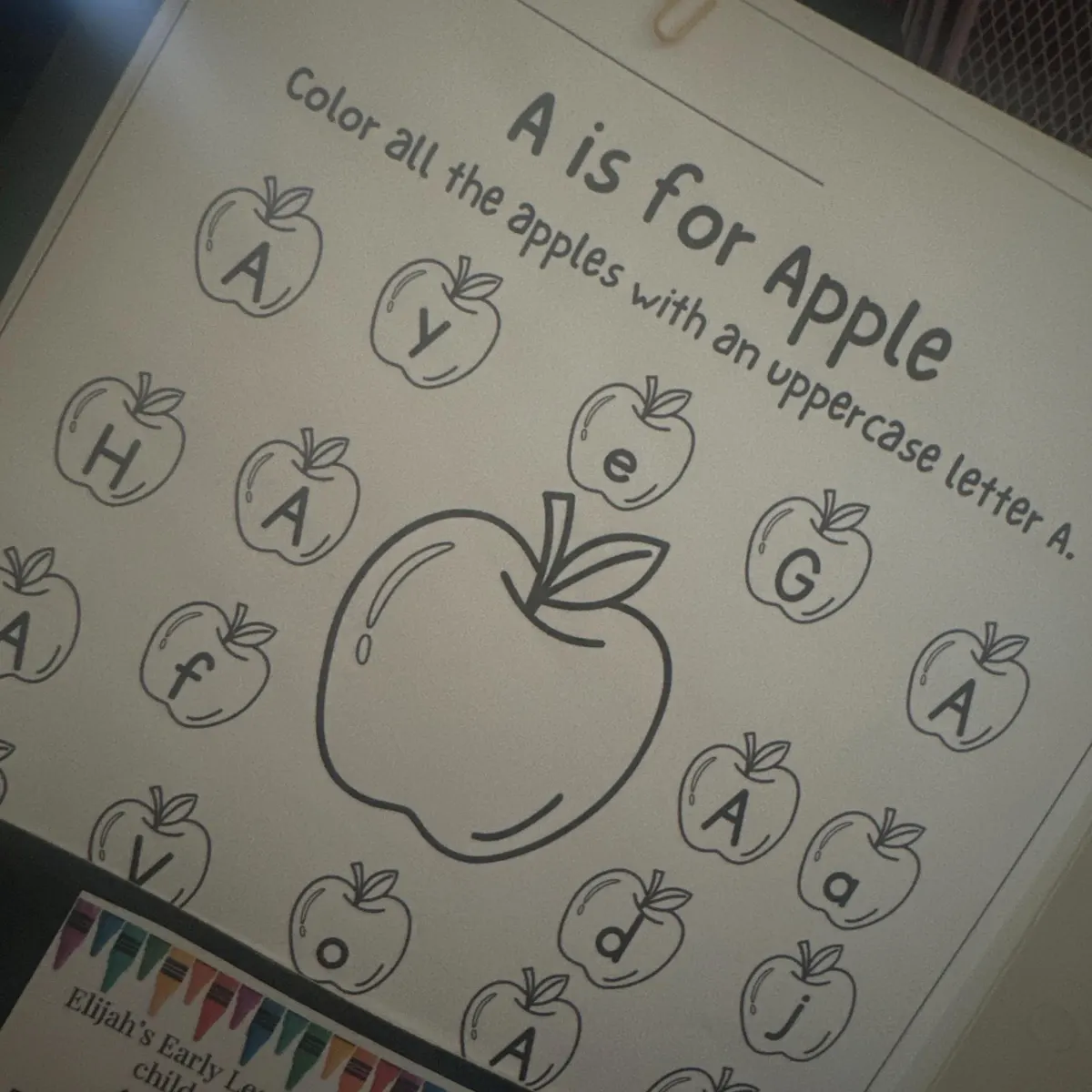
Printable activities are especially useful when you need an organized next step. A tracing worksheet gives children a clear starting point and endpoint, while coloring and fine motor pages add variety without requiring extra planning. For busy families, teachers, and homeschoolers, ready-to-print practice can turn a few free minutes into meaningful skill building.
How to Choose the Right Level of Practice
The right activity depends on where a child is now, not only on their age. Some 4-year-olds are ready to trace simple letters, while others still benefit most from coloring, sticker work, and wide line paths. Both can be making progress.
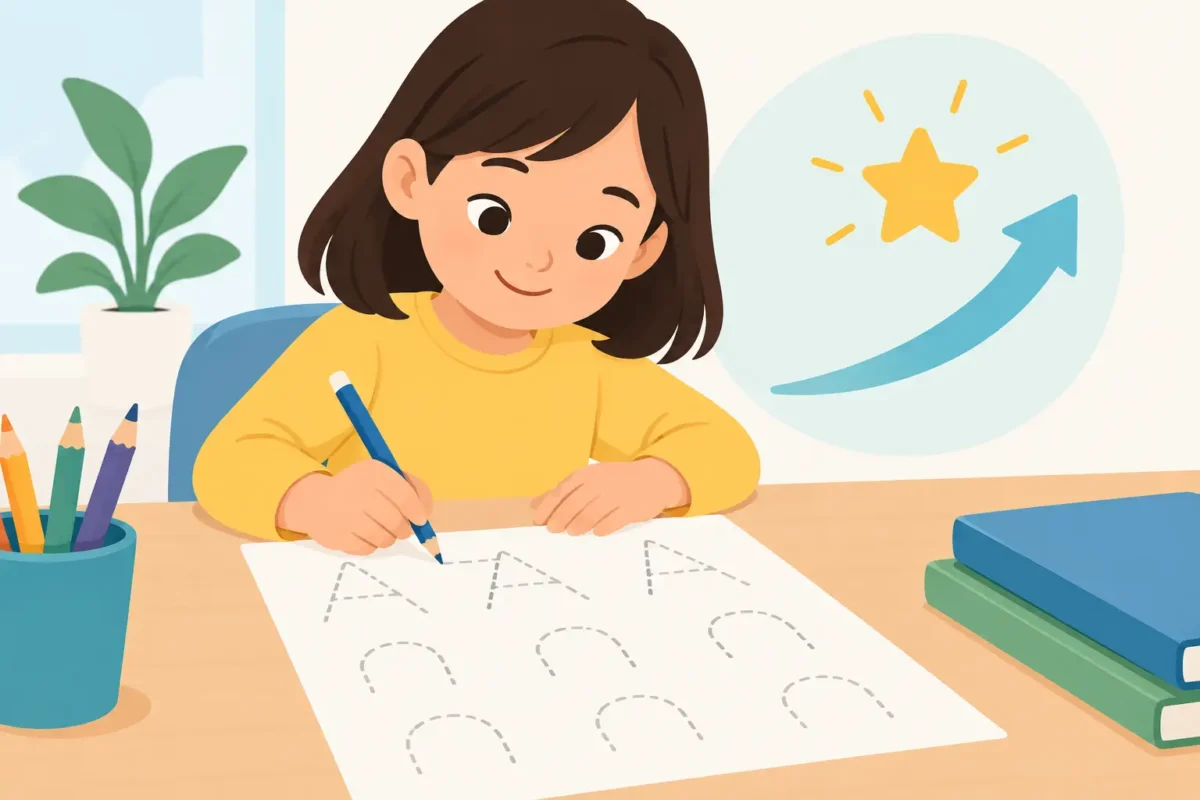
Choose large, bold lines for beginners. When those feel easy, try narrower paths, more detailed shapes, and simple letter tracing. If a child becomes frustrated, go back one step rather than pushing ahead. Success builds motivation, and motivation leads to more practice.
Pay attention to signs that an activity is too difficult. Tears, repeated refusal, extreme pencil pressure, or fatigue after a minute may mean the task needs to be shorter or simpler. On the other hand, if a child finishes quickly and asks for more, add a small challenge, such as a maze, a dot-to-dot activity, or a name-tracing page.
Making Practice Fun Without Making It a Battle
Children learn more when pre-writing feels manageable and enjoyable. Give them choices whenever possible: “Would you like the dinosaur page or the rainbow page?” A small choice helps them feel in control while you still guide the learning.
Keep expectations realistic. Five focused minutes can be more valuable than 20 minutes of reluctant tracing. Rotate activities across the week so children use different muscles and stay curious. One day might include play dough and scissors; another might include coloring and tracing.
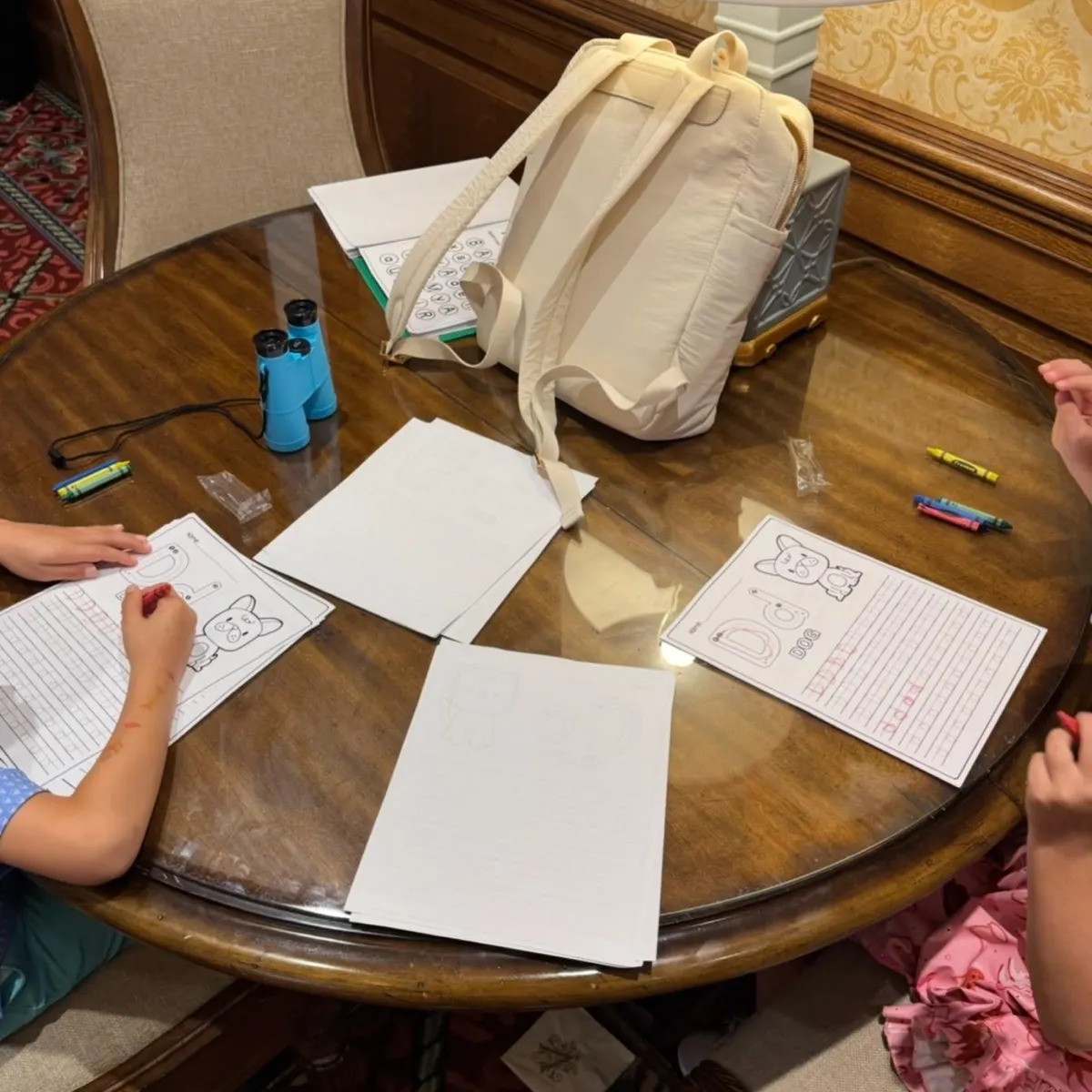
It also helps to make writing tools available outside formal learning time. Keep crayons and blank paper near the kitchen table, add a clipboard to the car, or set out a small drawing tray during quiet time. Children often practice longest when they are drawing something that matters to them, whether that is a family picture, a favorite animal, or a pretend restaurant menu.
Fun Clever Fox printable fine motor, tracing, and handwriting activities can make this routine easier by giving young learners cheerful, skill-focused pages that are ready when you are.
When Do Children Move From Pre-Writing to Letters?
Children can begin exploring letters while they are still building pre-writing skills. These areas often overlap. A child may trace the first letter of their name, then return to practicing circles and lines the next day. That is completely appropriate.
The key is not to rush from scribbles to worksheets filled with tiny letters. Early writing should progress from broad movements to controlled marks, then to simple shapes, letter-like forms, and eventually recognizable letters. Each stage gives children the coordination they need for the next one.
If a child is struggling significantly with everyday tasks such as using utensils, picking up small items, or holding drawing tools, consider talking with their pediatrician or an occupational therapist. Most children simply need time and playful practice, but extra support can be valuable when challenges continue.
A wobbly line today can become a carefully traced curve tomorrow. Offer the crayons, celebrate the effort, and let those little hands grow stronger one joyful page at a time.