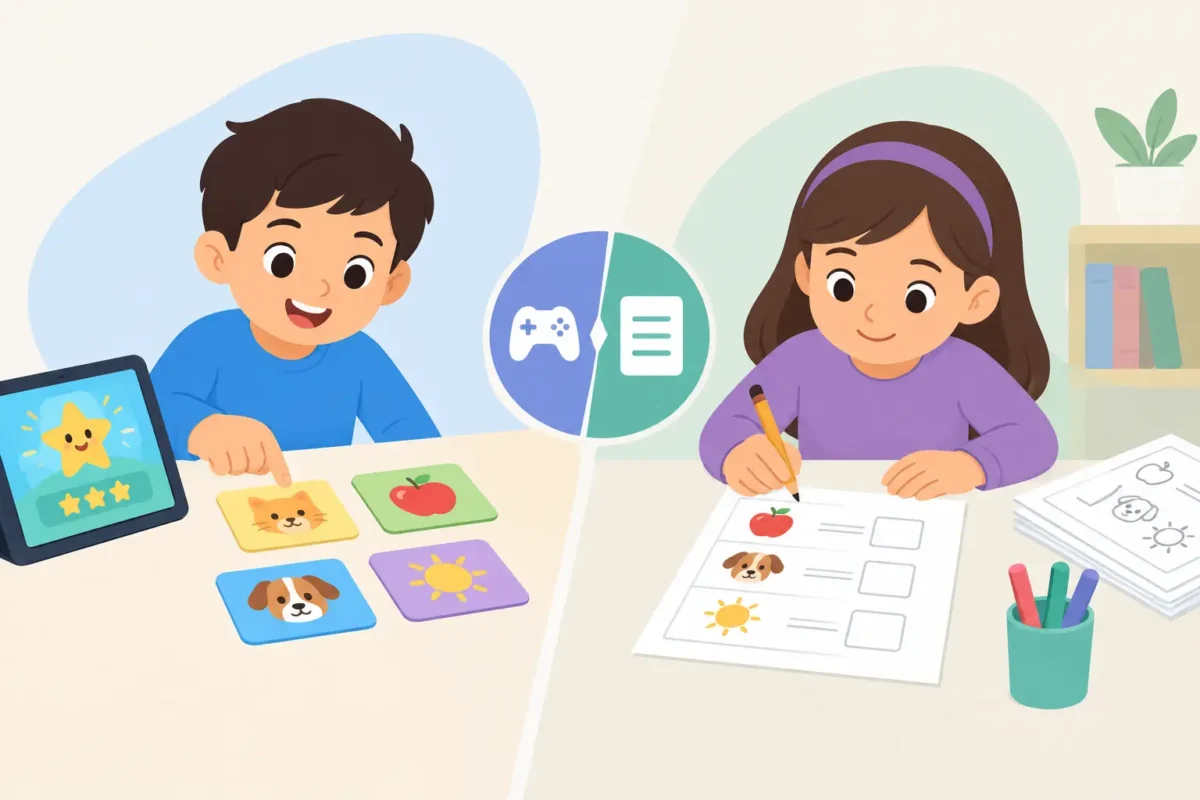
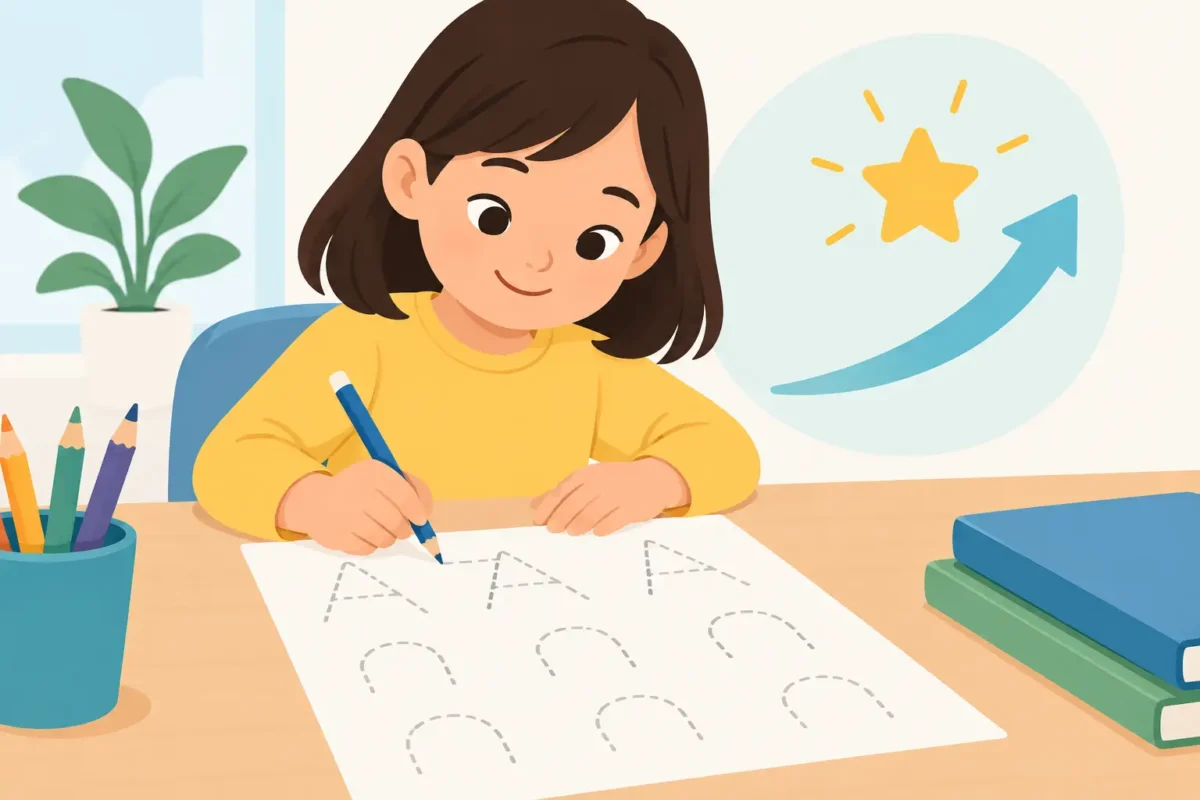
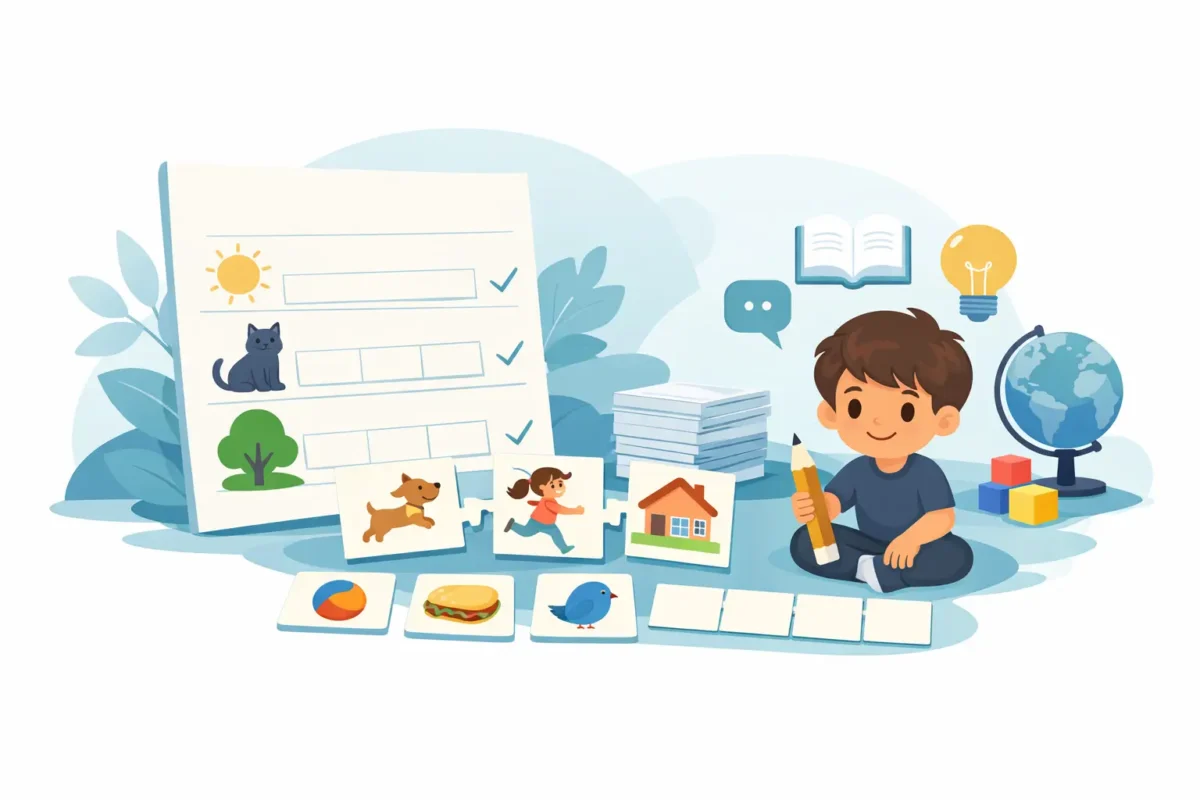
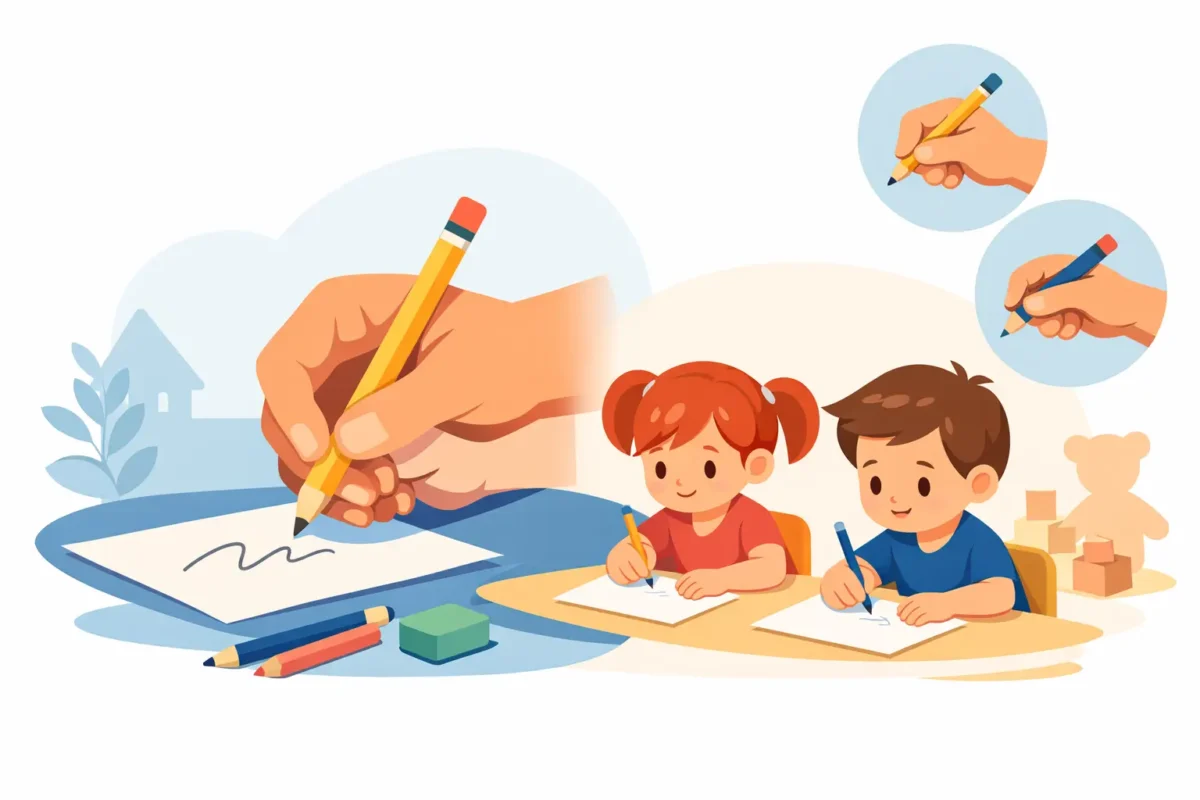
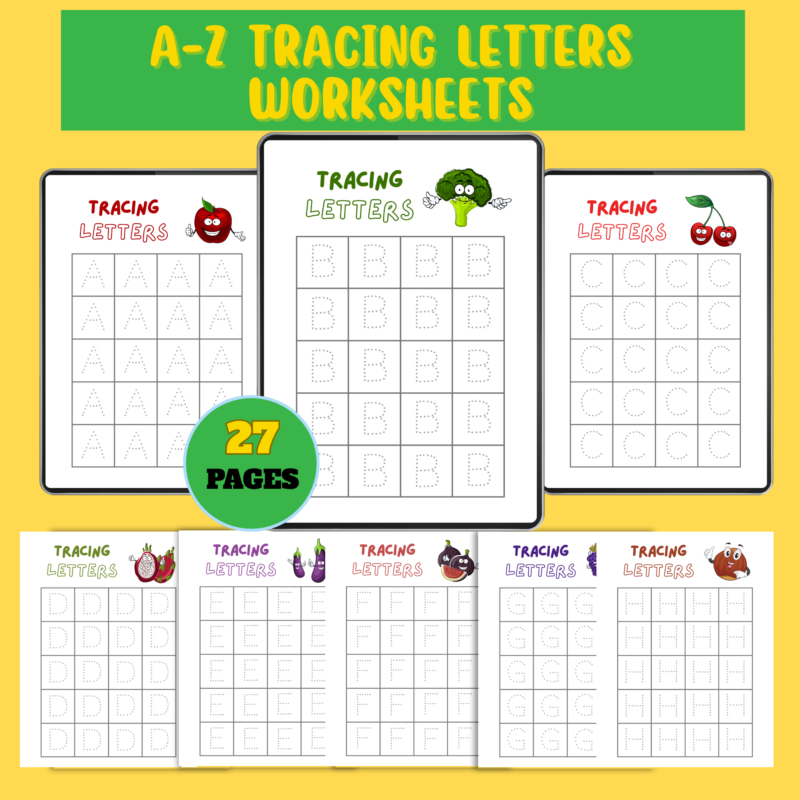
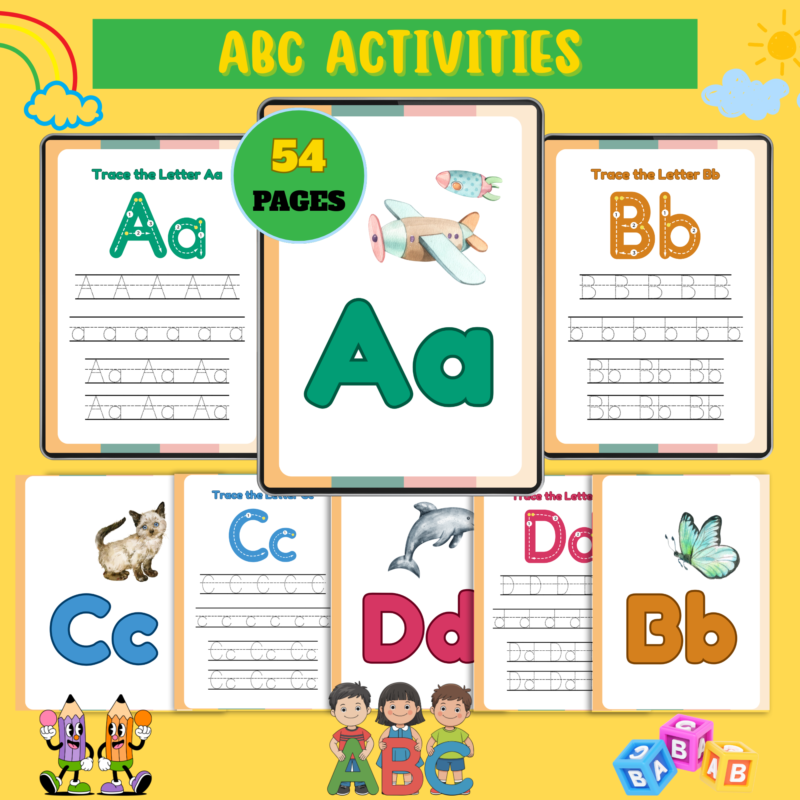
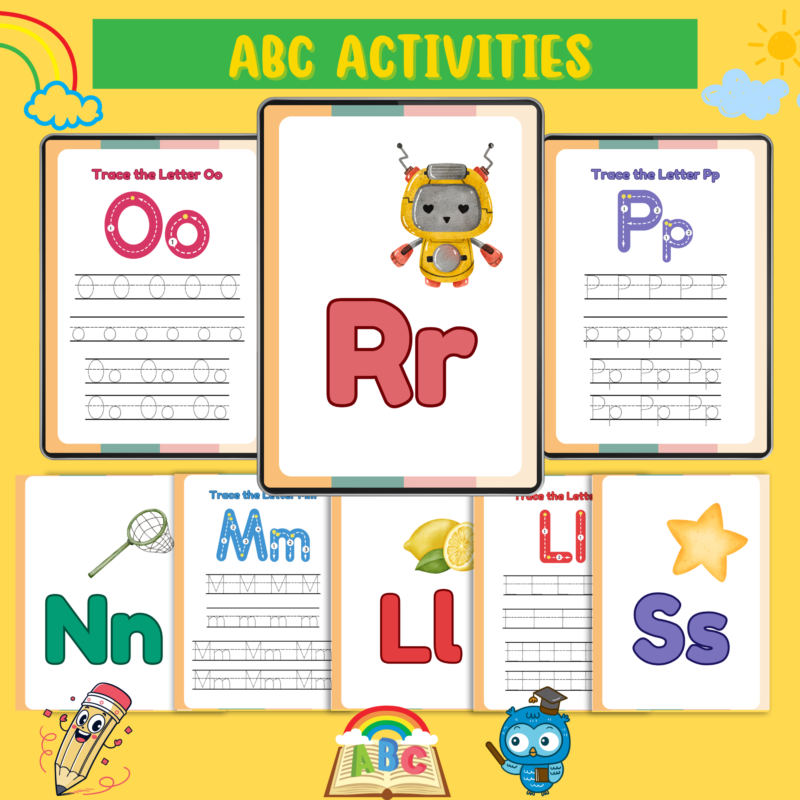
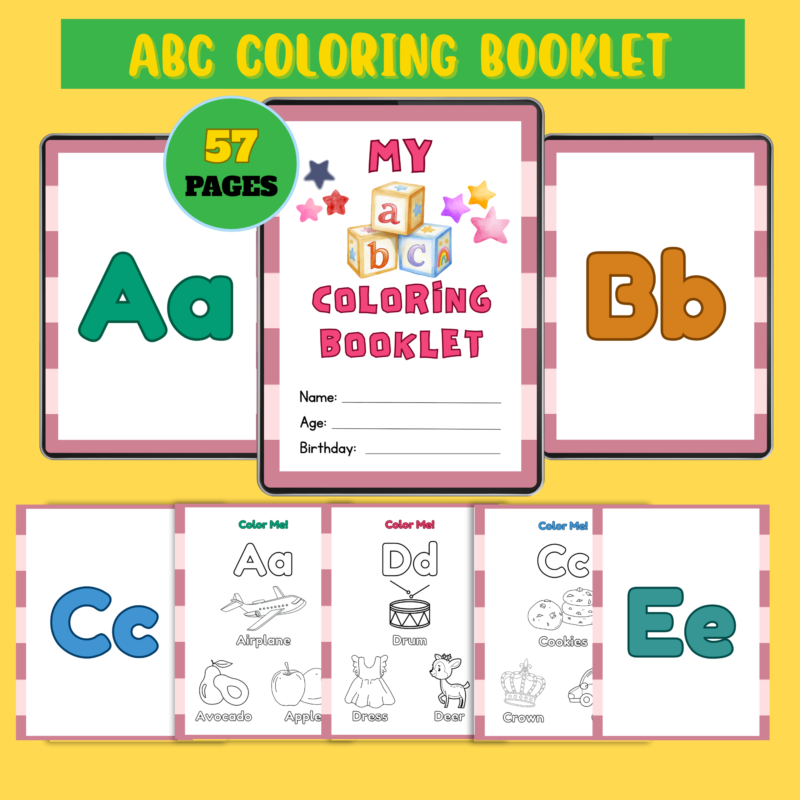
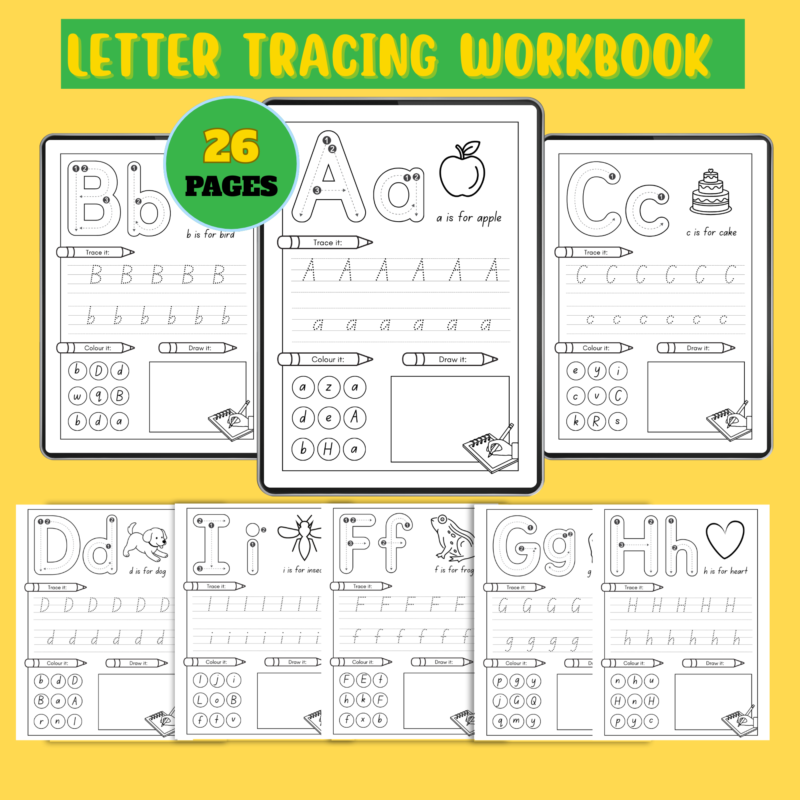
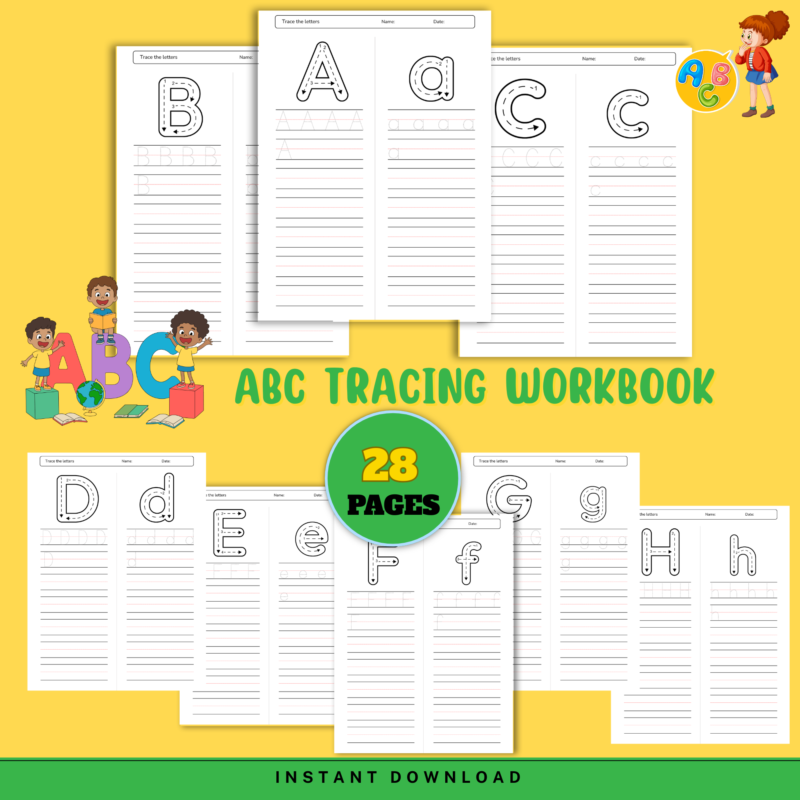
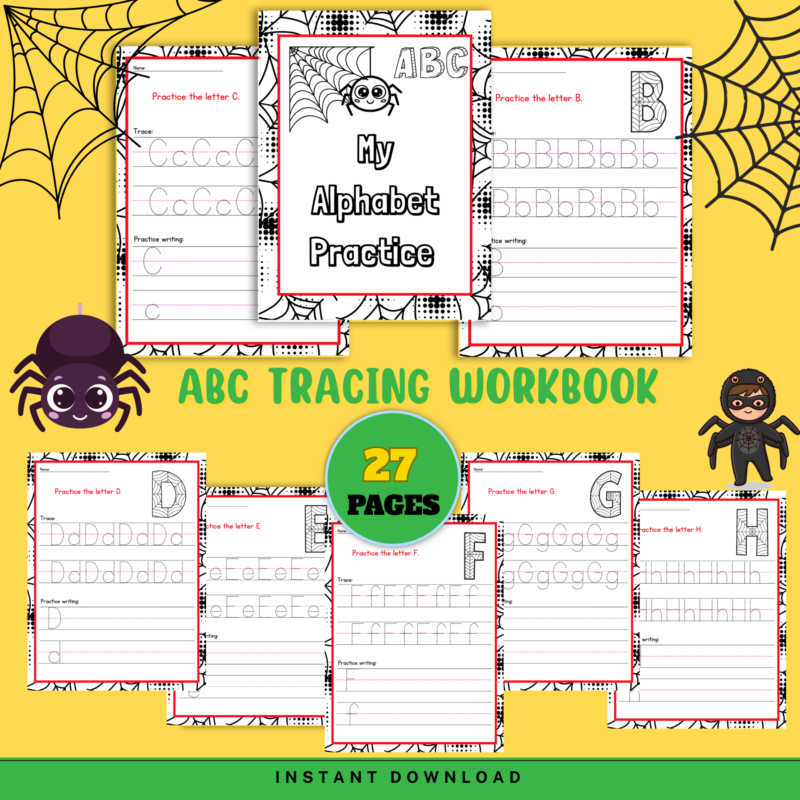
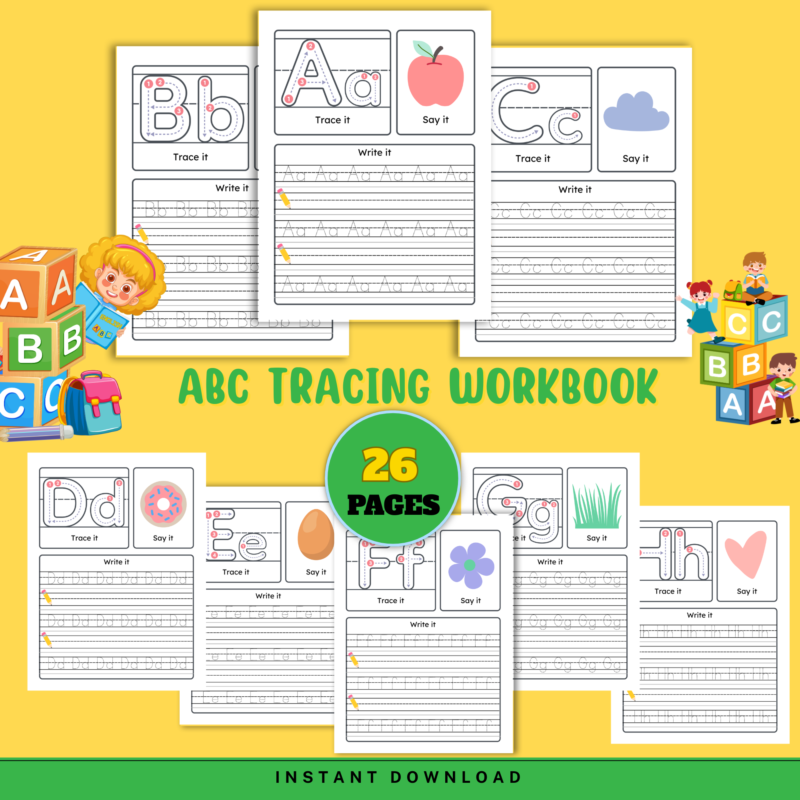
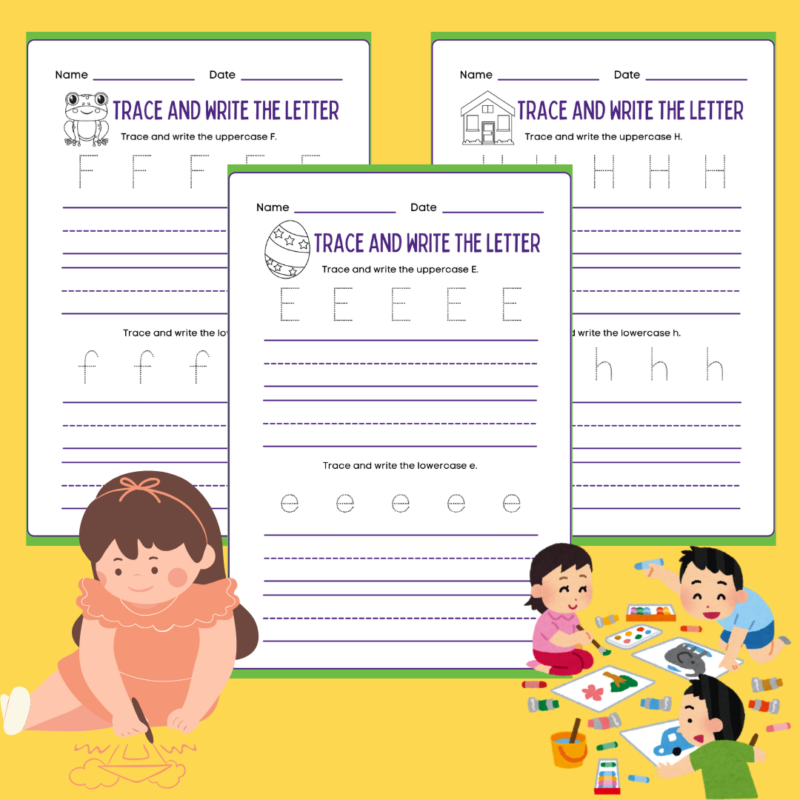
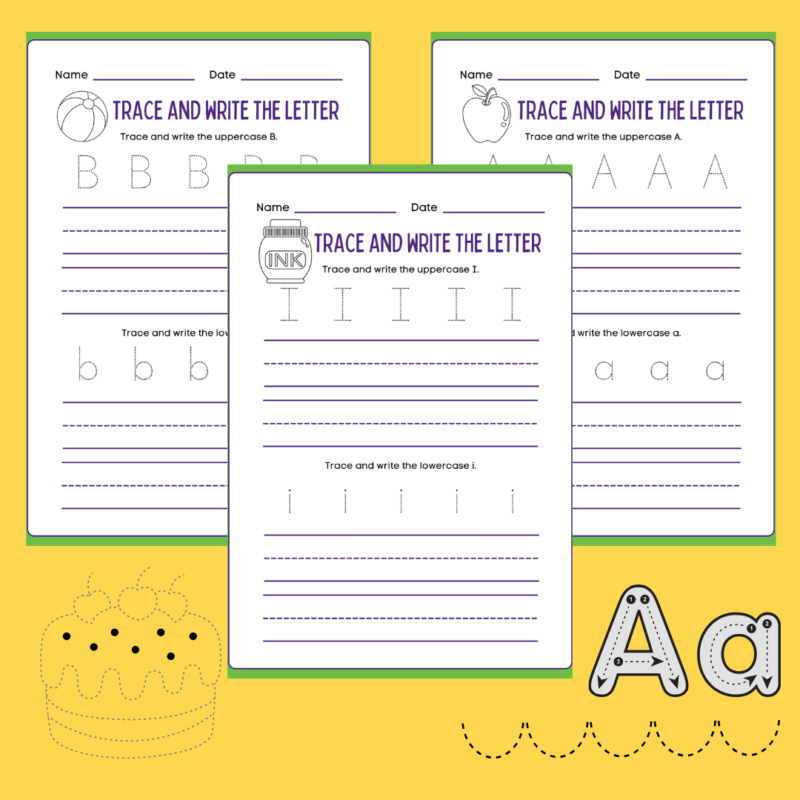
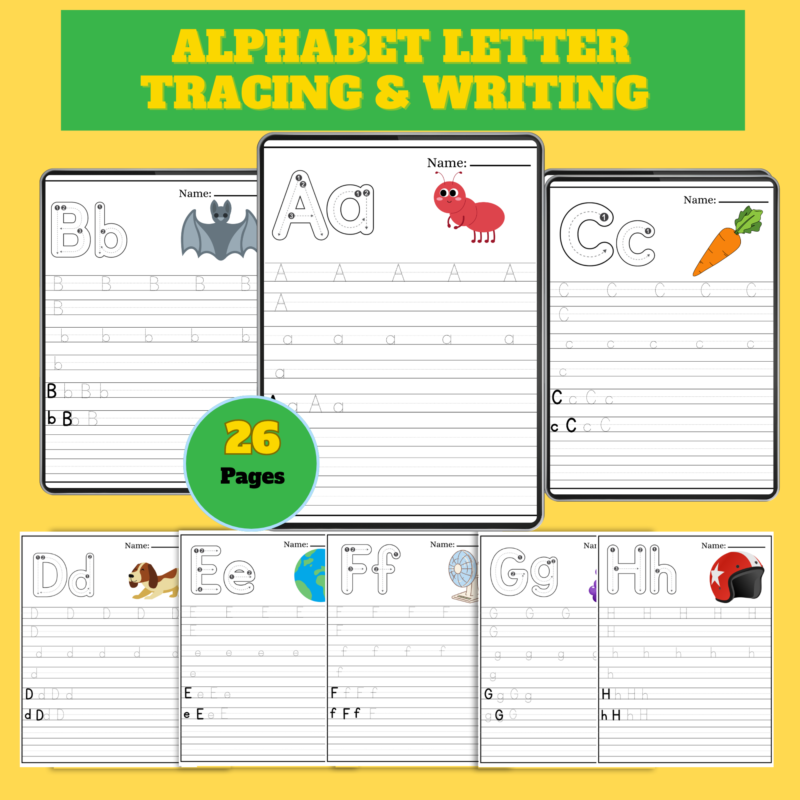
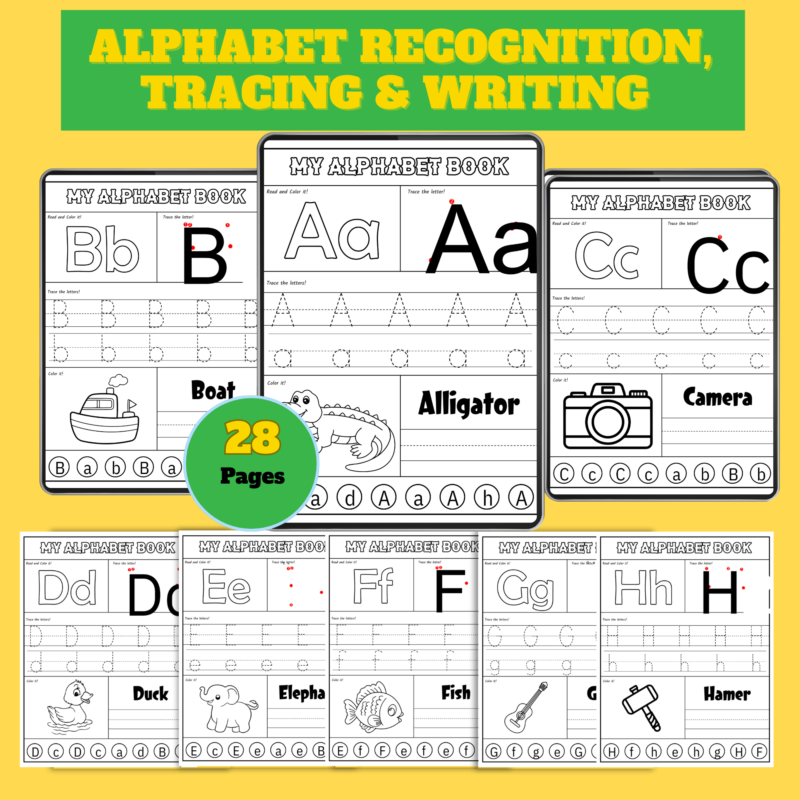
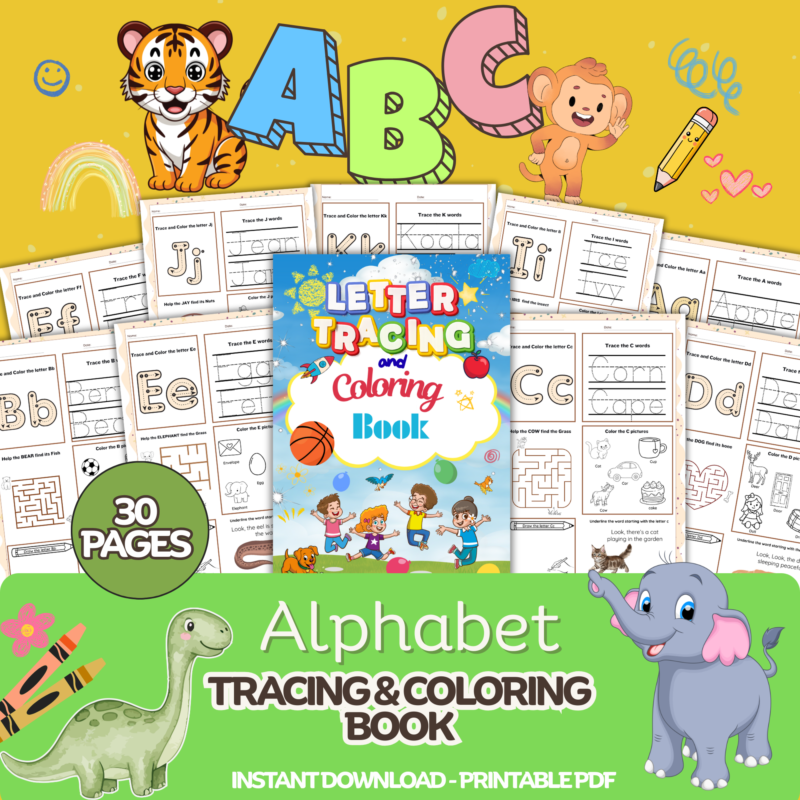
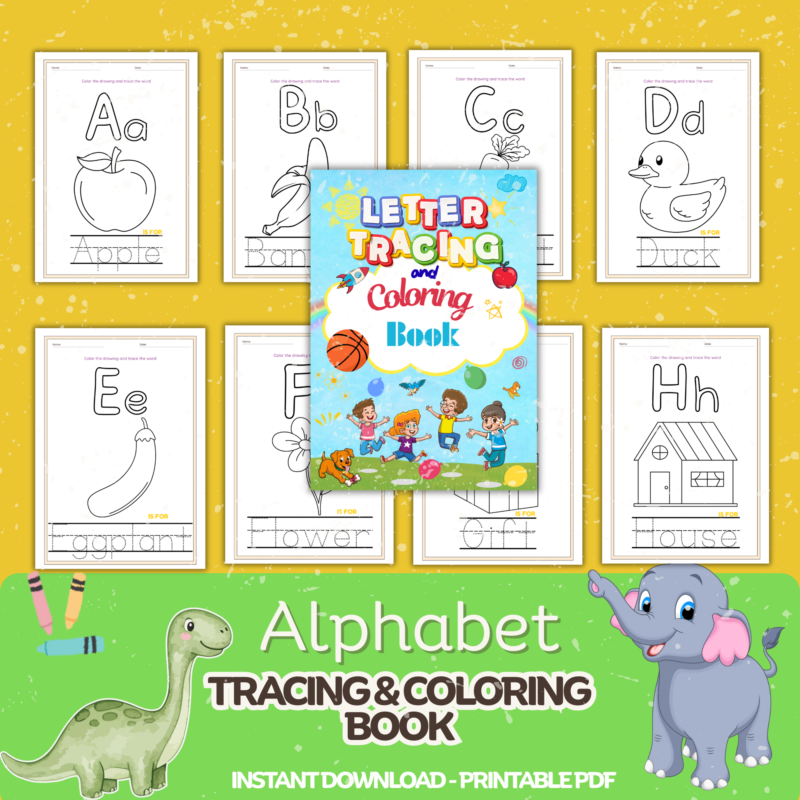
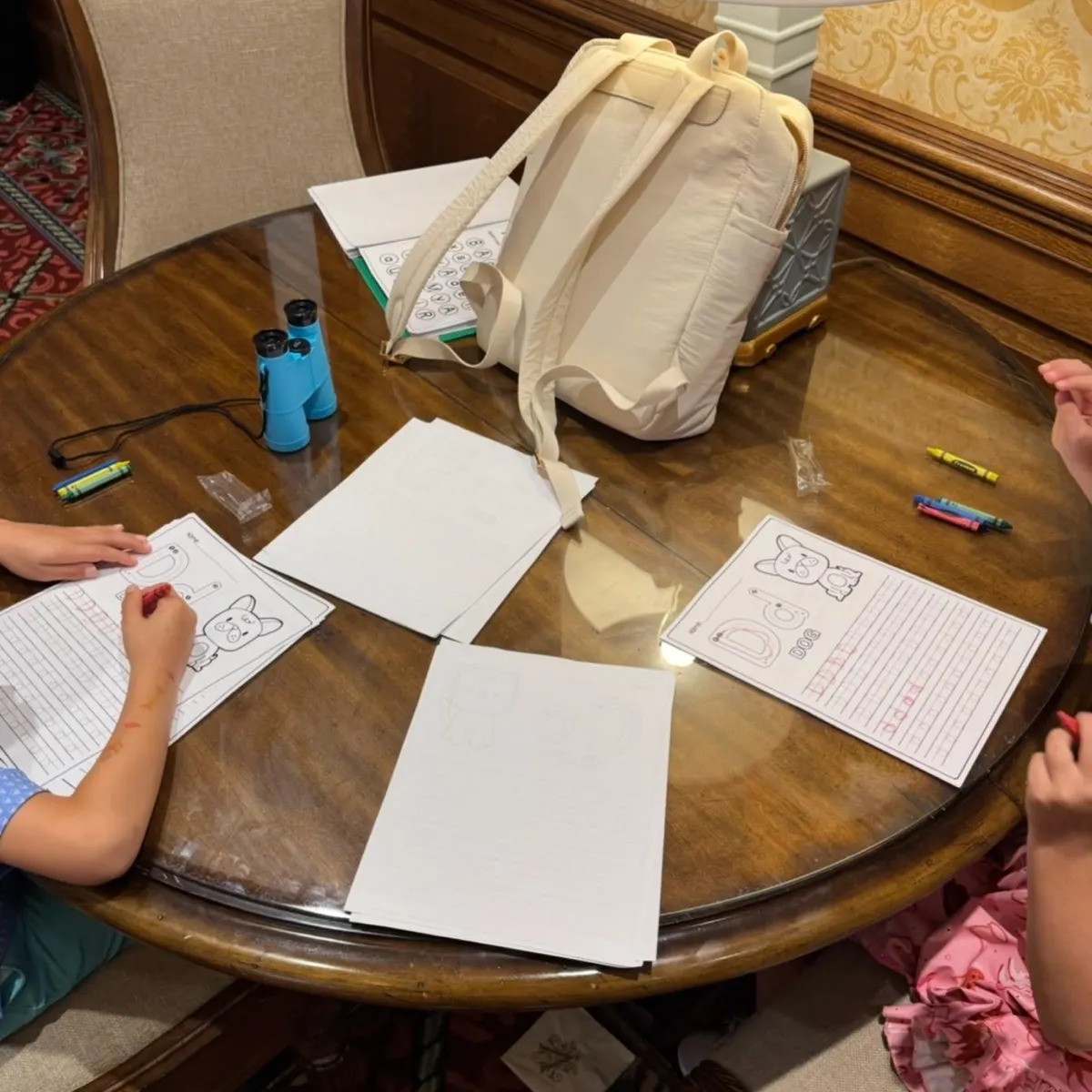
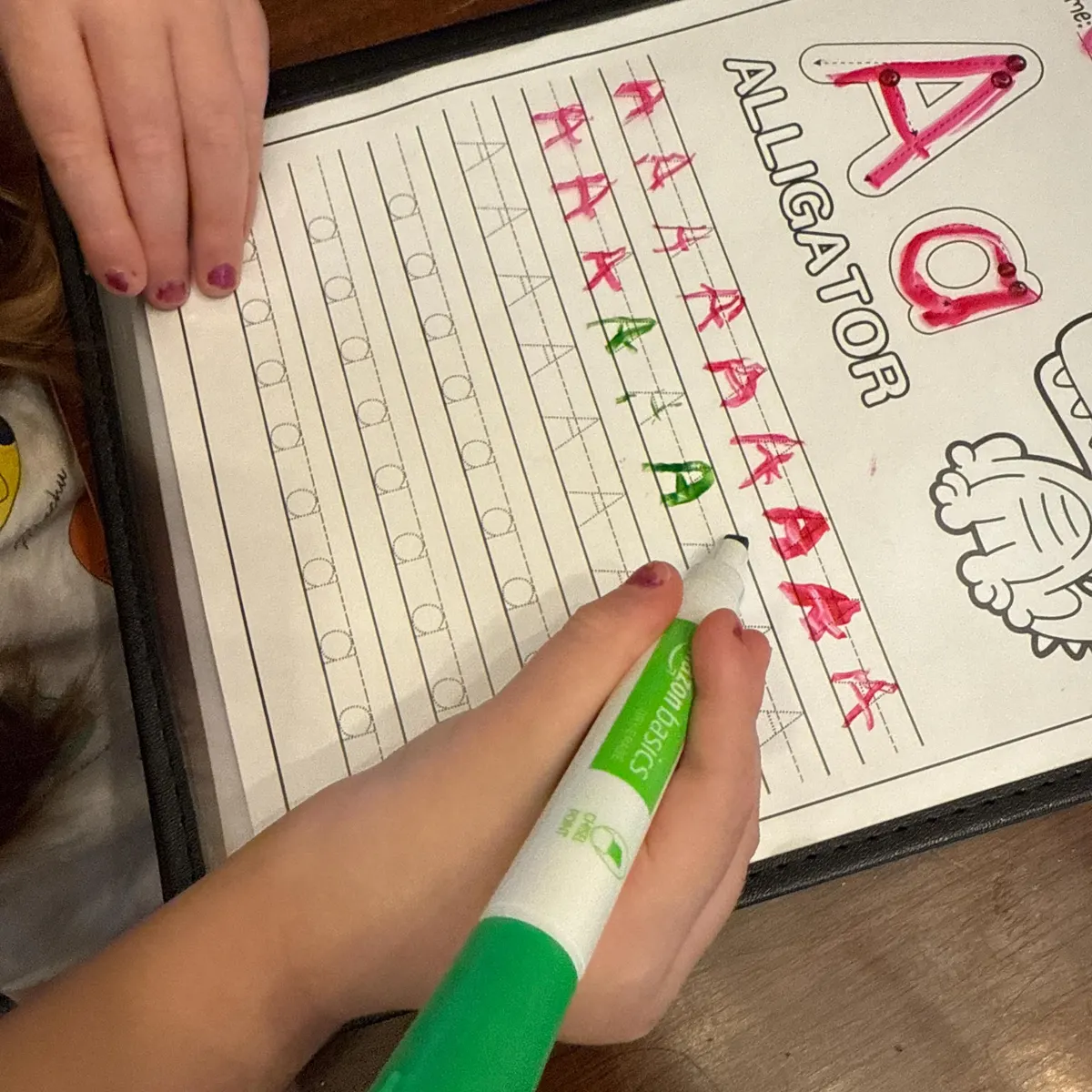
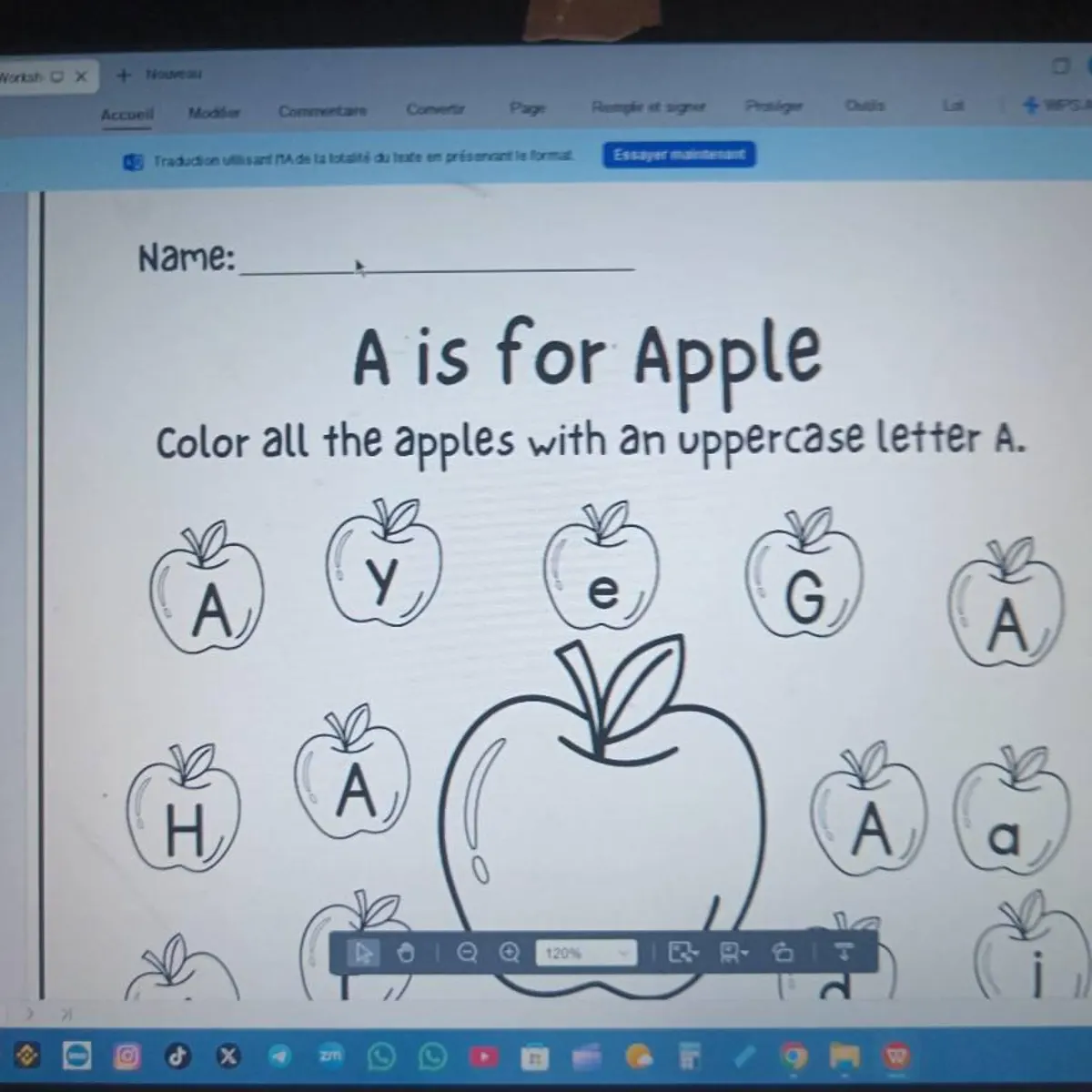
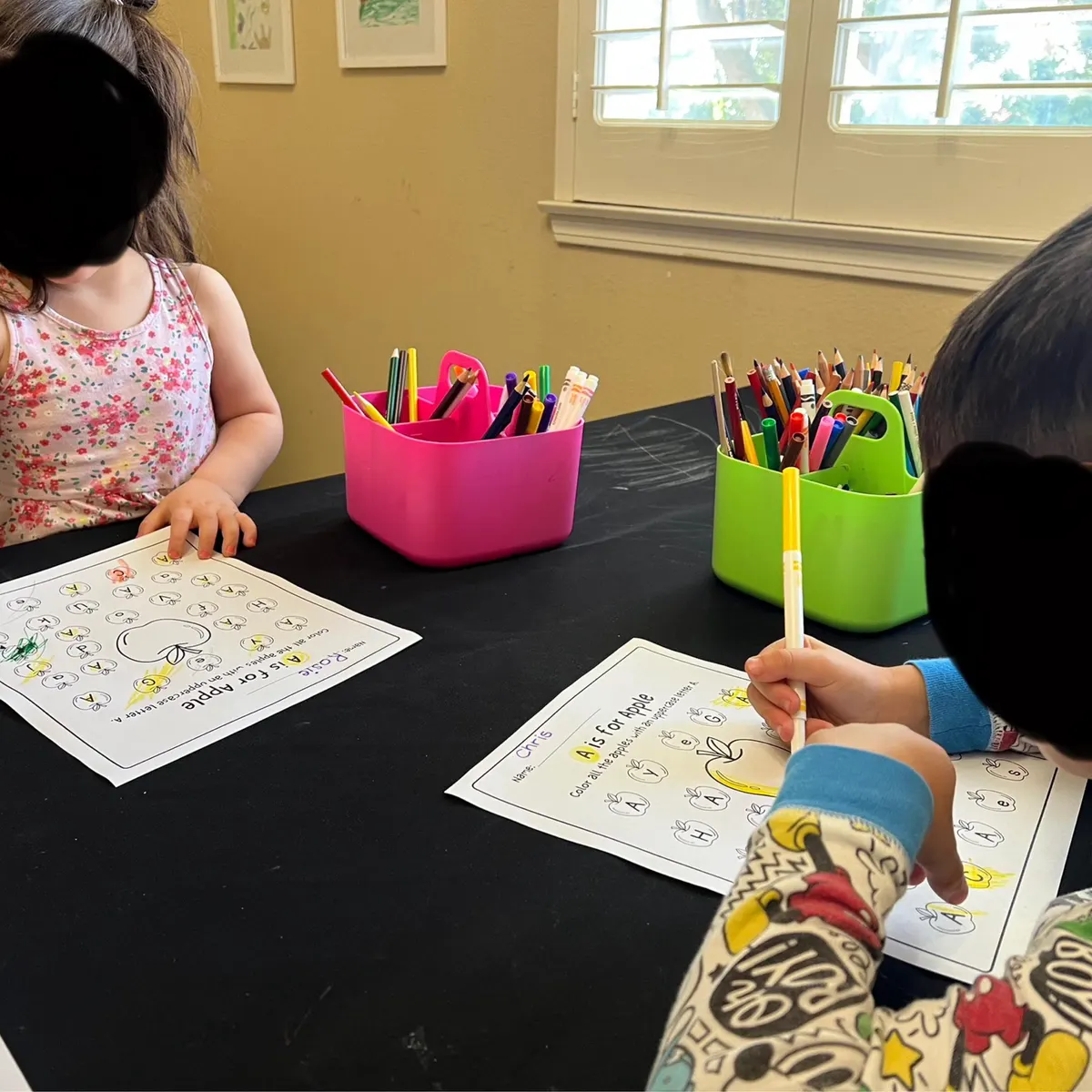
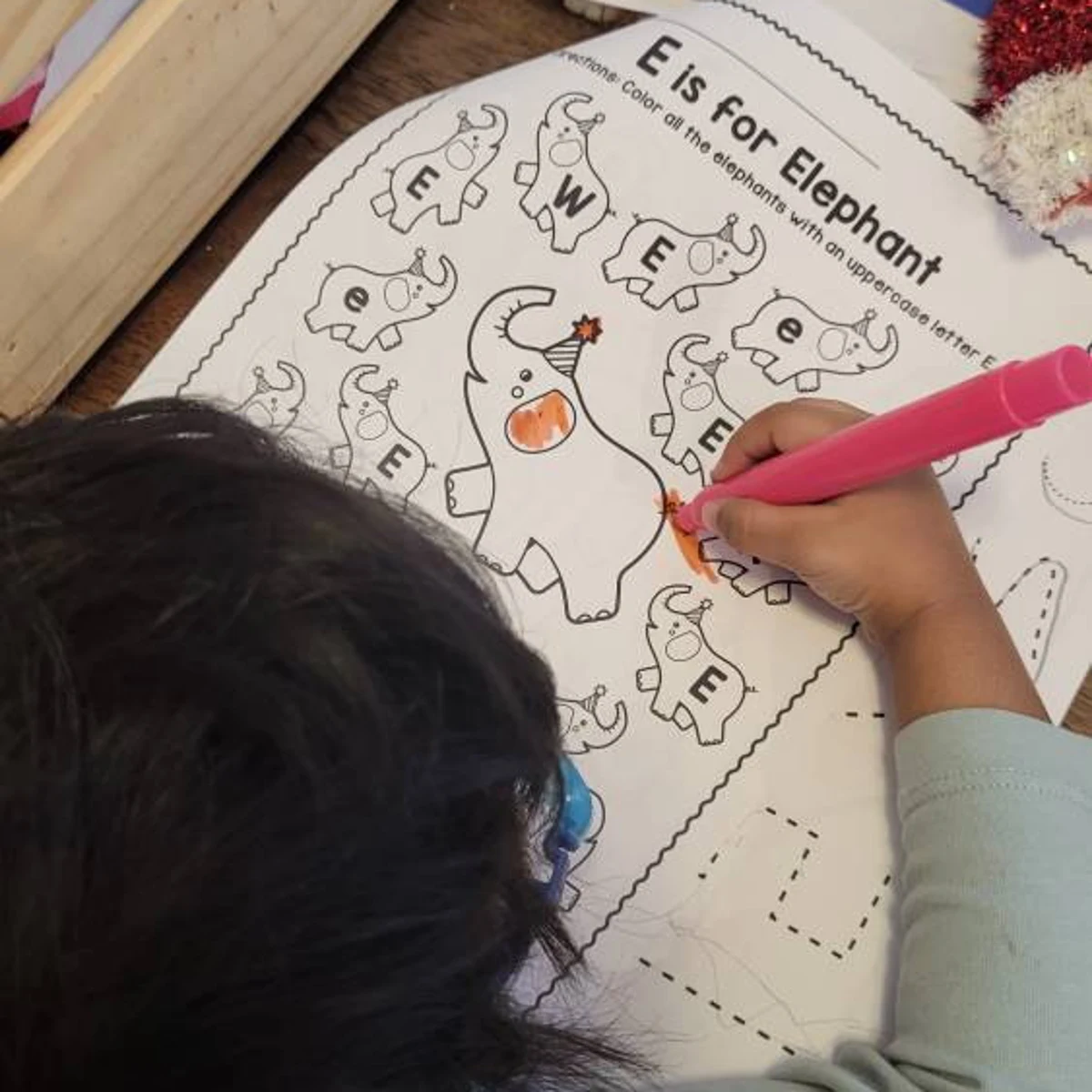
A preschooler happily tracing the letter A may not care whether the page came from a printable packet or a bound book. For the grown-up planning the activity, though, printable worksheets versus workbooks can make a real difference in cost, preparation time, repetition, and how easily learning fits into a busy day.
Both options can support early skills such as handwriting, letter recognition, counting, phonics, and beginning math. The better choice depends less on which format is “best” overall and more on your child, your teaching routine, and the skill you want to practice right now.
The biggest difference is flexibility
Printable worksheets give parents and educators the freedom to choose exactly what a child needs. If your child is working on lowercase letter formation, you can print a few tracing pages without handing them a full book of activities that may be too easy, too difficult, or unrelated to the current goal.
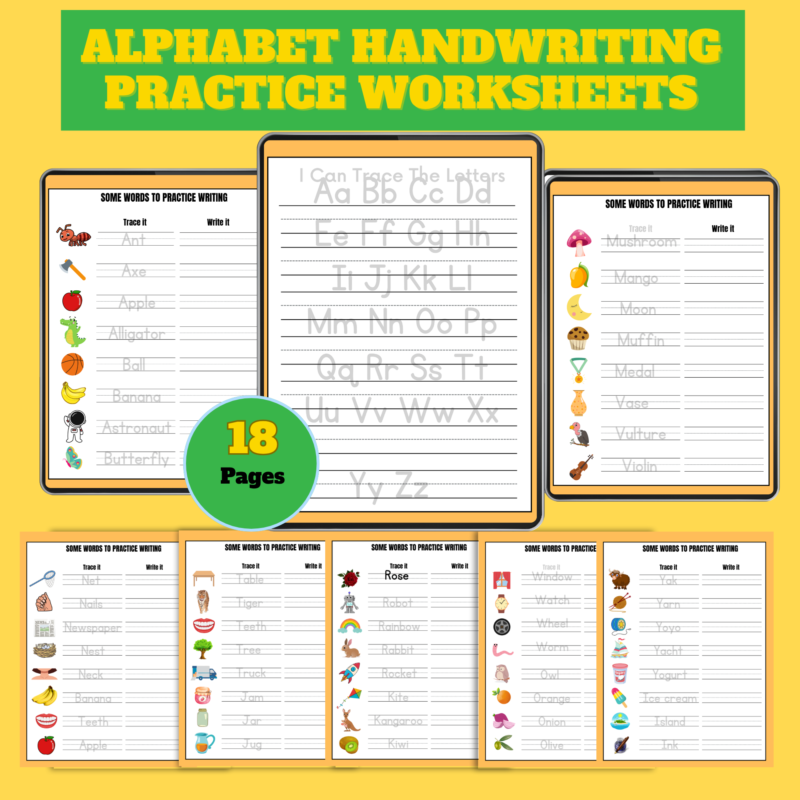
That flexibility is especially helpful when young learners need extra repetition. A child who reverses b and d, struggles with number 6, or is still building pencil control may benefit from practicing the same skill several times in slightly different ways. With printable PDFs, you can reprint a favorite page whenever it is useful. You can also place a page in a dry-erase sleeve or laminate it for repeatable practice.
Workbooks are more fixed. They usually follow a planned sequence, moving from one page to the next. That structure can be wonderful for adults who want a ready-made path, but it can also create pressure to keep going when a child needs to pause, review, or skip ahead.
For a classroom, printable pages also make it easier to prepare activities for different groups. One group can work on beginning sounds while another practices counting to 20. At home, a parent can print one short page for a five-minute after-breakfast activity instead of pulling out an entire workbook.
When workbooks are a great choice
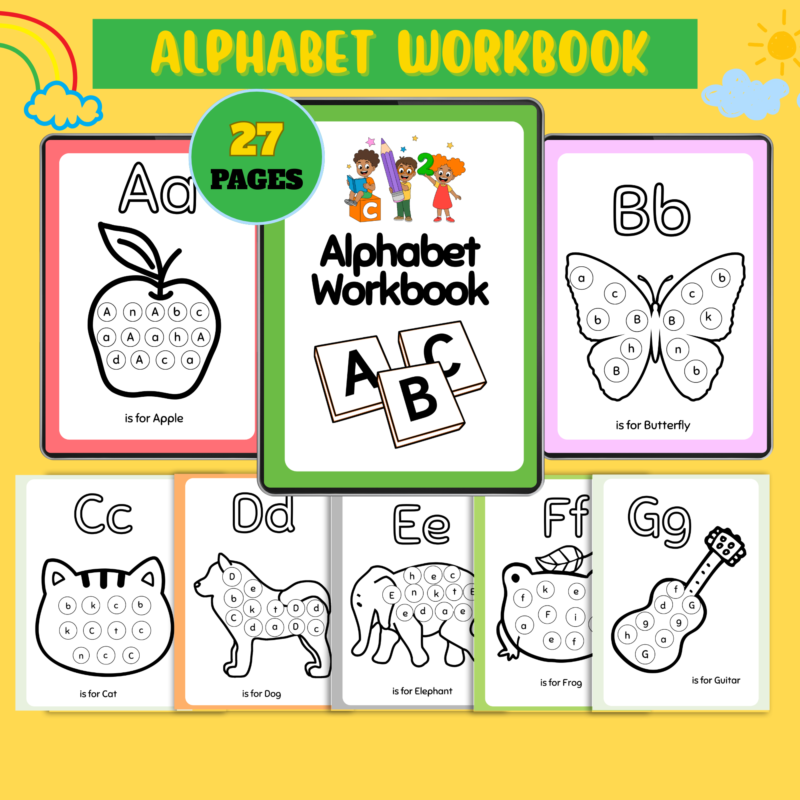
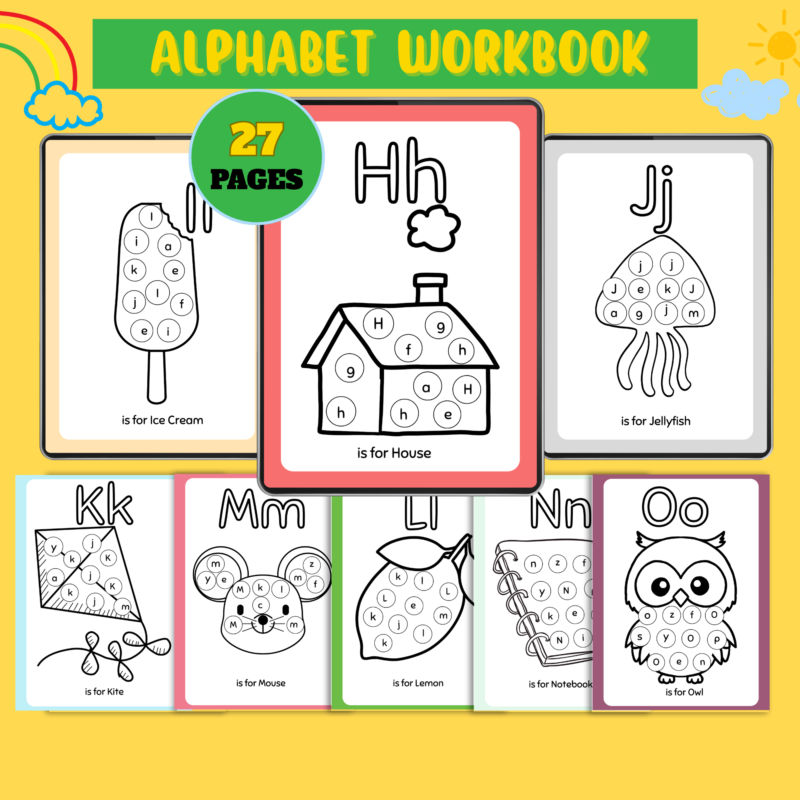
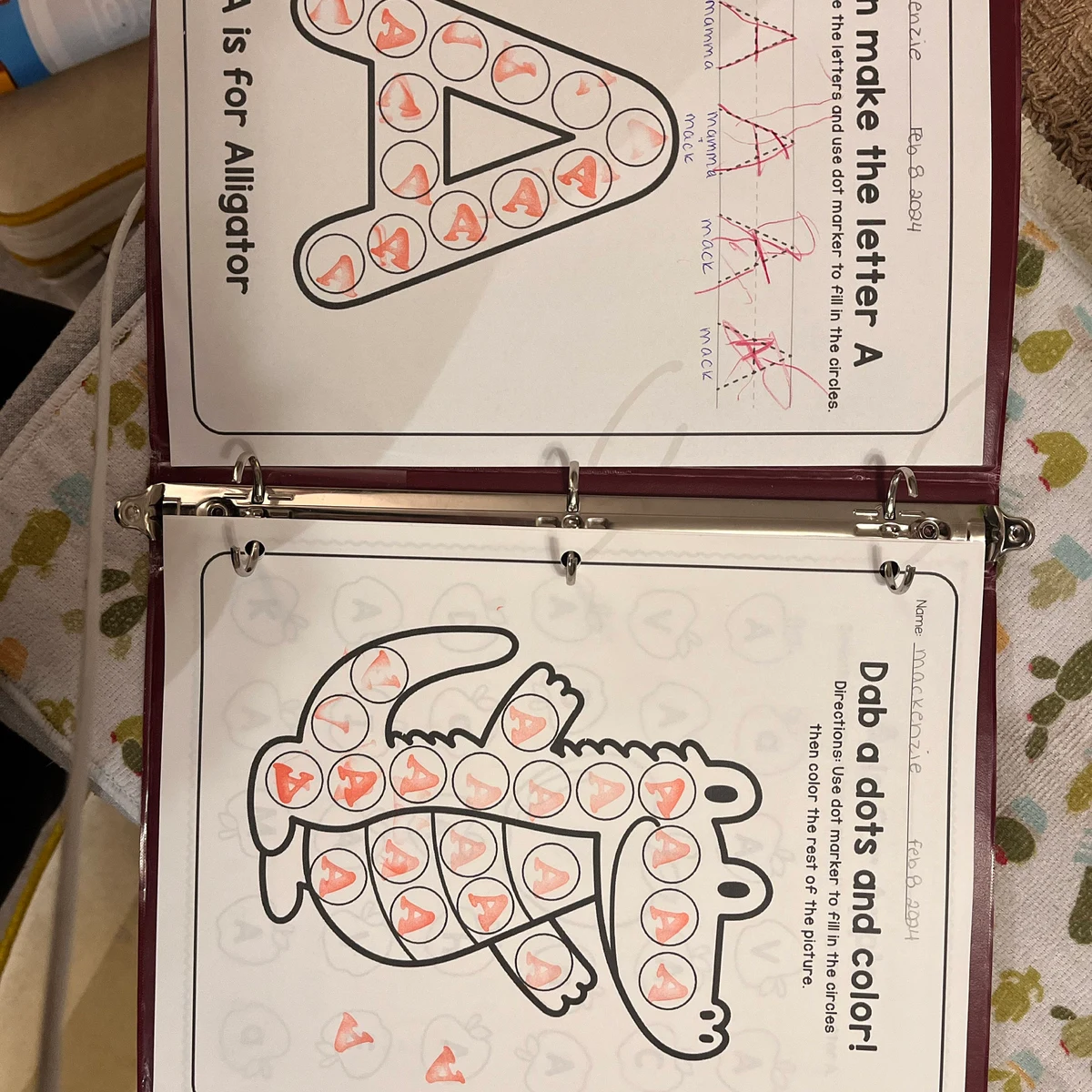
Workbooks have a place in early learning, particularly for children who enjoy seeing their progress build page by page. A completed workbook can feel like an accomplishment. Many kindergarten-age children are proud to flip through the pages and show off the letters, numbers, and pictures they finished.
The bound format can also reduce decision fatigue. A busy parent may appreciate opening to the next page and getting started. There is no printing, cutting, or sorting required. For a child who likes routines, a workbook can become part of a calm, predictable learning time.
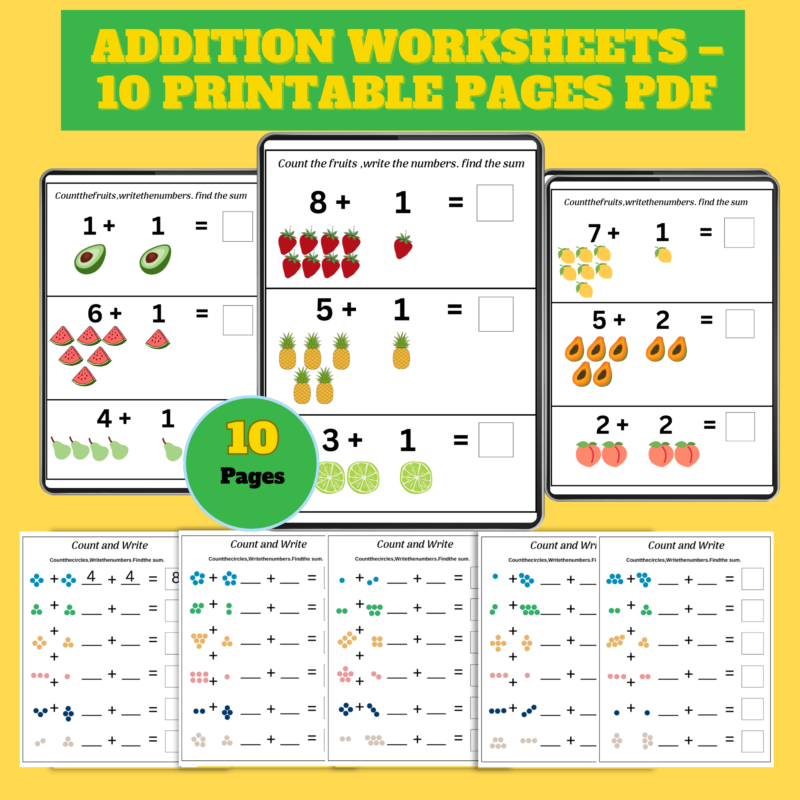
Workbooks work best when the skill sequence matches the child’s current level. A child ready for early addition, for example, may enjoy a book that gradually moves from counting objects to solving simple picture equations. The challenge is that many workbooks include a broad range of activities, so only part of the book may be useful at a given moment.
There is another practical consideration: once a page is complete, it is complete. If a child needs more practice, you may need another workbook, separate materials, or a different activity. That can add up when teaching more than one child or supporting a class full of learners with different needs.
Printable worksheets versus workbooks for skill building
For focused skill practice, printable worksheets often have the advantage. Early learners do not need long assignments. They need clear, age-appropriate practice that feels manageable and gives them a chance to succeed.
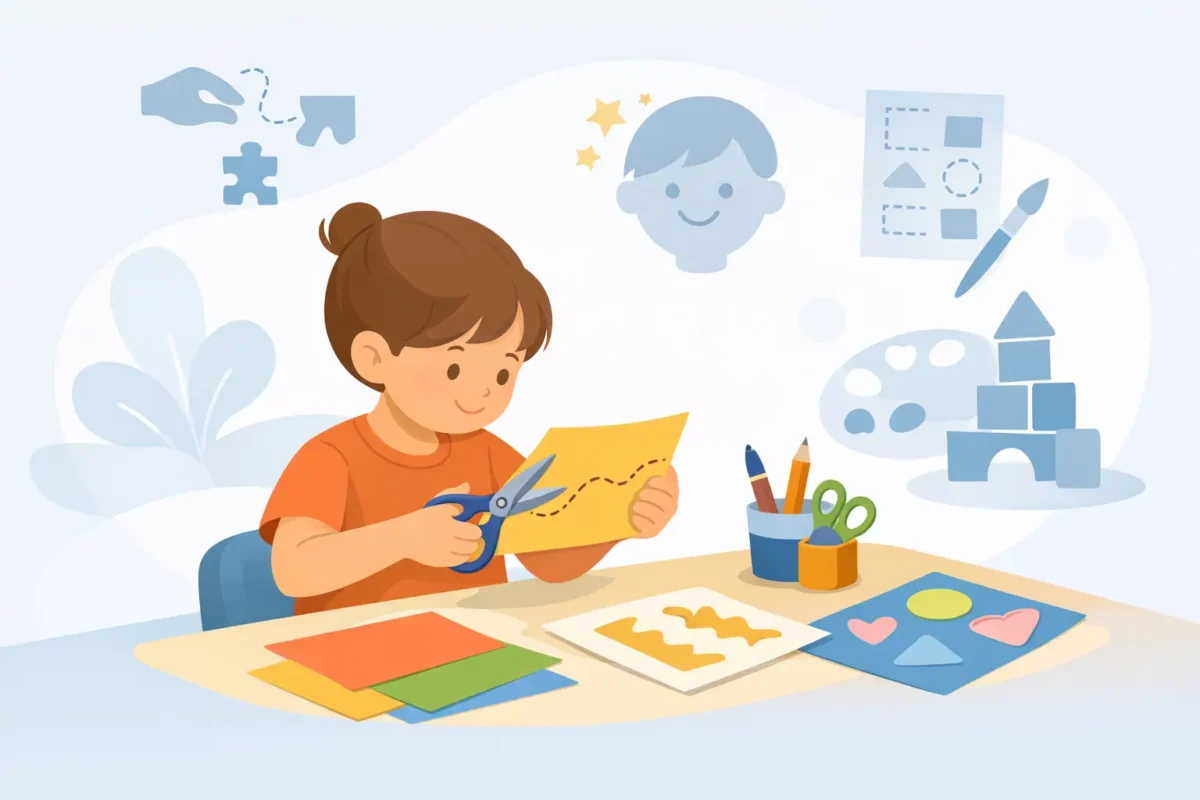
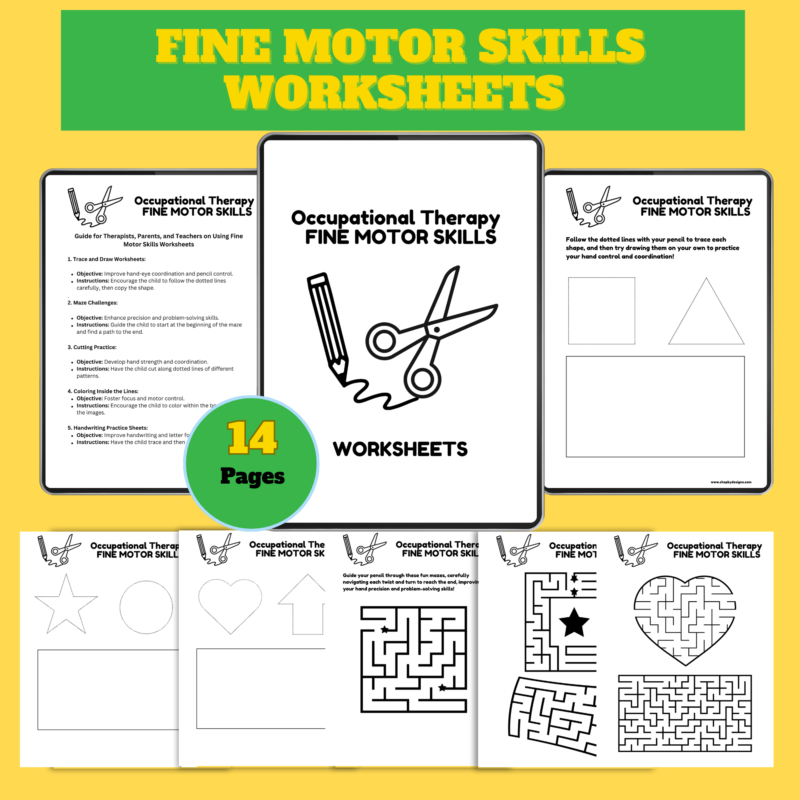
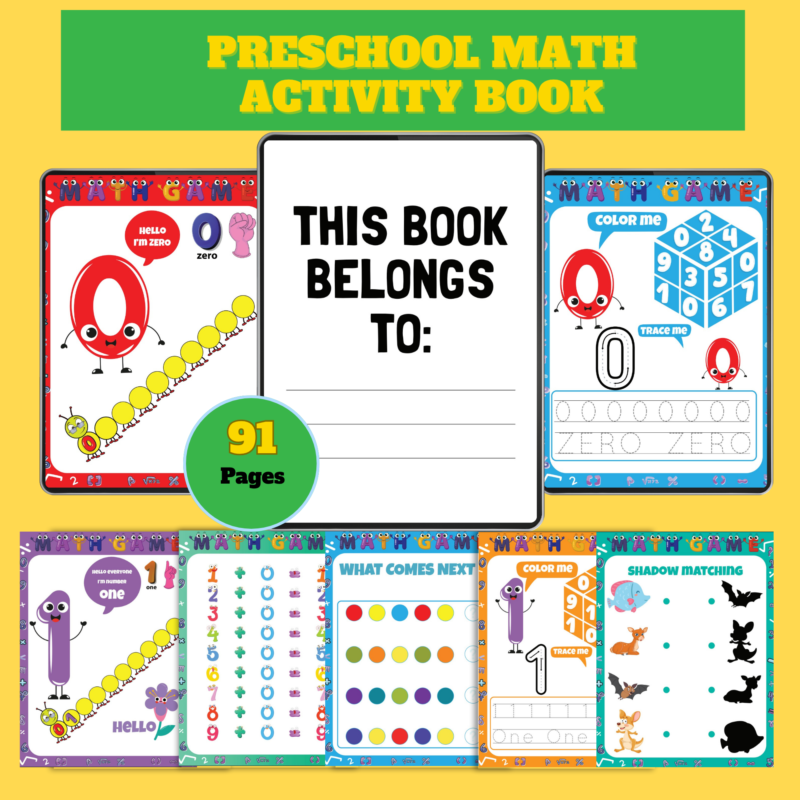
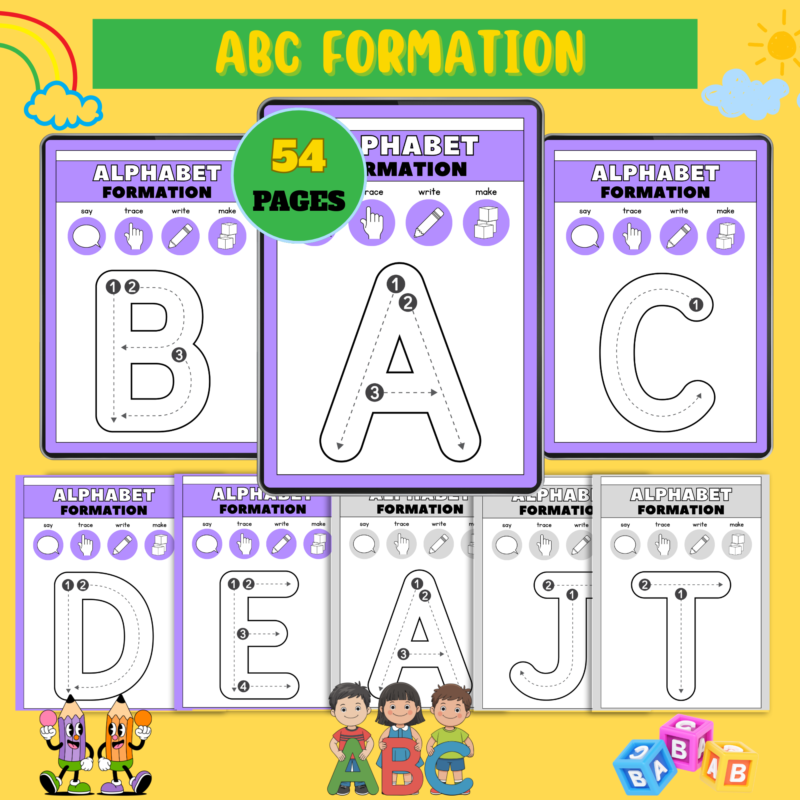
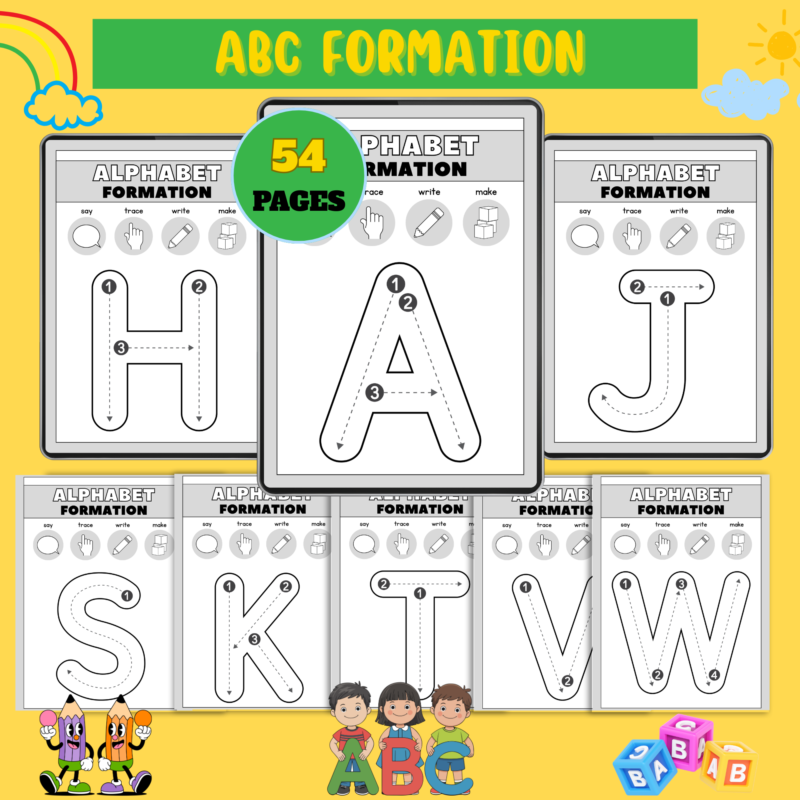
A single alphabet tracing page can help a child concentrate on proper letter strokes. A counting page with cheerful pictures can reinforce one-to-one correspondence. A simple cut-and-paste phonics activity can strengthen fine motor skills while helping a child hear beginning sounds. Because you can select one activity at a time, printable resources make it easier to keep practice purposeful.
This does not mean more pages always equal more learning. Young children can become tired or frustrated quickly, especially with handwriting tasks. It is often better to print one or two relevant pages, then follow up with a game, a story, movement, or free play that uses the same skill.
Workbooks can support skill building too, but adults may need to be more selective. You do not have to finish every page in order. If the next activity does not fit your child’s needs, skip it. The goal is confidence and understanding, not checking off pages.
Cost and convenience: look beyond the price tag
A low-priced workbook may seem simpler than buying digital resources, especially if you only need one book for one child. It arrives ready to use, and there is no need for a printer or paper. For occasional practice, that convenience may be worth it.
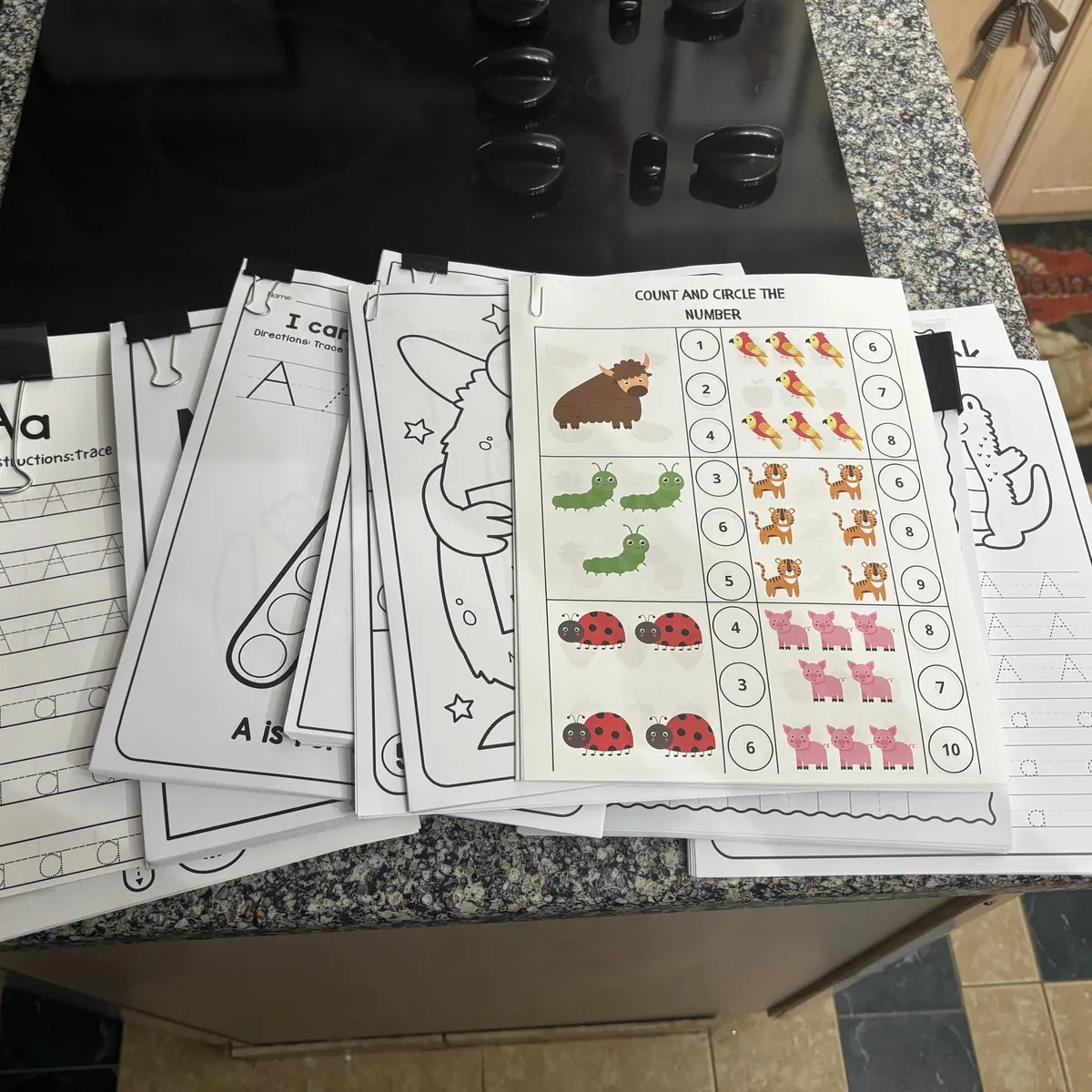
Printable resources can be more economical over time, especially when you need repeated practice or teach multiple children. A downloadable PDF is available right away, and you can print the pages you need when you need them. If a page gets colored on, torn, or completed too quickly, you can print another copy rather than replacing an entire book.
Of course, printables do have supply costs. You will need access to a printer, paper, and ink. If you regularly create reusable activities, laminating sheets, dry-erase pockets, child-safe scissors, and crayons may be useful additions. These costs are worth considering honestly, particularly for teachers preparing materials for a large class.
The good news is that printables allow more control. You can print in black and white when color is not essential, choose only the pages that fit your lesson, and save digital files for later. Families and educators who use the same foundational resources across several children often find that flexibility valuable.
Engagement matters more than the format
A workbook can be exciting for one child and feel like homework to another. A printable page can feel fresh and playful, or it can be ignored if it is too hard, too repetitive, or presented at the wrong time. The format helps, but the learning experience matters more.
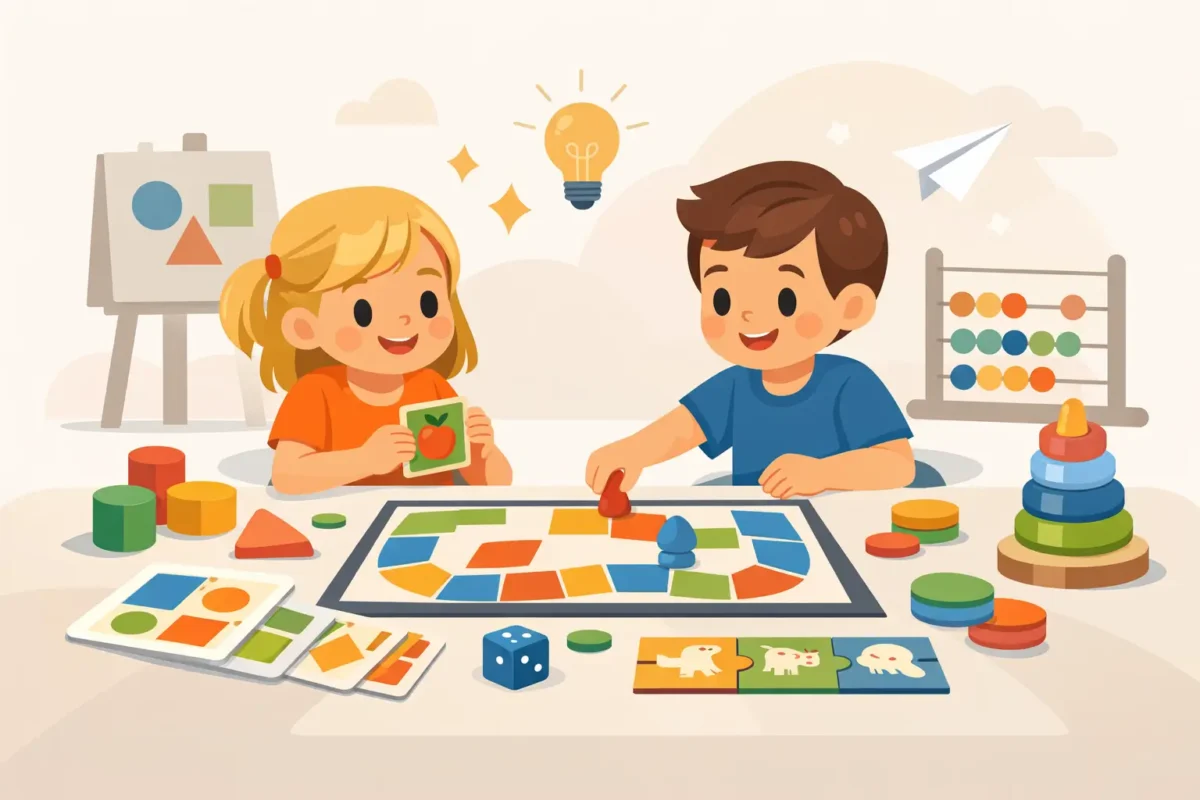
For preschool and kindergarten learners, engaging pages usually have one clear purpose, simple directions, roomy writing spaces, and friendly visuals. A child should be able to see what to do without feeling overwhelmed by a crowded page. Activities that mix skills can be especially appealing, such as coloring by number, matching pictures to beginning sounds, or rolling dice in a counting game.
Choice can also increase participation. Offer two pages and let your child pick one. Invite them to choose a crayon color, use a special pencil, or complete the activity beside a favorite stuffed animal. These small decisions give young children a sense of ownership without turning learning time into a negotiation.
Fun Clever Fox printable resources are designed with this kind of practical, playful practice in mind: clear skill targets, child-friendly activities, and instant PDF access for home or classroom use.
How to choose the right option for your child
Start with the skill, not the format. Ask what your child is ready to practice next. If they need targeted help with name writing, scissor skills, rhyming, or recognizing teen numbers, a printable activity lets you quickly choose a page that matches that need.
Then consider your routine. A workbook may fit well if you want a simple daily habit and your child enjoys working through a sequence. Printable pages may be the better fit if learning happens in short pockets of time, if you teach several children, or if you like building activities around a weekly theme.
Also think about your child’s response to mistakes. Some children dislike writing directly in a book because they want every page to look perfect. A printable page can feel lower-stakes because another copy is available. Others feel motivated by a book they can complete and keep. Neither response is wrong.
A simple way to use both
You do not have to choose only one format. A workbook can provide a dependable routine, while printable worksheets fill the gaps with extra practice, seasonal fun, games, and activities tailored to a child’s interests.
For example, use a workbook page for your regular morning learning time. Later in the week, print a matching phonics game, letter tracing page, or counting activity to revisit the same idea in a new way. This approach keeps practice connected without making it feel repetitive.
The best learning materials are the ones your child will actually use with growing confidence. Keep the next activity short, clear, and just challenging enough to earn that proud smile when they say, “I did it!”