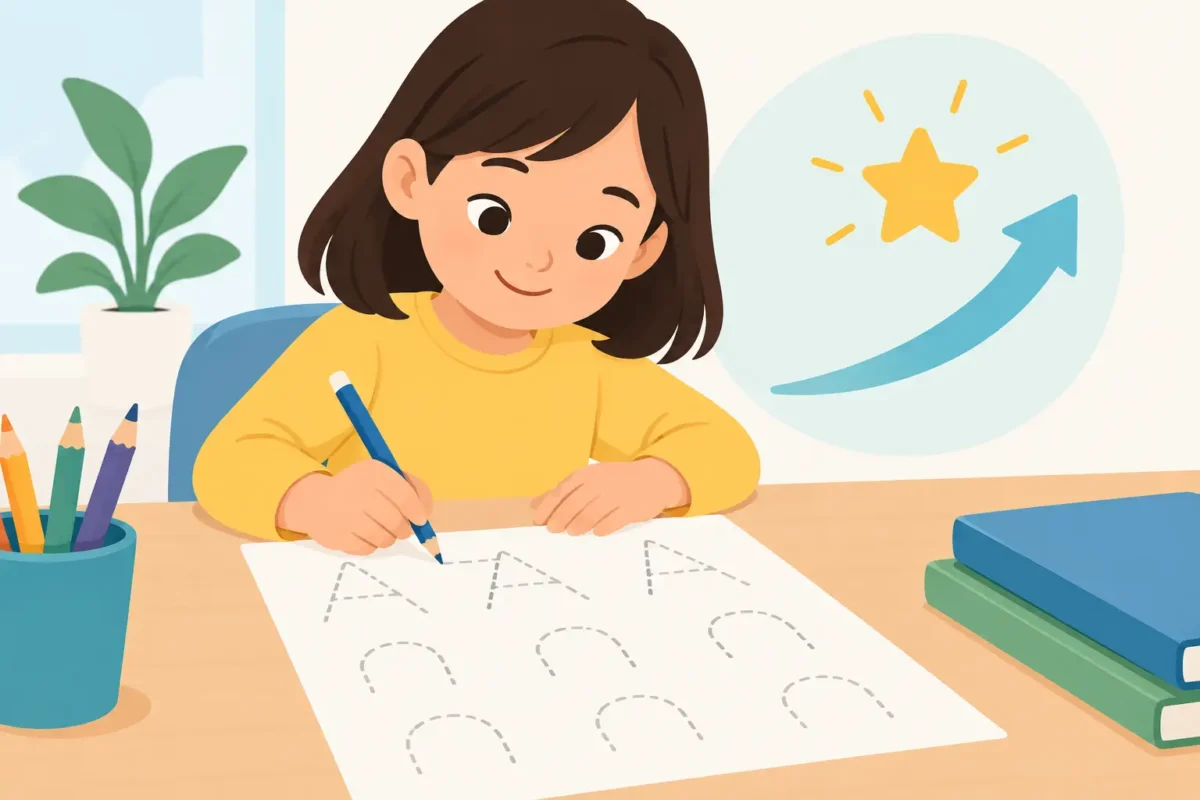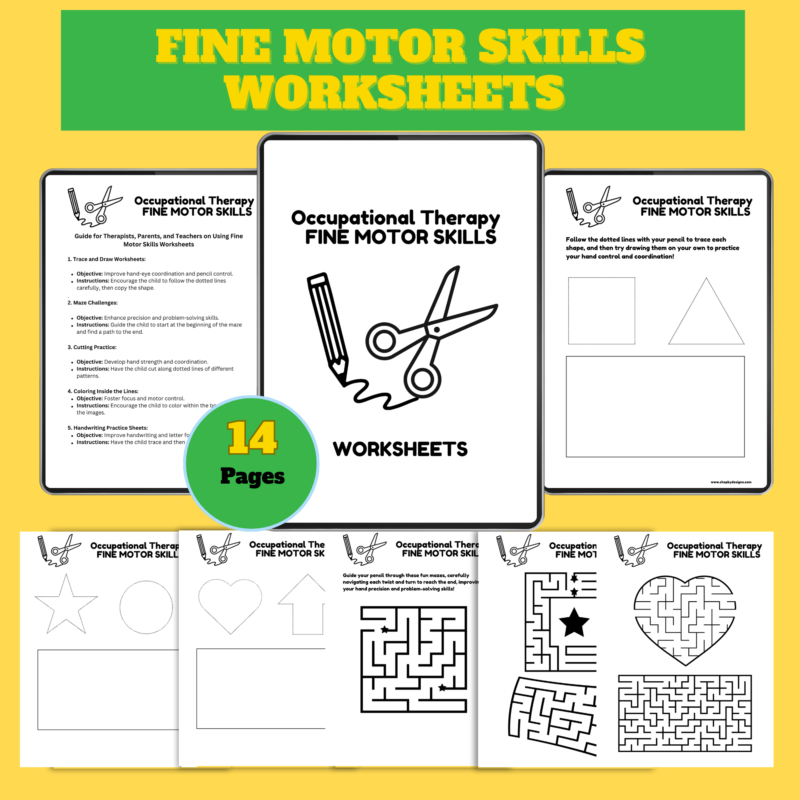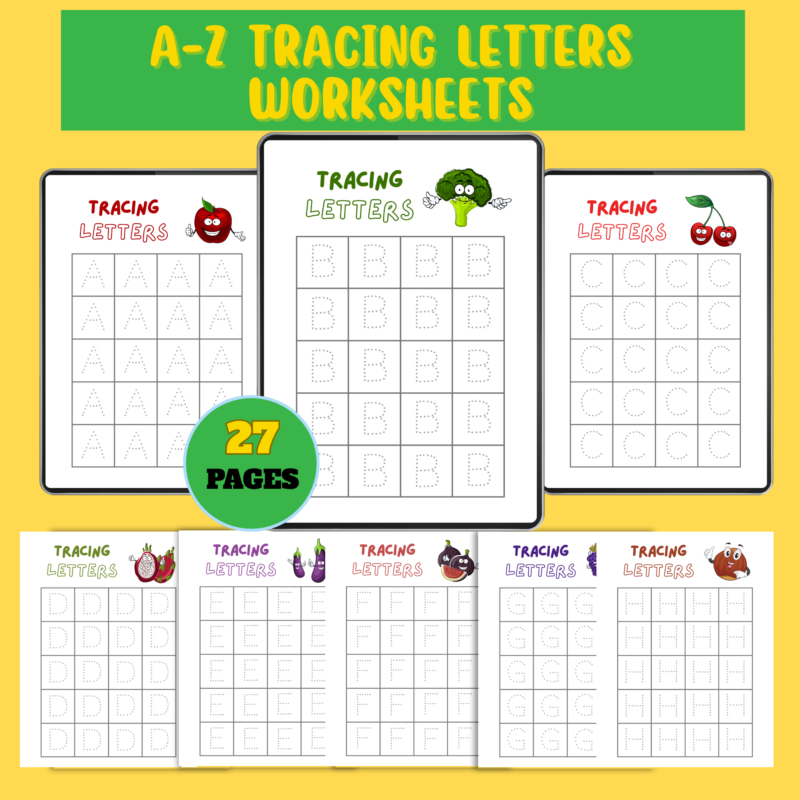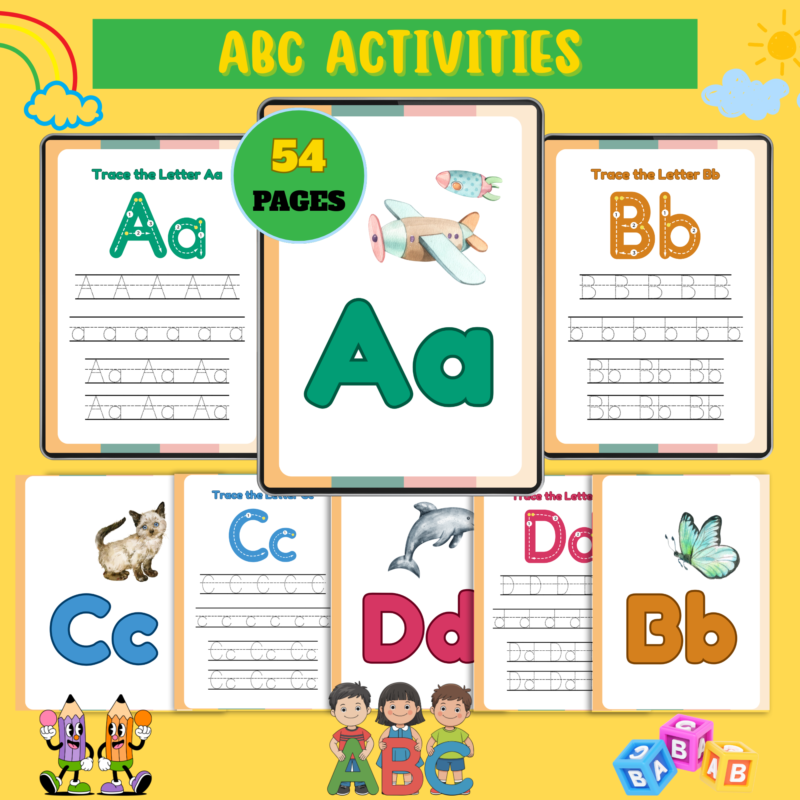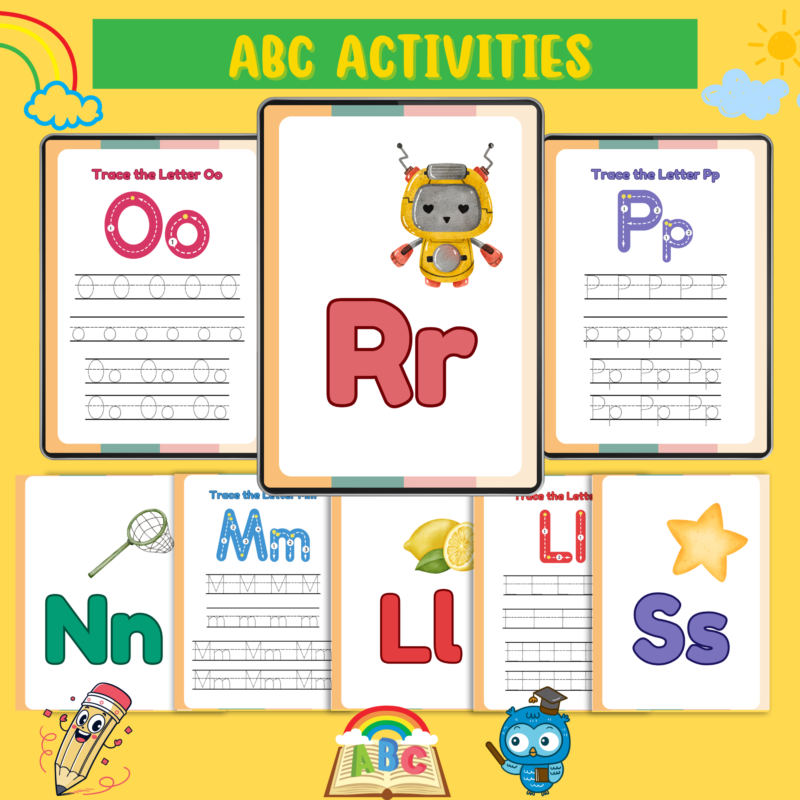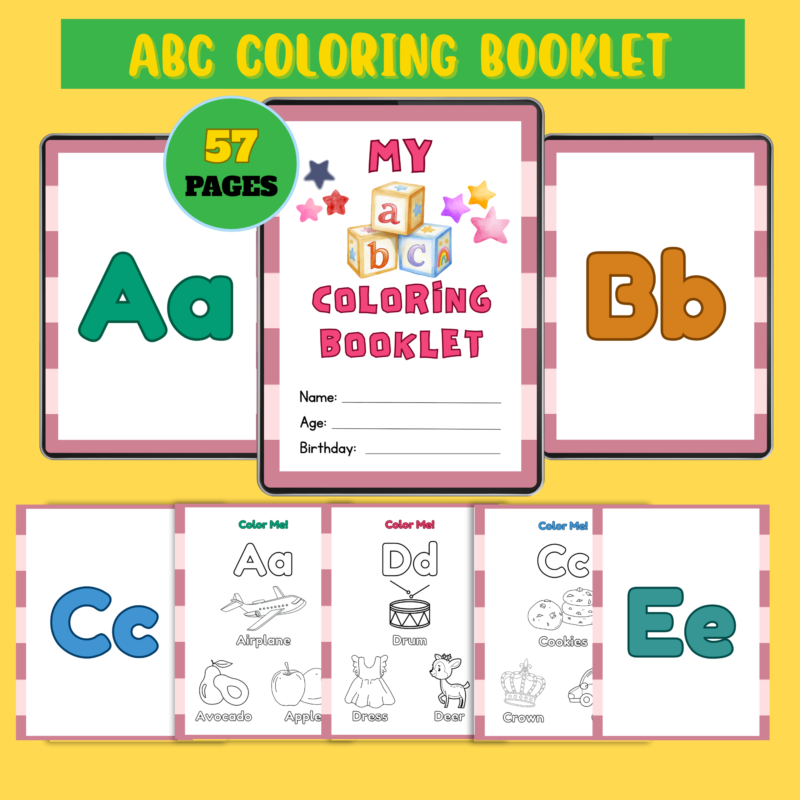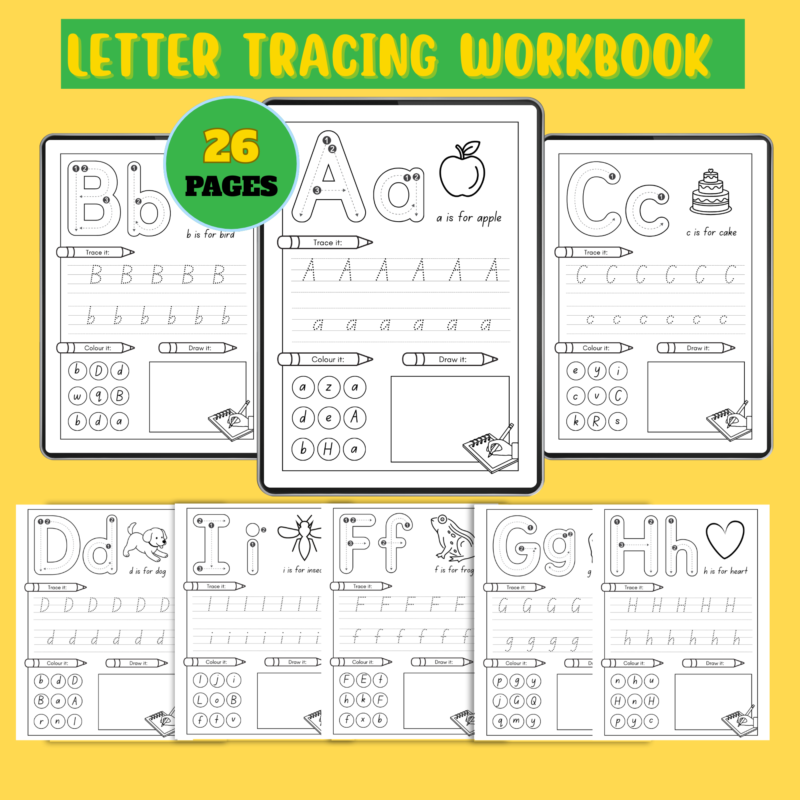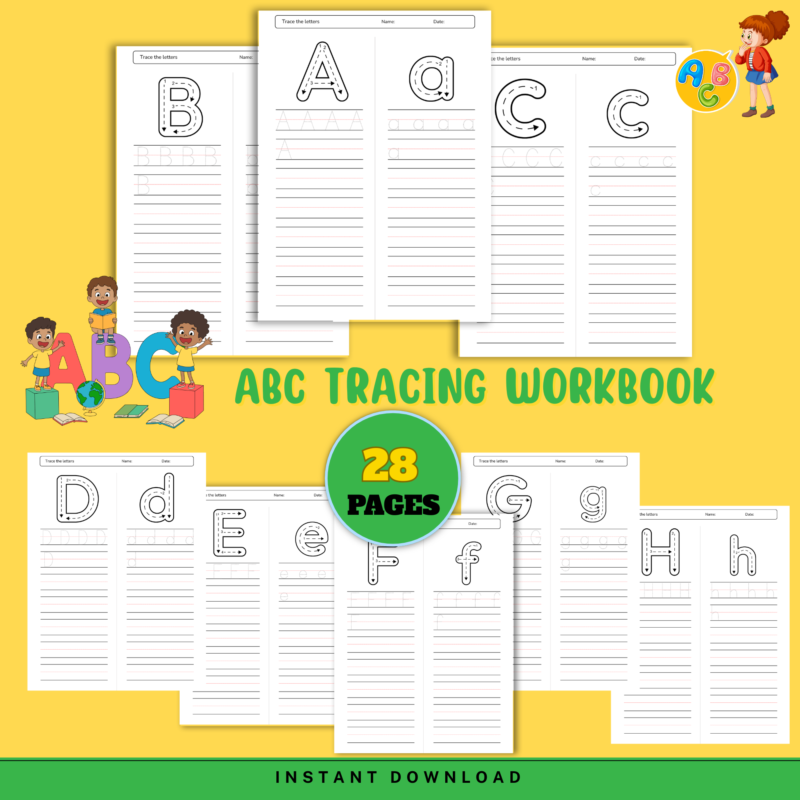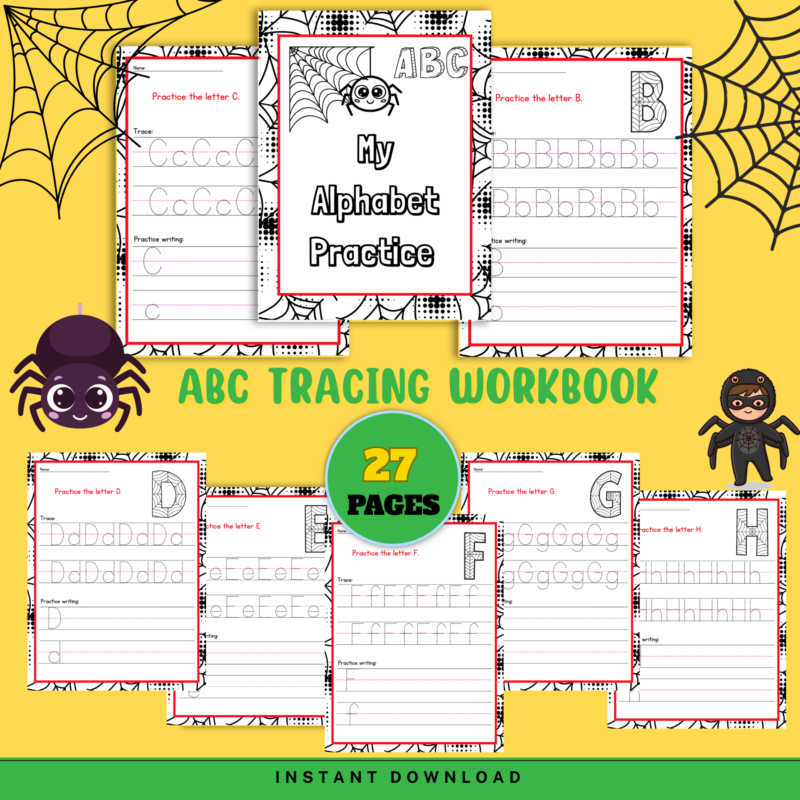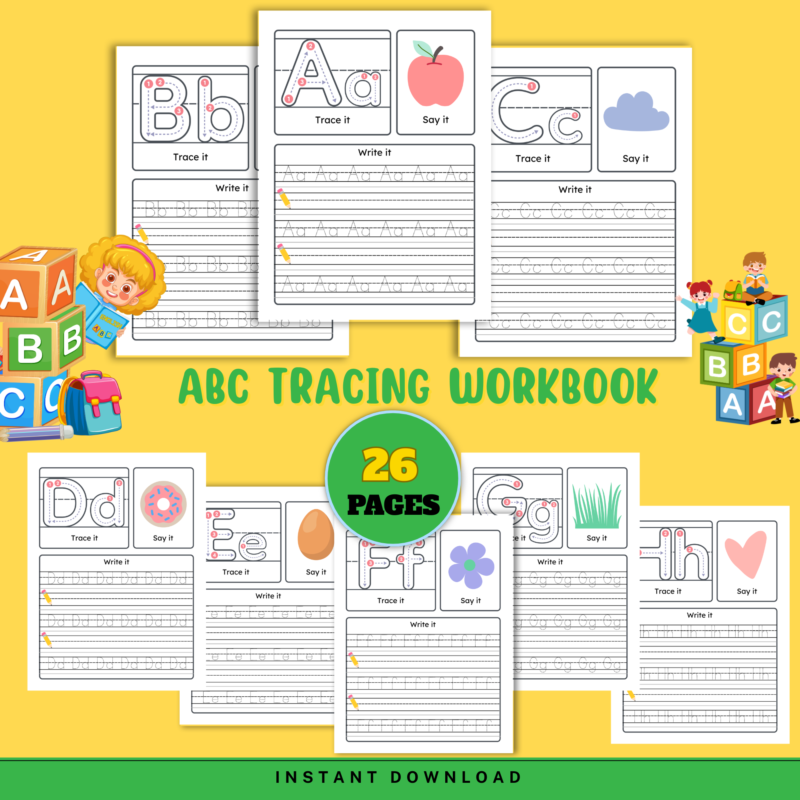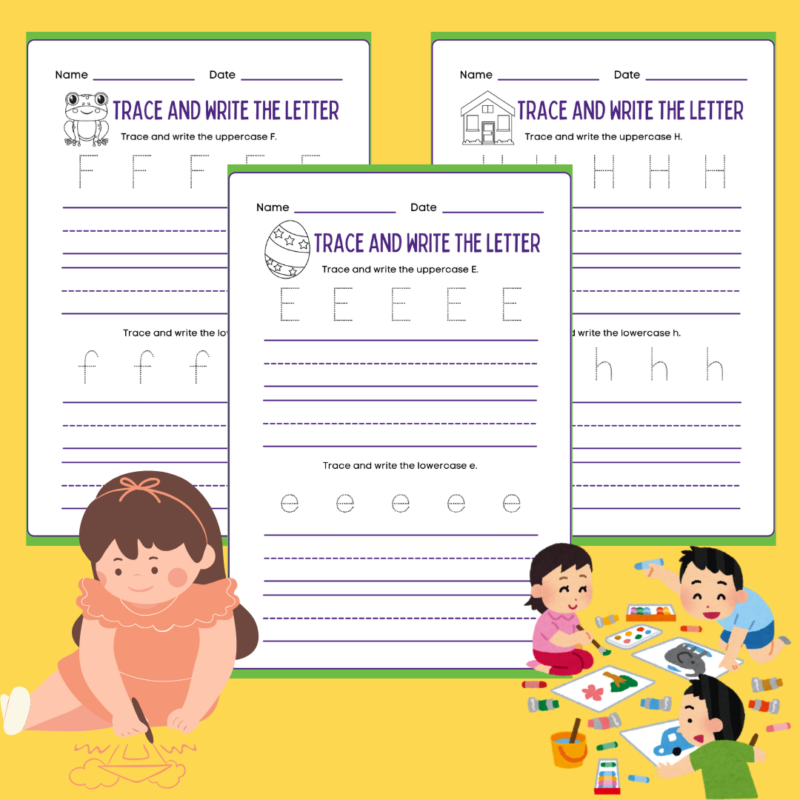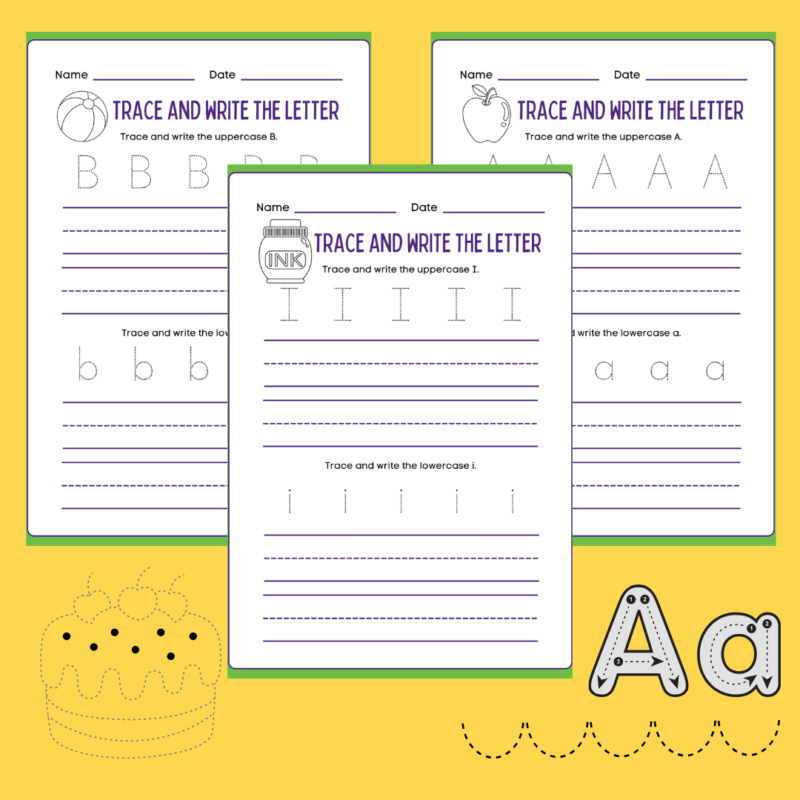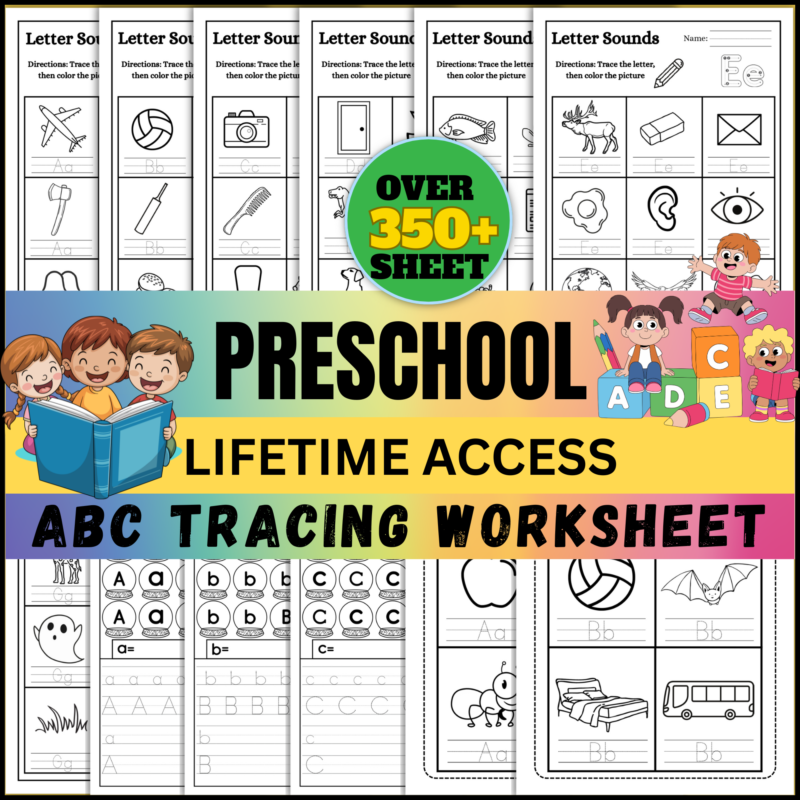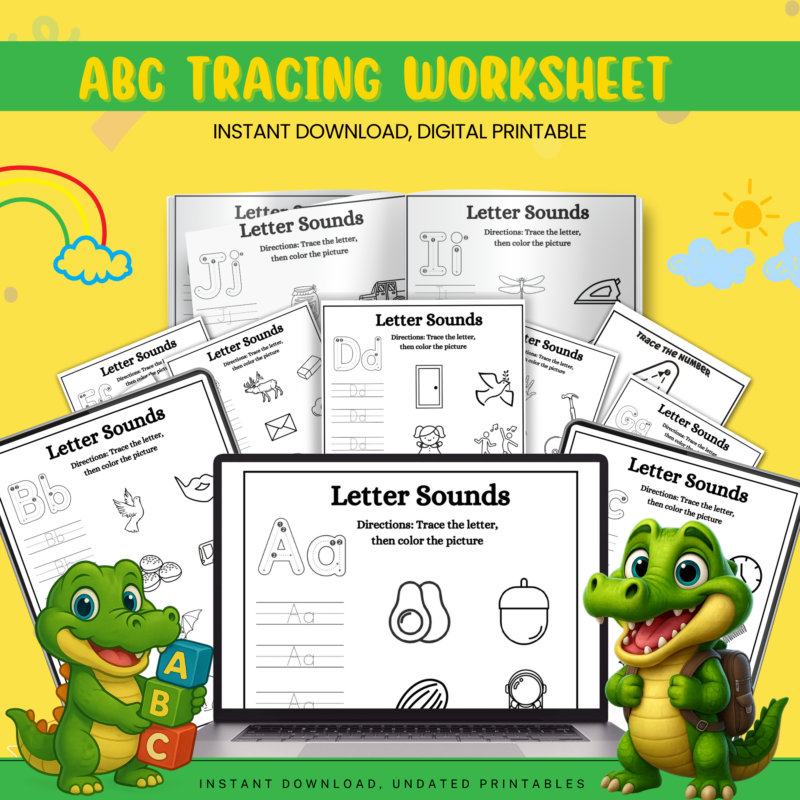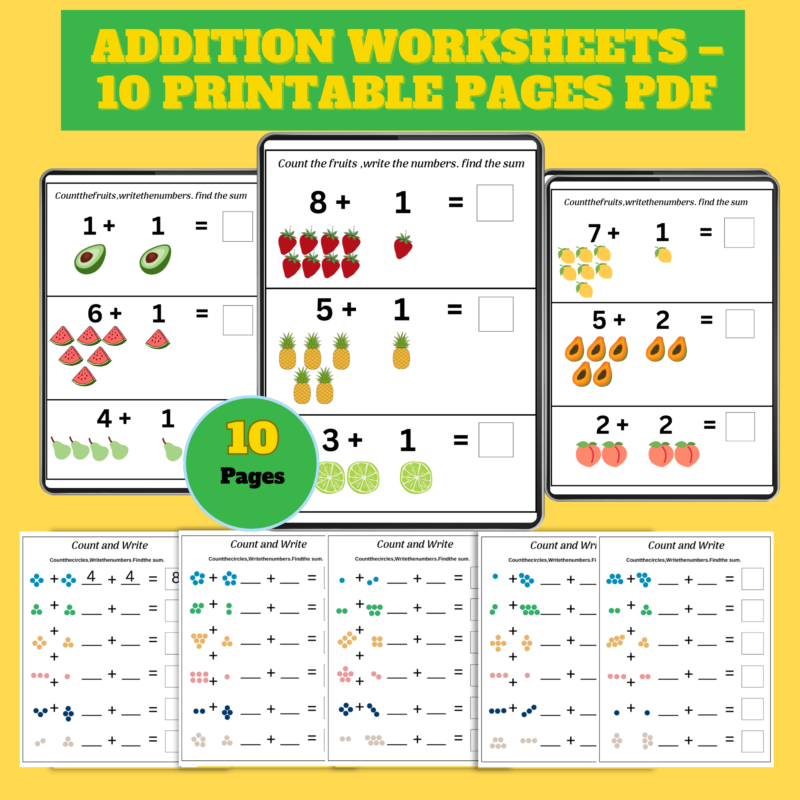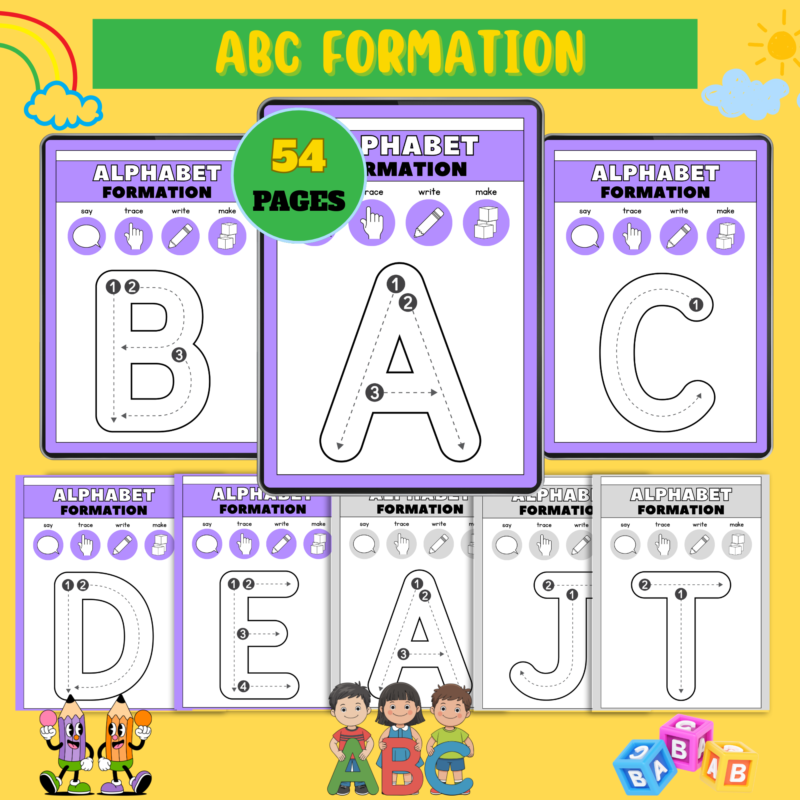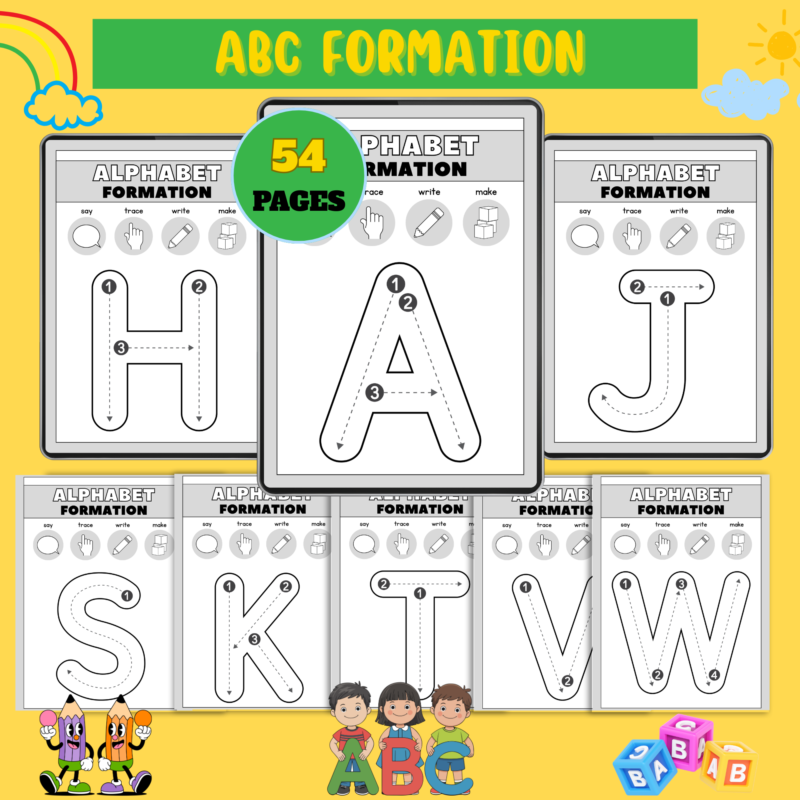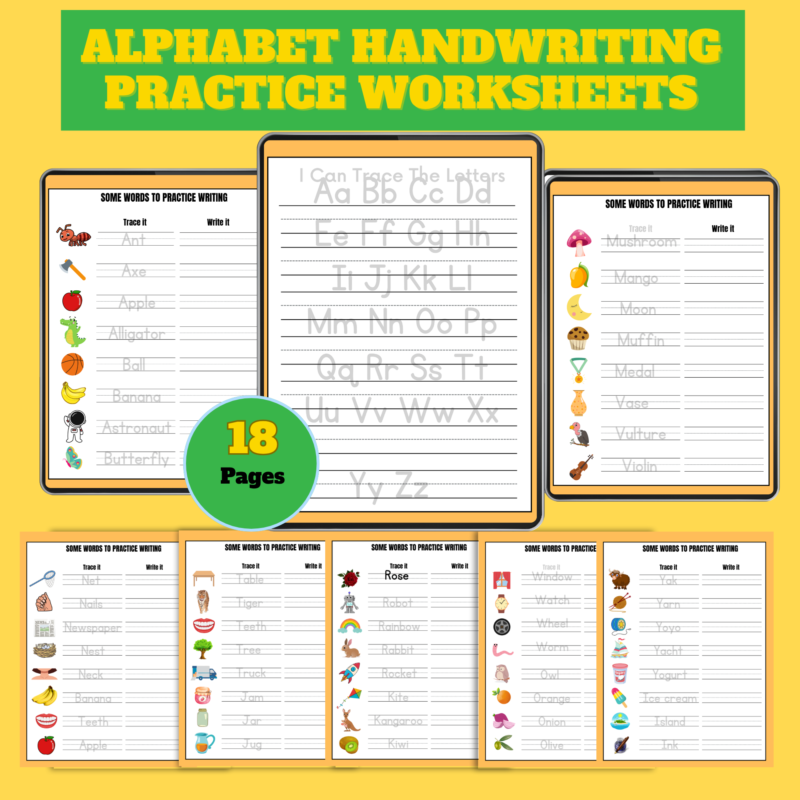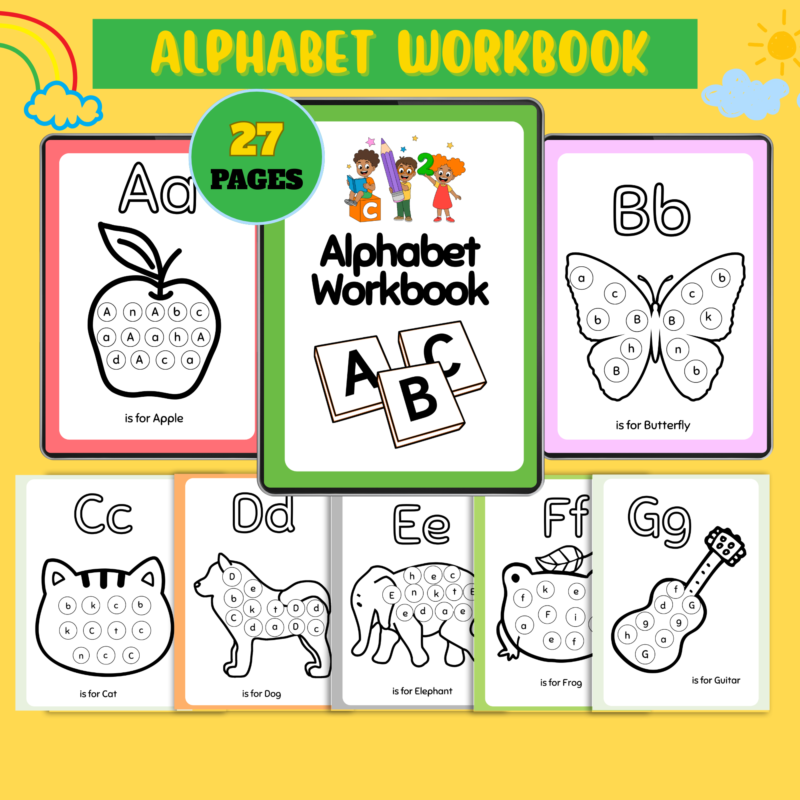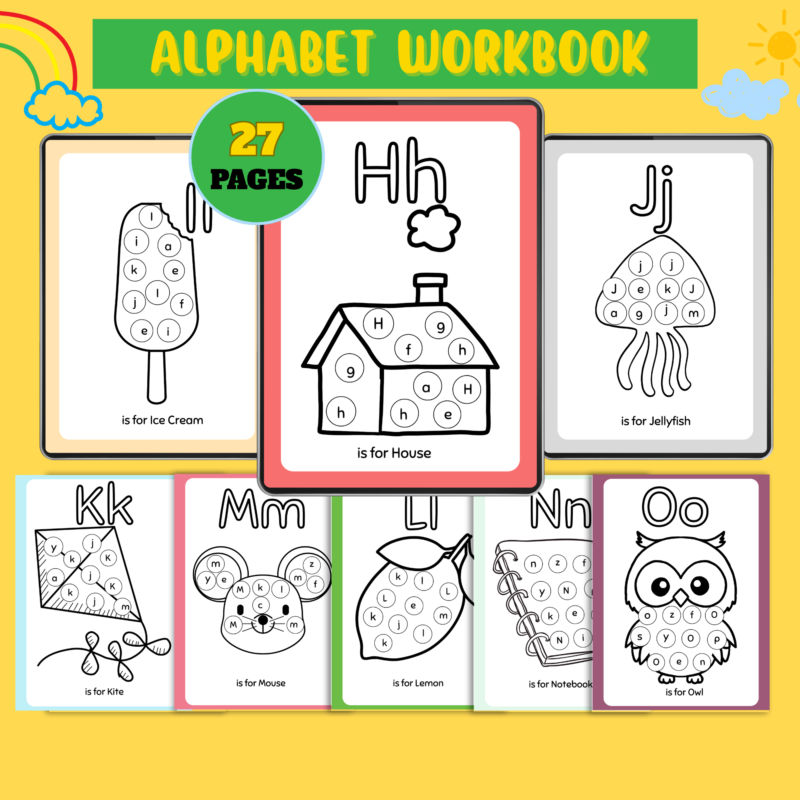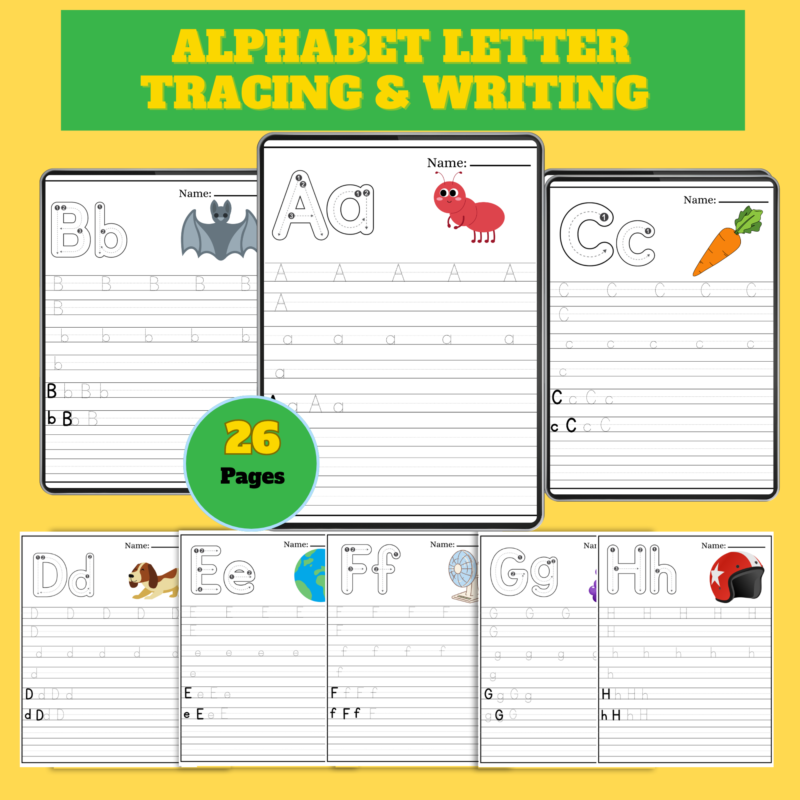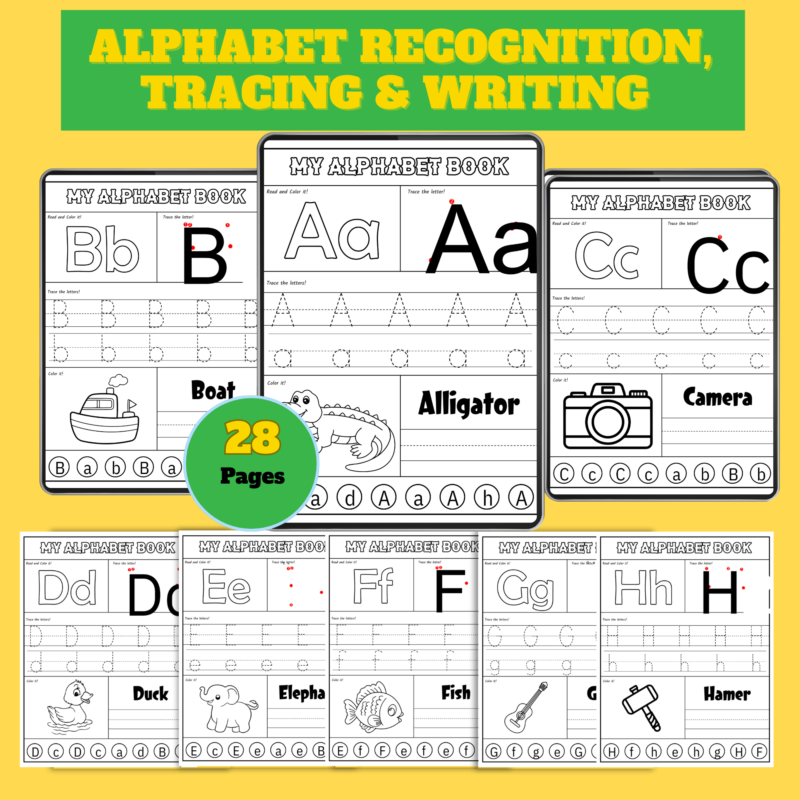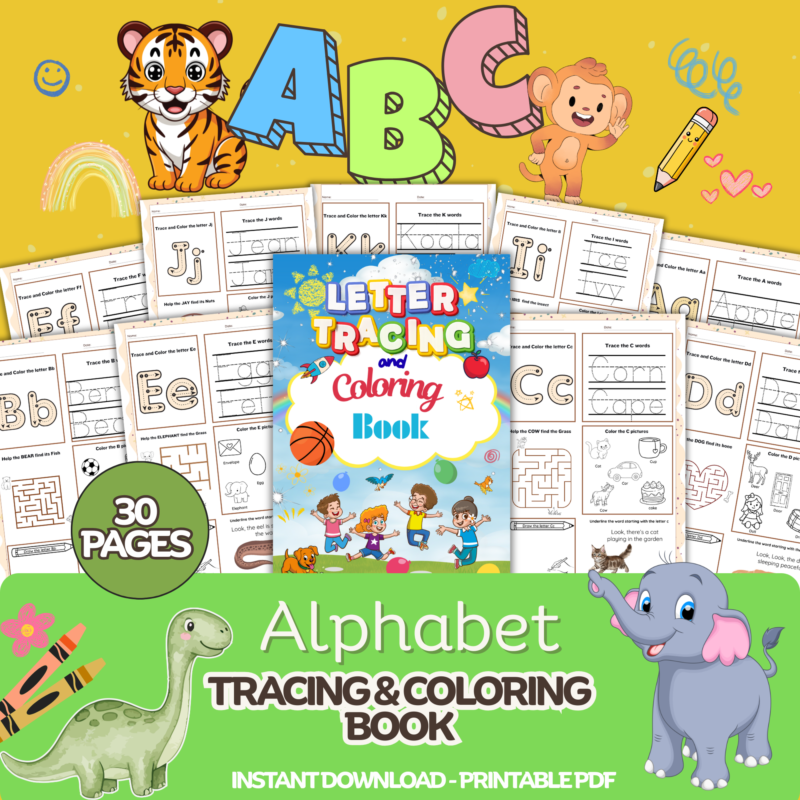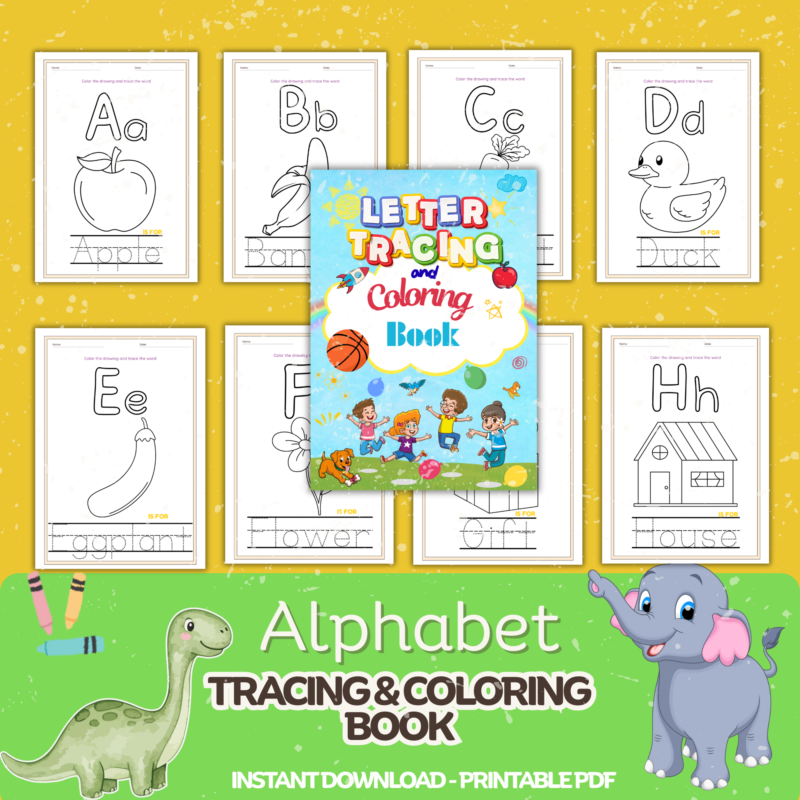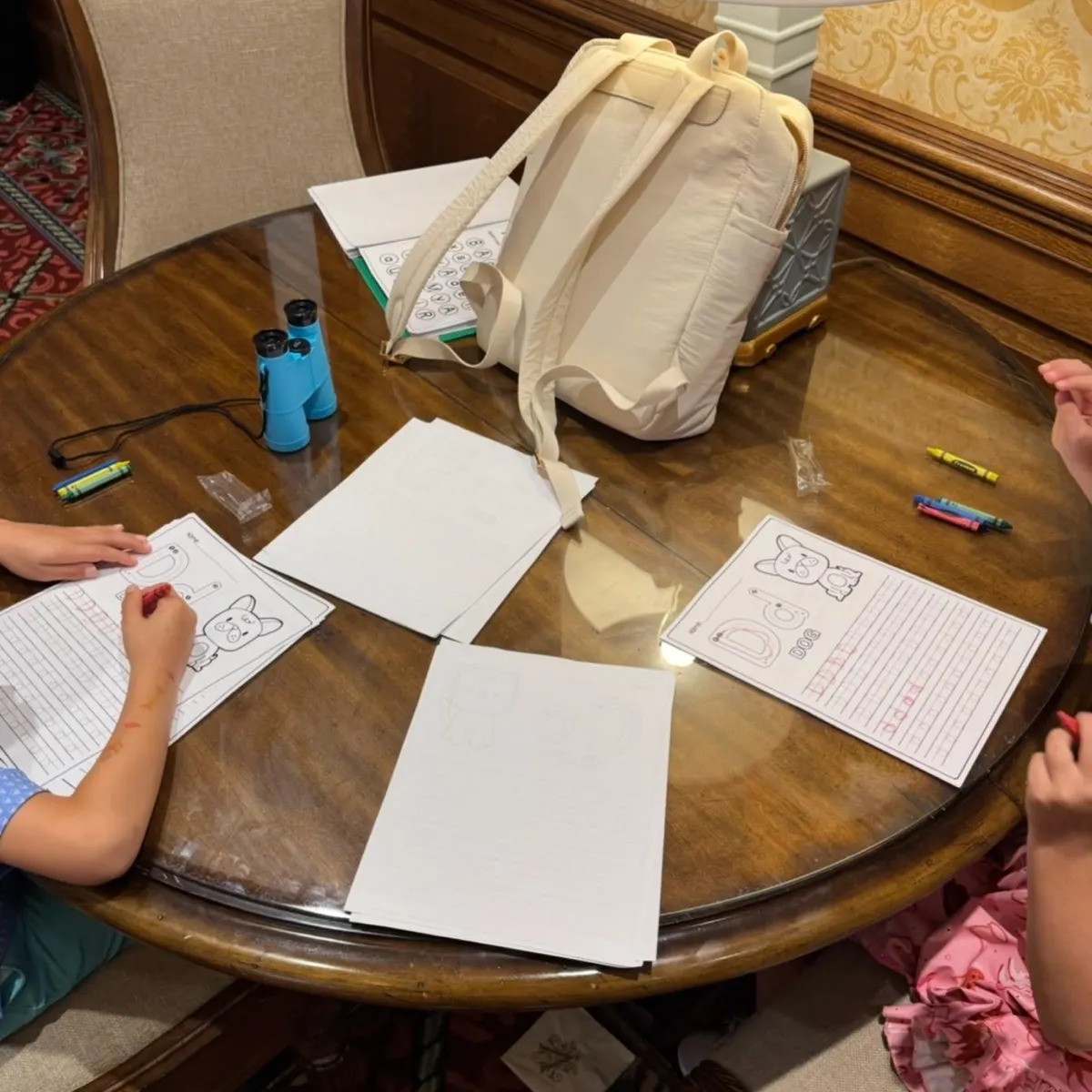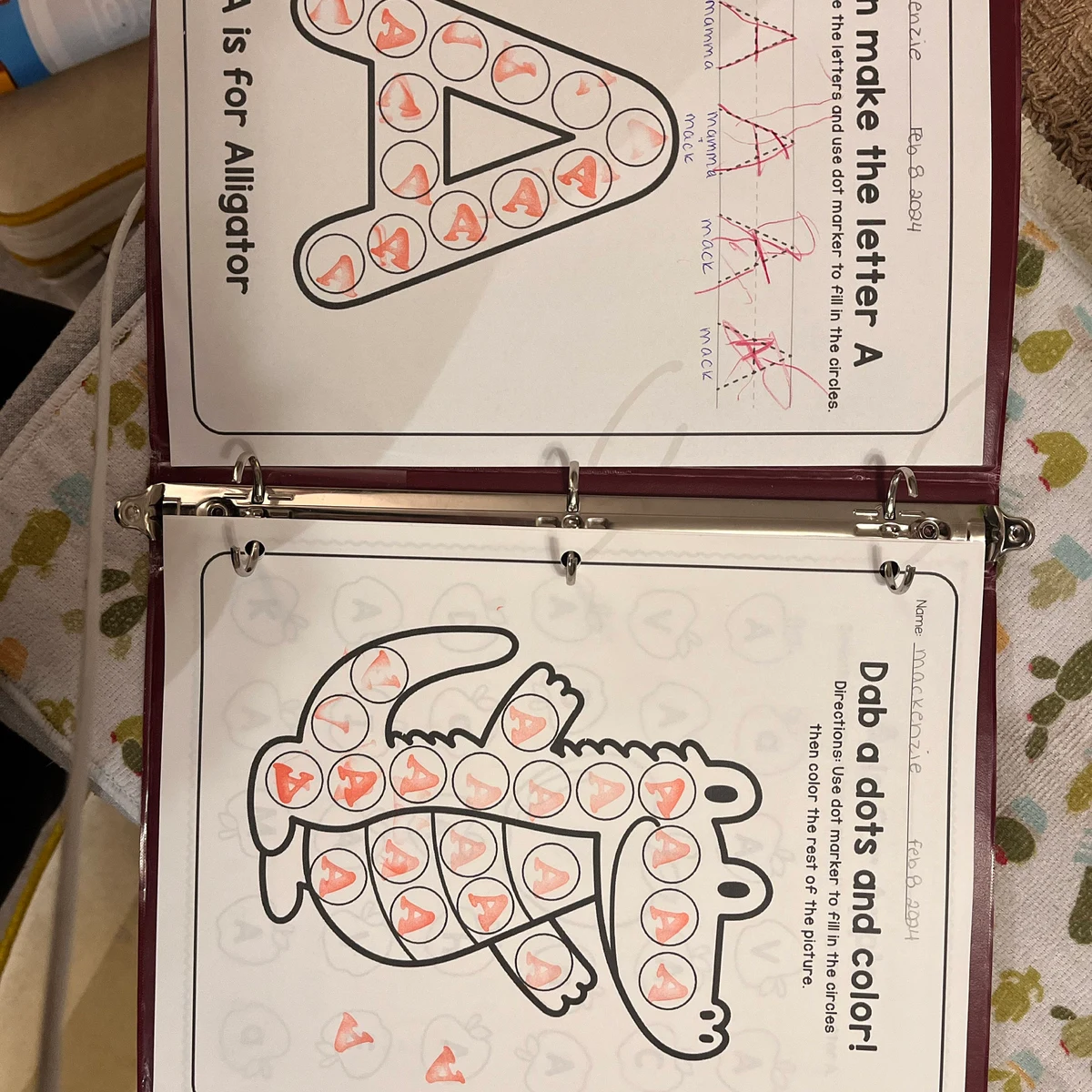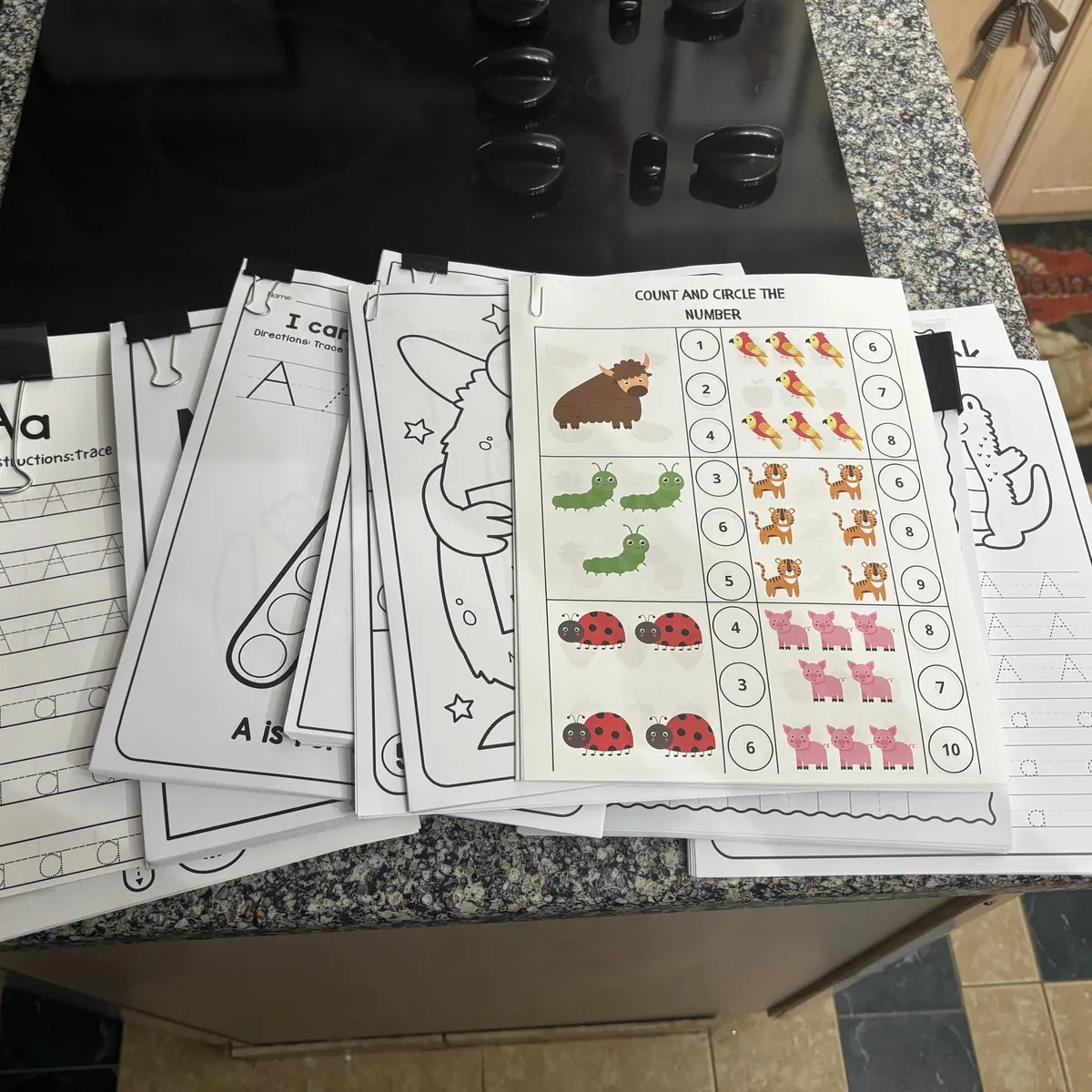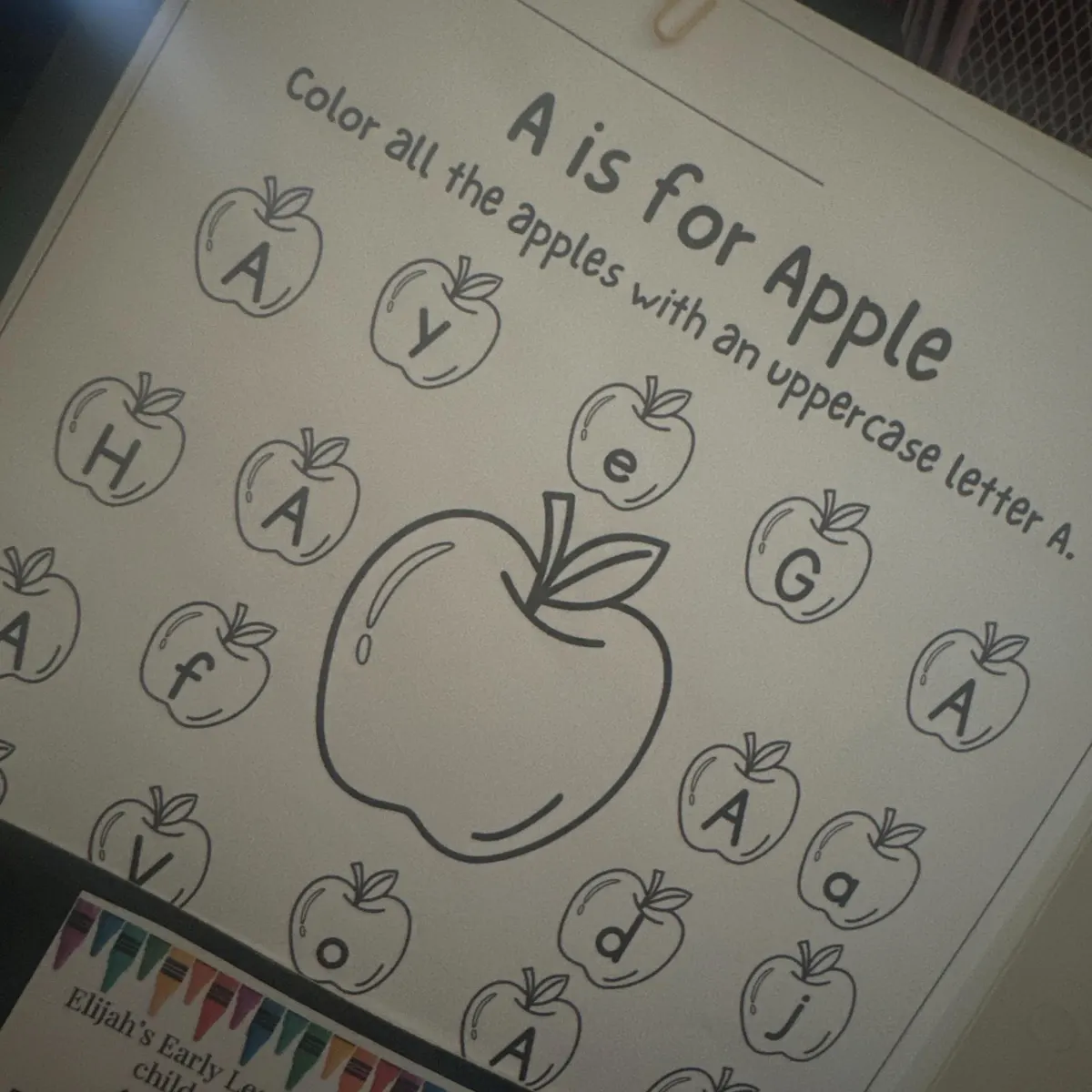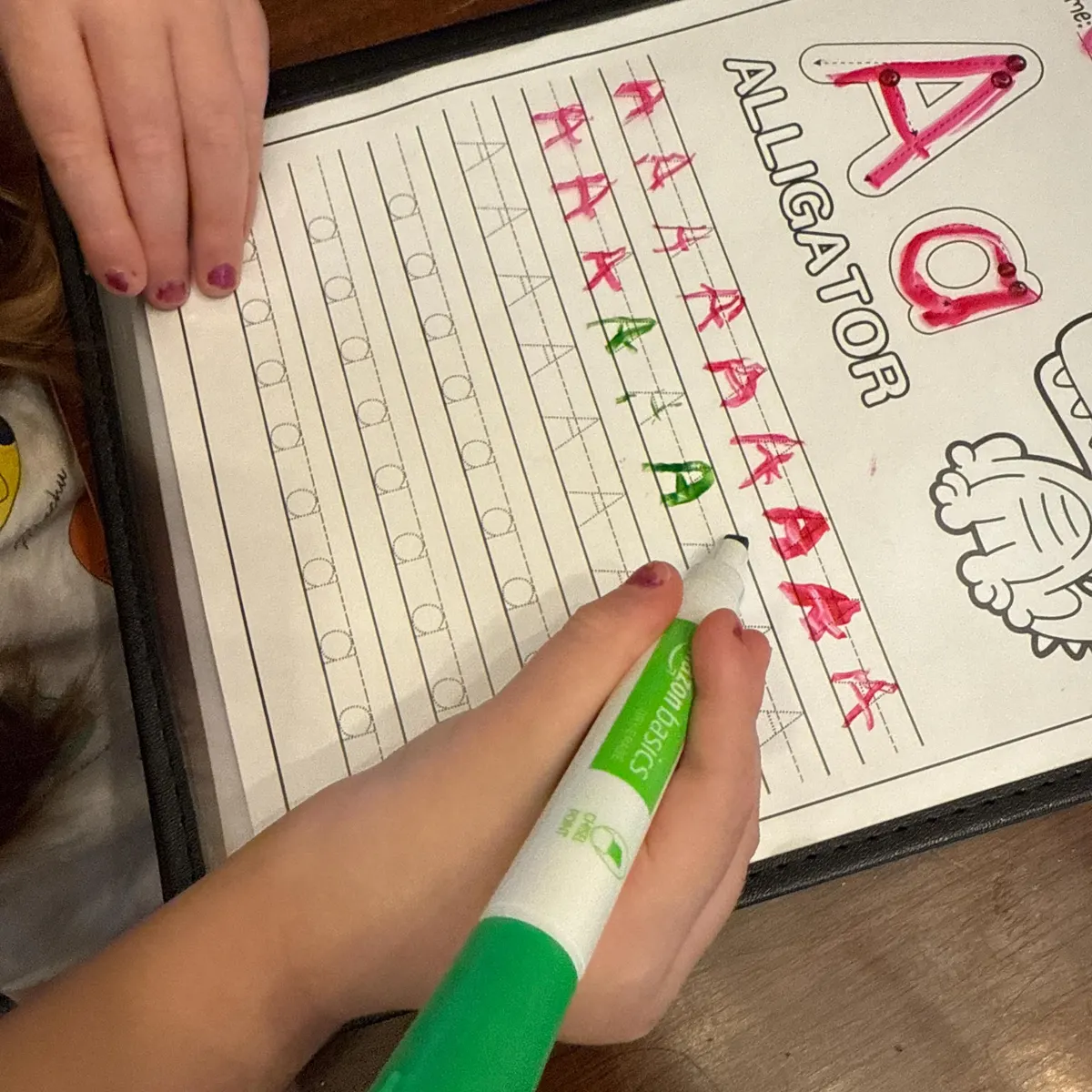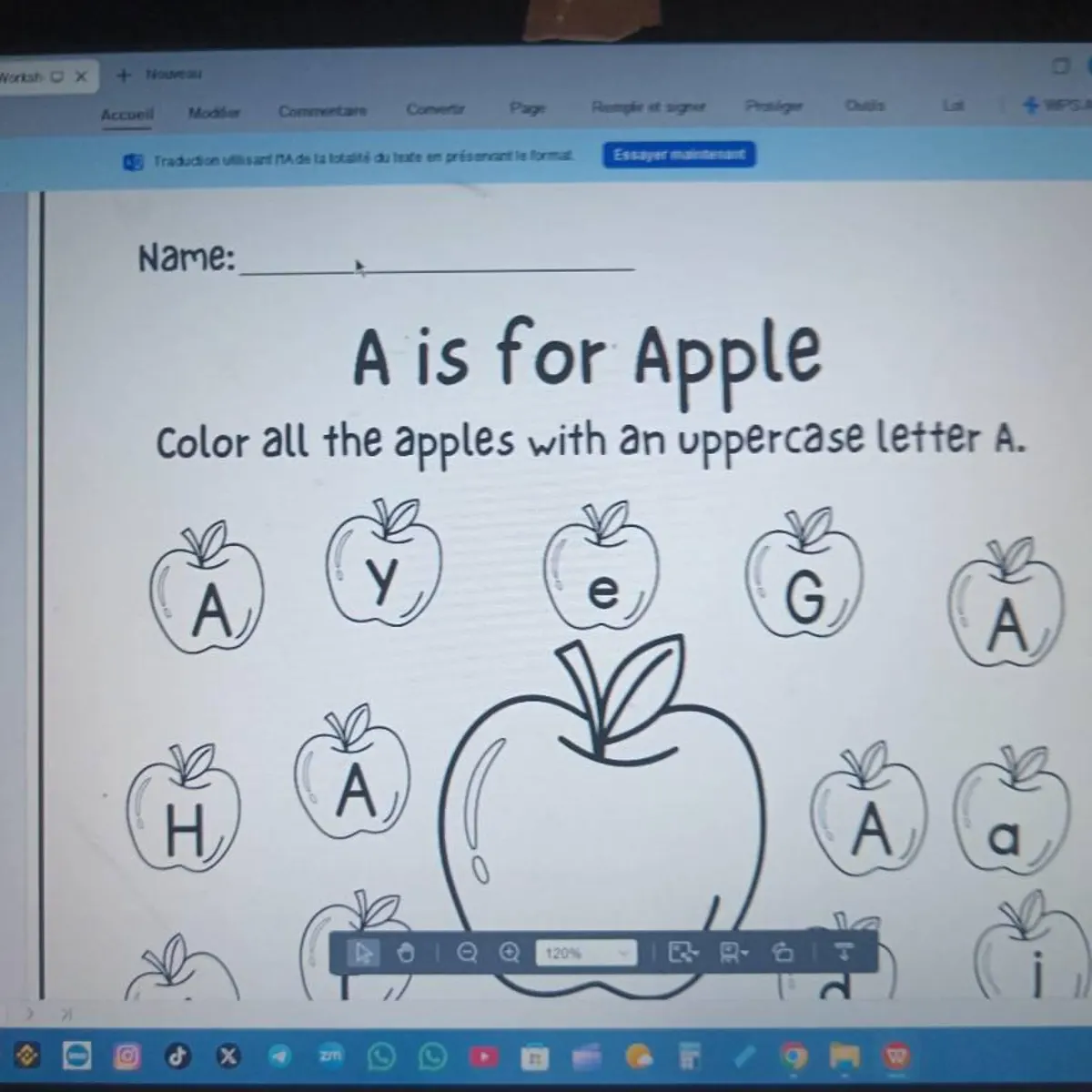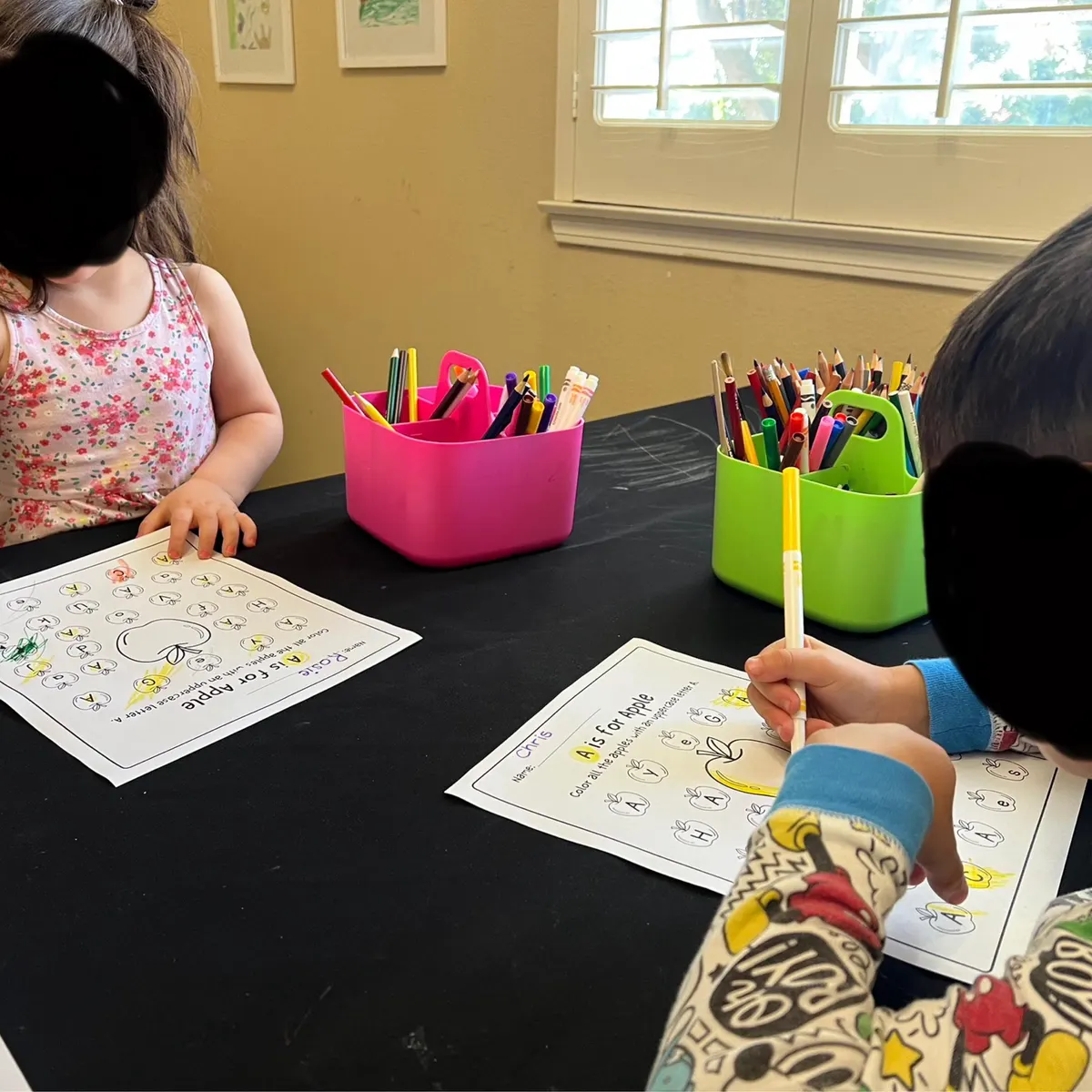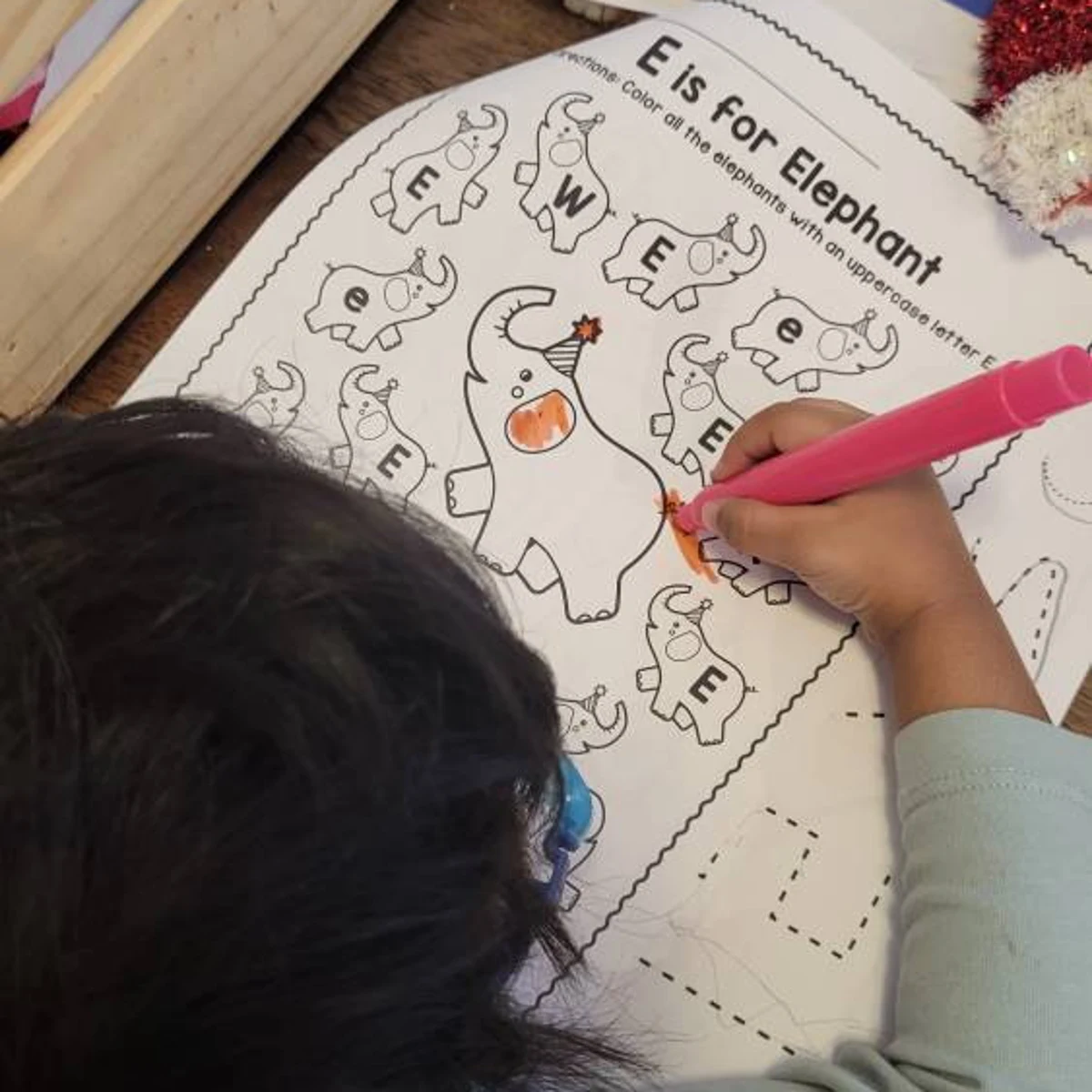
Free A-Z Letter Tracing Worksheets, A-Z Letter Tracing Sheets, and A-Z Letter Tracing Worksheets PDF designed for preschool and kindergarten learners. These fun printable tracing activities help children improve handwriting, alphabet recognition, pencil control, fine motor skills, and writing confidence through engaging uppercase and lowercase tracing practice perfect for classroom, homeschool, and daily learning routines.

Subtraction Worksheets Kindergarten Kids Enjoy

0
Subtraction Worksheets Kindergarten Kids Enjoy

A child has five strawberries on a page, crosses out two, and suddenly sees that three are left. That small moment is the heart of early subtraction. The best subtraction worksheets kindergarten children use turn a new math idea into something they can see, touch, count, and explain.

For young learners, subtraction is not about memorizing facts quickly. It is about understanding that when some objects are taken away, the amount gets smaller. Friendly, picture-based practice gives children a calm way to build that understanding before they move on to written equations.

Why Kindergarten Subtraction Practice Matters

Kindergarteners are developing number sense, or the ability to understand what numbers mean. When children count a group of objects, remove a few, and count what remains, they connect a number sentence such as 5 – 2 = 3 to a real action. This makes subtraction much easier to remember later.

Regular practice also supports several skills at once. Children strengthen one-to-one counting as they touch or point to each picture. They learn to recognize numerals, notice quantities, and use math words such as take away, minus, left, fewer, and equals. Completing a simple page can also build pencil control, focus, and confidence with independent work.

The goal is not to hand a child a large stack of problems. A few well-chosen pages, used alongside conversation and hands-on play, can make a bigger difference than a rushed worksheet session.

What Makes Subtraction Worksheets Kindergarten-Ready?

A worksheet that works well for an older child may feel confusing for a kindergartener. Early subtraction pages should be visually clear, limited in scope, and designed around numbers a child can manage without becoming discouraged.

Start with small numbers and familiar pictures

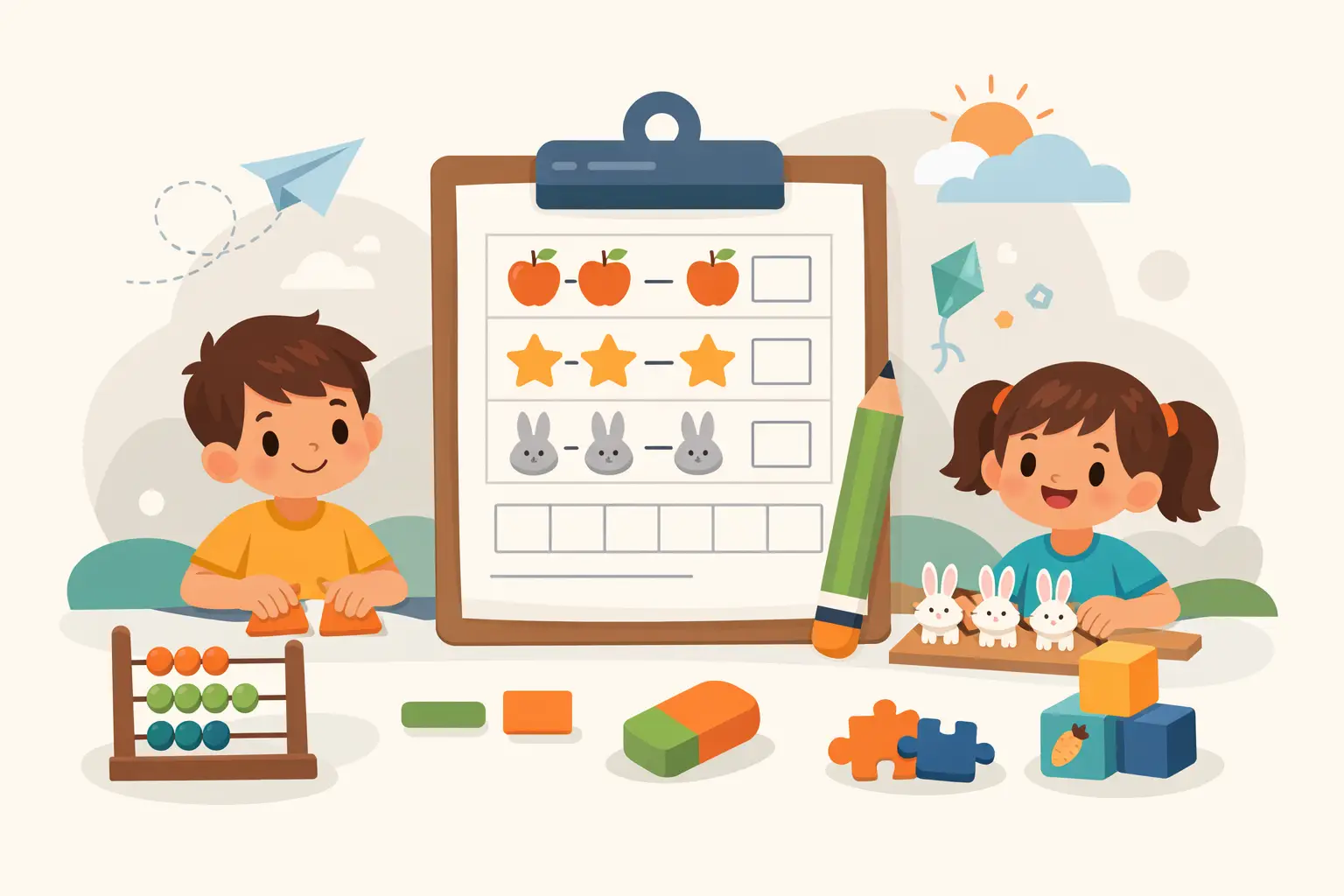
Most kindergarten learners do best beginning with subtraction within 5. Once they can confidently model and solve those problems, they can practice within 10. Pictures of apples, stars, animals, blocks, or simple classroom objects give children a concrete starting point. They can cross out the items being taken away, then count the items left.

Crowded pages can make this harder. Leave plenty of space between problems, use large numerals, and avoid adding decorative elements that compete with the math task. Playful design should invite children in, not distract them from the numbers.

Show the action of taking away

A child may be able to say that 4 – 1 equals 3 without understanding why. Visual subtraction helps fill that gap. Look for activities that ask children to cross out pictures, color the remaining objects, draw an X over items, or match a picture story to an equation.

For example, a page might show six fish with two swimming away. A child can mark the two fish that left, count the four still in the bowl, and write the answer. That sequence makes the meaning of the minus sign much more memorable.

Include more than one way to respond

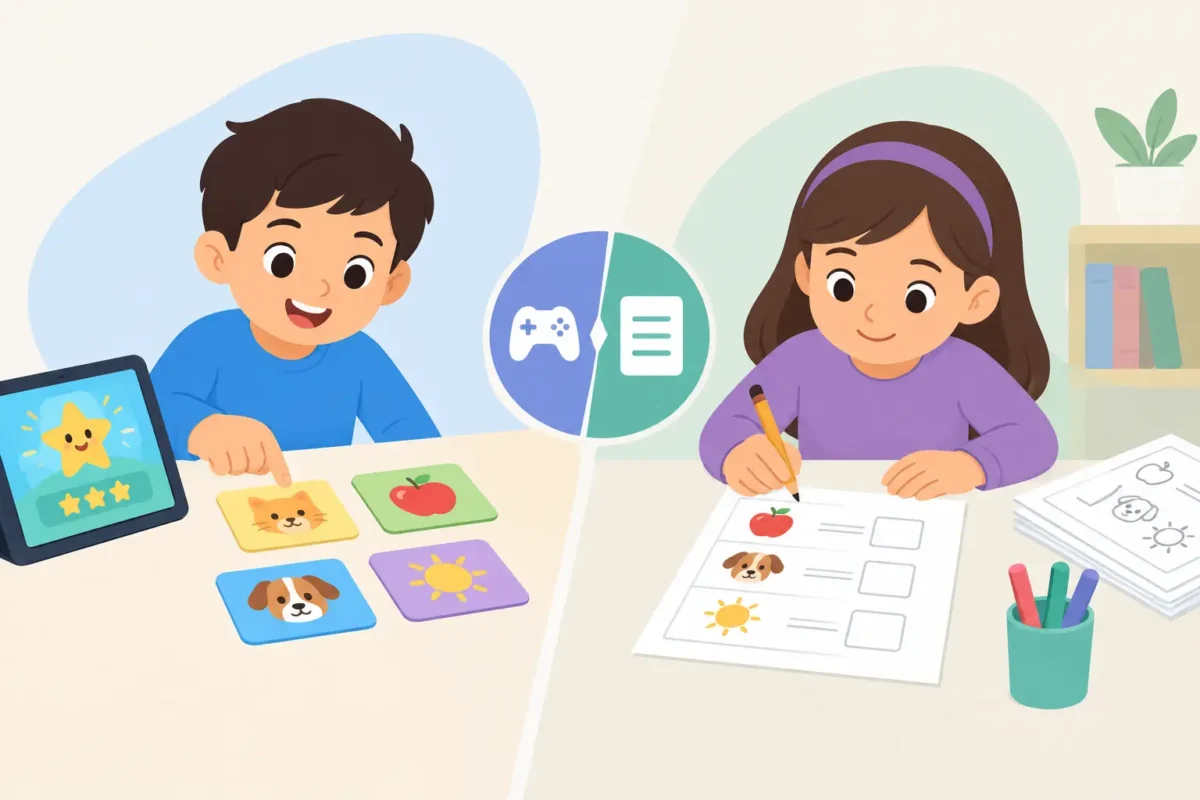
Children show their learning in different ways. Some are ready to write the missing answer. Others need to circle a group, draw a line to a matching equation, or use counters on top of the page before writing anything down.

A useful printable collection offers a gentle progression: picture subtraction first, then picture-and-number equations, then simple number sentences. This lets adults meet children where they are instead of expecting every learner to work at the same pace.

A Simple Way to Teach Each Page

Worksheets are most effective when they follow a quick mini-lesson. You do not need a complicated plan or a long math block. Five to ten focused minutes is often enough for a young child.

Begin with a small set of real objects such as buttons, toy cars, crayons, or snack crackers. Place five objects in front of the child and say, “We have five. If two go away, how many are left?” Let them physically move two items aside and count the group that remains.

Next, point to a similar problem on the worksheet. Ask the child what they notice in the picture and what the minus sign tells them to do. Encourage them to cross out the objects that are taken away before counting the ones left. Finally, have them say the full number sentence aloud: “Five take away two equals three.”

This talk matters. If a child writes the right answer but cannot explain the action, give them more chances to model it with objects. If they can explain it clearly but reverse a numeral while writing, the math idea may be solid and the handwriting simply needs more practice.

Keep Practice Fun Without Making It Too Easy

A cheerful page can turn math practice into a welcome part of the day, especially when the activity has a small purpose. Try using a completed worksheet as a warm-up before centers, a quiet-time activity, a homeschool math page, or a quick check-in after a hands-on lesson.

You can add simple variety without changing the skill. Use crayons to cross out pictures one day, dot markers the next, or small counters placed directly on the pictures. For classroom use, place a few pages in a math center with cubes and pencils. At home, tuck one printable into a learning folder for a short screen-free activity while dinner is being prepared.

Rewards can help, but keep the attention on effort rather than speed. Comments such as “You showed what went away” or “You counted the ones left carefully” teach children what successful math thinking looks like. A child who feels capable is more likely to try the next problem.

Know When to Move Forward

There is no need to rush from pictures to abstract equations. Many kindergarteners benefit from returning to visual models several times, especially after a break or when working with larger numbers. Repetition is helpful when the page format changes slightly but the math idea stays familiar.

A child may be ready for the next step when they can look at a group, remove objects, and tell how many remain without recounting the entire set. They may then begin solving equations with fewer pictures, number lines, or missing-number problems such as 7 – __ = 4.

If subtraction causes frustration, step back instead of adding more pages. Use fewer objects, choose problems within 5, and bring out manipulatives. Sometimes a child understands the concept but loses track while counting. Sometimes they need more practice recognizing numerals. The right support depends on where the confusion begins.

Build a Printable Math Routine That Works

For busy parents and teachers, printable worksheets are most useful when they are ready at the moment you need them. Keep a small folder of subtraction practice sorted by level: pictures within 5, pictures within 10, equations within 5, and equations within 10. That organization makes it easy to choose a page that matches the day’s lesson or a child’s current confidence.

Fun Clever Fox printable PDFs are designed to make that preparation easier, with child-friendly practice that can be printed for home learning, centers, small groups, or extra review. Print a few copies when a child needs repeated practice, or slide a page into a dry-erase sleeve for another turn later.

Use worksheets as one part of a balanced early math routine. Pair them with counting games, story problems, songs, and everyday questions. “There were four cookies and we ate one. How many are left?” is kindergarten subtraction in real life.

The most helpful page is the one that gives a child a genuine “I can do this” moment. Offer one today, sit nearby for the first problem, and let their growing confidence carry the pencil from there.

Leave a Reply

Your email address will not be published. Required fields are marked *