The summer before kindergarten can make even confident parents wonder: Can my child write their name? Will they know what to do when the teacher gives directions? A kindergarten readiness skills guide is helpful because it replaces pressure with a clear picture of the small, everyday abilities that help children feel capable on their first day.
Readiness is not about making a child complete a long checklist or expecting them to sit still for hours. Children grow at different rates, and kindergarten teachers expect a wide range of abilities. The goal is to give your child playful, repeated practice with foundational skills so school feels familiar, manageable, and exciting.
What Kindergarten Readiness Really Means
Kindergarten readiness includes early academic skills, but it also includes social, emotional, physical, and self-help development. A child who can recognize letters but cannot ask for help may need support just as much as a child who is still learning to count to 10.
Think of readiness as confidence in a new routine. Children benefit from knowing how to listen to a short direction, try a task, handle simple supplies, and recover when something feels tricky. Those habits make it easier for them to use the reading and math skills they are building.
It also depends on your child’s age, personality, and school setting. Some kindergarten programs expect children to work independently for longer stretches, while others build more time for play and movement. If your child is not yet doing every skill below, that does not mean they are behind. It simply gives you a friendly place to focus your practice.
Kindergarten Readiness Skills Guide: The Core Areas
Early literacy and language
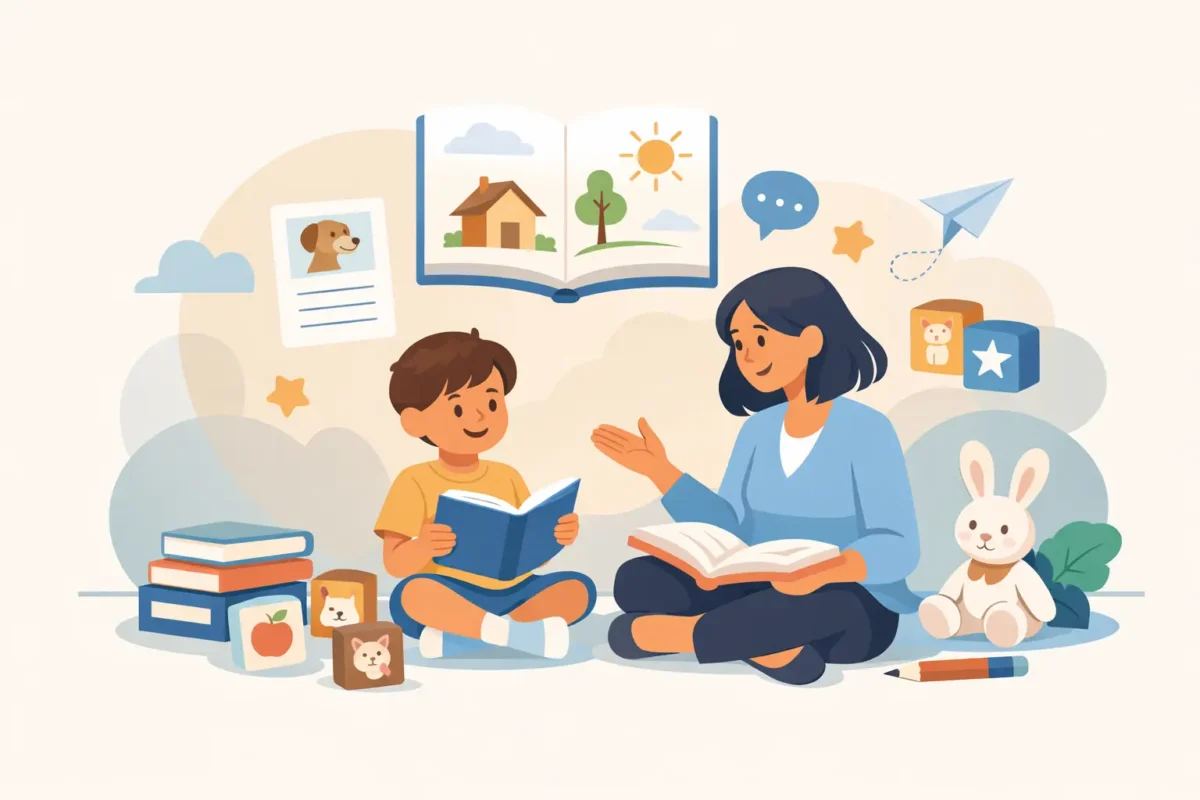
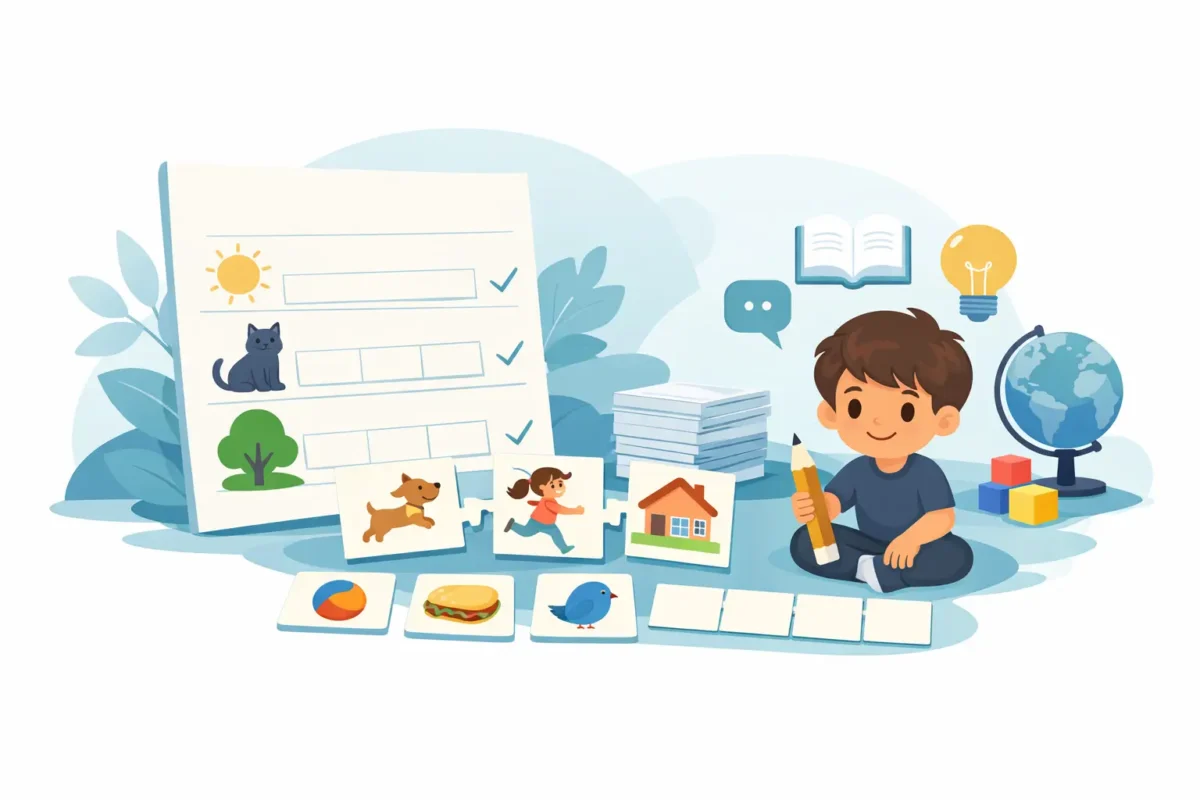
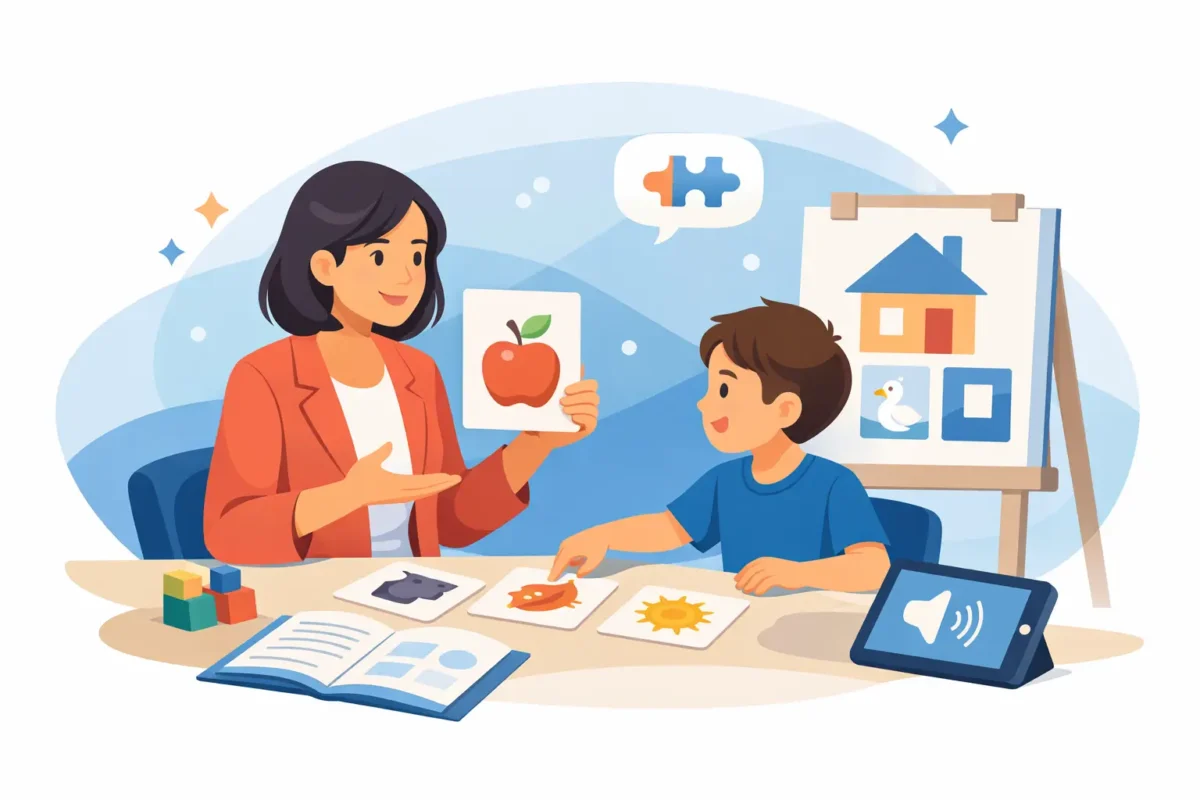
Before children become readers, they need to understand that print carries meaning and that words are made of sounds. Start with simple, joyful activities: read aloud every day, point to the title and author, talk about what might happen next, and invite your child to retell a favorite part of the story.
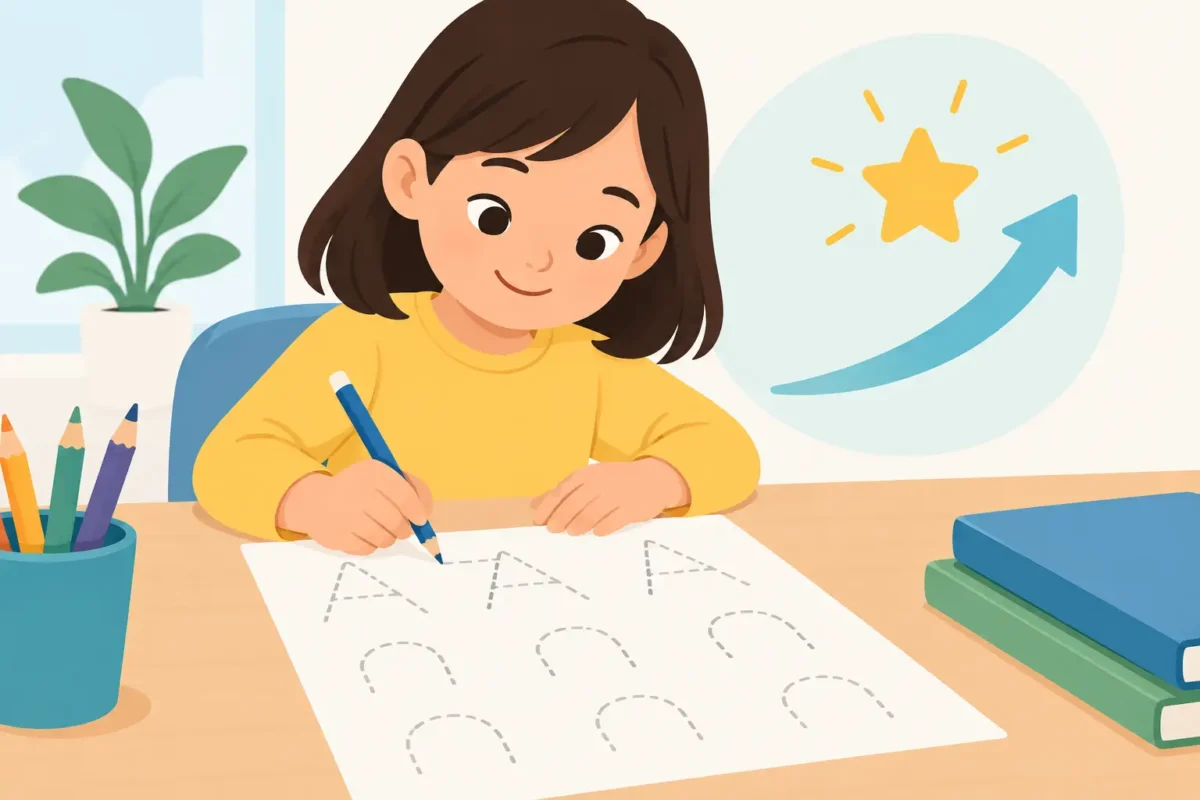
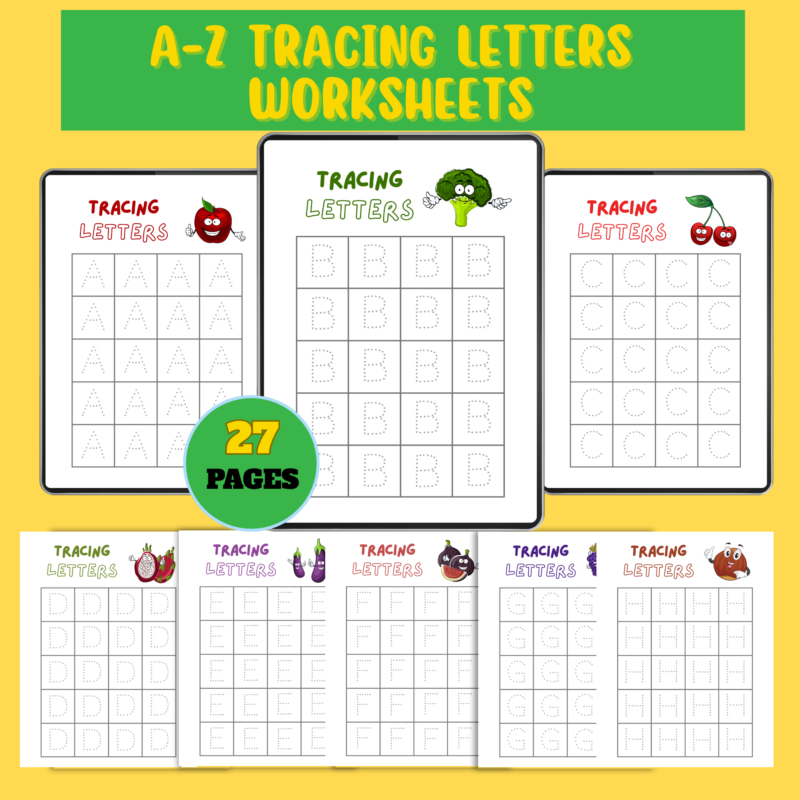
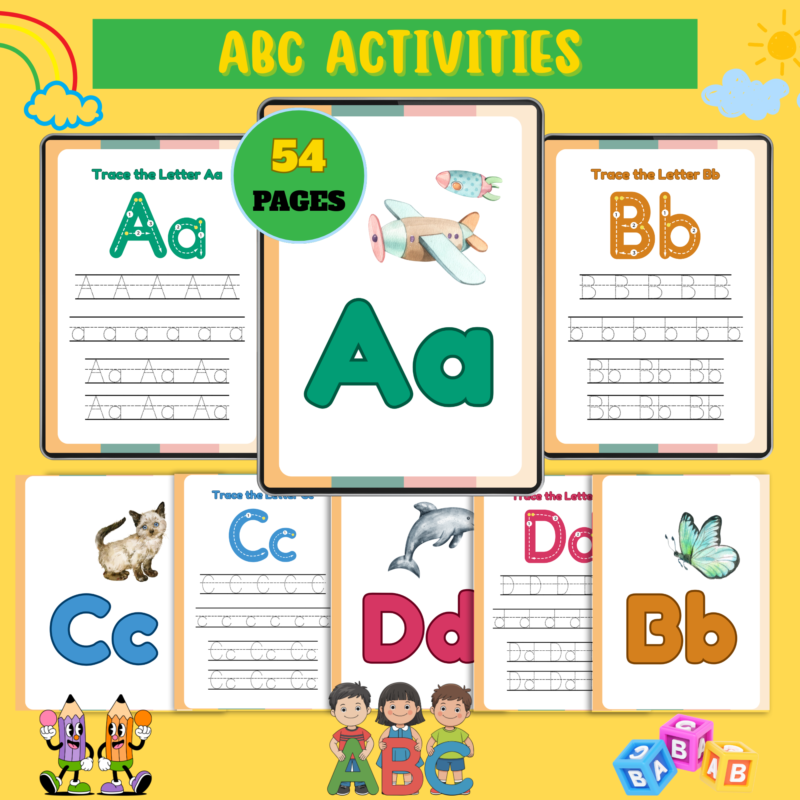
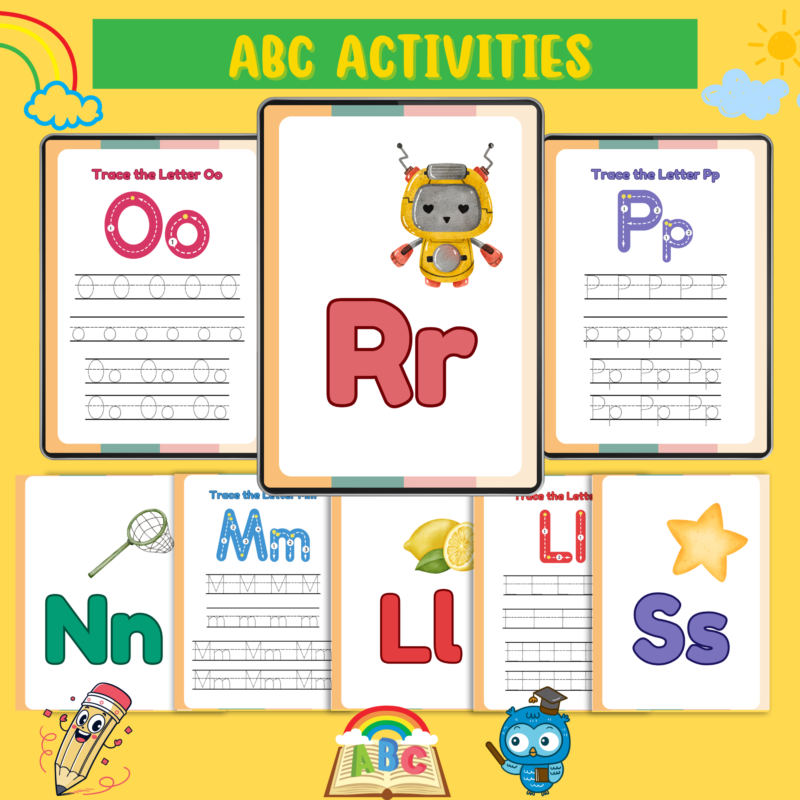
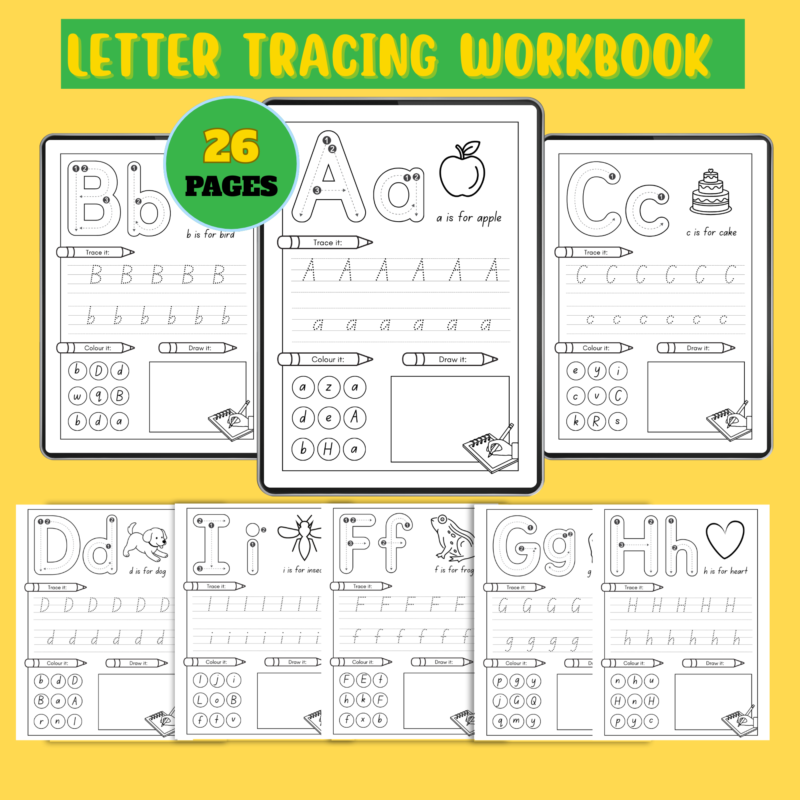
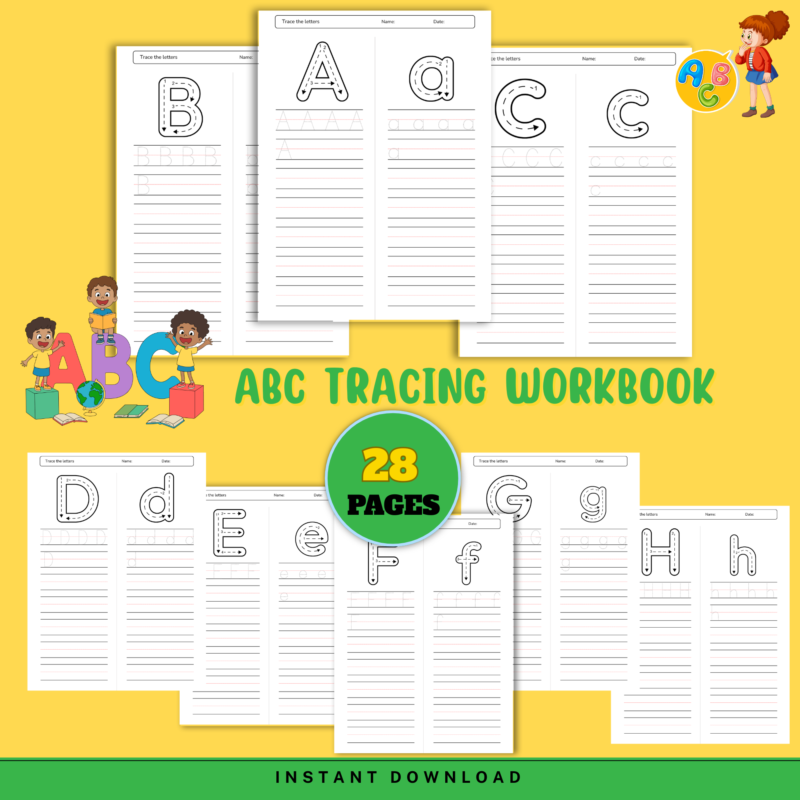
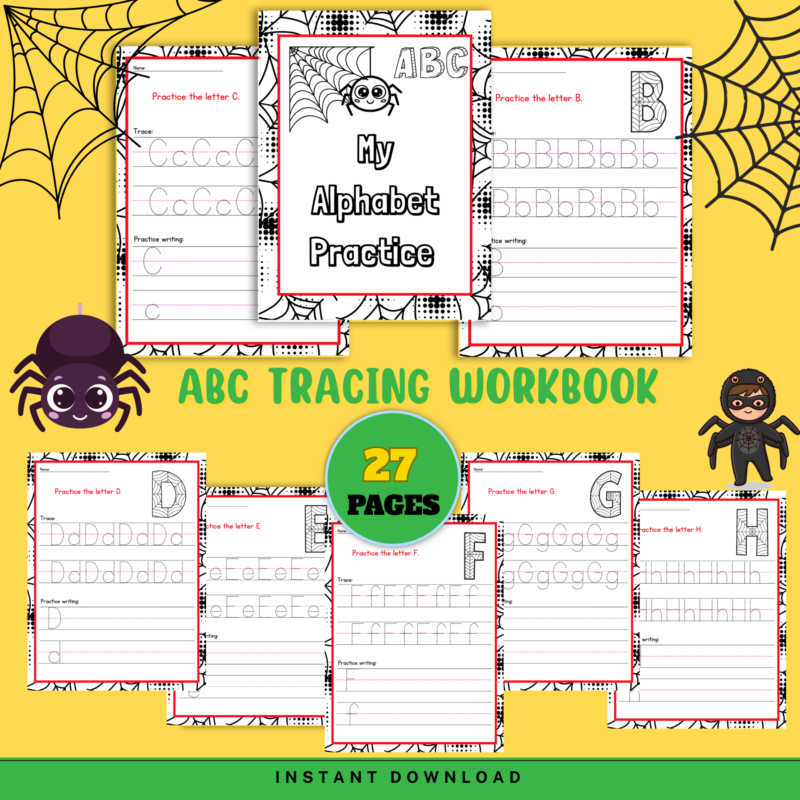
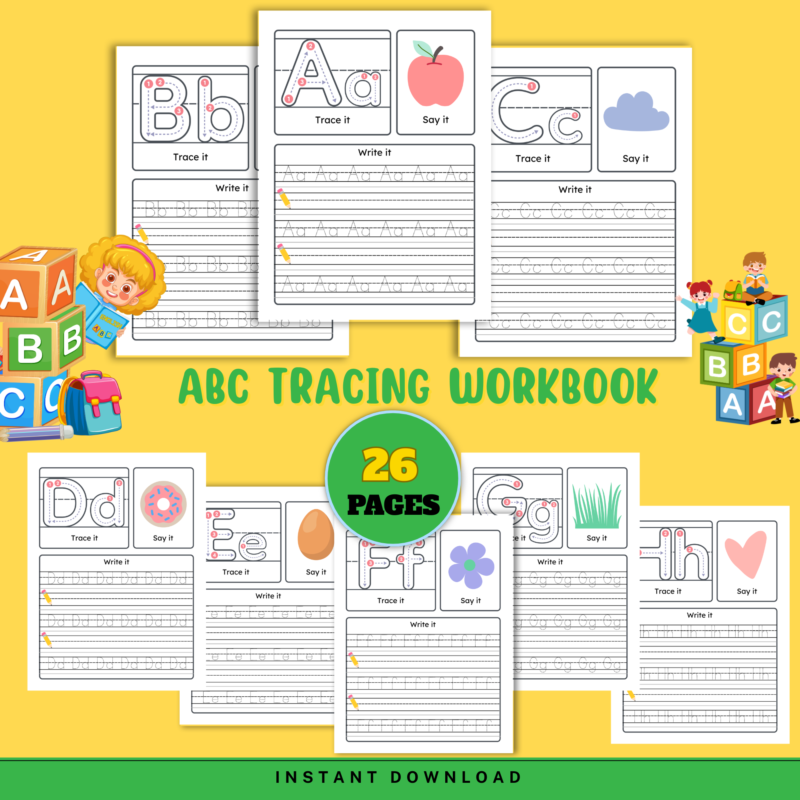
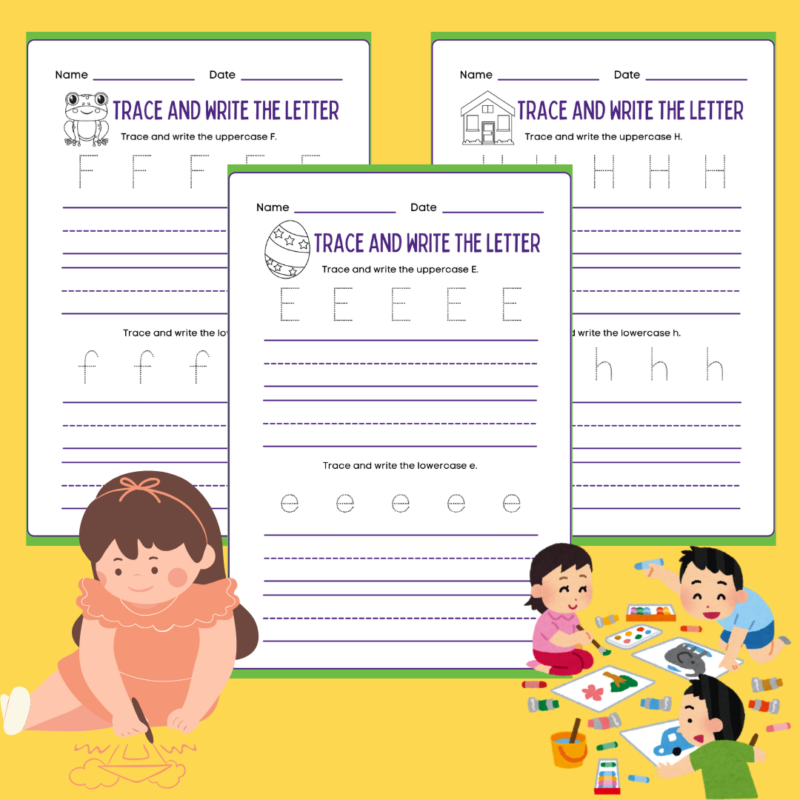
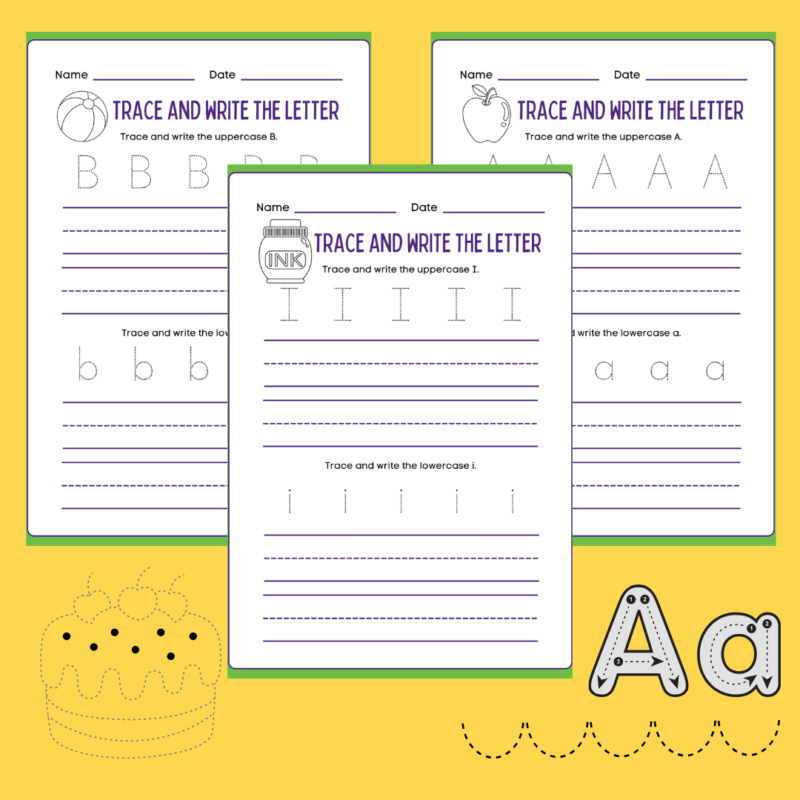
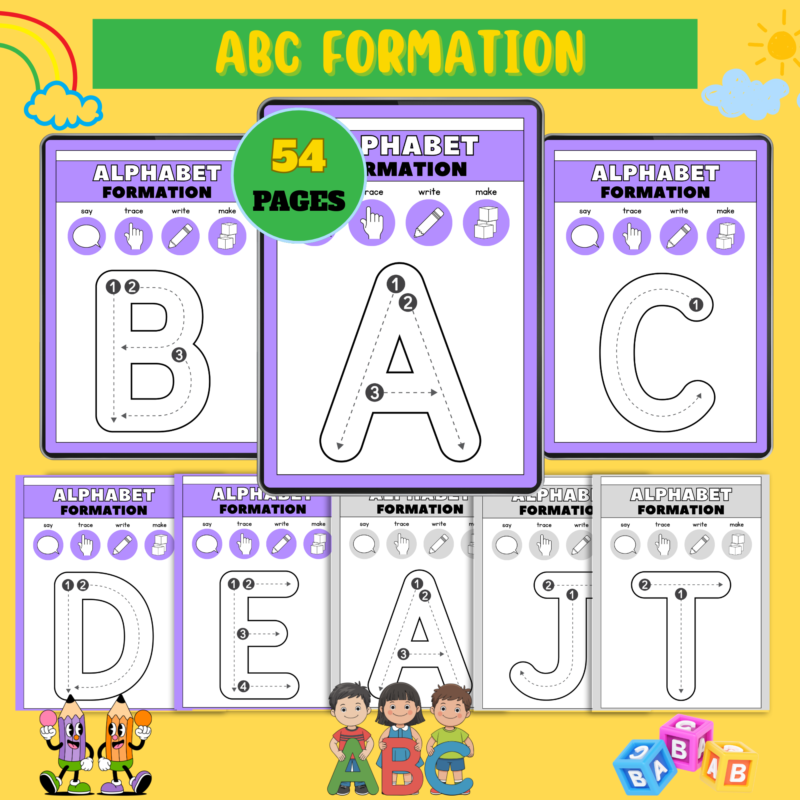
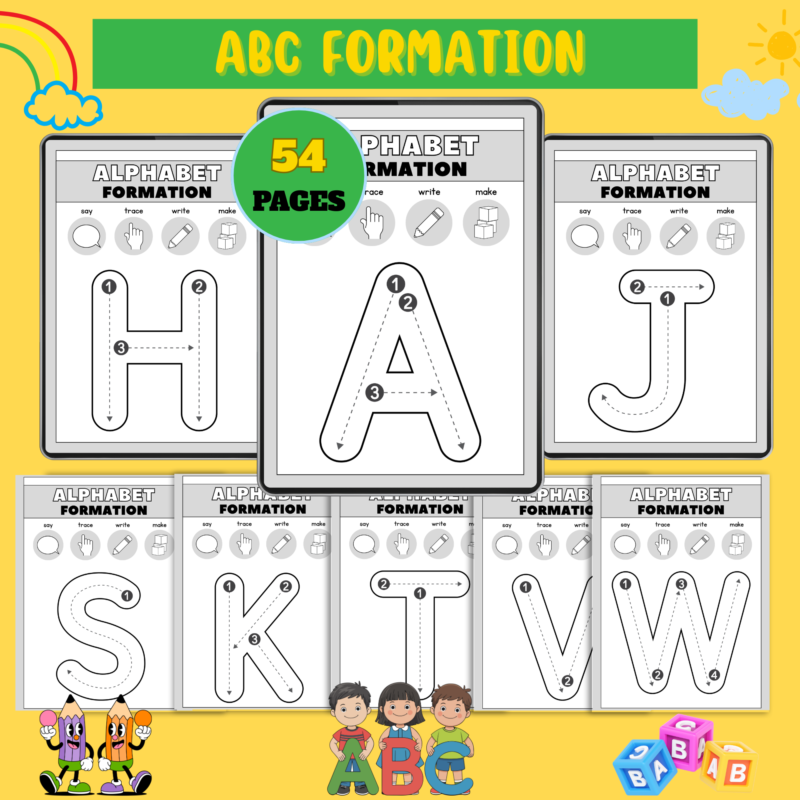
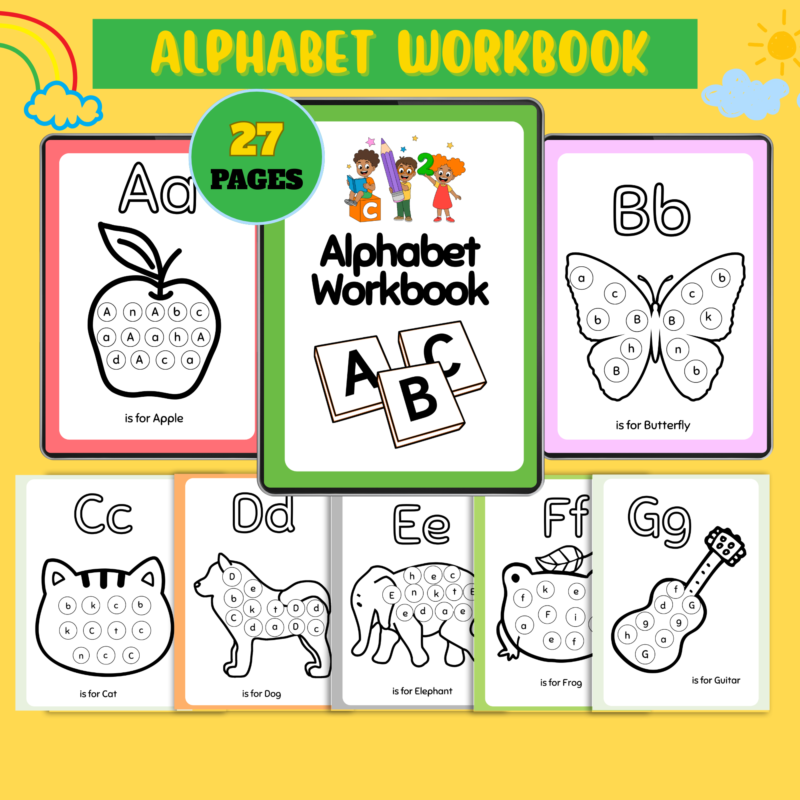
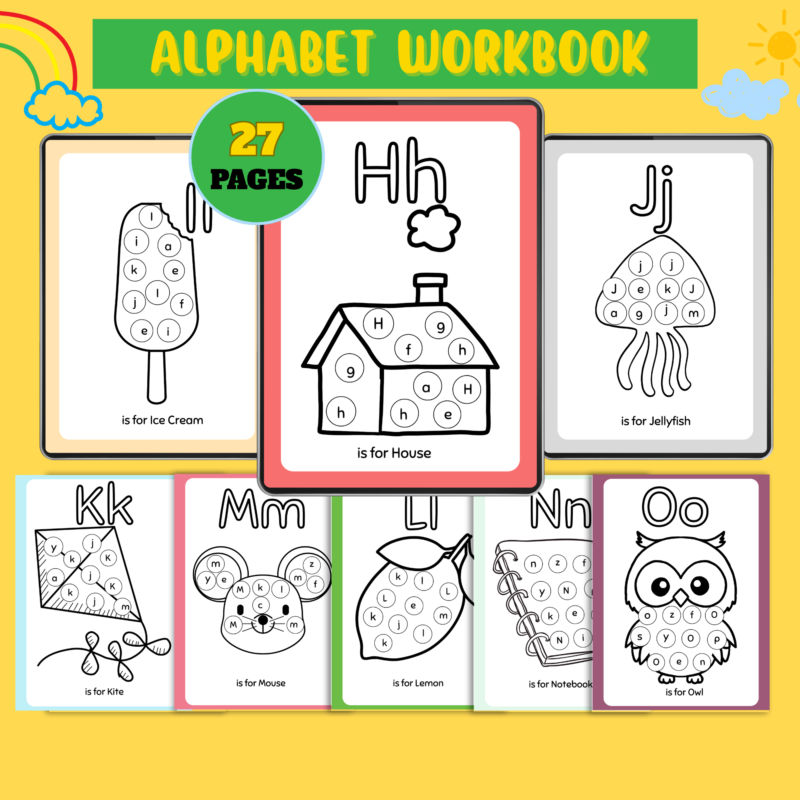
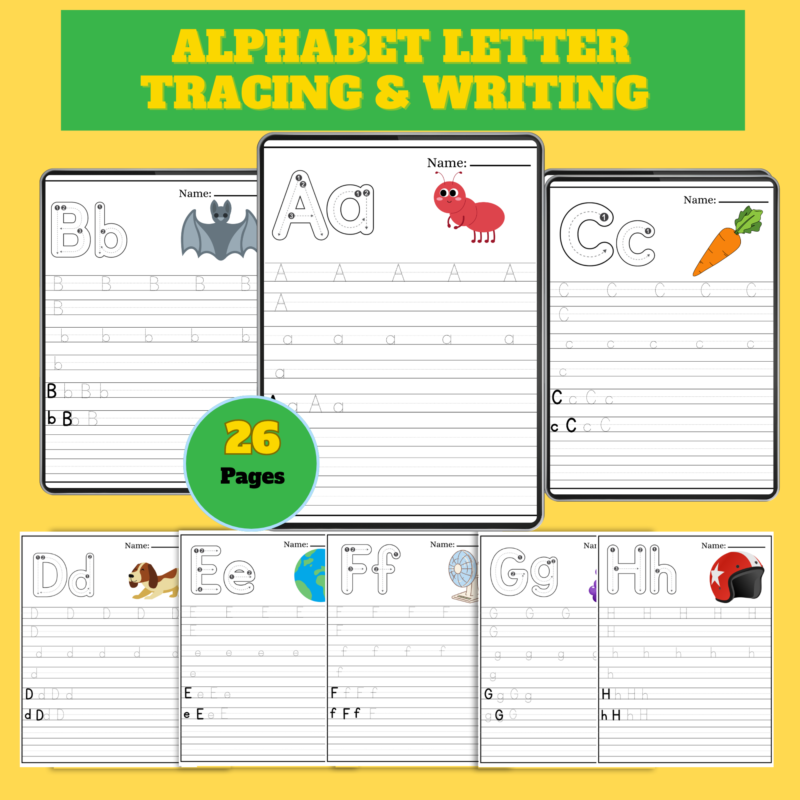
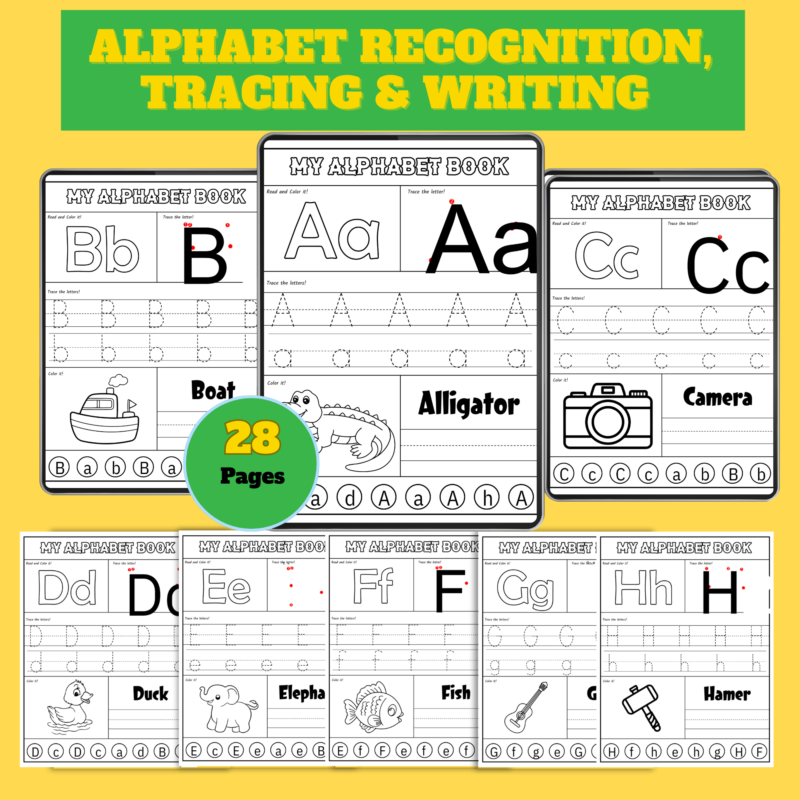
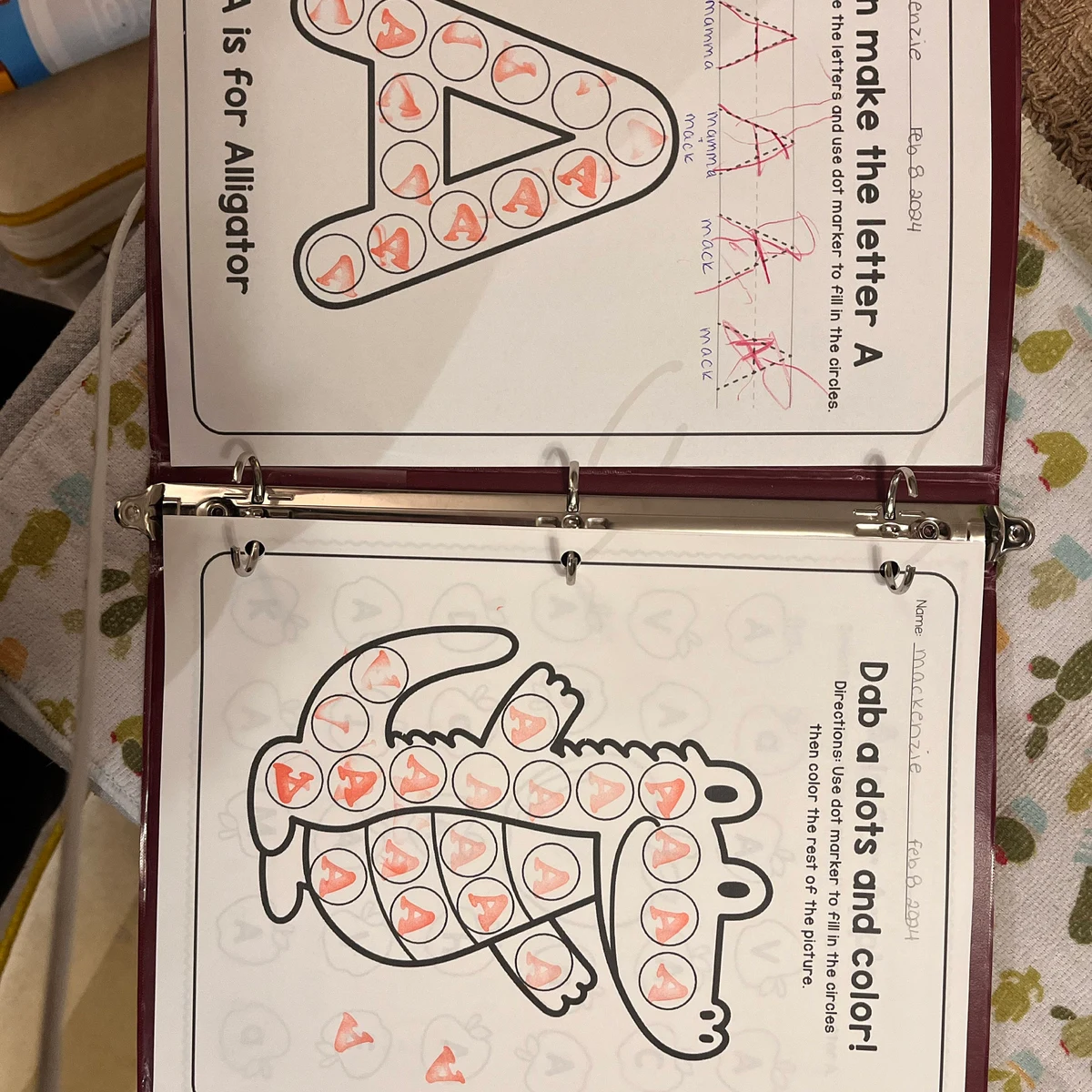
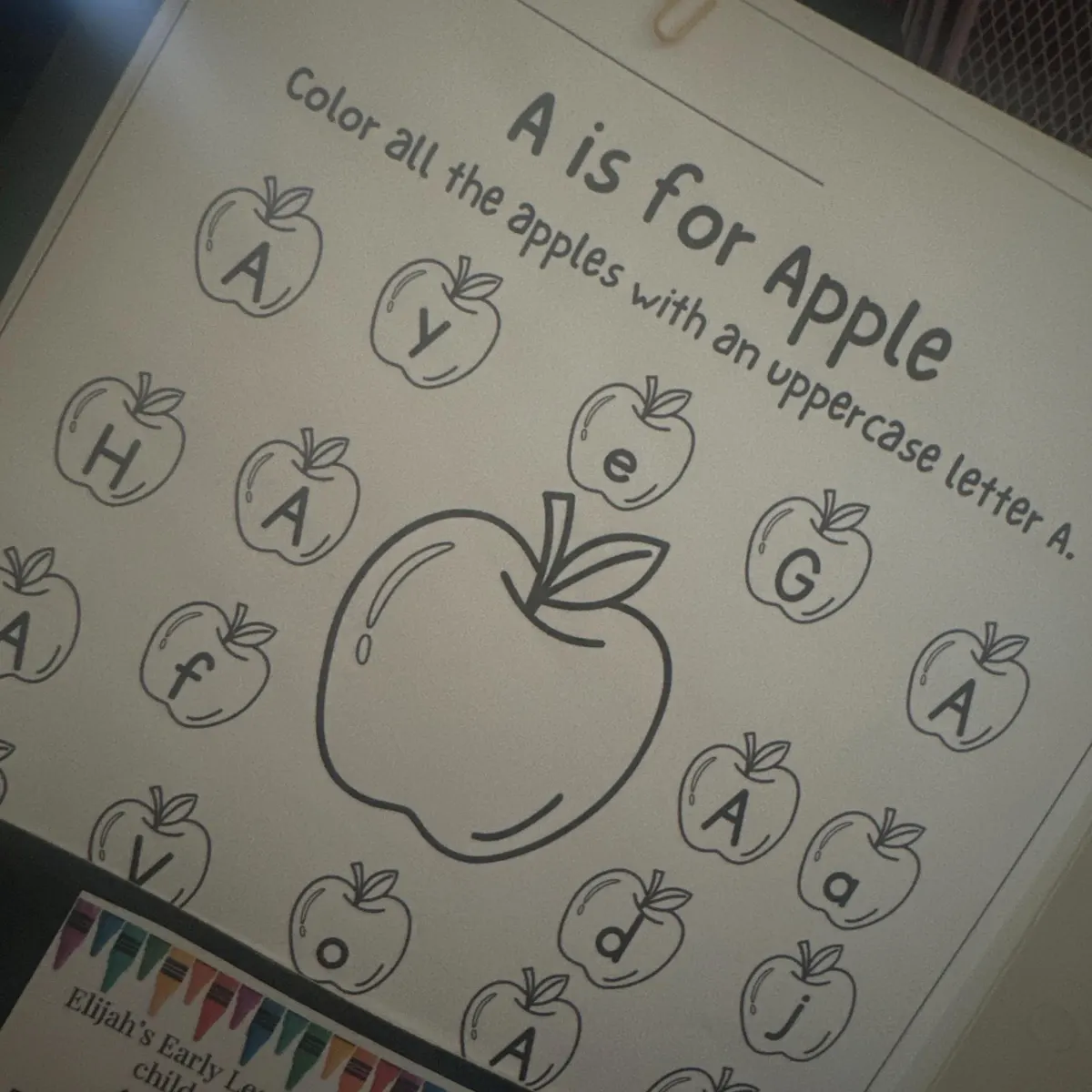
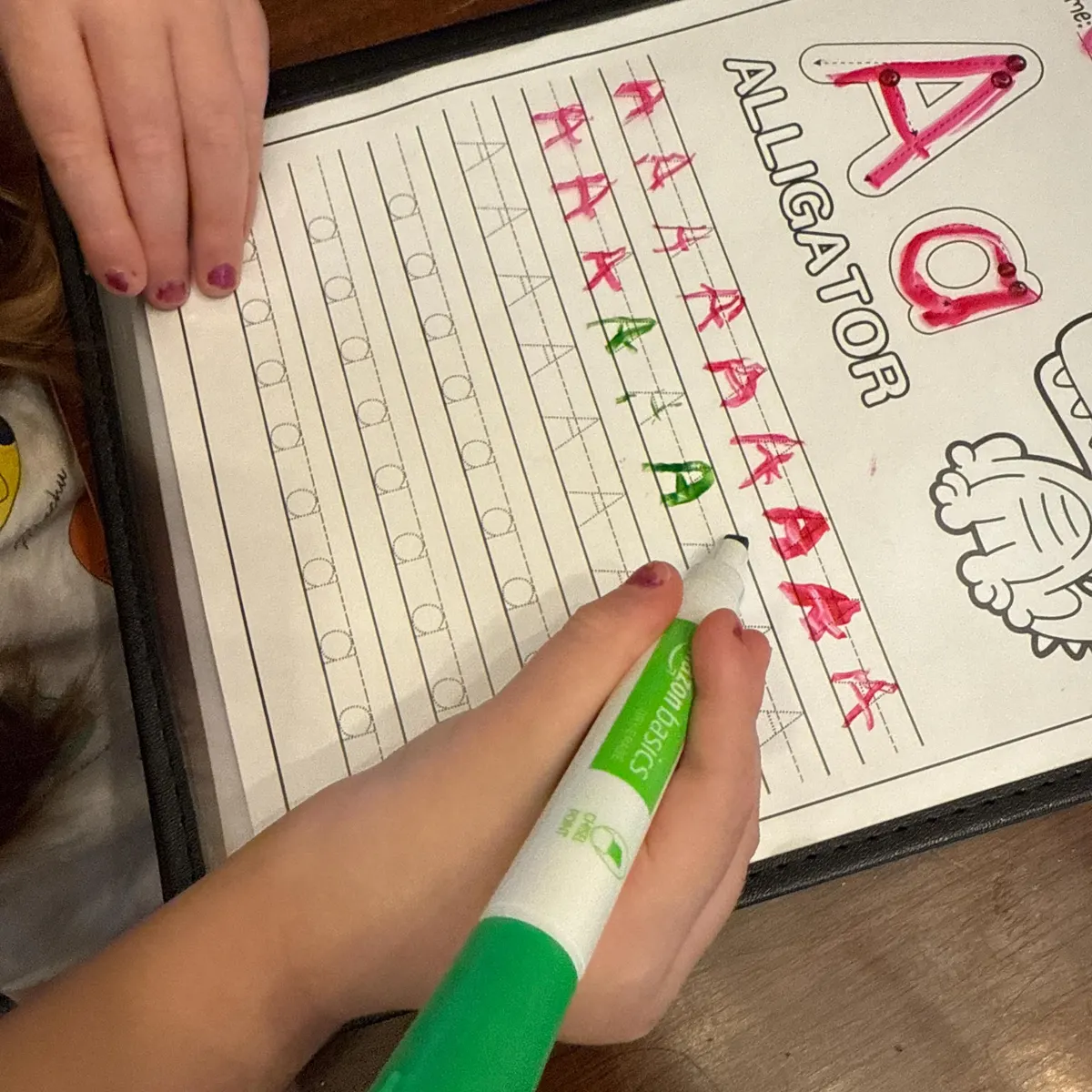
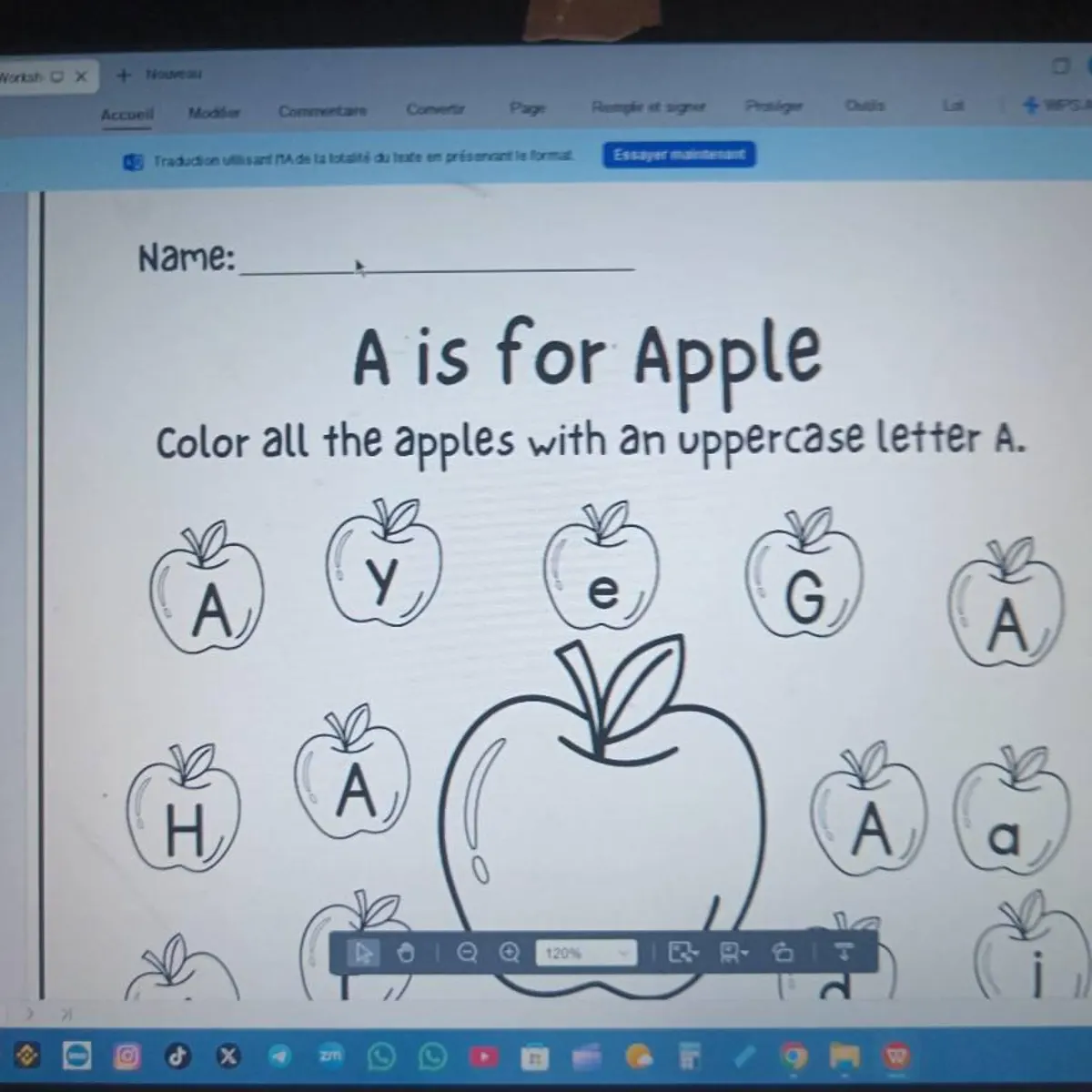
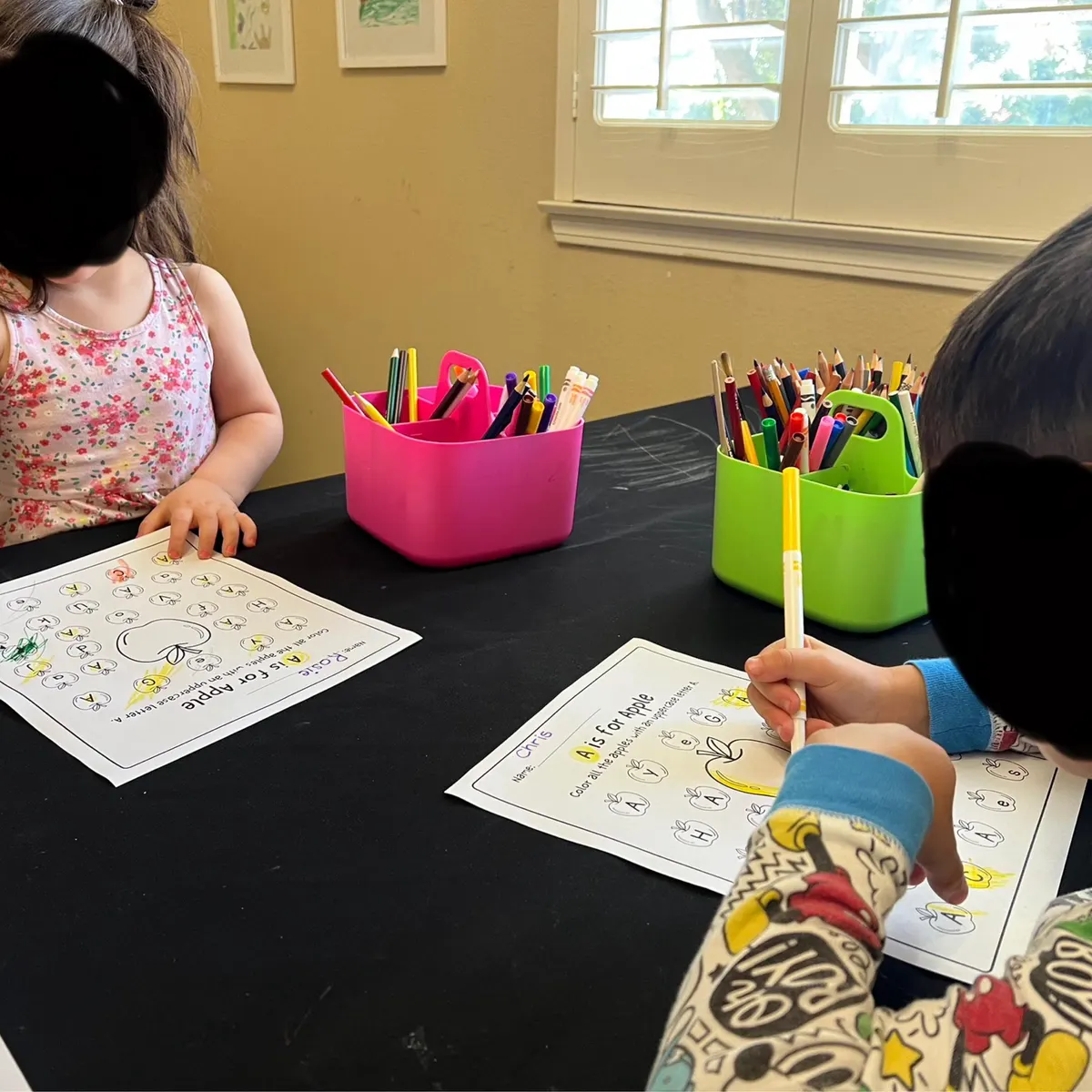
Many children entering kindergarten can recognize some uppercase and lowercase letters, especially the letters in their name. They may also begin matching letters to common sounds, such as knowing that M makes the sound at the start of moon. Singing alphabet songs and using alphabet tracing pages can make this practice feel like play instead of a test.
A child does not need to read books independently before kindergarten. More useful early signs include enjoying stories, recognizing rhyming words, hearing the first sound in a familiar word, and trying to write or “read” their own messages. Encourage every attempt, even when letters are backward or spelling is invented. Those attempts show that your child is connecting sounds, letters, and meaning.
Early math thinking
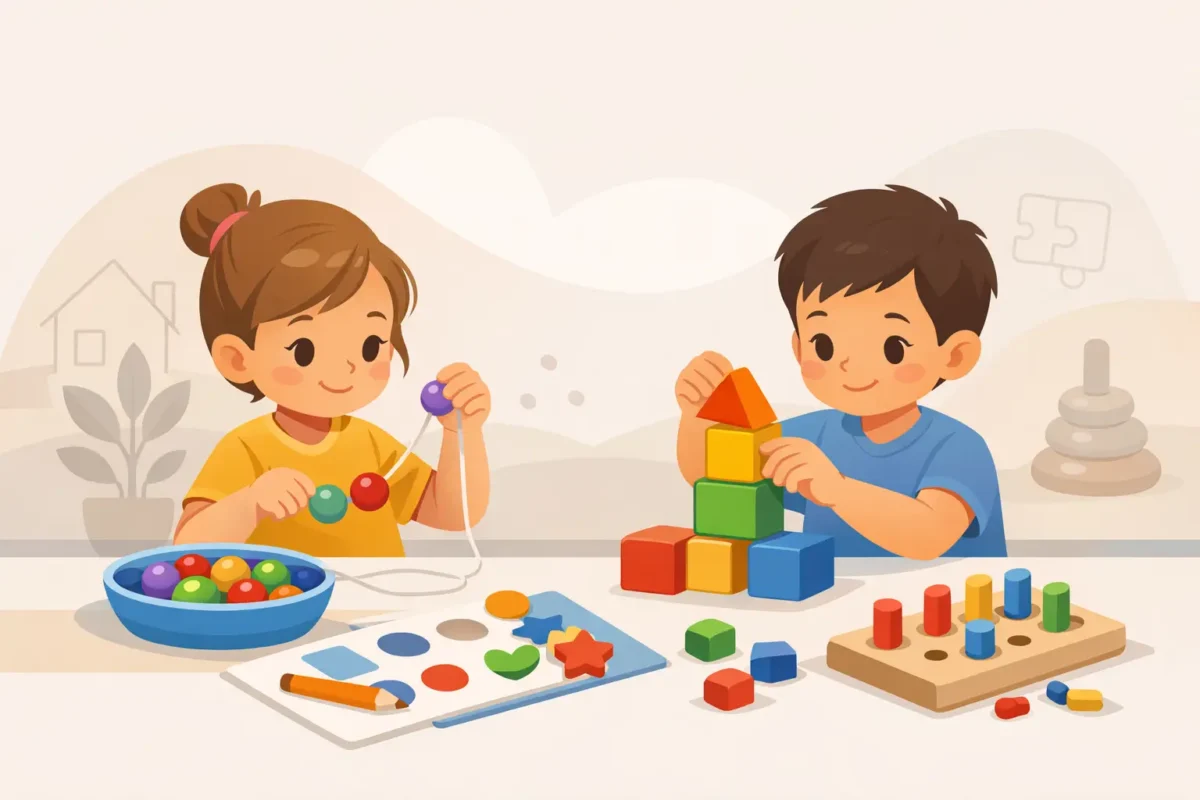
Kindergarten math begins with noticing quantities, patterns, shapes, and comparisons. Count real objects during normal routines: crackers at snack time, socks in the laundry basket, steps to the front door, or toy cars lined up on the floor. Touching each item as your child says one number word helps them learn one-to-one counting.
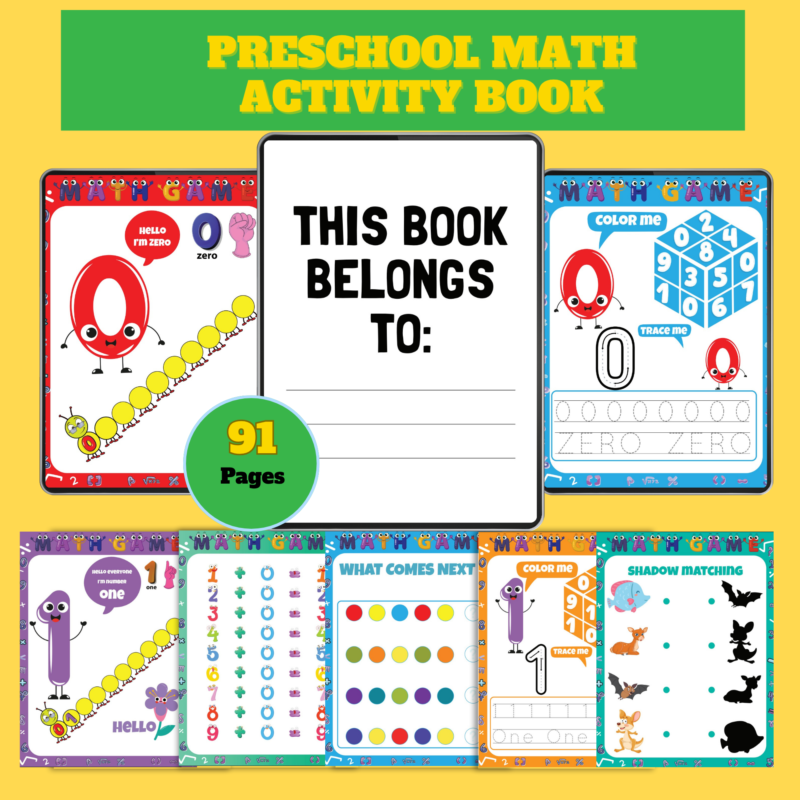
Most children benefit from practicing number recognition, counting to 10 or beyond, and understanding that the last number counted tells how many objects are in a group. They can also explore more and less, same and different, and basic shapes such as circles, squares, triangles, and rectangles.
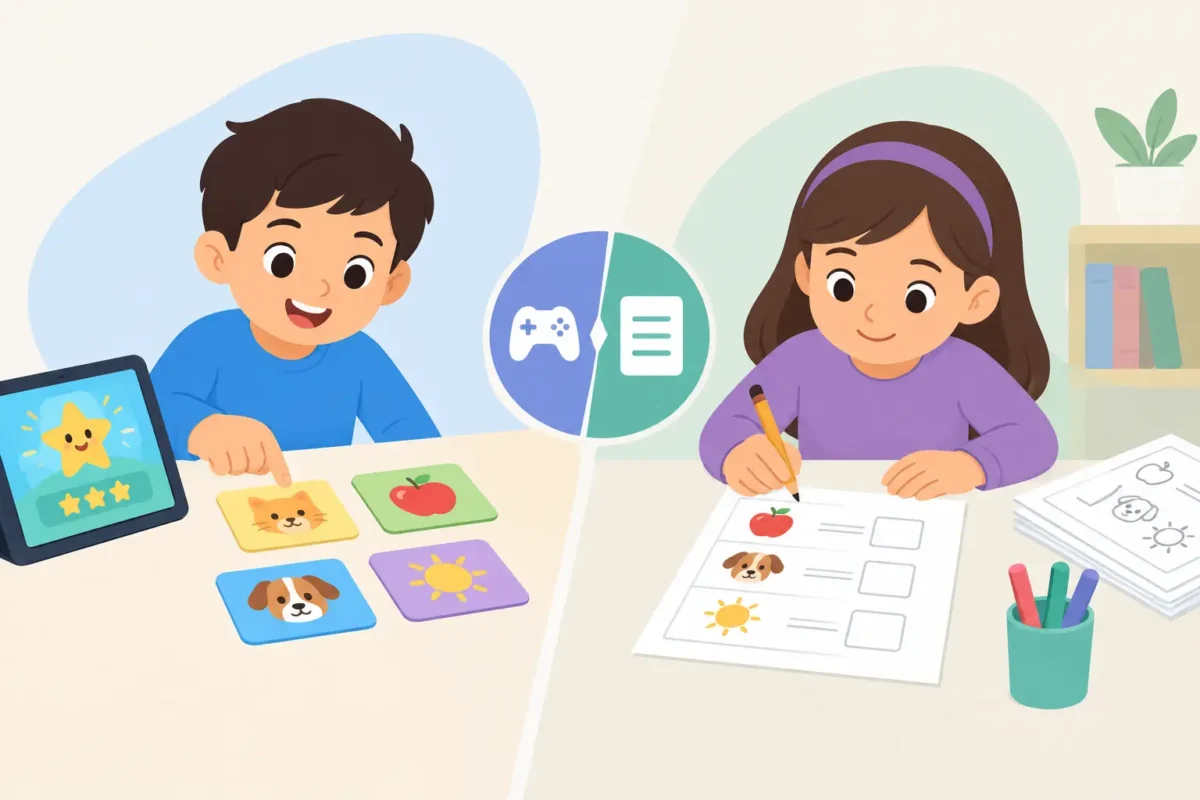
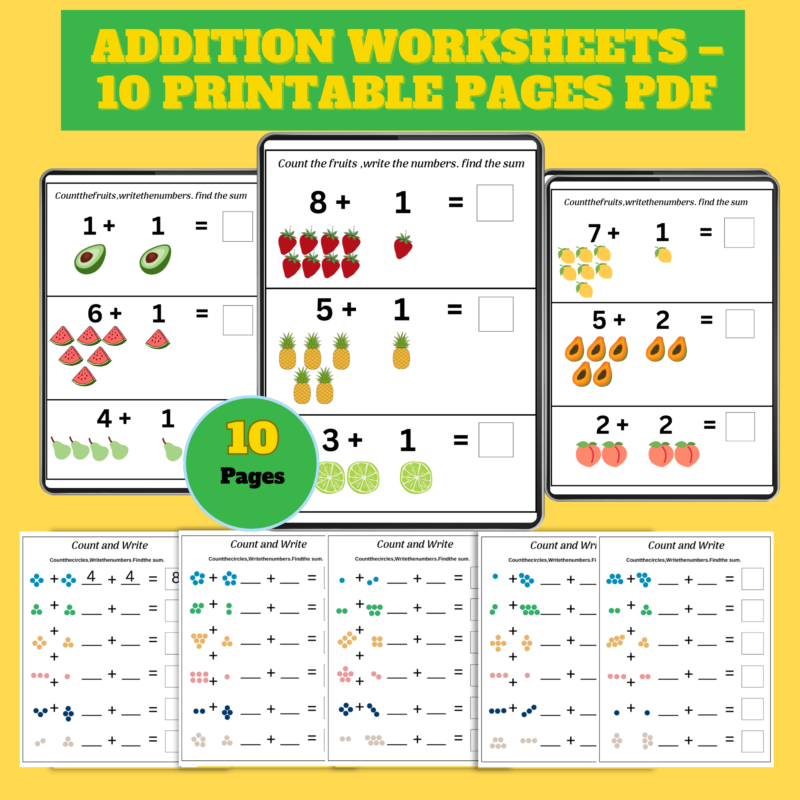
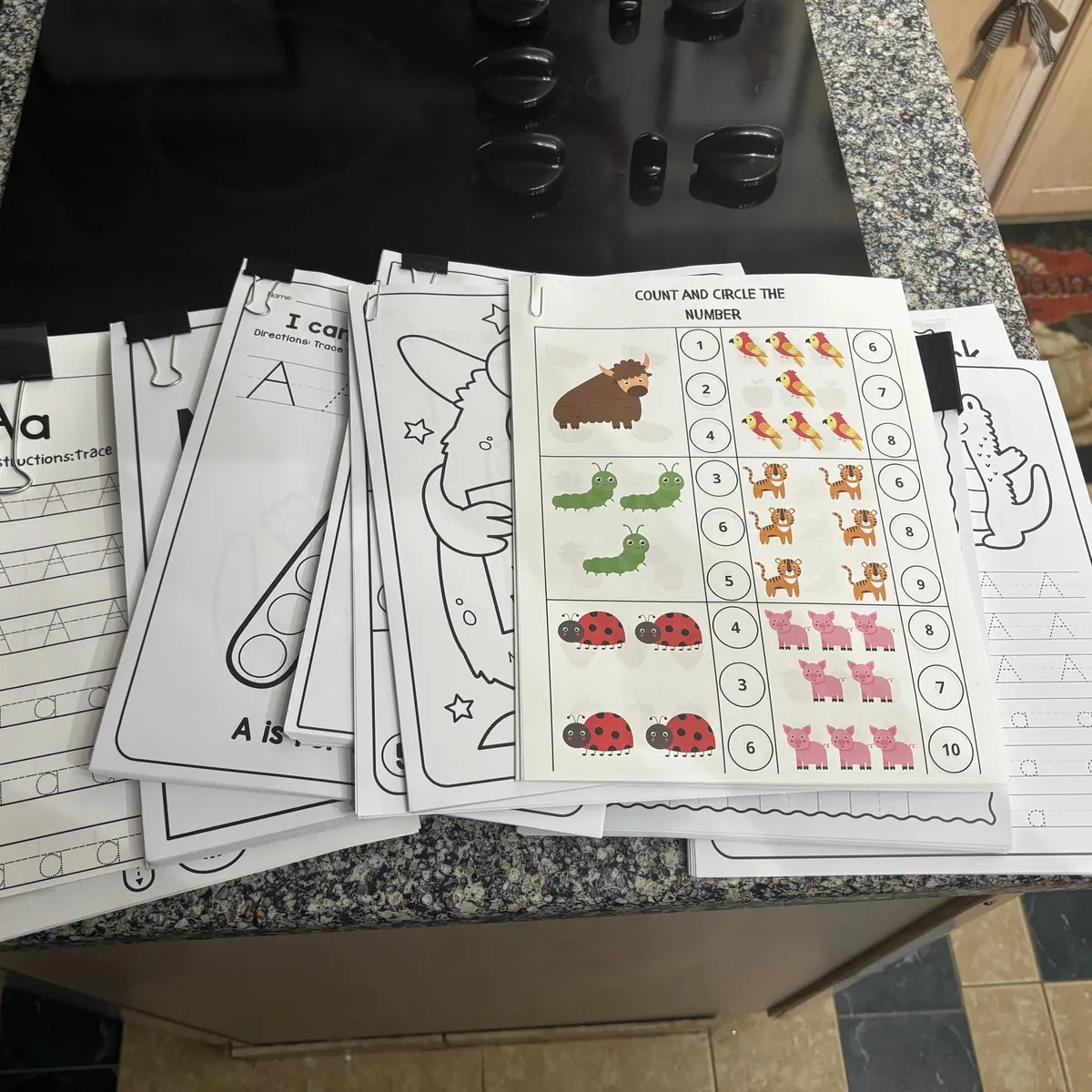
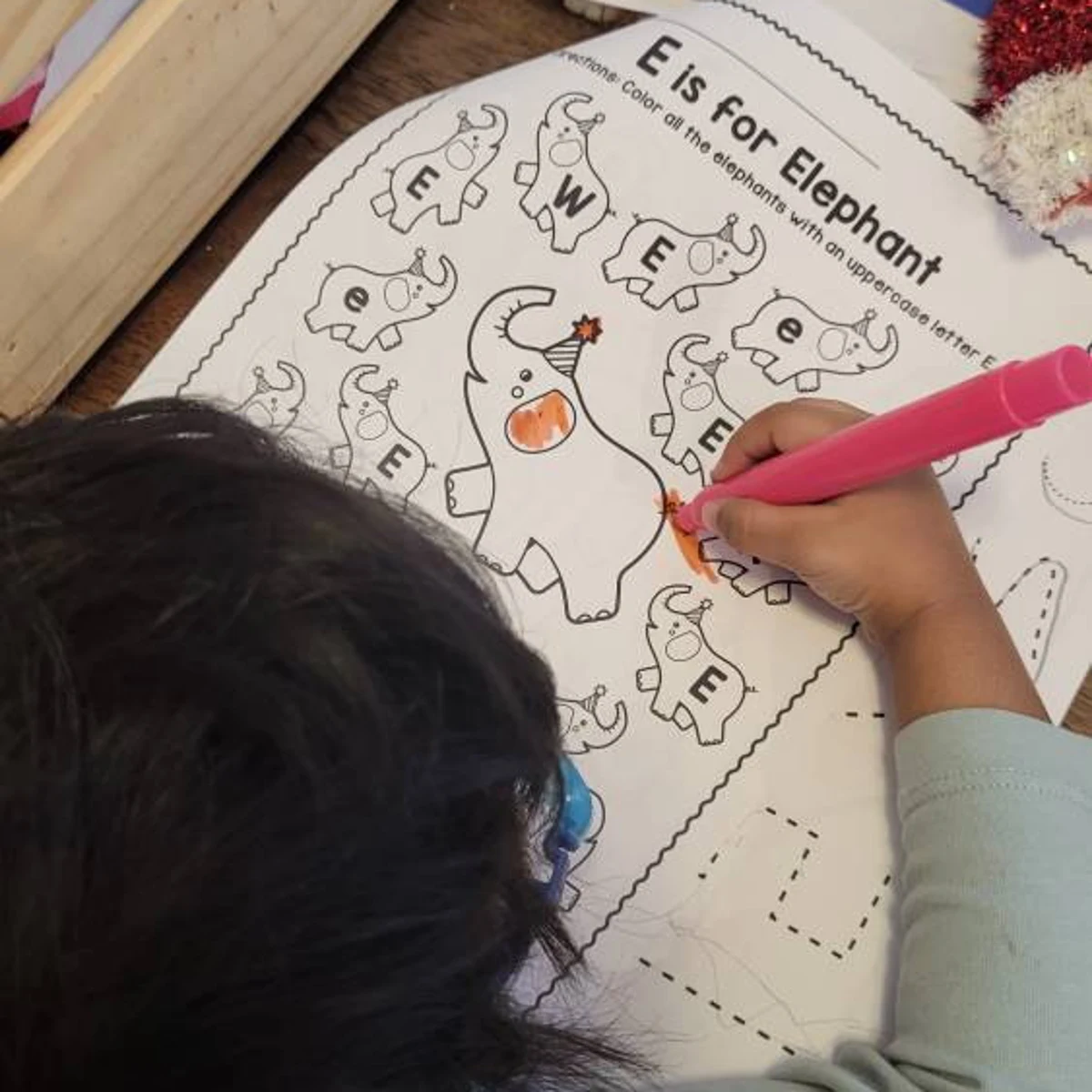
Worksheets can reinforce these ideas when they stay hands-on and age-appropriate. A page that asks children to count, color, trace, or match gives them a short, focused chance to show what they know. Pair paper practice with real objects whenever possible. Counting bears, buttons, blocks, or spoons makes a number feel real.
Fine motor and handwriting skills
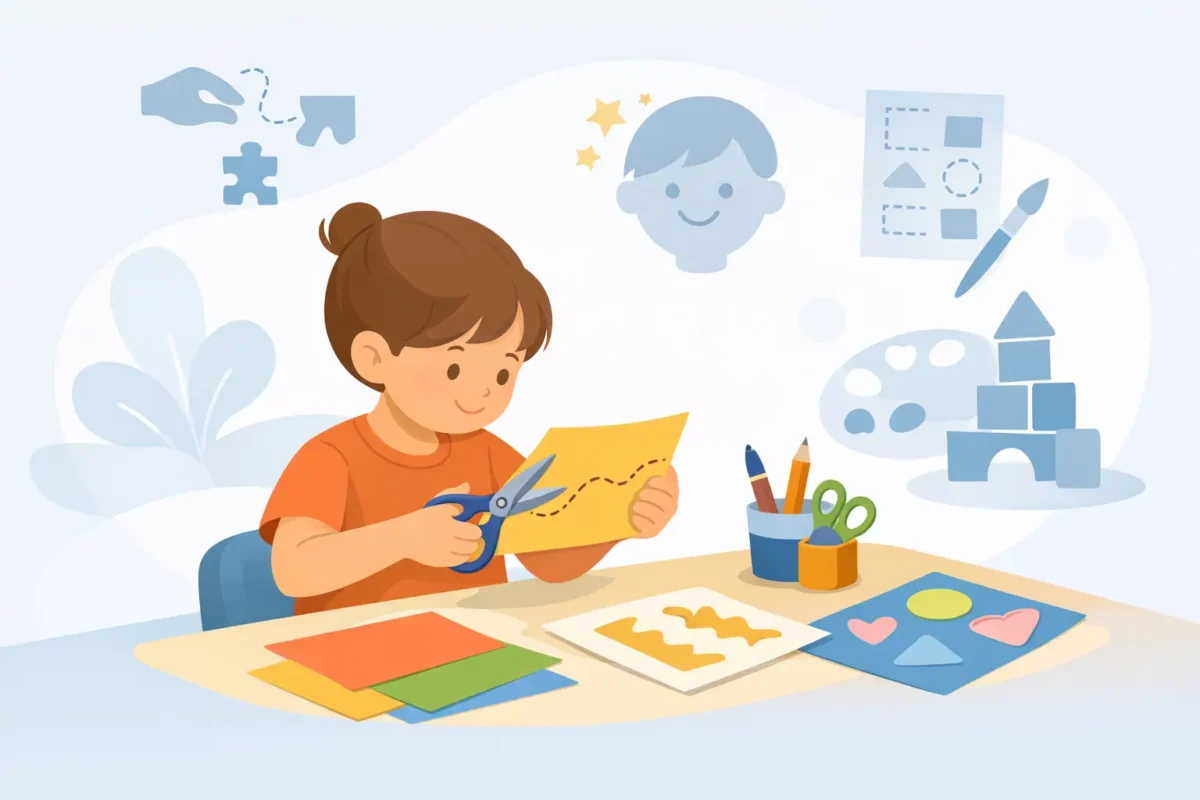
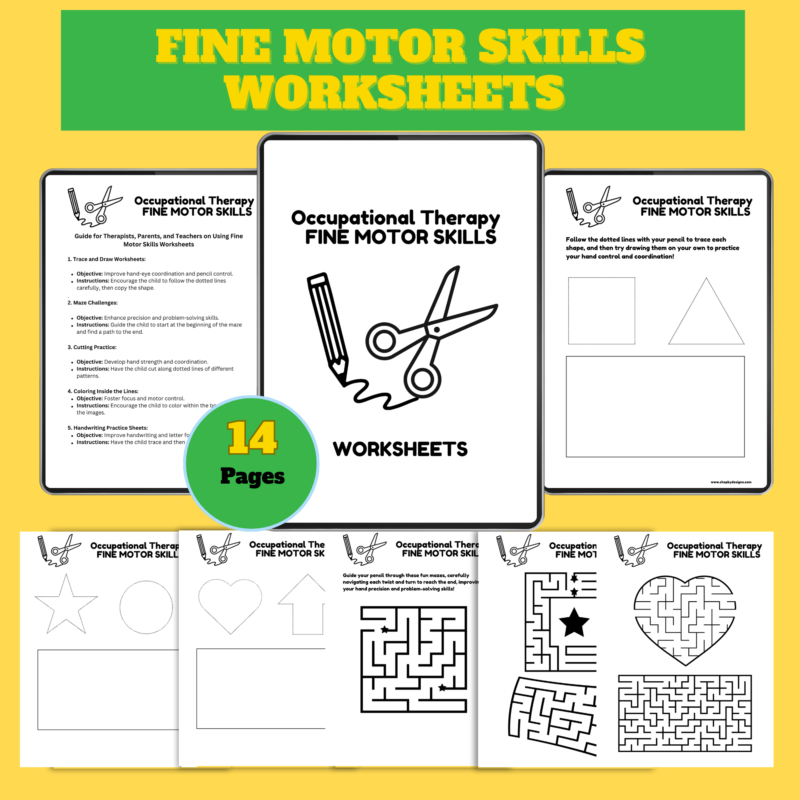
Small hands need time to build strength and control. Fine motor skills help children hold pencils, use scissors, turn pages, fasten clothing, and manage classroom materials. These skills develop through plenty of everyday movement, not just formal handwriting practice.
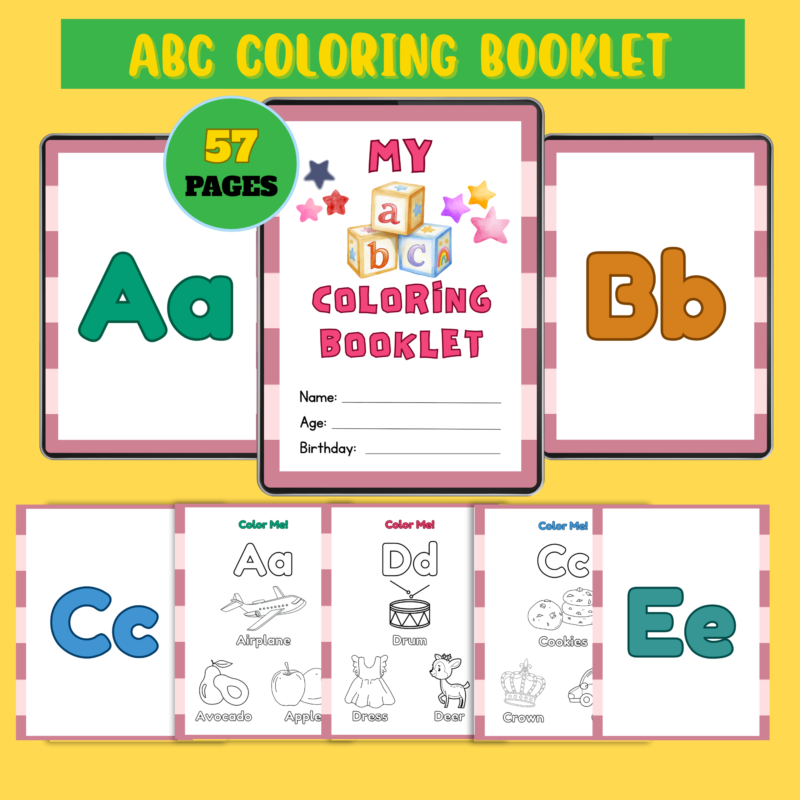
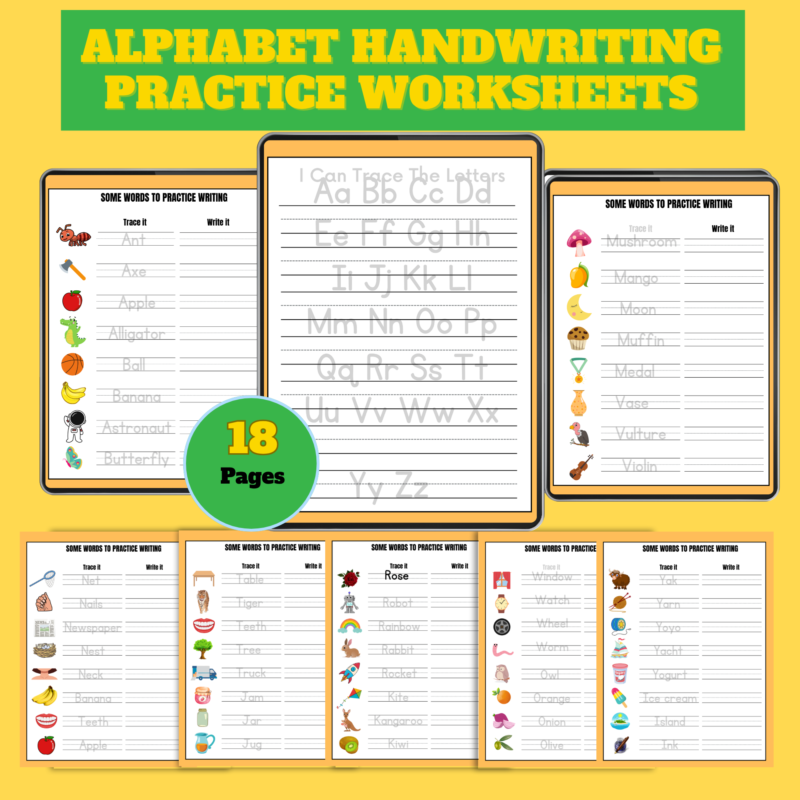
Offer crayons, markers, play dough, stickers, puzzles, clothespins, and child-safe scissors. Encourage your child to draw people, make lines and shapes, color within a large area, and cut along simple straight or curved paths. Tracing activities are also useful when kept short and positive.
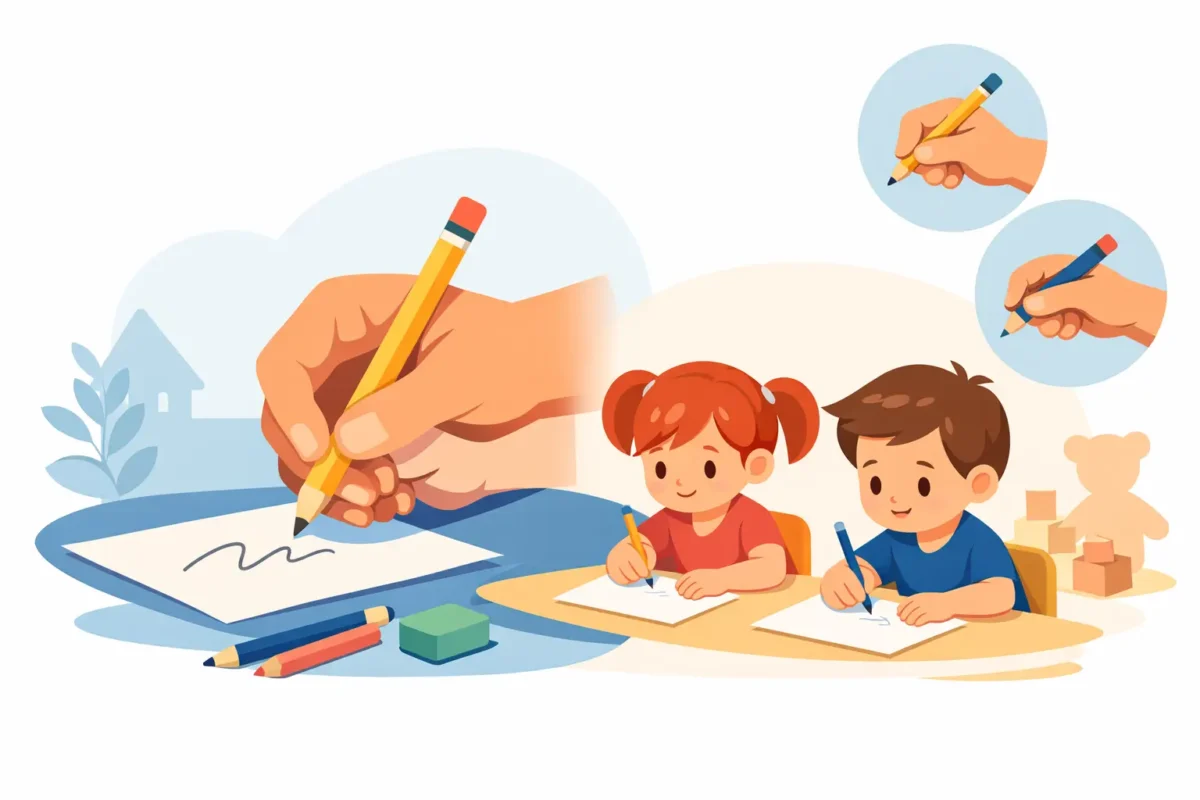
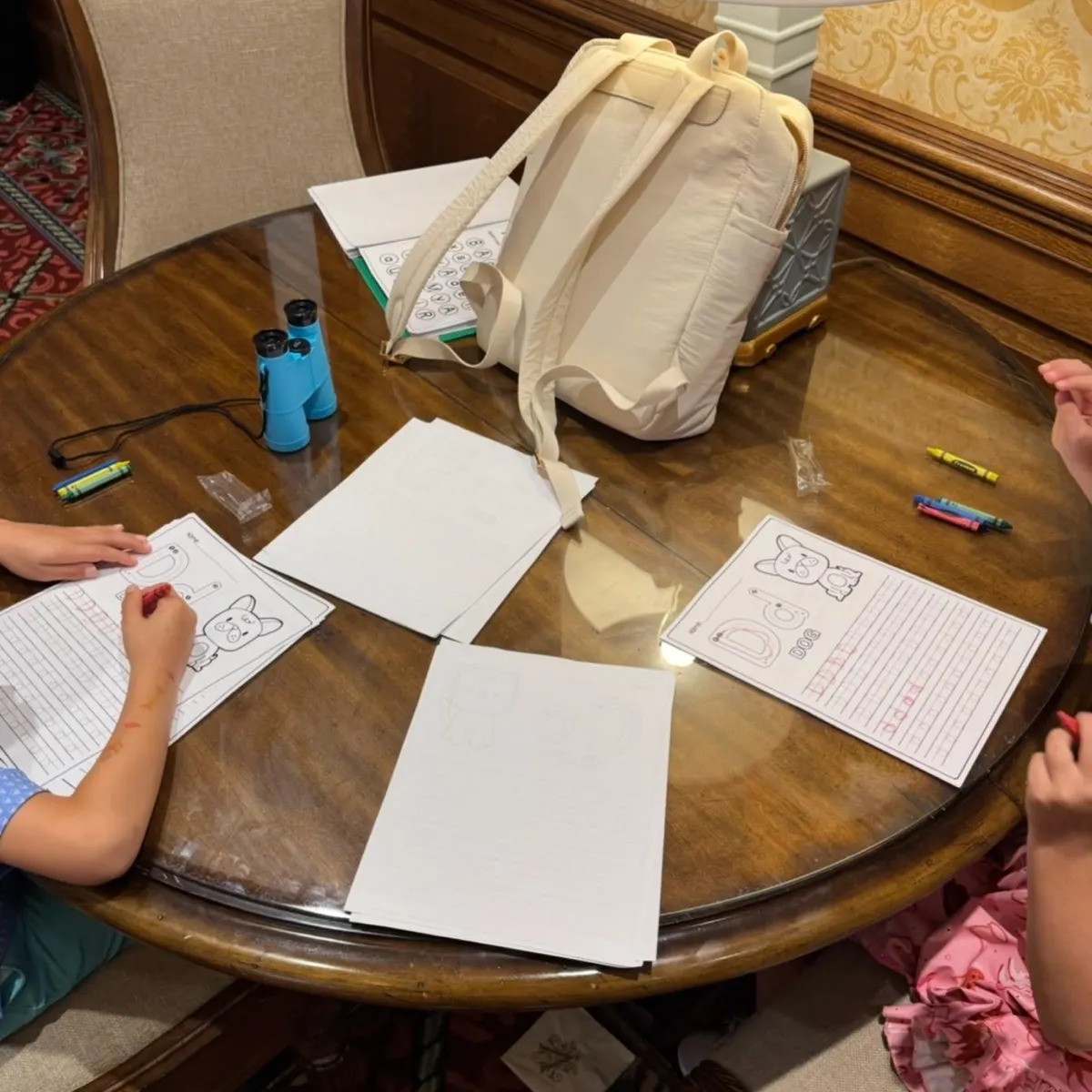
Writing their first name is a meaningful goal for many preschoolers, but perfect letter formation is not required. Begin with the letters in your child’s name. Show them how to start at the top of the page, use a comfortable grip, and make marks slowly. A few minutes of practice several times a week is usually more productive than one long session that ends in frustration.
Listening, speaking, and following directions
Classroom learning involves much more than answering questions. Children need chances to listen, wait, speak clearly, and follow one- or two-step directions. You can build these skills during ordinary moments. Try saying, “Please put your cup in the sink and bring me your shoes,” then celebrate when your child completes both parts.
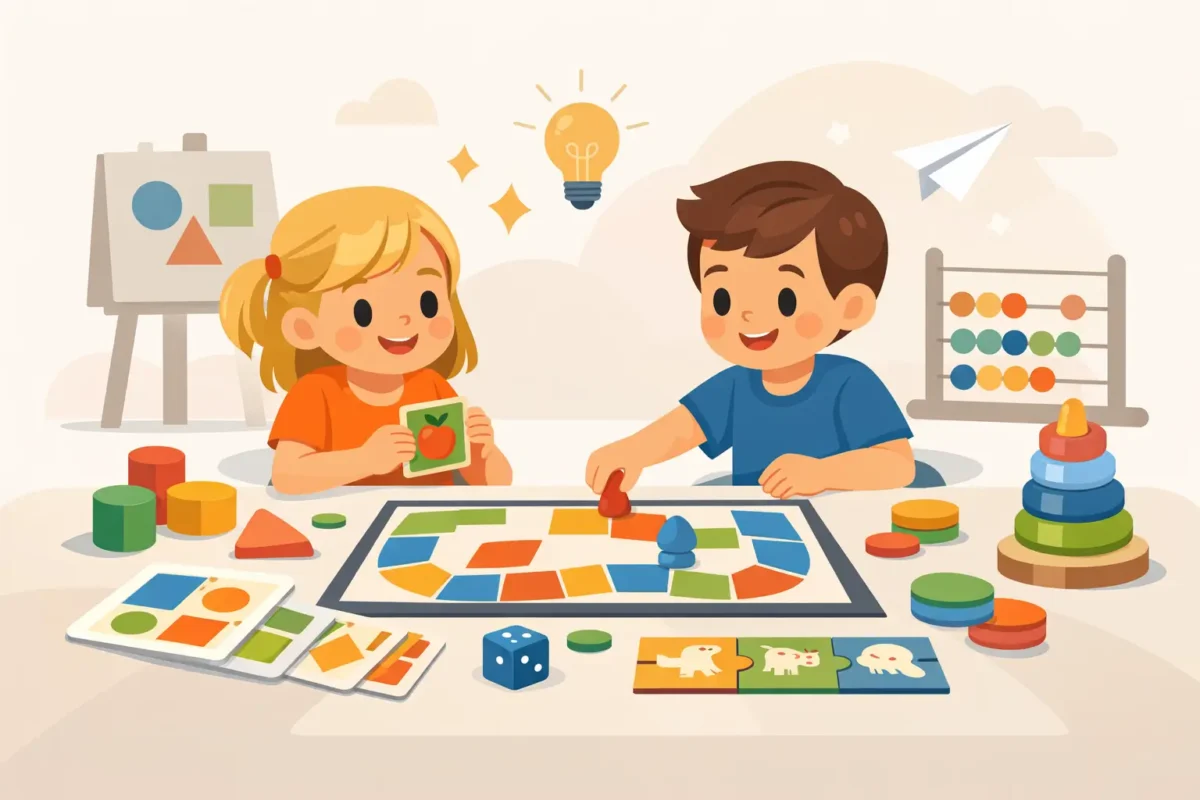
Games such as Simon Says, freeze dance, and simple board games naturally strengthen listening and turn-taking. During conversations, give your child time to answer instead of rushing in. Ask open questions like, “What was your favorite part of the park?” or “How did you solve that problem?” Their answers build vocabulary and confidence.
Social and emotional readiness
A kindergarten classroom is a busy community. Children do not need to be perfectly calm or instantly outgoing, but they benefit from practicing how to join a group, take turns, share materials, and use words when they are upset.
Name feelings as they happen: “You look disappointed that it is time to clean up.” Then offer a simple next step: “You can take a deep breath and choose one toy to put away first.” This helps children understand that big feelings are normal and manageable.
Practice short separations with trusted adults when possible, especially if your child has spent most of their time at home. A predictable goodbye routine can help. Keep it warm and brief, and remind your child that you will return. Long, uncertain goodbyes can make the transition harder for some children.
Everyday independence
Self-help skills save children stress and help teachers support the whole class. Before kindergarten, let your child practice opening snack containers, using the bathroom independently, washing hands, putting on a coat, zipping when possible, and cleaning up after an activity.
You do not need to wait until every task is perfect. The key is giving your child a chance to try before stepping in. Choose clothing and lunch containers they can manage on their own, especially during the first weeks of school. A small adjustment at home can lead to a much smoother school day.
A Simple Practice Routine That Works
Short, consistent practice is usually the best fit for young learners. Set aside 10 to 15 minutes a day, or a few longer sessions each week, depending on your child’s attention span. Start with one easy activity to build momentum, then add one small challenge.
For example, you might read a picture book and talk about the beginning, middle, and end. Another day, count 10 toy animals and complete a number-matching page. On a different day, practice writing a name, cut out a few shapes, and play a turn-taking game. Variety keeps the routine enjoyable while giving skills time to stick.
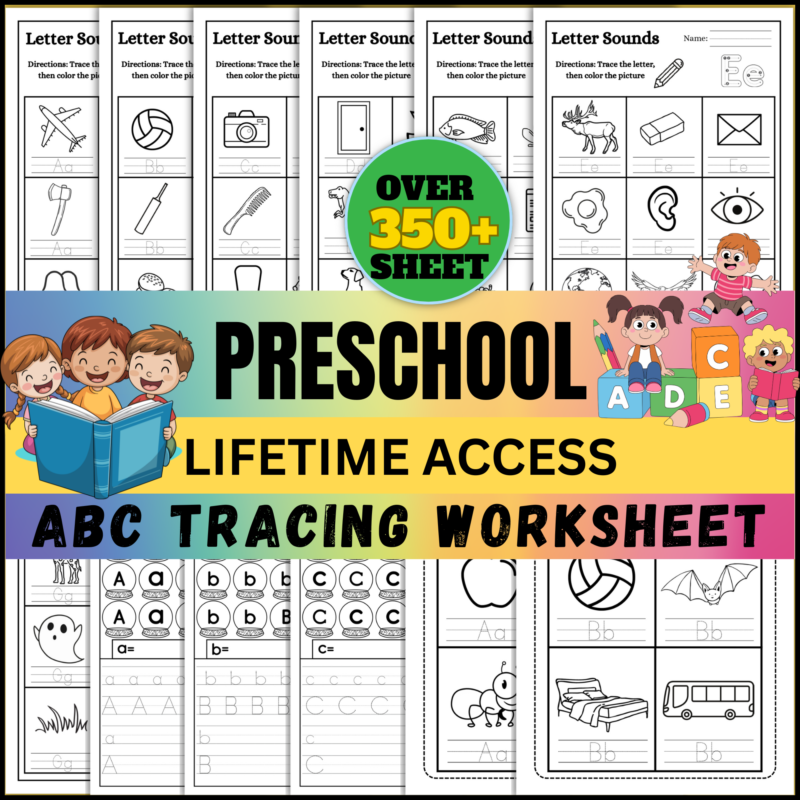
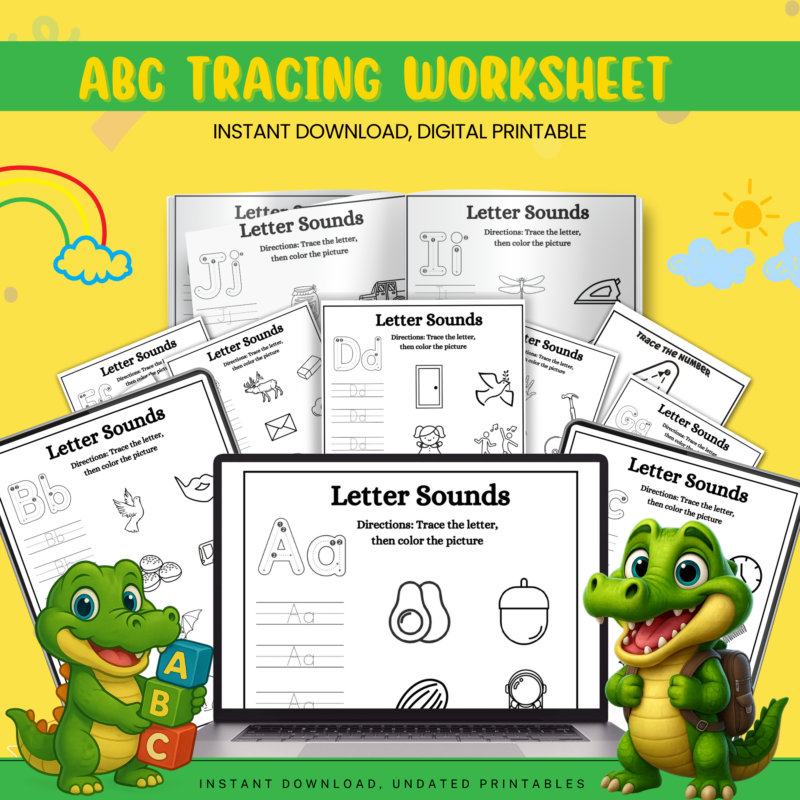
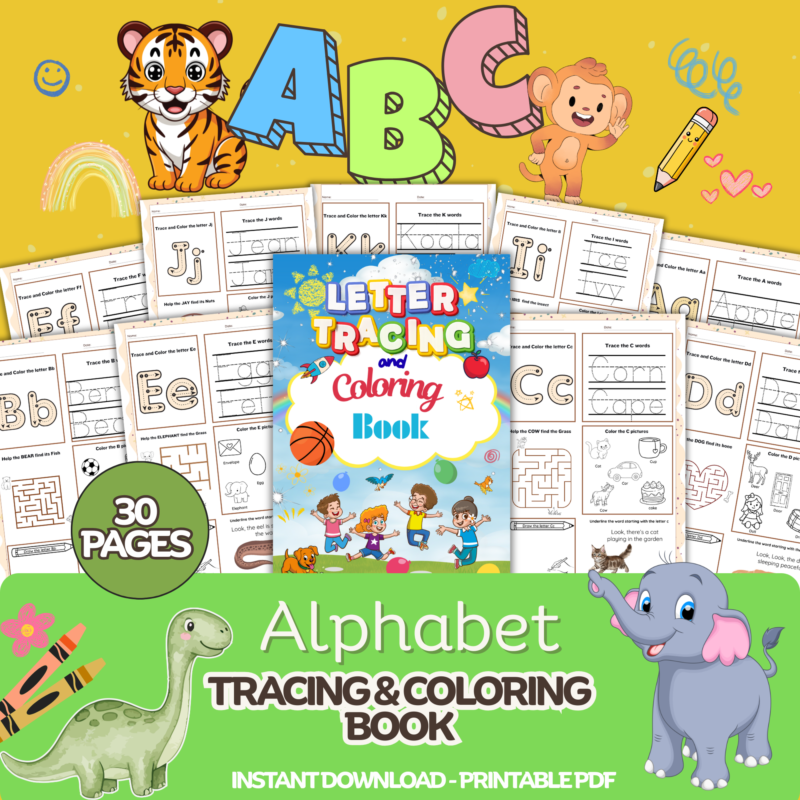
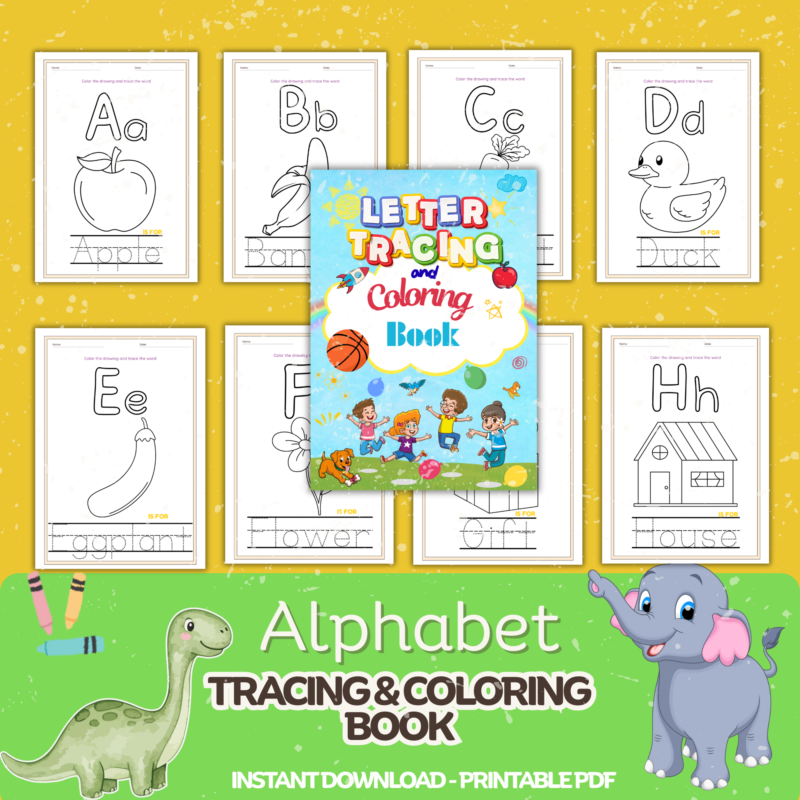
Fun Clever Fox printable worksheets can make these moments easier to plan, with ready-to-use activities for letter recognition, tracing, phonics, counting, and early math. Print only a few pages at a time so the work feels inviting rather than overwhelming. A simple folder or binder can hold completed pages and let your child see how much they have learned.
When Your Child Resists Practice
Resistance is often useful information. Your child may be tired, hungry, unsure of the task, or simply ready to move. Rather than pushing through, make the activity smaller. Ask for one letter instead of a full page, count five blocks instead of 20, or switch from sitting at a table to writing on a clipboard outdoors.
Praise effort with specific words: “You kept trying that curved line,” or “You counted each bear carefully.” Avoid turning practice into a performance. A child who feels safe making mistakes is more likely to keep trying, and persistence is one of the most valuable kindergarten skills of all.
The best preparation is not a race to finish every worksheet or memorize every fact. It is a home or classroom rhythm where children read, talk, count, create, move, and learn that they can try again tomorrow. That steady confidence will travel with them through the kindergarten door.