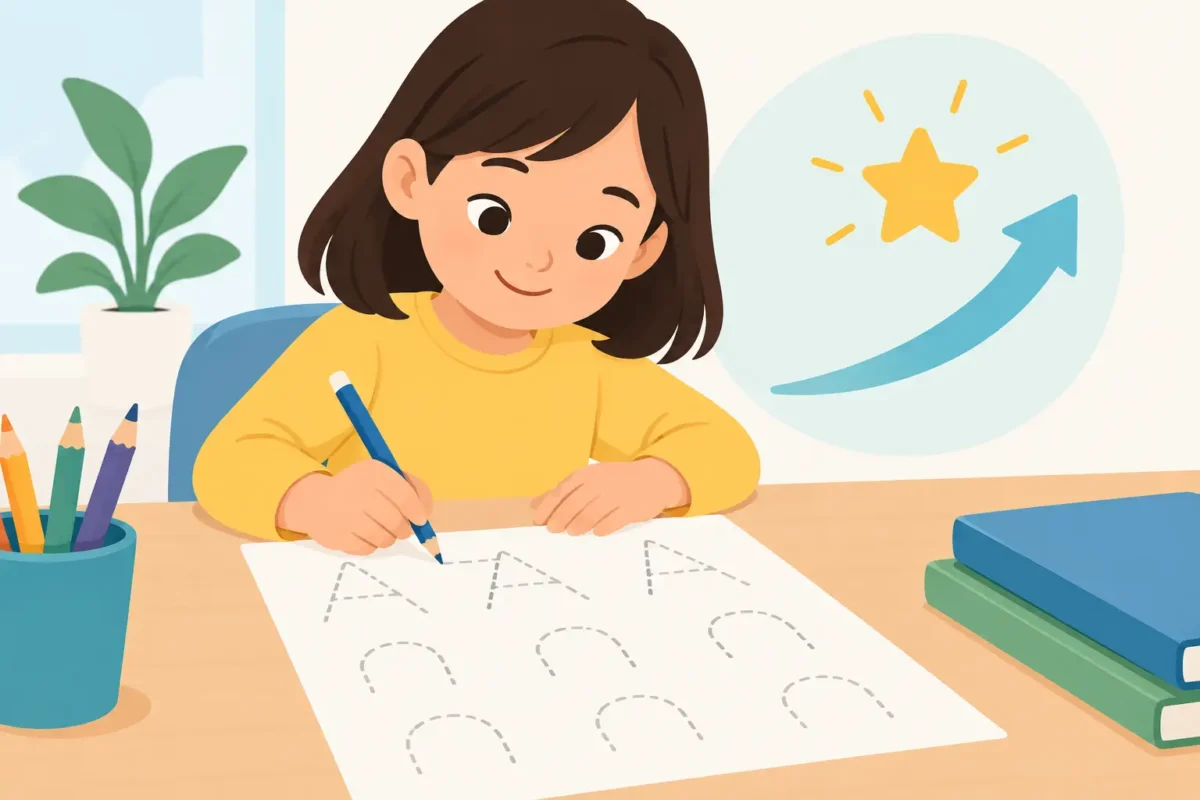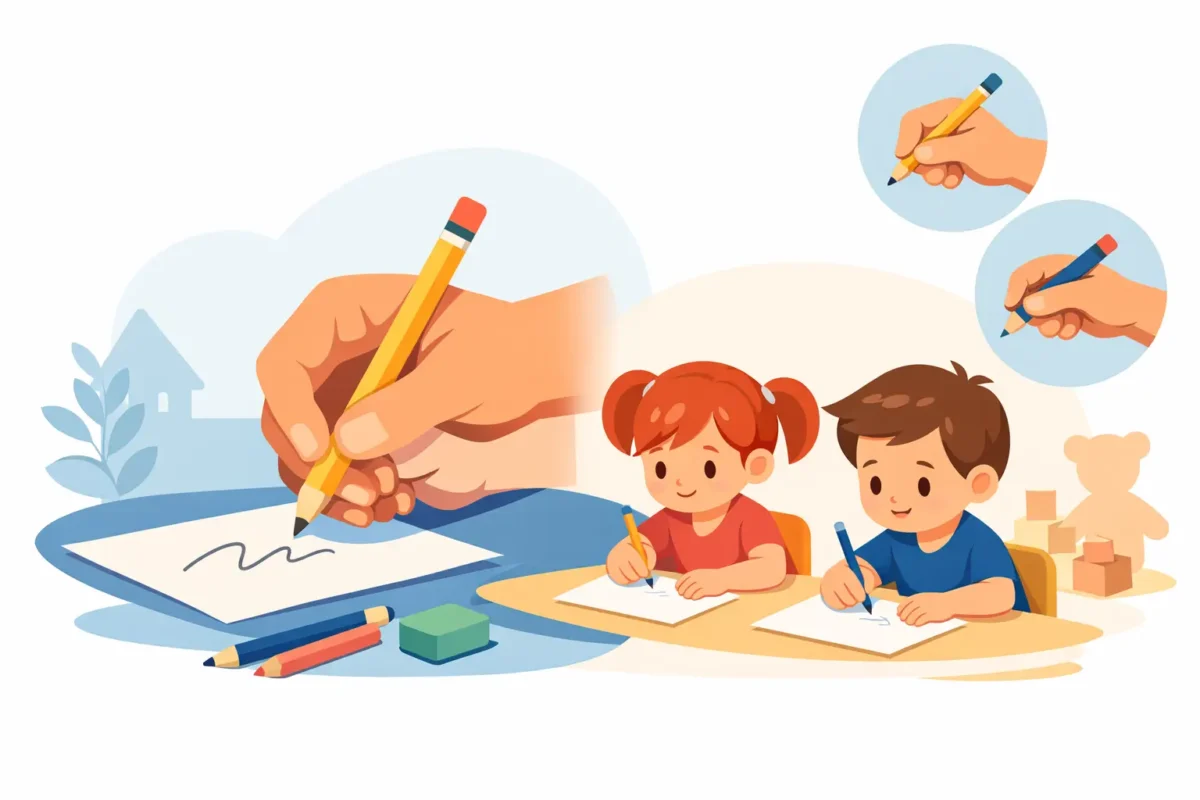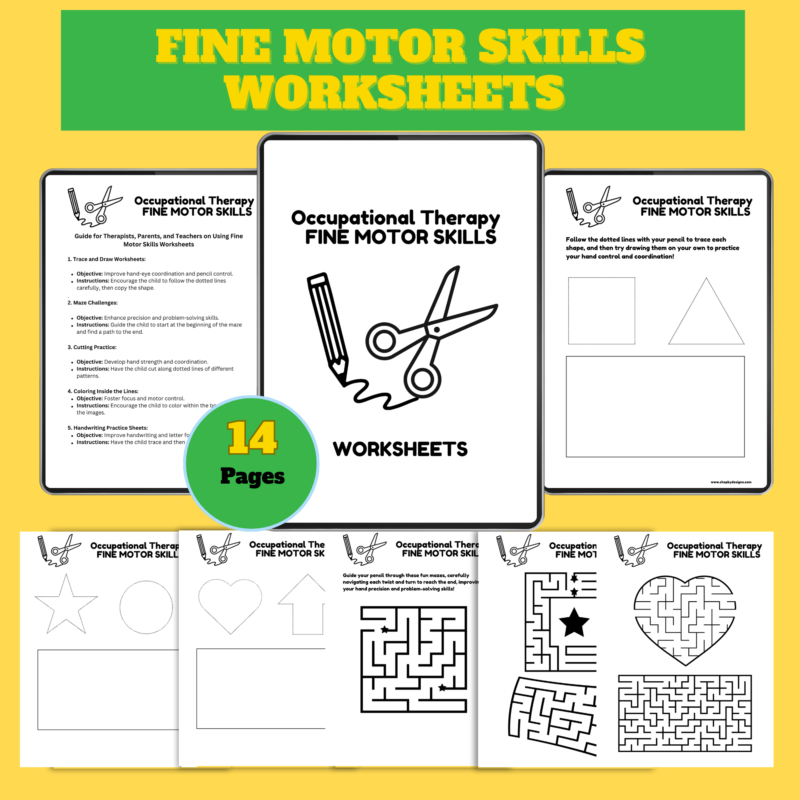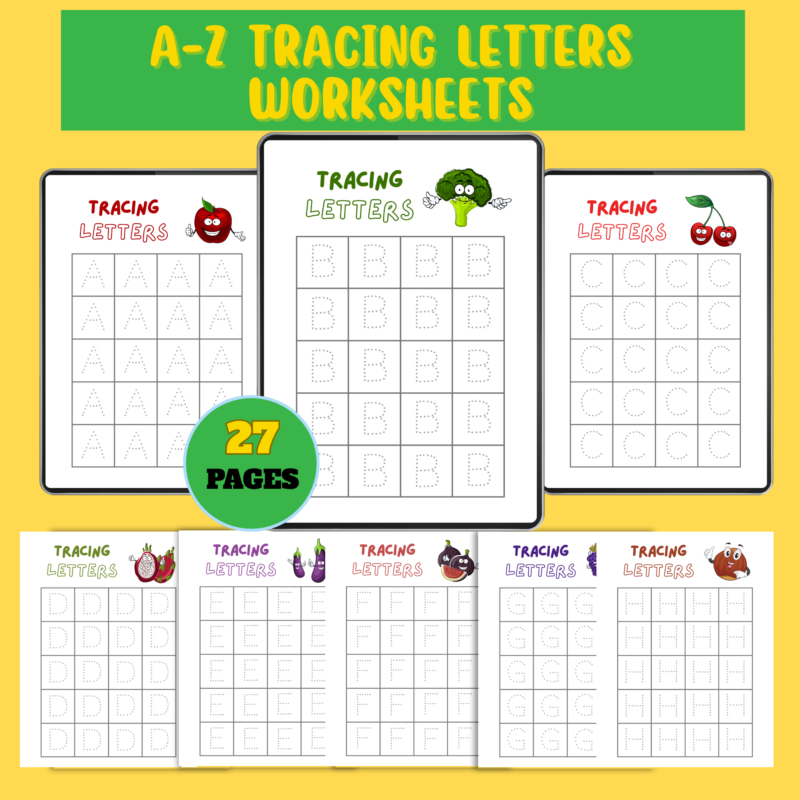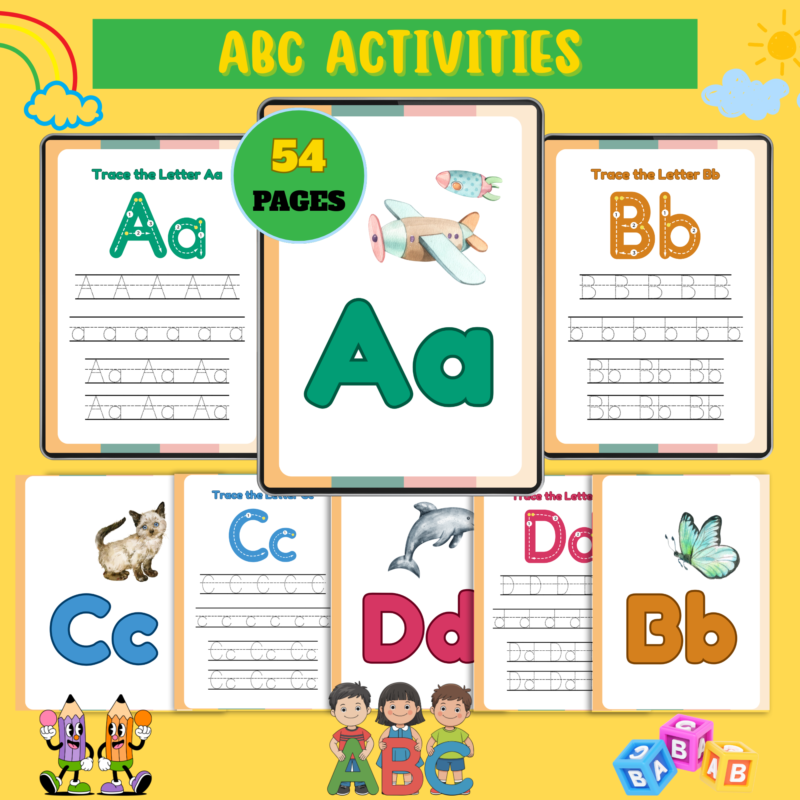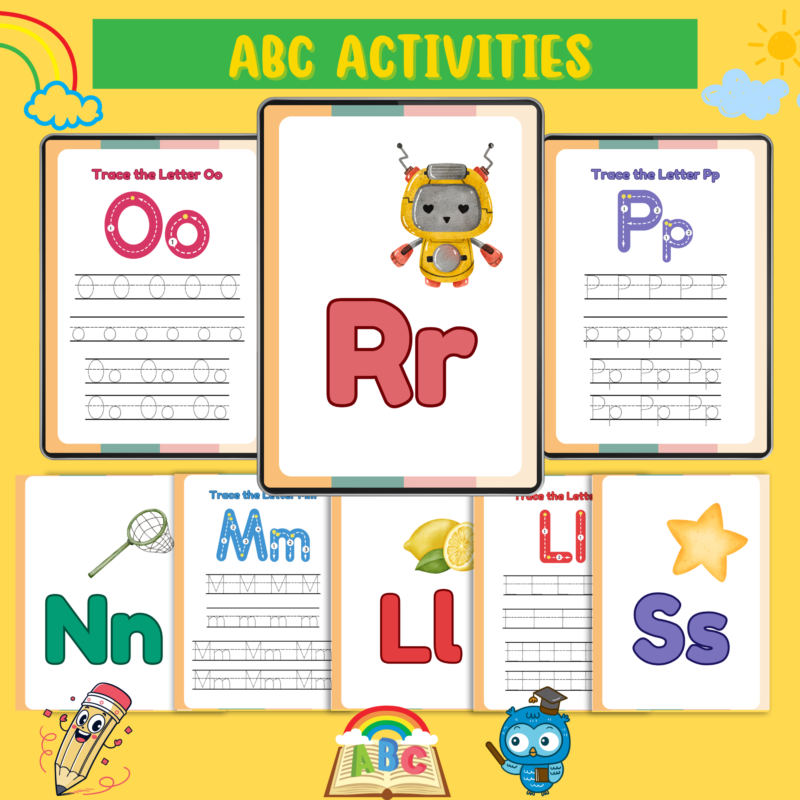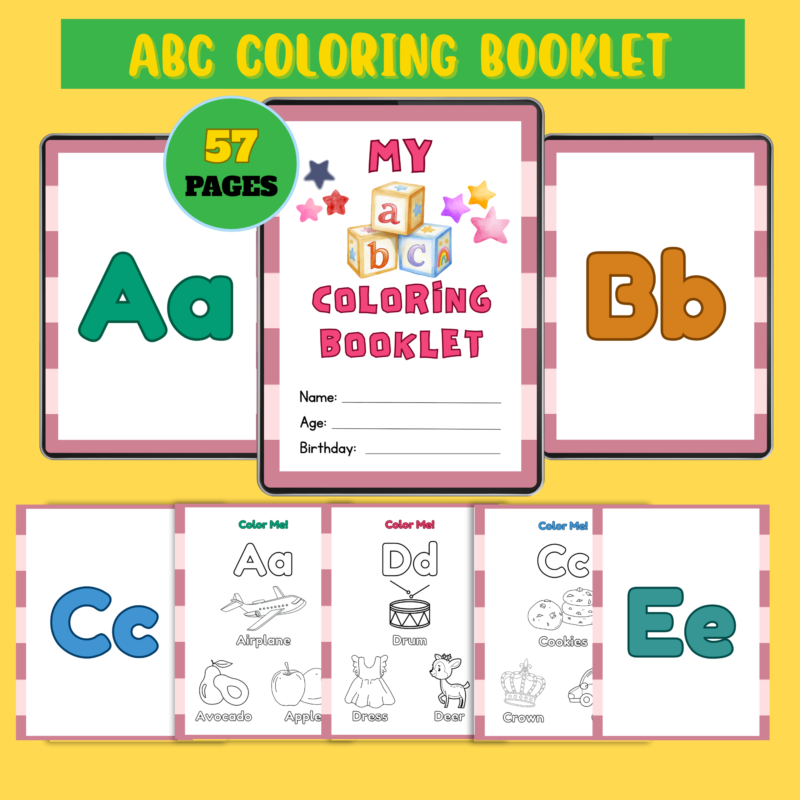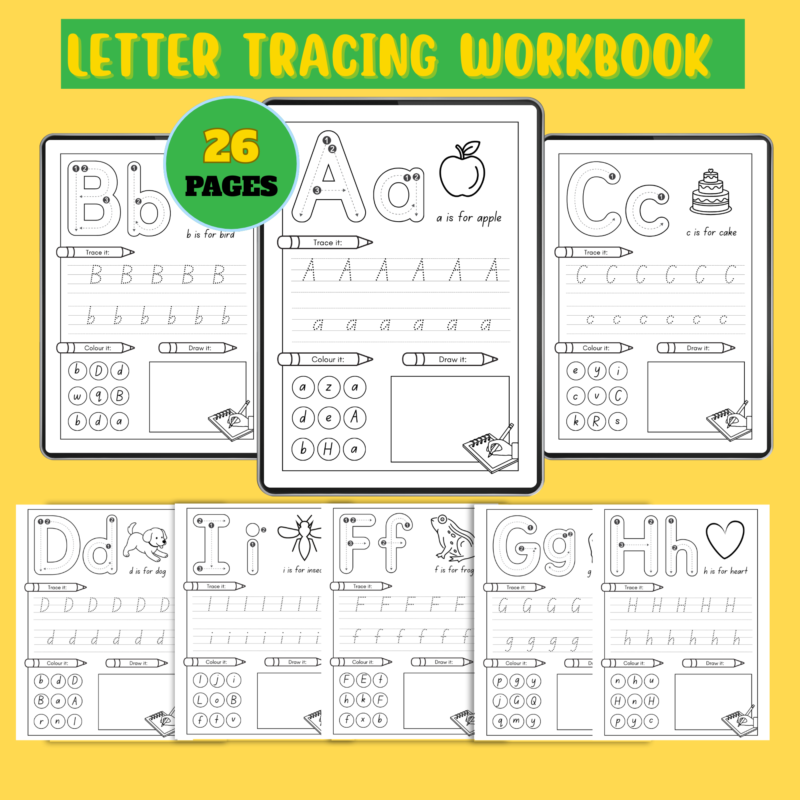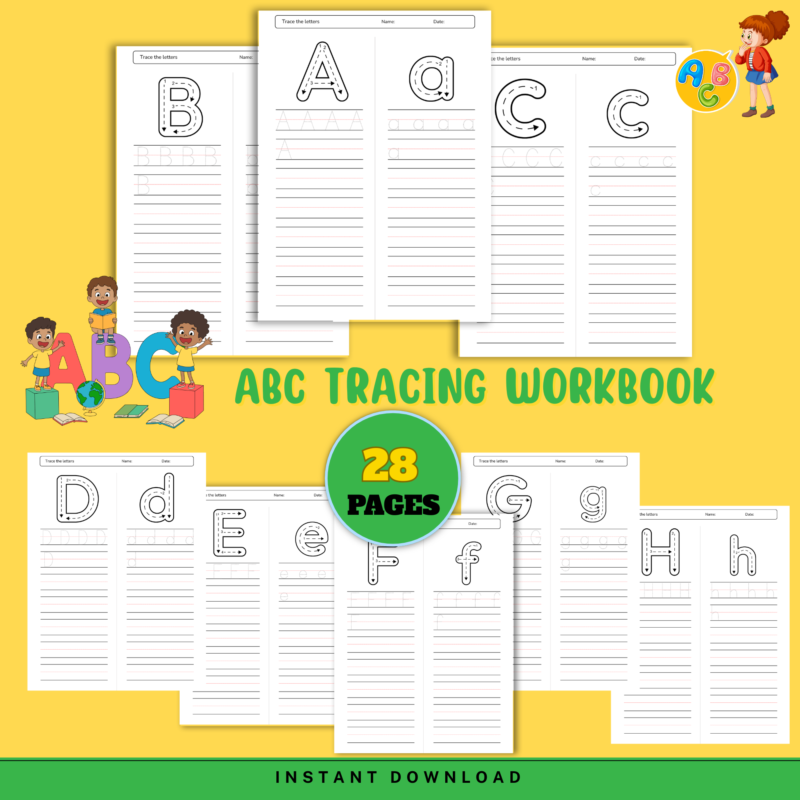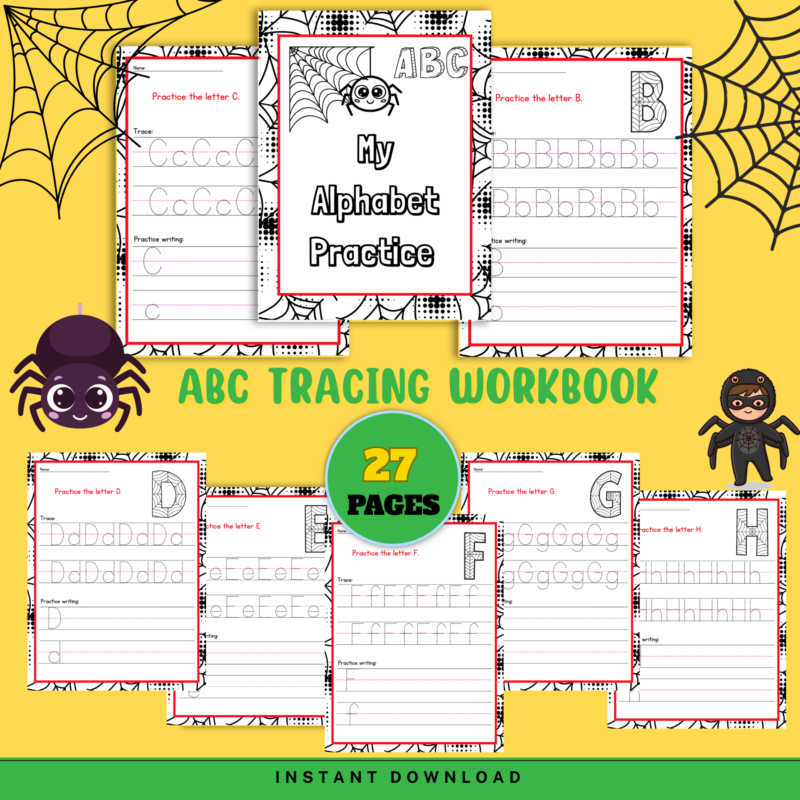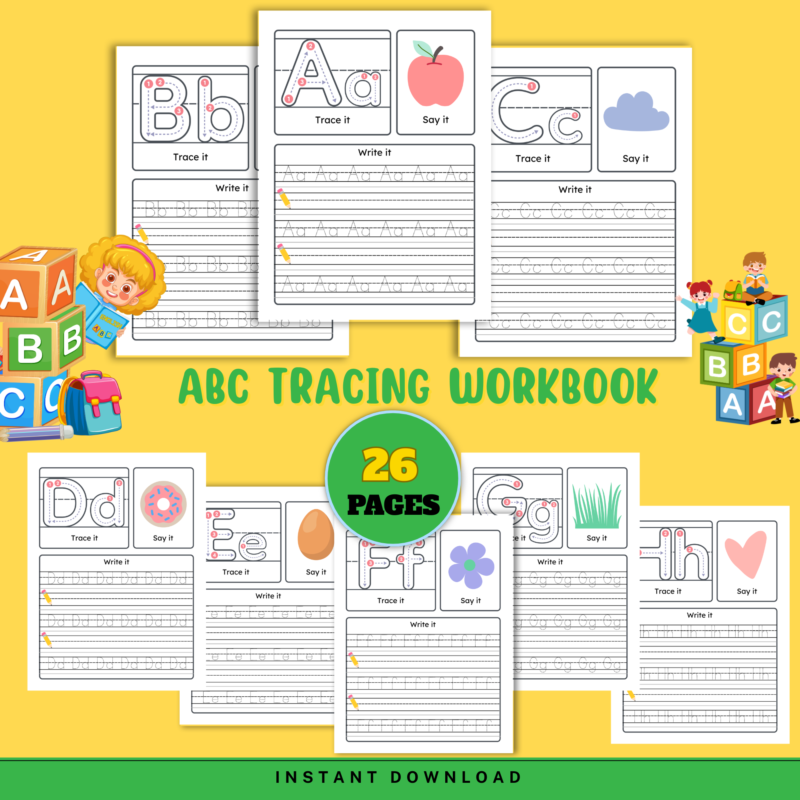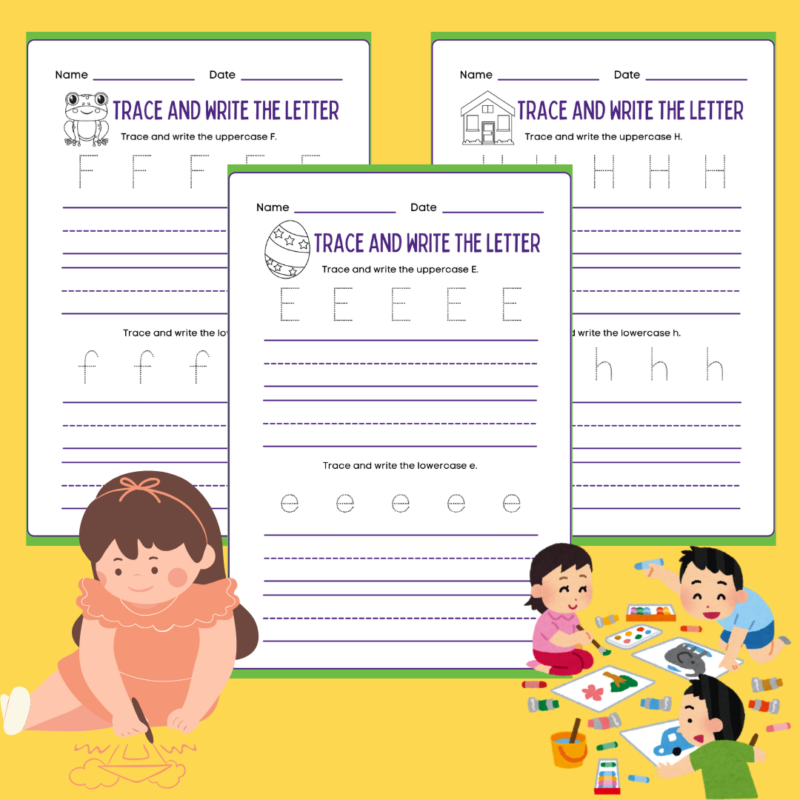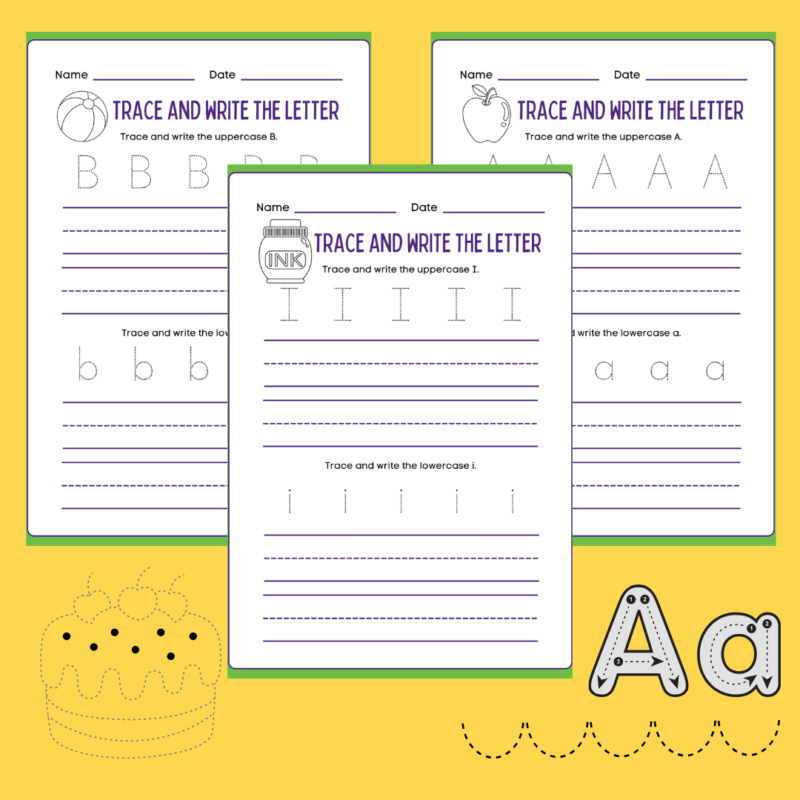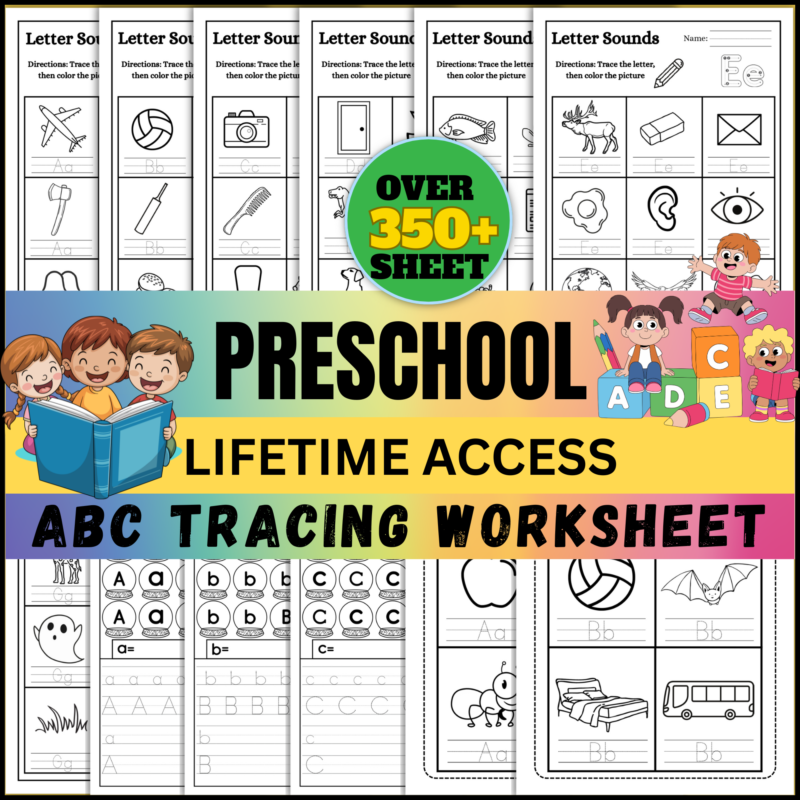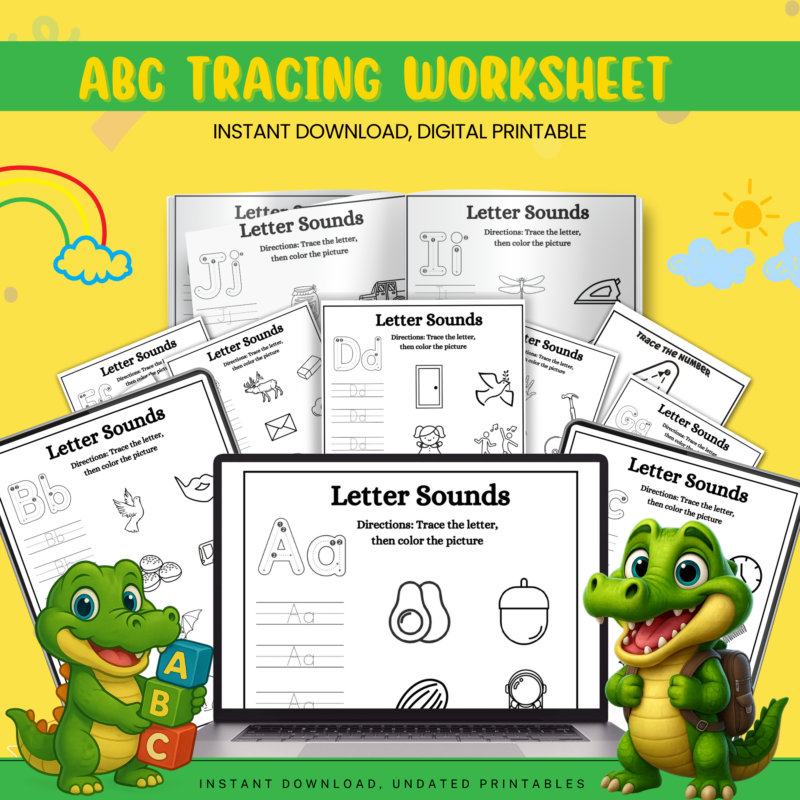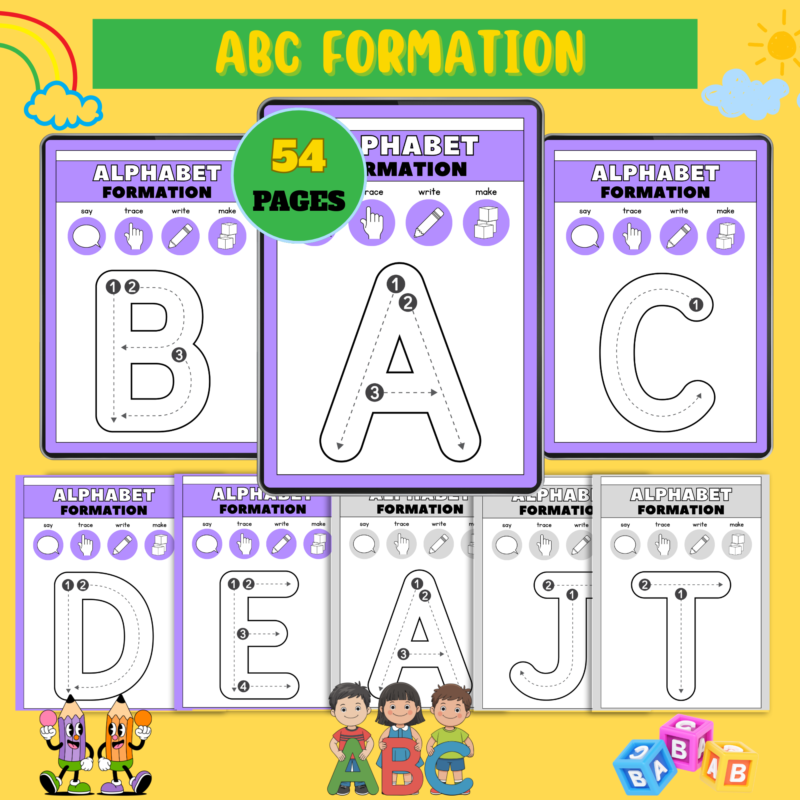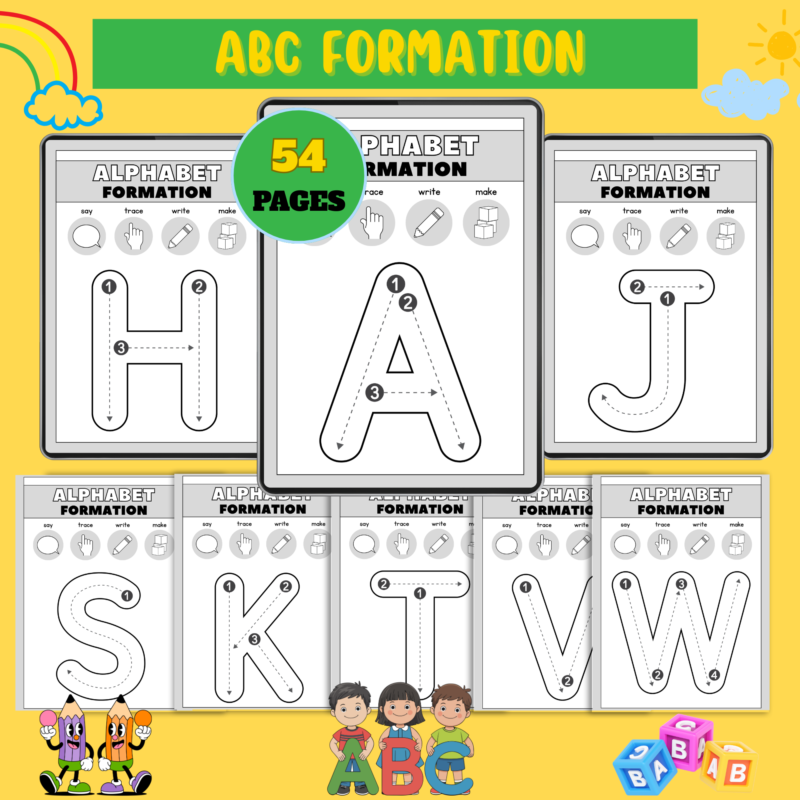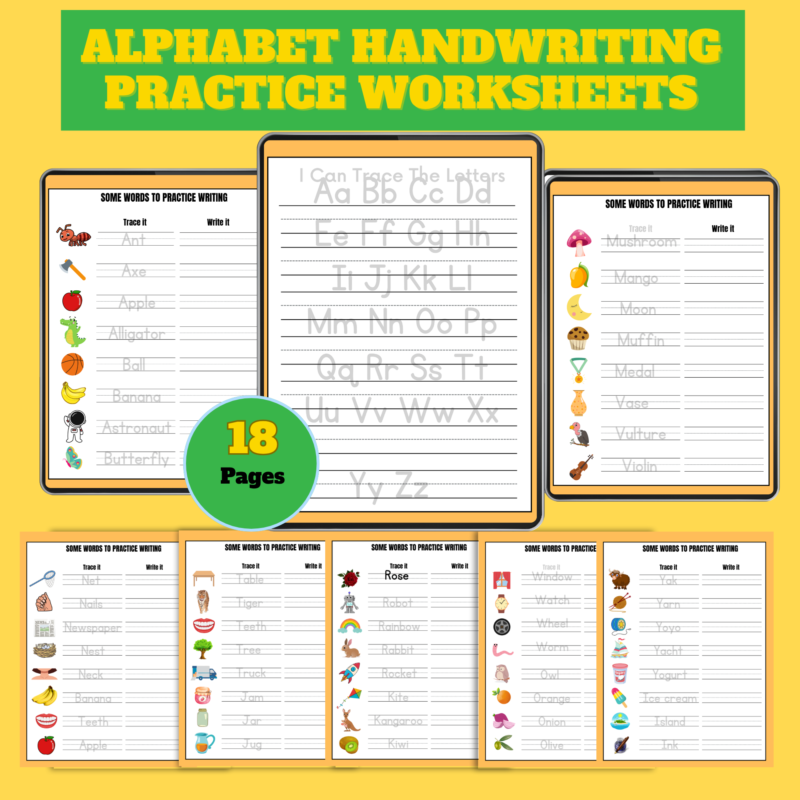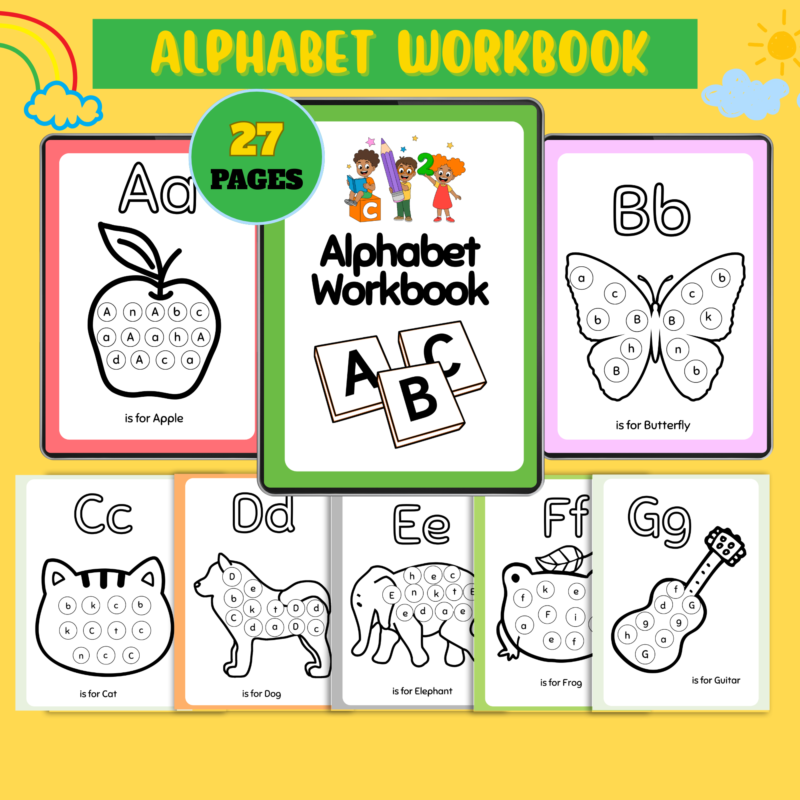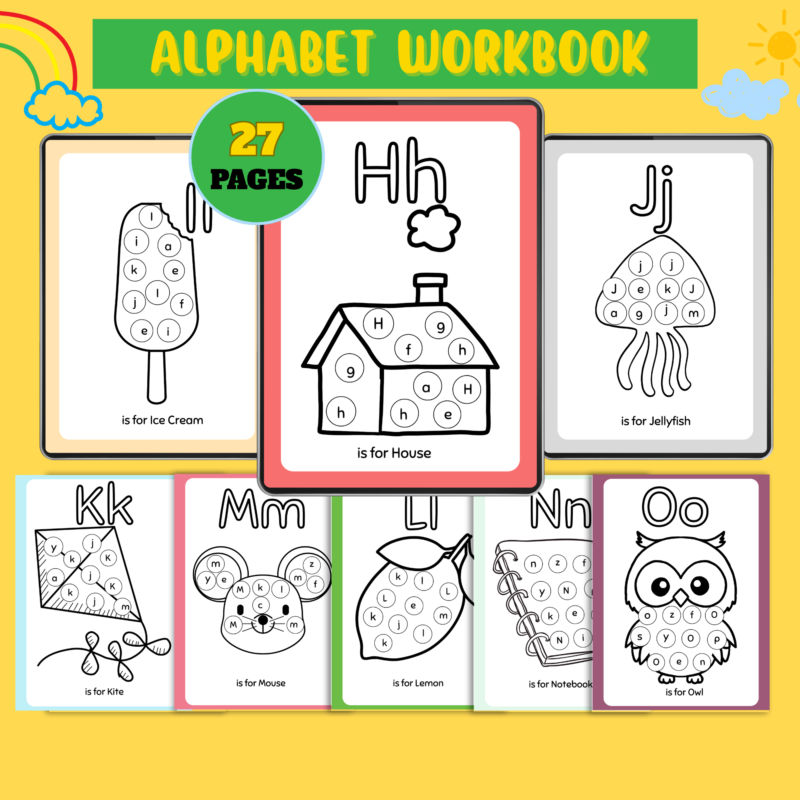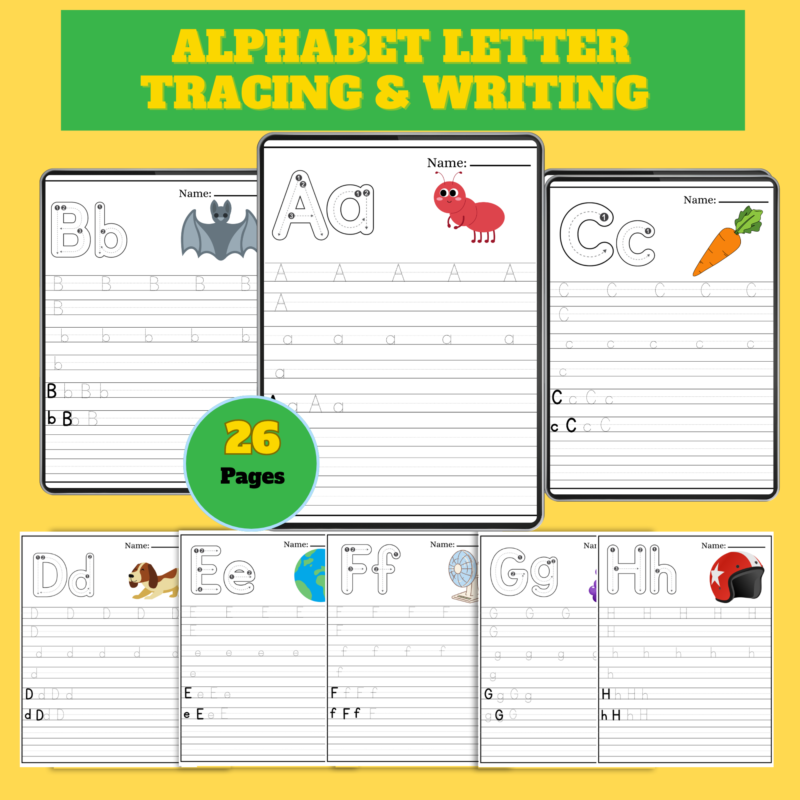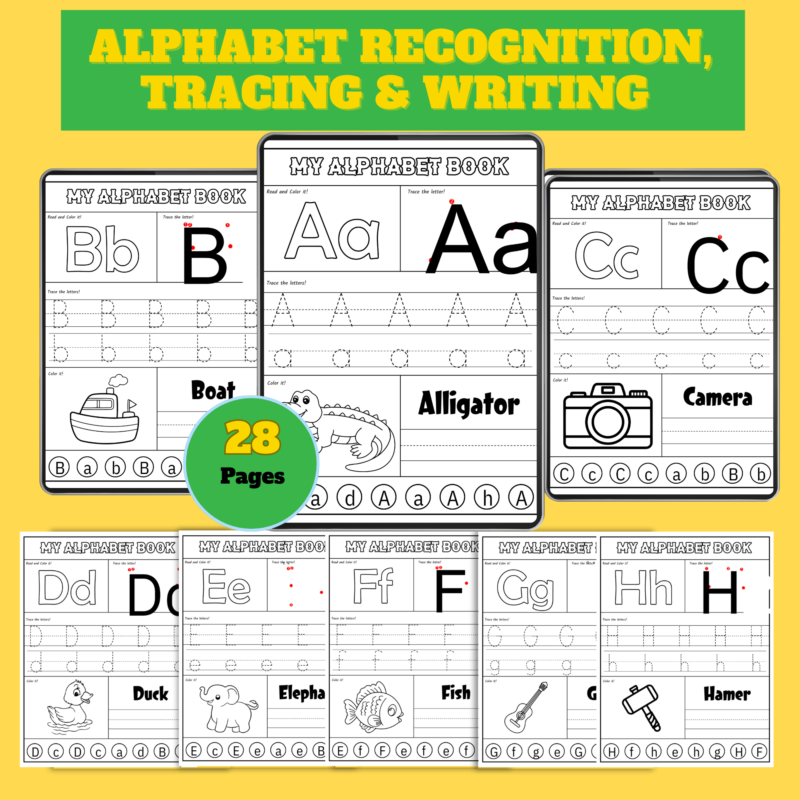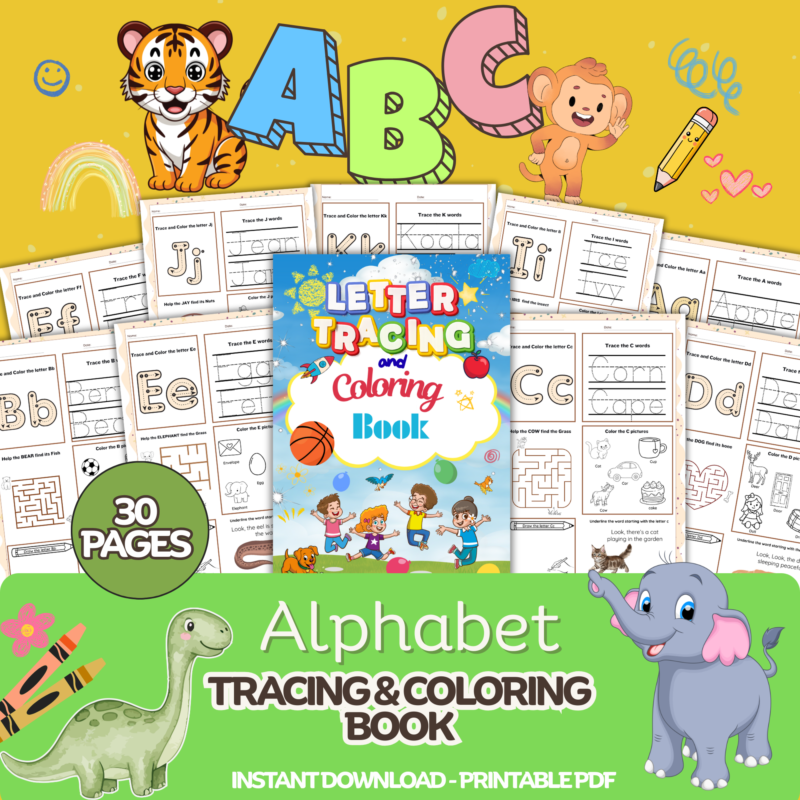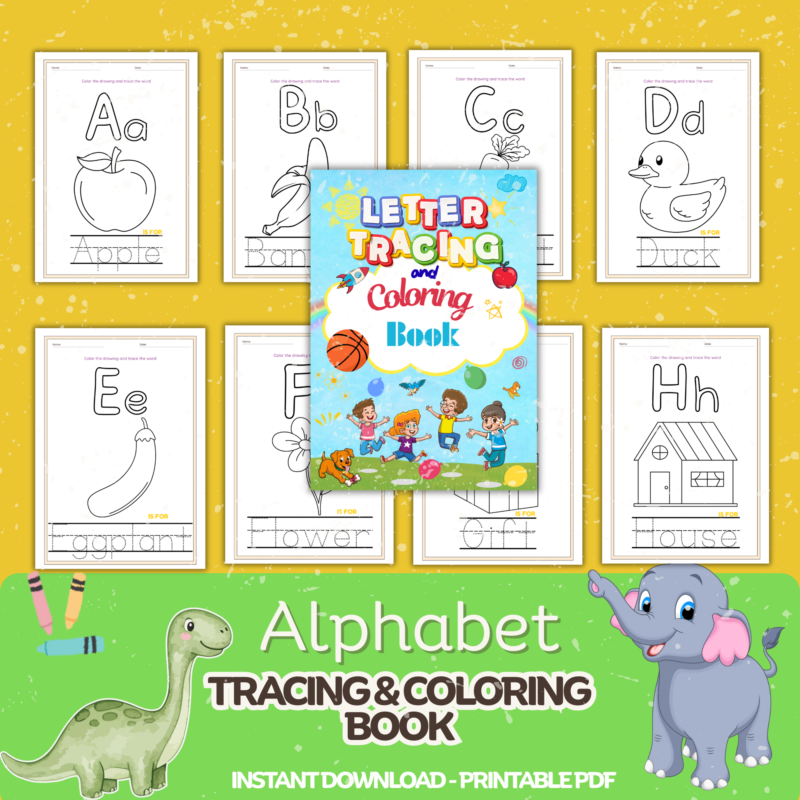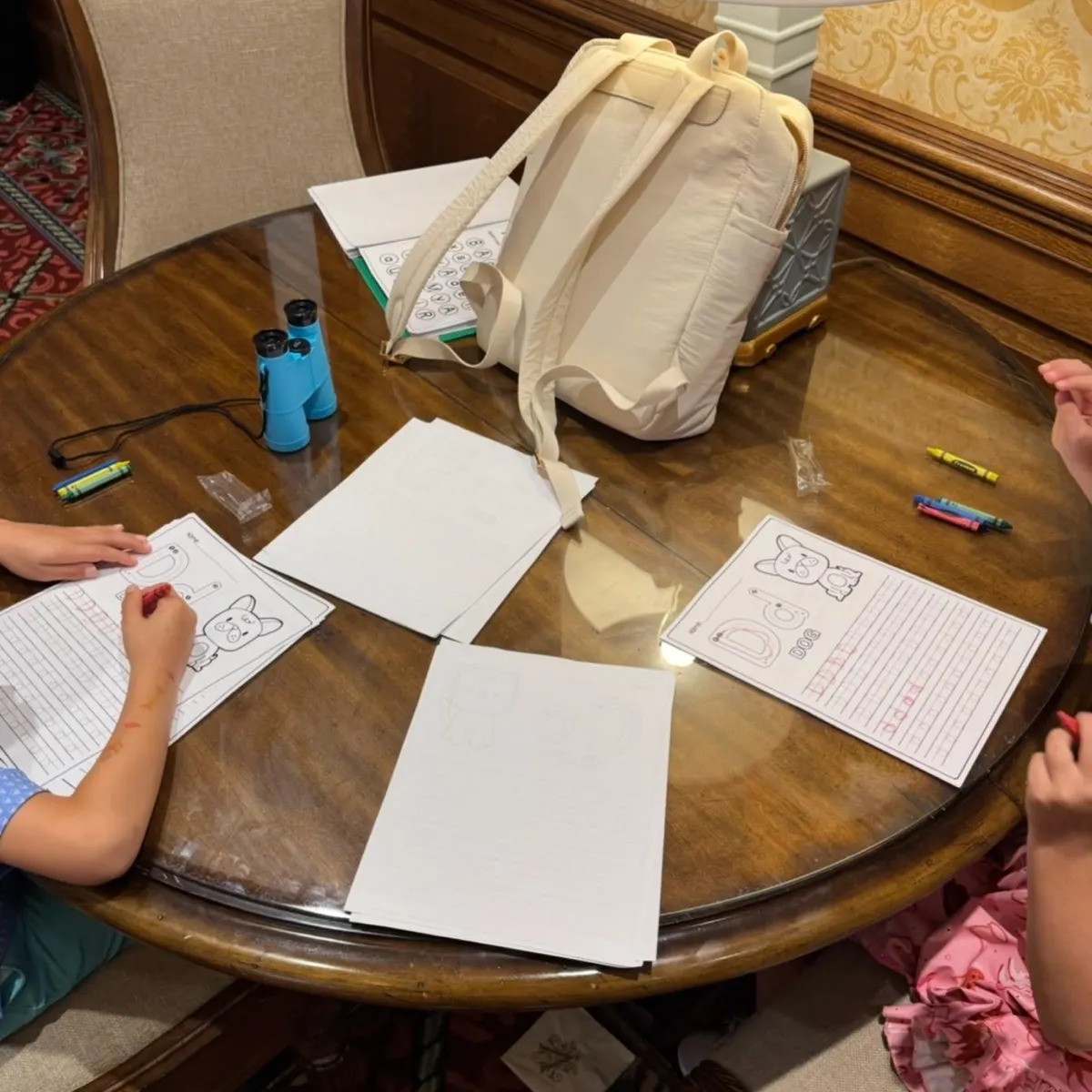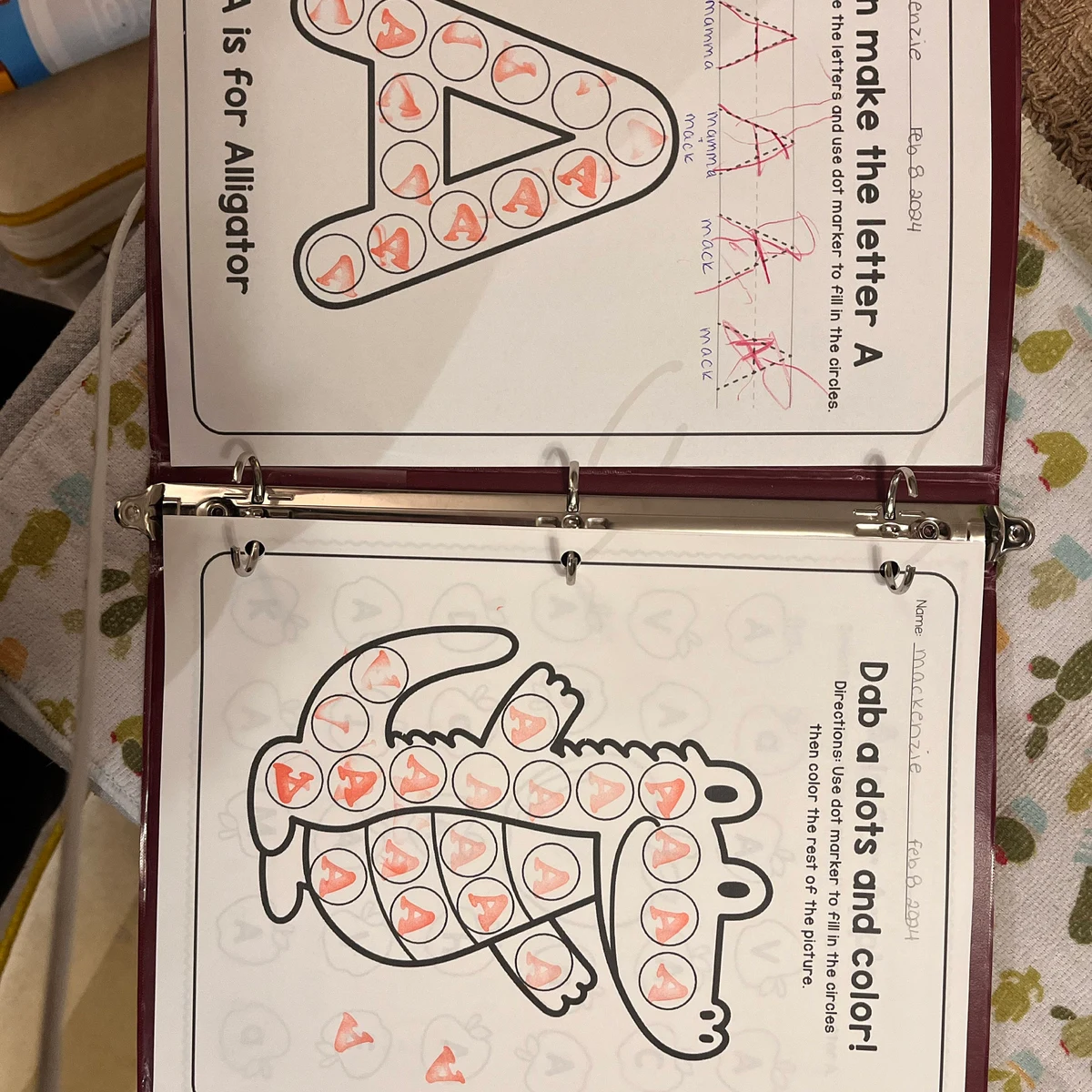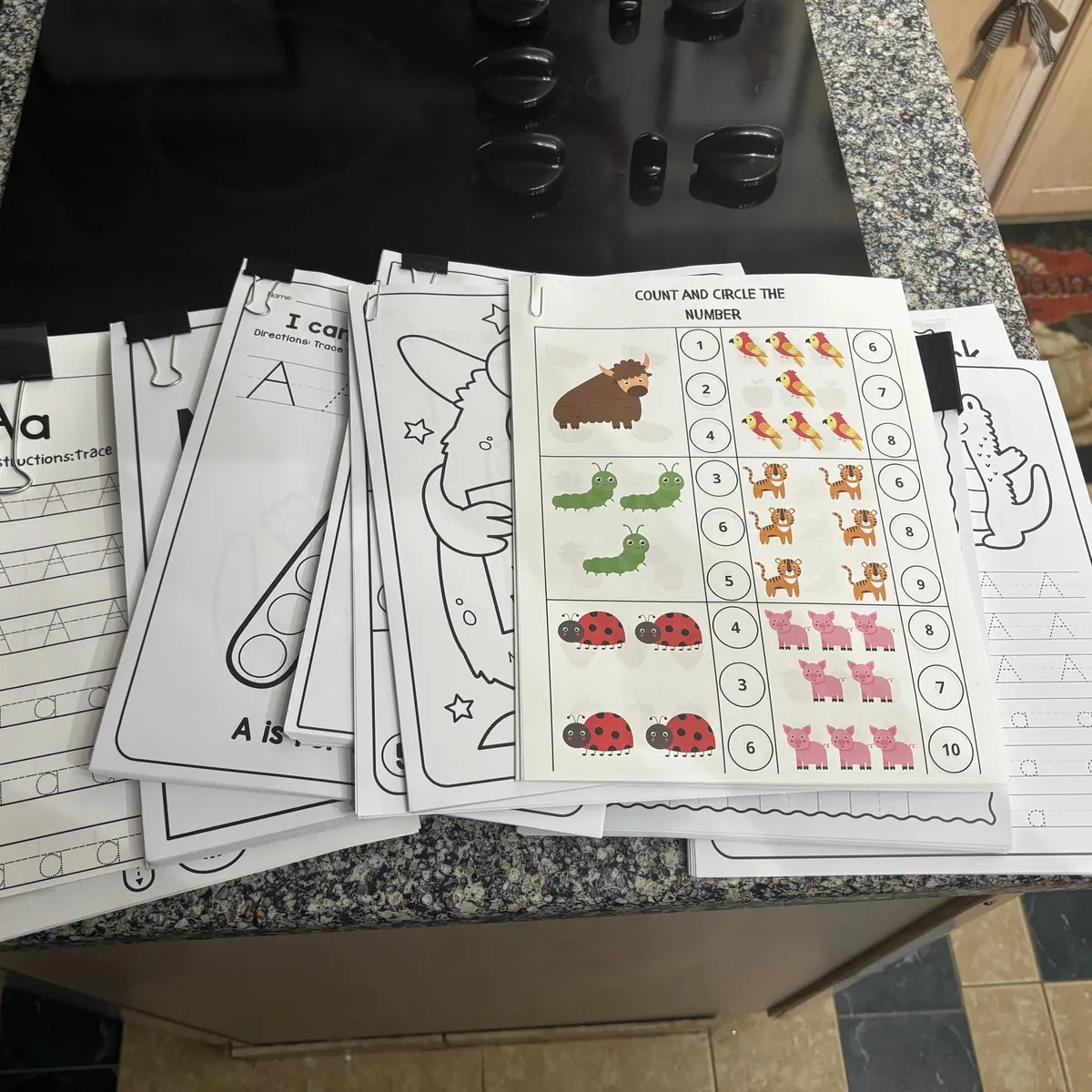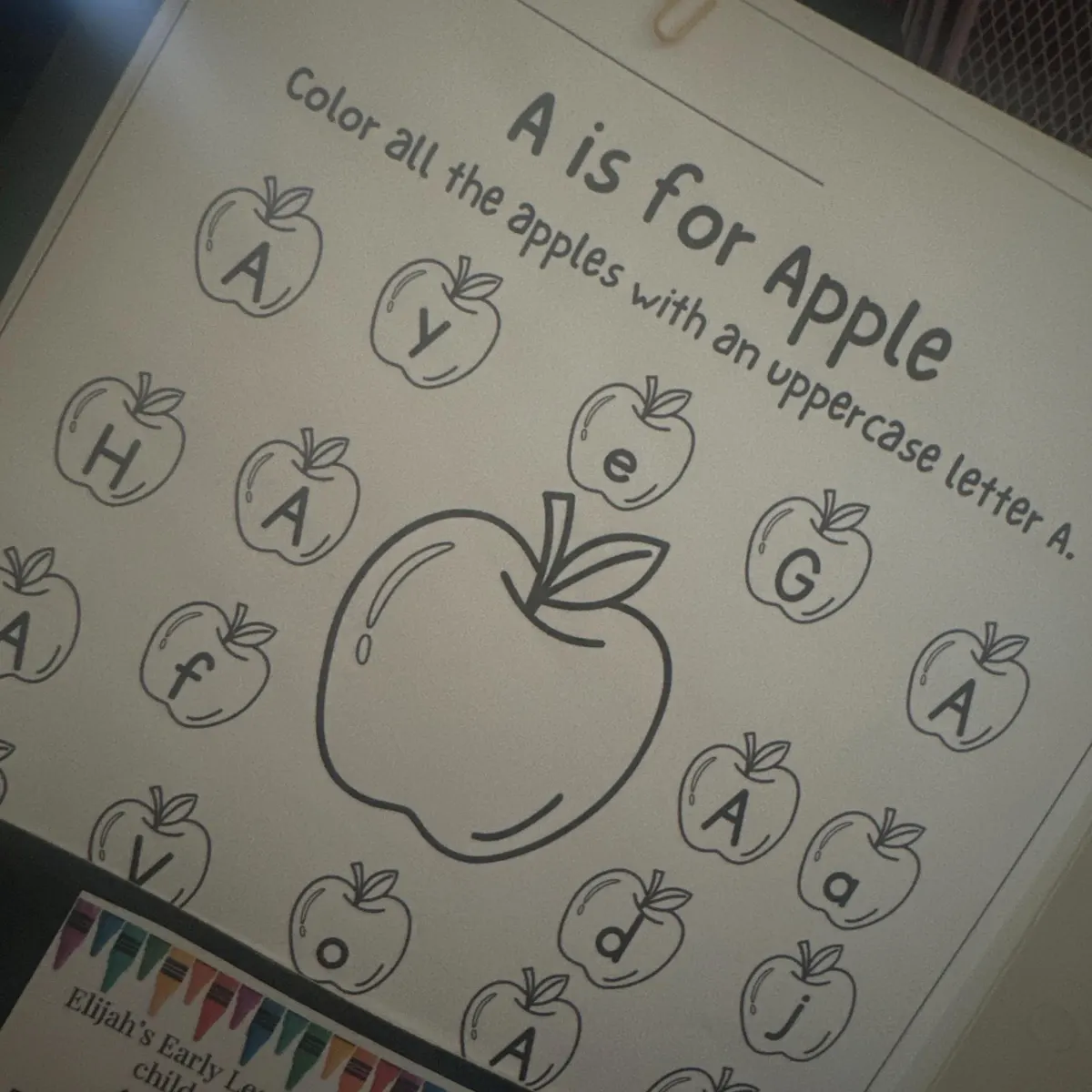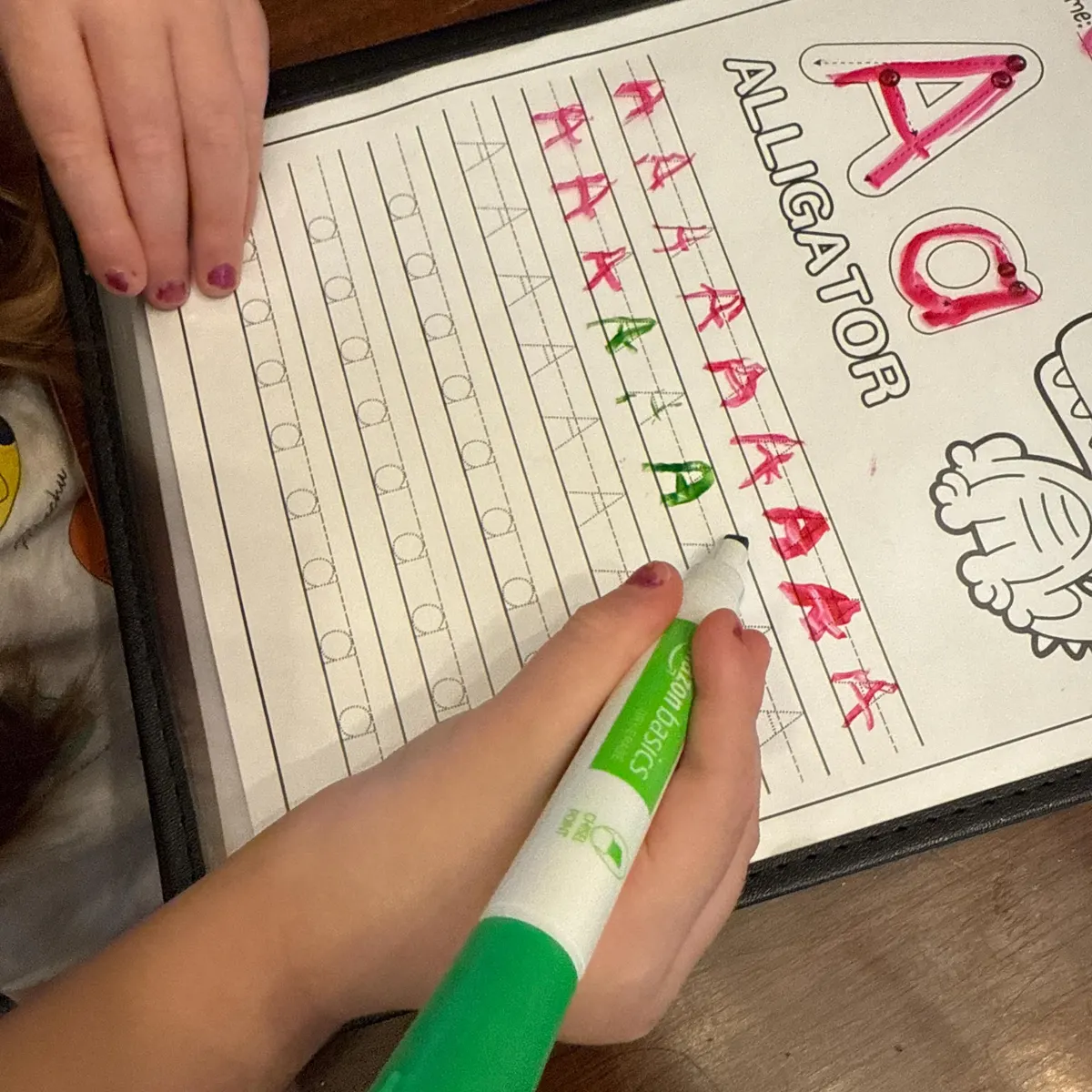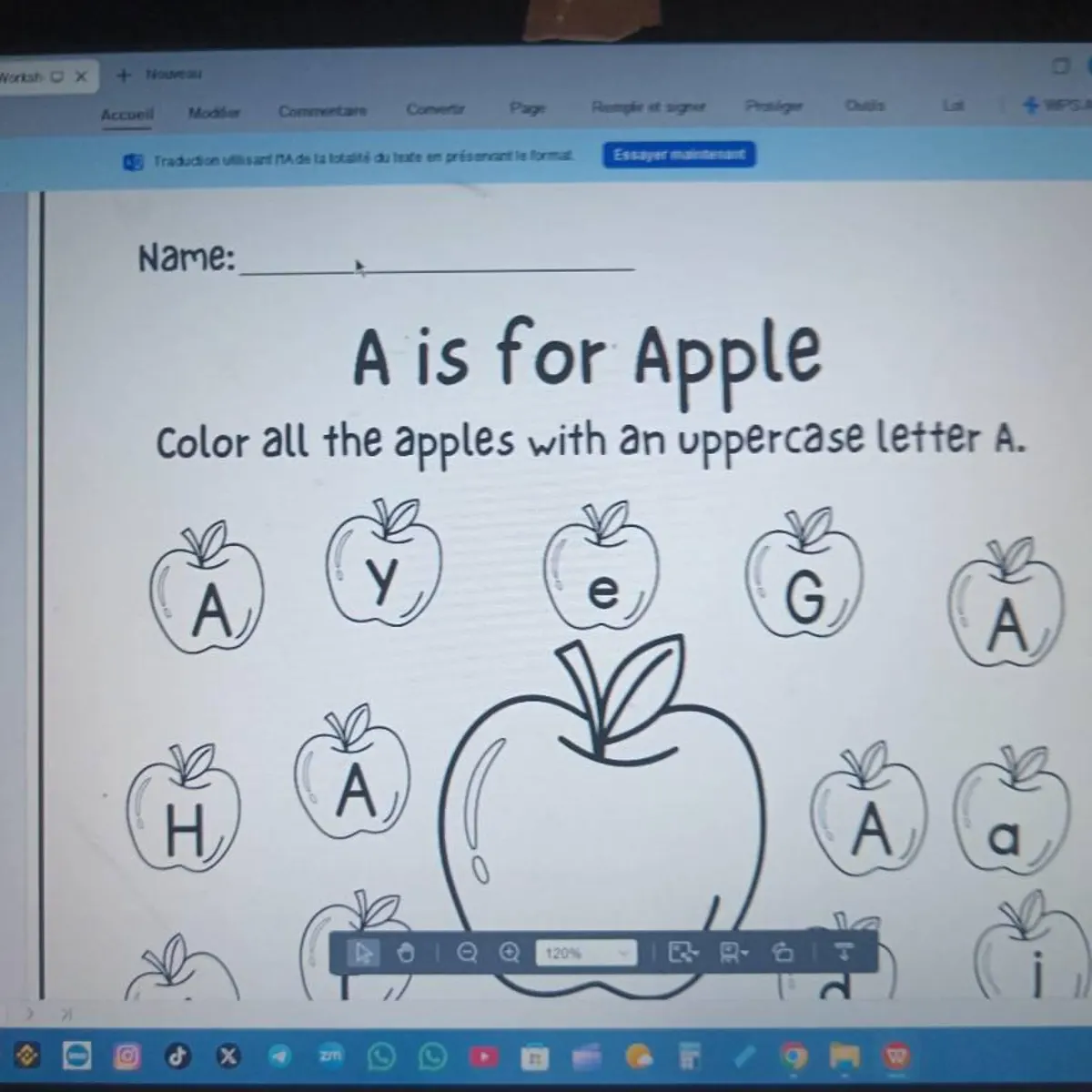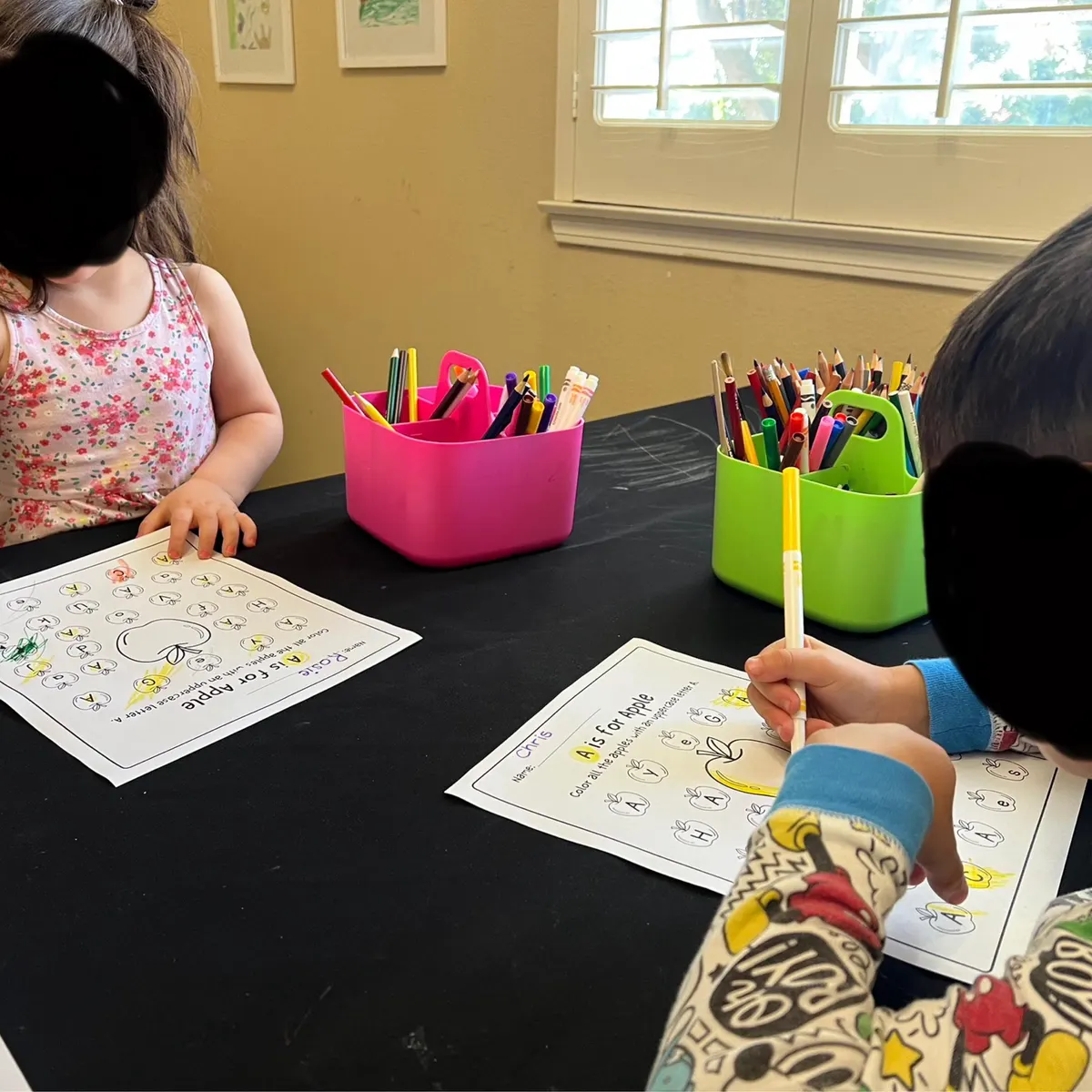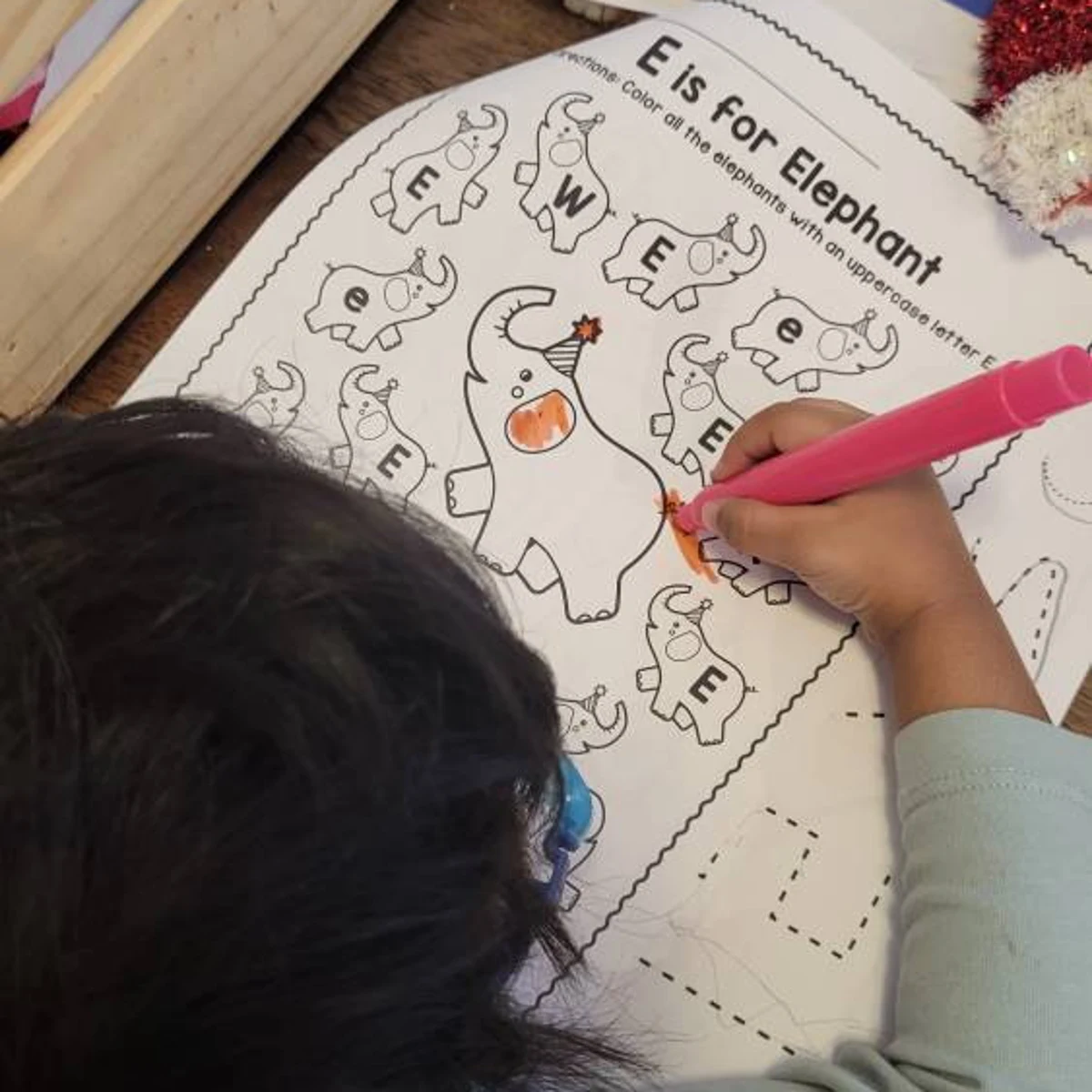
Free A-Z Letter Tracing Worksheets, A-Z Letter Tracing Sheets, and A-Z Letter Tracing Worksheets PDF designed for preschool and kindergarten learners. These fun printable tracing activities help children improve handwriting, alphabet recognition, pencil control, fine motor skills, and writing confidence through engaging uppercase and lowercase tracing practice perfect for classroom, homeschool, and daily learning routines.
A child who can point to the letter m, say /m/, and match it to moon is doing more than completing a page. They are learning how print connects to spoken language. Well-chosen phonics worksheets give preschoolers and kindergarteners a clear, playful way to practice that connection one small step at a time.
For busy parents, teachers, and homeschool families, printable practice can also remove a common challenge: knowing what to teach next. Instead of creating activities from scratch, you can offer a focused page that reinforces the sound, letter, or simple word your child is ready to learn.
What Phonics Worksheets Help Children Learn
Phonics is the skill of connecting letters and letter combinations with the sounds they make. It supports early reading because children need a reliable way to work out unfamiliar words, rather than trying to memorize every word they see.
At the beginning, practice is often very simple. A child may identify the first sound in sun, trace the letter s, or color pictures that begin with /s/. Later, they may blend sounds together to read words such as cat, map, and sit. Each stage builds on the one before it.
Phonics worksheets can support several early literacy skills at once, including letter recognition, sound awareness, pencil control, vocabulary, and beginning reading. The key is keeping the task focused. A page with one clear goal is easier for young learners to understand and more satisfying to finish.
Letter Names and Letter Sounds Are Different Skills
Children benefit from learning both letter names and sounds, but they do not always learn them at the same pace. Knowing that a letter is called “B” is useful. Knowing that b usually makes the /b/ sound is what helps a child begin reading bat.
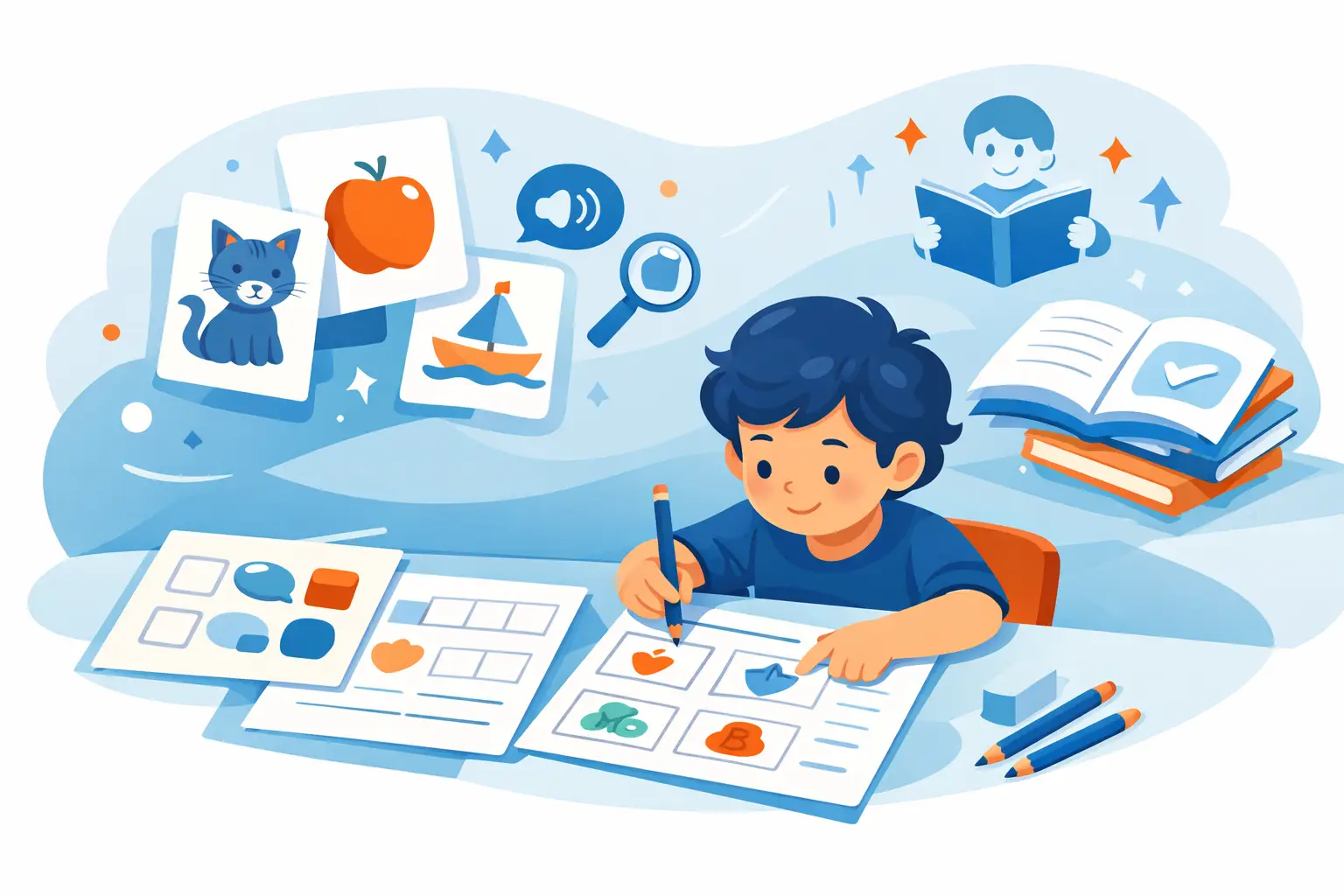
A helpful worksheet sequence gives children opportunities to trace and identify each letter, then connect that letter to familiar picture words. Saying the sound out loud while completing the page makes the learning more meaningful. For example, invite a child to say “/t/, tiger” as they circle the pictures that begin with t.
Choosing Phonics Worksheets for Your Child’s Stage
The best printable is not necessarily the one with the most activities. It is the one that matches what a child can do now, while offering just enough challenge to encourage growth.
For a preschooler who is still learning the alphabet, start with pages that focus on one letter at a time. Letter tracing, simple picture matching, and beginning-sound coloring are age-appropriate ways to build familiarity. Keep the language light and encouraging. A child does not need to finish every page perfectly to make progress.
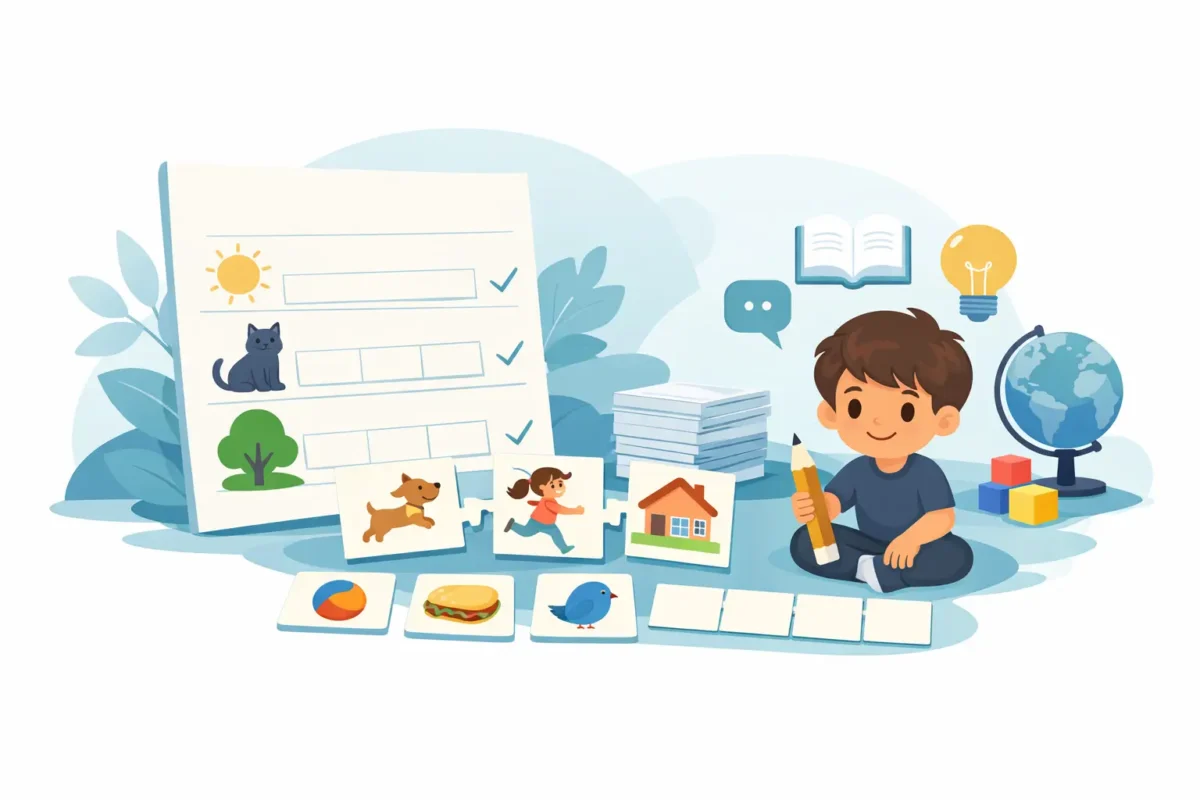
Kindergarten learners are often ready to go further. They may practice hearing first, middle, and final sounds, matching pictures to short vowel words, or blending three sounds into a CVC word. CVC means consonant-vowel-consonant, such as dog, pen, or rug. These short words give children an achievable first reading experience.
Some children are ready to blend sounds early, while others need more time with letter recognition and listening skills. That is normal. Repetition is helpful when it feels familiar, not frustrating. If a child starts guessing, rushing, or avoiding the activity, step back to an easier page or shorten the practice time.
A Simple Phonics Practice Routine That Works
Young children usually learn more from brief, regular practice than from a long worksheet session once a week. Ten minutes can be plenty, especially when the activity includes conversation, movement, and praise.
Begin by introducing one sound. Show the letter, say its sound clearly, and name a few familiar objects that begin with it. Then complete a small section of a worksheet together. If the page asks children to find pictures with the /f/ sound, pause over each image and say its name slowly: “fish… /f/ish.”
After that, let the child work independently on a simple task they understand, such as tracing the letter or coloring matching pictures. Finish with a quick real-life connection. Can they find something in the room that starts with the same sound? This turns worksheet practice into a skill they can notice beyond the page.
For classrooms, phonics printables work especially well as a morning warm-up, literacy center activity, small-group practice, or take-home reinforcement. For home learning, keep a small folder of completed pages. Children often enjoy looking back and seeing how much they can do now compared with a few weeks ago.
Make Printable Practice Feel Like Play
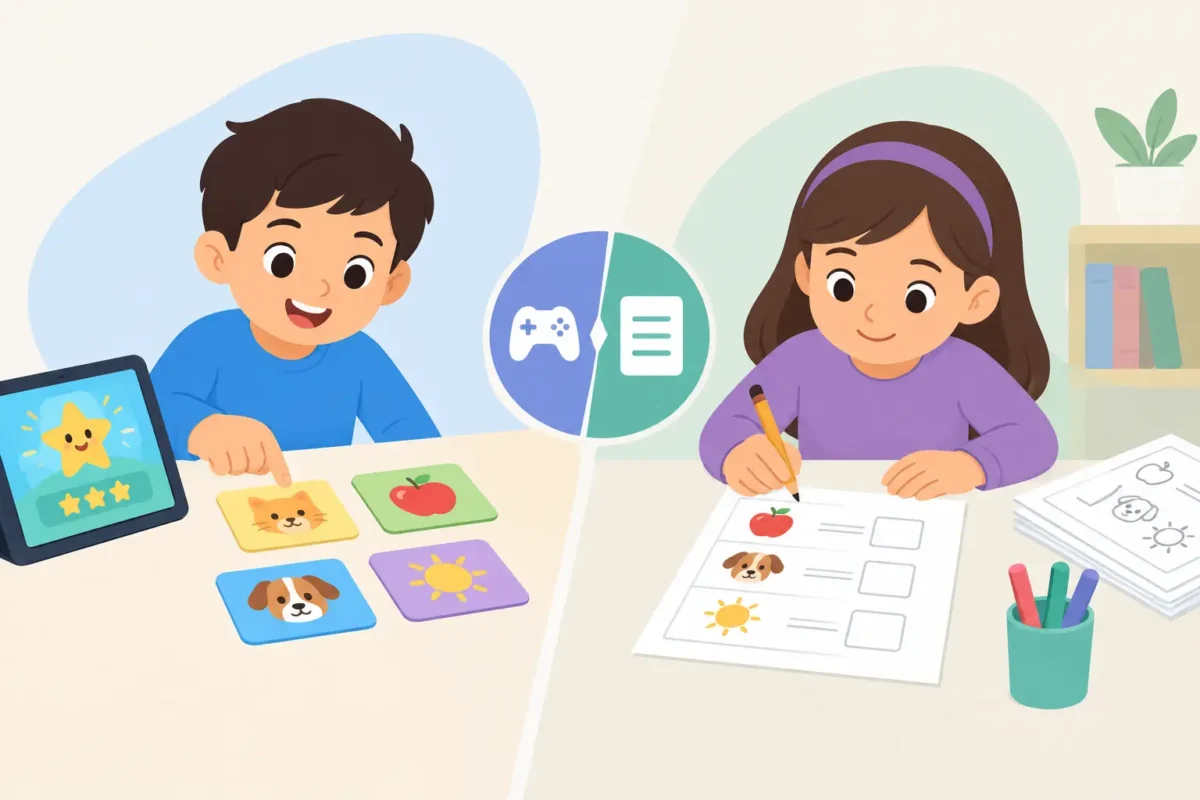
A worksheet should support learning, but it does not have to feel like a test. Small choices can make phonics time more inviting for children who would rather be moving, building, or drawing.
Try using crayons, dot markers, stickers, or a favorite pencil for tracing and coloring activities. Let children clap when they hear a target sound or tap the table once for each sound in a short word. For map, say /m/ /a/ /p/ and tap three times. These playful actions help children hear that words are made of separate sounds.
You can also extend a printable beyond the paper. After completing a worksheet about the letter a, look for a in a book title, on a food label, or in a child’s name. After practicing short vowel words, write a few on index cards and let your child read them to a stuffed animal. The worksheet provides structure, while the follow-up play helps the skill stick.
Common Mistakes to Avoid With Early Phonics
One common mistake is asking children to use letter sounds that are not quite accurate. Try to say the sound cleanly. For example, say /m/ rather than “muh” when possible. Adding an extra vowel can make blending harder because mmm-aaa-p is clearer than “muh-ah-puh.”
Another mistake is moving too quickly to worksheets with many sounds, directions, or word patterns on one page. A busy-looking printable can be useful for a child who already has confidence with the skill, but it may overwhelm a beginner. Start small and build steadily.
It also helps to avoid correcting every tiny error immediately. If a child reverses a letter, confuses two similar sounds, or needs help reading a word, respond calmly and model the next step. Early literacy grows through plenty of supported practice. Confidence matters because children who feel capable are more willing to keep trying.
Why Repetition Builds Stronger Readers
Children need repeated chances to see, say, hear, and write the same sound patterns. That does not mean using identical pages every day. It means returning to a skill in different friendly ways: trace p, find pictures that begin with /p/, sort words by sound, then read pan and pin.
Printable phonics activities make this repetition easy to organize. You can print another copy for extra practice, save a favorite page for a review day, or use one worksheet as a quick check before introducing a new sound. Instant-download resources from Fun Clever Fox are designed to make that kind of ready-to-use practice easier at home or in the classroom.
The goal is not to rush a child through every letter or word family. It is to help them feel the exciting moment when marks on a page become sounds, and sounds become words they can read. A cheerful worksheet, a few minutes of attention, and plenty of encouragement can give that moment room to grow.