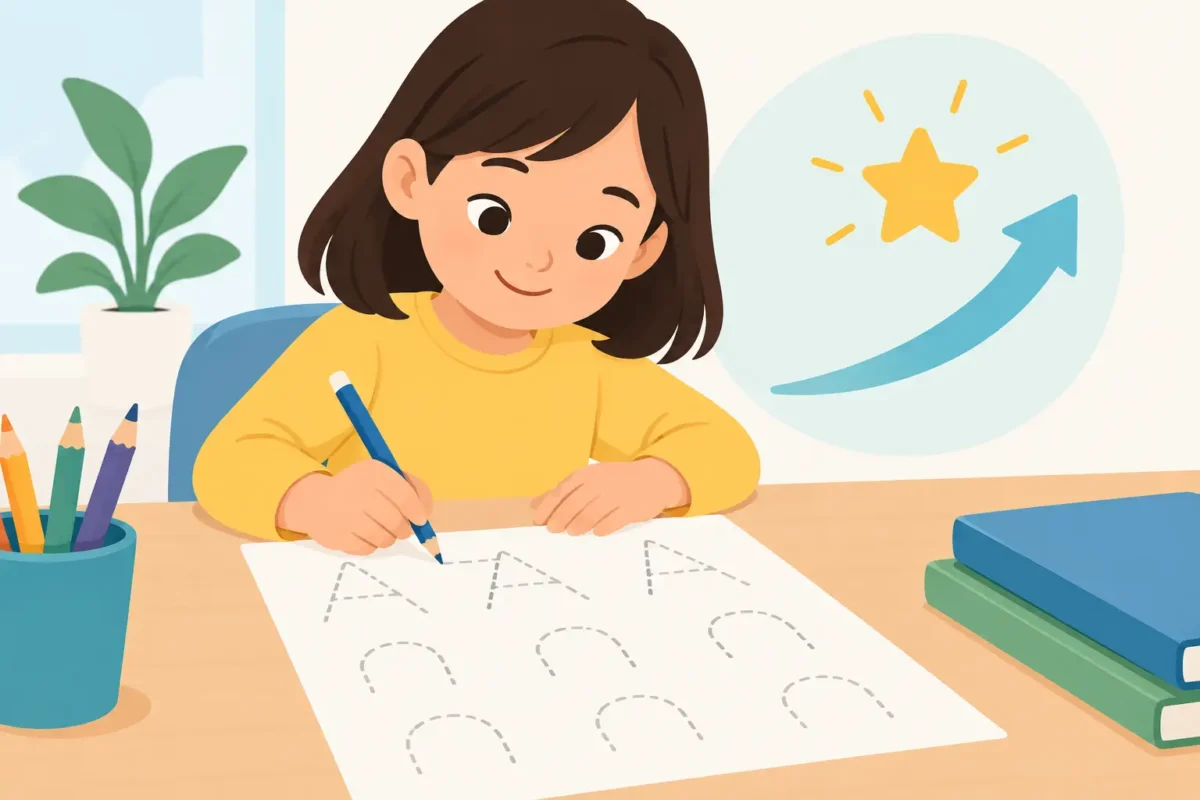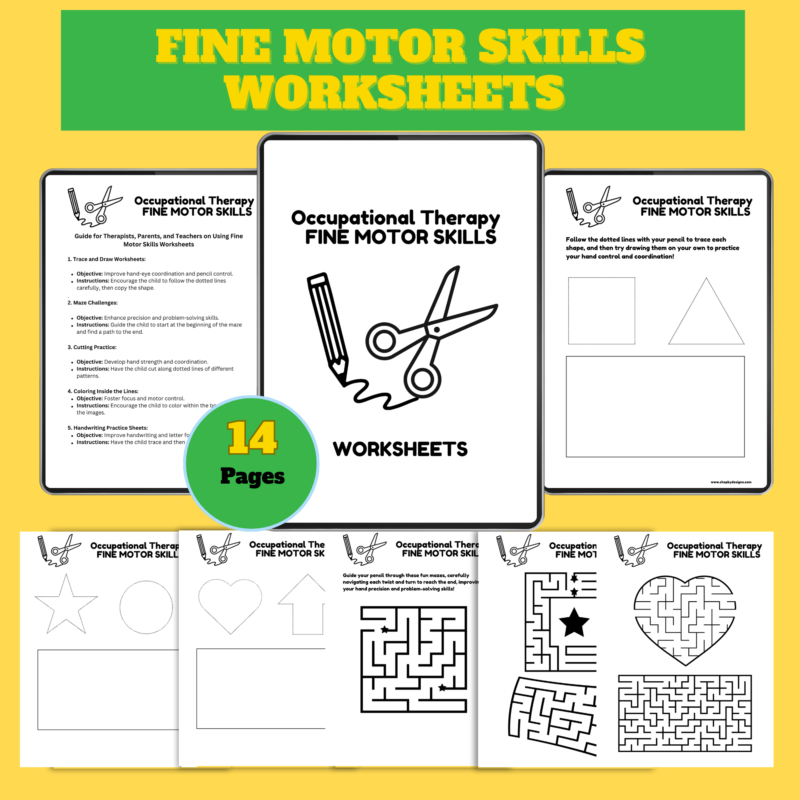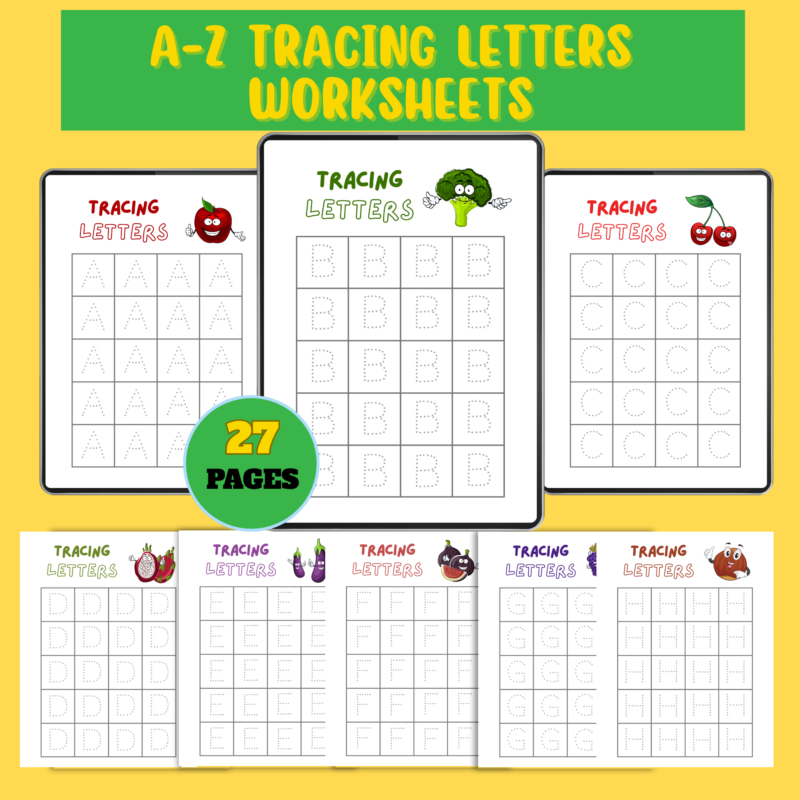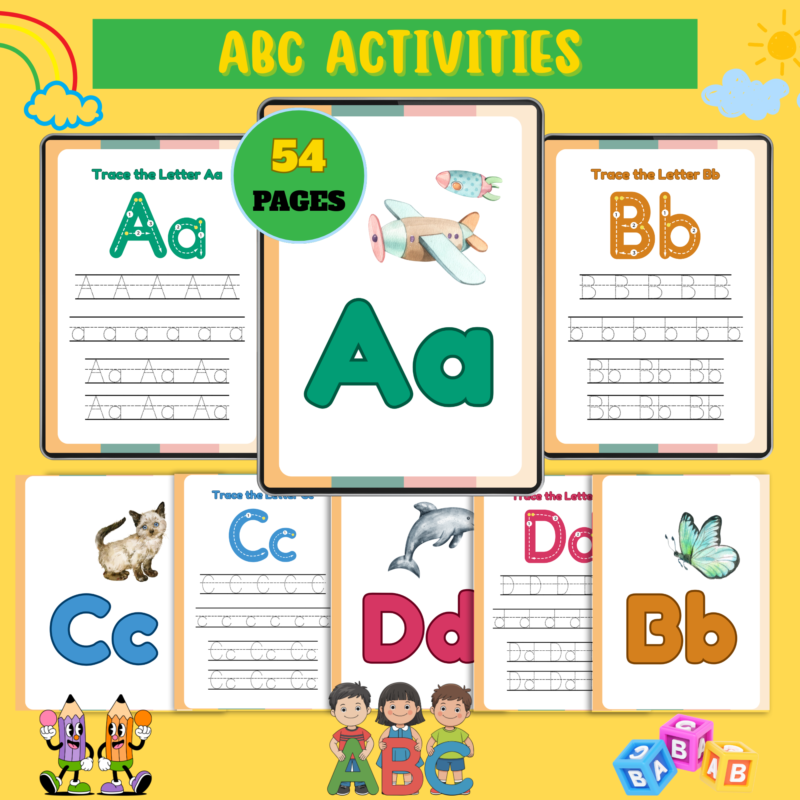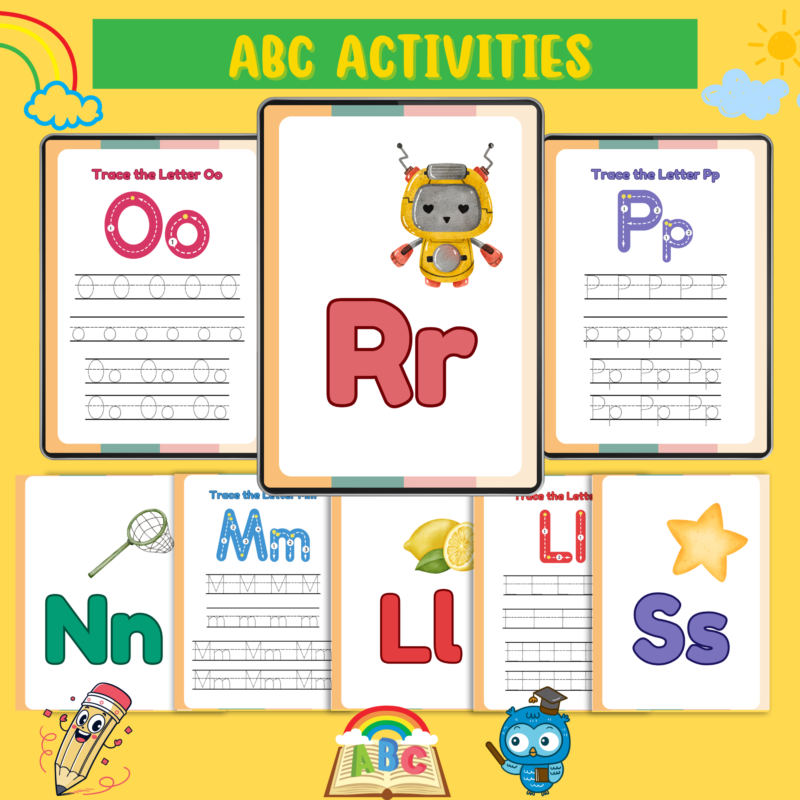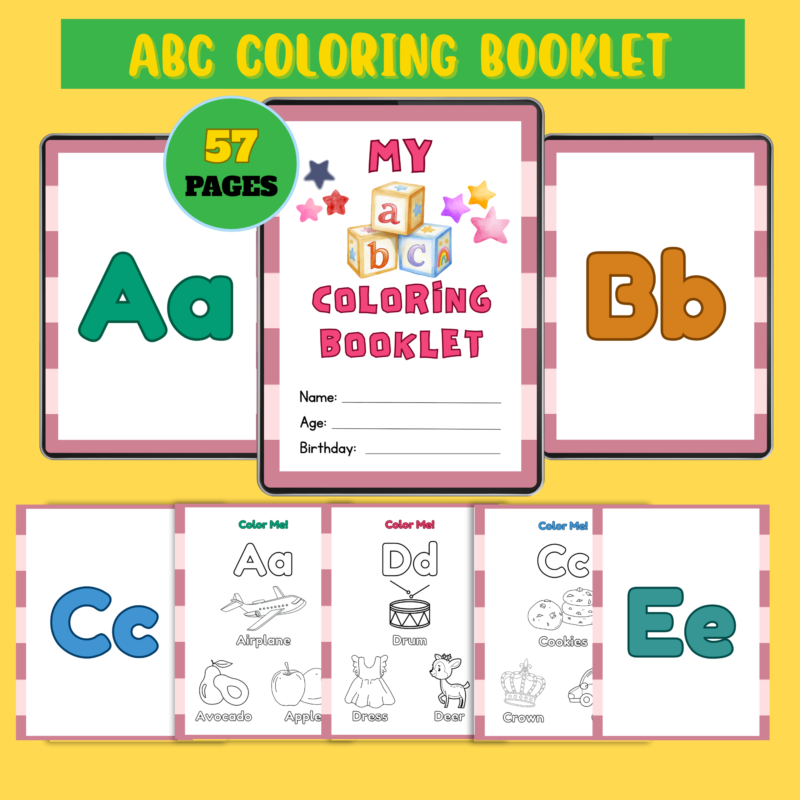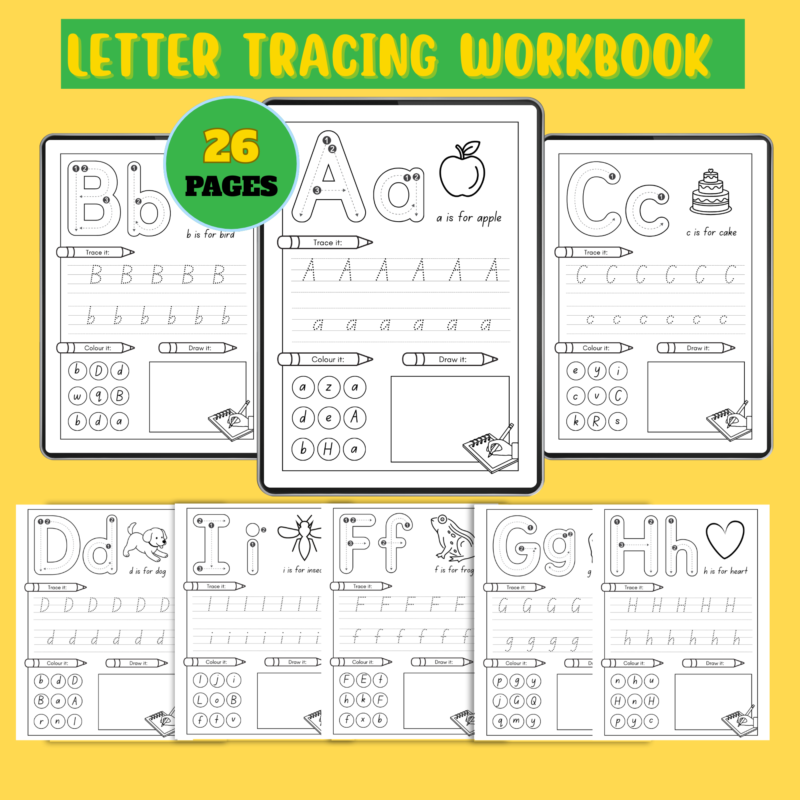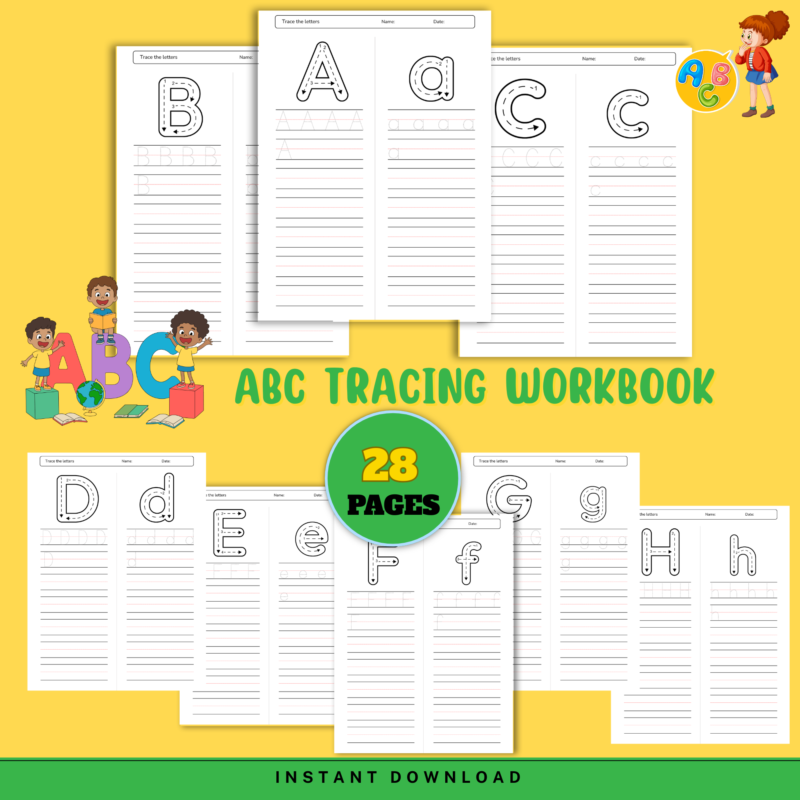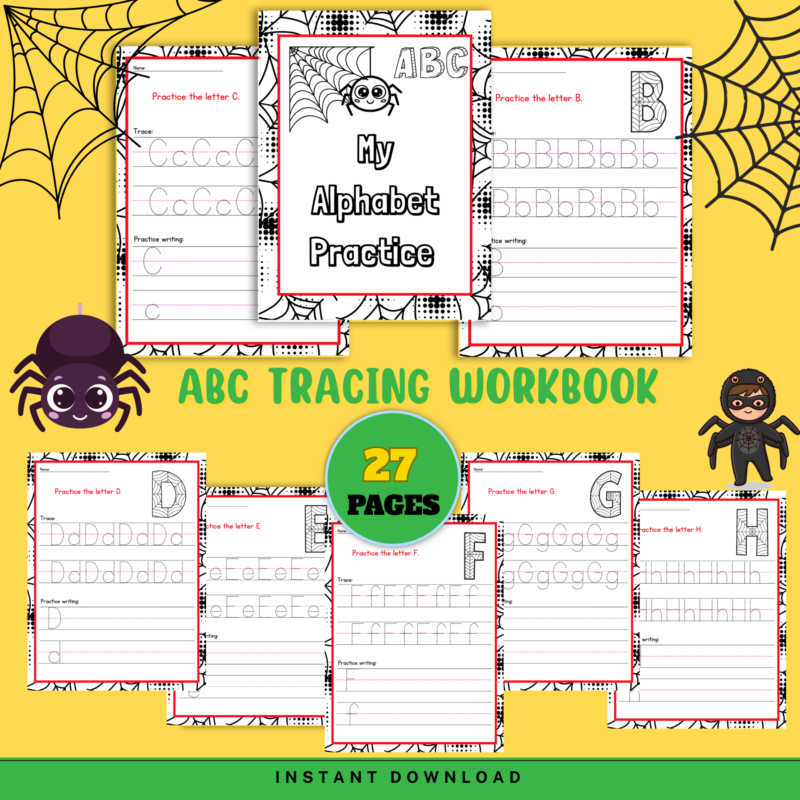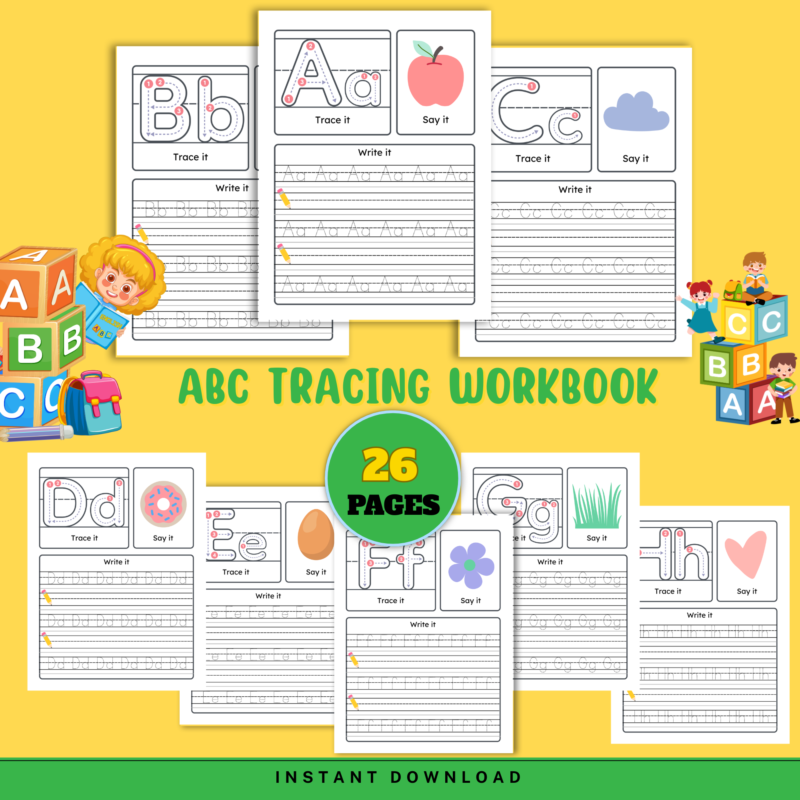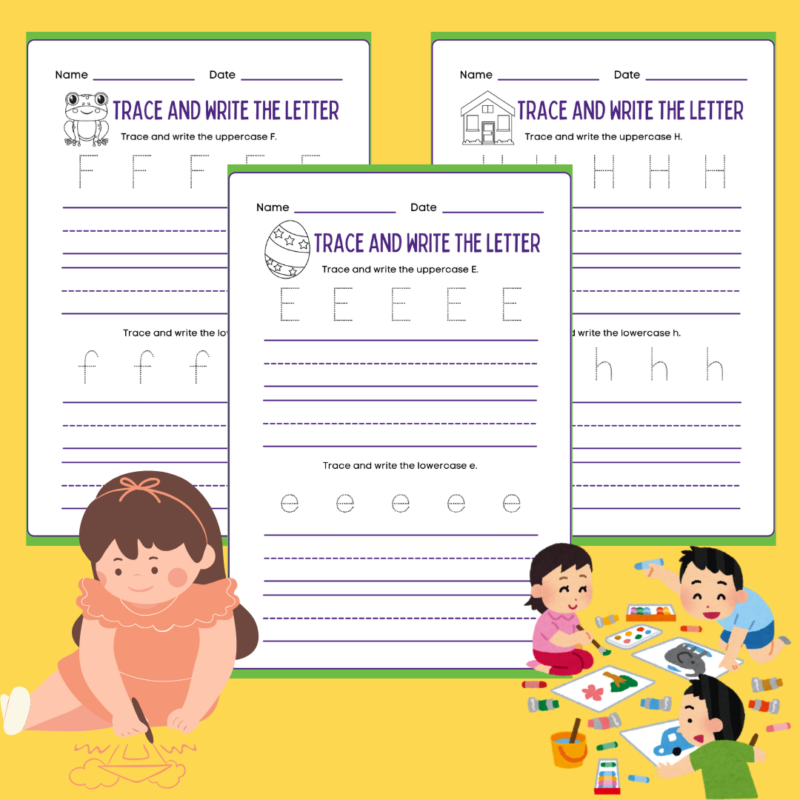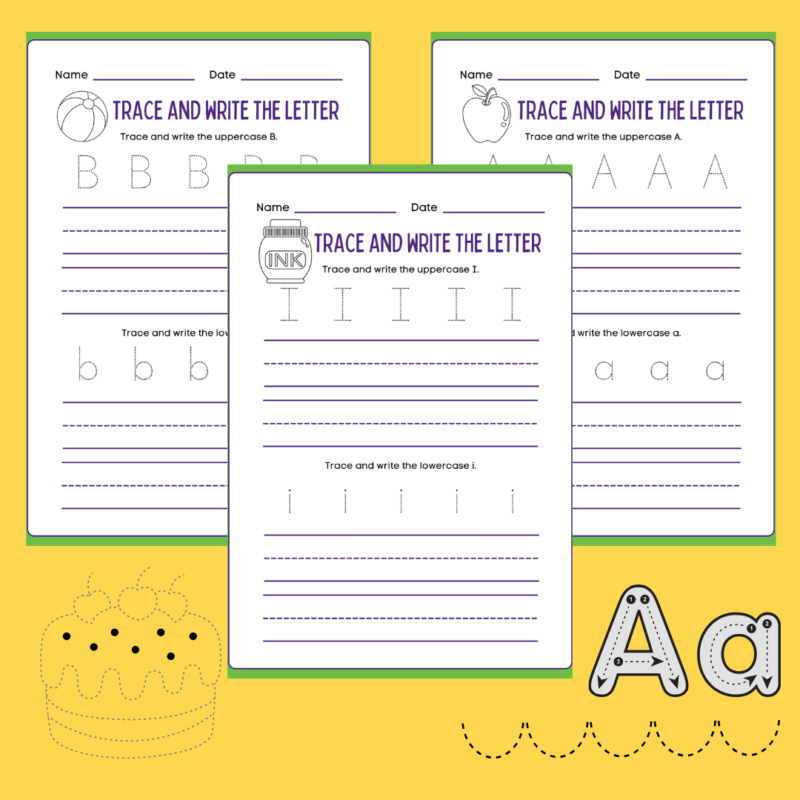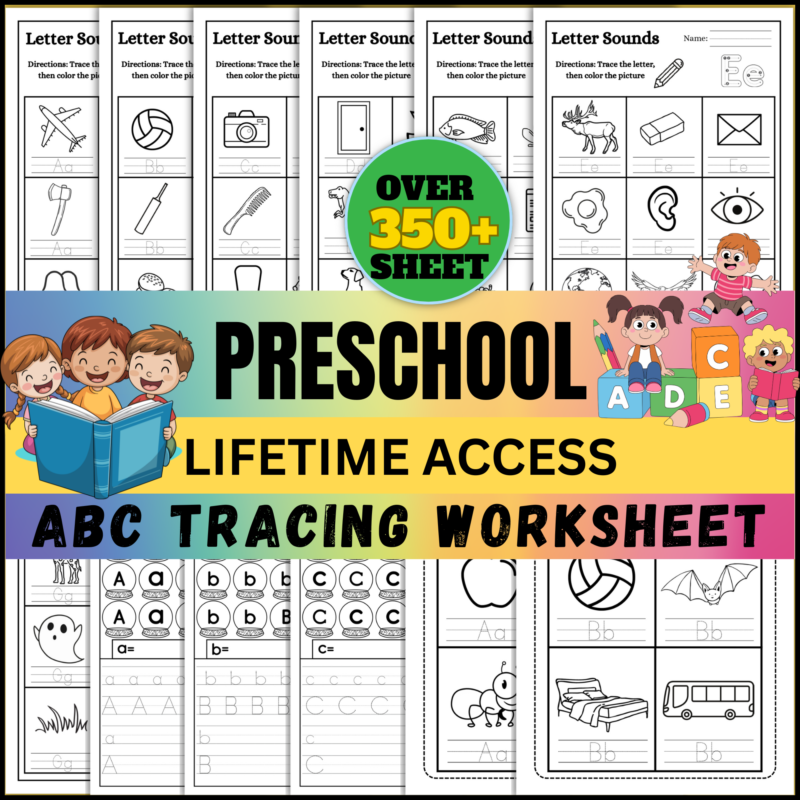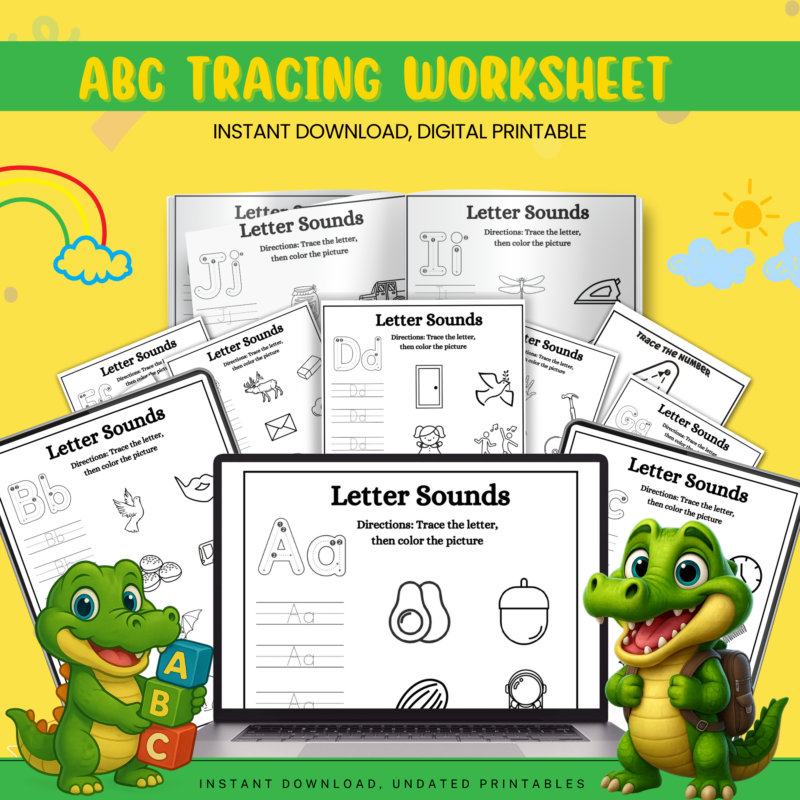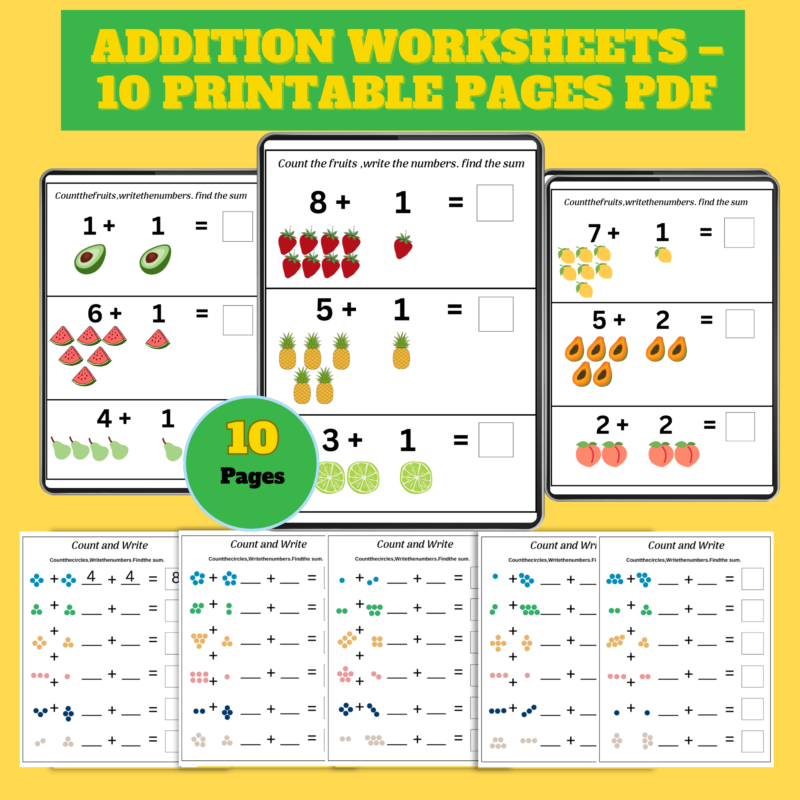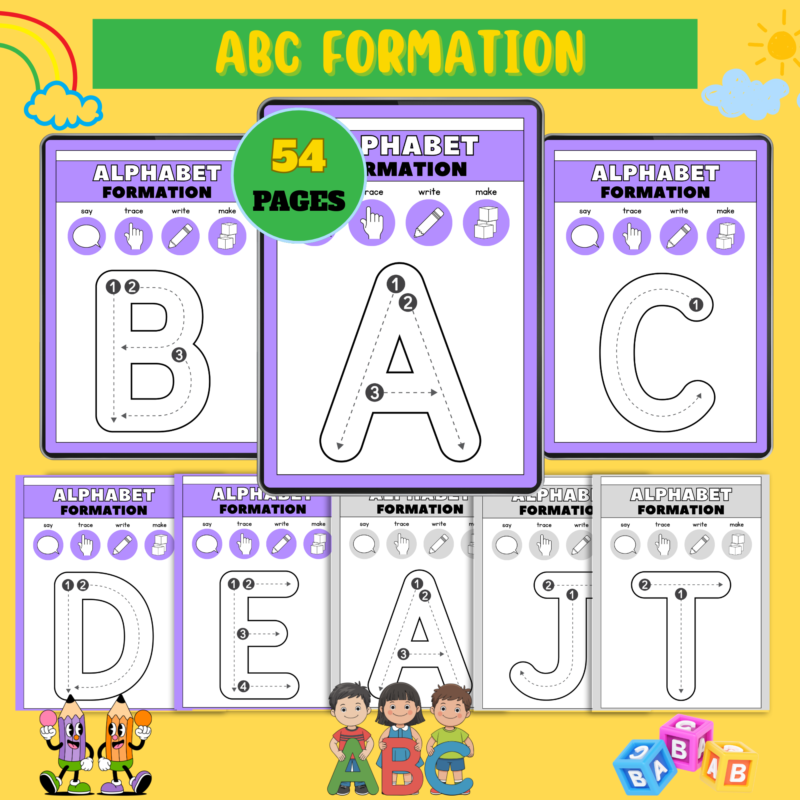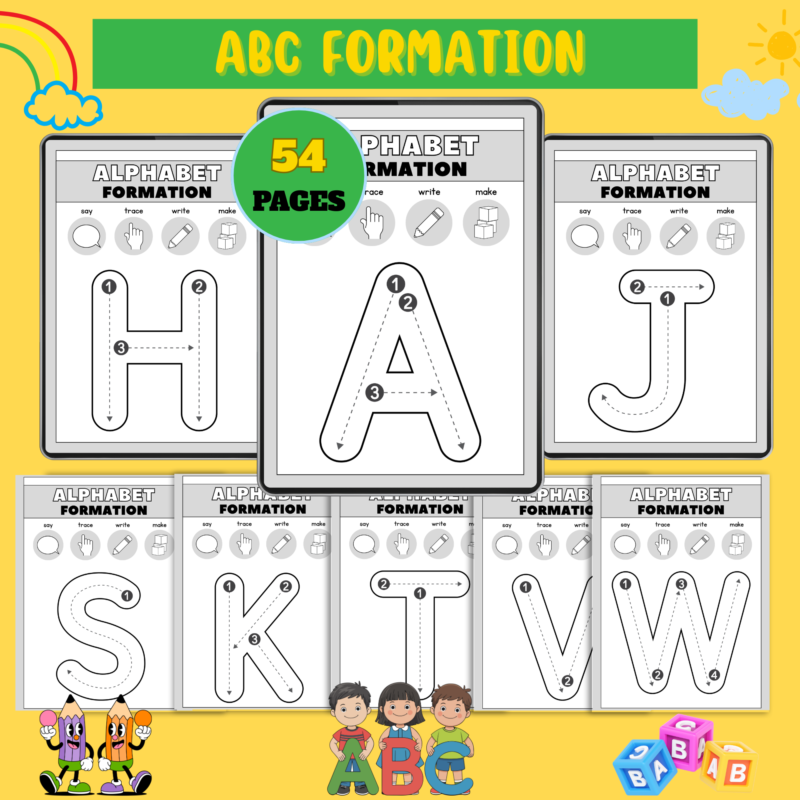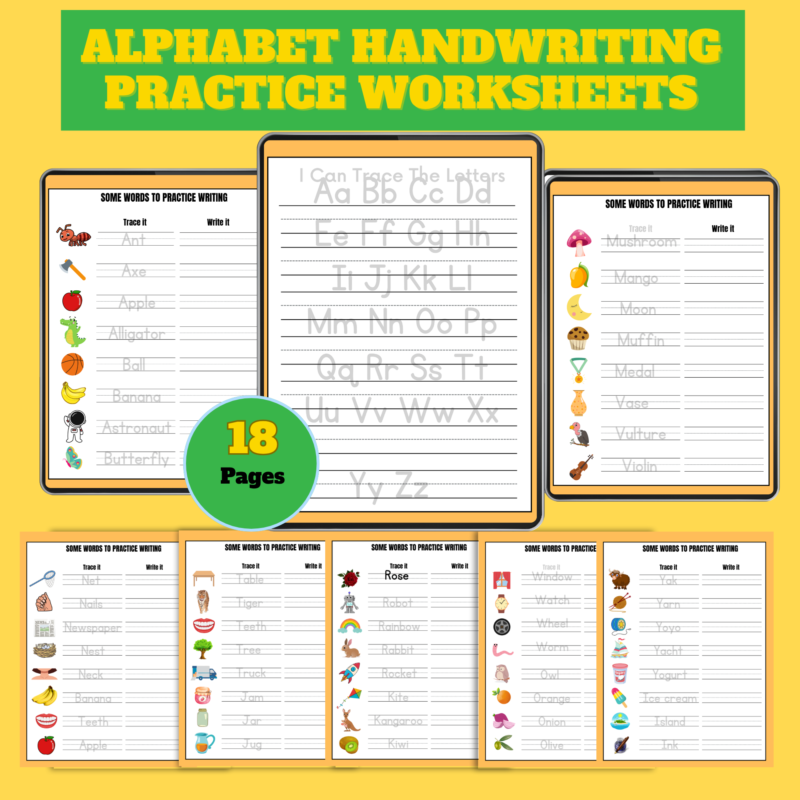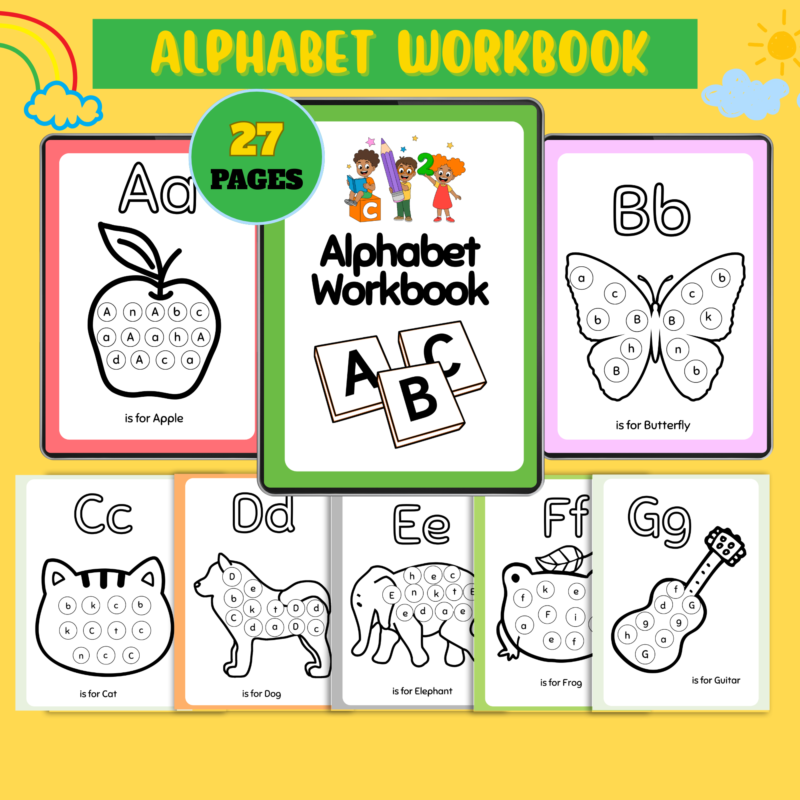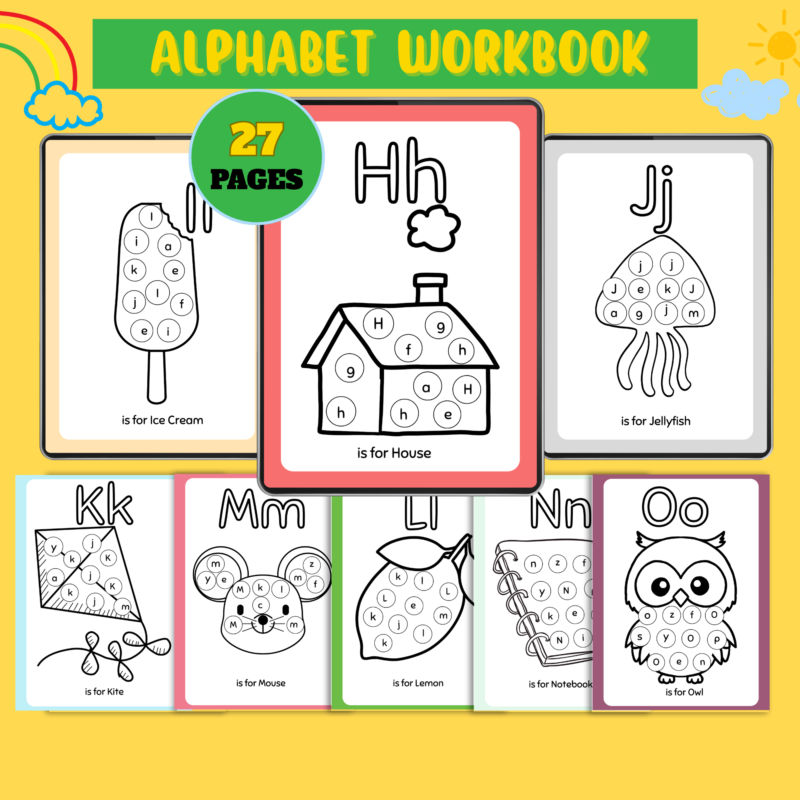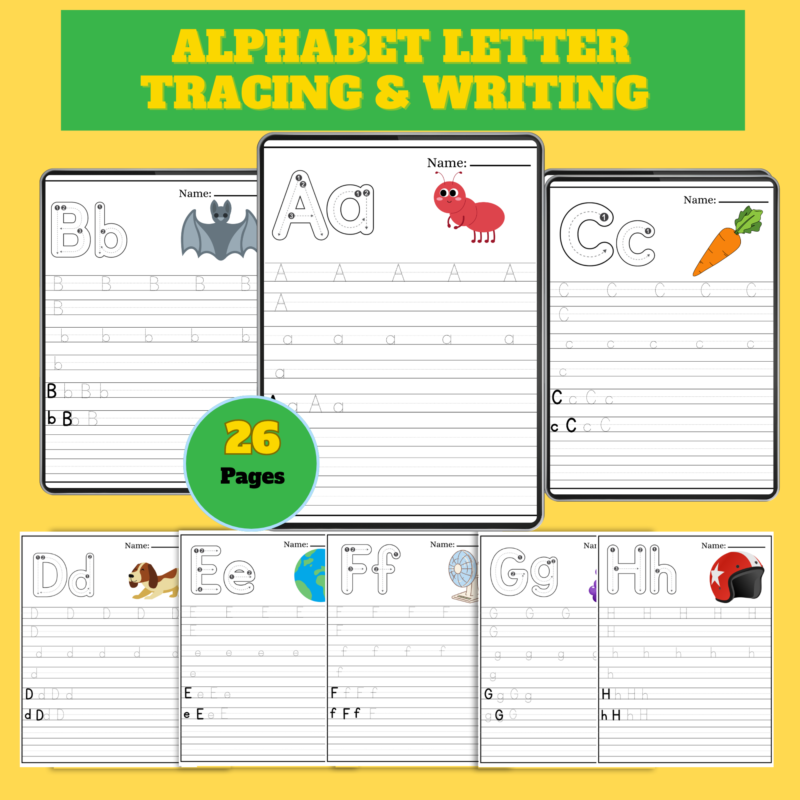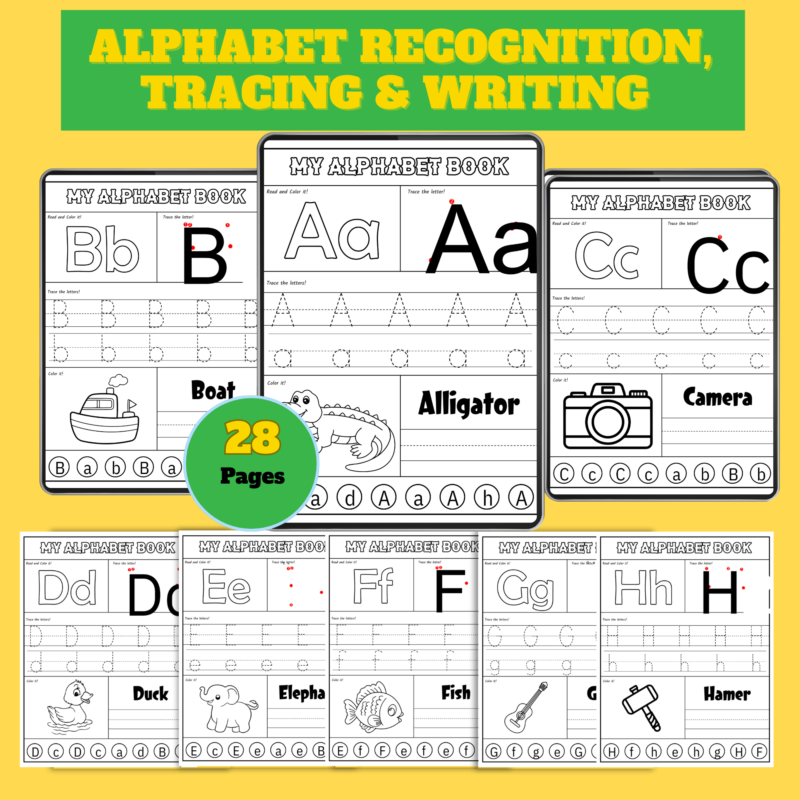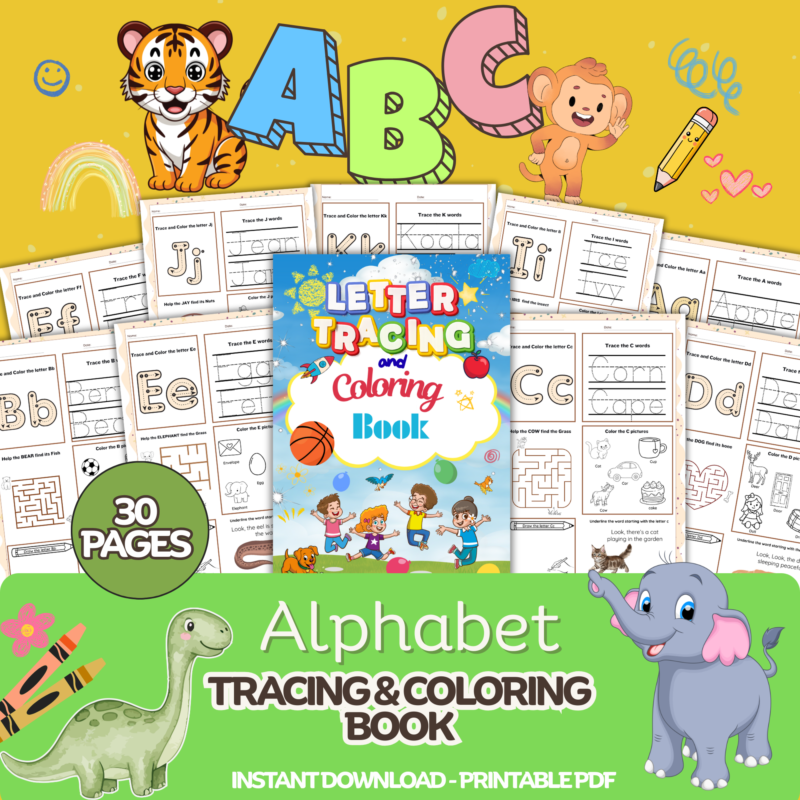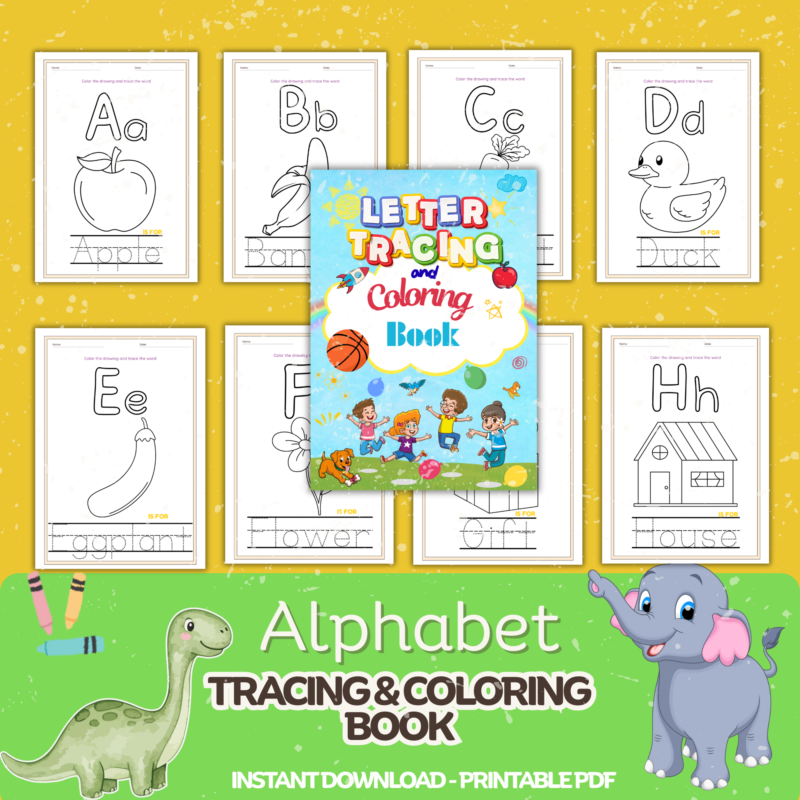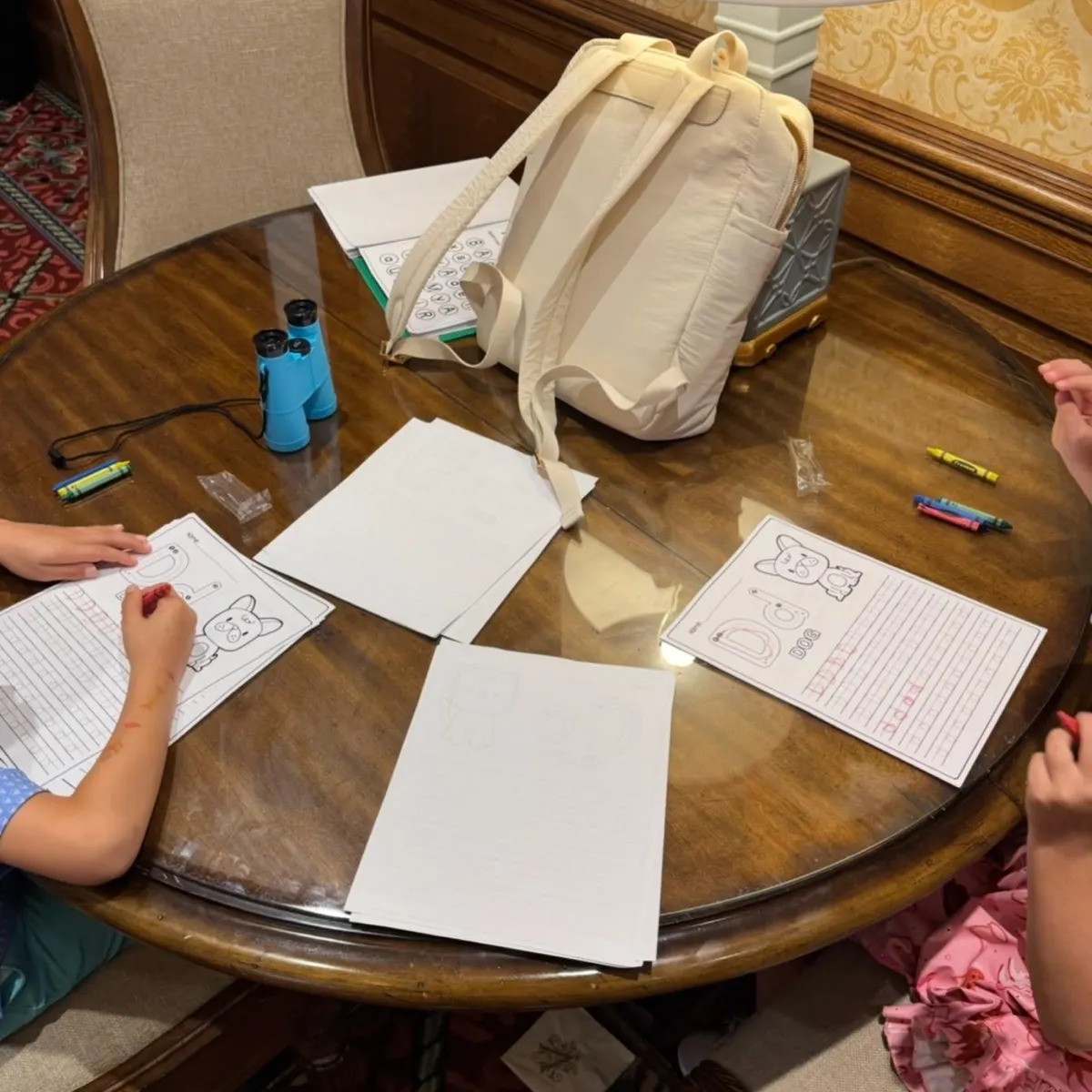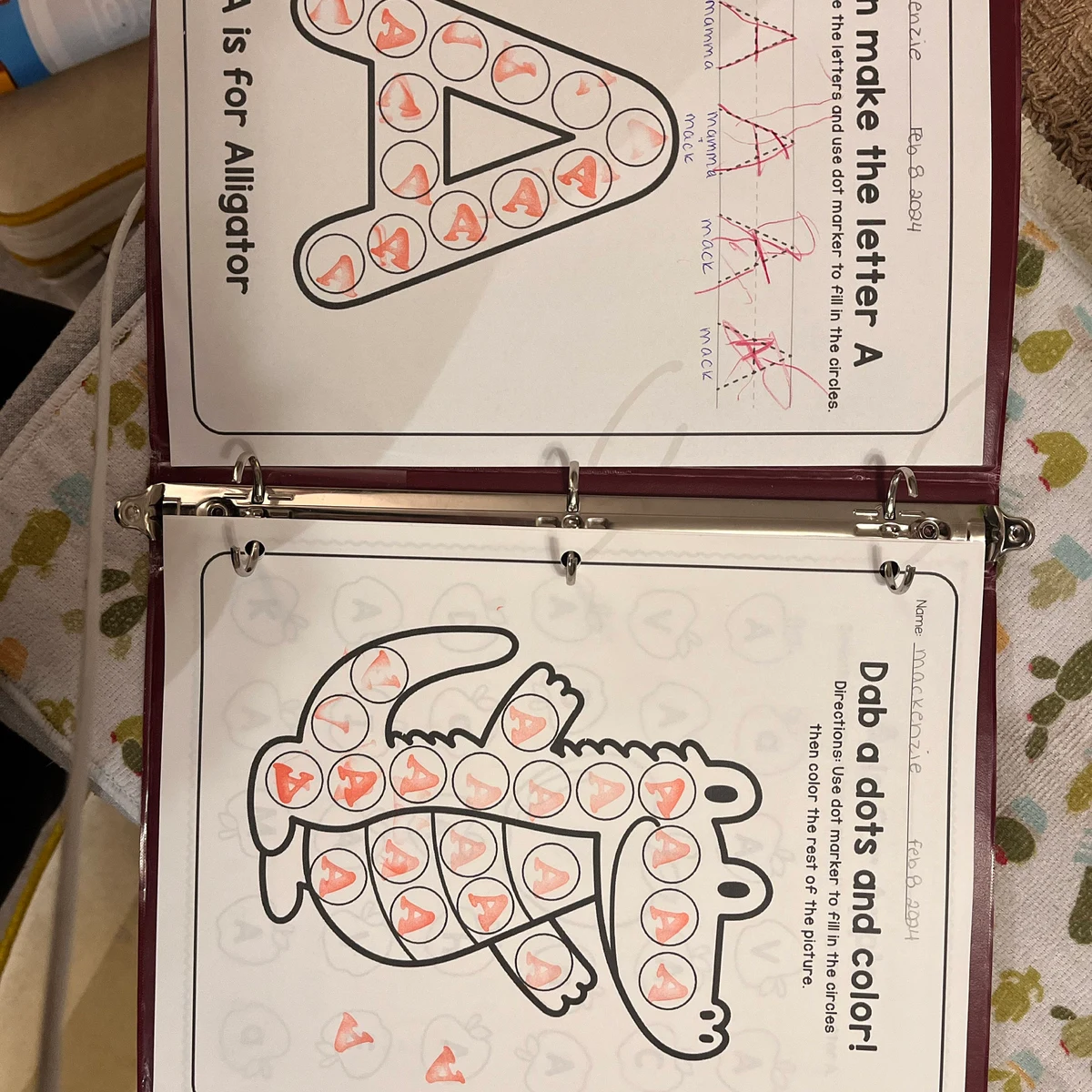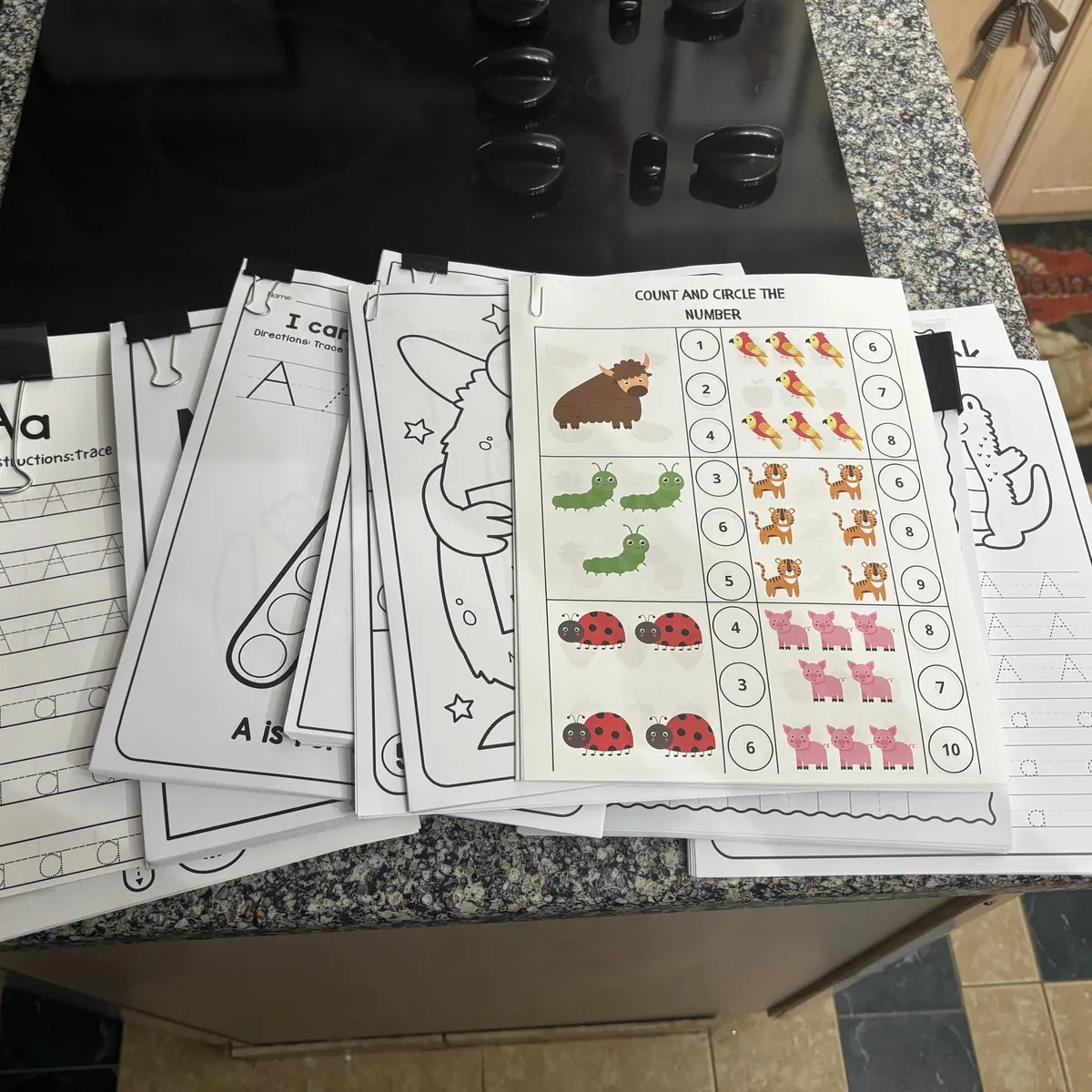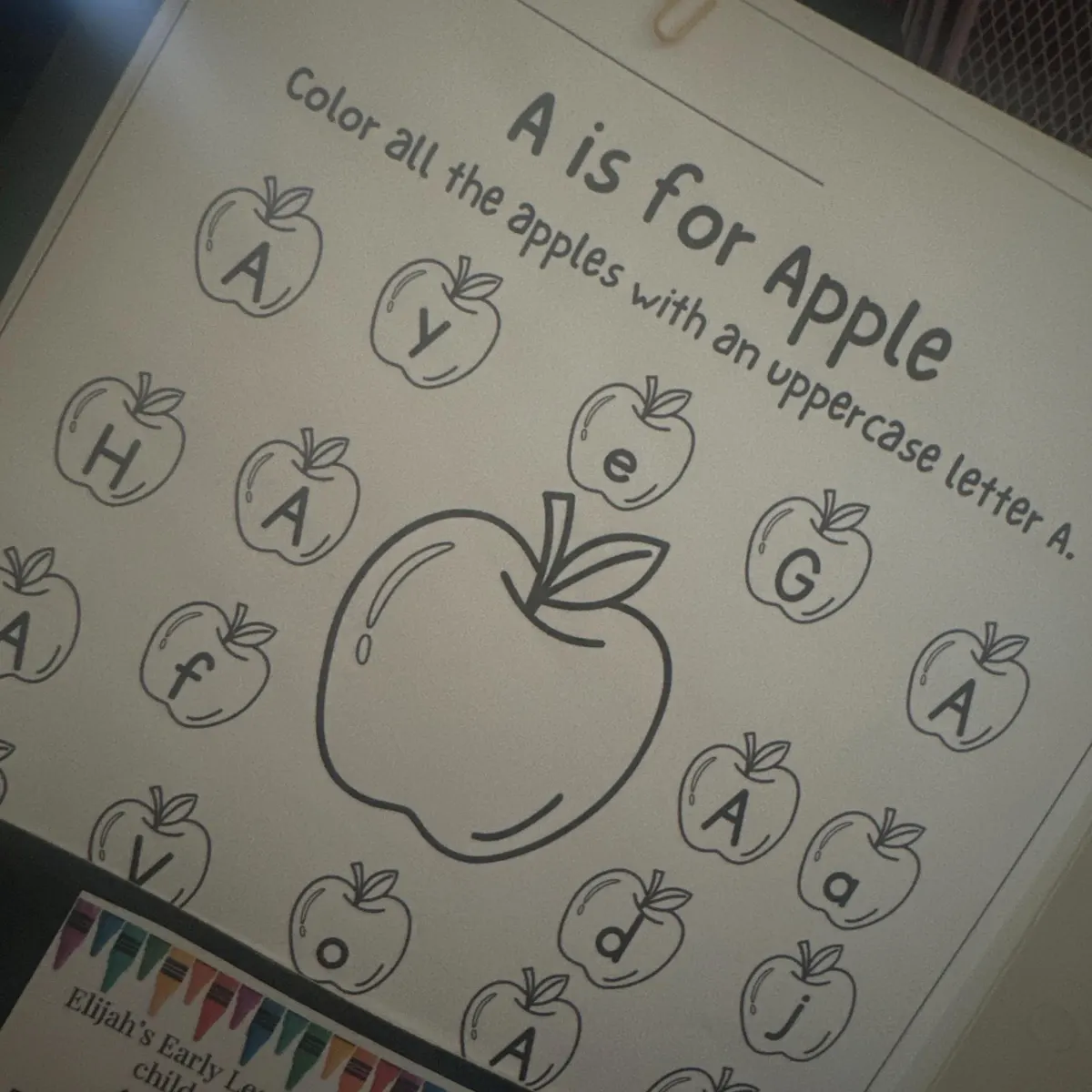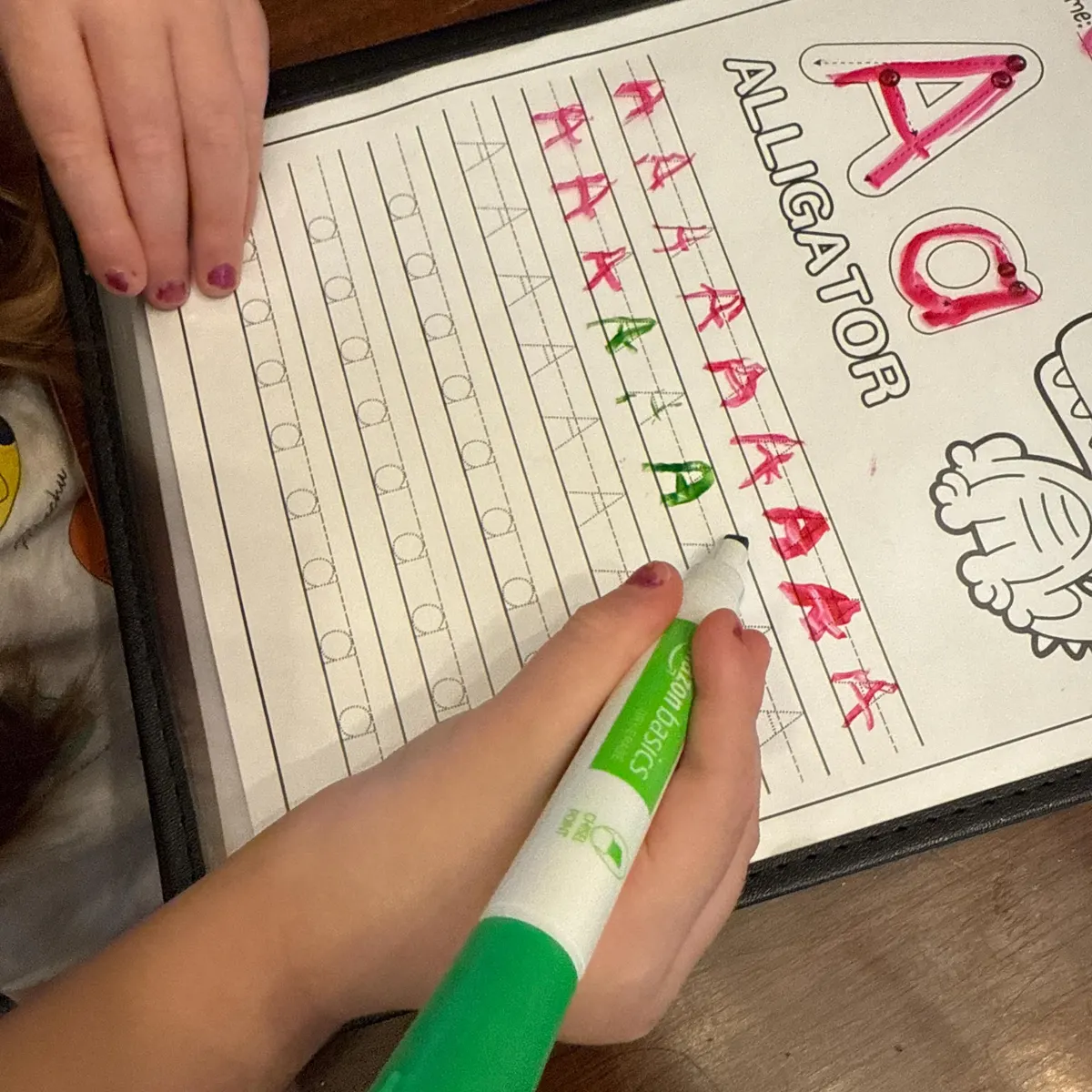

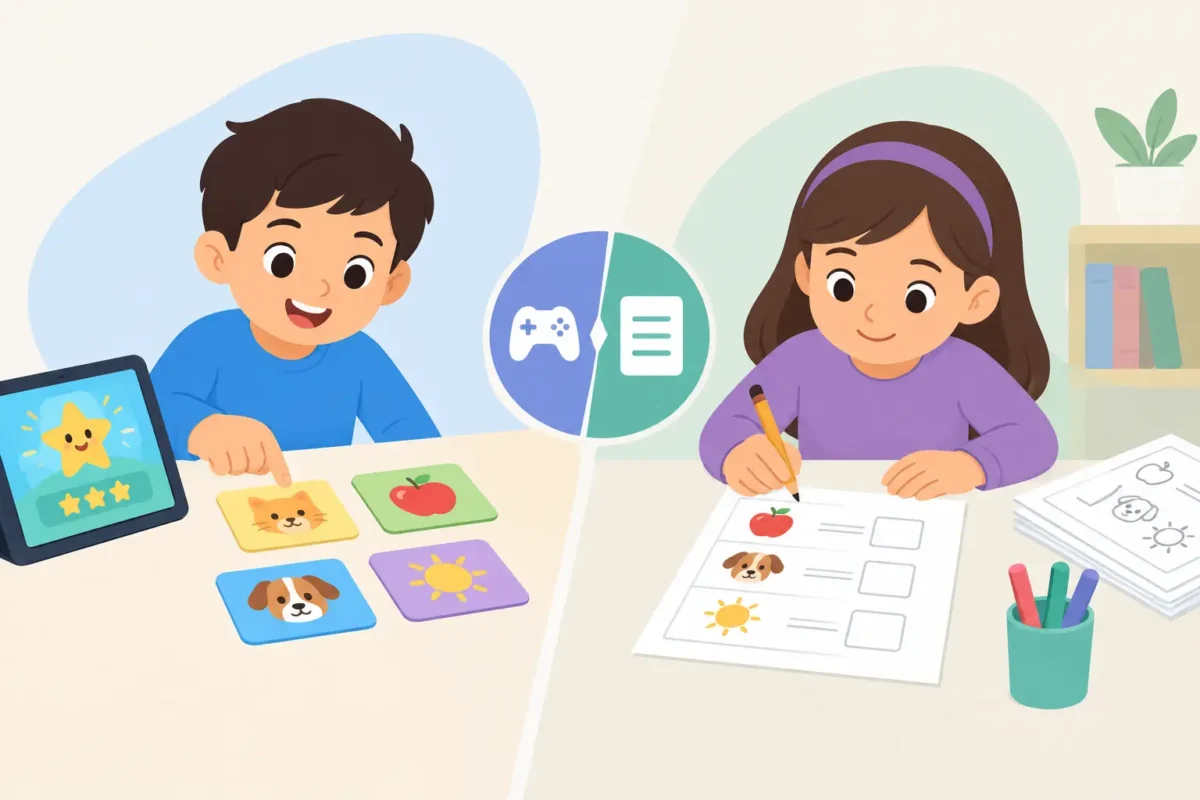
Free A-Z Letter Tracing Worksheets, A-Z Letter Tracing Sheets, and A-Z Letter Tracing Worksheets PDF designed for preschool and kindergarten learners. These fun printable tracing activities help children improve handwriting, alphabet recognition, pencil control, fine motor skills, and writing confidence through engaging uppercase and lowercase tracing practice perfect for classroom, homeschool, and daily learning routines.

Number Recognition Worksheets That Build Confidence

0
Number Recognition Worksheets That Build Confidence

A child may be able to count to 10 from memory and still pause when asked, “Can you find the number 7?” That is completely normal. Number recognition worksheets give preschool and kindergarten learners the focused, hands-on practice they need to connect a number’s name, shape, and meaning. With a playful page and a few calm minutes, early math can feel achievable instead of overwhelming.

Why Number Recognition Matters Before Bigger Math

Number recognition is the ability to look at a numeral, such as 4, and know what it represents. It is one of the first building blocks for counting, comparing groups, writing numbers, addition, and subtraction. Before children can solve “2 + 3,” they need to recognize 2 and 3 quickly and confidently.

Young children learn this skill in layers. First, they may sing a counting song. Next, they begin pointing to objects as they count. Then they start noticing that each printed numeral has its own shape and value. A worksheet cannot replace real-world counting with blocks, snacks, or toy cars, but it can strengthen the visual recognition piece that children need.

Repeated practice also helps children feel more independent. When a child can spot the number 8, trace it, and match it to eight objects, they get a clear little win. Those wins add up to greater comfort with math activities at home and in the classroom.

What Makes Number Recognition Worksheets Effective?

The best early learning pages are simple enough for a young child to understand, but varied enough to keep practice from feeling like the same task over and over. A clear page design matters. Children should be able to see where to start, what to do, and when they are finished without sorting through too many distractions.

One Skill at a Time Builds Focus

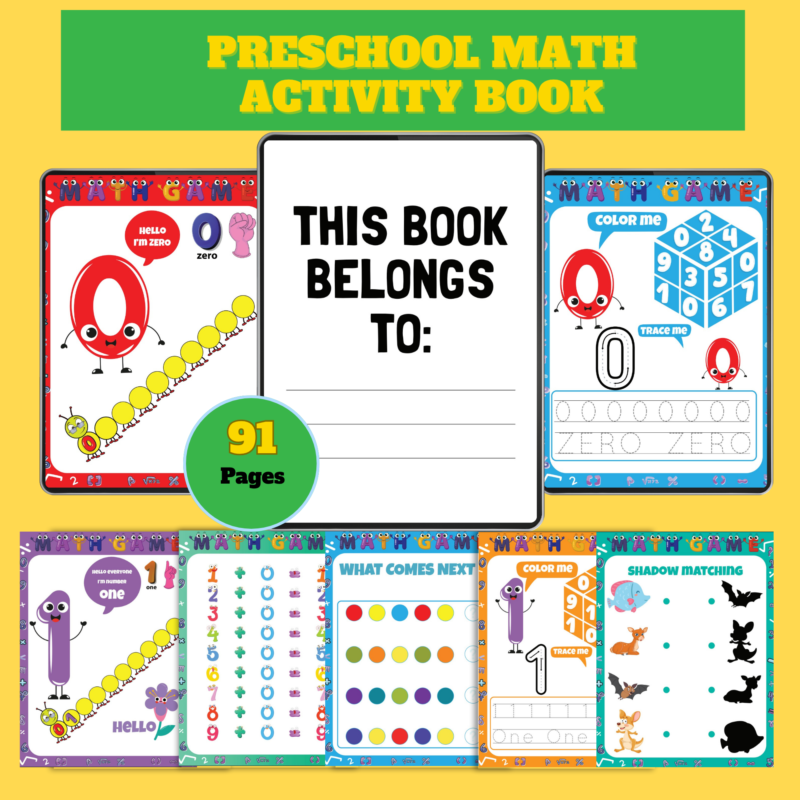
For a child just beginning to identify numerals, a worksheet that focuses on one number can be especially helpful. A page for the number 5 might include a large numeral to trace, five pictures to count, and a quick activity to find all the 5s. The child gets several meaningful encounters with the same number without having to switch between too many new ideas.

Once that feels easy, mixed-number activities can add a gentle challenge. Finding the number 3 among other numerals or matching numbers to groups of objects asks children to recall what they know rather than simply repeat a pattern.

Tracing Adds a Fine Motor Benefit

Tracing numbers is not only about writing. It gives little hands practice with pencil control, direction changes, and staying on a path. Those skills support handwriting readiness, too.

Keep expectations age-appropriate. Many preschoolers will make wobbly lines, reverse a number, or need help holding a pencil. That is part of learning. Offer crayons, colored pencils, or thick beginner pencils if they make the task more comfortable, and celebrate effort before neatness.

Pictures Help Children See Quantity

A numeral becomes more meaningful when children can connect it to a real amount. For example, a page showing the number 6 beside six apples helps a learner understand that the written symbol is not just a shape. It tells us how many.

Picture-based activities are especially useful for children who are not ready to work with numerals alone. They can count the objects slowly, touch each picture as they say the number words, and then match the group to the correct numeral. This blends number recognition with one-to-one counting practice.

Choosing the Right Worksheets for Your Child or Class

The right number recognition activity depends on where the learner is starting. A child who can recognize 1 through 3 may need a few more days with those numbers before moving to 10. Another child may know every numeral to 20 but still need support writing them correctly. Matching the page to the skill is more useful than choosing a worksheet based only on age.

For younger preschoolers, start with large numerals, uncluttered pictures, and numbers 1 through 5. Short activities work best, especially for children with developing attention spans. A five-minute worksheet followed by a counting game is often more productive than asking a child to complete several pages in one sitting.

For older preschoolers and kindergarten learners, pages that cover numbers 1 through 10 or 1 through 20 can be a good next step. They may enjoy circling a named number, coloring a group with a matching quantity, putting numbers in order, or connecting dots in numerical sequence.

Teachers may want a mix of independent practice and small-group pages. An easy tracing worksheet can work well during morning work or a learning center, while number-and-quantity matching is a great fit for a teacher-led table activity. Homeschool families can use one printable as a warm-up before a lesson or tuck it into a quiet-time folder.

Simple Ways to Use Number Recognition Worksheets

Printables are most helpful when they become part of a routine, not a one-time test. Place a few pages in a folder and introduce them gradually. If your child is learning numbers 1 through 10, there is no need to complete all ten in one day. A slower pace gives their memory time to grow.

Before handing over the worksheet, talk about the number together. Say its name, show it on the page, and look for it elsewhere. You might point to a calendar, a page number, a microwave display, or a house number on a walk. Seeing numerals in daily life makes worksheet practice feel connected to the real world.

After a child completes a page, extend the activity with objects nearby. If they worked on the number 4, ask them to place four buttons in a row, clap four times, or find four stuffed animals. This quick follow-up helps move learning from paper to understanding.

Praise specific actions rather than giving only a general “good job.” Try saying, “You found every number 6,” or “You counted each star carefully.” Clear feedback helps children understand what they did well and encourages them to try again.

When a Child Mixes Up Numbers

Number reversals and mix-ups are common in early learning. A child might confuse 6 and 9, or write 2 backward. Stay calm and avoid turning the worksheet into a correction session. Instead, point out one helpful visual clue. For instance, you can explain that 6 starts with a little loop at the top, while 9 has its loop at the top and a line going down.

If a child keeps guessing, reduce the choices. Rather than asking them to identify numbers from 1 through 10, place just two numerals in front of them. Ask, “Can you find 2?” Once they can do that consistently, add another number. Small steps protect confidence and make progress easier to notice.

It also helps to repeat activities in different formats. A child who does not respond to a pencil-and-paper task may recognize a number quickly on a matching card, a puzzle piece, or a homemade number hunt. Worksheets are a valuable tool, but they work best alongside movement, conversation, play, and everyday counting.

Make Practice Feel Like Play

A cheerful printable can turn a quiet afternoon into a purposeful learning moment without a lot of preparation. Keep supplies simple, let children choose a favorite color, and offer breaks when they need them. A finished page does not have to be perfect to be worthwhile.

Fun Clever Fox printable PDFs are designed to make that kind of practice easy for busy parents, teachers, and homeschool families. With instant-download activities that combine tracing, counting, matching, and coloring, you can choose pages that fit the exact skill your learner is practicing right now.

The goal is not to rush children through every number. It is to help them look at a numeral, recognize it with a smile, and feel ready for the next small math adventure.

Leave a Reply

Your email address will not be published. Required fields are marked *

Original price was: €3.50.Current price is: €2.50.