A child who can proudly say, “B says /b/!” is doing more than memorizing a letter. They are beginning to understand the code that turns printed marks into spoken words. If you are wondering how to start phonics practice, begin small: one sound, one playful activity, and one short routine at a time.
Phonics does not need to look like a long lesson or feel like a test. For preschoolers and kindergarteners, the best early practice is hands-on, cheerful, and repeated often enough that new skills start to feel familiar. A few focused minutes each day can build the confidence children need for beginning reading.
How to Start Phonics Practice at Home or School
Start by helping children notice that letters and sounds belong together. The letter is what they see. The sound is what they hear and say. For example, show the letter M and say its most common sound, /m/, as in moon. Invite your child to repeat it, then think of another word that starts with the same sound.
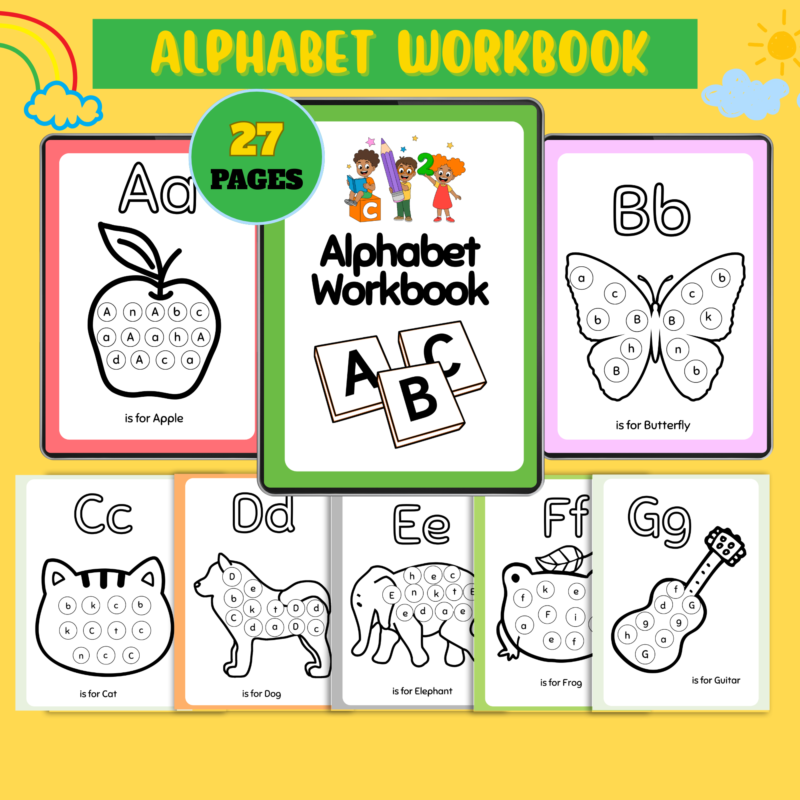
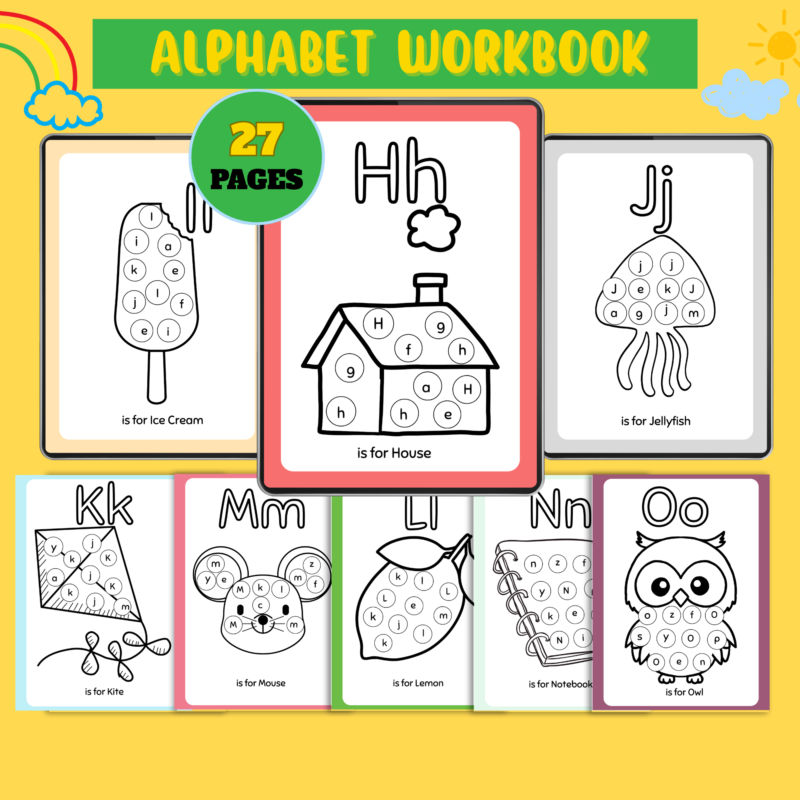
At this stage, avoid trying to teach the whole alphabet at once. A child may be able to sing the ABC song but still need time to connect individual letters with their sounds. Choose one or two letters to practice, then revisit them across several days through tracing, coloring, sorting, and simple games.
Short practice works especially well for young learners. Five to 10 minutes is often plenty for a preschooler. Kindergarten students may be ready for 10 to 15 minutes, especially when the activity includes writing, movement, or a chance to use what they know. Stop while your child is still successful and interested. That positive ending makes it easier to practice again tomorrow.
Begin With the Sounds Children Can Use
Many adults start with the letters in alphabetical order, and that can be useful for letter recognition. But phonics practice is often more meaningful when children learn sounds they can combine into simple words. Letters such as m, s, t, p, n, a, and i are common early choices because they help children hear and read words like map, sat, pin, and tap.
There is no single perfect order for every child. A child who already recognizes the letters in their name may be eager to begin there. A classroom teacher may follow a planned scope and sequence so every student practices the same set of skills. The goal is not speed. The goal is helping children make a secure connection between a letter, its sound, and the words where that sound appears.
When introducing a sound, say the pure sound as clearly as possible. For M, say /m/, not “muh.” For S, say /s/, not “suh.” Adding an extra vowel can make it harder for children to blend sounds later. Keep your voice light and natural, then let your child try.
Use a Simple Three-Part Routine
A predictable routine saves planning time and helps children know what to expect. It can be as simple as review, learn, and play.
First, review one or two sounds your child already knows. Hold up a letter card, point to a letter on a worksheet, or ask, “What sound does this letter make?” Celebrate effort, even if the answer needs a little help.
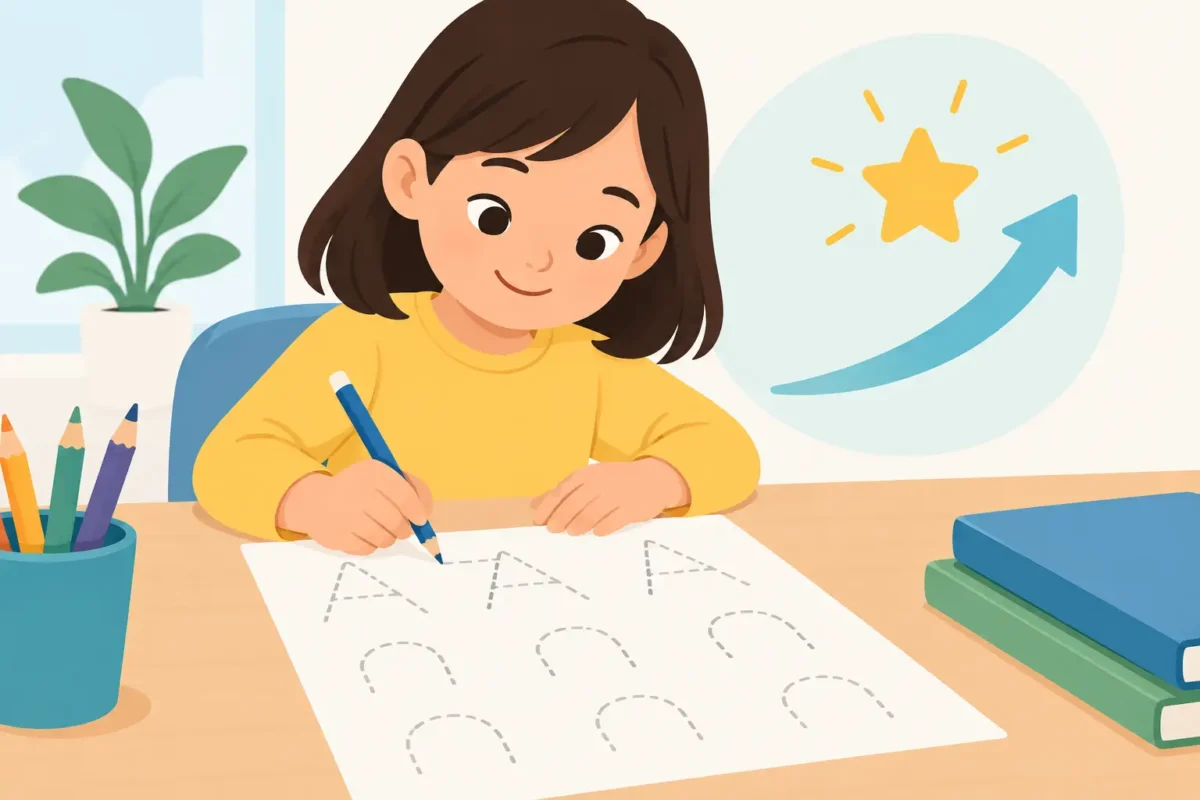
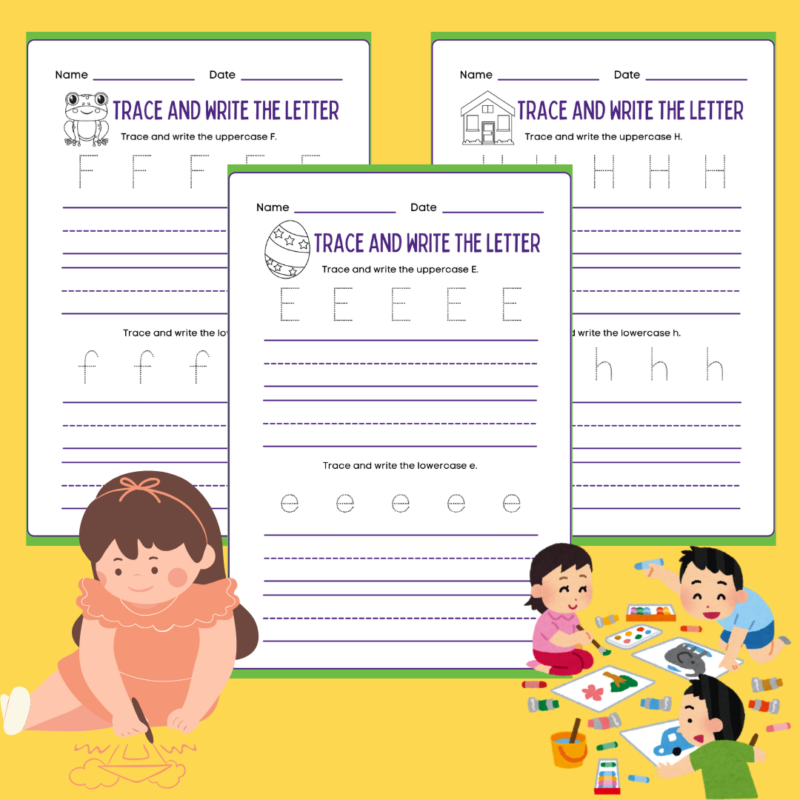
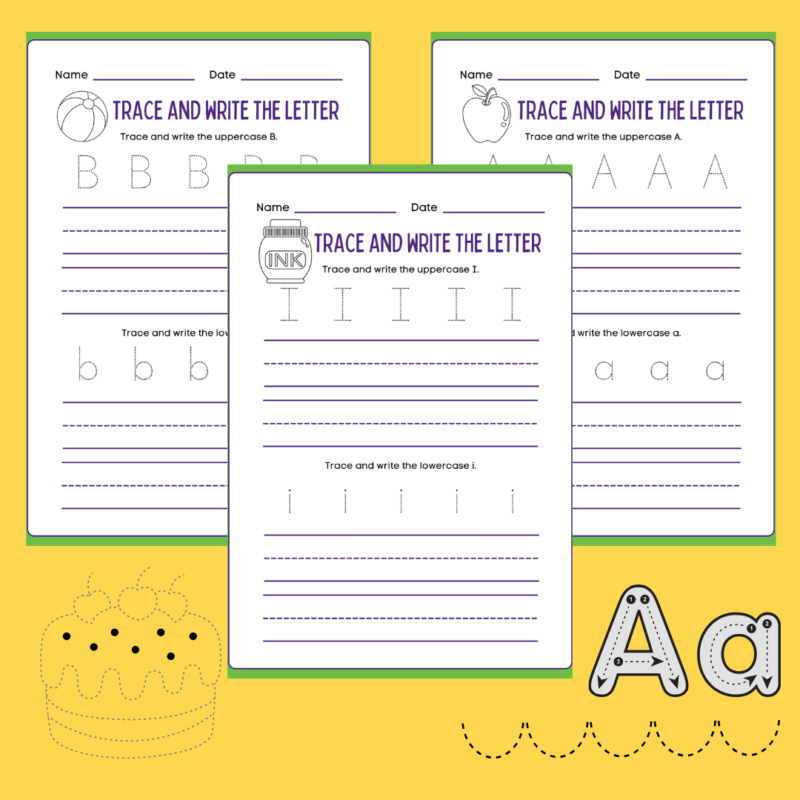
Next, introduce or practice one target sound. Say the sound, name a few familiar words that begin with it, and have your child trace or write the letter. Tracing is especially helpful because it connects seeing the letter, saying the sound, and using fine motor skills in one activity.
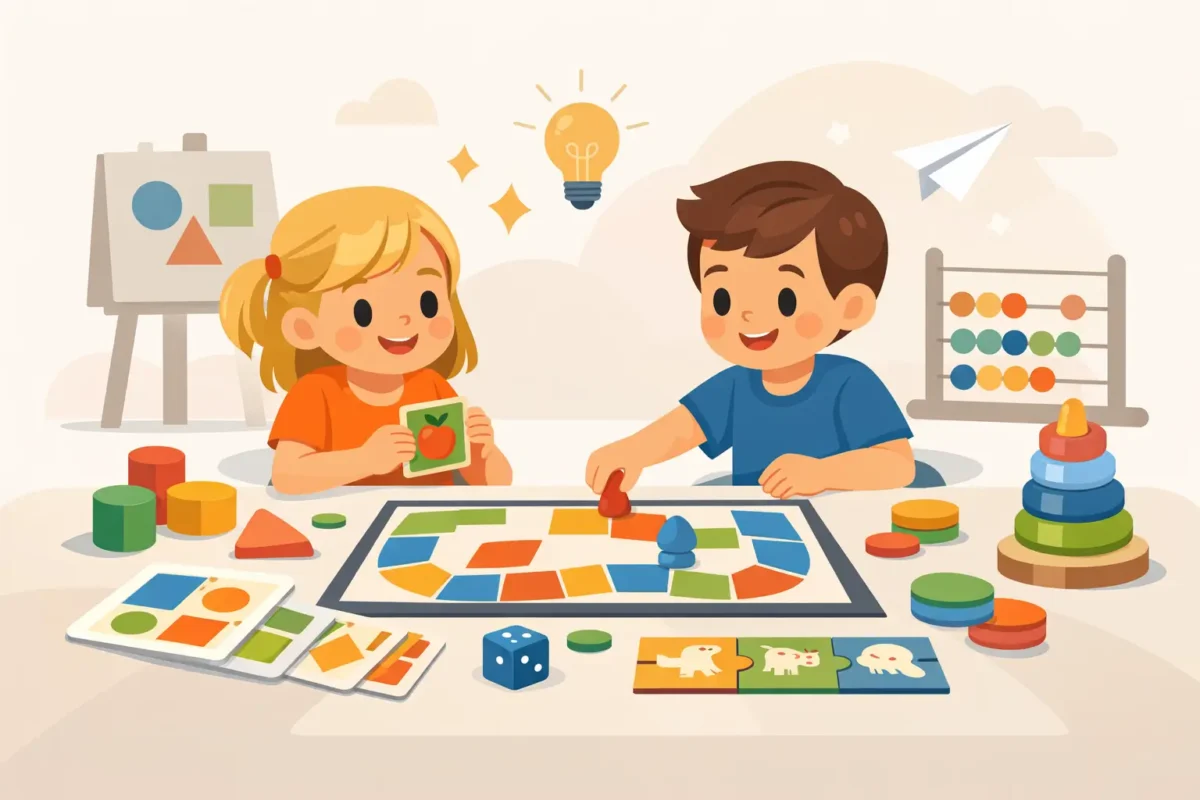
Finish with a playful application. You might look around the room for objects that begin with /t/, circle pictures that start with /p/, or sort picture cards by their first sounds. This final step helps children understand that phonics is useful beyond the page.
Make Sound Practice Active and Playful
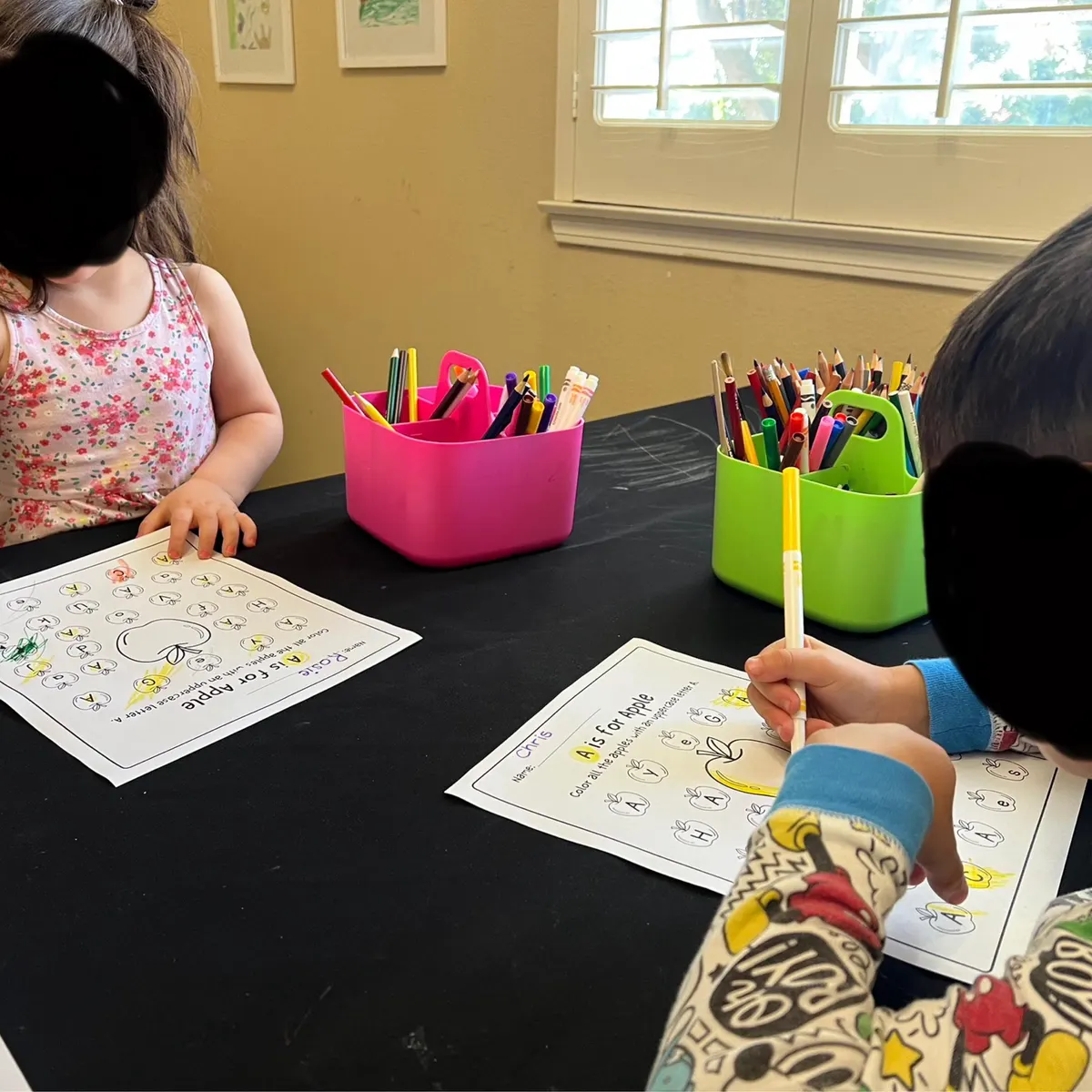
Young children learn through doing. Worksheets provide valuable repeated practice, but they work best alongside conversation, movement, and everyday play.
Try saying a sound and asking your child to make the letter shape in the air with a finger. Put a few letter cards on the floor and invite them to hop to the letter that says /a/. During snack time, play a quick sound game: “Apple starts with /a/. Can you think of something else that starts with /a/?”
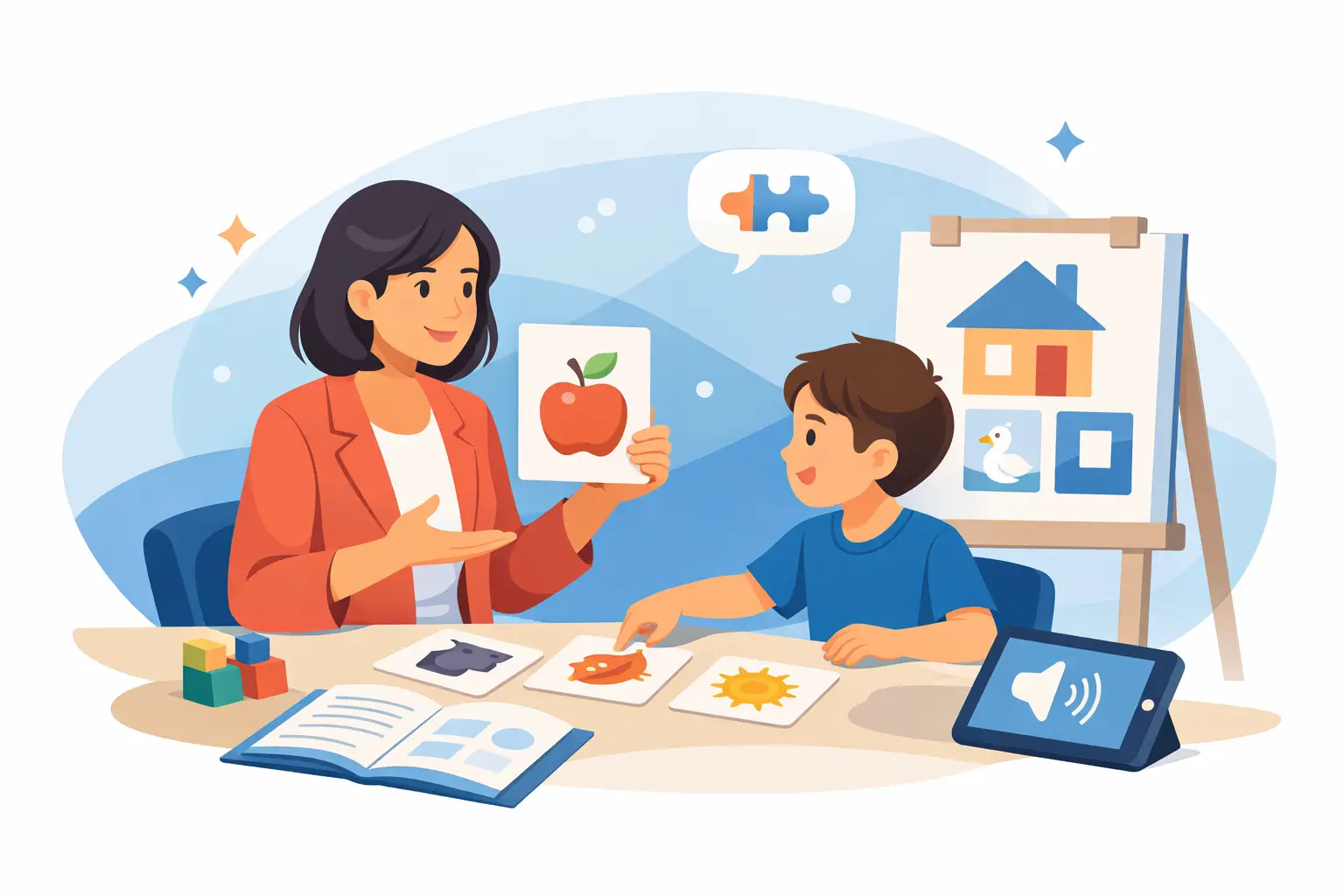
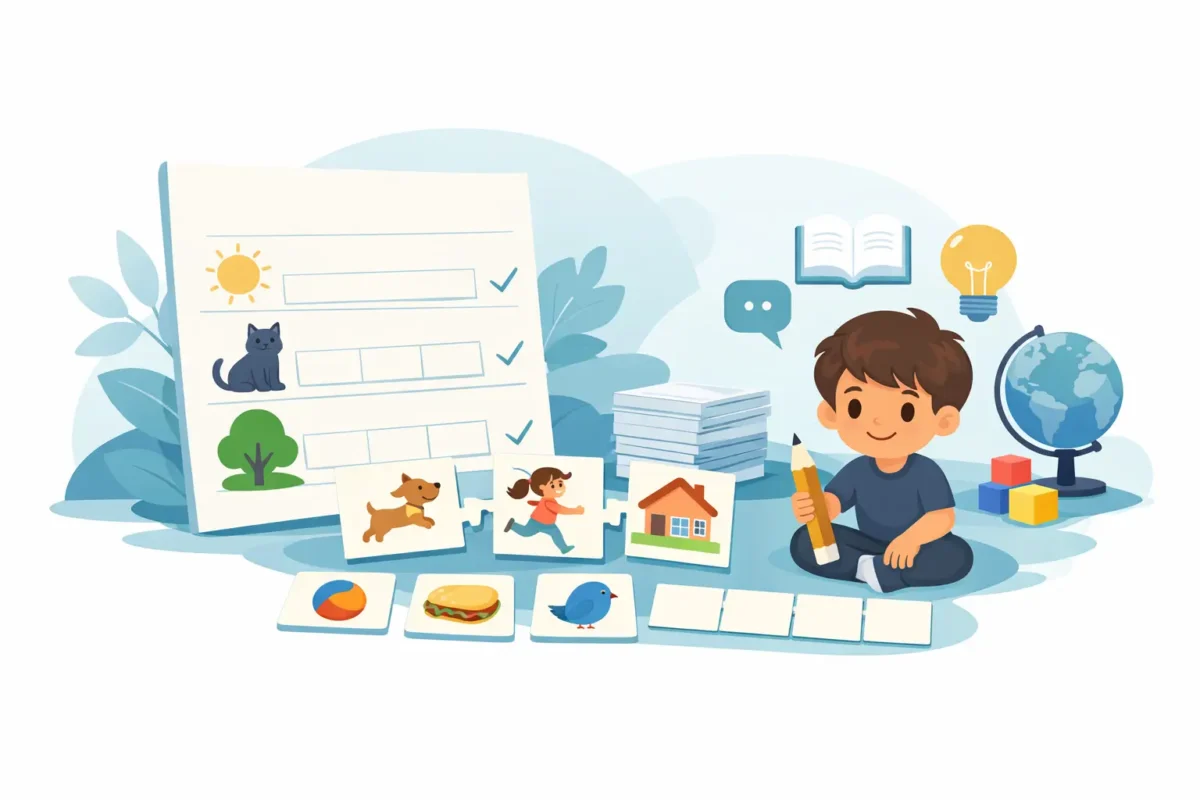
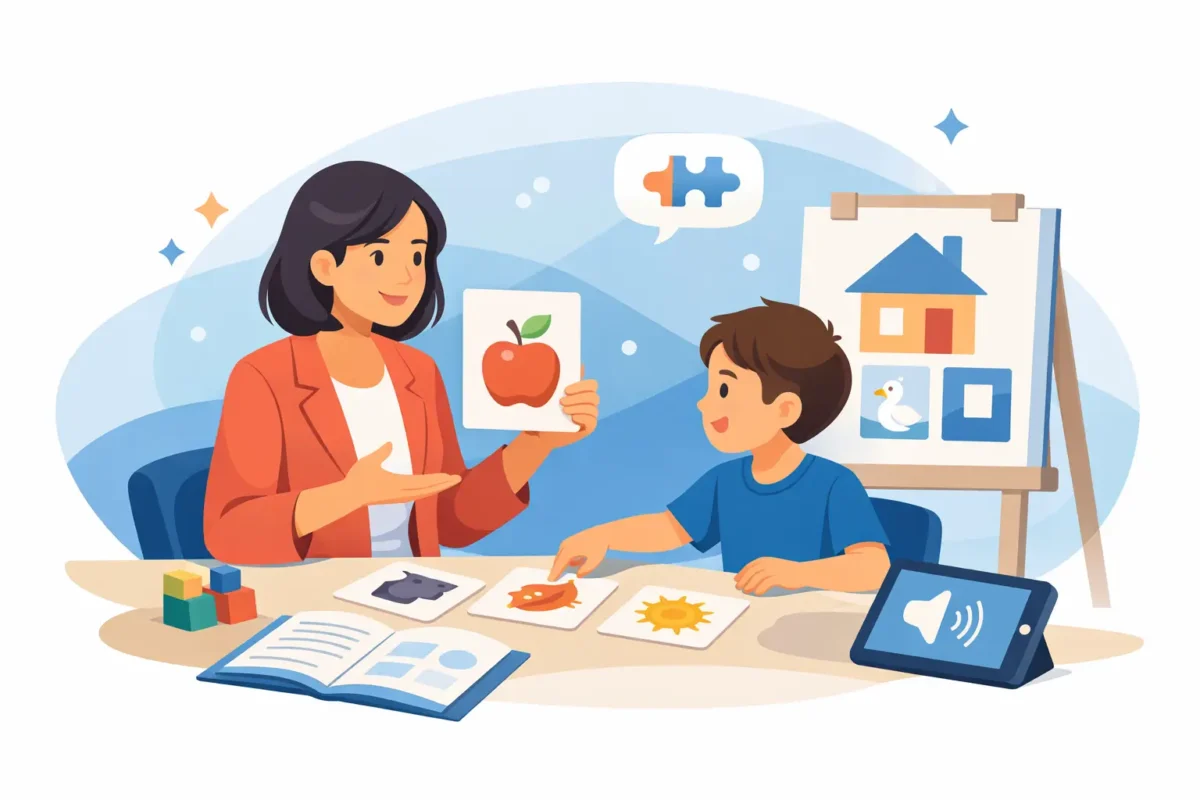
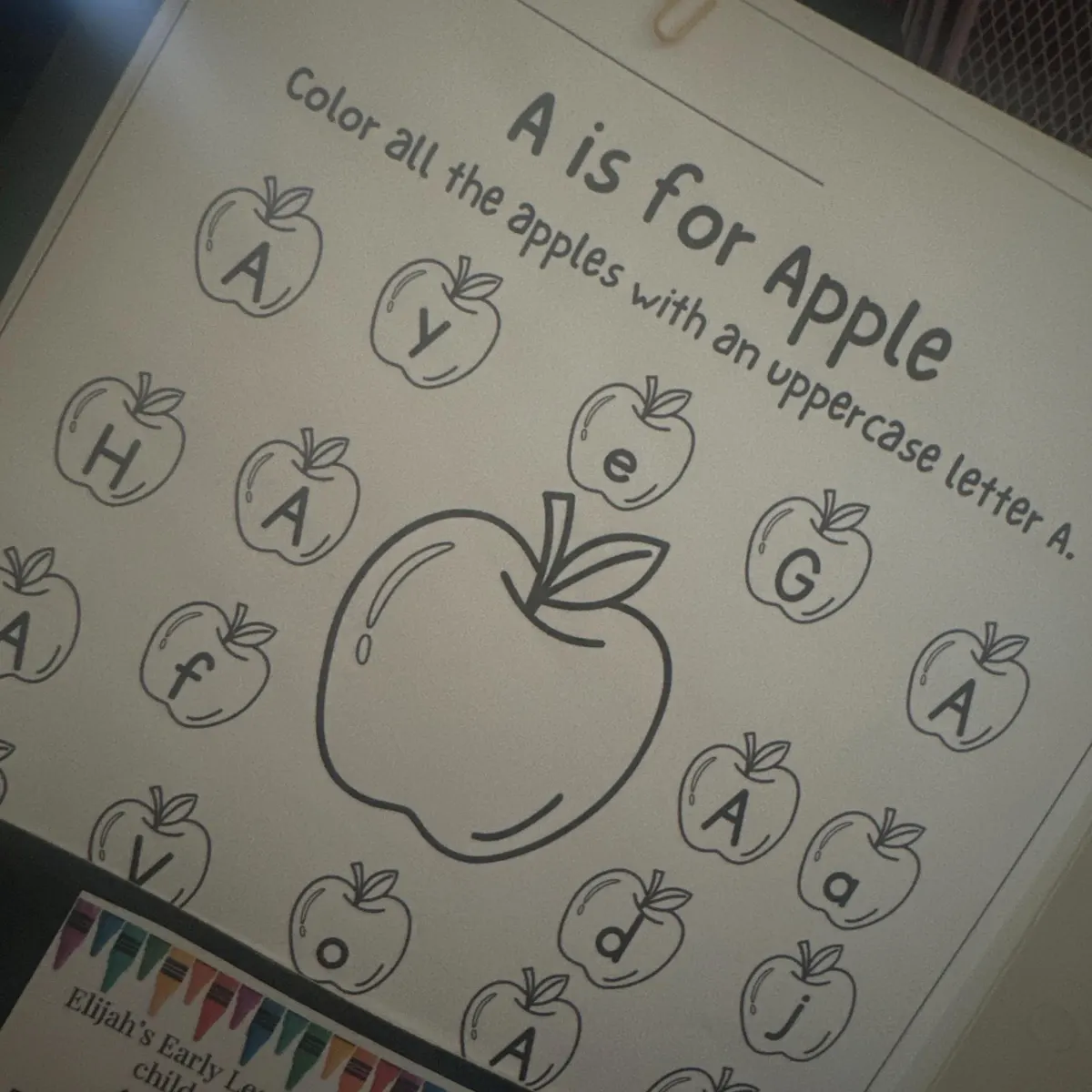
Picture-based activities are also a gentle way to build listening skills before children are ready to read words. Ask whether sun, sock, and sandwich begin with the same sound. Later, children can sort pictures by beginning sounds or match a picture to its first letter.
Keep the language encouraging. Instead of saying, “No, that is wrong,” try, “Let’s say the sound together,” or “That letter is M. M says /m/.” Children are more willing to try unfamiliar skills when mistakes are treated as part of learning.
Add Tracing and Writing at the Right Time
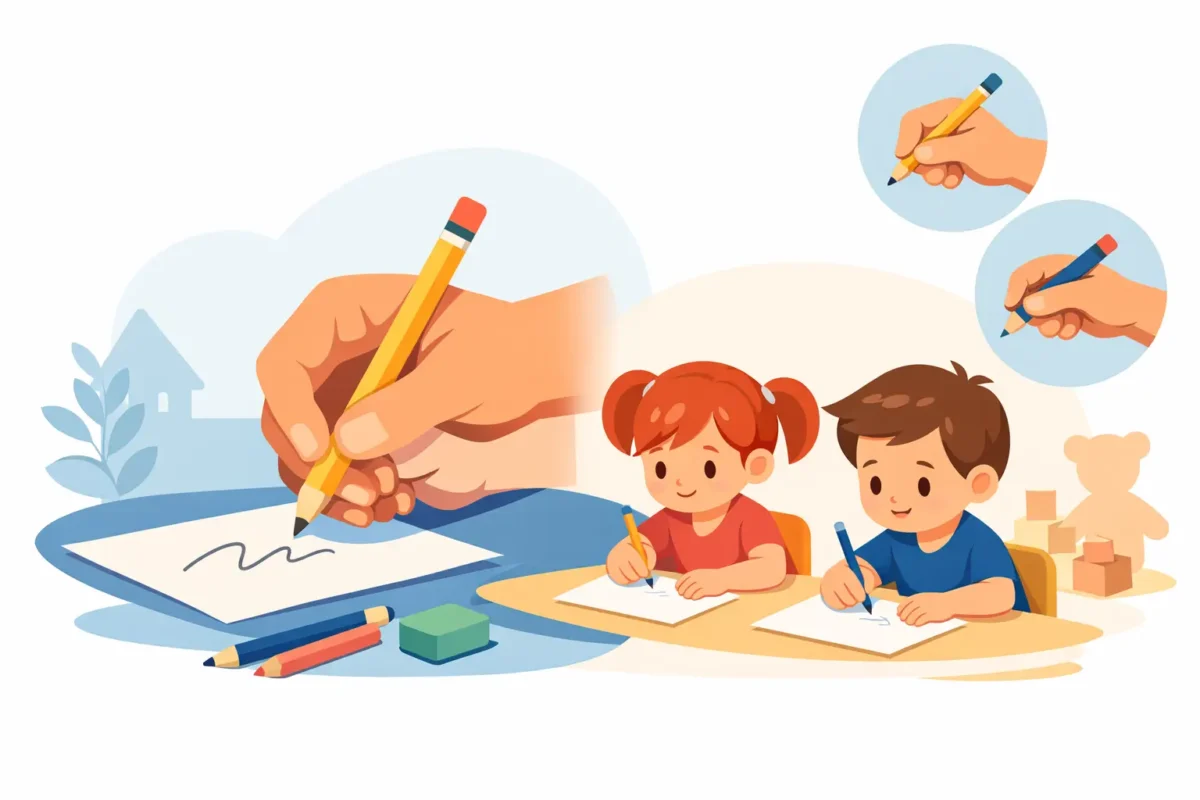
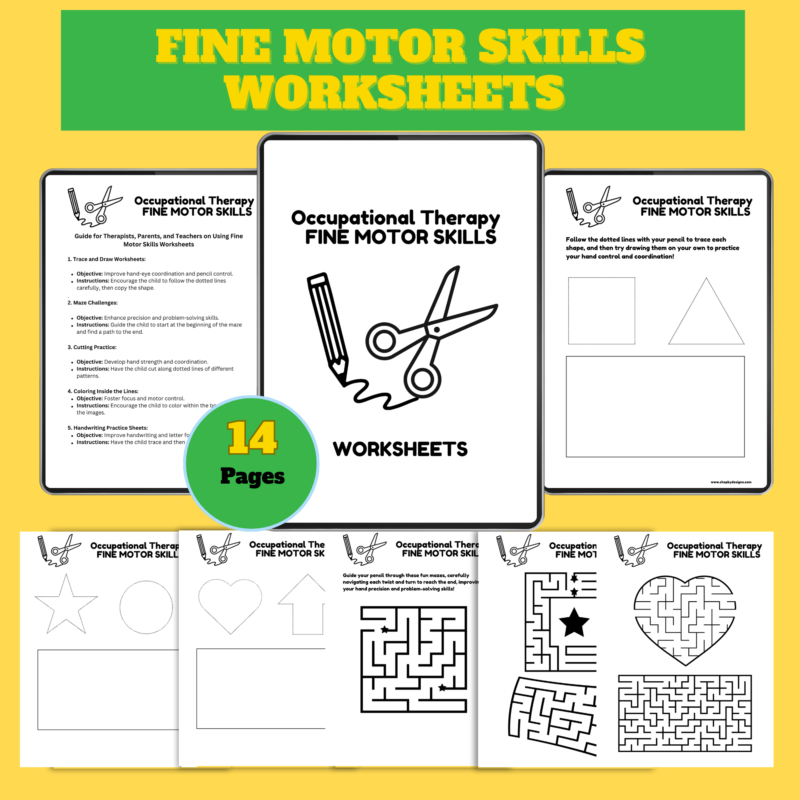
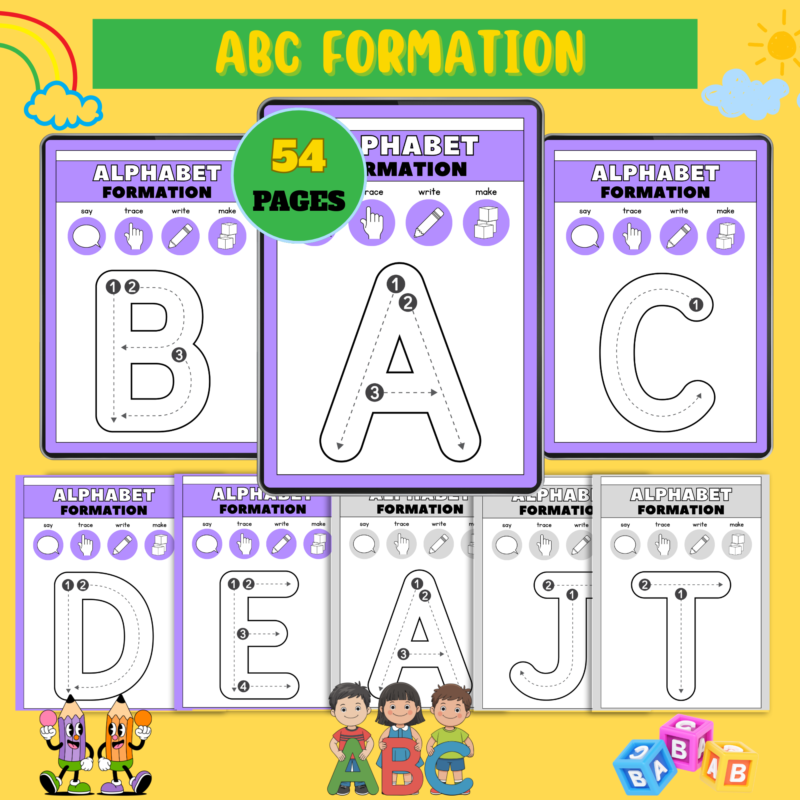
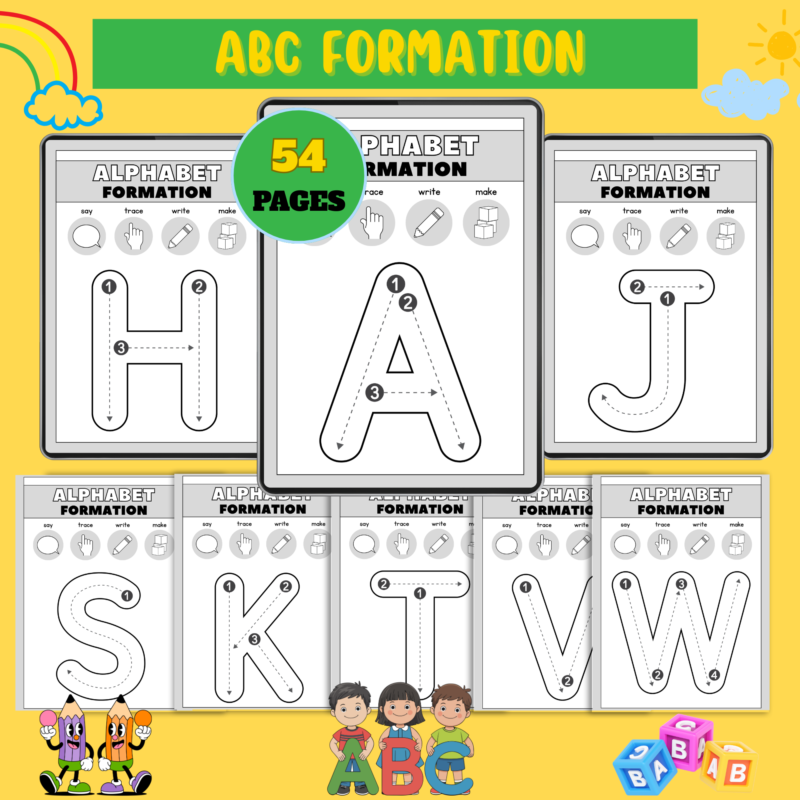
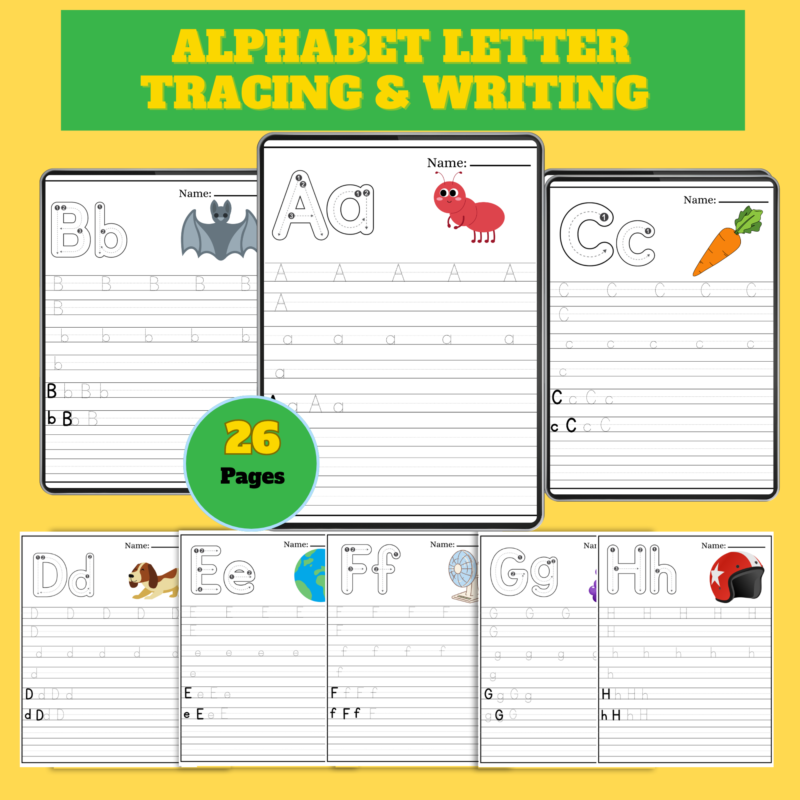
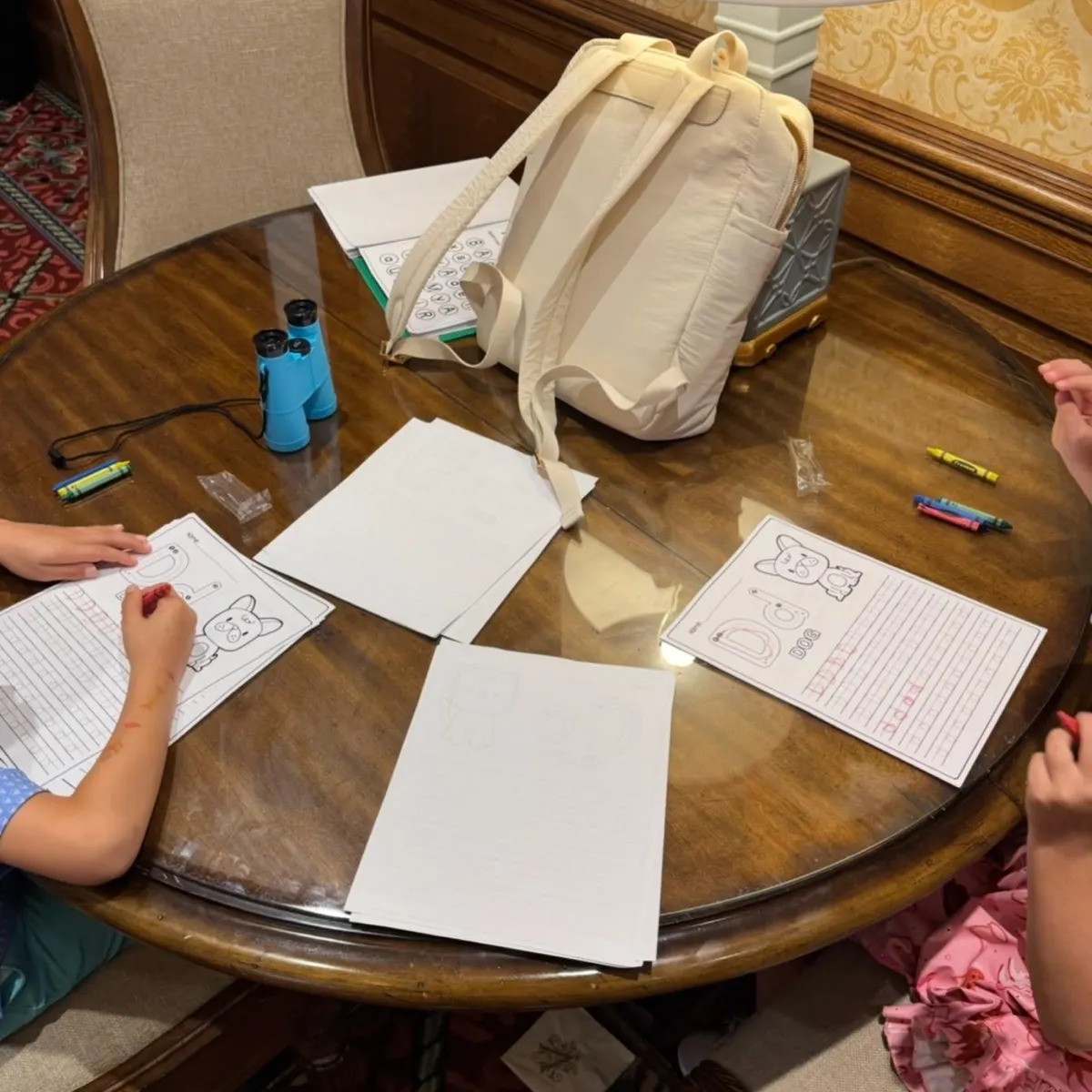
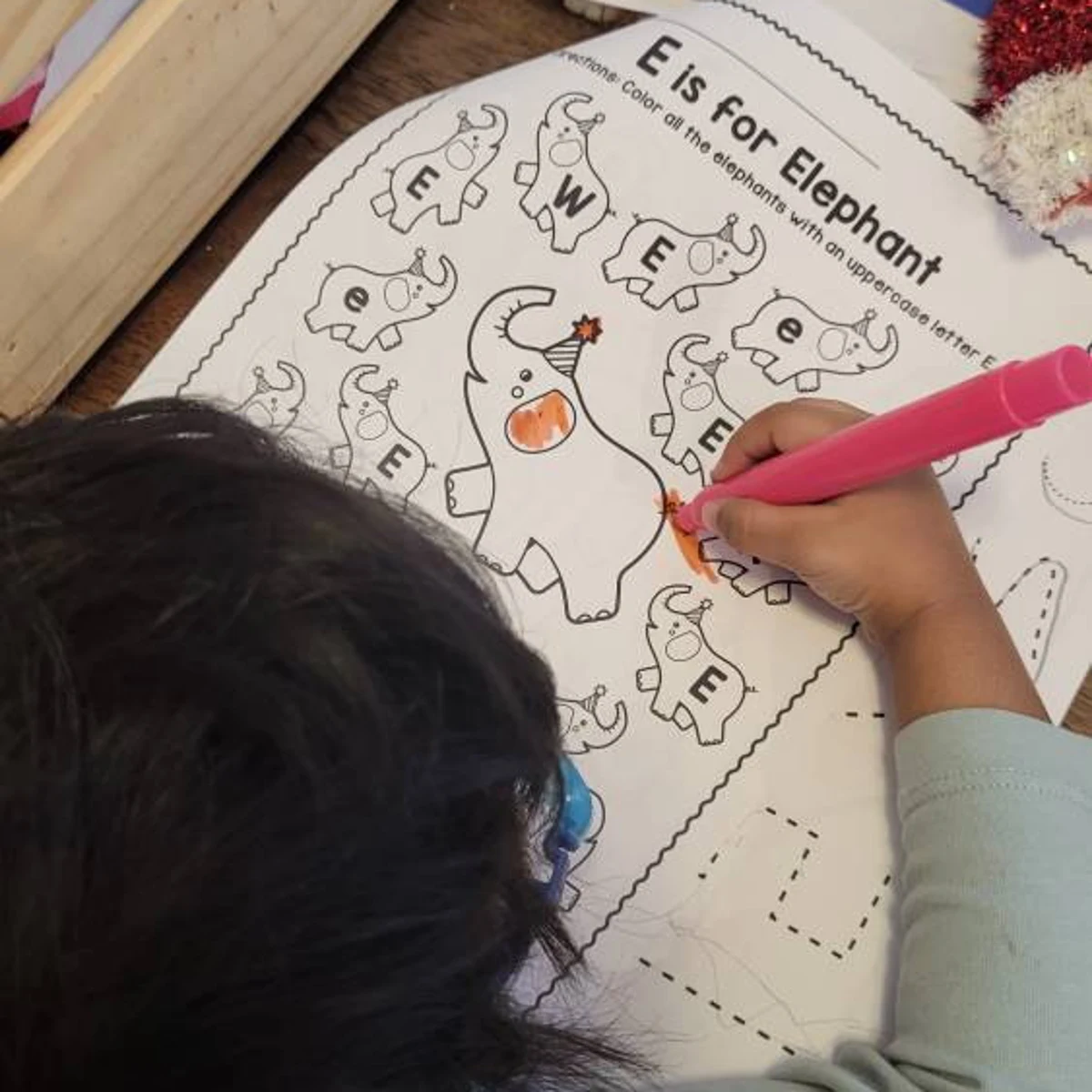
Writing letters can strengthen phonics practice, but it should not become a frustrating obstacle. If a child is still developing pencil control, begin with finger tracing, large crayon strokes, or tracing lines and shapes. Then move to uppercase or lowercase letter tracing as their confidence grows.
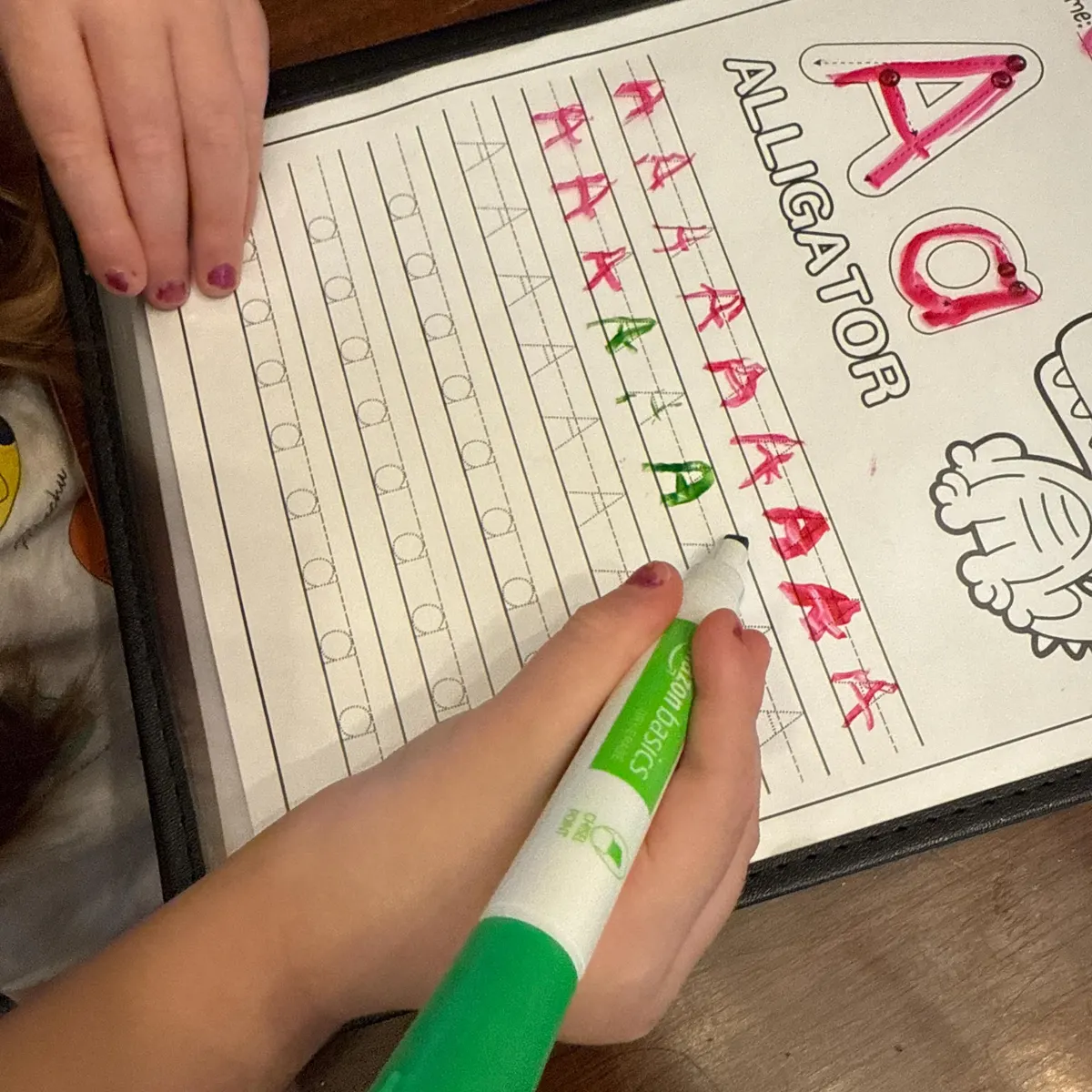
As children trace, encourage them to say the letter sound aloud. This small habit gives handwriting practice a clear literacy purpose. Rather than simply copying a shape, children are reinforcing that the shape stands for a sound.
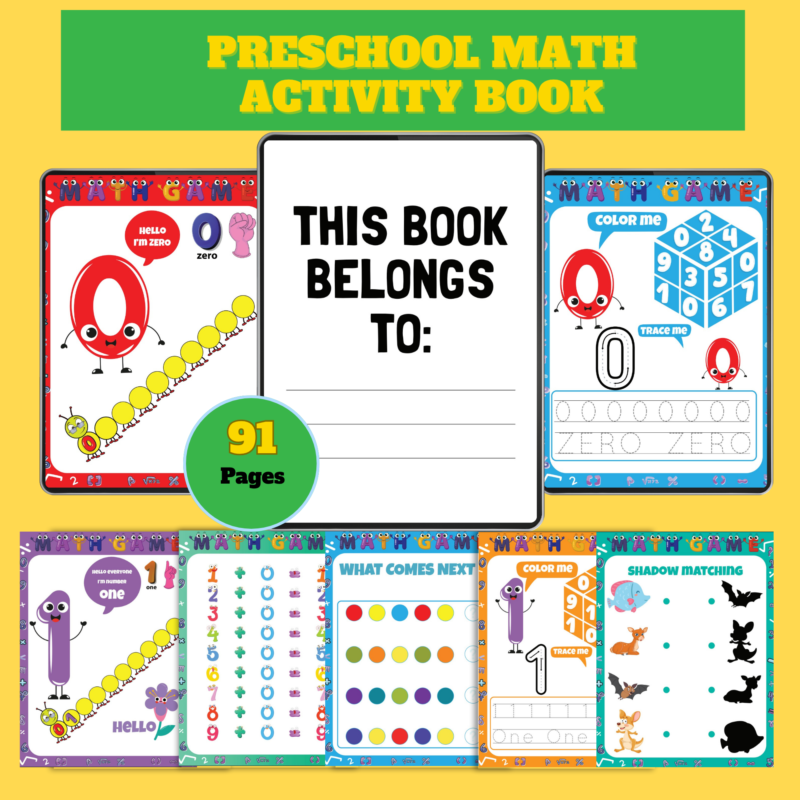
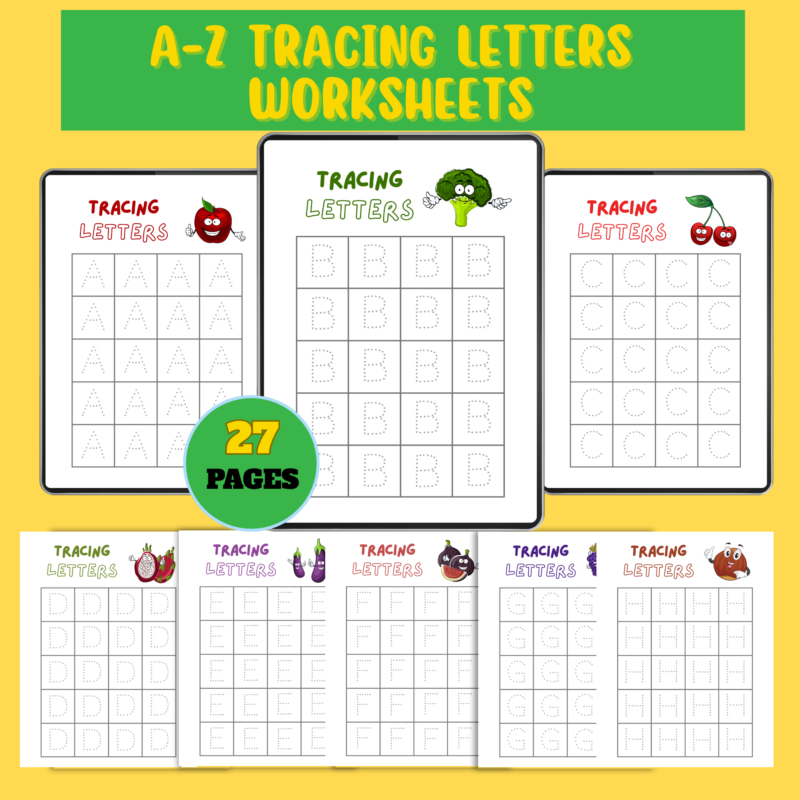
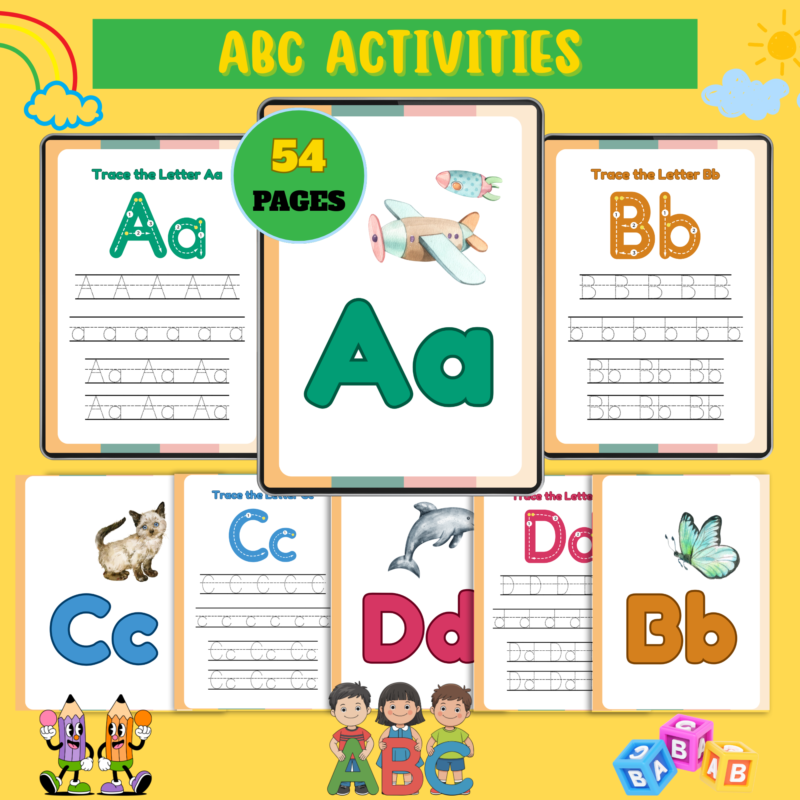
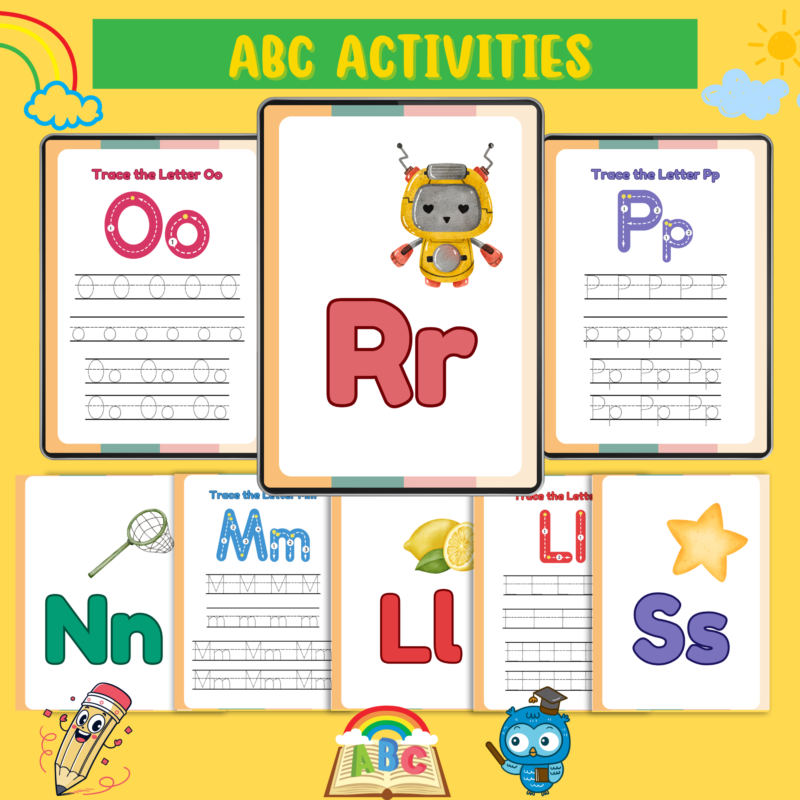
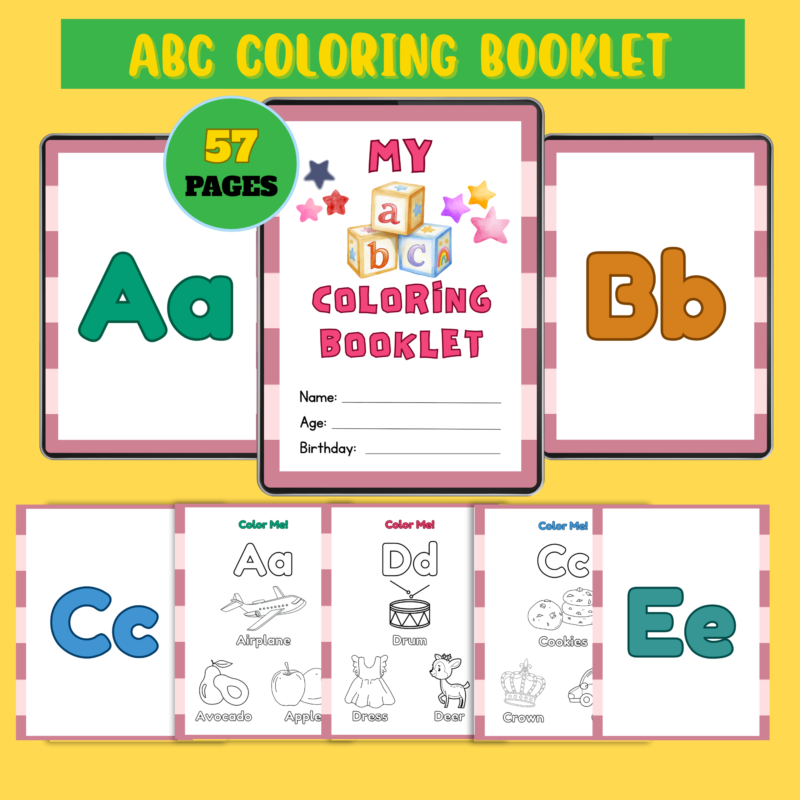
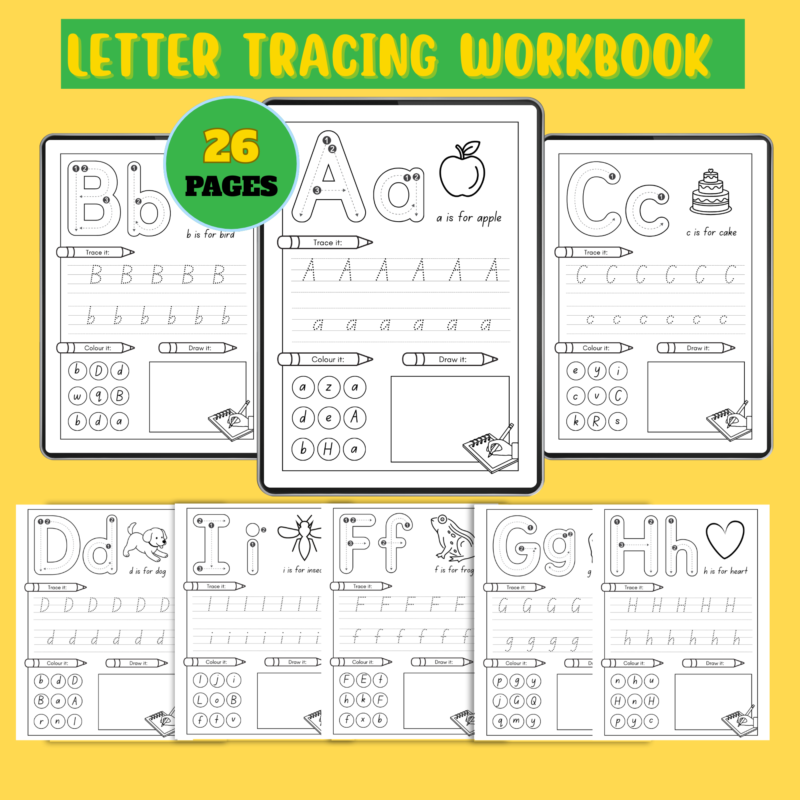
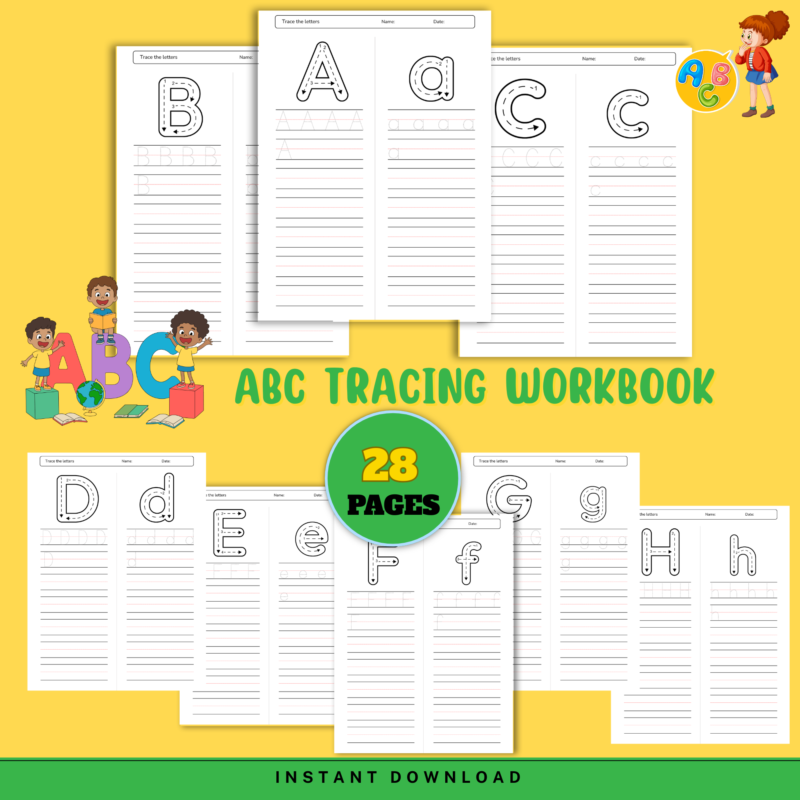
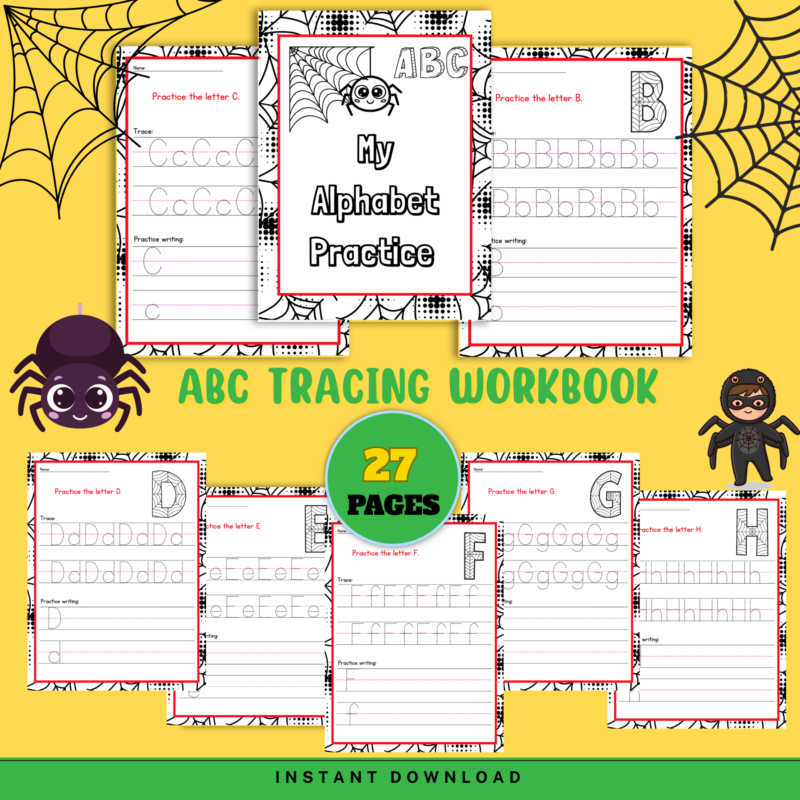
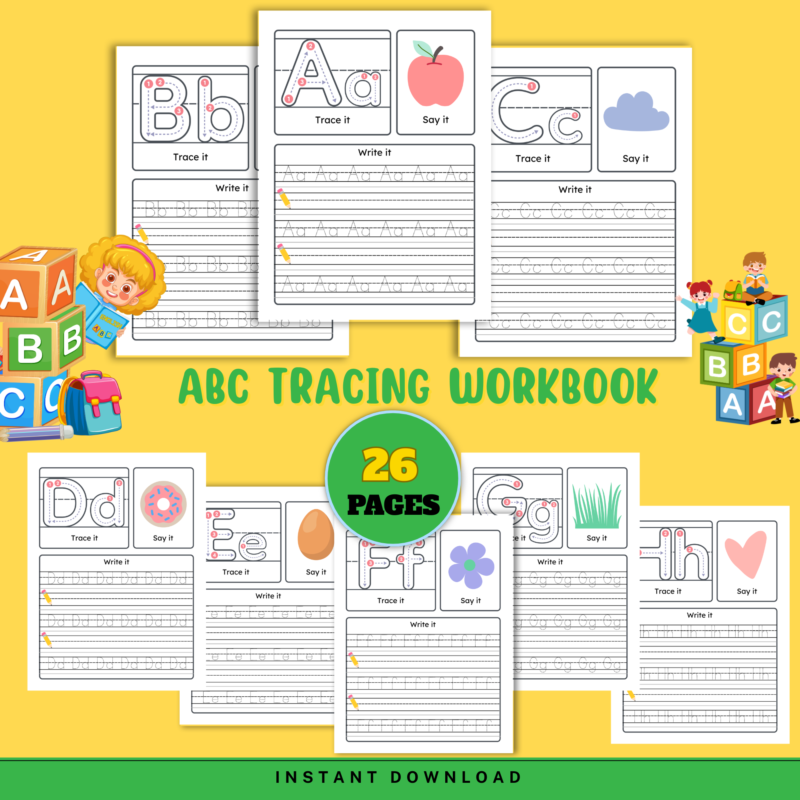
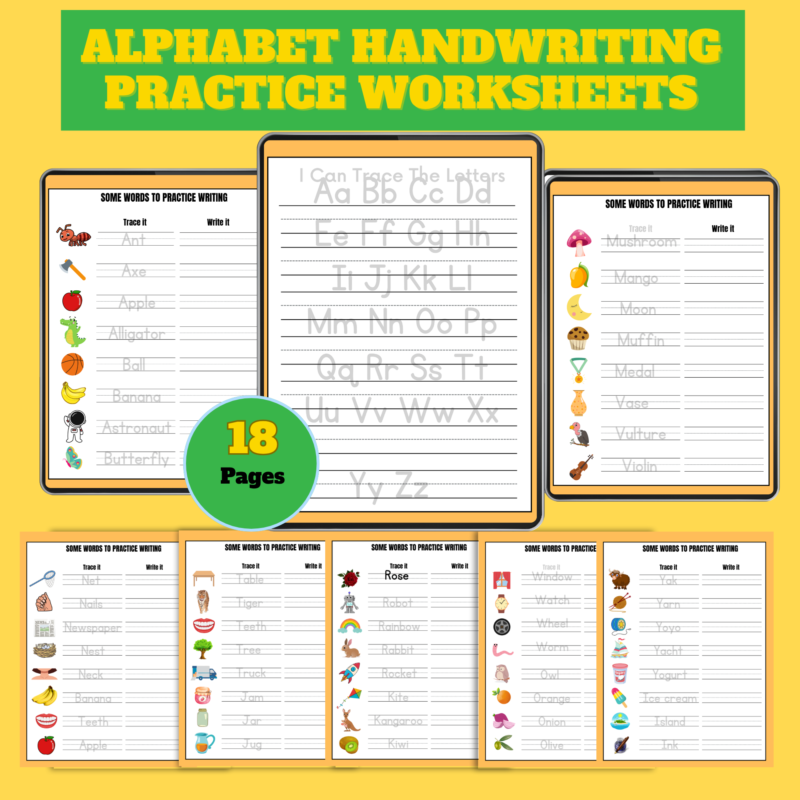
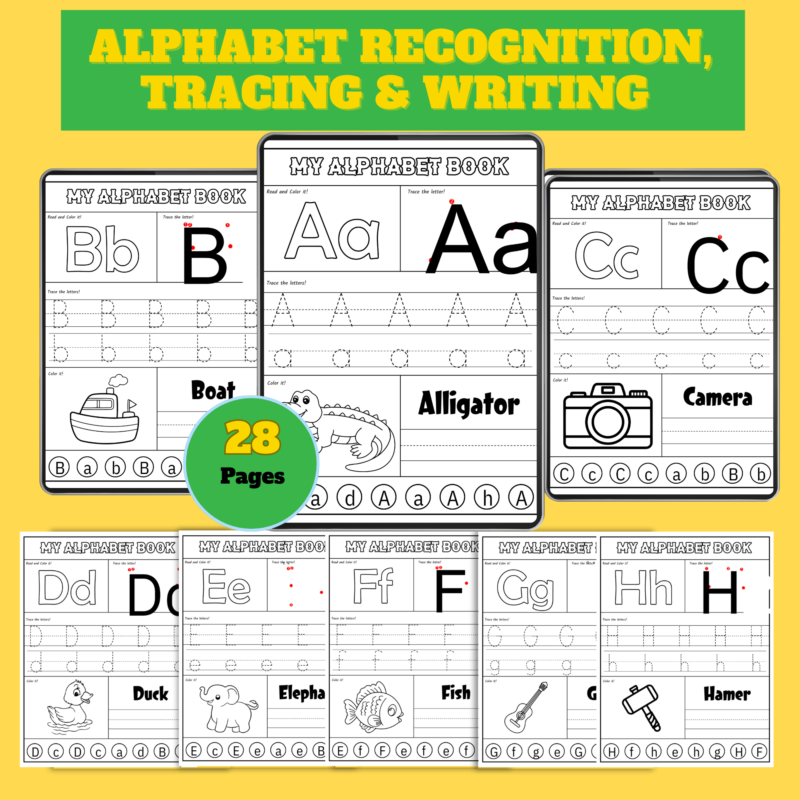
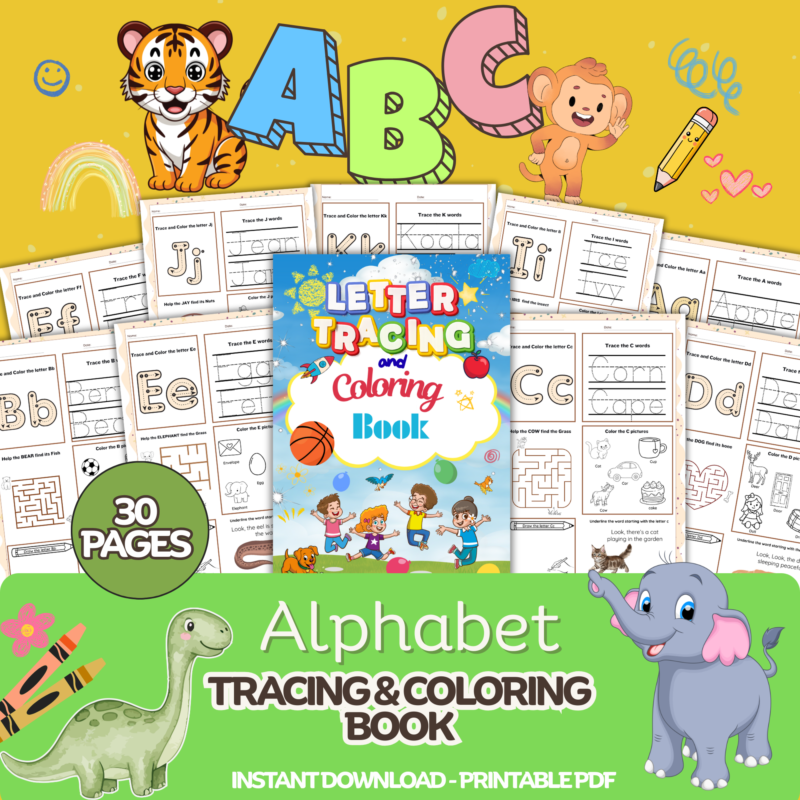
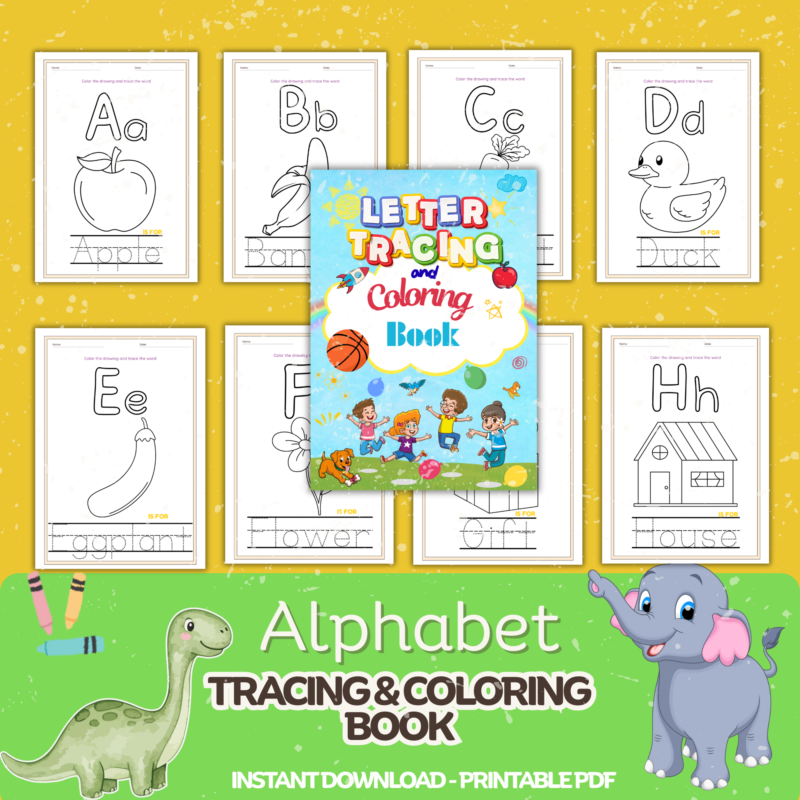
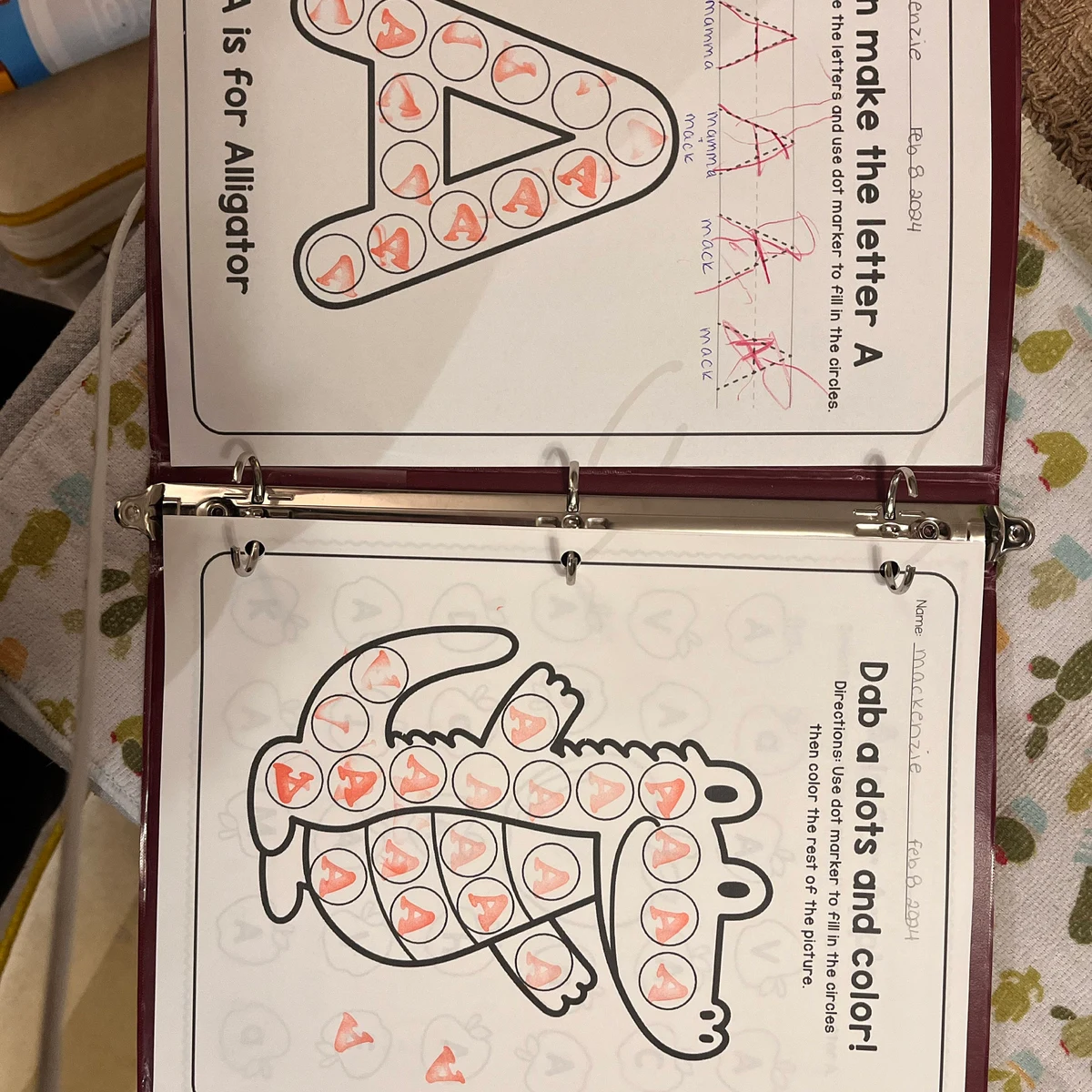
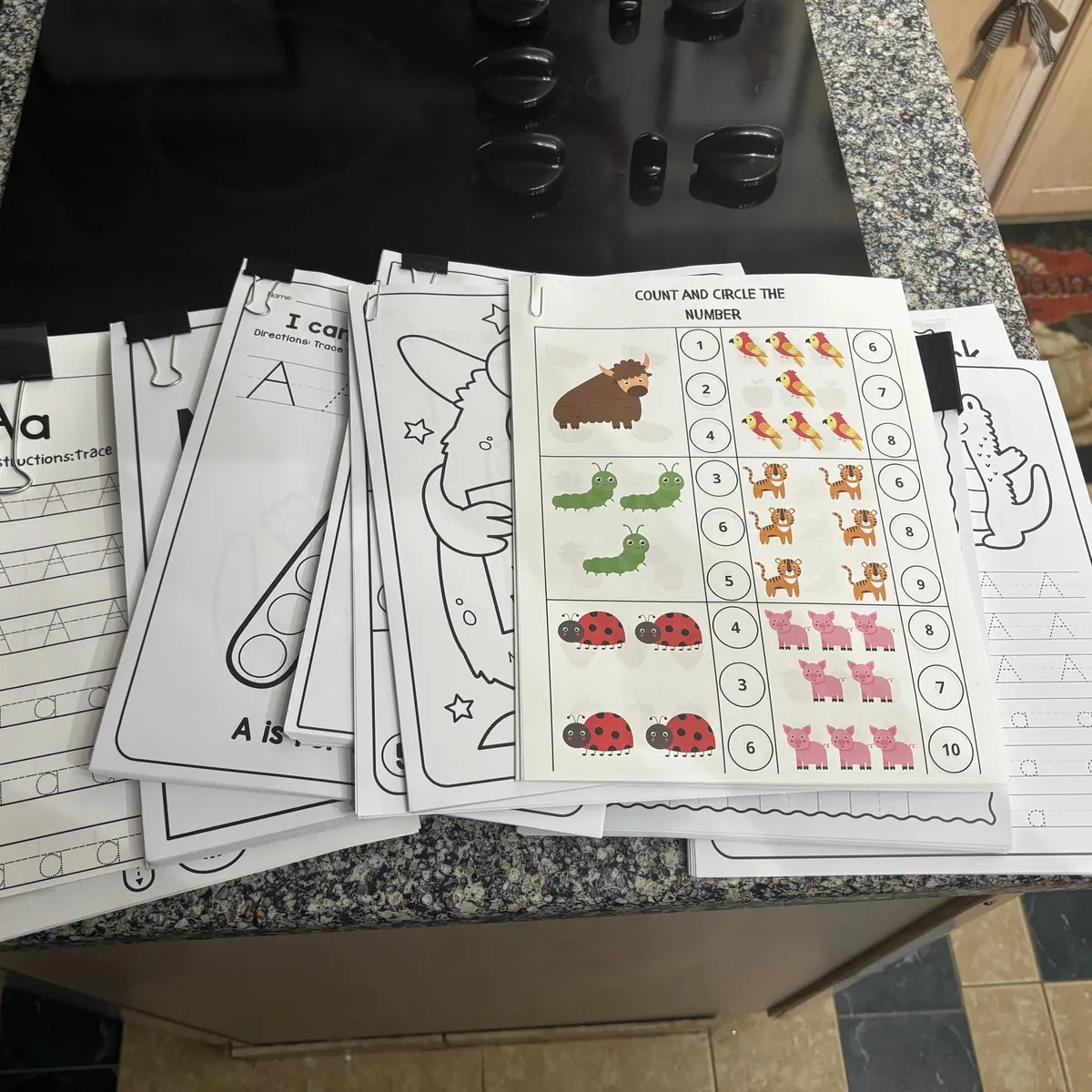
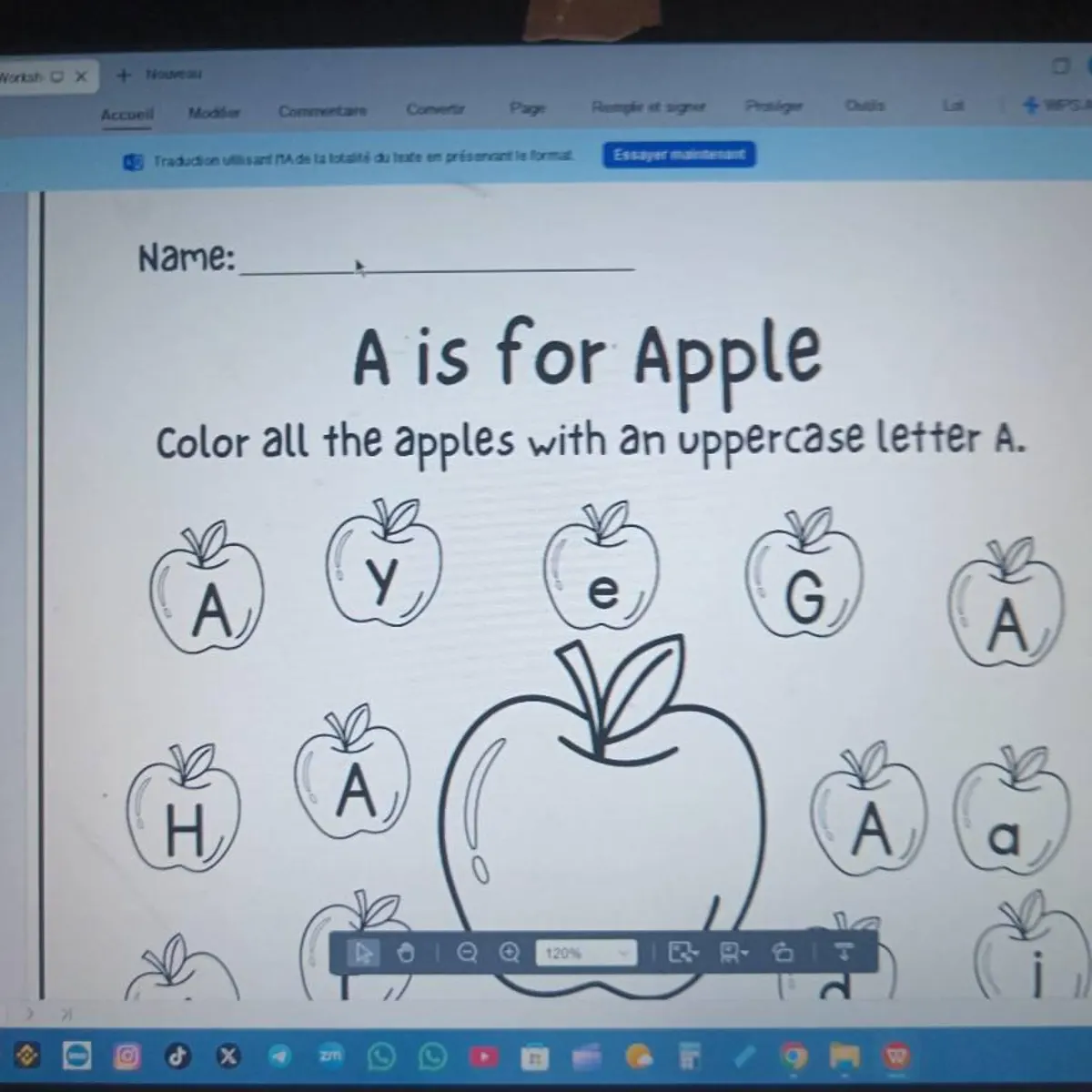
Printable phonics and alphabet tracing pages are useful because they offer repeated, low-prep practice without asking adults to create activities from scratch. Fun Clever Fox worksheets can be printed when you need a quick learning activity for a morning routine, literacy center, homeschool lesson, or quiet afternoon at home.
It depends on the child whether uppercase or lowercase letters should come first. Uppercase letters are often easier to form and recognize because they have fewer curves. Lowercase letters appear more often in books, so children also need plenty of exposure to them. It is perfectly fine to teach both gradually while keeping the focus on one sound at a time.
Help Children Hear Sounds Before Blending Words
Before children can read a word like sat, they need to hear that words are made of separate sounds. This is called phonemic awareness, and it can be practiced without any printed letters.
Say a simple word slowly, stretching each sound: /s/ /a/ /t/. Ask your child to listen, then say the word normally: sat. At first, you may do most of the stretching. With practice, children can begin to identify the first sound, then the last sound, and eventually all the sounds in a short word.
Once a child knows a few letter sounds, place letter cards in front of them to build a simple word. Point to each letter and say the sounds slowly: /m/ /a/ /p/. Then sweep your finger under the letters and say, “map.” Blending takes time. If your child says each sound but cannot combine them yet, that is a normal next step, not a reason to rush ahead.
Know When to Repeat Instead of Move On
Children do not need to master every activity before meeting a new letter, but they do benefit from review. If a child regularly confuses b and d, forgets a sound from one day to the next, or becomes upset during practice, slow the pace. Return to familiar letters, use larger visuals, and give more chances to match sounds with real objects and pictures.
On the other hand, a child who quickly identifies sounds may be ready to build words, listen for ending sounds, or try simple decodable words. Follow the child’s readiness rather than a calendar. Early literacy grows unevenly, with exciting leaps and plenty of repetition in between.
Avoid comparing siblings, classmates, or students. One child may love letter tracing but need extra help hearing sounds. Another may blend simple words easily but dislike writing. Both children can make strong progress with practice that meets them where they are.
Keep Phonics Part of Everyday Life
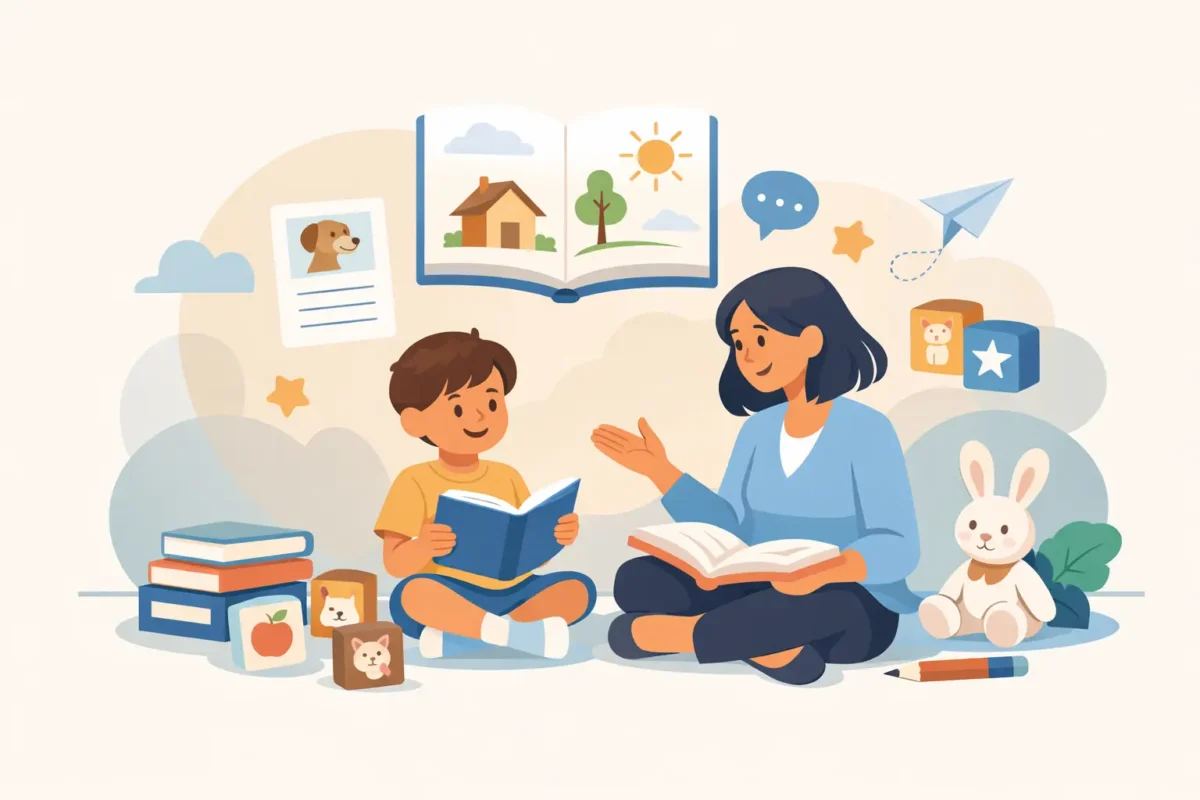
The most effective phonics routines are easy to repeat. Point out the first letter on a cereal box, listen for beginning sounds during a car ride, or choose a “sound of the day” while reading picture books. These tiny moments show children that letters and sounds are everywhere.
A cheerful, consistent routine will do more than a complicated plan used once. Offer one small success today, then another tomorrow. Soon, the child who once saw only letters will begin hearing sounds, spotting patterns, and realizing that they can read.