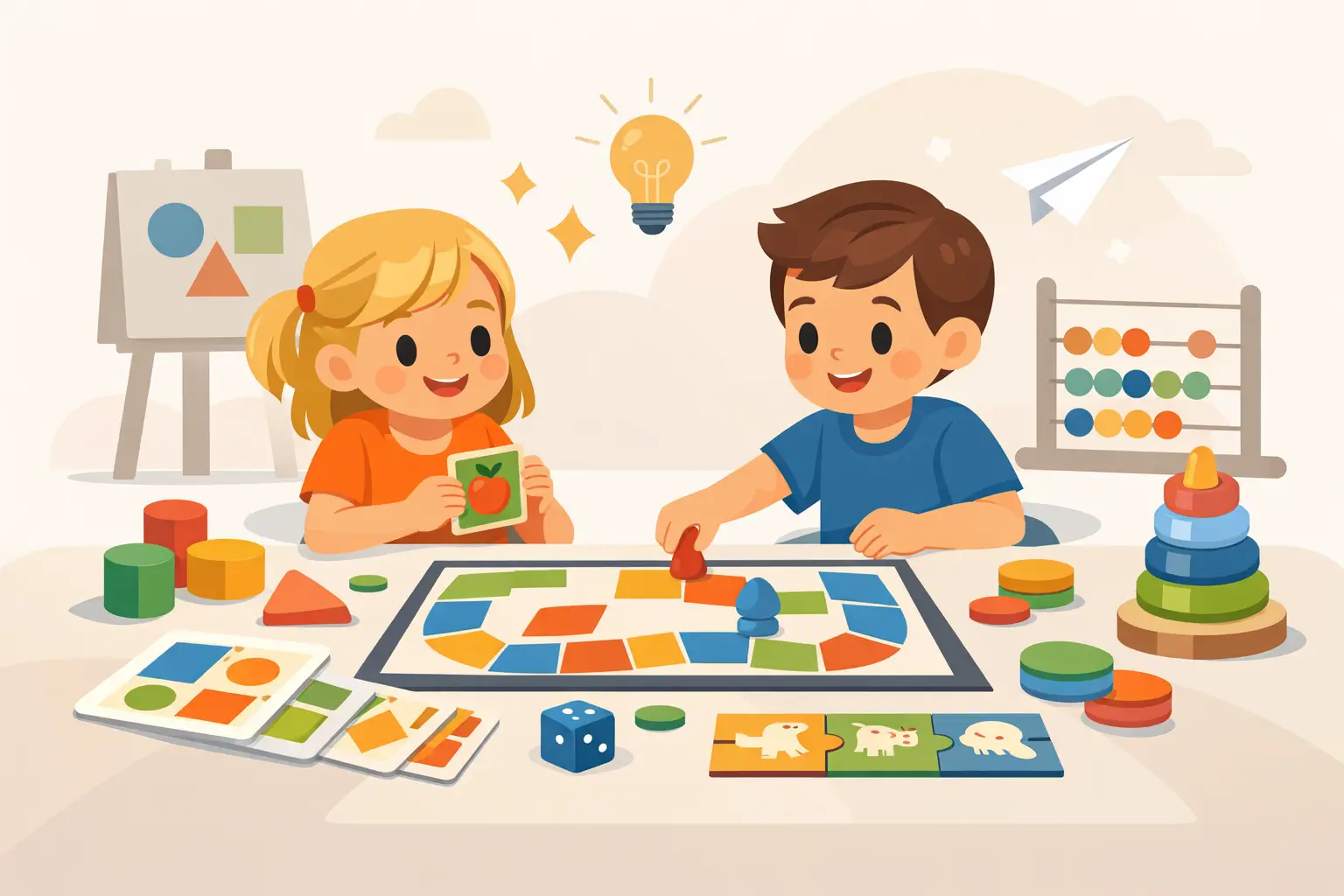
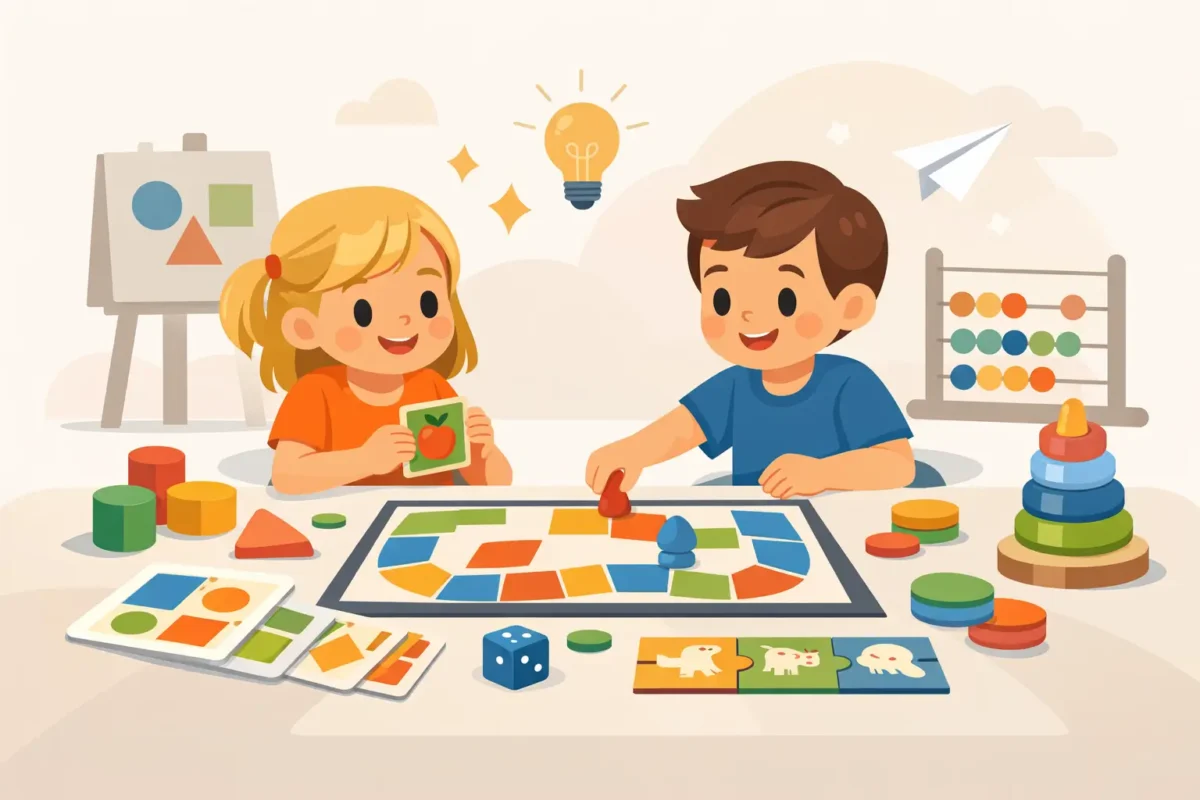
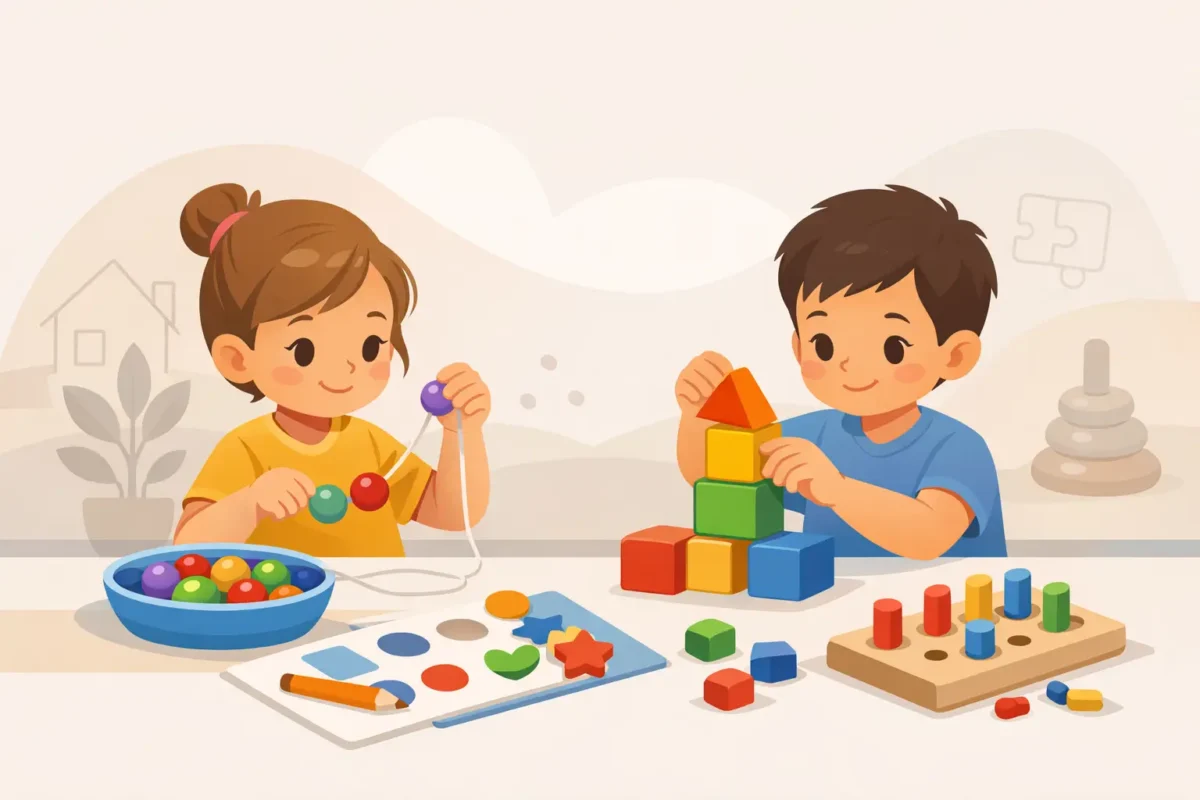
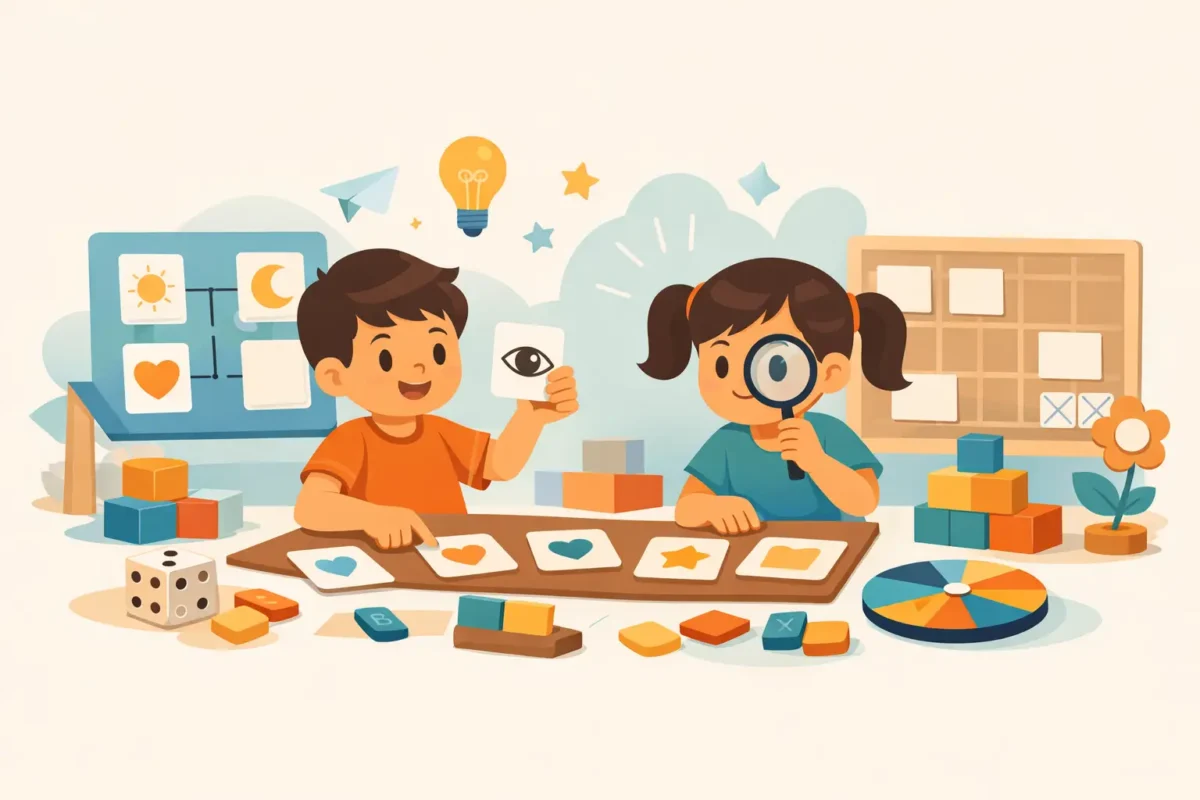
A preschooler does not need a game with complicated rules or a long play time to learn something valuable. They need a clear goal, colorful pieces, a chance to make choices, and an adult nearby to celebrate the small wins. The best preschool board games build early math, language, fine motor, and social skills while children are simply excited to take their next turn.
For parents, teachers, daycare providers, and homeschool families, board games can turn a quiet afternoon or transition time into meaningful screen-free practice. The right game also makes repetition feel fresh. Counting the same five spaces on a game path feels much more fun than completing another set of numbers on a page.
What Makes a Board Game Right for Preschoolers?
Preschoolers usually do best with games that take about 10 to 20 minutes, have few pieces to manage, and use rules they can remember after a little practice. A game does not need to teach letters or numbers directly to be educational. Waiting for a turn, handling a spinner, matching a picture, and coping with an unlucky roll all support school readiness.
Look for games with large, sturdy pieces, especially for younger preschoolers. Avoid tiny parts if children still put objects in their mouths. Also consider how much adult support the game needs. Some children are ready to follow a simple game independently, while others will enjoy it most when an adult talks through each move.
A useful question is: what will my child practice more than once during play? The strongest games give children repeated chances to count, compare, match, describe, or make a simple decision. They should feel playful first and instructional second.
12 Best Preschool Board Games to Build Early Skills
1. Candy Land
Candy Land remains a favorite because the rules are wonderfully simple. Children draw a colored card and move to the matching color on the path. There is no need to read numbers or make difficult choices, making it a good first board game for many 3-year-olds.
It supports color recognition, visual scanning, and understanding that games have rules. As children grow, invite them to name the colors, notice which player is ahead, or count a few spaces as they move.
2. Hi Ho! Cherry-O
Hi Ho! Cherry-O adds a playful counting challenge to every turn. Children spin, add or remove cherries, and work toward filling or emptying their bucket. The pretend orchard theme is easy for young children to understand.
This game is especially helpful for children beginning to connect quantities with numbers. They can count each cherry as they place it in the bucket, and they see that a group becomes larger or smaller. The trade-off is that the small cherries require supervision and may be frustrating for children still developing hand control.
3. The Sneaky, Snacky Squirrel Game
This cheerful game uses squirrel-shaped tongs to pick up and sort colorful acorns. Children spin, identify a color, and place the matching acorn in their log.
The big learning benefit is fine motor practice. Squeezing the tongs strengthens the hand muscles children later use for pencils, scissors, and buttons. It also encourages color matching and patience when the spinner asks a child to return an acorn. For a classroom, it works especially well in a small center with adult guidance.
4. Hoot Owl Hoot!
Hoot Owl Hoot! is a cooperative game, which means players work together instead of competing against each other. The group moves owls back to their nest before the sun comes up.
Cooperative games can be a wonderful choice for preschoolers who become upset when they lose. Children still learn turn-taking and rule-following, but they also learn to cheer for another player’s success. Use this type of game when you want to build teamwork, especially at the beginning of the school year or in a mixed-age group.
5. Count Your Chickens!
Count Your Chickens! is another cooperative option with a clear early math focus. Players collect chicks and bring them safely back to the coop. Children practice one-to-one counting as they move and gather pieces.
The theme is gentle, and the shared goal keeps the mood positive. It is a strong pick when a child can count a small set of objects but needs more practice counting carefully without skipping or repeating items.
6. The Ladybug Game
The Ladybug Game gives children a little more to do than simply move along a path. They roll, spin, count, and encounter playful obstacles as they travel toward the garden party.
Because there are several game actions, this is often better for older preschoolers or children who already enjoy simple board games. It offers practice with counting, number recognition, and following a sequence of directions. Expect to explain the rules a few times before children can play with confidence.
7. Spot It! Junior Animals
Spot It! Junior Animals is fast, flexible, and easy to bring anywhere. Players look for the one matching picture between two cards. Animal pictures make it especially inviting for young learners.
This is less of a traditional board game, but it deserves a place in the game basket because it builds visual discrimination and attention. Start slowly and let children search without pressure. For a group of energetic preschoolers, use it as a quick five-minute activity rather than a long competitive challenge.
8. Zingo!
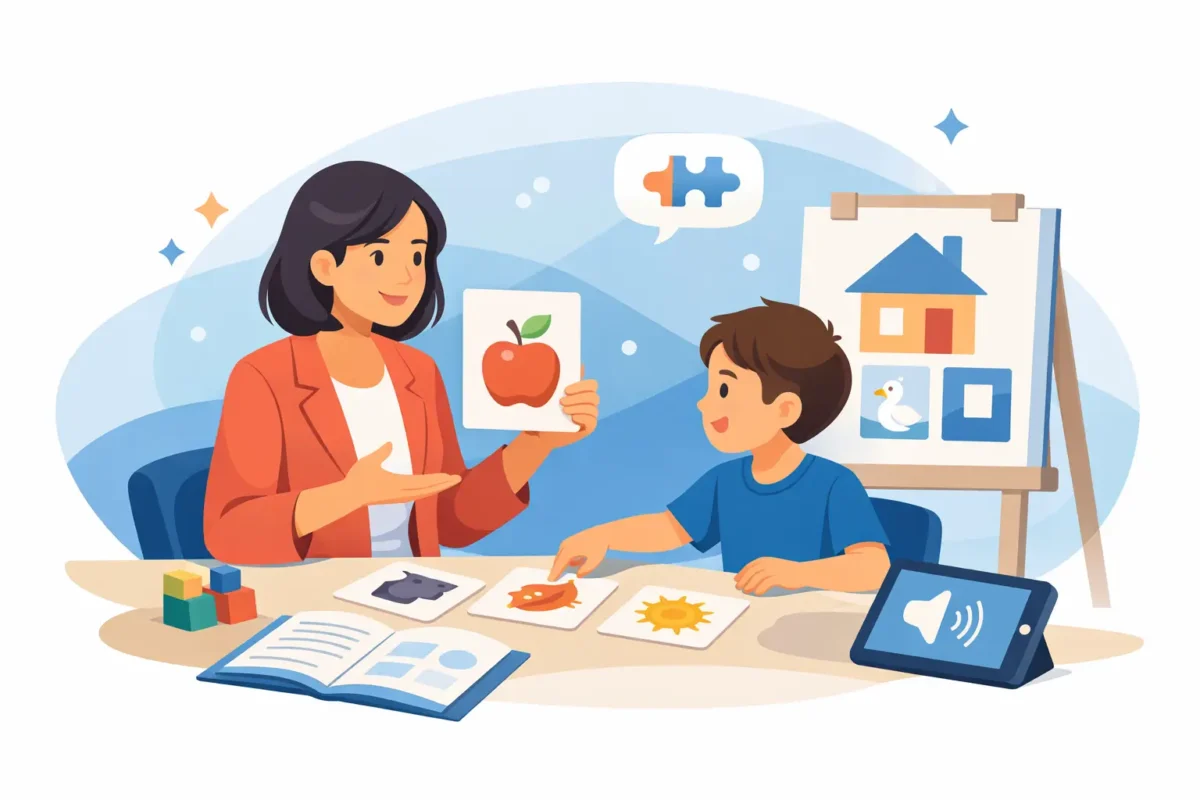
Zingo! uses picture-and-word tiles that children match to their game boards. Depending on the version and how you play, it can support vocabulary, beginning reading, picture matching, and listening skills.
For younger preschoolers, focus on naming the pictures. Ask questions such as, “Can you find the cat?” or “What sound do you hear at the beginning of sun?” Older preschoolers can begin noticing printed words and letter patterns. This flexibility makes it useful in both preschool and kindergarten settings.
9. Richard Scarry’s Busytown, Eye Found It!
This large cooperative search-and-find game asks players to spot objects across a busy illustrated board. It encourages children to look closely, describe what they see, and work with the group toward a shared finish.
It is an excellent choice for building observation skills and language. Children may notice different objects, so there are many natural chances to practice words such as beside, under, behind, big, and small. The large board does need table or floor space, which may make it less practical for a small home learning area.
10. Sequence for Kids
Sequence for Kids uses animal cards and chips instead of requiring children to read playing cards. Players match an animal card to the same animal on the board and try to create a row.
This game introduces simple strategy, planning, and spatial awareness. It is best for children closer to age 5 or for preschoolers who are ready for a slightly longer game. Keep the experience light by helping children notice possible matches instead of telling them where to place every chip.
11. Don’t Break the Ice
Don’t Break the Ice is a hands-on game children often request again and again. Players gently tap out blocks of ice while trying to keep the figure from falling.
The educational value is found in fine motor control, cause and effect, and emotional regulation. A child may need to pause, take a breath, and try again when the ice falls. It does not provide direct academic practice, but it is a useful addition when your child needs playful practice with careful movements and handling disappointment.
12. A Simple Printable Learning Board Game
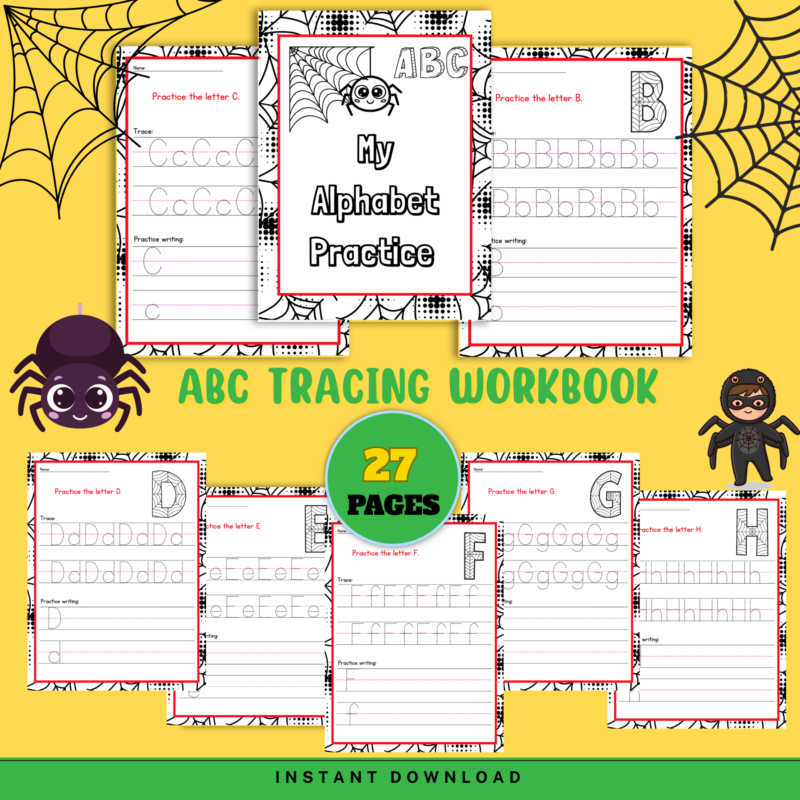
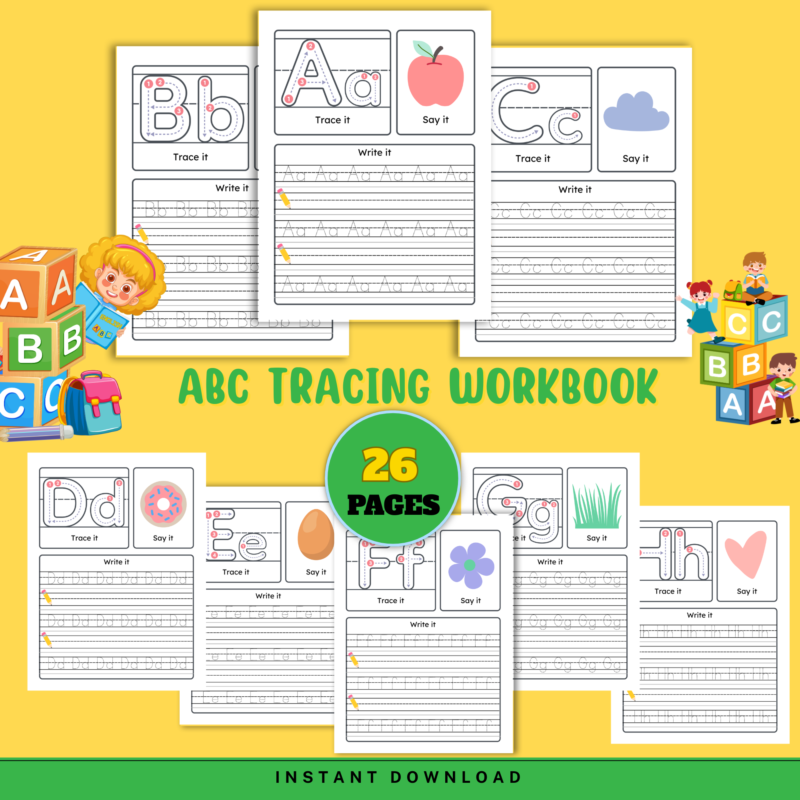
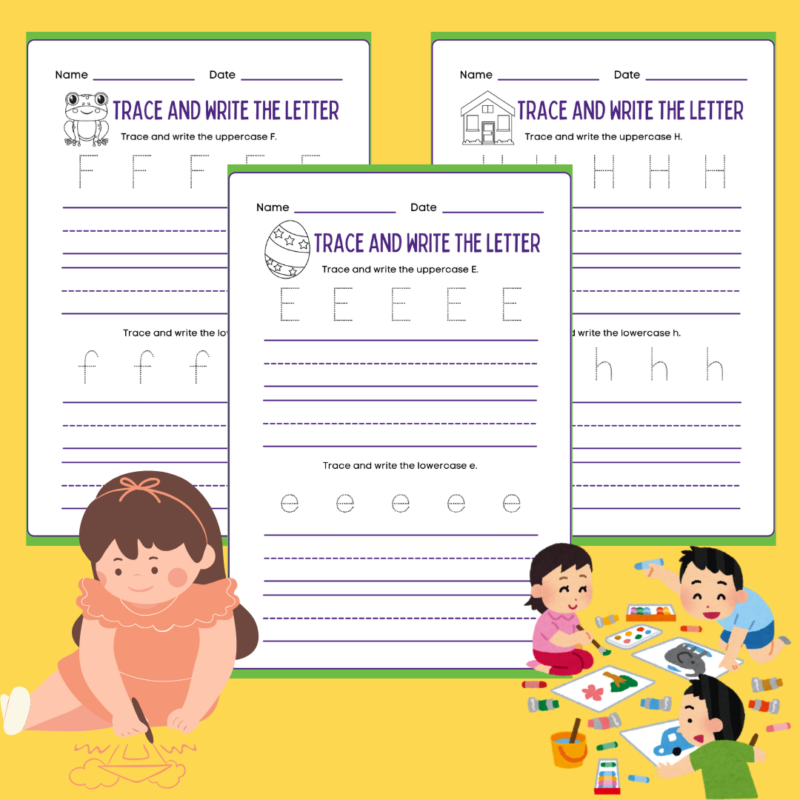
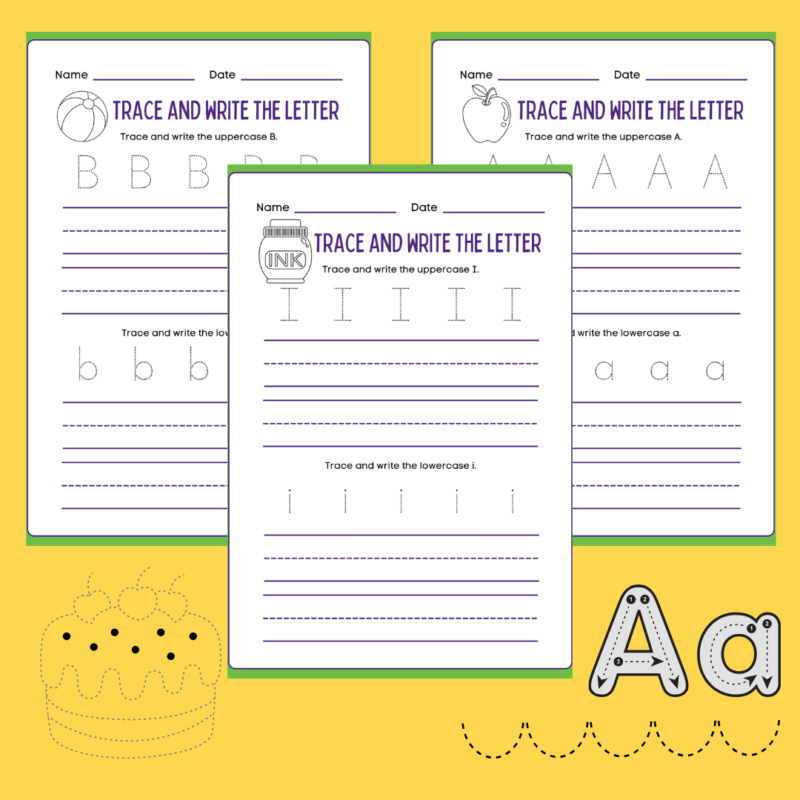
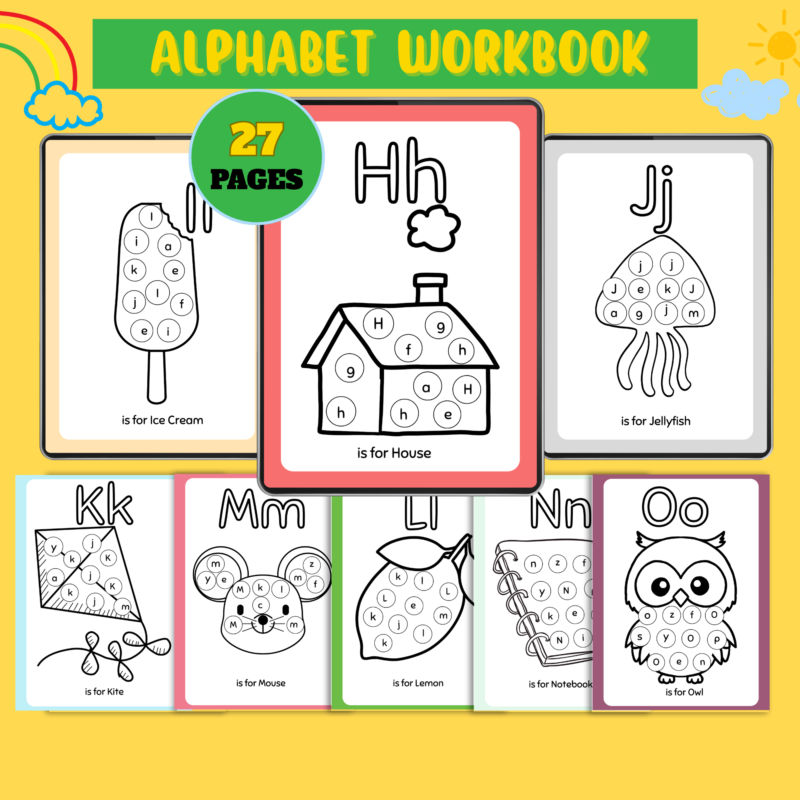
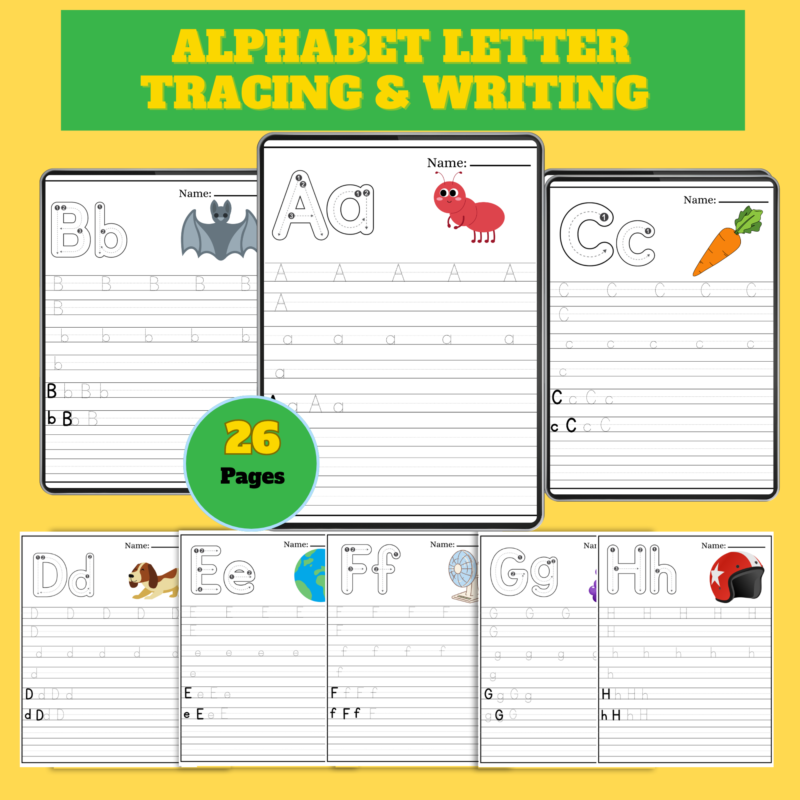
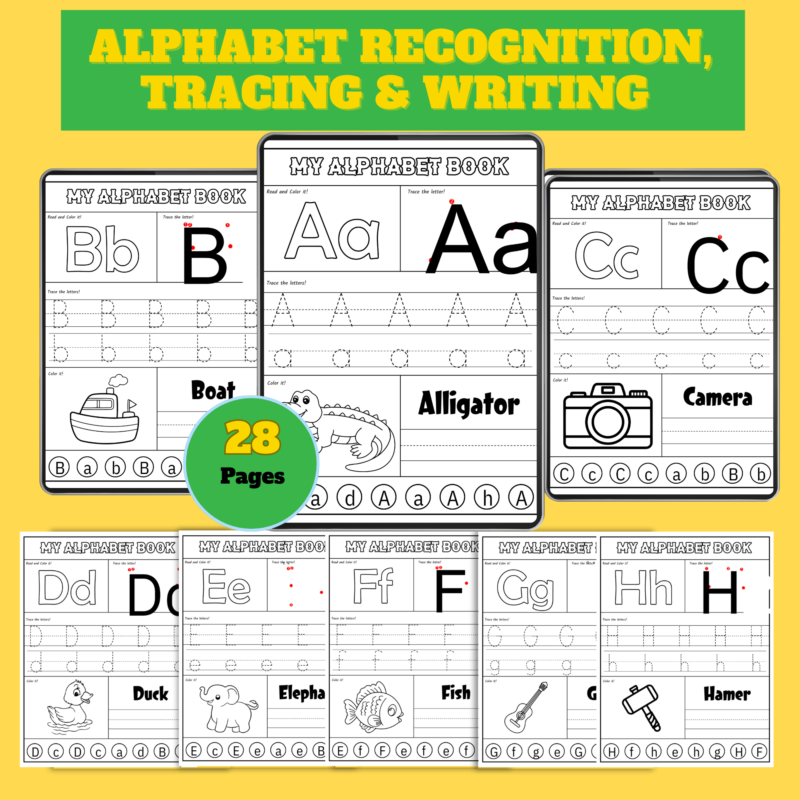
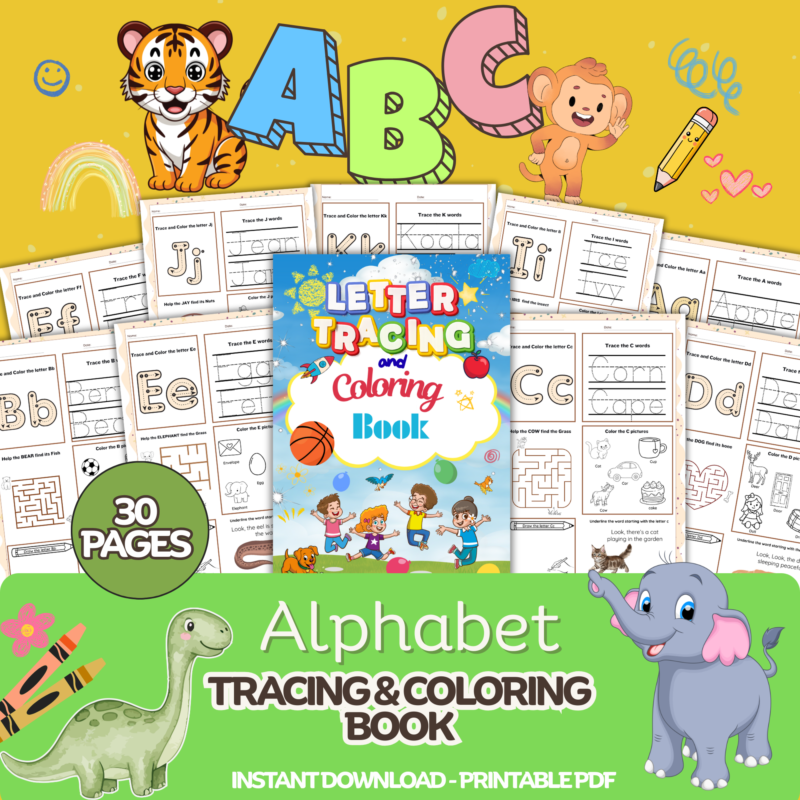
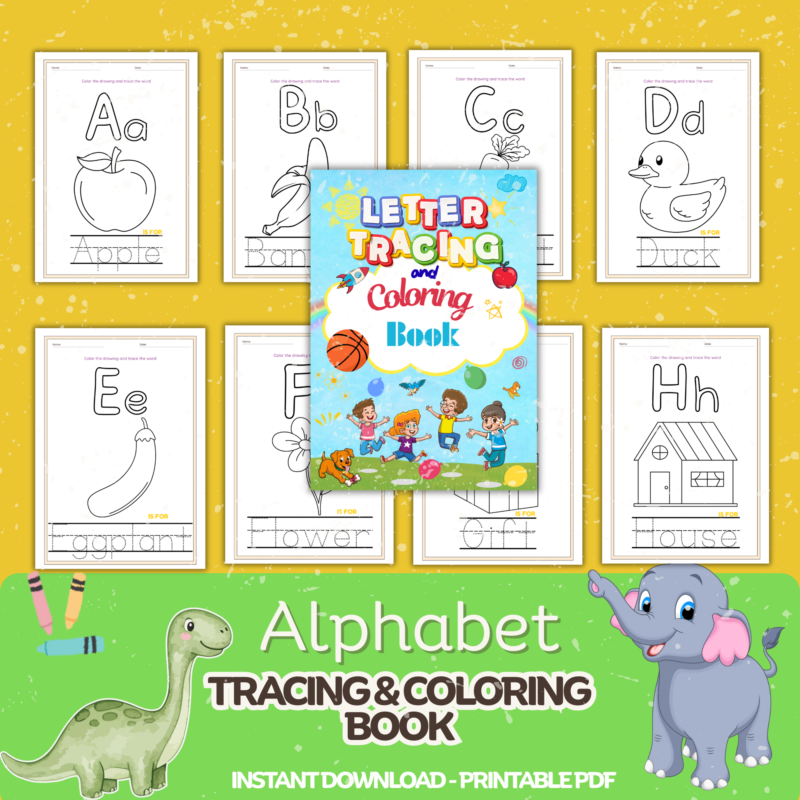
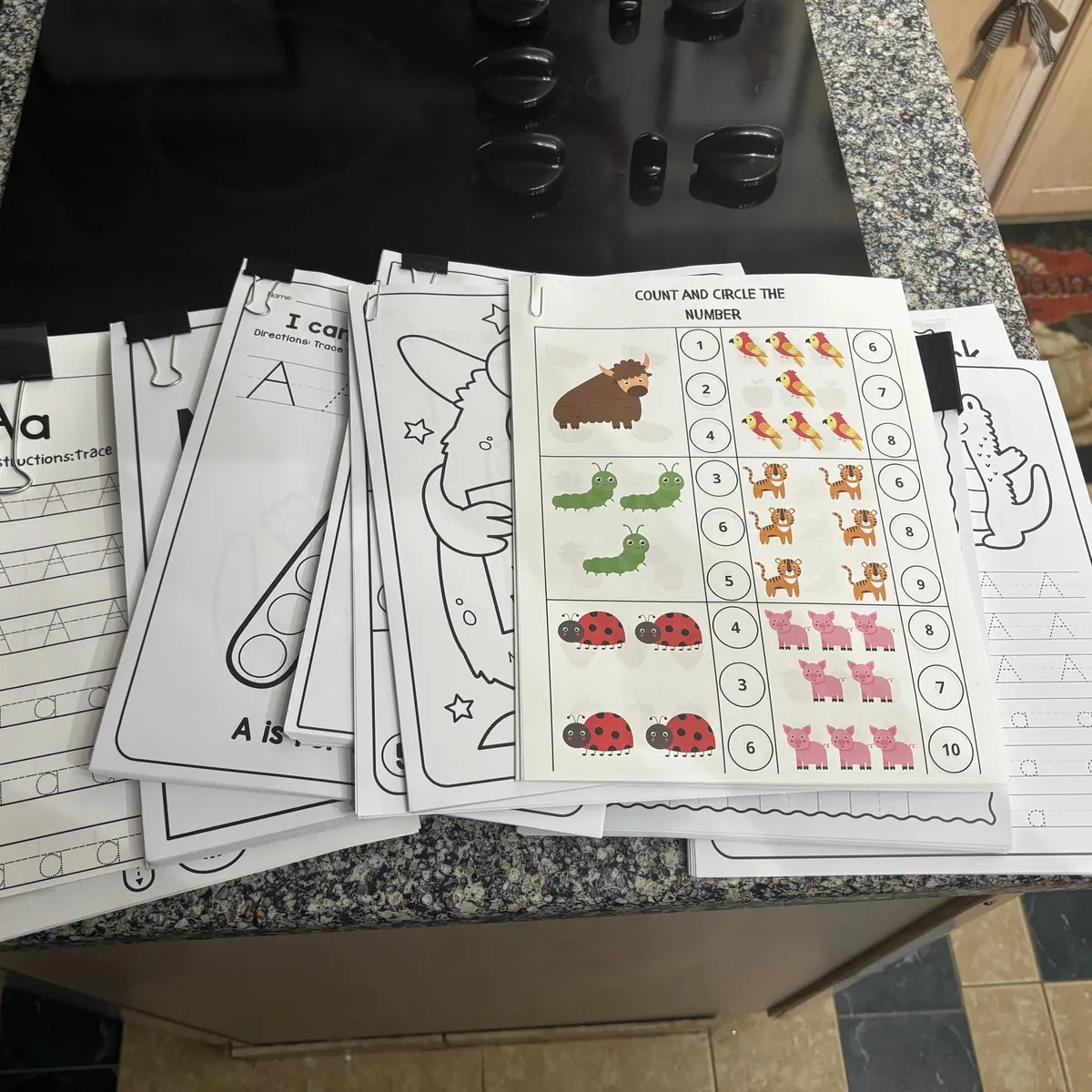
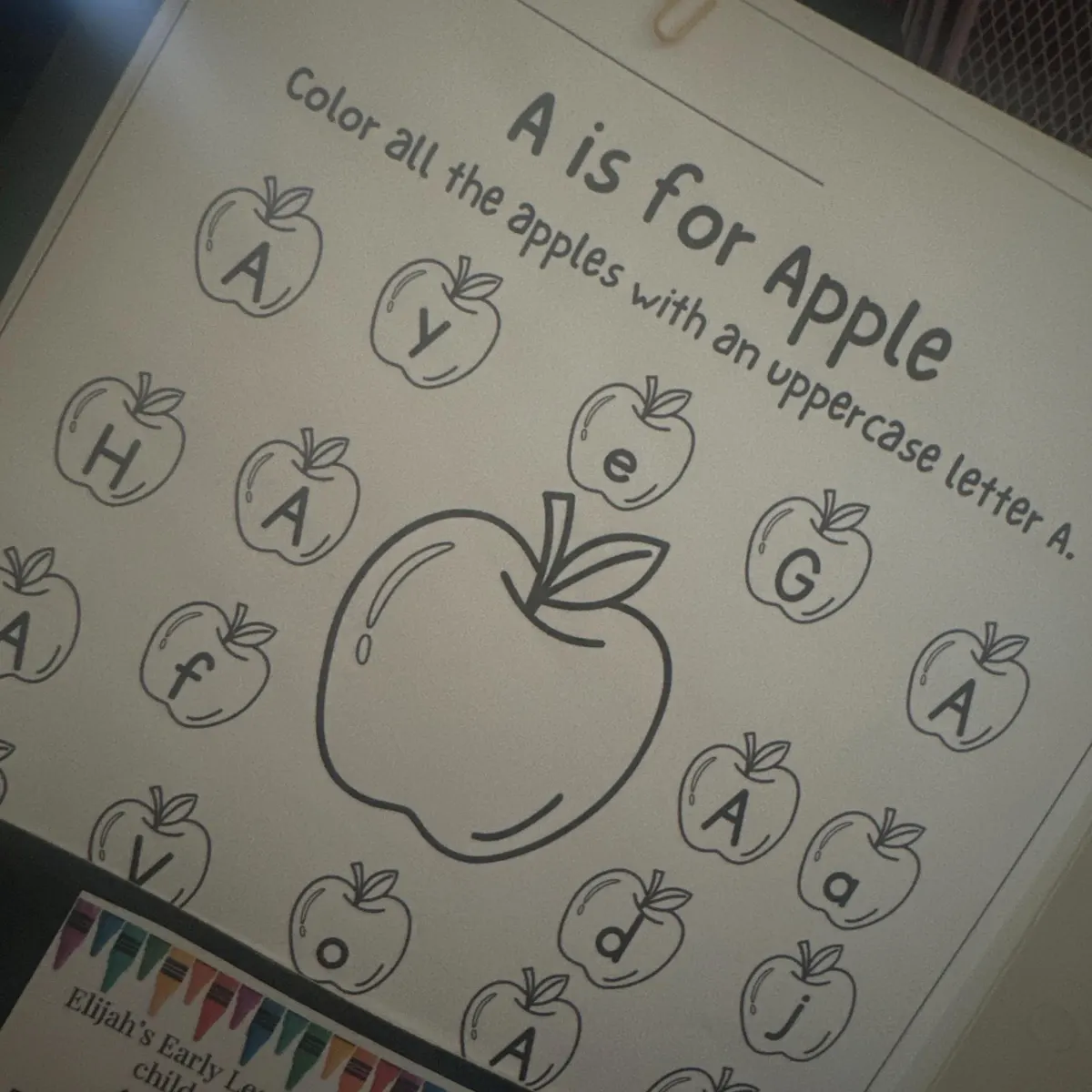
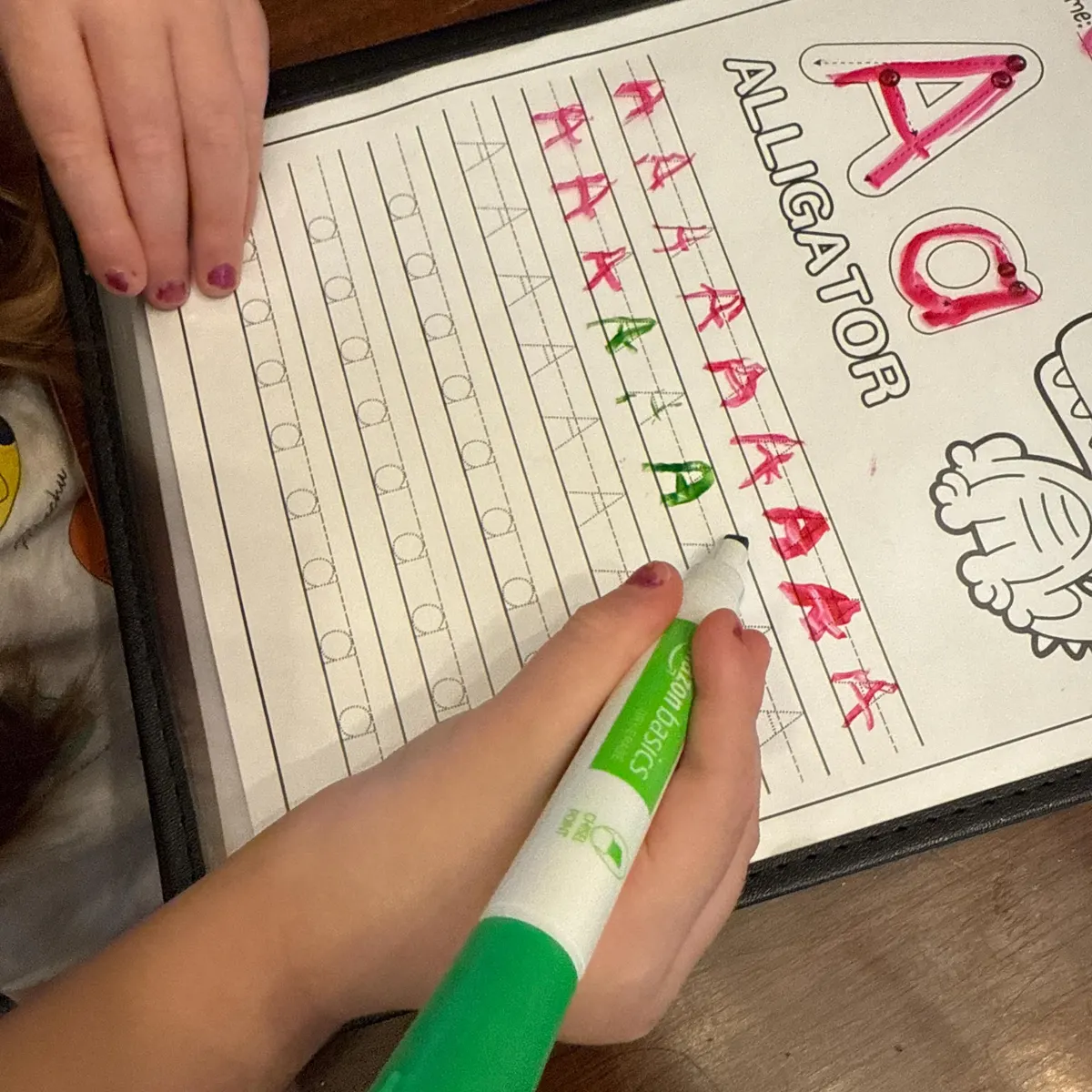
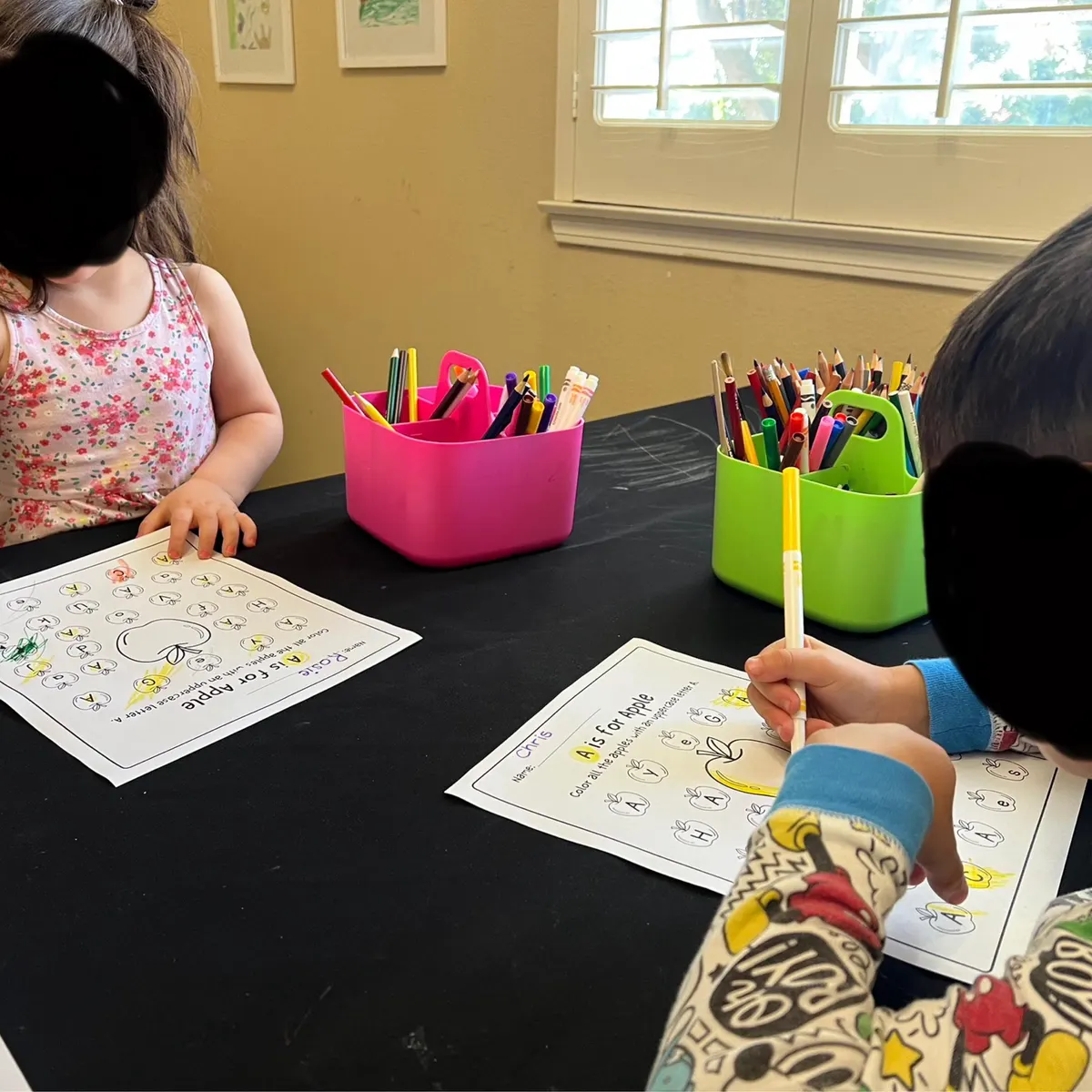
Printable board games are a practical option when you want a game tied to the exact skill a child is practicing. A counting path can reinforce number recognition, an alphabet game can support letter names and sounds, and a rhyming game can add playful phonics practice.
For home or classroom use, print on heavier paper or place the page in a sheet protector. Add a die, spinner, or small counters, and you have a low-prep activity ready for morning work, small groups, or rainy-day learning. Fun Clever Fox printable learning games can also be reused with different themes or skills, giving children the repetition they need without asking adults to create materials from scratch.
How to Help Children Learn While They Play
You do not need to turn every game into a lesson. A few simple comments are enough. Say, “You moved three spaces. Let’s count them together,” or “You found a match. How did you know?” These small prompts help children connect play with language and thinking.
Keep game time positive by adjusting the rules when needed. If a child is overwhelmed, play for fewer turns. If a child cannot yet handle losing, choose a cooperative game or let everyone work toward a shared goal. If a game is too easy, add a challenge such as naming the color, letter, or number before moving.
The best game is the one your child asks to play again. Keep a small rotation of favorites within reach, sit down for a few unrushed minutes when you can, and let those little turns become confident early learning moments.