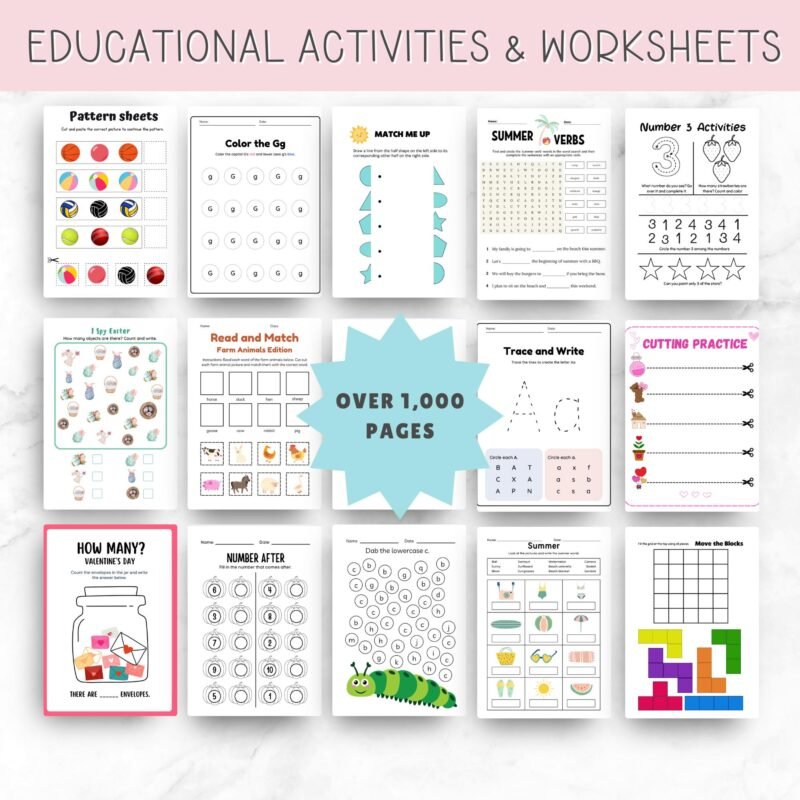
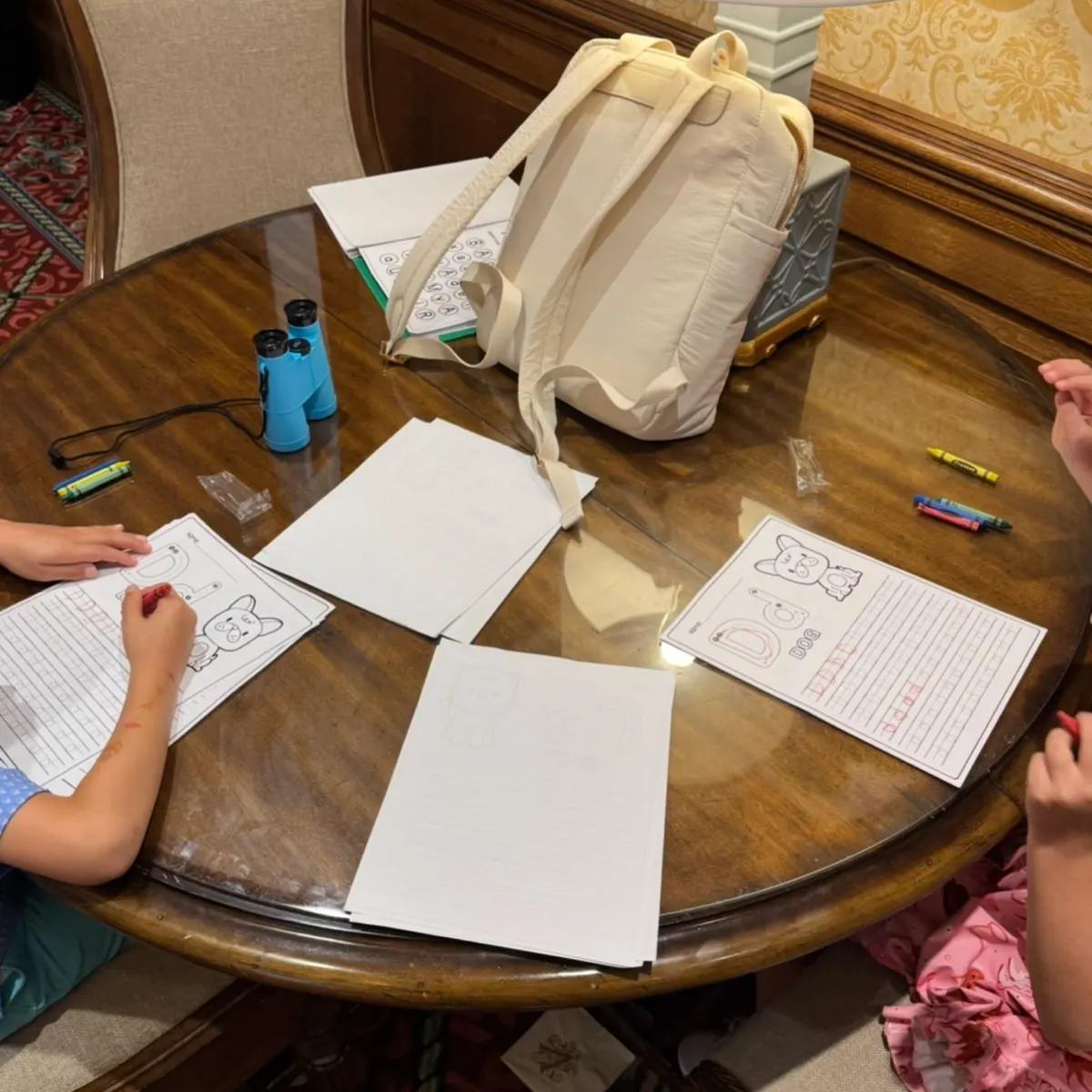
A successful homeschool morning does not need a complicated lesson plan, a dozen supplies, or hours of prep. The best homeschool printable examples are often the simple pages children can understand right away: trace the letter, count the objects, color the matching picture, or cut and sort the cards. For preschool and kindergarten learners, that kind of clear, playful practice builds skills without making learning feel too big.
Printables work especially well when they give children a small, reachable goal. One page may help a child practice writing the letter M. Another may help them count from 1 to 10 with cheerful pictures. Over time, those short activities add up to stronger pencil control, early reading readiness, math confidence, and pride in doing something independently.
12 homeschool printable examples to use at home
These printable activity ideas are designed for the skills young children practice most often. You do not need to use every type every day. Choose one or two that match your child’s current needs, then repeat them in different ways throughout the week.
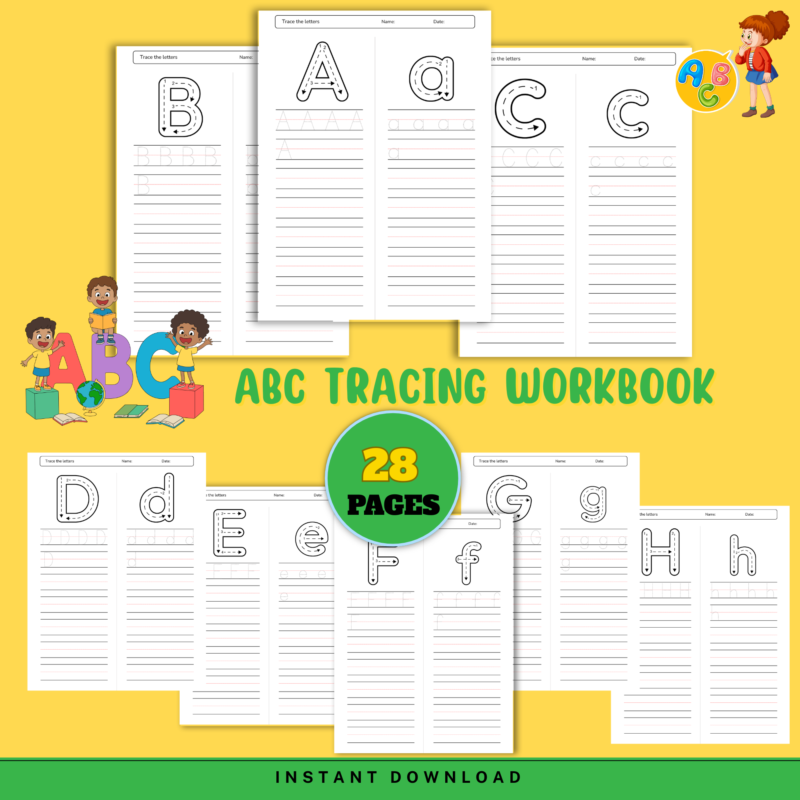
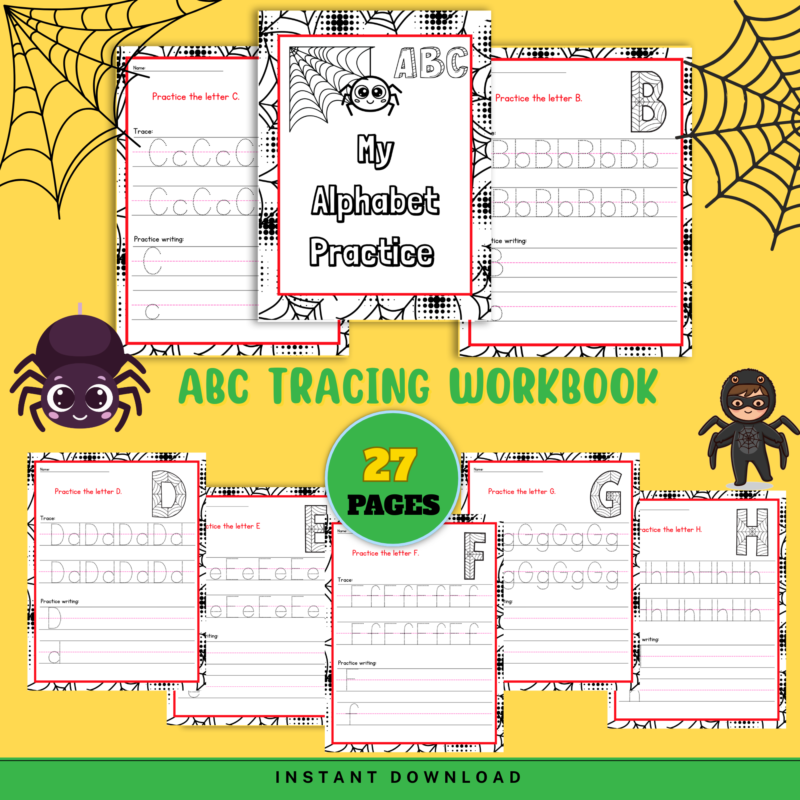
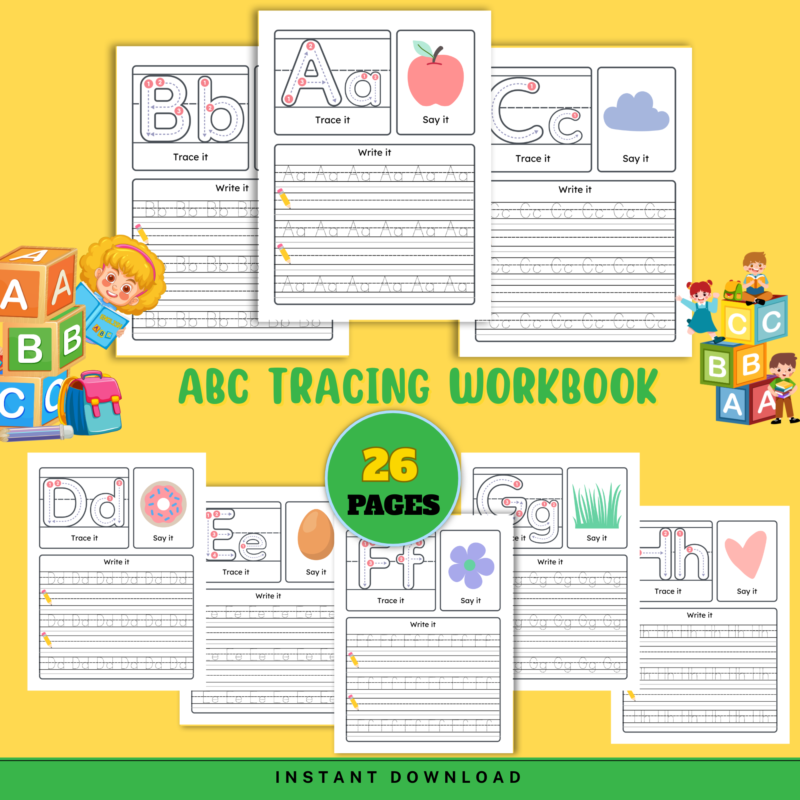
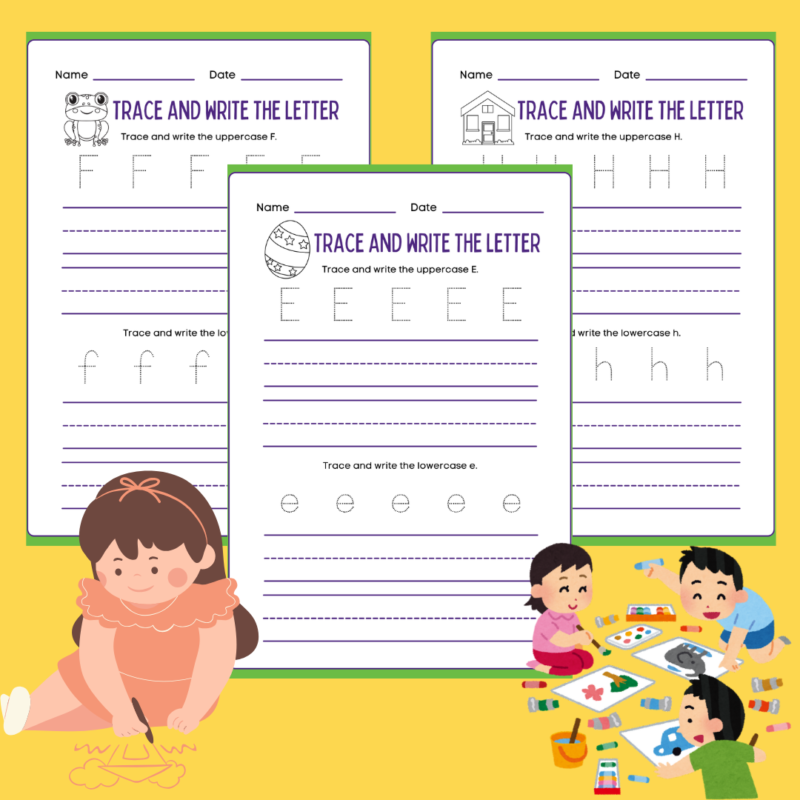
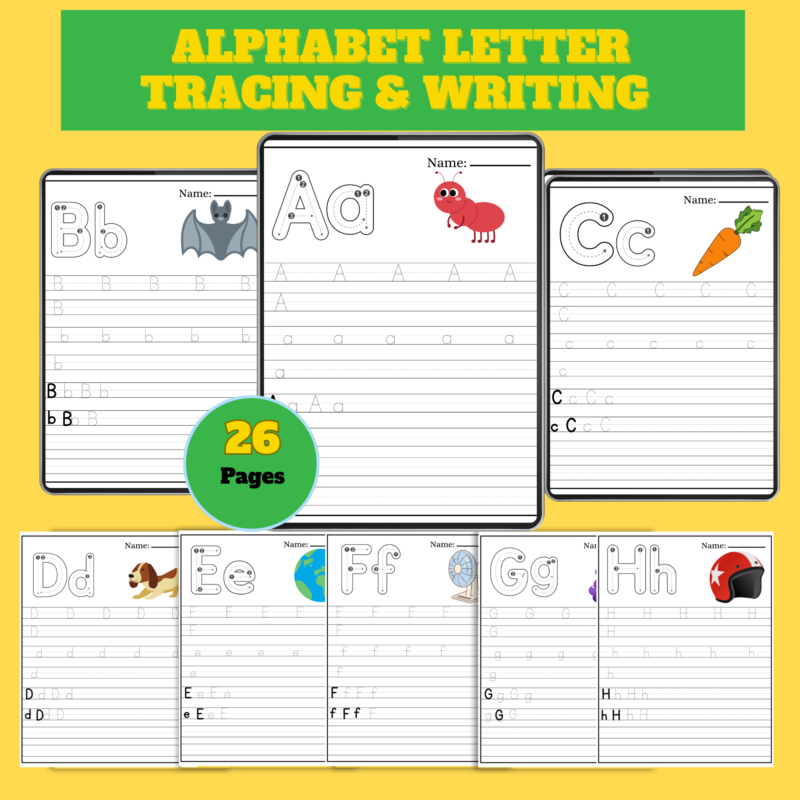
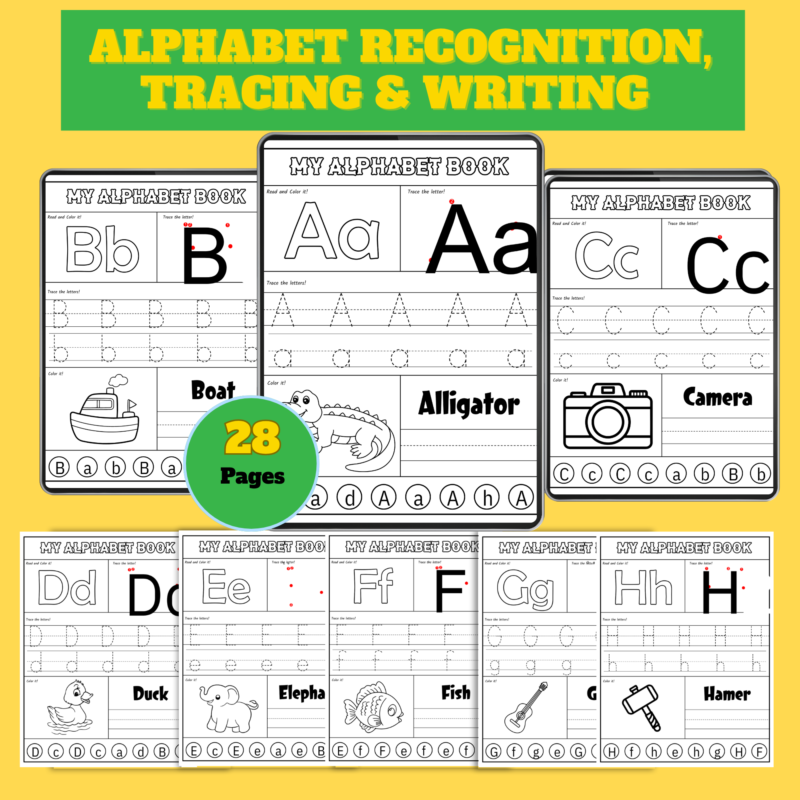
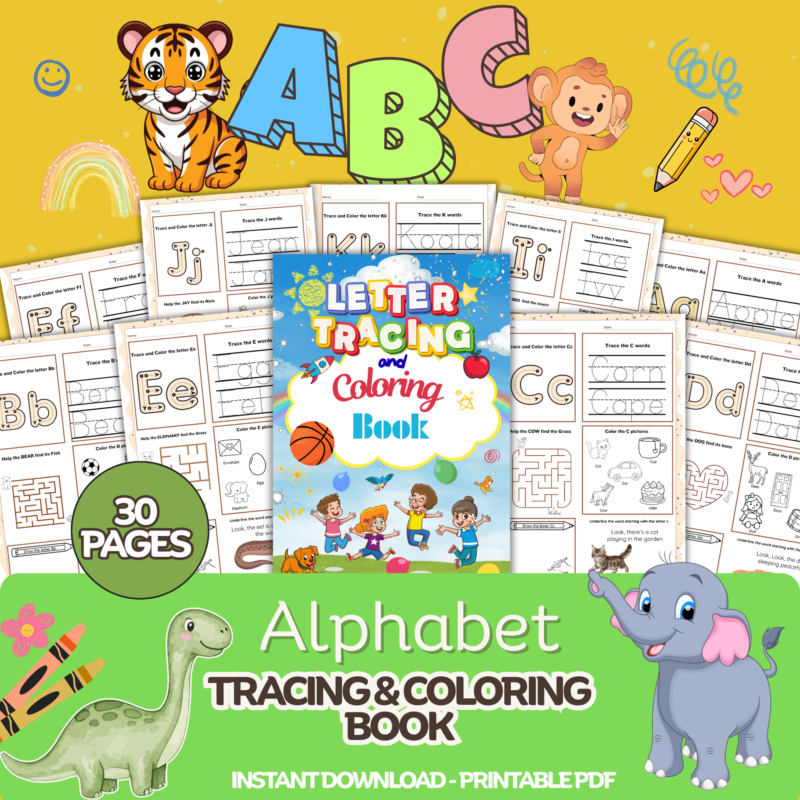
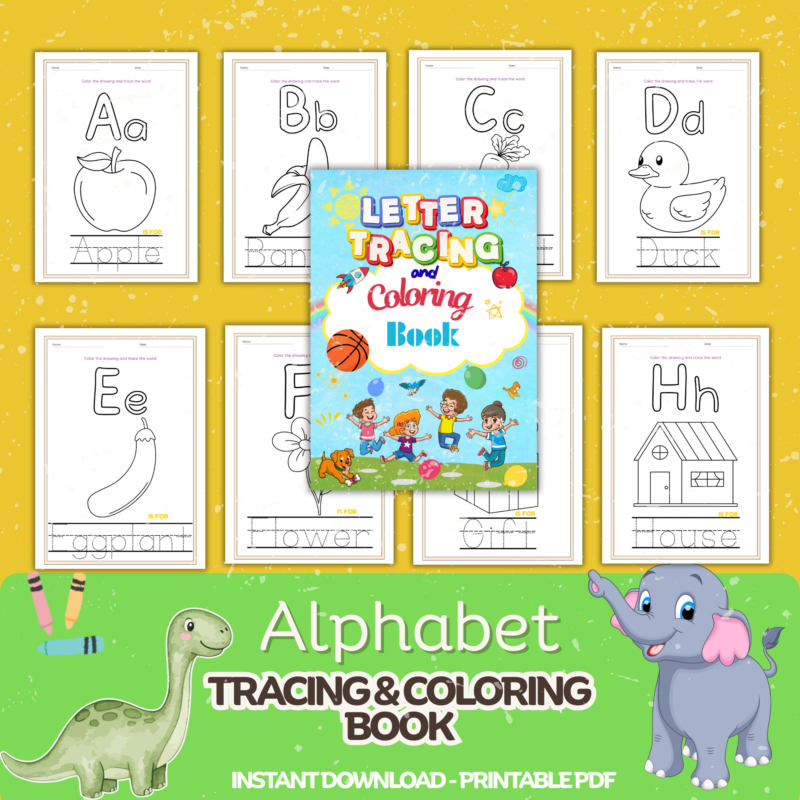
1. Alphabet tracing worksheets
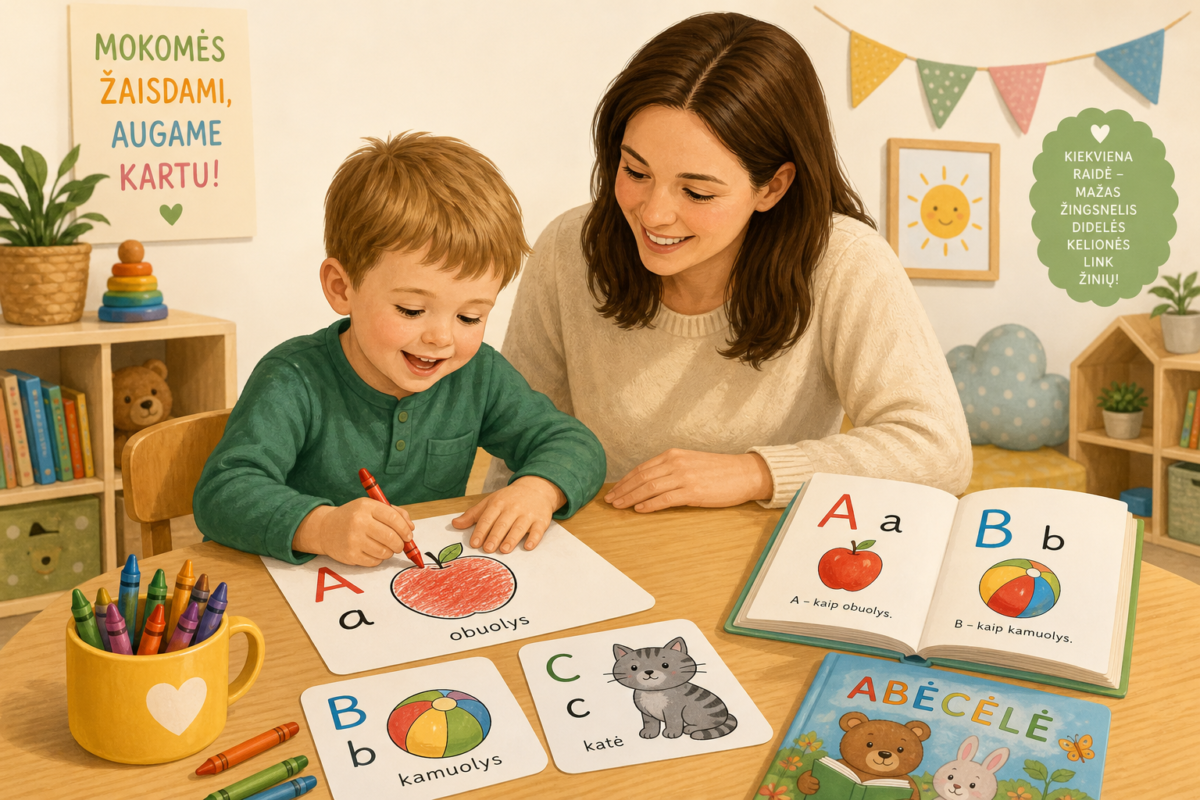
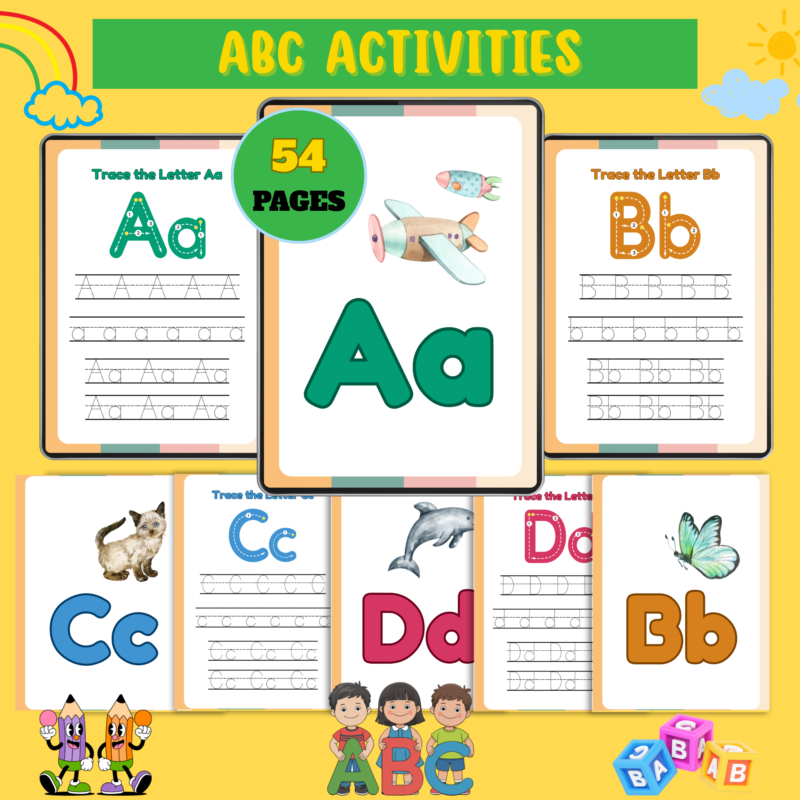
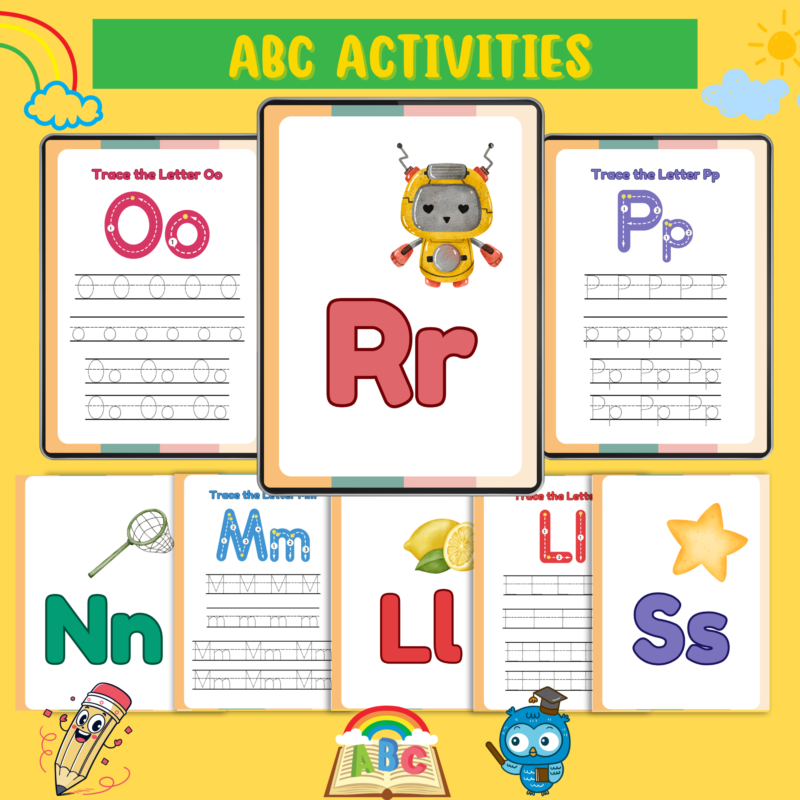
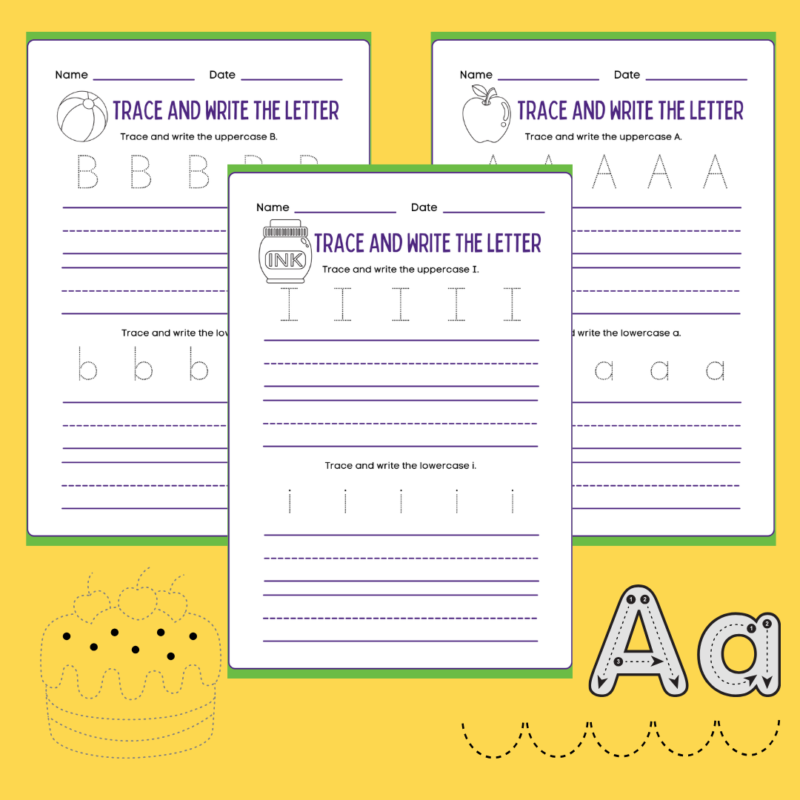
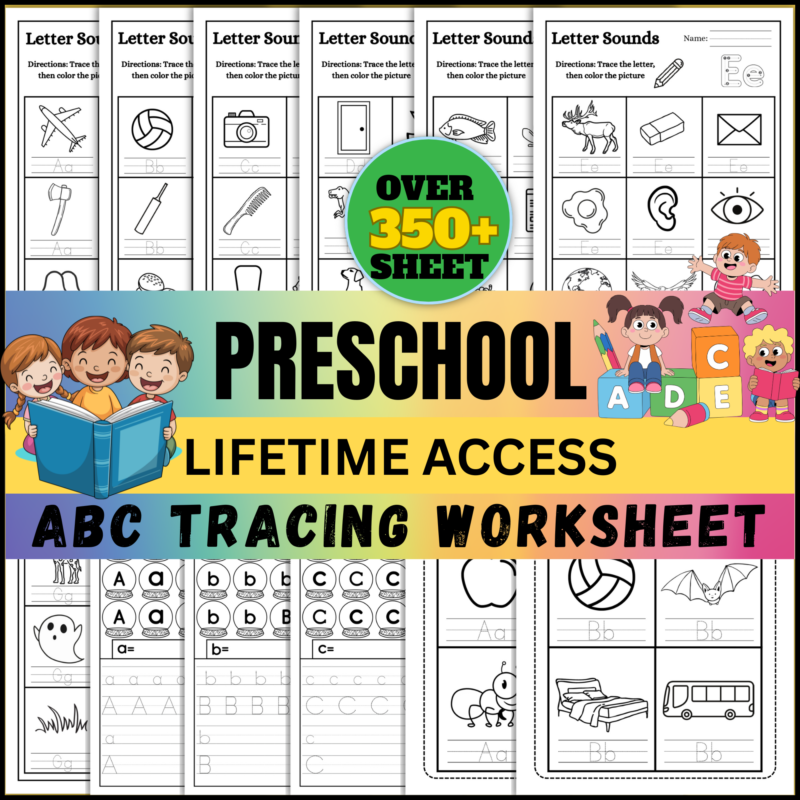
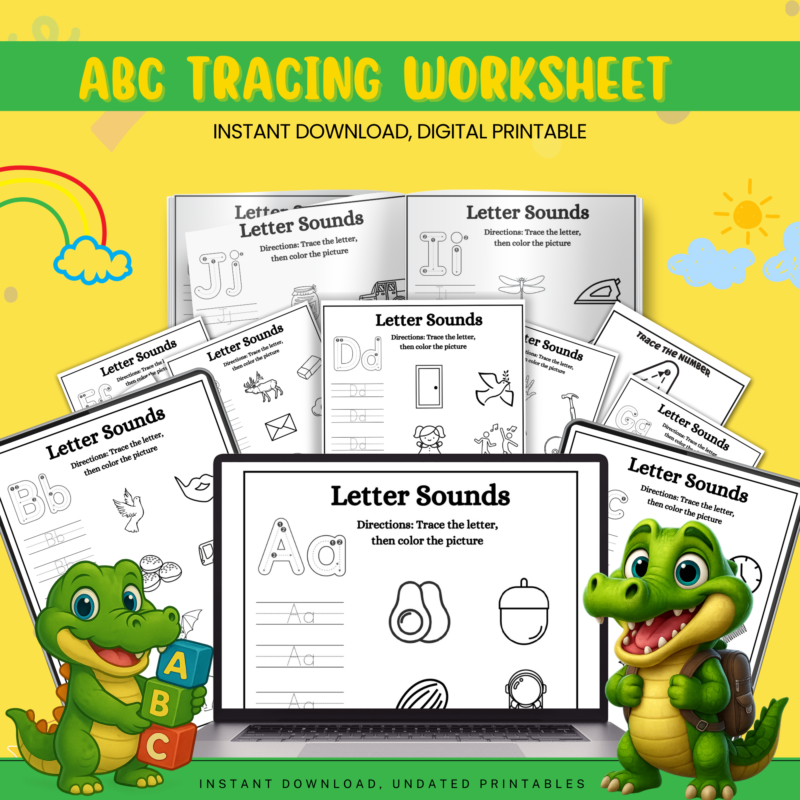
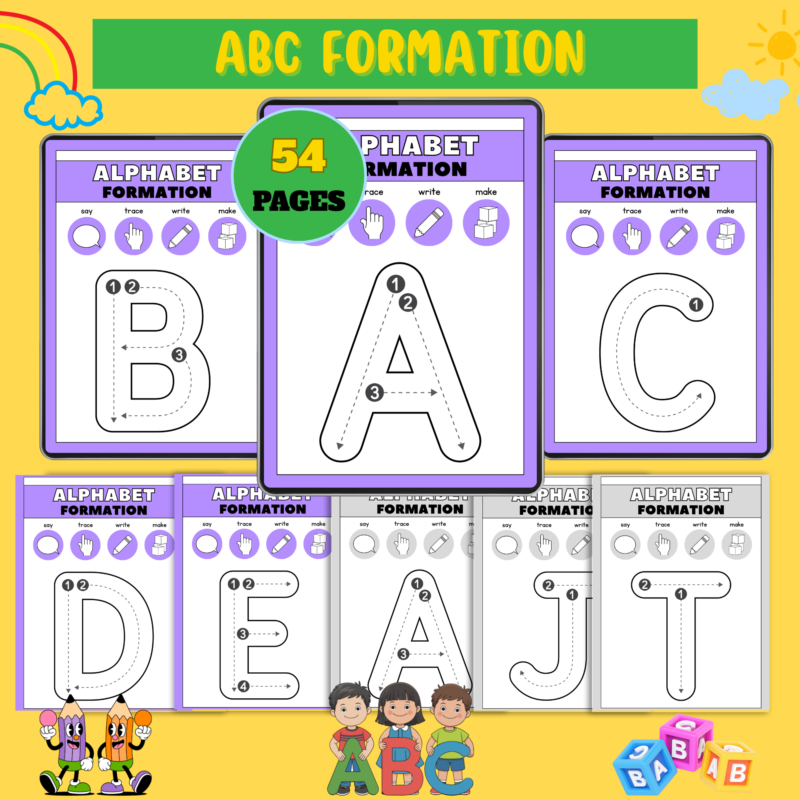
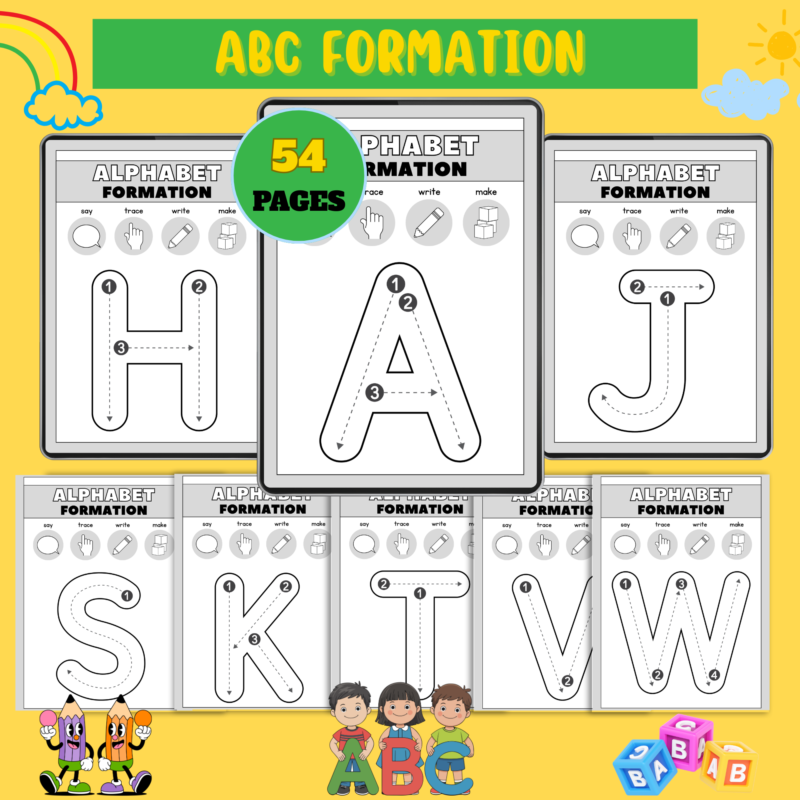
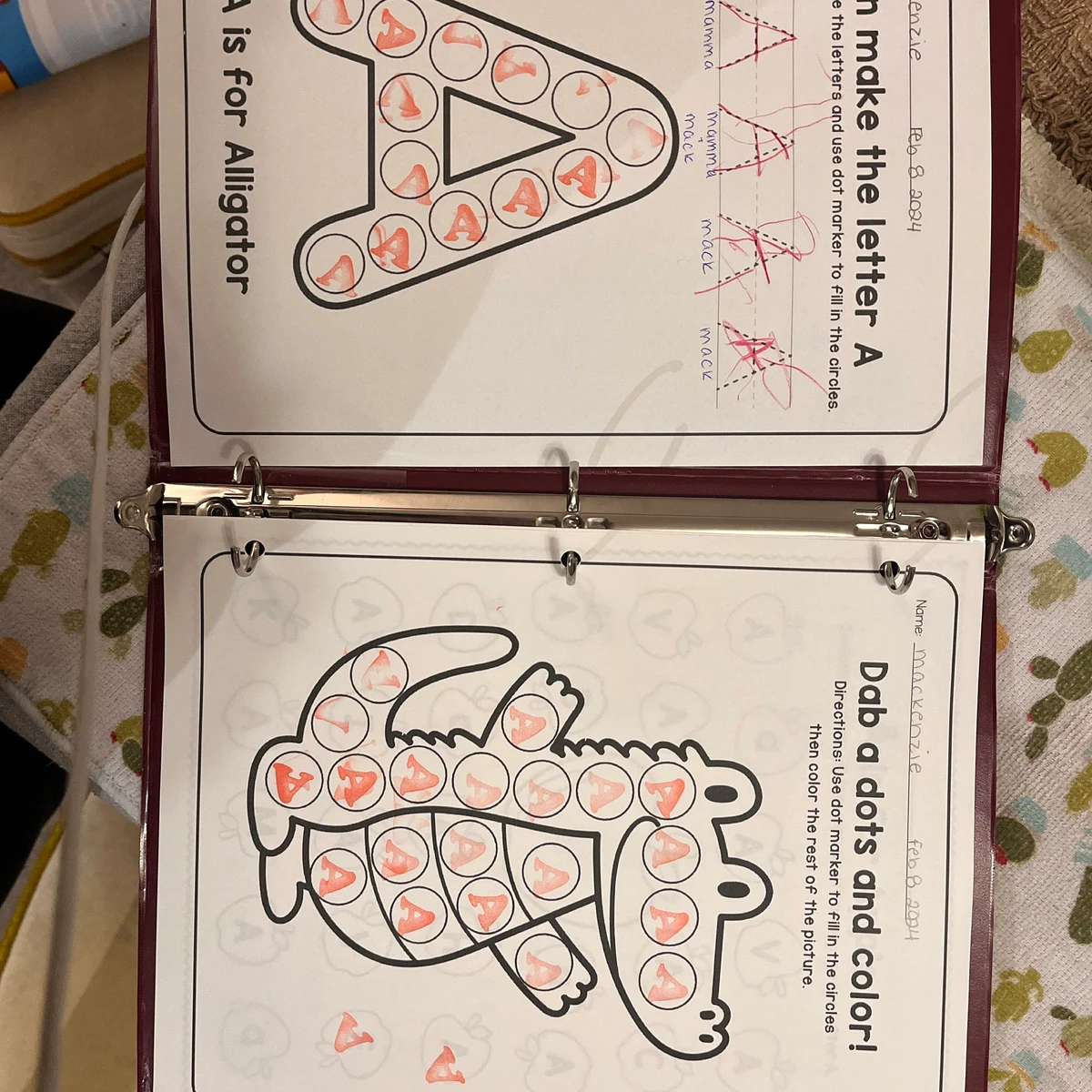
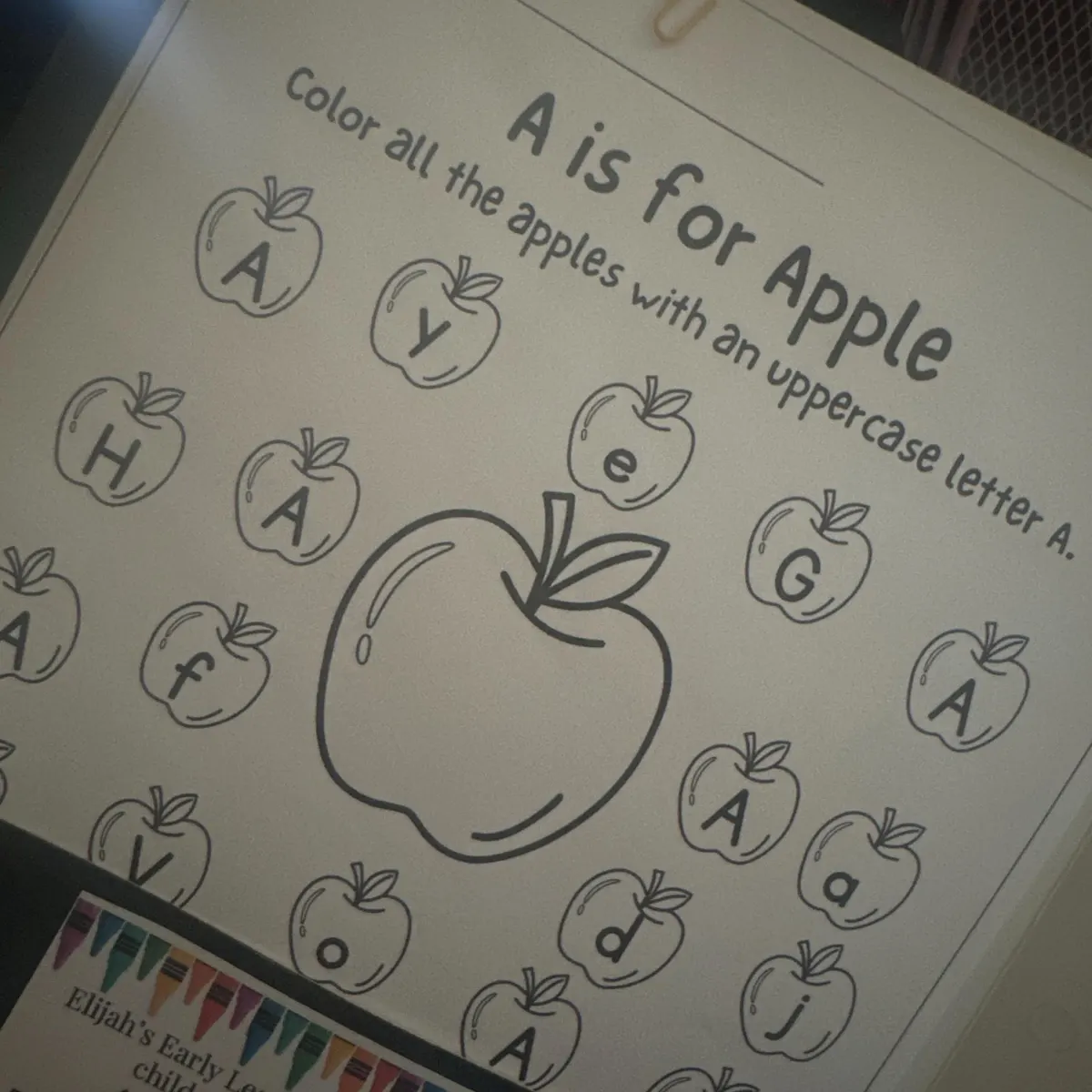
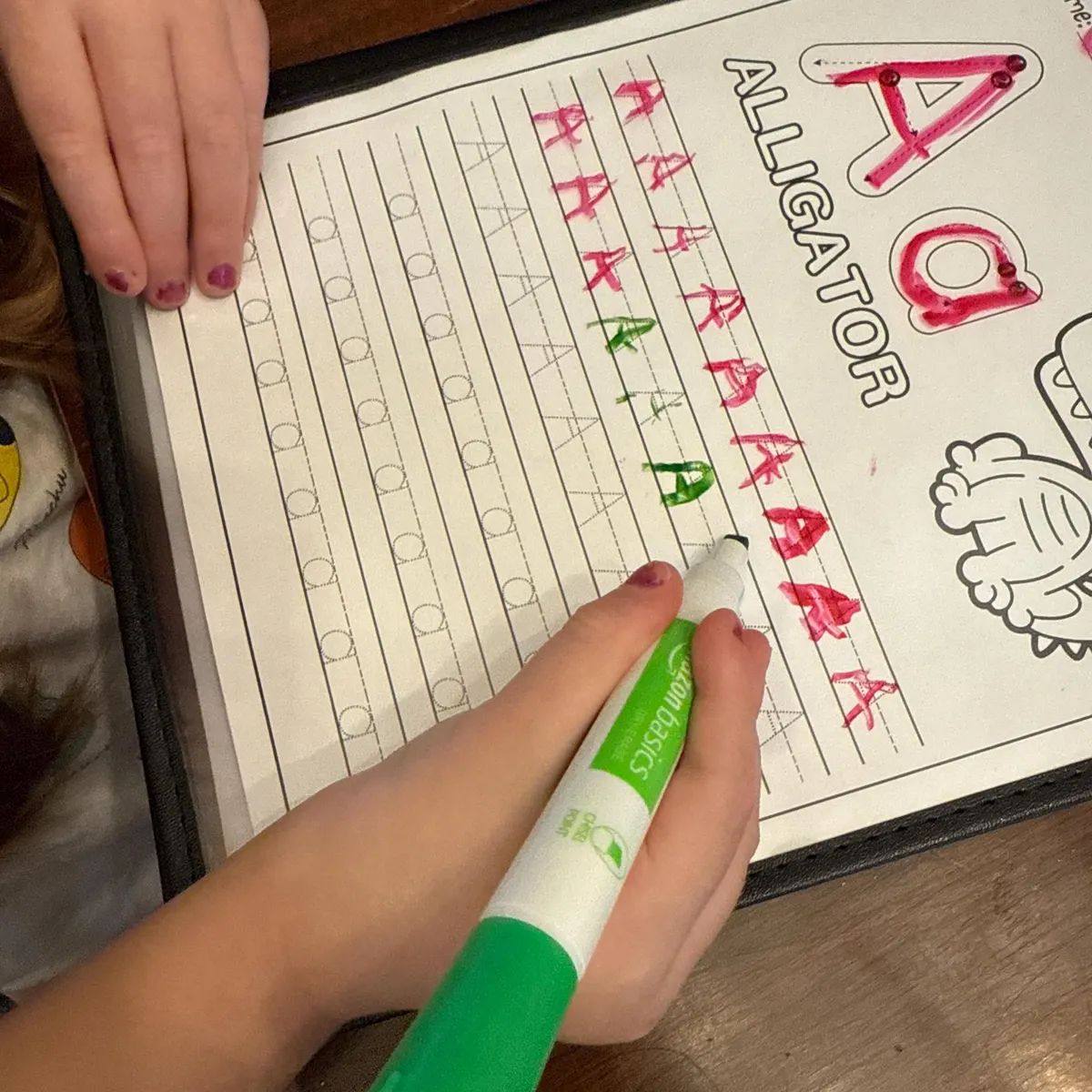
Alphabet tracing pages give beginning writers a friendly place to start. A child can trace uppercase and lowercase letters, follow directional arrows, and say the letter name and sound as they work. Pages with a few pictures beginning with the target letter add an extra phonics connection.
For a preschooler, focus on letter recognition and comfortable pencil movement rather than perfect letter formation. Kindergarten children may be ready to trace, then write the letter independently on blank lines.
2. Name-writing practice sheets
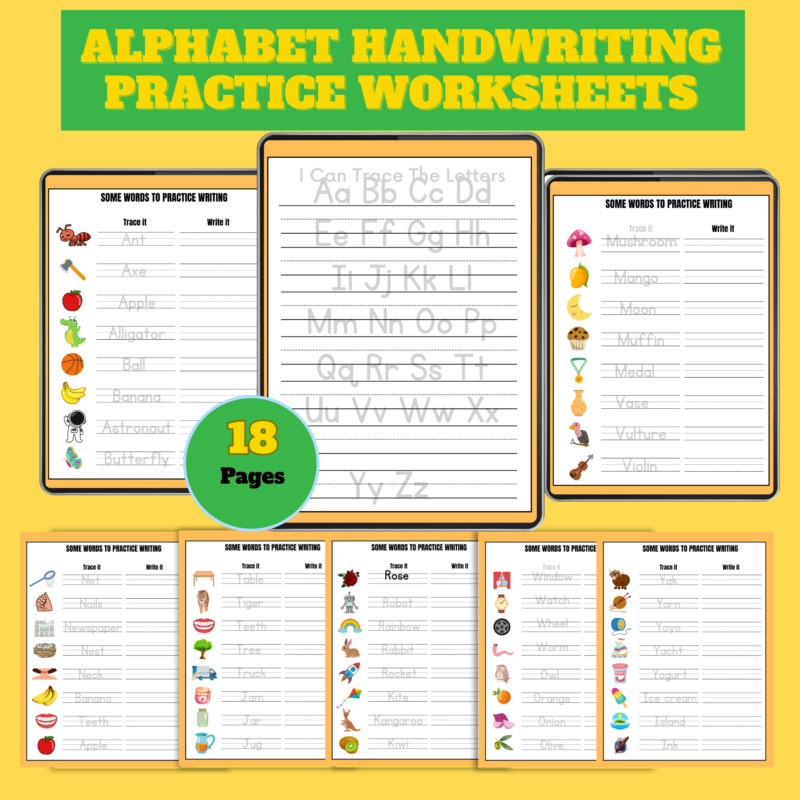
A child’s own name is highly motivating. A personalized-looking name practice page with tracing letters and a blank line below gives children a meaningful reason to practice handwriting. Start with first names, especially if a full name feels too long.
Use this activity several times a week, but keep it brief. A few careful attempts are more useful than filling a page when little hands are tired. Celebrate effort, even when letters are large, wobbly, or out of order.
3. Beginning sound picture sorts
Picture sorting printables help children connect spoken sounds to letters. For example, a page might show pictures of a sun, sandwich, moon, and mouse, asking children to sort them by their beginning sounds. This builds phonemic awareness, an early skill that supports later reading.
You can make the activity more hands-on by cutting out picture cards and placing them in labeled columns. If scissors are still tricky, let your child point, circle, or color the matching pictures instead.
4. Letter-to-picture matching pages
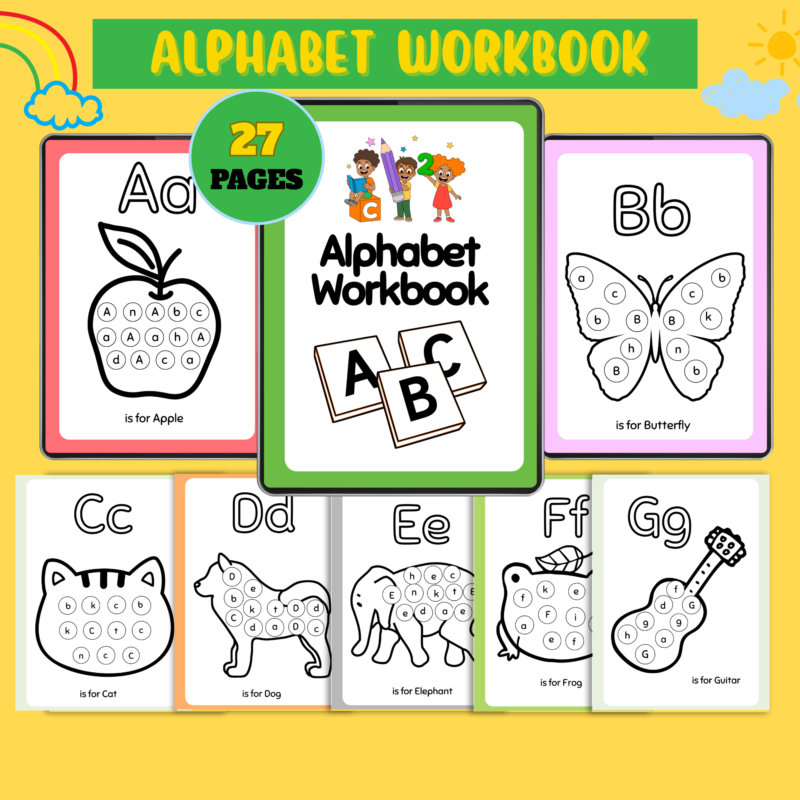
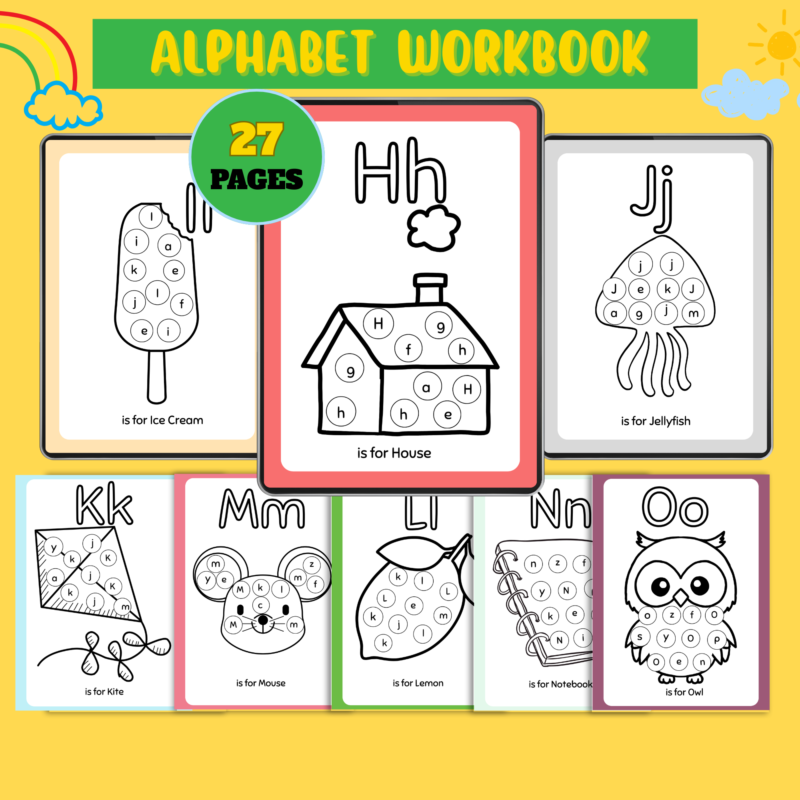
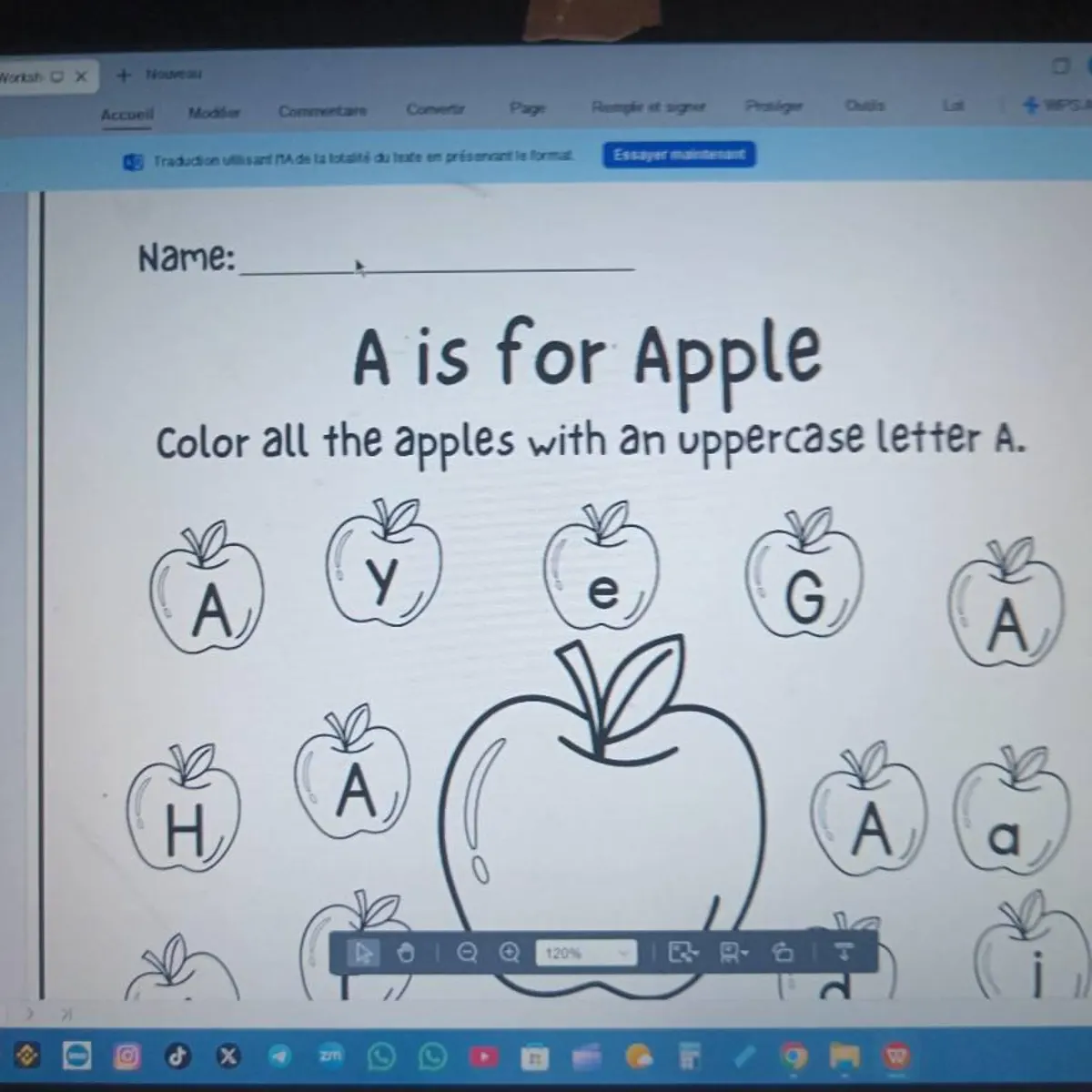
Matching activities are a gentle next step after recognizing letters. Children draw a line from a letter to a picture that starts with that sound, such as B to ball or F to fish. The visual cue makes the task approachable while repetition helps letter sounds stick.
Keep the choices limited for younger learners. A page with three or four letters is often less frustrating than one crowded with the whole alphabet.
Once a child knows many letter sounds, printable consonant-vowel-consonant word activities can introduce early decoding. Words such as cat, map, sun, and pig are short enough for beginners to stretch out and blend. A child may trace the word, match it to a picture, or fill in a missing beginning sound.
This is not a race to read long words. If your child is still learning individual letter sounds, return to sound matching for now. The right printable should feel like a manageable challenge, not a test.
6. Number recognition worksheets
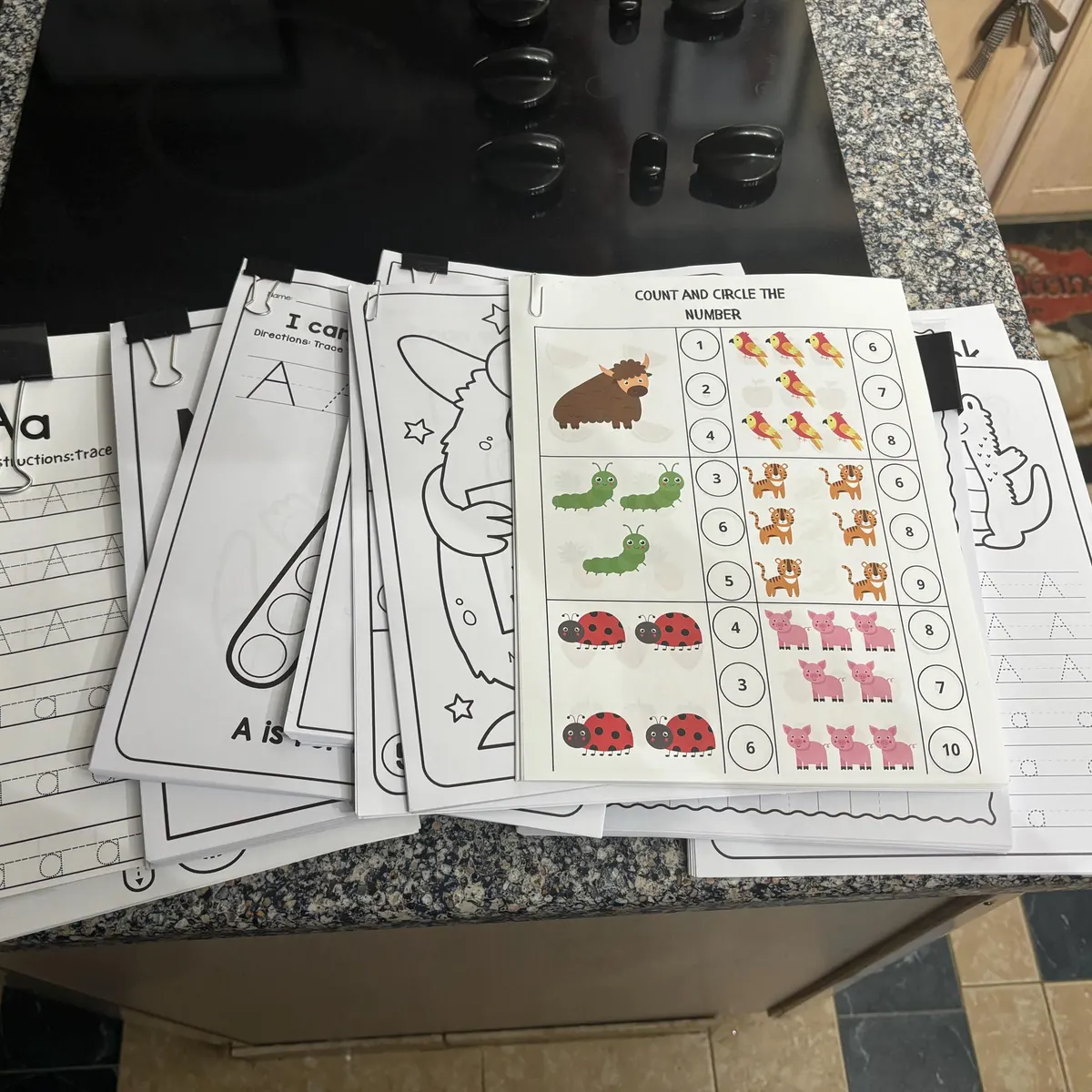
Number recognition pages help children notice what numerals look like and connect them to quantity. A typical printable may ask children to identify a number, trace it, and find groups showing that amount. For example, a number 6 page could include six apples, six stars, and six dots on a domino.
For preschool, begin with numbers 1 through 5 or 1 through 10. Kindergarten learners can often practice numbers to 20, especially when the page includes visual counters.
7. Counting and one-to-one correspondence activities
Counting is more than saying numbers in order. Children need practice touching or pointing to each object once while counting. Printable counting mats, picture collections, and cut-and-paste activities make that process visible.
Try placing small buttons, pom-poms, or cereal pieces on a printed counting mat. Your child can count each item into a box, then say how many there are altogether. This small adjustment turns a worksheet into a fine motor activity too.
8. Number tracing and writing pages
Number tracing helps children learn the shapes and directions needed to write numerals clearly. Like letter tracing, it works best when paired with a meaningful quantity. After tracing the number 4, a child might color four balloons or draw four dots.
Watch for reversals, especially with numbers such as 2, 3, 5, and 9. Reversing a number is common in early learning. Offer a model and plenty of calm practice rather than treating it as a mistake to worry about.
9. Addition picture puzzles
Early addition printables should begin with real, visible groups. A page may show two ladybugs plus one ladybug and ask how many are there altogether. Children can count the pictures, use counters, or draw circles around each group before writing the answer.
Picture-based addition is more developmentally appropriate for young learners than long rows of equations. When children understand that addition means putting groups together, written number sentences make much more sense later.
10. Subtraction coloring activities
Subtraction becomes easier when children can see what is being taken away. A printable might show five cookies, ask the child to cross out two, and then count the cookies left. Coloring pages can make this even more engaging: color six fish, cross out one, then write the remaining number.
If a child struggles, use small toys or snacks first. The printable can serve as the record of the activity after they have acted it out with real objects.
11. Fine motor cutting and tracing pages
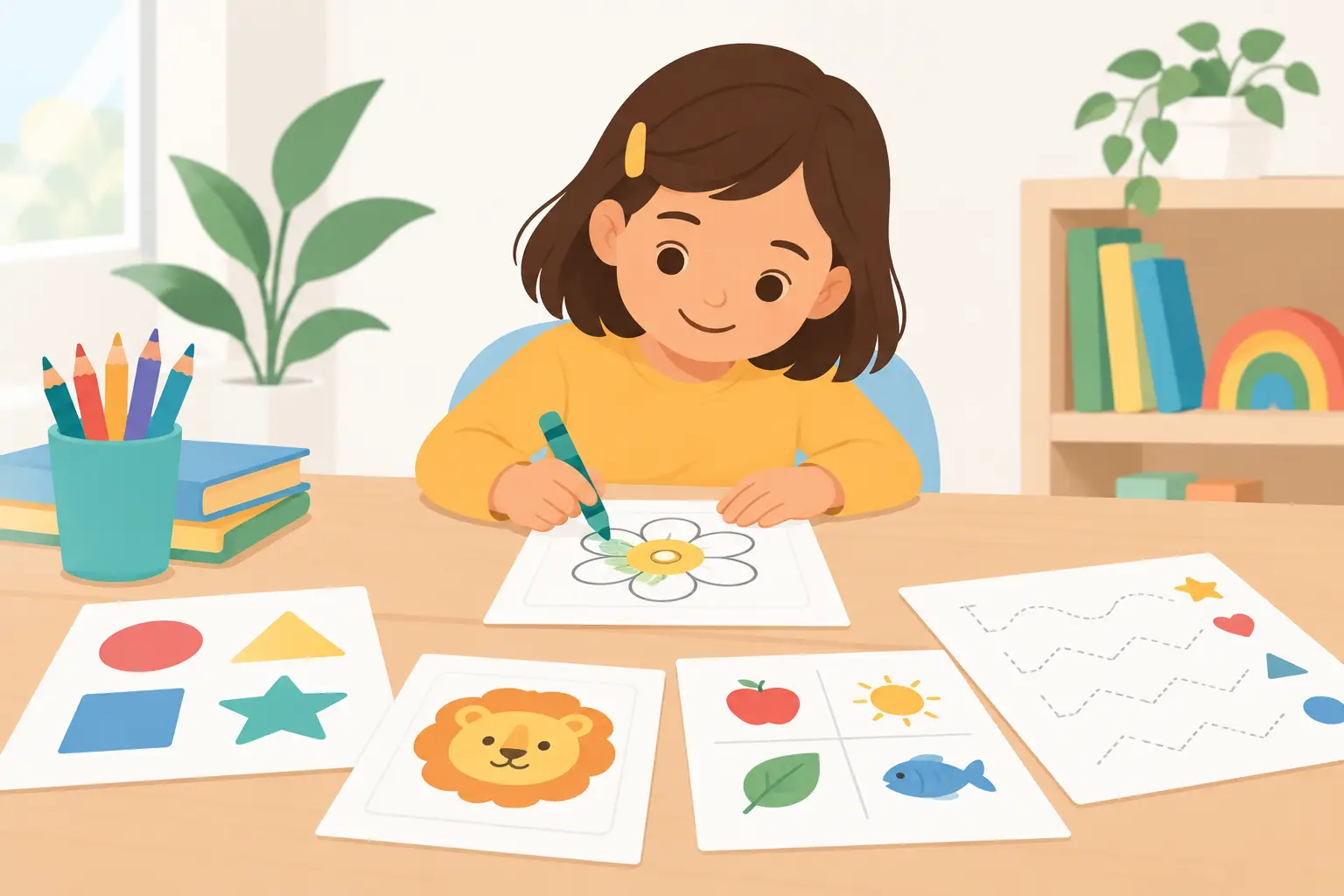
Fine motor printable examples are valuable because pencil control develops slowly. Straight-line tracing, curved paths, mazes, scissor strips, and shape-cutting pages strengthen the small hand muscles children use for handwriting, drawing, and everyday tasks.
Choose activities that fit your child’s current ability. Beginners may start with thick, straight cutting lines. Children with more control can cut simple shapes or follow winding paths. Always supervise scissor work and offer child-safe scissors that feel comfortable in small hands.
12. Learning games and color-by-skill pages
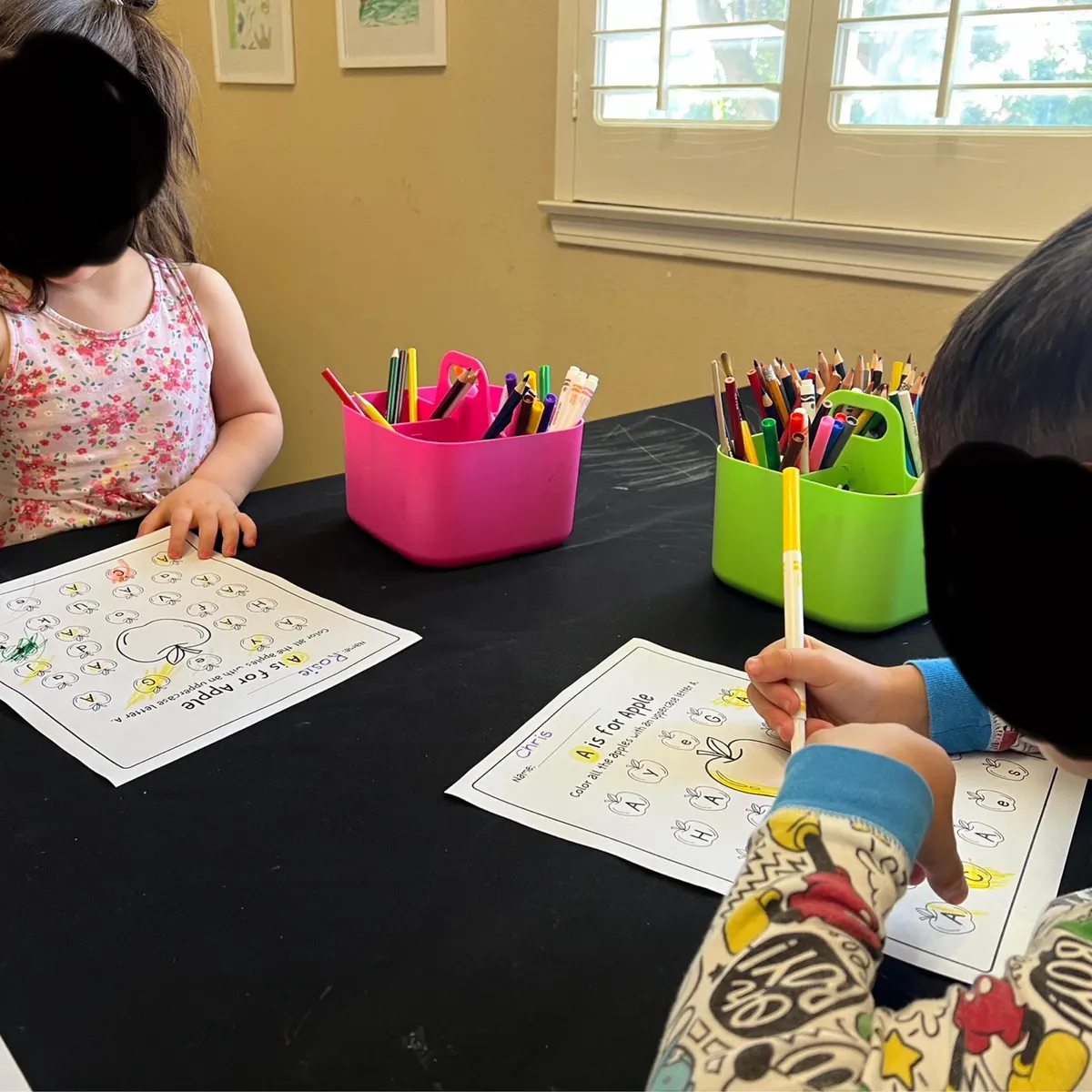
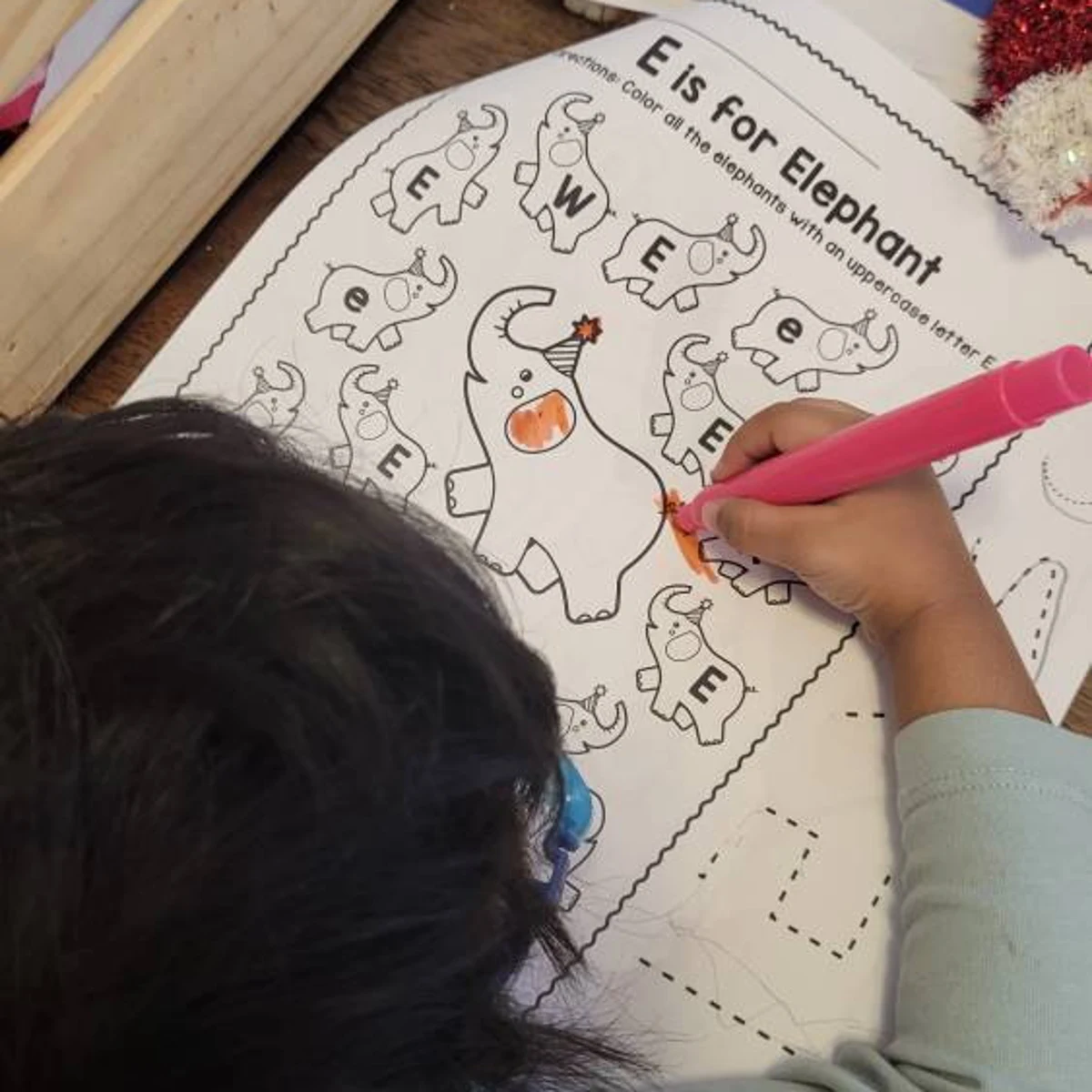
Not every printable needs to look like a worksheet. Board games, matching games, bingo-style cards, and color-by-number pages give children a playful way to review familiar skills. A letter-sound game can turn a quick five-minute practice session into something children ask to play again.
These activities are especially helpful on low-energy days or when siblings are learning together. A printable game can review counting, colors, shapes, letters, or sight words while bringing a little more laughter to the homeschool table.
How to choose the right printable for your child
The most useful homeschool printable is not necessarily the hardest one. It is the one that gives your child enough success to stay interested while offering a small next step. If your child recognizes letters but avoids writing, choose tracing and fine motor pages. If they can count objects but do not recognize numerals, pair counting mats with number matching.
Pay attention to signs that an activity is too easy or too difficult. A child who finishes in seconds without thinking may be ready for a new challenge. A child who becomes upset, guesses randomly, or refuses to begin may need fewer problems, larger images, or a skill review first.
Printing the same kind of page more than once is not boring when the pictures, themes, or format change. Young children learn through repetition. Seeing letters, numbers, and sounds again and again helps them remember what they have practiced.
Make printable time easier to keep up with
A simple routine makes printable learning more likely to happen. Keep a small folder of age-appropriate pages, pencils, crayons, scissors, and glue in one easy-to-reach spot. Instead of searching for an activity each morning, you can choose from a few ready options.
You might use one printable after breakfast, another during quiet time, or a learning game before dinner. Short sessions are often enough. Ten focused minutes of tracing, counting, or phonics practice can be far more productive than pushing through a long lesson when your child is ready to move.
It also helps to balance table work with movement. After a number worksheet, count jumps across the room. After an alphabet page, hunt for an object that starts with the letter of the day. Printables provide structure, while real-life play helps children use what they are learning.
Fun Clever Fox printable PDFs are designed to make that balance easier, with cheerful, low-prep activities that support early literacy, math, and fine motor development without adding more planning to your day.
The page your child proudly finishes and asks to do again is often the right place to begin tomorrow.