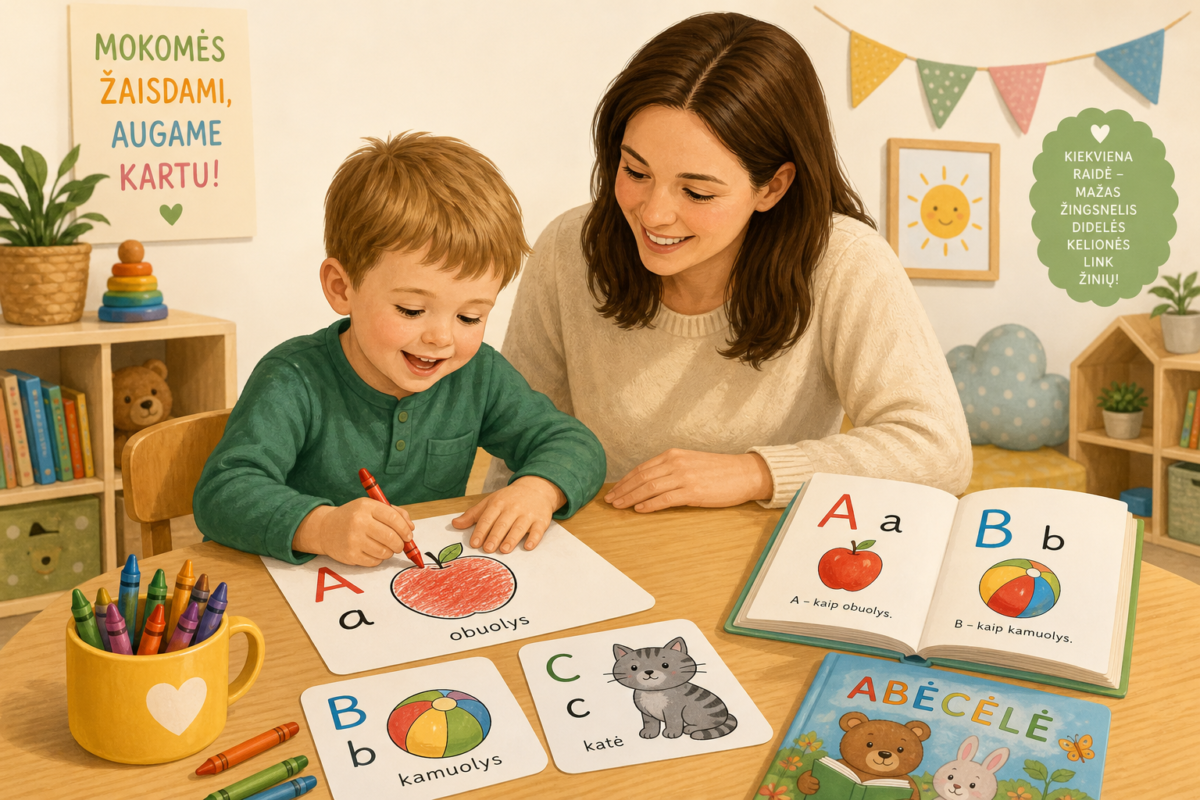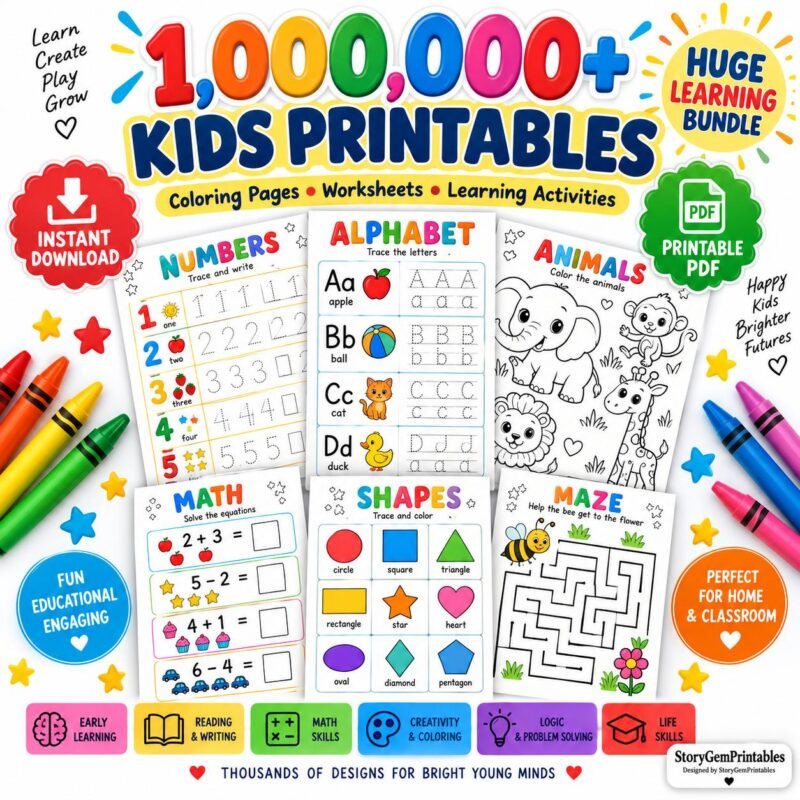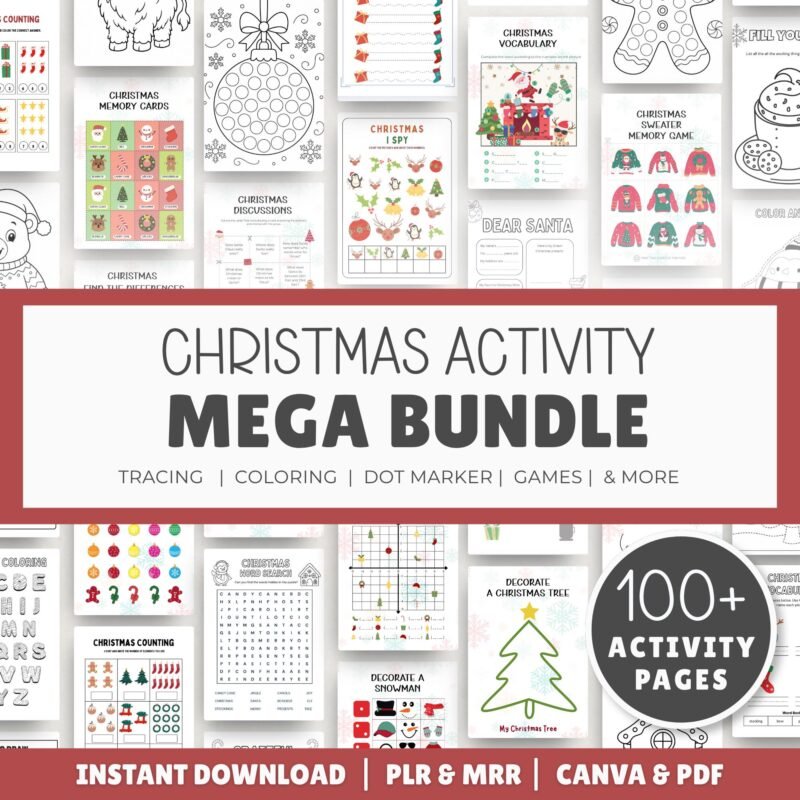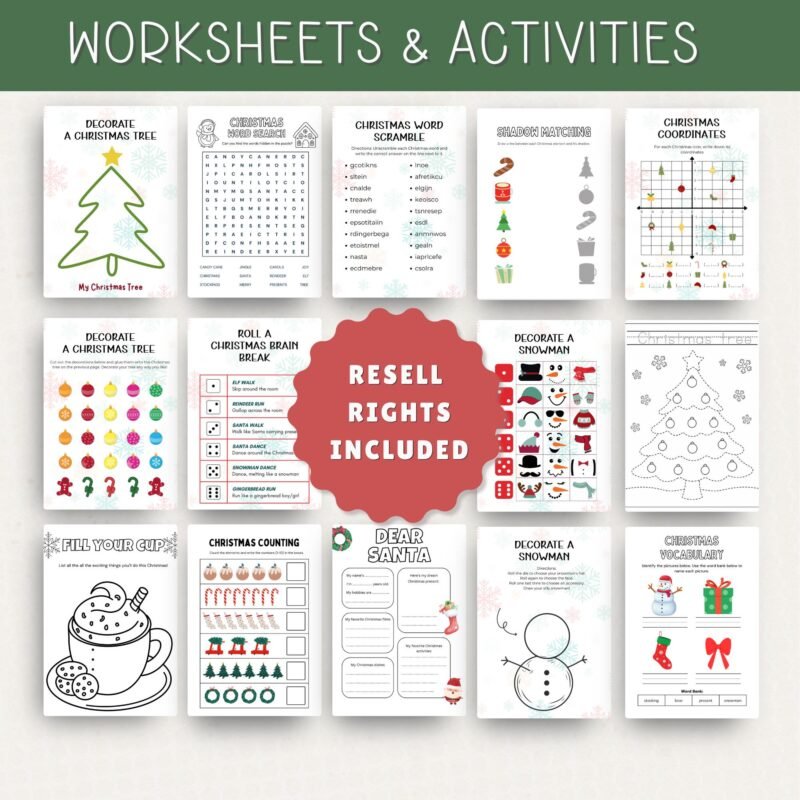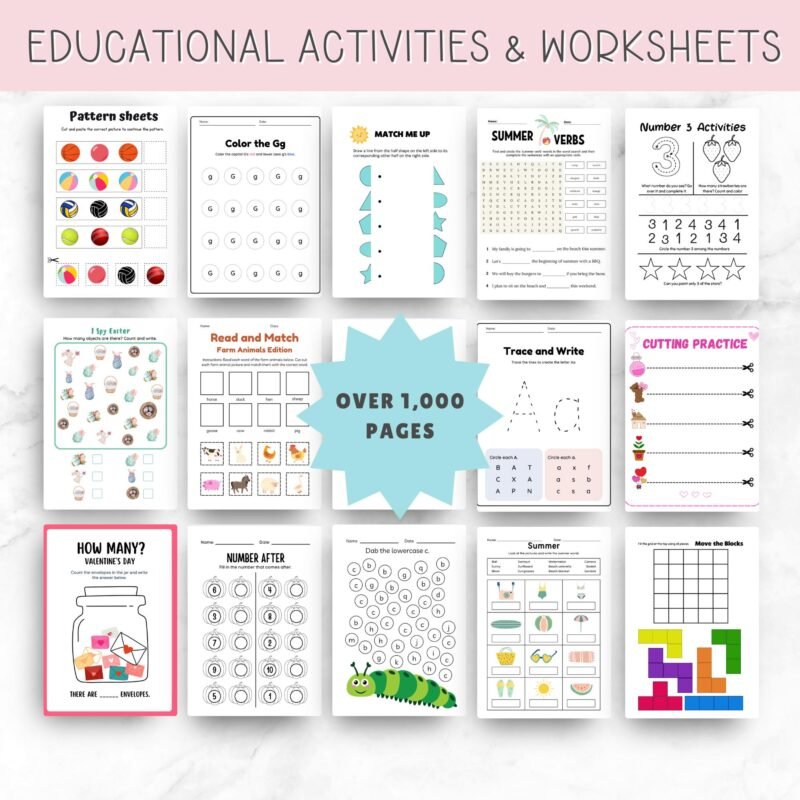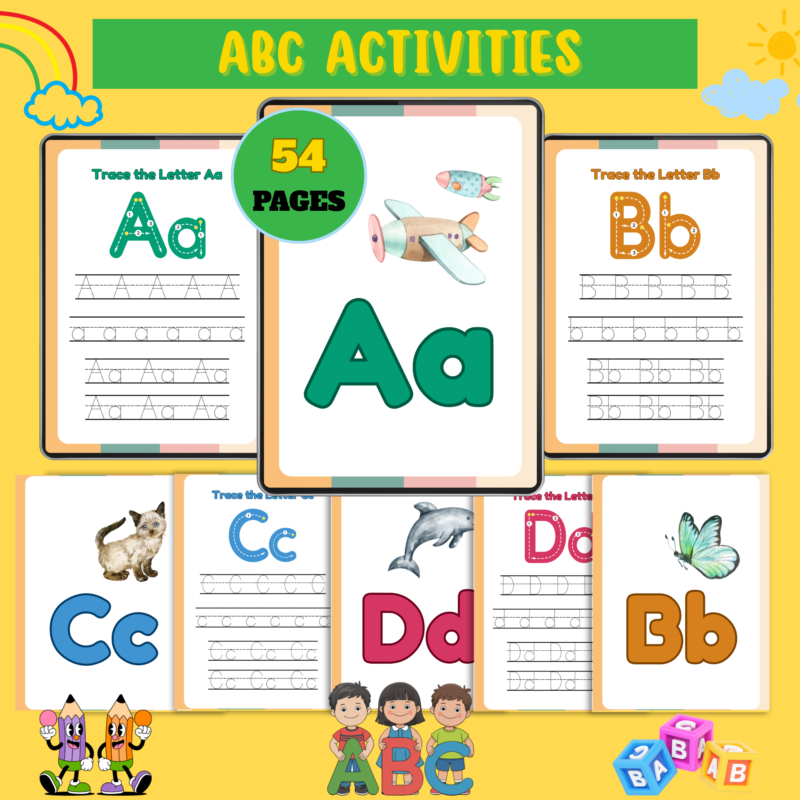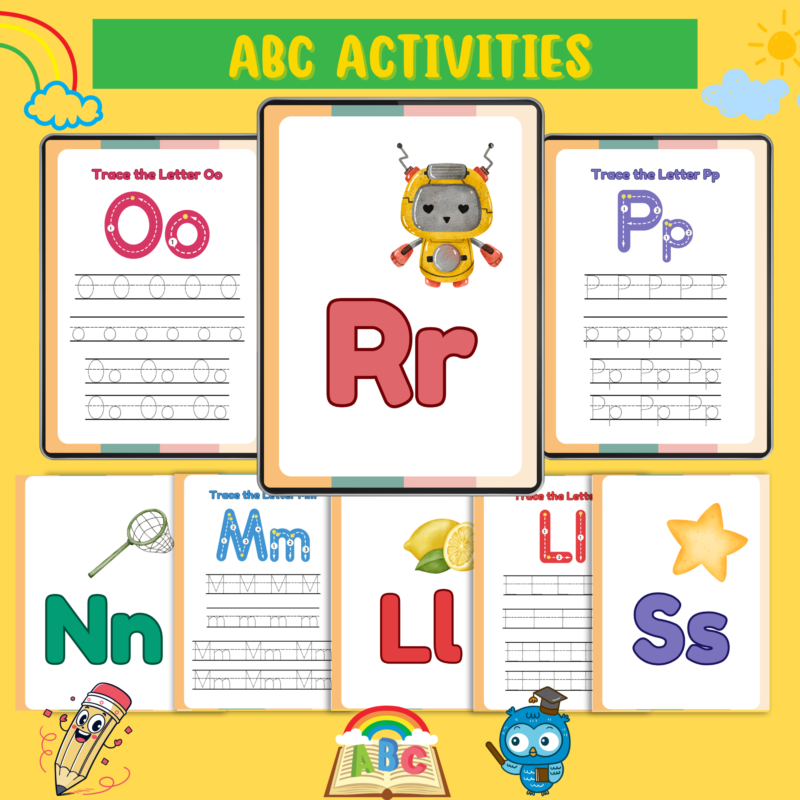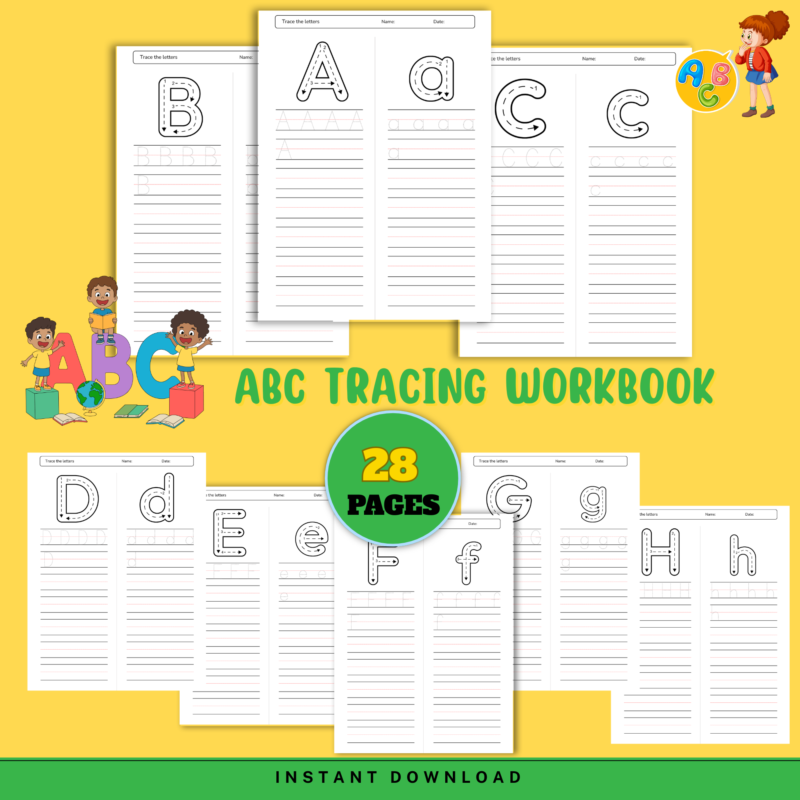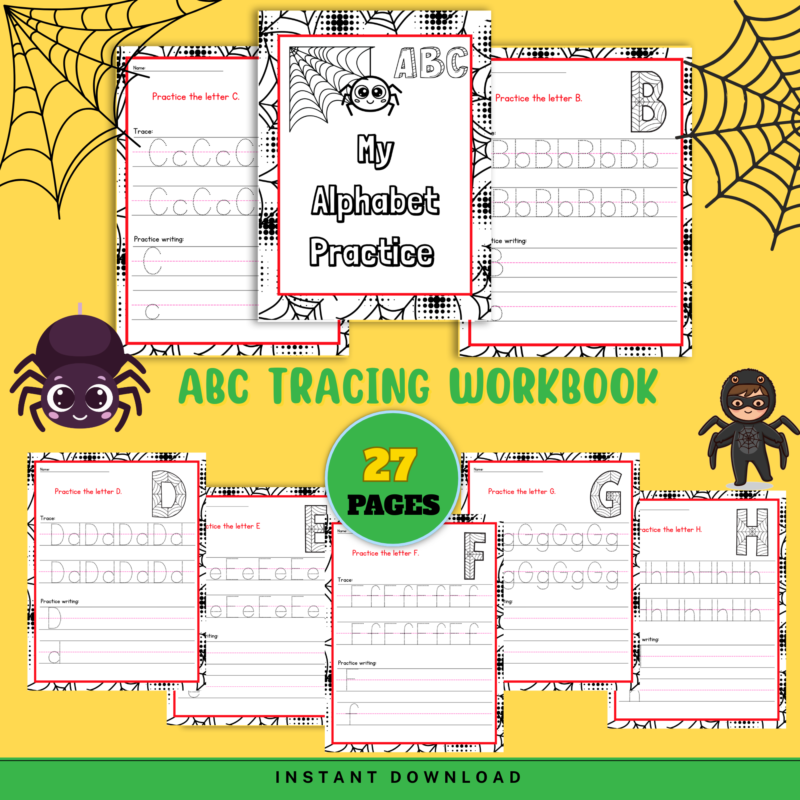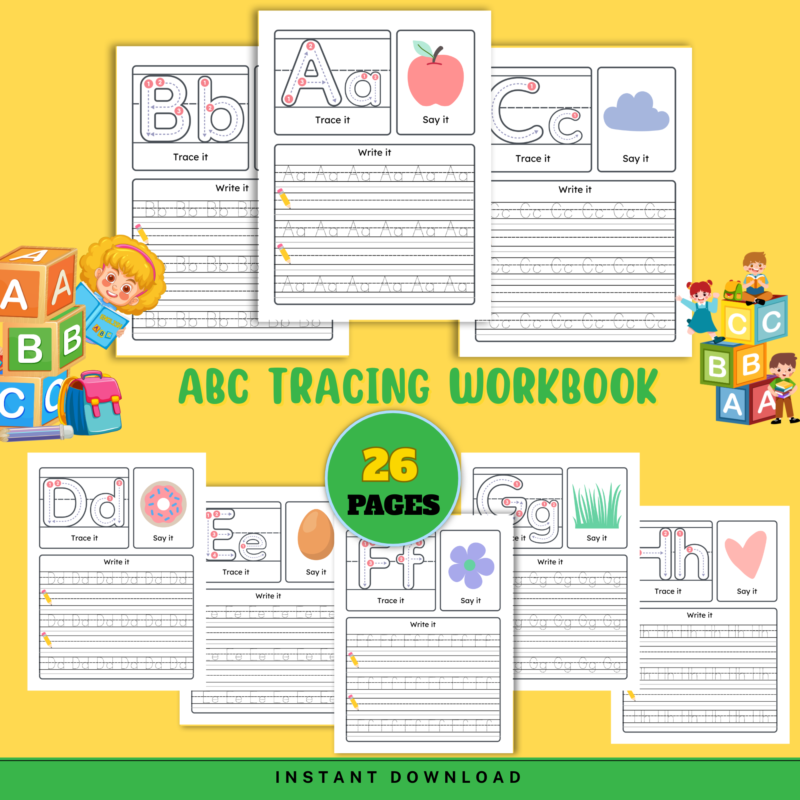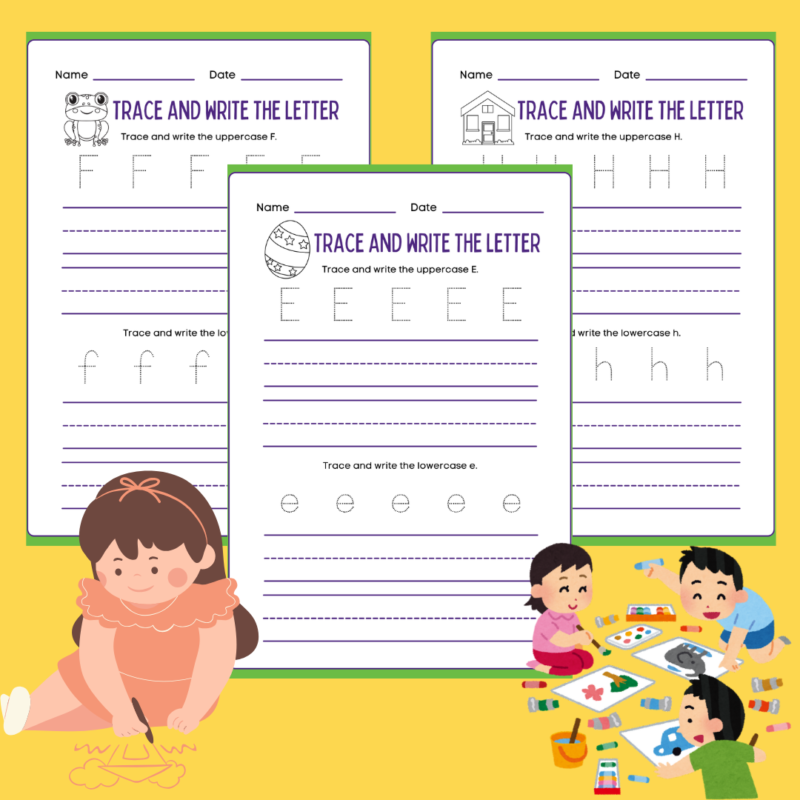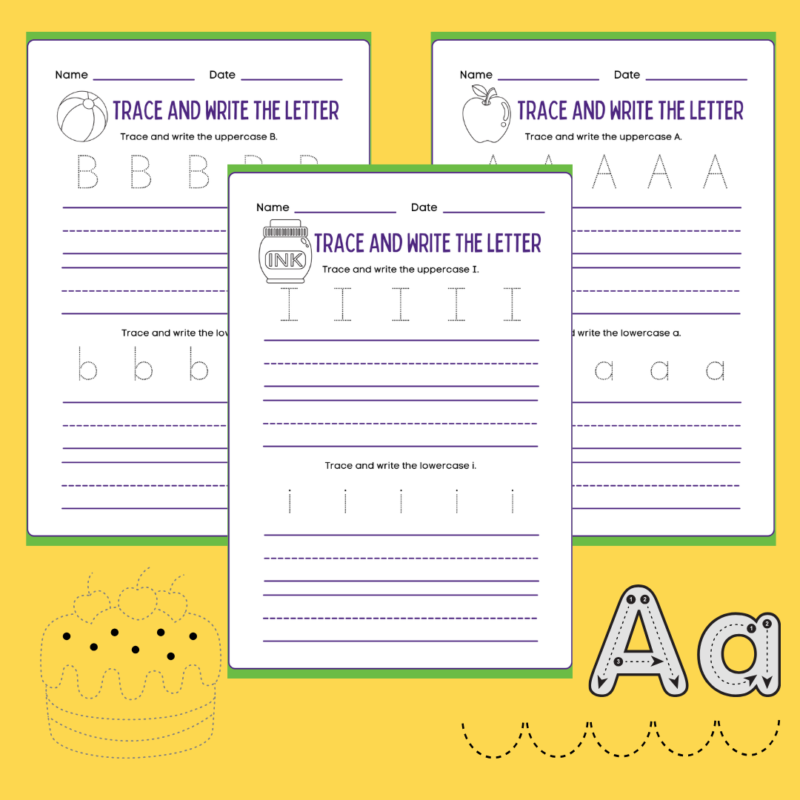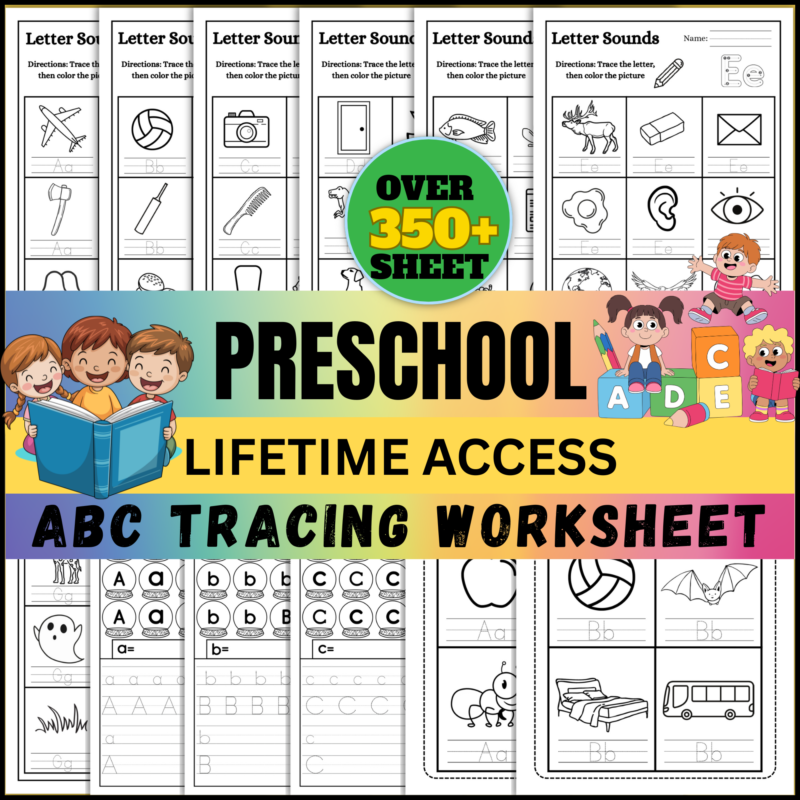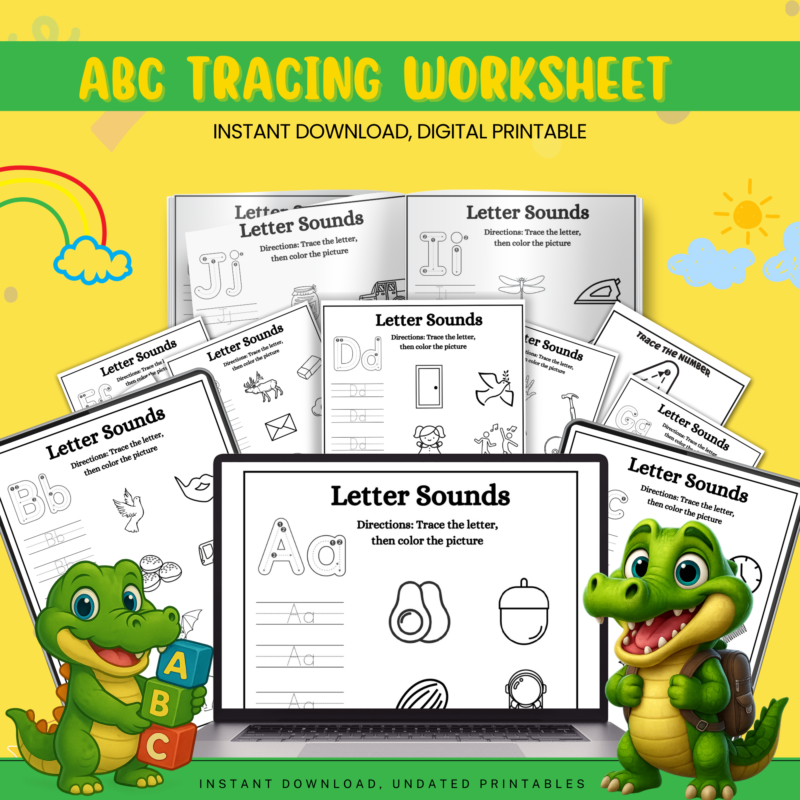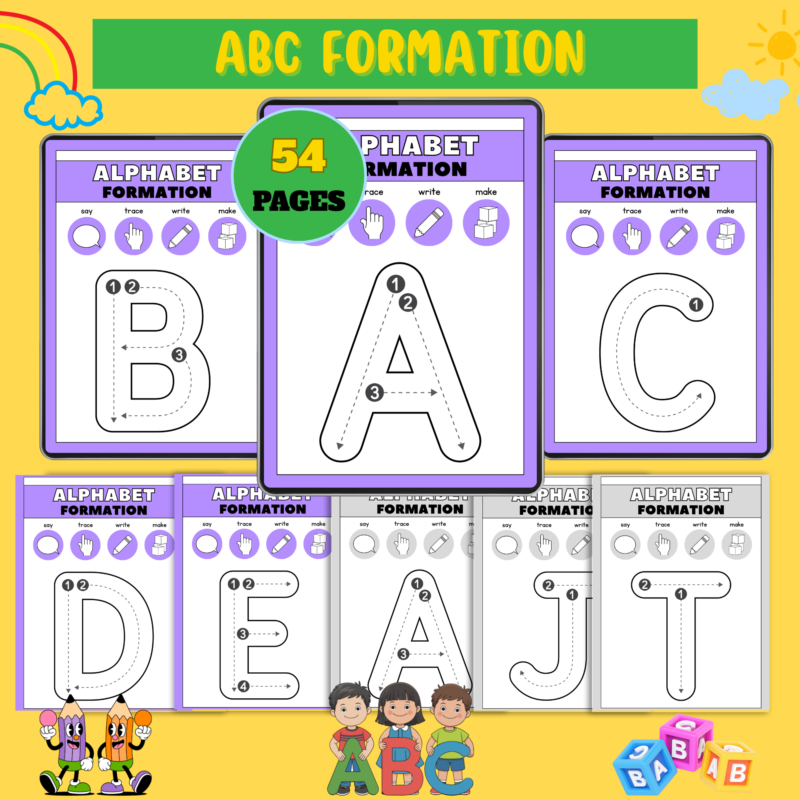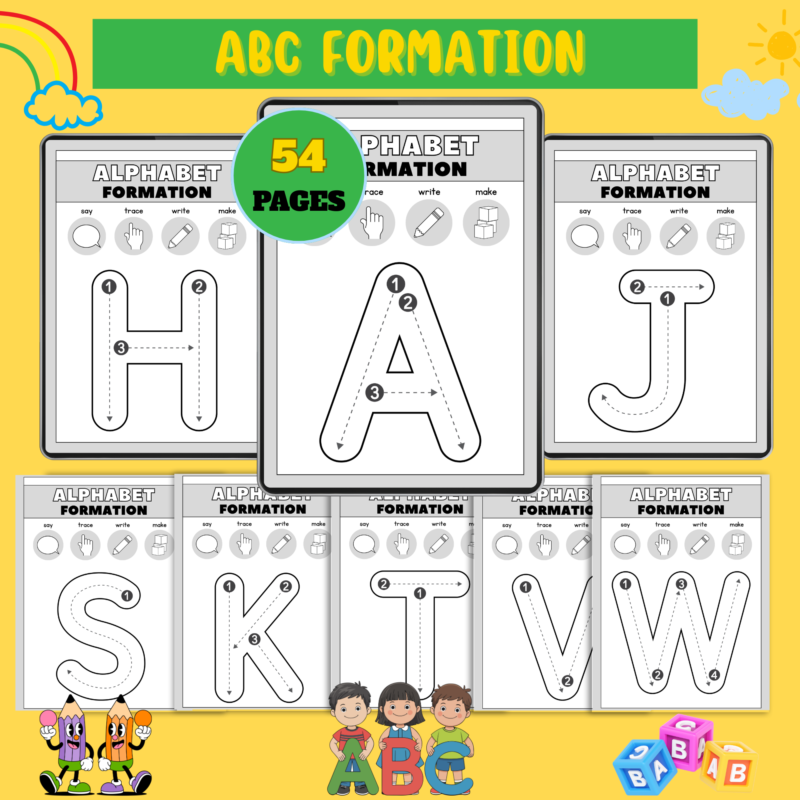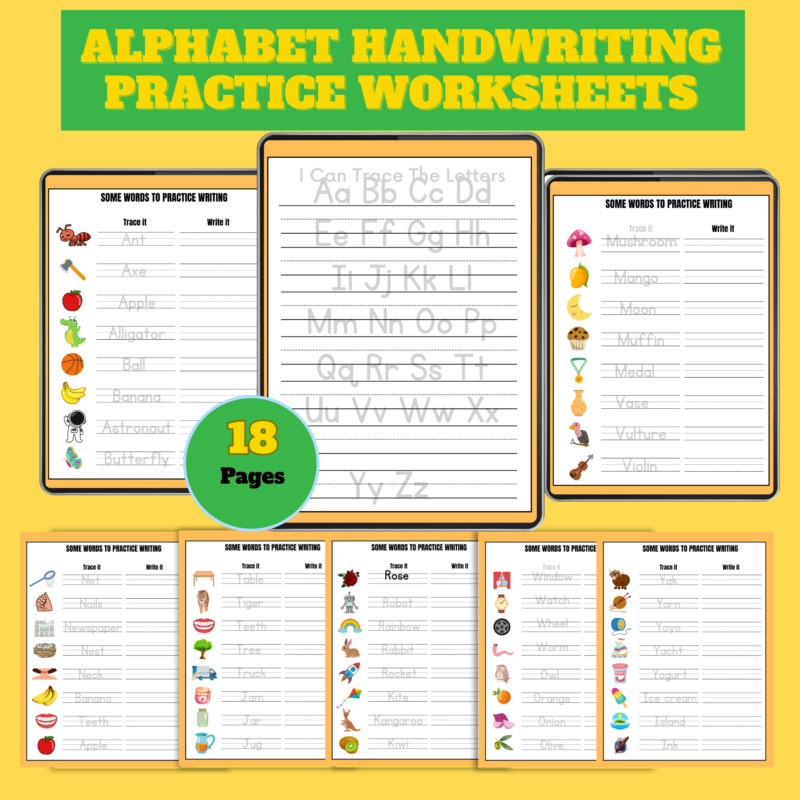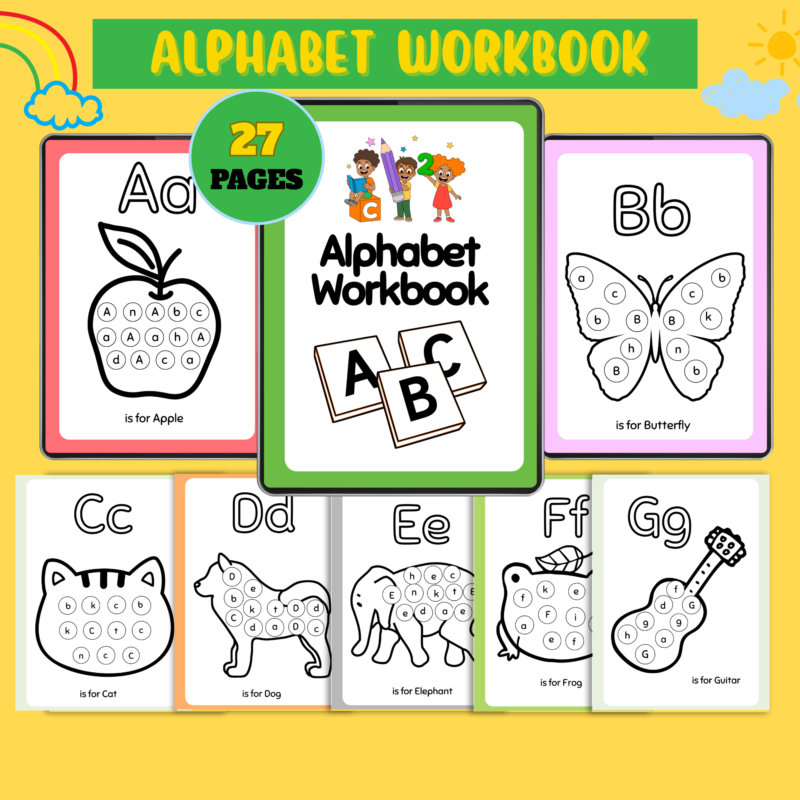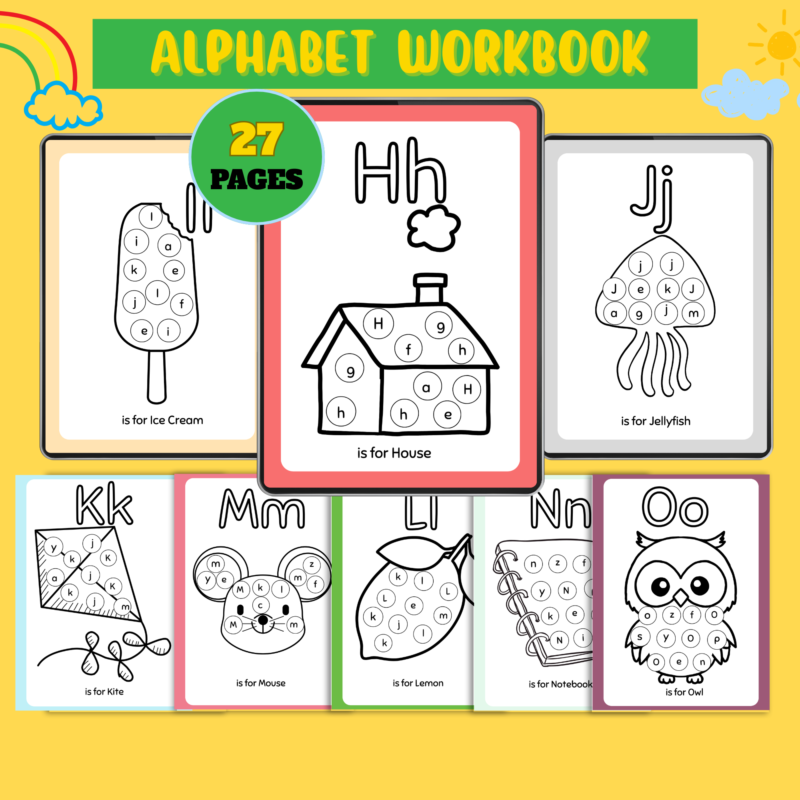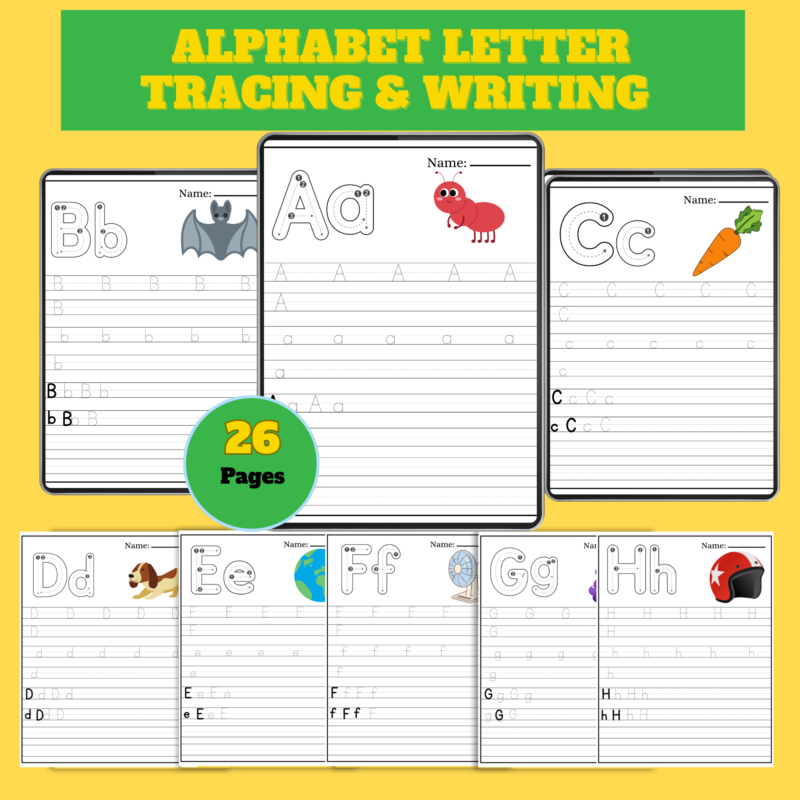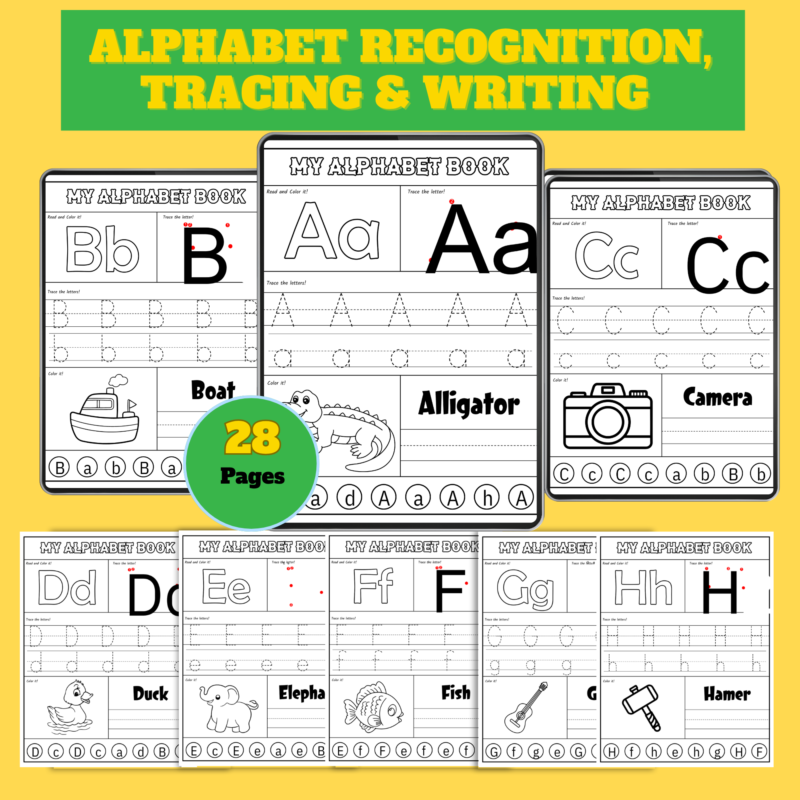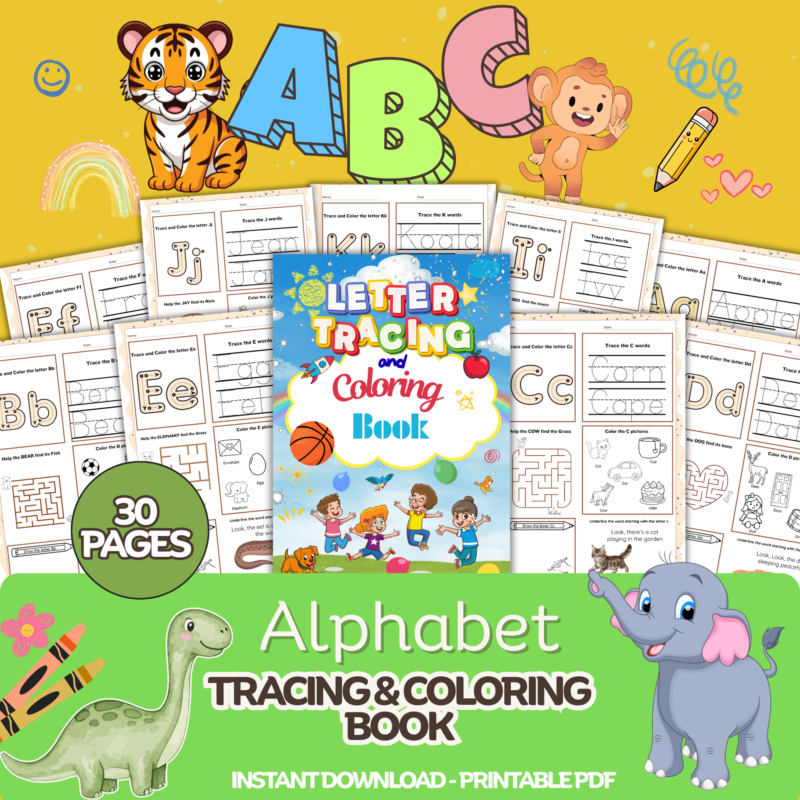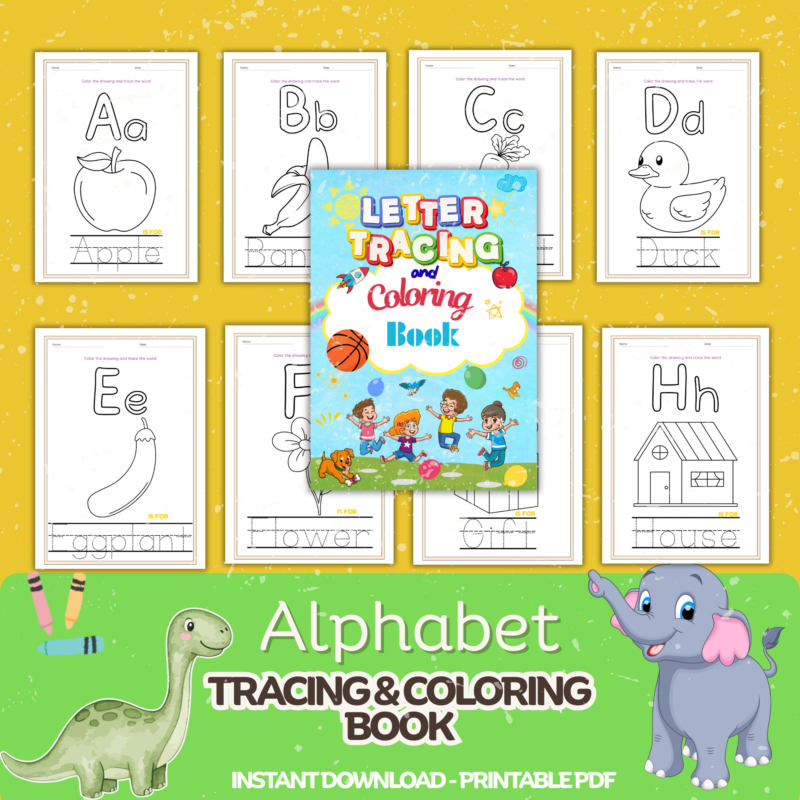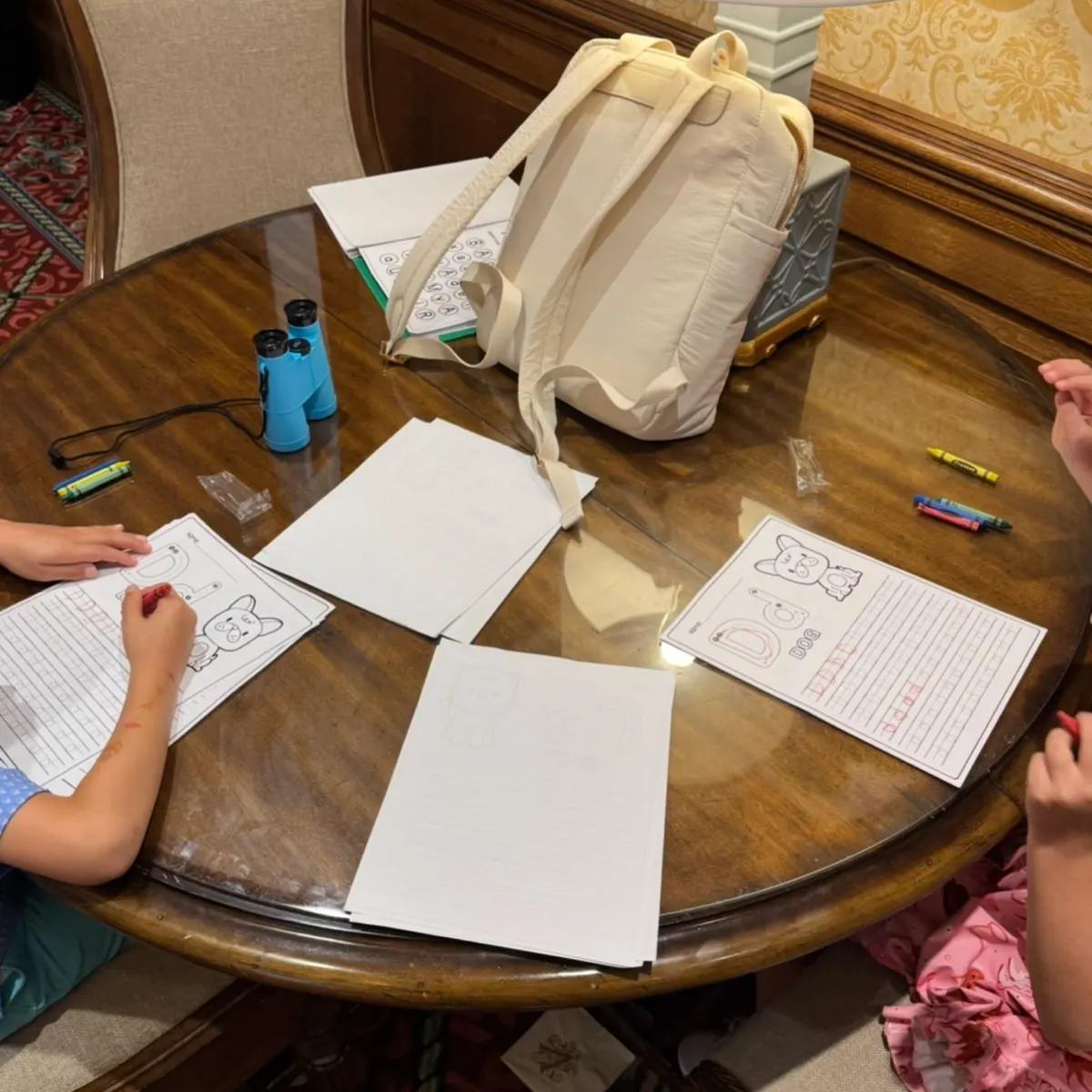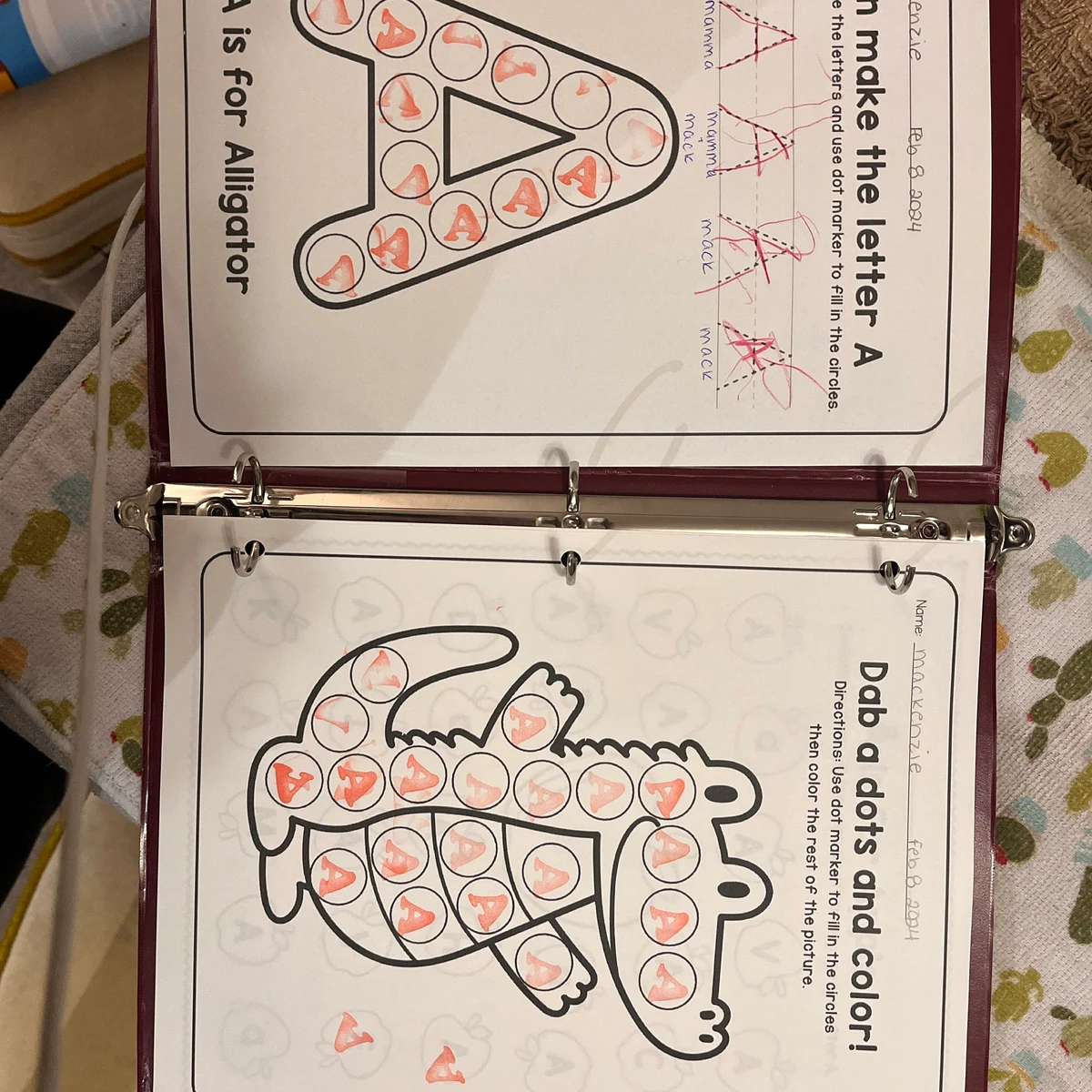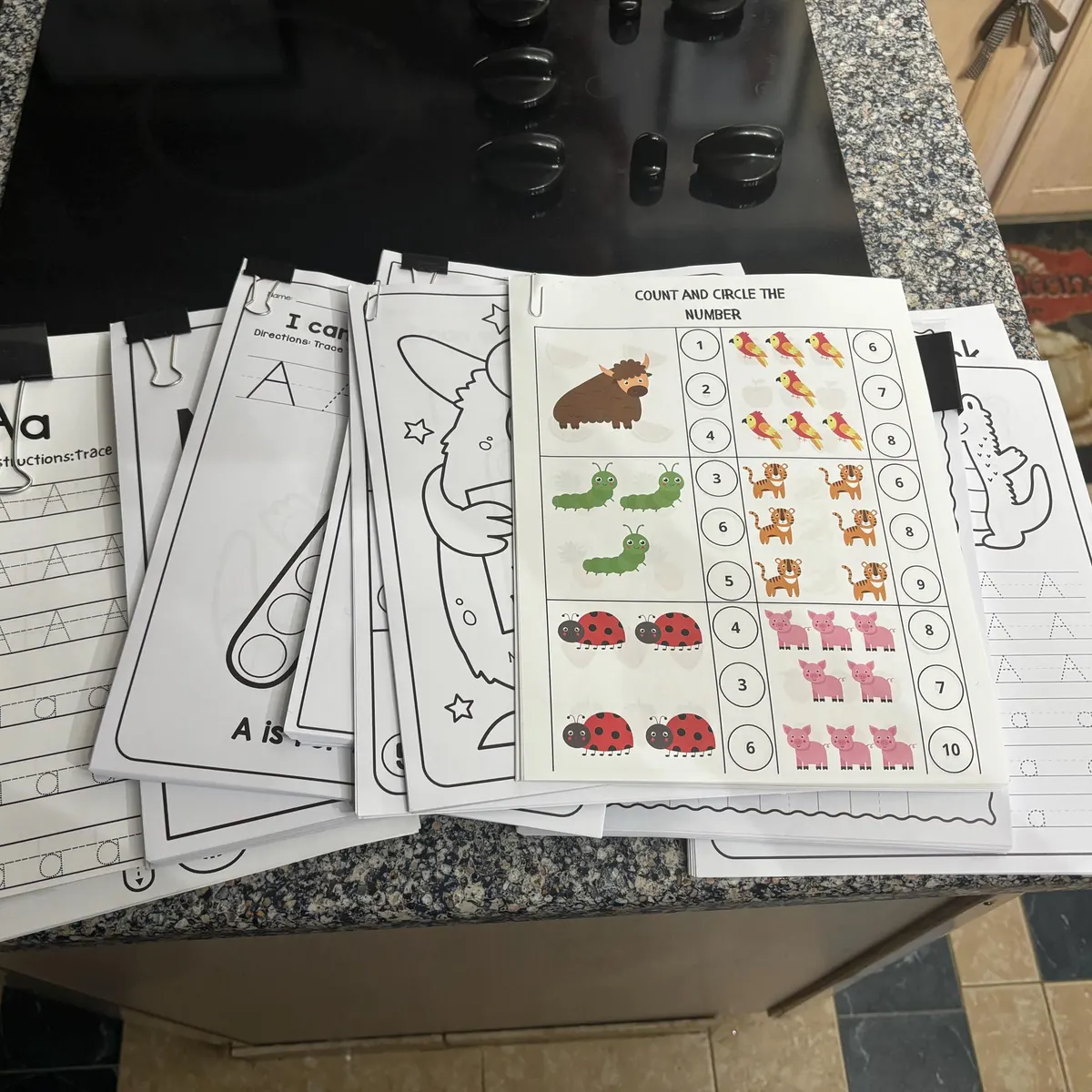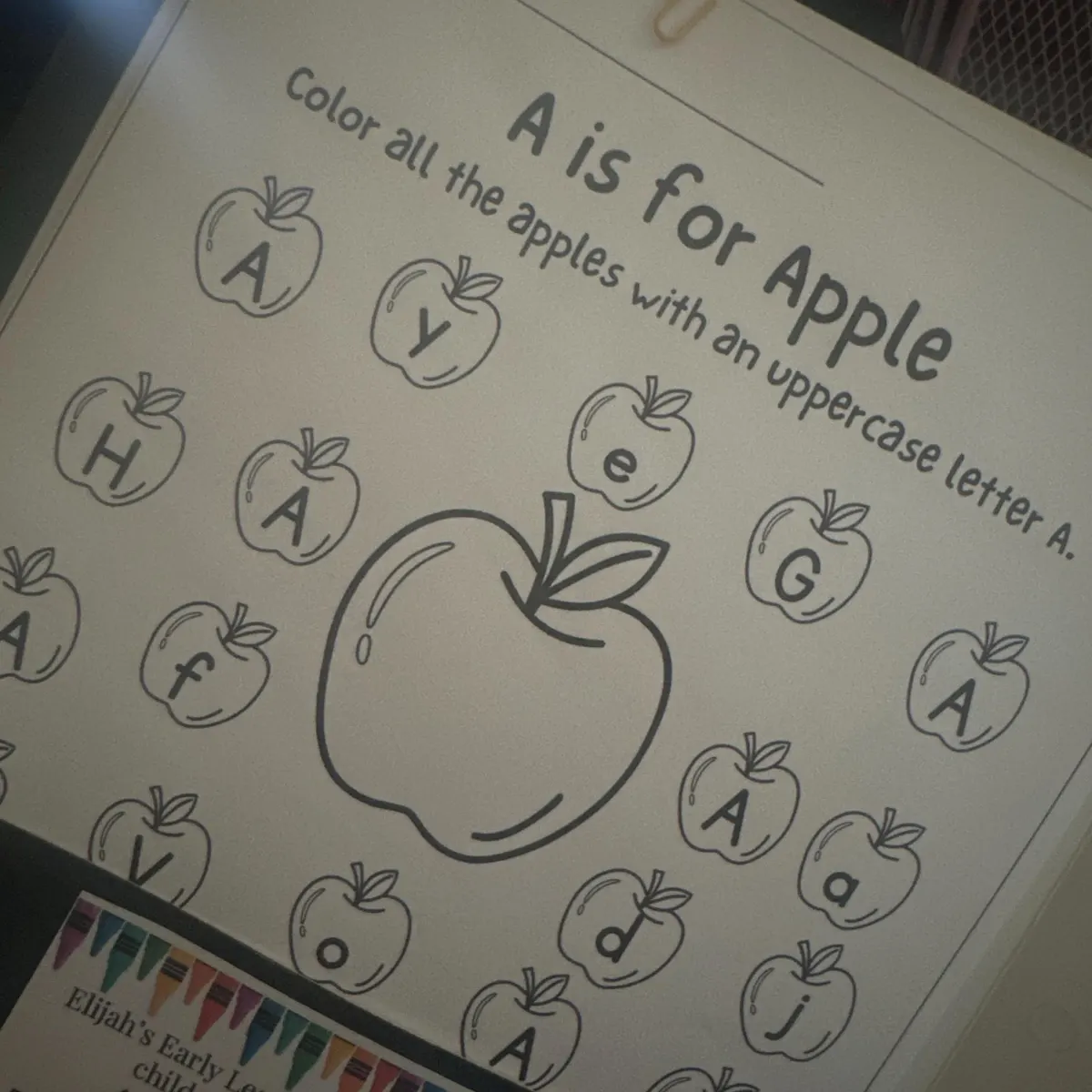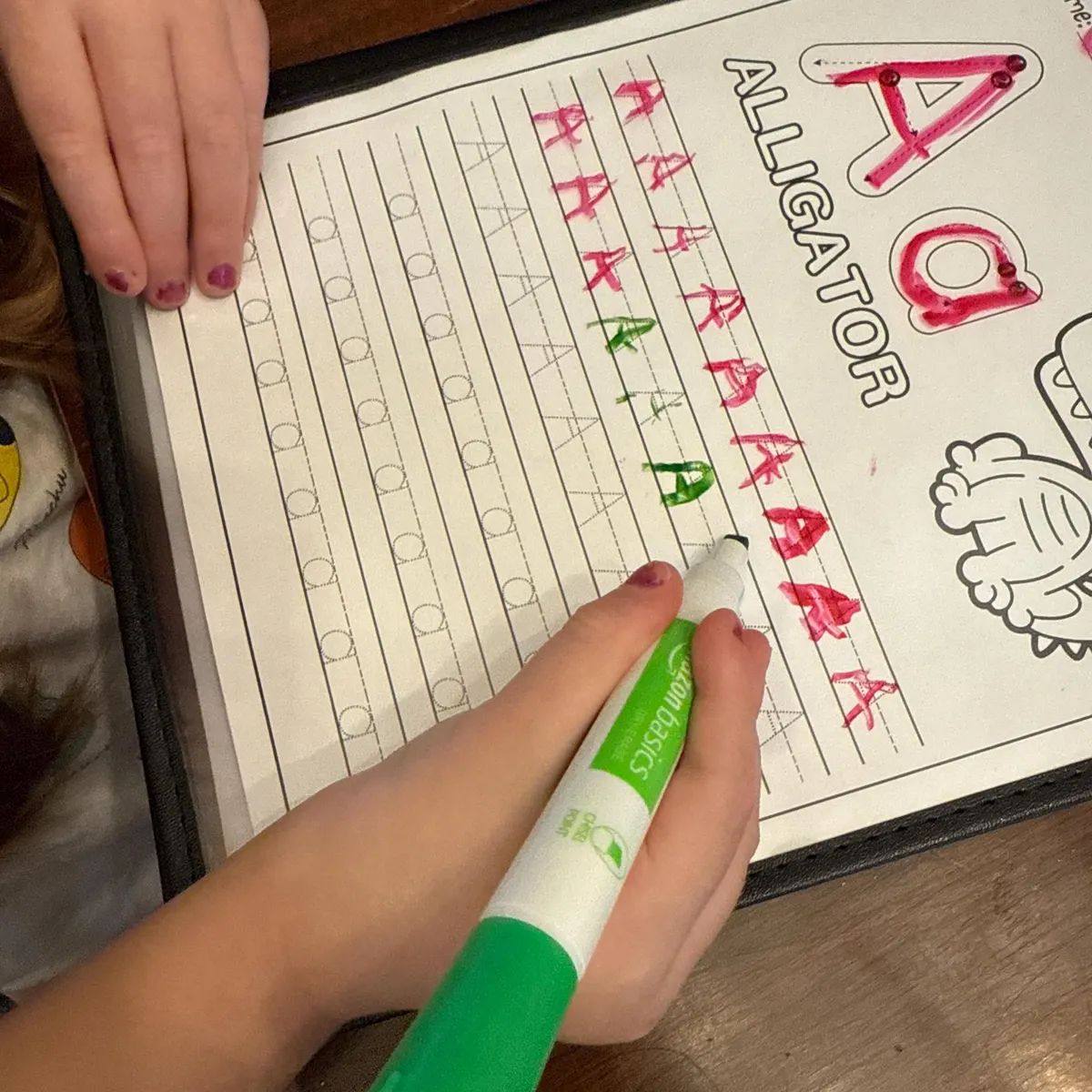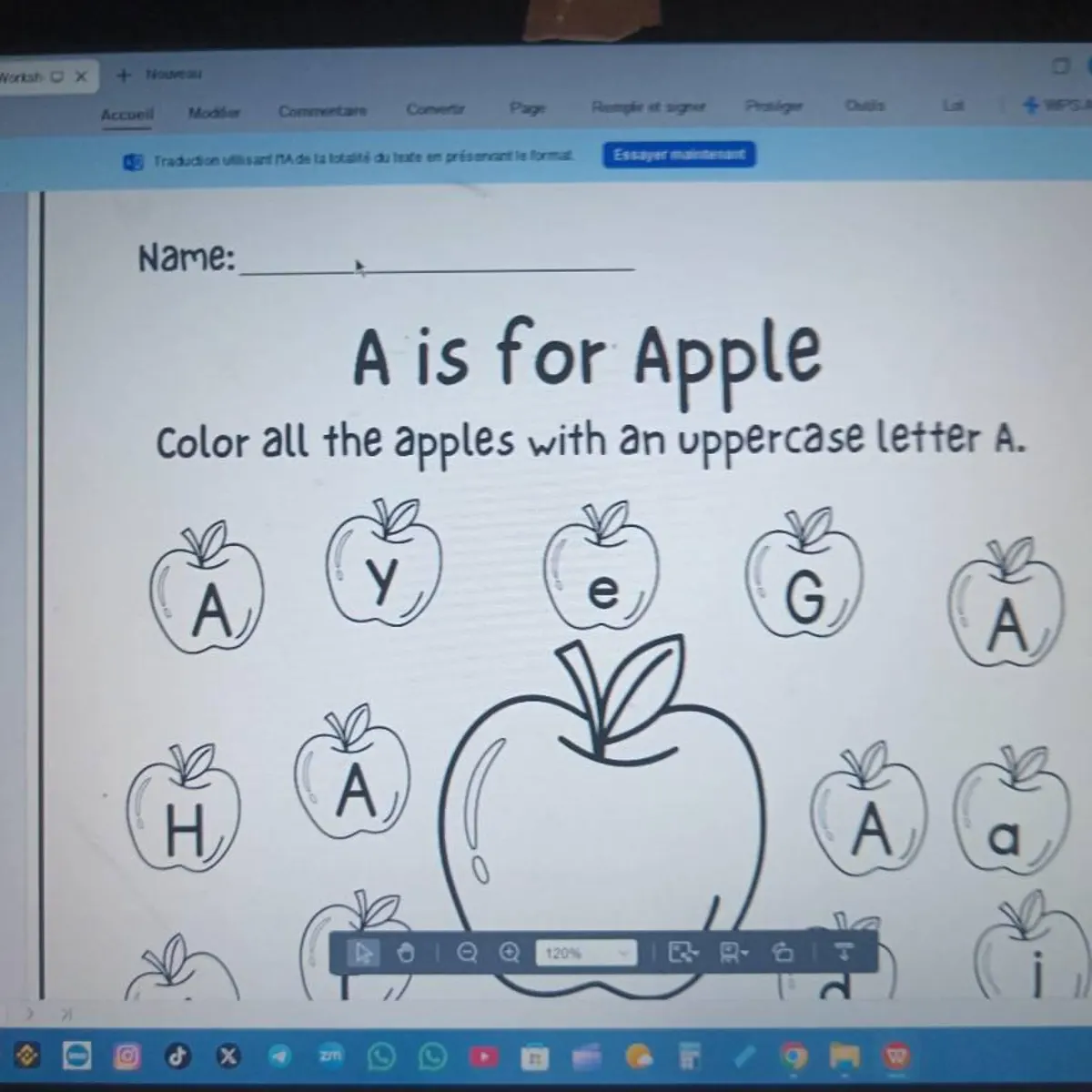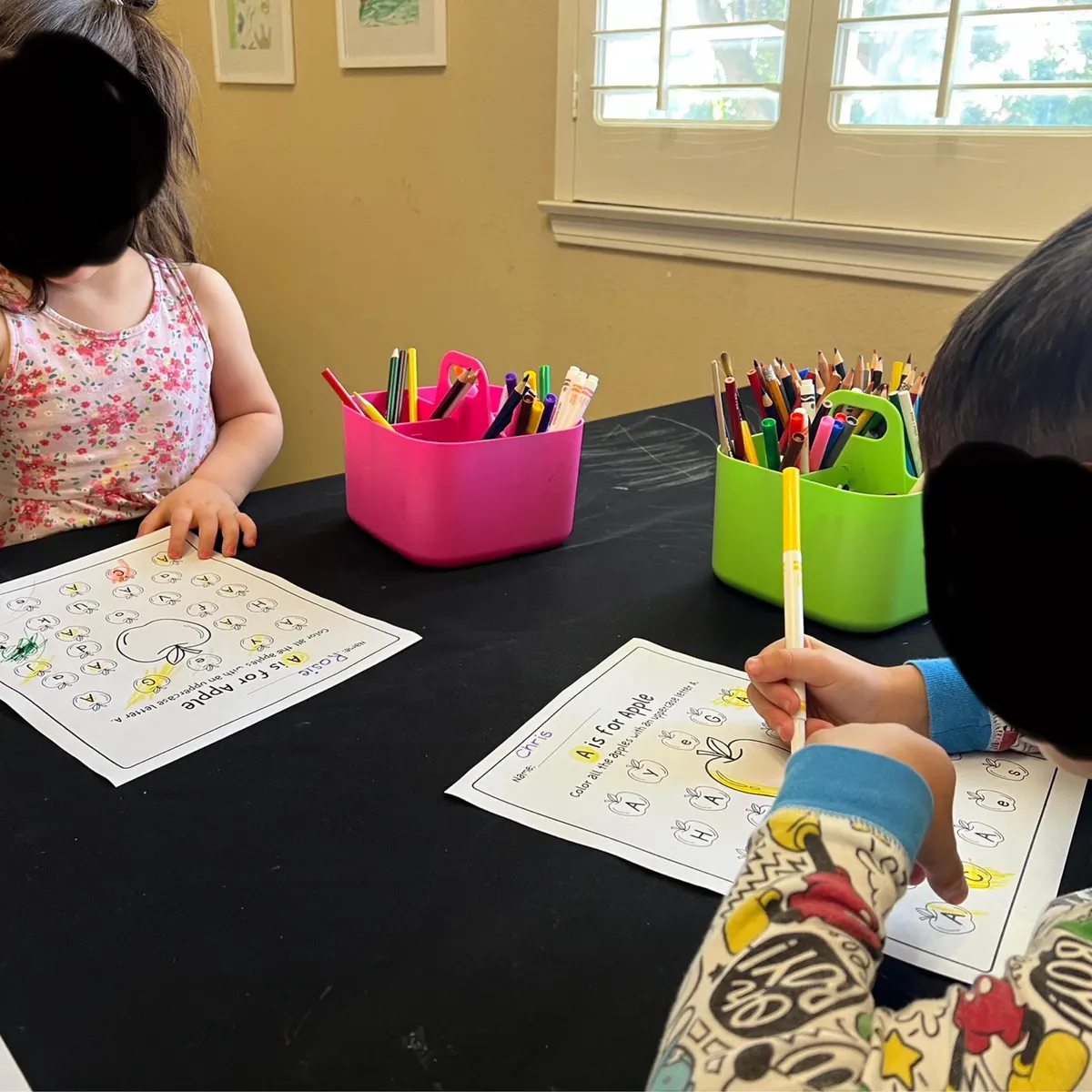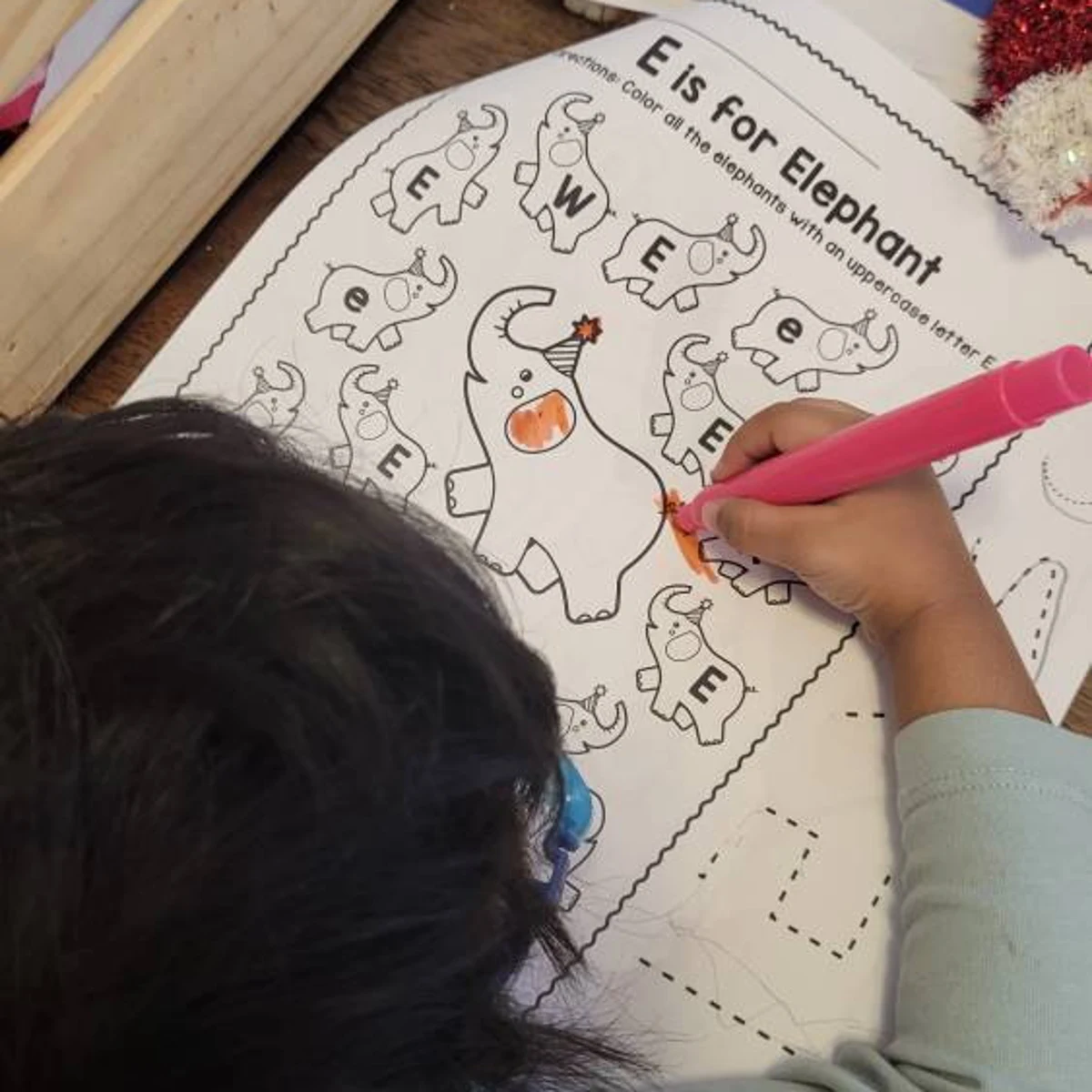
Free A-Z Letter Tracing Worksheets, A-Z Letter Tracing Sheets, and A-Z Letter Tracing Worksheets PDF designed for preschool and kindergarten learners. These fun printable tracing activities help children improve handwriting, alphabet recognition, pencil control, fine motor skills, and writing confidence through engaging uppercase and lowercase tracing practice perfect for classroom, homeschool, and daily learning routines.
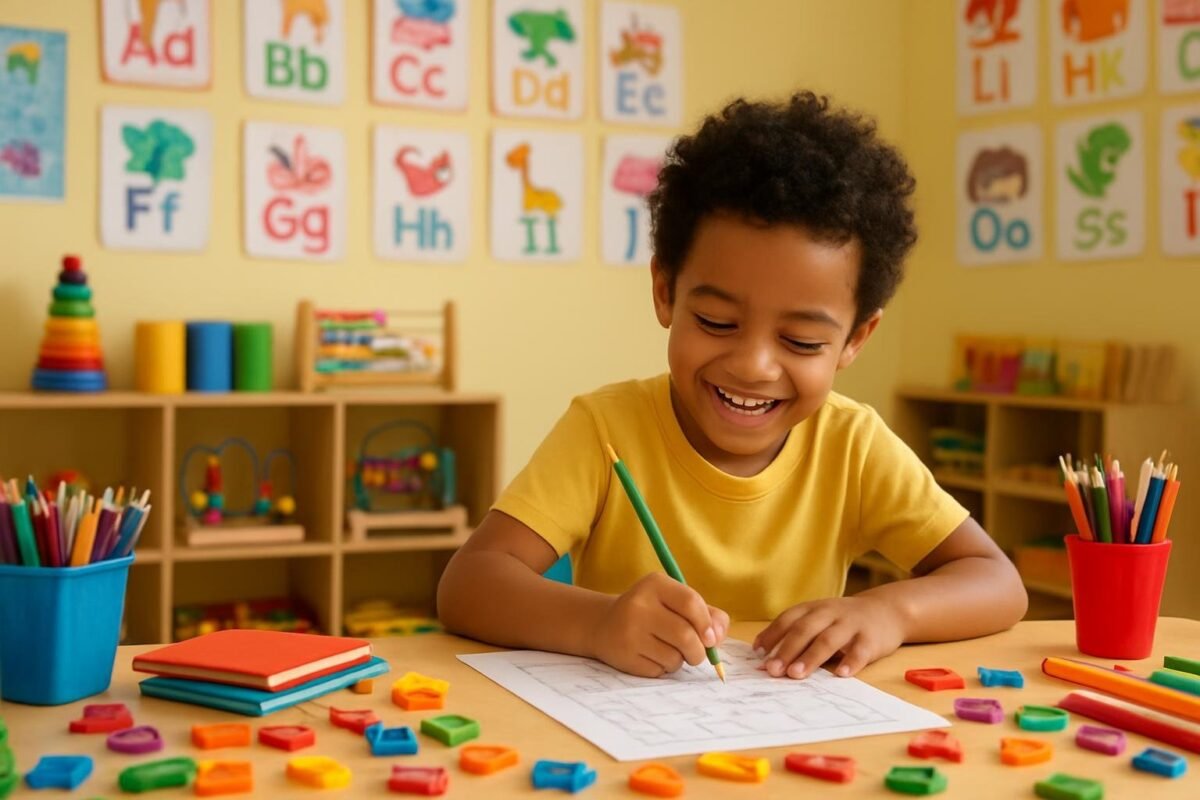
A quiet table, a handful of crayons, and one well-chosen page can turn five spare minutes into meaningful practice. If you are wondering where to find free worksheets for a preschooler or kindergartener, the best answer is not simply “anywhere online.” The right printable should match your child’s current skills, feel inviting to complete, and be easy for you to use without a lot of preparation.
Free worksheets can be wonderful for a quick activity, extra practice after a lesson, a classroom center, or a screen-free rainy-day plan. The key is choosing pages that support real early learning rather than keeping little hands busy without a clear purpose.
Where to Find Free Worksheets That Fit Your Child
Start with educational printable resource sites that create materials specifically for preschool and kindergarten learners. These collections are often organized by skill, making it easier to find alphabet tracing, number recognition, beginning sounds, counting, coloring, or fine motor activities without sorting through materials meant for older children.
A quality worksheet library should make the learning goal clear at first glance. For example, a letter tracing page should give children room to follow the letter shape, while a counting activity should use pictures that are easy to count and numbers that are large enough to recognize. Clear directions matter, especially when a child will work independently or when a teacher needs an activity that can be set out quickly.
You can also find free printable worksheets through teacher-created resources, school and library activity collections, and early learning brands that offer sample pages or free downloads. These are helpful places to look when you need a specific activity for a theme, season, or skill your child is practicing right now.
Fun Clever Fox offers free printable activities alongside its larger collection of downloadable learning resources, giving families and educators an easy way to try playful, skill-focused practice at home or in the classroom.
Choose Worksheets by Skill, Not Just by Theme
A dinosaur worksheet may catch a child’s eye, but the skill behind the activity is what makes it useful. Before printing, ask yourself what your learner will practice on the page. A simple, focused worksheet is often more effective than one crowded with several tasks.
Early literacy practice
For preschool and kindergarten, literacy worksheets work best when they build one small step at a time. Alphabet tracing supports pencil control and letter formation. Letter recognition helps children notice the difference between uppercase and lowercase letters. Beginning sound activities encourage them to connect a sound with a letter, which is an important part of reading readiness.
Look for pages with friendly illustrations, uncluttered layouts, and enough space for young children to write or point. A worksheet that asks a beginning learner to trace, identify, and write every letter of the alphabet at once may feel overwhelming. A page focused on one or two letters can bring more success and less frustration.
Early math practice
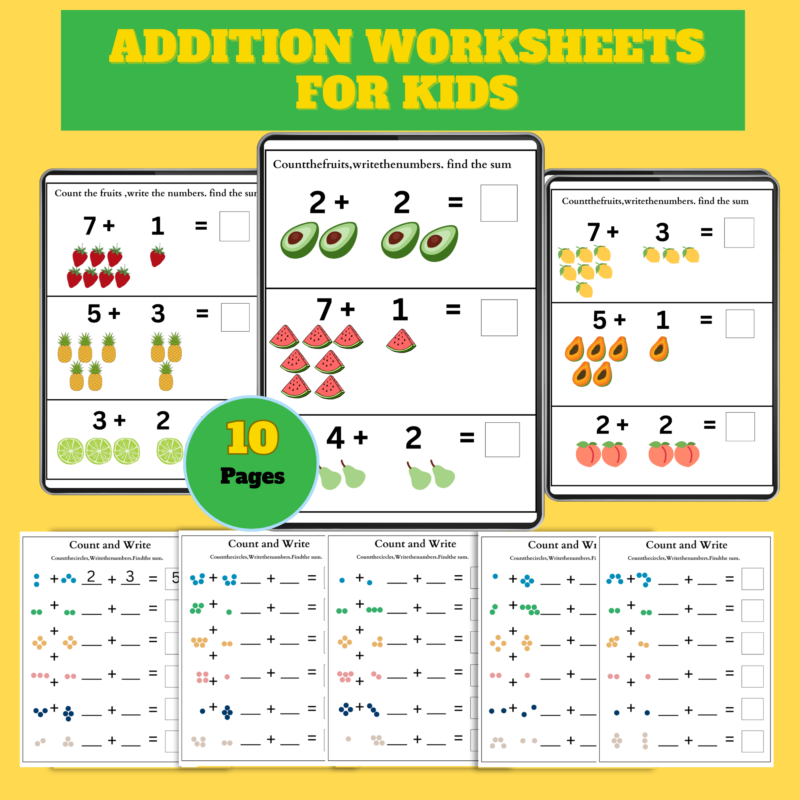
Free math worksheets are especially useful for repeated practice. Young children often need many chances to count objects, recognize numerals, compare groups, and understand simple addition or subtraction stories.
For a child just learning numbers, choose activities that pair a numeral with a matching number of objects. Once that feels comfortable, add counting practice, number tracing, and simple “how many?” questions. Kindergarten learners who are ready for more can use picture-based addition and subtraction pages. The pictures help children see that math represents real quantities, not just marks on a page.
Fine motor and handwriting practice
Not every worksheet needs letters or numbers. Mazes, cutting lines, coloring pages, dot activities, and simple matching tasks help develop the hand strength and control children need for writing. These activities can be a smart choice for a child who avoids pencil work or becomes tired quickly during tracing practice.
Use child-safe scissors when cutting is involved, and stay nearby for younger learners. The goal is steady practice, not perfectly cut lines or perfectly colored pictures.
What Makes a Free Worksheet Worth Printing?
A free printable is only a good value if it gets used. Before you press print, take a moment to check whether the page is truly right for your child, class, or homeschool routine.
First, make sure the skill level is age-appropriate. A three-year-old may enjoy tracing a straight line, matching identical pictures, or counting up to five. A kindergartener may be ready to write letters, identify beginning sounds, count to 20, or solve picture-based math problems. Ages are useful guidelines, but your child’s current confidence matters more than the number on their birthday cake.
Next, look at the design. Young learners benefit from large print, clear visual cues, and plenty of white space. Tiny pictures, long written instructions, and crowded rows can make an otherwise good activity harder than it needs to be. Playful artwork can encourage participation, but it should support the task rather than distract from it.
Finally, consider whether the worksheet has a simple purpose. One page might be ideal for a morning warm-up, a learning center, or a short quiet-time activity. A small set of related pages may be better for a weekly theme or extra practice folder. It depends on how your child learns best and how much time you have available.
Make Free Printables More Engaging at Home
A worksheet becomes more meaningful when it is part of a small learning moment instead of a stack of paper handed over with little direction. Sit together for the first few minutes, name the skill, and demonstrate one example. You might say, “Let’s listen for the first sound in sun,” or “Can you count these apples with me?”
Then let your child take the lead. Praise effort with specific words: “You kept trying that tricky curve,” or “You counted each bear one time.” This kind of feedback helps children see themselves as capable learners. If a page is too difficult, stop and save it for another day. Pushing through frustration rarely builds confidence.
There are easy ways to reuse a favorite printable without constantly printing new copies. Slip it into a dry-erase sleeve, laminate it, or place it in a sheet protector and use dry-erase markers. This works especially well for tracing, number writing, mazes, and matching activities. Teachers can also place reusable pages in centers, while homeschool families can keep them in a learning binder.
Use Worksheets as One Part of Learning
Worksheets are helpful tools, but young children also learn by talking, moving, building, playing, and exploring. After a counting page, count socks while folding laundry or count jumps across the room. After letter practice, look for that letter on a cereal box or in a favorite book. After a coloring activity, invite your child to describe the picture and tell a short story about it.
This connection helps children understand that letters and numbers belong in everyday life. It also keeps practice from feeling like a test. A printable can introduce or reinforce a skill, while hands-on play gives that skill meaning.
For classrooms, worksheets can work well as independent practice after a teacher-led lesson. Keep directions familiar and materials simple so children know what to do. For home learning, one focused page can be enough. Preschoolers do not need long paper sessions to make progress, and stopping while they are still interested can make tomorrow’s practice easier.
Build a Small Printable Routine
Instead of searching for a new activity every morning, keep a short folder of dependable options. Include a few tracing pages, number activities, phonics practice, coloring sheets, and fine motor tasks. Rotate them based on what your child is learning and what they enjoy.
A simple routine might include one literacy activity on one day and one math or fine motor activity the next. Repetition is not boring when children can feel themselves improving. Seeing a letter become easier to trace or a number become quicker to recognize is a real confidence boost.
The best free worksheets are the ones that meet your young learner where they are, invite them to try, and leave them proud of what they can do. Print one that fits today’s skill, keep the crayons nearby, and let a small moment of practice grow into something bigger.